Skip to content

Rose Campion

Lychnis Coronaria

Design with this plant

Overview

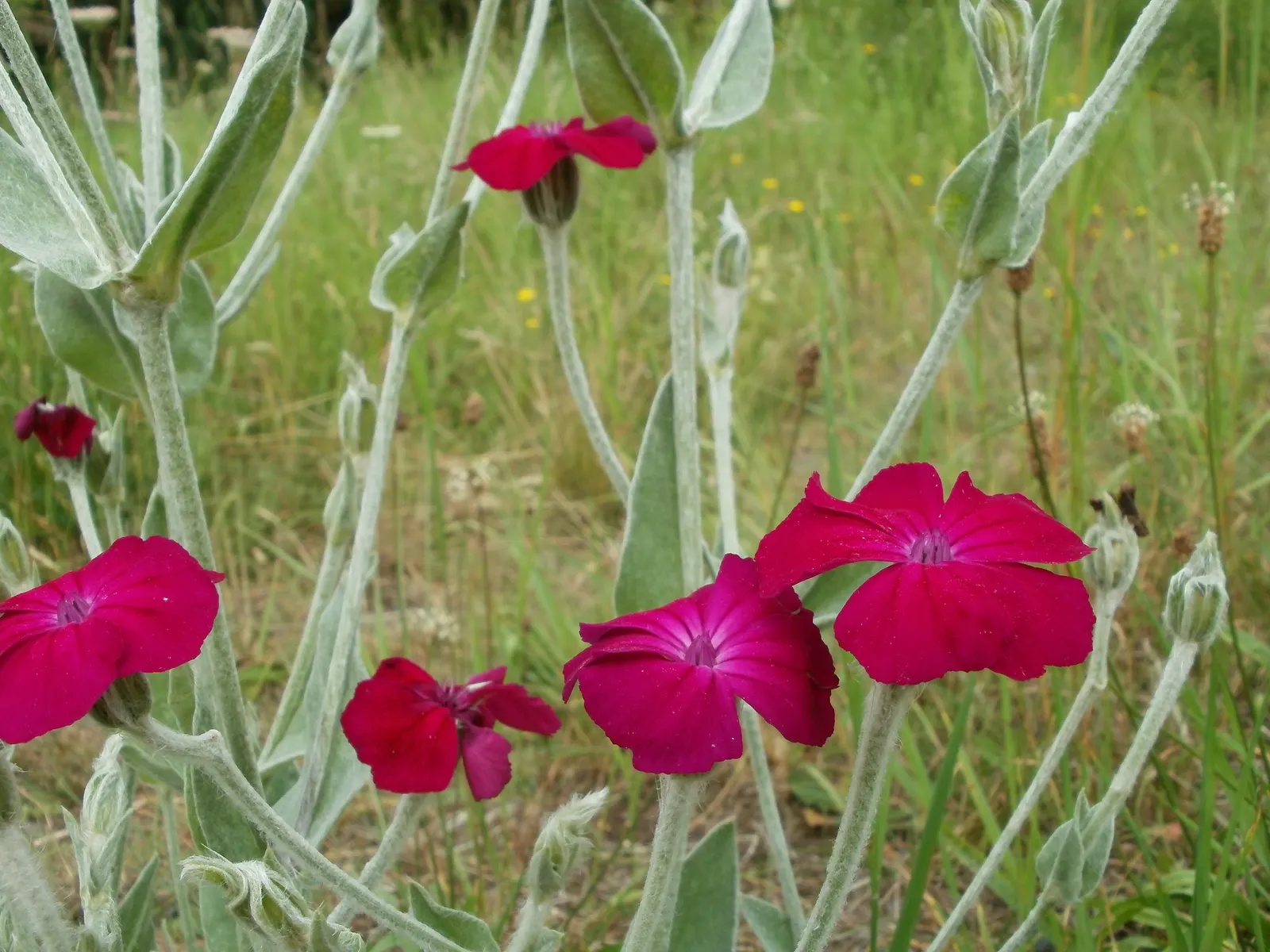
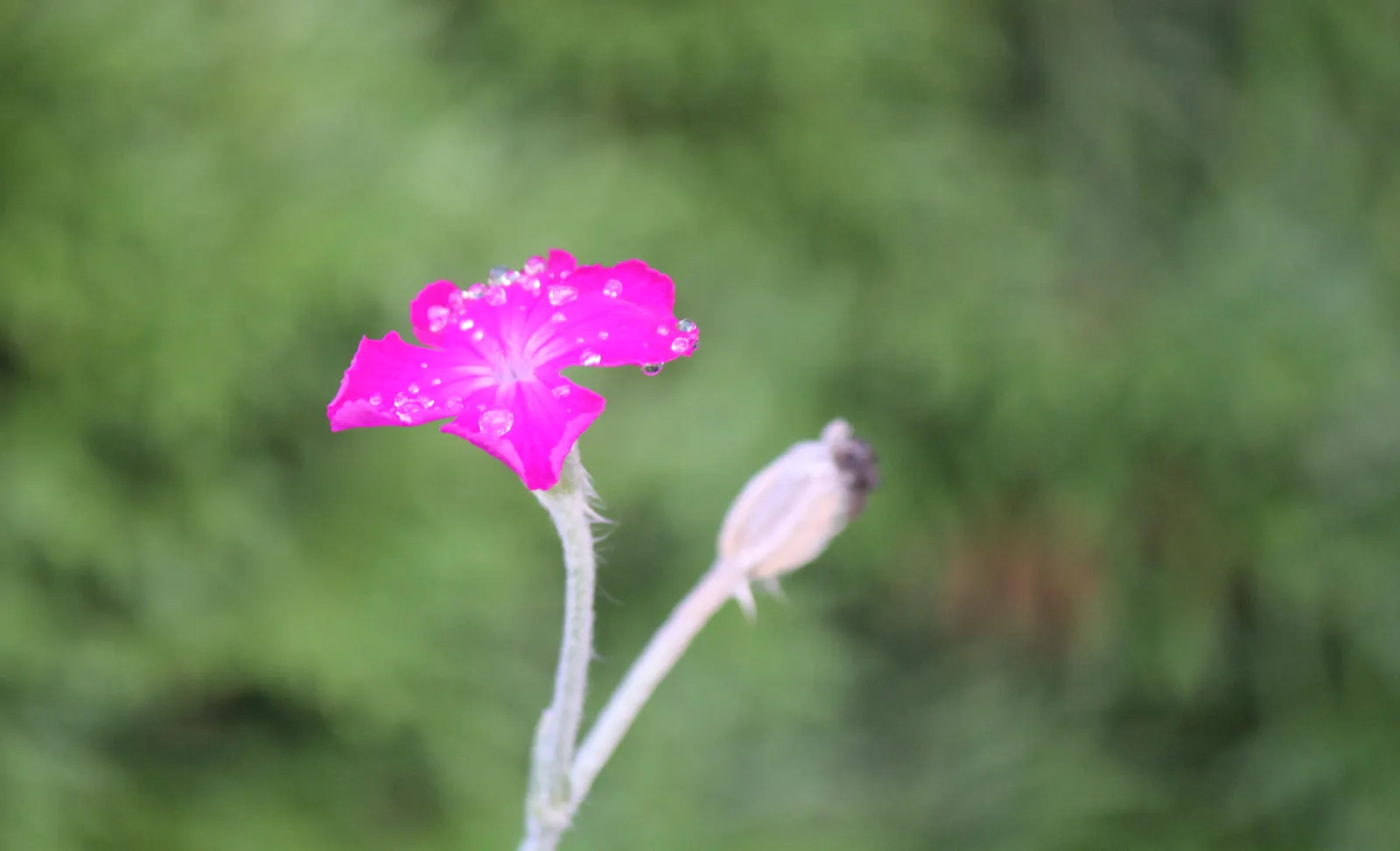
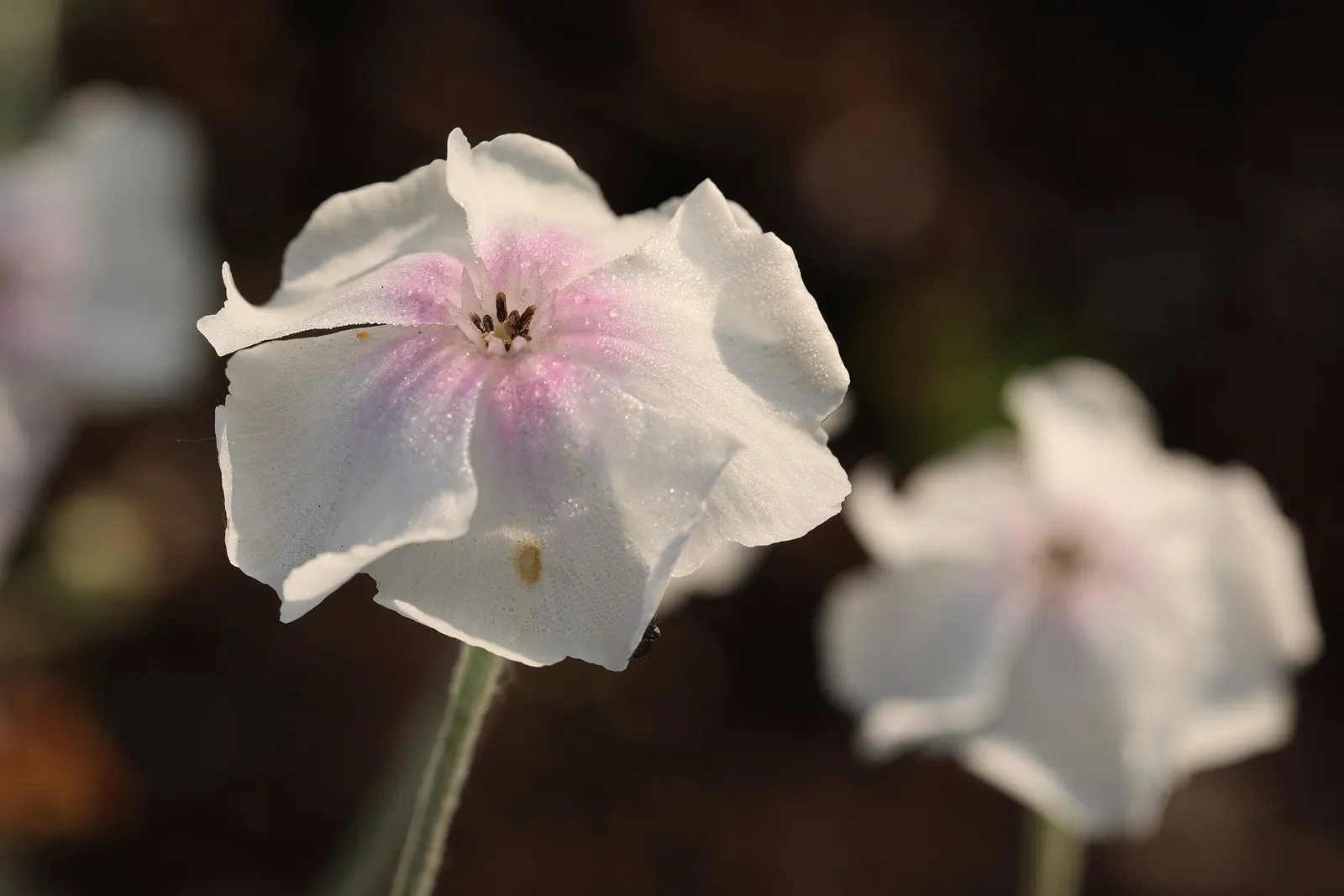
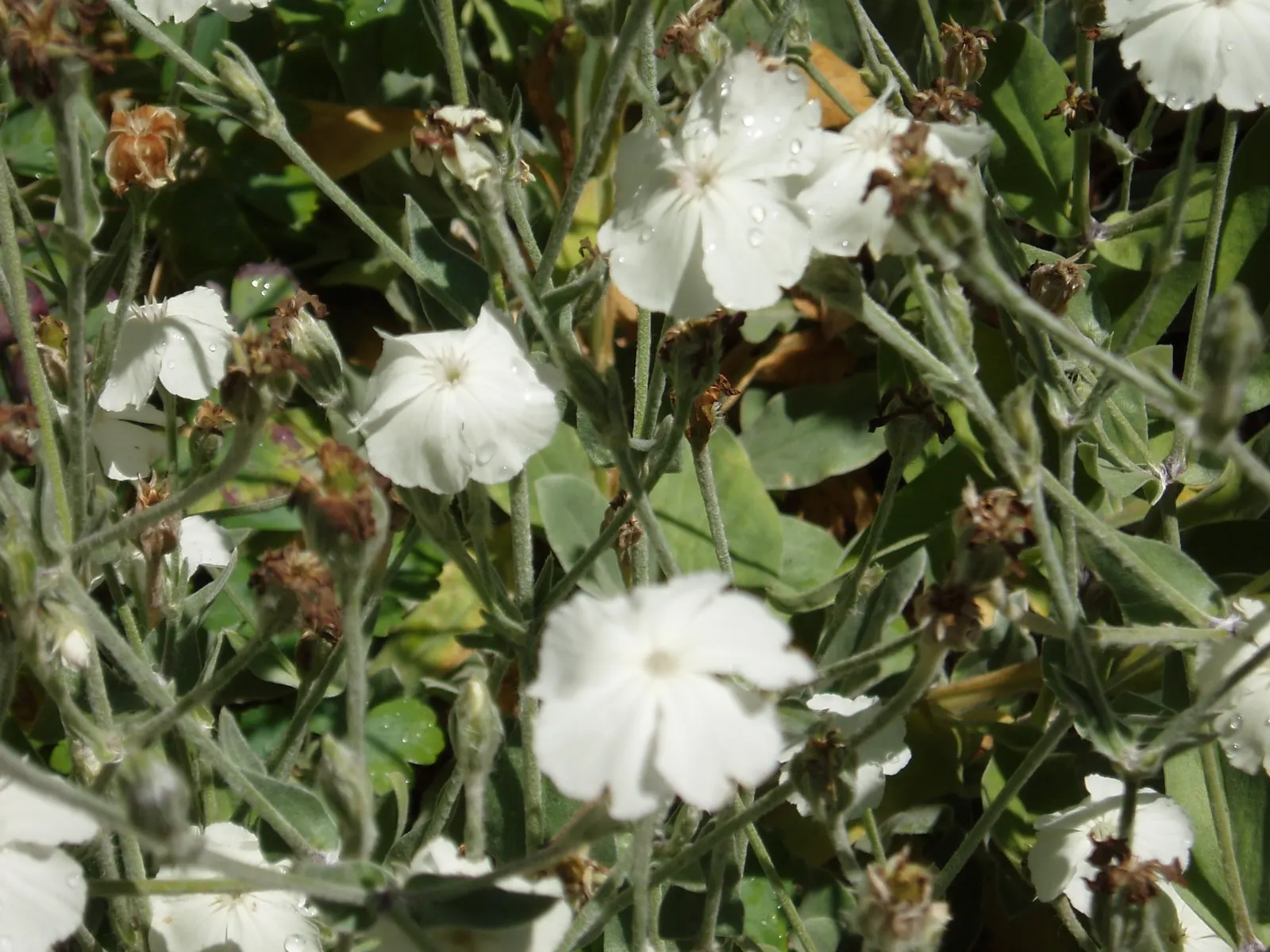
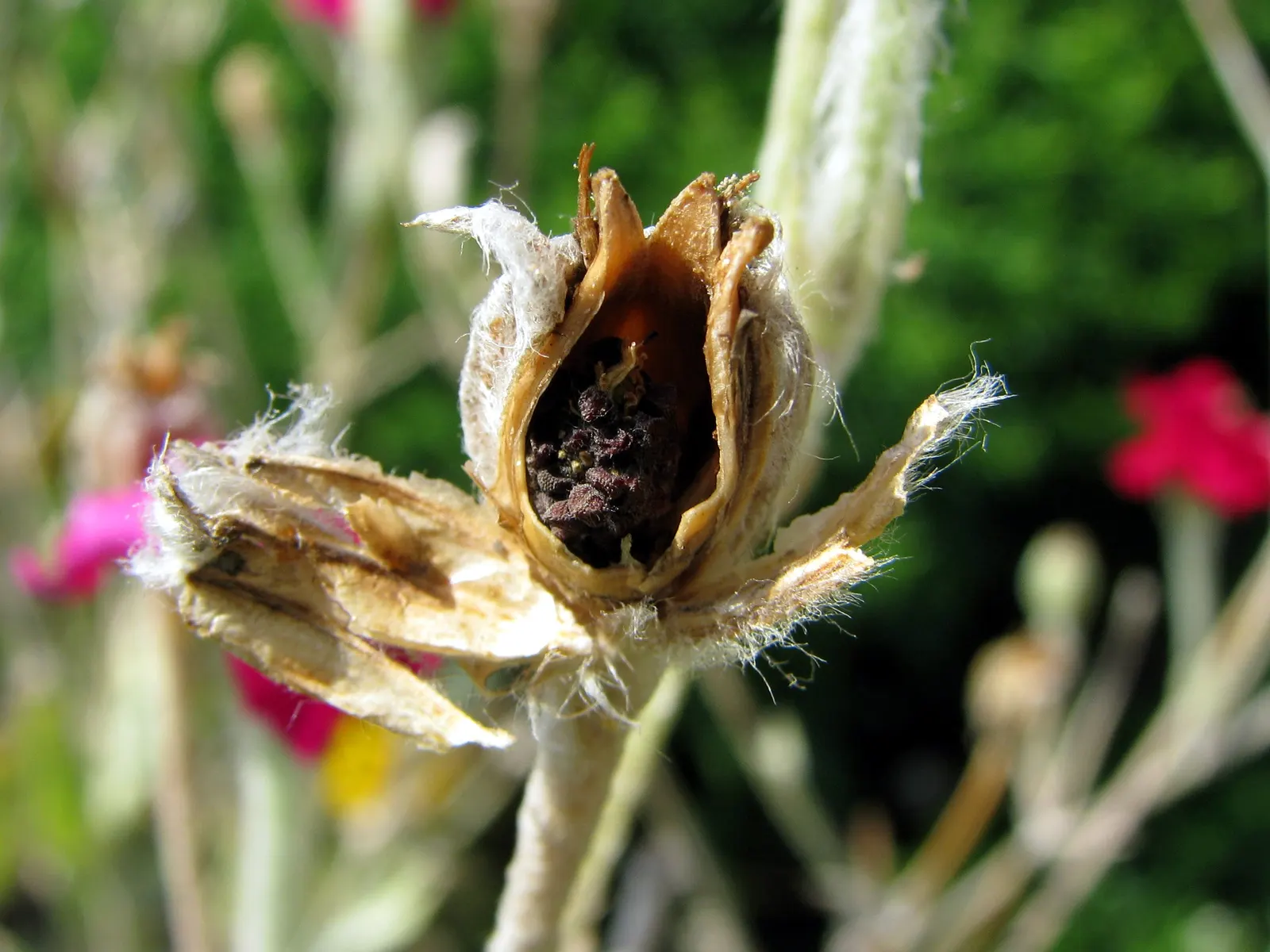
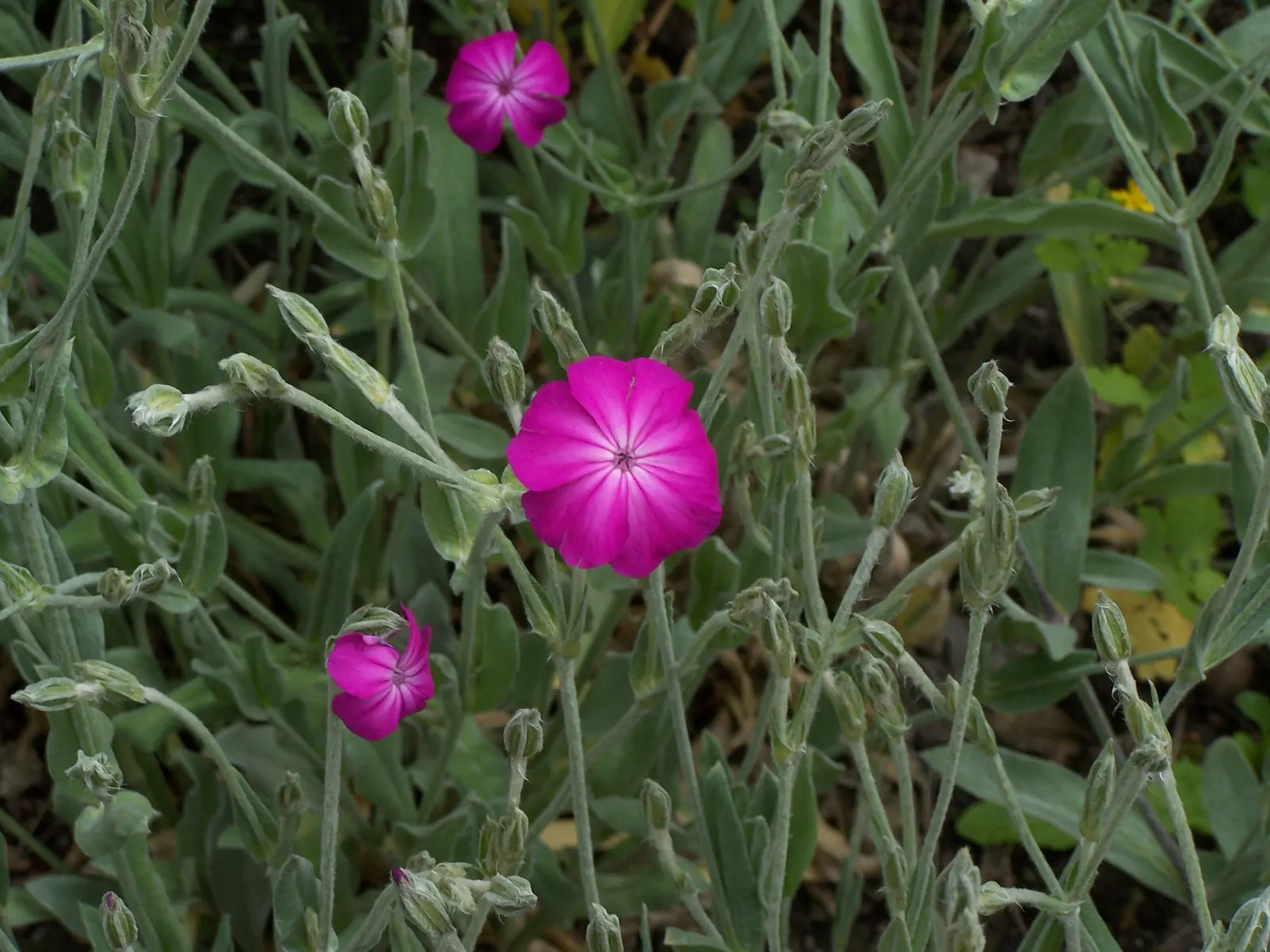
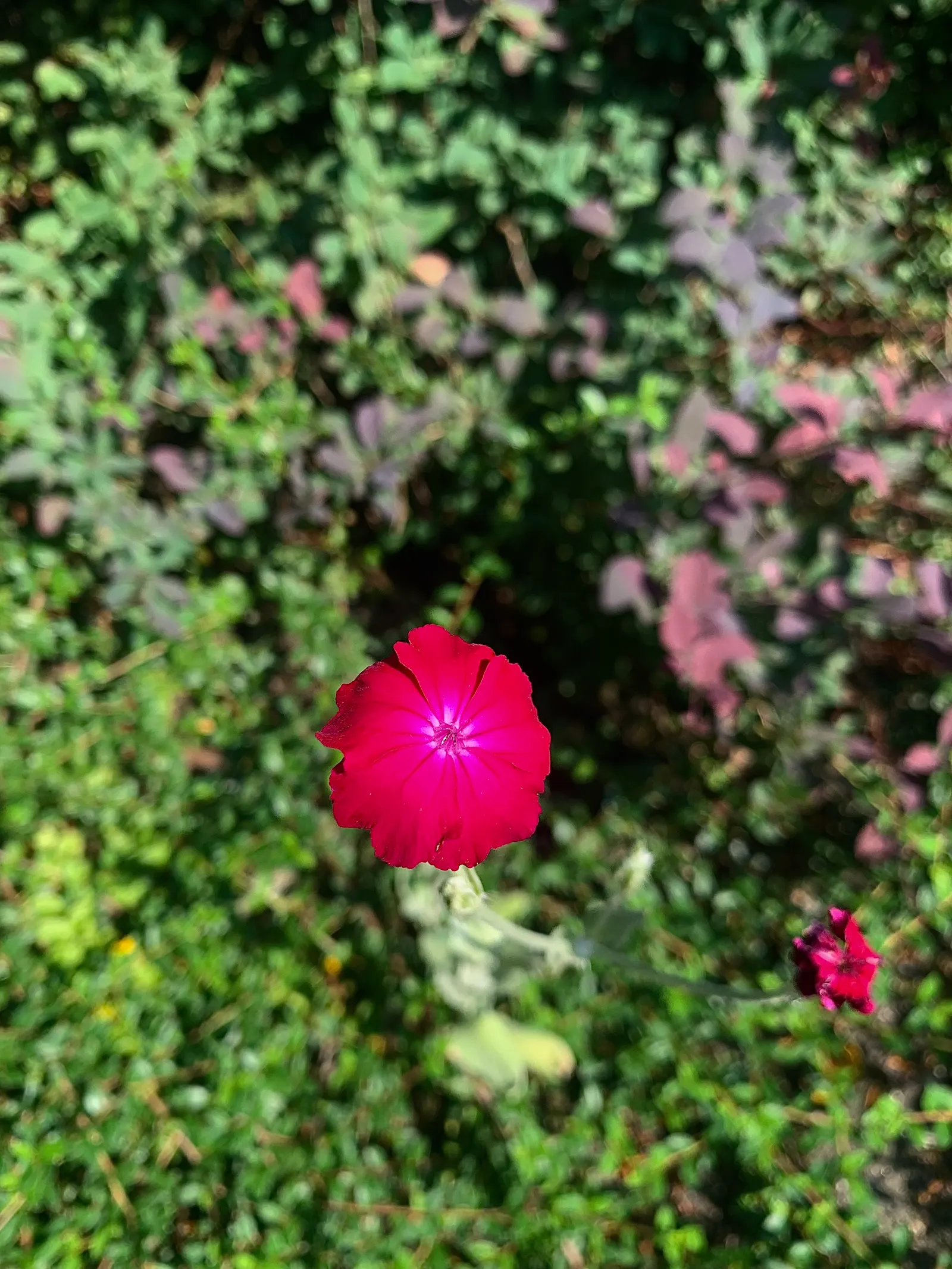
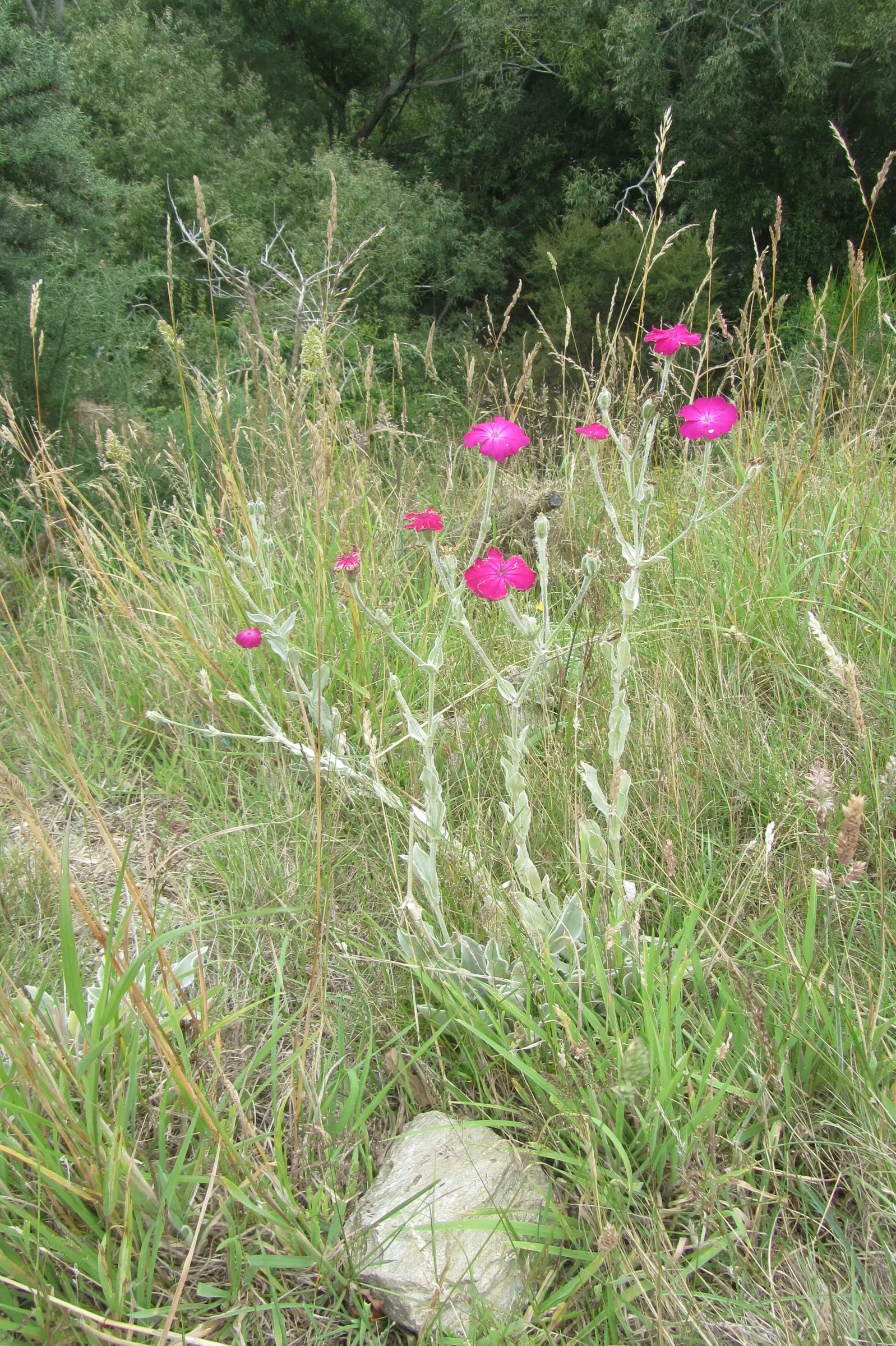
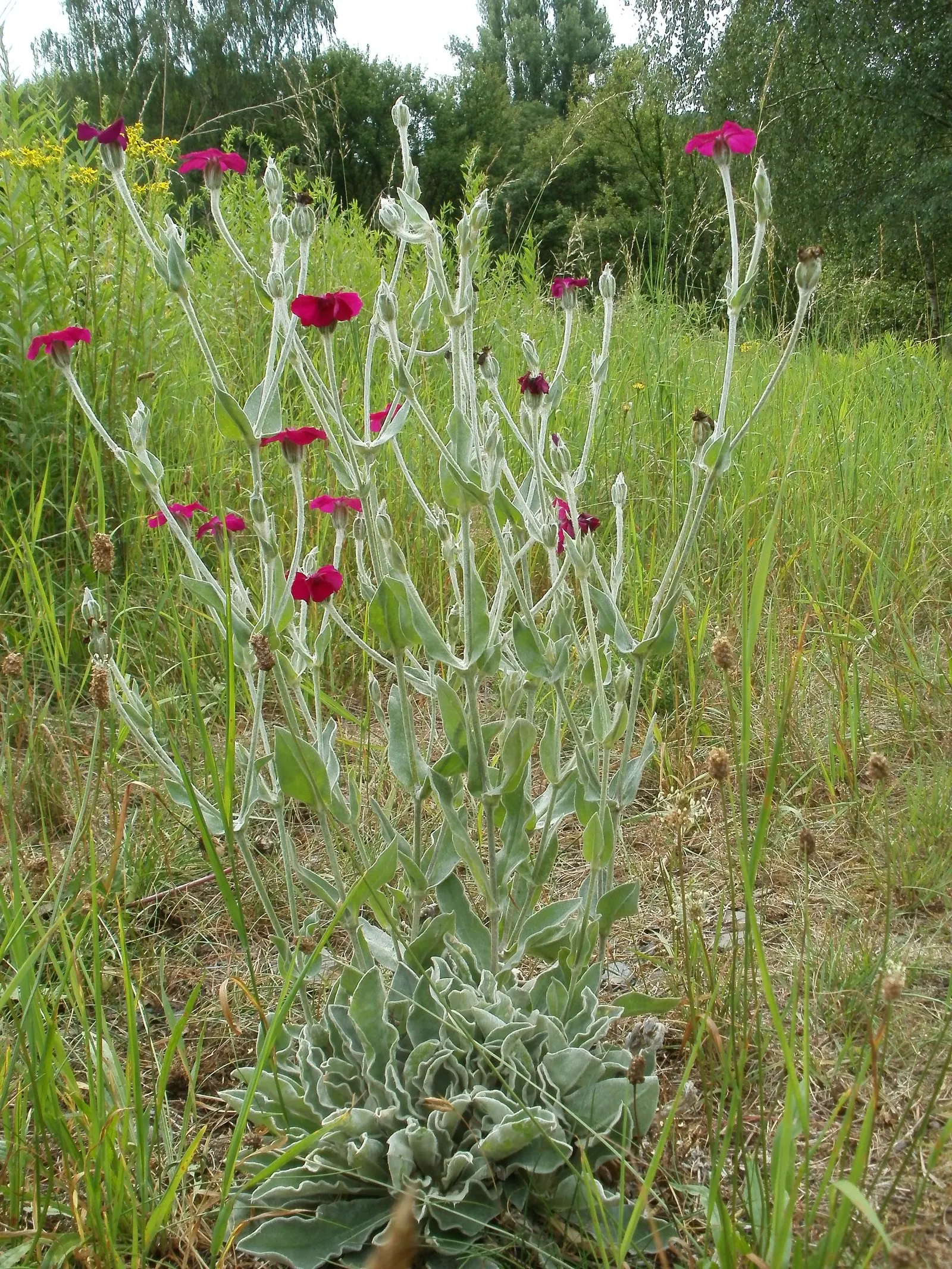
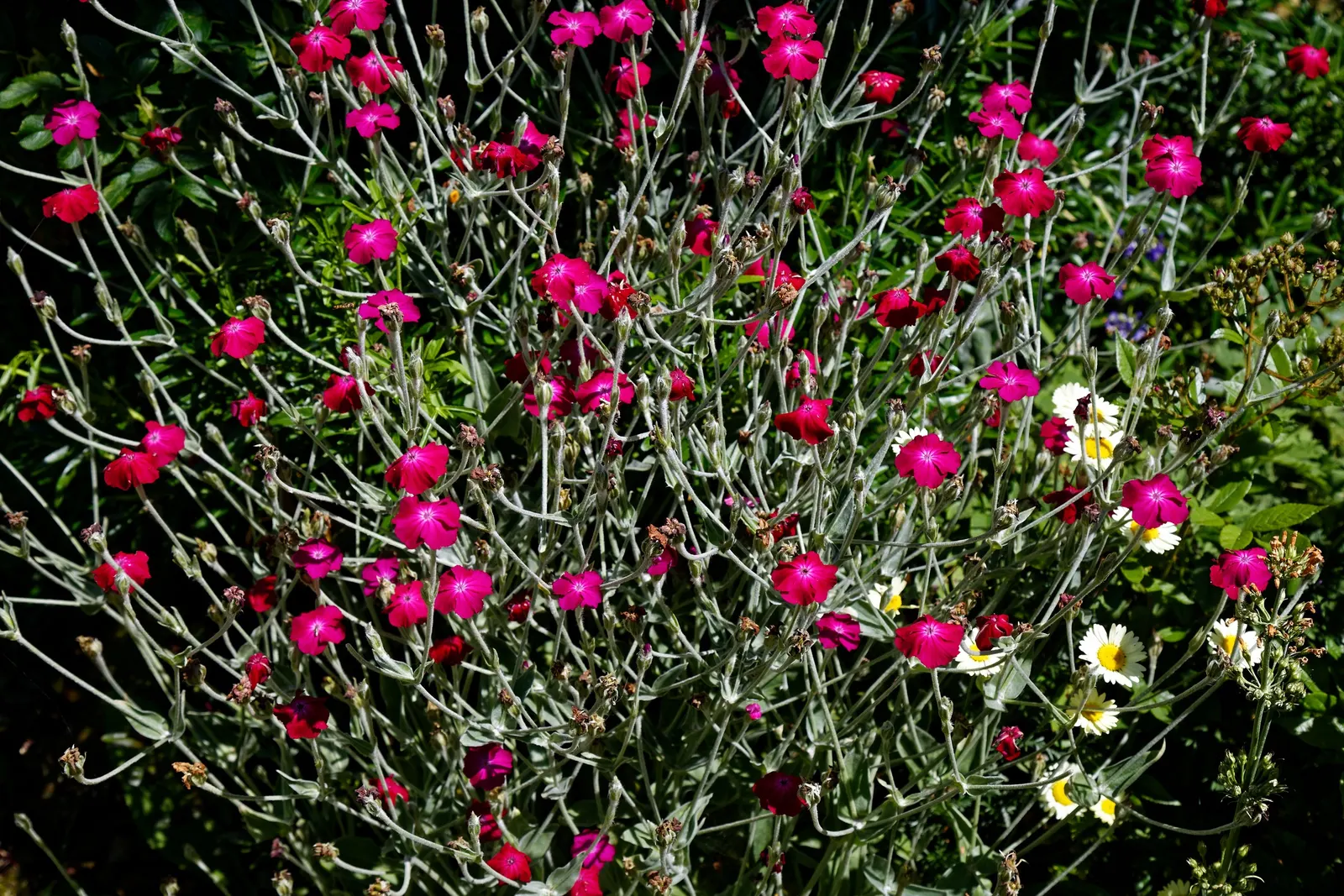
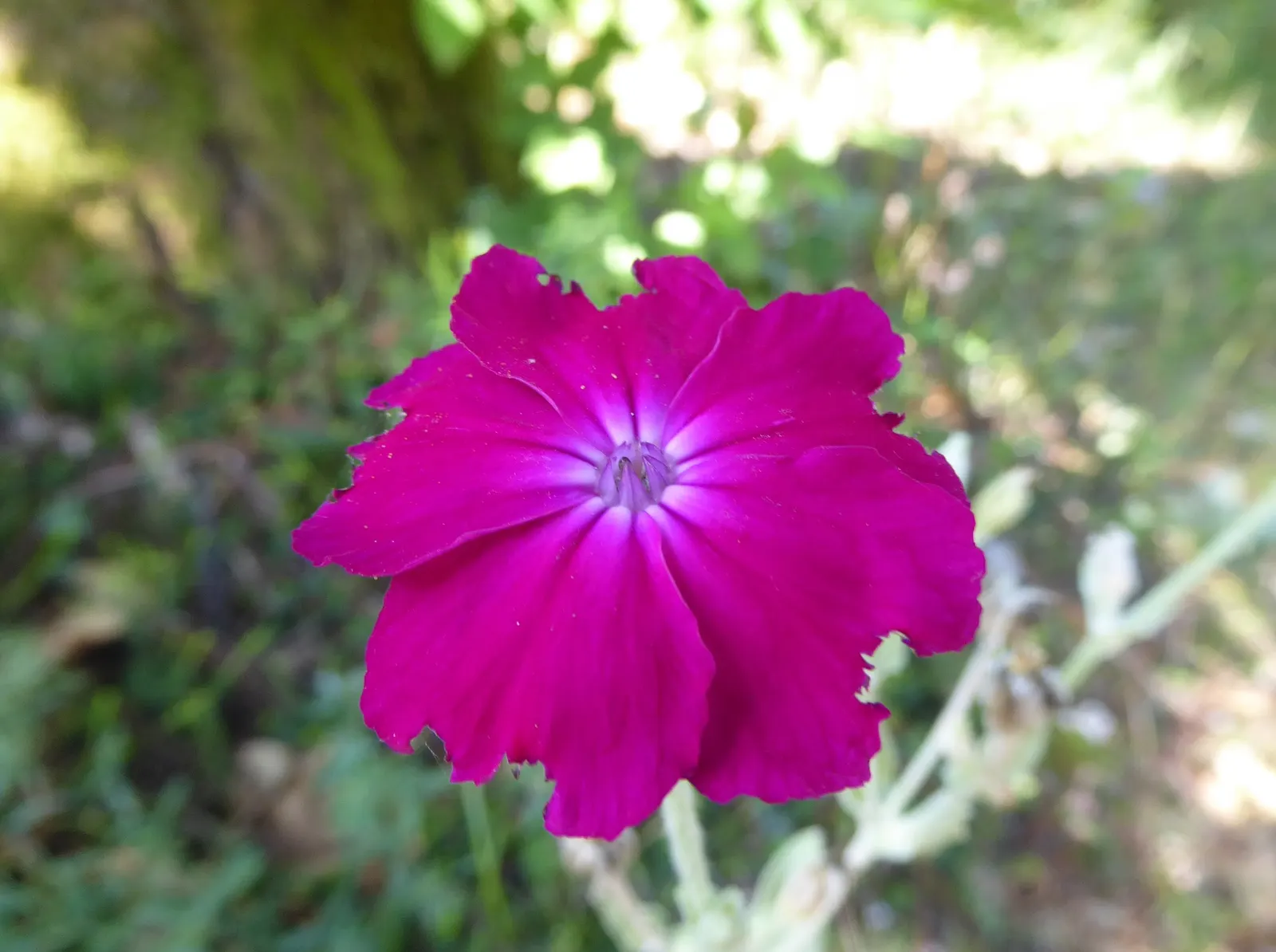
Rose Campion (Lychnis coronaria) is a striking perennial with silvery-grey foliage and vibrant magenta blooms. It typically reaches 2-3 feet in height and spreads about 1-1.5 feet. Known for its luminous flowers, blooming from late spring to midsummer, it provides excellent contrast in borders or wildflower gardens. Prefers full sun and well-drained soil. Drought-tolerant once established, making it a low-maintenance choice for impactful color. Zone 4-8.

Sun Full, HalfWater MediumZones 4–10Type PerennialClimate Temperate
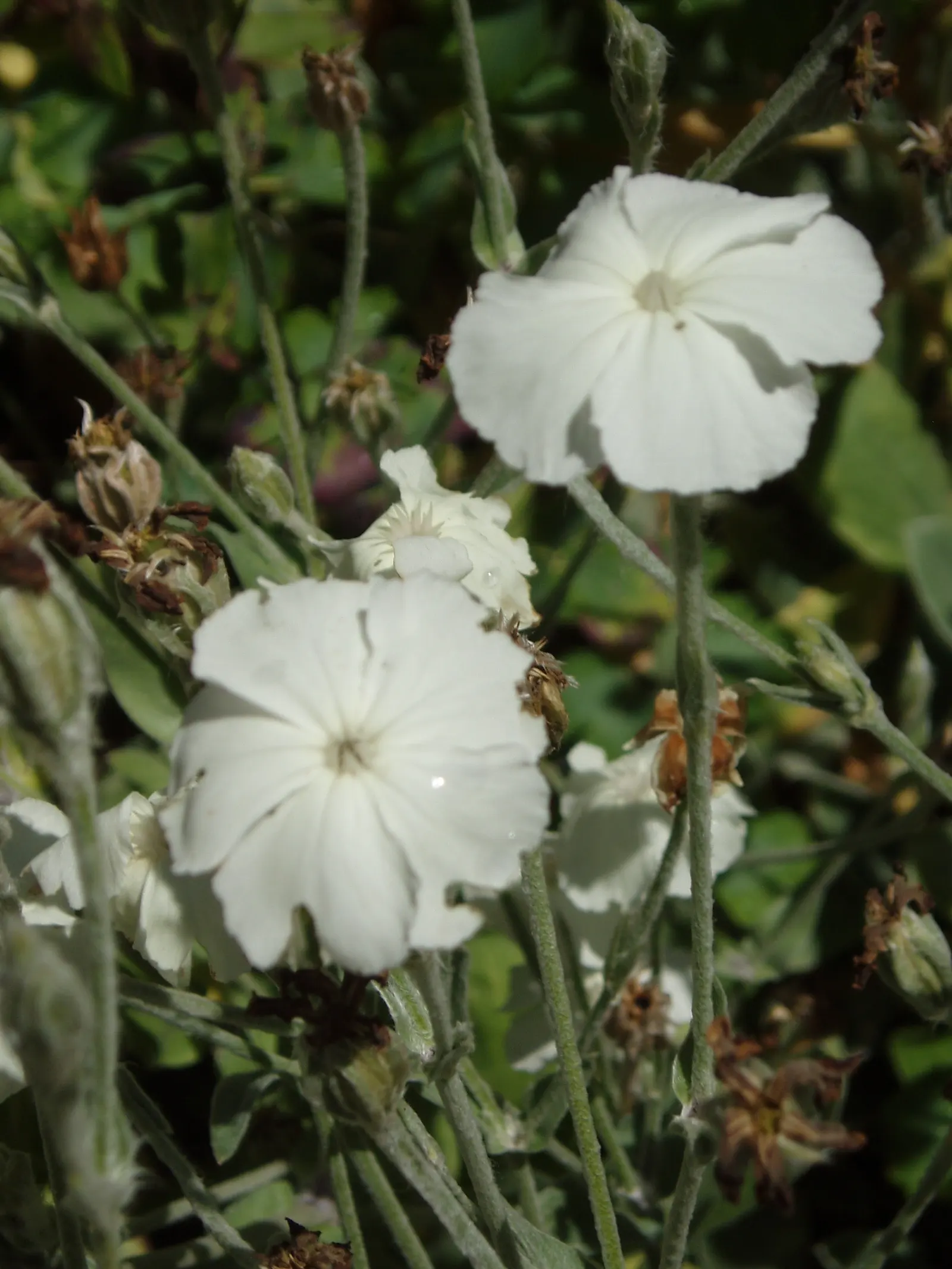
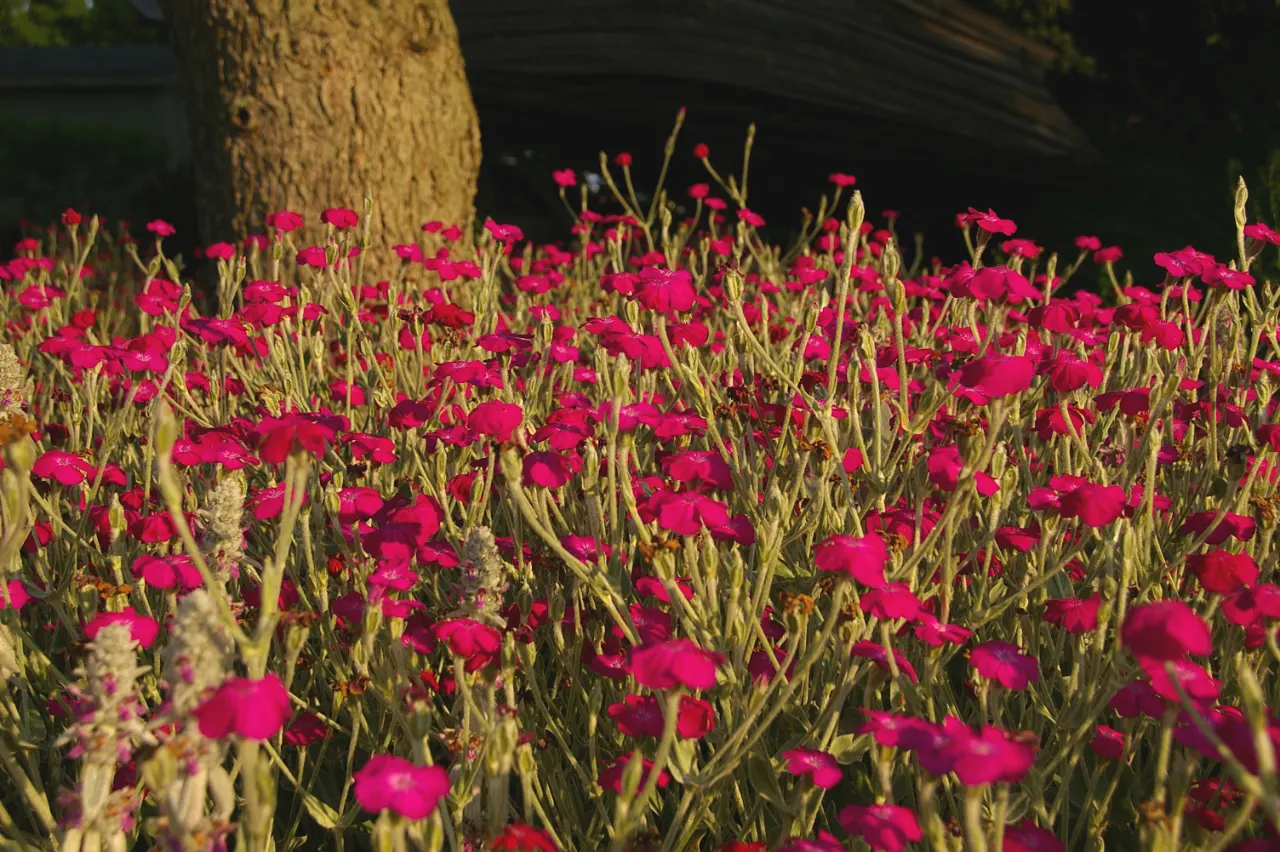
Rose Campion (Lychnis Coronaria) — perennial with red blooms; such as Echinacea or Salvia, image 154

Culture

Sun
Full, Half
Water
Medium
USDA zones
4–10

Shape & size

Classification

Type
Perennial
Family
Caryophyllaceae
Climate
Temperate

See full data, regional cultivation notes, and design tools. Build a client presentation around this plant.

Start your 14-day trial

Photos (192)

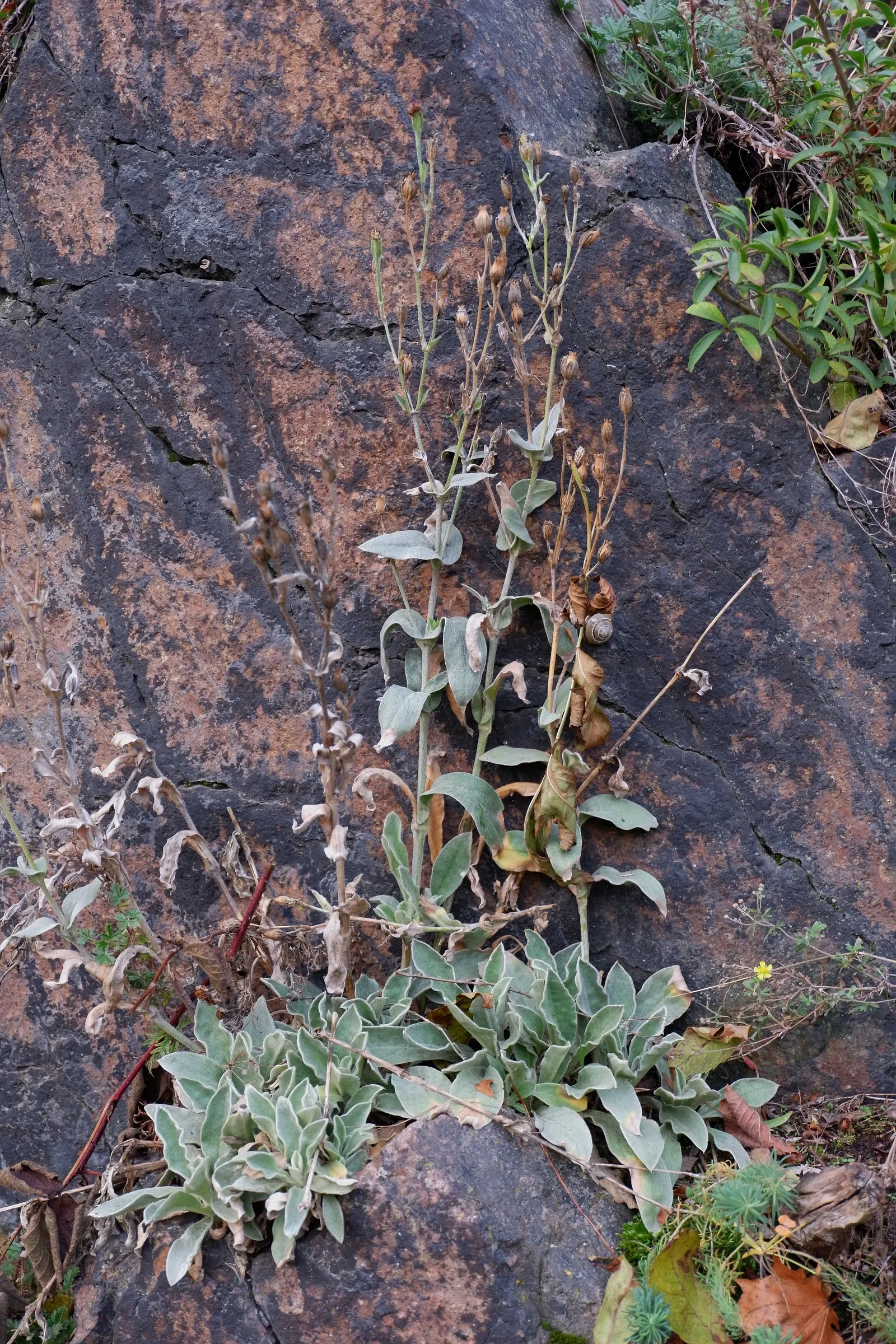
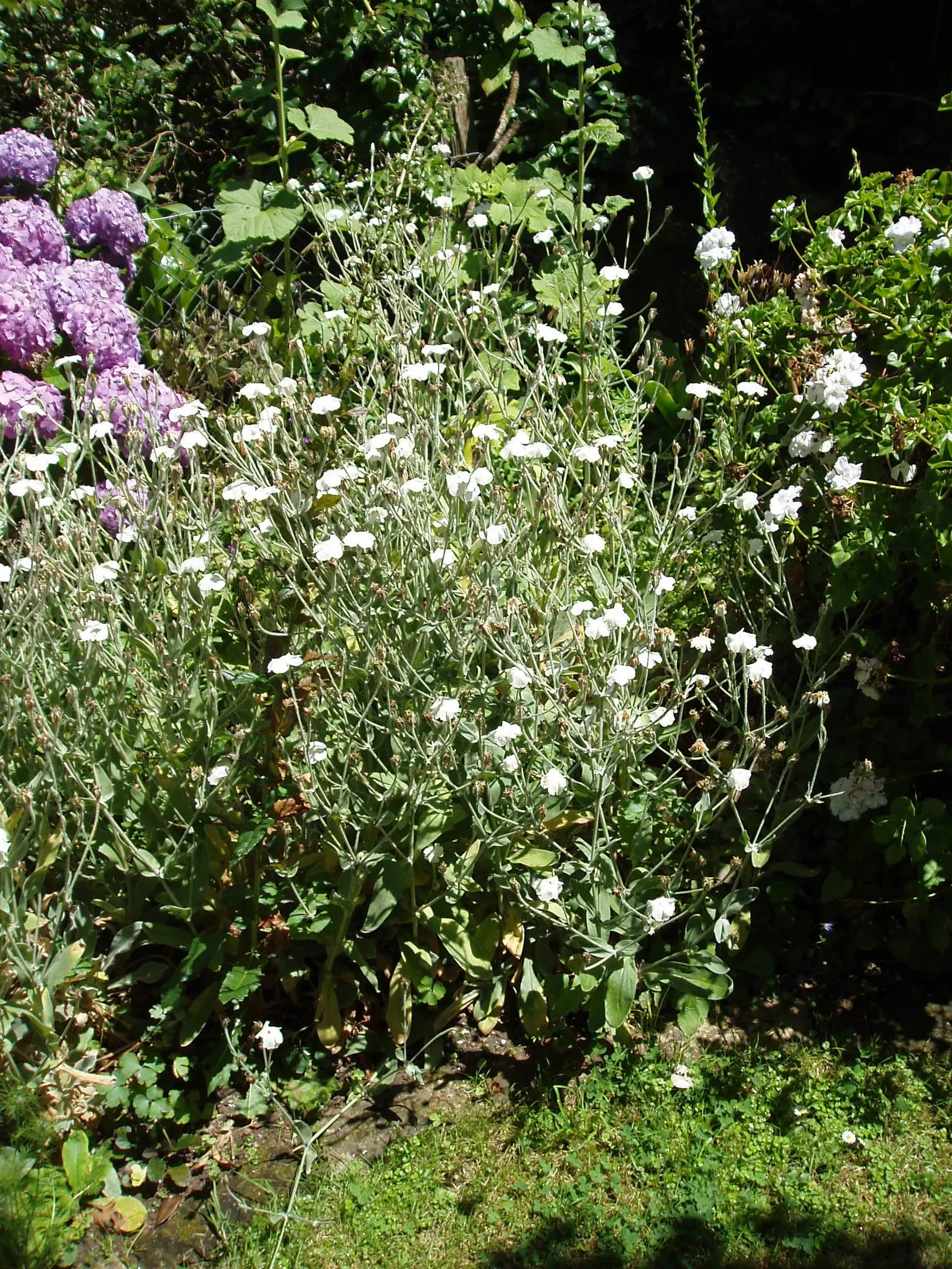
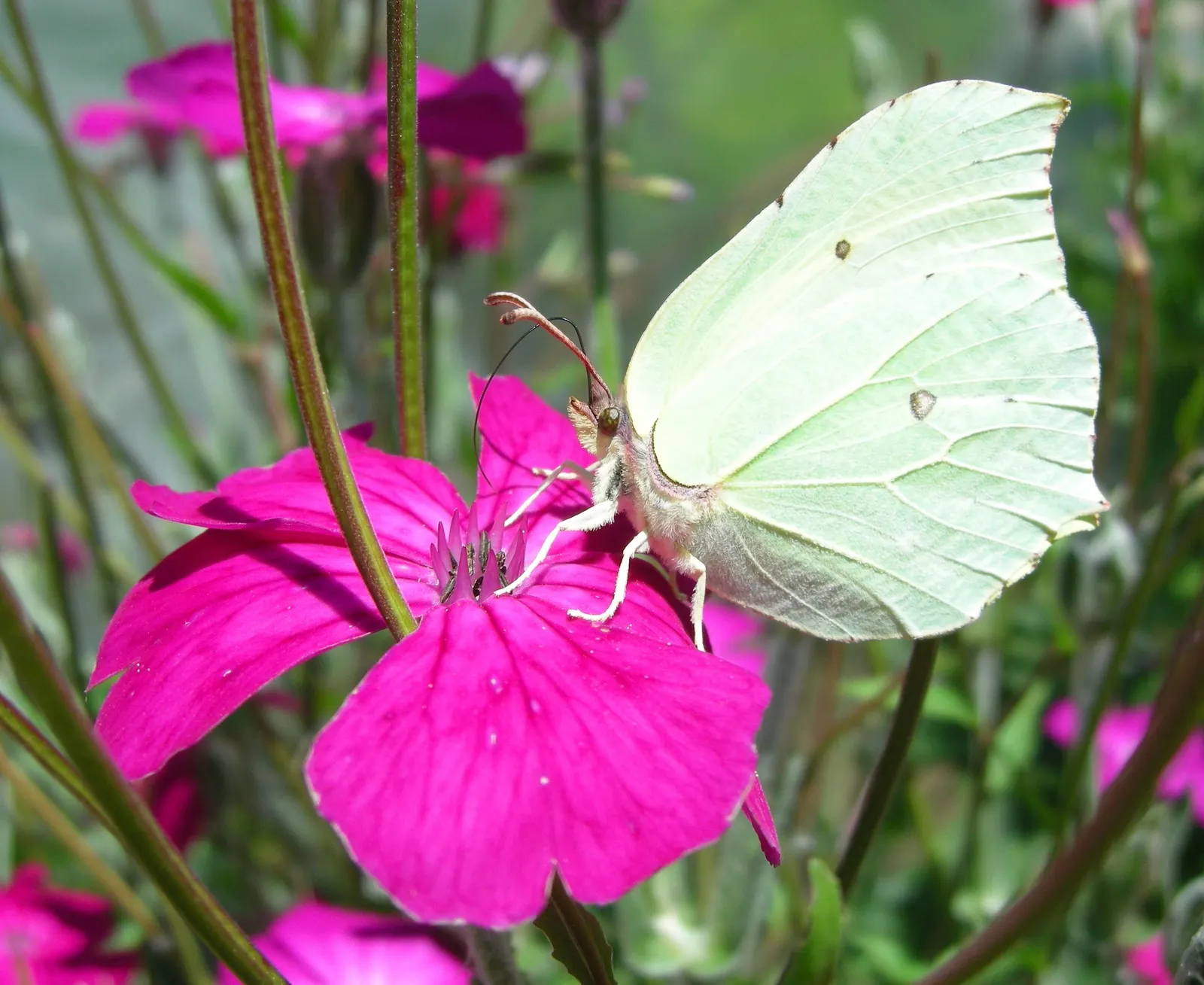
Rose Campion (Lychnis Coronaria) — ensuring a perennial show of color; perennial with red blooms, image 80
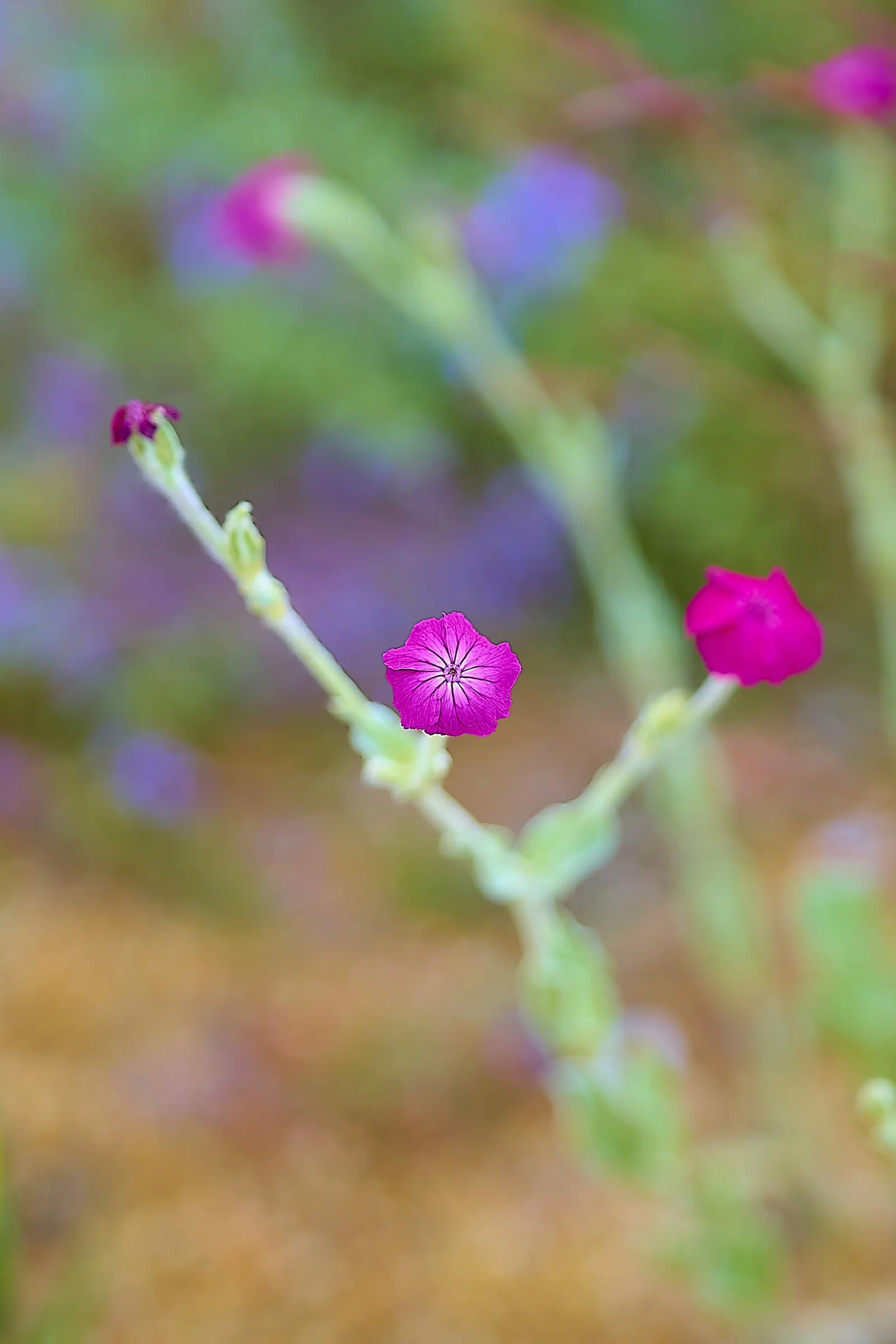
Rose Campion (Lychnis Coronaria) — Known for its luminous flowers; ensuring a perennial show of color, image 65
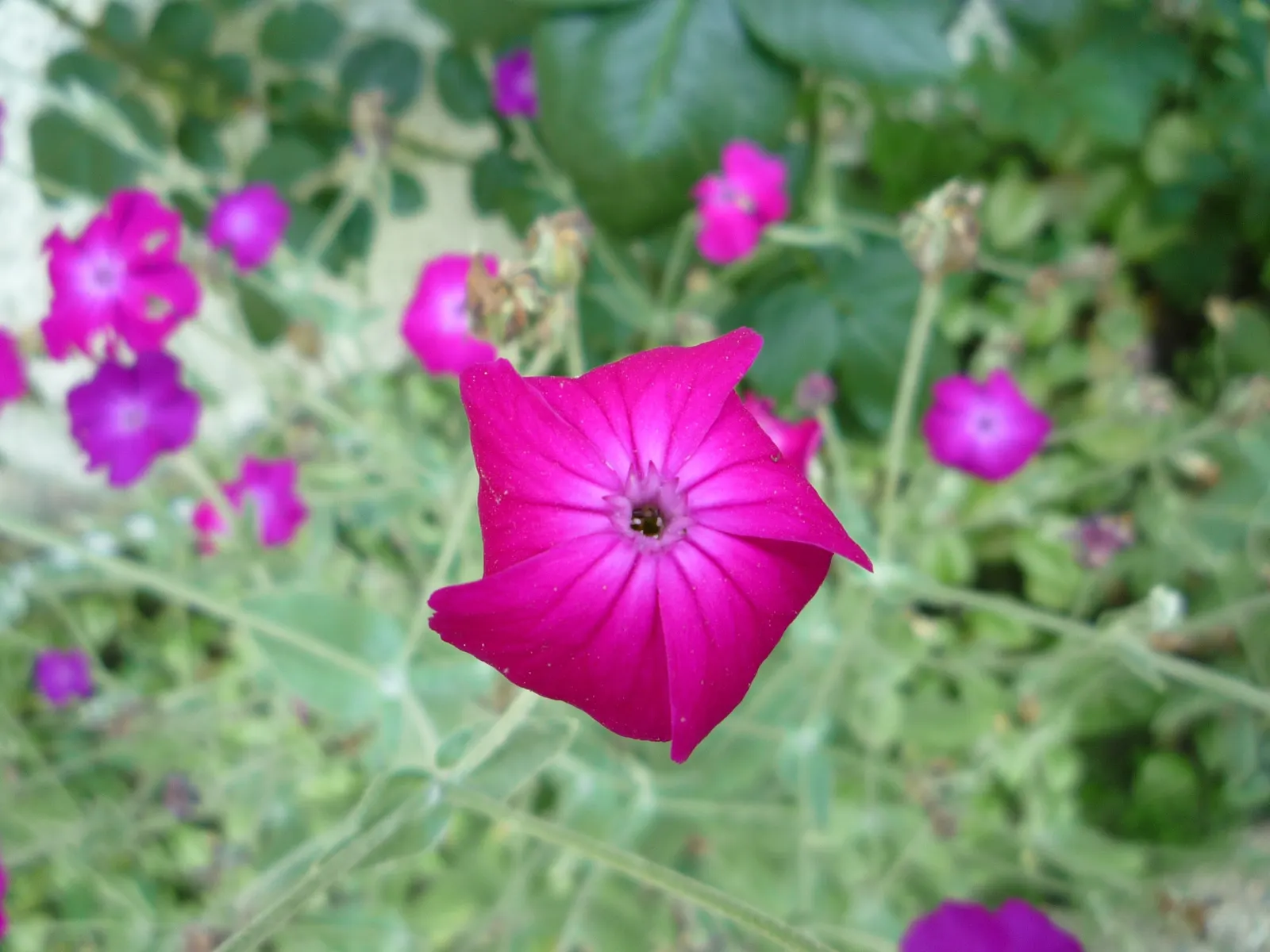
Rose Campion (Lychnis Coronaria) — perennial for full or half; making it a true standout in any garden composition, image 155
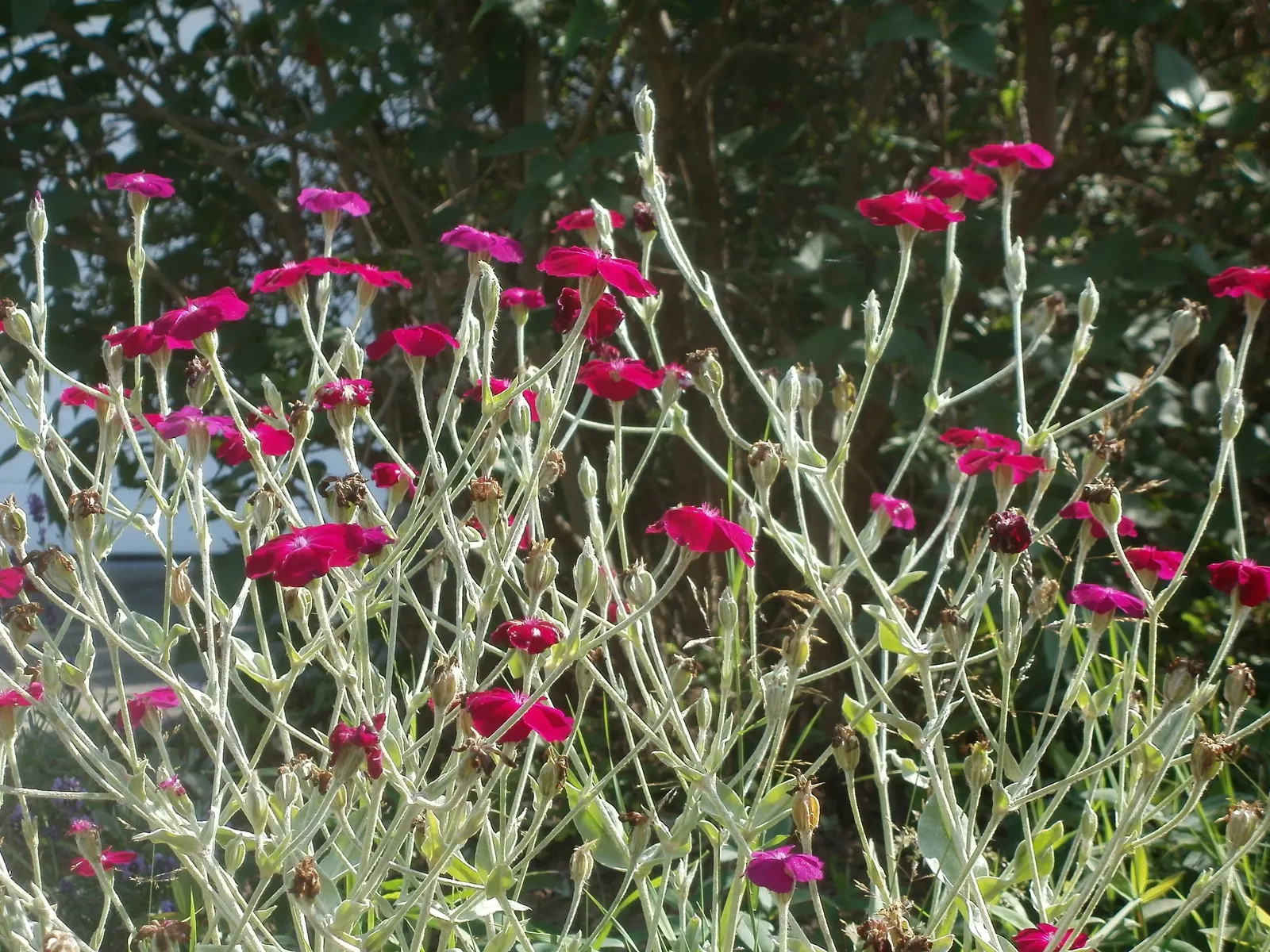
Rose Campion (Lychnis Coronaria) — It typically reaches 2-3 feet in height and spreads about 1-1.5 feet; the flowers are perched atop erect stems that can
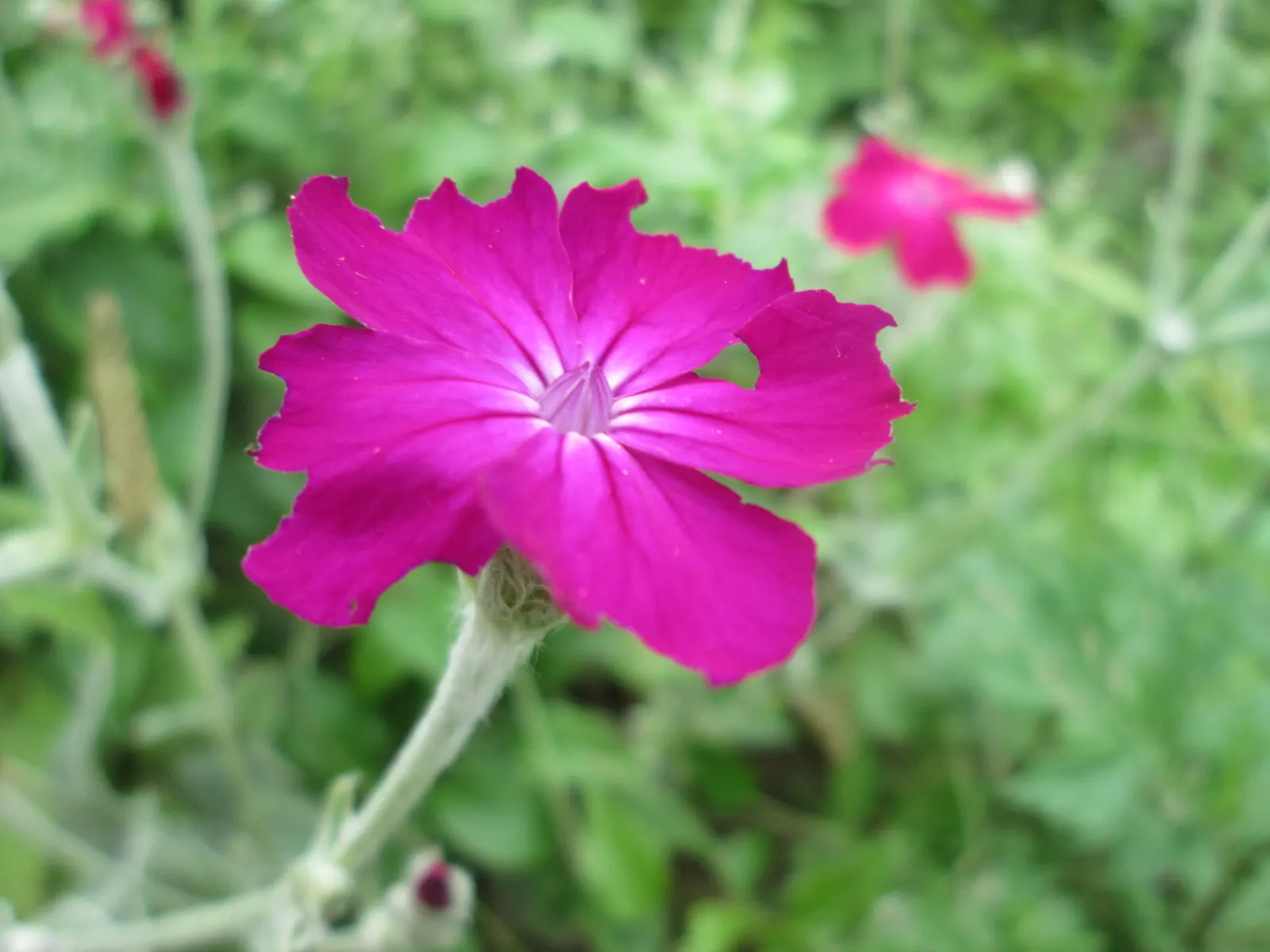
Rose Campion (Lychnis Coronaria) — Rose Campion (Lychnis coronaria) is a striking perennial with silvery-grey foliage and vibrant magenta blooms, image 94
Rose Campion (Lychnis Coronaria) — When designing landscapes; prefers full sun and well-drained soil, image 112
Rose Campion (Lychnis Coronaria) — Rose Campion performs best when planted in full sun to partial shade; it typically reaches 2-3 feet in height and spreads
Rose Campion (Lychnis Coronaria) — red flowers in the garden
Rose Campion (Lychnis Coronaria) — Drought-tolerant once established, making it a low-maintenance choice for impactful color; it is notably, image 131
Rose Campion (Lychnis Coronaria) — with a spread of about 1 to 1.5 feet; when designing landscapes, image 74
Rose Campion (Lychnis Coronaria) — Encourage your client to watch for pollinators; it creates a stunning contrast against the intense crimson or, image 117
Rose Campion (Lychnis Coronaria) — Rose Campion performs best when planted in full sun to partial shade; it typically reaches 2-3 feet in height, image 76
Rose Campion (Lychnis Coronaria) — Rose Campion (Lychnis coronaria) is a striking perennial with silvery-grey foliage and vibrant magenta blooms, image 156
Rose Campion (Lychnis Coronaria) — is a striking perennial that can add a pop of vibrant color to any landscape; red flowers in the garden
Rose Campion (Lychnis Coronaria) — creating a visual spectacle in formal borders or cottage gardens alike.<br><br>Hardy in USDA zones 4 through 8, image 137
Rose Campion (Lychnis Coronaria) — blooming from late spring to midsummer; as the vivid blossoms are attractive to bees and butterflies, image 66
Rose Campion (Lychnis Coronaria) — Lychnis coronaria's visual appeal is undeniable; perennial for full or half
Rose Campion (Lychnis Coronaria) — it creates a stunning contrast against the intense crimson or magenta blooms that arise in early summer; it, image 103
Rose Campion (Lychnis Coronaria) — with a spread of about 1 to 1.5 feet; when designing landscapes, image 167
Rose Campion (Lychnis Coronaria) — ensuring a perennial show of color; perennial with red blooms
Rose Campion (Lychnis Coronaria) — Rose Campion performs best when planted in full sun to partial shade
Rose Campion (Lychnis Coronaria) — Known for its luminous flowers
Rose Campion (Lychnis Coronaria) — consider pairing them with other perennials that complement their striking foliage; creating a visual spectacle, image 82
Rose Campion (Lychnis Coronaria) — it is notably drought-tolerant; is a striking perennial that can add a pop of vibrant color to any landscape, image 77
Photographs by 14 contributors

Related plants