Skip to content

Hairy Wood Rush

Luzula Pilosa

Design with this plant

Overview

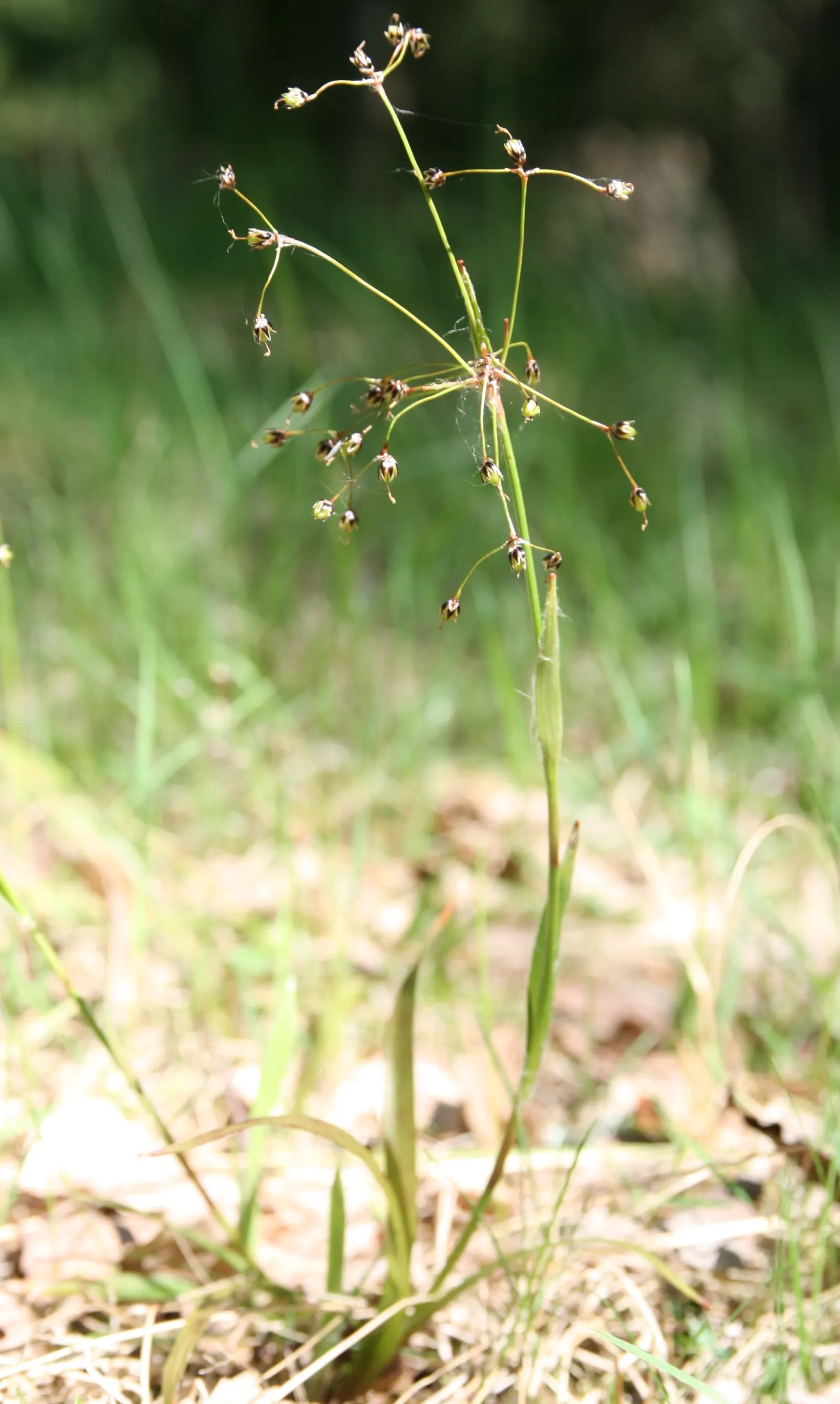
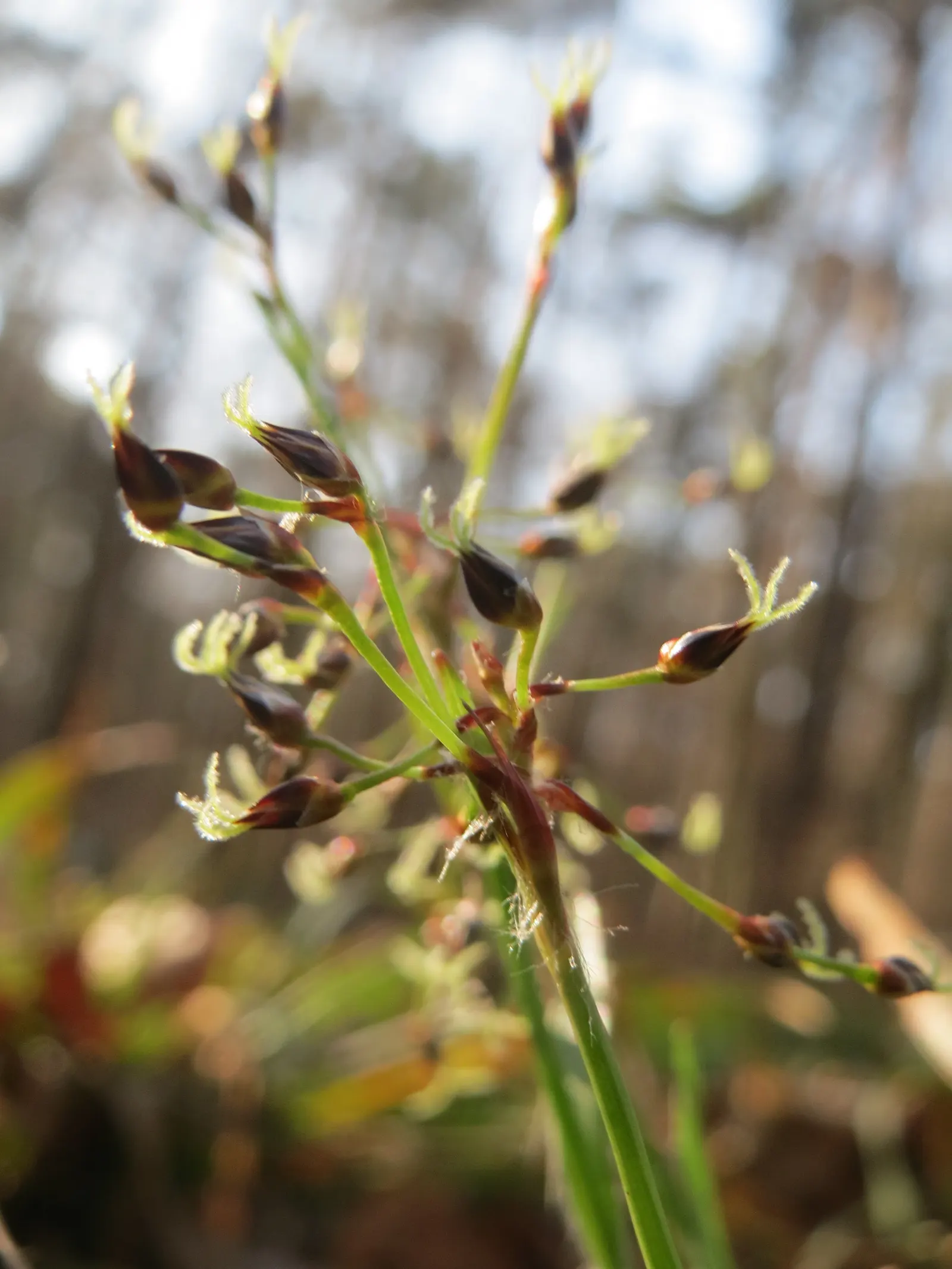
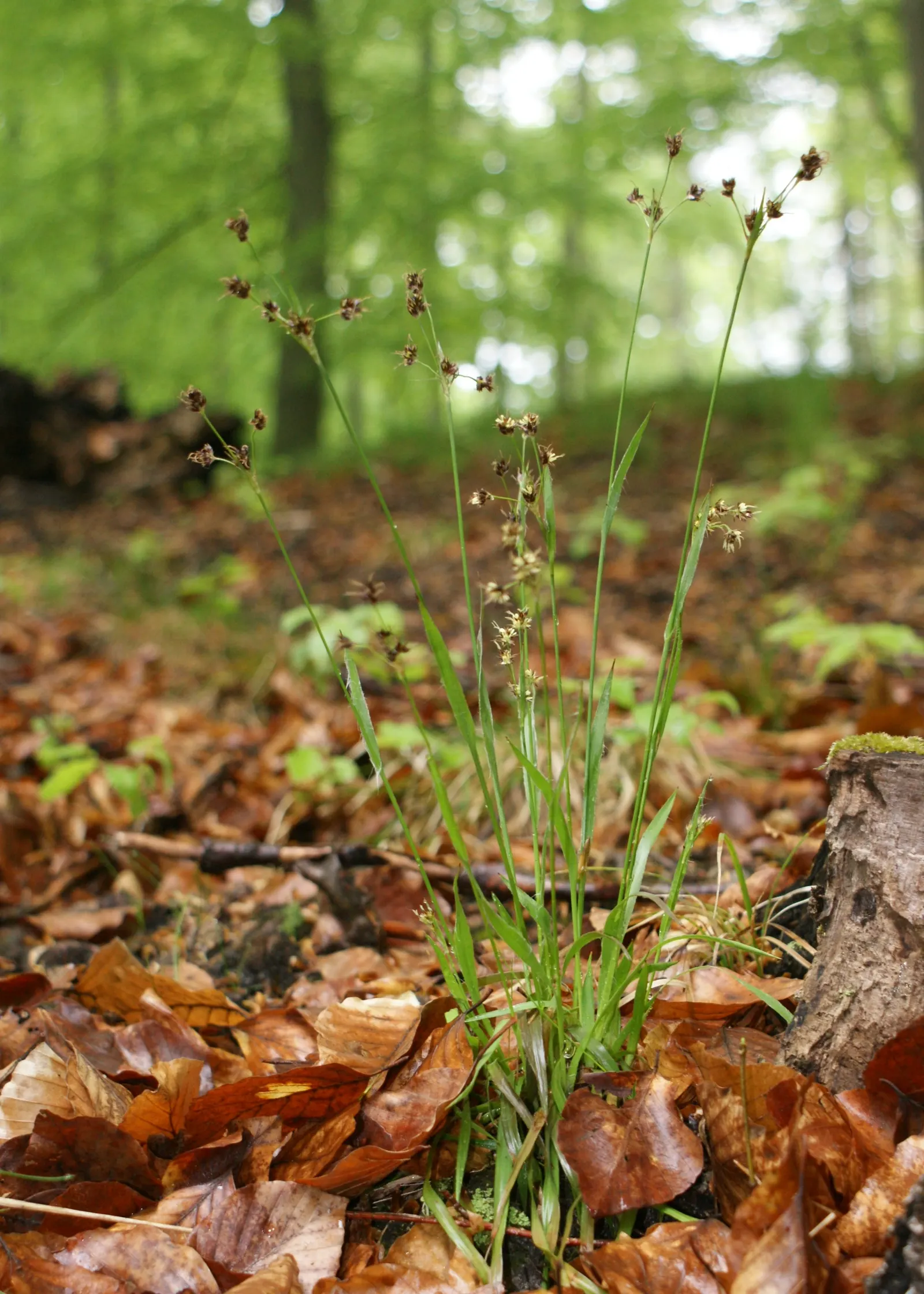
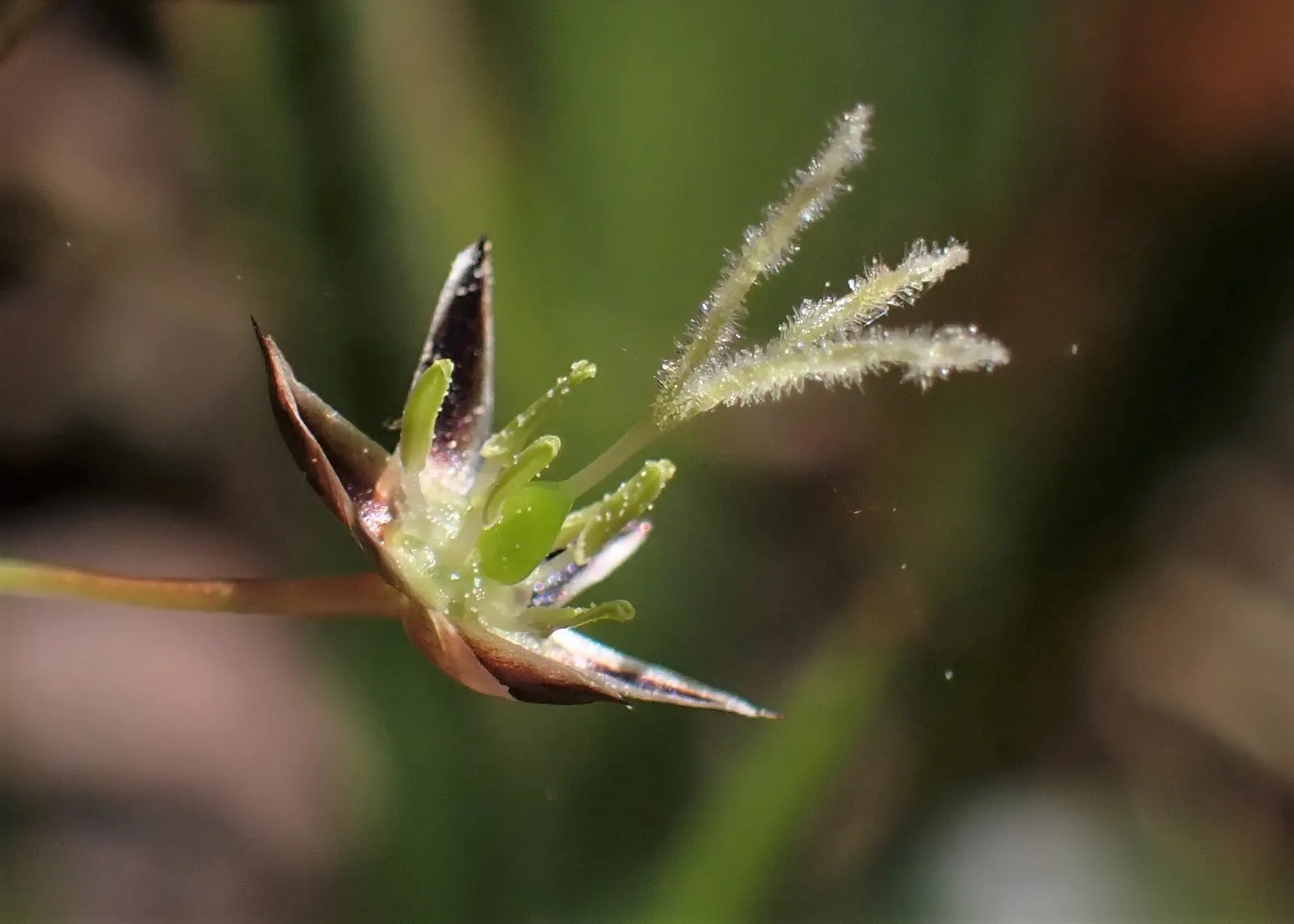
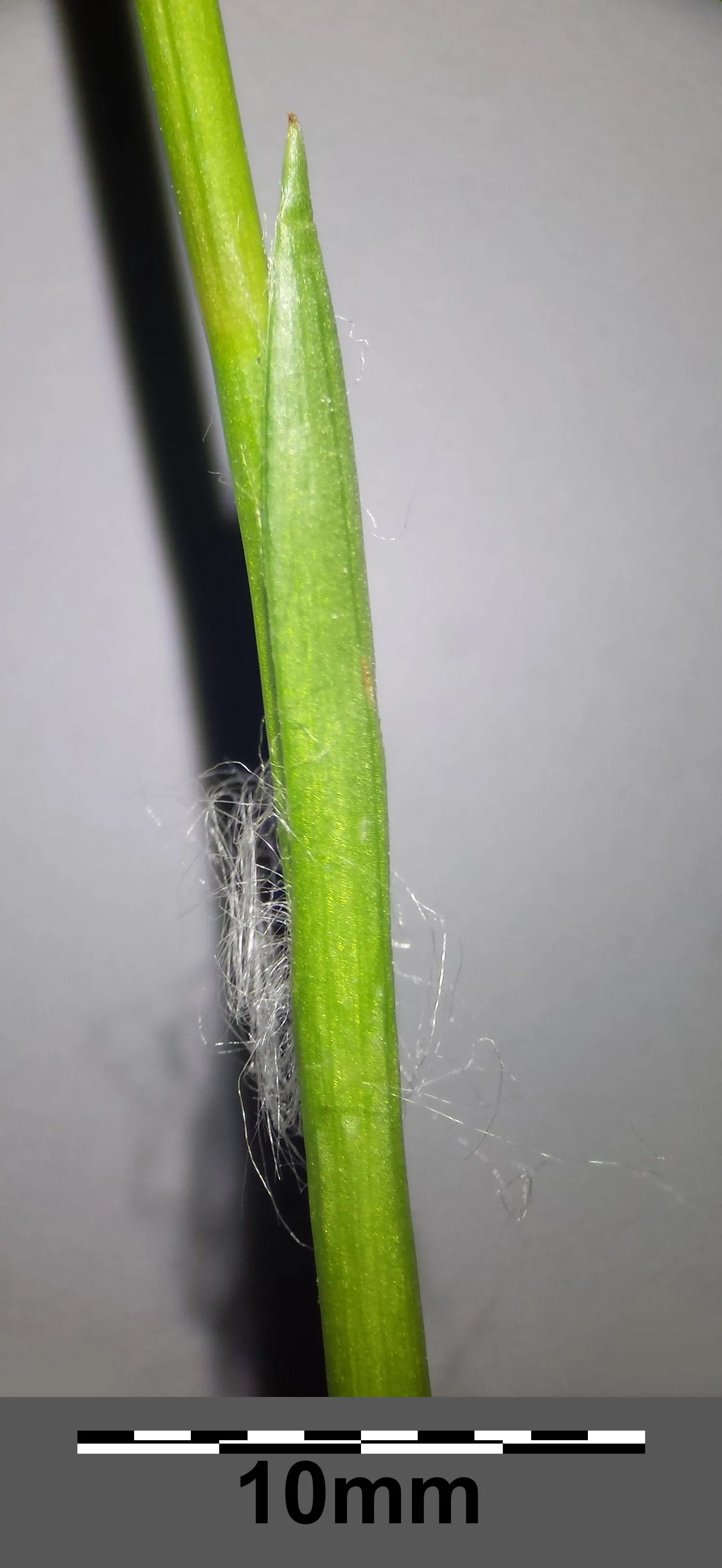
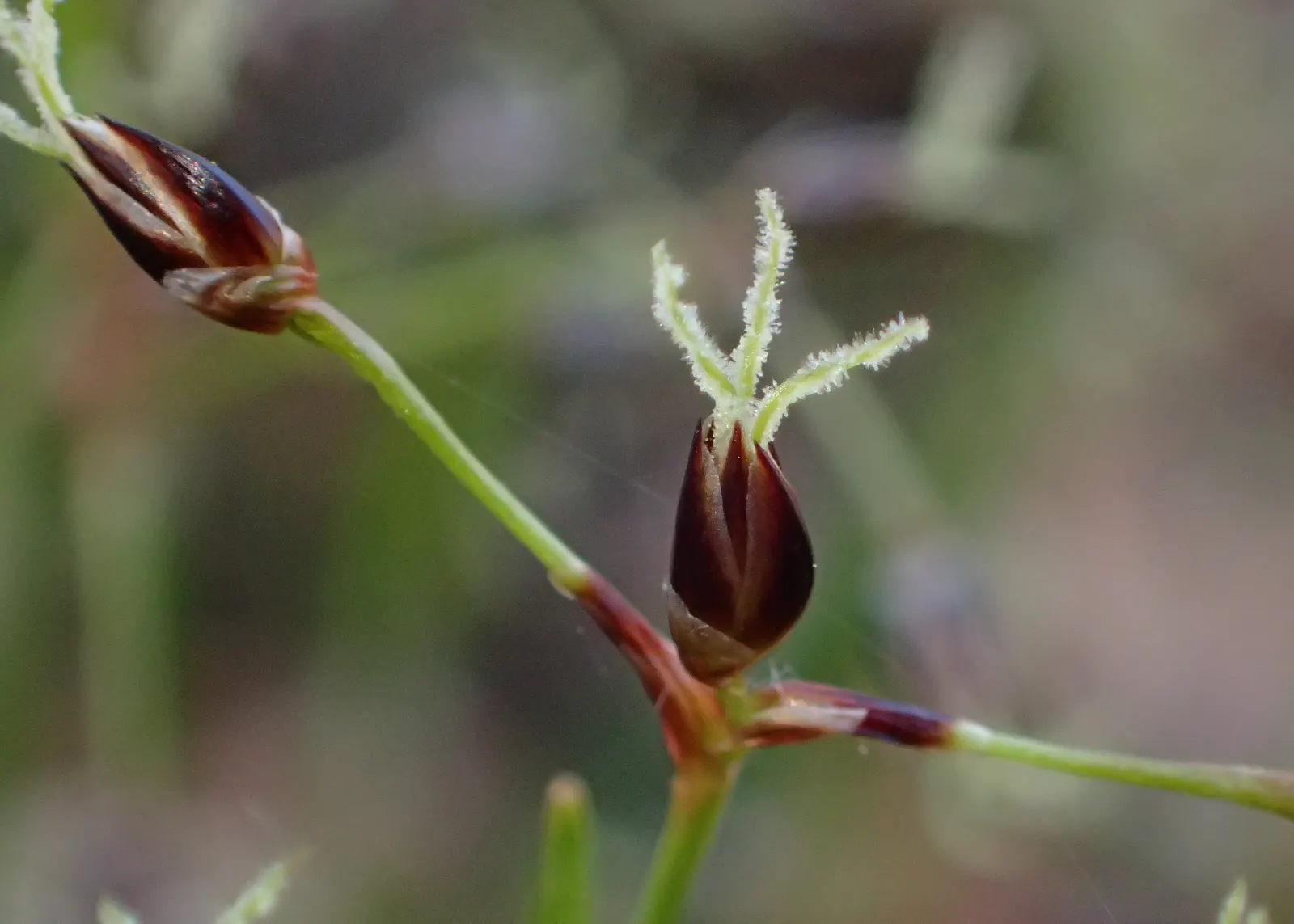
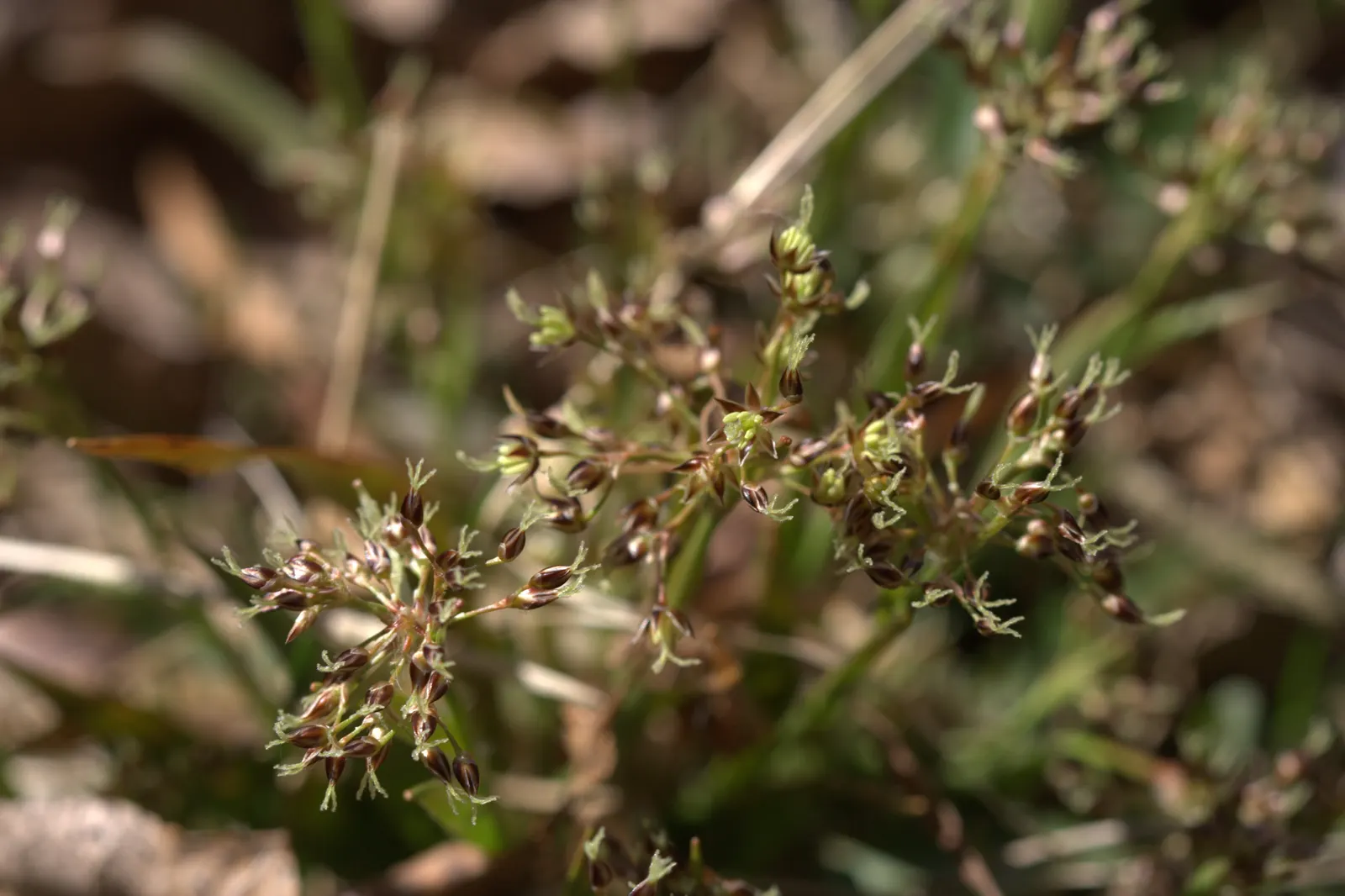
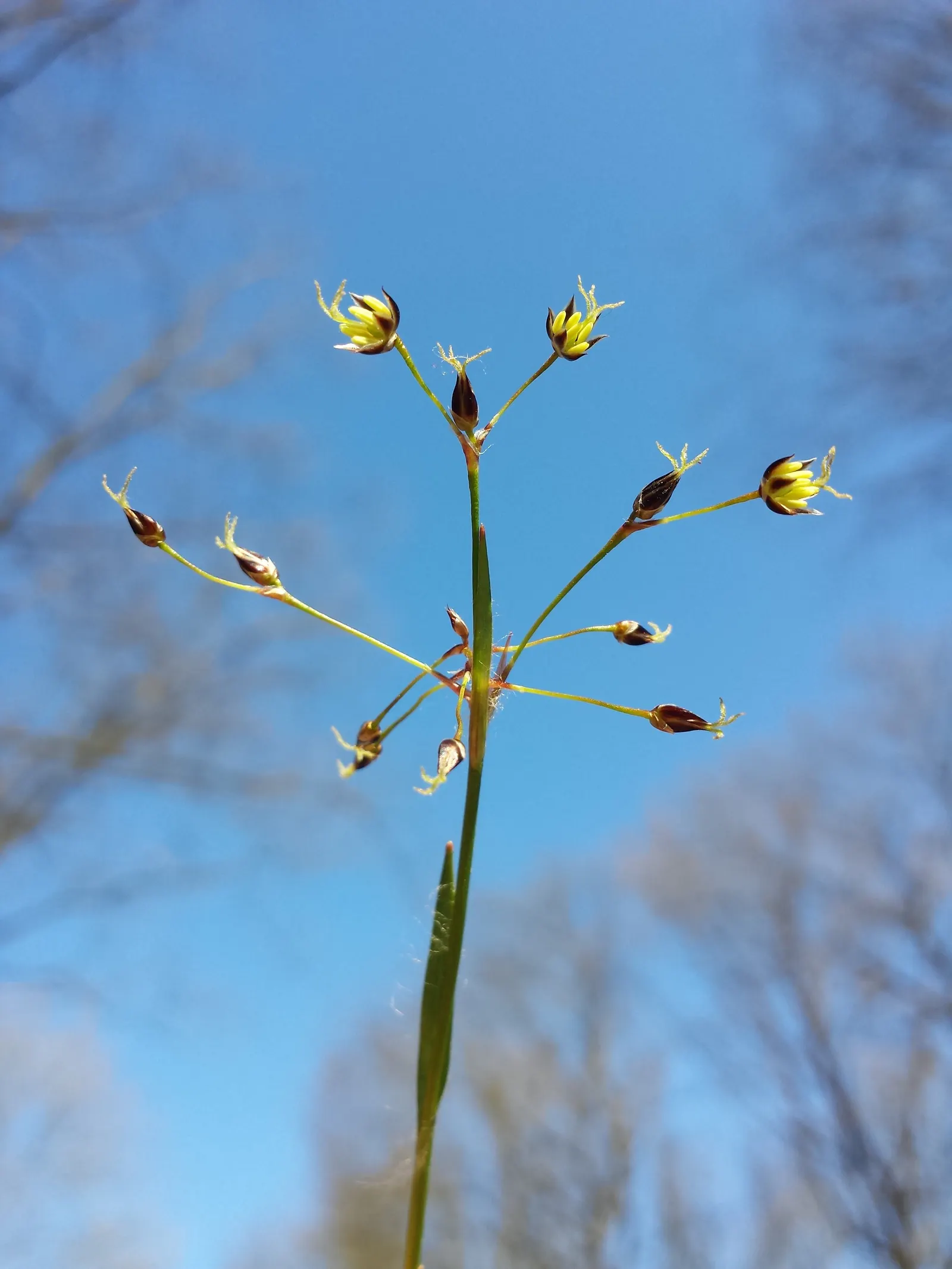
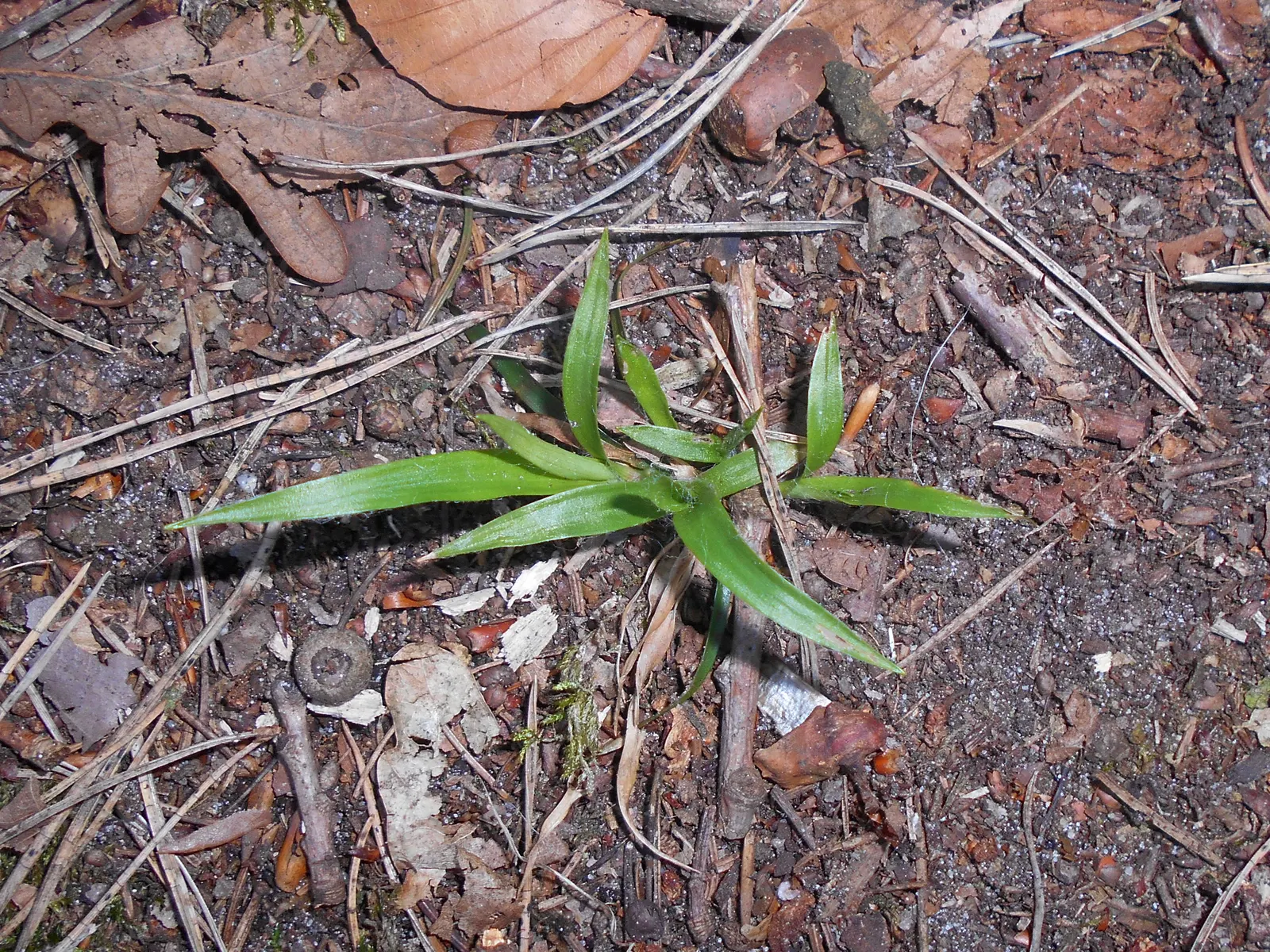
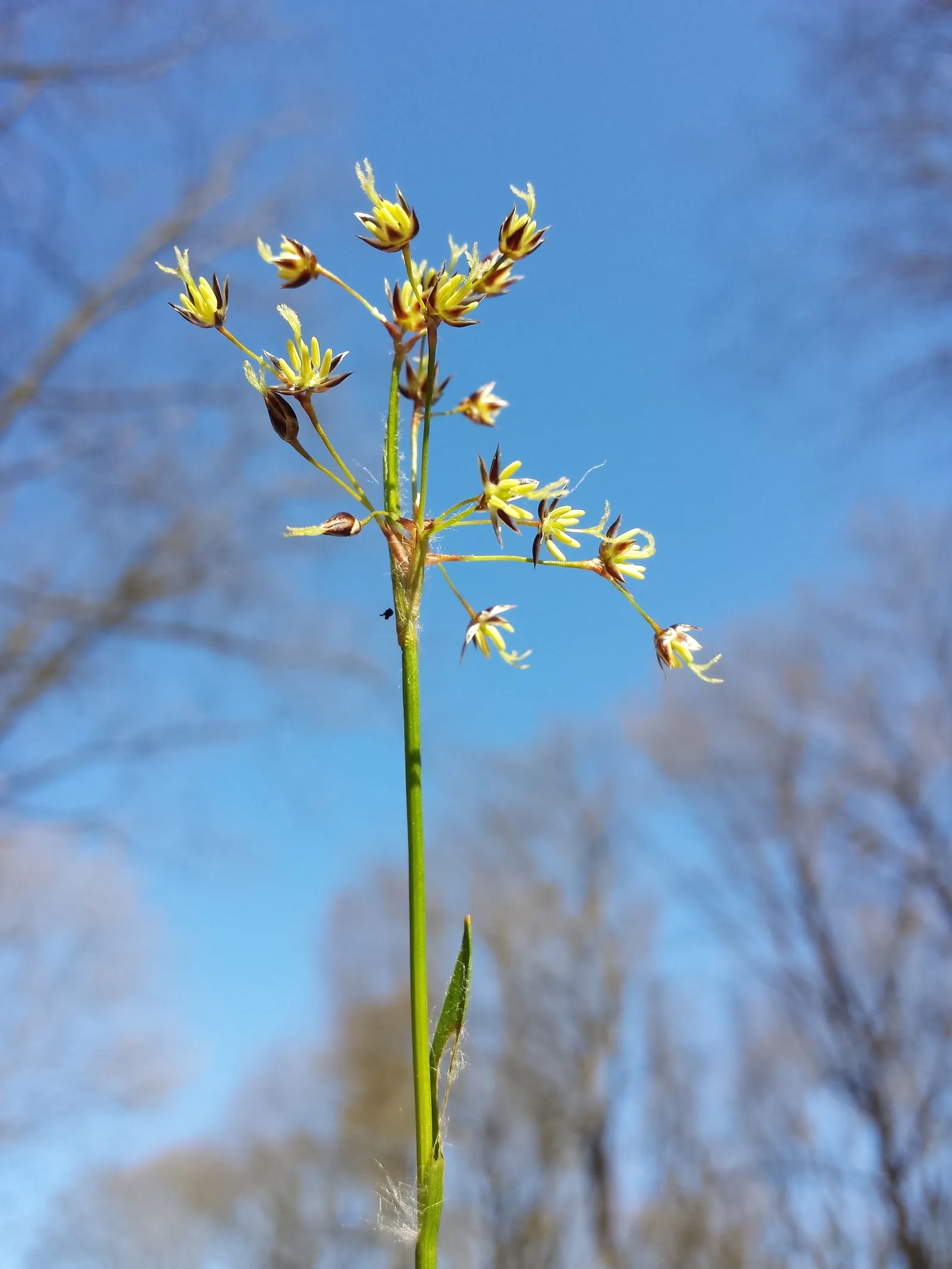
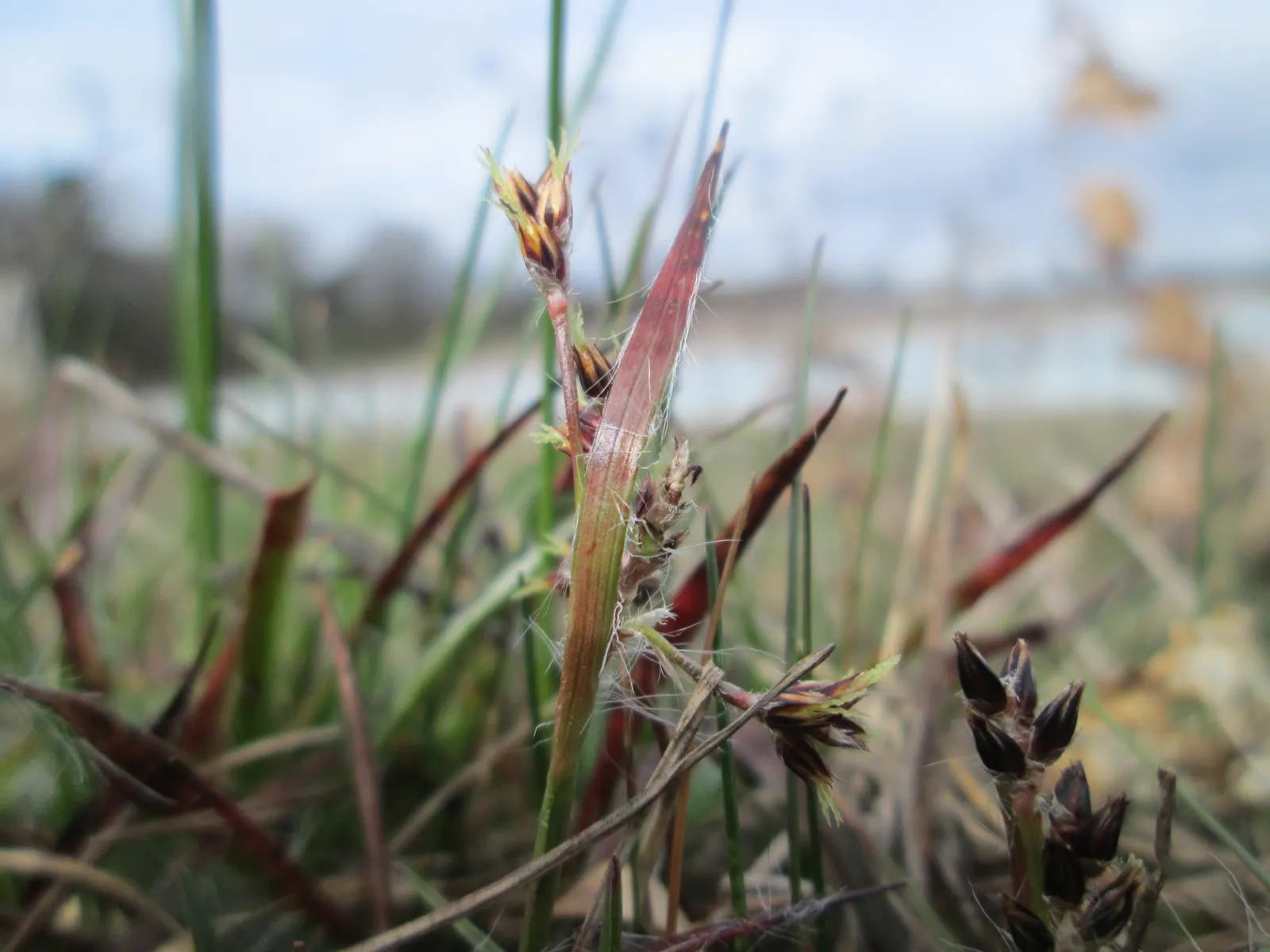
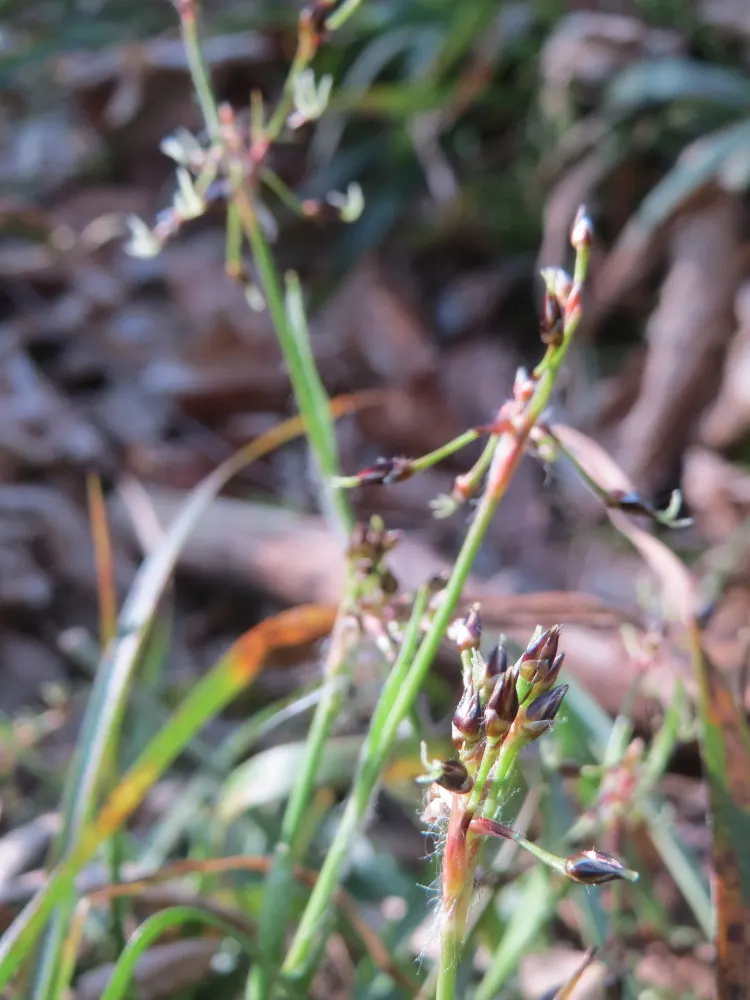
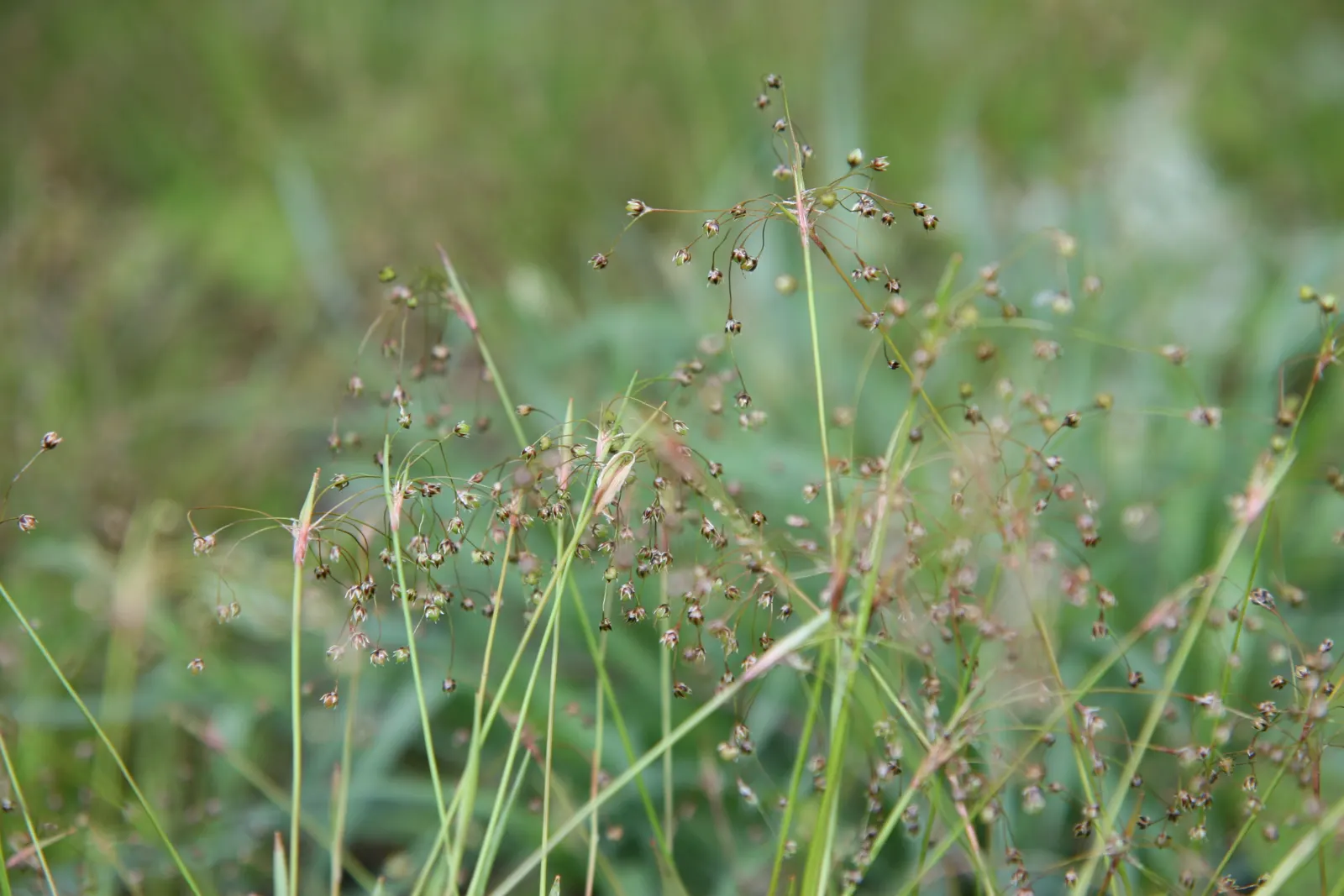
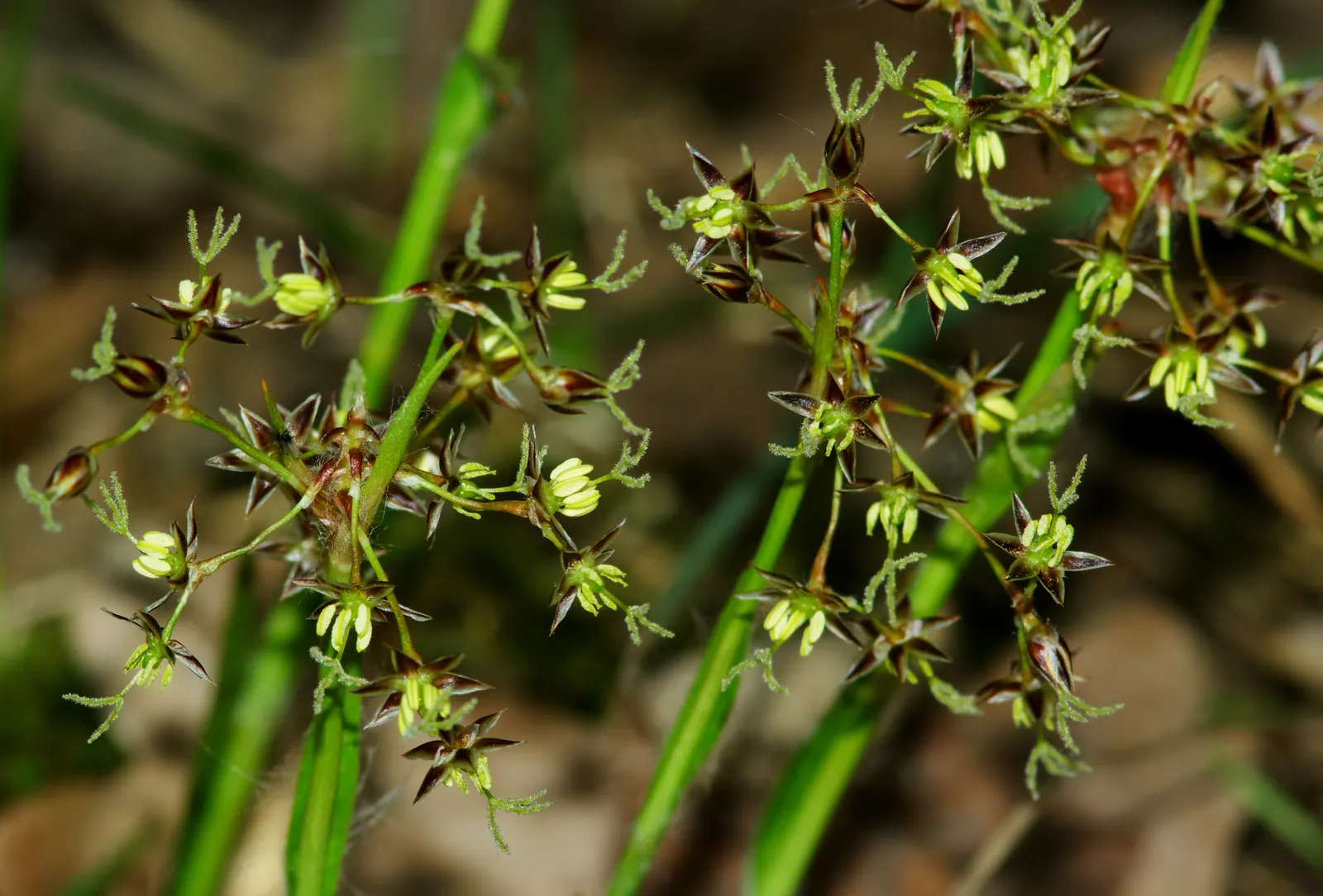
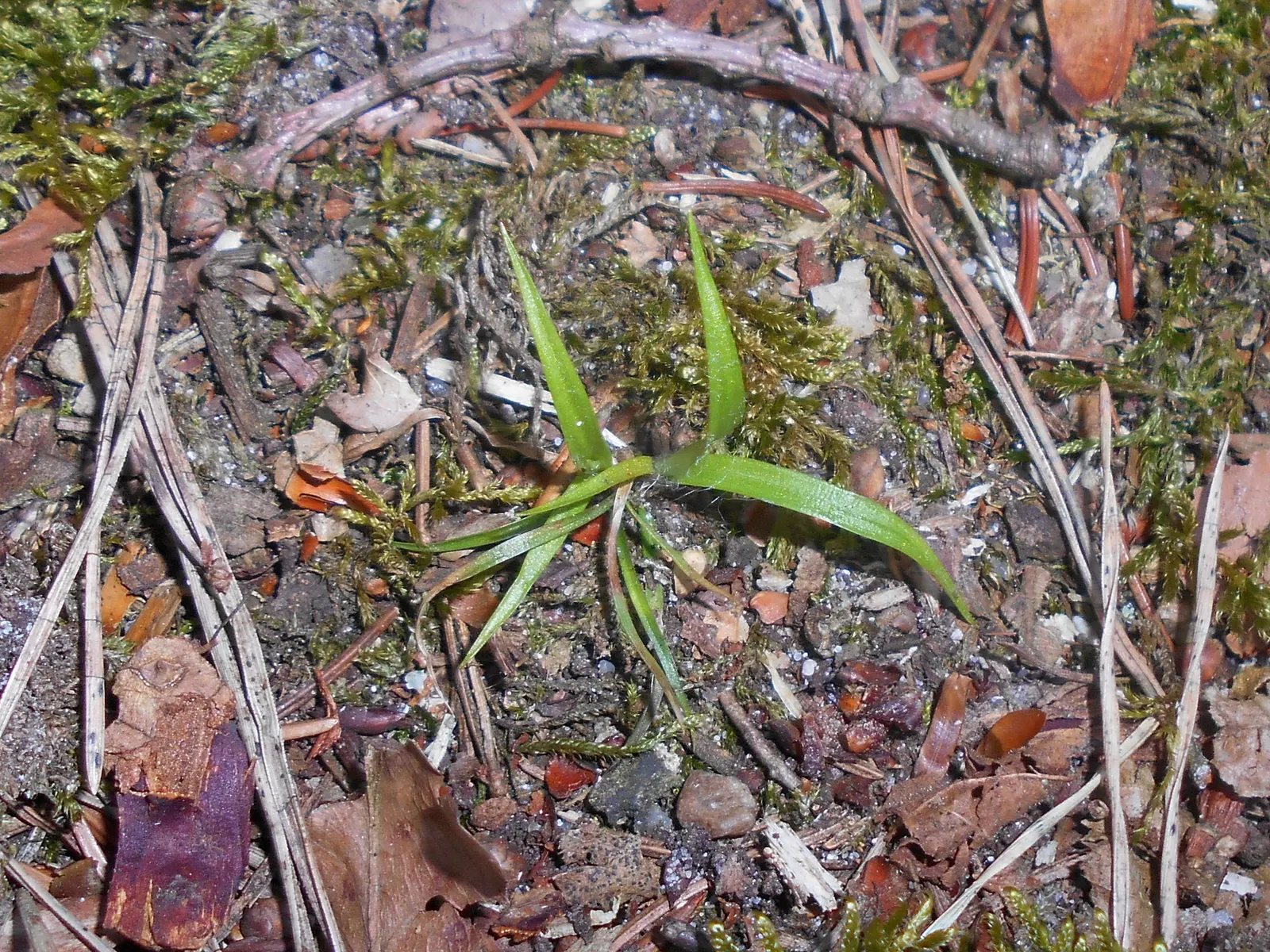
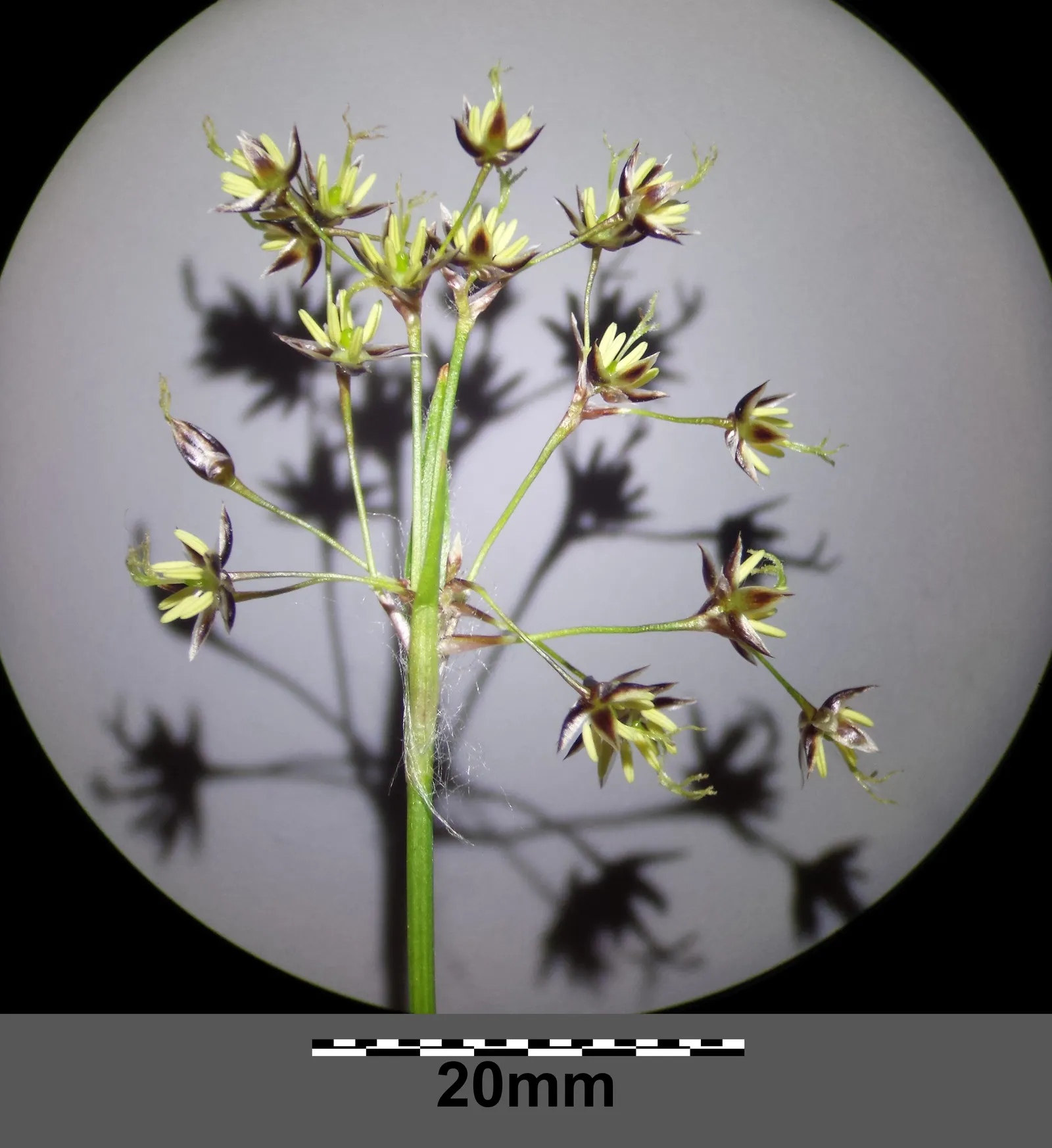
The Hairy Wood Rush (Luzula pilosa) is a shade-tolerant perennial, ideal for woodland aesthetics. It features tufts of grass-like, dark green leaves with distinctive hairy margins, growing up to 12 inches tall and wide. Small, brown flower clusters emerge in spring, adding texture. Hardy in zones 4 to 9, it prefers well-drained soil, thrives under partial to full shade, and offers low-maintenance ground cover or edge plantings for naturalized areas.

Sun Full, Half, ShadeWater Extra in Summer, MediumZones 6–9Climate Temperate
Hairy Wood Rush (Luzula Pilosa) — The Hairy Wood Rush (Luzula pilosa) is a shade-tolerant perennial, ideal for woodland aesthetics

Culture

Sun
Full, Half, Shade
Water
Extra in Summer, Medium
USDA zones
6–9

Shape & size

Classification

Family
Juncaceae
Climate
Temperate

See full data, regional cultivation notes, full-resolution photos, and design tools. Build a client presentation around this plant.

Start your 14-day trial

Photos (68)

Hairy Wood Rush (Luzula Pilosa) — where it can provide contrast to flowering plants or ferns.<br><br>For a successful landscape design
Hairy Wood Rush (Luzula Pilosa) — The Hairy Wood Rush (Luzula pilosa) is a shade-tolerant perennial, ideal for woodland aesthetics; growing up to 12 inches
Hairy Wood Rush (Luzula Pilosa) — grass for full or half or shade
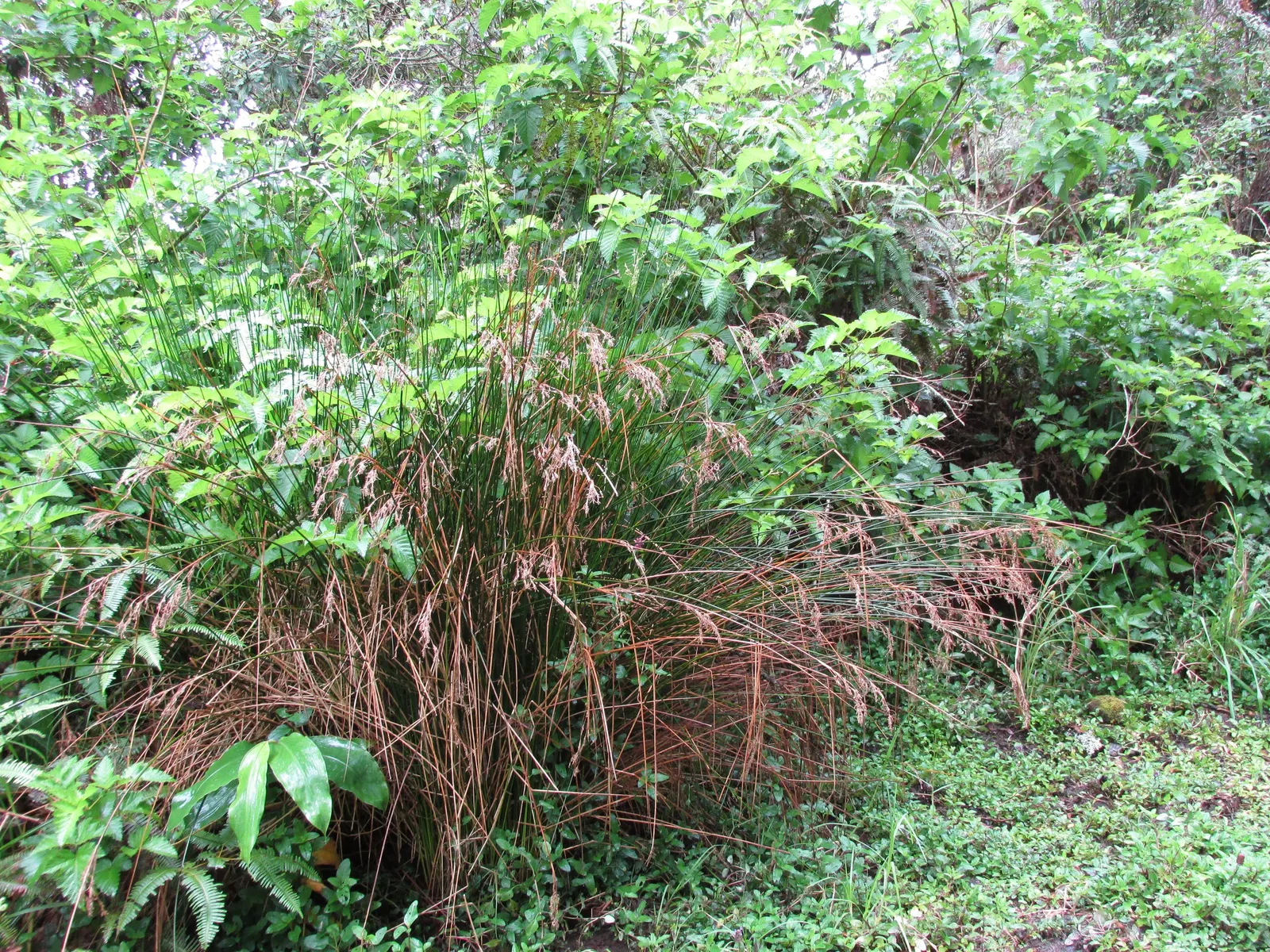
Hairy Wood Rush (Luzula Pilosa) — It features tufts of grass-like; textured groundcover in the landscape garden
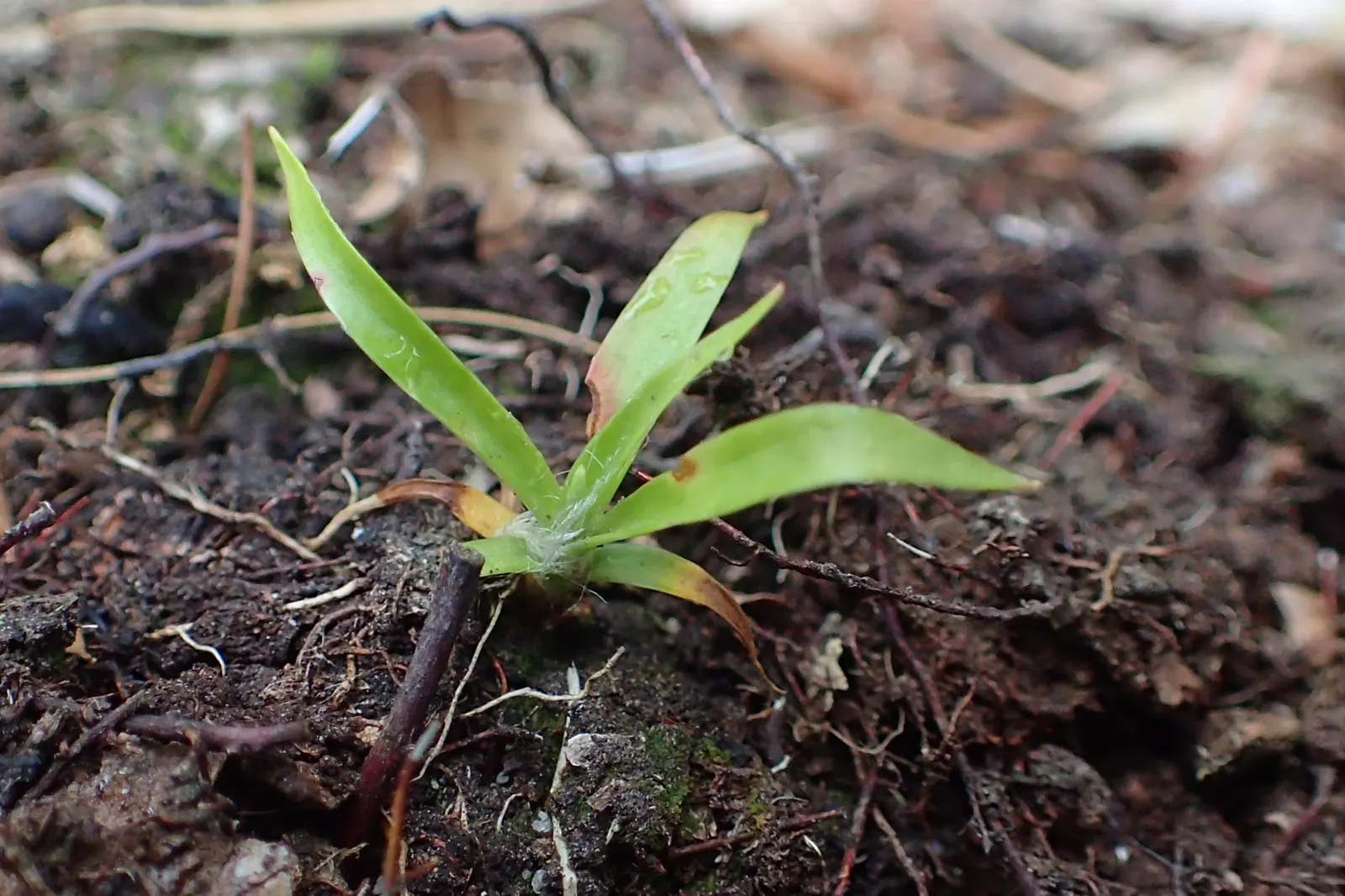
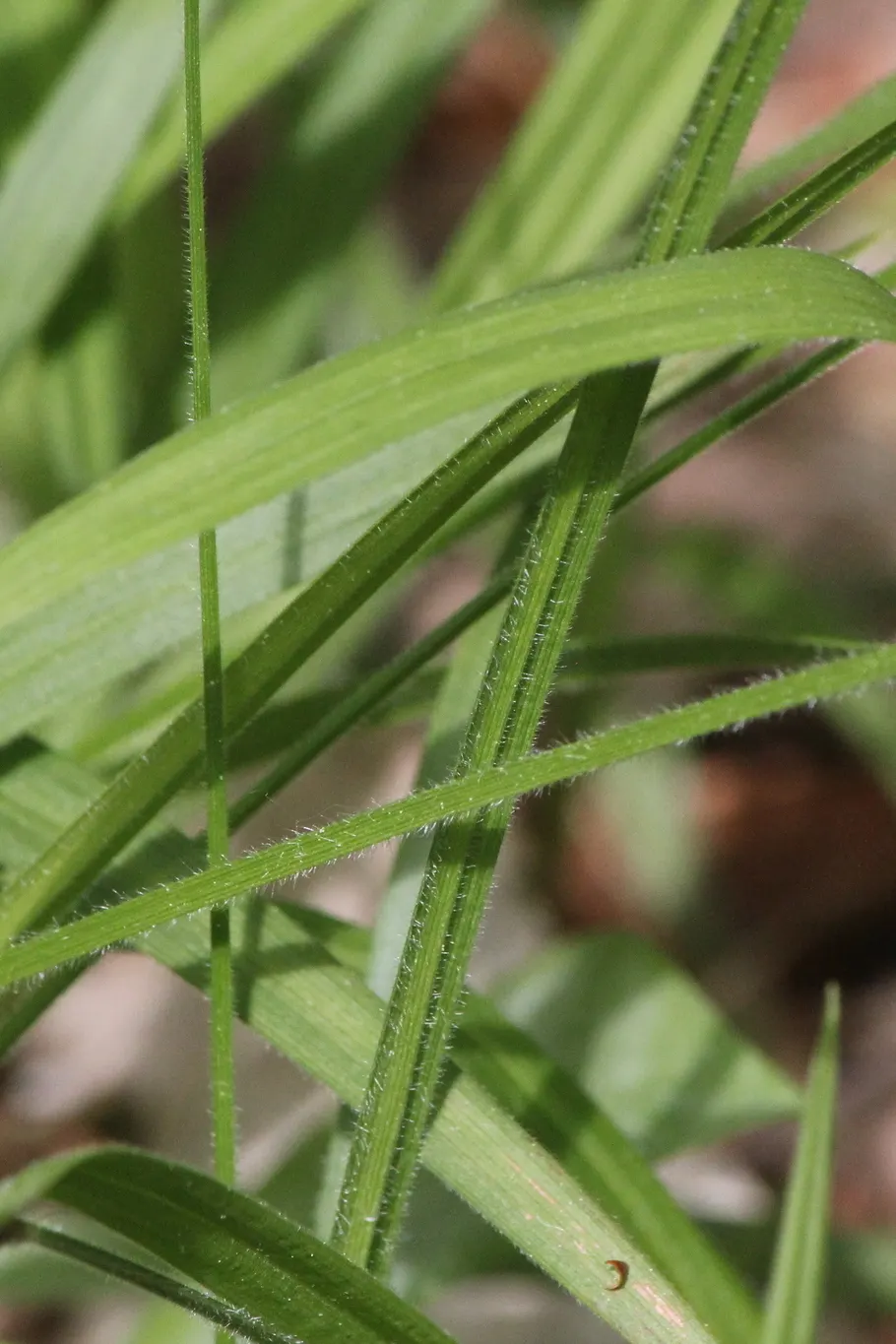
Hairy Wood Rush (Luzula Pilosa) — dark green leaves with distinctive hairy margins; they add a subtle charm and natural feel to woodland settings
Hairy Wood Rush (Luzula Pilosa) — grass with white blooms
Hairy Wood Rush (Luzula Pilosa) — it prefers well-drained soil; this hardy plant is native to the cooler regions of the Northern Hemisphere
Hairy Wood Rush (Luzula Pilosa) — growing up to 12 inches tall and wide; white flowers in the garden
Hairy Wood Rush (Luzula Pilosa) — thrives under partial to full shade; these flowers are typically around 18 inches tall and are supported by slender
Hairy Wood Rush (Luzula Pilosa) — Small, brown flower clusters emerge in spring, adding texture, image 32
Hairy Wood Rush (Luzula Pilosa) — and offers low-maintenance ground cover or edge plantings for naturalized areas; grass with white blooms
Hairy Wood Rush (Luzula Pilosa) — This hardy plant is native to the cooler regions of the Northern Hemisphere; grass for full or half or shade
Hairy Wood Rush (Luzula Pilosa) — textured groundcover in the landscape garden; preferring a soil that is moist but well-drained
Hairy Wood Rush (Luzula Pilosa) — is a perennial grass-like species that offers a lush; dark green leaves that grow to typically about 12 inches in height
Hairy Wood Rush (Luzula Pilosa) — commonly referred to as Hairy Wood Rush; it prefers well-drained soil
Hairy Wood Rush (Luzula Pilosa) — dark green leaves that grow to typically about 12 inches in height; thrives under partial to full shade
Hairy Wood Rush (Luzula Pilosa) — with each leaf characterized by a unique hairy texture that gives this plant its name, image 41
Hairy Wood Rush (Luzula Pilosa) — The leaves can spread outwards; it's particularly well-suited for shaded borders
Hairy Wood Rush (Luzula Pilosa) — often reaching about 8 to 12 inches in diameter; the Hairy Wood Rush (Luzula pilosa) is a shade-tolerant perennial, ideal for
Hairy Wood Rush (Luzula Pilosa) — These flowers are typically around 18 inches tall and are supported by slender; and woodland understories
Hairy Wood Rush (Luzula Pilosa) — Although the blossoms might not be particularly showy; and offers low-maintenance ground cover or edge plantings for
Hairy Wood Rush (Luzula Pilosa) — they add a subtle charm and natural feel to woodland settings; the leaves can spread outwards
Hairy Wood Rush (Luzula Pilosa) — preferring a soil that is moist but well-drained; it features tufts of grass-like
Hairy Wood Rush (Luzula Pilosa) — It's particularly well-suited for shaded borders; commonly referred to as Hairy Wood Rush

Related plants