Skip to content

Texas Bluebonnet

Lupinus Texensis

Design with this plant

Overview

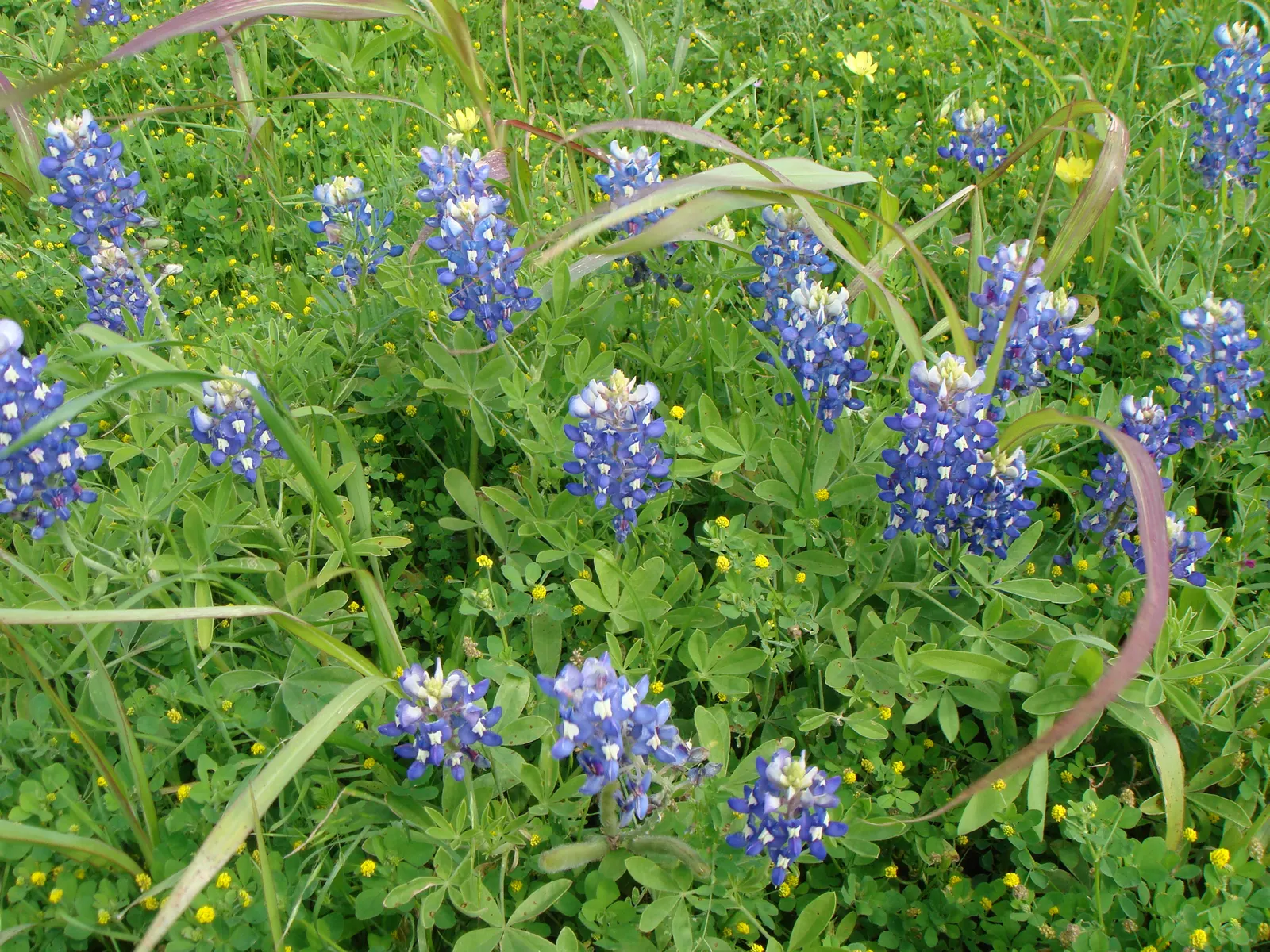
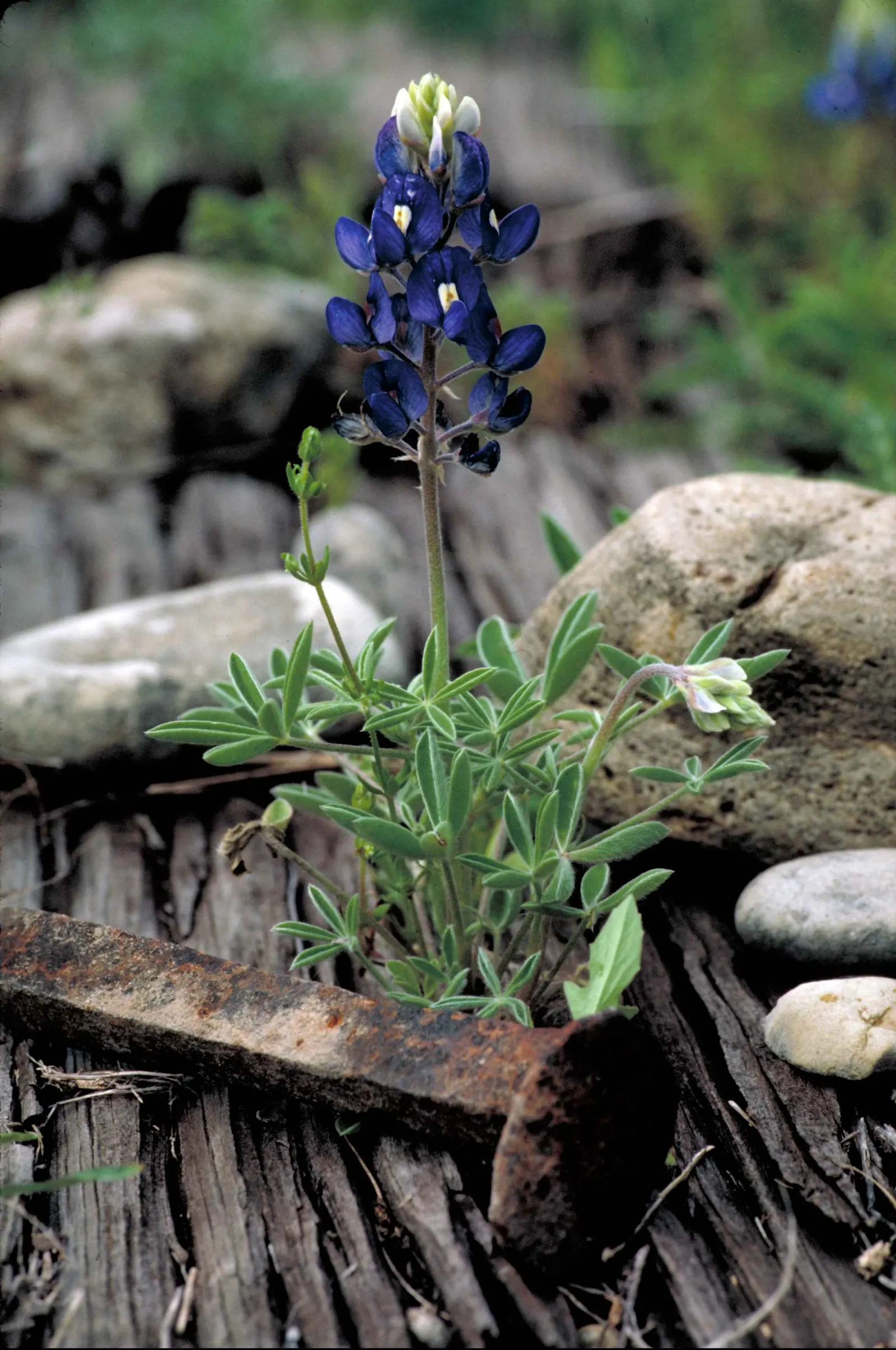
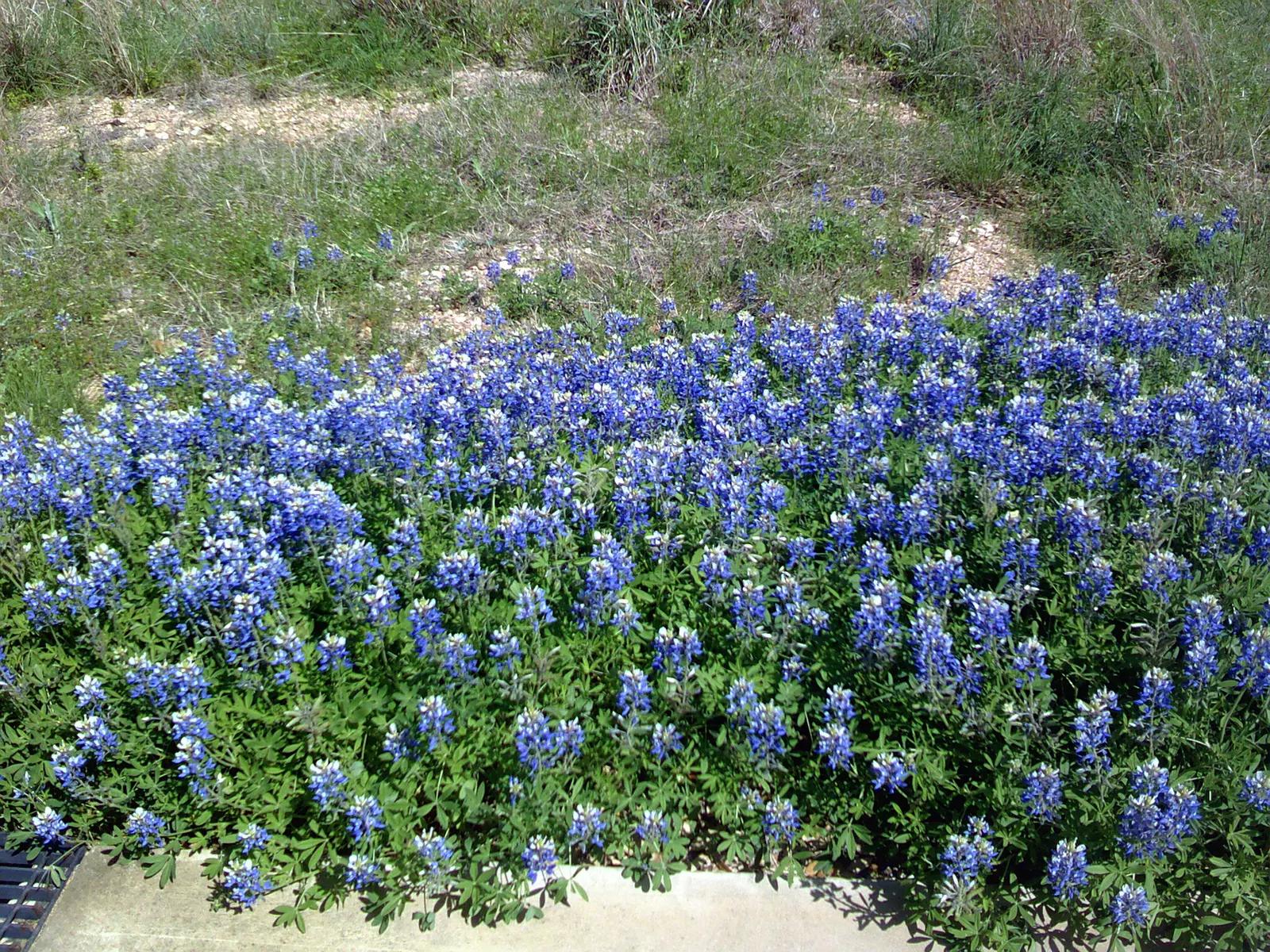
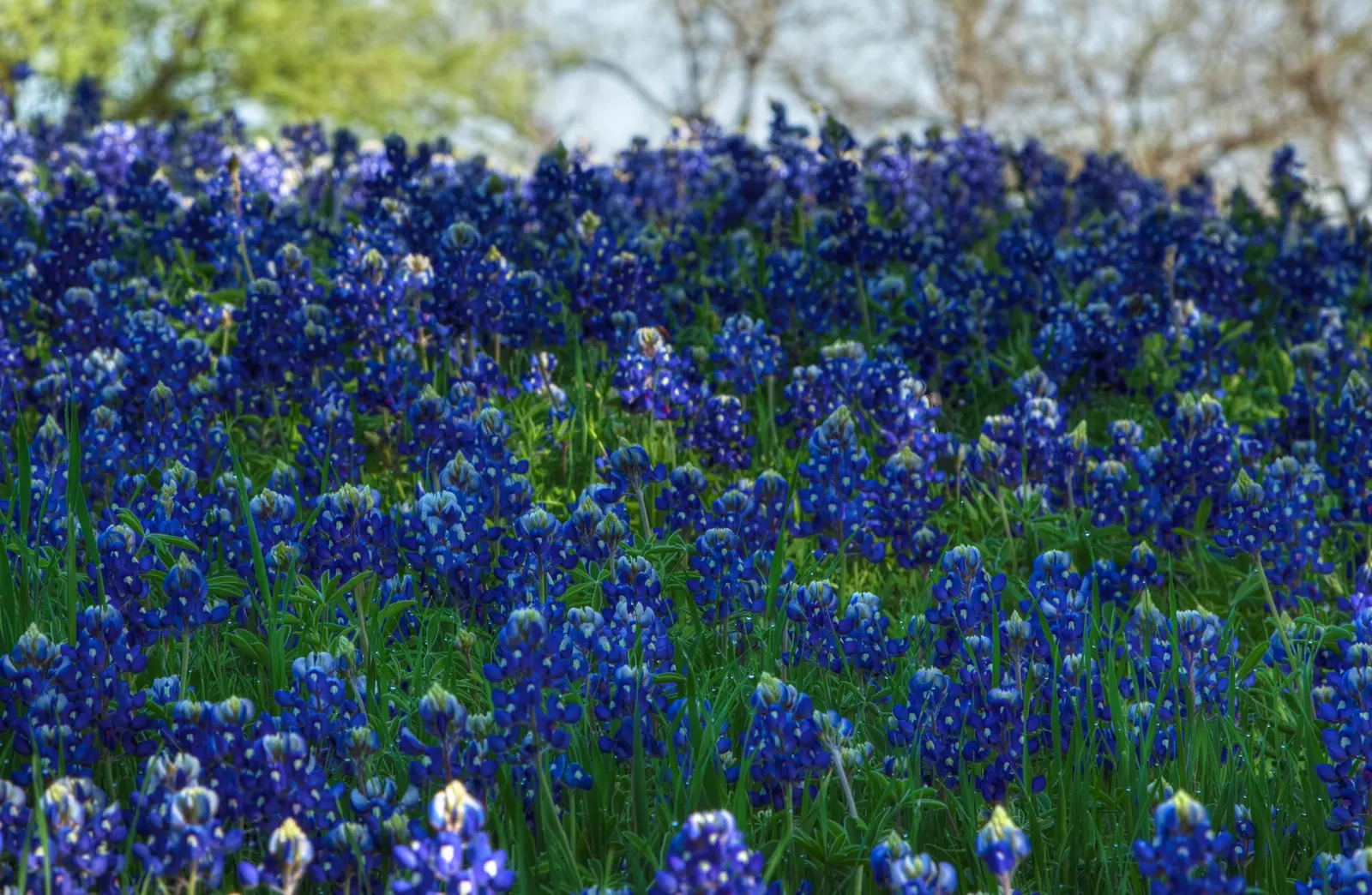
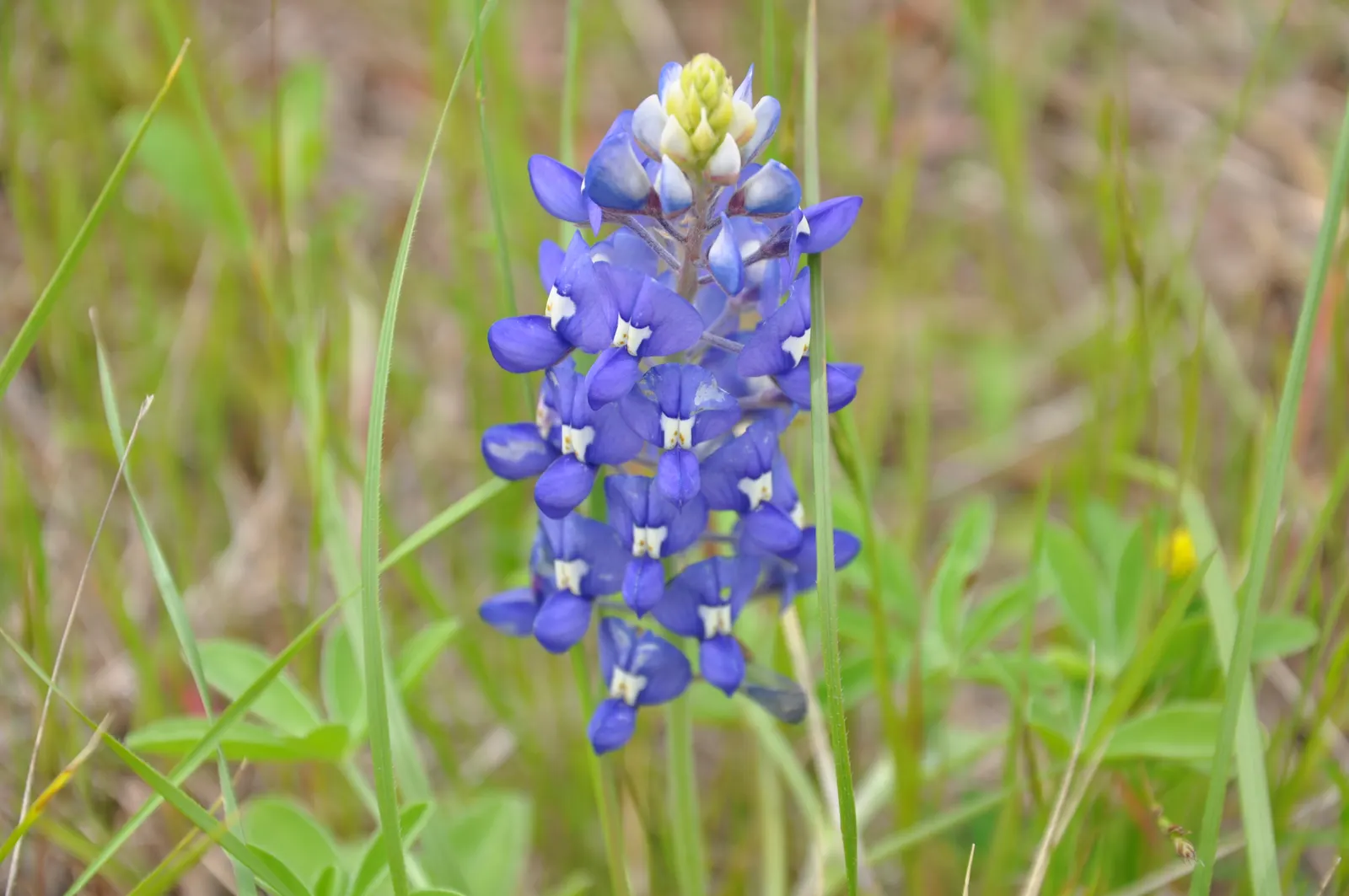
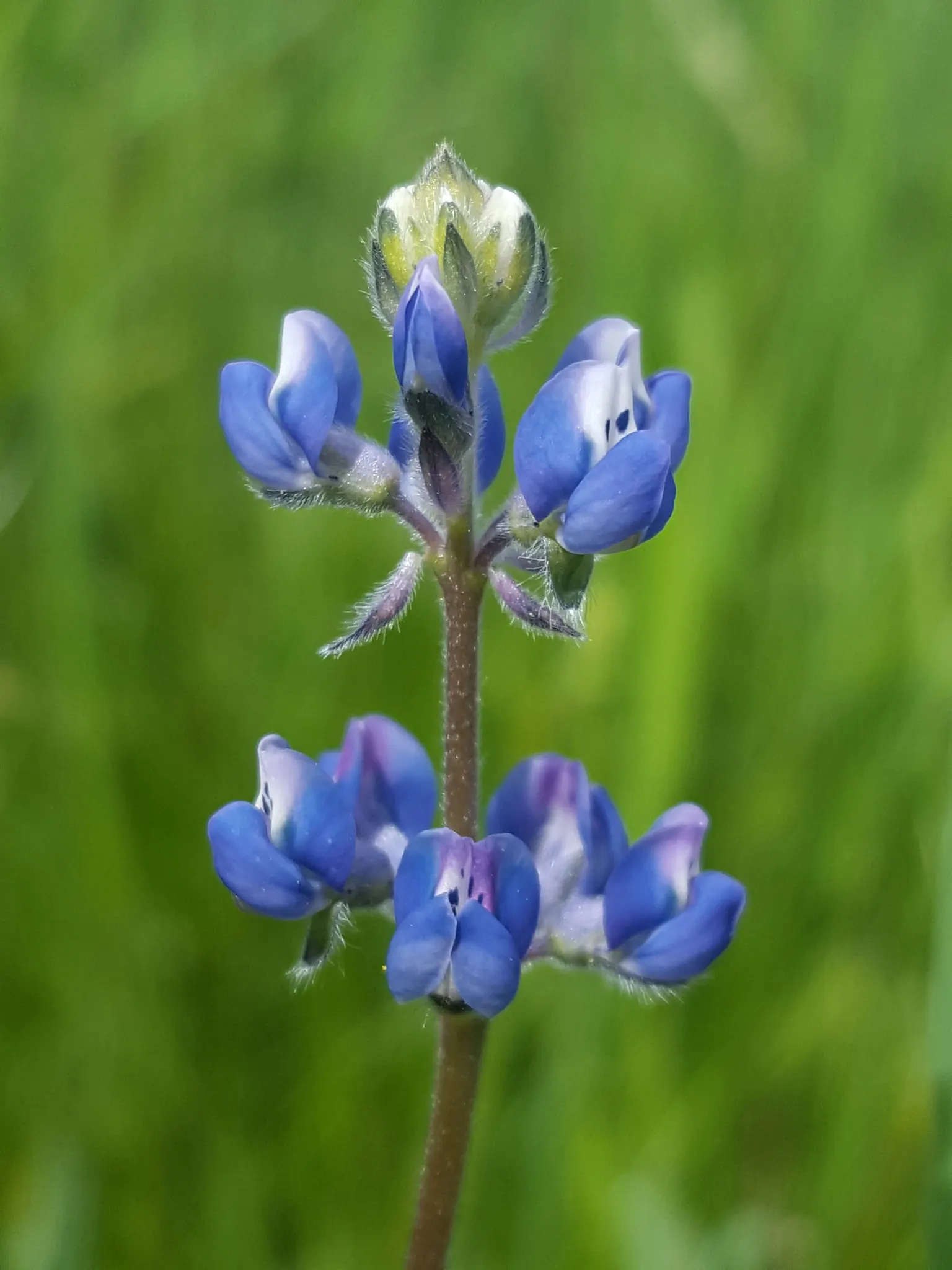
The Texas Bluebonnet (Lupinus texensis) graces landscapes with vibrant blue flowers, peaking at a modest height of 12-24 inches. This hardy annual thrives in full sun and well-drained soils, blooming March to May. With its lupine family roots, it's an essential for water-conscious designs, offering low maintenance and high drought resistance. It's the Texas state flower, perfect for adding a touch of regional character to any garden.

Sun FullWater LowZones 3–10Type AnnualClimate Temperate
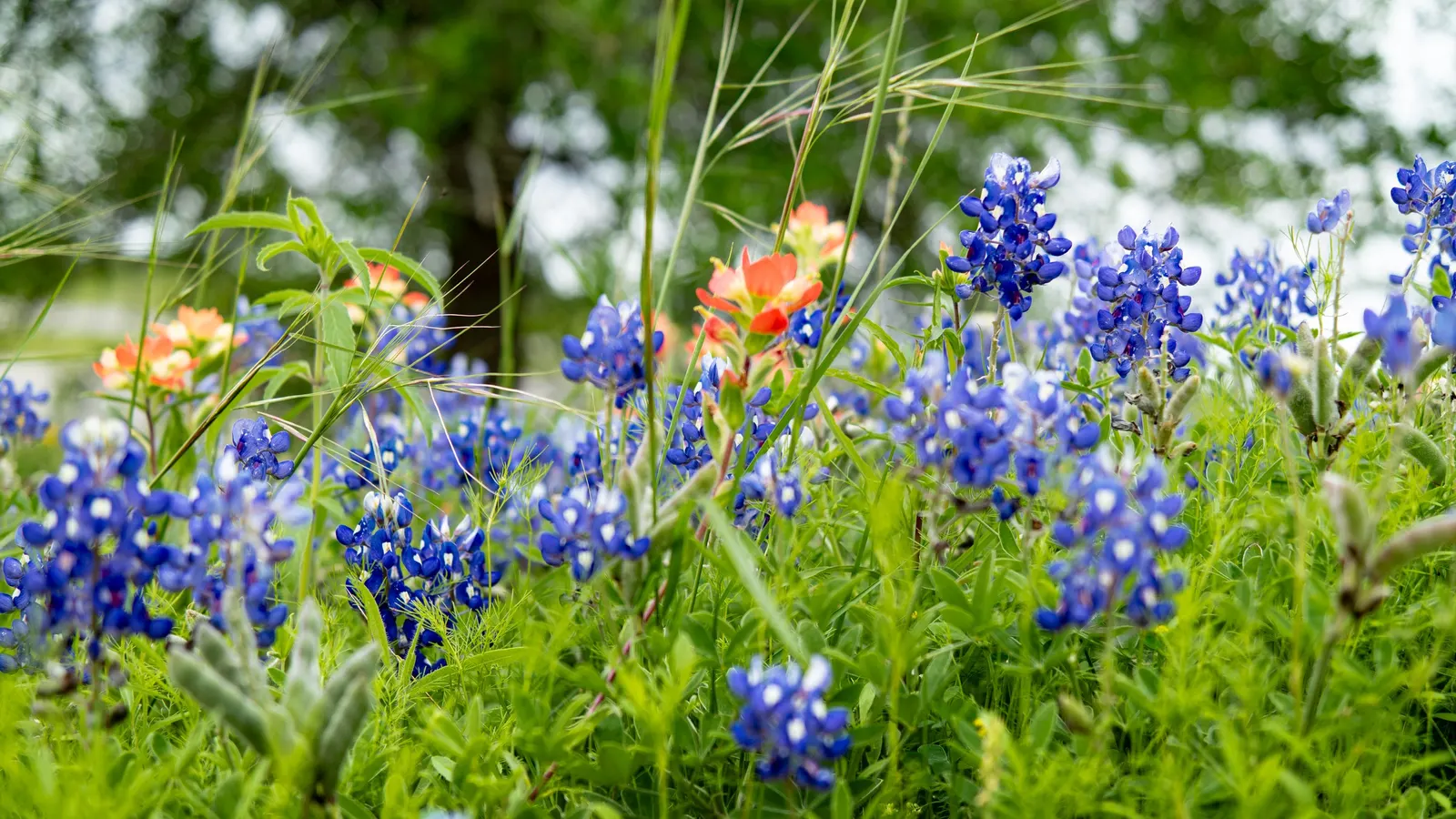
Texas Bluebonnet (Lupinus Texensis) — consider its role as an annual wildflower that readily reseeds itself; and is a celebrated symbol of Texan pride and

Culture

Sun
Full
Water
Low
USDA zones
3–10

Shape & size

Classification

Type
Annual
Family
Fabaceae
Climate
Temperate

See full data, regional cultivation notes, and design tools. Build a client presentation around this plant.

Start your 14-day trial

Photos (92)

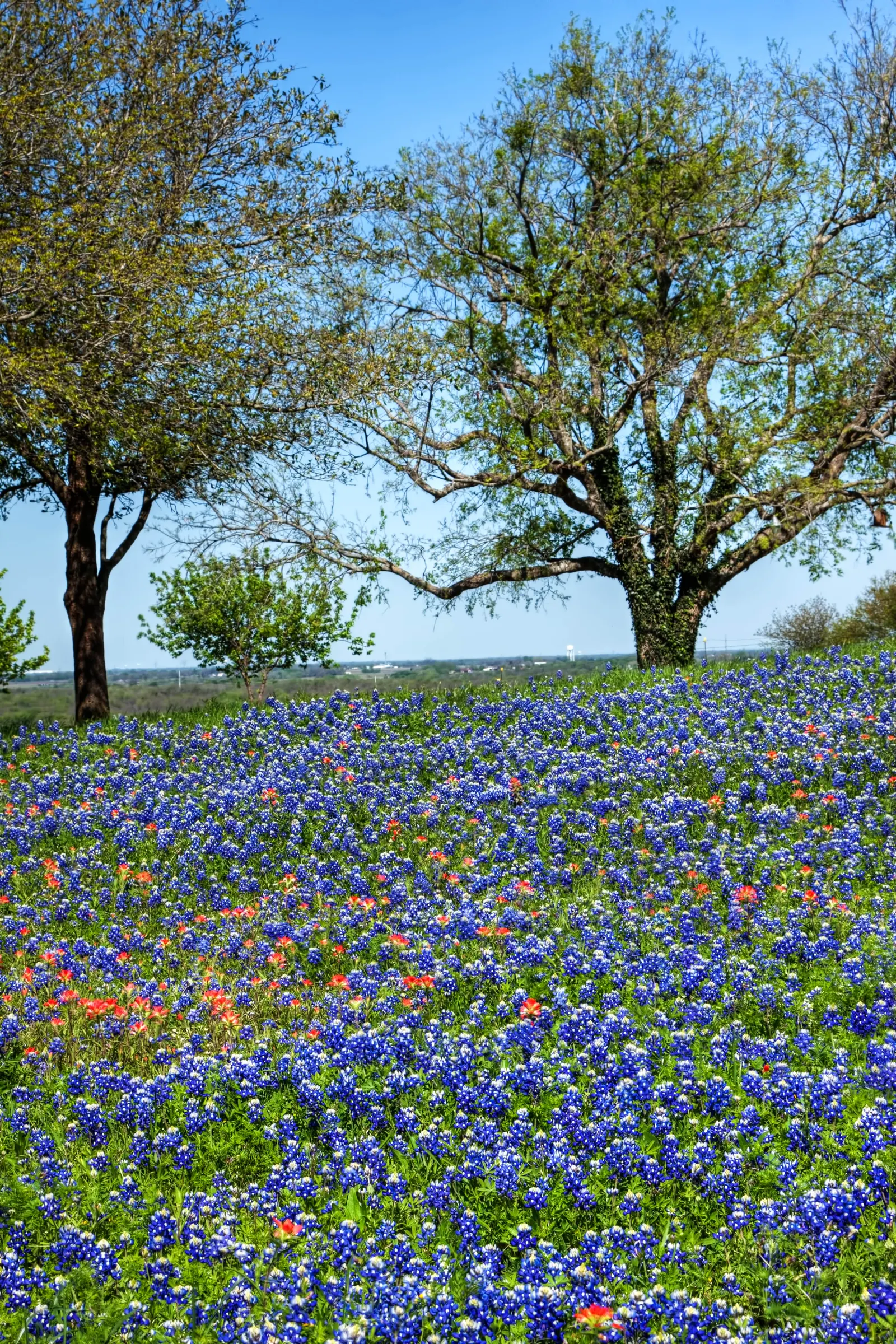
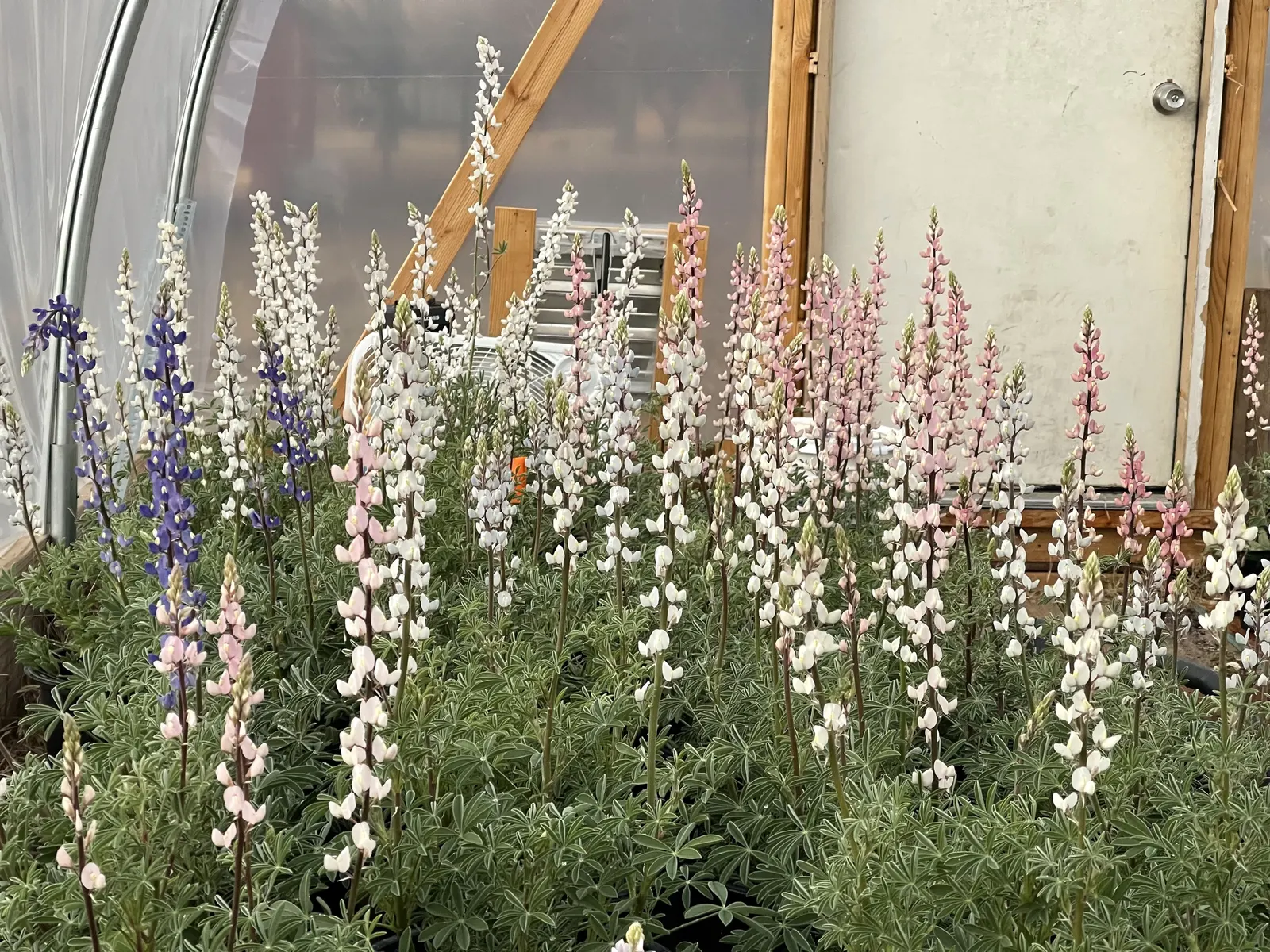
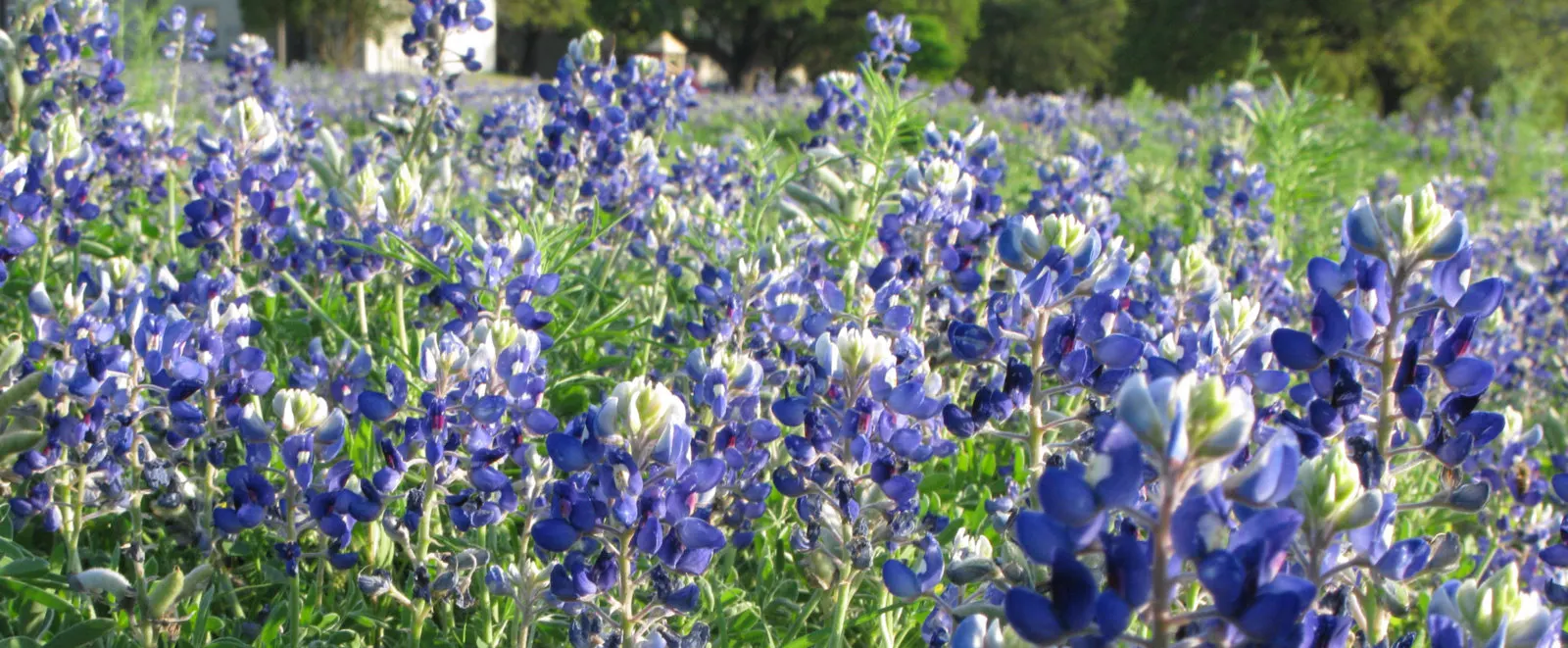
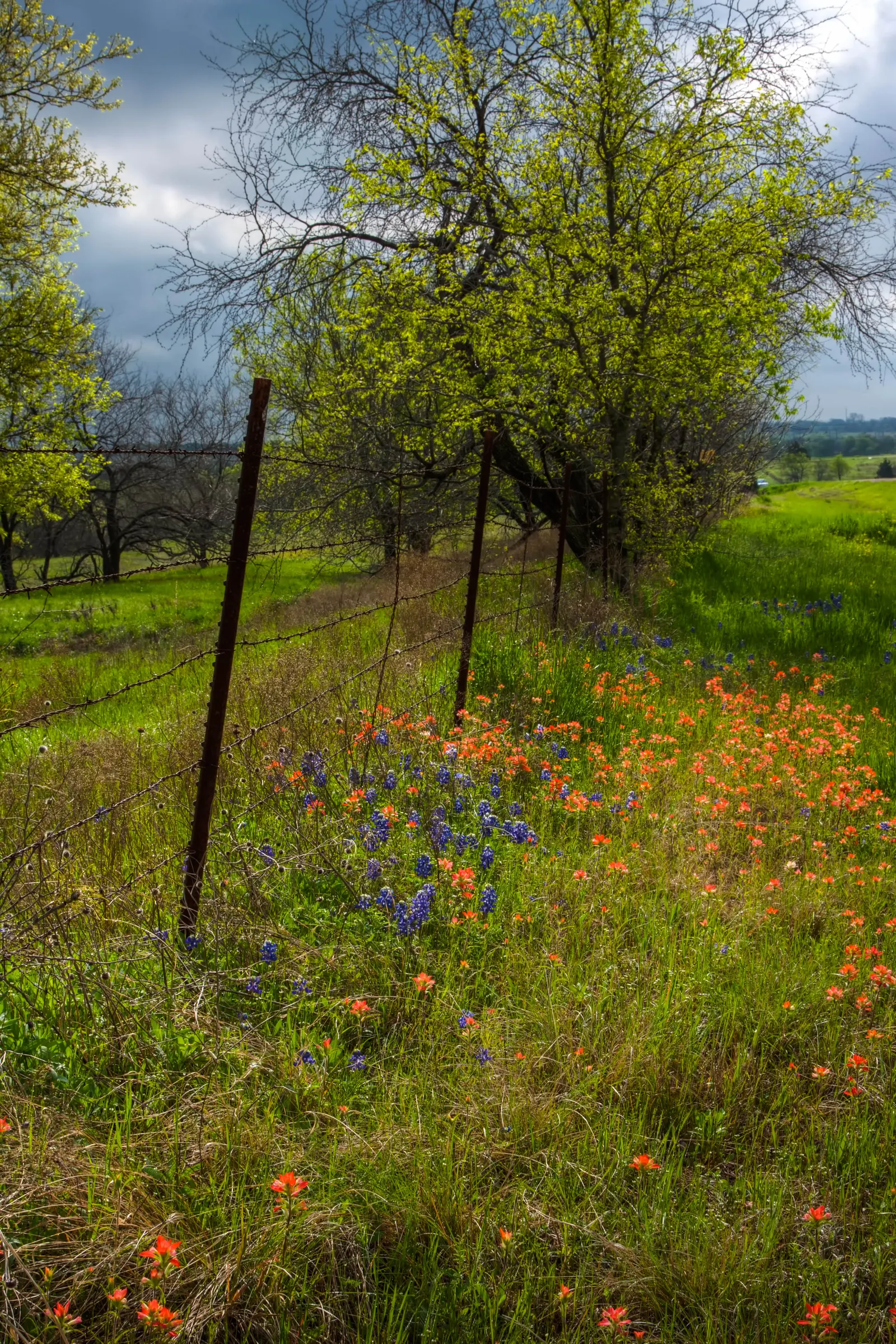
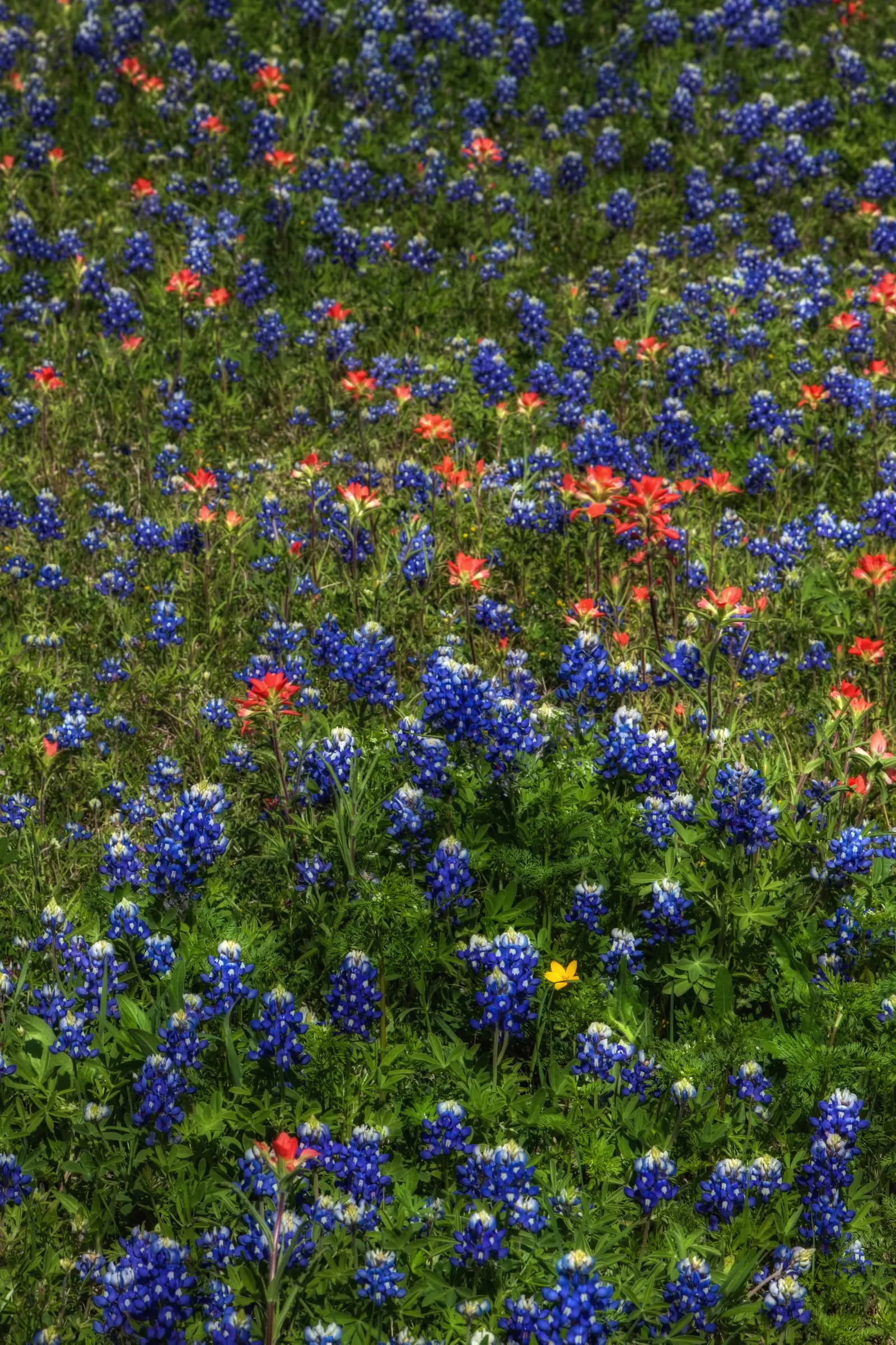
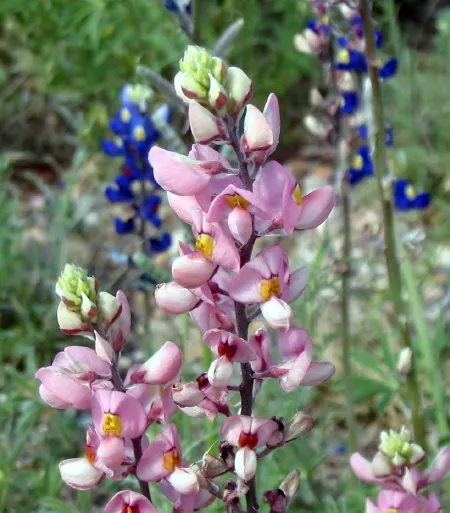
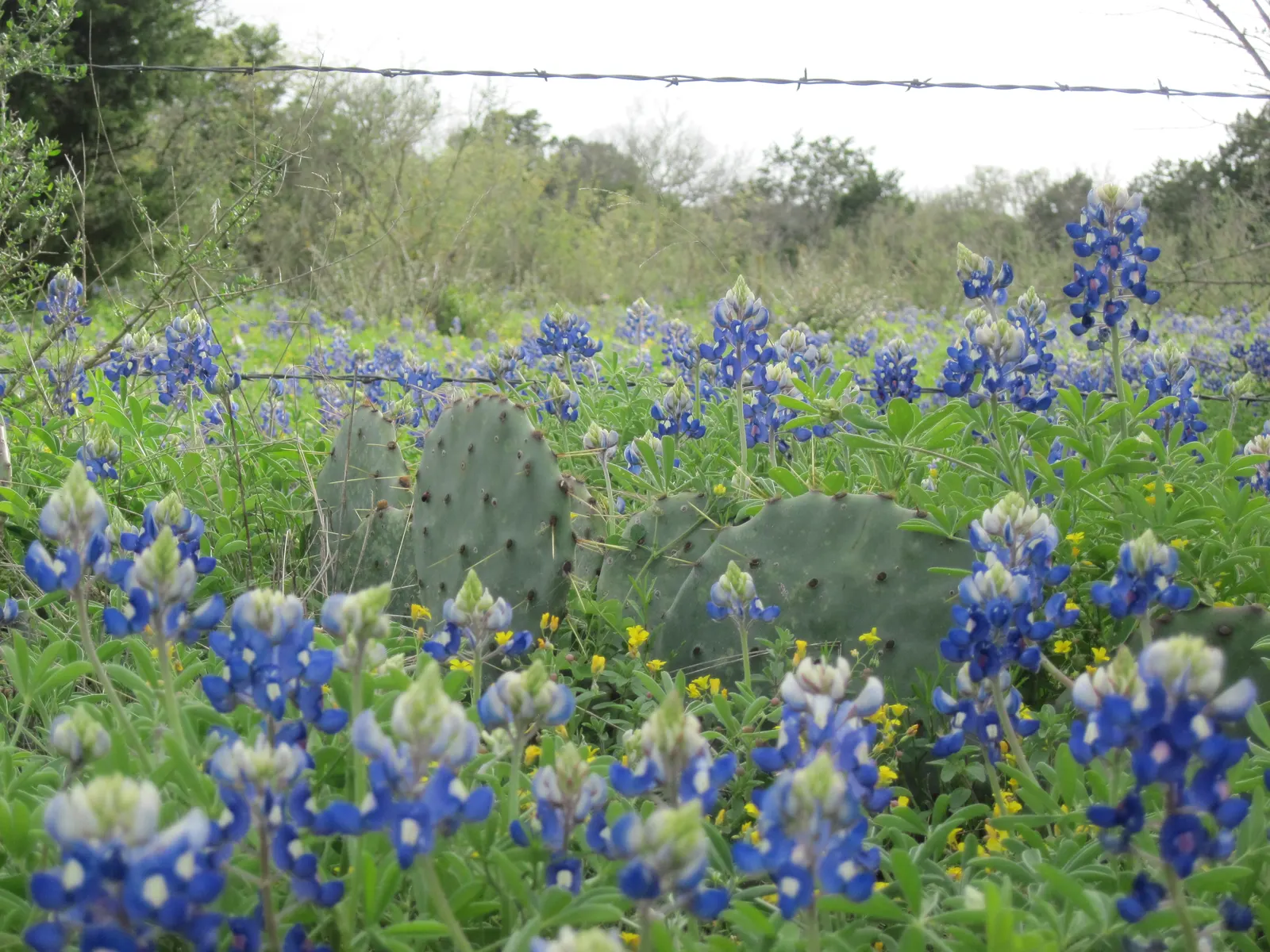
Texas Bluebonnet (Lupinus Texensis) — blue and multi-colored flowers in the garden
Texas Bluebonnet (Lupinus Texensis) — This hardy annual thrives in full sun and well-drained soils, blooming March to May; the flower spikes are, image 57
Texas Bluebonnet (Lupinus Texensis) — The Texas Bluebonnet (Lupinus texensis) graces landscapes with vibrant blue flowers; with its lupine family, image 55
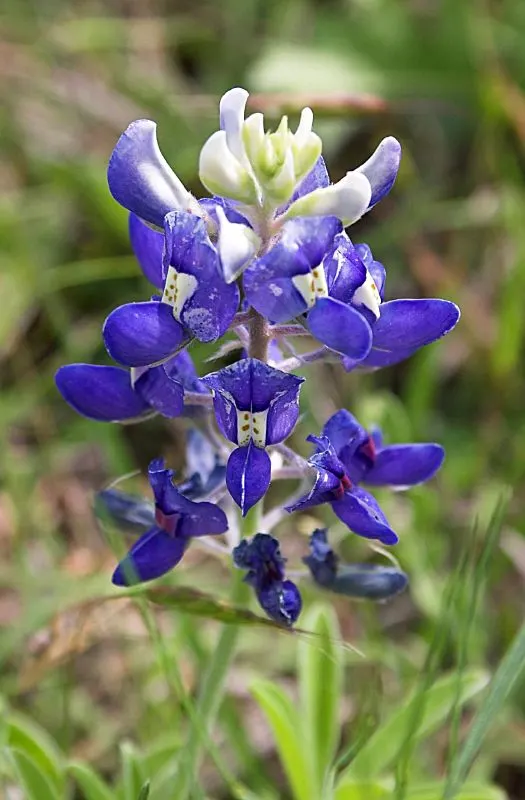
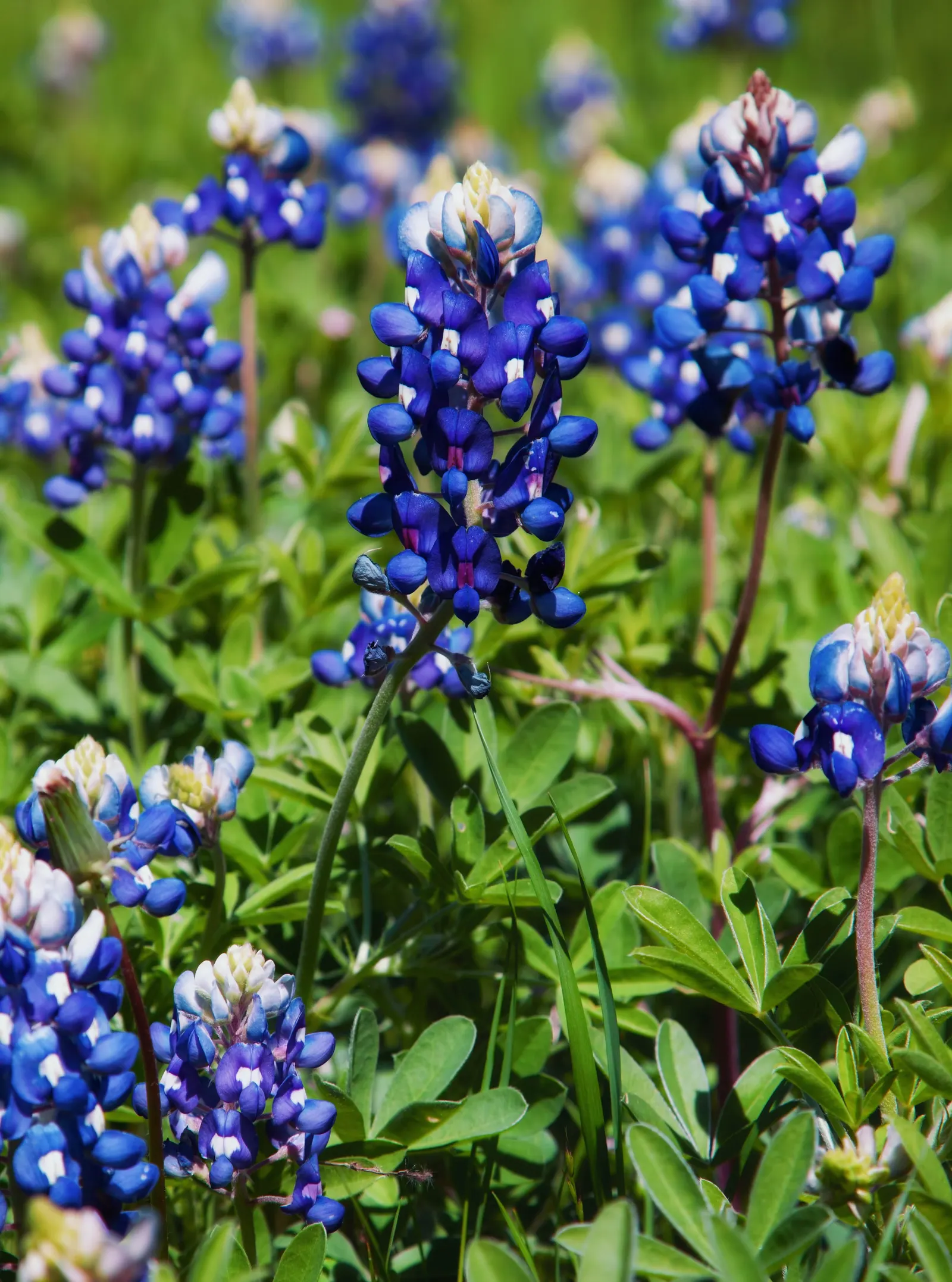
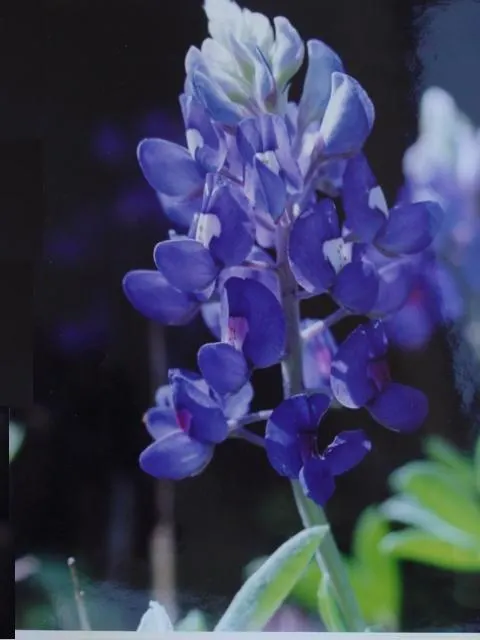
Texas Bluebonnet (Lupinus Texensis) — The flower spikes are densely packed with multiple flowers; fern-like appearance.<br><br>Flourishing in the well-drained
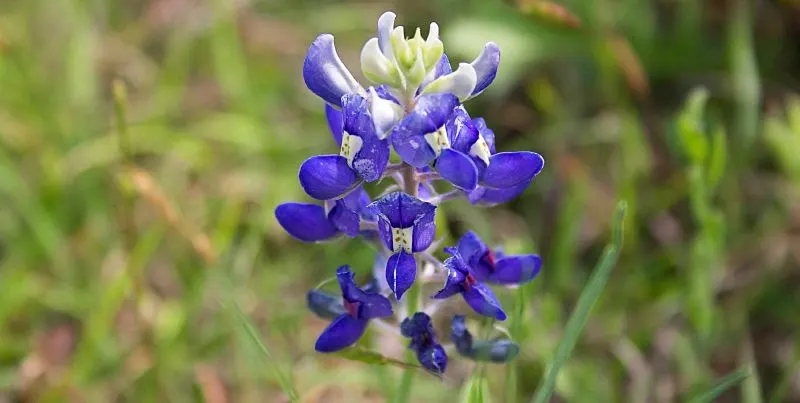
Texas Bluebonnet (Lupinus Texensis) — culminating in a characteristic white tip that contrasts beautifully with the deep blue petals; groupings or drifts of
Texas Bluebonnet (Lupinus Texensis) — With its lupine family roots
Texas Bluebonnet (Lupinus Texensis) — The Texas Bluebonnet (Lupinus texensis) graces landscapes with vibrant blue flowers
Texas Bluebonnet (Lupinus Texensis) — fern-like appearance.<br><br>Flourishing in the well-drained
Texas Bluebonnet (Lupinus Texensis) — annual for full
Texas Bluebonnet (Lupinus Texensis) — Renowned for its vibrant cobalt blue blossoms; its leaves are palmately compound, image 64
Texas Bluebonnet (Lupinus Texensis) — consider its role as an annual wildflower that readily reseeds itself
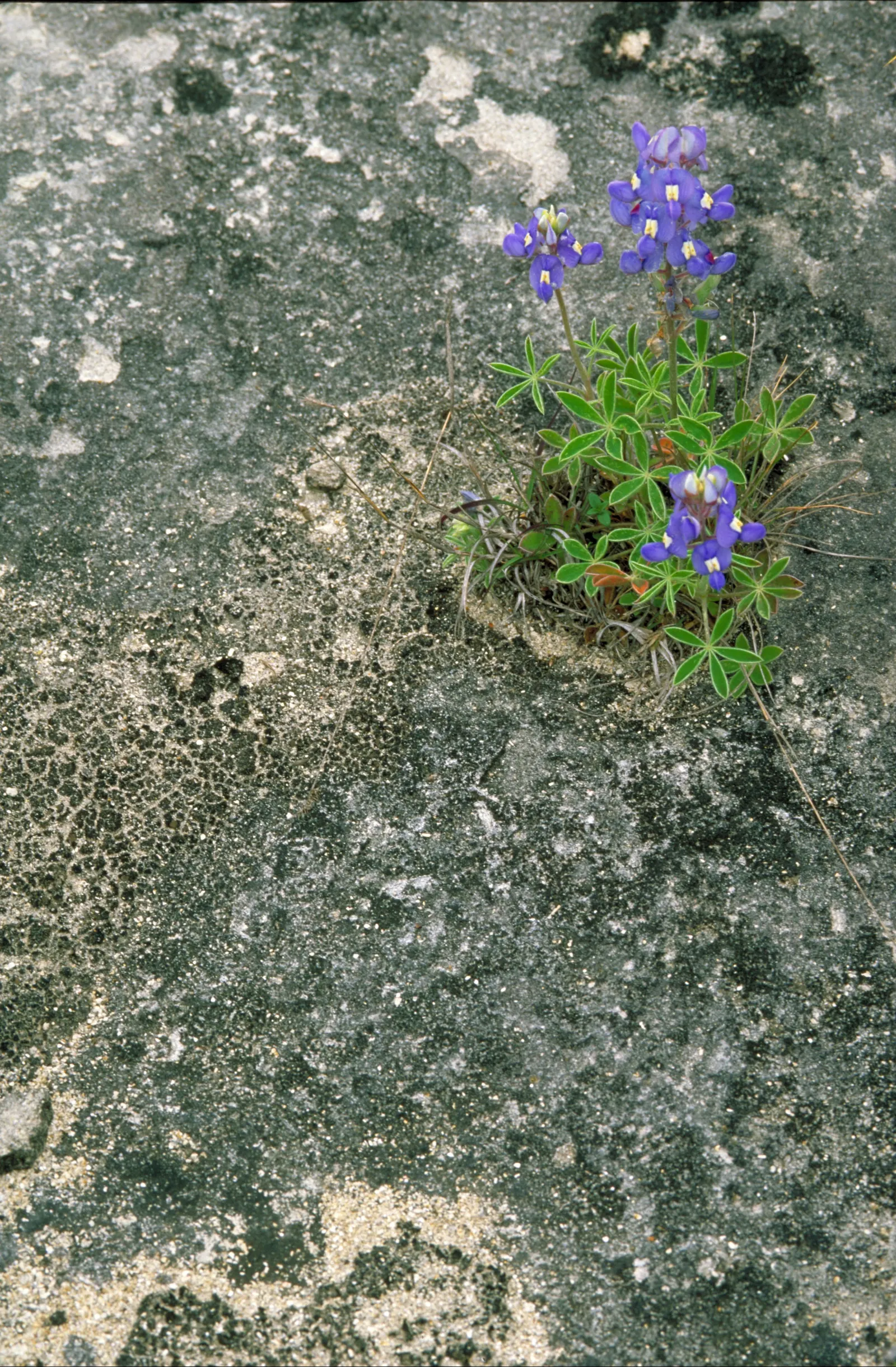
Texas Bluebonnet (Lupinus Texensis) — Renowned for its vibrant cobalt blue blossoms; its leaves are palmately compound
Texas Bluebonnet (Lupinus Texensis) — peaking at a modest height of 12-24 inches
Texas Bluebonnet (Lupinus Texensis) — The flower spikes are densely packed with multiple flowers; fern-like appearance.<br><br>Flourishing in the, image 72
Texas Bluebonnet (Lupinus Texensis) — The Texas Bluebonnet (Lupinus texensis) holds the esteemed title of the Lone Star State's state flower
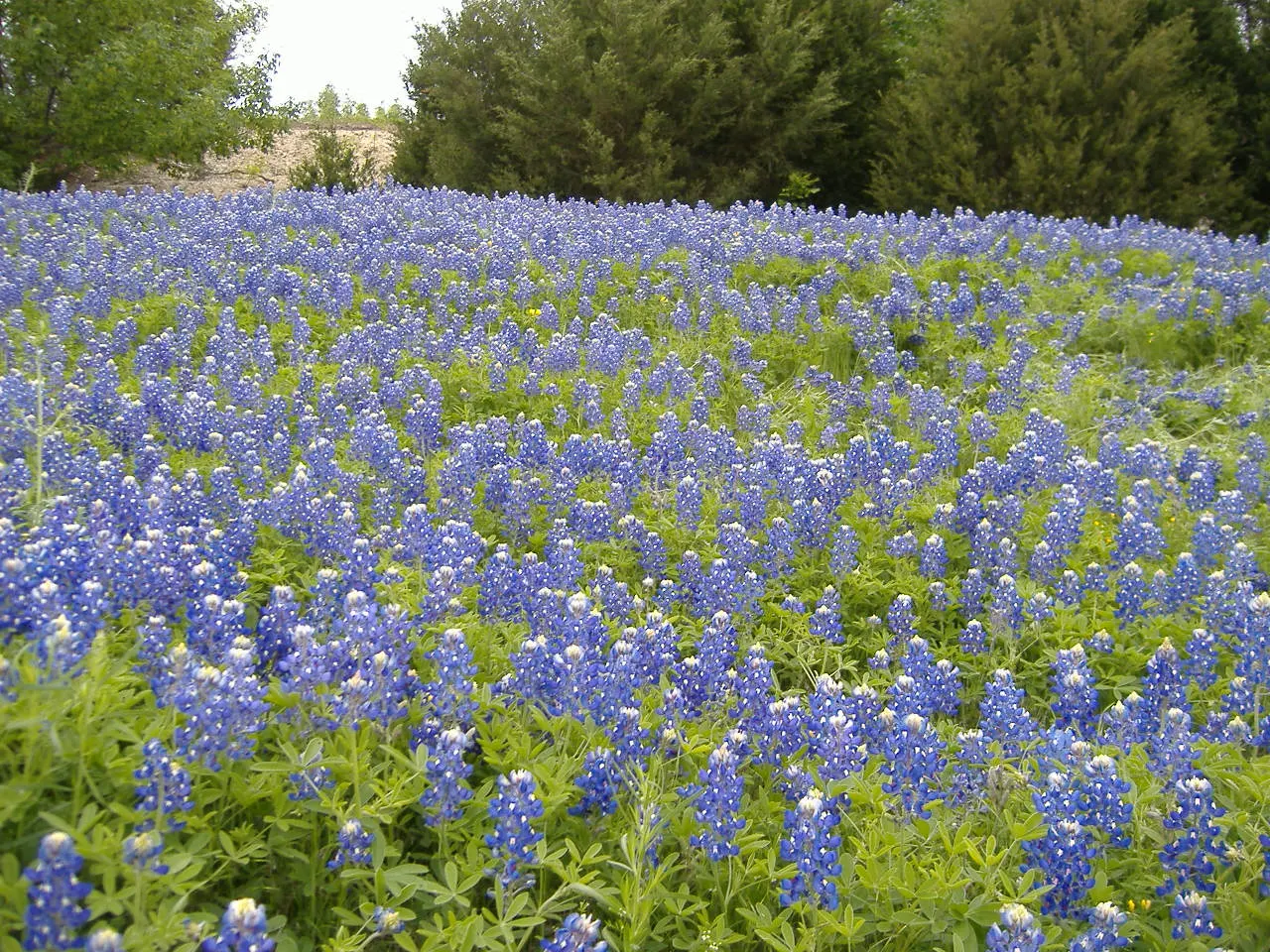
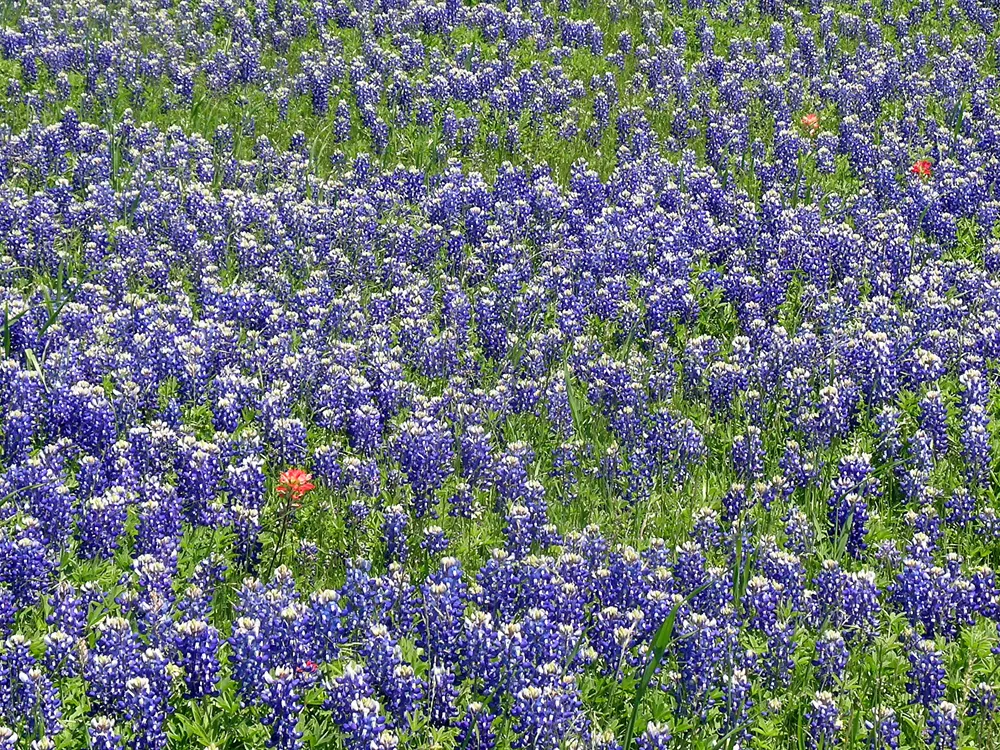
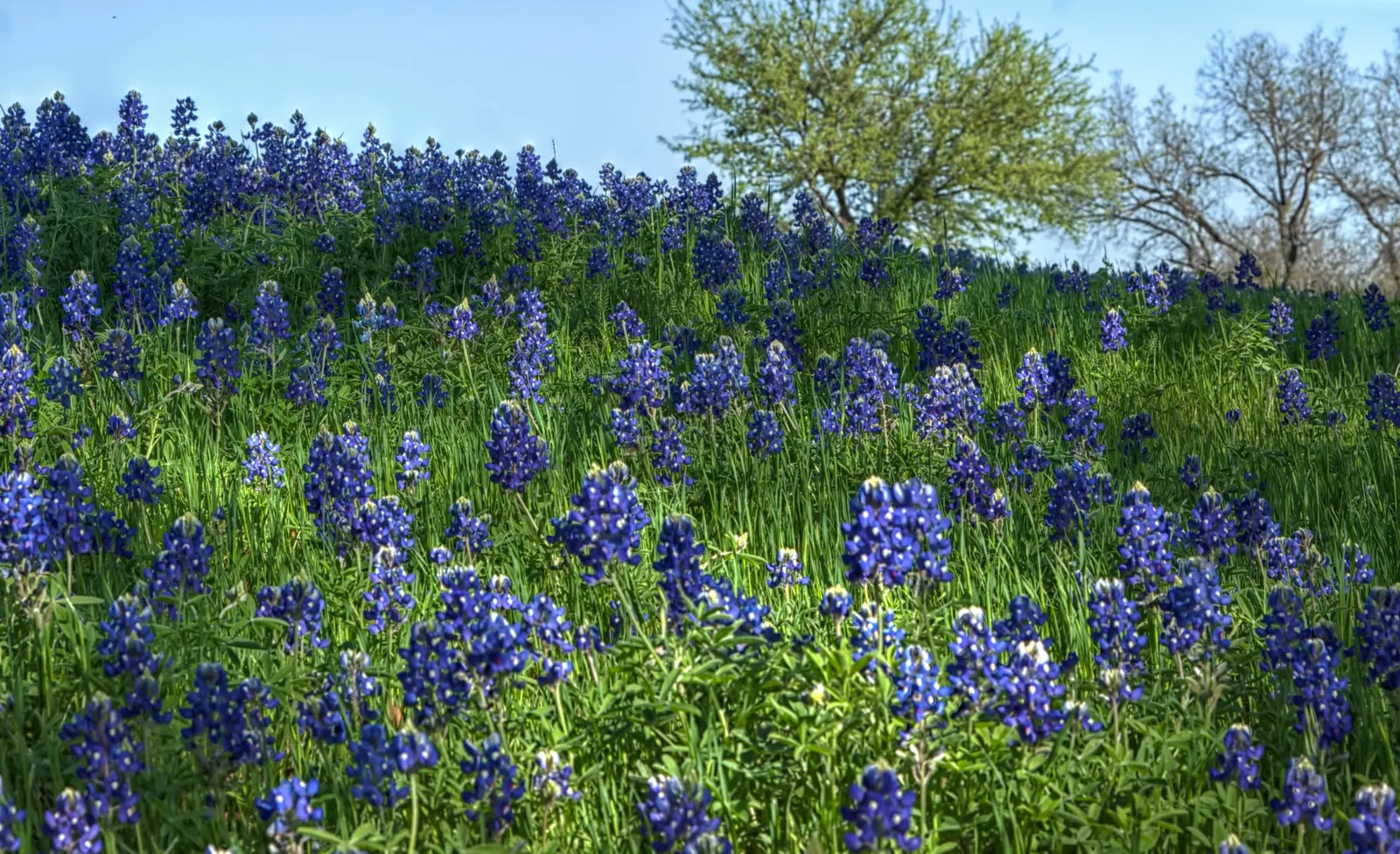
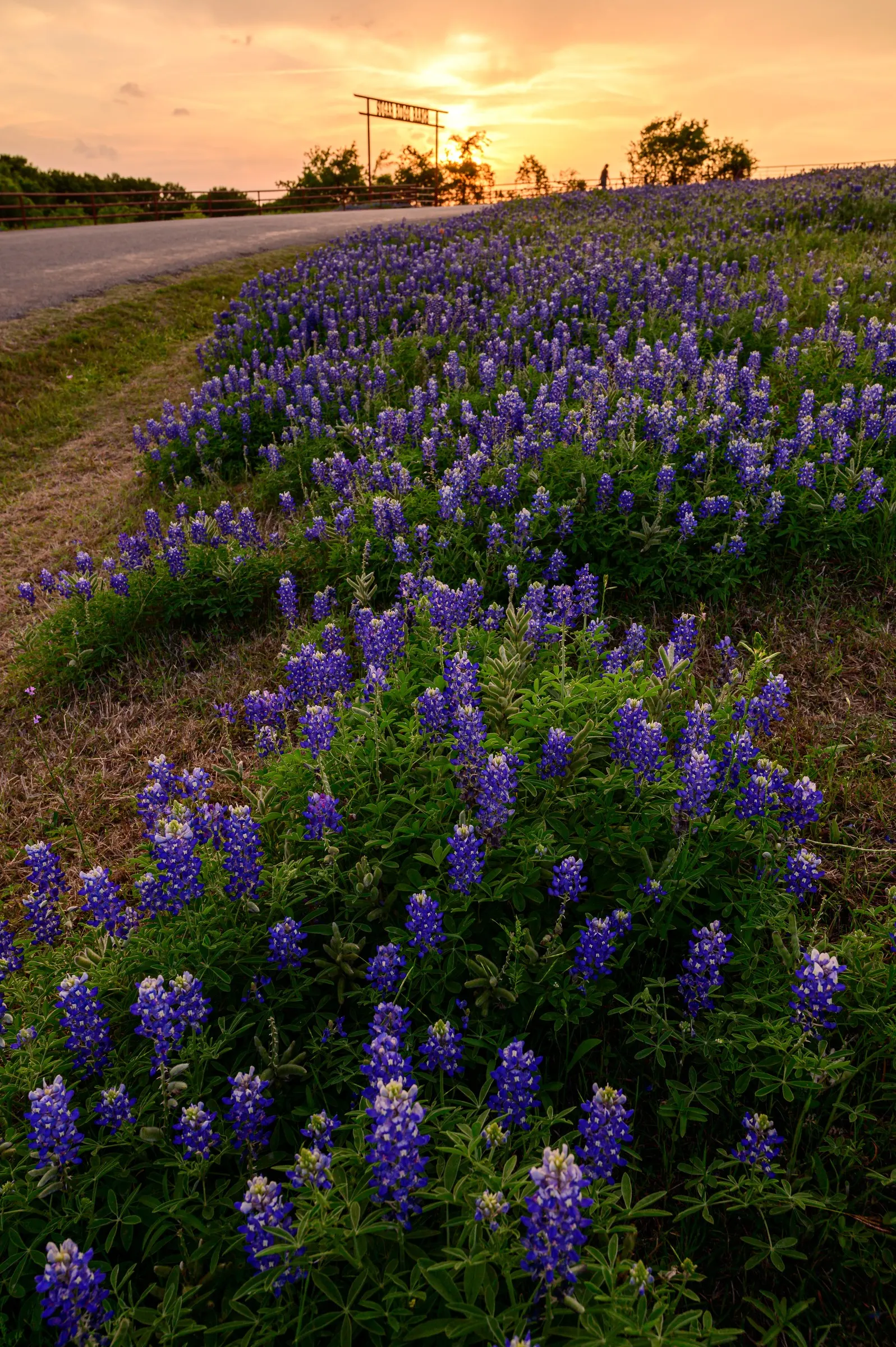
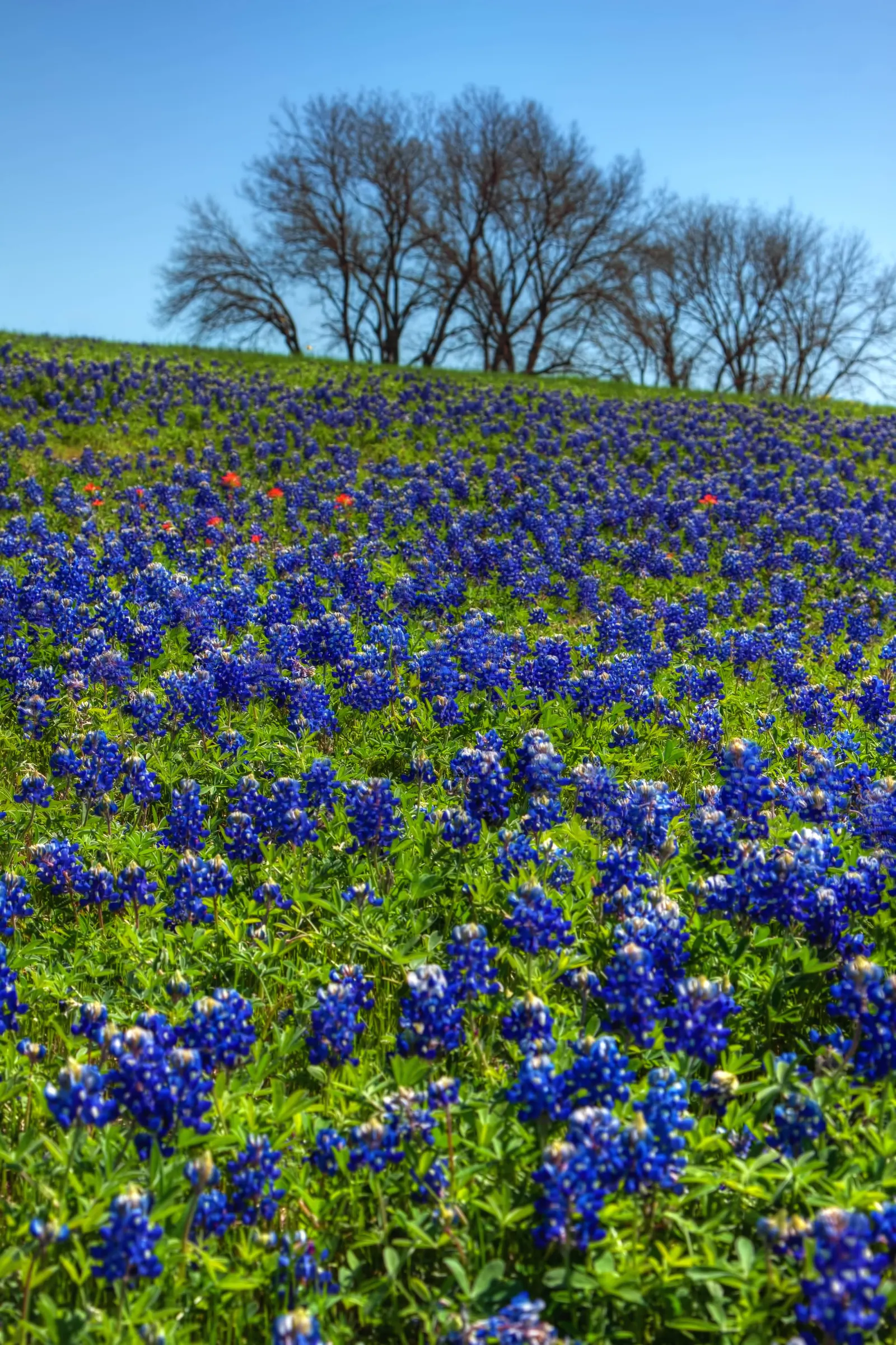
Texas Bluebonnet (Lupinus Texensis) — Groupings or drifts of bluebonnets create stunning sea of blue effect in the garden; the bluebonnet favors full sun
Texas Bluebonnet (Lupinus Texensis) — the plant typically reaches a modest height of about 12 to 24 inches
Texas Bluebonnet (Lupinus Texensis) — It's the Texas state flower, perfect for adding a touch of regional character to any garden; culminating in a, image 61
Texas Bluebonnet (Lupinus Texensis) — the bluebonnet favors full sun exposure to perform best
Texas Bluebonnet (Lupinus Texensis) — offering an early-season nectar source for pollinators such as bees and butterflies, image 50
Texas Bluebonnet (Lupinus Texensis) — Zones for planting are typically USDA hardiness zones 3 to 8; this hardy annual thrives in full sun and well-drained
Texas Bluebonnet (Lupinus Texensis) — An established bluebonnet can be drought-resistant; peaking at a modest height of 12-24 inches
Texas Bluebonnet (Lupinus Texensis) — the bluebonnet favors full sun exposure to perform best; the Texas Bluebonnet (Lupinus texensis) graces landscapes with
Texas Bluebonnet (Lupinus Texensis) — the bluebonnet favors full sun exposure to perform best; the Texas Bluebonnet (Lupinus texensis) graces, image 70
Photographs by 12 contributors

Related plants