Skip to content

Wild Lupine

Lupinus Perennis

Design with this plant

Overview

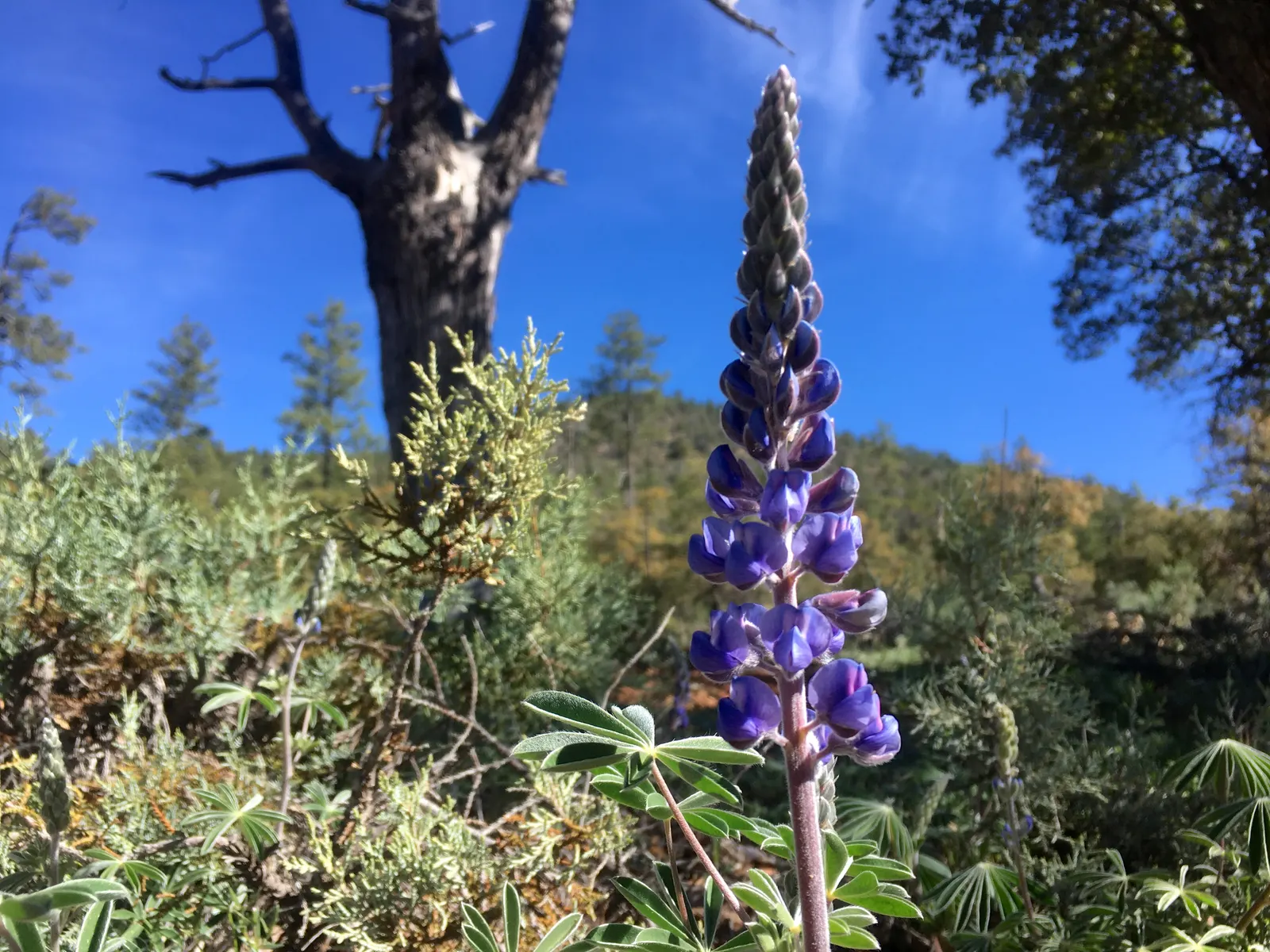
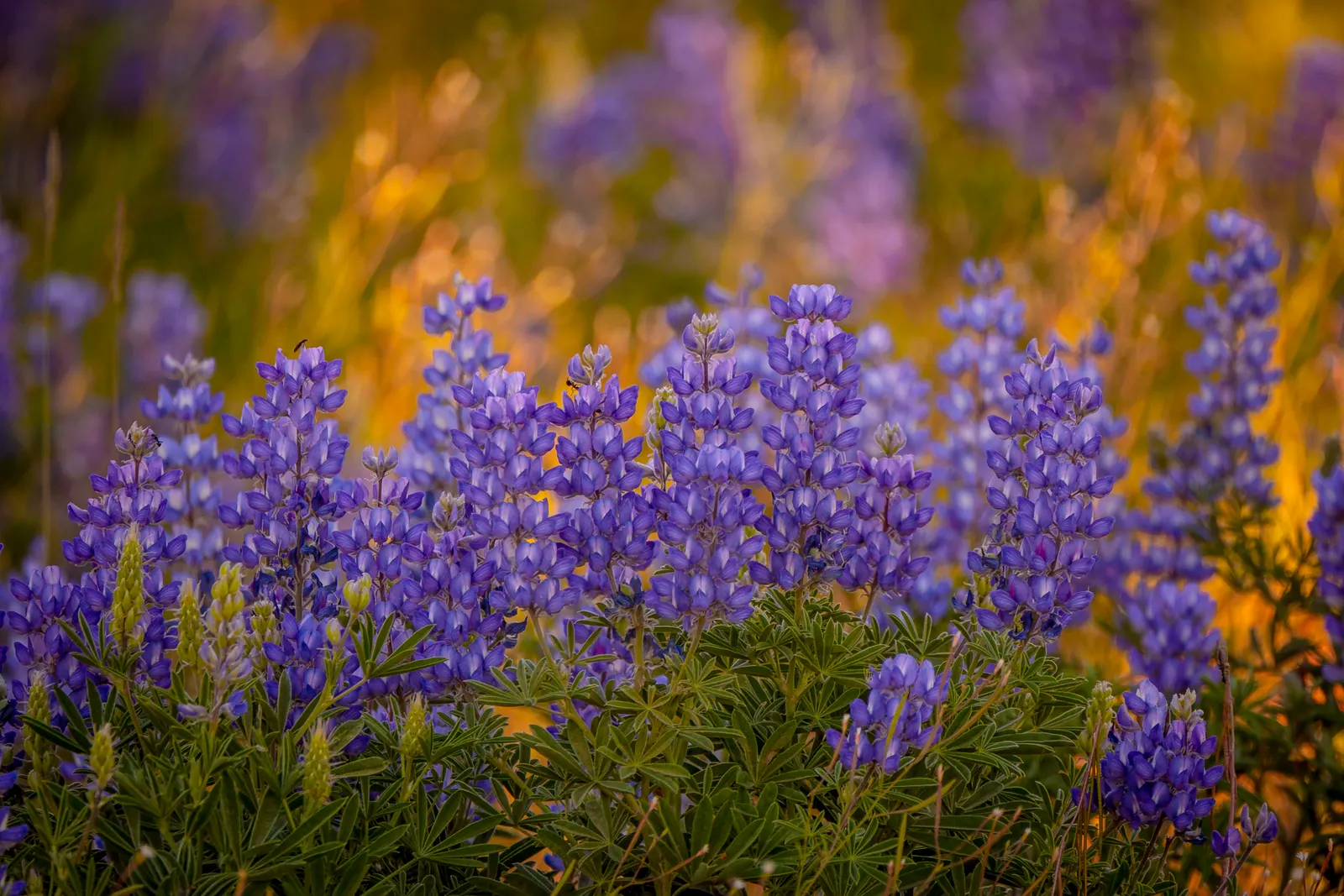
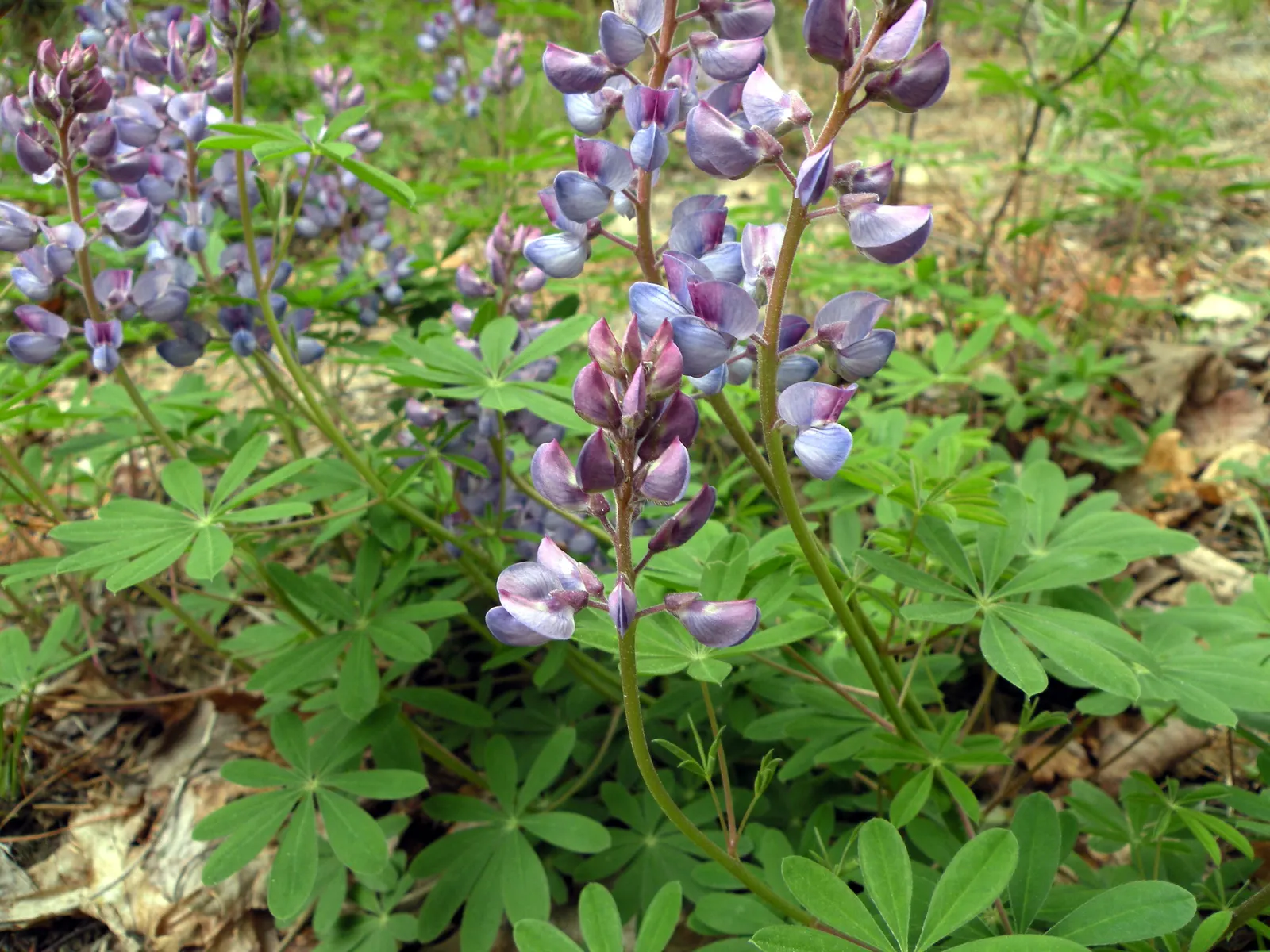
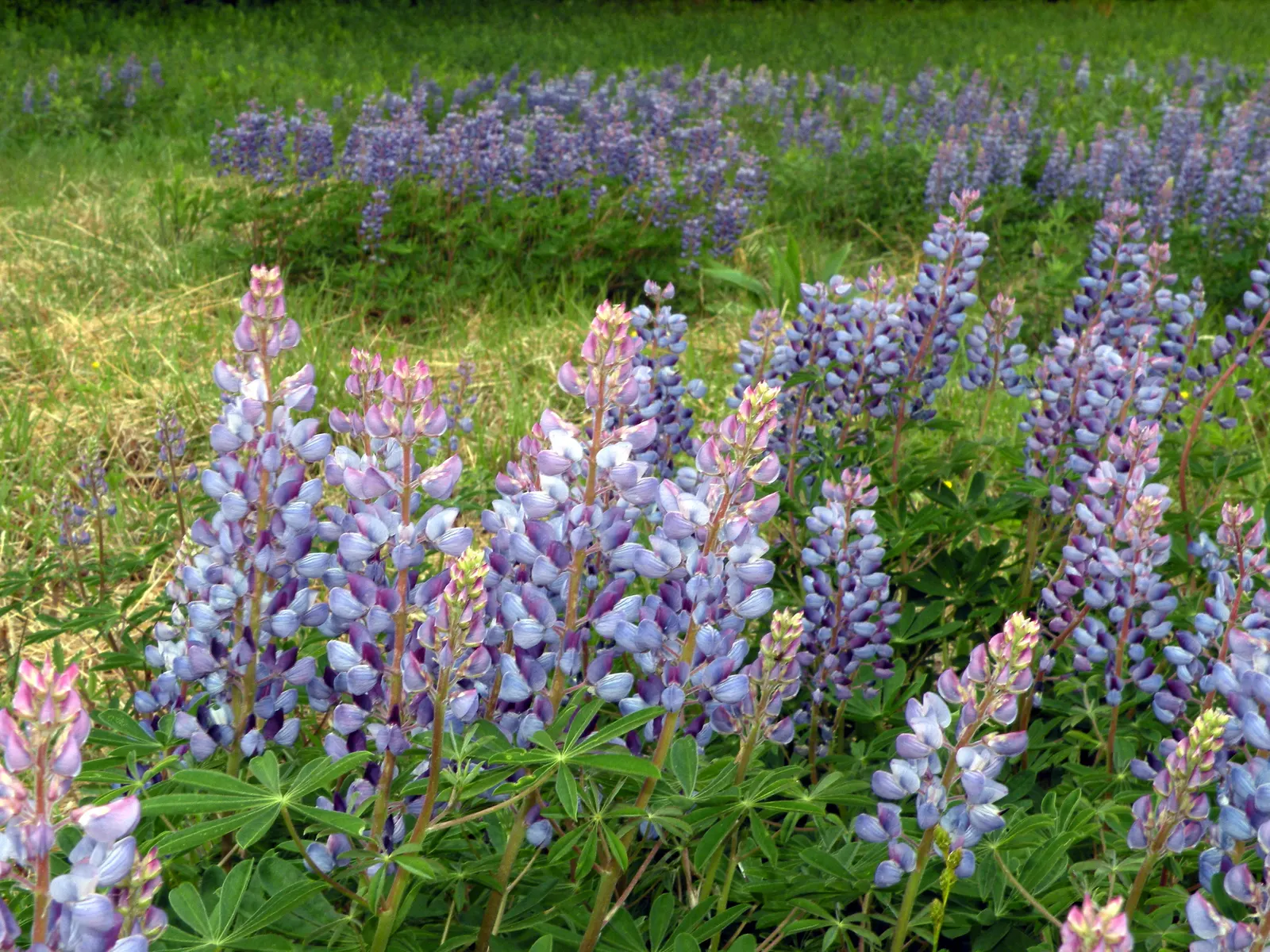
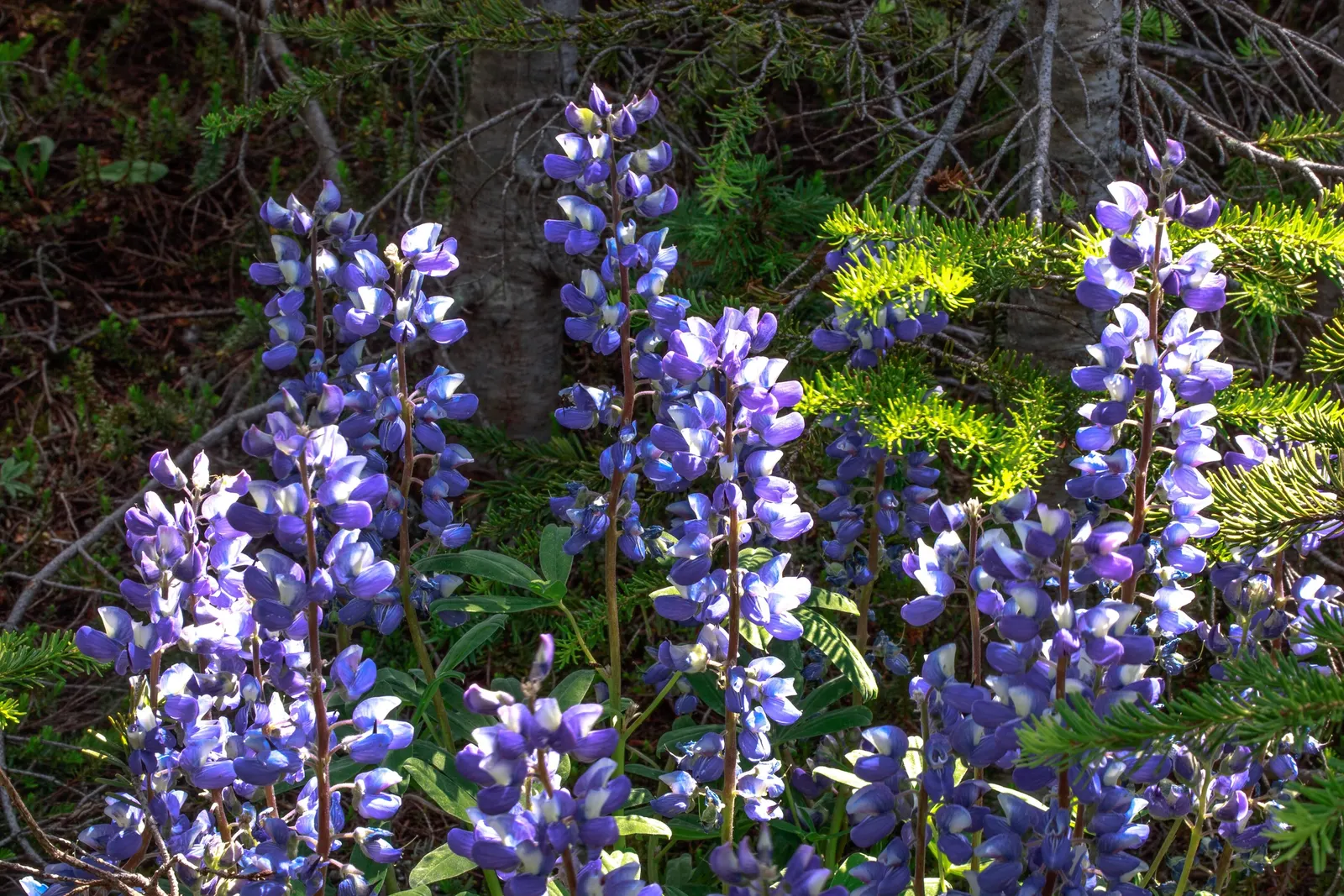
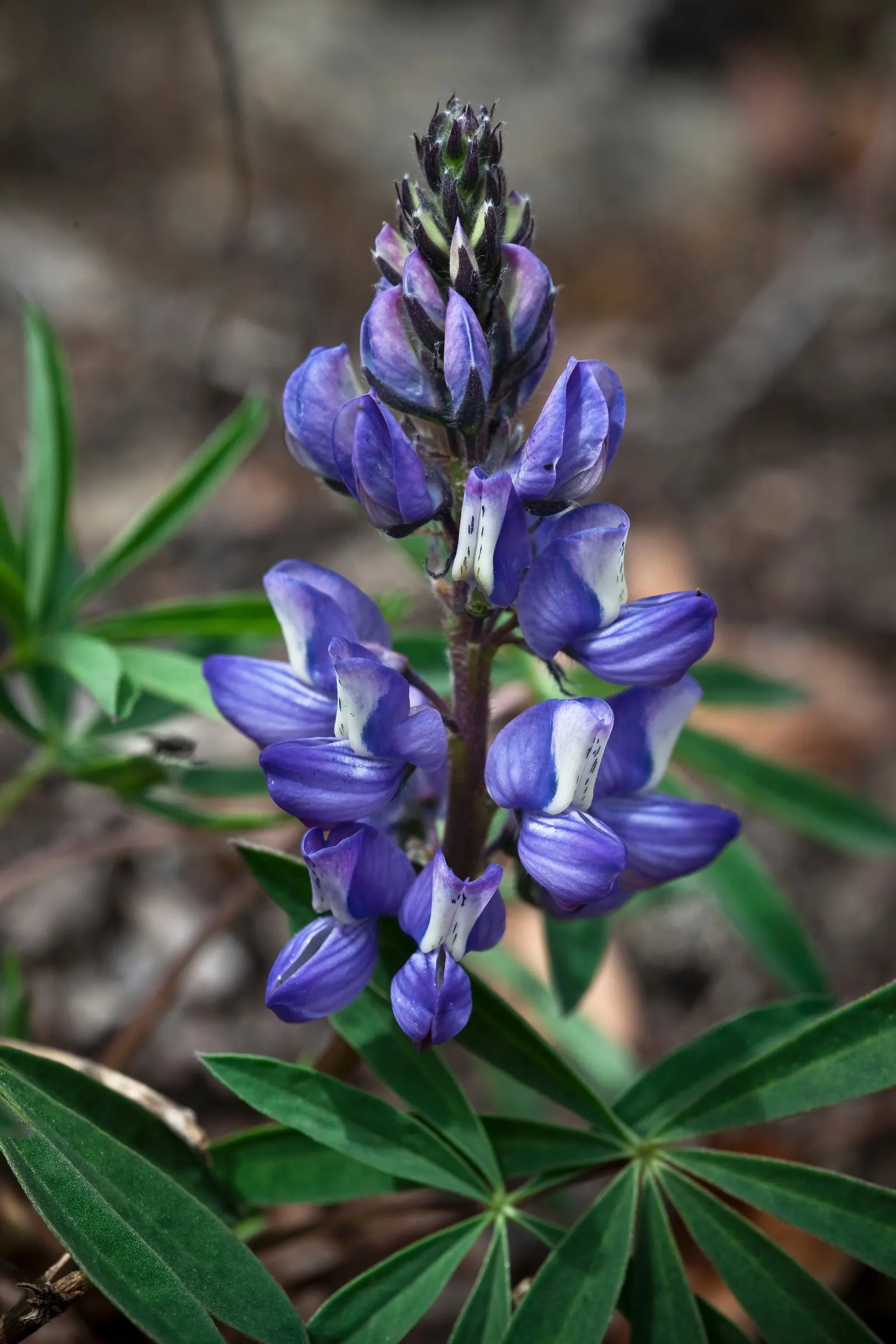
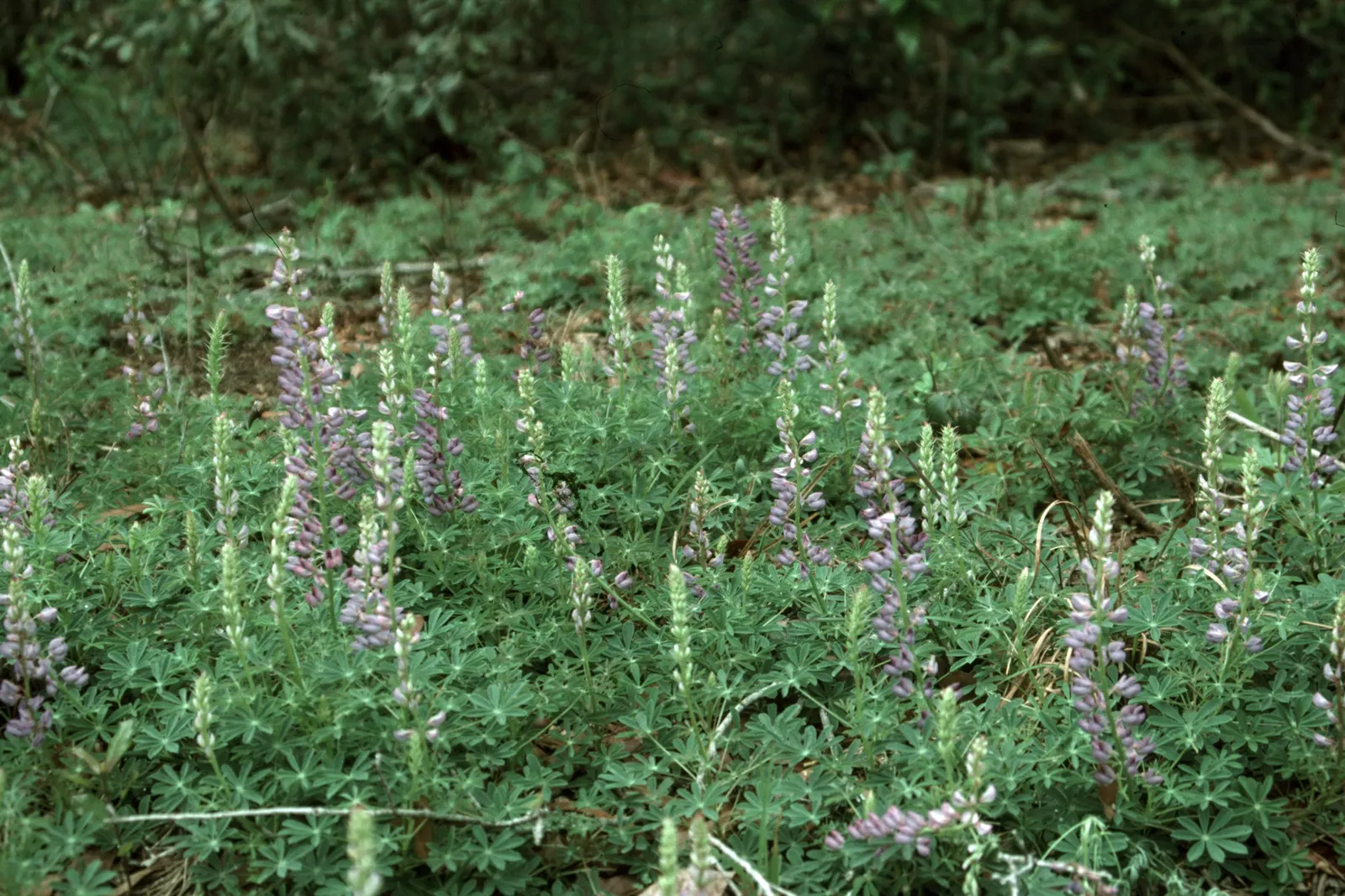
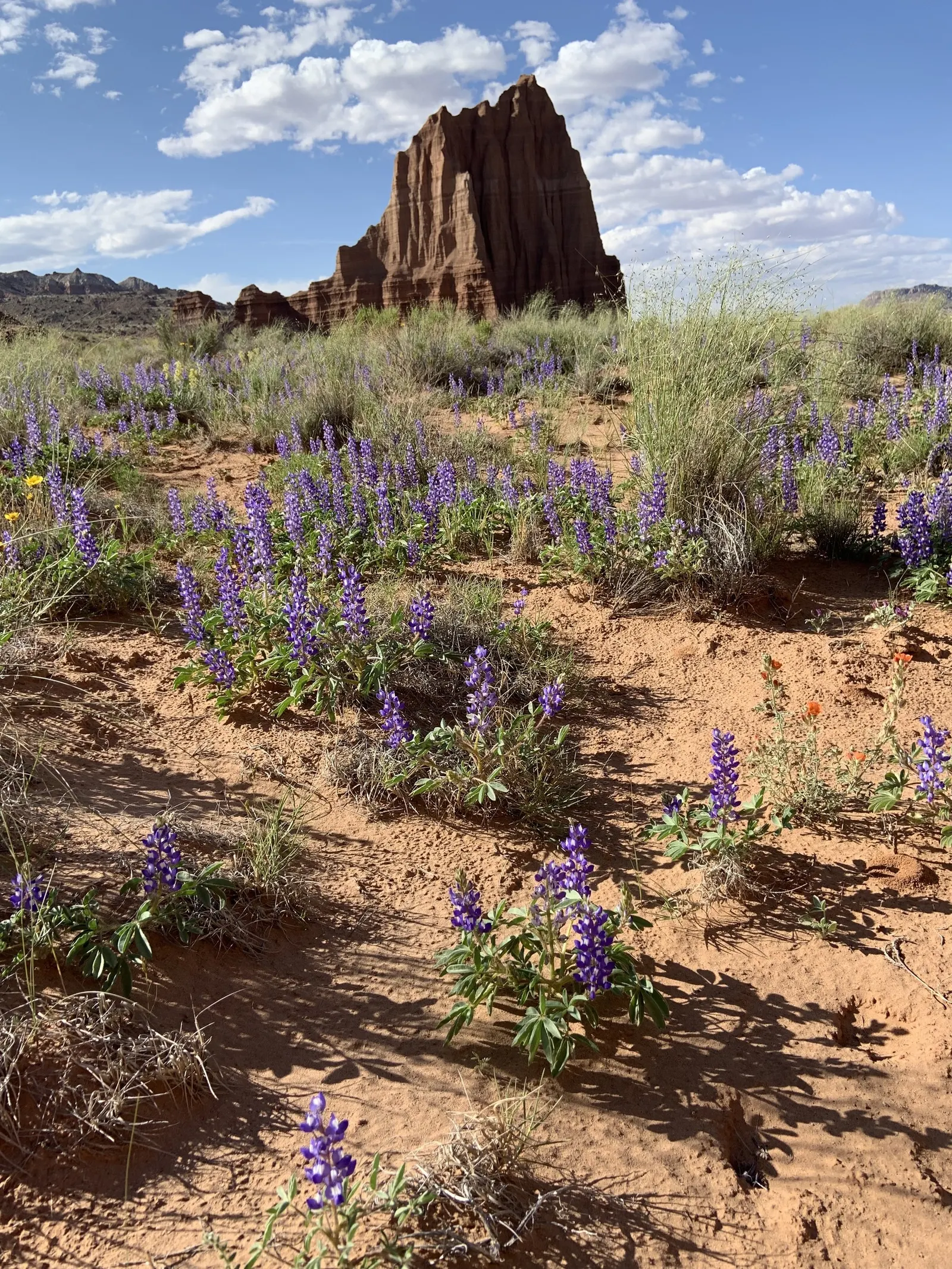
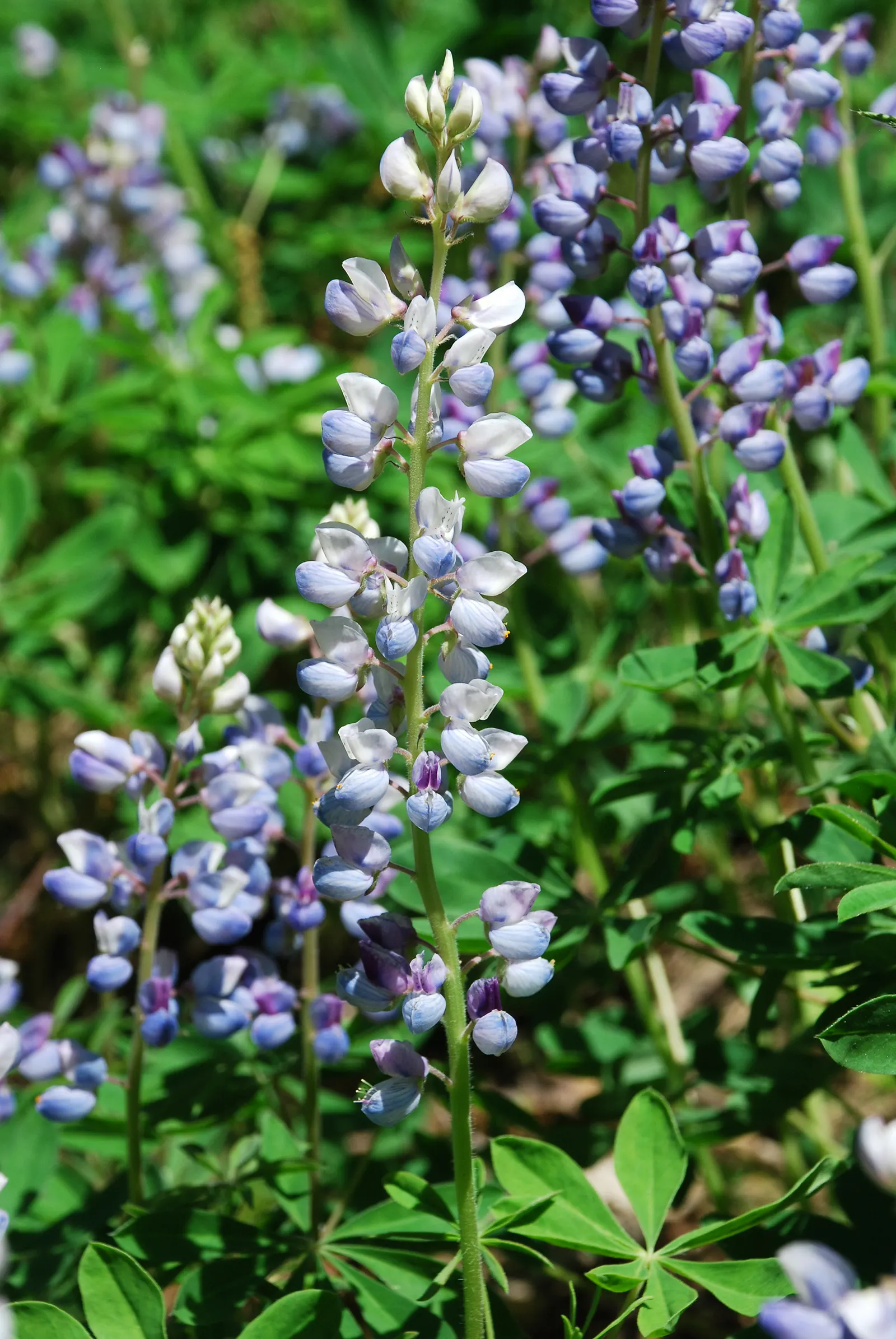
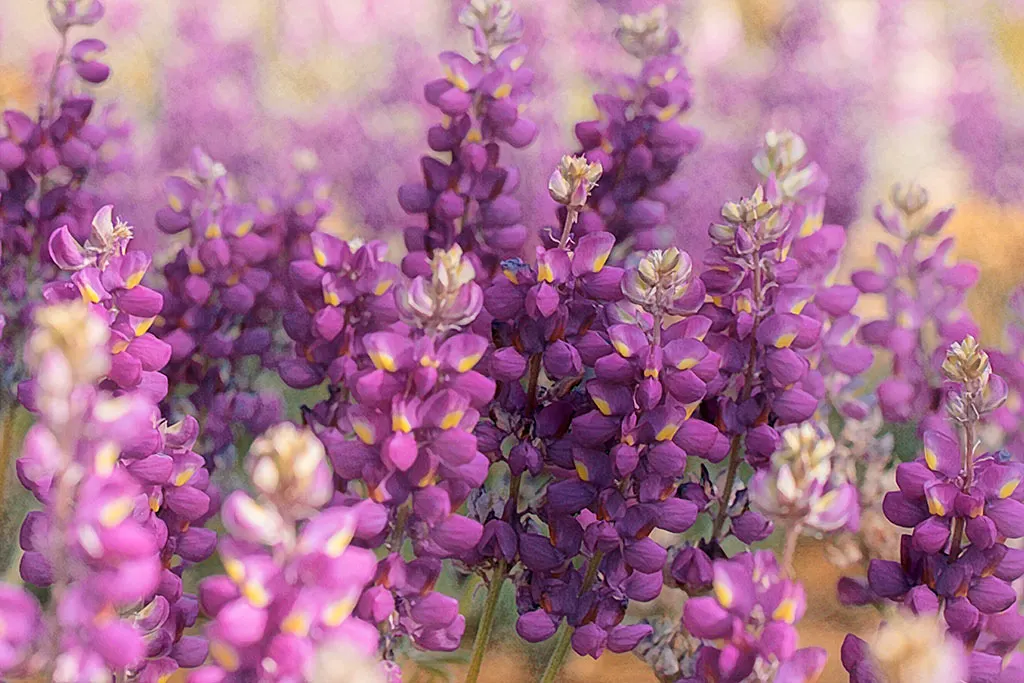
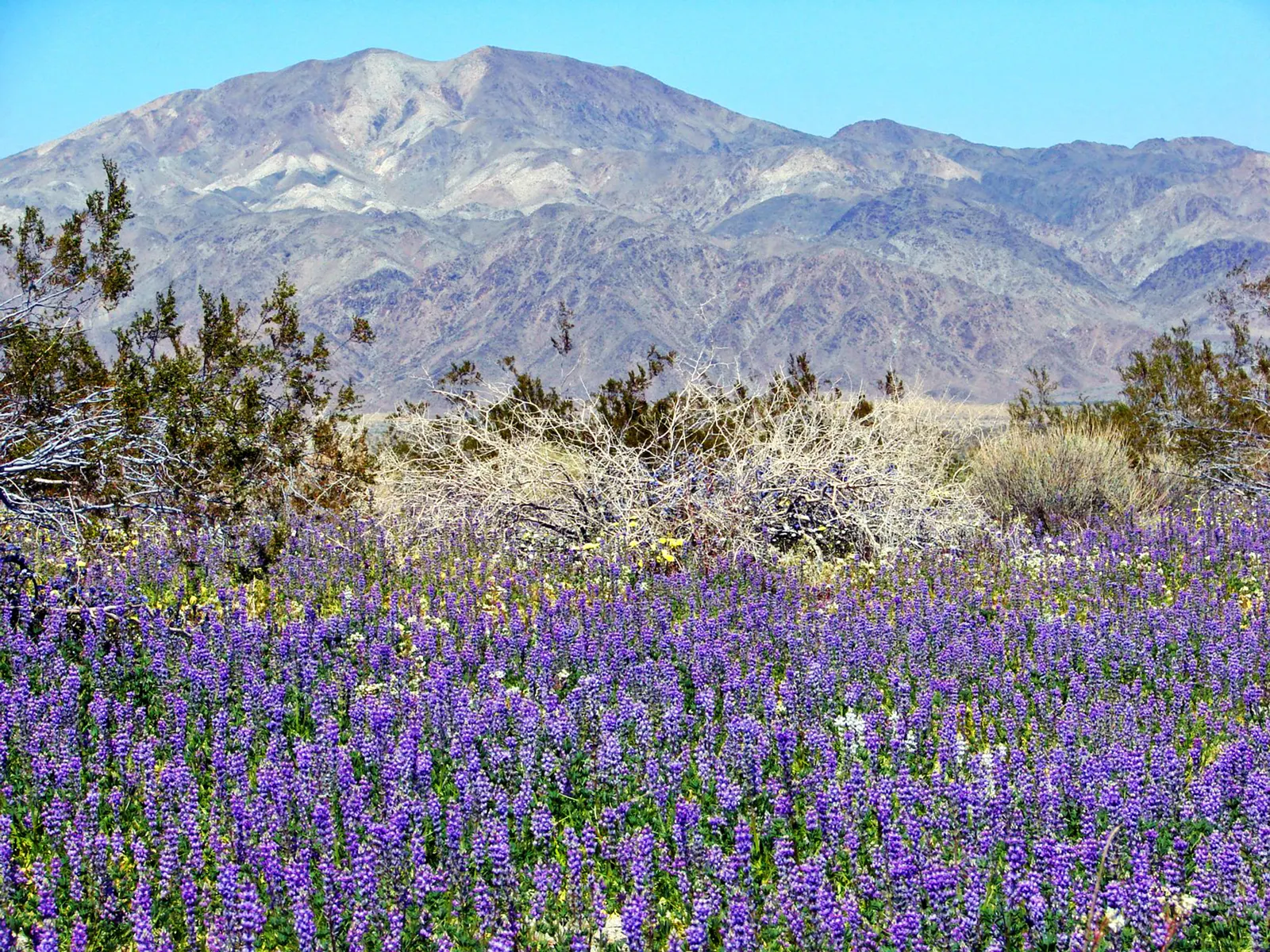
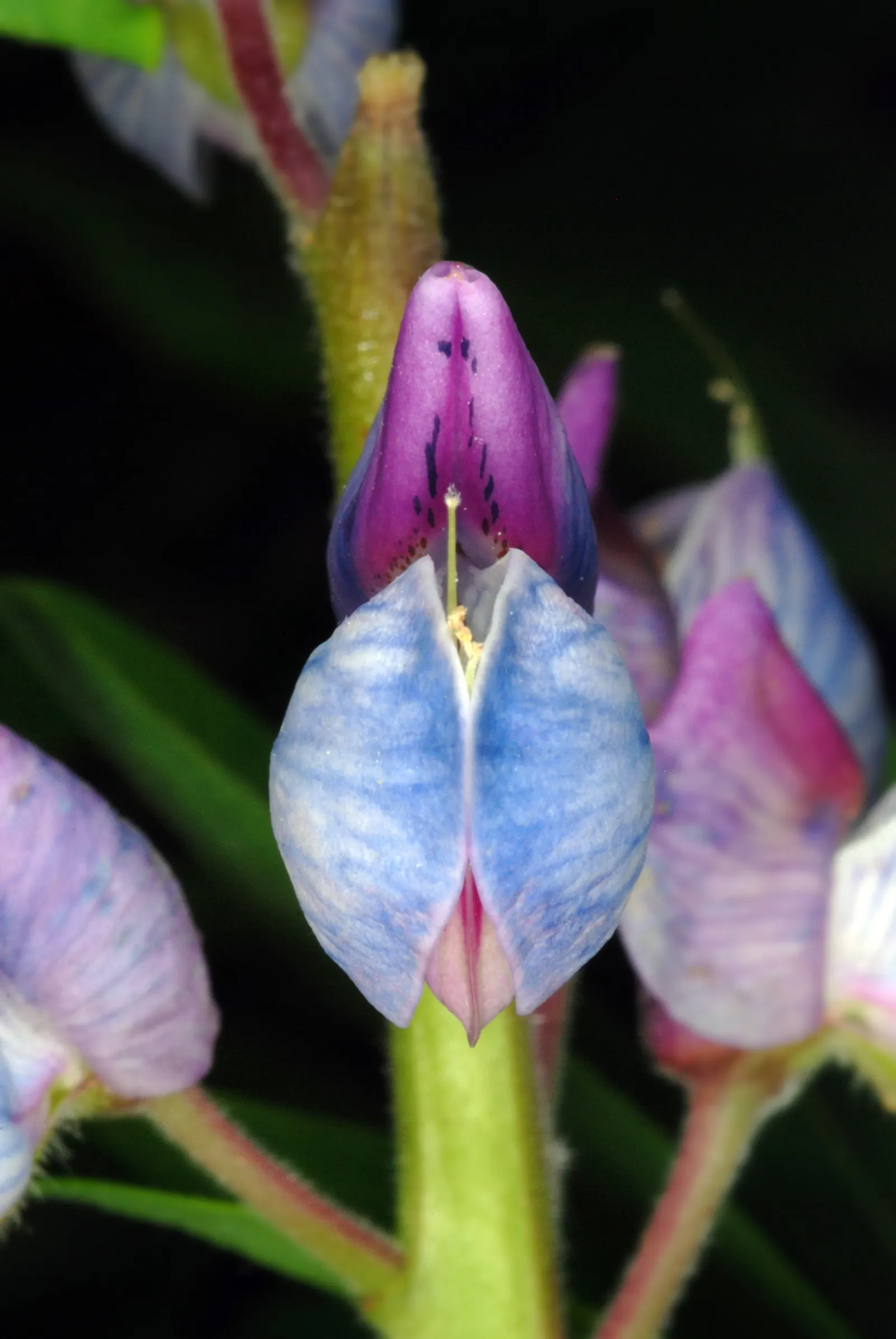
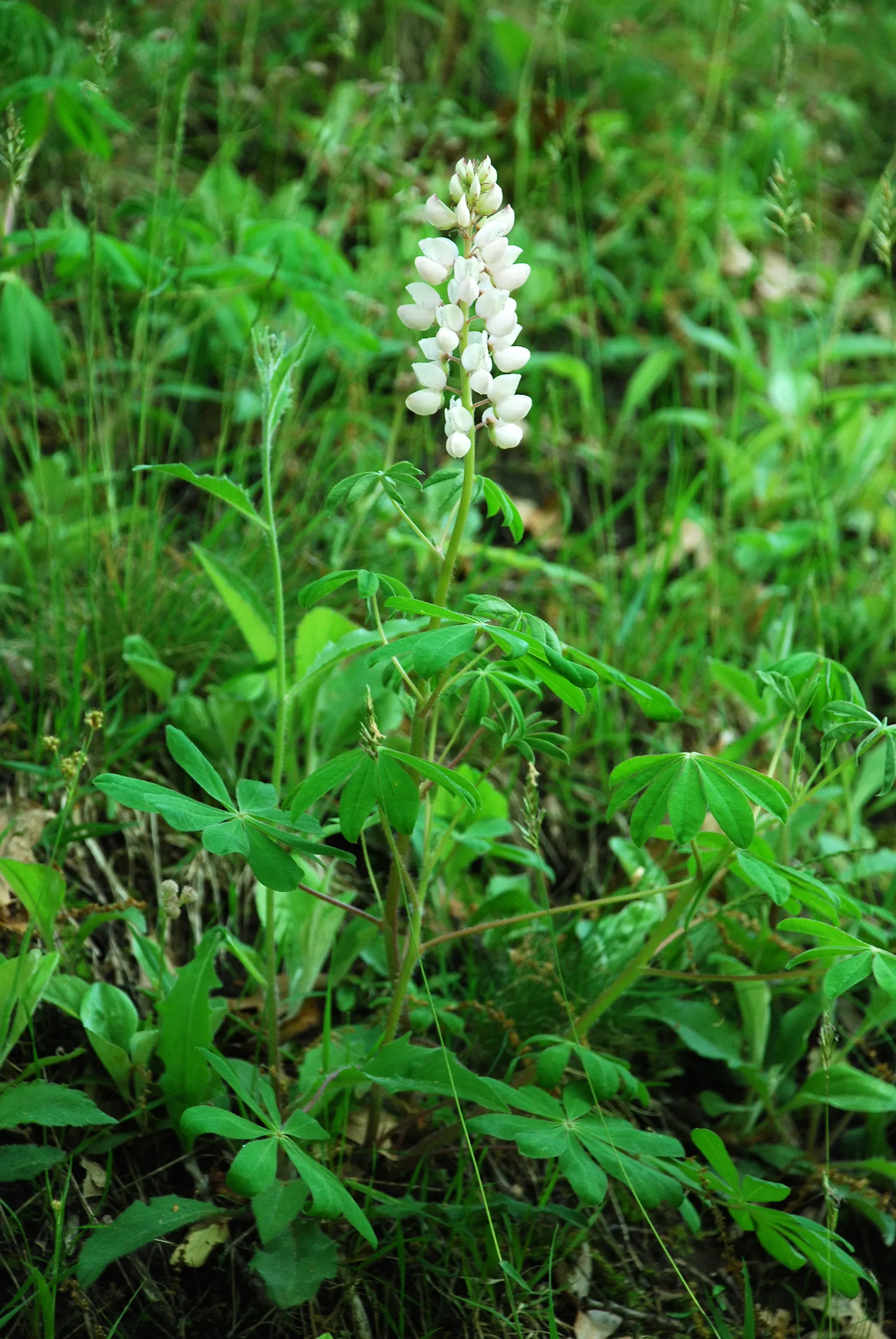
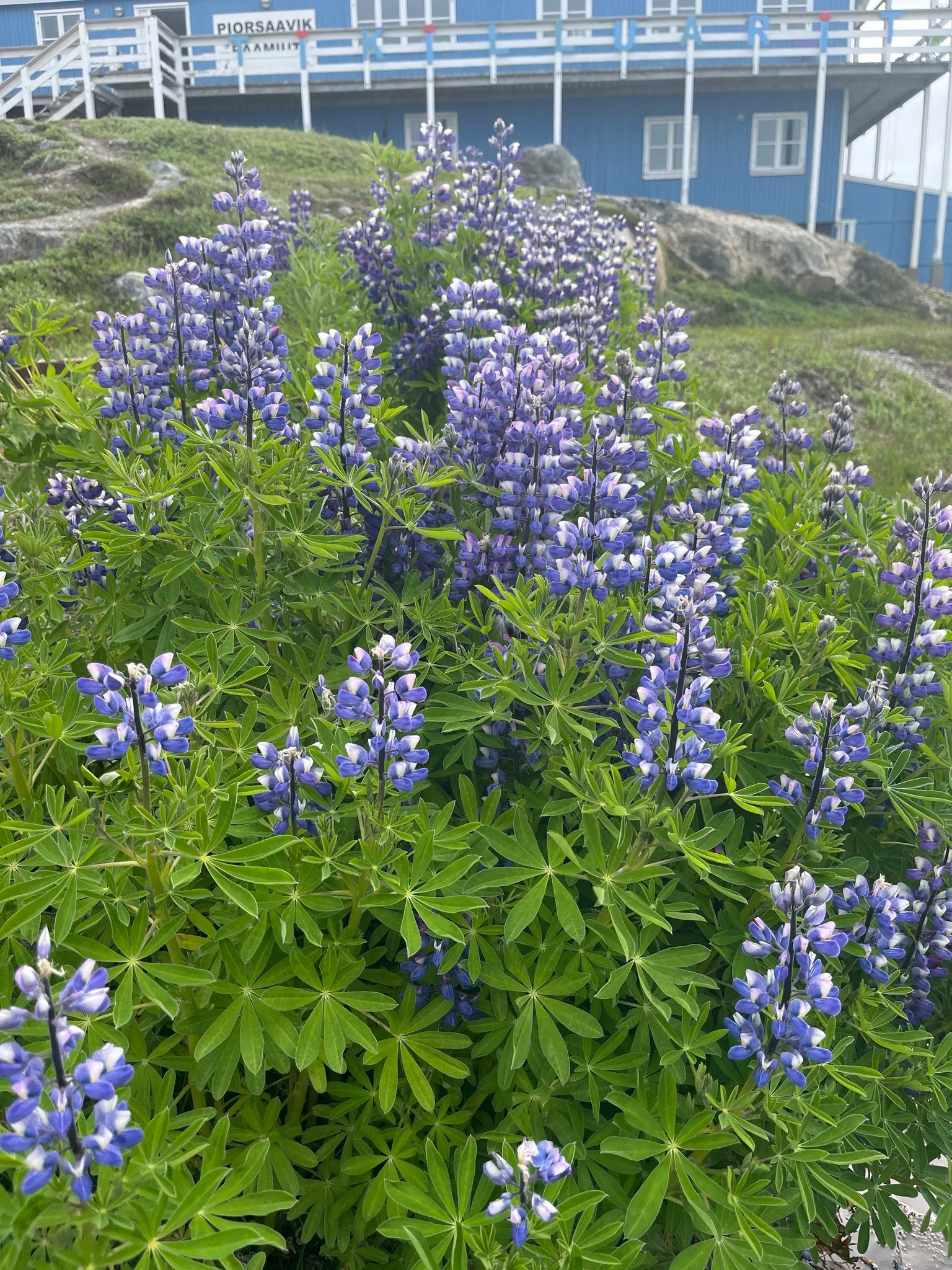
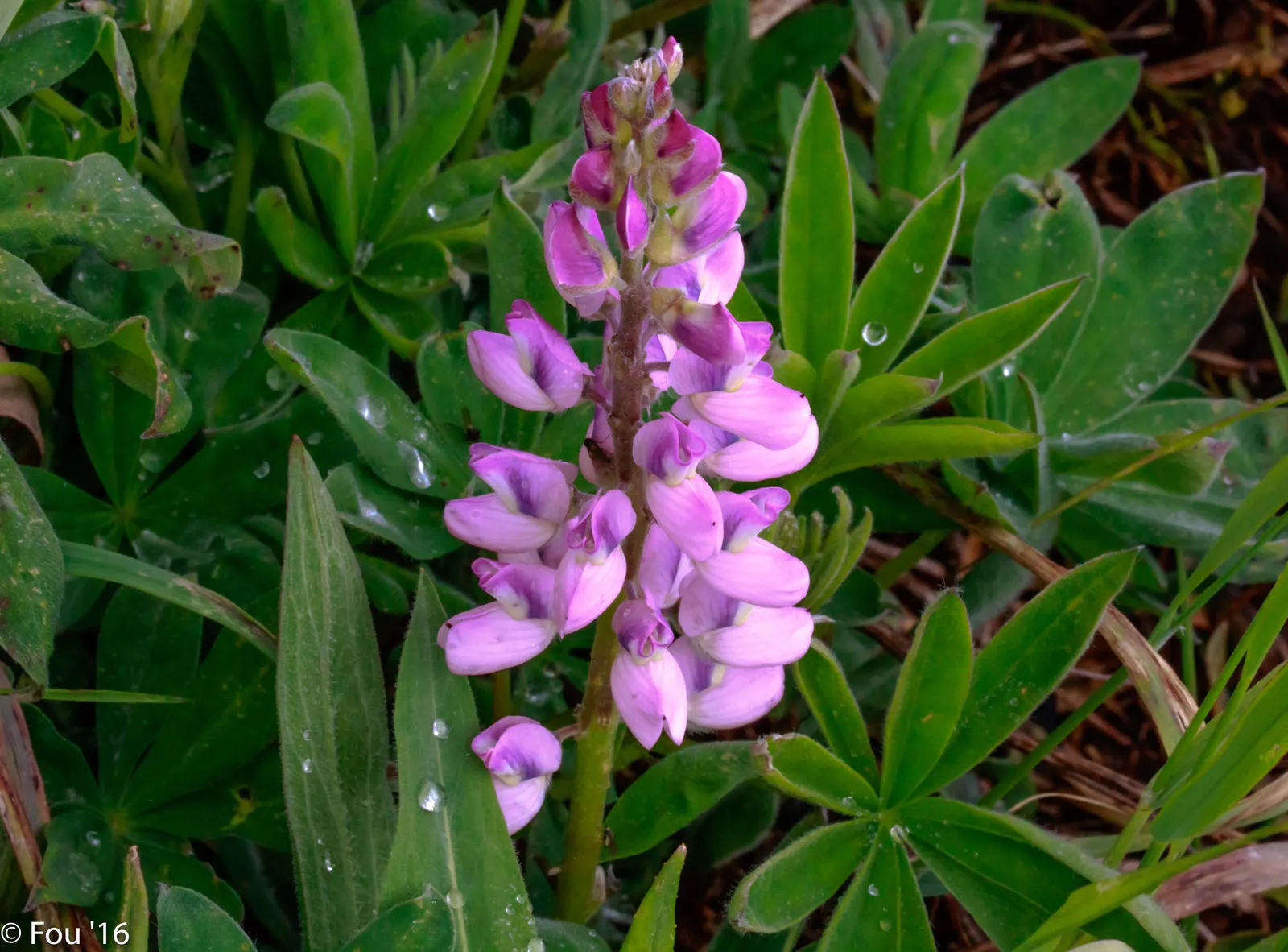
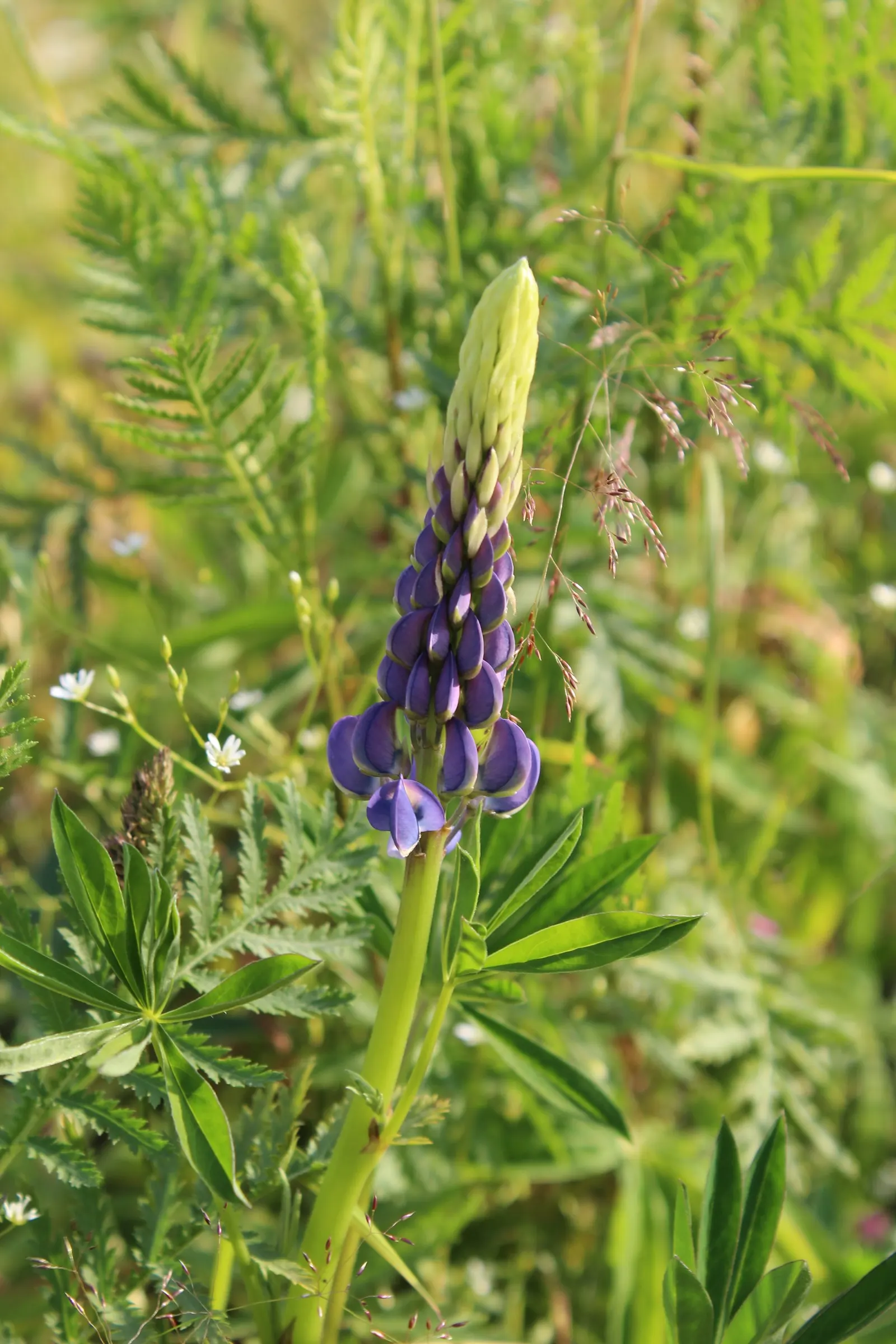
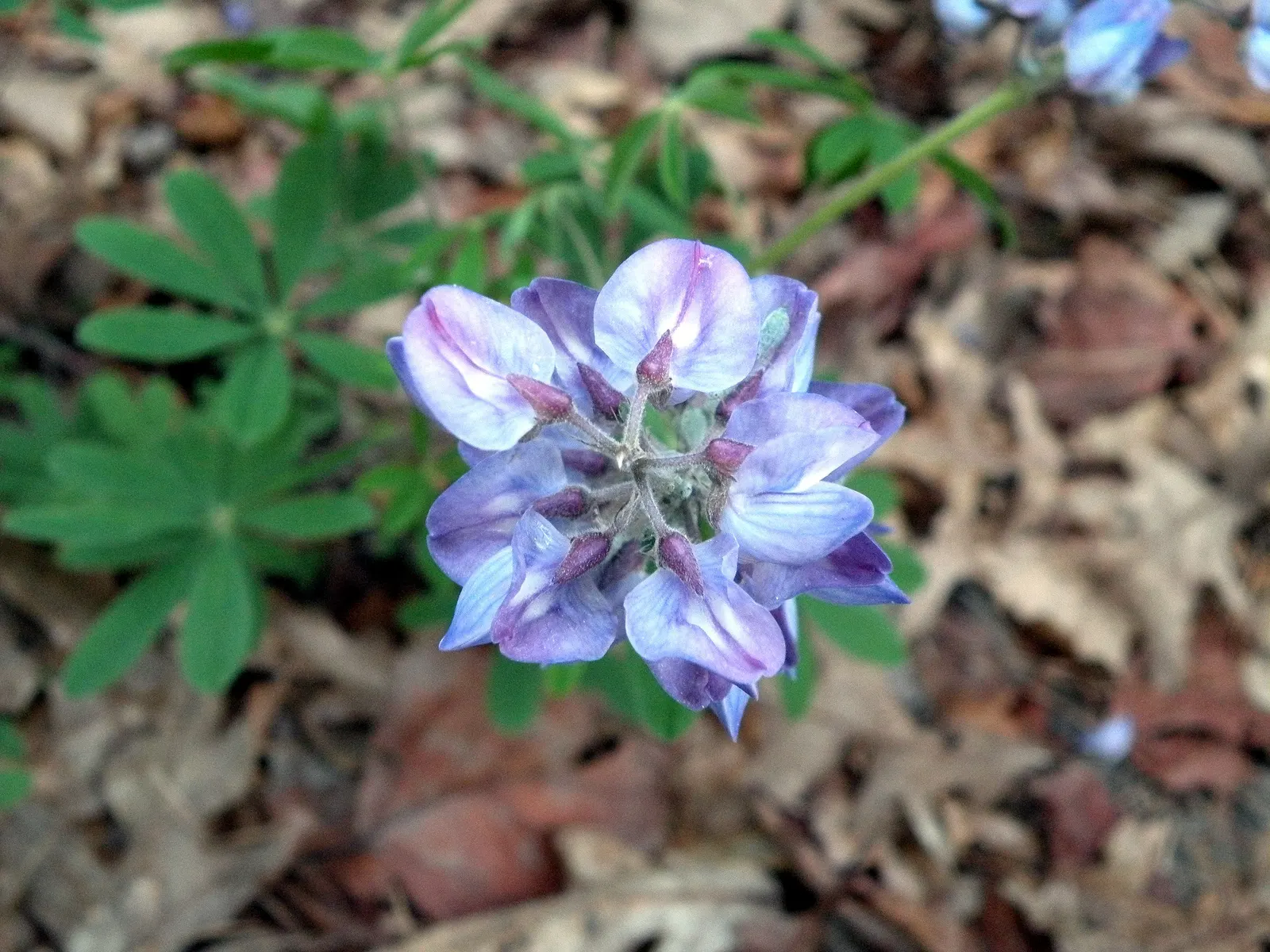
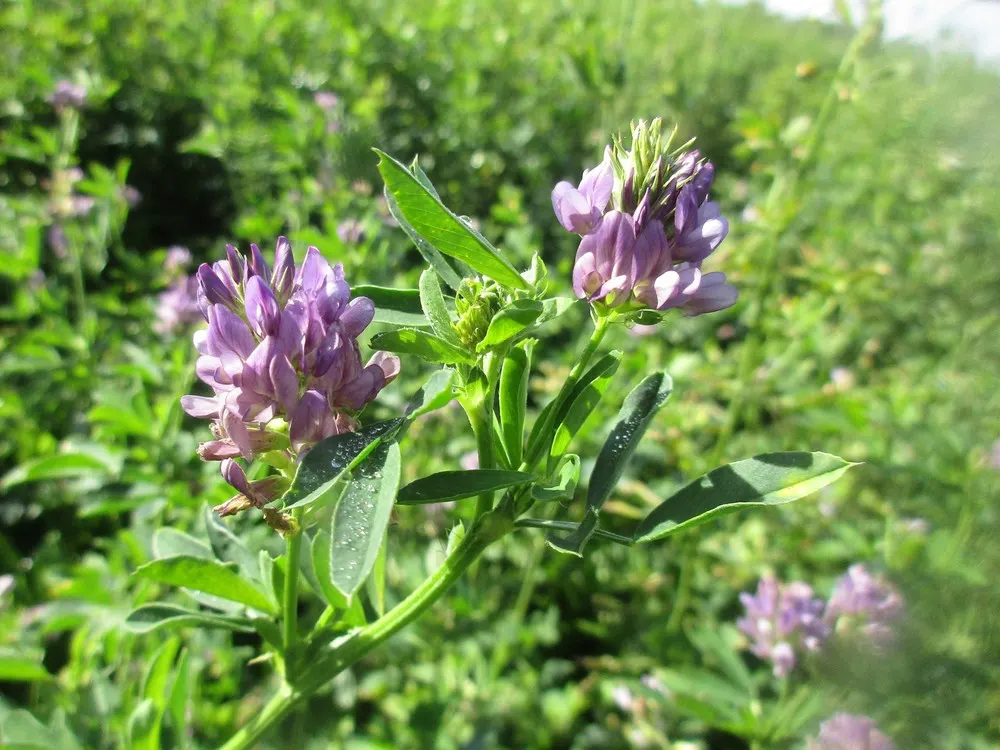
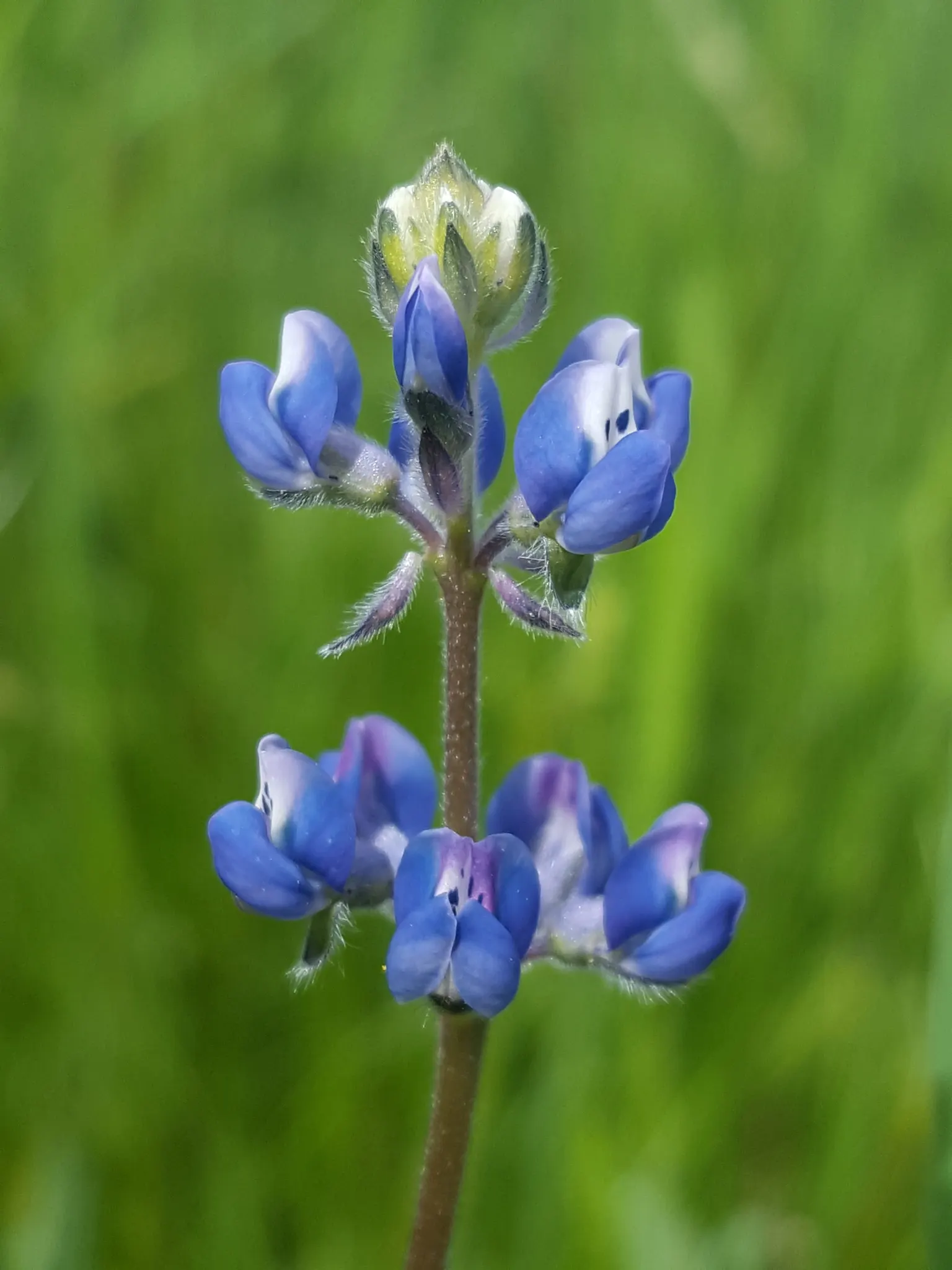
The Wild Lupine (Lupinus perennis) is a perennial native boasting spires of vibrant blue to purple flowers. It thrives in USDA Zones 3 to 8, reaching 1 to 2 feet in height, with a spread of up to 1.5 feet. This sun-loving legume prefers well-drained, sandy soils, and adds nitrogen, beneficial for restoration projects. Ideal for wildflower gardens, it attracts pollinators like bees and butterflies. Blooms appear from late spring to early summer.

Sun FullWater LowZones 3–8Climate Temperate
Wild Lupine (Lupinus Perennis) — The Wild Lupine (Lupinus perennis) is a perennial native boasting spires of vibrant blue to purple flowers

Culture

Sun
Full
Water
Low
USDA zones
3–8

Shape & size

Classification

Family
Fabaceae
Climate
Temperate

See full data, regional cultivation notes, full-resolution photos, and design tools. Build a client presentation around this plant.

Start your 14-day trial

Photos (105)

Wild Lupine (Lupinus Perennis) — While it is drought tolerant once established; the Wild Lupine (Lupinus perennis) is a perennial native boasting, image 52
Wild Lupine (Lupinus Perennis) — its caterpillars feed exclusively on the leaves of Wild Lupine; as a native North American plant, image 53
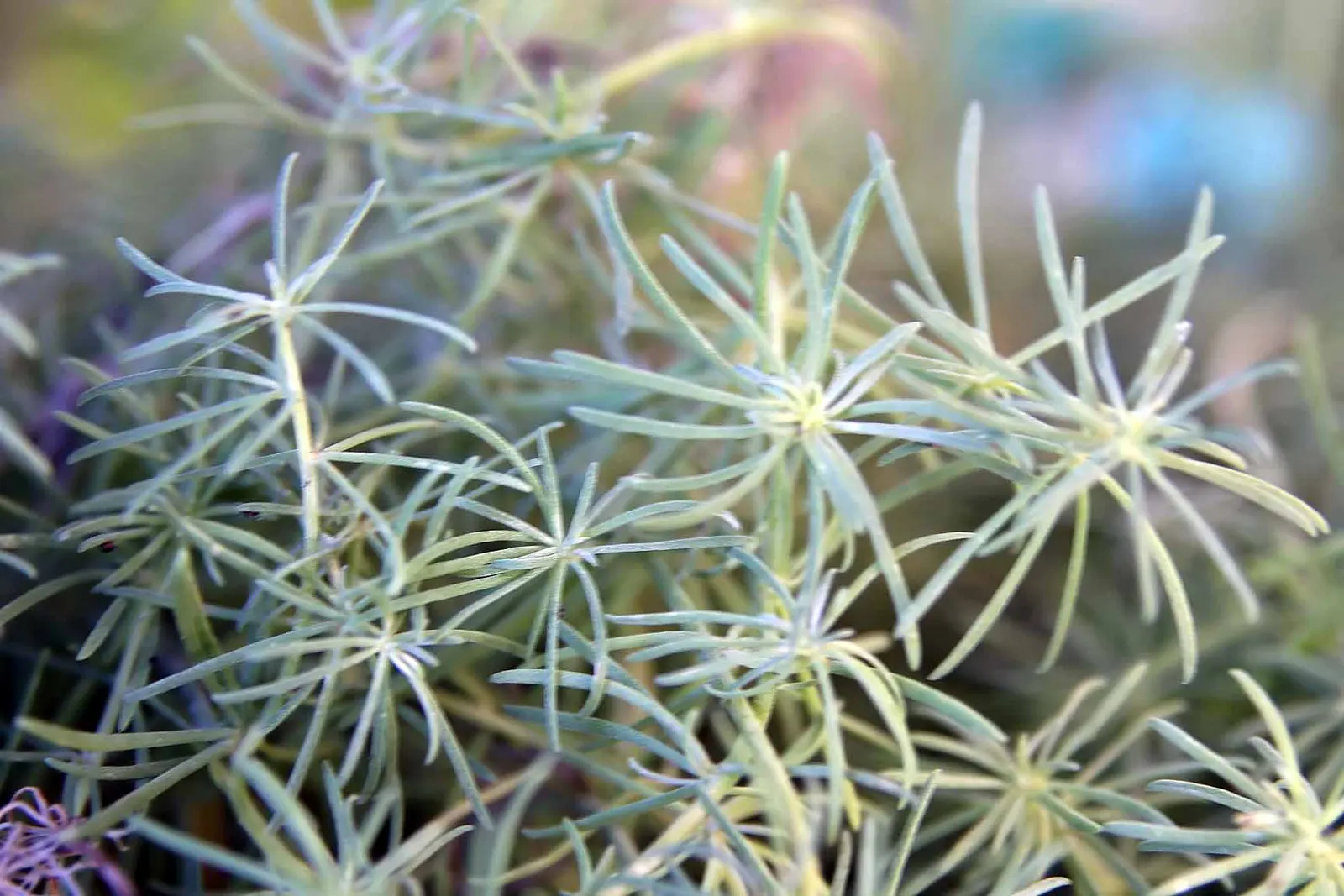
Wild Lupine (Lupinus Perennis) — Lupinus perennis features palmate leaves composed of 8 to 10 leaflets radiating from a central point; perennial, image 49
Wild Lupine (Lupinus Perennis) — Wild Lupine prefers full sun to partial shade; scientifically termed Lupinus perennis, image 50
Wild Lupine (Lupinus Perennis) — As a native North American plant; its caterpillars feed exclusively on the leaves of Wild Lupine, image 48
Wild Lupine (Lupinus Perennis) — Adding a layer of mulch around the base can help keep the soil moist and cool; it thrives in USDA Zones 3 to 8, image 55
Wild Lupine (Lupinus Perennis) — perennial with purple blooms; wild Lupine prefers full sun to partial shade, image 59
Wild Lupine (Lupinus Perennis) — purple flowers in the garden; this sun-loving legume prefers well-drained, image 58
Wild Lupine (Lupinus Perennis) — so careful initial placement is a must; its deep taproot system allows it to tolerate poor soils and also makes it, image 57
Wild Lupine (Lupinus Perennis) — perennial for full; so careful initial placement is a must, image 60
Wild Lupine (Lupinus Perennis) — making it an invaluable species for biodiversity in your garden; adding a layer of mulch around the base can help, image 54
Wild Lupine (Lupinus Perennis) — its deep taproot system allows it to tolerate poor soils and also makes it less suitable for transplanting, image 56
Wild Lupine (Lupinus Perennis) — beneficial for restoration projects; ideal for wildflower gardens, it attracts pollinators like bees and, image 64
Wild Lupine (Lupinus Perennis) — Blooms appear from late spring to early summer; perennial with purple blooms, image 66
Wild Lupine (Lupinus Perennis) — Ideal for wildflower gardens, it attracts pollinators like bees and butterflies; while it is drought tolerant once, image 65
Wild Lupine (Lupinus Perennis) — The Wild Lupine (Lupinus perennis) is a perennial native boasting spires of vibrant blue to purple flowers, image 61
Wild Lupine (Lupinus Perennis) — This sun-loving legume prefers well-drained; purple flowers in the garden, image 63
Wild Lupine (Lupinus Perennis) — scientifically termed Lupinus perennis; blooms appear from late spring to early summer, image 67
Wild Lupine (Lupinus Perennis) — It thrives in USDA Zones 3 to 8, reaching 1 to 2 feet in height, with a spread of up to 1.5 feet; it is well, image 62
Wild Lupine (Lupinus Perennis) — As a native North American plant; its caterpillars feed exclusively on the leaves of Wild Lupine, image 68
Wild Lupine (Lupinus Perennis) — Adding a layer of mulch around the base can help keep the soil moist and cool; it thrives in USDA Zones 3 to 8, image 75
Wild Lupine (Lupinus Perennis) — While it is drought tolerant once established; the Wild Lupine (Lupinus perennis) is a perennial native boasting, image 72
Wild Lupine (Lupinus Perennis) — It is well adapted to sandy or well-drained soils with a slight acidity, ideal pH ranging from 6.0 to 7.0; making, image 71
Wild Lupine (Lupinus Perennis) — Wild Lupine prefers full sun to partial shade; scientifically termed Lupinus perennis, image 70

Related plants