Skip to content

Parrot's Beak

Lotus Berthelotii

Design with this plant

Overview

Parrot's Beak (Lotus berthelotii) is a trailing perennial known for its vibrant, feathery blooms resembling a parrot's beak. Ideal for containers or hanging baskets, it thrives in full sun, achieving lengths up to 2 feet. This low-maintenance plant requires well-drained soil and minimal water, making it perfect for arid or coastal landscapes. Hardy to USDA Zone 10, it provides a splash of color in warmer climates.

Sun Full, HalfWater Extra in Summer, MediumZones 10–11Type Ground cover, PerennialClimate Mediterranean

Culture

Sun
Full, Half
Water
Extra in Summer, Medium
USDA zones
10–11

Shape & size

Classification

Type
Ground cover, Perennial
Family
Fabaceae
Climate
Mediterranean

See full data, regional cultivation notes, and design tools. Build a client presentation around this plant.

Start your 14-day trial

Photos (33)

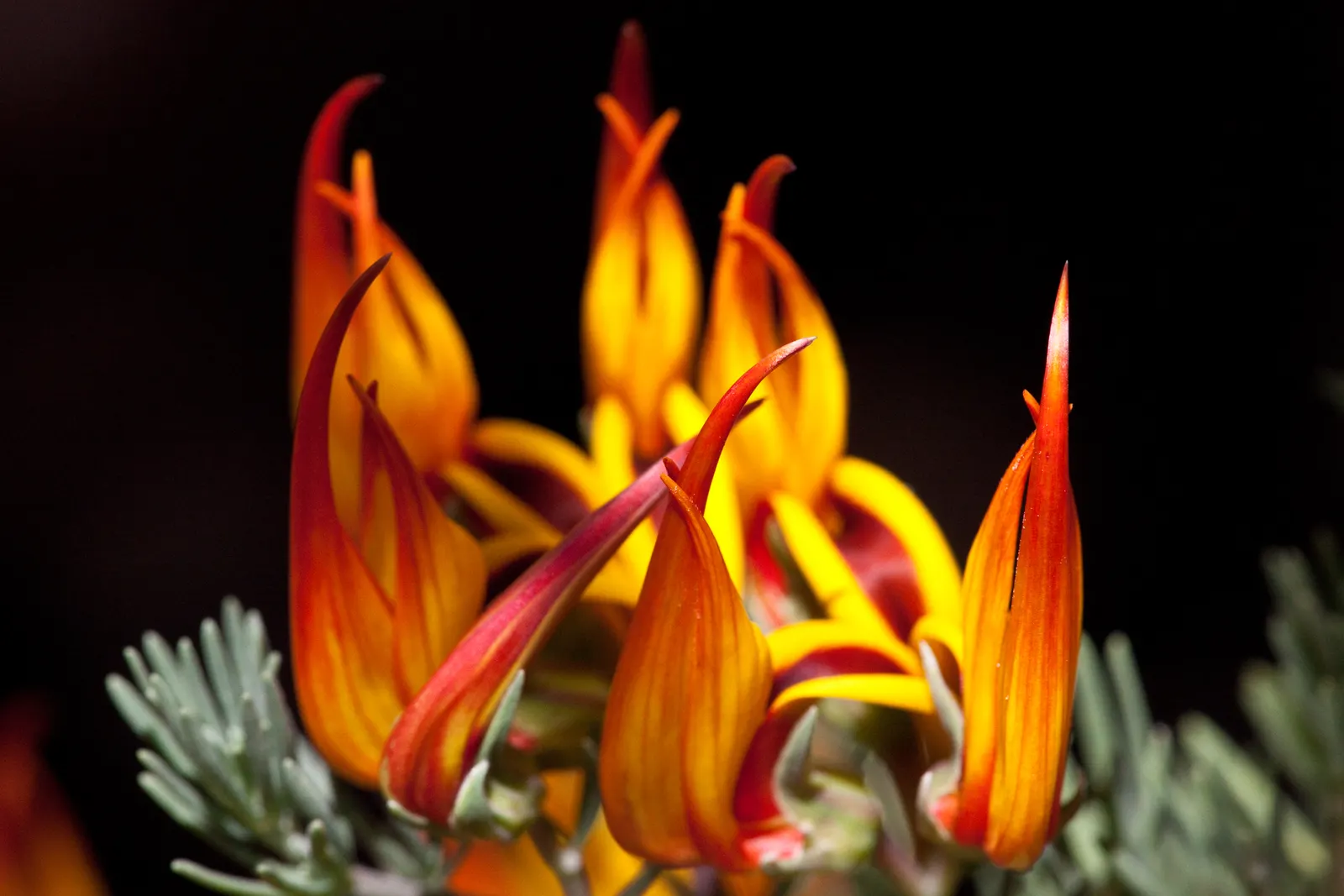
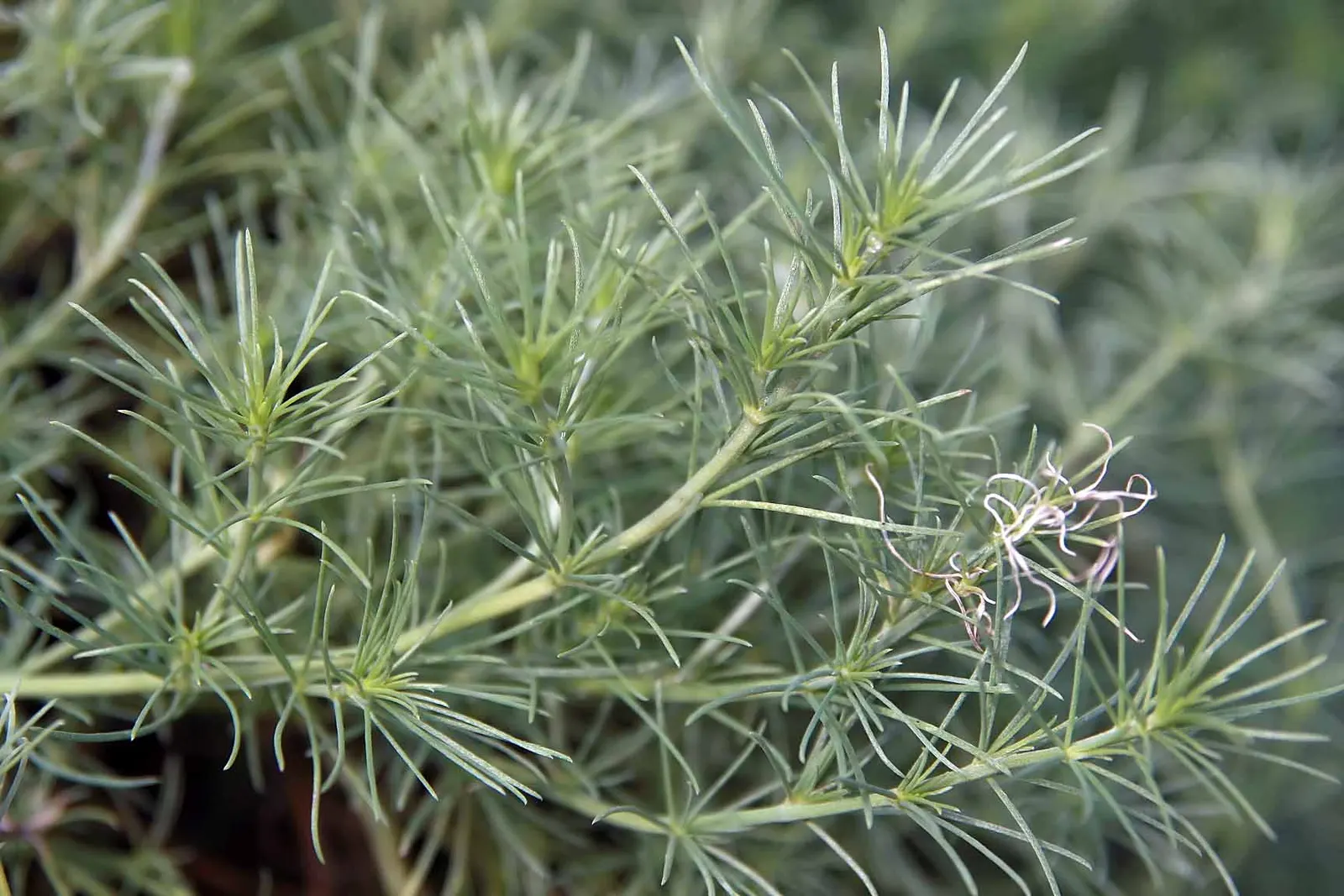
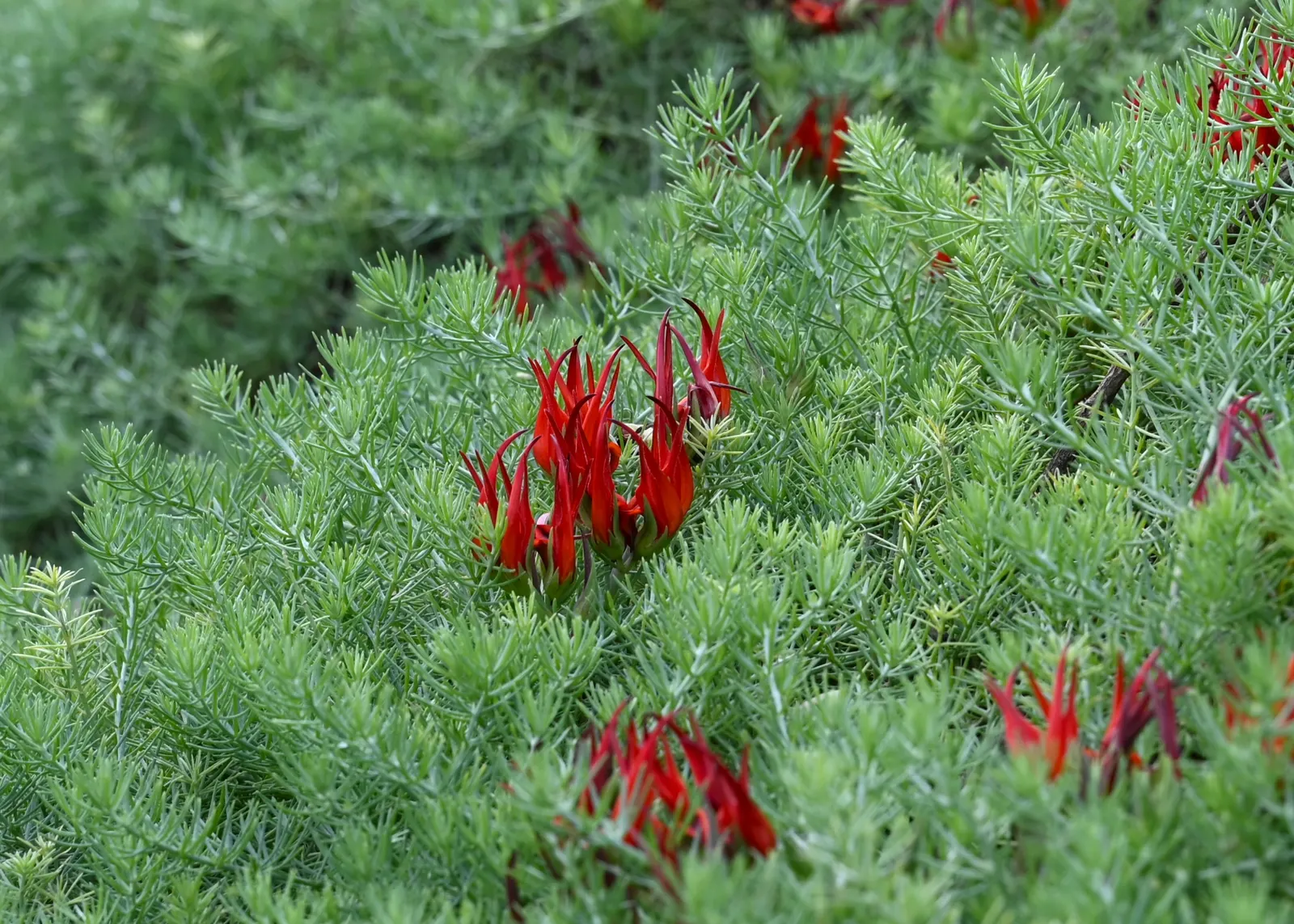
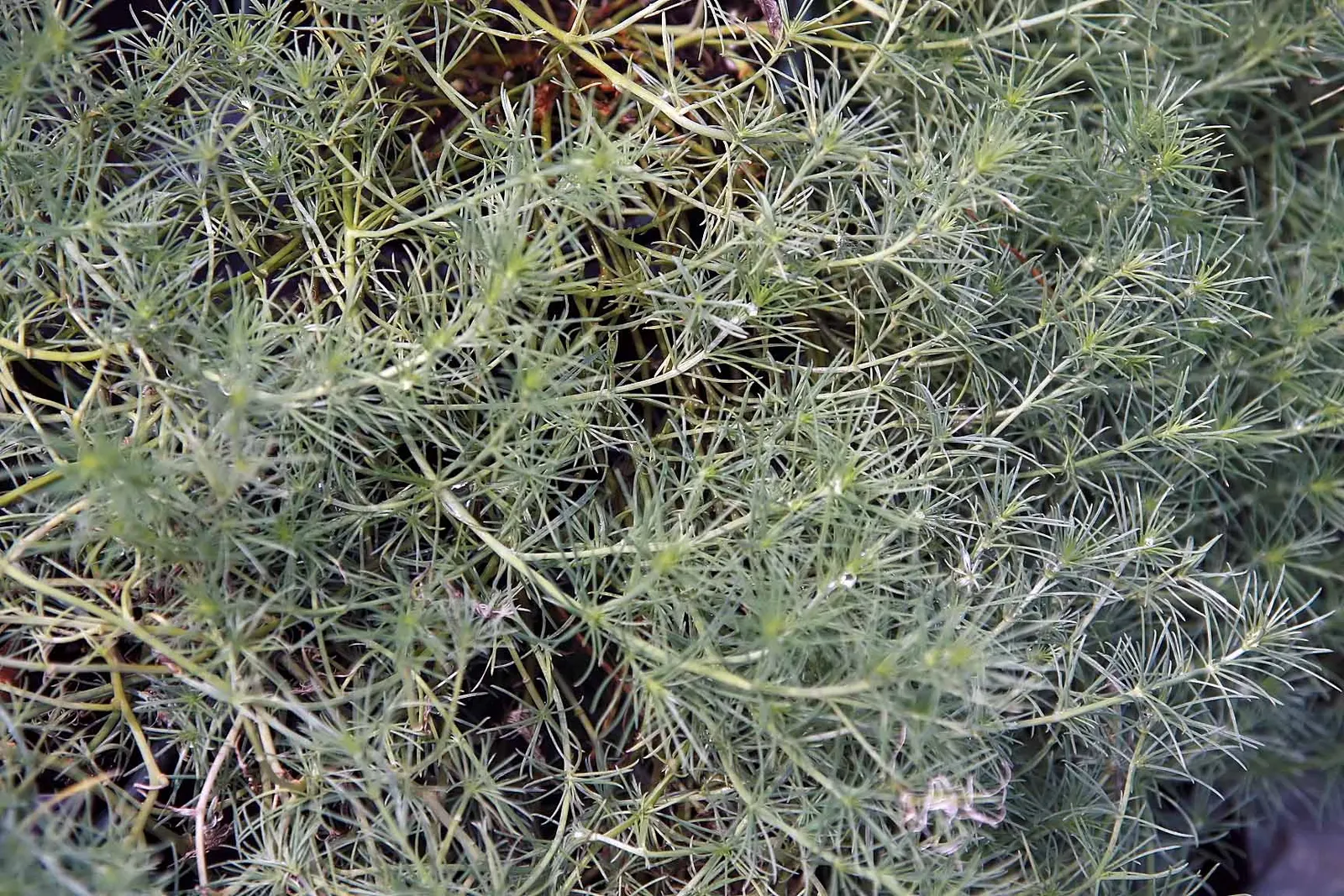
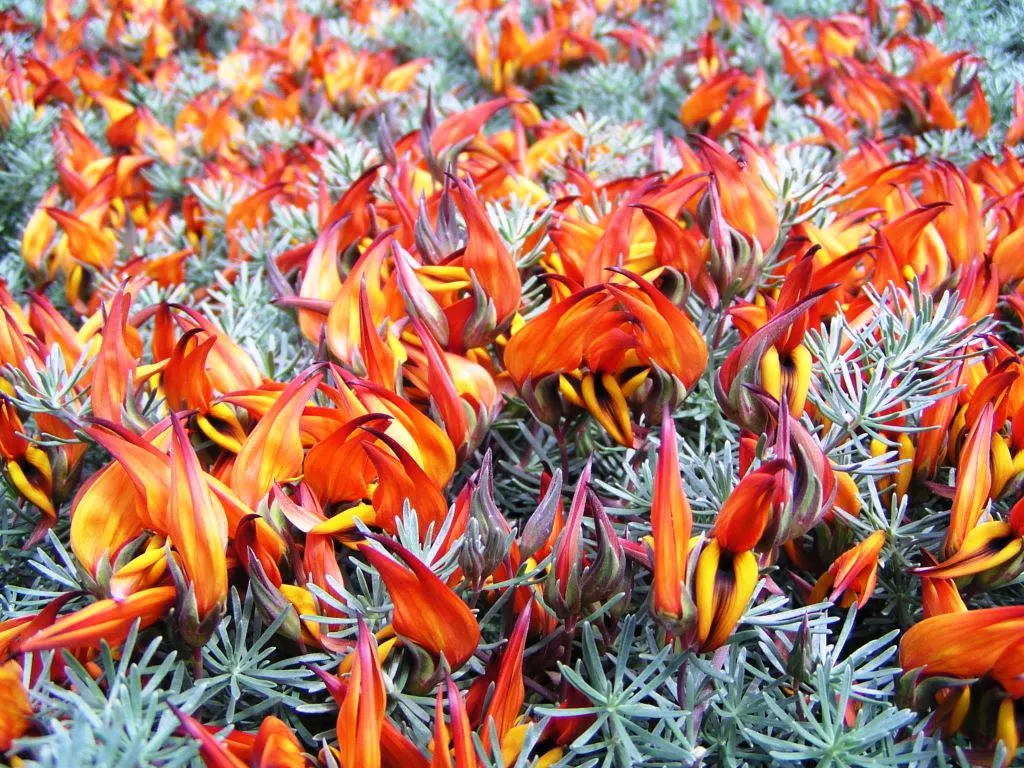
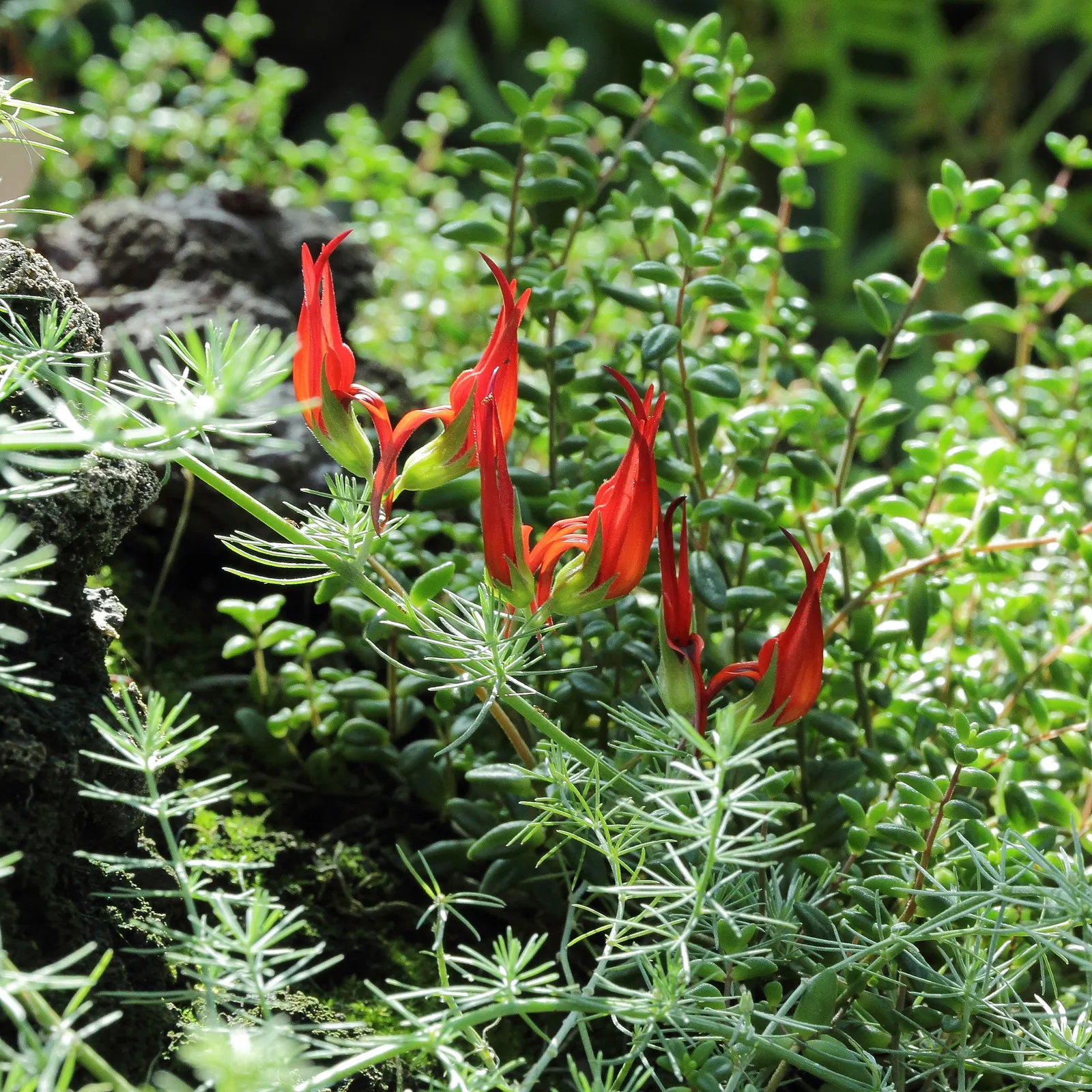
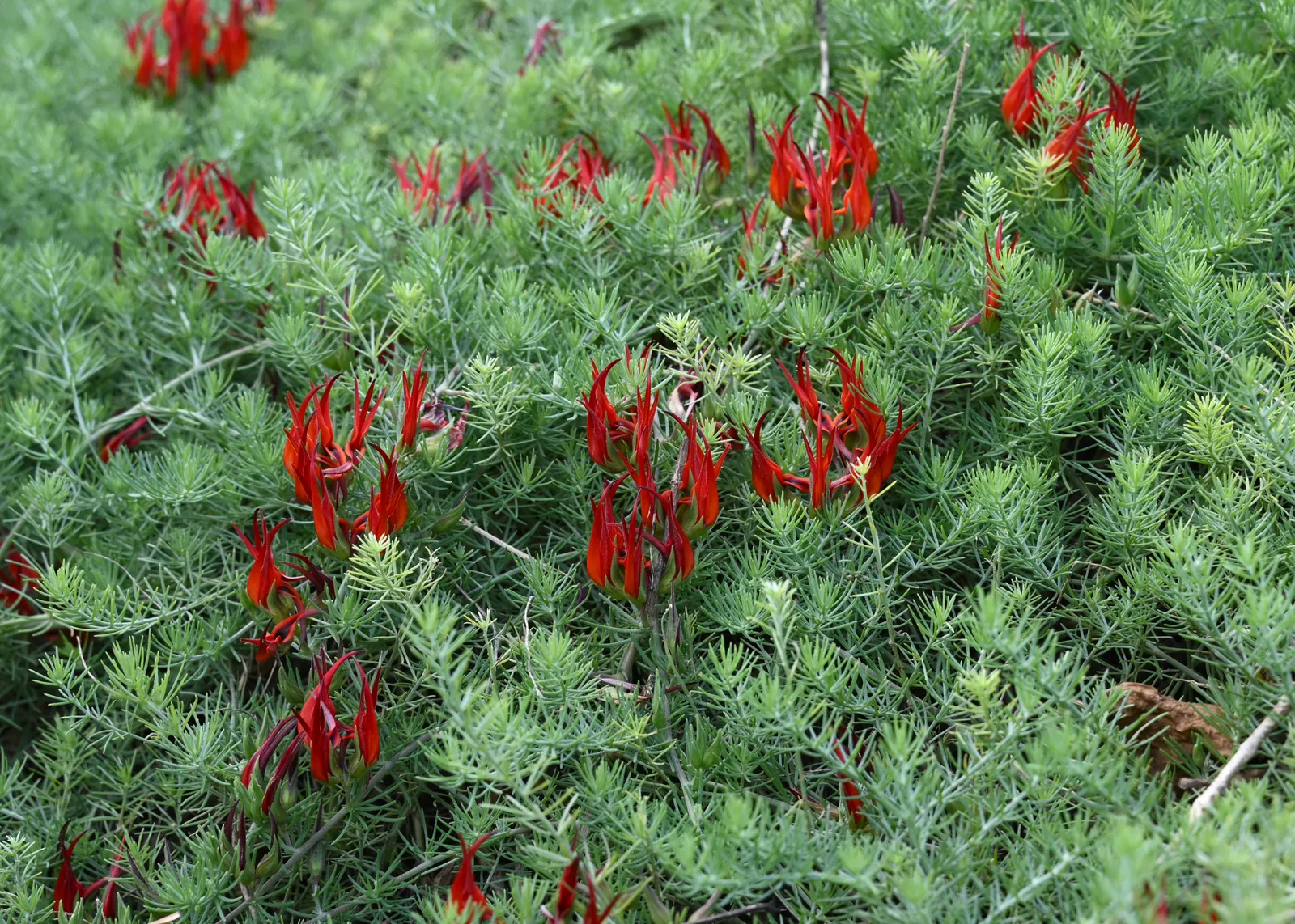
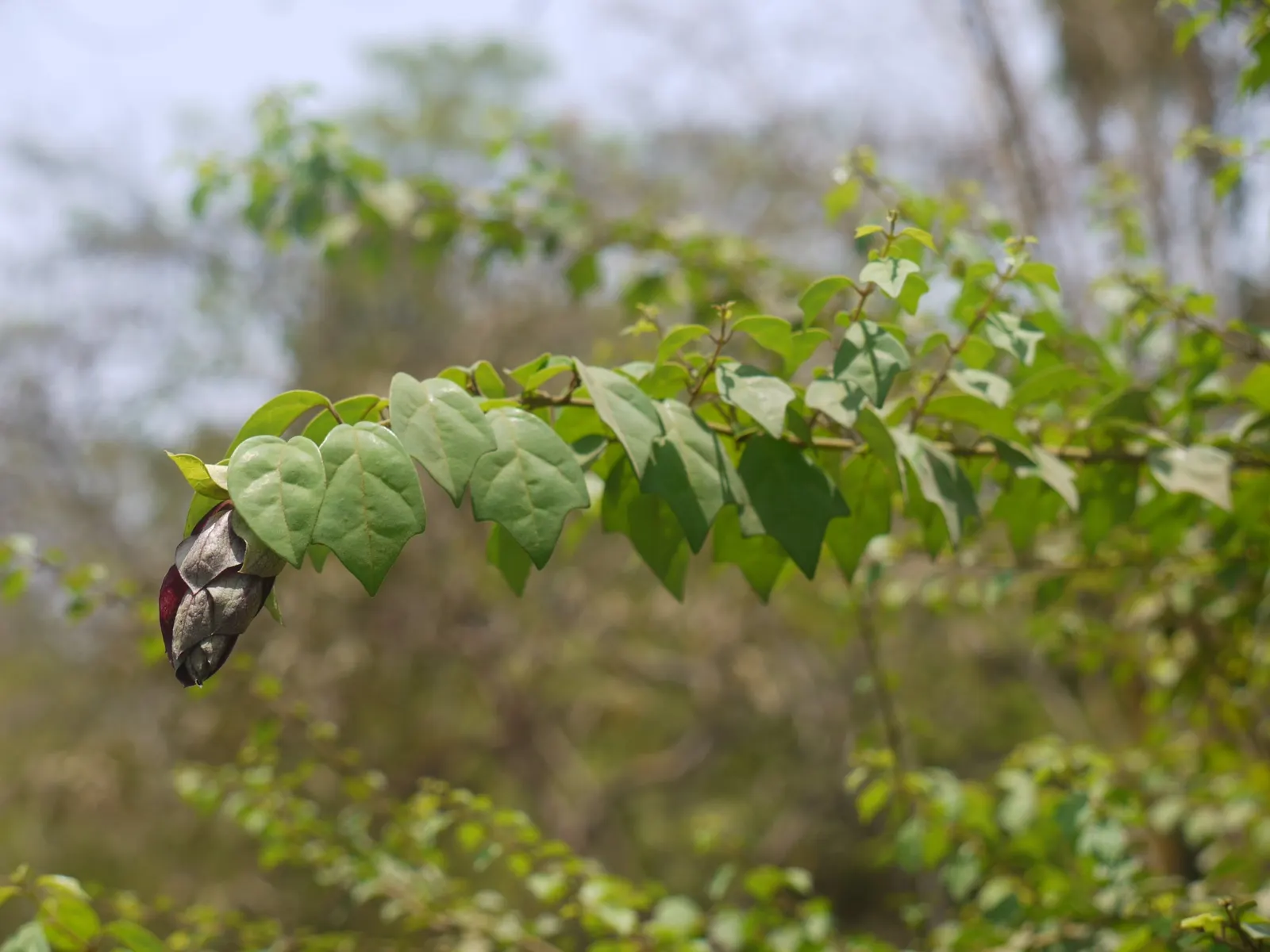
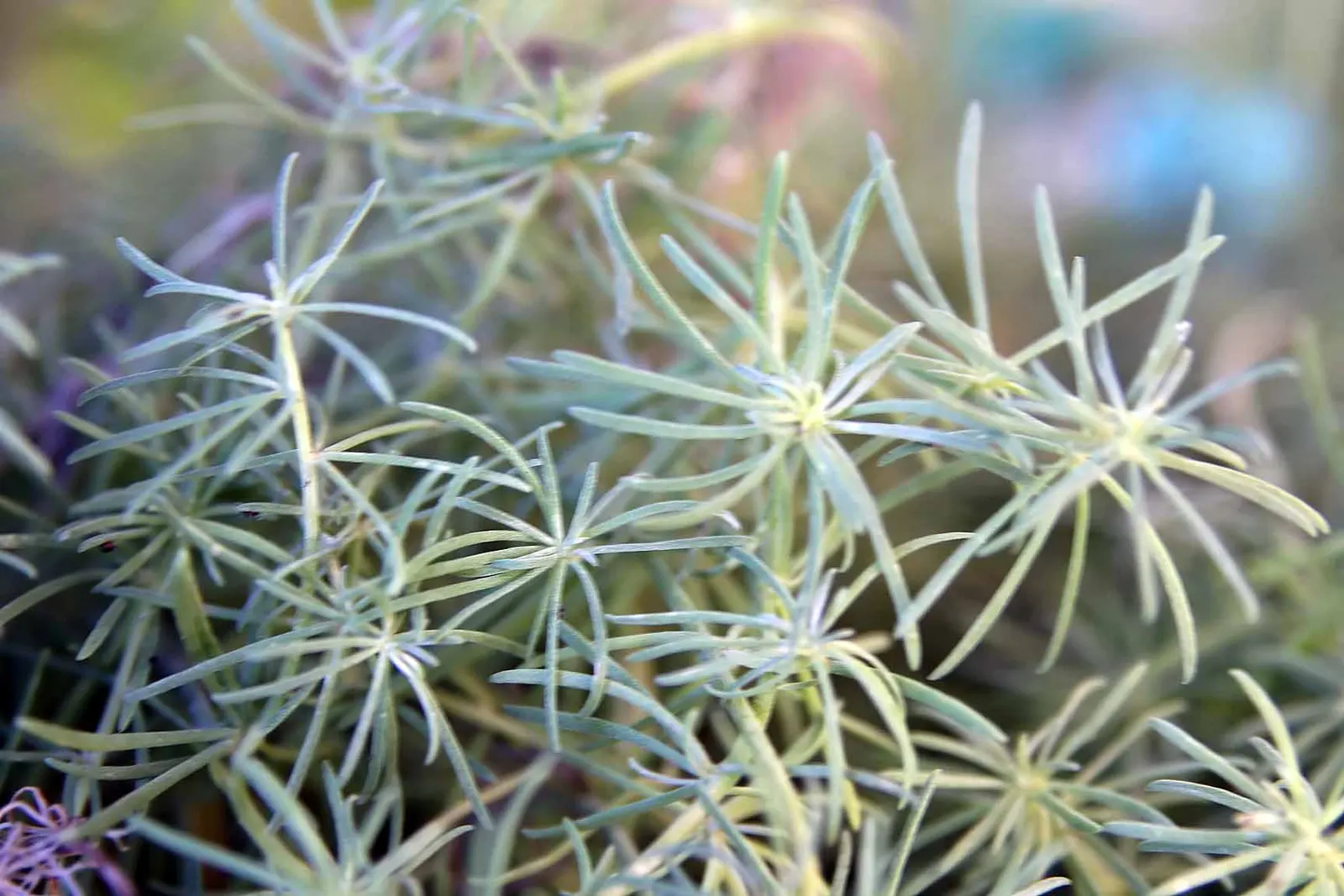
Parrot's Beak (Lotus Berthelotii) — silvery-gray leaves that provide a striking contrast to its fiery flowers
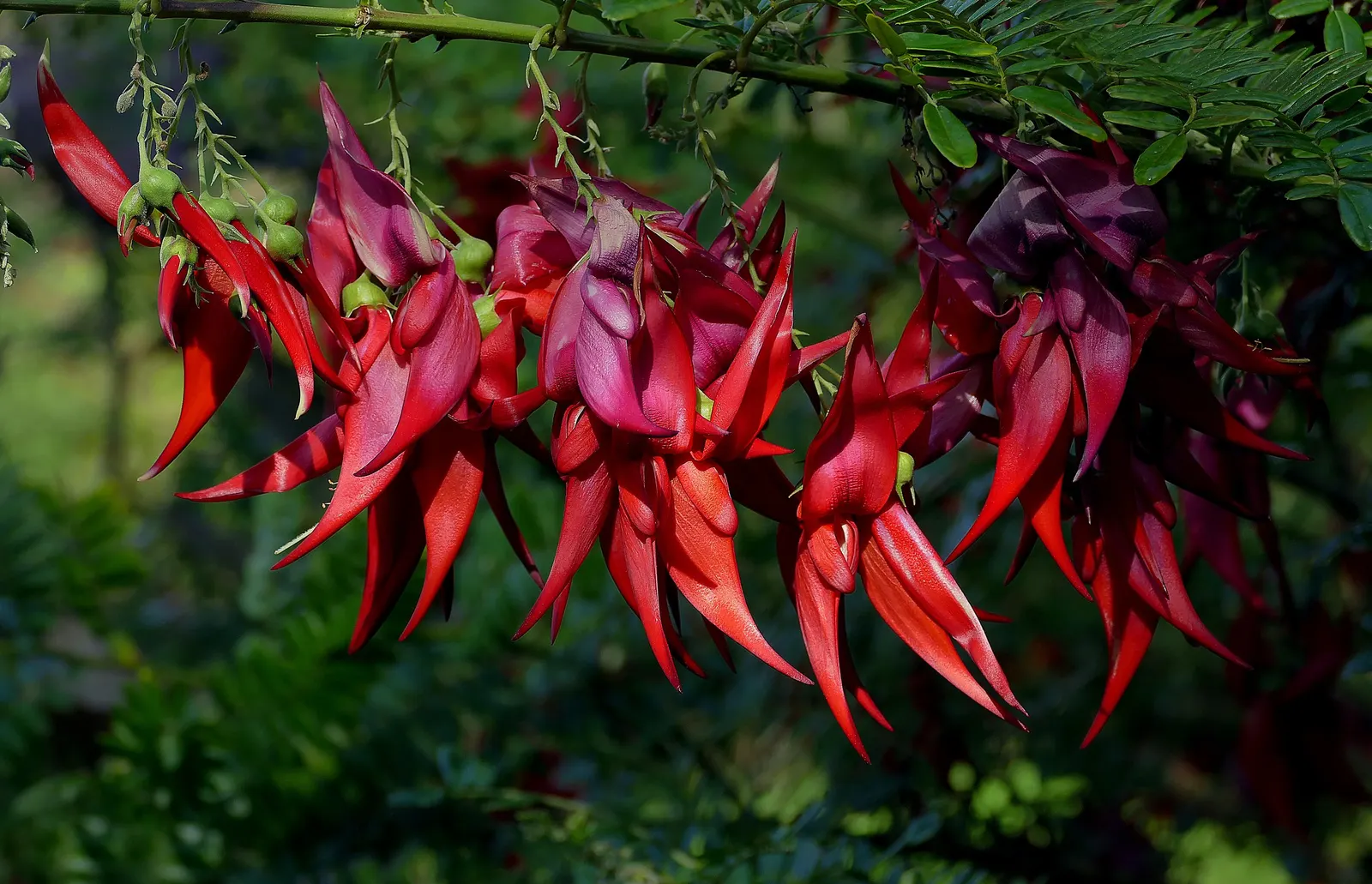
Parrot's Beak (Lotus Berthelotii) — which can enhance the biodiversity and ecological appeal of their garden
Parrot's Beak (Lotus Berthelotii) — popularly known as Parrot's Beak
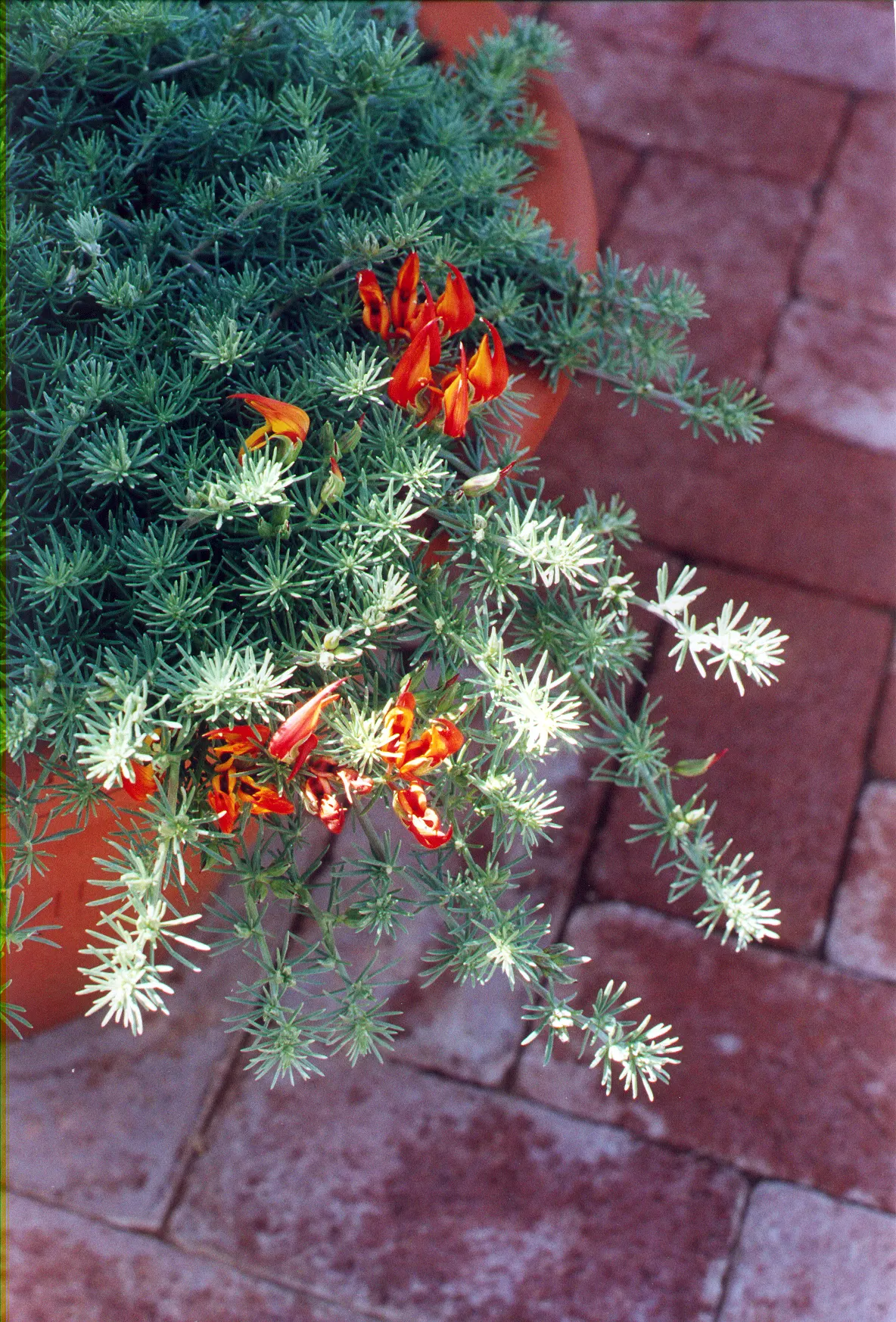
Parrot's Beak (Lotus Berthelotii) — Ideal for containers or hanging baskets, it thrives in full sun, achieving lengths up to 2 feet; silvery-gray leaves that
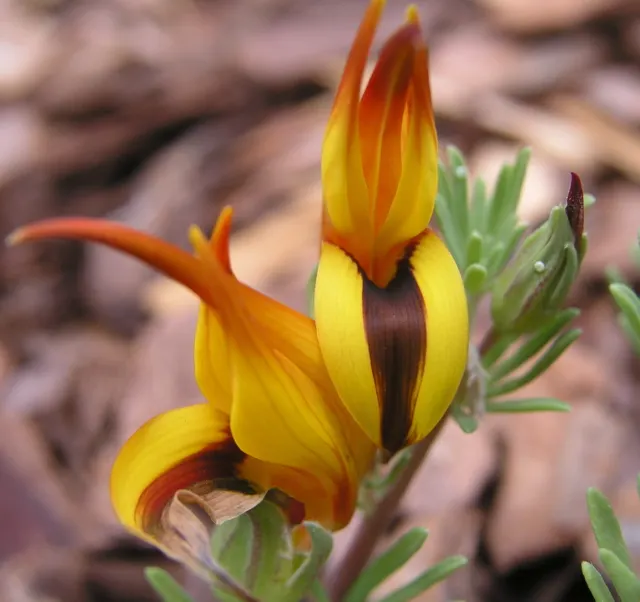
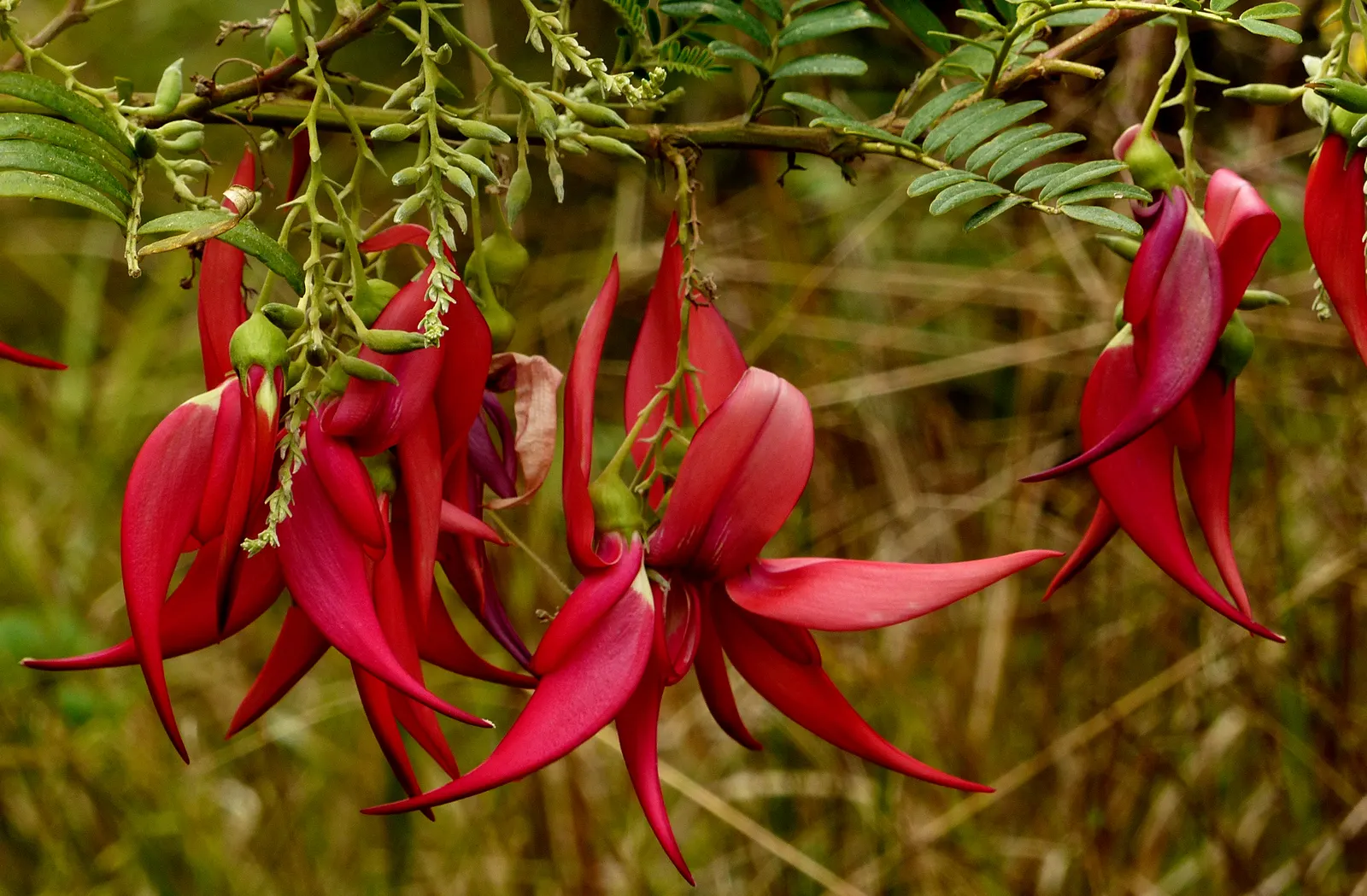
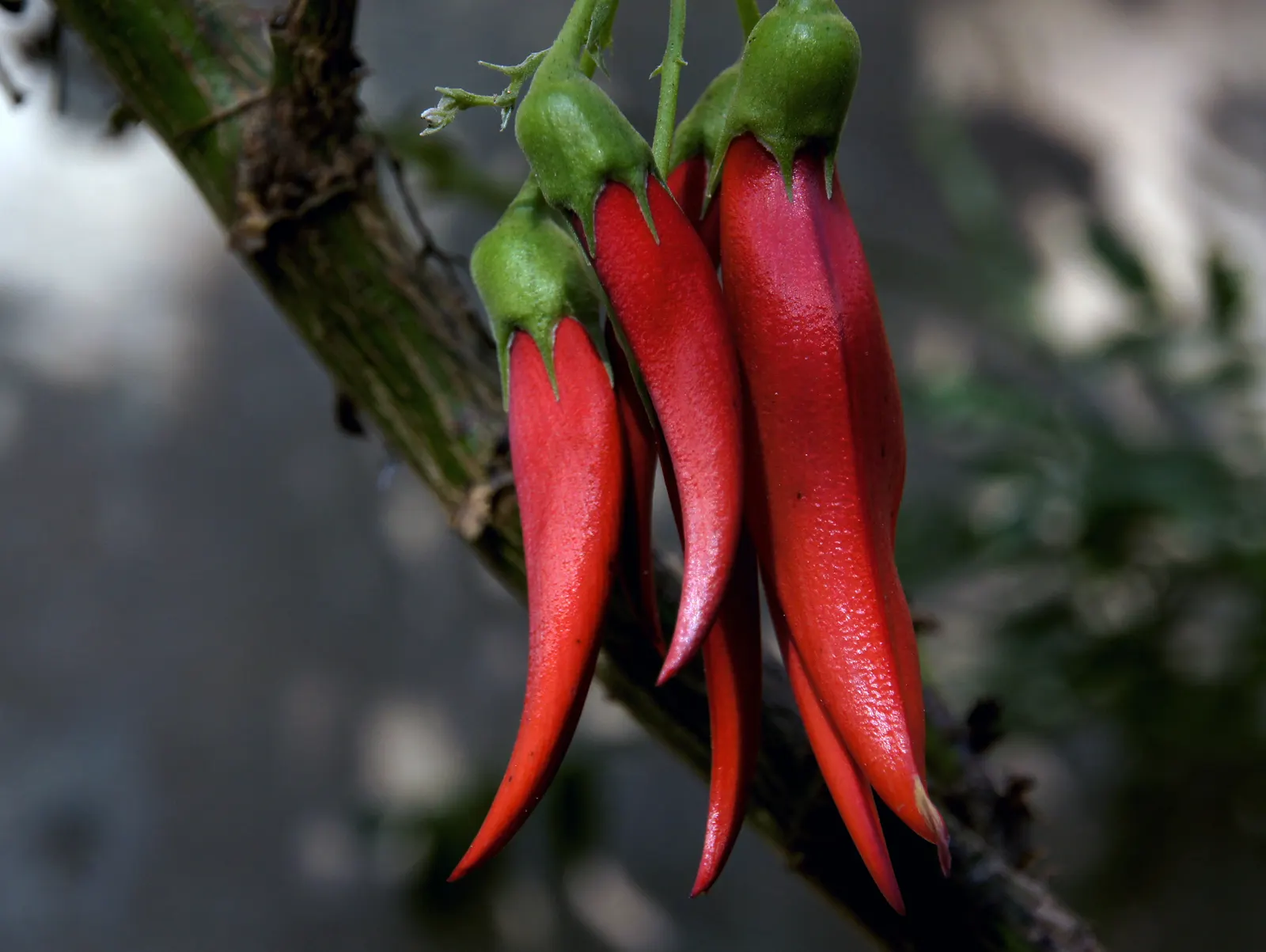
Parrot's Beak (Lotus Berthelotii) — vibrant blooms that resemble a parrot's beak in shape
Parrot's Beak (Lotus Berthelotii) — feathery blooms resembling a parrot's beak
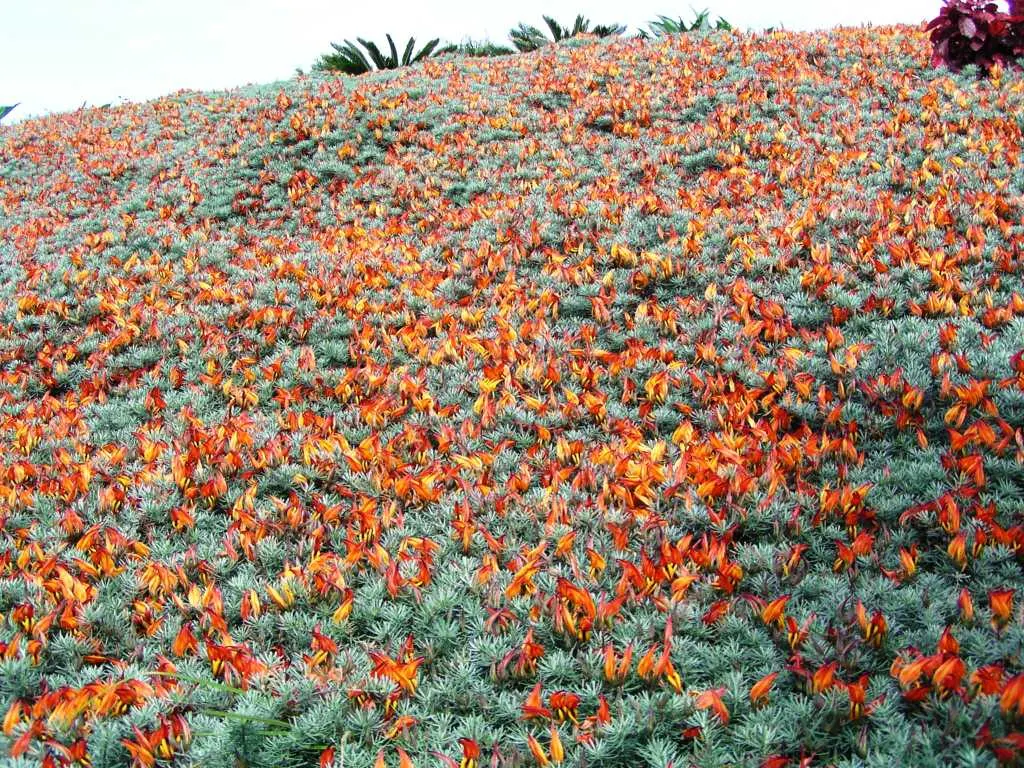
Parrot's Beak (Lotus Berthelotii) — Native to the Canary Islands; the blooms range in color from deep orange to fiery red and are most prolific in the spring
Parrot's Beak (Lotus Berthelotii) — Ideal for containers or hanging baskets, it thrives in full sun, achieving lengths up to 2 feet
Parrot's Beak (Lotus Berthelotii) — Hardy to USDA Zone 10, it provides a splash of color in warmer climates; vibrant blooms that resemble a parrot's beak in
Parrot's Beak (Lotus Berthelotii) — popularly known as Parrot's Beak; while in cooler zones it is often treated as an annual.<br><br>This plant thrives in full
Parrot's Beak (Lotus Berthelotii) — while in cooler zones it is often treated as an annual.<br><br>This plant thrives in full sun exposure
Parrot's Beak (Lotus Berthelotii) — This low-maintenance plant requires well-drained soil and minimal water
Parrot's Beak (Lotus Berthelotii) — ground cover / perennial for full or half
Parrot's Beak (Lotus Berthelotii) — this cascading plant is a splendid choice for adding a splash of color to your landscape design
Parrot's Beak (Lotus Berthelotii) — is an eye-catching perennial plant prized for its unique
Parrot's Beak (Lotus Berthelotii) — For climates in the USDA hardiness zones 9 to 11
Parrot's Beak (Lotus Berthelotii) — making it perfect for arid or coastal landscapes
Parrot's Beak (Lotus Berthelotii) — is an eye-catching perennial plant prized for its unique; orange flowers in the garden
Parrot's Beak (Lotus Berthelotii) — It typically grows to a height of 8 to 12 inches and can spread up to 2 to 3 feet
Parrot's Beak (Lotus Berthelotii) — Lotus berthelotii is drought-tolerant once established, making it a good option for water-efficient gardens
Parrot's Beak (Lotus Berthelotii) — This low-maintenance plant requires well-drained soil and minimal water; lotus berthelotii is drought-tolerant once
Parrot's Beak (Lotus Berthelotii) — Native to the Canary Islands
Parrot's Beak (Lotus Berthelotii) — The blooms range in color from deep orange to fiery red and are most prolific in the spring and early summer
Parrot's Beak (Lotus Berthelotii) — requiring a minimum of 6 to 8 hours of direct sunlight daily
Photographs by 12 contributors

Related plants