Skip to content

Tatarian Honeysuckle

Lonicera Tatarica

Design with this plant

Overview

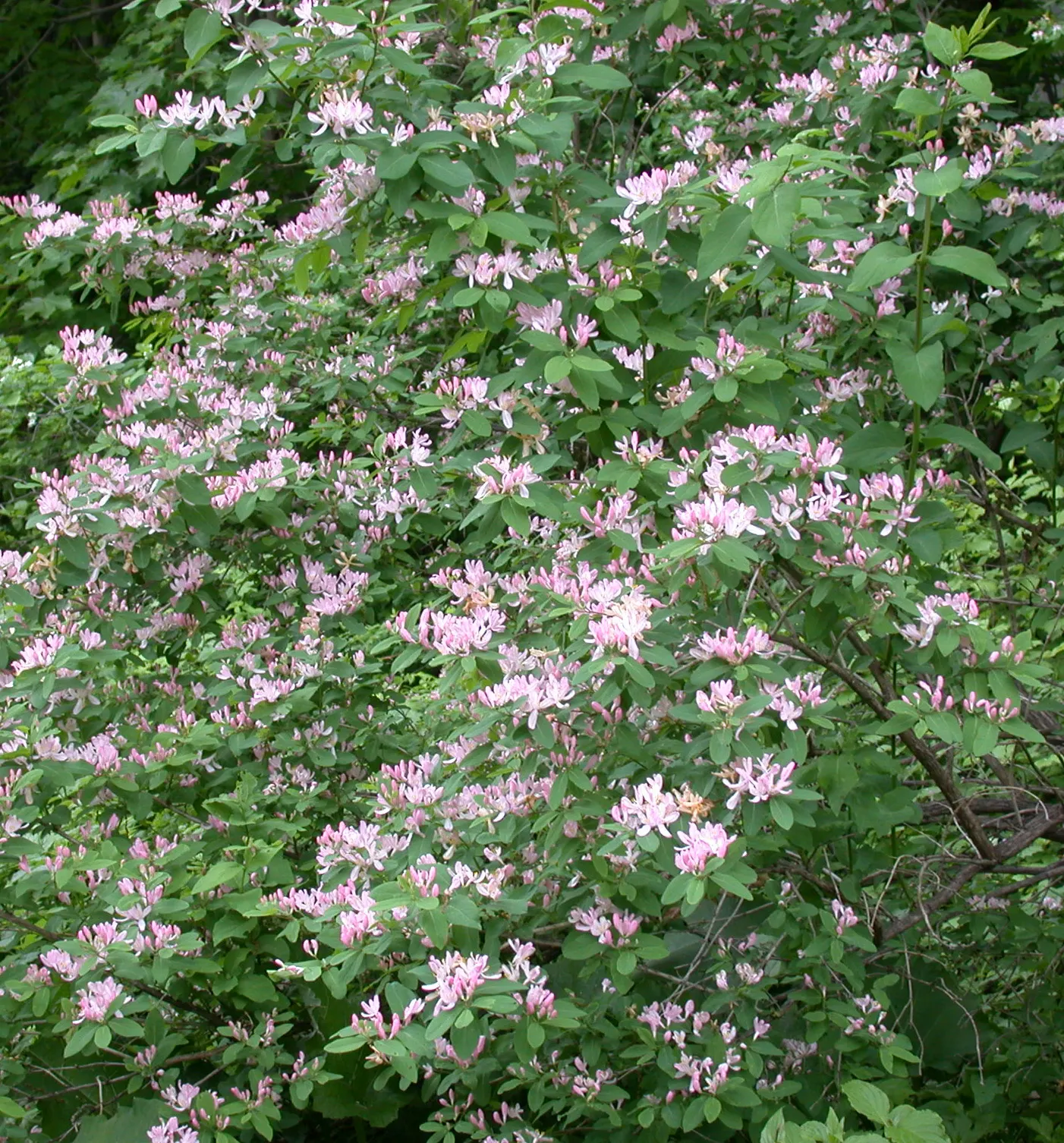
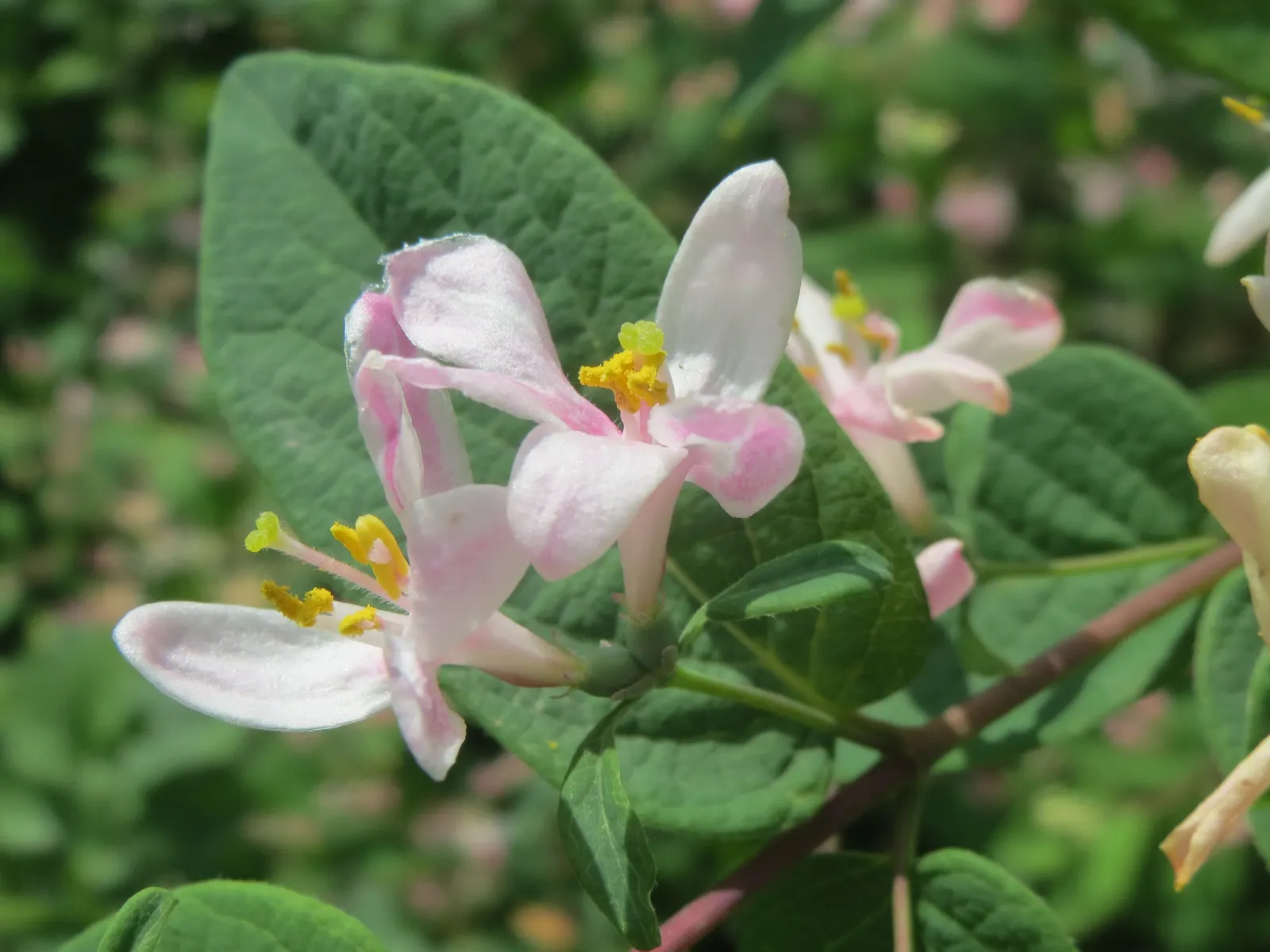
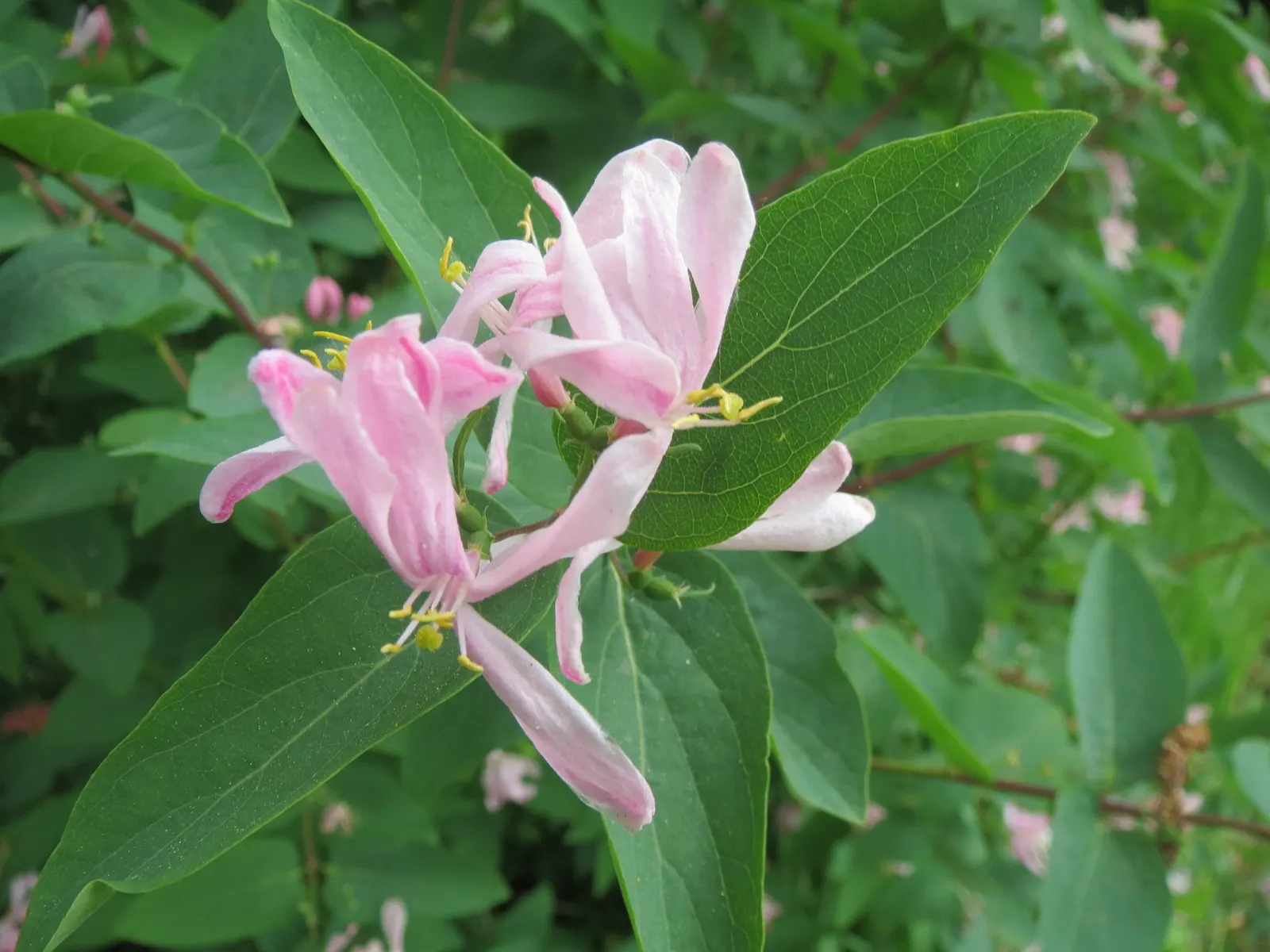
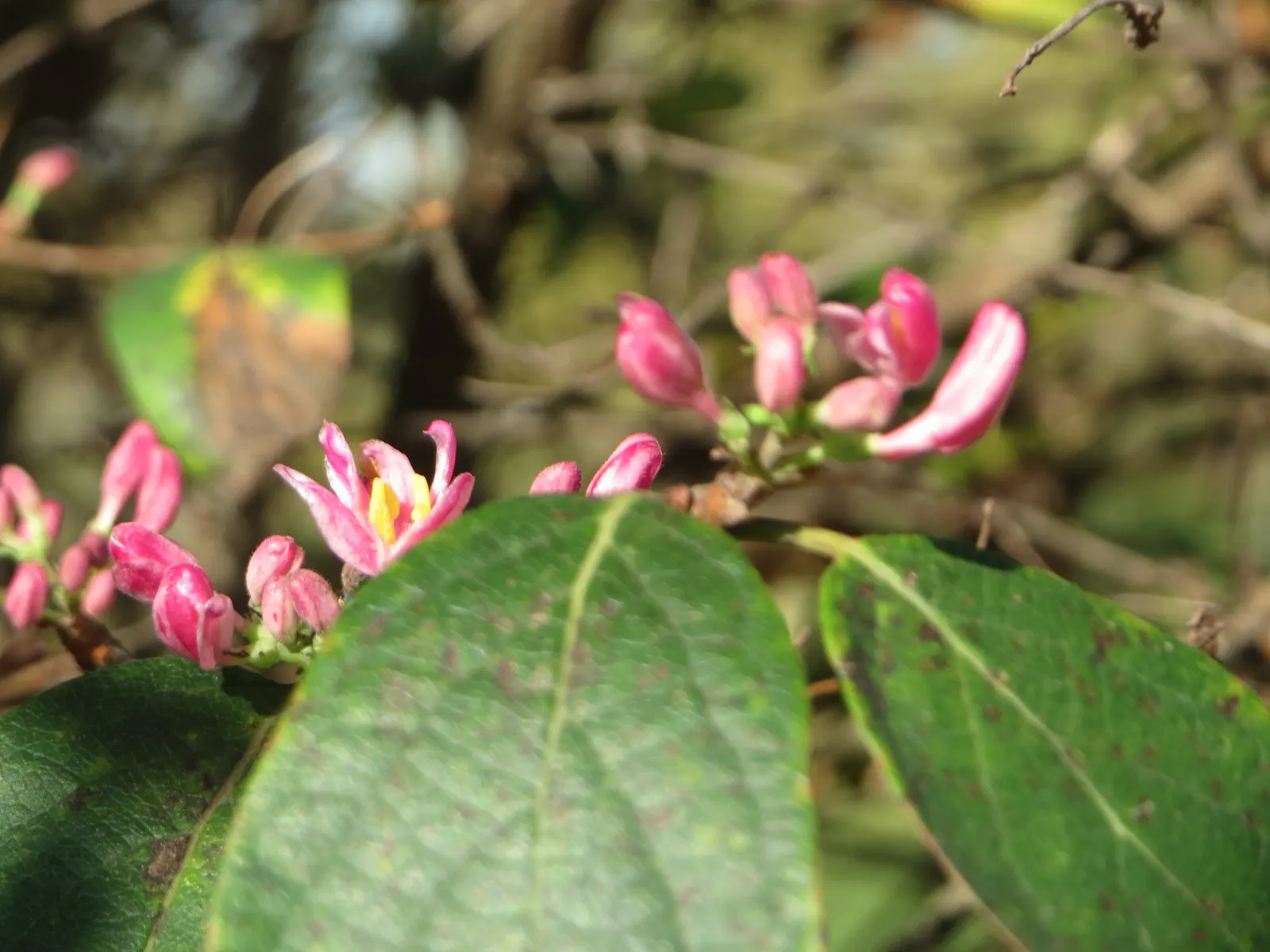
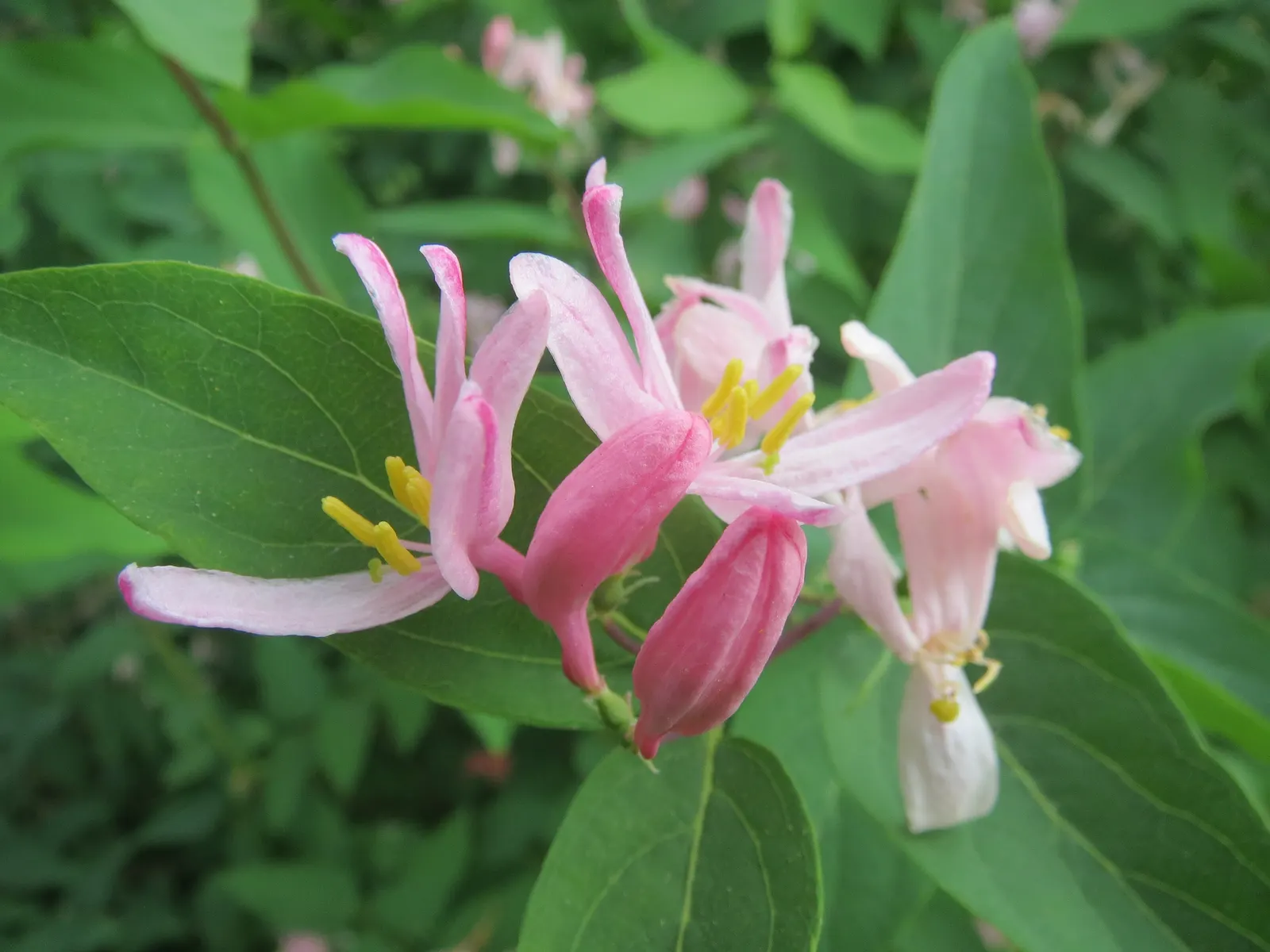
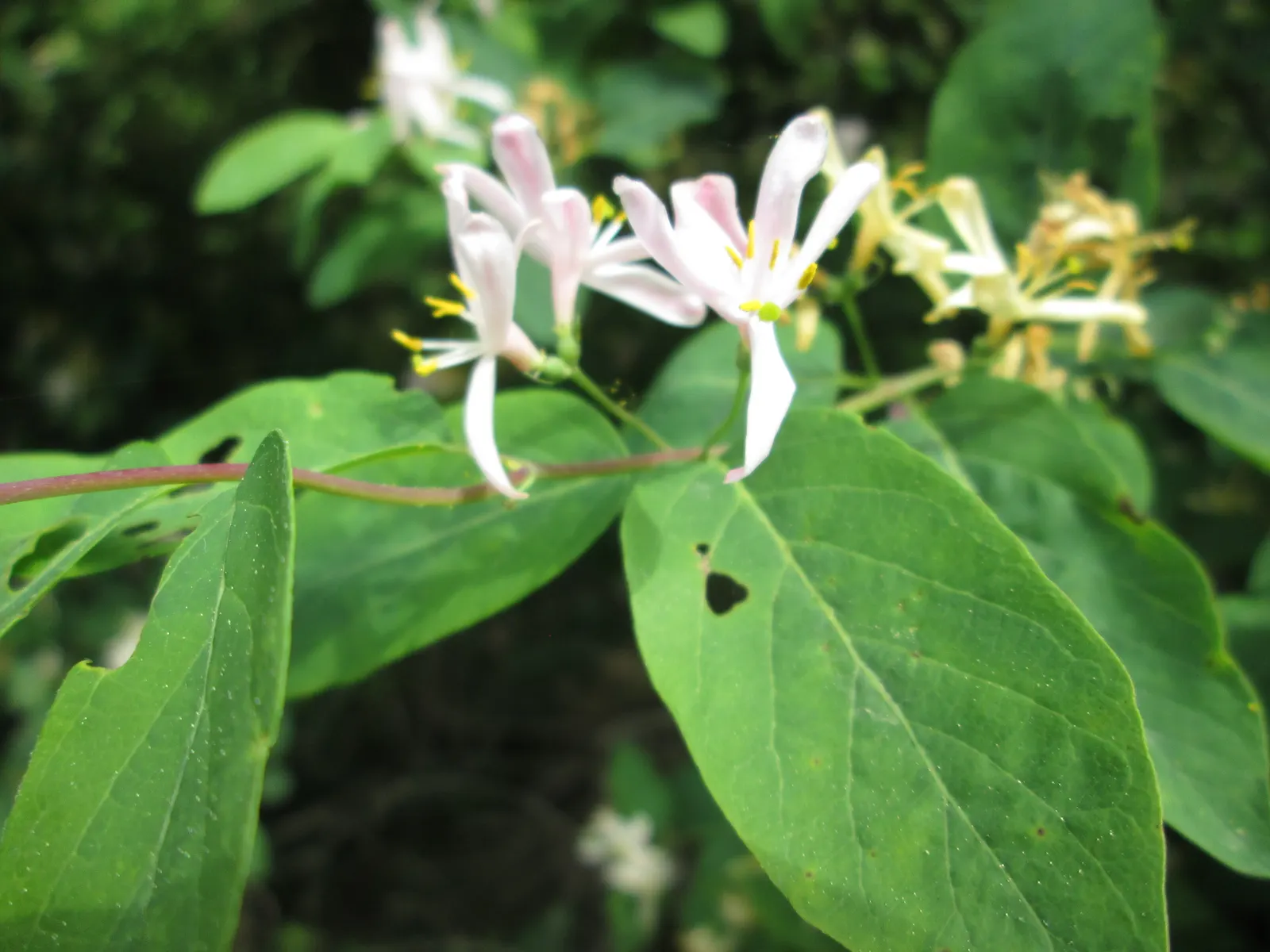
Lonicera tatarica, or Tatarian Honeysuckle, is an ornamental shrub thriving in USDA zones 4-9. It reaches 8-12 ft in height and spreads 10-12 ft, flourishing in full sun to partial shade. Prized for its profusion of pink to red blossoms in late spring, followed by red berries, it attracts birds and butterflies. Requires regular pruning to maintain shape and prevent invasive spread. Caution advised as berries are toxic if ingested.

Sun Full, Half, ShadeWater Extra in Summer, MediumZones 4–7Type ShrubClimate Alpine, Temperate

Culture

Sun
Full, Half, Shade
Water
Extra in Summer, Medium
USDA zones
4–7

Shape & size

Classification

Type
Shrub
Family
Caprifoliaceae
Climate
Alpine, Temperate

See full data, regional cultivation notes, and design tools. Build a client presentation around this plant.

Start your 14-day trial

Photos (153)

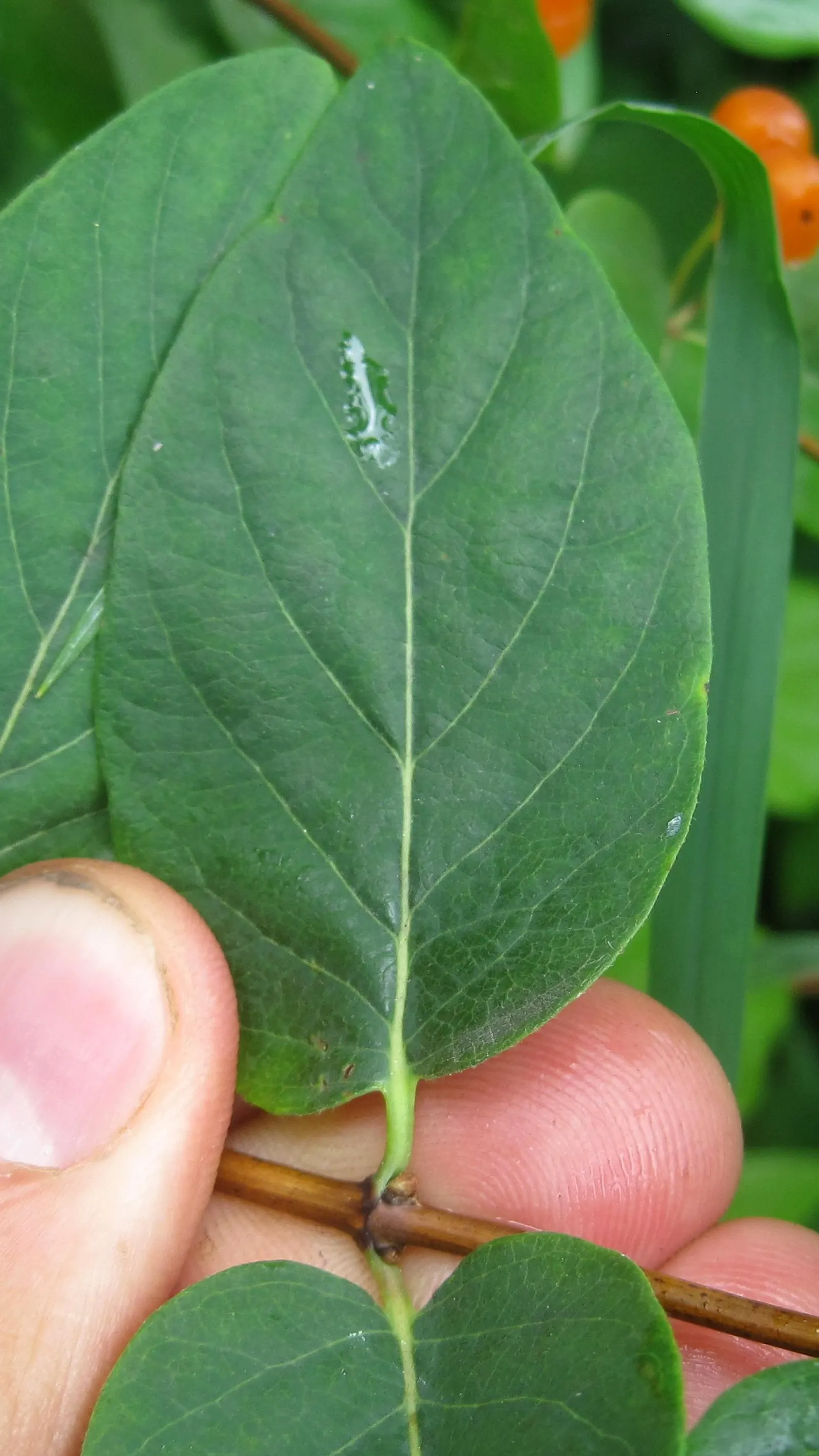
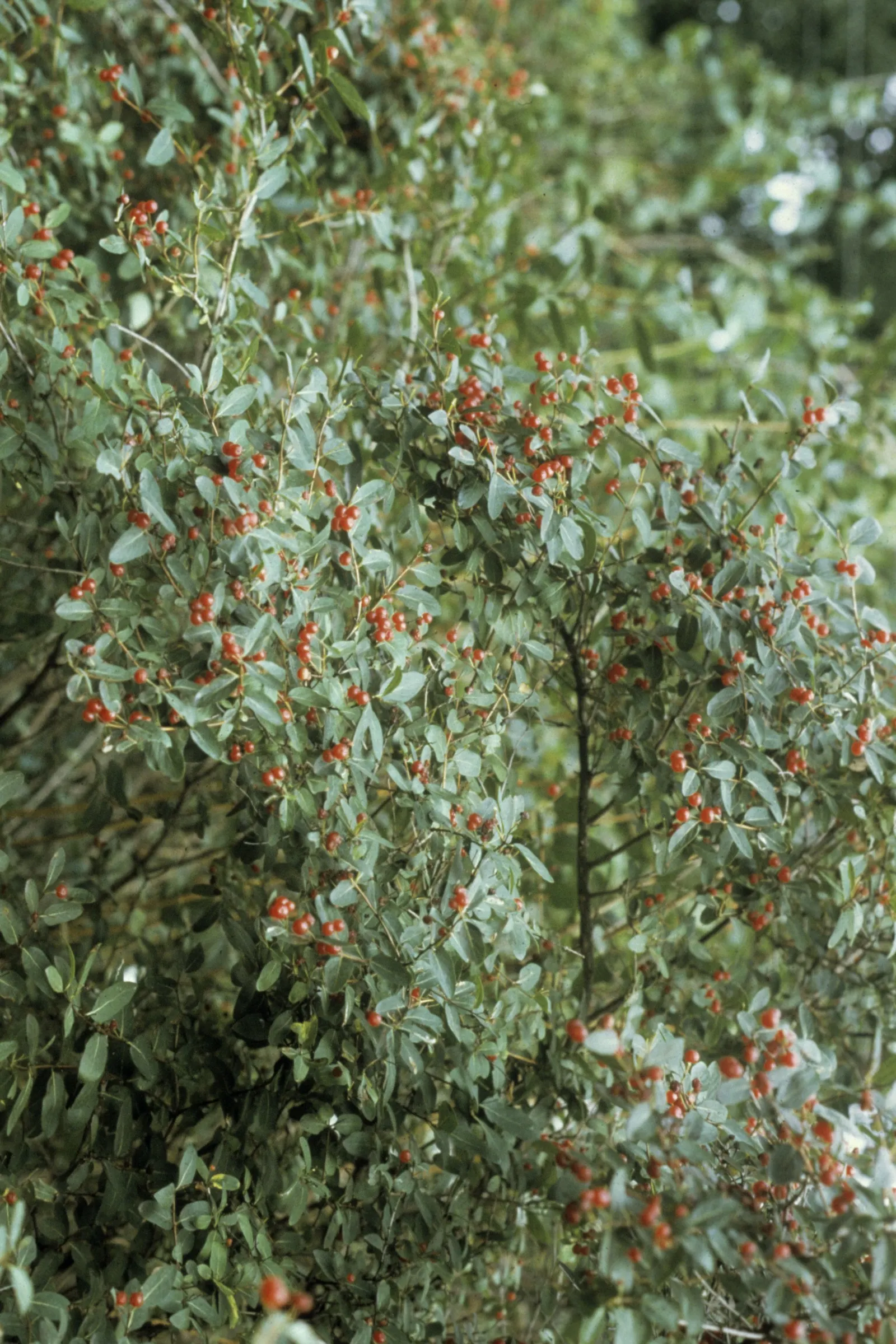
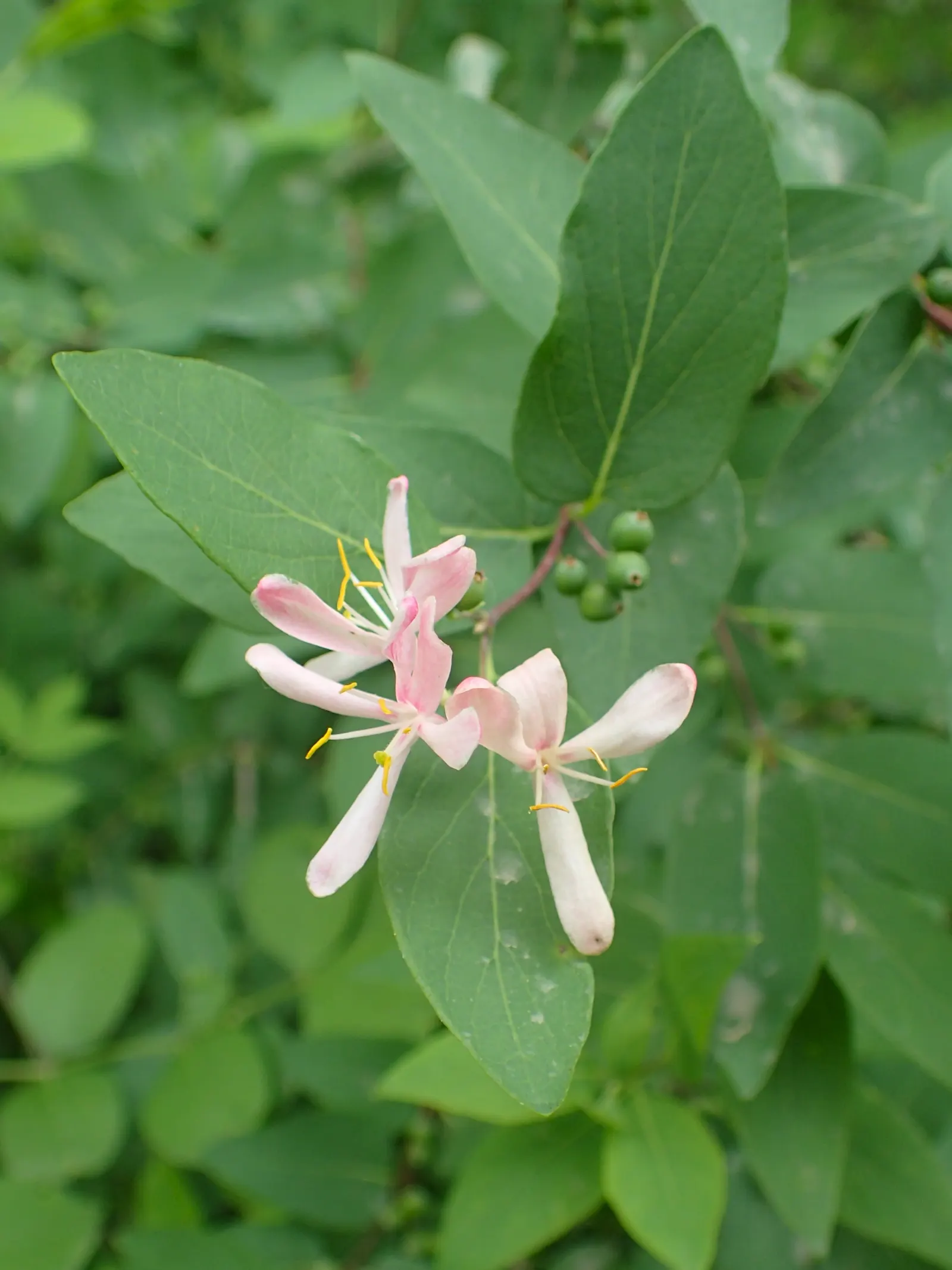
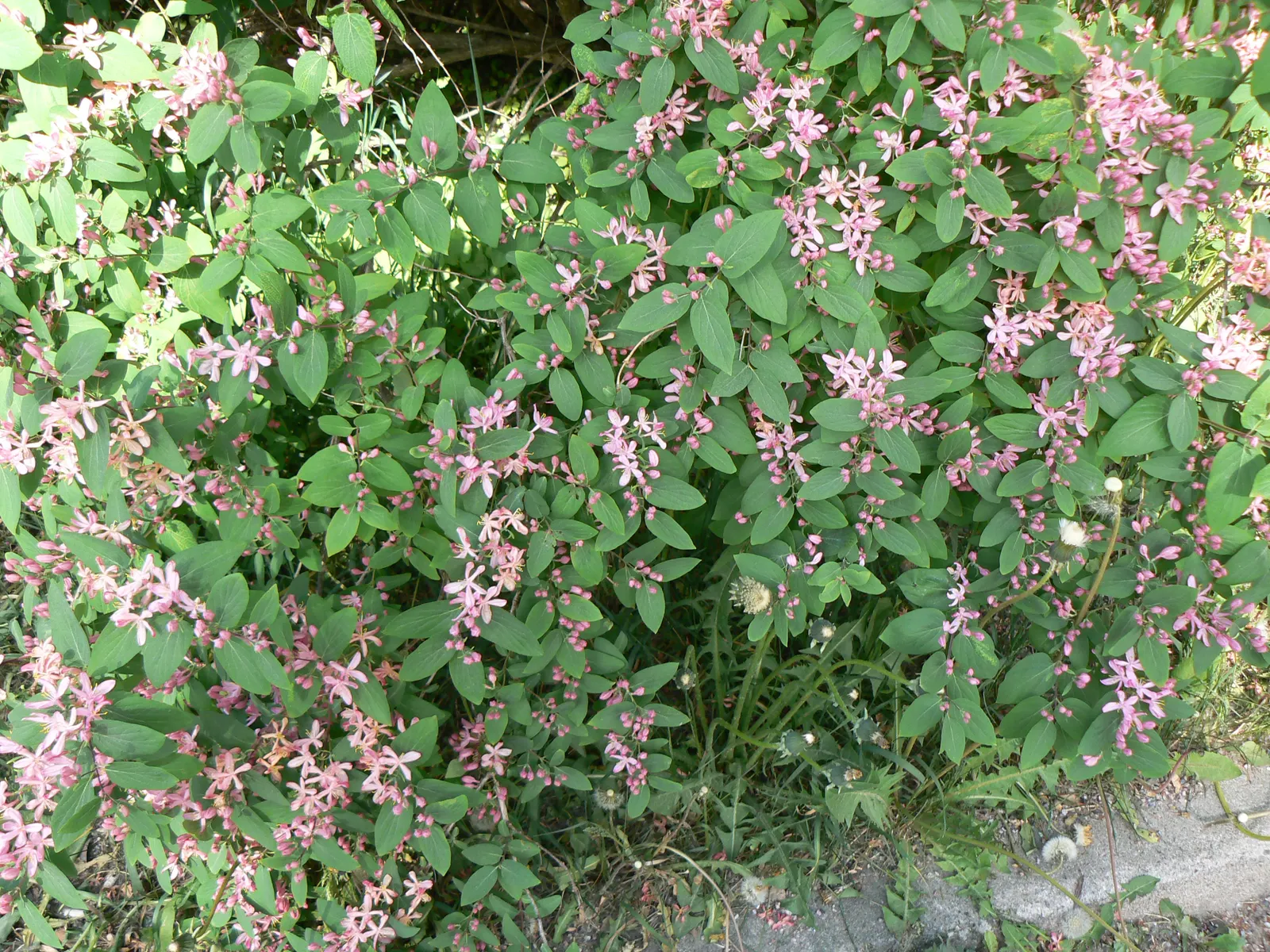
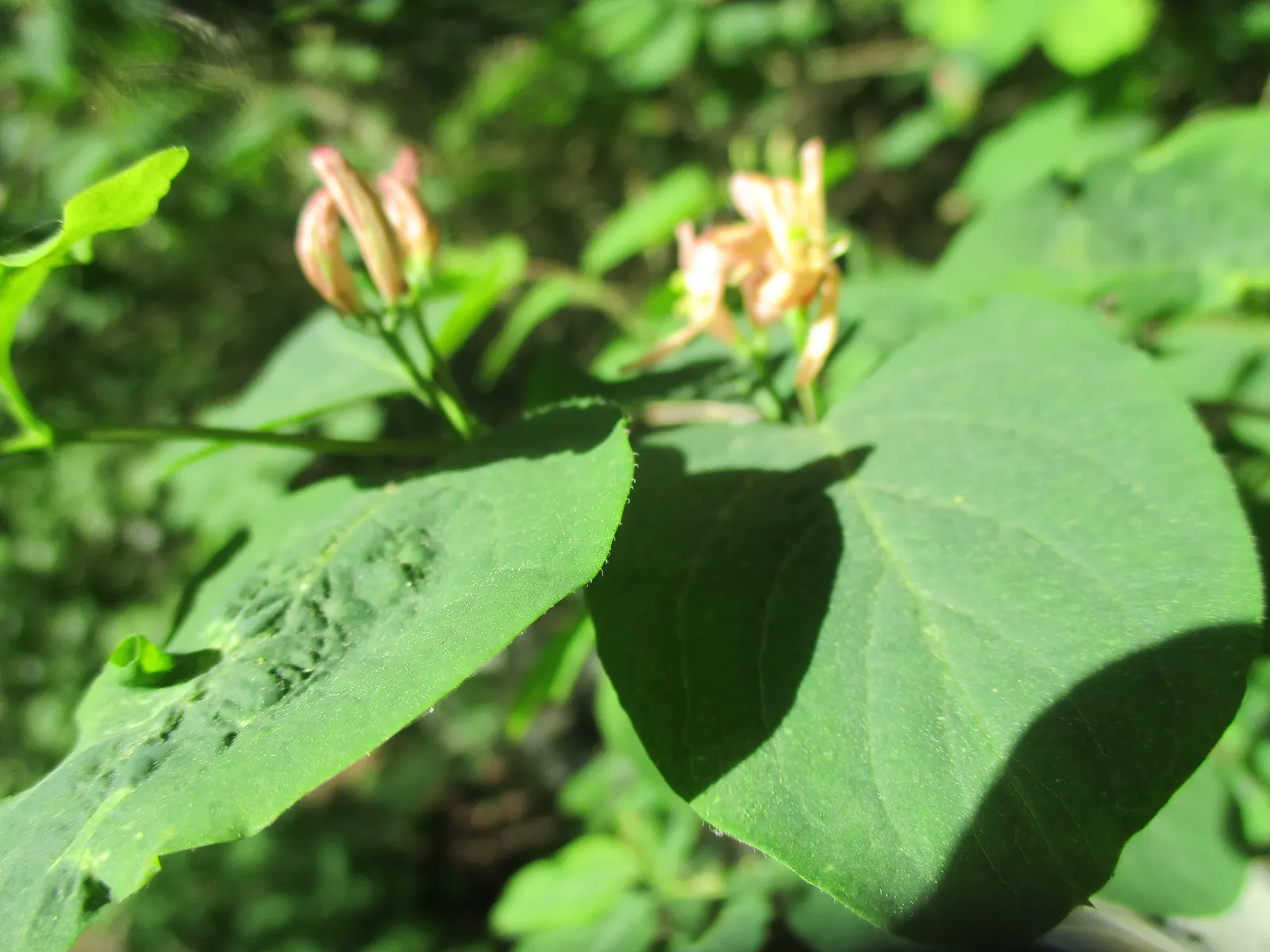
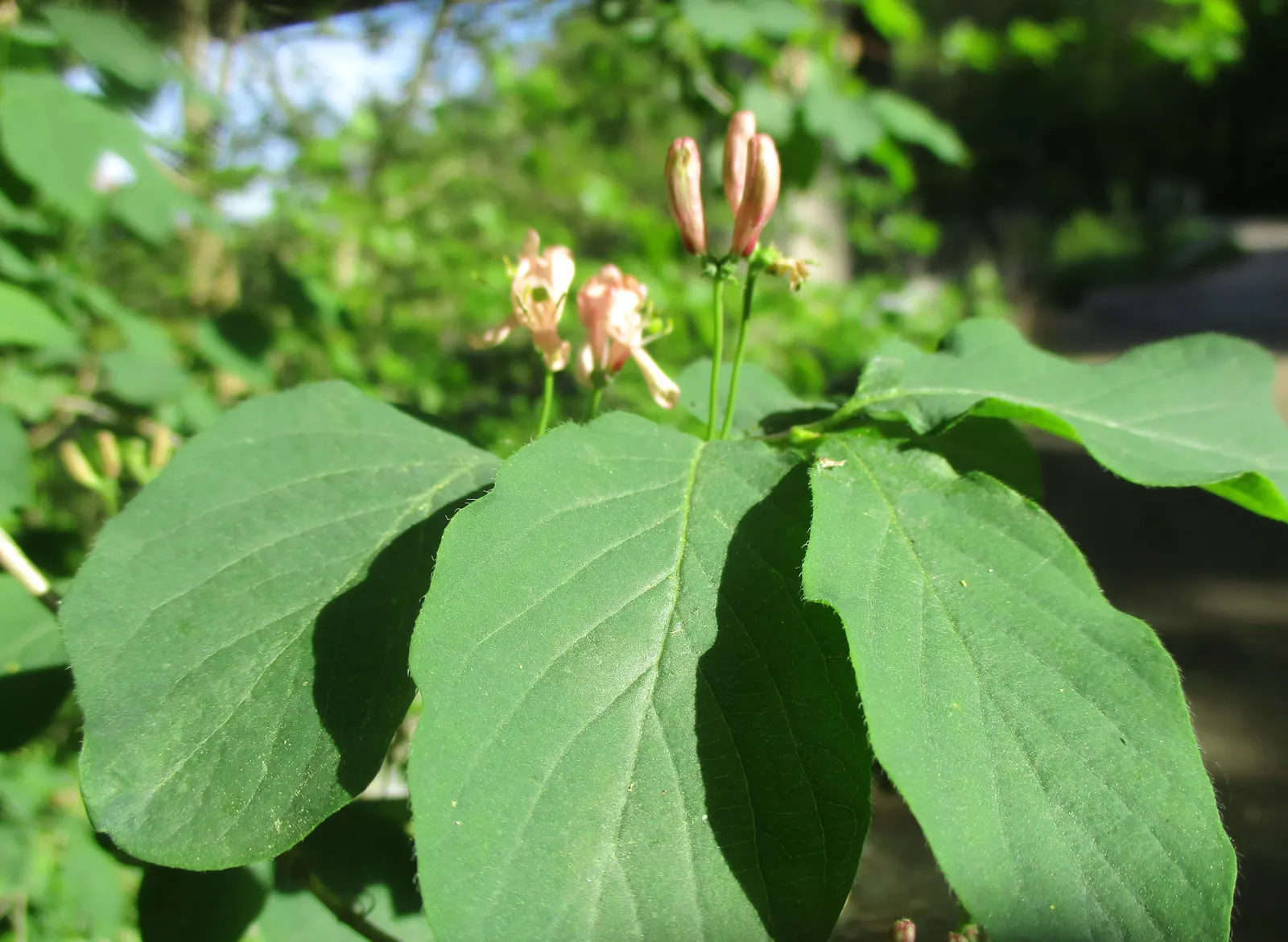
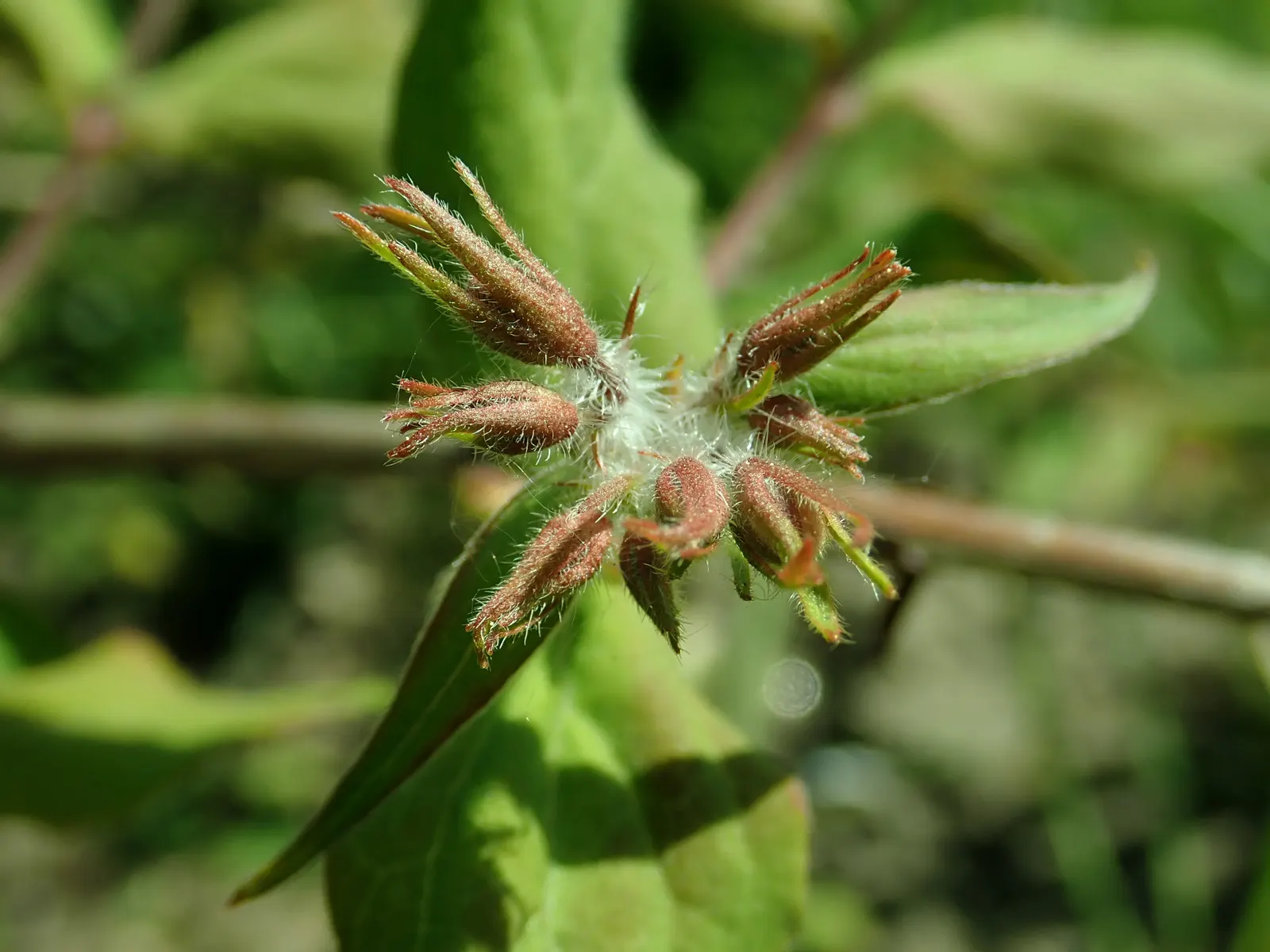
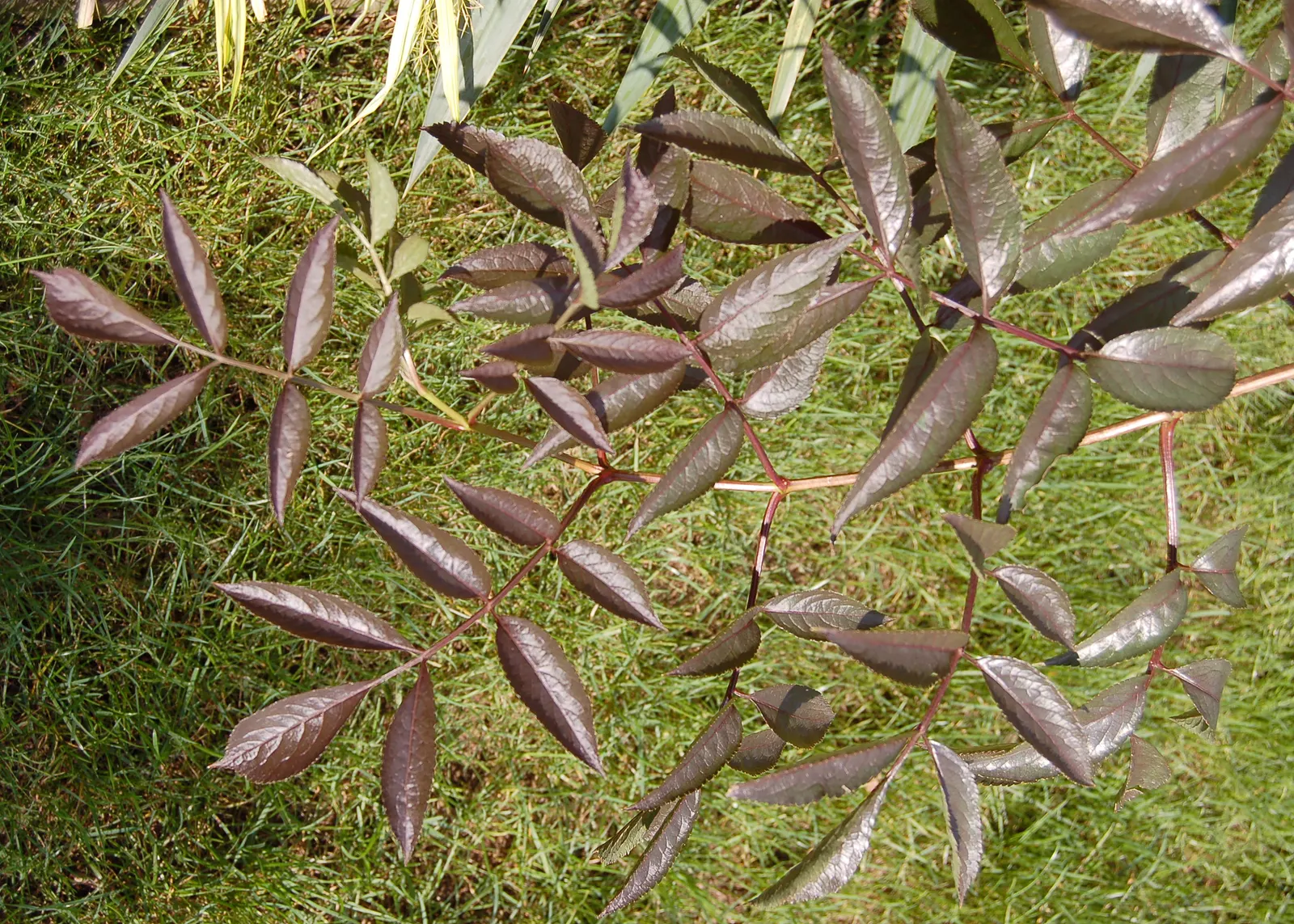
Tatarian Honeysuckle (Lonicera Tatarica) — and also helps in controlling its growth; providing food for birds and a pop of color in the autumn, image 87
Tatarian Honeysuckle (Lonicera Tatarica) — and approximately 1 to 2.5 inches long; in late spring to early summer, the Tatarian Honeysuckle bursts, image 73
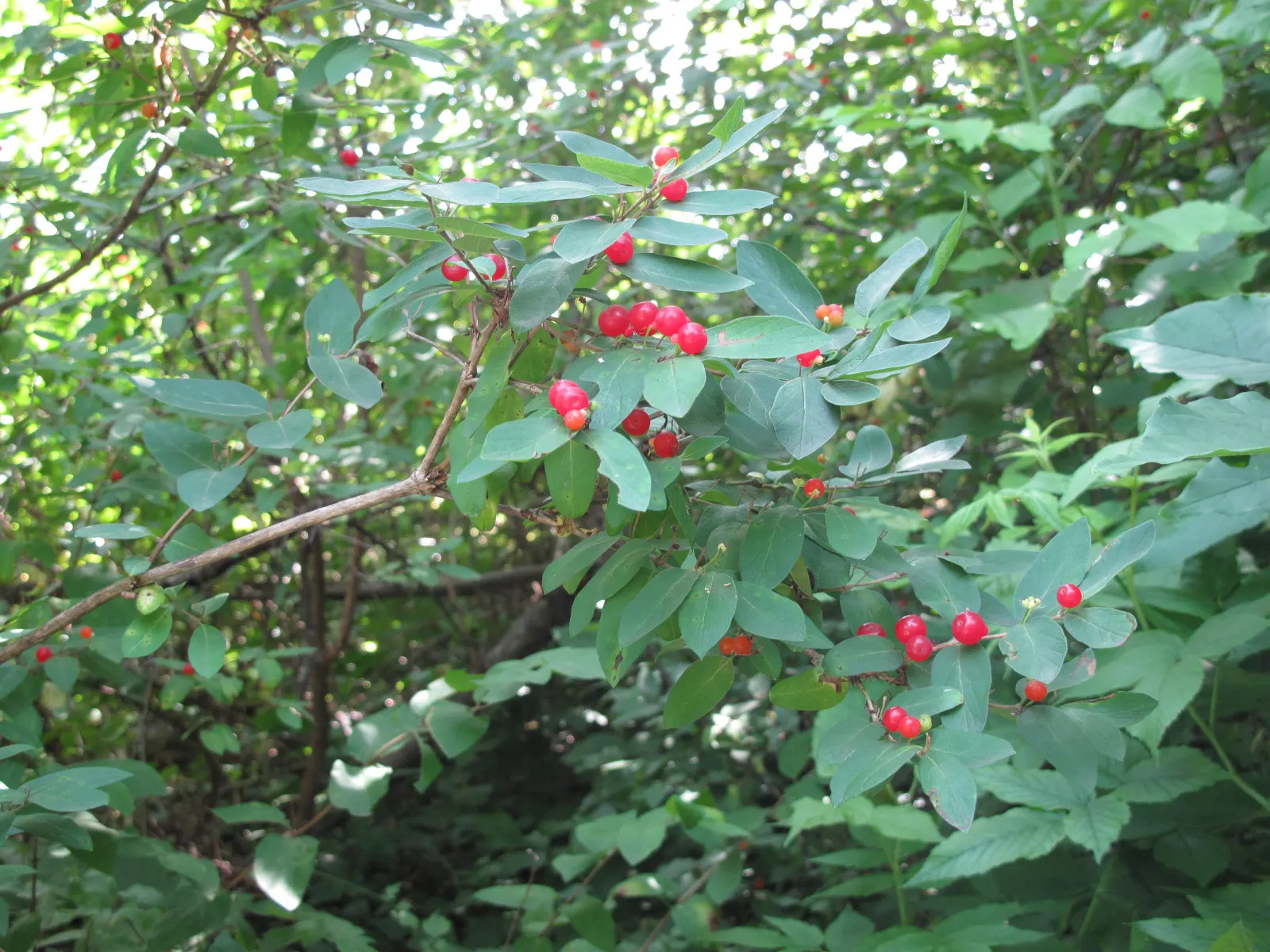
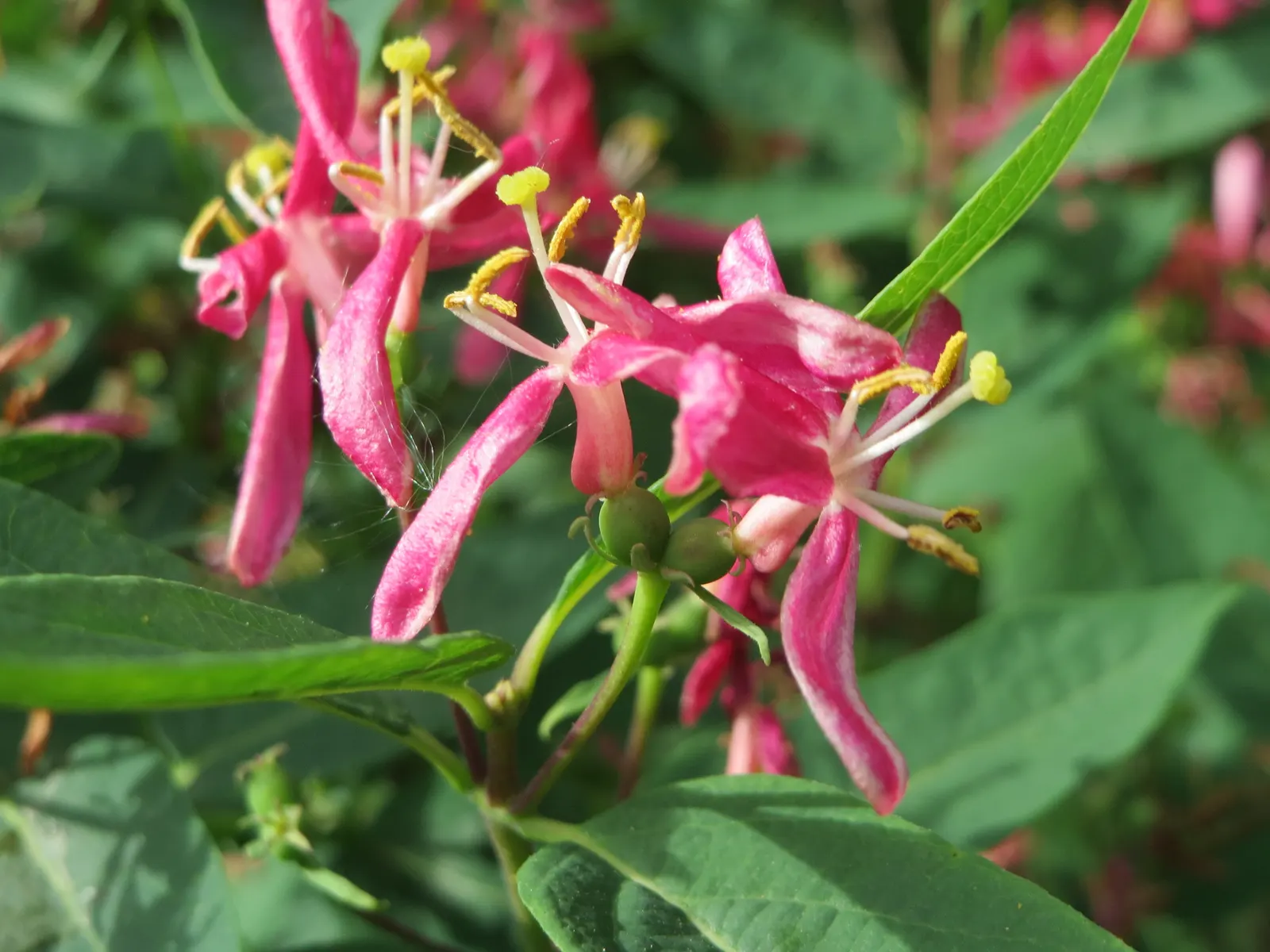
Tatarian Honeysuckle (Lonicera Tatarica) — the plant produces small red or orange berries, image 109
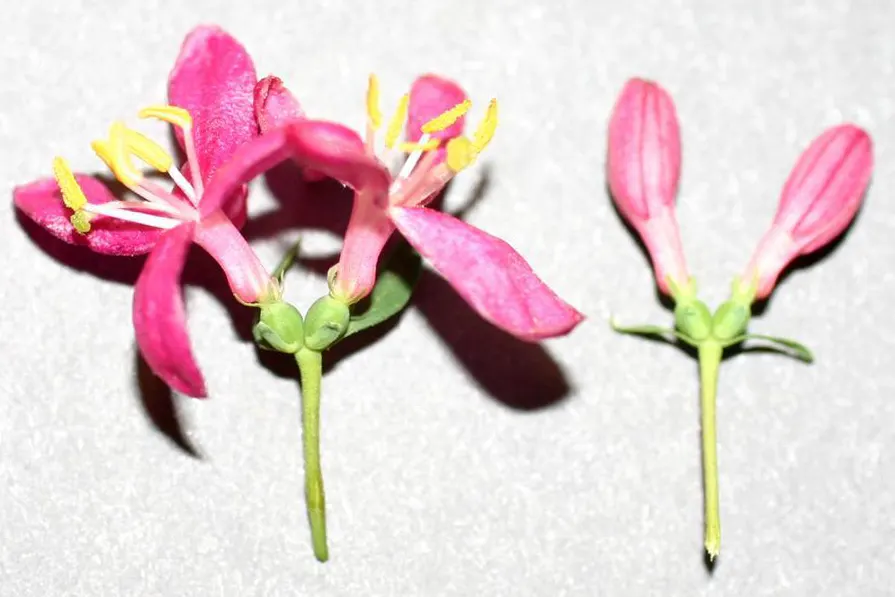
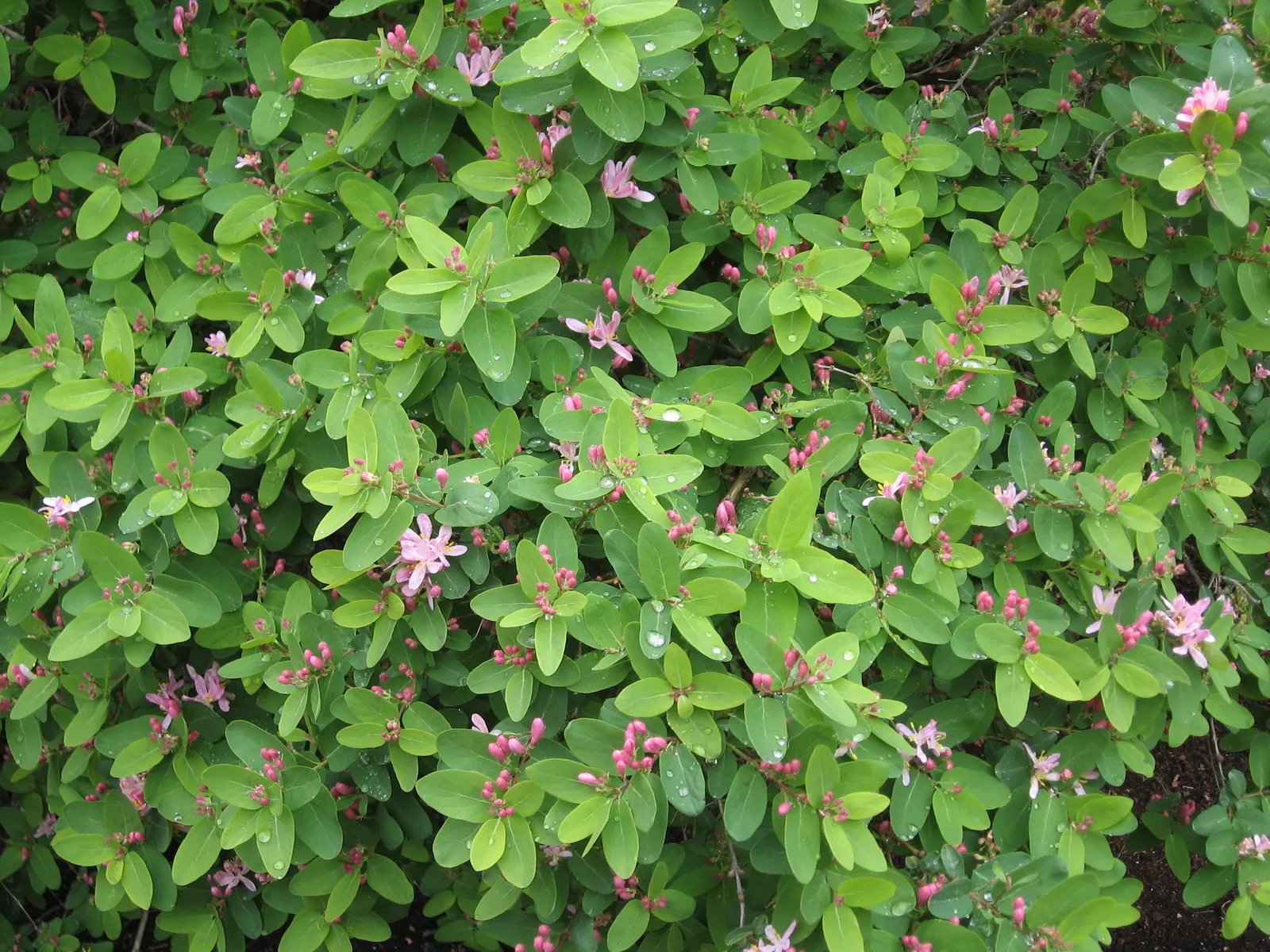
Tatarian Honeysuckle (Lonicera Tatarica) — shrub with pink blooms; the Tatarian Honeysuckle is drought tolerant once established and can thrive in, image 92
Tatarian Honeysuckle (Lonicera Tatarica) — scientifically named Lonicera tatarica; attracting pollinators with their sweet nectar.<br><br>Come fall, image 100
Tatarian Honeysuckle (Lonicera Tatarica) — and approximately 1 to 2.5 inches long
Tatarian Honeysuckle (Lonicera Tatarica) — making it a versatile choice for diverse landscaping designs; pink flowers in the garden, image 102
Tatarian Honeysuckle (Lonicera Tatarica) — Caution advised as berries are toxic if ingested; is a deciduous shrub celebrated for its vibrant floral, image 68
Tatarian Honeysuckle (Lonicera Tatarica) — consider its spreading habit and potential for invasiveness; shrub for full or half or shade, image 89
Tatarian Honeysuckle (Lonicera Tatarica) — Lonicera tatarica, or Tatarian Honeysuckle, is an ornamental shrub thriving in USDA zones 4-9; it attracts birds and
Tatarian Honeysuckle (Lonicera Tatarica) — attracting pollinators with their sweet nectar.<br><br>Come fall; making it a versatile choice for diverse
Tatarian Honeysuckle (Lonicera Tatarica) — scientifically named Lonicera tatarica; attracting pollinators with their sweet nectar.<br><br>Come fall, image 131
Tatarian Honeysuckle (Lonicera Tatarica) — Caution advised as berries are toxic if ingested; is a deciduous shrub celebrated for its vibrant floral, image 130
Tatarian Honeysuckle (Lonicera Tatarica) — It reaches 8-12 ft in height and spreads 10-12 ft, flourishing in full sun to partial shade; and, image 95
Tatarian Honeysuckle (Lonicera Tatarica) — the plant produces small red or orange berries, image 47
Tatarian Honeysuckle (Lonicera Tatarica) — scientifically named Lonicera tatarica
Tatarian Honeysuckle (Lonicera Tatarica) — and also helps in controlling its growth
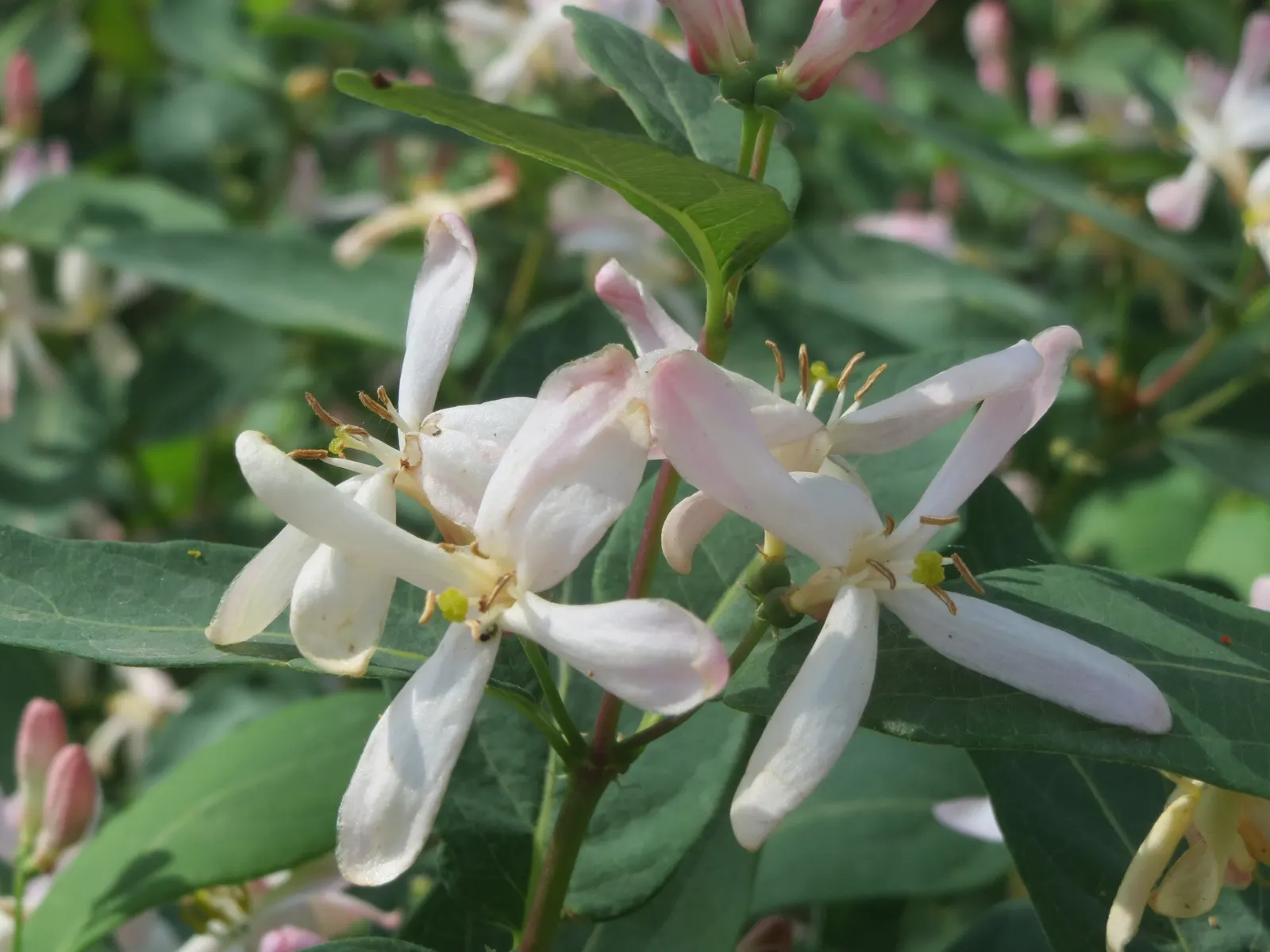
Tatarian Honeysuckle (Lonicera Tatarica) — adorn the shrub in shades of pink; it reaches 8-12 ft in height and spreads 10-12 ft, flourishing in full sun to
Tatarian Honeysuckle (Lonicera Tatarica) — making it a versatile choice for diverse landscaping designs
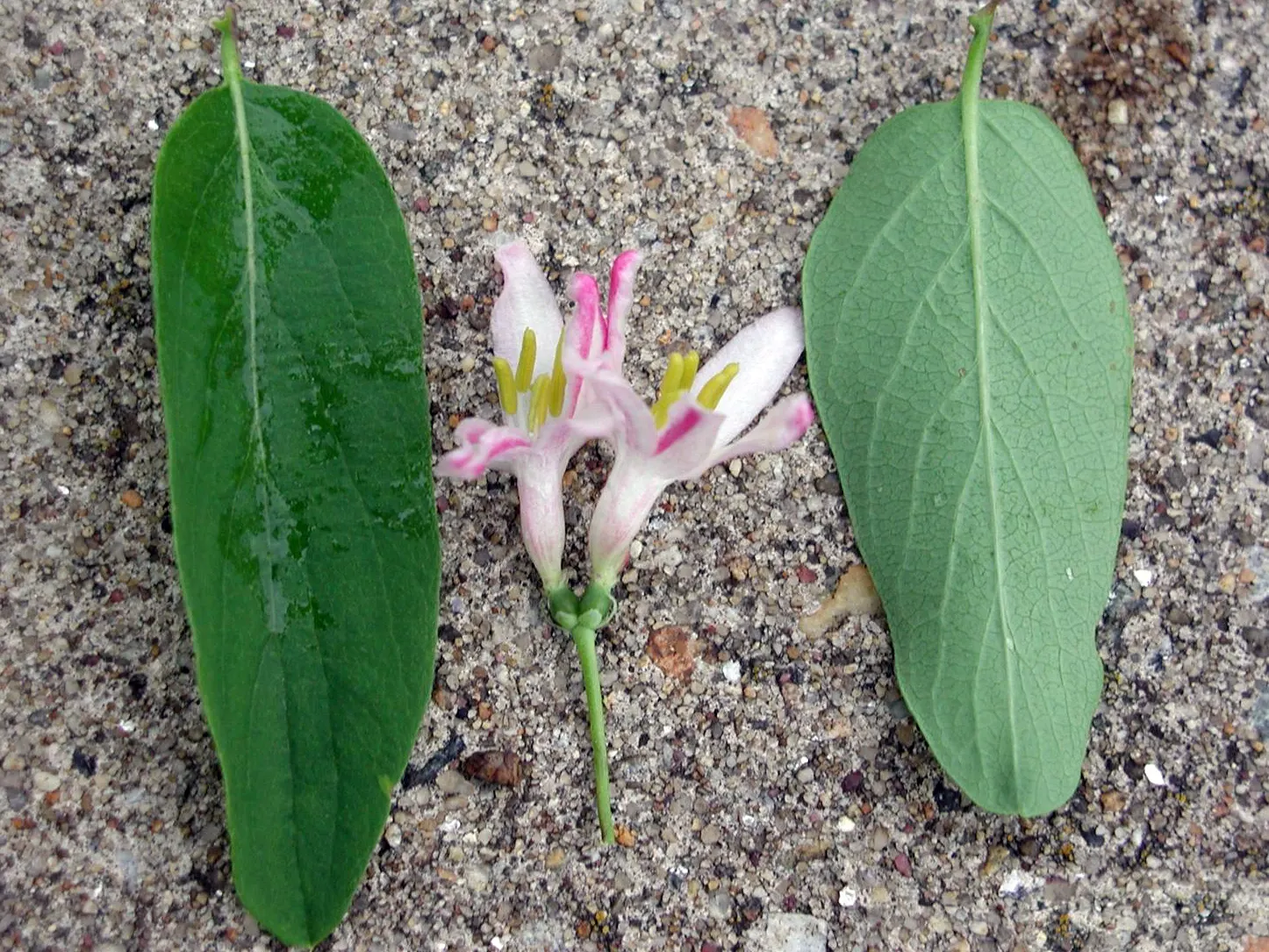
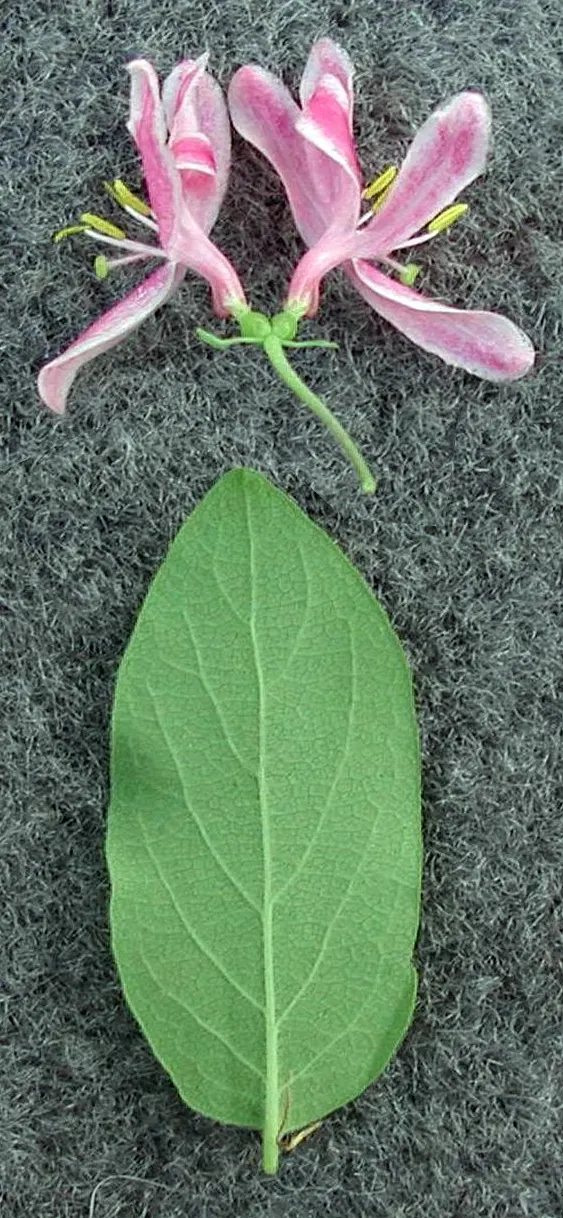
Tatarian Honeysuckle (Lonicera Tatarica) — adorn the shrub in shades of pink
Tatarian Honeysuckle (Lonicera Tatarica) — Full sun to partial shade is best to ensure optimal growth and flowering; prized for its profusion of, image 116
Tatarian Honeysuckle (Lonicera Tatarica) — and approximately 1 to 2.5 inches long; in late spring to early summer, the Tatarian Honeysuckle bursts into an
Tatarian Honeysuckle (Lonicera Tatarica) — Lonicera tatarica, or Tatarian Honeysuckle, is an ornamental shrub thriving in USDA zones 4-9; it, image 63
Tatarian Honeysuckle (Lonicera Tatarica) — the Tatarian Honeysuckle is drought tolerant once established and can thrive in a range of soil types, image 83
Photographs by 7 contributors

Related plants