Skip to content

Cinderella Honeyberry

Lonicera Caerulea

Design with this plant

Overview

The Cinderella Honeyberry (Lonicera caerulea) is a cold-hardy shrub reaching 3 feet high and wide. Boasts oblong blueberry-like fruits with a tangy-sweet flavor, ripening in late spring. Thrives in USDA Zones 3-8, preferring well-drained soil and full sun to part shade. Perfect for small spaces and edible landscapes, plant in pairs for pollination. A beautiful and bountiful addition offering white flowers and lush green foliage.

Sun Full, HalfWater Extra in Summer, Low, MediumZones 2–7Type Shrub, VineClimate Temperate

Culture

Sun
Full, Half
Water
Extra in Summer, Low, Medium
USDA zones
2–7

Shape & size

Mature height
3–5 Ft.
Mature width
3–5 Ft.

Classification

Type
Shrub, Vine
Family
Caprifoliaceae
Climate
Temperate

See full data, regional cultivation notes, and design tools. Build a client presentation around this plant.

Start your 14-day trial

Photos (61)

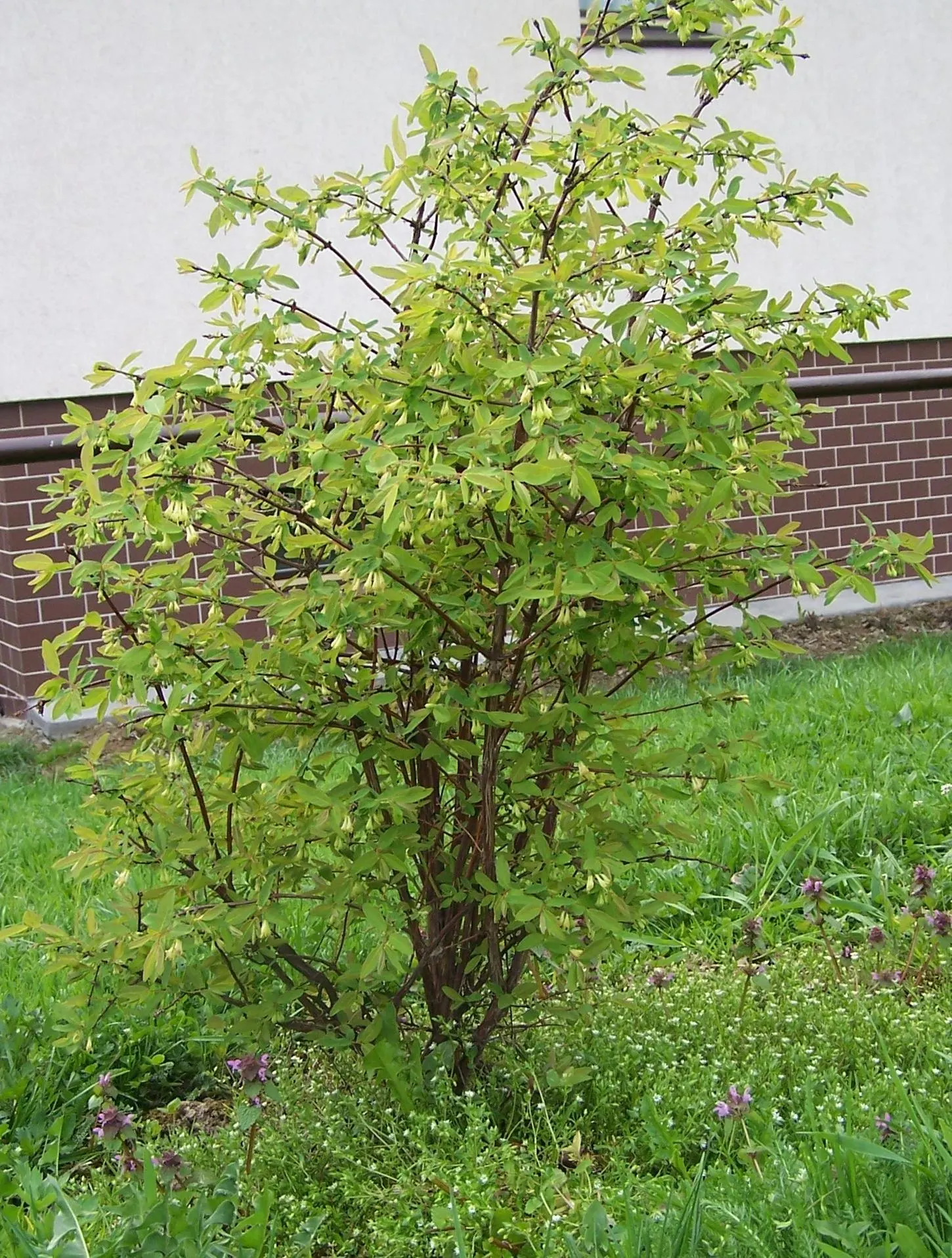
Cinderella Honeyberry (Lonicera Caerulea) — making it an excellent choice for small gardens or as a border plant
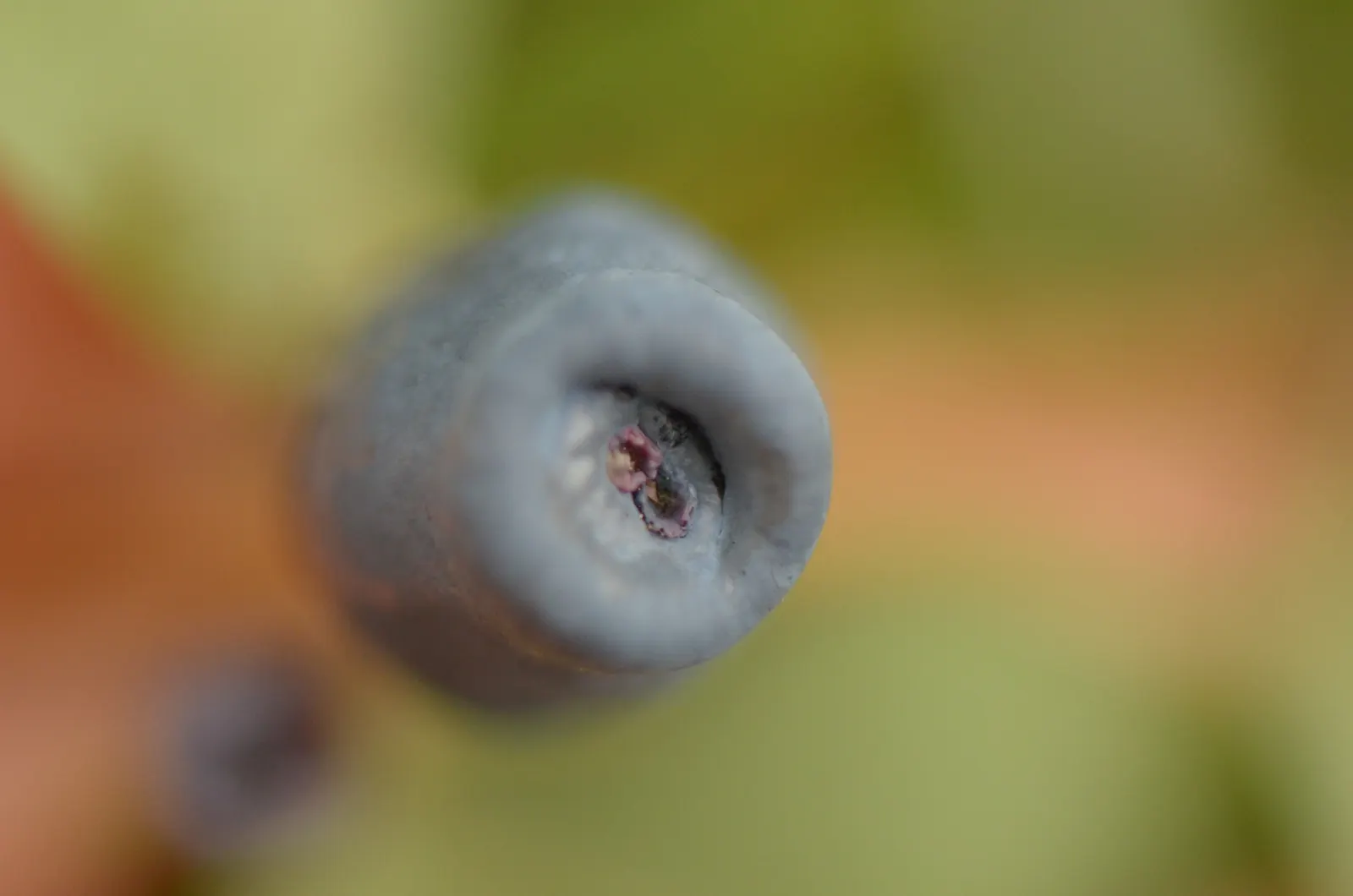
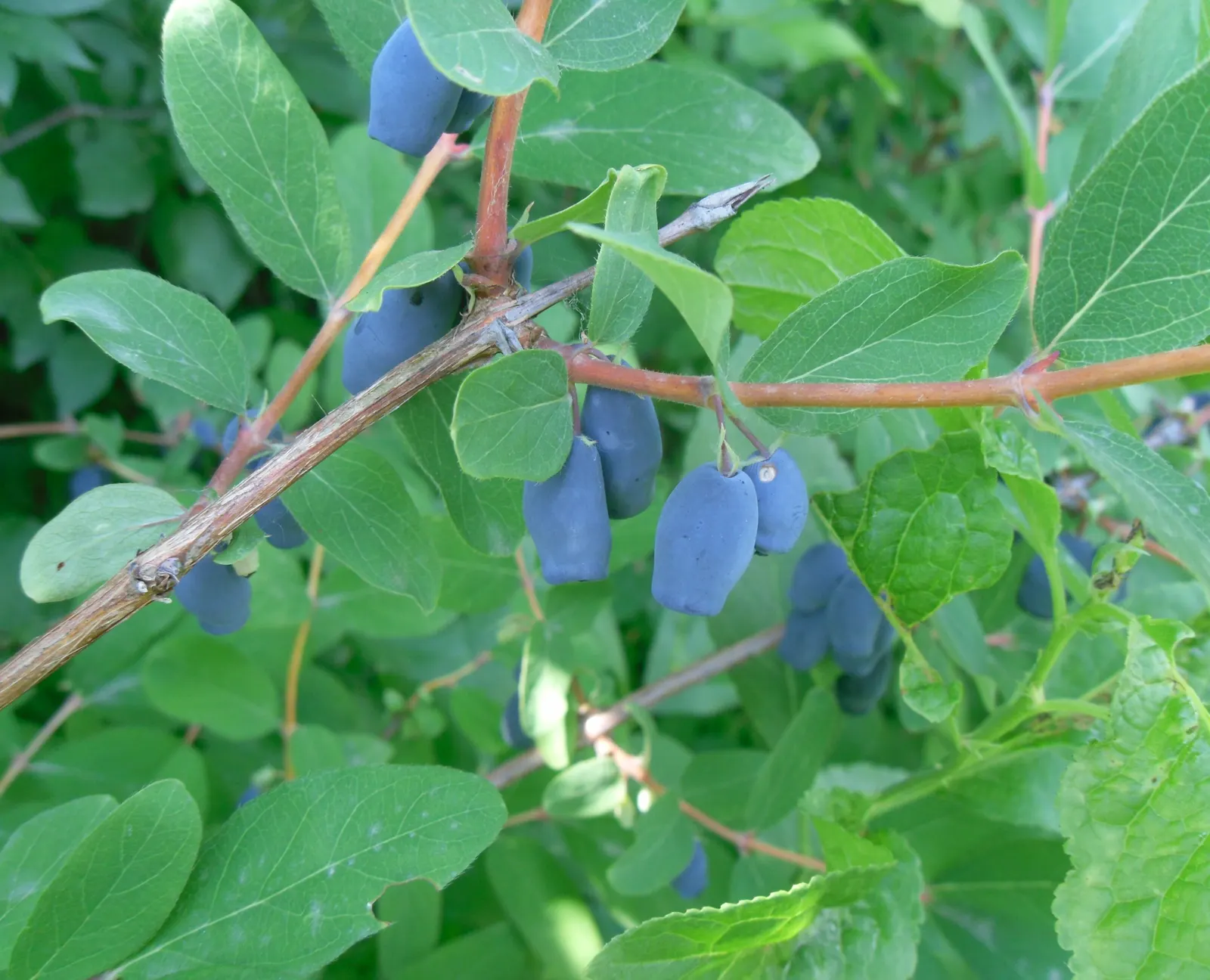
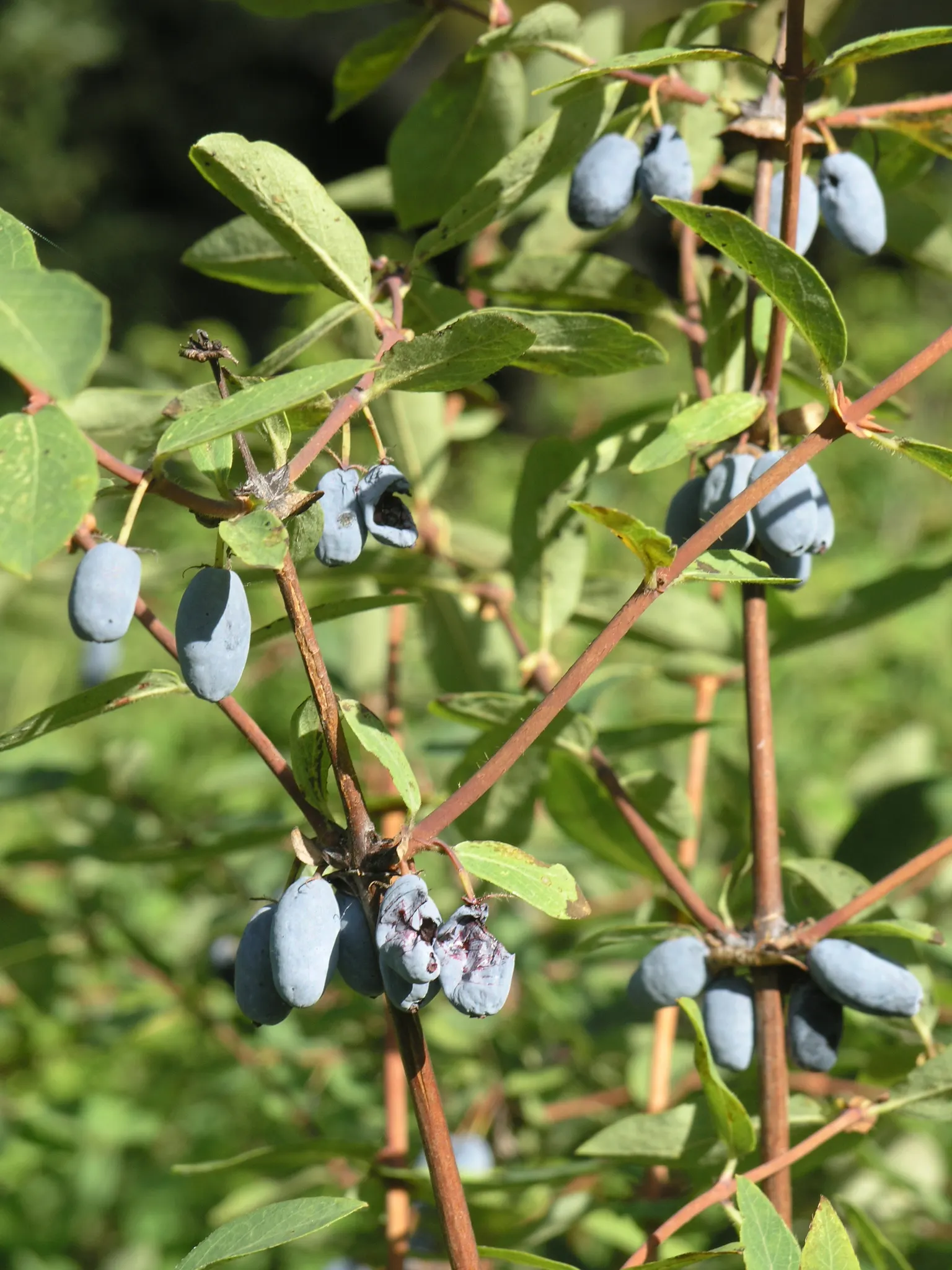
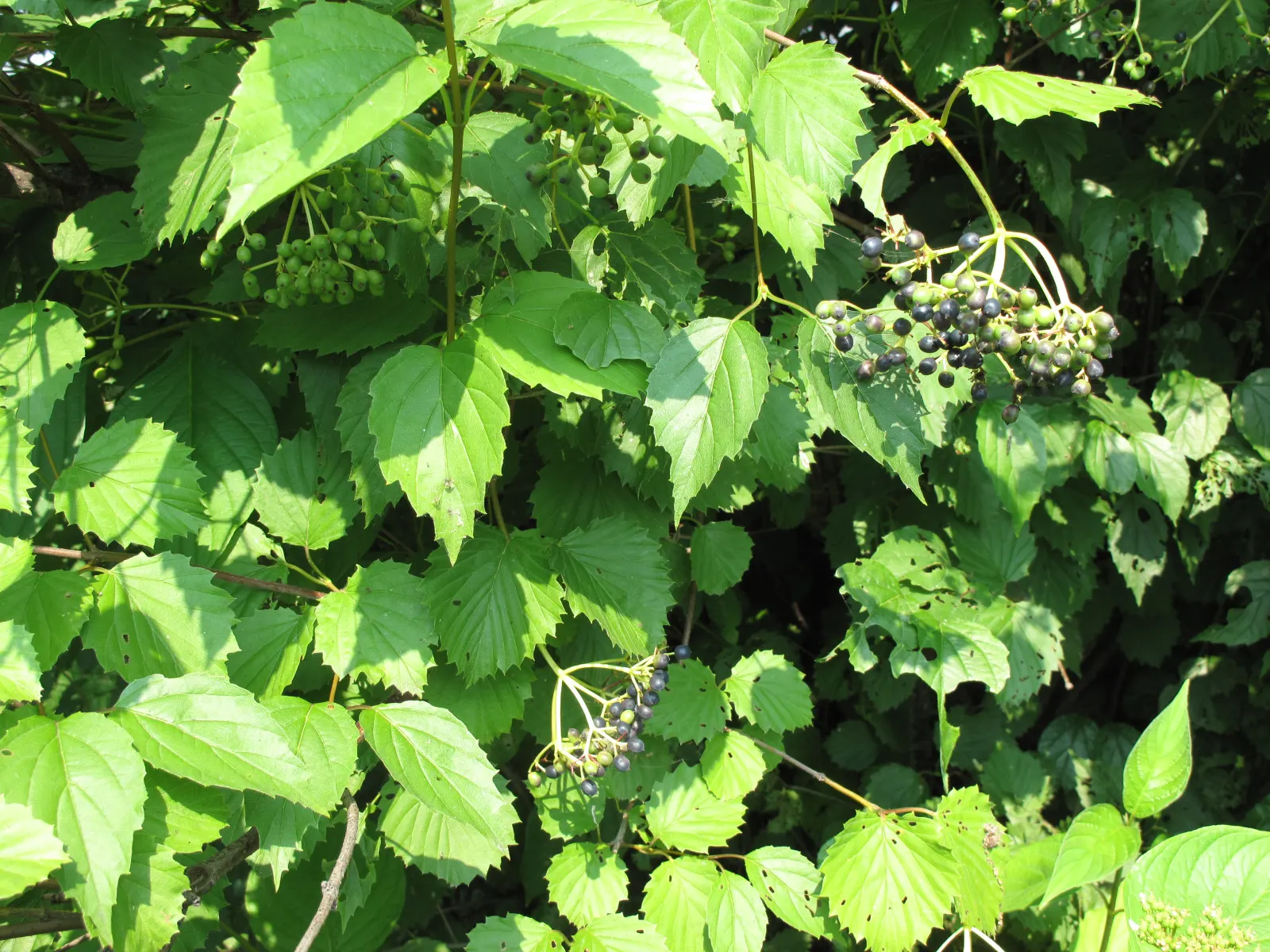
Cinderella Honeyberry (Lonicera Caerulea) — Boasts oblong blueberry-like fruits with a tangy-sweet flavor, ripening in late spring; cinderella Honeyberry's
Cinderella Honeyberry (Lonicera Caerulea) — Thrives in USDA Zones 3-8, preferring well-drained soil and full sun to part shade; ensure cross-pollination by
Cinderella Honeyberry (Lonicera Caerulea) — roughly 1 to 1.5 inches long; or Lonicera caerulea 'Cinderella'
Cinderella Honeyberry (Lonicera Caerulea) — making it an excellent choice for small gardens or as a border plant; the Cinderella Honeyberry (Lonicera caerulea)
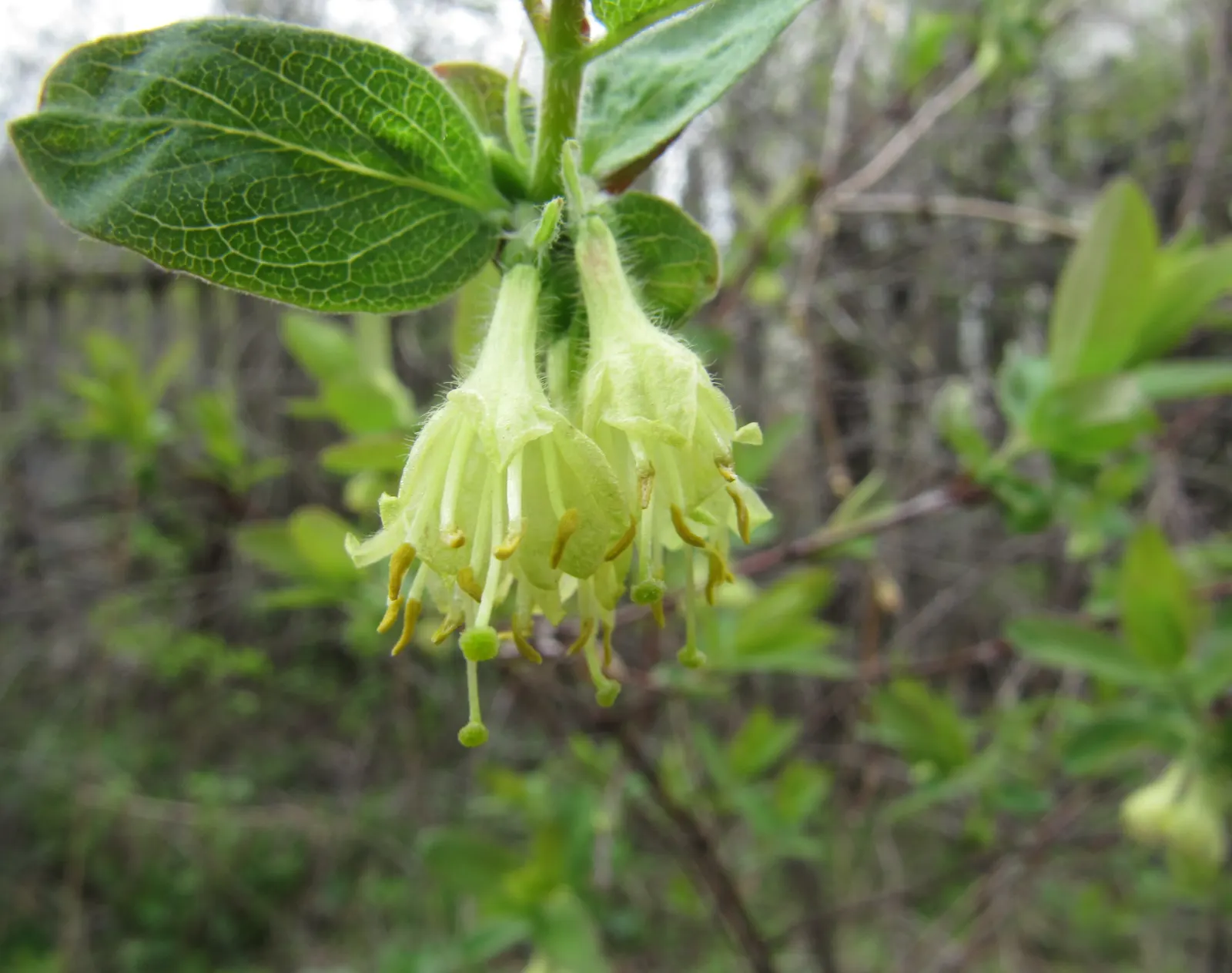
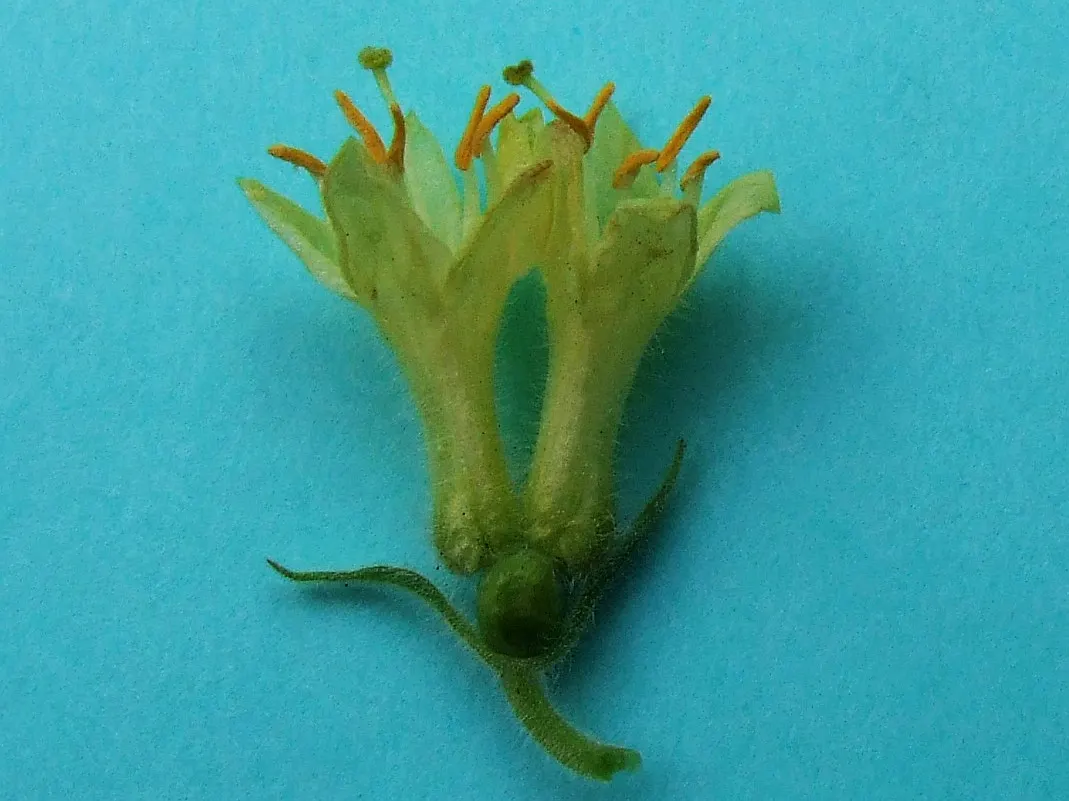
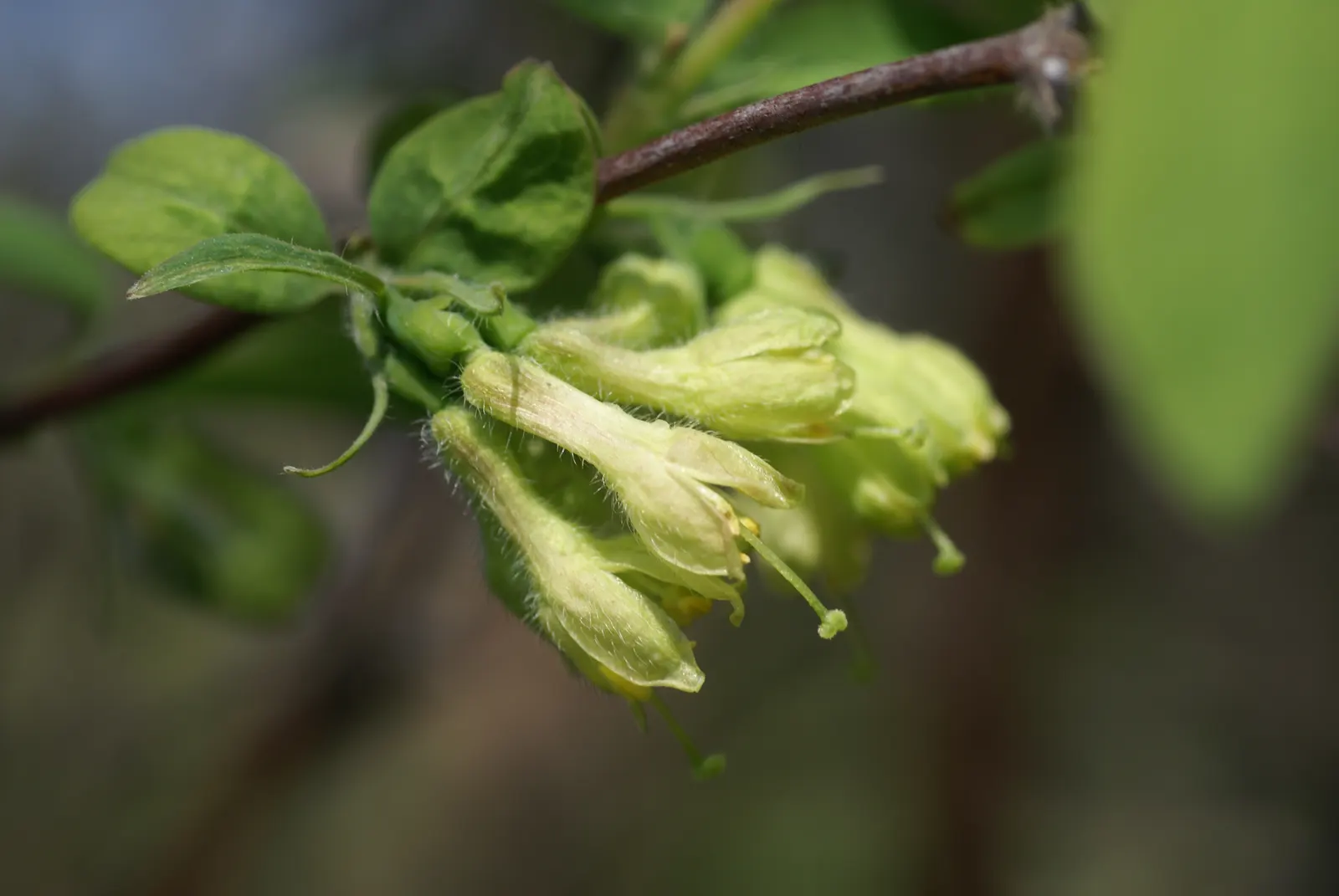
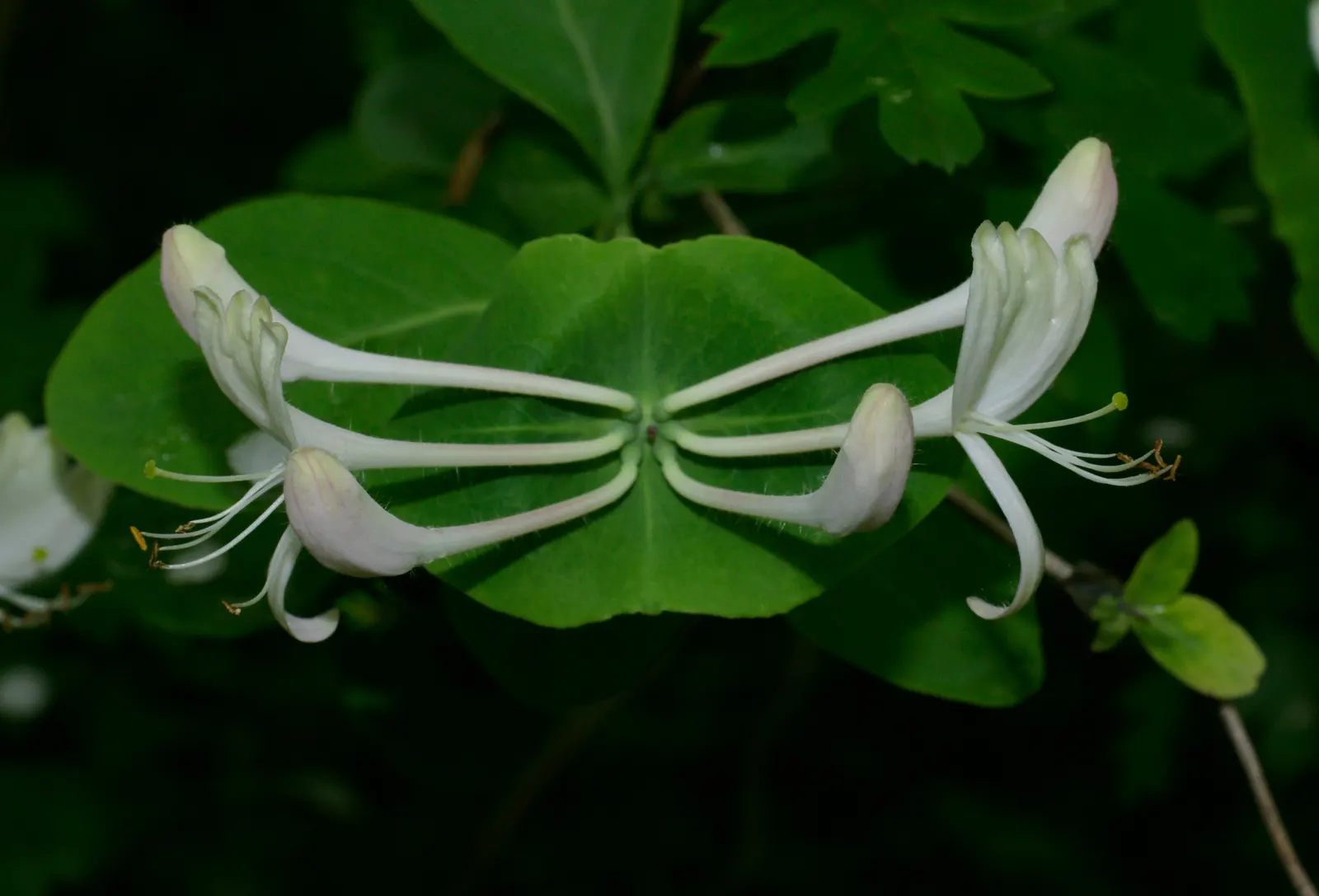
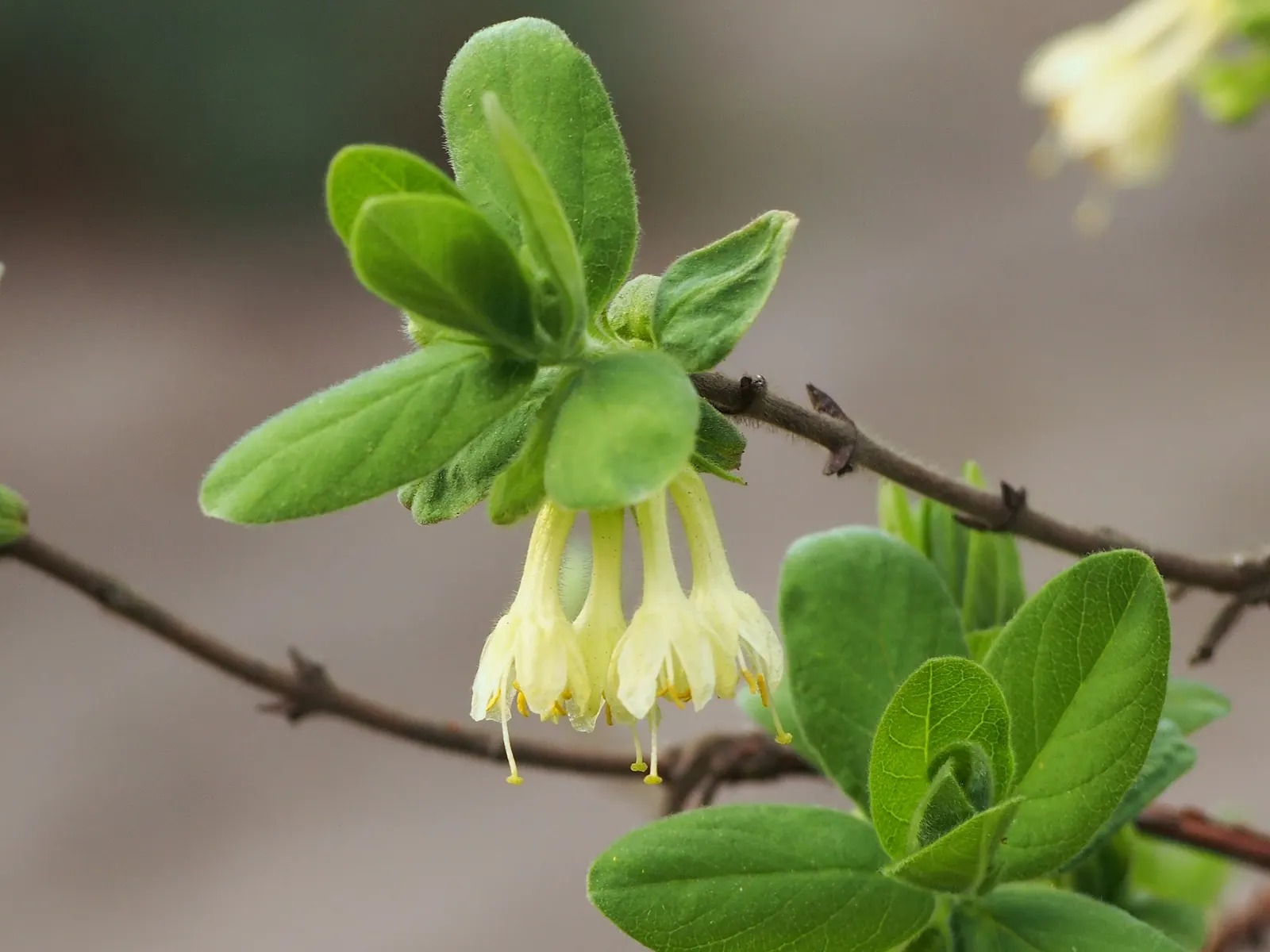
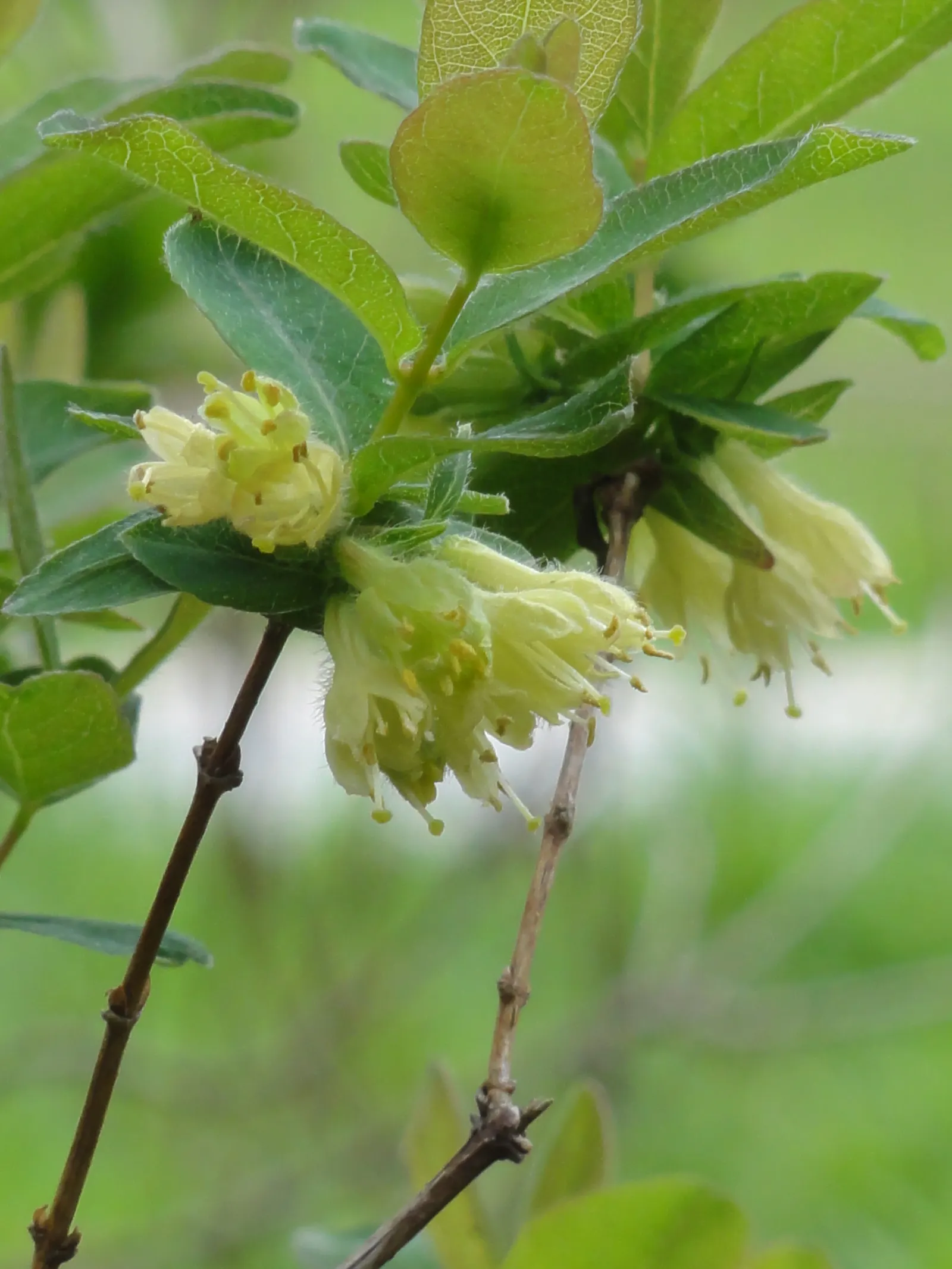
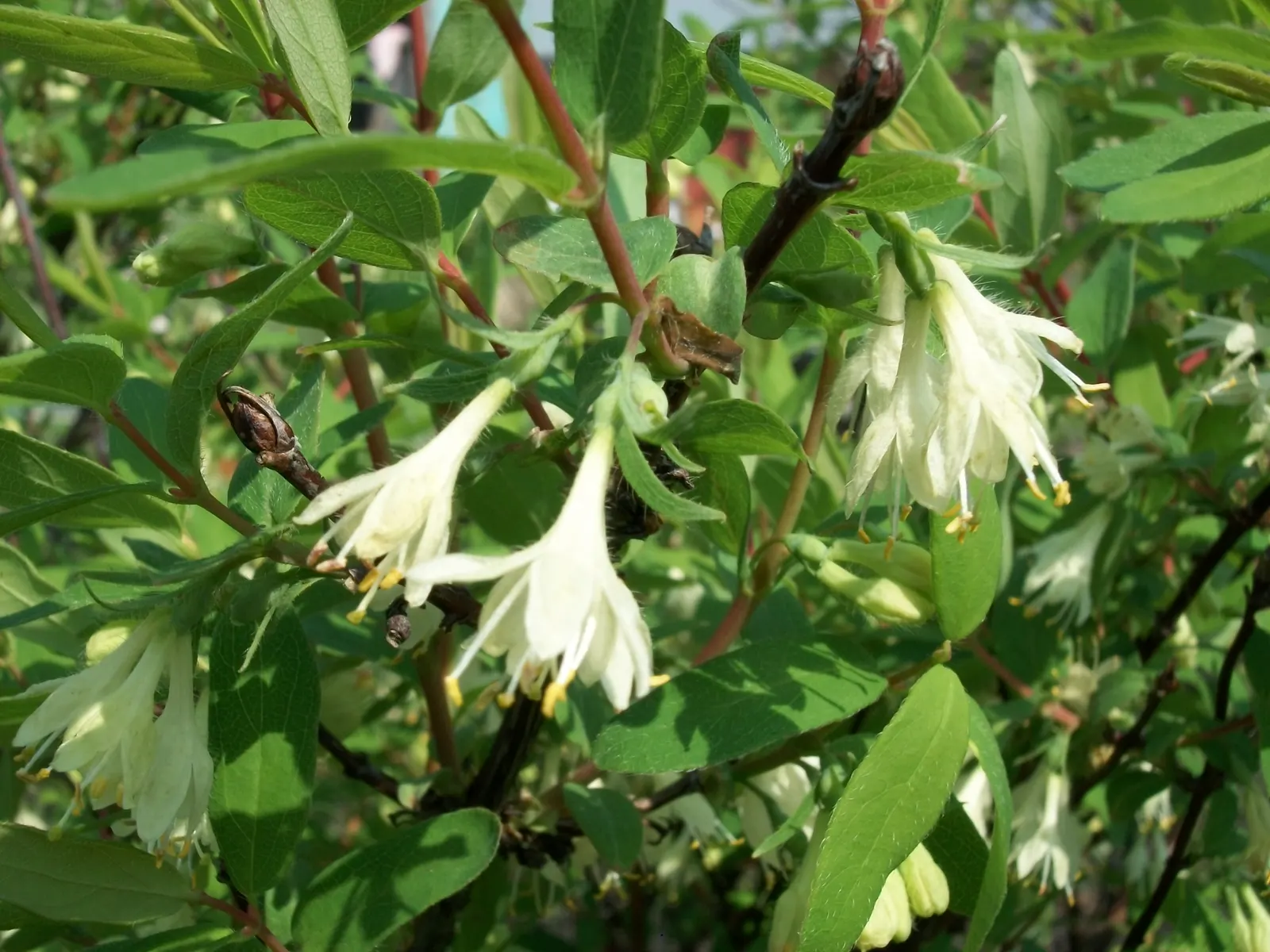
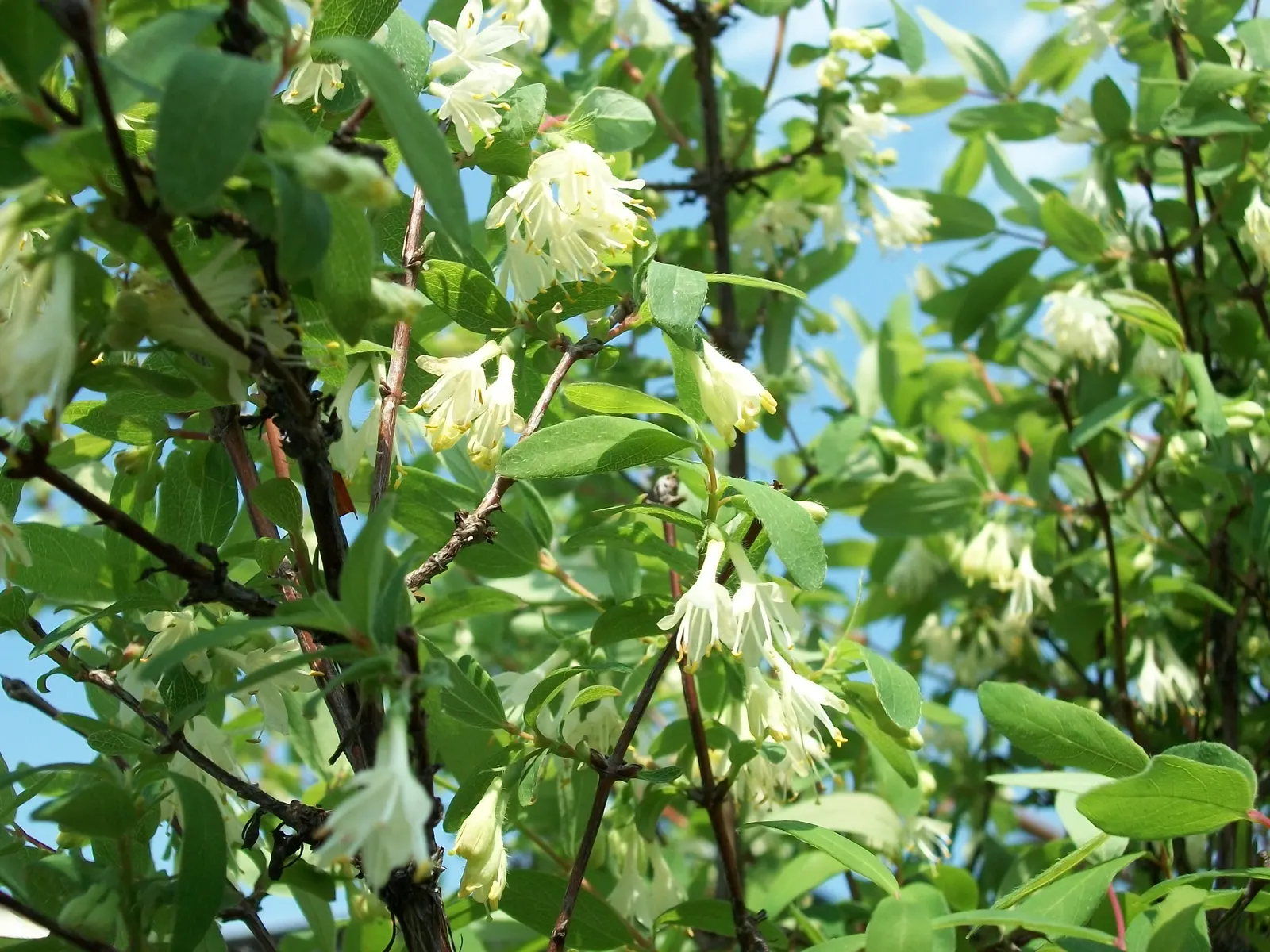
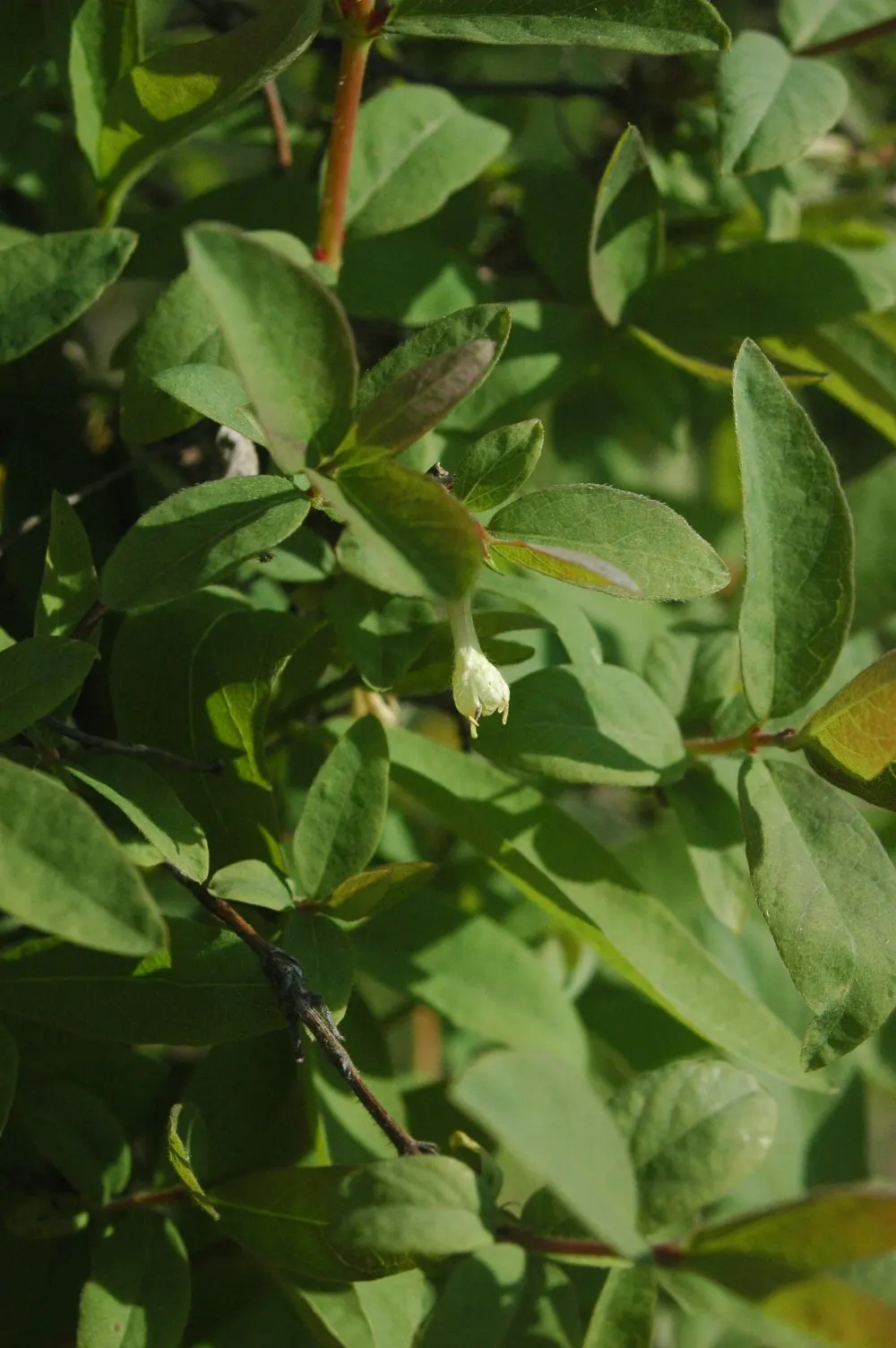
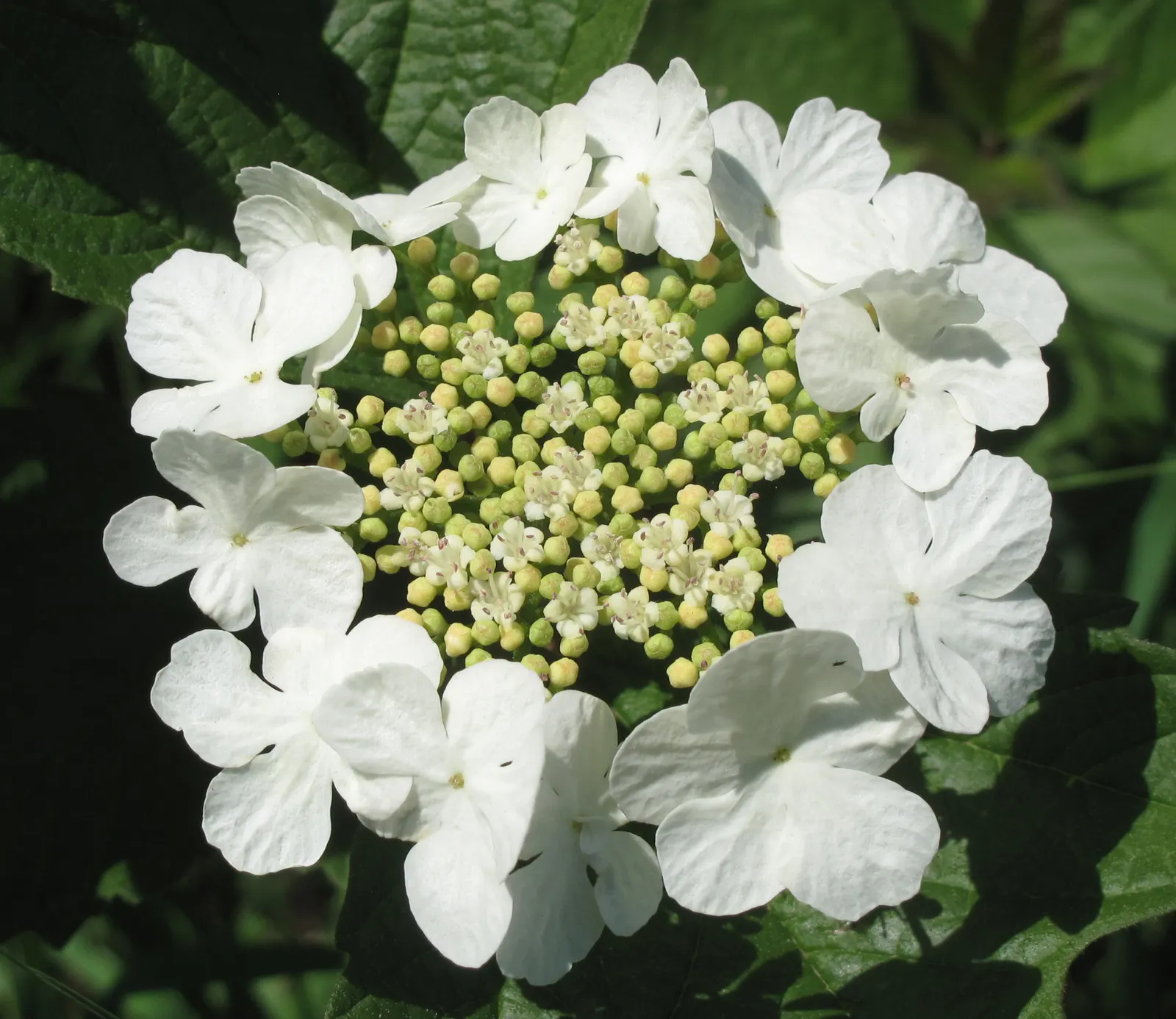
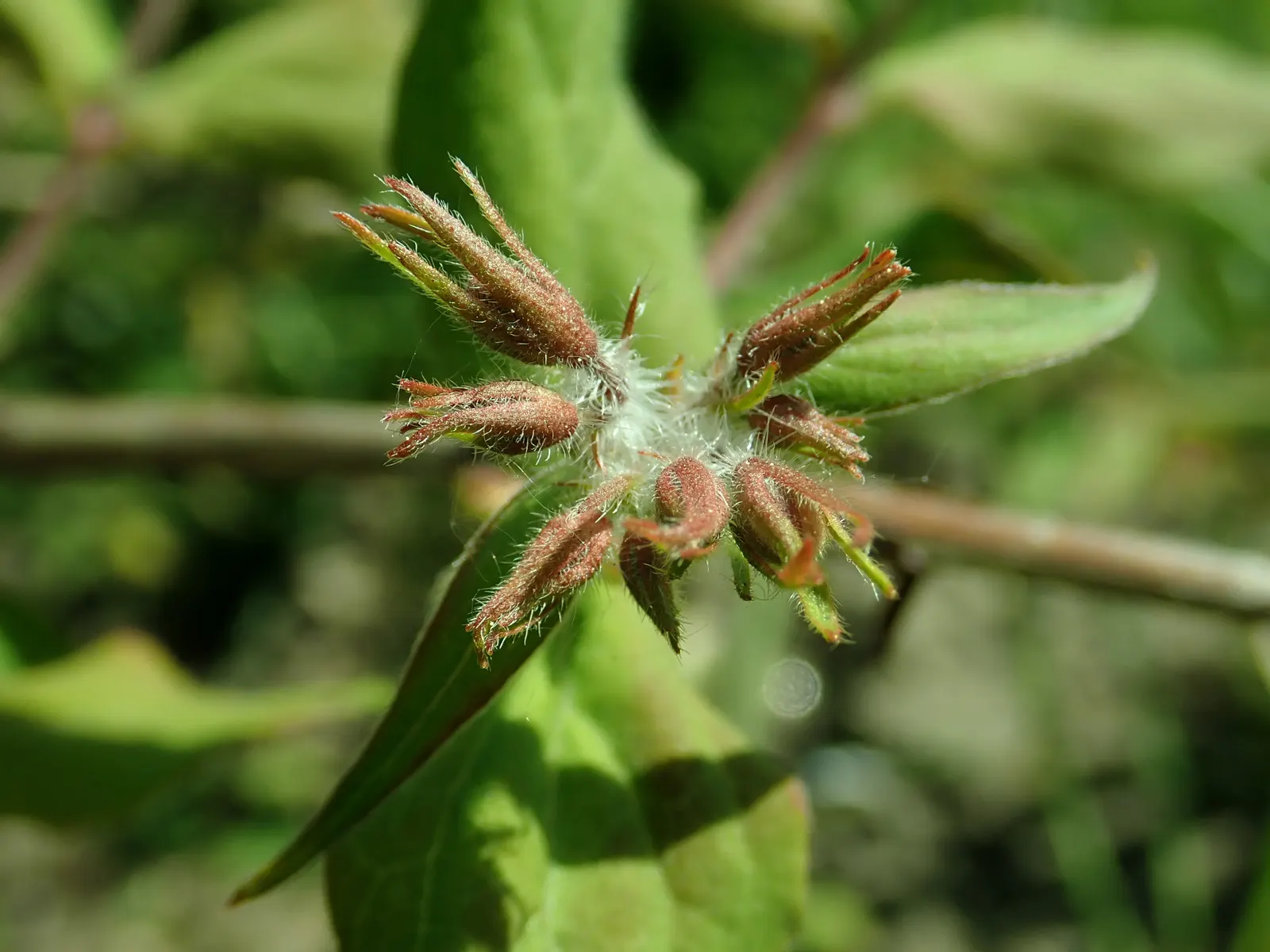
Cinderella Honeyberry (Lonicera Caerulea) — delicate white flowers bloom before the foliage emerges; is a compact deciduous shrub that provides both aesthetic
Cinderella Honeyberry (Lonicera Caerulea) — the shrub produces an abundant crop of elongated; shrub / vine with multi-colored and red and yellow blooms
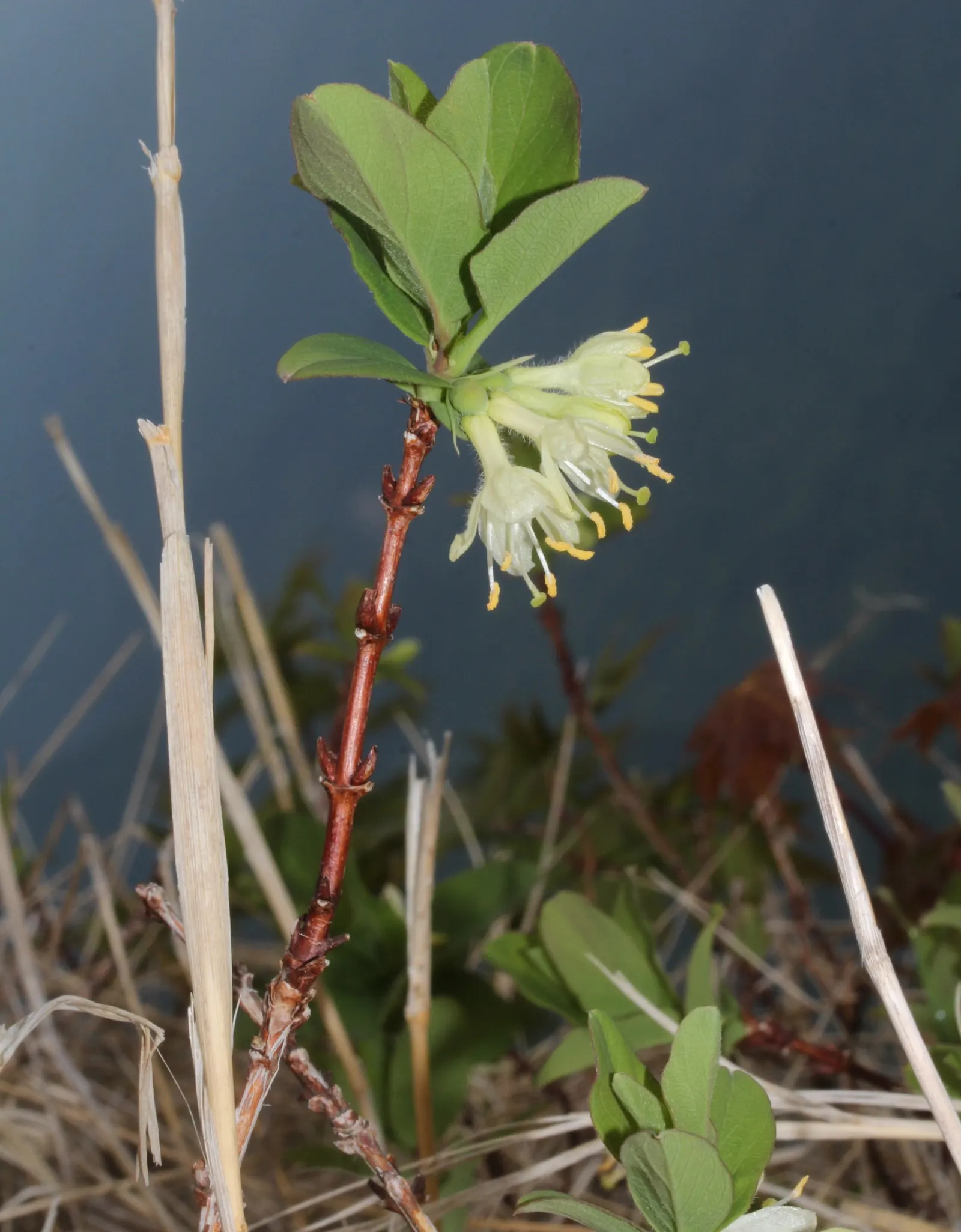
Cinderella Honeyberry (Lonicera Caerulea) — A beautiful and bountiful addition offering white flowers and lush green foliage
Cinderella Honeyberry (Lonicera Caerulea) — shrub / vine for full or half
Cinderella Honeyberry (Lonicera Caerulea) — and generally 2 to 3 inches long; providing an early source of nectar for pollinators
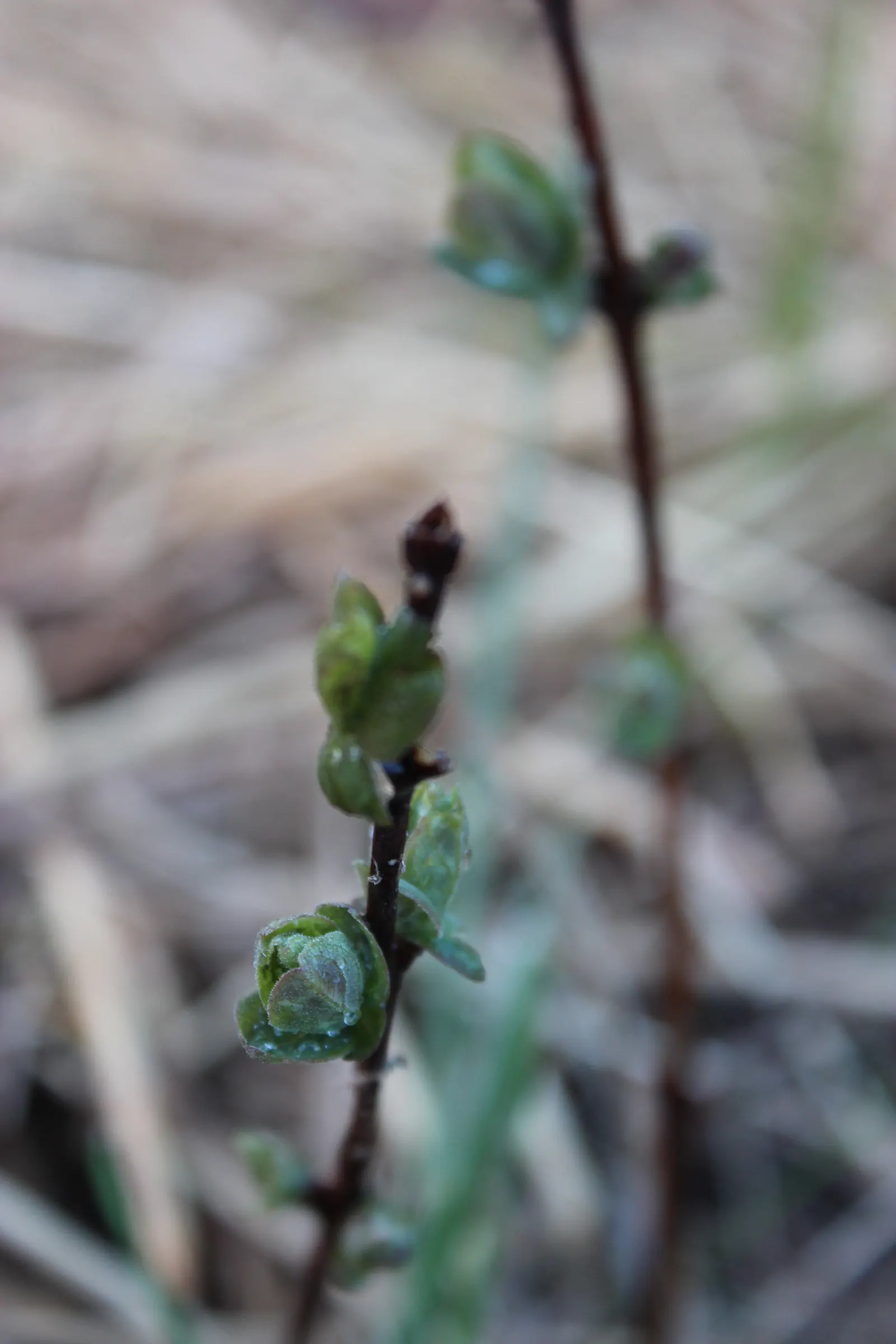
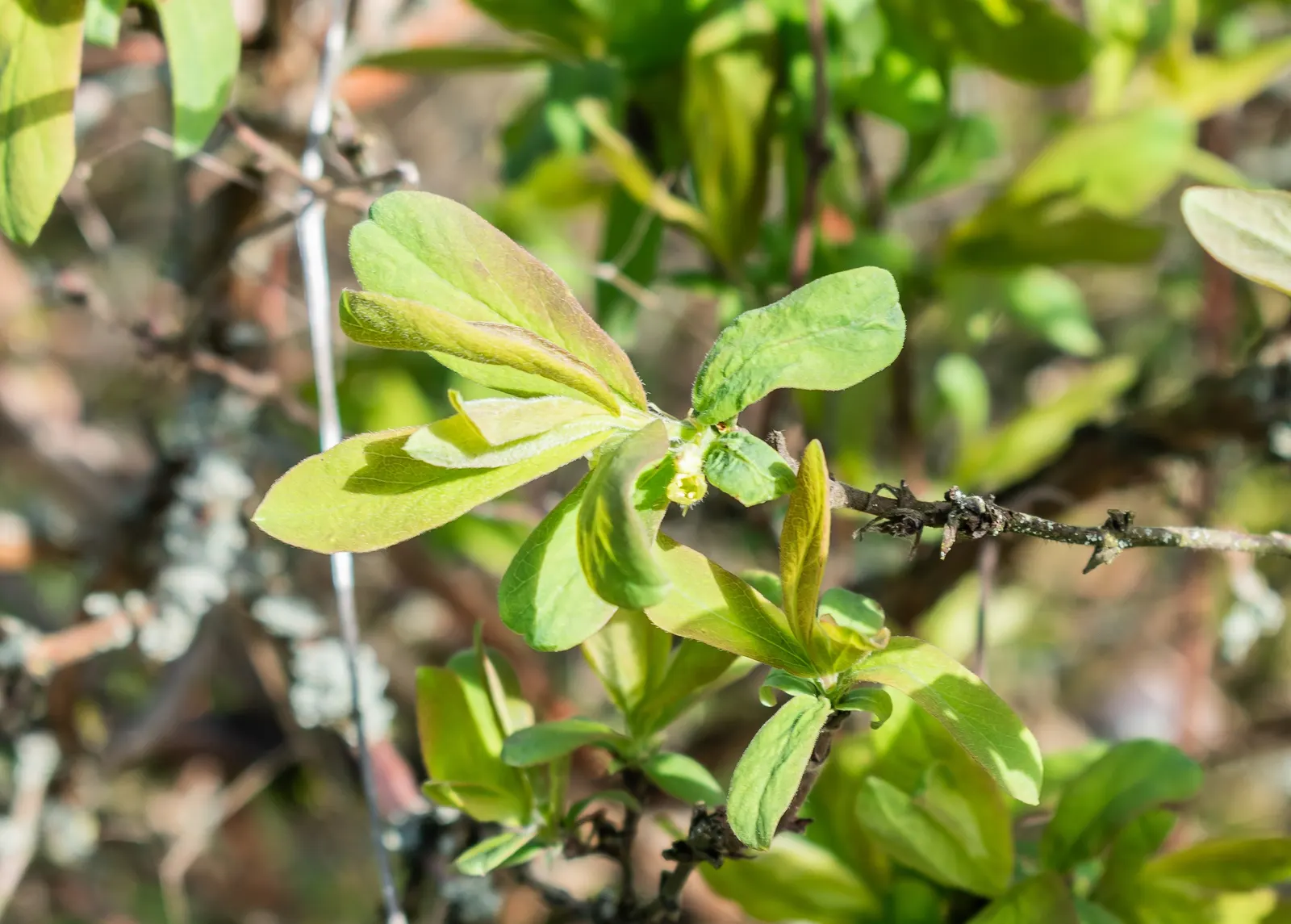
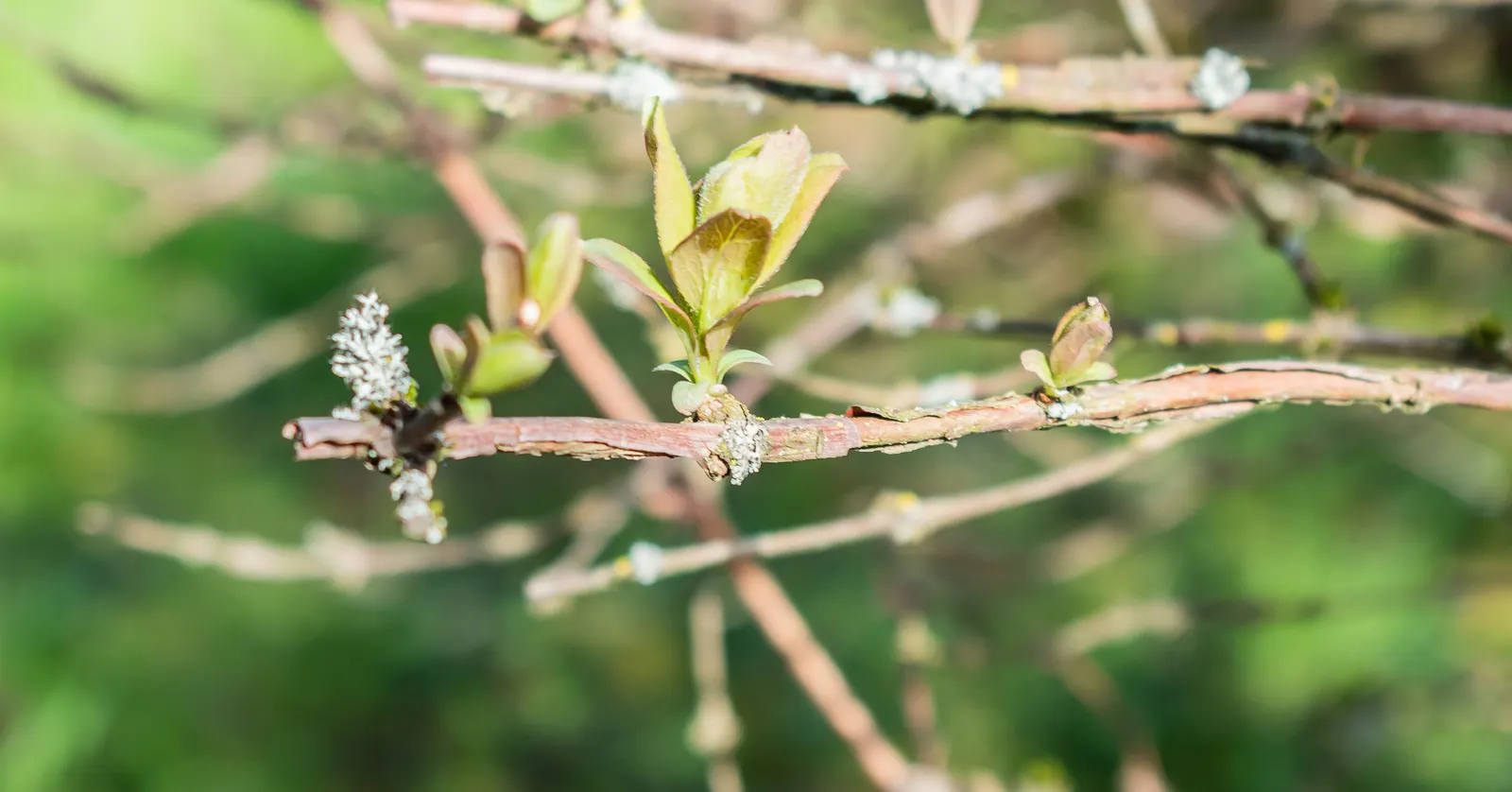
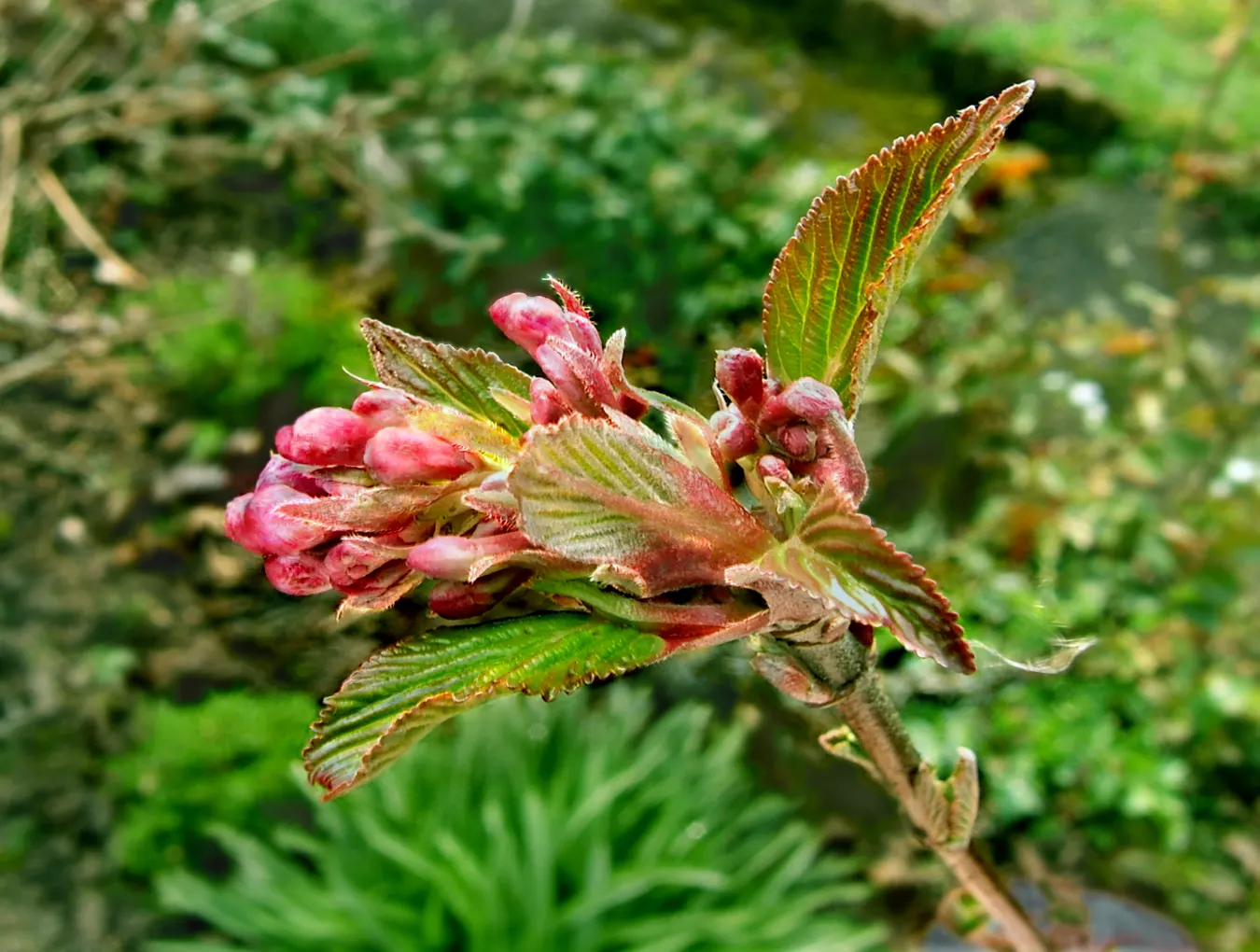
Cinderella Honeyberry (Lonicera Caerulea) — contributing to a lush appearance throughout the growing season.<br><br>In early spring
Cinderella Honeyberry (Lonicera Caerulea) — or Lonicera caerulea 'Cinderella'
Cinderella Honeyberry (Lonicera Caerulea) — Perfect for small spaces and edible landscapes, plant in pairs for pollination; thrives in USDA Zones 3-8
Cinderella Honeyberry (Lonicera Caerulea) — ensure cross-pollination by planting it alongside another compatible honeyberry variety; contributing to a lush
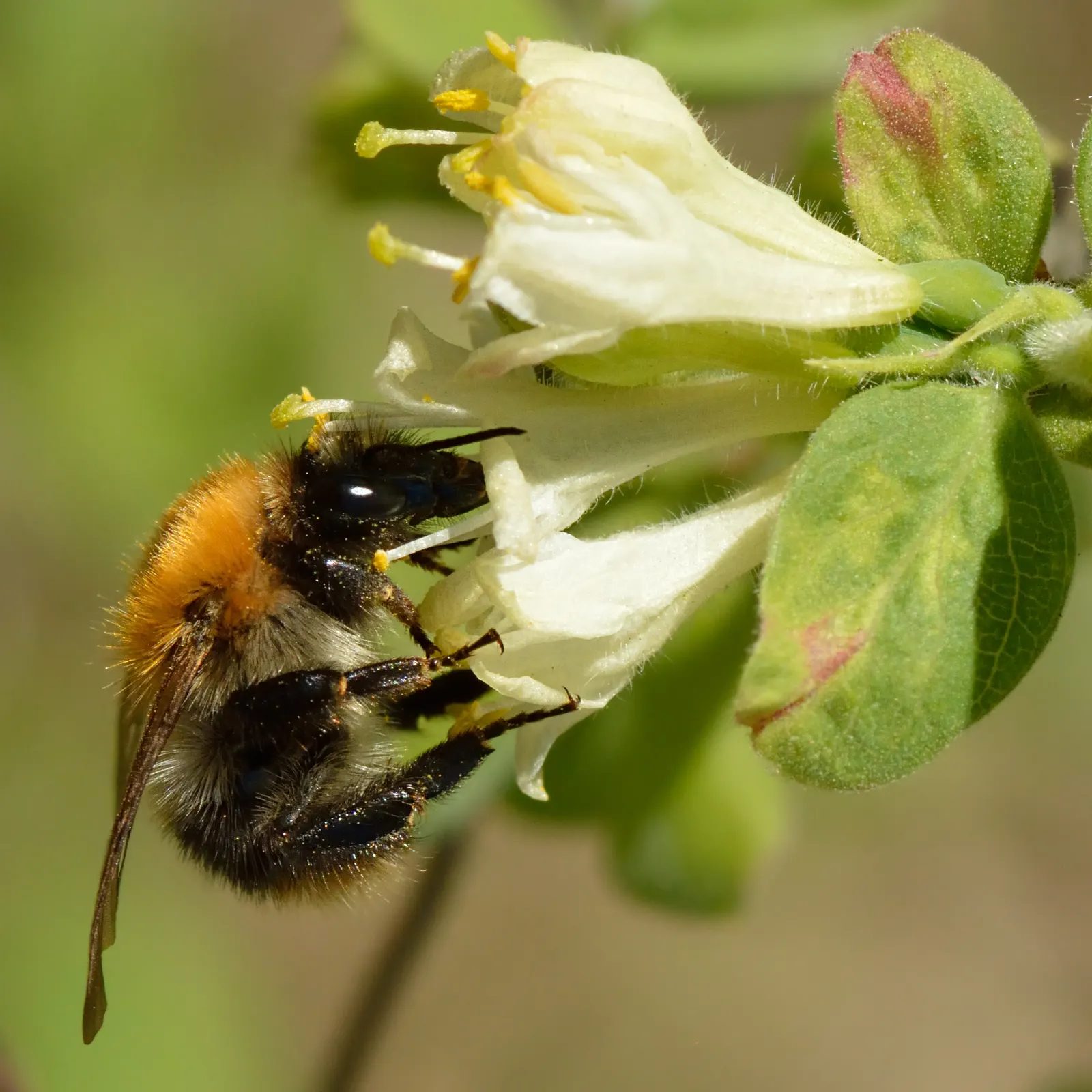
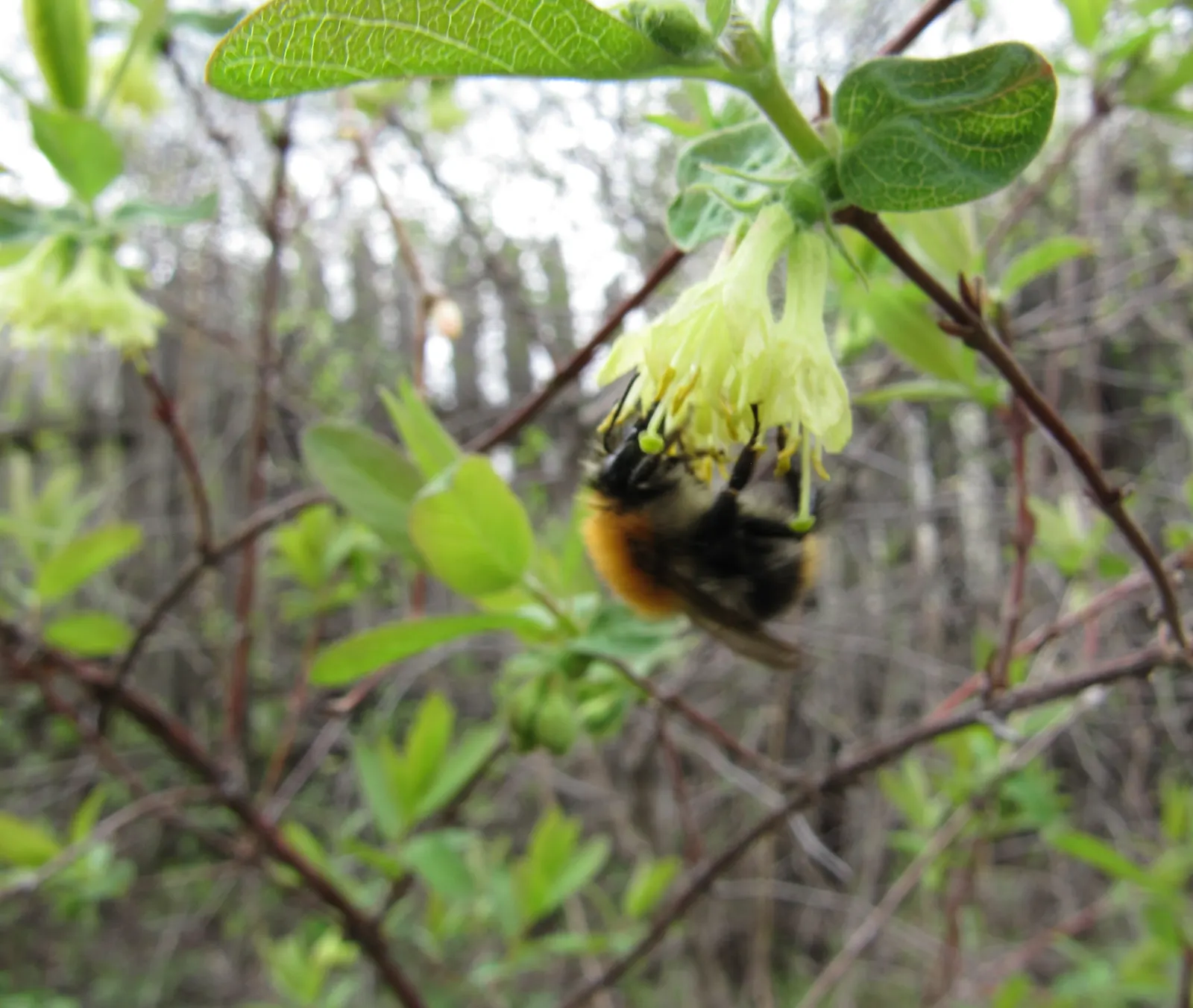
Cinderella Honeyberry (Lonicera Caerulea) — providing an early source of nectar for pollinators
Cinderella Honeyberry (Lonicera Caerulea) — and generally 2 to 3 inches long
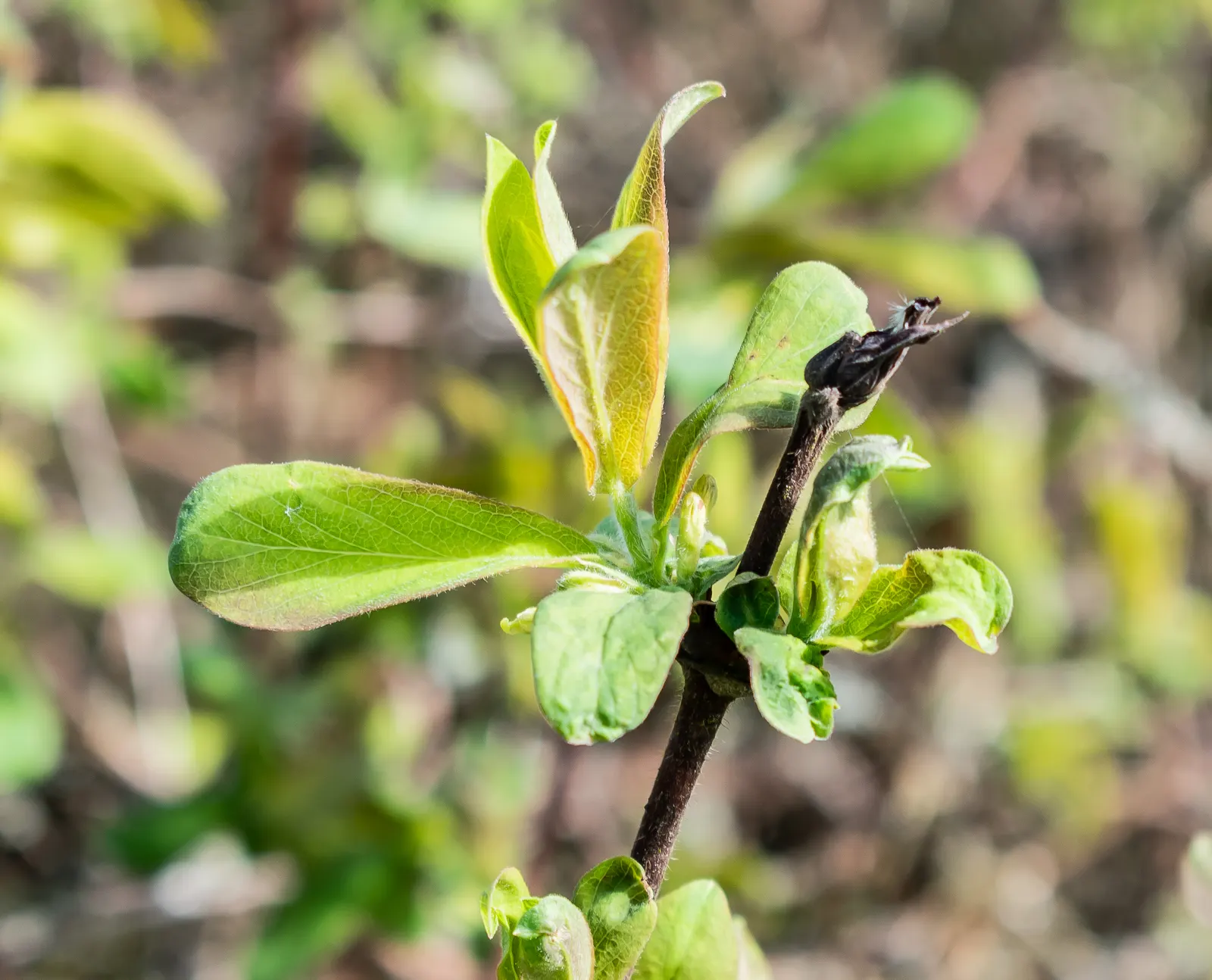
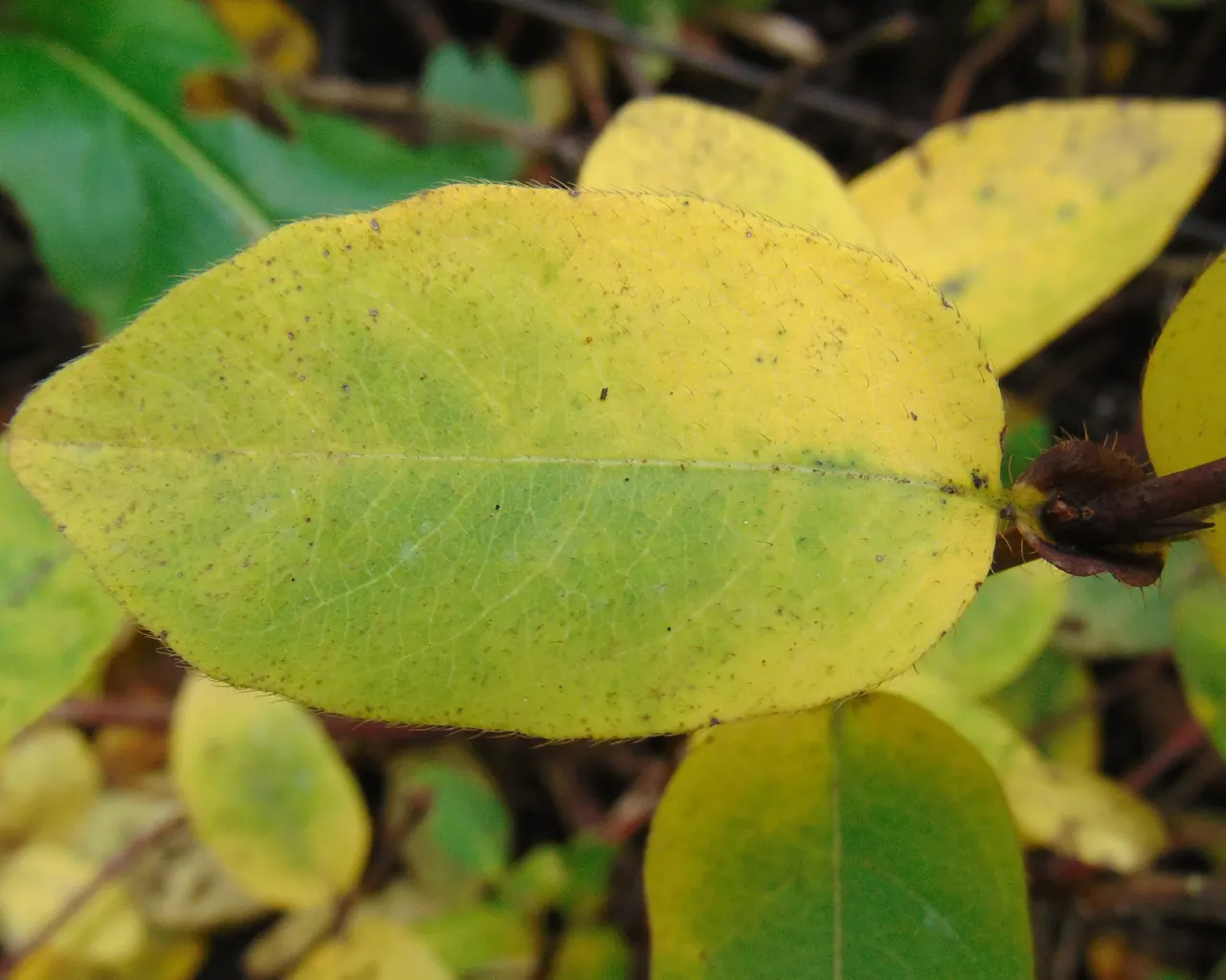
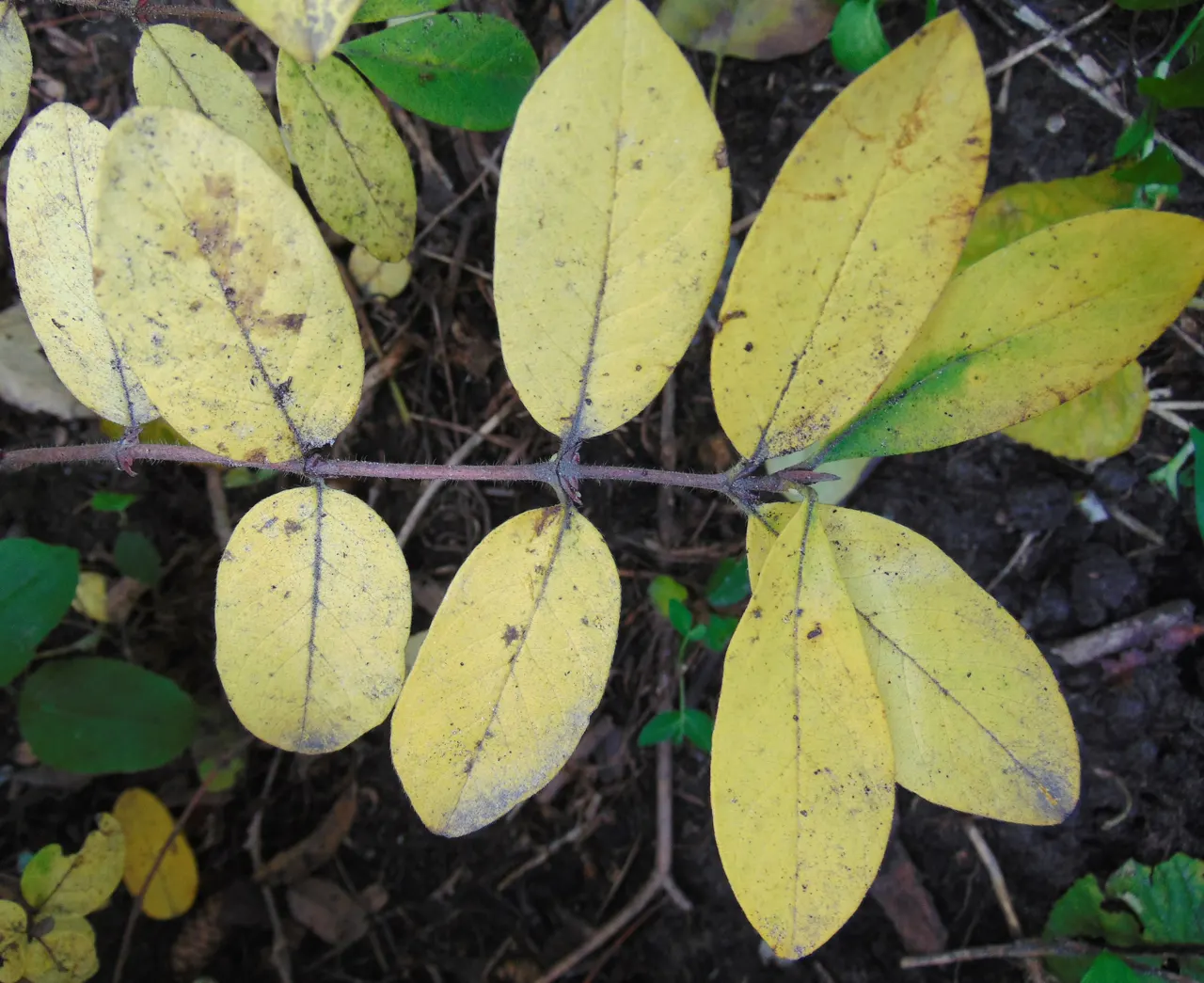
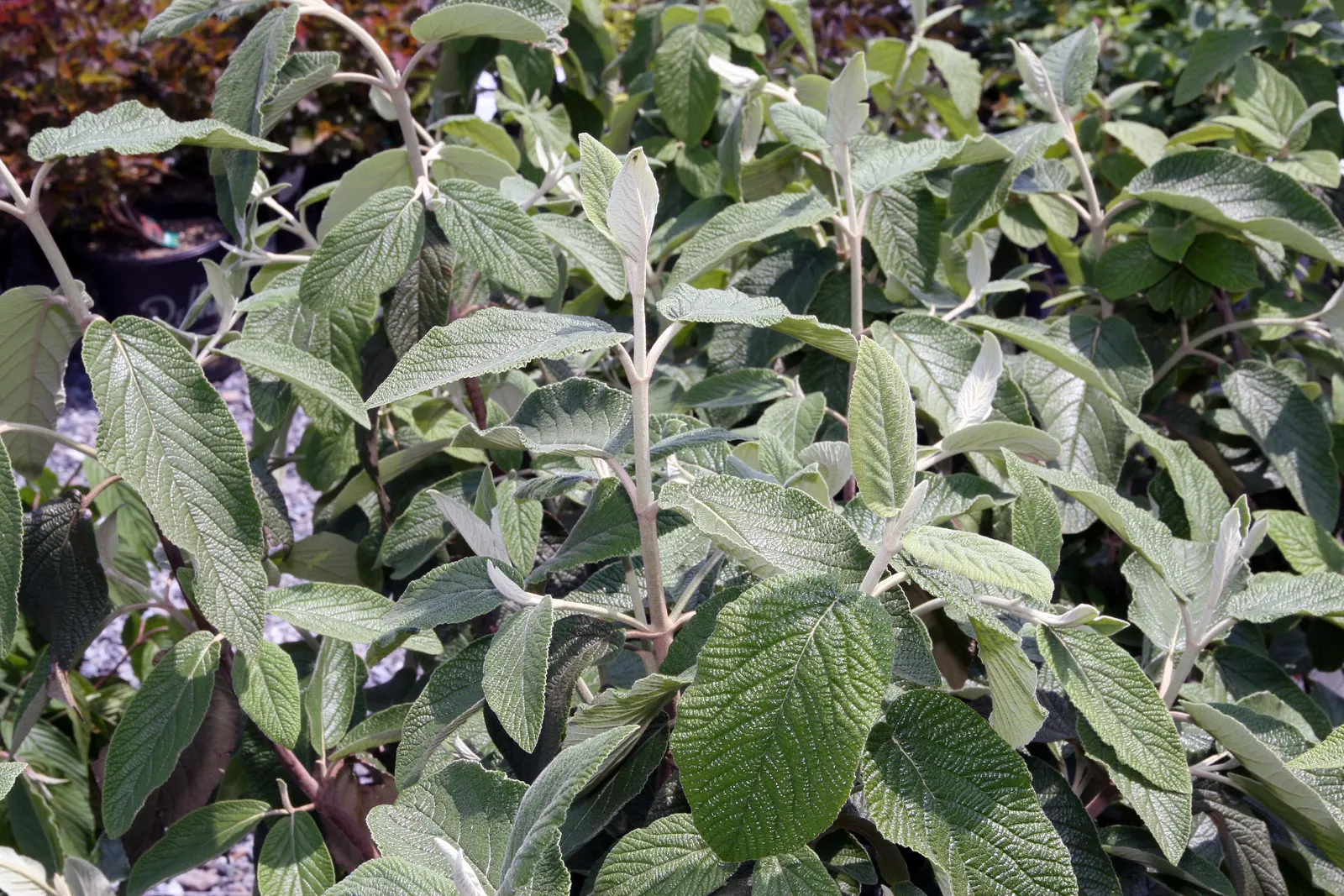
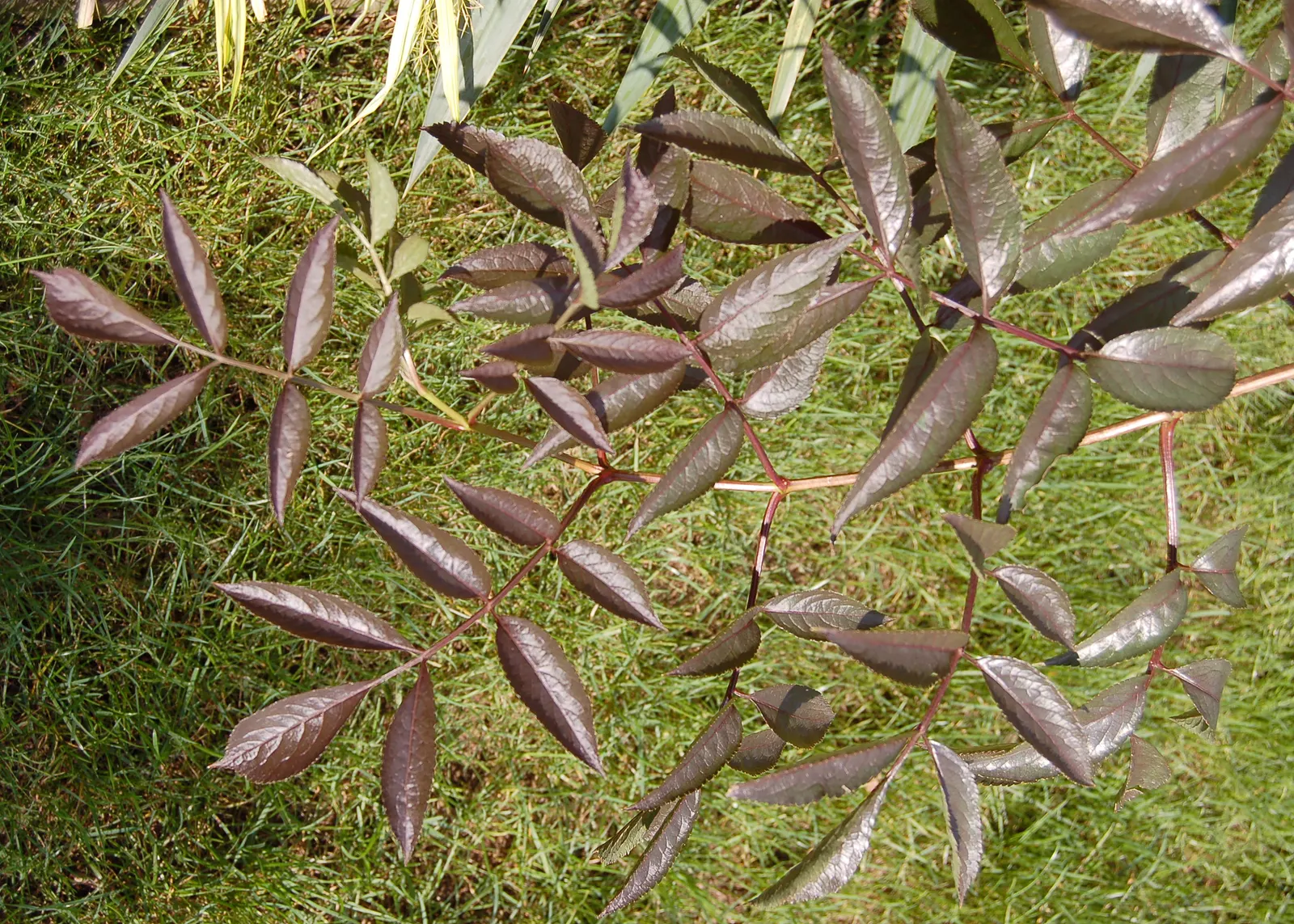
Cinderella Honeyberry (Lonicera Caerulea) — Cinderella Honeyberry's leaves are a lustrous green
Cinderella Honeyberry (Lonicera Caerulea) — This will ensure optimal fruit production and contribute to a fruitful garden experience for the client, image 41
Cinderella Honeyberry (Lonicera Caerulea) — is a compact deciduous shrub that provides both aesthetic charm and delicious edible berries
Cinderella Honeyberry (Lonicera Caerulea) — A beautiful and bountiful addition offering white flowers and lush green foliage; making it an excellent choice for
Cinderella Honeyberry (Lonicera Caerulea) — or Lonicera caerulea 'Cinderella'; roughly 1 to 1.5 inches long
Cinderella Honeyberry (Lonicera Caerulea) — The Cinderella Honeyberry (Lonicera caerulea) is a cold-hardy shrub reaching 3 feet high and wide
Cinderella Honeyberry (Lonicera Caerulea) — ensure cross-pollination by planting it alongside another compatible honeyberry variety
Cinderella Honeyberry (Lonicera Caerulea) — Adapted to USDA zones 2 through 7; this hardy cultivar thrives in a wide range of climates and performs best in
Photographs by 13 contributors

Related plants