Skip to content

Leopard Lily

Lilium Pardalinum

Design with this plant

Overview

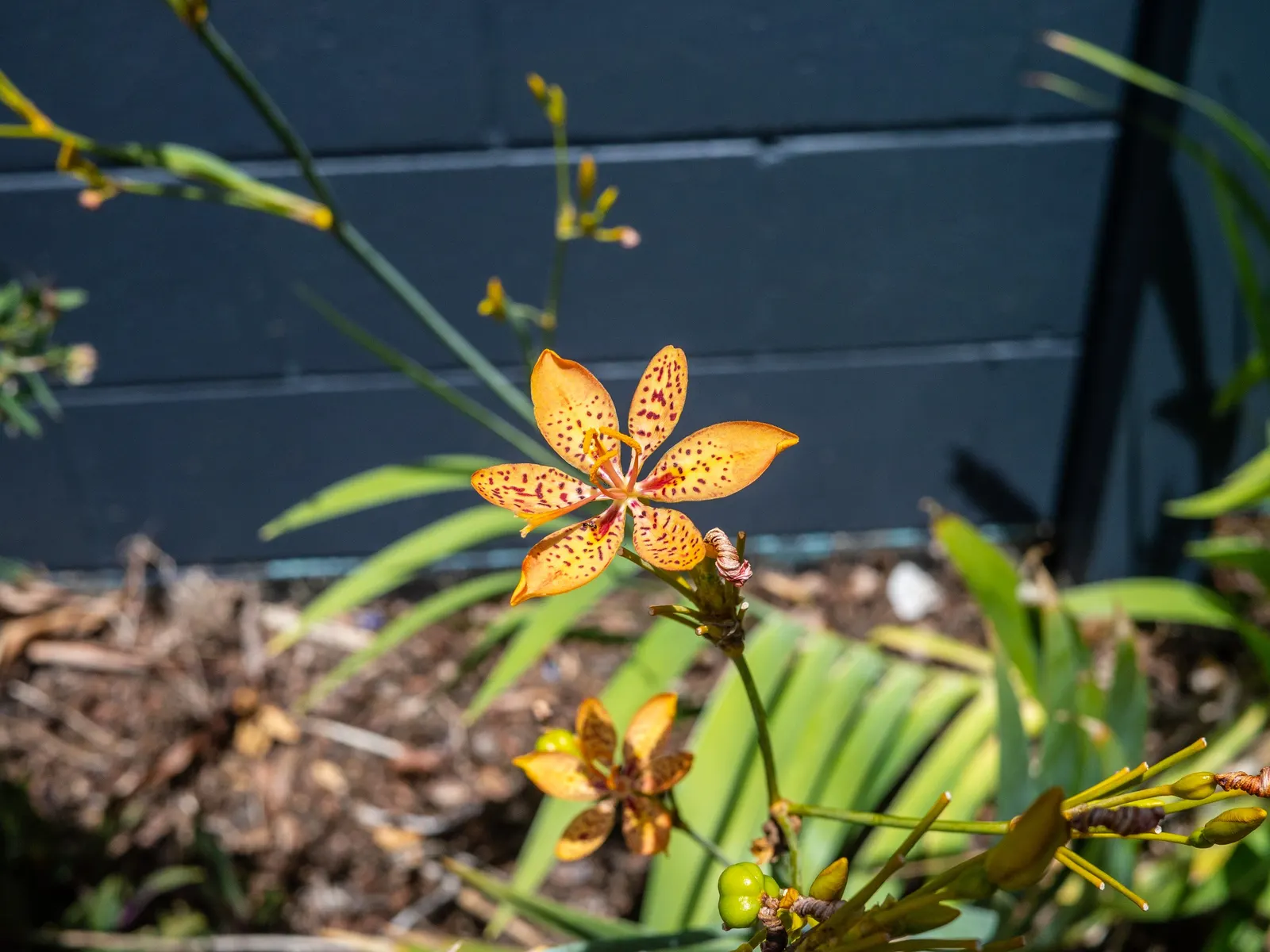
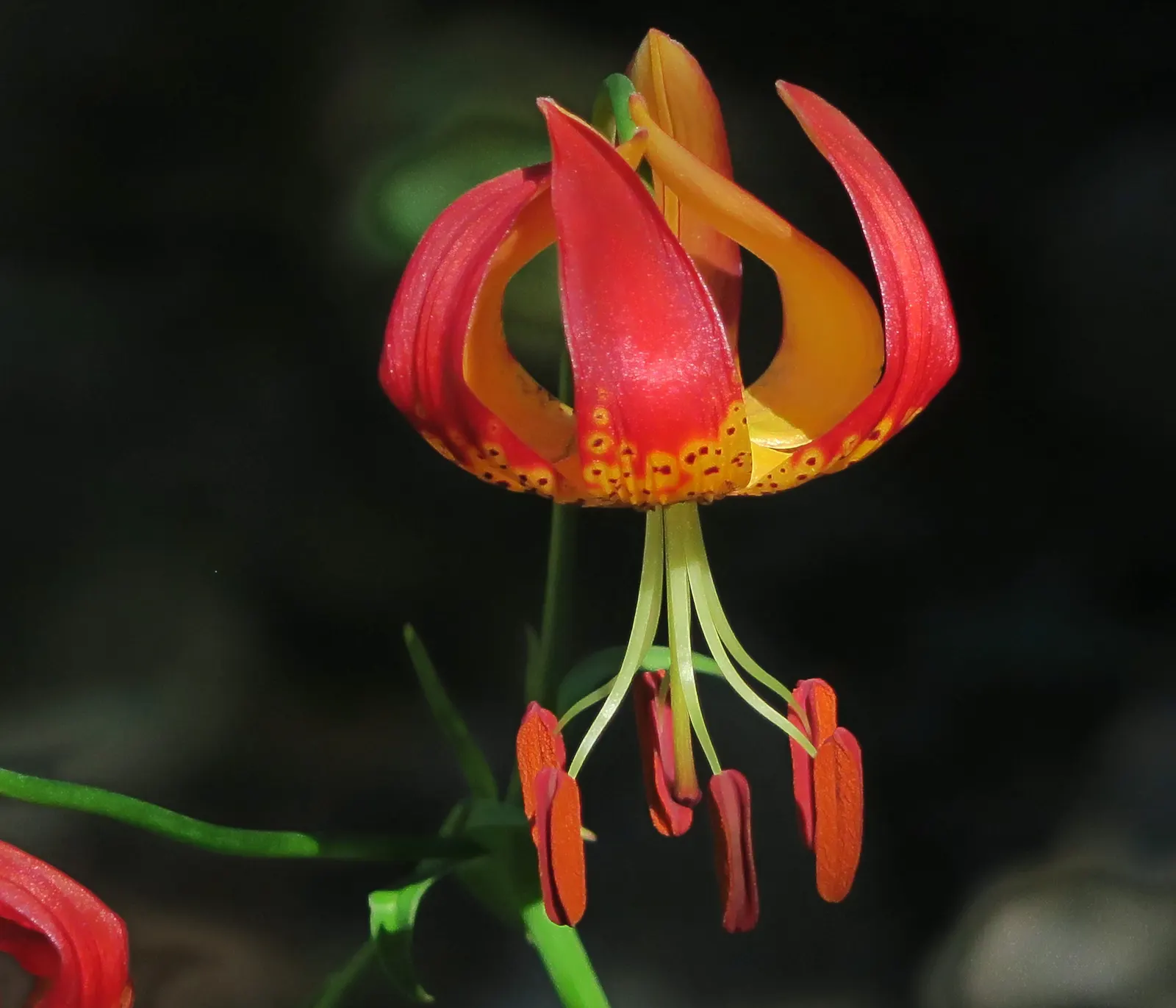
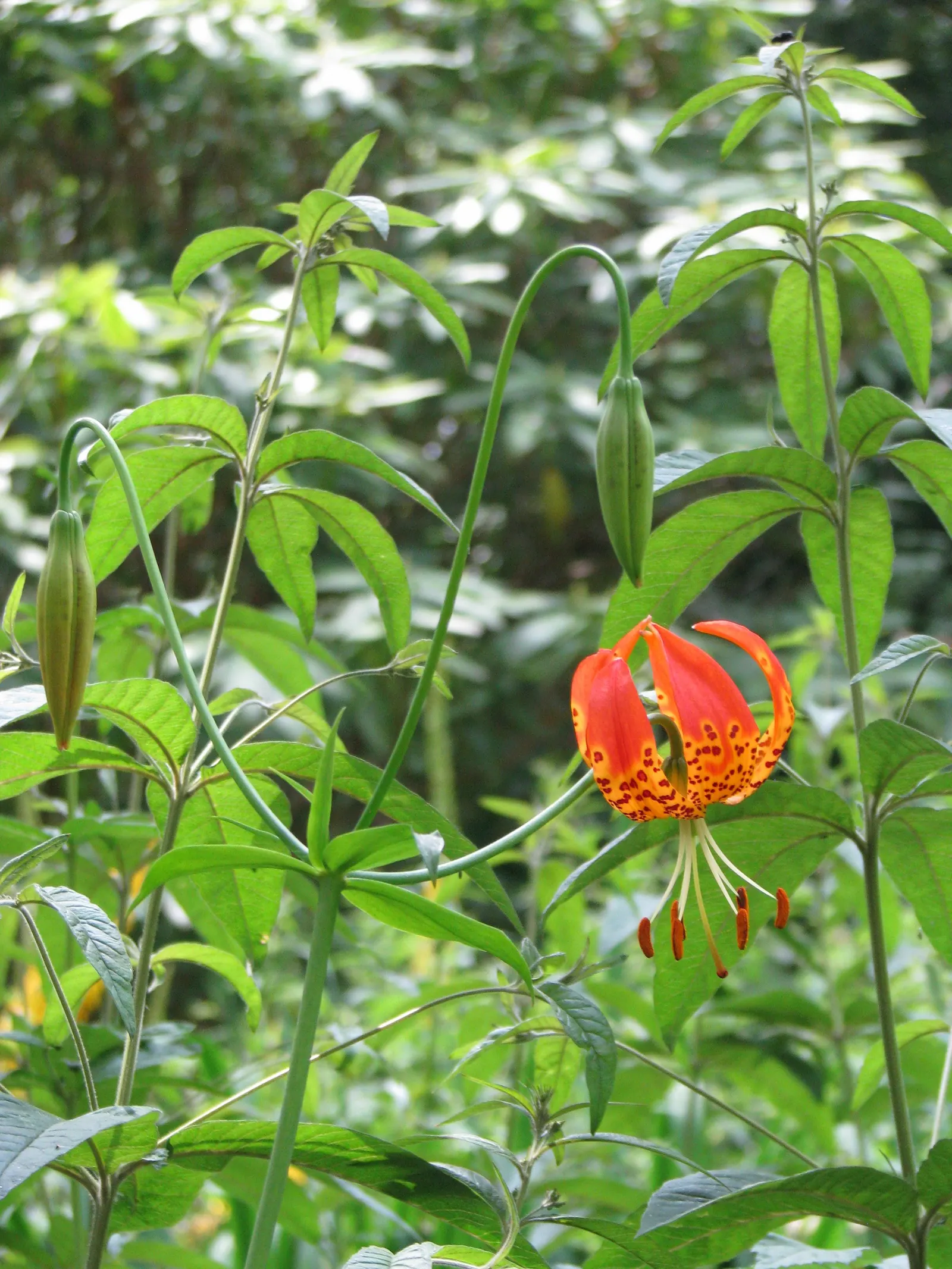
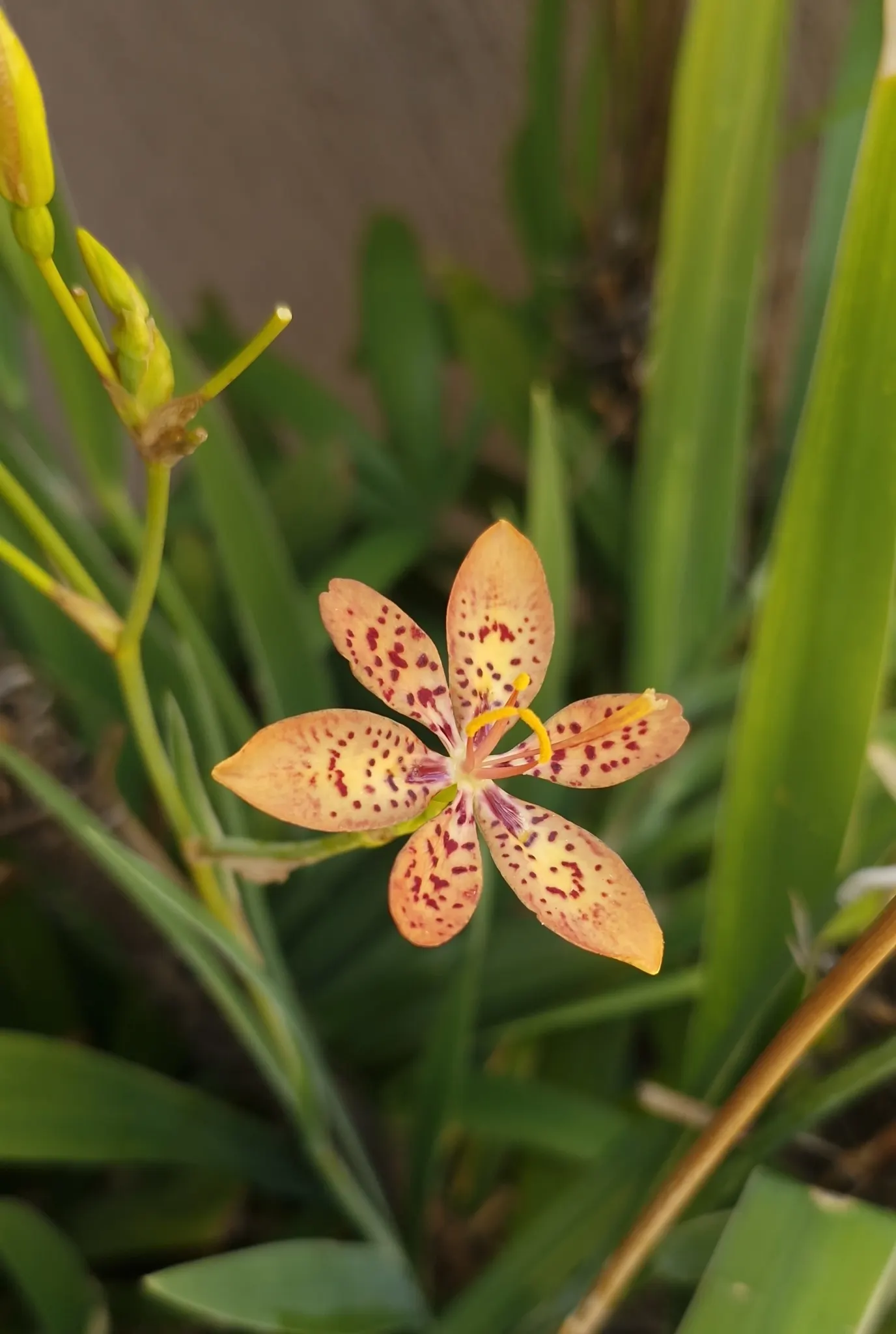
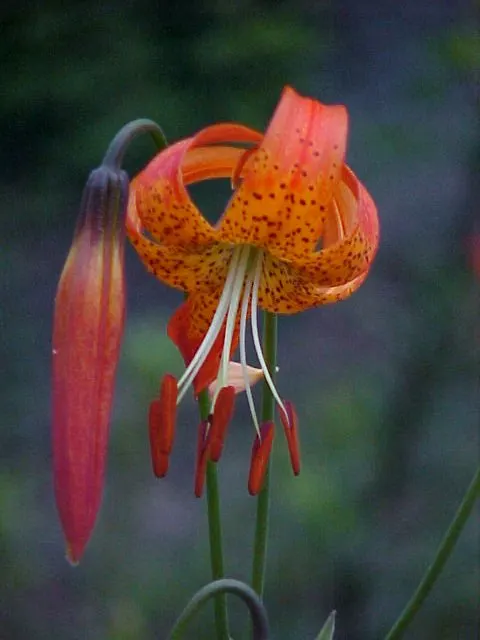
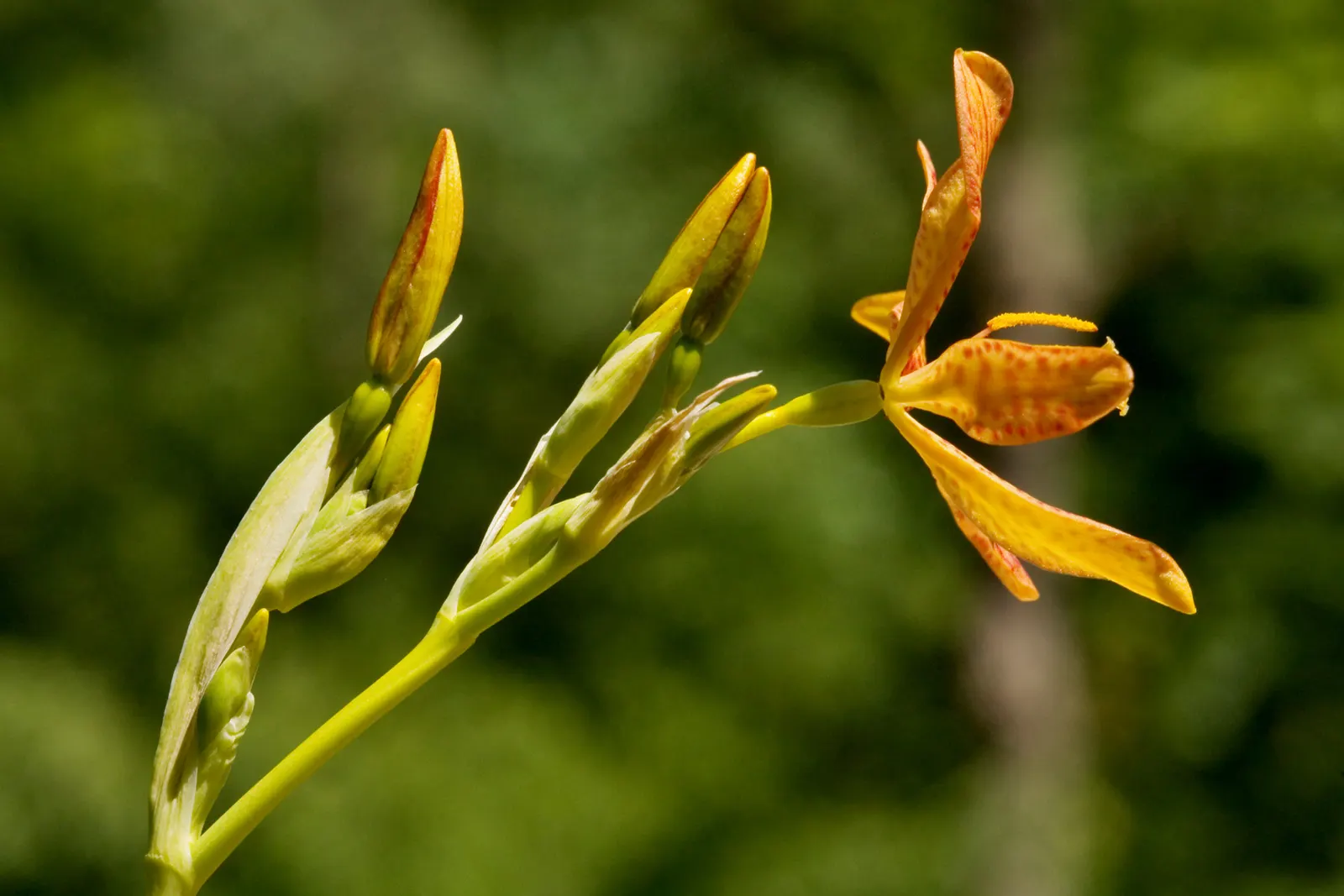
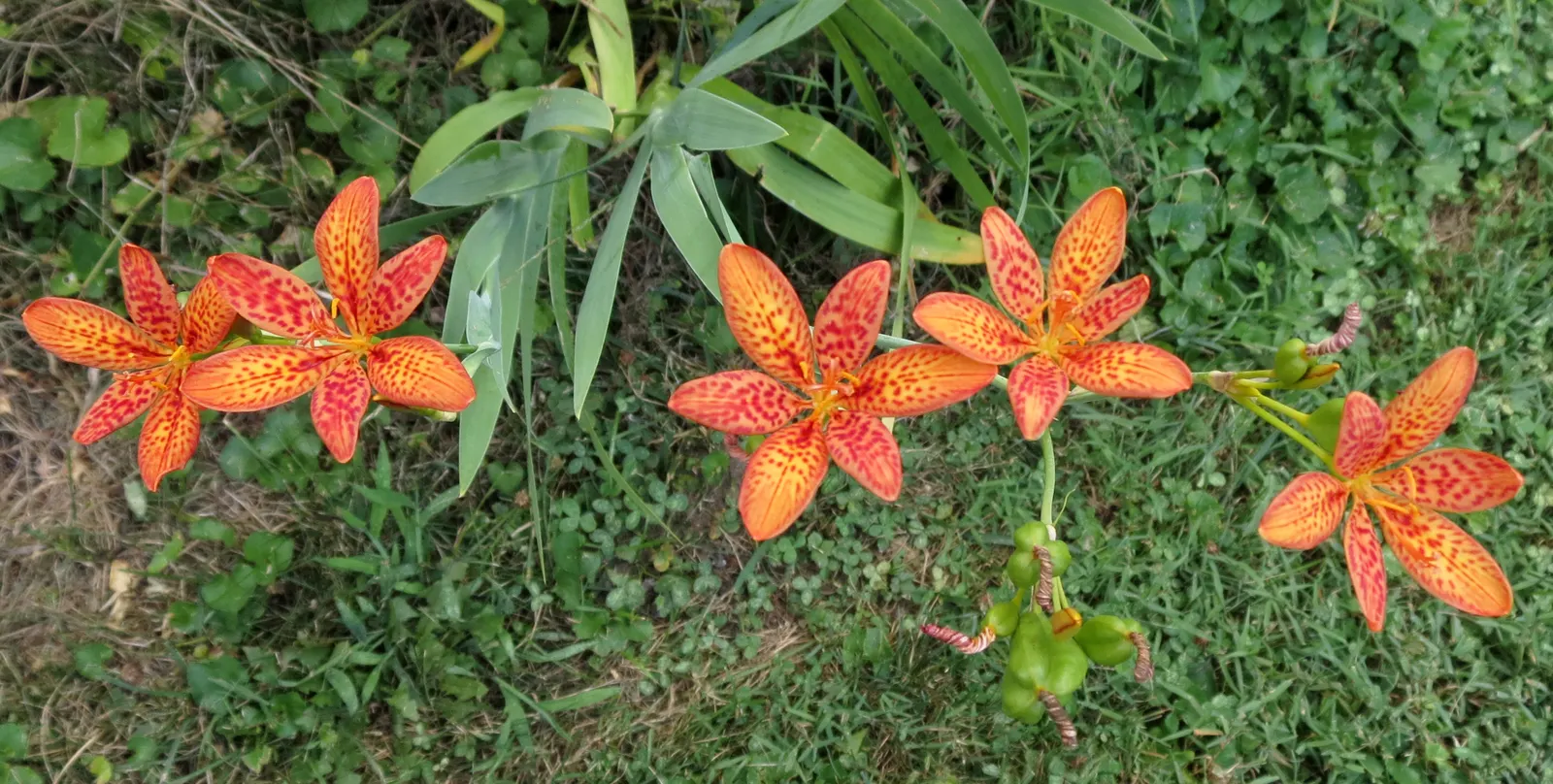
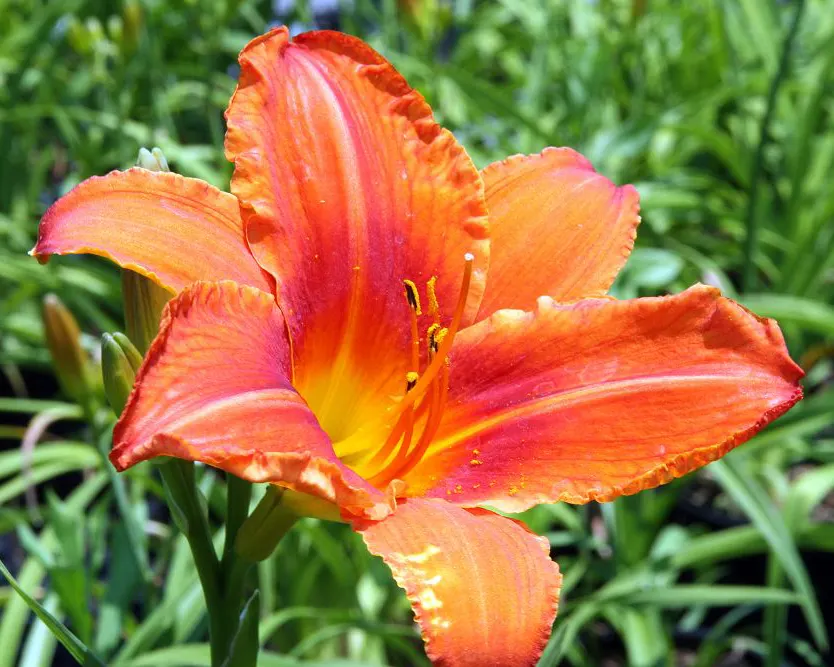
The Leopard Lily (Lilium pardalinum) is a striking perennial, native to the West Coast of the U.S. It flourishes in full sun to partial shade, reaching heights of 3 to 6 feet. Recognizable by its fiery orange blossoms, adorned with brownish-purple spots, this plant thrives in moist, well-drained soils. Blooming in early to mid-summer, it's perfect for adding a splash of color to woodland gardens or as an elegant, eye-catching border.

Sun Full, HalfWater Low, Very LowZones 4–10Climate Temperate
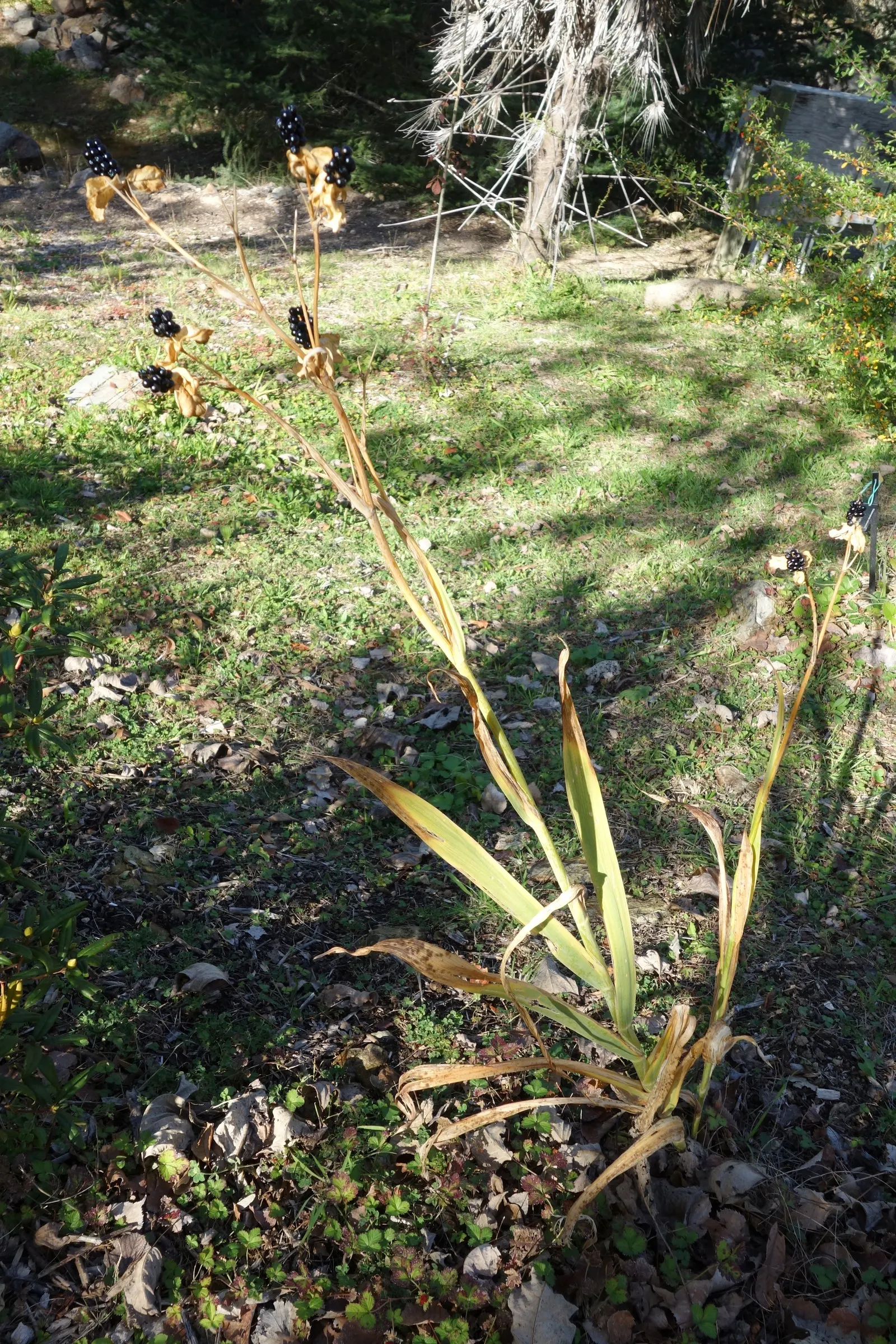
Leopard Lily (Lilium Pardalinum) — reaching heights of 3 to 6 feet with a spread of approximately 12 to 18 inches

Culture

Sun
Full, Half
Water
Low, Very Low
USDA zones
4–10

Shape & size

Classification

Family
Liliaceae
Climate
Temperate

See full data, regional cultivation notes, full-resolution photos, and design tools. Build a client presentation around this plant.

Start your 14-day trial

Photos (133)

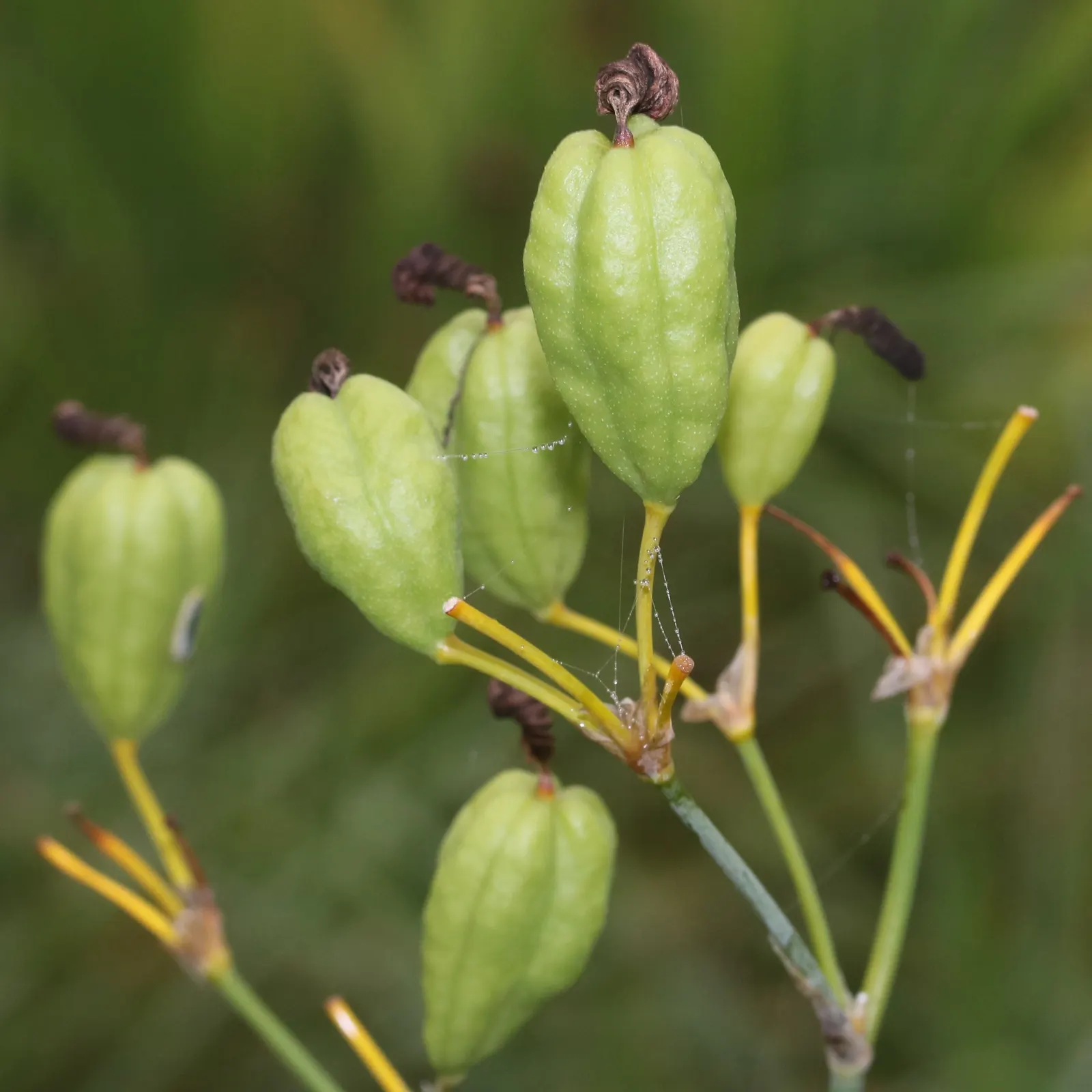
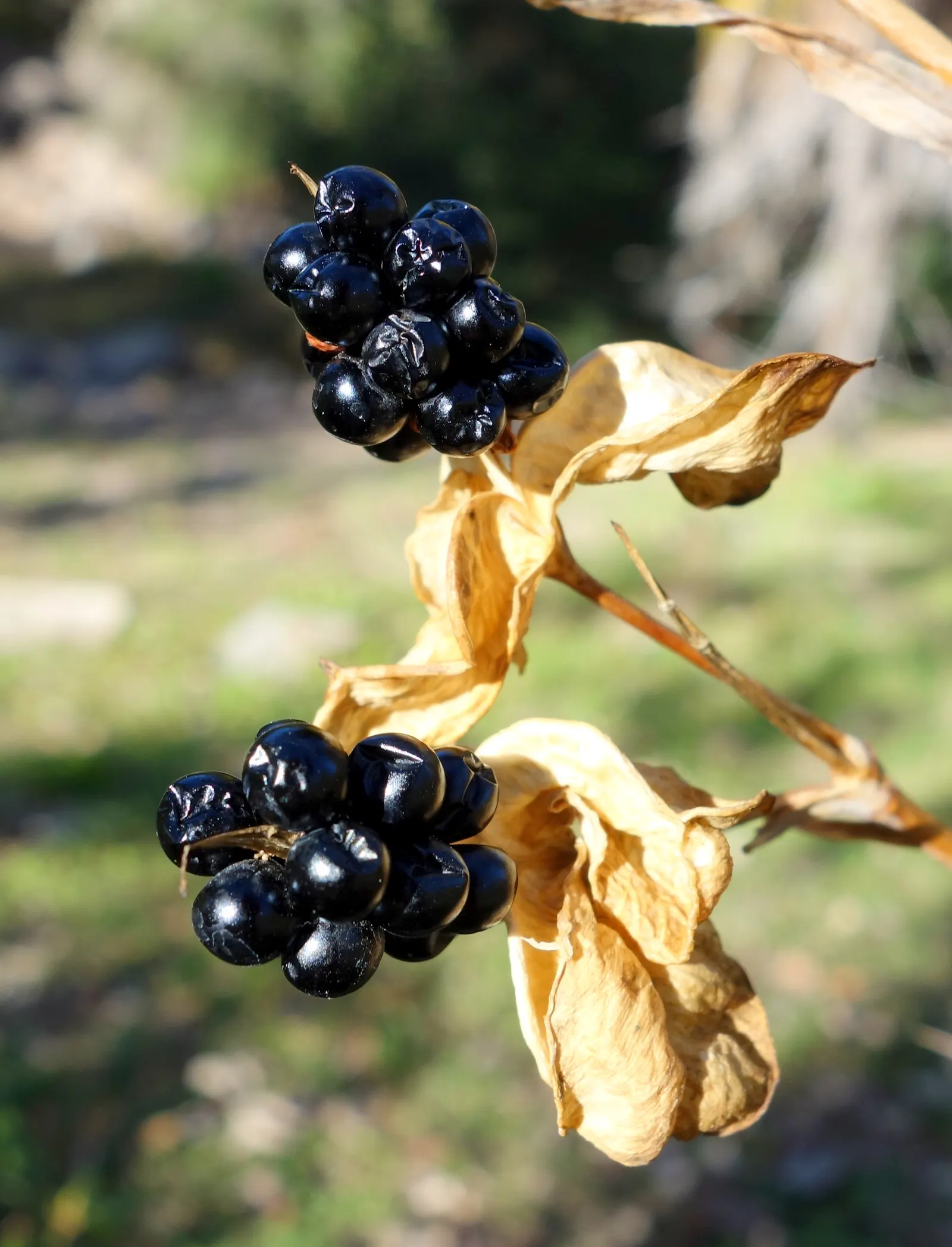
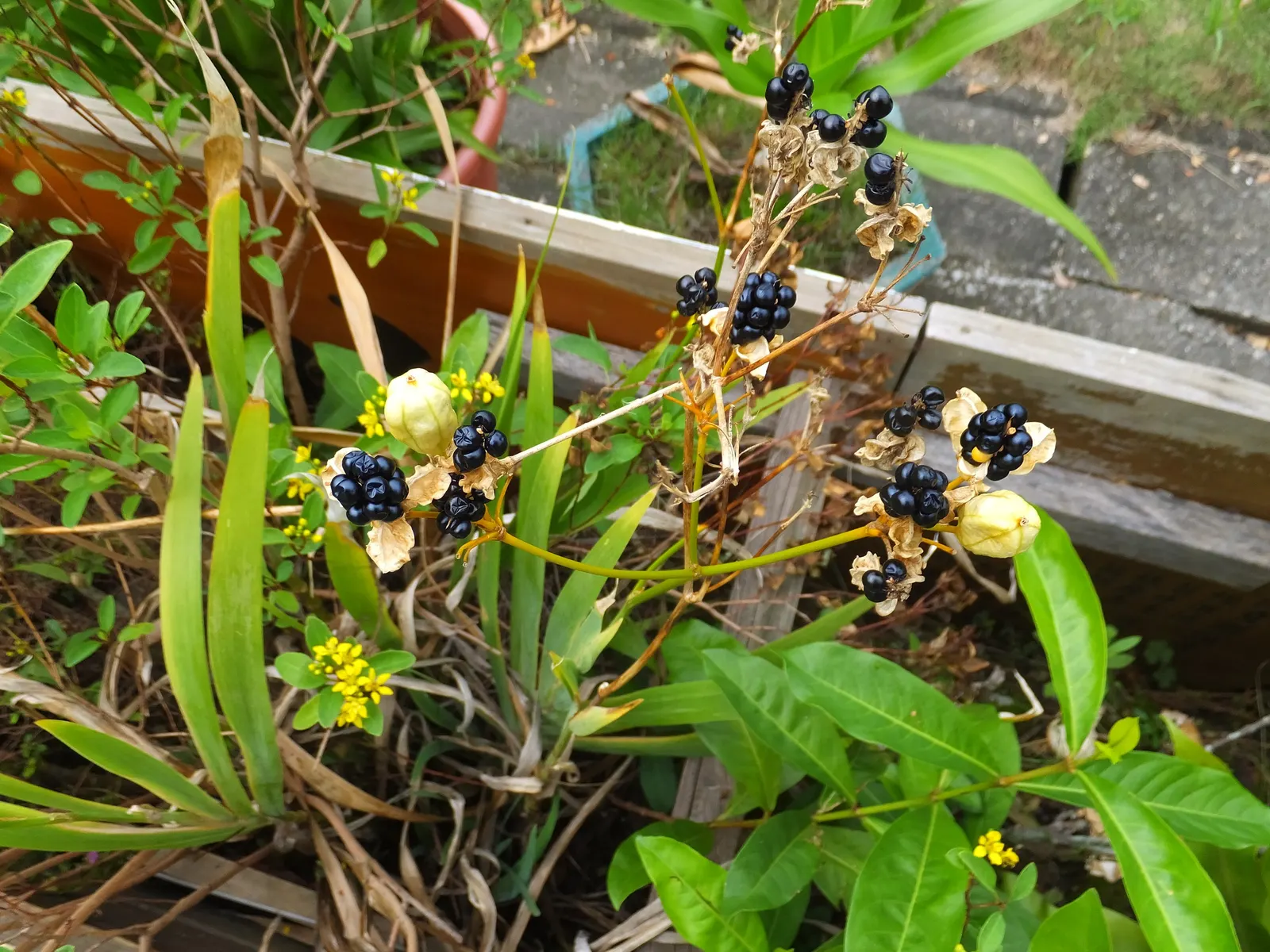
Leopard Lily (Lilium Pardalinum) — and it performs best in partial shade; bulb with orange blooms
Leopard Lily (Lilium Pardalinum) — though it can tolerate full sun in cooler climates; blooming in early to mid-summer
Leopard Lily (Lilium Pardalinum) — Regular watering is necessary; nodding blooms up to 4 inches wide
Leopard Lily (Lilium Pardalinum) — particularly during the blooming period; regular watering is necessary
Leopard Lily (Lilium Pardalinum) — to maintain the moisture levels these lilies crave; this enchanting lily is not only visually stunning but also attracts
Leopard Lily (Lilium Pardalinum) — this species should be mulched to keep the roots cool and conserve moisture; recognizable by its fiery orange blossoms
Leopard Lily (Lilium Pardalinum) — you may deadhead to promote the plant's vigor; this native of the western United States thrives in USDA hardiness zones 6
Leopard Lily (Lilium Pardalinum) — but leave the stalks to die back naturally; the Leopard Lily requires well-drained soil rich in organic matter
Leopard Lily (Lilium Pardalinum) — feeding the bulbs for next season's display; you may deadhead to promote the plant's vigor
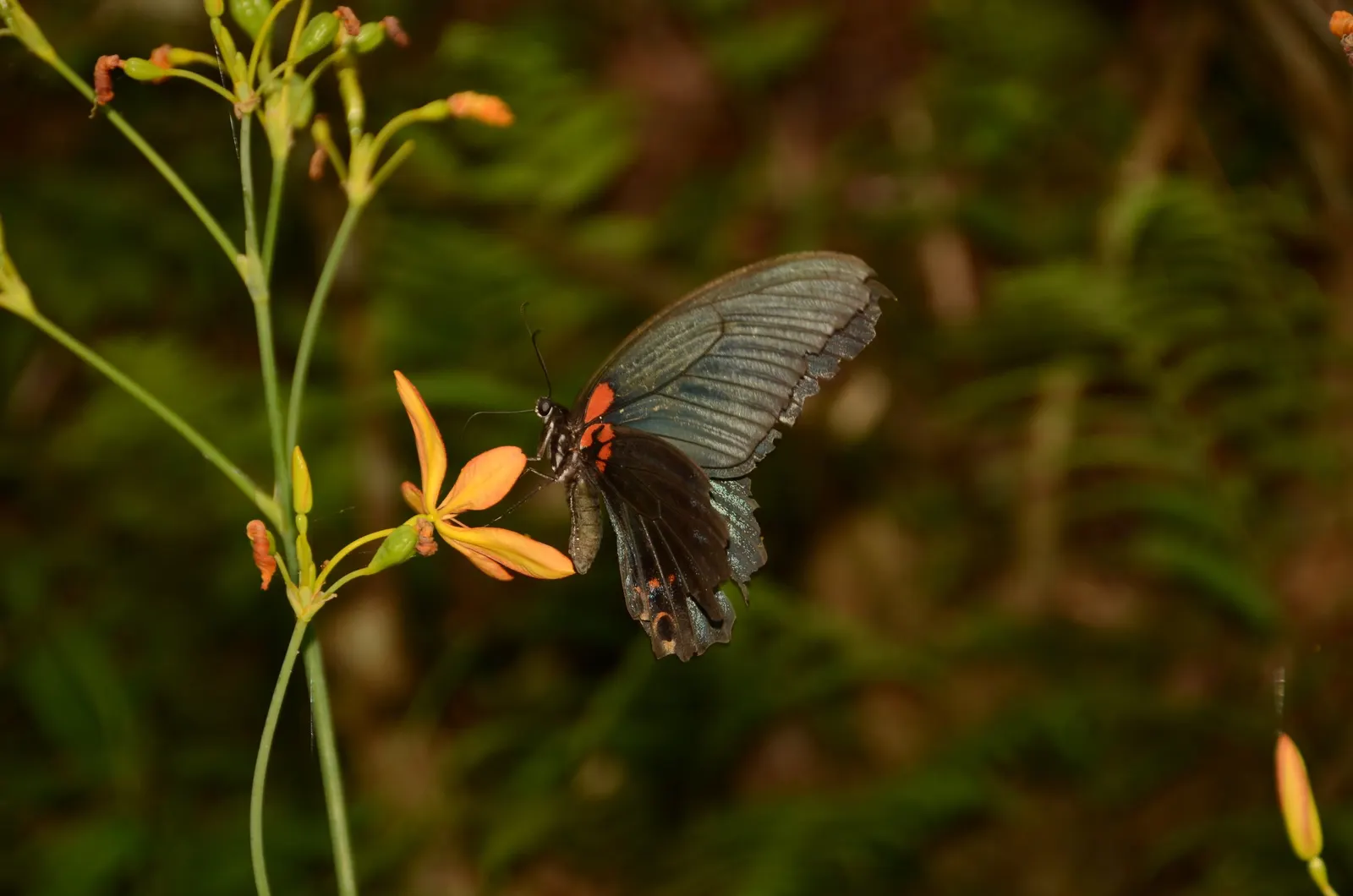
Leopard Lily (Lilium Pardalinum) — This enchanting lily is not only visually stunning but also attracts hummingbirds and butterflies; bulb for full or half
Leopard Lily (Lilium Pardalinum) — adding dynamic life to your client's garden sanctuary; it's perfect for adding a splash of color to woodland gardens or as
Leopard Lily (Lilium Pardalinum) — orange flowers in the garden; fiery hues of orange-red with distinctive brownish-purple spots - a pattern reminiscent of a
Leopard Lily (Lilium Pardalinum) — bulb with orange blooms; particularly during the blooming period
Leopard Lily (Lilium Pardalinum) — bulb for full or half; adding dynamic life to your client's garden sanctuary
Leopard Lily (Lilium Pardalinum) — The Leopard Lily (Lilium pardalinum) is a striking perennial, native to the West Coast of the U.S; adorned with, image 63
Leopard Lily (Lilium Pardalinum) — It flourishes in full sun to partial shade, reaching heights of 3 to 6 feet; reaching heights of 3 to 6 feet, image 64
Leopard Lily (Lilium Pardalinum) — Recognizable by its fiery orange blossoms; and it performs best in partial shade, image 65
Leopard Lily (Lilium Pardalinum) — adorned with brownish-purple spots; but leave the stalks to die back naturally, image 66
Leopard Lily (Lilium Pardalinum) — this plant thrives in moist; the Leopard Lily (Lilium pardalinum) is a striking perennial, native to the West, image 67
Leopard Lily (Lilium Pardalinum) — Blooming in early to mid-summer; commonly referred to as the Leopard Lily, image 68
Leopard Lily (Lilium Pardalinum) — it's perfect for adding a splash of color to woodland gardens or as an elegant; the petals curve backward, image 69
Leopard Lily (Lilium Pardalinum) — commonly referred to as the Leopard Lily; to maintain the moisture levels these lilies crave, image 70
Leopard Lily (Lilium Pardalinum) — is a strikingly beautiful ornamental plant that makes a bold statement in any garden landscape; orange flowers, image 71
Leopard Lily (Lilium Pardalinum) — This native of the western United States thrives in USDA hardiness zones 6 through 9; this plant thrives in moist, image 72

Related plants