Skip to content

Turkcap Lily

Lilium Martagon

Design with this plant

Overview

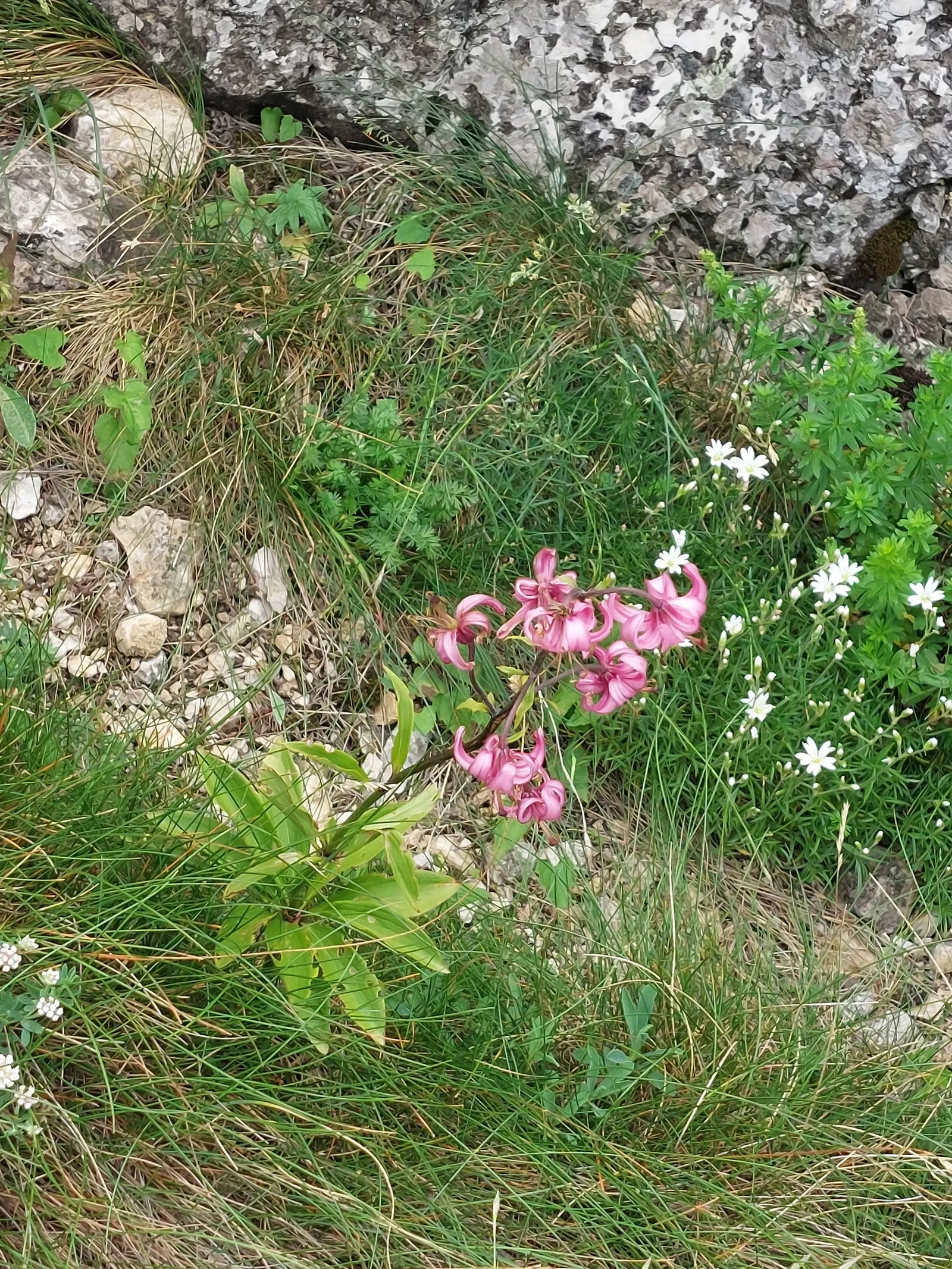
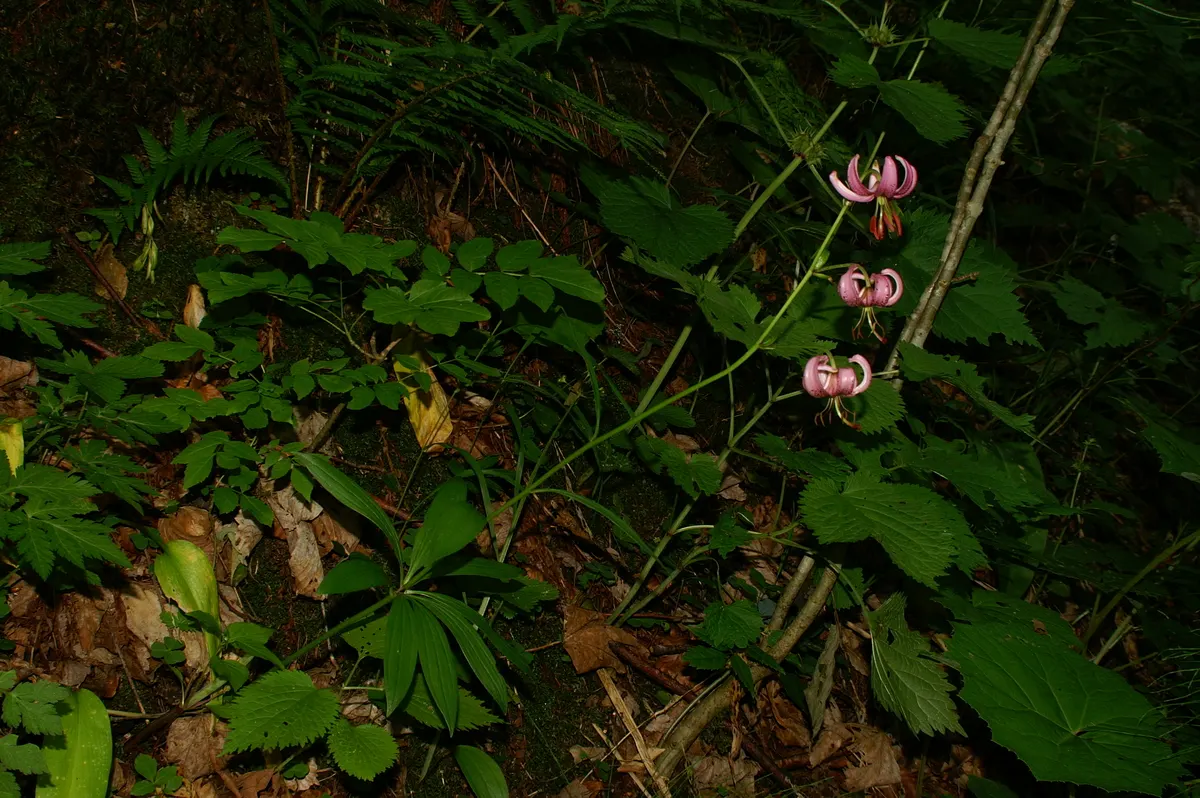
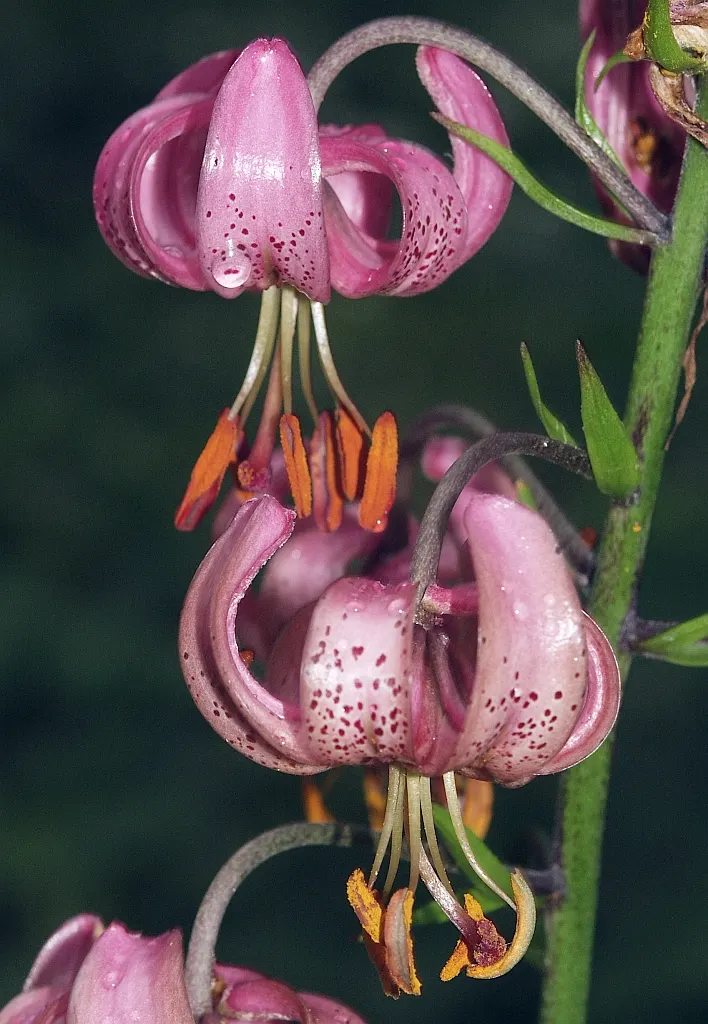
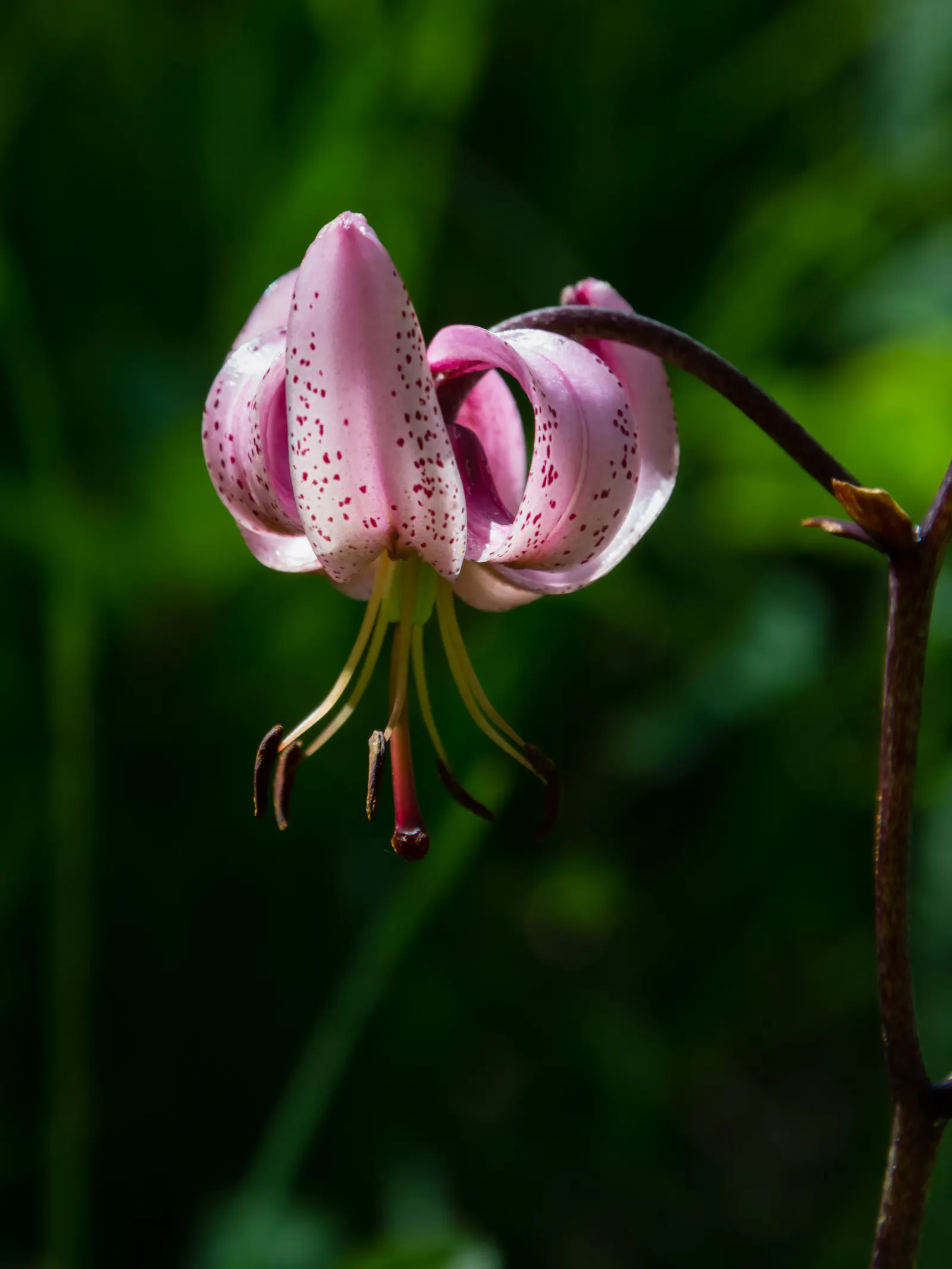
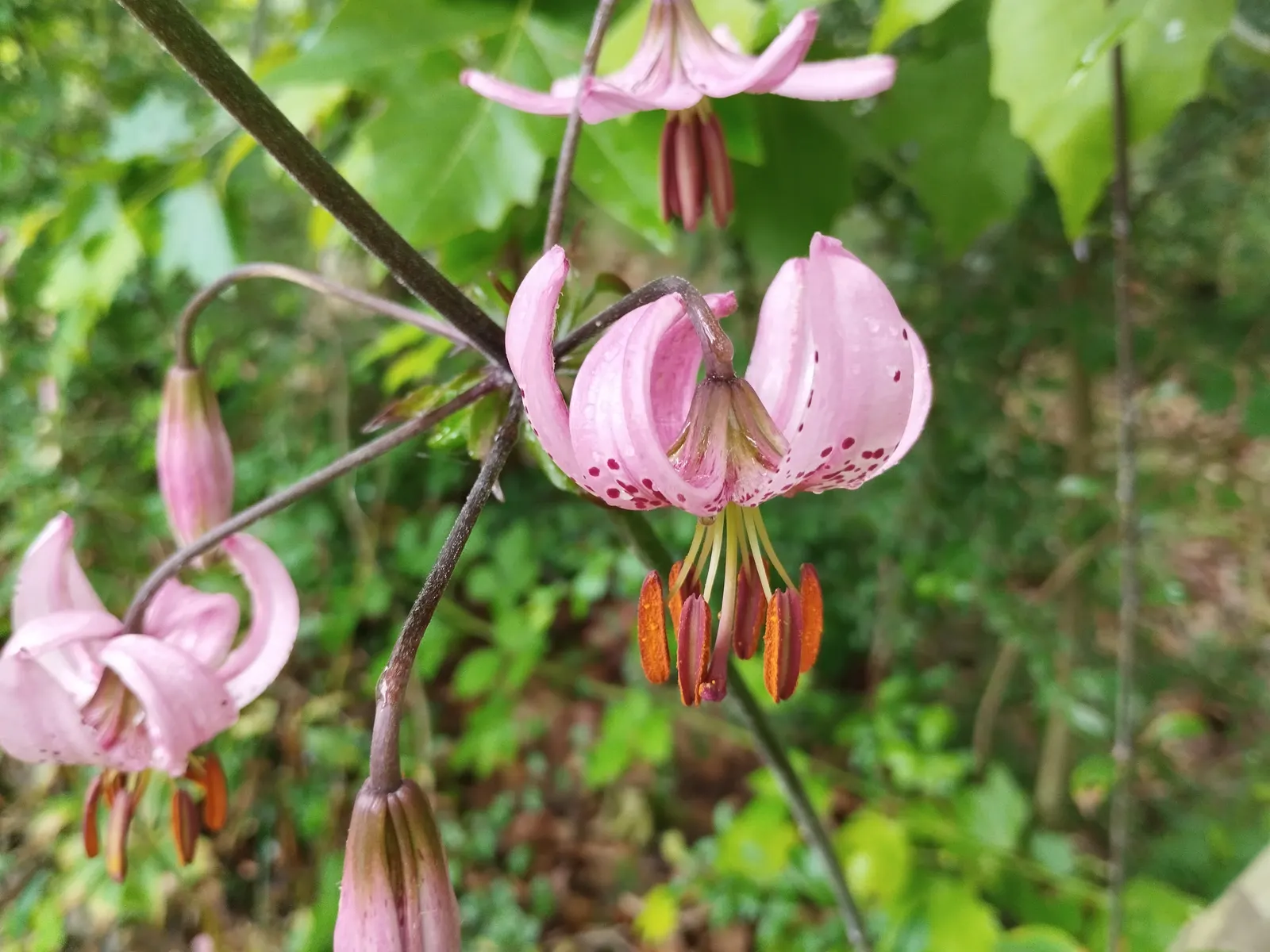
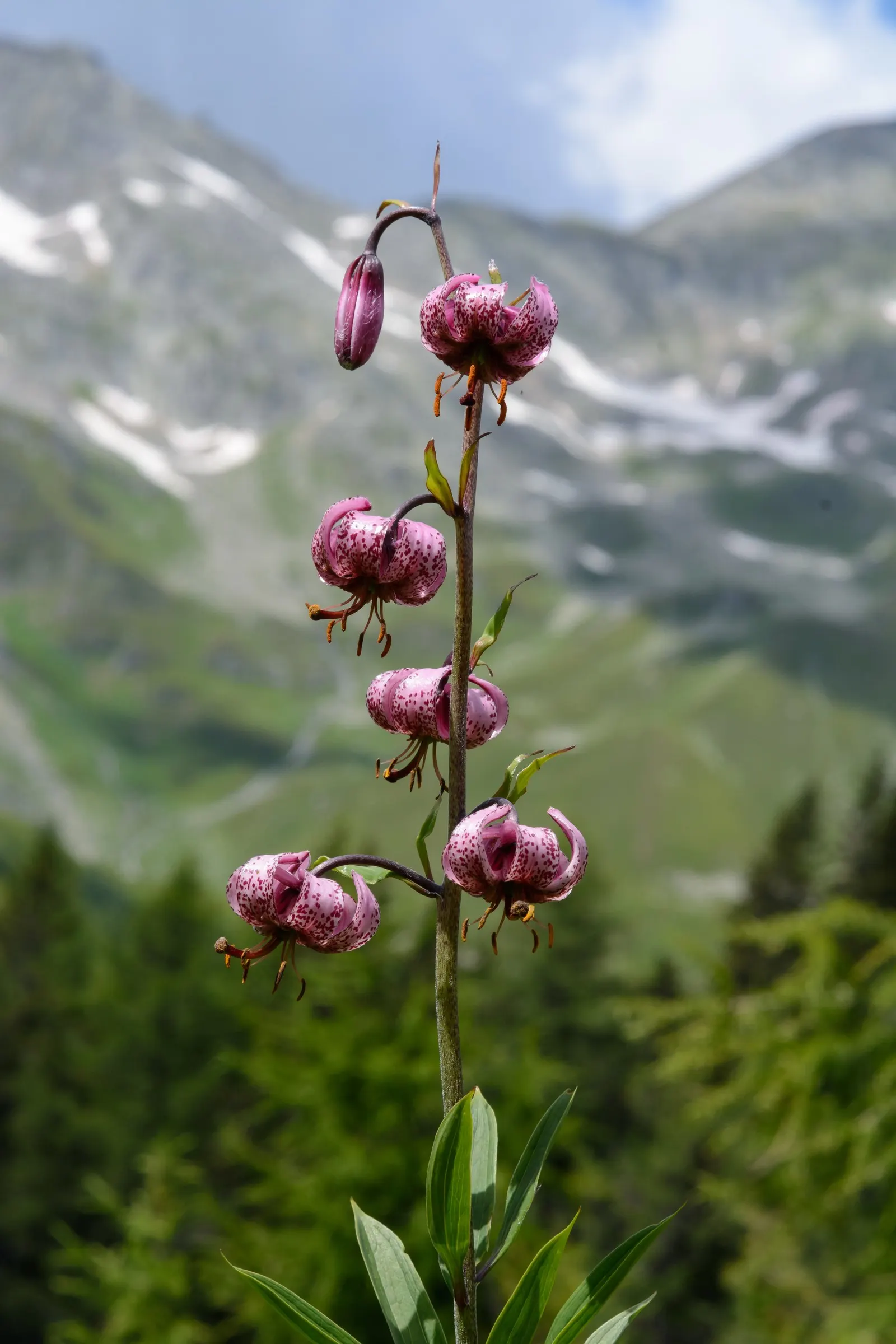
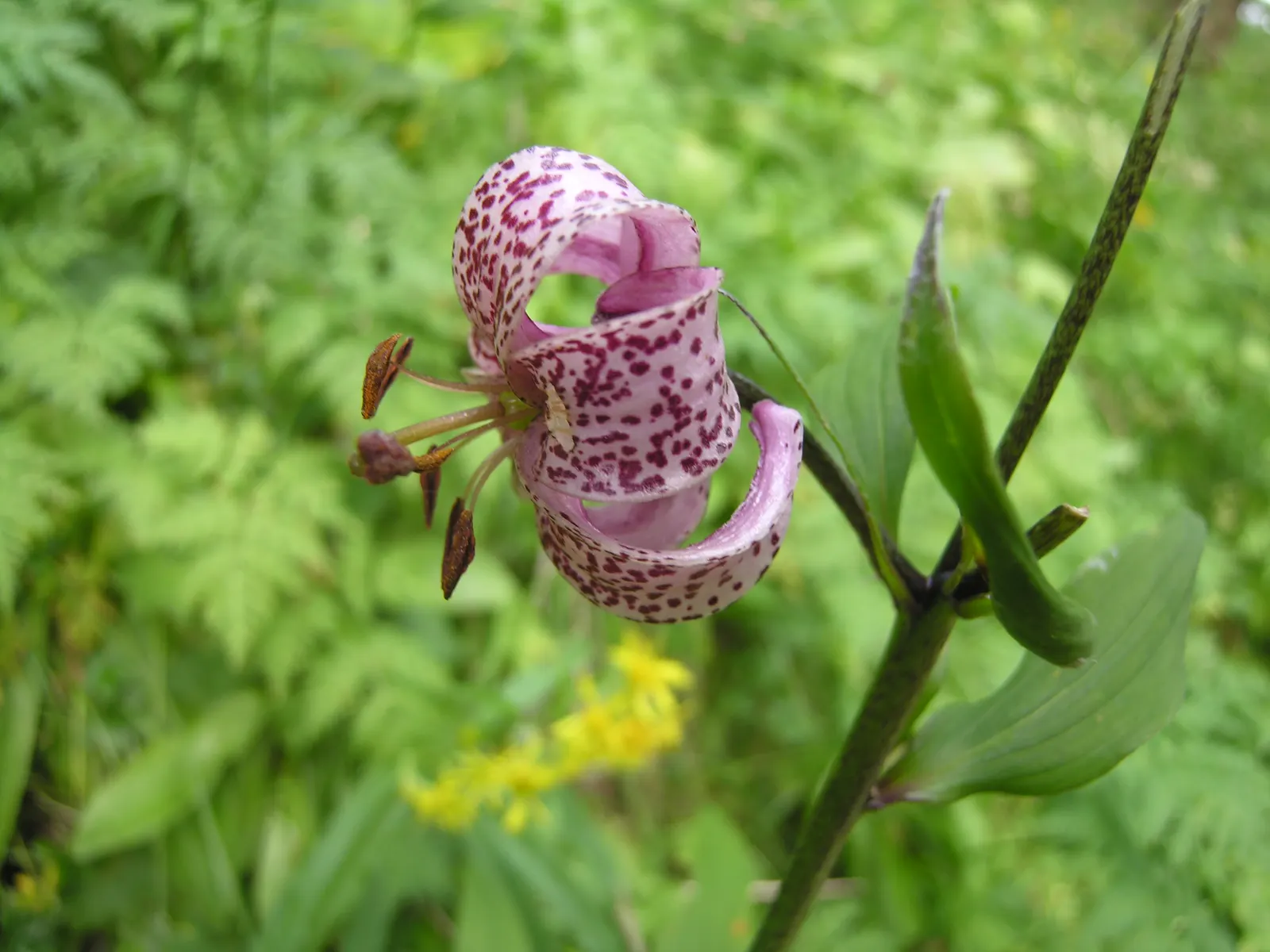
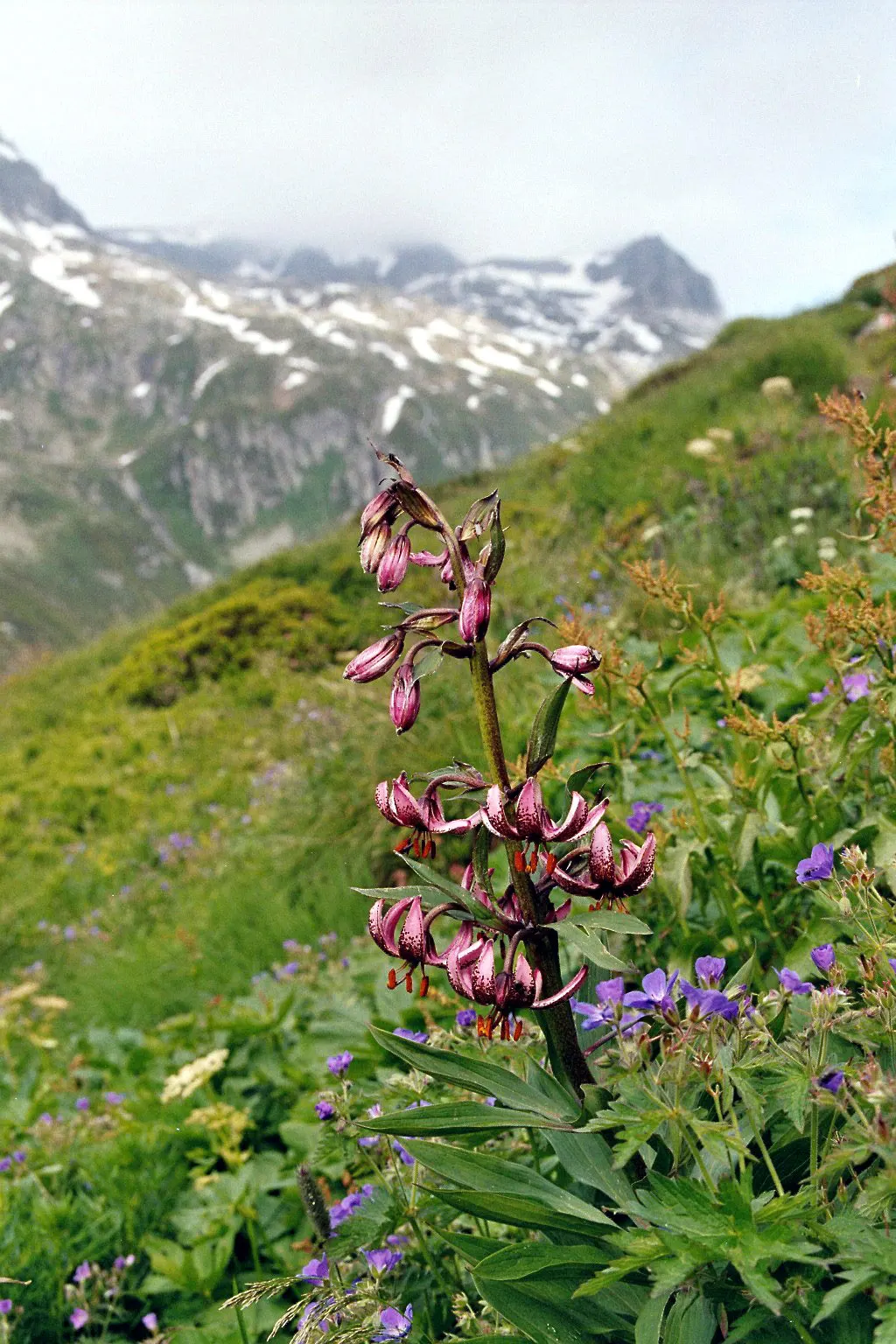
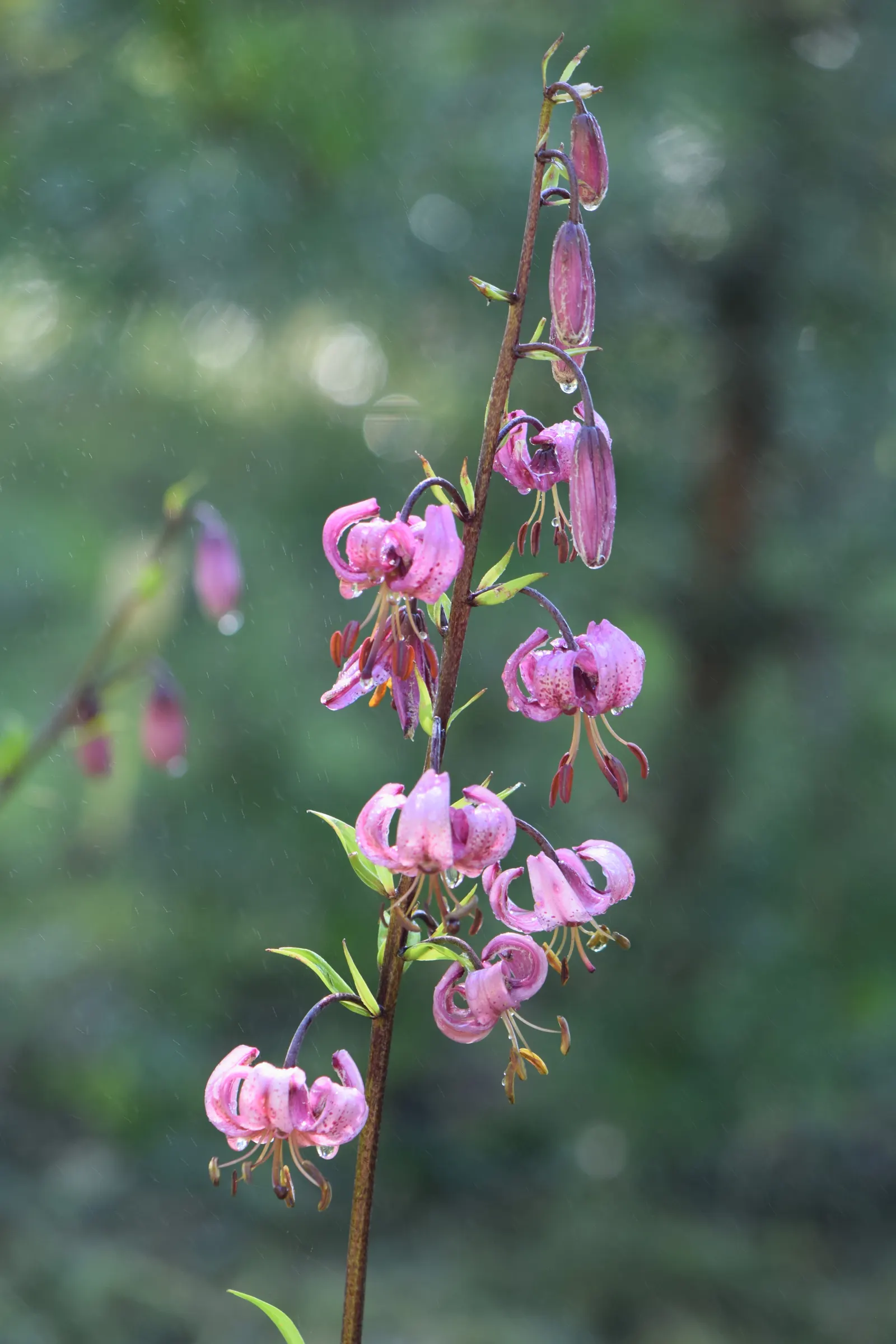
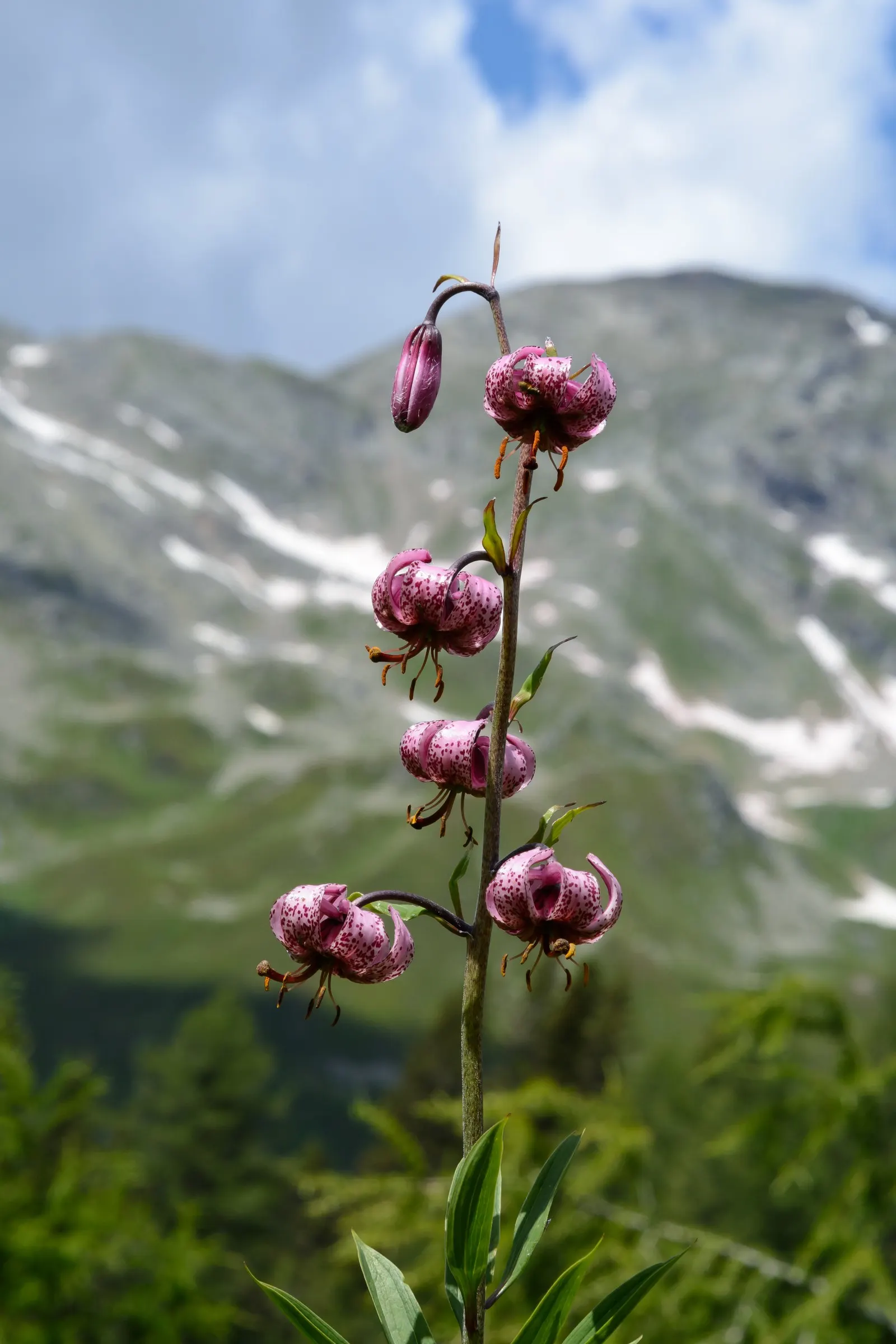
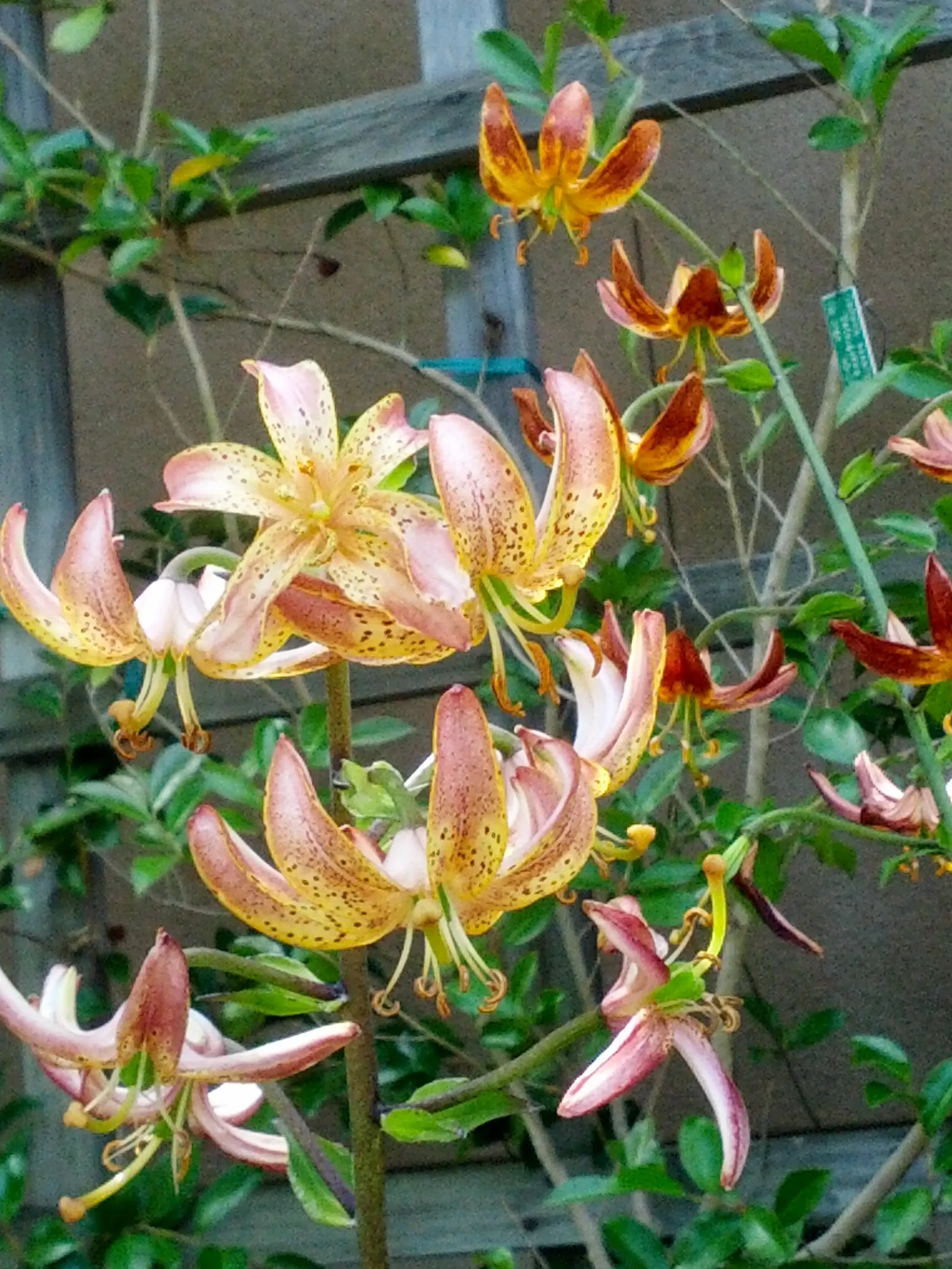
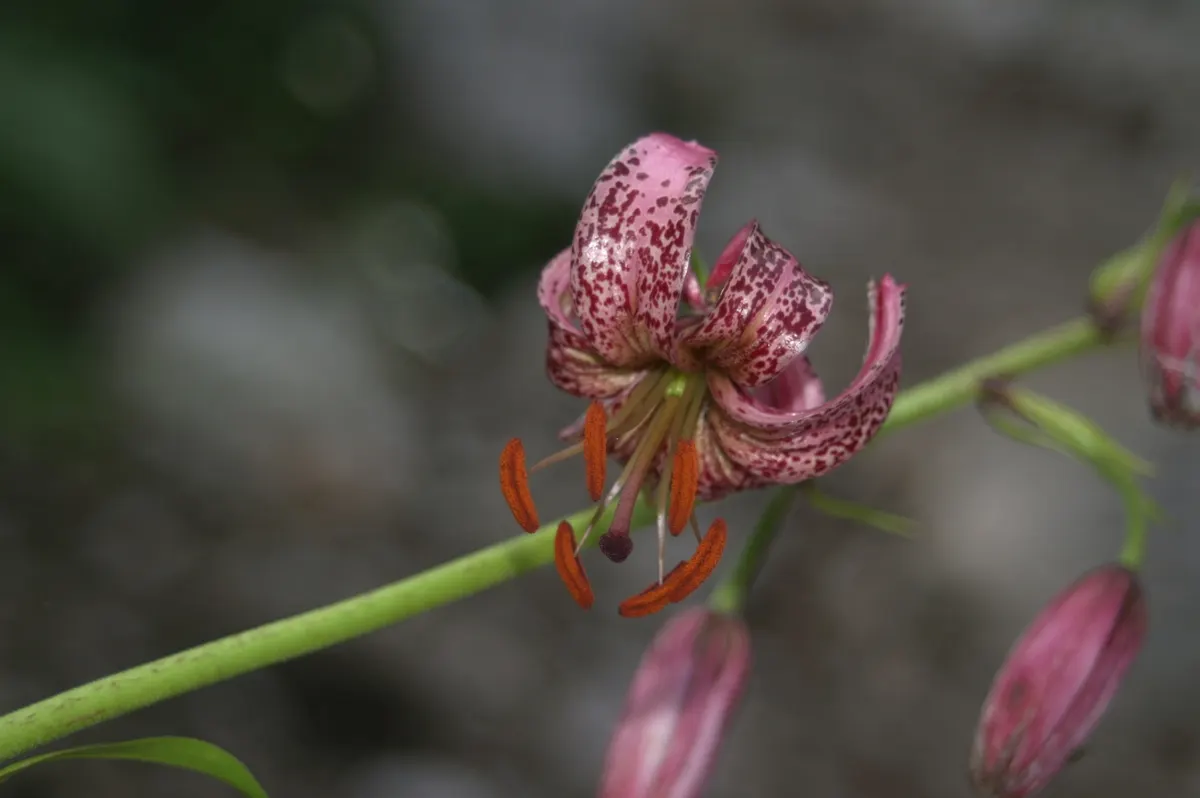
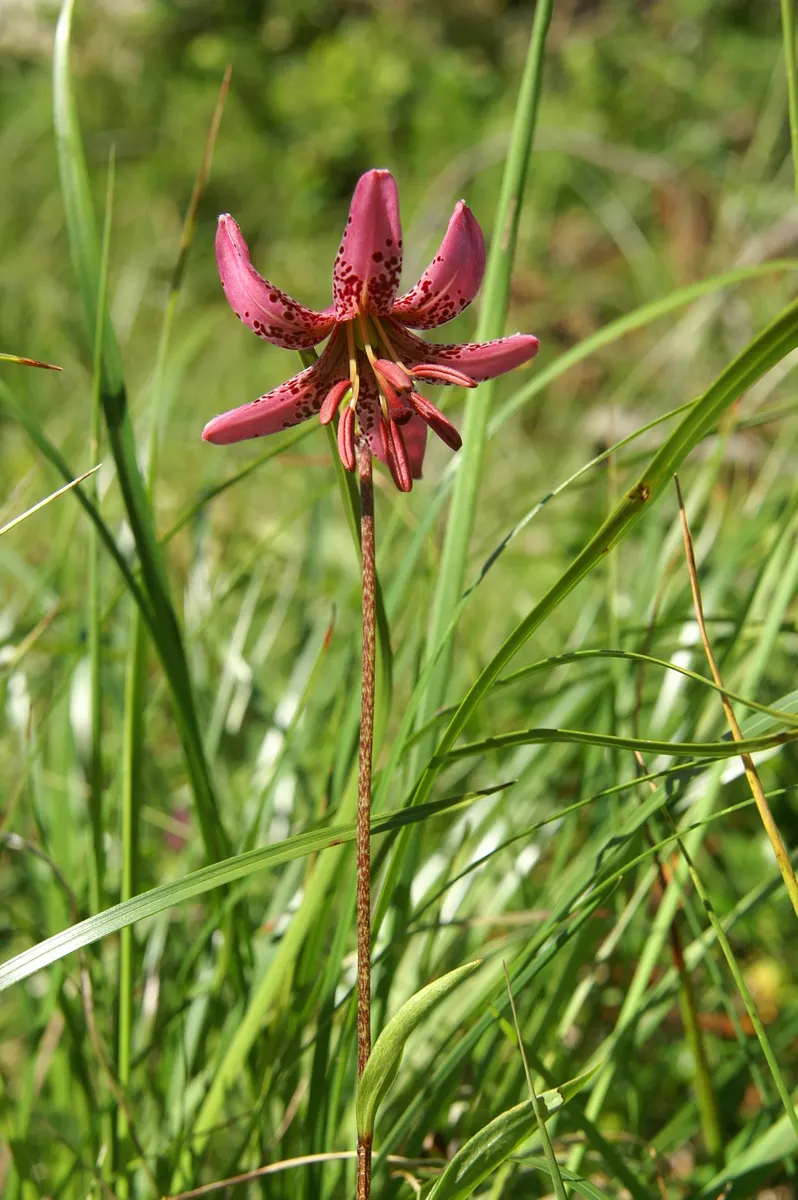
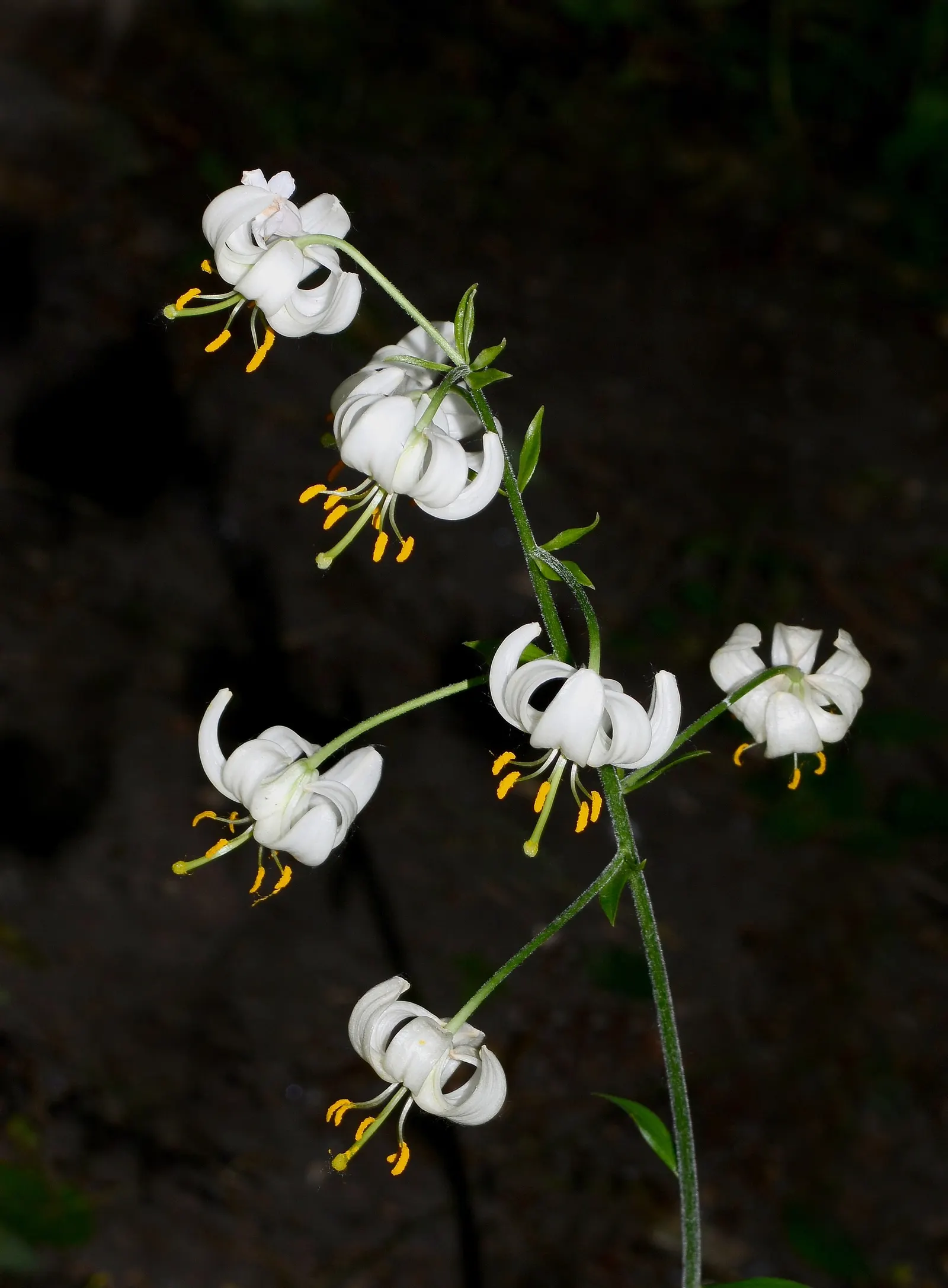
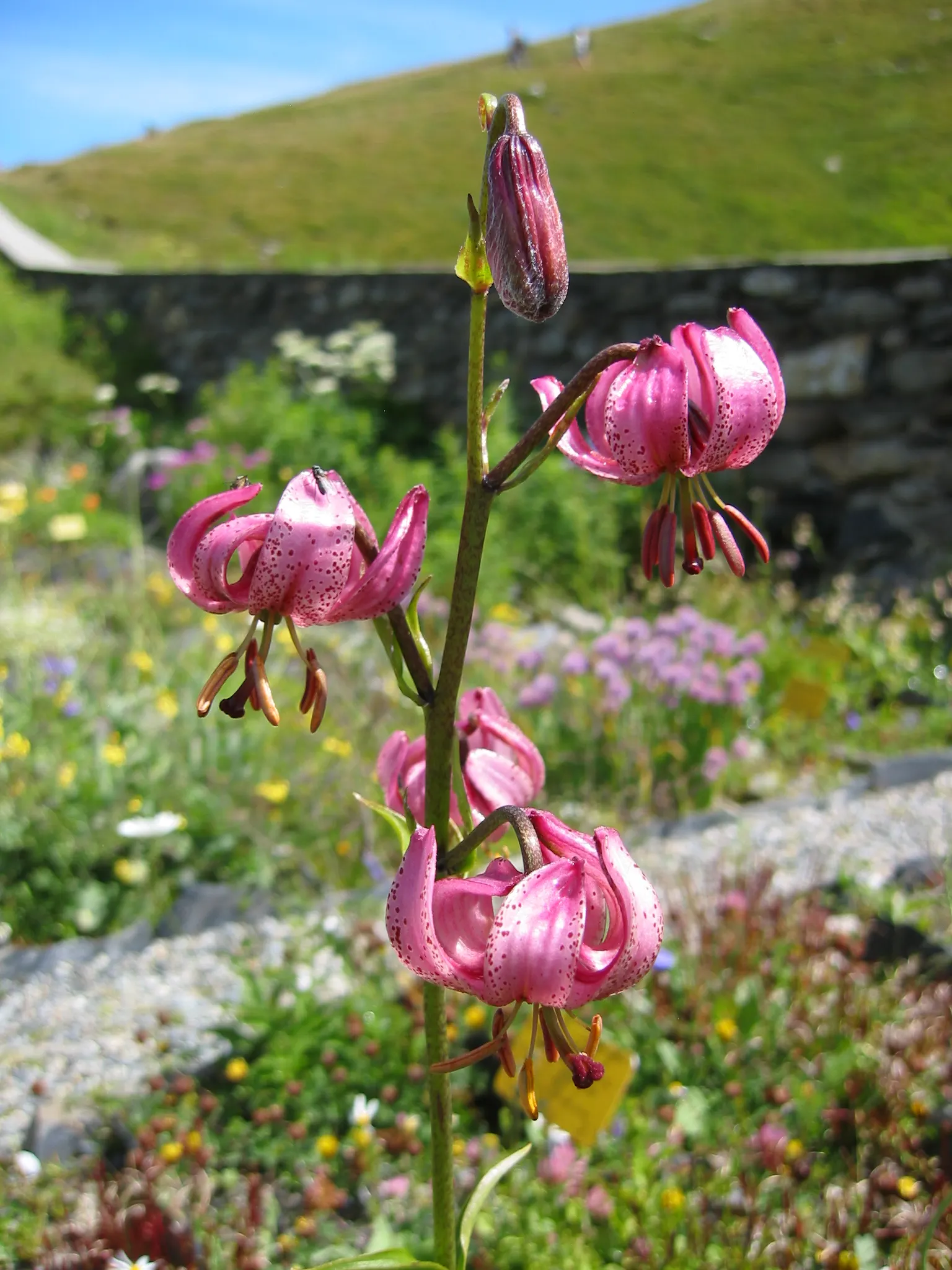
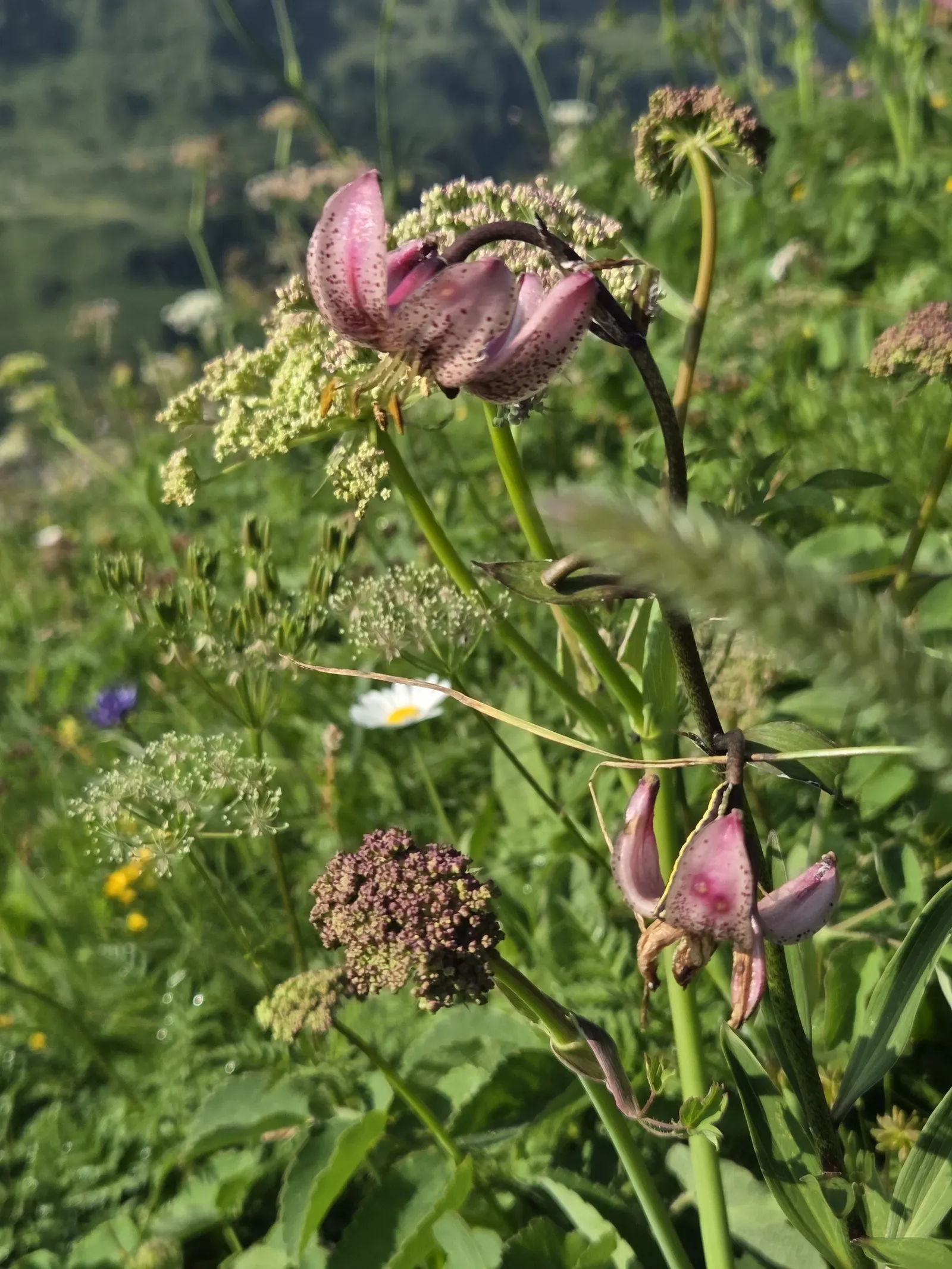
The Turk's Cap Lily, Lilium martagon, is a striking perennial that thrives in partial shade. Its unique, recurved petals in pink-purple hues, speckled with dark spots, resemble a Turkish cap. The plant reaches 4 to 6 feet tall and blooms in early to mid-summer, attracting pollinators. Prefers well-drained soil with a pH around 6.5. Space bulbs 8 to 12 inches apart for optimal growth and visual impact.

Sun Full, HalfWater Low, Very LowZones 3–8
Turkcap Lily (Lilium Martagon) — The Turk's Cap Lily, Lilium martagon, is a striking perennial that thrives in partial shade

Culture

Sun
Full, Half
Water
Low, Very Low
USDA zones
3–8

Shape & size

Mature height
3–6 Ft.
Mature width
1–3 Ft.

Classification

Family
Liliaceae

See full data, regional cultivation notes, full-resolution photos, and design tools. Build a client presentation around this plant.

Start your 14-day trial

Photos (101)

Turkcap Lily (Lilium Martagon) — Its unique, recurved petals in pink-purple hues, speckled with dark spots, resemble a Turkish cap; the plant favors
Turkcap Lily (Lilium Martagon) — The Turk's Cap Lily, Lilium martagon, is a striking perennial that thrives in partial shade; prefers well-drained soil with a
Turkcap Lily (Lilium Martagon) — pink and red and white flowers in the garden
Turkcap Lily (Lilium Martagon) — Space bulbs 8 to 12 inches apart for optimal growth and visual impact; is notable for its reflexed
Turkcap Lily (Lilium Martagon) — also known as the Martagon or Dragon Lily; or yellow - appear from early to mid-summer
Turkcap Lily (Lilium Martagon) — is notable for its reflexed; a spacing of 8 to 12 inches between bulbs facilitates optimal growth
Turkcap Lily (Lilium Martagon) — with a spread of about 1 foot; the plant reaches 4 to 6 feet tall and blooms in early to mid-summer, attracting pollinators
Turkcap Lily (Lilium Martagon) — the Turk's Cap Lily is well-suited to borders and woodland garden settings; it thrives in USDA hardiness zones 3 through 9
Turkcap Lily (Lilium Martagon) — The plant reaches 4 to 6 feet tall and blooms in early to mid-summer, attracting pollinators; which are attractive to
Turkcap Lily (Lilium Martagon) — Prefers well-drained soil with a pH around 6.5; bulb for full or half
Turkcap Lily (Lilium Martagon) — rich in organic material.<br><br>The blooms - speckled and arrayed in shades of pink, image 38
Turkcap Lily (Lilium Martagon) — or yellow - appear from early to mid-summer; as it does not tolerate transplanting well
Turkcap Lily (Lilium Martagon) — slightly acidic to neutral soil; also known as the Martagon or Dragon Lily
Turkcap Lily (Lilium Martagon) — It thrives in USDA hardiness zones 3 through 9, preferring dappled shade or morning sun with afternoon shade; revealing
Turkcap Lily (Lilium Martagon) — The plant favors well-drained; bulb with pink and red and white blooms
Turkcap Lily (Lilium Martagon) — Each stem can bear numerous downward-facing flowers; its unique, recurved petals in pink-purple hues, speckled with dark
Turkcap Lily (Lilium Martagon) — consideration should be given to its location; space bulbs 8 to 12 inches apart for optimal growth and visual impact
Turkcap Lily (Lilium Martagon) — which are attractive to pollinators like butterflies and bees.<br><br>When planting the Turk's Cap Lily; pink and red and
Turkcap Lily (Lilium Martagon) — as it does not tolerate transplanting well; slightly acidic to neutral soil
Turkcap Lily (Lilium Martagon) — with recurved petals rolled back towards the stem; the Turk's Cap Lily is well-suited to borders and woodland garden settings
Turkcap Lily (Lilium Martagon) — revealing stamens that curve elegantly outward; with recurved petals rolled back towards the stem
Turkcap Lily (Lilium Martagon) — pink and red and white flowers in the garden; with a spread of about 1 foot
Turkcap Lily (Lilium Martagon) — blending seamlessly into a diverse plant palette; the Turk's Cap Lily, Lilium martagon, is a striking perennial that thrives
Turkcap Lily (Lilium Martagon) — bulb with pink and red and white blooms; each stem can bear numerous downward-facing flowers

Related plants