Skip to content

Privet

Ligustrum Vulgare

Design with this plant

Overview

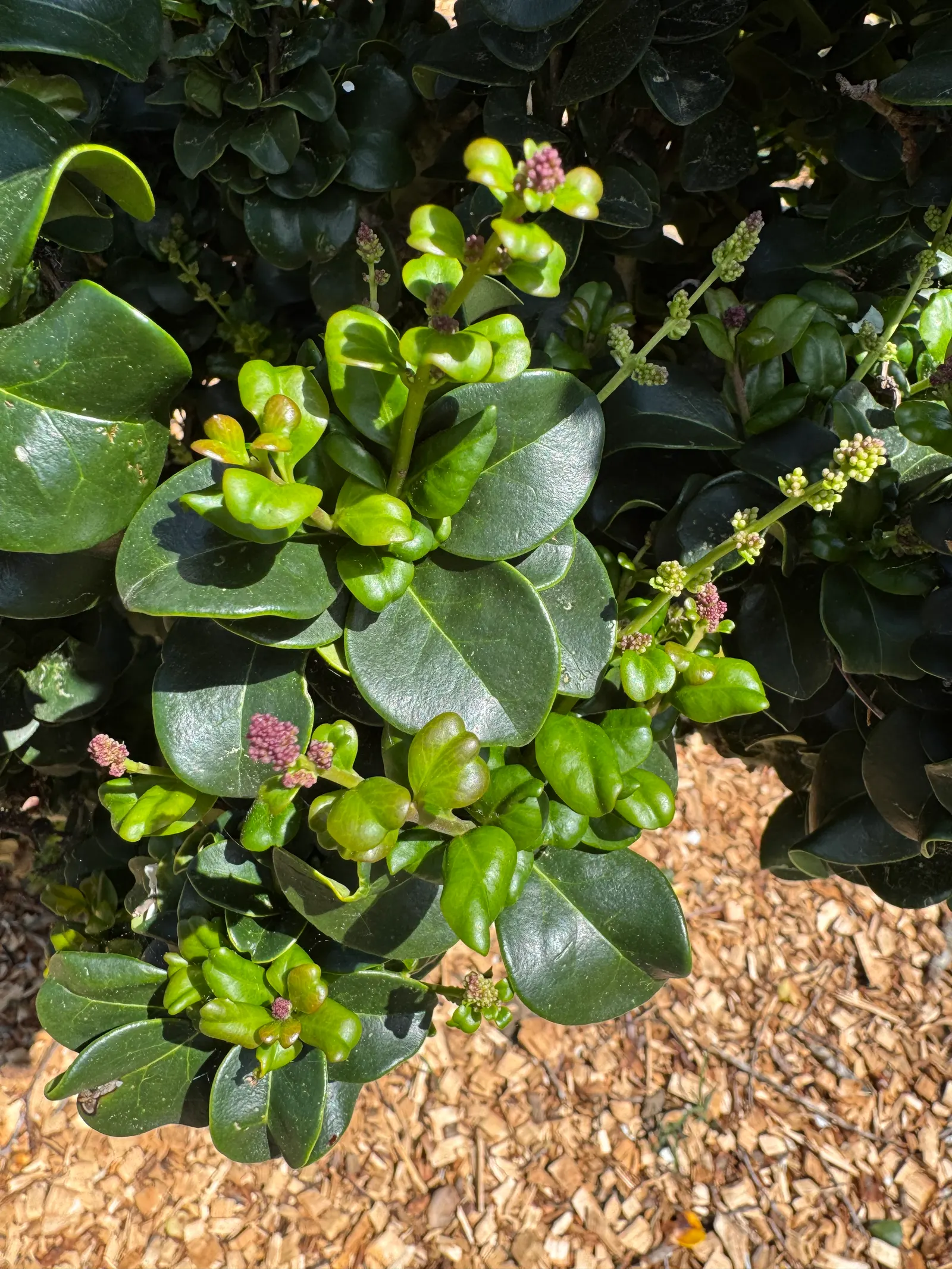
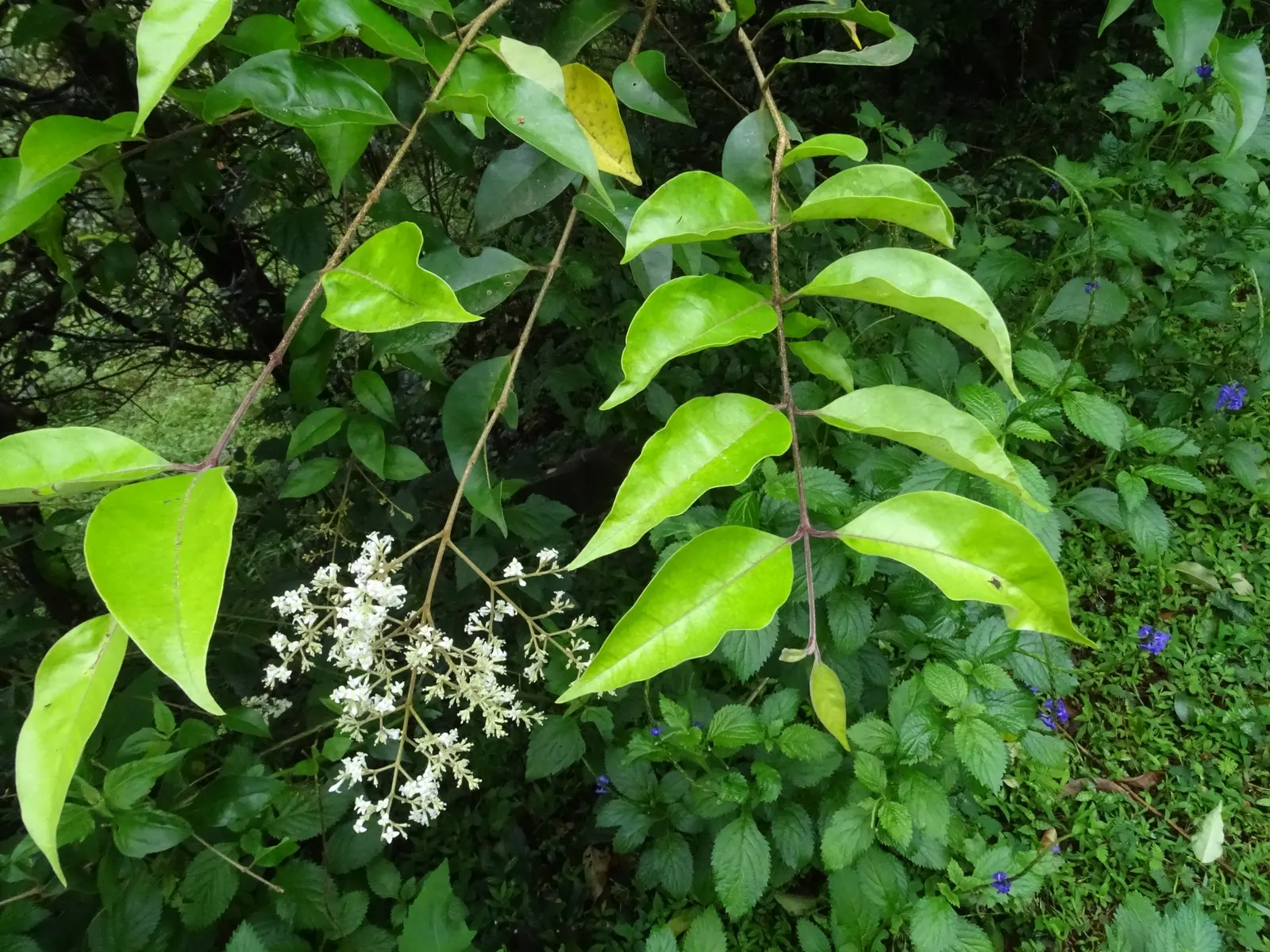
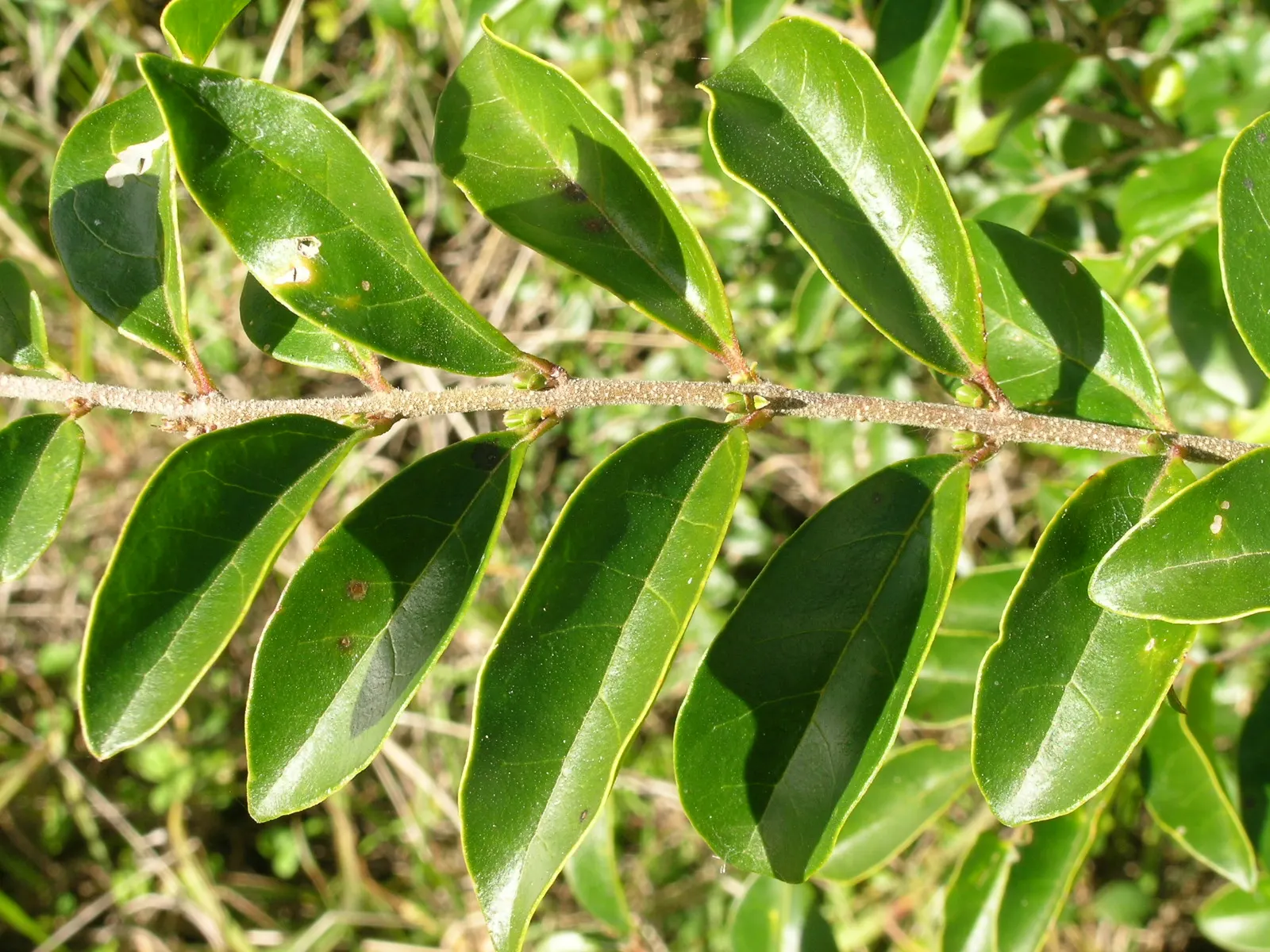
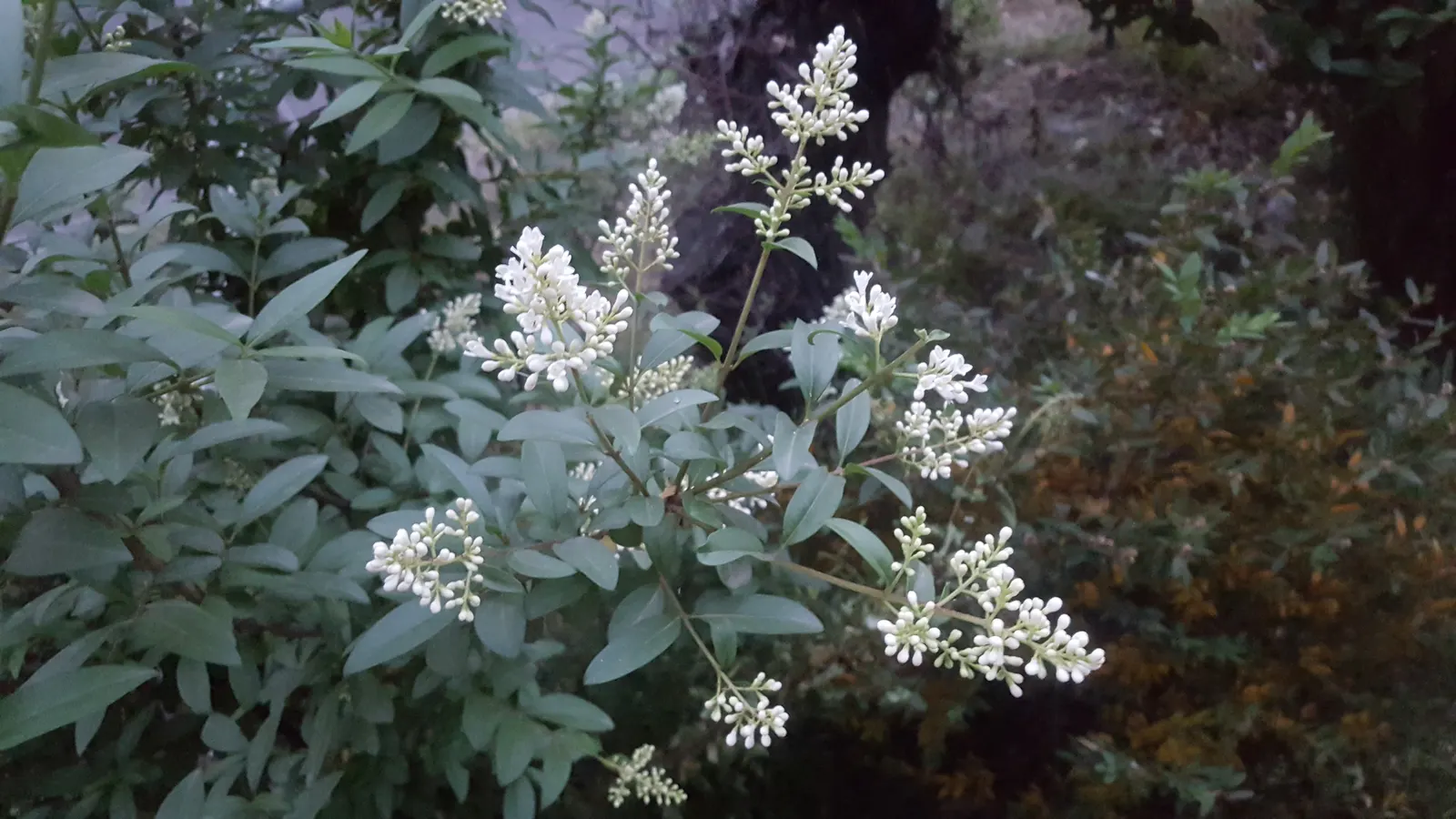
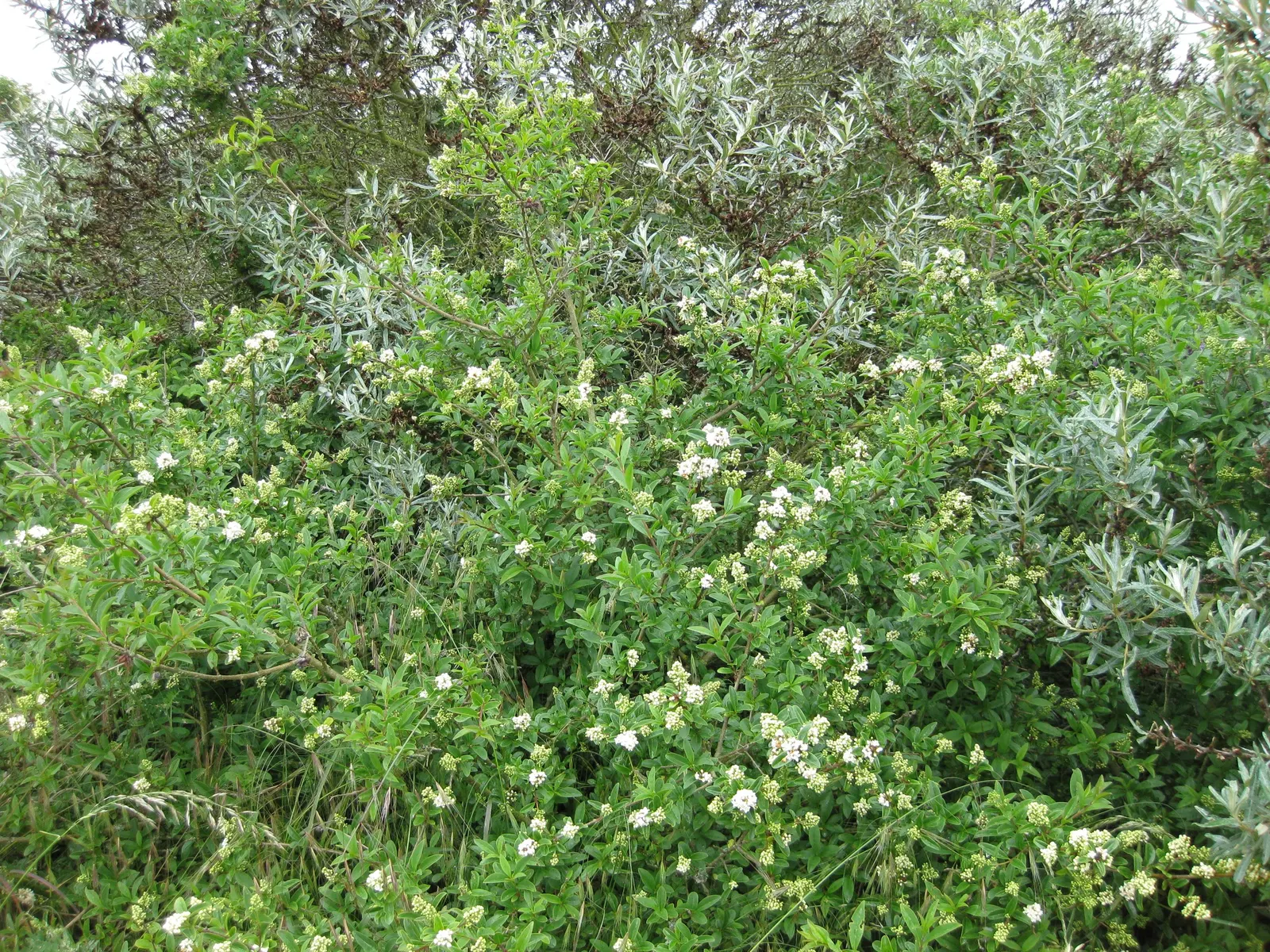
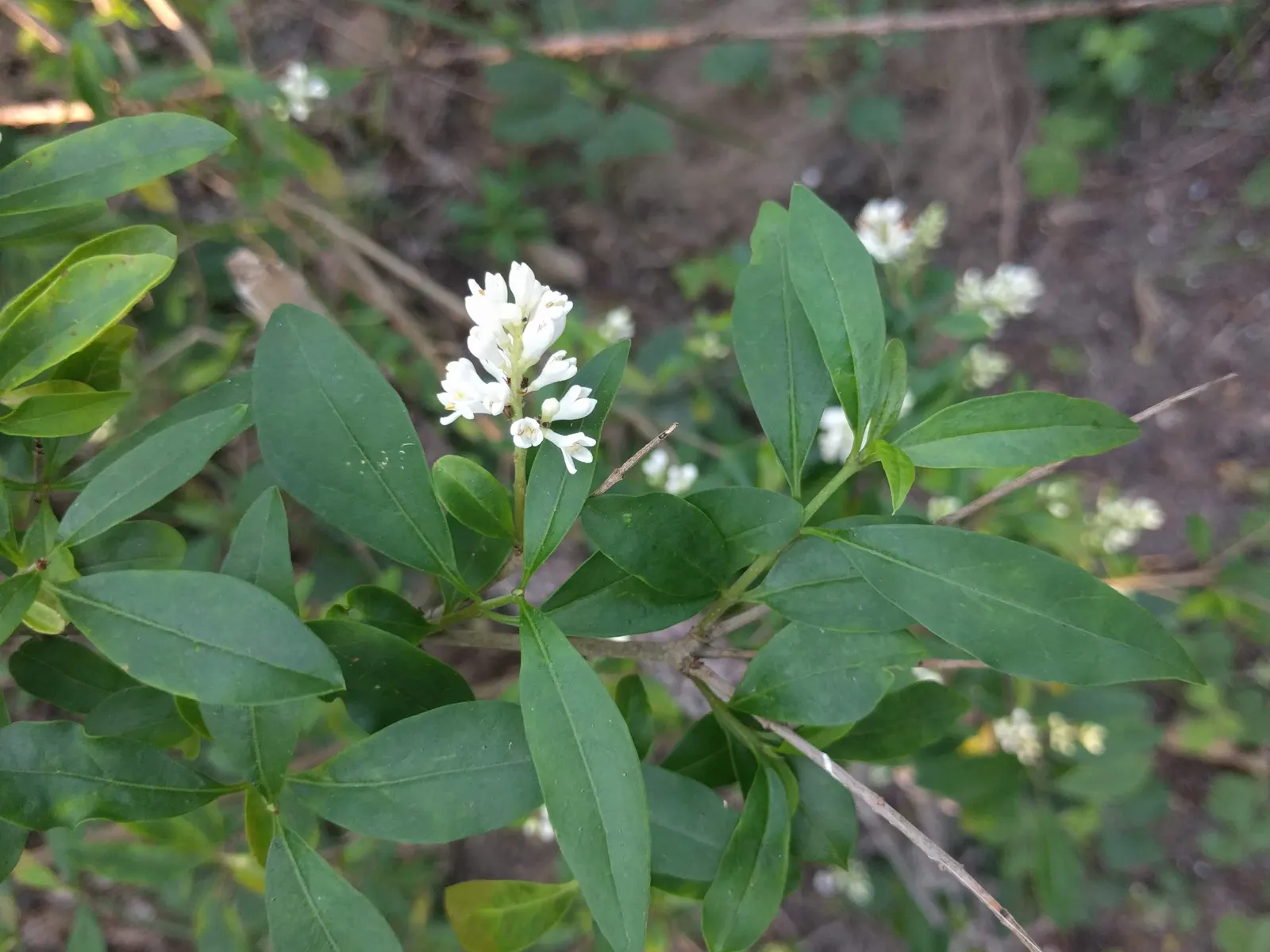
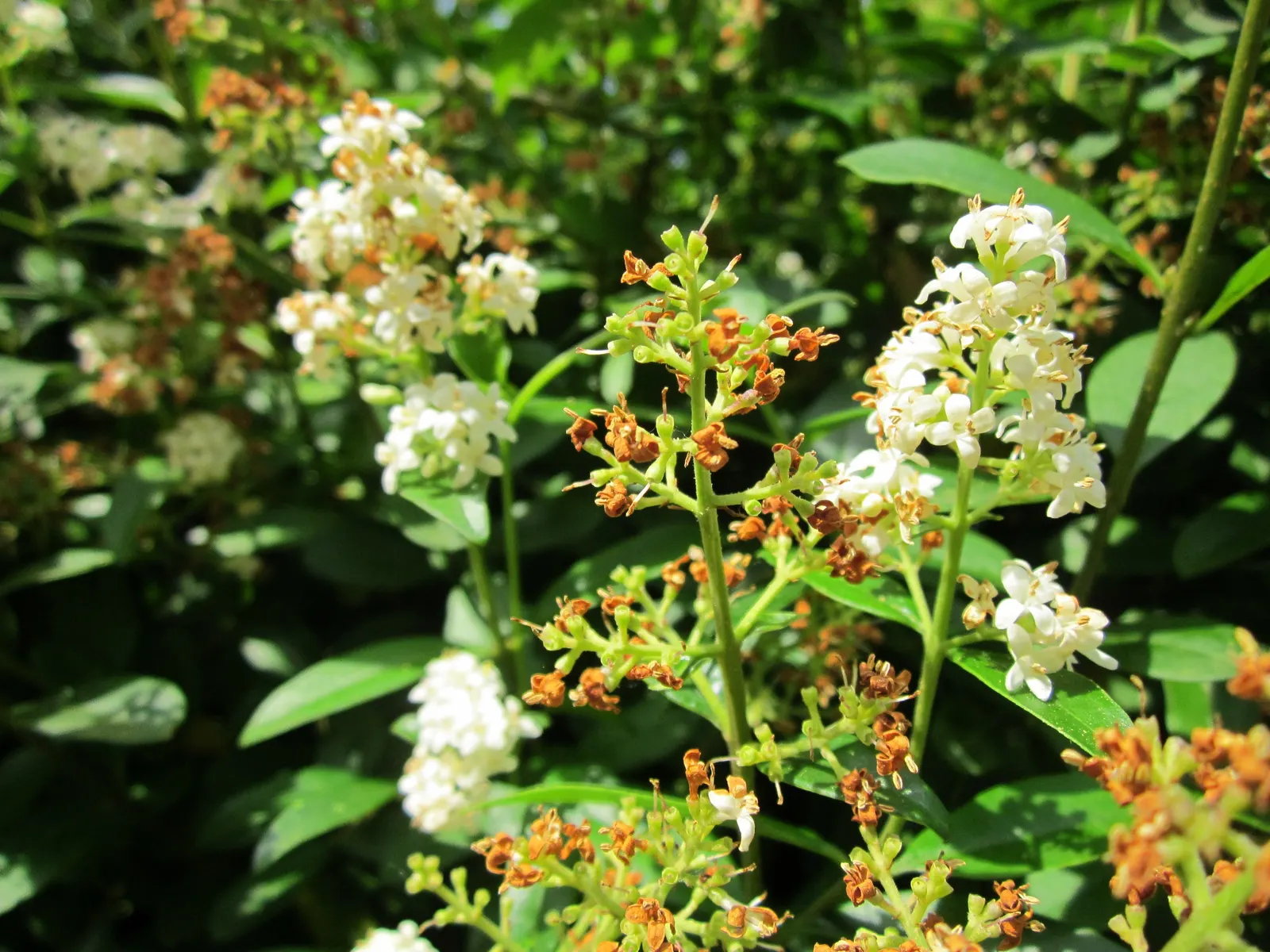
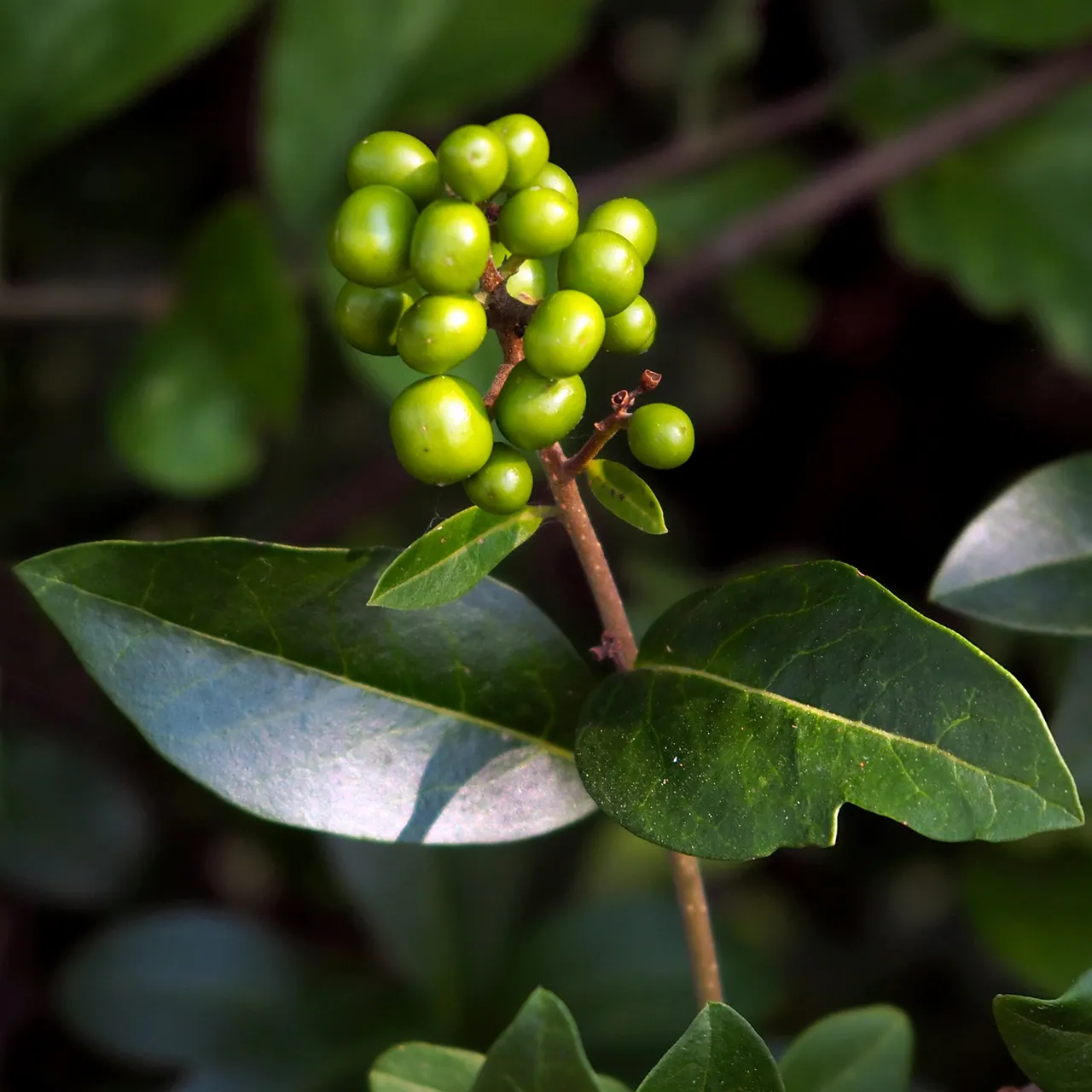
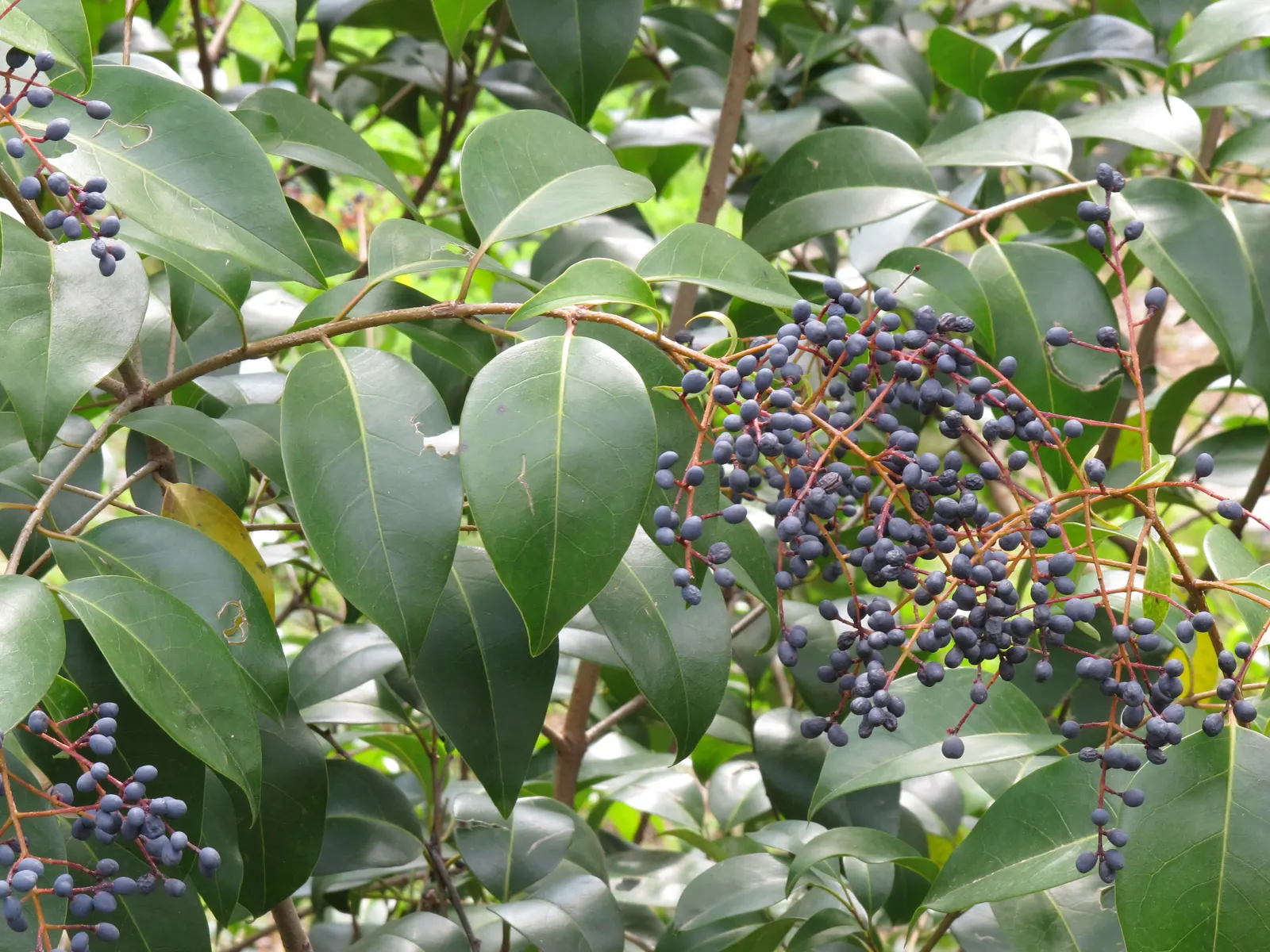
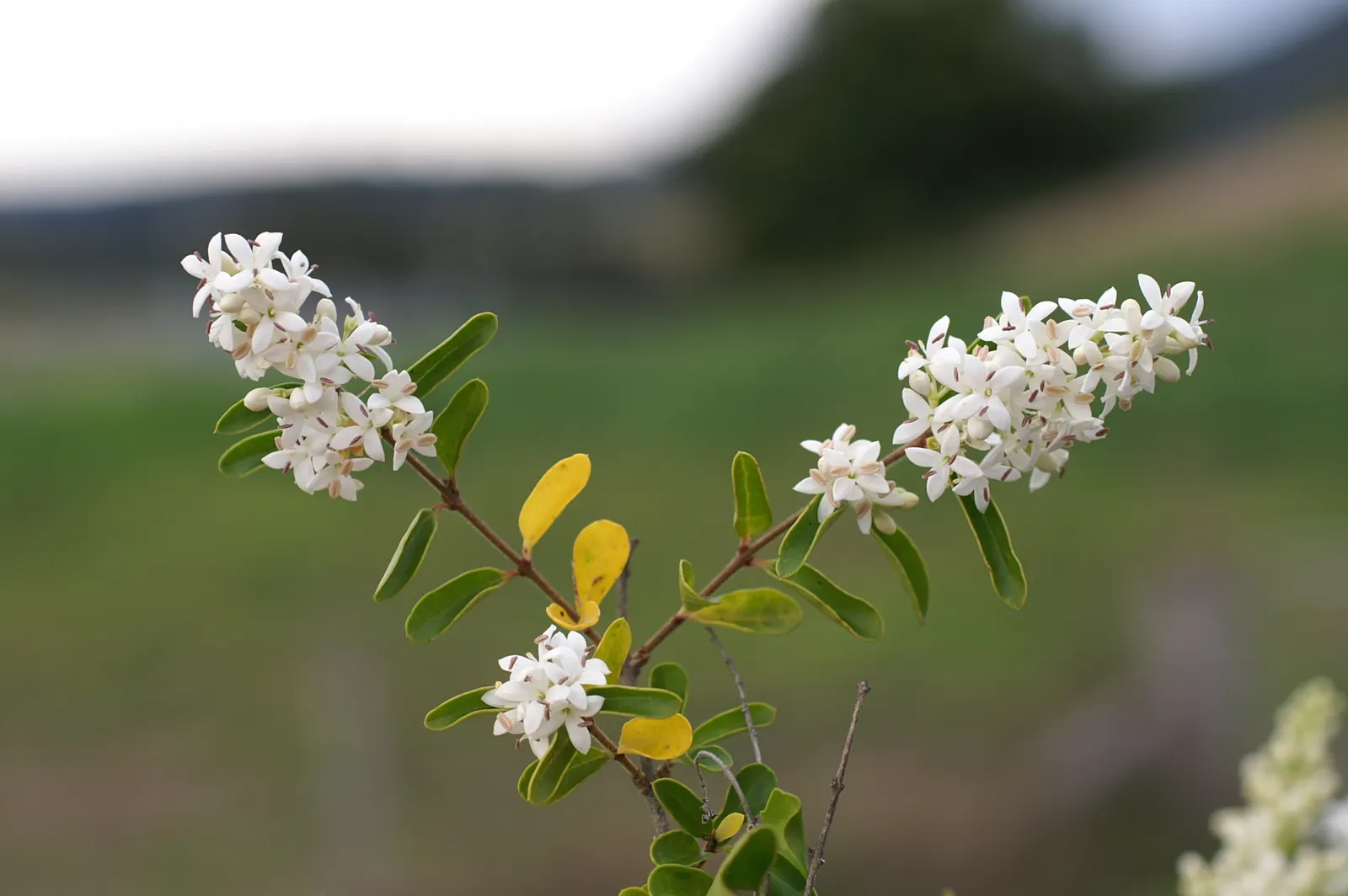
Privet (Ligustrum vulgare) is a versatile shrub, typically reaching 4 to 15 feet in height, prized for its dense, upright growth. The glossy, oval leaves and clusters of fragrant white flowers in late spring are aesthetically pleasing, while the blackish berries attract wildlife. Adaptable to various soil types, it excels as a hedge or privacy screen. Note: its vigorous nature may require regular pruning to maintain shape. Zone 4-7 hardiness.

Sun FullWater Extra in Summer, Low, MediumZones 8–10Climate Temperate
Privet (Ligustrum Vulgare) — Privet (Ligustrum vulgare) is a versatile shrub

Culture

Sun
Full
Water
Extra in Summer, Low, Medium
USDA zones
8–10

Shape & size

Mature height
12–15 Ft.
Mature width
12–15 Ft.

Classification

Family
Oleaceae
Climate
Temperate

See full data, regional cultivation notes, full-resolution photos, and design tools. Build a client presentation around this plant.

Start your 14-day trial

Photos (177)

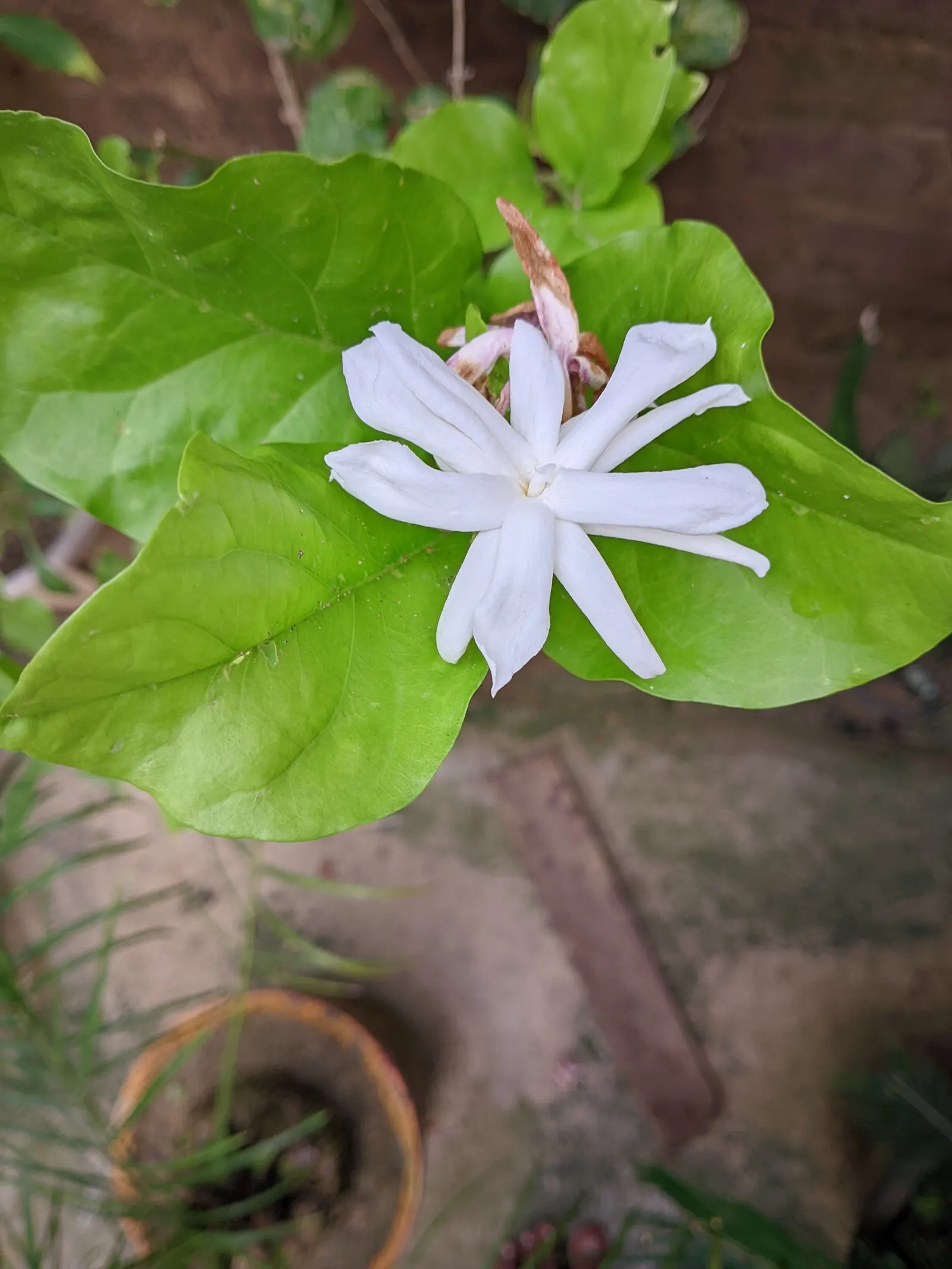
Privet (Ligustrum Vulgare) — enhancing the neat appearance that makes the Privet a staple in structured garden designs; oval leaves and clusters of fragrant
Privet (Ligustrum Vulgare) — adding an ecological benefit to its ornamental appeal; privet (Ligustrum vulgare) is a versatile shrub
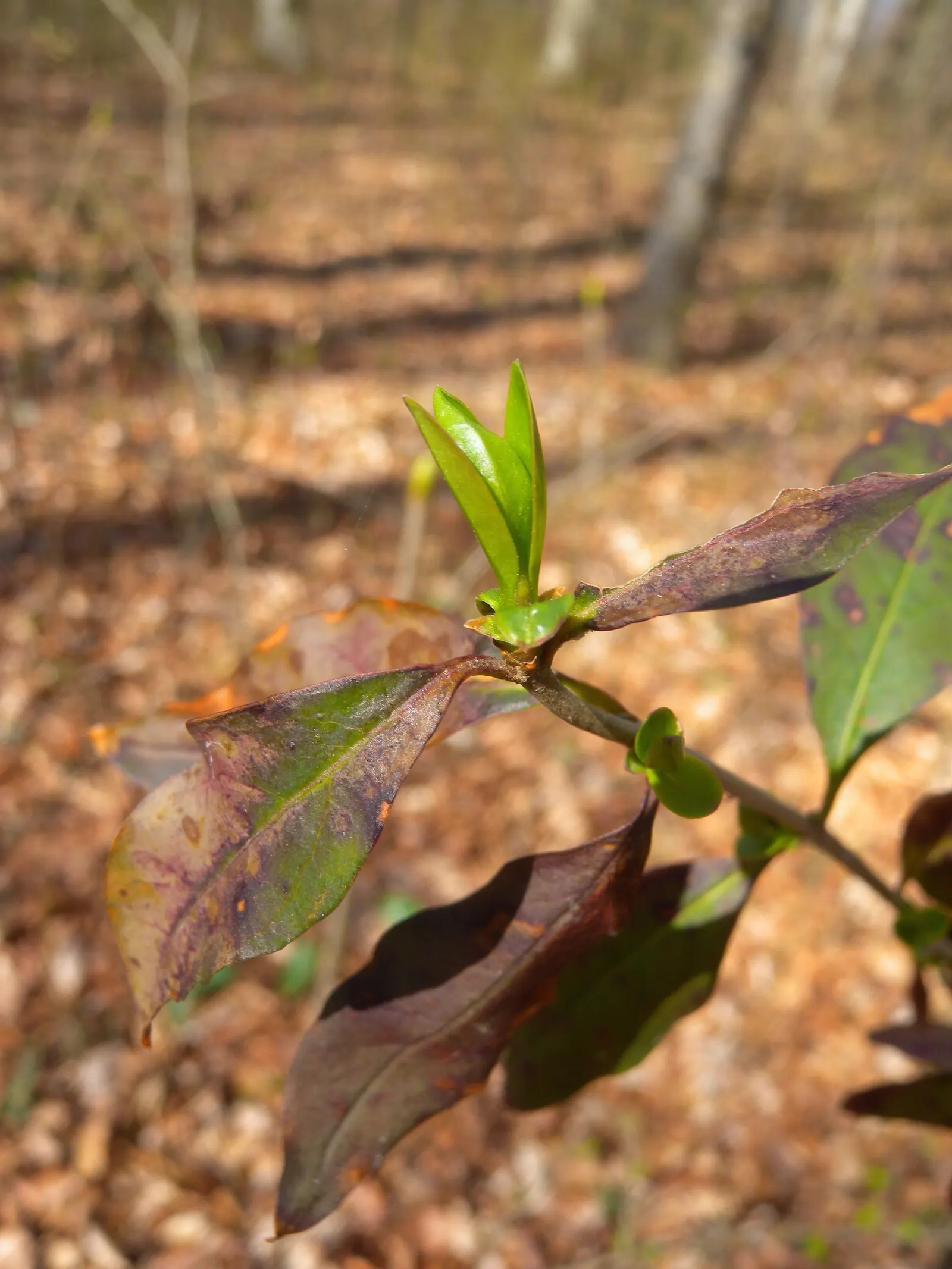
Privet (Ligustrum Vulgare) — Following the flowering season; this semi-evergreen species thrives in USDA hardiness zones 5 through 8
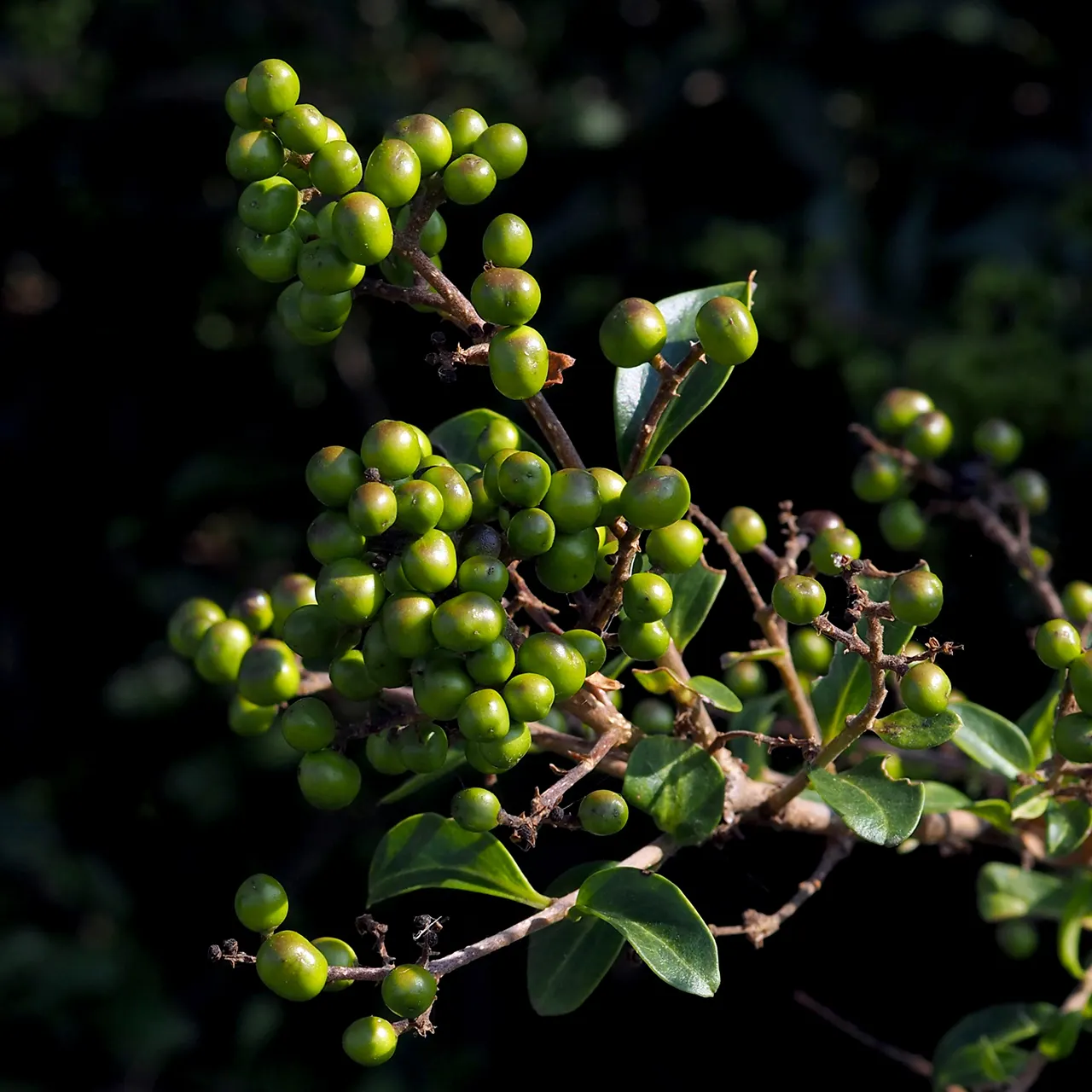
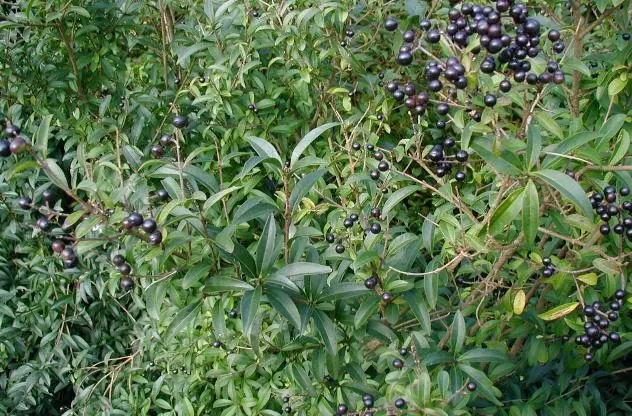
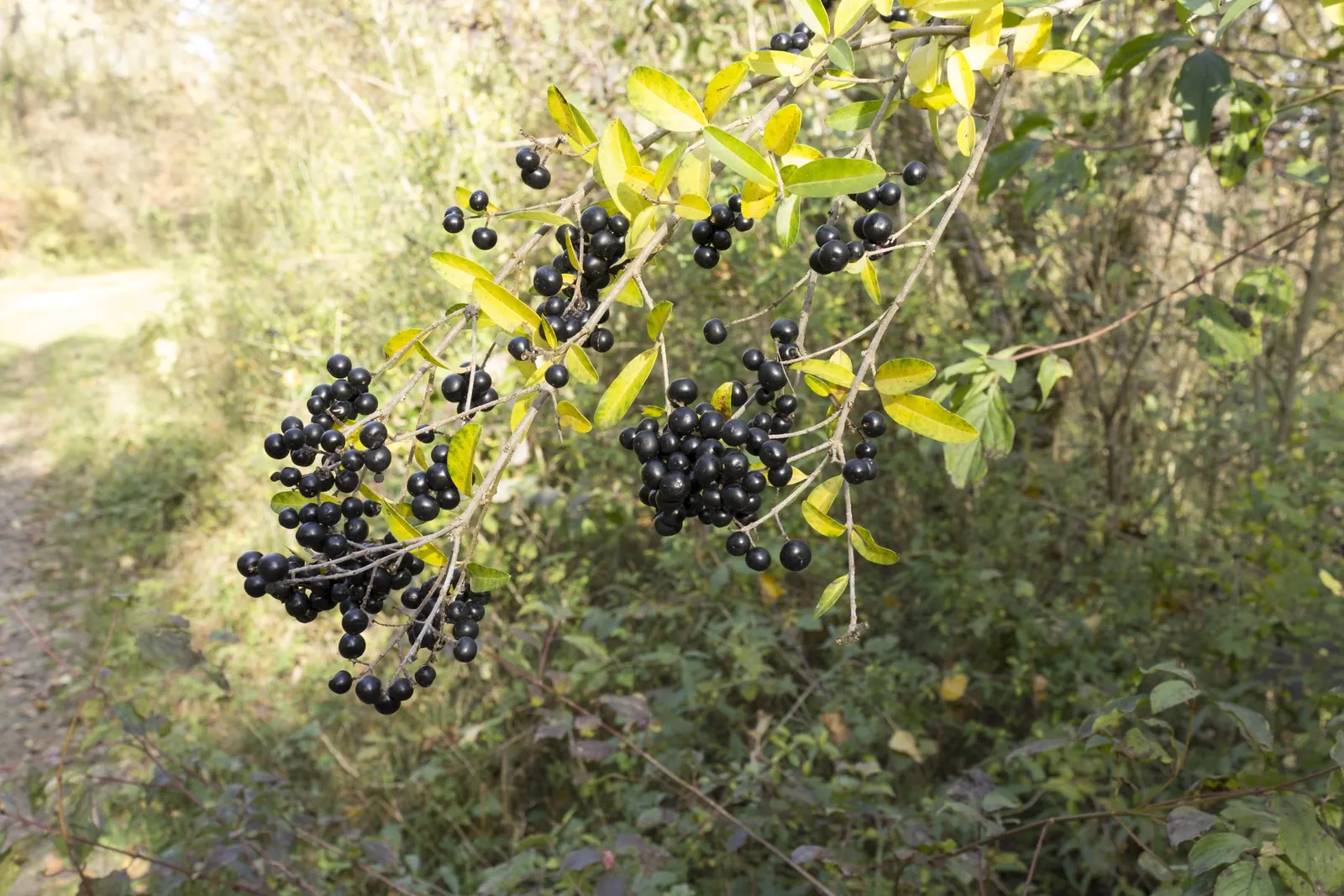
Privet (Ligustrum Vulgare) — small black berries emerge; have the potential to attract pollinators
Privet (Ligustrum Vulgare) — This semi-evergreen species thrives in USDA hardiness zones 5 through 8; shrub / tree with white blooms, image 62
Privet (Ligustrum Vulgare) — scientifically known as Ligustrum vulgare; making them ideal for quick establishment in new gardens, image 61
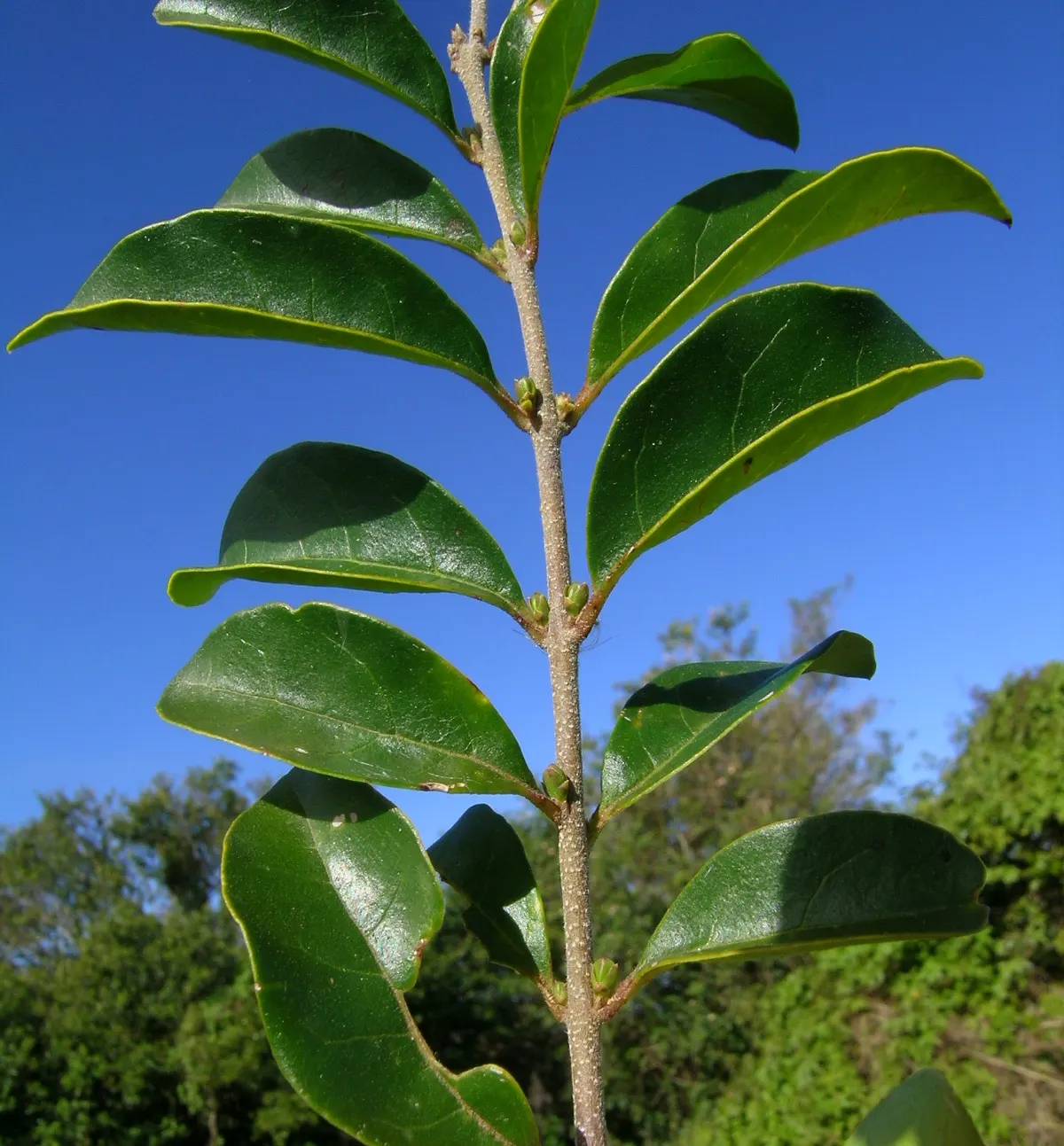
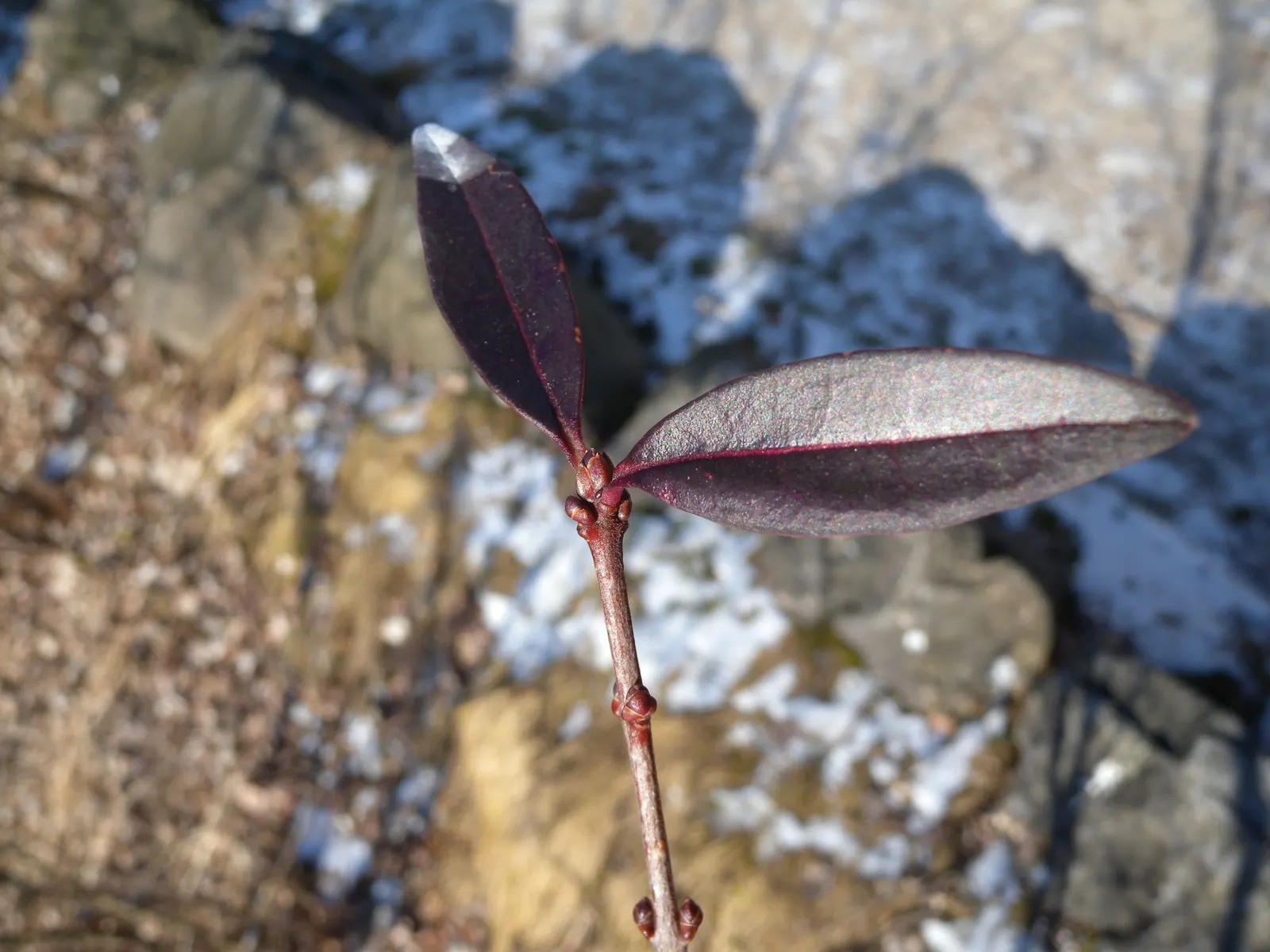
Privet (Ligustrum Vulgare) — Note: its vigorous nature may require regular pruning to maintain shape; measuring 1 to 2.5 inches in length, image 60
Privet (Ligustrum Vulgare) — Adaptable to various soil types, it excels as a hedge or privacy screen, image 59
Privet (Ligustrum Vulgare) — Privet (Ligustrum vulgare) is a versatile shrub; while the blackish berries attract wildlife, image 55
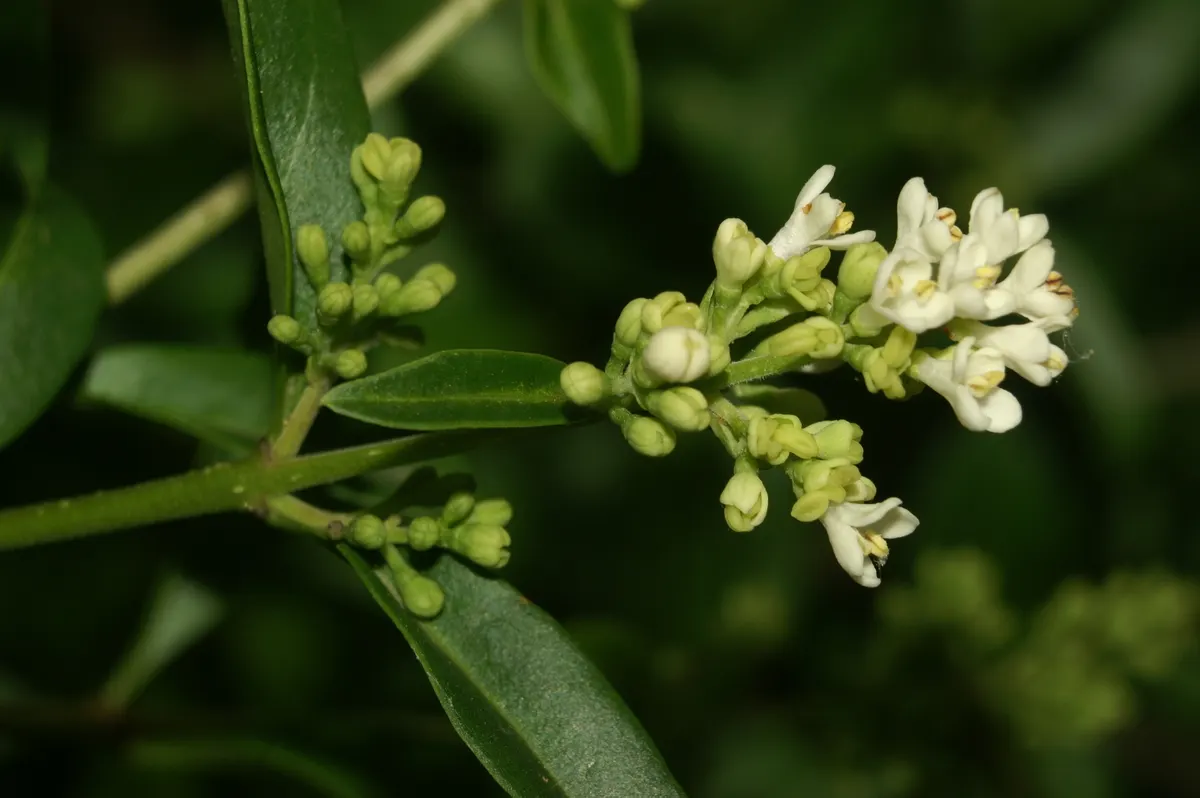
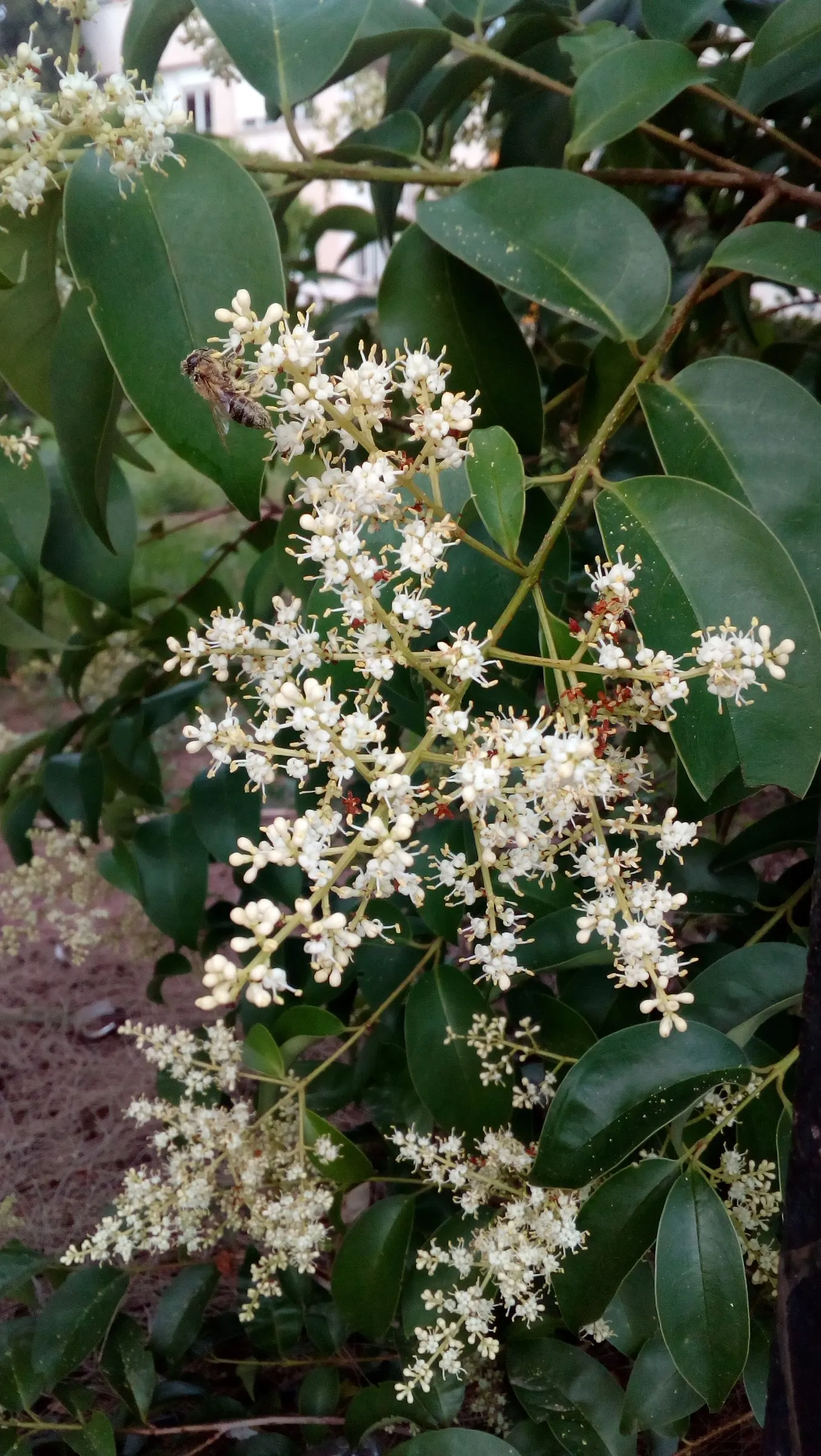
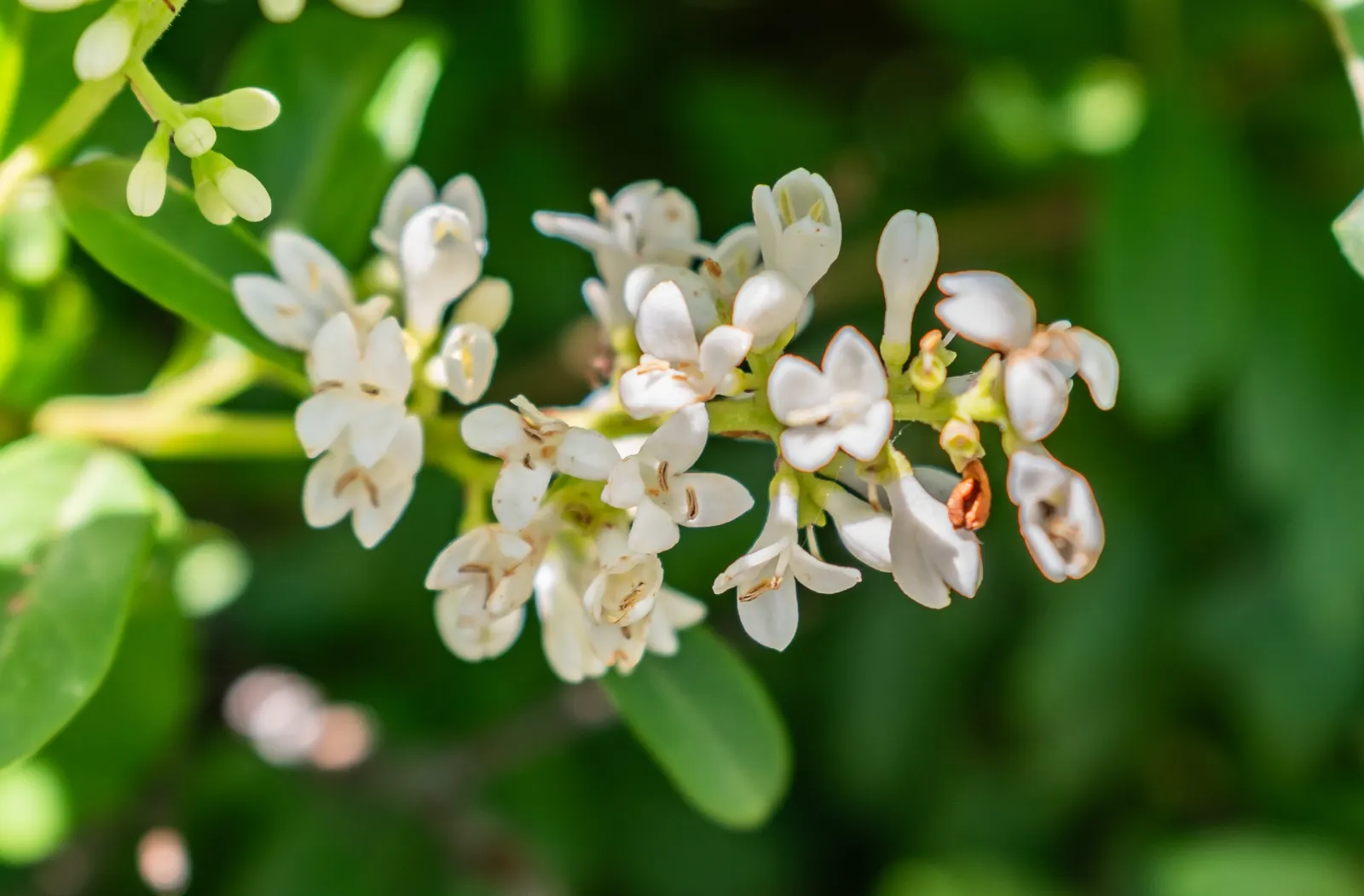
Privet (Ligustrum Vulgare) — oval leaves and clusters of fragrant white flowers in late spring are aesthetically pleasing; small black berries, image 57
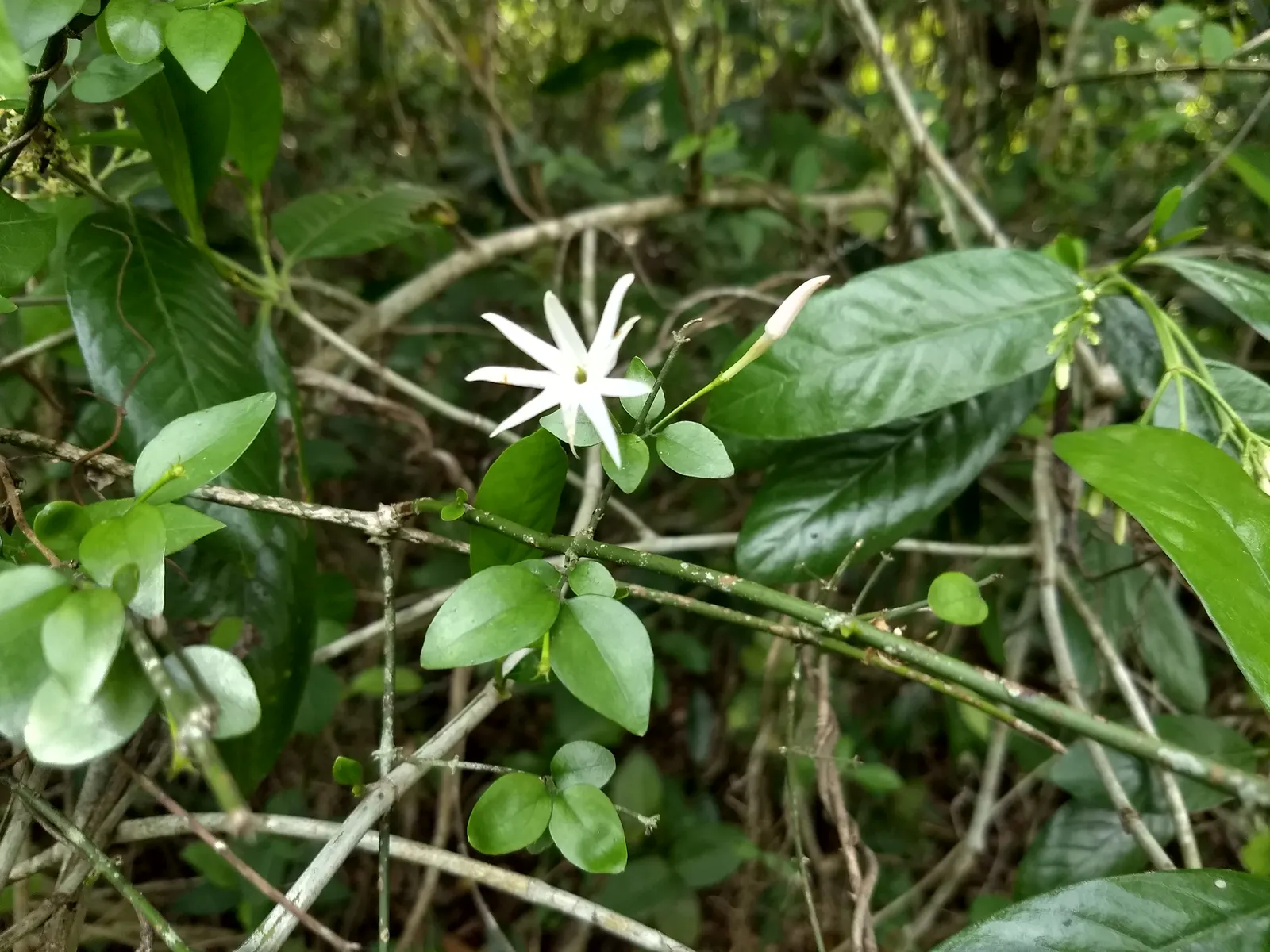
Privet (Ligustrum Vulgare) — while the blackish berries attract wildlife; white flowers in the garden, image 58
Privet (Ligustrum Vulgare) — shrub / tree with white blooms; following the flowering season
Privet (Ligustrum Vulgare) — shrub / tree for full; enhancing the neat appearance that makes the Privet a staple in structured garden designs
Privet (Ligustrum Vulgare) — typically reaching 4 to 15 feet in height; with a similar spread of 12 to 15 feet, image 56
Privet (Ligustrum Vulgare) — Mature privets typically reach heights of 12 to 15 feet; which starkly contrast the creamy-white flowers that blossom, image 64
Privet (Ligustrum Vulgare) — reaching about 0.25 inches across, image 68
Privet (Ligustrum Vulgare) — adding an ecological benefit to its ornamental appeal; privet (Ligustrum vulgare) is a versatile shrub, image 70
Privet (Ligustrum Vulgare) — have the potential to attract pollinators; they prefer well-drained soils and full sun to partial shade, image 69
Privet (Ligustrum Vulgare) — with a similar spread of 12 to 15 feet; when planting, ensure they are spaced 2 to 3 feet apart to accommodate their, image 65
Privet (Ligustrum Vulgare) — ensuring resilience in a range of climates; note: its vigorous nature may require regular pruning to maintain shape, image 63
Privet (Ligustrum Vulgare) — measuring 1 to 2.5 inches in length; shrub / tree for full, image 66
Privet (Ligustrum Vulgare) — which starkly contrast the creamy-white flowers that blossom in late spring; scientifically known as Ligustrum vulgare, image 67
Privet (Ligustrum Vulgare) — Following the flowering season; this semi-evergreen species thrives in USDA hardiness zones 5 through 8, image 71
Privet (Ligustrum Vulgare) — small black berries emerge; have the potential to attract pollinators, image 72

Related plants