Skip to content

Spike Gayfeather, Blazing Star

Liatris Spicata

Design with this plant

Overview

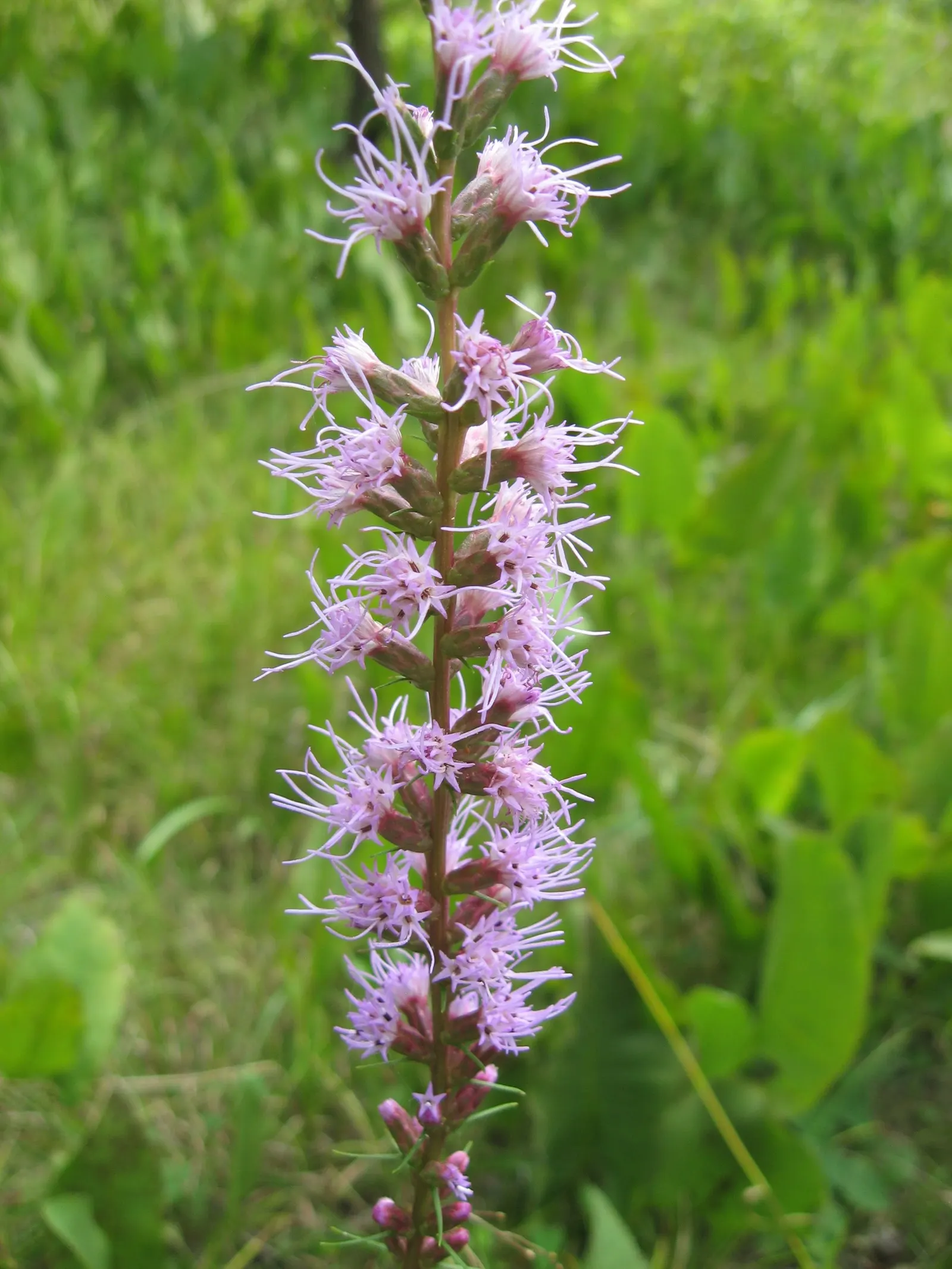
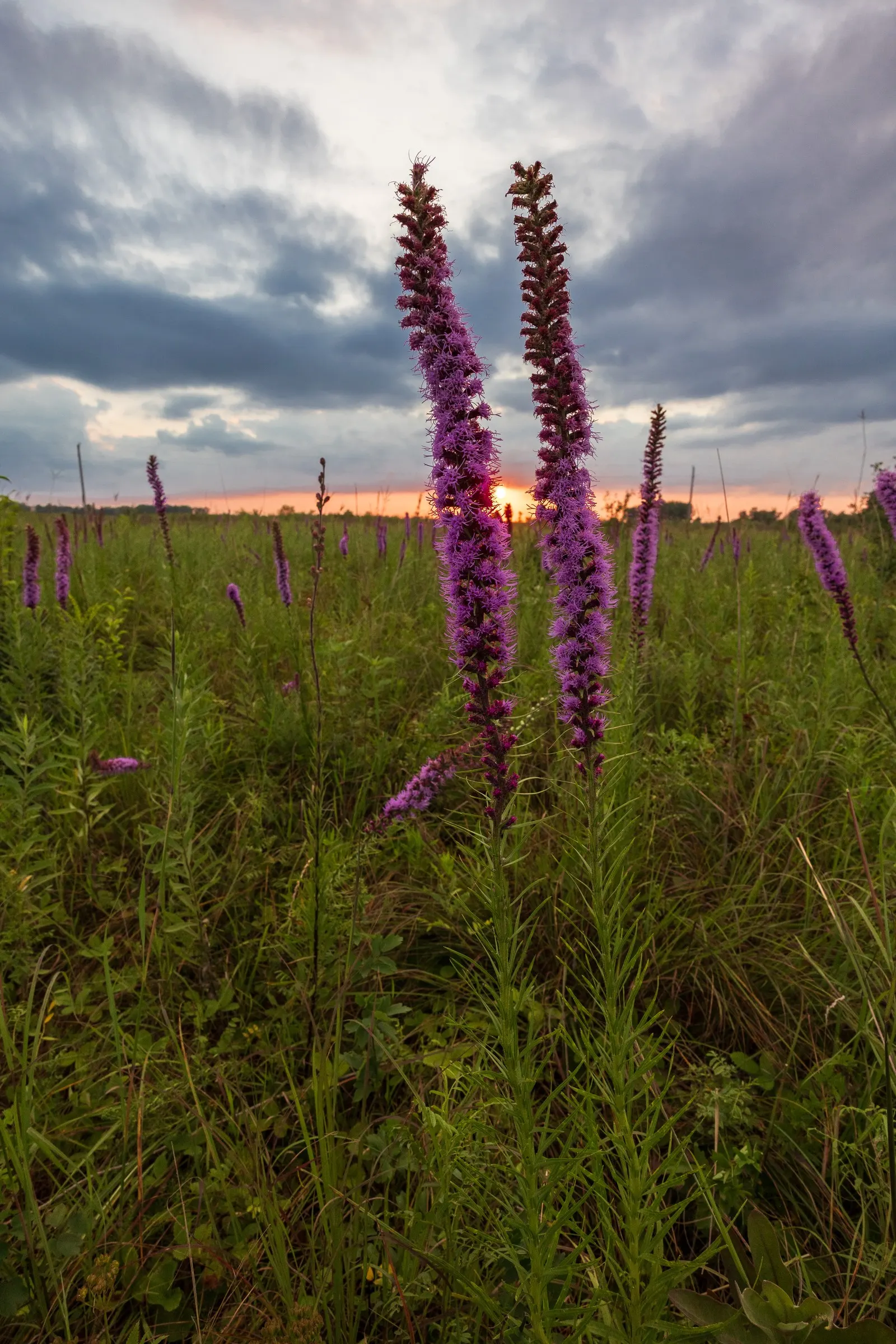
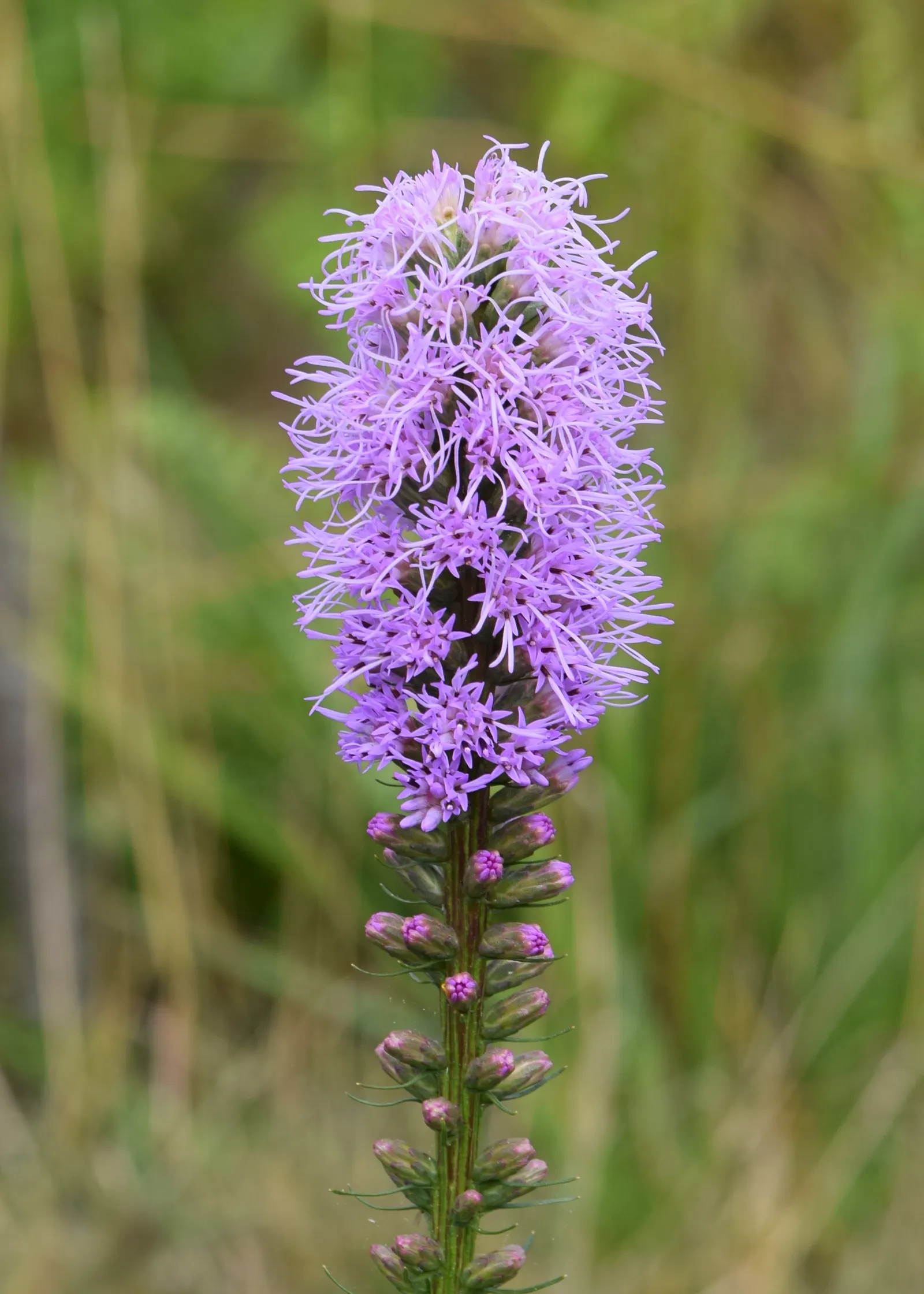
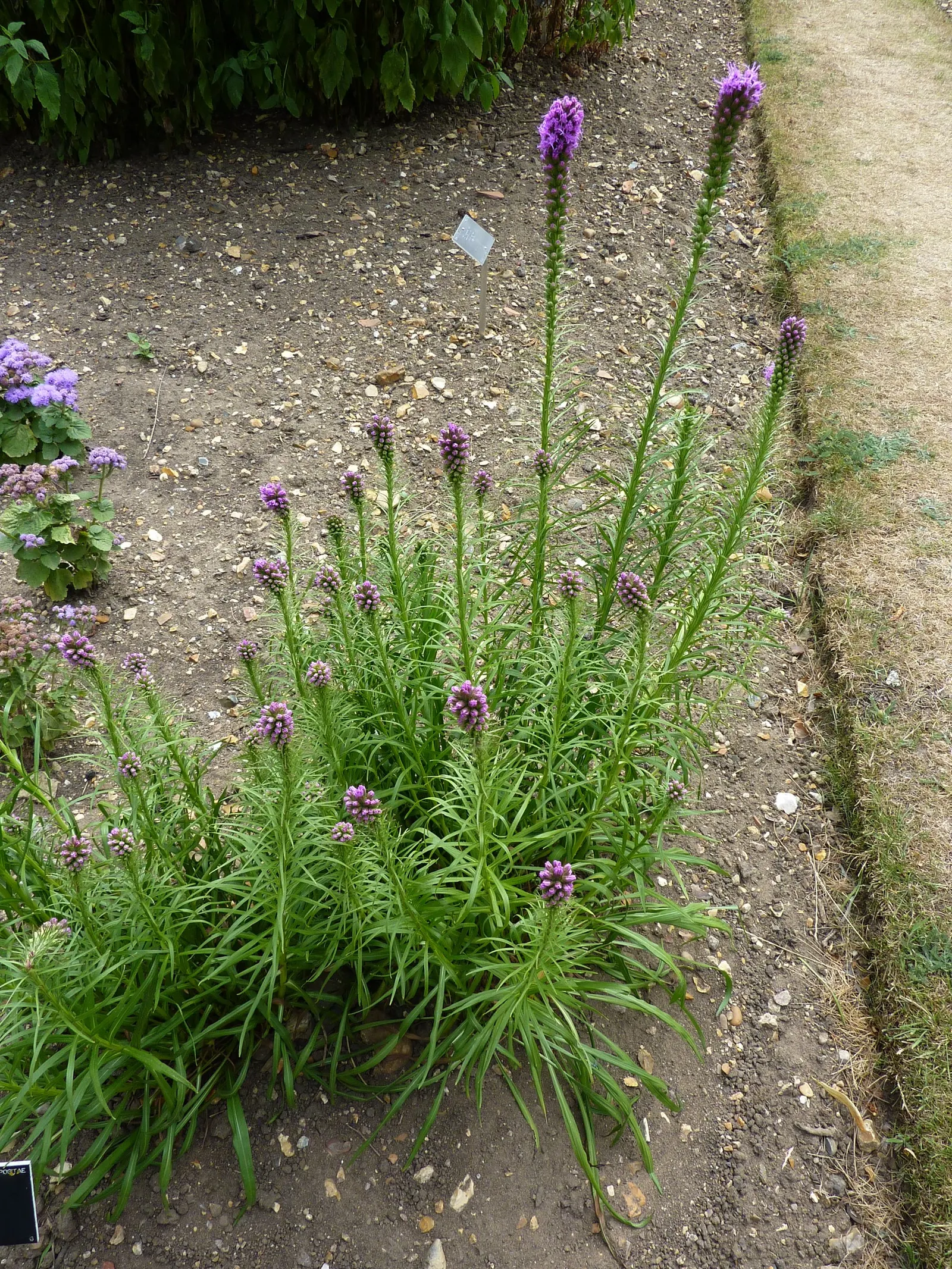
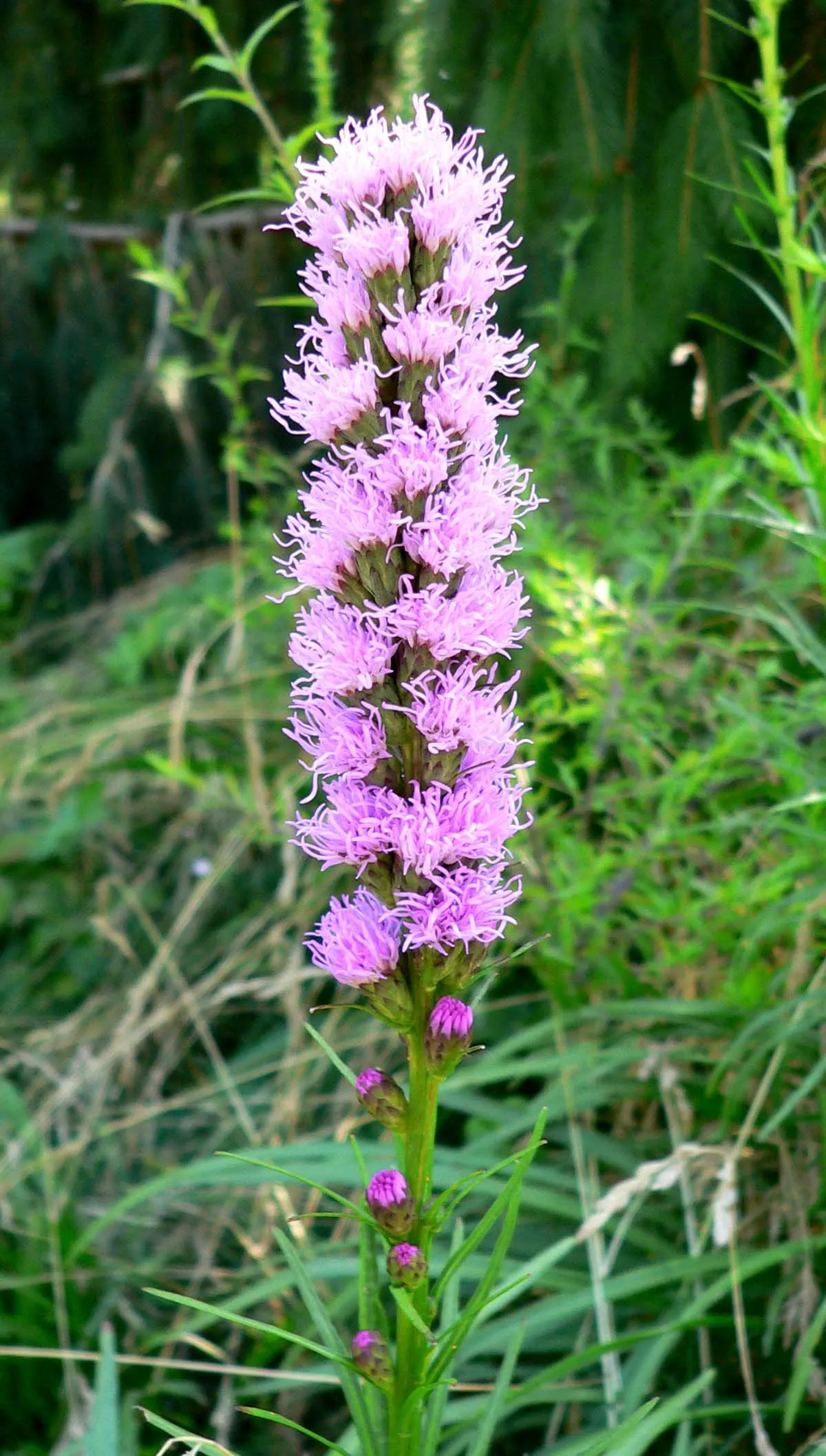
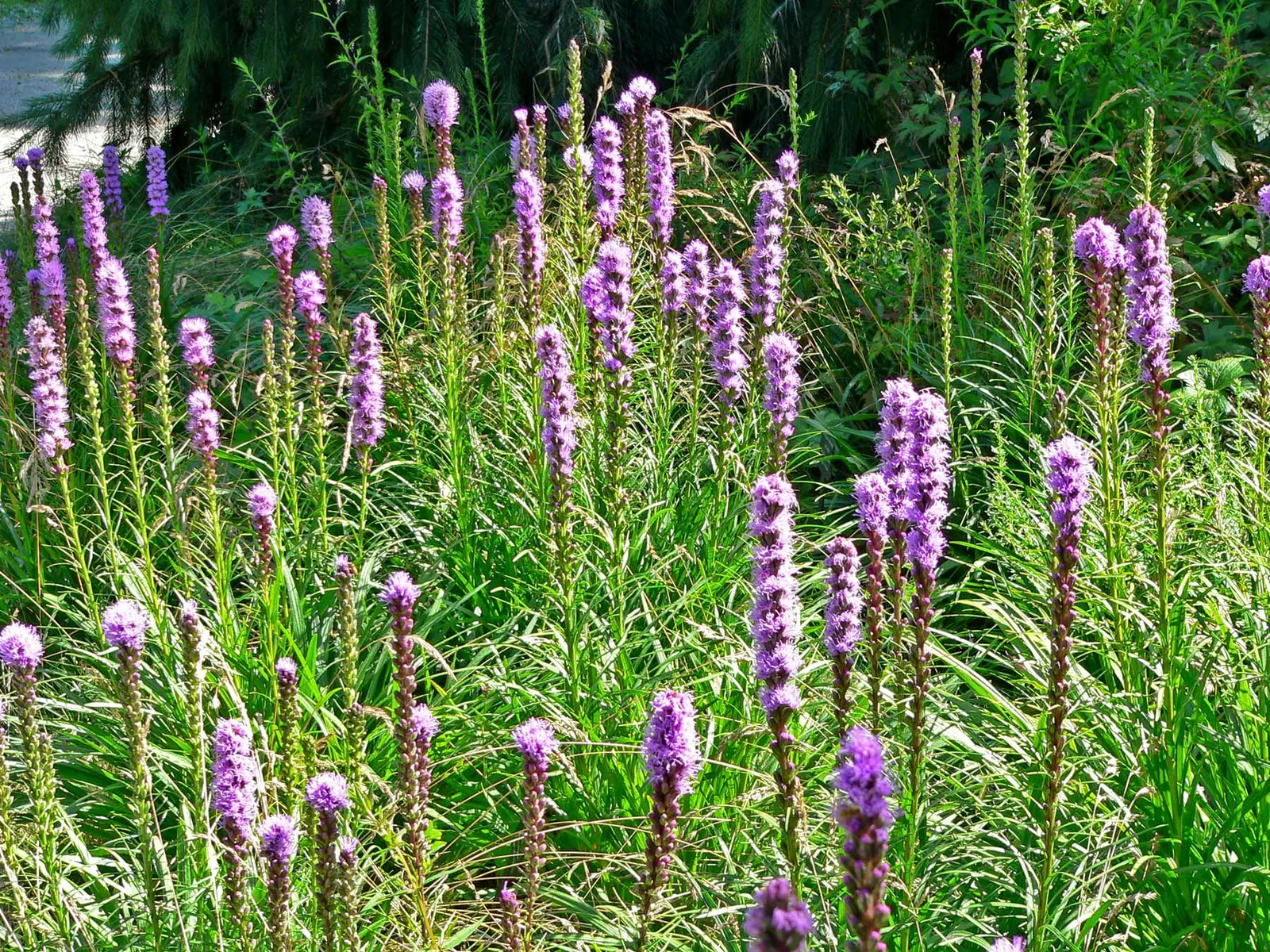
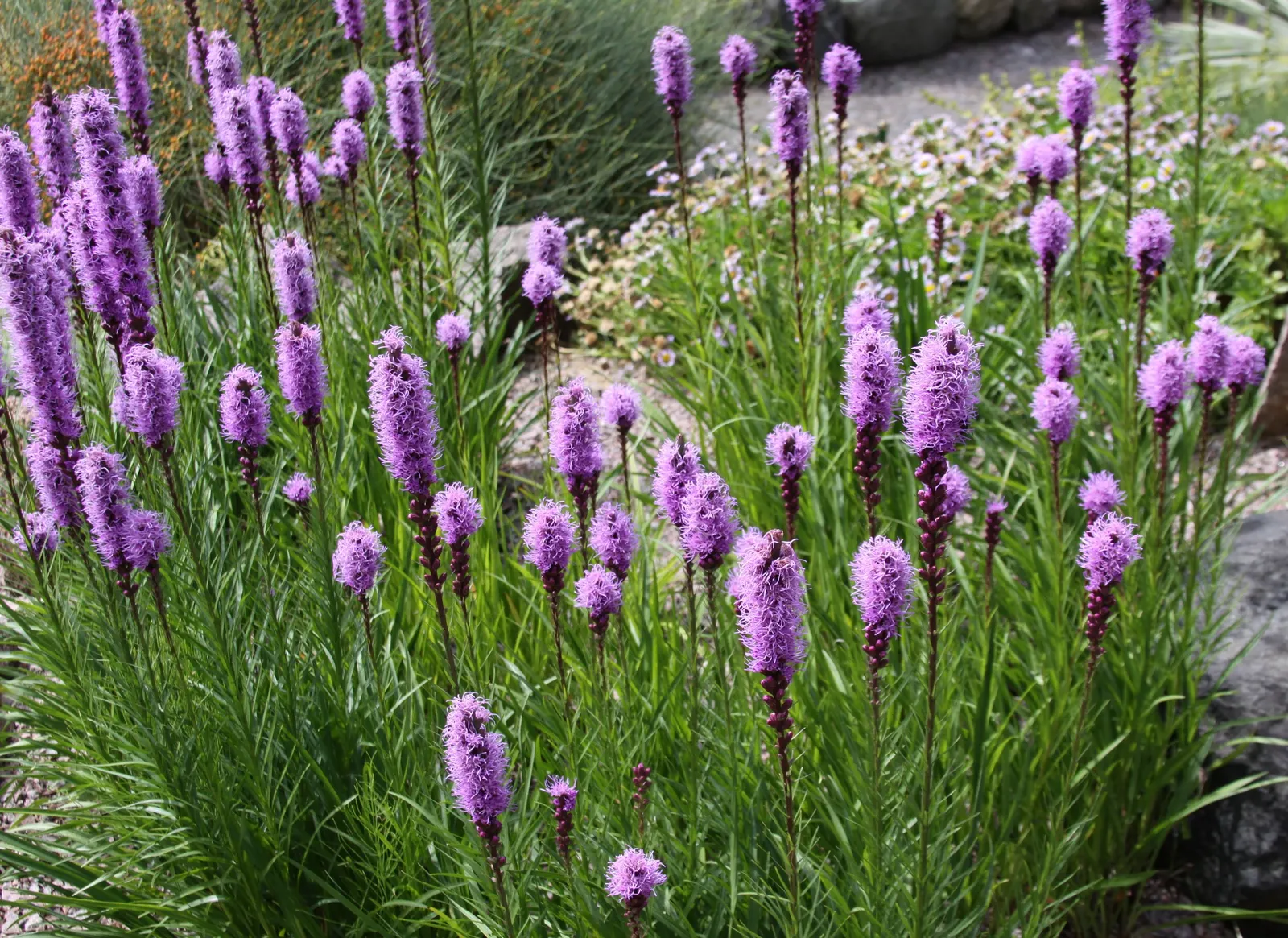
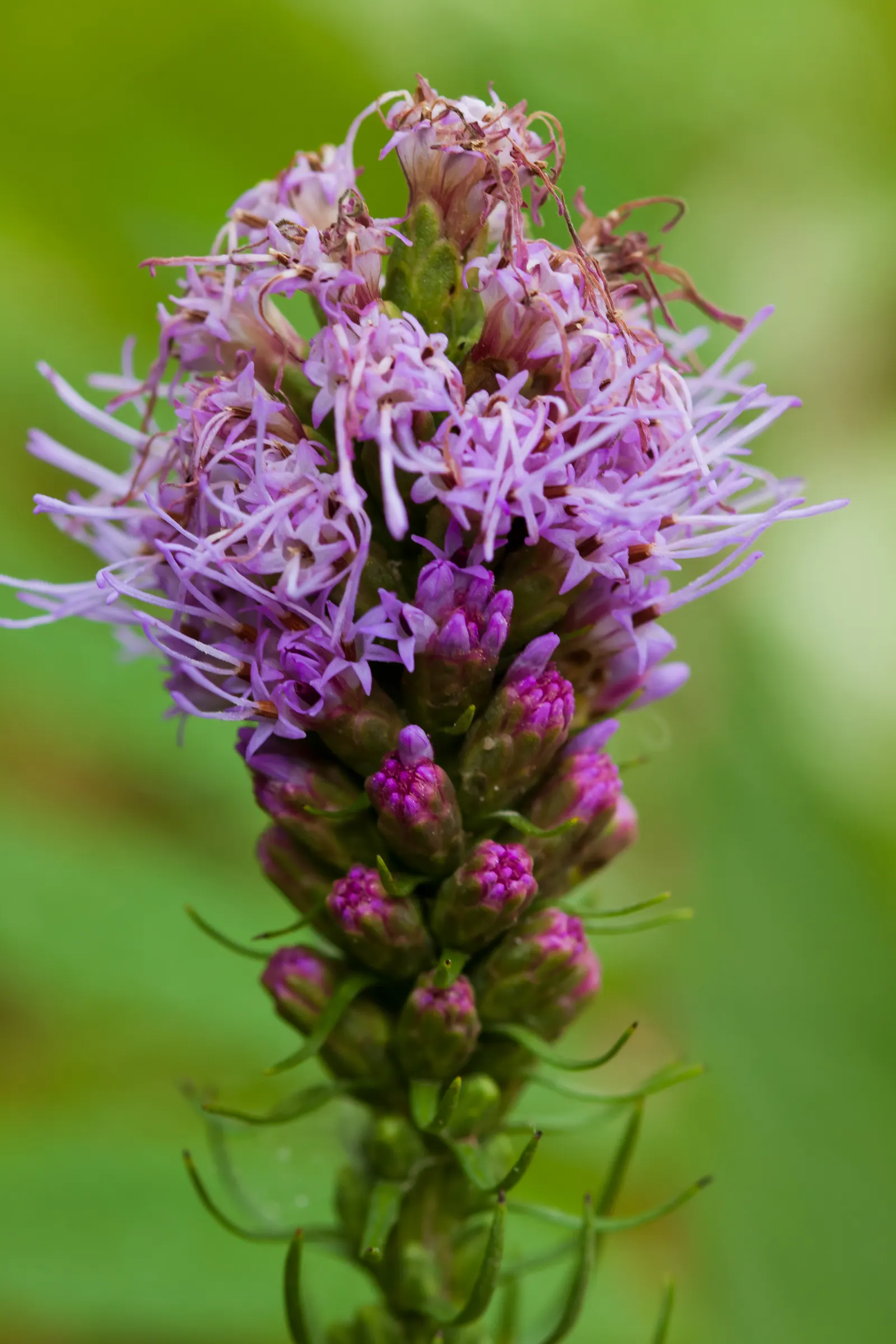
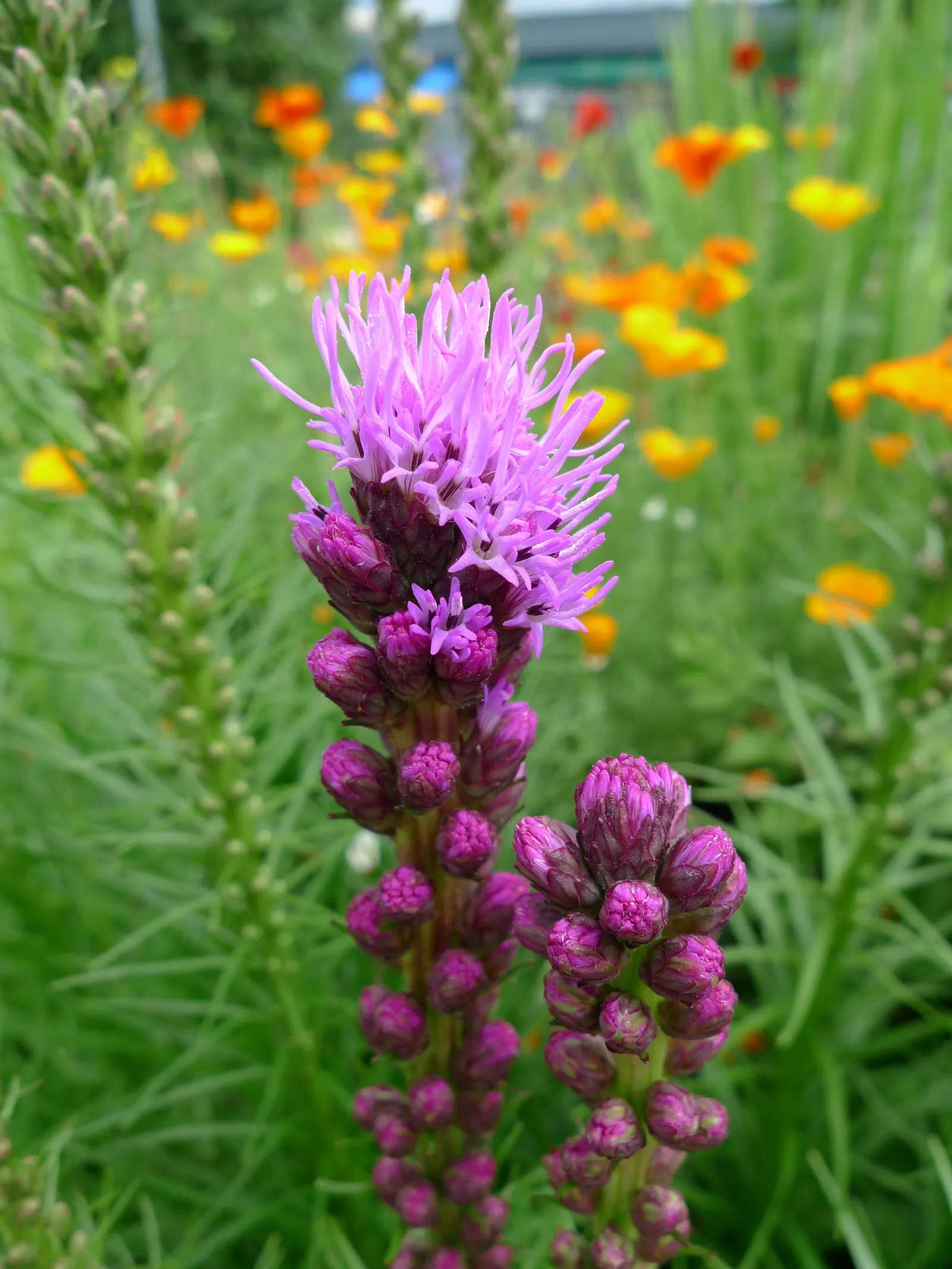
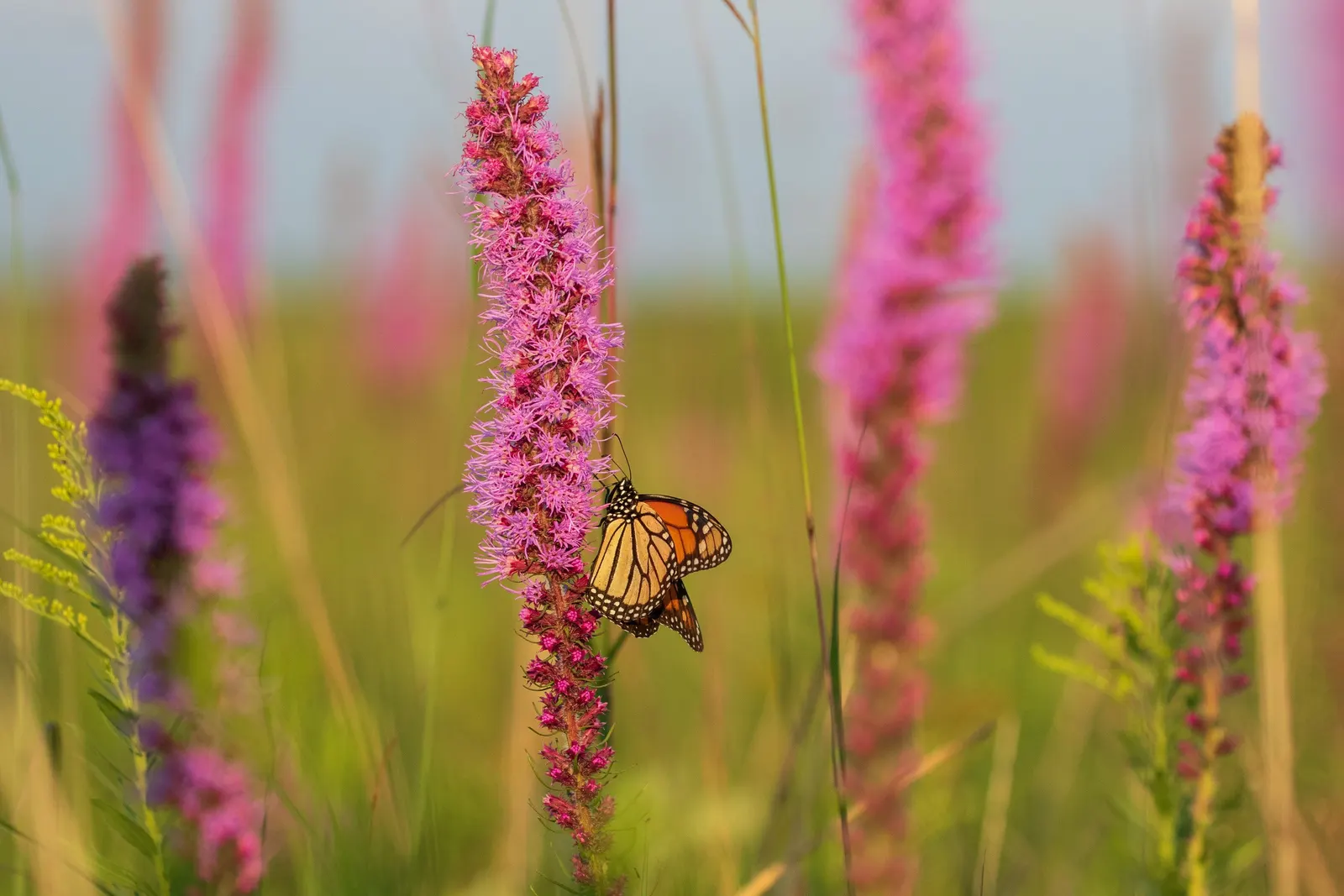
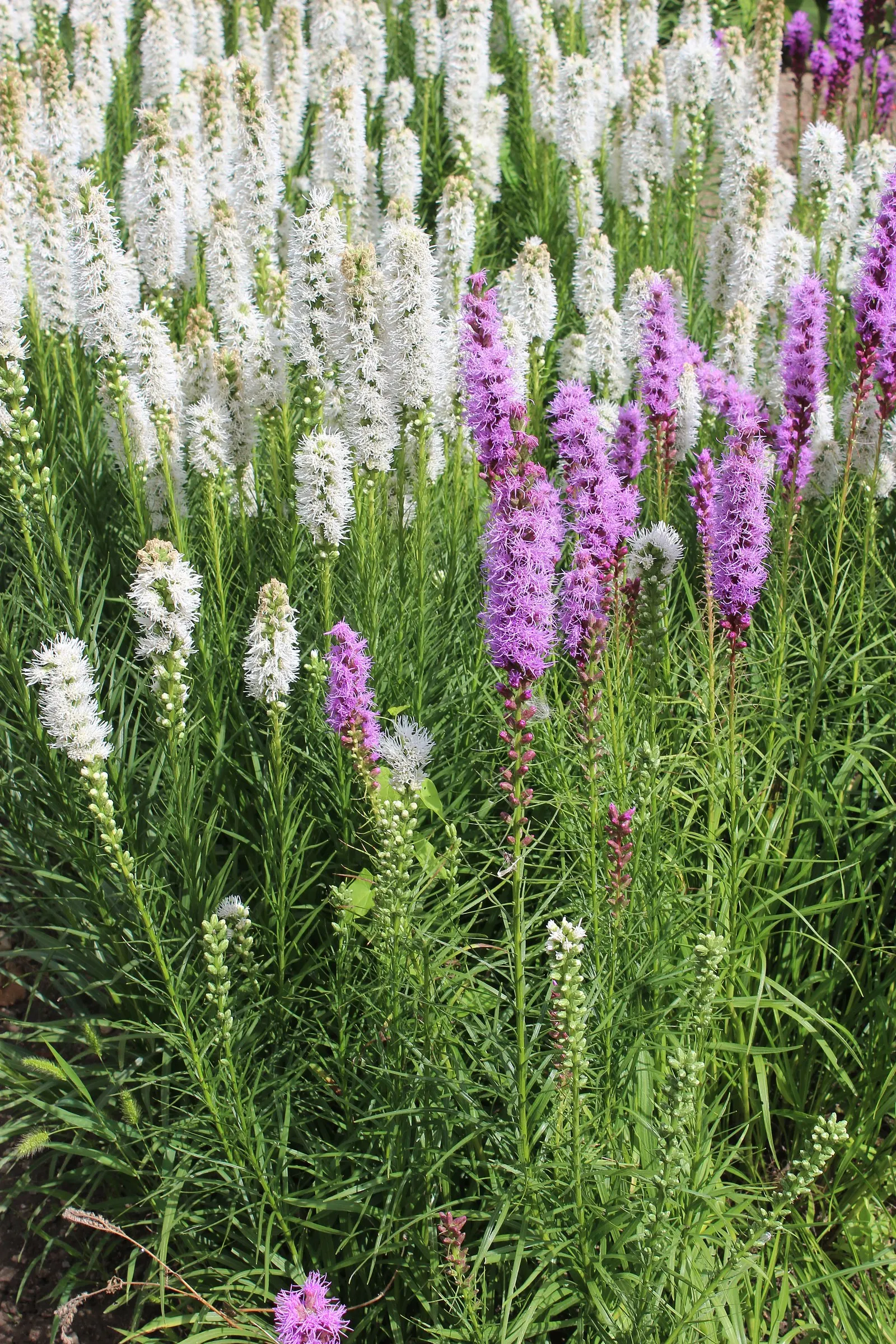
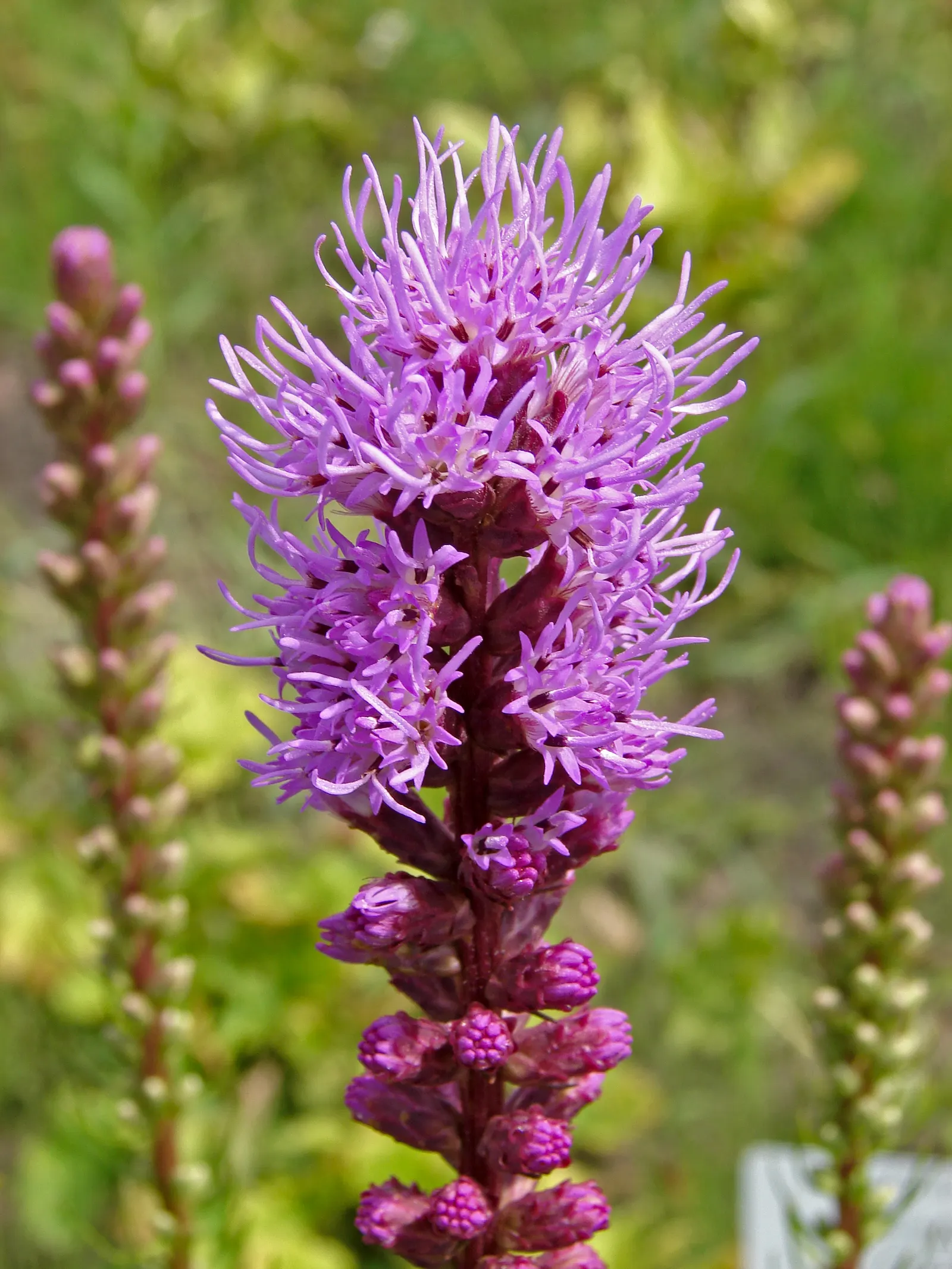
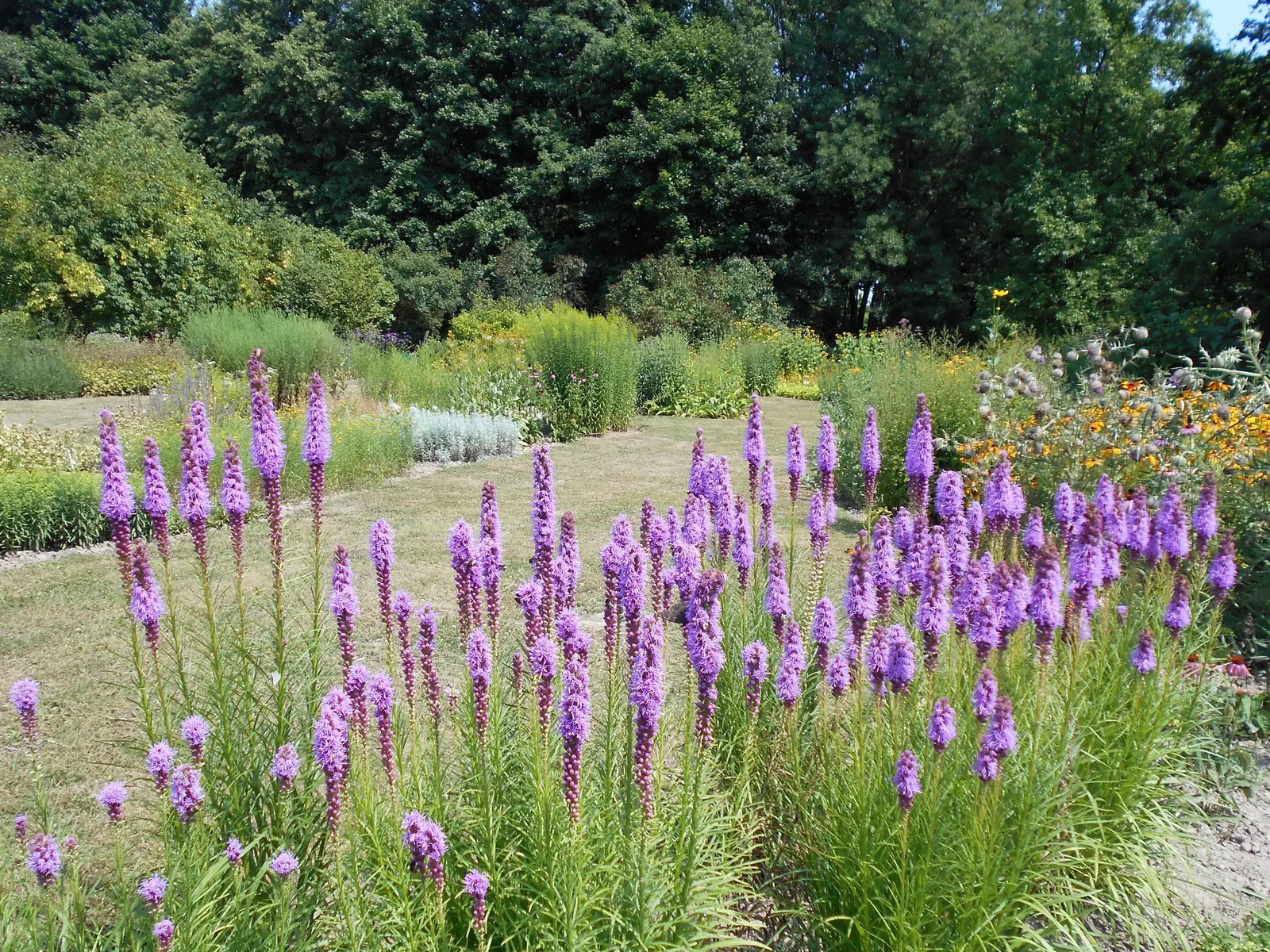
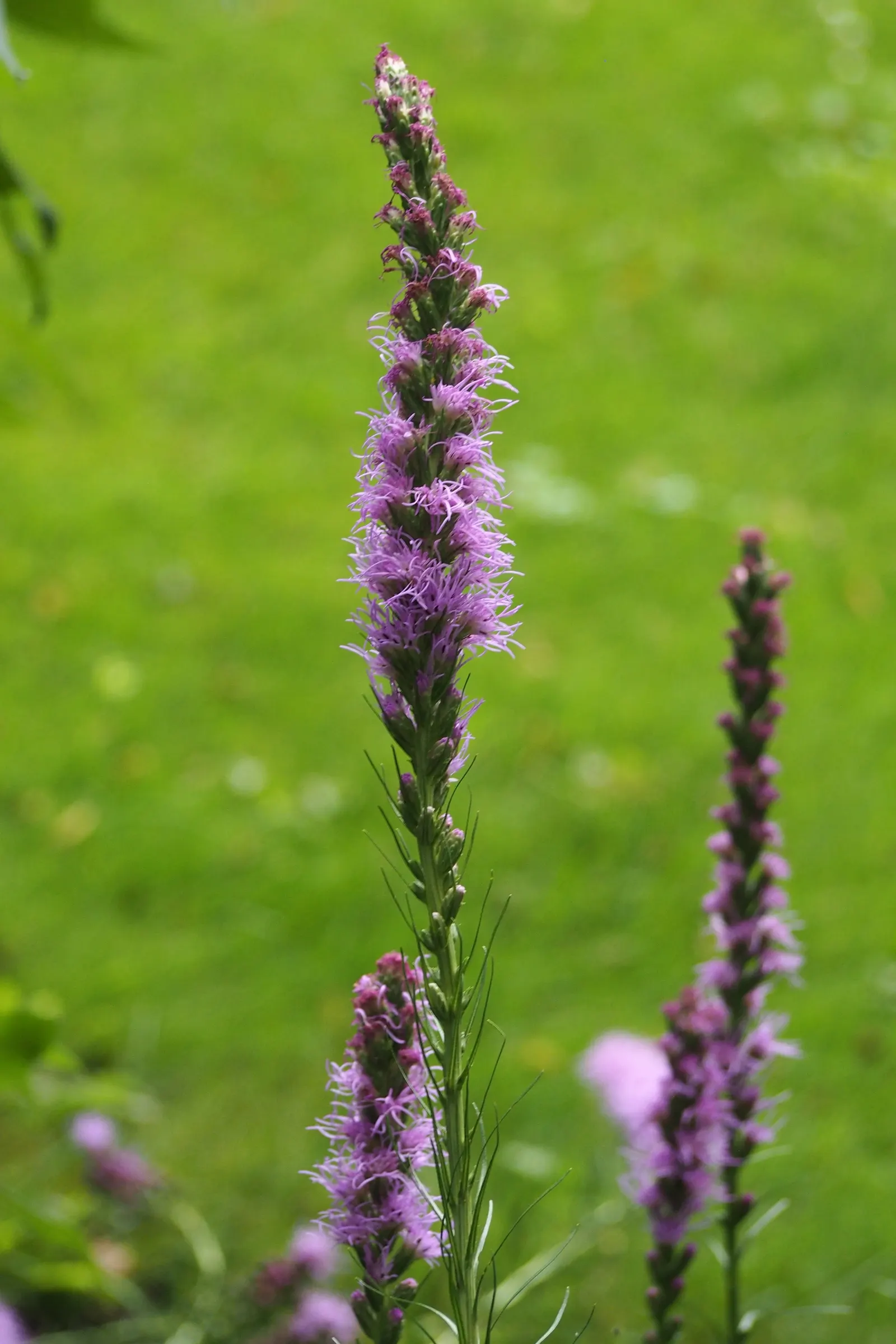
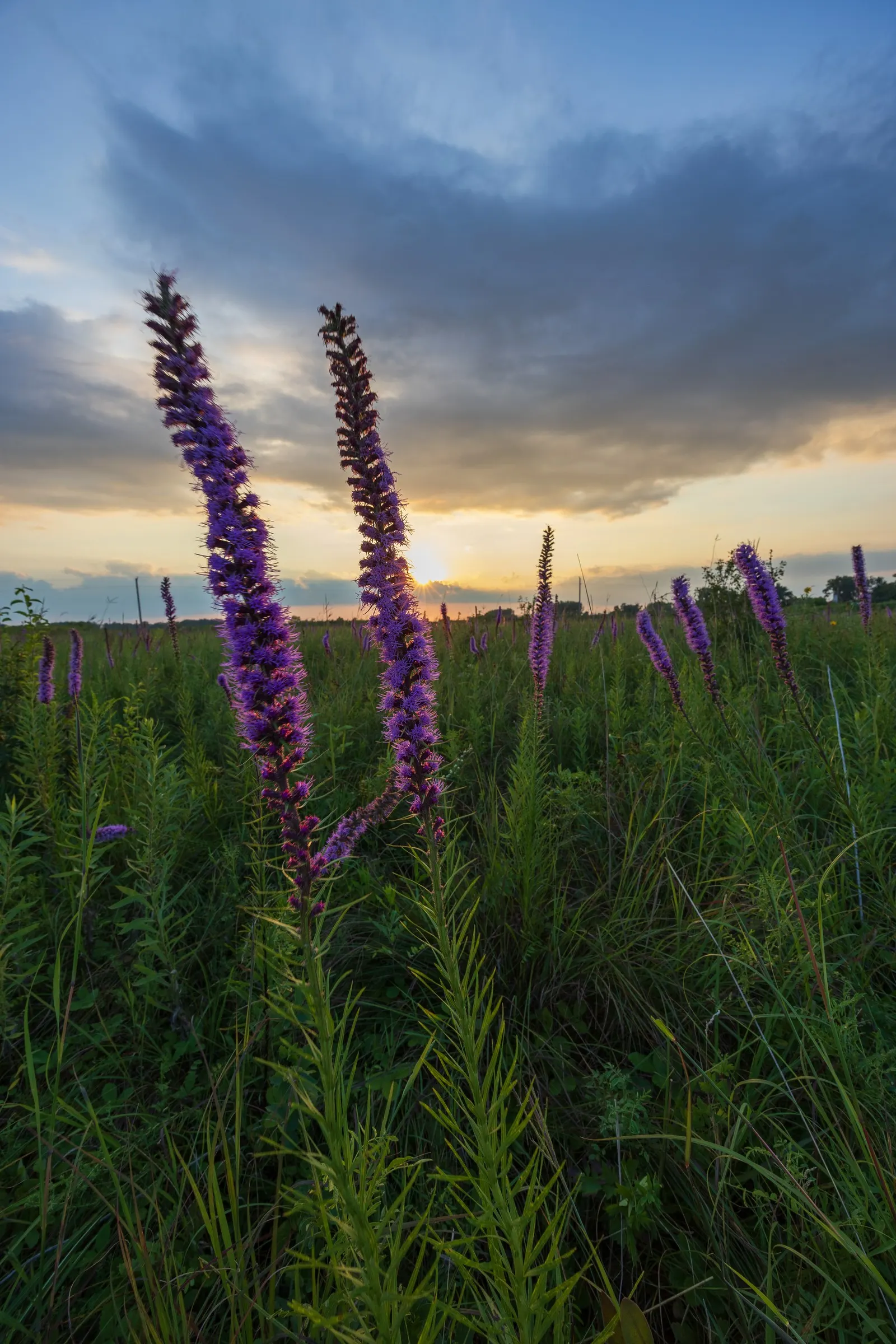
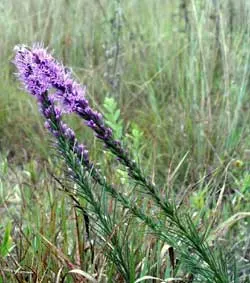
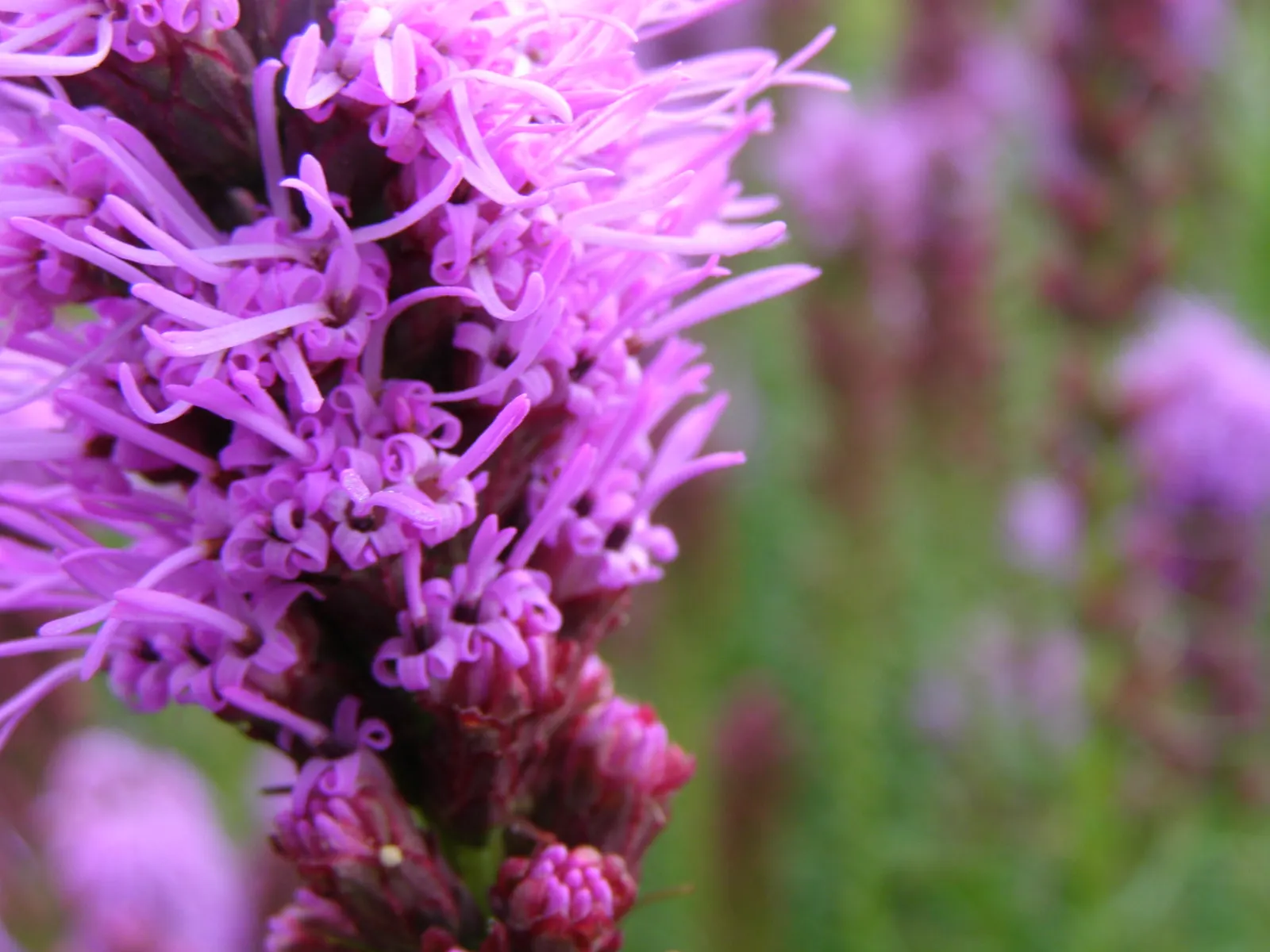
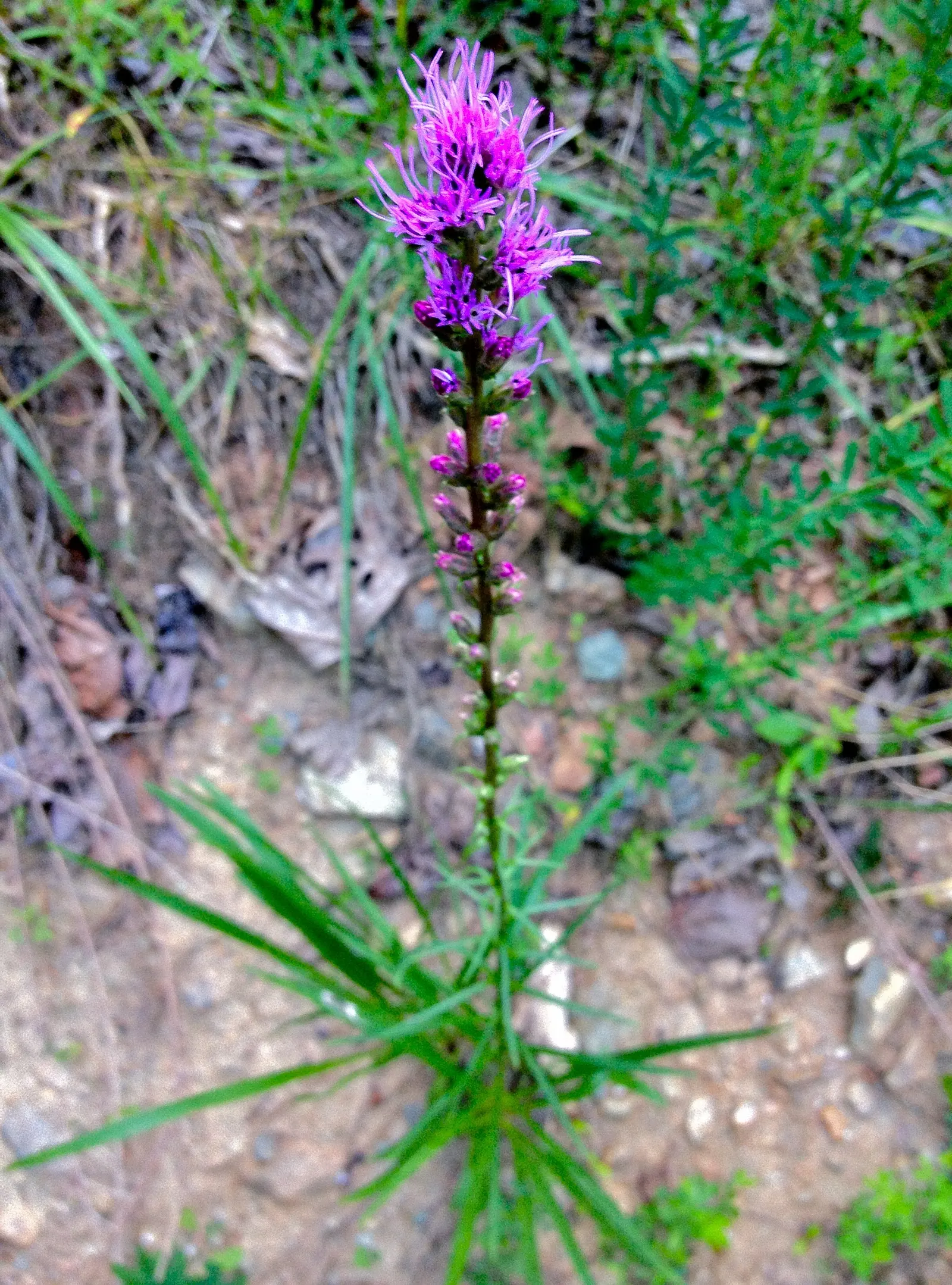
Spike Gayfeather (Liatris spicata), also known as Blazing Star, is a North American perennial with striking, dense spikes of purple flowers, reaching heights of 2-4 feet. It thrives in full sun and well-drained soils, blooming in late summer. Attractive to butterflies and bees, it's ideal for pollinator gardens. Hardy in zones 4-9, it provides vertical interest and vibrant color, with low maintenance once established. Spacing is typically 12-15 inches apart.

Sun Full, HalfWater LowZones 3–9Type PerennialClimate Temperate
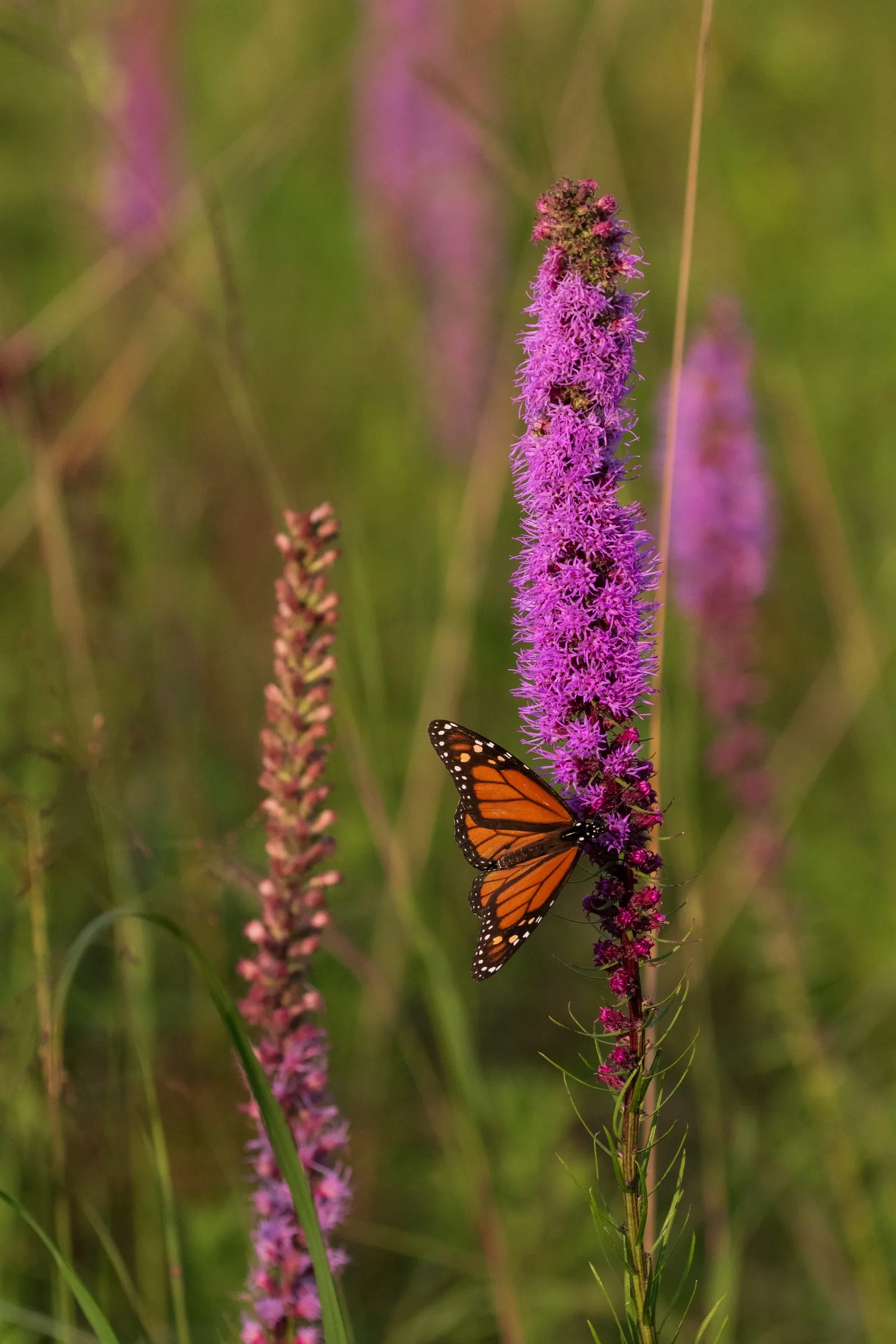
Spike Gayfeather, Blazing Star (Liatris Spicata) — Its vertical flower spikes; perennial for full or half, image 66

Culture

Sun
Full, Half
Water
Low
USDA zones
3–9

Shape & size

Classification

Type
Perennial
Family
Asteraceae
Climate
Temperate

See full data, regional cultivation notes, and design tools. Build a client presentation around this plant.

Start your 14-day trial

Photos (97)

Spike Gayfeather, Blazing Star (Liatris Spicata) — enhancing the ecological value of their space; spacing is typically 12-15 inches apart, image 75
Spike Gayfeather, Blazing Star (Liatris Spicata) — lavender and purple flowers in the garden
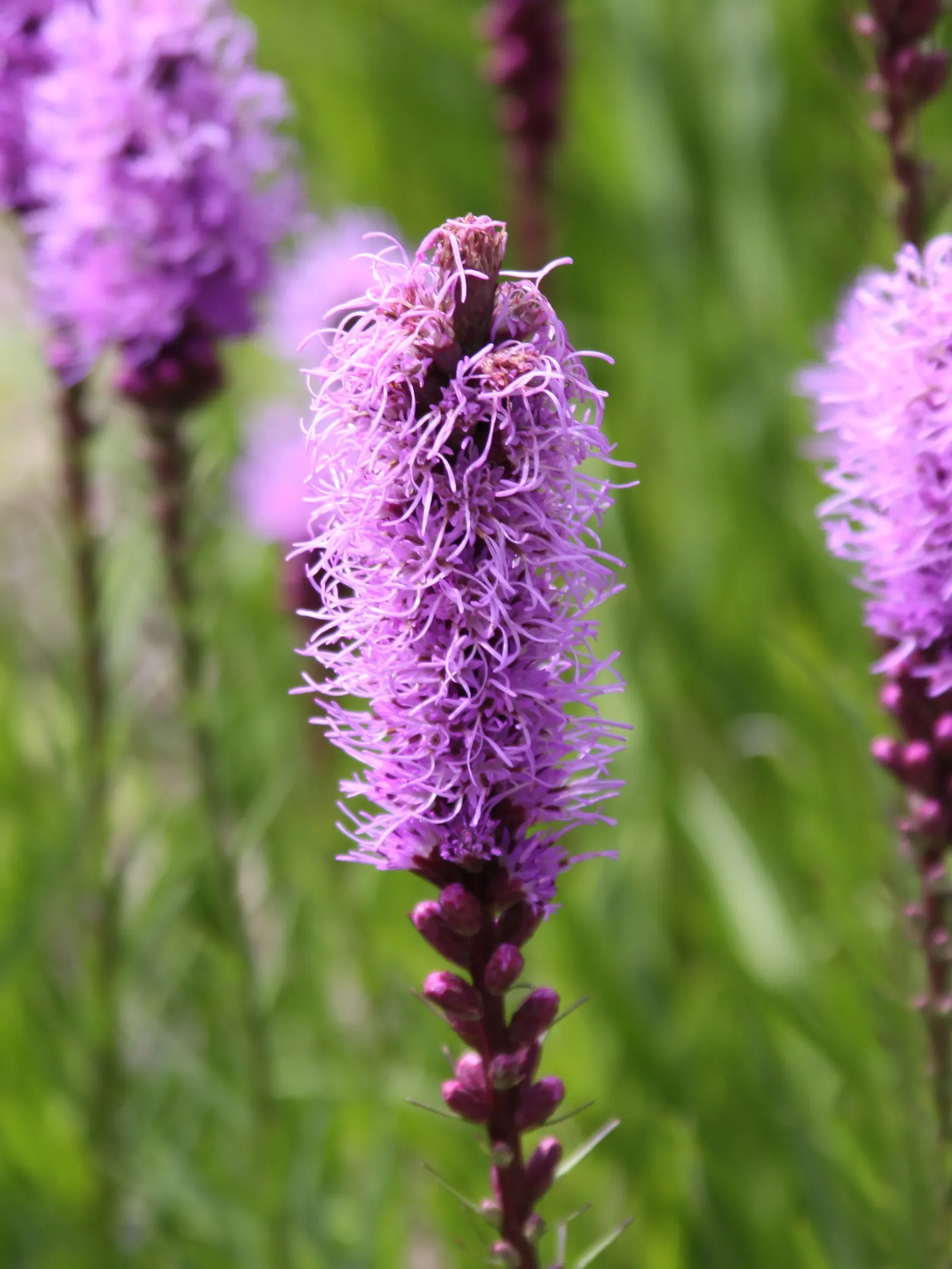
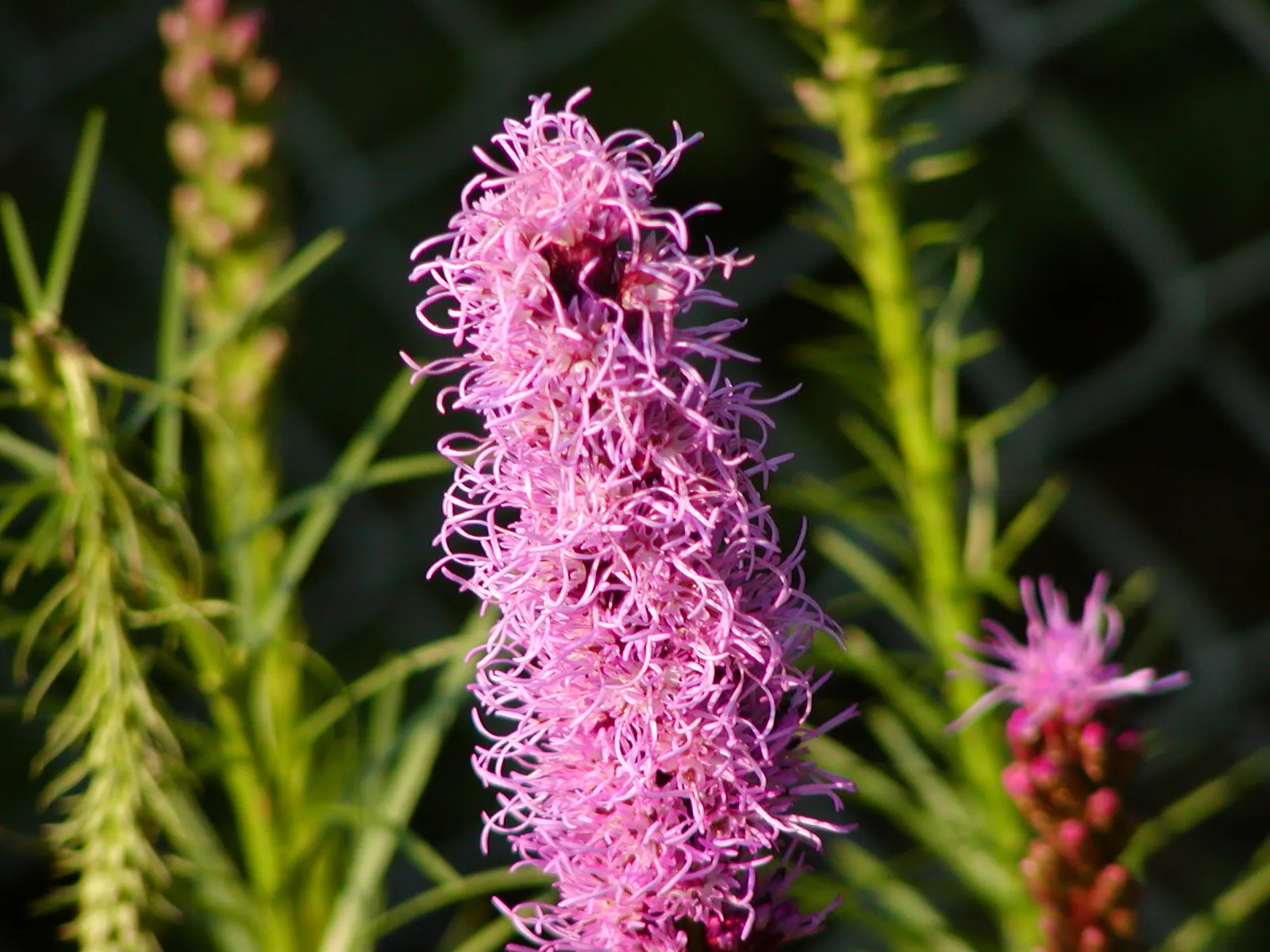
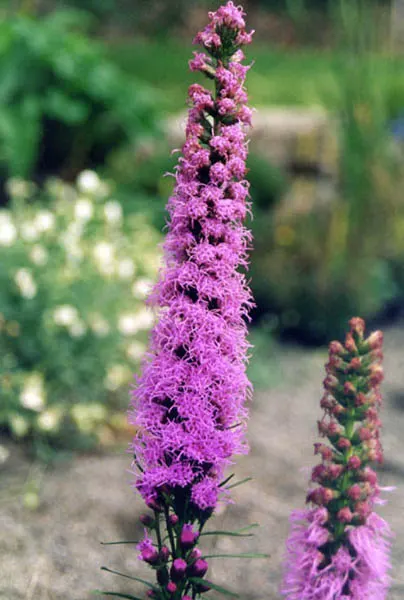
Spike Gayfeather, Blazing Star (Liatris Spicata) — Spike Gayfeather (Liatris spicata); dense spikes of purple flowers, image 55
Spike Gayfeather, Blazing Star (Liatris Spicata) — Spacing is typically 12-15 inches apart; it thrives in full sun and well-drained soils, blooming in late
Spike Gayfeather, Blazing Star (Liatris Spicata) — reaching heights of 2-4 feet, image 32
Spike Gayfeather, Blazing Star (Liatris Spicata) — It thrives in full sun and well-drained soils, blooming in late summer; its vertical flower spikes
Spike Gayfeather, Blazing Star (Liatris Spicata) — When designing with this plant, image 77
Spike Gayfeather, Blazing Star (Liatris Spicata) — With its grass-like foliage
Spike Gayfeather, Blazing Star (Liatris Spicata) — giving it a distinctive appearance.<br><br>Hardy in USDA zones 3 through 8; enhancing the, image 69
Spike Gayfeather, Blazing Star (Liatris Spicata) — With its grass-like foliage; moreover, it is deer-resistant, ensuring its vibrant display remains unmarred
Spike Gayfeather, Blazing Star (Liatris Spicata) — though it is remarkably tolerant to drought once established; hardy in zones 4-9, it provides, image 71
Spike Gayfeather, Blazing Star (Liatris Spicata) — Moreover, it is deer-resistant, ensuring its vibrant display remains unmarred throughout the, image 76
Spike Gayfeather, Blazing Star (Liatris Spicata) — Moreover, it is deer-resistant, ensuring its vibrant display remains unmarred throughout the, image 49
Spike Gayfeather, Blazing Star (Liatris Spicata) — perennial for full or half
Spike Gayfeather, Blazing Star (Liatris Spicata) — Spike Gayfeather (Liatris spicata); dense spikes of purple flowers
Spike Gayfeather, Blazing Star (Liatris Spicata) — perennial with lavender and purple blooms
Spike Gayfeather, Blazing Star (Liatris Spicata) — Hardy in zones 4-9, it provides vertical interest and vibrant color, with low maintenance once, image 62
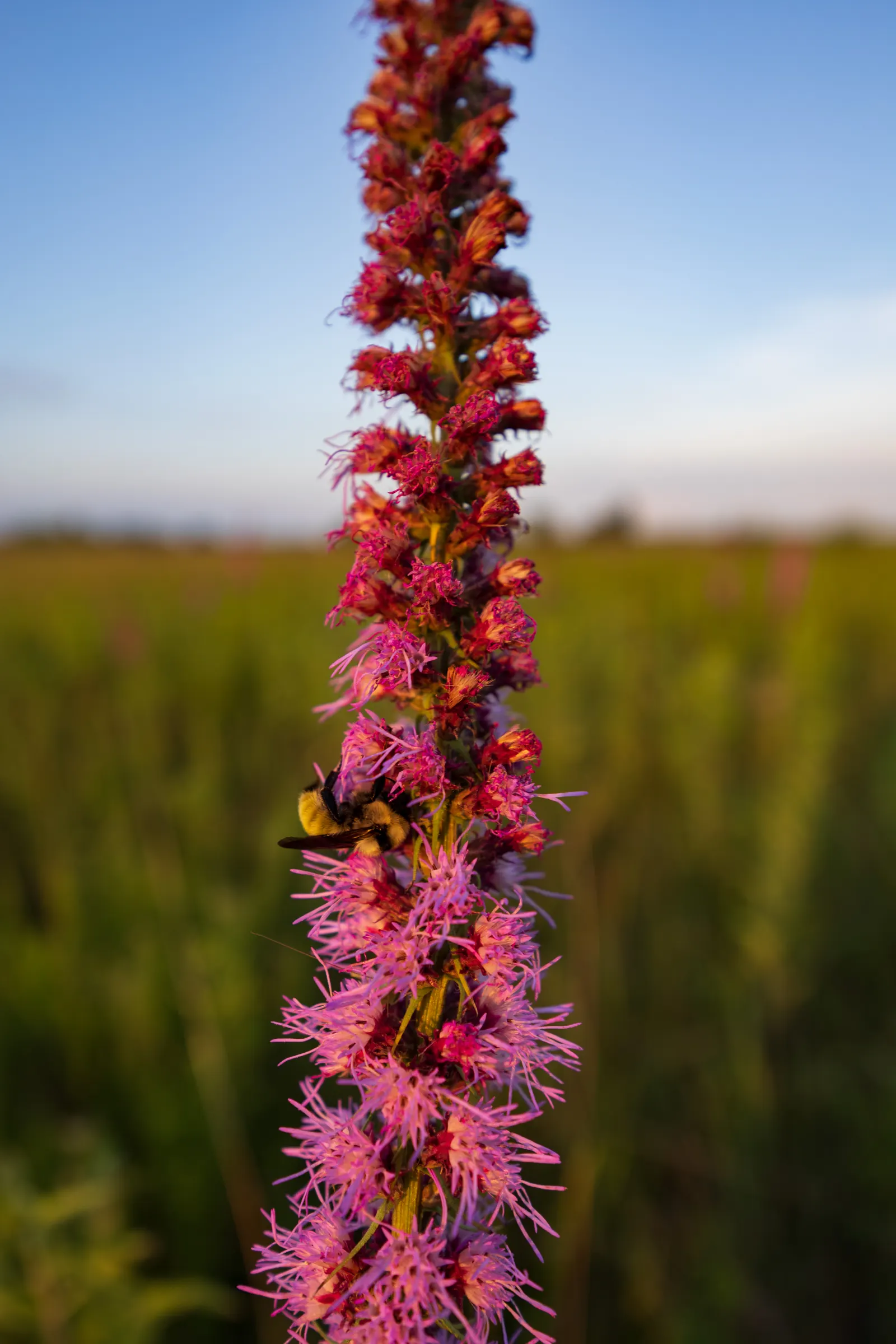
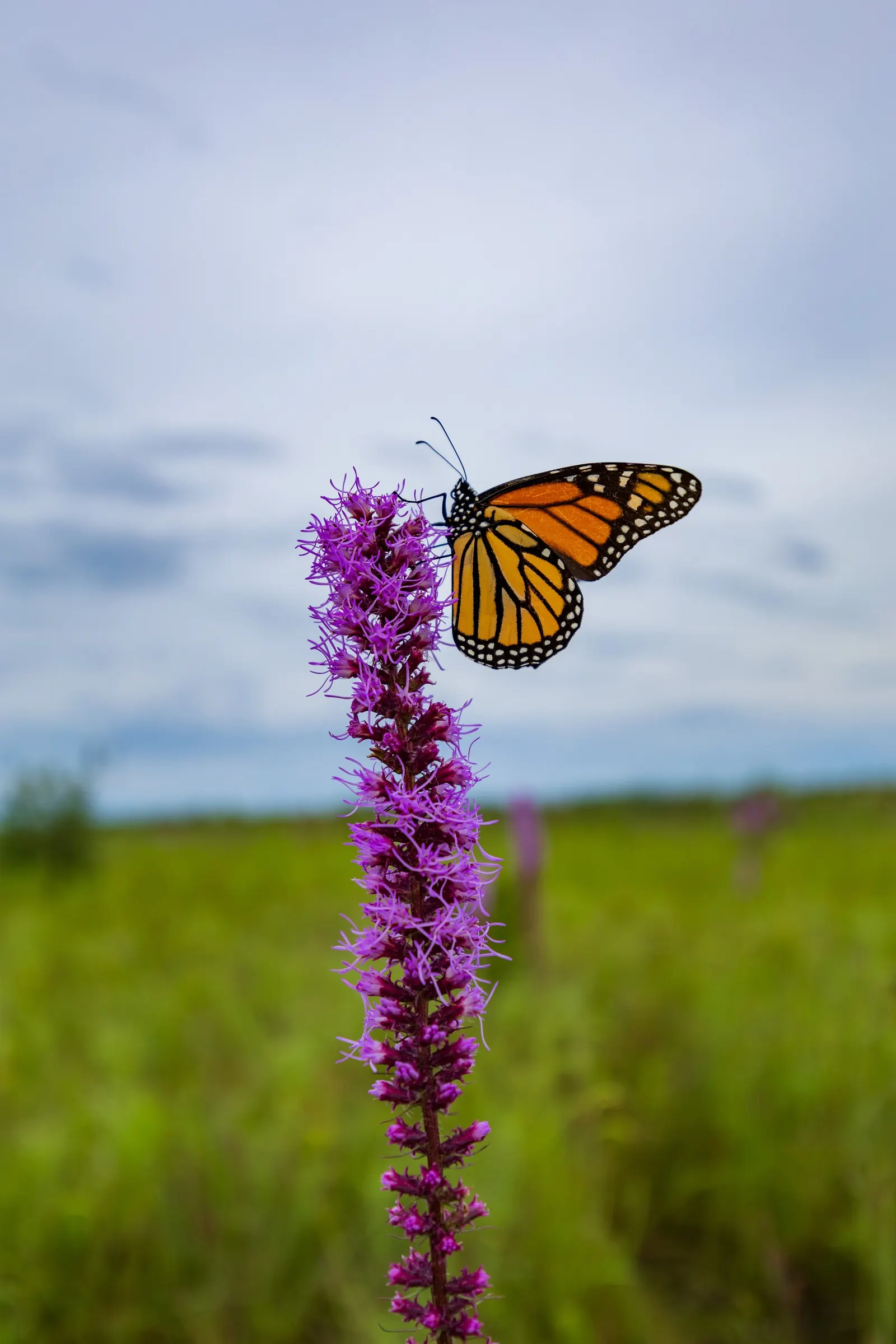
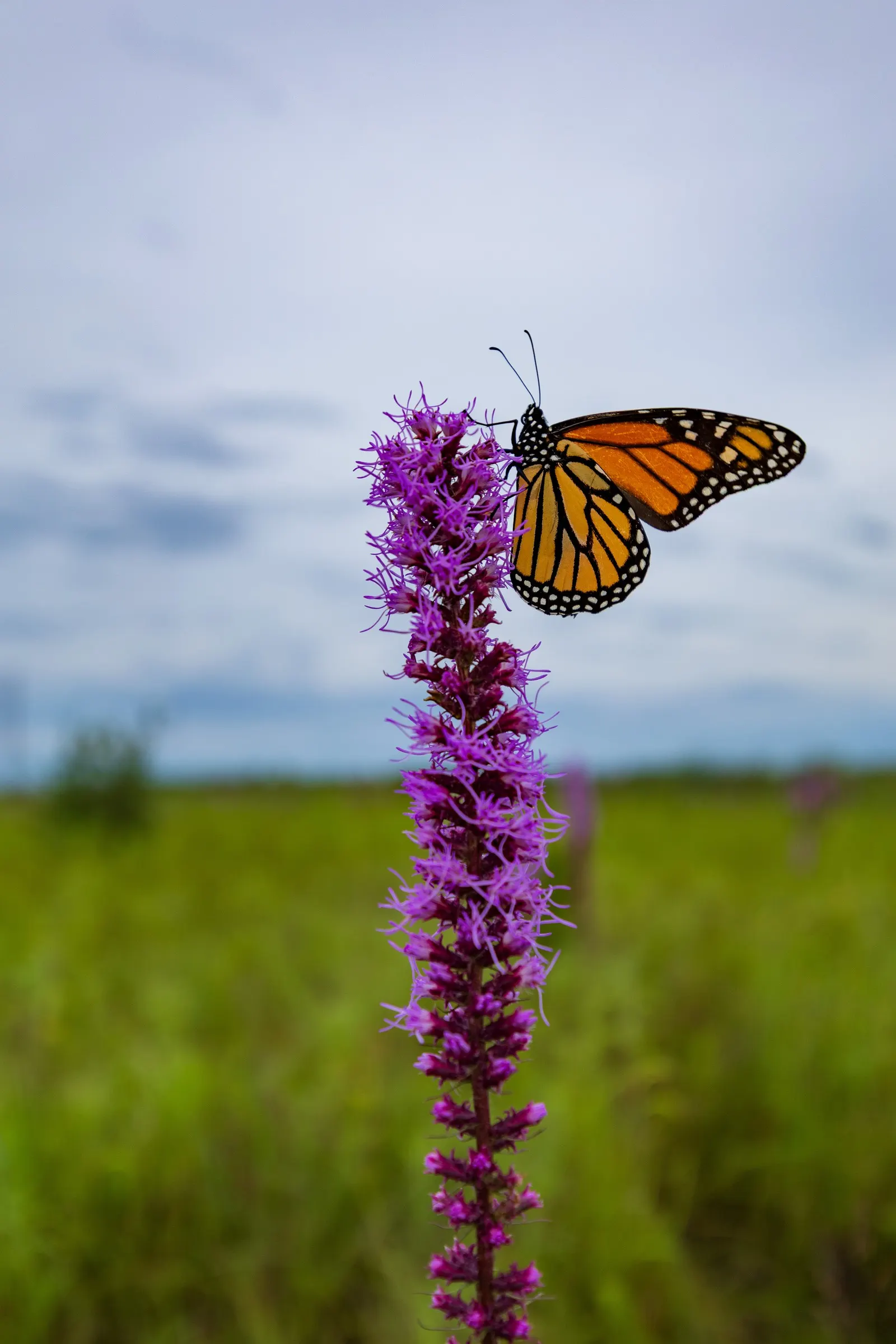
Spike Gayfeather, Blazing Star (Liatris Spicata) — Liatris spicata entices butterflies and other beneficial pollinators; also known as Blazing Star
Spike Gayfeather, Blazing Star (Liatris Spicata) — Blazing Star thrives in full sun with well-drained soil
Spike Gayfeather, Blazing Star (Liatris Spicata) — It thrives in full sun and well-drained soils, blooming in late summer; its vertical flower, image 60
Spike Gayfeather, Blazing Star (Liatris Spicata) — With its grass-like foliage; moreover, it is deer-resistant, ensuring its vibrant display, image 73
Spike Gayfeather, Blazing Star (Liatris Spicata) — also known as Blazing Star; is a charismatic perennial that makes a bold statement in any garden, image 56
Spike Gayfeather, Blazing Star (Liatris Spicata) — rich purple to pinkish flower heads
Spike Gayfeather, Blazing Star (Liatris Spicata) — bloom from the top down in mid-summer to early fall
Photographs by 14 contributors

Related plants