Skip to content

Blue Wild Rye

Leymus Arenarius

Design with this plant

Overview

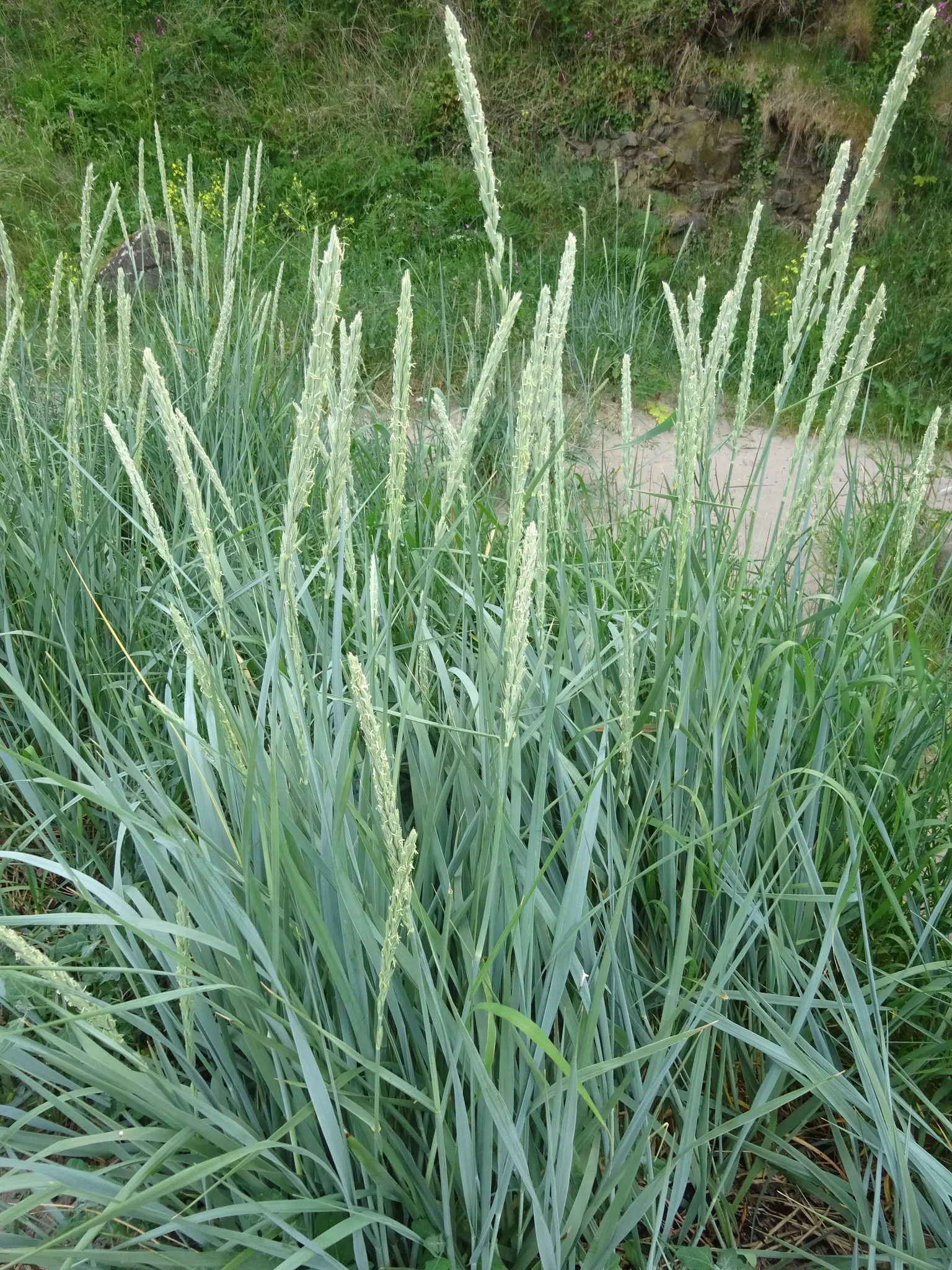
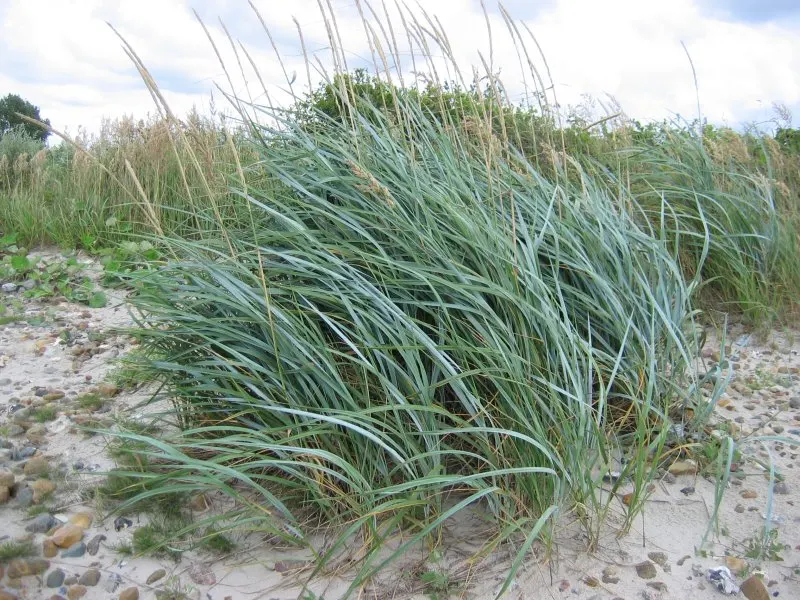
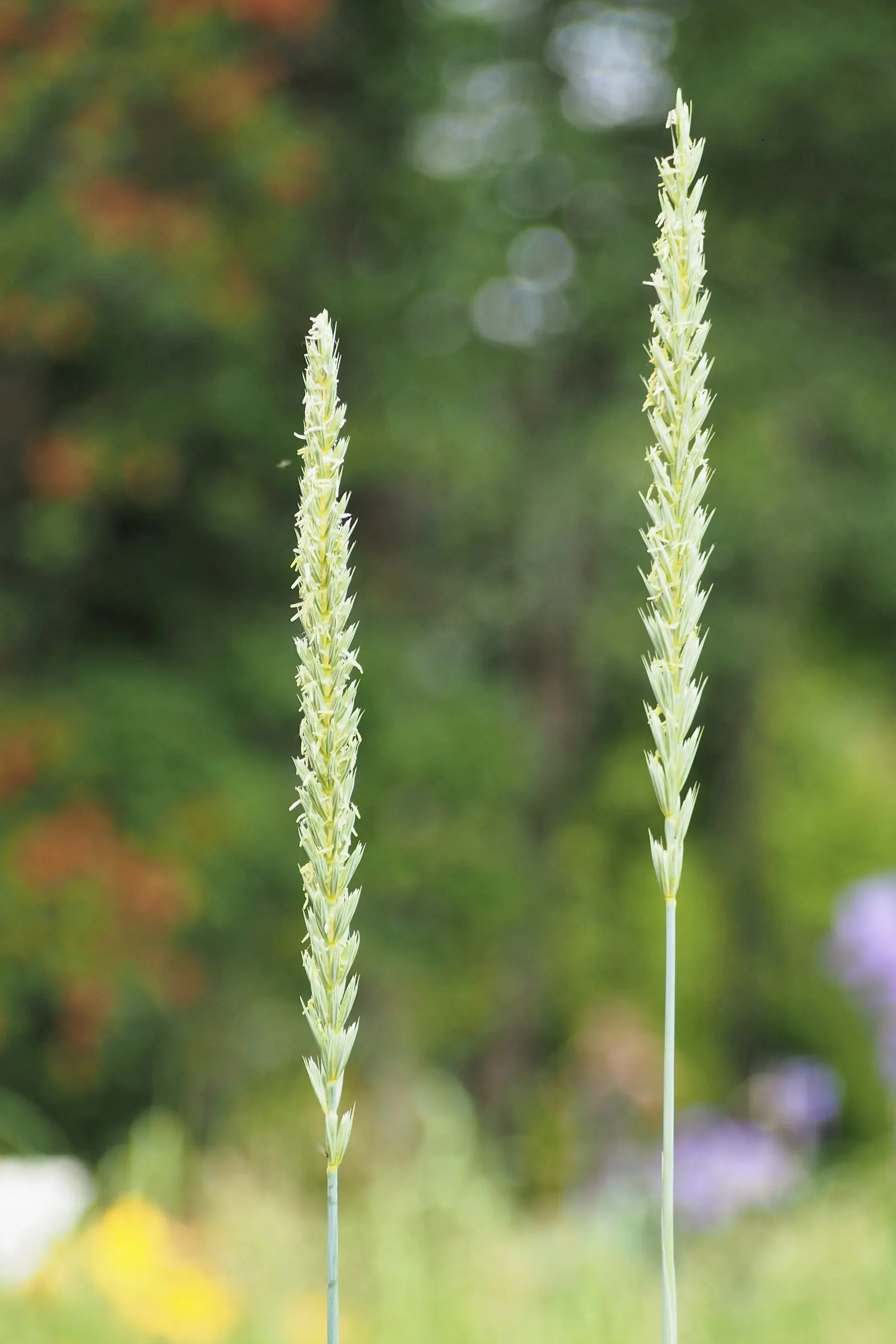
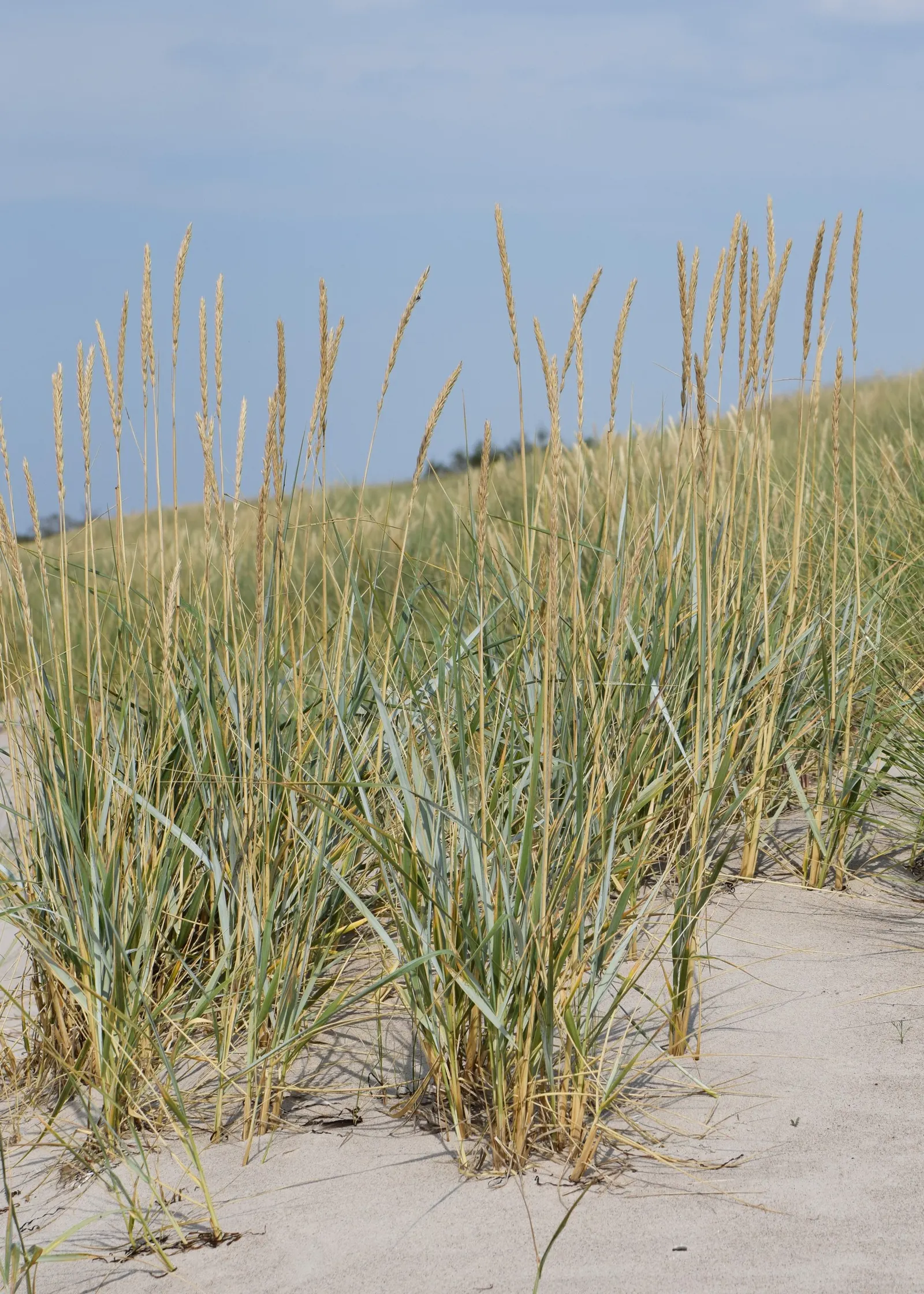
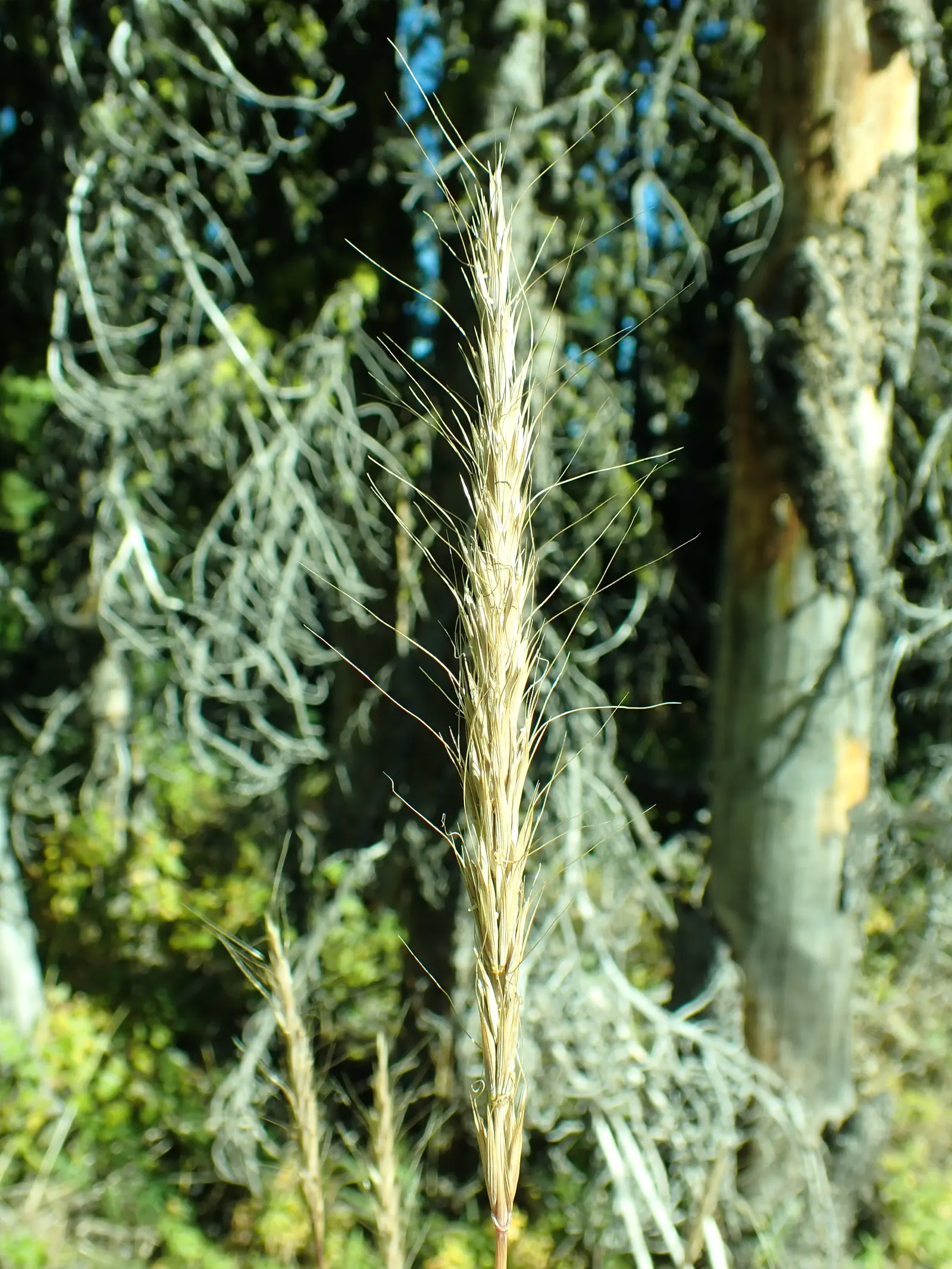
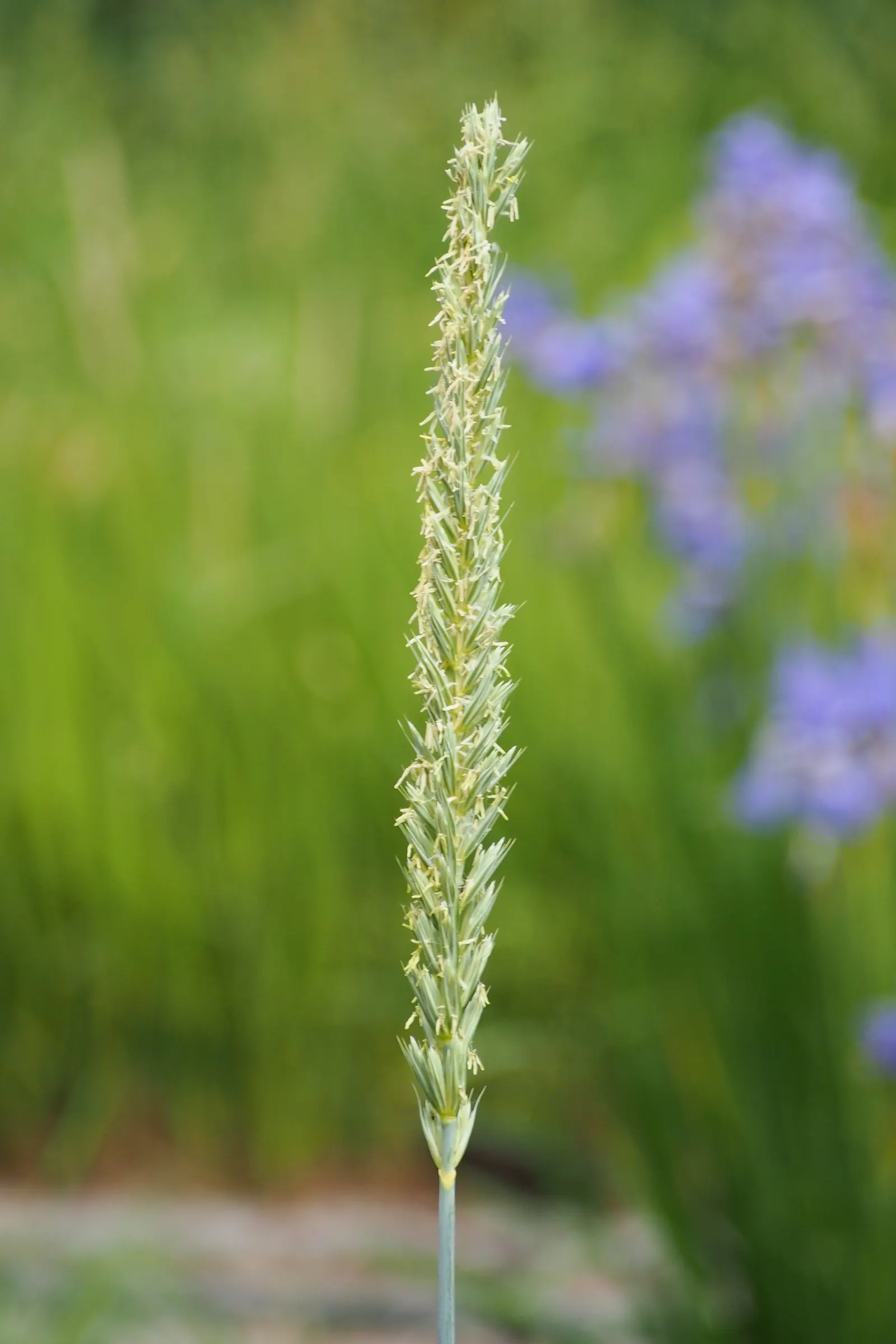
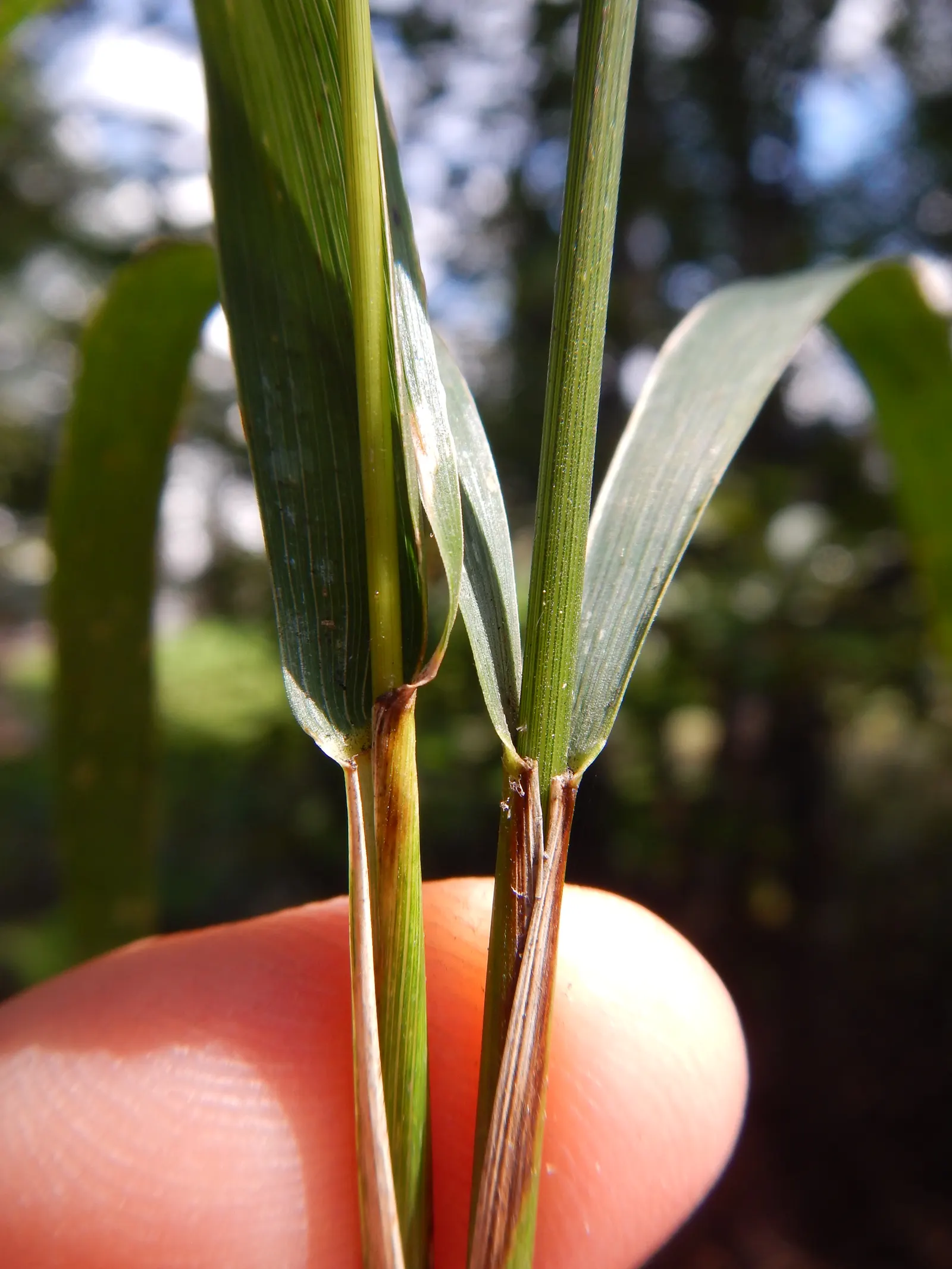
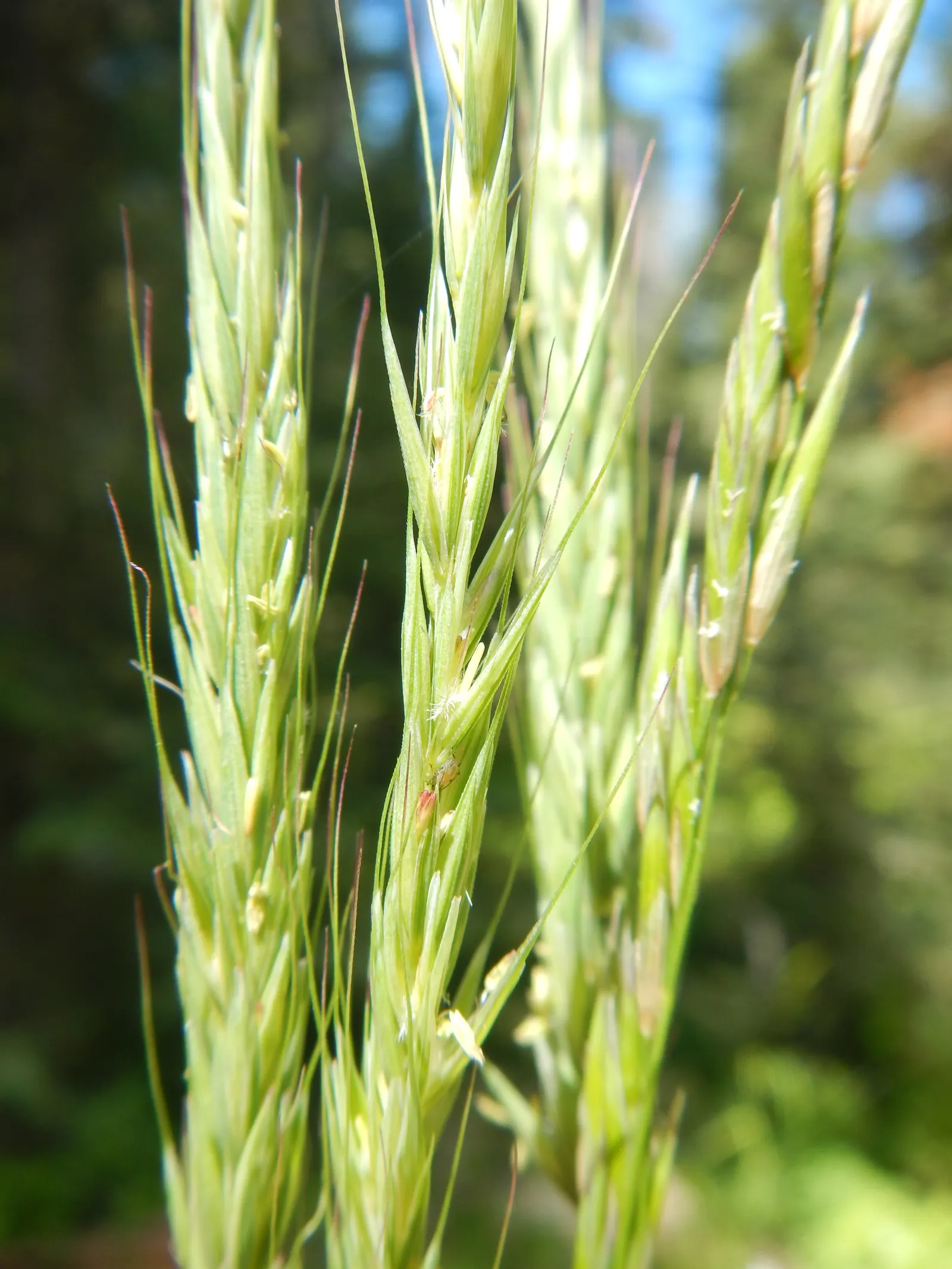
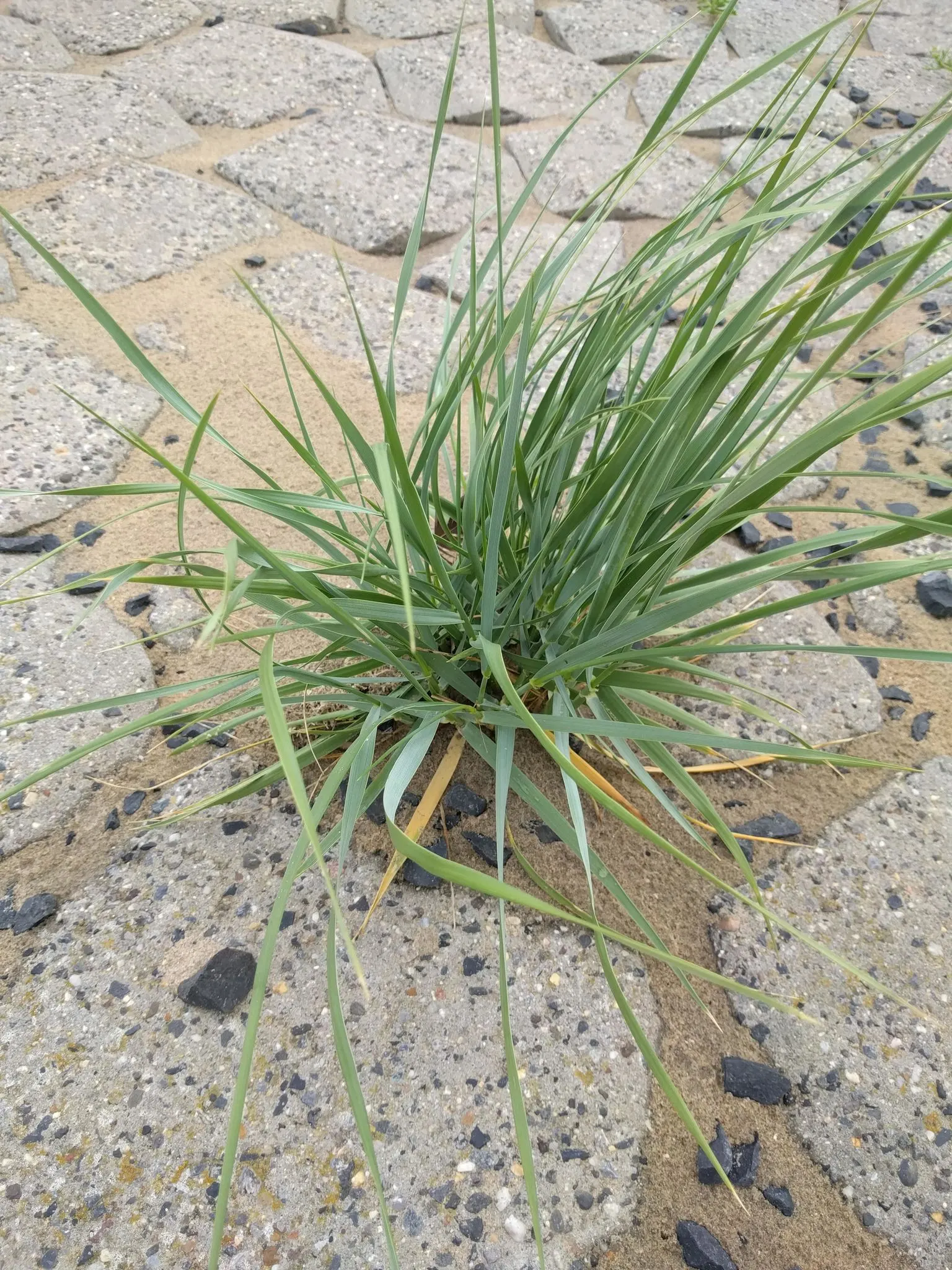
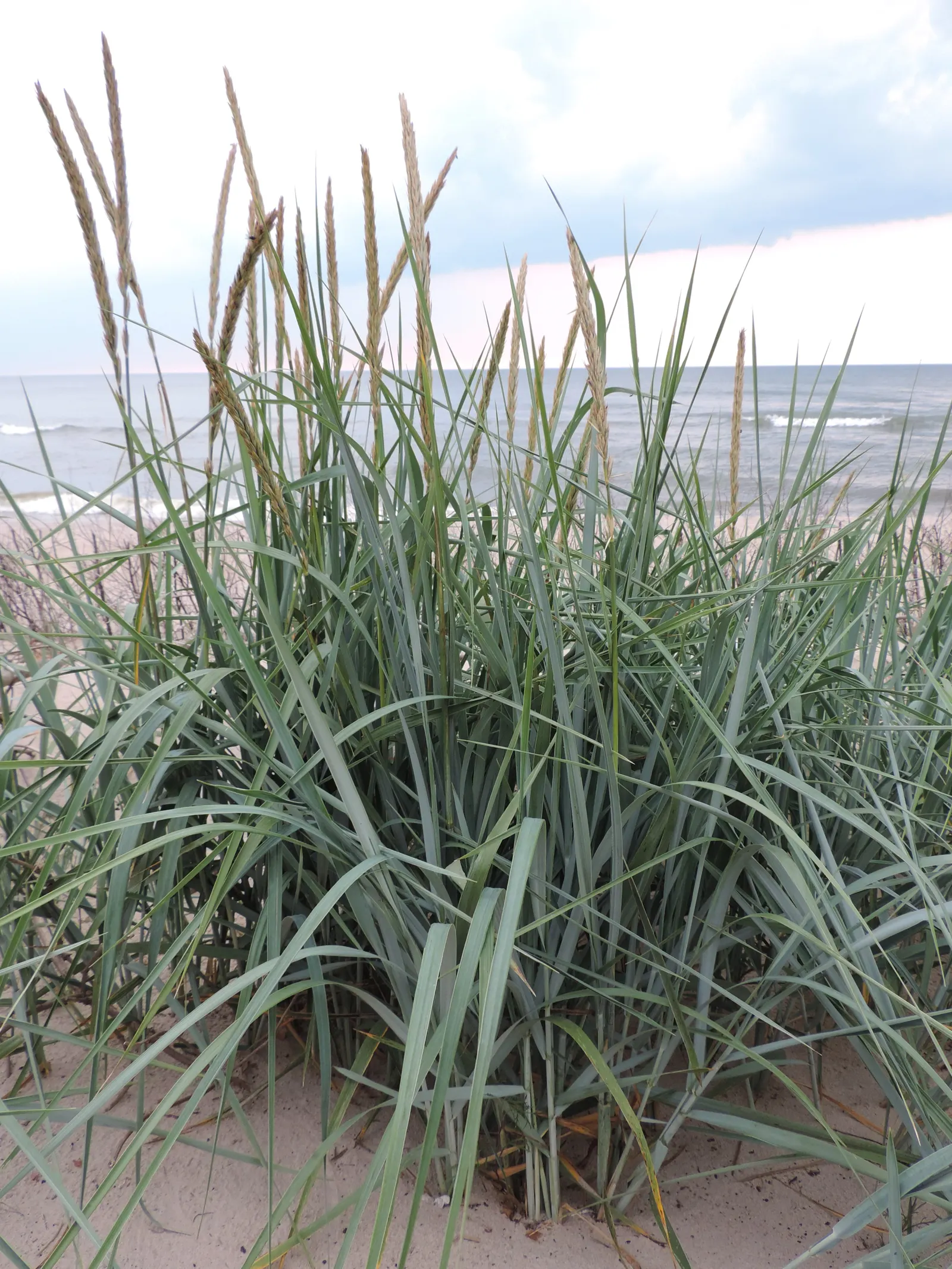
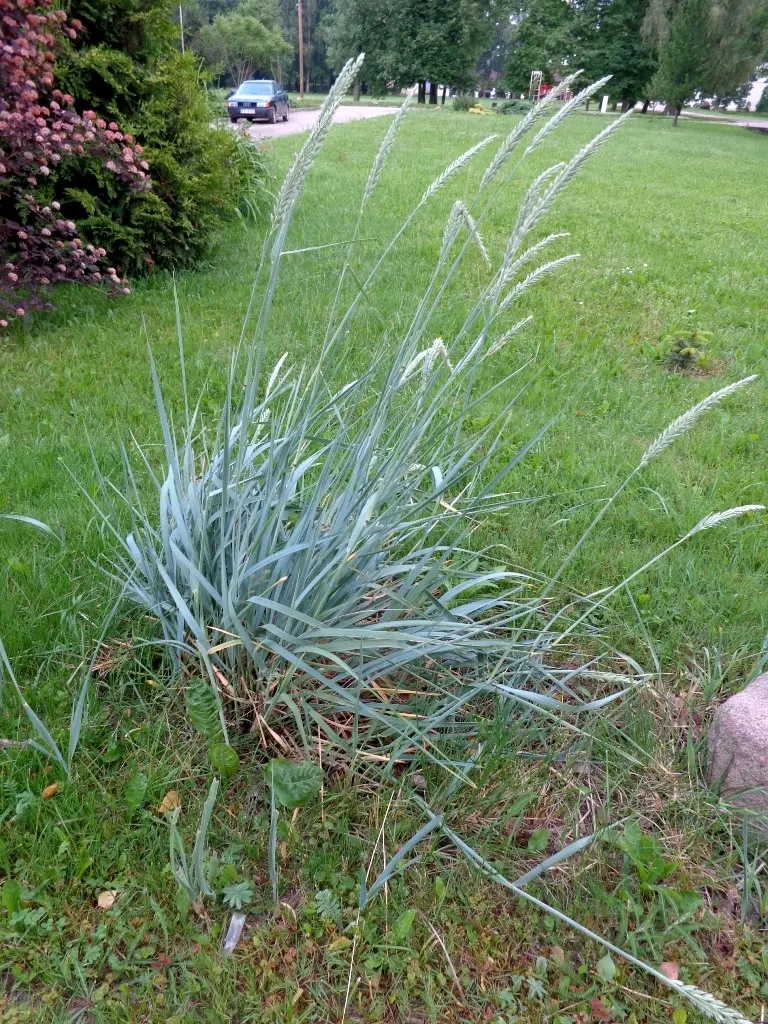
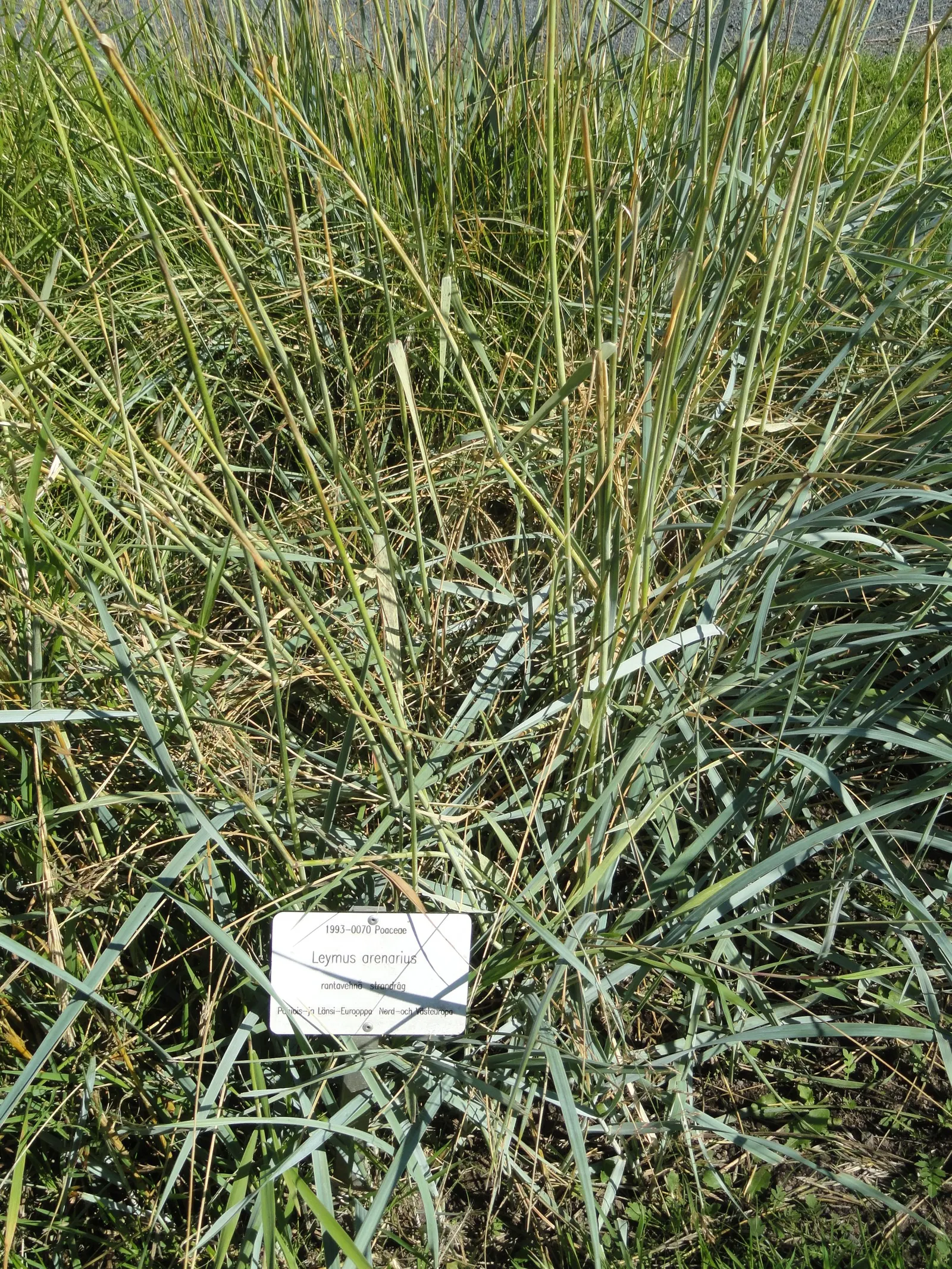
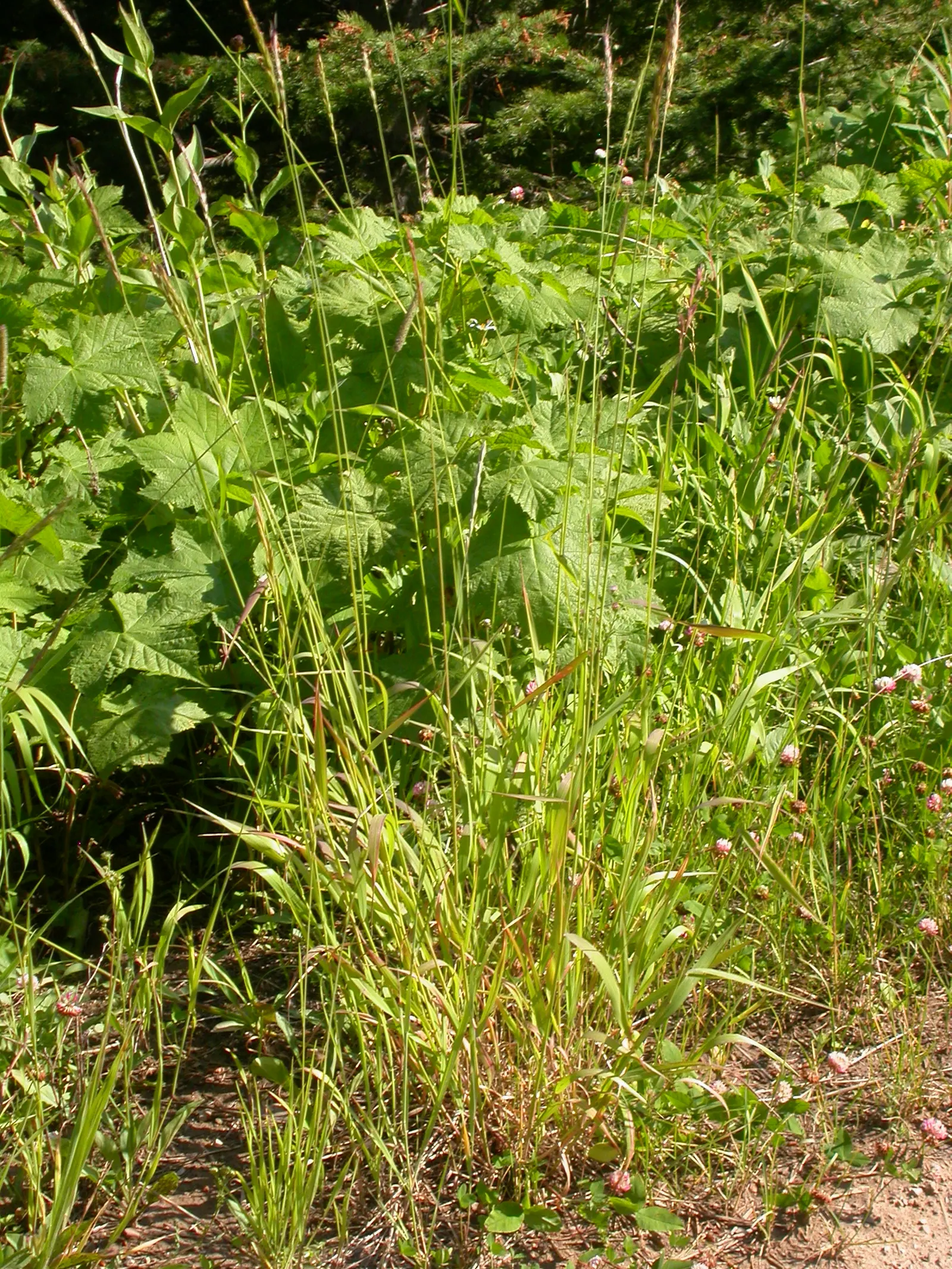
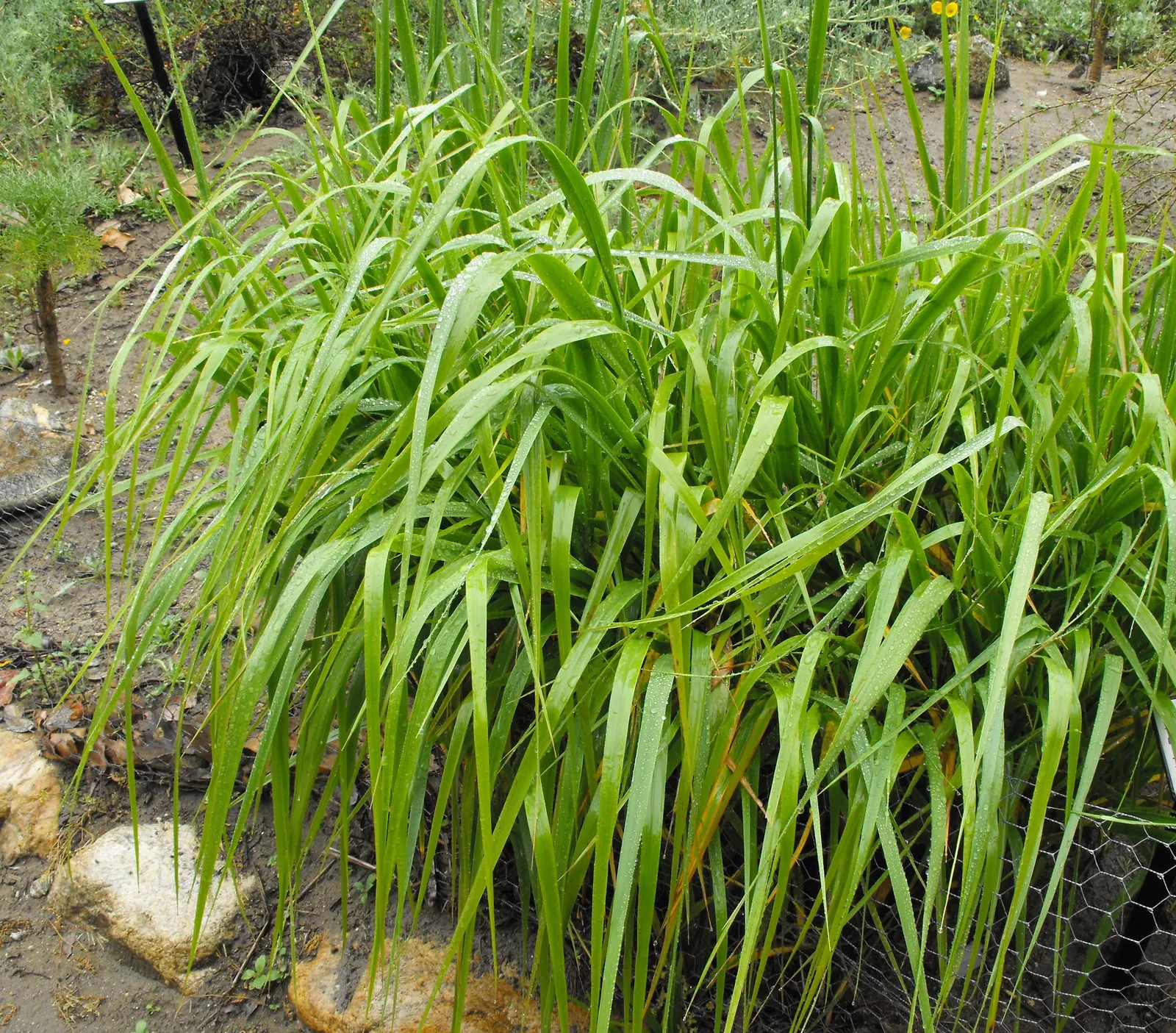
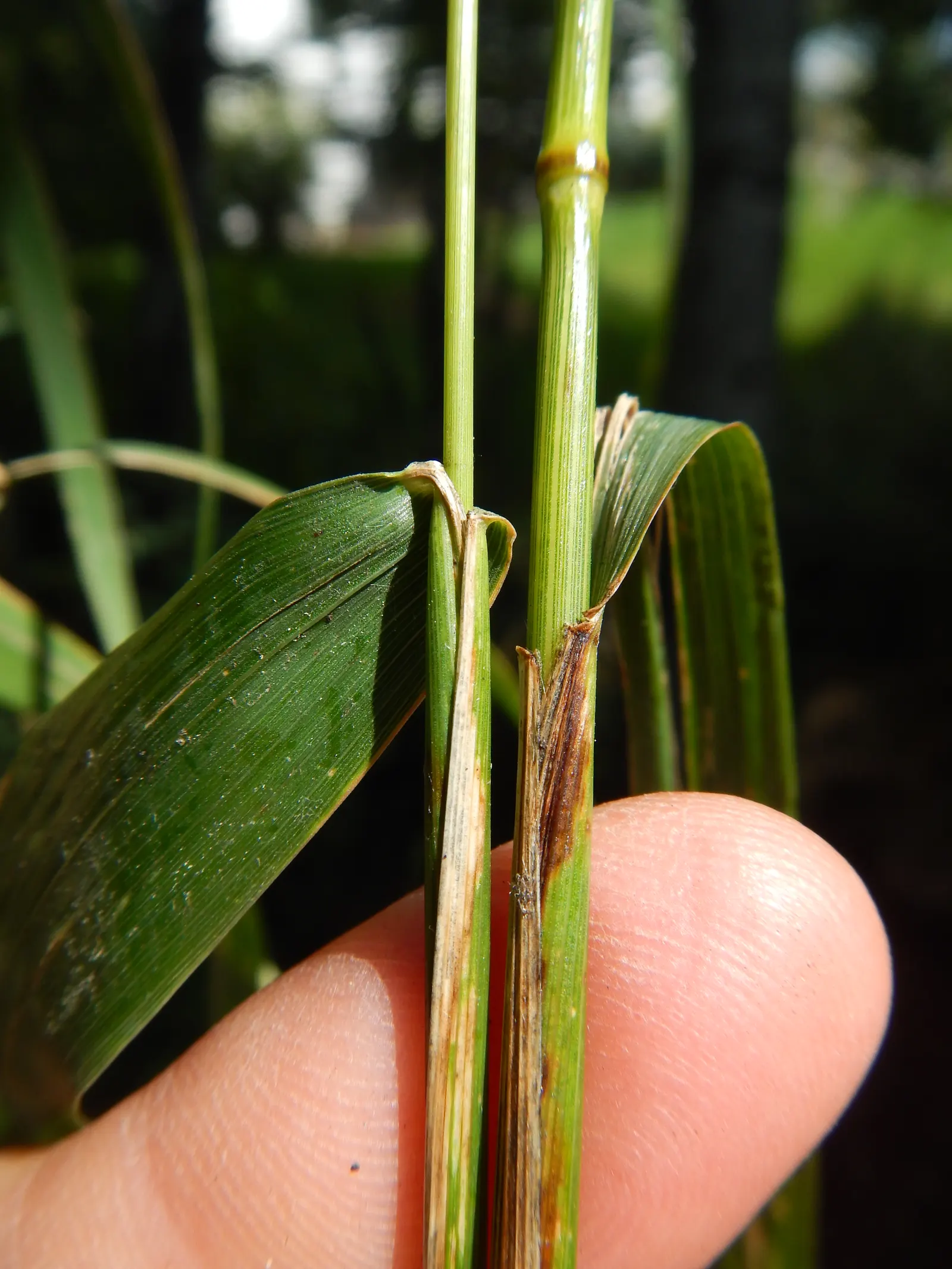
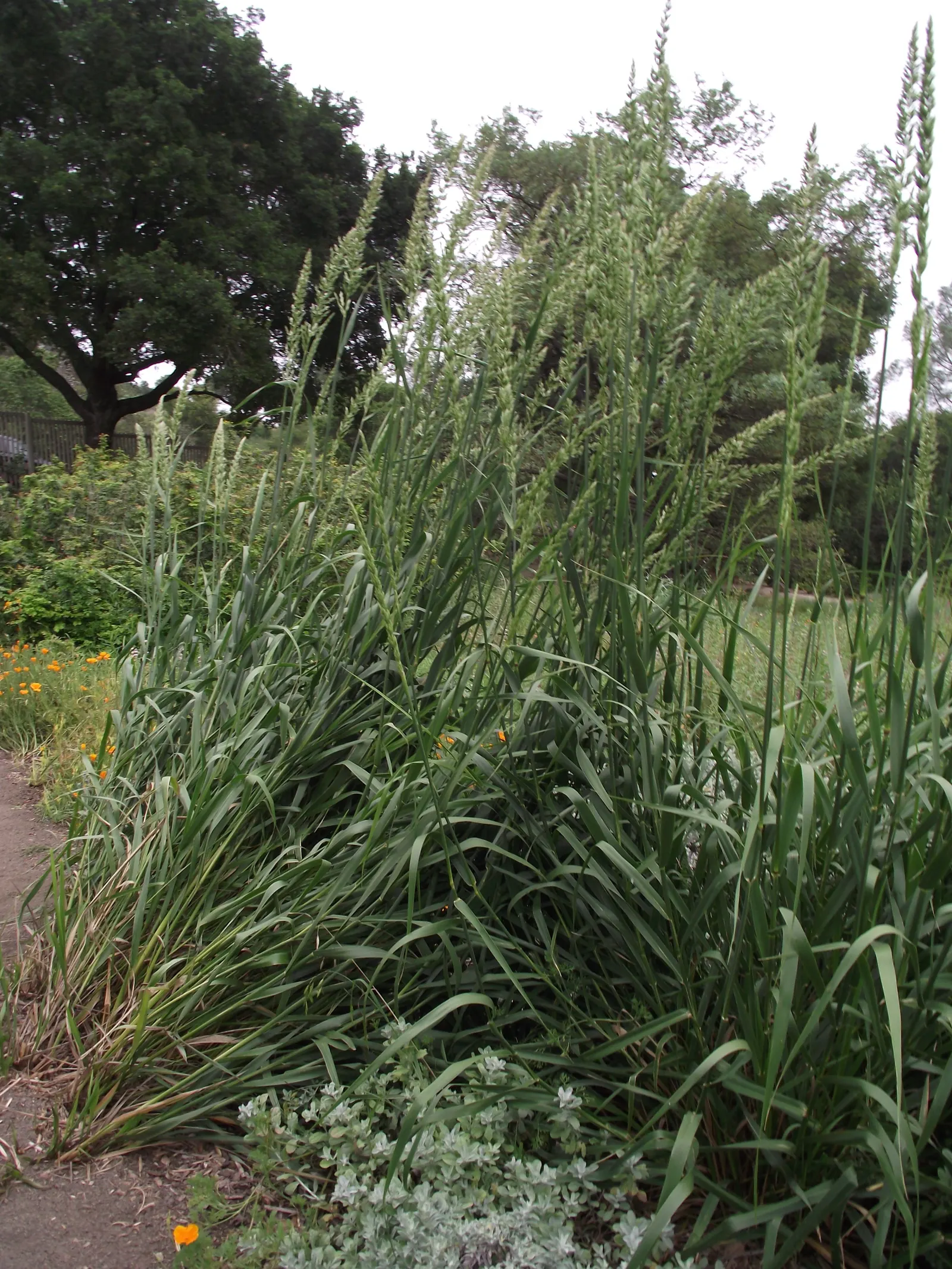
Blue Wild Rye (Leymus arenarius) is a robust, perennial grass, prized for its striking glaucous blue foliage. Reaching up to 4 feet tall, this cool-season grass thrives in well-drained soils and is drought-tolerant once established. Suited for USDA zones 3-9, it provides strong vertical interest and erosion control, especially in coastal areas. Space about 24 inches apart. Prefers full to partial sun, requiring minimal maintenance, ideal for naturalistic landscapes.
Sun Full, HalfWater LowZones 4–10Type Grass, Perennial
Blue Wild Rye (Leymus Arenarius) — grass / perennial for full or half

Culture

Sun
Full, Half
Water
Low
USDA zones
4–10

Shape & size

Classification

Type
Grass, Perennial
Family
Poaceae

See full data, regional cultivation notes, and design tools. Build a client presentation around this plant.

Start your 14-day trial

Photos (112)

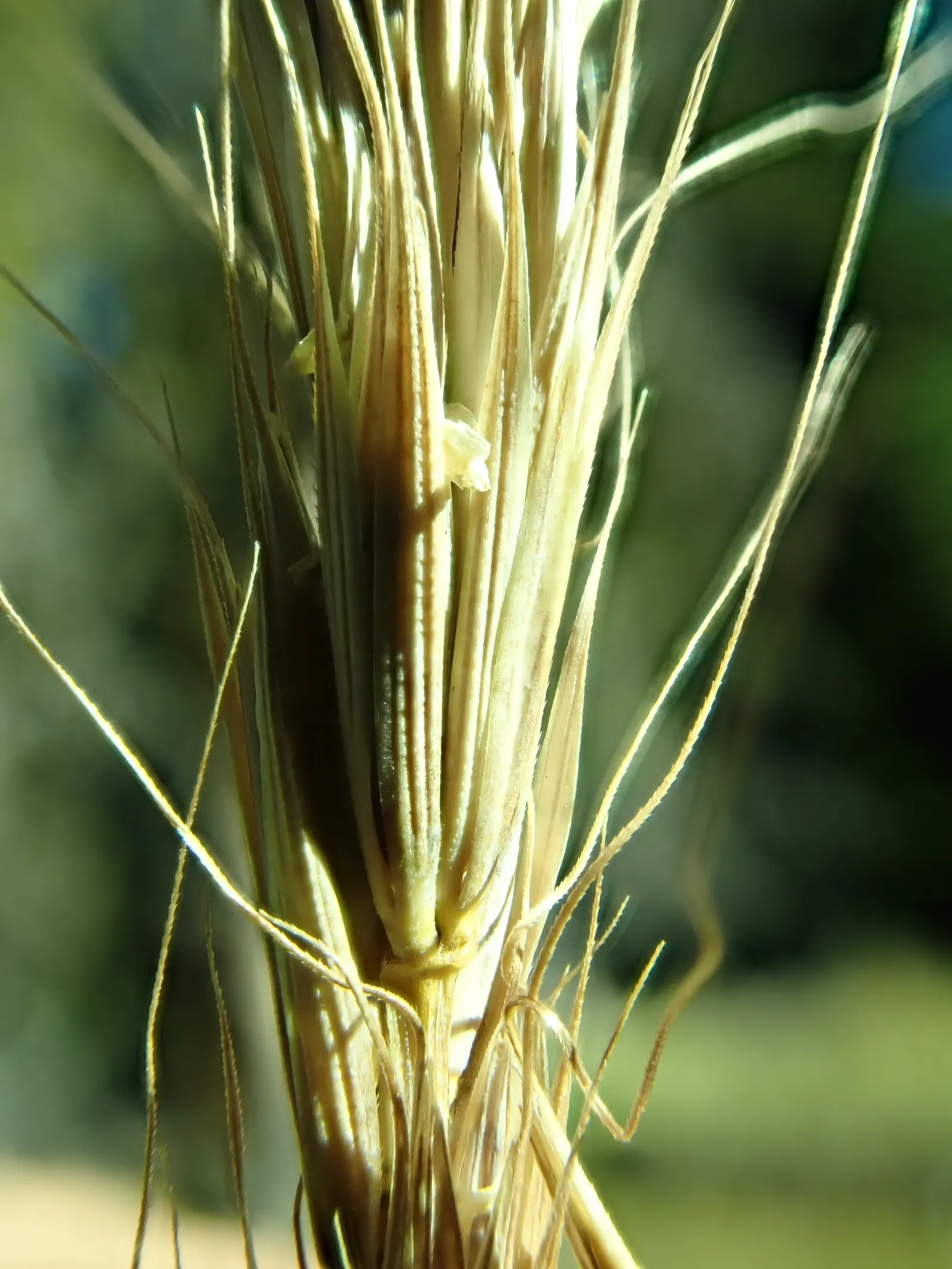
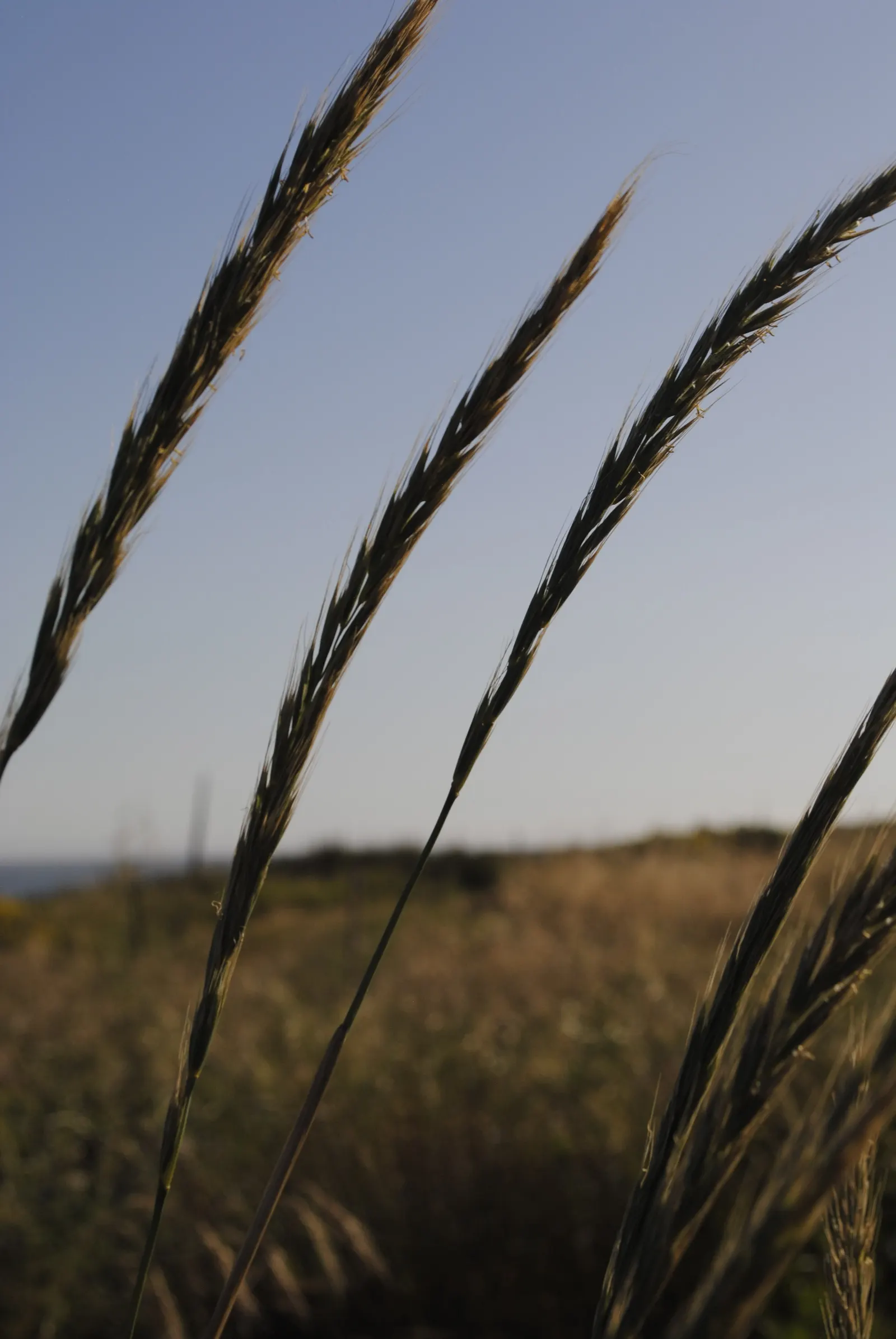
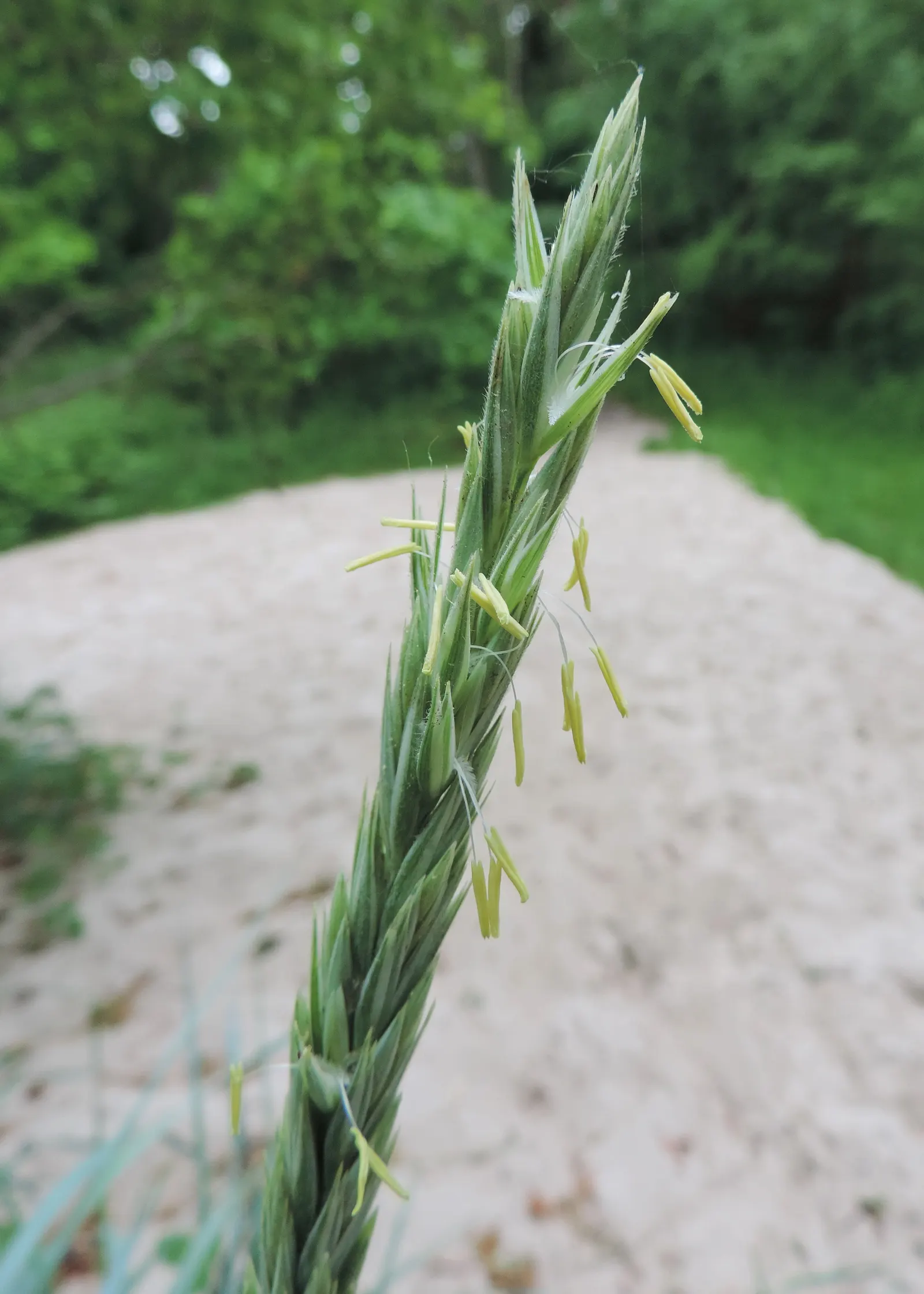
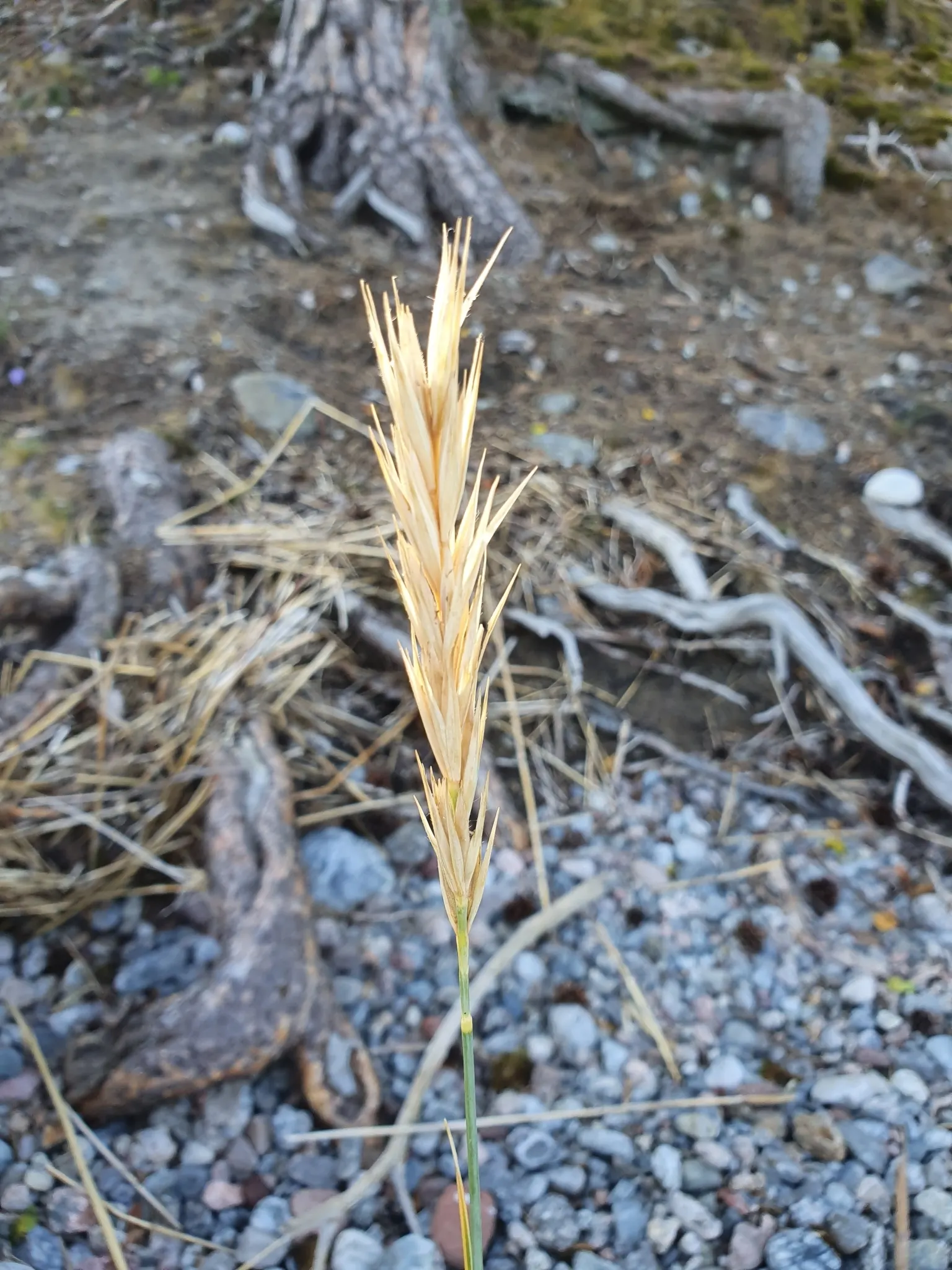
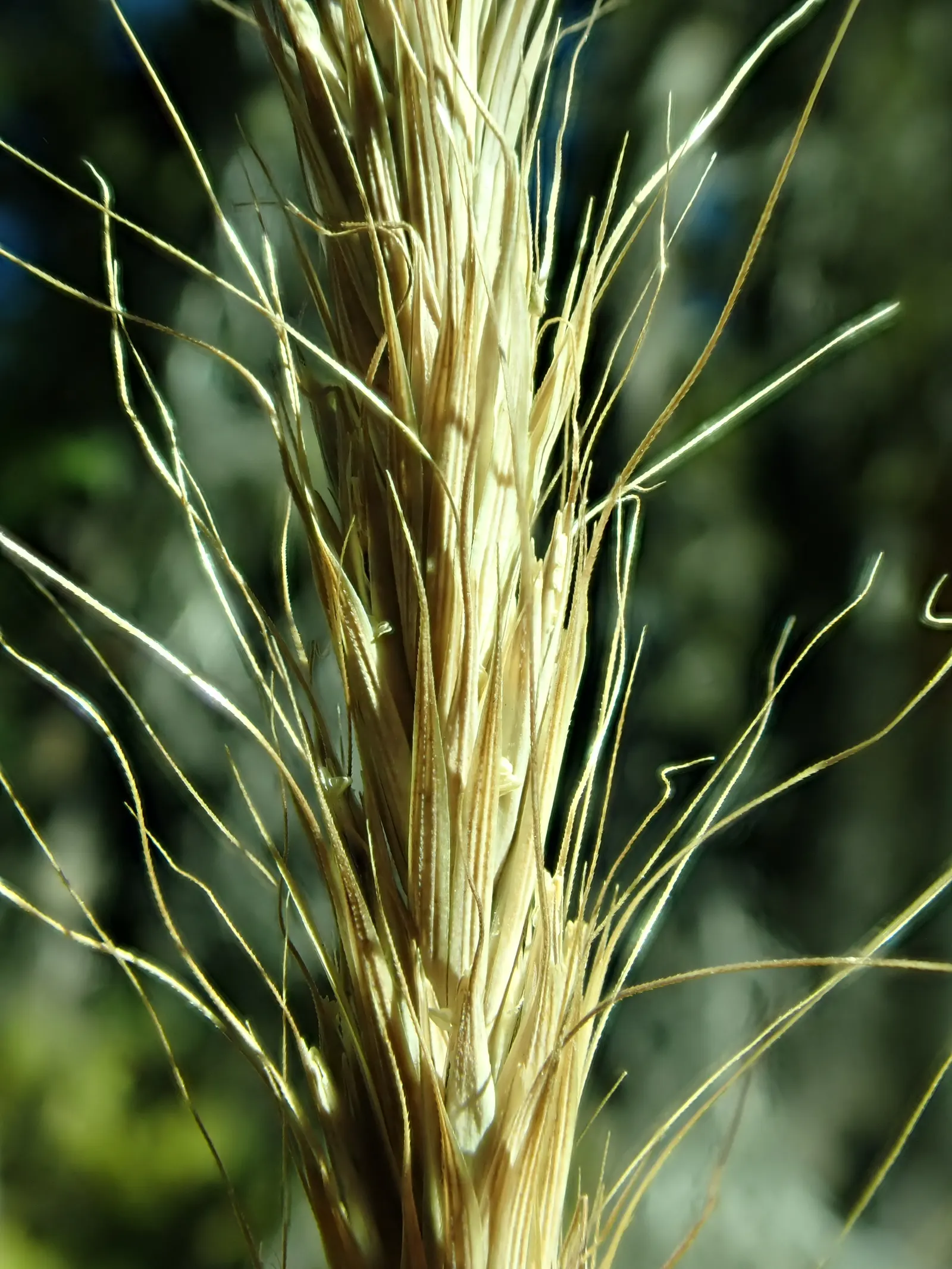
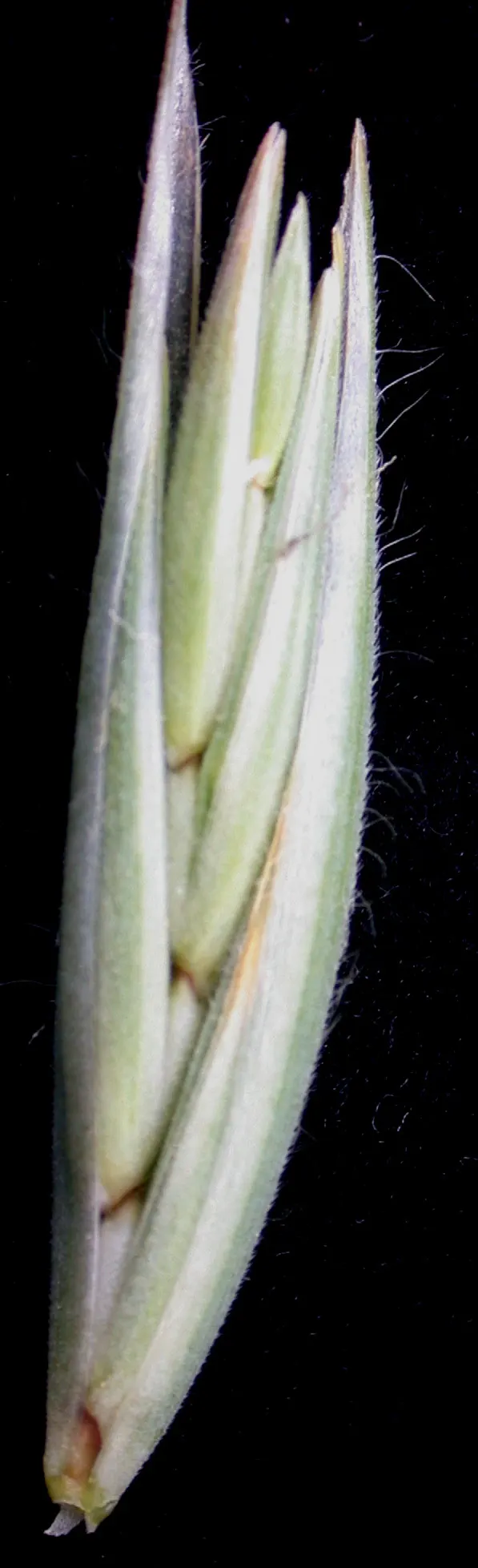
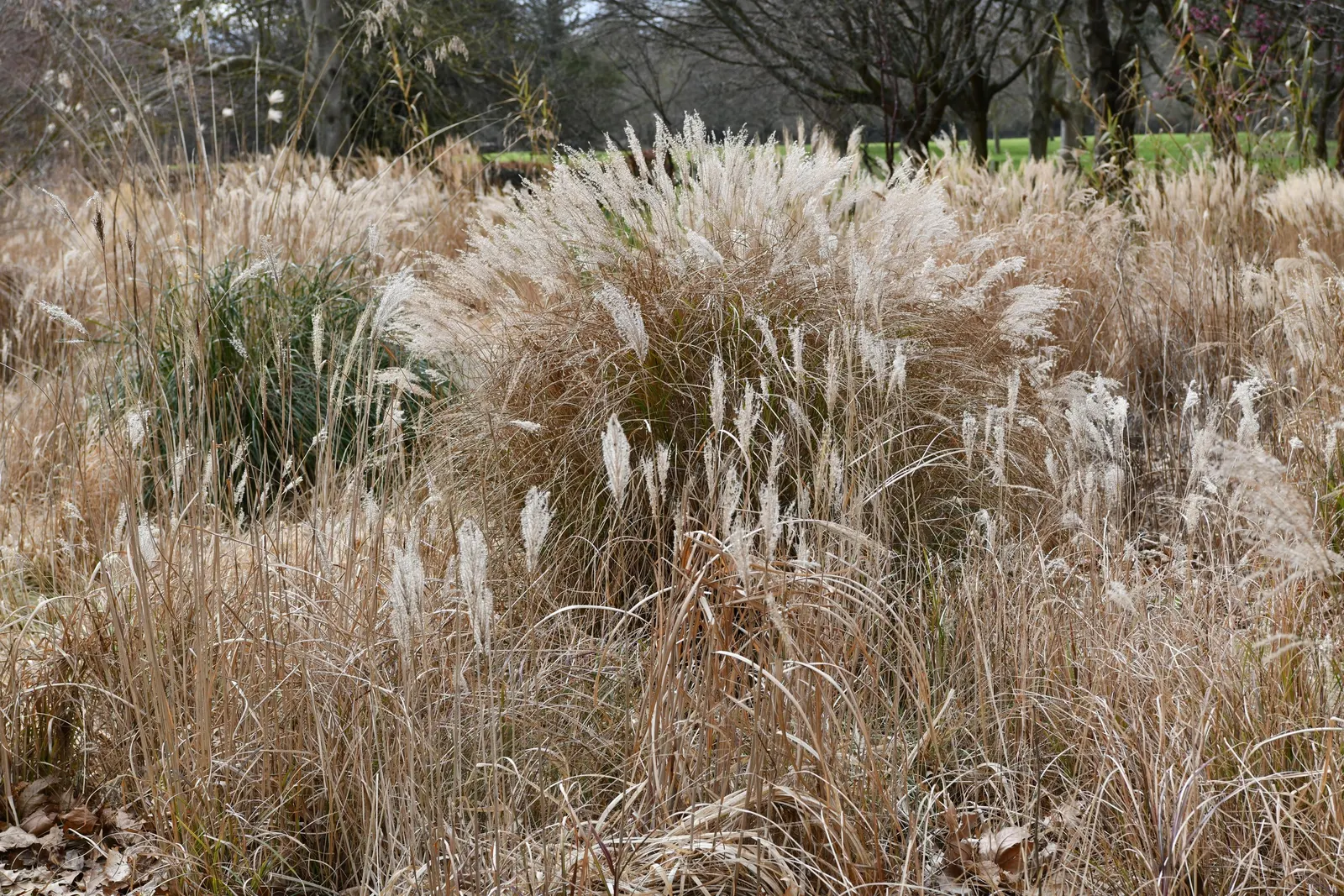
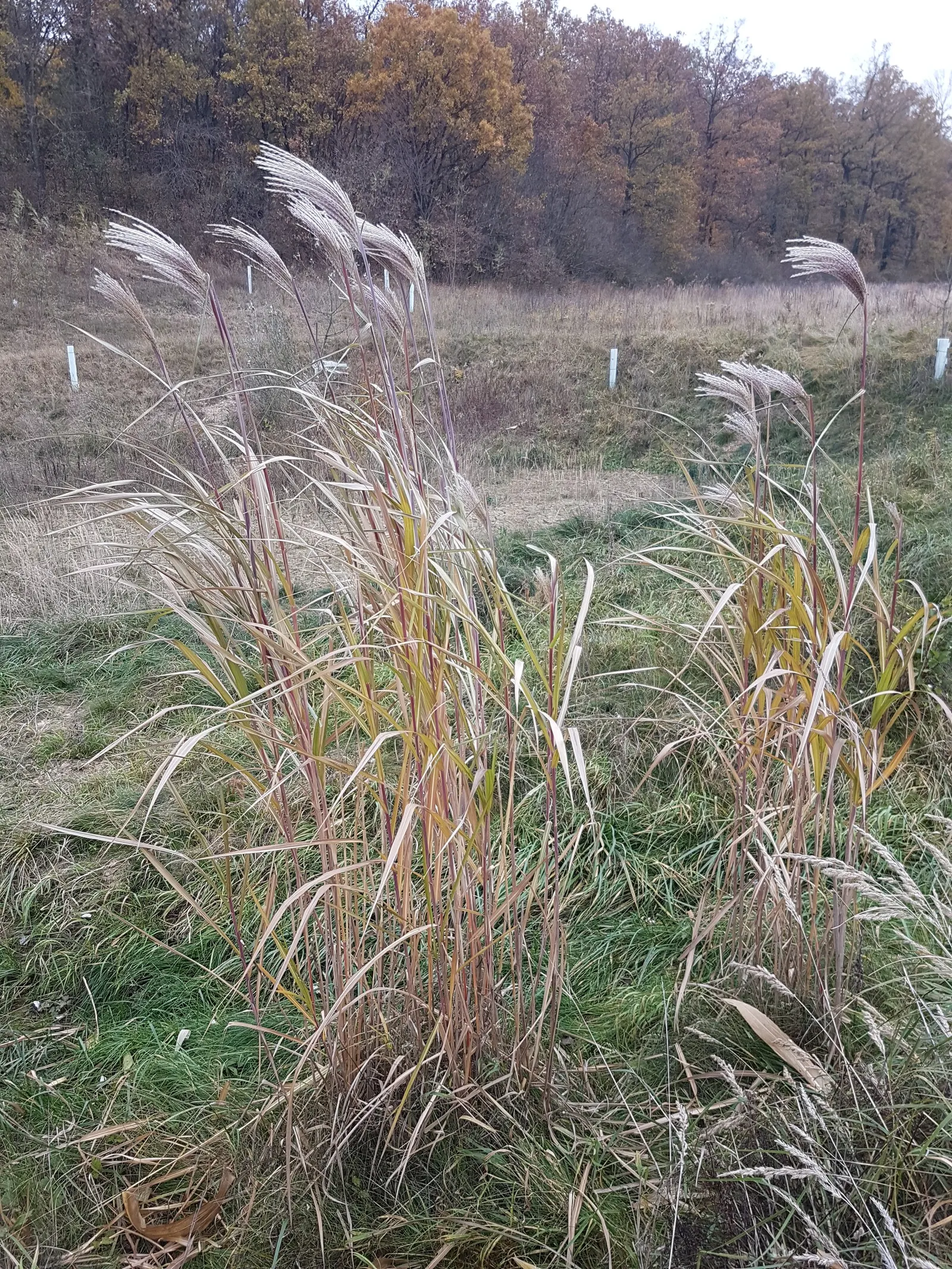
Blue Wild Rye (Leymus Arenarius) — Always consult with local regulations before planting; especially in coastal areas
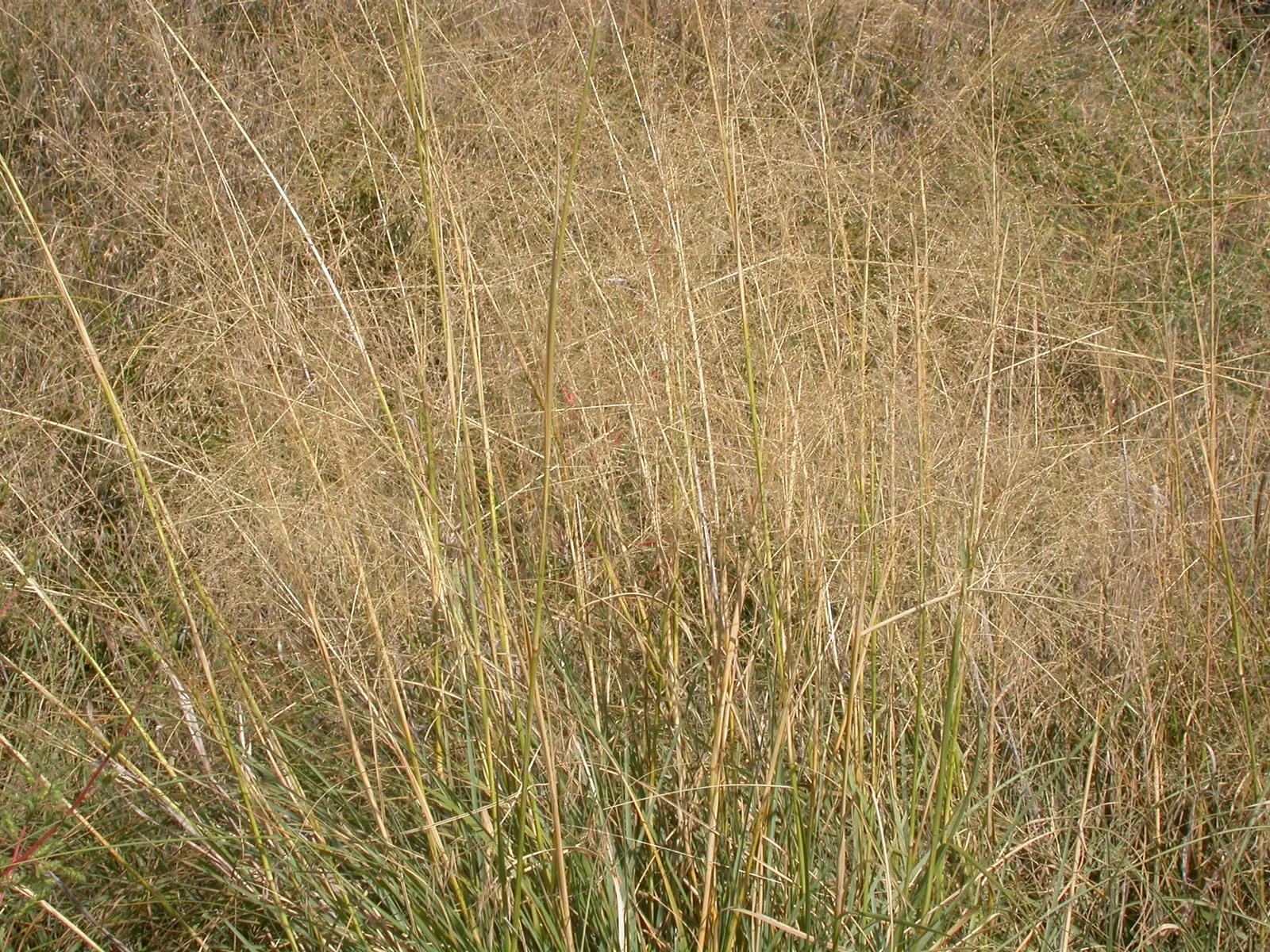
Blue Wild Rye (Leymus Arenarius) — Blue Wild Rye reaches heights of about 2 to 3 feet and spreads around 2 feet wide; this cool-season grass, image 60
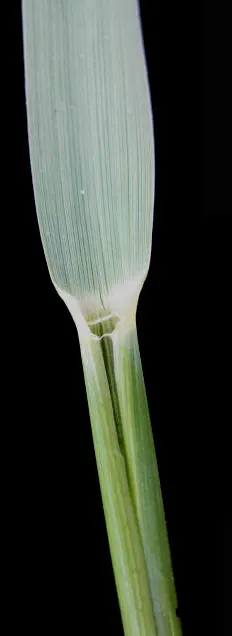
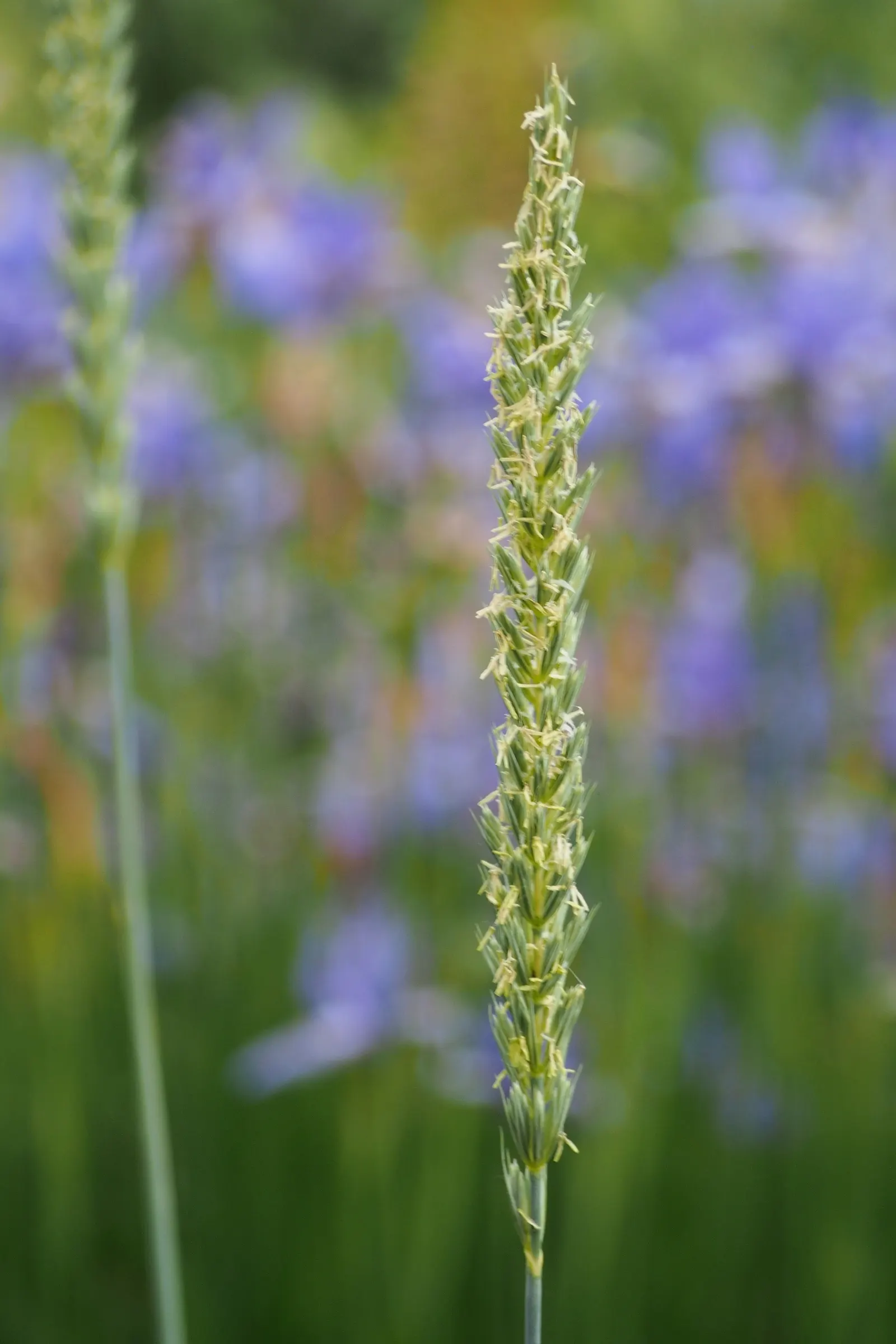
Blue Wild Rye (Leymus Arenarius) — grass / perennial for full or half; blending seamlessly into naturalistic or modern garden designs, image 92
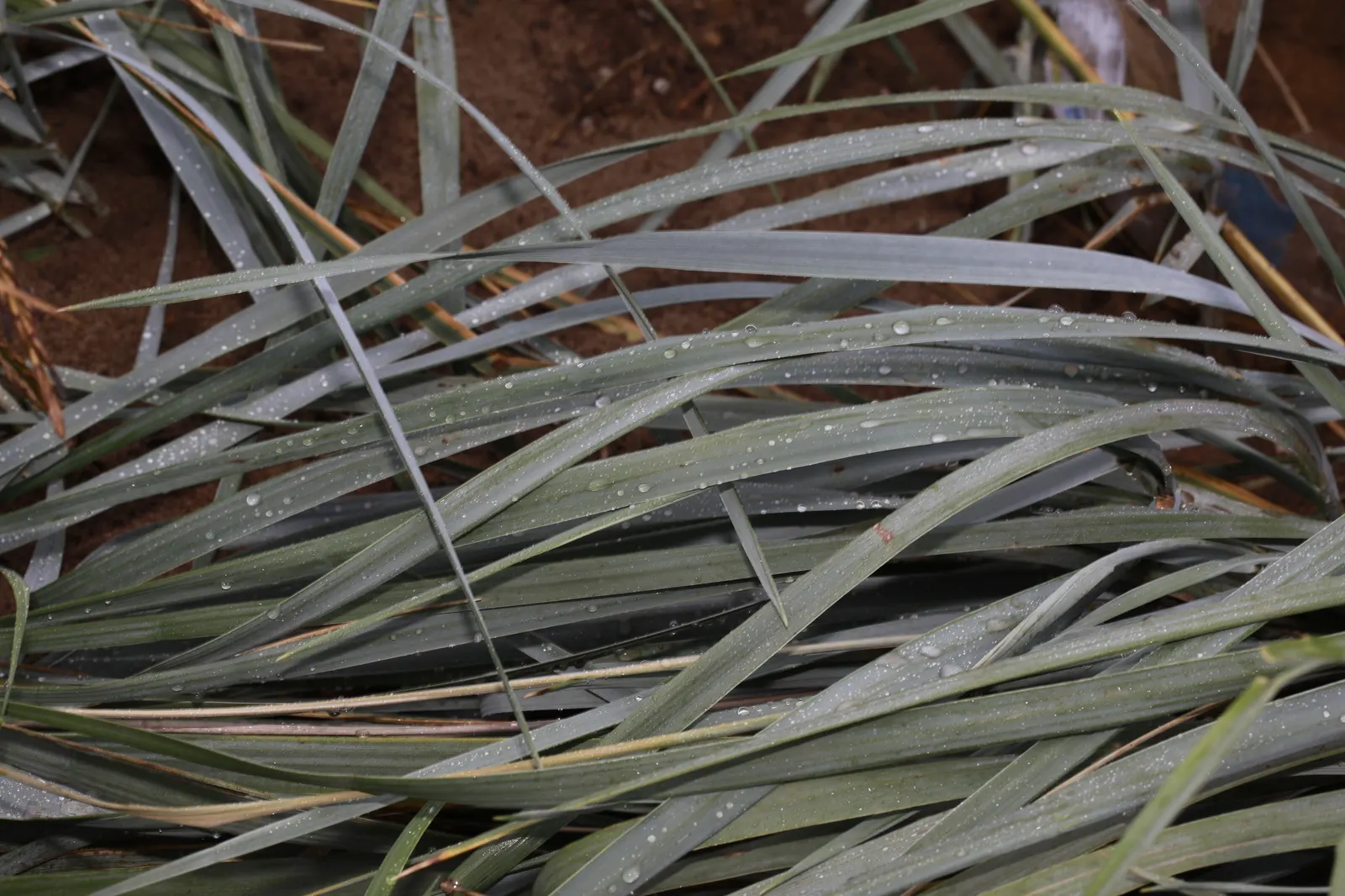
Blue Wild Rye (Leymus Arenarius) — making it an excellent choice for coastal gardens or areas with poor soil quality.<br><br>Typically; blue Wild, image 59
Blue Wild Rye (Leymus Arenarius) — blending seamlessly into naturalistic or modern garden designs; as it can be restricted in certain areas due to its invasive
Blue Wild Rye (Leymus Arenarius) — Blue Wild Rye reaches heights of about 2 to 3 feet and spreads around 2 feet wide; this cool-season grass, image 83
Blue Wild Rye (Leymus Arenarius) — Always consult with local regulations before planting; especially in coastal areas, image 67
Blue Wild Rye (Leymus Arenarius) — making it an excellent choice for coastal gardens or areas with poor soil quality.<br><br>Typically
Blue Wild Rye (Leymus Arenarius) — blending seamlessly into naturalistic or modern garden designs; as it can be restricted in certain areas due to, image 66
Blue Wild Rye (Leymus Arenarius) — Prefers full to partial sun, requiring minimal maintenance, ideal for naturalistic landscapes; space about 24, image 54
Blue Wild Rye (Leymus Arenarius) — Blue Wild Rye (Leymus arenarius) is a robust, perennial grass, prized for its striking glaucous blue foliage, image 47
Blue Wild Rye (Leymus Arenarius) — Leymus arenarius prefers full sun to part shade exposure and requires well-drained soil for optimal growth; once, image 85
Blue Wild Rye (Leymus Arenarius) — Prefers full to partial sun, requiring minimal maintenance, ideal for naturalistic landscapes; space about 24 inches apart
Blue Wild Rye (Leymus Arenarius) — Once established, it is drought tolerant, making it a low-maintenance option for the eco-conscious gardener, image 63
Blue Wild Rye (Leymus Arenarius) — especially in coastal areas; leymus arenarius prefers full sun to part shade exposure and requires well-drained, image 75
Blue Wild Rye (Leymus Arenarius) — Reaching up to 4 feet tall
Blue Wild Rye (Leymus Arenarius) — this species is renowned for its ability to thrive in challenging environments
Blue Wild Rye (Leymus Arenarius) — Be aware that in some regions it can be quite invasive; prefers full to partial sun, requiring minimal, image 64
Blue Wild Rye (Leymus Arenarius) — Reaching up to 4 feet tall; this species is renowned for its ability to thrive in challenging environments, image 48
Blue Wild Rye (Leymus Arenarius) — scientifically known as Leymus arenarius; blue Wild Rye reaches heights of about 2 to 3 feet and spreads around, image 55
Blue Wild Rye (Leymus Arenarius) — Originally native to coastal regions in Europe and North America; always consult with local regulations before, image 56
Blue Wild Rye (Leymus Arenarius) — as it can be restricted in certain areas due to its invasive potential
Blue Wild Rye (Leymus Arenarius) — as it can be restricted in certain areas due to its invasive potential; making it an excellent choice for, image 91
Blue Wild Rye (Leymus Arenarius) — Reaching up to 4 feet tall; this species is renowned for its ability to thrive in challenging environments
Photographs by 11 contributors

Related plants