Skip to content

Tidytips

Layia Platyglossa

Design with this plant

Overview

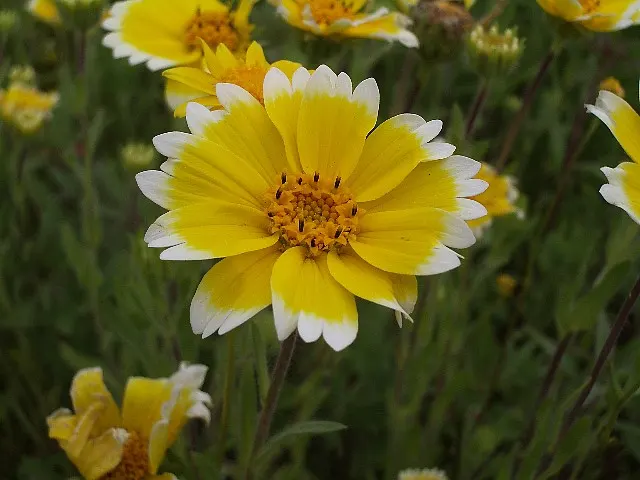
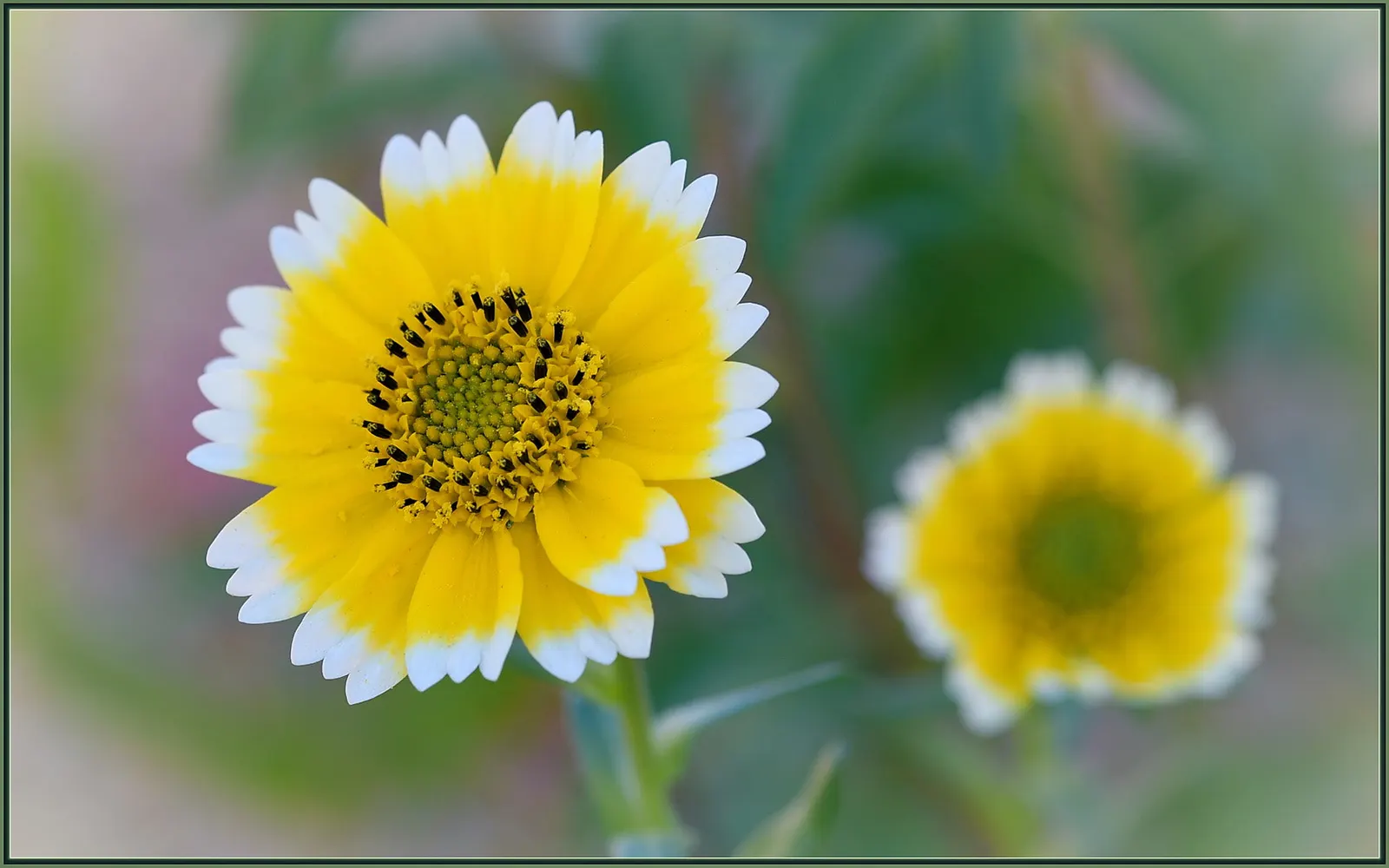
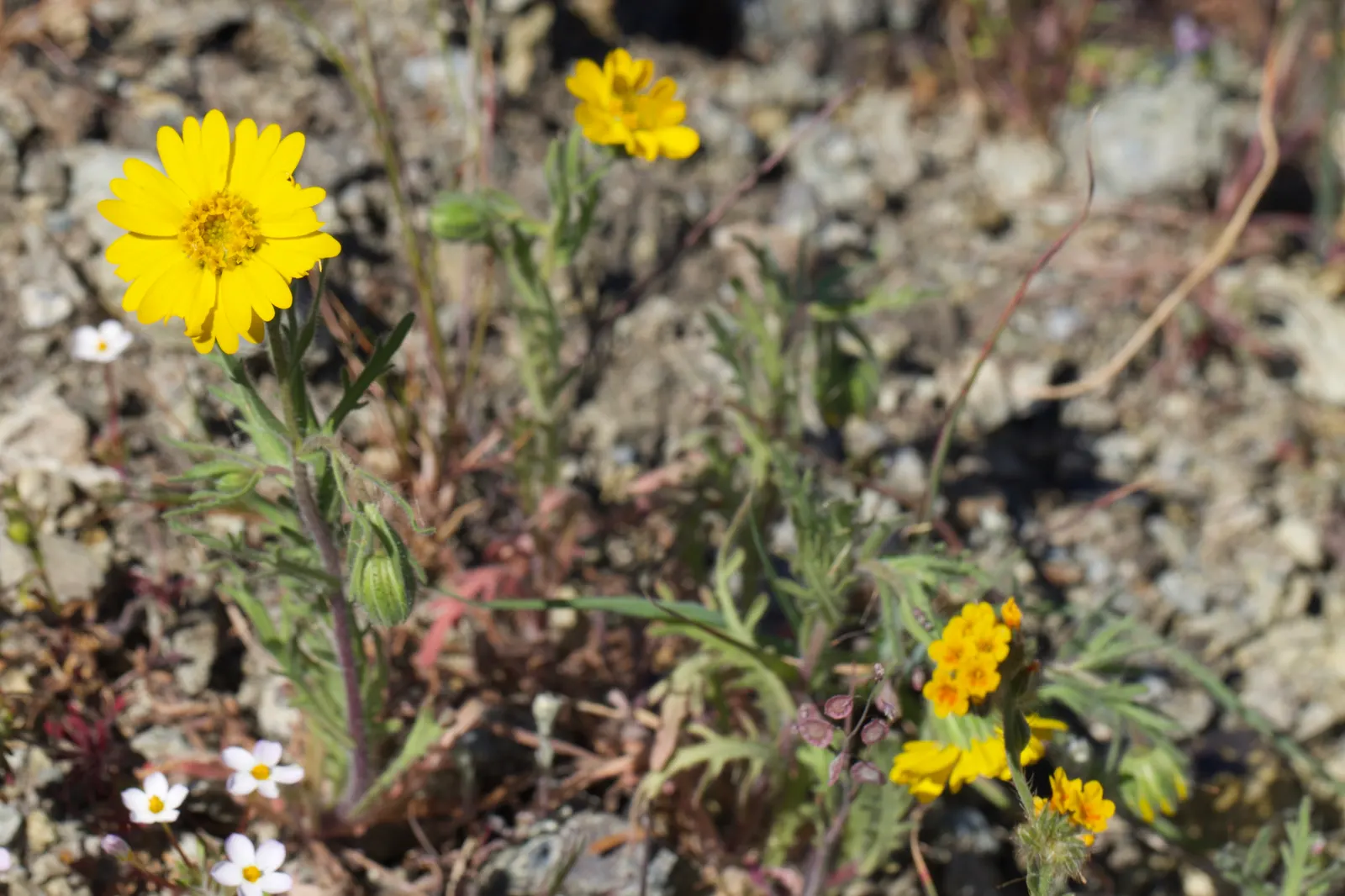
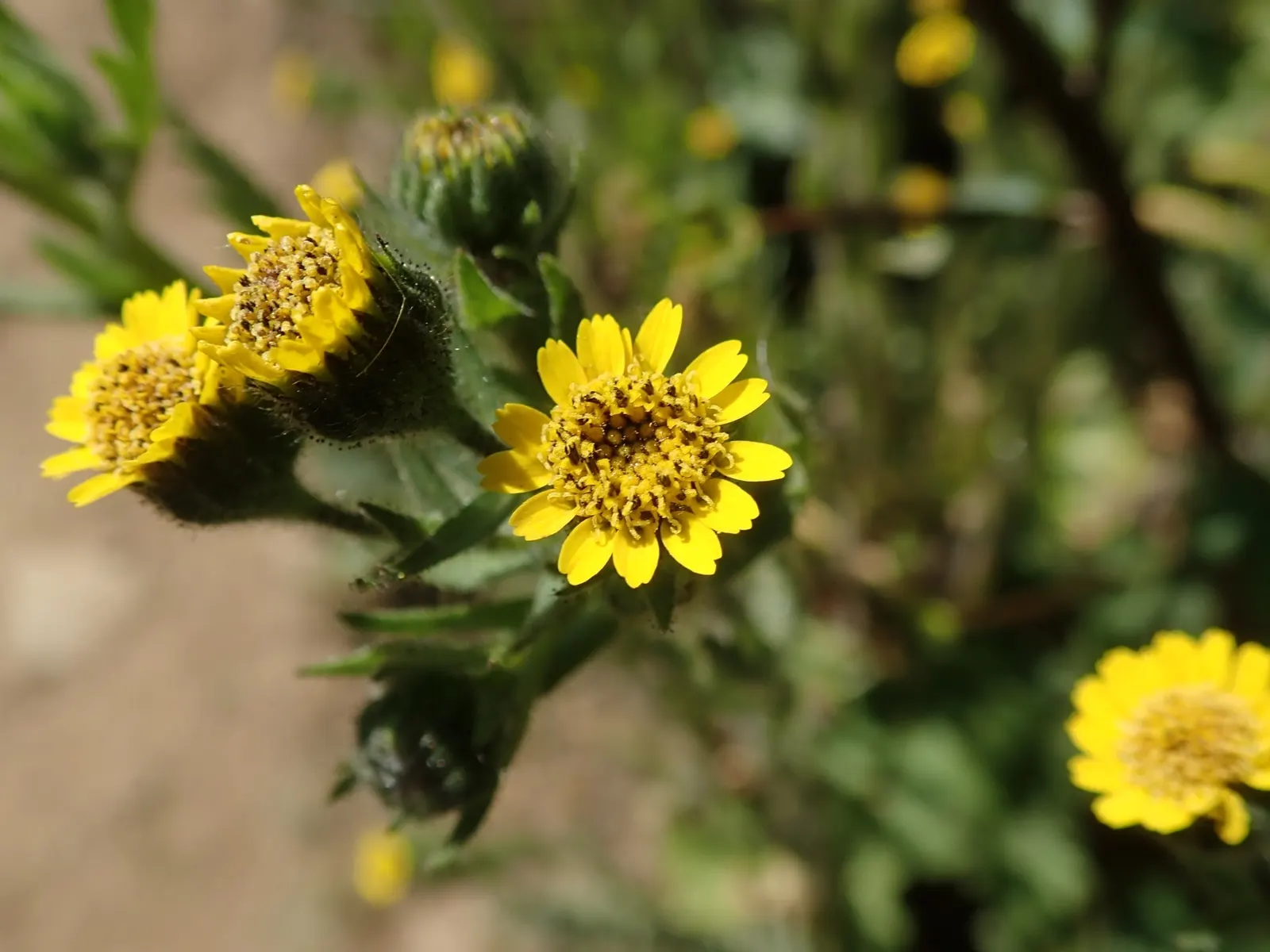
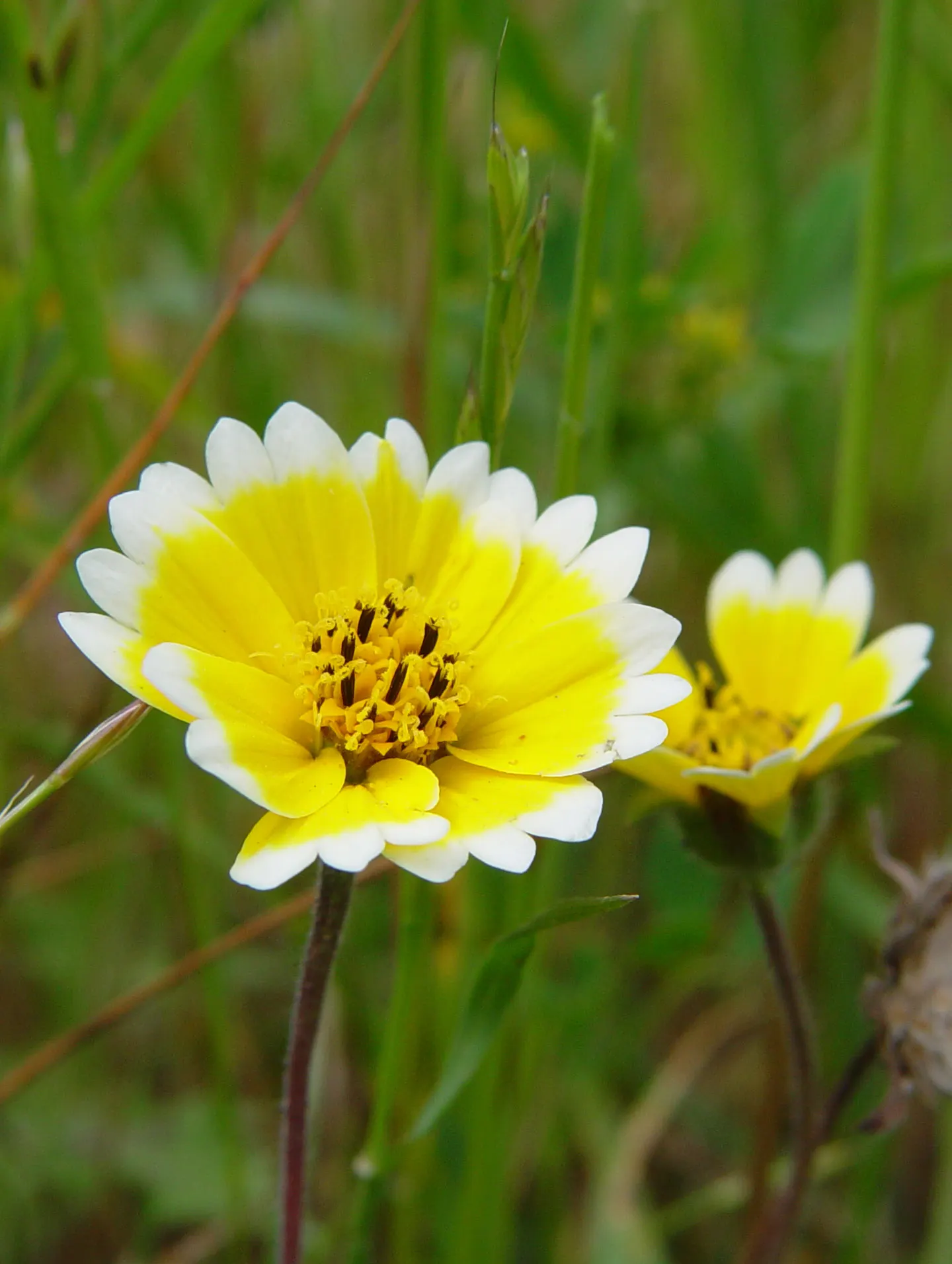
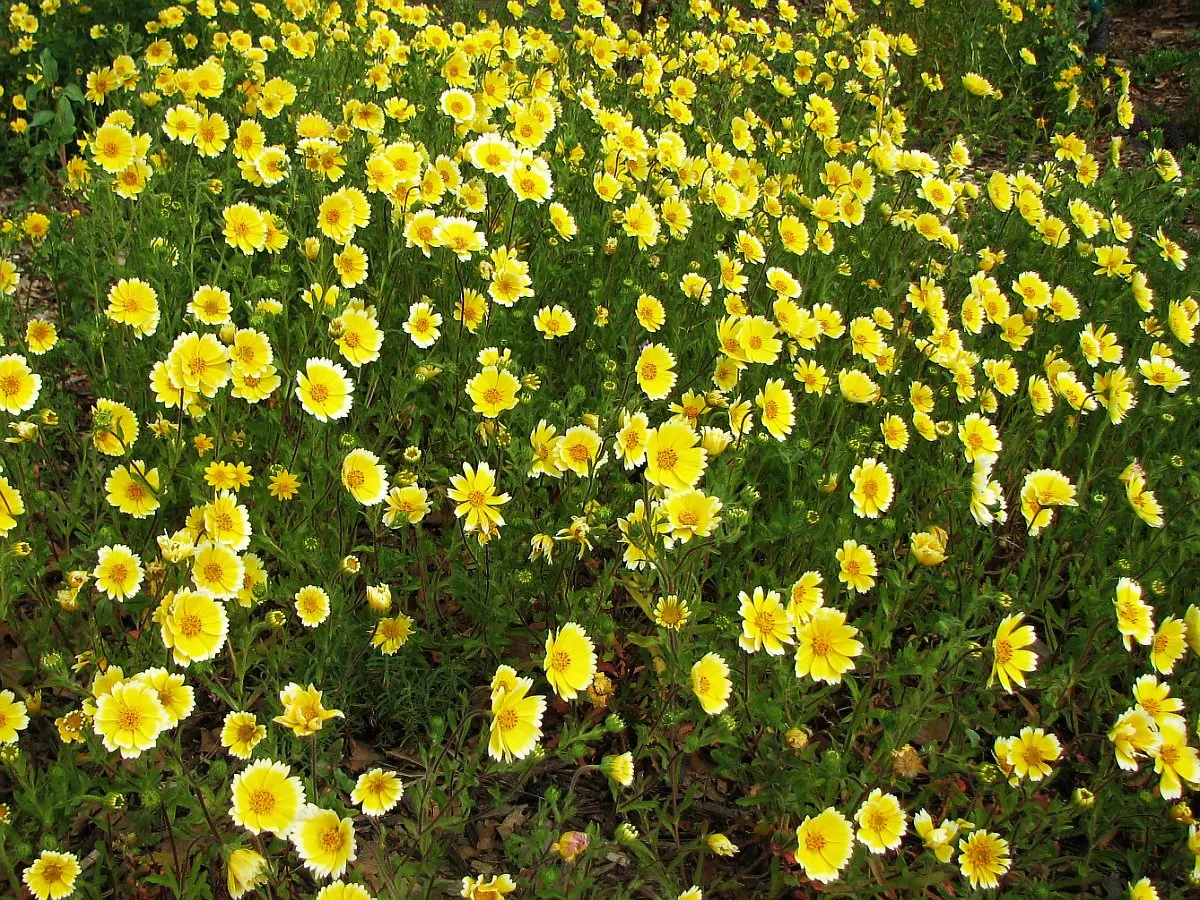
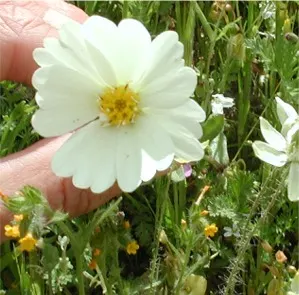
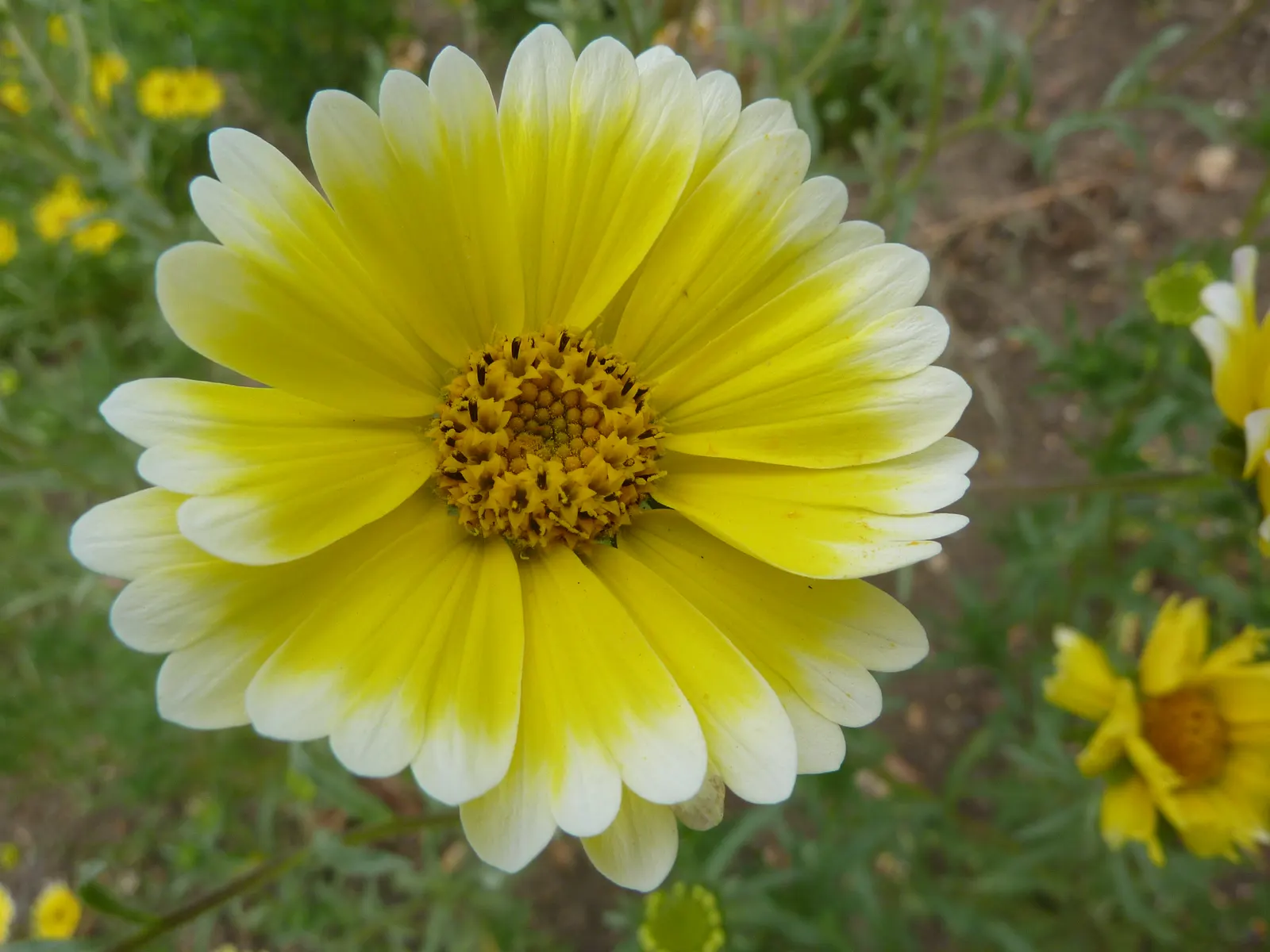
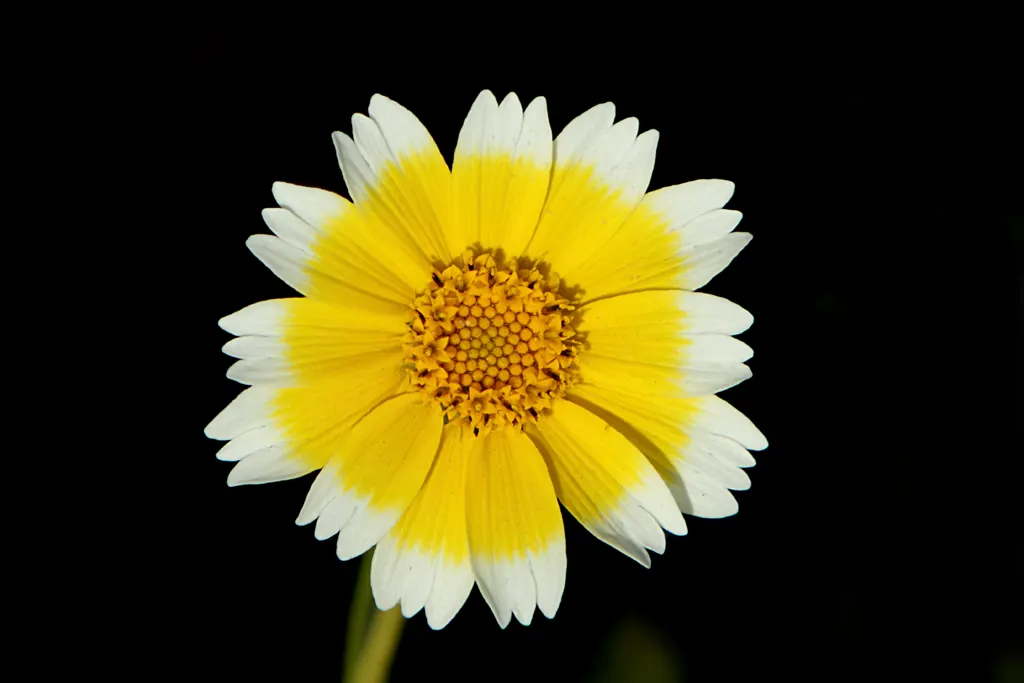
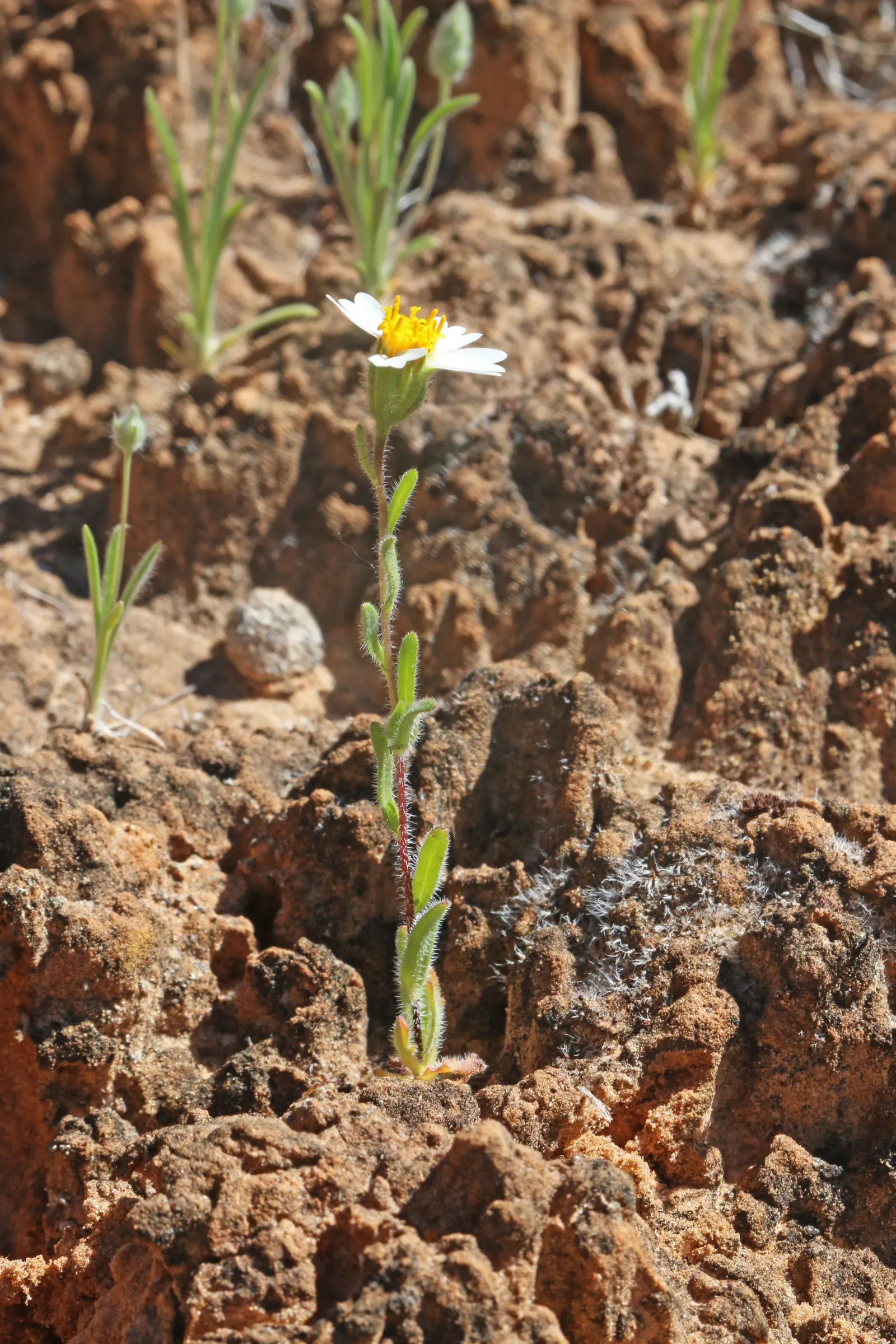
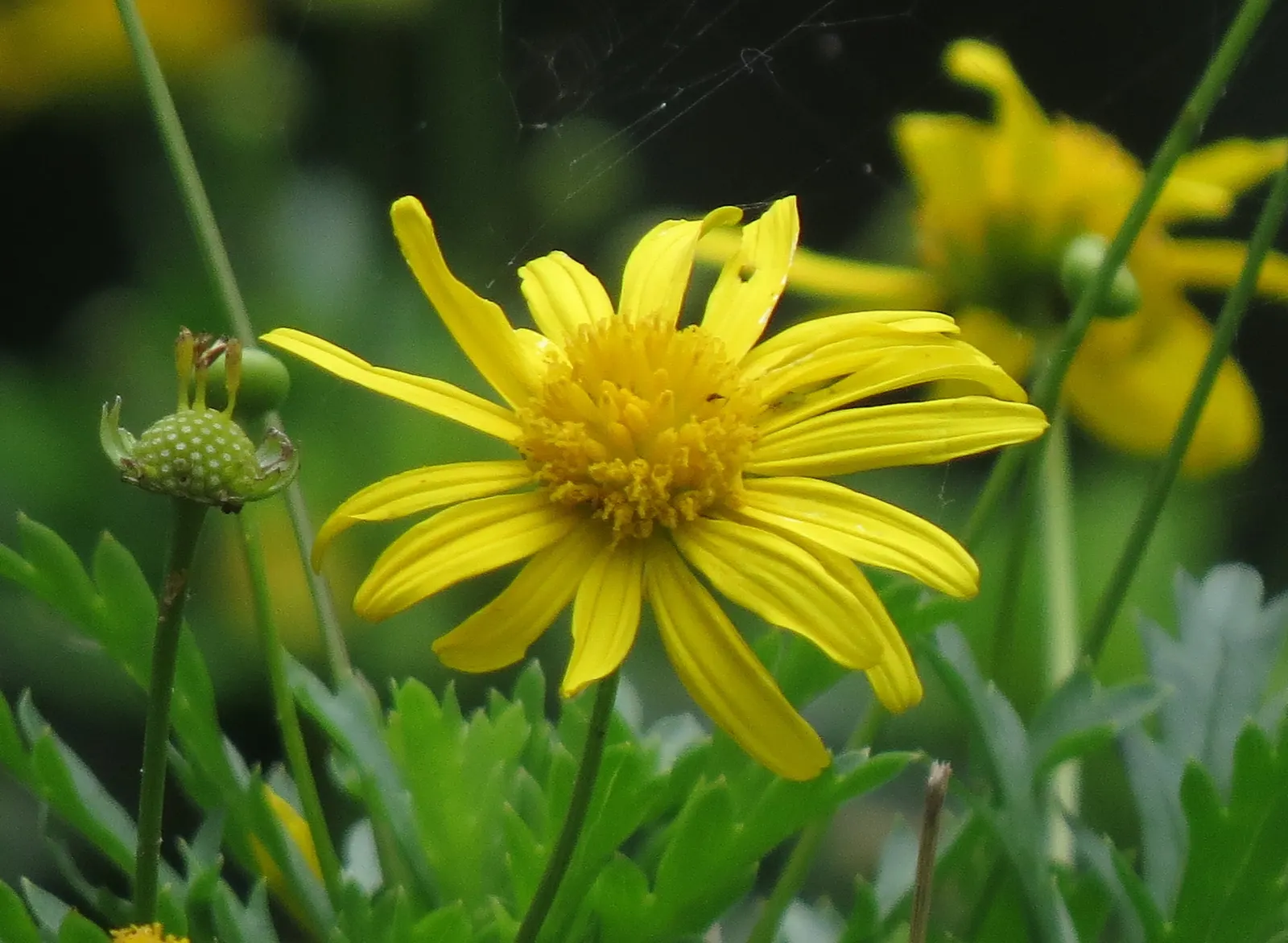
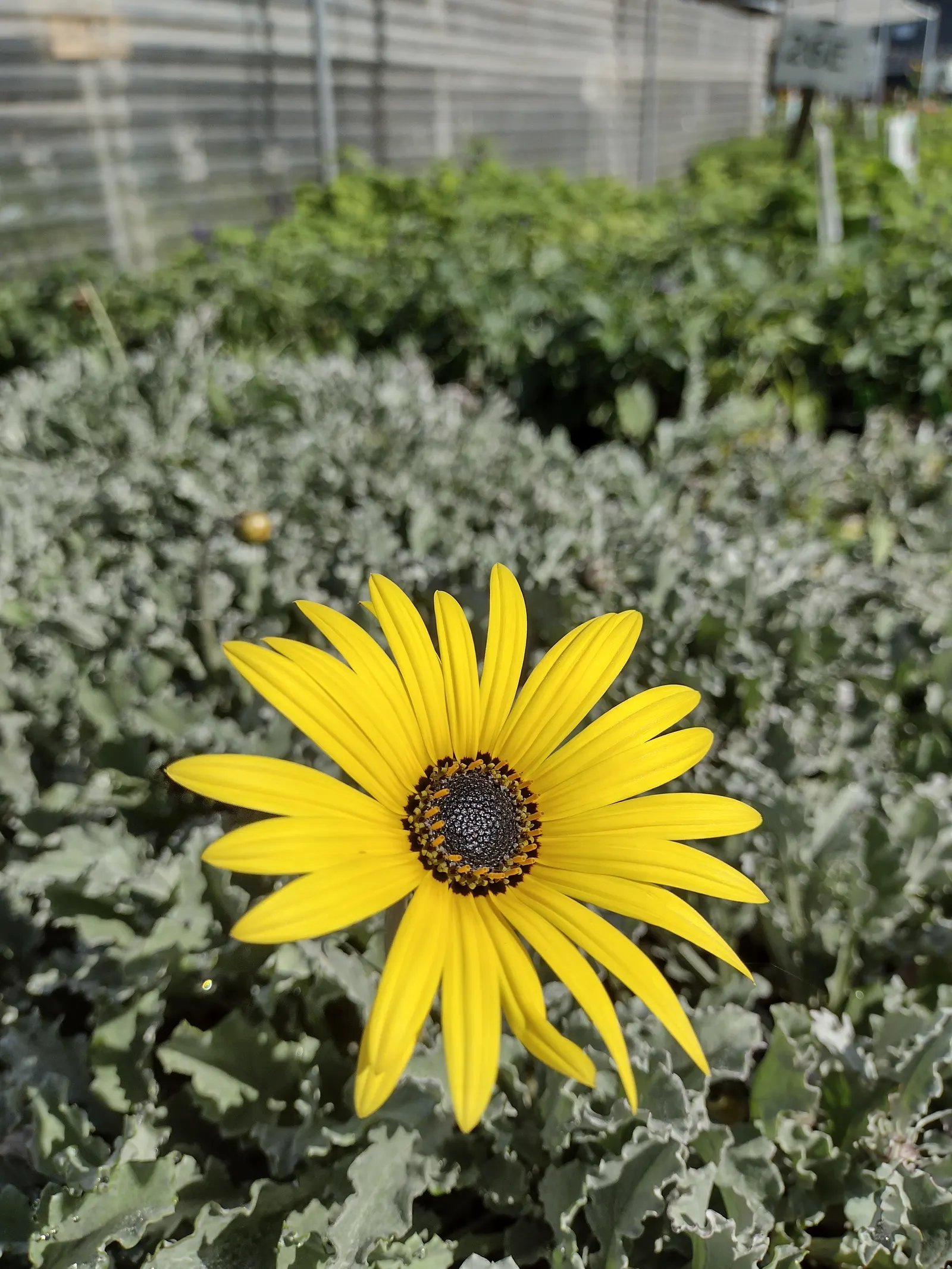
Tidytips (Layia platyglossa) is a cheerful annual, native to California, showcasing bright yellow daisy-like flowers with distinct white tips. It reaches up to 12 inches in height and spreads approximately 12 inches wide. Thriving in full sun, it requires well-drained soil and is drought-tolerant once established. Blooming from spring to early summer, Tidytips adds a burst of color and attracts pollinators, making it a vibrant accent in wildflower gardens.

Sun FullWater Low, Very LowZones 3–10
Tidytips (Layia Platyglossa) — Tidytips (Layia platyglossa) is a cheerful annual

Culture

Sun
Full
Water
Low, Very Low
USDA zones
3–10

Shape & size

Classification

Family
Asteraceae

See full data, regional cultivation notes, full-resolution photos, and design tools. Build a client presentation around this plant.

Start your 14-day trial

Photos (102)

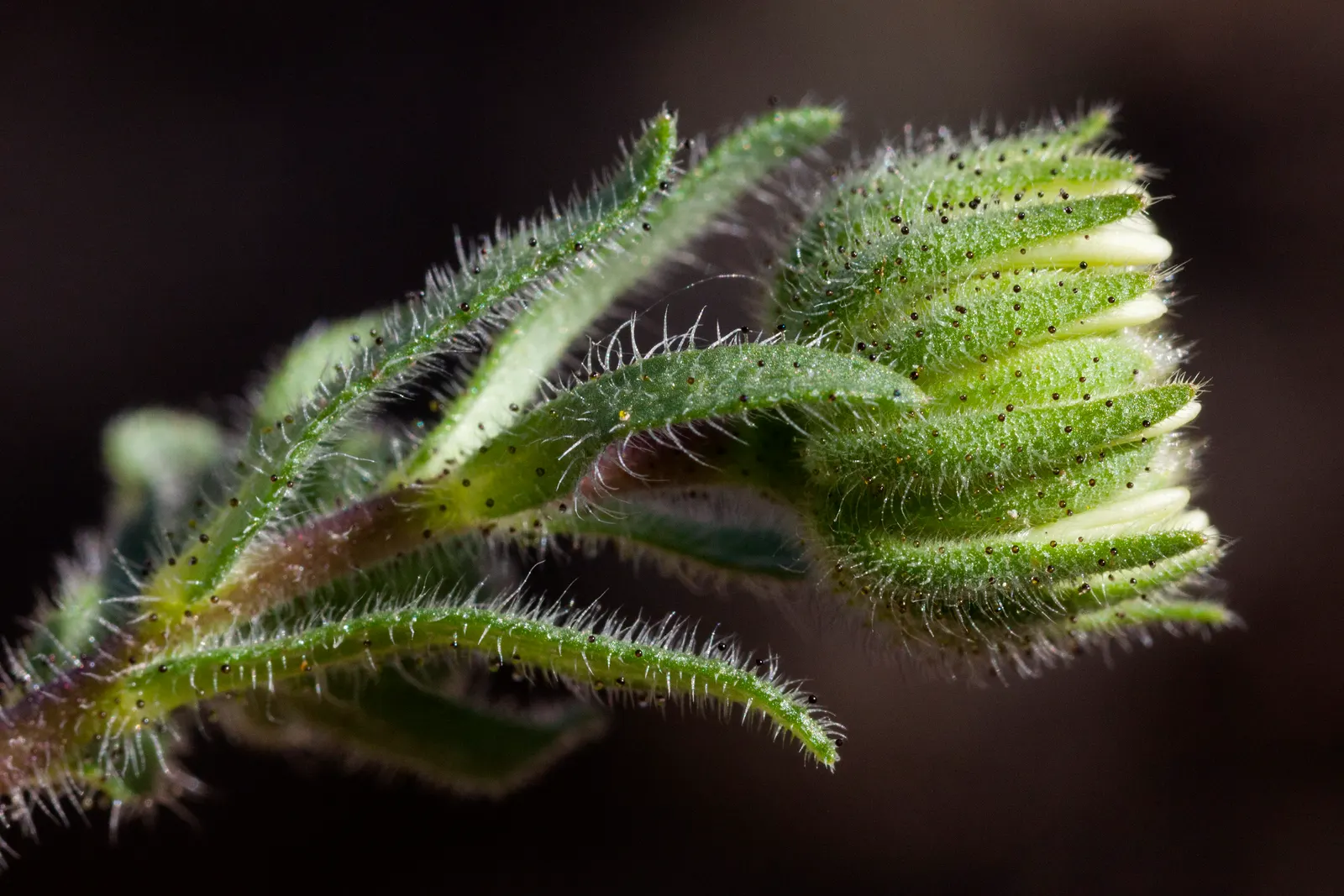
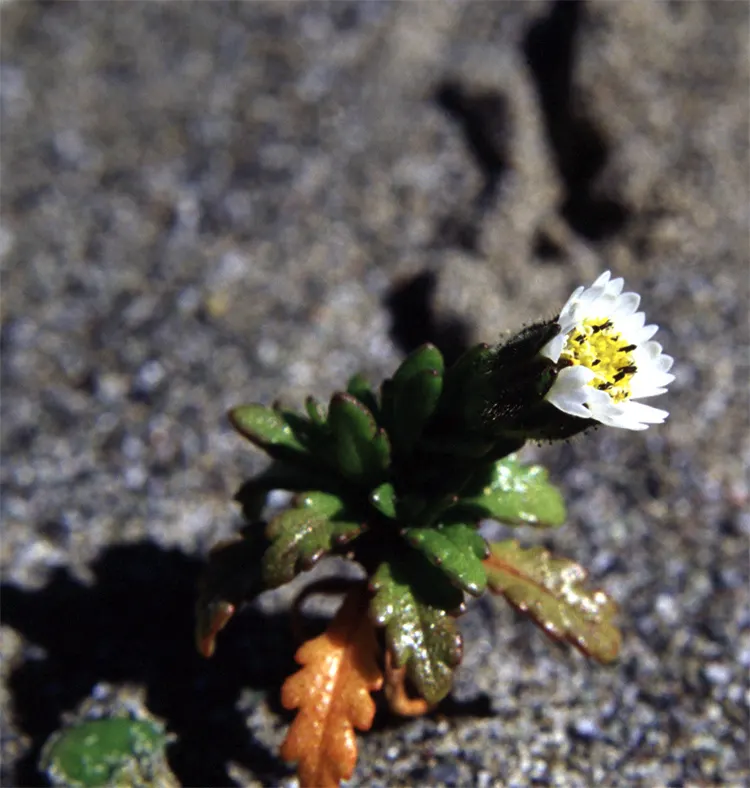
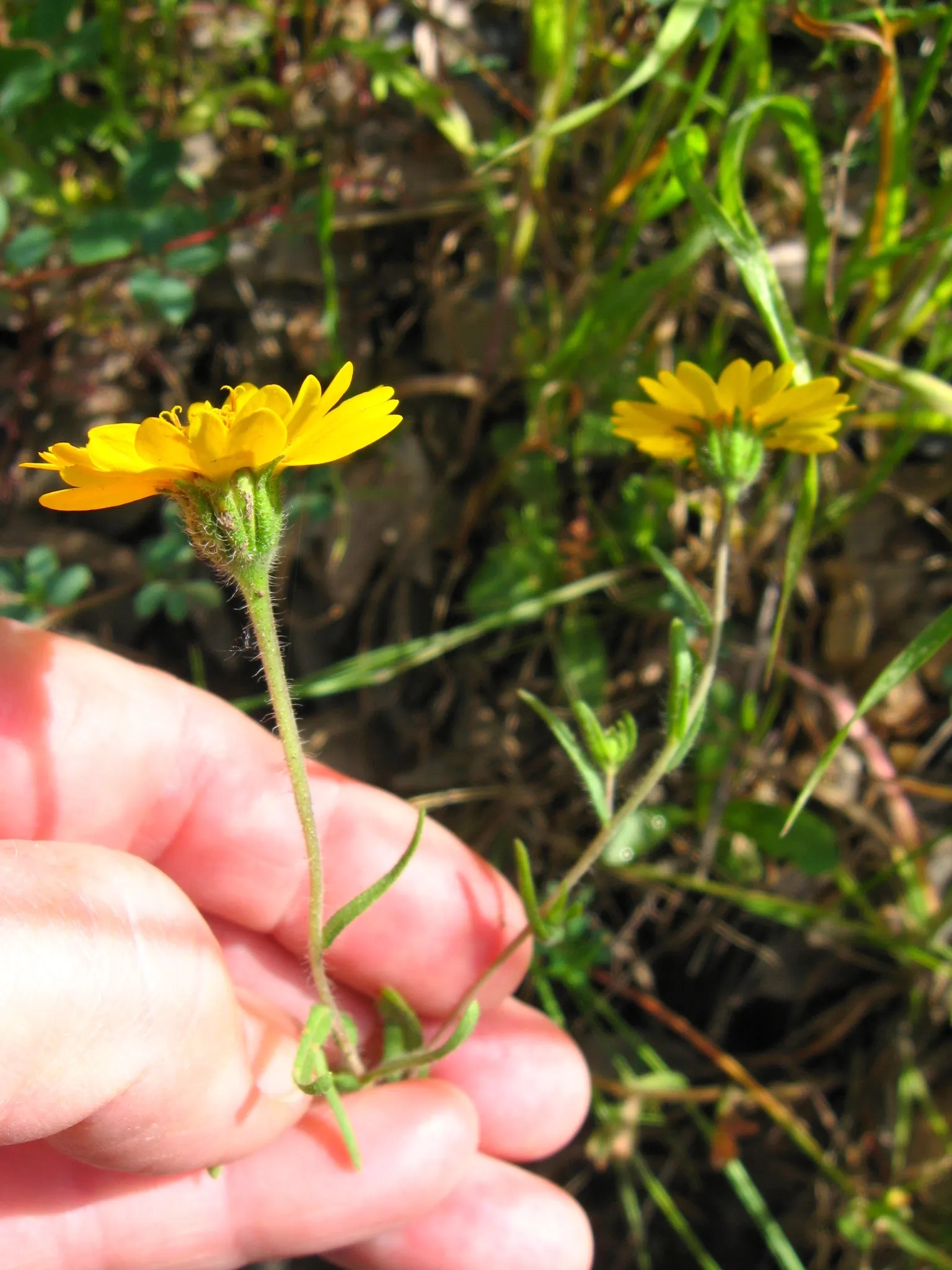
Tidytips (Layia Platyglossa) — while the main attraction is the daisy-like flower; are a charming addition to any landscape
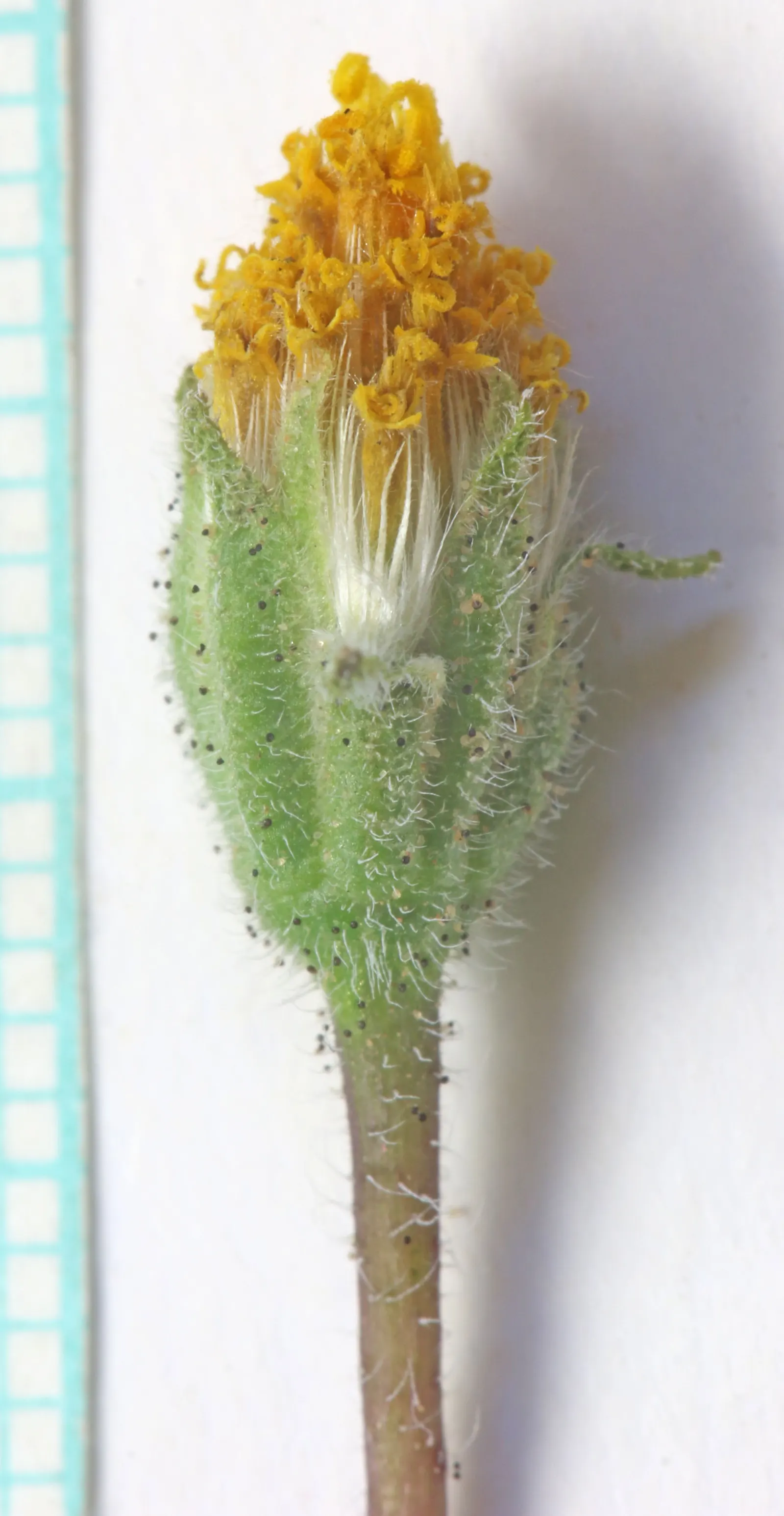
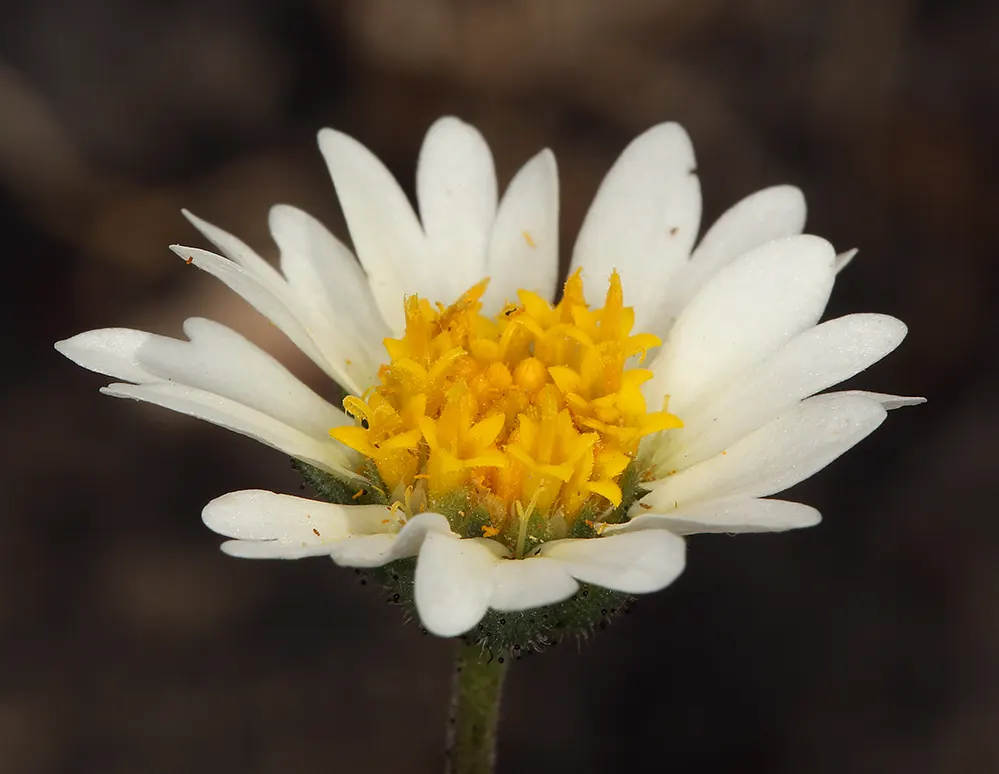
Tidytips (Layia Platyglossa) — Each bloom features white to yellow petals, image 47
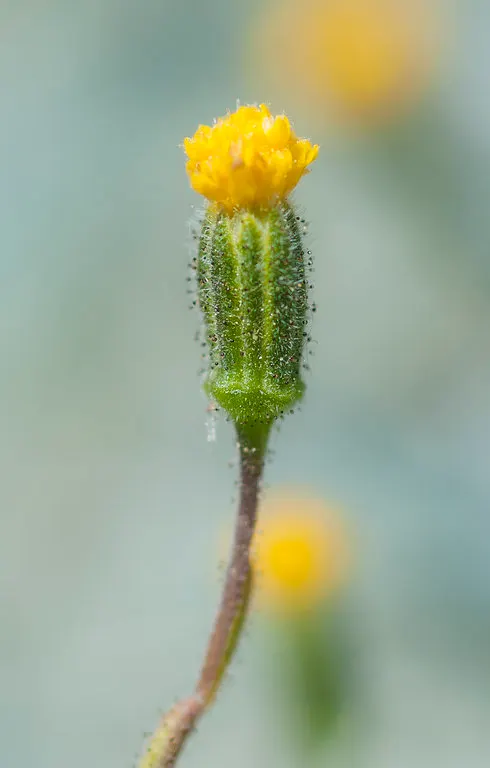
Tidytips (Layia Platyglossa) — typically with a bright yellow tip; when designing with Tidytips
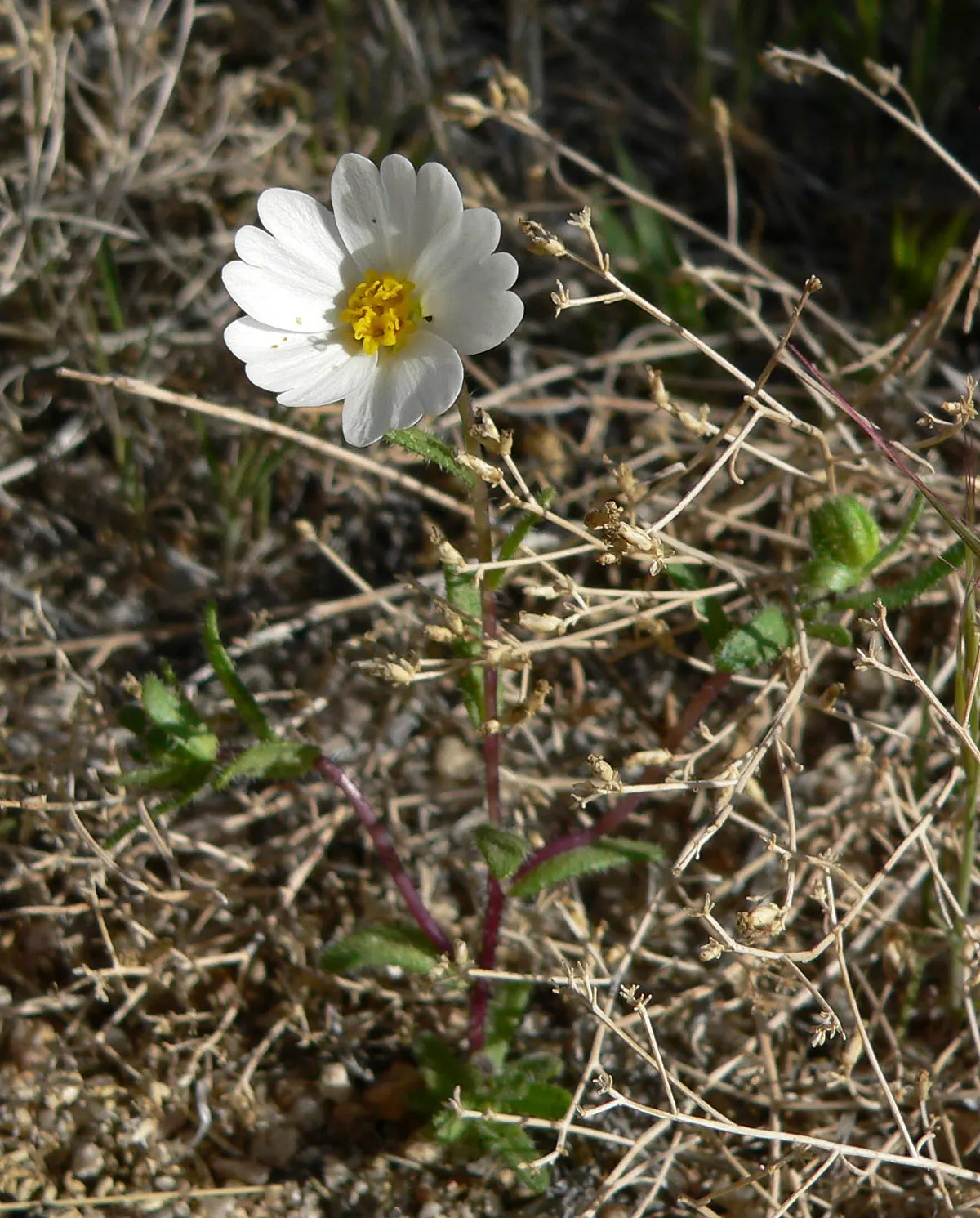
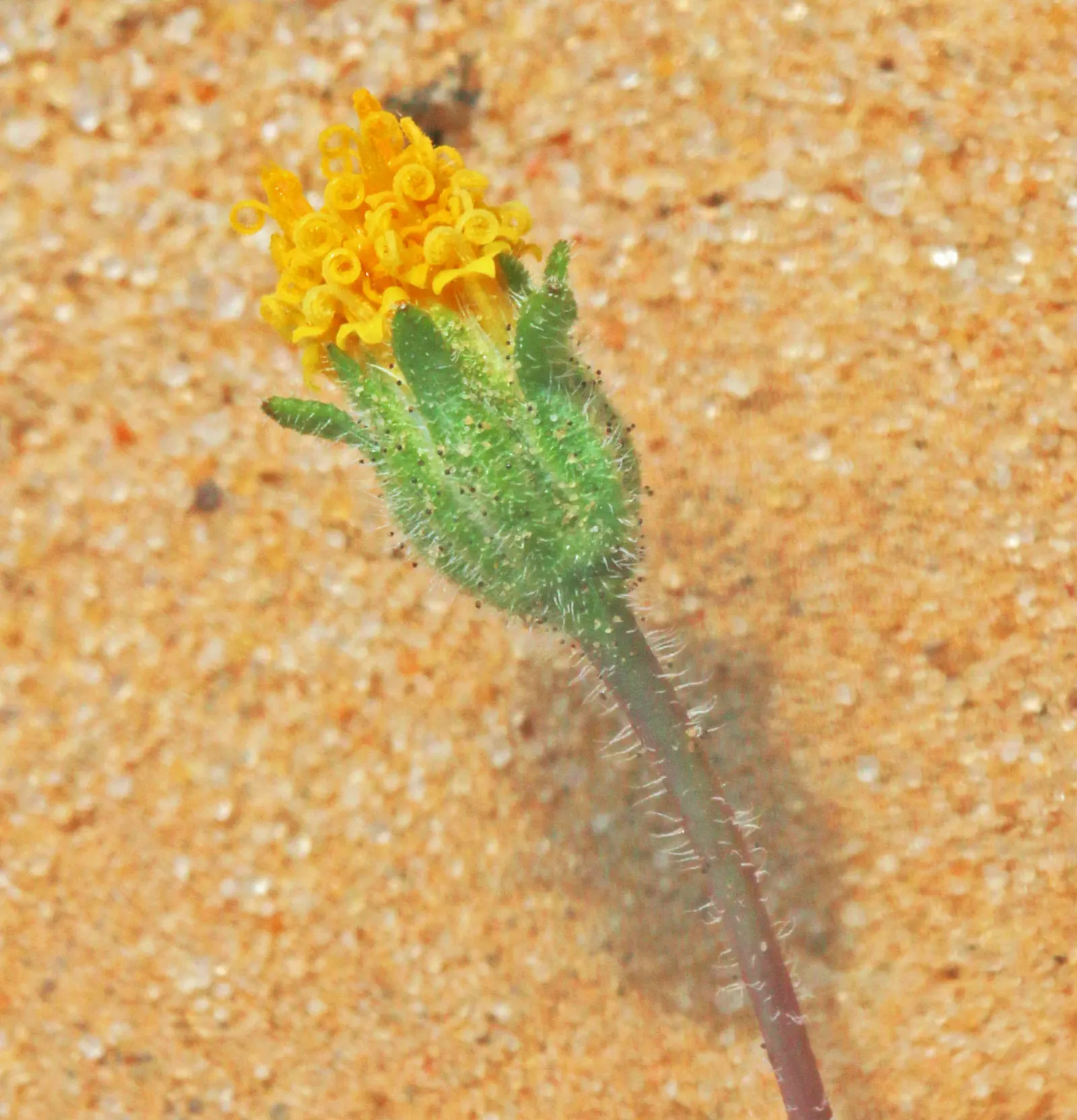
Tidytips (Layia Platyglossa) — thus enhancing the garden's ecosystem; typically with a bright yellow tip
Tidytips (Layia Platyglossa) — When designing with Tidytips; it reaches up to 12 inches in height and spreads approximately 12 inches wide
Tidytips (Layia Platyglossa) — consider their potential to attract pollinators such as bees and butterflies; offering both visual appeal and low-maintenance
Tidytips (Layia Platyglossa) — Pair them with other natives or drought-tolerant species for a cohesive and sustainable design; consider their potential to
Tidytips (Layia Platyglossa) — including sandy and loamy conditions; though they are tolerant of various soil types
Tidytips (Layia Platyglossa) — They are also drought-resistant once established, making them a wise choice for water-wise landscapes; tidytips can thrive in
Tidytips (Layia Platyglossa) — and their ability to self-seed may provide delightful natural regeneration year after year; making it a vibrant accent in
Tidytips (Layia Platyglossa) — Tidytips can thrive in USDA hardiness zones 6 to 10; annual for full
Tidytips (Layia Platyglossa) — annual with yellow blooms; including sandy and loamy conditions
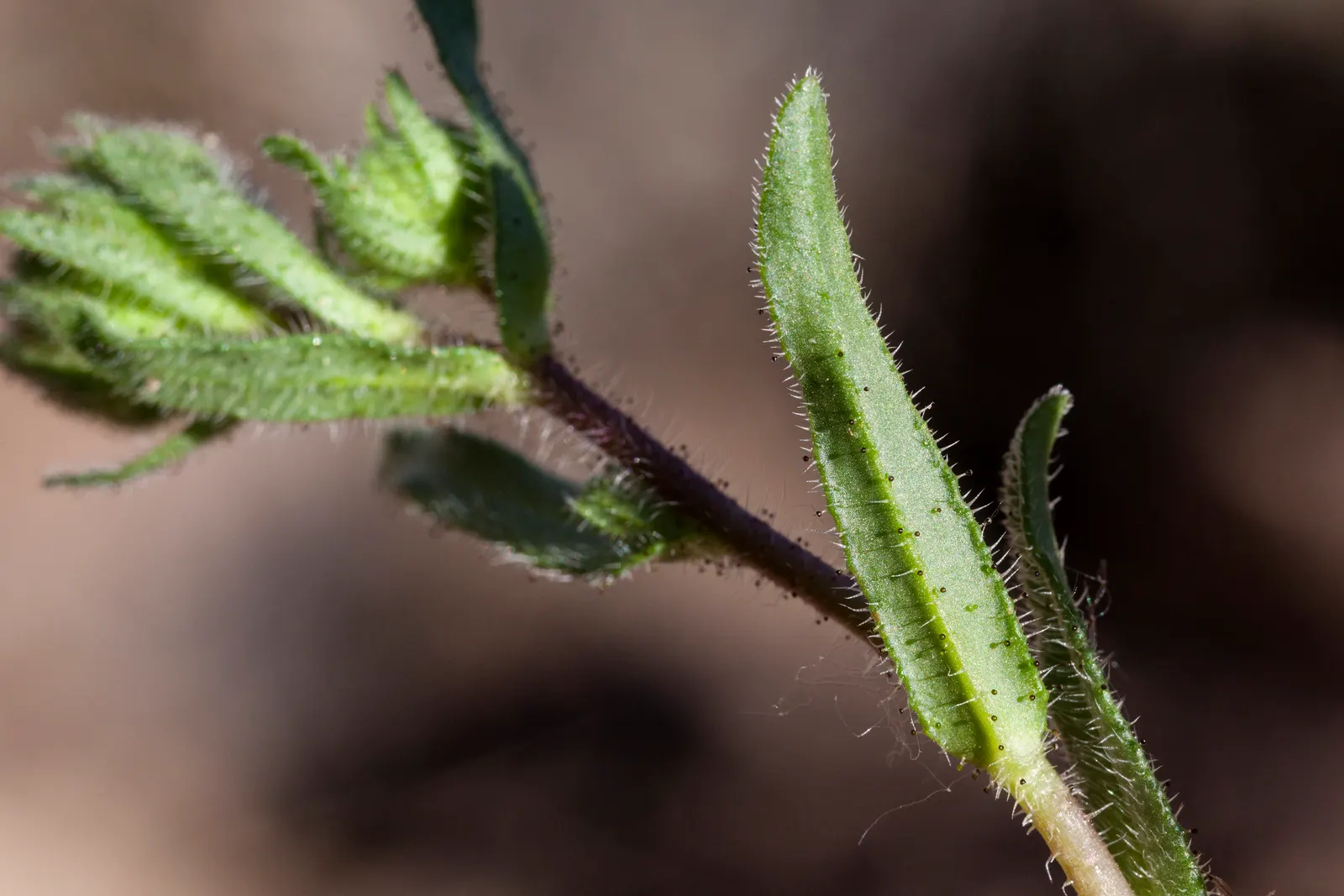
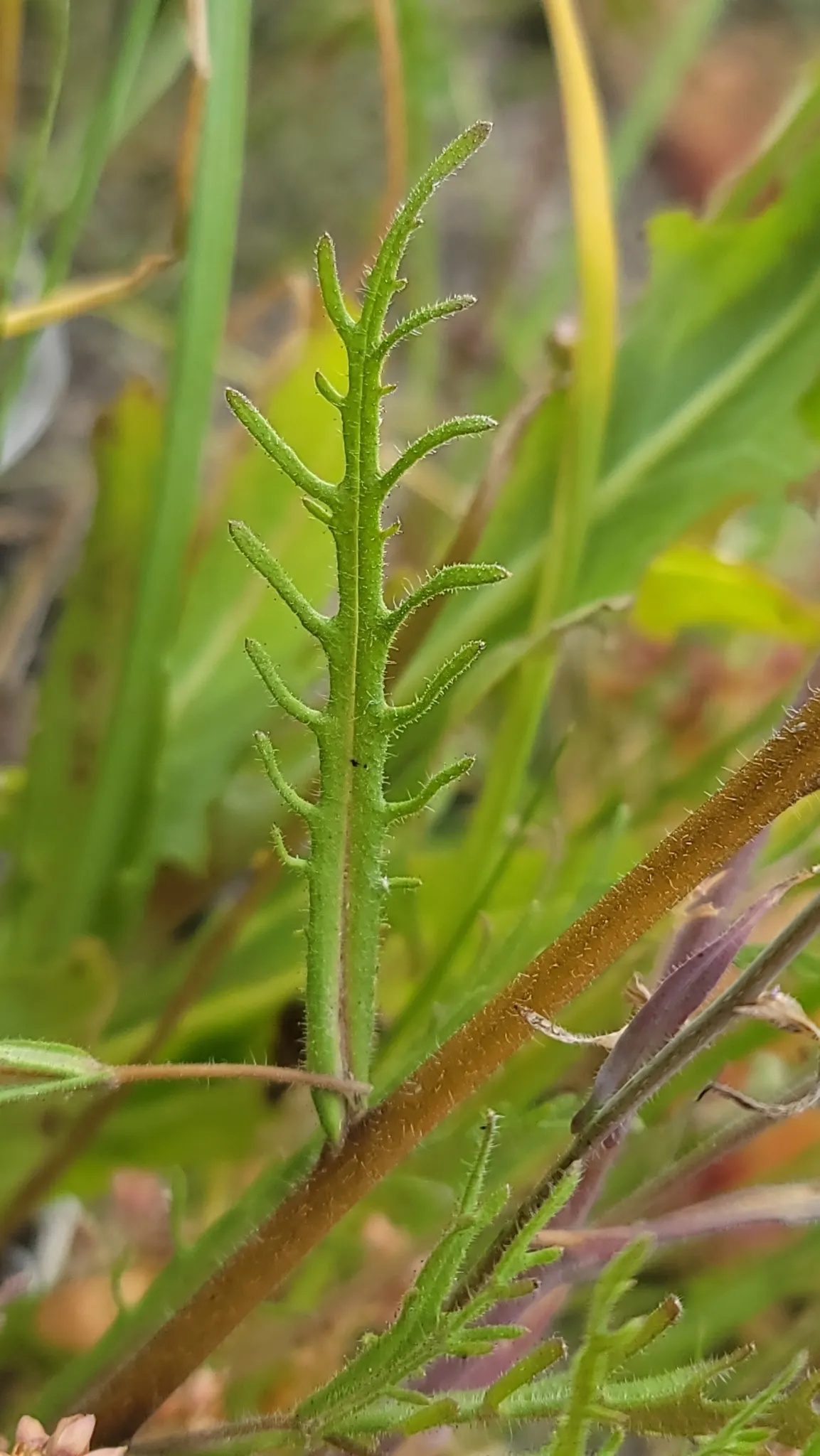
Tidytips (Layia Platyglossa) — yellow flowers in the garden; from informal wildflower meadows to more structured garden beds.<br><br>The foliage consists of
Tidytips (Layia Platyglossa) — annual for full; and their ability to self-seed may provide delightful natural regeneration year after year
Tidytips (Layia Platyglossa) — Thriving in full sun, it requires well-drained soil and is drought-tolerant once established; thus enhancing the, image 66
Tidytips (Layia Platyglossa) — Blooming from spring to early summer; tidytips (Layia platyglossa) is a cheerful annual, image 67
Tidytips (Layia Platyglossa) — making it a vibrant accent in wildflower gardens; while the main attraction is the daisy-like flower, image 69
Tidytips (Layia Platyglossa) — It reaches up to 12 inches in height and spreads approximately 12 inches wide; encircling a yellow or maroon center, image 65
Tidytips (Layia Platyglossa) — Tidytips adds a burst of color and attracts pollinators; scientifically referred to as Layia platyglossa, image 68
Tidytips (Layia Platyglossa) — showcasing bright yellow daisy-like flowers with distinct white tips; these annual wildflowers are characterized by, image 64
Tidytips (Layia Platyglossa) — Tidytips (Layia platyglossa) is a cheerful annual; thriving in full sun, it requires well-drained soil and is, image 63
Tidytips (Layia Platyglossa) — from informal wildflower meadows to more structured garden beds.<br><br>The foliage consists of narrow; showcasing, image 76
Tidytips (Layia Platyglossa) — are a charming addition to any landscape; yellow flowers in the garden, image 71
Tidytips (Layia Platyglossa) — offering both visual appeal and low-maintenance care; blooming from spring to early summer, image 72

Related plants