
Annual Sweet Pea
Lathyrus Odoratus
Overview
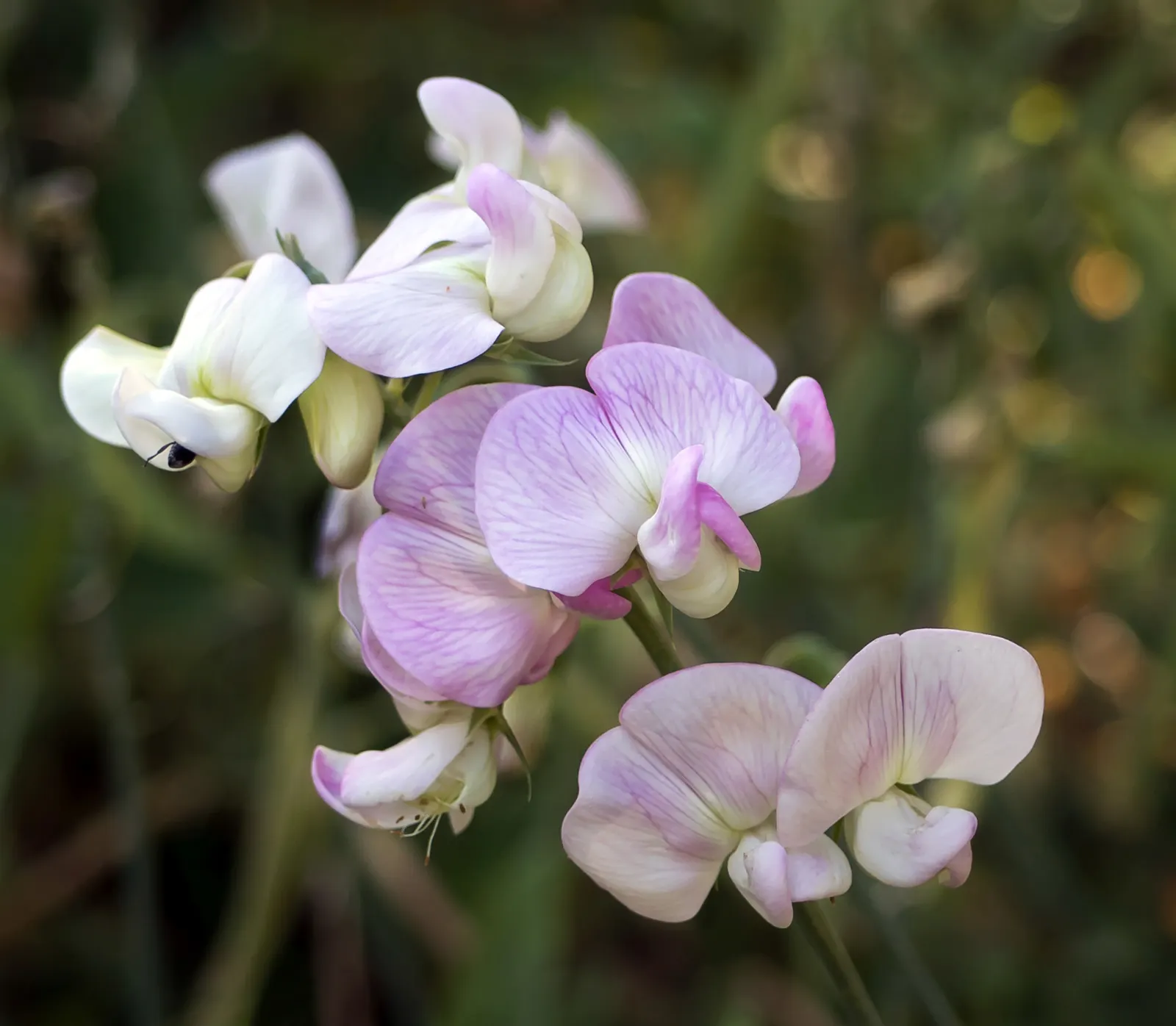
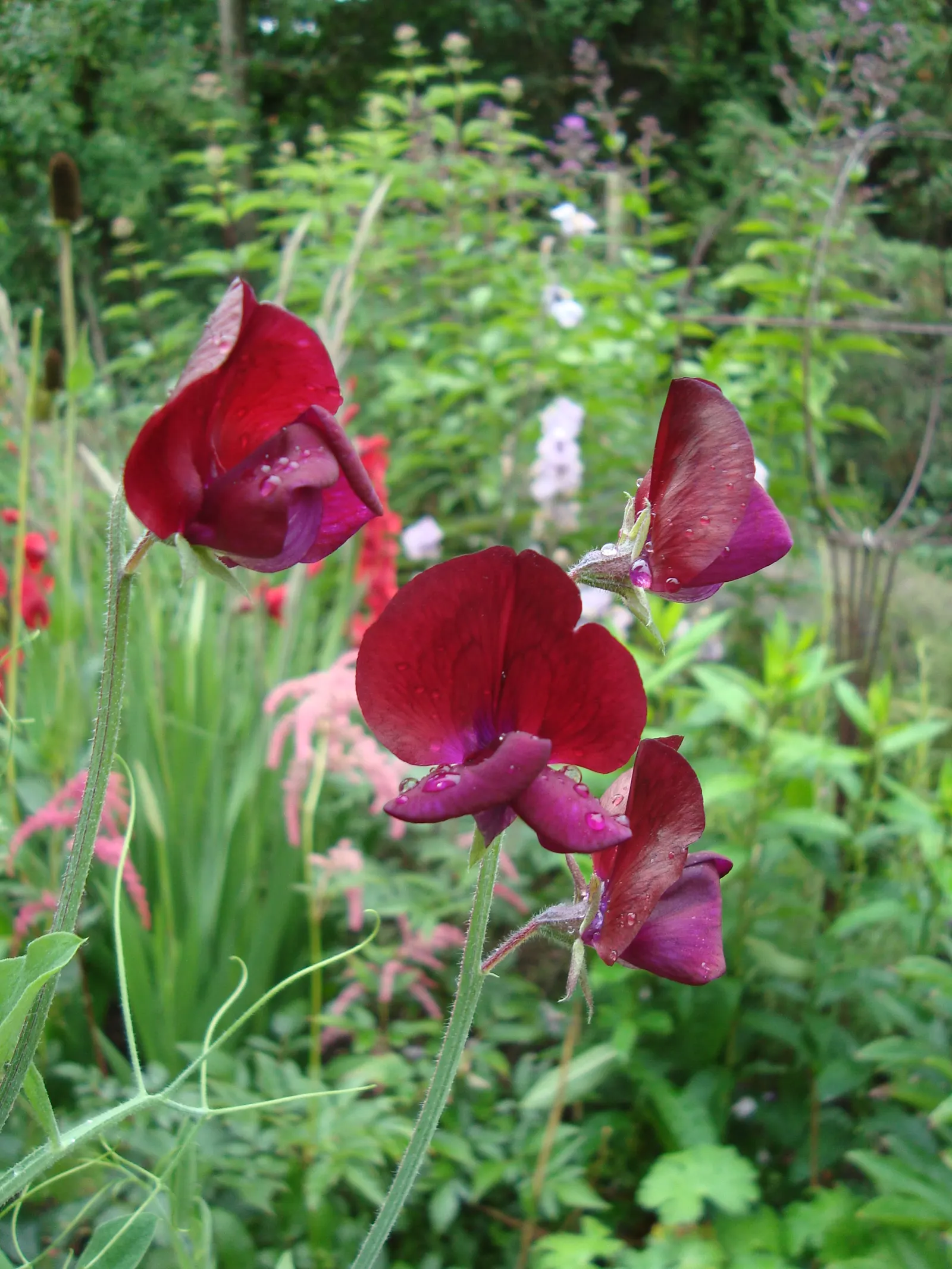
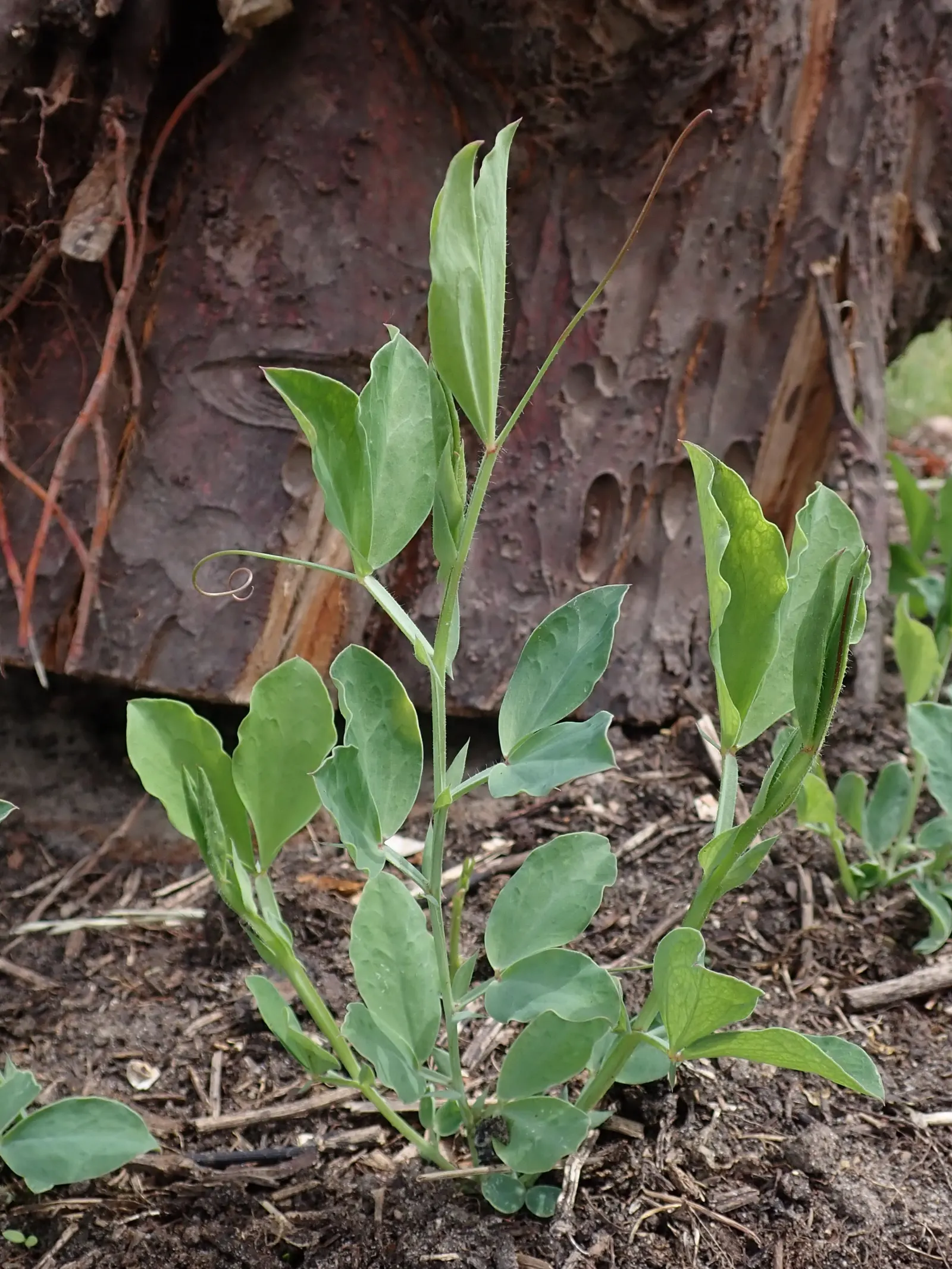
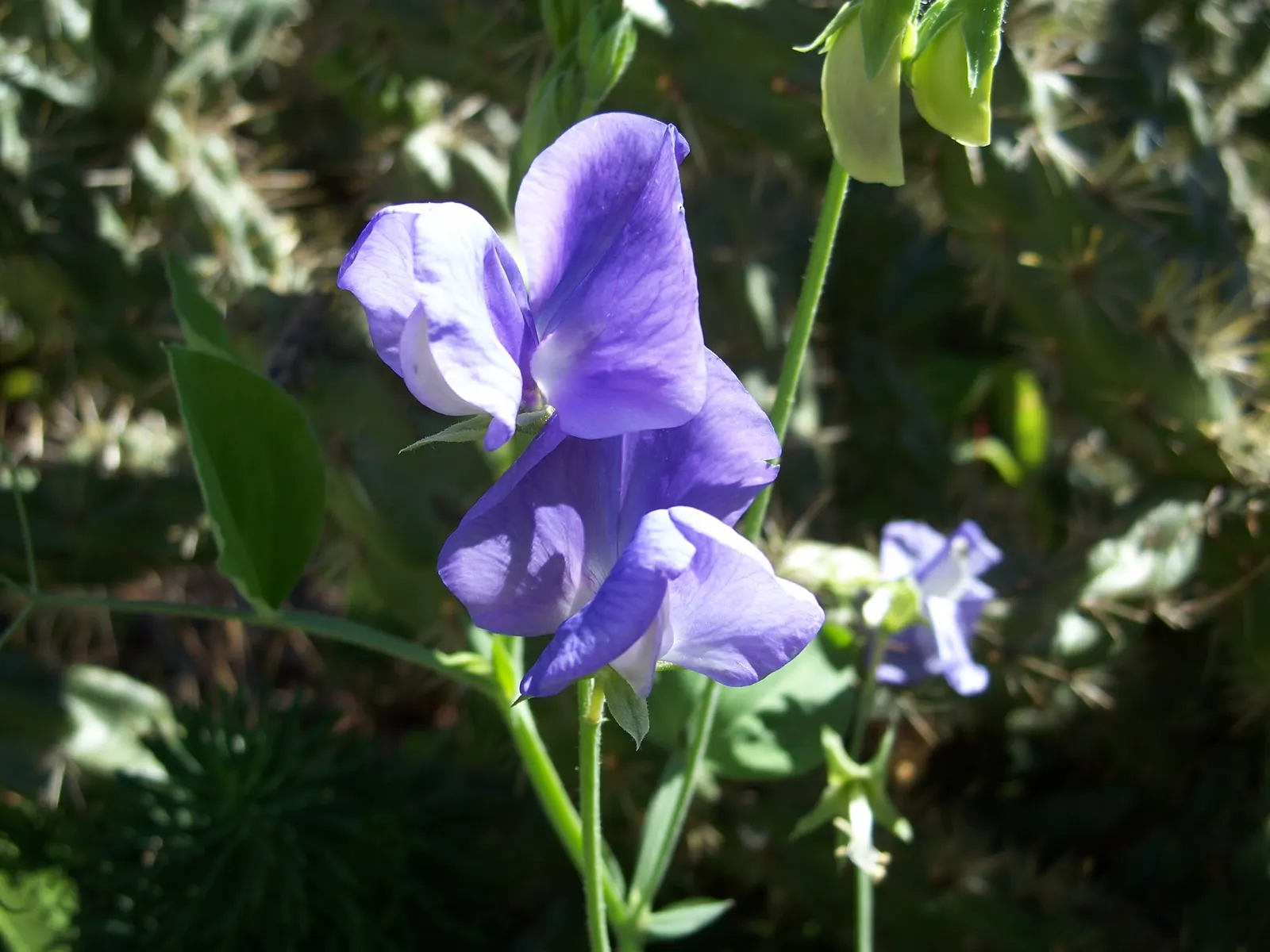
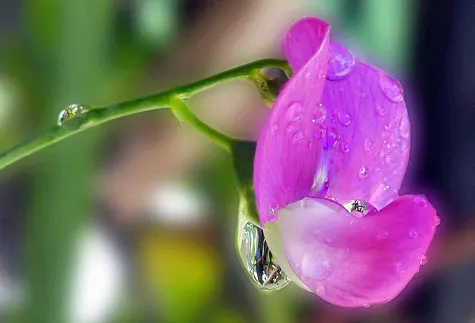
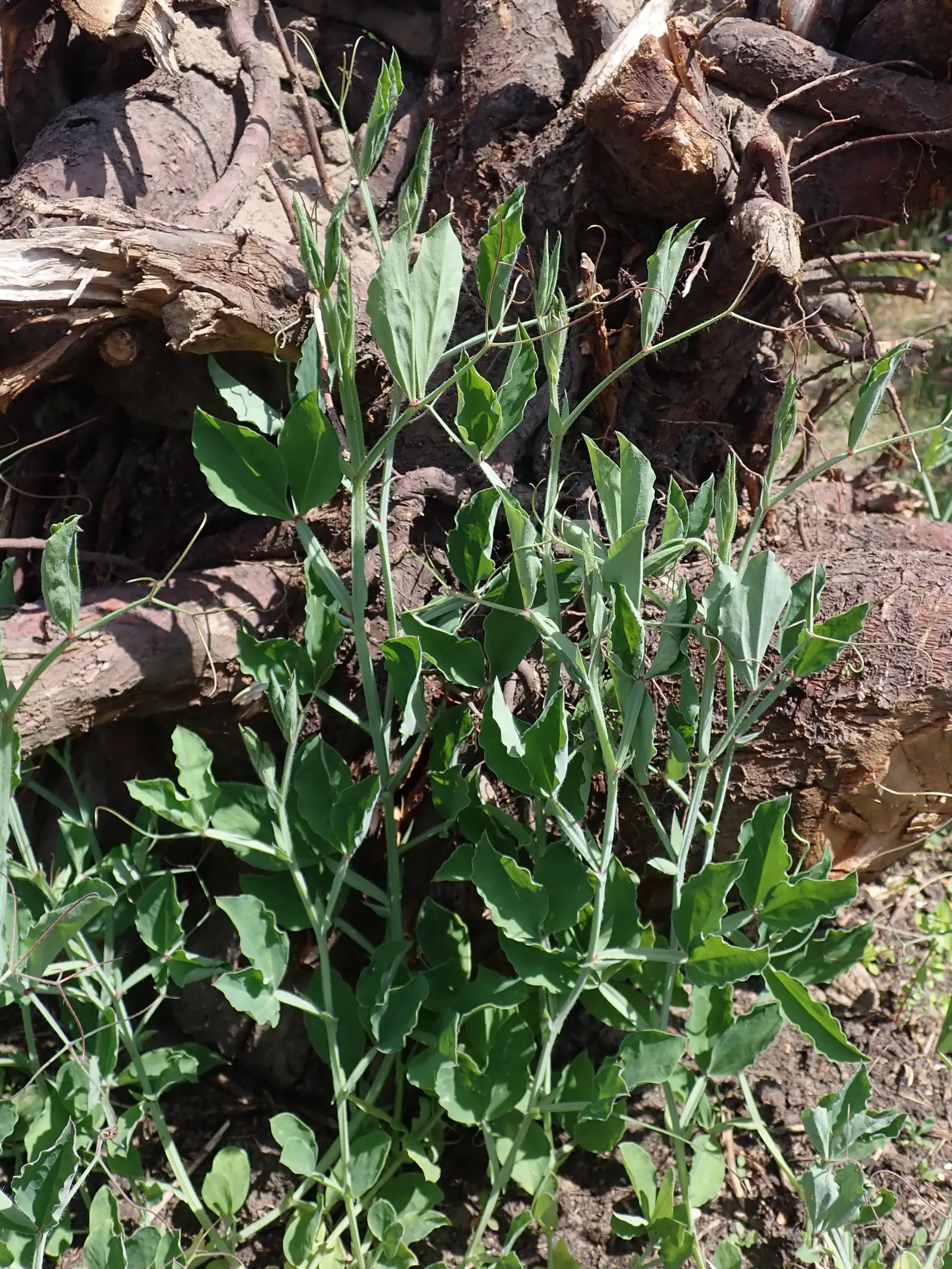
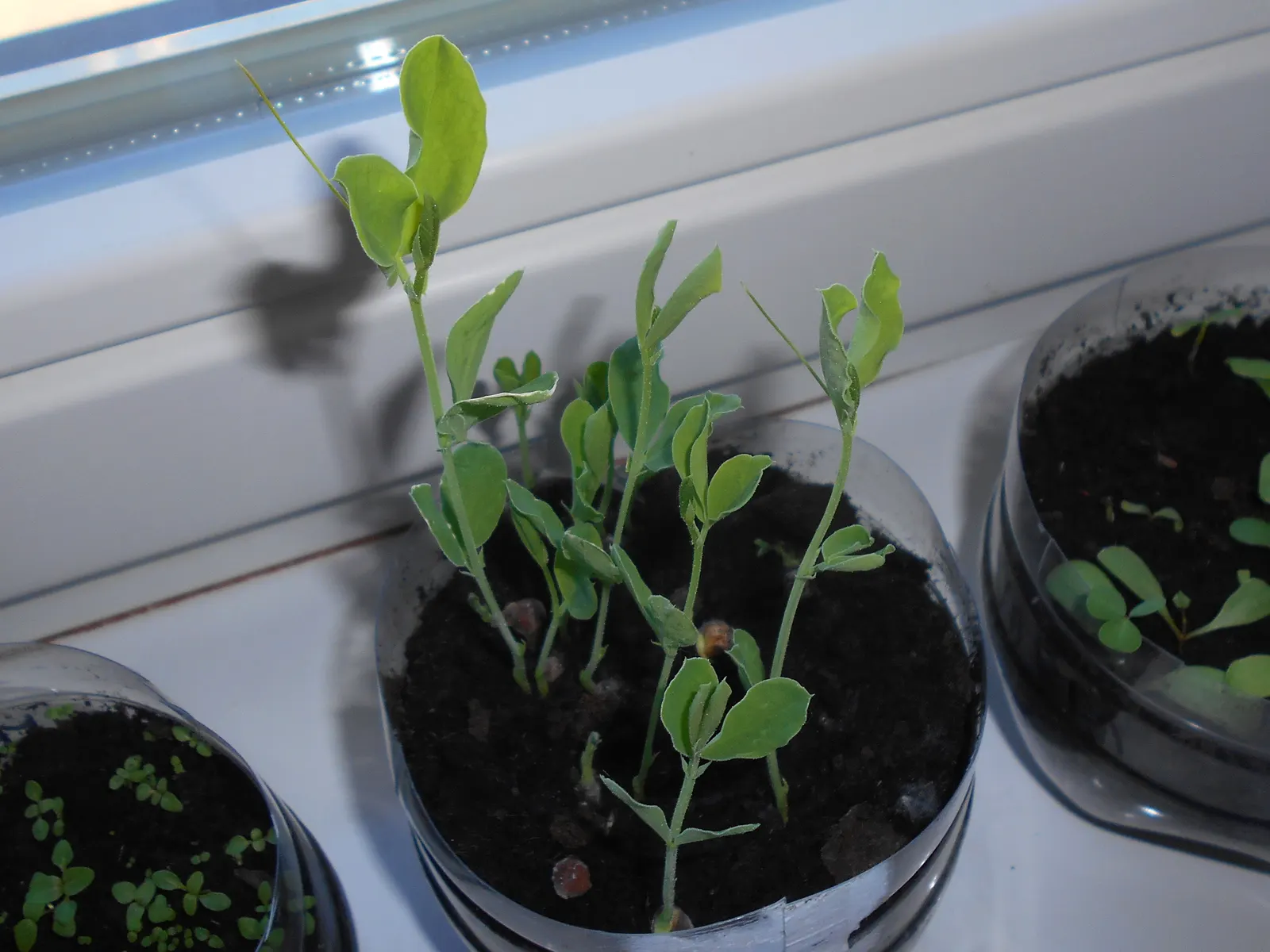
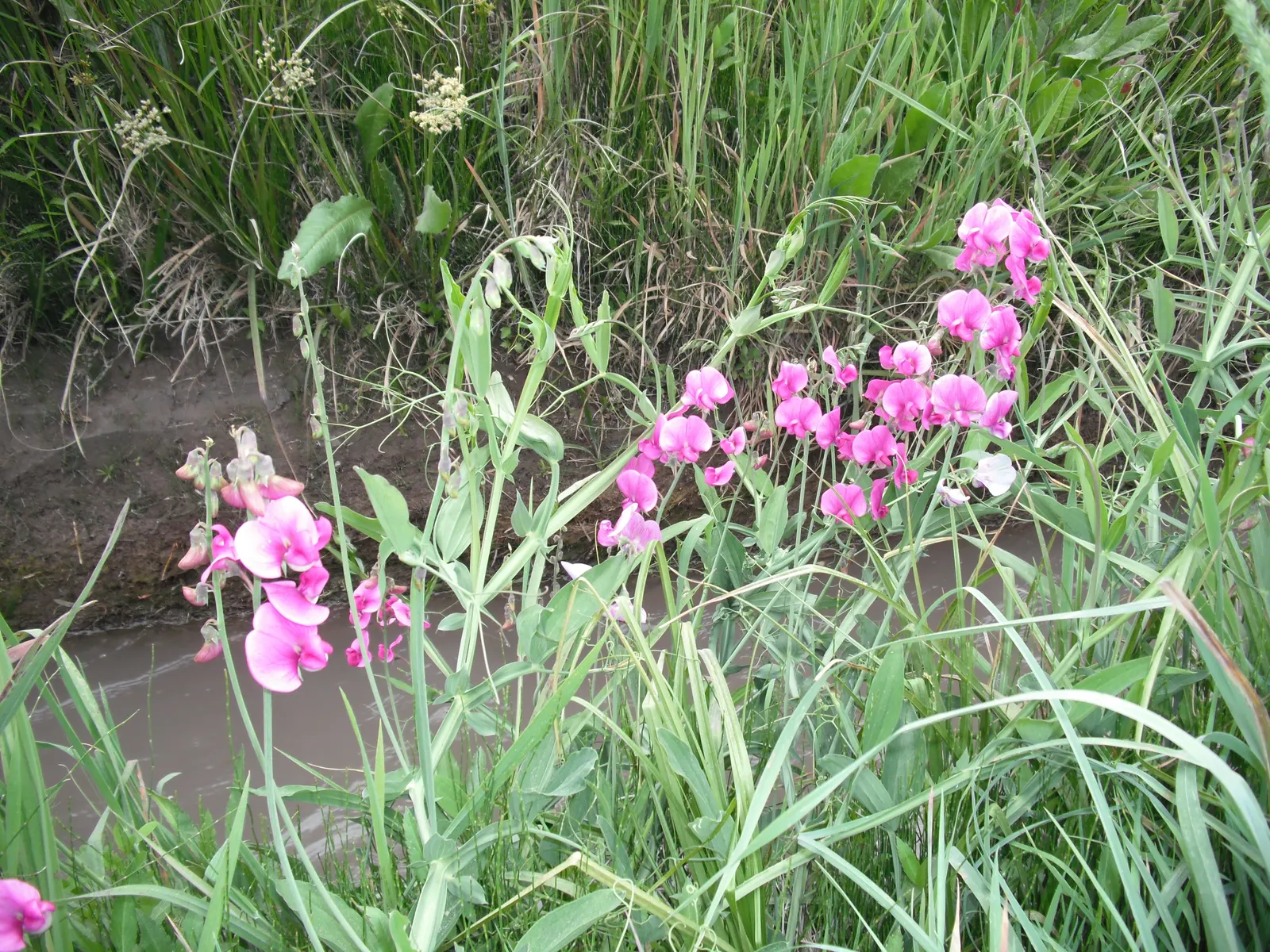
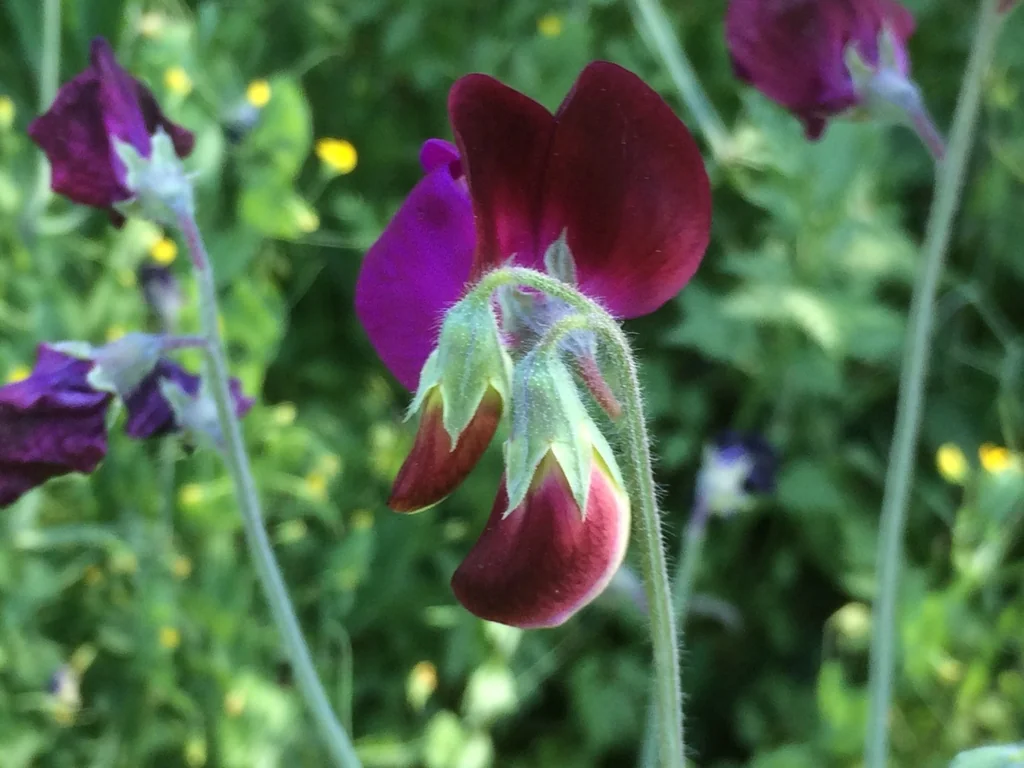
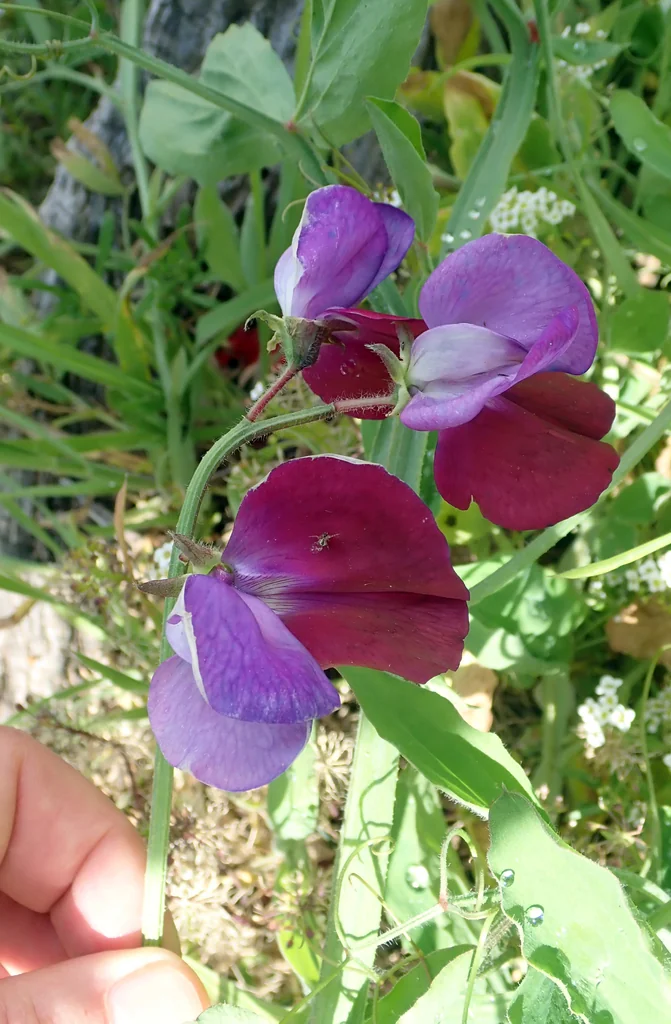
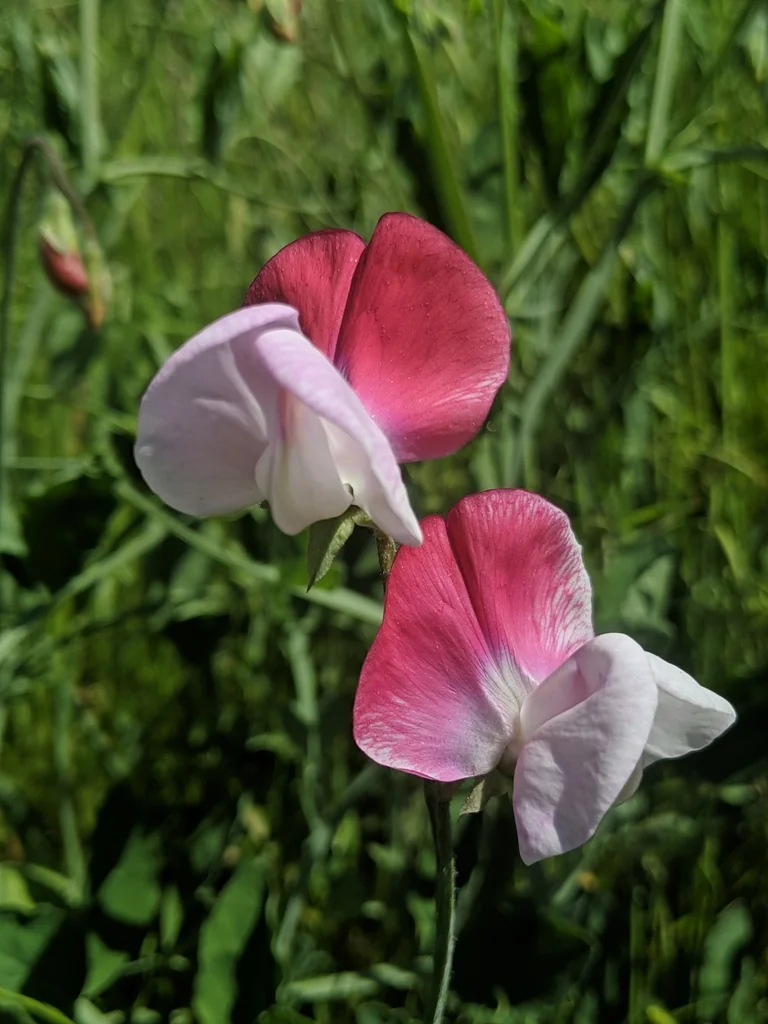
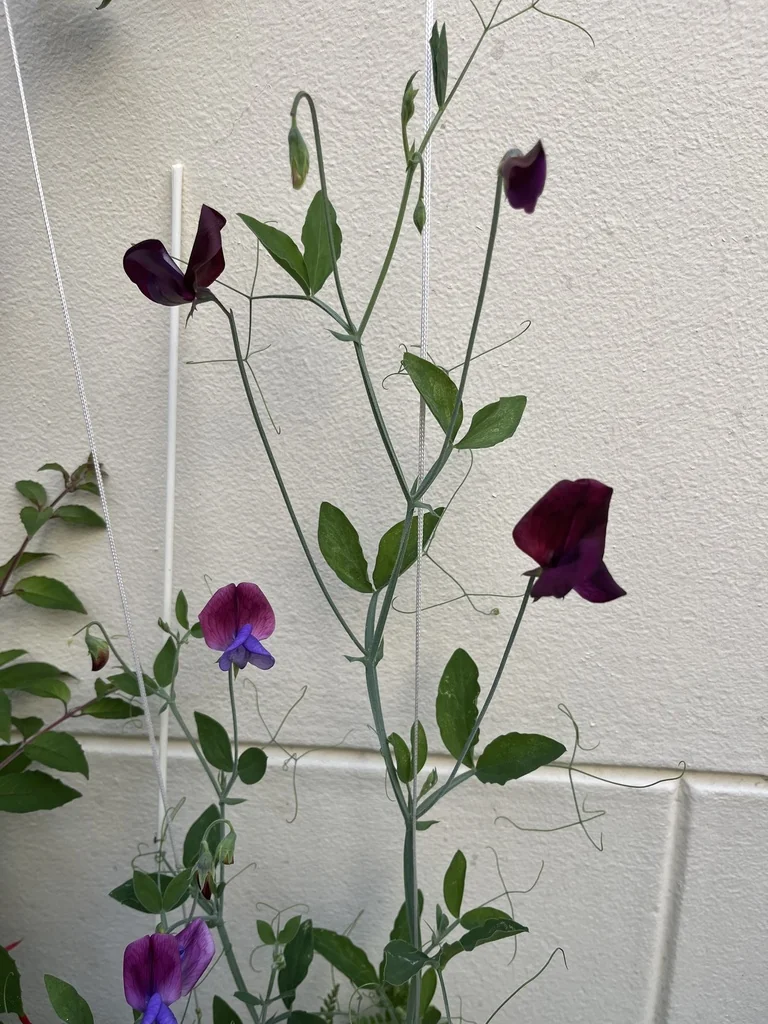
Lathyrus odoratus, commonly known as Annual Sweet Pea, is a cherished ornamental climber, boasting fragrant flowers up to 2 inches across in a vivid array of colors. It thrives in full sun to partial shade and prefers well-draining soil. Reaching a height of 4-6 feet, this fast-growing annual requires support like trellises. Ideal for borders, it adds vertical interest and a delightful scent, blooming from late spring to first frost.
Sun Full, HalfWater MediumZones 3–10Type AnnualClimate Mediterranean
Culture
- Sun
- Full, Half
- Water
- Medium
- USDA zones
- 3–10
Shape & size
Classification
- Type
- Annual
- Family
- Fabaceae
- Climate
- Mediterranean
See full data, regional cultivation notes, and design tools. Build a client presentation around this plant.
Start your 14-day trialPhotos (101)
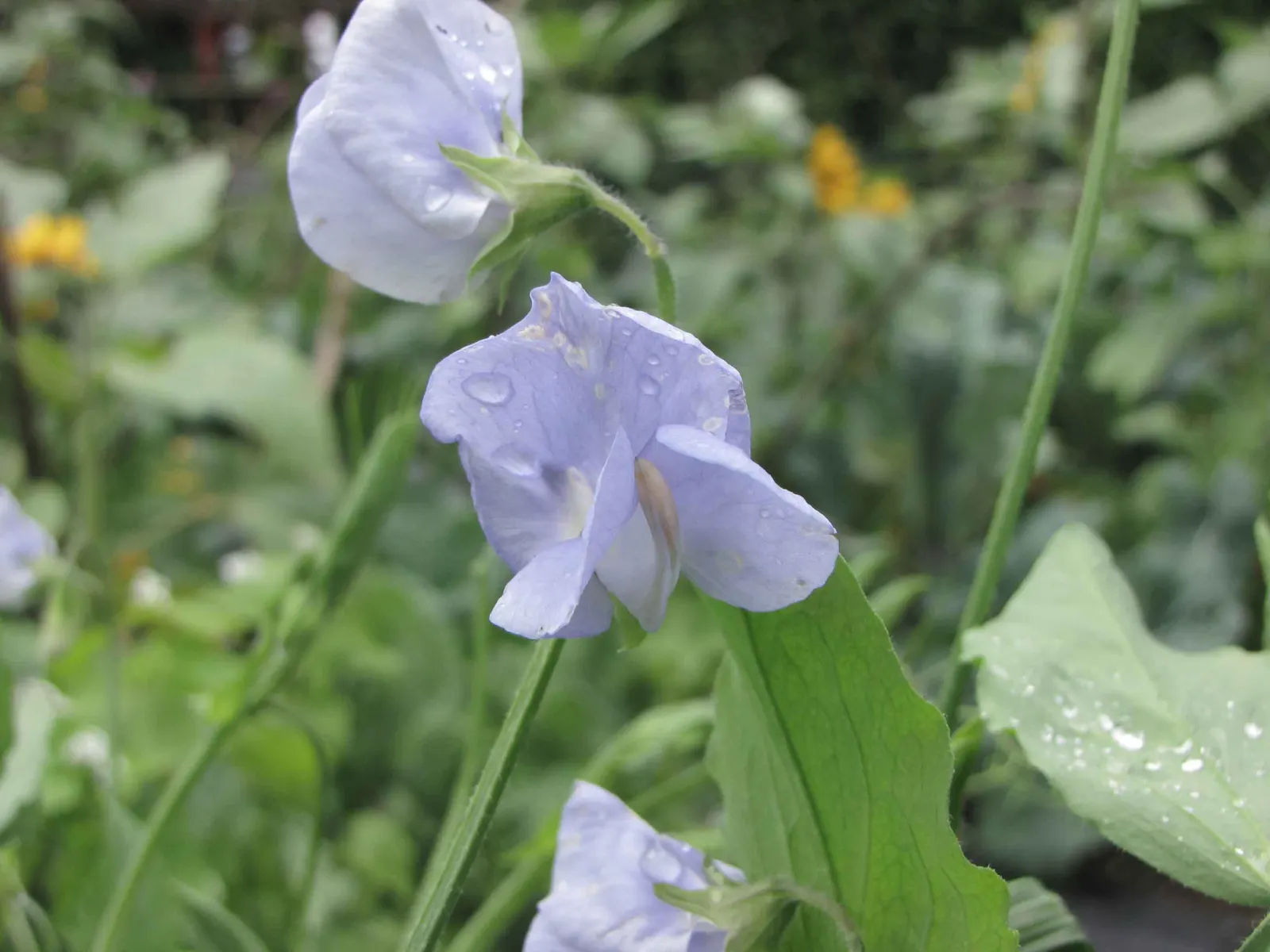
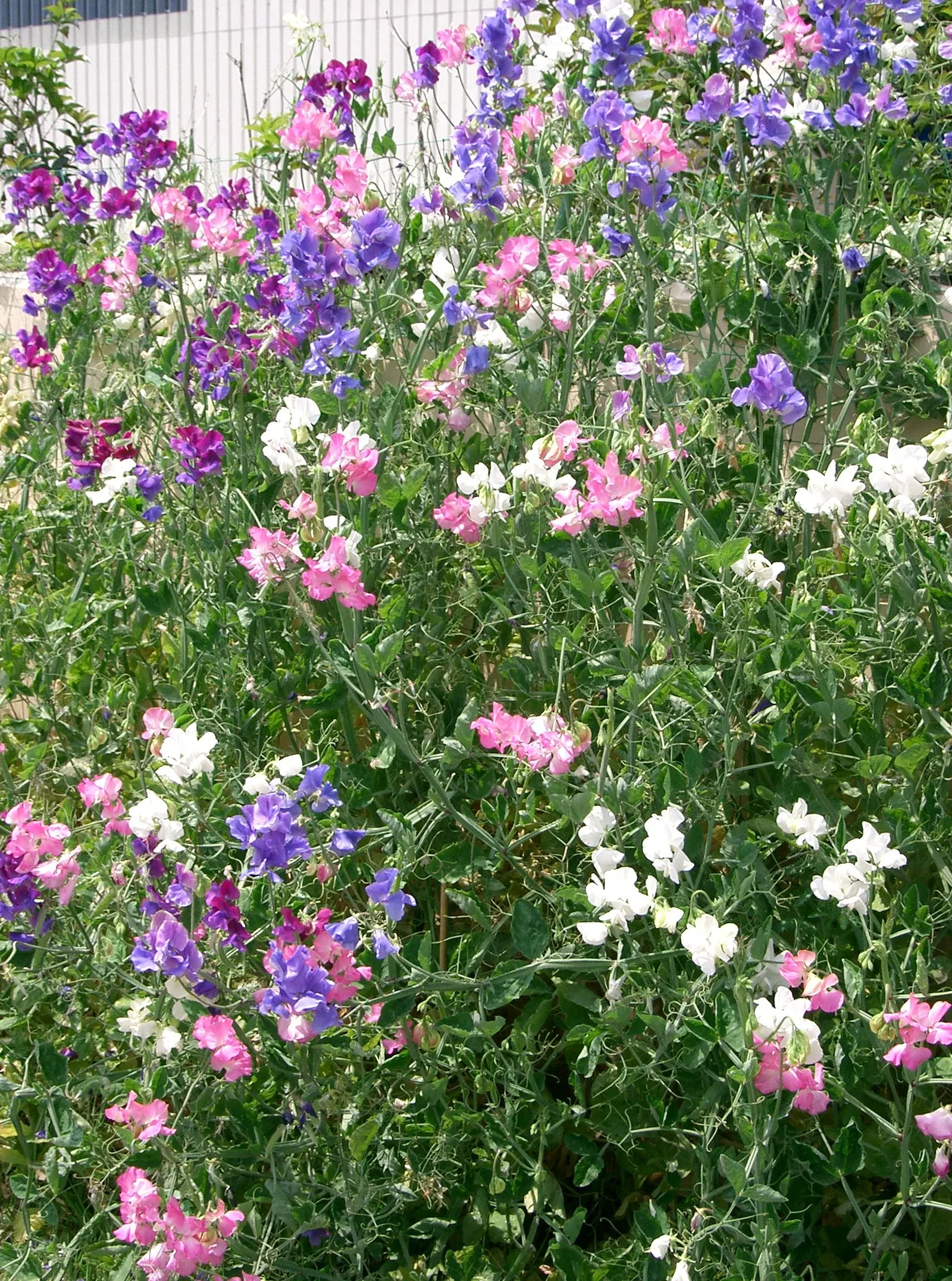
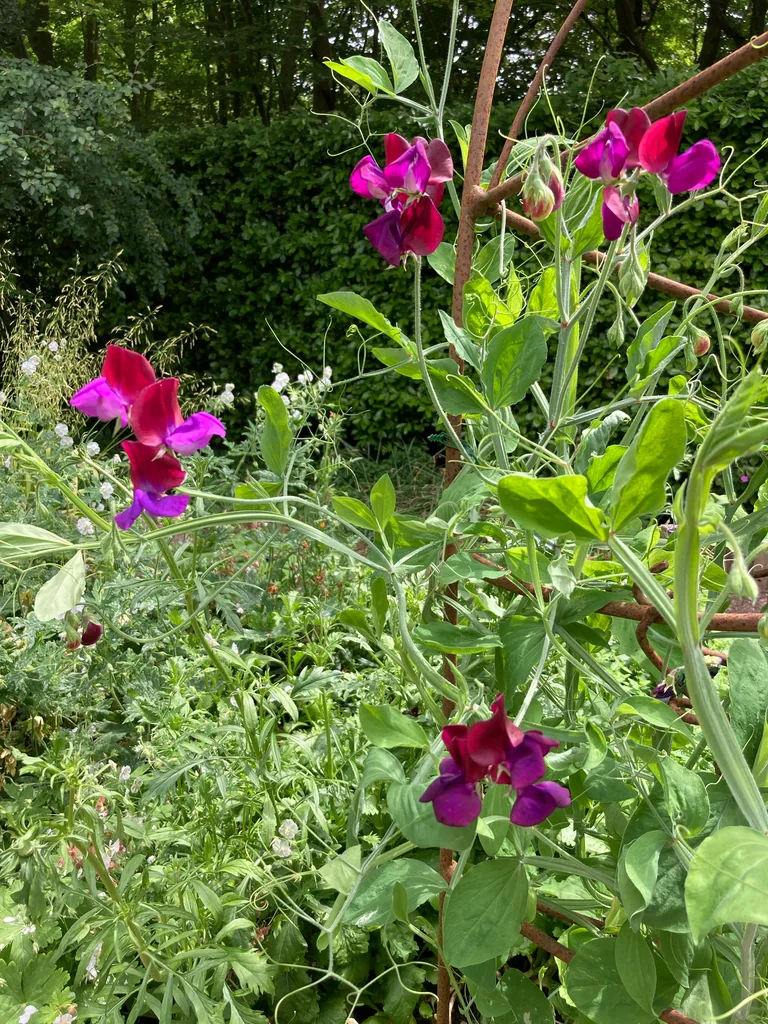
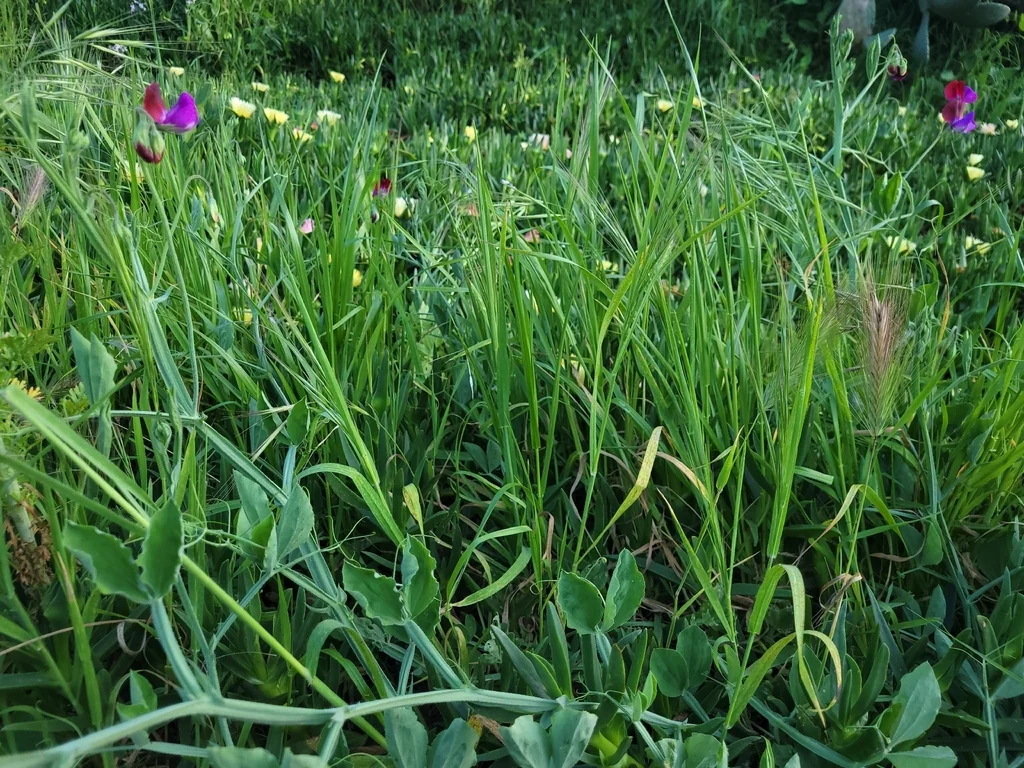
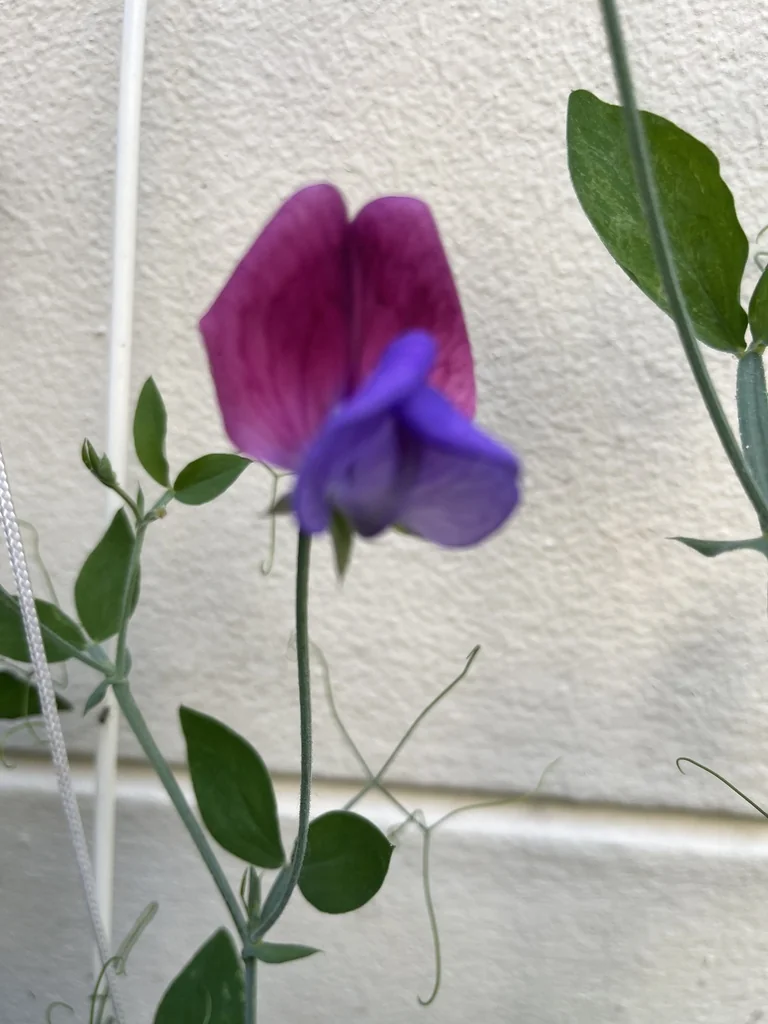
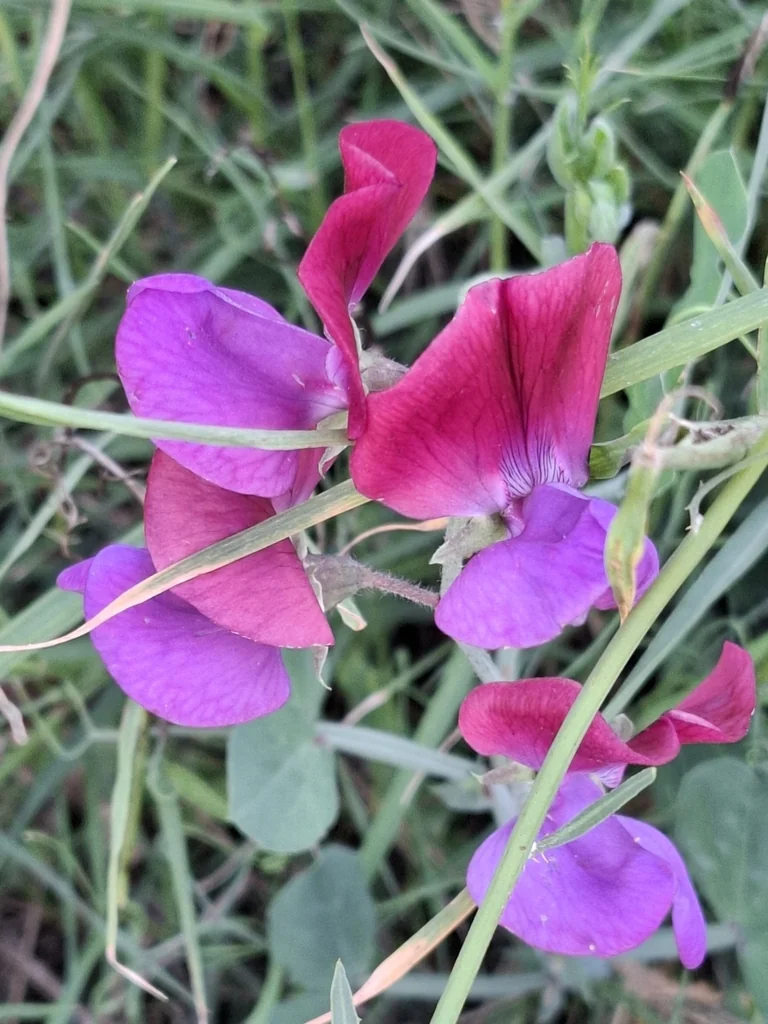


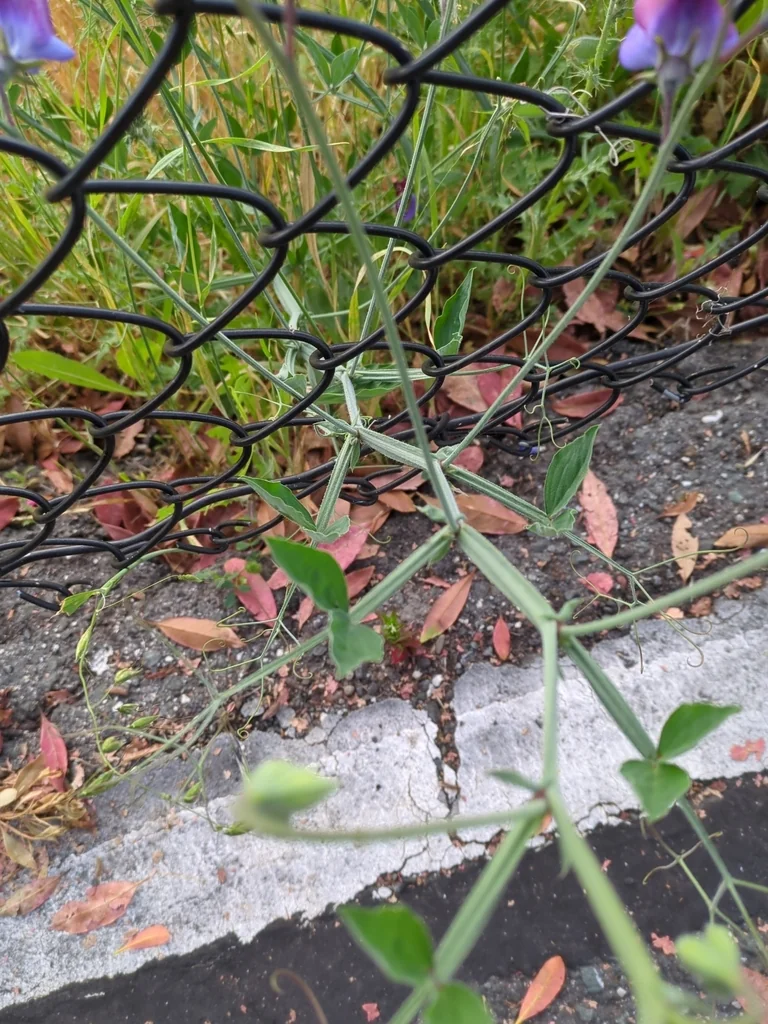

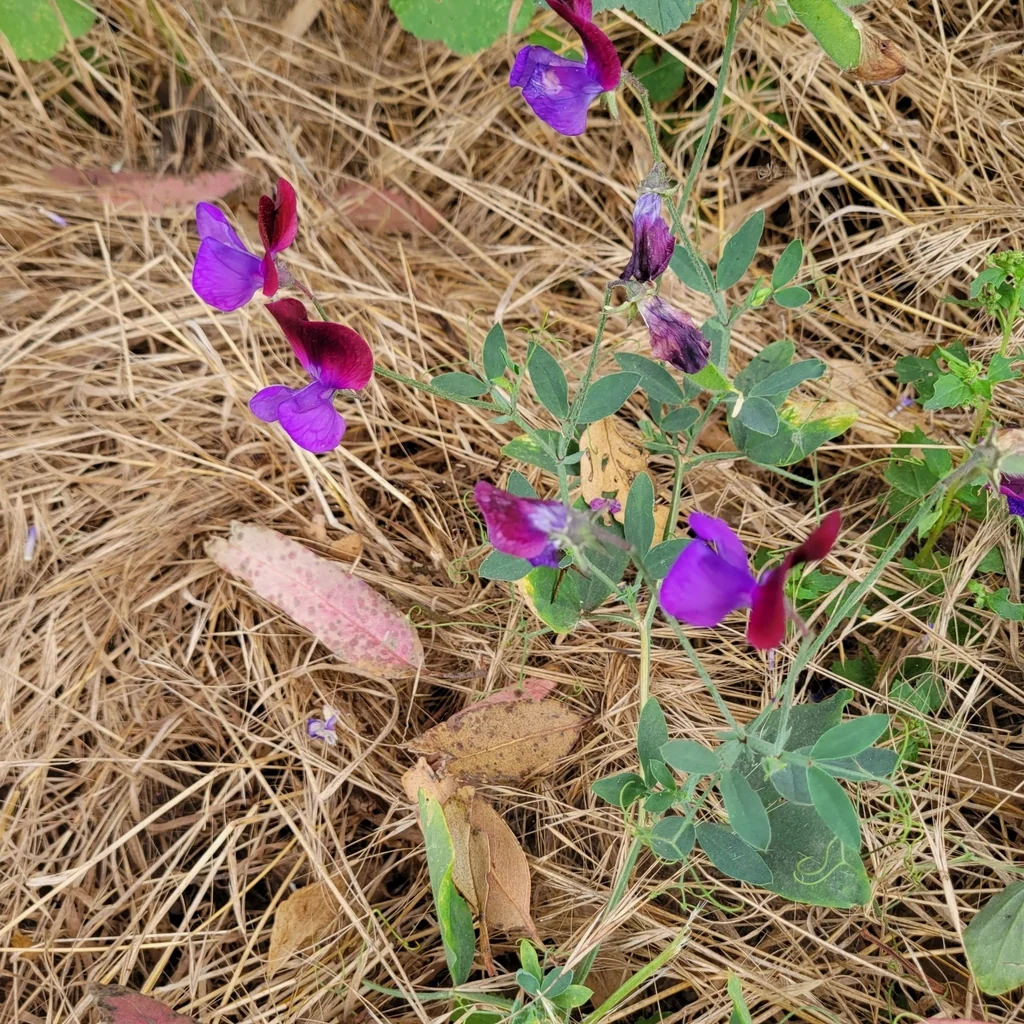

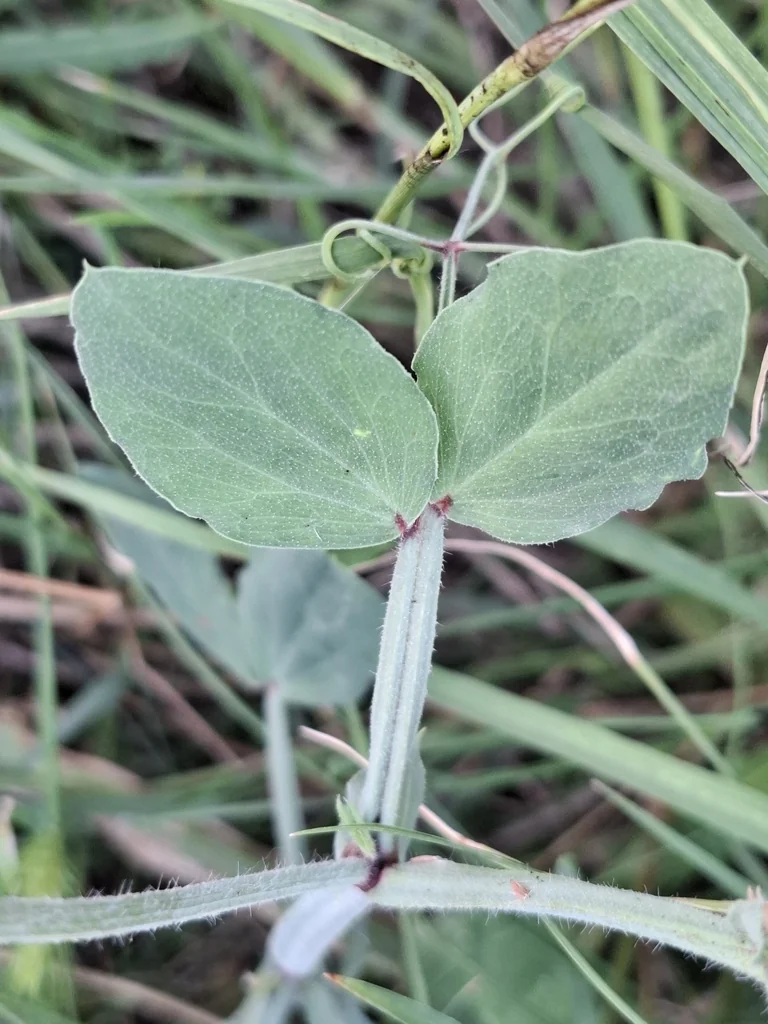
Photographs by 6 contributors
- Uleli, CC BY 3.0 · source
- Salicyna, CC BY-SA 4.0 · source
- JeannieNadja, CC BY-SA 3.0 · source
- Penarc, CC BY 3.0 · source
- 阿橋 HQ, CC BY-SA 2.0 · source
- KENPEI, CC BY-SA 3.0 · source
Related plants
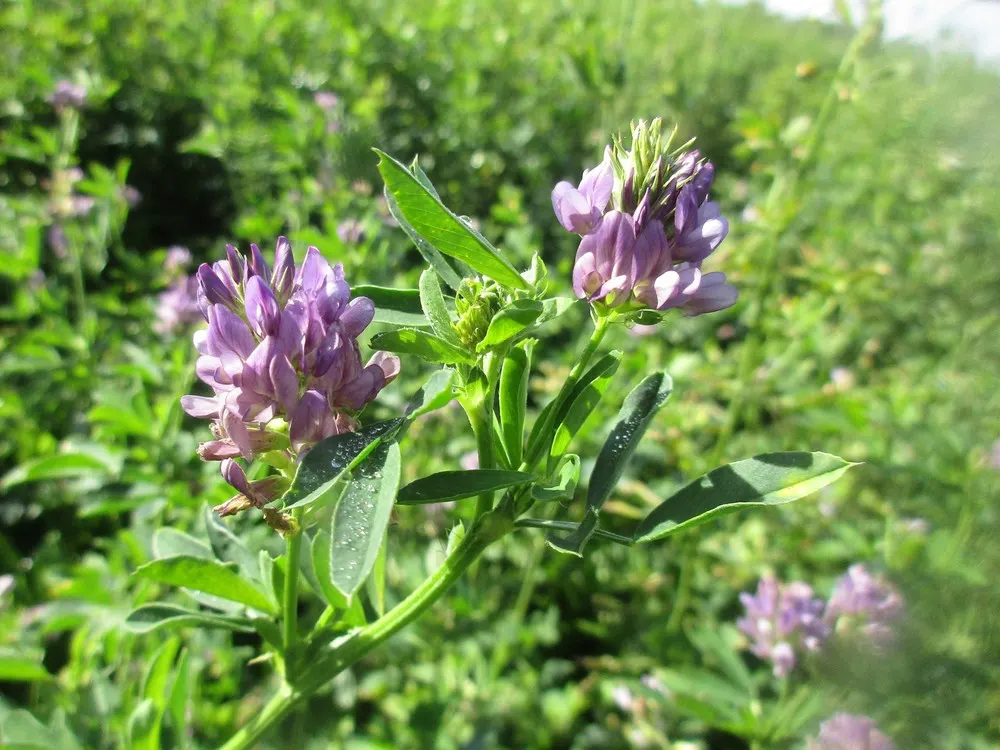
Perennial
Alfalfa
Medicago Sativa
FullUSDA 4–9
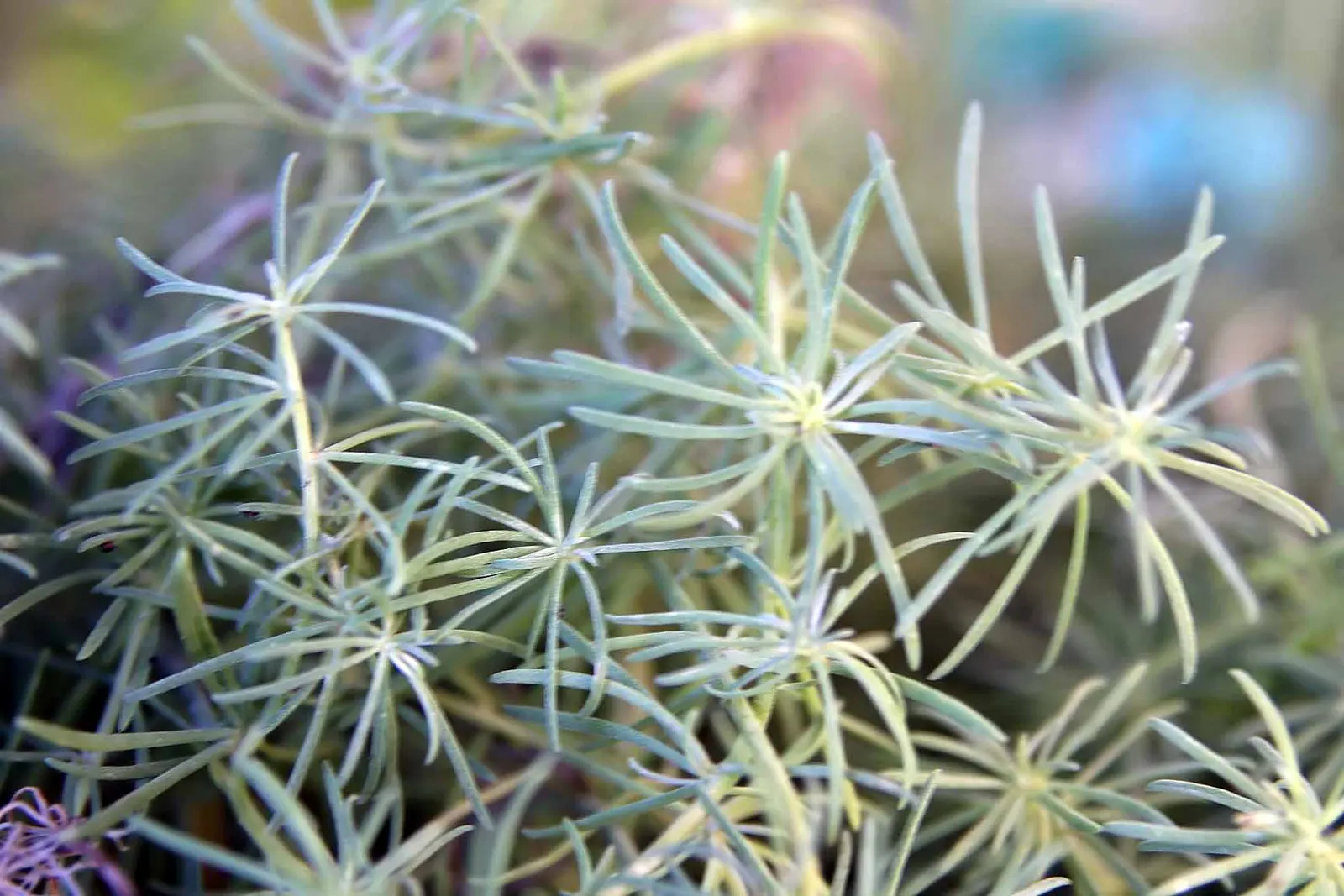
Ground cover
Amazon Sunset Lotus
Lotus Maculatus 'Amazon Sunset'
FullUSDA 10–11
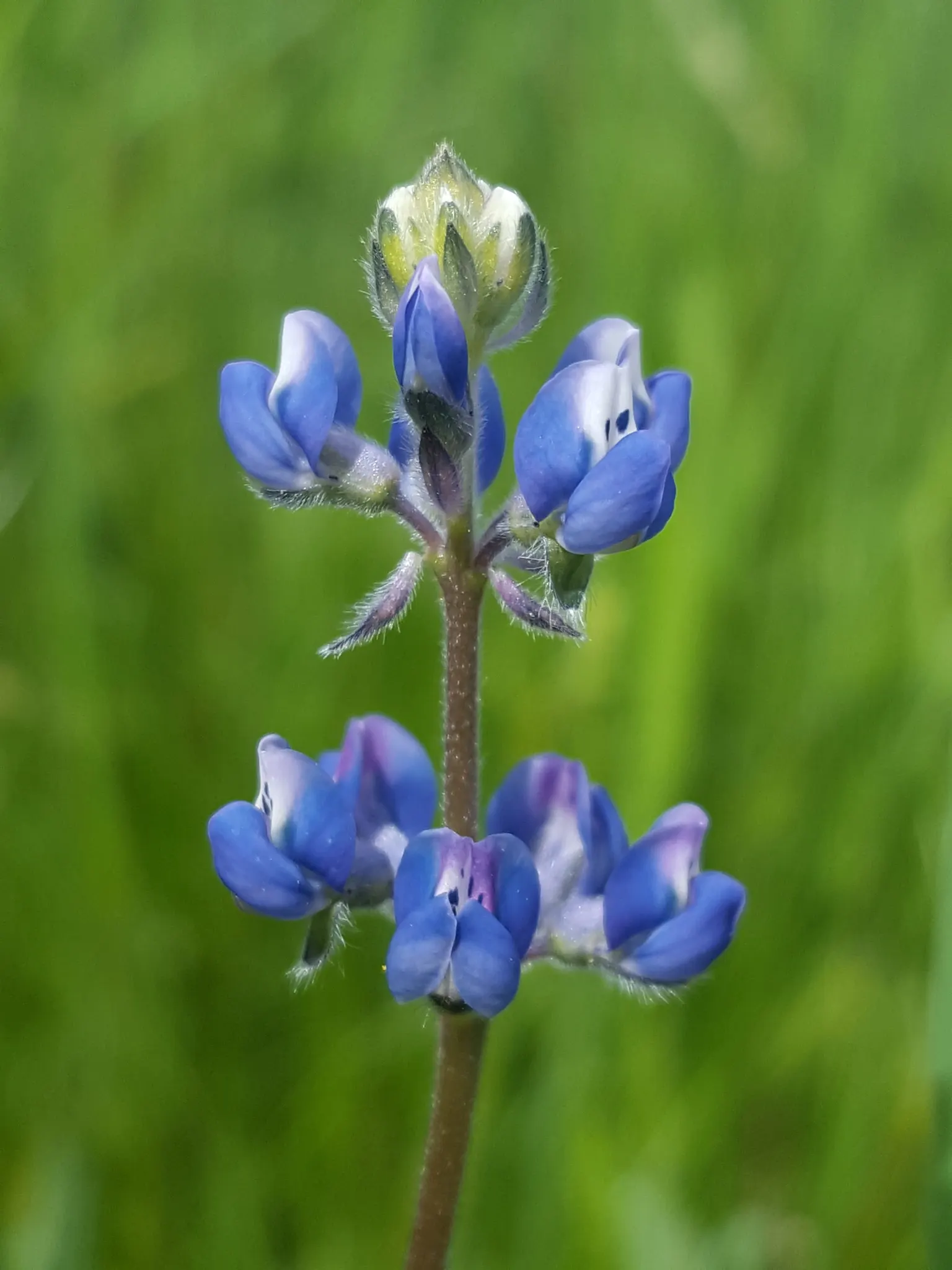
Annual
Annual Lupine, Bicolored Lupine
Lupinus Bicolor
FullUSDA 7–10
Tree
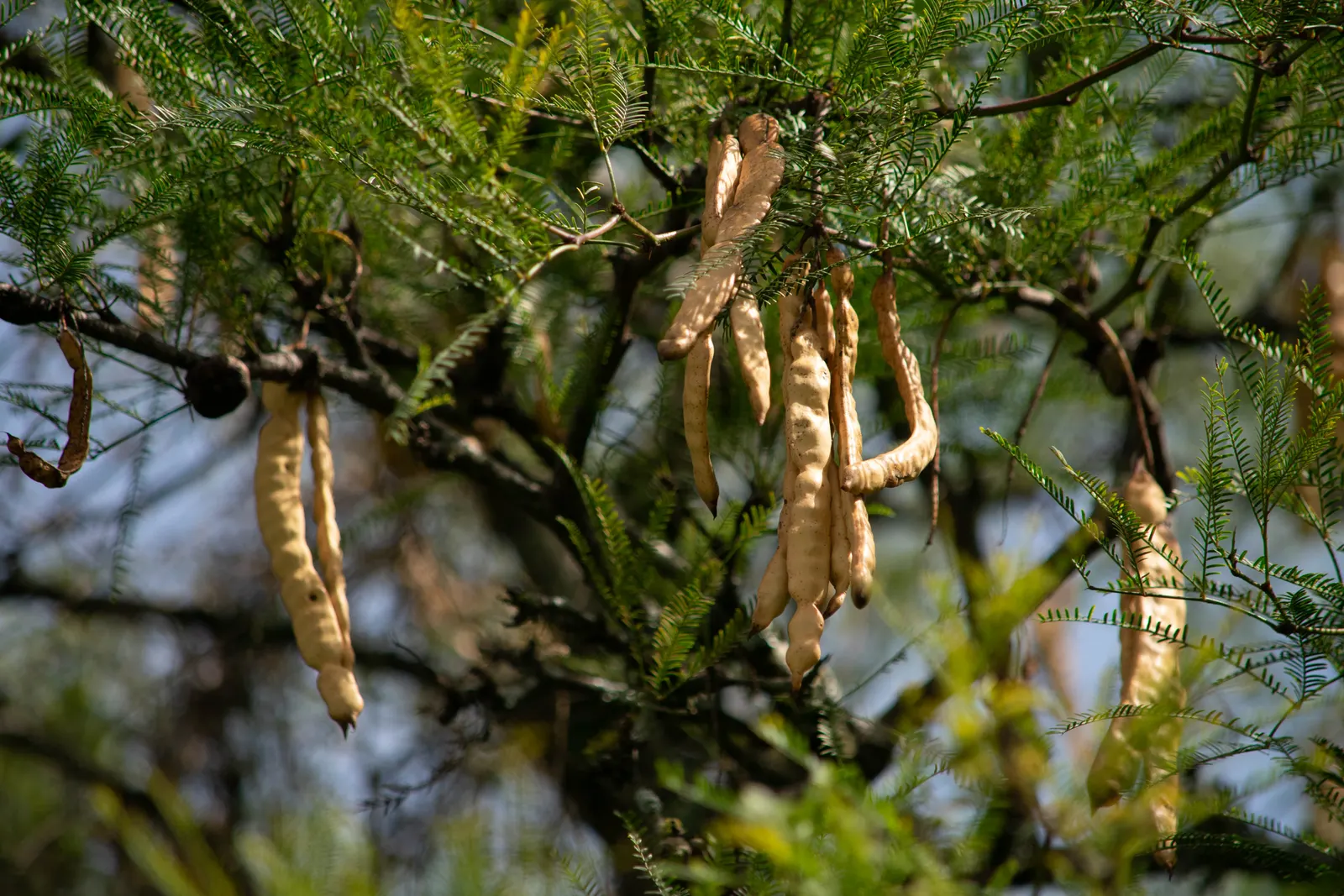
Argentine Mesquite
Prosopis Alba
FullUSDA 8–10
Tree
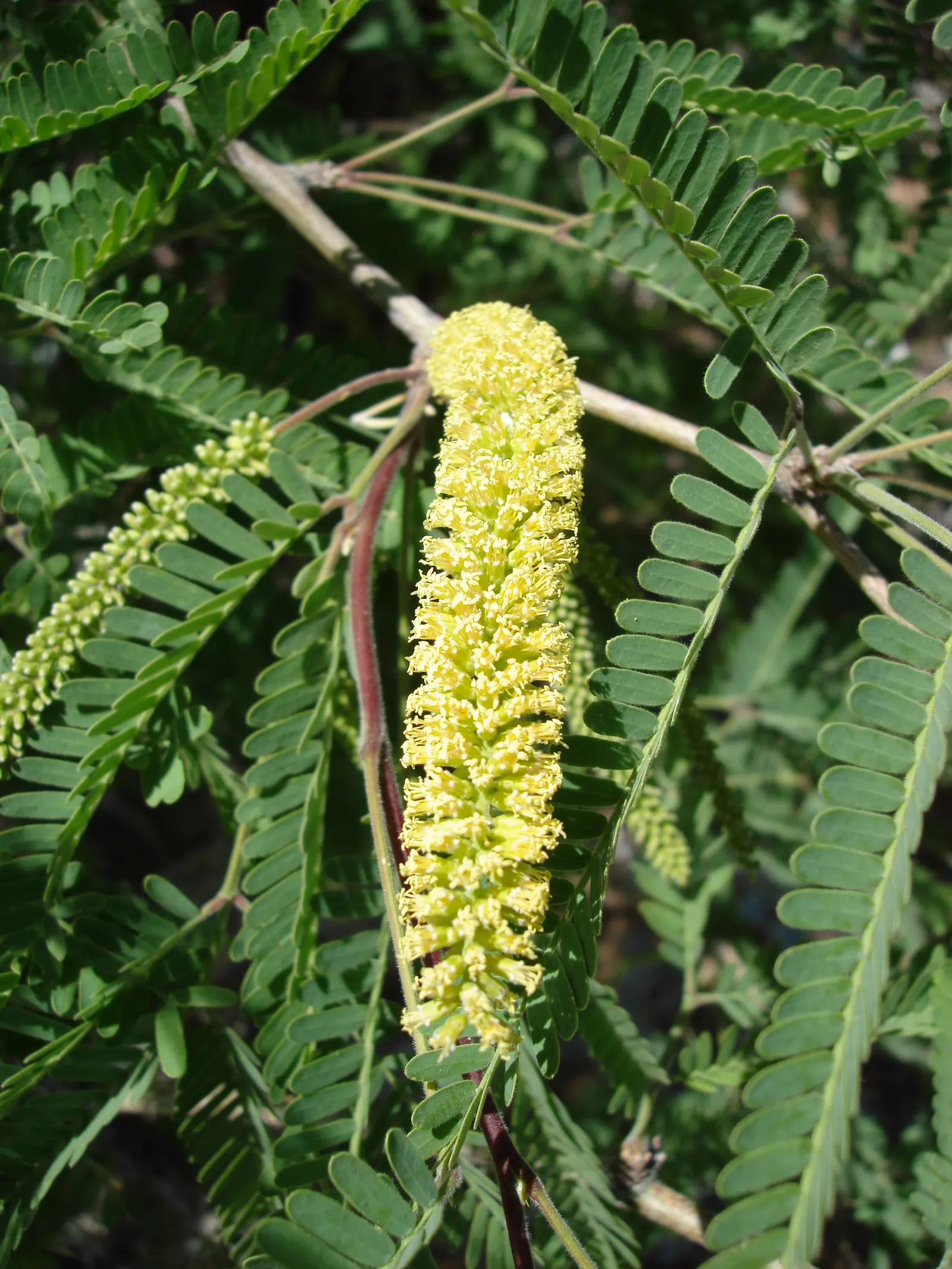
Arizona Velvet Mesquite
Prosopis Velutina
FullUSDA 9–10
Annual
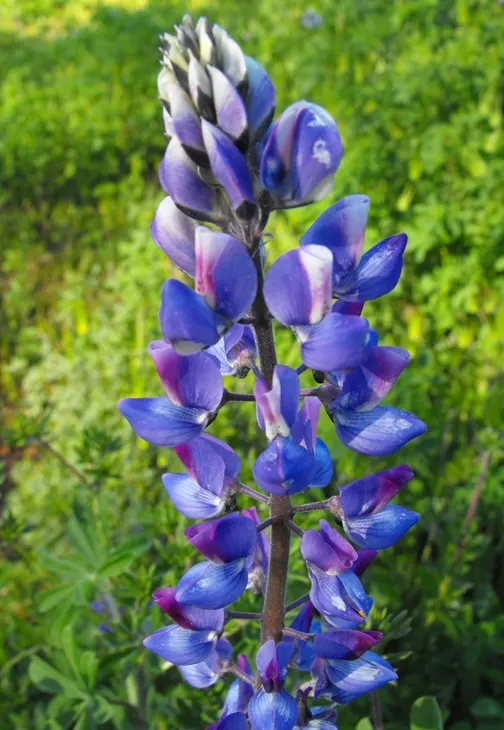
Arroyo Lupine
Lupinus Succulentus
FullUSDA 7–10