Skip to content

Annual Sweet Pea

Lathyrus Odoratus

Design with this plant

Overview

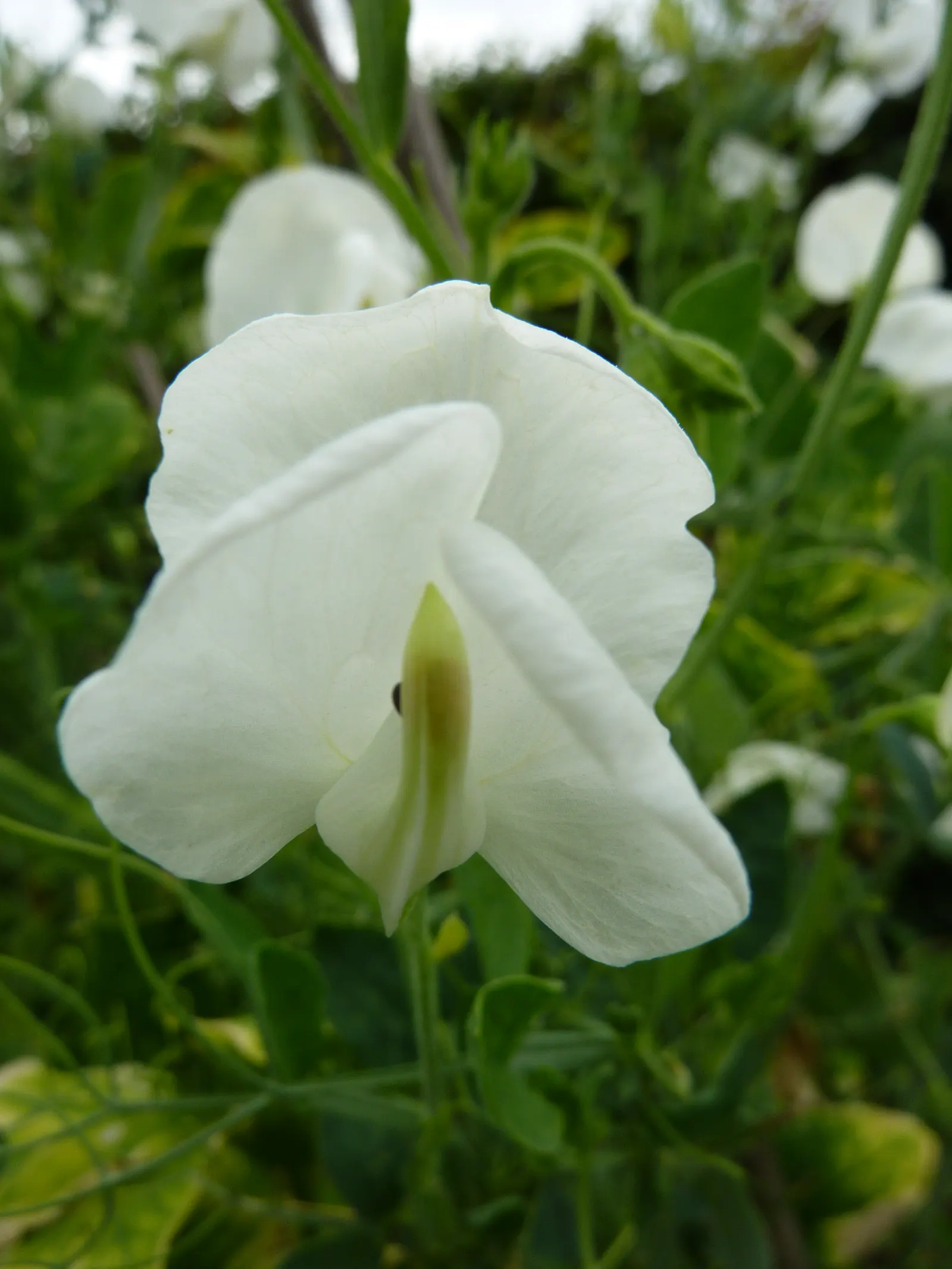
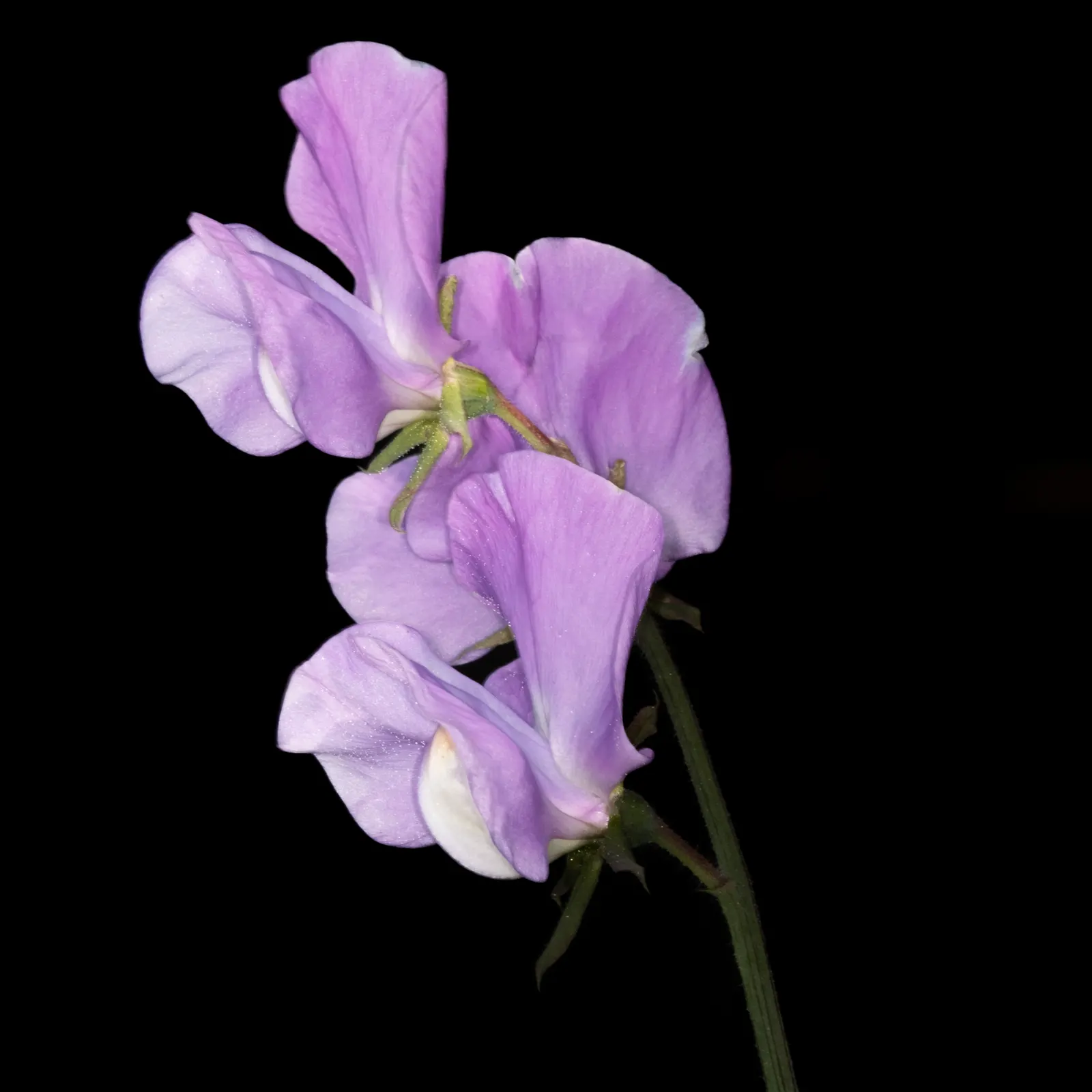
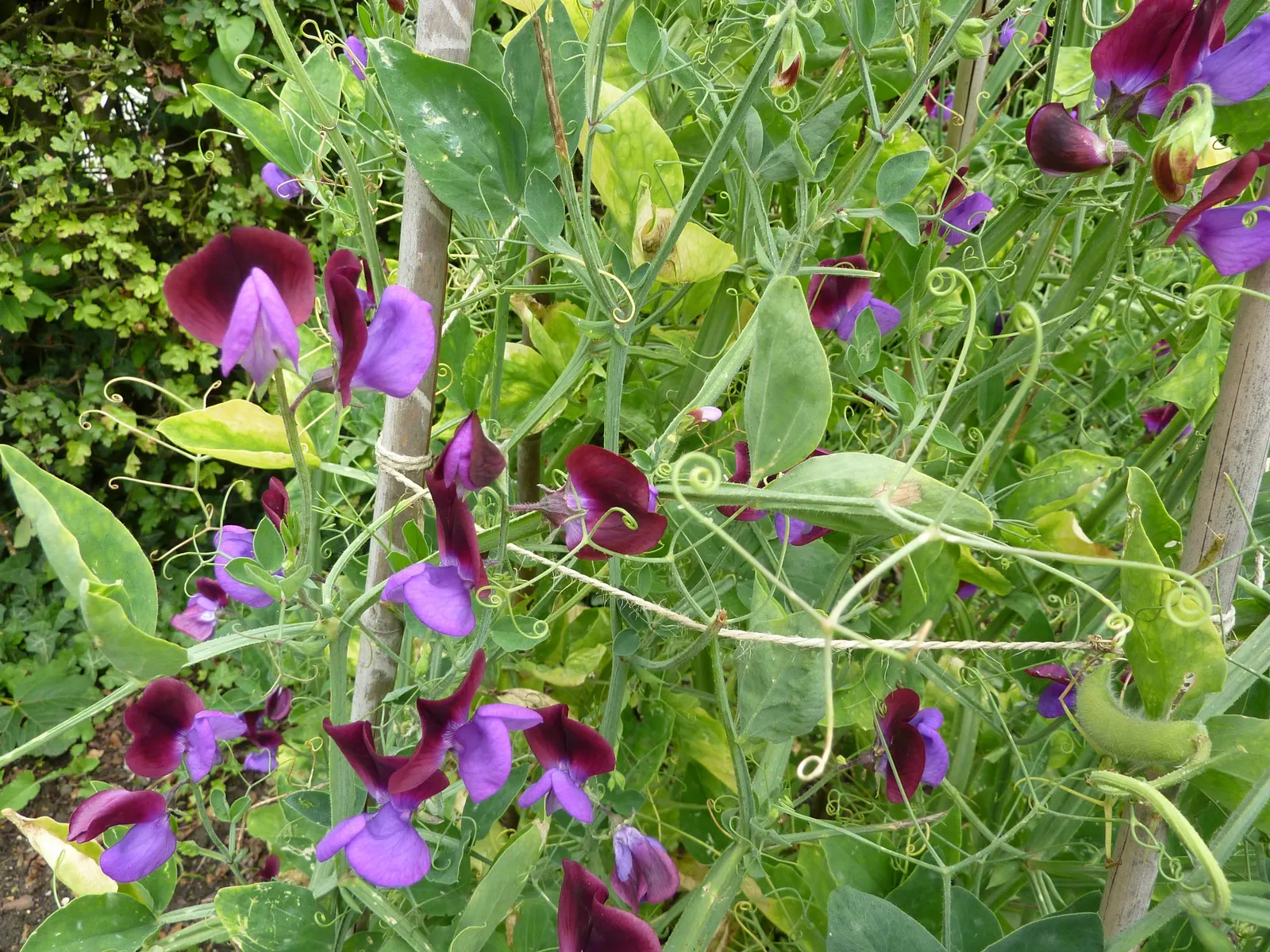
Lathyrus odoratus, commonly known as Annual Sweet Pea, is a cherished ornamental climber, boasting fragrant flowers up to 2 inches across in a vivid array of colors. It thrives in full sun to partial shade and prefers well-draining soil. Reaching a height of 4-6 feet, this fast-growing annual requires support like trellises. Ideal for borders, it adds vertical interest and a delightful scent, blooming from late spring to first frost.

Sun Full, HalfWater MediumZones 3–10Type AnnualClimate Mediterranean
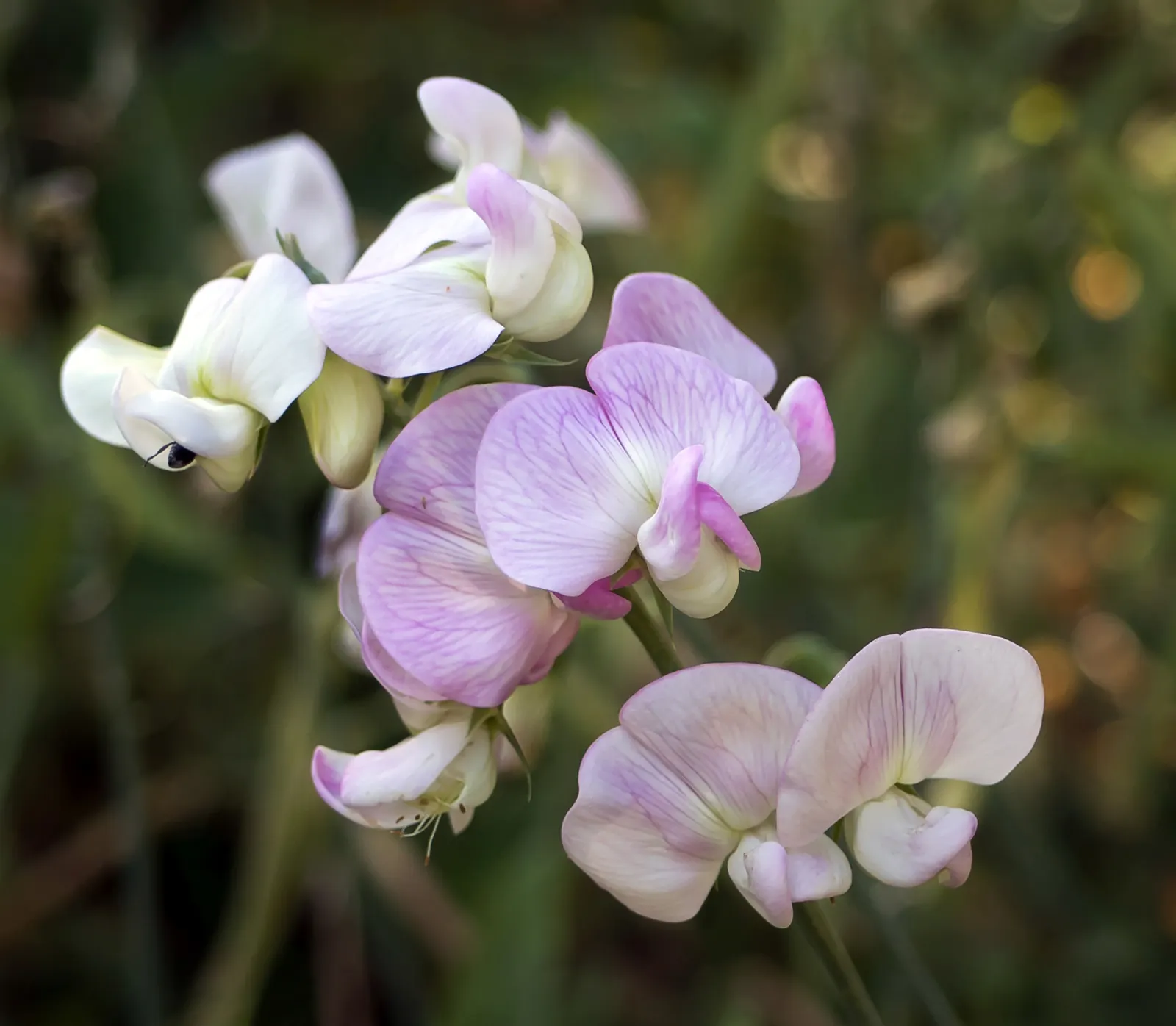
Annual Sweet Pea (Lathyrus Odoratus) — is a captivating flowering plant renowned for its vibrant and fragrant blossoms

Culture

Sun
Full, Half
Water
Medium
USDA zones
3–10

Shape & size

Classification

Type
Annual
Family
Fabaceae
Climate
Mediterranean

See full data, regional cultivation notes, and design tools. Build a client presentation around this plant.

Start your 14-day trial

Photos (101)

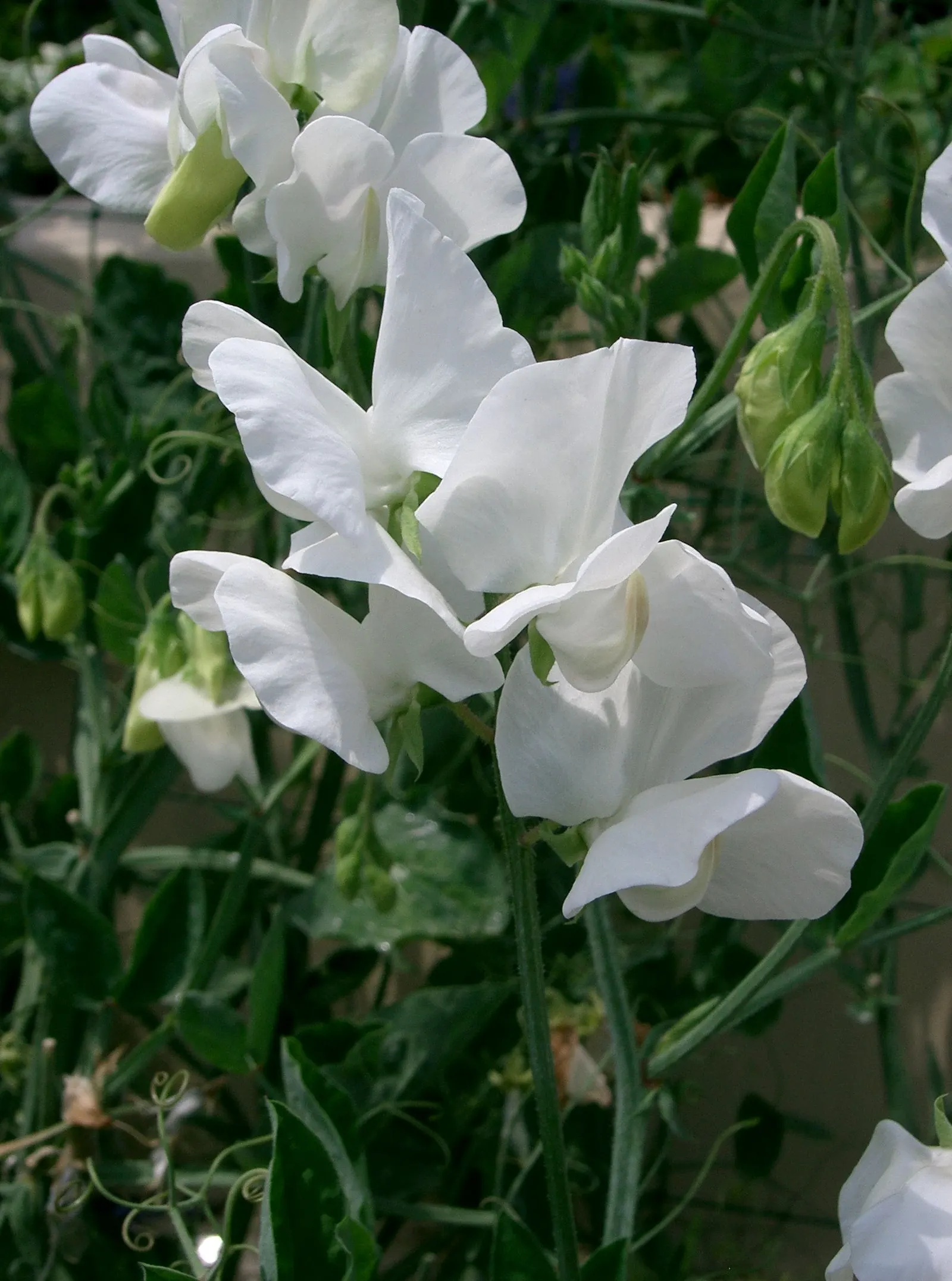
Annual Sweet Pea (Lathyrus Odoratus) — Ideal for borders, it adds vertical interest and a delightful scent, blooming from late spring to first frost, image 35
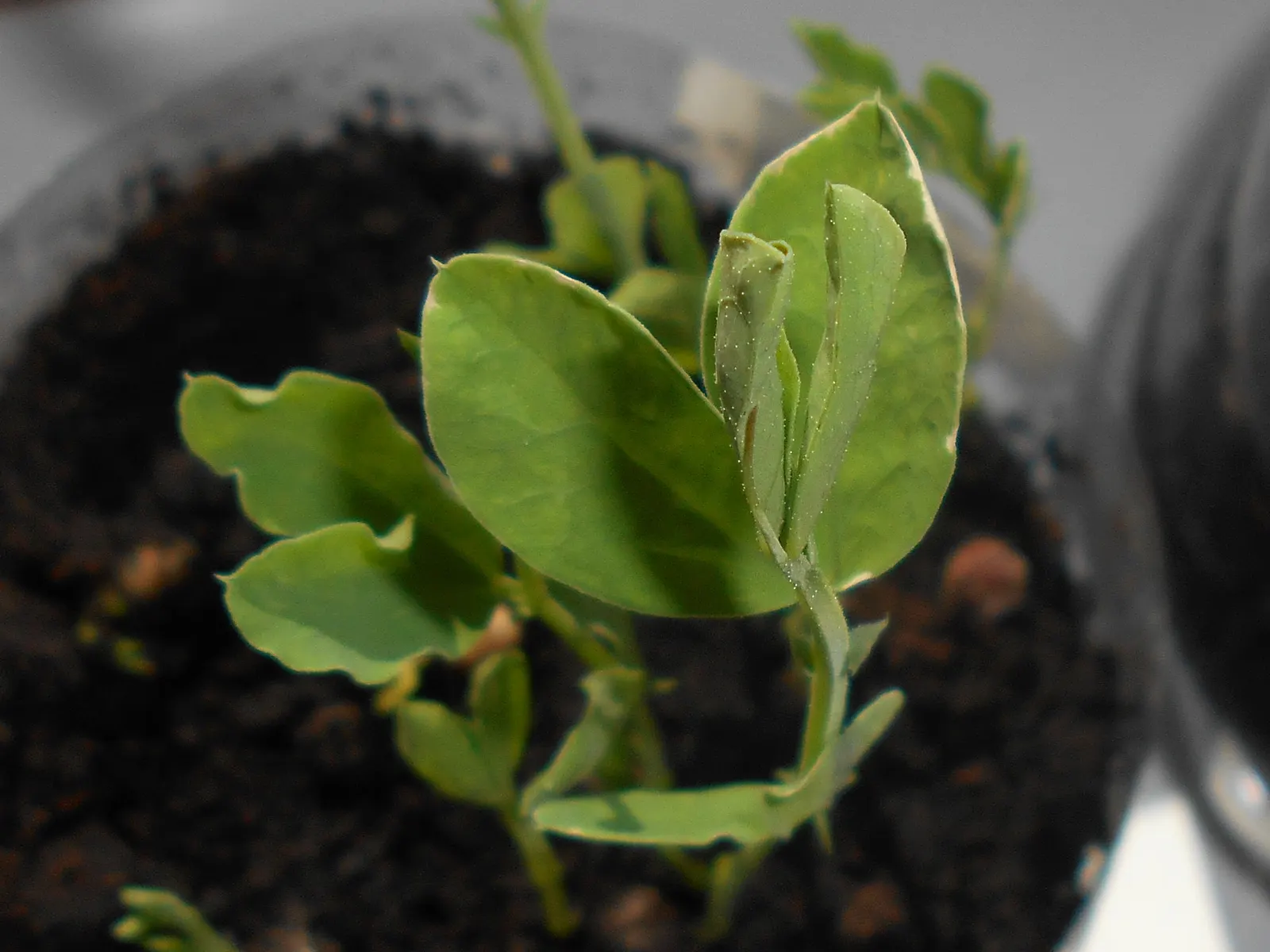
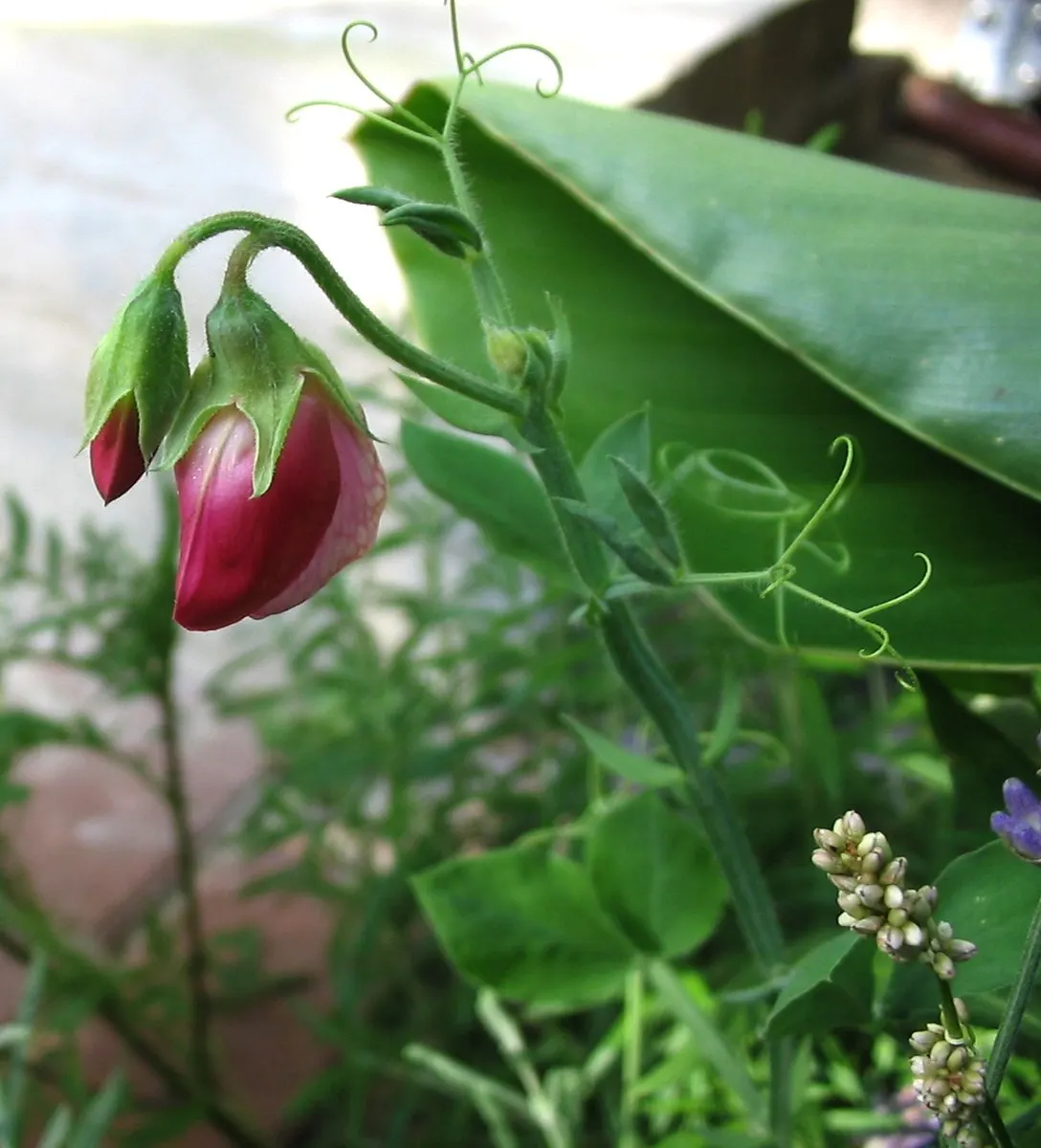
Annual Sweet Pea (Lathyrus Odoratus) — is a cherished ornamental climber
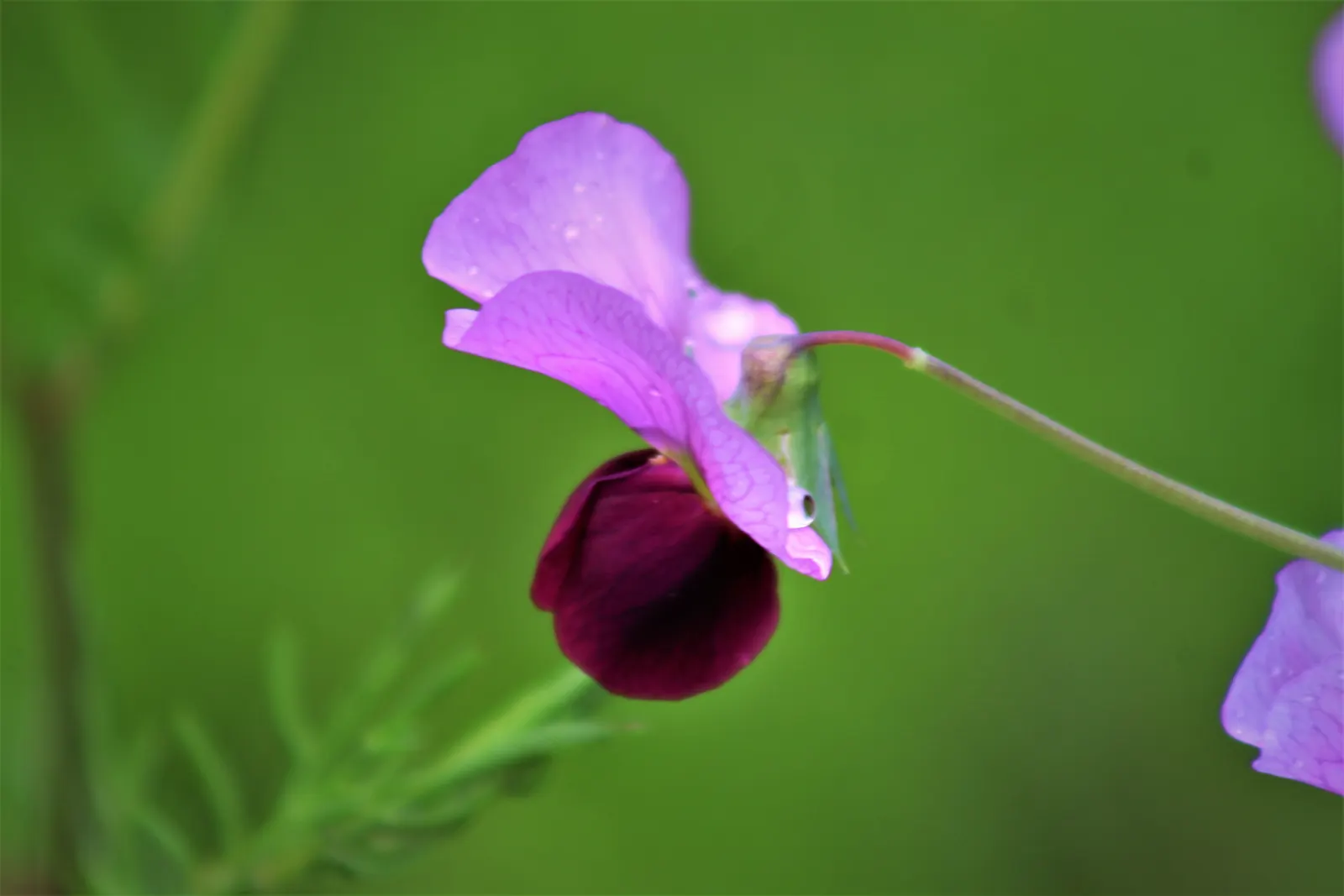
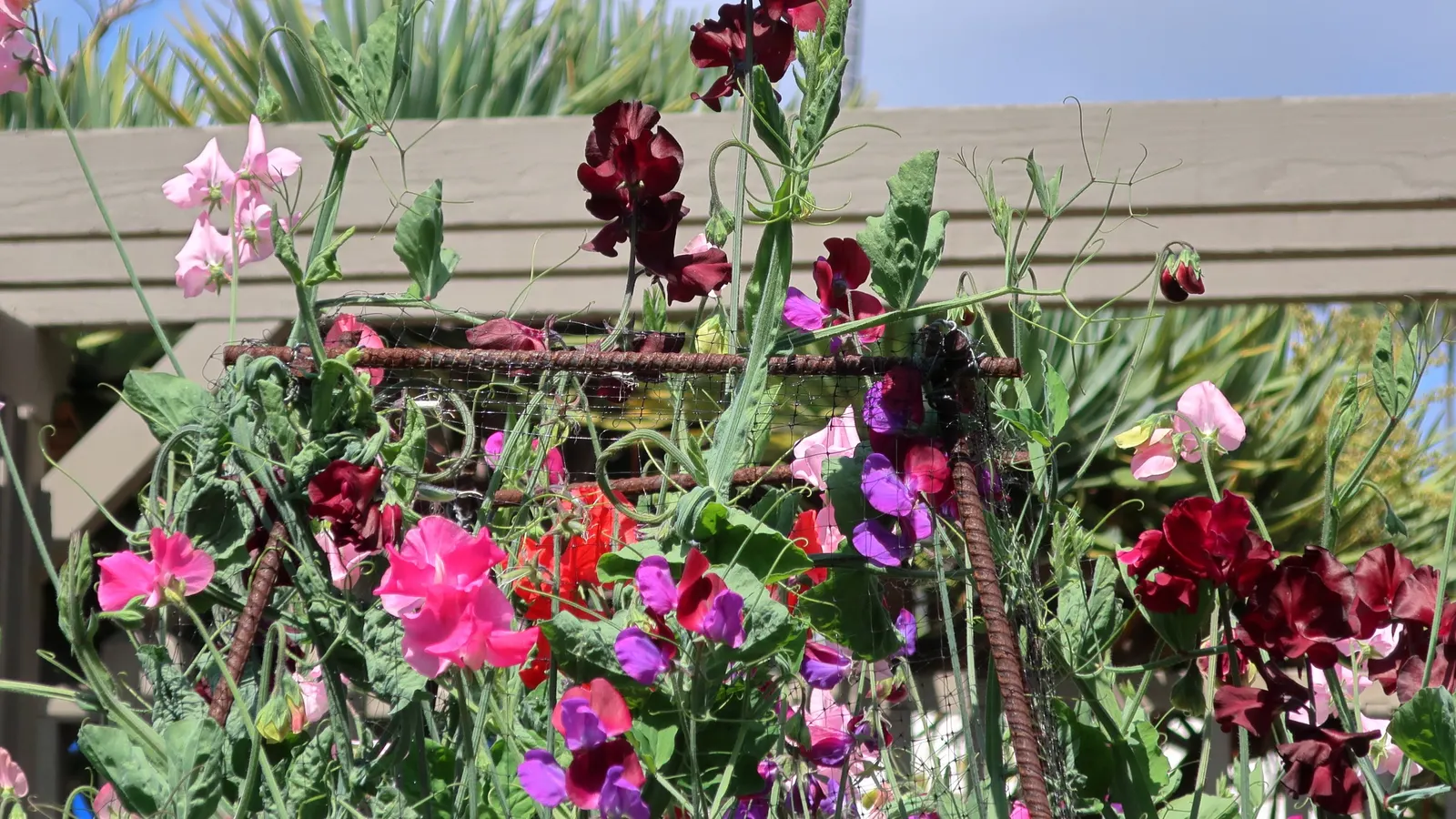
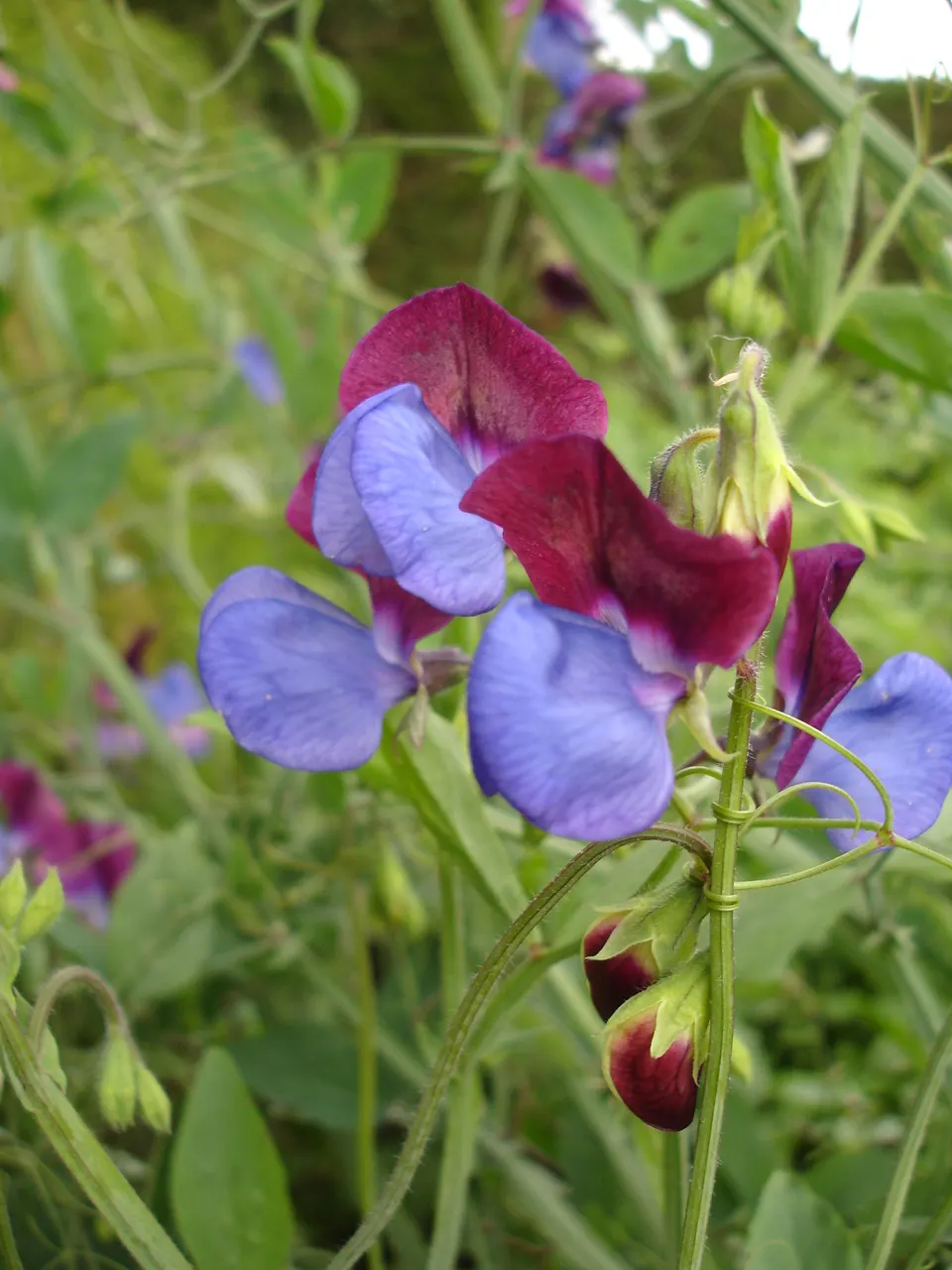
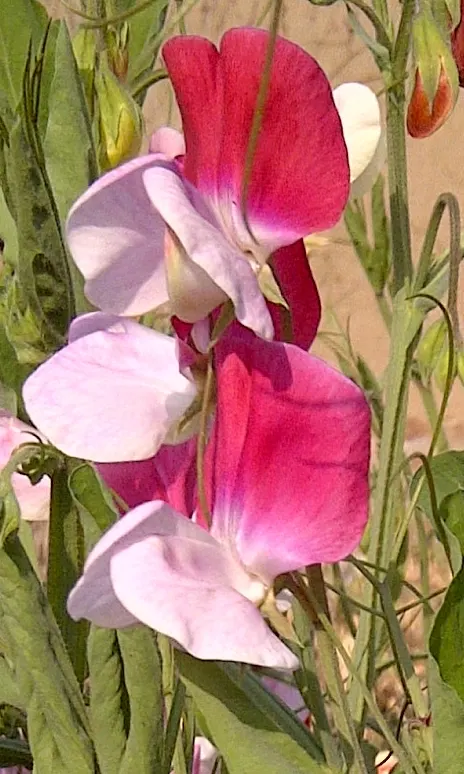
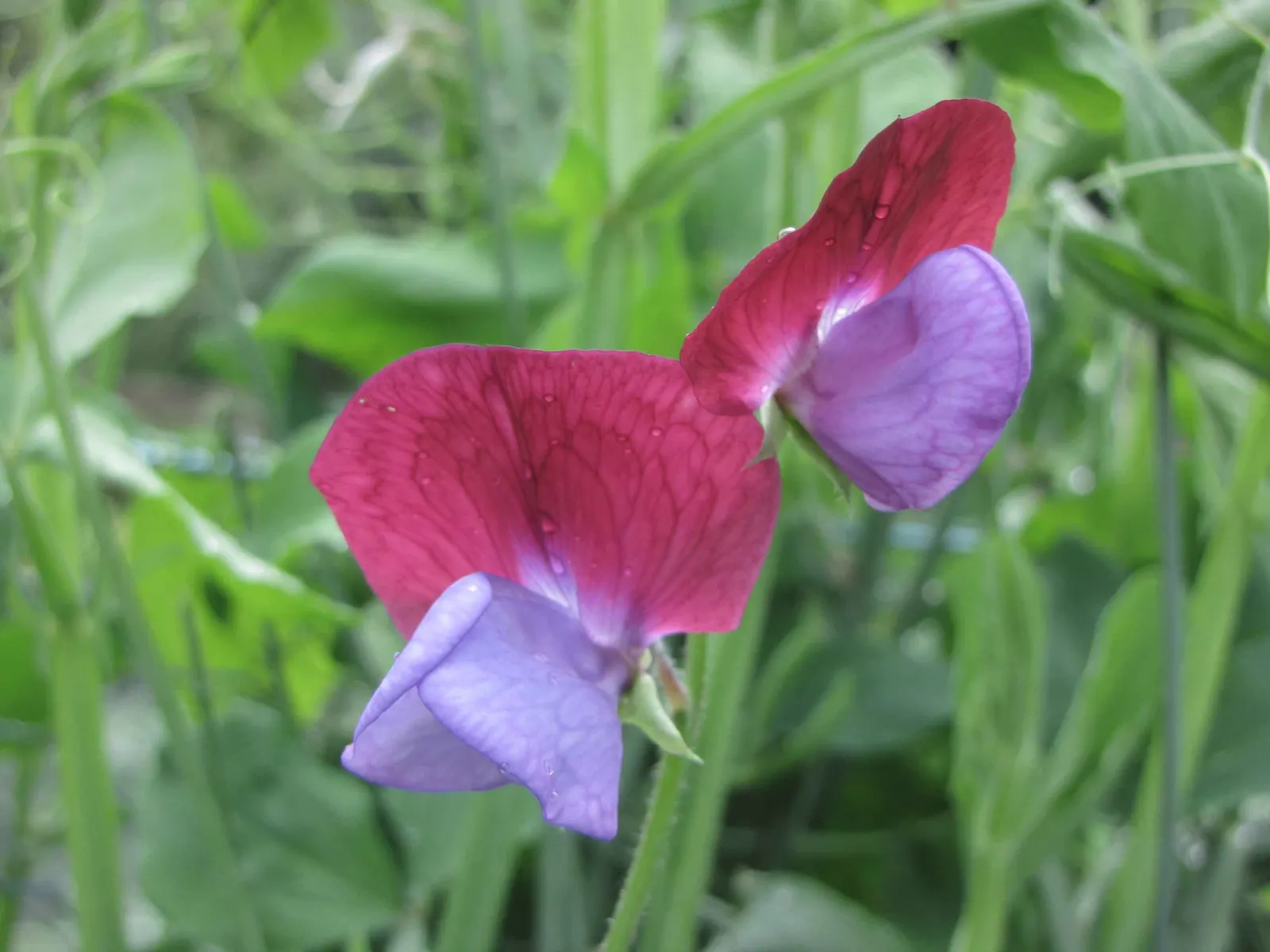
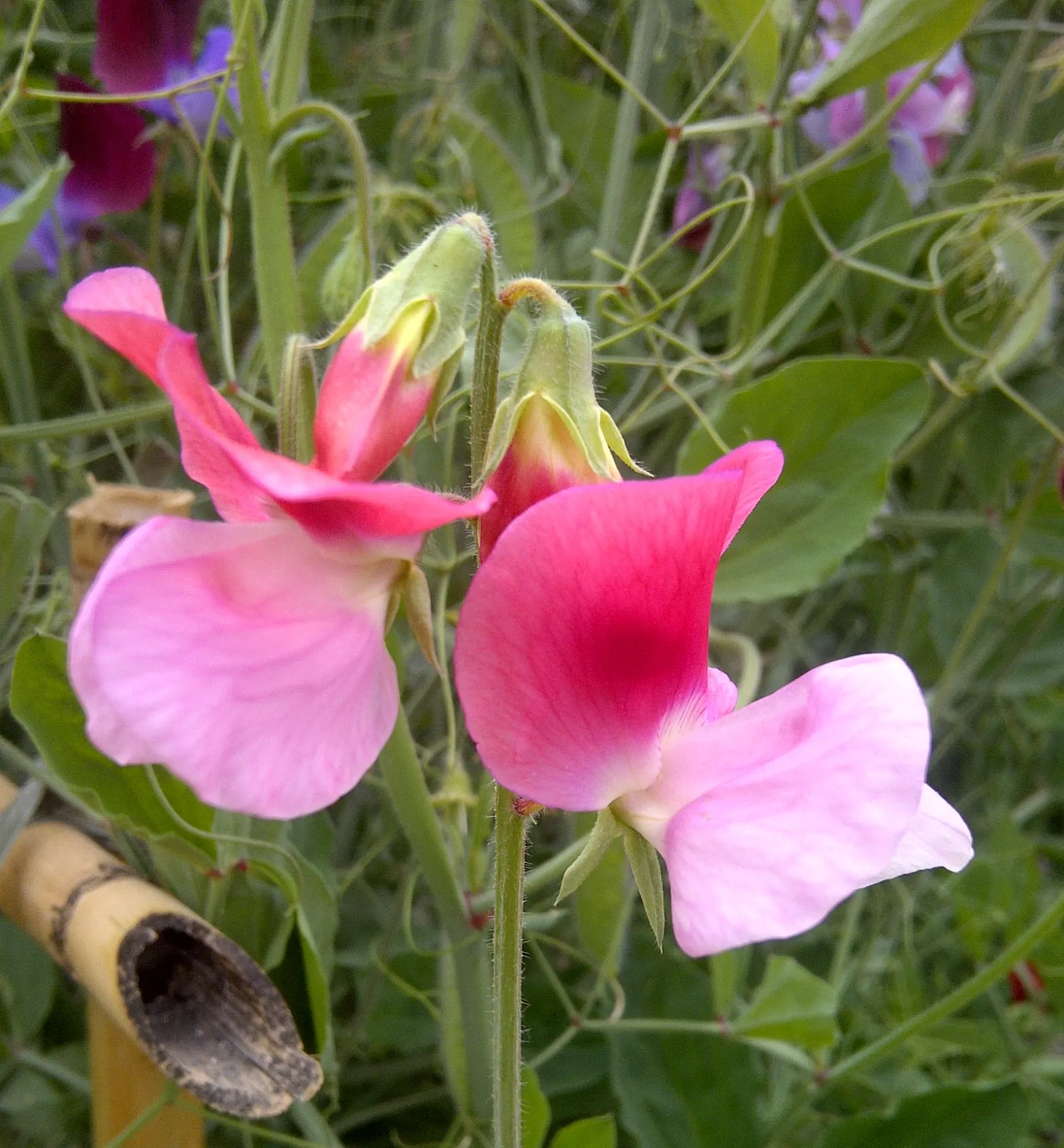
Annual Sweet Pea (Lathyrus Odoratus) — multi-colored and pink flowers in the garden
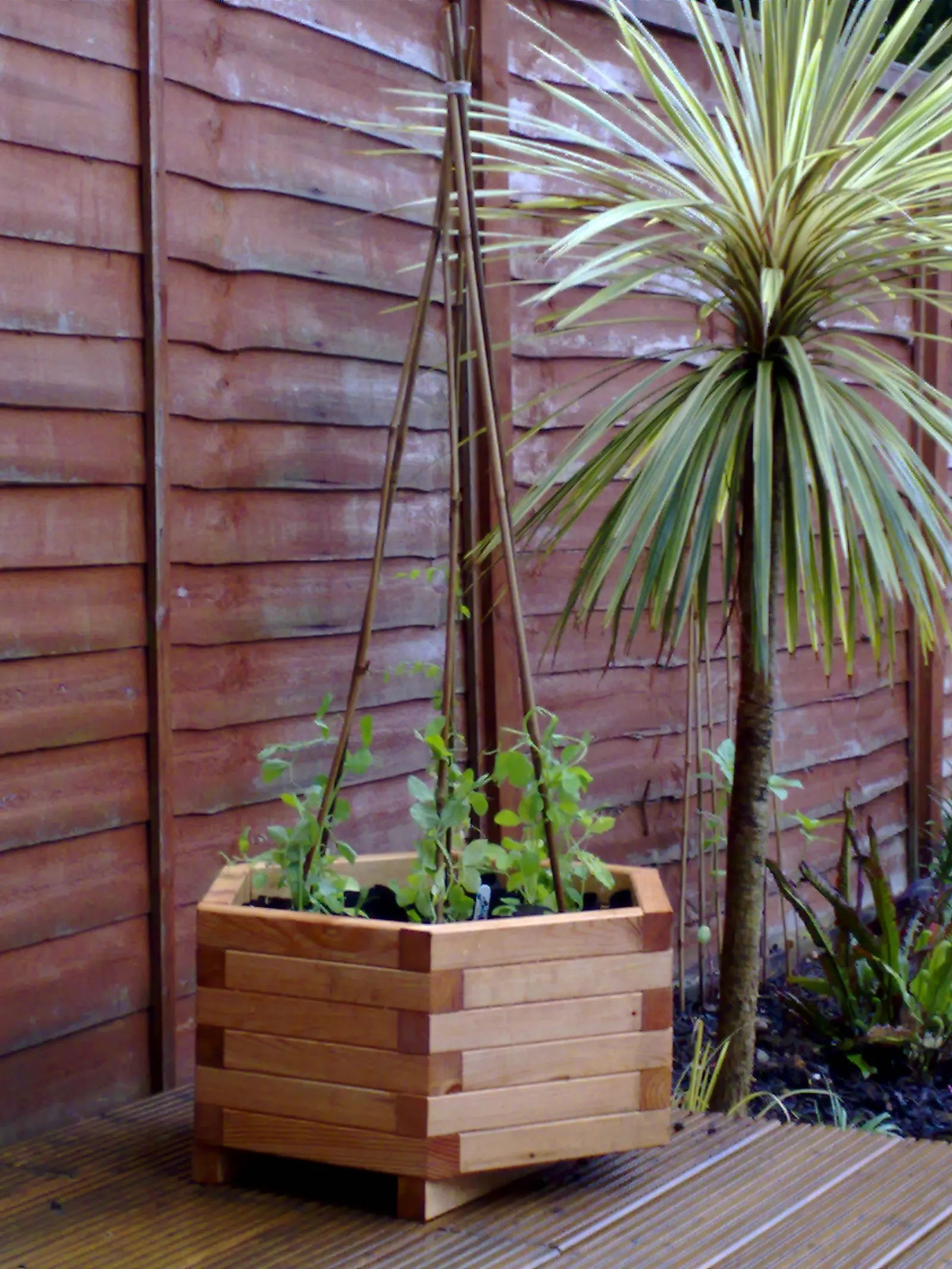
Annual Sweet Pea (Lathyrus Odoratus) — necessitating a support structure such as a trellis; this climbing species reaches a mature height of approximately 6 to
Annual Sweet Pea (Lathyrus Odoratus) — rich soil with a pH ranging from 6.0 to 7.5; pinnate leaves that create a verdant backdrop for the abundant, image 77
Annual Sweet Pea (Lathyrus Odoratus) — For optimal growth, incorporate a balanced, slow-release fertilizer during planting
Annual Sweet Pea (Lathyrus Odoratus) — Ideal for borders, it adds vertical interest and a delightful scent, blooming from late spring to first frost, image 64
Annual Sweet Pea (Lathyrus Odoratus) — For optimal growth, incorporate a balanced, slow-release fertilizer during planting; sweet Peas thrive in full sun to
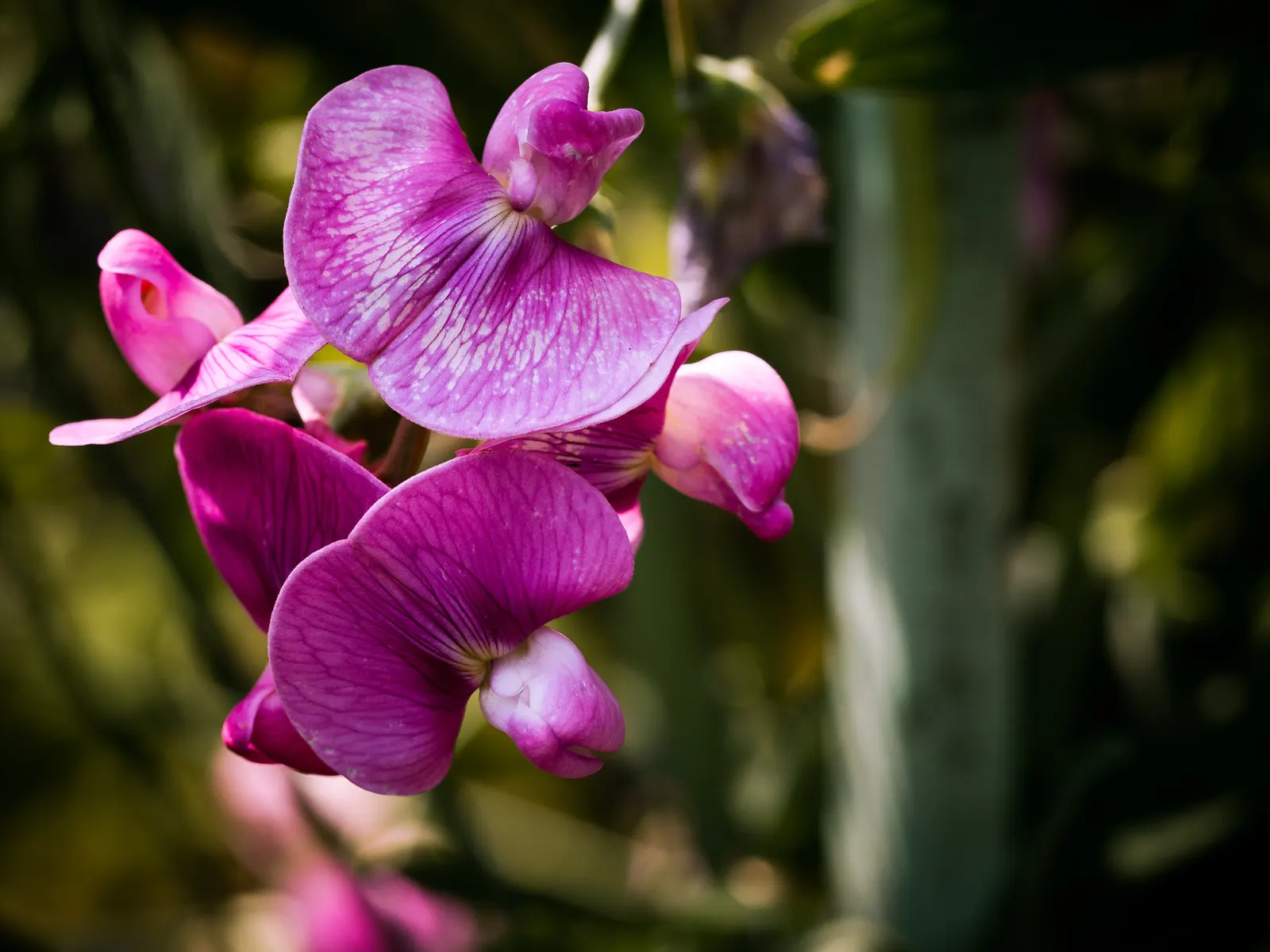
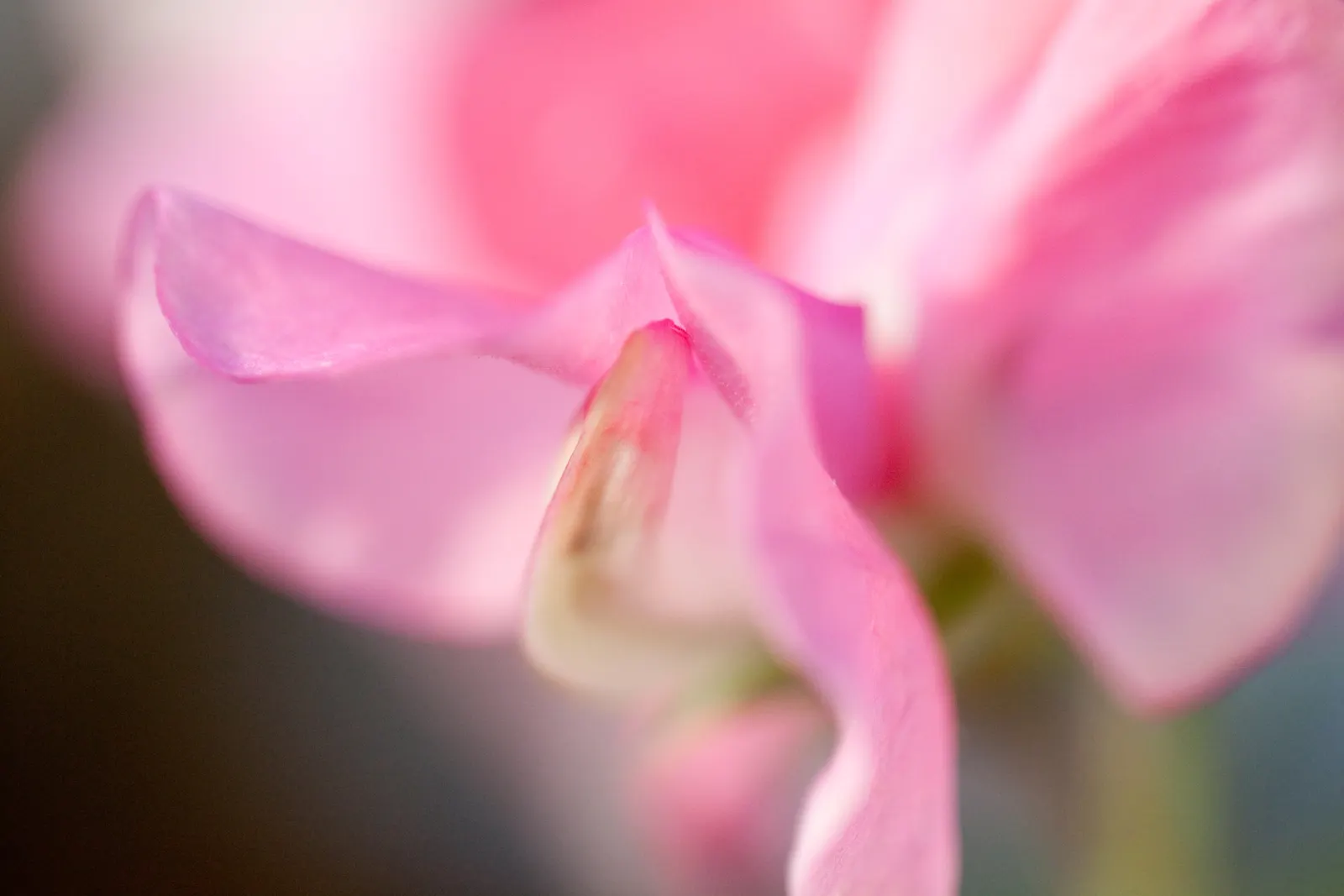
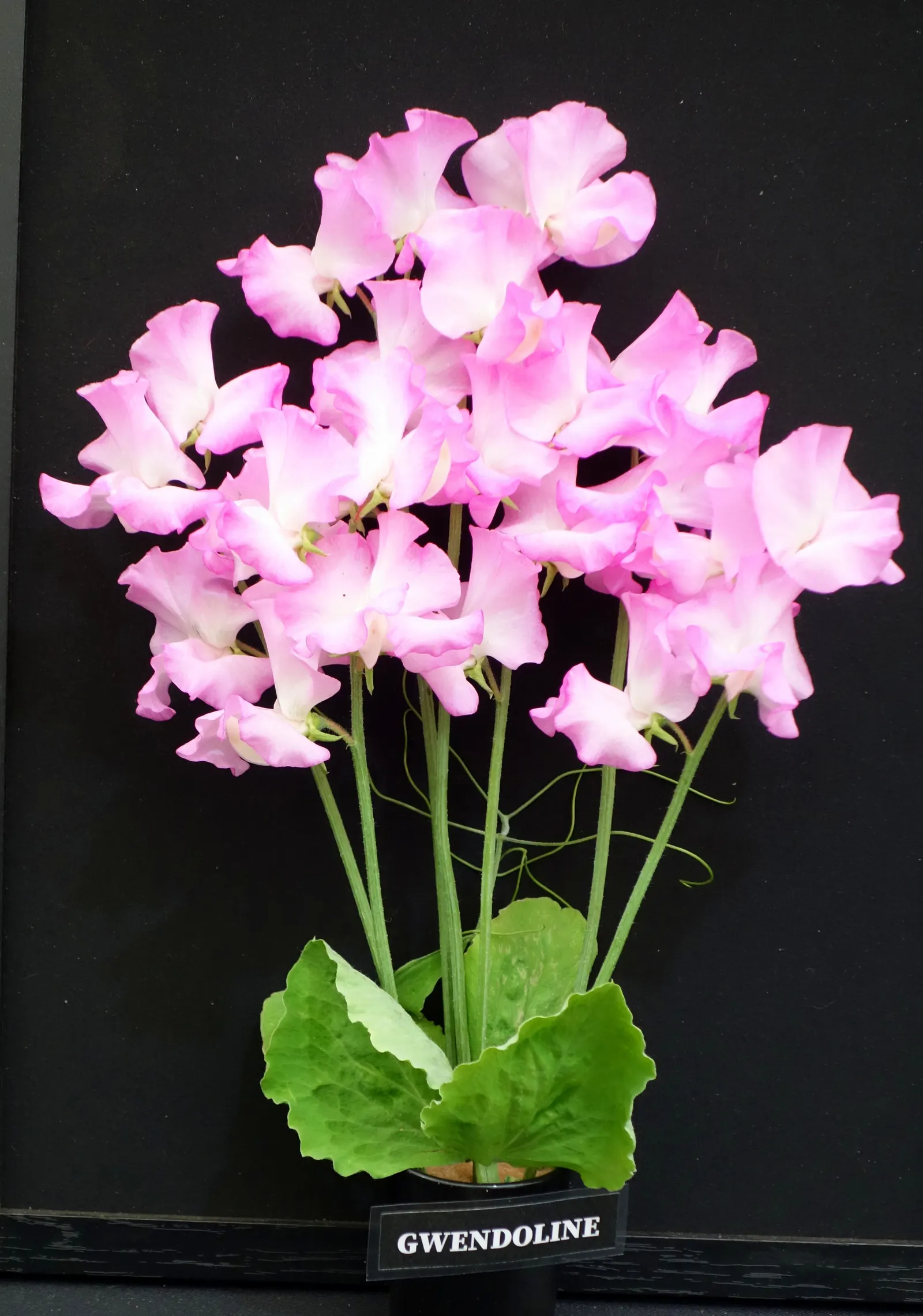
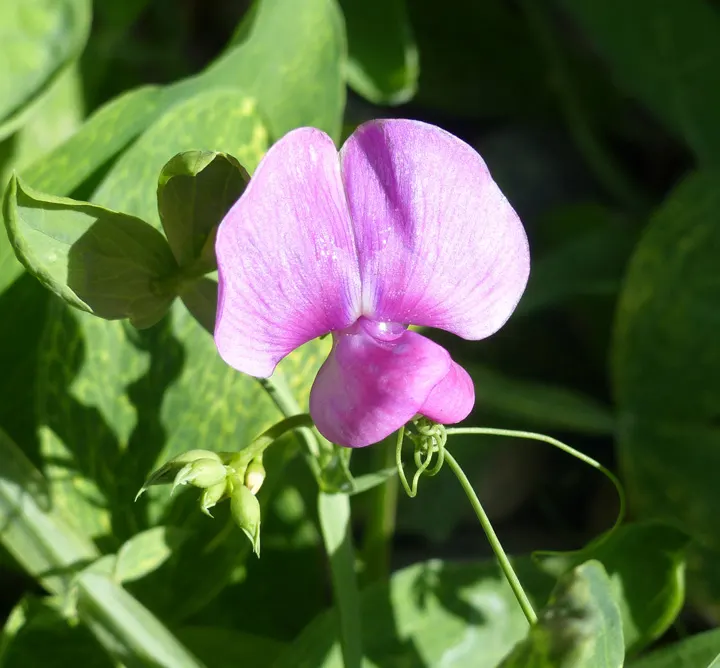
Annual Sweet Pea (Lathyrus Odoratus) — encompassing shades of pink; annual for full or half, image 75
Annual Sweet Pea (Lathyrus Odoratus) — is a cherished ornamental climber; or archway to facilitate its graceful ascent, image 60
Annual Sweet Pea (Lathyrus Odoratus) — but ensure the soil is not waterlogged; ideal for borders, it adds vertical interest and a delightful scent, image 80
Annual Sweet Pea (Lathyrus Odoratus) — multi-colored and pink flowers in the garden; versatile in its placement
Annual Sweet Pea (Lathyrus Odoratus) — This climbing species reaches a mature height of approximately 6 to 8 feet; is a cherished ornamental climber, image 67
Annual Sweet Pea (Lathyrus Odoratus) — rich soil with a pH ranging from 6.0 to 7.5
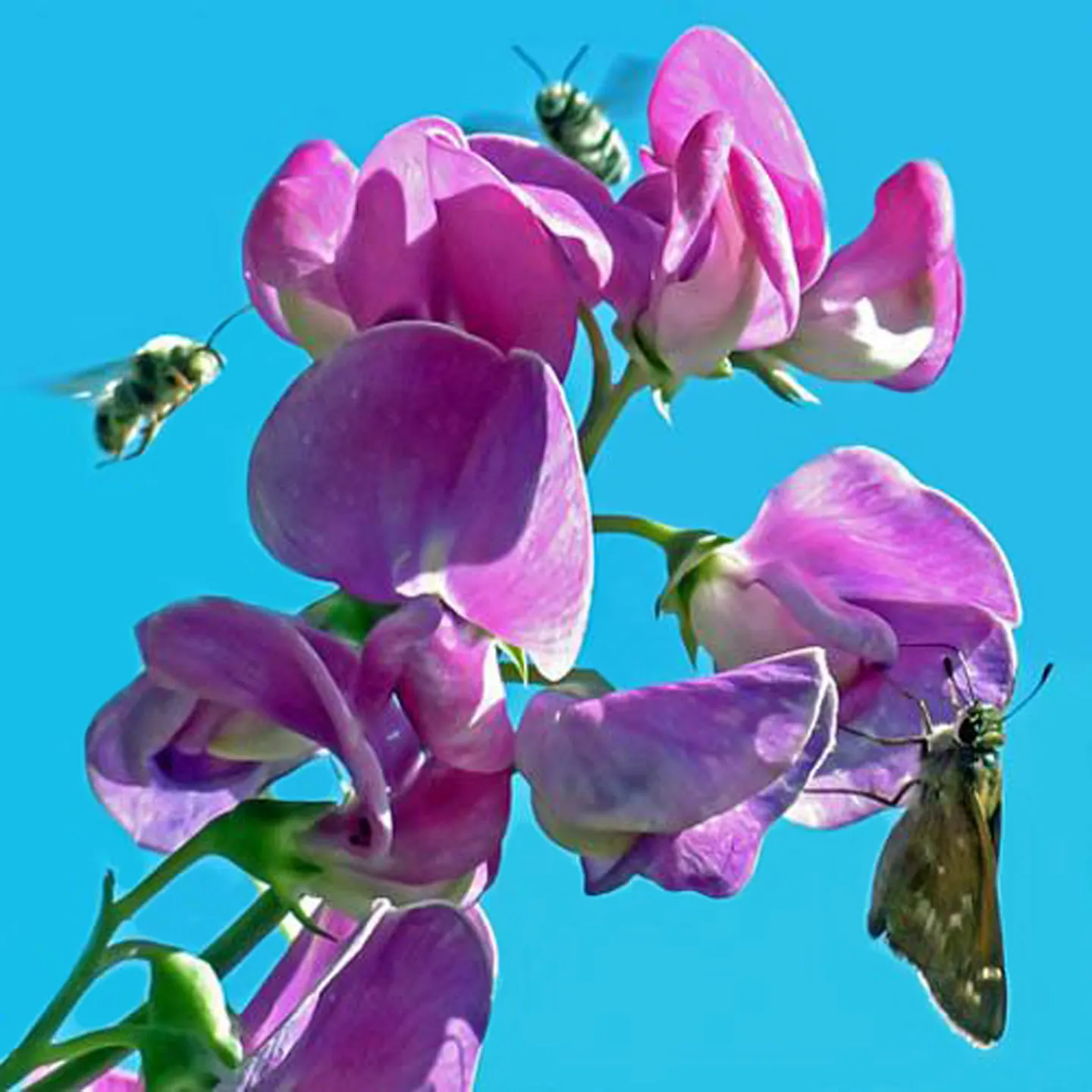
Annual Sweet Pea (Lathyrus Odoratus) — which make it an exceptional choice for adding a splash of color and delightful scent to any garden design
Annual Sweet Pea (Lathyrus Odoratus) — This climbing species reaches a mature height of approximately 6 to 8 feet
Annual Sweet Pea (Lathyrus Odoratus) — Regular watering is crucial; aiming for approximately 1 inch of water per week, image 78
Annual Sweet Pea (Lathyrus Odoratus) — which appear from late spring to early summer
Annual Sweet Pea (Lathyrus Odoratus) — boasting fragrant flowers up to 2 inches across in a vivid array of colors; with each ruffled blossom, image 61
Annual Sweet Pea (Lathyrus Odoratus) — commonly known as Annual Sweet Pea
Annual Sweet Pea (Lathyrus Odoratus) — Reaching a height of 4-6 feet, this fast-growing annual requires support like trellises; boasting fragrant flowers up to
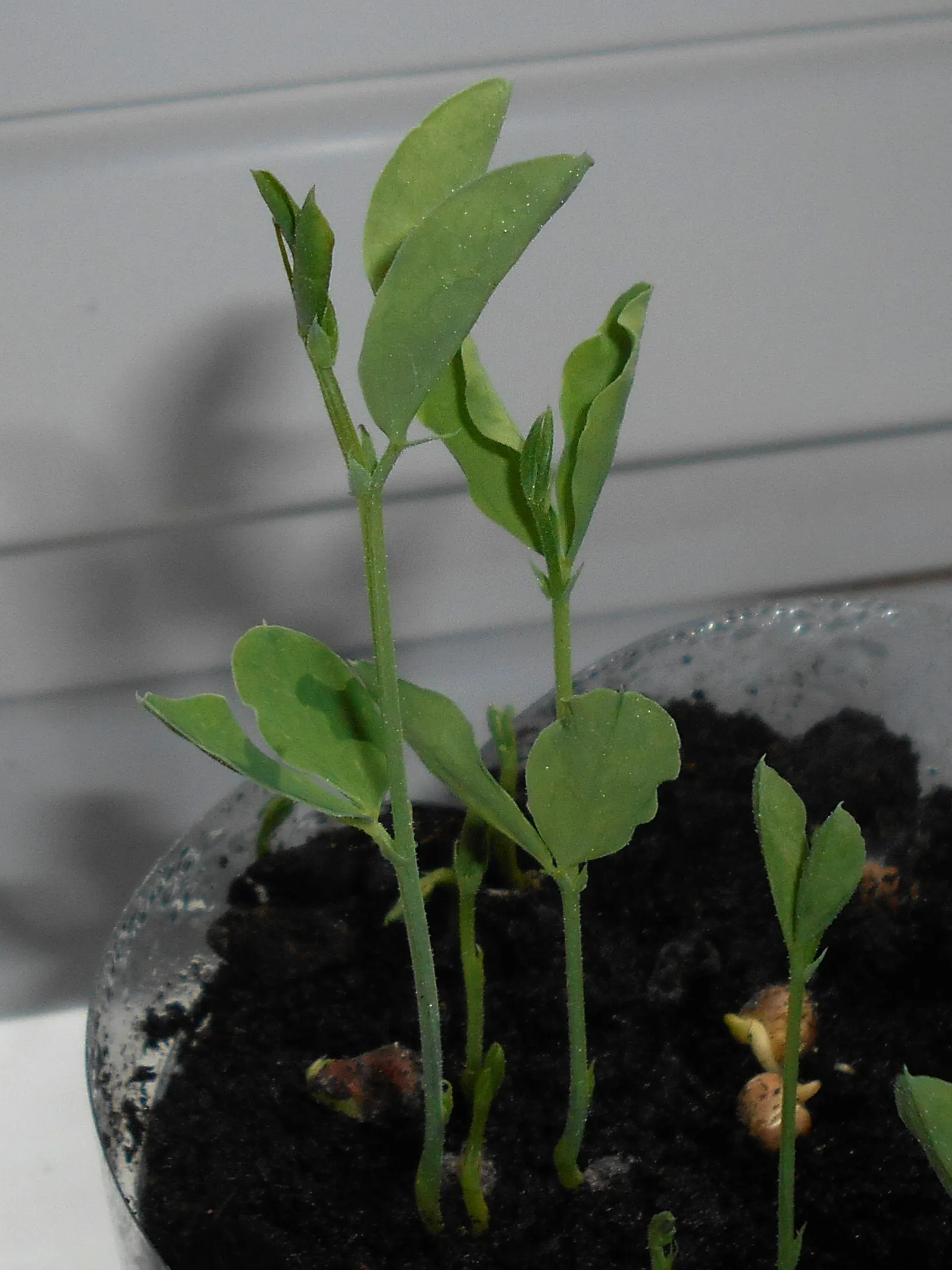
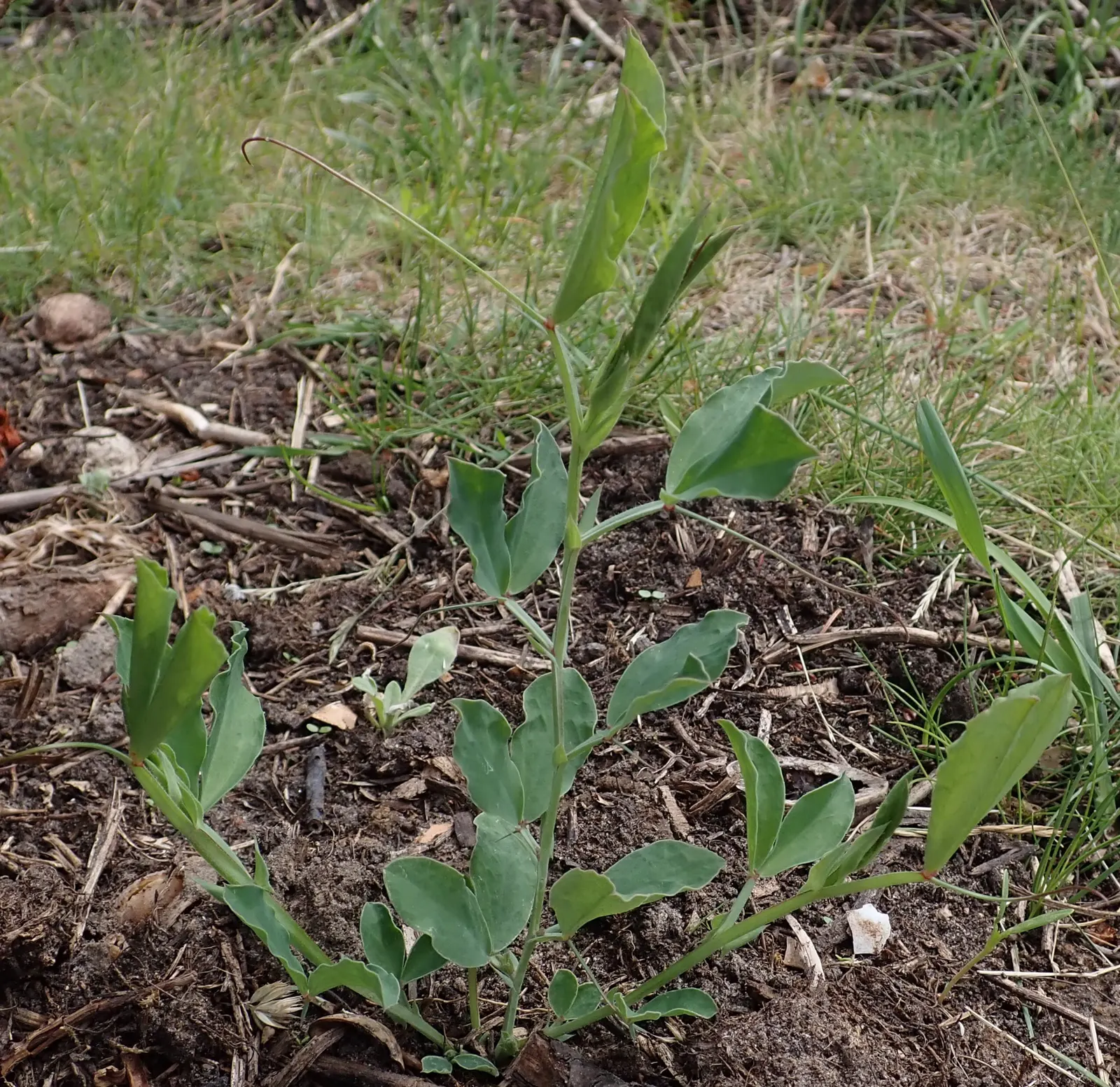
Annual Sweet Pea (Lathyrus Odoratus) — pinnate leaves that create a verdant backdrop for the abundant flowers; which make it an exceptional choice for adding a
Annual Sweet Pea (Lathyrus Odoratus) — necessitating a support structure such as a trellis
Annual Sweet Pea (Lathyrus Odoratus) — which make it an exceptional choice for adding a splash of color and delightful scent to any garden design, image 66
Photographs by 11 contributors

Related plants