Skip to content

Crape Myrtle

Lagerstroemia Indica

Design with this plant

Overview

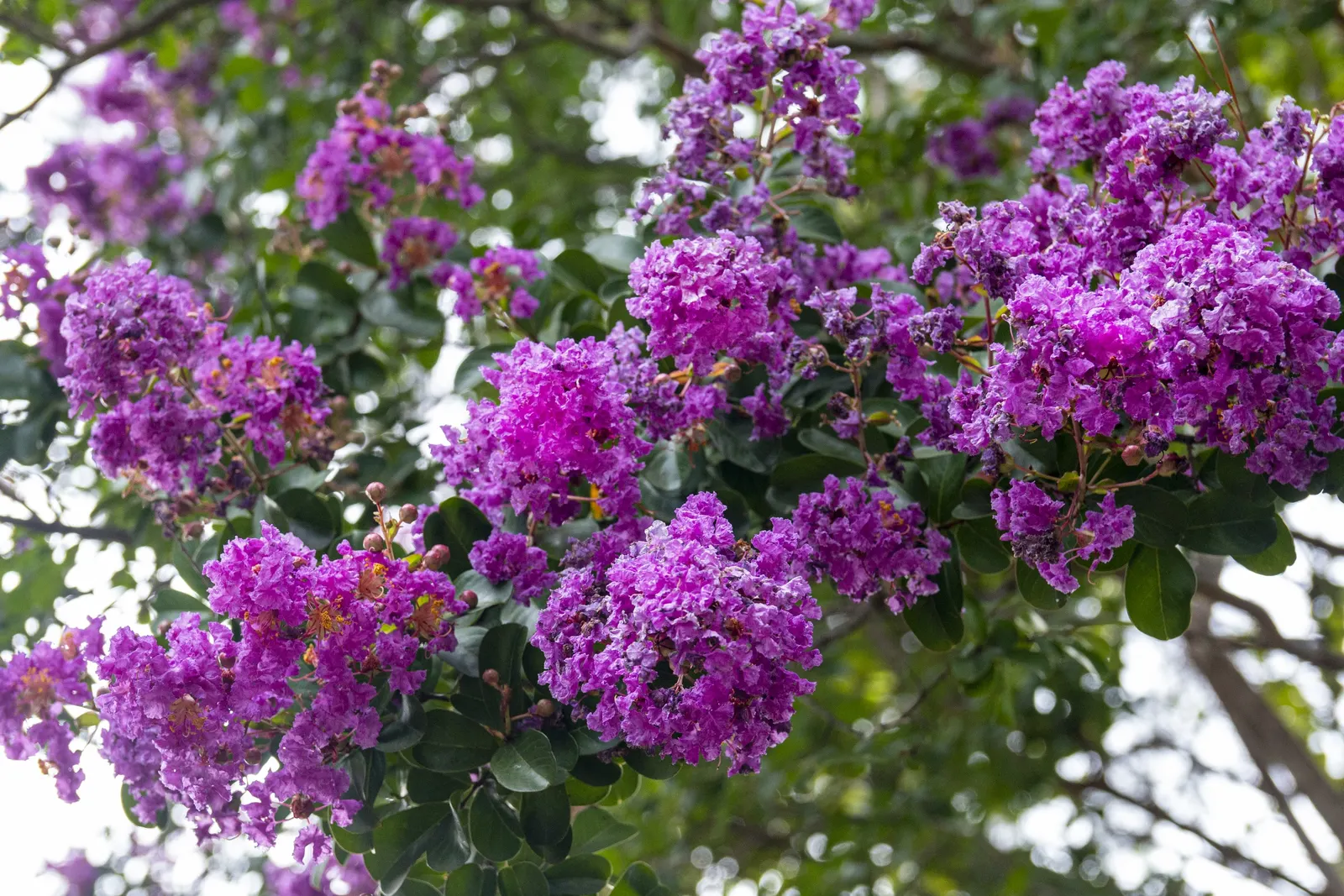
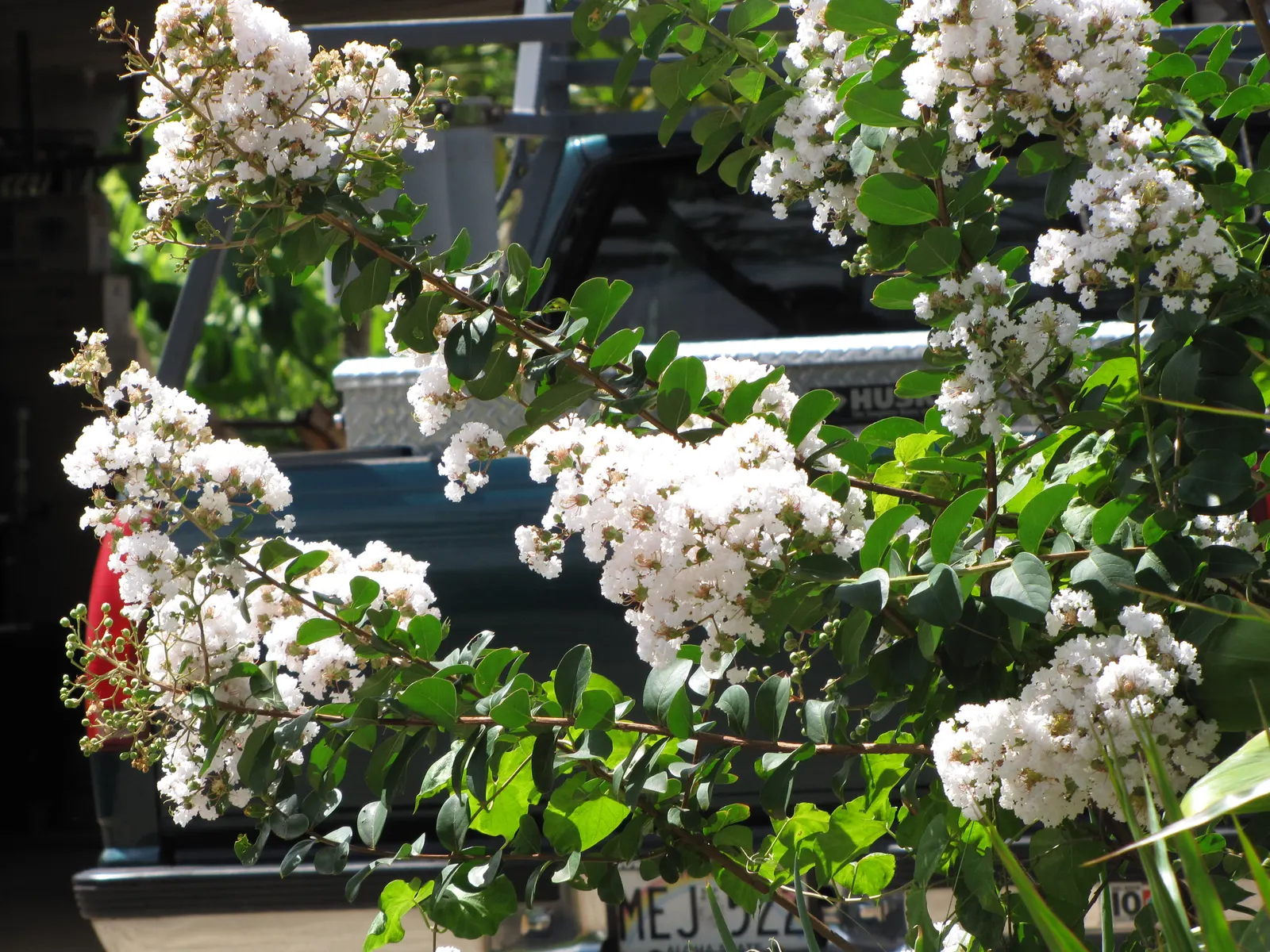
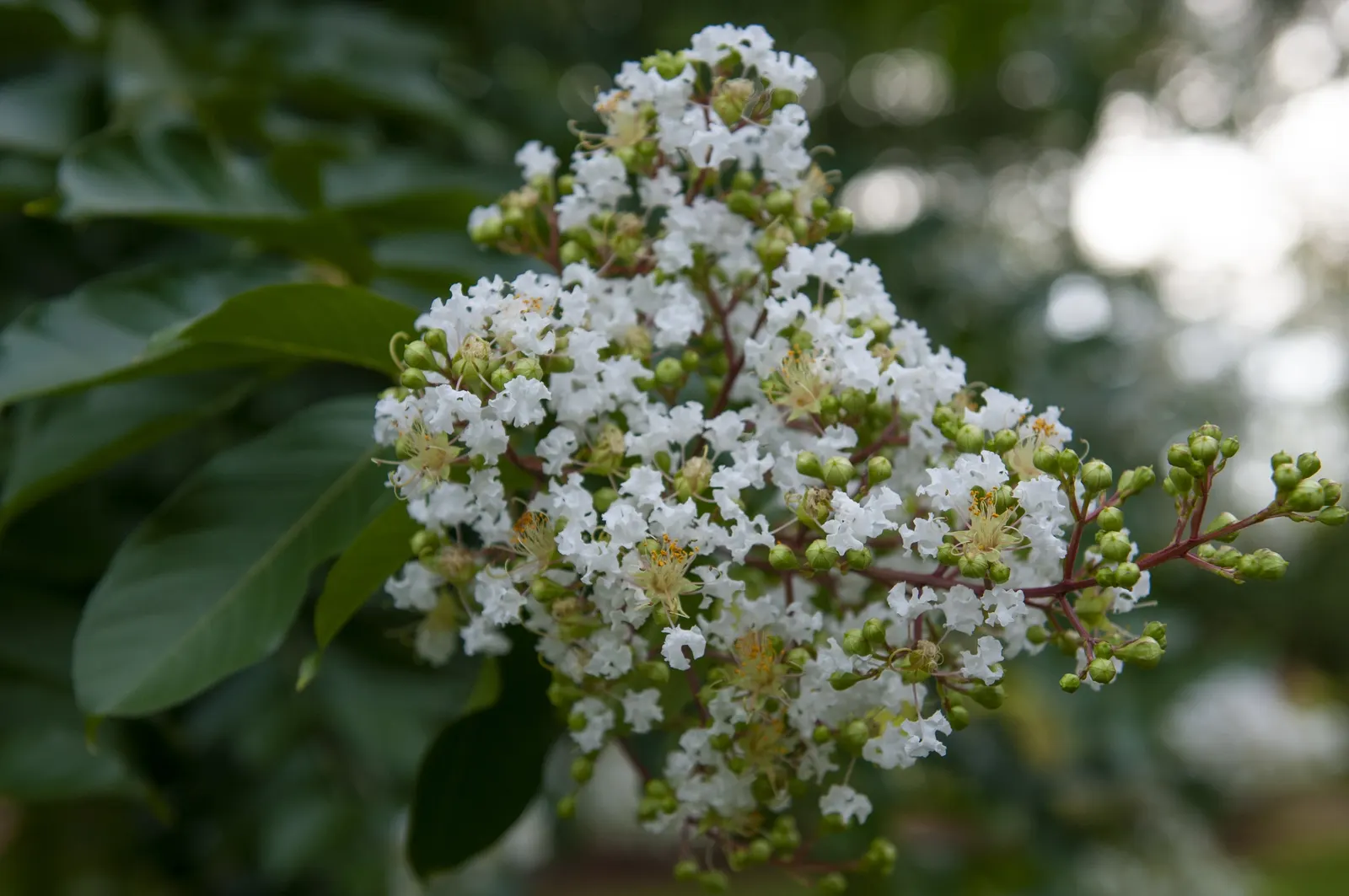
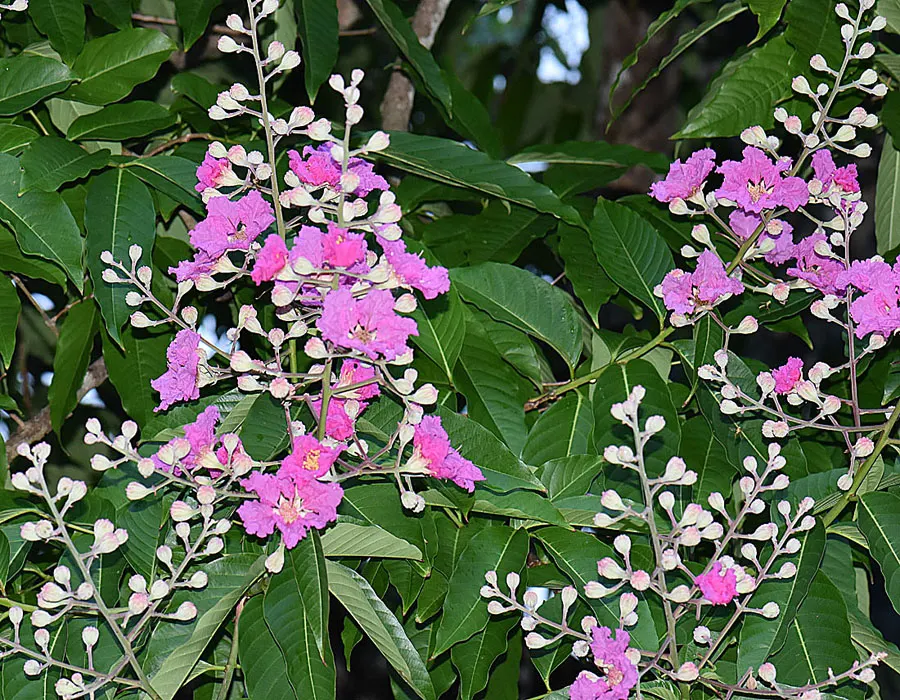
The Crape Myrtle (Lagerstroemia indica) is a versatile, flowering shrub/small tree, thriving in USDA zones 7-9. Grown for its extended summer bloom, it features clusters of vibrant flowers, with shades ranging from pink to red. Mature specimens reach 15-25 feet in height and spread 6-15 feet. Exfoliating bark and attractive fall foliage add year-round interest. Prefers full sun and well-drained soil. Drought tolerant once established and requires minimal maintenance.
Sun FullWater LowZones 7–10Climate Mediterranean
Crape Myrtle (Lagerstroemia Indica) — The Crape Myrtle (Lagerstroemia indica) is a versatile, flowering shrub/small tree, thriving in USDA zones 7-9

Culture

Sun
Full
Water
Low
USDA zones
7–10

Shape & size

Mature height
6–25 Ft.
Mature width
6–25 Ft.

Classification

Family
Lythraceae
Climate
Mediterranean

See full data, regional cultivation notes, full-resolution photos, and design tools. Build a client presentation around this plant.

Start your 14-day trial

Photos (166)

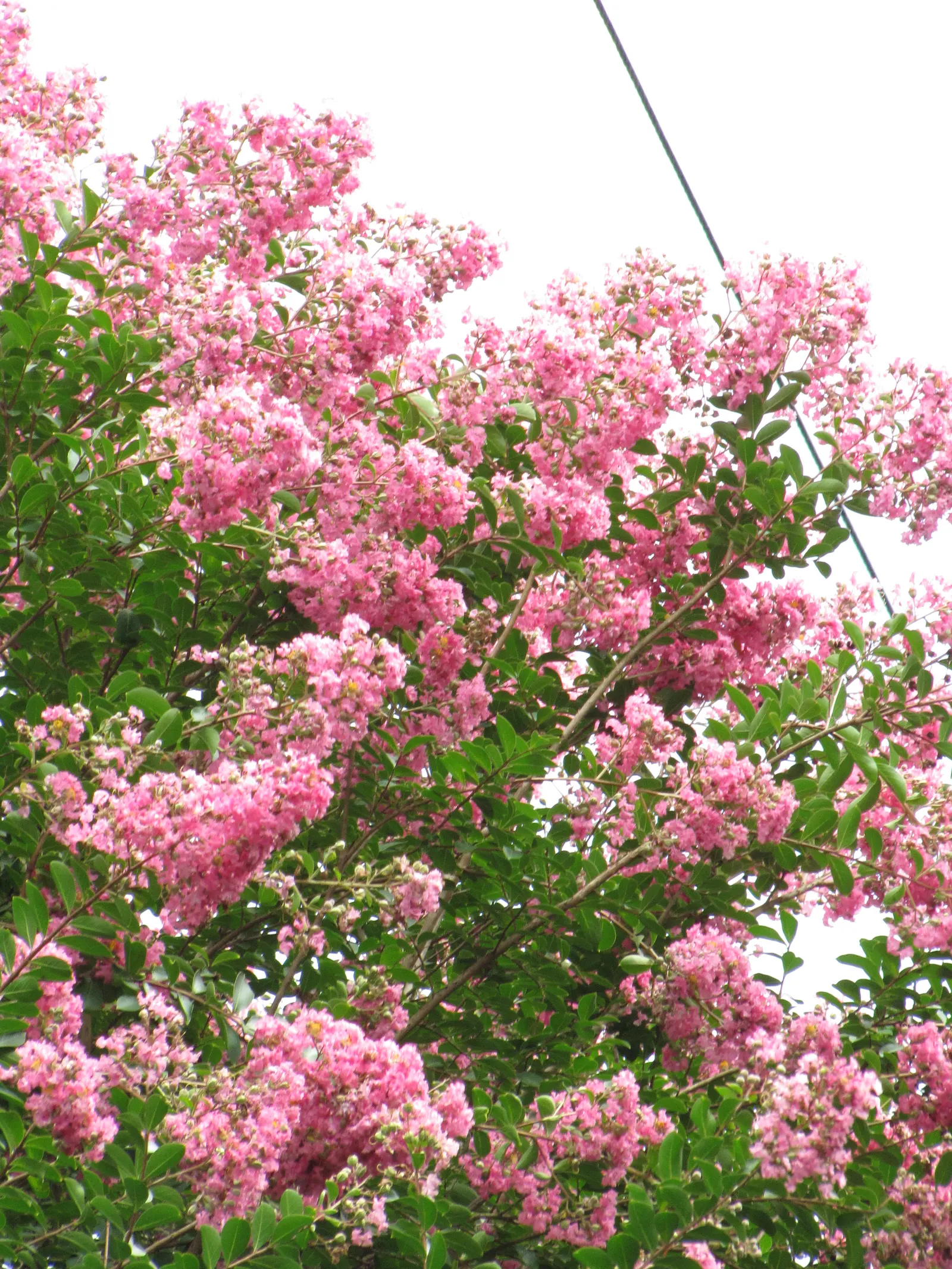
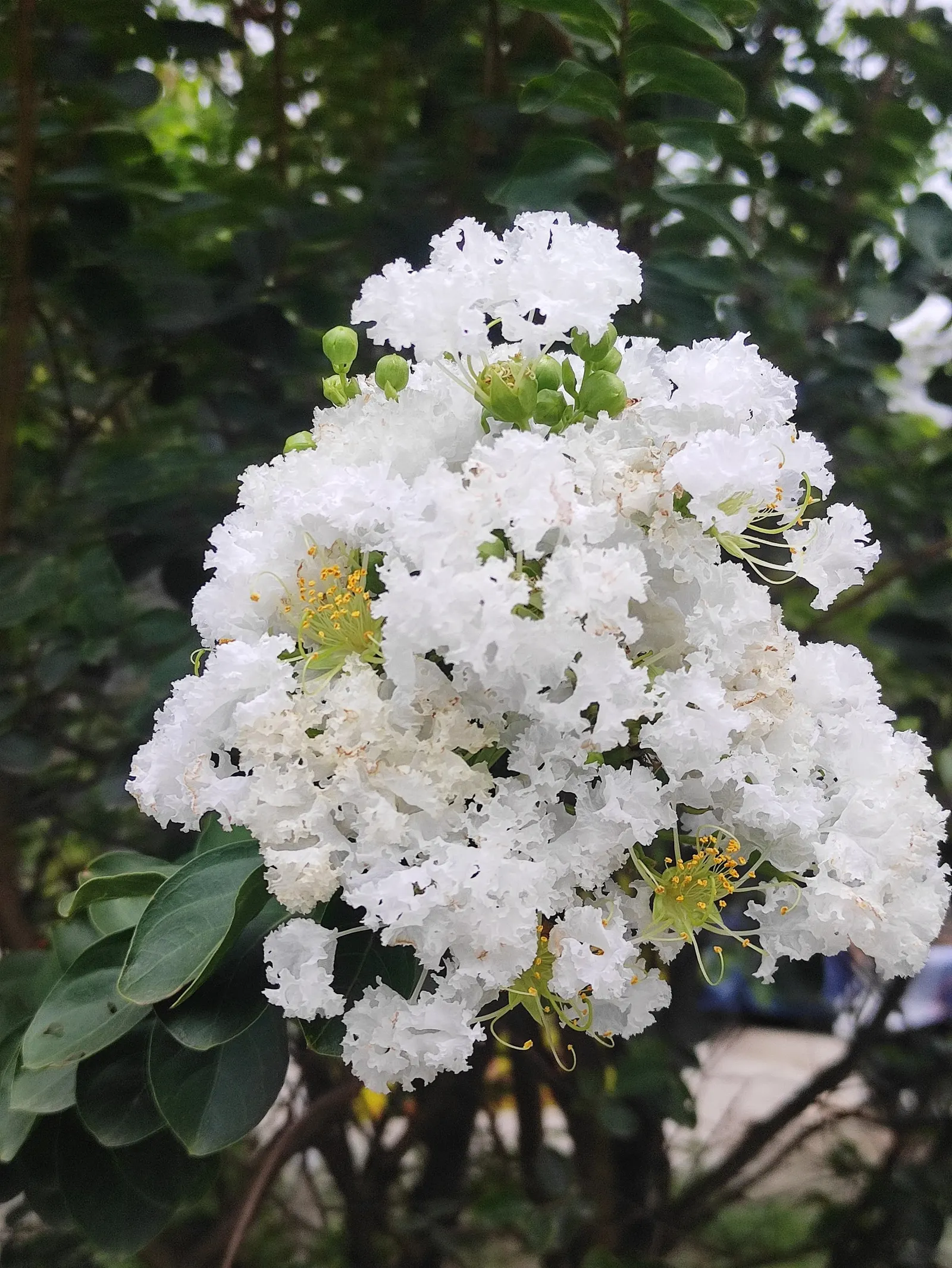
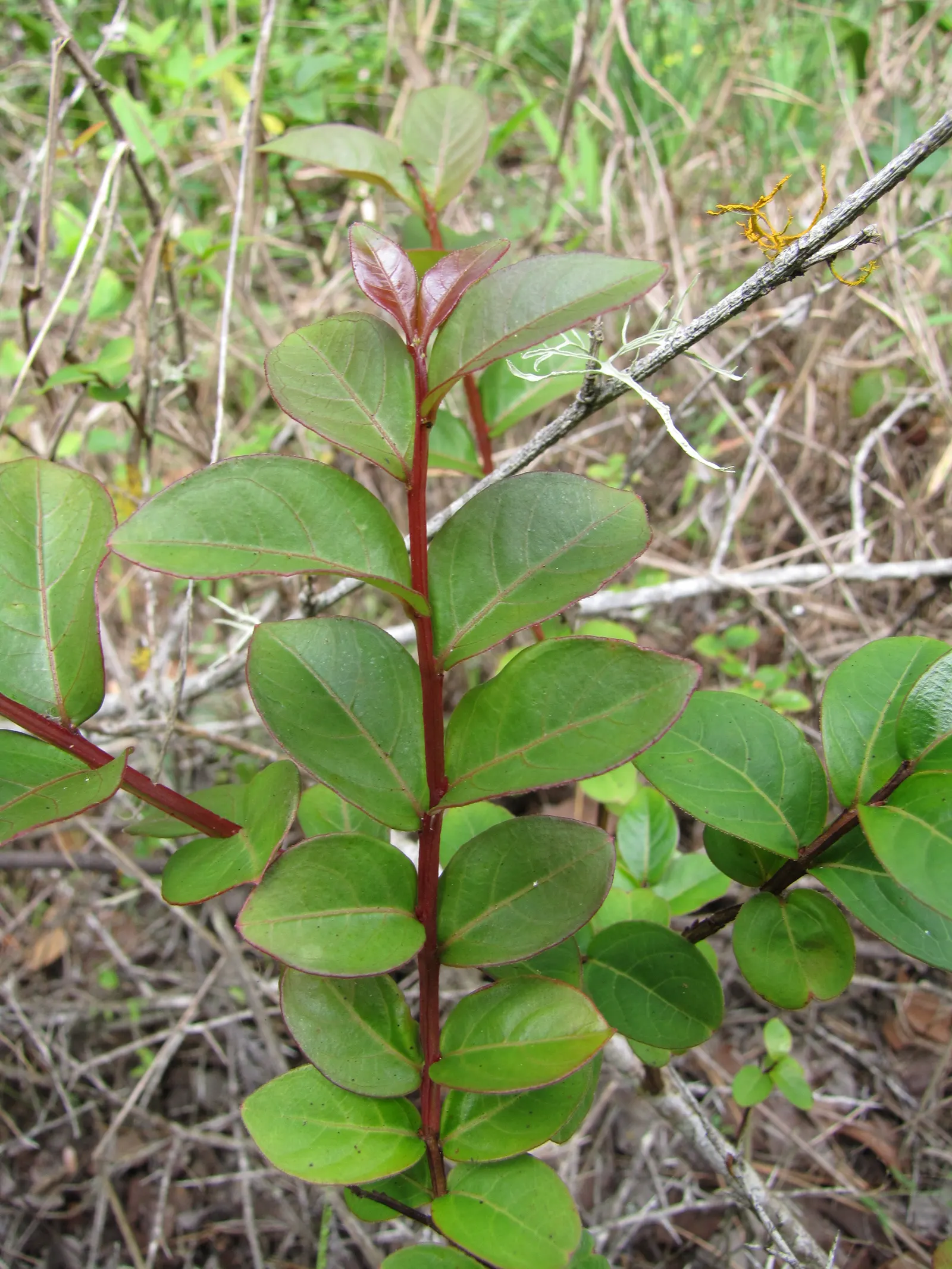
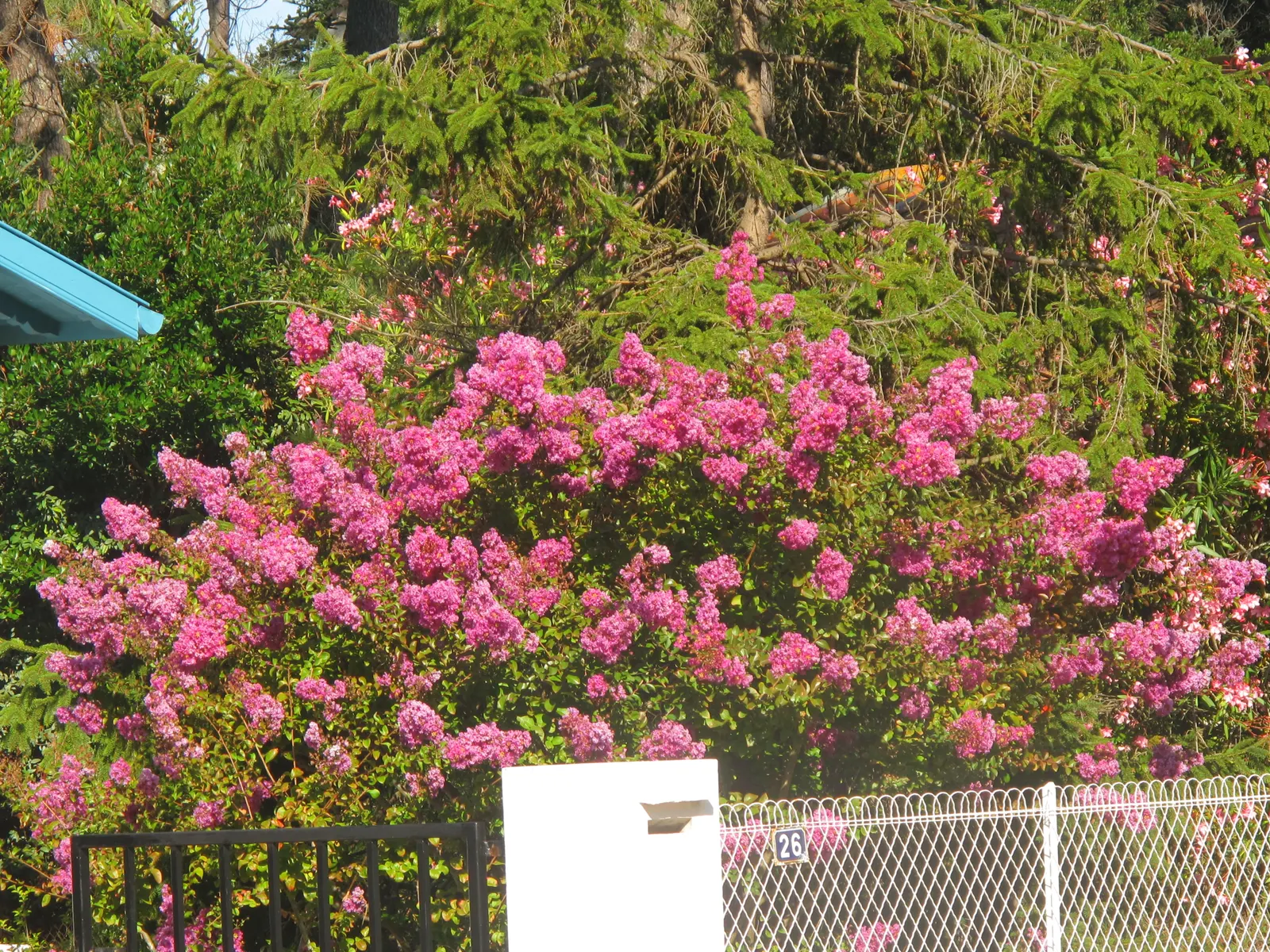
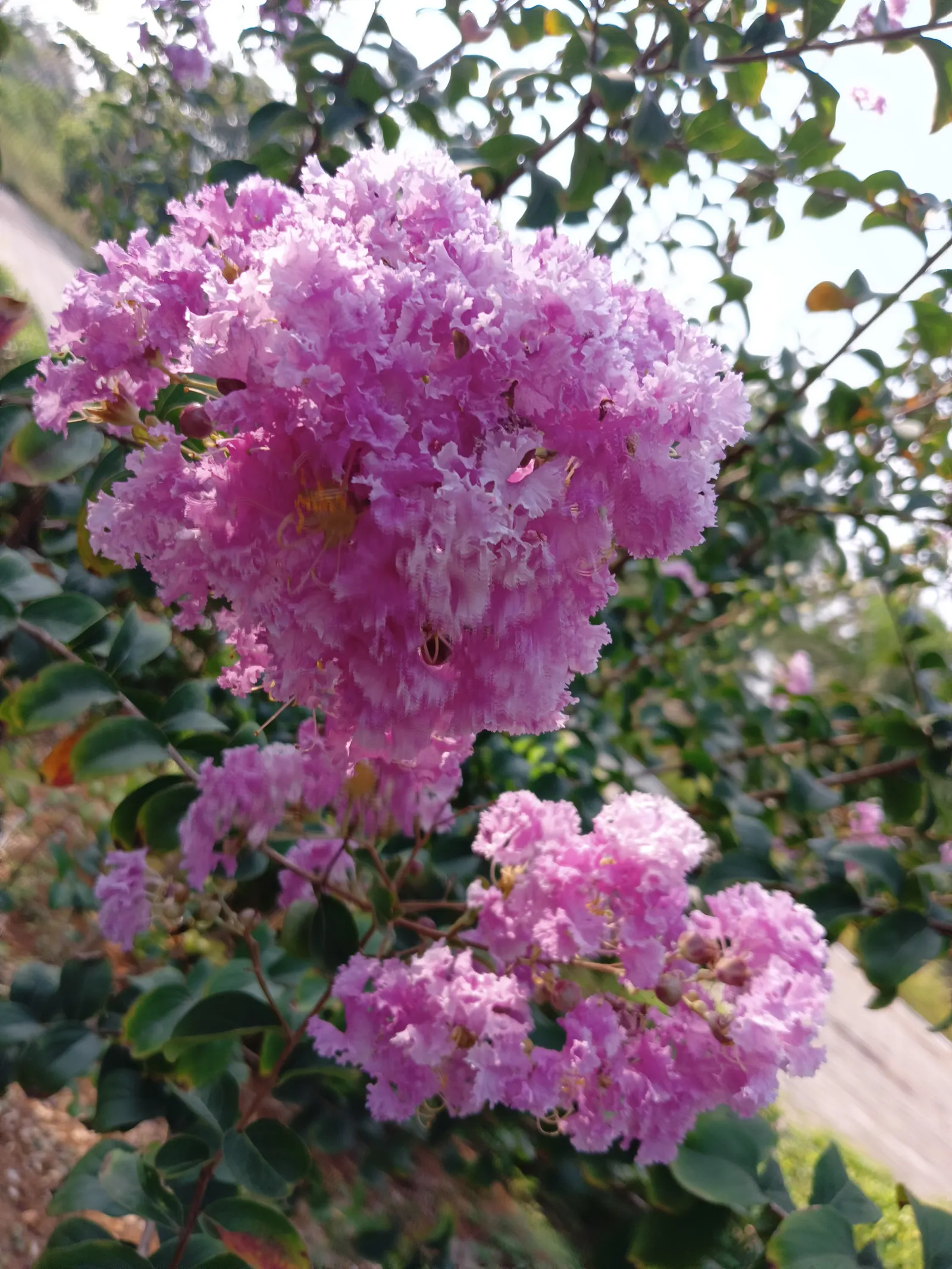
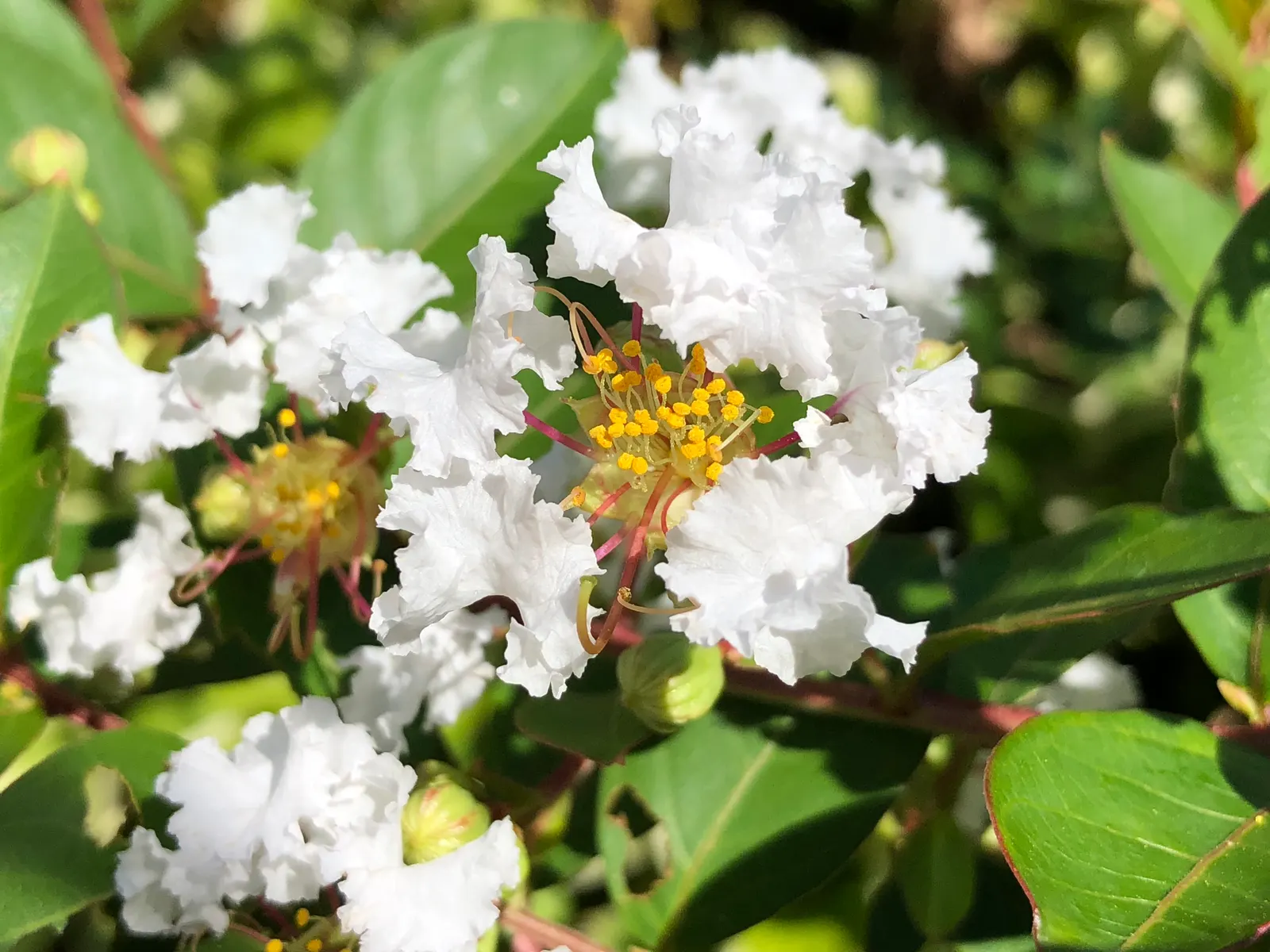
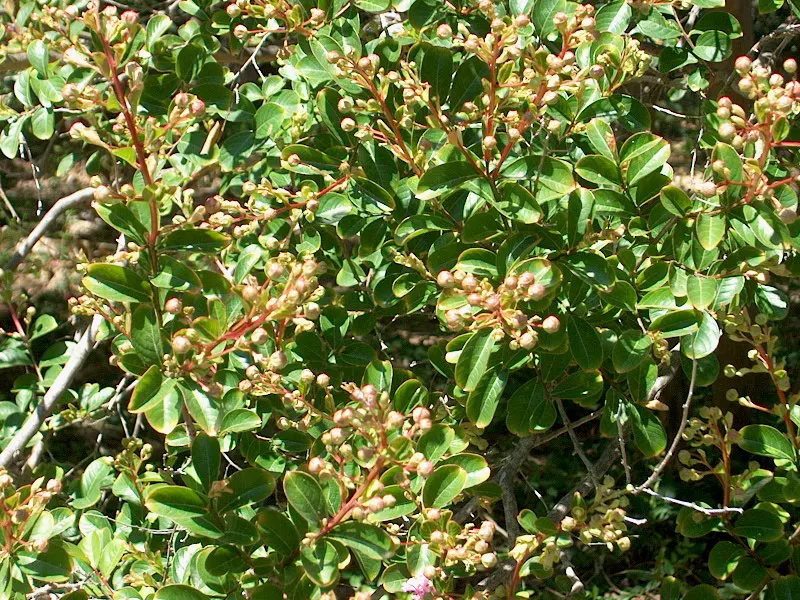
Crape Myrtle (Lagerstroemia Indica) — offering a long-lasting display of color.<br><br>Crape Myrtles can vary in size
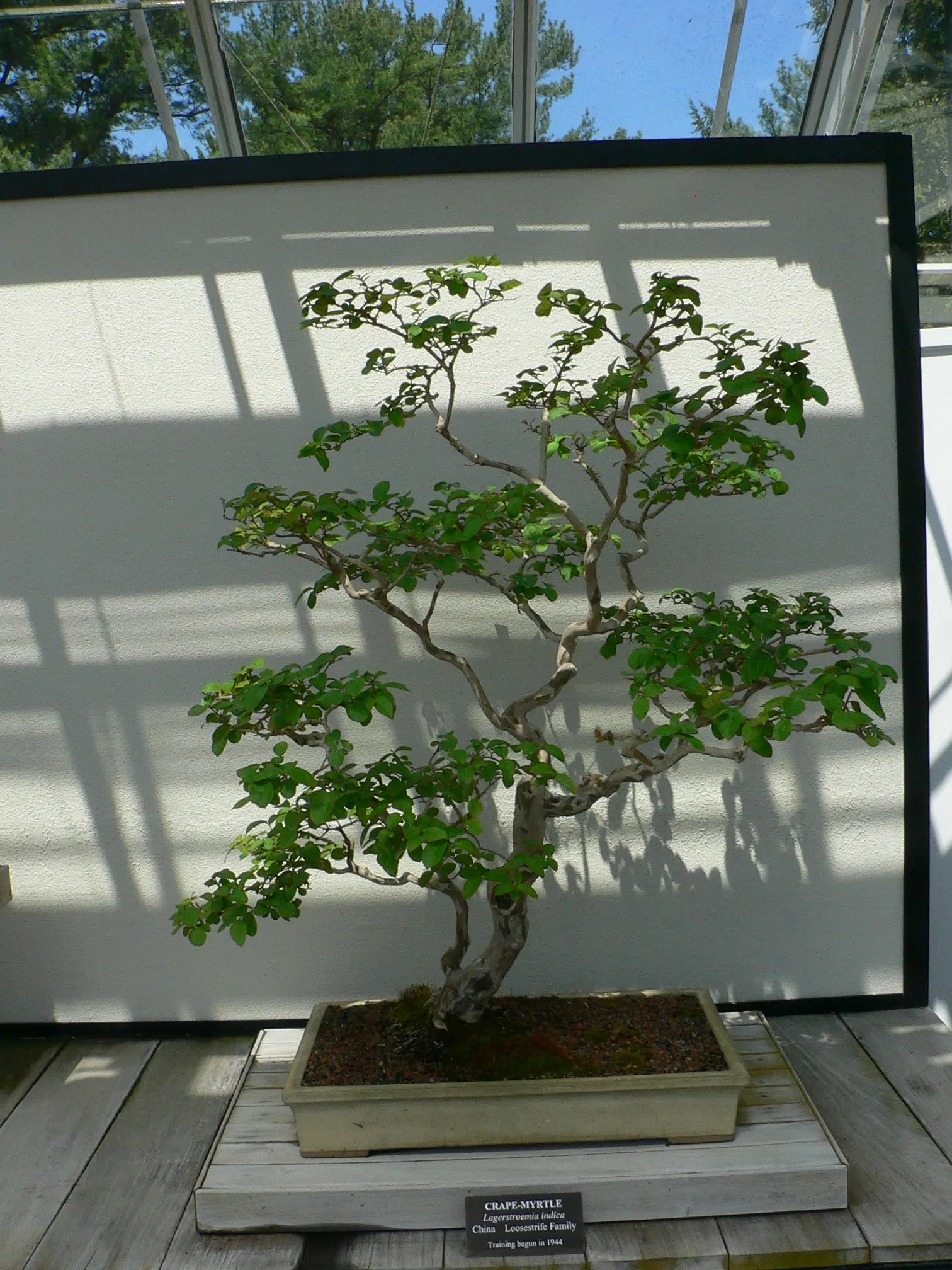
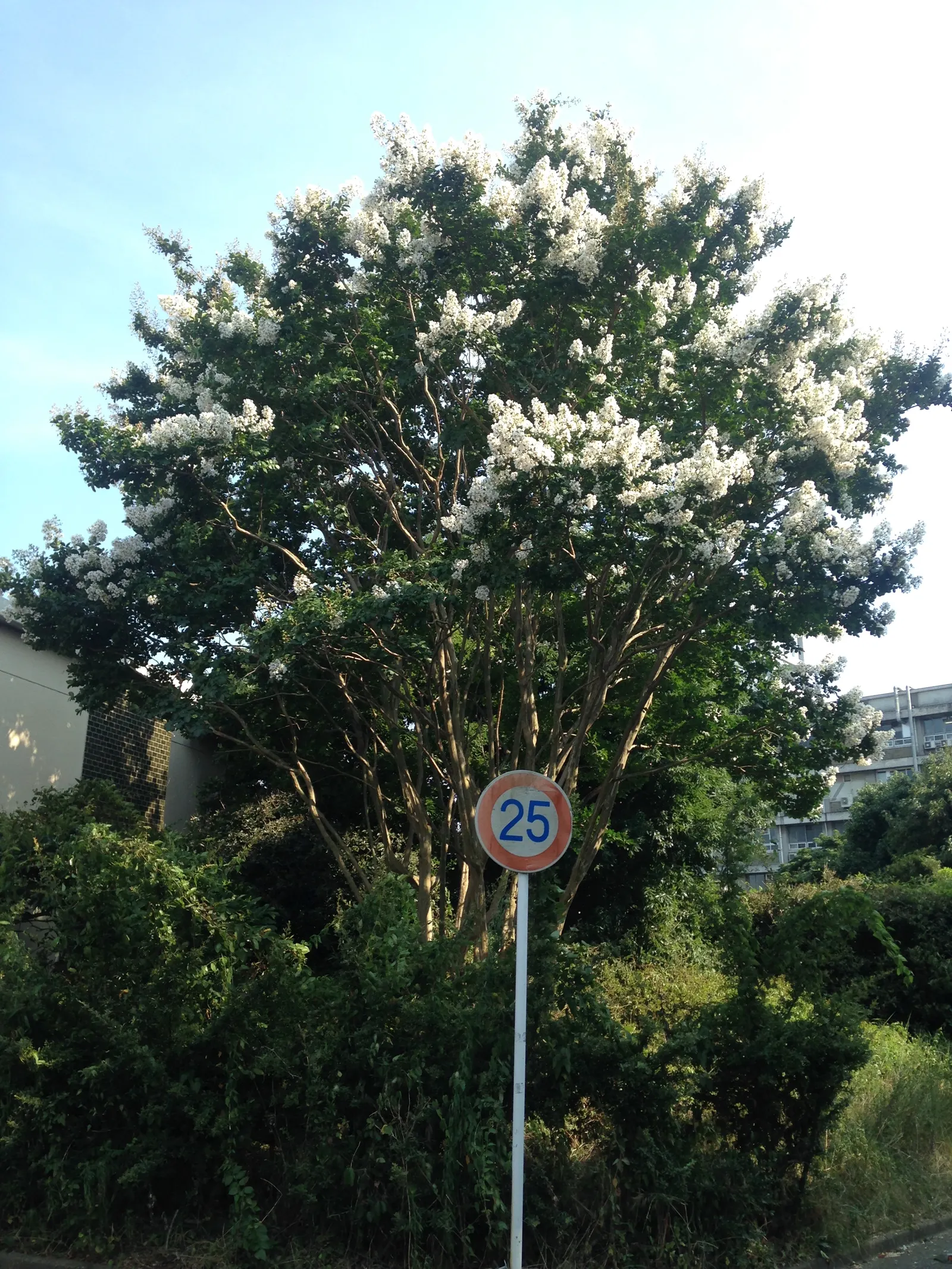
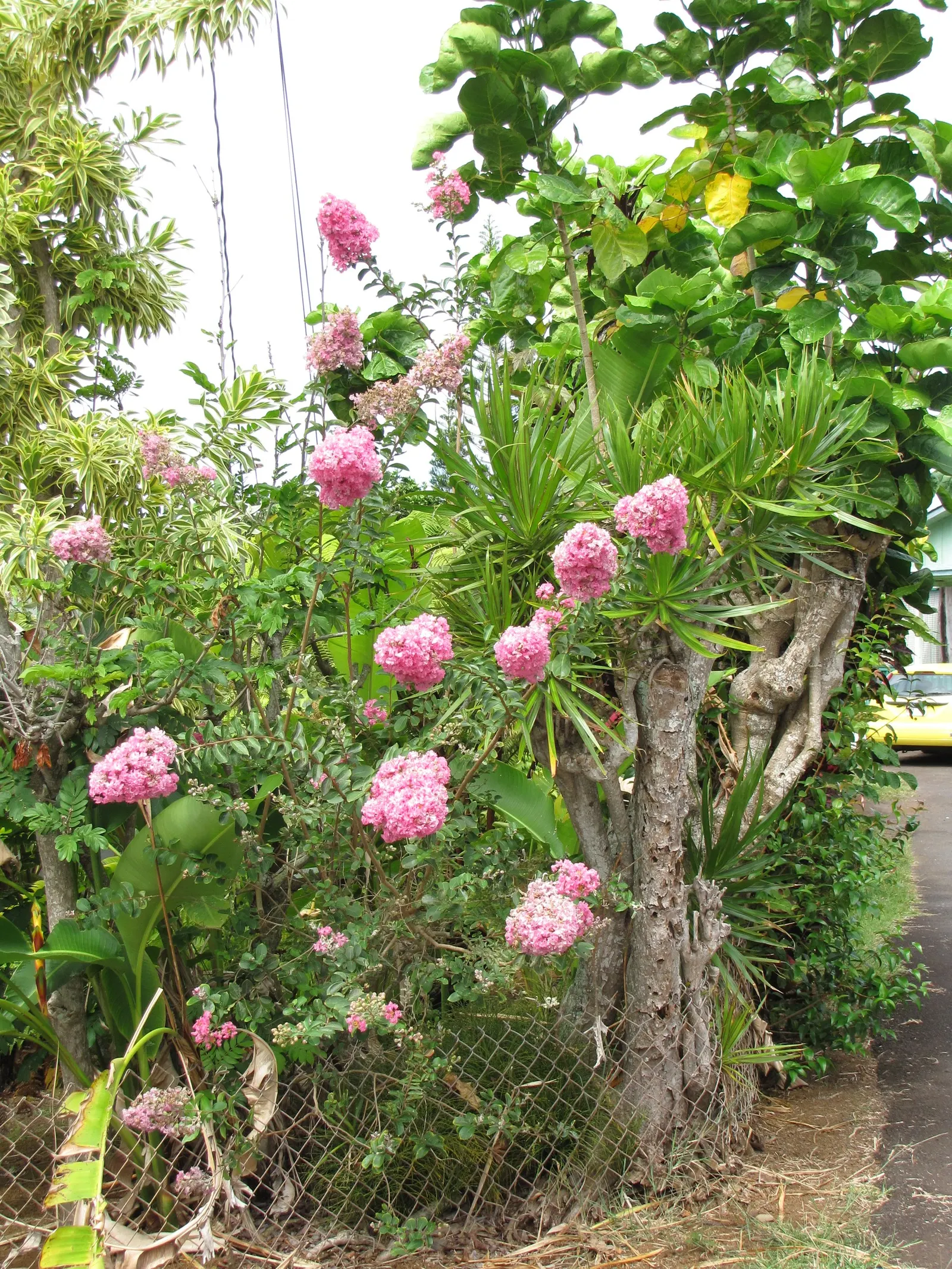
Crape Myrtle (Lagerstroemia Indica) — with mature specimens averaging between 15 to 25 feet in height and 6 to 15 feet in width
Crape Myrtle (Lagerstroemia Indica) — making them versatile for both smaller gardens and larger landscapes
Crape Myrtle (Lagerstroemia Indica) — Their exfoliating bark peels back to reveal a smooth and mottled underlayer
Crape Myrtle (Lagerstroemia Indica) — adding additional visual interest
Crape Myrtle (Lagerstroemia Indica) — particularly in the winter months.<br><br>For optimal growth
Crape Myrtle (Lagerstroemia Indica) — these plants prefer full sun
Crape Myrtle (Lagerstroemia Indica) — requiring at least 6 hours of direct sunlight per day
Crape Myrtle (Lagerstroemia Indica) — and they thrive in well-draining soil with a pH that is slightly acidic to neutral
Crape Myrtle (Lagerstroemia Indica) — Hardiness is another virtue of the Crape Myrtle
Crape Myrtle (Lagerstroemia Indica) — It's advisable to remove spent flowers and prune in late winter for the best results
Crape Myrtle (Lagerstroemia Indica) — Crape Myrtles are relatively low maintenance and have minimal pest and disease concerns
Crape Myrtle (Lagerstroemia Indica) — making them an excellent low-fuss addition to any client's garden
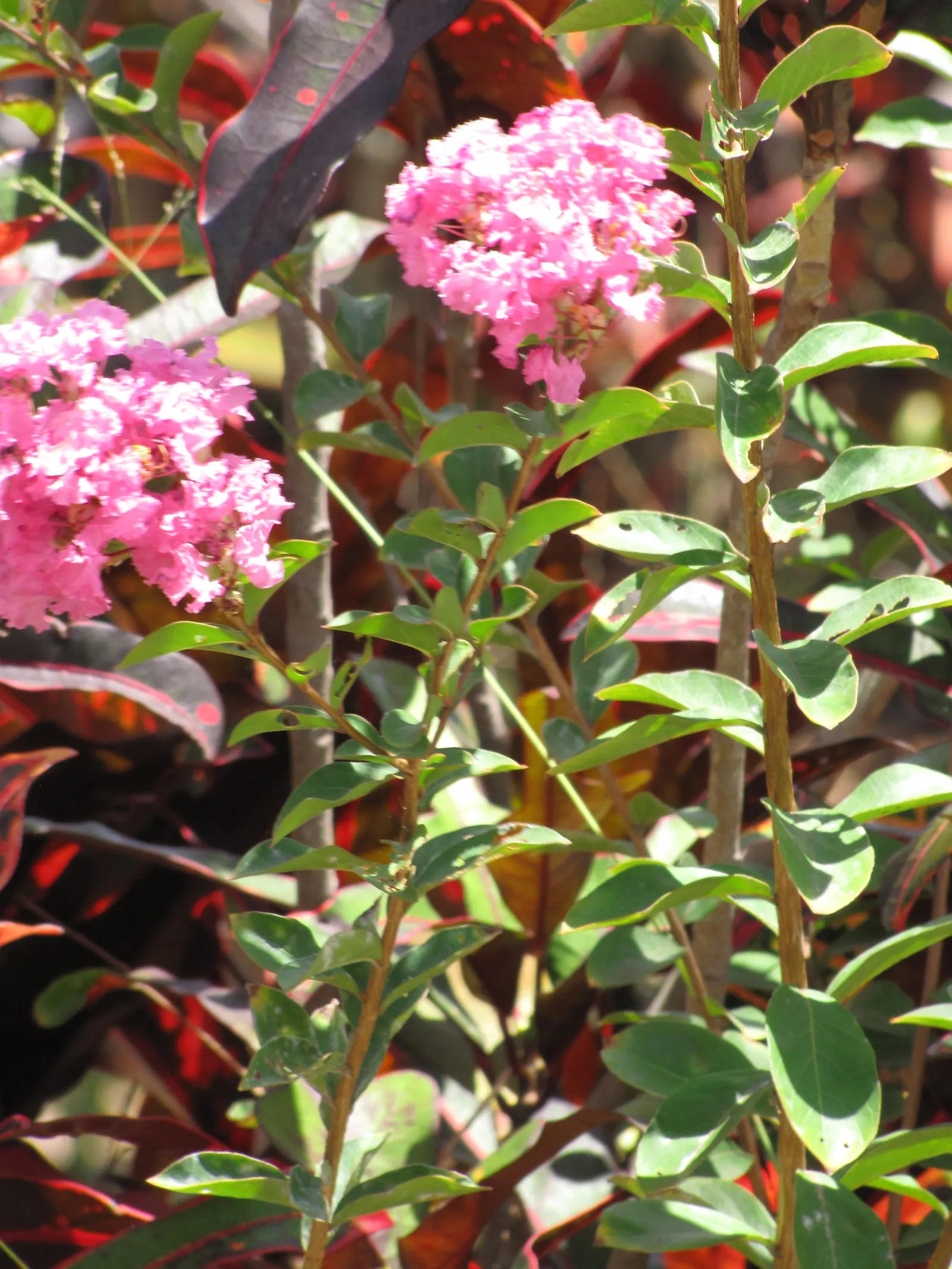
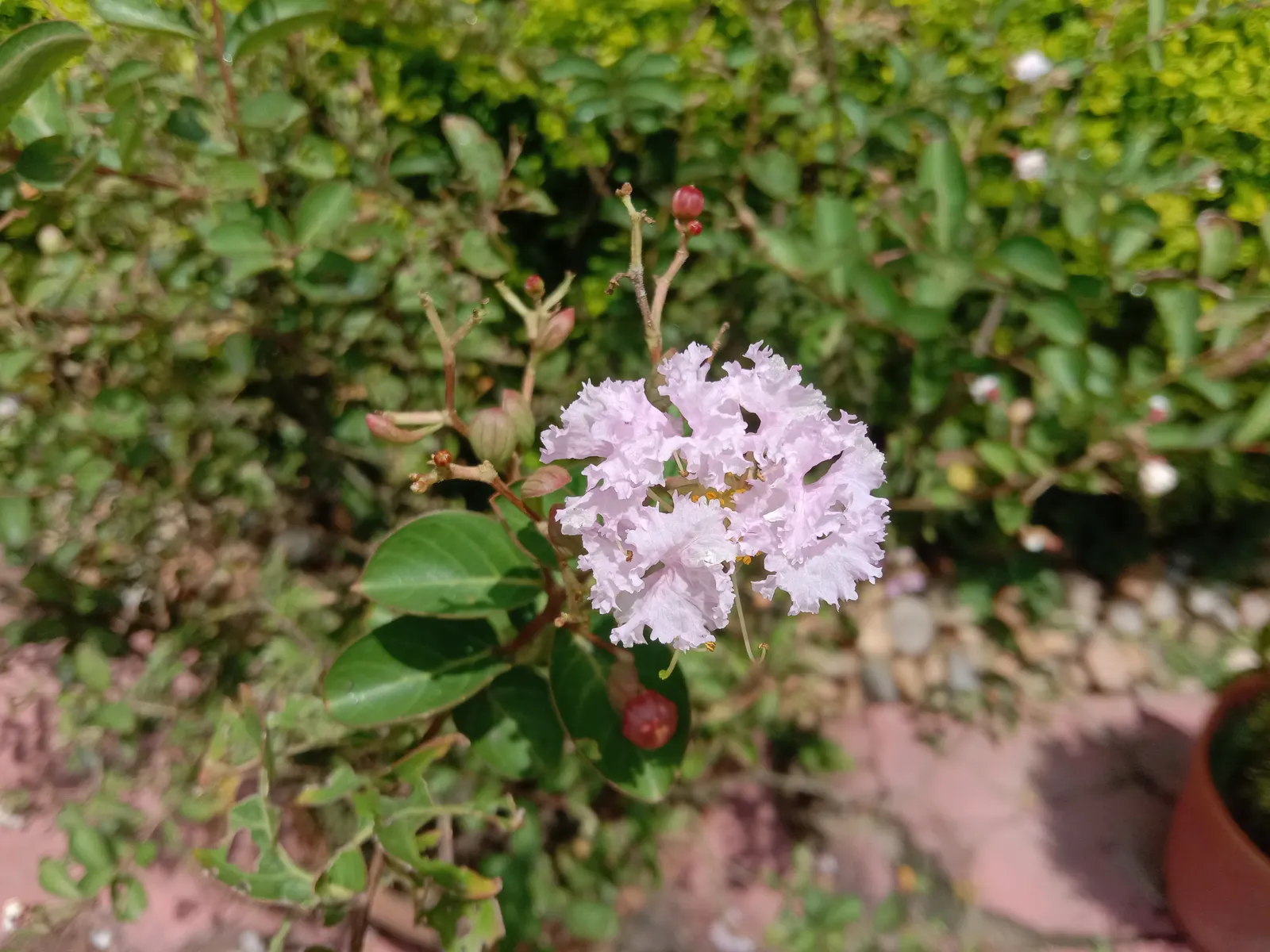
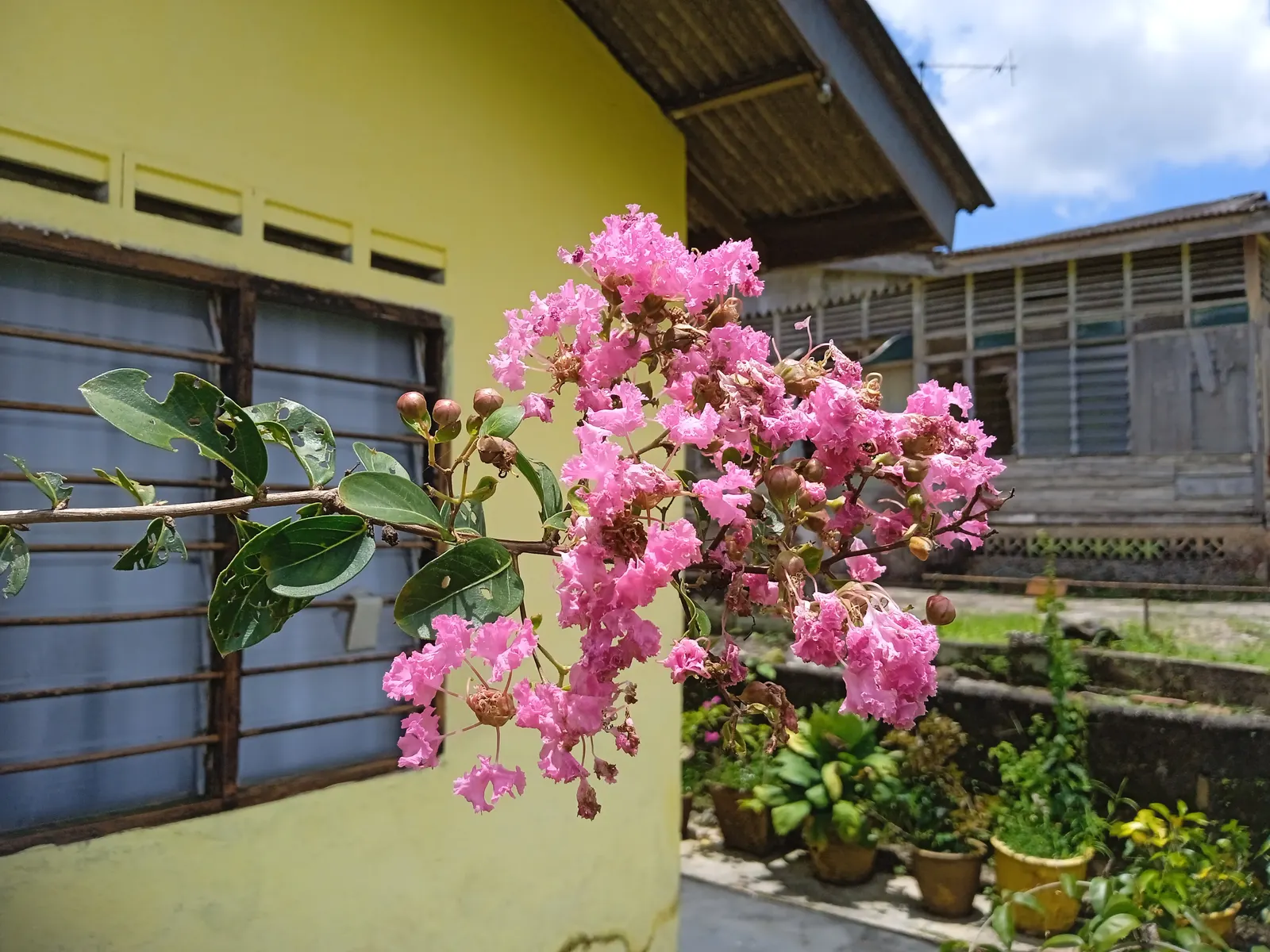
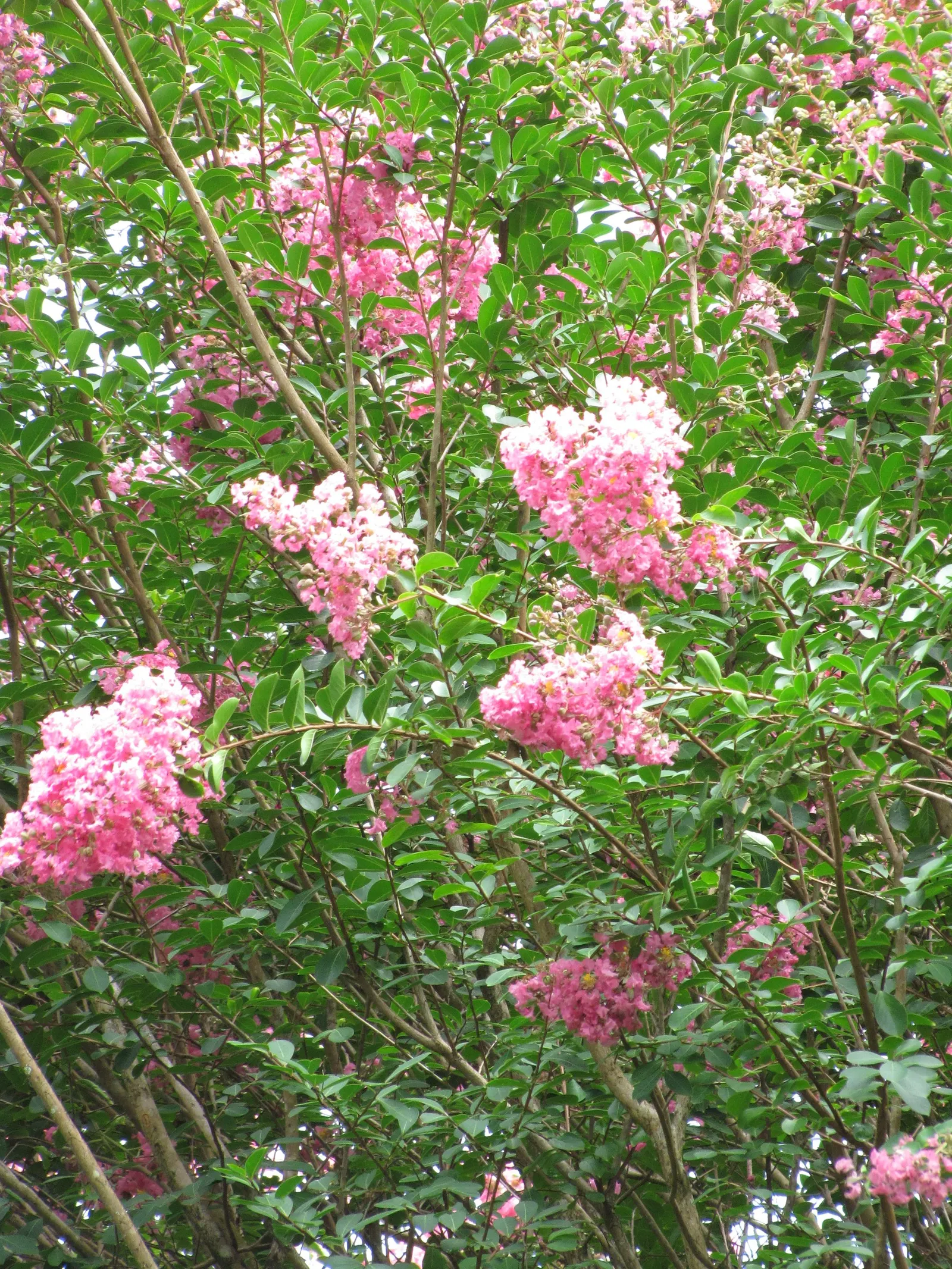
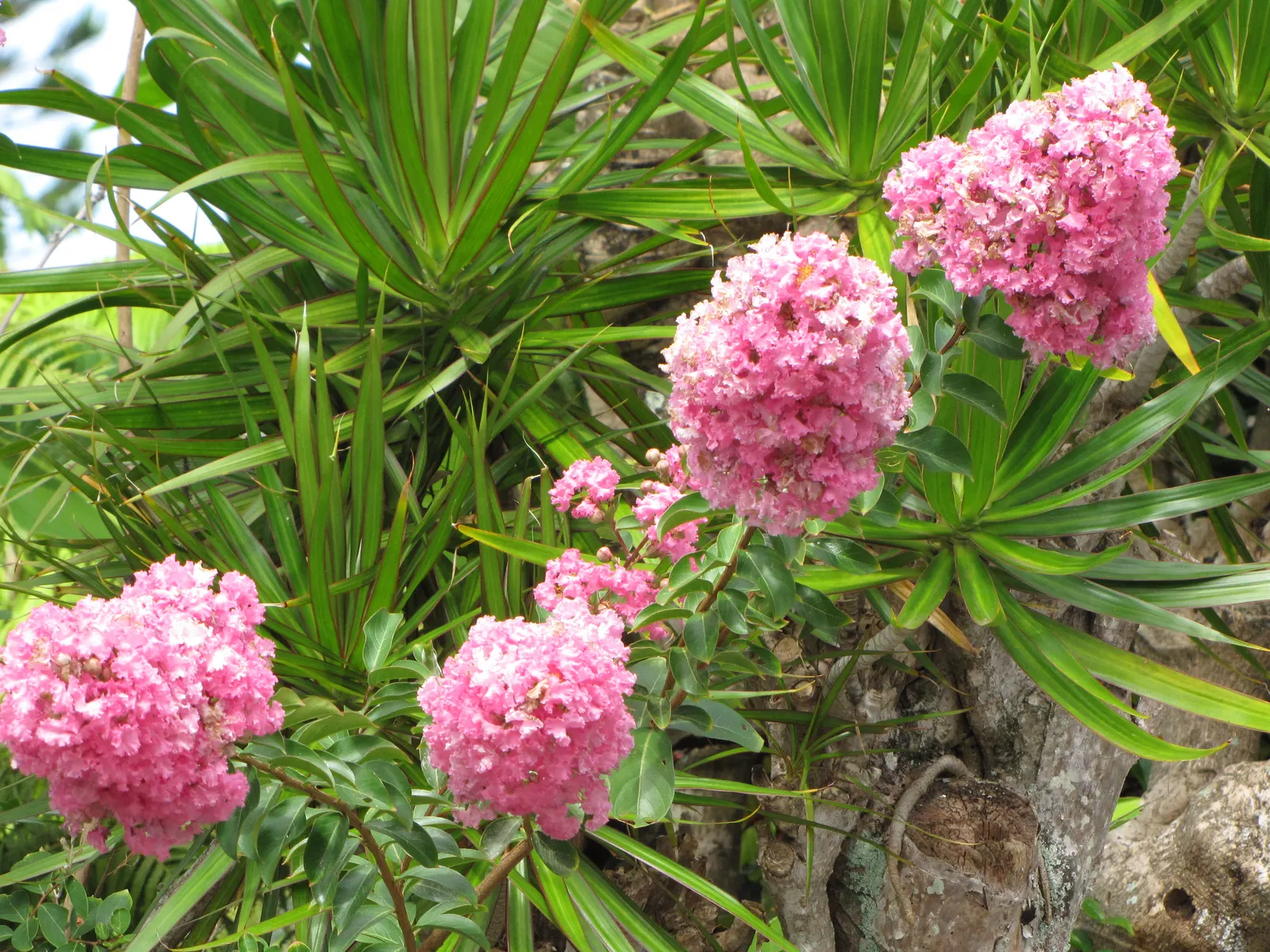
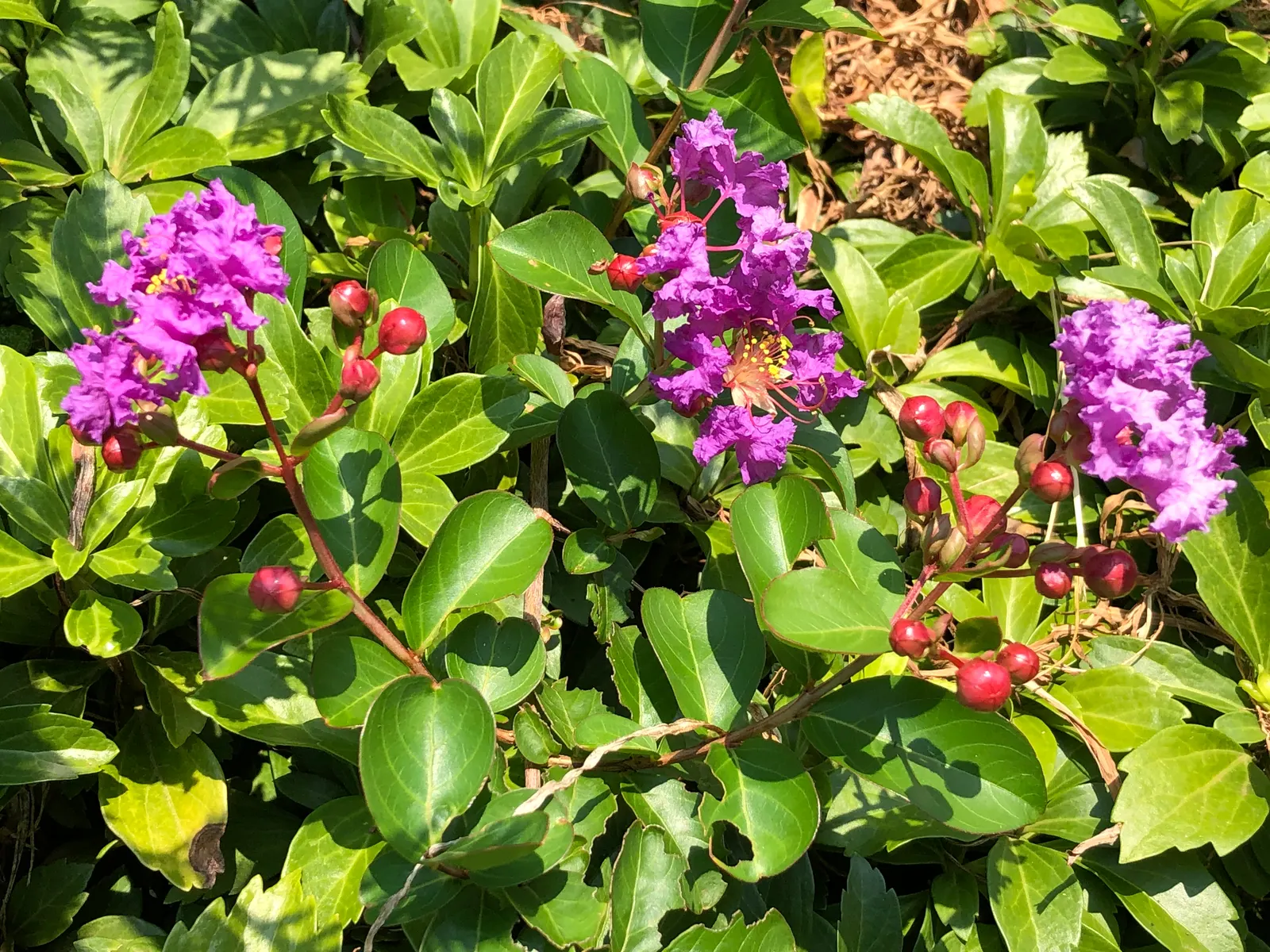
Crape Myrtle (Lagerstroemia Indica) — pink and red flowers in the garden
Crape Myrtle (Lagerstroemia Indica) — shrub / tree with pink and red blooms
Crape Myrtle (Lagerstroemia Indica) — shrub / tree for full
Crape Myrtle (Lagerstroemia Indica) — The Crape Myrtle (Lagerstroemia indica) is a versatile, flowering shrub/small tree, thriving in USDA zones 7-9; with
Crape Myrtle (Lagerstroemia Indica) — Grown for its extended summer bloom; this deciduous shrub or small tree is renowned for its extensive blooming period and
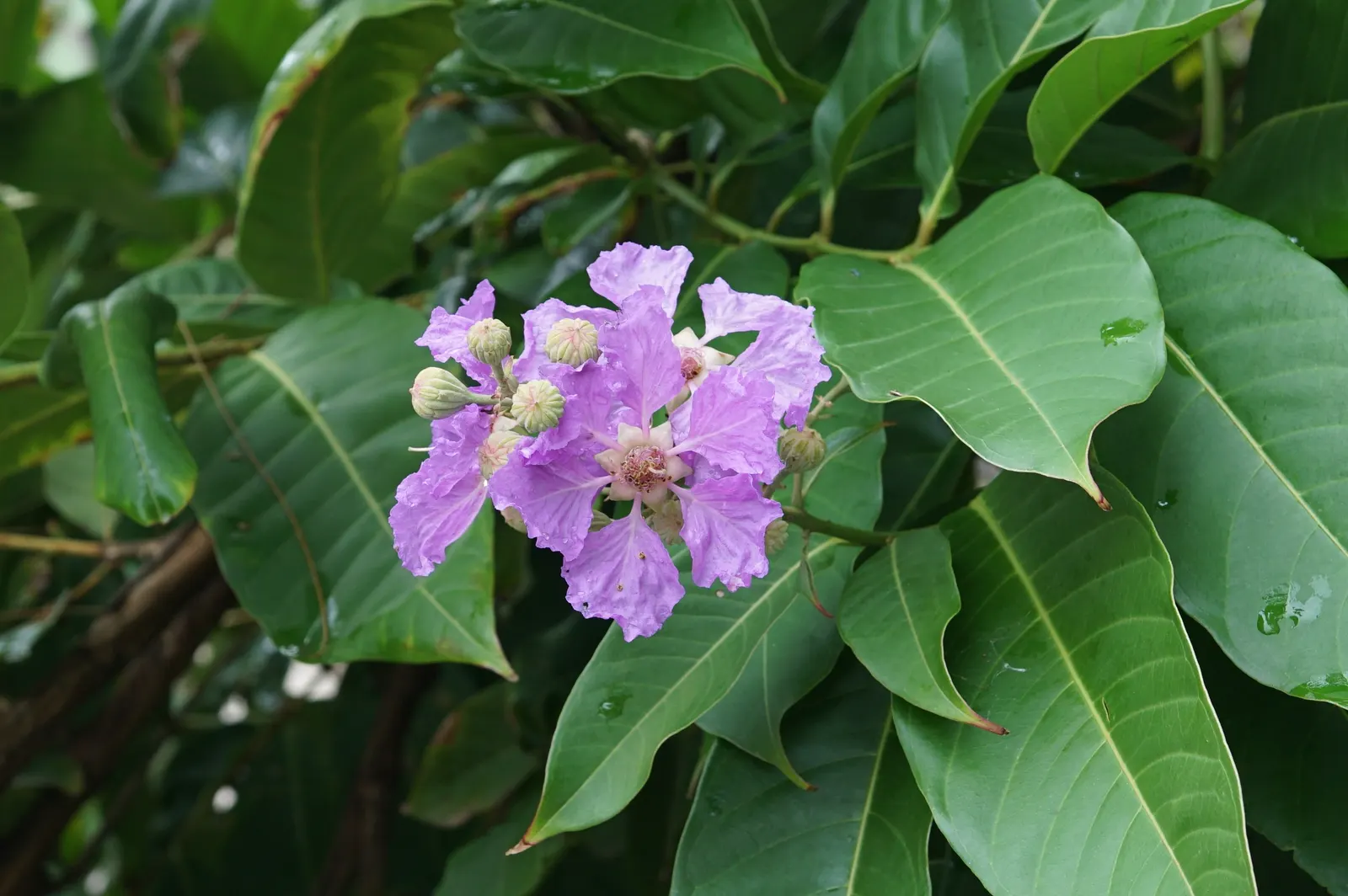
Crape Myrtle (Lagerstroemia Indica) — it features clusters of vibrant flowers; adding additional visual interest
Crape Myrtle (Lagerstroemia Indica) — with shades ranging from pink to red; crape Myrtles are relatively low maintenance and have minimal pest and disease
Crape Myrtle (Lagerstroemia Indica) — Mature specimens reach 15-25 feet in height and spread 6-15 feet; it features clusters of vibrant flowers
Crape Myrtle (Lagerstroemia Indica) — Exfoliating bark and attractive fall foliage add year-round interest; is a quintessential choice for adding vibrant color
Crape Myrtle (Lagerstroemia Indica) — Prefers full sun and well-drained soil; their exfoliating bark peels back to reveal a smooth and mottled underlayer
Crape Myrtle (Lagerstroemia Indica) — Drought tolerant once established and requires minimal maintenance; it's advisable to remove spent flowers and prune in

Related plants