Skip to content

Beauty Bush

Kolkwitzia Amabilis

Design with this plant

Overview

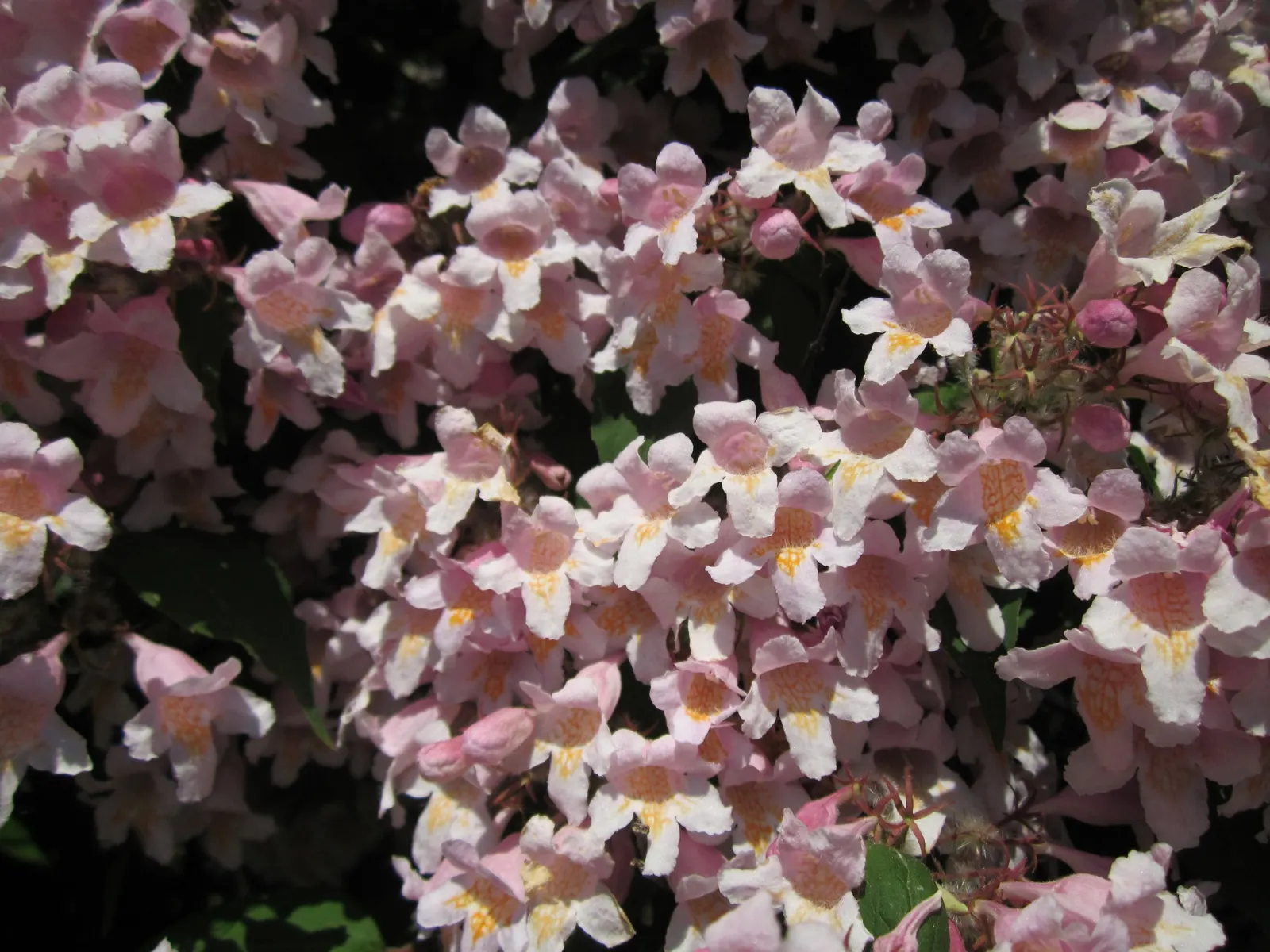
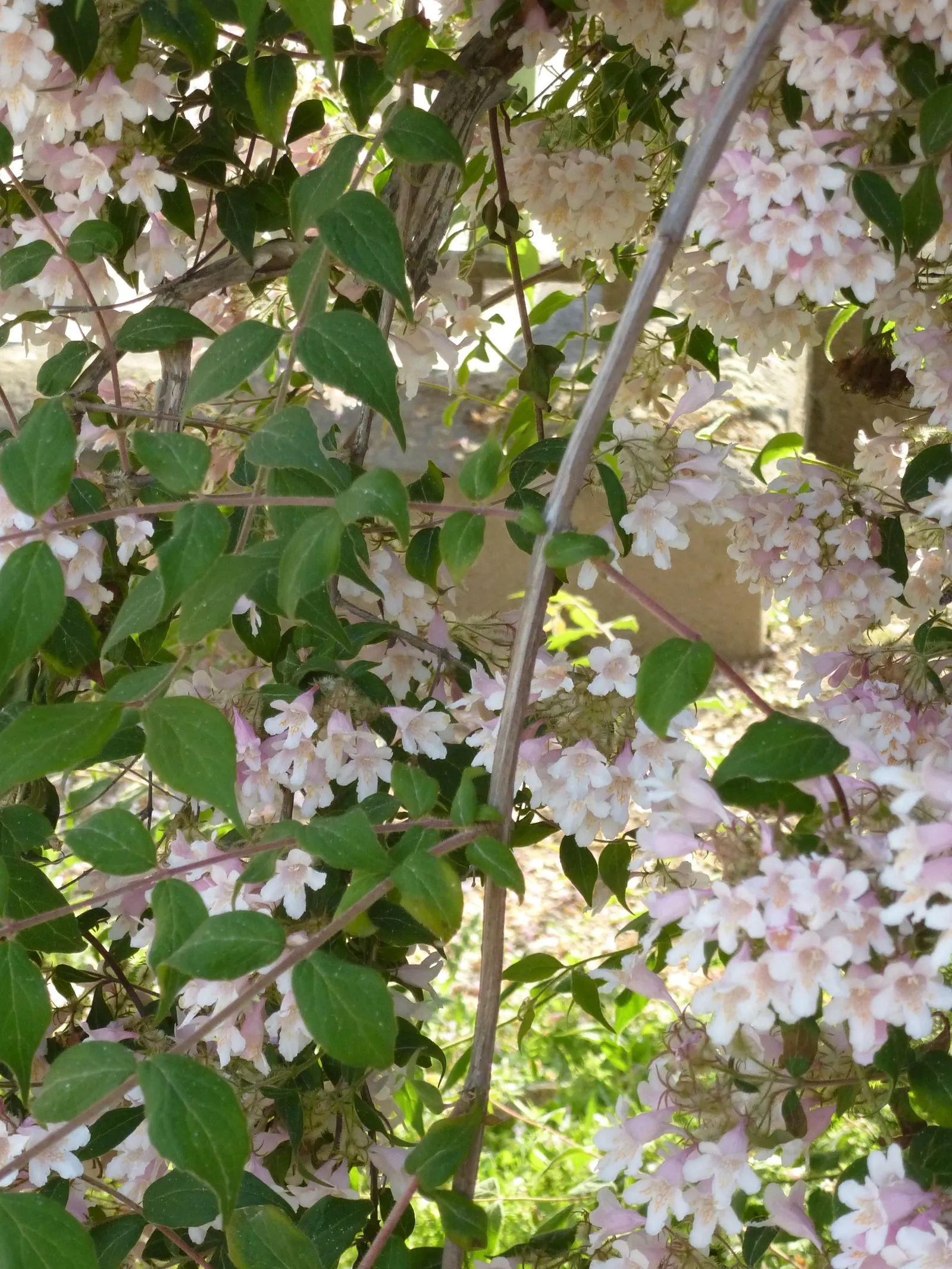
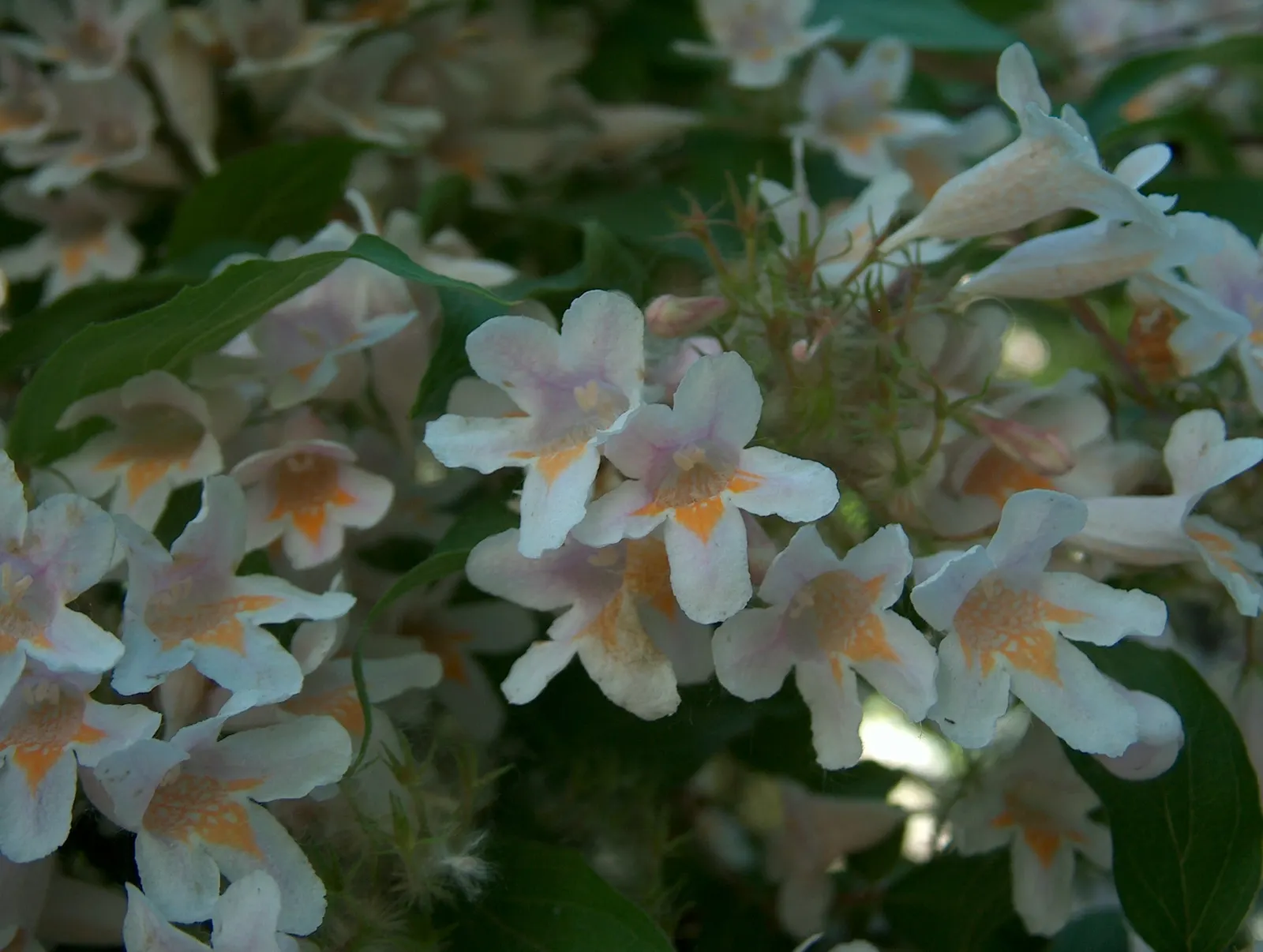
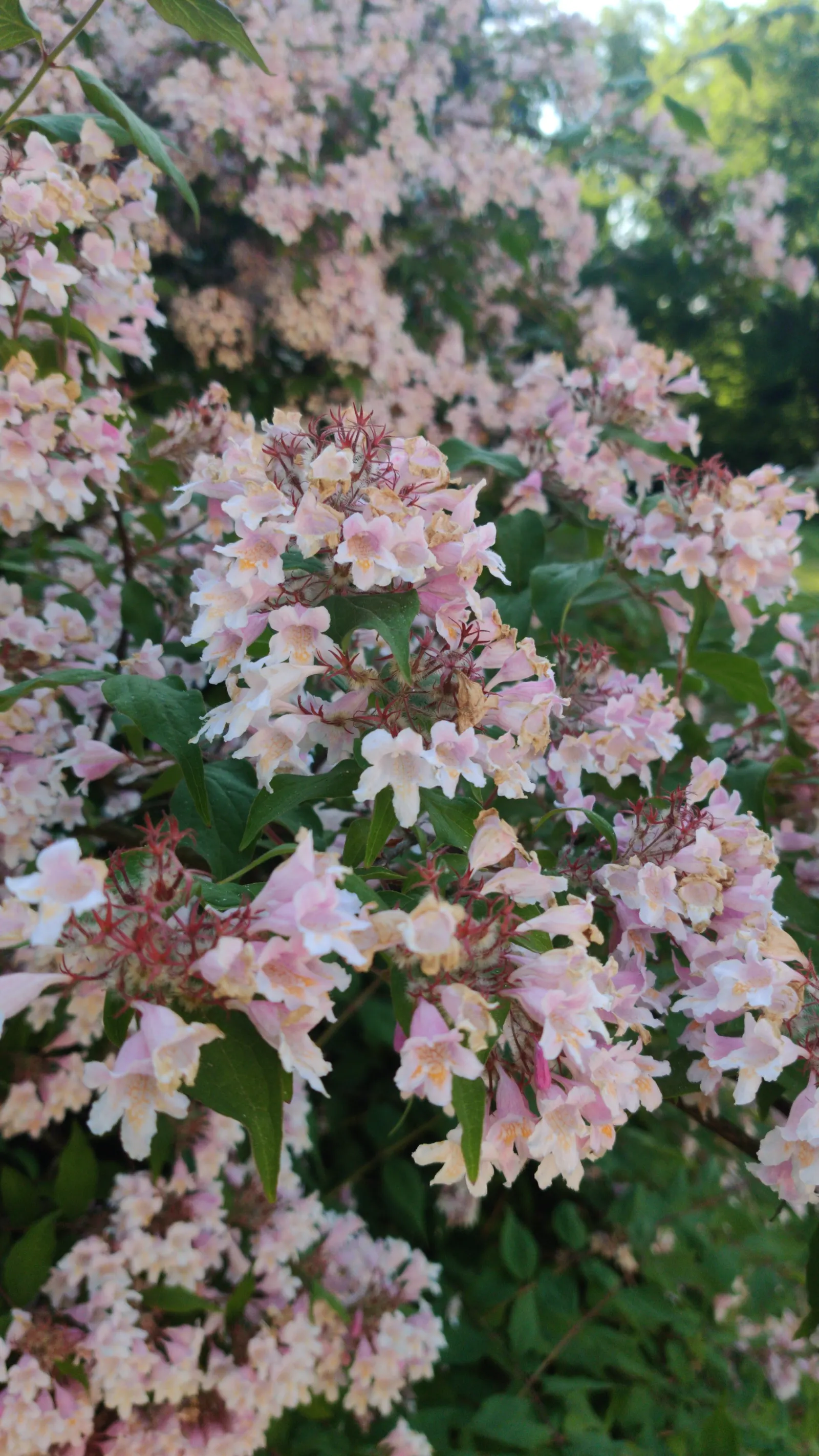
Kolkwitzia amabilis, commonly called Beauty Bush, is a deciduous shrub reaching 6-10 ft in height and spread. Noted for its profuse spring blooms, it bears pink, bell-shaped flowers with a yellow throat. This arching plant prefers well-drained soil and full sun to partial shade. Maintenance is minimal, with post-flowering pruning to encourage shape. It adds a whimsical charm to mixed borders and informal hedge settings. Hardy in zones 4-8.

Sun Full, HalfWater MediumZones 6–9Type ShrubClimate Temperate
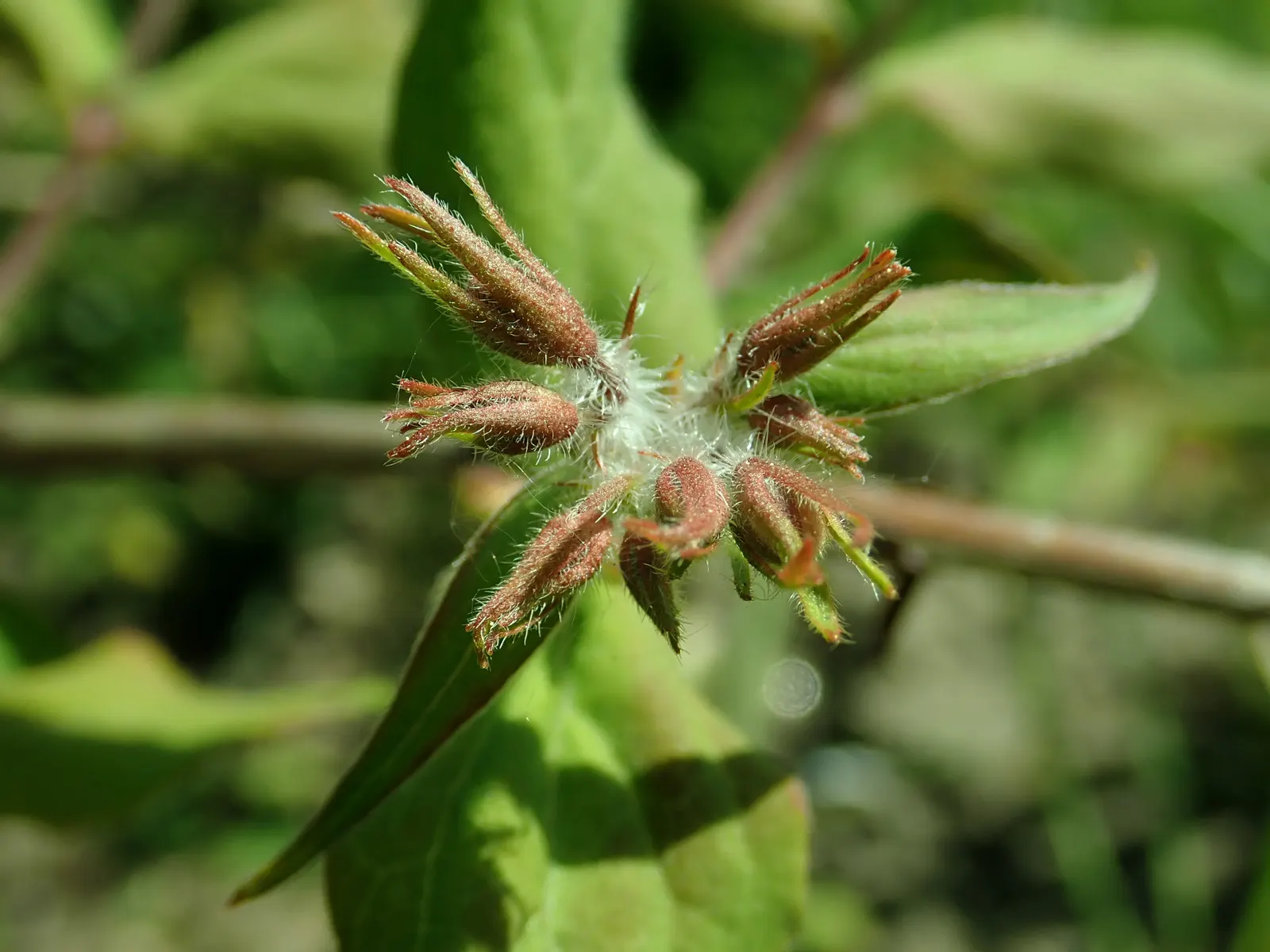
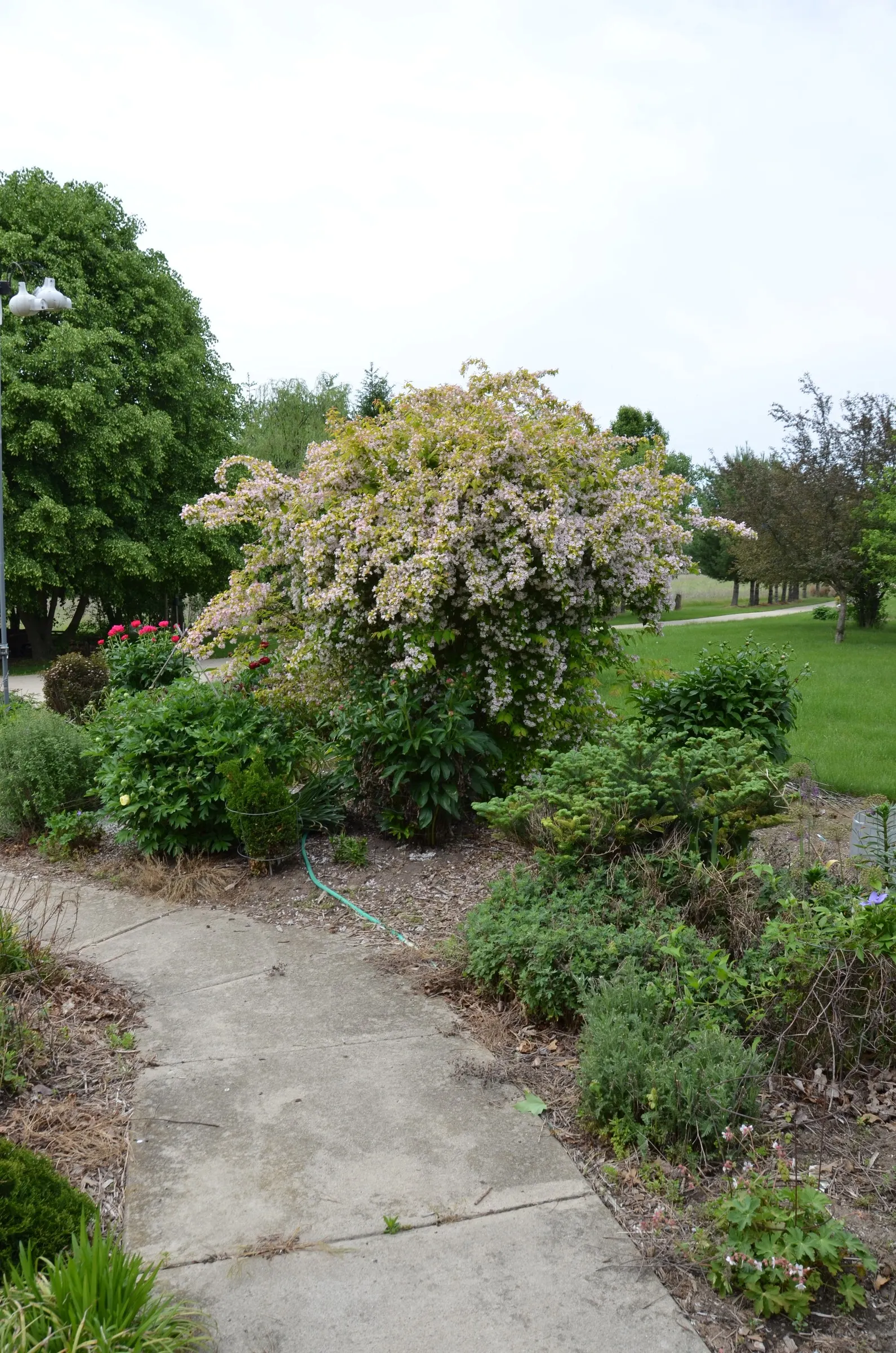
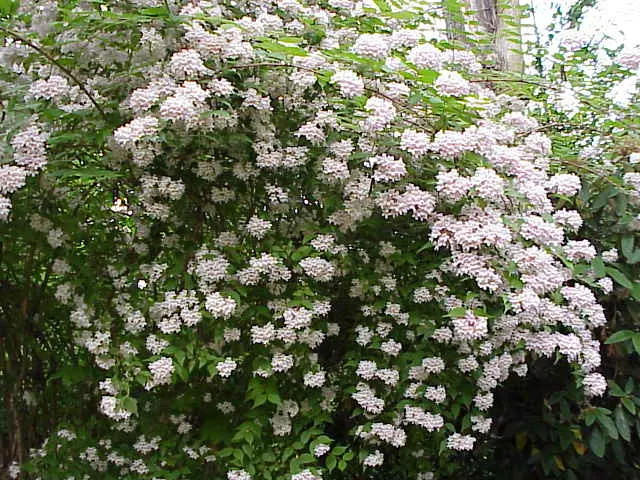
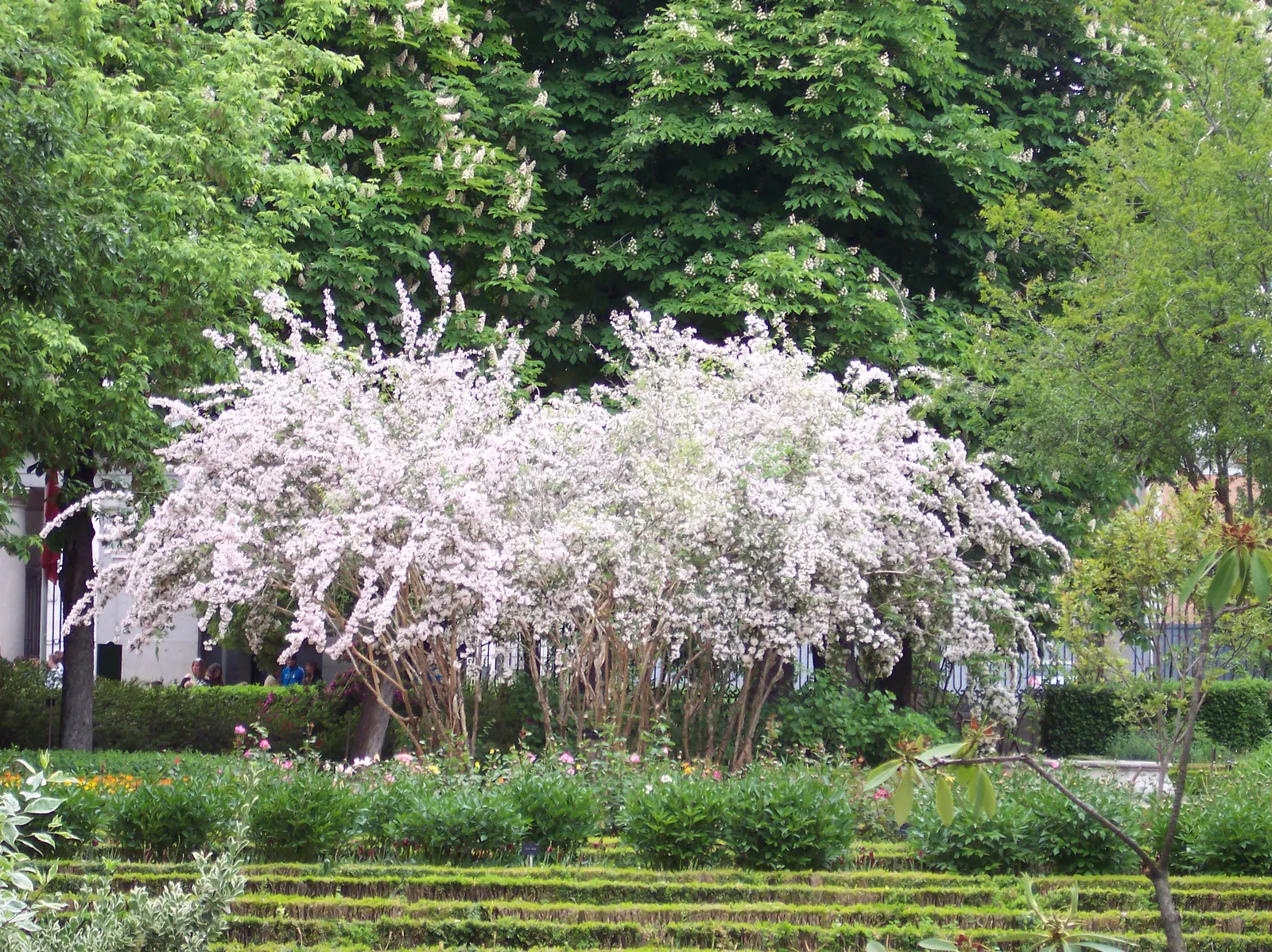
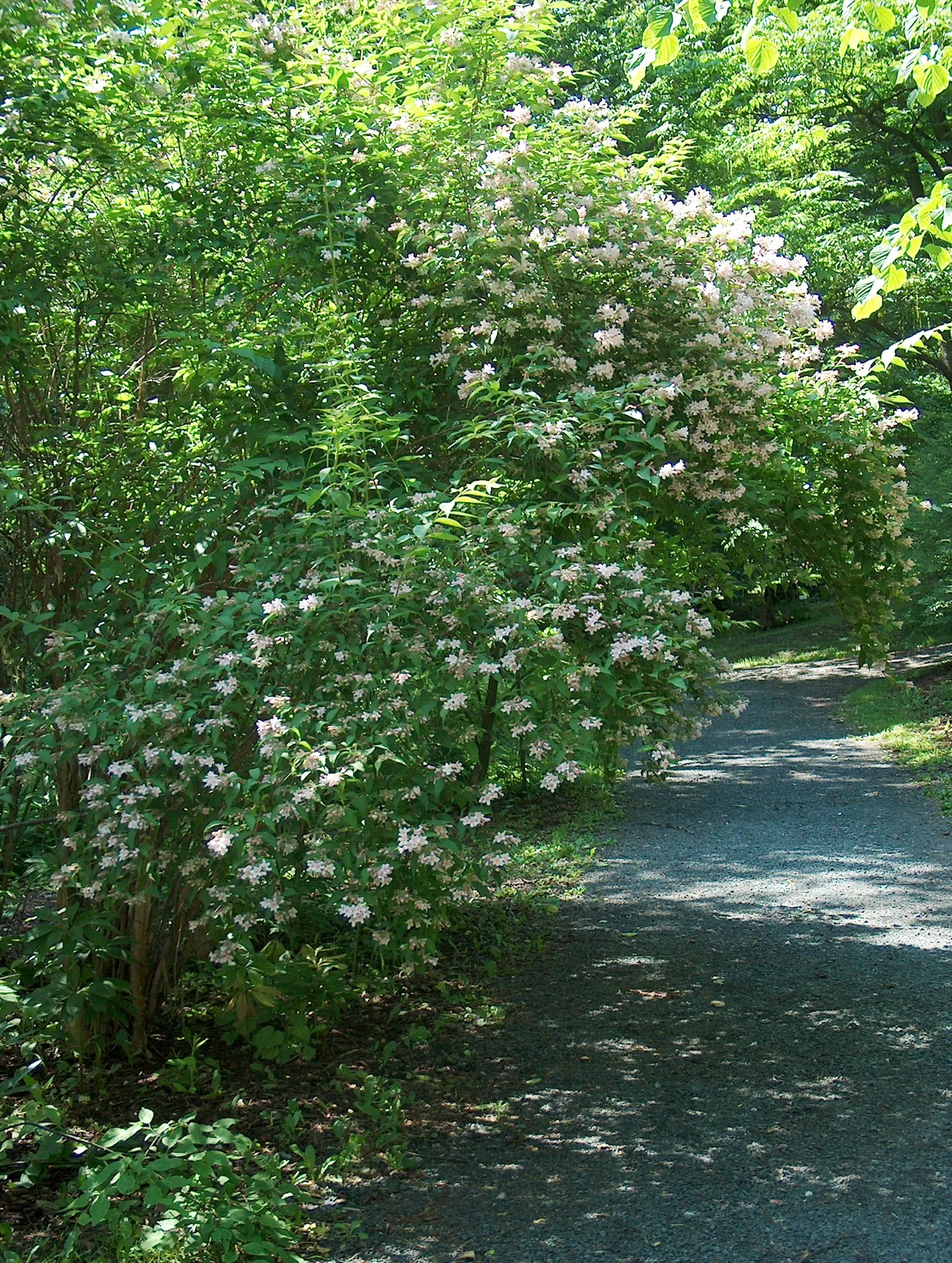
Beauty Bush (Kolkwitzia Amabilis) — or as a backdrop for perennial flower beds, image 104

Culture

Sun
Full, Half
Water
Medium
USDA zones
6–9

Shape & size

Classification

Type
Shrub
Family
Caprifoliaceae
Climate
Temperate

See full data, regional cultivation notes, and design tools. Build a client presentation around this plant.

Start your 14-day trial

Photos (143)

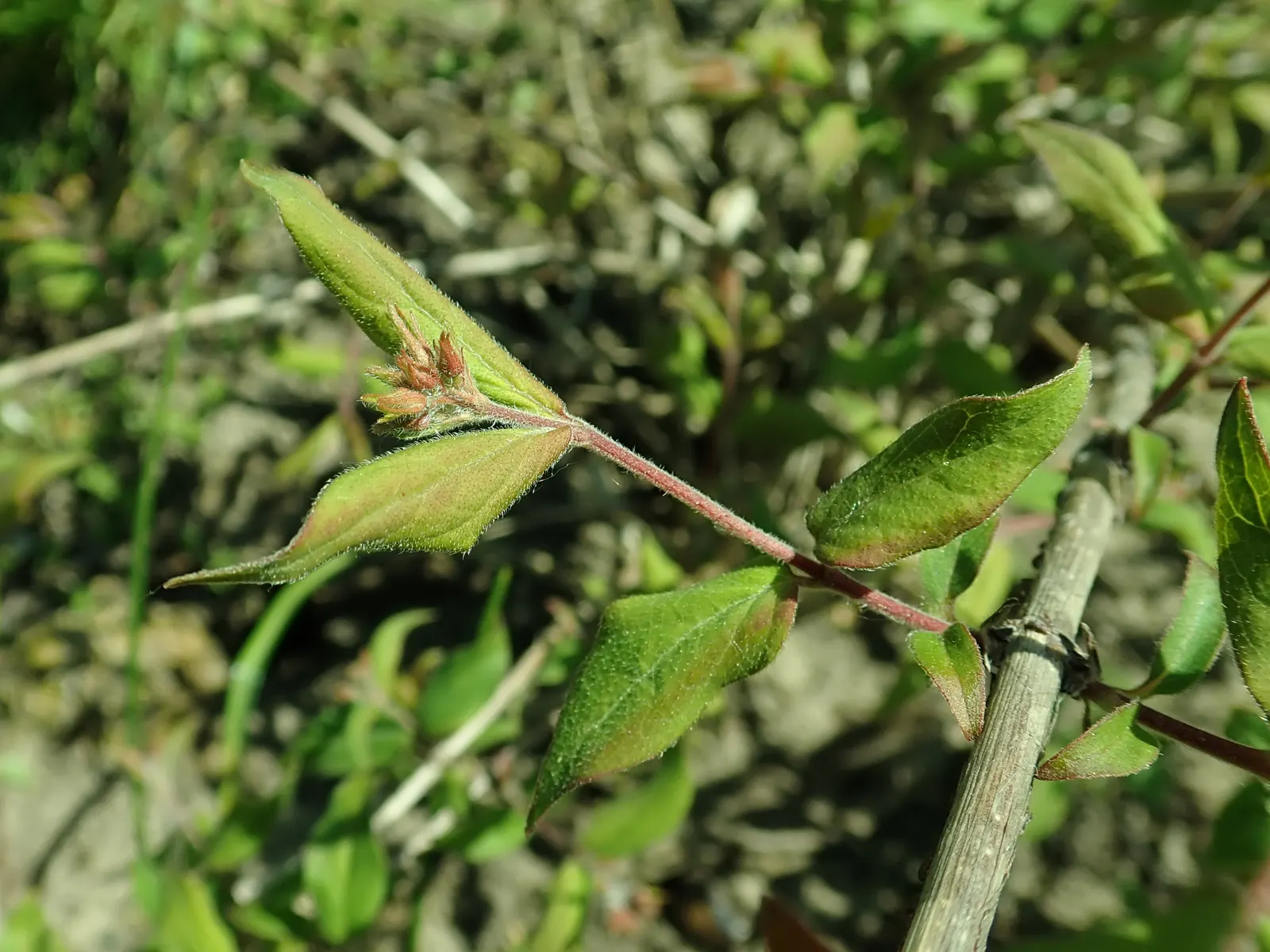
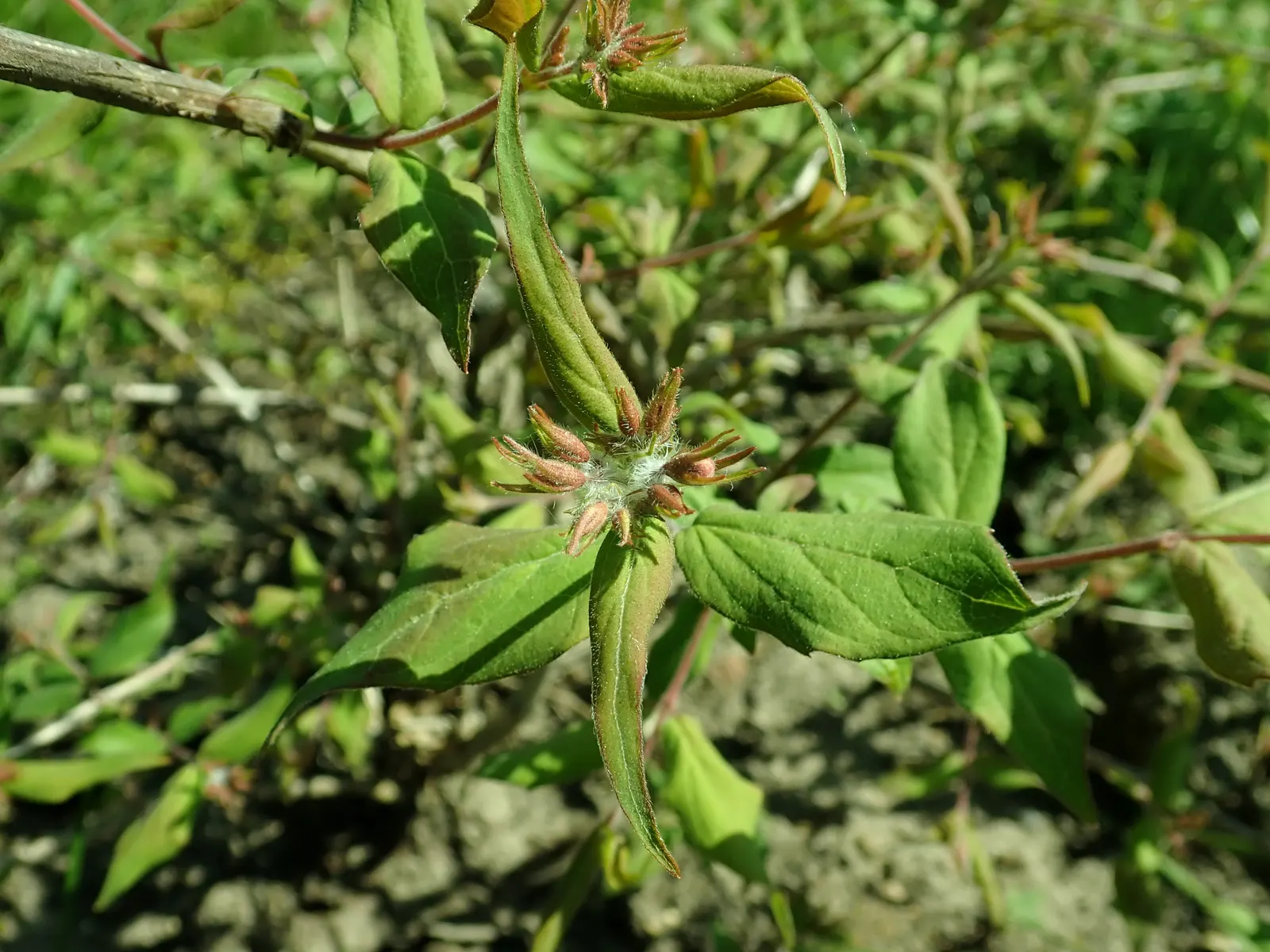
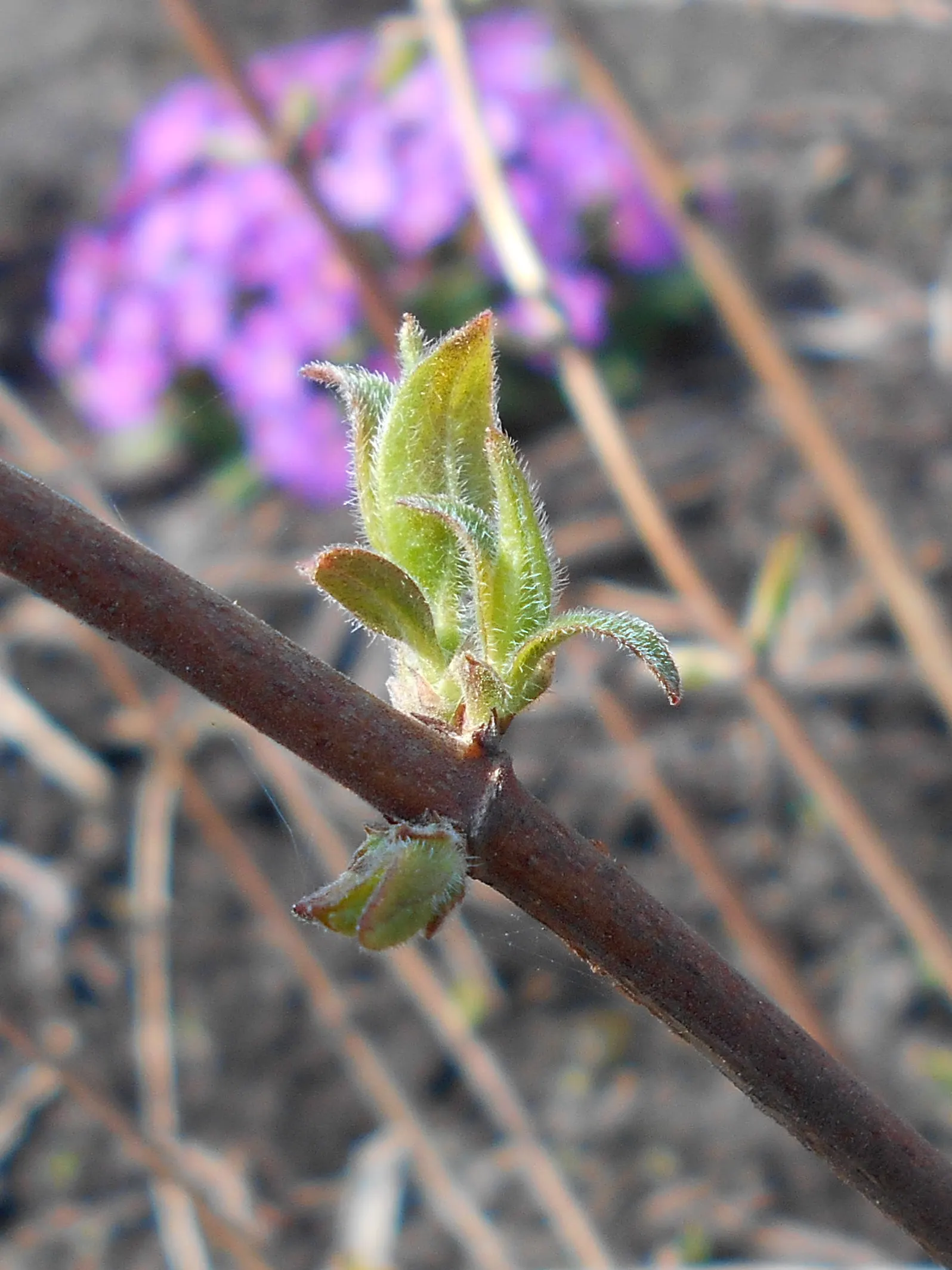
Beauty Bush (Kolkwitzia Amabilis) — This East Asian native is hardy in USDA zones 4 through 8.<br><br>Its foliage consists of simple leaves; are its blooms: In
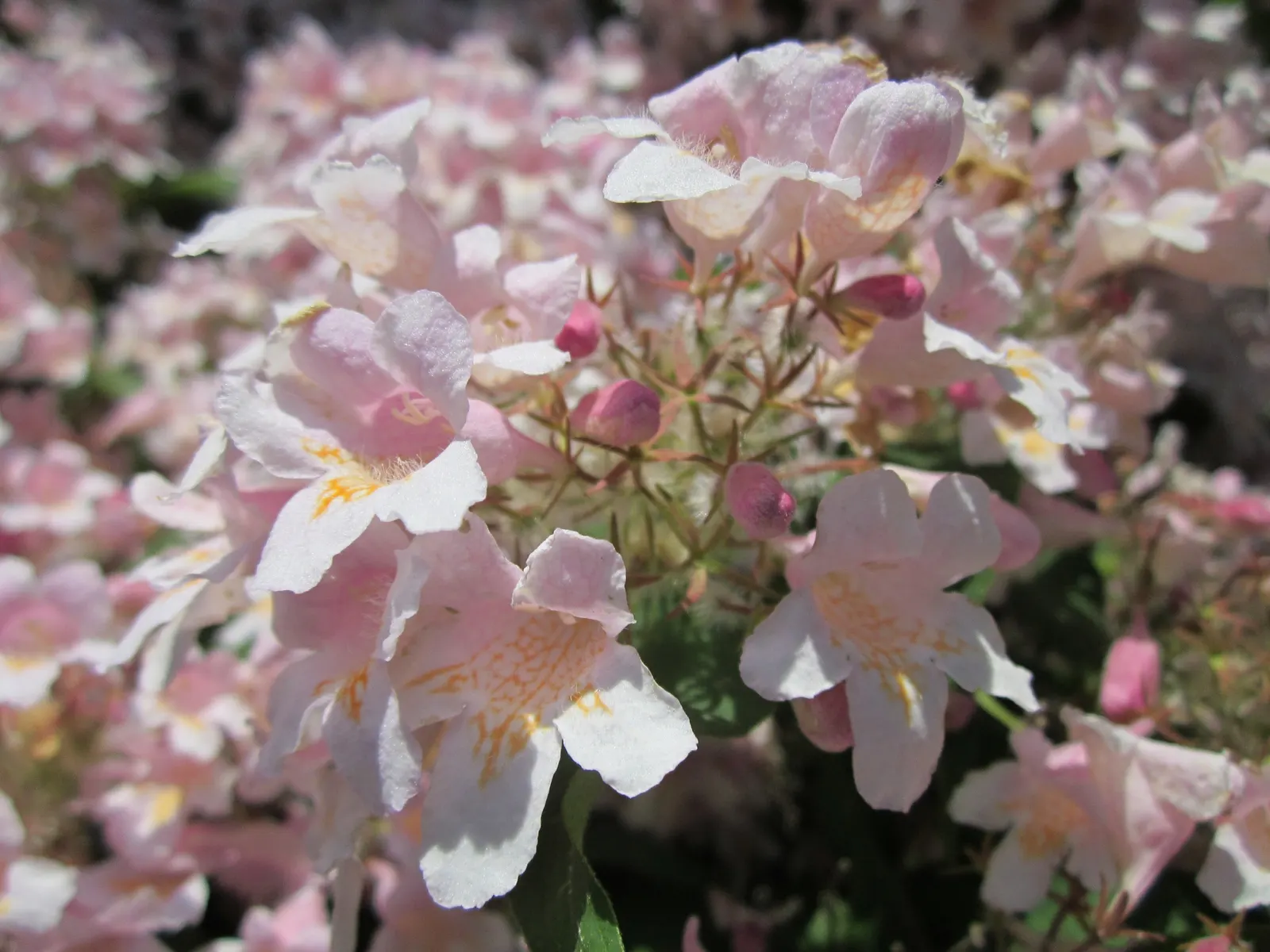
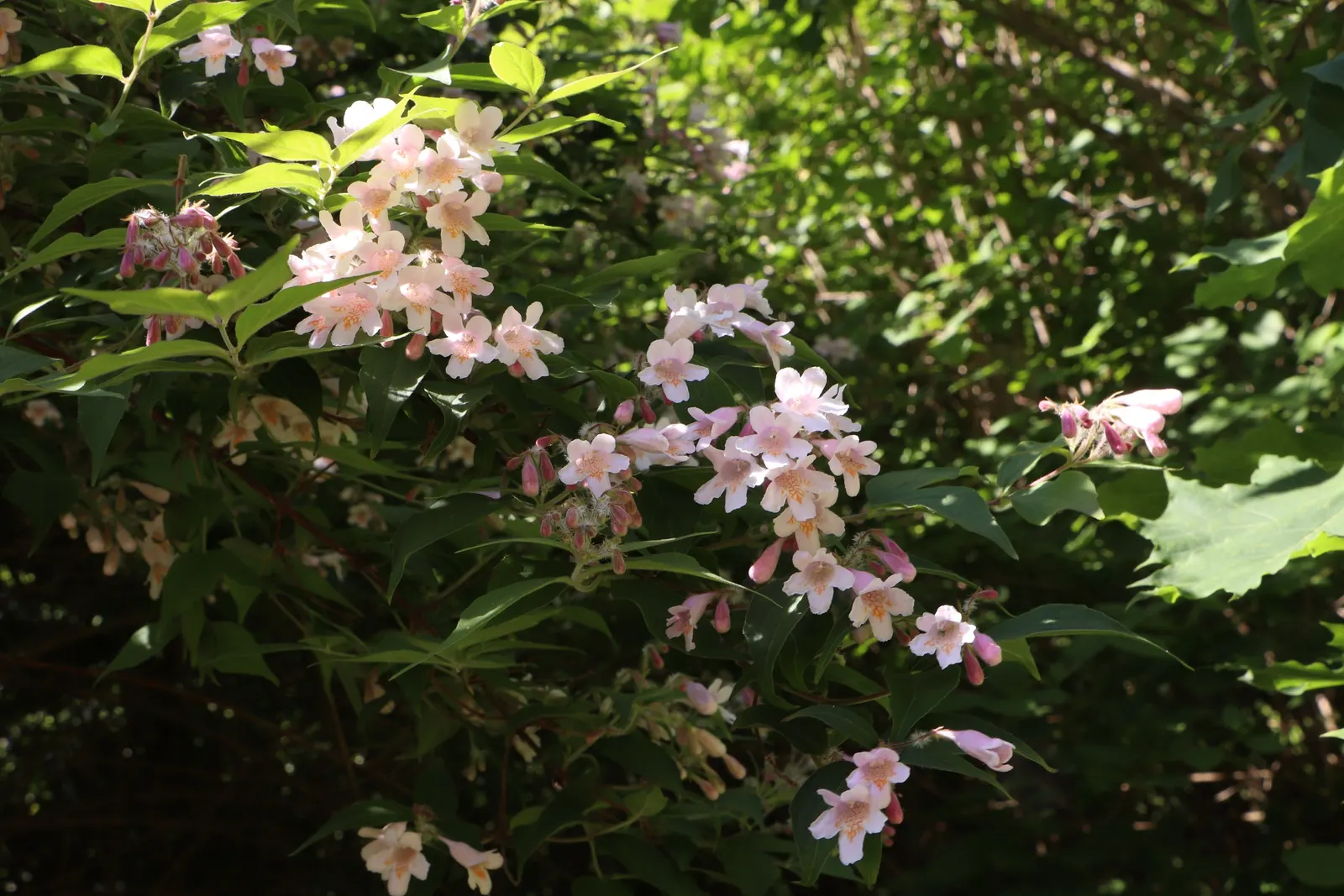
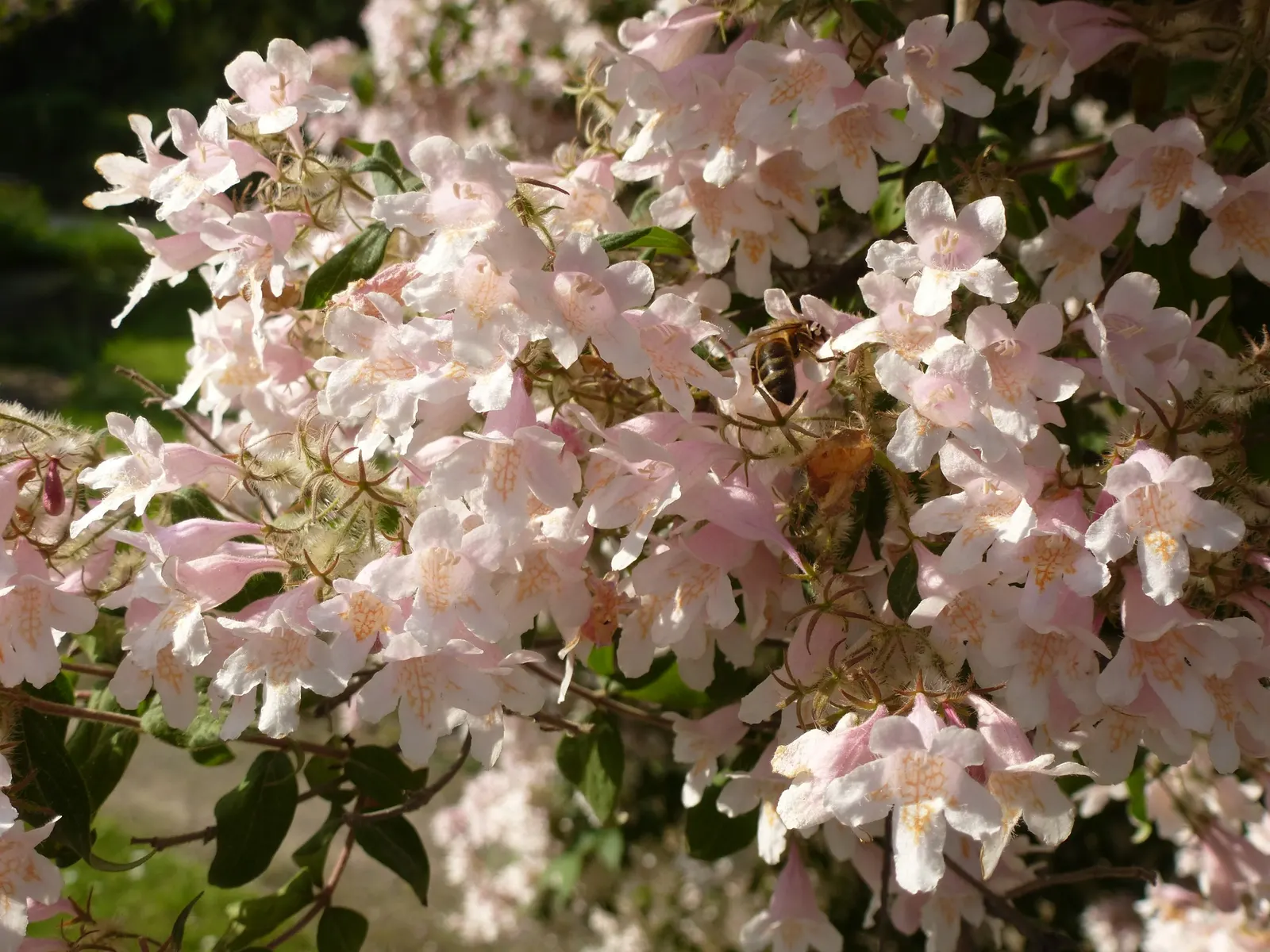
Beauty Bush (Kolkwitzia Amabilis) — Noted for its profuse spring blooms, it bears pink, bell-shaped flowers with a yellow throat; arranged opposite, image 83
Beauty Bush (Kolkwitzia Amabilis) — Noted for its profuse spring blooms, it bears pink, bell-shaped flowers with a yellow throat; arranged opposite one another
Beauty Bush (Kolkwitzia Amabilis) — It adds a whimsical charm to mixed borders and informal hedge settings
Beauty Bush (Kolkwitzia Amabilis) — making them an eye-catching feature.<br><br>Post-floraison; with more frequency in extreme heat.<br><br>Given its size and
Beauty Bush (Kolkwitzia Amabilis) — Kolkwitzia amabilis, commonly called Beauty Bush, is a deciduous shrub reaching 6-10 ft in height and spread, image 55
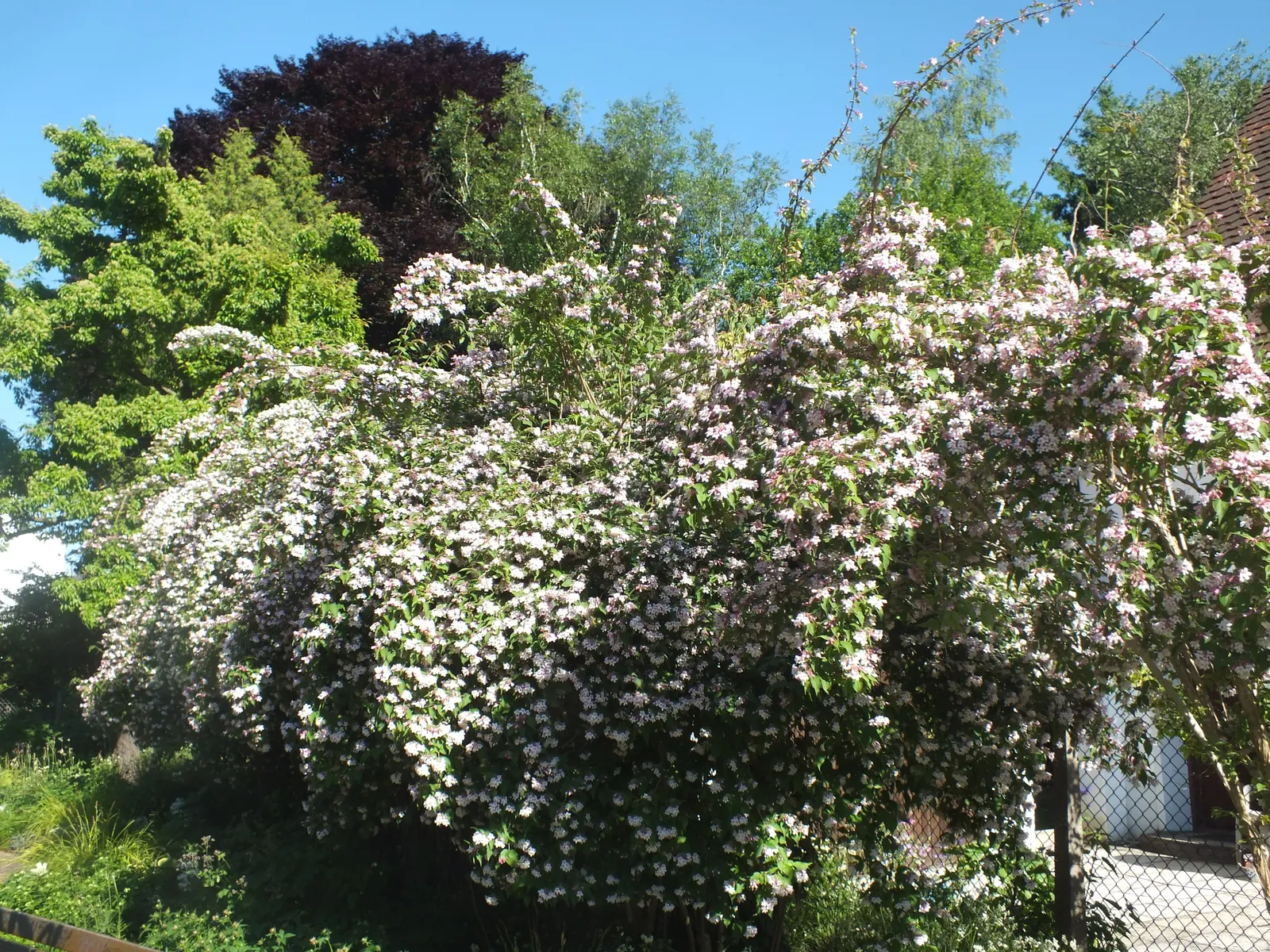
Beauty Bush (Kolkwitzia Amabilis) — shrub with multi-colored and pink and white blooms
Beauty Bush (Kolkwitzia Amabilis) — Maintenance is minimal, with post-flowering pruning to encourage shape; multi-colored and pink and white, image 58
Beauty Bush (Kolkwitzia Amabilis) — multi-colored and pink and white flowers in the garden
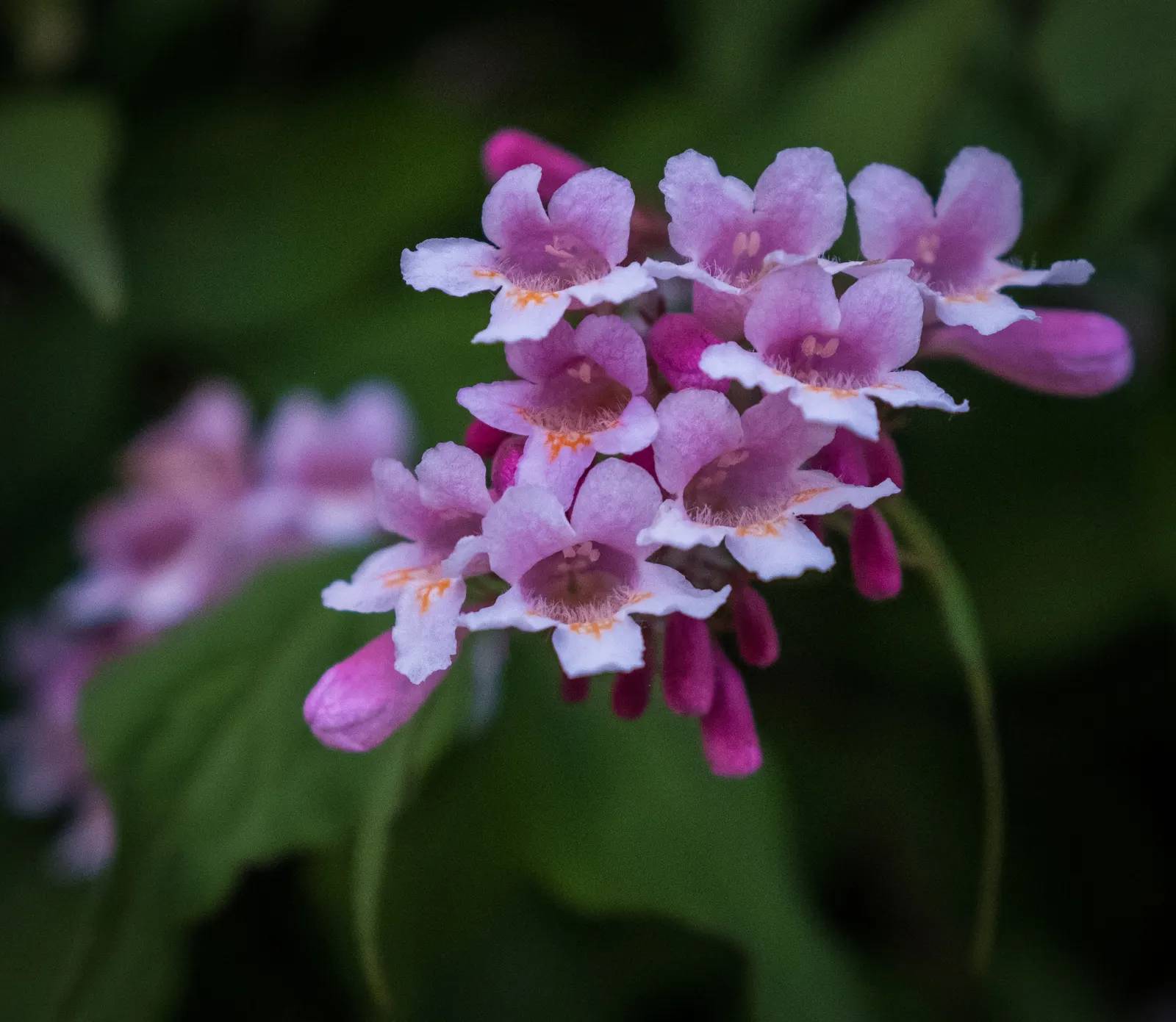
Beauty Bush (Kolkwitzia Amabilis) — Noted for its profuse spring blooms, it bears pink, bell-shaped flowers with a yellow throat; arranged opposite, image 110
Beauty Bush (Kolkwitzia Amabilis) — it typically reaches a mature size of 6 to 10 feet in height and spreads equally wide to 6 to 10 feet; shrub with
Beauty Bush (Kolkwitzia Amabilis) — textured display with its peeling
Beauty Bush (Kolkwitzia Amabilis) — it thrives best in well-drained loams and requires moderate watering
Beauty Bush (Kolkwitzia Amabilis) — It adds a whimsical charm to mixed borders and informal hedge settings, image 86
Beauty Bush (Kolkwitzia Amabilis) — Kolkwitzia amabilis functions well as a specimen plant
Beauty Bush (Kolkwitzia Amabilis) — arranged opposite one another
Beauty Bush (Kolkwitzia Amabilis) — arranged opposite one another; it thrives best in well-drained loams and requires moderate watering
Beauty Bush (Kolkwitzia Amabilis) — Beauty Bush produces a subtle; kolkwitzia amabilis, commonly called Beauty Bush, is a deciduous shrub reaching, image 70
Beauty Bush (Kolkwitzia Amabilis) — shrub for full or half; its easy-care, low-maintenance character allows homeowners to enjoy its beauty with, image 108
Beauty Bush (Kolkwitzia Amabilis) — scientifically named Kolkwitzia amabilis; which may grow up to 3 inches long
Beauty Bush (Kolkwitzia Amabilis) — arranged opposite one another; it thrives best in well-drained loams and requires moderate watering, image 119
Beauty Bush (Kolkwitzia Amabilis) — This East Asian native is hardy in USDA zones 4 through 8.<br><br>Its foliage consists of simple leaves; are, image 91
Beauty Bush (Kolkwitzia Amabilis) — This arching plant prefers well-drained soil and full sun to partial shade; capsule-like fruit that provides, image 111
Beauty Bush (Kolkwitzia Amabilis) — It adds a whimsical charm to mixed borders and informal hedge settings, image 113
Photographs by 12 contributors

Related plants