Skip to content

Goldenrain Tree

Koelreuteria Paniculata

Design with this plant

Overview

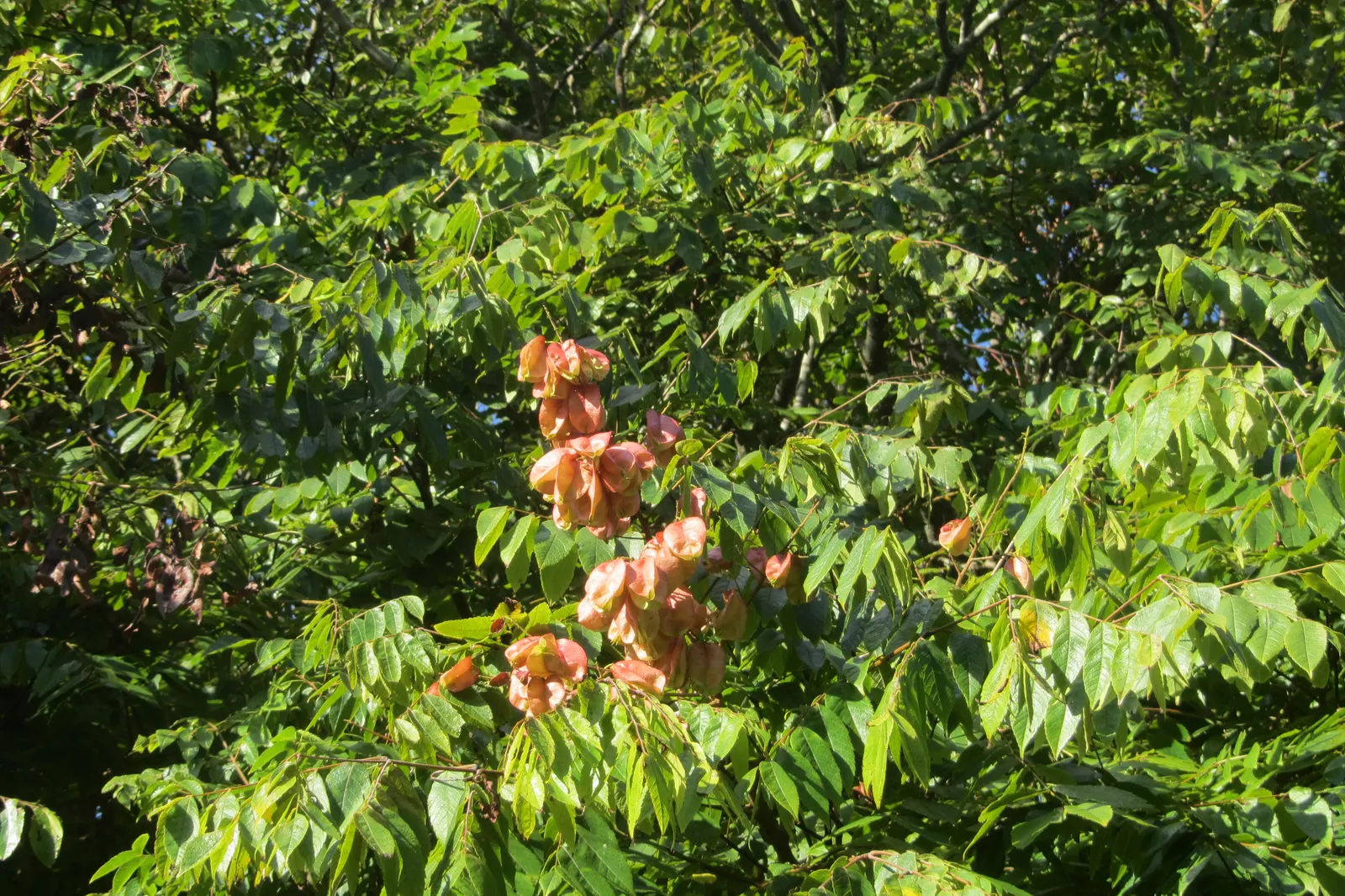
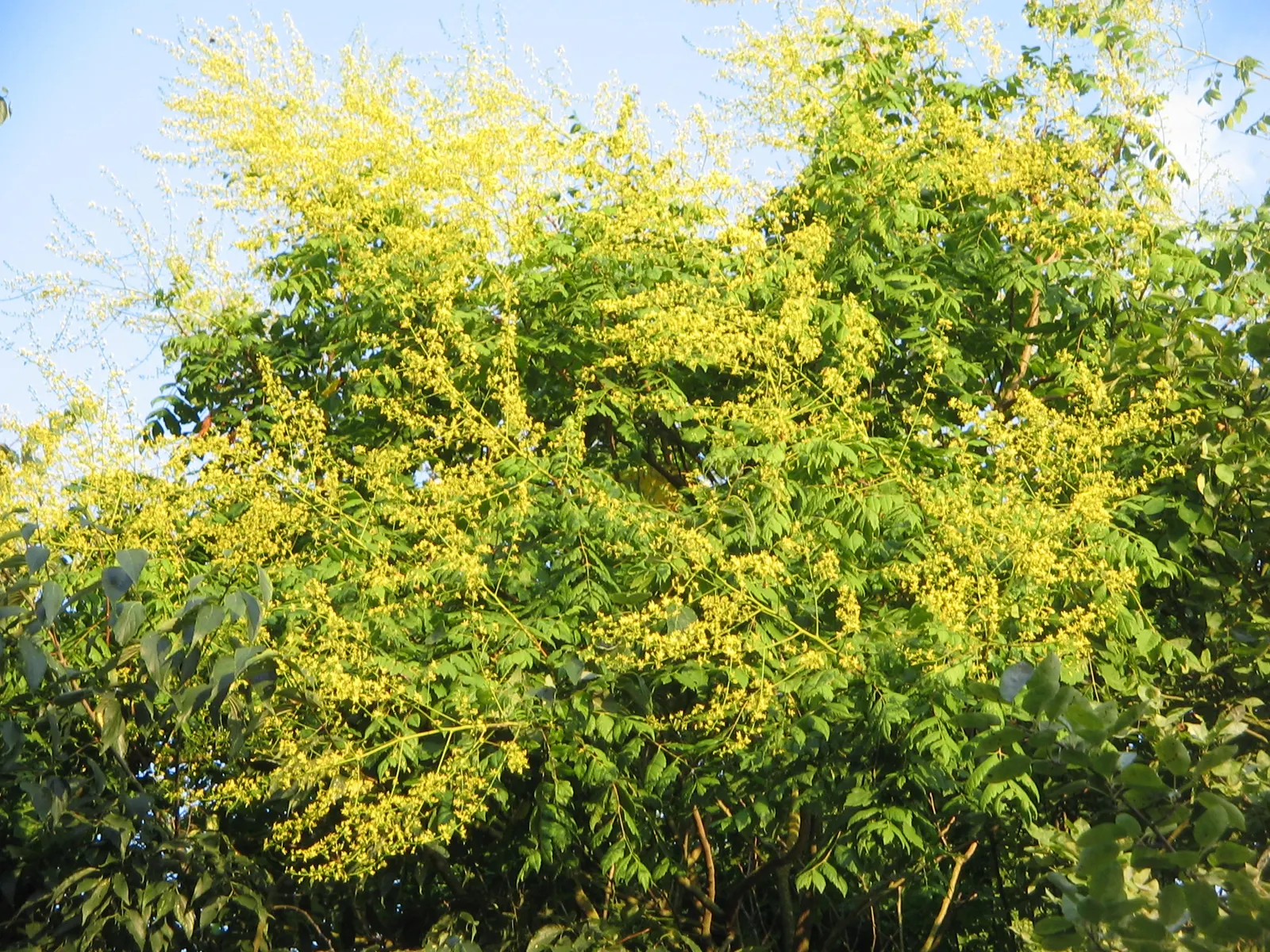
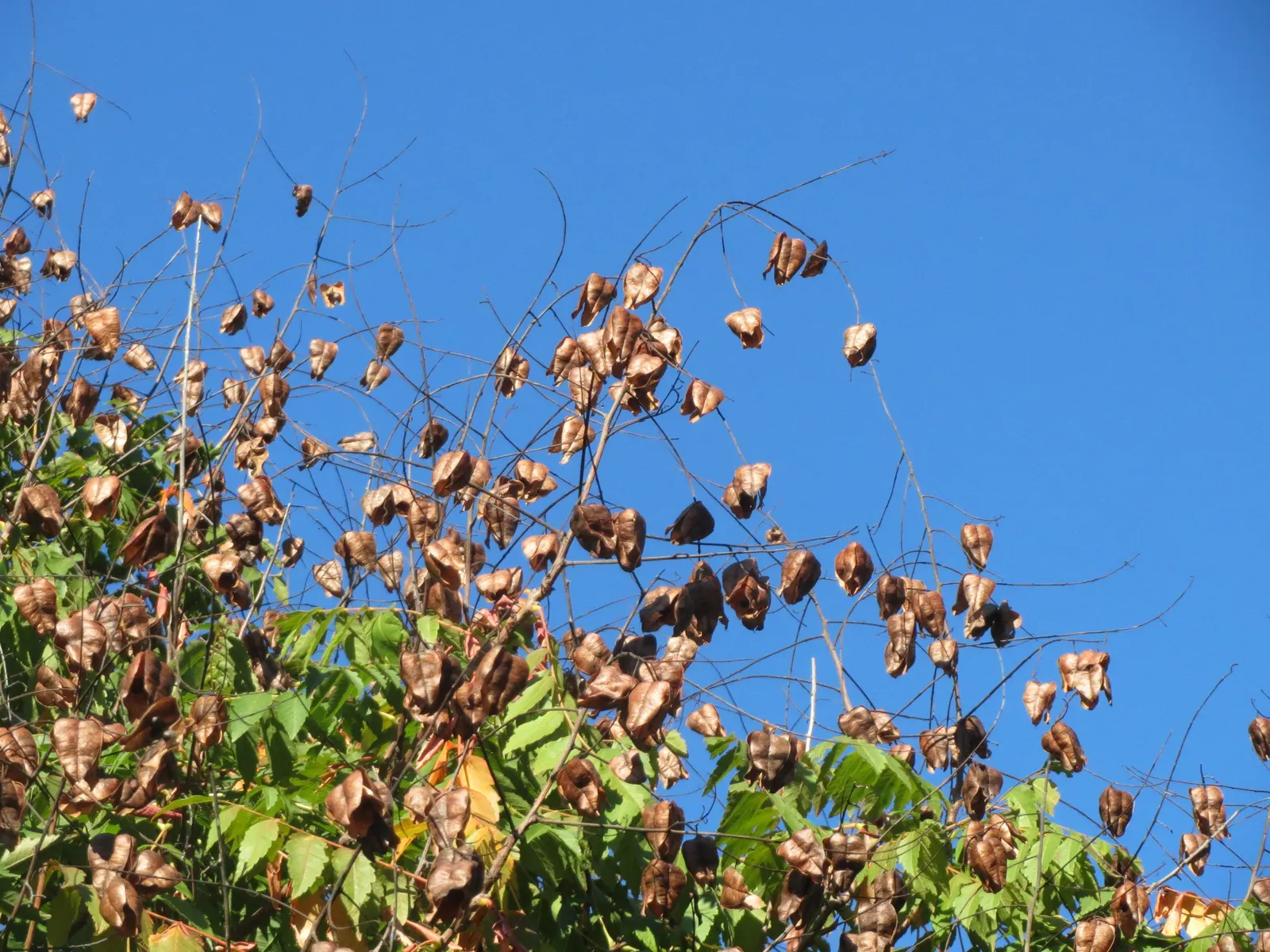
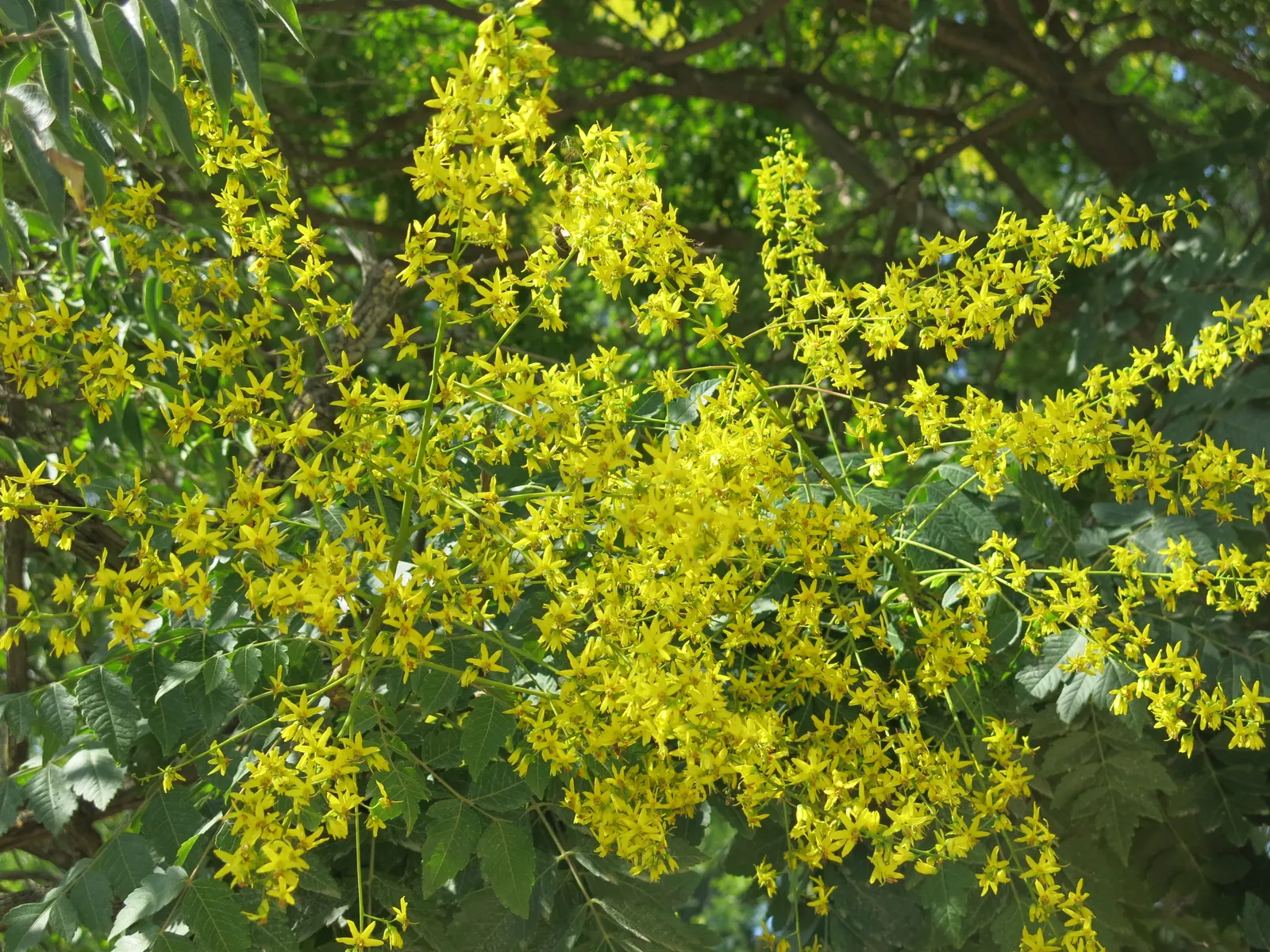
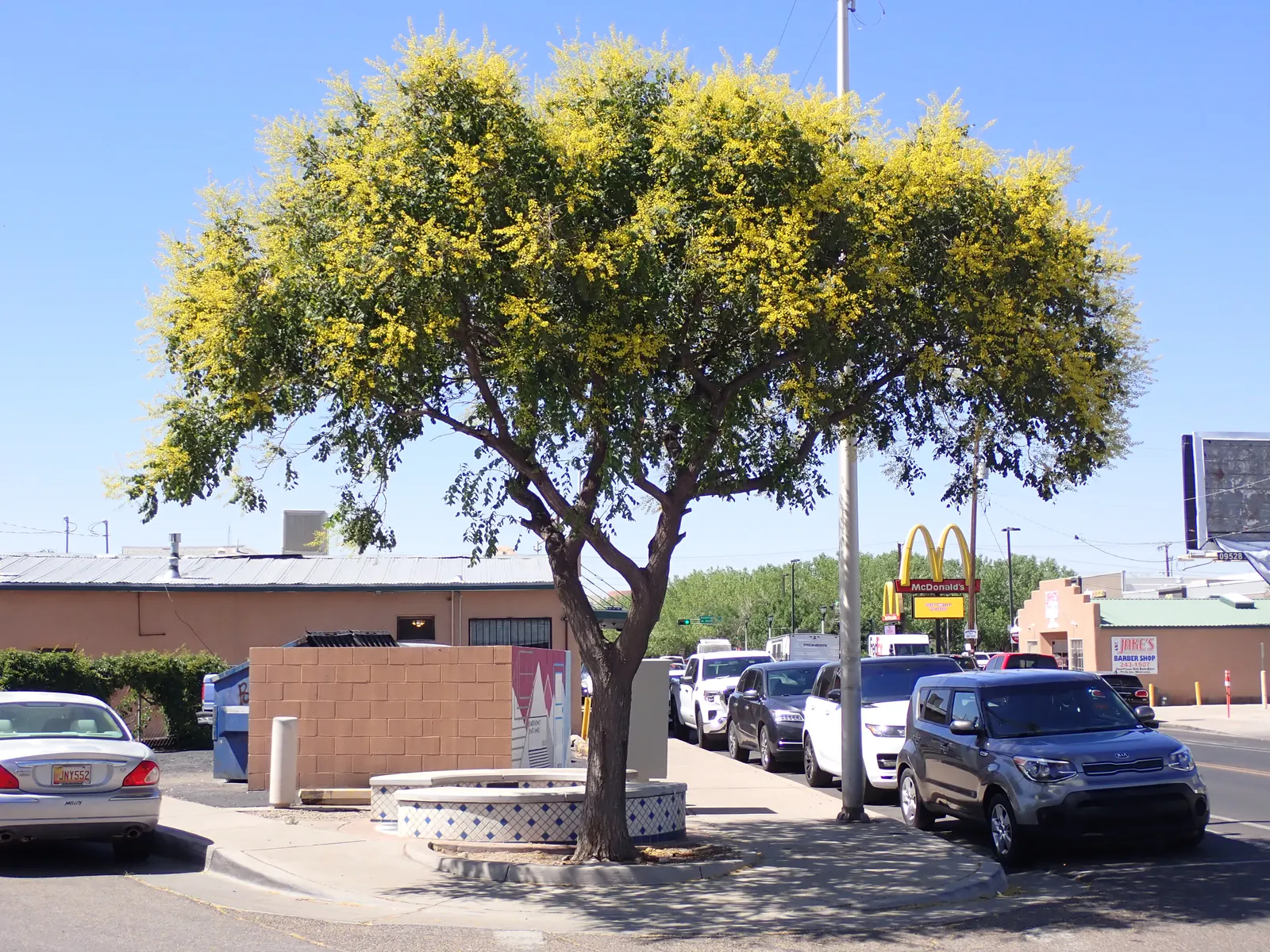
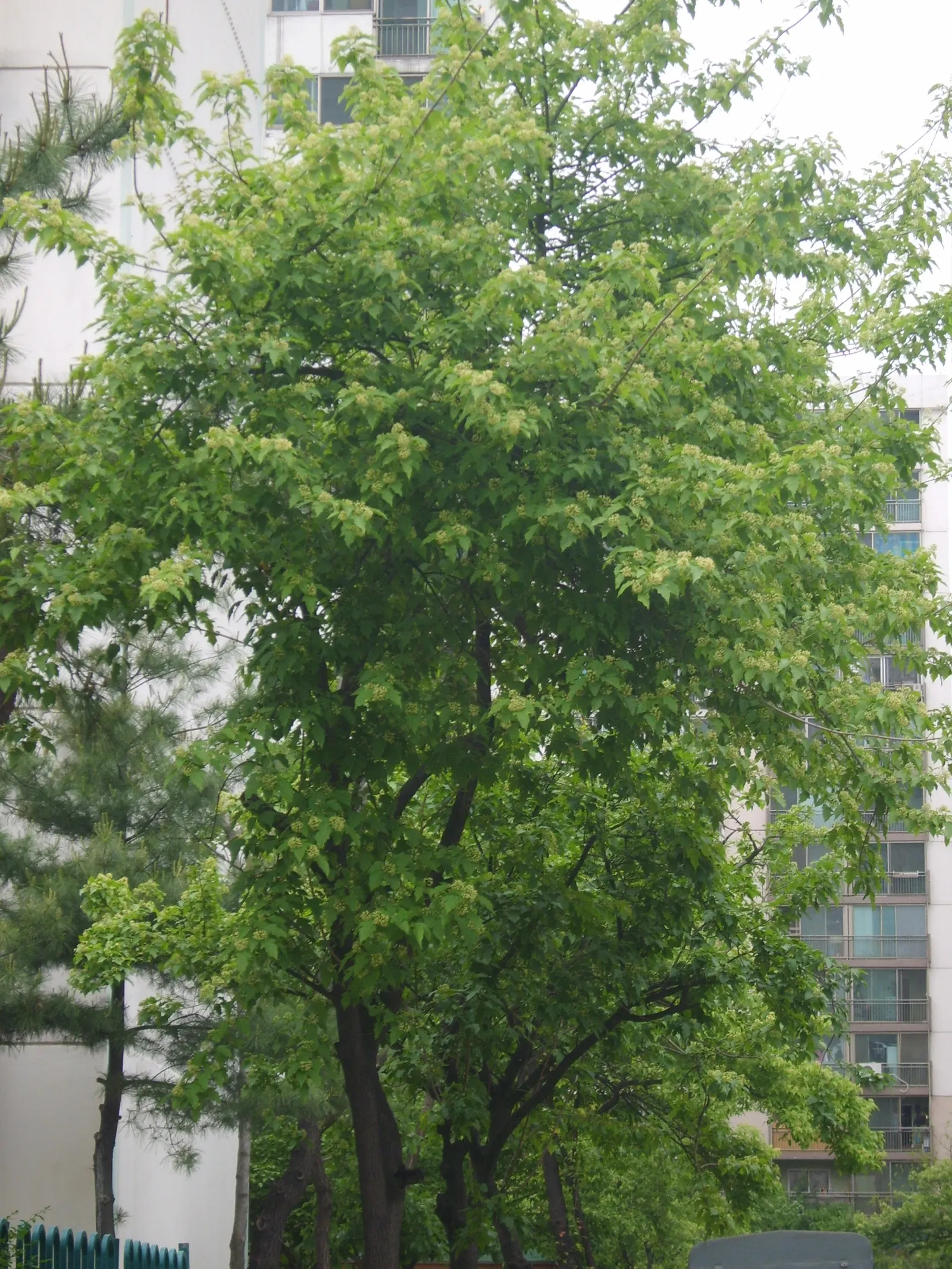
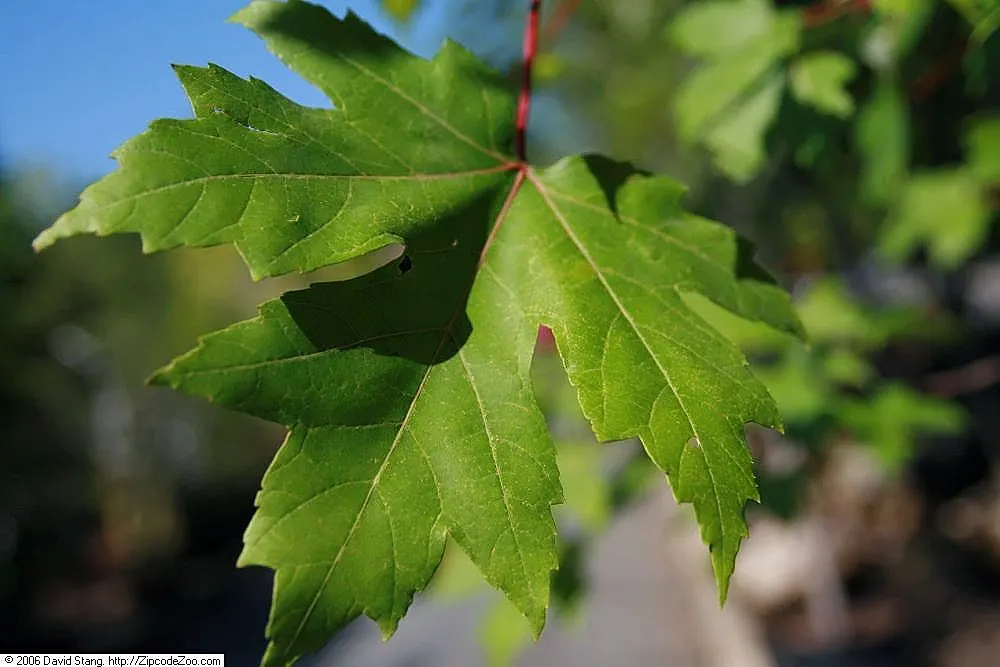
The Goldenrain Tree (Koelreuteria paniculata) is a striking ornamental that reaches 30-40 feet in height with an equal spread. Celebrated for its mid-summer blooms of vibrant yellow clusters, this specimen provides autumn spectacle with pinkish-red seed pods. It thrives in full sun, adapts to various soils, and boasts moderate drought tolerance. Configured with a broad, rounded canopy, it's a captivating choice for bold visual interest in temperate landscapes.
Sun FullWater LowZones 6–10Type TreeClimate Temperate
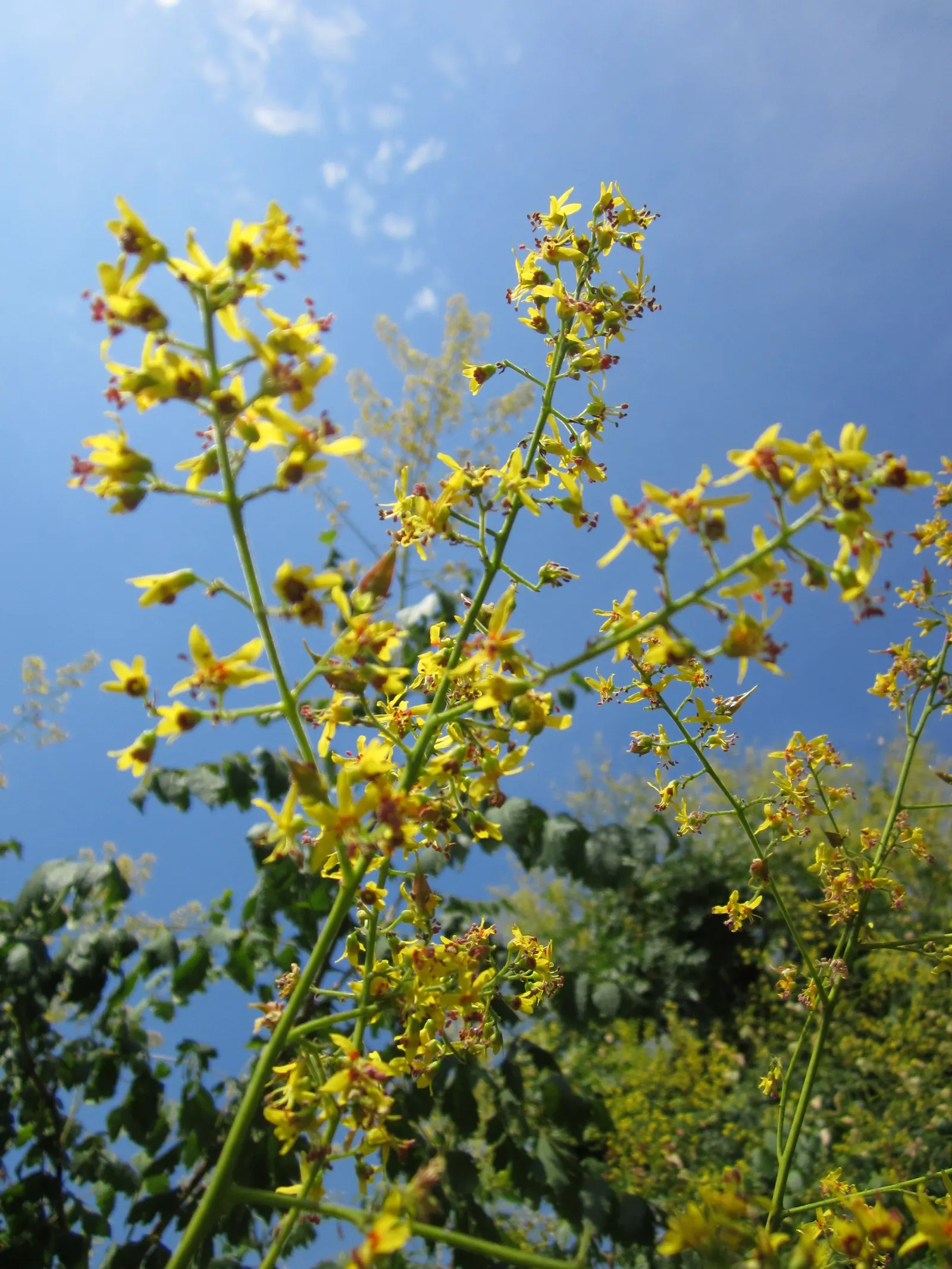
Goldenrain Tree (Koelreuteria Paniculata) — Celebrated for its mid-summer blooms of vibrant yellow clusters

Culture

Sun
Full
Water
Low
USDA zones
6–10

Shape & size

Classification

Type
Tree
Family
Sapindaceae
Climate
Temperate

See full data, regional cultivation notes, and design tools. Build a client presentation around this plant.

Start your 14-day trial

Photos (120)

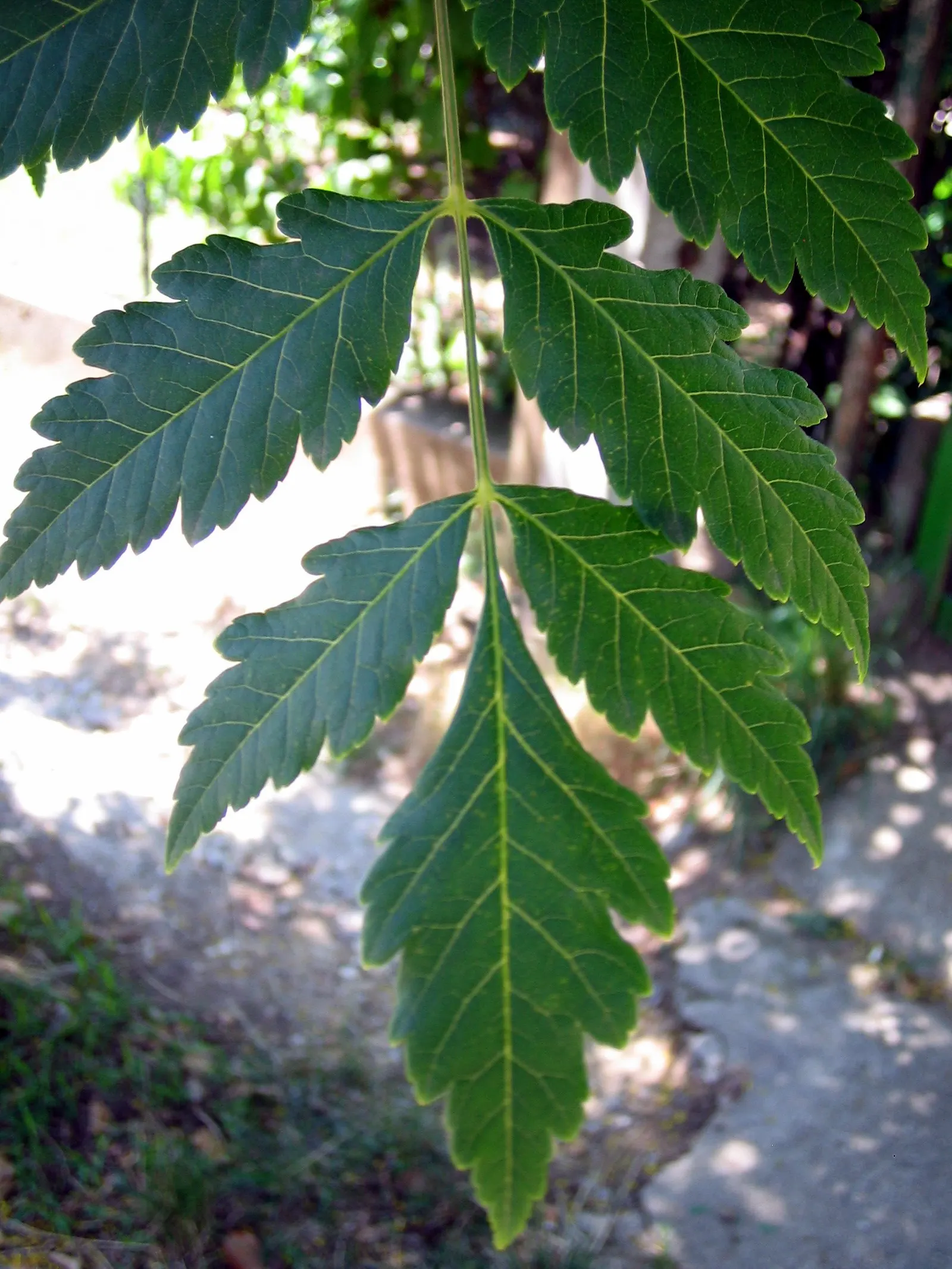
Goldenrain Tree (Koelreuteria Paniculata) — making it an excellent choice for city landscapes.<br><br>When designing a space with this species; a single
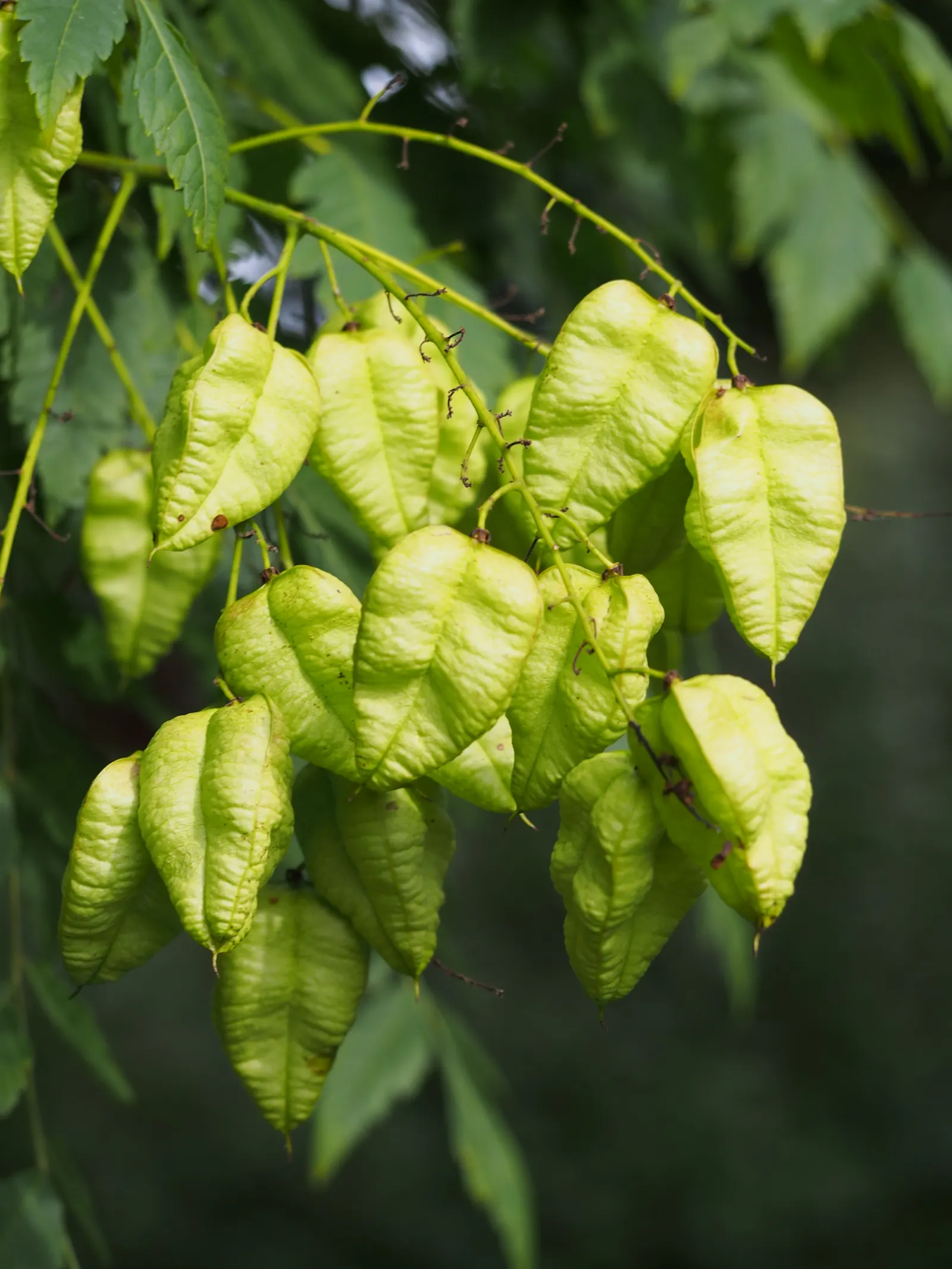
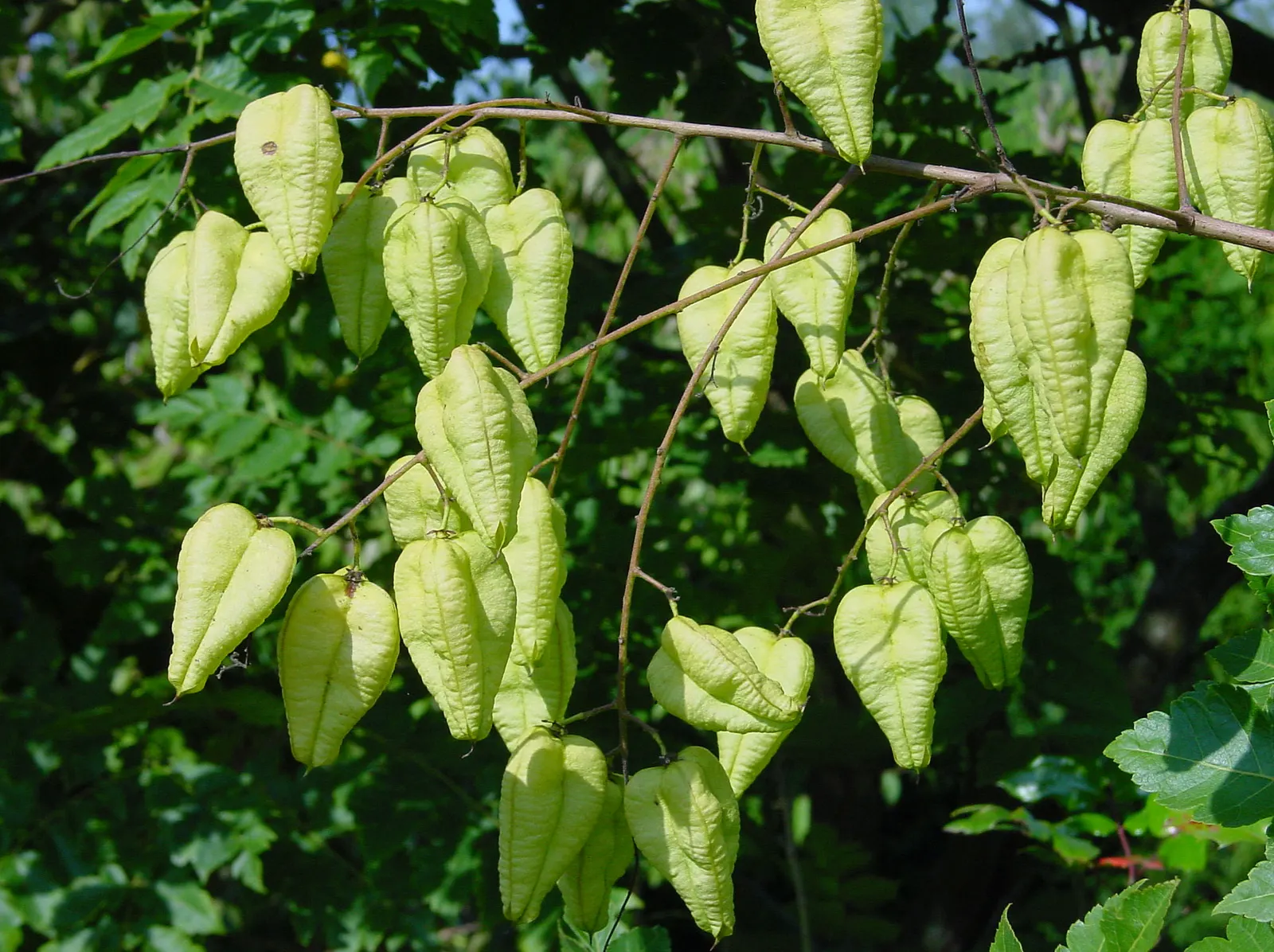
Goldenrain Tree (Koelreuteria Paniculata) — This species is hardy in USDA Zones 5 through 9; the flowers give way to papery fruit capsules, image 57
Goldenrain Tree (Koelreuteria Paniculata) — Regular pruning may be necessary to maintain desired shape and manage any volunteer seedlings; yellow flowers up to
Goldenrain Tree (Koelreuteria Paniculata) — tree with yellow blooms
Goldenrain Tree (Koelreuteria Paniculata) — celebrated for both its vibrant display of yellow flowers and its decorative; efficient in urban, image 54
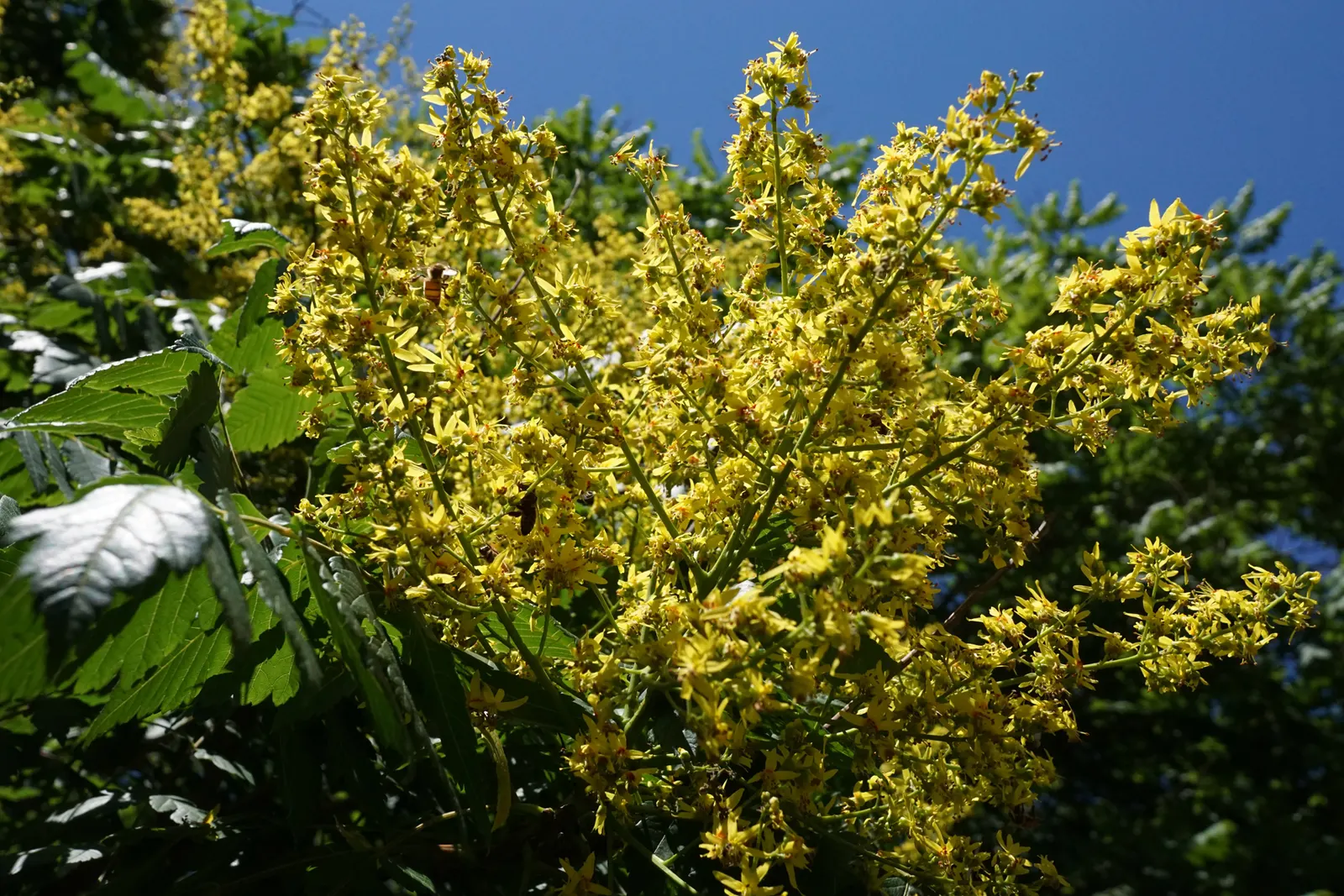
Goldenrain Tree (Koelreuteria Paniculata) — yellow flowers up to 12 to 15 inches long adorn the canopy; regular pruning may be necessary to maintain desired
Goldenrain Tree (Koelreuteria Paniculata) — resembling a golden rain - hence the tree's common name; this specimen provides autumn spectacle with, image 59
Goldenrain Tree (Koelreuteria Paniculata) — celebrated for both its vibrant display of yellow flowers and its decorative
Goldenrain Tree (Koelreuteria Paniculata) — tree with yellow blooms; while adaptable to various pH levels, it prefers a slightly acidic to neutral, image 95
Goldenrain Tree (Koelreuteria Paniculata) — yellow flowers in the garden; it reaches a mature height of approximately 30 to 40 feet with a spread, image 70
Goldenrain Tree (Koelreuteria Paniculata) — it's a captivating choice for bold visual interest in temperate landscapes
Goldenrain Tree (Koelreuteria Paniculata) — A single specimen makes an enchanting focal point; making it an excellent choice for city, image 92
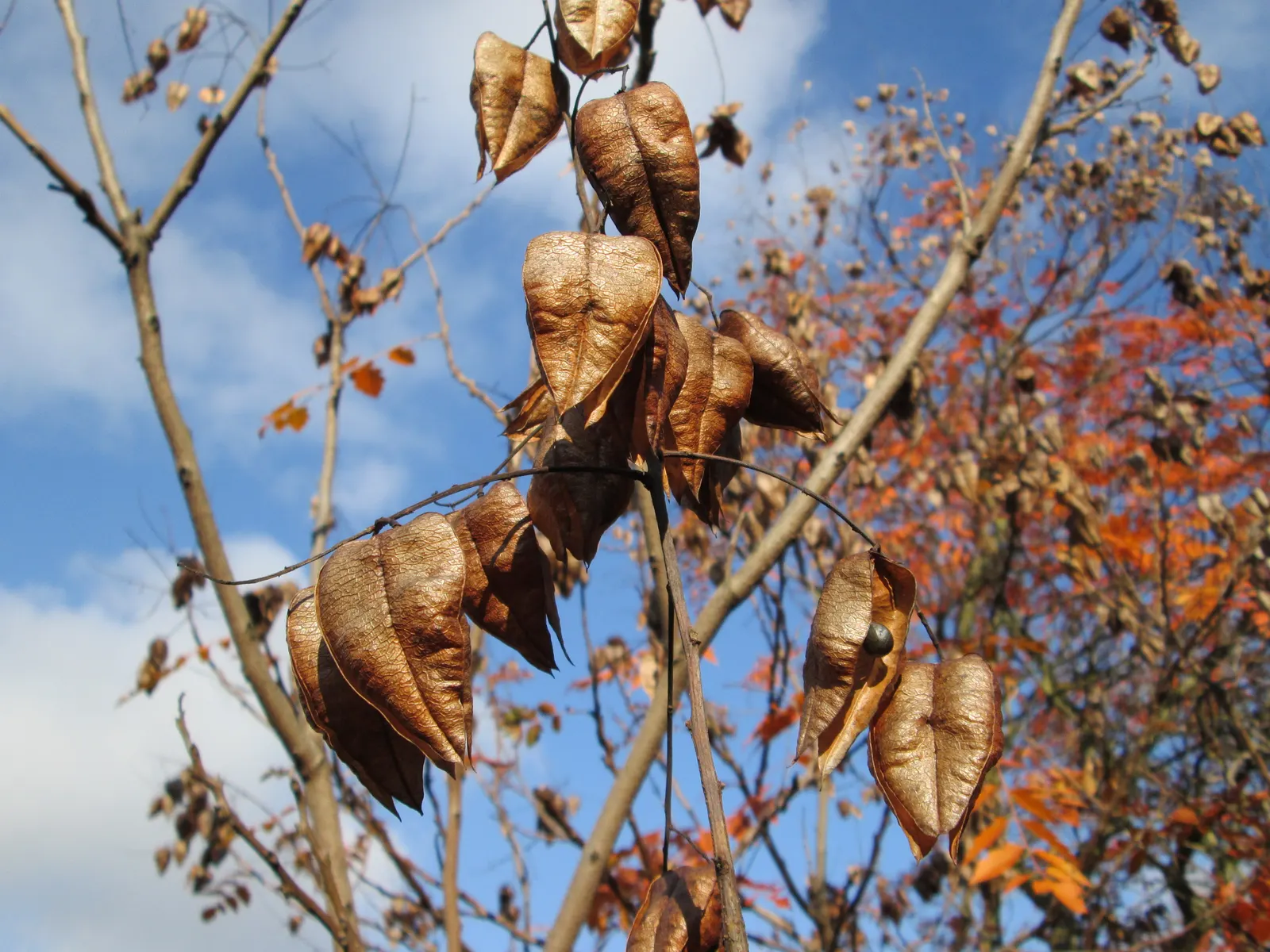
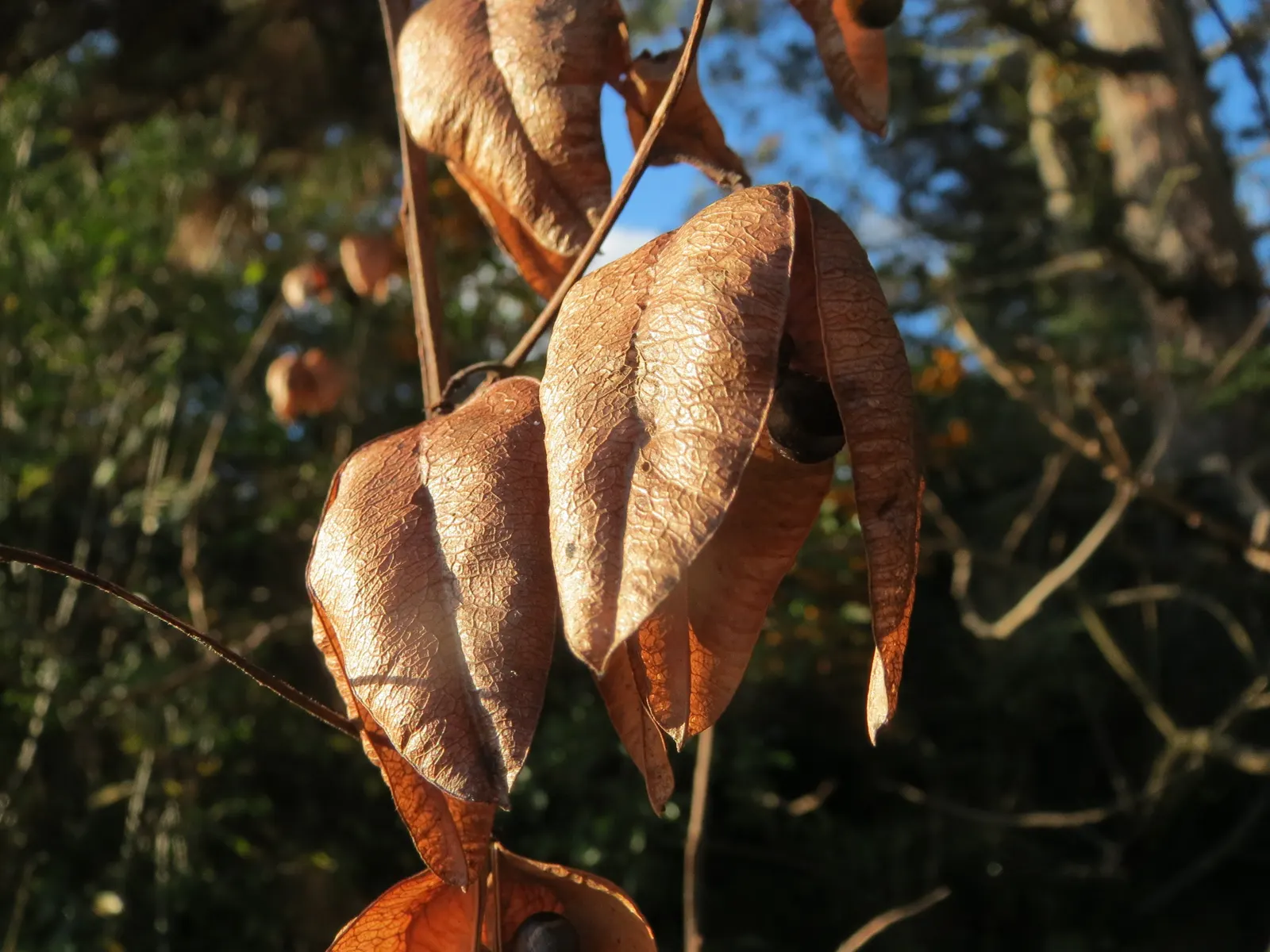
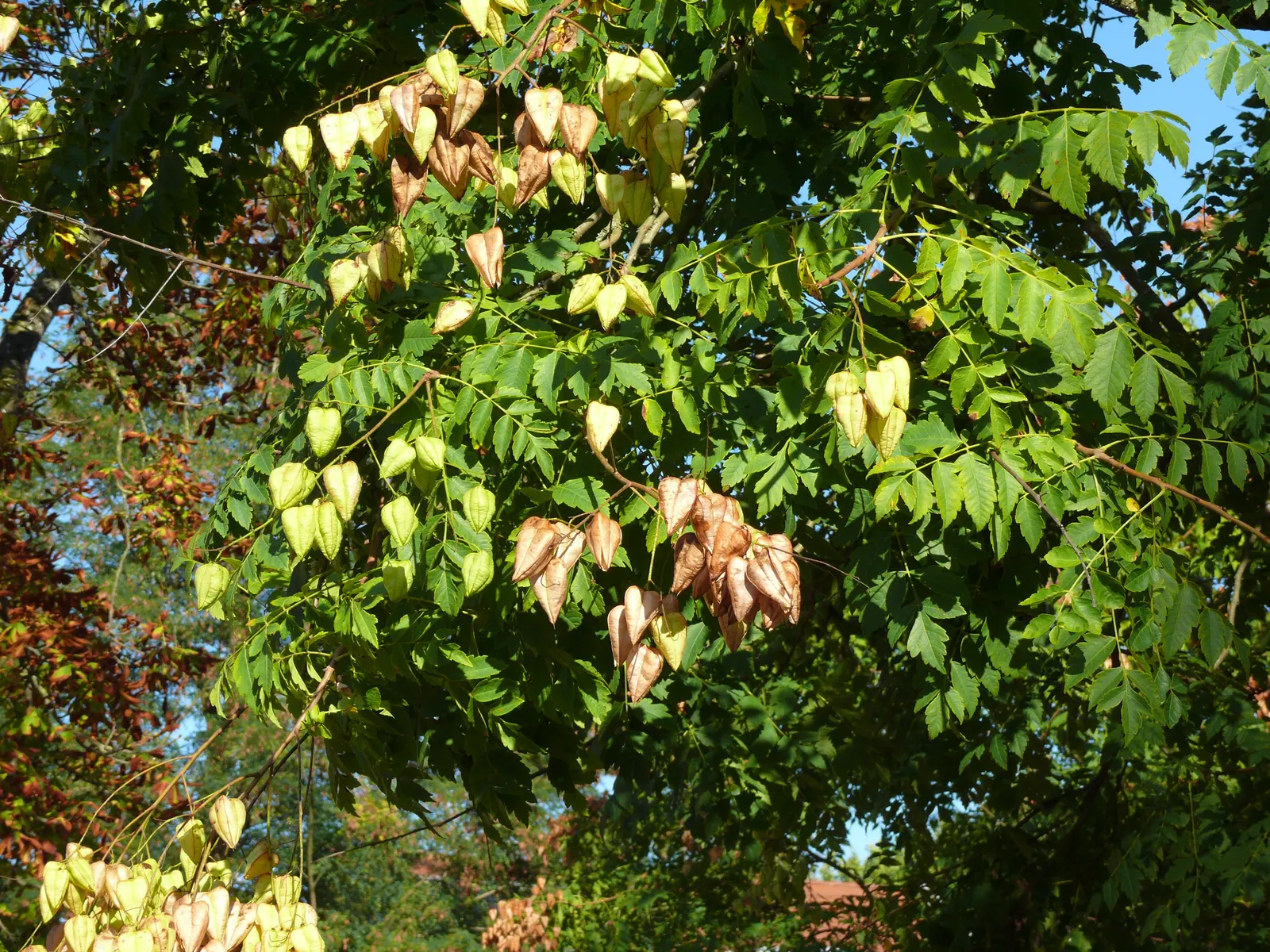
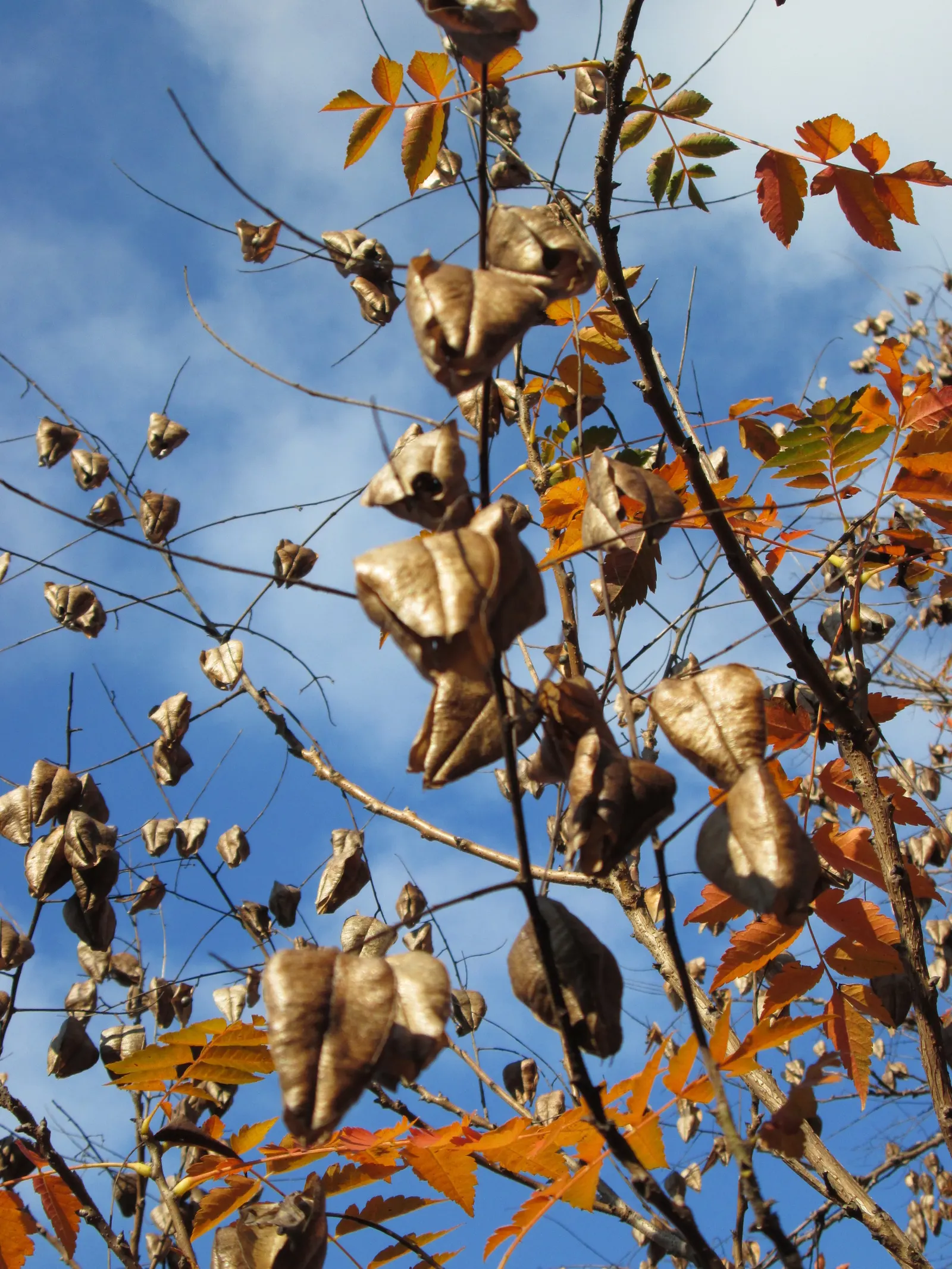
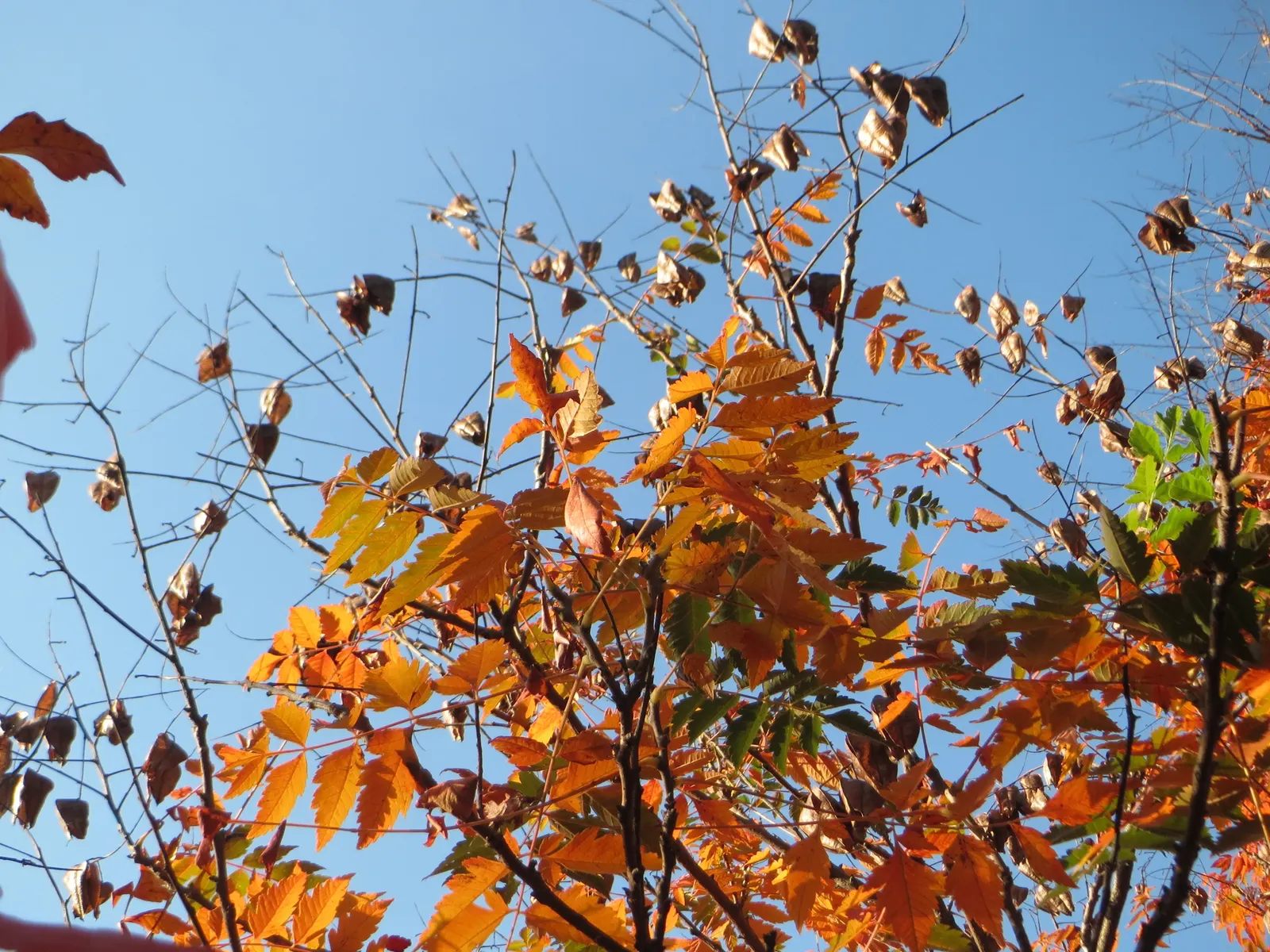
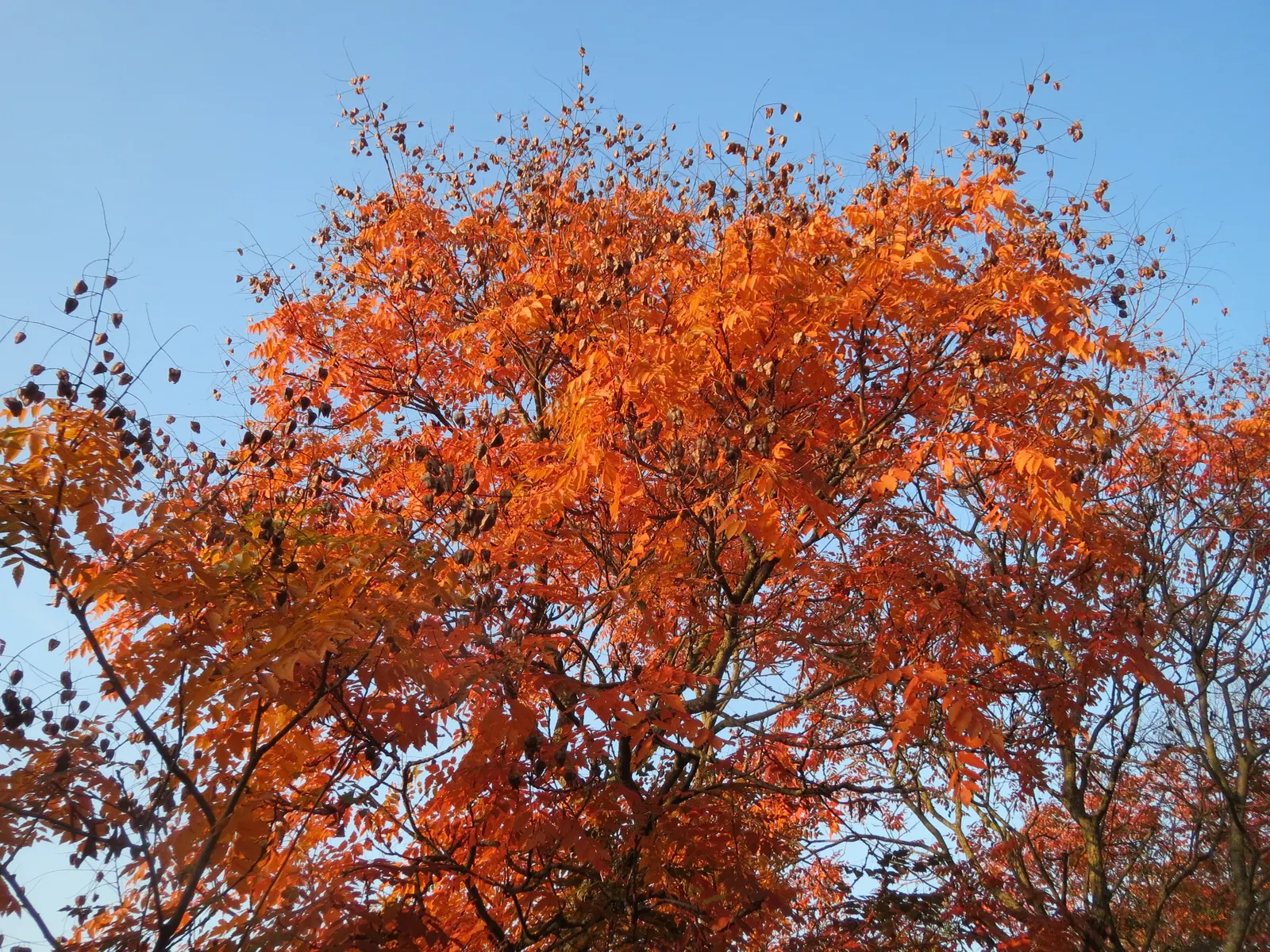
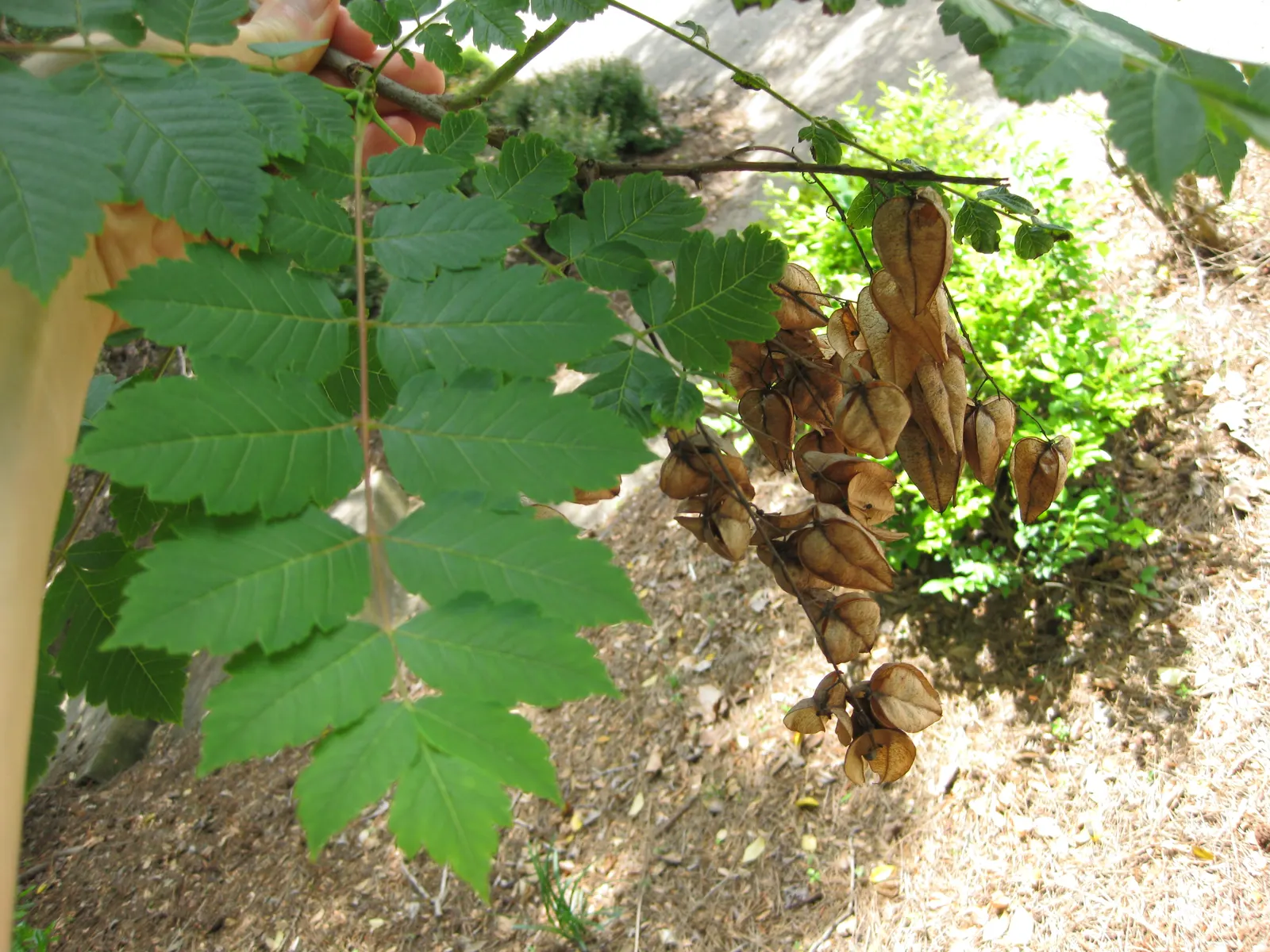
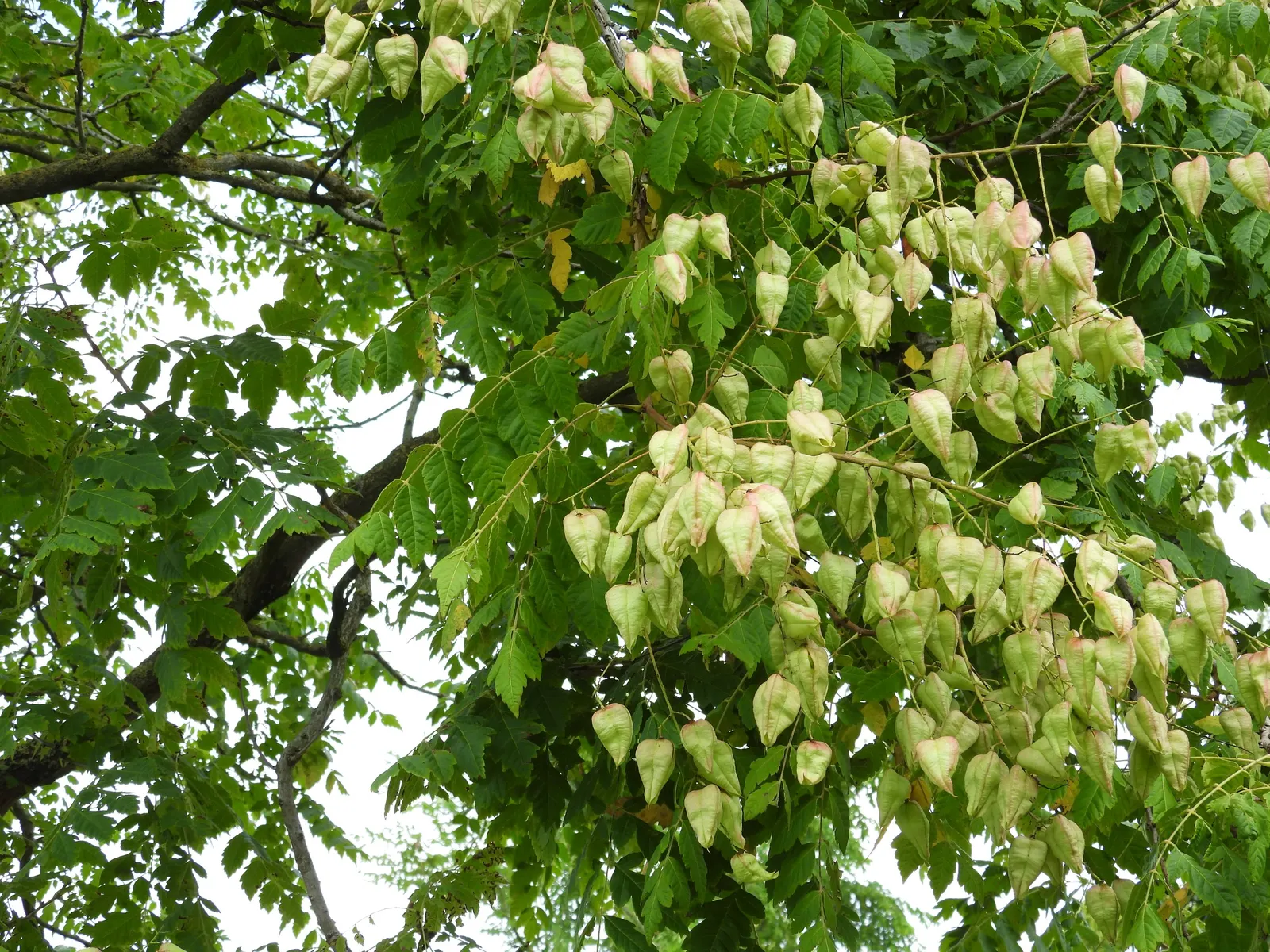
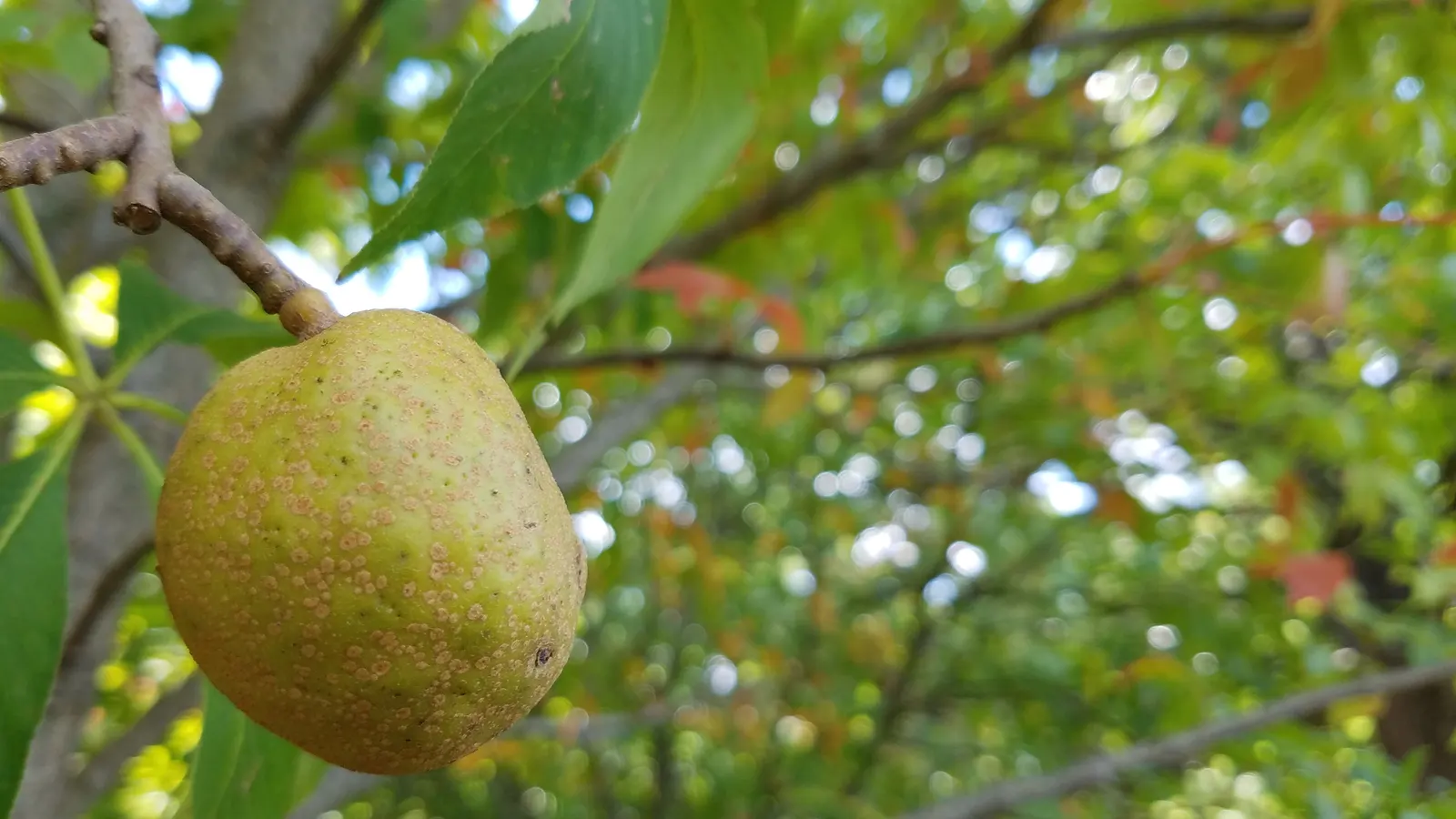
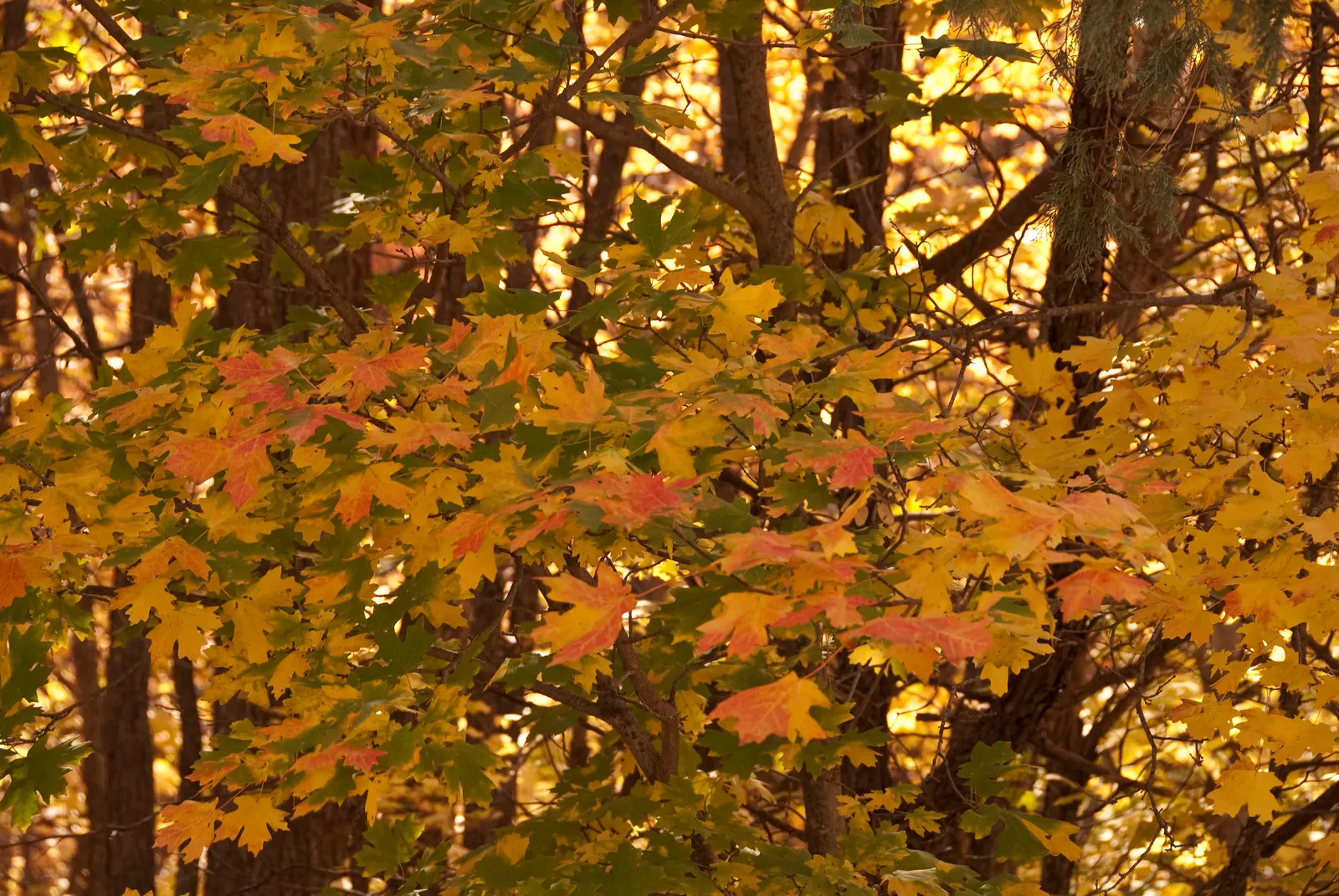
Goldenrain Tree (Koelreuteria Paniculata) — this specimen provides autumn spectacle with pinkish-red seed pods
Goldenrain Tree (Koelreuteria Paniculata) — it's a captivating choice for bold visual interest in temperate landscapes; celebrated for its, image 100
Goldenrain Tree (Koelreuteria Paniculata) — tree for full
Goldenrain Tree (Koelreuteria Paniculata) — It reaches a mature height of approximately 30 to 40 feet with a spread of 30 to 35 feet; yellow, image 55
Goldenrain Tree (Koelreuteria Paniculata) — This species is hardy in USDA Zones 5 through 9
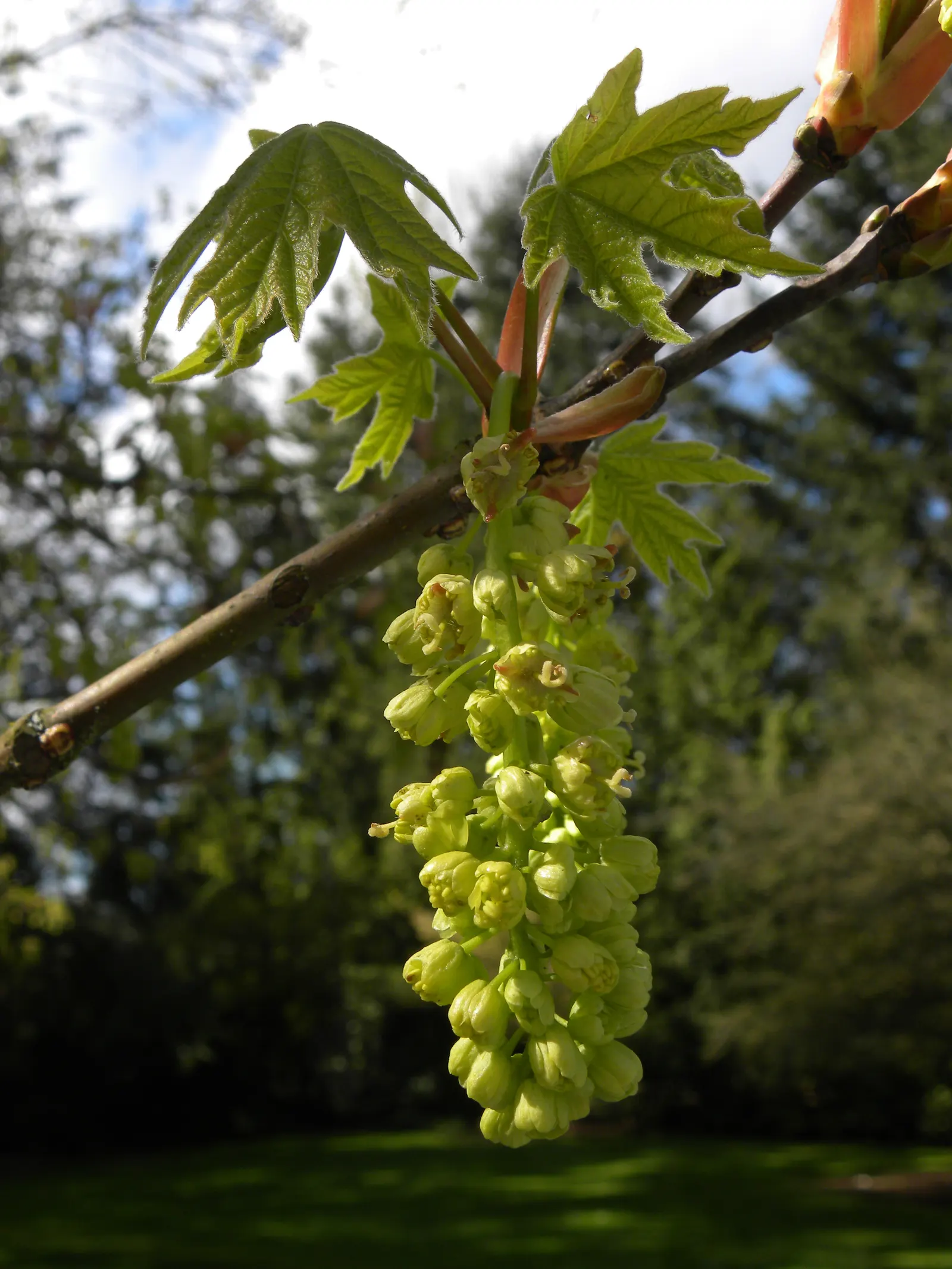
Goldenrain Tree (Koelreuteria Paniculata) — Celebrated for its mid-summer blooms of vibrant yellow clusters; it's a captivating choice for bold visual interest
Goldenrain Tree (Koelreuteria Paniculata) — Regular pruning may be necessary to maintain desired shape and manage any volunteer seedlings
Goldenrain Tree (Koelreuteria Paniculata) — consider its moderate growth rate and potential for self-seeding
Goldenrain Tree (Koelreuteria Paniculata) — yellow flowers up to 12 to 15 inches long adorn the canopy; regular pruning may be necessary to, image 58
Goldenrain Tree (Koelreuteria Paniculata) — making it an excellent choice for city landscapes.<br><br>When designing a space with this species
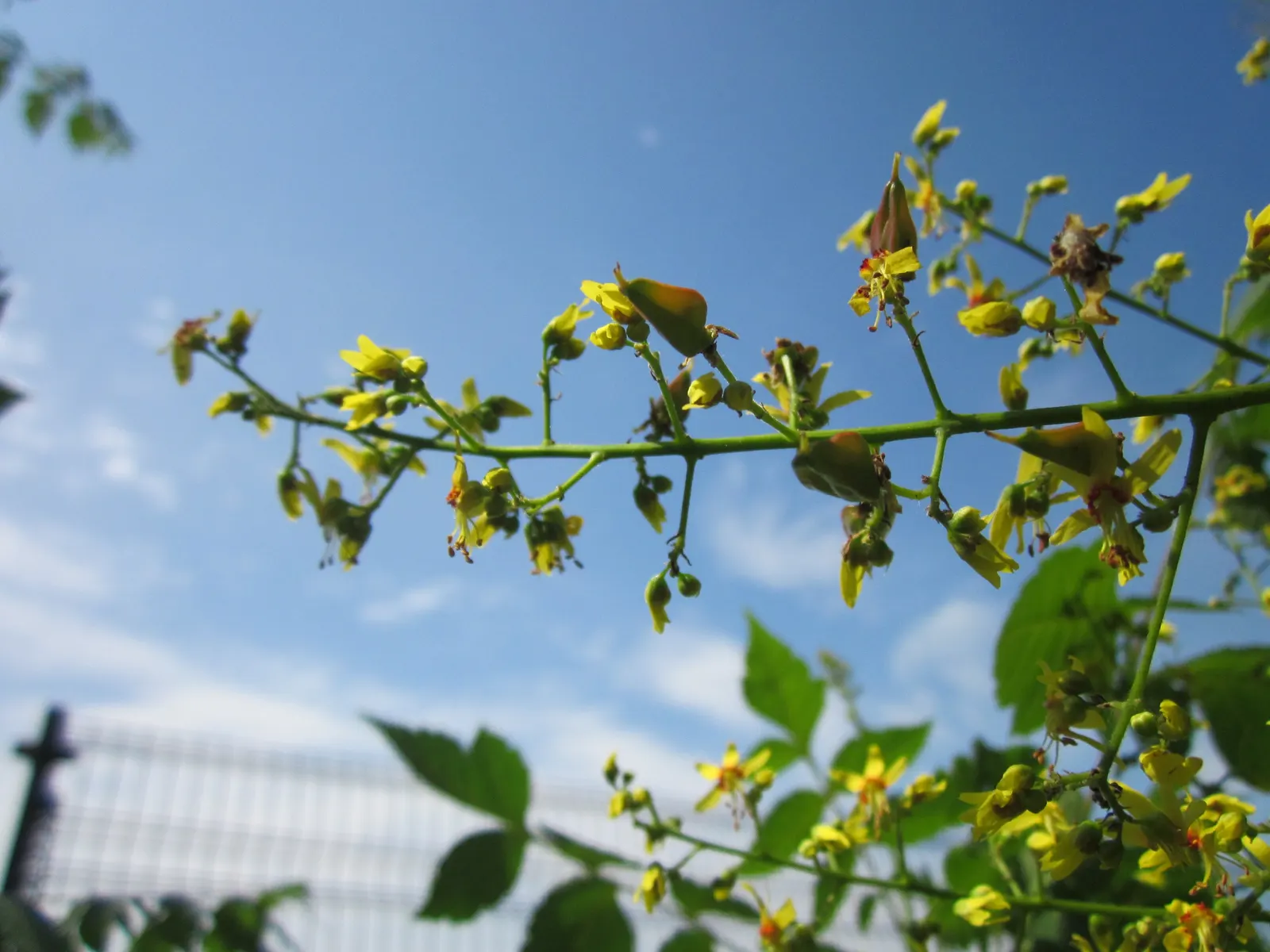
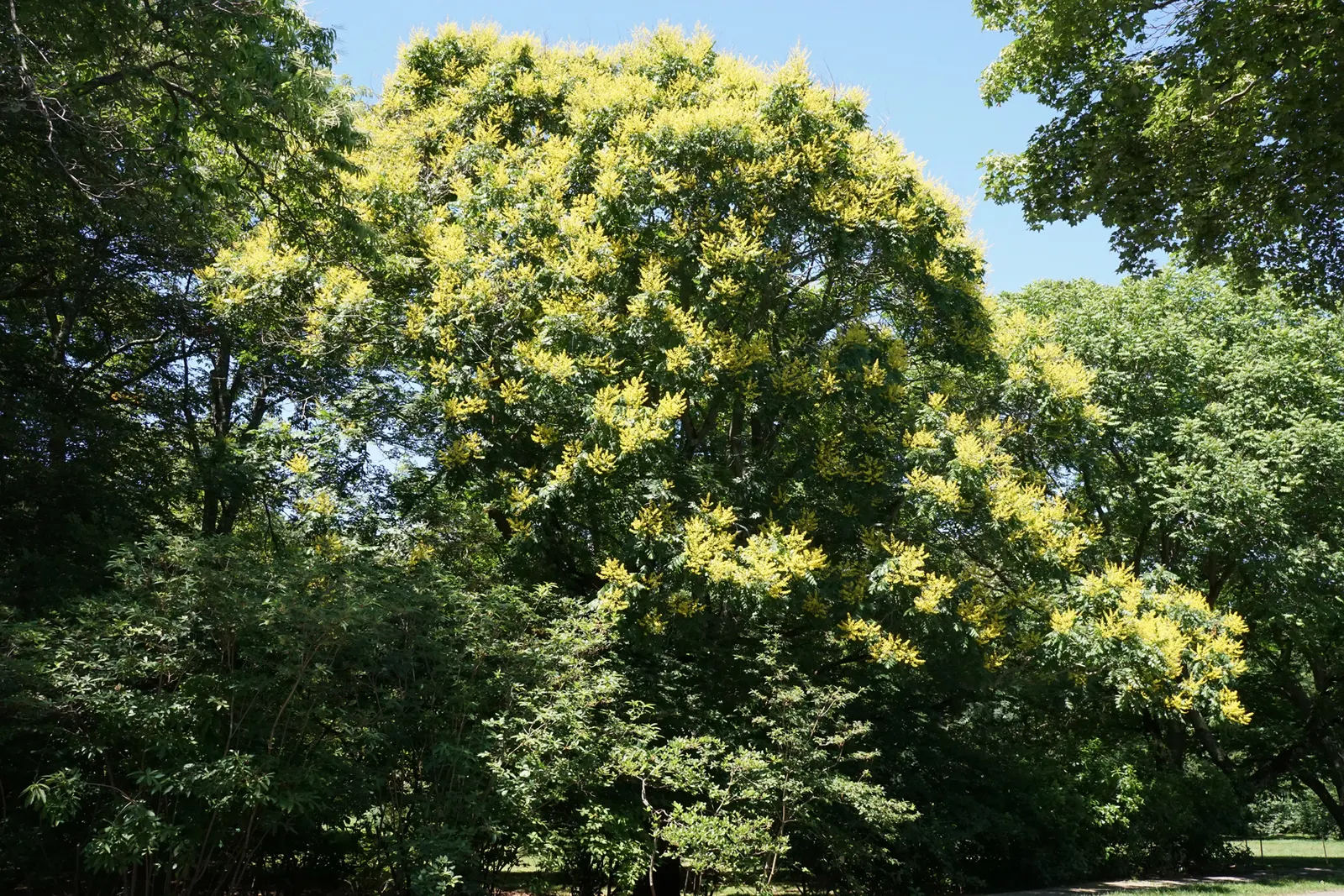
Goldenrain Tree (Koelreuteria Paniculata) — yellow flowers up to 12 to 15 inches long adorn the canopy
Goldenrain Tree (Koelreuteria Paniculata) — consider its moderate growth rate and potential for self-seeding; it thrives in full sun, adapts to, image 66
Photographs by 9 contributors

Related plants