Skip to content

Red Cedar

Juniperus Virginiana

Design with this plant

Overview

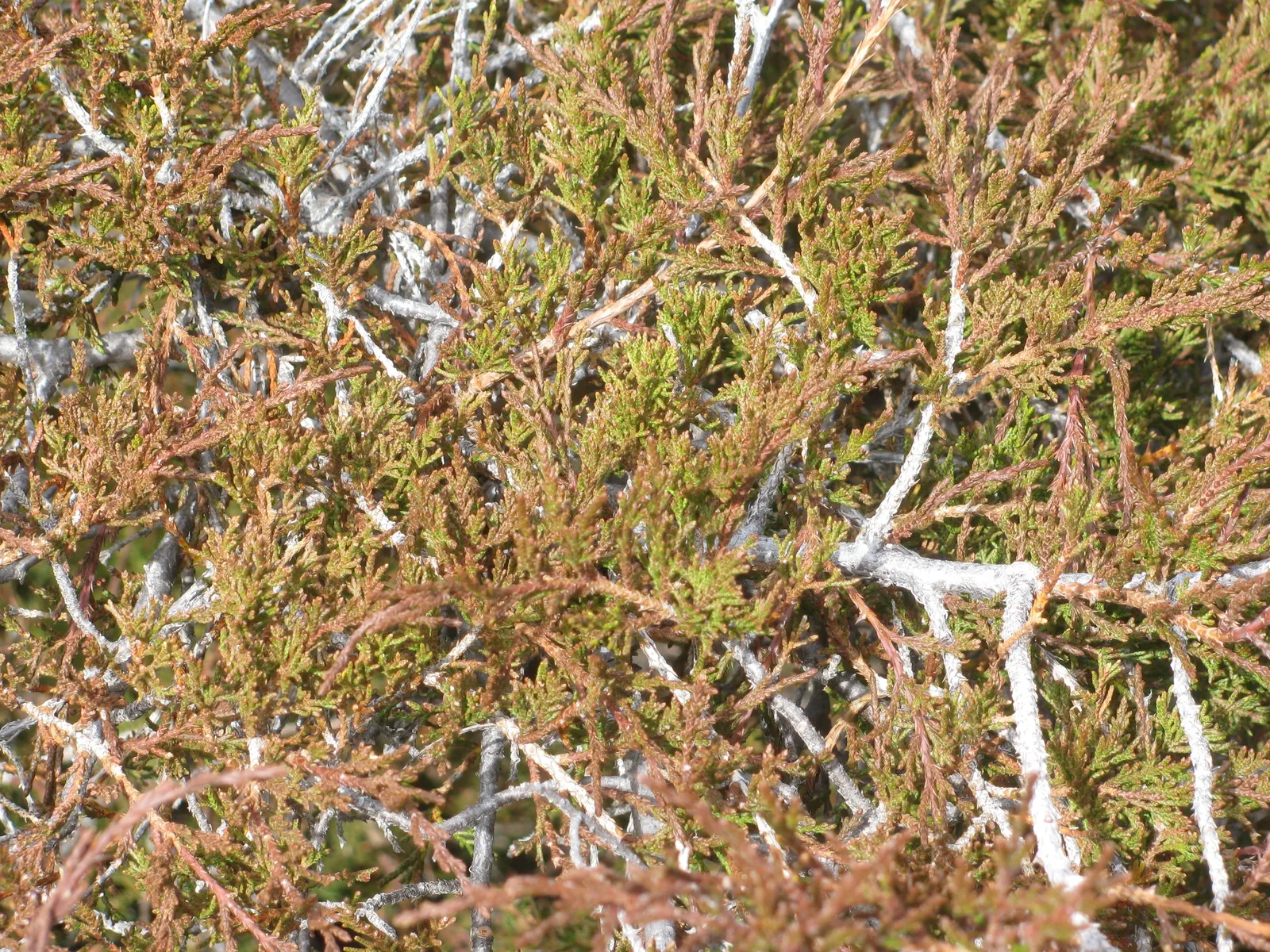
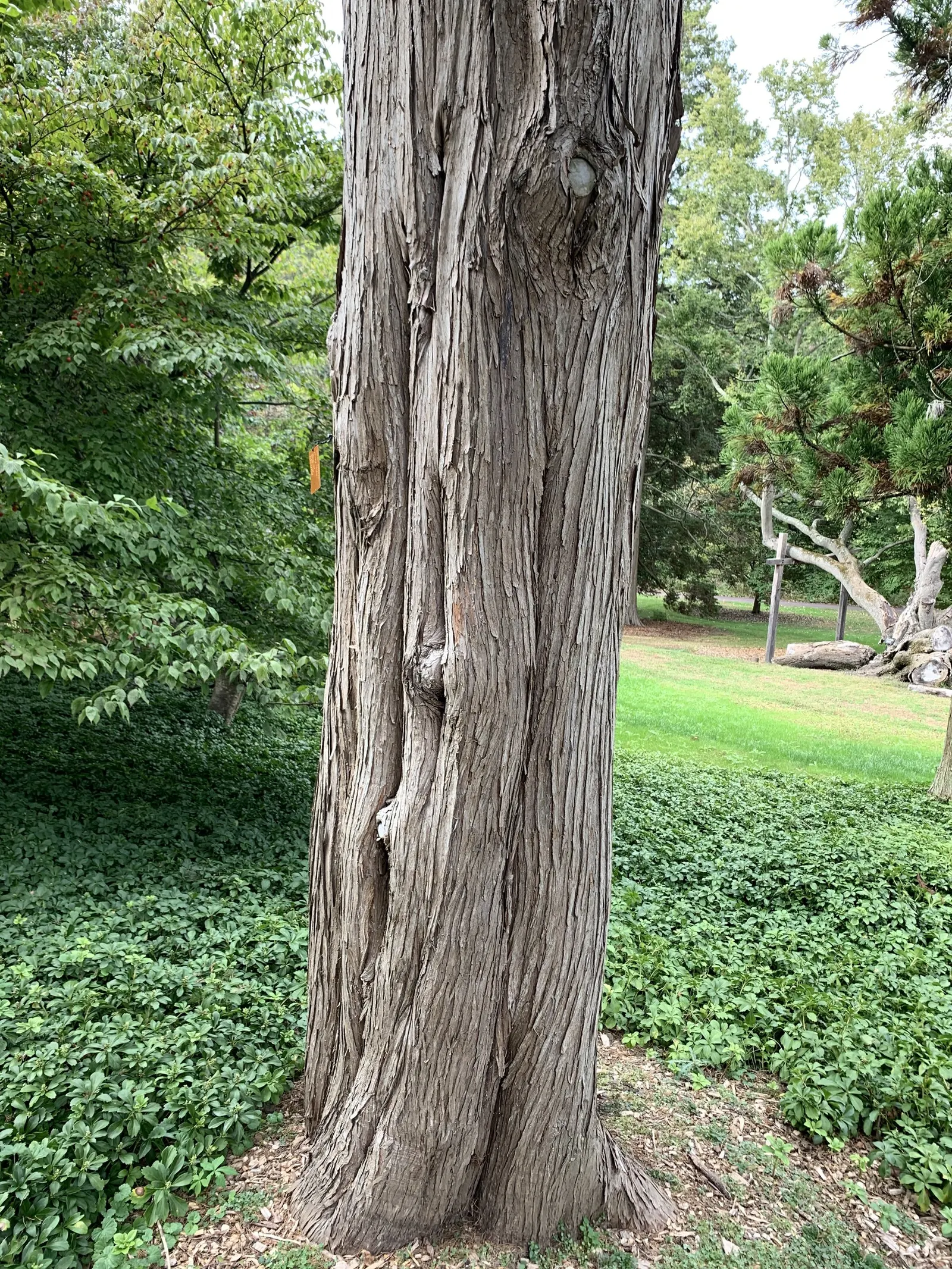
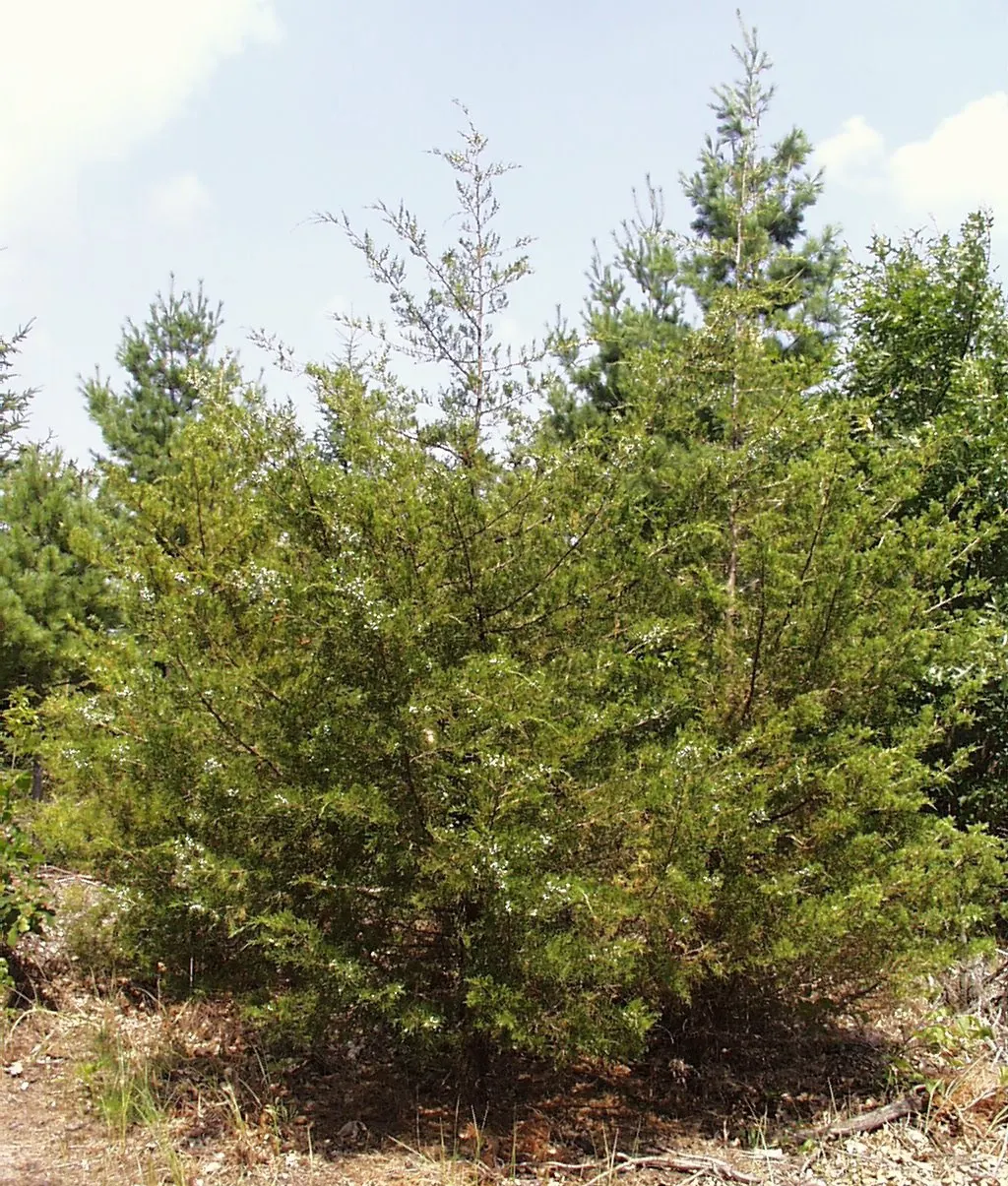
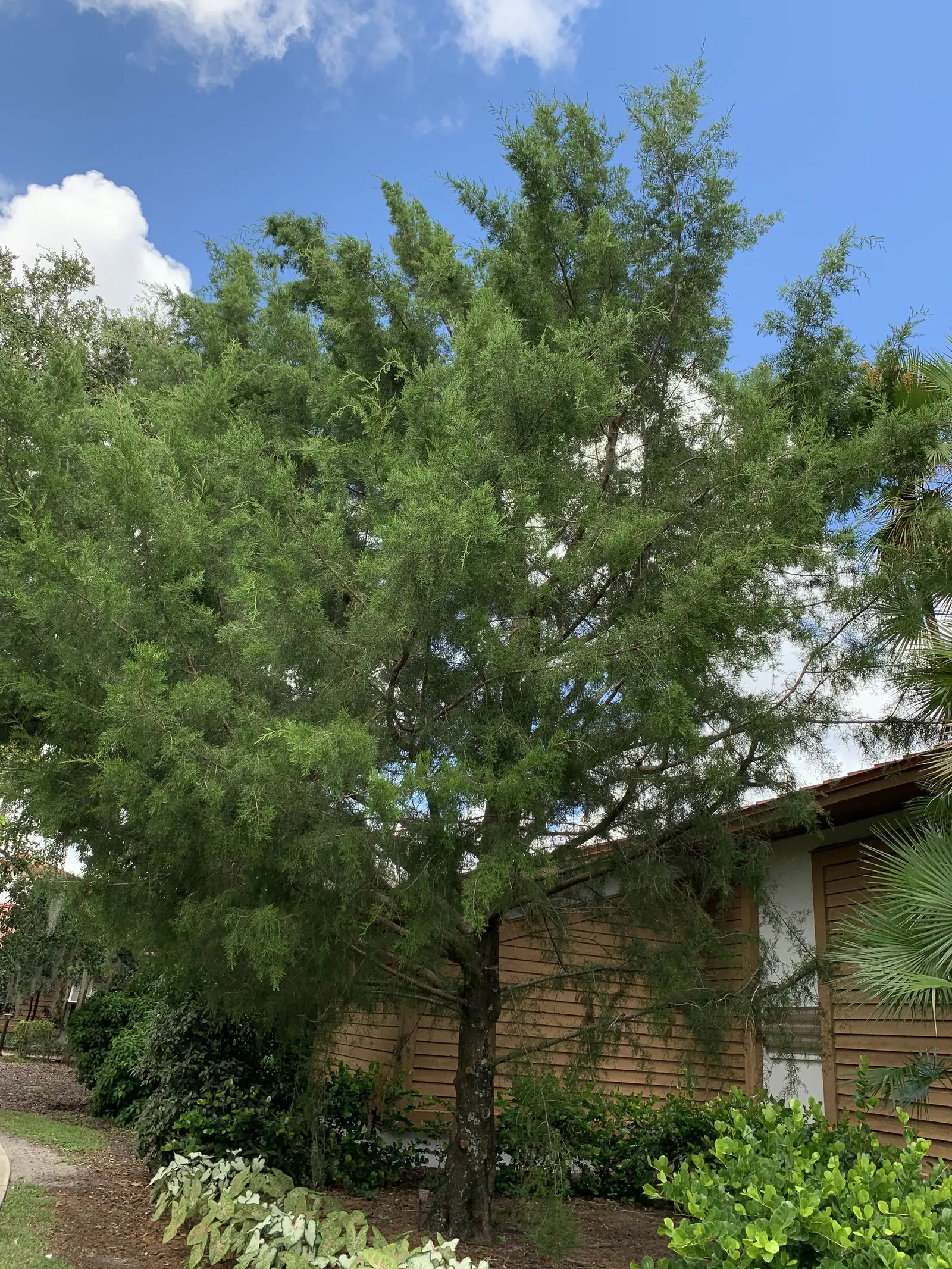
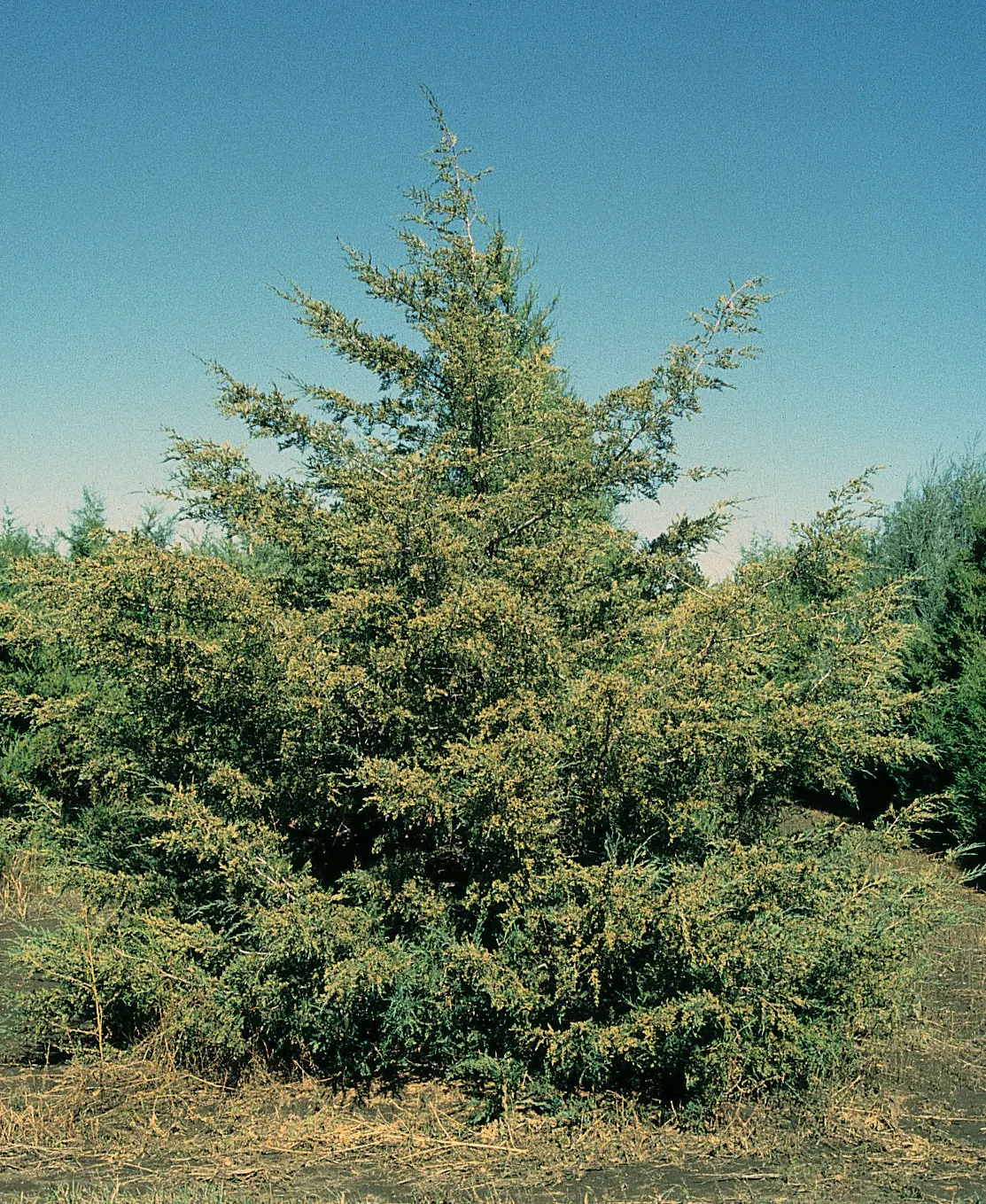
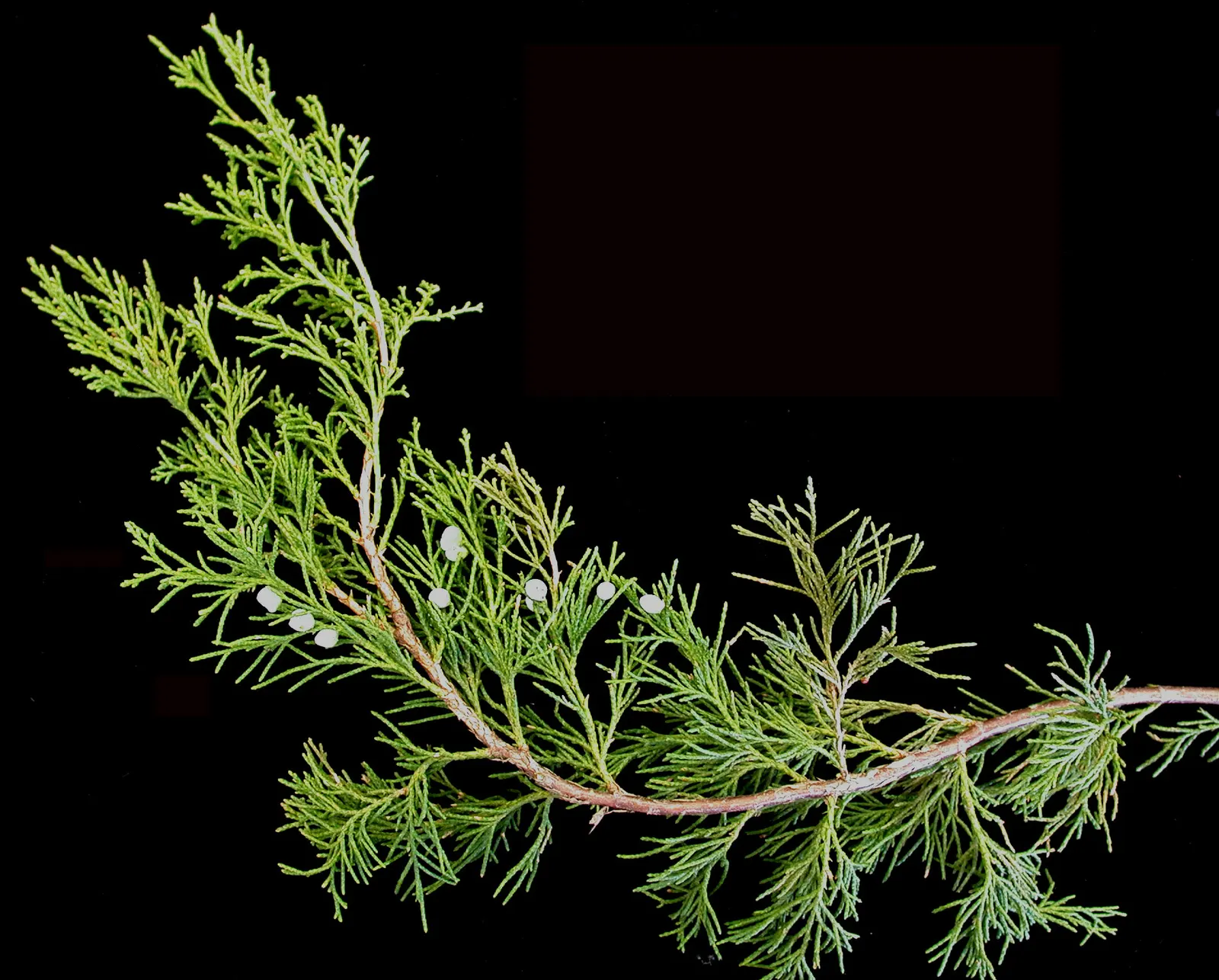
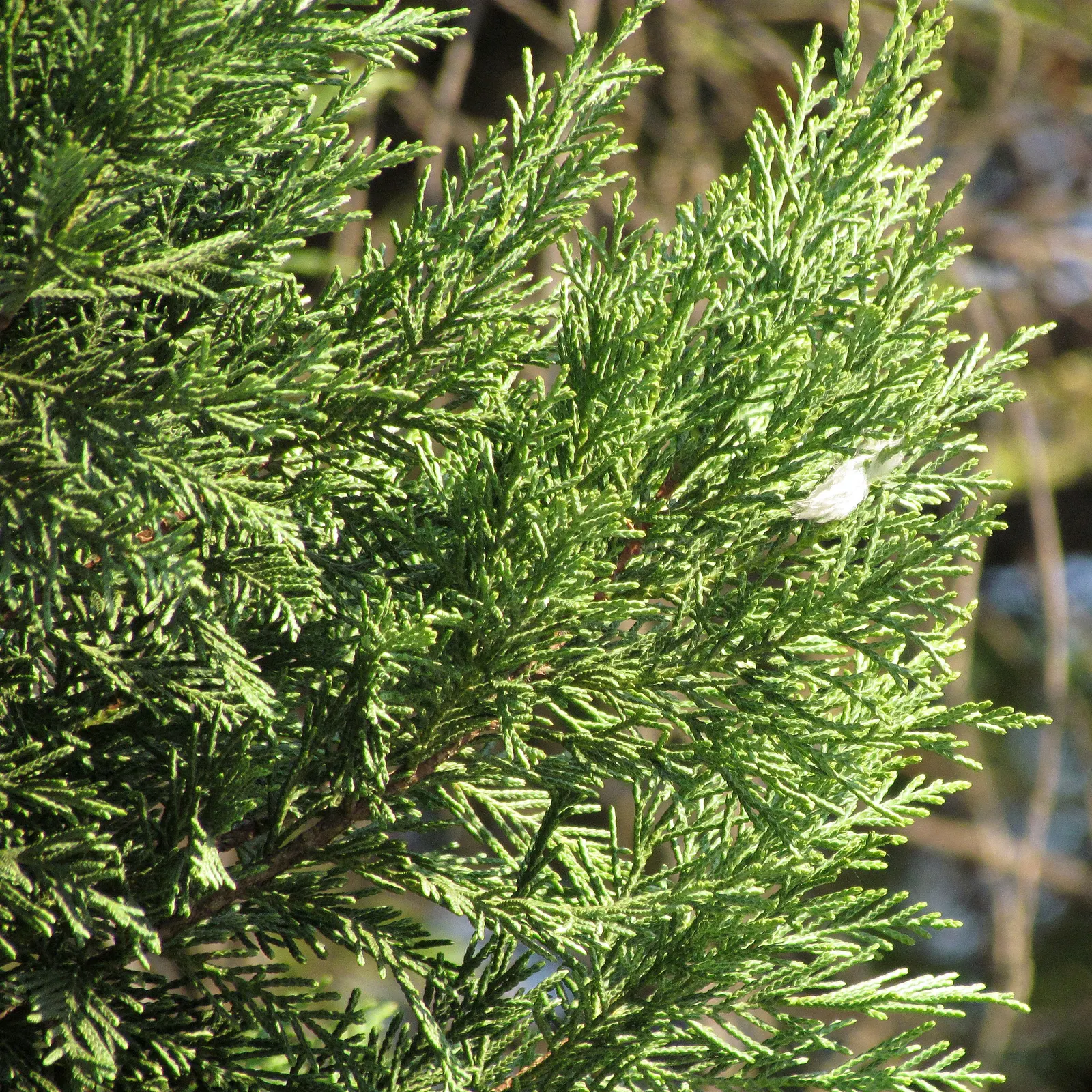
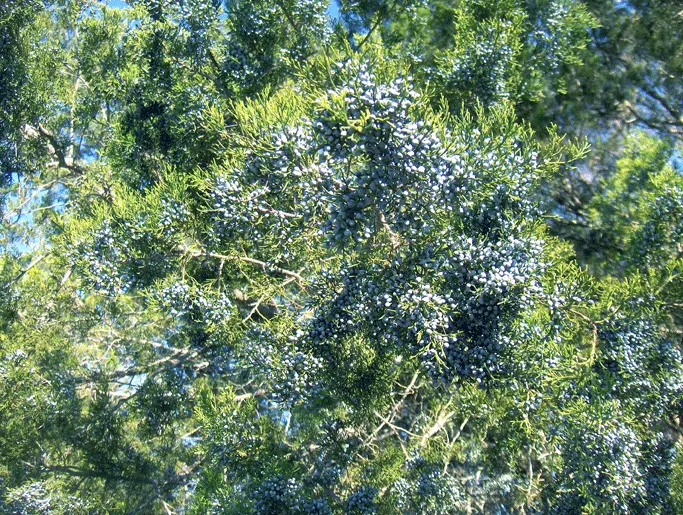
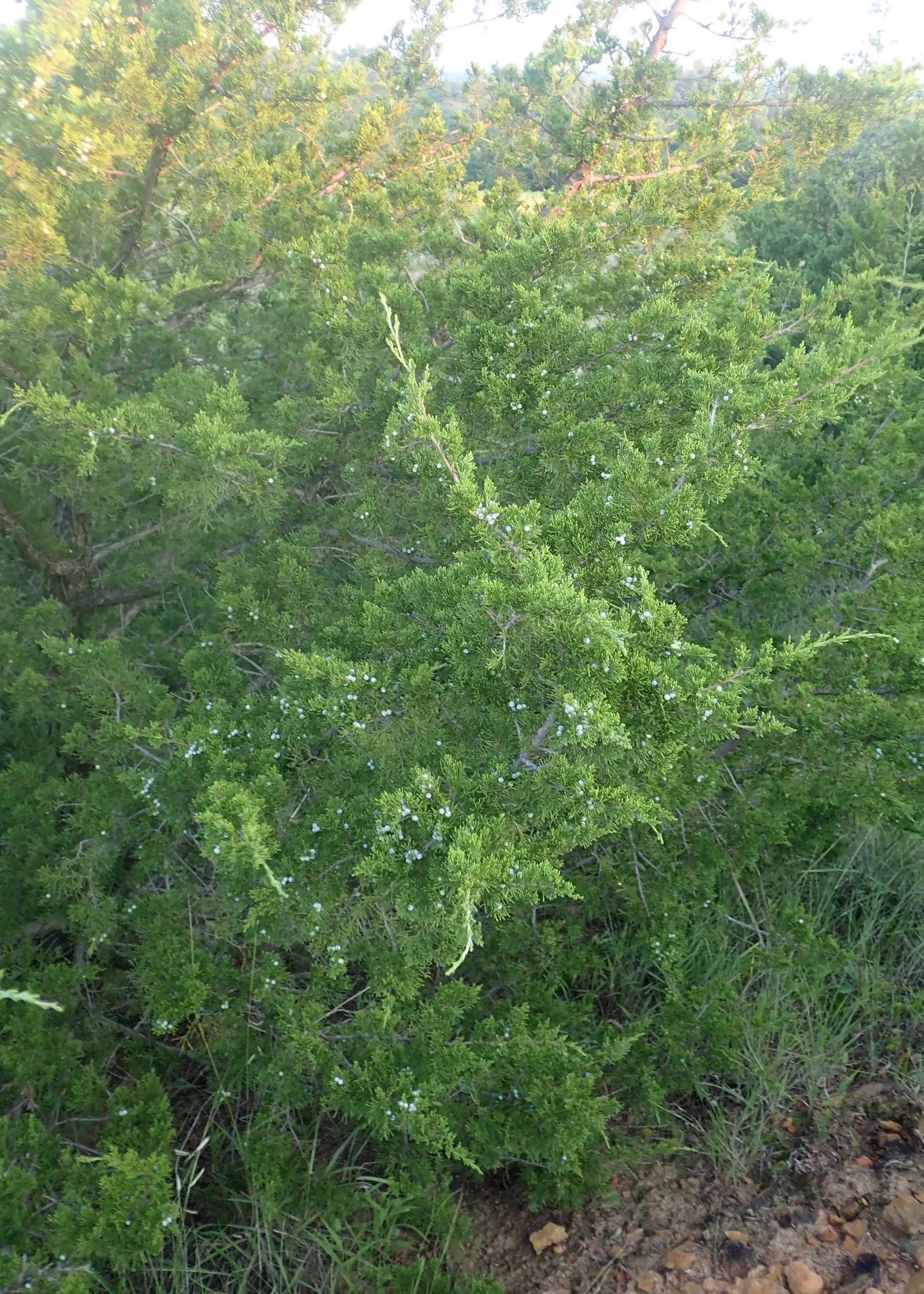
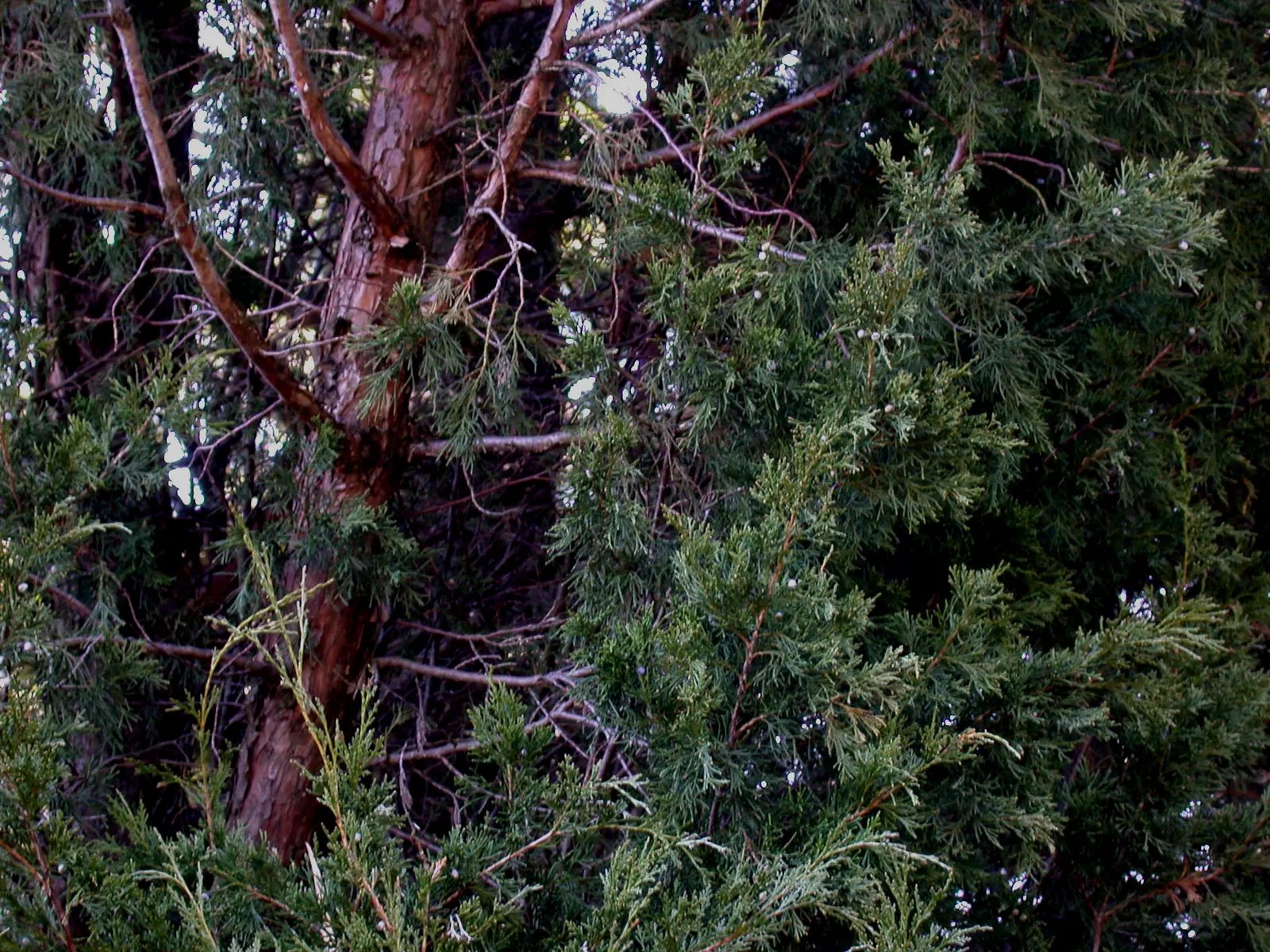
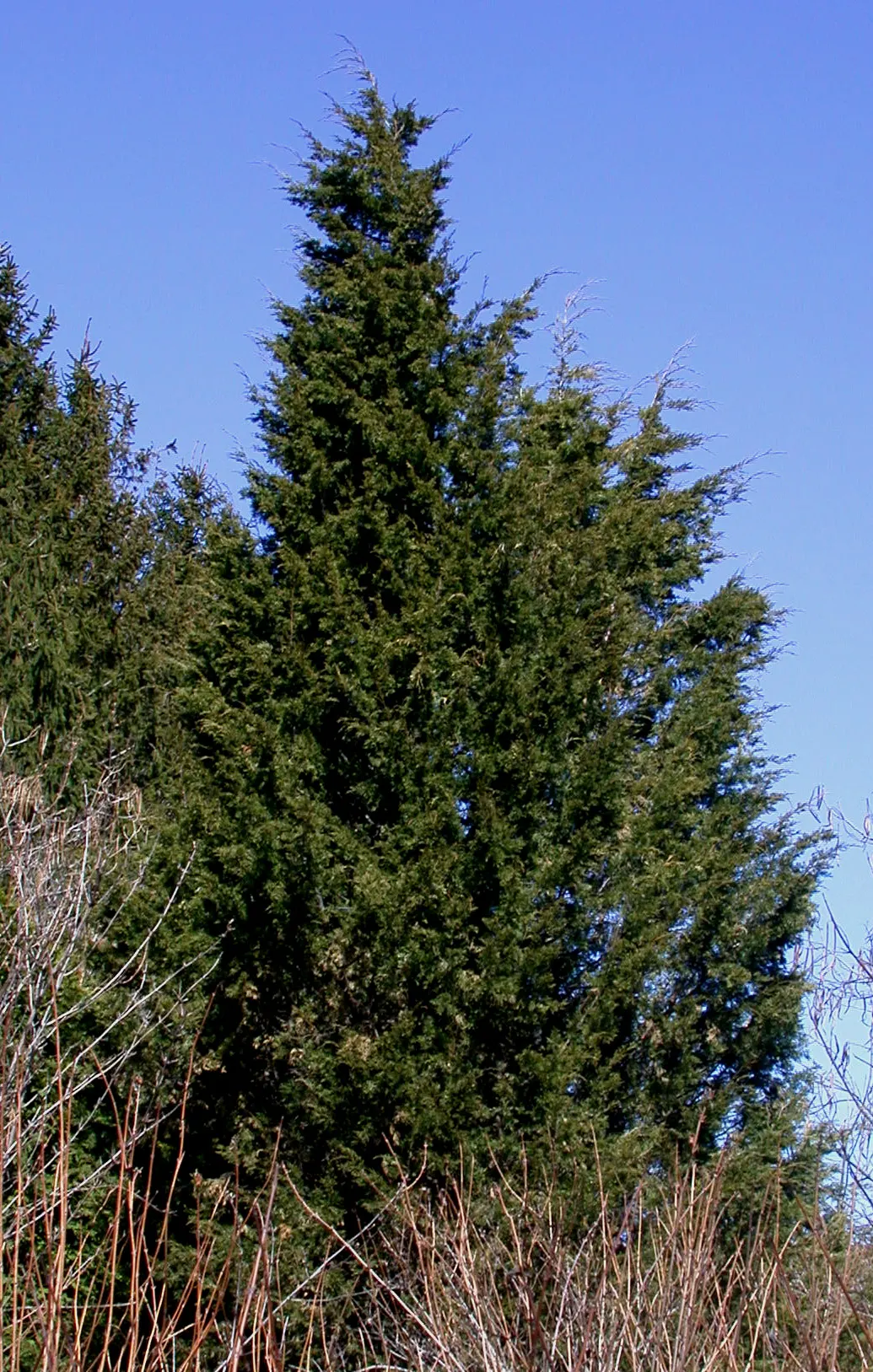
Juniperus virginiana, commonly known as the Eastern Red Cedar, is a robust coniferous evergreen. It features dense, aromatic foliage and a conical to columnar shape, maturing at 30-65 feet tall and 8-25 feet wide. This native tree thrives in zones 2-9, preferring full sun. Its berry-like cones attract wildlife, while withstanding poor soil and drought. Ideal for windbreaks and privacy screens with its resilient, low-maintenance character.

Sun FullWater LowZones 4–11Climate Alpine, Temperate

Culture

Sun
Full
Water
Low
USDA zones
4–11

Shape & size

Classification

Family
Cupressaceae
Climate
Alpine, Temperate

See full data, regional cultivation notes, full-resolution photos, and design tools. Build a client presentation around this plant.

Start your 14-day trial

Photos (56)

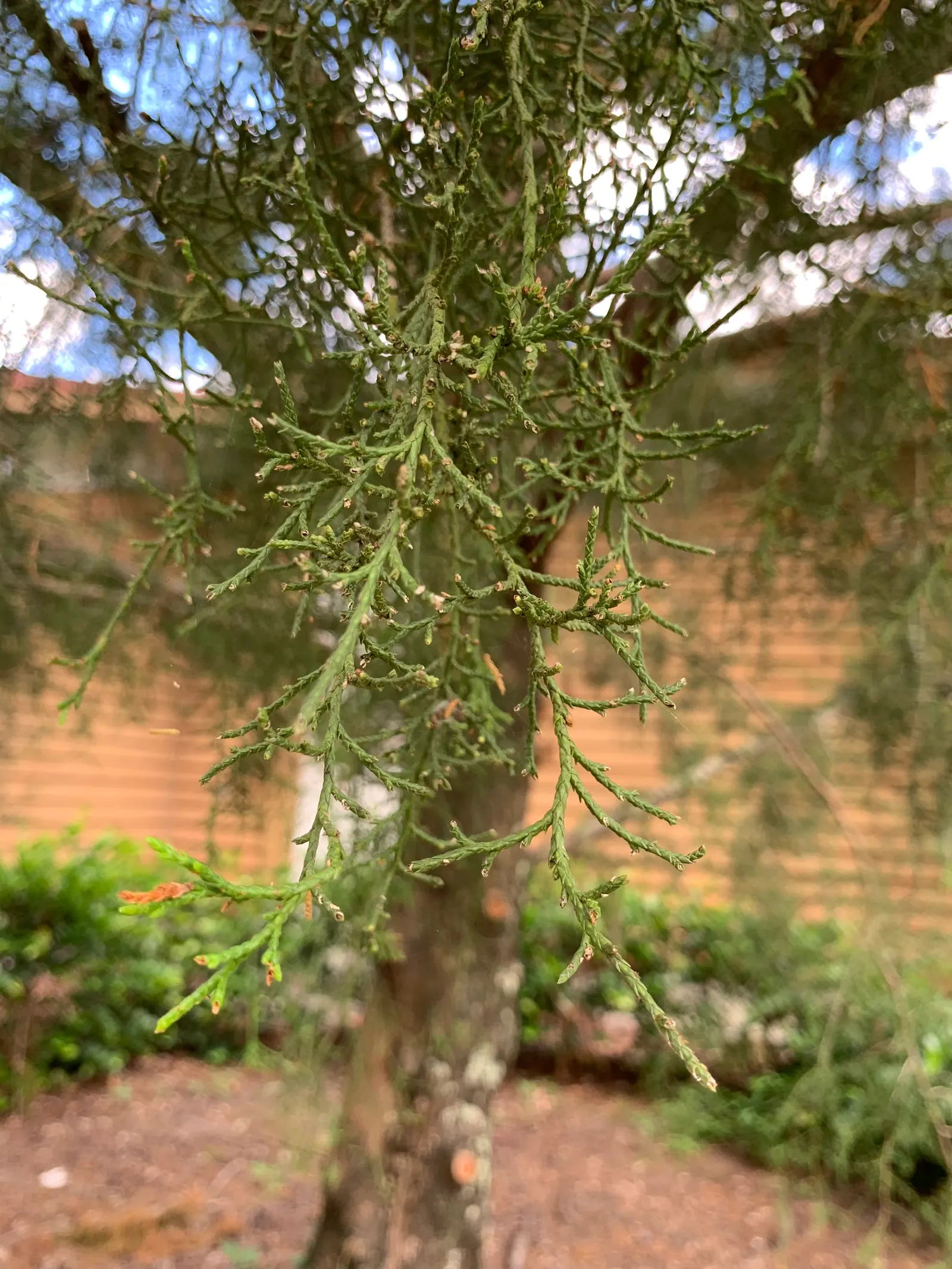
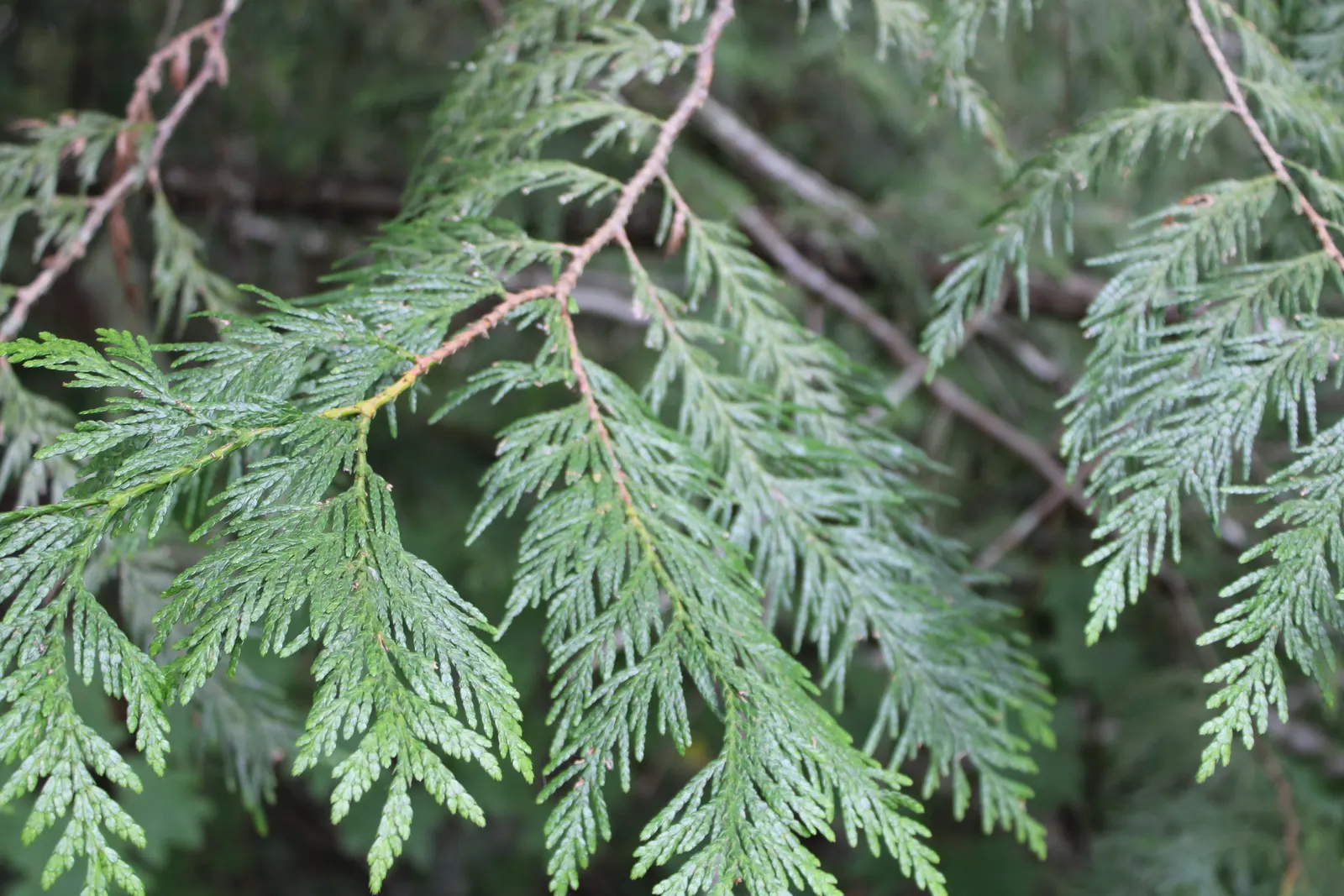
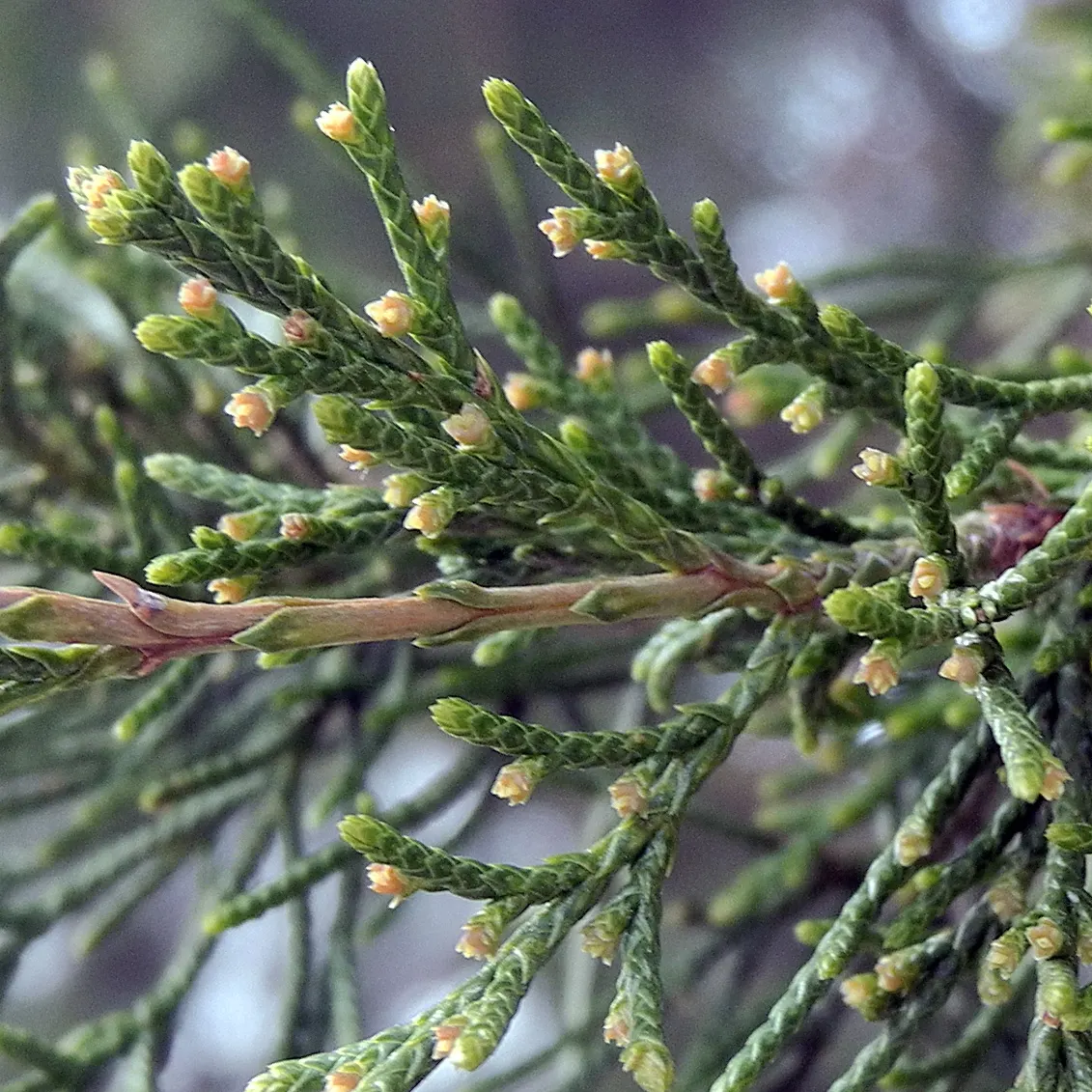
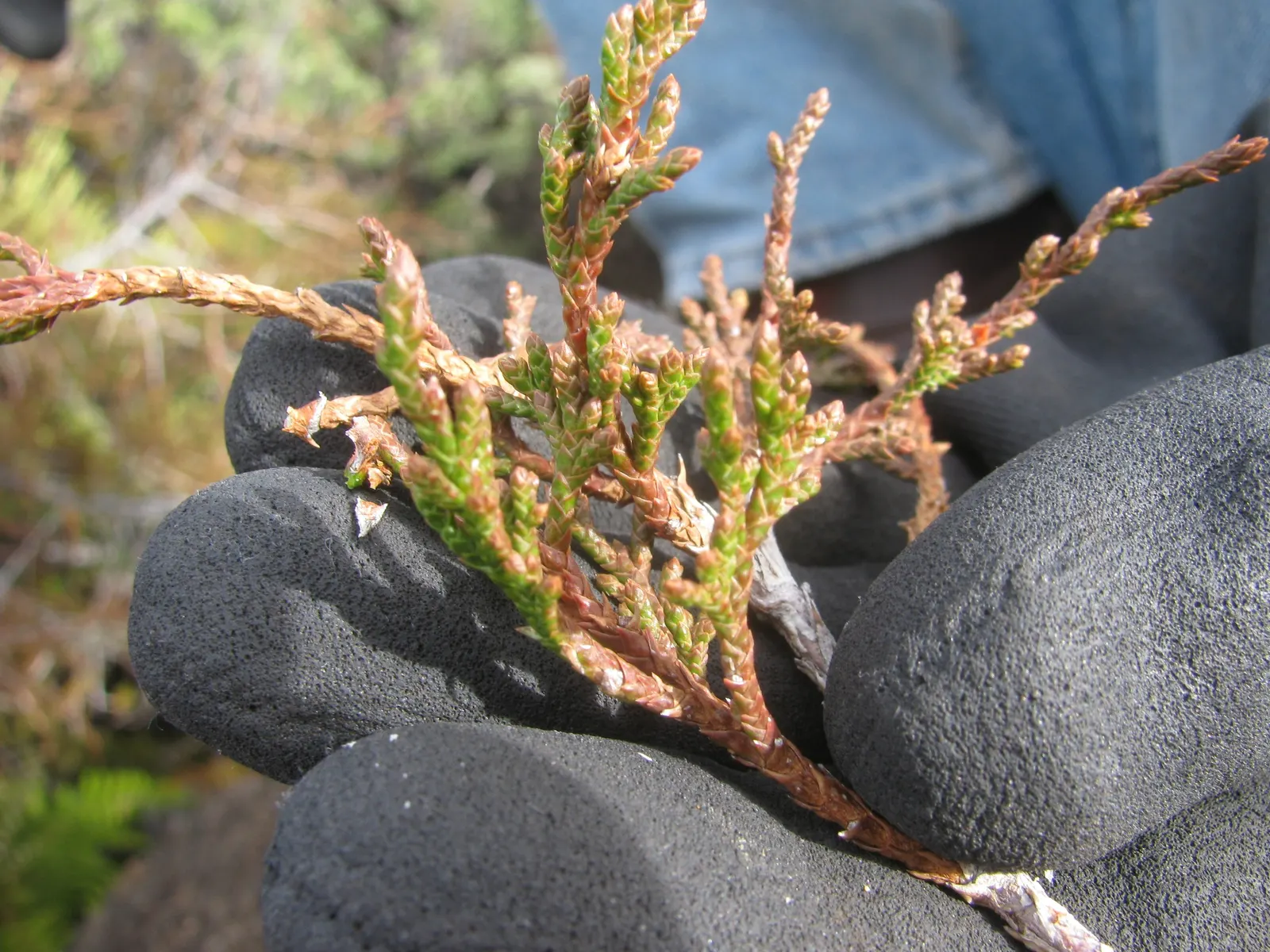
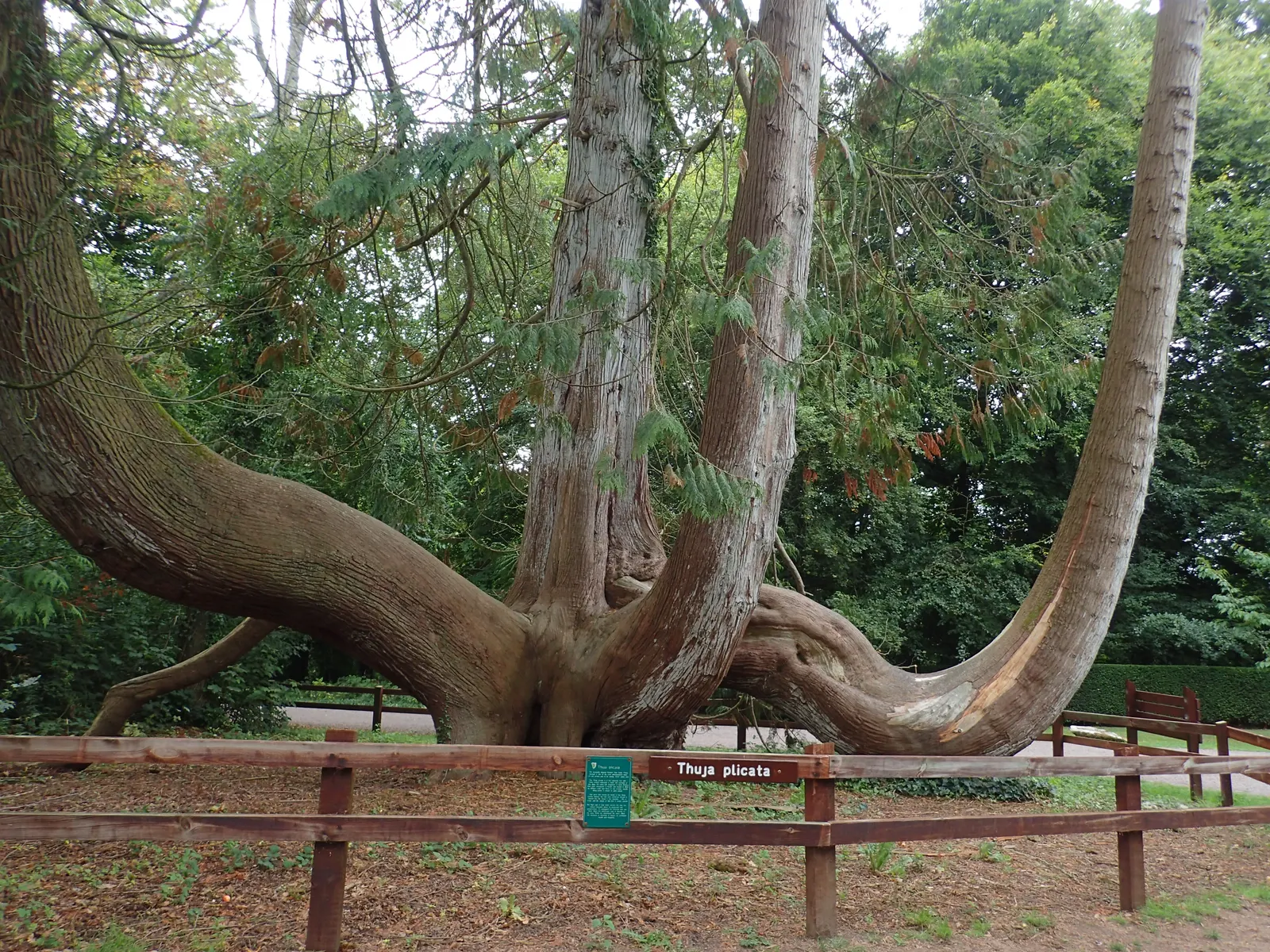
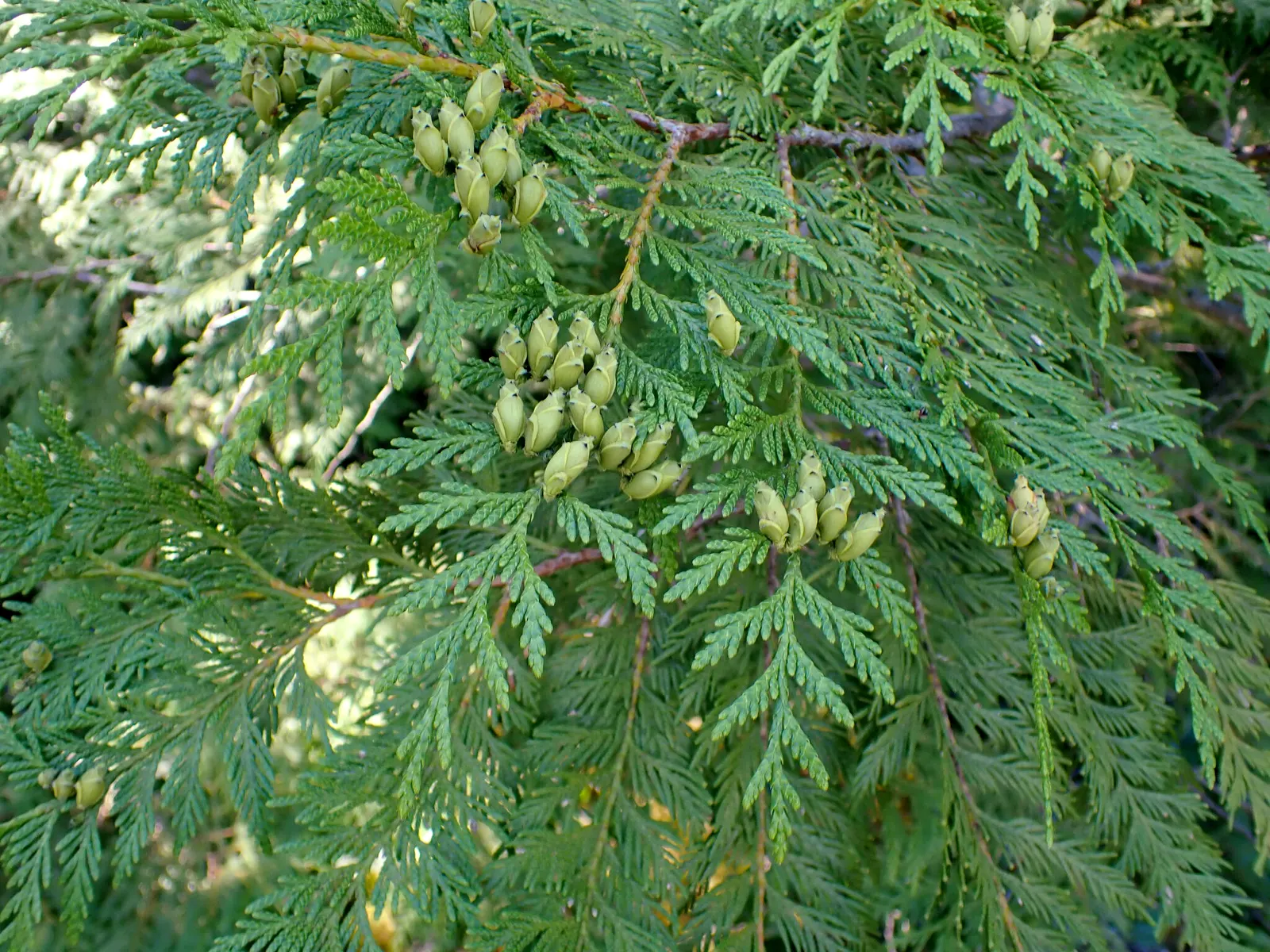
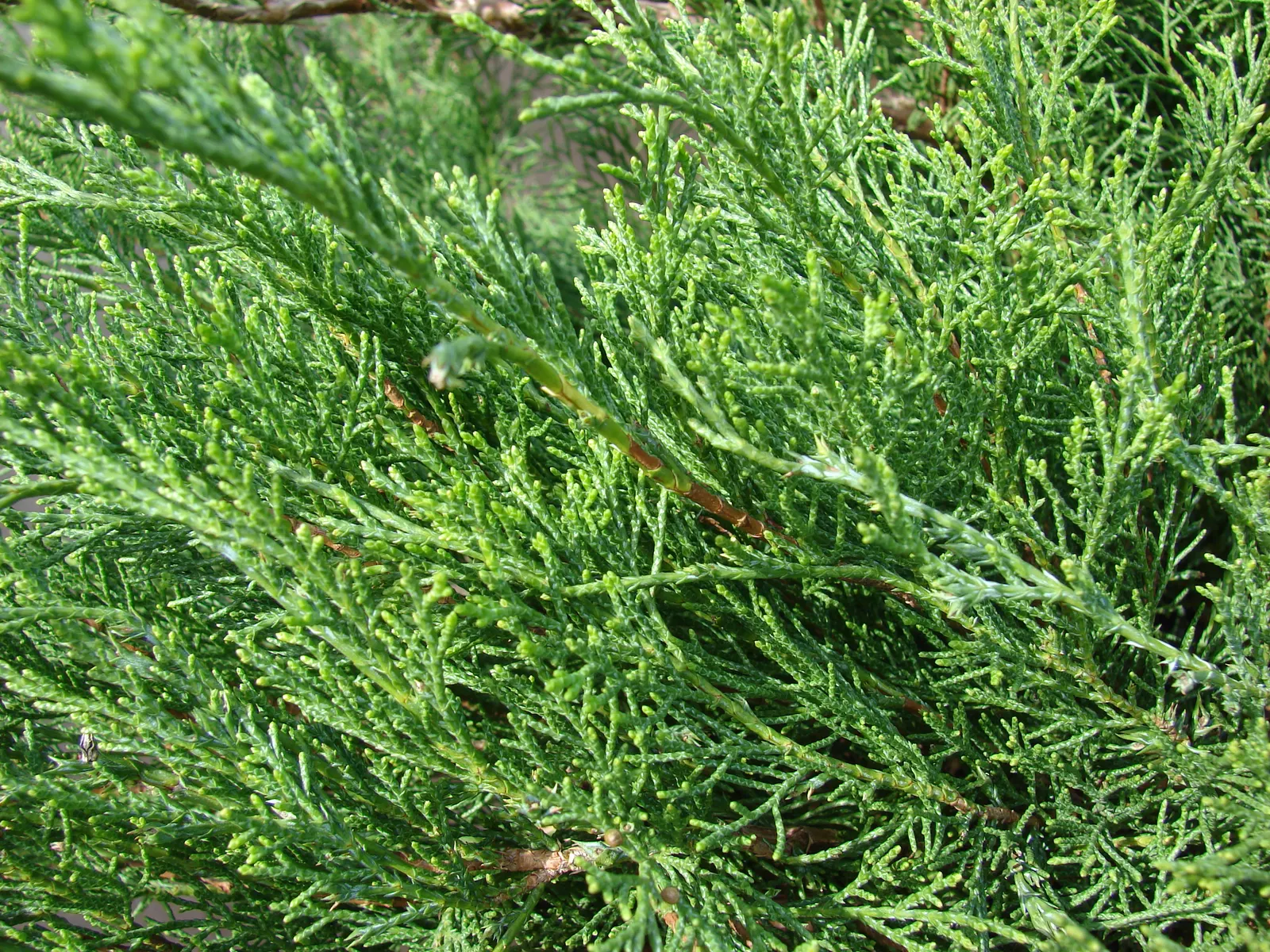
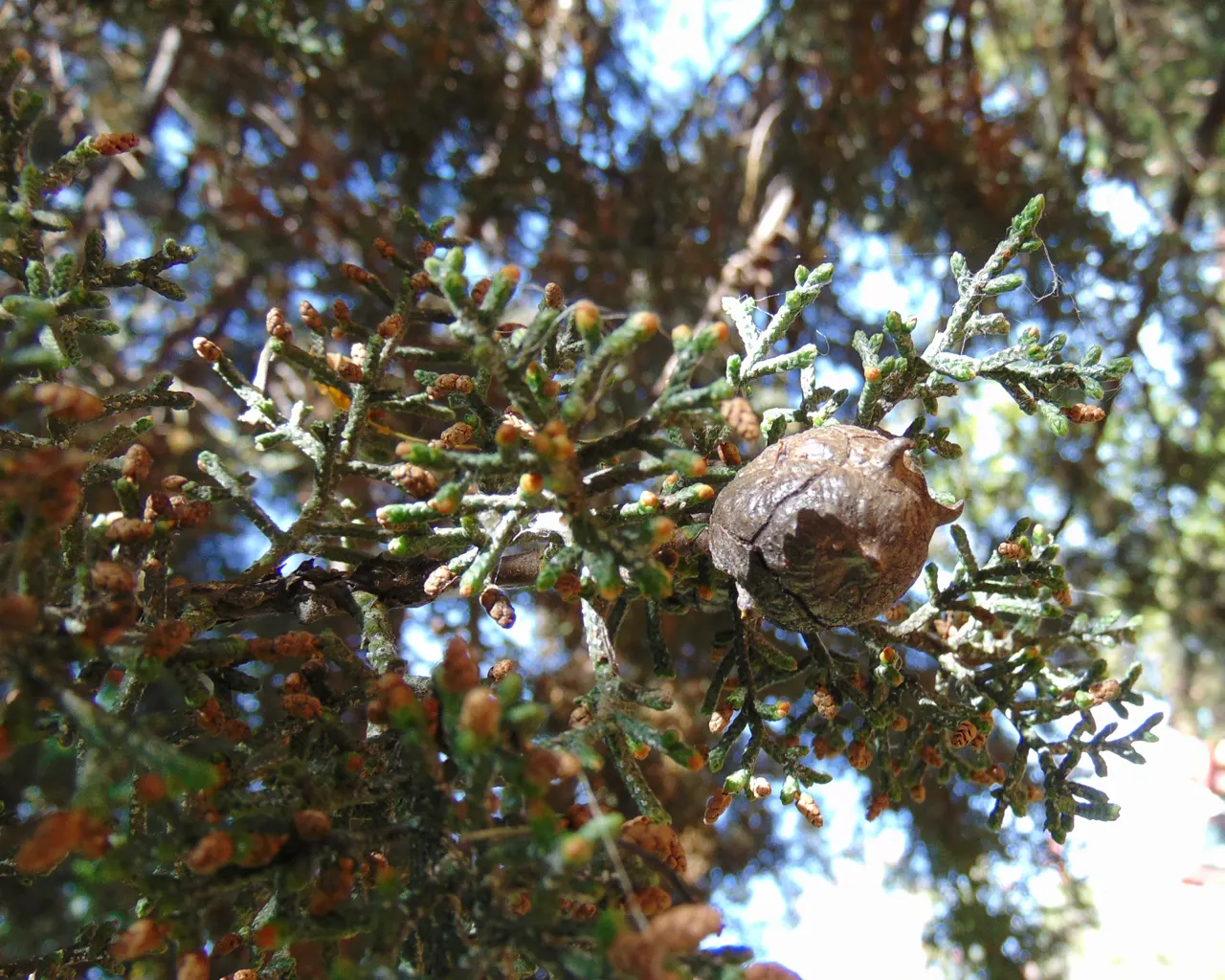
Red Cedar (Juniperus Virginiana) — Juniperus virginiana, commonly known as the Eastern Red Cedar, is a robust coniferous evergreen; this native tree thrives in
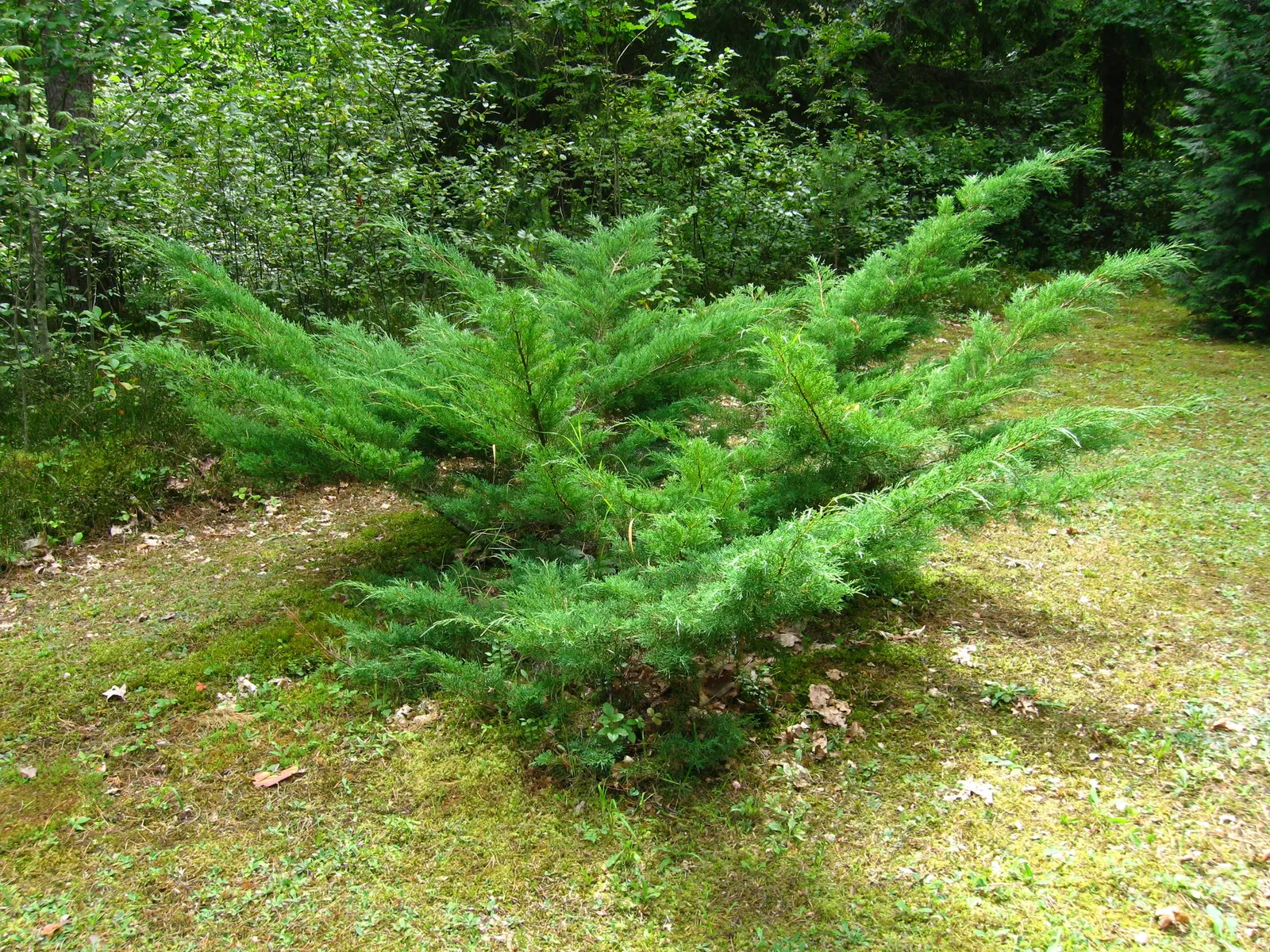
Red Cedar (Juniperus Virginiana) — consider providing sufficient space for the Red Cedar to expand to its full potential; symbolizing hardy adaptability to a
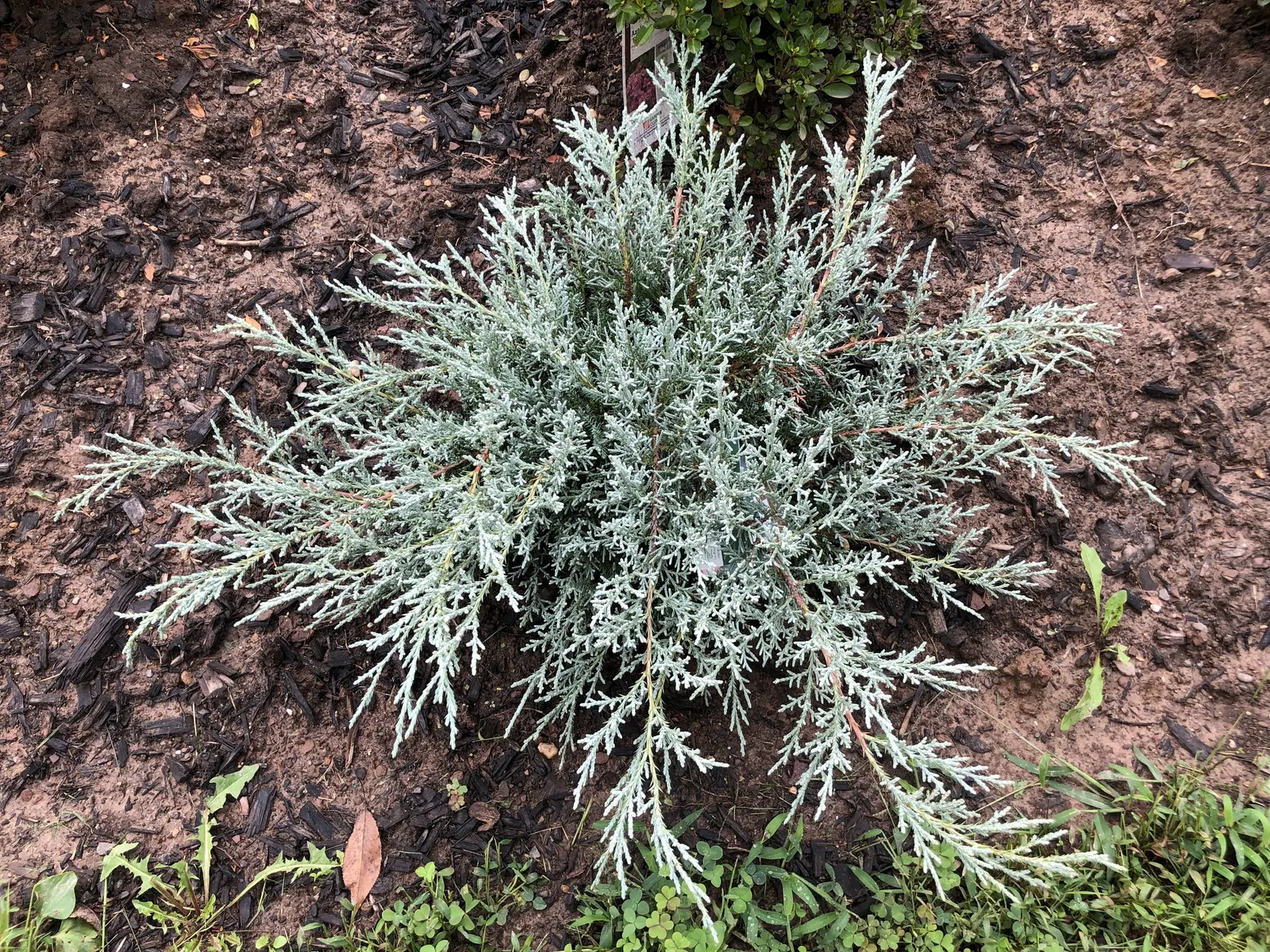
Red Cedar (Juniperus Virginiana) — thanks to its dense growth habit.<br><br>When planning; its berry-like cones attract wildlife, while withstanding poor soil
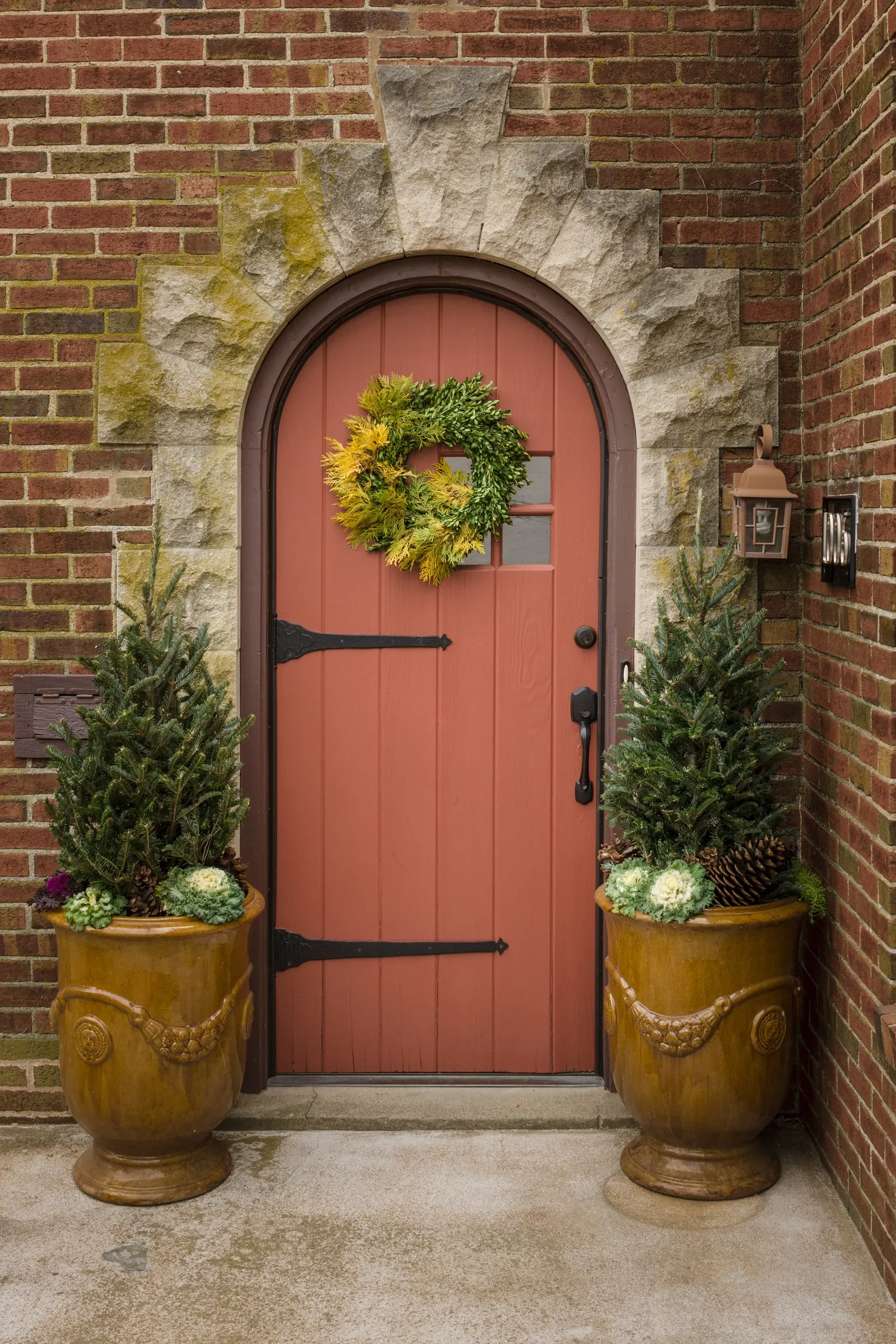
Red Cedar (Juniperus Virginiana) — Noteworthy is its ability to perform as a natural windbreak or privacy screen; consider providing sufficient space for the
Red Cedar (Juniperus Virginiana) — making it a versatile choice for diversified settings; contributing to the ecosystem-friendly aspect of the
Red Cedar (Juniperus Virginiana) — and it can endure conditions from occasional droughts to salt sprays; the Red Cedar can attain a mature height of 40 to 50
Red Cedar (Juniperus Virginiana) — tolerating a variety of soils from moist to dry; ideal for windbreaks and privacy screens with its resilient
Red Cedar (Juniperus Virginiana) — the Red Cedar is notably durable; as a tip, ensure the site offers full sun to partial shade for optimal growth
Red Cedar (Juniperus Virginiana) — contributing to the ecosystem-friendly aspect of the design.<br><br>As a landscape element; the Red Cedar is notably durable
Red Cedar (Juniperus Virginiana) — emerge after the inconspicuous spring blooming; providing stately vertical accents along with a handsome
Red Cedar (Juniperus Virginiana) — During the winter, the foliage may develop bronze-toned highlights, adding seasonal interest; commonly referred to as the
Red Cedar (Juniperus Virginiana) — silver-green hue all year long; conifer / tree for full
Red Cedar (Juniperus Virginiana) — scale-like needles which impart a deep; tolerating a variety of soils from moist to dry
Red Cedar (Juniperus Virginiana) — dense pyramidal to columnar form.<br><br>Its foliage showcases fine-textured, image 44
Red Cedar (Juniperus Virginiana) — providing stately vertical accents along with a handsome; is a coniferous evergreen that offers robust character to any
Red Cedar (Juniperus Virginiana) — The Red Cedar can attain a mature height of 40 to 50 feet with a spread of 8 to 20 feet; juniperus virginiana, commonly
Red Cedar (Juniperus Virginiana) — symbolizing hardy adaptability to a wide range of climates; and it can endure conditions from occasional droughts to salt
Red Cedar (Juniperus Virginiana) — where it thrives in hardiness zones 2 through 9; scale-like needles which impart a deep
Red Cedar (Juniperus Virginiana) — This species is native to the eastern United States; combining both ornamental appeal and practicality
Red Cedar (Juniperus Virginiana) — combining both ornamental appeal and practicality; aromatic foliage and a conical to columnar shape
Red Cedar (Juniperus Virginiana) — is a coniferous evergreen that offers robust character to any landscape design; making it a versatile choice for diversified
Red Cedar (Juniperus Virginiana) — commonly referred to as the Eastern Red Cedar; silver-green hue all year long
Red Cedar (Juniperus Virginiana) — Ideal for windbreaks and privacy screens with its resilient, low-maintenance character; this species is native to the
Red Cedar (Juniperus Virginiana) — Its berry-like cones attract wildlife, while withstanding poor soil and drought; maturing at 30-65 feet tall and 8-25 feet

Related plants