Skip to content

Rocky Mountain Juniper

Juniperus Scopulorum

Design with this plant

Overview

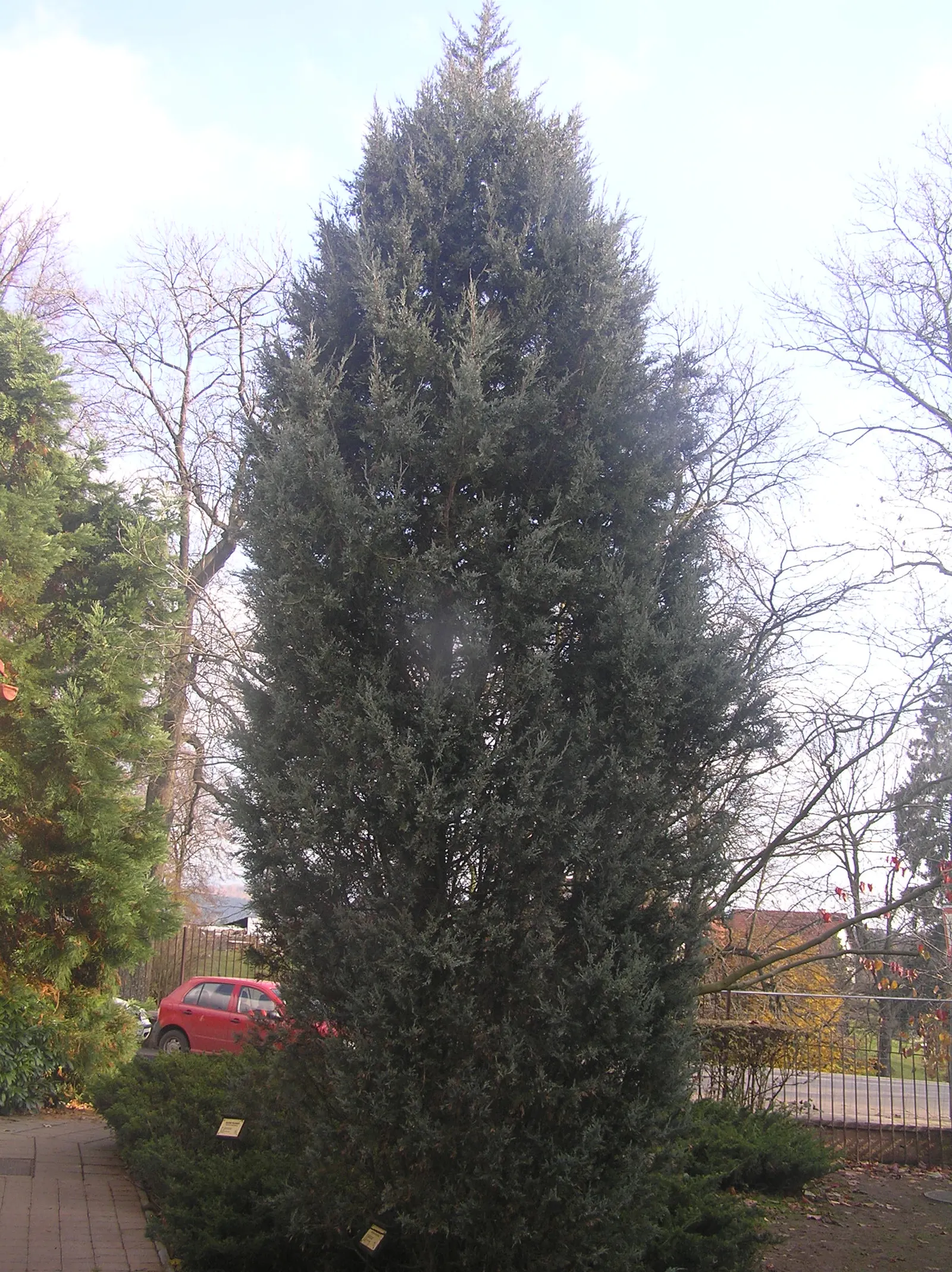
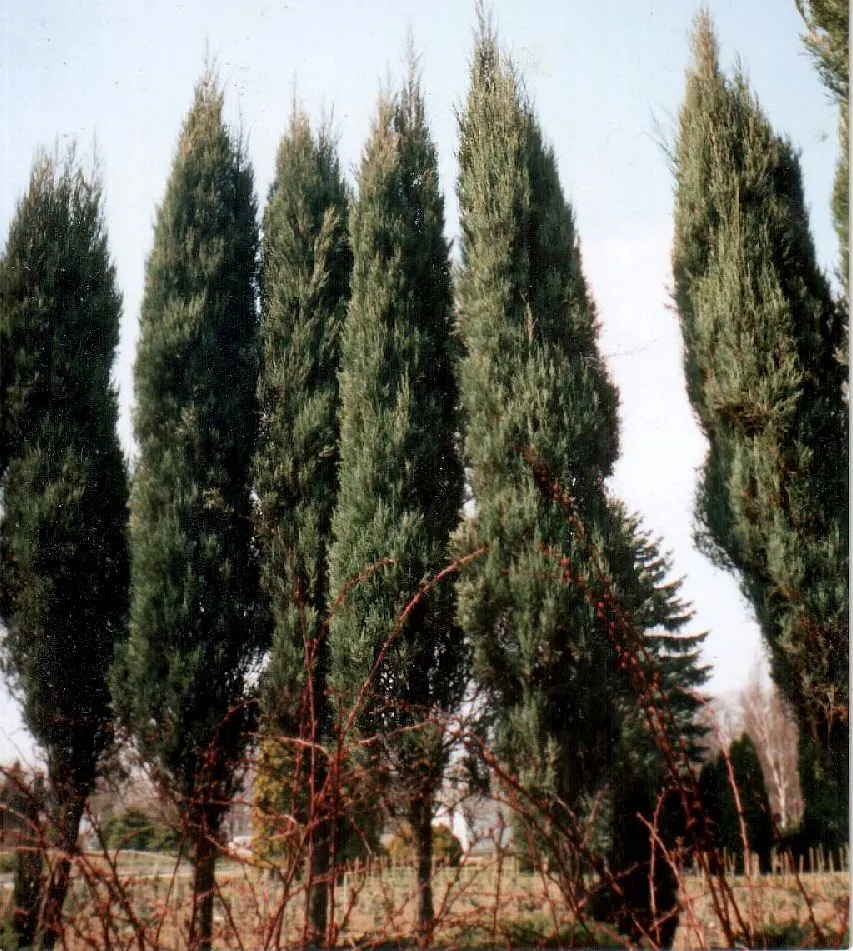
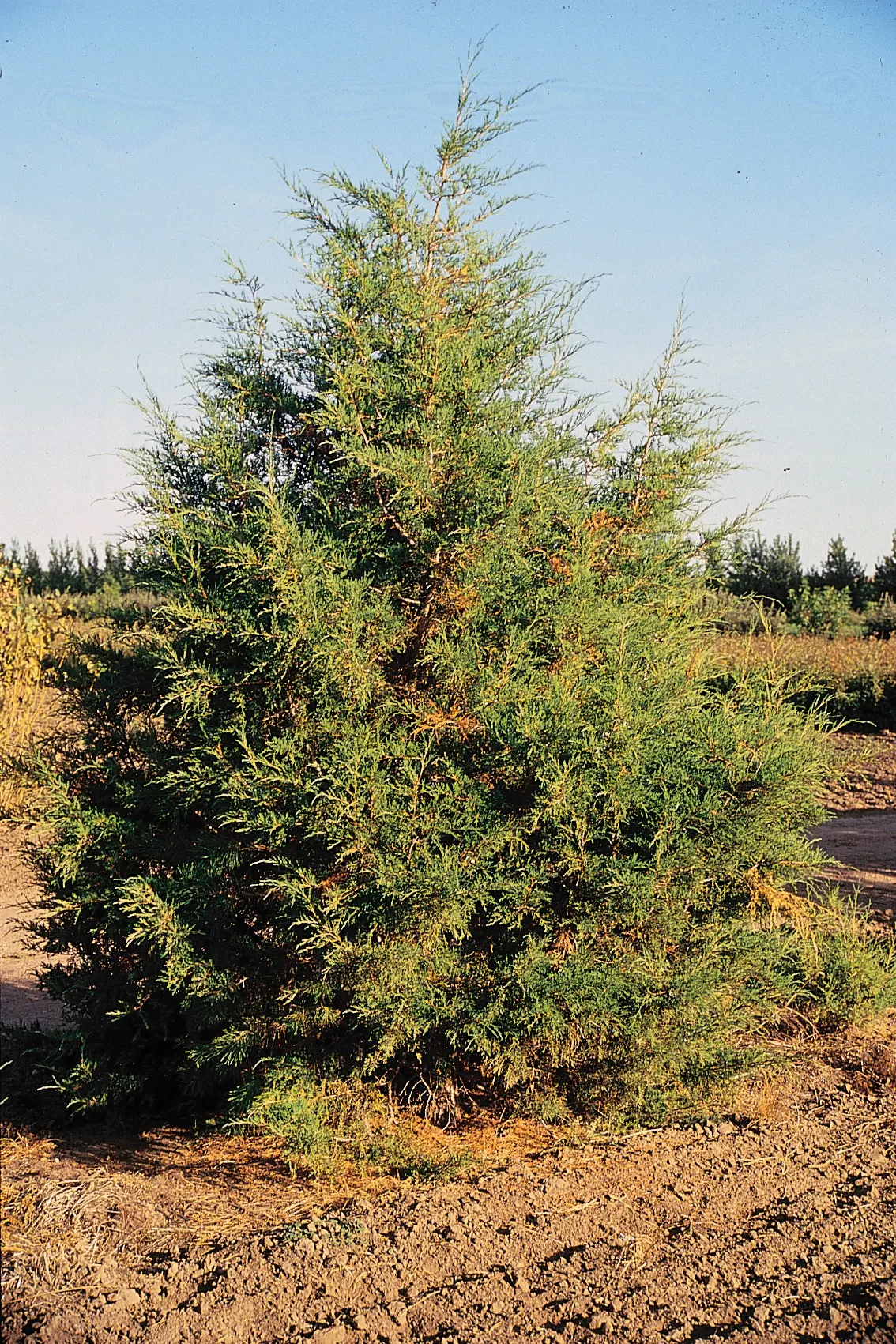
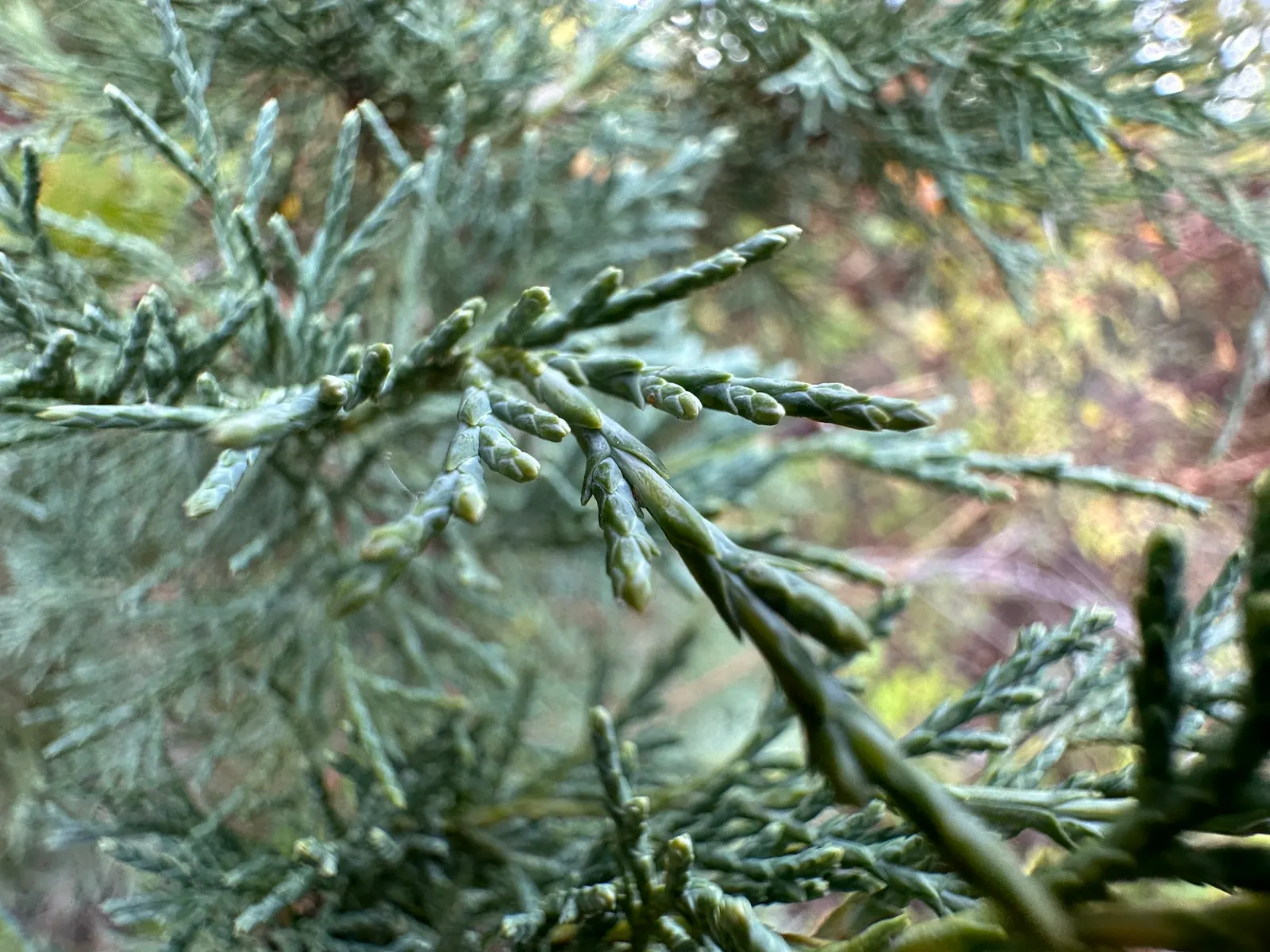
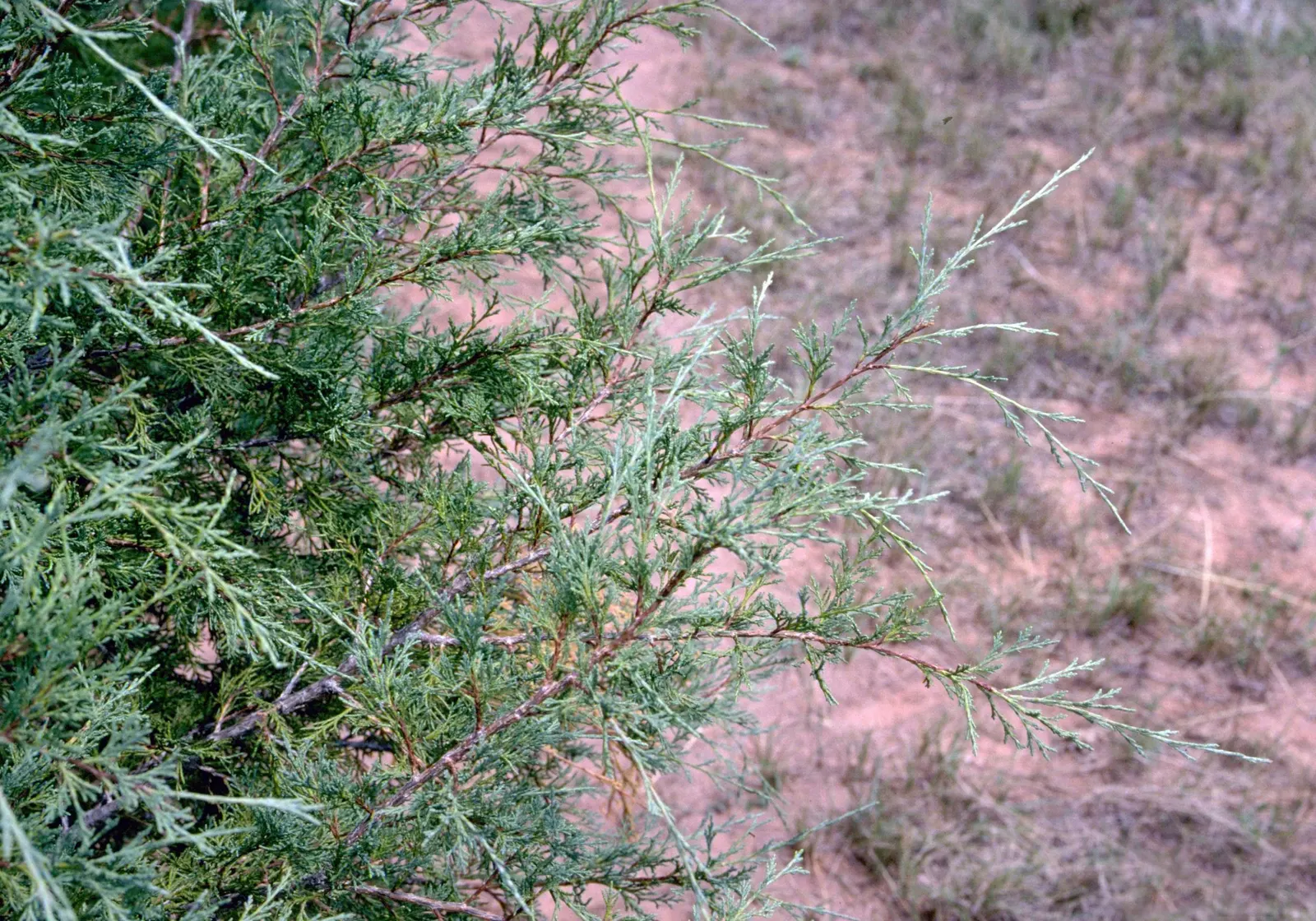
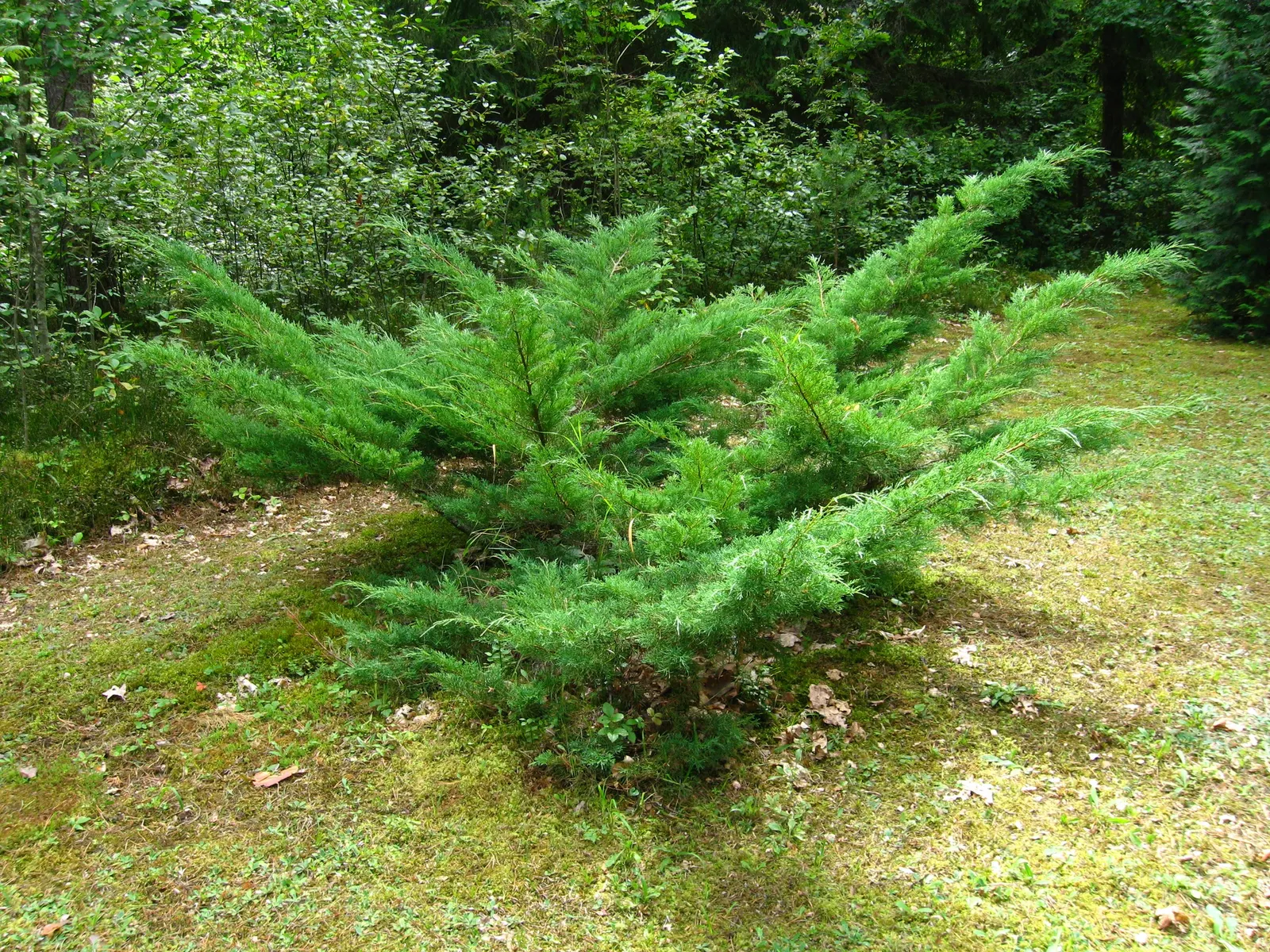
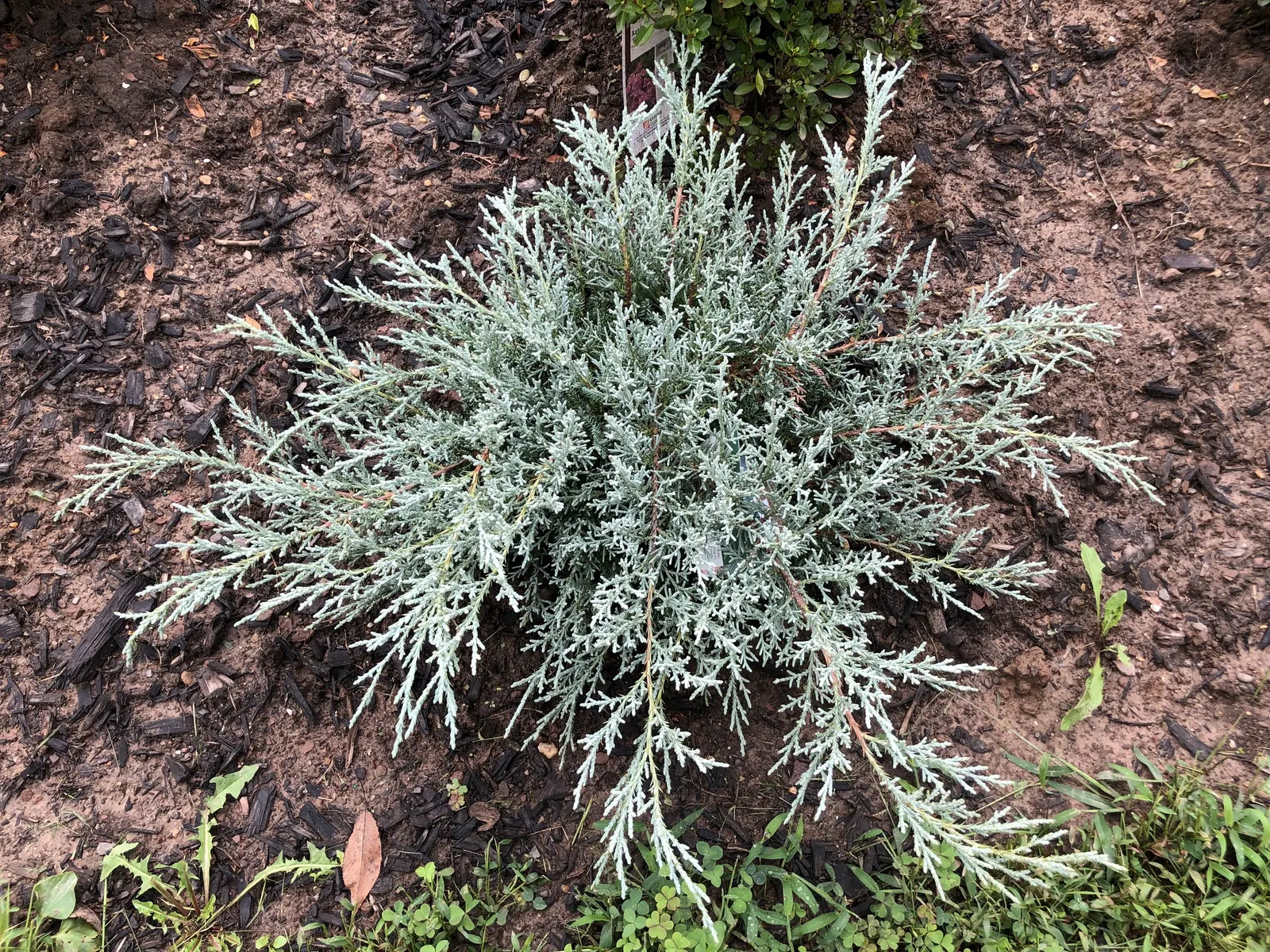
The Rocky Mountain Juniper (Juniperus scopulorum) is a resilient evergreen that adorns the landscape with a conical to columnar shape, reaching heights of 30-40 feet and spreads up to 3-15 feet. Its dense, silvery-blue needles and berry-like, bluish cones enhance year-round interest. Ideal for windbreaks and privacy screens, this drought-tolerant native thrives in USDA zones 3-7, preferring full sun and well-drained soils.

Sun FullWater LowZones 4–11Type Conifer, TreeClimate Alpine, Temperate
Rocky Mountain Juniper (Juniperus Scopulorum) — This color palette serves to add a calming yet stately tone to any garden design

Culture

Sun
Full
Water
Low
USDA zones
4–11

Shape & size

Classification

Type
Conifer, Tree
Family
Cupressaceae
Climate
Alpine, Temperate

See full data, regional cultivation notes, and design tools. Build a client presentation around this plant.

Start your 14-day trial

Photos (73)

Rocky Mountain Juniper (Juniperus Scopulorum) — This color palette serves to add a calming yet stately tone to any garden design; becoming more
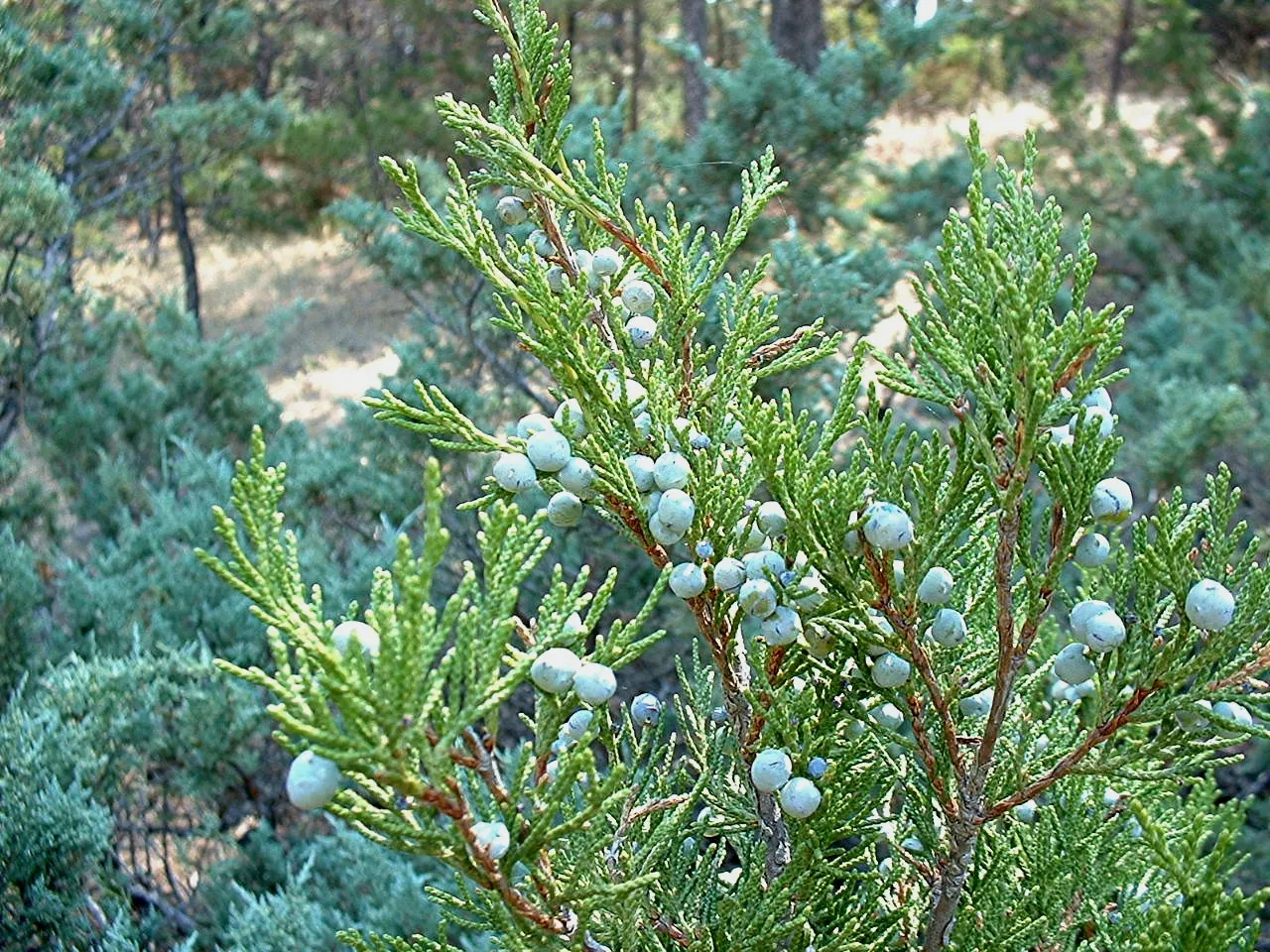
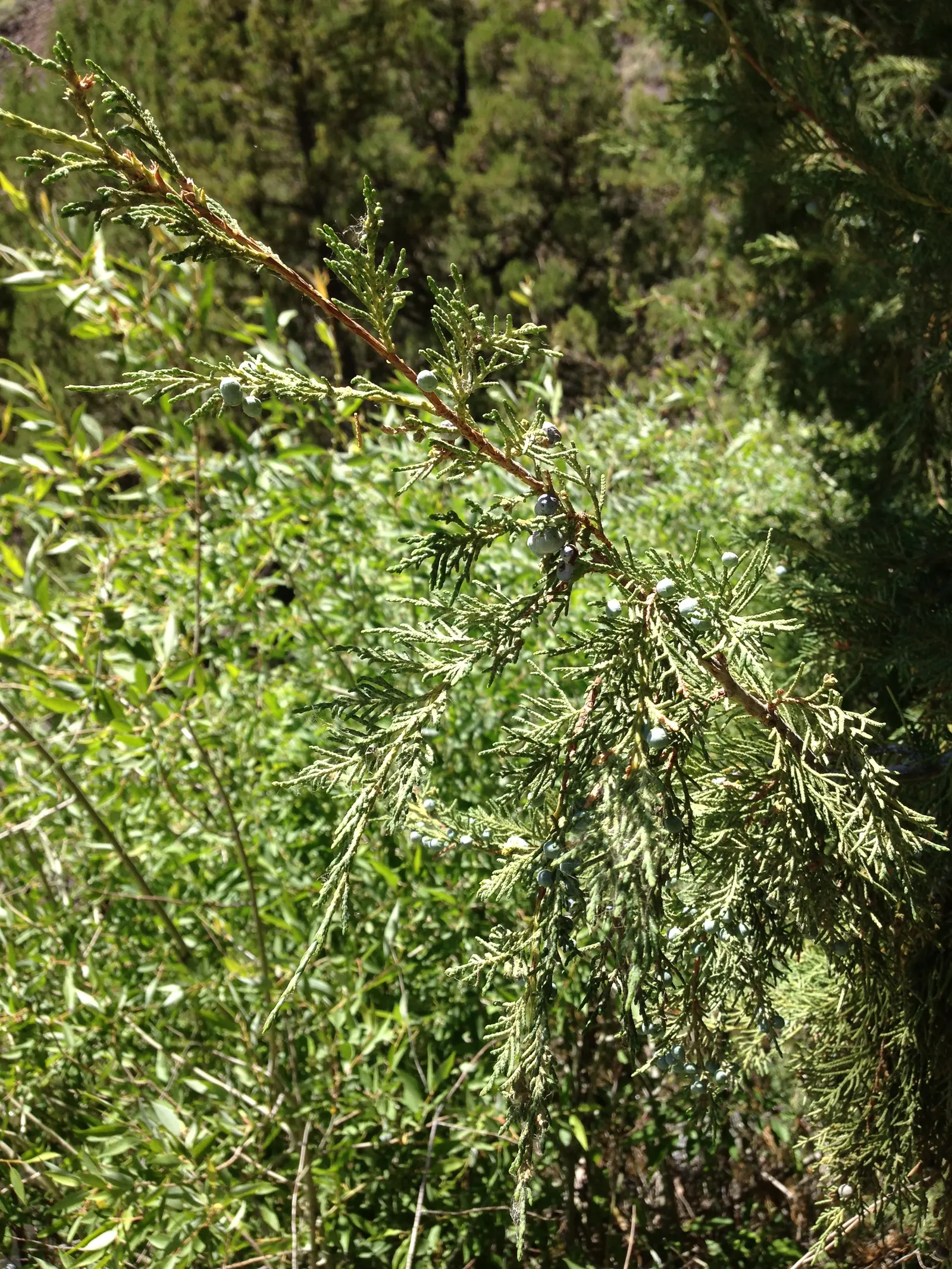
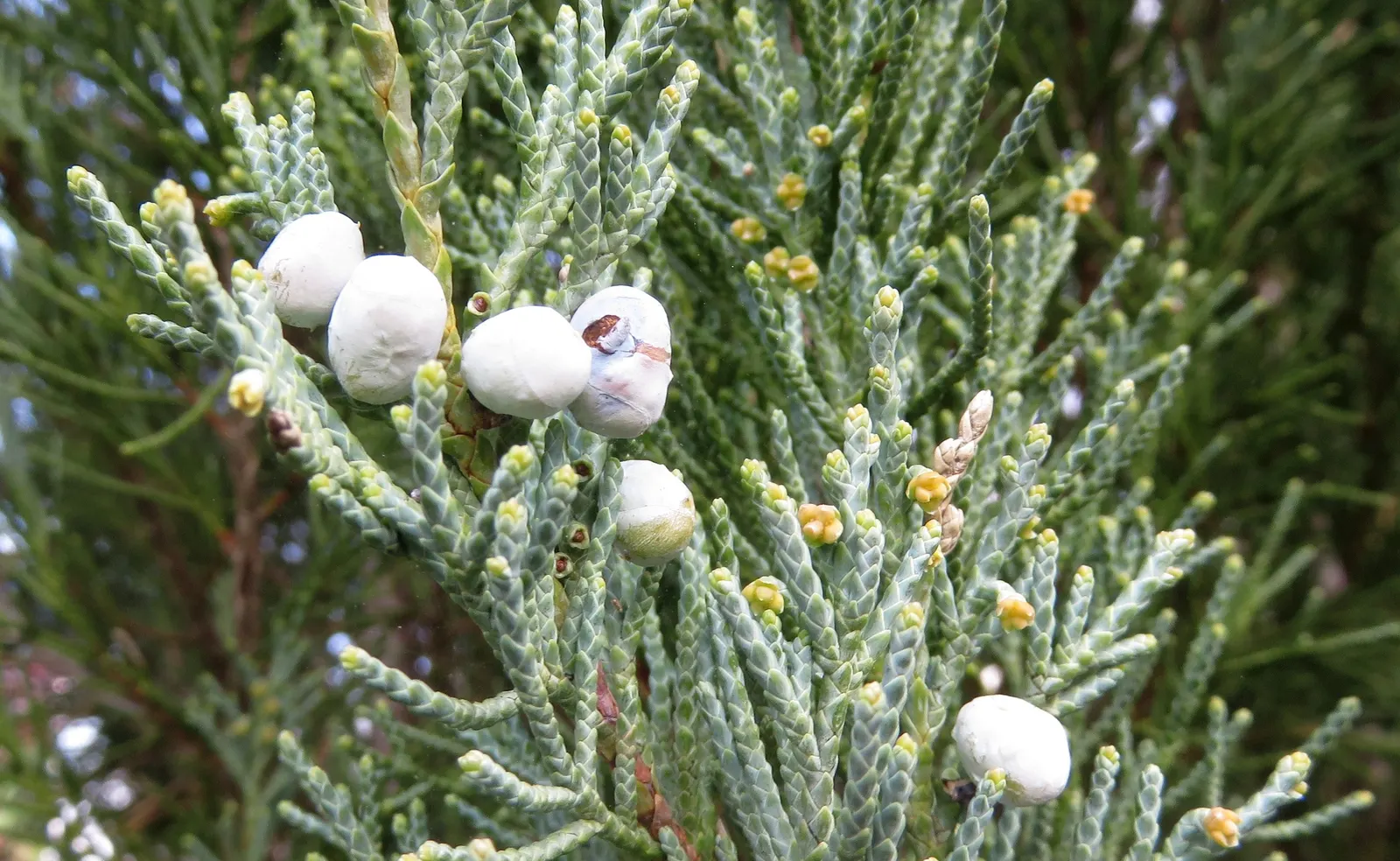
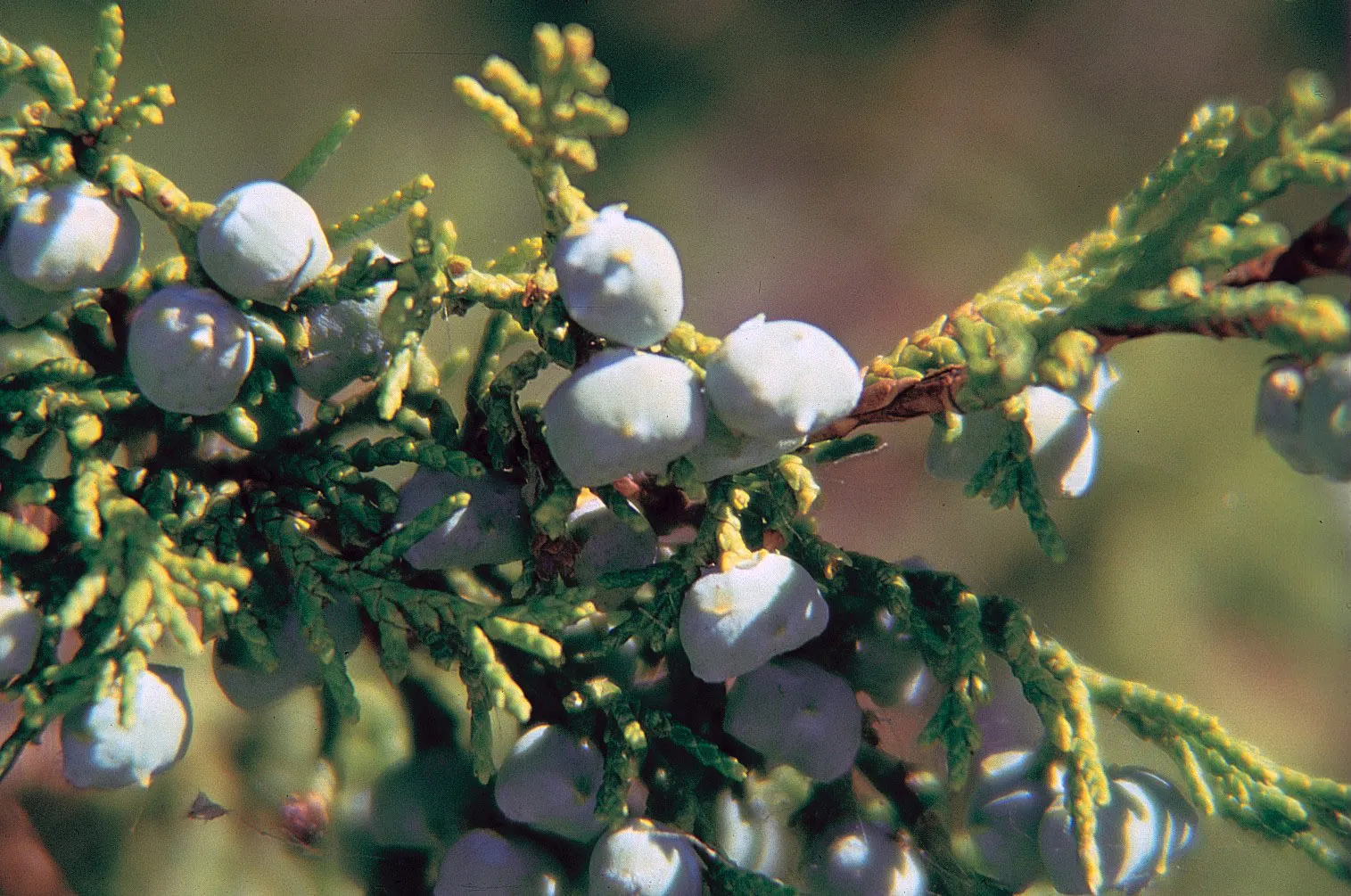
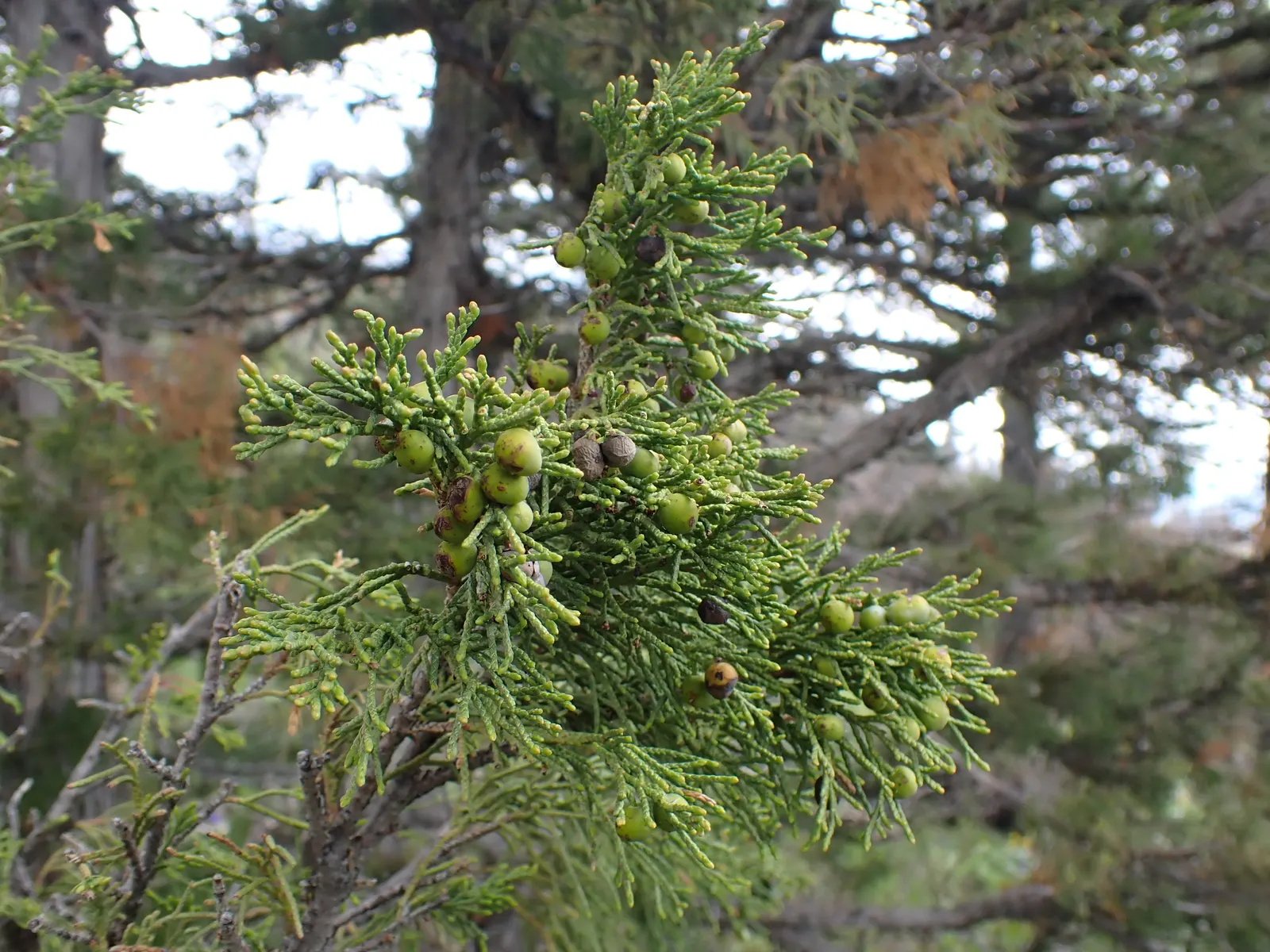
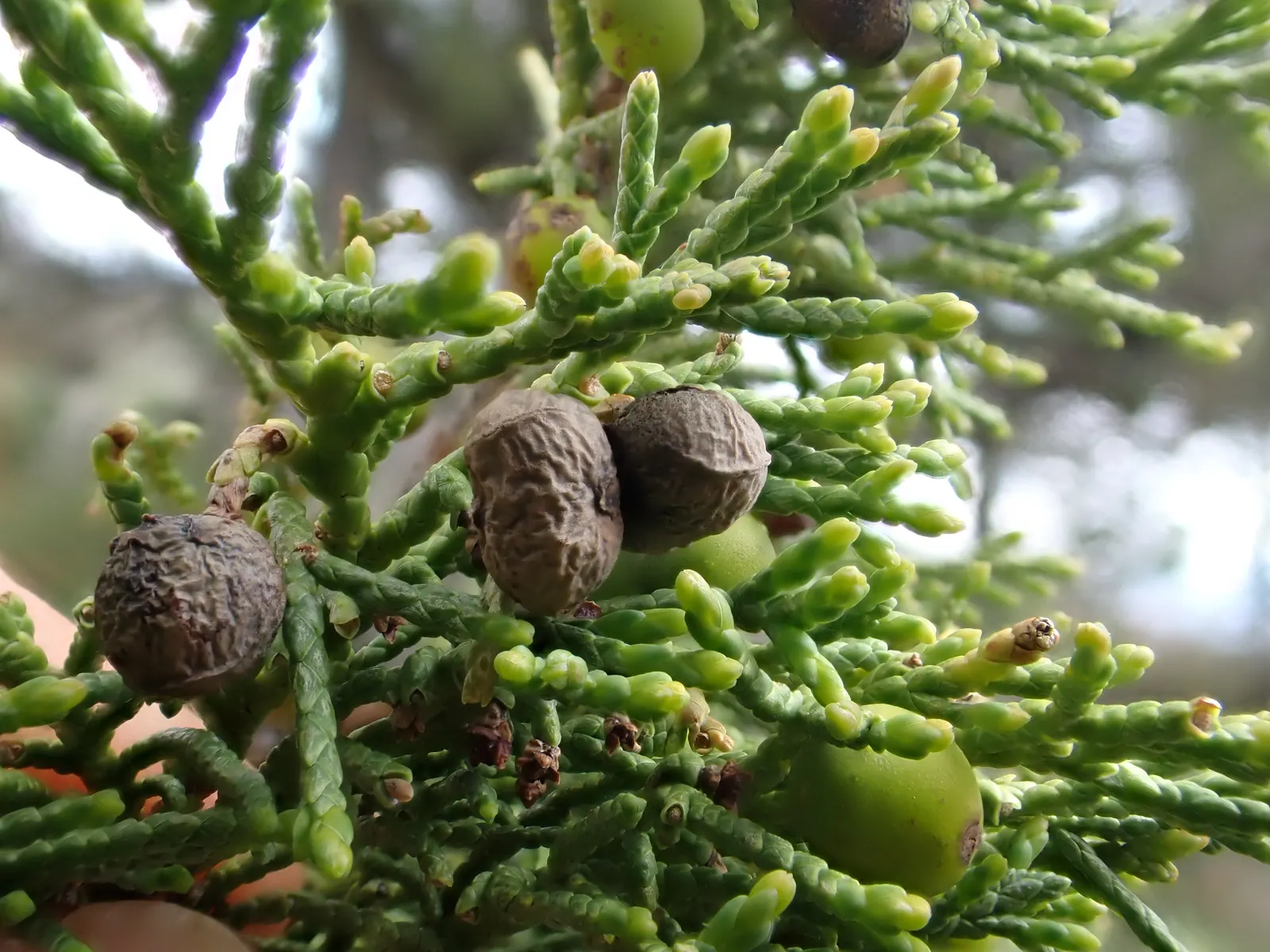
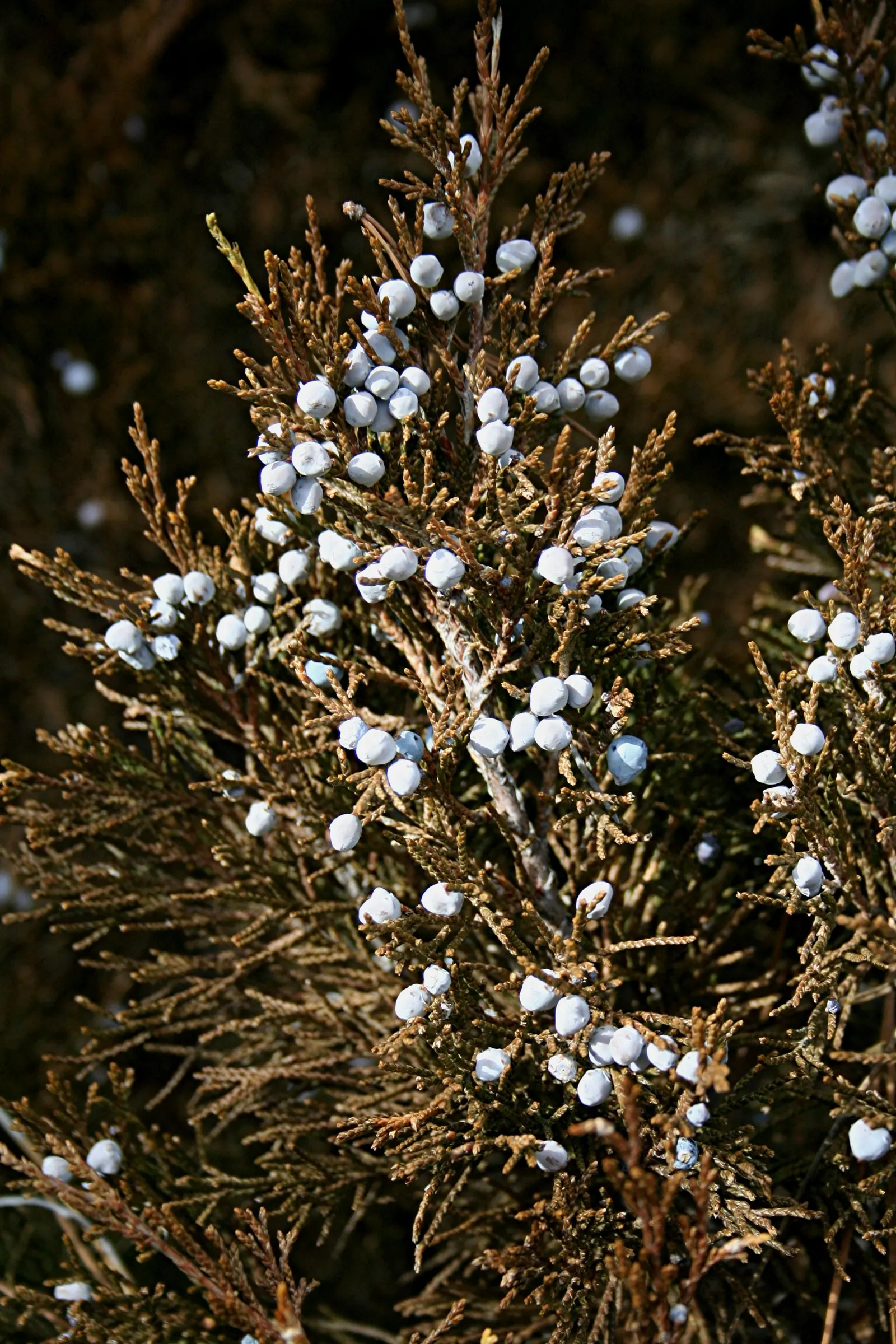
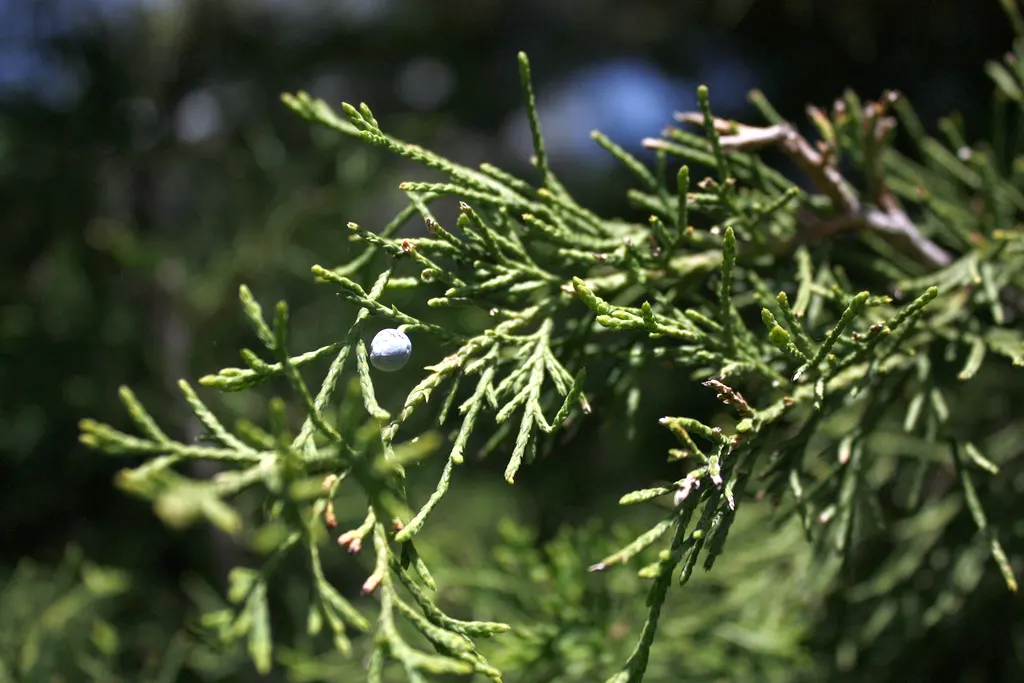
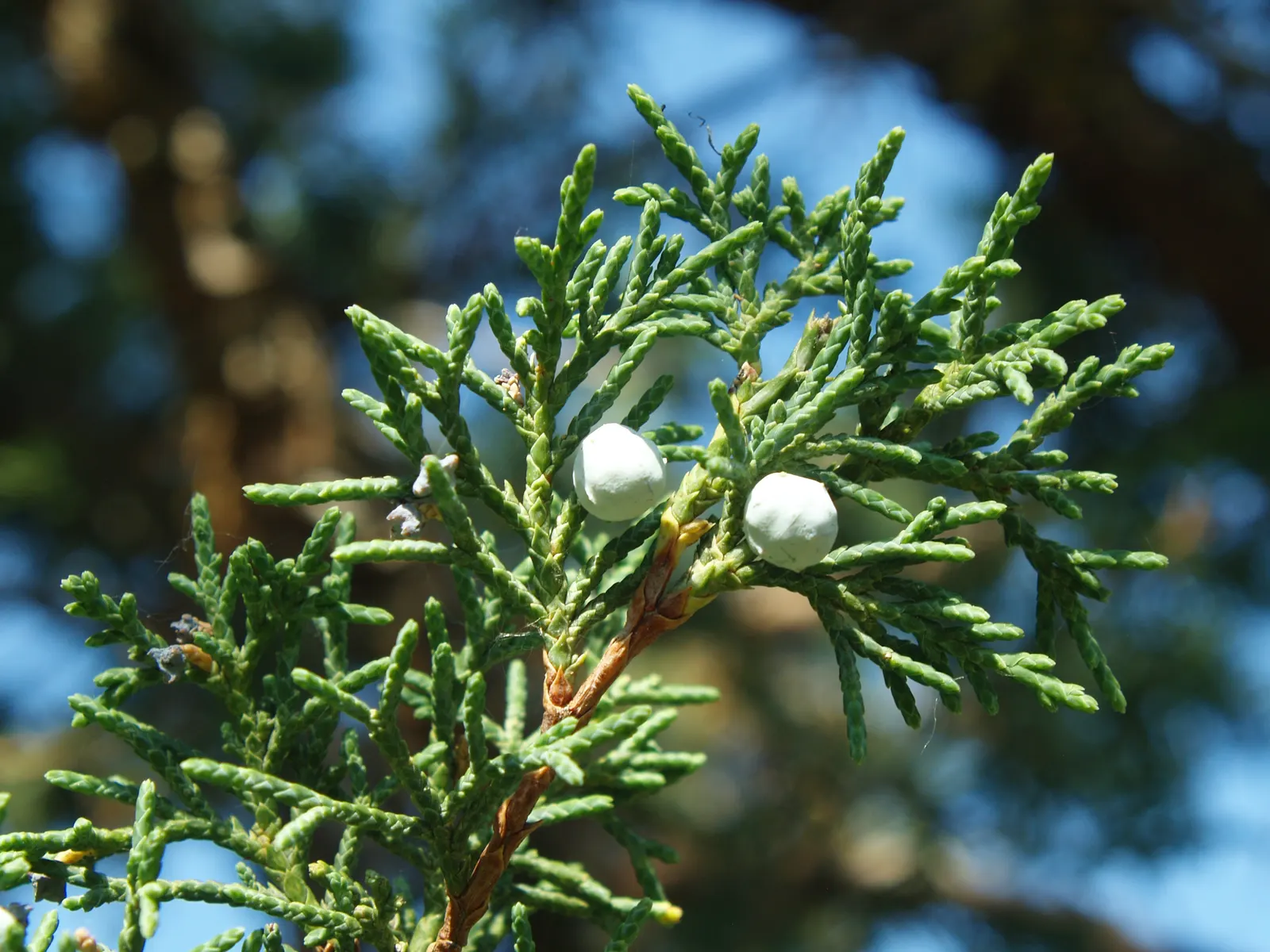
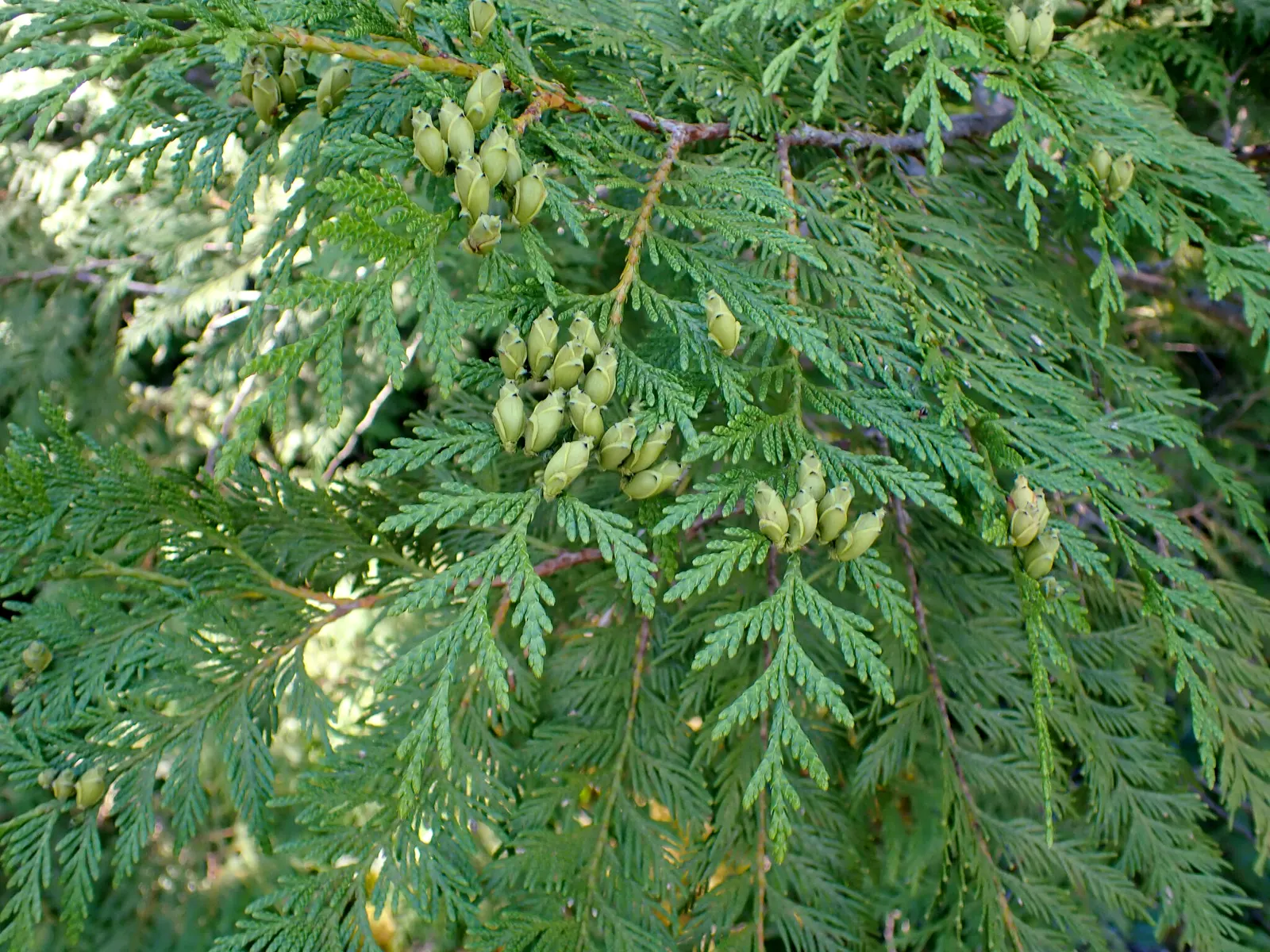
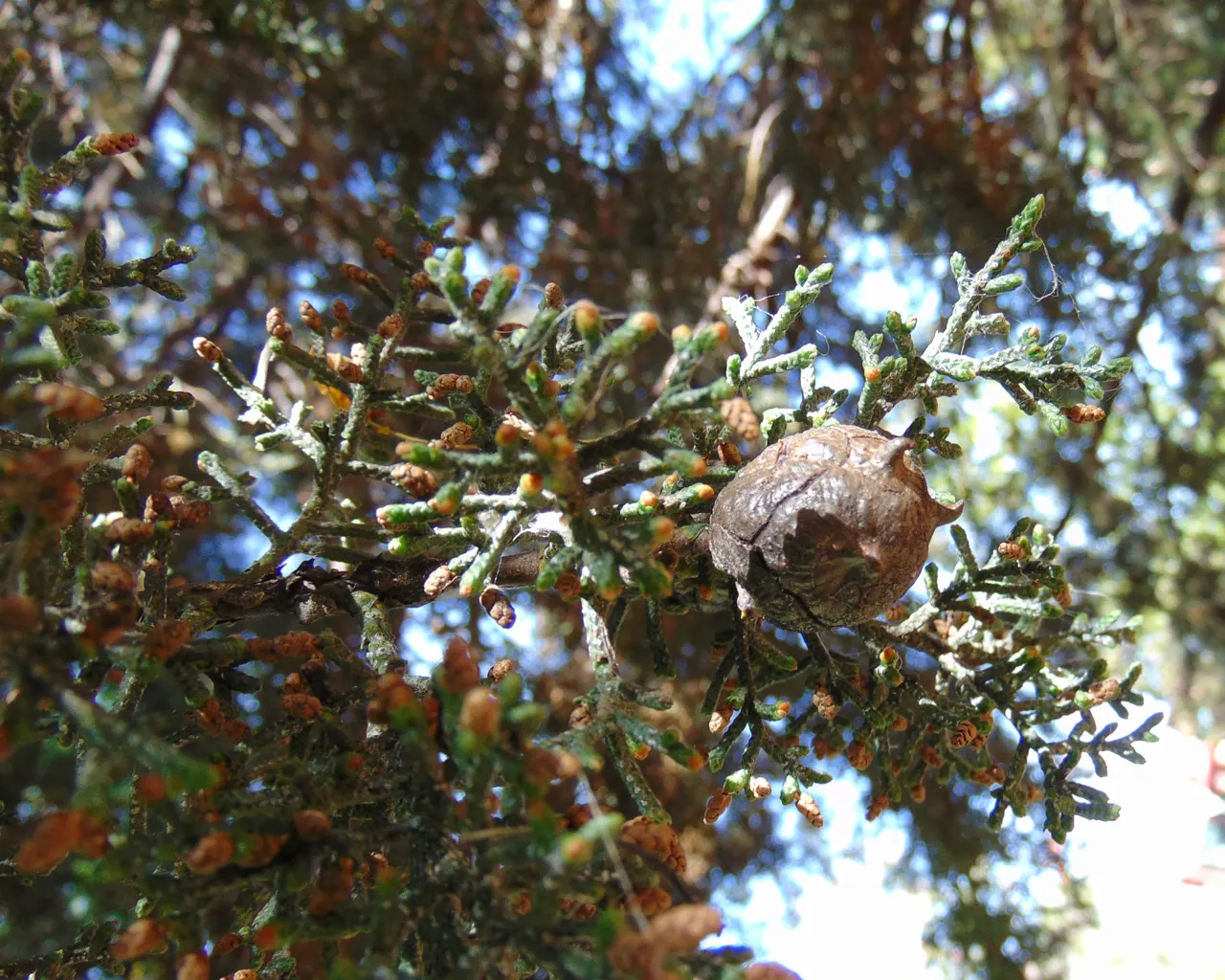
Rocky Mountain Juniper (Juniperus Scopulorum) — the juniper produces berry-like cones; its dense, silvery-blue needles and berry-like, bluish cones enhance
Rocky Mountain Juniper (Juniperus Scopulorum) — This species is highly valued in landscape design for its robust nature and aesthetic appeal; ideal for
Rocky Mountain Juniper (Juniperus Scopulorum) — the Rocky Mountain Juniper is an excellent choice for water-wise landscapes
Rocky Mountain Juniper (Juniperus Scopulorum) — becoming more drought-tolerant and pest-resistant in proper conditions
Rocky Mountain Juniper (Juniperus Scopulorum) — this drought-tolerant native thrives in USDA zones 3-7
Rocky Mountain Juniper (Juniperus Scopulorum) — Regular pruning is not necessary but
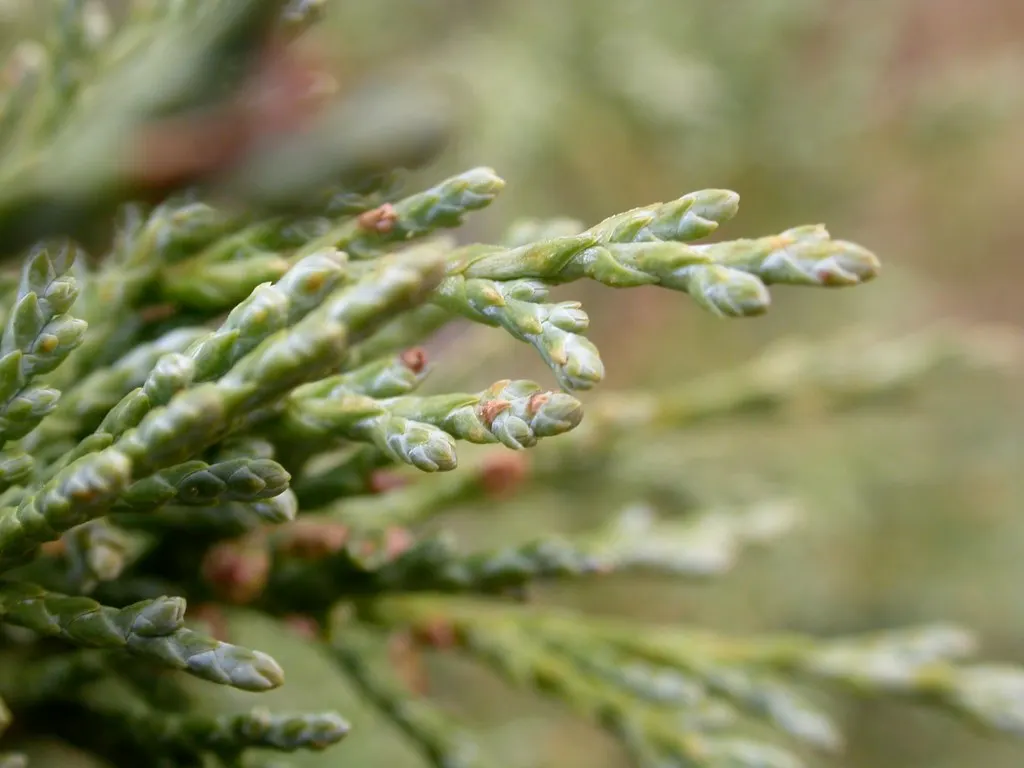
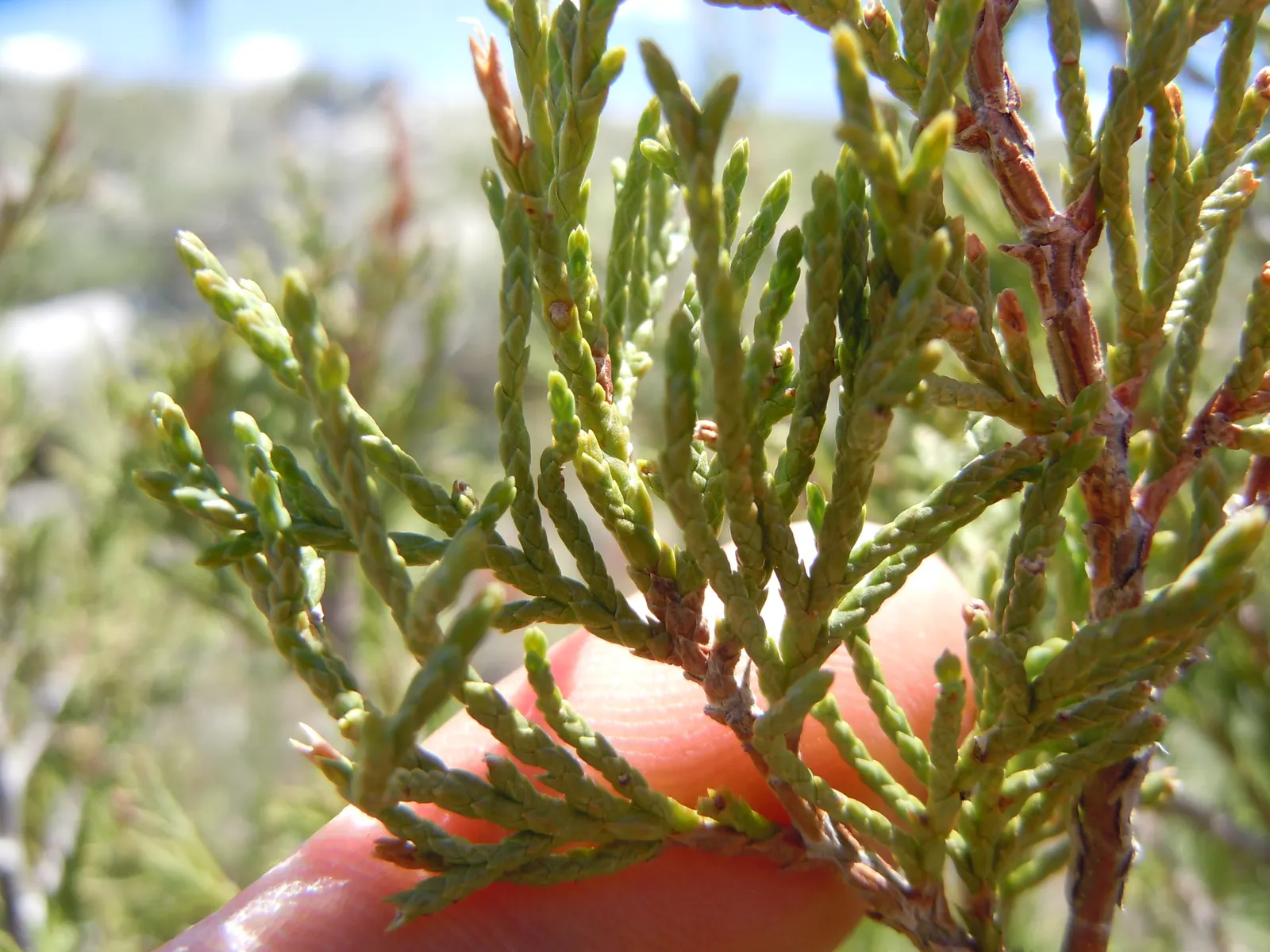
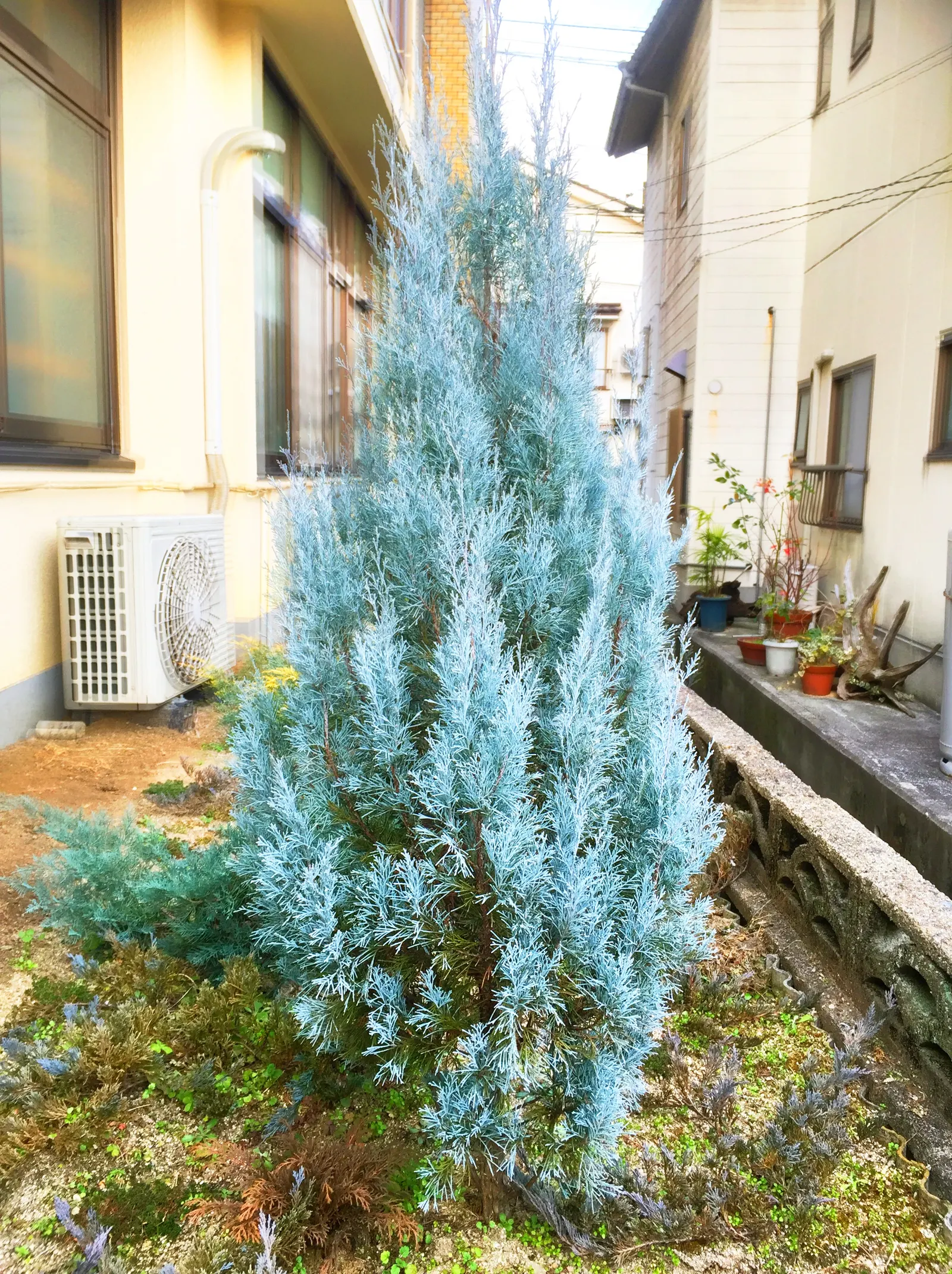
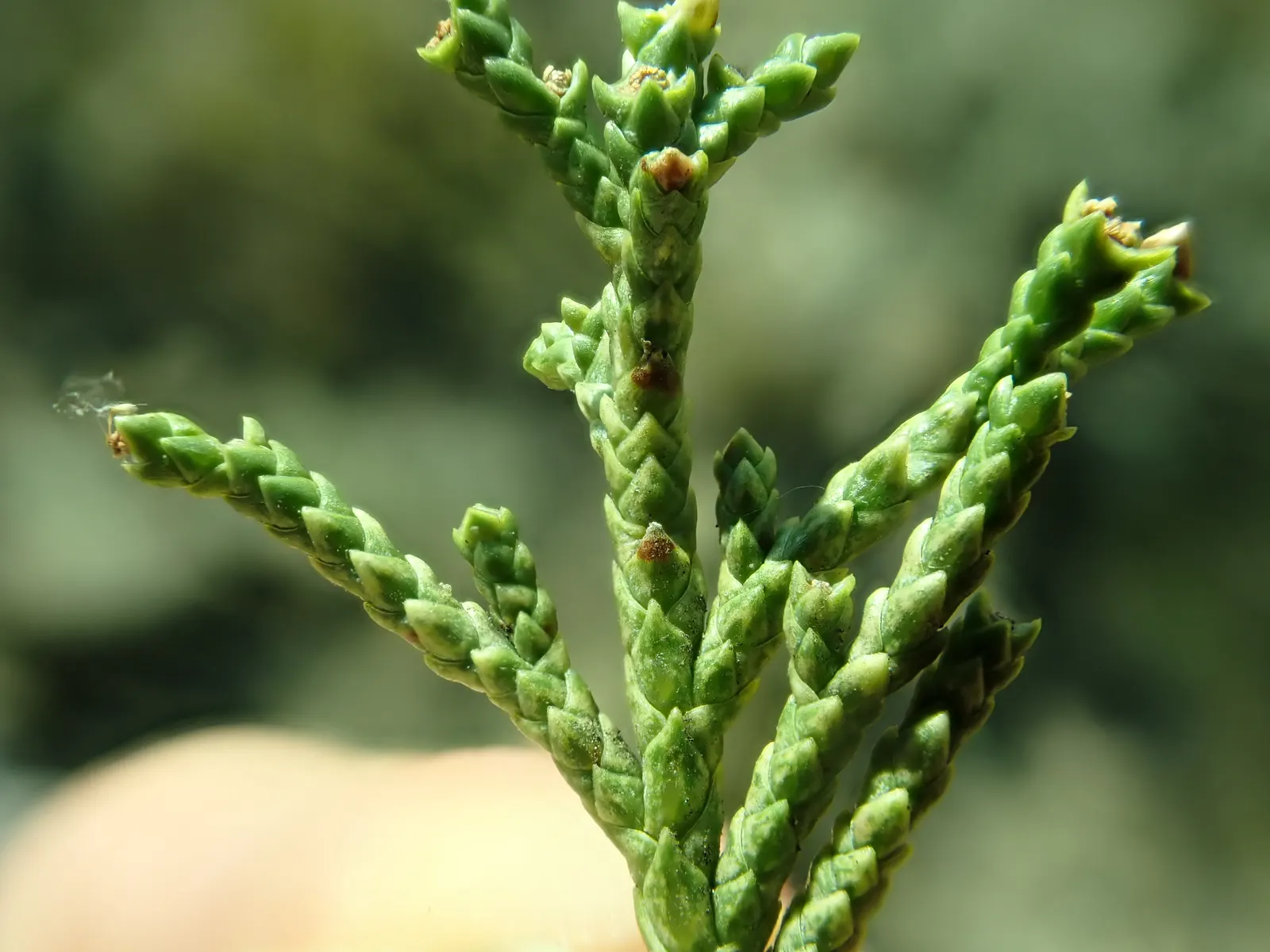
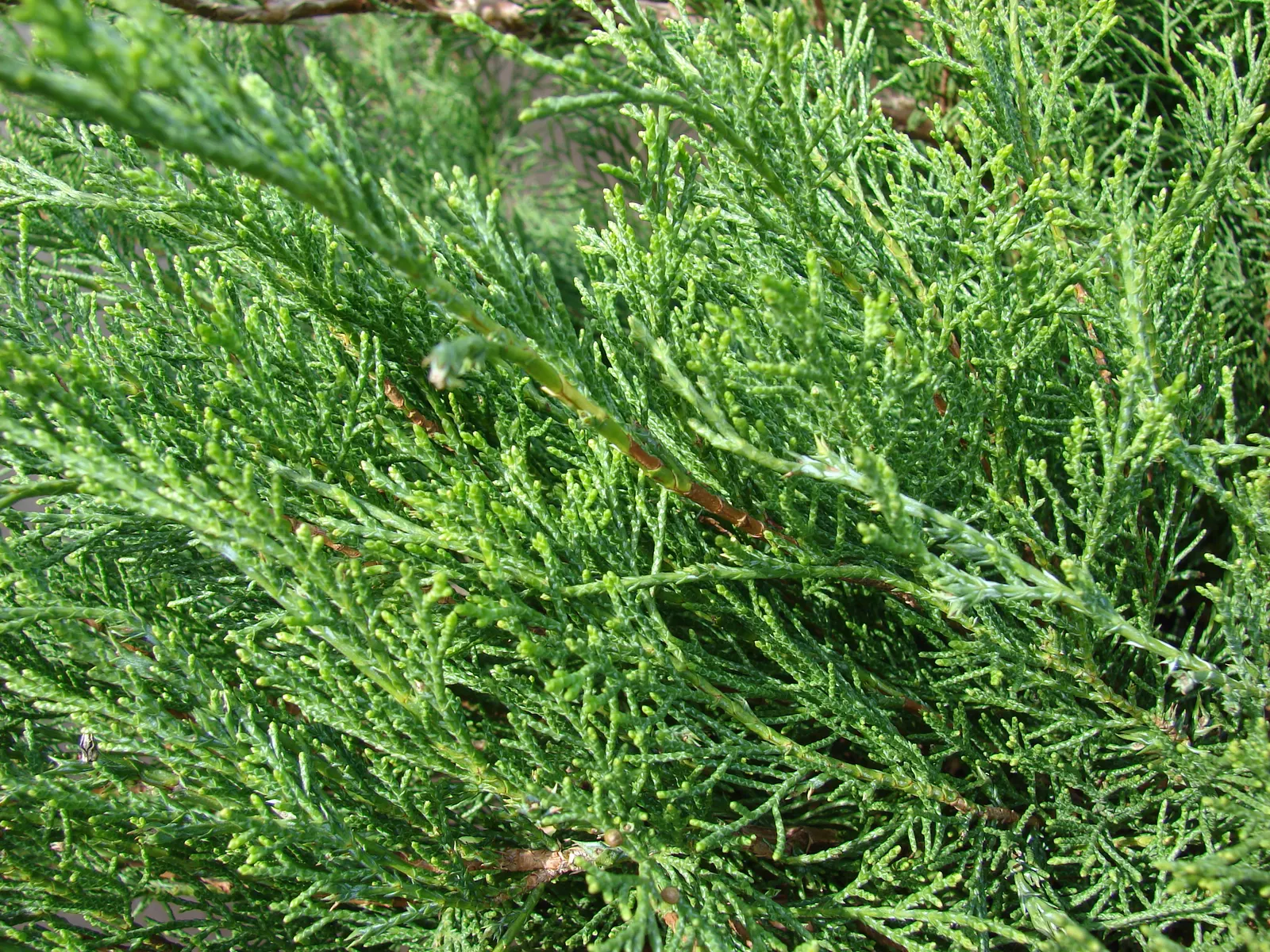
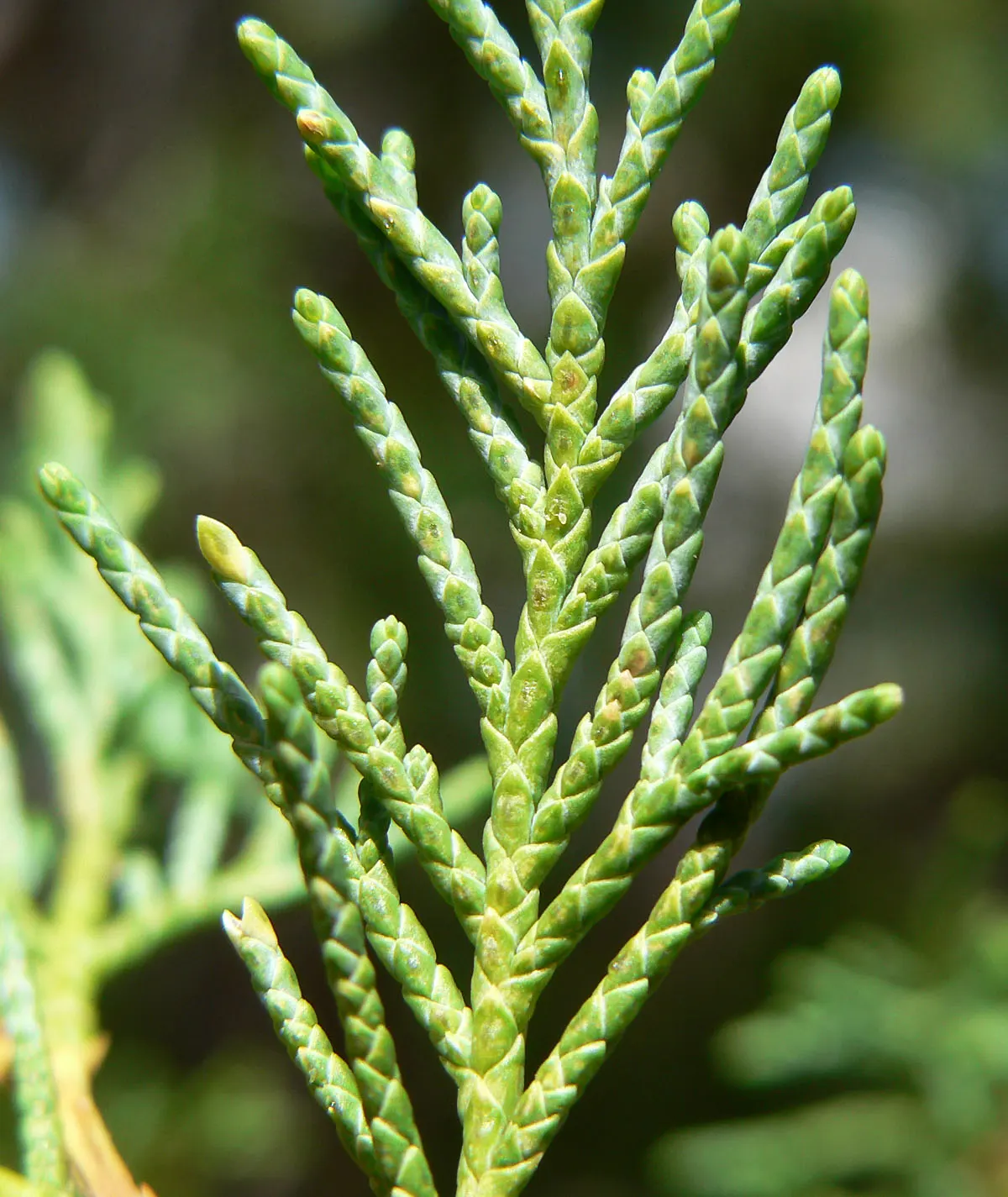
Rocky Mountain Juniper (Juniperus Scopulorum) — scale-like foliage ranging in color from blue-green to a silvery hue, image 38
Rocky Mountain Juniper (Juniperus Scopulorum) — reaching heights of 30-40 feet and spreads up to 3-15 feet; this drought-tolerant native thrives in USDA zones
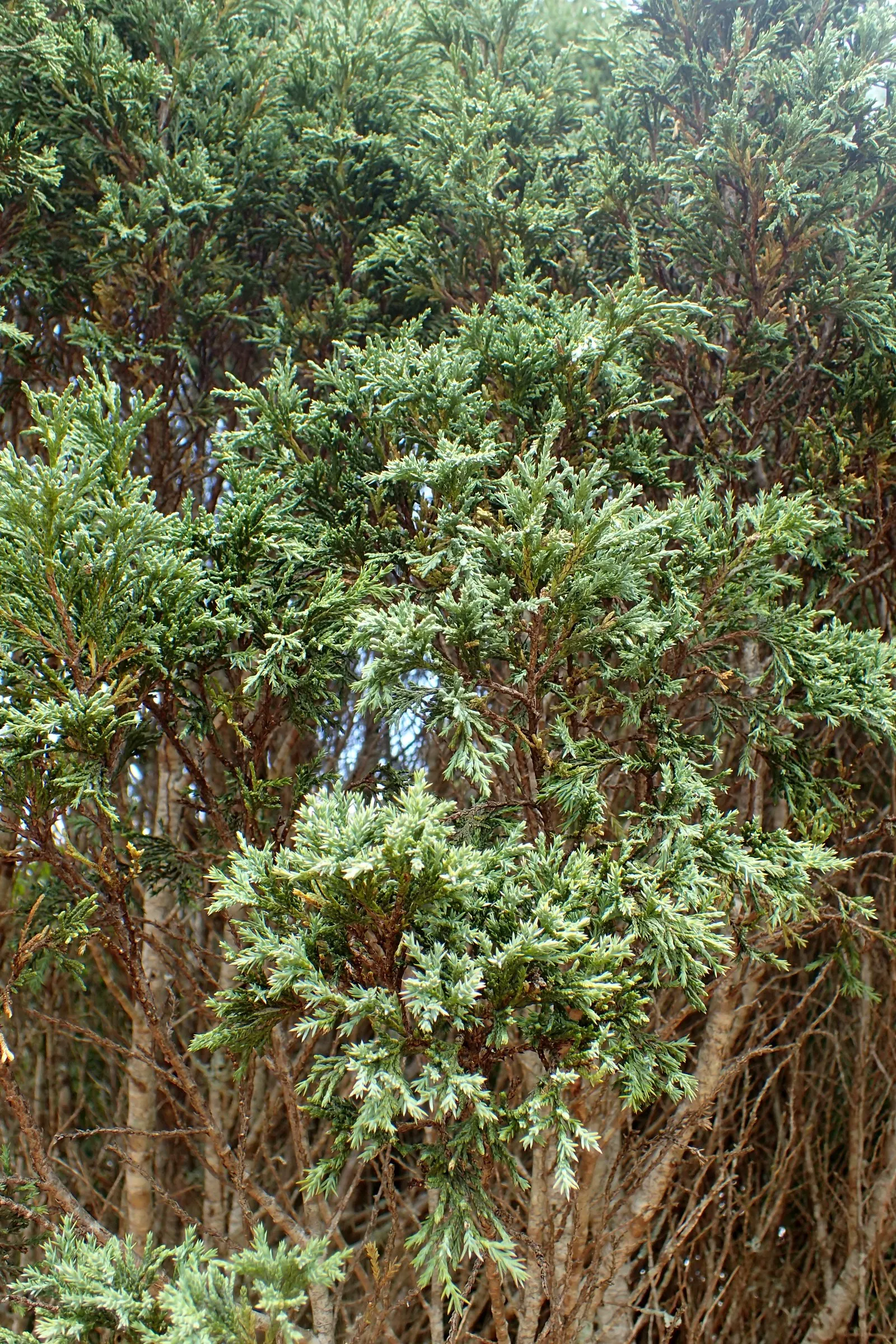
Rocky Mountain Juniper (Juniperus Scopulorum) — scale-like foliage ranging in color from blue-green to a silvery hue
Rocky Mountain Juniper (Juniperus Scopulorum) — scientifically named Juniperus scopulorum; this color palette serves to add a calming yet stately tone to any
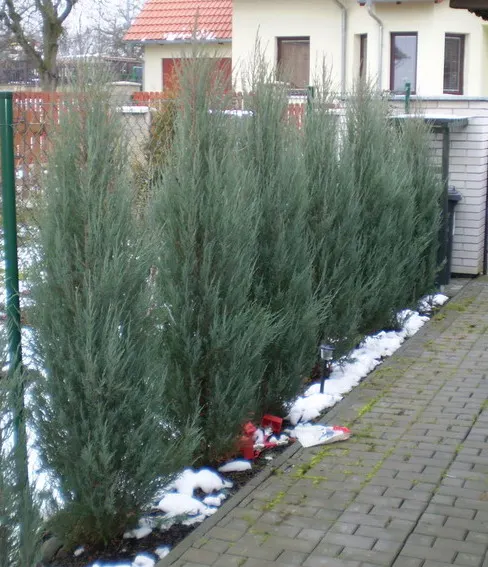
Rocky Mountain Juniper (Juniperus Scopulorum) — Ideal for windbreaks and privacy screens; the Rocky Mountain Juniper is an excellent choice for, image 53
Rocky Mountain Juniper (Juniperus Scopulorum) — With a slow to moderate growth rate
Rocky Mountain Juniper (Juniperus Scopulorum) — It prefers well-drained soils and full sun to partial shade; preferring full sun and well-drained soils
Rocky Mountain Juniper (Juniperus Scopulorum) — With a slow to moderate growth rate; it matures to a height of approximately 30 to 40 feet with a spread of 3
Rocky Mountain Juniper (Juniperus Scopulorum) — This species is highly valued in landscape design for its robust nature and aesthetic appeal
Rocky Mountain Juniper (Juniperus Scopulorum) — becoming more drought-tolerant and pest-resistant in proper conditions; the Rocky Mountain Juniper features
Rocky Mountain Juniper (Juniperus Scopulorum) — shaping can be done to maintain its size and maintain aesthetics
Rocky Mountain Juniper (Juniperus Scopulorum) — the Rocky Mountain Juniper features attractive
Rocky Mountain Juniper (Juniperus Scopulorum) — commonly called juniper berries; with a slow to moderate growth rate
Rocky Mountain Juniper (Juniperus Scopulorum) — Ideal for windbreaks and privacy screens; the Rocky Mountain Juniper is an excellent choice for water-wise
Rocky Mountain Juniper (Juniperus Scopulorum) — shaping can be done to maintain its size and maintain aesthetics; the juniper produces berry-like cones
Rocky Mountain Juniper (Juniperus Scopulorum) — conifer / tree for full; making it a versatile component in the garden
Rocky Mountain Juniper (Juniperus Scopulorum) — preferring full sun and well-drained soils; evergreen conifer endemic to the western United States
Photographs by 11 contributors

Related plants