Skip to content

Poverty Rush

Juncus Tenuis

Design with this plant

Overview

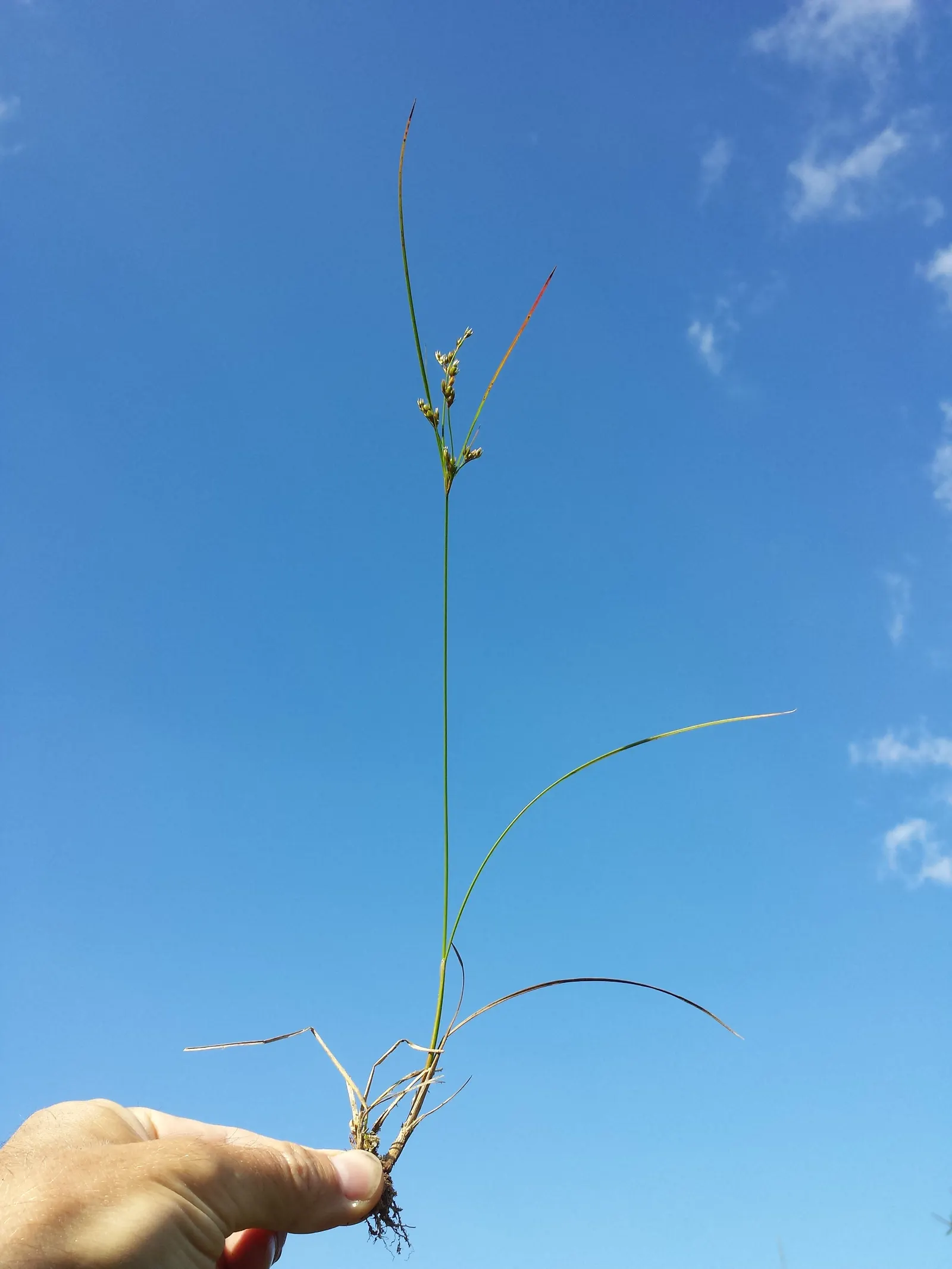
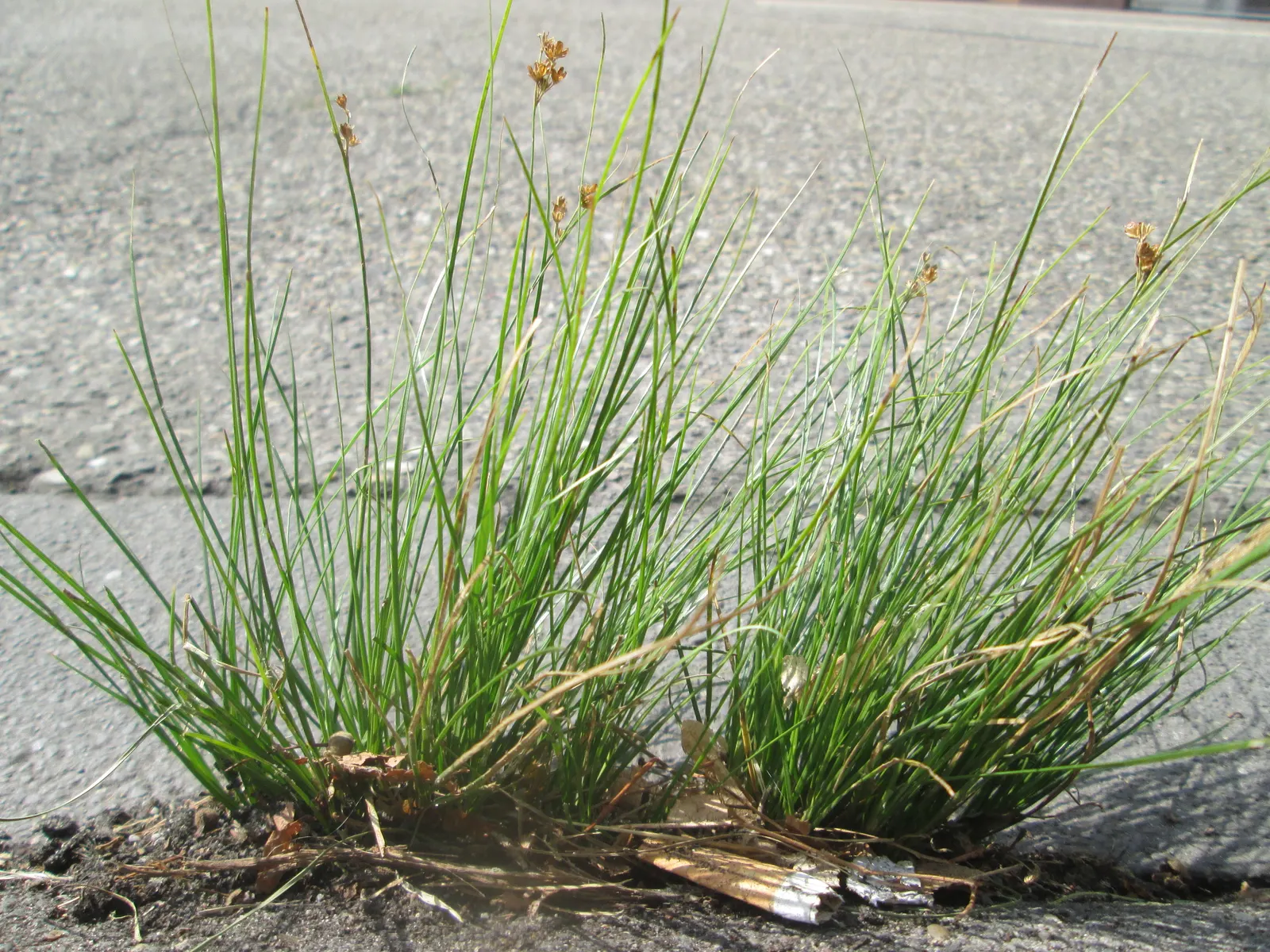
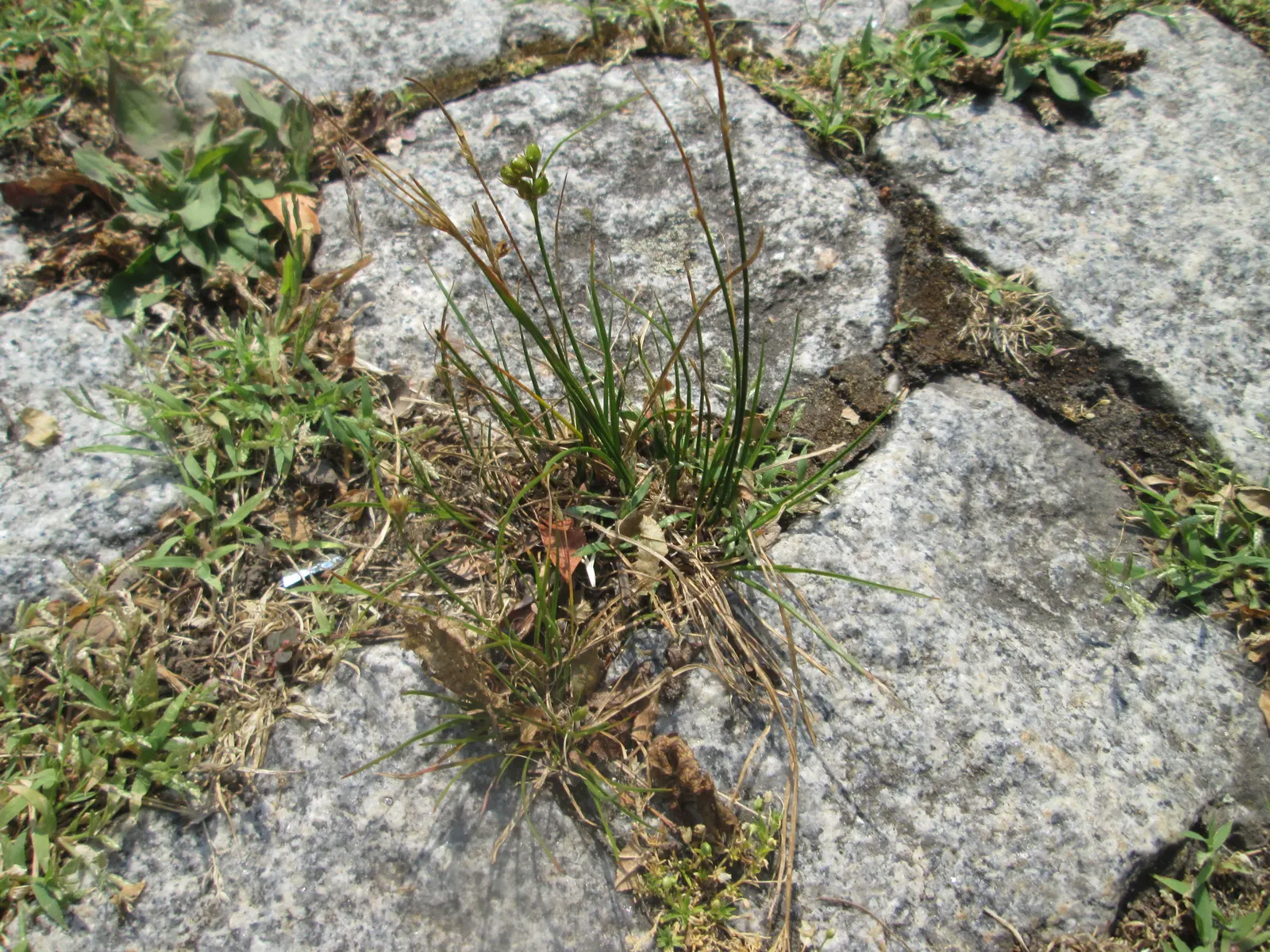
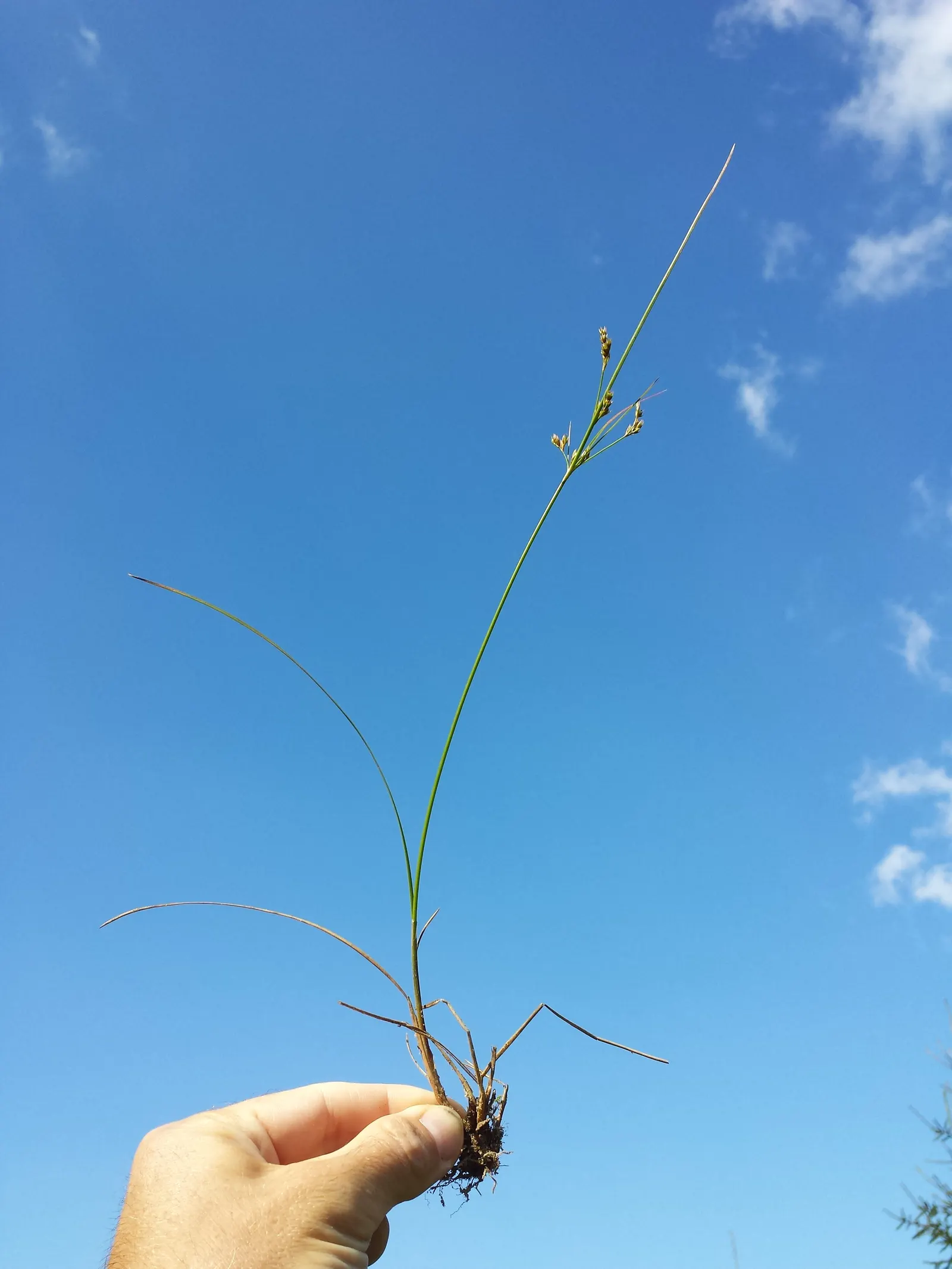
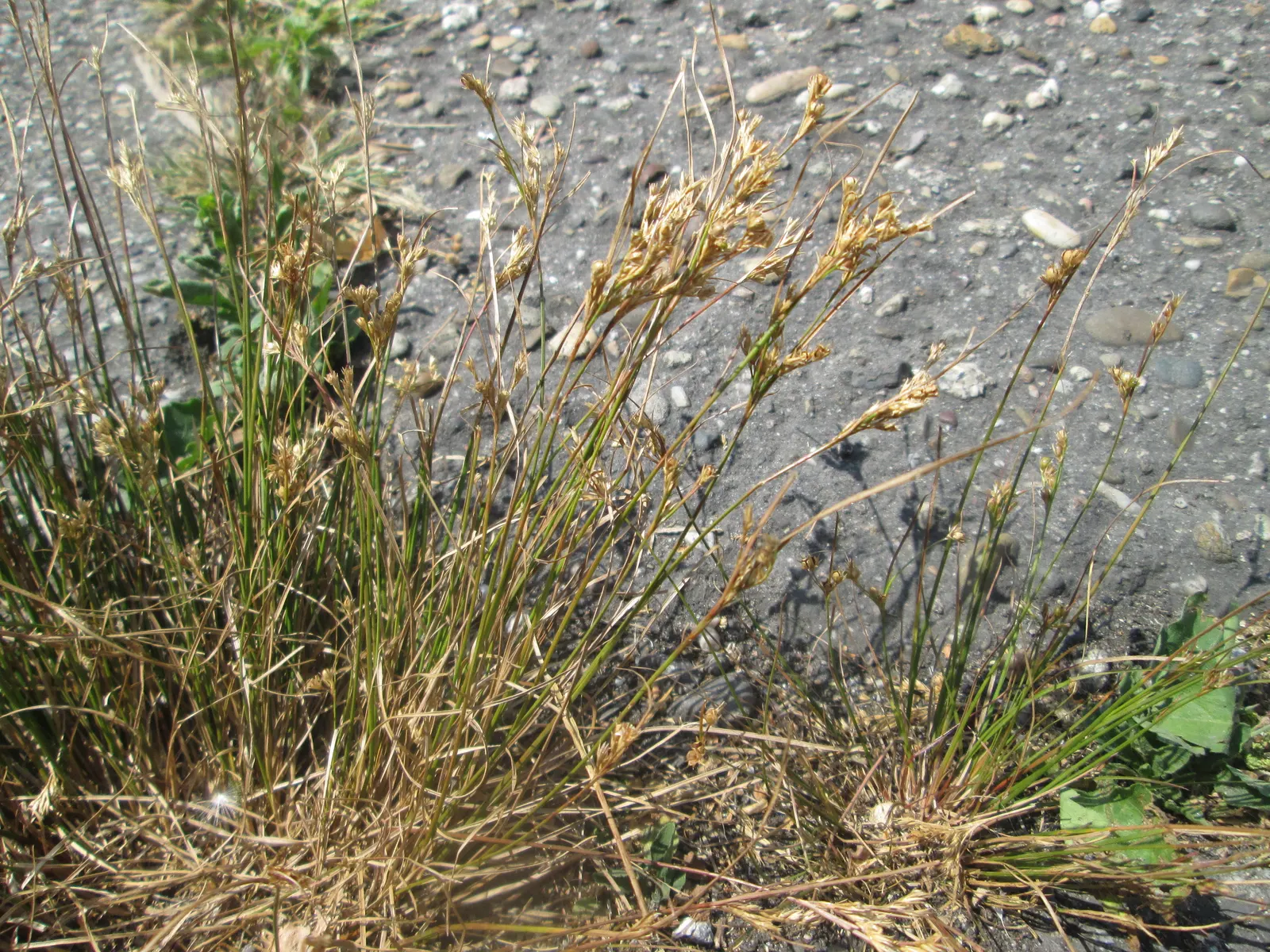
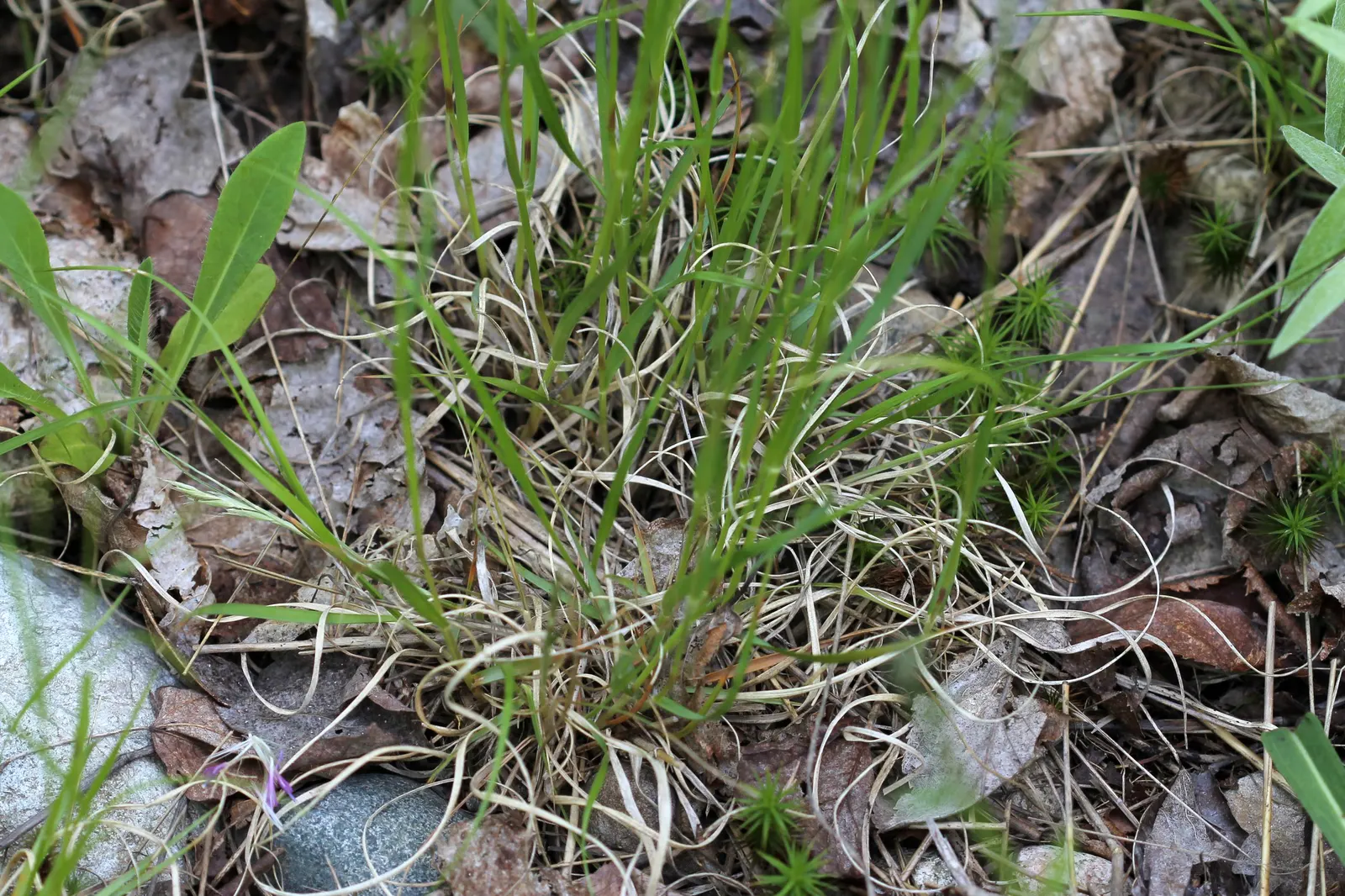
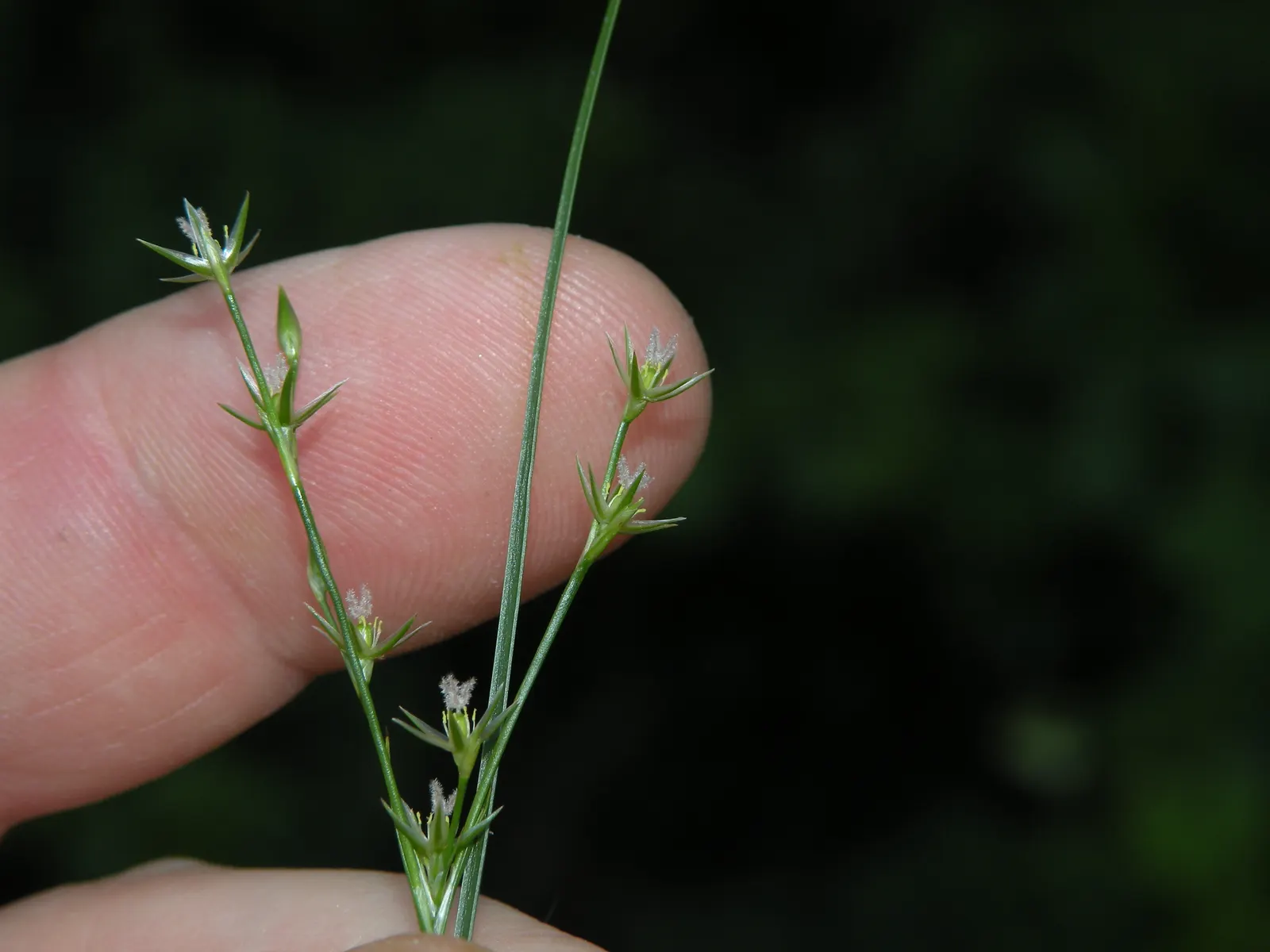
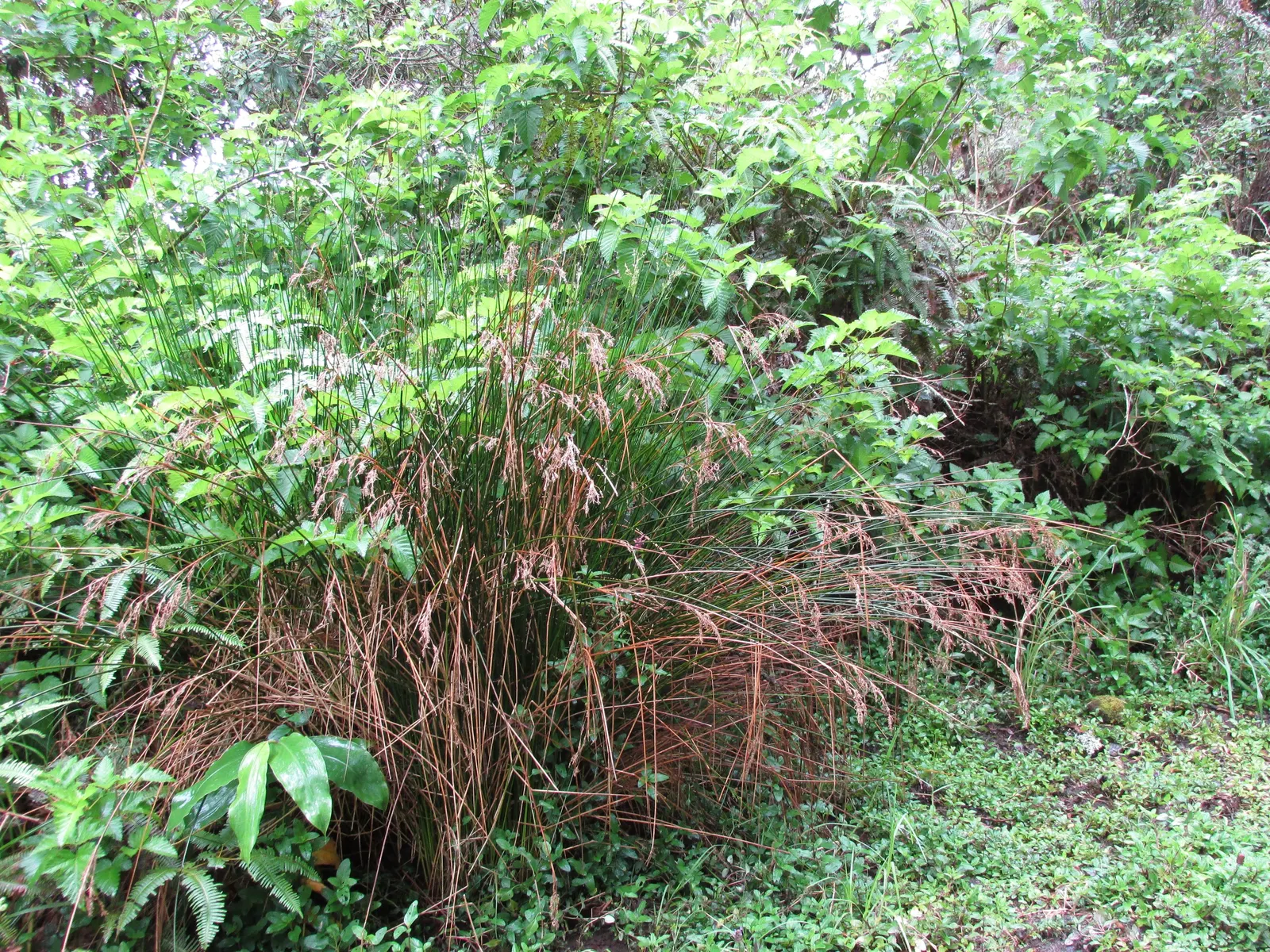
Juncus tenuis, commonly known as Poverty Rush, is a hardy perennial grass-like plant. It thrives in USDA zones 4-9, reaching heights of 10-30 inches with slender stems. Adaptable to various soils, it prefers moist conditions but tolerates dryness. This rush produces tiny, inconspicuous brown flowers in summer, adding texture to garden edges, meadows, and rain gardens. Provides excellent erosion control and is low maintenance, ideal for naturalistic designs.

Sun Full, Half, ShadeWater Extra in Summer, MediumZones 2–9Type Grass

Culture

Sun
Full, Half, Shade
Water
Extra in Summer, Medium
USDA zones
2–9

Shape & size

Mature height
1–2 Ft.
Mature width
1–2 Ft.

Classification

Type
Grass
Family
Juncaceae

See full data, regional cultivation notes, and design tools. Build a client presentation around this plant.

Start your 14-day trial

Photos (95)

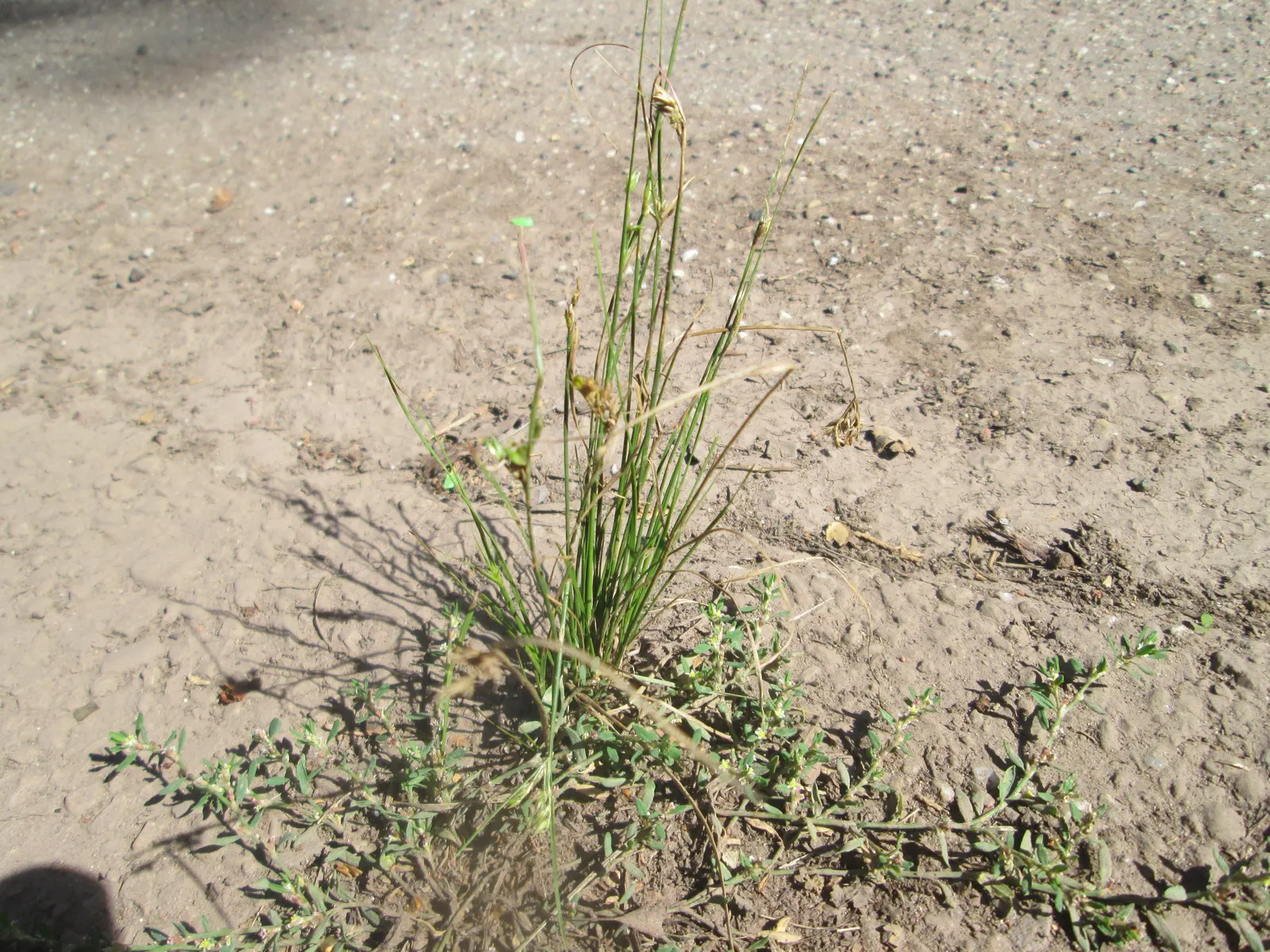
Poverty Rush (Juncus Tenuis) — Adaptable to various soils, it prefers moist conditions but tolerates dryness; and aesthetic contribution to their, image 47
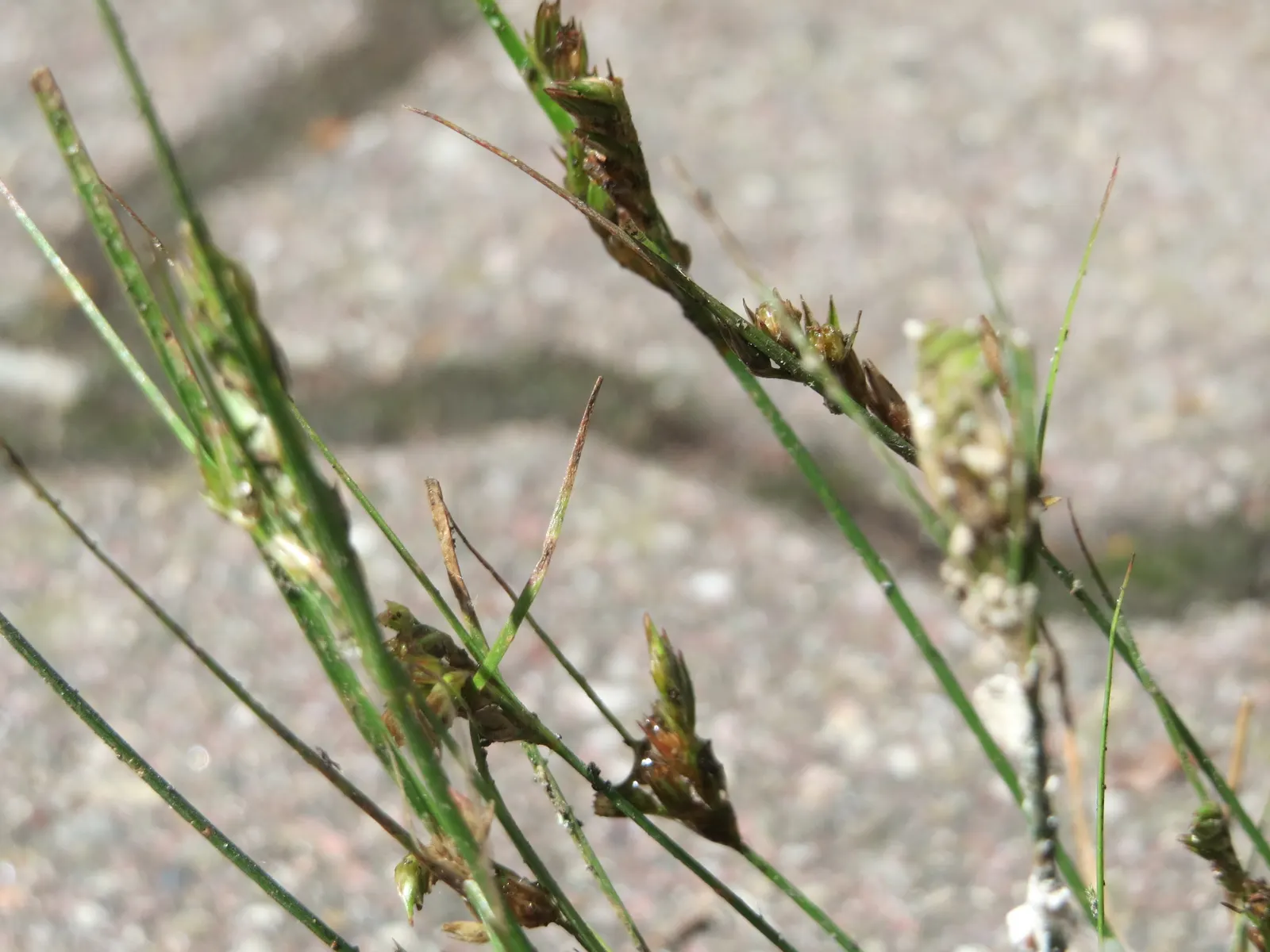
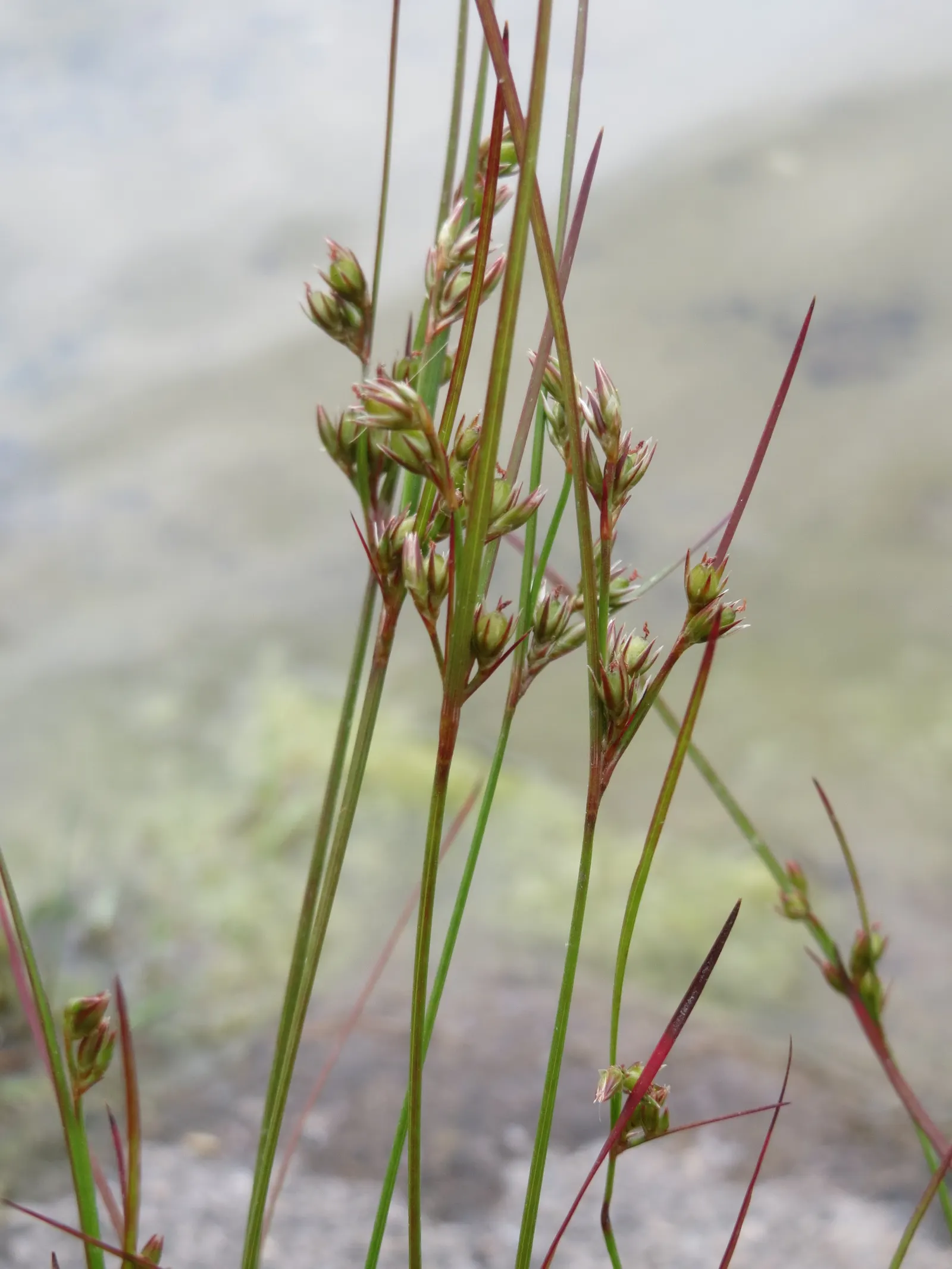
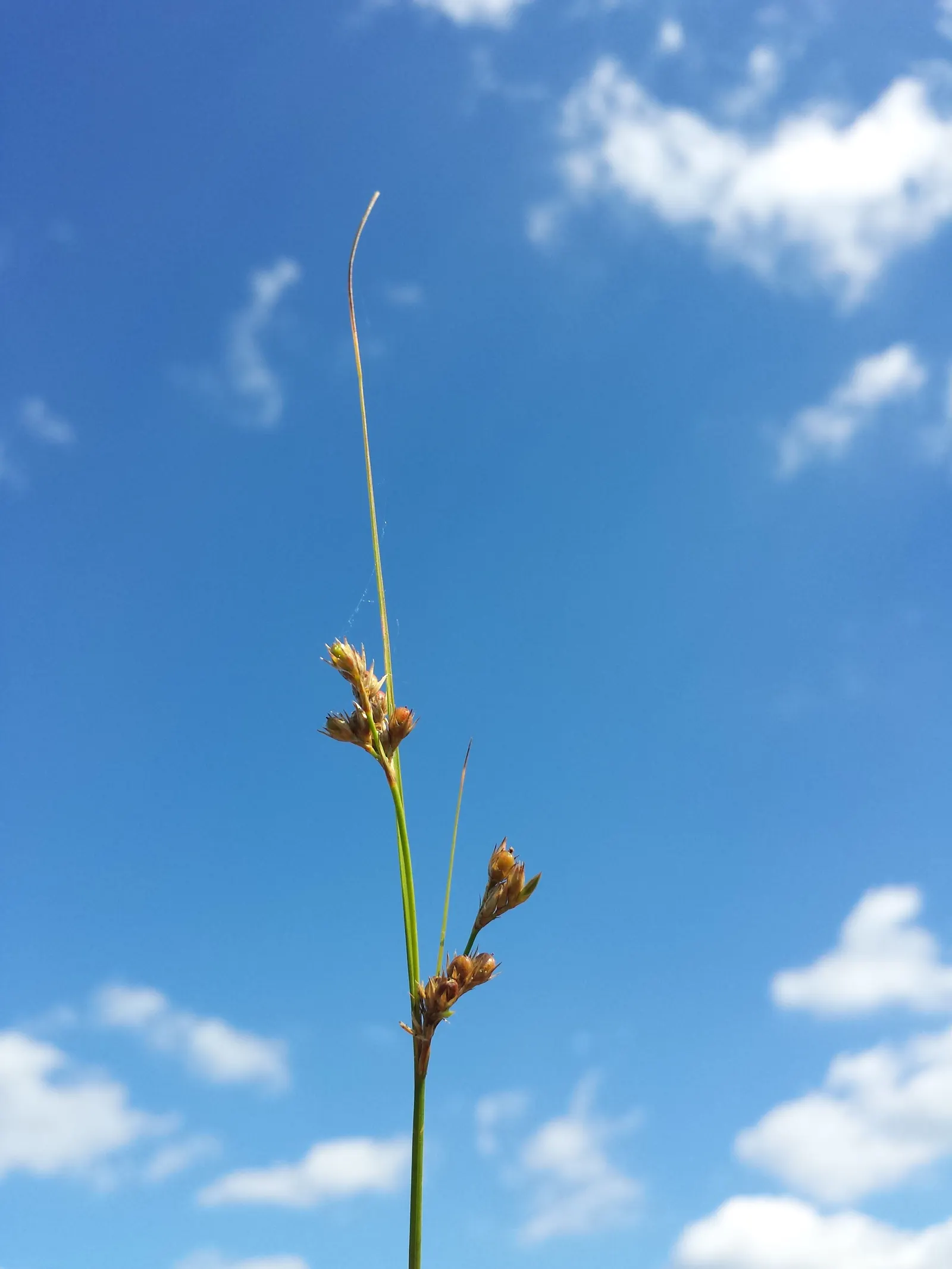
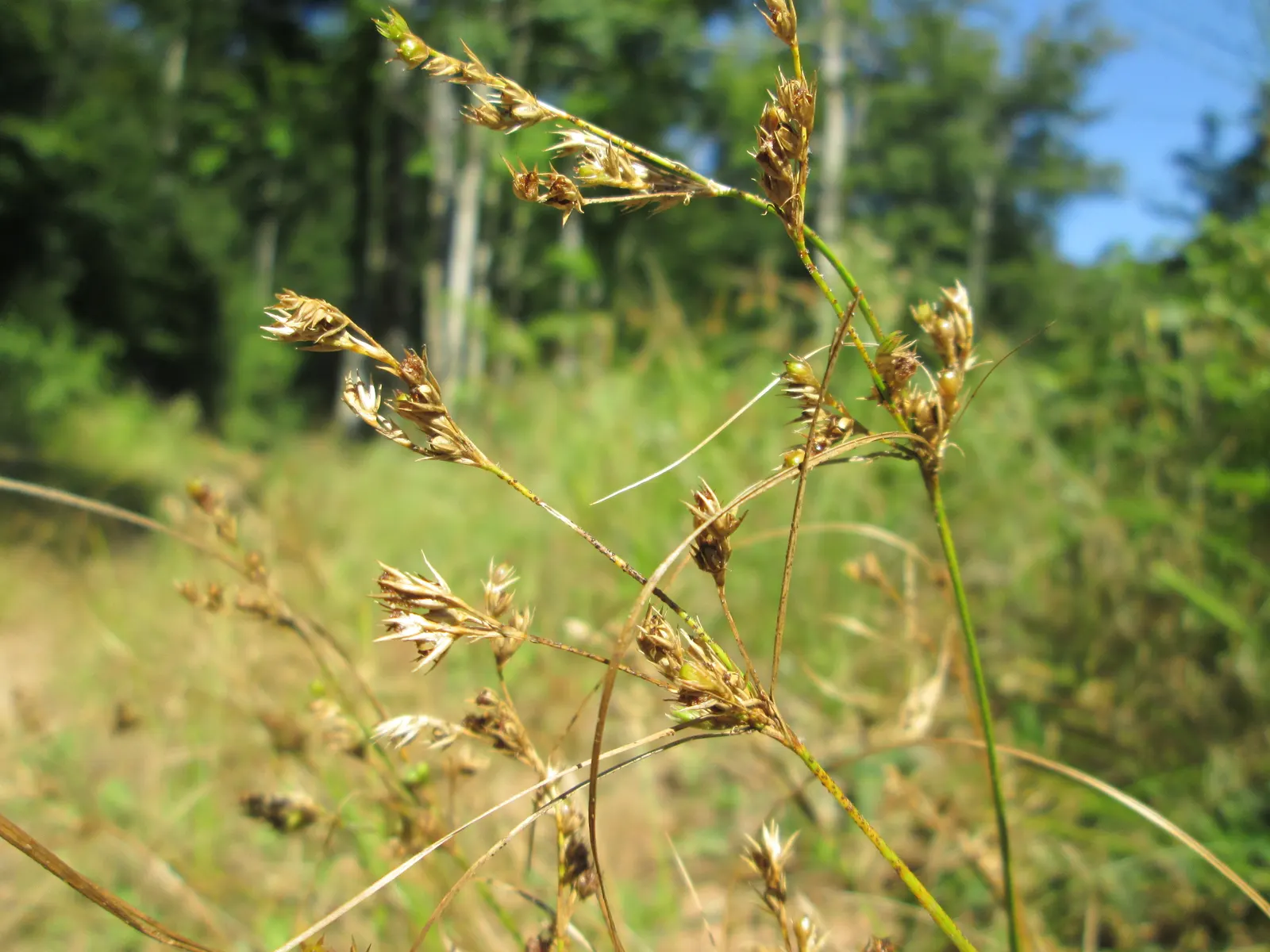
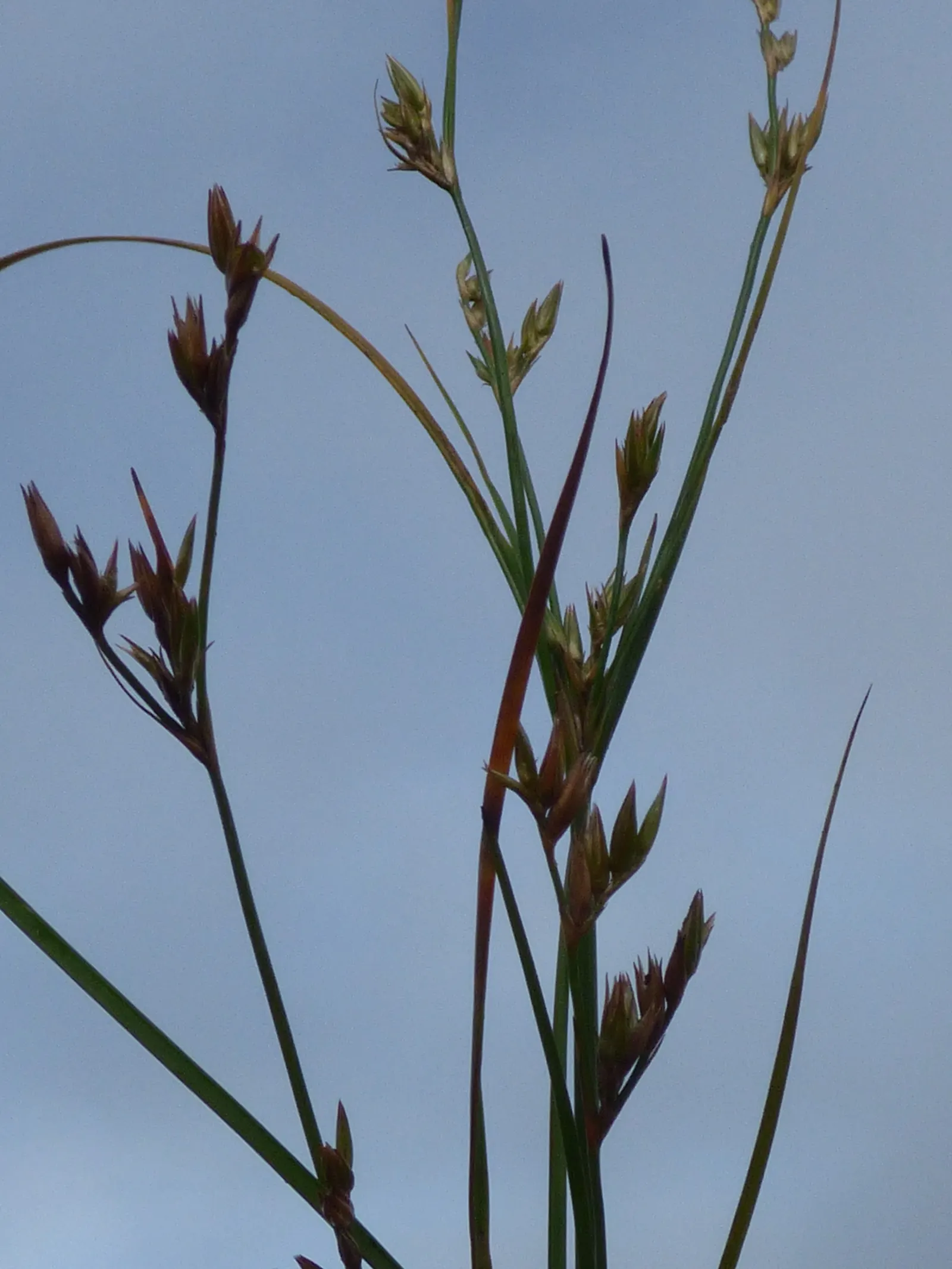
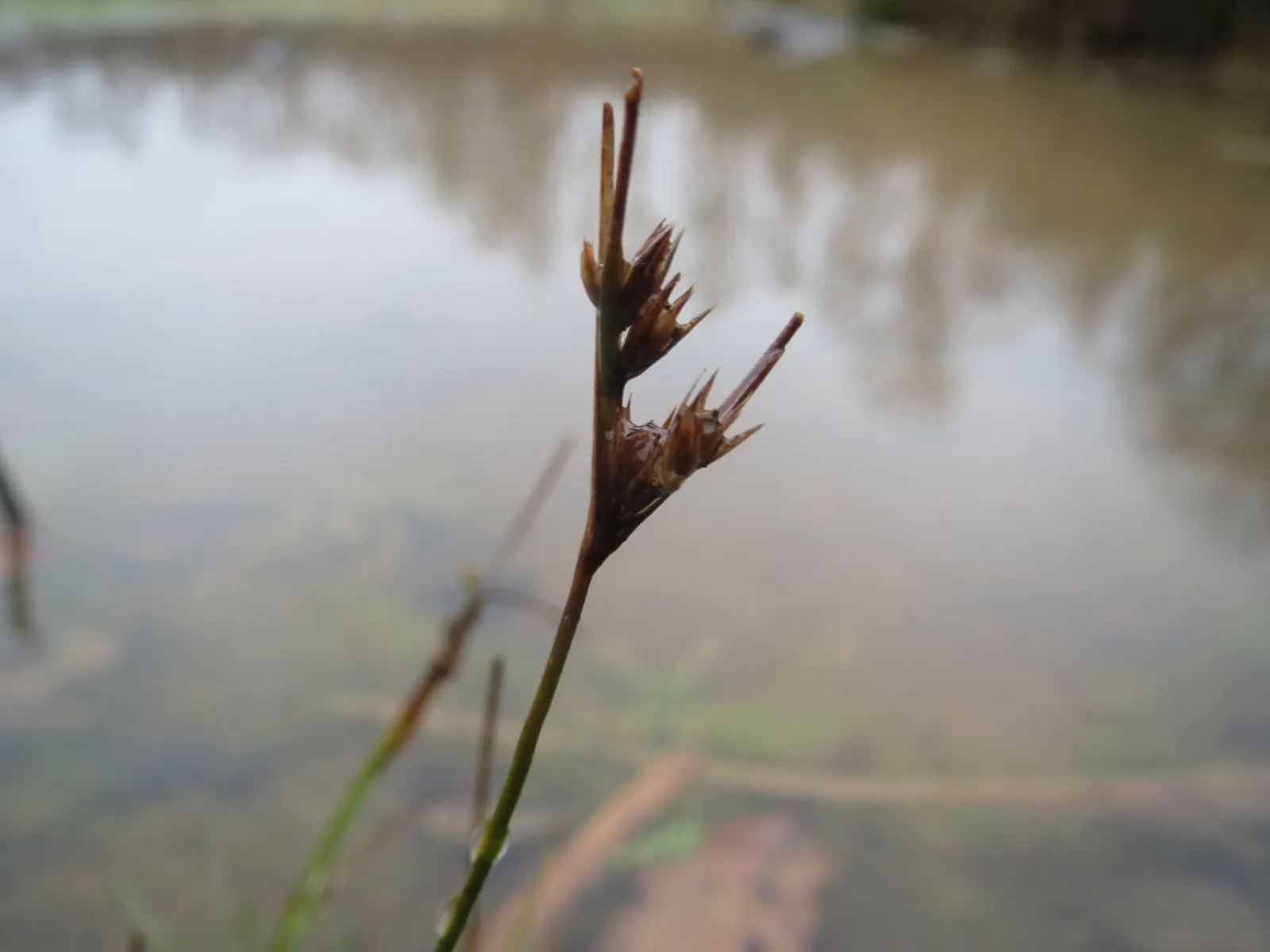
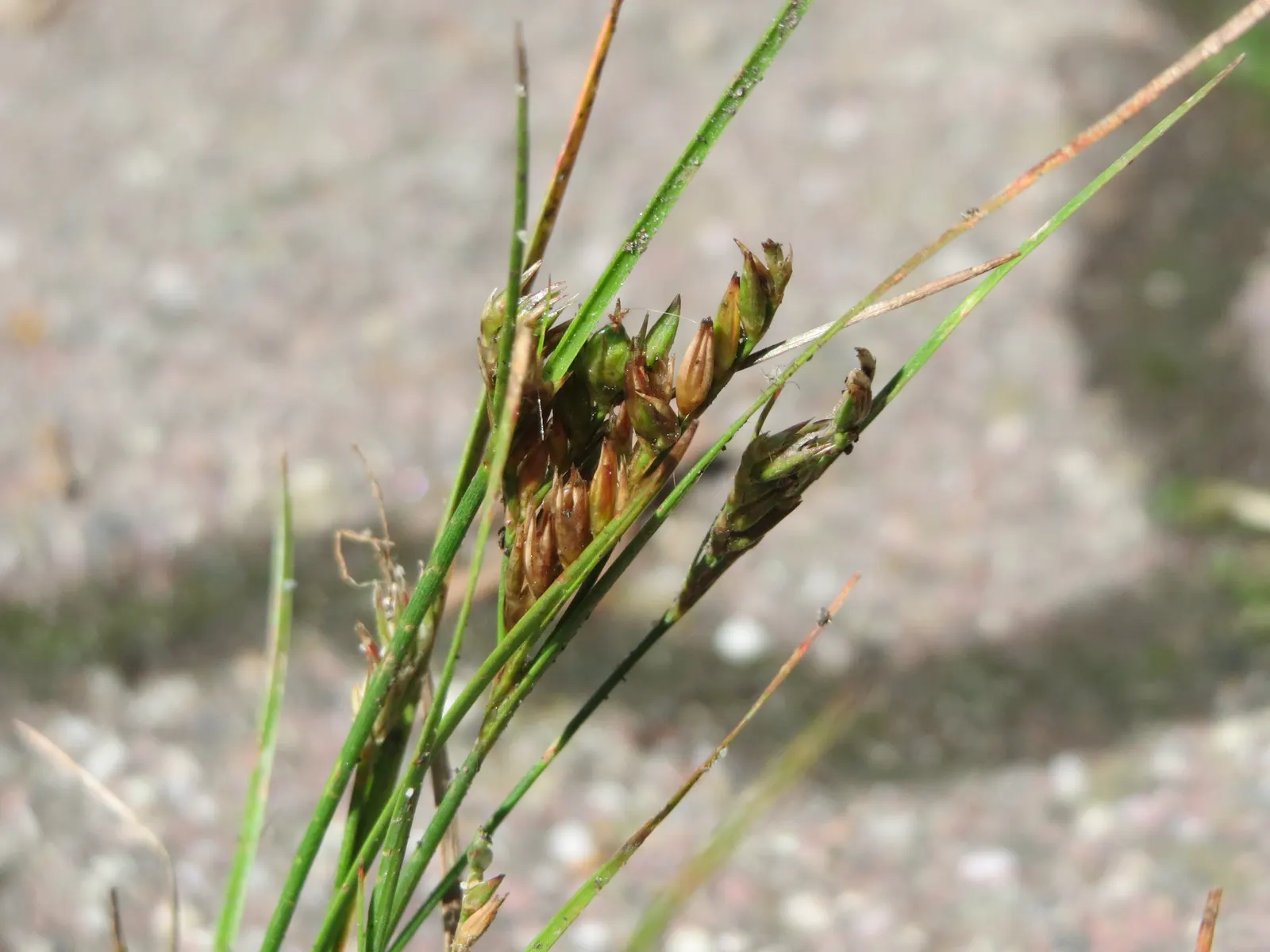
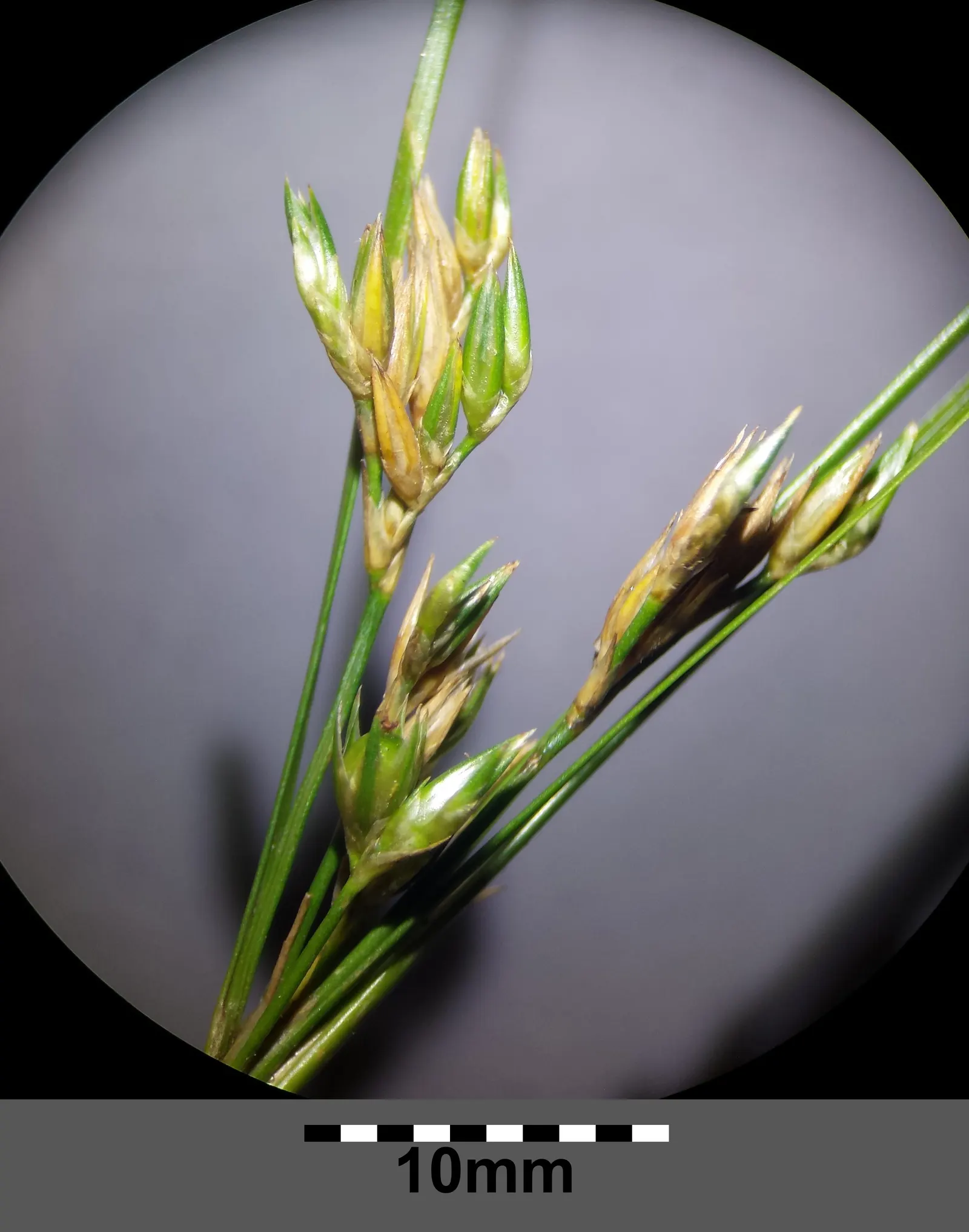
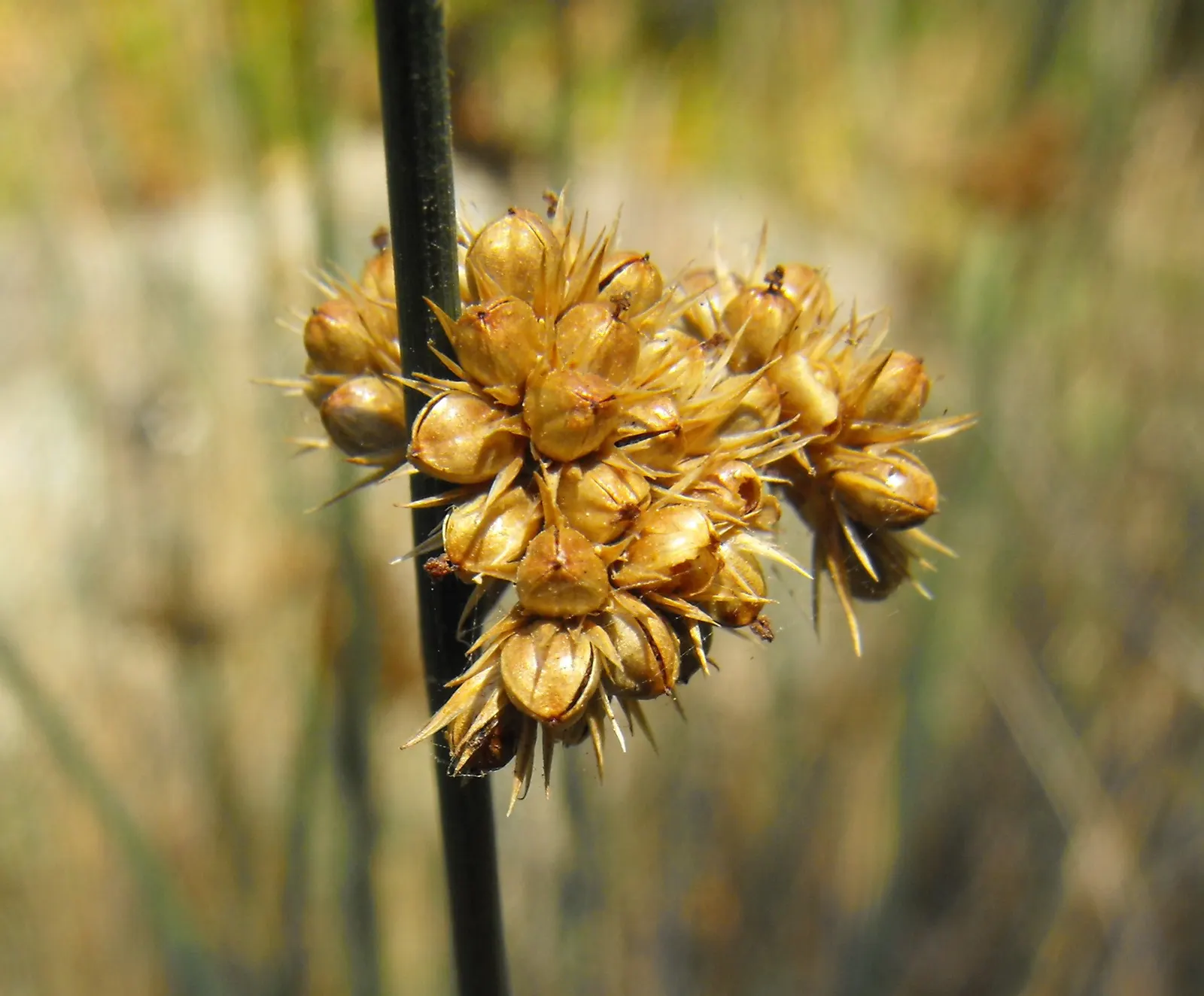
Poverty Rush (Juncus Tenuis) — inconspicuous brownish flowers in the summer
Poverty Rush (Juncus Tenuis) — inconspicuous brownish flowers in the summer; scientifically known as Juncus tenuis
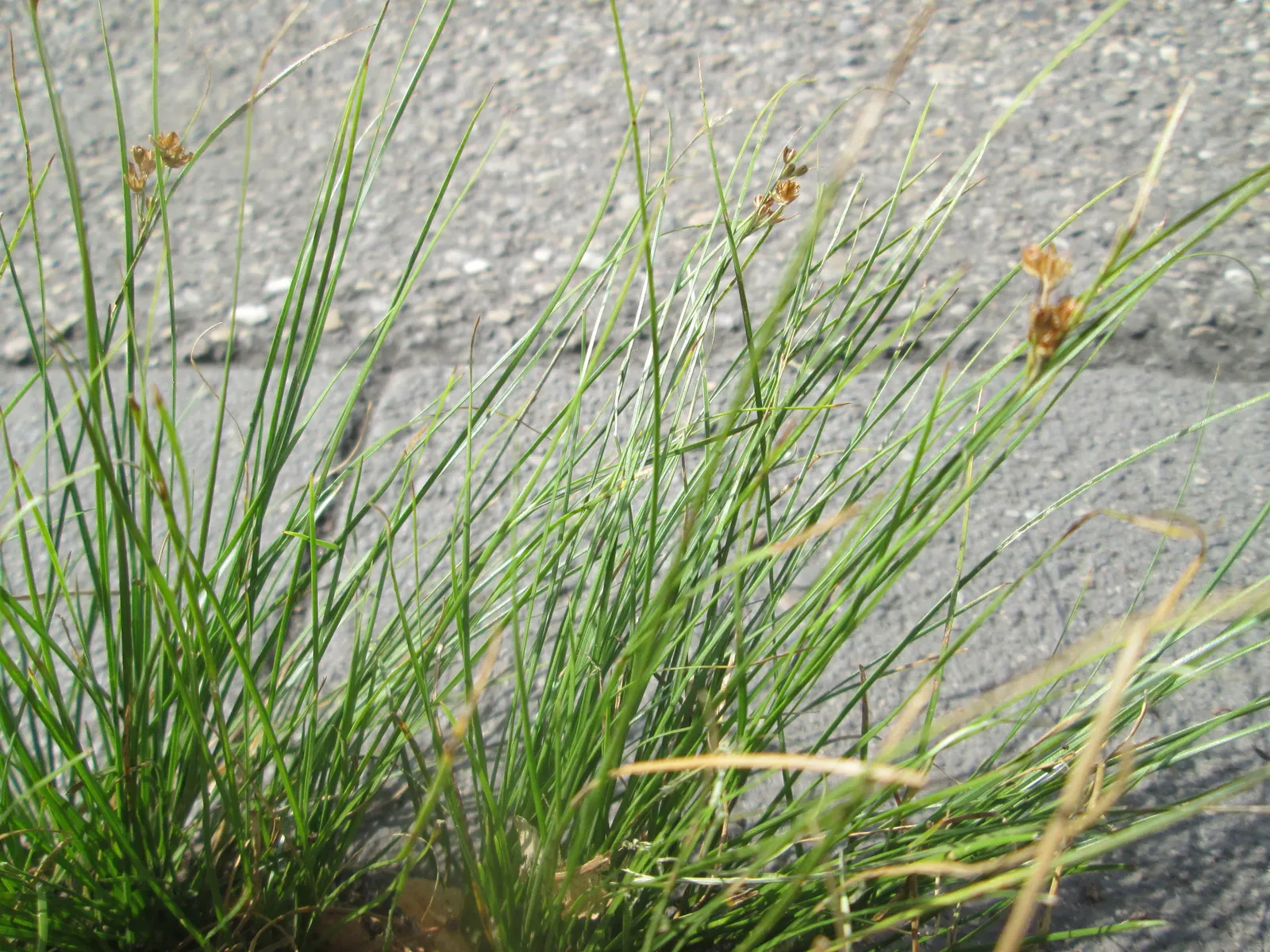
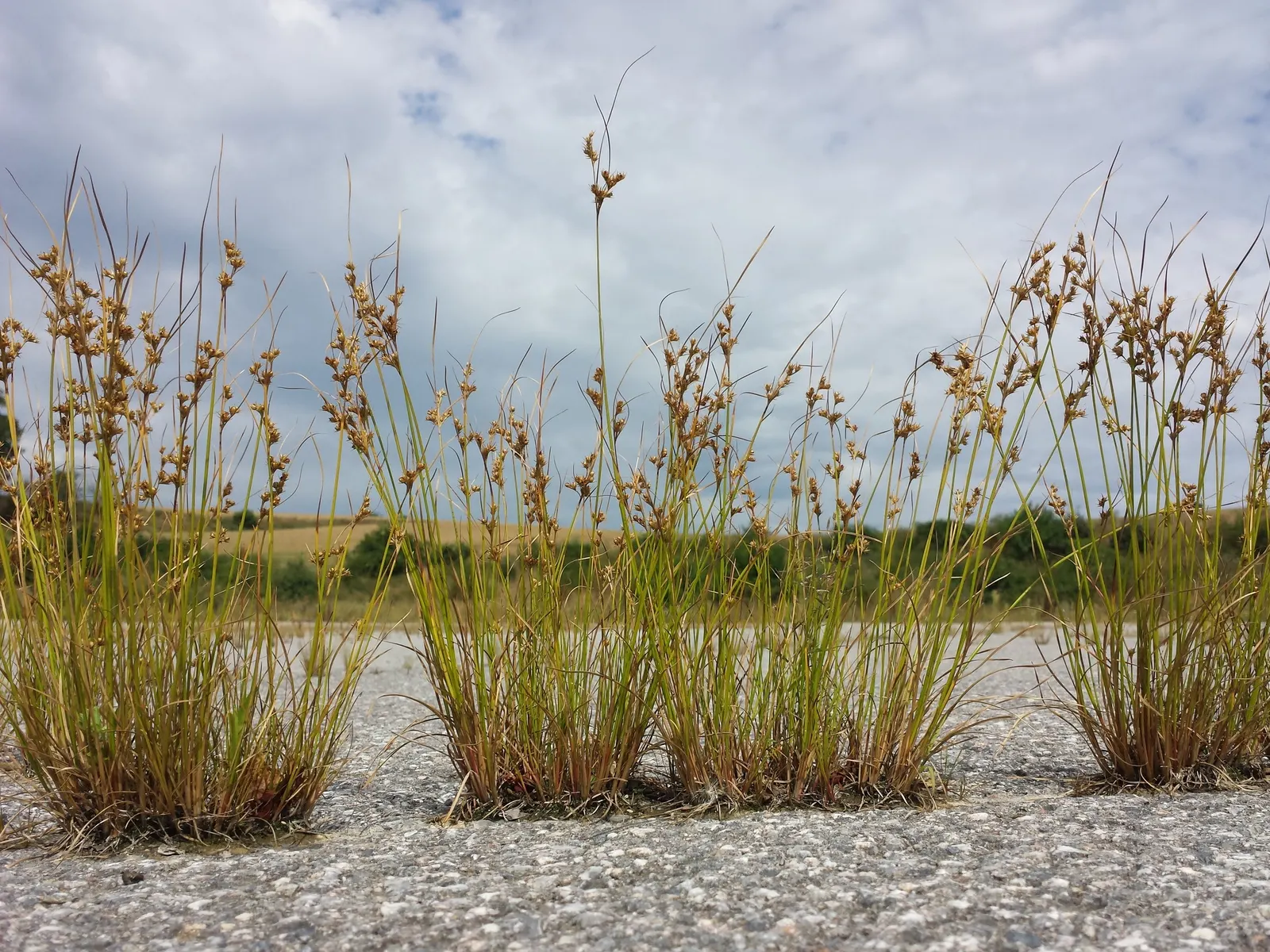
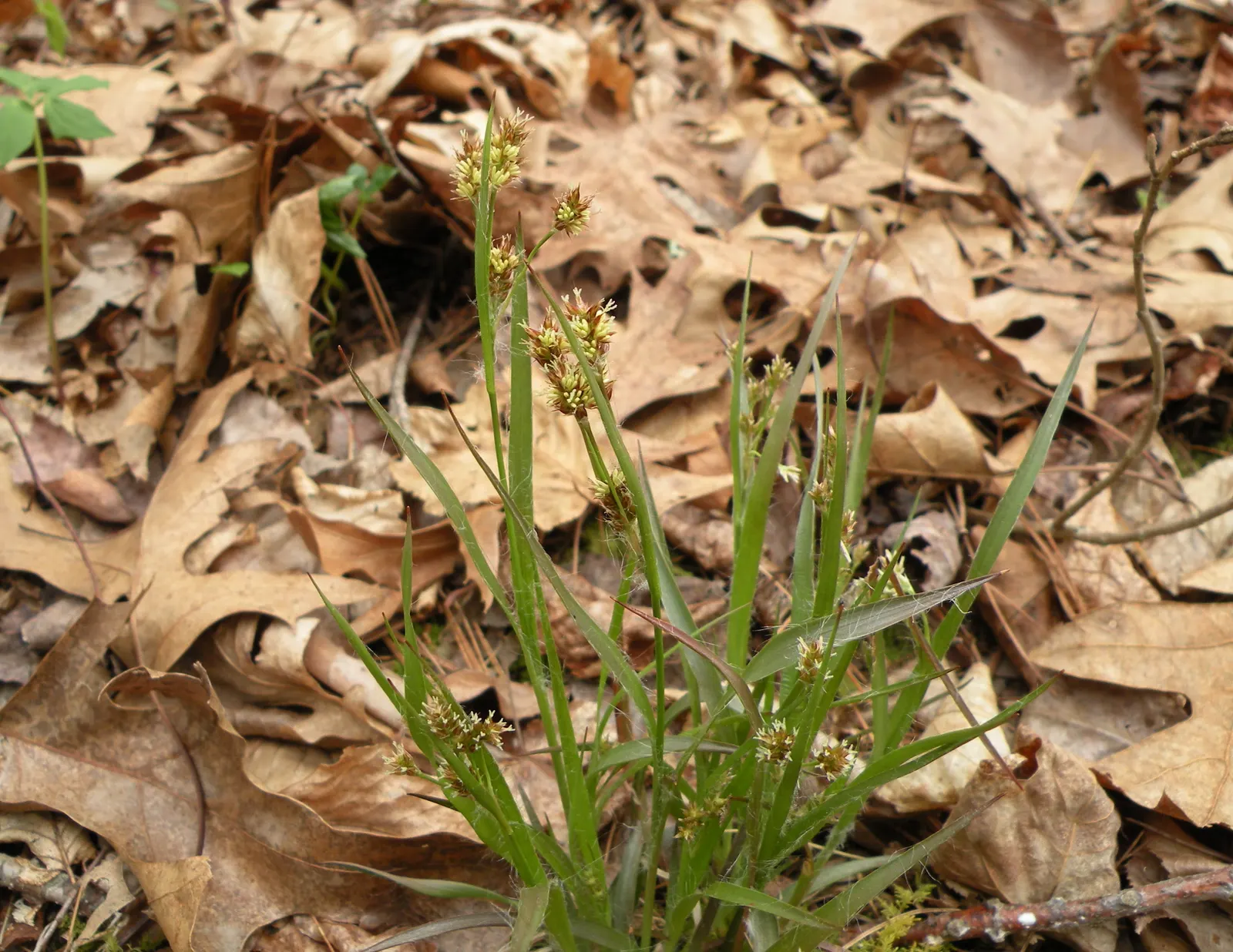
Poverty Rush (Juncus Tenuis) — minimal care requirements
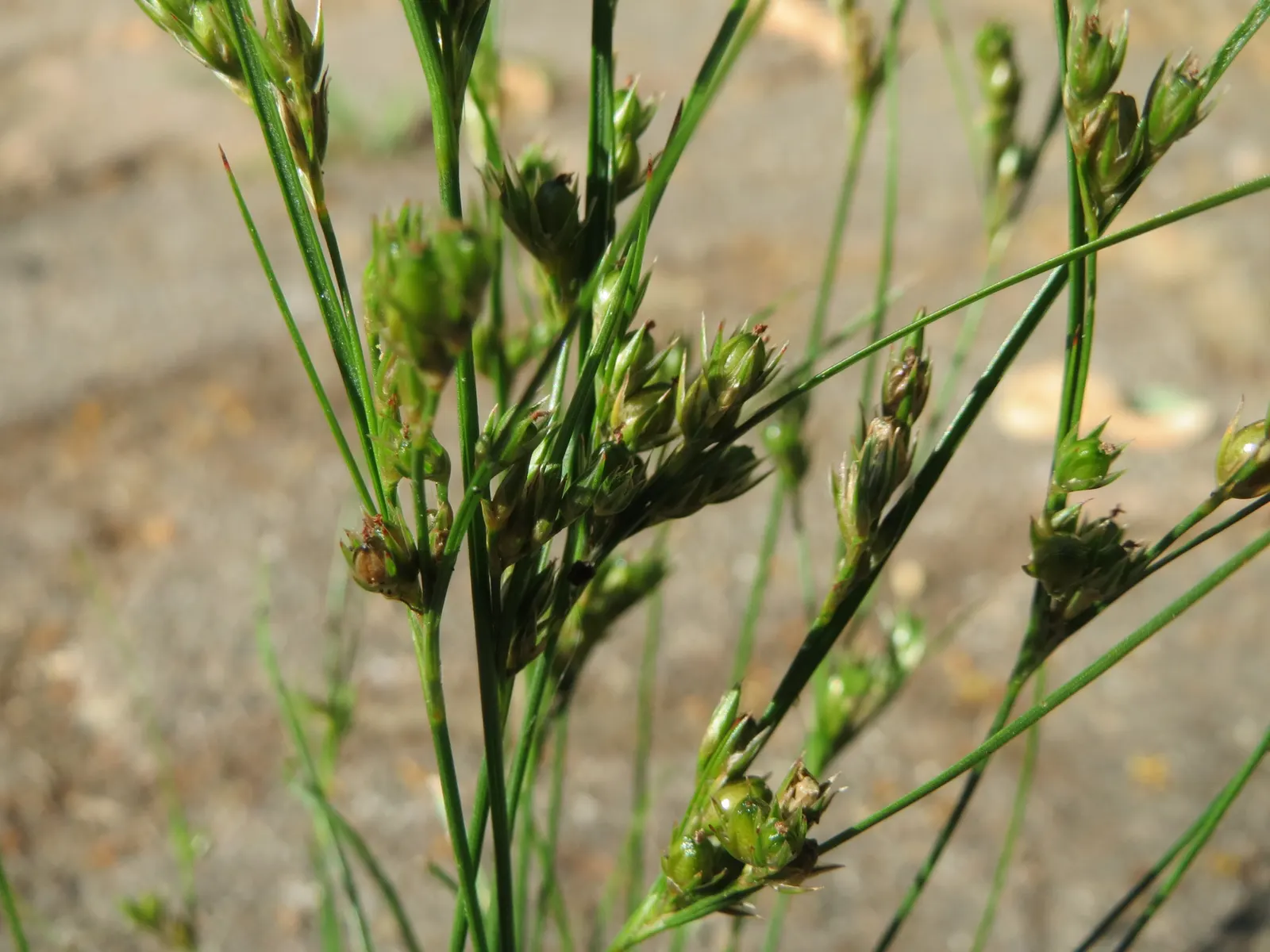
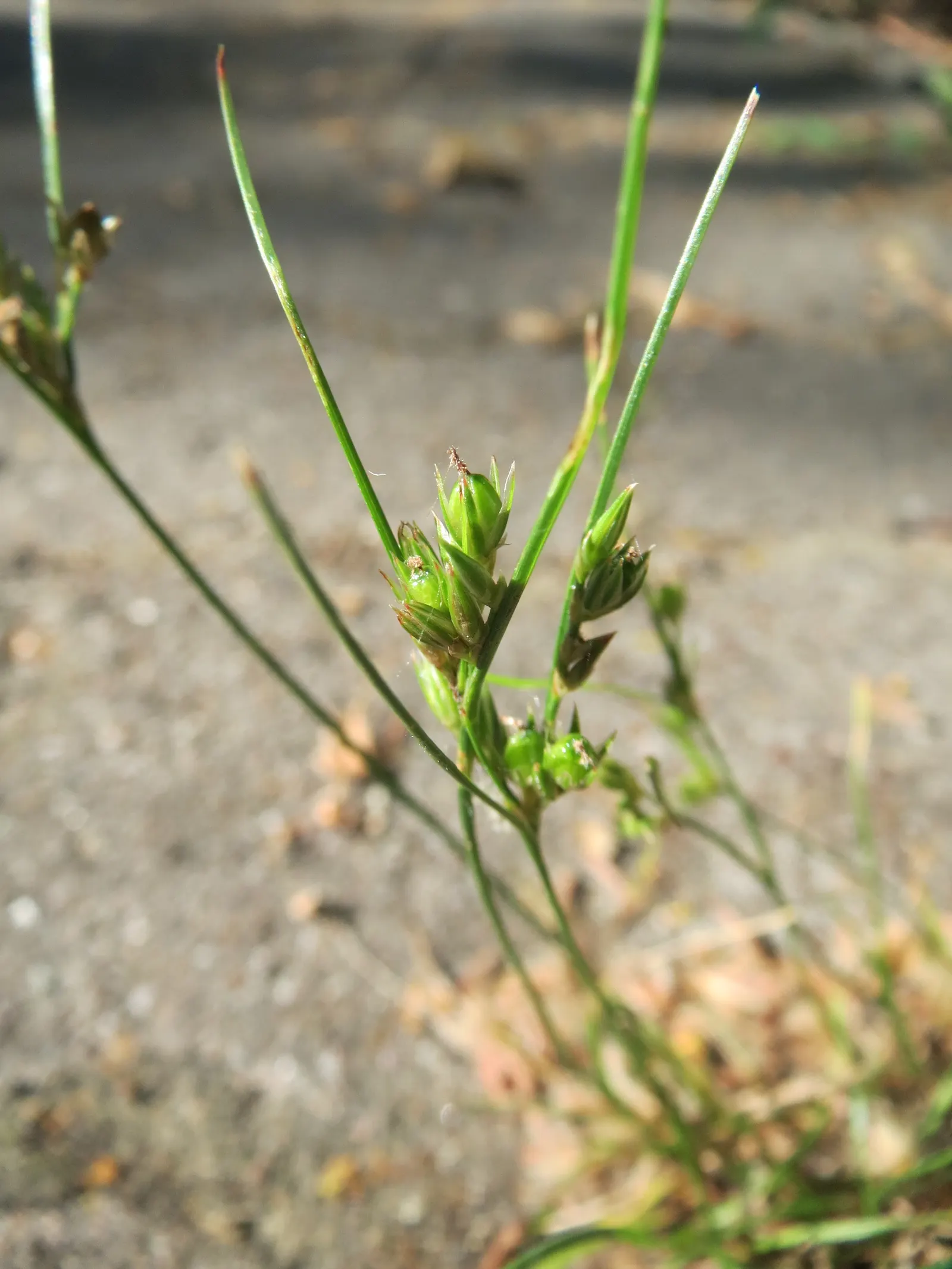
Poverty Rush (Juncus Tenuis) — which later give way to seed capsules; inconspicuous brownish flowers in the summer, image 59
Poverty Rush (Juncus Tenuis) — It thrives in USDA zones 4-9, reaching heights of 10-30 inches with slender stems; making it an ideal selection for, image 46
Poverty Rush (Juncus Tenuis) — minimal care requirements; provides excellent erosion control and is low maintenance, ideal for naturalistic designs, image 61
Poverty Rush (Juncus Tenuis) — minimal care requirements; provides excellent erosion control and is low maintenance, ideal for naturalistic designs
Poverty Rush (Juncus Tenuis) — inconspicuous brownish flowers in the summer; scientifically known as Juncus tenuis, image 58
Poverty Rush (Juncus Tenuis) — yellow flowers in the garden; adding texture to garden edges
Poverty Rush (Juncus Tenuis) — Juncus tenuis, commonly known as Poverty Rush, is a hardy perennial grass-like plant; inconspicuous brown flowers in, image 45
Poverty Rush (Juncus Tenuis) — making it an ideal selection for gardens with varying moisture levels; ornamental grass-like plant that offers a low-maintenance
Poverty Rush (Juncus Tenuis) — Juncus tenuis, commonly known as Poverty Rush, is a hardy perennial grass-like plant
Poverty Rush (Juncus Tenuis) — Overall, Juncus tenuis is a reliable and environmentally beneficial addition to any green space
Poverty Rush (Juncus Tenuis) — making it an ideal selection for gardens with varying moisture levels; ornamental grass-like plant that offers a, image 55
Poverty Rush (Juncus Tenuis) — adding texture to garden edges; although it prefers moist
Poverty Rush (Juncus Tenuis) — Adaptable to various soils, it prefers moist conditions but tolerates dryness; and aesthetic contribution to their garden
Poverty Rush (Juncus Tenuis) — Overall, Juncus tenuis is a reliable and environmentally beneficial addition to any green space; yellow flowers in the garden
Poverty Rush (Juncus Tenuis) — inconspicuous brown flowers in summer; adaptable to various soils, it prefers moist conditions but tolerates dryness, image 70
Poverty Rush (Juncus Tenuis) — grass for full or half or shade; overall, Juncus tenuis is a reliable and environmentally beneficial addition to any green space
Poverty Rush (Juncus Tenuis) — Juncus tenuis, commonly known as Poverty Rush, is a hardy perennial grass-like plant; inconspicuous brown flowers in summer
Poverty Rush (Juncus Tenuis) — yellow flowers in the garden; adding texture to garden edges, image 64
Poverty Rush (Juncus Tenuis) — which later give way to seed capsules; inconspicuous brownish flowers in the summer
Poverty Rush (Juncus Tenuis) — ornamental grass-like plant that offers a low-maintenance and versatile option for your landscape design
Photographs by 5 contributors

Related plants