Skip to content

Blue Flag

Iris Versicolor

Design with this plant

Overview

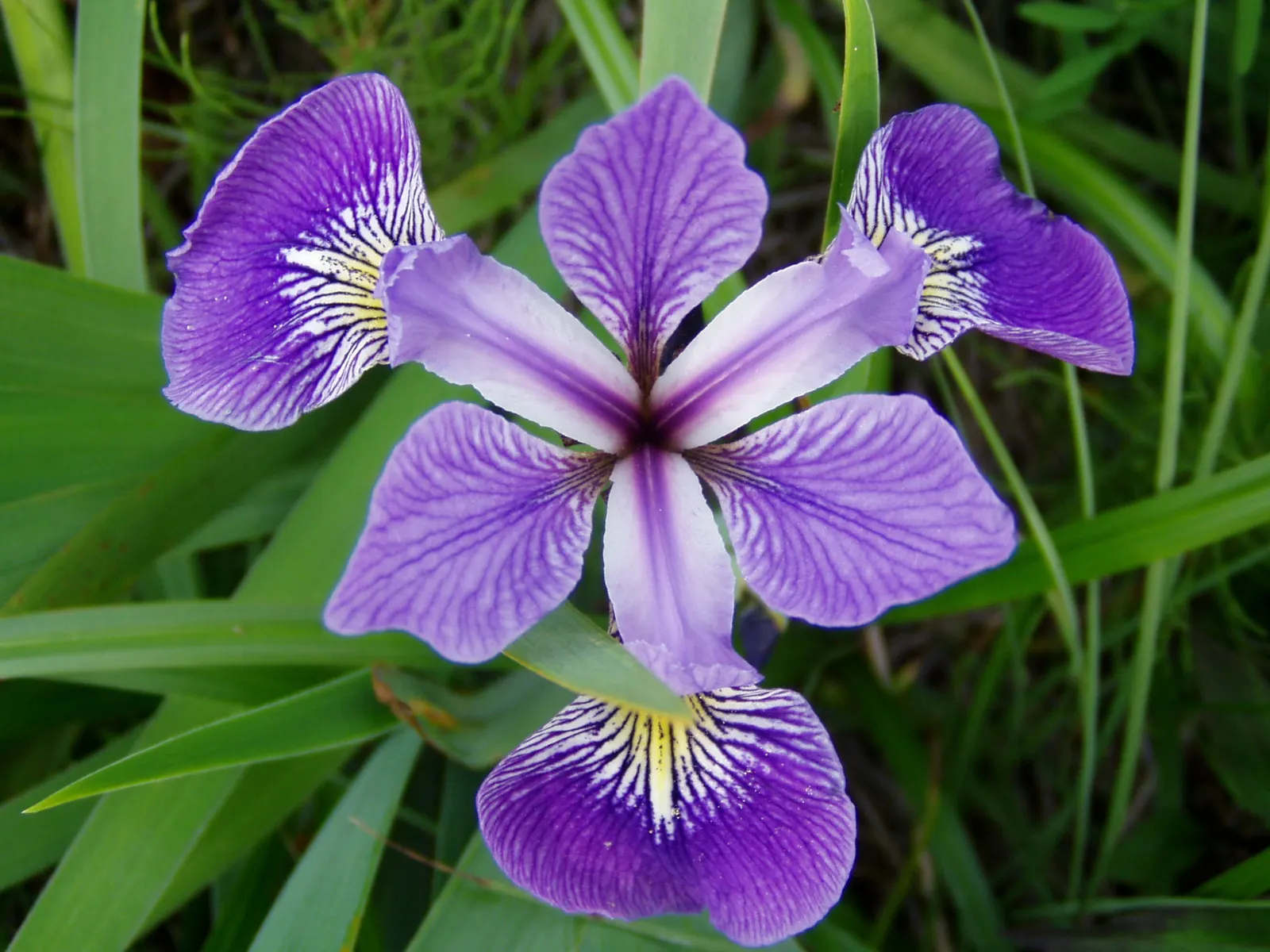
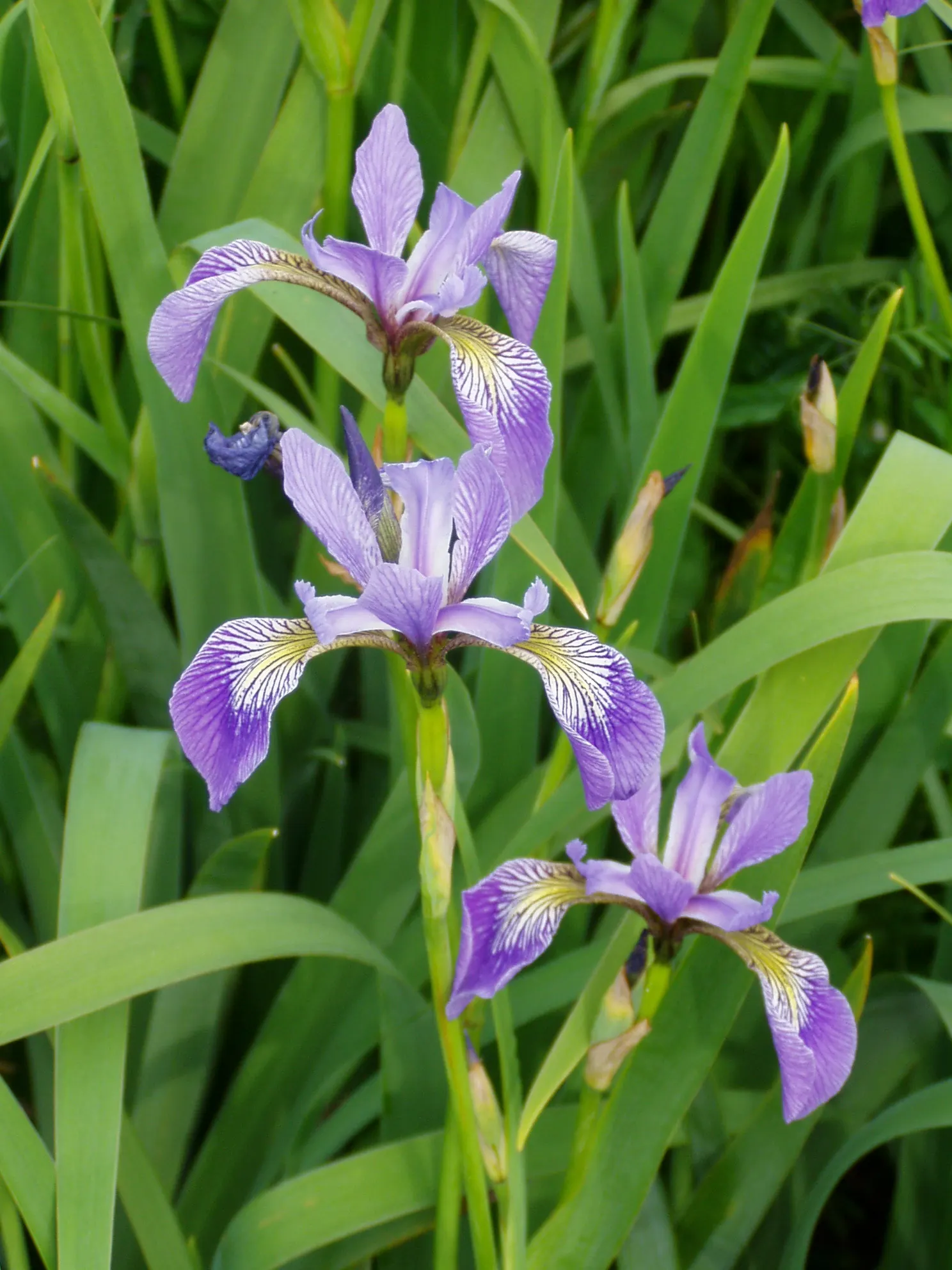
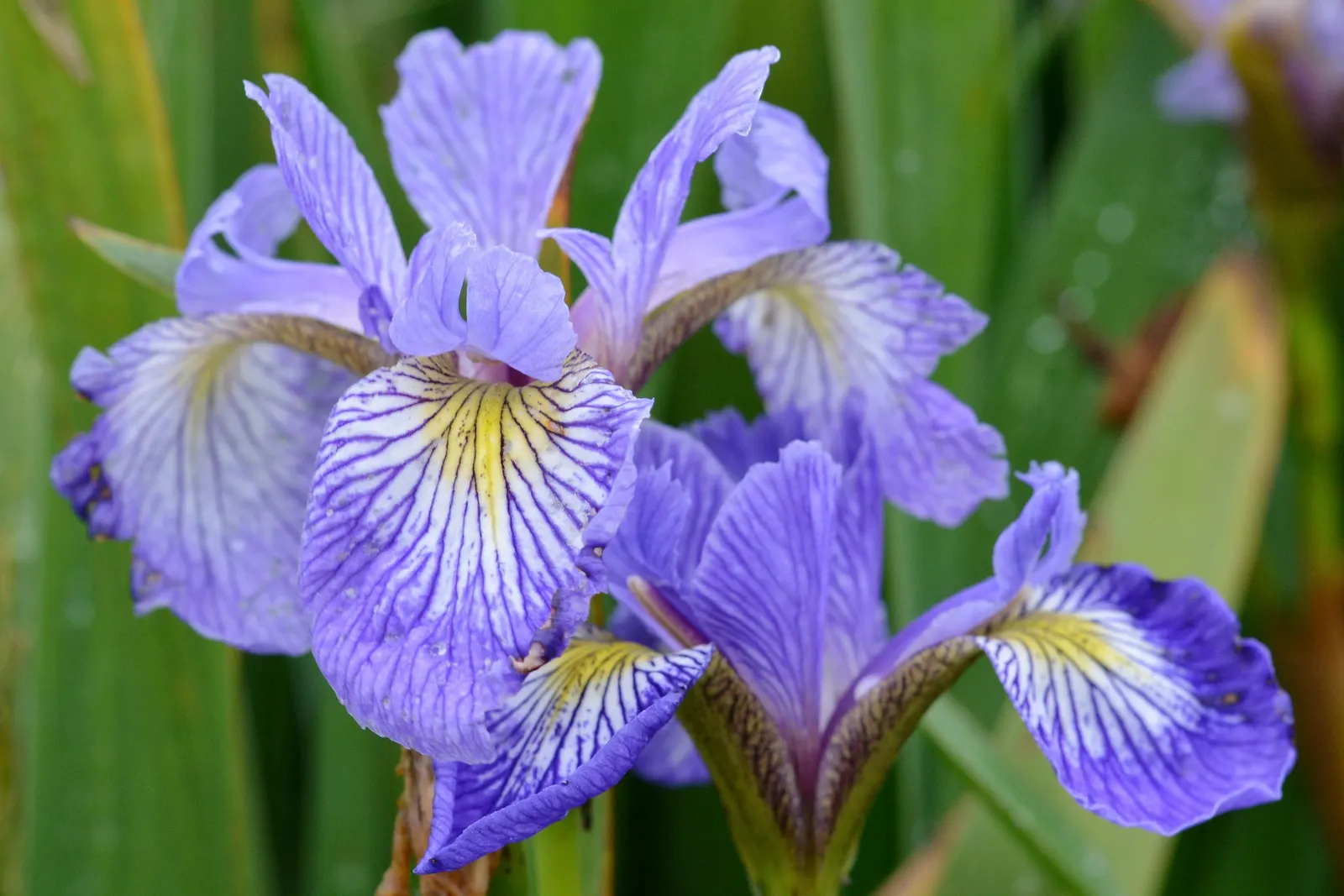
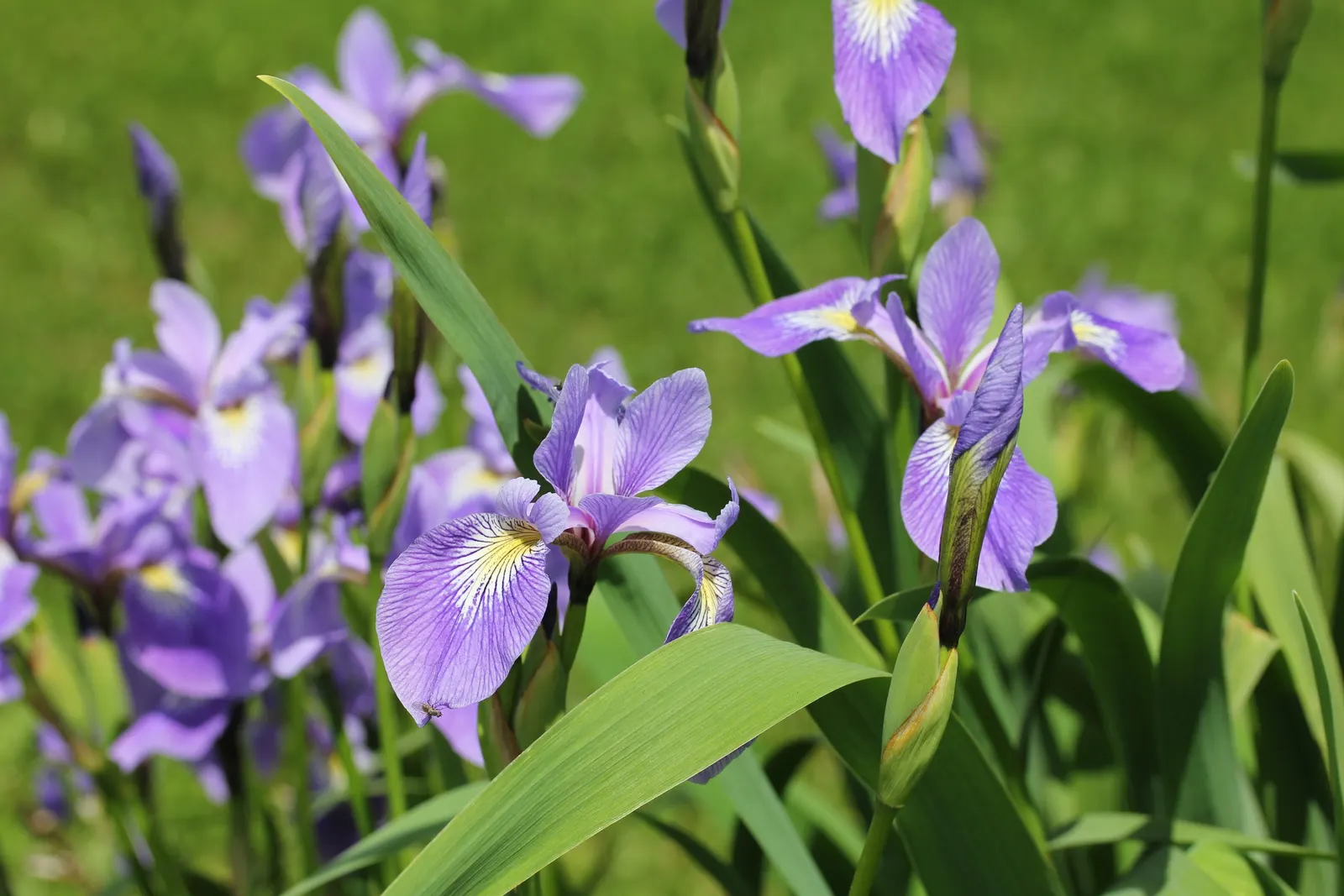
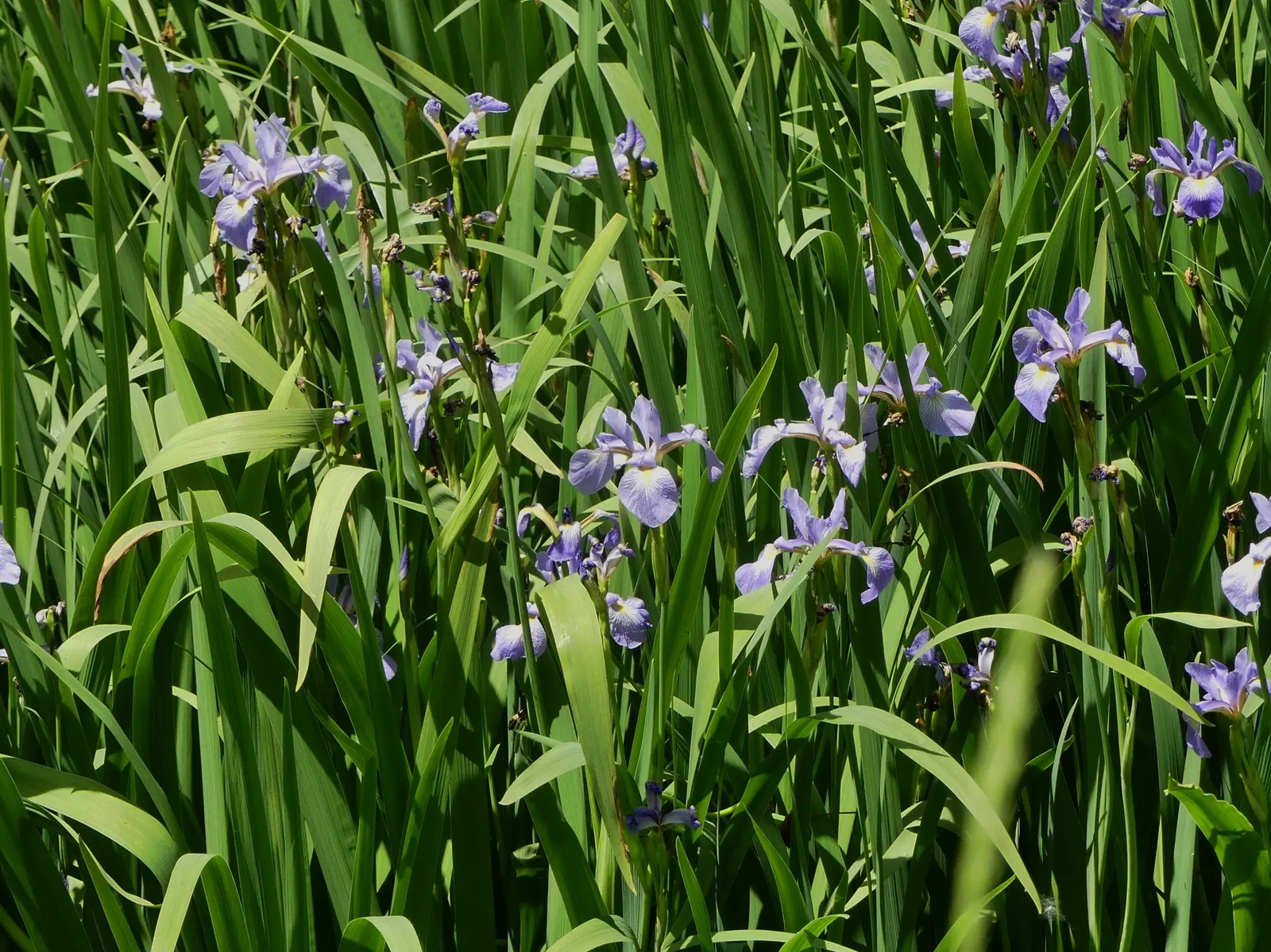
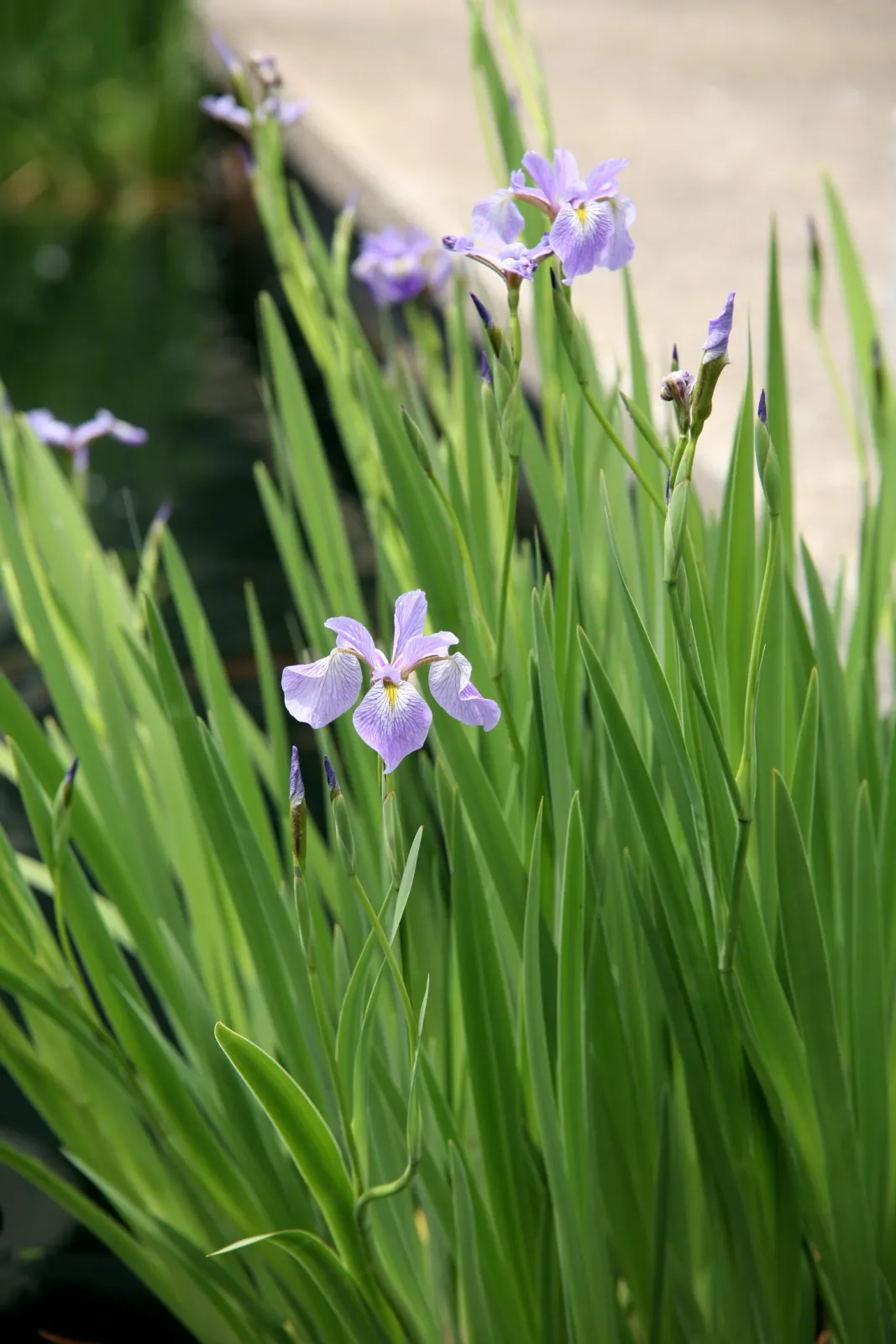
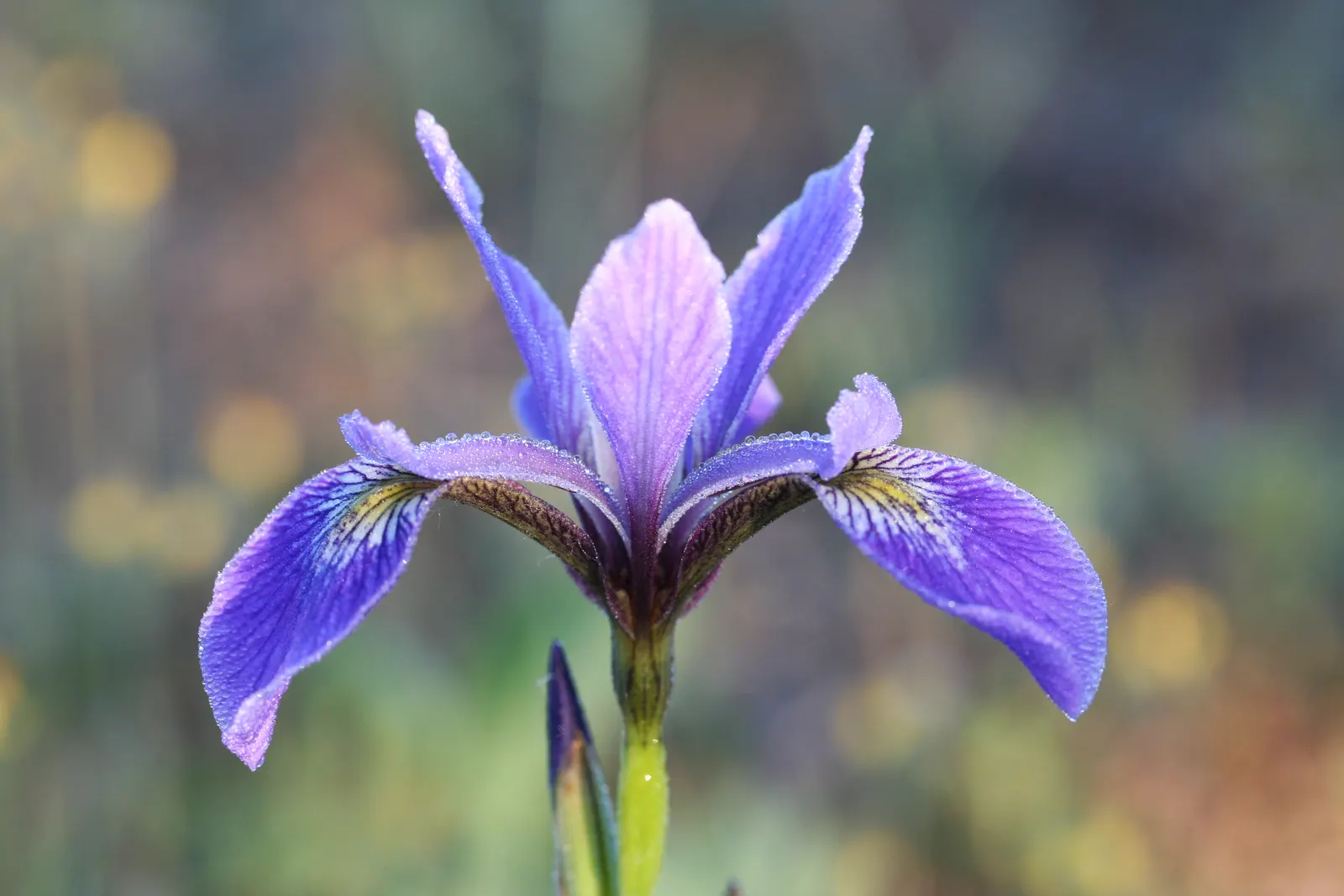
Iris versicolor, or Blue Flag, is a striking perennial native to North America. Grows to 2–3 feet tall with lance-shaped leaves. It produces vibrant blue to purple flowers in late spring, each with six petal-like parts. Prefers full to partial sun and wet conditions, thriving in zones 3-9. Ideal for rain gardens and waterside plantings. Provides habitat support and attracts pollinators, offering both ecological and aesthetic benefits.

Sun HalfWater Extra in Summer, MediumZones 8–10Type PerennialClimate Mediterranean

Culture

Sun
Half
Water
Extra in Summer, Medium
USDA zones
8–10

Shape & size

Mature height
2–3 Ft.
Mature width
2–3 Ft.

Classification

Type
Perennial
Family
Iridaceae
Climate
Mediterranean

See full data, regional cultivation notes, and design tools. Build a client presentation around this plant.

Start your 14-day trial

Photos (119)

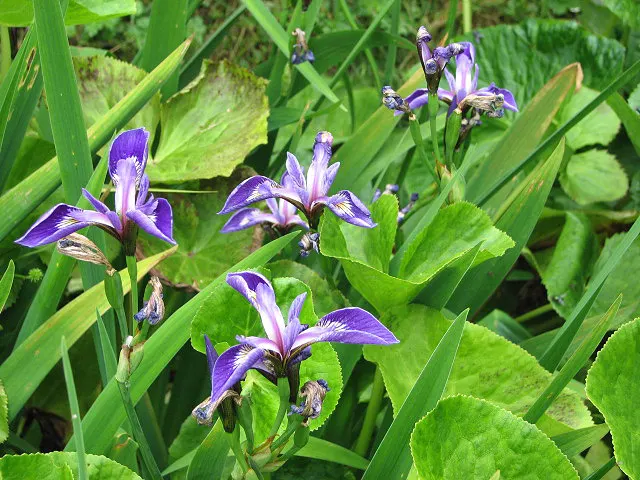
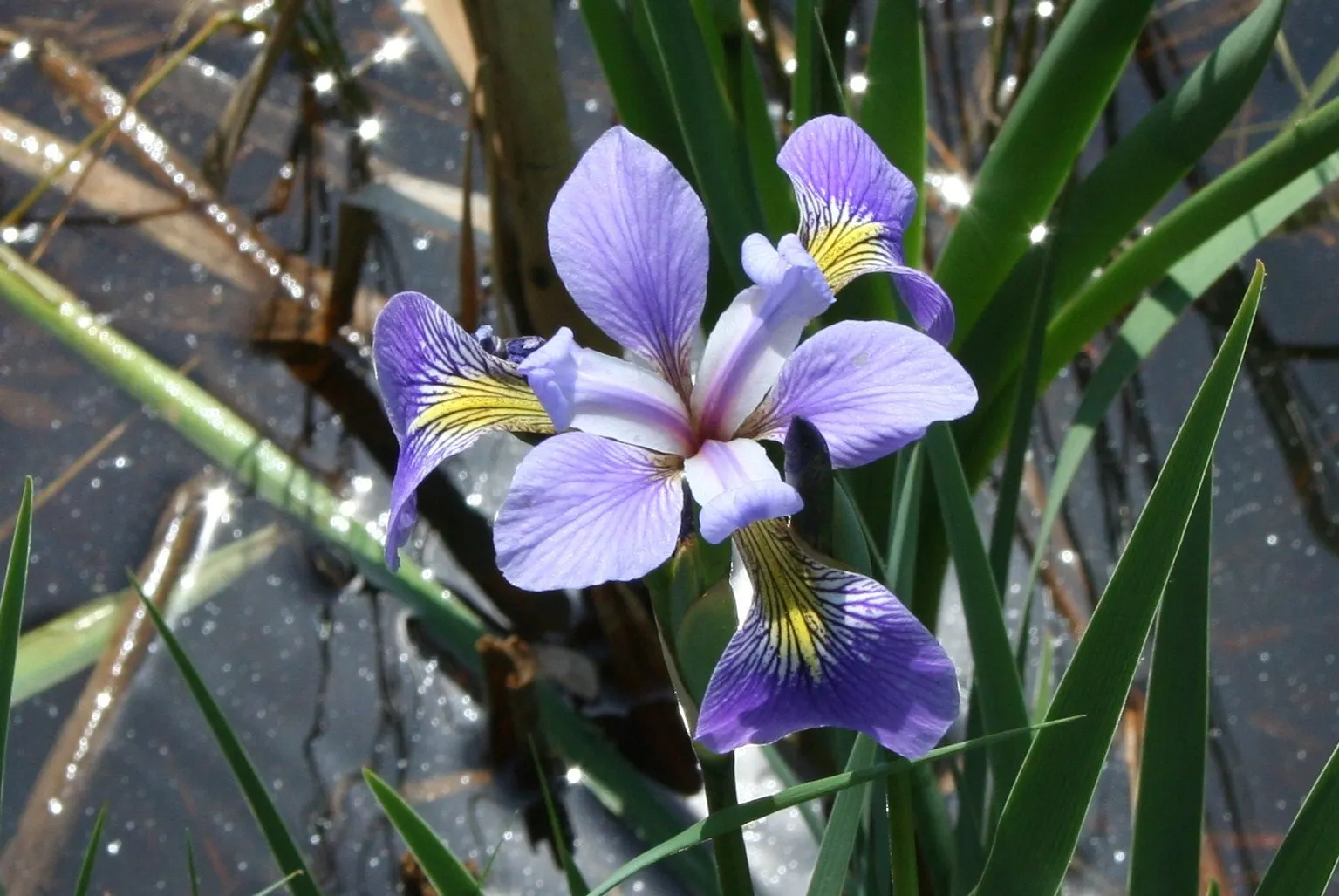
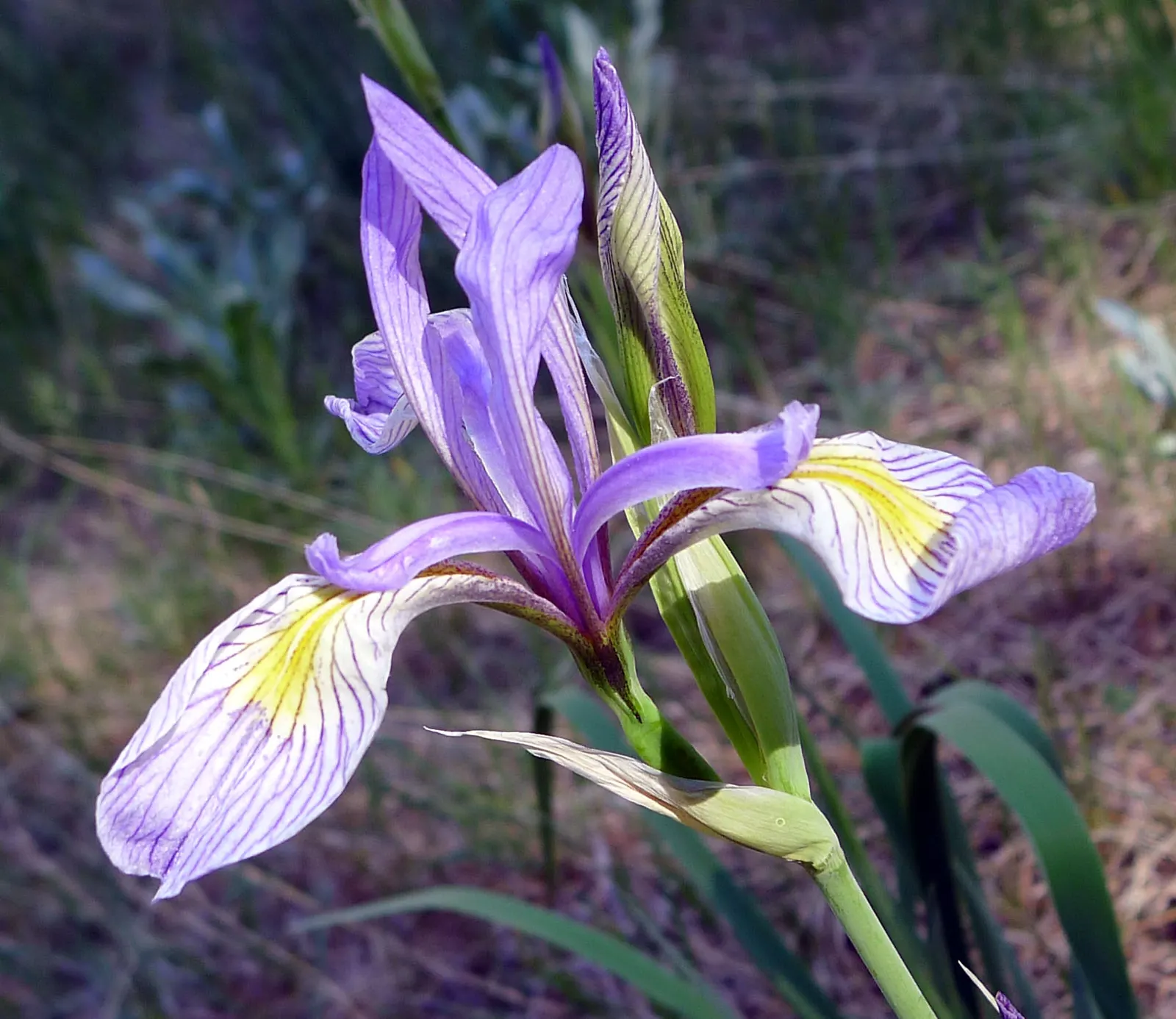
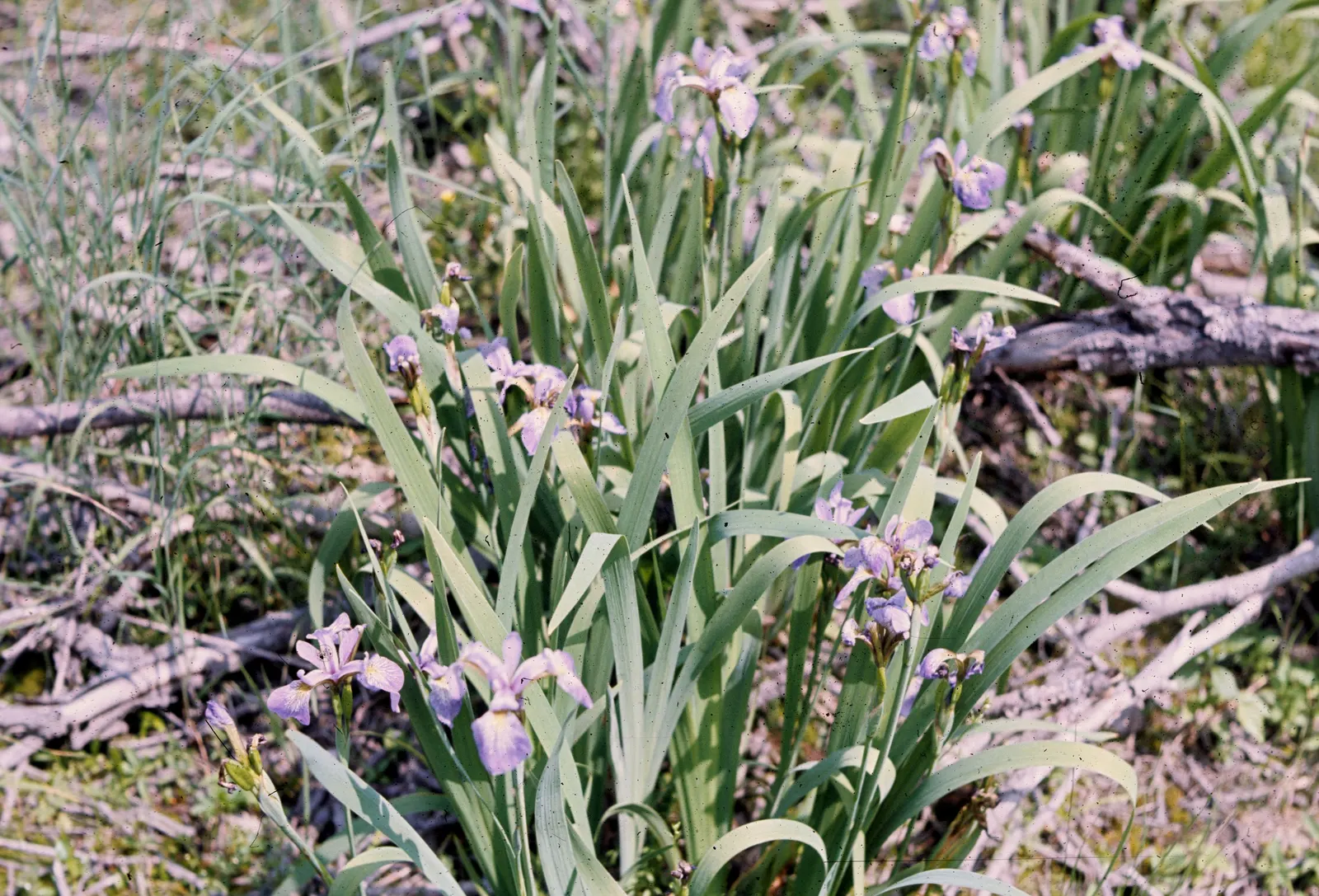
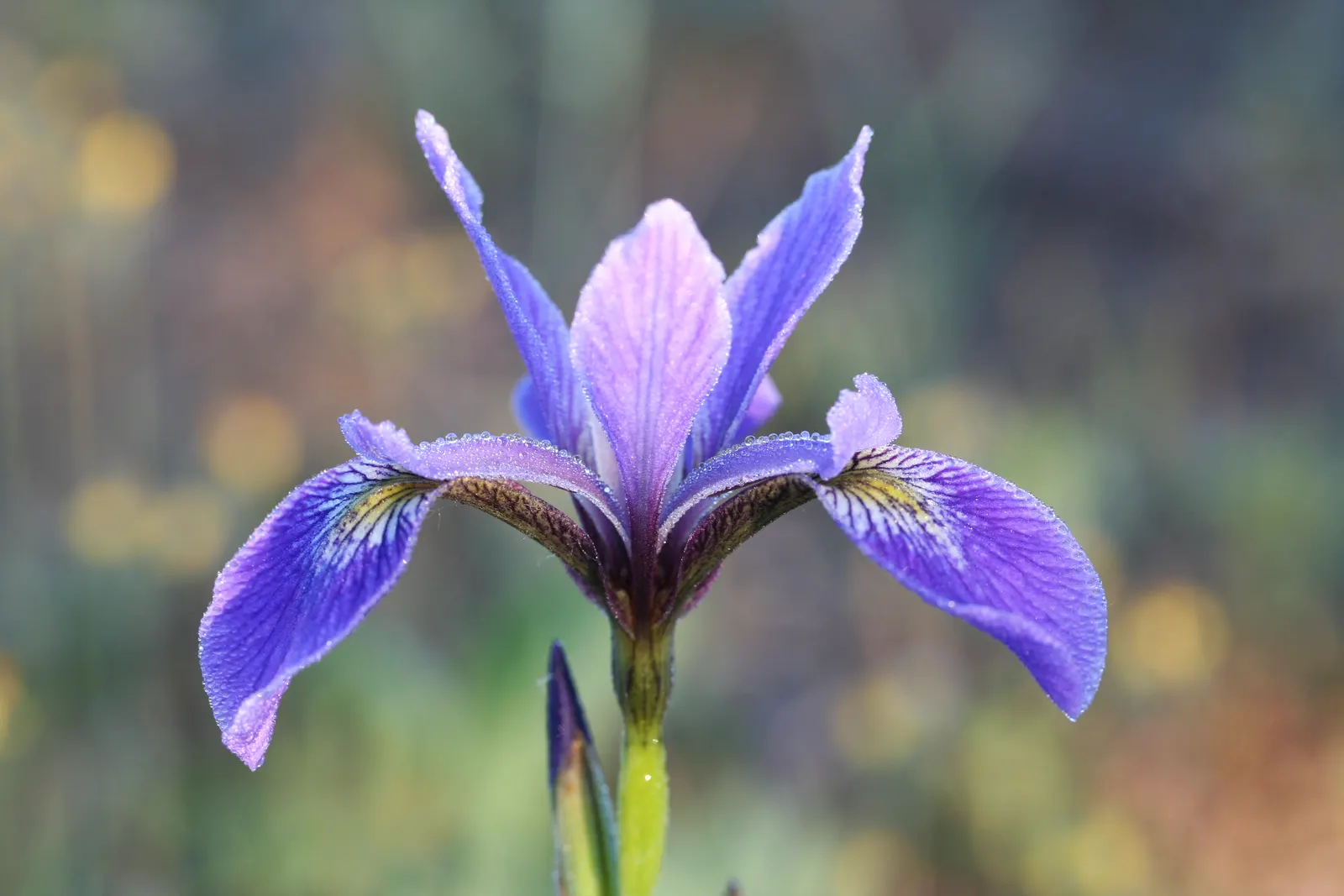
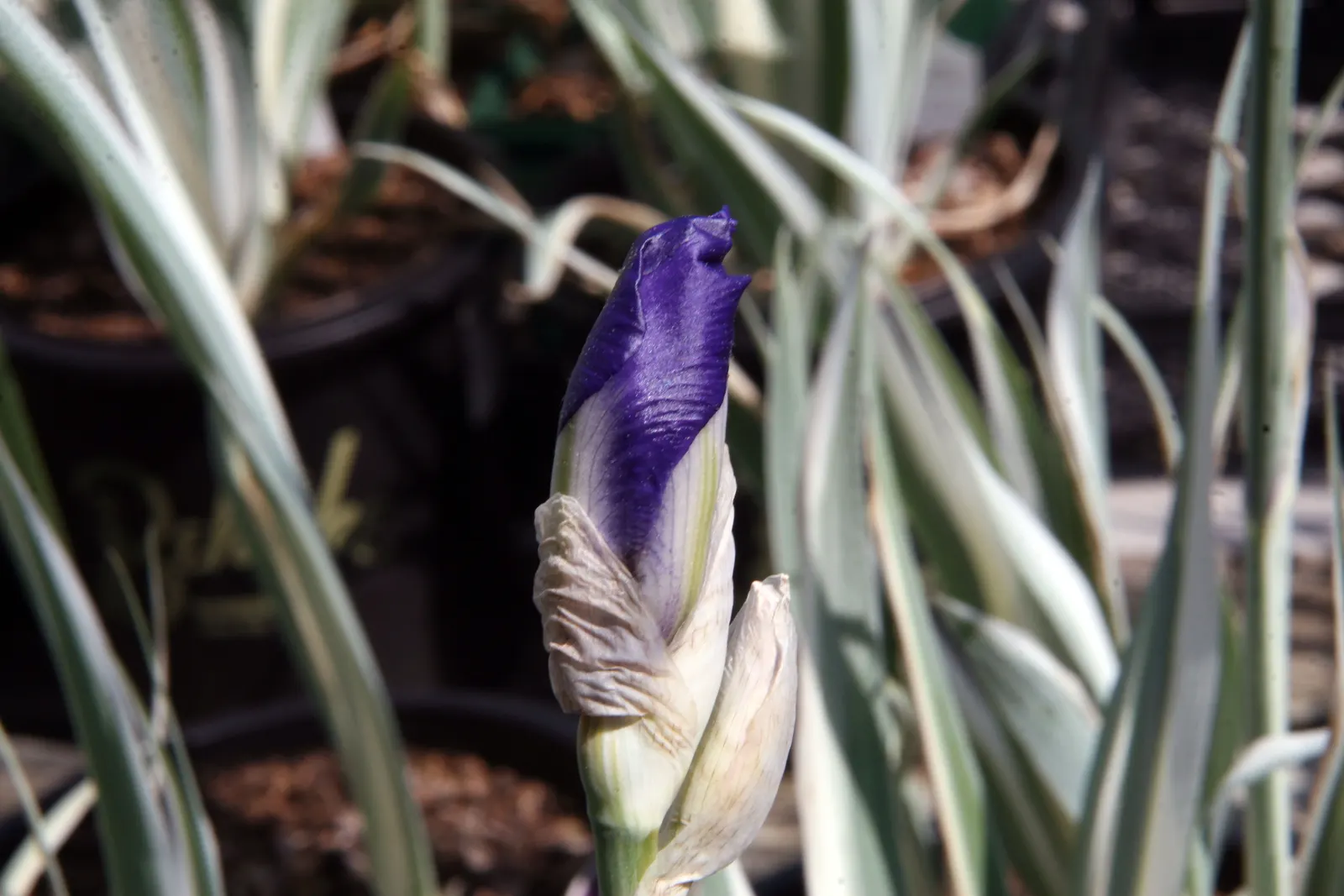
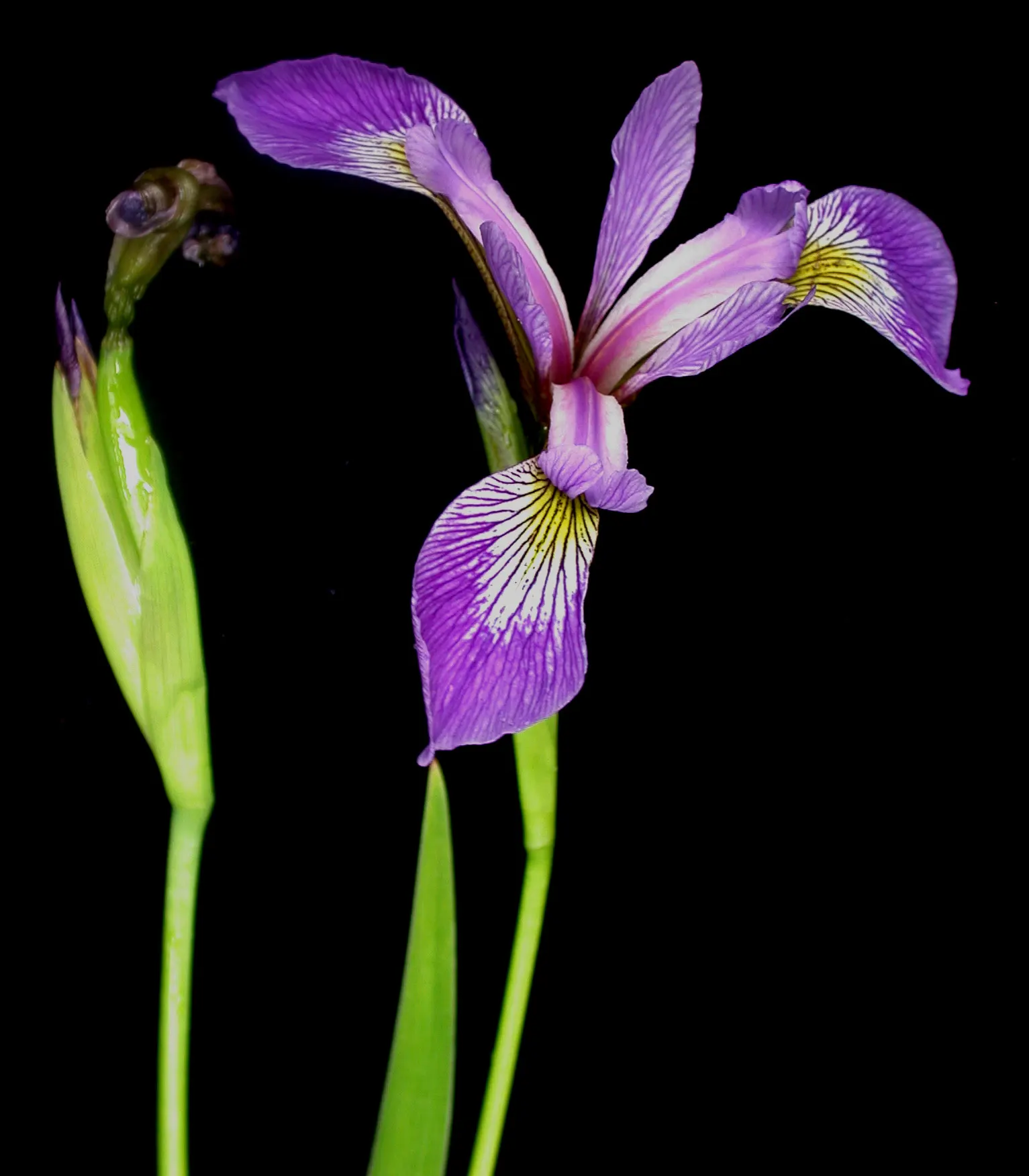
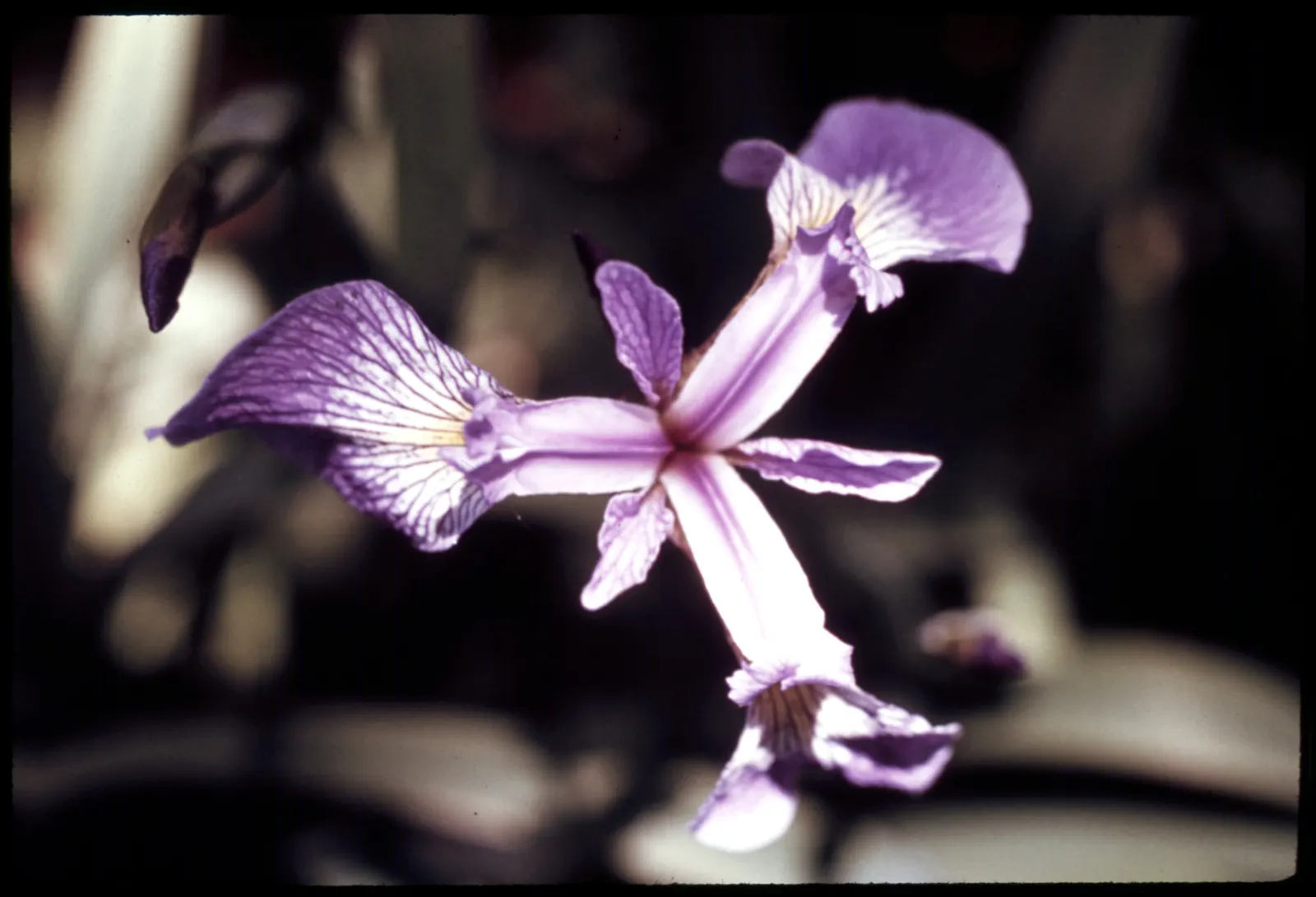
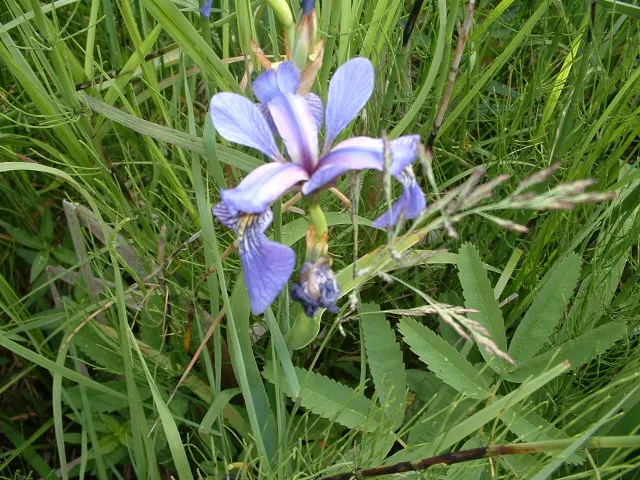
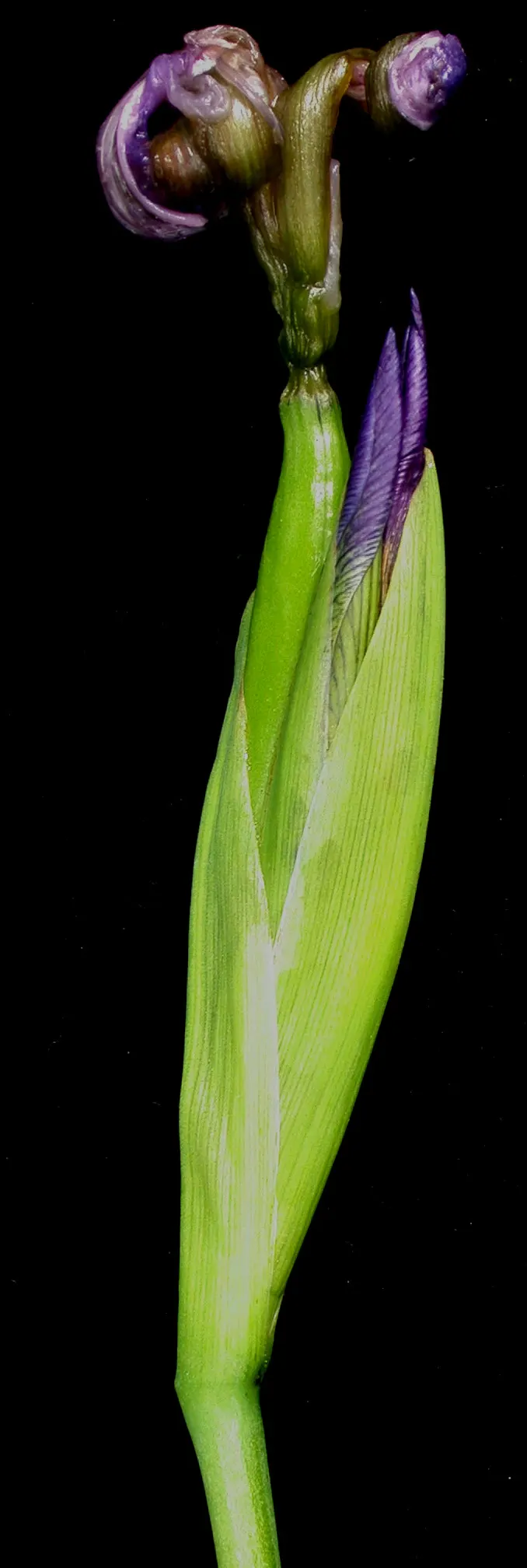
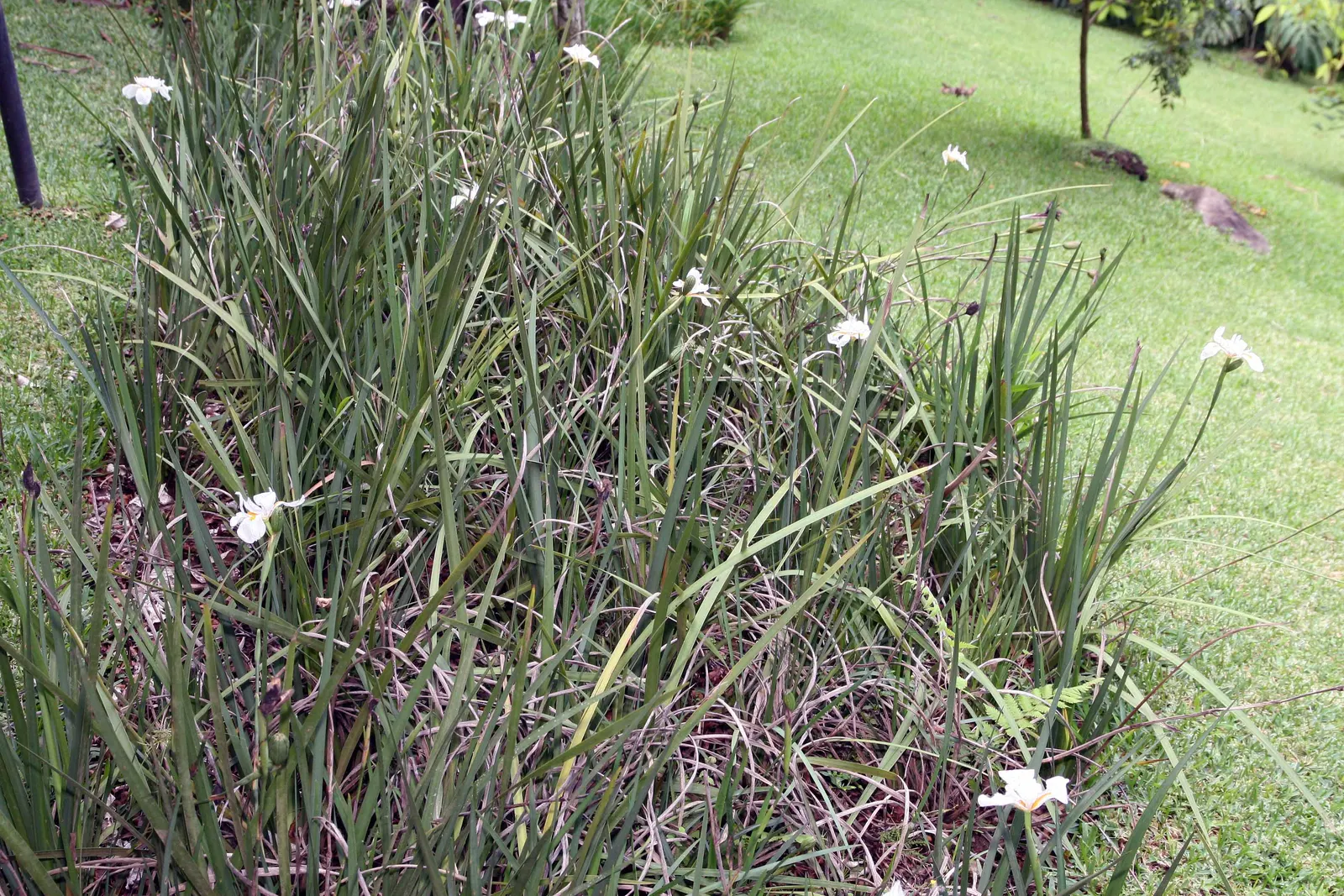
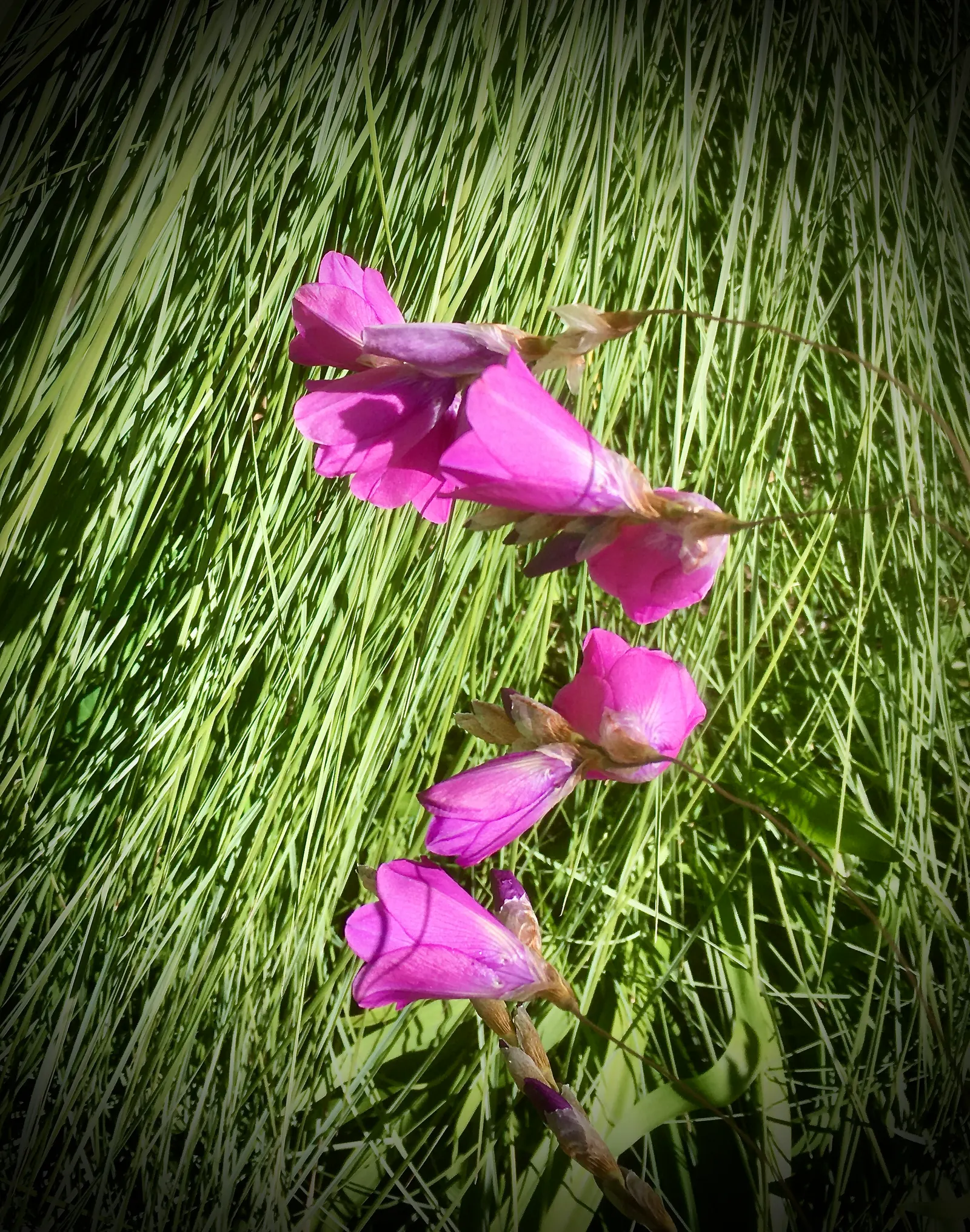
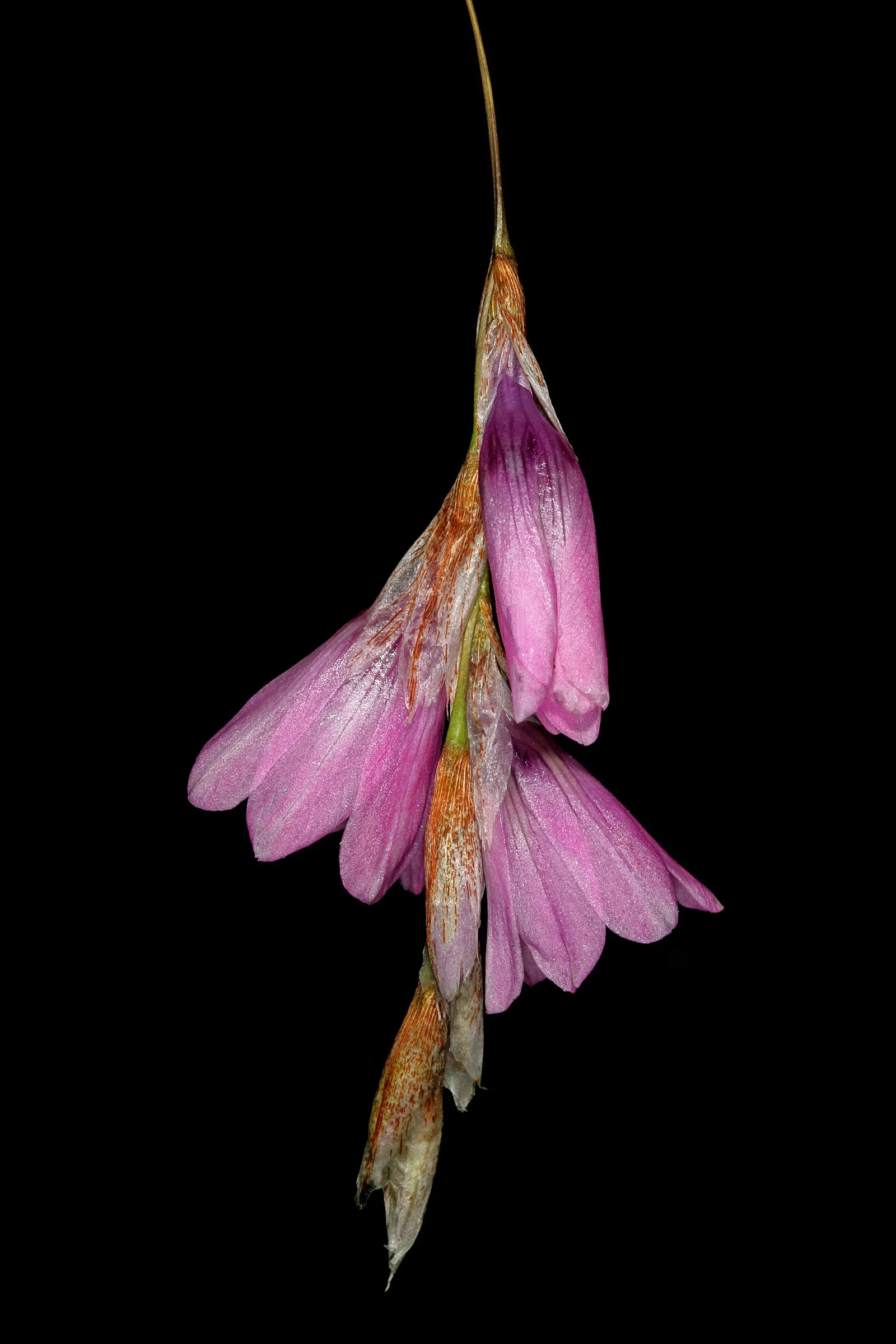
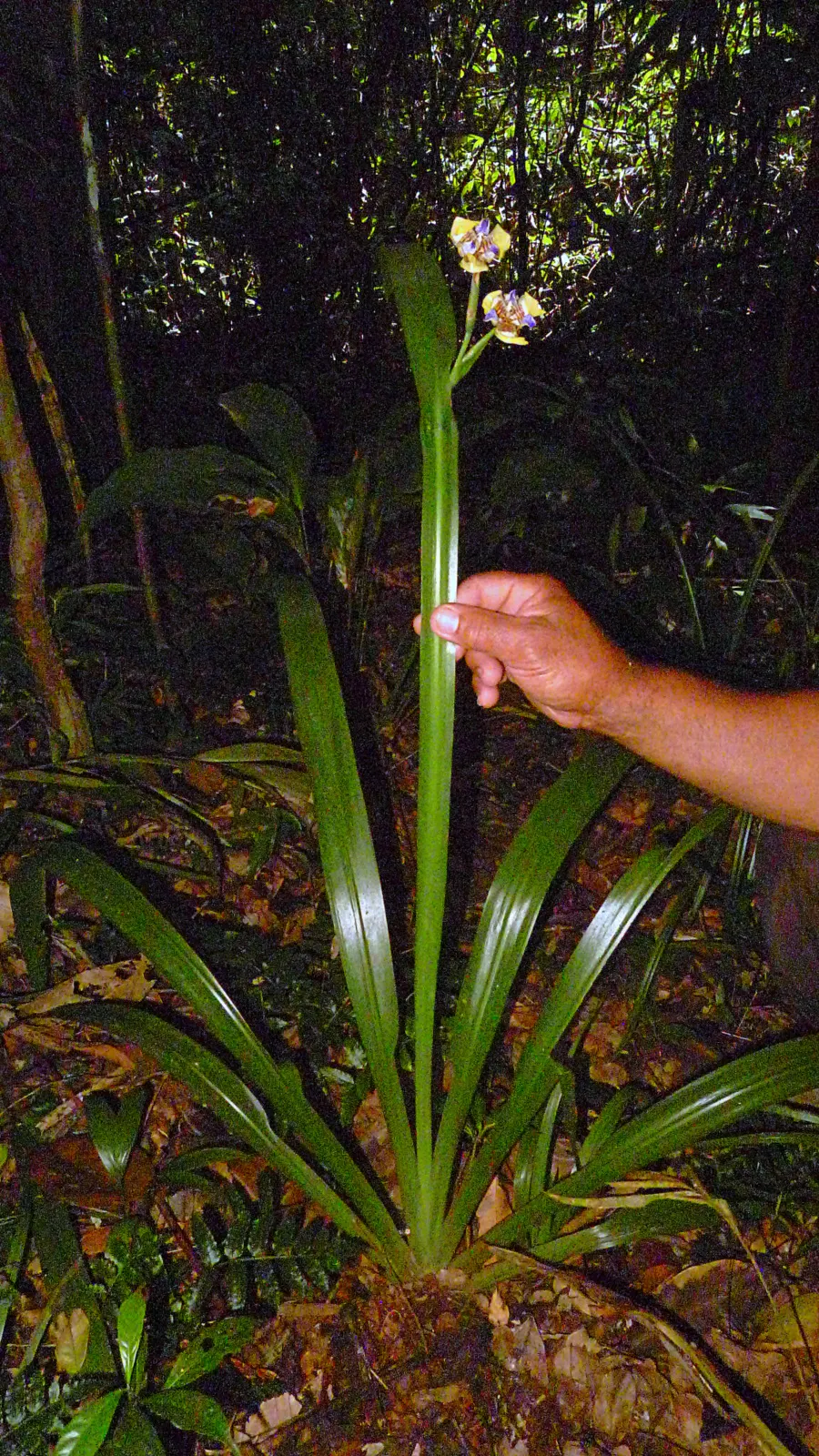
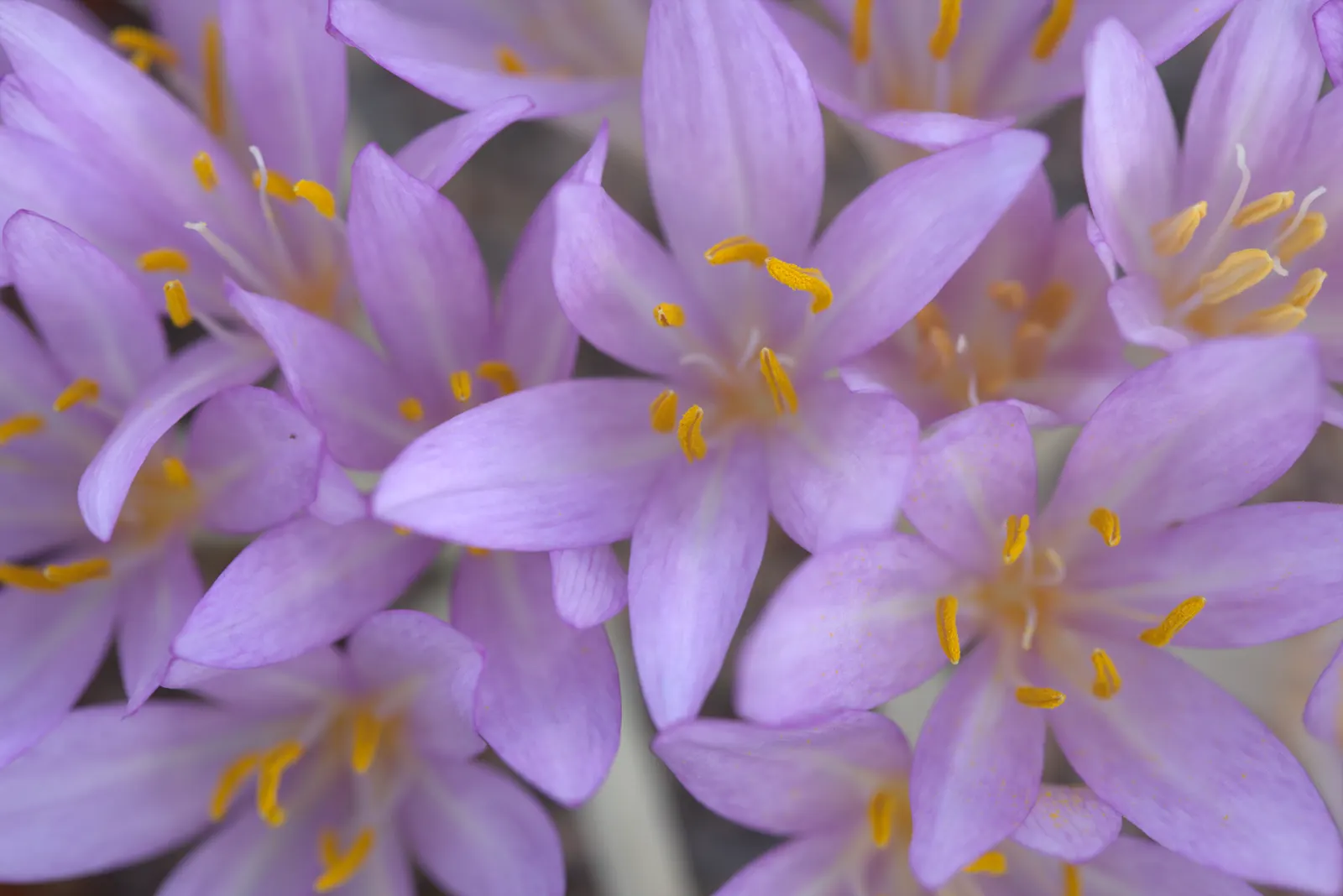
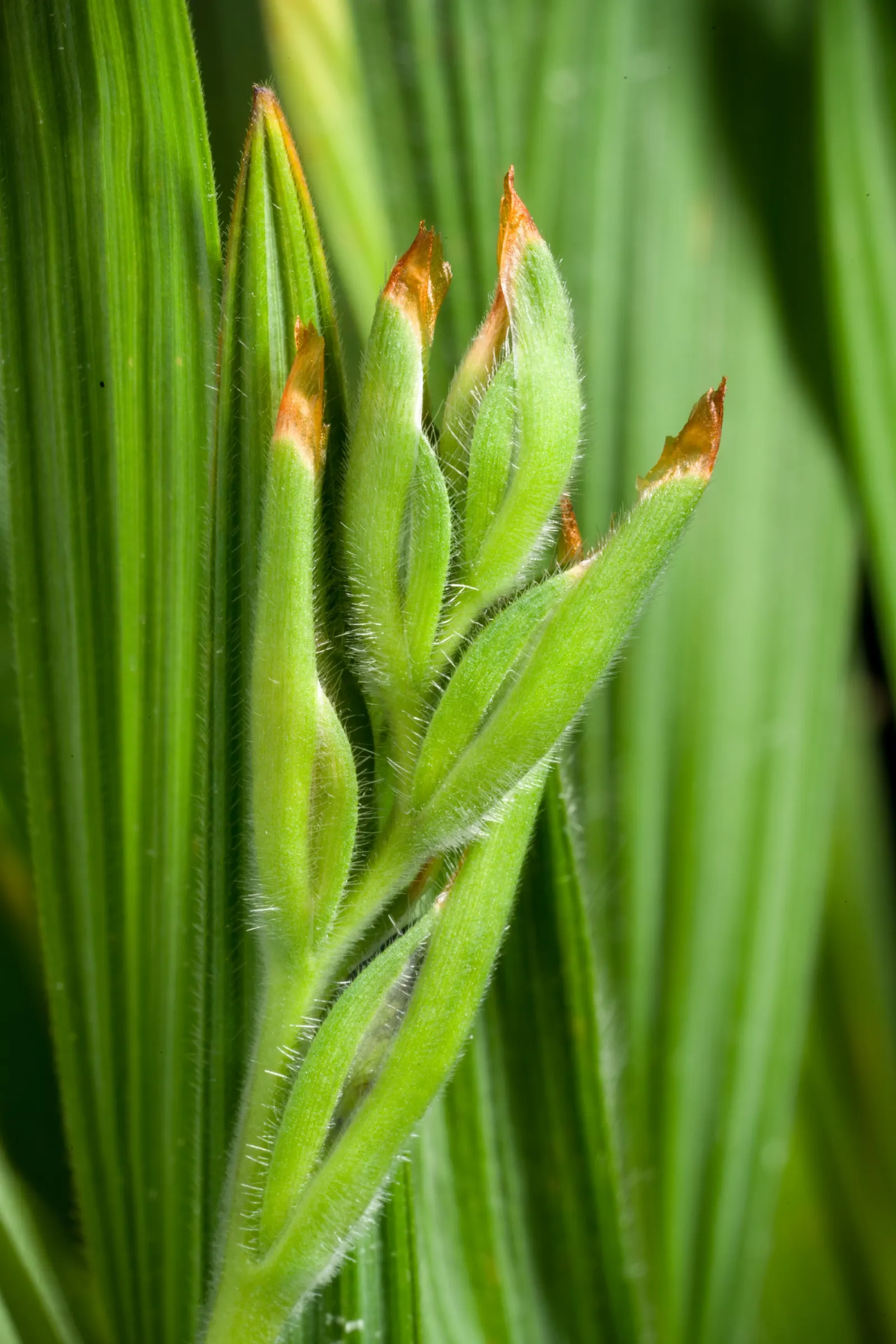
Blue Flag (Iris Versicolor) — Iris versicolor, or Blue Flag, is a striking perennial native to North America; prefers full to partial sun and wet conditions
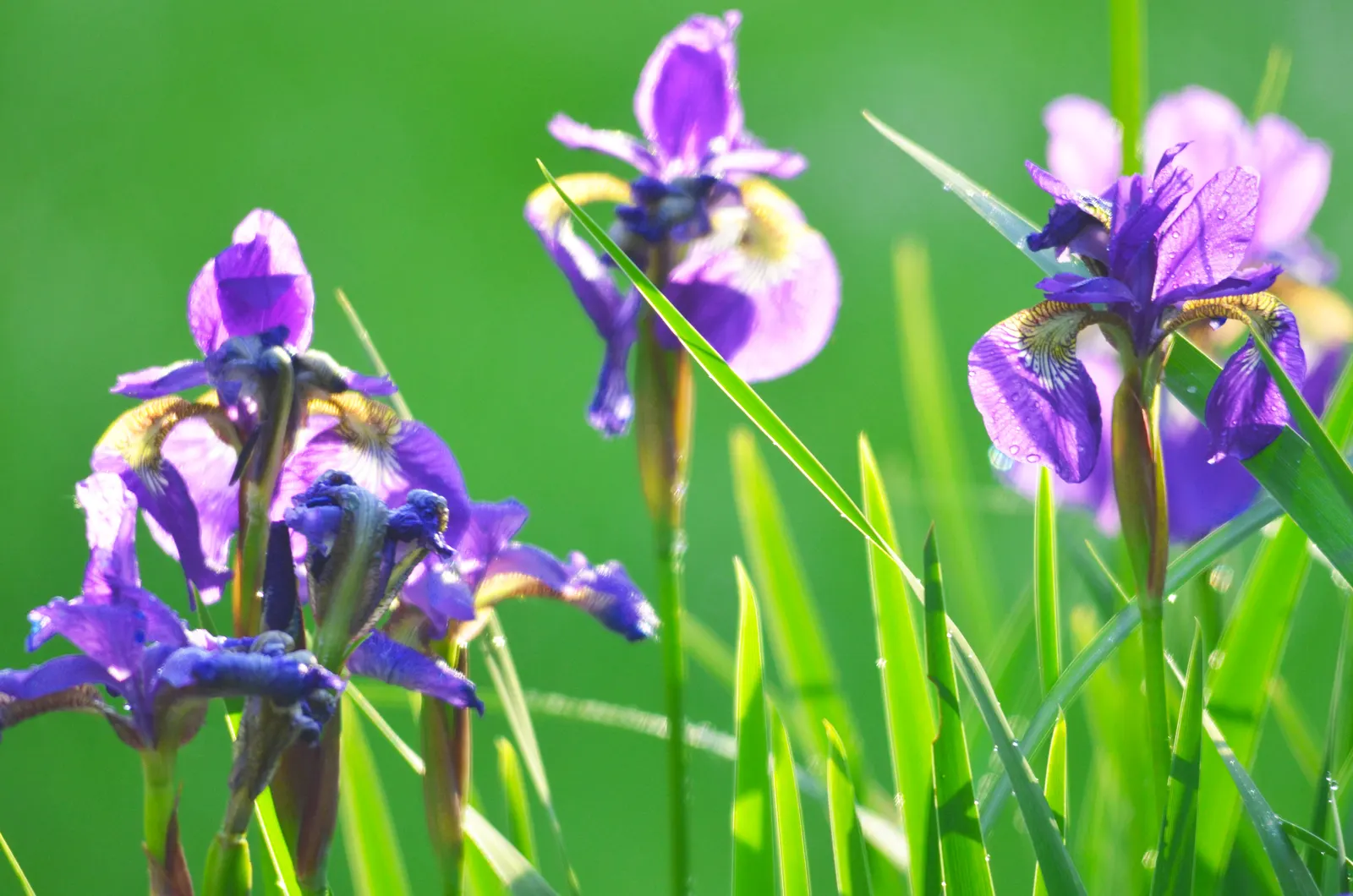
Blue Flag (Iris Versicolor) — Prefers full to partial sun and wet conditions, thriving in zones 3-9
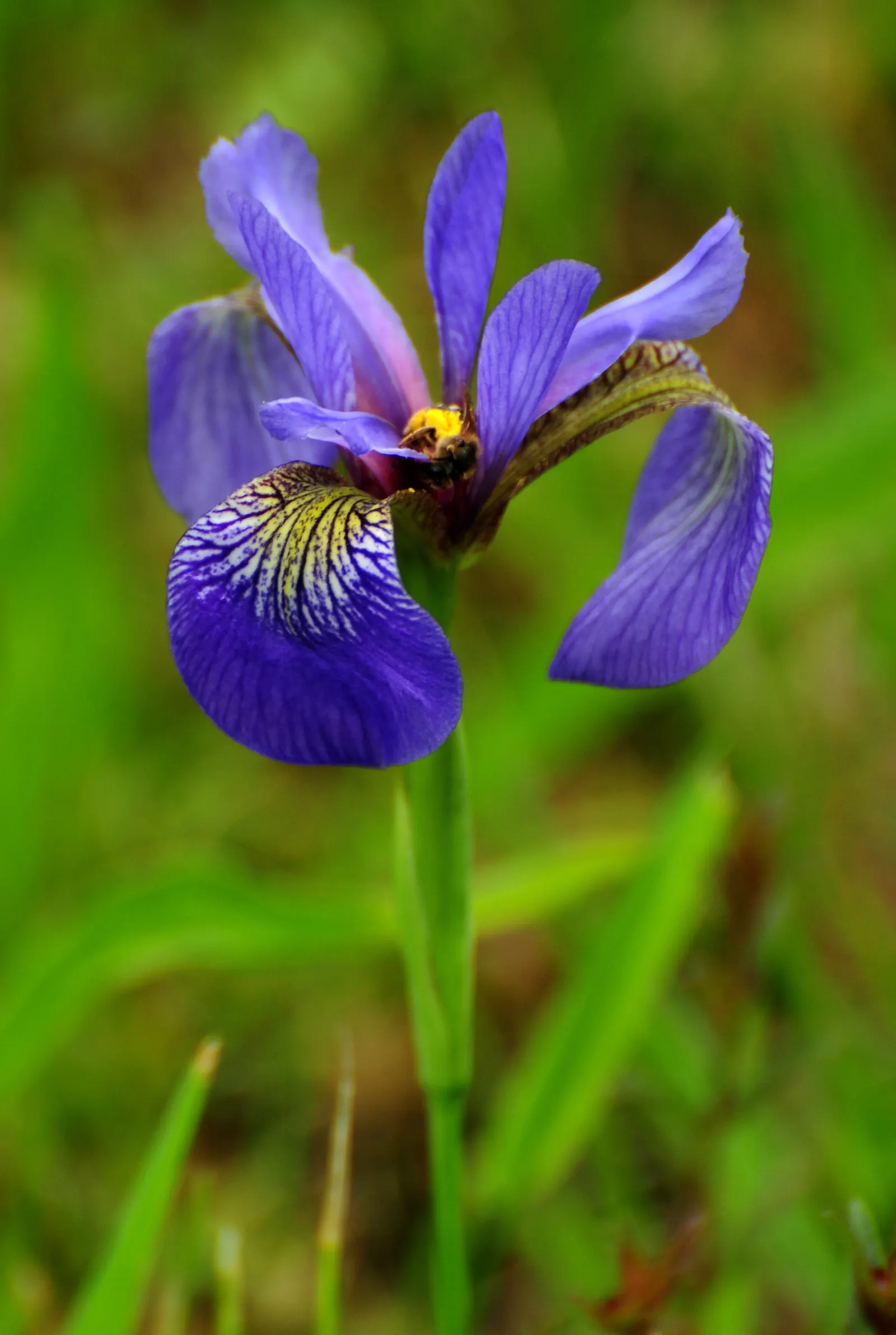
Blue Flag (Iris Versicolor) — Provides habitat support and attracts pollinators, offering both ecological and aesthetic benefits
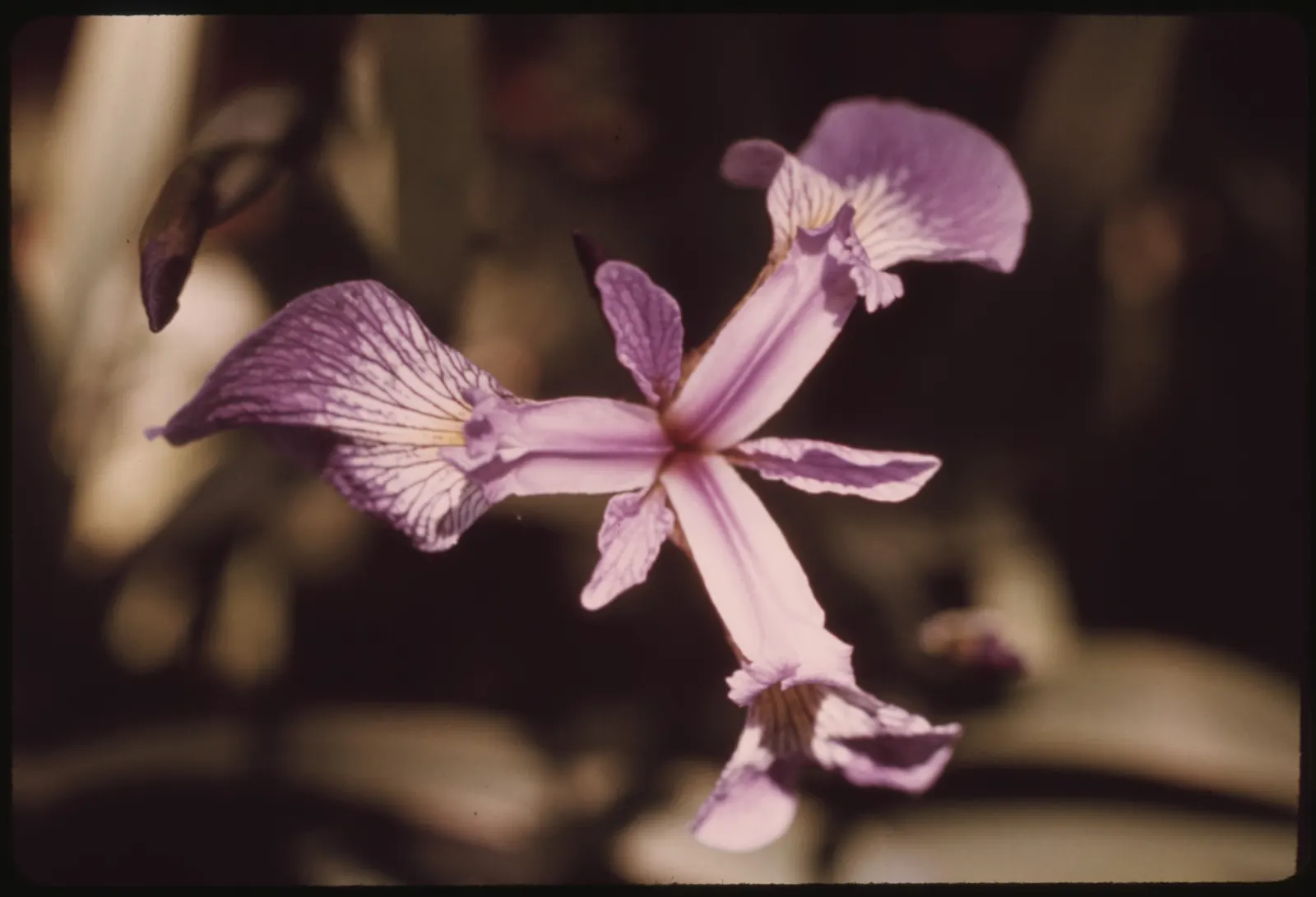
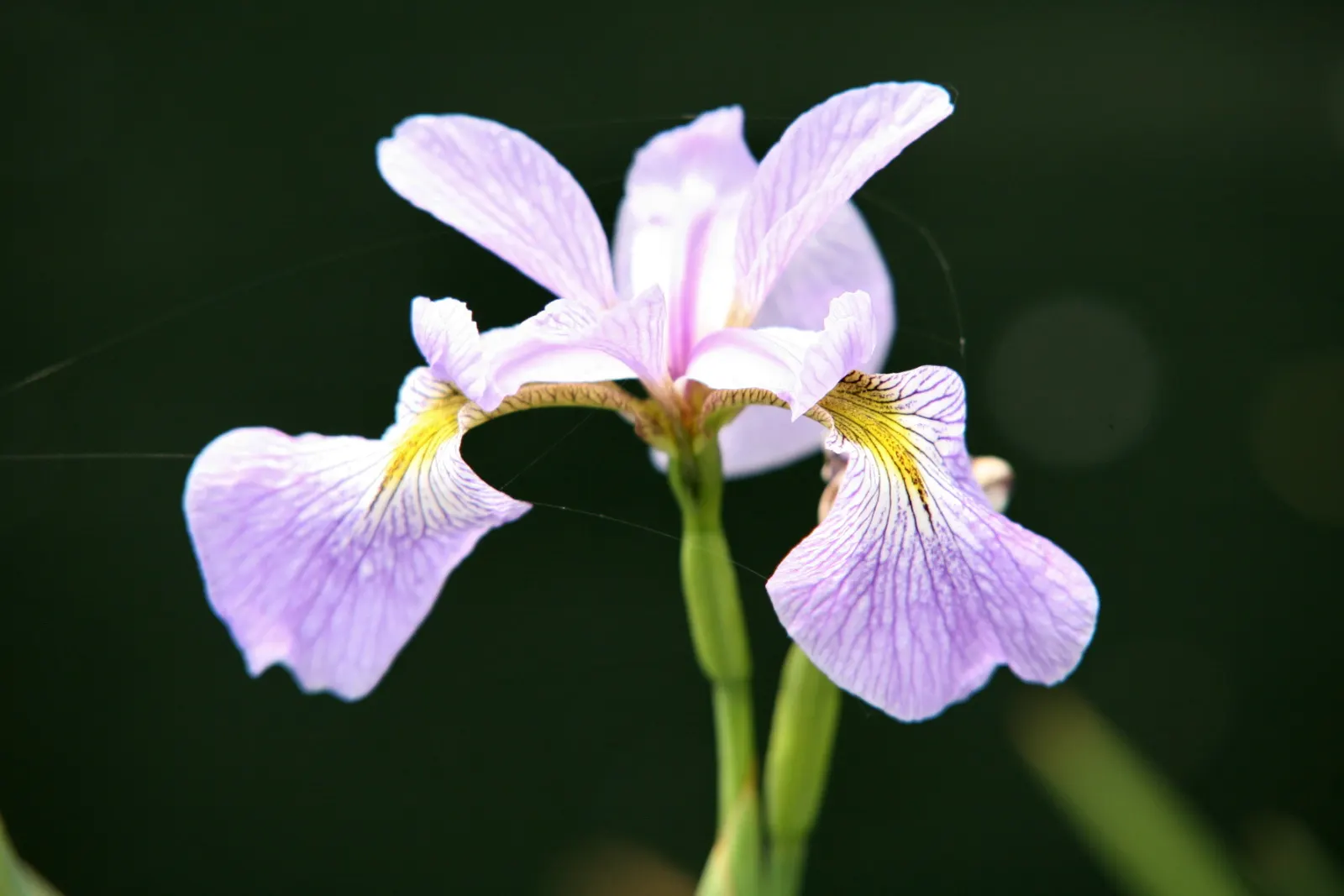
Blue Flag (Iris Versicolor) — making it an ideal choice for planting along pond edges or in naturalized wetland areas
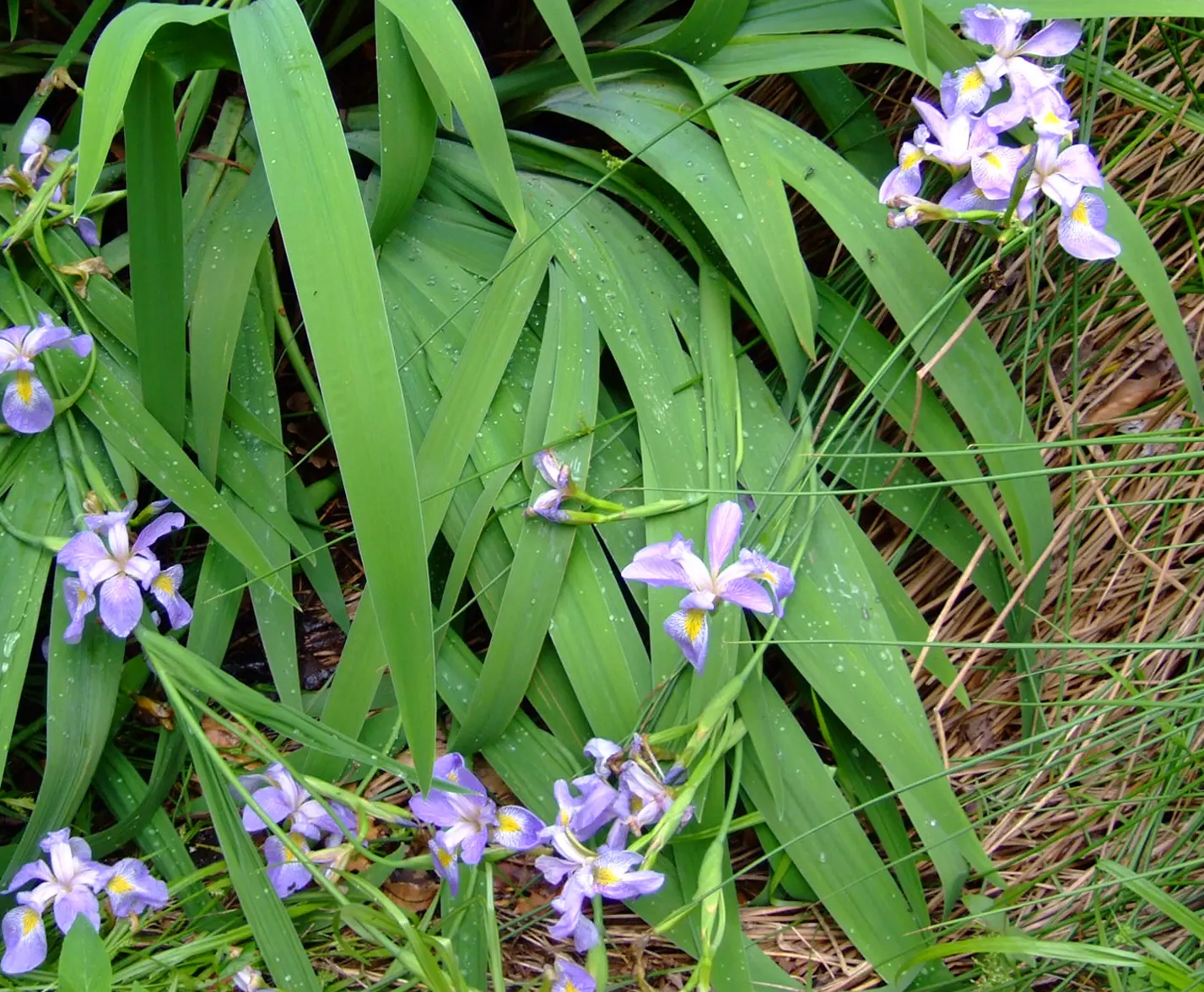
Blue Flag (Iris Versicolor) — scientifically known as Iris versicolor
Blue Flag (Iris Versicolor) — <br><br>Given its beauty and habitat preferences; although it flourishes in slightly acidic conditions with consistent moisture
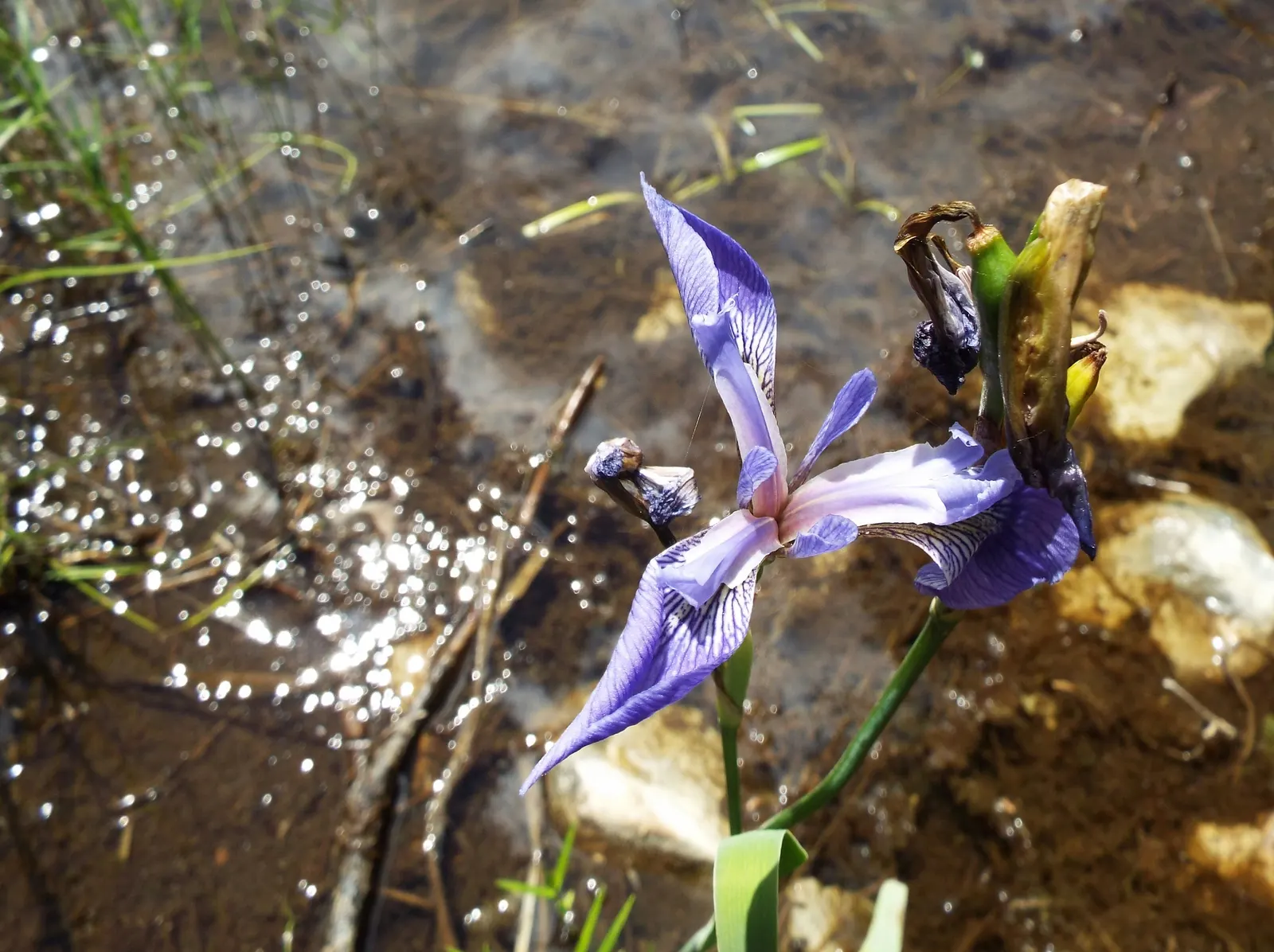
Blue Flag (Iris Versicolor) — Prefers full to partial sun and wet conditions, thriving in zones 3-9; perennial for half
Blue Flag (Iris Versicolor) — With its striking blue-violet flowers; <br><br>Given its beauty and habitat preferences, image 60
Blue Flag (Iris Versicolor) — Ideal for rain gardens and waterside plantings; scientifically known as Iris versicolor, image 55
Blue Flag (Iris Versicolor) — Prefers full to partial sun and wet conditions, thriving in zones 3-9; perennial for half, image 54
Blue Flag (Iris Versicolor) — Provides habitat support and attracts pollinators, offering both ecological and aesthetic benefits; with a minimum of, image 56
Blue Flag (Iris Versicolor) — It is adaptable to a variety of soil types; grows to 2‚Äì3 feet tall with lance-shaped leaves, image 65
Blue Flag (Iris Versicolor) — <br><br>Given its beauty and habitat preferences; although it flourishes in slightly acidic conditions with, image 92
Blue Flag (Iris Versicolor) — perennial with blue and lavender and multi-colored blooms; it is adaptable to a variety of soil types
Blue Flag (Iris Versicolor) — Ideal for rain gardens and waterside plantings; scientifically known as Iris versicolor
Blue Flag (Iris Versicolor) — Grows to 2‚Äì3 feet tall with lance-shaped leaves; each blossom showcases an elegant mix of purple, image 52
Blue Flag (Iris Versicolor) — making it an ideal choice for planting along pond edges or in naturalized wetland areas; with its striking blue-violet flowers
Blue Flag (Iris Versicolor) — is a captivating perennial that brings a splash of vibrant color to any garden
Blue Flag (Iris Versicolor) — blue and lavender and multi-colored flowers in the garden; is a captivating perennial that brings a splash of vibrant color to
Blue Flag (Iris Versicolor) — although it flourishes in slightly acidic conditions with consistent moisture; making it an ideal choice for planting along pond
Blue Flag (Iris Versicolor) — its flowers offering a delicate yet striking appearance; provides habitat support and attracts pollinators, offering both
Blue Flag (Iris Versicolor) — When incorporating Blue Flags into a landscape
Blue Flag (Iris Versicolor) — where its water filtration capabilities can be used to improve soil and water quality; ideal for rain gardens and, image 69
Blue Flag (Iris Versicolor) — Ideal for rain gardens and waterside plantings; scientifically known as Iris versicolor, image 80
Photographs by 13 contributors

Related plants