Skip to content

Iris Species

Iris Spp.

Design with this plant

Overview

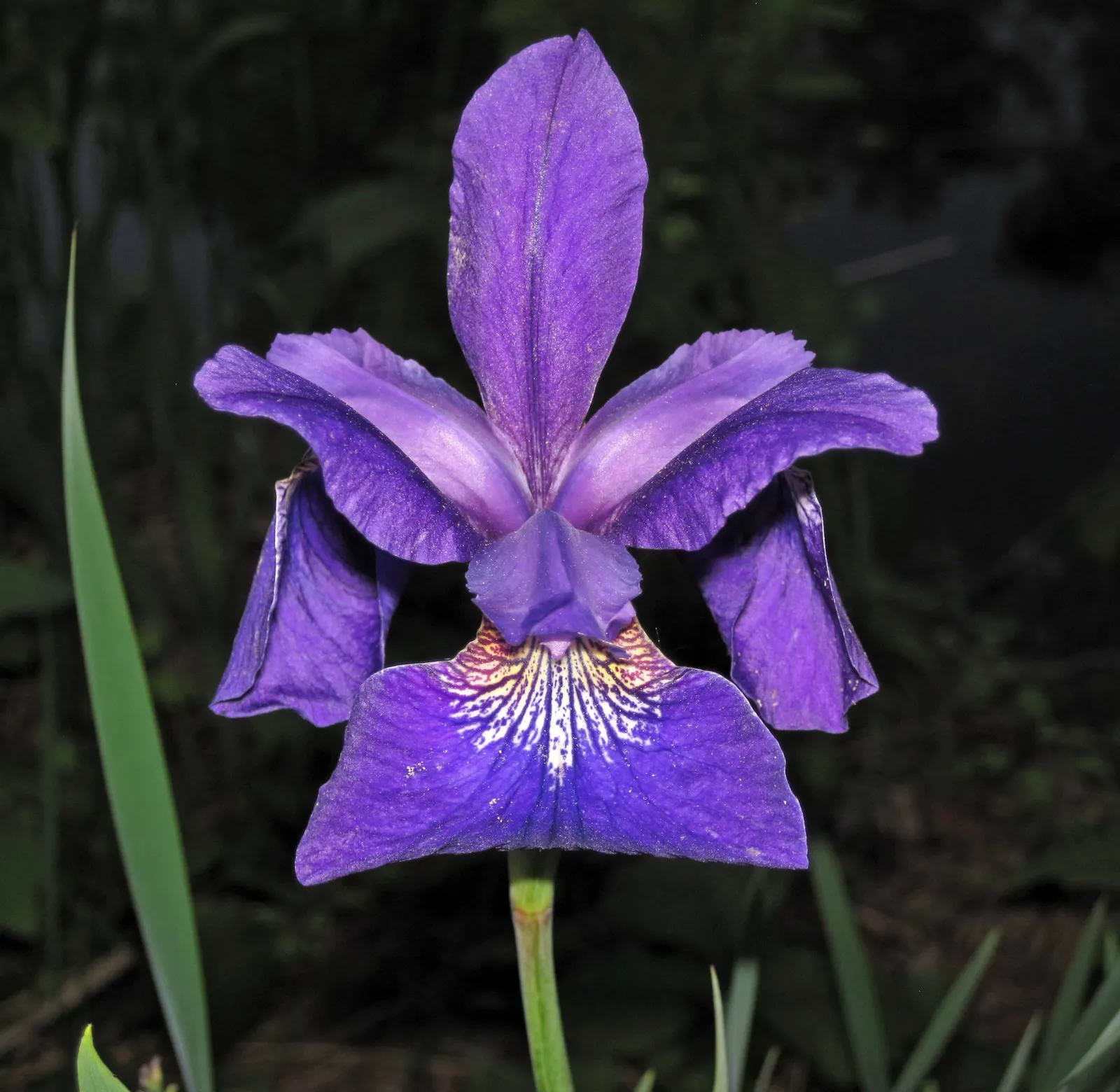
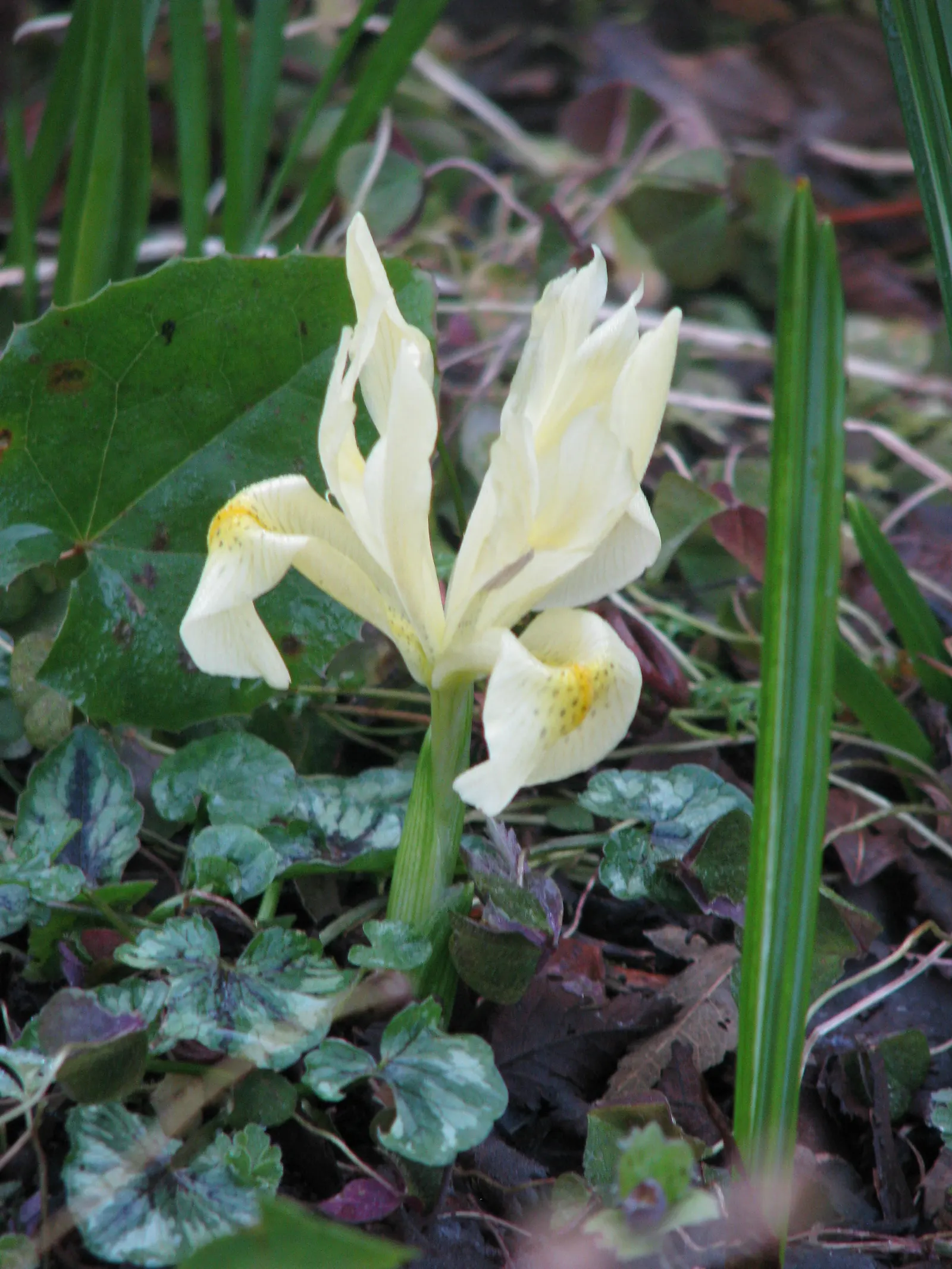
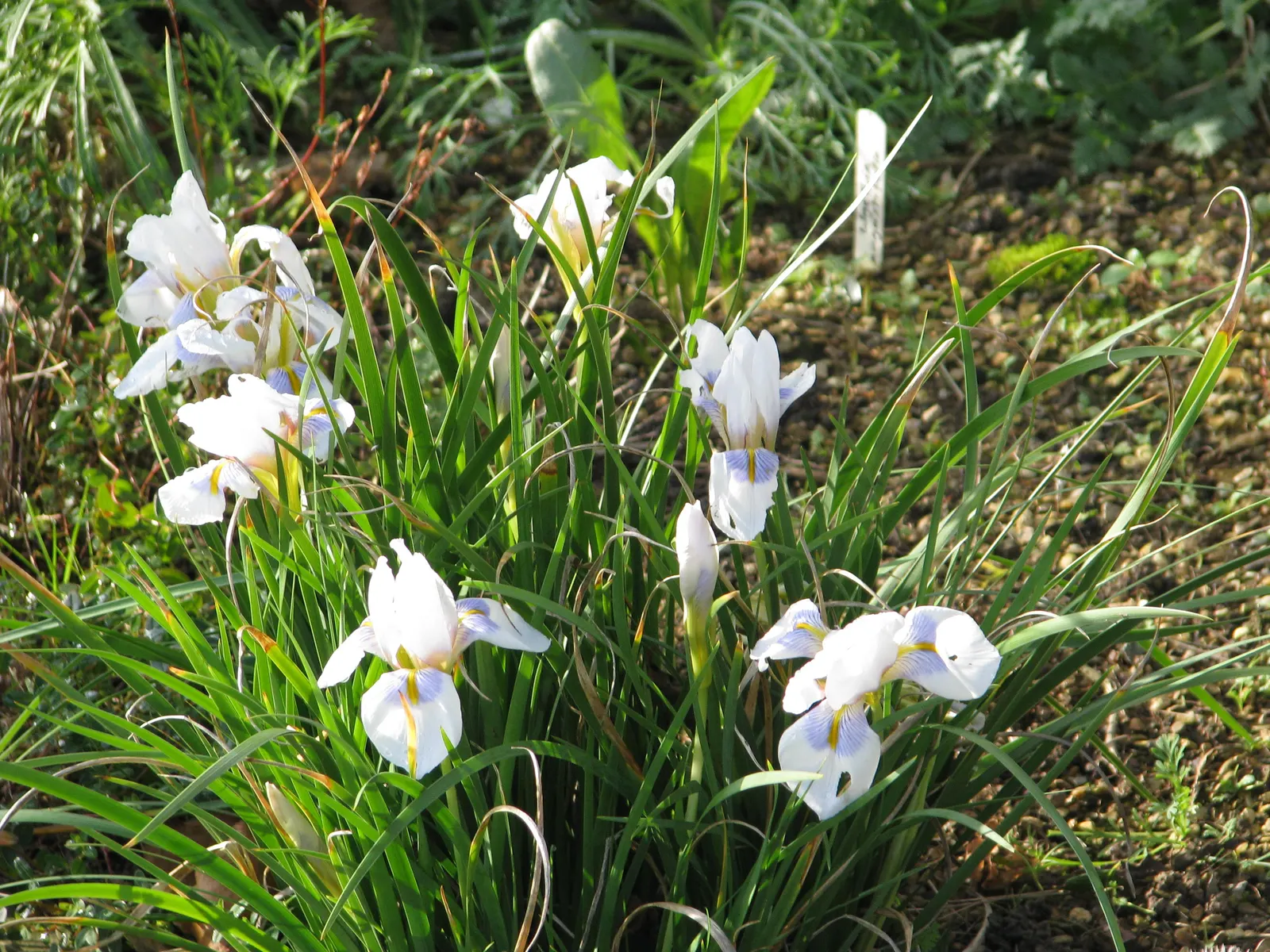
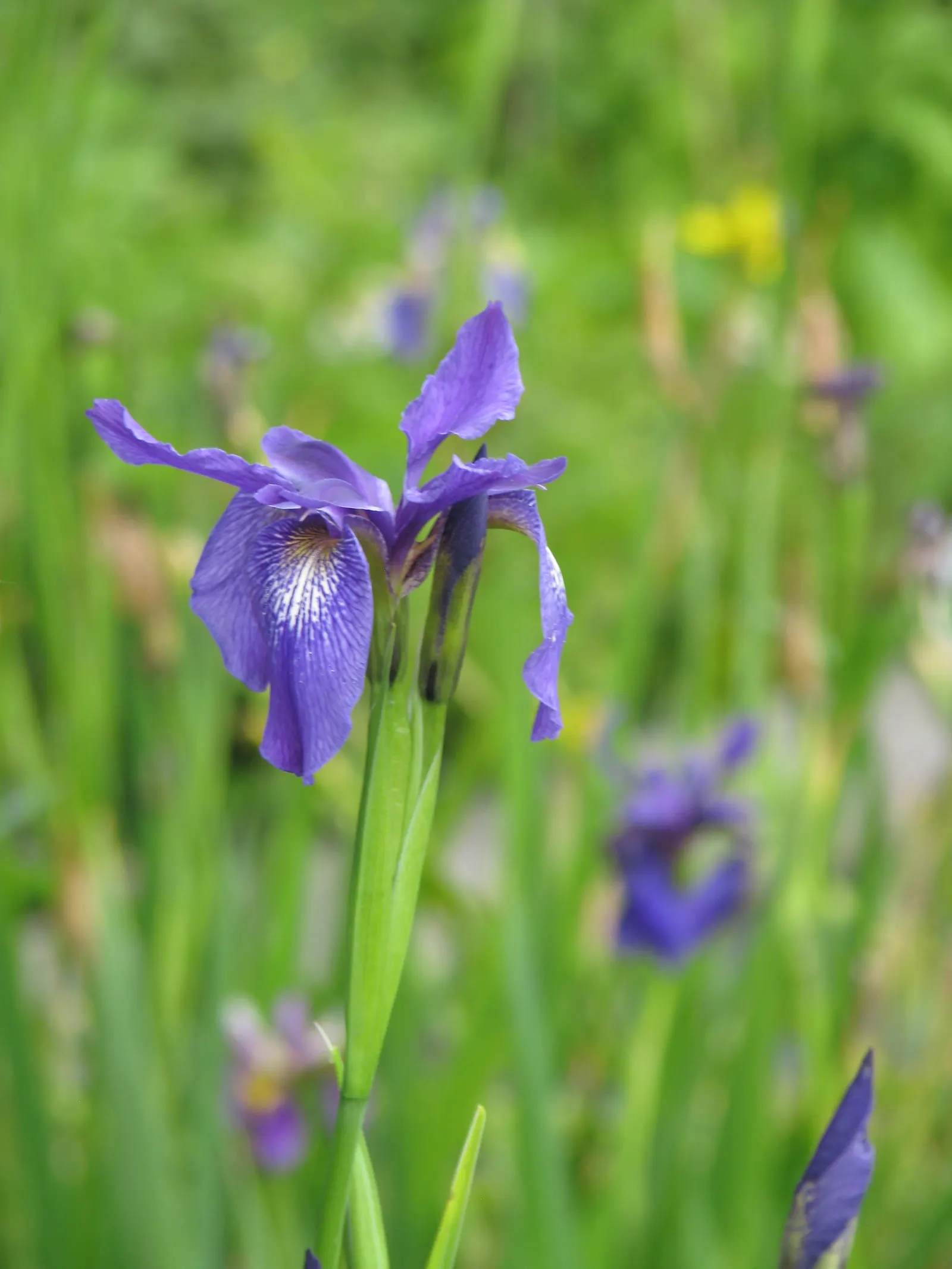
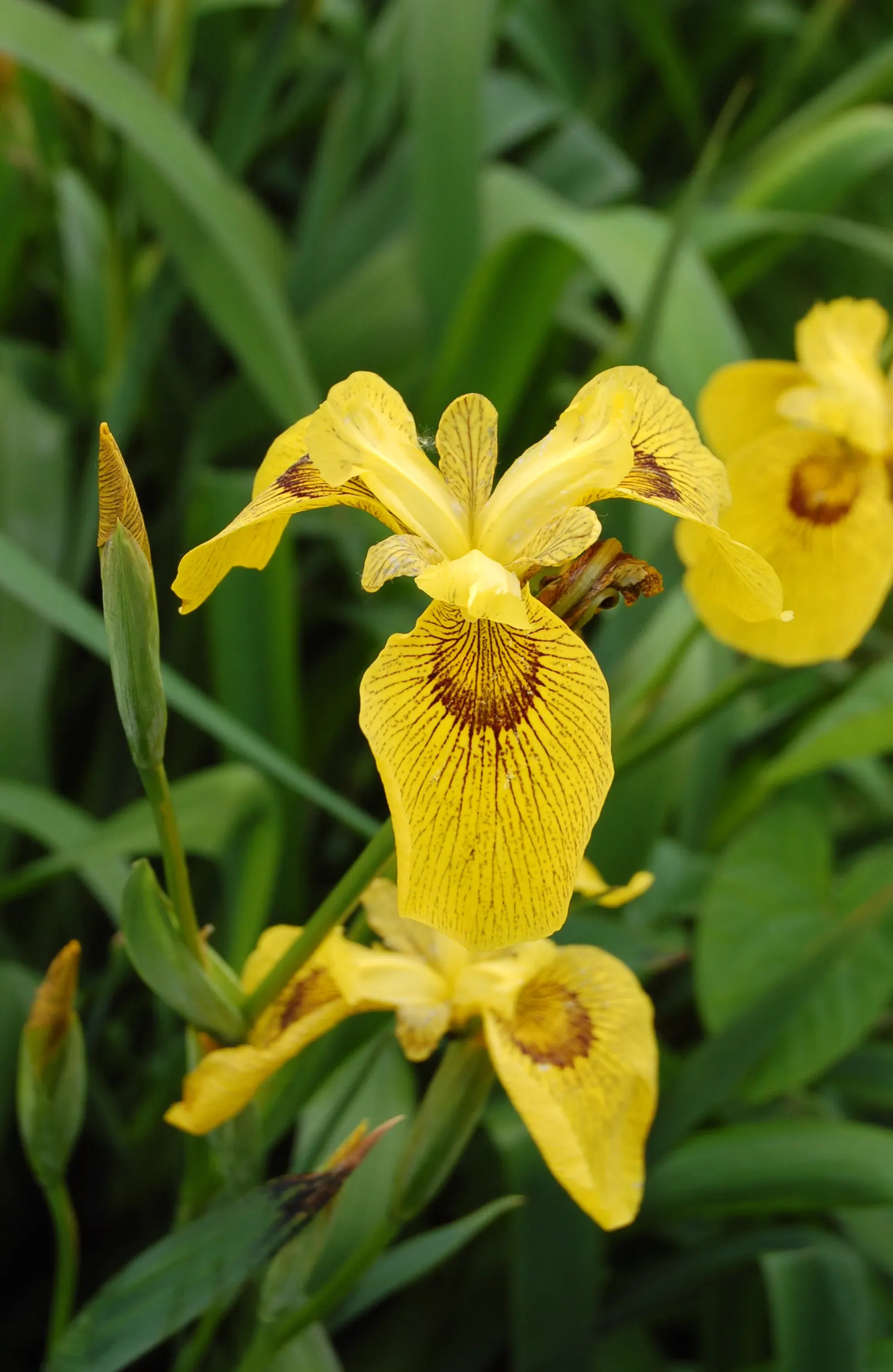
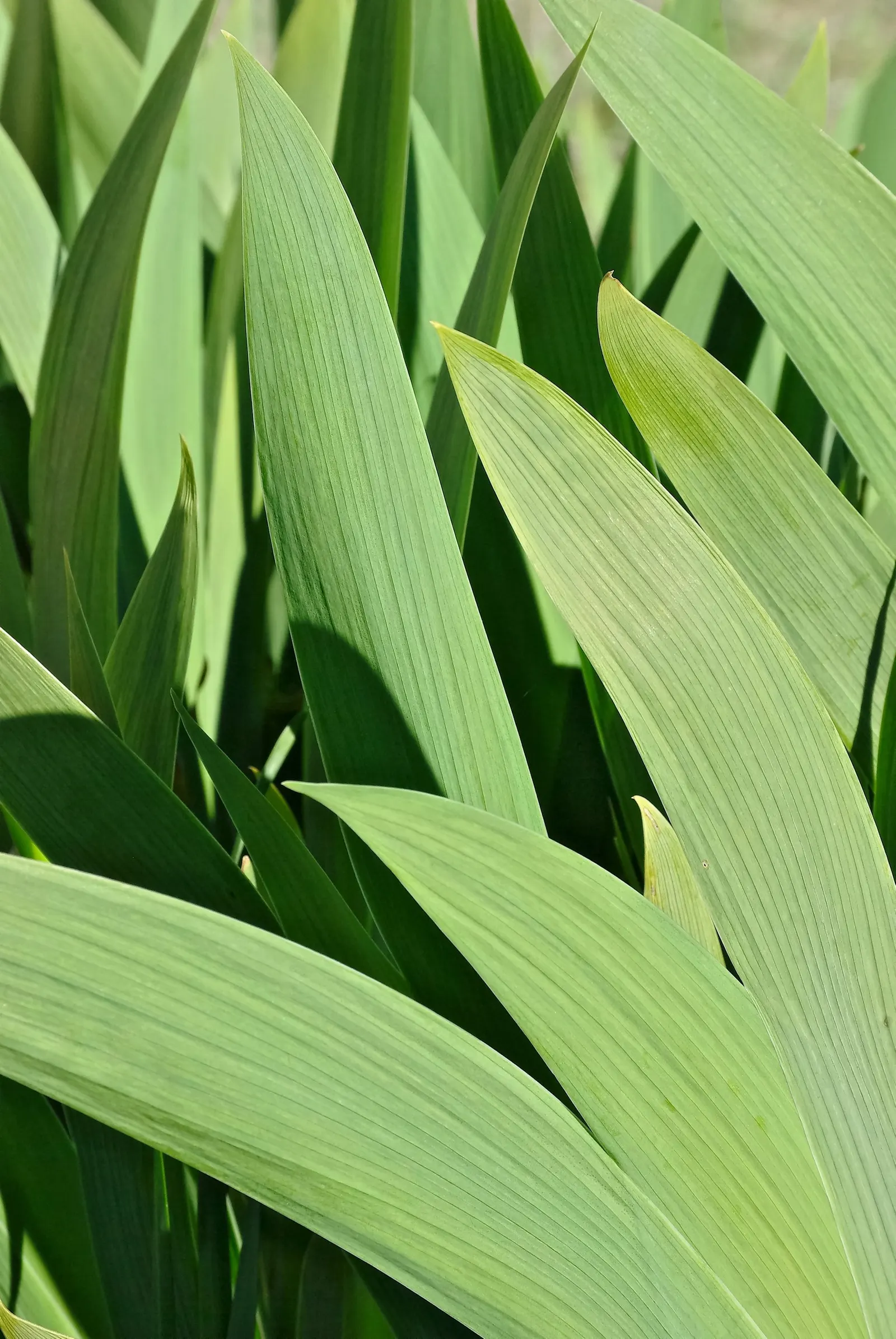
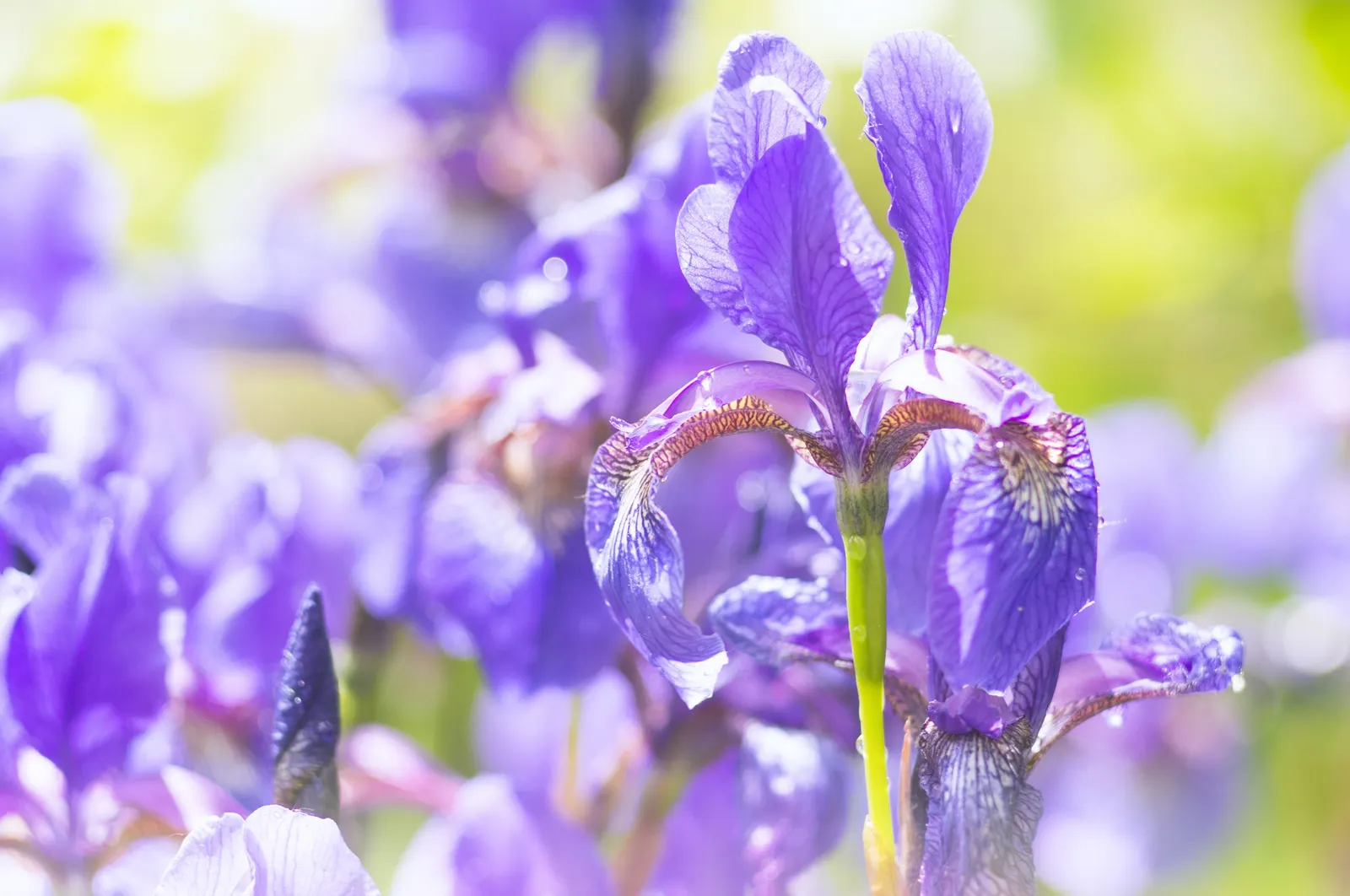
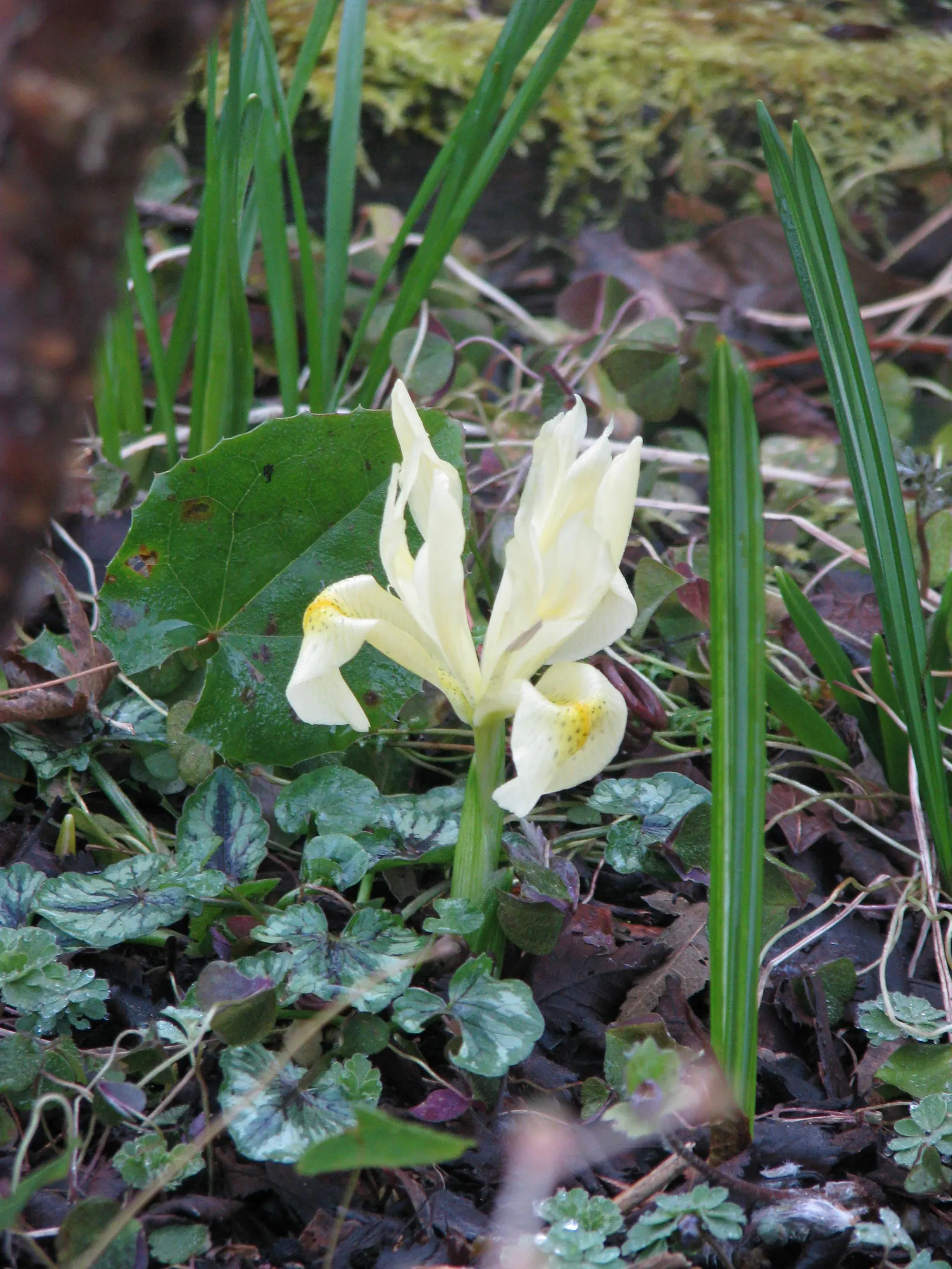
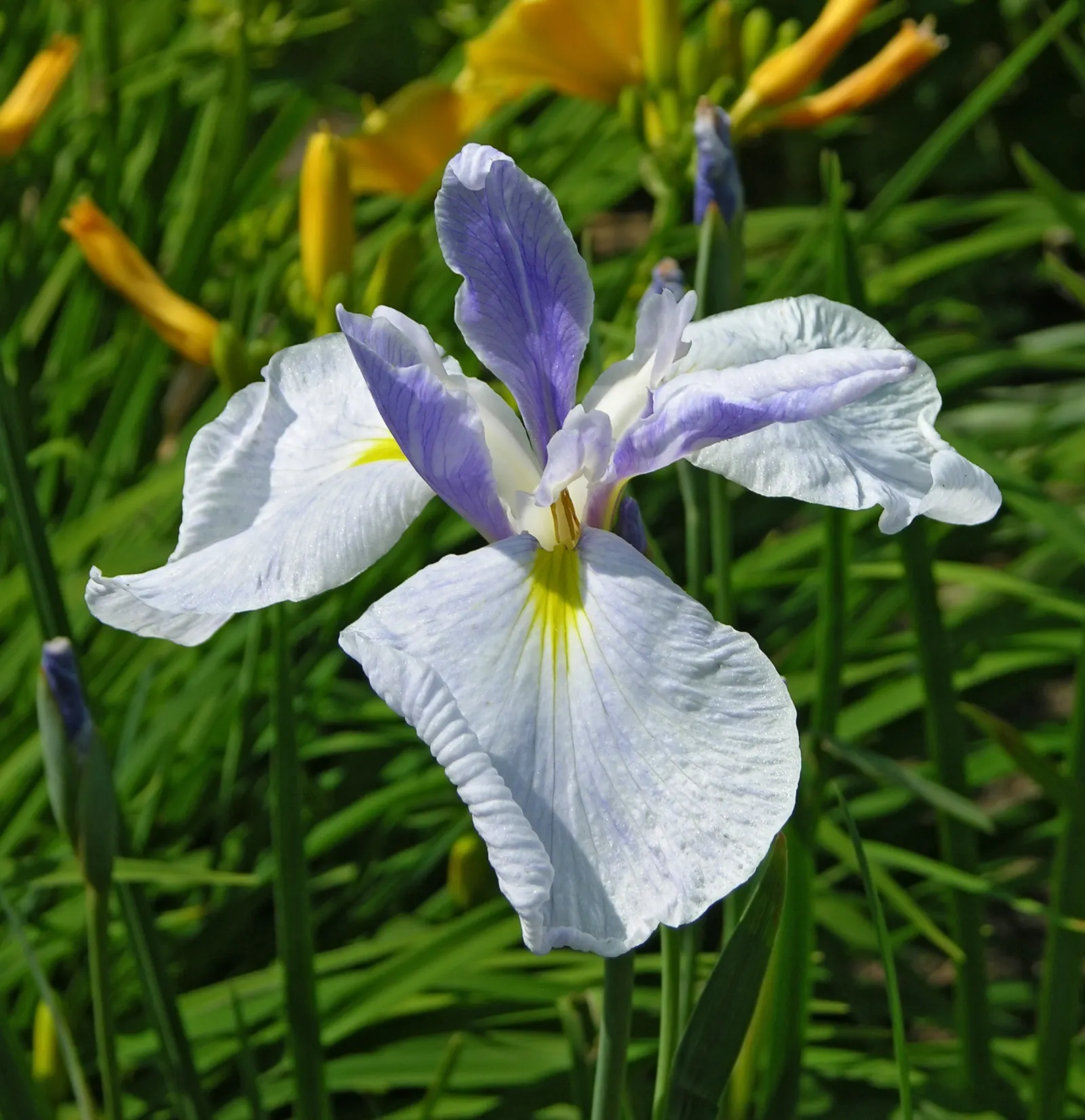
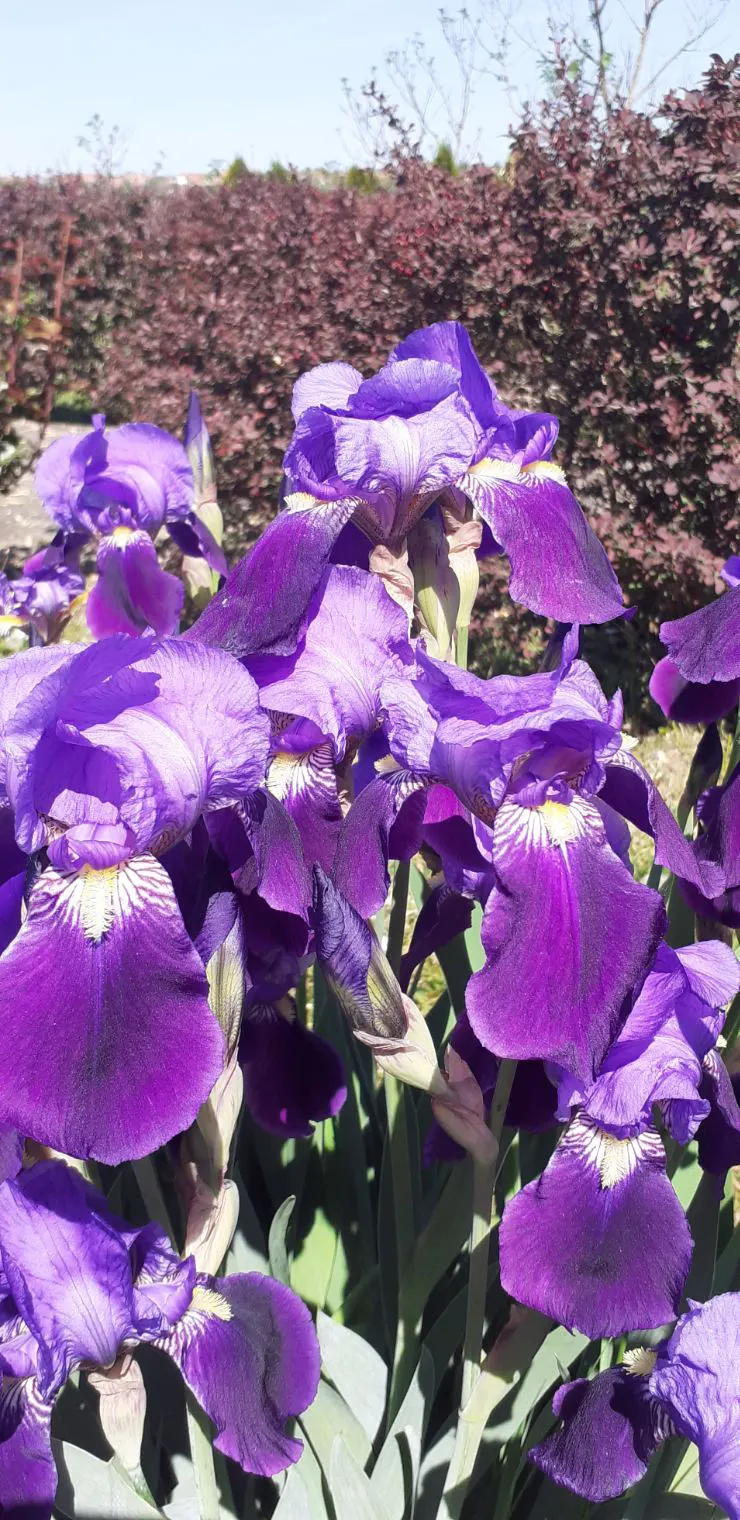
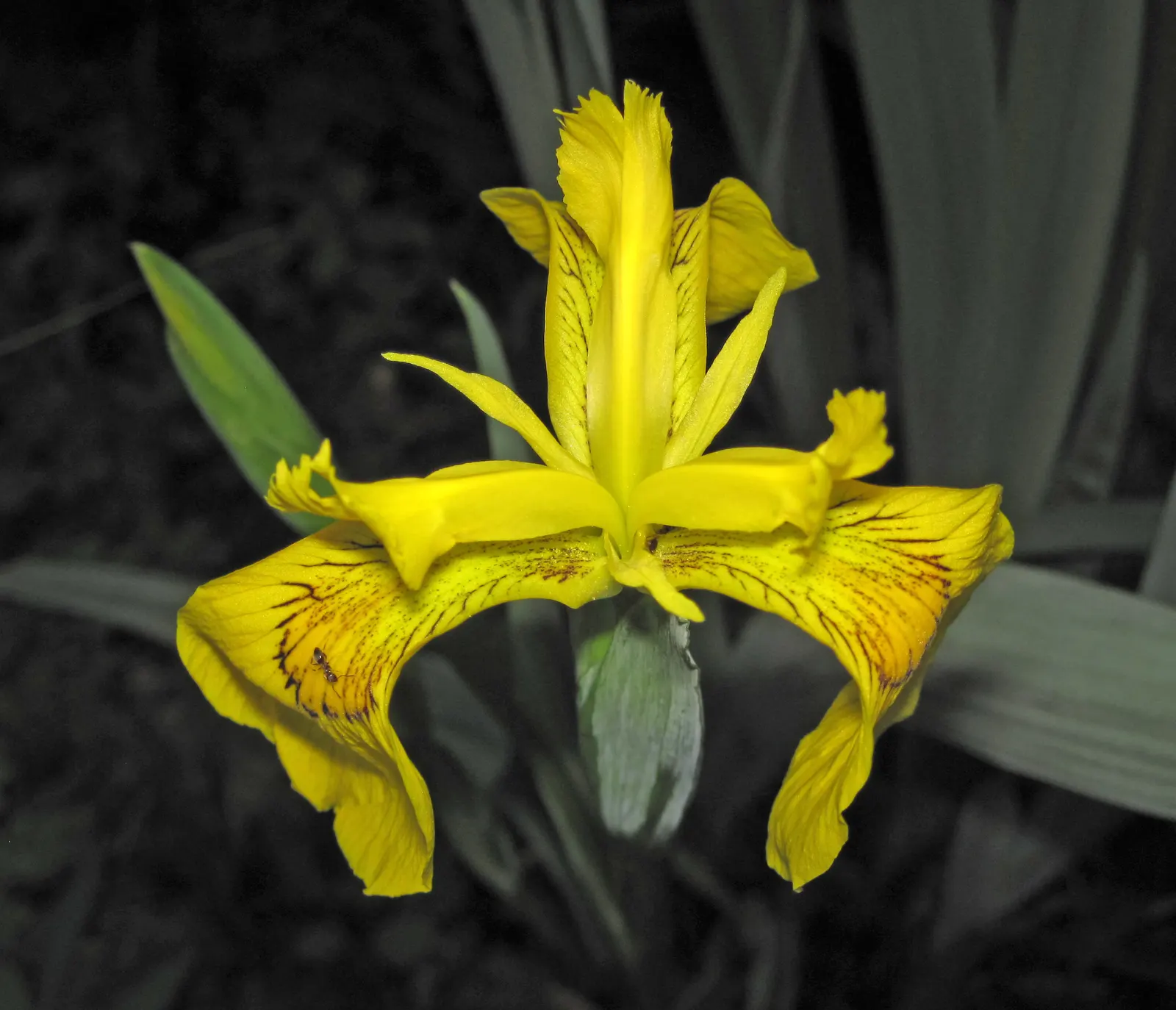
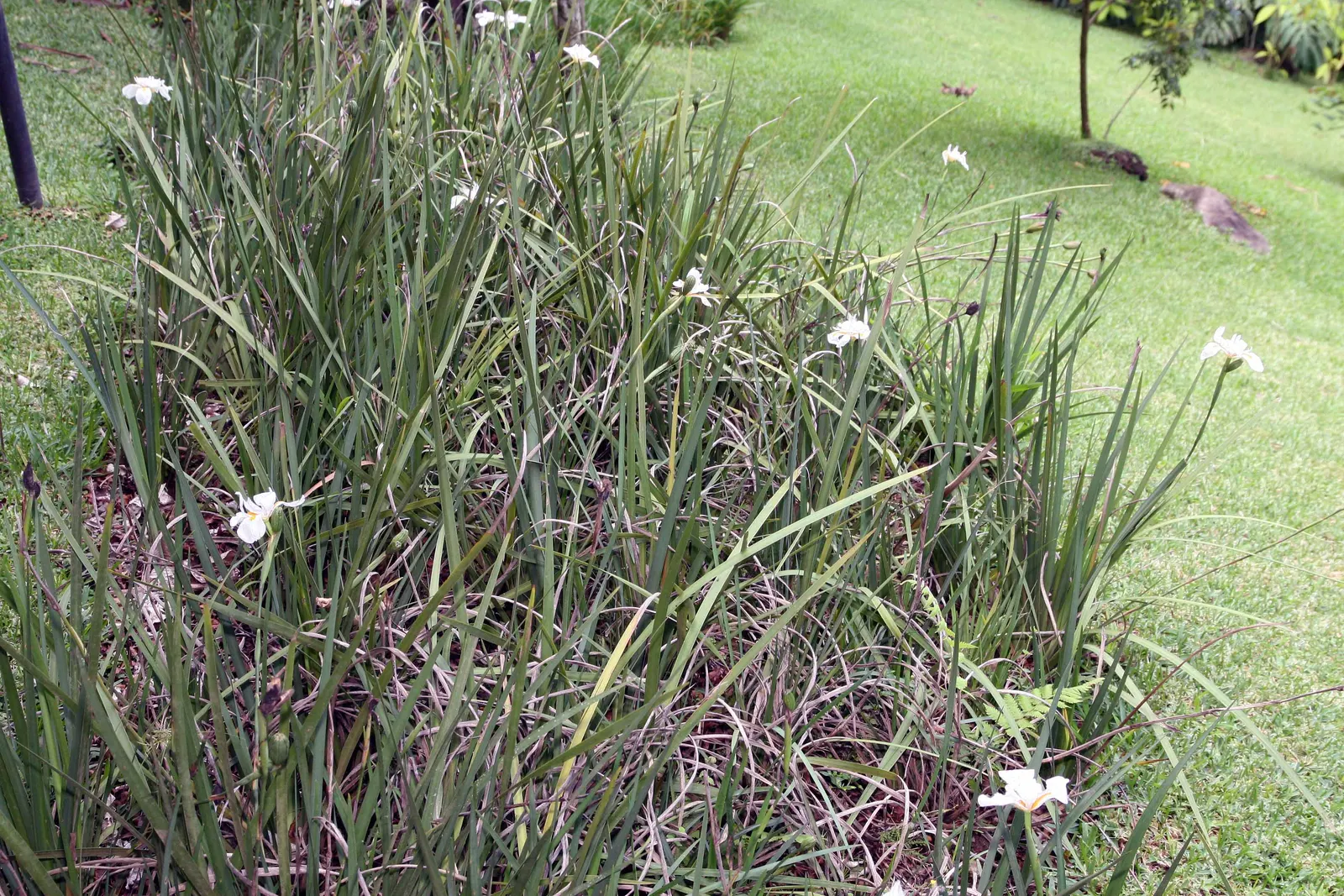
Iris spp. offer a captivating array of colors, often with intricate patterns. These perennials range from 6 to 48 inches in height, thriving in USDA zones 3-9. They prefer full to partial sunlight and well-drained soil. With sword-like foliage, they create a striking vertical element in beds. Blooms appear in late spring to early summer. Water moderately, dividing every 3-5 years to maintain vigor and prevent crowding.

Sun Full, HalfWater Low, MediumZones 7–9Climate Temperate
Iris Species (Iris Spp.) — offer a captivating array of colors, often with intricate patterns

Culture

Sun
Full, Half
Water
Low, Medium
USDA zones
7–9

Shape & size

Classification

Family
Iridaceae
Climate
Temperate

See full data, regional cultivation notes, full-resolution photos, and design tools. Build a client presentation around this plant.

Start your 14-day trial

Photos (89)

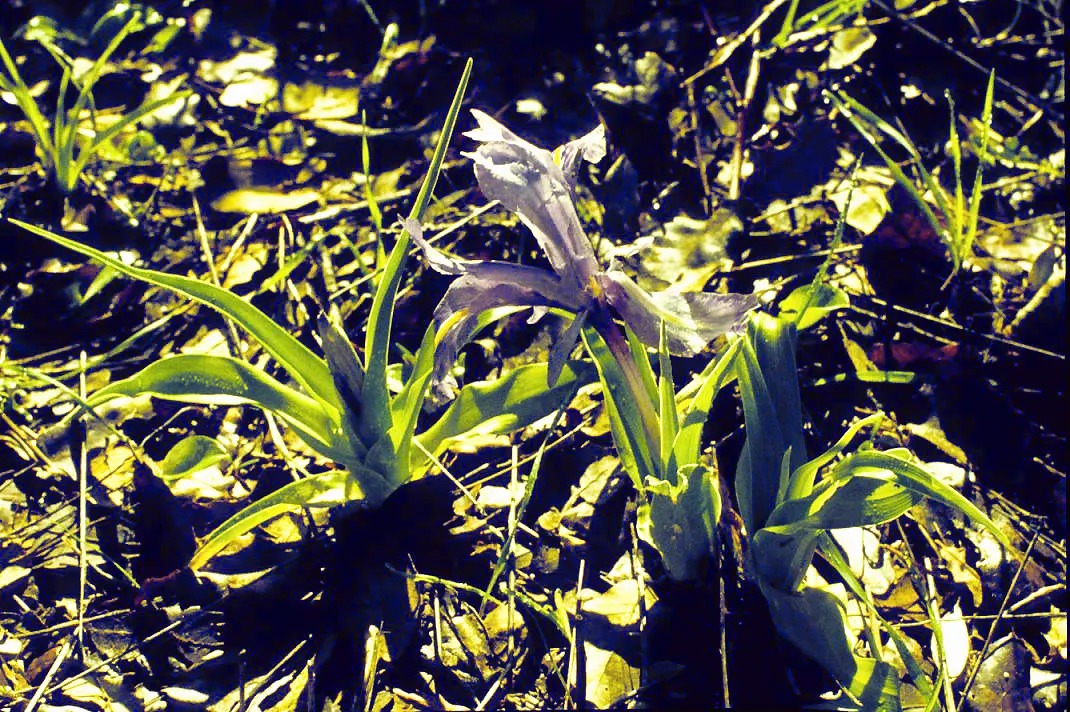
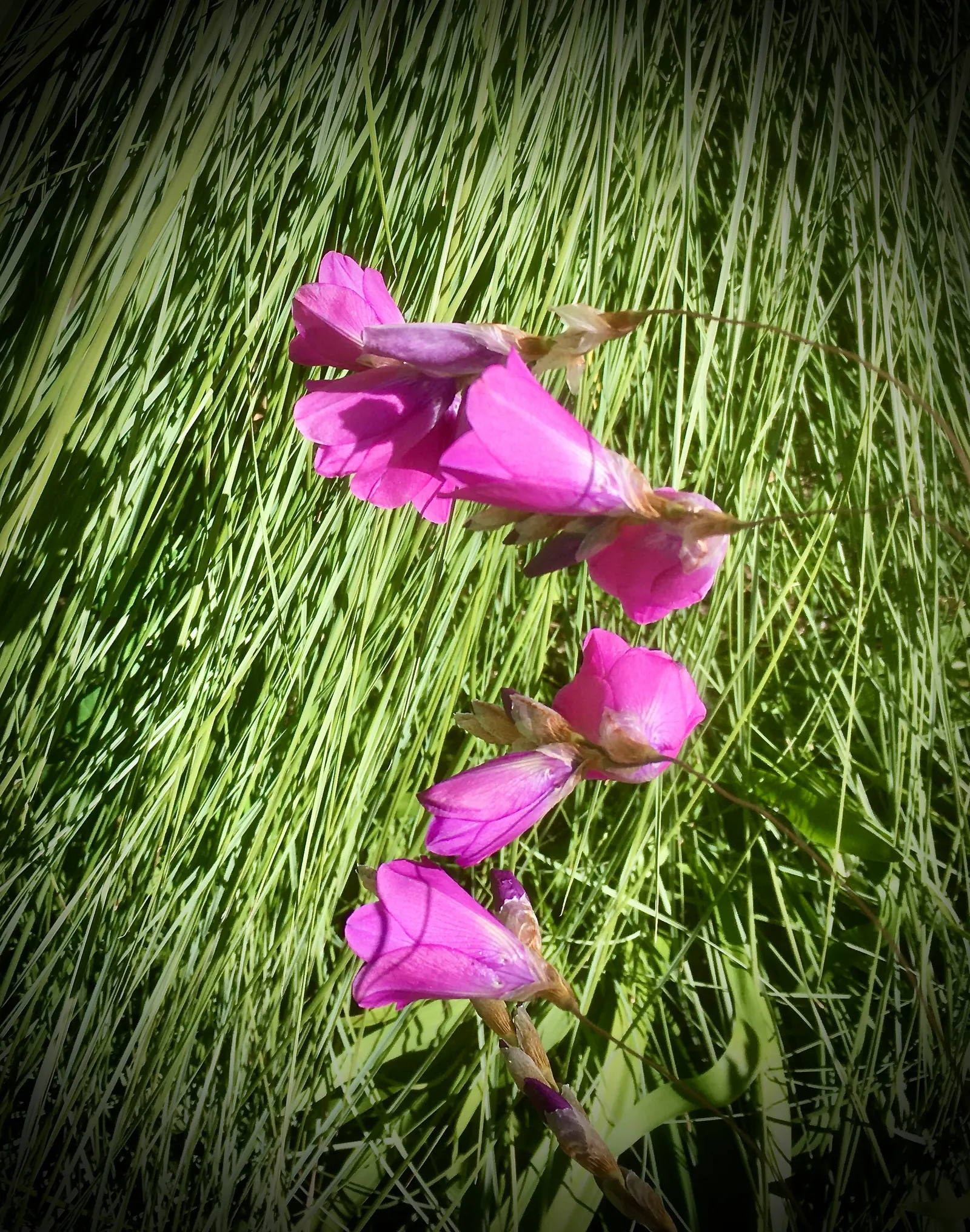
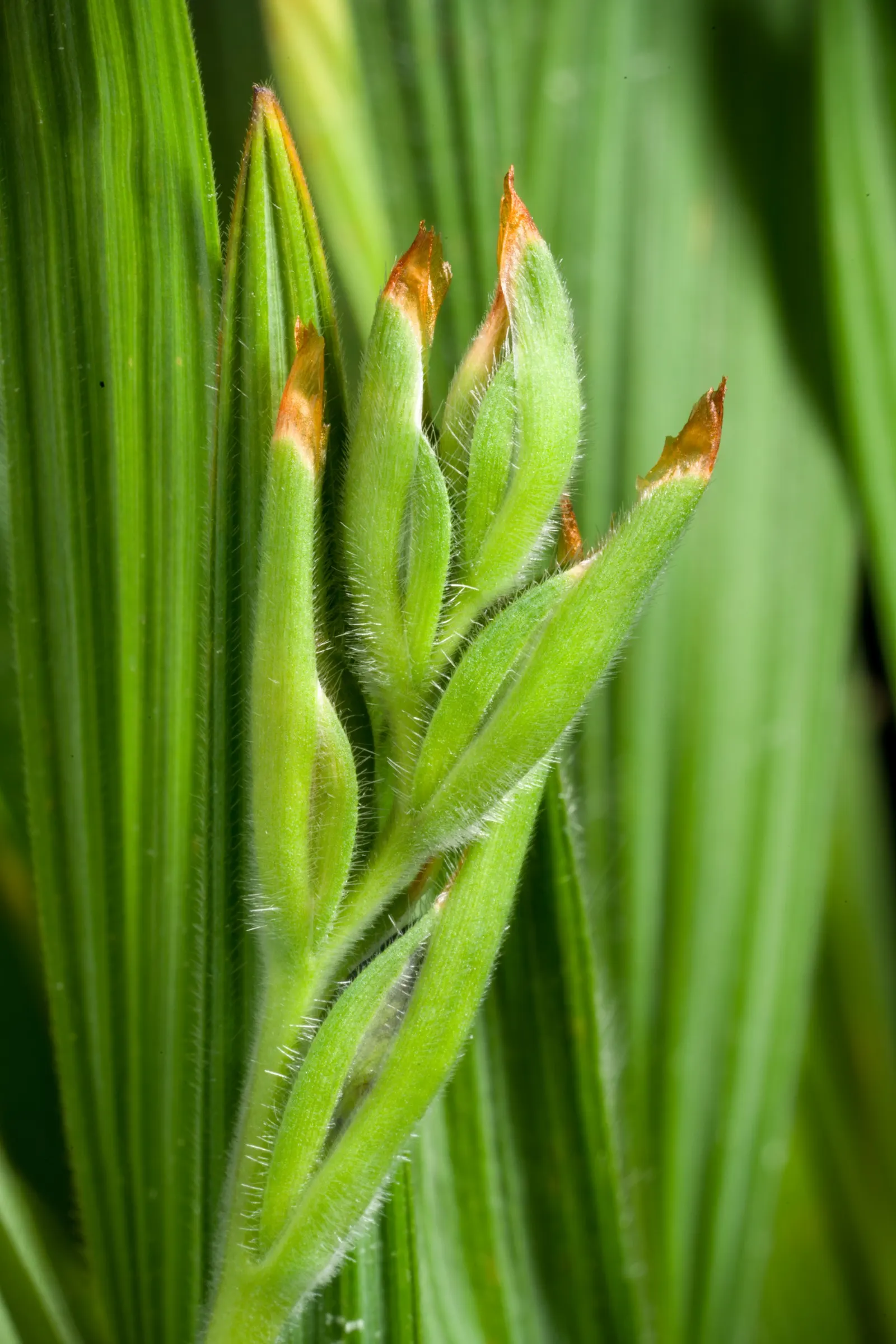
Iris Species (Iris Spp.) — With sword-like foliage, they create a striking vertical element in beds; these perennials range from 6 to 48 inches in, image 50
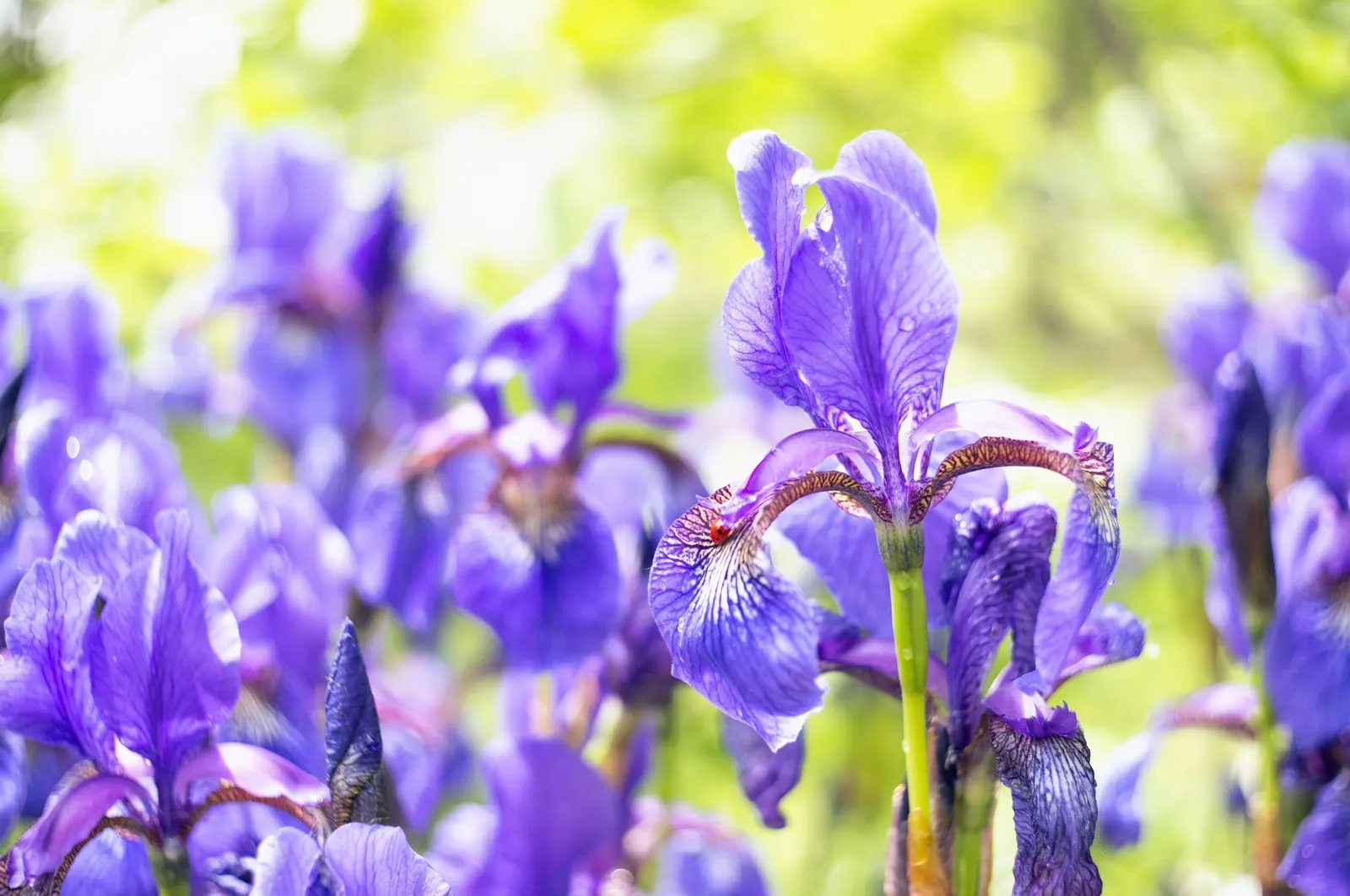
Iris Species (Iris Spp.) — Blooms appear in late spring to early summer; these perennials are prized for their striking, image 51
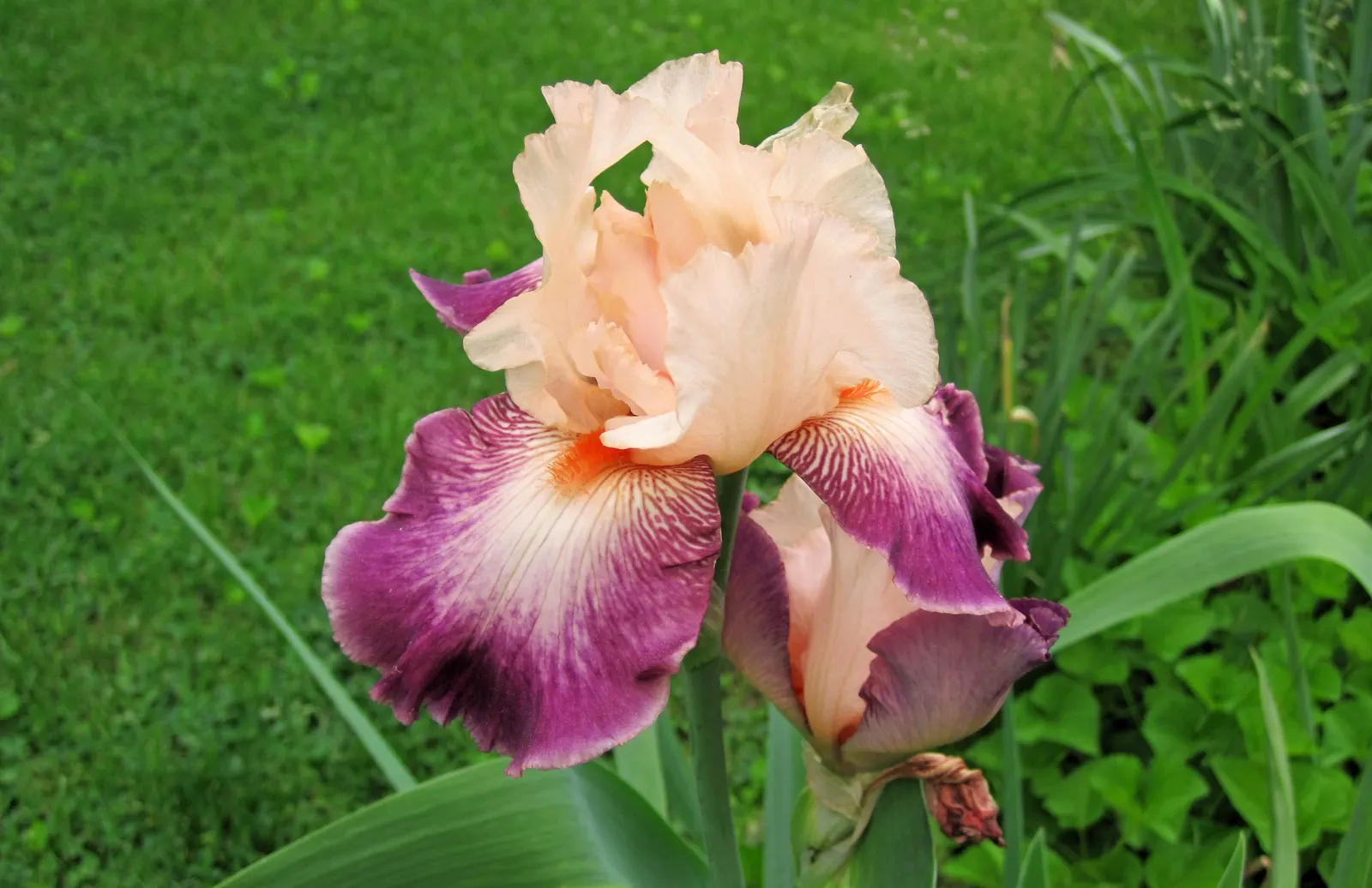
Iris Species (Iris Spp.) — Water moderately, dividing every 3-5 years to maintain vigor and prevent crowding; with common garden varieties standing, image 52
Iris Species (Iris Spp.) — They prefer full to partial sunlight and well-drained soil; typically require spacing of about 18 to 24 inches apart to, image 49
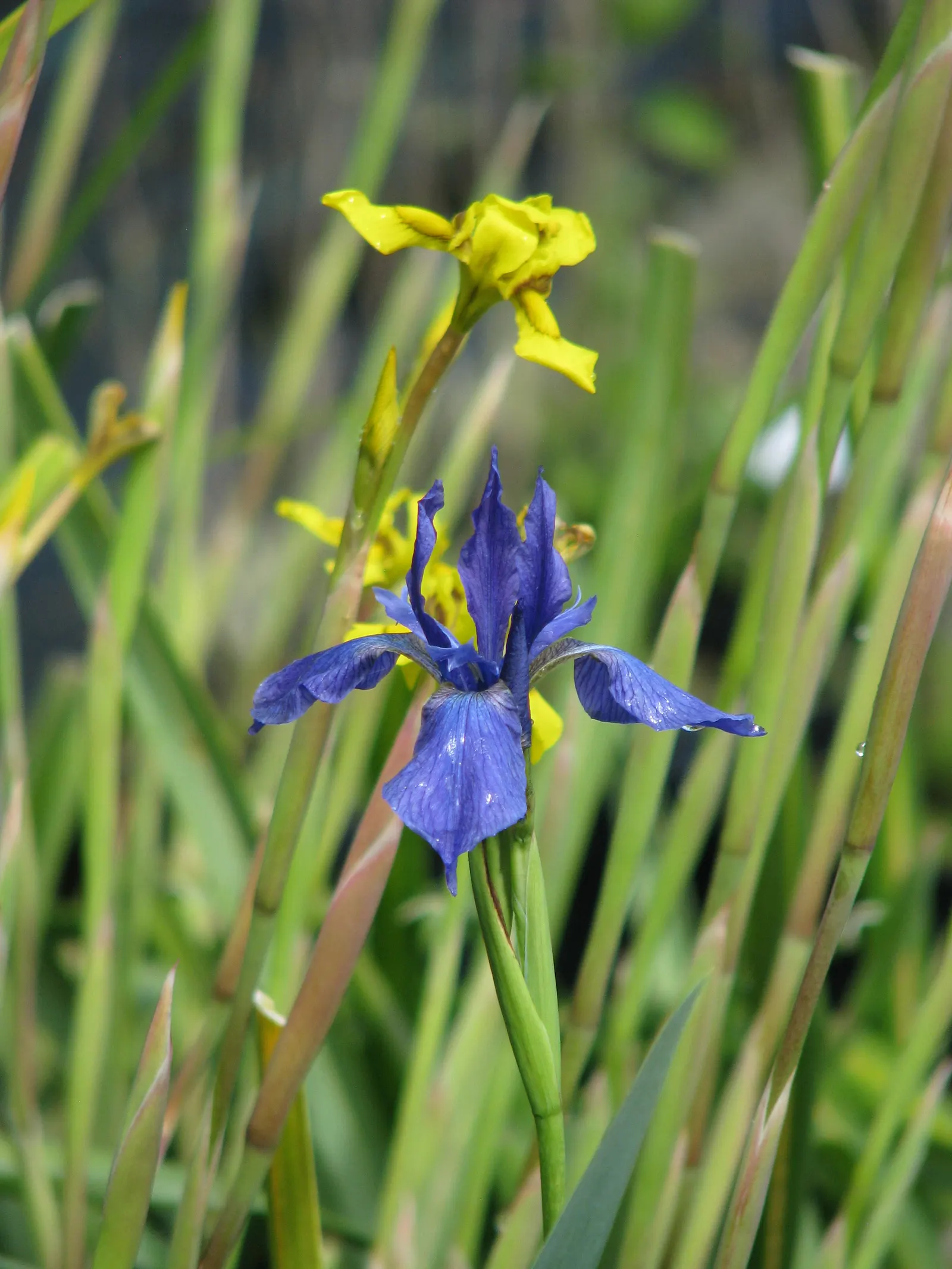
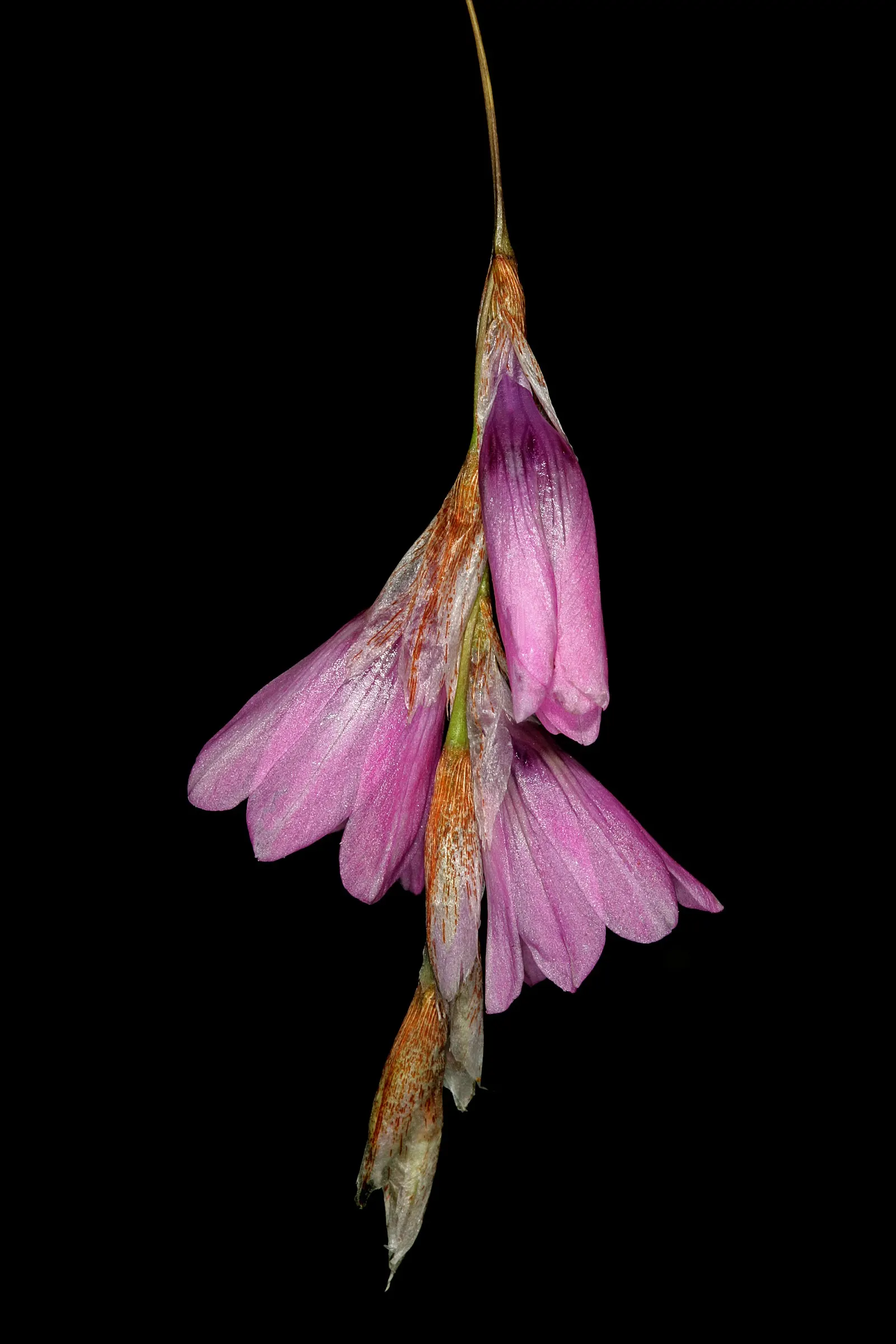
Iris Species (Iris Spp.) — Iris flowers come in an array of colors including purples; gold and multi-colored and red and yellow flowers in the, image 56
Iris Species (Iris Spp.) — a captivating genus with diverse species; perennial for full or half, image 53
Iris Species (Iris Spp.) — is a staple in gardens seeking a blend of elegance and hardiness; a captivating genus with diverse species, image 54
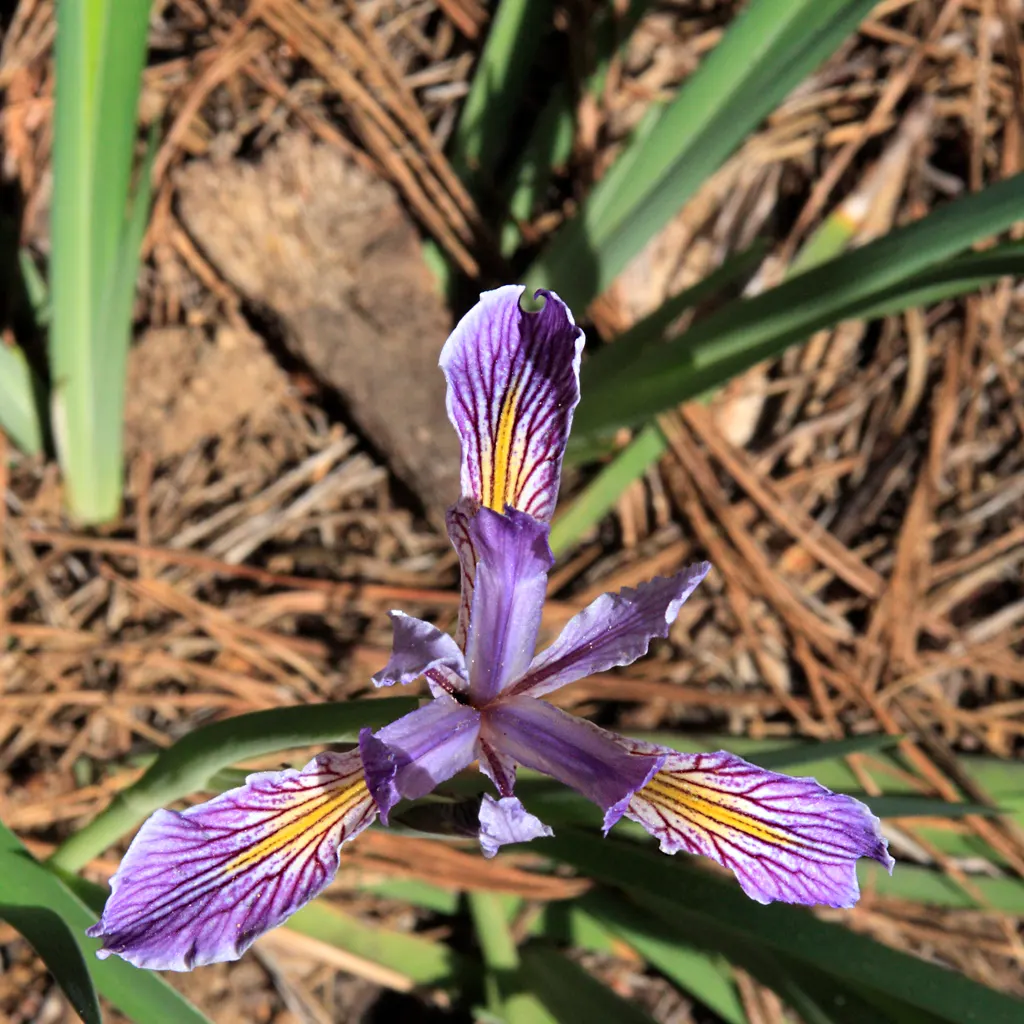
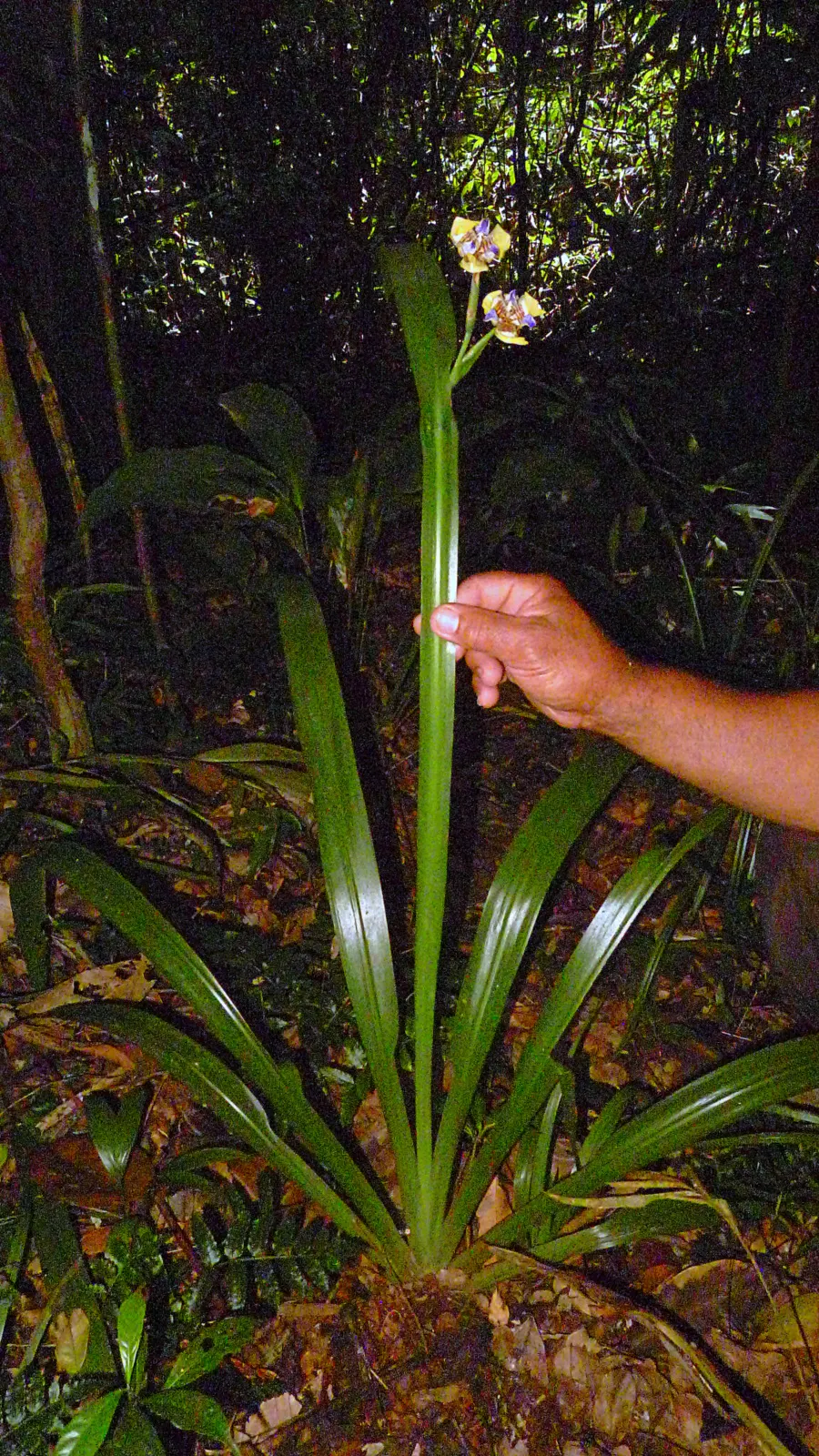
Iris Species (Iris Spp.) — these perennials are prized for their striking; and three downward-arching petals called 'falls', image 55
Iris Species (Iris Spp.) — and even bicolored options; blooms appear in late spring to early summer, image 57
Iris Species (Iris Spp.) — with common garden varieties standing between 8 to 48 inches tall; understanding the species' spread is essential, image 62
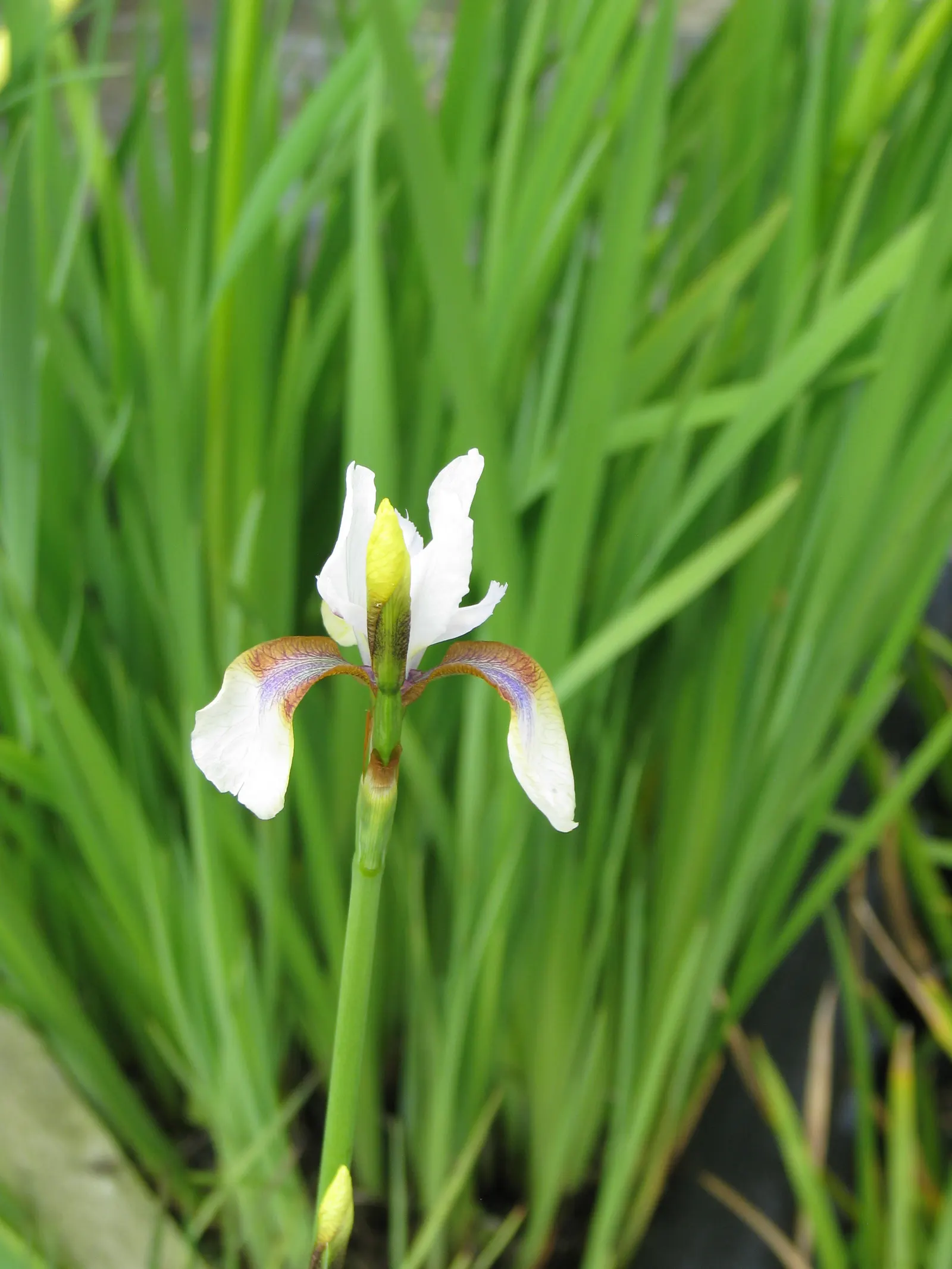
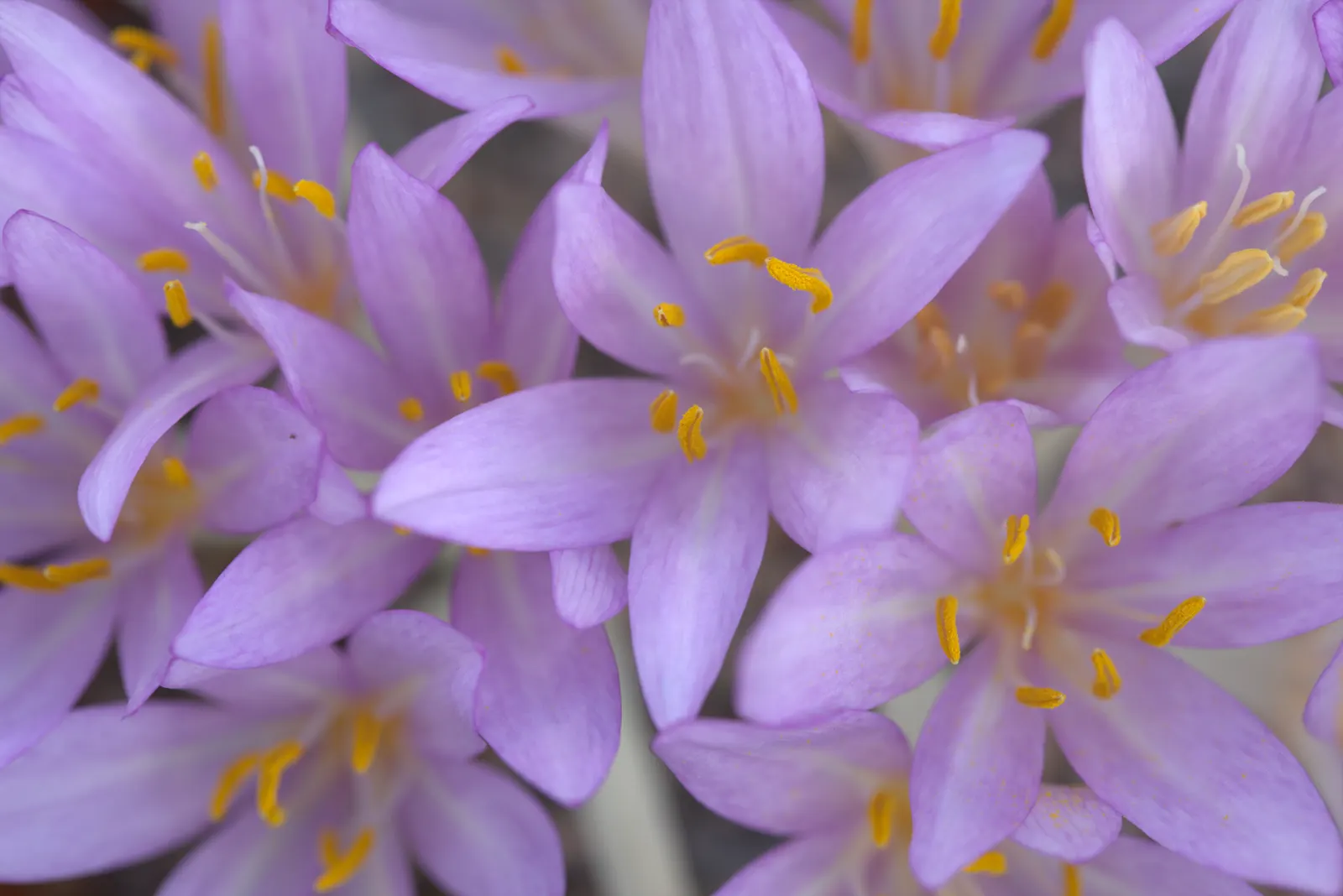
Iris Species (Iris Spp.) — ensuring a hue to complement any garden palette, image 58
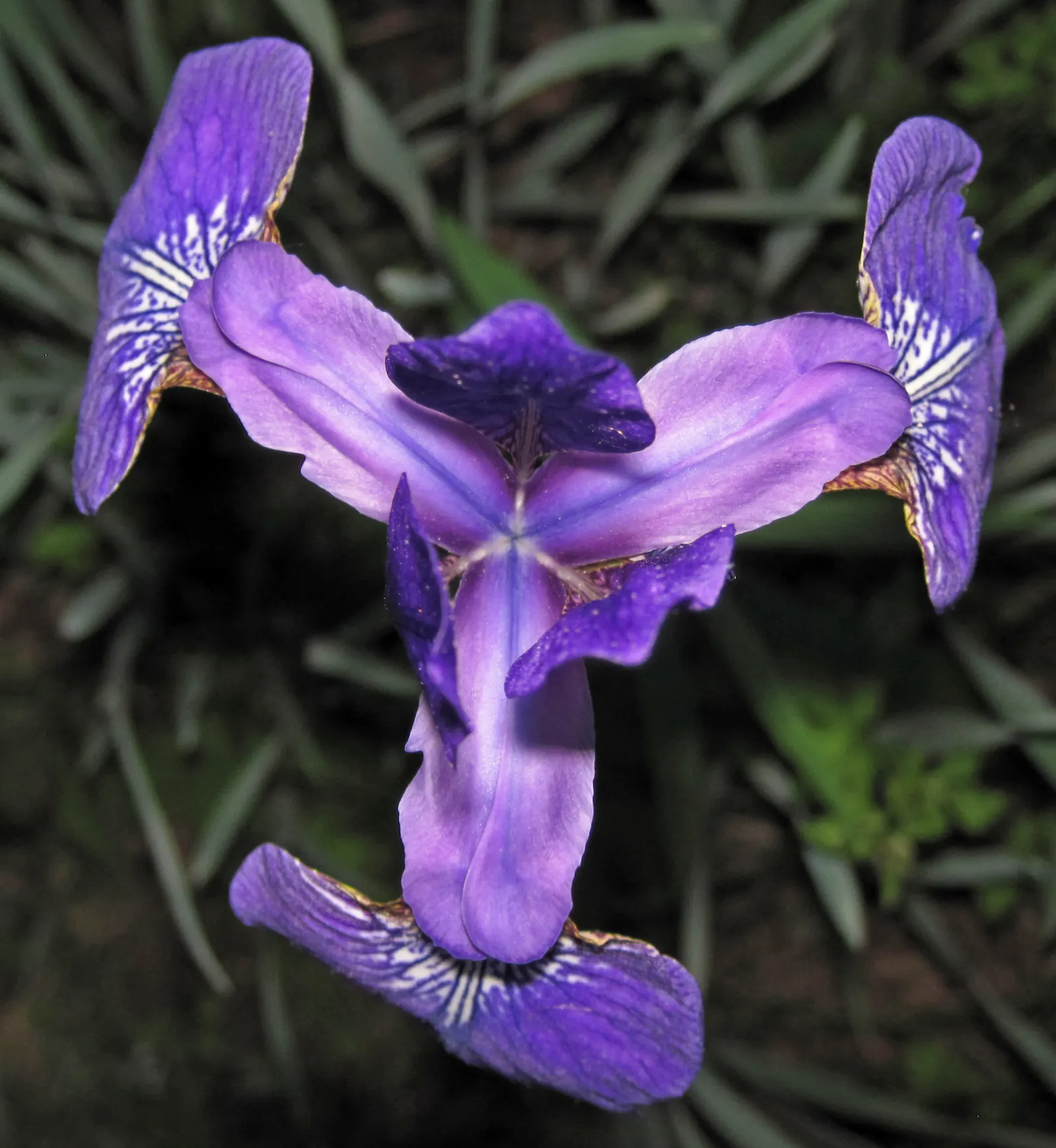
Iris Species (Iris Spp.) — The blooms are characterized by their unique structure of three upright petals; reducing the risk of fungal diseases, image 59
Iris Species (Iris Spp.) — and three downward-arching petals called 'falls'; they prefer full to partial sunlight and well-drained soil, image 60
Iris Species (Iris Spp.) — intricate display.<br><br>Irises range in height; iris flowers come in an array of colors including purples, image 61
Iris Species (Iris Spp.) — Irises are relatively low maintenance; perennial with gold and multi-colored and red and yellow blooms, image 66
Iris Species (Iris Spp.) — understanding the species' spread is essential; offer a captivating array of colors, often with intricate patterns, image 63
Iris Species (Iris Spp.) — typically require spacing of about 18 to 24 inches apart to allow for proper growth and airflow; is a staple in gardens, image 64
Iris Species (Iris Spp.) — reducing the risk of fungal diseases such as root rot.<br><br>Furthermore; intricate display.<br><br>Irises range in, image 65
Iris Species (Iris Spp.) — gold and multi-colored and red and yellow flowers in the garden; water moderately, dividing every 3-5 years to maintain, image 67
Iris Species (Iris Spp.) — These perennials range from 6 to 48 inches in height, thriving in USDA zones 3-9; and even bicolored options, image 71
Iris Species (Iris Spp.) — perennial with gold and multi-colored and red and yellow blooms; the blooms are characterized by their unique structure, image 68
Iris Species (Iris Spp.) — perennial for full or half; irises are relatively low maintenance, image 69
Iris Species (Iris Spp.) — offer a captivating array of colors, often with intricate patterns; with sword-like foliage, they create a striking, image 70
Iris Species (Iris Spp.) — They prefer full to partial sunlight and well-drained soil; typically require spacing of about 18 to 24 inches apart to, image 72

Related plants