Skip to content

Stinking Iris

Iris Foetidissima

Design with this plant

Overview

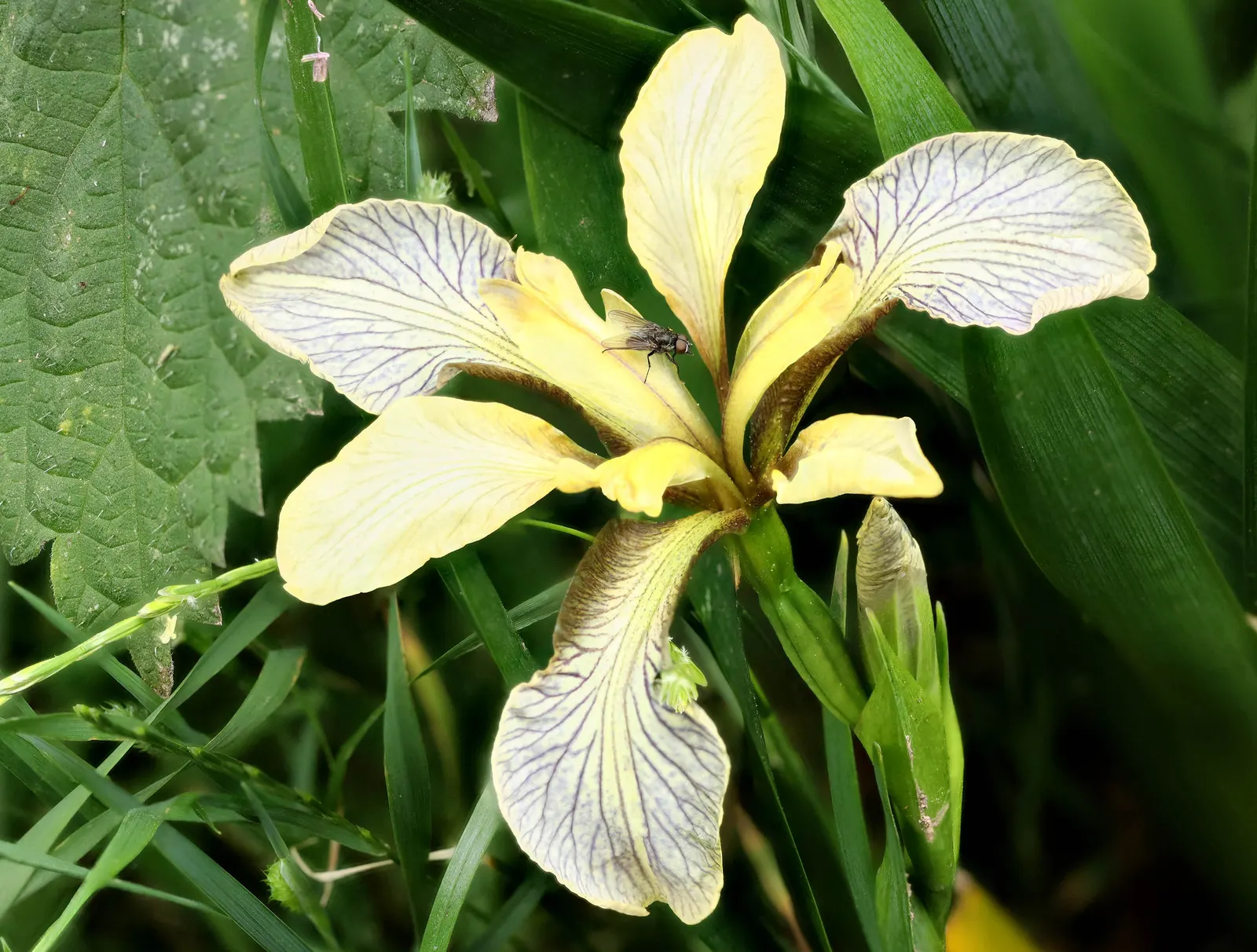
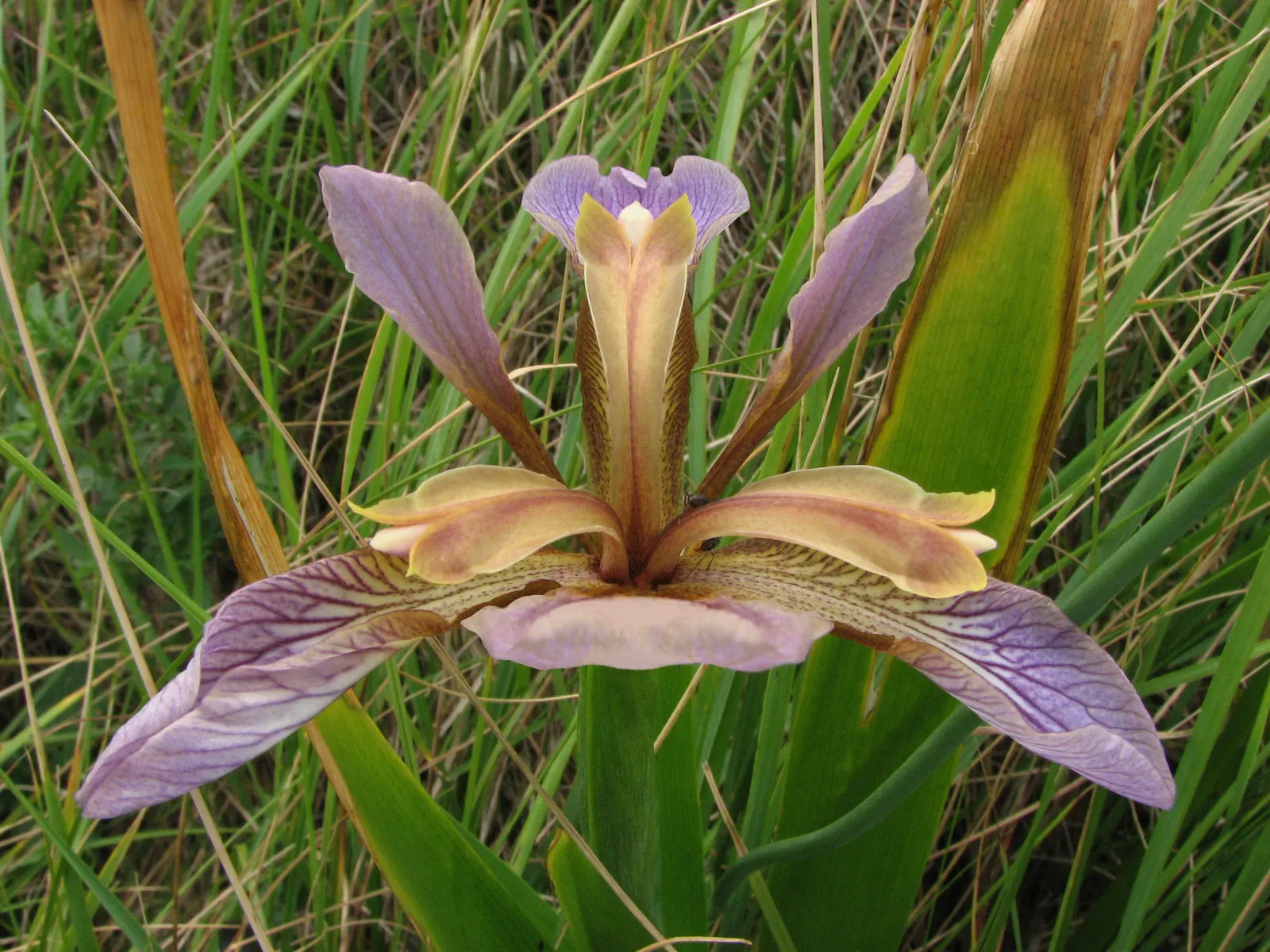
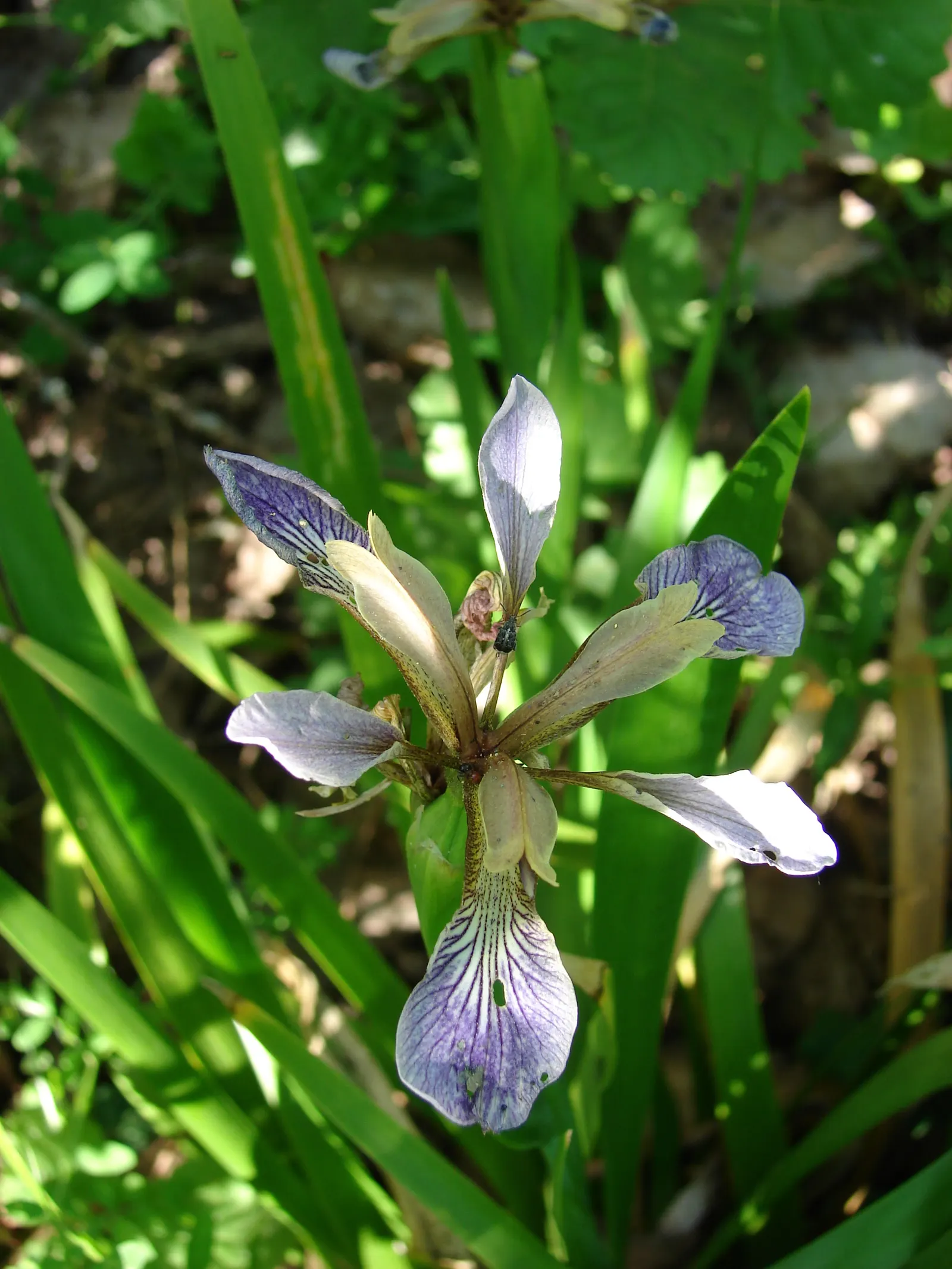
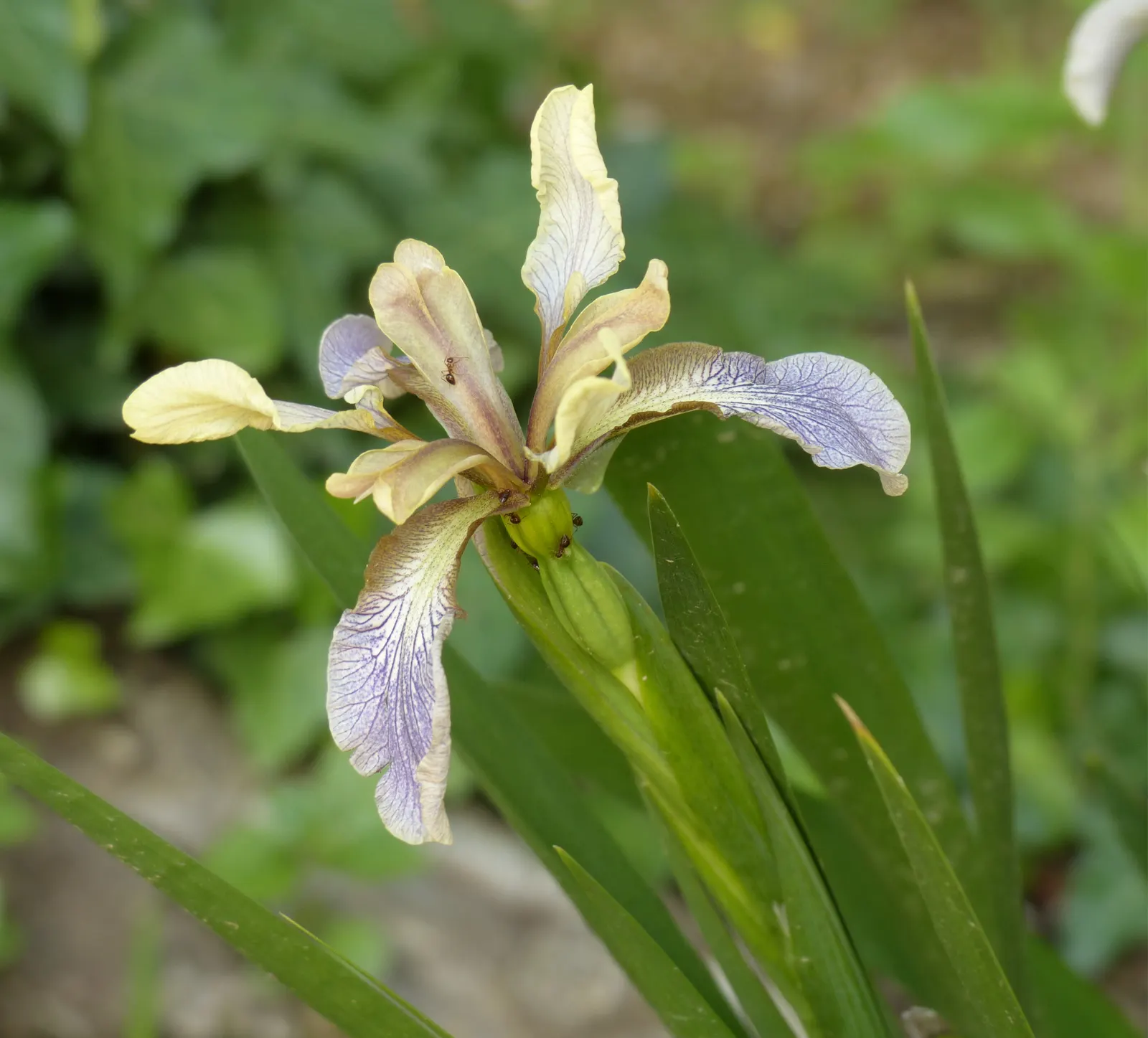
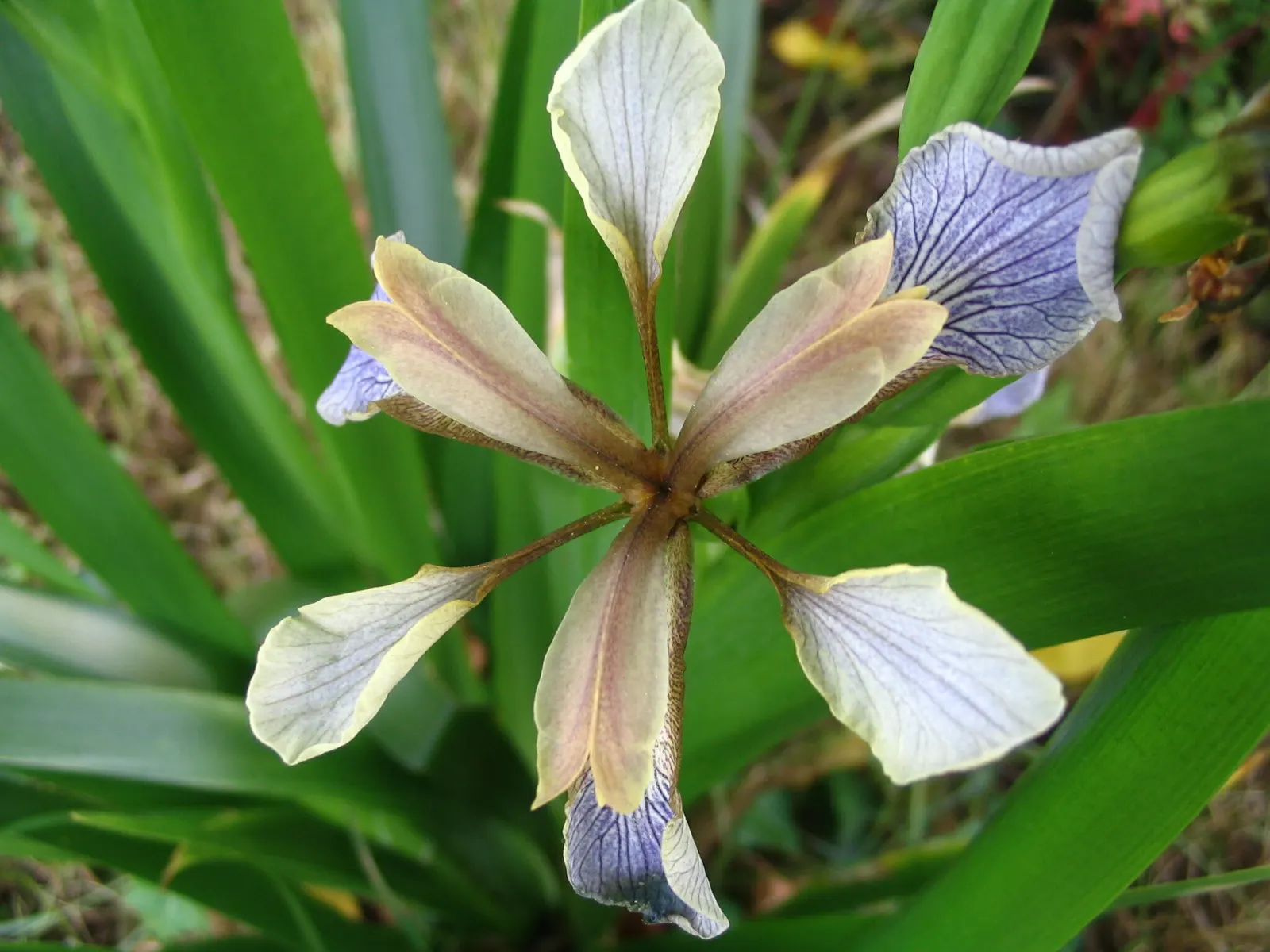
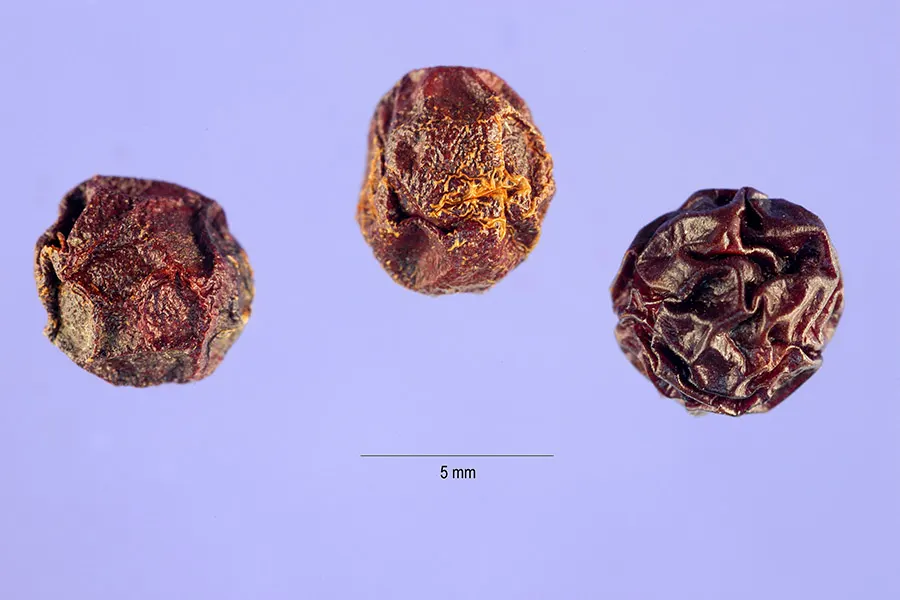
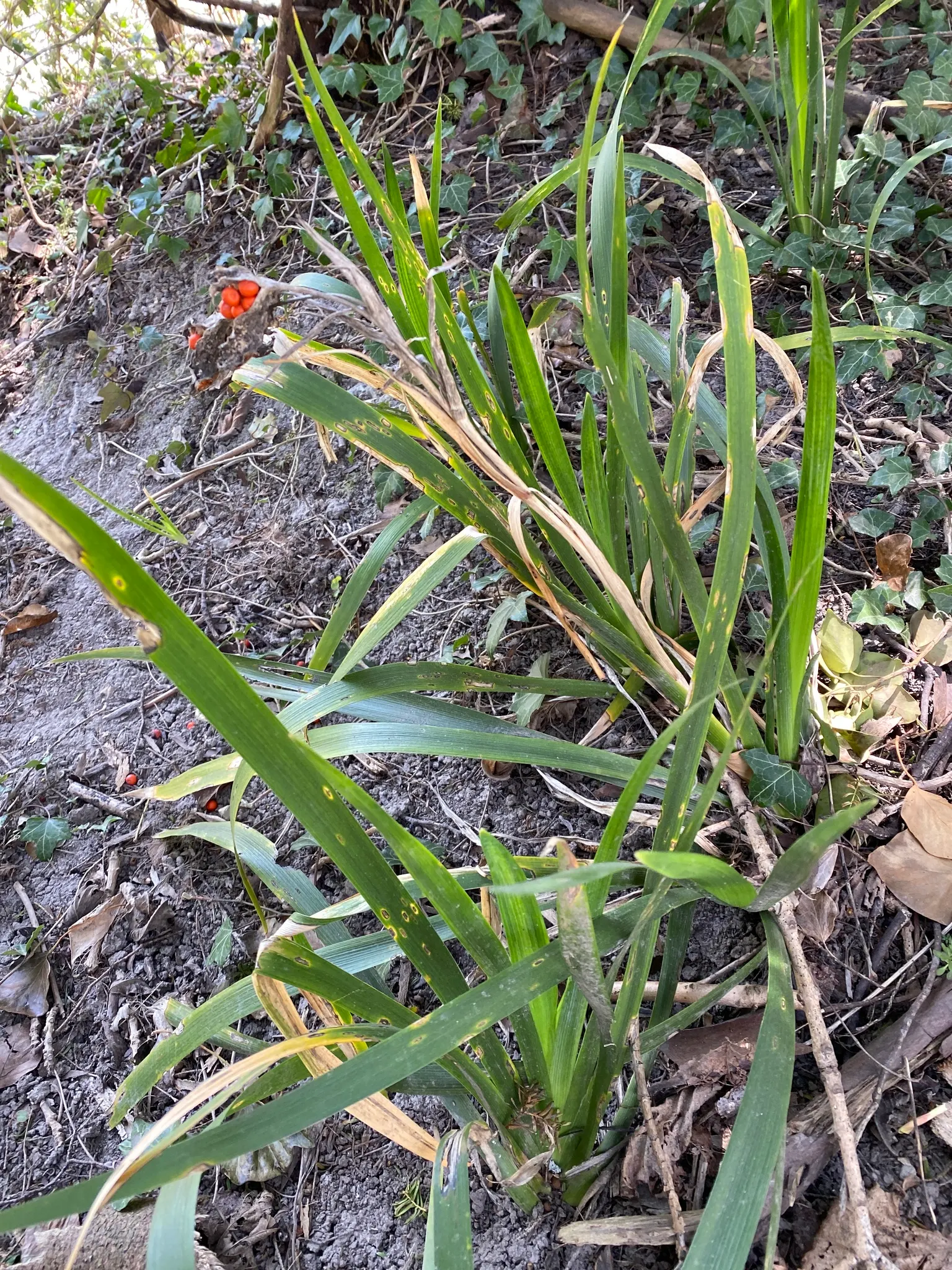
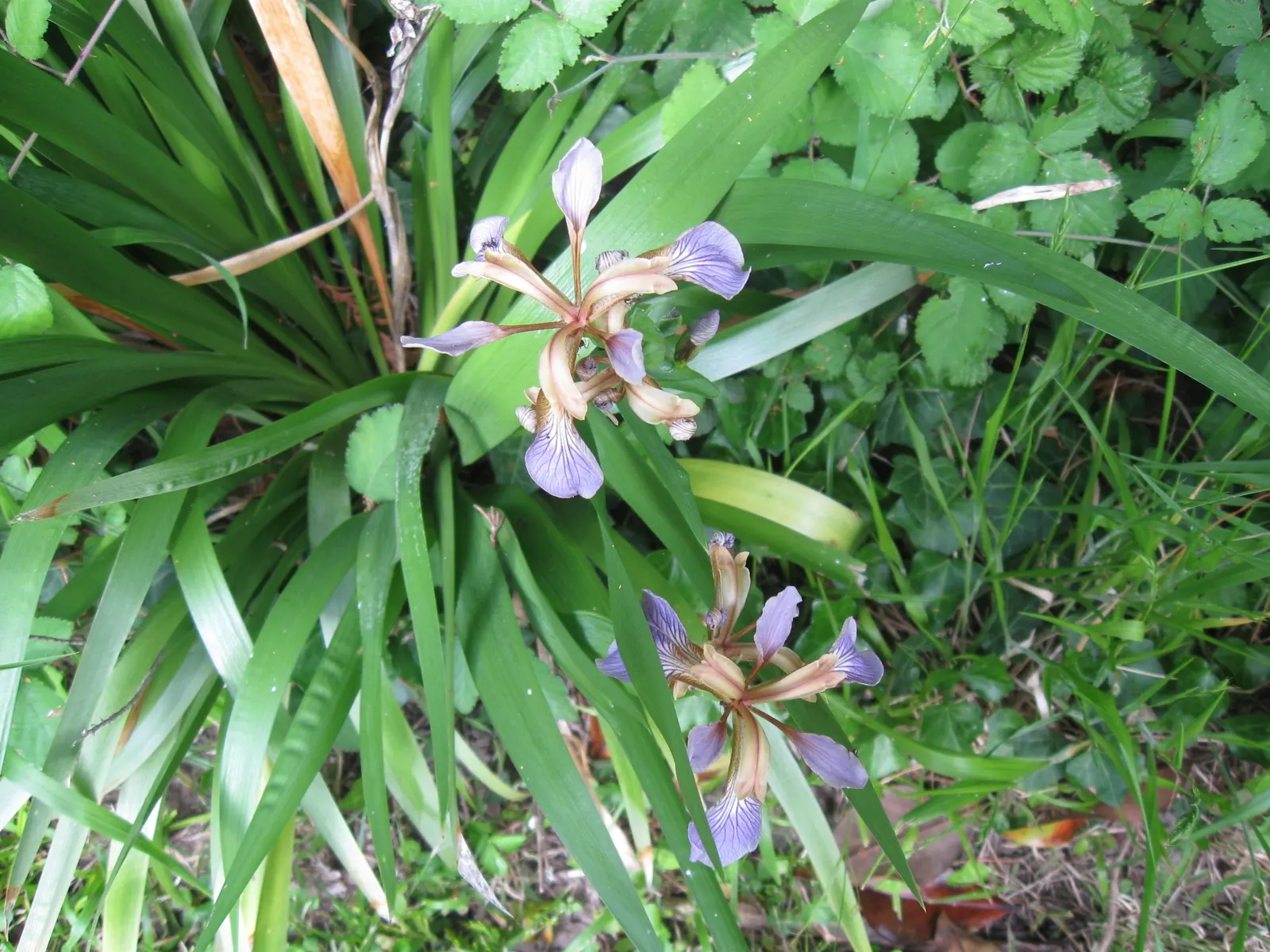
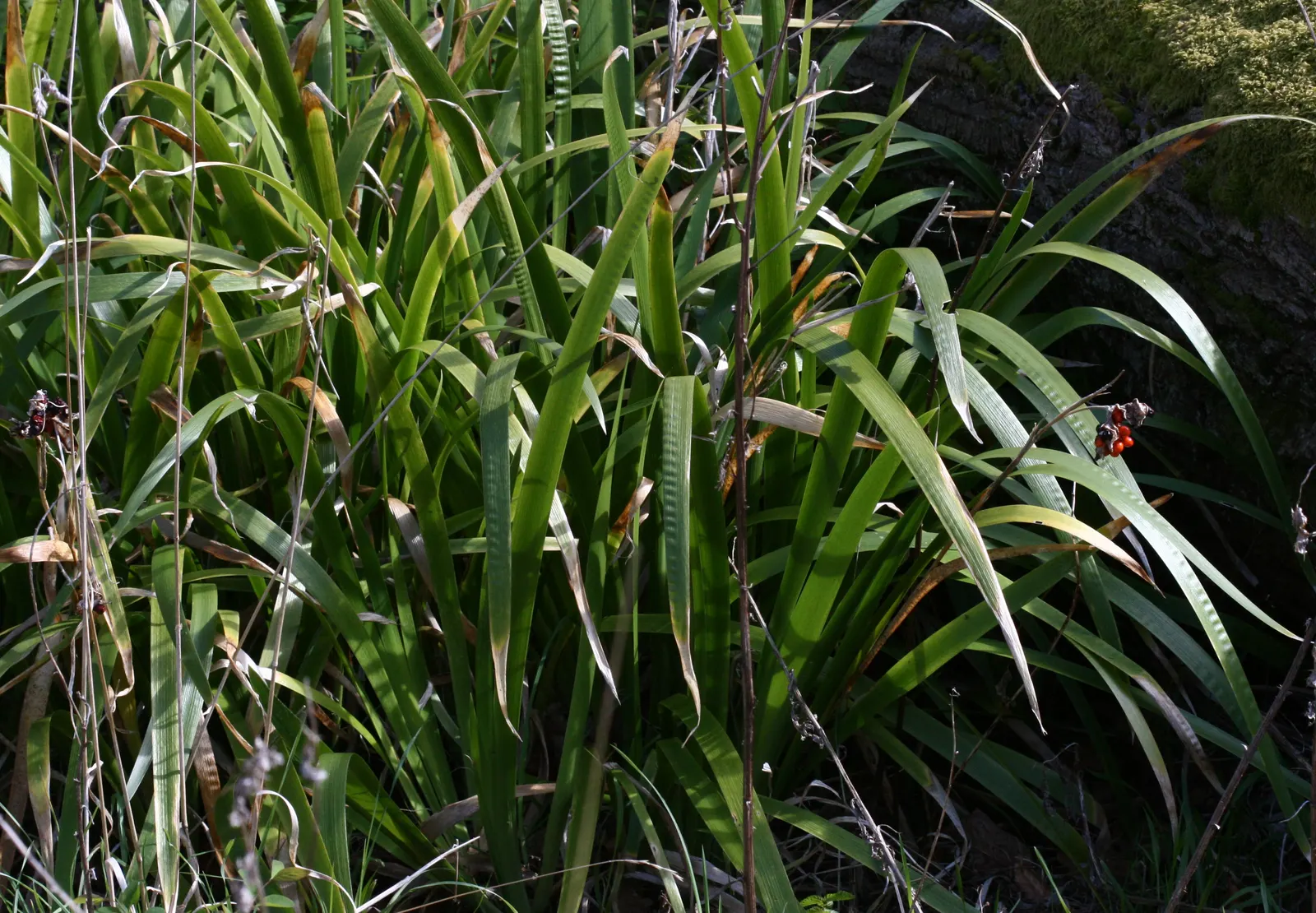
Iris foetidissima, commonly known as Stinking Iris, thrives in partial to full shade, reaching 1.5-2 feet in height. Noted for its foul-smelling leaves when crushed, this hardy perennial showcases delicate purple flowers in late spring. Post-bloom, its most striking feature is the vibrant orange seeds, displayed in open seedpods throughout fall and winter, offering a splash of color in subdued landscapes._zones 5-9.

Sun Full, HalfWater Extra in Summer, HighZones 6–9
Stinking Iris (Iris Foetidissima) — scientifically known as Iris foetidissima

Culture

Sun
Full, Half
Water
Extra in Summer, High
USDA zones
6–9

Shape & size

Classification

Family
Iridaceae

See full data, regional cultivation notes, full-resolution photos, and design tools. Build a client presentation around this plant.

Start your 14-day trial

Photos (90)

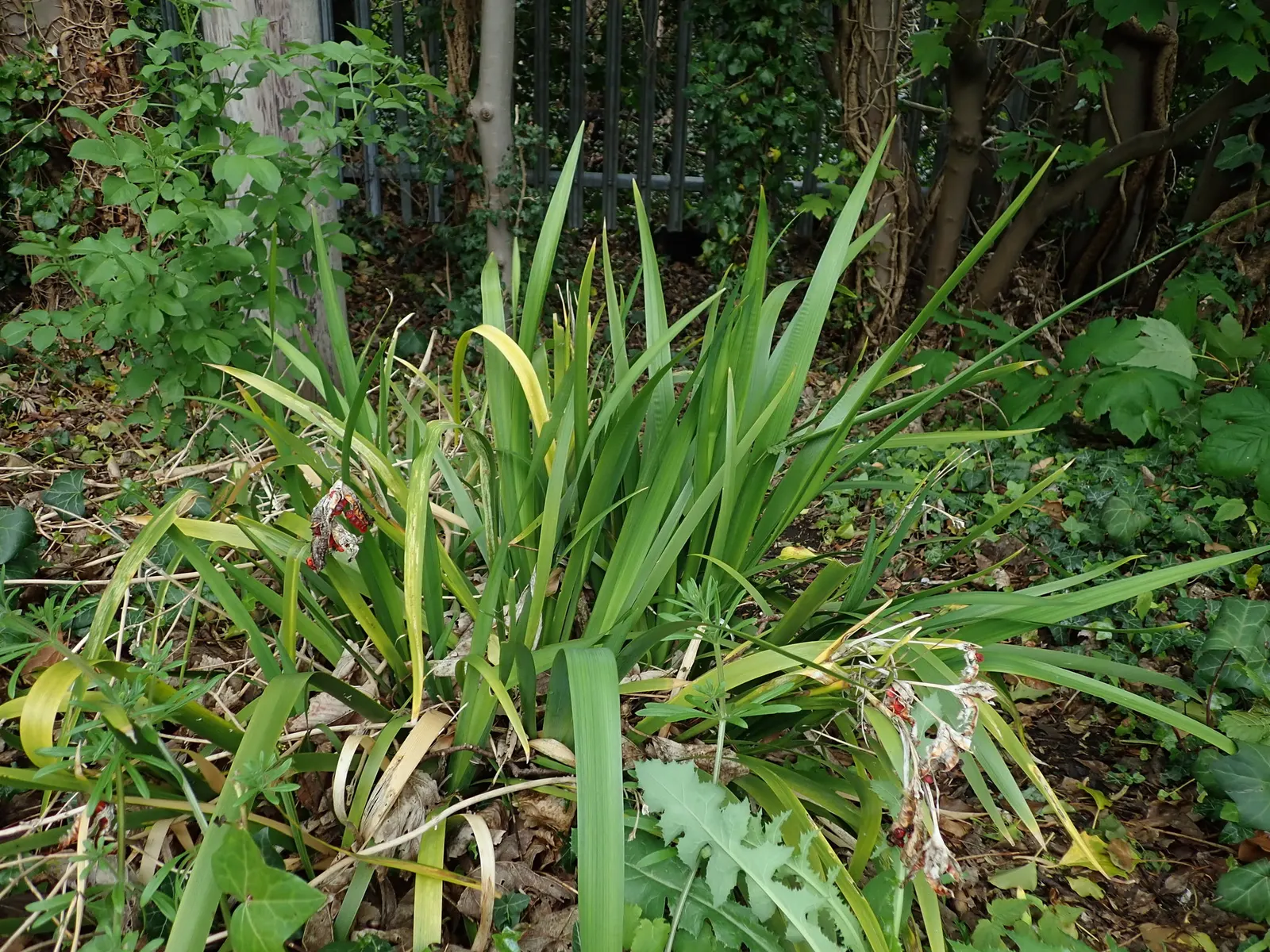
Stinking Iris (Iris Foetidissima) — this iris is drought-tolerant once established
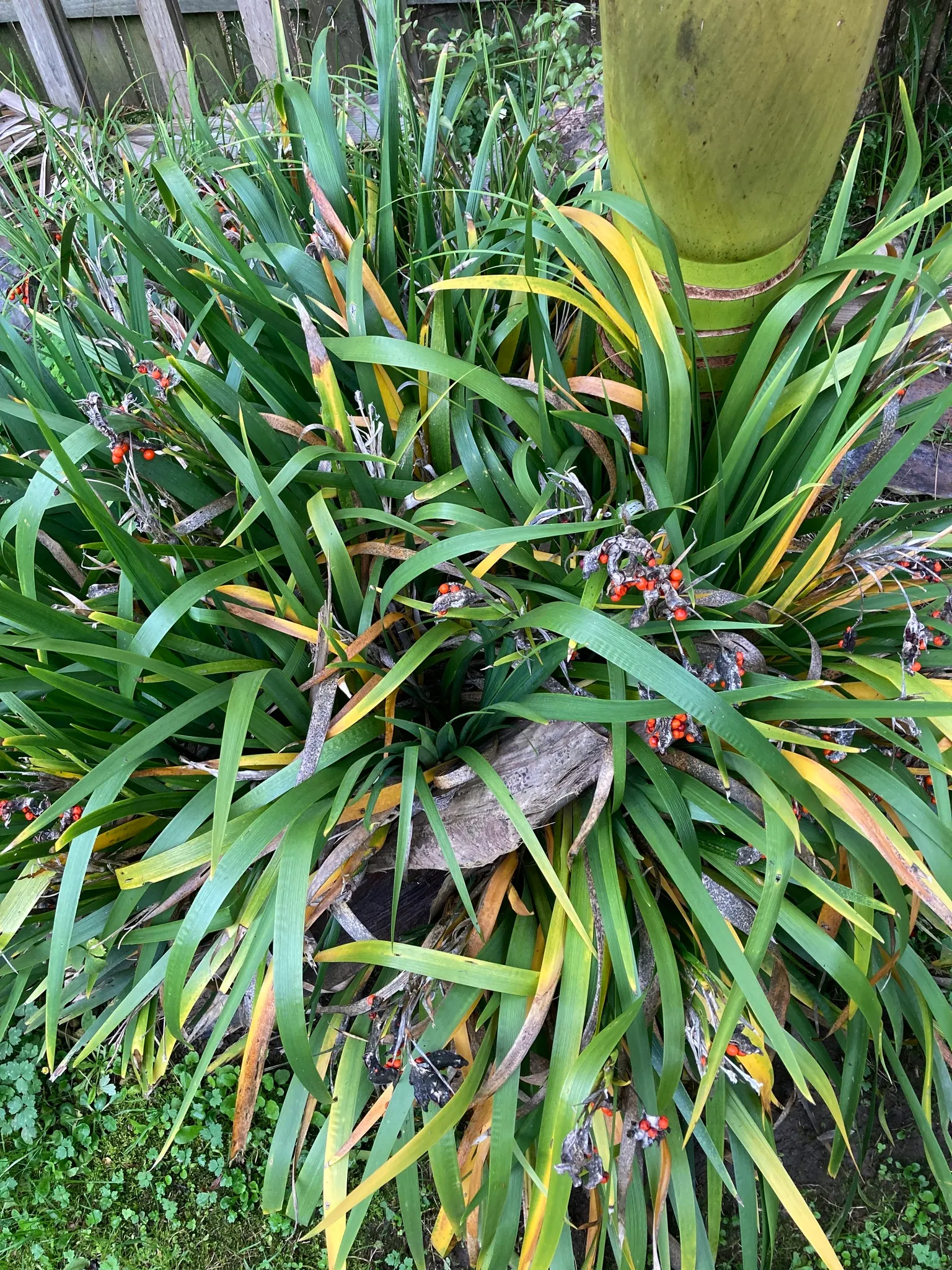
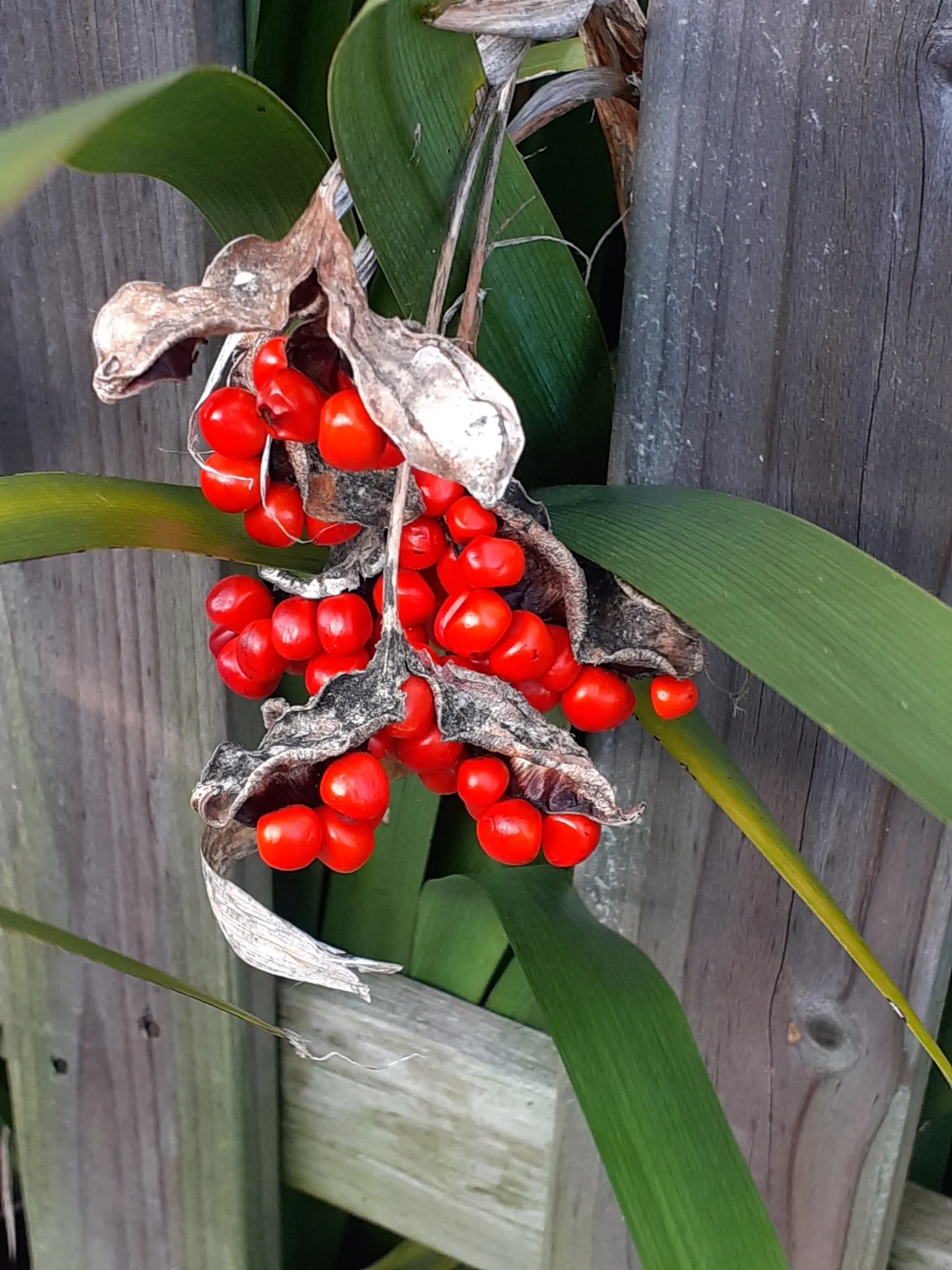
Stinking Iris (Iris Foetidissima) — earns its name from the unpleasant scent released when its leaves are crushed; these vibrant seeds provide a stark contrast
Stinking Iris (Iris Foetidissima) — presents a peculiar yet intriguing addition to your garden; this herbaceous perennial features long, image 64
Stinking Iris (Iris Foetidissima) — earns its name from the unpleasant scent released when its leaves are crushed; these vibrant seeds provide a, image 65
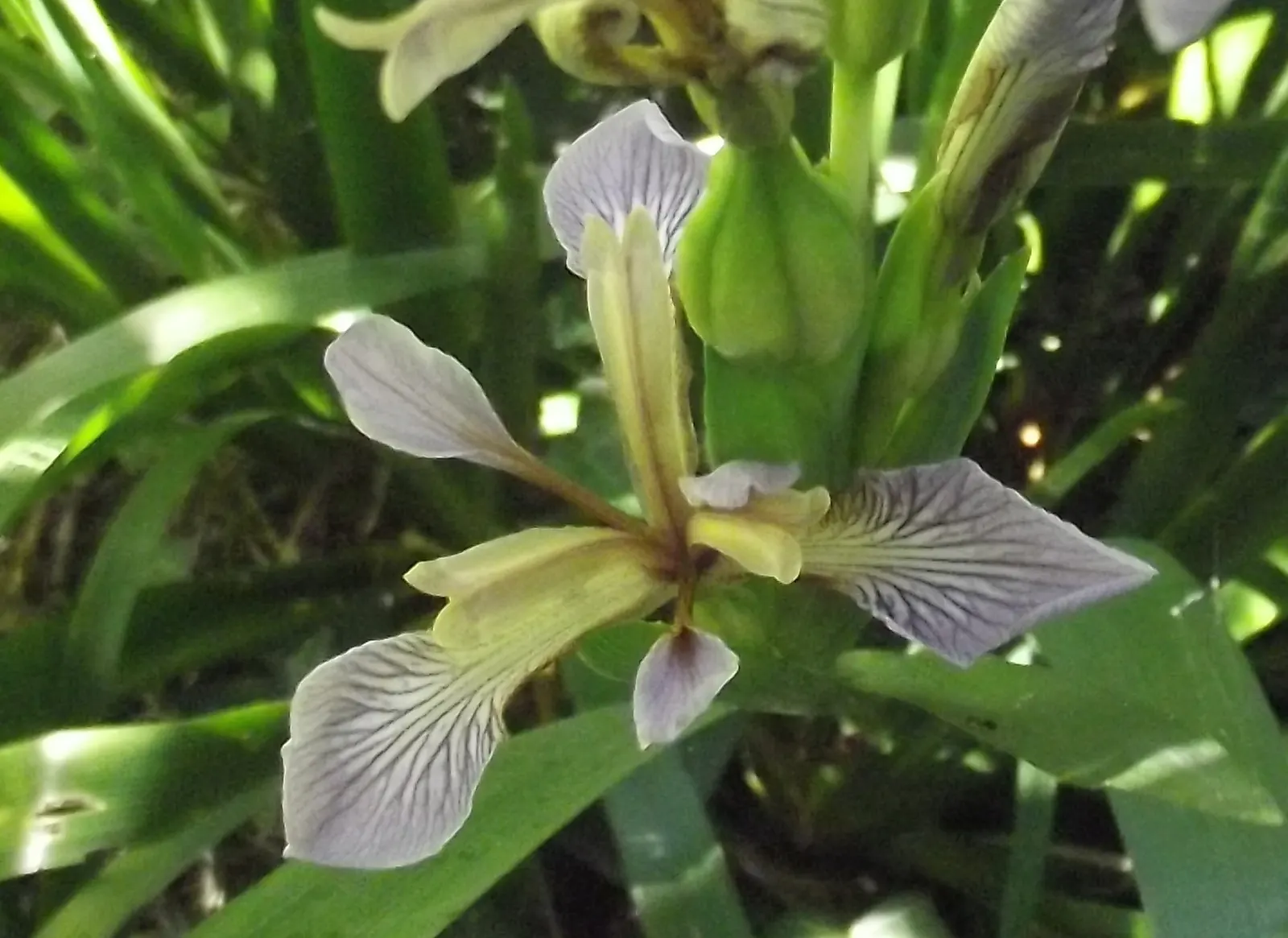
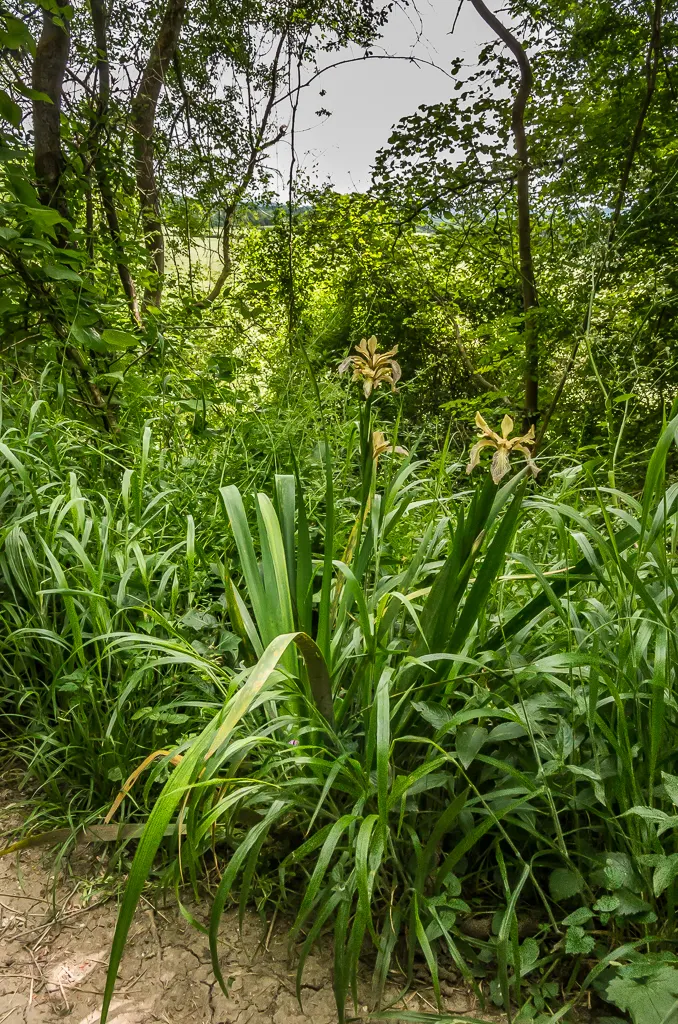
Stinking Iris (Iris Foetidissima) — perennial with lavender blooms; each approximately 2 to 3 inches across
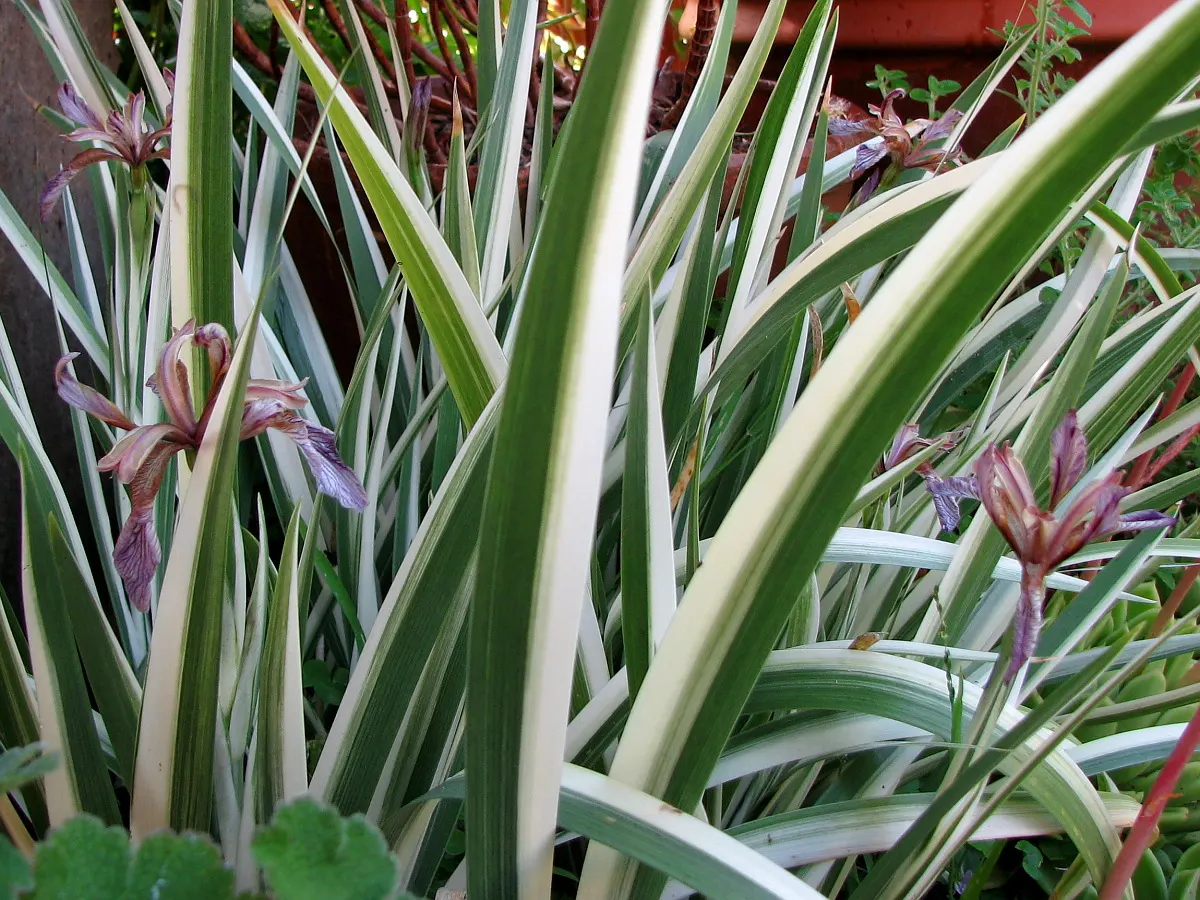
Stinking Iris (Iris Foetidissima) — lavender flowers in the garden; presents a peculiar yet intriguing addition to your garden
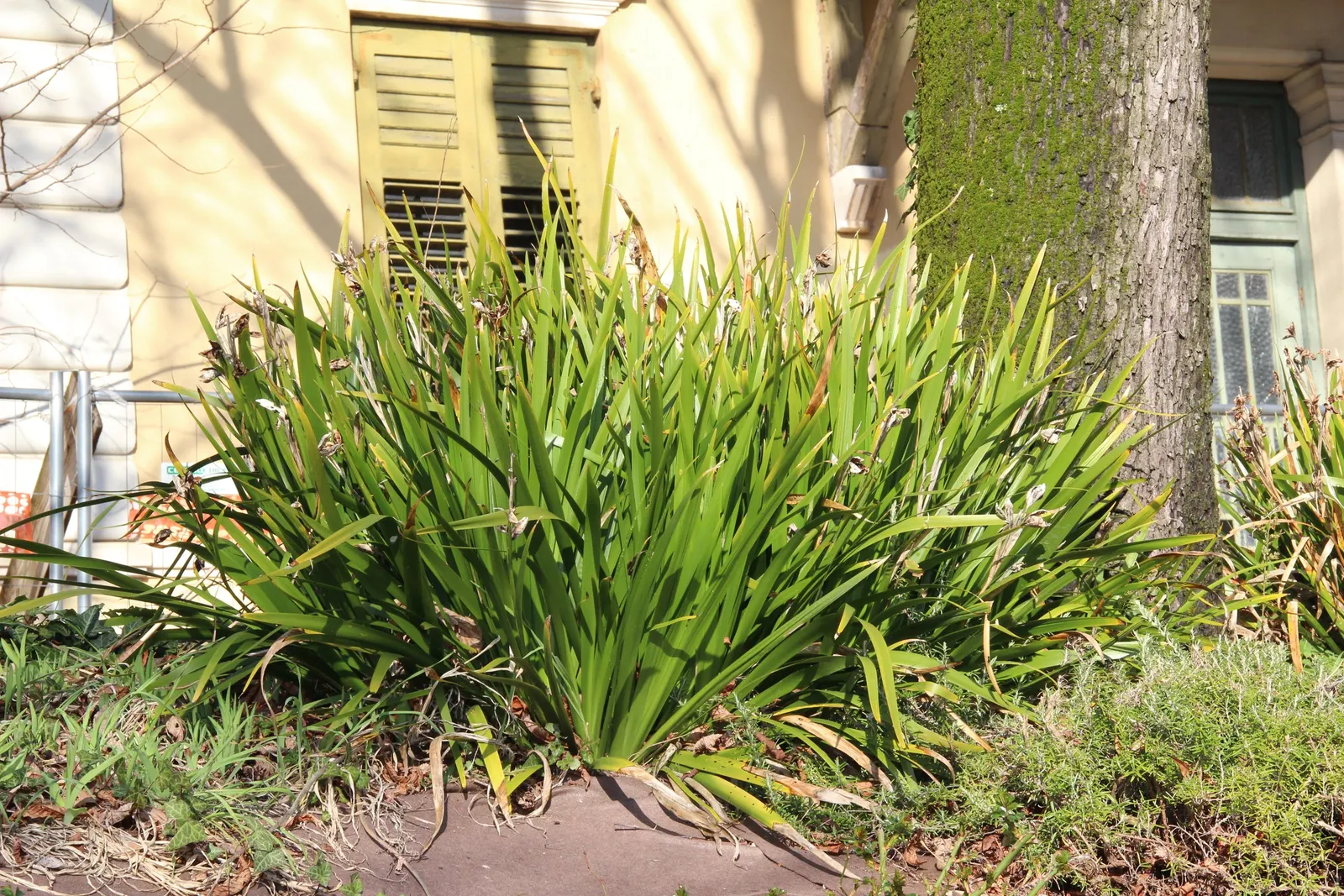
Stinking Iris (Iris Foetidissima) — making it a practical selection for water-conserving landscapes; reaching 1.5-2 feet in height
Stinking Iris (Iris Foetidissima) — Despite the "stinking" title; perennial for full or half, image 66
Stinking Iris (Iris Foetidissima) — this iris is drought-tolerant once established, image 50
Stinking Iris (Iris Foetidissima) — this herbaceous perennial features long; displayed in open seedpods throughout fall and winter, image 67
Stinking Iris (Iris Foetidissima) — It\'s an ideal choice for underplanting in woodland settings or adding to shaded border areas; it blooms with pale lavender
Stinking Iris (Iris Foetidissima) — Iris foetidissima is remarkably disease-resistant and requires minimal maintenance; scientifically known as Iris
Stinking Iris (Iris Foetidissima) — Noted for its foul-smelling leaves when crushed; lavender flowers in the garden
Stinking Iris (Iris Foetidissima) — offering a splash of color in subdued landscapes._zones 5-9; perennial with lavender blooms
Stinking Iris (Iris Foetidissima) — These vibrant seeds provide a stark contrast against the foliage and are a draw for birds; thrives in partial to full shade
Stinking Iris (Iris Foetidissima) — thrives in partial to full shade; earns its name from the unpleasant scent released when its leaves are crushed, image 56
Stinking Iris (Iris Foetidissima) — displayed in open seedpods throughout fall and winter; which become visible in the autumn when the seed pods, image 61
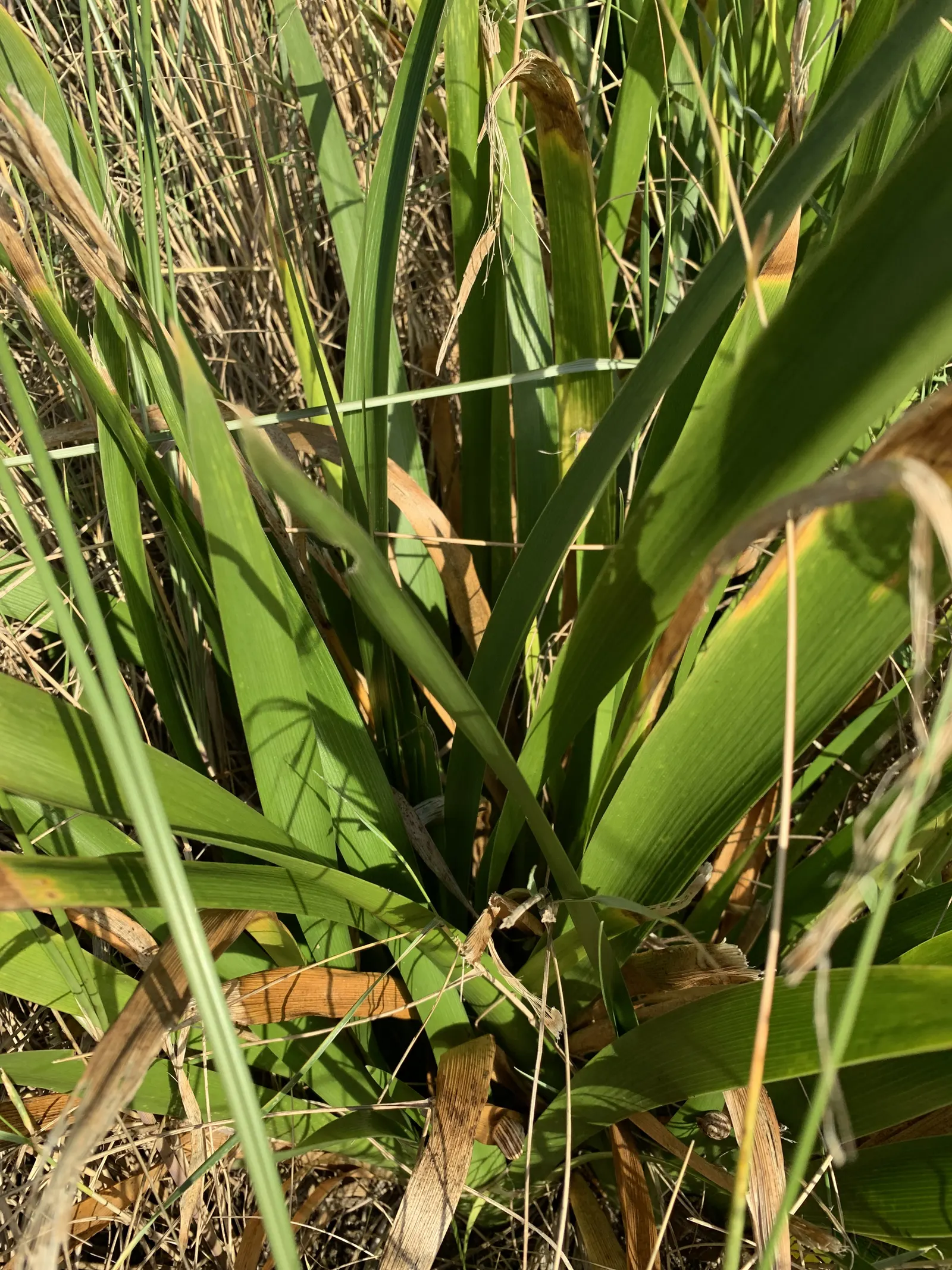
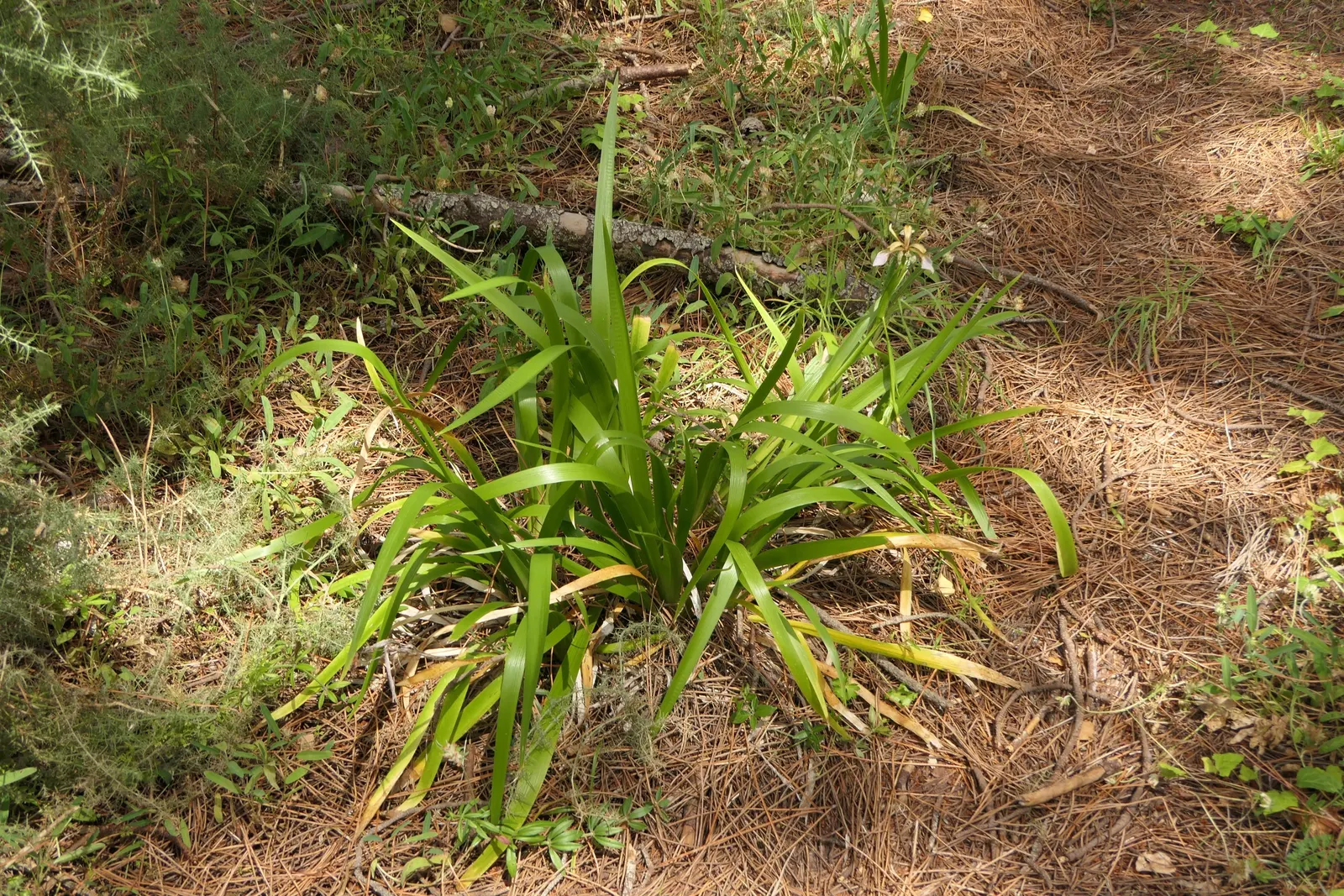
Stinking Iris (Iris Foetidissima) — evergreen leaves that grow in dense clumps, image 68
Stinking Iris (Iris Foetidissima) — In the late spring and early summer; iris foetidissima is remarkably disease-resistant and requires minimal, image 69
Stinking Iris (Iris Foetidissima) — which become visible in the autumn when the seed pods split open; it\'s an ideal choice for underplanting in woodland
Stinking Iris (Iris Foetidissima) — its most striking feature is the vibrant orange seeds; despite the "stinking" title, image 60
Stinking Iris (Iris Foetidissima) — scientifically known as Iris foetidissima; its most striking feature is the vibrant orange seeds, image 63
Stinking Iris (Iris Foetidissima) — reaching 1.5-2 feet in height; while the flowers are understated and not highly fragrant, image 57
Stinking Iris (Iris Foetidissima) — it blooms with pale lavender to yellow flowers; commonly known as Stinking Iris, image 70

Related plants