Skip to content

Japanese Iris

Iris Ensata

Design with this plant

Overview

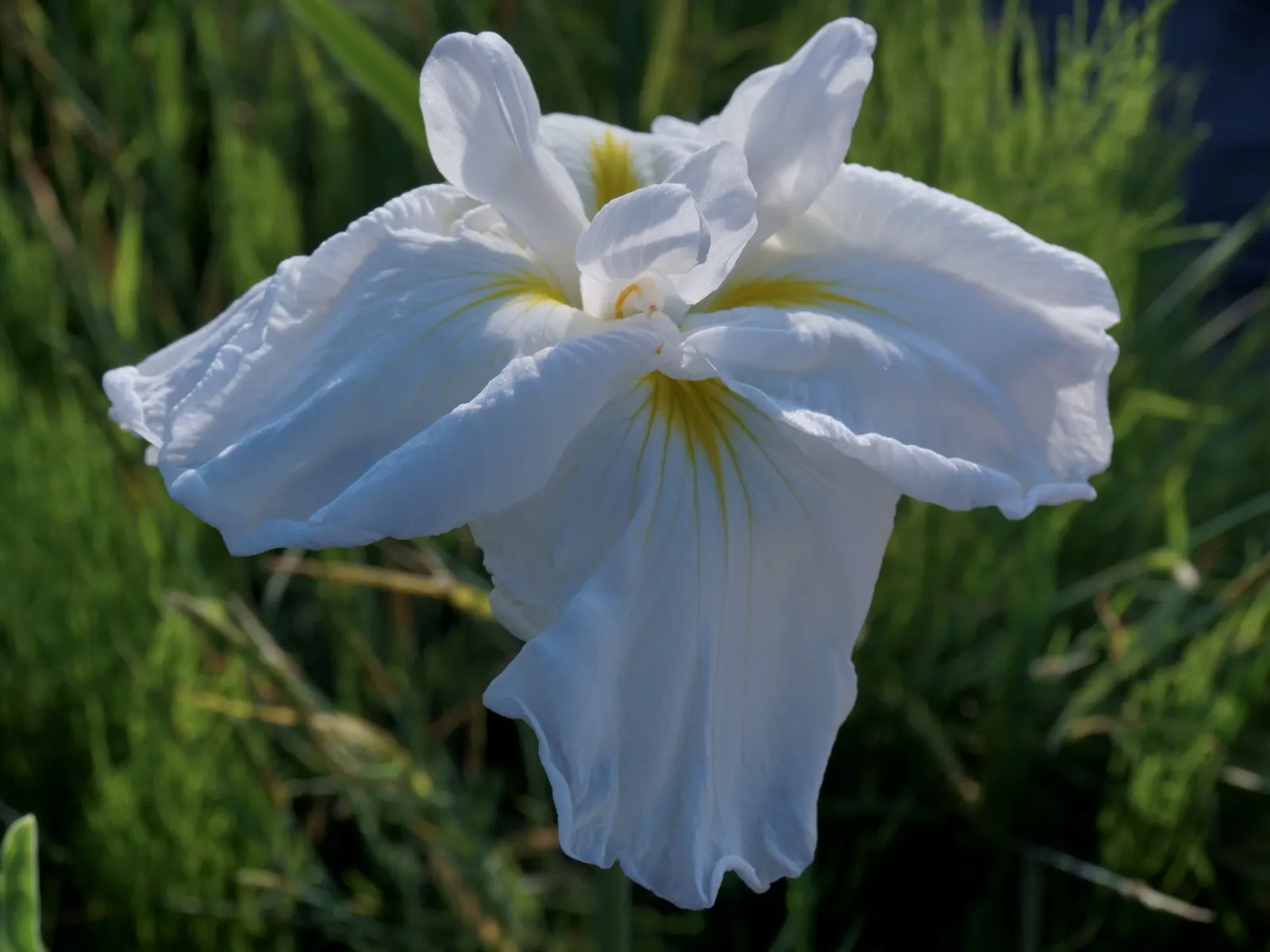
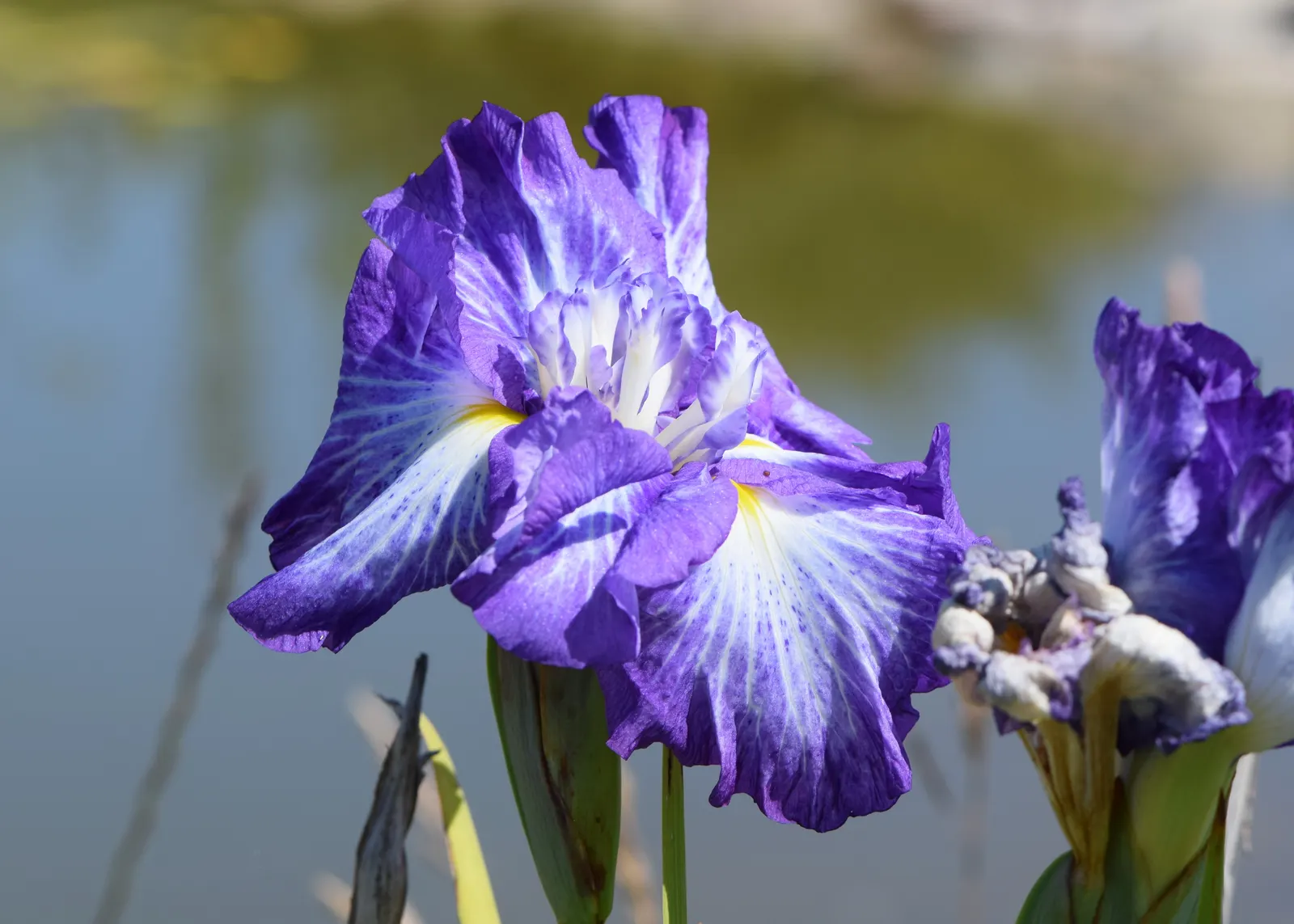
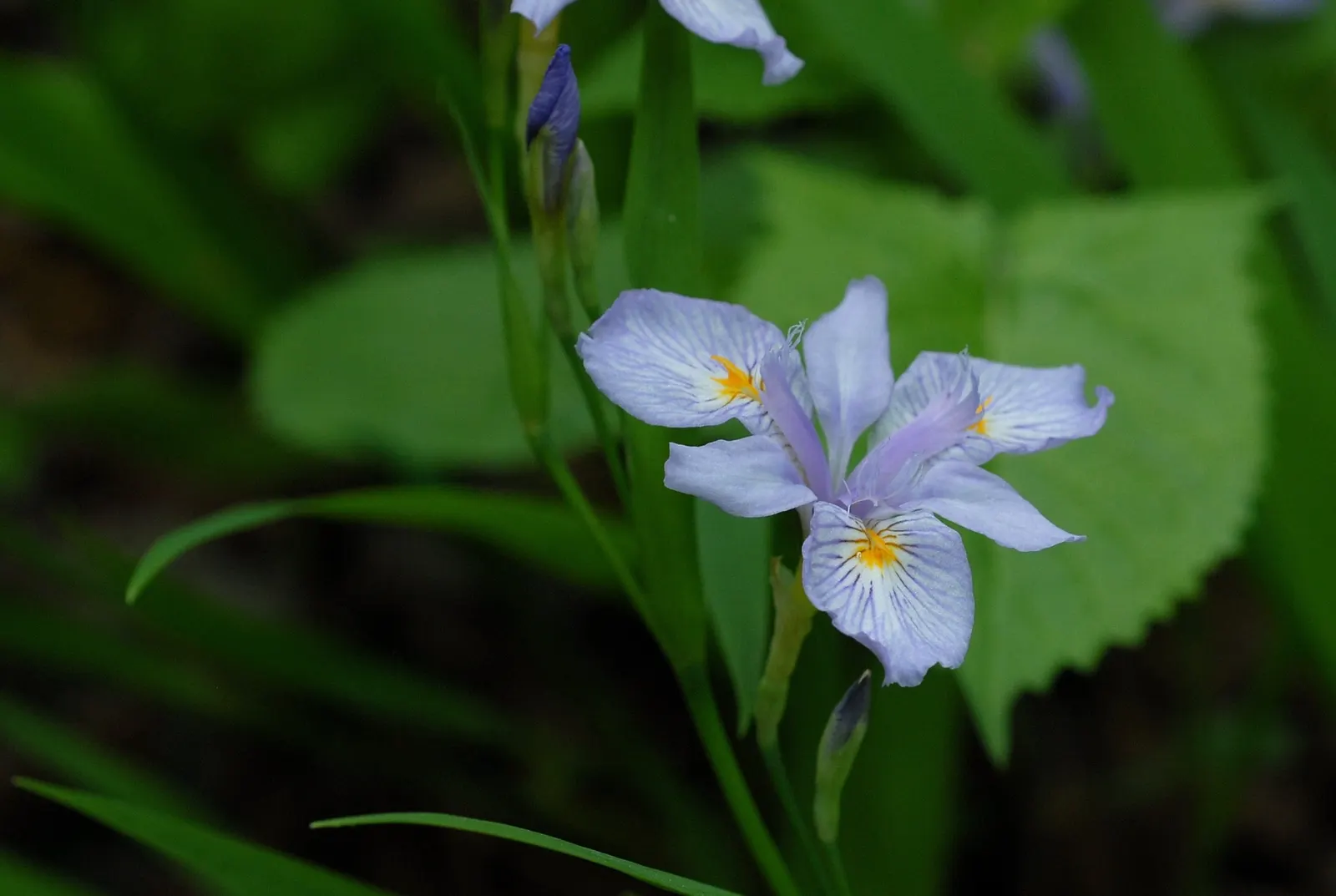
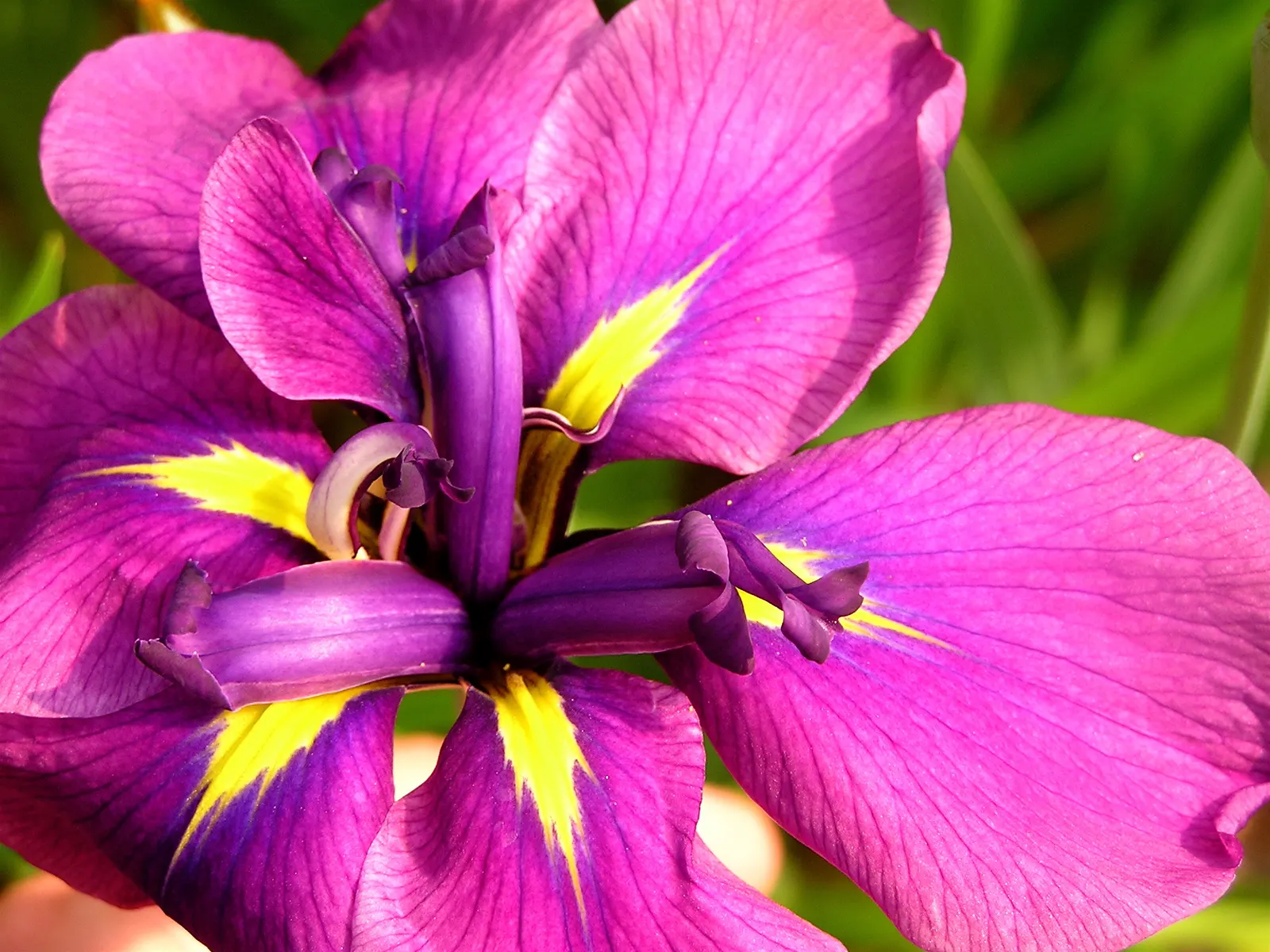
The Japanese Iris (Iris ensata) is a striking perennial with showy, ruffled blooms ranging from pure white to deep purple, often with intricate veining. Thriving in full sun to part shade, these irises prefer acidic, moist soils, and excel near water features. Reaching 24-36 inches in height with a spread of 18-24 inches, they add vertical interest and a touch of elegance to any garden setting. Blooms emerge in late spring to early summer.

Sun HalfWater MediumZones 4–9Climate Temperate
Japanese Iris (Iris Ensata) — The Japanese Iris (Iris ensata) is a striking perennial with showy

Culture

Sun
Half
Water
Medium
USDA zones
4–9

Shape & size

Classification

Family
Iridaceae
Climate
Temperate

See full data, regional cultivation notes, full-resolution photos, and design tools. Build a client presentation around this plant.

Start your 14-day trial

Photos (135)

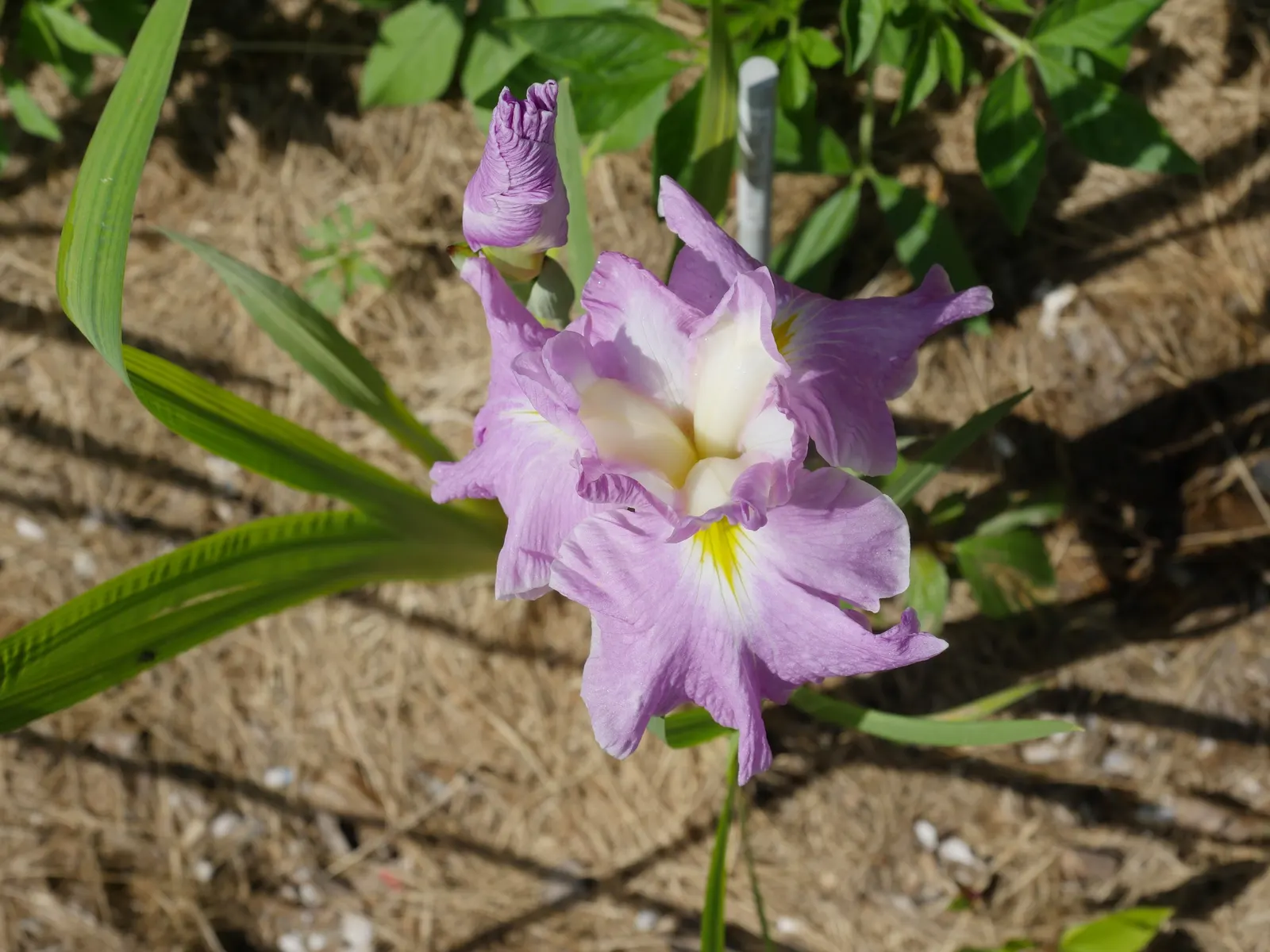
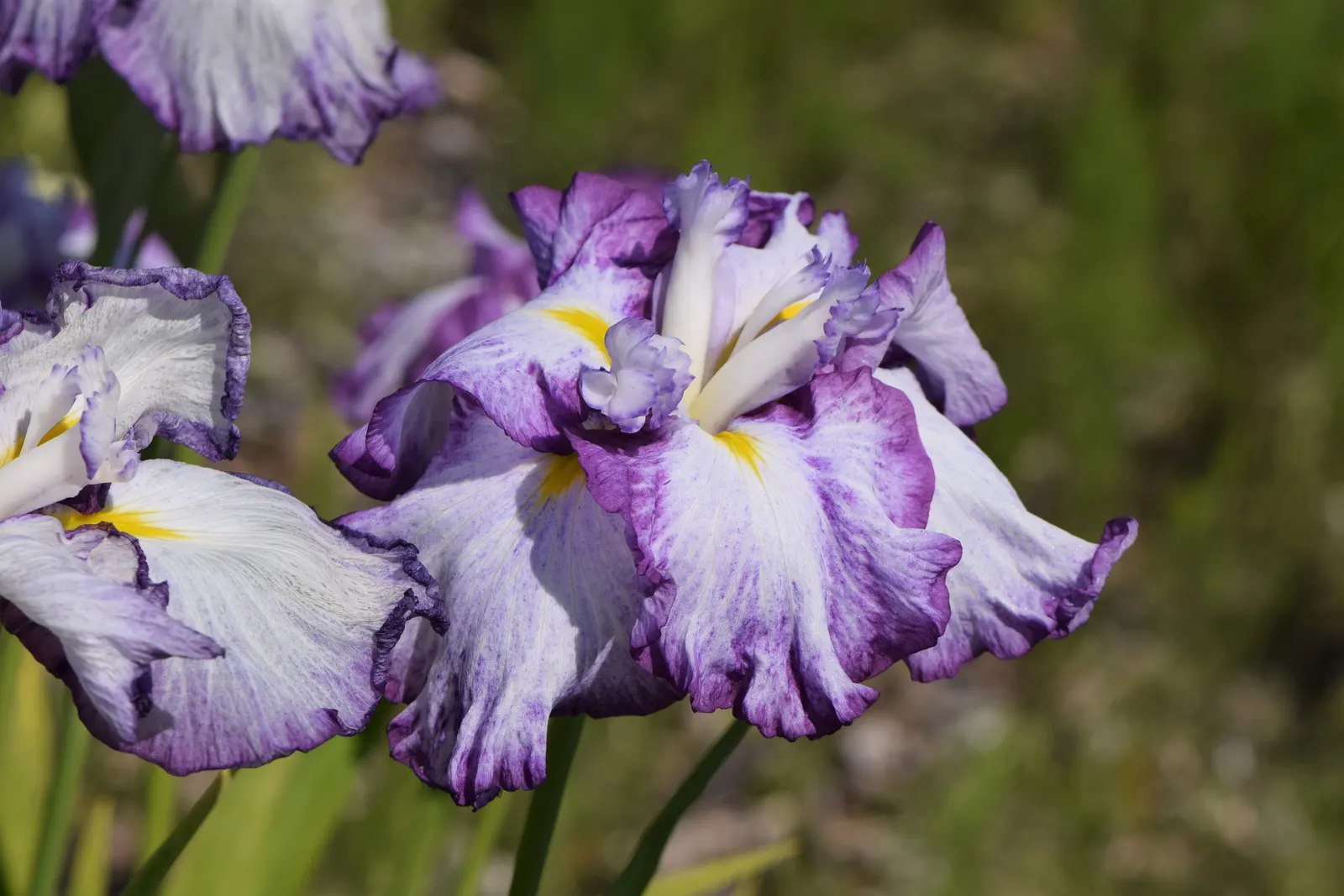
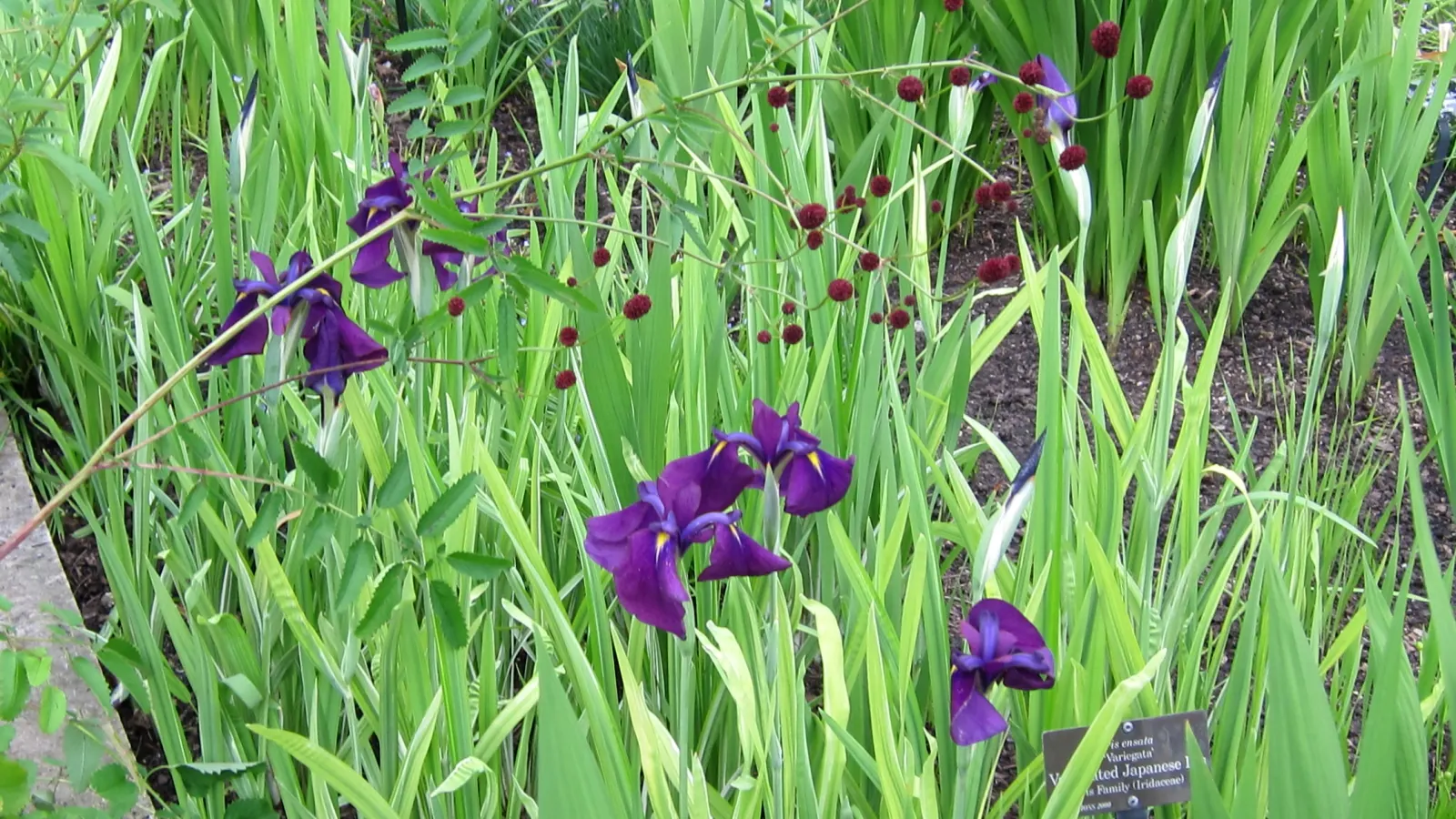
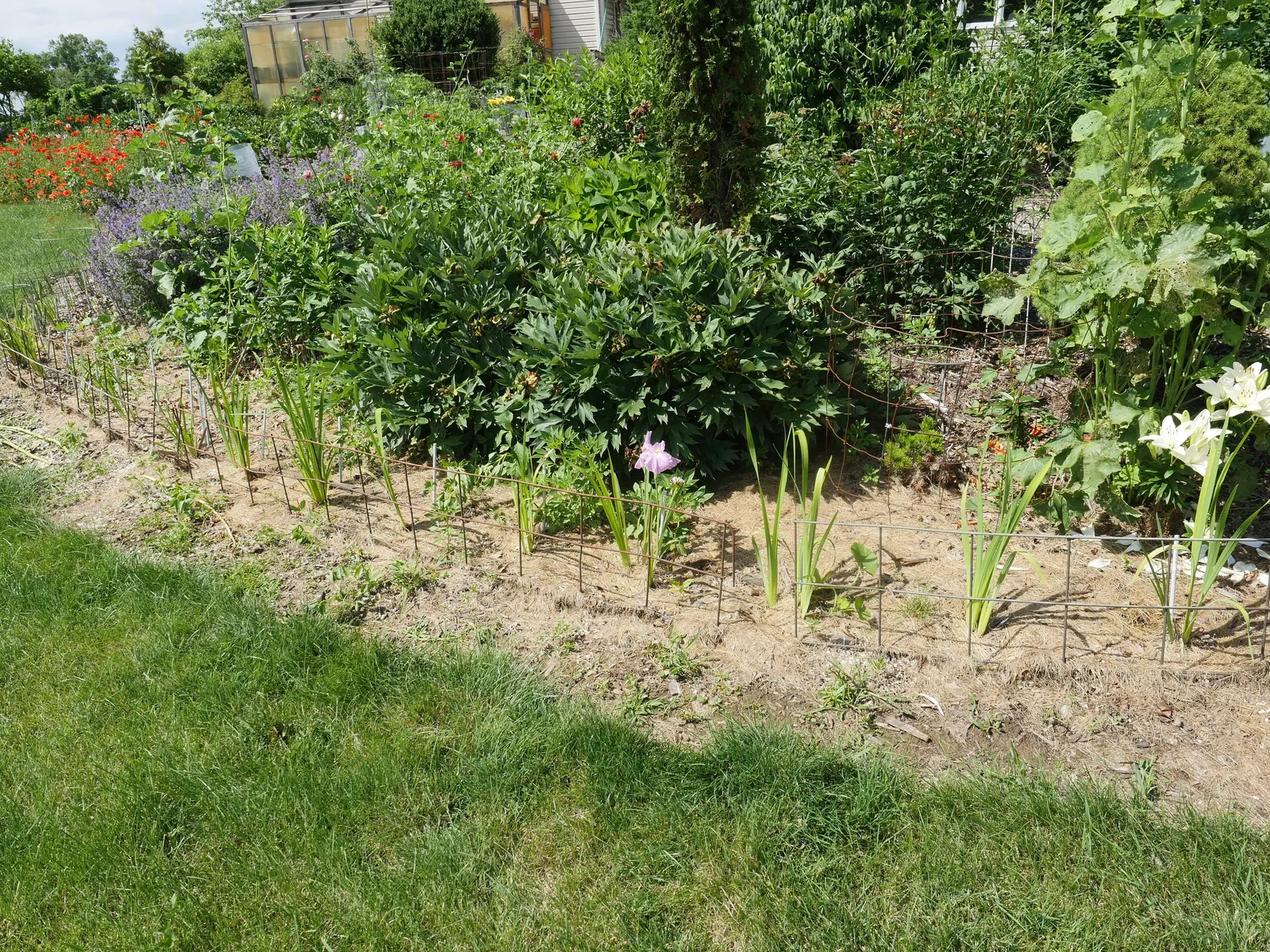
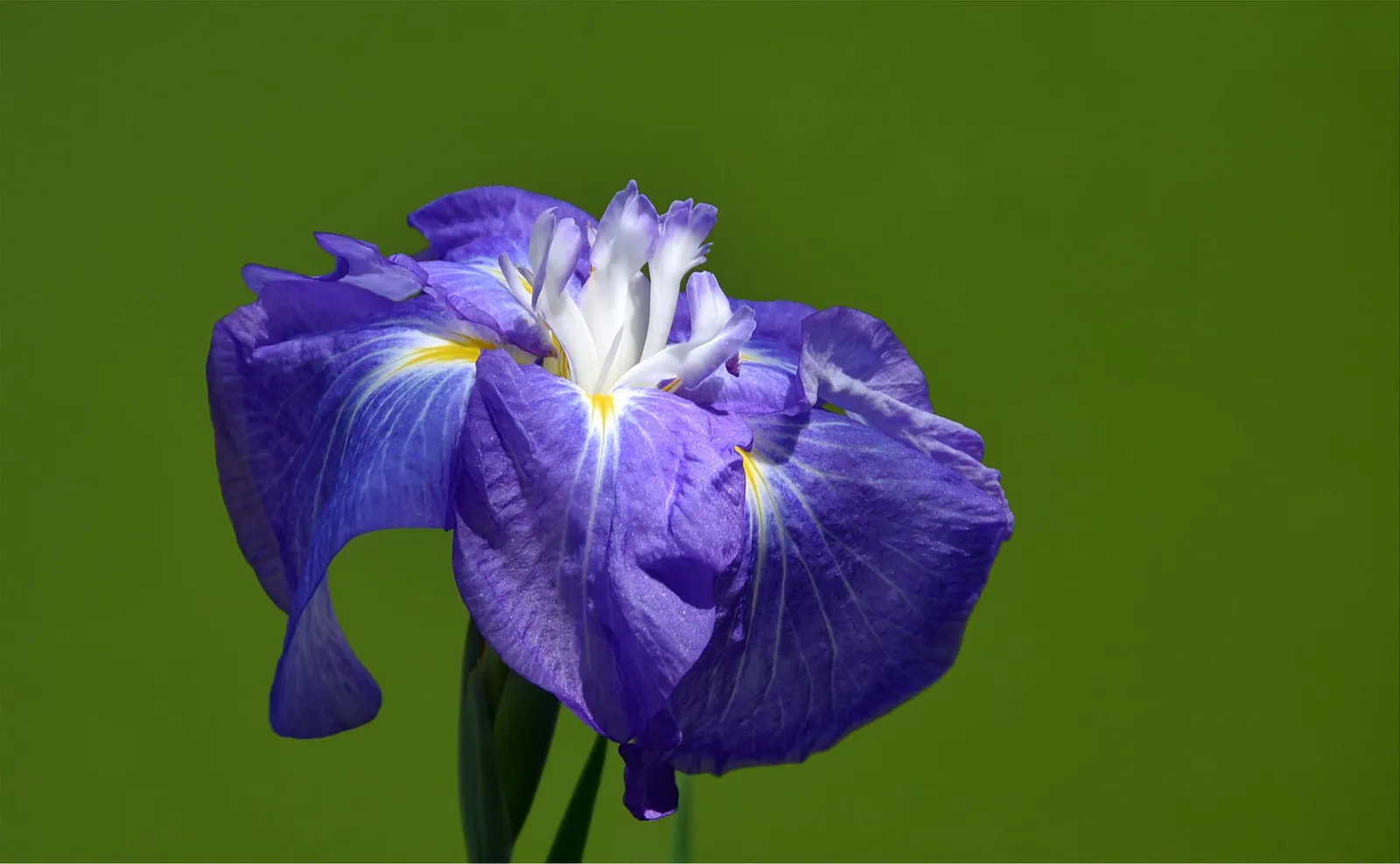
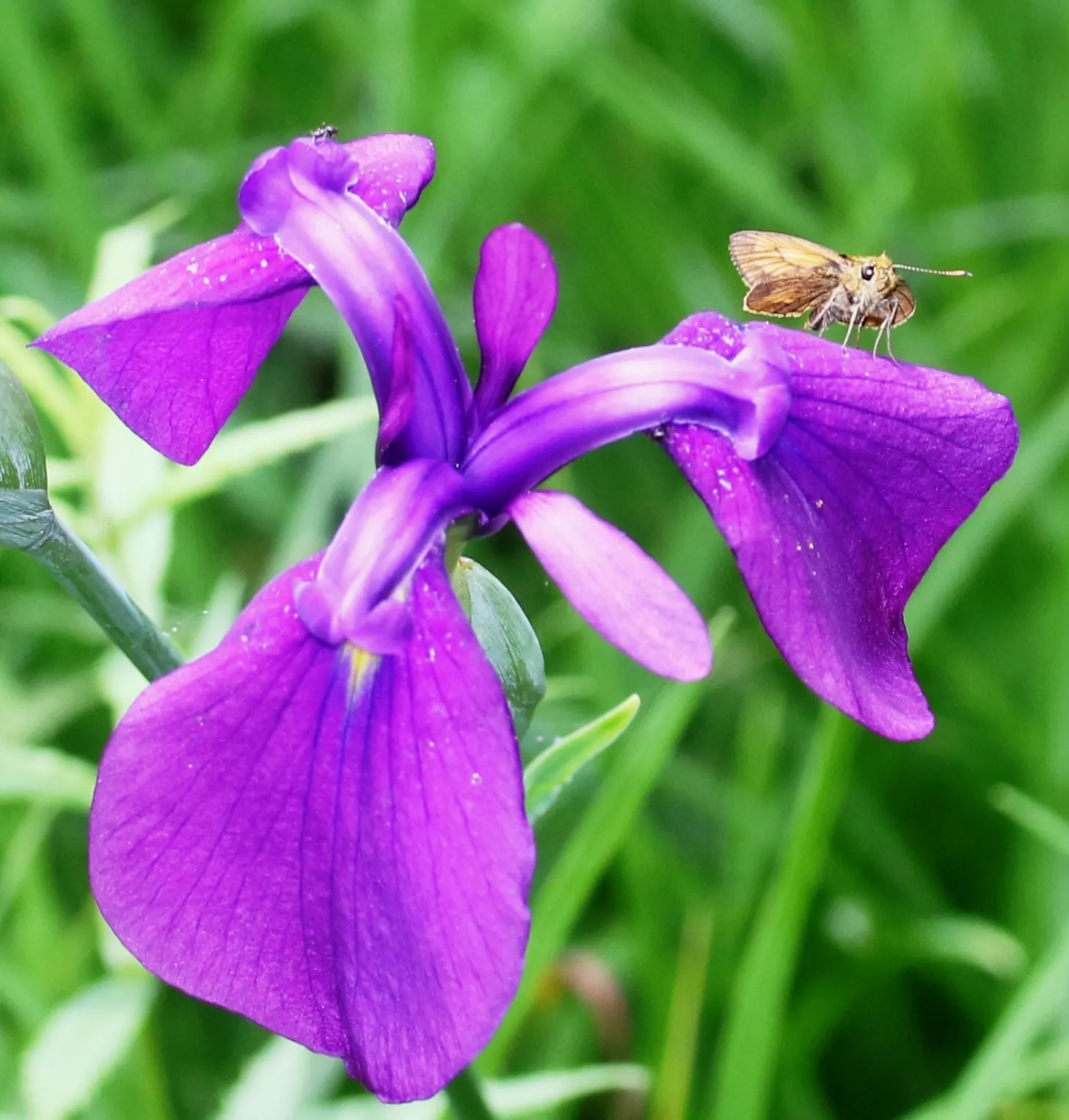
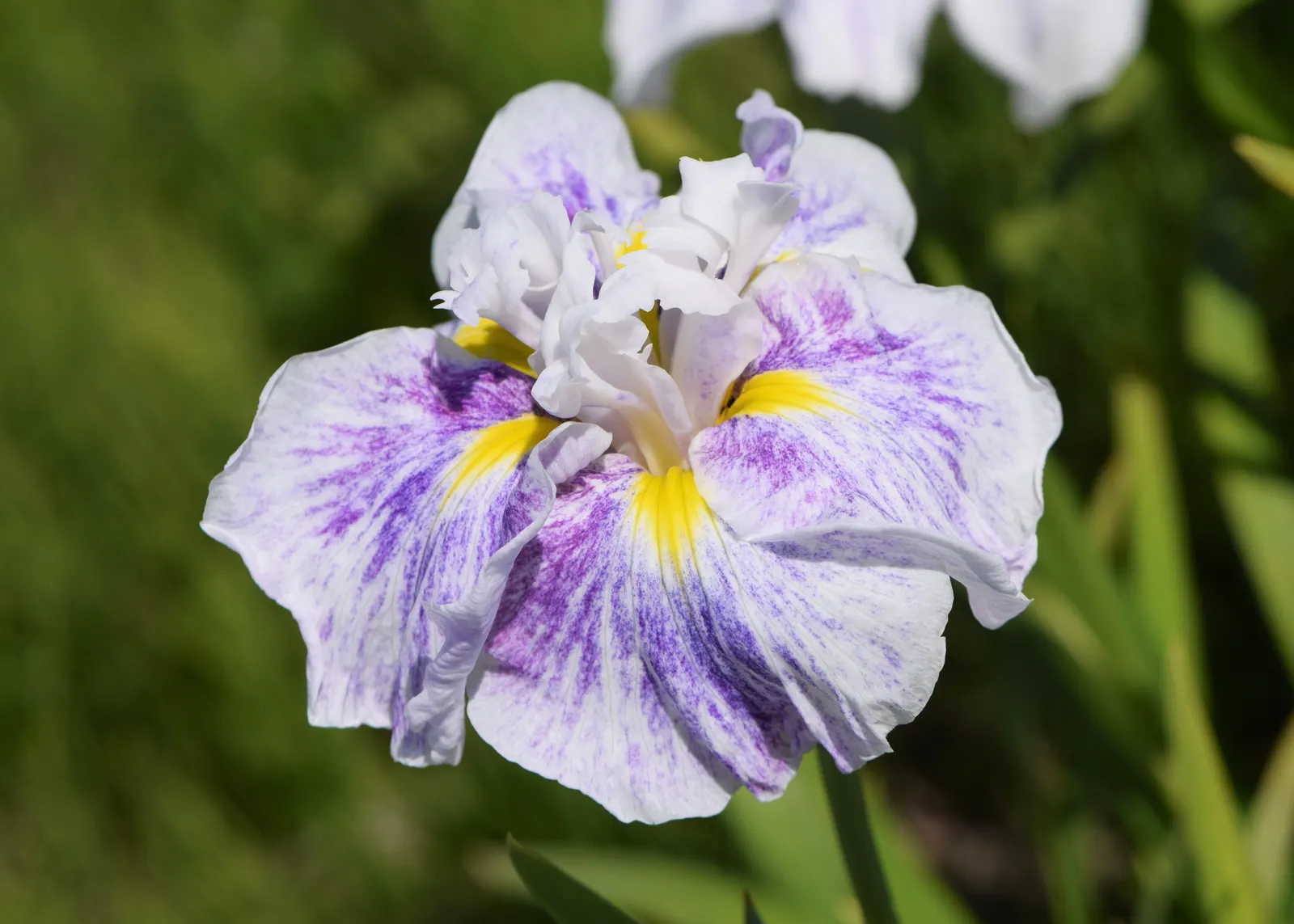
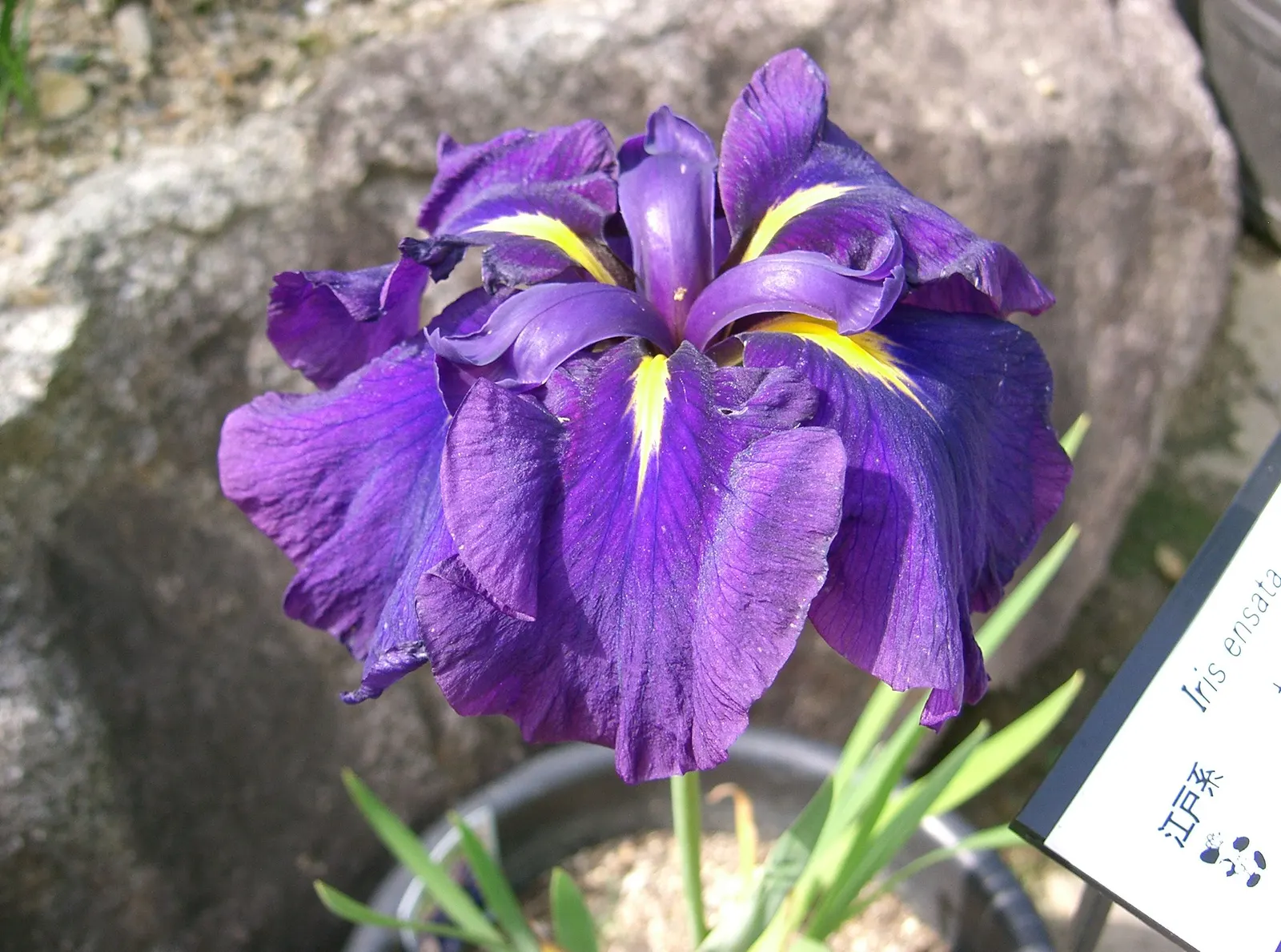
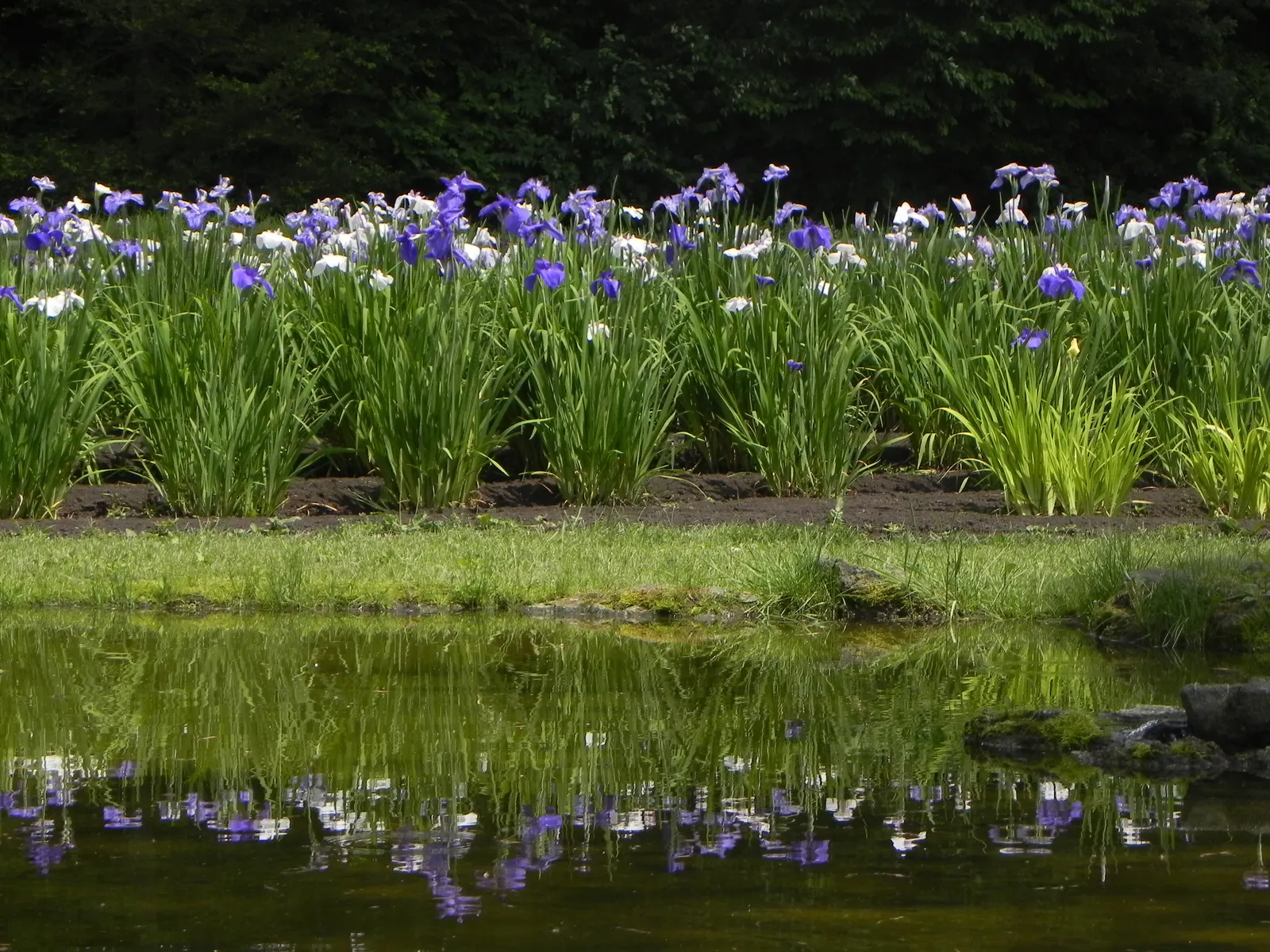
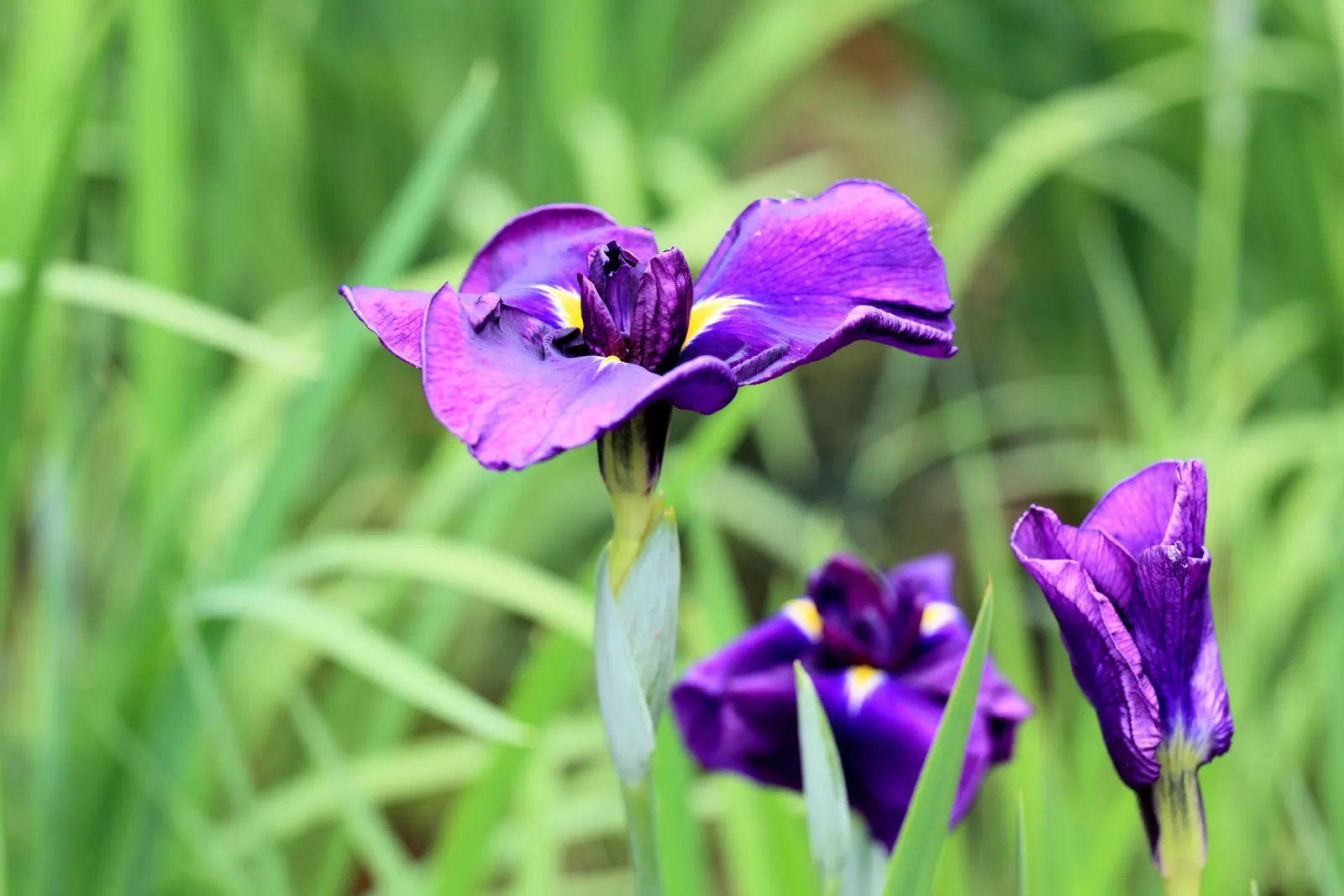
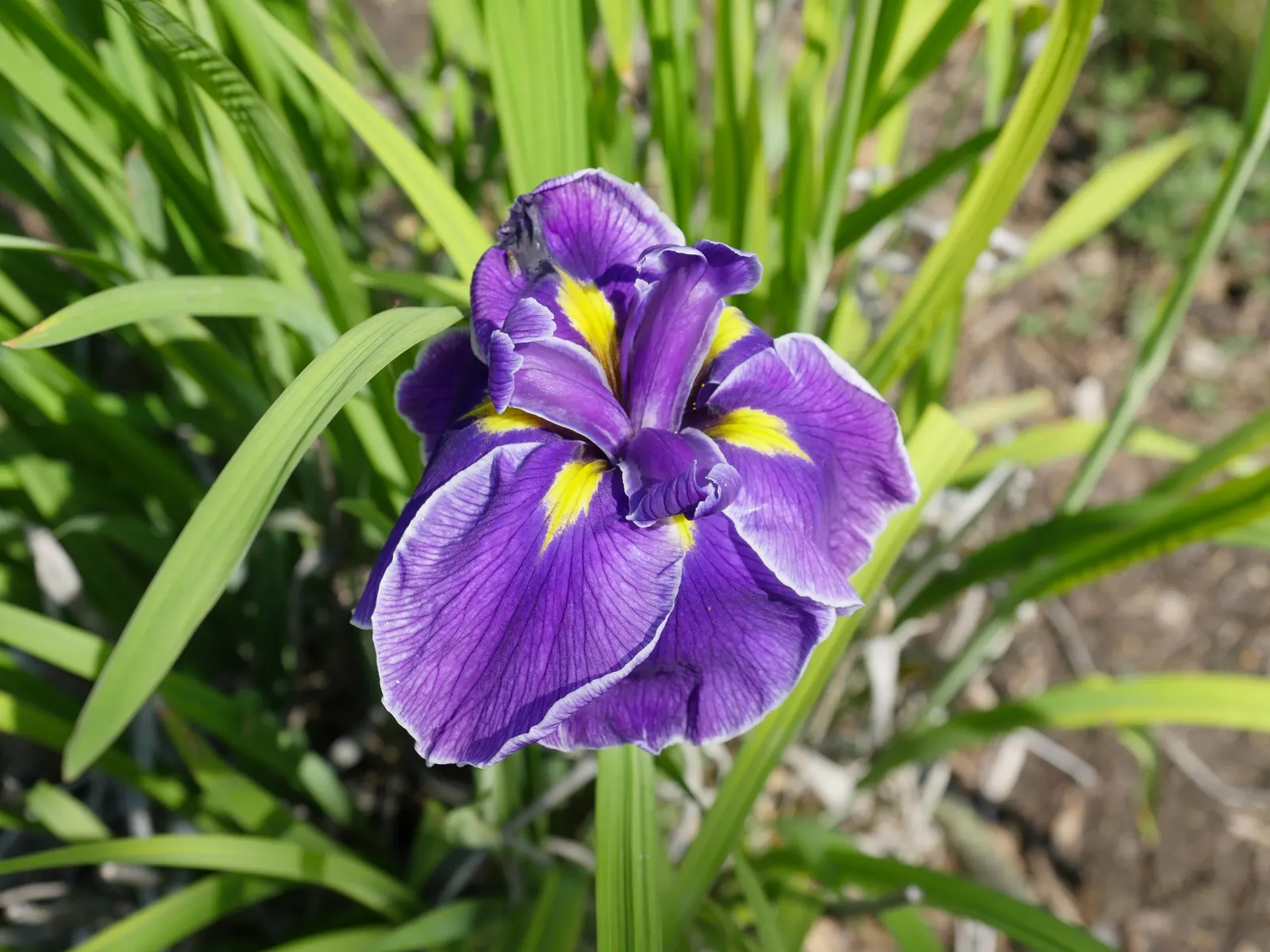
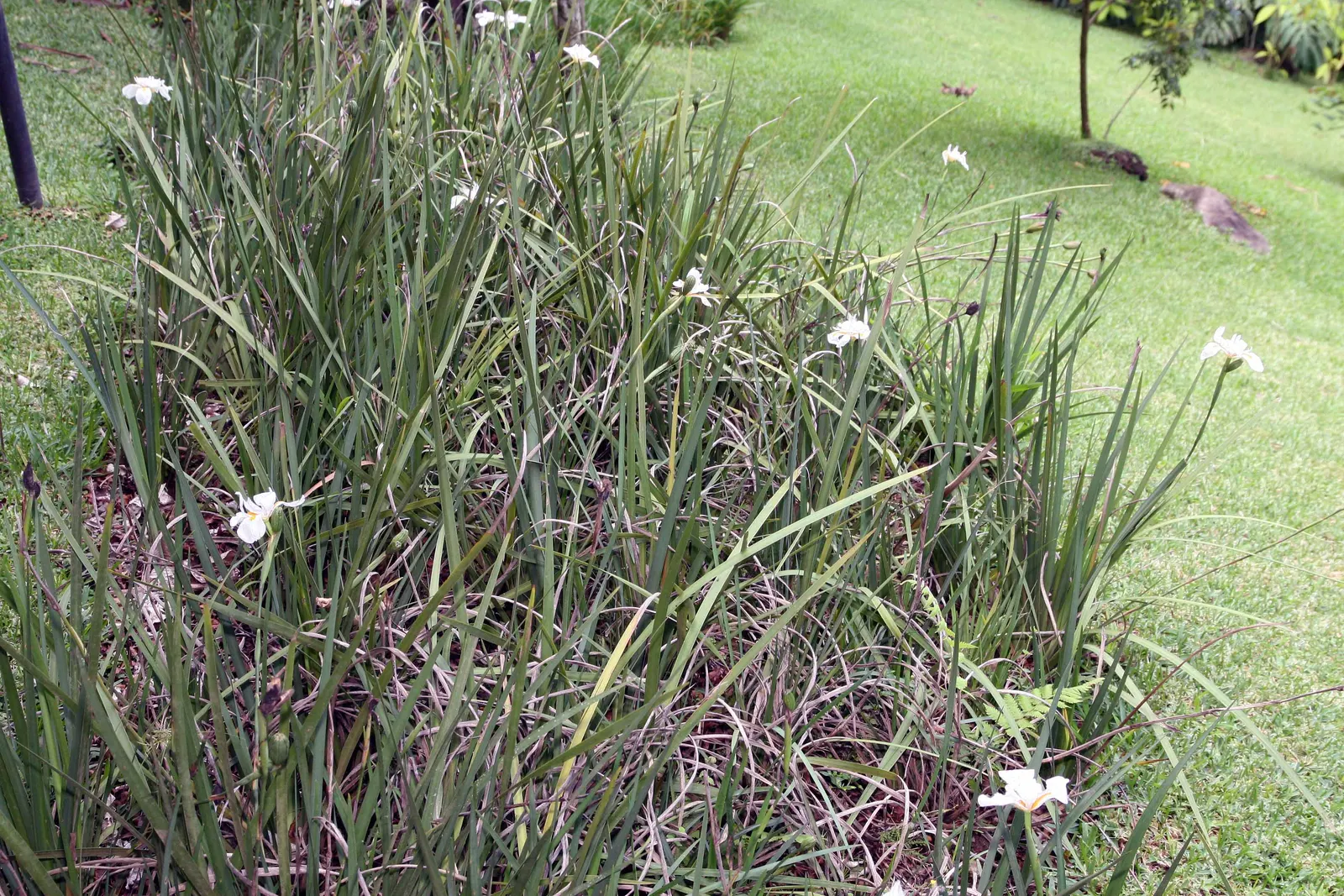
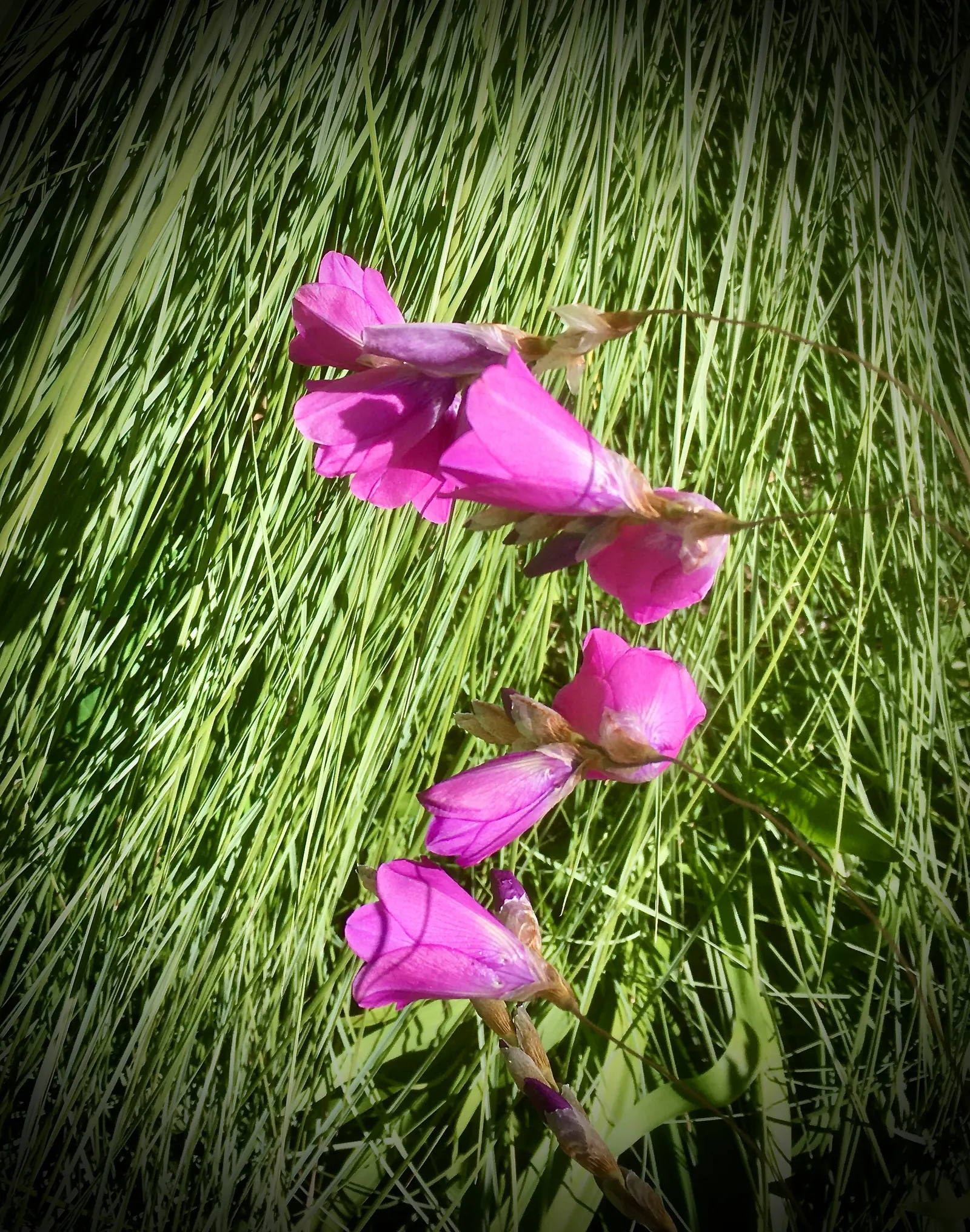
Japanese Iris (Iris Ensata) — lavender and multi-colored and purple and white flowers in the garden; also revered as the Japanese Water Iris
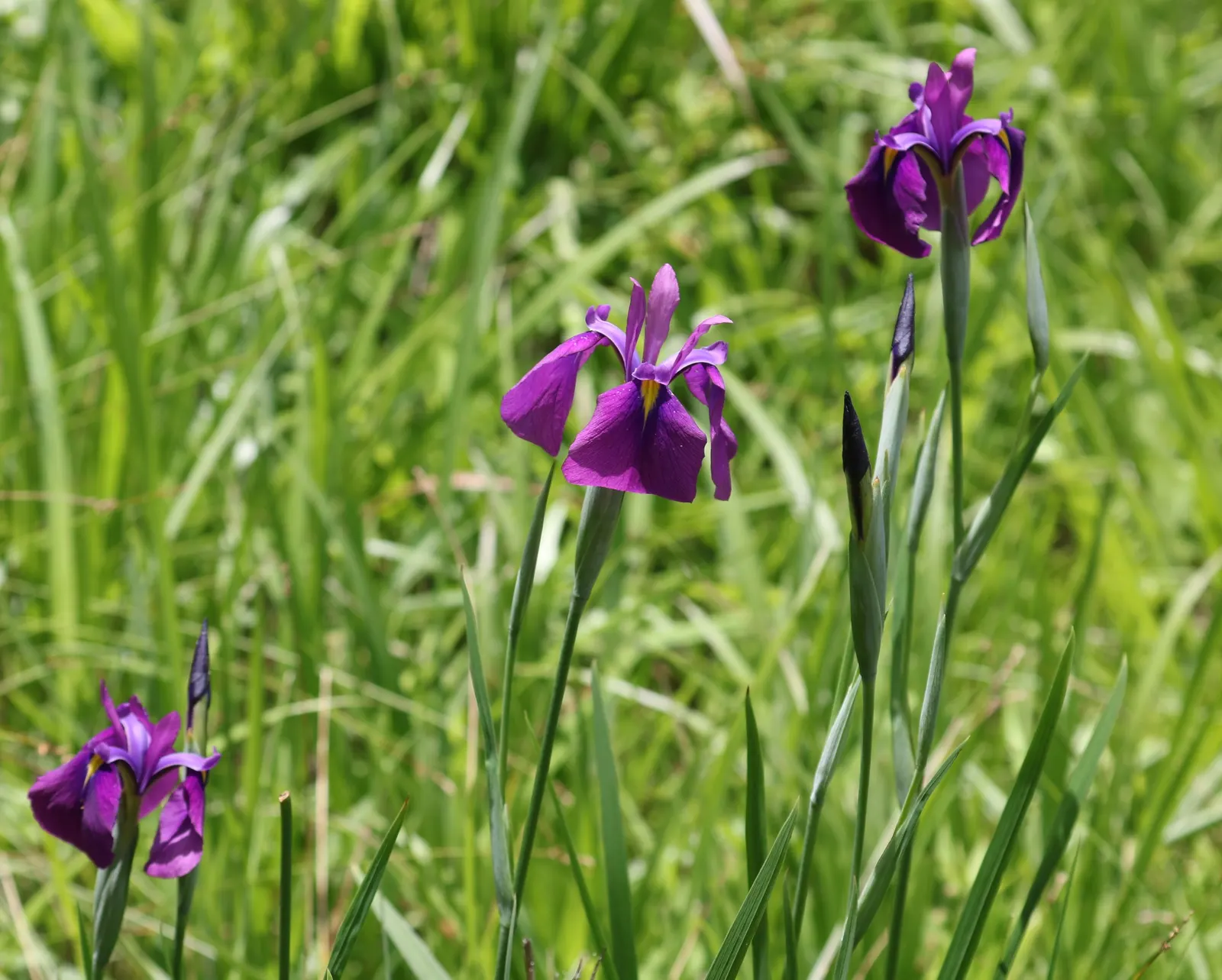
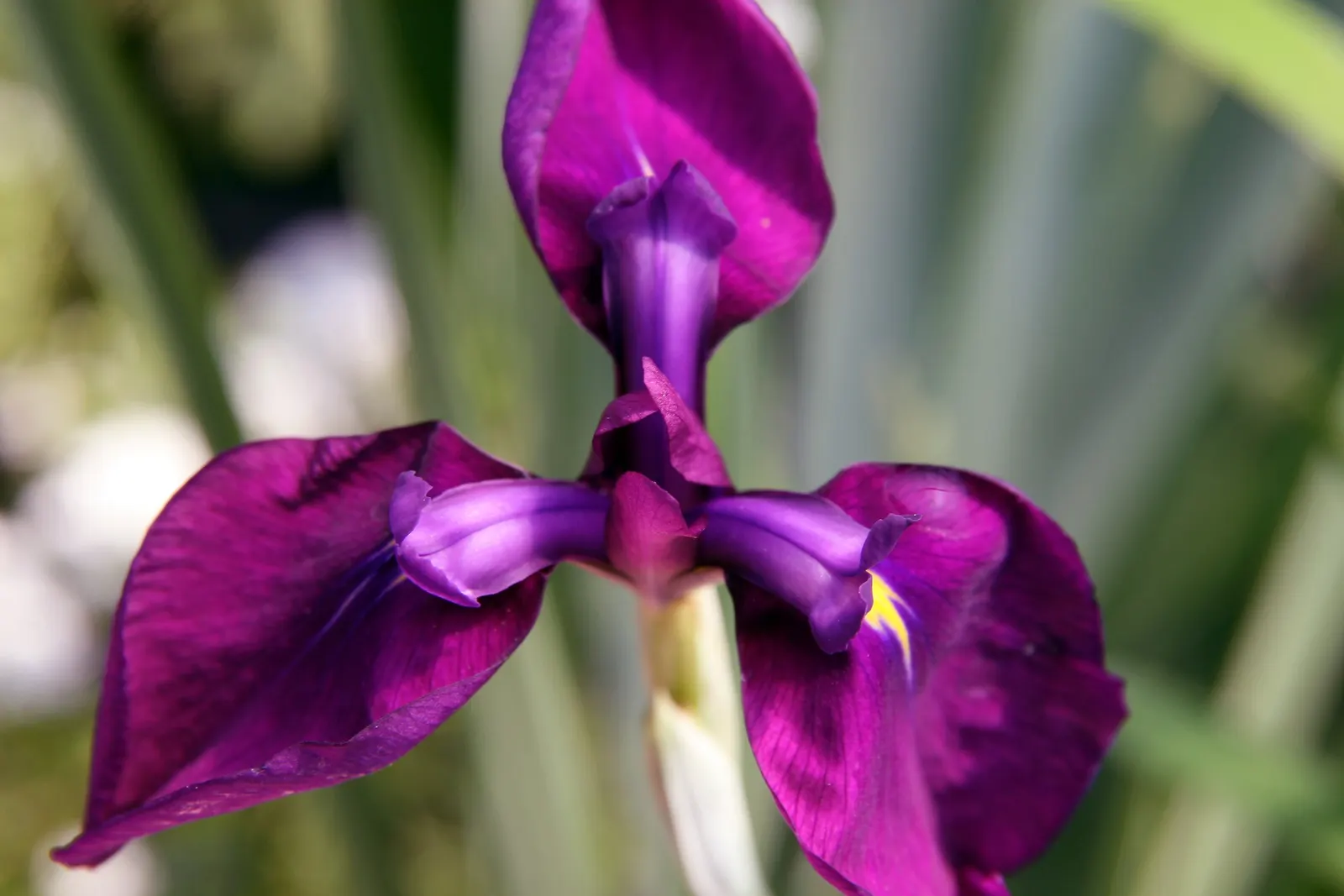
Japanese Iris (Iris Ensata) — perennial with lavender and multi-colored and purple and white blooms; requiring acidic to neutral soil that is consistently
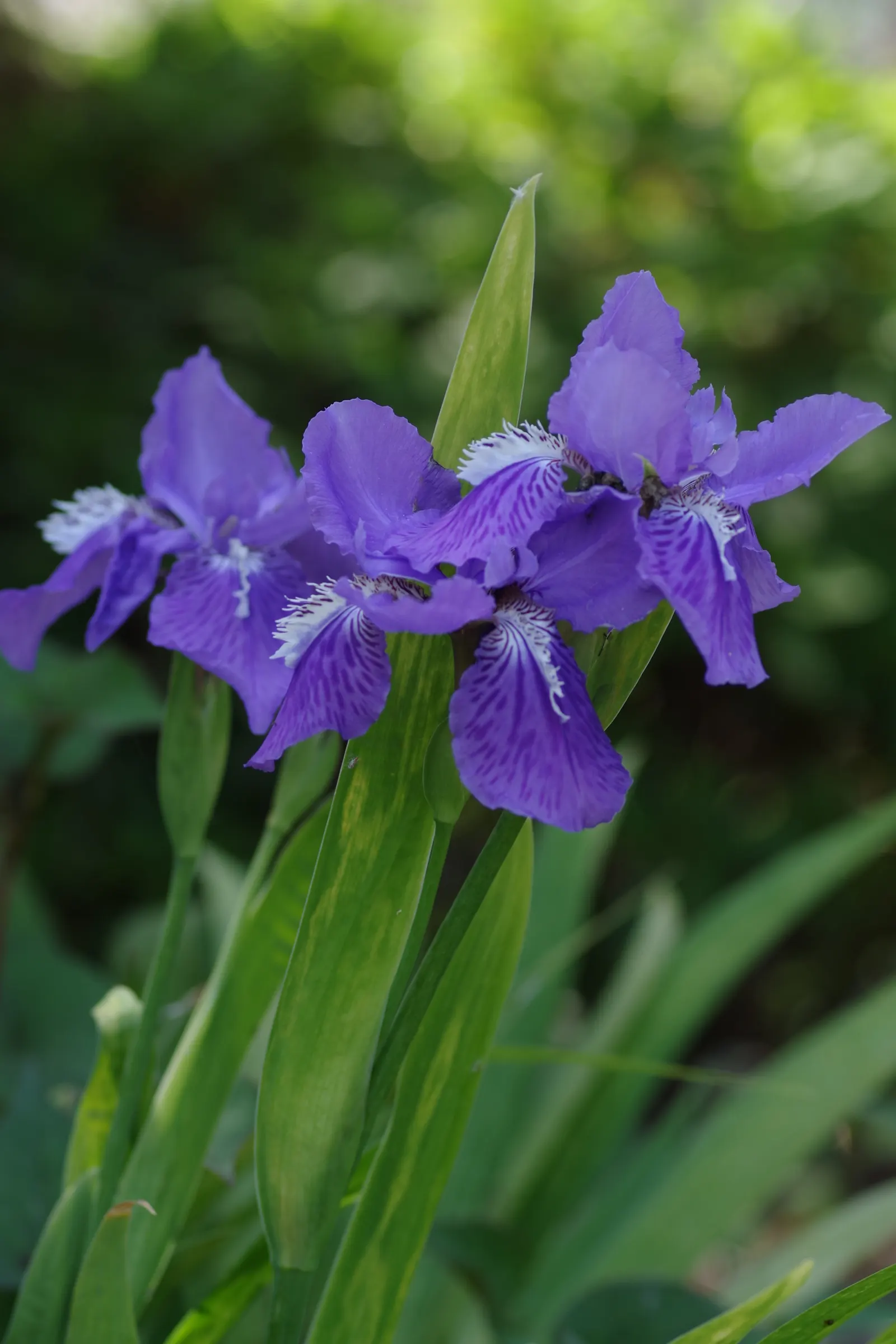
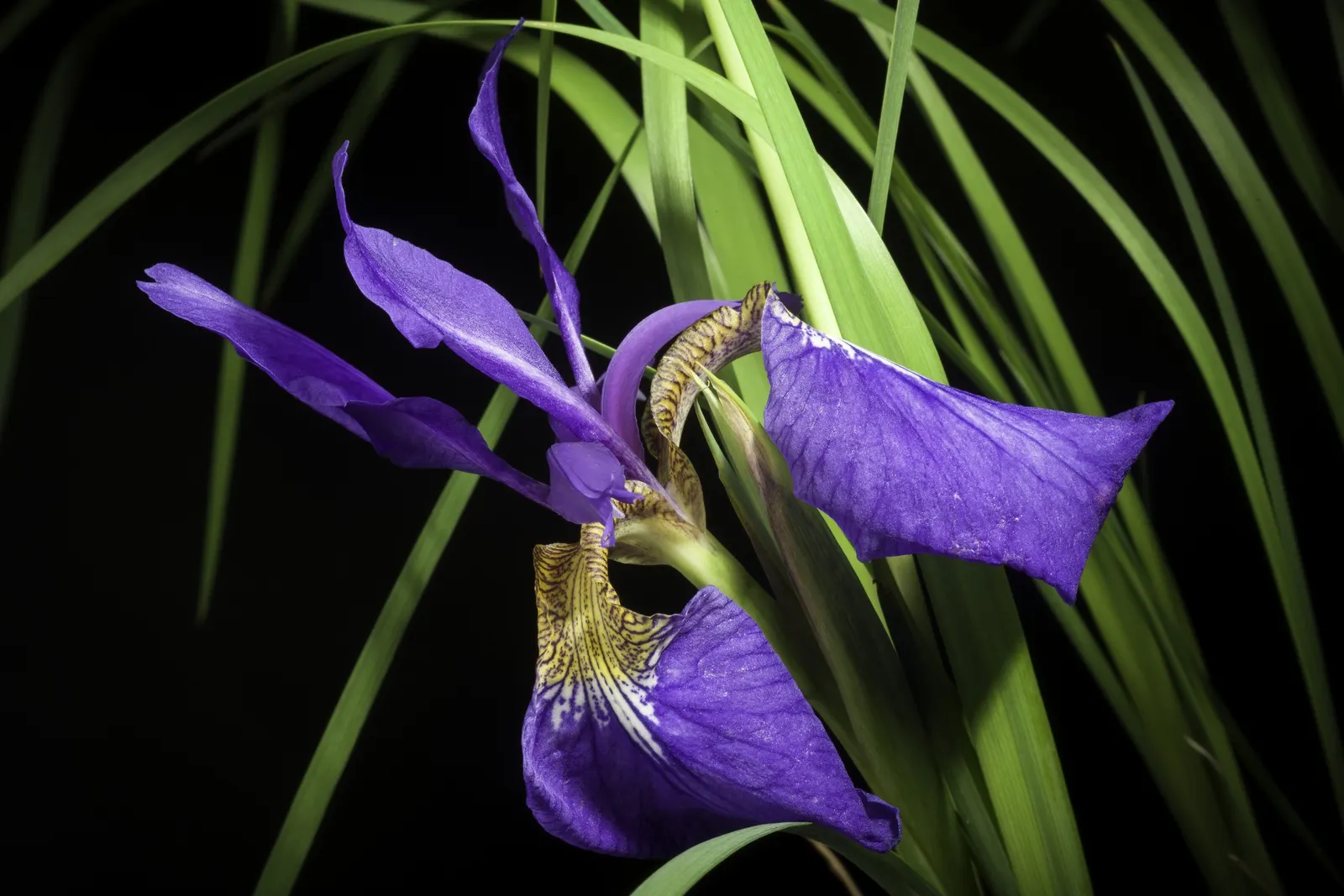
Japanese Iris (Iris Ensata) — perennial for half; whereas dividing the clumps every 3 to 4 years will maintain the vigor of the plant
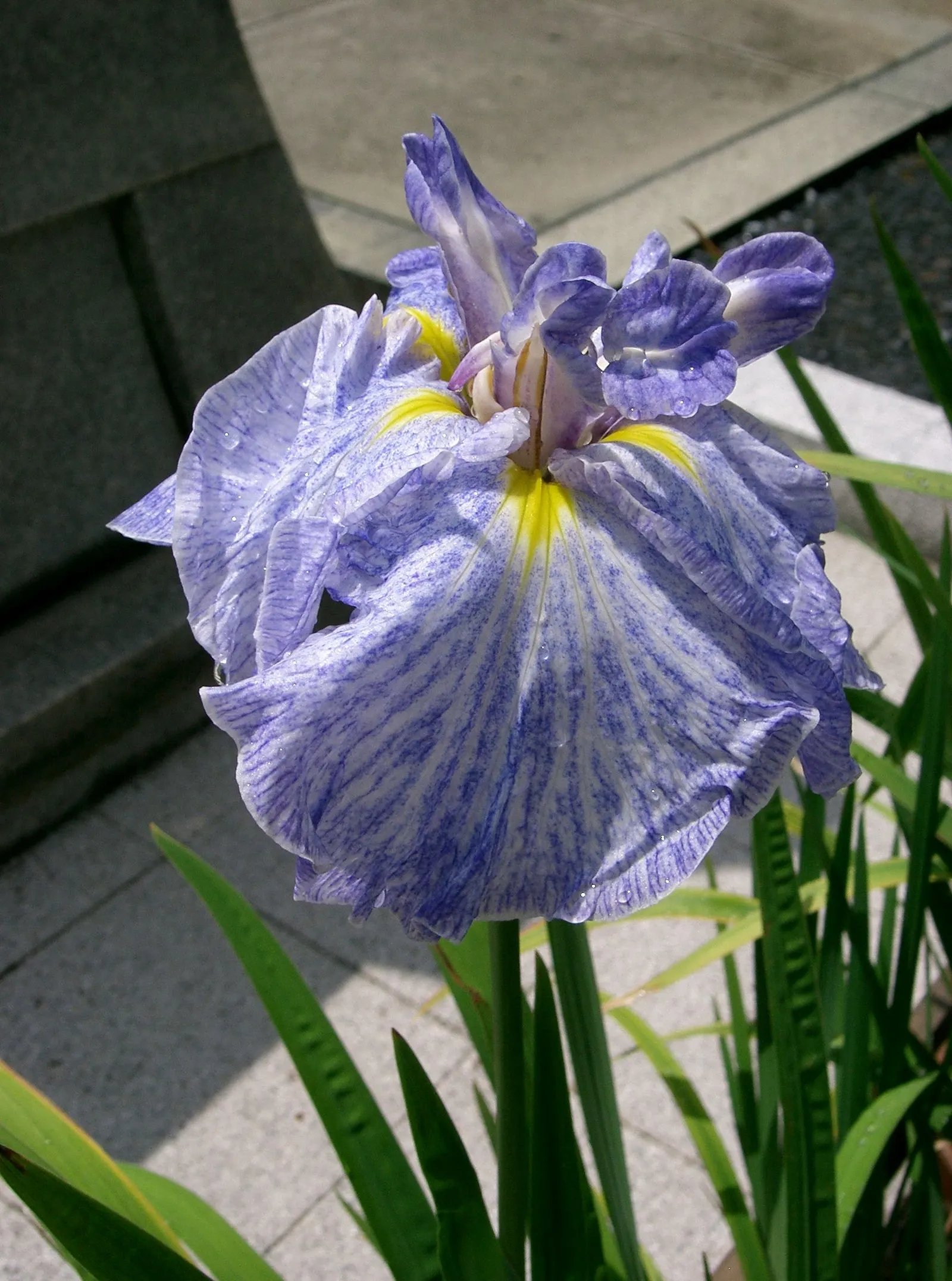
Japanese Iris (Iris Ensata) — The Japanese Iris (Iris ensata) is a striking perennial with showy; thriving in full sun to part shade, these irises, image 53
Japanese Iris (Iris Ensata) — ruffled blooms ranging from pure white to deep purple; this perennial showcases flowers that can span up to 6 to 8, image 54
Japanese Iris (Iris Ensata) — often with intricate veining; providing a captivating display after many other spring flowers have faded, image 55
Japanese Iris (Iris Ensata) — Thriving in full sun to part shade, these irises prefer acidic, moist soils, and excel near water features; perennial, image 56
Japanese Iris (Iris Ensata) — It's noteworthy that the plant is deer-resistant, which adds to the list of its appealing attributes; where it can bask in at
Japanese Iris (Iris Ensata) — Reaching 24-36 inches in height with a spread of 18-24 inches; they add vertical interest and a touch of elegance to, image 57
Japanese Iris (Iris Ensata) — they add vertical interest and a touch of elegance to any garden setting; iris ensata prefers a sunny to partially, image 58
Japanese Iris (Iris Ensata) — Blooms emerge in late spring to early summer; save for the consistent soil moisture, image 59
Japanese Iris (Iris Ensata) — this perennial showcases flowers that can span up to 6 to 8 inches across; deadheading the spent blooms can encourage, image 63
Japanese Iris (Iris Ensata) — presents an exotic addition to any water-influenced garden feature or moist border; it thrives in hardiness zones 4, image 62
Japanese Iris (Iris Ensata) — also revered as the Japanese Water Iris; the Japanese Iris (Iris ensata), image 61
Japanese Iris (Iris Ensata) — The Japanese Iris (Iris ensata); the Japanese Iris (Iris ensata) is a striking perennial with showy, image 60
Japanese Iris (Iris Ensata) — Iris ensata prefers a sunny to partially shaded position; presents an exotic addition to any water-influenced garden, image 65
Japanese Iris (Iris Ensata) — where it can bask in at least six hours of sunlight daily; typically in late spring to early summer, image 66
Japanese Iris (Iris Ensata) — Their color palette ranges through various shades of purple; often with intricate veining, image 64
Japanese Iris (Iris Ensata) — It thrives in hardiness zones 4 through 9; lavender and multi-colored and purple and white flowers in the garden, image 67
Japanese Iris (Iris Ensata) — requiring acidic to neutral soil that is consistently moist or even boggy; reaching 24-36 inches in height with a, image 68
Japanese Iris (Iris Ensata) — typically in late spring to early summer; their color palette ranges through various shades of purple, image 69
Japanese Iris (Iris Ensata) — providing a captivating display after many other spring flowers have faded; this iris is a low-maintenance option, image 70
Japanese Iris (Iris Ensata) — It's noteworthy that the plant is deer-resistant, which adds to the list of its appealing attributes; where it can, image 73
Japanese Iris (Iris Ensata) — save for the consistent soil moisture; blooms emerge in late spring to early summer, image 72

Related plants