Skip to content

Scarlet Gillia

Ipomopsis Aggregata

Design with this plant

Overview

Scarlet Gilia, or Ipomopsis aggregata, is a striking biennial reaching 1 to 4 feet in height. It boasts tubular, fiery red to orange flowers, attracting hummingbirds and pollinators. Ideal for dry, well-drained soil and full sun, it blooms from late spring to early fall. Hardy in zones 3-10, it adds vertical interest and vibrant color to rock gardens and wildflower meadows. Use in clusters for a dramatic effect.

Sun Full, HalfWater MediumZones 3–5Type Perennial
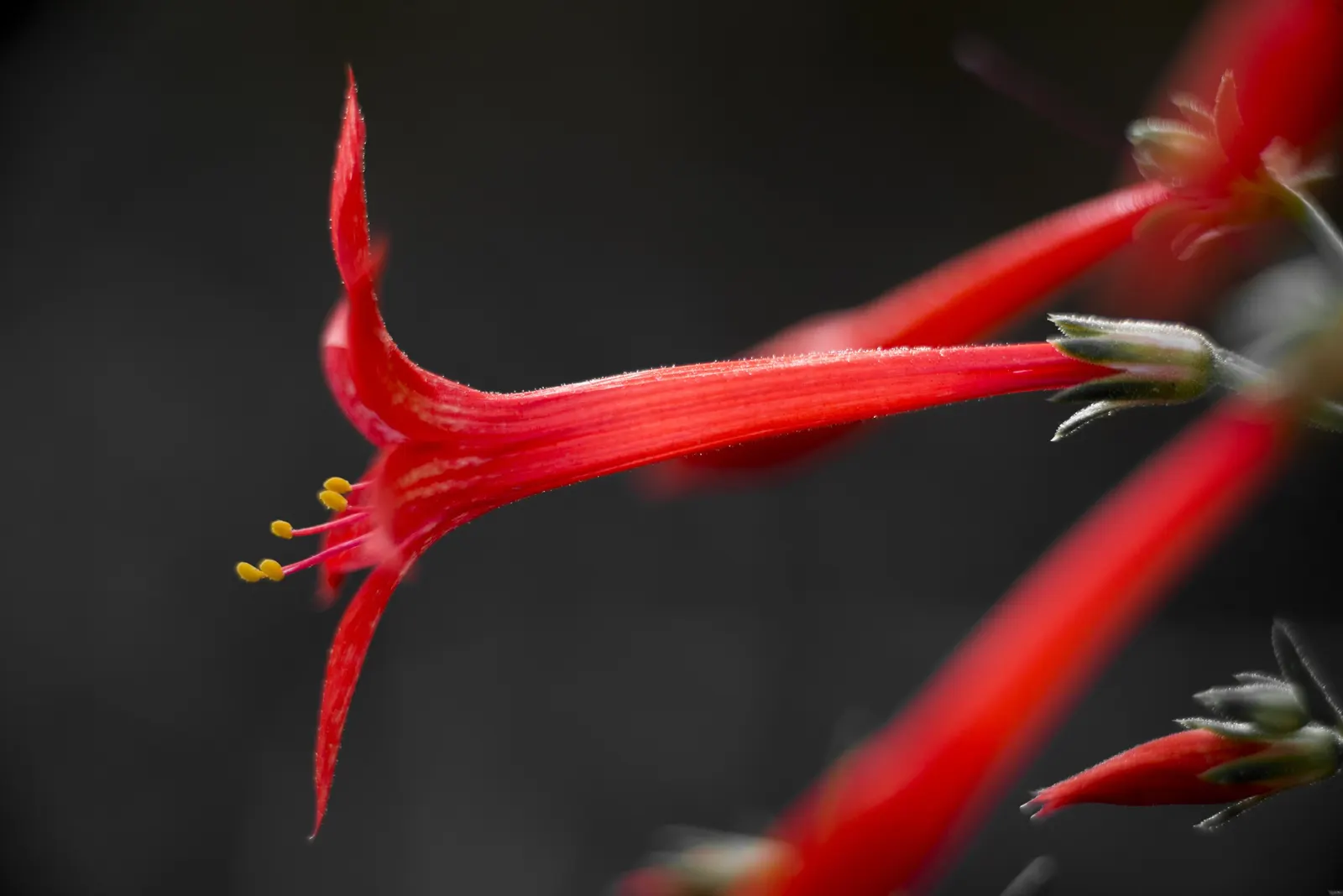
Scarlet Gillia (Ipomopsis Aggregata) — ideal for adding vertical interest to any garden design; ideal for dry, well-drained soil and full sun, it blooms from

Culture

Sun
Full, Half
Water
Medium
USDA zones
3–5

Shape & size

Classification

Type
Perennial
Family
Polemoniaceae

See full data, regional cultivation notes, and design tools. Build a client presentation around this plant.

Start your 14-day trial

Photos (98)

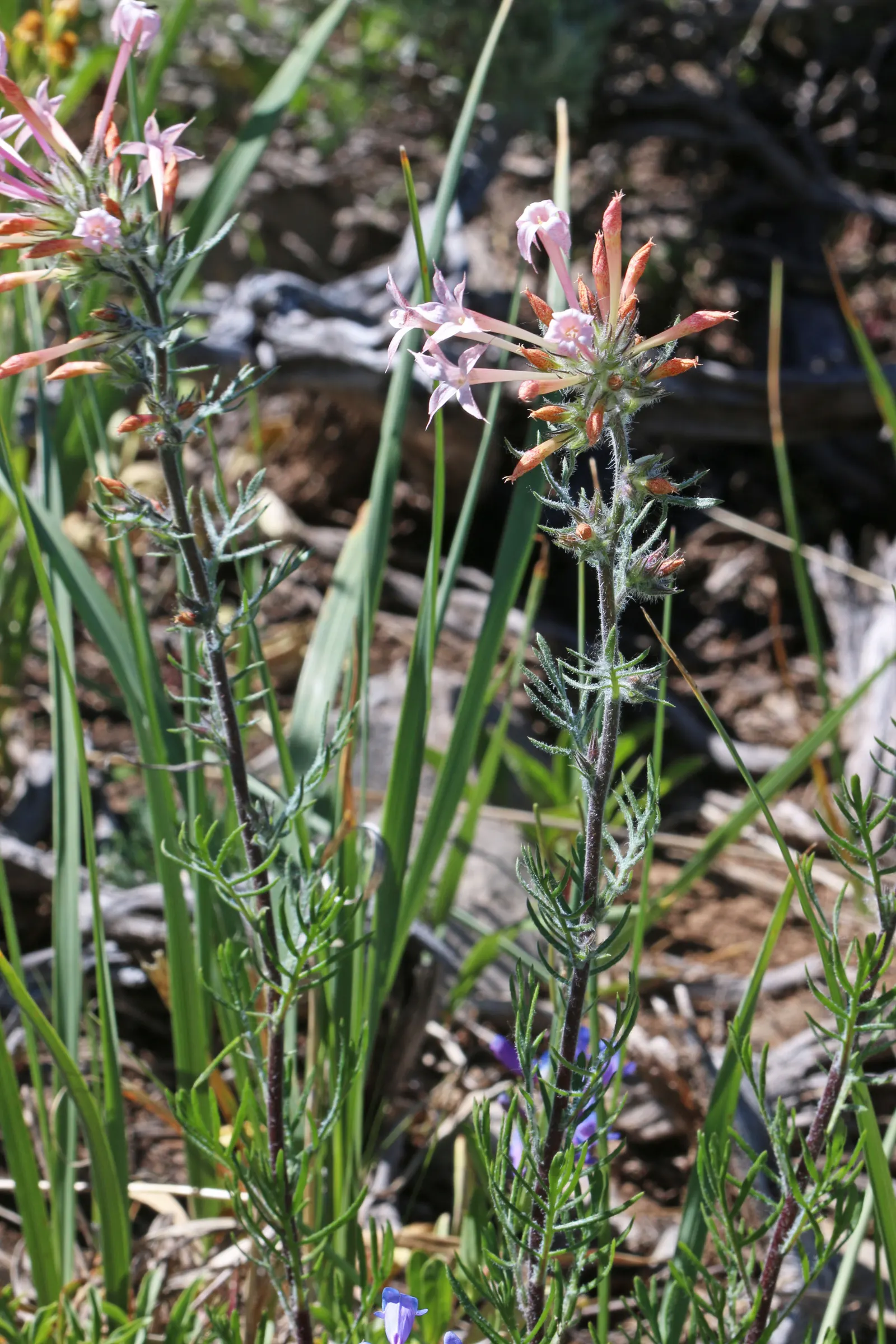
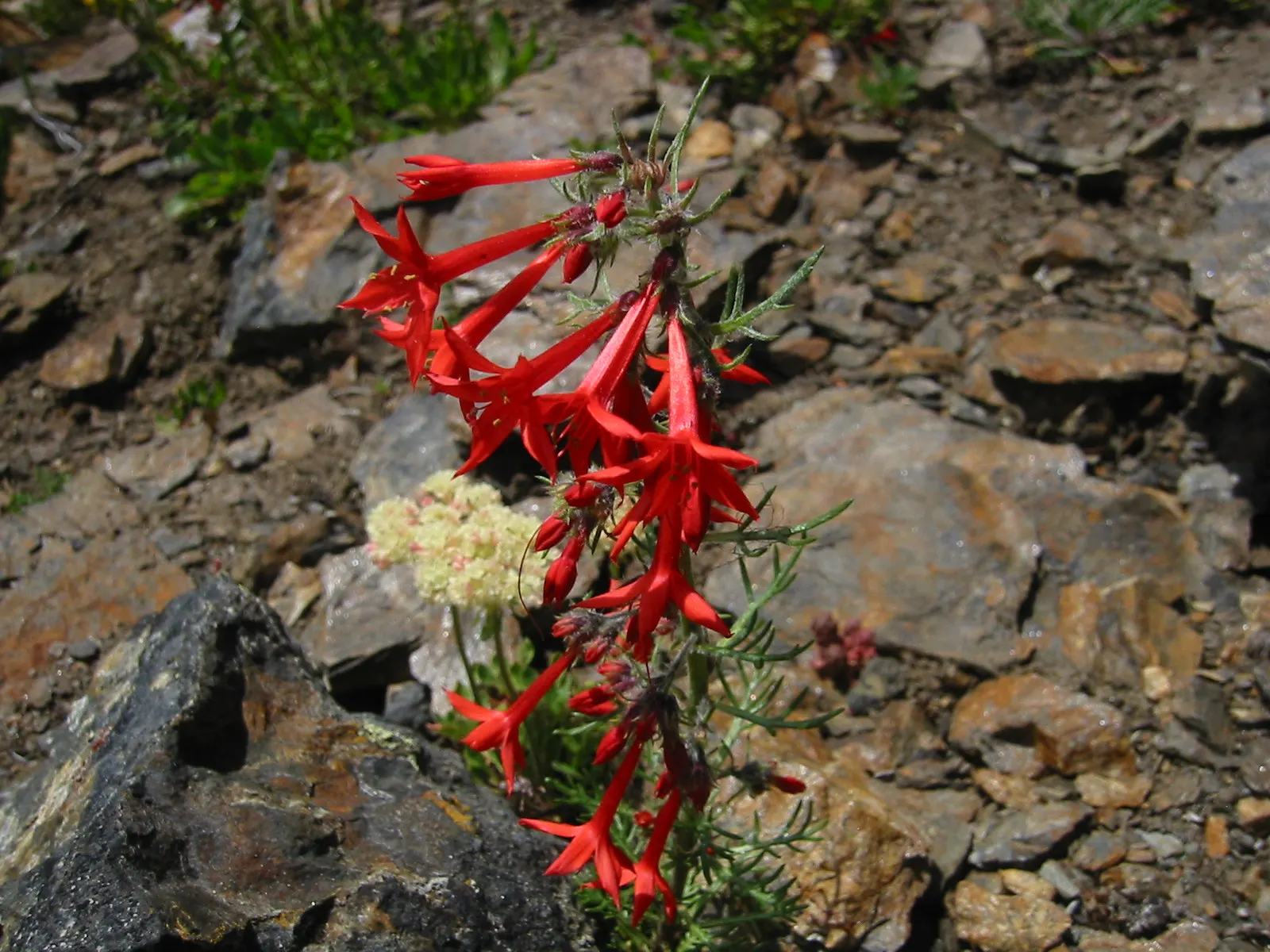
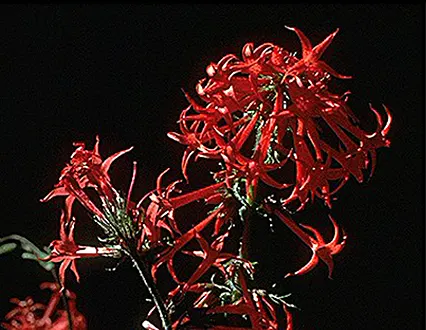
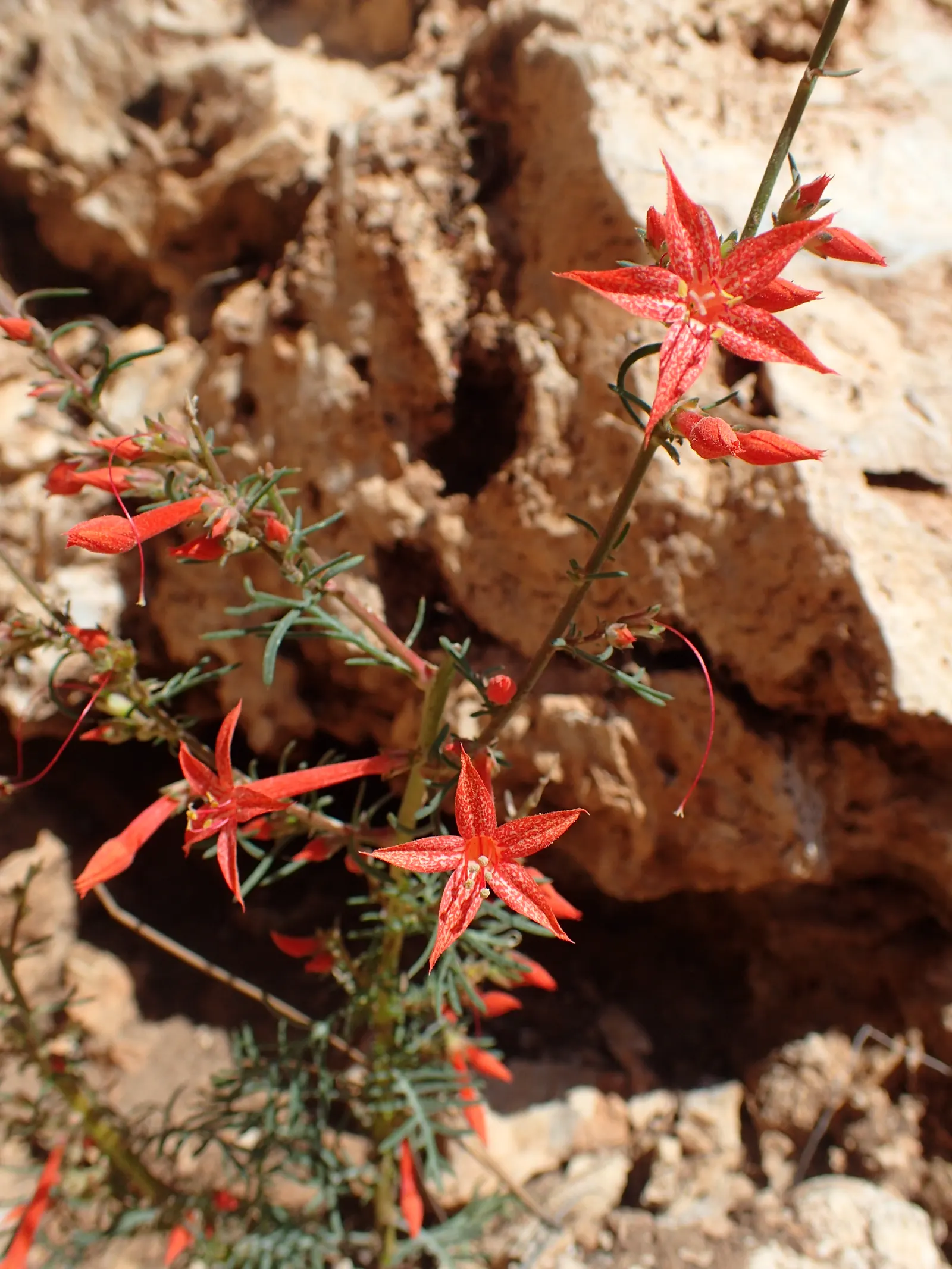
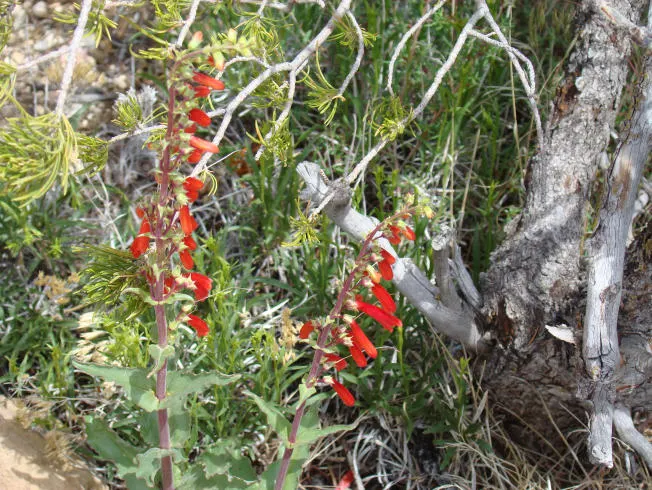
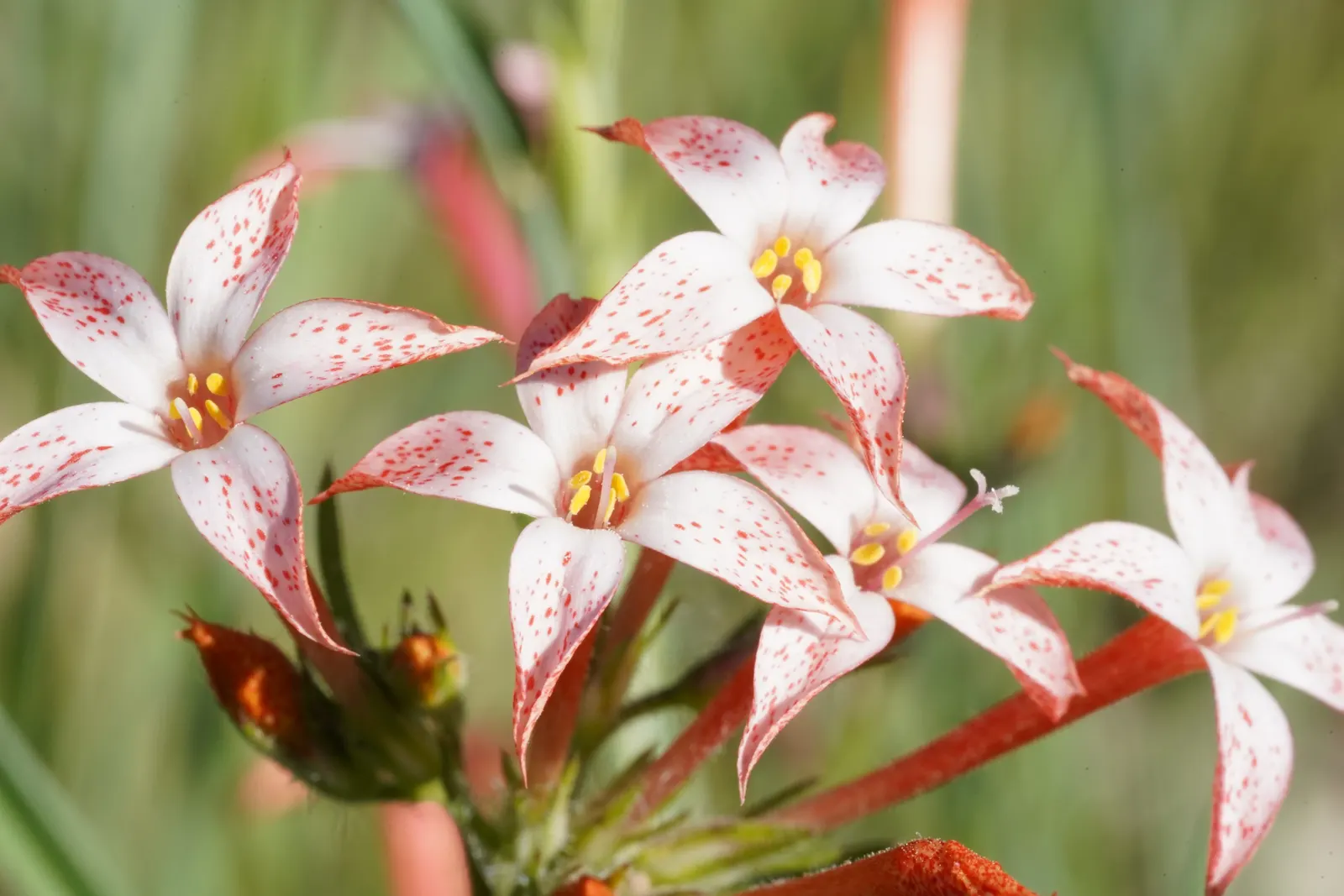
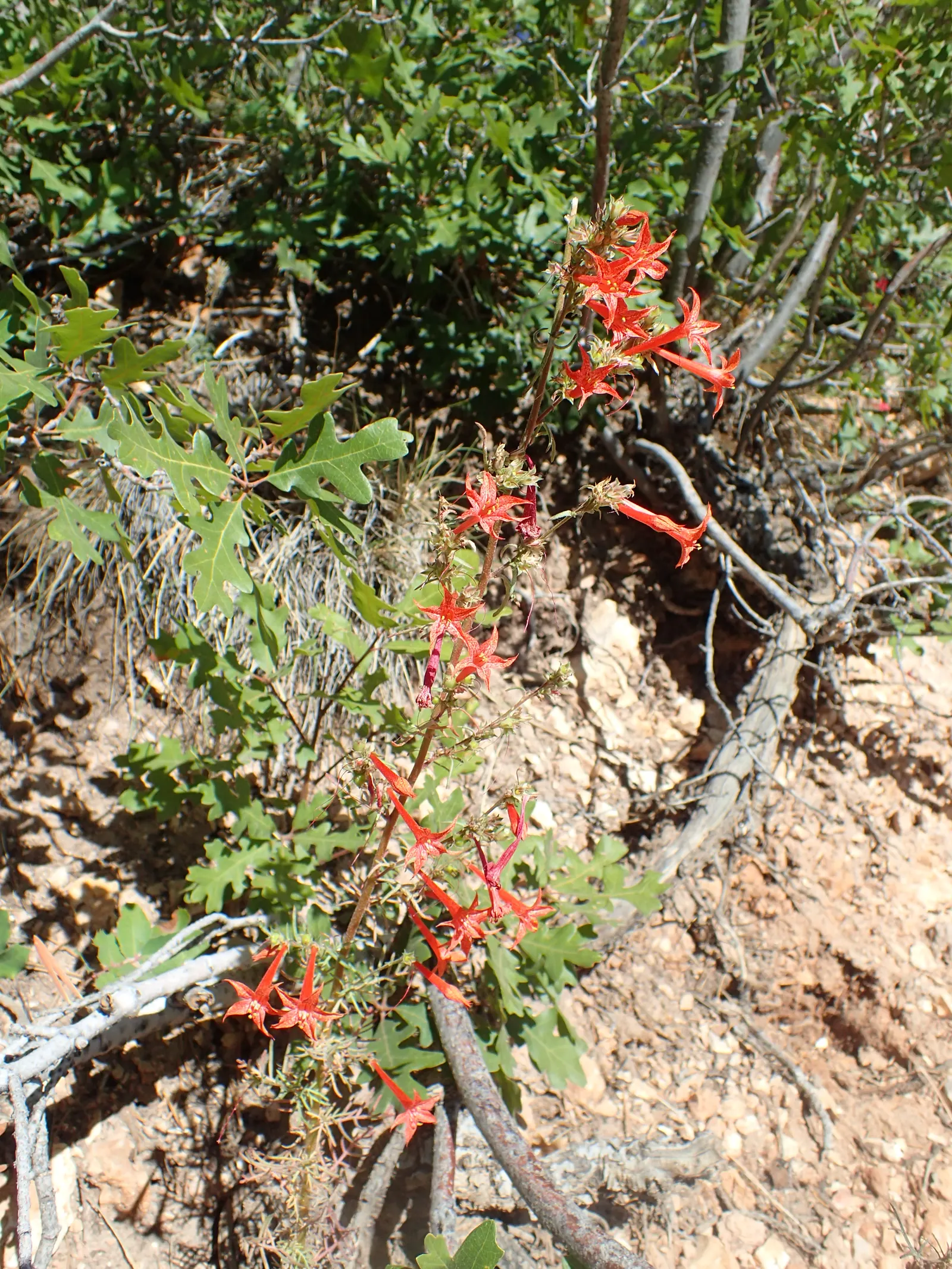
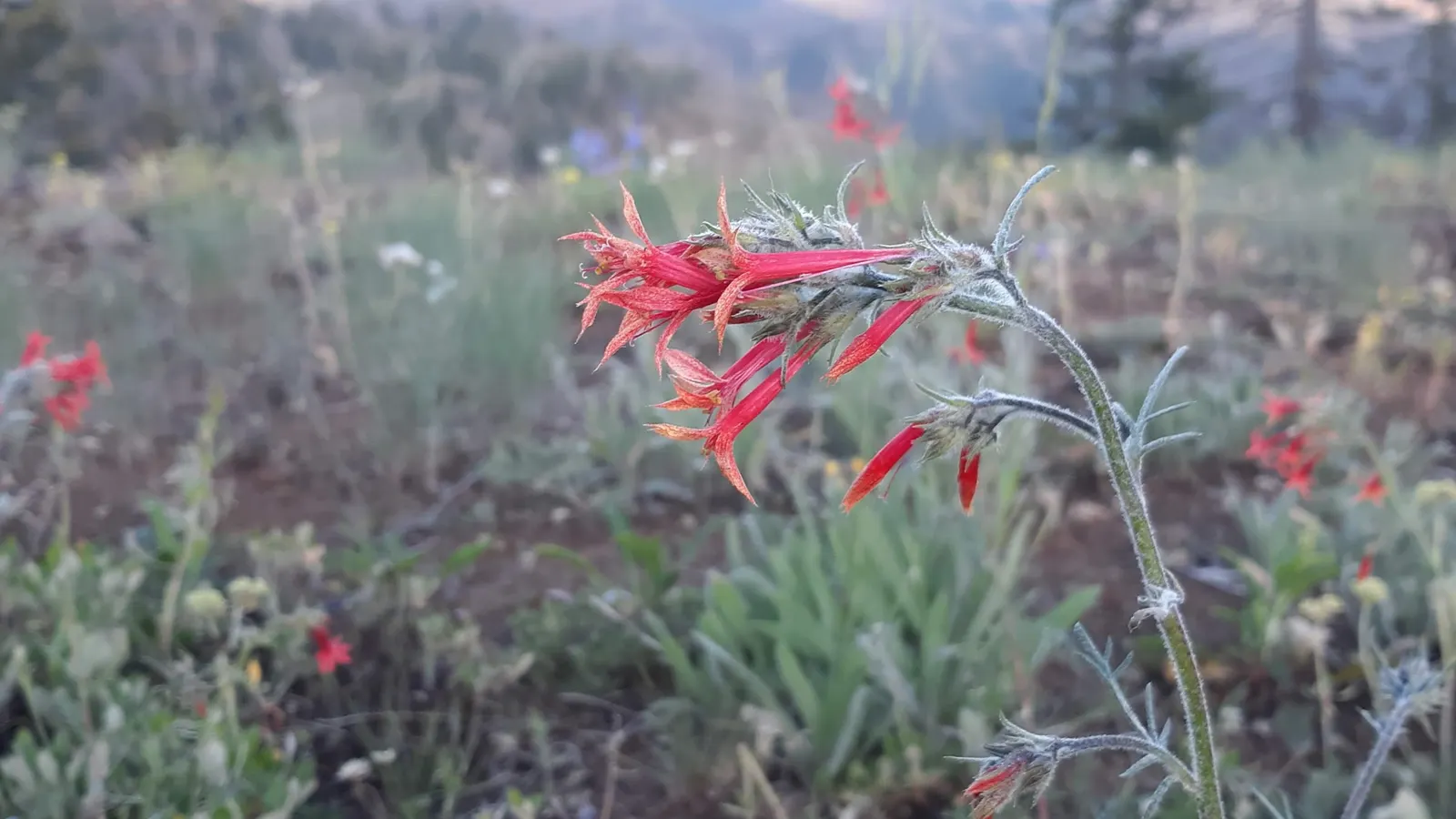
Scarlet Gillia (Ipomopsis Aggregata) — fiery red to orange flowers that are roughly 1 to 1.5 inches long; scientifically named Ipomopsis aggregata, image 62
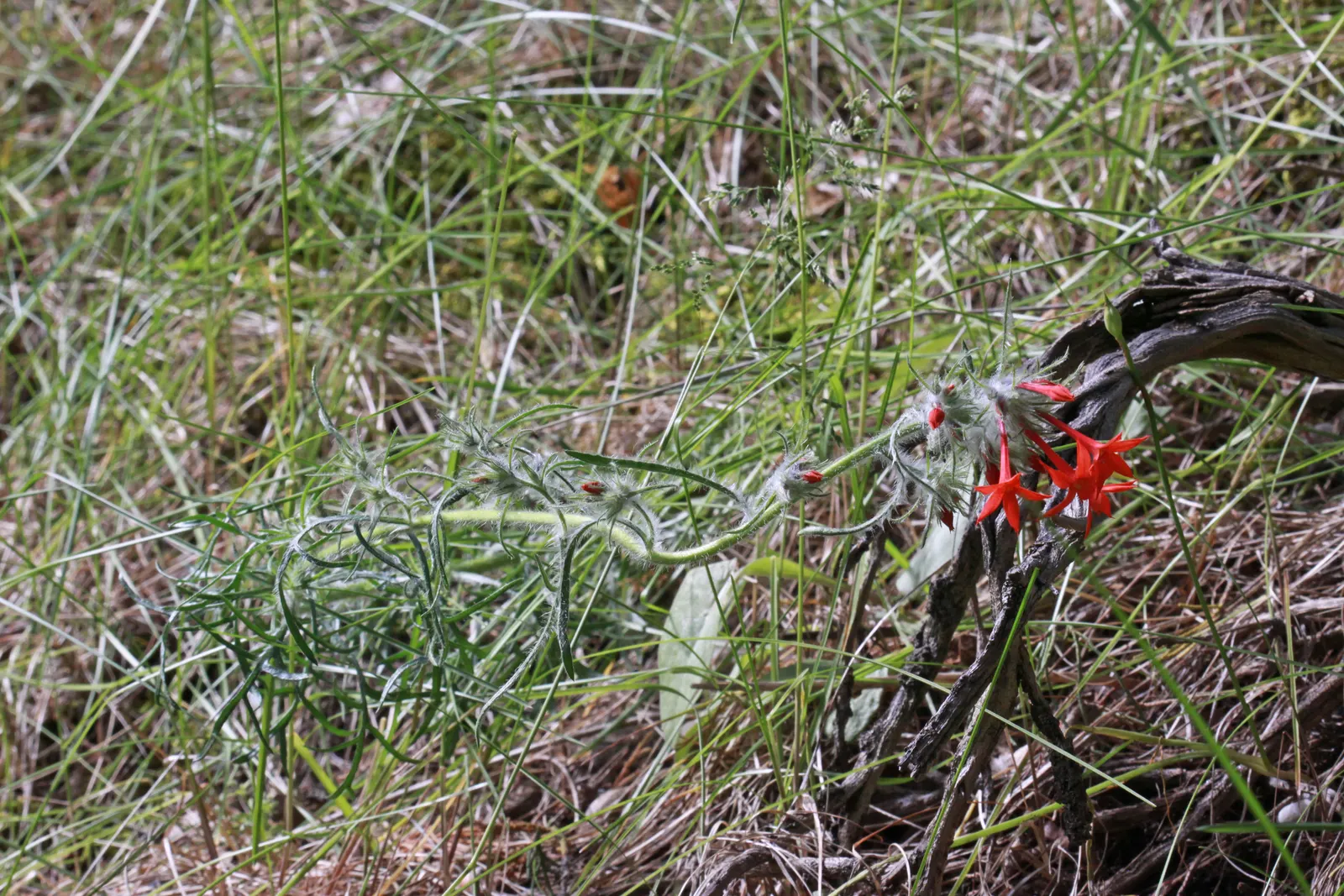
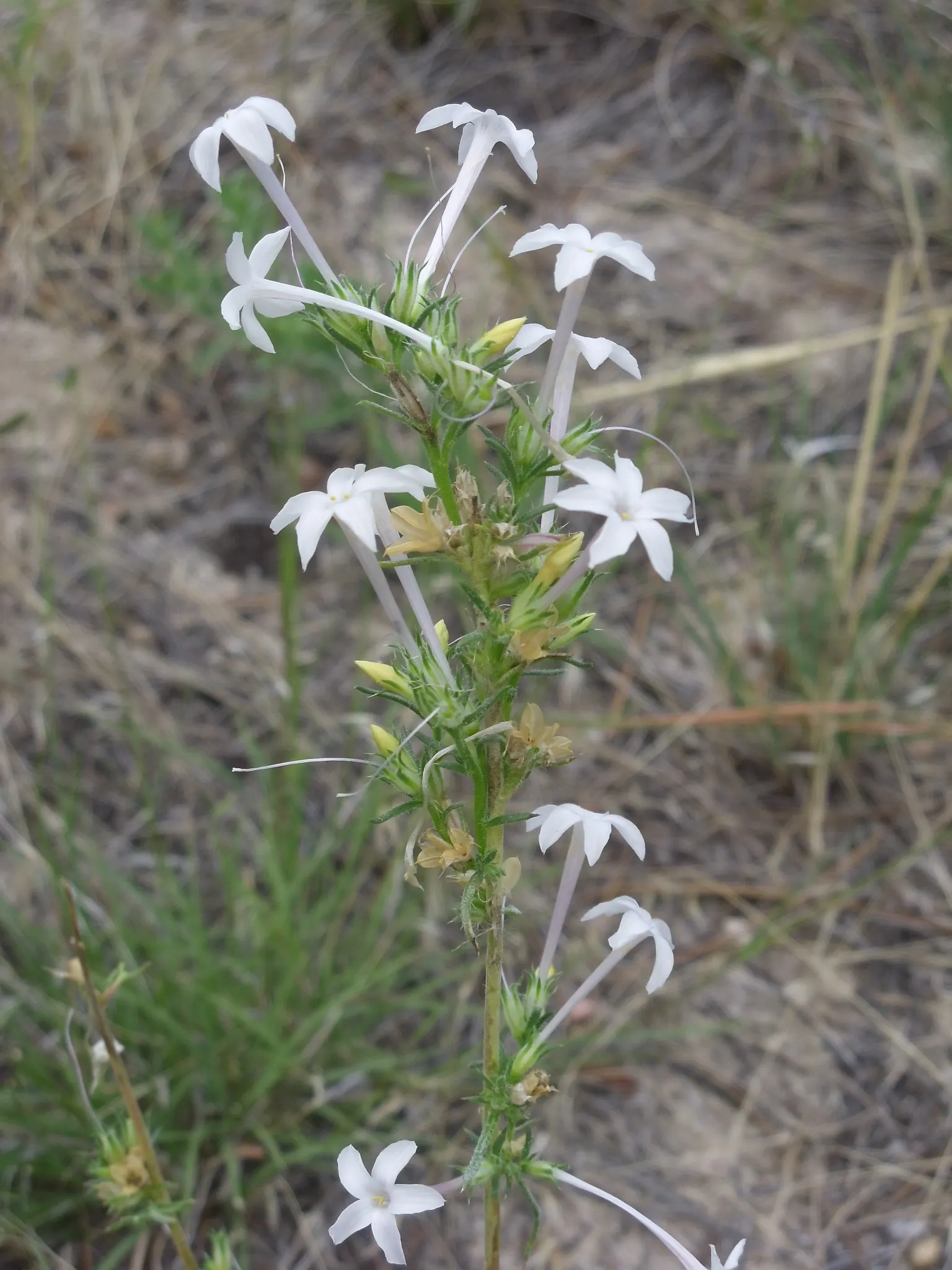
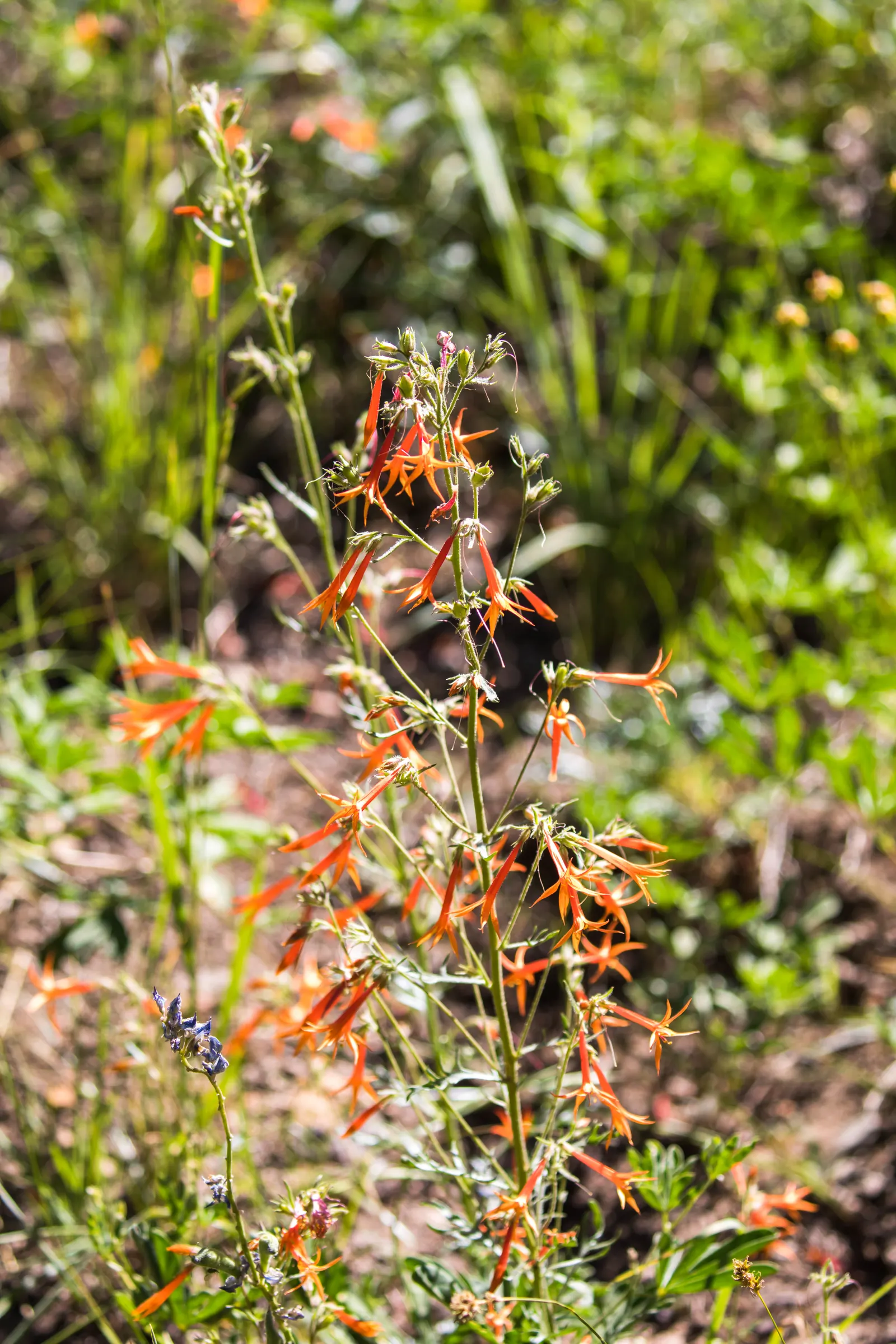
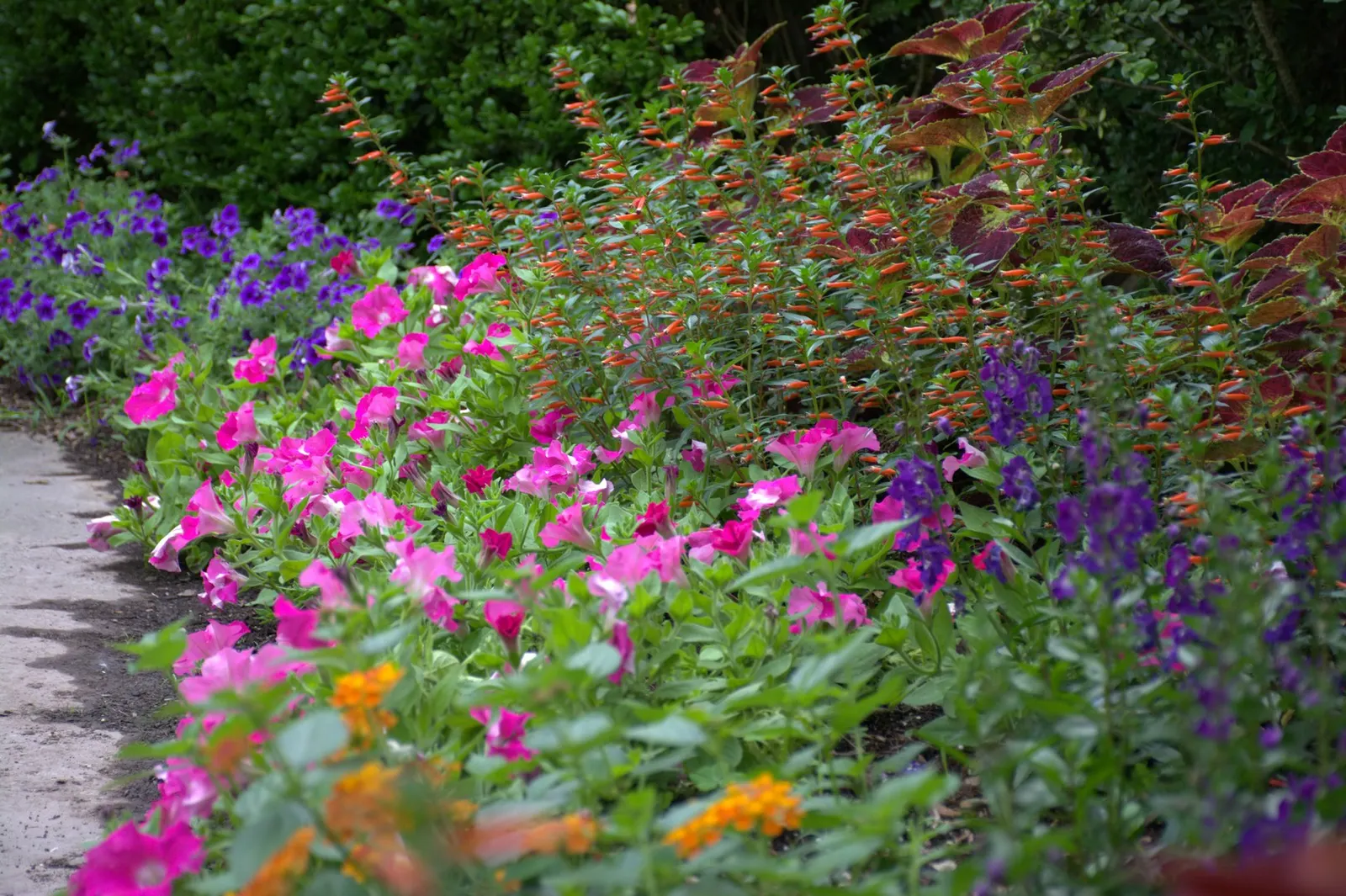
Scarlet Gillia (Ipomopsis Aggregata) — orange and red flowers in the garden; ideal for adding vertical interest to any garden design, image 73
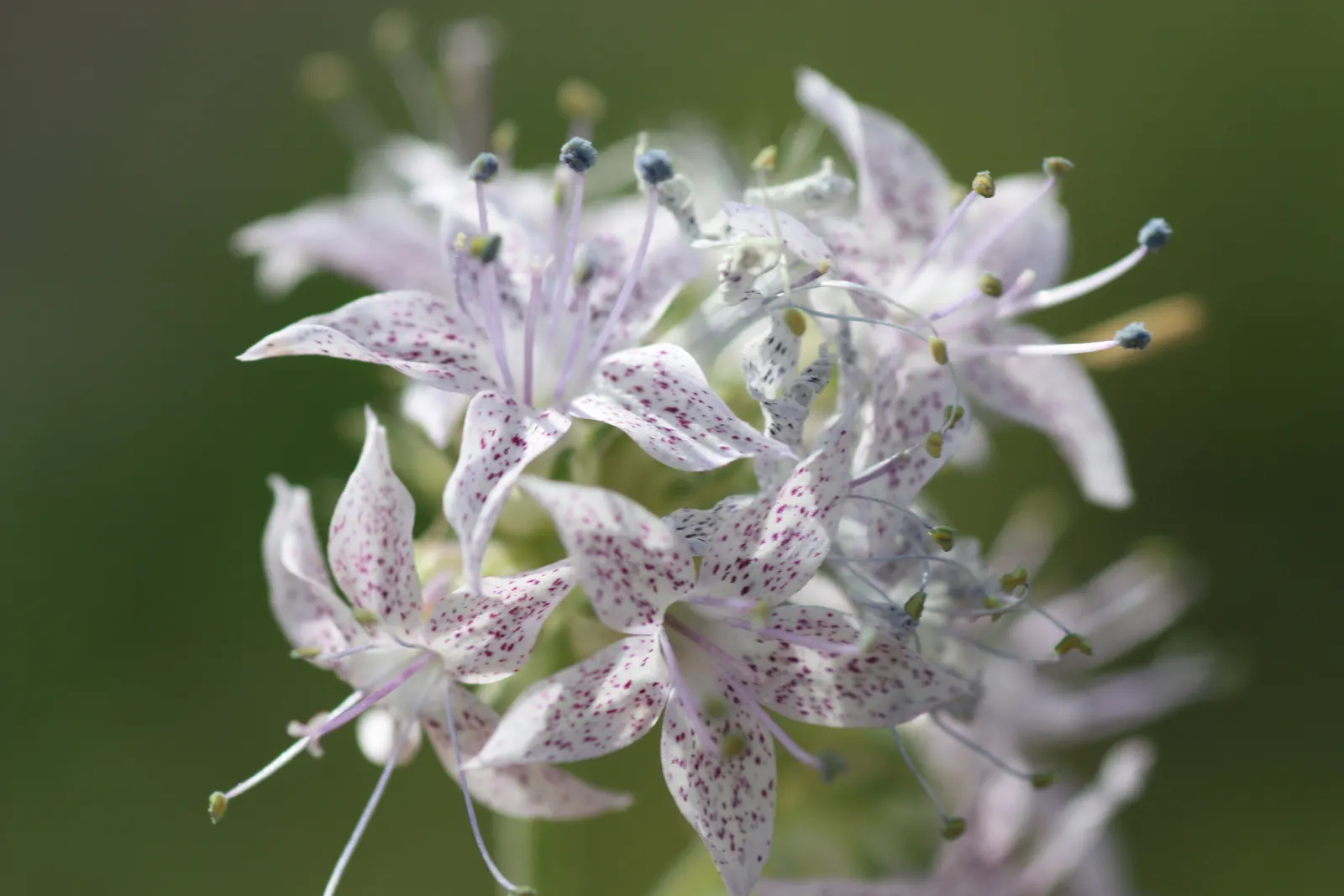
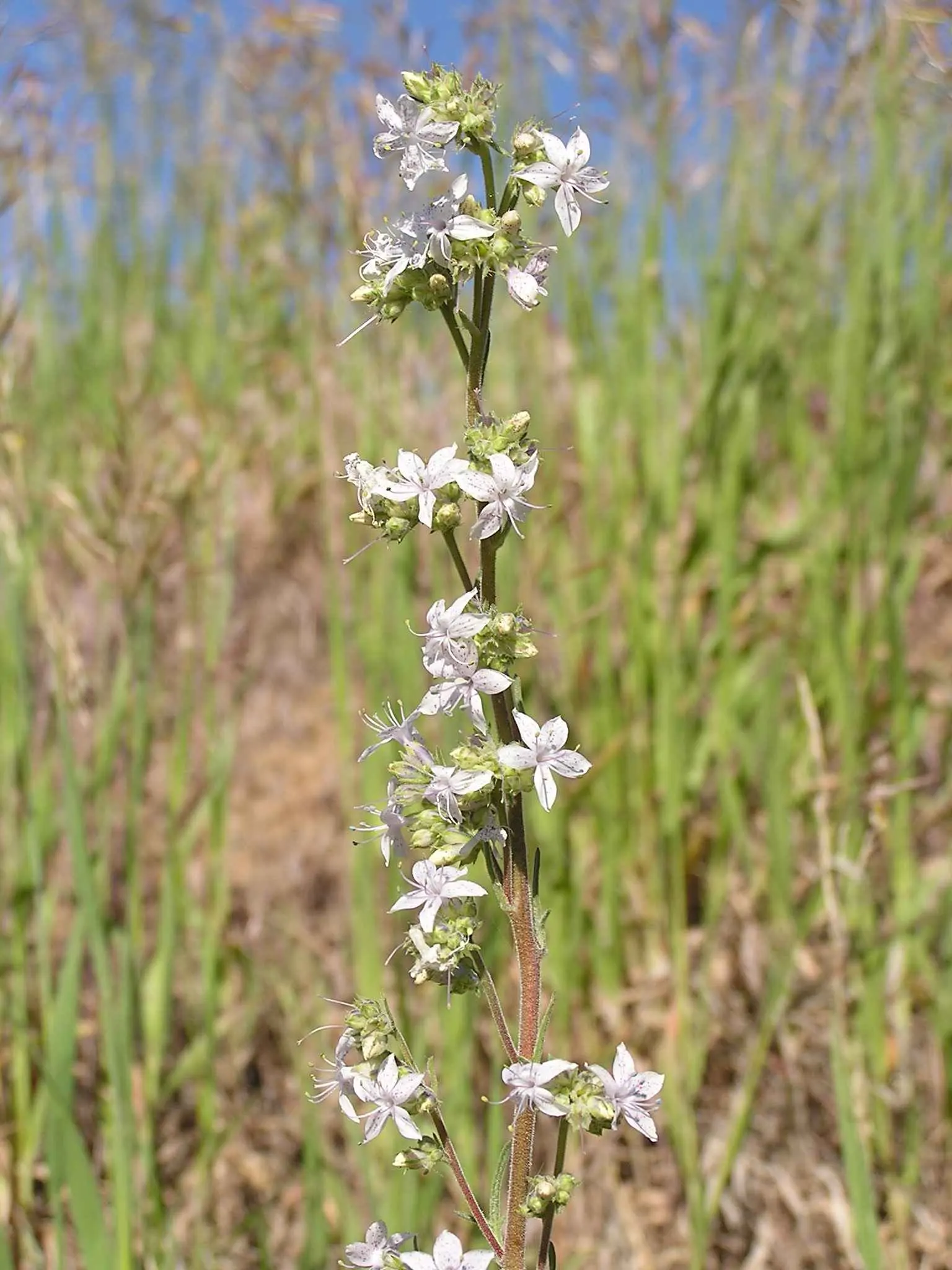
Scarlet Gillia (Ipomopsis Aggregata) — thus encouraging biodiversity within the landscape
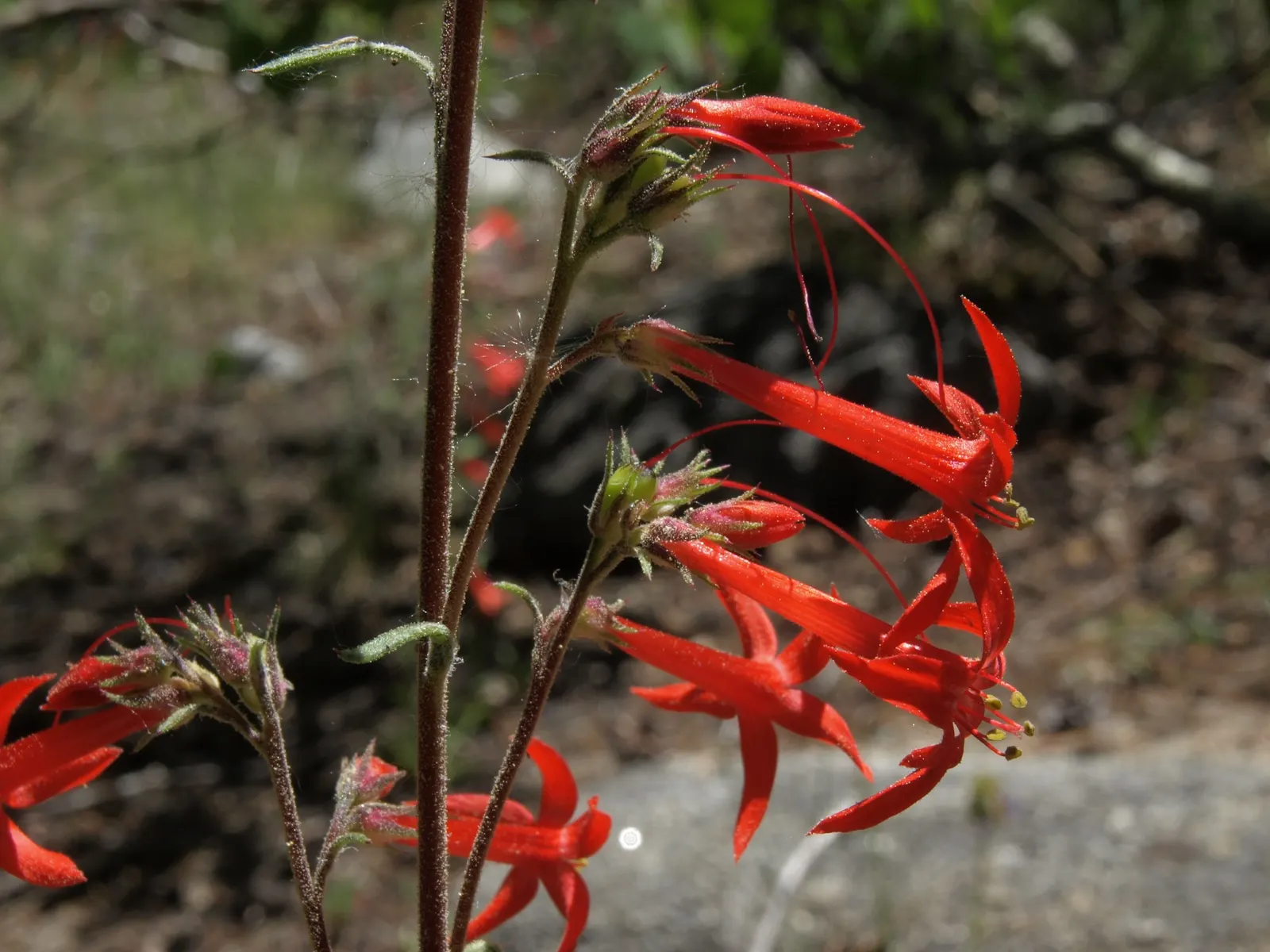
Scarlet Gillia (Ipomopsis Aggregata) — fiery red to orange flowers that are roughly 1 to 1.5 inches long
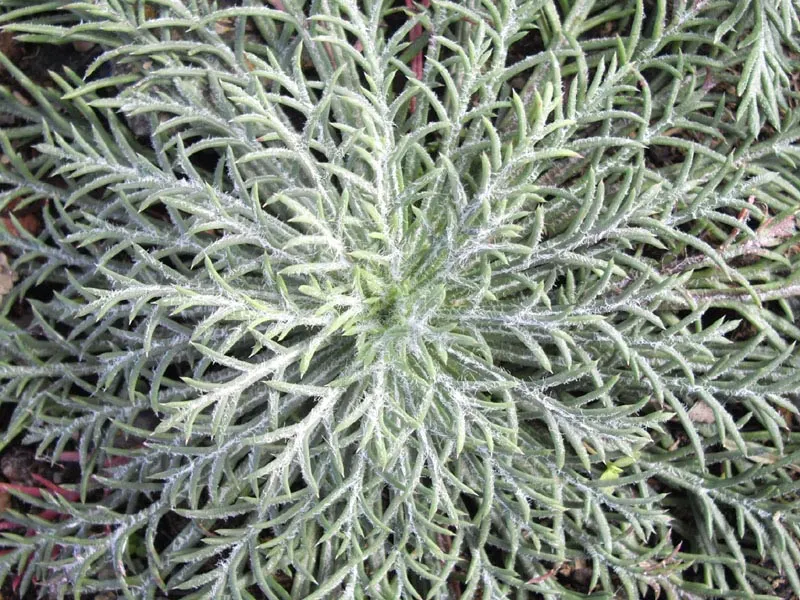
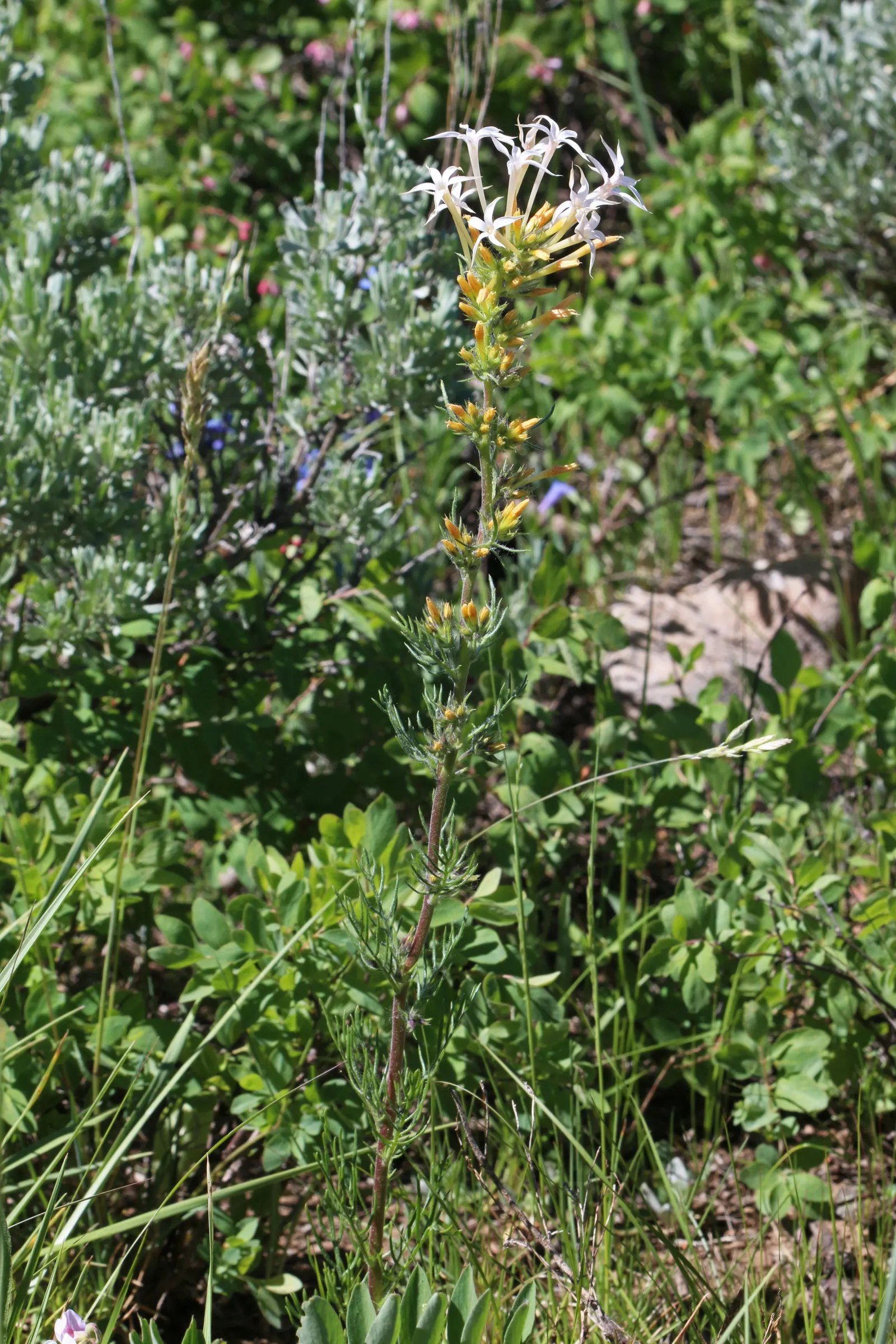
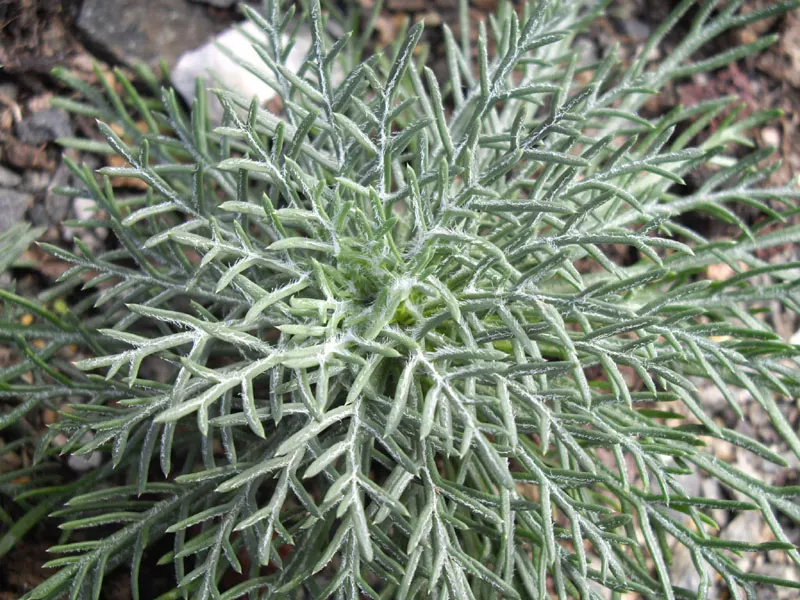
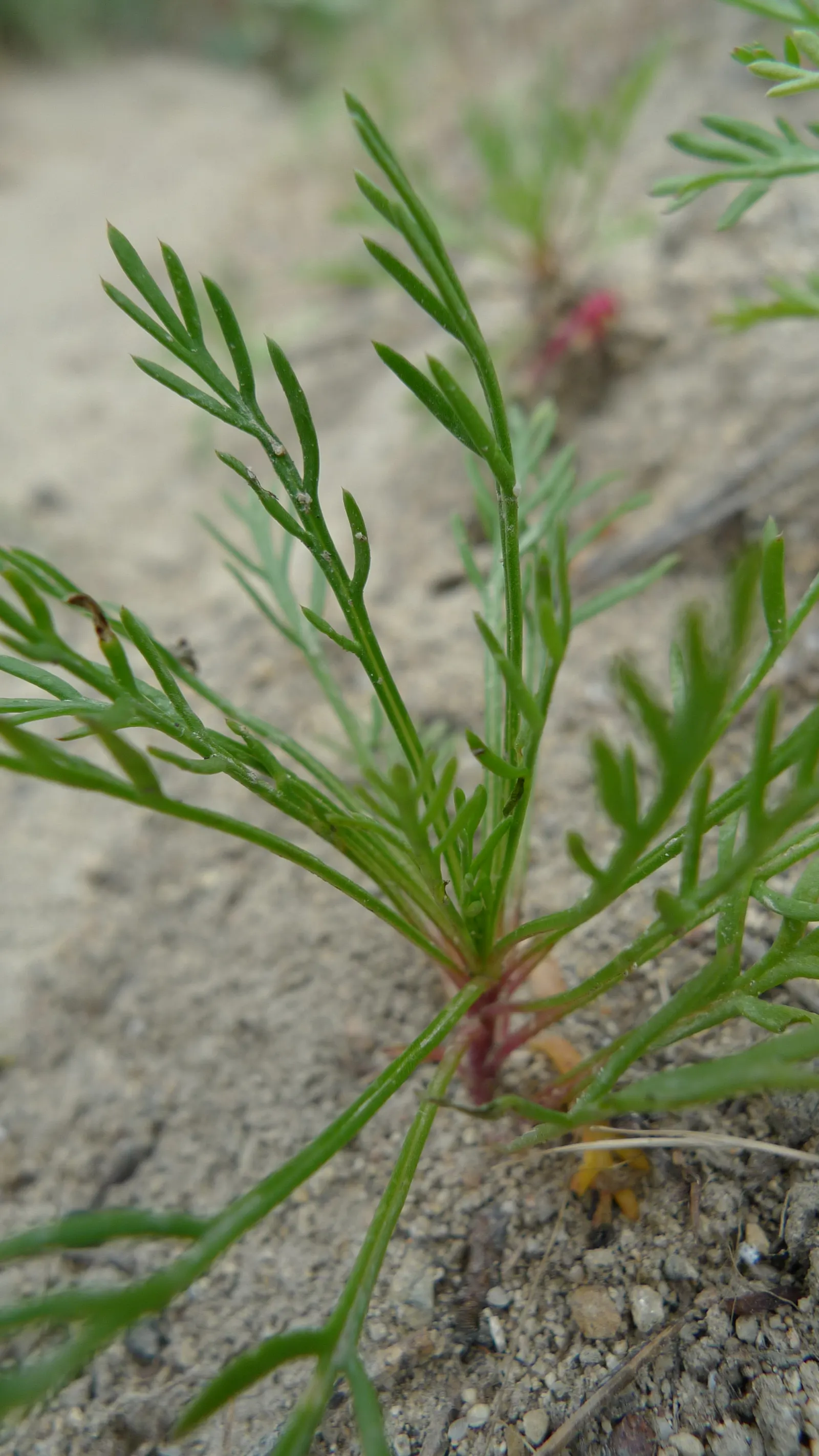
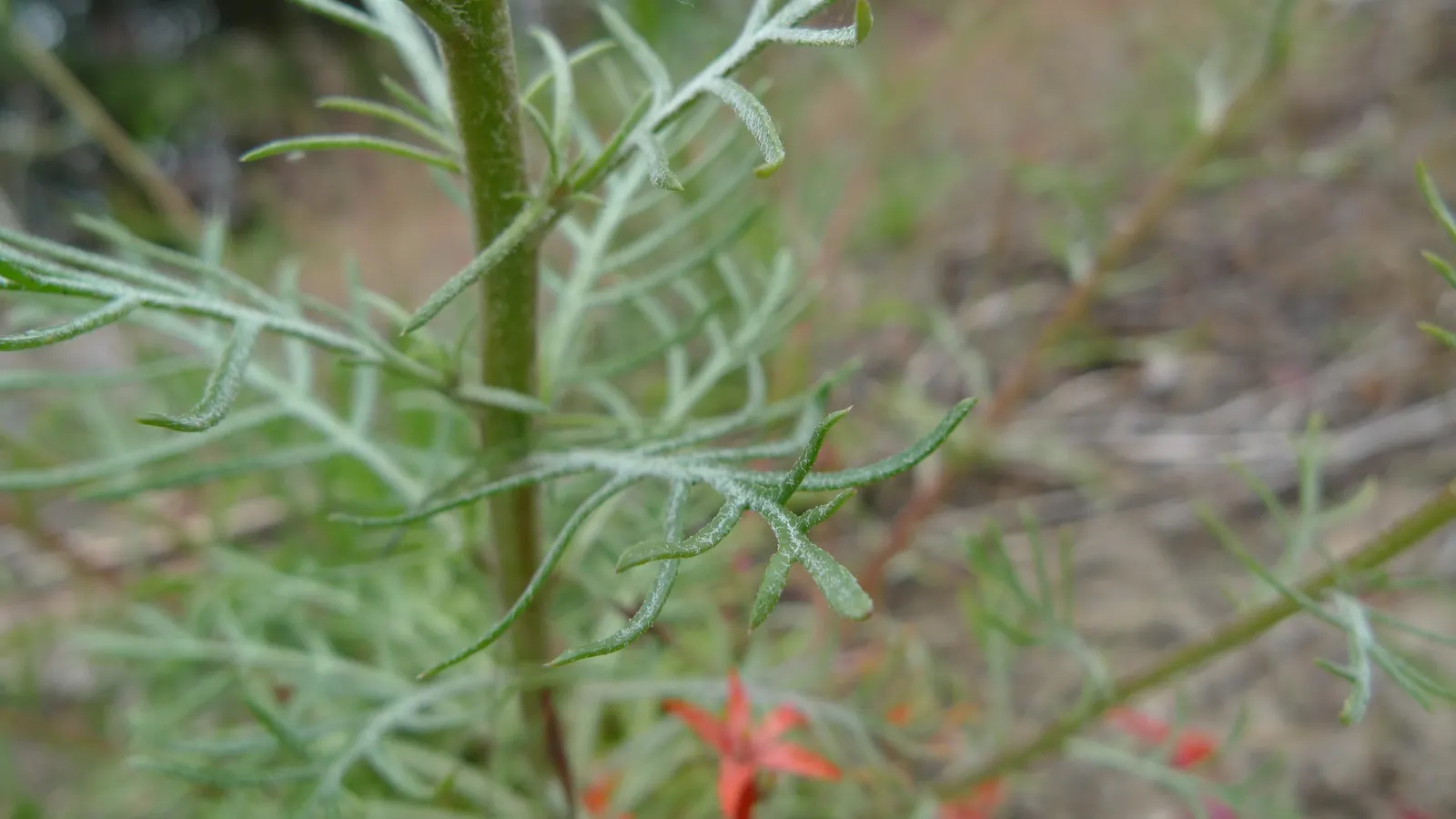
Scarlet Gillia (Ipomopsis Aggregata) — Reaching a height of 1 to 4 feet; erect stems are adorned with lanceolate leaves that are approximately 1 to 2 inches
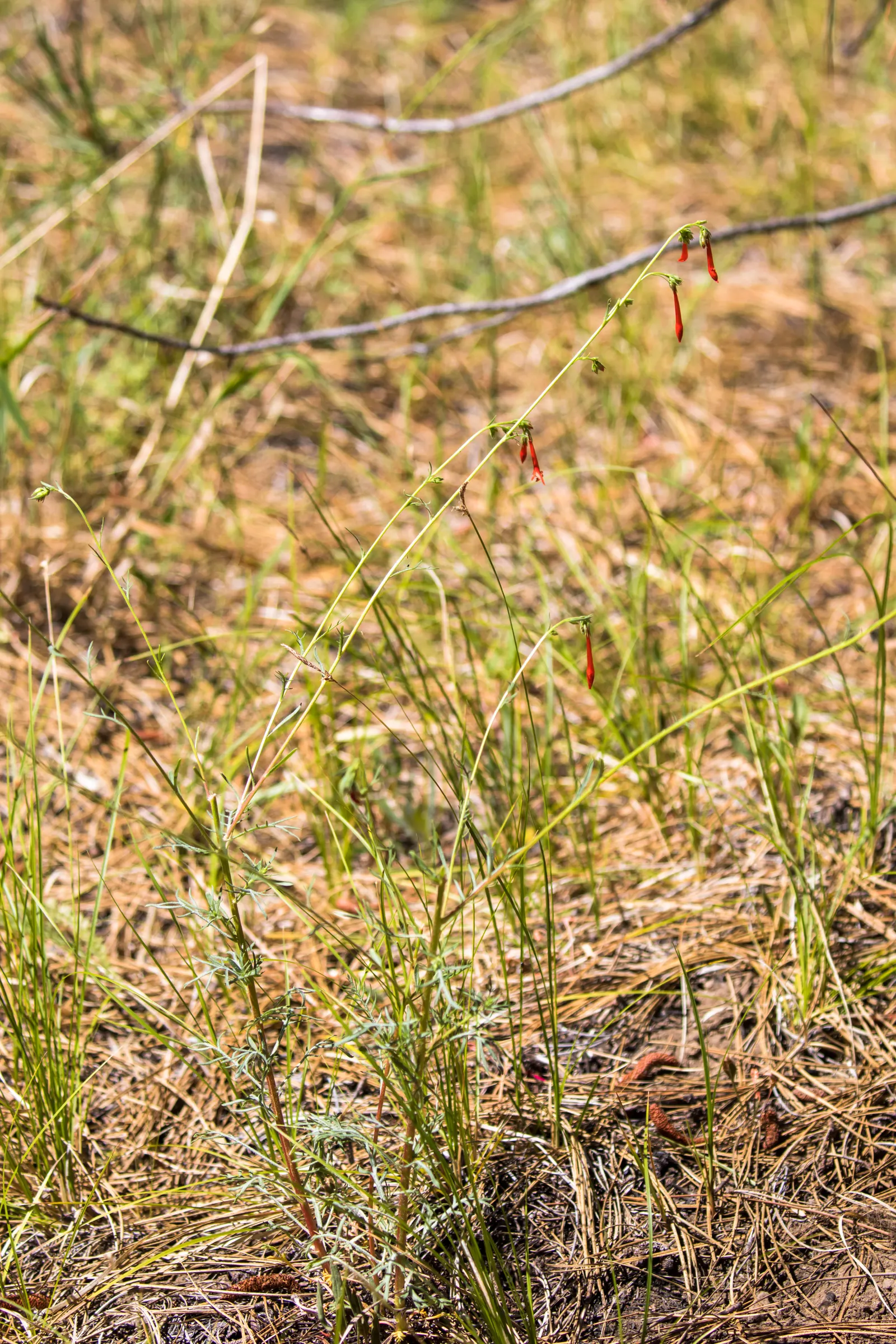
Scarlet Gillia (Ipomopsis Aggregata) — Reaching a height of 1 to 4 feet; erect stems are adorned with lanceolate leaves that are approximately 1 to, image 59
Scarlet Gillia (Ipomopsis Aggregata) — consider its visual impact in masses or clusters against a backdrop of lower-growing; reaching a height of 1 to 4 feet
Scarlet Gillia (Ipomopsis Aggregata) — and inform the client of the potential need to reseed this plant to ensure its return; use in clusters for a, image 69
Scarlet Gillia (Ipomopsis Aggregata) — Regular watering during extended dry periods will help maintain vigor
Scarlet Gillia (Ipomopsis Aggregata) — perennial for full or half
Scarlet Gillia (Ipomopsis Aggregata) — scientifically named Ipomopsis aggregata; thus encouraging biodiversity within the landscape, image 56
Scarlet Gillia (Ipomopsis Aggregata) — and inform the client of the potential need to reseed this plant to ensure its return
Scarlet Gillia (Ipomopsis Aggregata) — Scarlet Gilia, or Ipomopsis aggregata, is a striking biennial reaching 1 to 4 feet in height; hardy in zones, image 51
Scarlet Gillia (Ipomopsis Aggregata) — scientifically named Ipomopsis aggregata; thus encouraging biodiversity within the landscape
Scarlet Gillia (Ipomopsis Aggregata) — Be mindful of its zone hardiness (3 to 10); orange and red flowers in the garden, image 68
Scarlet Gillia (Ipomopsis Aggregata) — Regular watering during extended dry periods will help maintain vigor; and inform the client of the potential need to
Scarlet Gillia (Ipomopsis Aggregata) — erect stems are adorned with lanceolate leaves that are approximately 1 to 2 inches long
Scarlet Gillia (Ipomopsis Aggregata) — perennial with orange and red blooms
Scarlet Gillia (Ipomopsis Aggregata) — consider its visual impact in masses or clusters against a backdrop of lower-growing; reaching a height of 1, image 66
Scarlet Gillia (Ipomopsis Aggregata) — orange and red flowers in the garden
Scarlet Gillia (Ipomopsis Aggregata) — Regular watering during extended dry periods will help maintain vigor; and inform the client of the, image 71
Scarlet Gillia (Ipomopsis Aggregata) — The plant prefers full sun conditions but can tolerate light shade; it boasts tubular, fiery red to orange flowers
Scarlet Gillia (Ipomopsis Aggregata) — Use in clusters for a dramatic effect
Scarlet Gillia (Ipomopsis Aggregata) — Ideal for dry, well-drained soil and full sun, it blooms from late spring to early fall; be mindful of its, image 53
Photographs by 13 contributors

Related plants