Skip to content

Morning Glory

Ipomoea Tricolor

Design with this plant

Overview

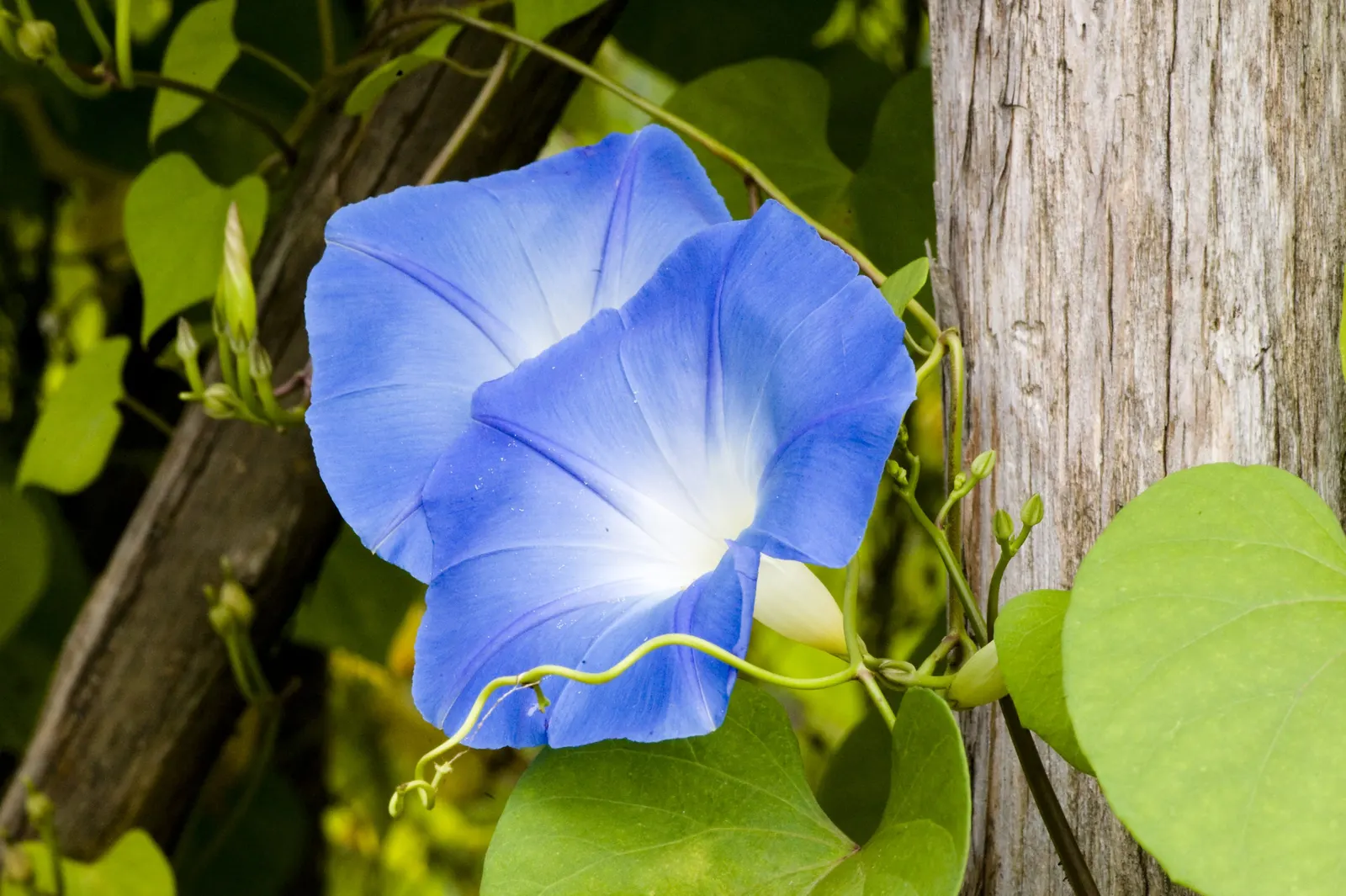
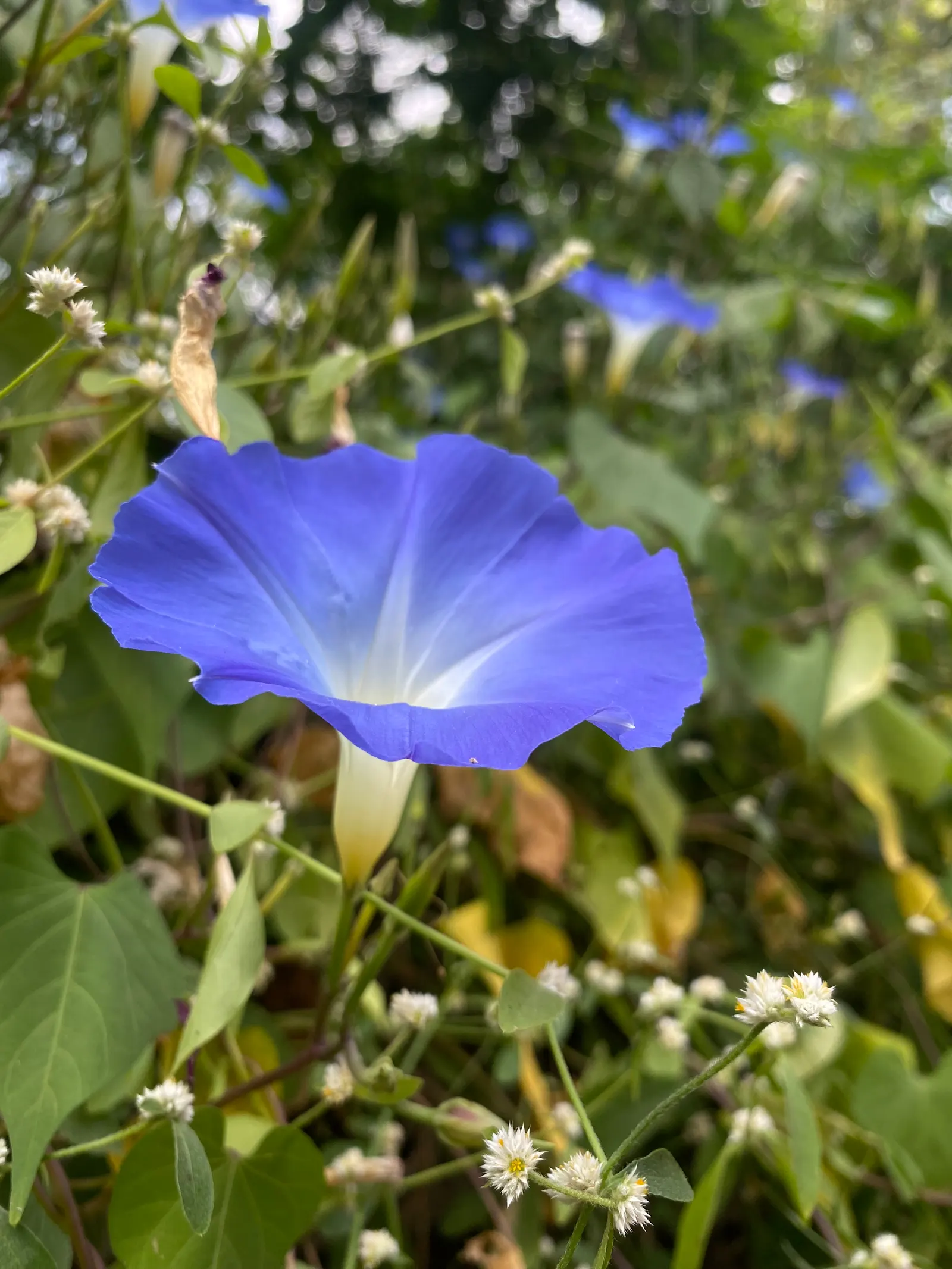
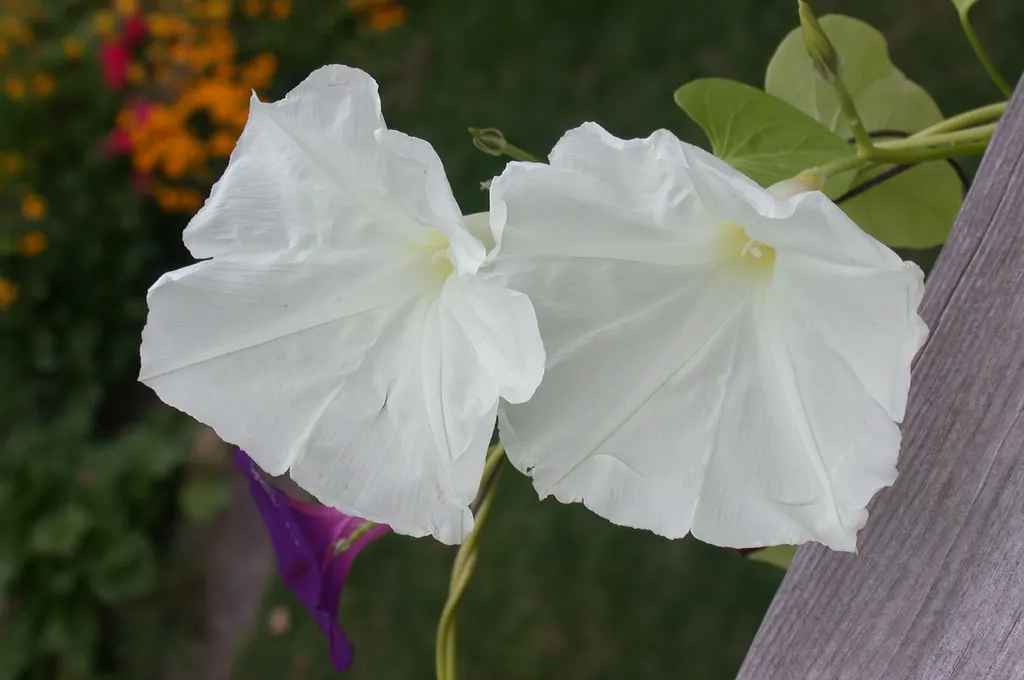
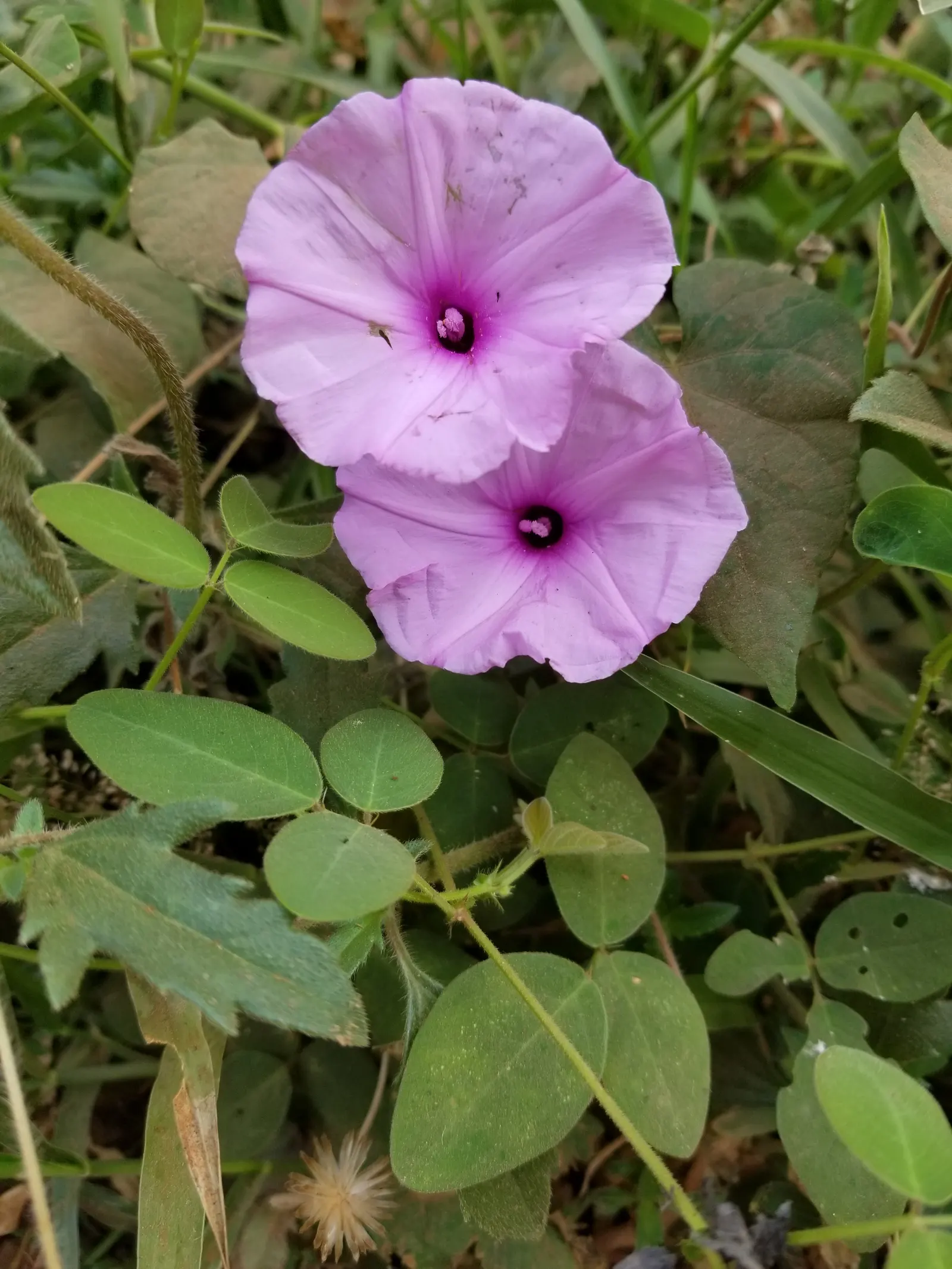
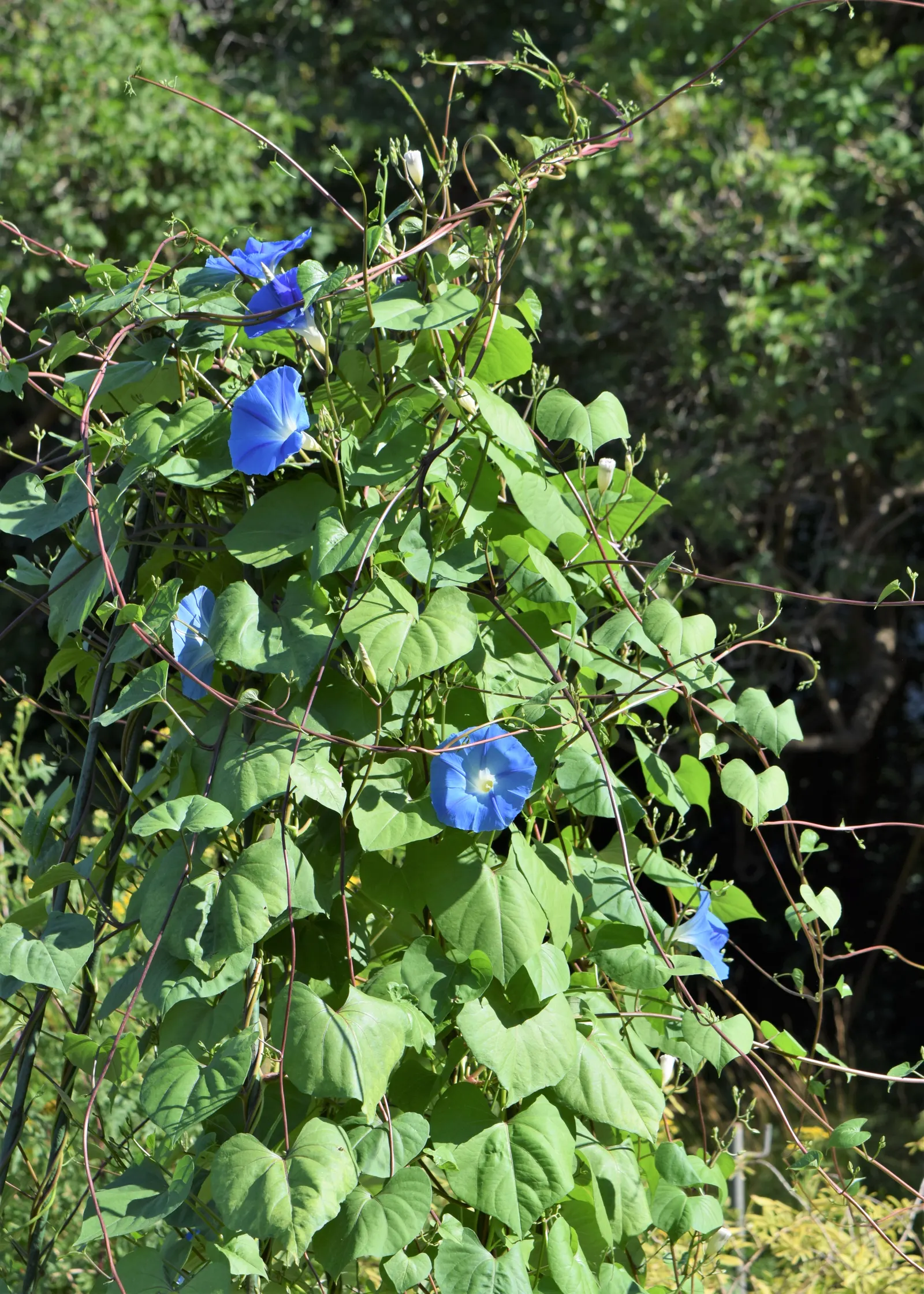
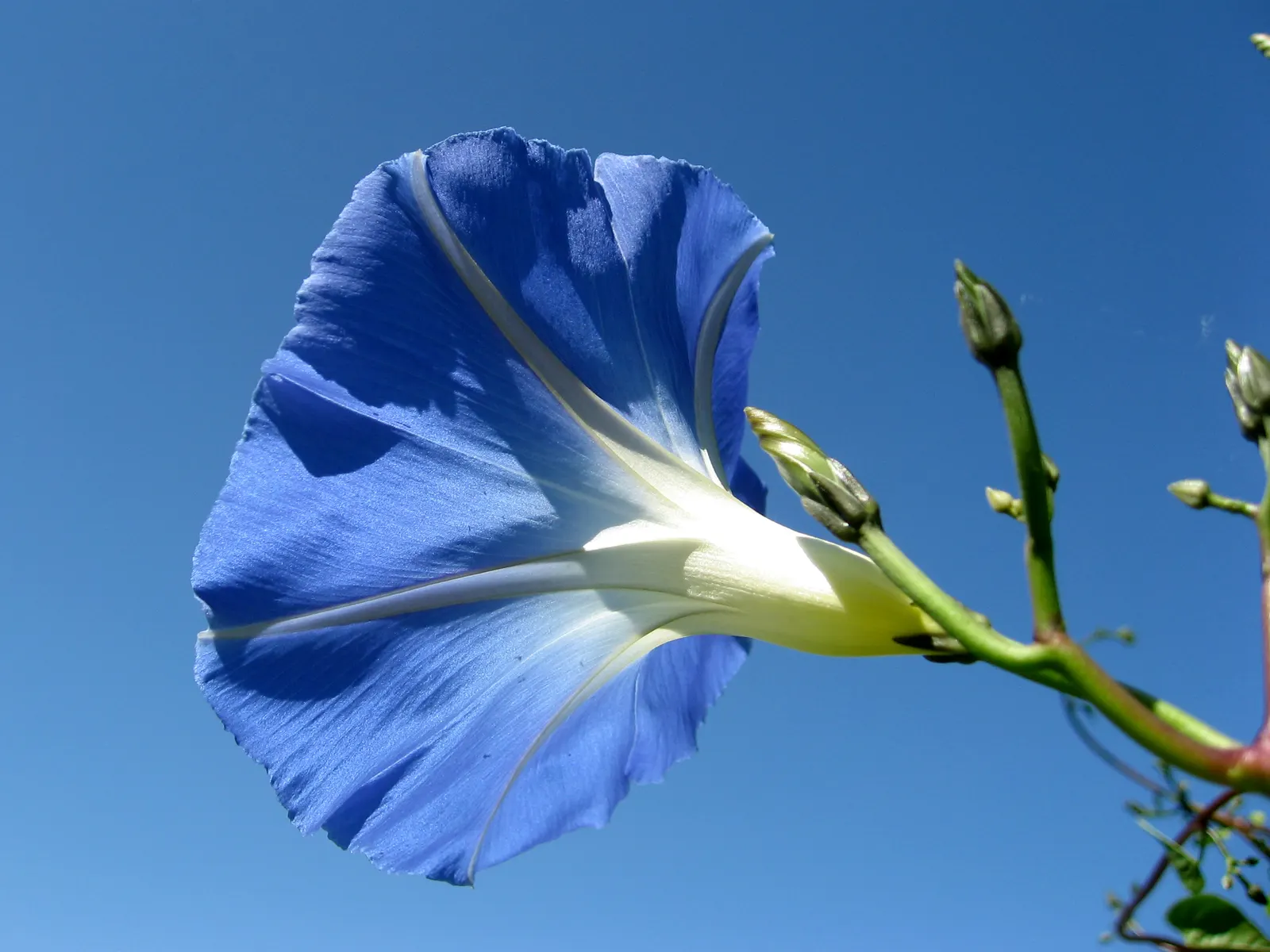
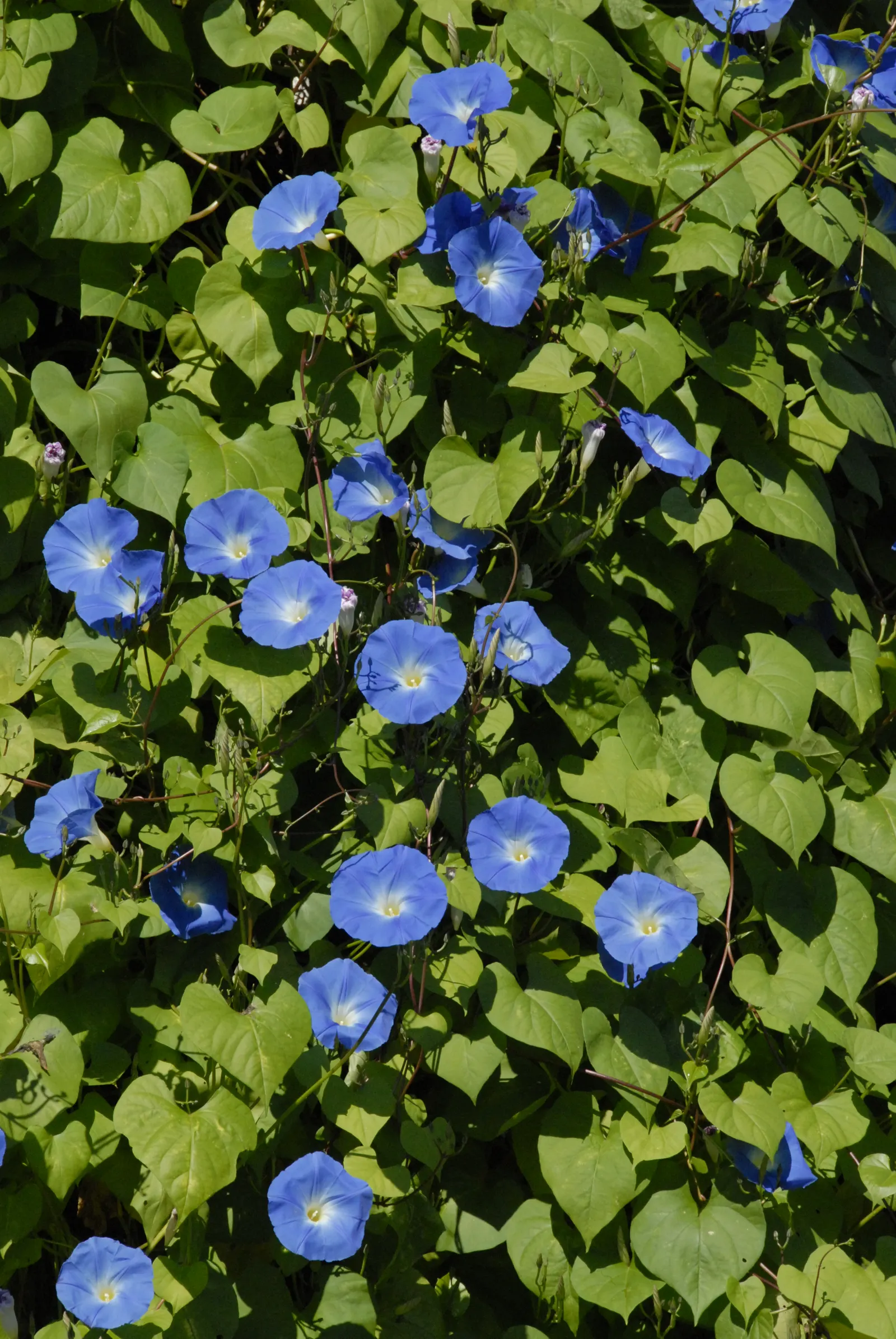
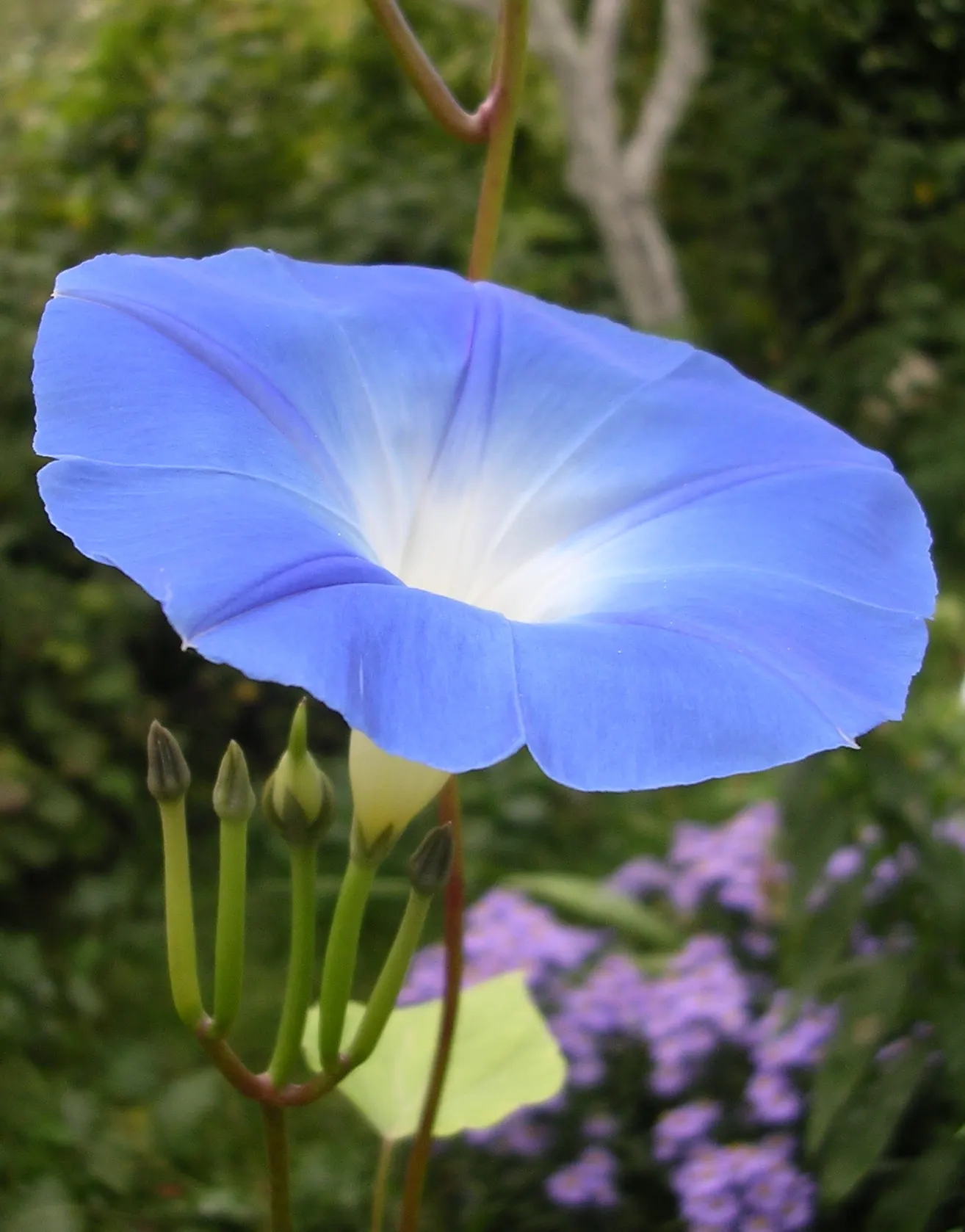
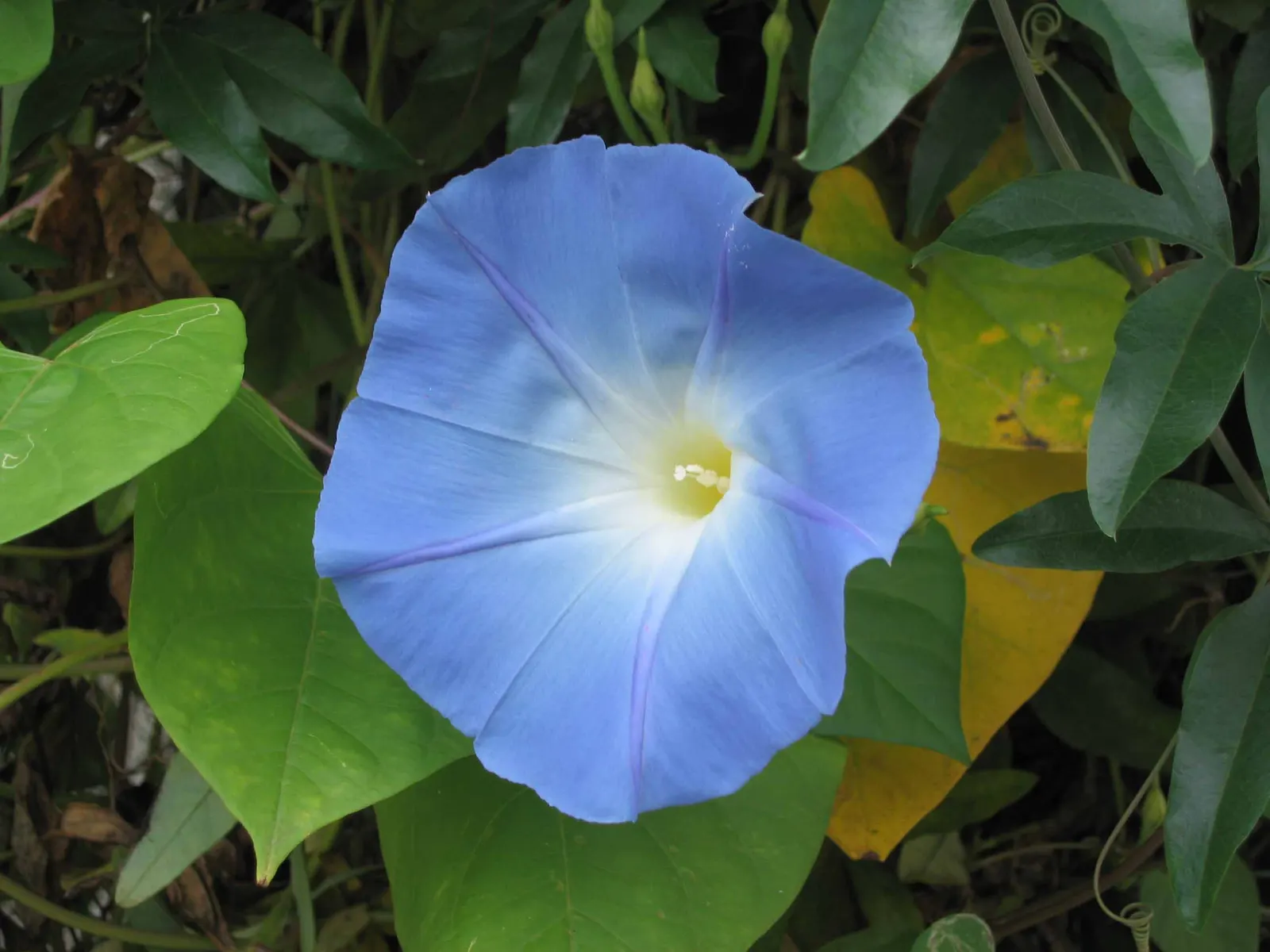
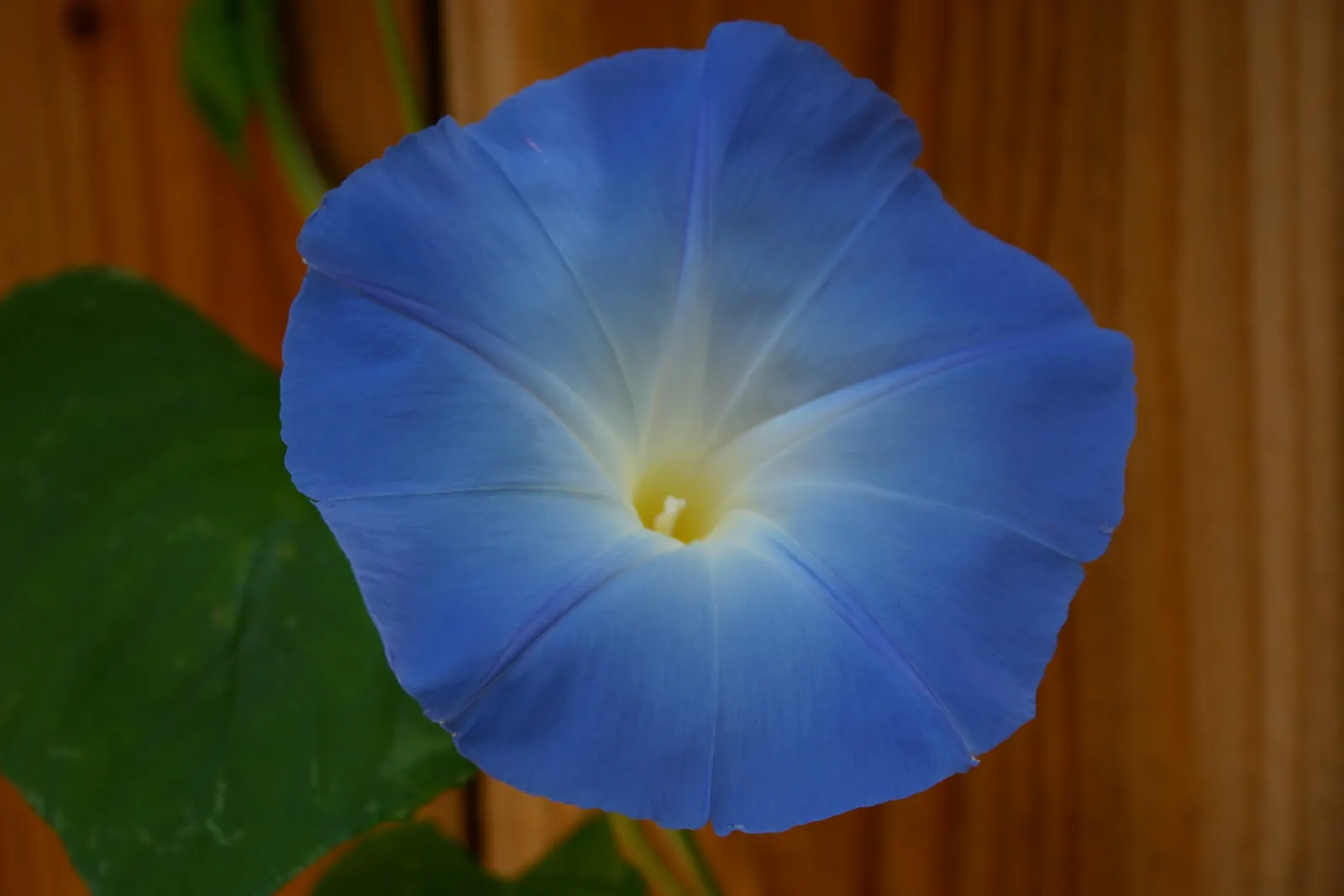
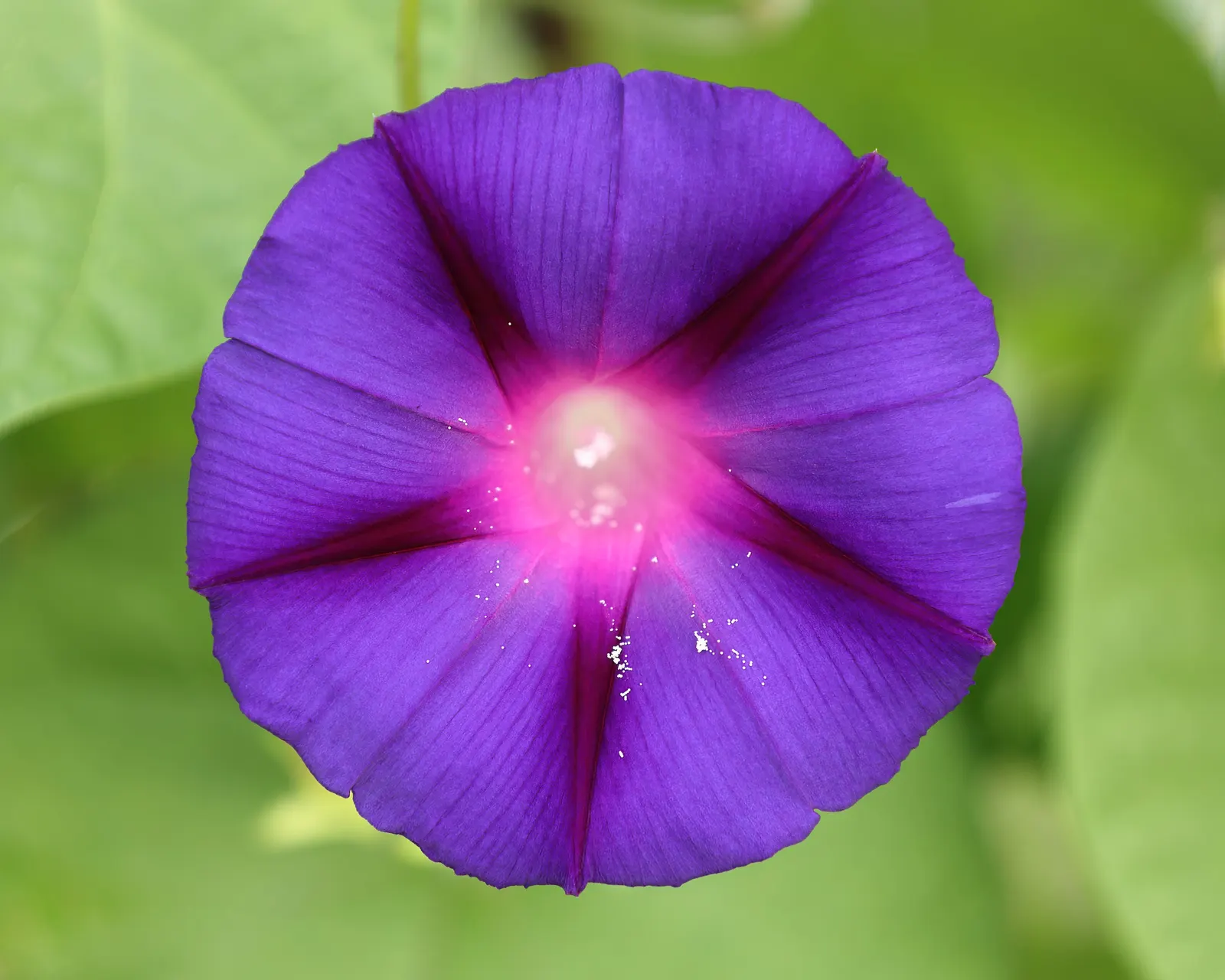
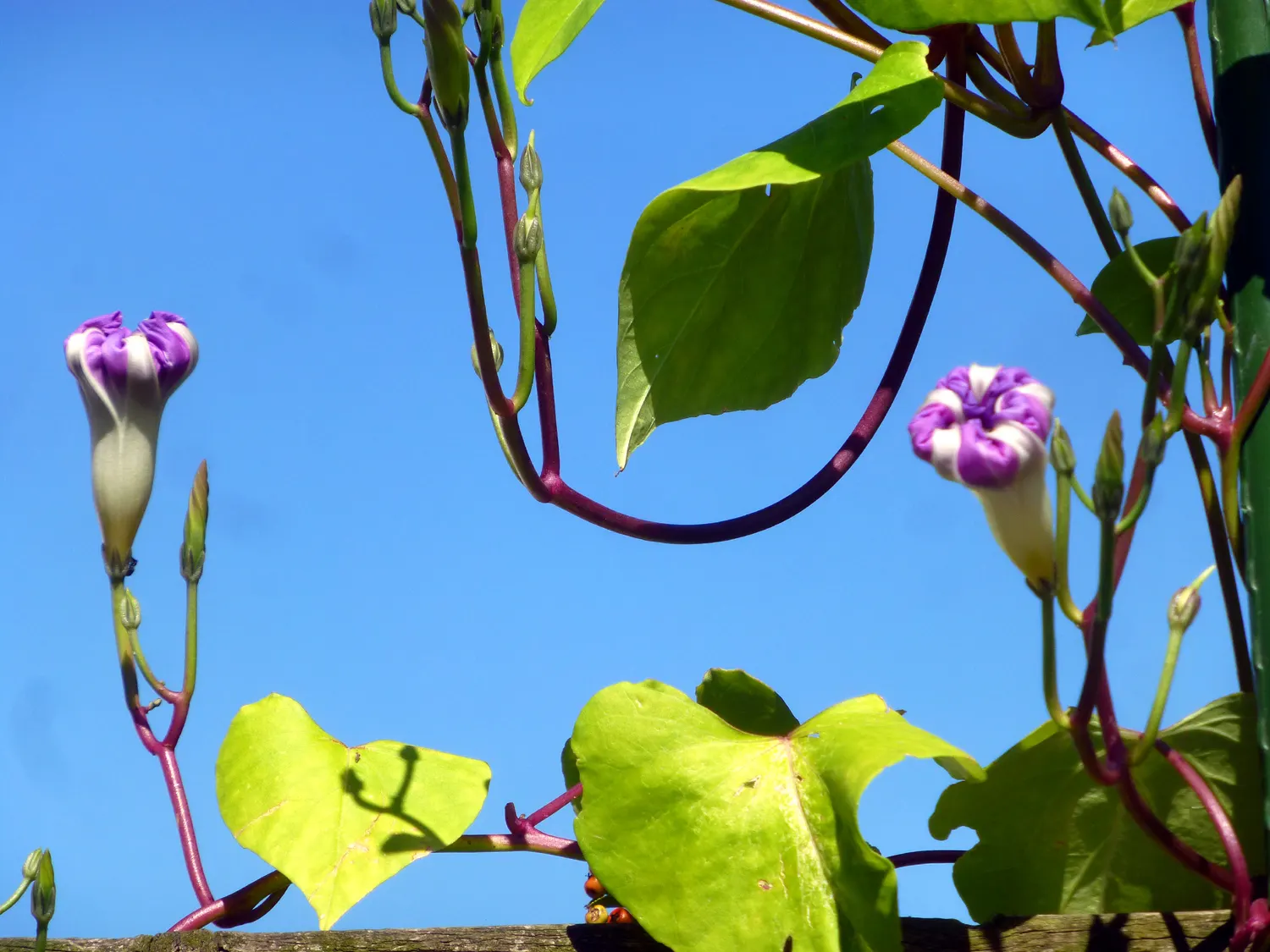
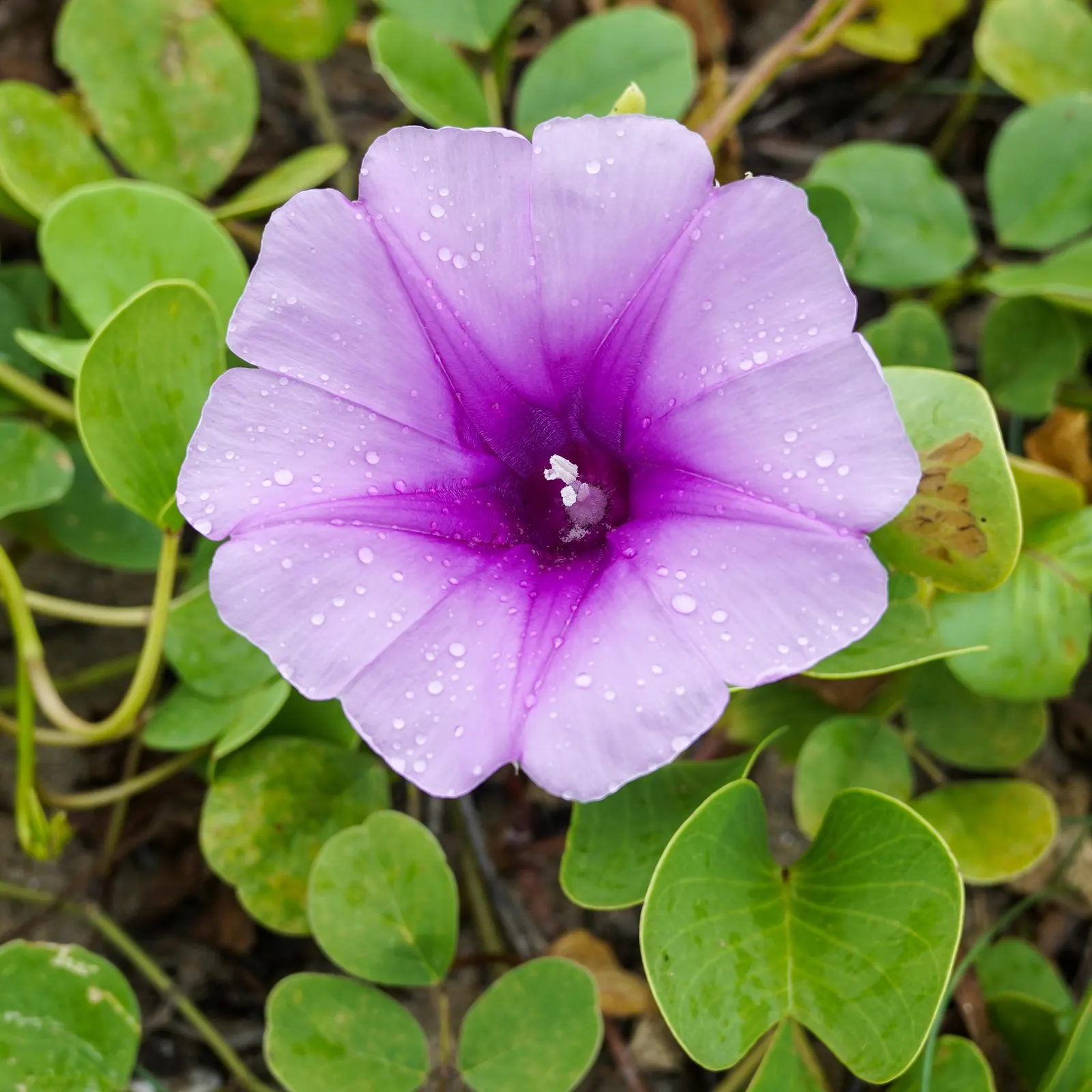
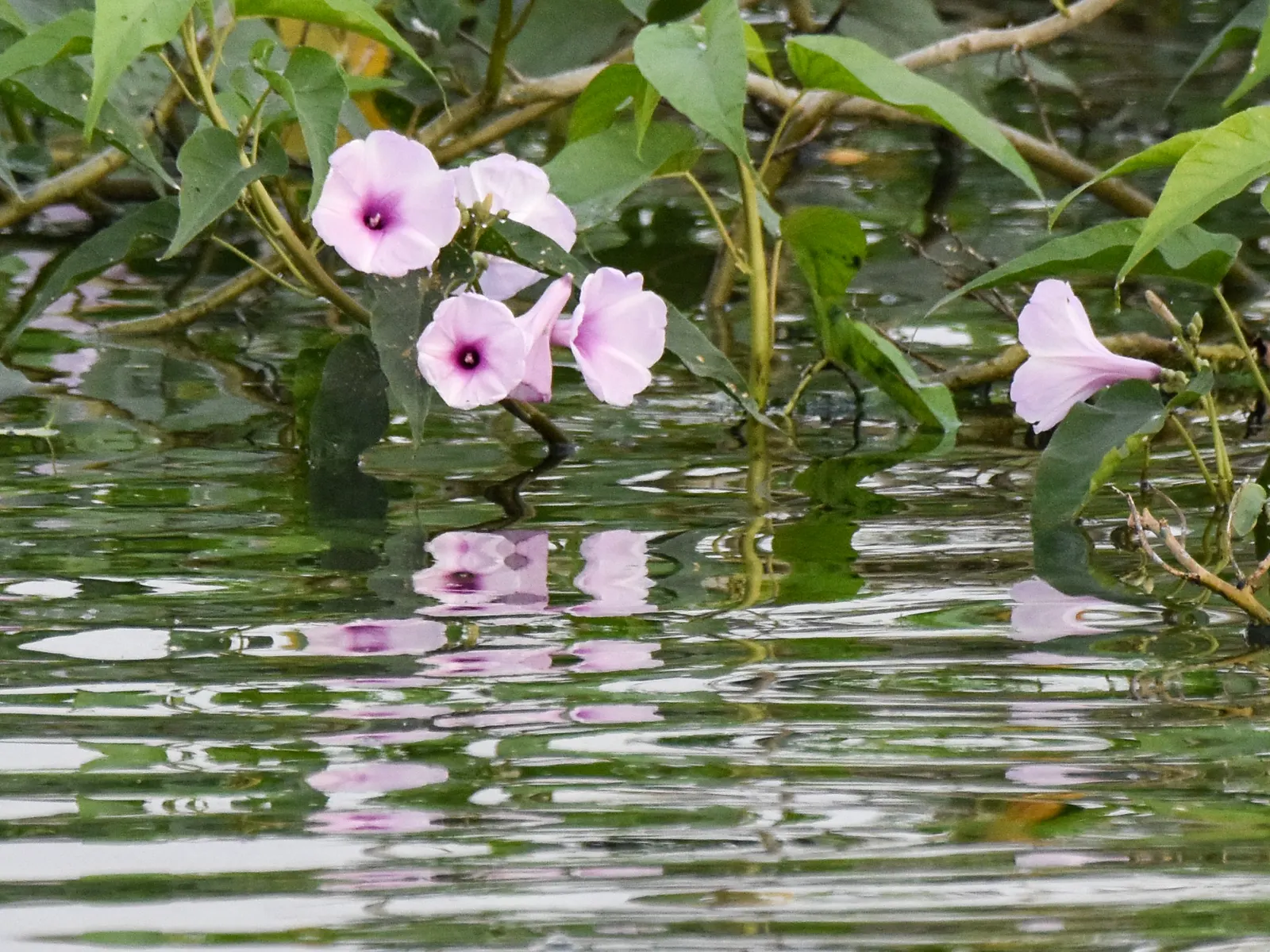
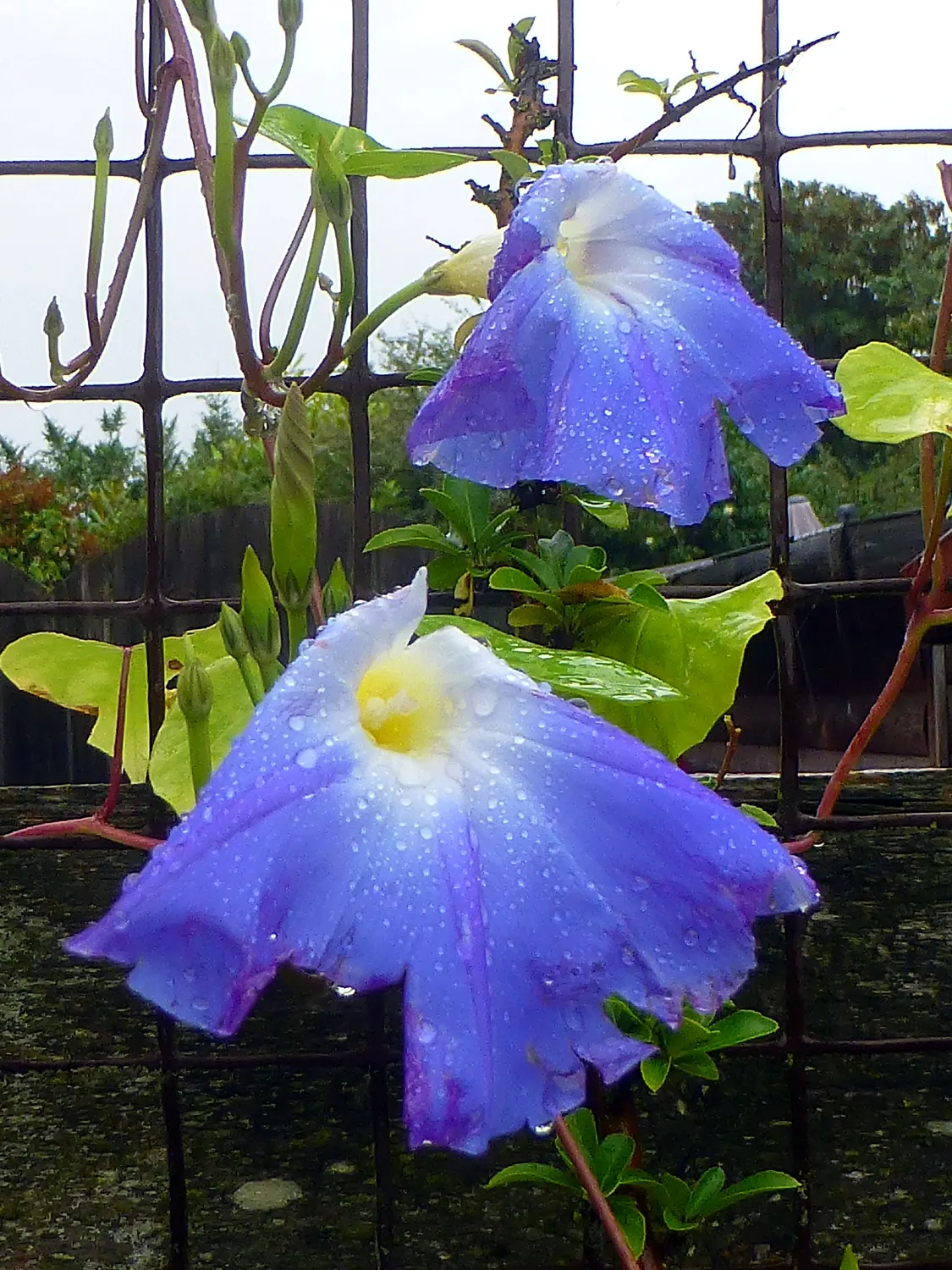
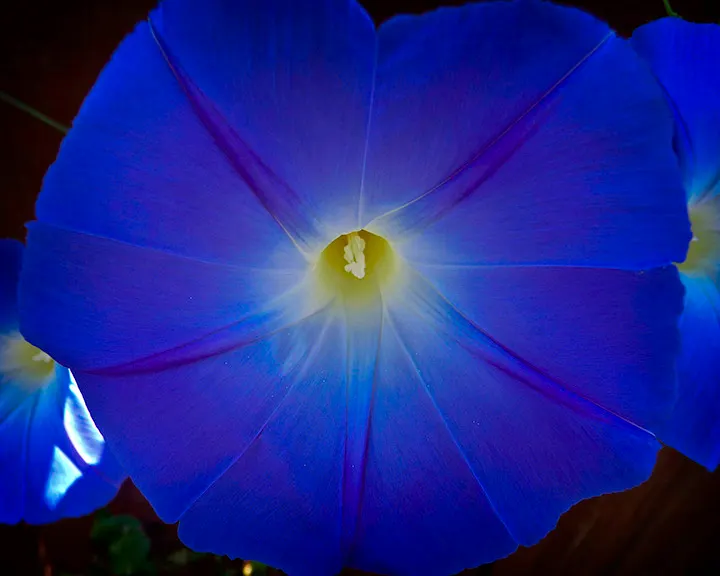
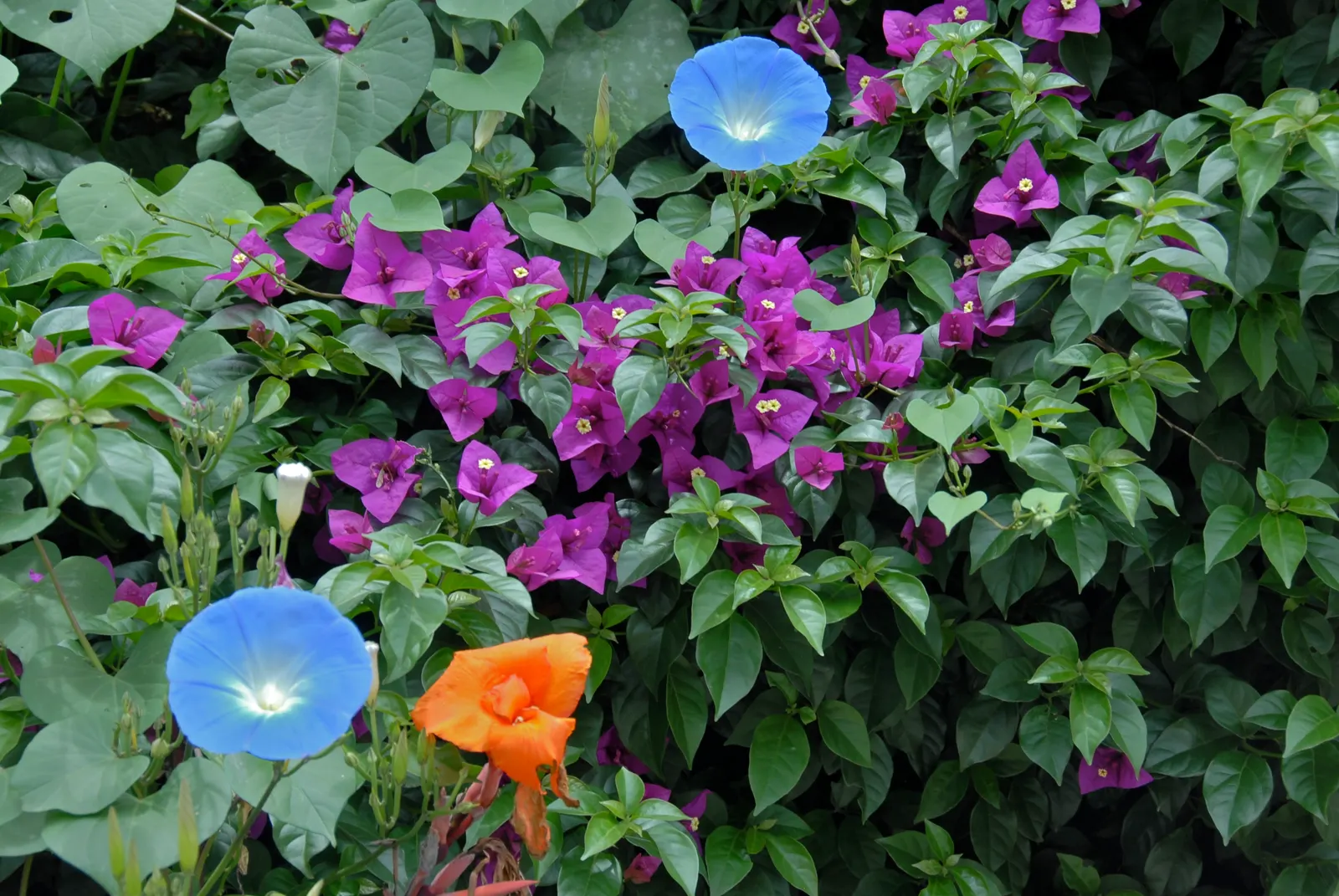
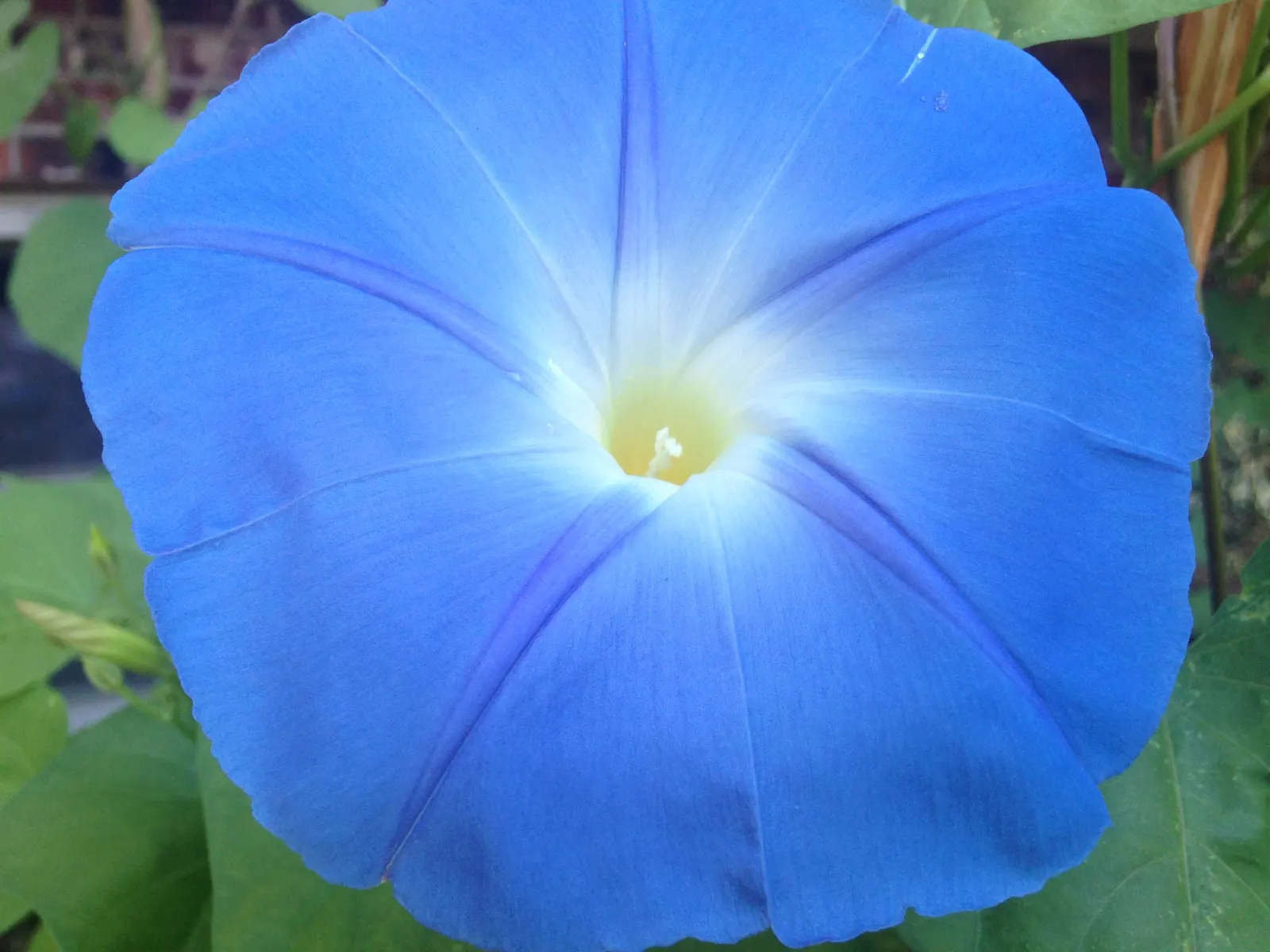
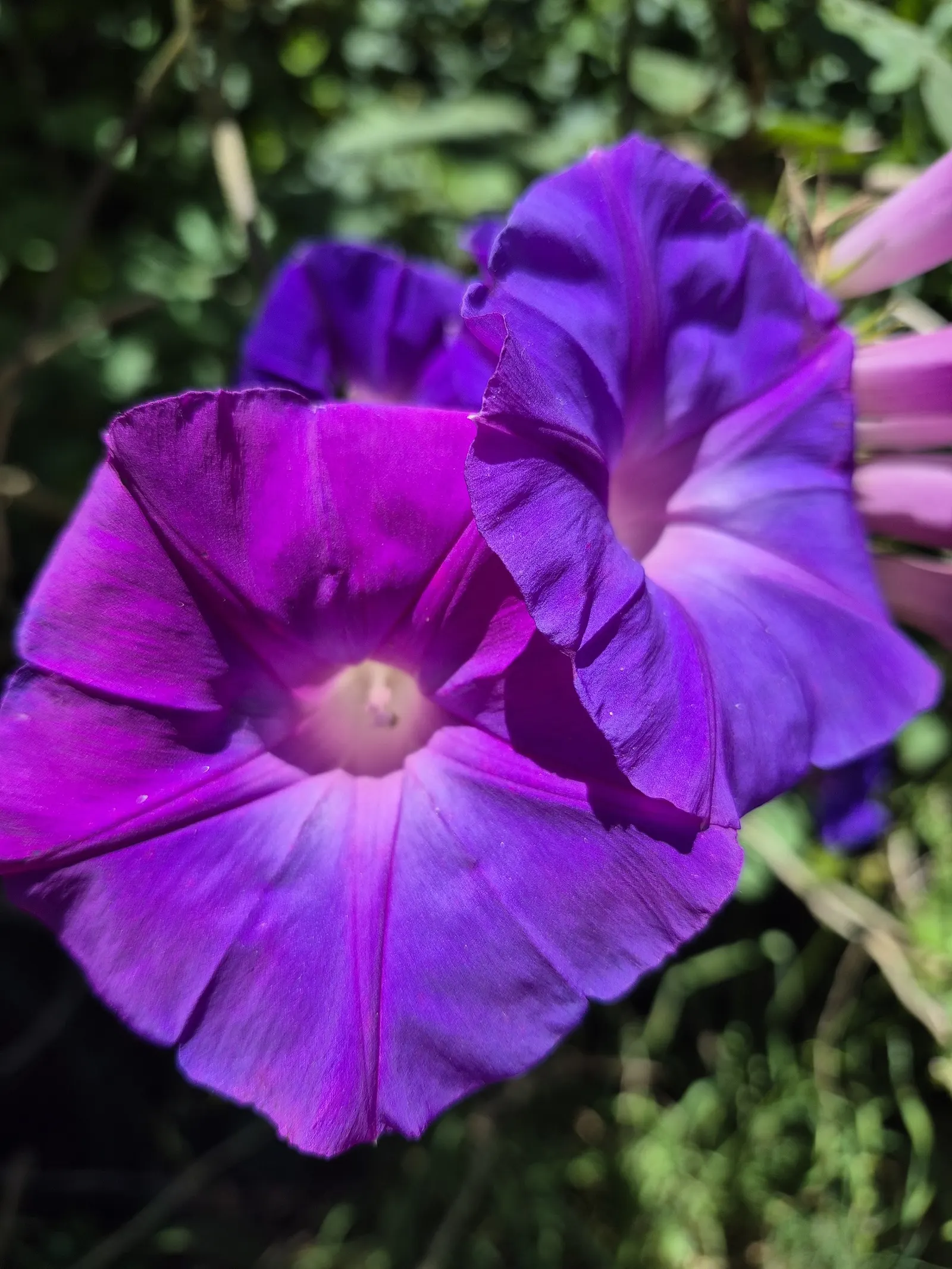
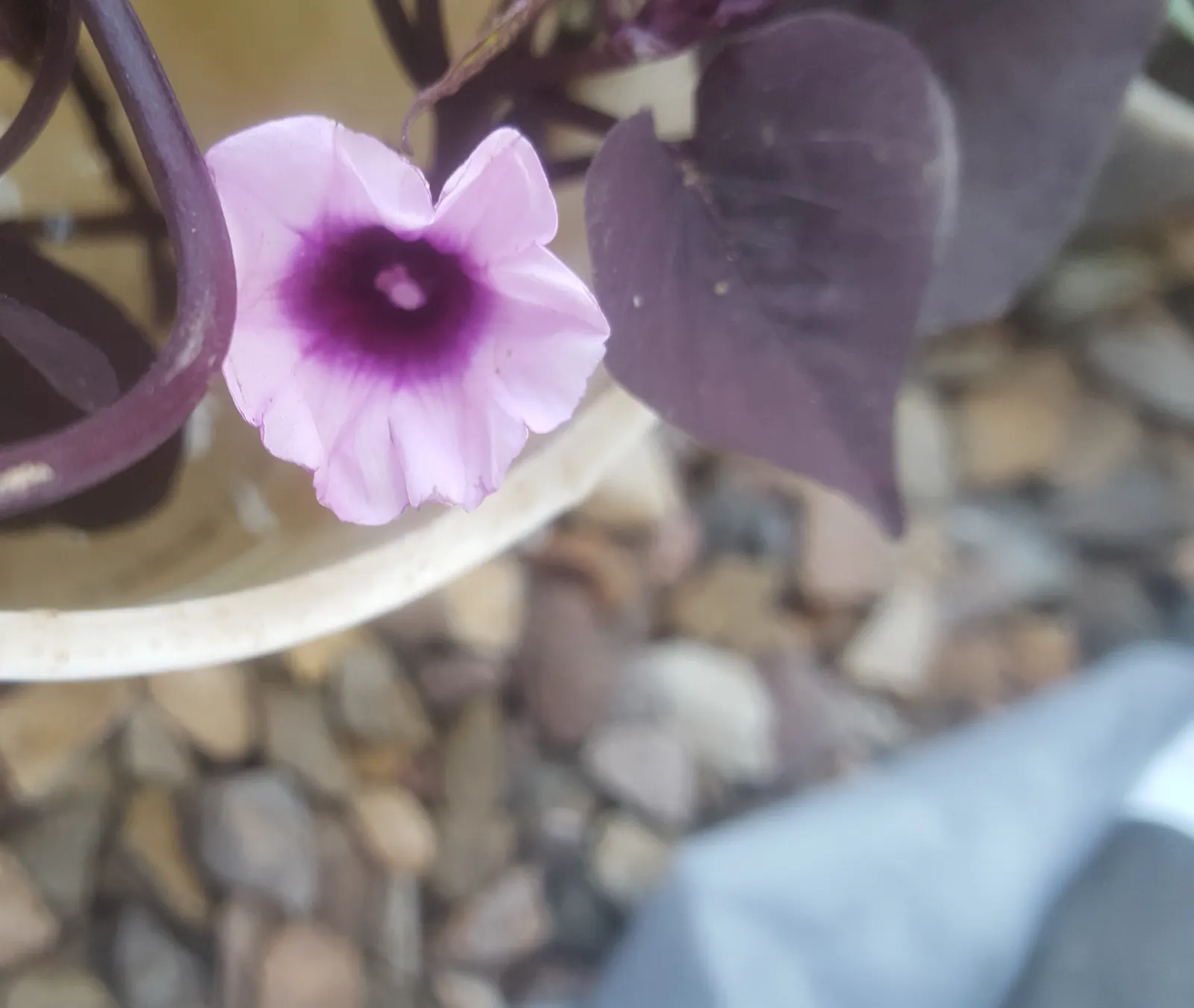
Morning Glory (Ipomoea tricolor) is a fast-growing, climbing annual, renowned for its vibrant trumpet-shaped flowers. Blossoms, typically 3-5 inches across, unfurl in the early morning to display hues of blue, purple, pink, or white, often with a contrasting star. Its heart-shaped leaves reach up to 5 inches long. Thriving in full sun, it requires well-draining soil and a structure to climb, reaching heights of up to 10 feet.

Sun FullWater MediumZones 9–10Type VineClimate Subtropical

Culture

Sun
Full
Water
Medium
USDA zones
9–10

Shape & size

Classification

Type
Vine
Family
Convolvulaceae
Climate
Subtropical

See full data, regional cultivation notes, and design tools. Build a client presentation around this plant.

Start your 14-day trial

Photos (136)

Morning Glory (Ipomoea Tricolor) — Morning Glory (Ipomoea tricolor) is a fast-growing
Morning Glory (Ipomoea Tricolor) — If situated in cooler climates, they are best grown as annuals; it's advisable to deadhead regularly and, image 107
Morning Glory (Ipomoea Tricolor) — The Morning Glory (Ipomoea tricolor) is a captivating and versatile annual vine known for its stunning; renowned, image 67
Morning Glory (Ipomoea Tricolor) — it requires well-draining soil and a structure to climb; weekly watering is recommended, image 94
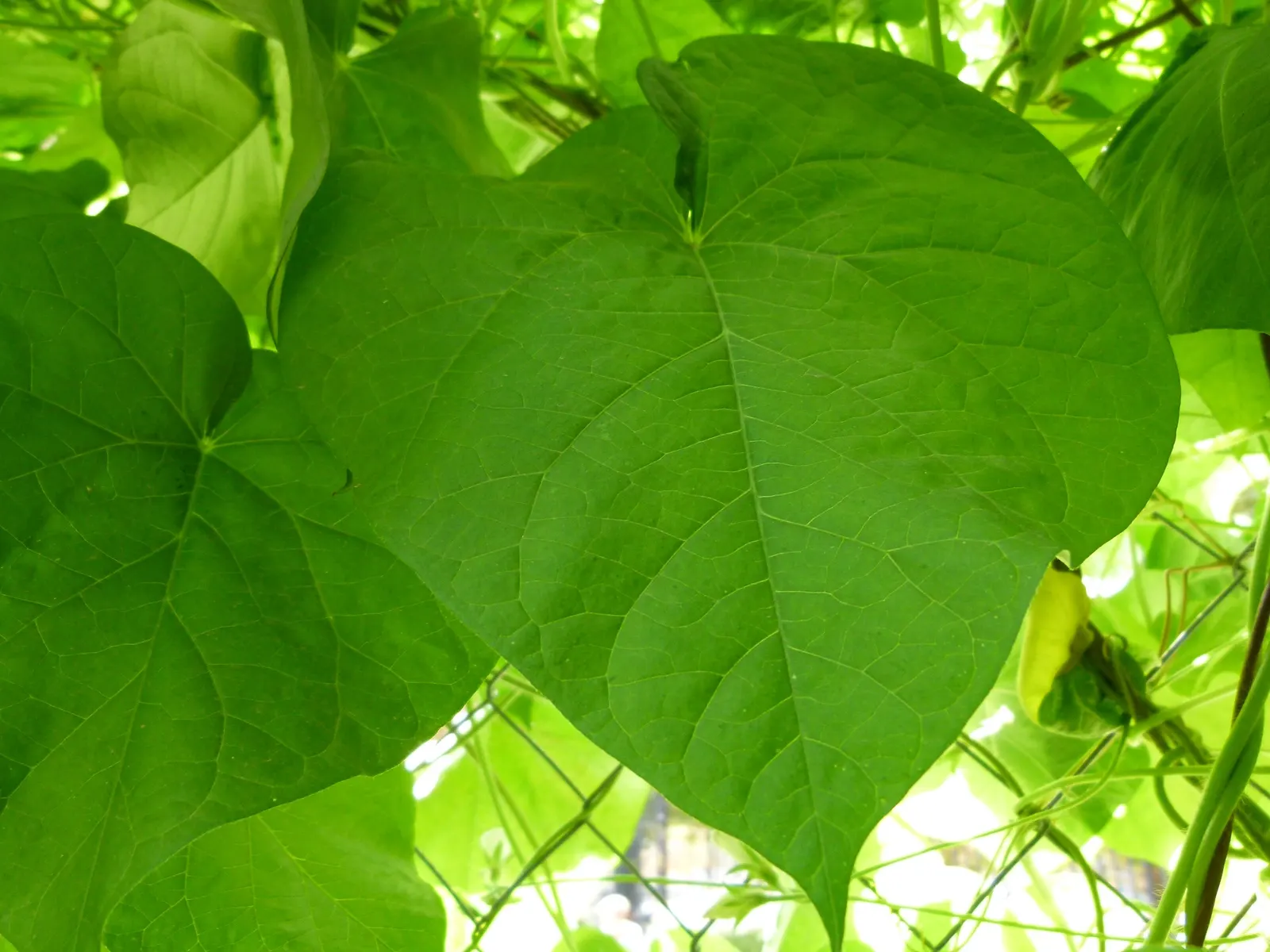
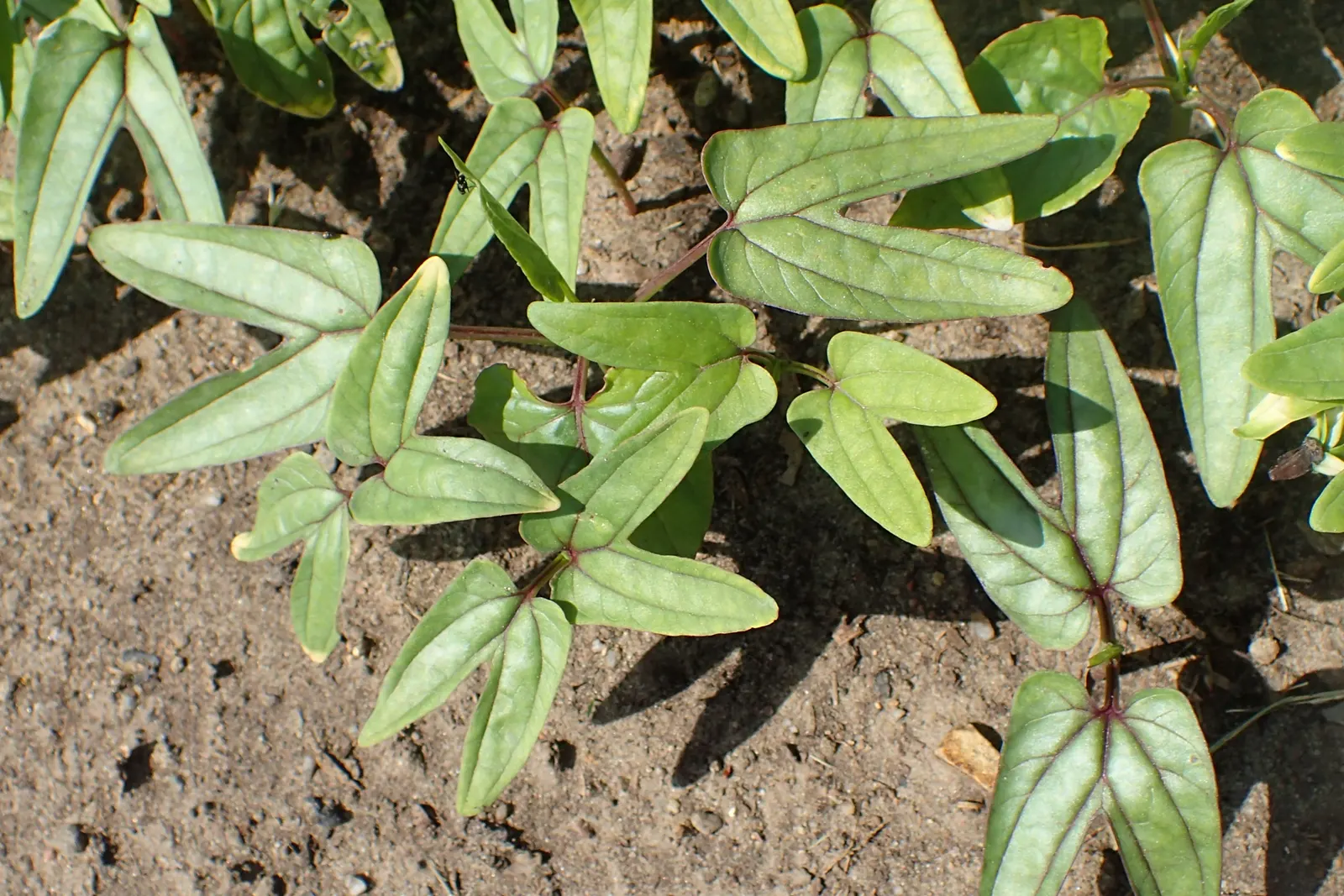
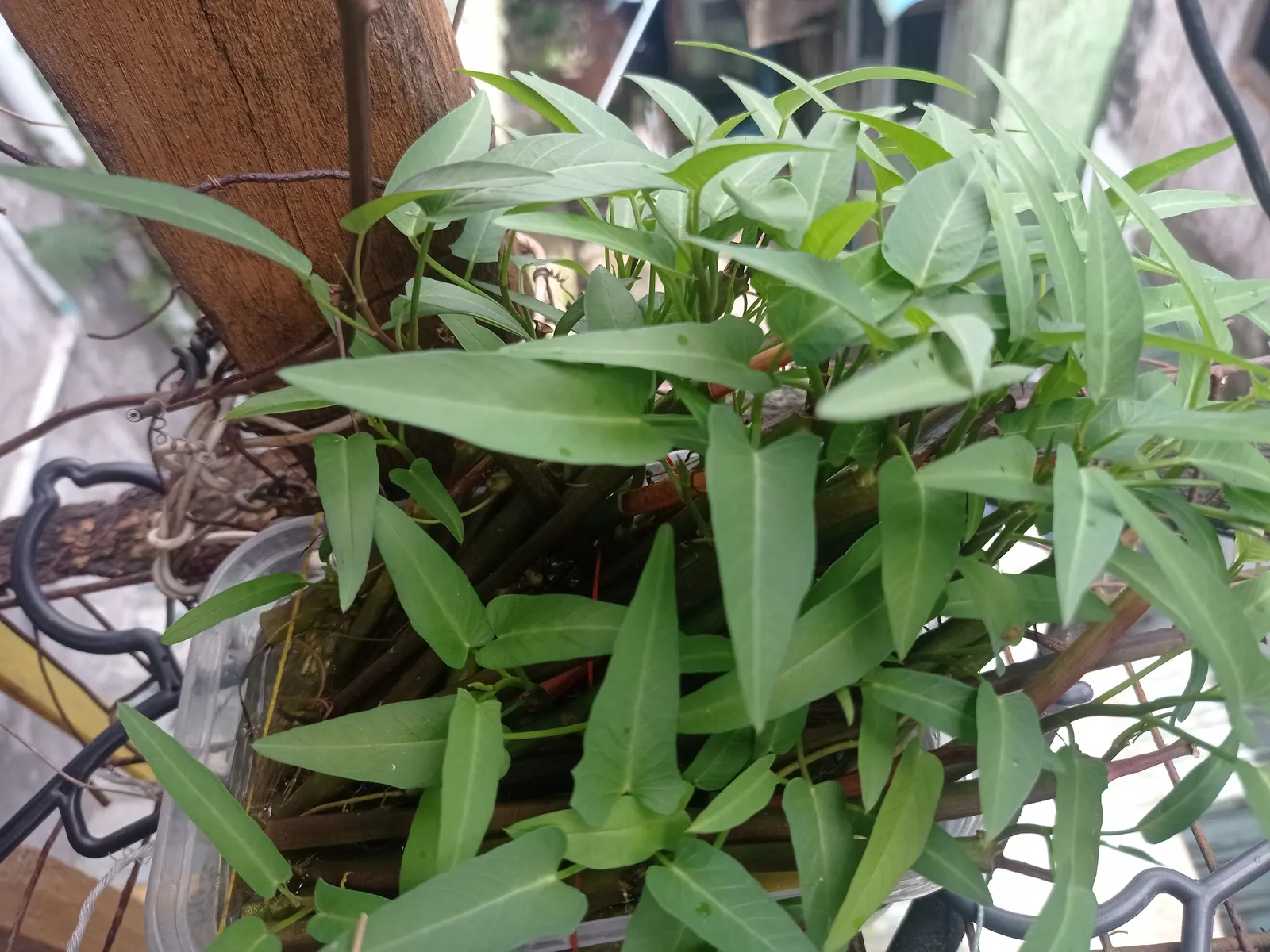
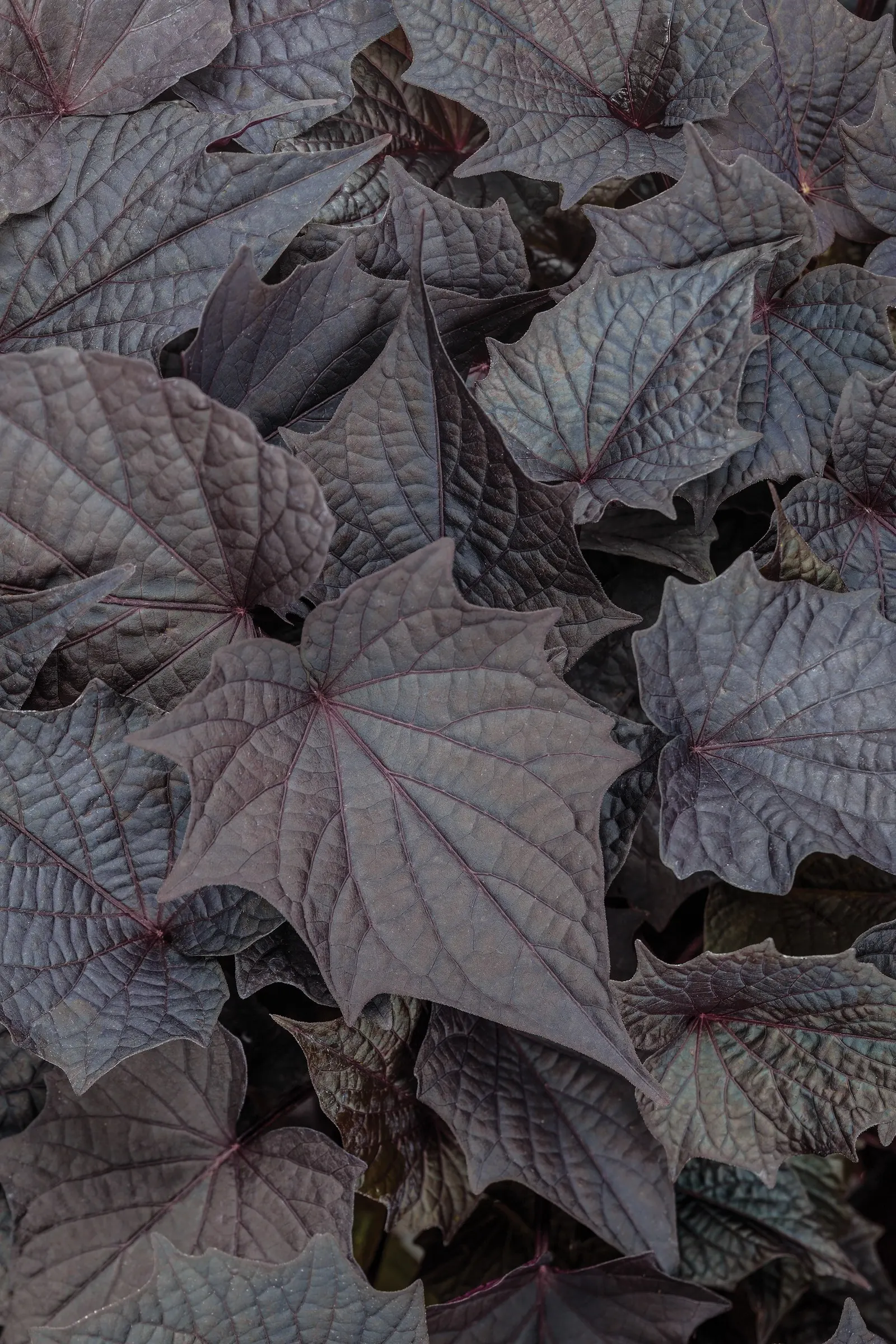
Morning Glory (Ipomoea Tricolor) — Its heart-shaped leaves reach up to 5 inches long
Morning Glory (Ipomoea Tricolor) — vine for full; it's key to monitor and control its spread to prevent any ecological impact
Morning Glory (Ipomoea Tricolor) — typically 3-5 inches across; though mature plants display moderate drought tolerance.<br><br>Hardy to USDA zones, image 90
Morning Glory (Ipomoea Tricolor) — it requires well-draining soil and a structure to climb; weekly watering is recommended
Morning Glory (Ipomoea Tricolor) — Note that seeds can be toxic if ingested, and the plant has invasive tendencies in some regions; blue and, image 112
Morning Glory (Ipomoea Tricolor) — Full sun exposure is ideal for maximum flowering, but the plant will tolerate light shade; slow-release, image 103
Morning Glory (Ipomoea Tricolor) — trumpet-shaped blooms that unfurl in the early morning hours; the Morning Glory (Ipomoea tricolor) is a, image 68
Morning Glory (Ipomoea Tricolor) — vine with blue and lavender and multi-colored blooms; morning Glories prefer temperatures between 64&deg;F and, image 115
Morning Glory (Ipomoea Tricolor) — often with a distinctive white throat.<br><br>This twining climber can rapidly ascend trellises
Morning Glory (Ipomoea Tricolor) — vine for full; it's key to monitor and control its spread to prevent any ecological impact, image 116
Morning Glory (Ipomoea Tricolor) — If situated in cooler climates, they are best grown as annuals; it's advisable to deadhead regularly and incorporate a
Morning Glory (Ipomoea Tricolor) — unfurl in the early morning to display hues of blue; note that seeds can be toxic if ingested, and the plant has invasive
Morning Glory (Ipomoea Tricolor) — The Morning Glory (Ipomoea tricolor) is a captivating and versatile annual vine known for its stunning; renowned, image 96
Morning Glory (Ipomoea Tricolor) — renowned for its vibrant trumpet-shaped flowers
Morning Glory (Ipomoea Tricolor) — Full sun exposure is ideal for maximum flowering, but the plant will tolerate light shade
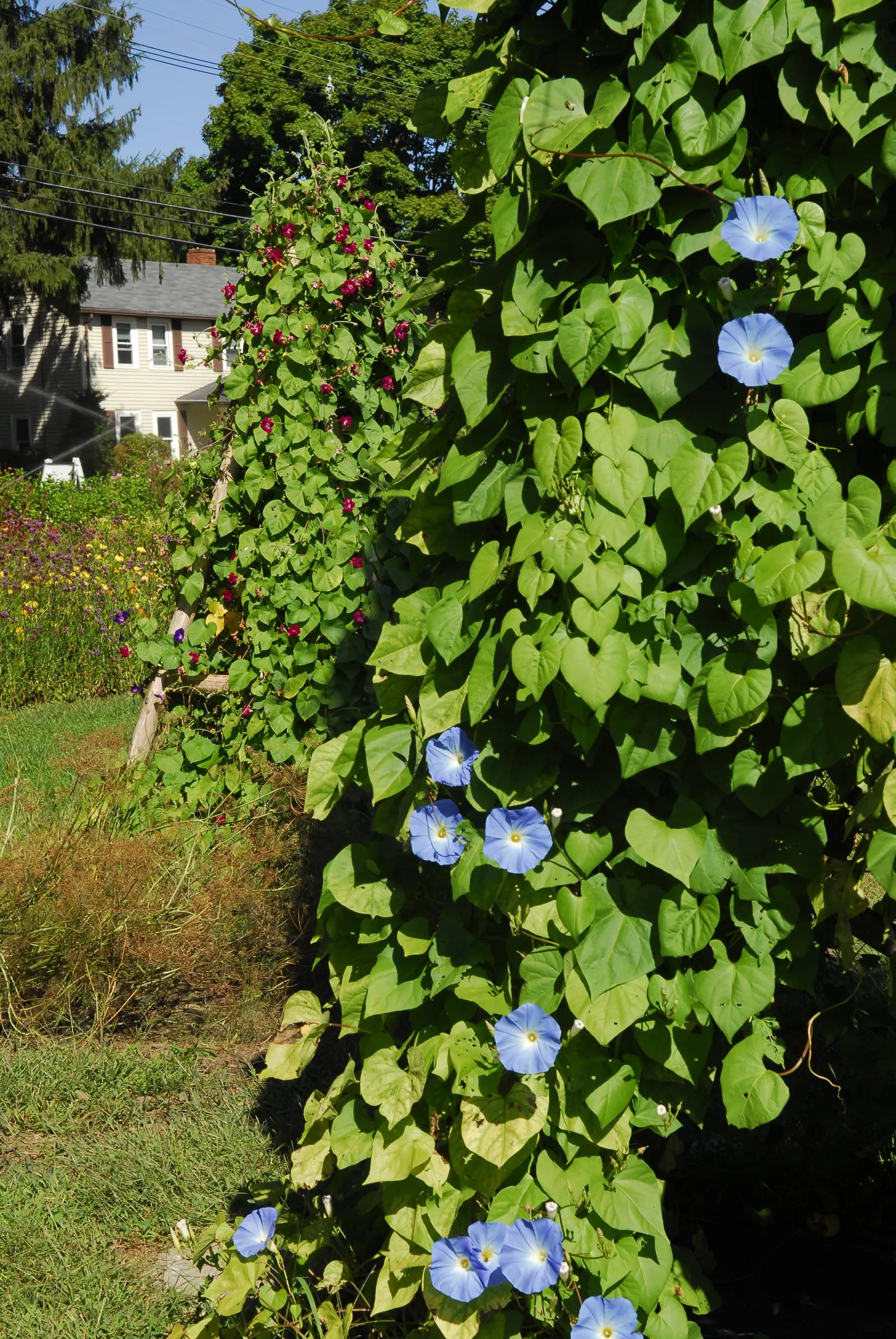
Morning Glory (Ipomoea Tricolor) — Its heart-shaped green leaves create a lush backdrop, further accentuating the floral display; reaching heights of up to 10
Morning Glory (Ipomoea Tricolor) — If situated in cooler climates, they are best grown as annuals; it's advisable to deadhead regularly and, image 78
Morning Glory (Ipomoea Tricolor) — A cherished addition to any garden; full sun exposure is ideal for maximum flowering, but the plant will, image 98
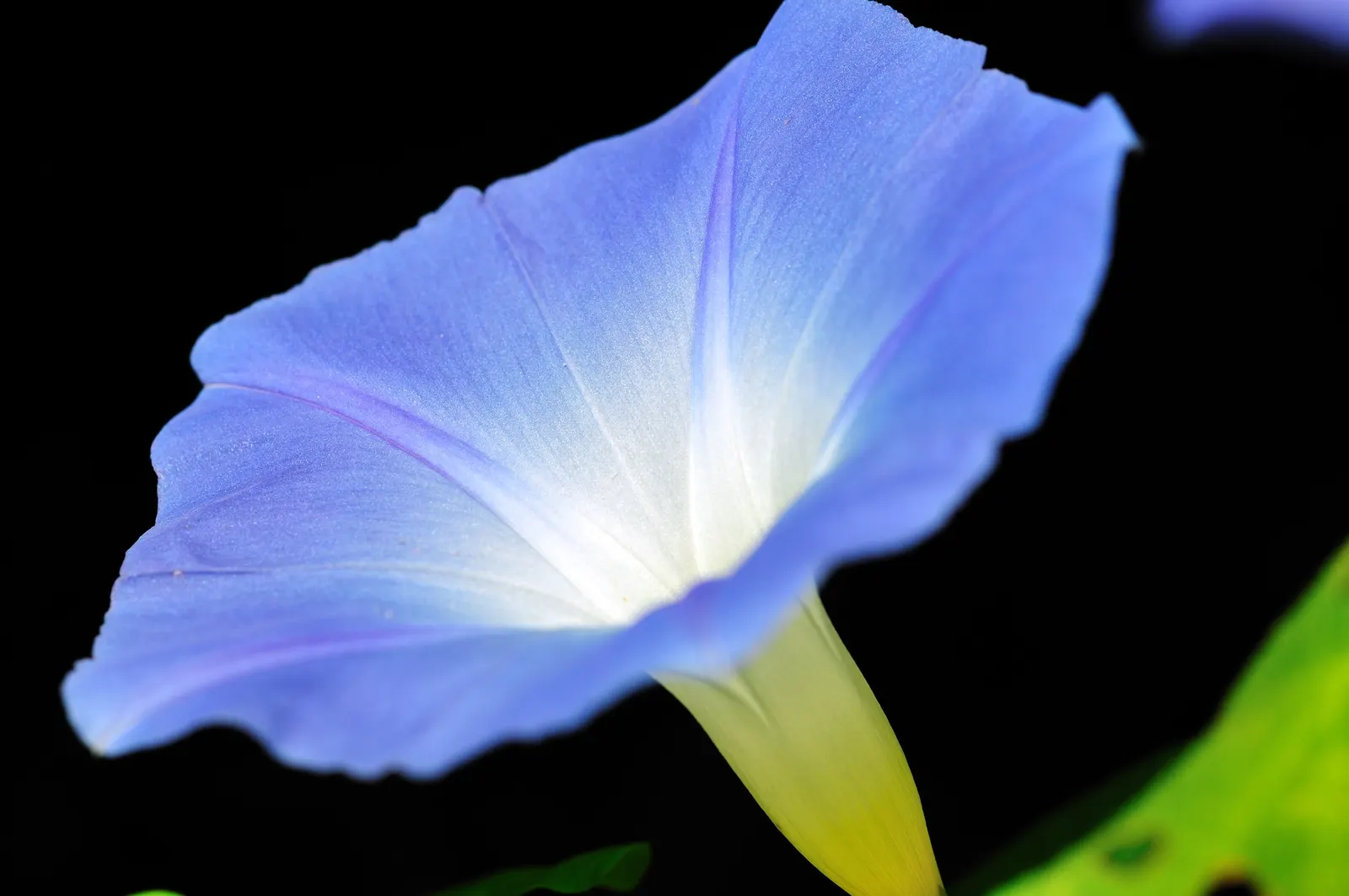
Morning Glory (Ipomoea Tricolor) — often with a contrasting star; typically 3-5 inches across, image 63
Morning Glory (Ipomoea Tricolor) — Planting in well-draining soil enriched with organic matter supports its growth, image 102
Photographs by 14 contributors

Related plants