Skip to content

Lime Sweet Potato Vine

Ipomoea

Design with this plant

Overview

The Ipomoea Lime Sweet Potato Vine is a trailing Proven Winners® annual grown for luminous lime-chartreuse foliage rather than flowers. It forms a lush spiller 6-16 inches tall and 20-36 inches wide, with vigorous stems for containers, borders, or groundcover. Its vivid color pairs best with robust companions. Grow in part sun to sun with average, well-drained soil and regular water, especially in hot pots. Hardy in USDA Zones 11a-11b.

Water Medium

Culture

Water
Medium

Shape & size

Mature height
0.5–1.3333334 Ft.
Mature width
1.6666666–3 Ft.

Classification

Family
Convolvulaceae

See full data, regional cultivation notes, and design tools. Build a client presentation around this plant.

Start your 14-day trial

Photos (200)

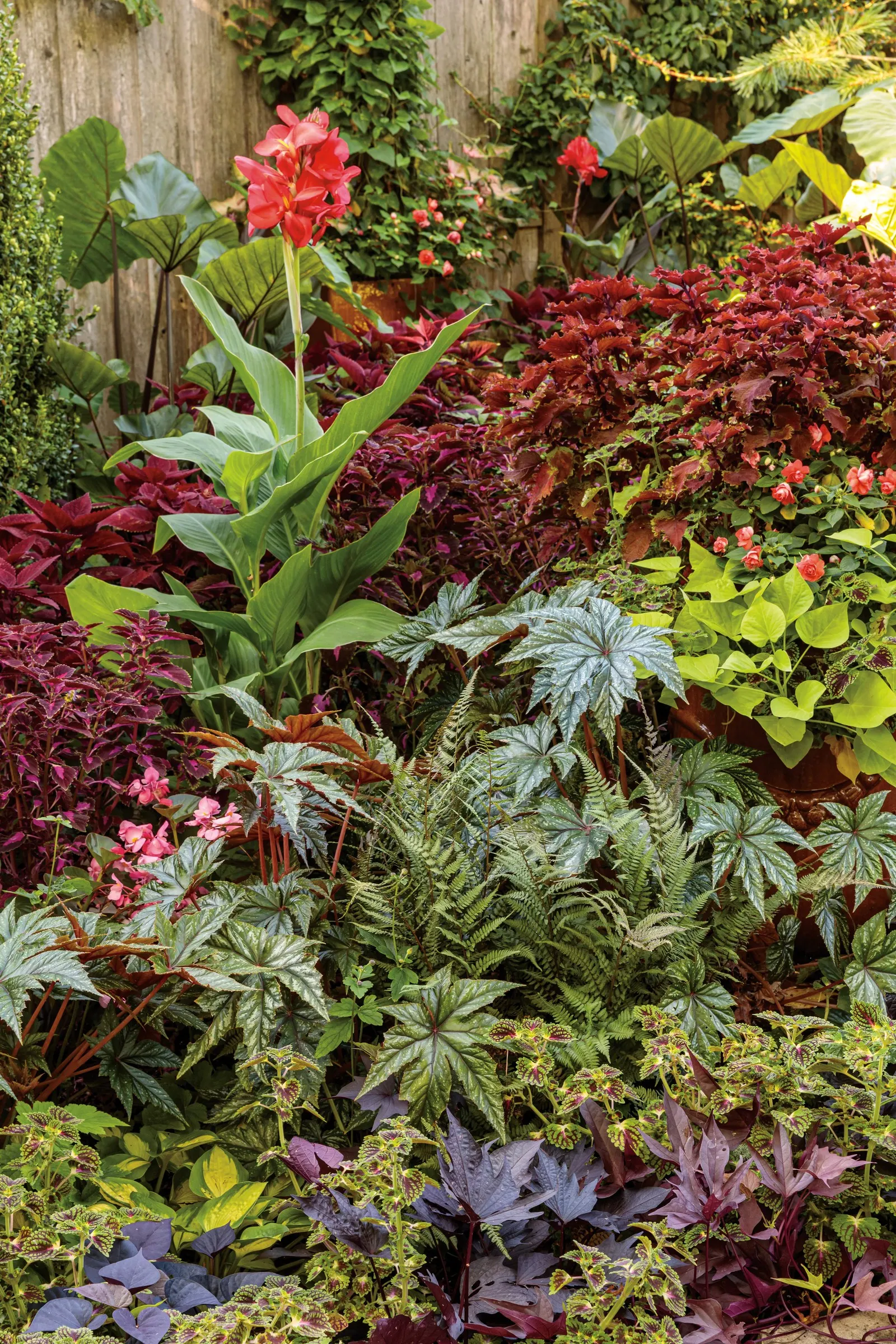
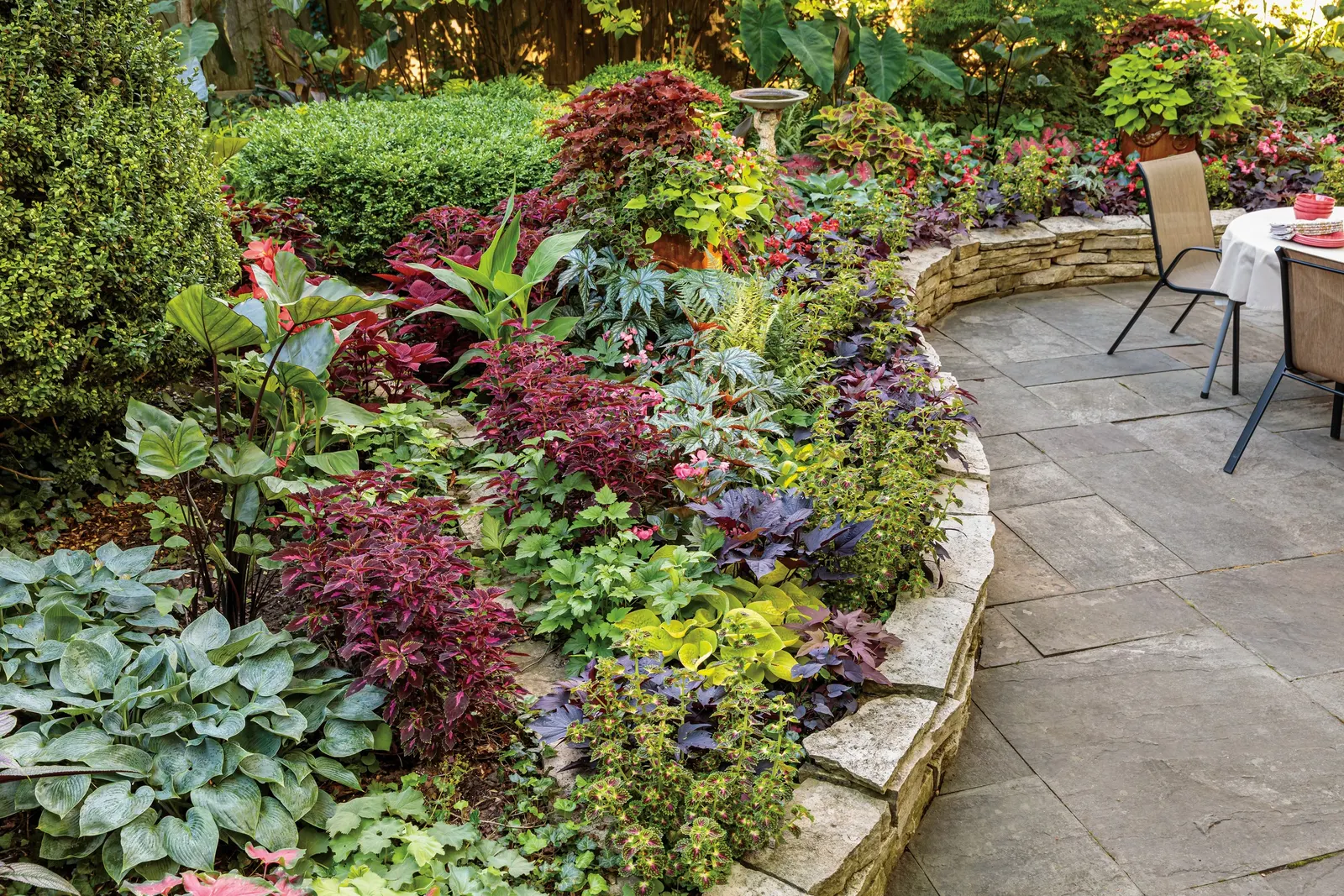
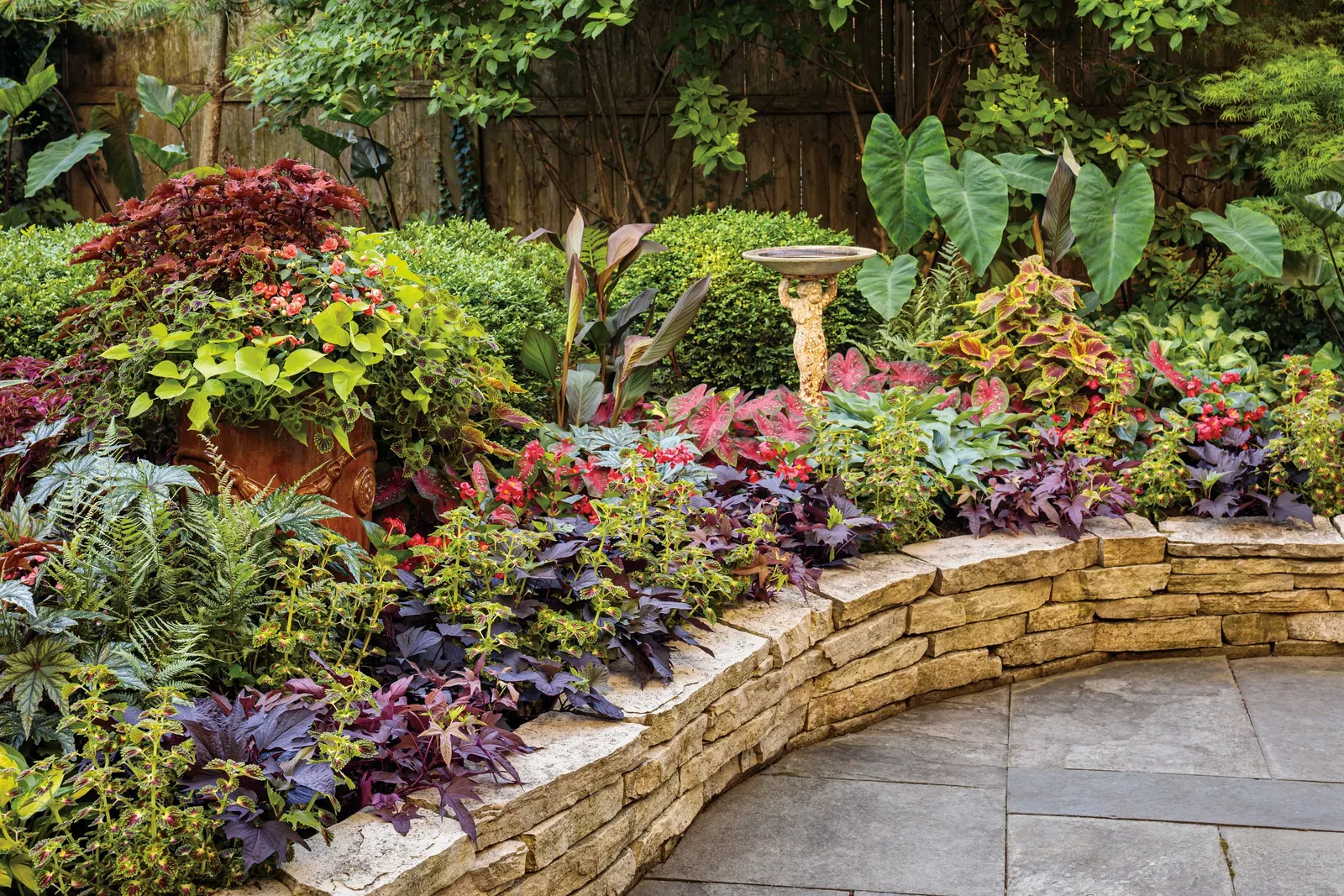
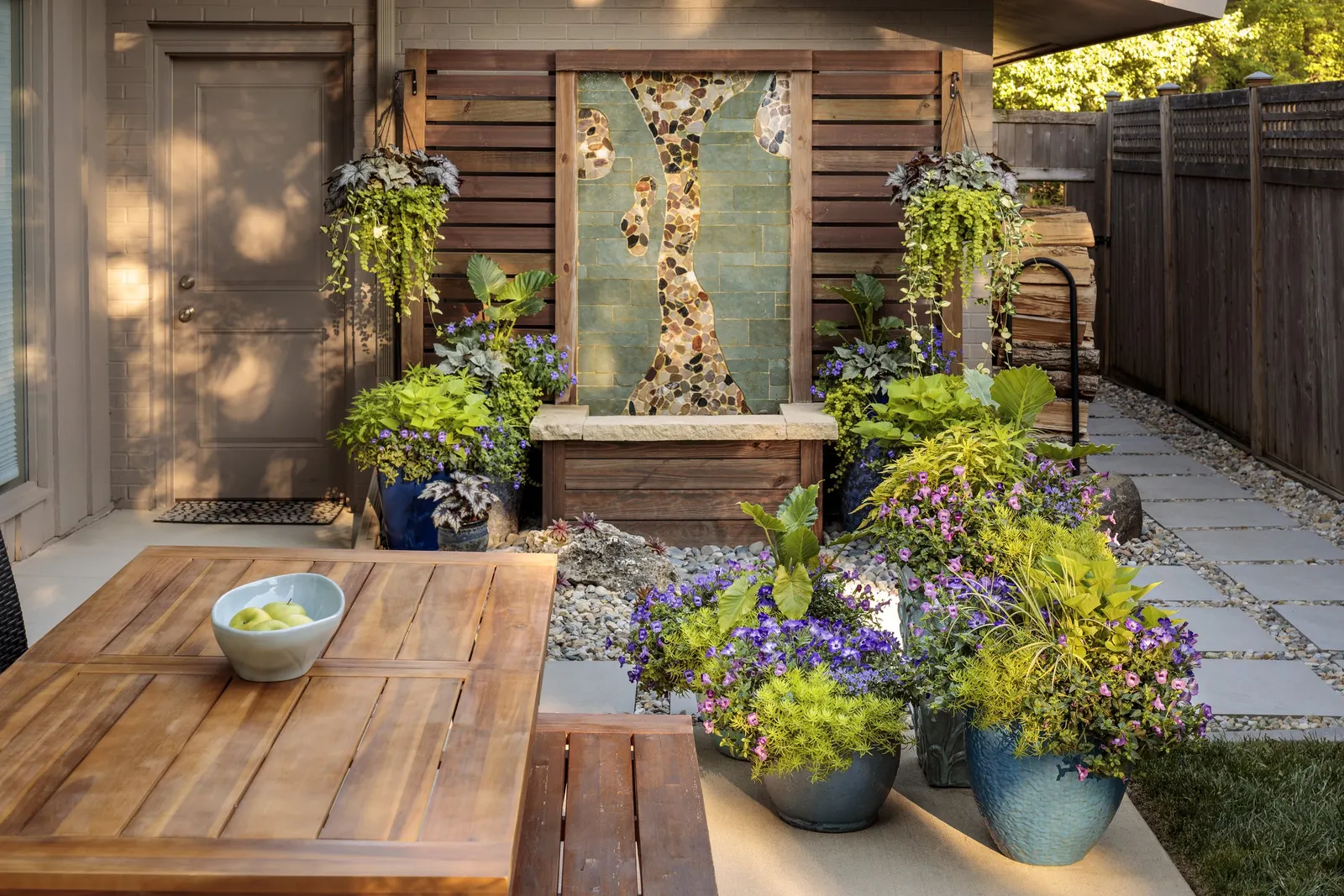
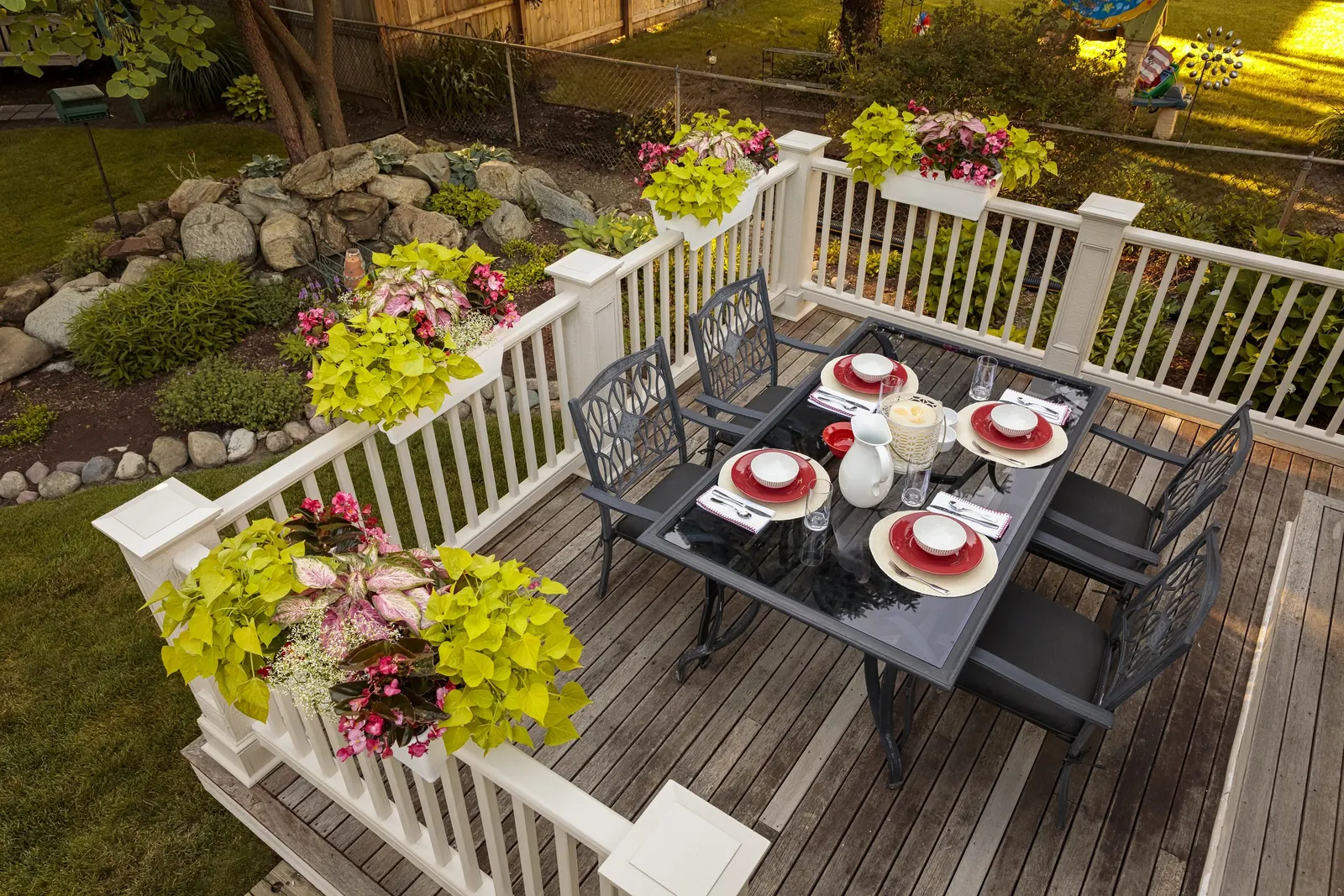
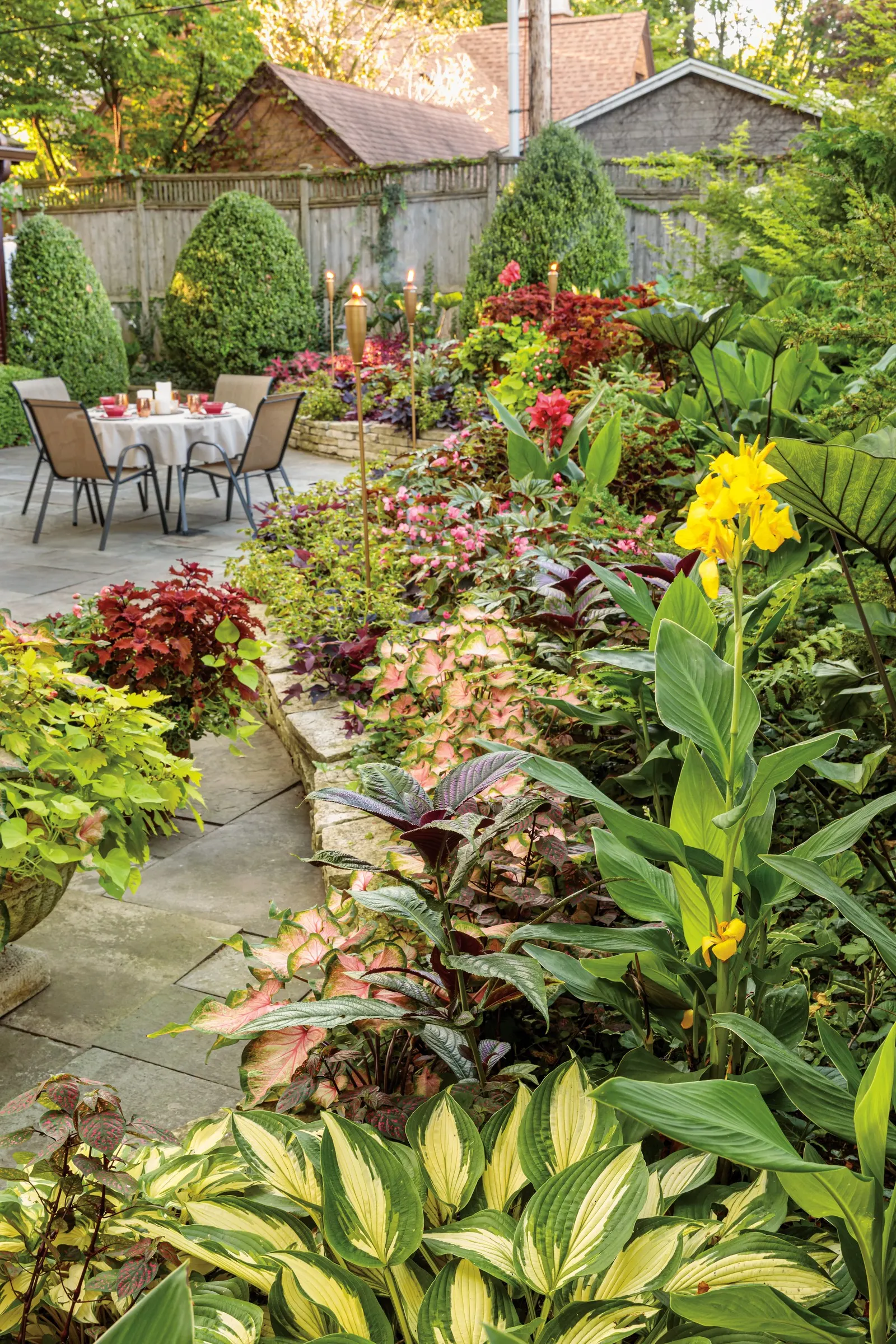
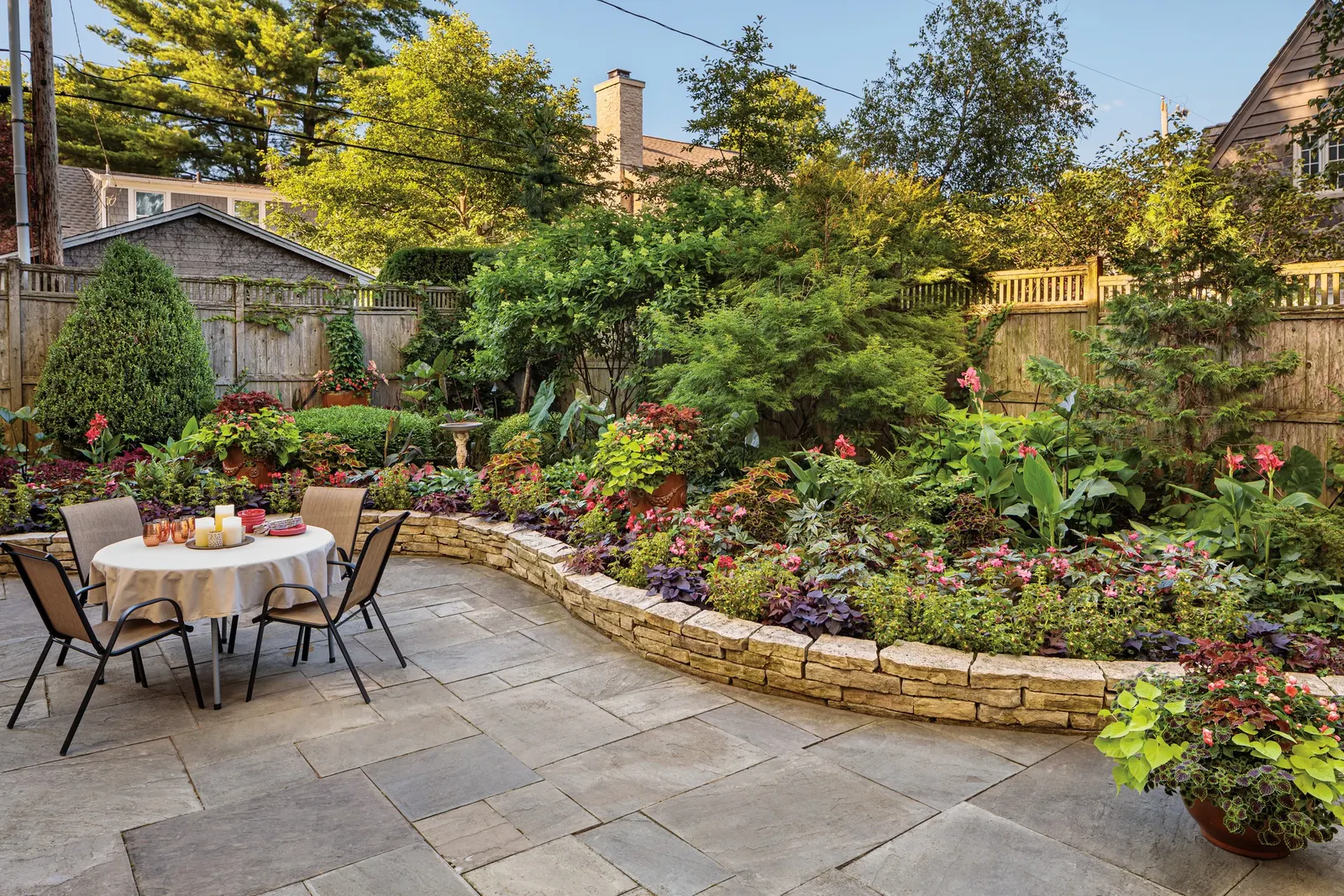
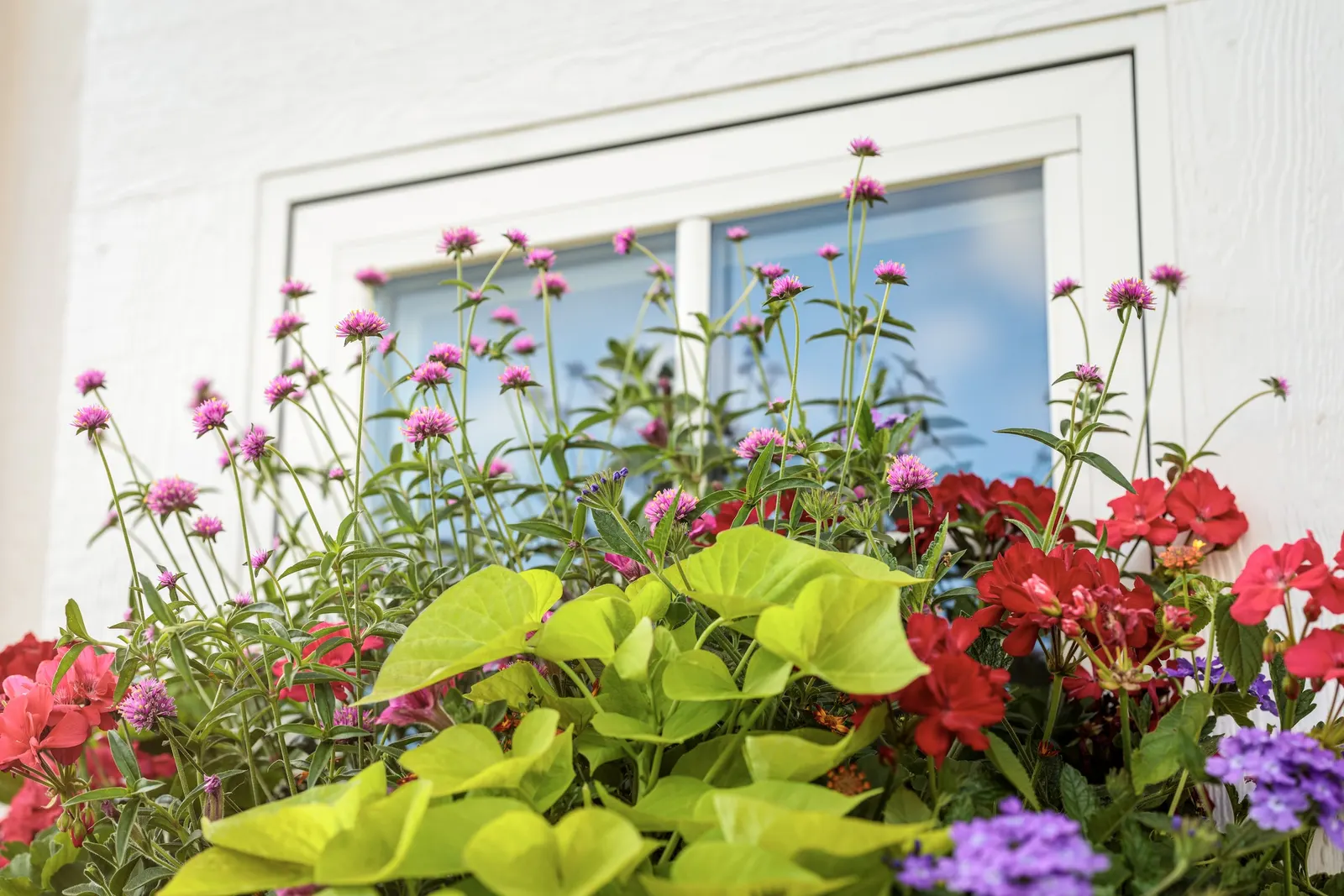
Lime Sweet Potato Vine (Ipomoea) — It forms a lush spiller 6-16 inches tall and 20-36 inches wide
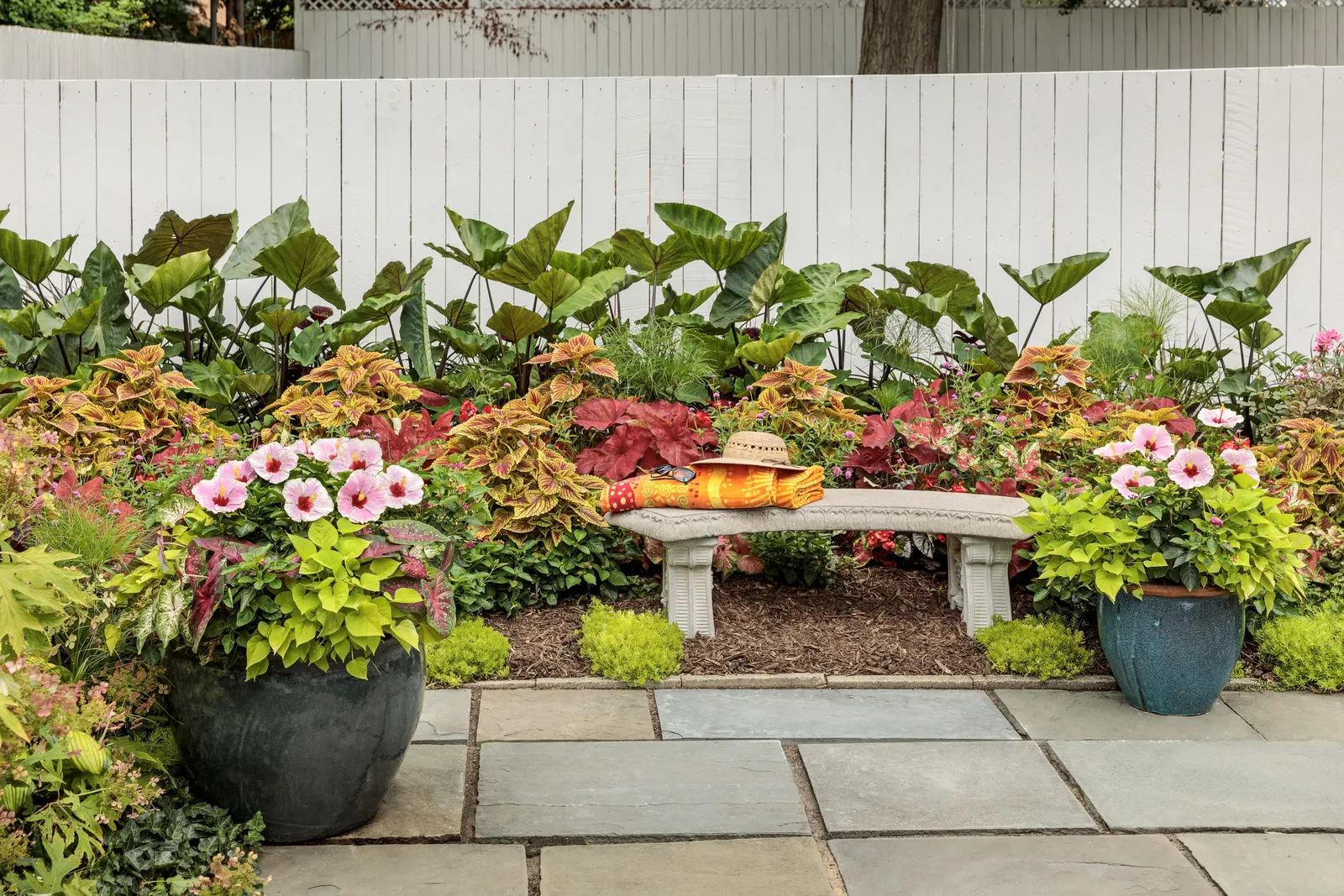
Lime Sweet Potato Vine (Ipomoea) — It is grown as an annual in most regions and is hardy only in USDA Zones 11a to 11b; and shear back stems, image 104
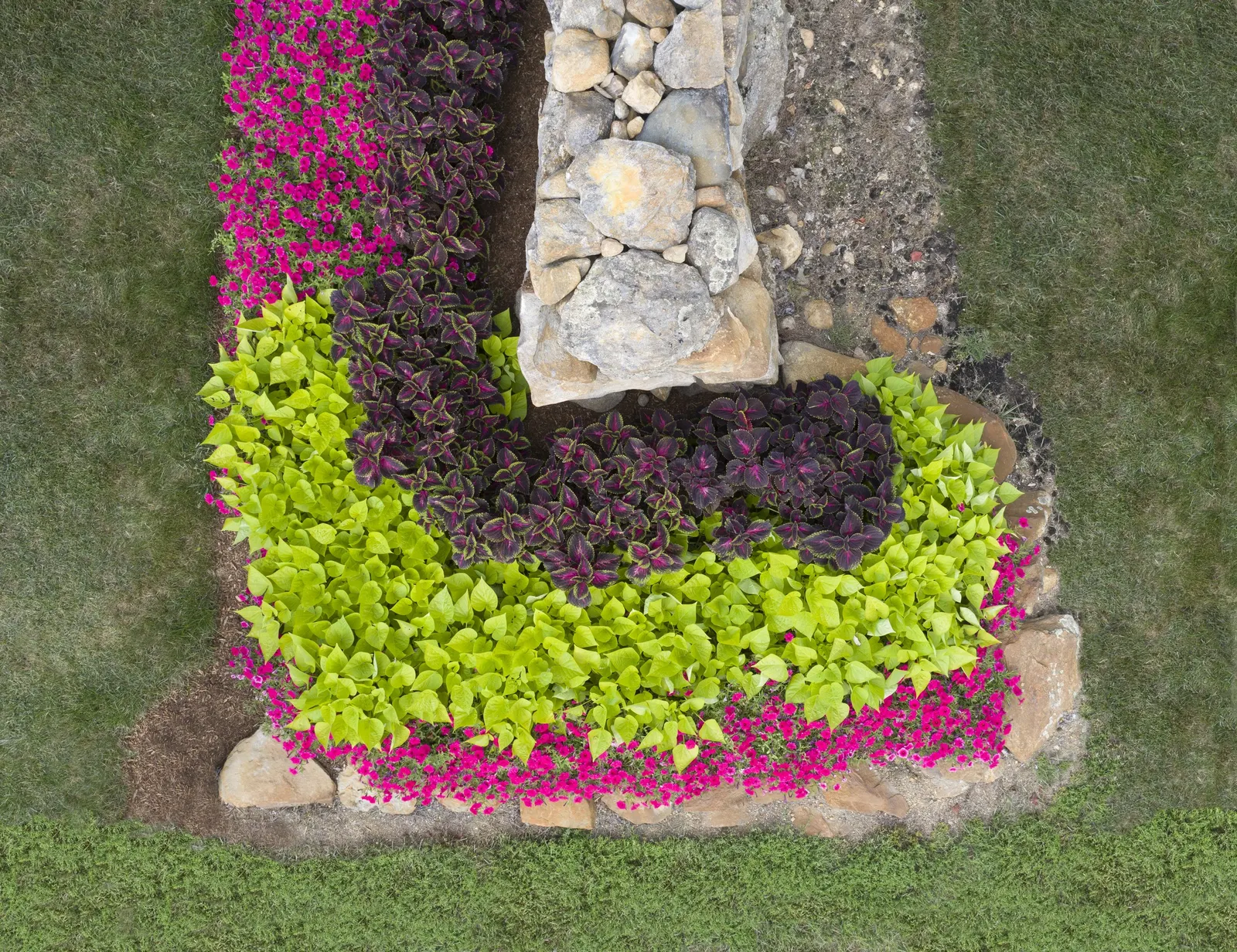
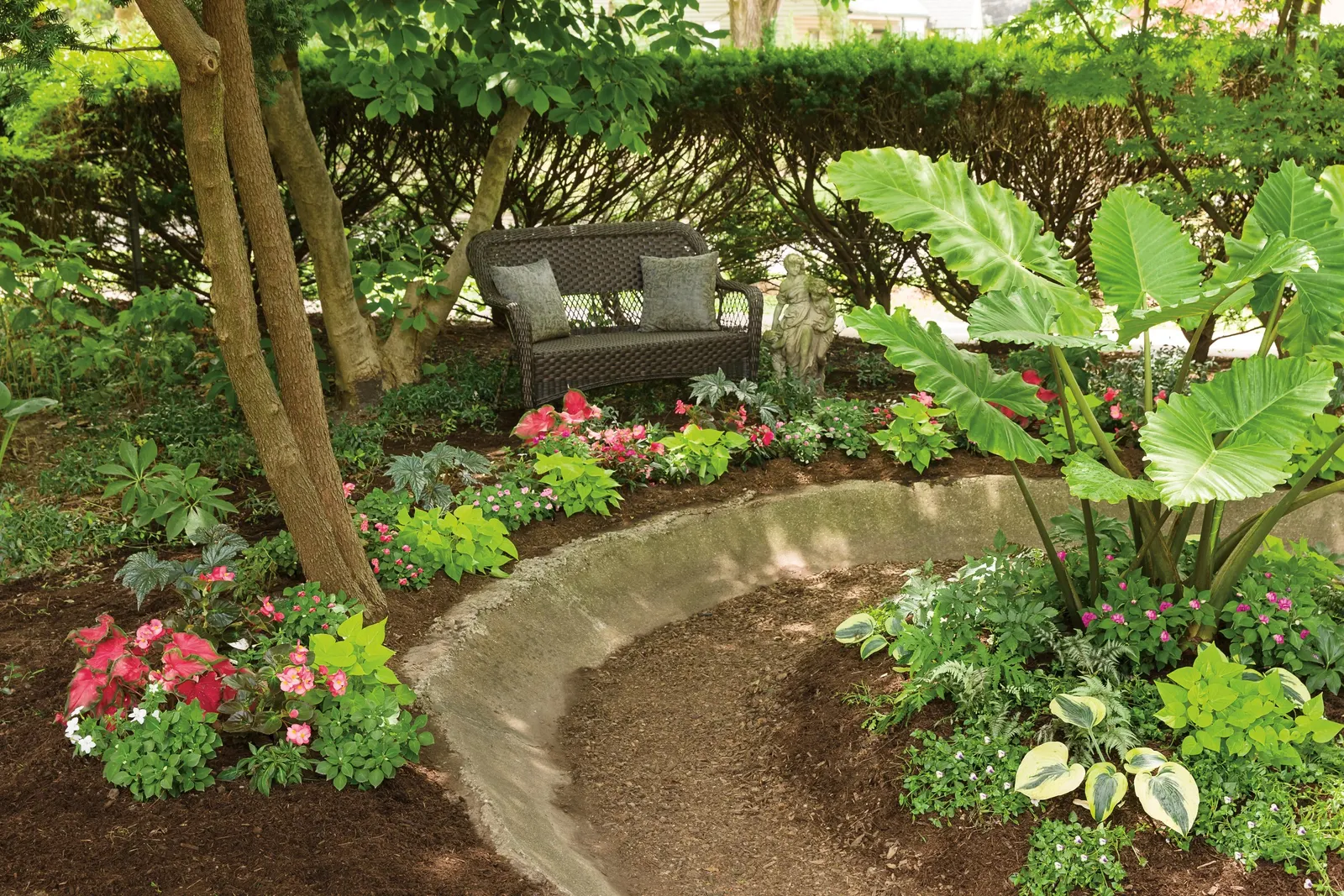
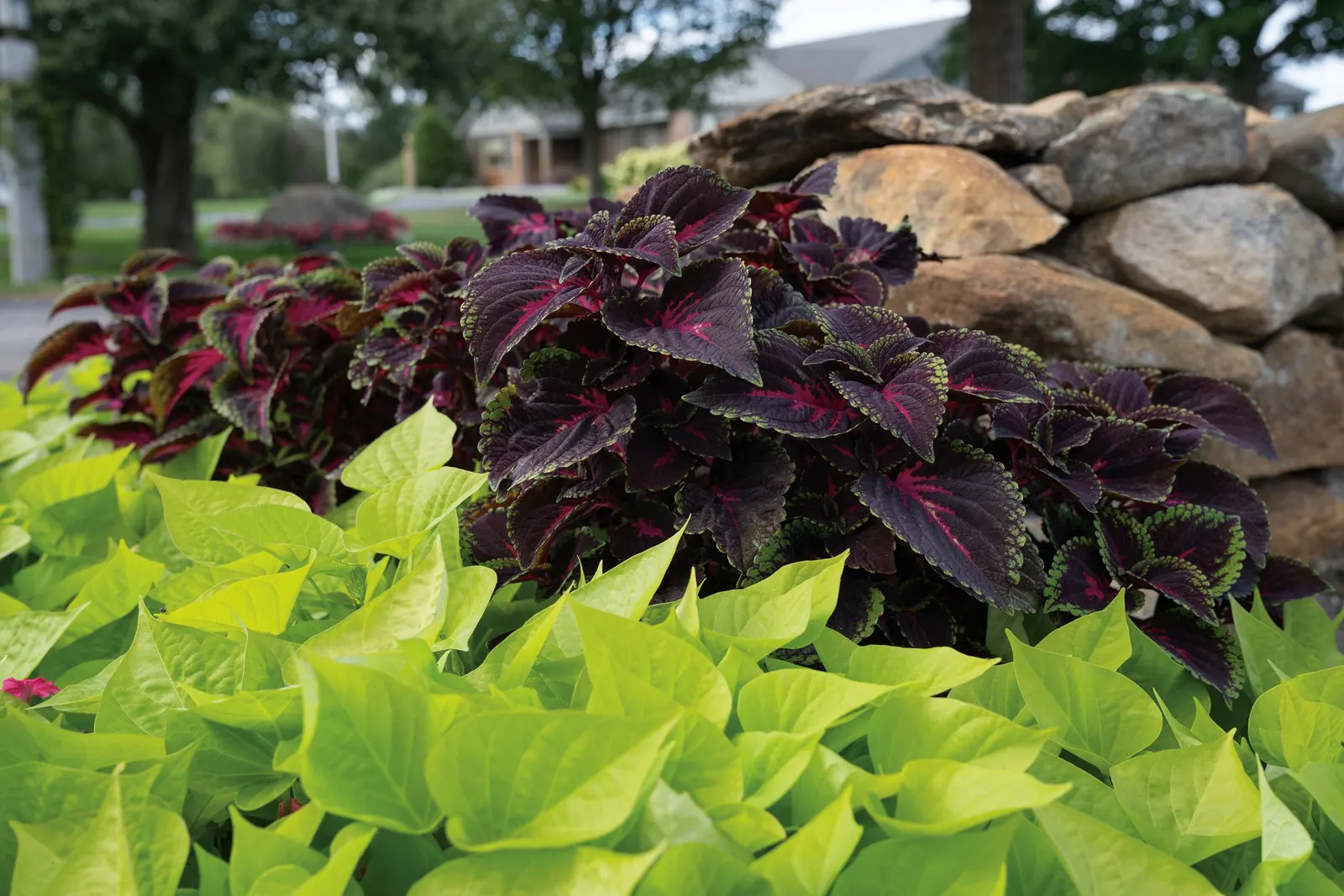
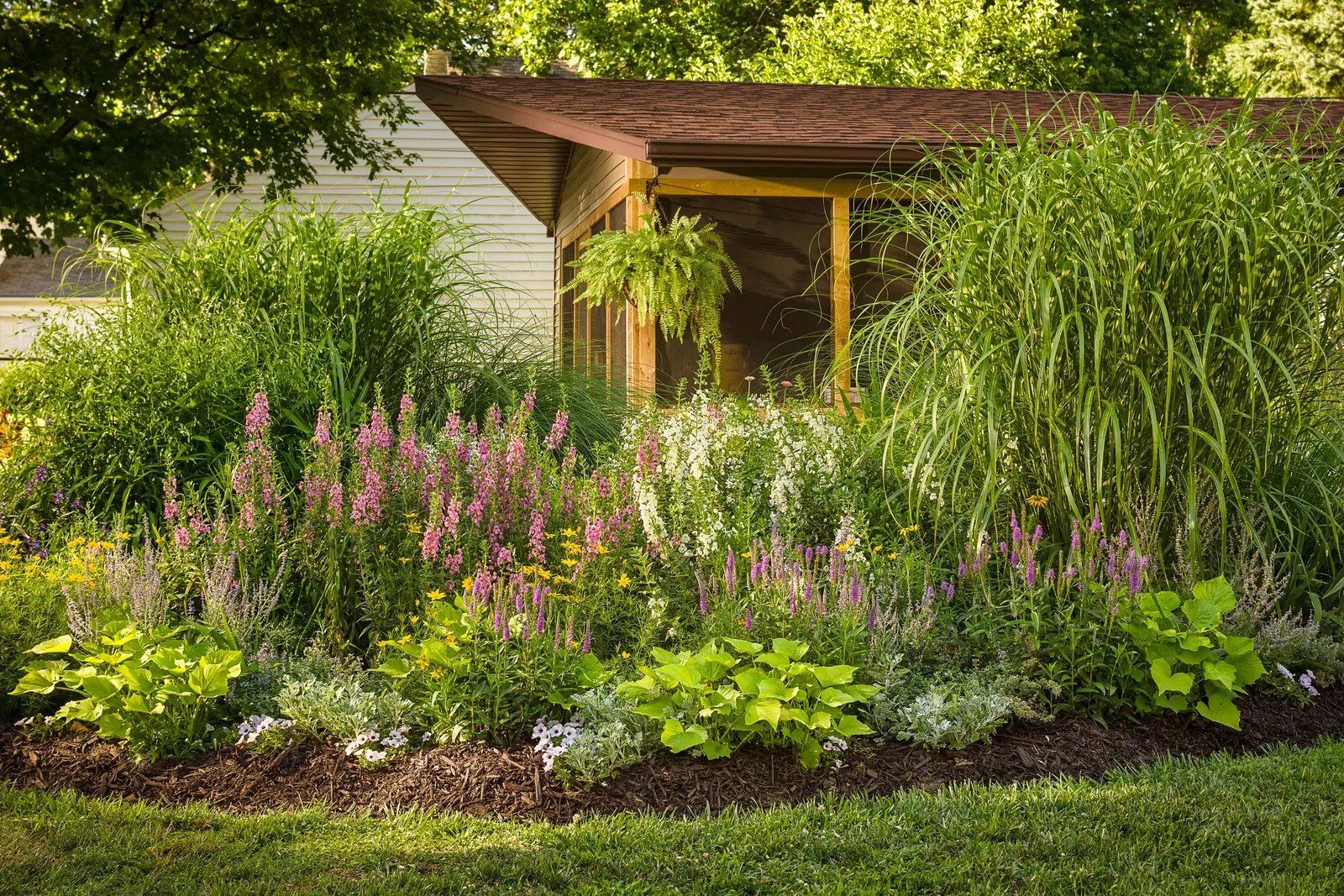
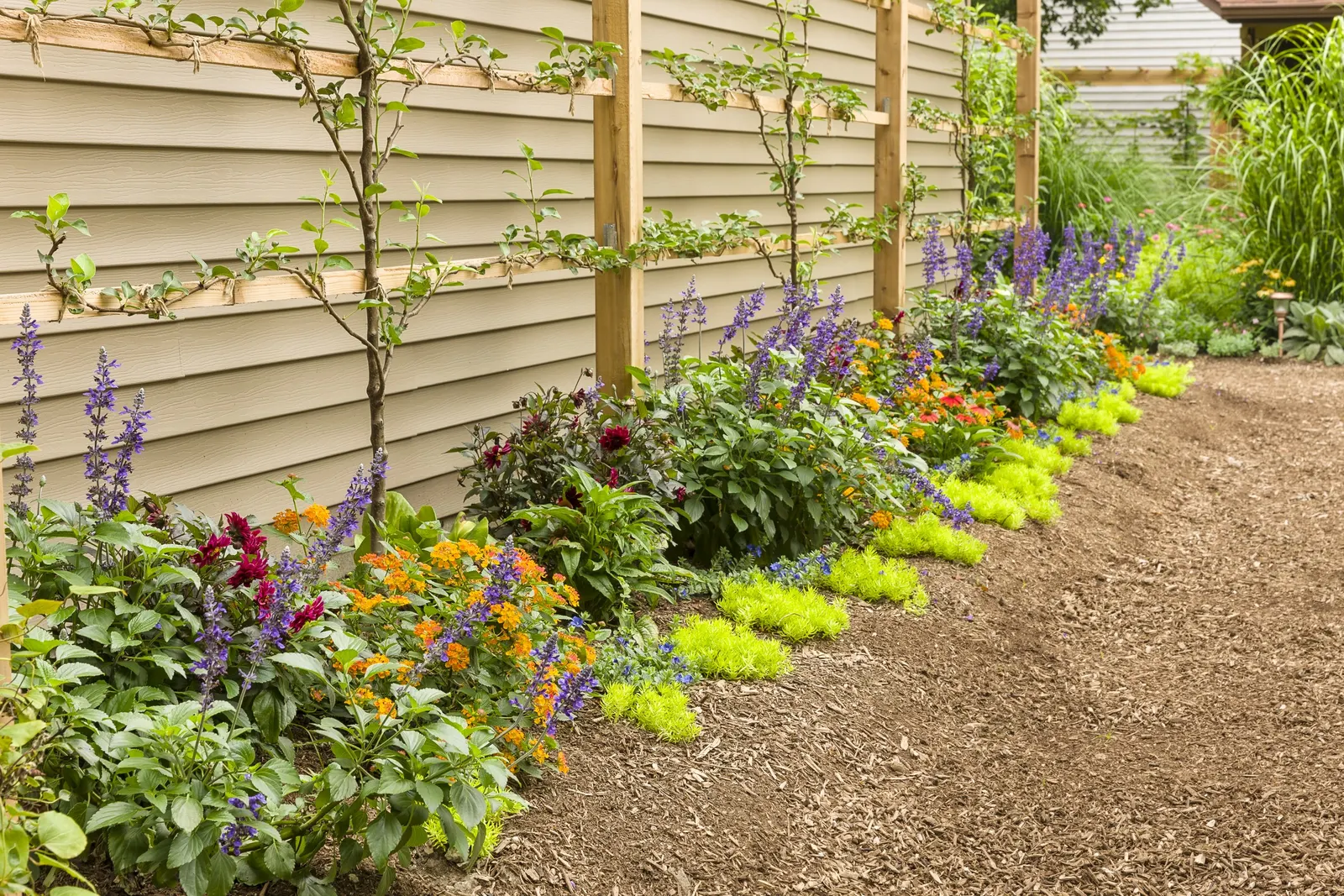
Lime Sweet Potato Vine (Ipomoea) — In the landscape, it makes a vivid annual groundcover, border accent, or mass planting for high-impact color, image 142
Lime Sweet Potato Vine (Ipomoea) — Lime Sweet Potato Vine typically reaches 6 to 16 inches tall with a spread of 20 to 36 inches, image 189
Lime Sweet Potato Vine (Ipomoea) — cascading stems that catch light beautifully in mixed plantings; though gardeners in warm climates often find, image 127
Lime Sweet Potato Vine (Ipomoea) — It is grown as an annual in most regions and is hardy only in USDA Zones 11a to 11b
Lime Sweet Potato Vine (Ipomoea) — is a trailing ornamental annual prized for its luminous lime-chartreuse foliage and exuberant garden presence, image 65
Lime Sweet Potato Vine (Ipomoea) — regular feeding and consistent moisture are especially helpful; brightening deep-toned companions and giving, image 168
Lime Sweet Potato Vine (Ipomoea) — Its vivid color pairs best with robust companions; where frost is not a concern, image 61
Lime Sweet Potato Vine (Ipomoea) — Hardy in USDA Zones 11a-11b; its vivid color pairs best with robust companions, image 63
Lime Sweet Potato Vine (Ipomoea) — an application of compost or balanced fertilizer supports steady growth; in pots; commonly referred to as Lime, image 167
Lime Sweet Potato Vine (Ipomoea) — and shear back stems anytime a cleaner outline is desired; in the landscape, it makes a vivid annual, image 87
Lime Sweet Potato Vine (Ipomoea) — In the landscape, it makes a vivid annual groundcover, border accent, or mass planting for high-impact color
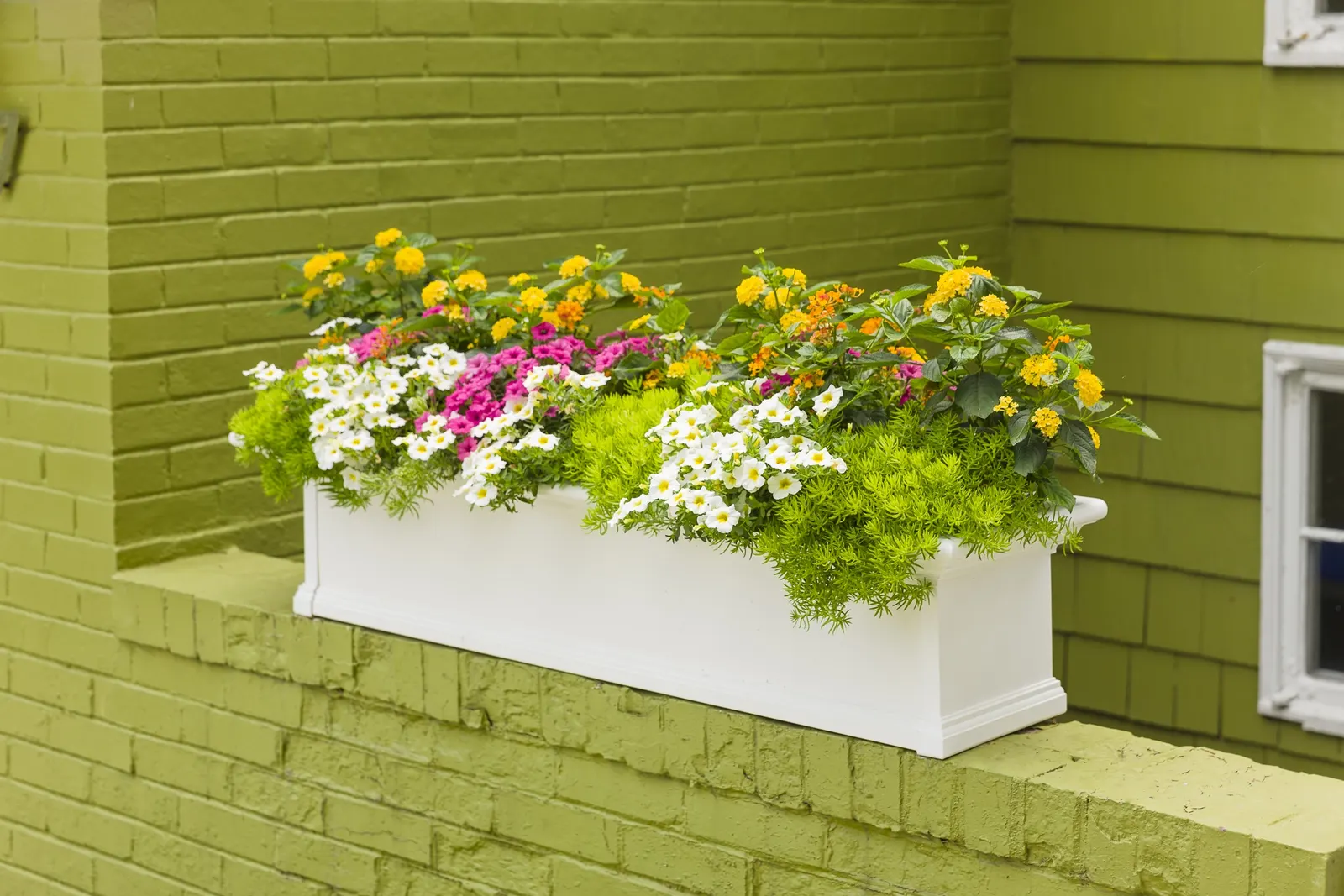
Lime Sweet Potato Vine (Ipomoea) — where its stems can tumble freely; pair it with robust petunias, image 112
Lime Sweet Potato Vine (Ipomoea) — heart-shaped leaves and long; this Proven Winners® selection brings its drama through bold, image 126
Lime Sweet Potato Vine (Ipomoea) — heart-shaped leaves and long; this Proven Winners® selection brings its drama through bold, image 155
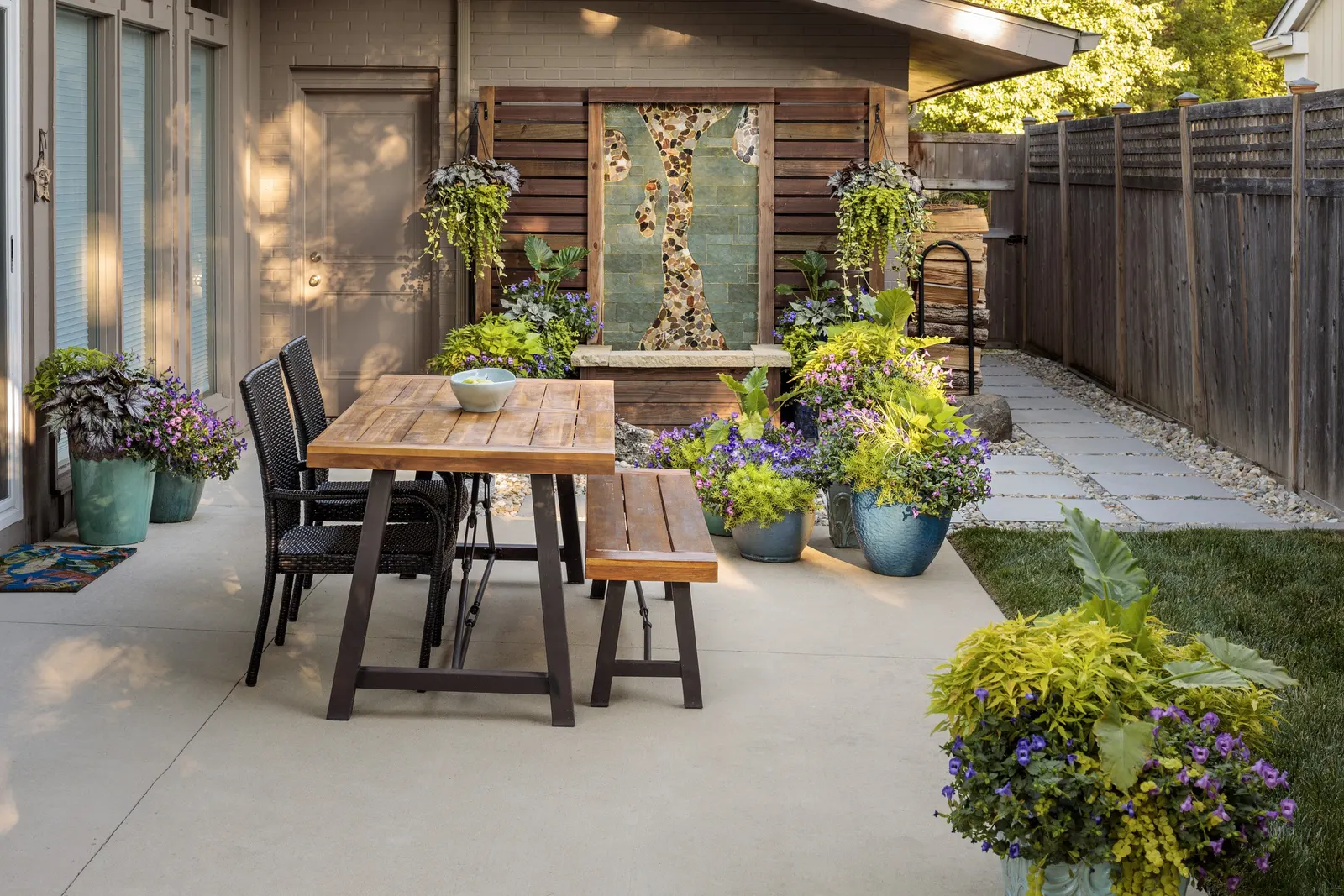
Lime Sweet Potato Vine (Ipomoea) — Gardeners frequently report excellent container performance; where the foliage develops its strongest color and, image 140
Lime Sweet Potato Vine (Ipomoea) — spilling edge.<br><br>At maturity; rather than relying on flowers, image 72
Lime Sweet Potato Vine (Ipomoea) — Pair it with robust petunias; its color reads fresh and vivid from a distance, image 114
Lime Sweet Potato Vine (Ipomoea) — an application of compost or balanced fertilizer supports steady growth; in pots
Lime Sweet Potato Vine (Ipomoea) — Rather than relying on flowers; gardeners frequently report excellent container performance, image 95
Lime Sweet Potato Vine (Ipomoea) — Gardeners frequently report excellent container performance; where the foliage develops its strongest color and, image 169
Lime Sweet Potato Vine (Ipomoea) — brightening deep-toned companions and giving containers a lush; it forms a lush spiller 6-16 inches tall and, image 158
Lime Sweet Potato Vine (Ipomoea) — where frost is not a concern; is a trailing ornamental annual prized for its luminous lime-chartreuse foliage, image 134

Related plants