Skip to content

Winterberry

Ilex Verticillata

Design with this plant

Overview

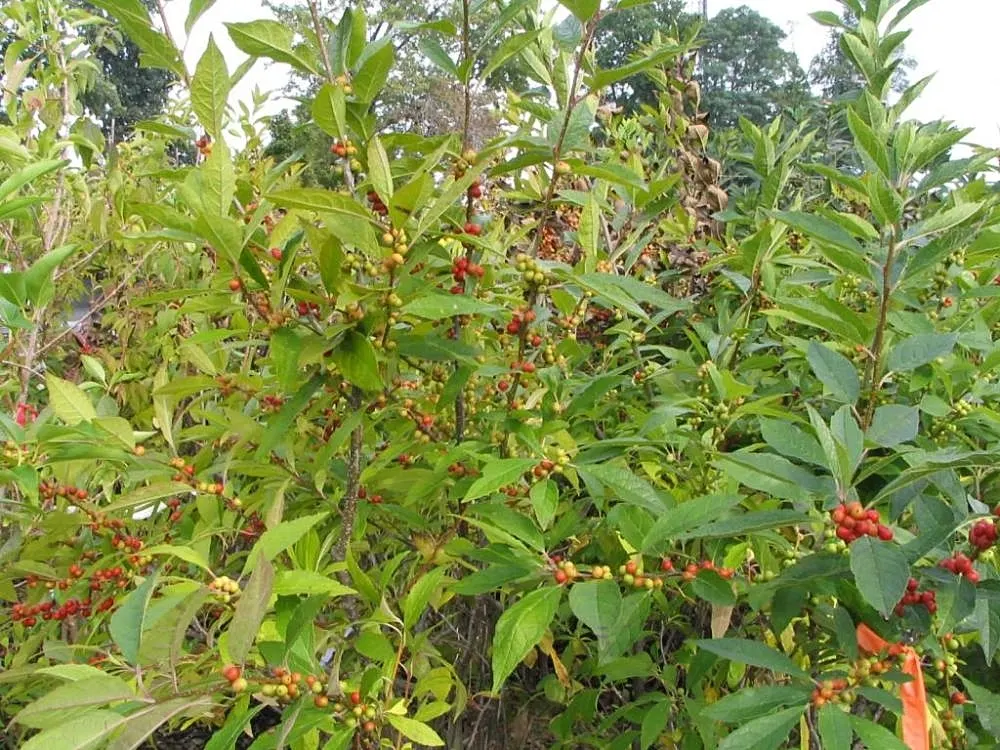
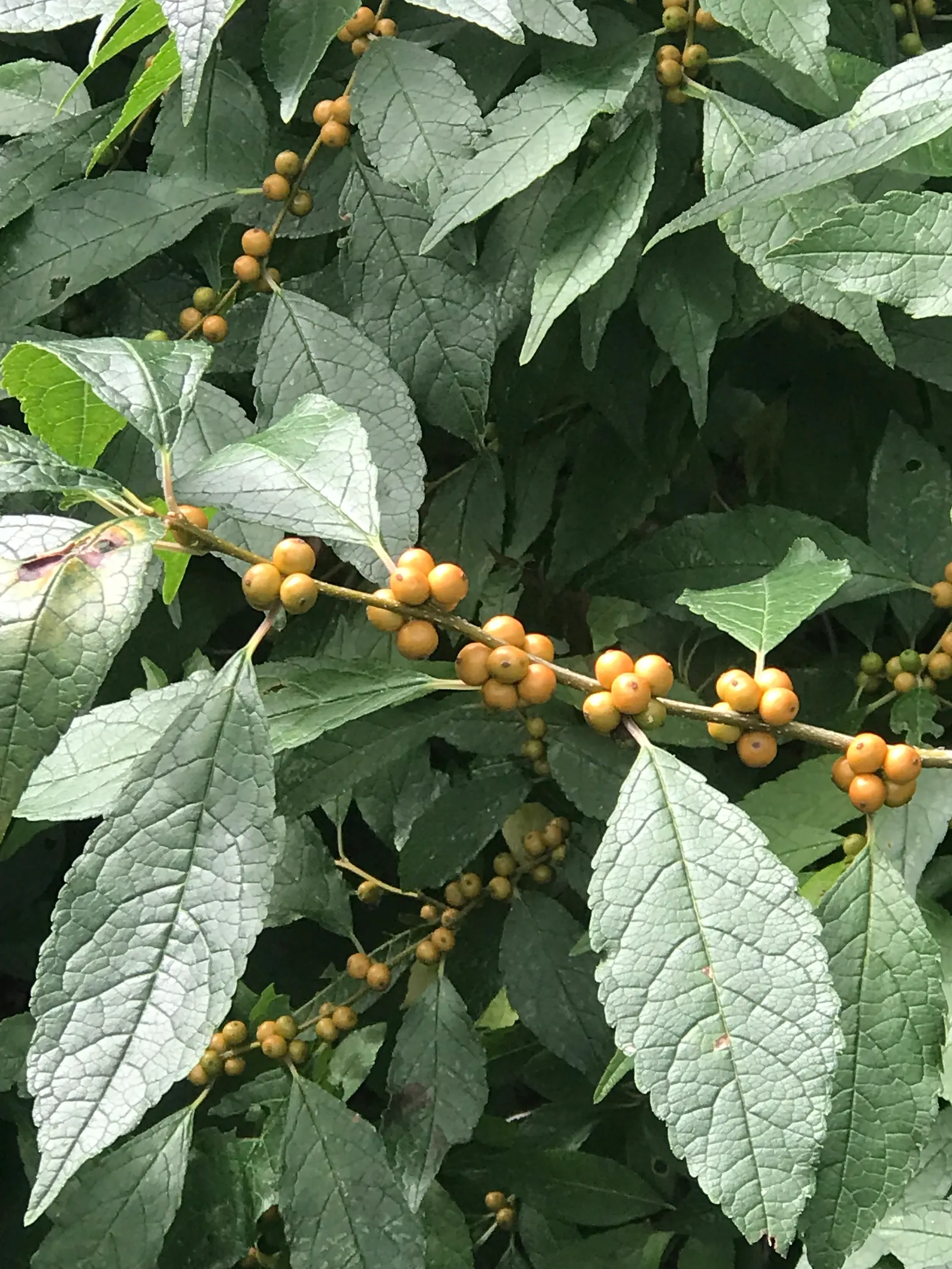
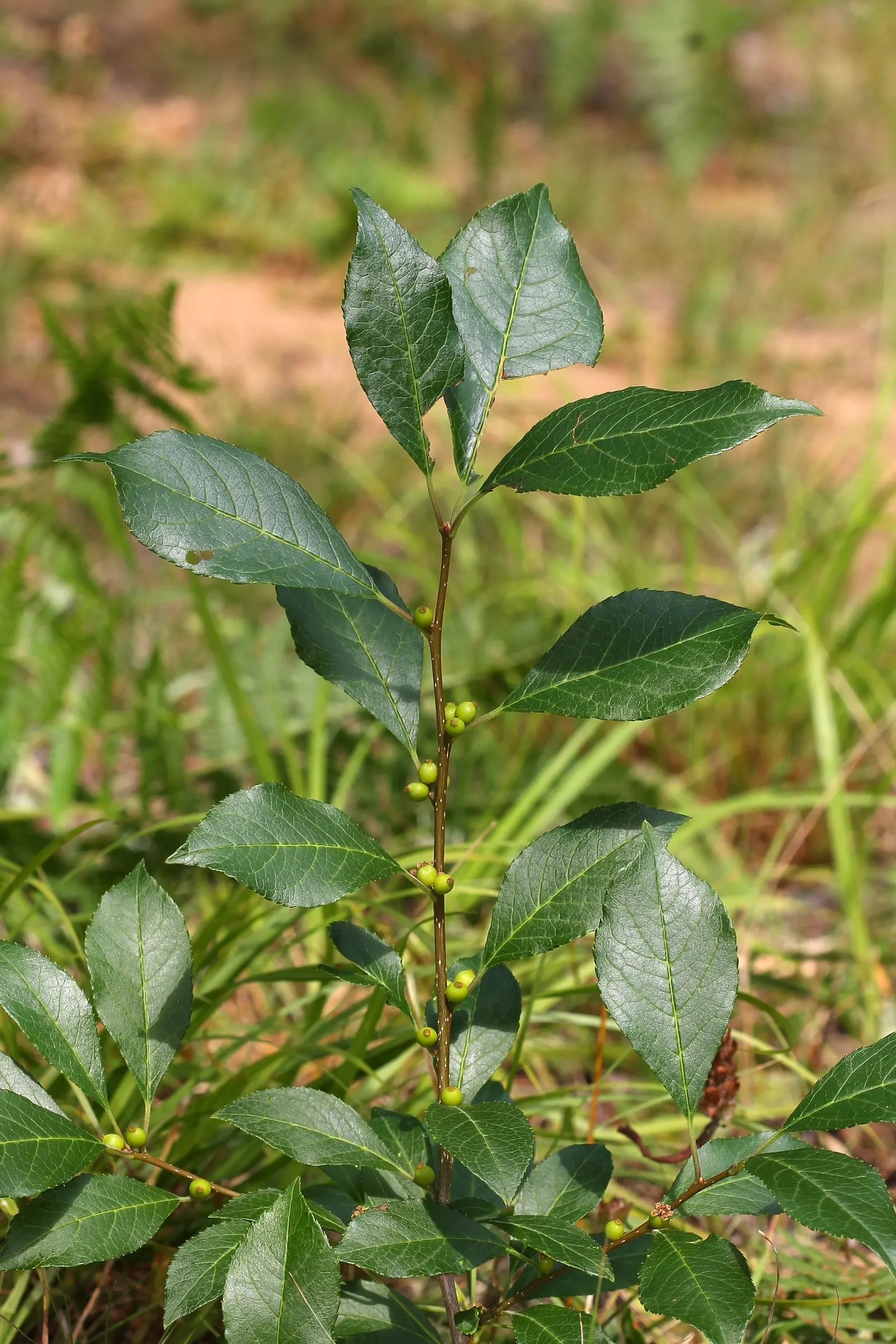
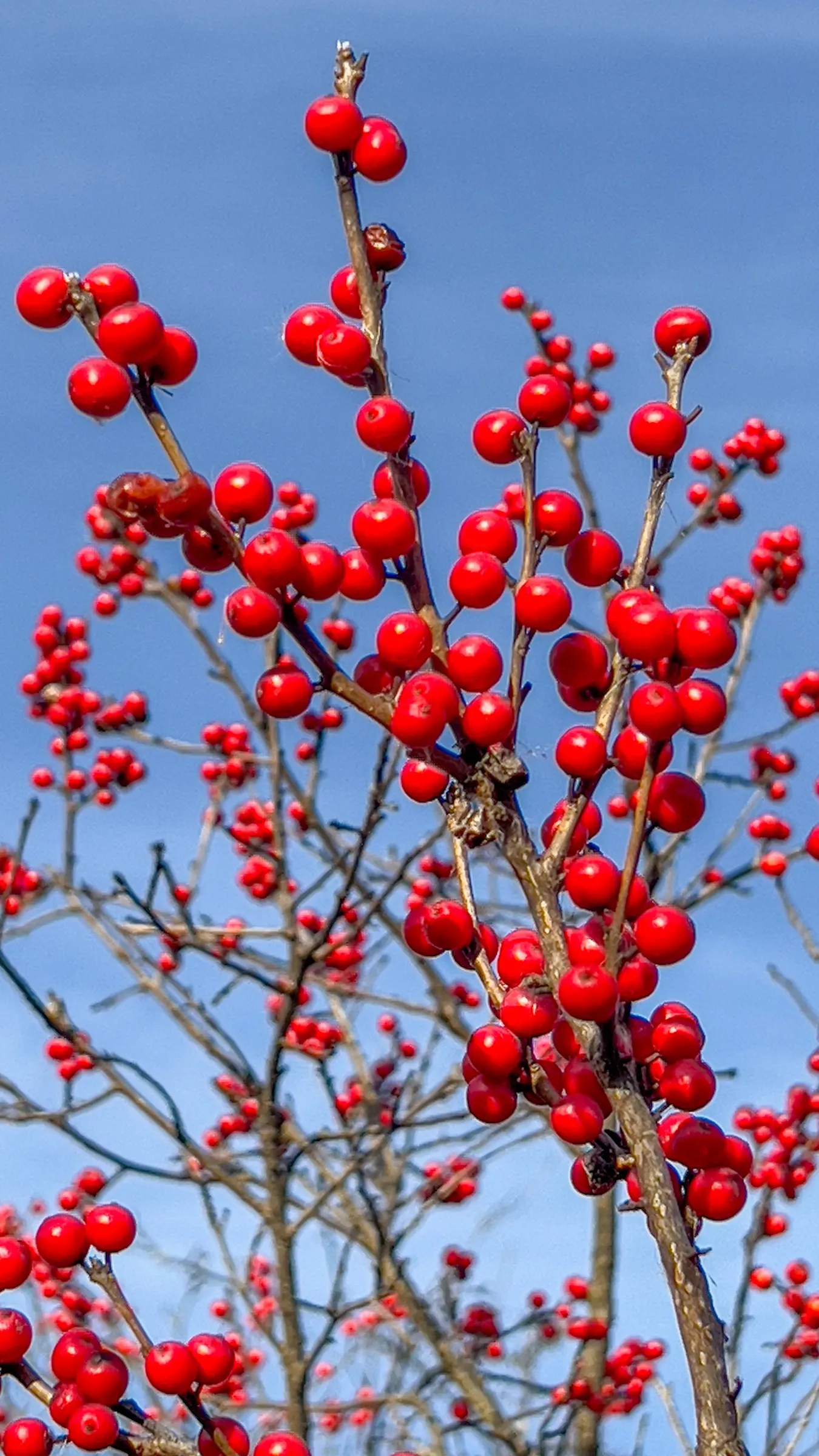
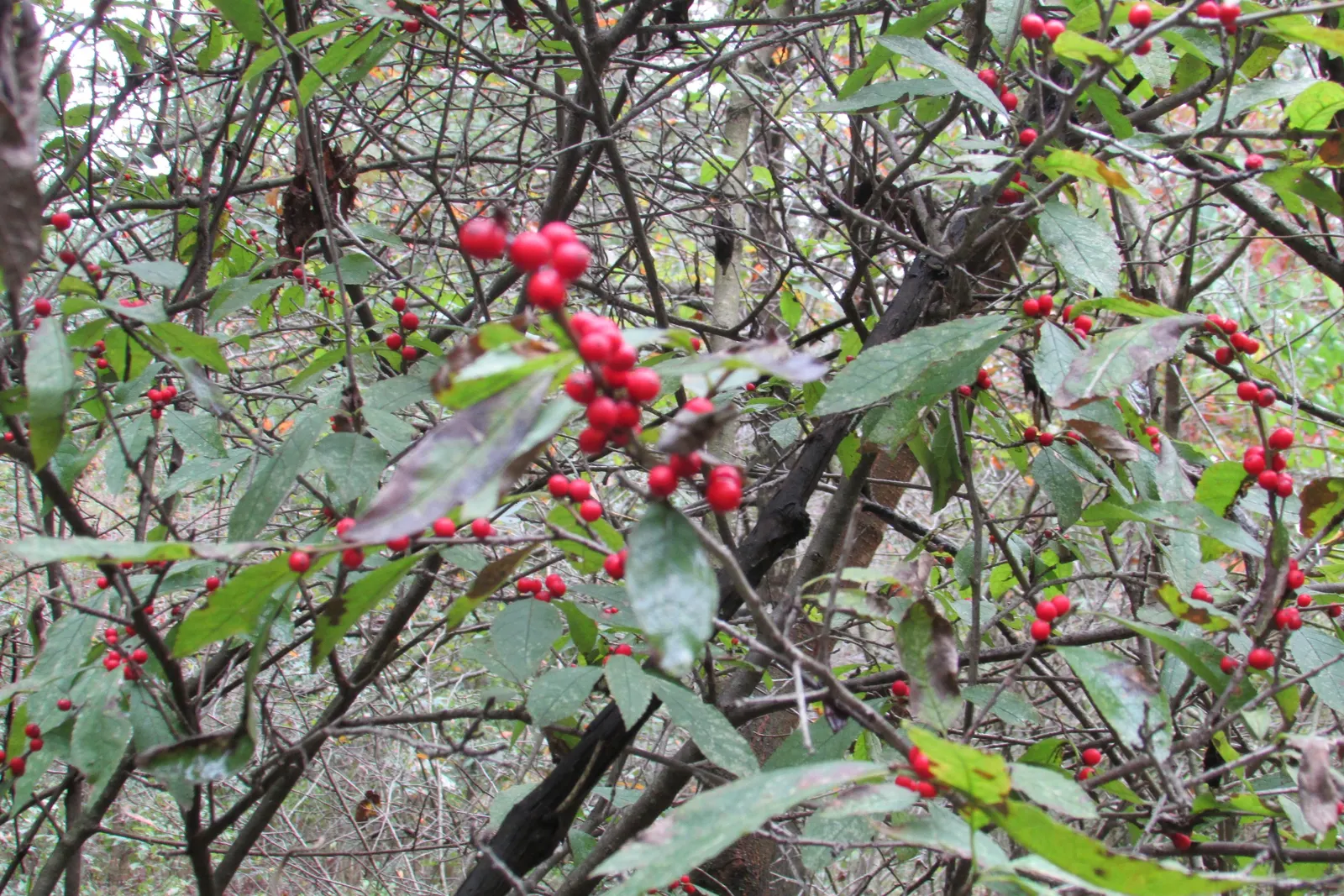
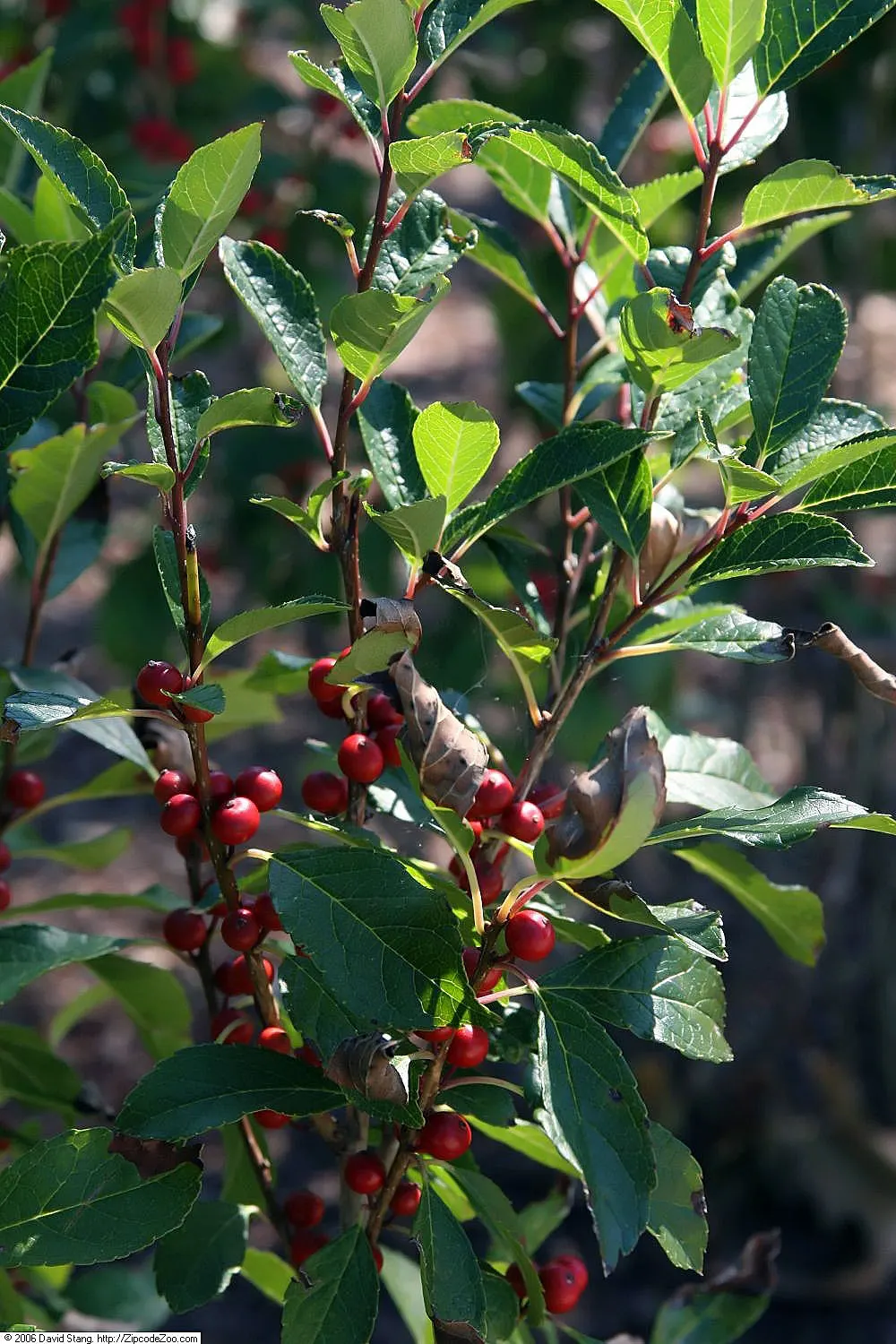
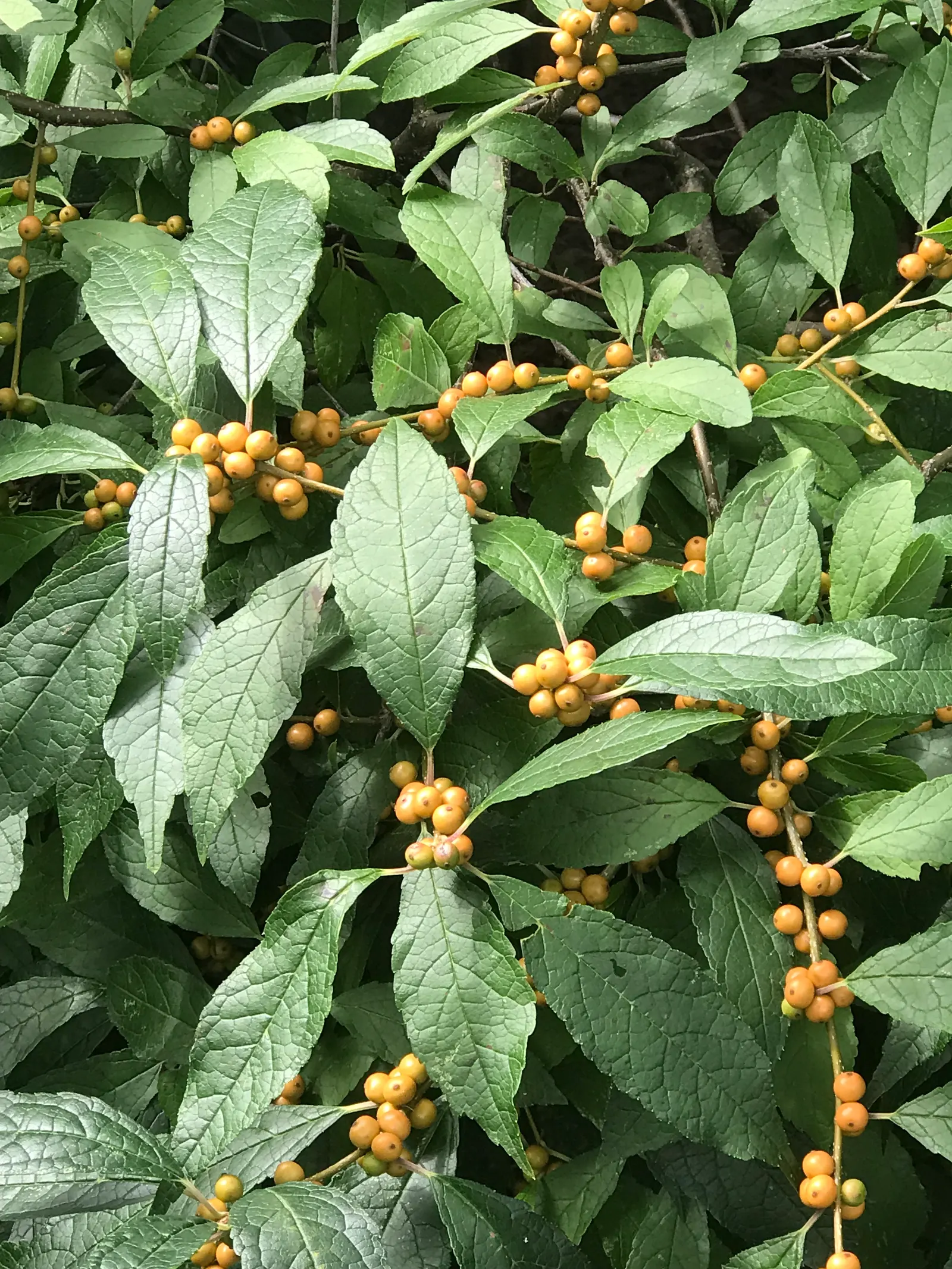
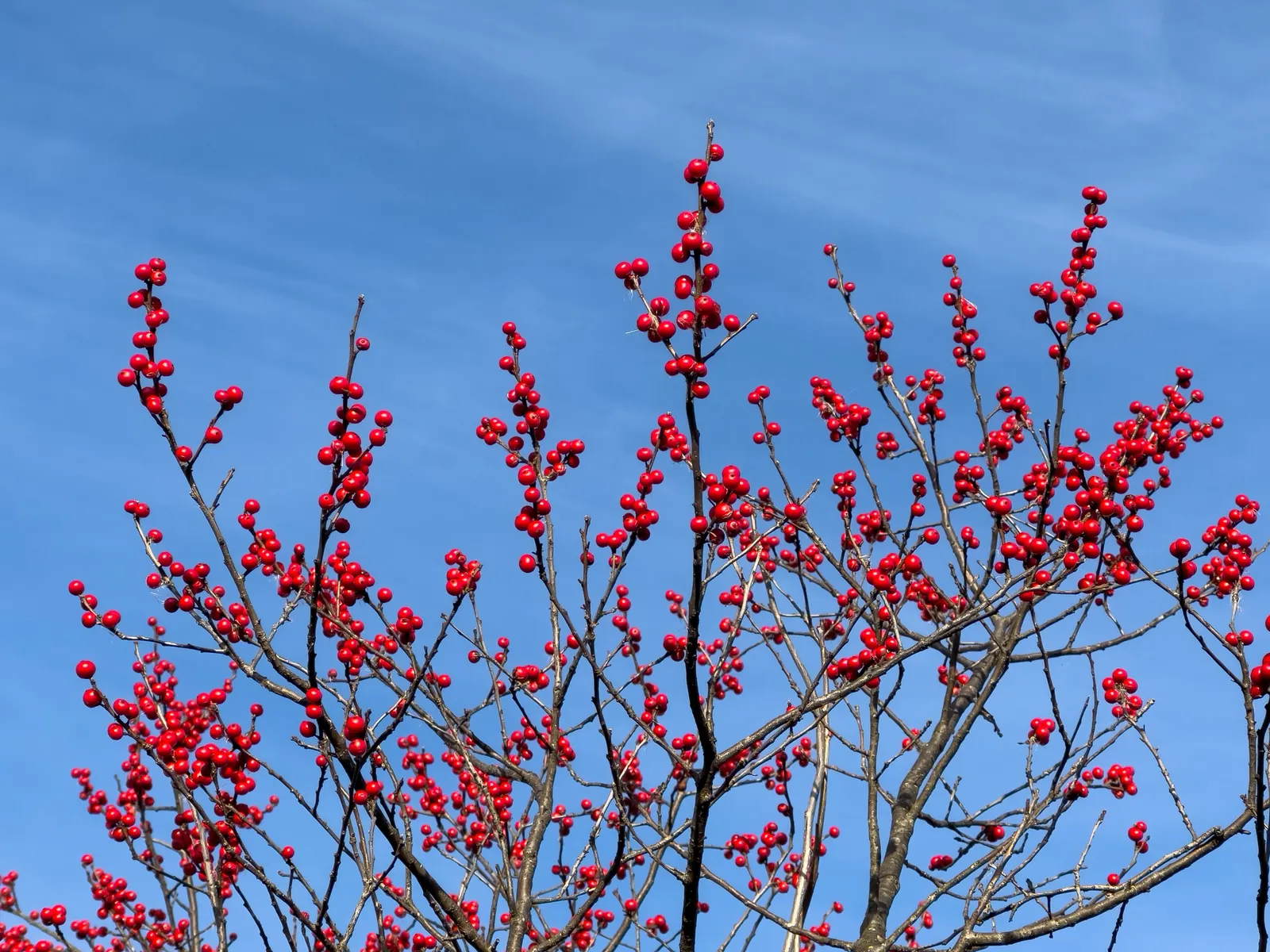
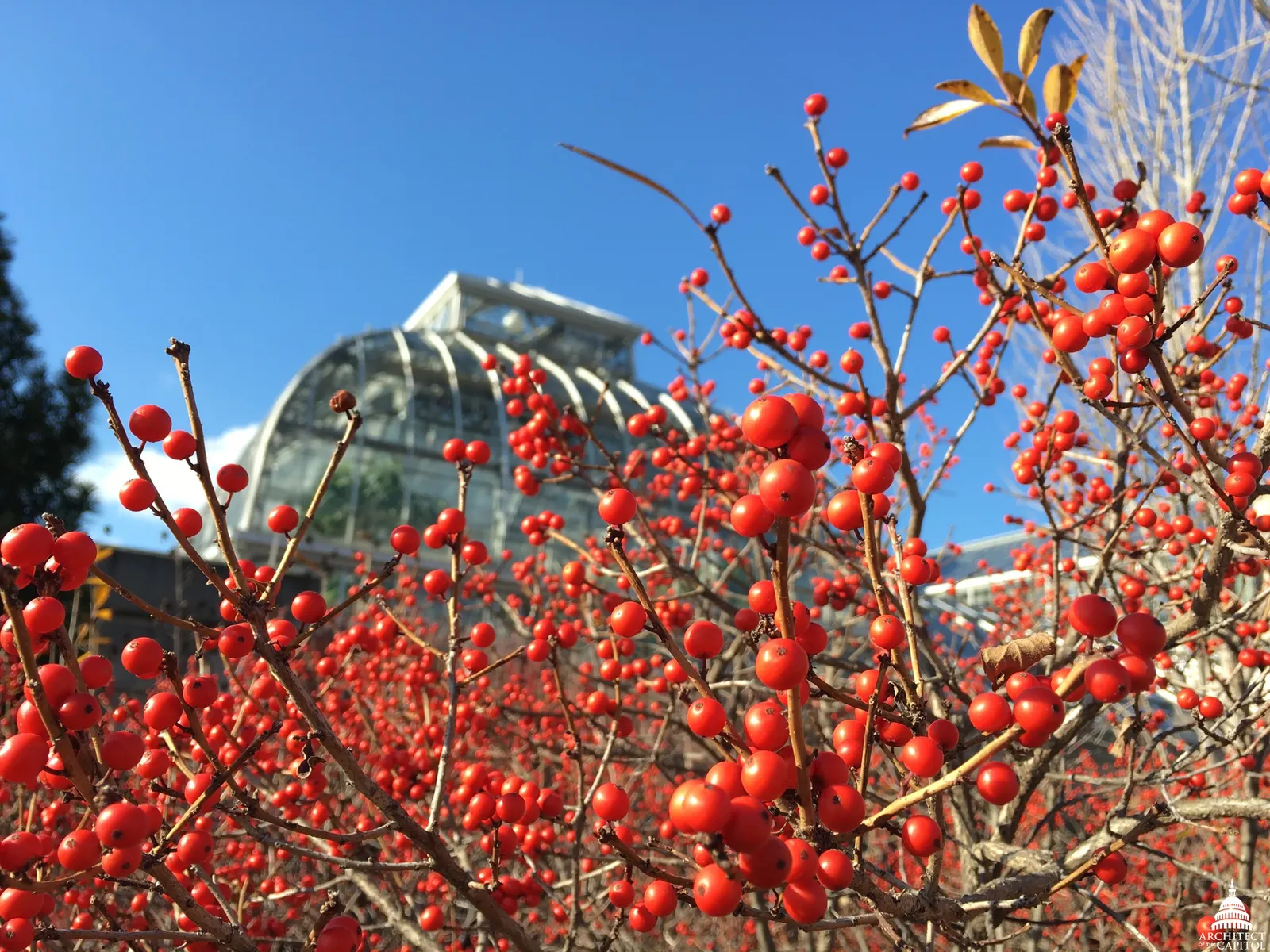
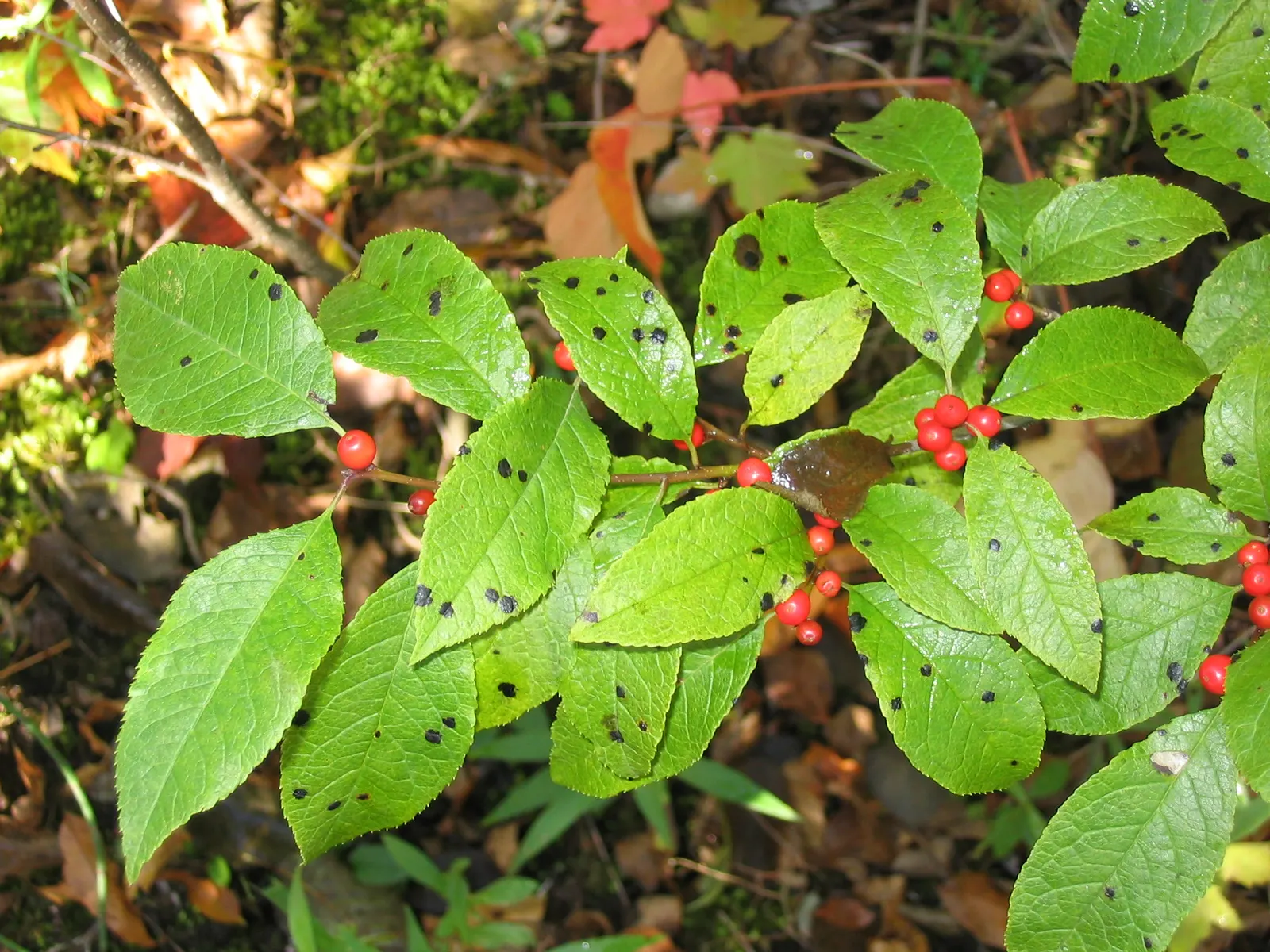
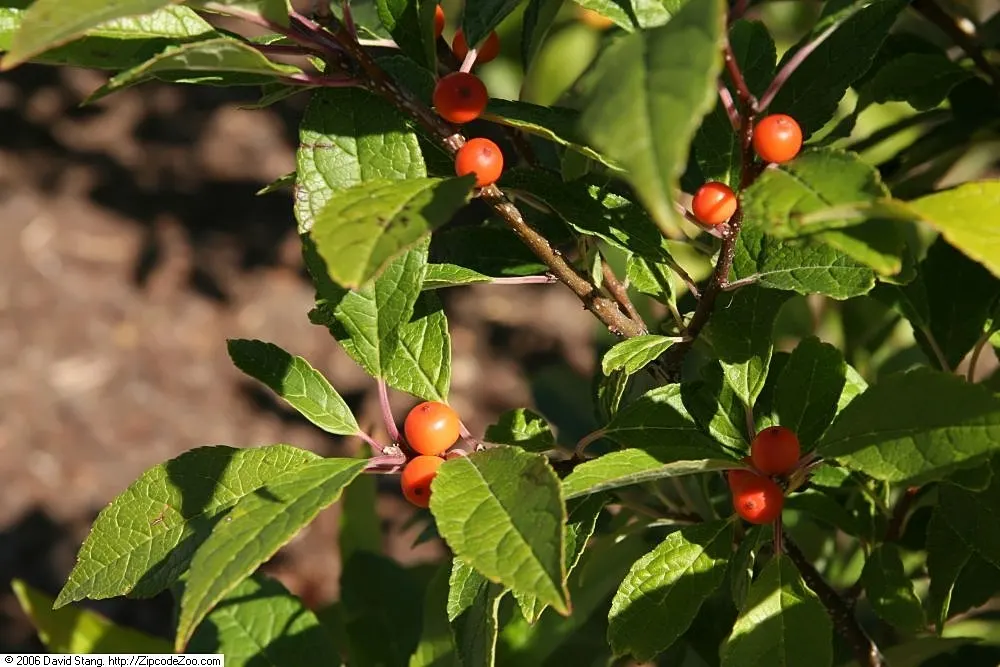
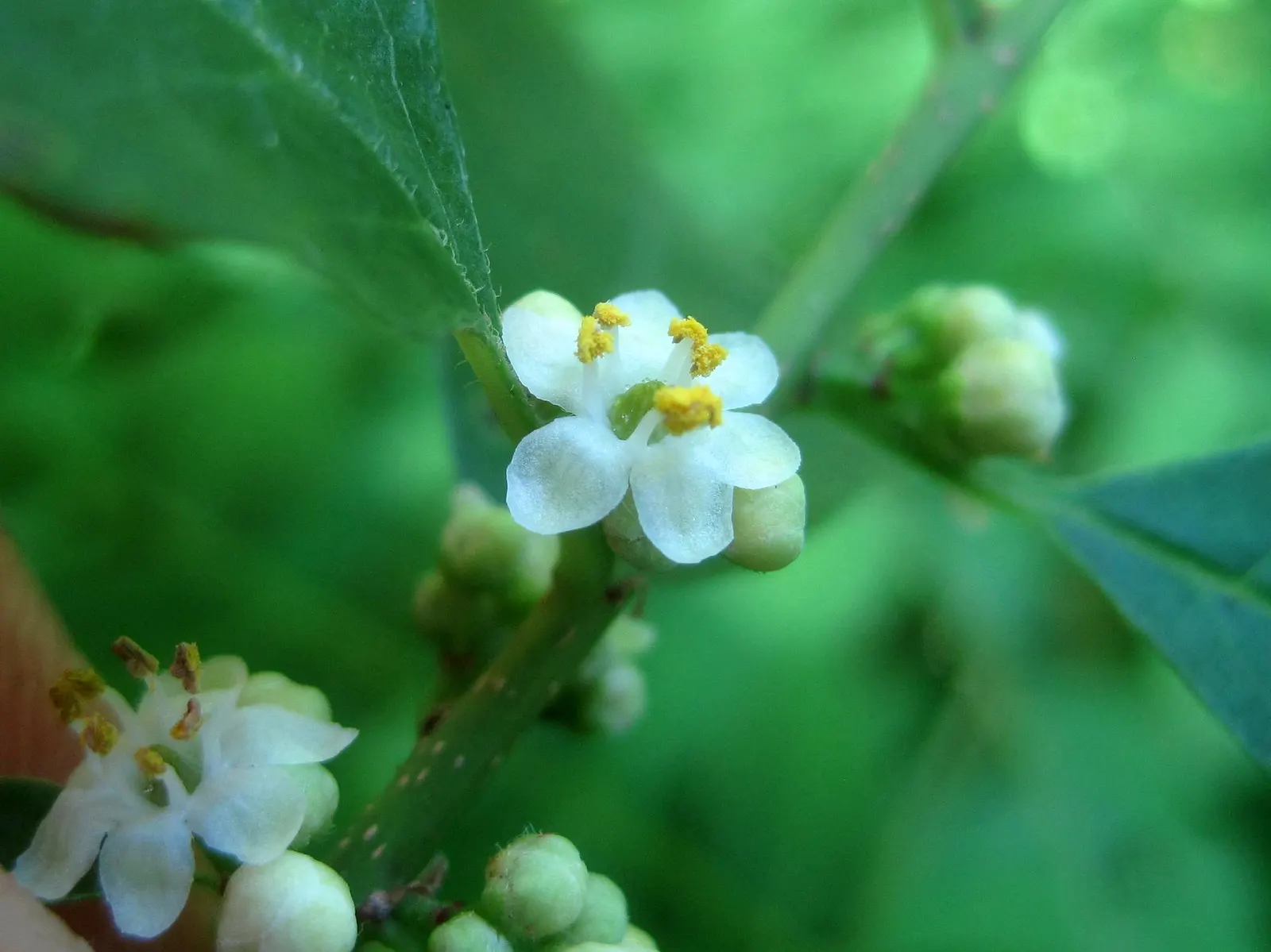
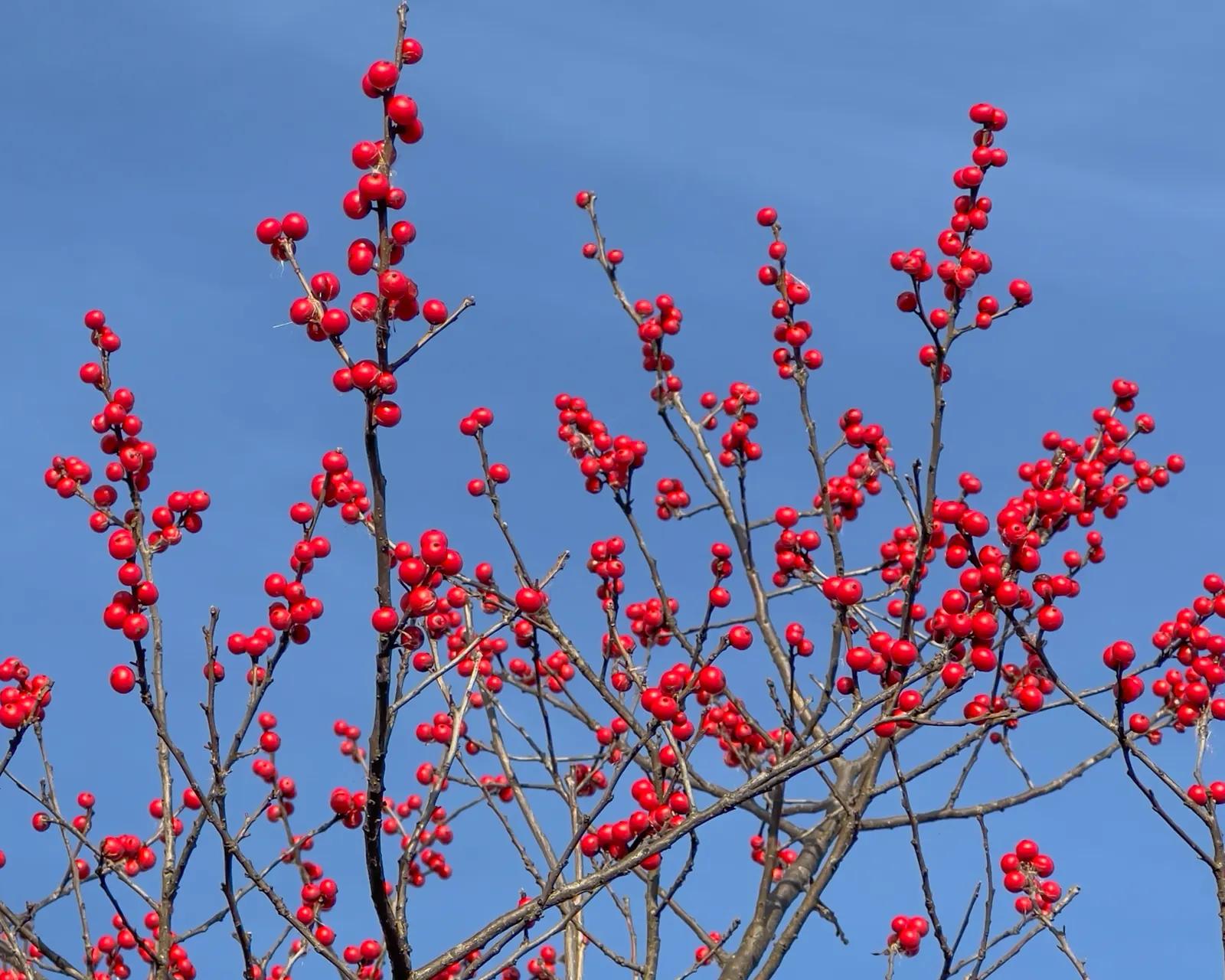
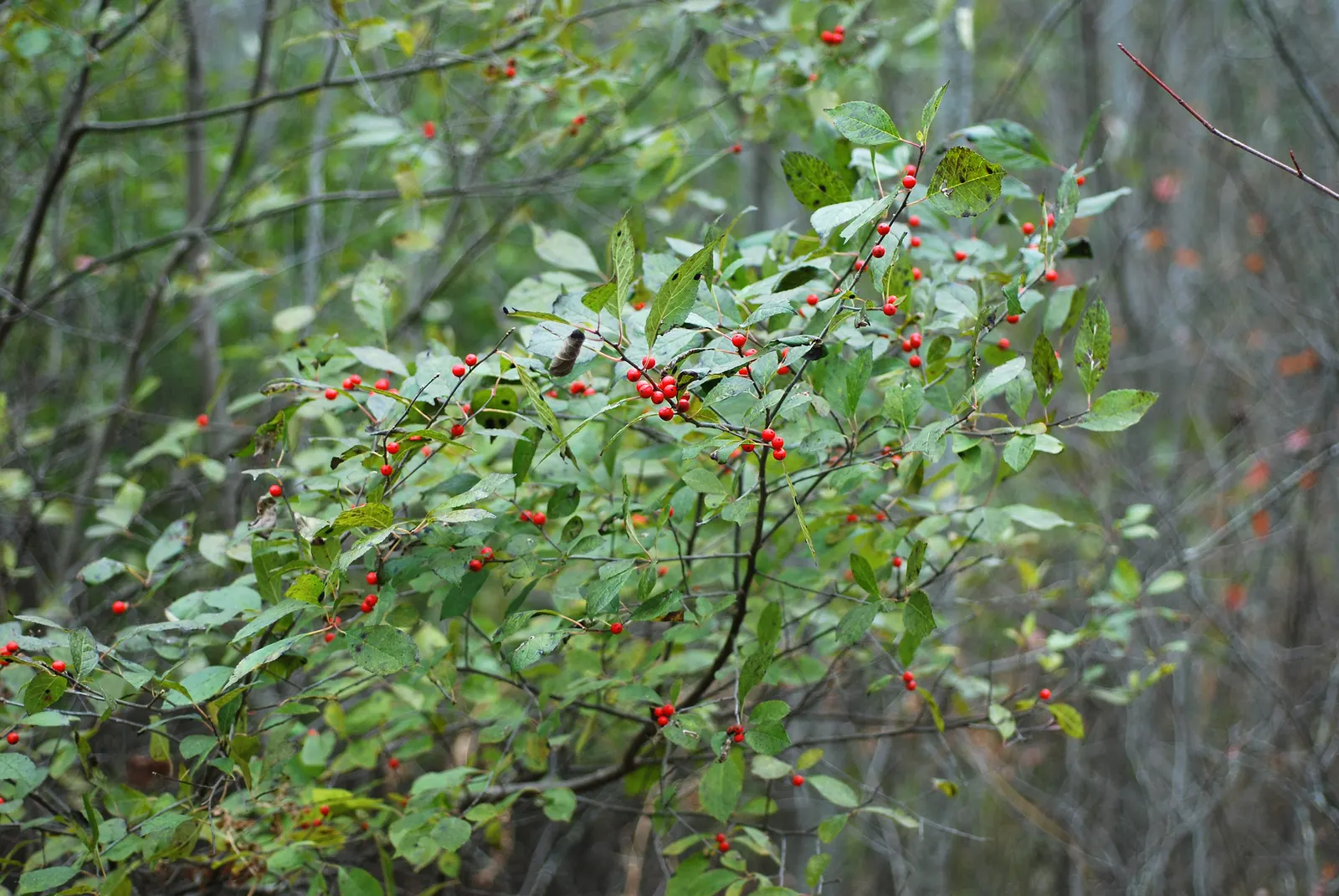
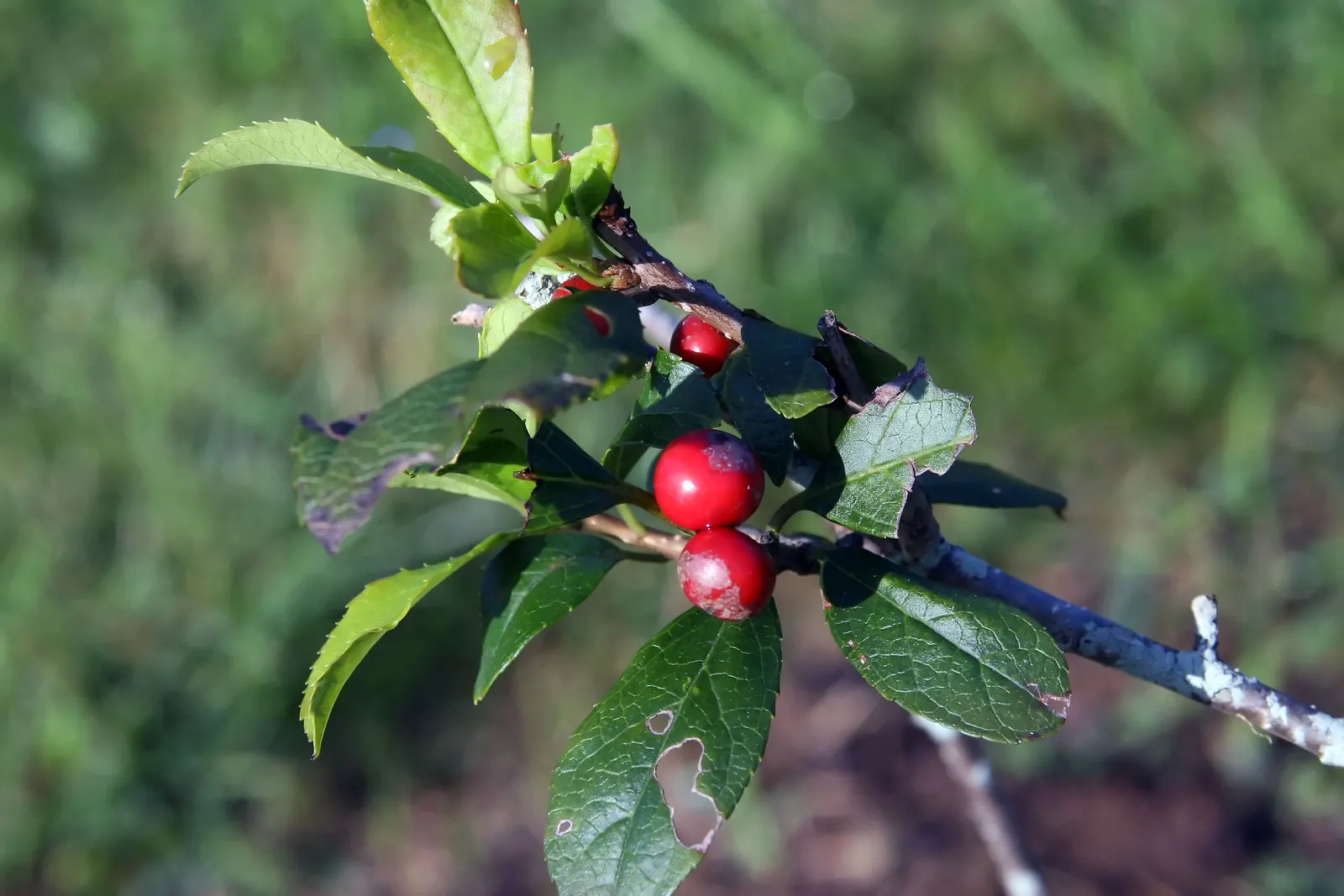
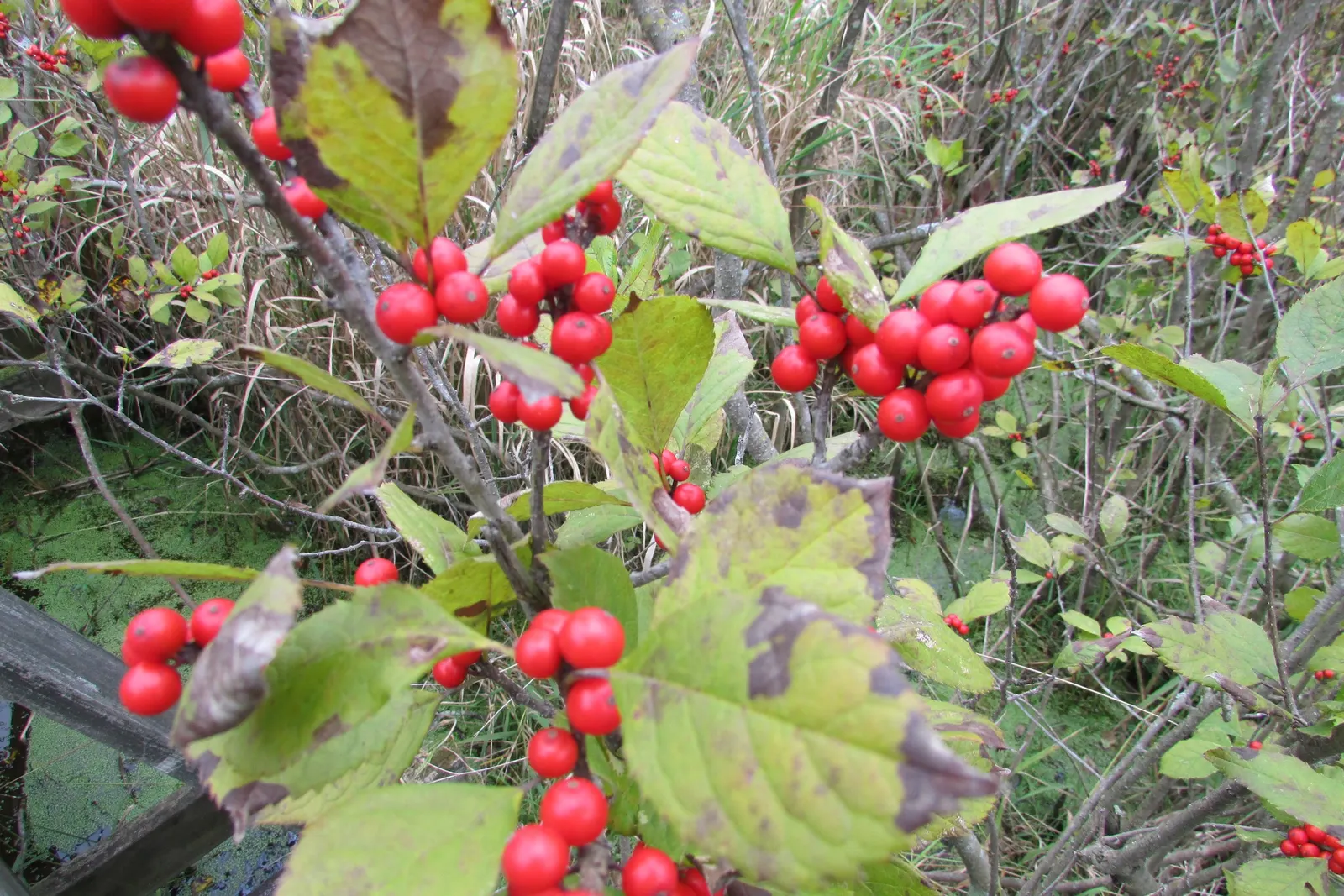
Winterberry (Ilex verticillata) is a deciduous holly with a high visual impact in the landscape, particularly in winter. It grows 3-12 feet tall and wide, preferring full sun to partial shade and moist, acidic soils. Notable for its bright red berries that persist into winter, this plant provides food for birds. Dioecious in nature, both male and female plants are required for fruit production. A striking choice for naturalistic plantings and winter interest.

Sun Full, HalfWater MediumZones 3–9Climate Temperate
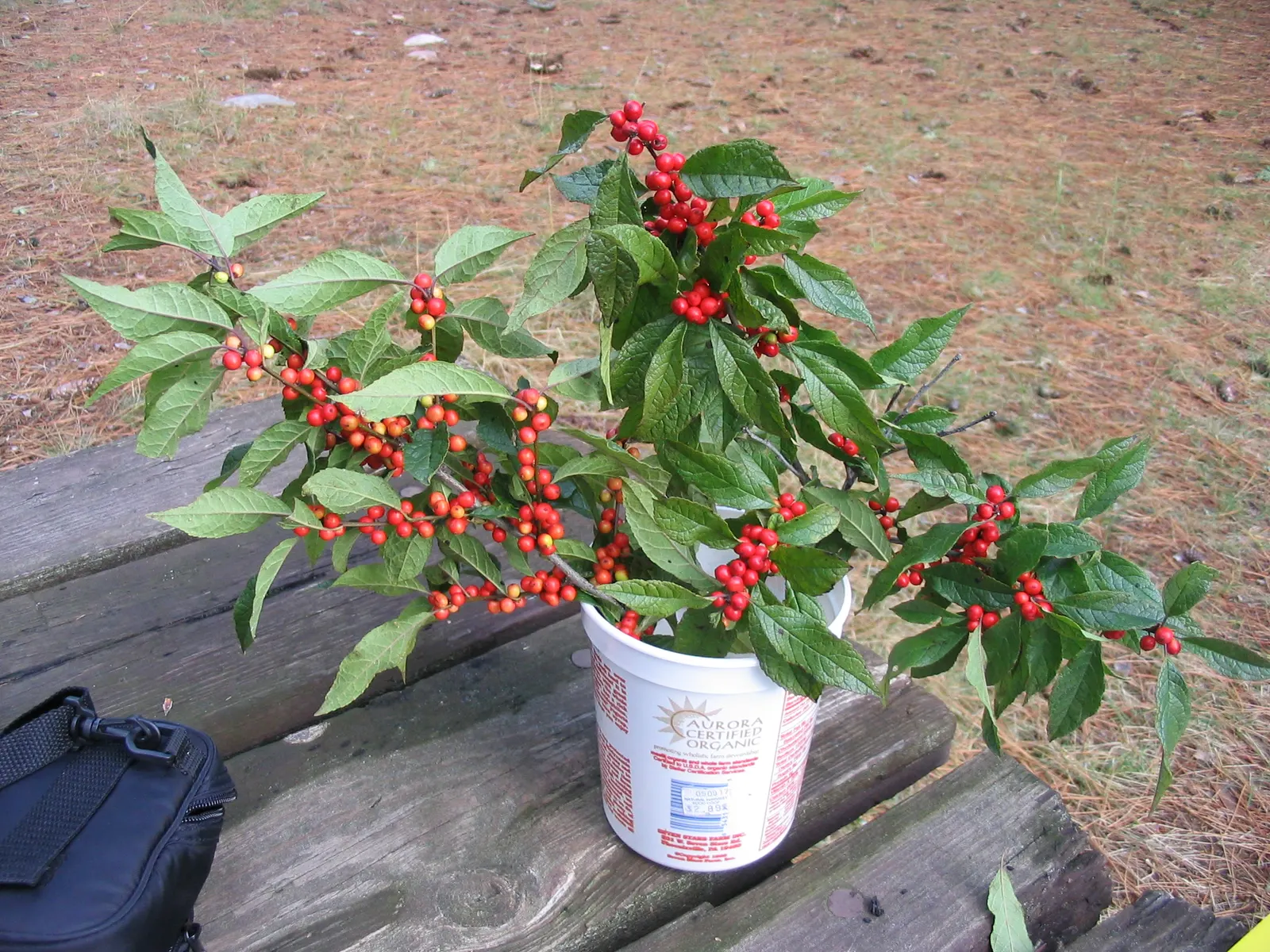
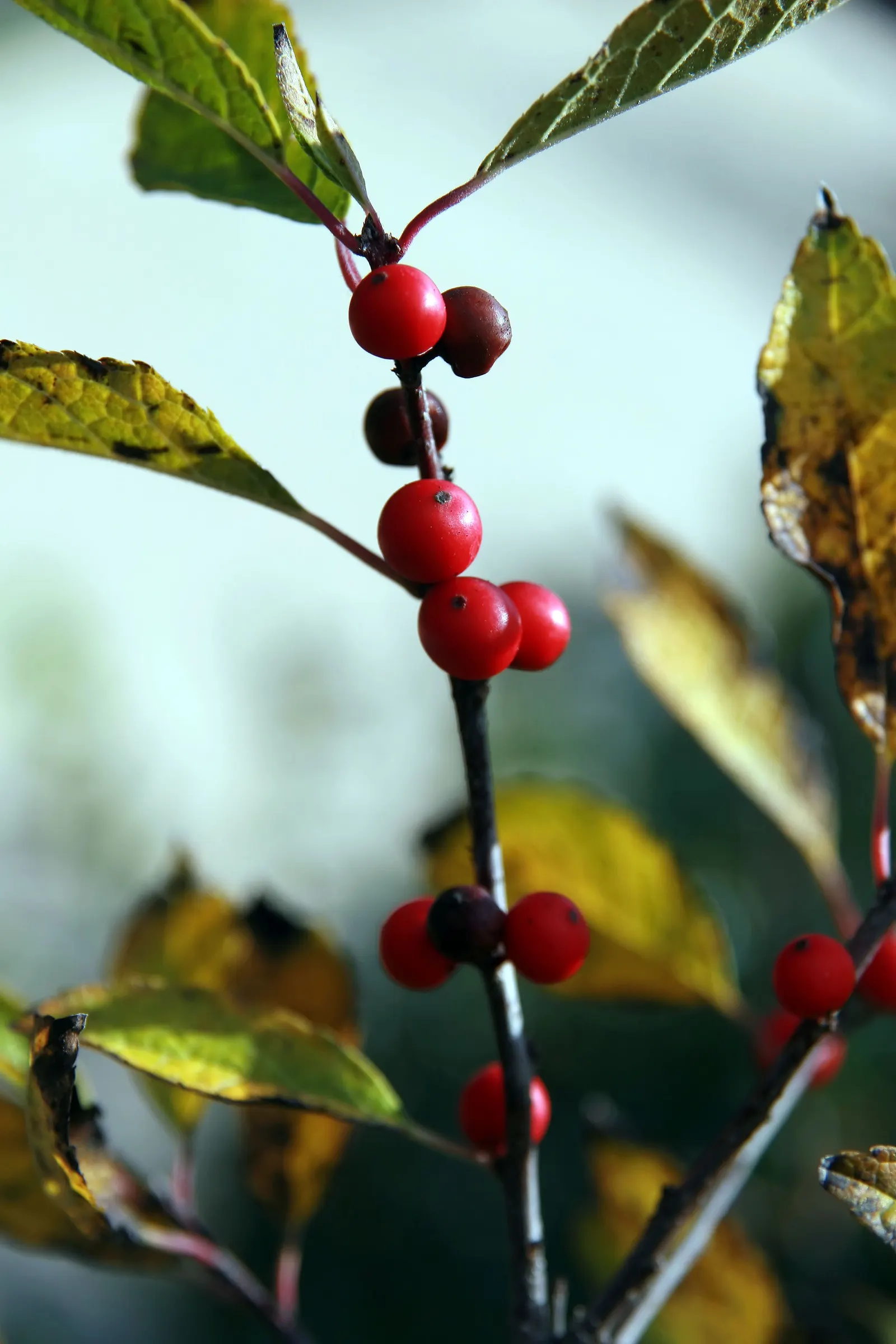
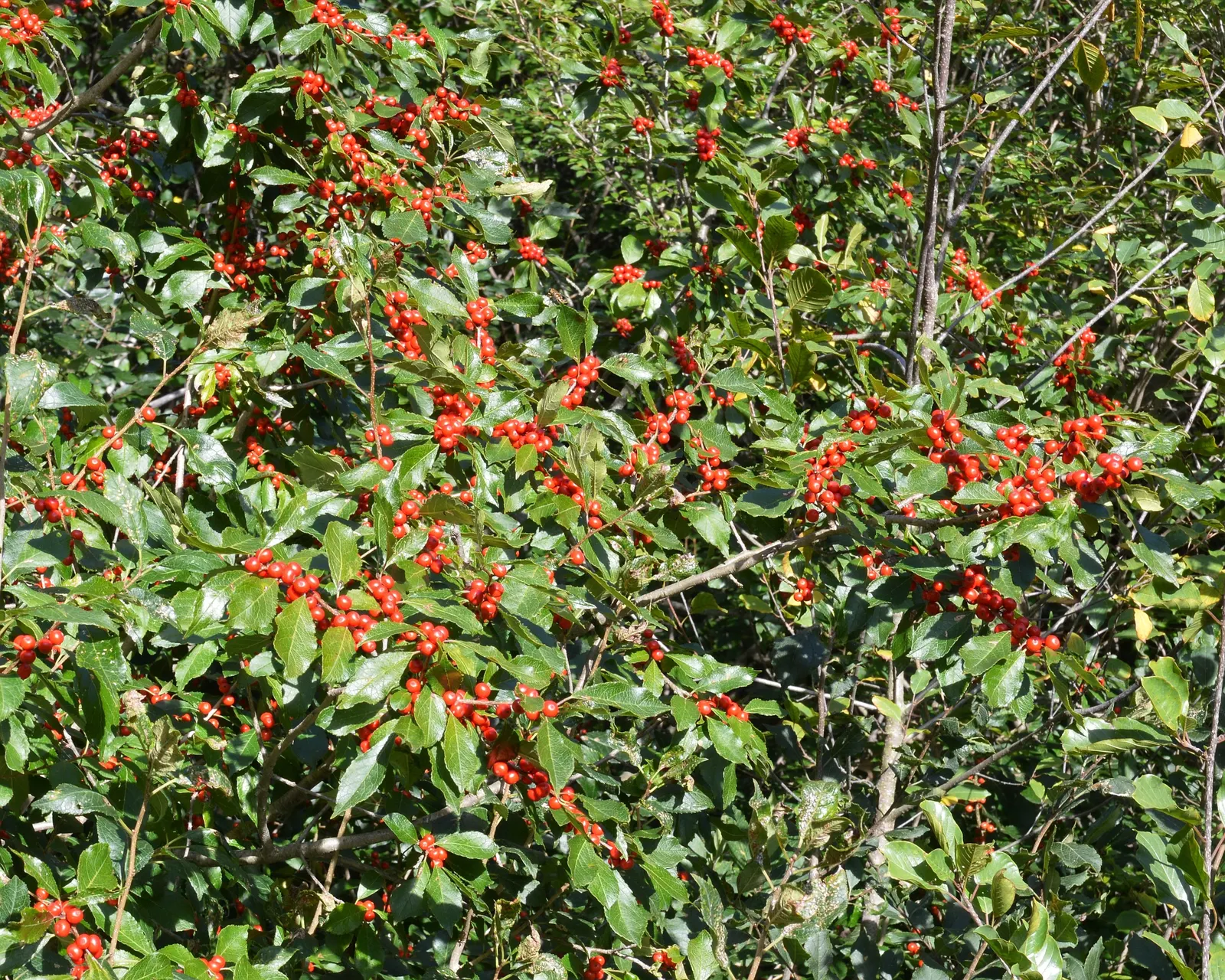
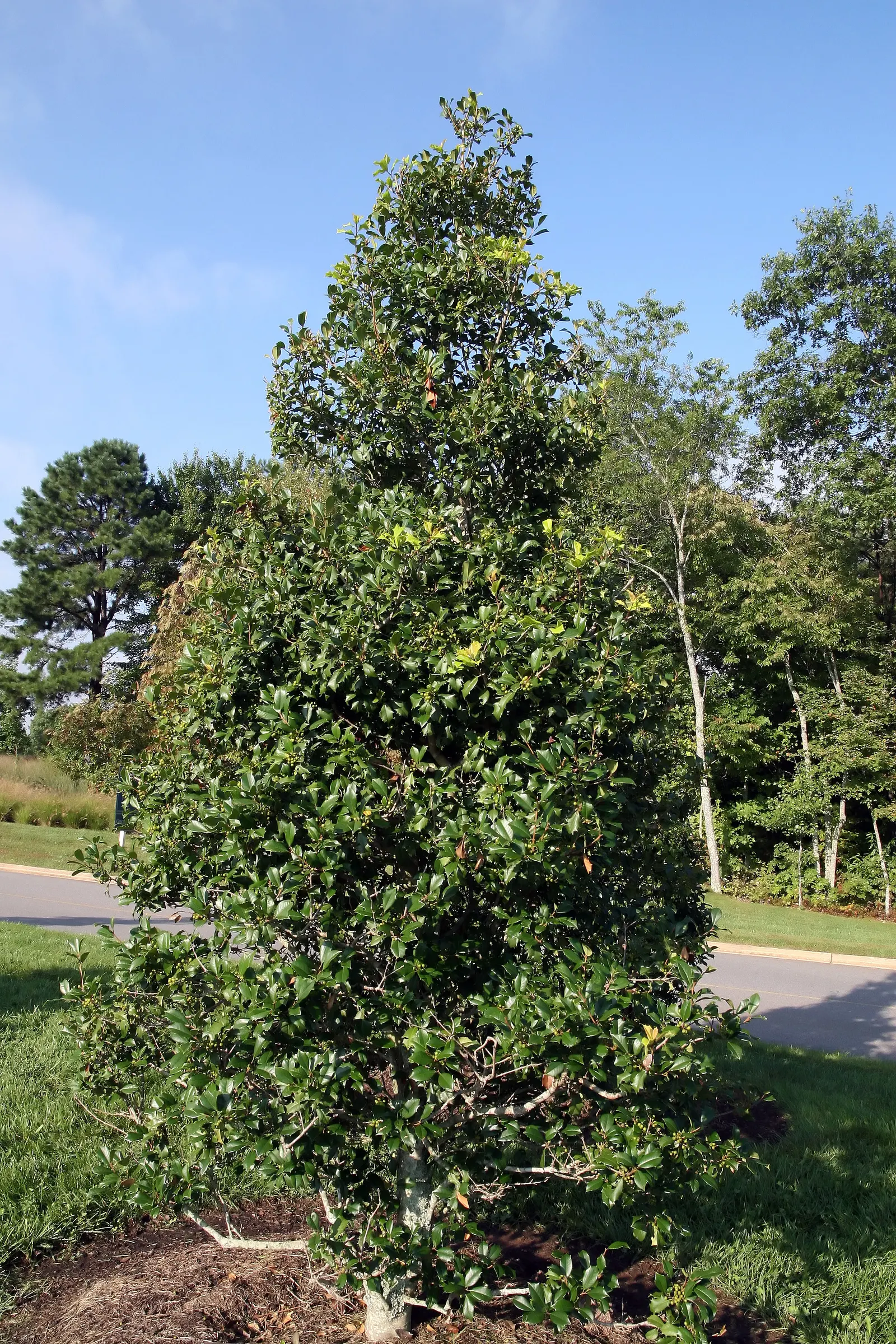
Winterberry (Ilex Verticillata) — Dioecious in nature, both male and female plants are required for fruit production

Culture

Sun
Full, Half
Water
Medium
USDA zones
3–9

Shape & size

Mature height
3–12 Ft.
Mature width
3–12 Ft.

Classification

Family
Aquifoliaceae
Climate
Temperate

See full data, regional cultivation notes, full-resolution photos, and design tools. Build a client presentation around this plant.

Start your 14-day trial

Photos (110)

Winterberry (Ilex Verticillata) — dark green leaves create a lush backdrop before yielding to a yellowish autumn hue.<br><br>In landscape design; although it
Winterberry (Ilex Verticillata) — such as near ponds or streams.<br><br>For optimal berry production; a striking choice for naturalistic plantings and winter
Winterberry (Ilex Verticillata) — It grows 3-12 feet tall and wide, preferring full sun to partial shade and moist, acidic soils; with a spread of, image 54
Winterberry (Ilex Verticillata) — Notable for its bright red berries that persist into winter, this plant provides food for birds; requiring both, image 55
Winterberry (Ilex Verticillata) — Dioecious in nature, both male and female plants are required for fruit production; shrub with green and white, image 56
Winterberry (Ilex Verticillata) — A striking choice for naturalistic plantings and winter interest; the Winterberry (Ilex verticillata) is an, image 57
Winterberry (Ilex Verticillata) — Winterberry (Ilex verticillata) is a deciduous holly with a high visual impact in the landscape; dioecious in, image 53
Winterberry (Ilex Verticillata) — shrub for full or half; or in mass plantings for a dramatic effect
Winterberry (Ilex Verticillata) — shrub with green and white blooms; such as near ponds or streams.<br><br>For optimal berry production
Winterberry (Ilex Verticillata) — with a spread of the same magnitude; winterberry can be used for naturalistic plantings, image 63
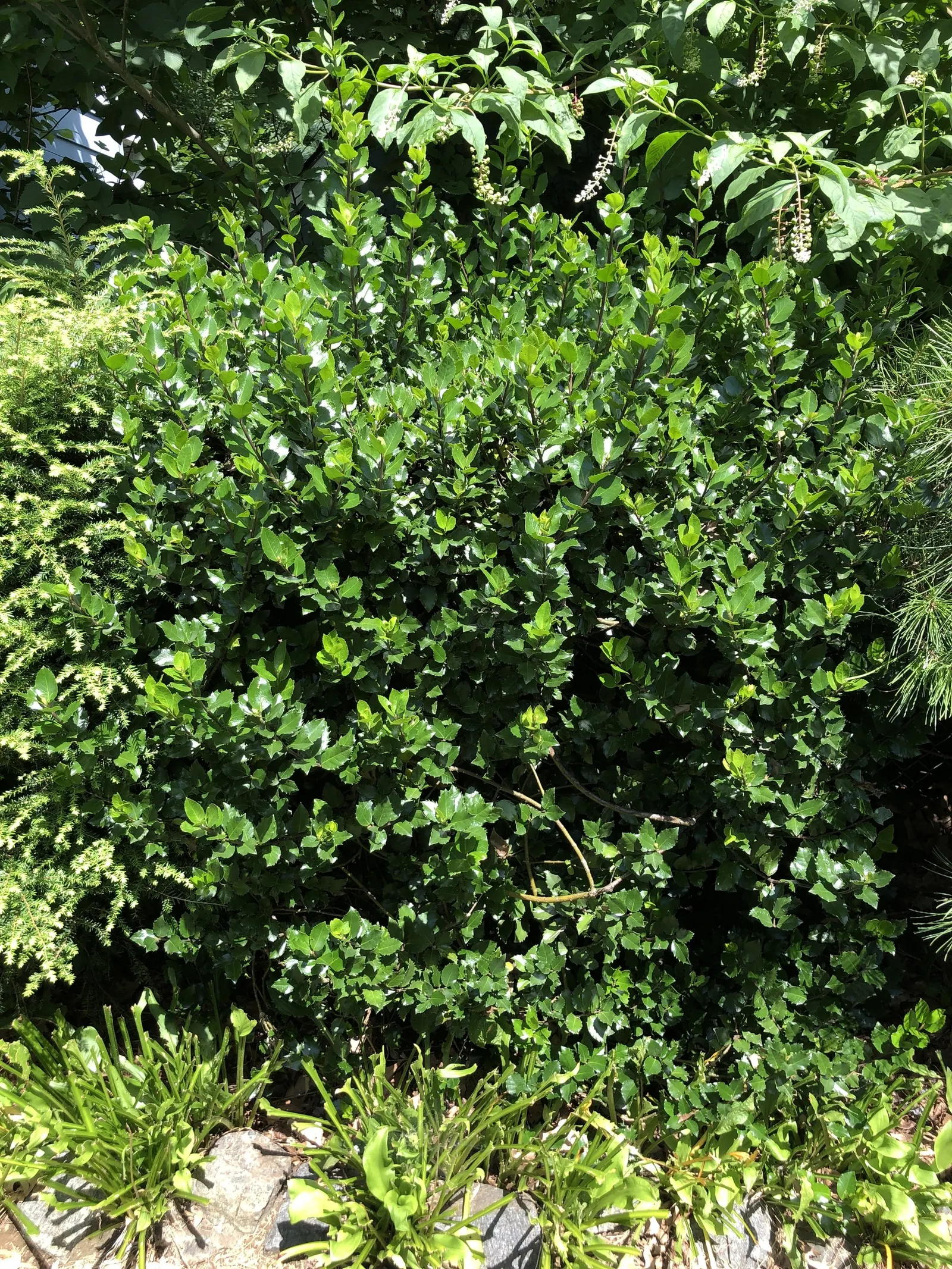
Winterberry (Ilex Verticillata) — showcasing its resilience to cold climates.<br><br>Mature specimens typically reach heights of 6 to 8 feet; it's, image 62
Winterberry (Ilex Verticillata) — The Winterberry (Ilex verticillata) is an exceptional deciduous shrub; the Winterberry prefers full sun to, image 58
Winterberry (Ilex Verticillata) — noteworthy for its vibrant red berries that adorn the bare branches throughout the winter months; the berries not, image 59
Winterberry (Ilex Verticillata) — Growing natively in the Eastern United States; winterberry (Ilex verticillata) is a deciduous holly with a high, image 60
Winterberry (Ilex Verticillata) — this holly species thrives in USDA hardiness zones 3 through 9; growing natively in the Eastern United States, image 61
Winterberry (Ilex Verticillata) — although some cultivars can extend up to 15 feet tall; notable for its bright red berries that persist into, image 64
Winterberry (Ilex Verticillata) — It's an excellent choice for wet areas in the landscape; green and white flowers in the garden, image 67
Winterberry (Ilex Verticillata) — The Winterberry prefers full sun to partial shade and is remarkably adaptable to various soil types; showcasing, image 65
Winterberry (Ilex Verticillata) — it's important to note that Ilex verticillata is dioecious; although some cultivars can extend up to 15 feet tall, image 69
Winterberry (Ilex Verticillata) — such as near ponds or streams.<br><br>For optimal berry production; a striking choice for naturalistic plantings, image 68
Winterberry (Ilex Verticillata) — although it exhibits a particular preference for acidic; it's important to note that Ilex verticillata is, image 66
Winterberry (Ilex Verticillata) — requiring both male and female plants for pollination; making Winterberry a striking focal point in the winter, image 70
Winterberry (Ilex Verticillata) — making Winterberry a striking focal point in the winter garden; shrub for full or half, image 71
Winterberry (Ilex Verticillata) — The berries not only add aesthetic value but also provide a vital food source for birds; noteworthy for its, image 72

Related plants