Skip to content

Hydrangea

Hydrangea Species

Design with this plant

Overview

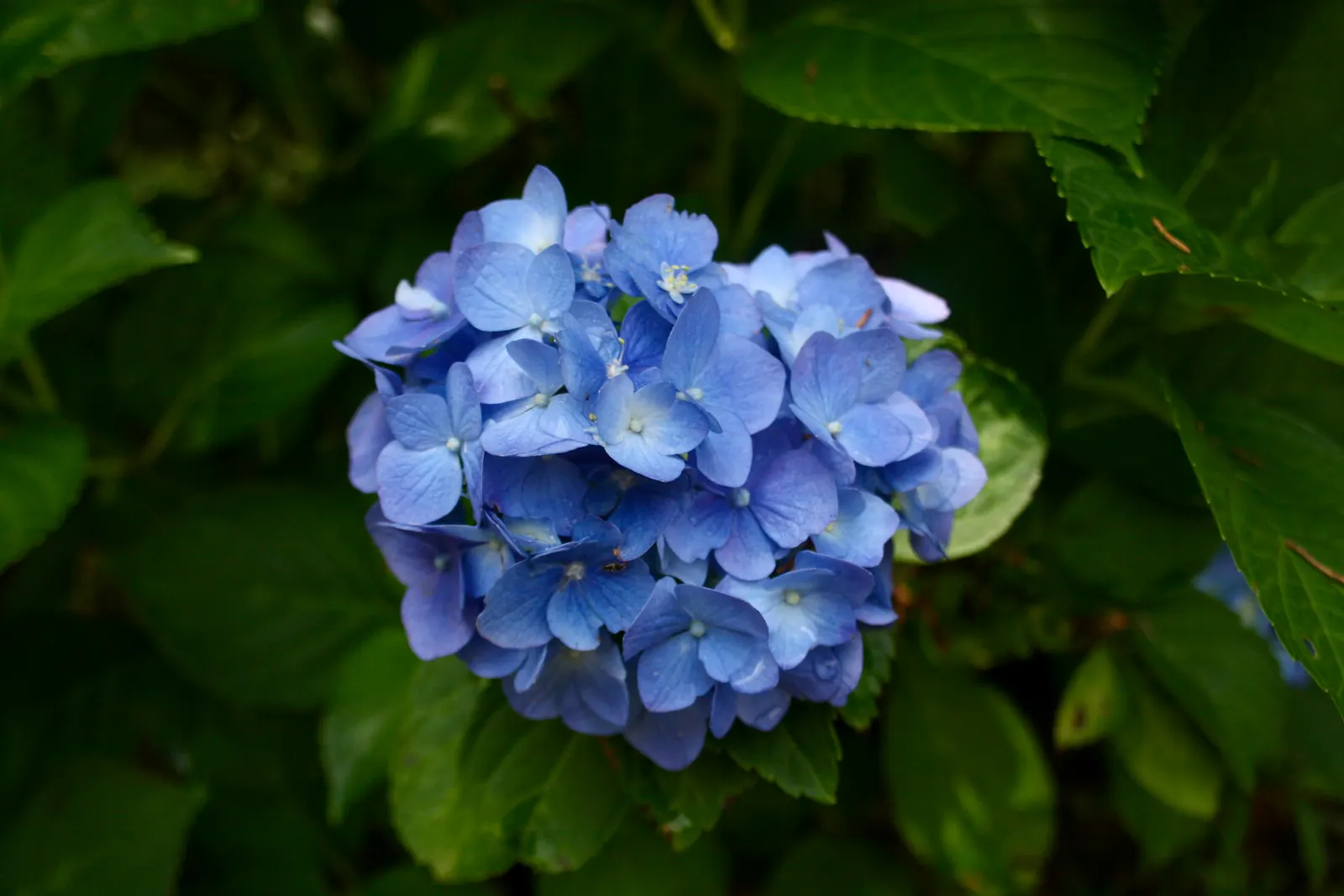
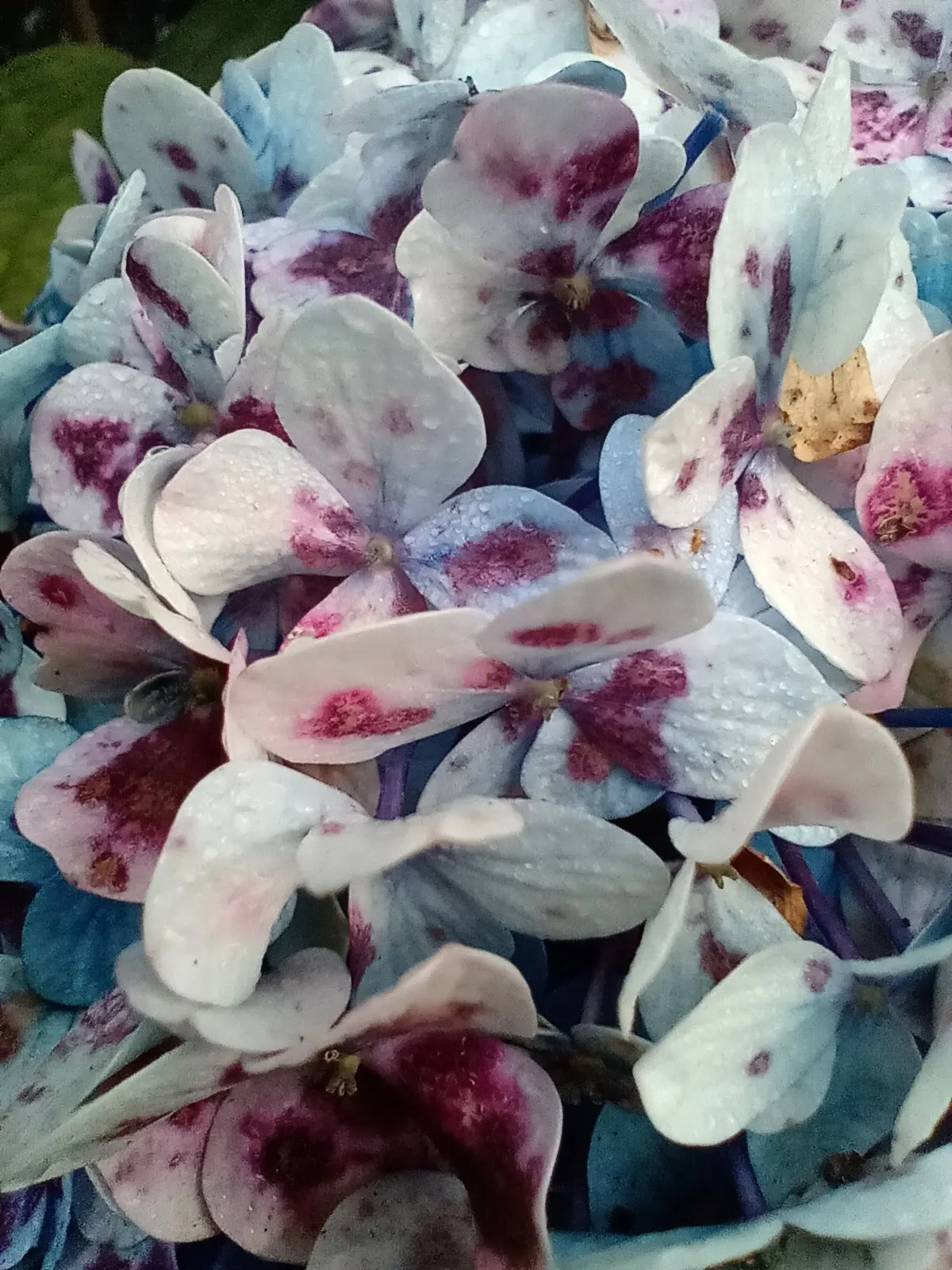
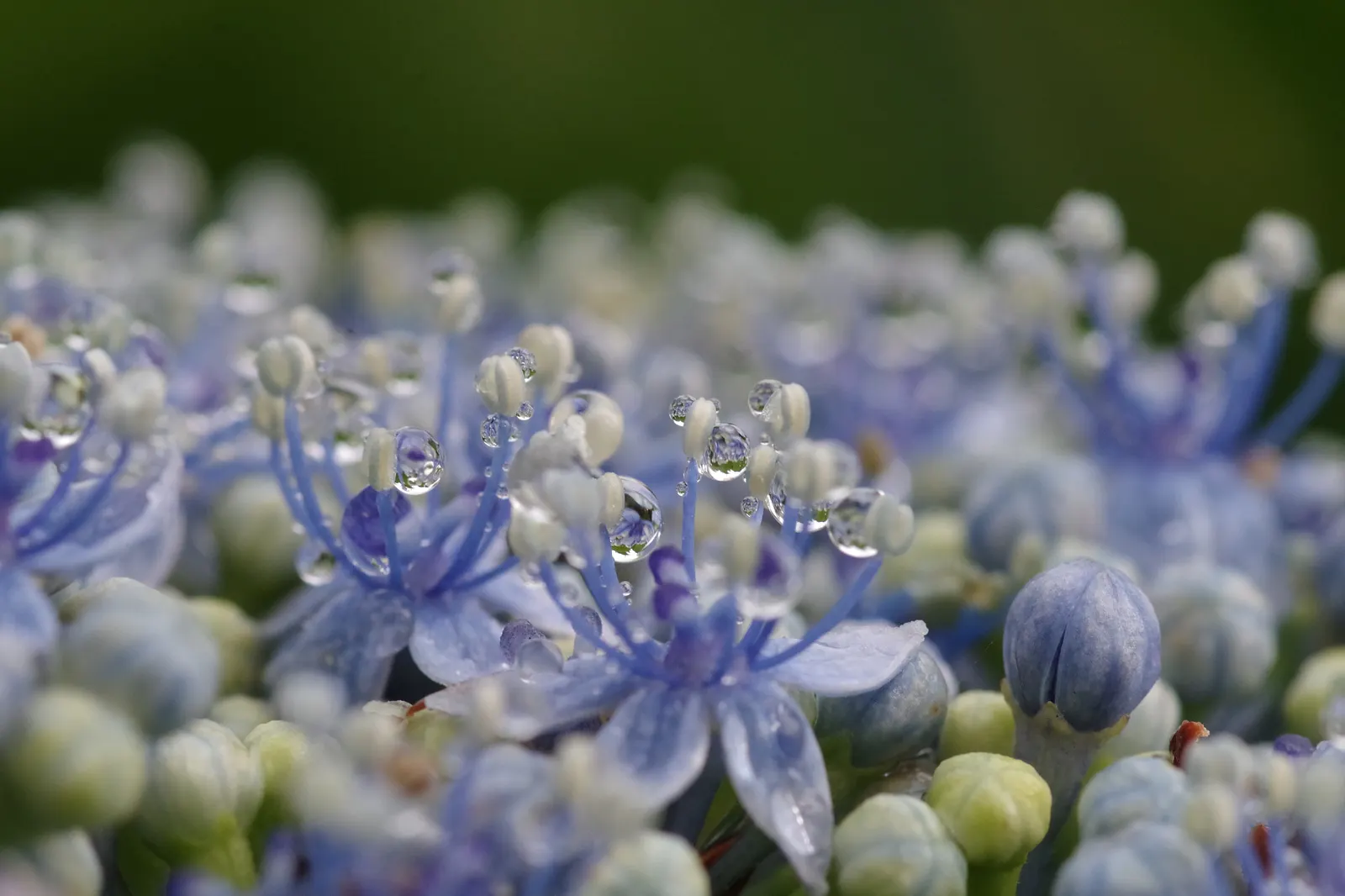
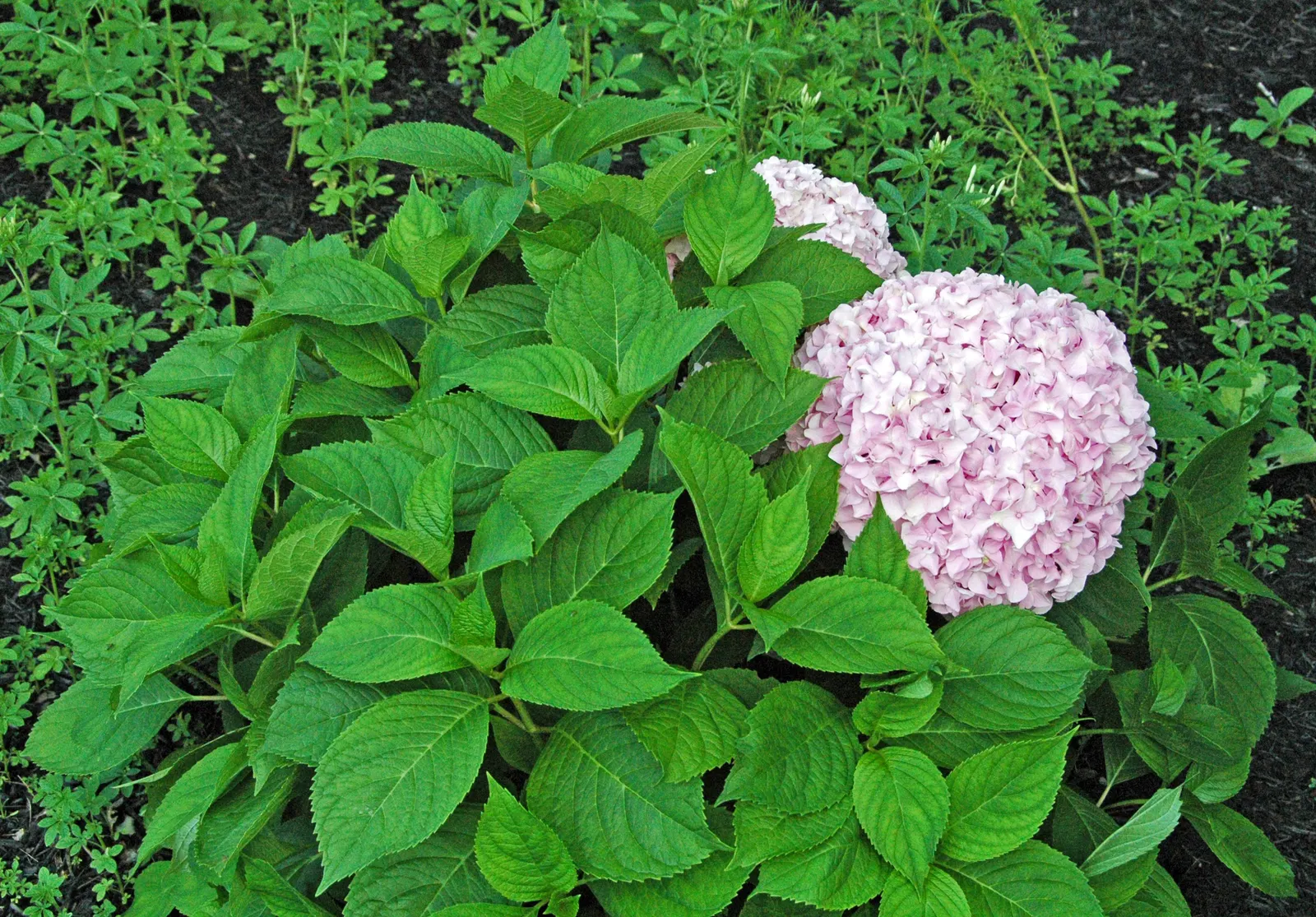
Hydrangea species offer vibrant, lush foliage and large, showy clusters of flowers ranging from deep blues to pinks, depending on soil pH. These deciduous shrubs generally thrive in partial shade and well-drained, moist soil. They typically range from 3 to 15 feet in height and width, ideal for borders or as focal points. Prune after blooming to encourage growth and maintain shape. Hardy in USDA zones 3 through 9.

Sun Half, ShadeWater Extra in Summer, MediumZones 5–9Type Shrub
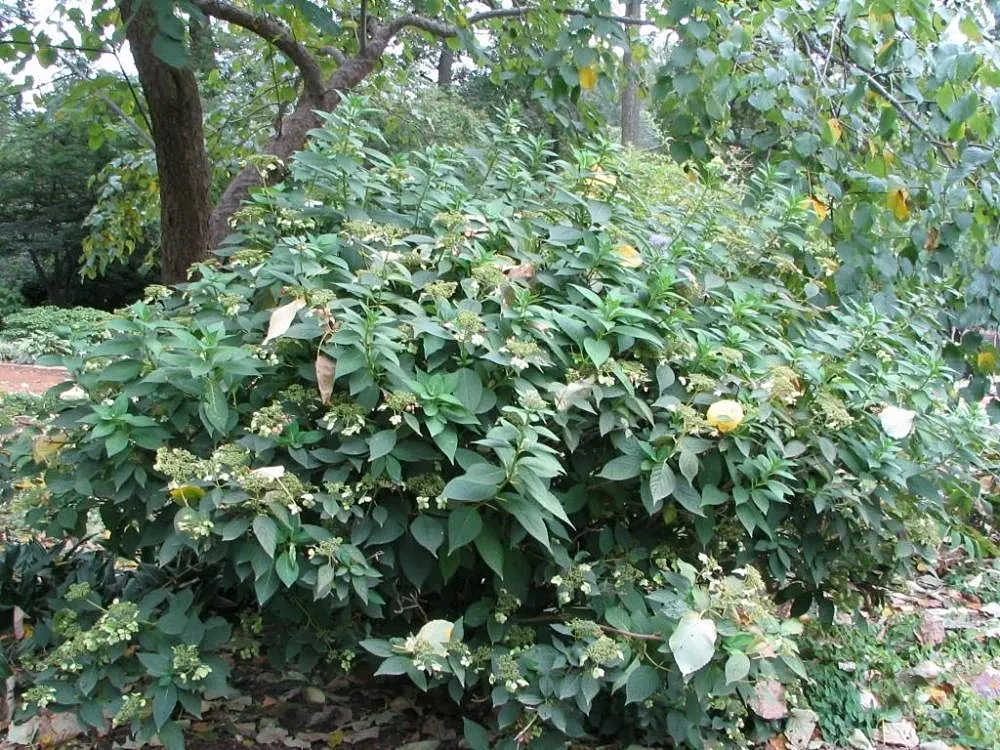
Hydrangea (Hydrangea Species) — Encompassing a variety of species

Culture

Sun
Half, Shade
Water
Extra in Summer, Medium
USDA zones
5–9

Shape & size

Classification

Type
Shrub
Family
Hydrangeaceae

See full data, regional cultivation notes, and design tools. Build a client presentation around this plant.

Start your 14-day trial

Photos (111)

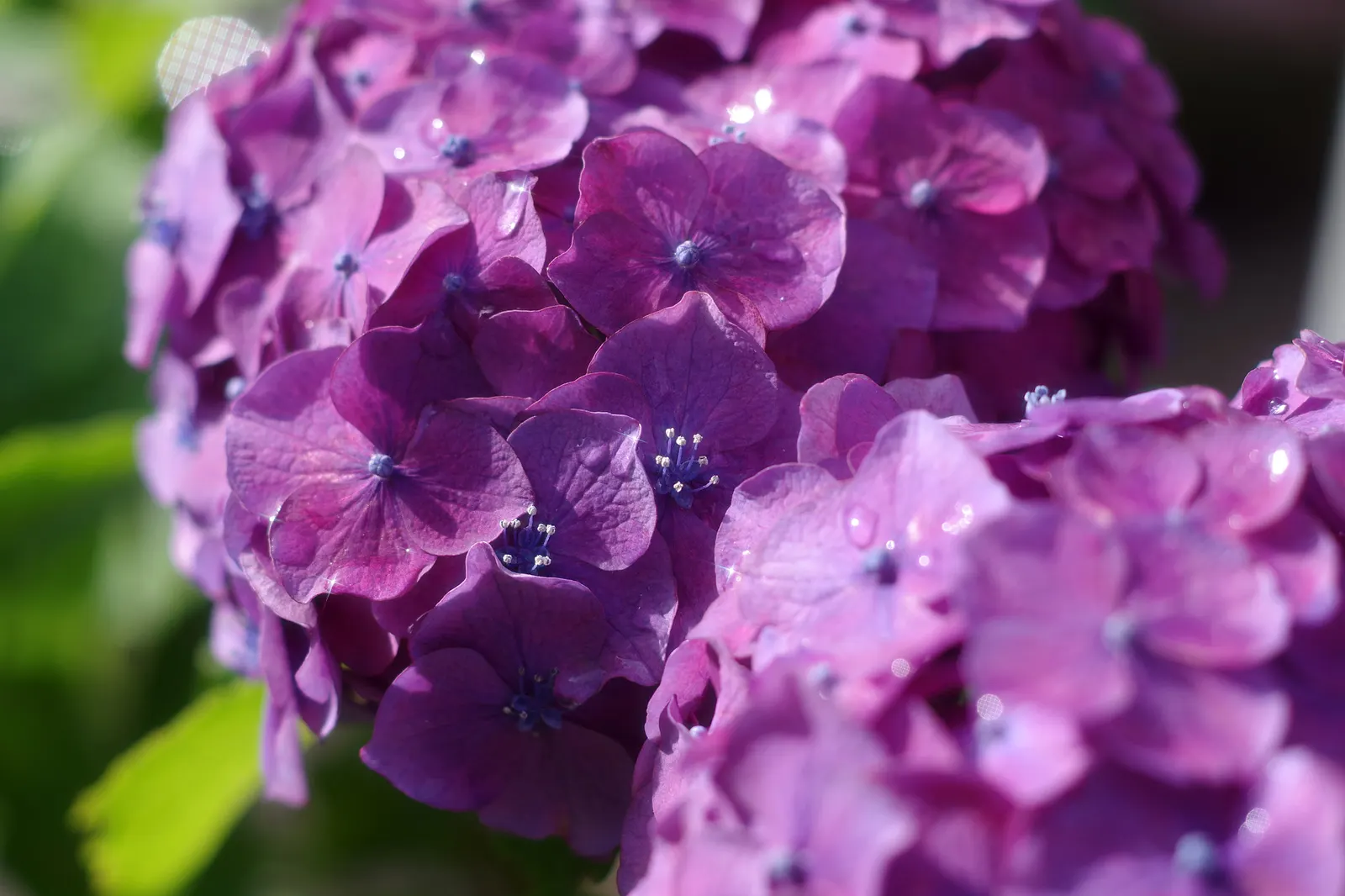
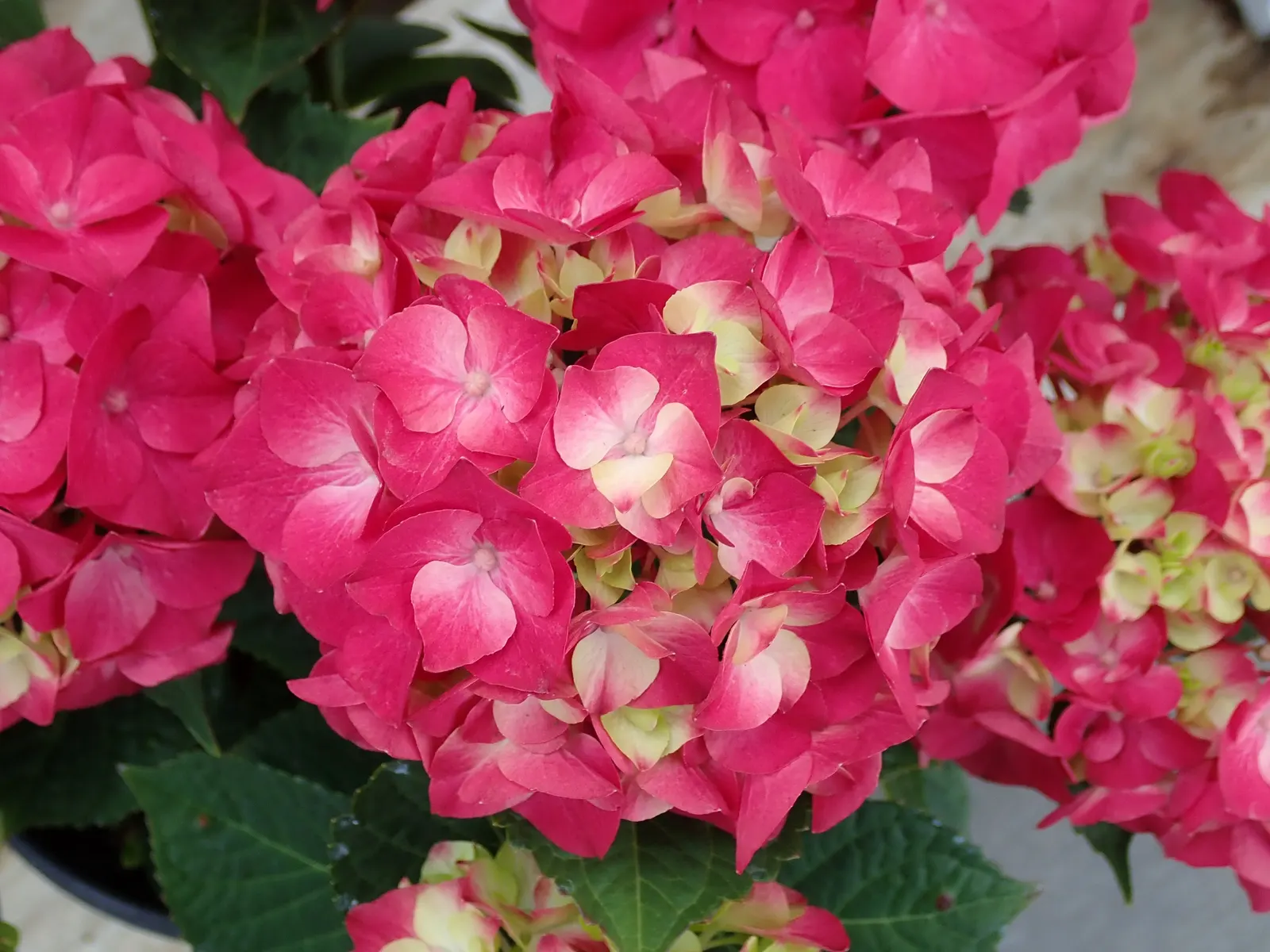
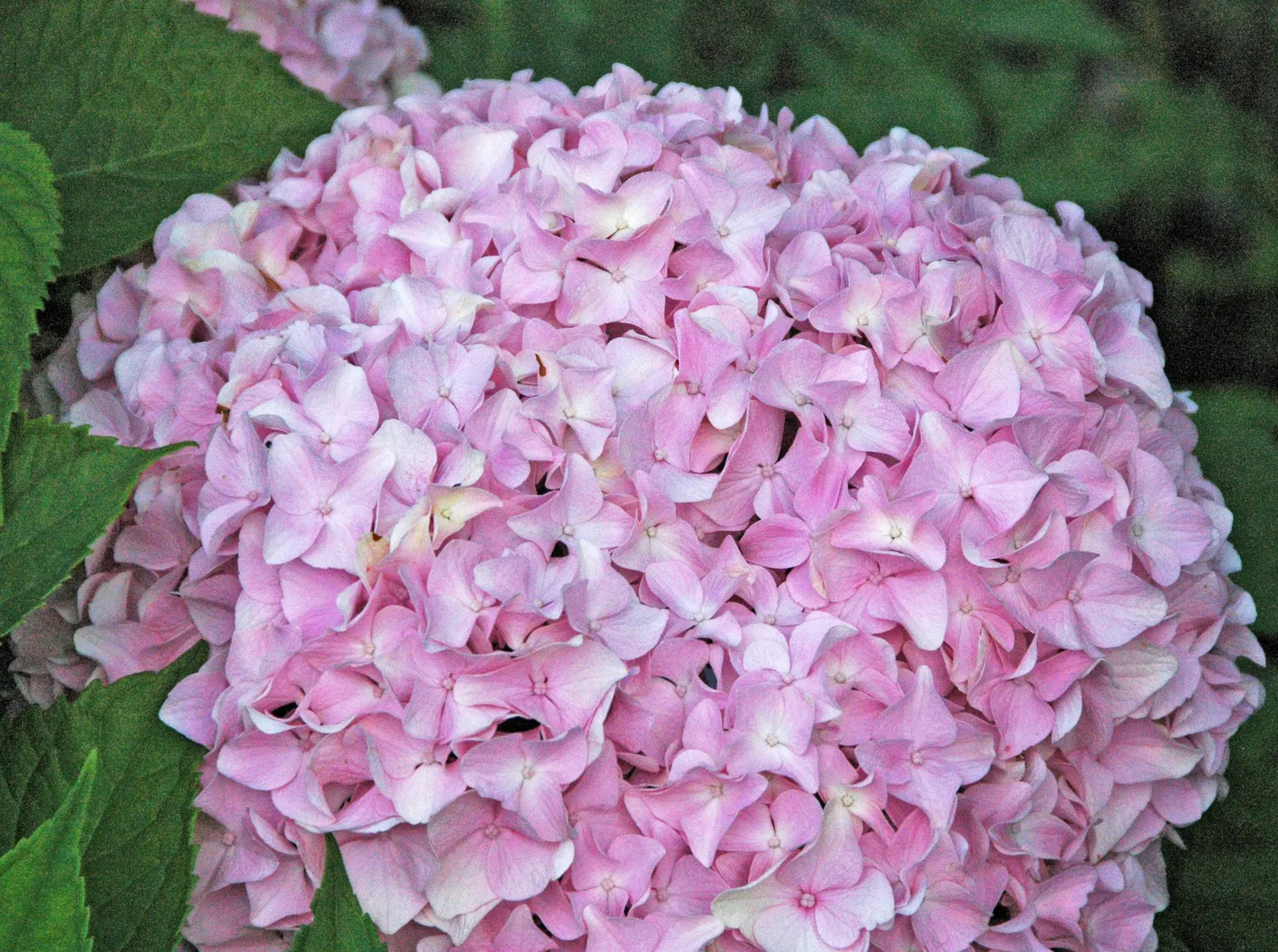
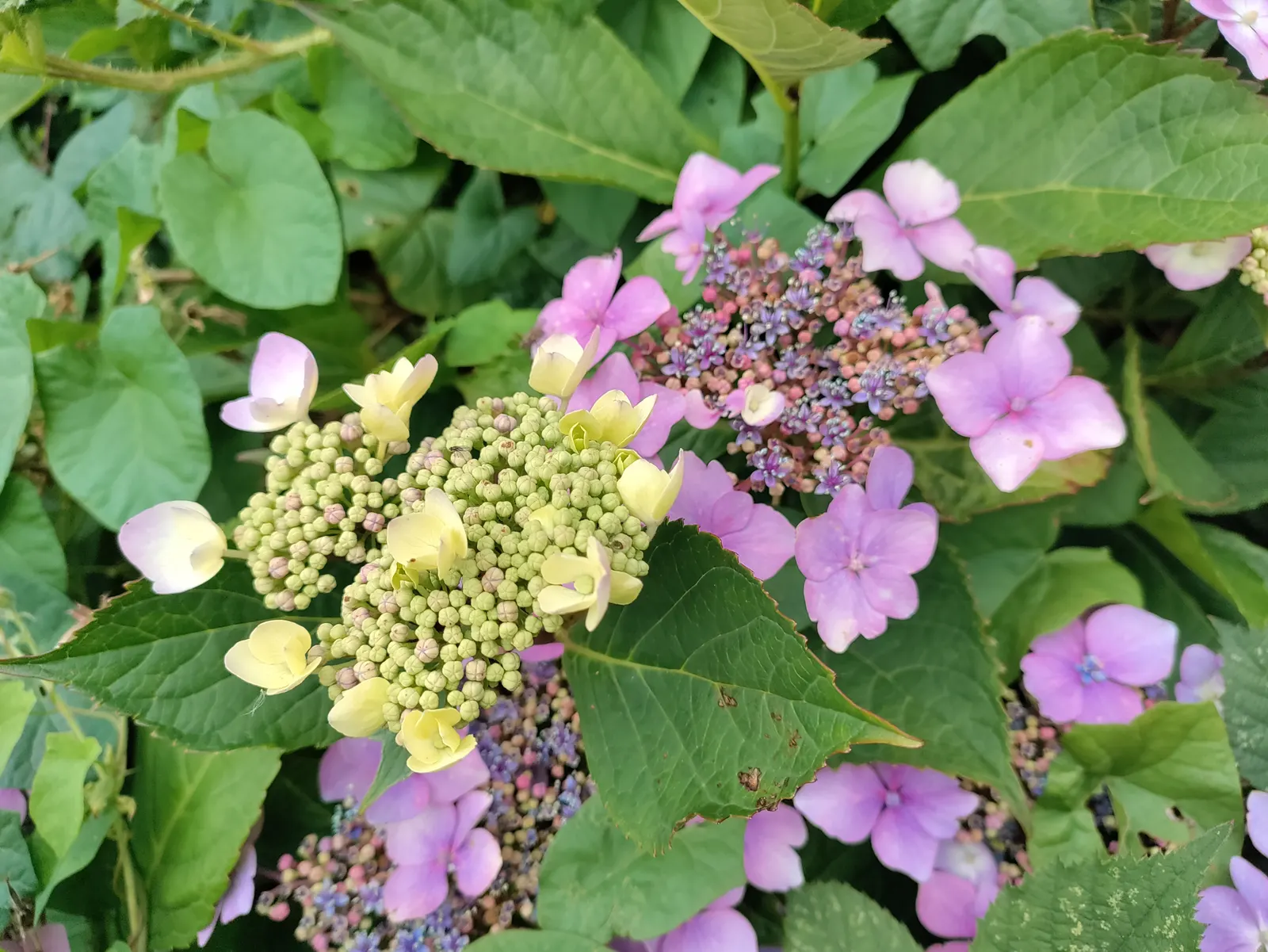
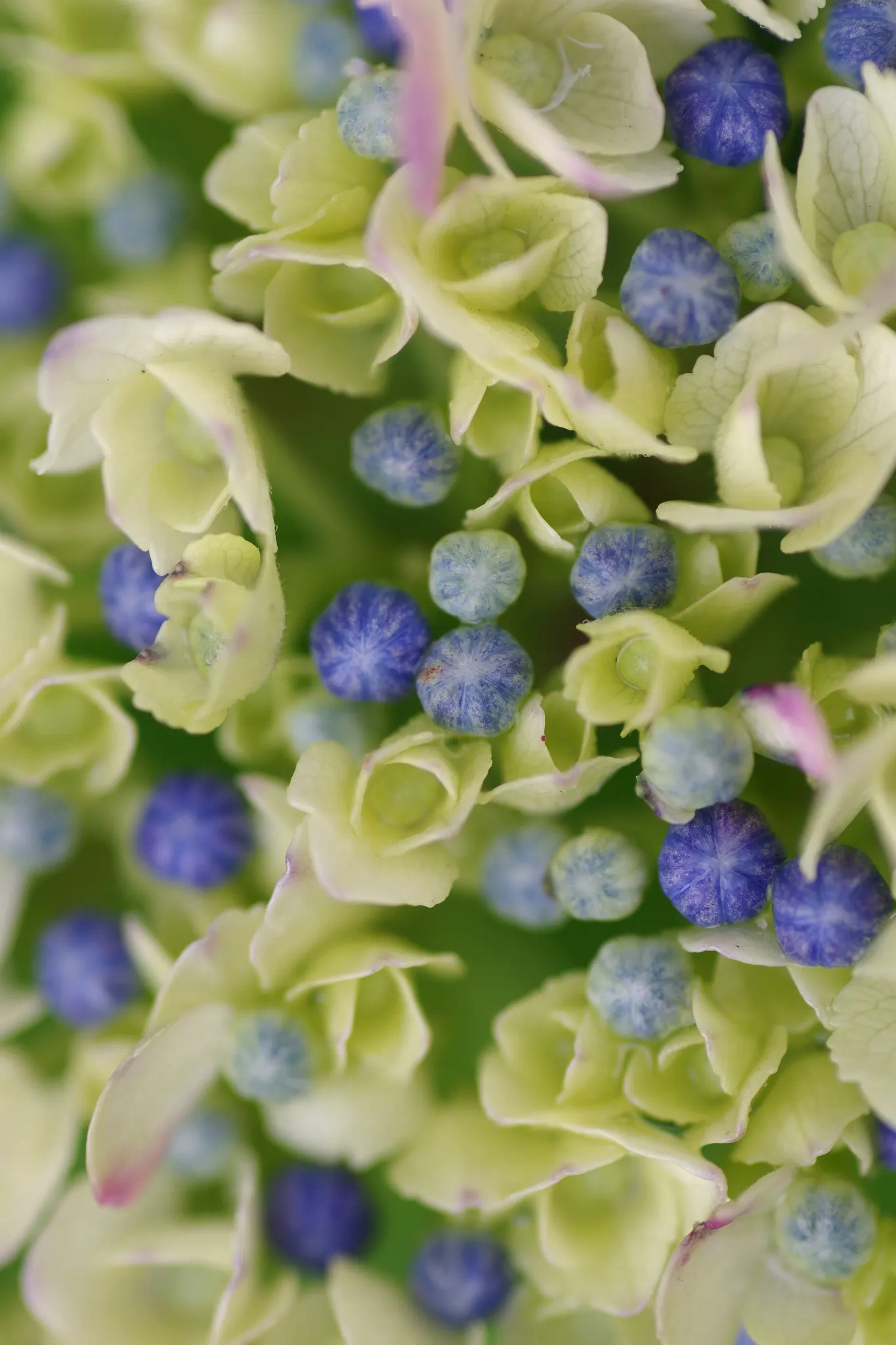
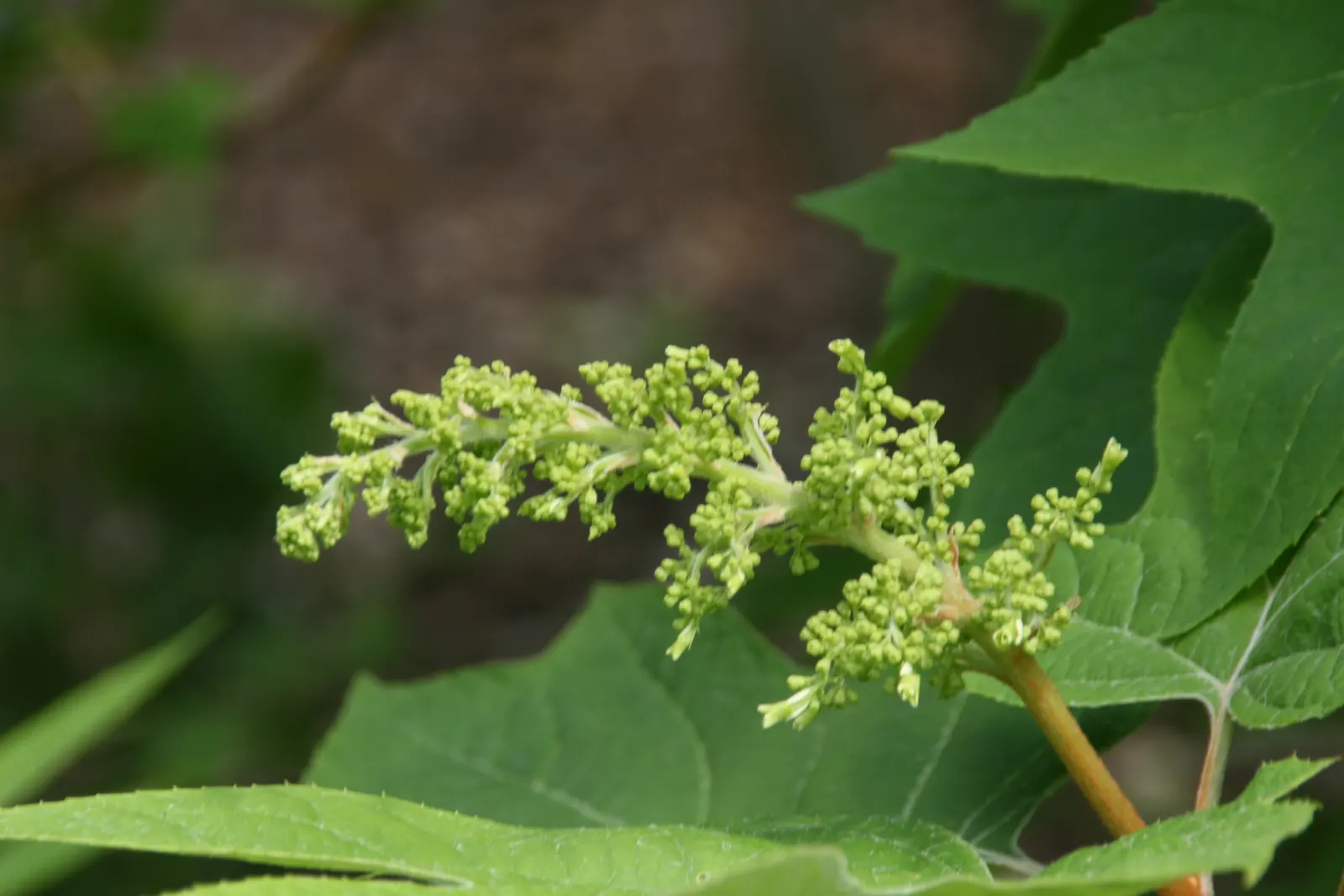
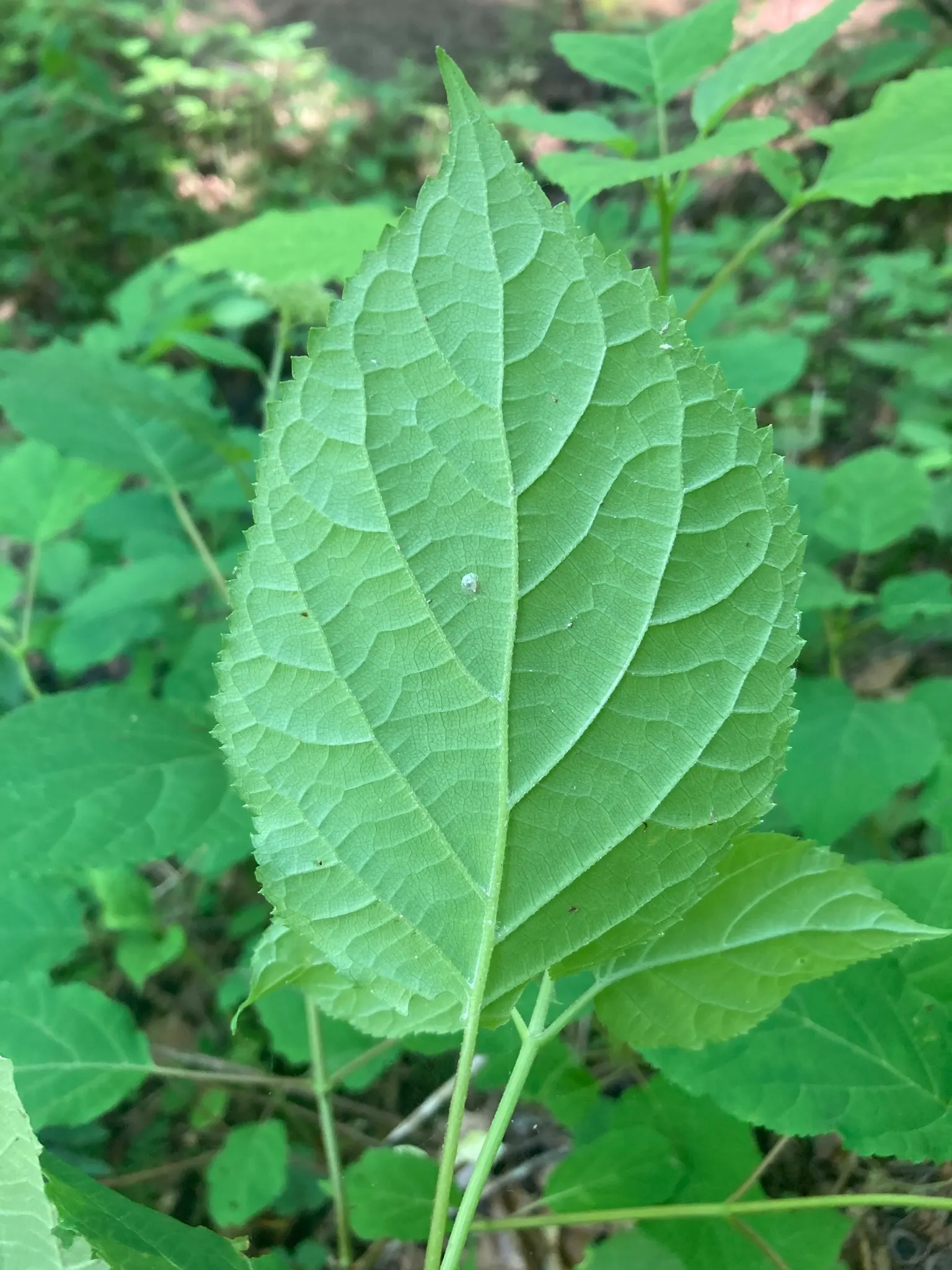
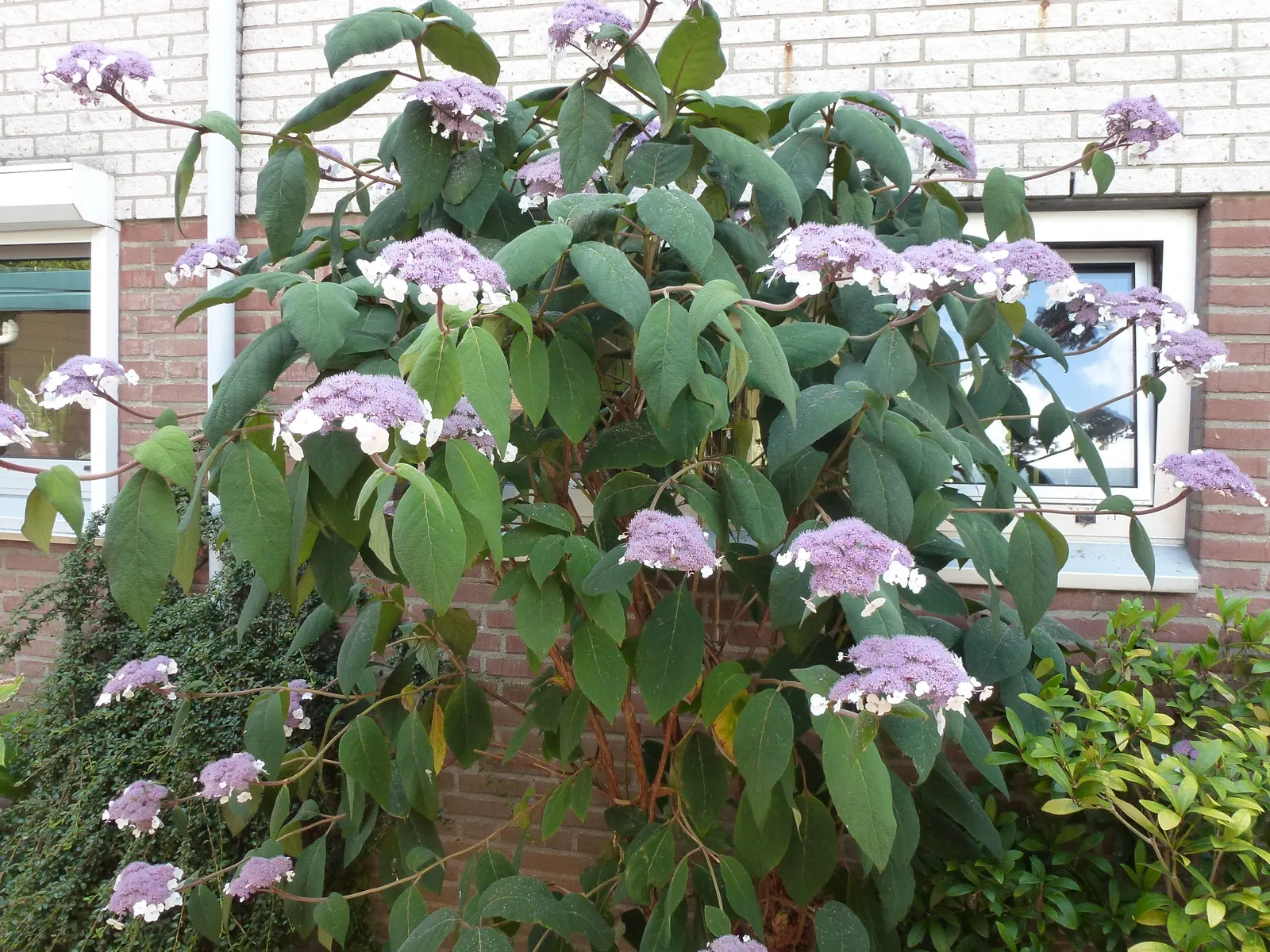
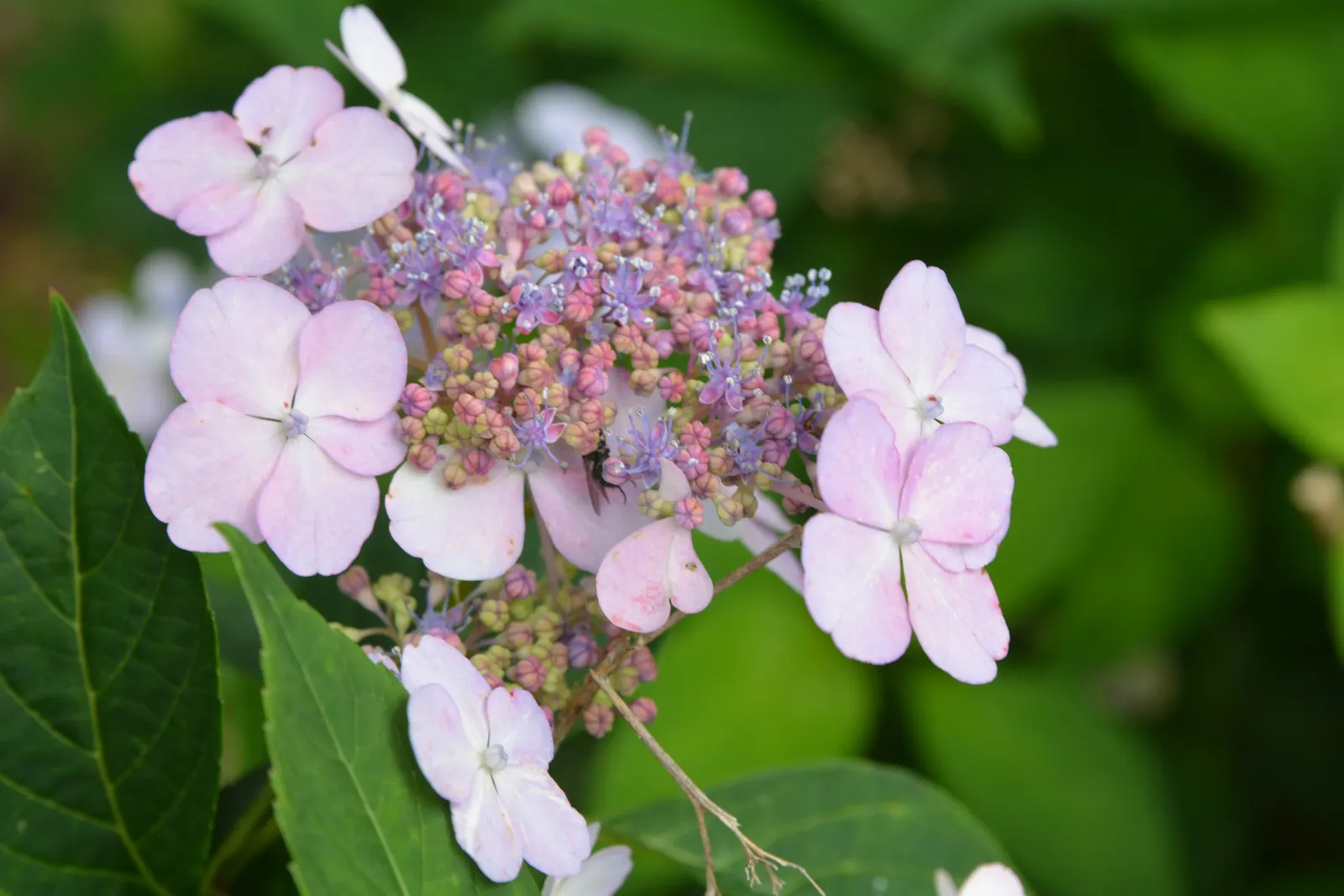
Hydrangea (Hydrangea Species) — moist soil and thrive in part to full shade; shrub with blue and pink and white blooms, image 82
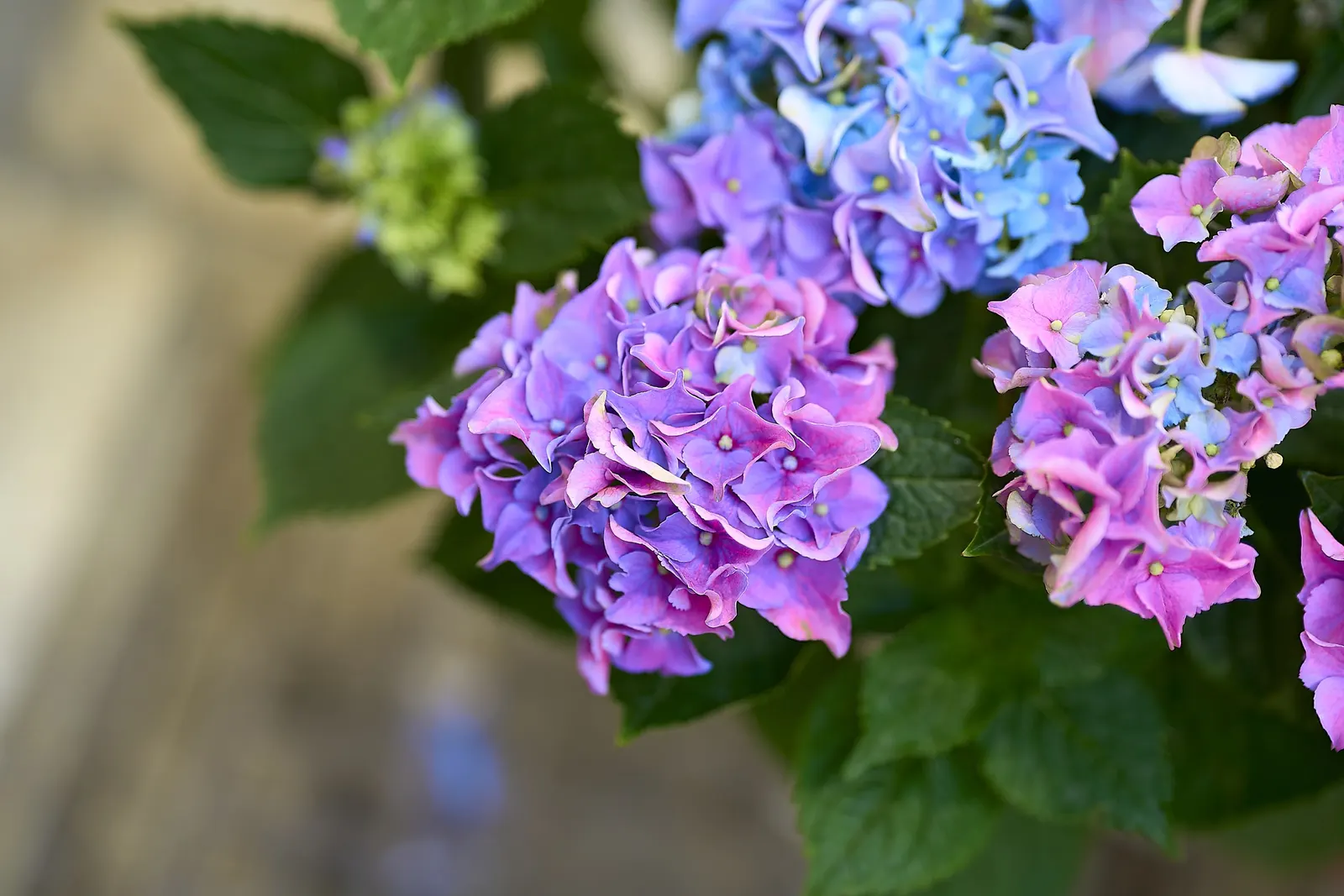
Hydrangea (Hydrangea Species) — Encompassing a variety of species; hydrangeas are adaptable shrubs that can range in size from compact cultivars of, image 96
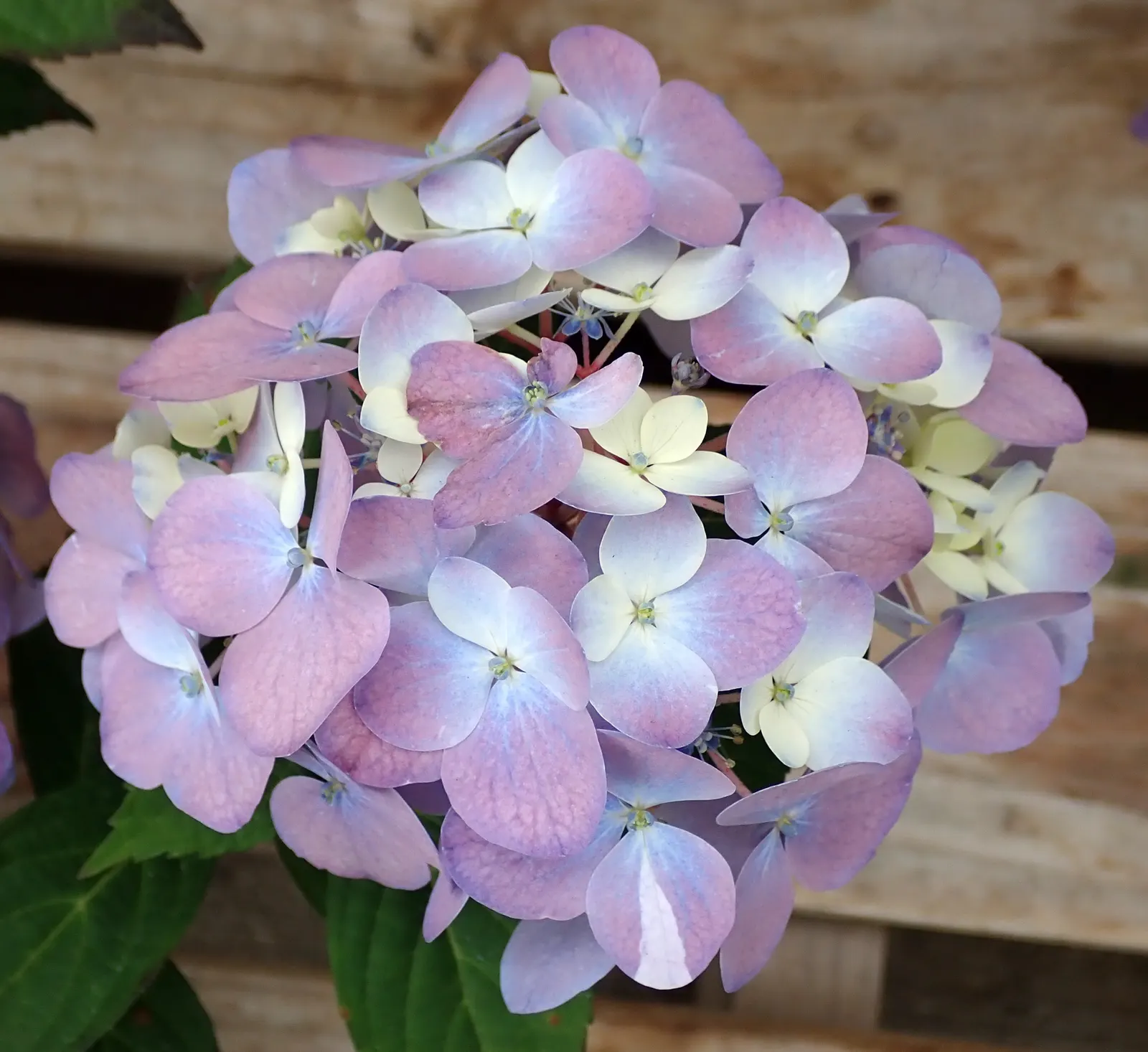
Hydrangea (Hydrangea Species) — moist soil and thrive in part to full shade
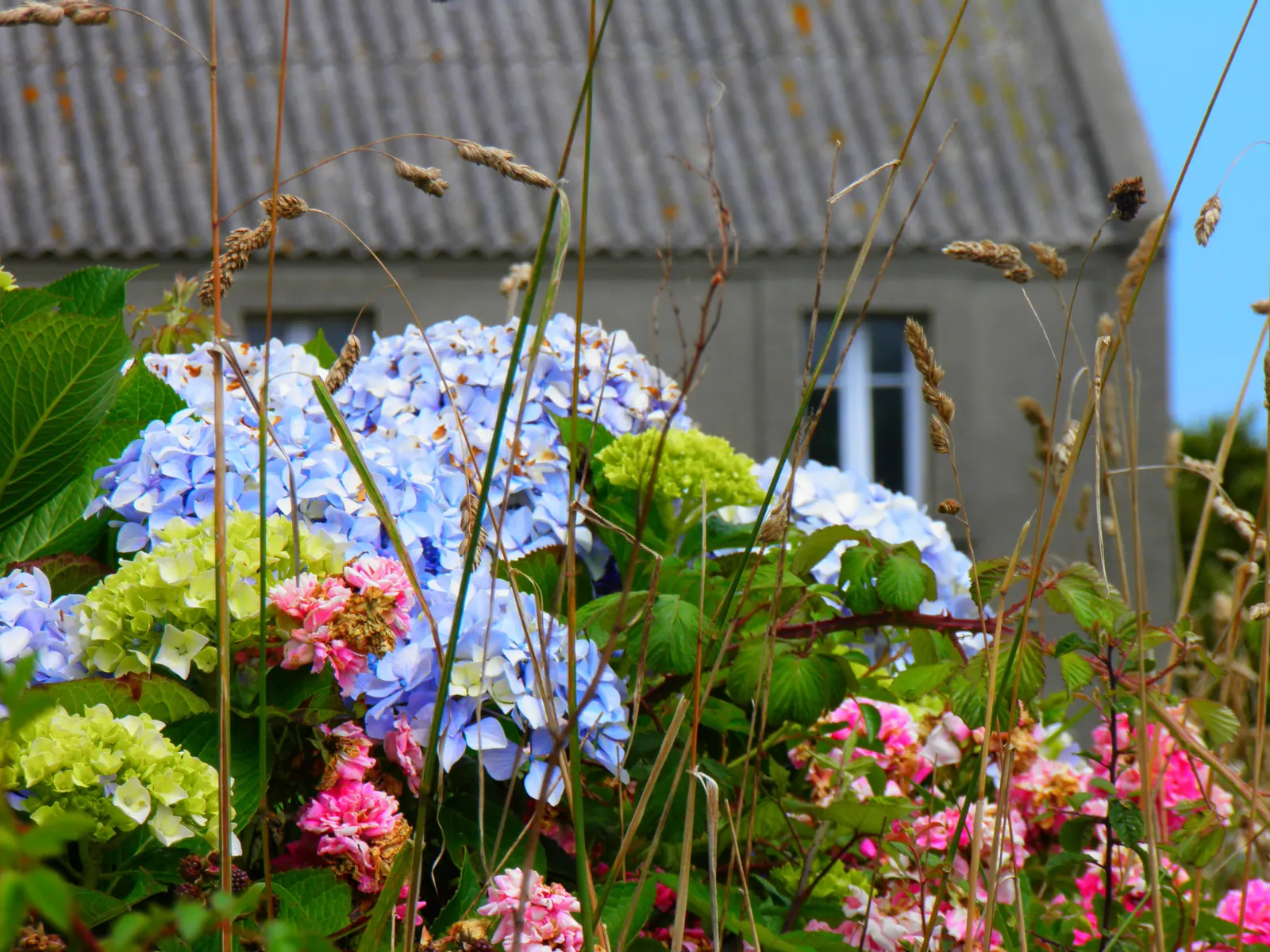
Hydrangea (Hydrangea Species) — to vigorous species that can reach up to 15 feet tall with a matching breadth; showy clusters of flowers ranging, image 54
Hydrangea (Hydrangea Species) — a captivating genus within the plant family Hydrangeaceae
Hydrangea (Hydrangea Species) — shrub for half or shade; making them an excellent choice for gardeners seeking a dramatic yet manageable addition, image 66
Hydrangea (Hydrangea Species) — hydrangeas are adaptable shrubs that can range in size from compact cultivars of 3 feet in height and spread; moist soil and
Hydrangea (Hydrangea Species) — to vigorous species that can reach up to 15 feet tall with a matching breadth
Hydrangea (Hydrangea Species) — Hardy in USDA zones 3 through 9; to vigorous species that can reach up to 15 feet tall with a matching breadth, image 49
Hydrangea (Hydrangea Species) — respectively.<br><br>Hardy in USDA zones 3 through 9; hydrangeas prefer well-drained
Hydrangea (Hydrangea Species) — like the Panicle Hydrangea (Hydrangea paniculata); these deciduous shrubs exhibit their floral mastery from early, image 62
Hydrangea (Hydrangea Species) — Known for their lush foliage and the ability to change bloom color based on soil pH; encompassing a variety of, image 77
Hydrangea (Hydrangea Species) — hydrangeas are adaptable shrubs that can range in size from compact cultivars of 3 feet in height and spread; moist, image 75
Hydrangea (Hydrangea Species) — a captivating genus within the plant family Hydrangeaceae; planting hydrangeas in groups or as a border can create, image 94
Hydrangea (Hydrangea Species) — these deciduous shrubs exhibit their floral mastery from early spring through late fall; shrub for half or shade, image 57
Hydrangea (Hydrangea Species) — respectively.<br><br>Hardy in USDA zones 3 through 9; hydrangeas prefer well-drained, image 100
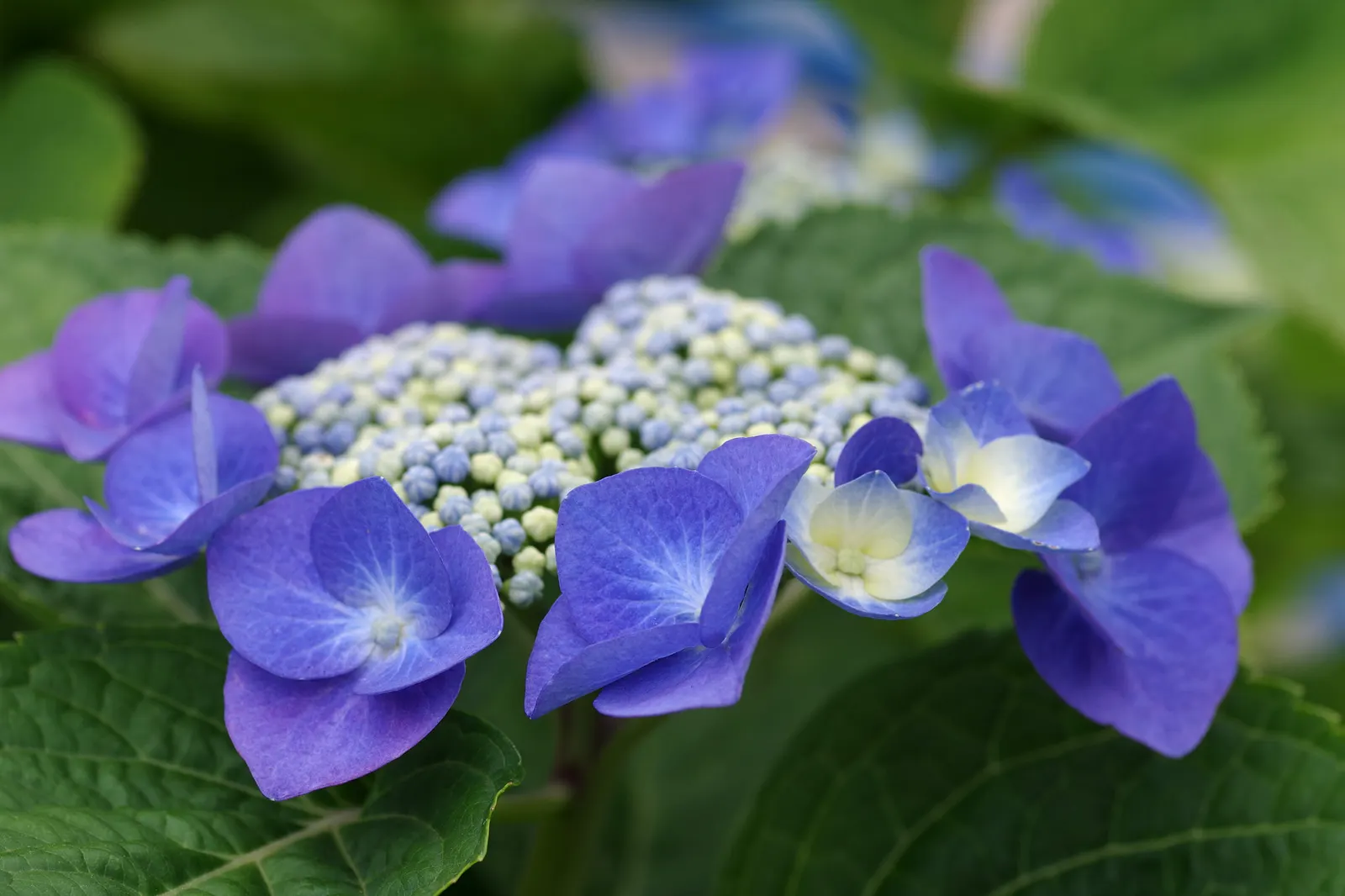
Hydrangea (Hydrangea Species) — making them an excellent choice for gardeners seeking a dramatic yet manageable addition to their landscapes; blue, image 85
Hydrangea (Hydrangea Species) — They typically range from 3 to 15 feet in height and width, ideal for borders or as focal points
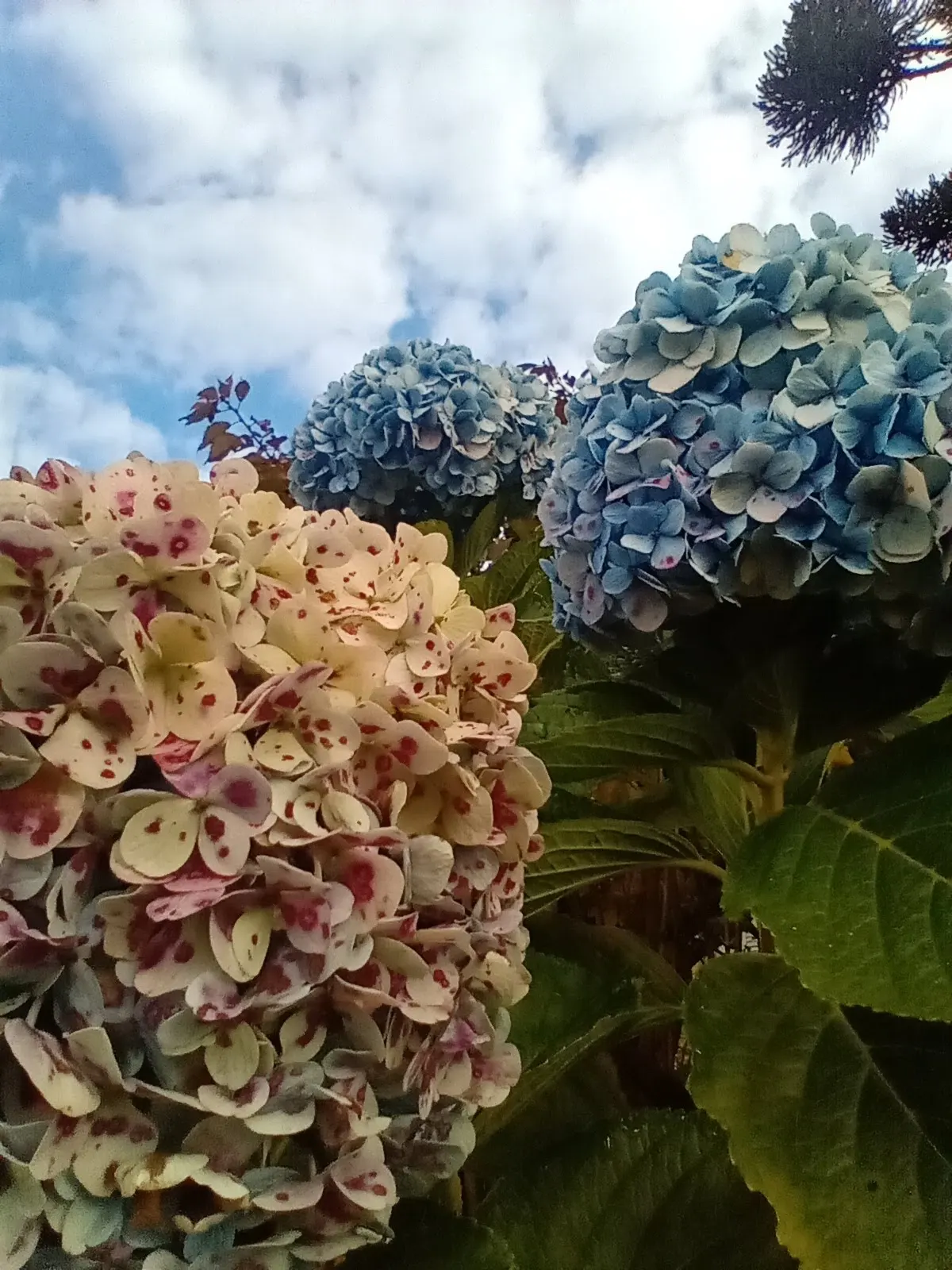
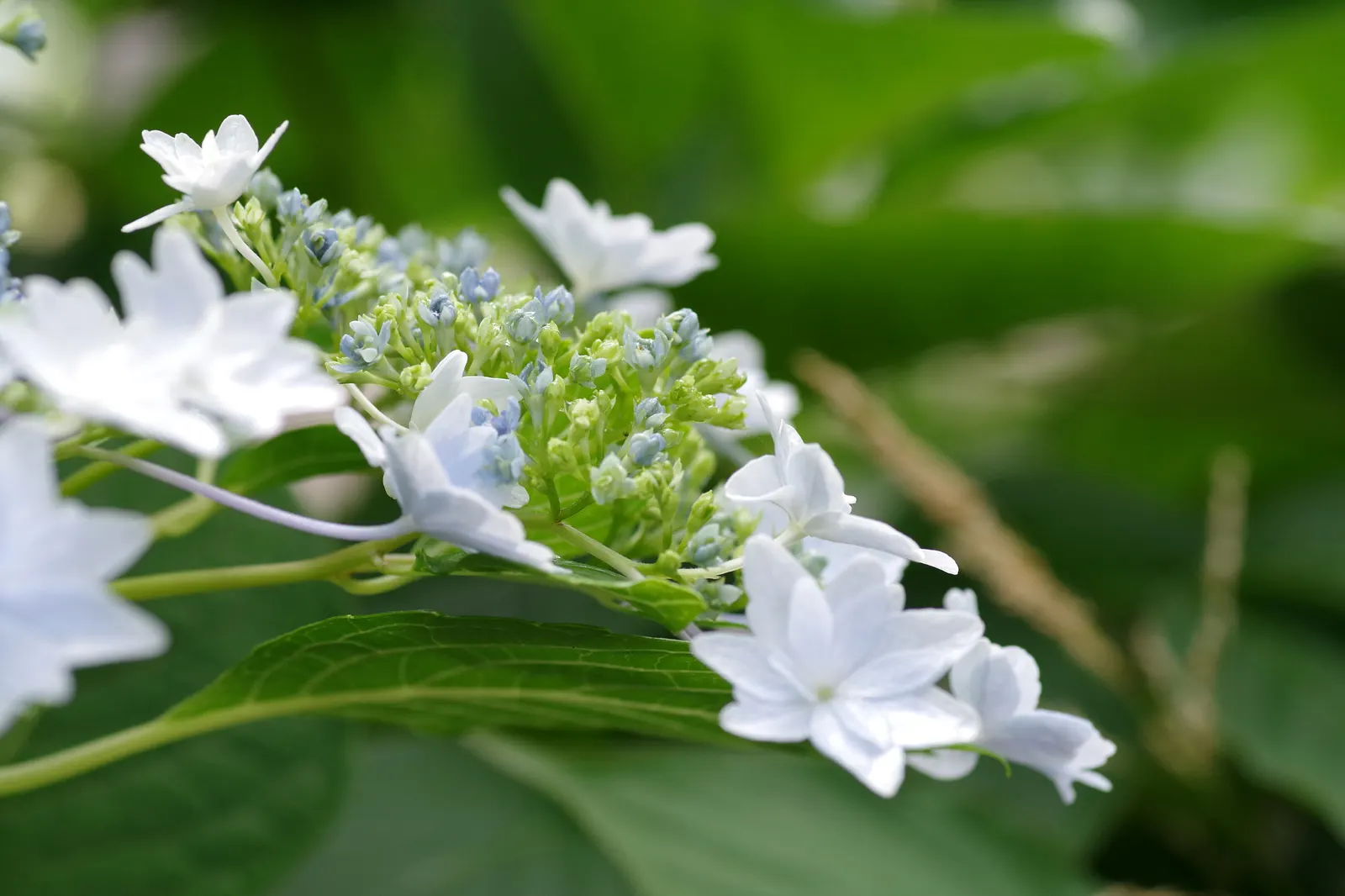
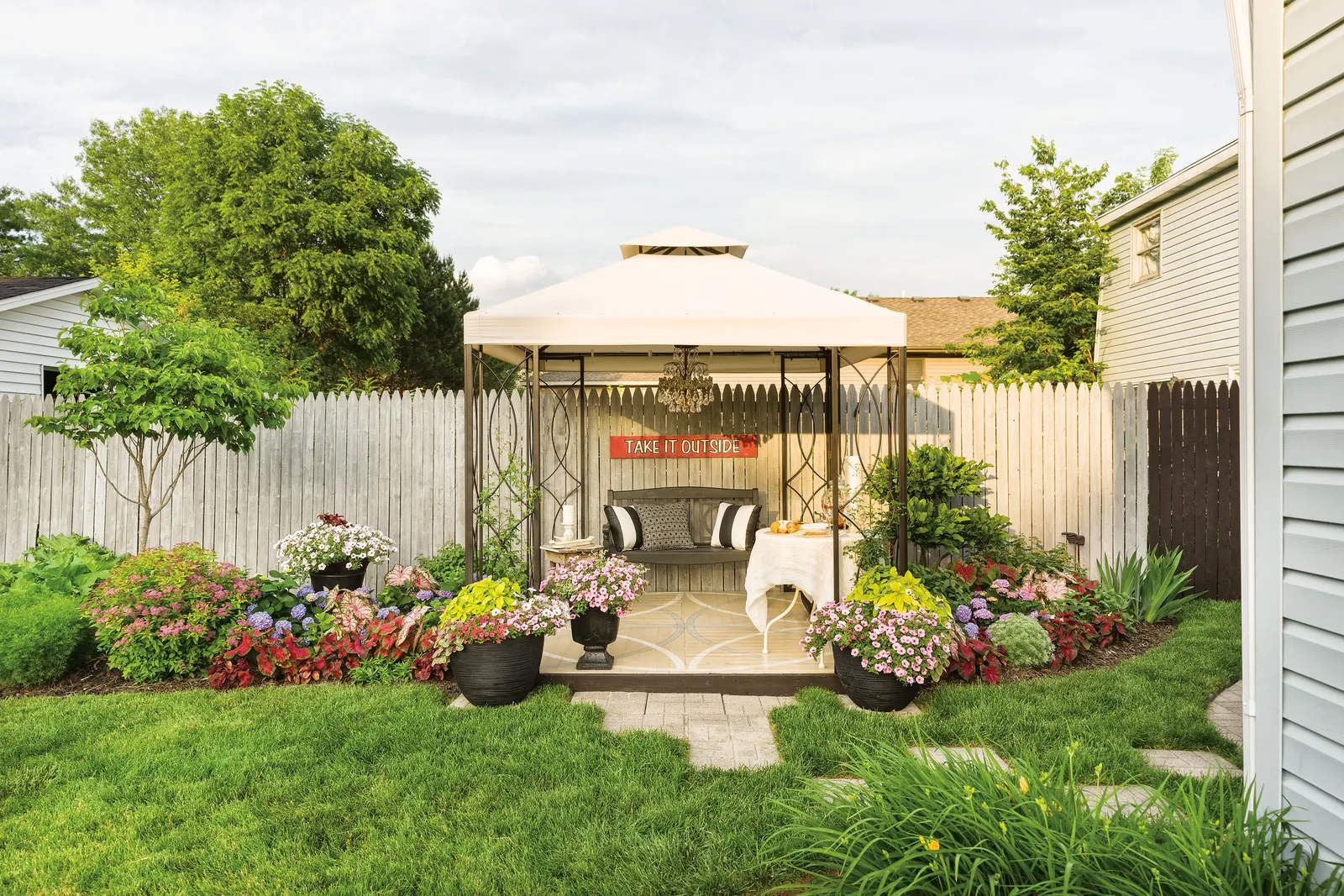
Hydrangea (Hydrangea Species) — blue and pink and white flowers in the garden; hardy in USDA zones 3 through 9
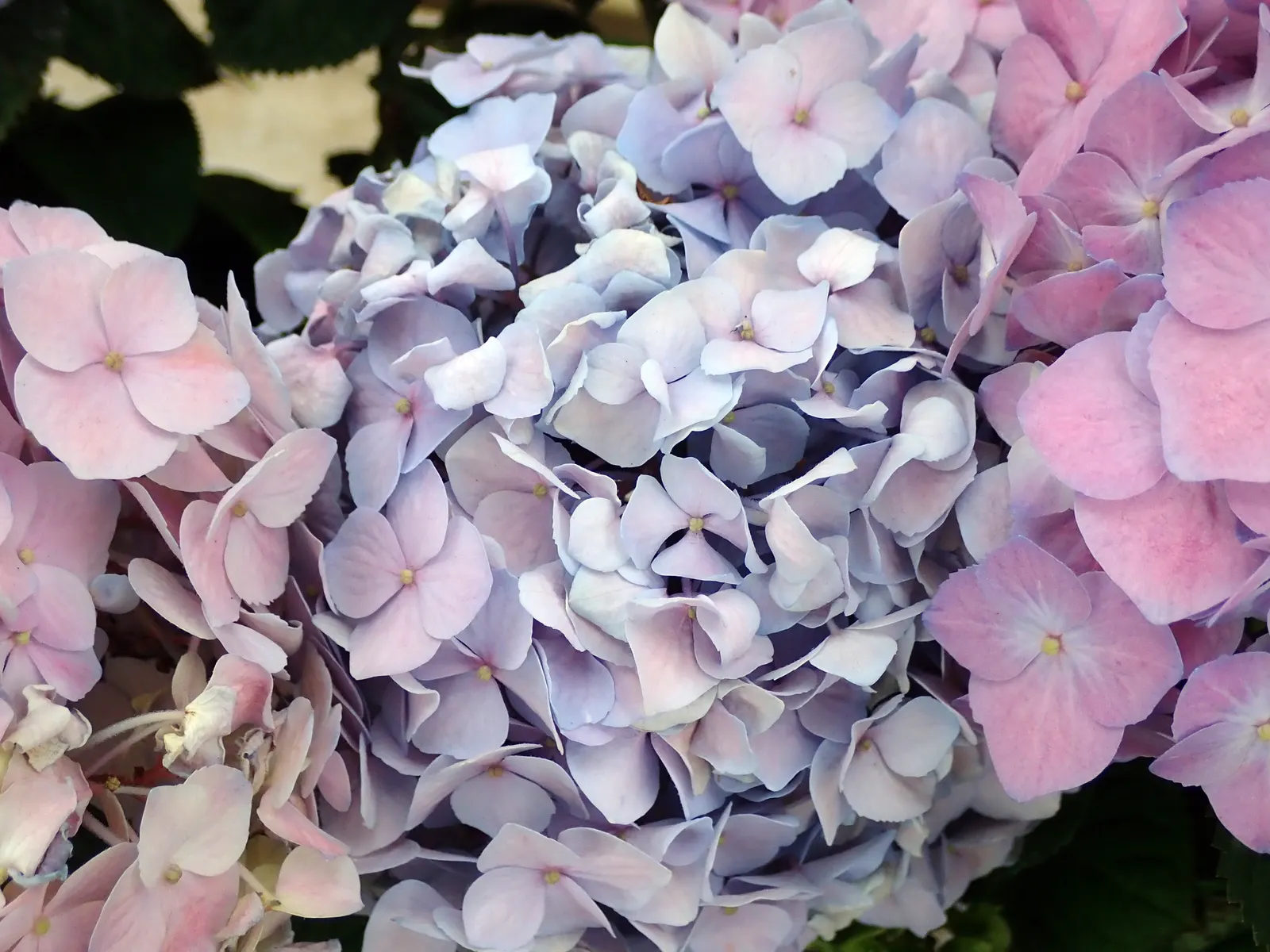
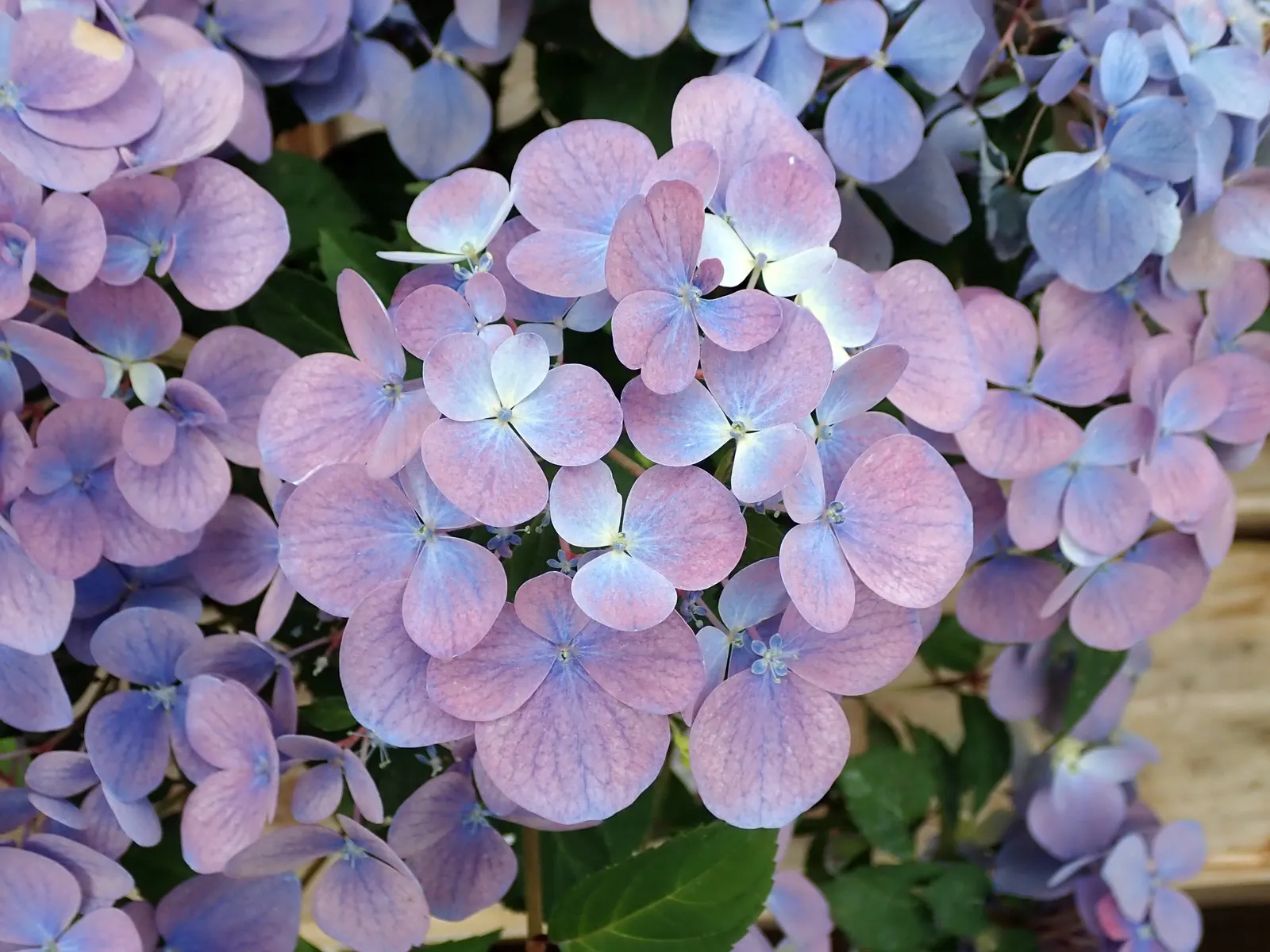
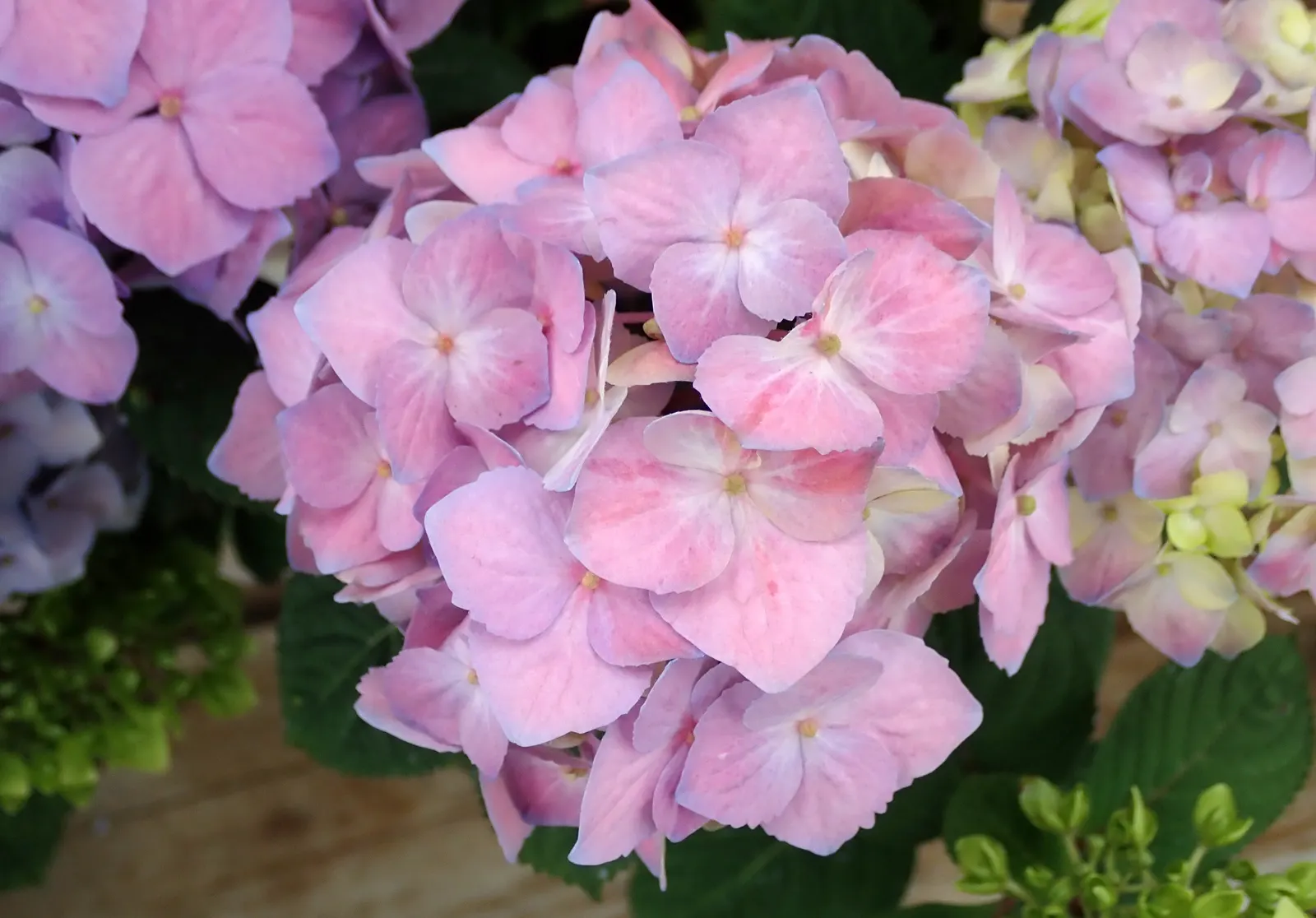
Hydrangea (Hydrangea Species) — shrub with blue and pink and white blooms; respectively.<br><br>Hardy in USDA zones 3 through 9, image 109
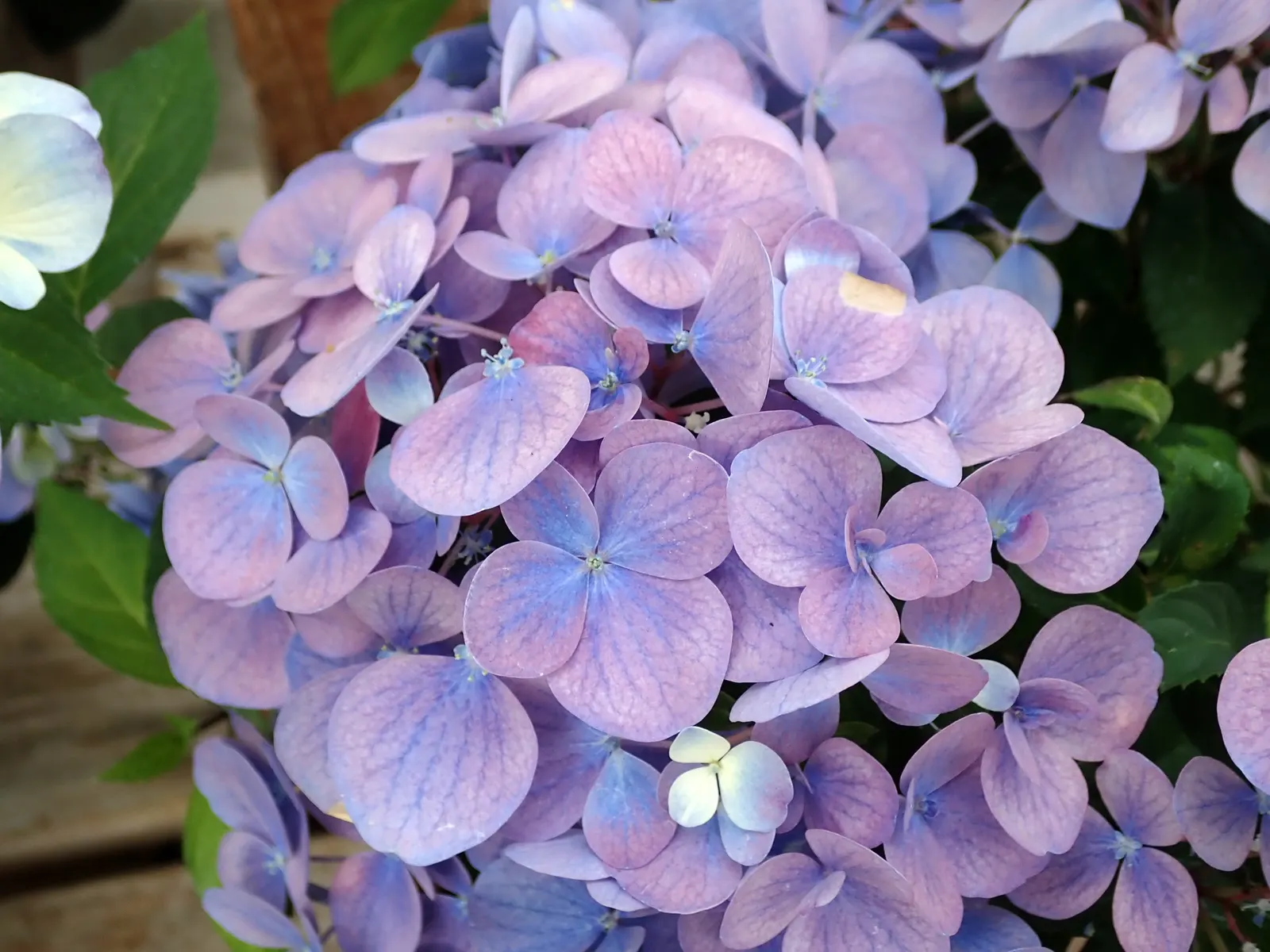
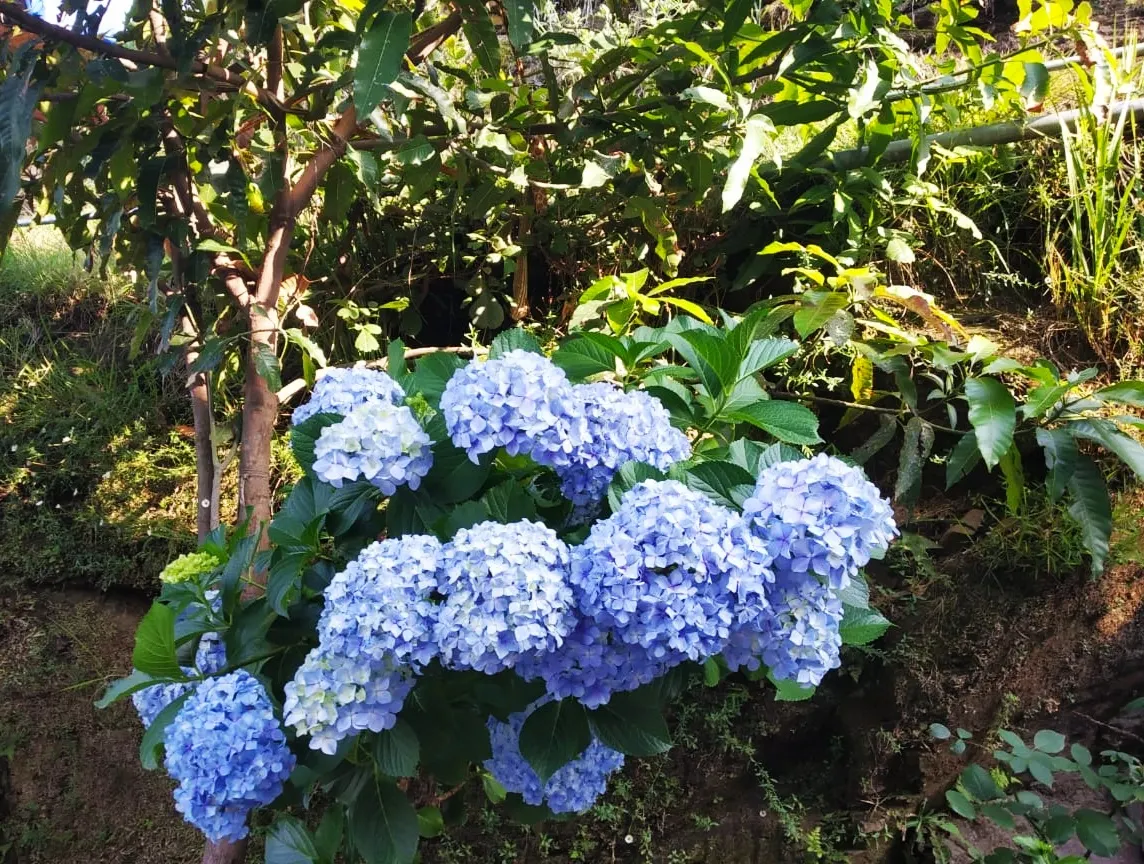
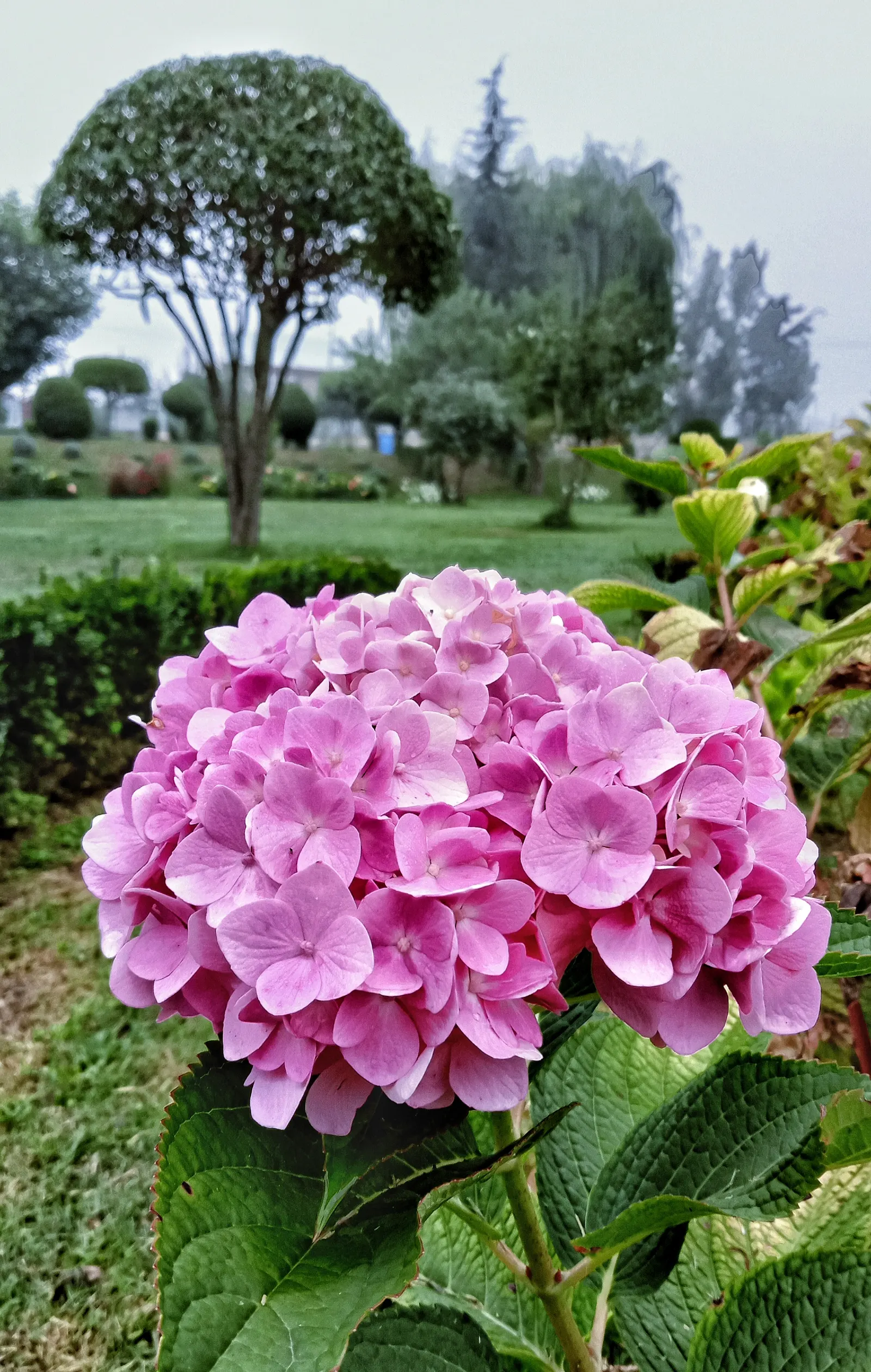
Hydrangea (Hydrangea Species) — shrub with blue and pink and white blooms
Hydrangea (Hydrangea Species) — Hardy in USDA zones 3 through 9
Hydrangea (Hydrangea Species) — Known for their lush foliage and the ability to change bloom color based on soil pH
Hydrangea (Hydrangea Species) — These deciduous shrubs generally thrive in partial shade and well-drained, moist soil; known for their lush foliage, image 68
Photographs by 11 contributors

Related plants