Skip to content

Sea Buckthorn

Hippophae Rhamnoides

Design with this plant

Overview

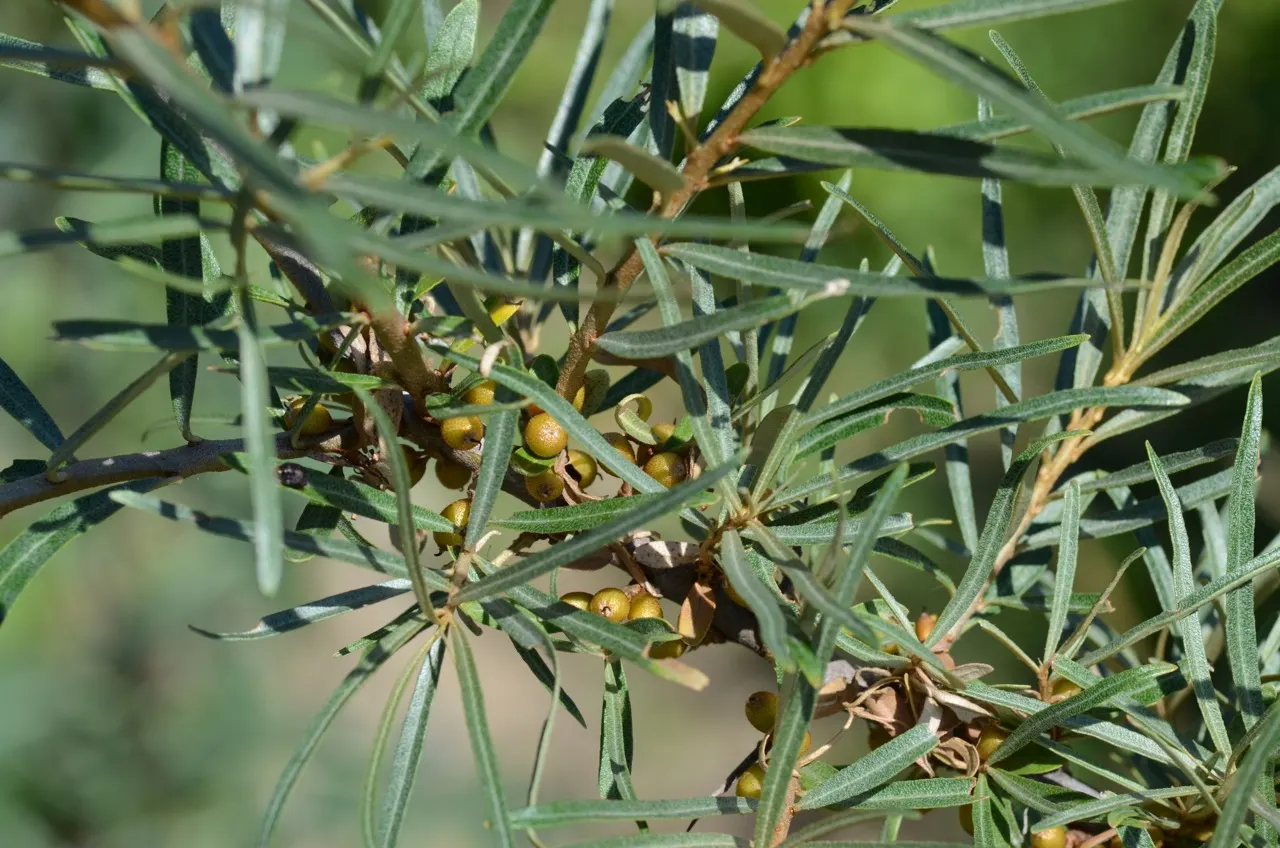
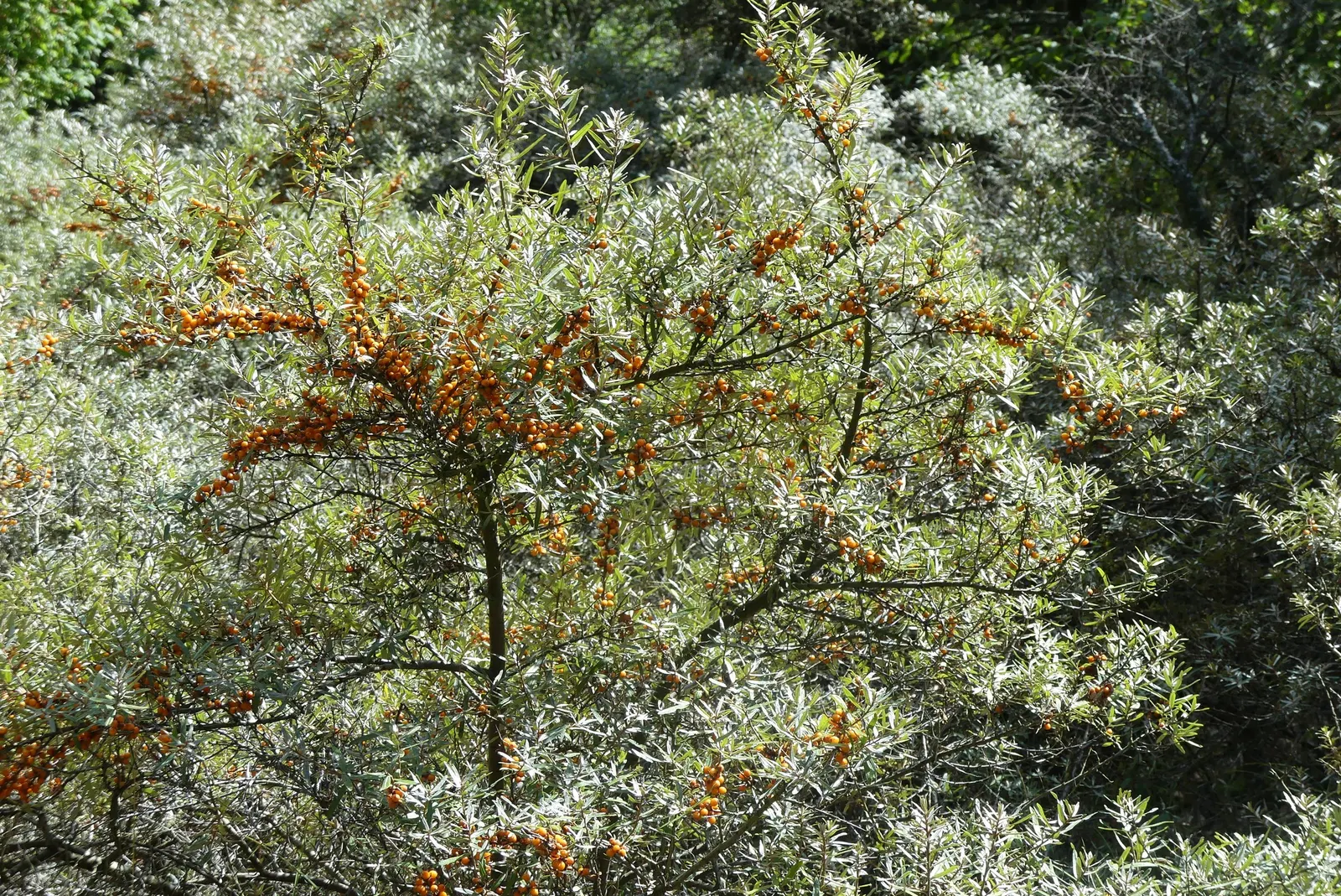
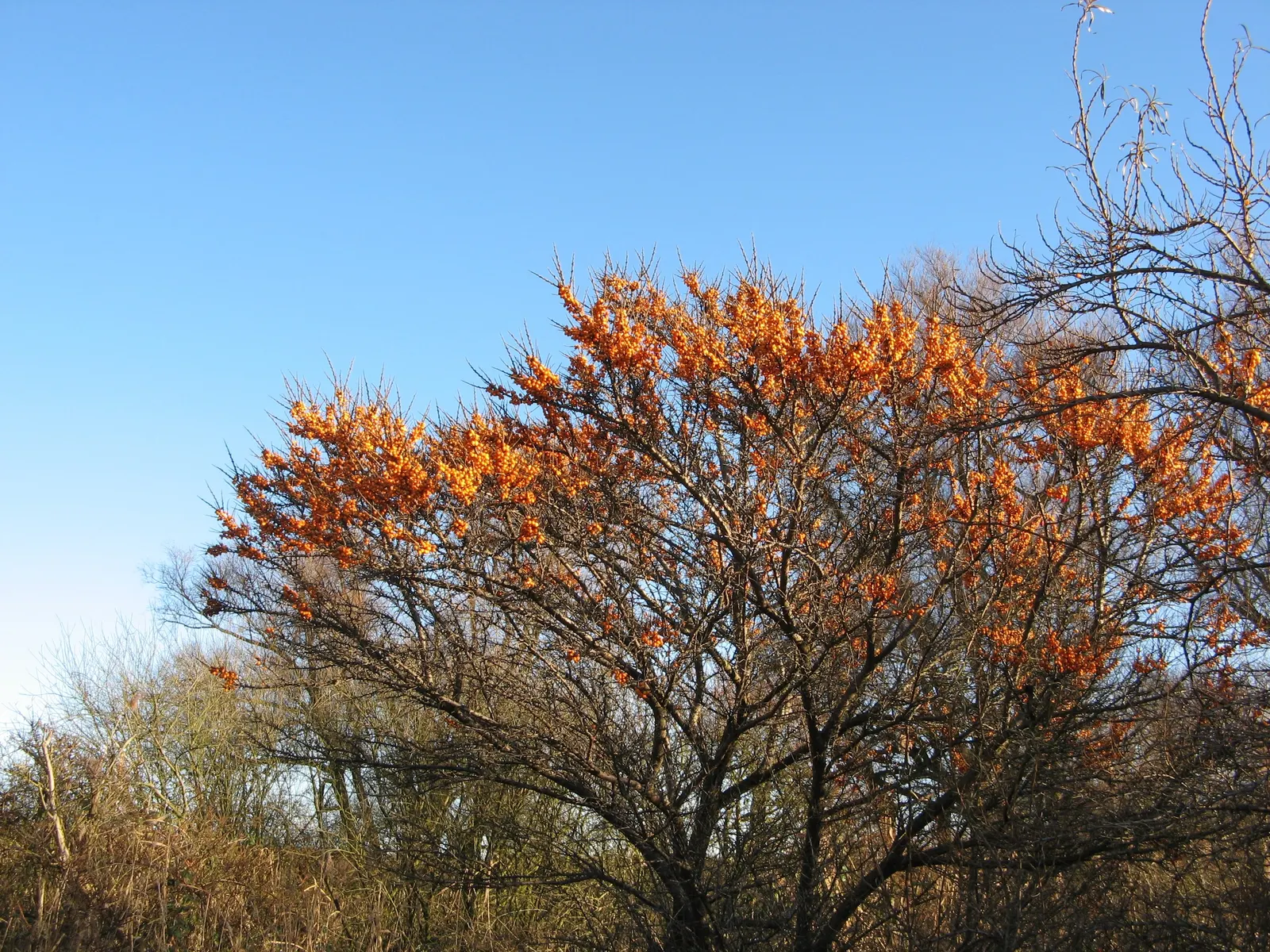
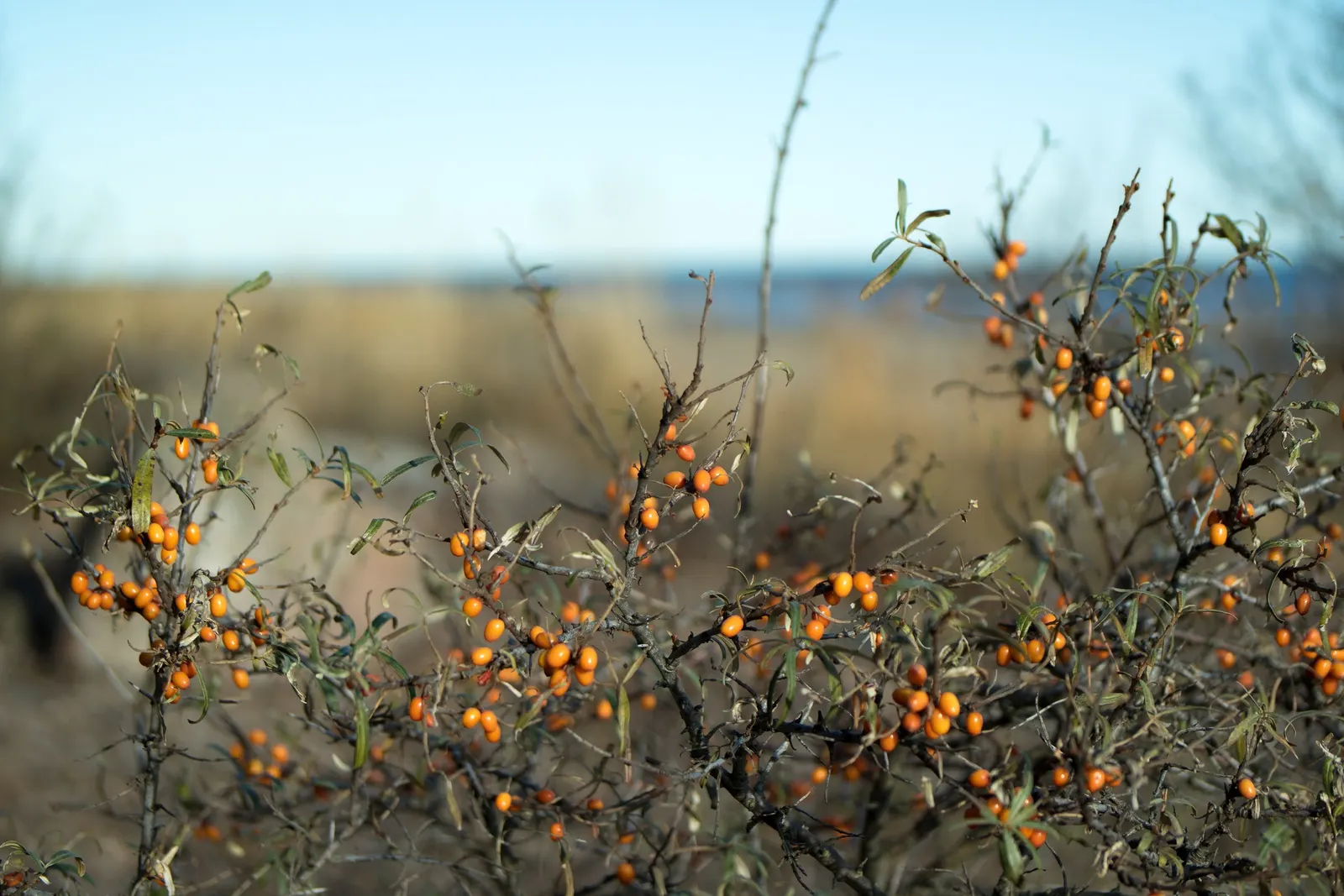
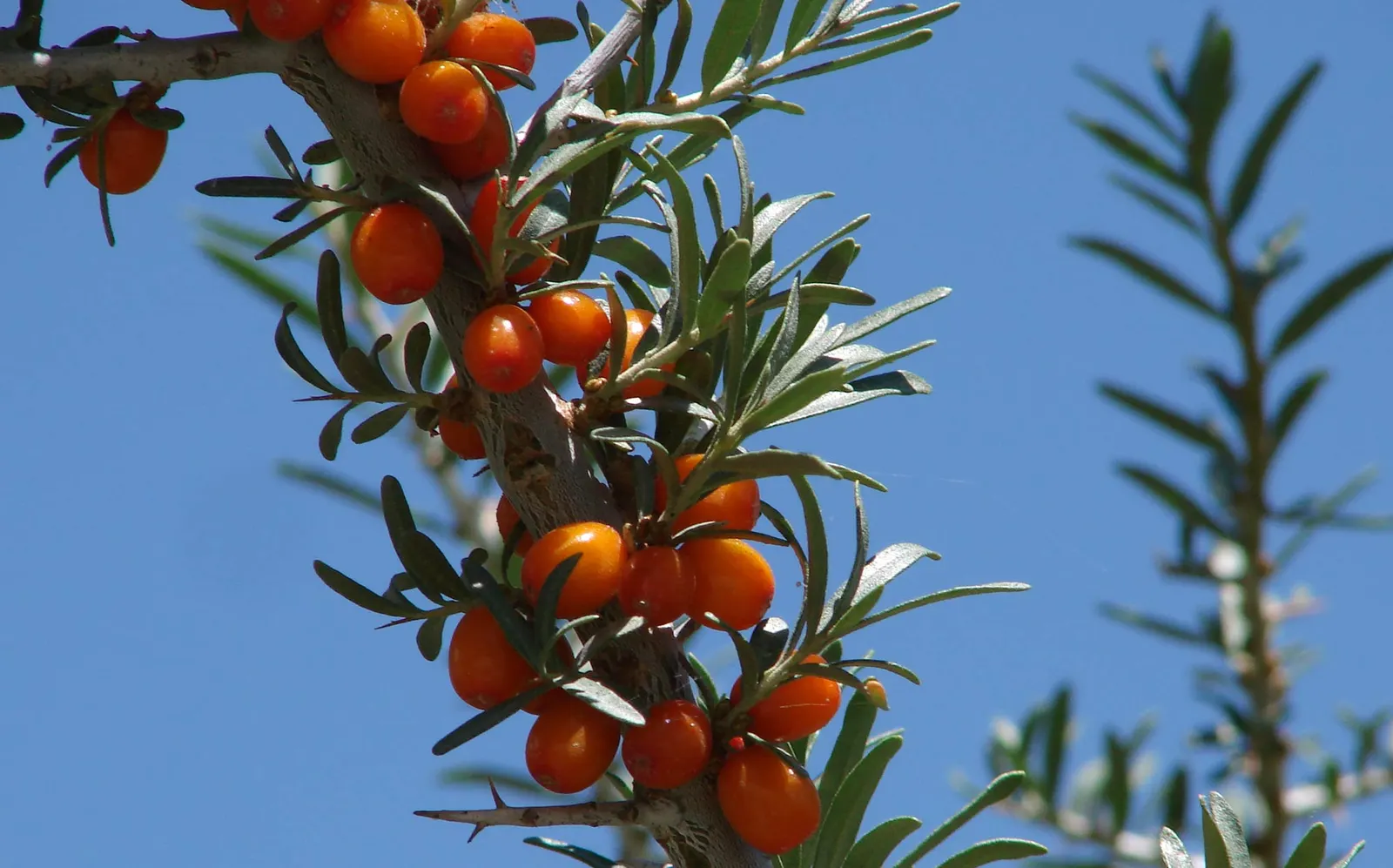
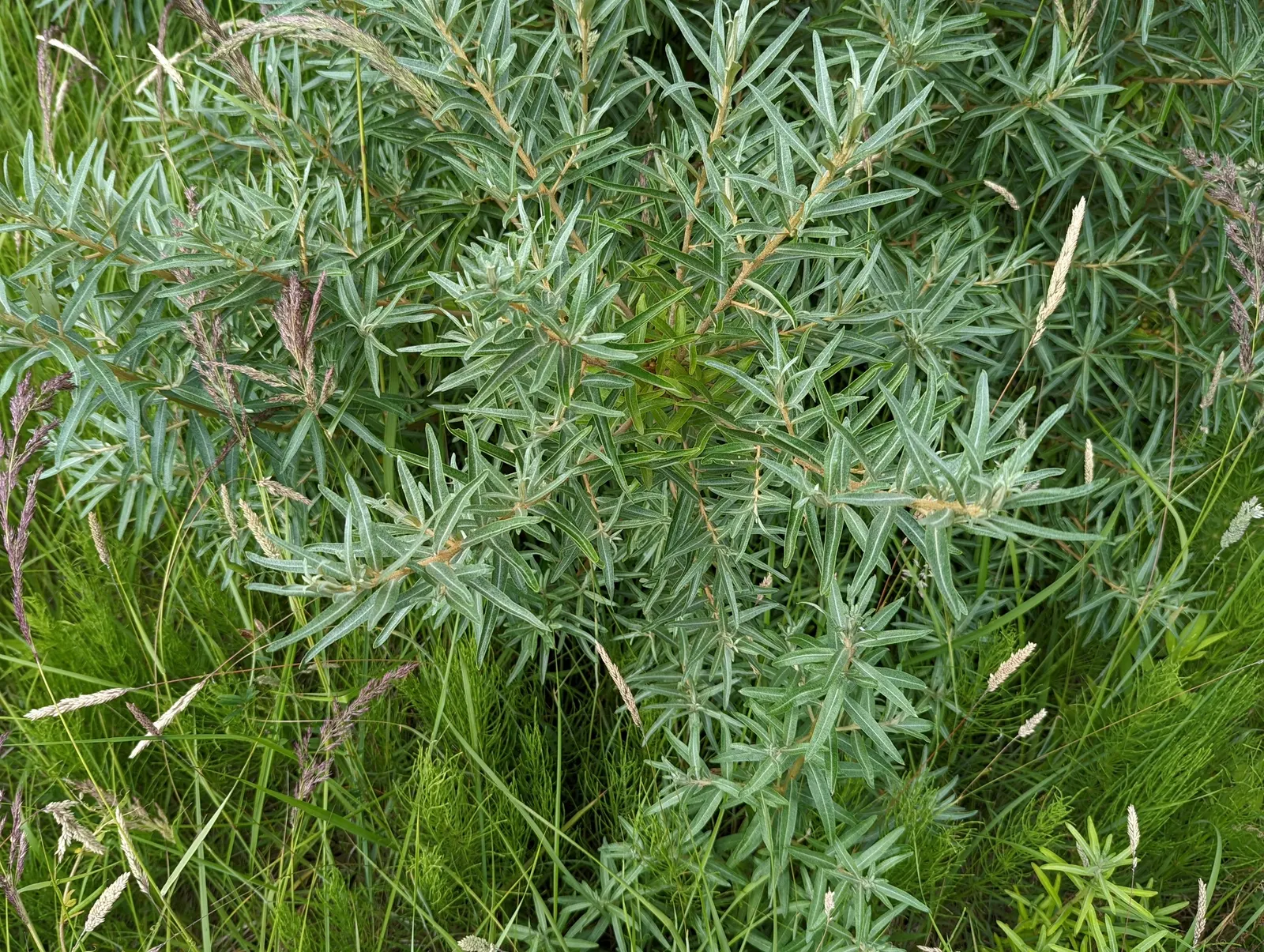
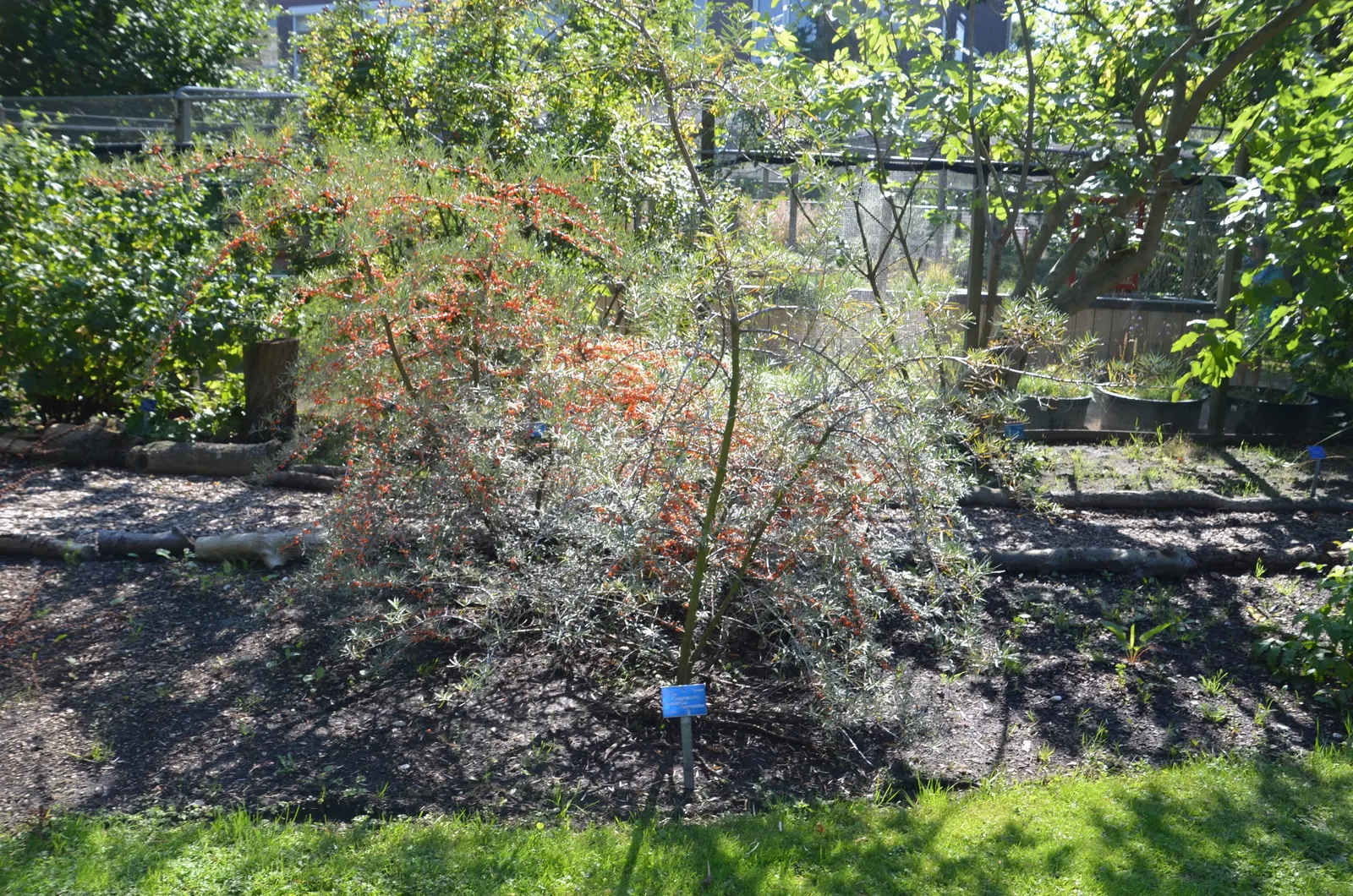
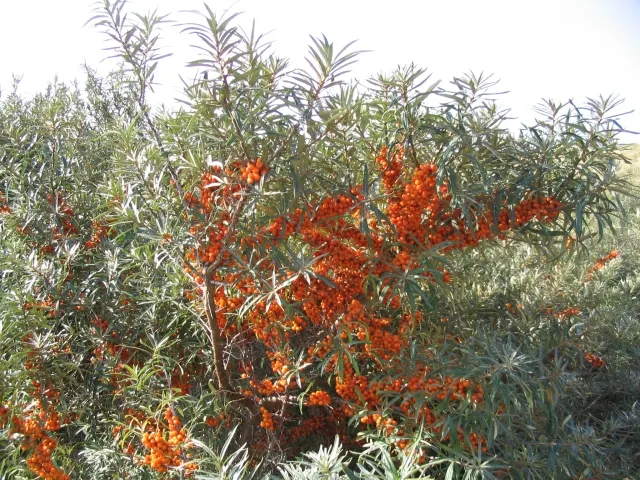
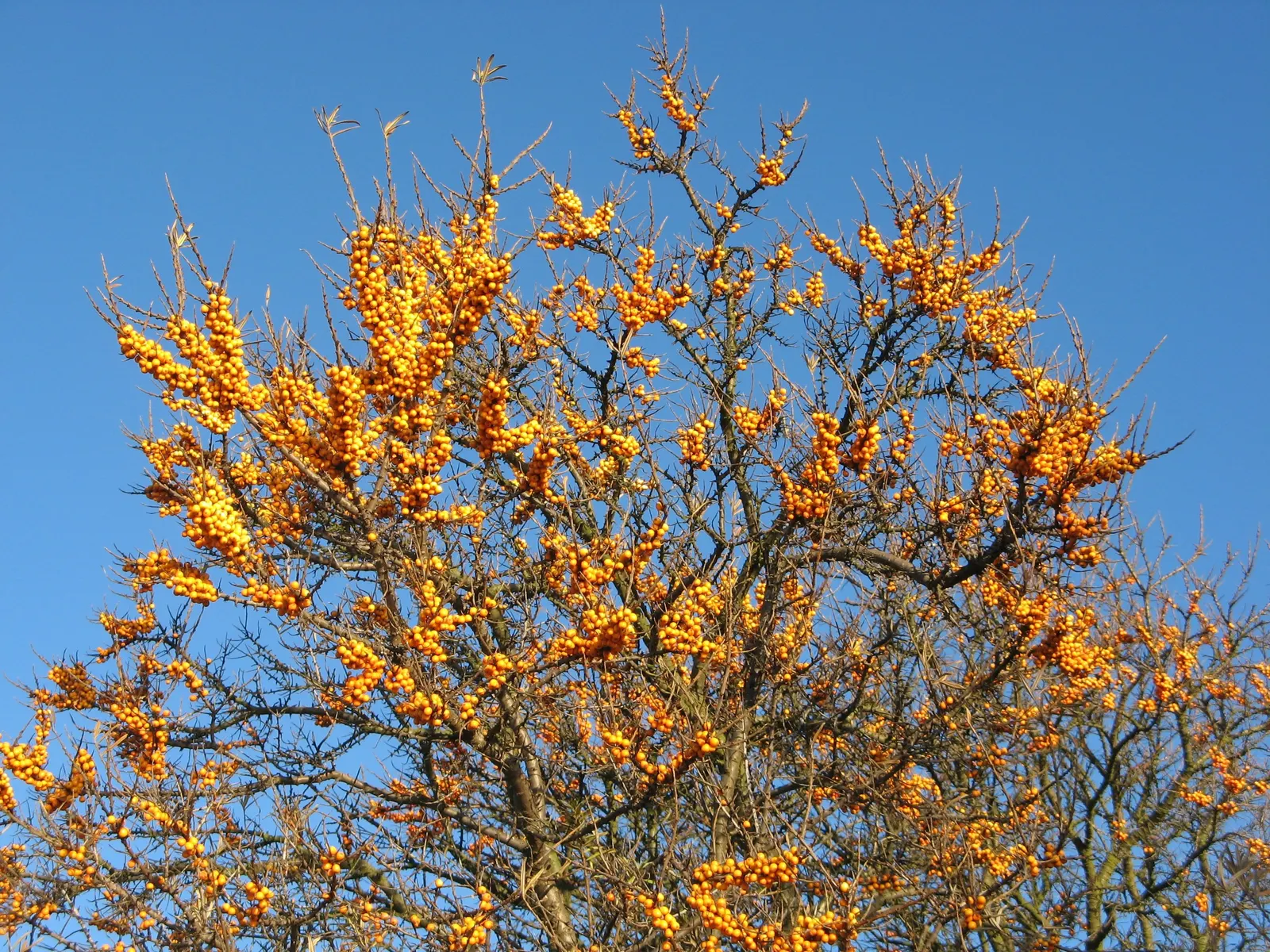
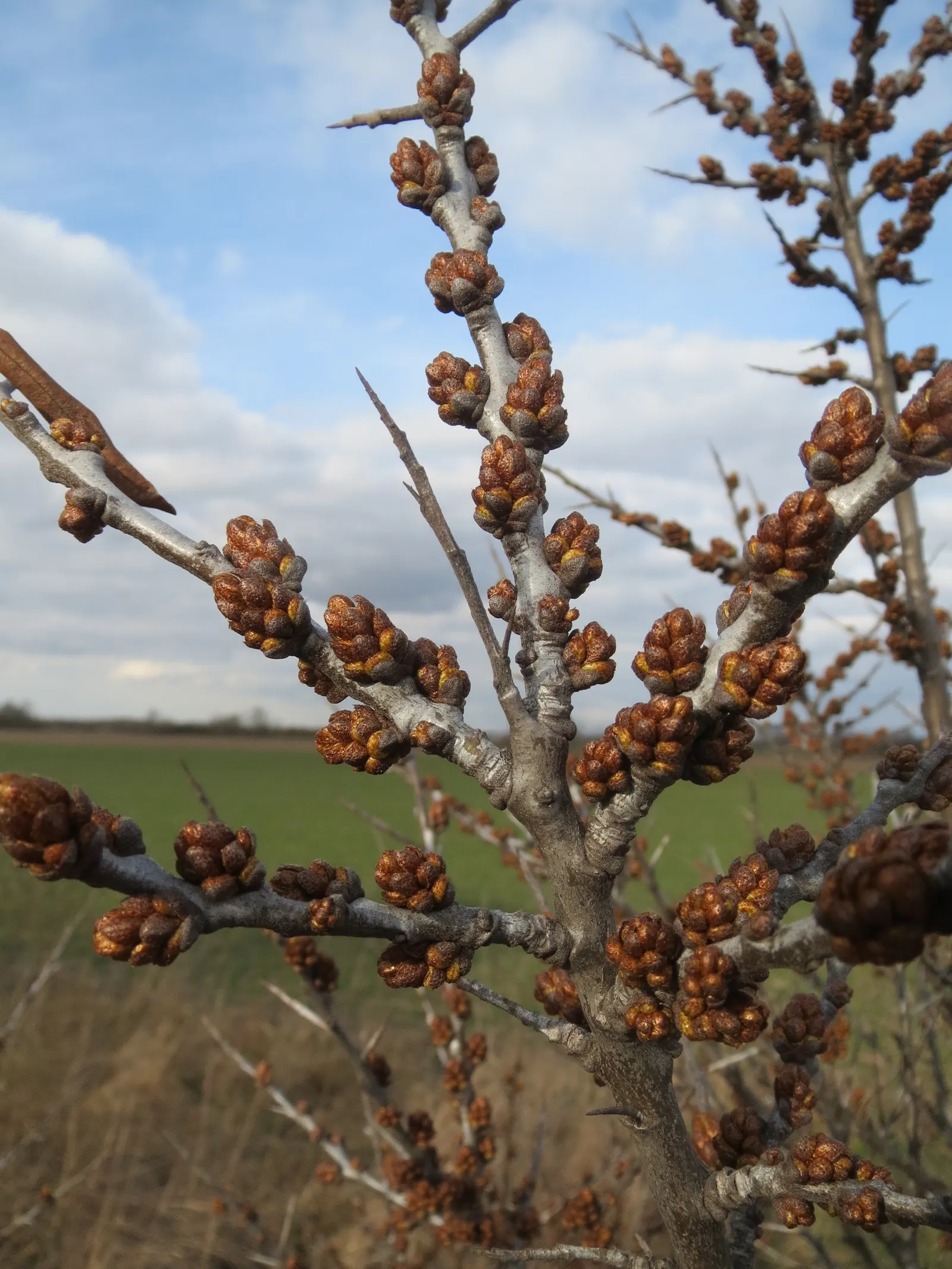
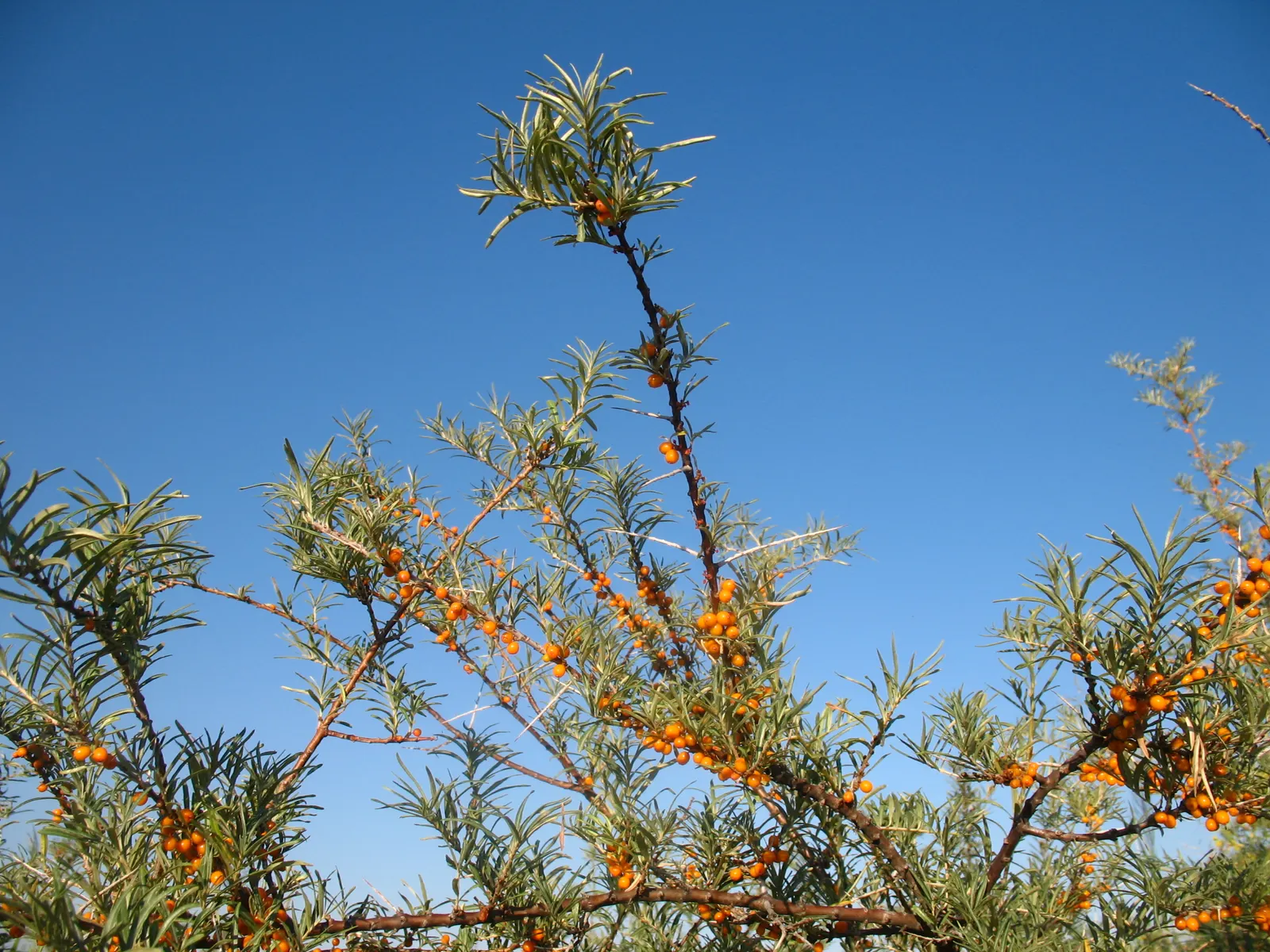
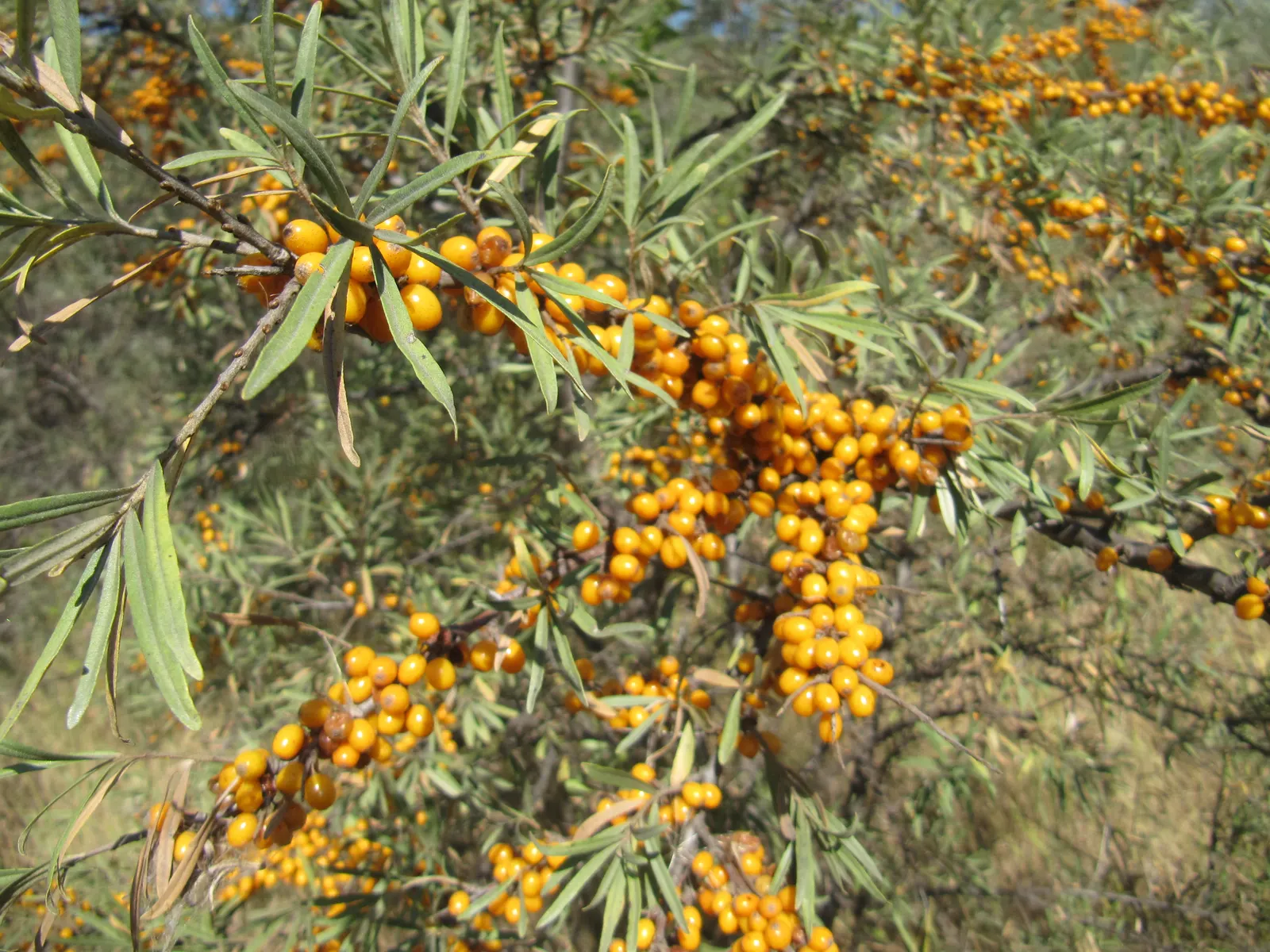
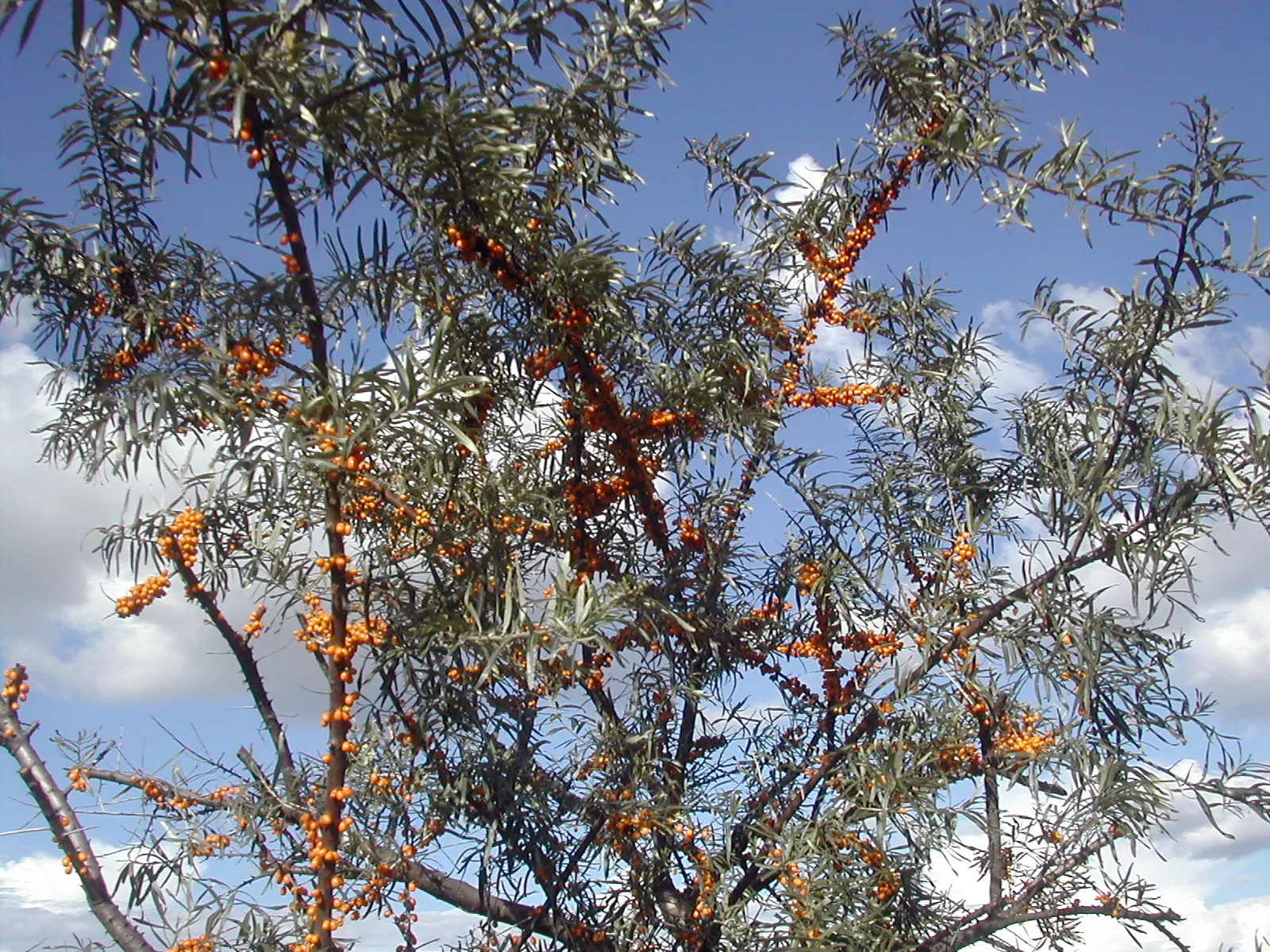
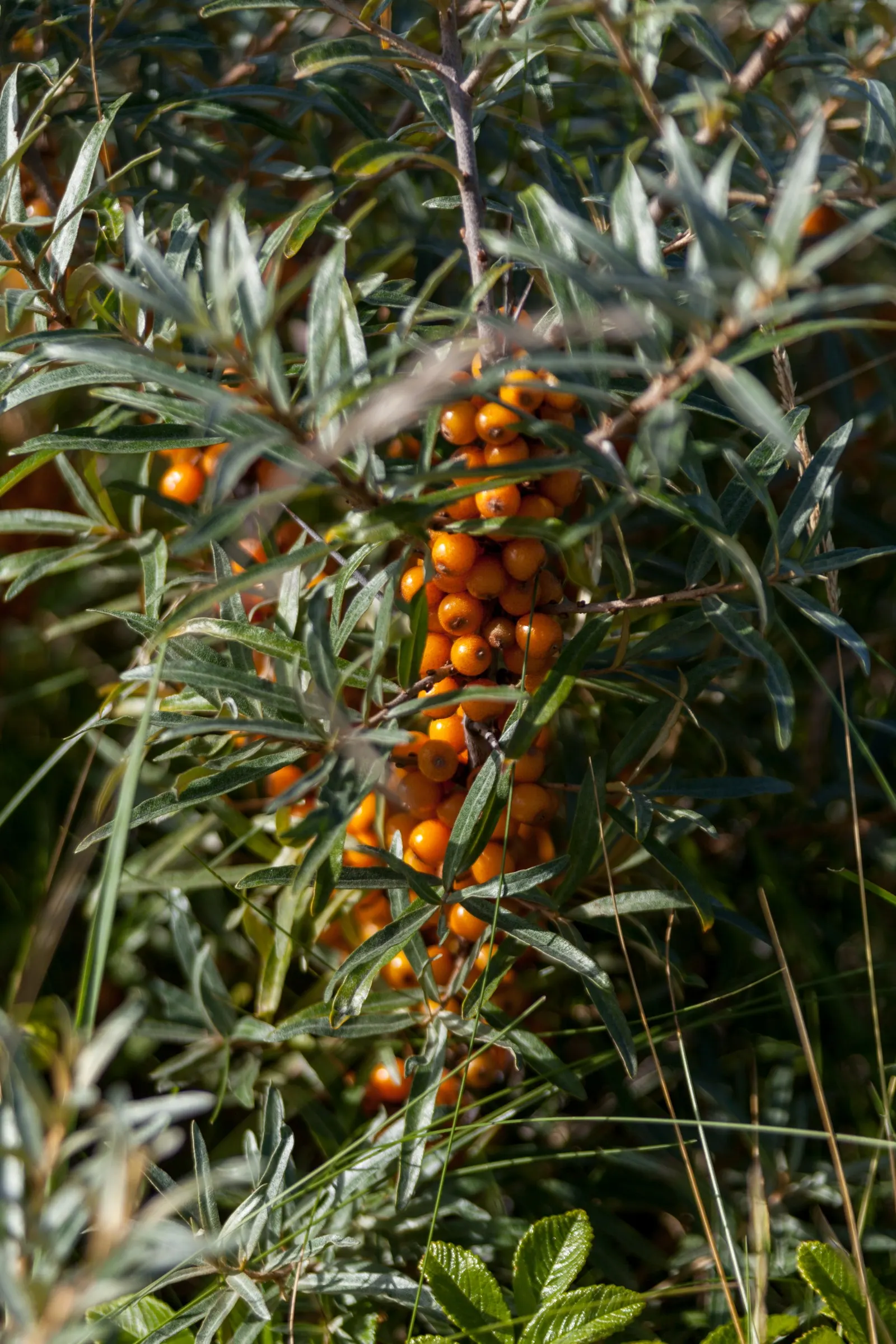
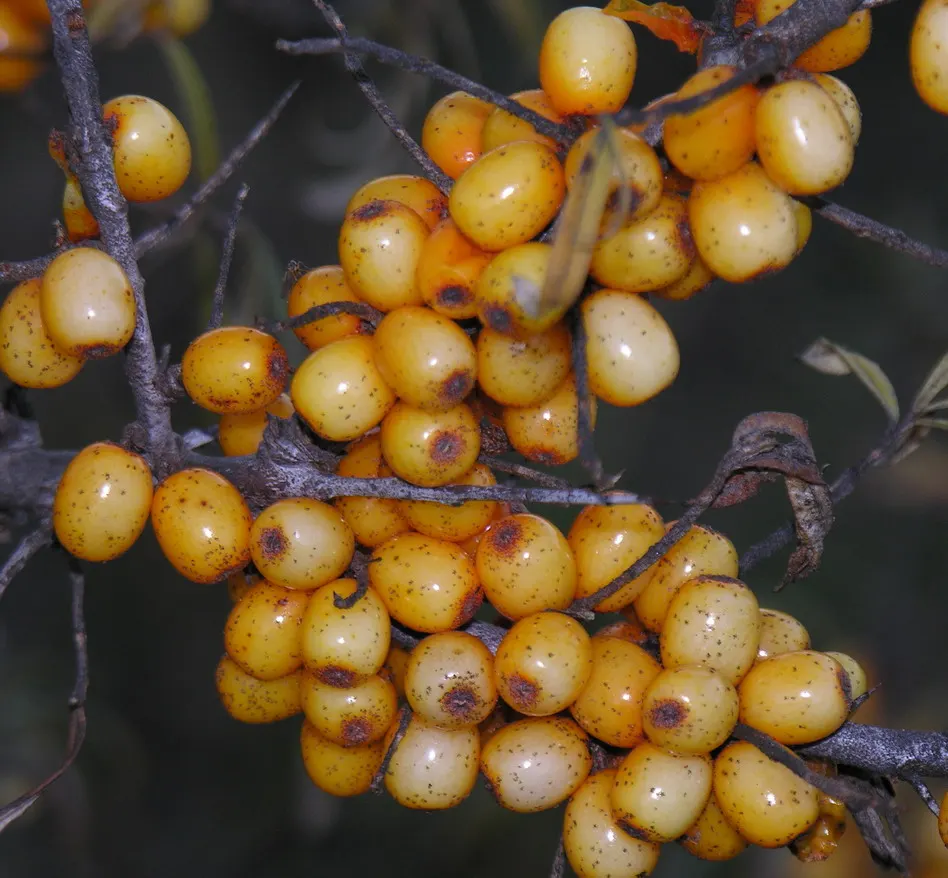
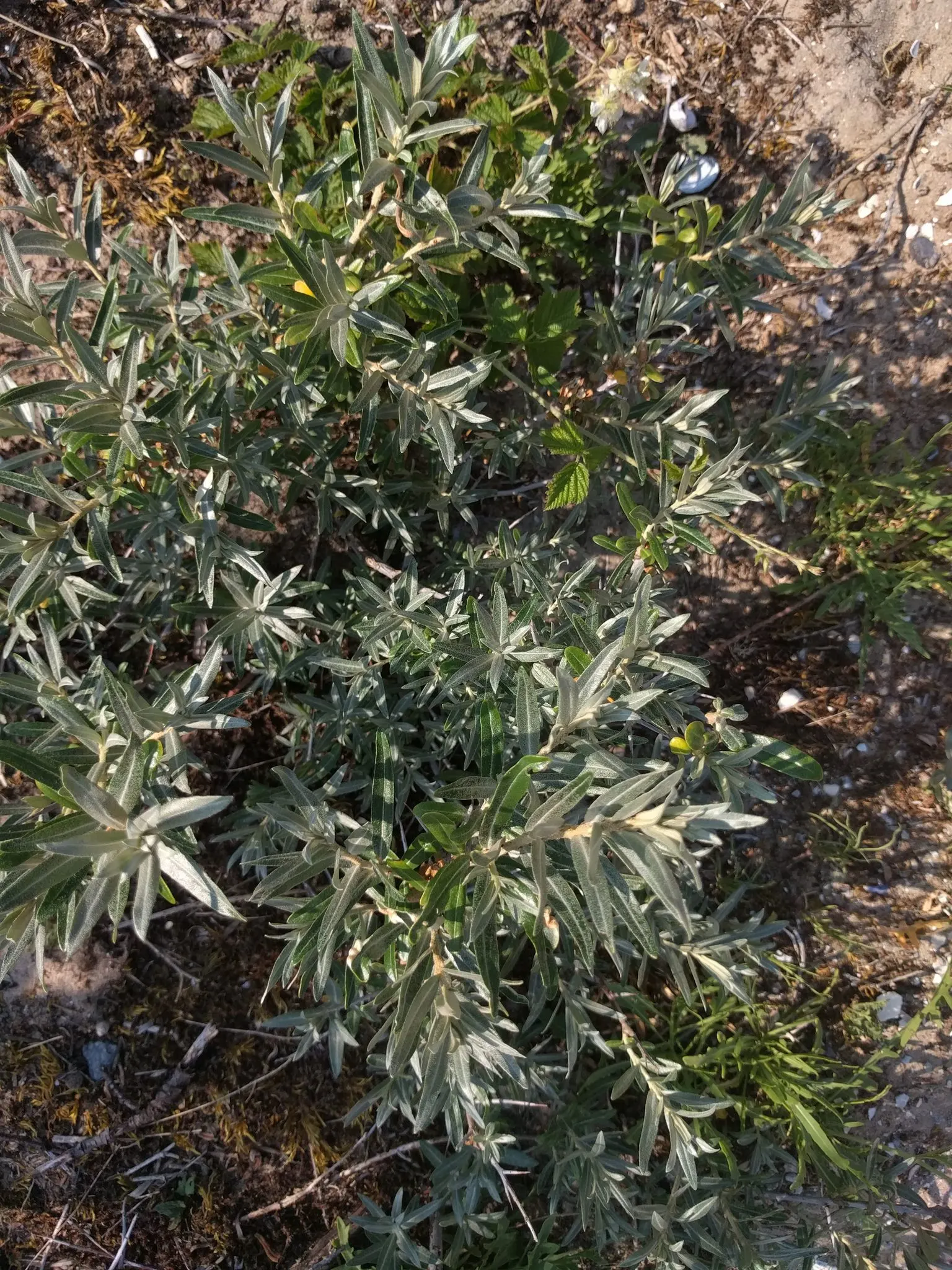
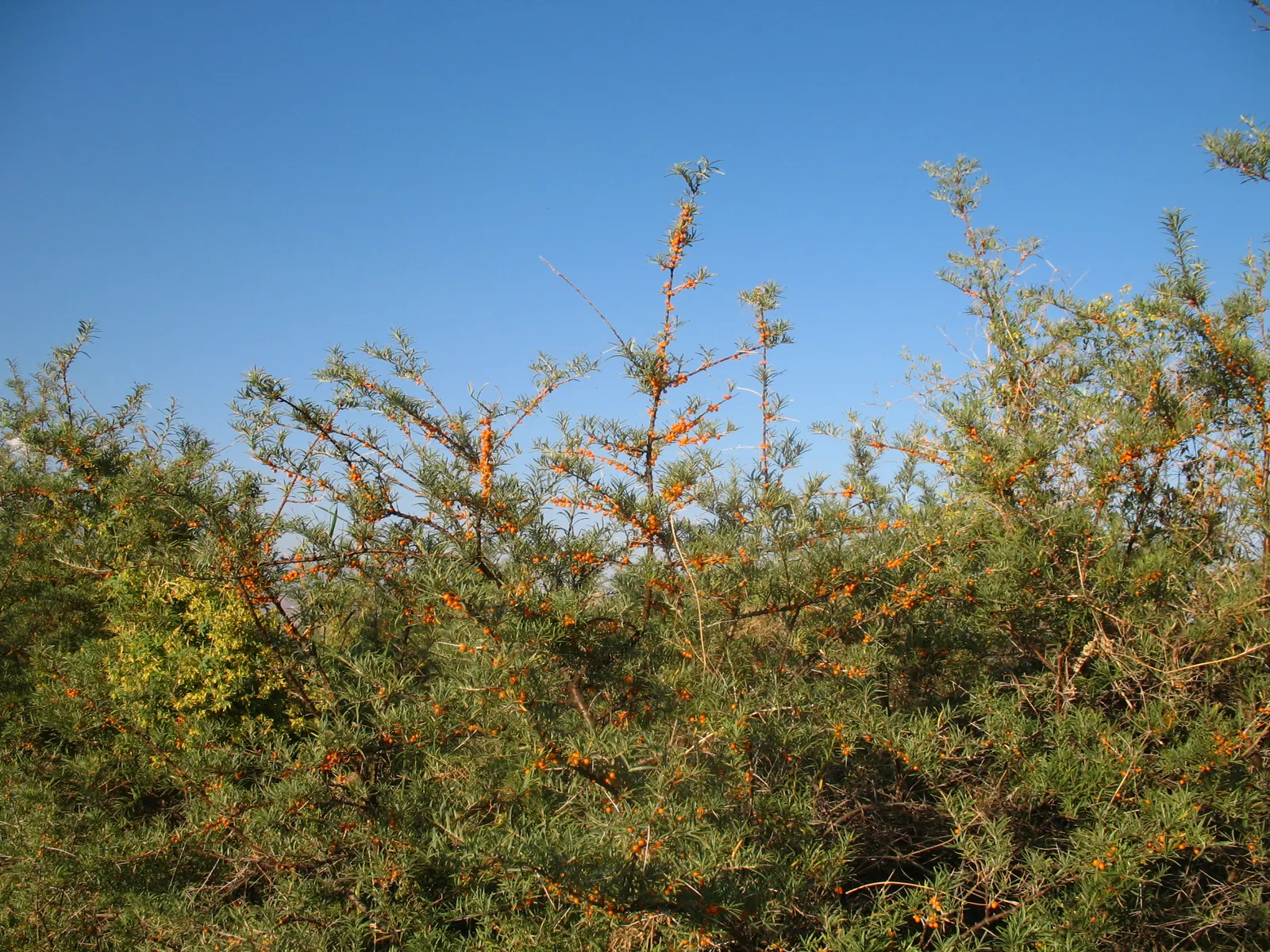
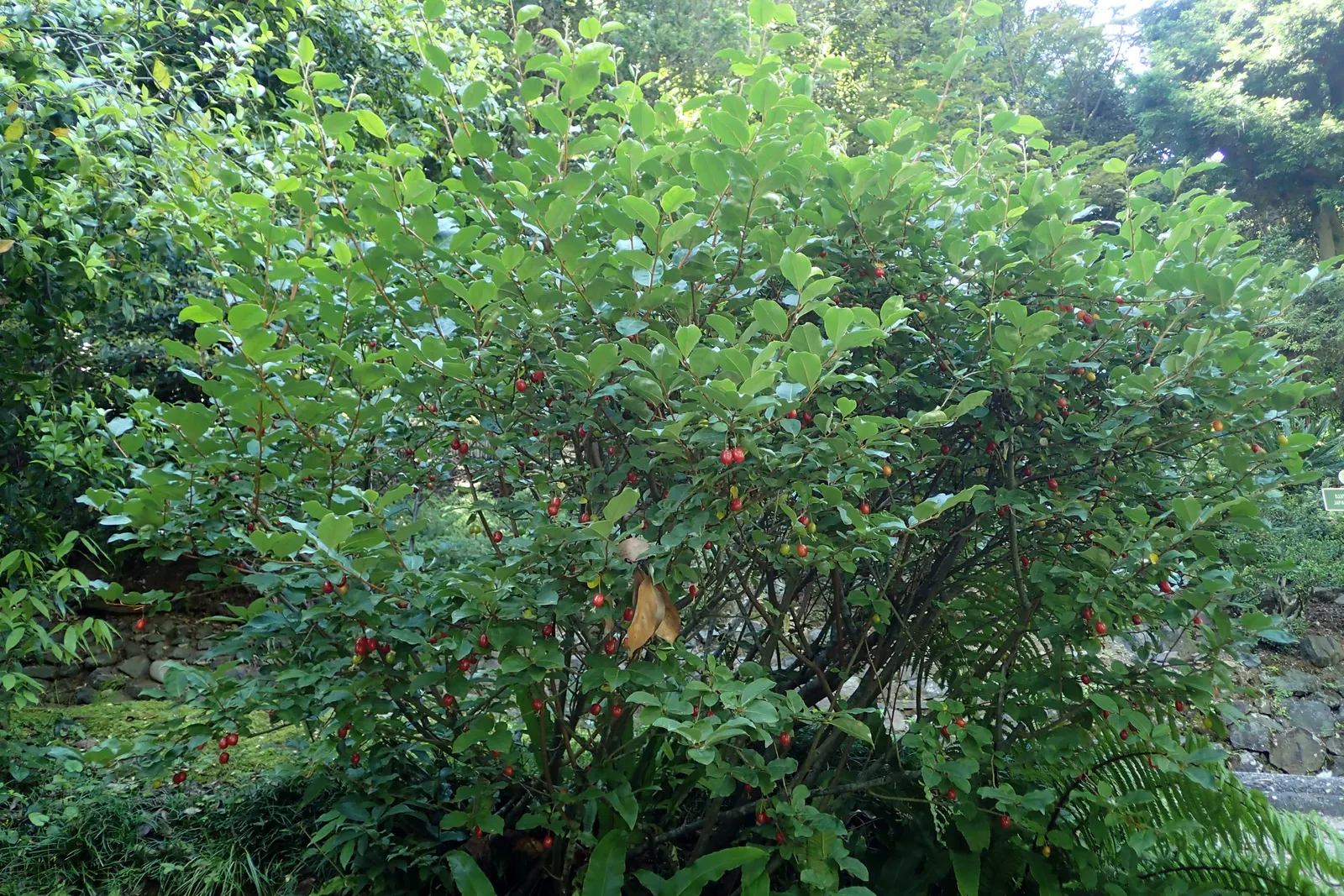
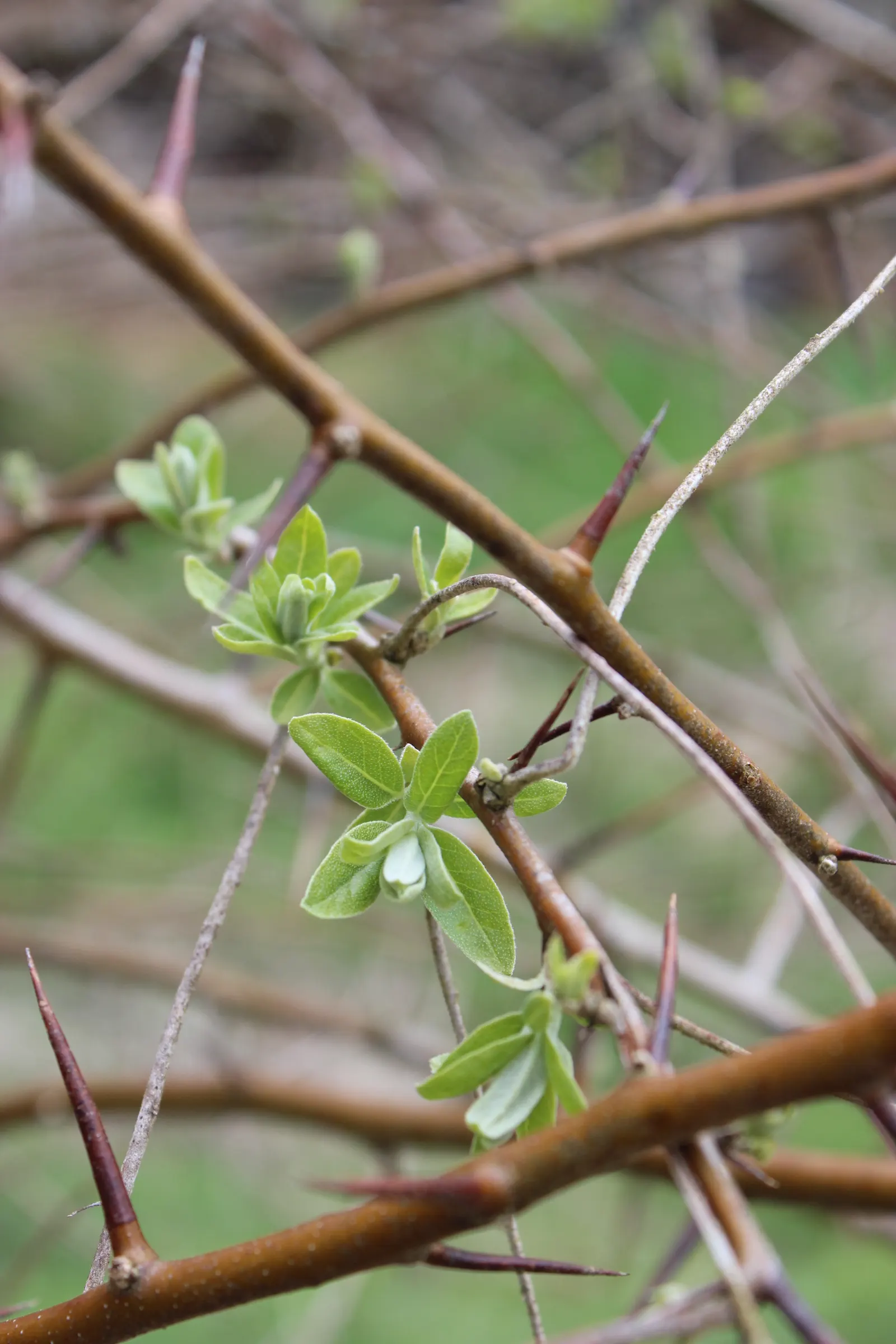
The Sea Buckthorn (Hippophae rhamnoides) is a hardy, deciduous shrub, growing 6-18 ft. tall and wide. Renowned for its vibrant orange berries and silvery-green foliage, it thrives in full sun and well-drained soils. Its extensive root system aids in erosion control. Both male and female plants are required for fruit production, which is rich in vitamins. Ideal for windbreaks or ornamental use in coastal and dry landscapes.

Sun Full, Half, ShadeWater LowZones 3–8
Sea Buckthorn (Hippophae Rhamnoides) — The Sea Buckthorn (Hippophae rhamnoides) is a hardy, deciduous shrub, growing 6-18 ft

Culture

Sun
Full, Half, Shade
Water
Low
USDA zones
3–8

Shape & size

Classification

Family
Elaeagnaceae

See full data, regional cultivation notes, full-resolution photos, and design tools. Build a client presentation around this plant.

Start your 14-day trial

Photos (69)

Sea Buckthorn (Hippophae Rhamnoides) — making it an ideal candidate for coastal settings
Sea Buckthorn (Hippophae Rhamnoides) — For anyone seeking a robust and beneficial addition to their garden, Sea Buckthorn is an excellent choice
Sea Buckthorn (Hippophae Rhamnoides) — Regular pruning can maintain its shape and encourage fruiting
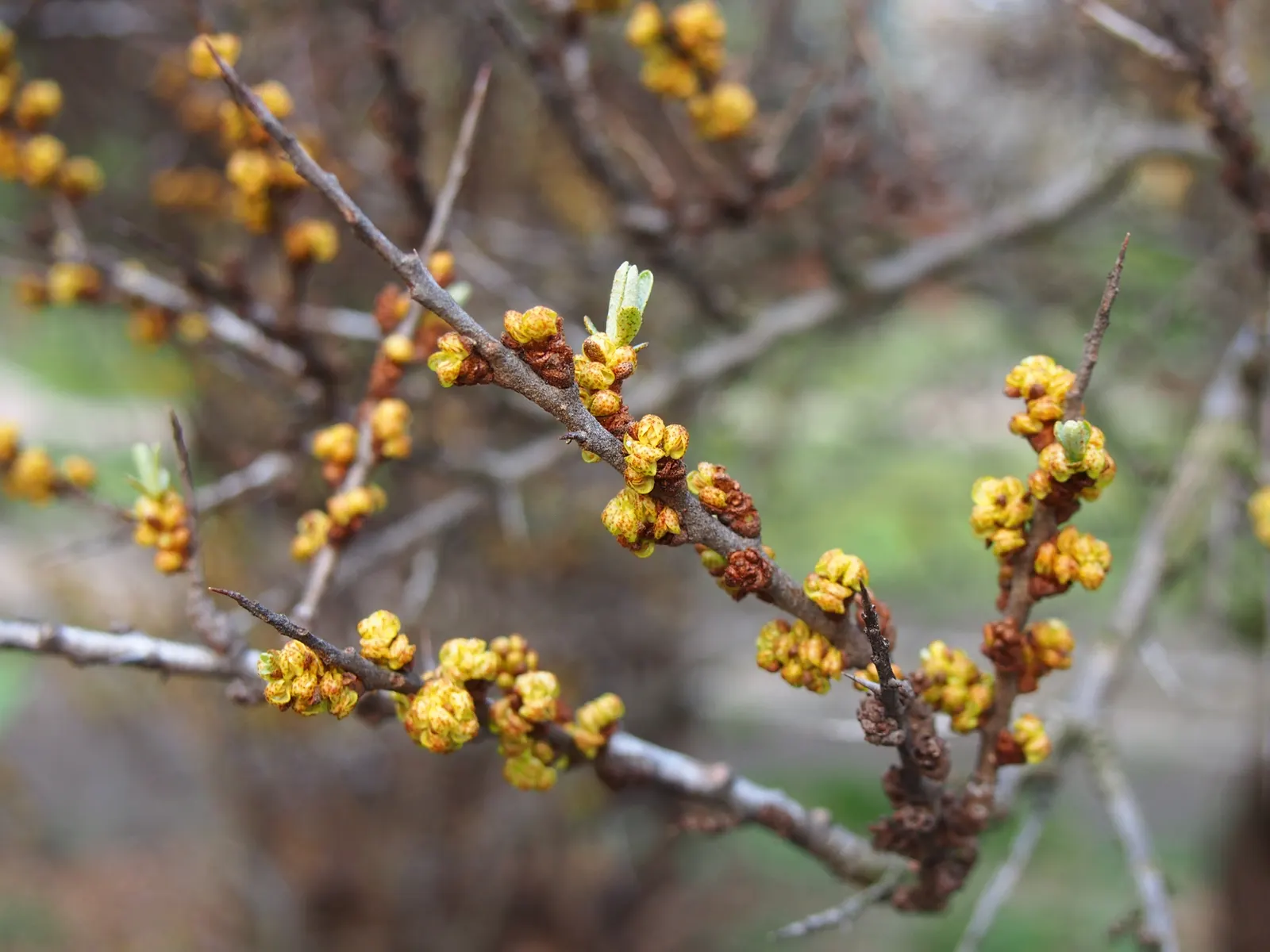
Sea Buckthorn (Hippophae Rhamnoides) — green and yellow flowers in the garden
Sea Buckthorn (Hippophae Rhamnoides) — shrub with green and yellow blooms
Sea Buckthorn (Hippophae Rhamnoides) — The Sea Buckthorn (Hippophae rhamnoides) is a hardy, deciduous shrub, growing 6-18 ft; its extensive root system aids in
Sea Buckthorn (Hippophae Rhamnoides) — Renowned for its vibrant orange berries and silvery-green foliage; it is imperative to provide ample space for its thorny
Sea Buckthorn (Hippophae Rhamnoides) — it thrives in full sun and well-drained soils; high-vitamin C berries that are widely praised for their health benefits
Sea Buckthorn (Hippophae Rhamnoides) — Its extensive root system aids in erosion control; making it an ideal candidate for coastal settings
Sea Buckthorn (Hippophae Rhamnoides) — Both male and female plants are required for fruit production, which is rich in vitamins; renowned for its vibrant
Sea Buckthorn (Hippophae Rhamnoides) — shrub for full or half or shade
Sea Buckthorn (Hippophae Rhamnoides) — Ideal for windbreaks or ornamental use in coastal and dry landscapes; slightly acidic to neutral soil
Sea Buckthorn (Hippophae Rhamnoides) — Thriving in USDA hardiness zones 3 through 8; it is crucial to have both sexes present within pollination
Sea Buckthorn (Hippophae Rhamnoides) — this unique plant commands a sunny spot with well-drained; when integrating Sea Buckthorn into the landscape
Sea Buckthorn (Hippophae Rhamnoides) — With a mature height ranging from 6 to 12 feet and a spread of 6 to 8 feet; thriving in USDA hardiness zones 3 through 8
Sea Buckthorn (Hippophae Rhamnoides) — it is imperative to provide ample space for its thorny; sea Buckthorn offers a striking silver-green accent to the
Sea Buckthorn (Hippophae Rhamnoides) — spreading branches.<br><br>Featuring narrow; this hardy shrub can improve the fertility of surrounding ground
Sea Buckthorn (Hippophae Rhamnoides) — slightly acidic to neutral soil; shrub for full or half or shade
Sea Buckthorn (Hippophae Rhamnoides) — it is crucial to have both sexes present within pollination proximity.<br><br>From late summer into fall; while also
Sea Buckthorn (Hippophae Rhamnoides) — inconspicuous male and female flowers emerge on separate plants; spreading branches.<br><br>Featuring narrow
Sea Buckthorn (Hippophae Rhamnoides) — silvery-green leaves that reach up to 3 inches in length; green and yellow flowers in the garden
Sea Buckthorn (Hippophae Rhamnoides) — Sea Buckthorn offers a striking silver-green accent to the landscape; both male and female plants are required for fruit
Sea Buckthorn (Hippophae Rhamnoides) — high-vitamin C berries that are widely praised for their health benefits; it thrives in full sun and well-drained soils
Sea Buckthorn (Hippophae Rhamnoides) — female plants boast clusters of juicy; regular pruning can maintain its shape and encourage fruiting

Related plants