
Island Alum Root
Heuchera Maxima
Overview
The Island Alum Root, Heuchera maxima, thrives in USDA zones 8-10. A semi-evergreen perennial, it boasts broad, scalloped leaves and tall, airy flower spikes. With a modest spread of up to 2 feet and height of around 3 feet, these plants are ideal for edging and ground cover in partial shade. The cream-colored blossoms, appearing in late winter to spring, attract hummingbirds, adding dynamic interest to shade gardens.
Sun Half, ShadeWater LowZones 7–10Type Ground cover, Perennial
Culture
- Sun
- Half, Shade
- Water
- Low
- USDA zones
- 7–10
Shape & size
Classification
- Type
- Ground cover, Perennial
- Family
- Saxifragaceae
See full data, regional cultivation notes, and design tools. Build a client presentation around this plant.
Start your 14-day trialPhotos (15)
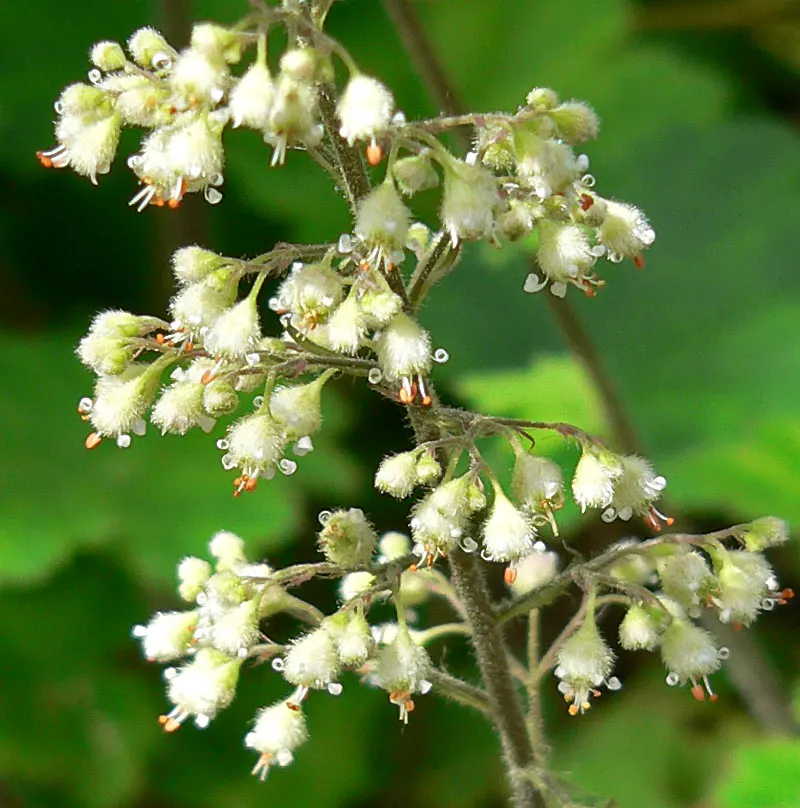
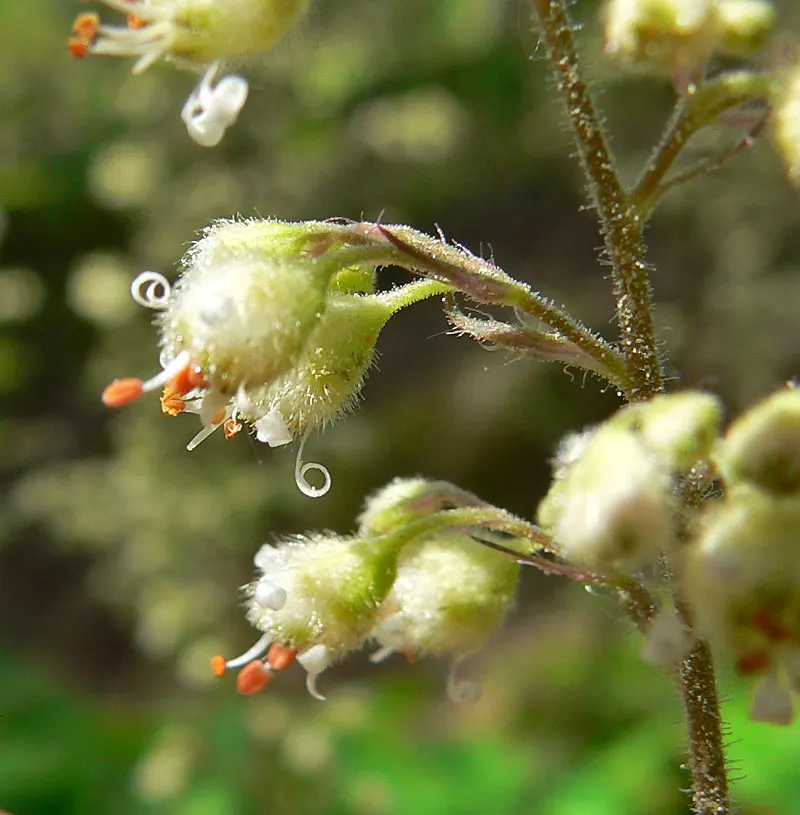
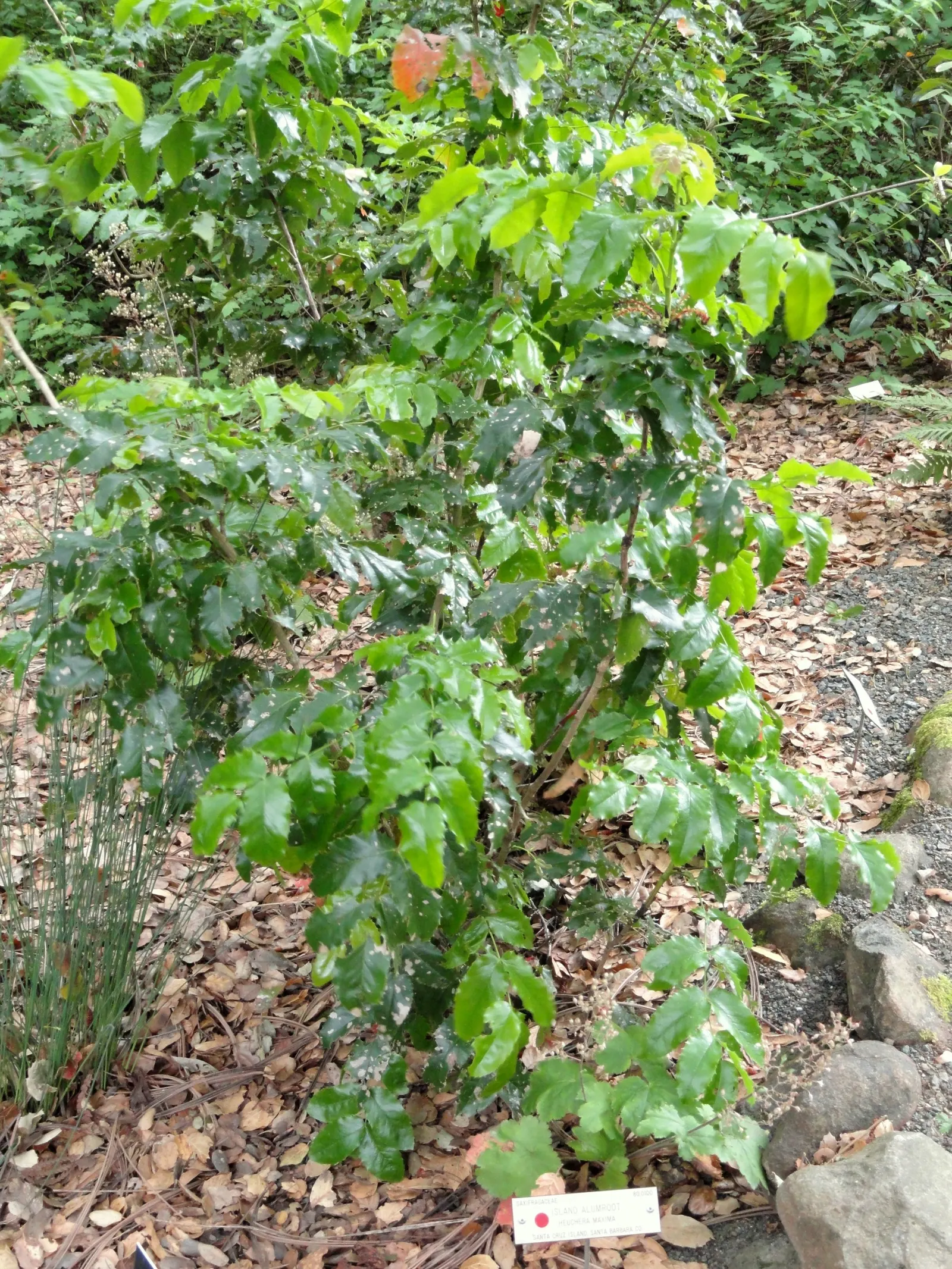
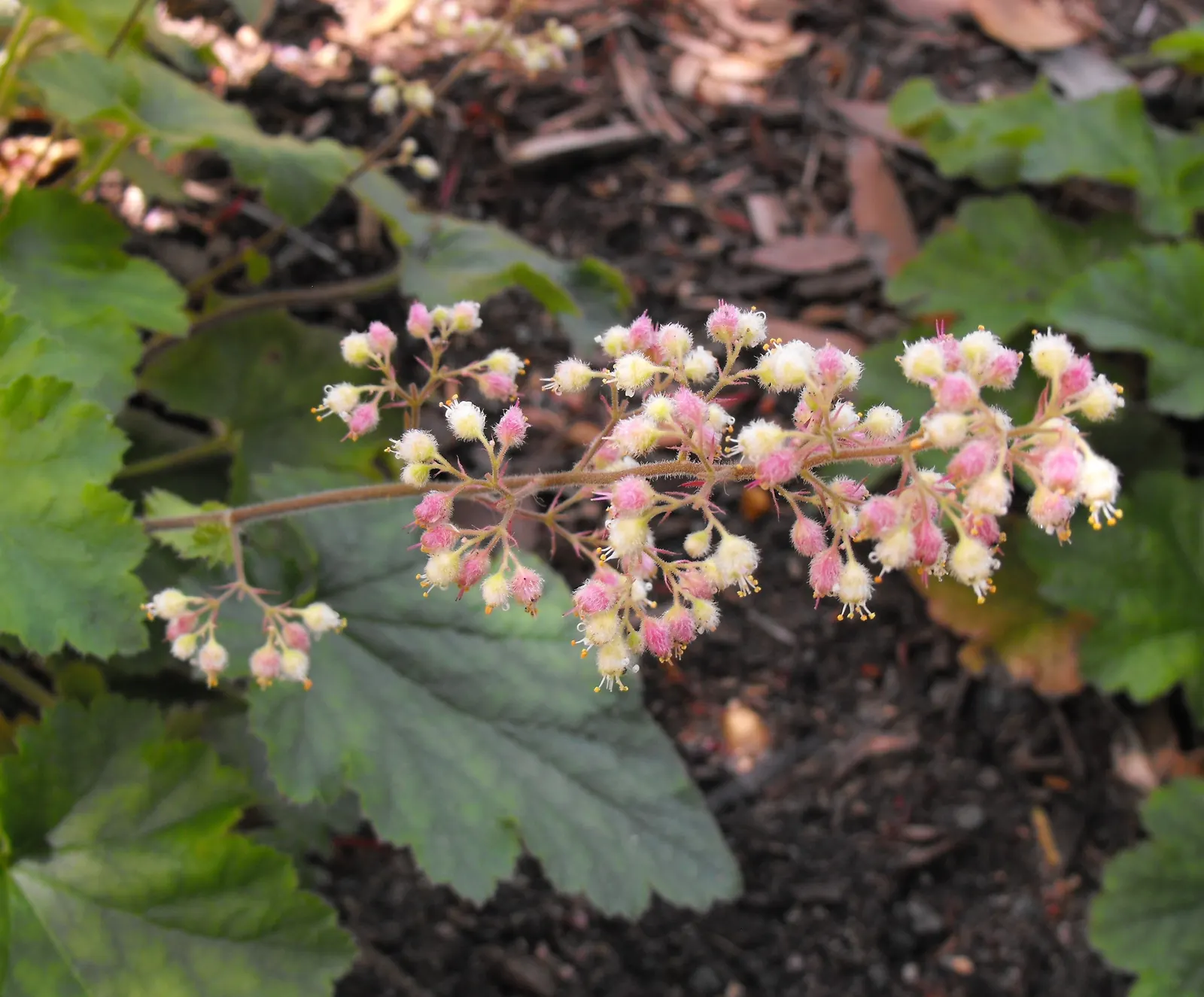

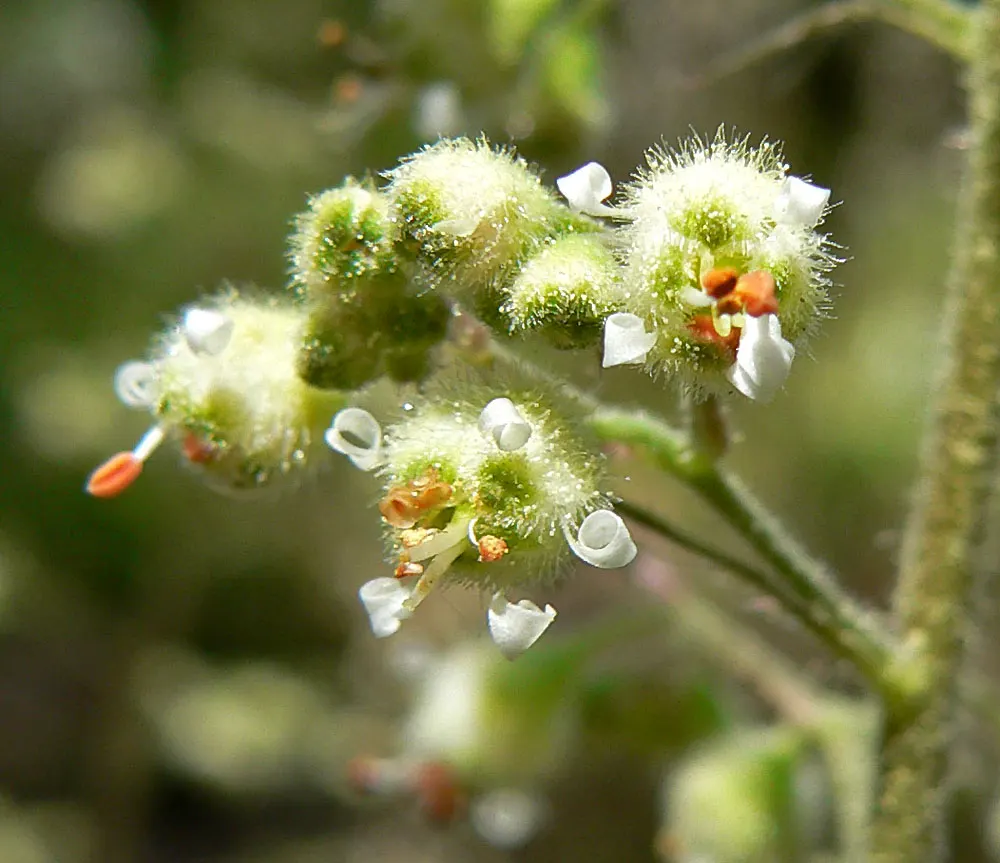
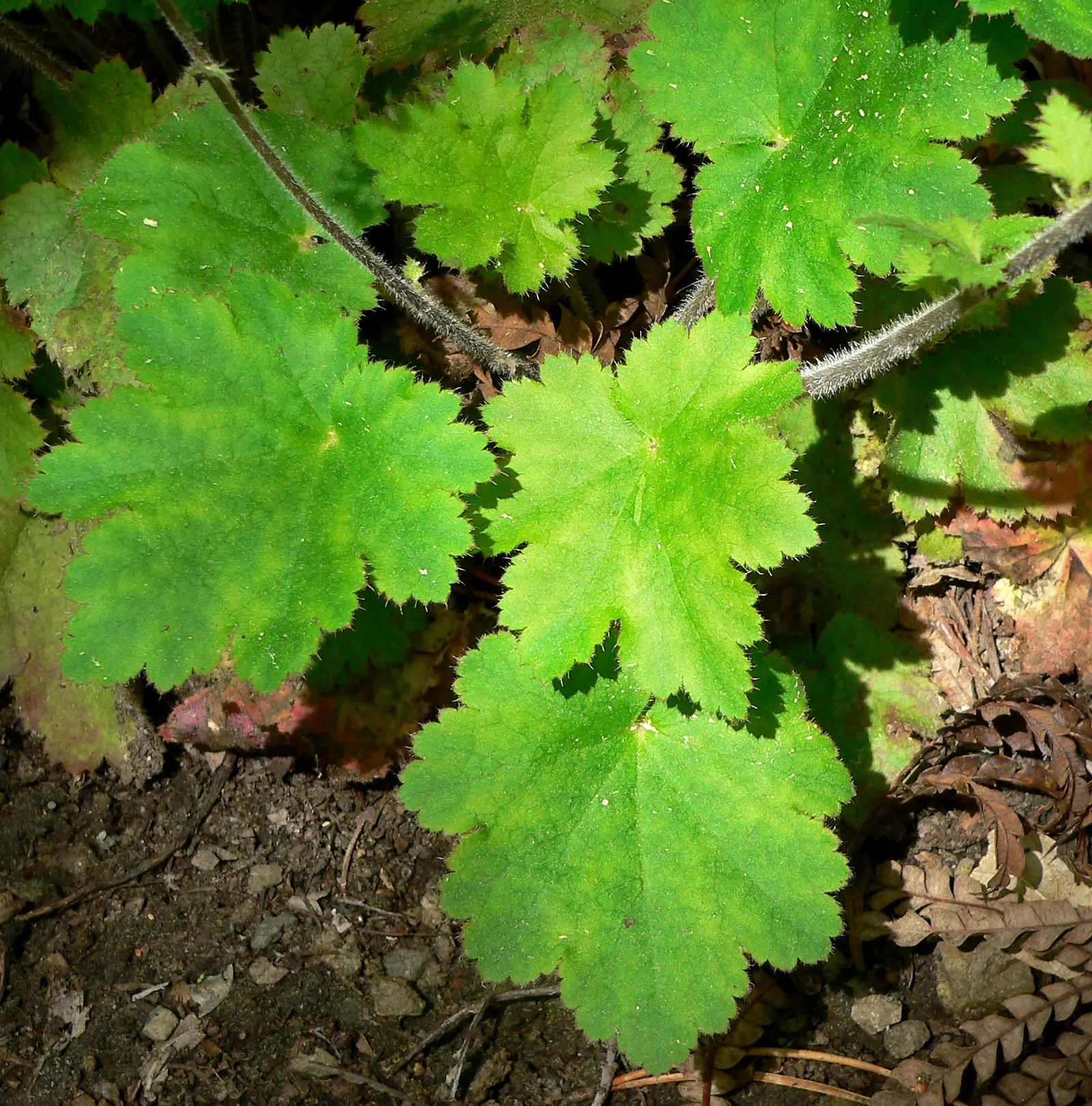
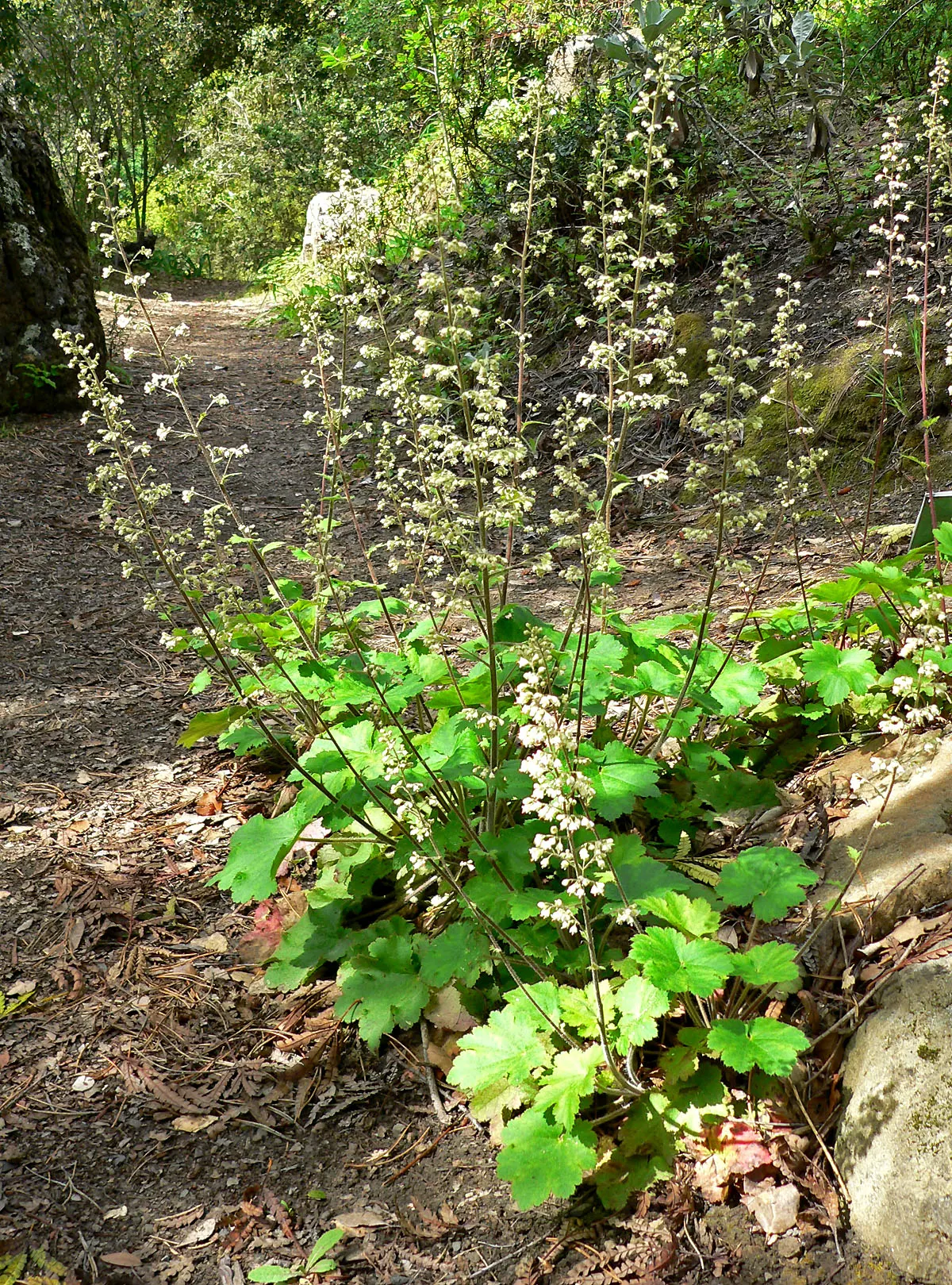
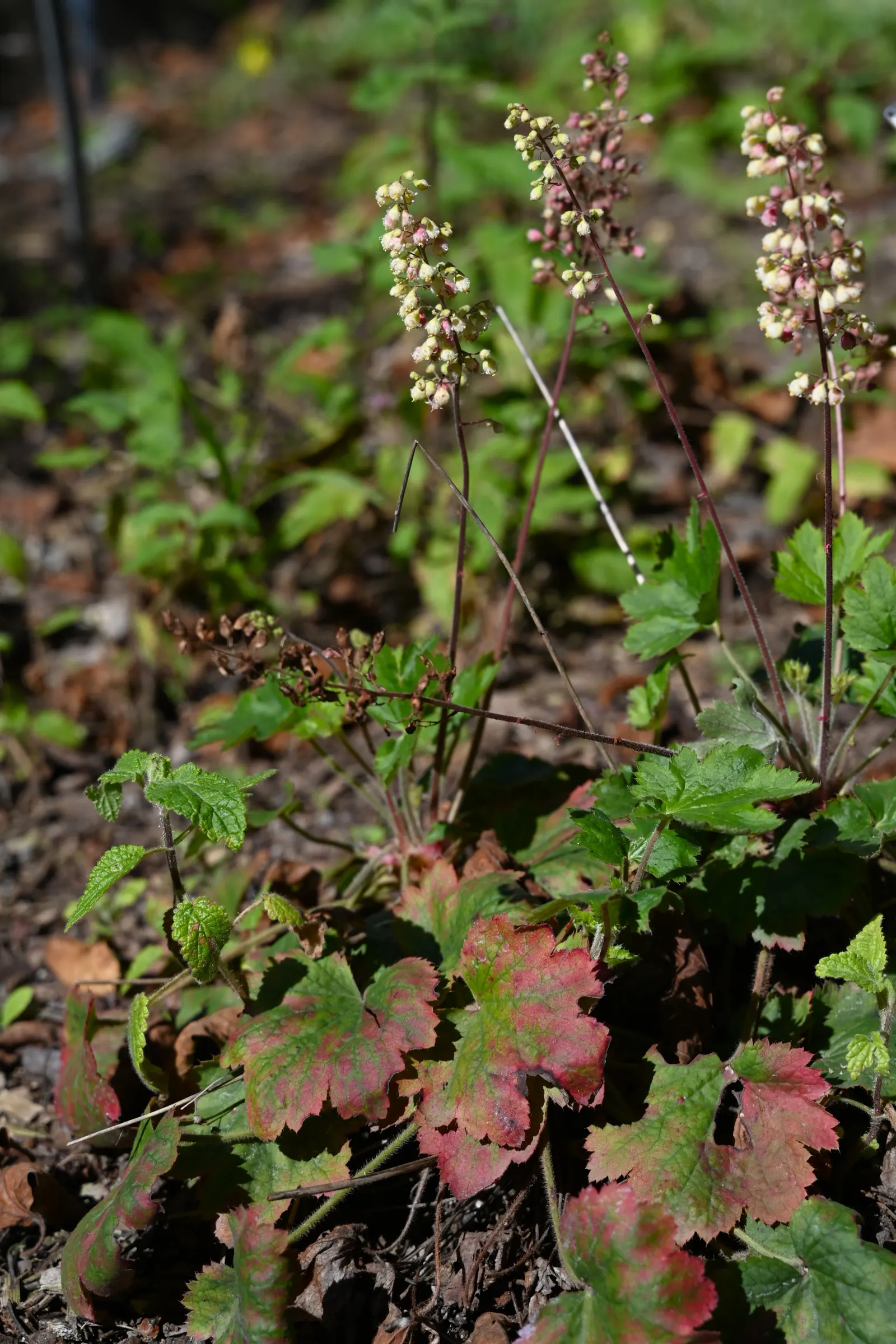
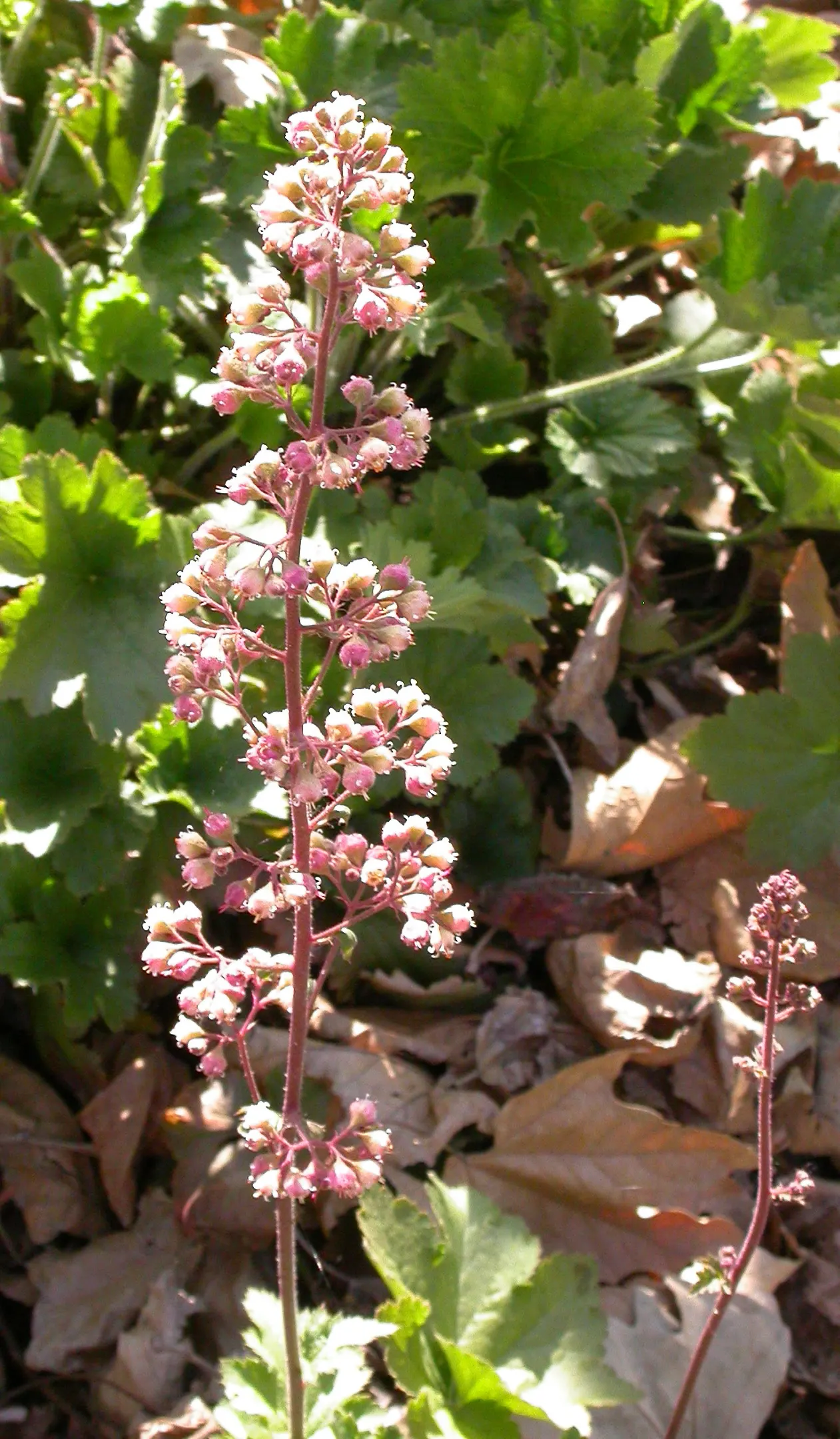
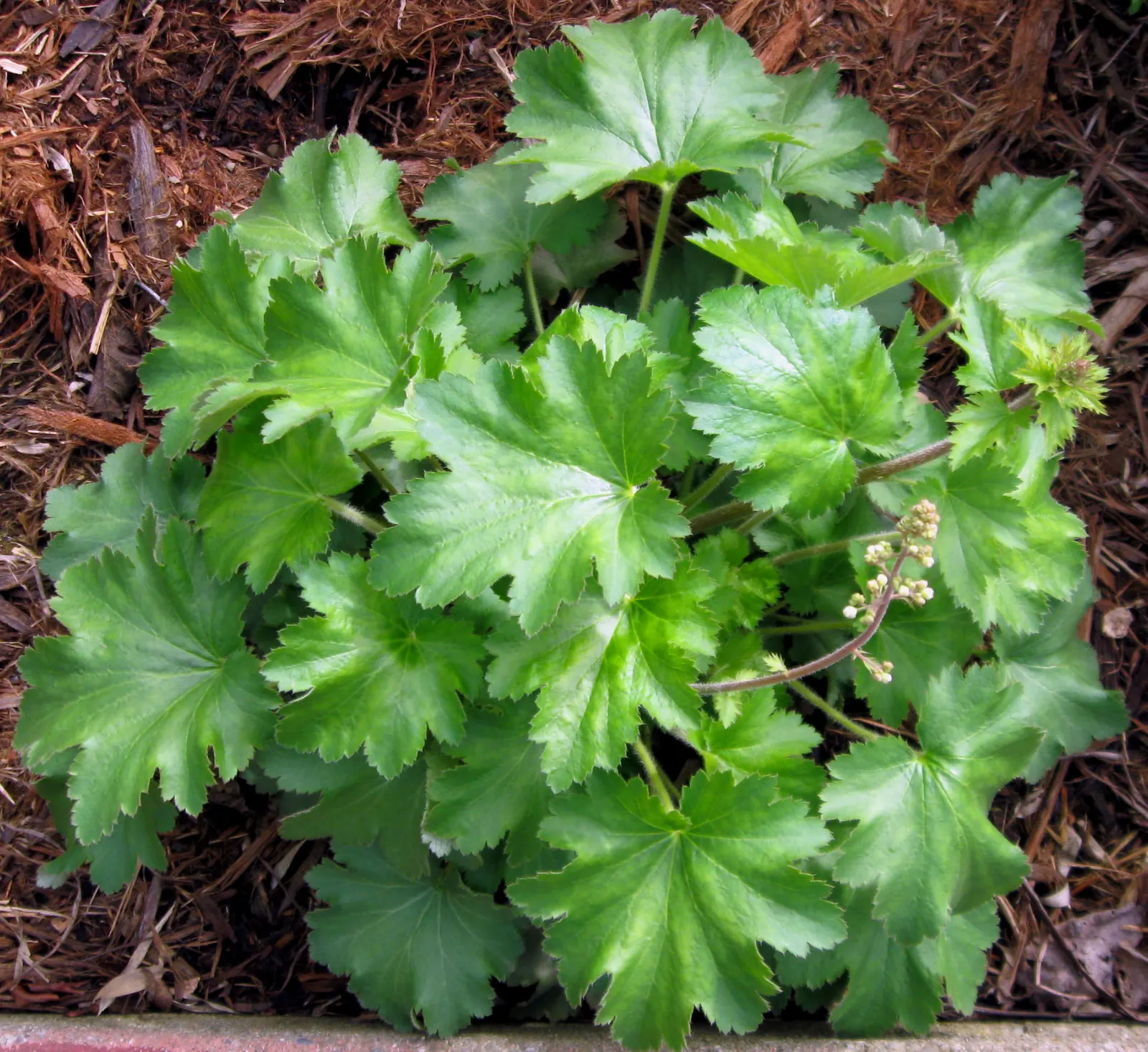
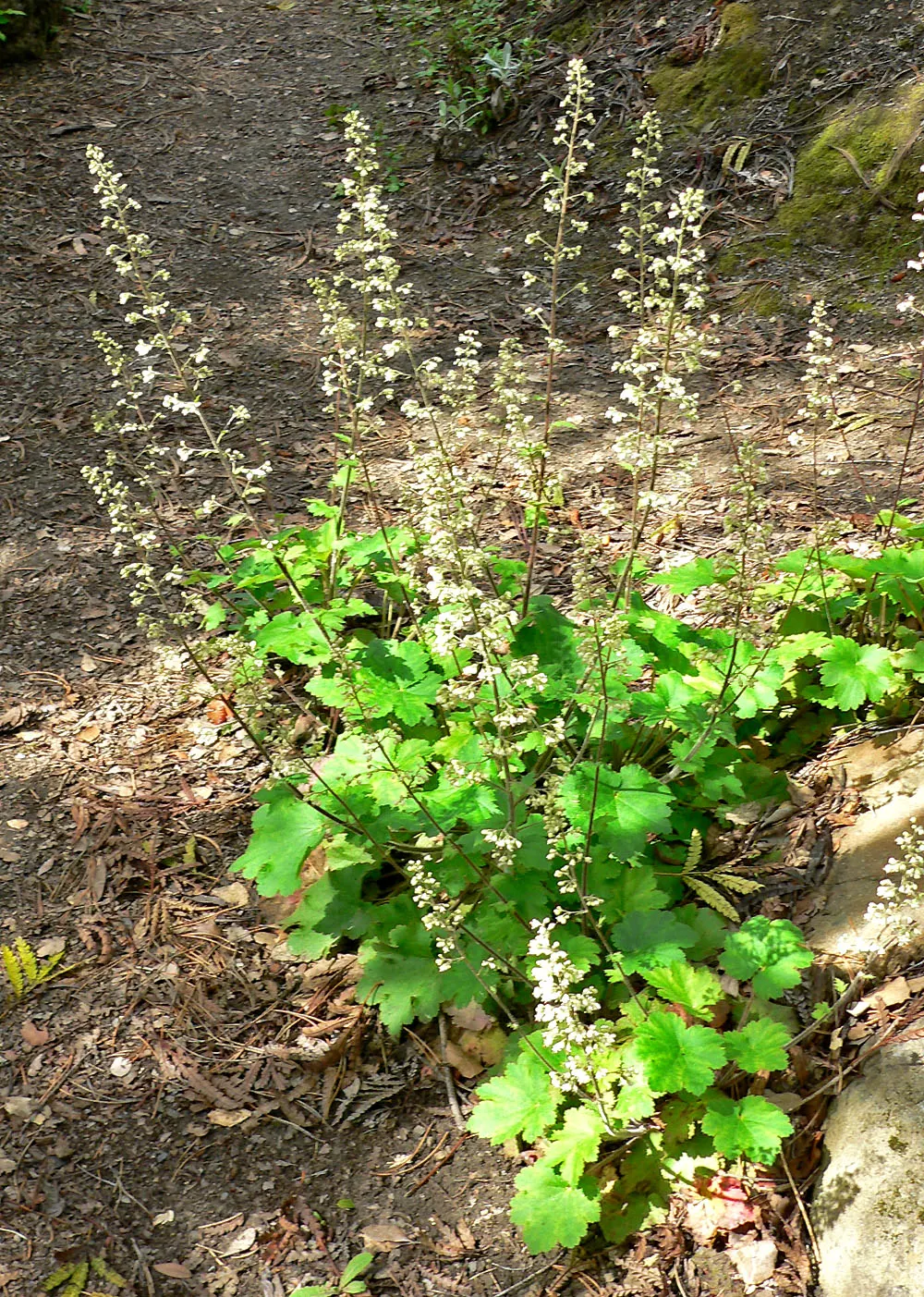
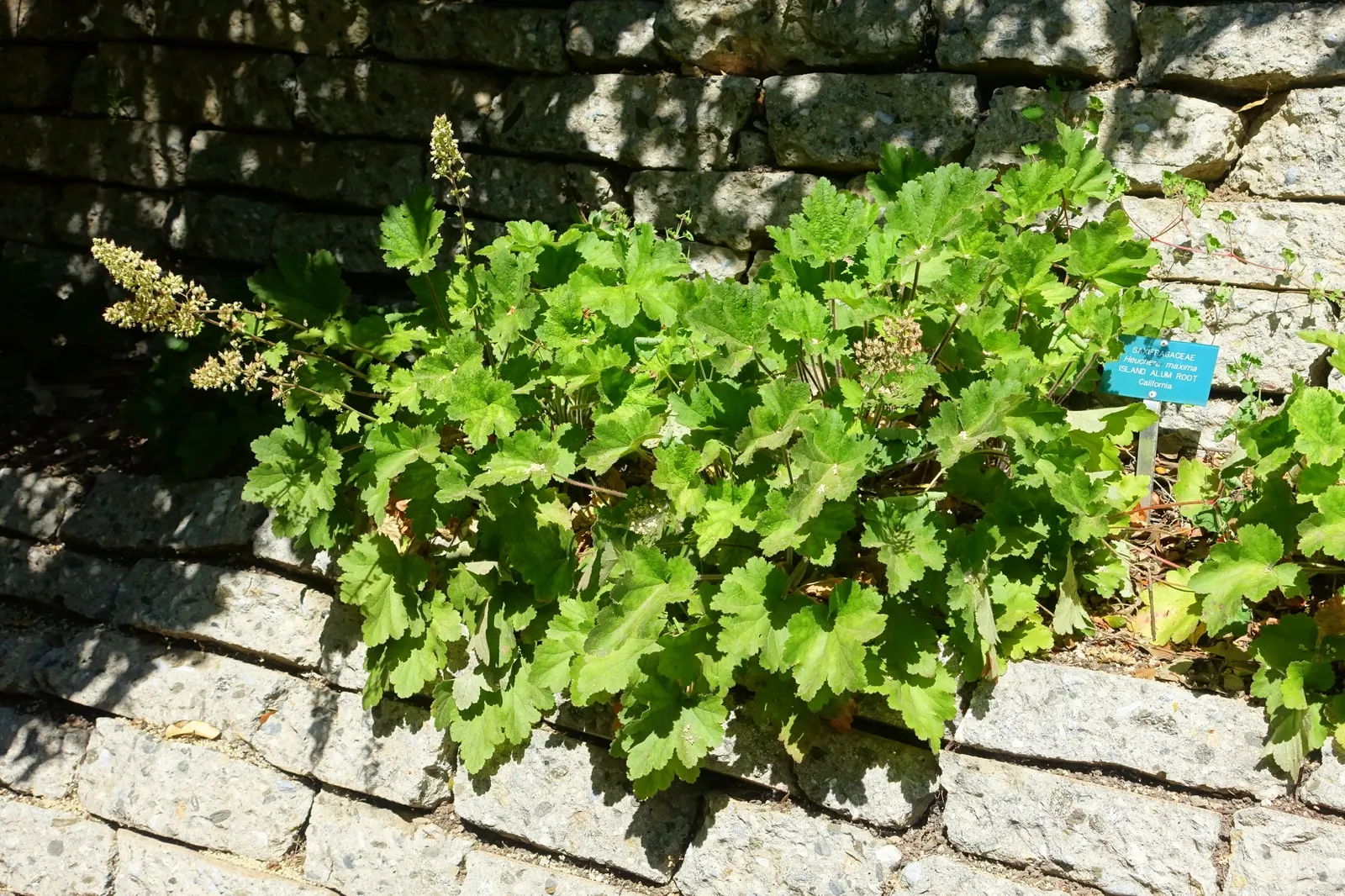
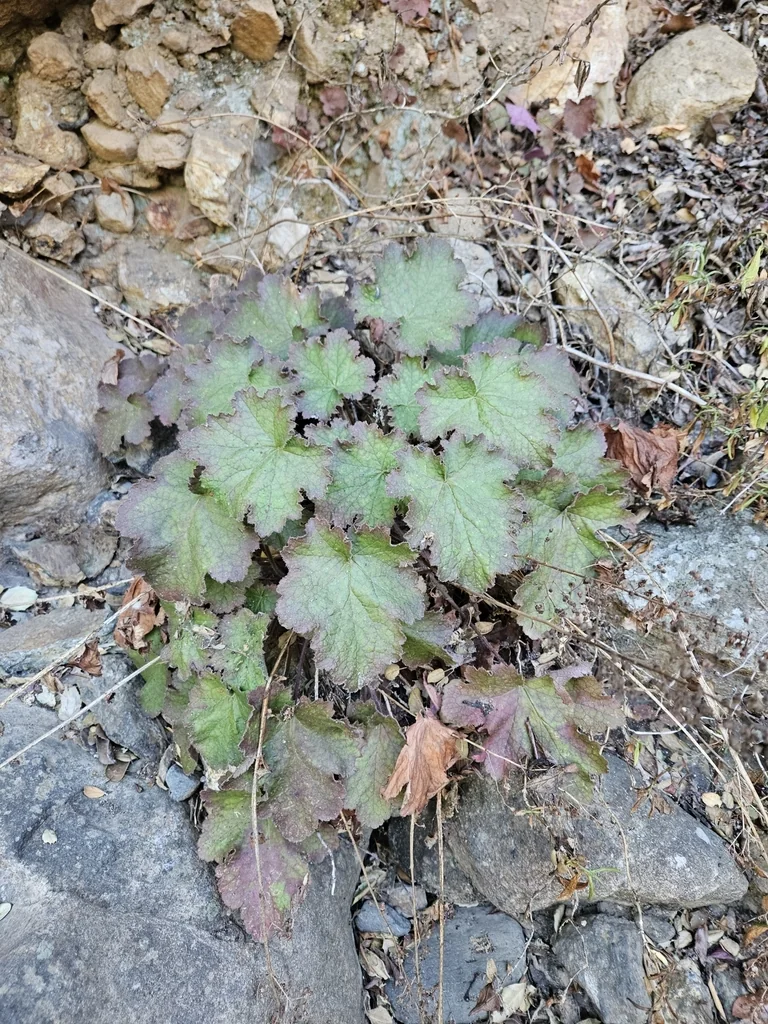
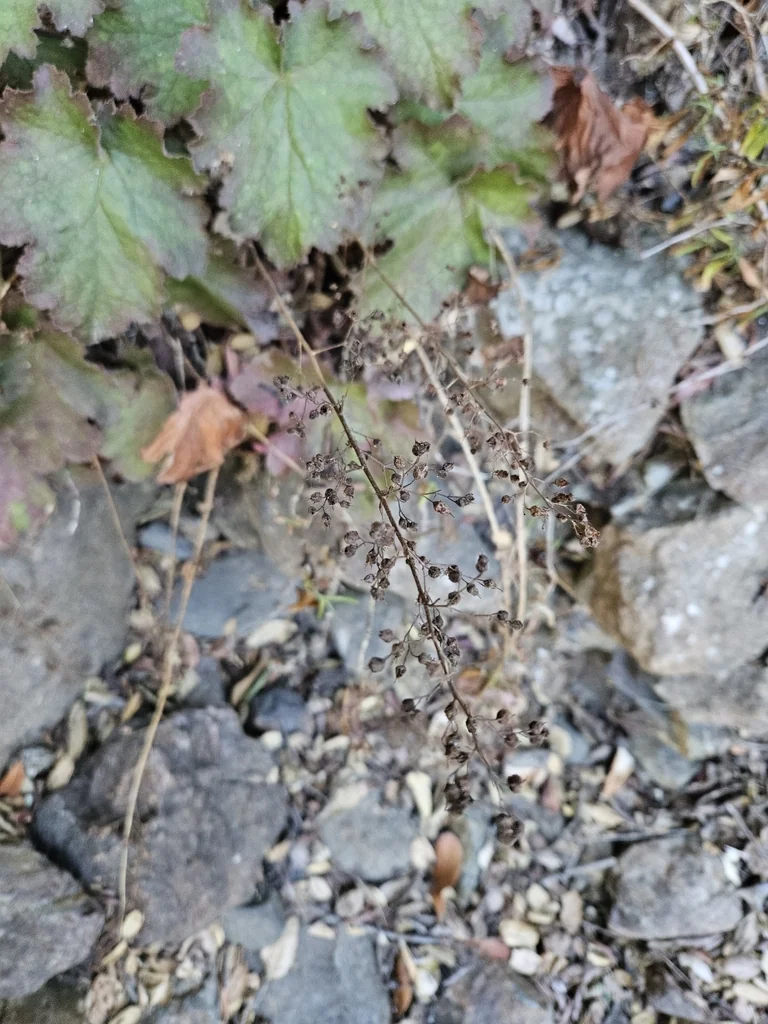
Photographs by 3 contributors
- Stan Shebs, CC BY-SA 3.0 · source
- Krzysztof Ziarnek, Kenraiz, CC BY-SA 4.0 · source
- Toedrifter, CC BY-SA 3.0 · source
Related plants
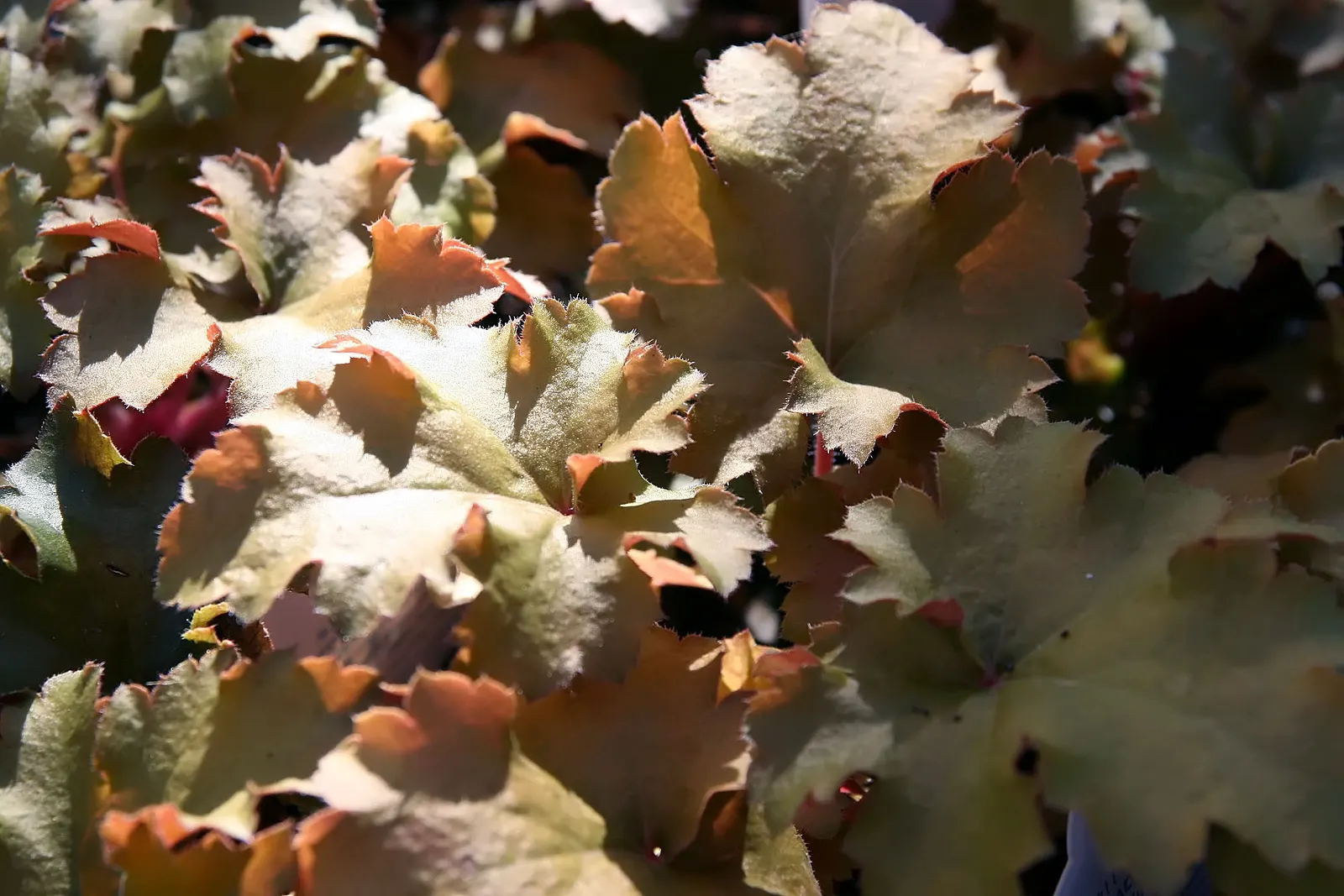
Perennial
Amber Waves Heuchera
Heuchera 'Amber Waves'
HalfUSDA 4–9
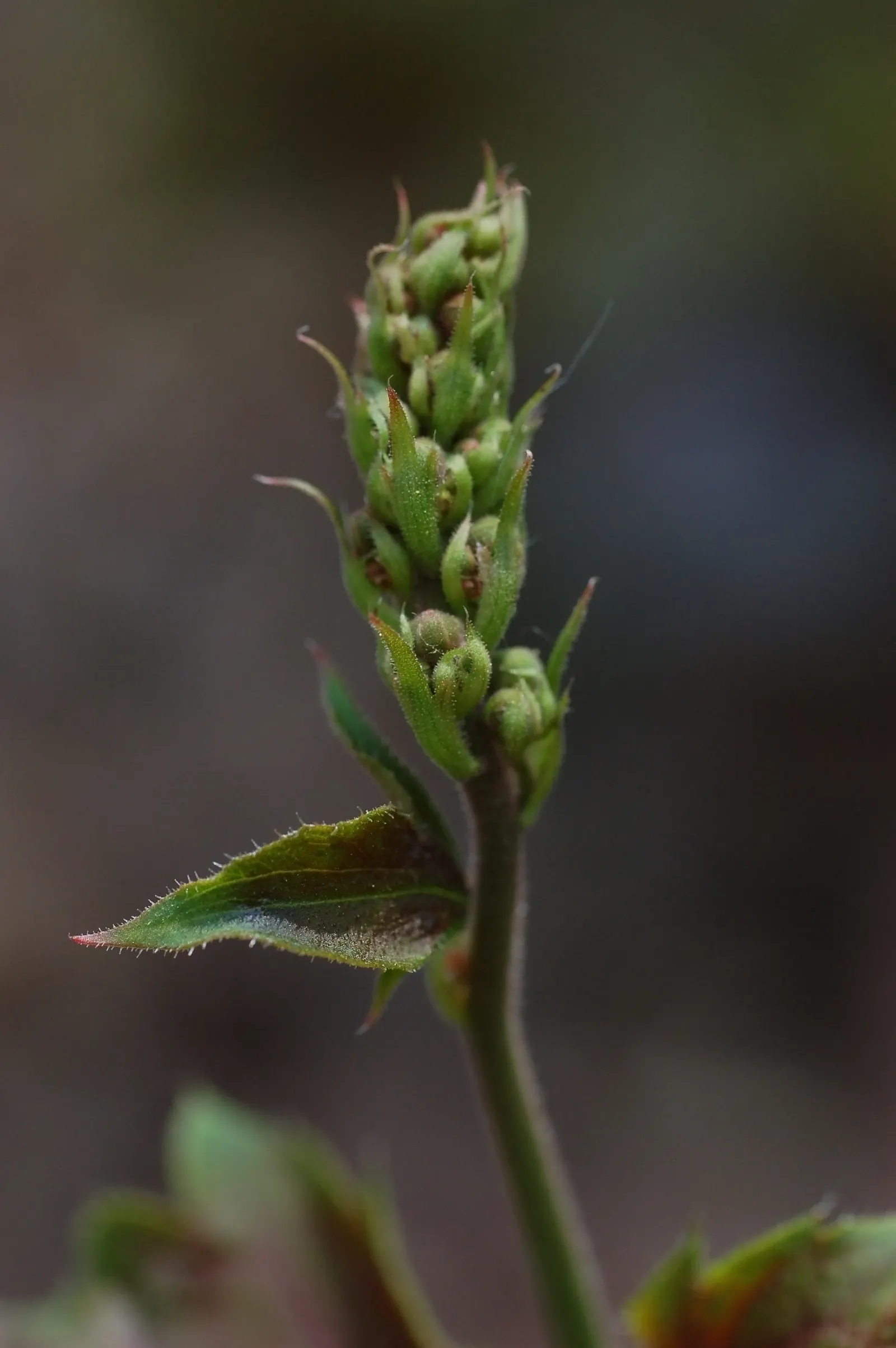
Ground cover
American Alumroot
Heuchera Americana
HalfUSDA 4–9
Perennial
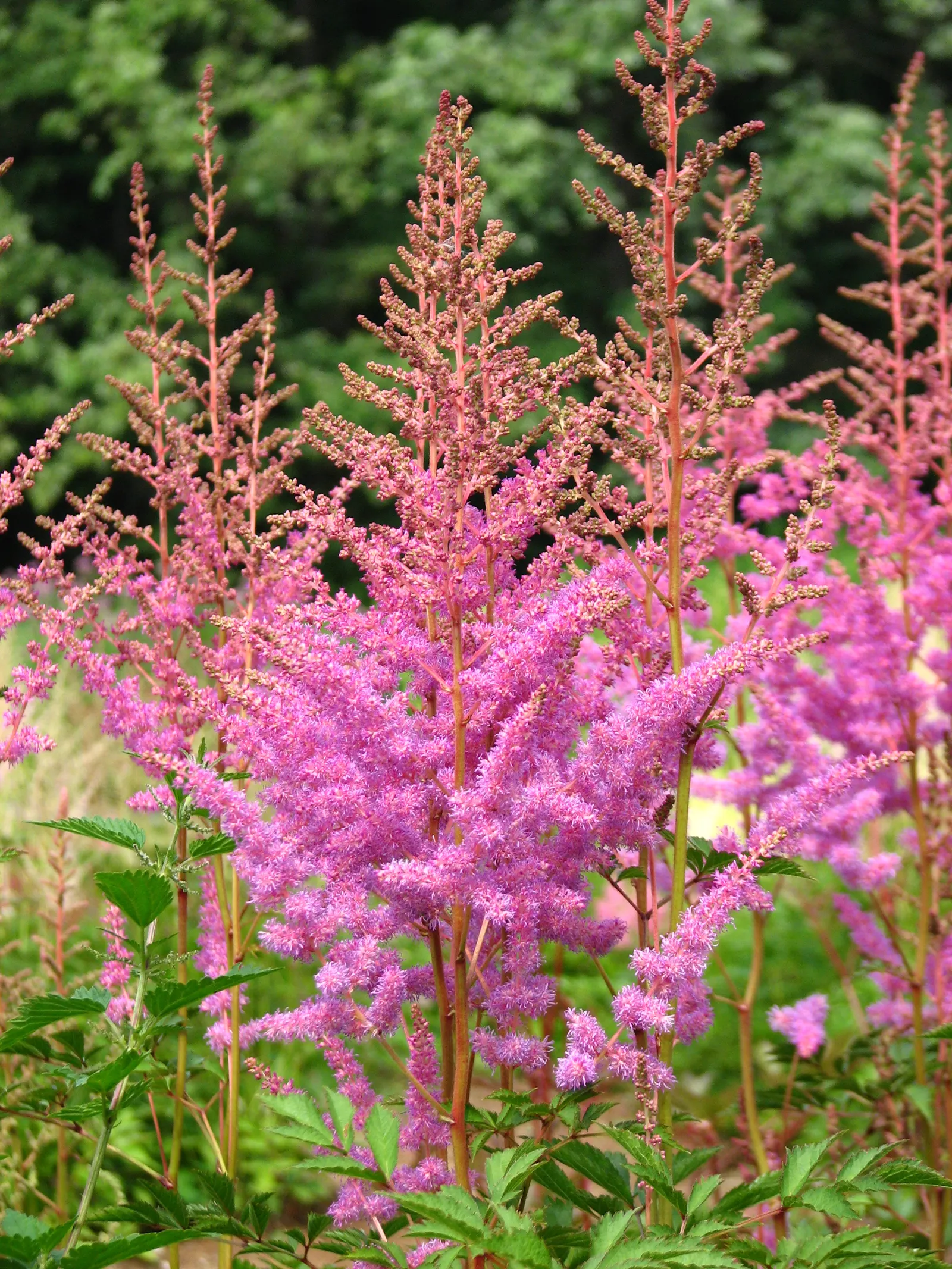
Amethyst False Spirea
Astilbe 'Amethyst'
FullUSDA 4–9
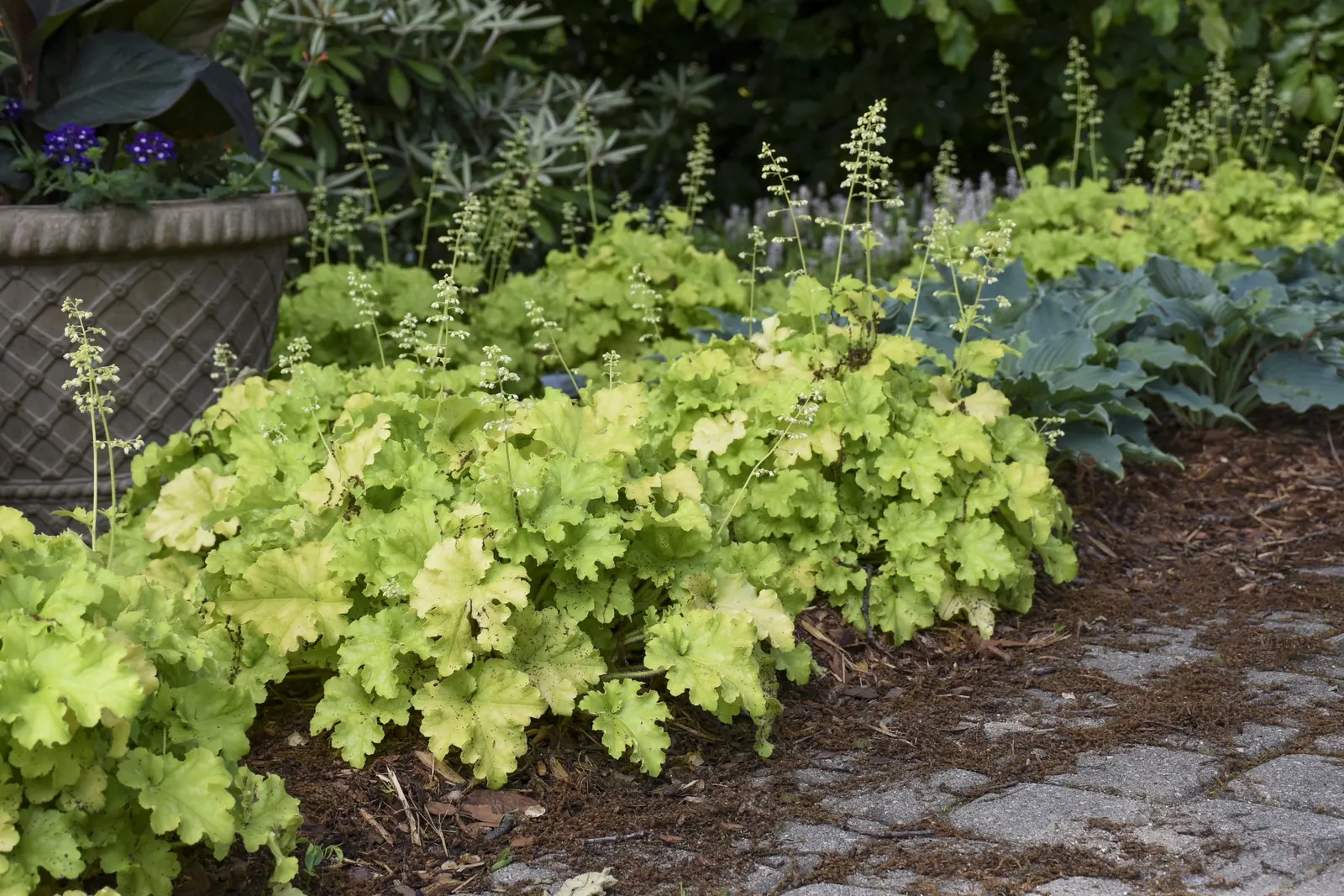
'Apple Twist' Coral Bells
Heuchera hybrid
Perennial
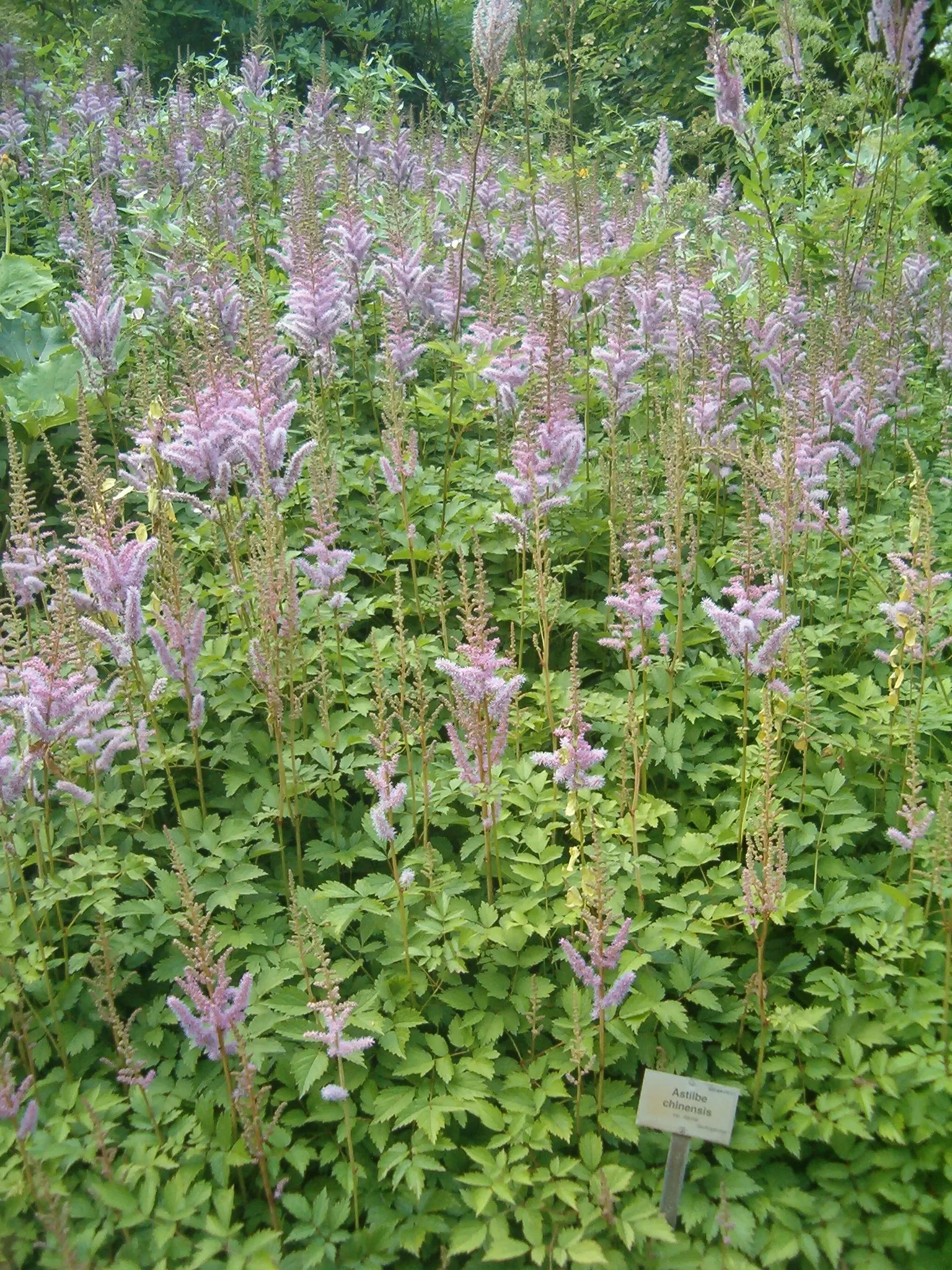
Astilbe Species
Astilbe Spp.
FullUSDA 4–9
Perennial
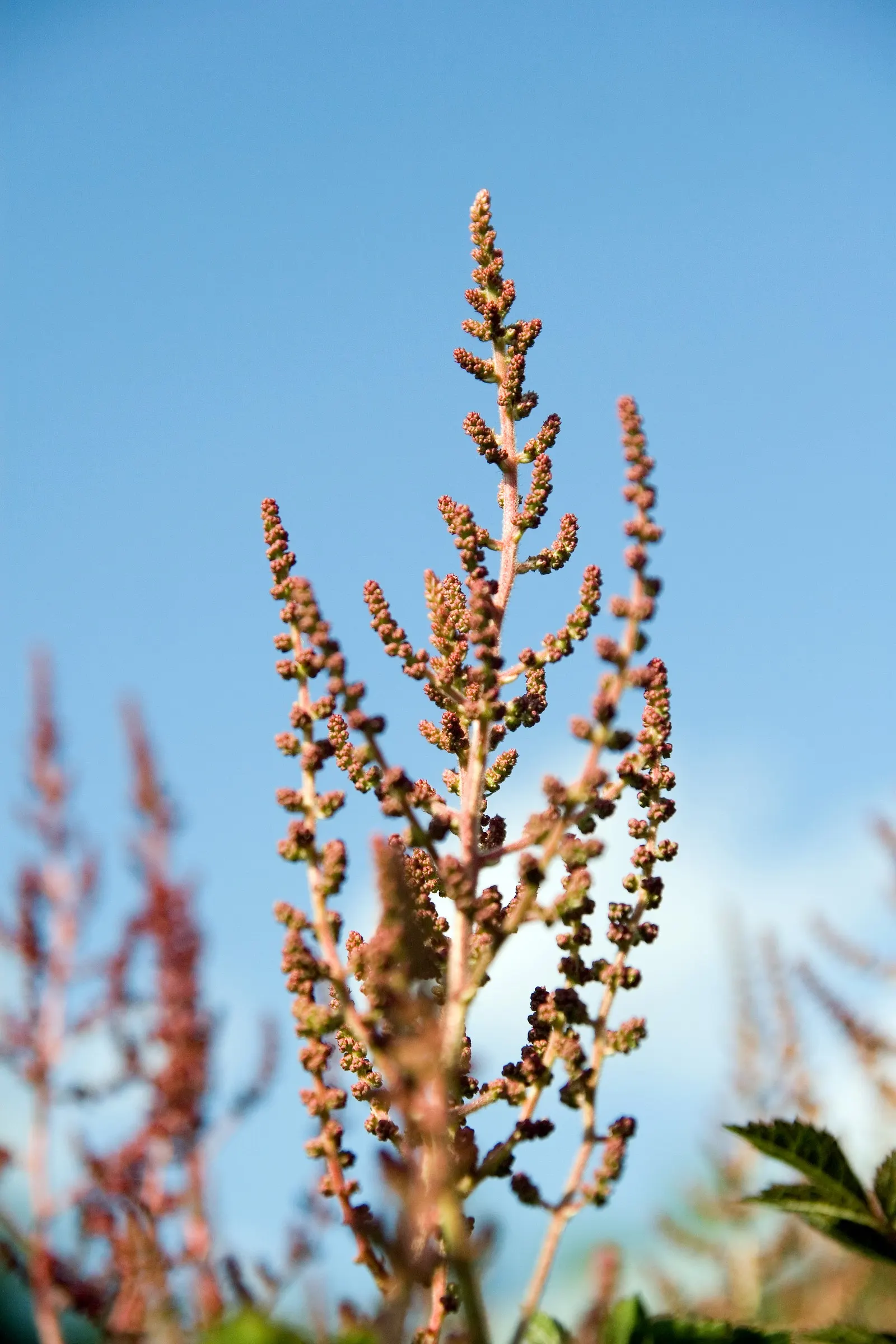
August Light False Spirea
Astilbe 'August Light'
FullUSDA 4–9