Skip to content

Liverleaf

Hepatica Nobilis

Design with this plant

Overview

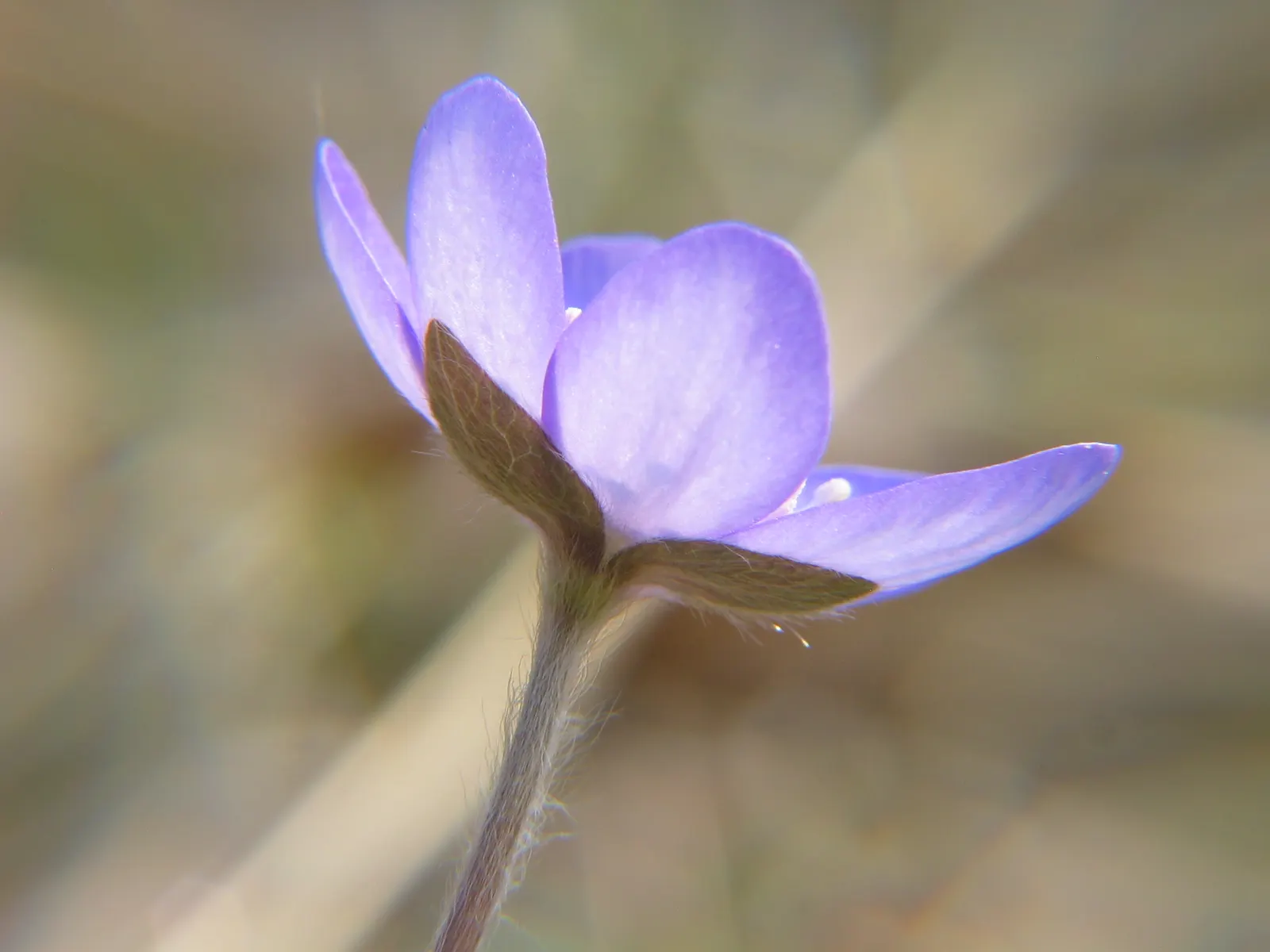
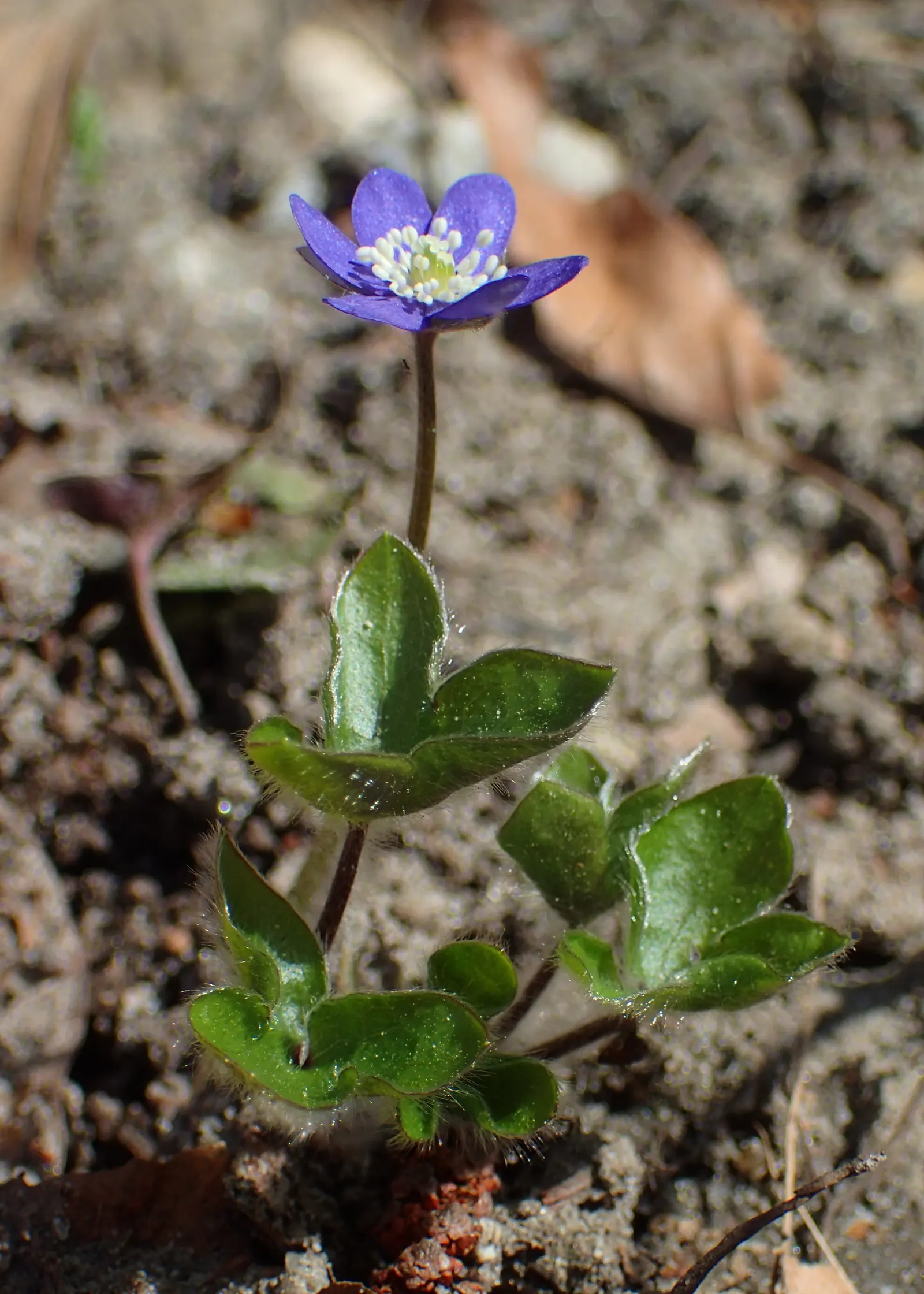
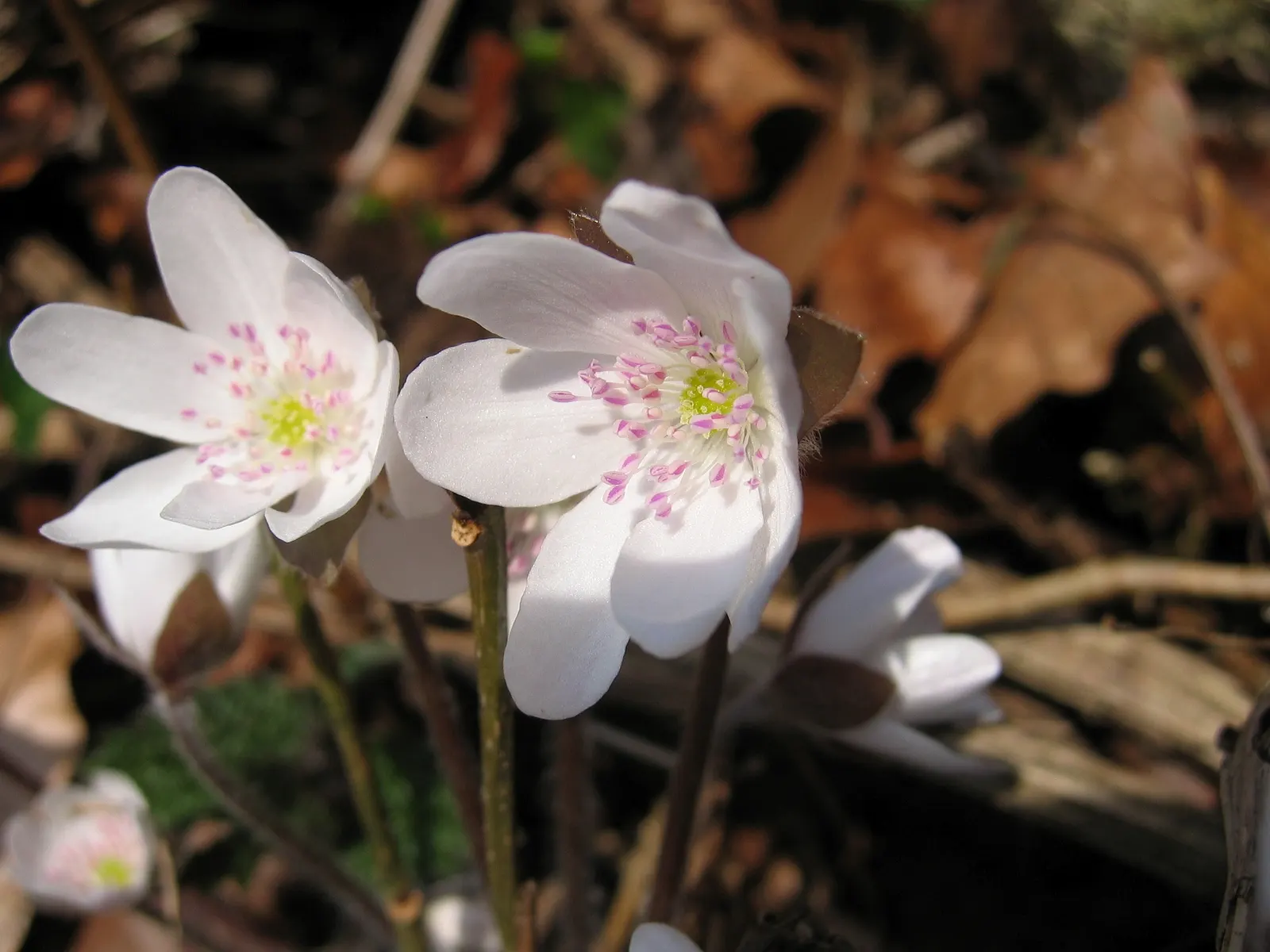
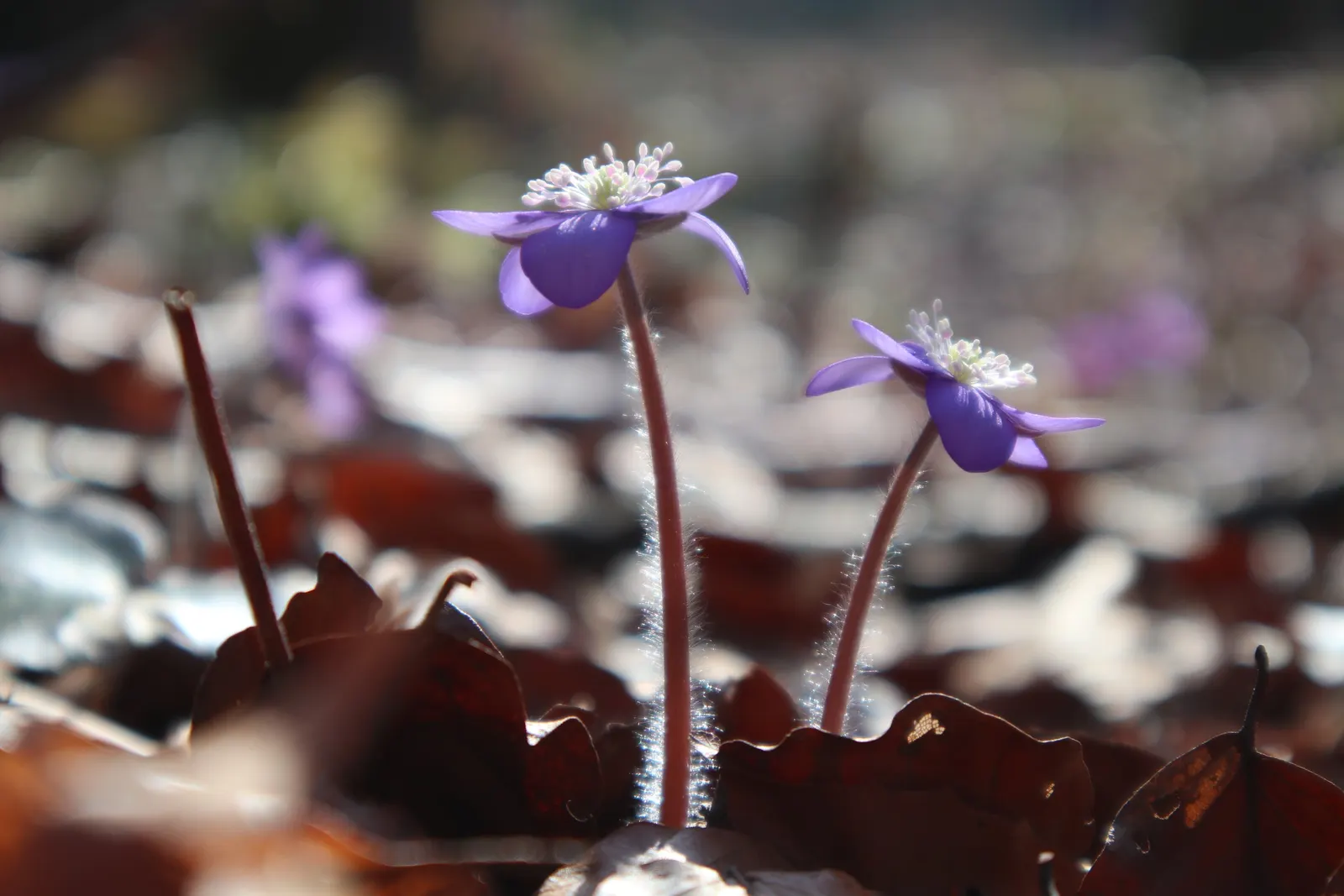
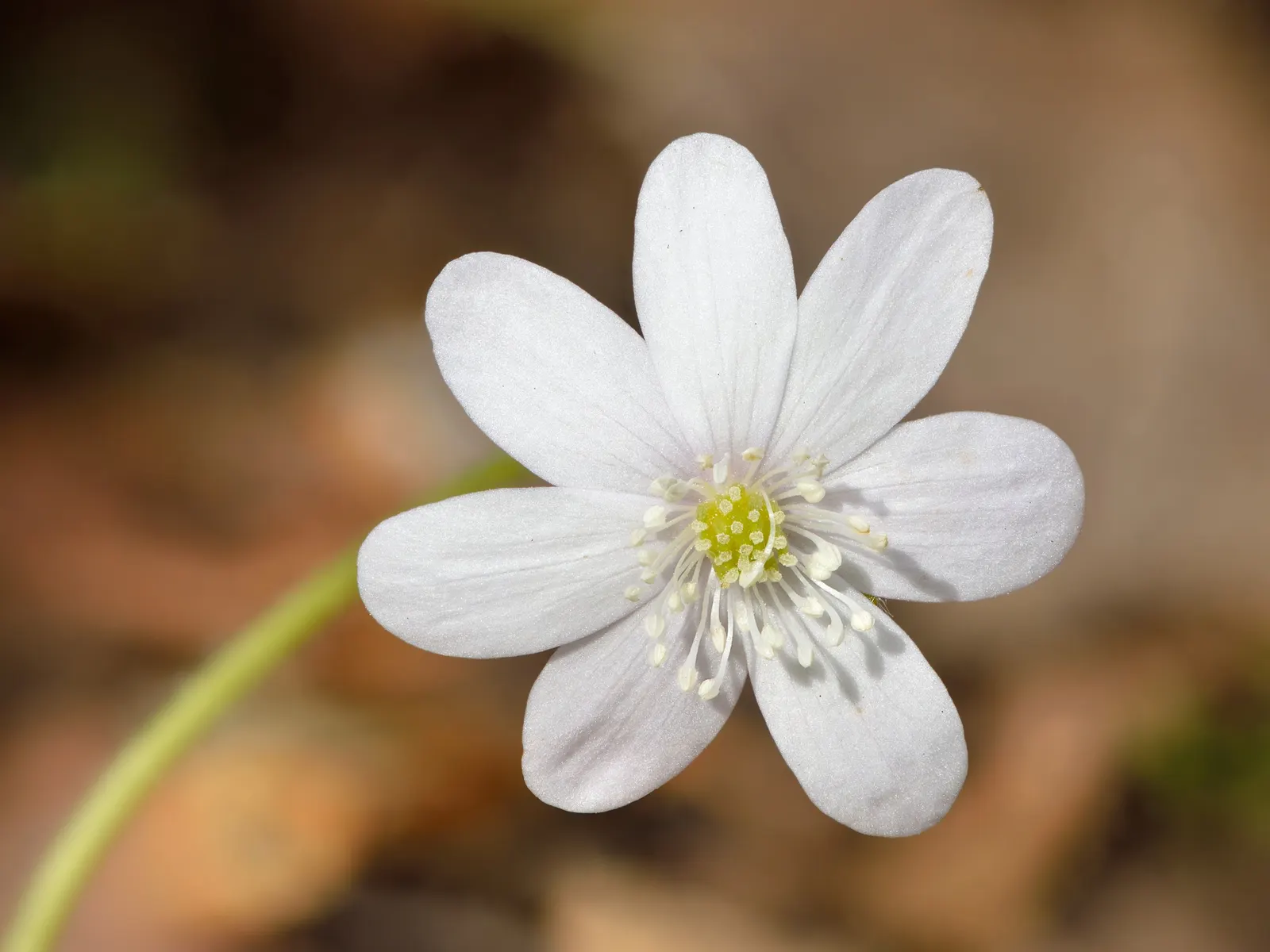
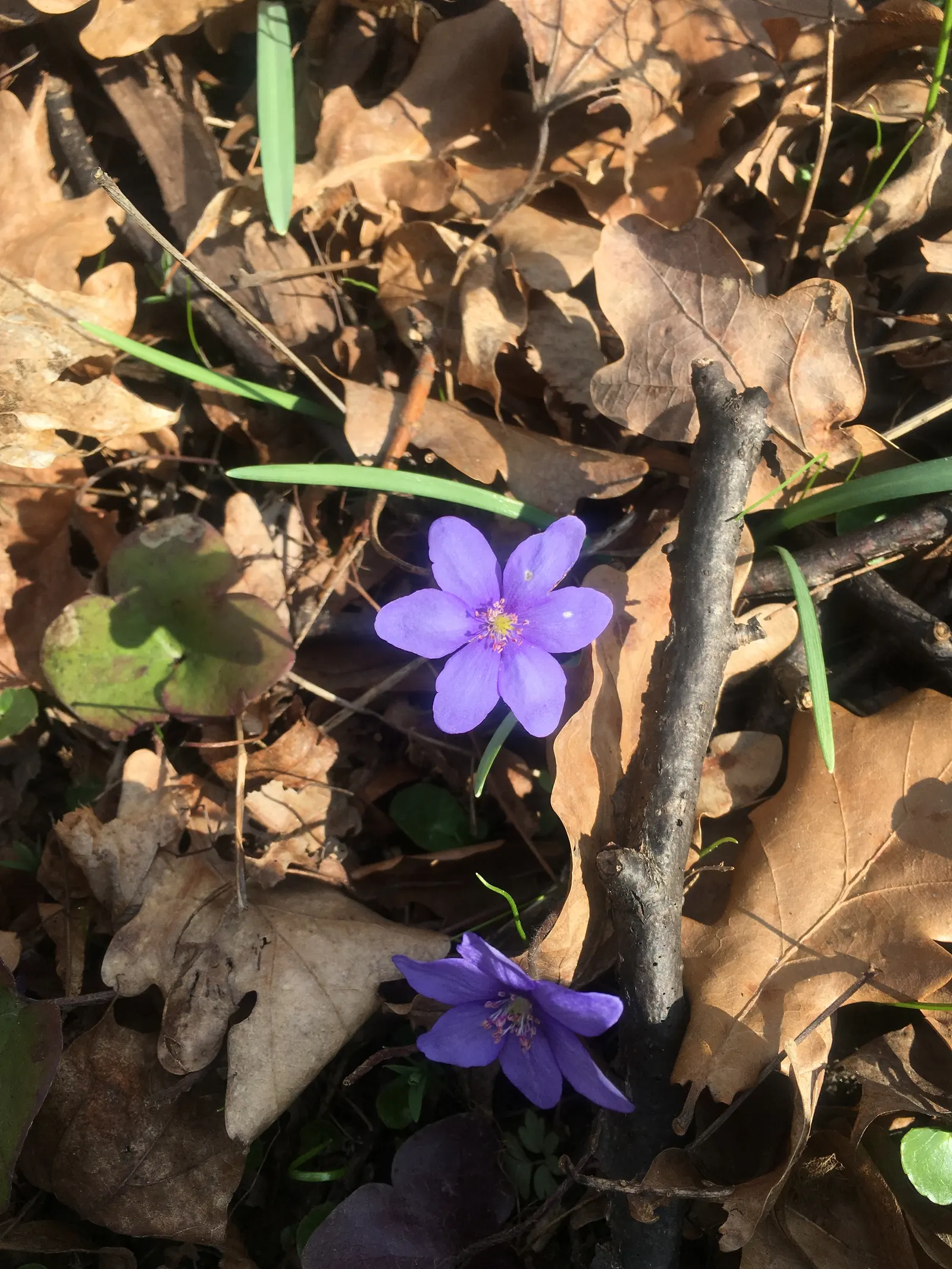
Pennywort, or Hepatica nobilis, is an enchanting early-spring bloomer. This petite perennial reaches about 4 to 6 inches in height, boasting delicate blue, purple, or white flowers, each adorned by three lobed, leather-like leaves. Thriving in partial to full shade, it demands well-draining soil rich in organic matter. A low-maintenance groundcover, it adds a splash of color in woodland settings or shaded rock gardens. Hardy in zones 3 to 8.

Sun ShadeWater High, MediumZones 5–8Climate Temperate
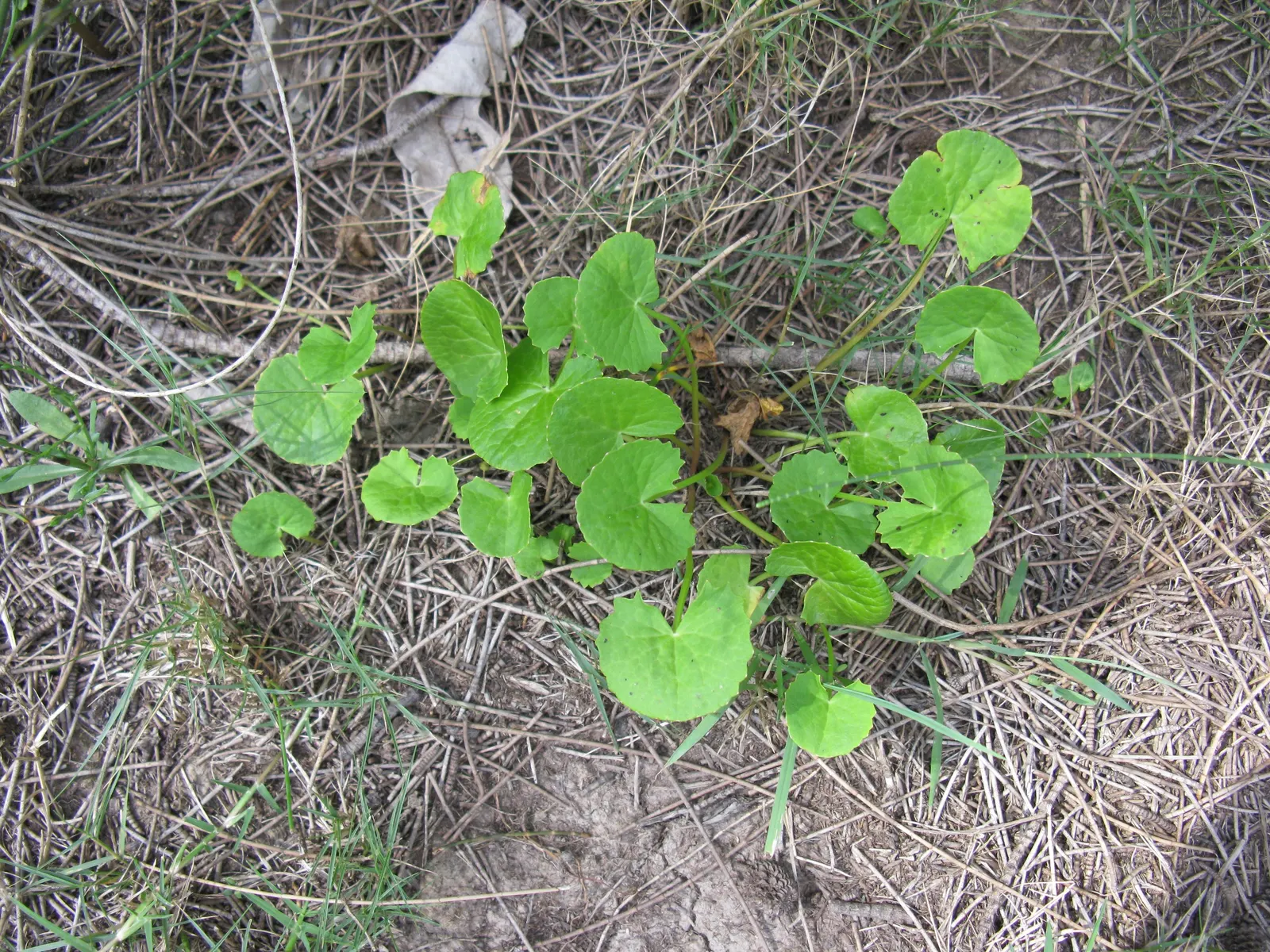
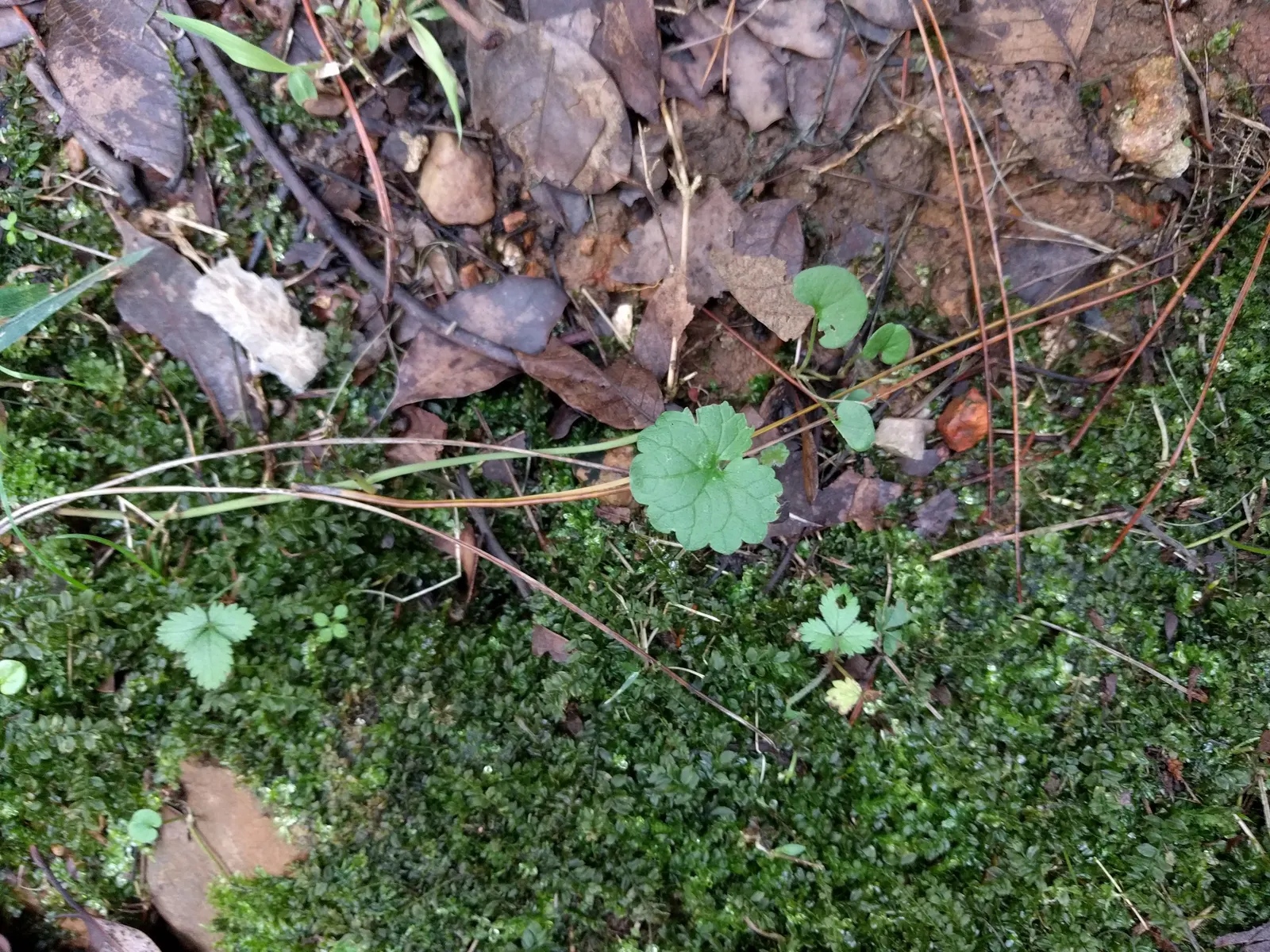
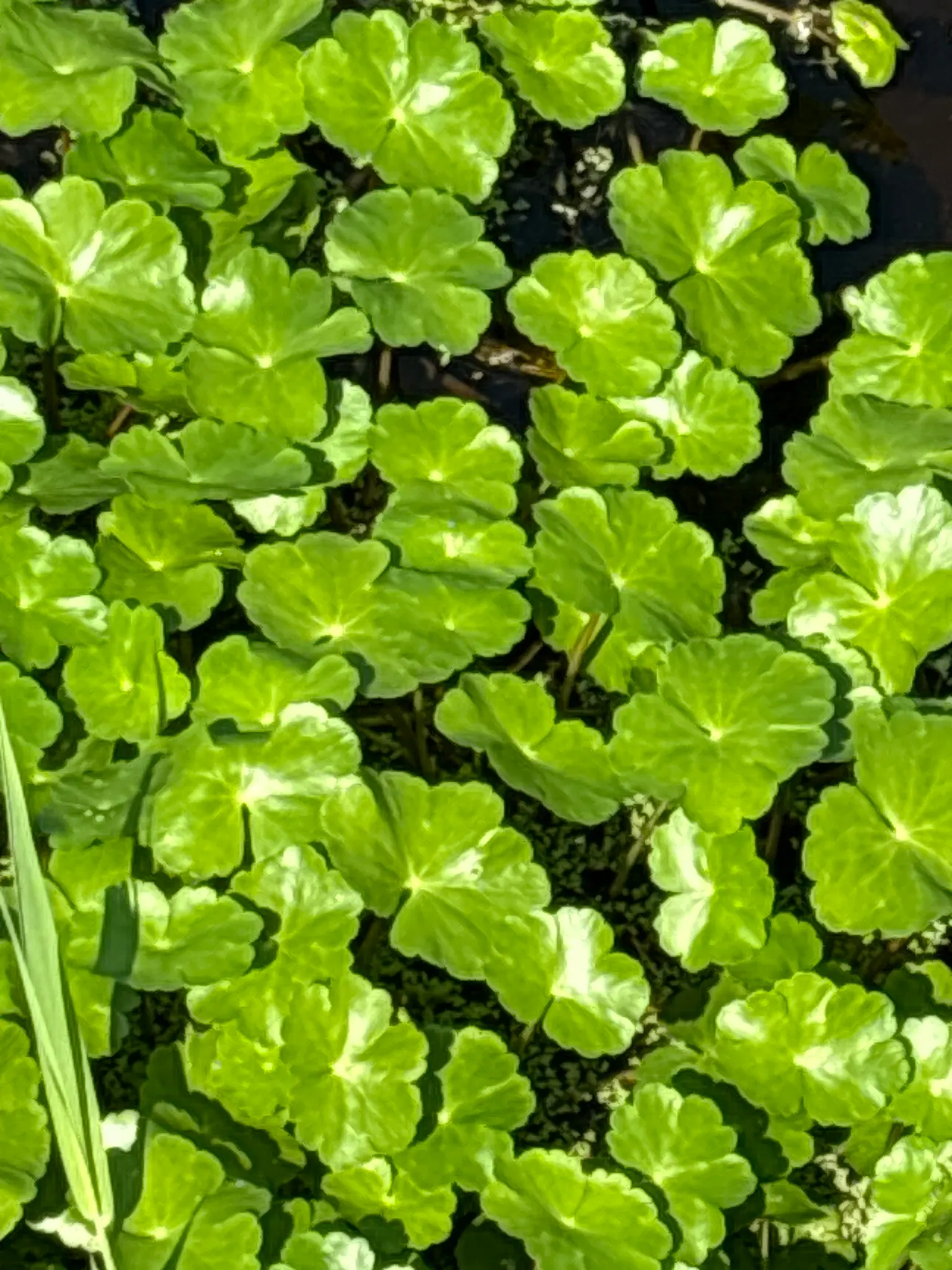
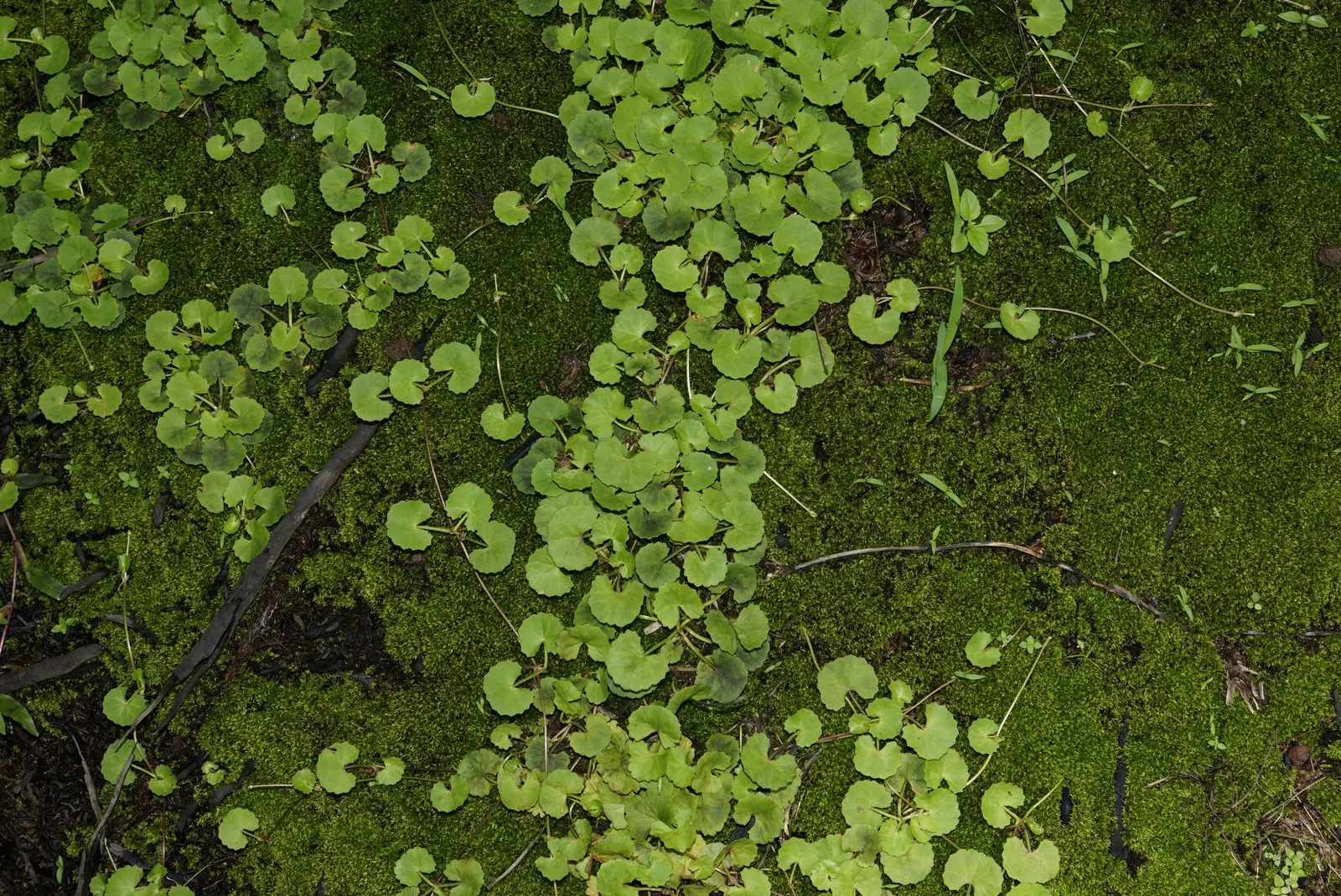
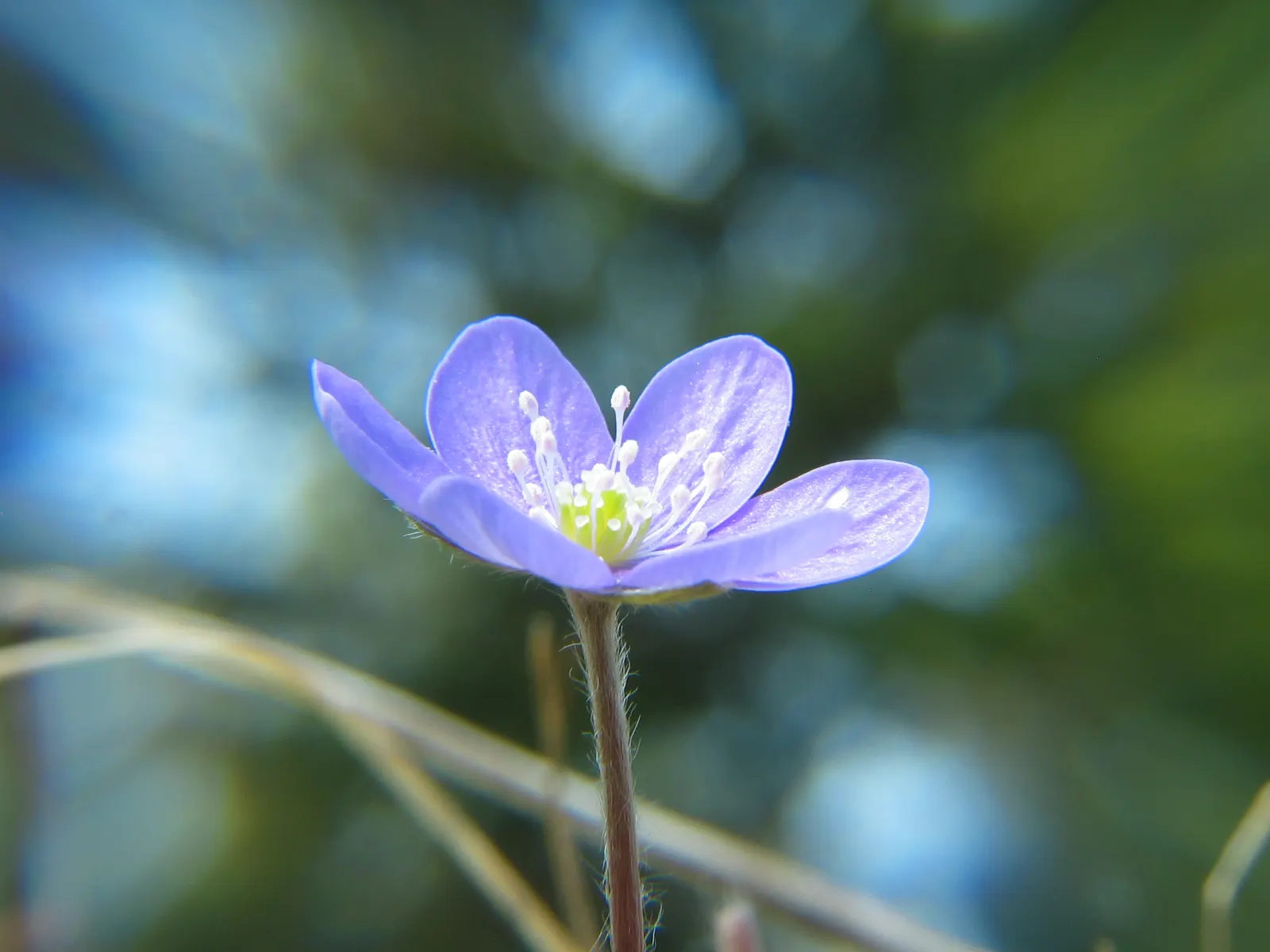
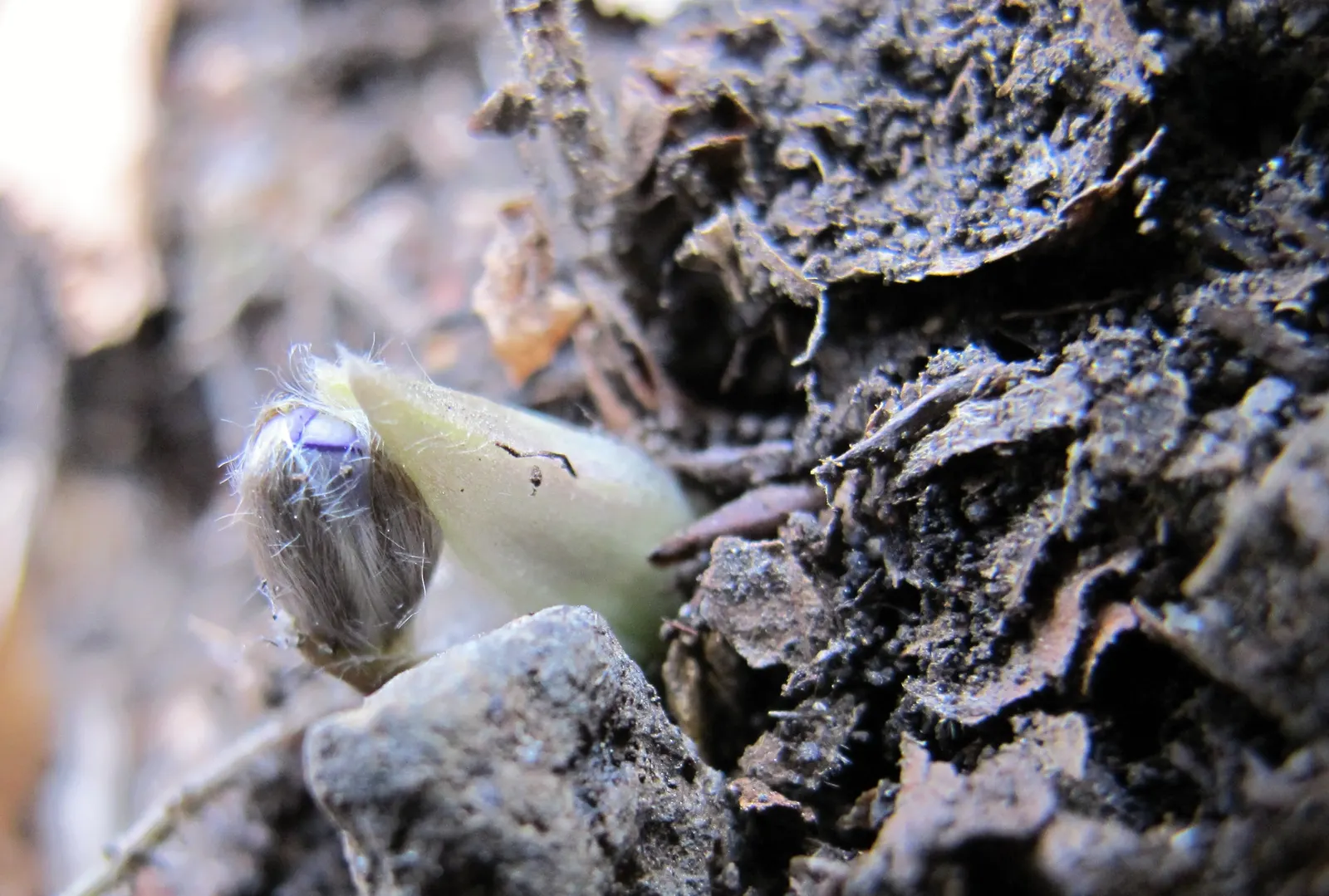
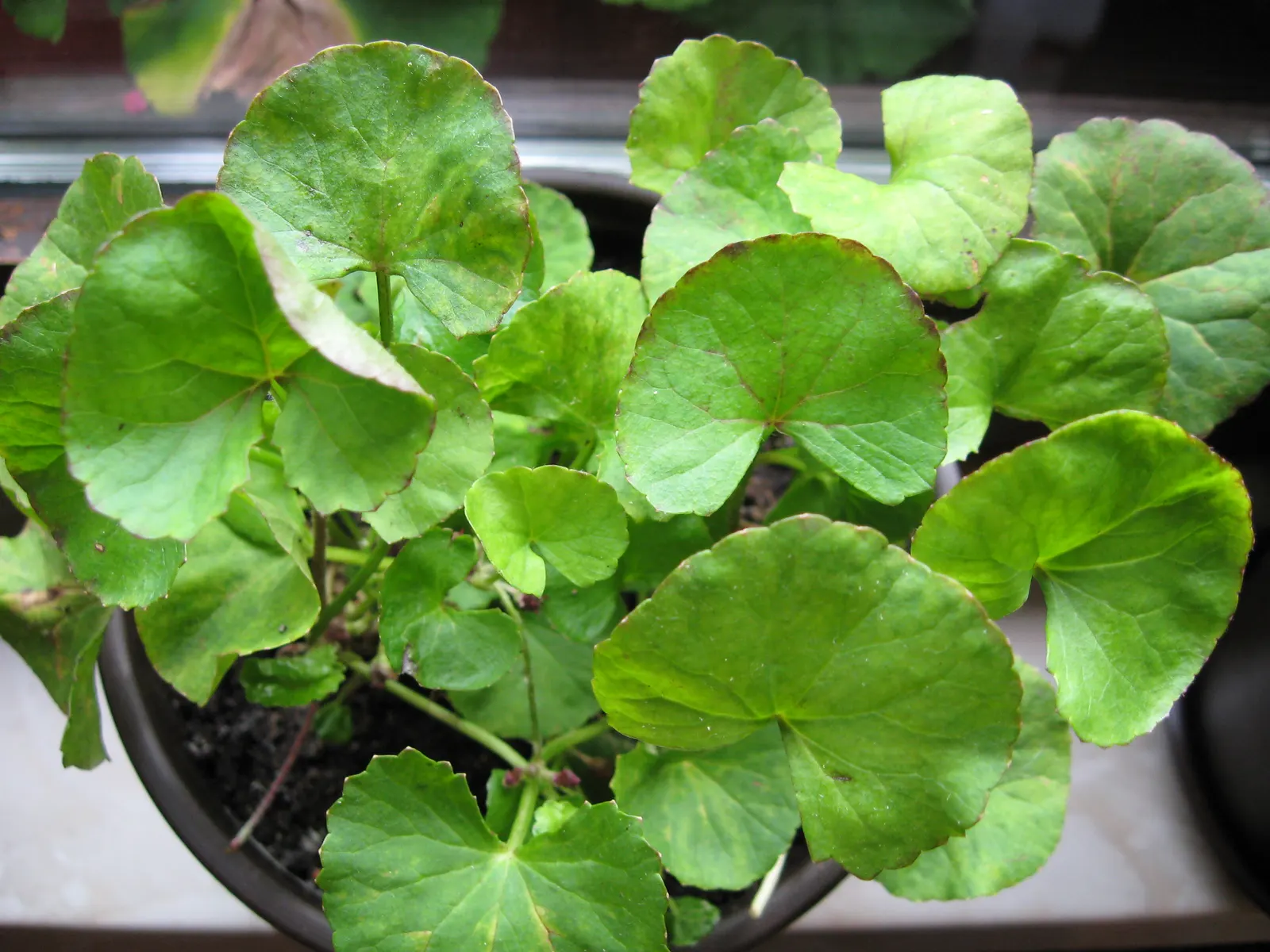
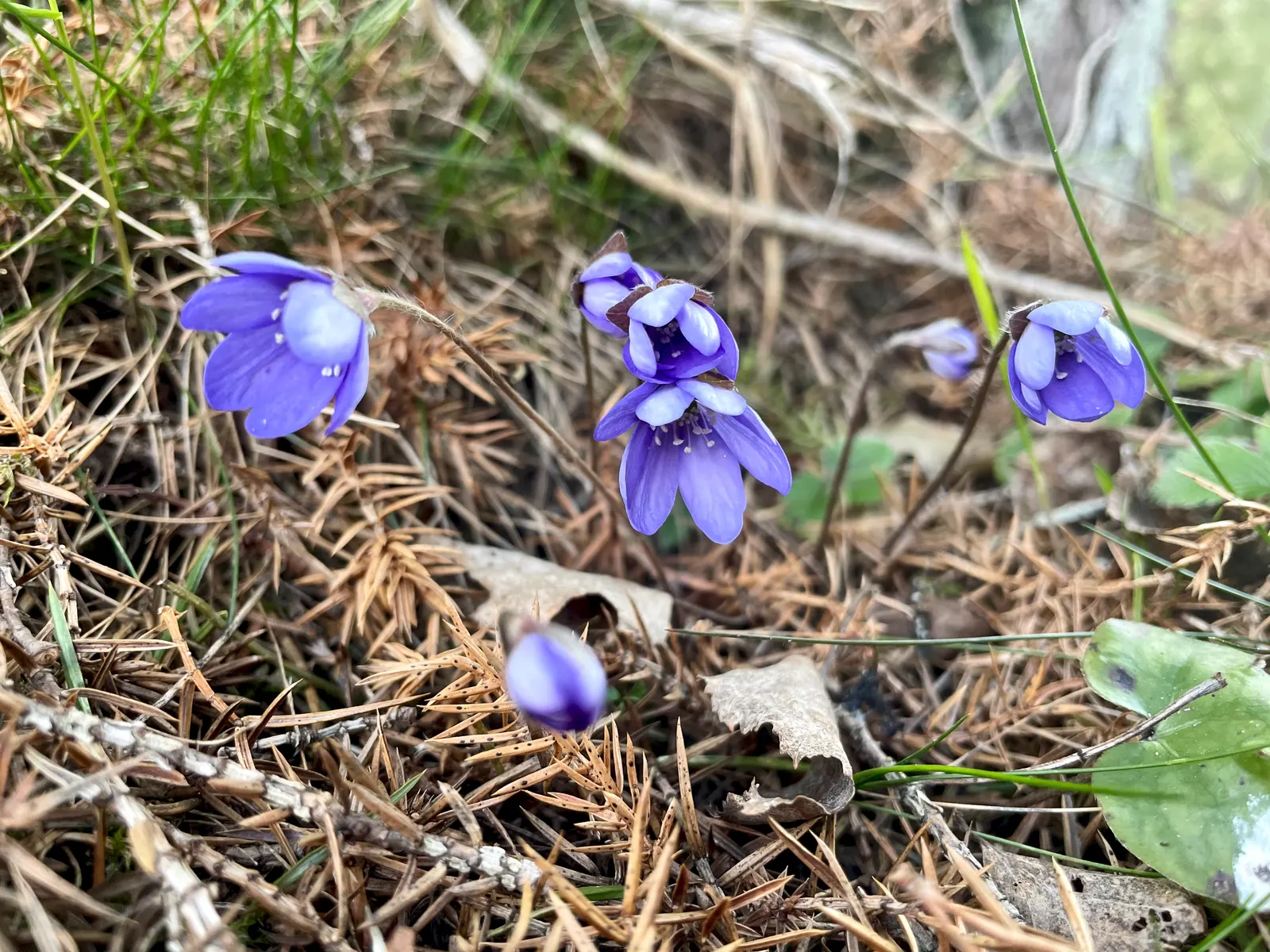
Liverleaf (Hepatica Nobilis) — the pennywort captivates onlookers with its strikingly delicate flowers

Culture

Sun
Shade
Water
High, Medium
USDA zones
5–8

Shape & size

Classification

Family
Ranunculaceae
Climate
Temperate

See full data, regional cultivation notes, full-resolution photos, and design tools. Build a client presentation around this plant.

Start your 14-day trial

Photos (199)

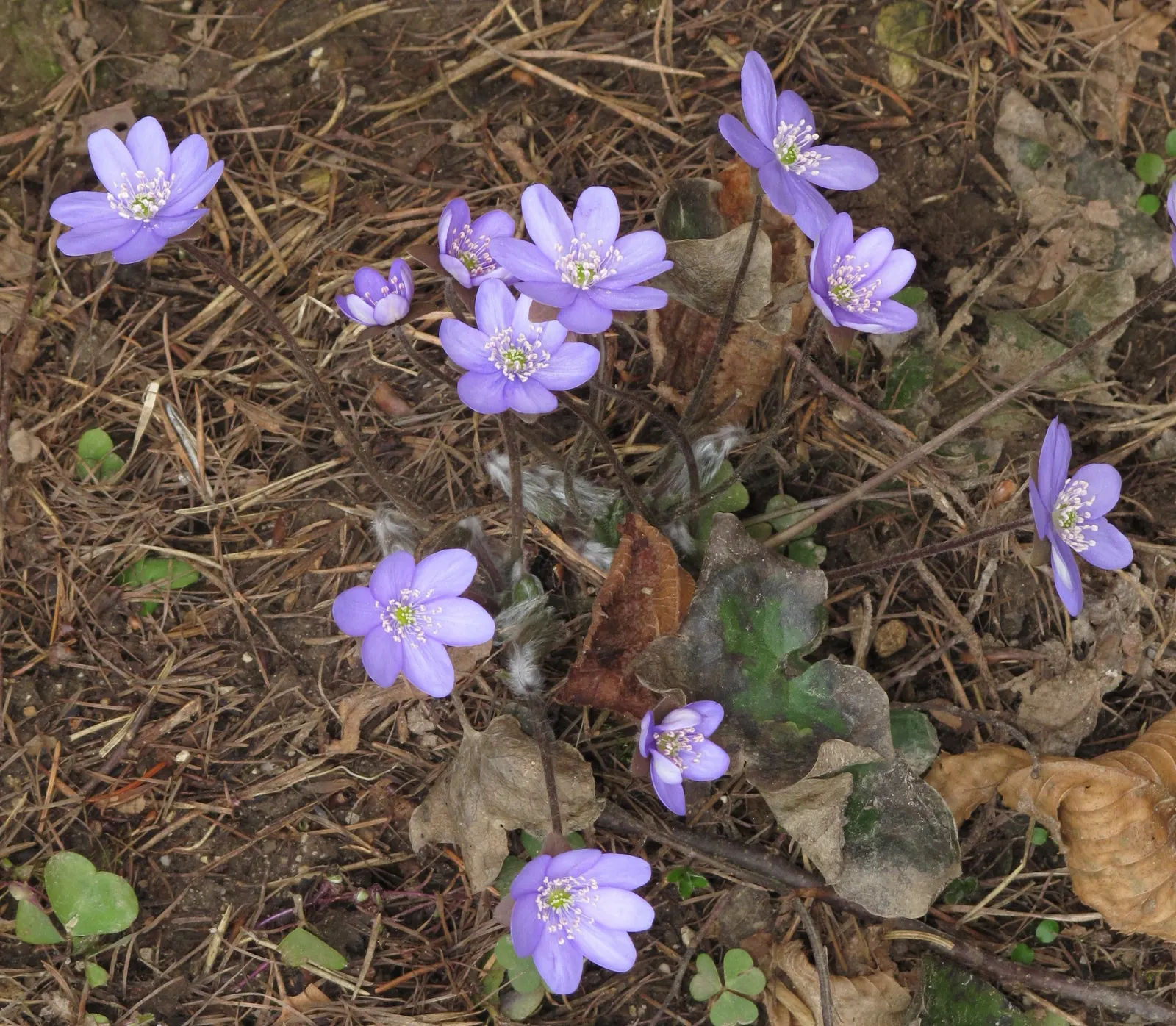
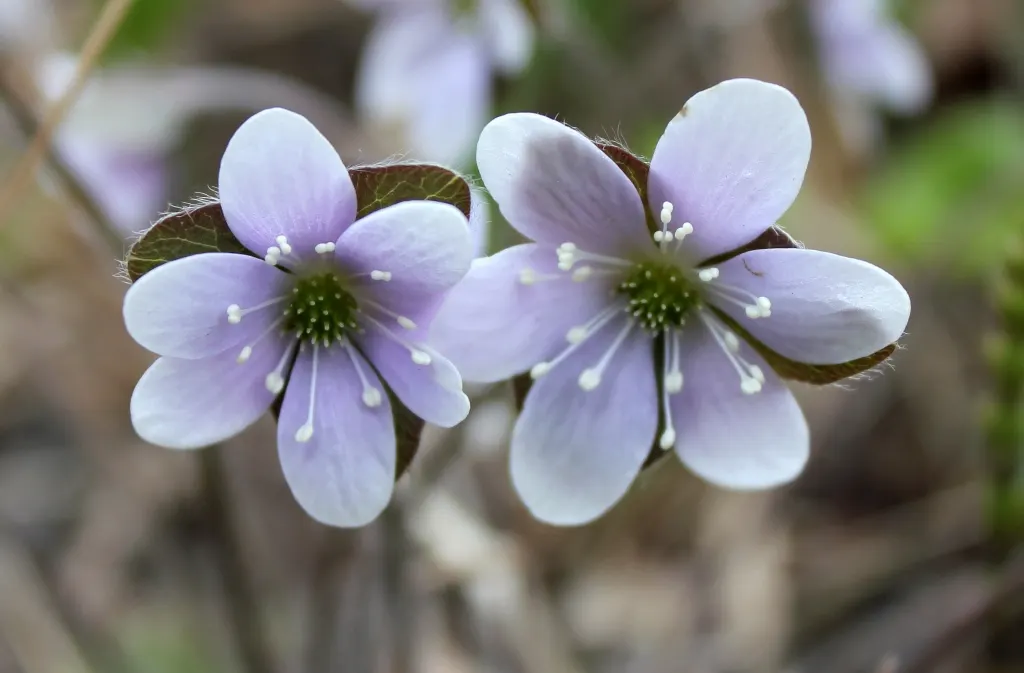
Liverleaf (Hepatica Nobilis) — each possessing between 6 to 10 petal-like sepals; is a charming herbaceous perennial that offers an early glimpse of spring
Liverleaf (Hepatica Nobilis) — with a similar spread of 6 to 9 inches; requiring minimal care once established
Liverleaf (Hepatica Nobilis) — this low-growing plant typically reaches heights of just 4 to 6 inches; the pennywort prefers well-drained
Liverleaf (Hepatica Nobilis) — which is the origin of its name; blue flowers in the garden
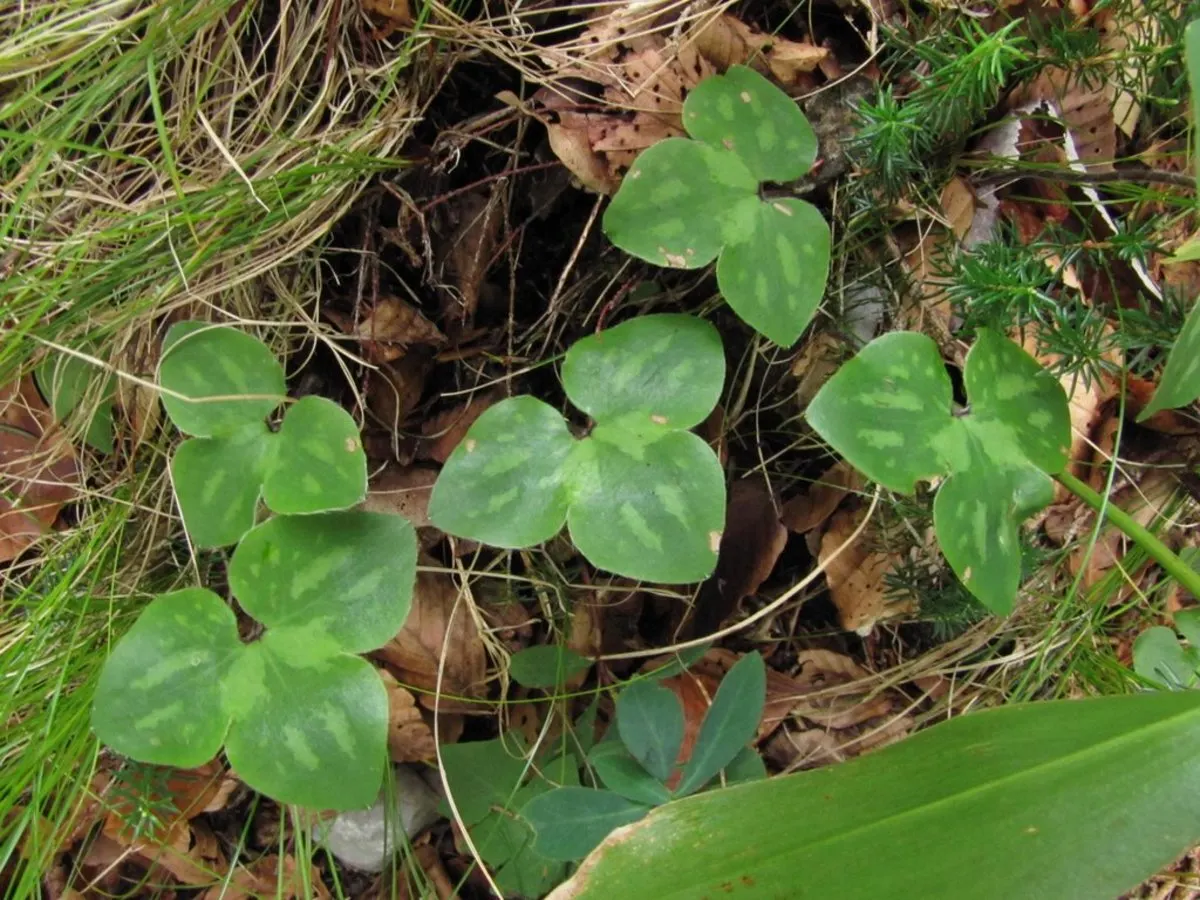
Liverleaf (Hepatica Nobilis) — resembling the lobes of a liver; or underplanting deciduous trees.<br><br>For the landscape client
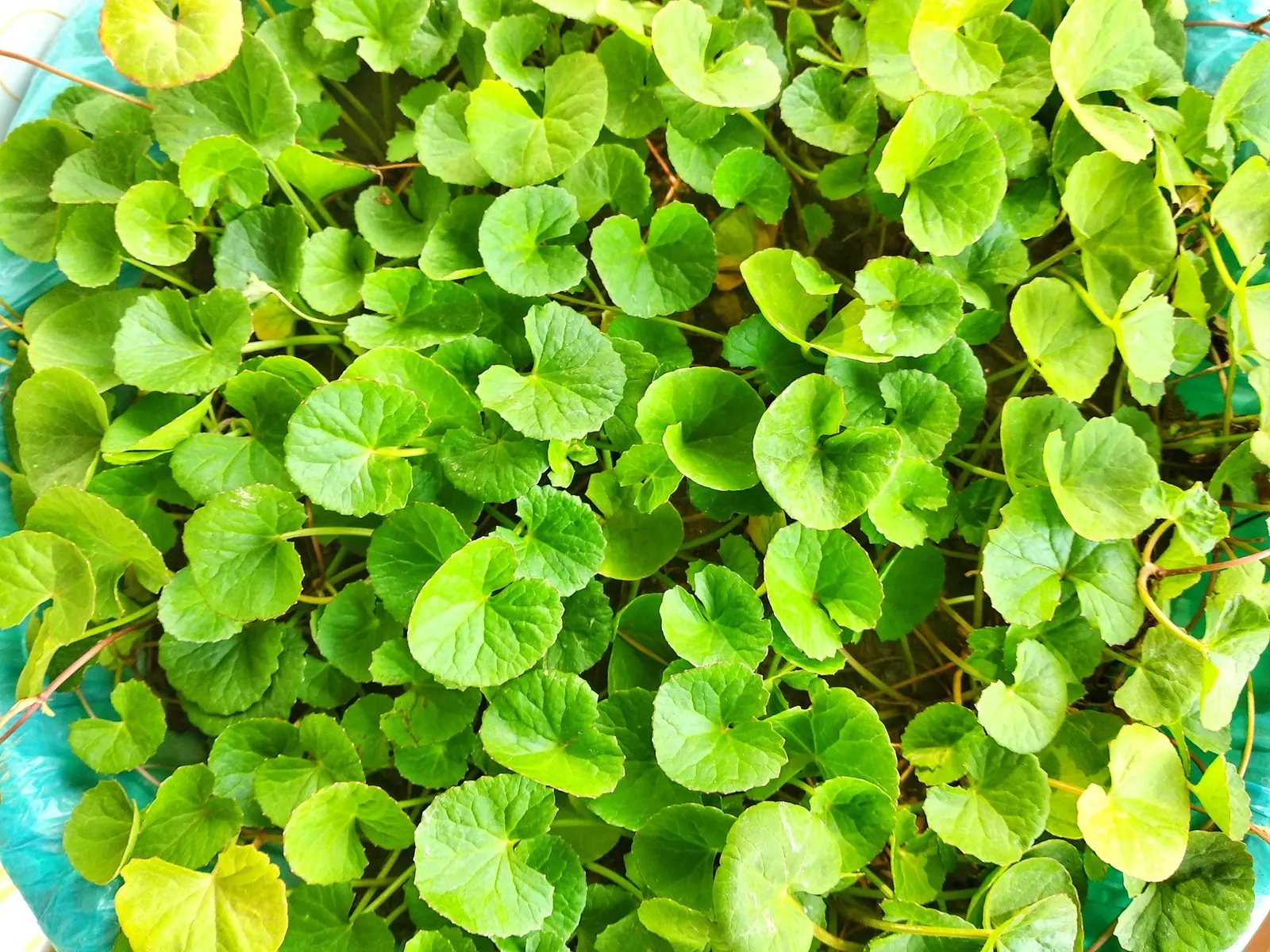
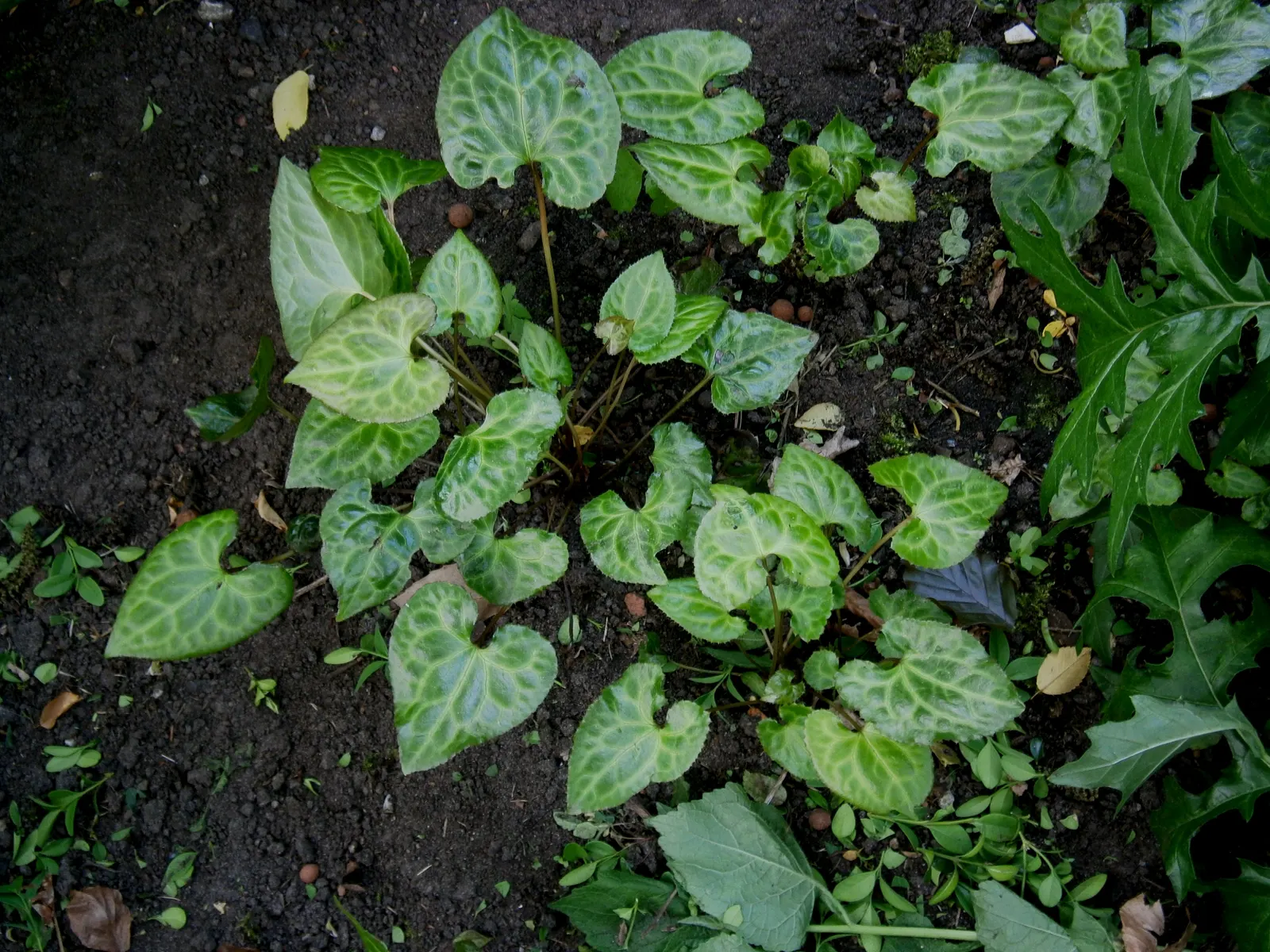
Liverleaf (Hepatica Nobilis) — These evergreen leaves emerge in a beautiful; with this captivating gem in the garden
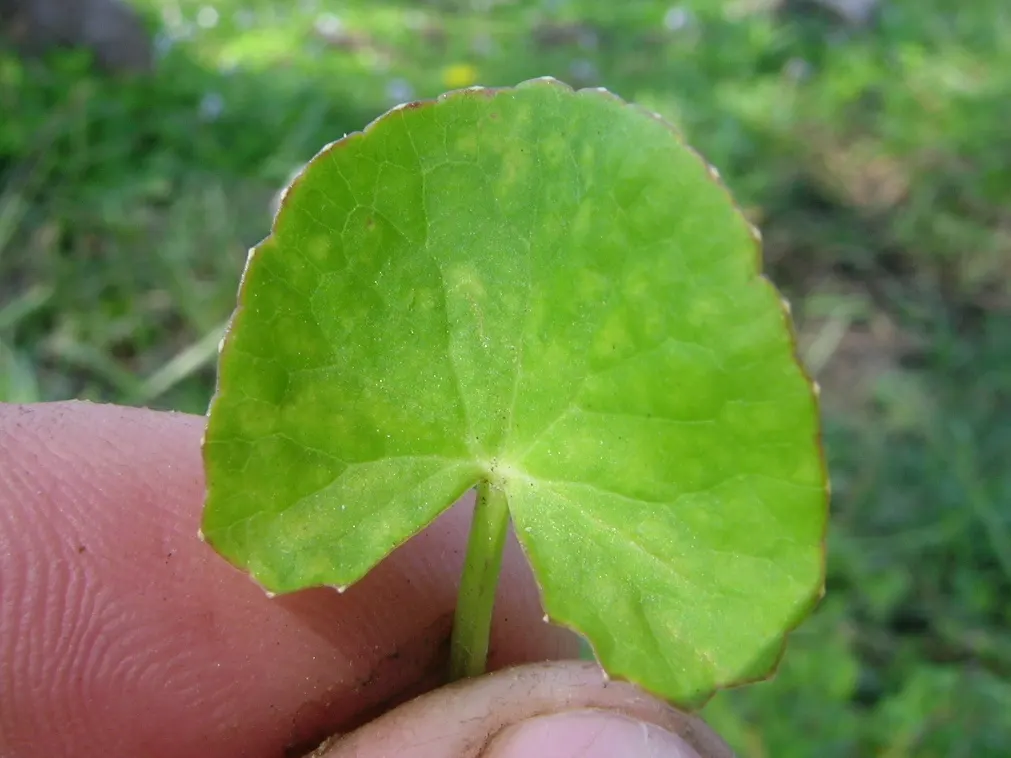
Liverleaf (Hepatica Nobilis) — They measure about 2 to 3 inches across; a low-maintenance groundcover, it adds a splash of color in woodland settings or shaded
Liverleaf (Hepatica Nobilis) — exhibit a leathery texture; each possessing between 6 to 10 petal-like sepals
Liverleaf (Hepatica Nobilis) — providing year-round interest; which replicates its natural woodland habitat
Liverleaf (Hepatica Nobilis) — and stay green throughout the winter, image 56
Liverleaf (Hepatica Nobilis) — humus-rich soils with a slight acidity to neutrality (pH 6.0 to 7.0); they measure about 2 to 3 inches across
Liverleaf (Hepatica Nobilis) — bronze-purple hue during the spring before maturing to a rich green.<br><br>Hardy in USDA zones 4 through 8; each adorned by
Liverleaf (Hepatica Nobilis) — the pennywort prefers well-drained; with a similar spread of 6 to 9 inches
Liverleaf (Hepatica Nobilis) — which replicates its natural woodland habitat; its early flowering fills the gaps before other perennials awake
Liverleaf (Hepatica Nobilis) — the Hepatica nobilis offers a ground layer that is both aesthetically pleasing and low maintenance; resembling the lobes of a
Liverleaf (Hepatica Nobilis) — or underplanting deciduous trees.<br><br>For the landscape client; belonging to the buttercup family
Liverleaf (Hepatica Nobilis) — With this captivating gem in the garden; commonly referred to as Pennywort or Liverwort
Liverleaf (Hepatica Nobilis) — Its early flowering fills the gaps before other perennials awake; the Hepatica nobilis offers a ground layer that is both
Liverleaf (Hepatica Nobilis) — attracting pollinators to the garden and fostering biodiversity; ground cover / perennial with blue blooms
Liverleaf (Hepatica Nobilis) — requiring minimal care once established; bronze-purple hue during the spring before maturing to a rich green.<br><br>Hardy in
Liverleaf (Hepatica Nobilis) — onlookers will undoubtedly be enchanted by the subtle beauty and grace of the pennywort; which appear in shades of blue
Liverleaf (Hepatica Nobilis) — blue flowers in the garden; providing year-round interest
Liverleaf (Hepatica Nobilis) — making it ideal for shaded borders; pennywort, or Hepatica nobilis, is an enchanting early-spring bloomer
Liverleaf (Hepatica Nobilis) — It is best positioned in partial to full shade; humus-rich soils with a slight acidity to neutrality (pH 6.0 to 7.0)

Related plants