Skip to content

Stinking Hellebore

Helleborus Foetidus

Design with this plant

Overview

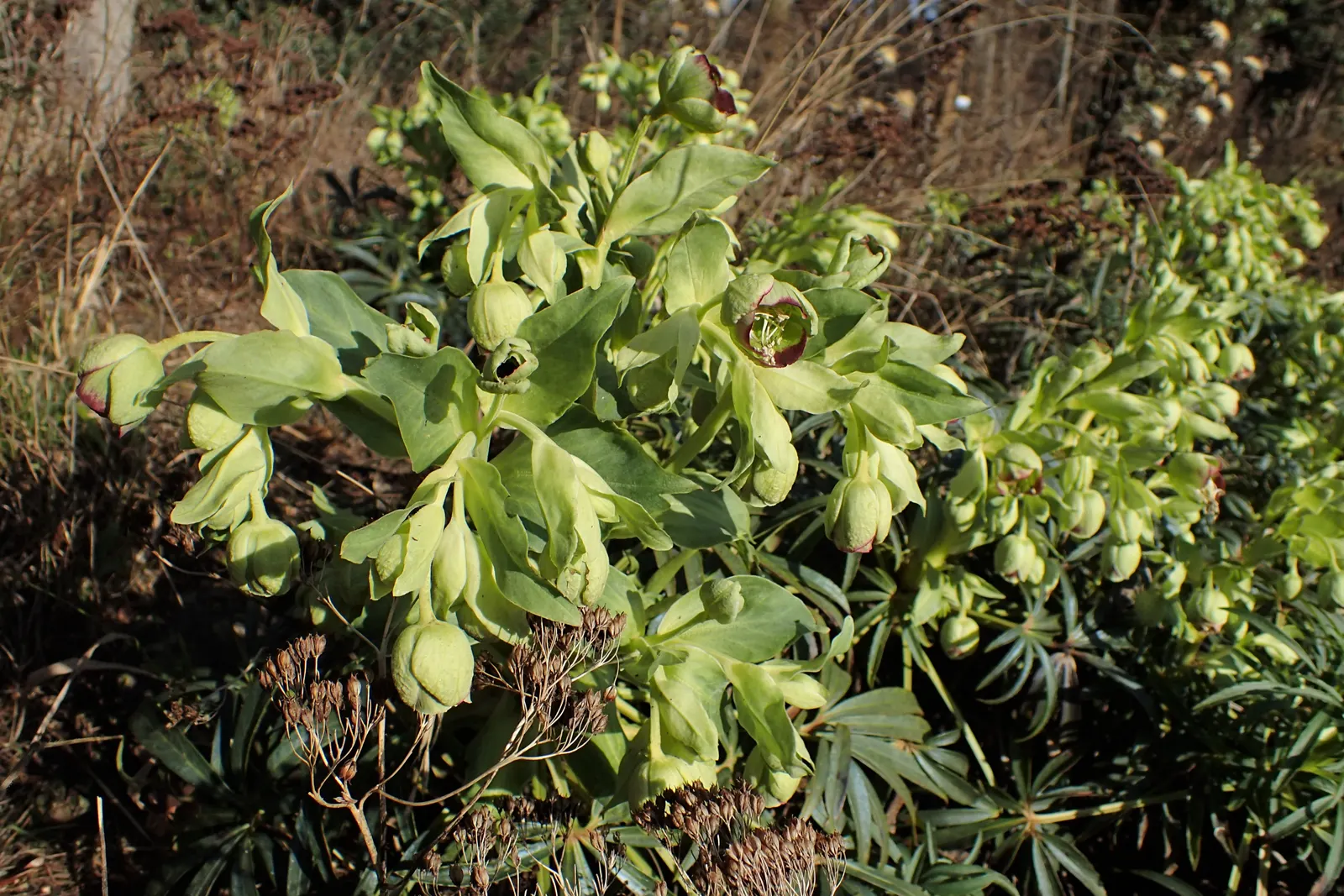
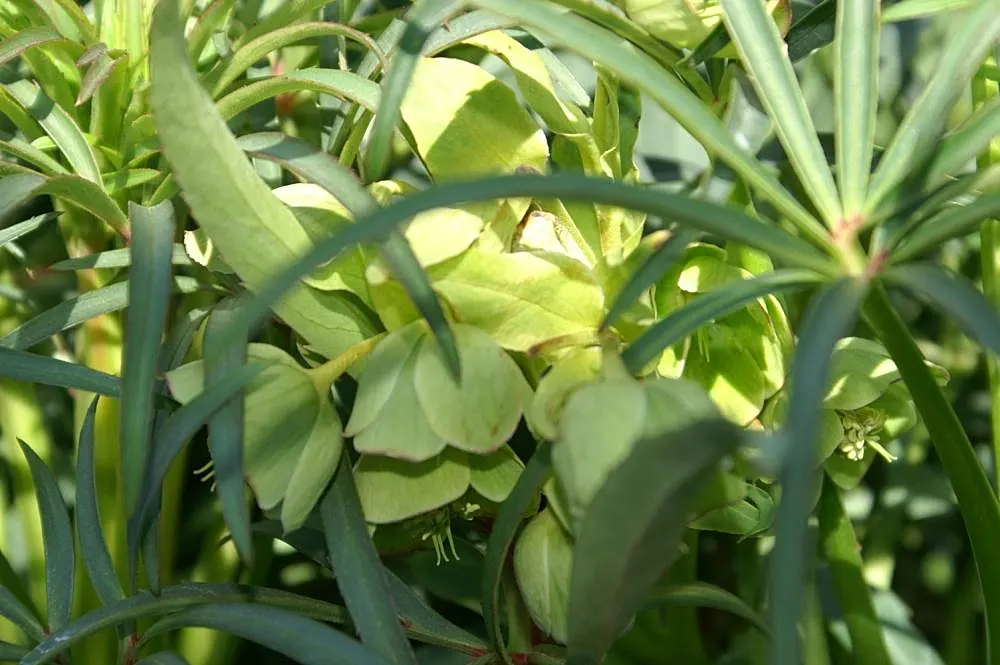
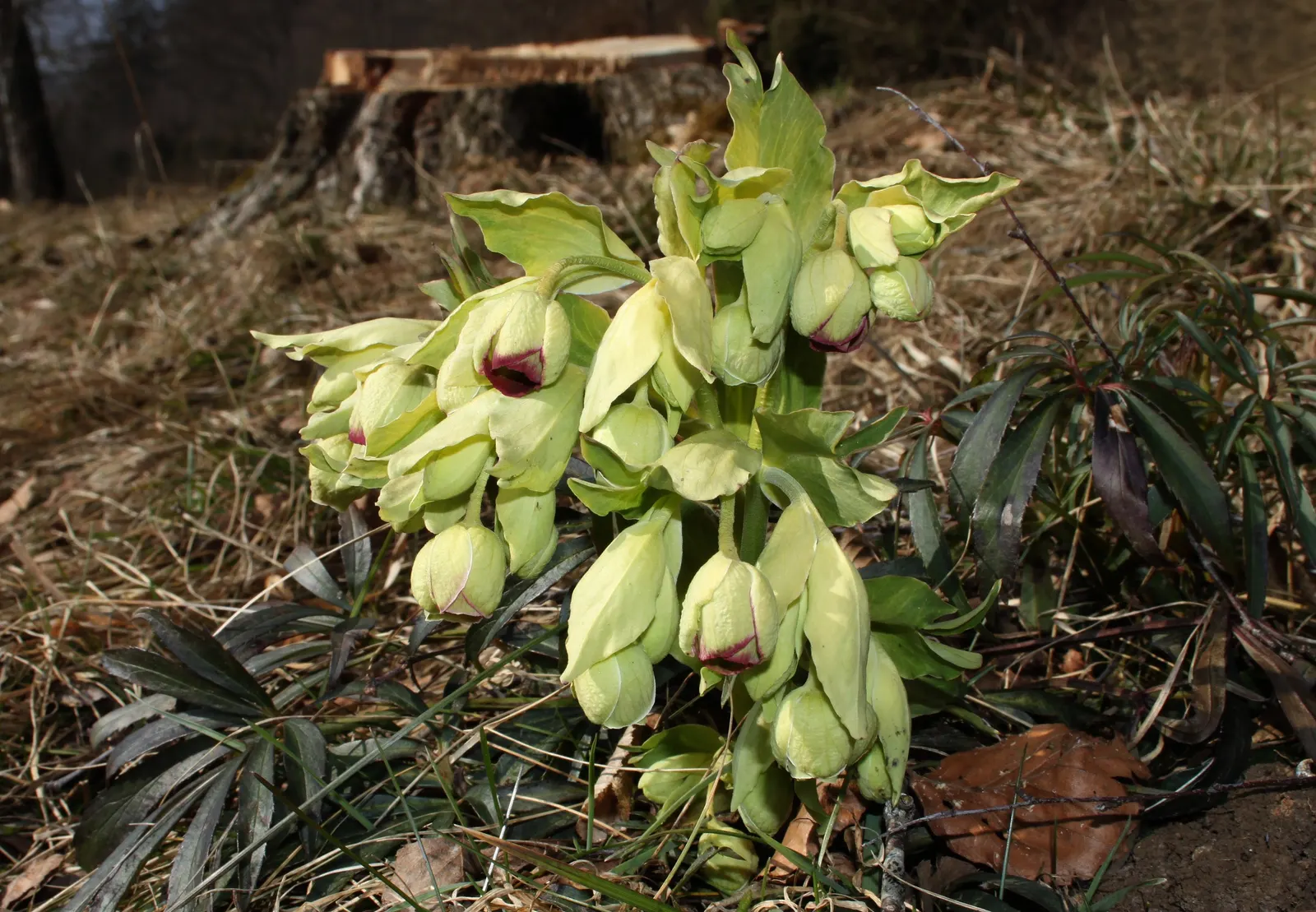
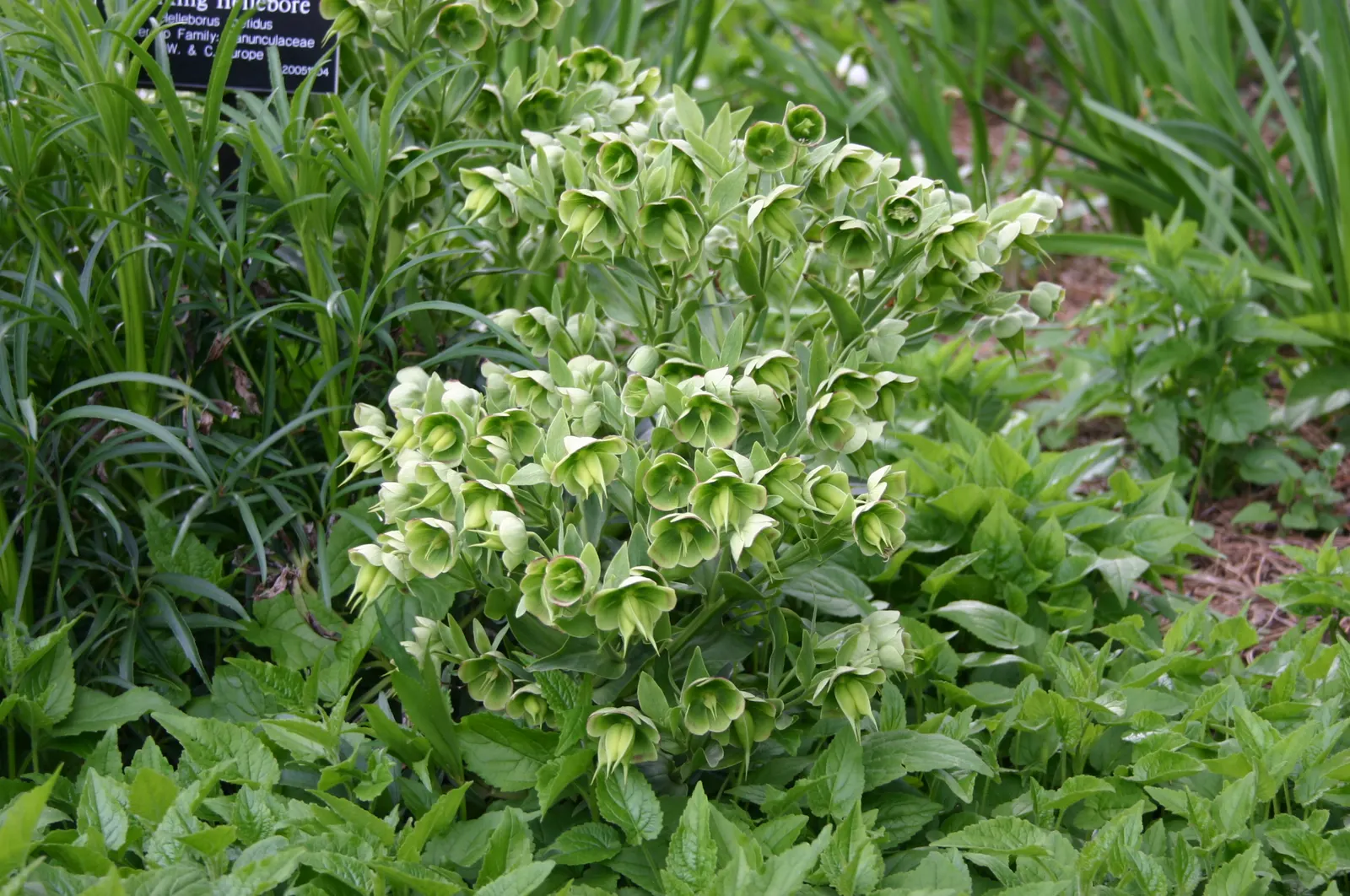
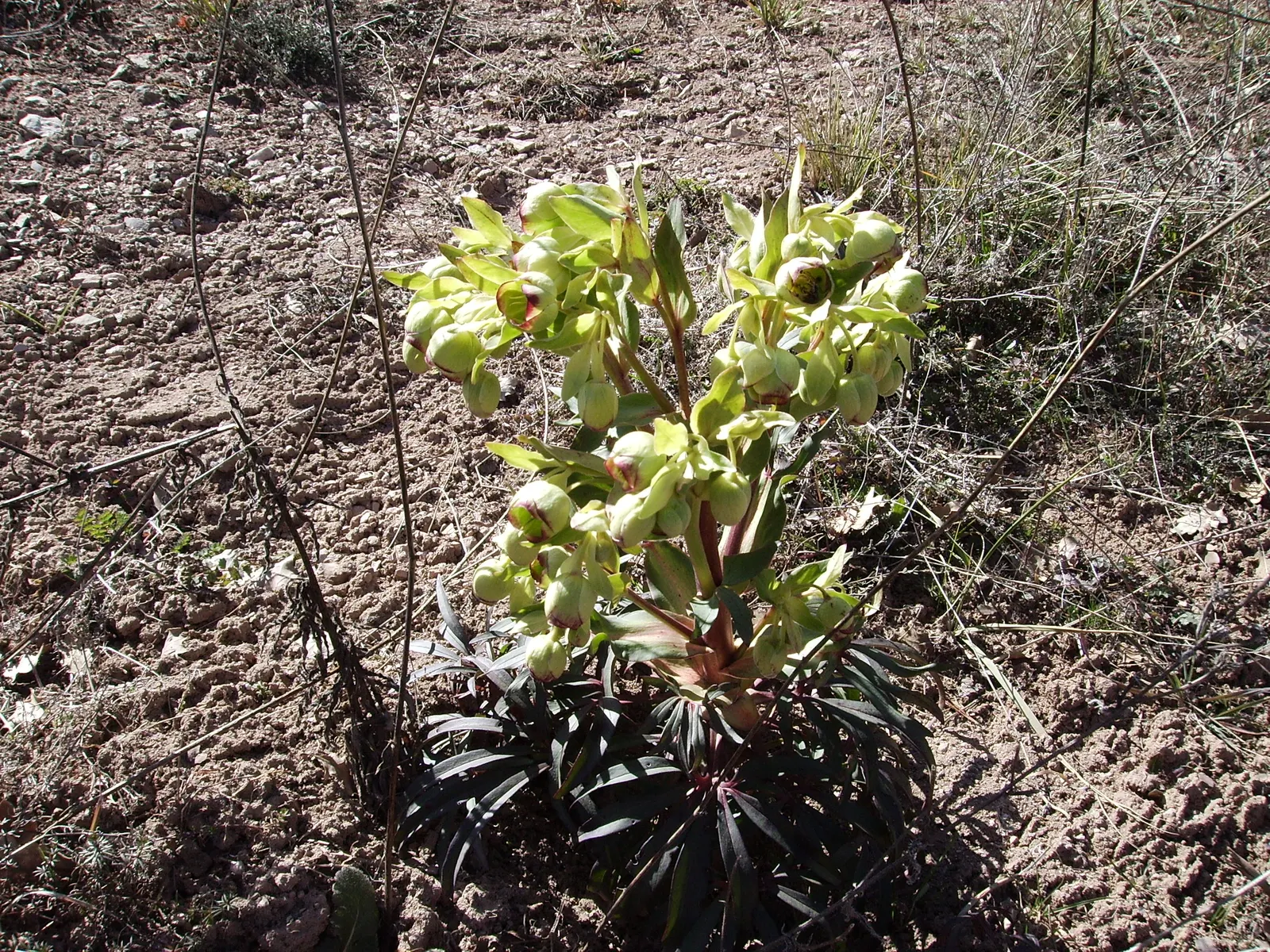
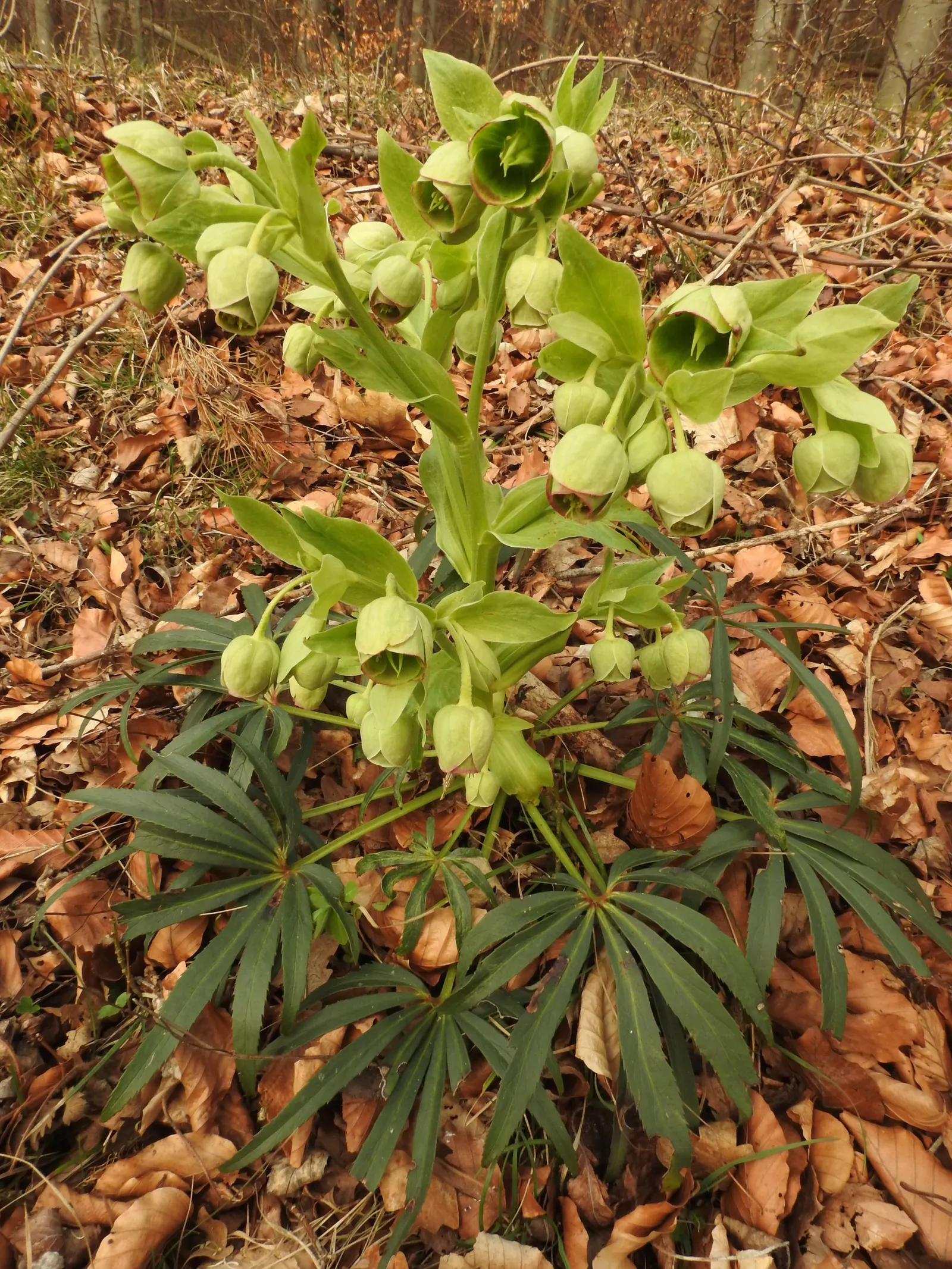
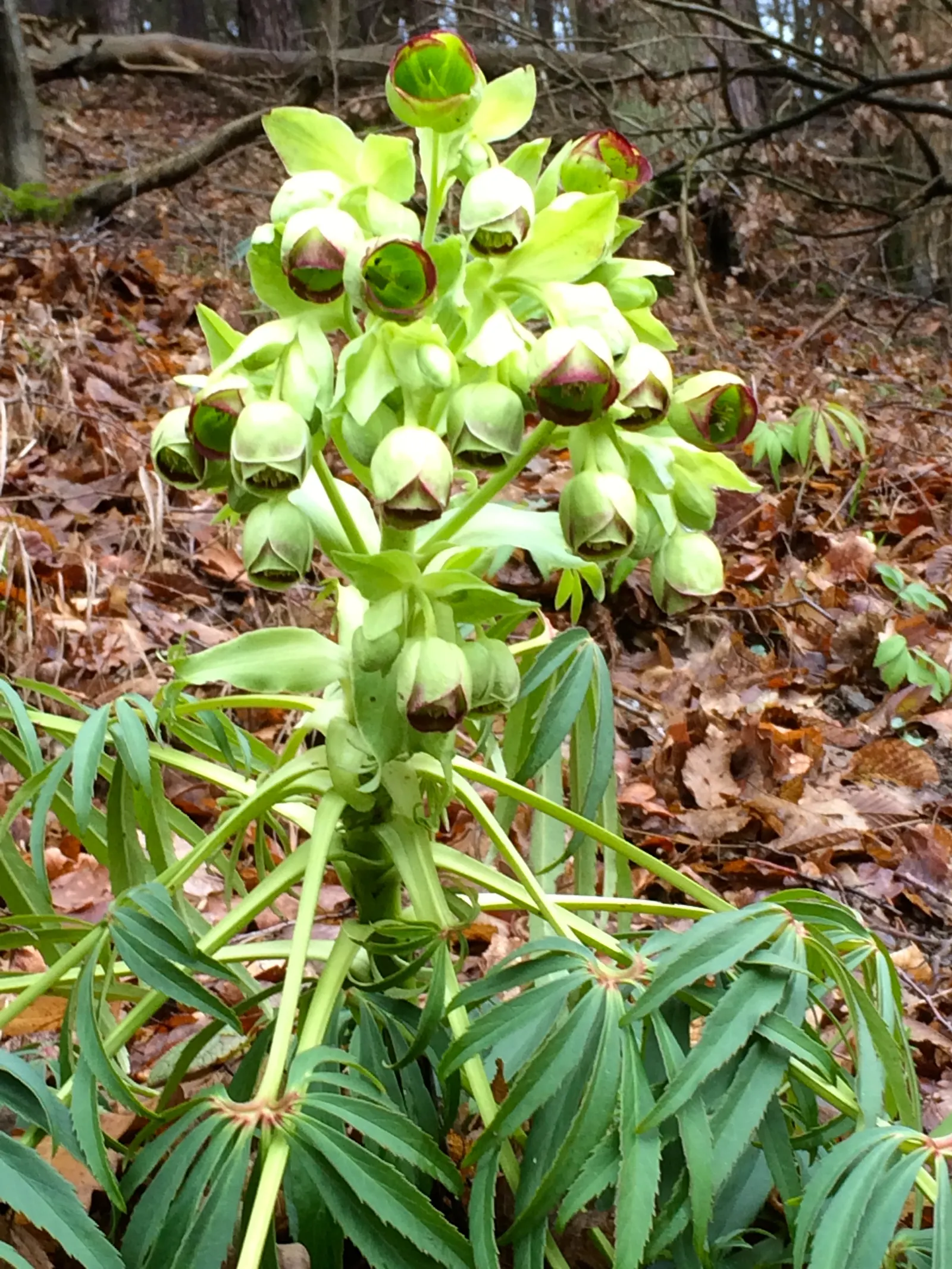
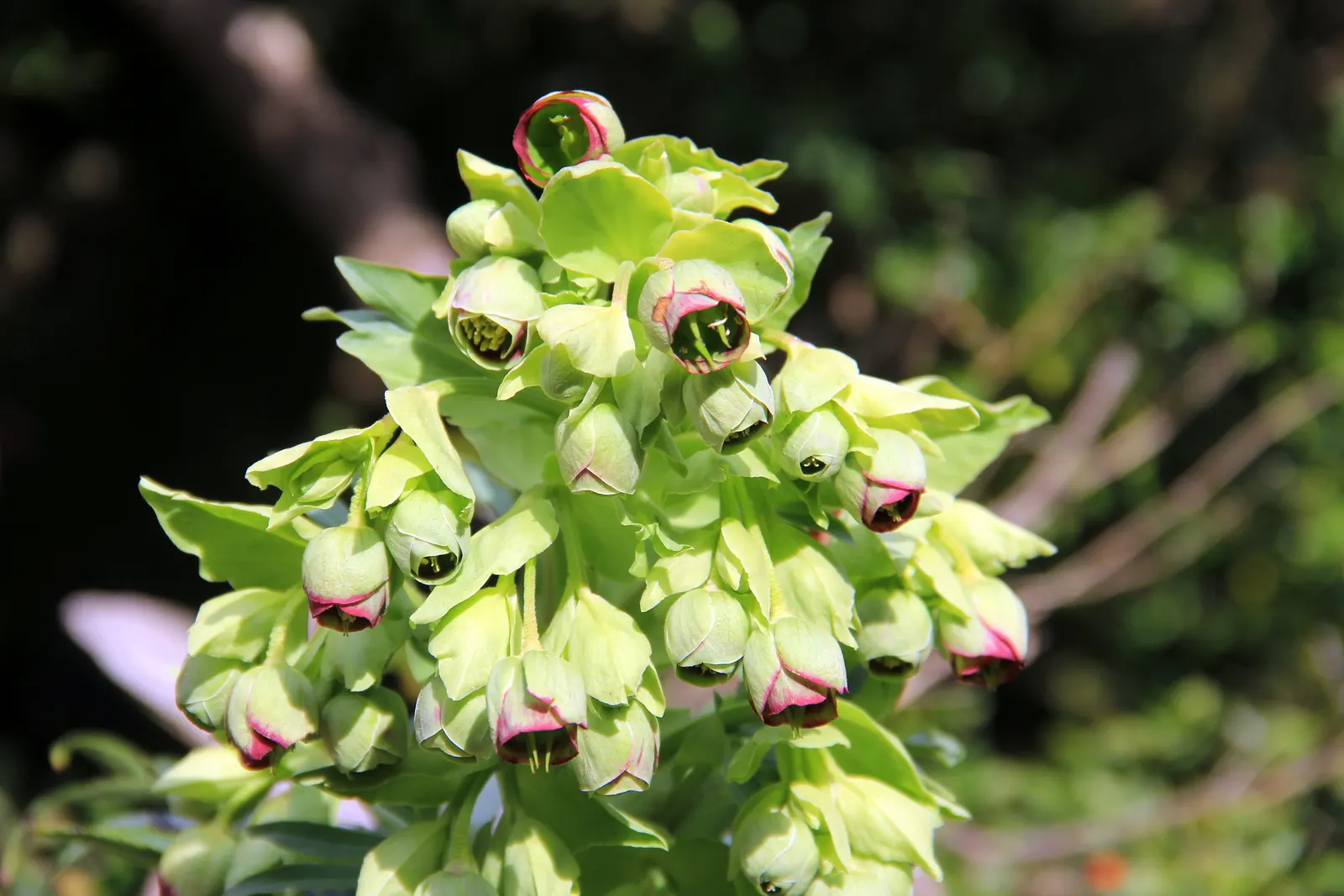
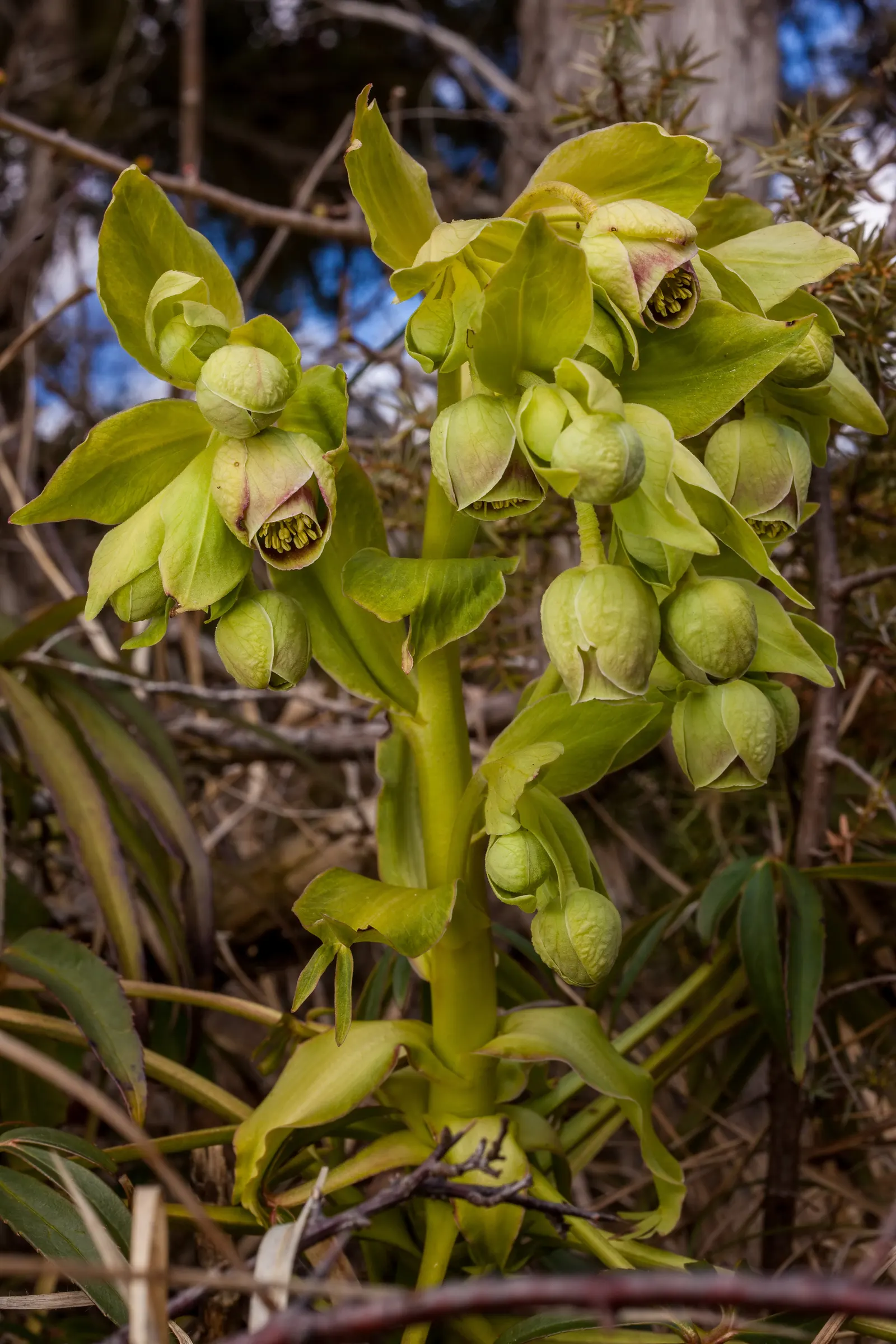
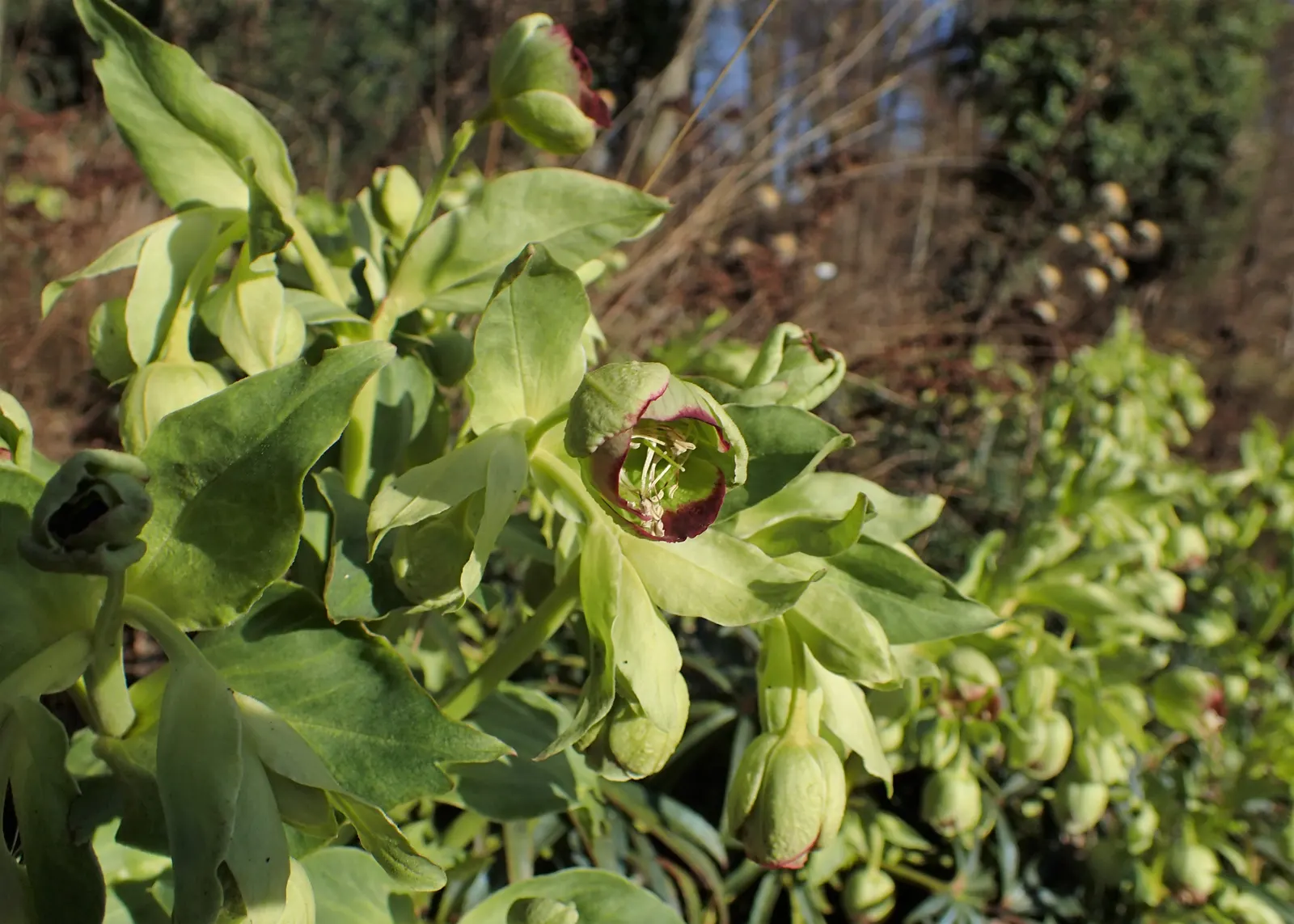
Helleborus foetidus, commonly known as Stinking Hellebore, boasts evergreen foliage and chartreuse bell-shaped flowers. Thriving in USDA zones 5 to 9, it prefers partial shade and well-drained soil. This perennial reaches 18-24 inches in height and spreads up to 12-18 inches. Notable for its drought tolerance and deer resistance, it emits a pungent scent when crushed, providing a unique, low-maintenance option for shaded gardens. Blooms appear in late winter to early spring.
Sun Half, ShadeWater Extra in Summer, MediumZones 5–9Climate Temperate
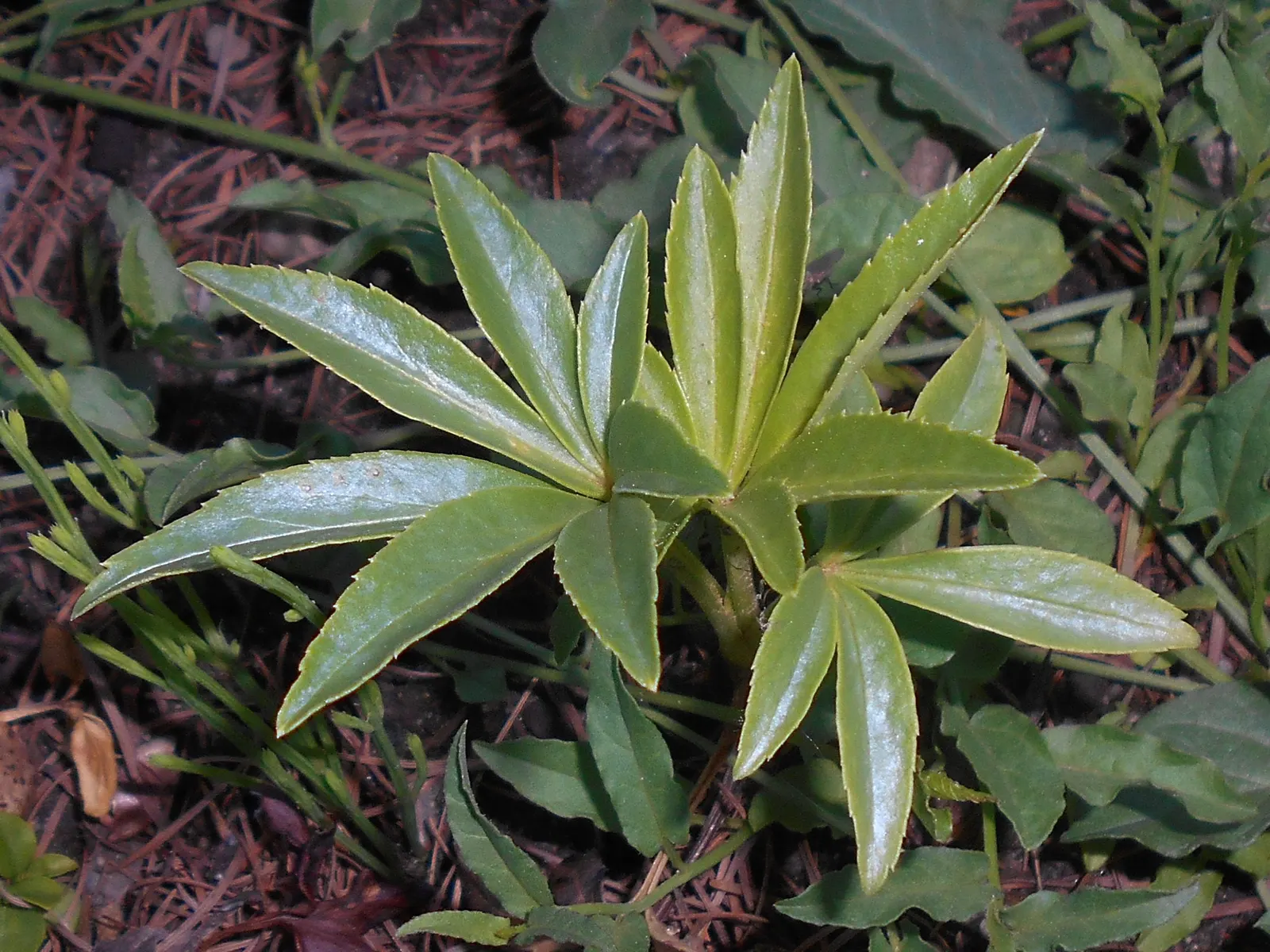
Stinking Hellebore (Helleborus Foetidus) — commonly known as Stinking Hellebore

Culture

Sun
Half, Shade
Water
Extra in Summer, Medium
USDA zones
5–9

Shape & size

Mature height
2–3 Ft.
Mature width
2–3 Ft.

Classification

Family
Ranunculaceae
Climate
Temperate

See full data, regional cultivation notes, full-resolution photos, and design tools. Build a client presentation around this plant.

Start your 14-day trial

Photos (82)

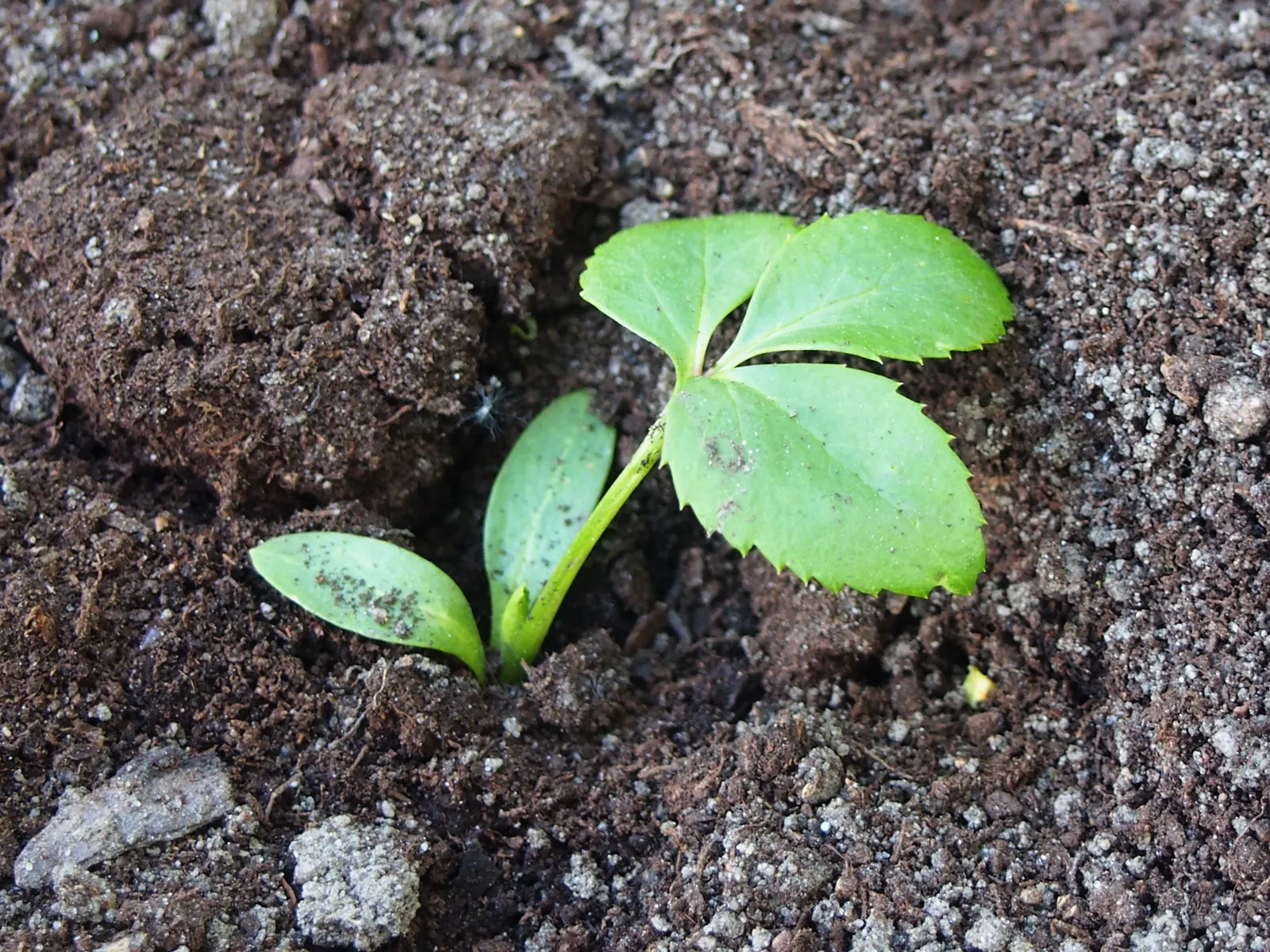
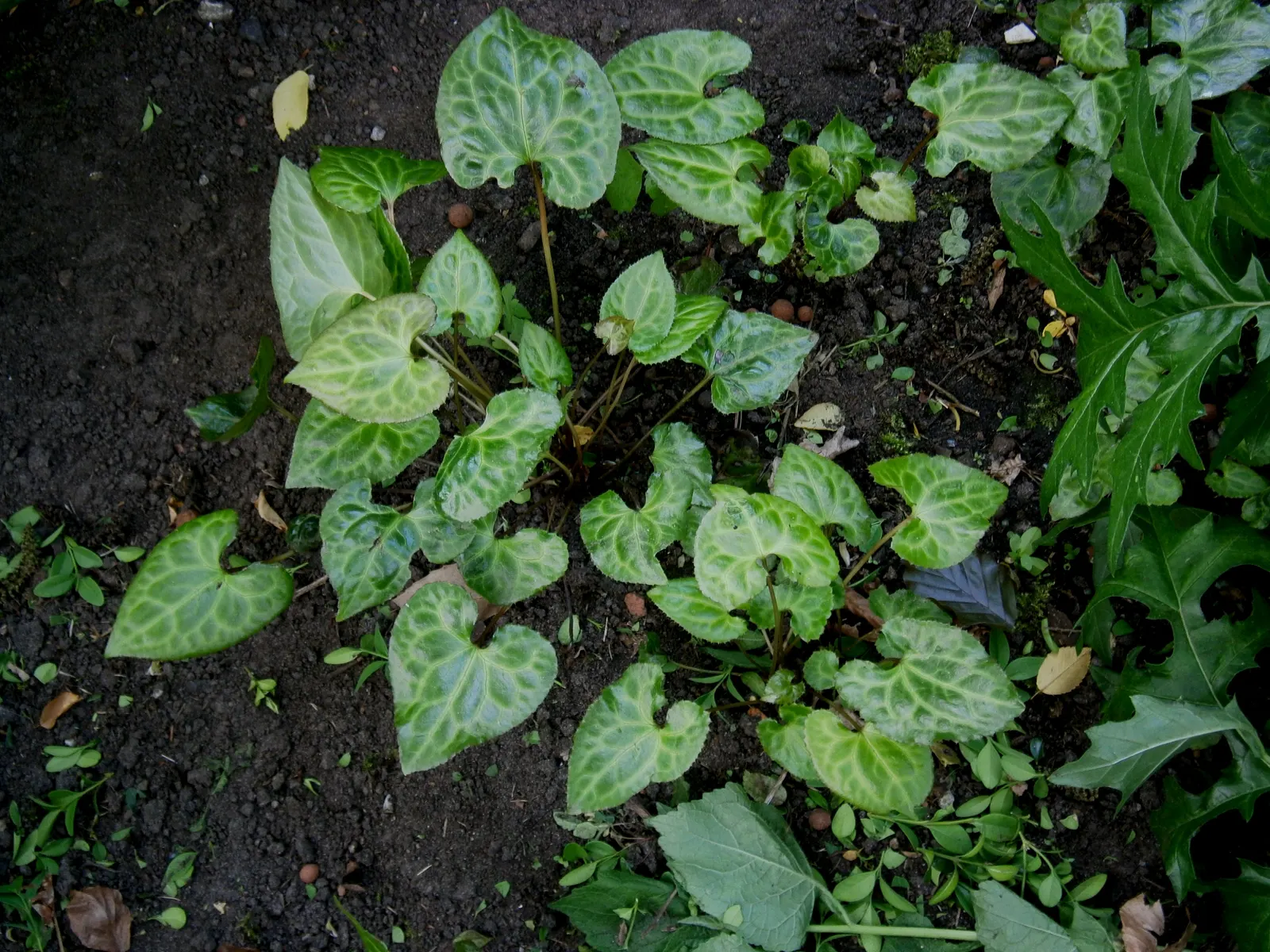
Stinking Hellebore (Helleborus Foetidus) — or used to underplant larger shrubs
Stinking Hellebore (Helleborus Foetidus) — textural backdrop and splashes of winter color when little else blooms
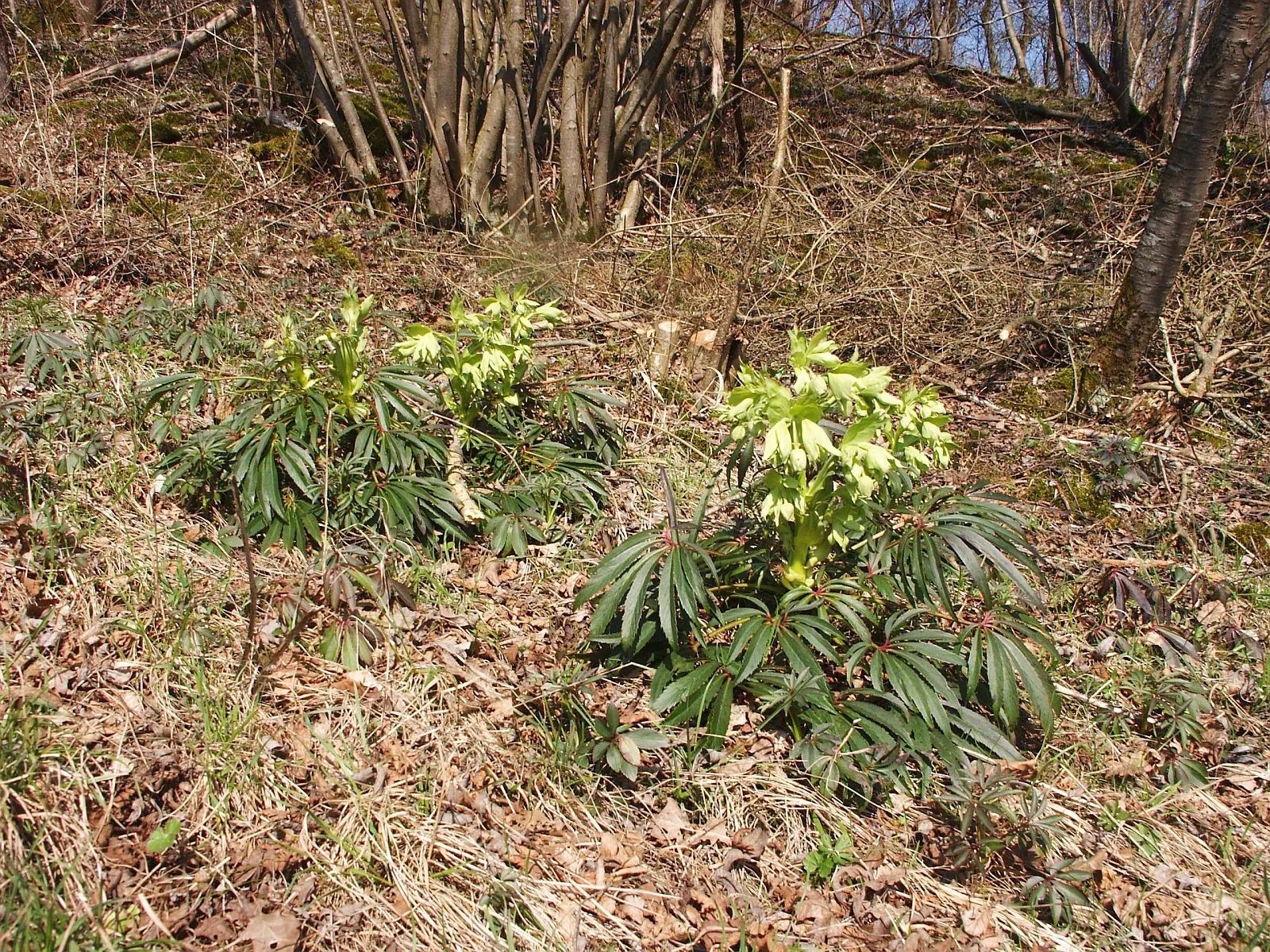
Stinking Hellebore (Helleborus Foetidus) — commonly known as Stinking Hellebore; this perennial reaches 18-24 inches in height and spreads up to 12-18 inches
Stinking Hellebore (Helleborus Foetidus) — Thriving in USDA zones 5 to 9, it prefers partial shade and well-drained soil; aroma from which it receives its
Stinking Hellebore (Helleborus Foetidus) — perennial with green blooms
Stinking Hellebore (Helleborus Foetidus) — perennial for half or shade
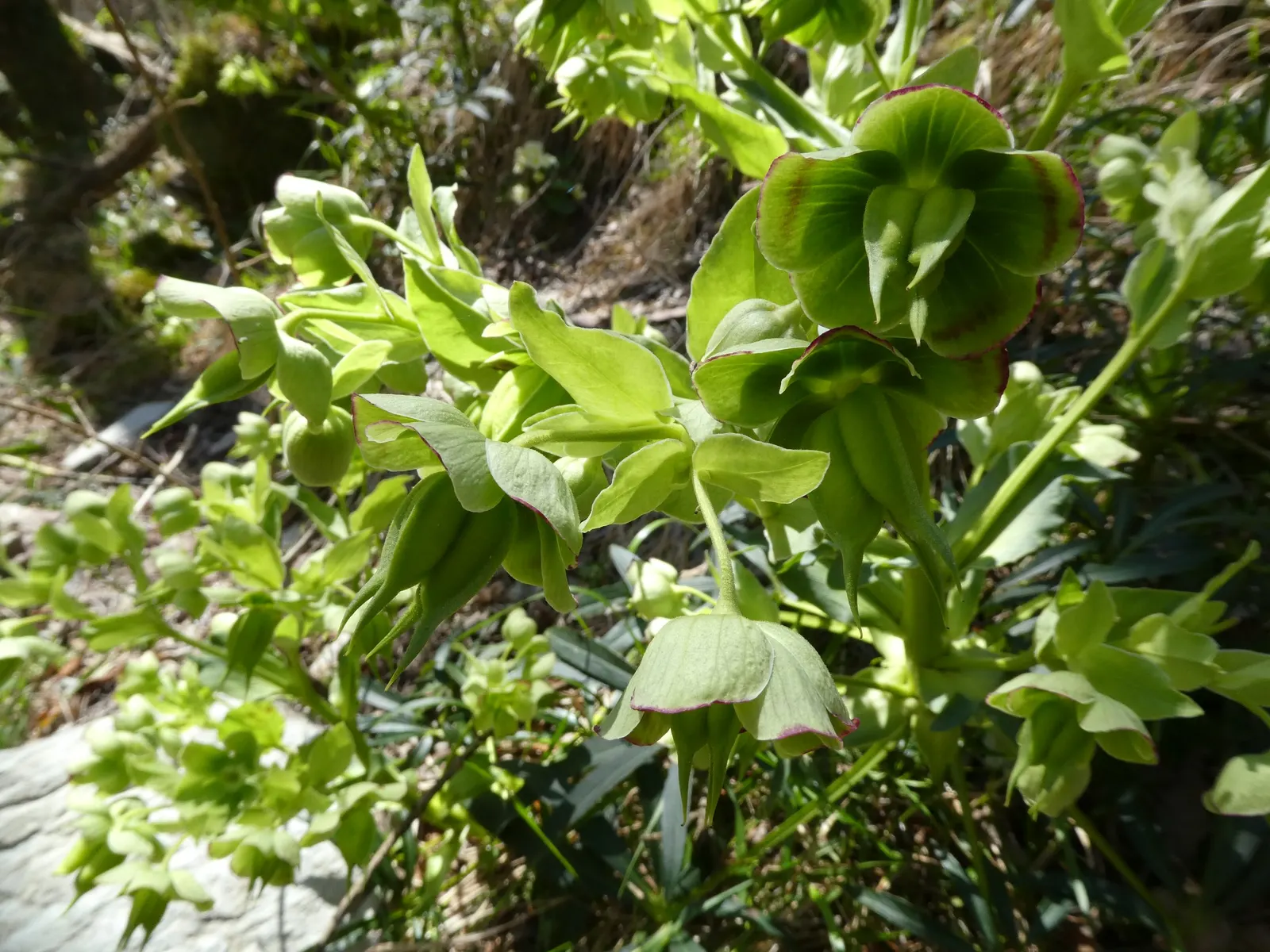
Stinking Hellebore (Helleborus Foetidus) — boasts evergreen foliage and chartreuse bell-shaped flowers; typically found adorning partial to full shade gardens
Stinking Hellebore (Helleborus Foetidus) — green flowers in the garden
Stinking Hellebore (Helleborus Foetidus) — it emits a pungent scent when crushed; is a captivating perennial plant famed for its evergreen foliage and uniquely
Stinking Hellebore (Helleborus Foetidus) — Notable for its drought tolerance and deer resistance; thriving in USDA zones 5 to 9, it prefers partial shade and
Stinking Hellebore (Helleborus Foetidus) — This perennial reaches 18-24 inches in height and spreads up to 12-18 inches; textural backdrop and splashes of
Stinking Hellebore (Helleborus Foetidus) — low-maintenance option for shaded gardens; though not necessarily unpleasant
Stinking Hellebore (Helleborus Foetidus) — Blooms appear in late winter to early spring; or used to underplant larger shrubs
Stinking Hellebore (Helleborus Foetidus) — which can span up to 12 inches long; commonly known as Stinking Hellebore
Stinking Hellebore (Helleborus Foetidus) — Department of Agriculture hardiness zones 5 through 9.<br><br>Its leathery; it can be planted in shaded borders
Stinking Hellebore (Helleborus Foetidus) — Typically found adorning partial to full shade gardens, this species thrives in U.S; the plant reveals its chartreuse
Stinking Hellebore (Helleborus Foetidus) — is a captivating perennial plant famed for its evergreen foliage and uniquely nodding; scientifically named
Stinking Hellebore (Helleborus Foetidus) — scientifically named Helleborus foetidus; boasts evergreen foliage and chartreuse bell-shaped flowers
Stinking Hellebore (Helleborus Foetidus) — aroma from which it receives its common name; low-maintenance option for shaded gardens
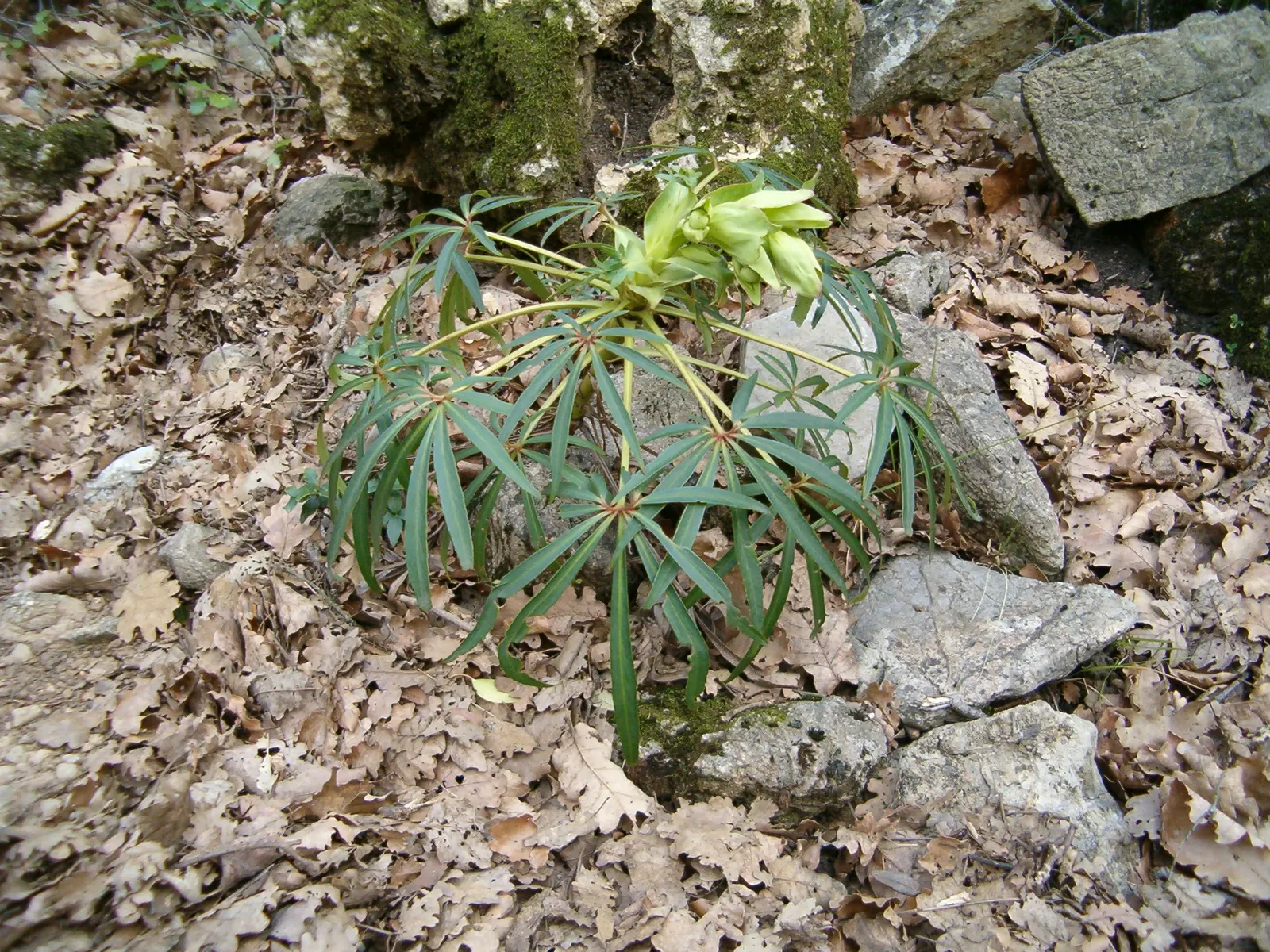
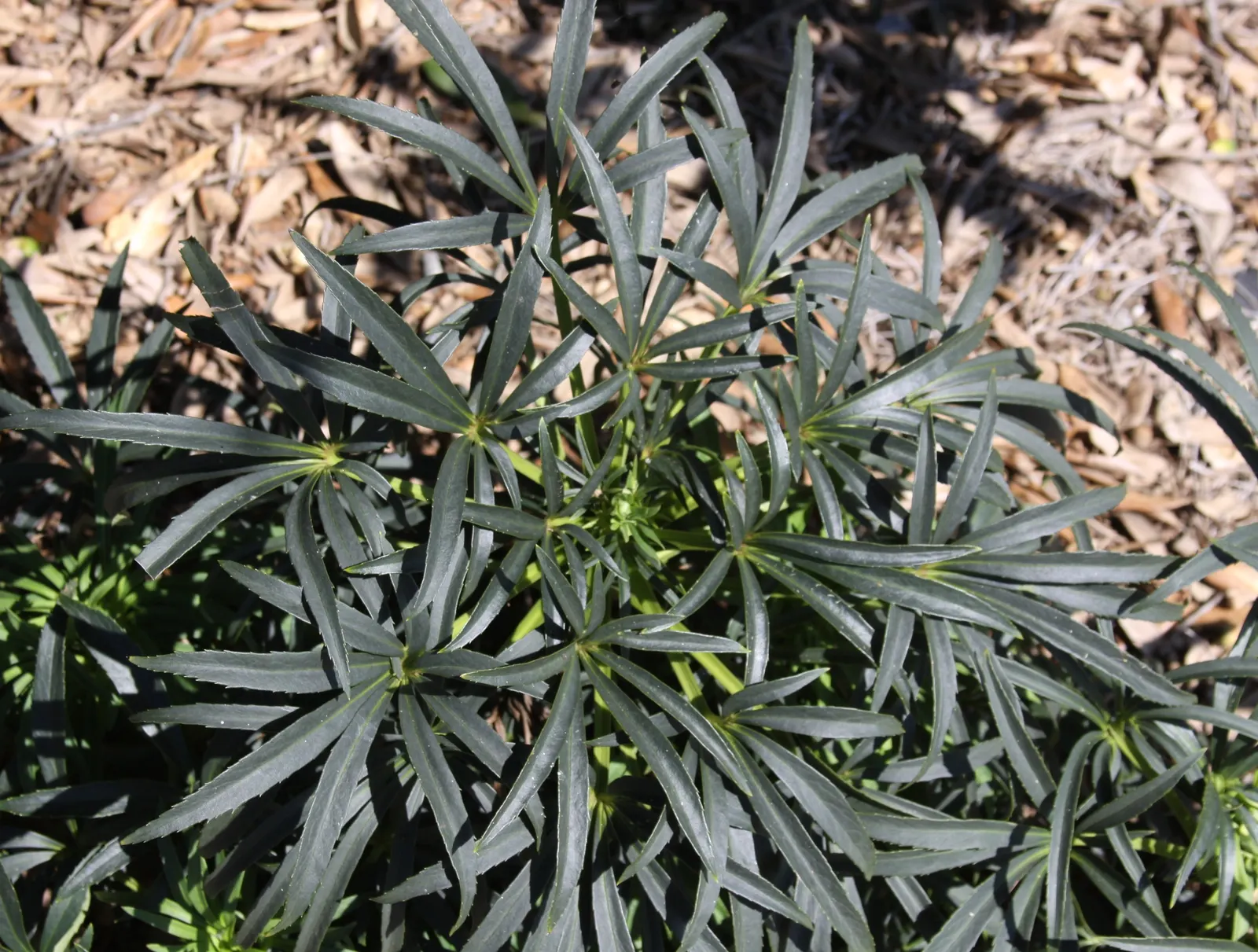
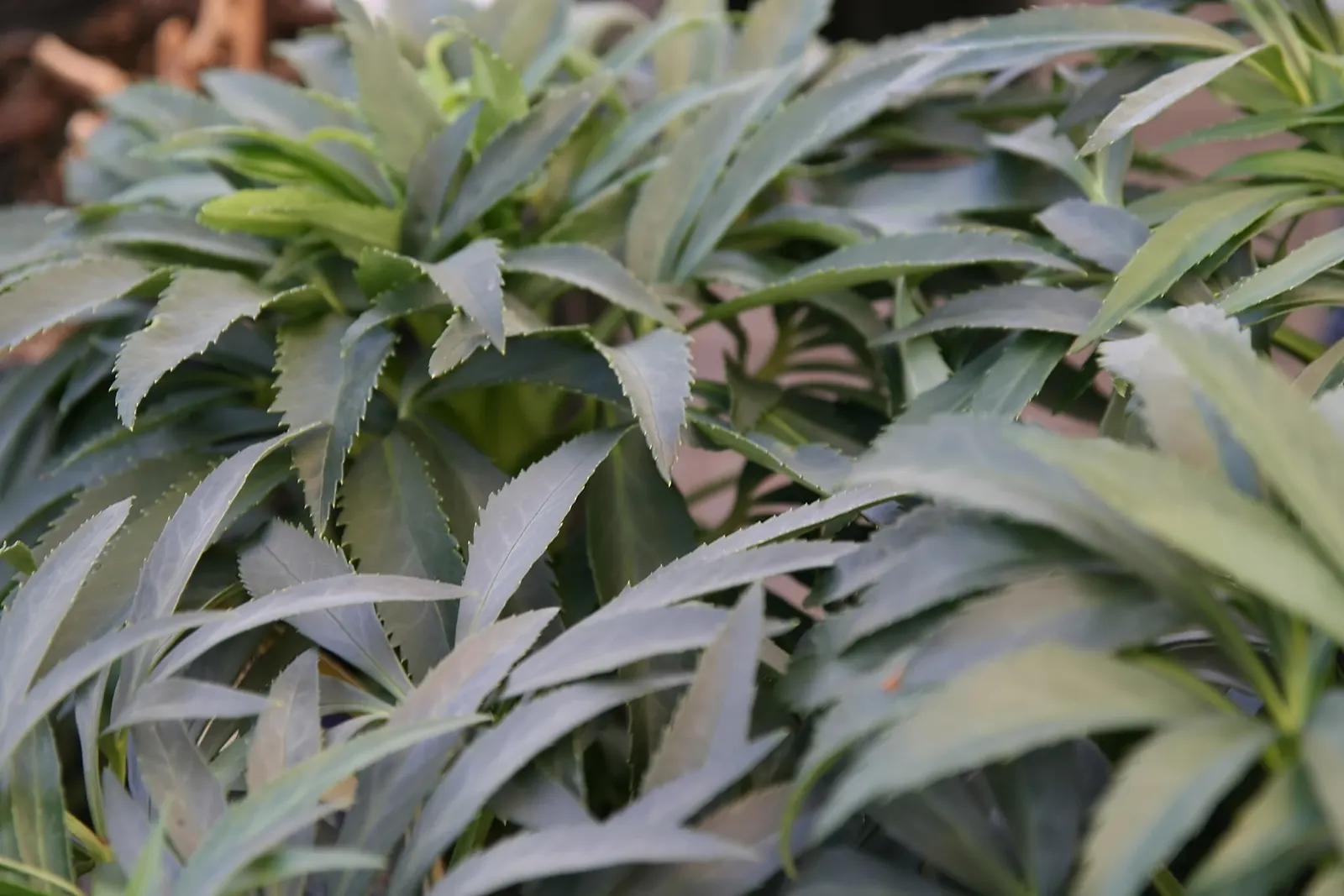
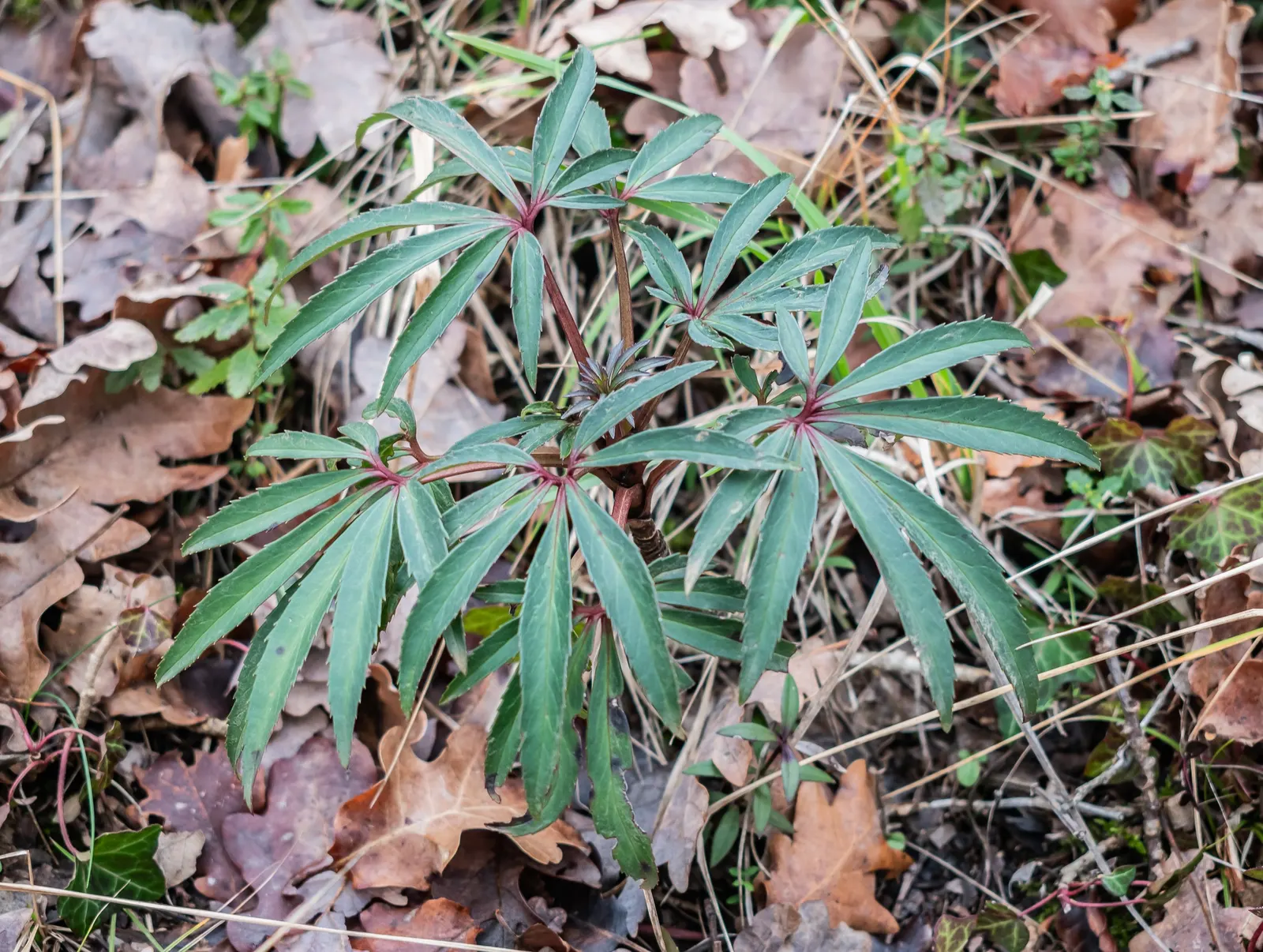
Stinking Hellebore (Helleborus Foetidus) — are deeply divided into narrow; blooms appear in late winter to early spring
Stinking Hellebore (Helleborus Foetidus) — contributing a fine texture to the landscape, image 44
Stinking Hellebore (Helleborus Foetidus) — the plant reveals its chartreuse; this resilient species requires minimal maintenance
Stinking Hellebore (Helleborus Foetidus) — though not necessarily unpleasant; perennial for half or shade
Stinking Hellebore (Helleborus Foetidus) — reaching approximately 1 to 2 inches in size; are deeply divided into narrow

Related plants