Skip to content

Common Sunflower

Helianthus Annuus

Design with this plant

Overview

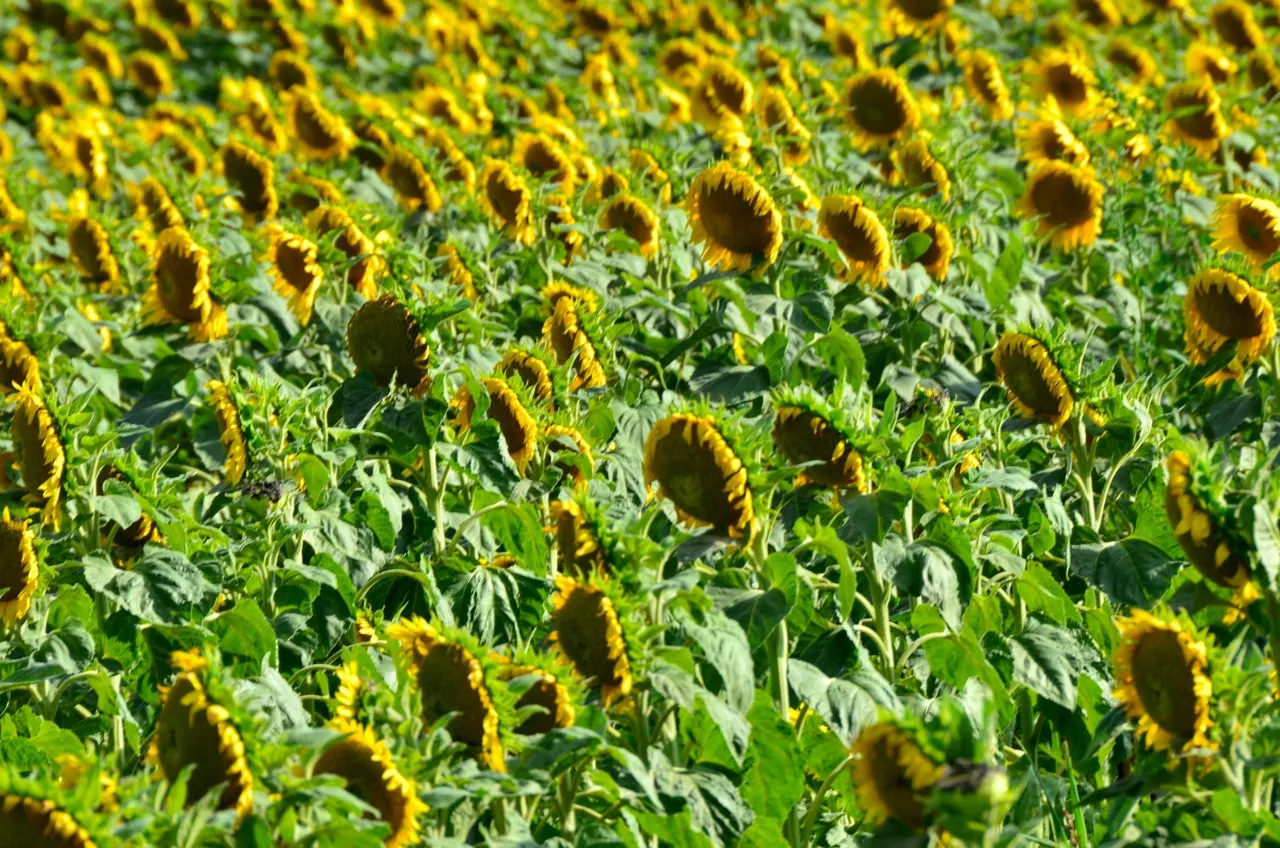
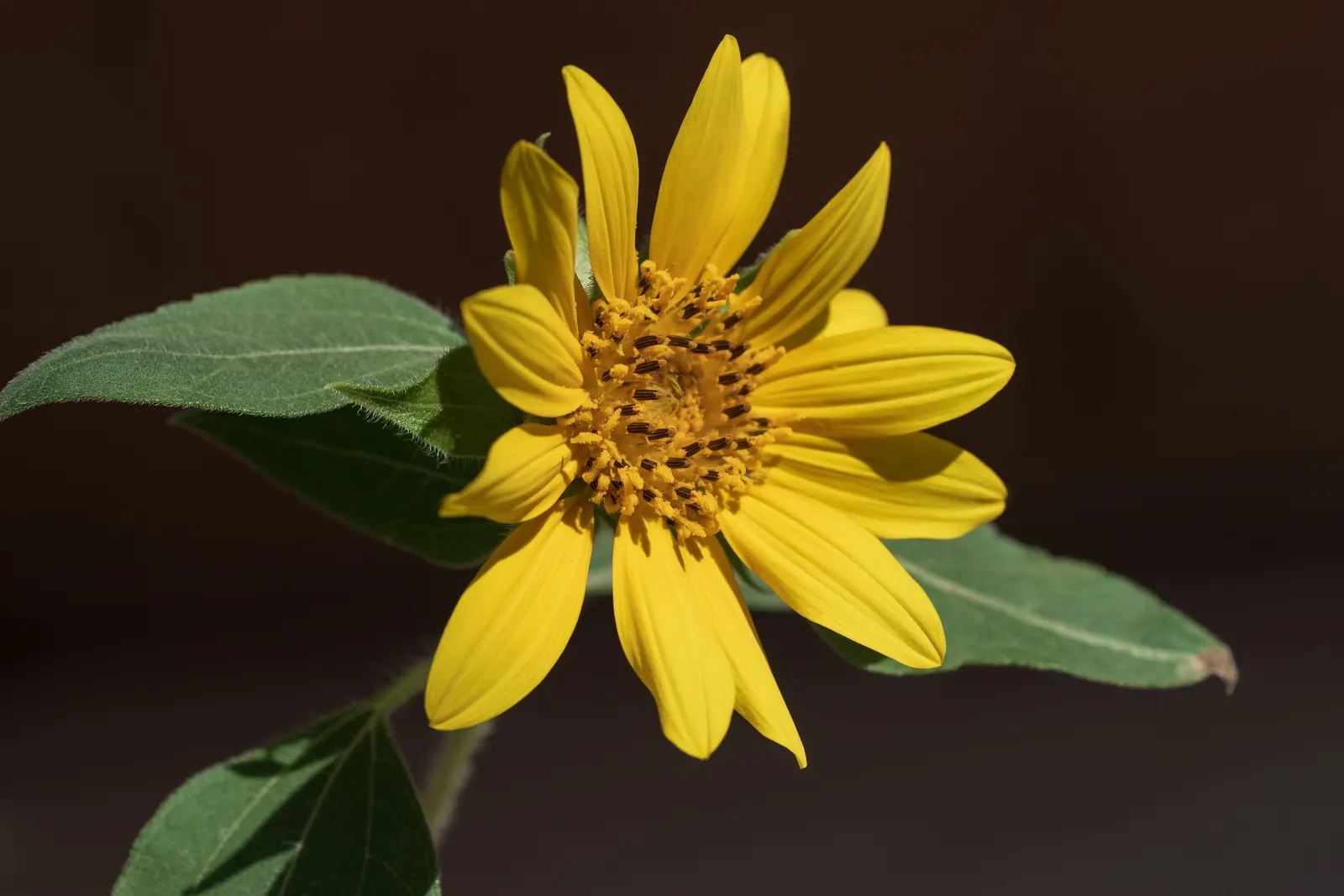
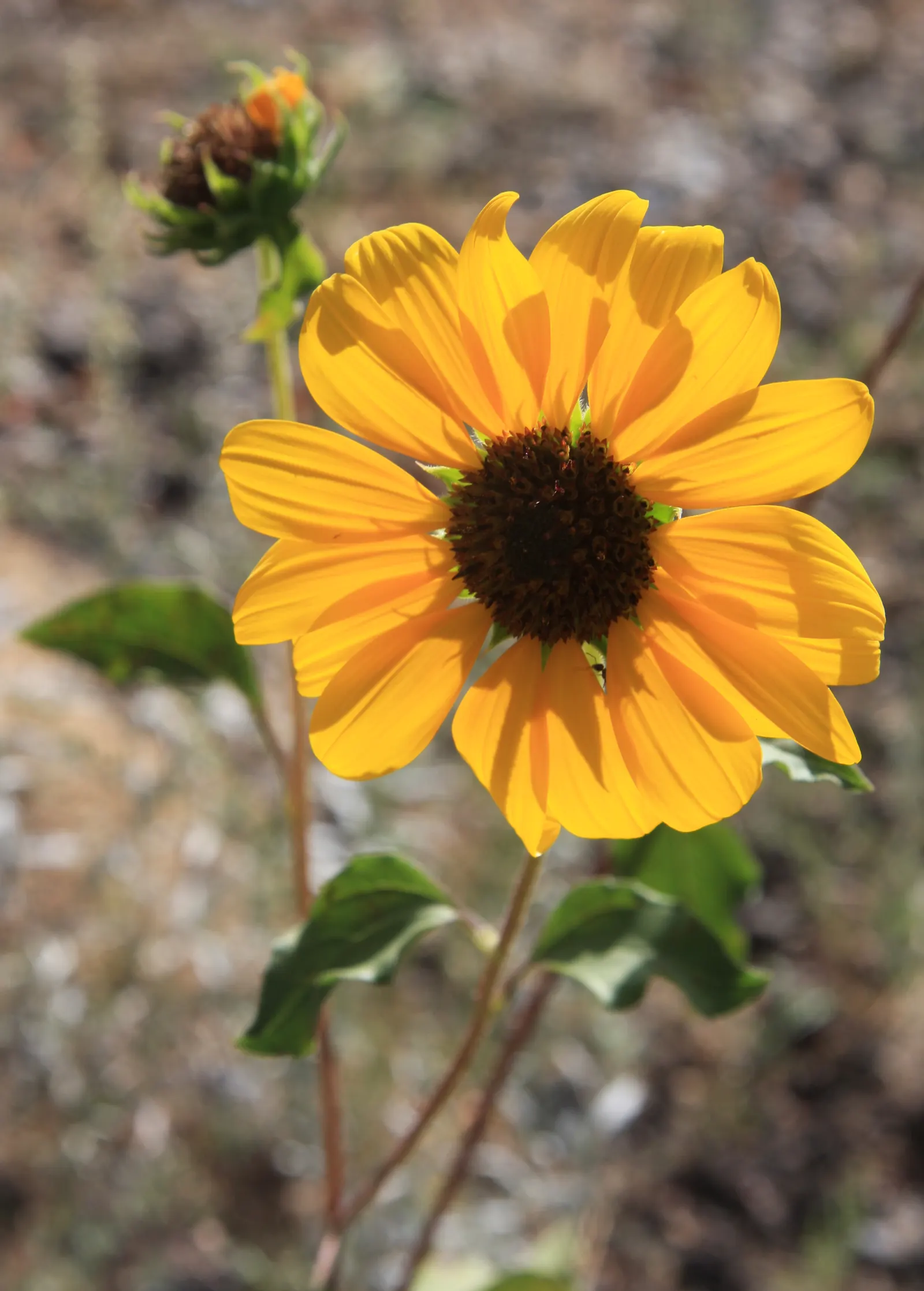
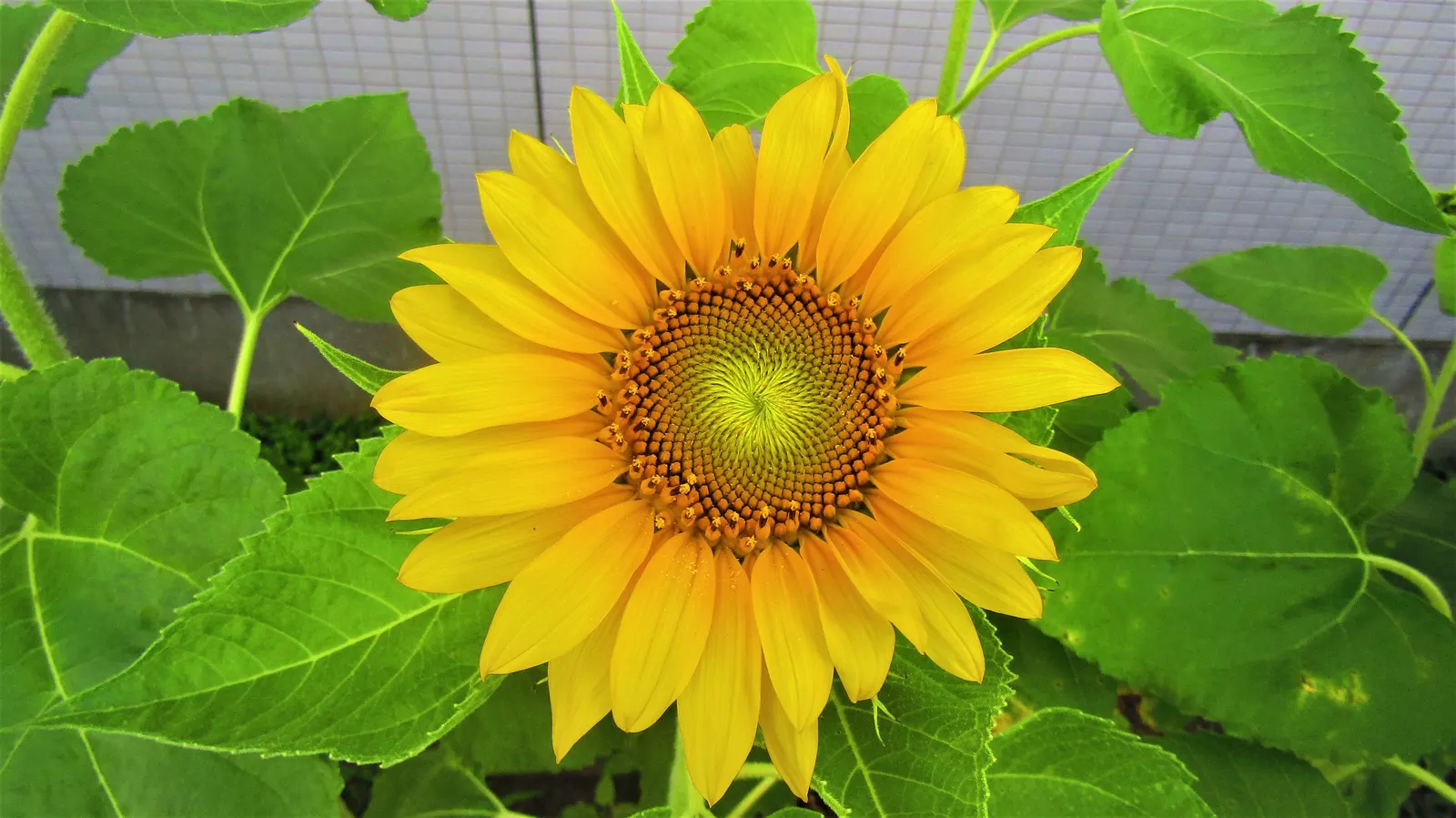
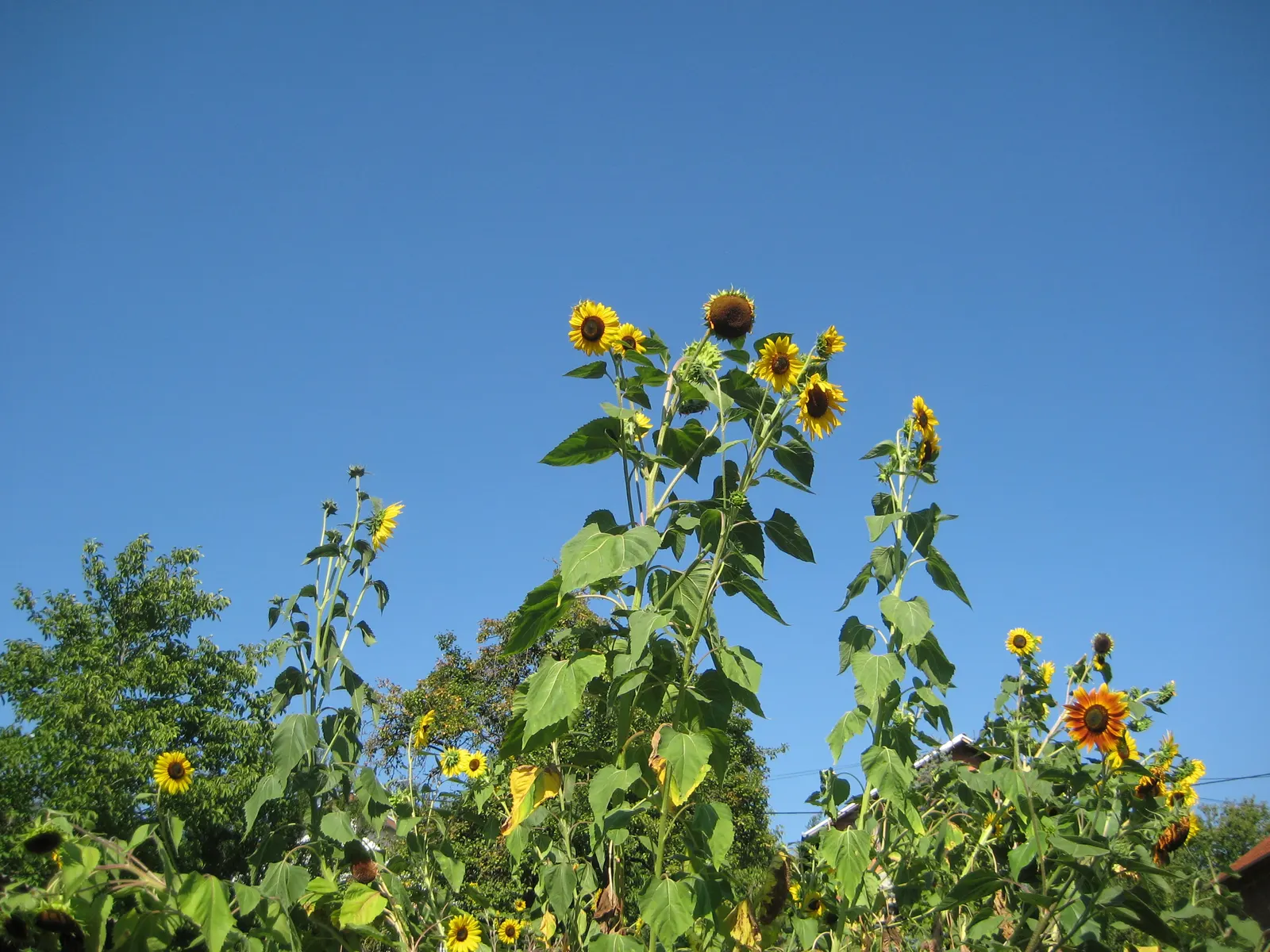
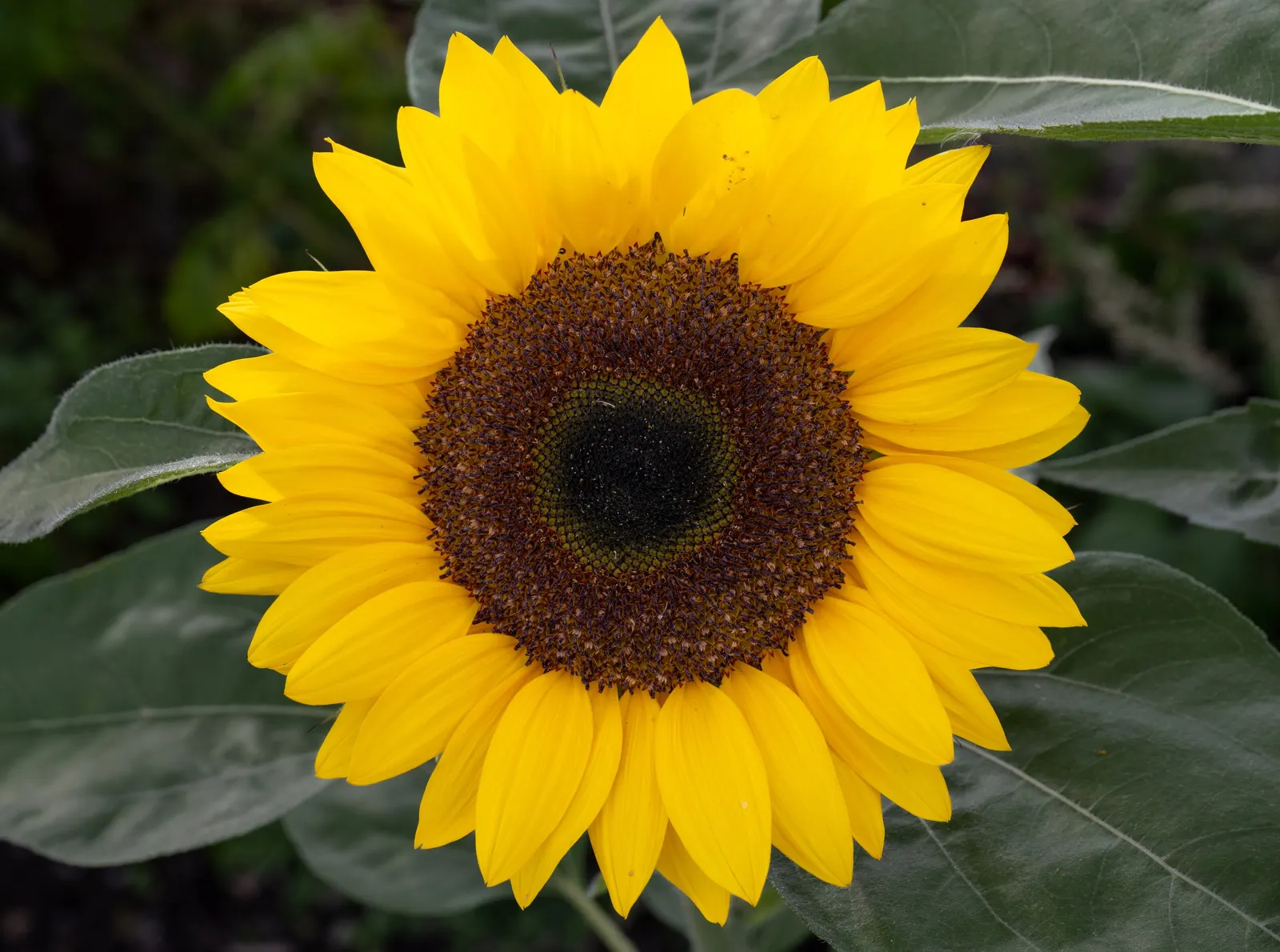
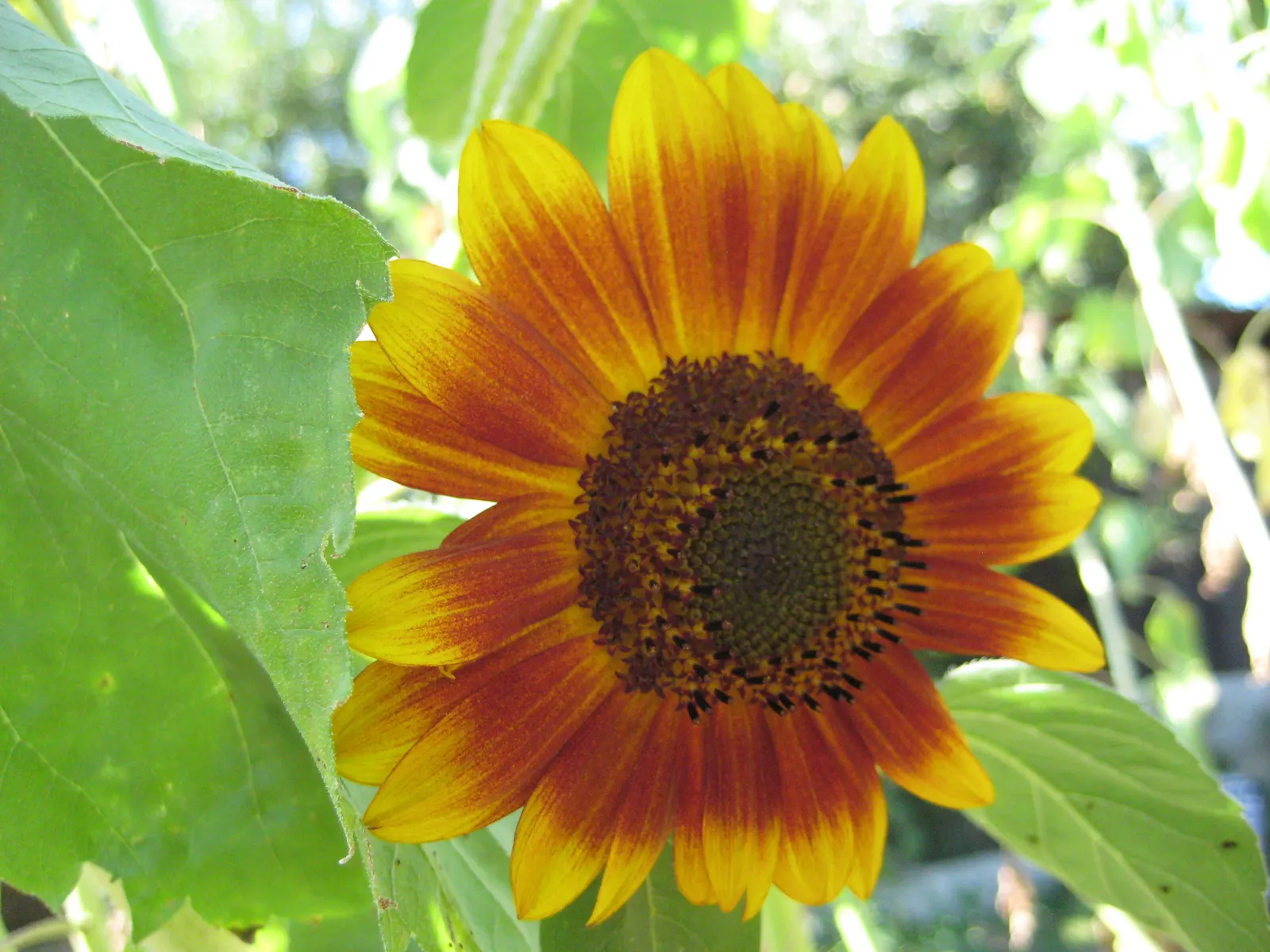
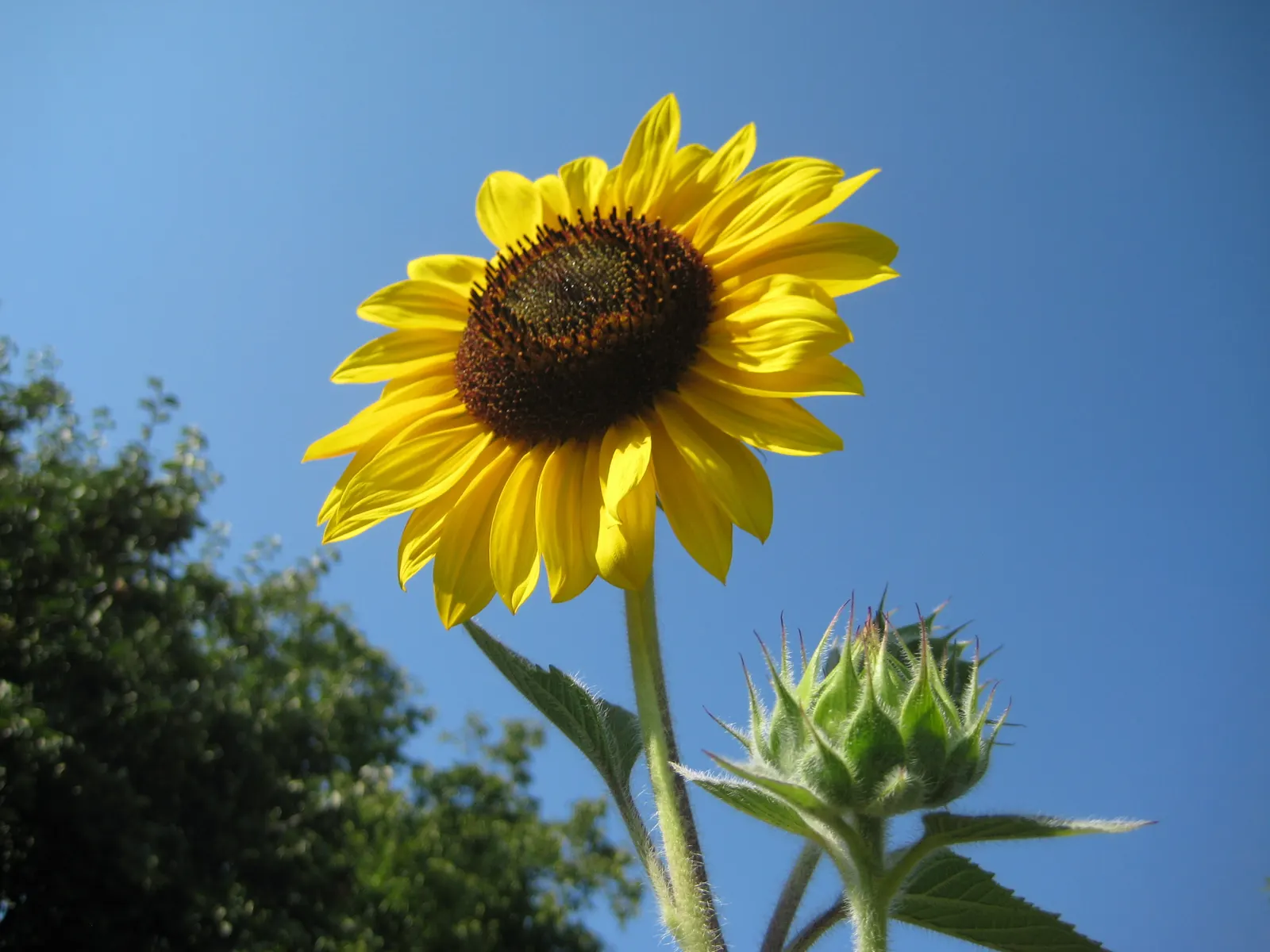
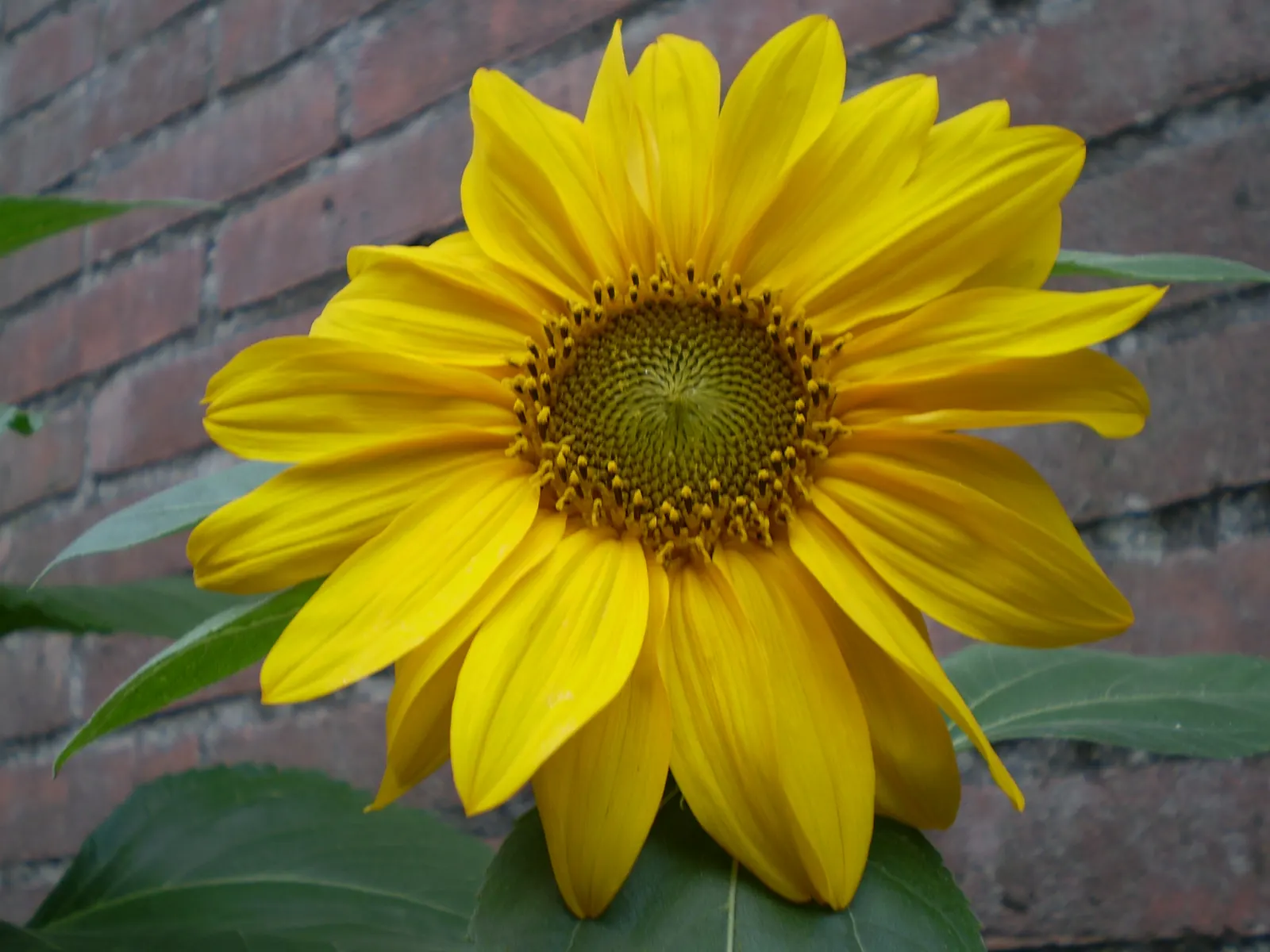
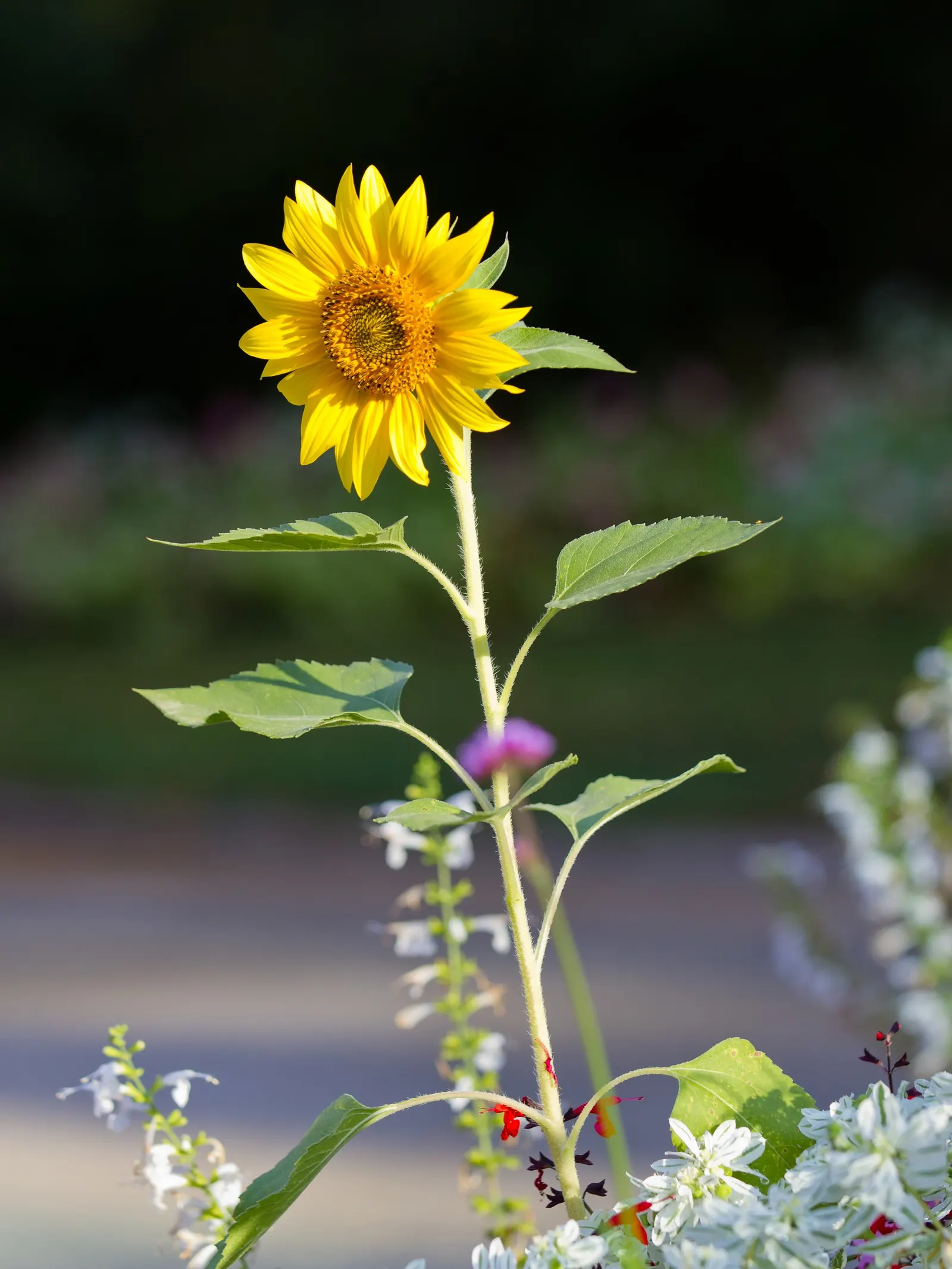
The Common Sunflower, Helianthus annuus, shines with large, vibrant yellow blooms reaching diameters of 6 to 12 inches. This annual towers at 6 to 10 feet tall, preferring full sun locations. Its sturdy stems and broad, coarse leaves create an attractive backdrop. Sunflowers provide excellent cut flowers and attract bees and birds. Space them 18 to 36 inches apart to accommodate their growth and ensure adequate sunlight.

Sun FullWater Extra in Summer, MediumZones 5–10Type Annual
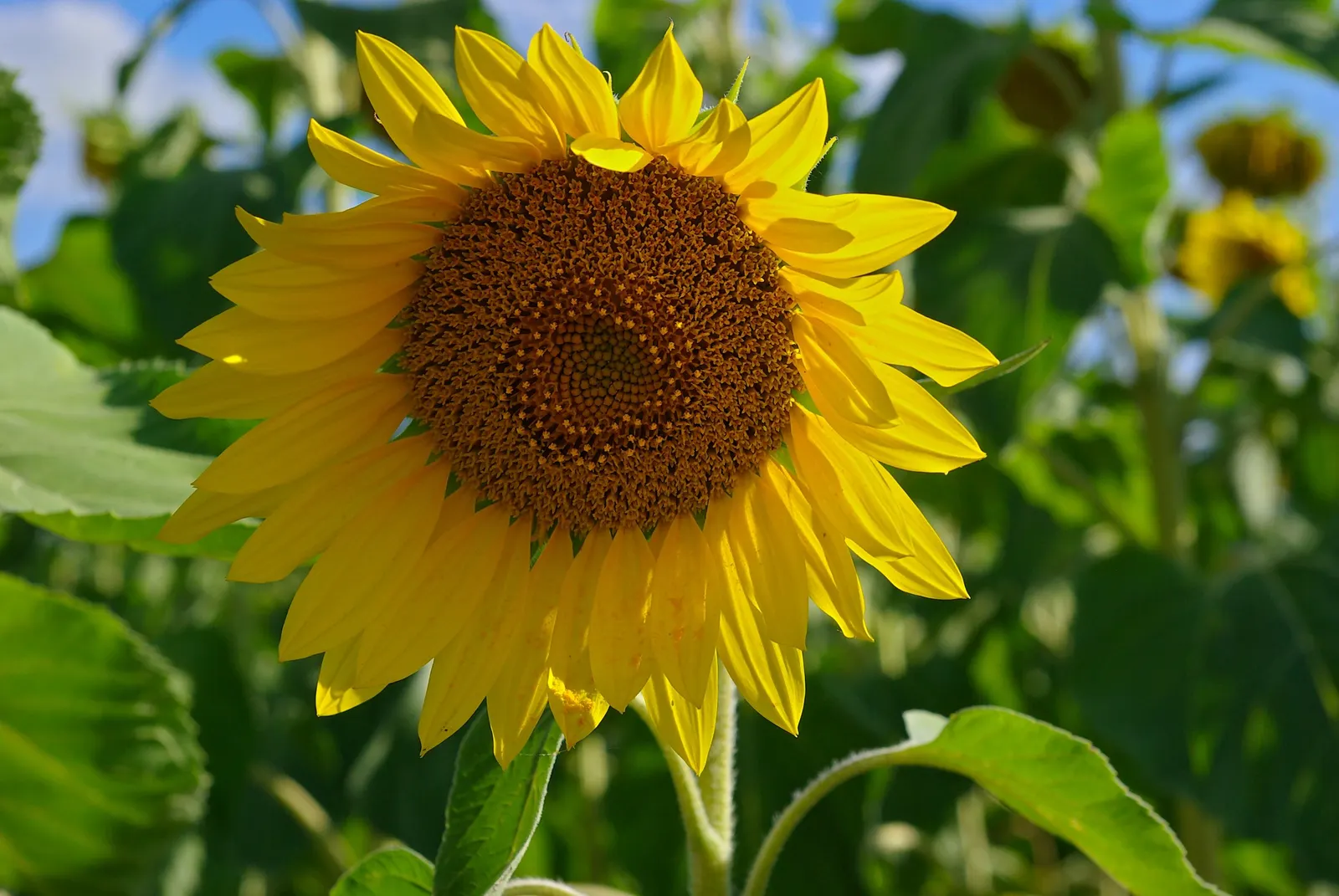
Common Sunflower (Helianthus Annuus) — with moderate watering needs; while birds relish the seeds that form in its centers post bloom, image 74

Culture

Sun
Full
Water
Extra in Summer, Medium
USDA zones
5–10

Shape & size

Classification

Type
Annual
Family
Asteraceae

See full data, regional cultivation notes, and design tools. Build a client presentation around this plant.

Start your 14-day trial

Photos (149)

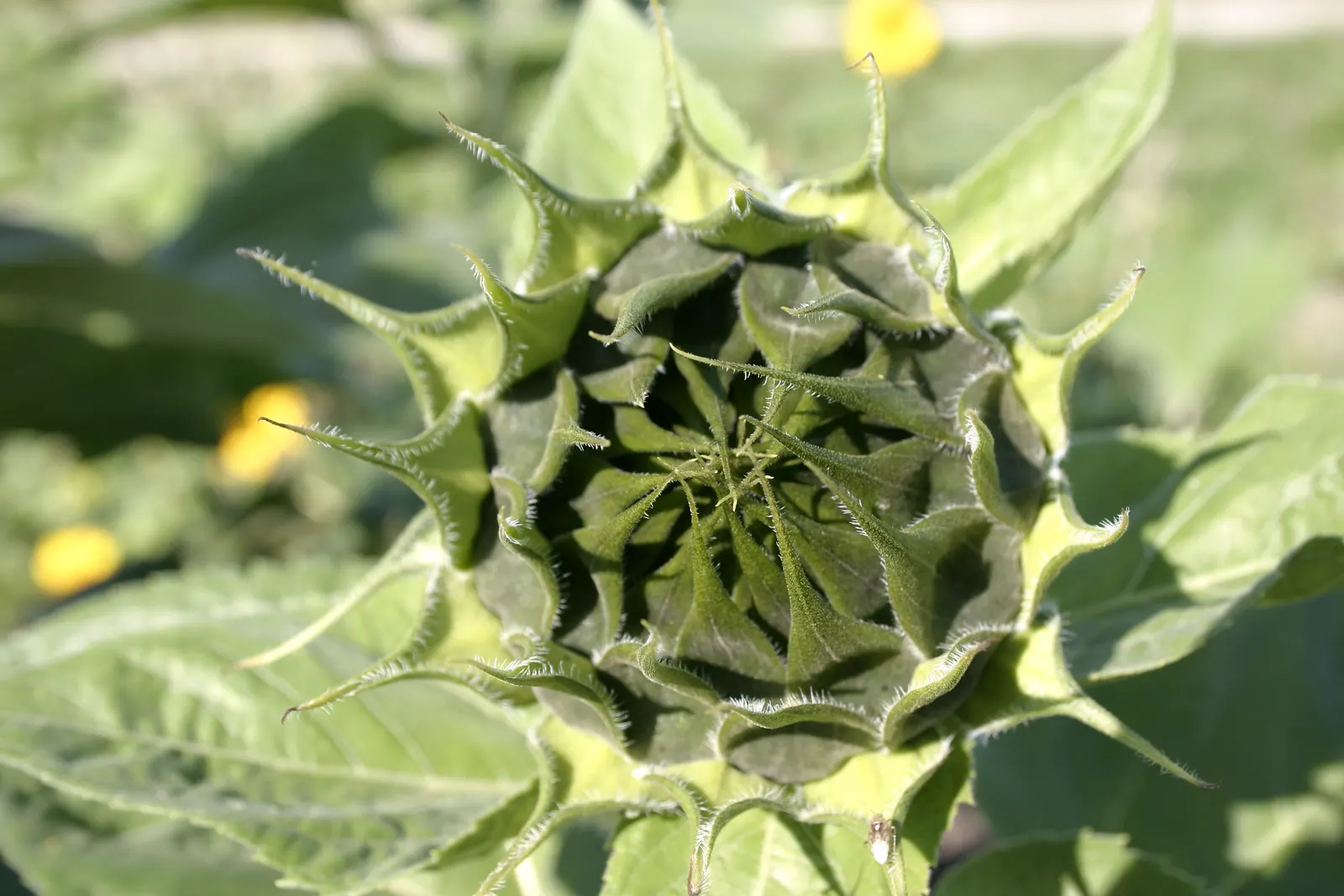
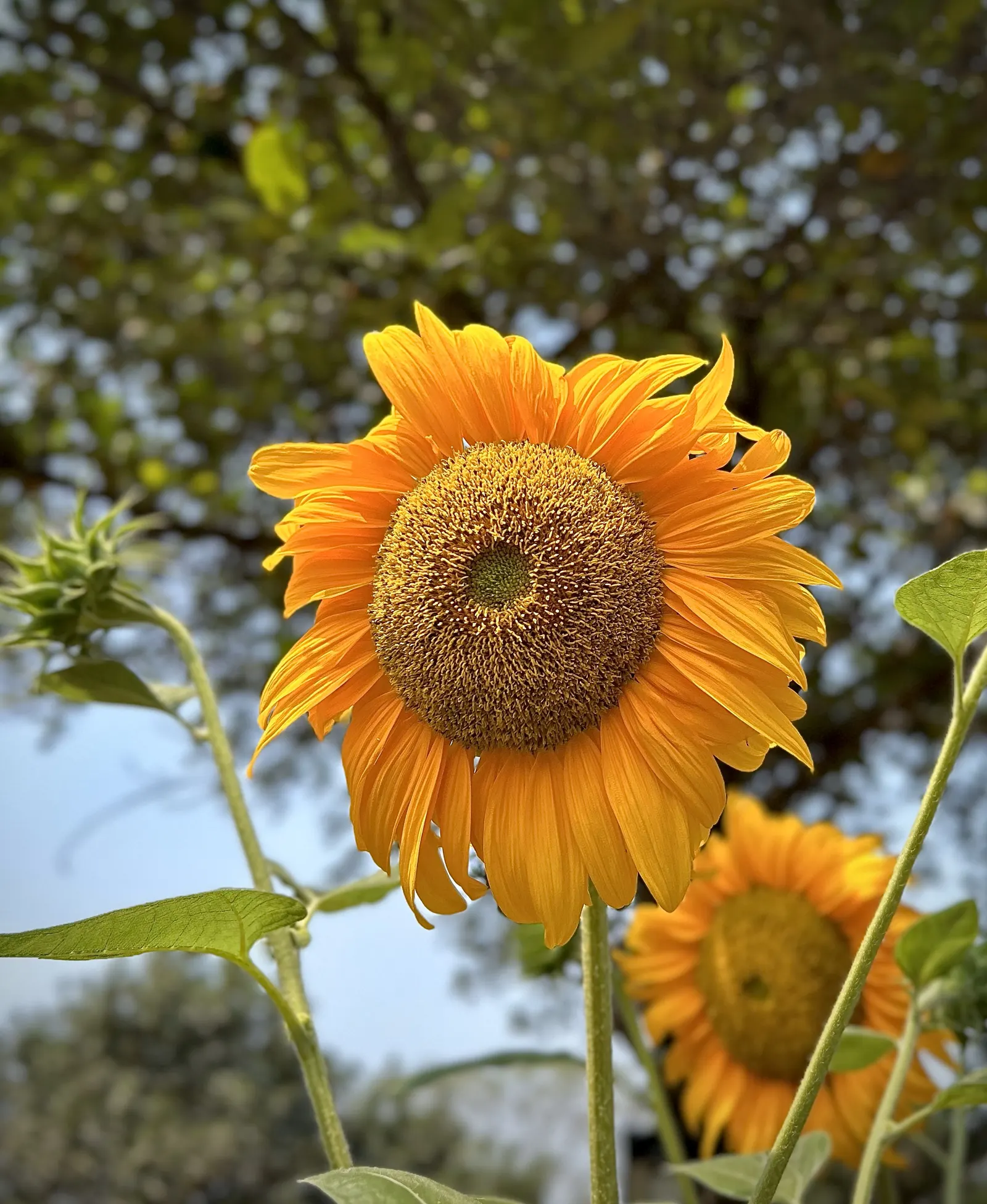
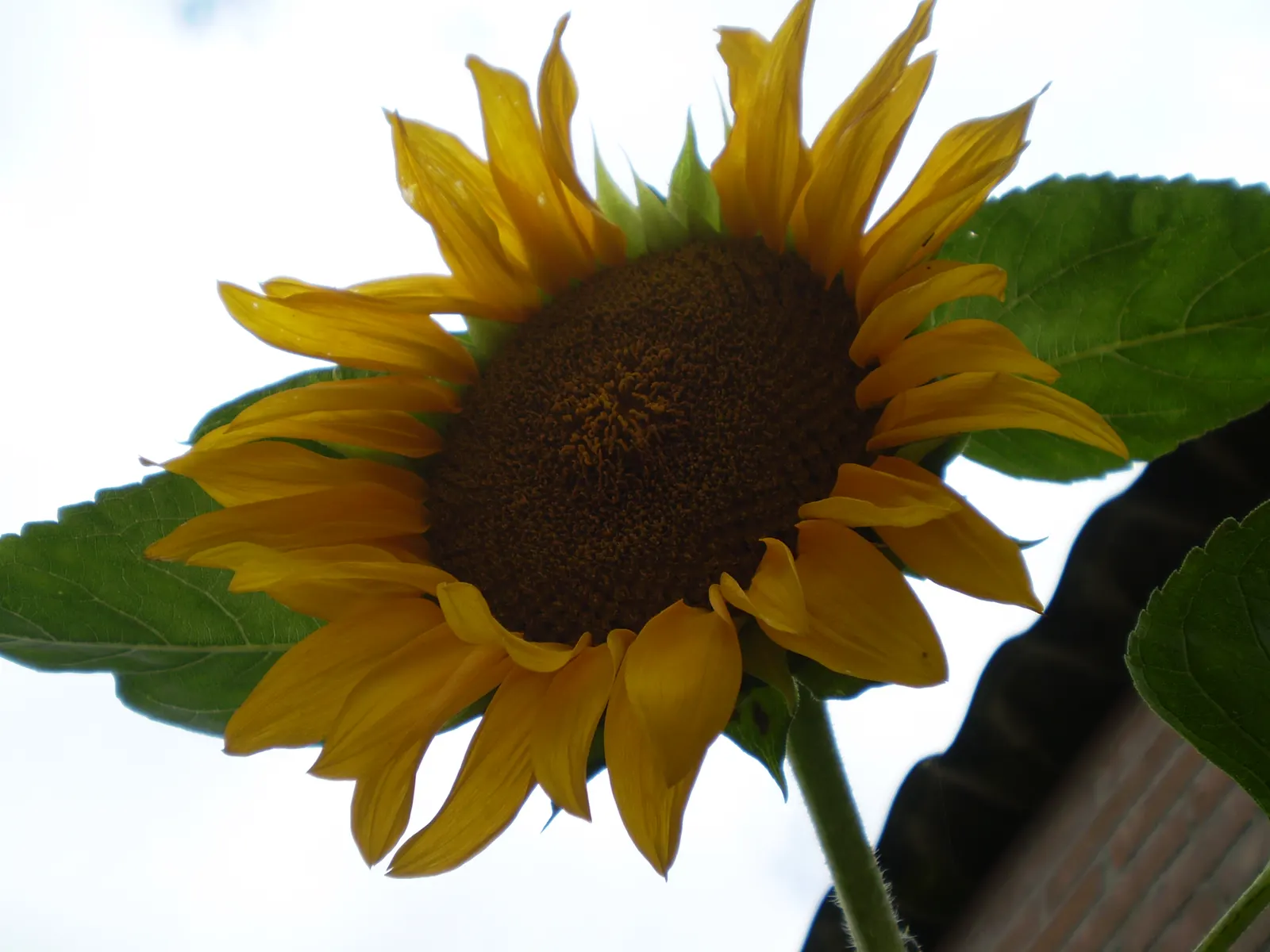
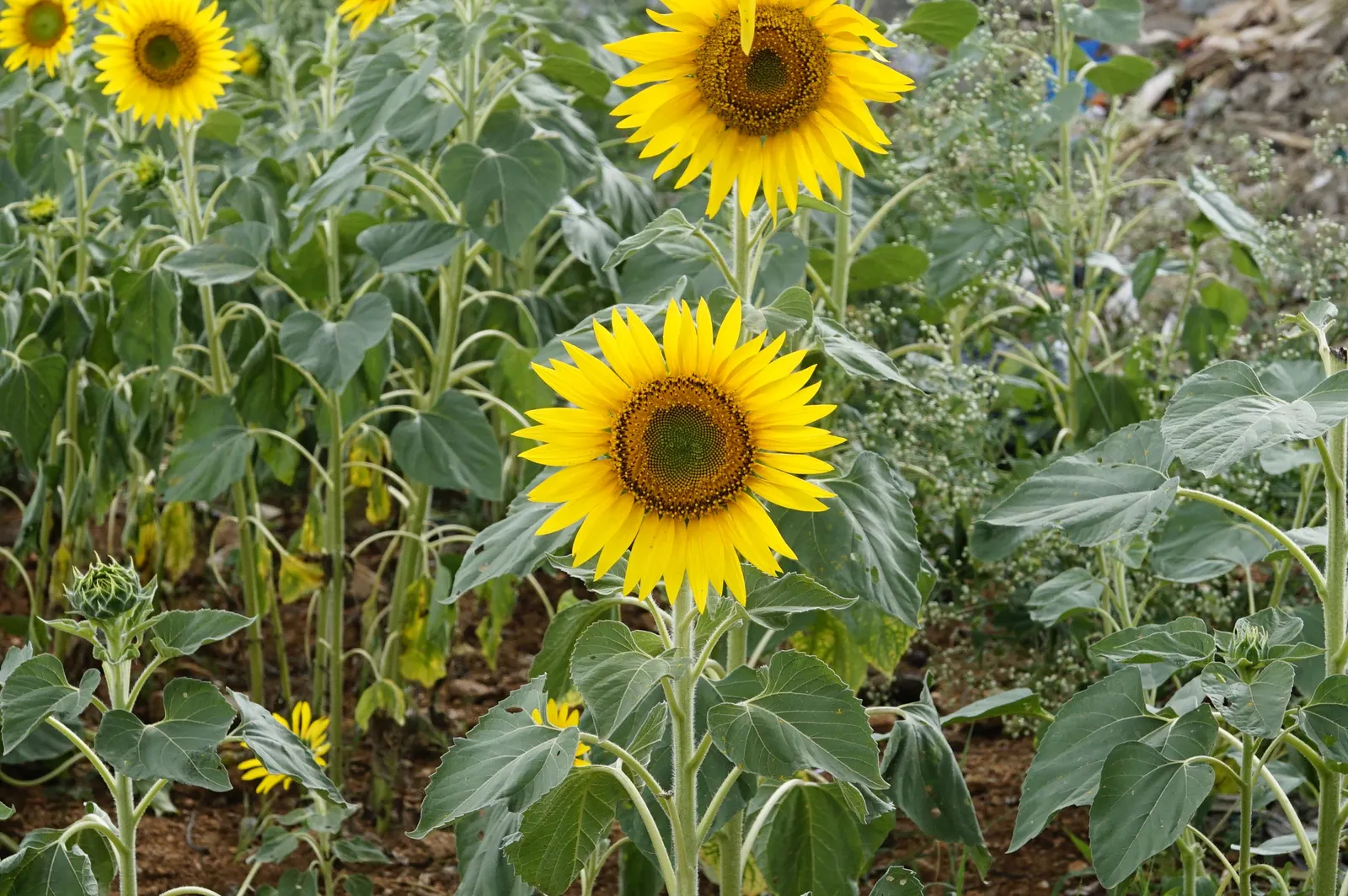
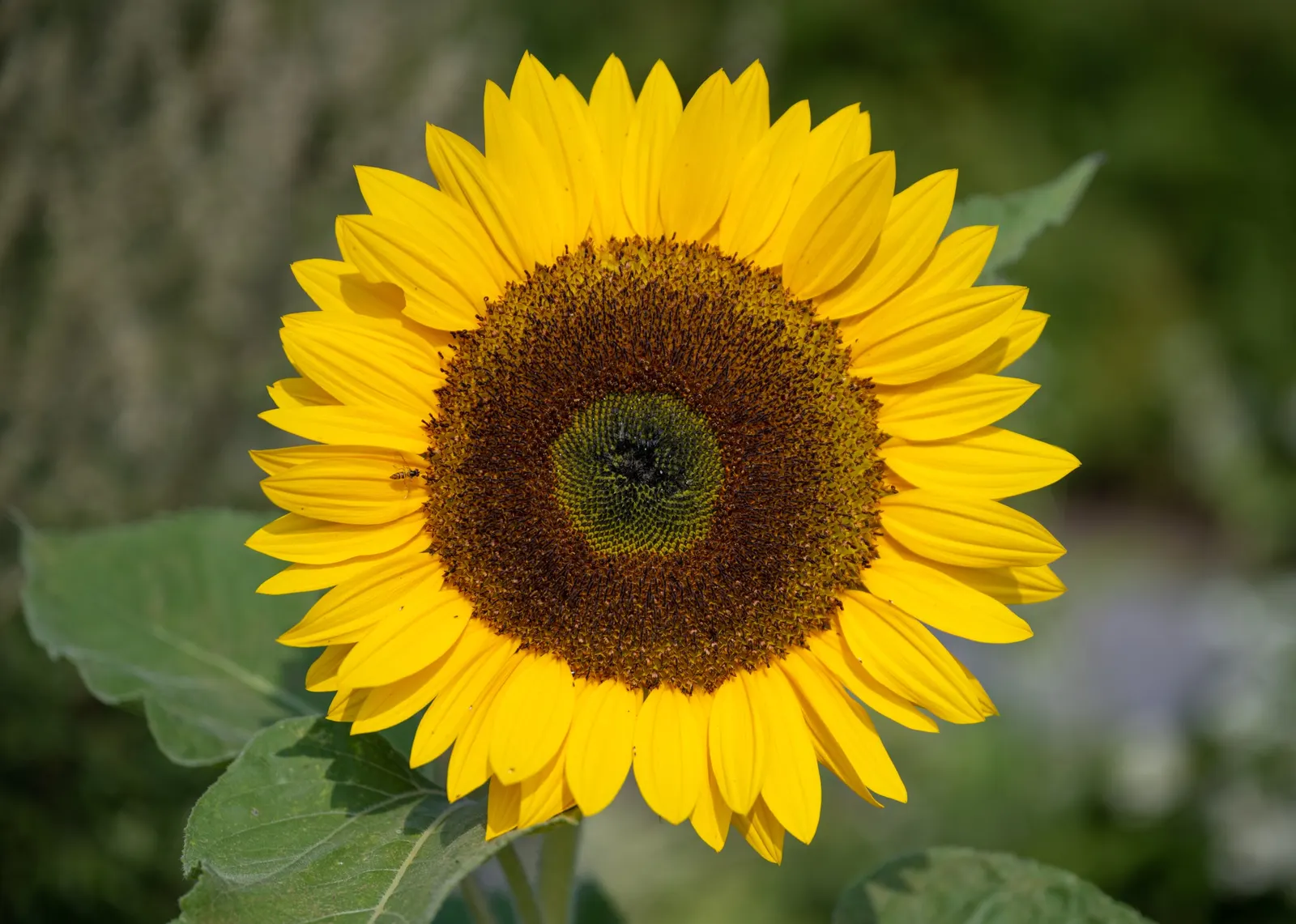
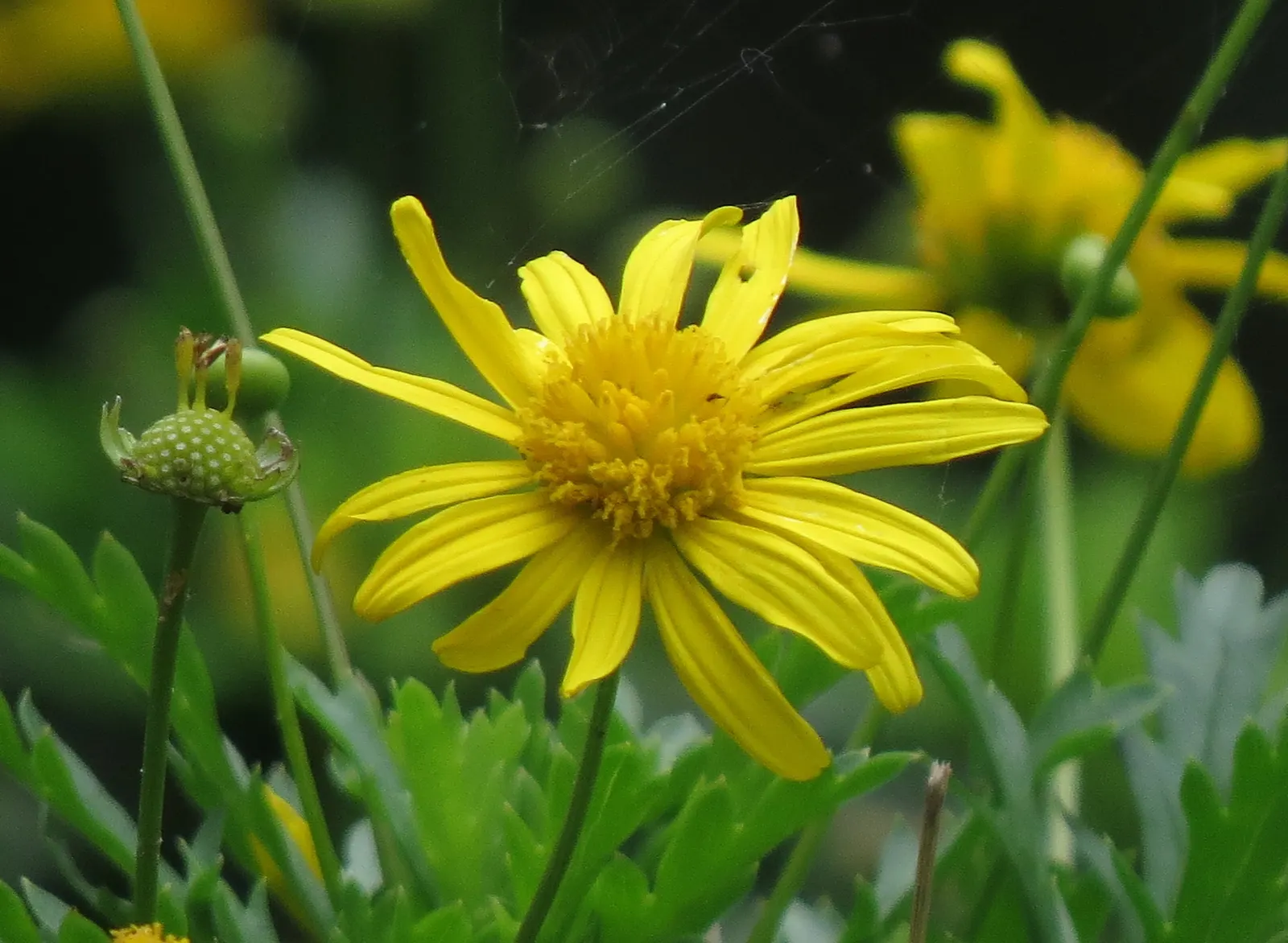
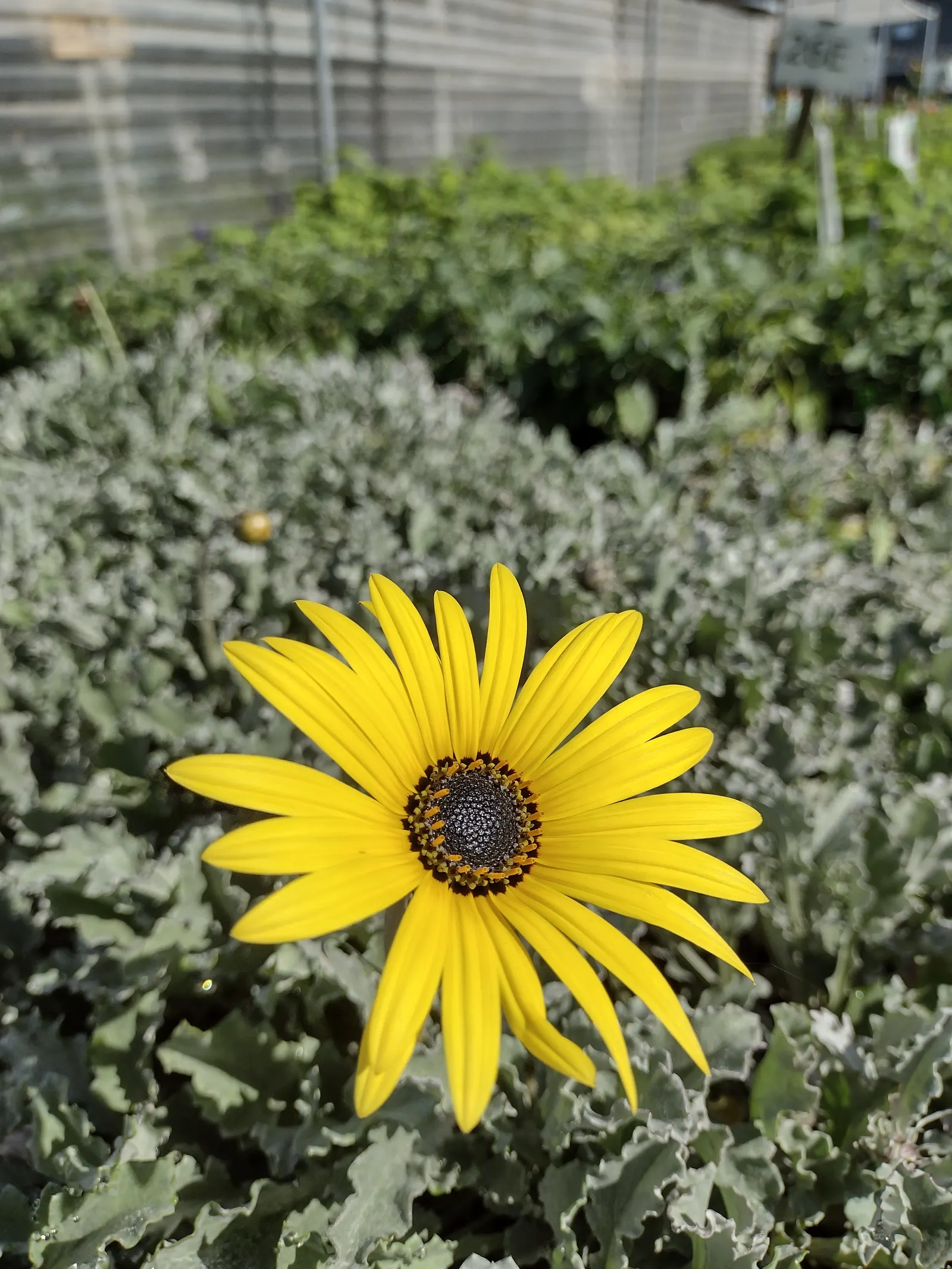
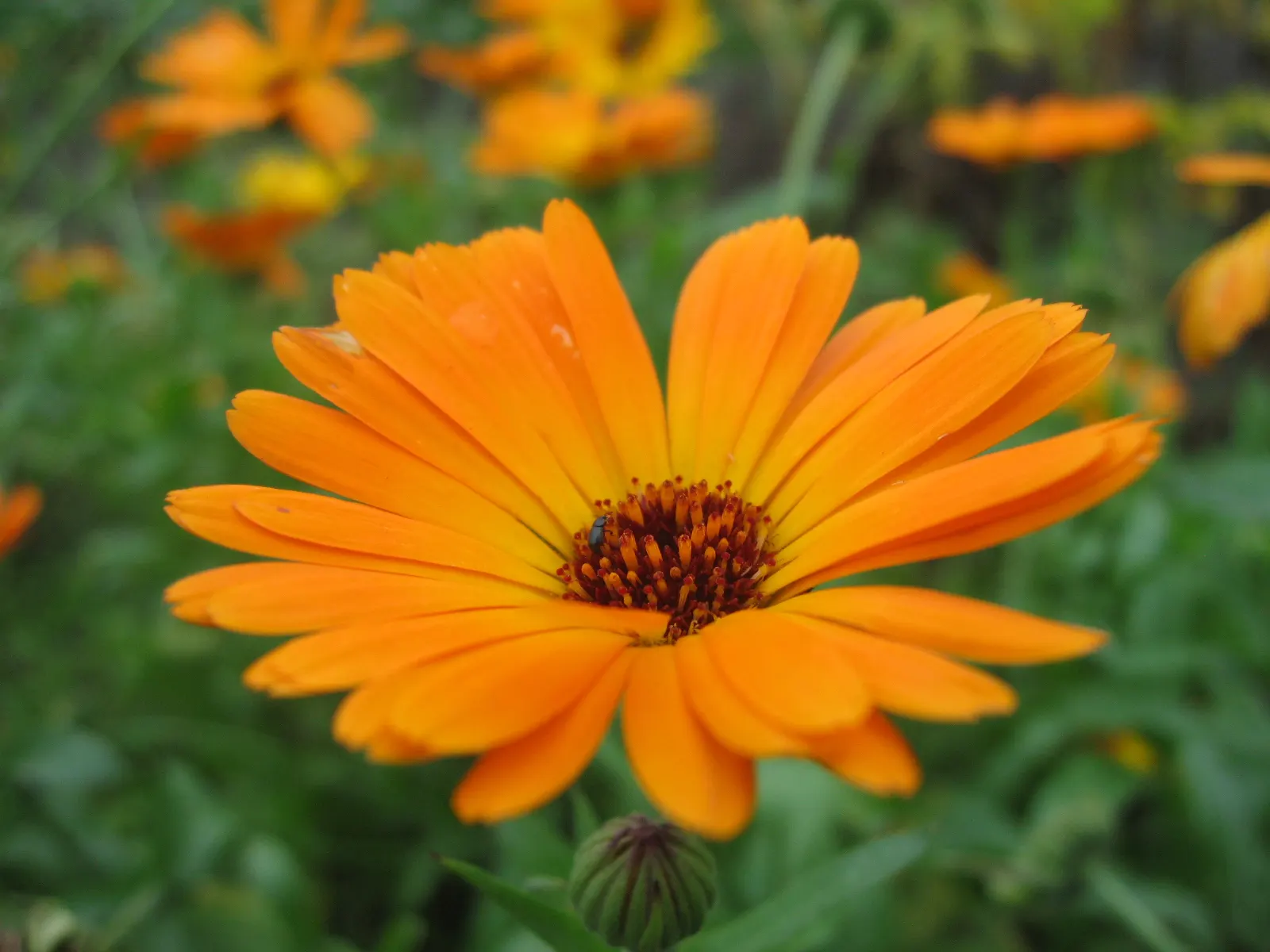
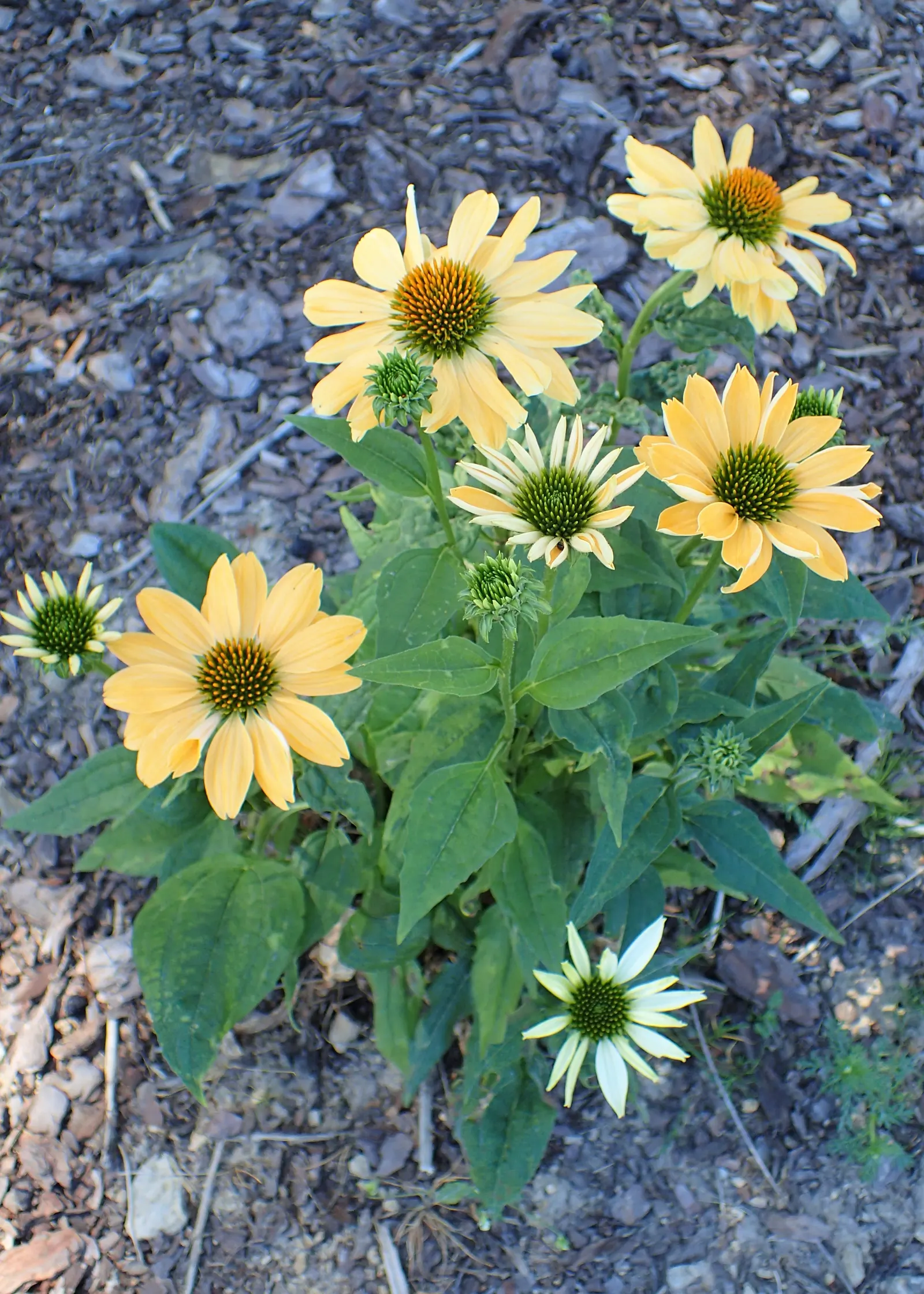
Common Sunflower (Helianthus Annuus) — which maximizes photosynthesis; space them 18 to 36 inches apart to accommodate their growth and ensure adequate sunlight
Common Sunflower (Helianthus Annuus) — ever-changing element within the garden space.<br><br>Further
Common Sunflower (Helianthus Annuus) — annual with multi-colored and yellow blooms; which maximizes photosynthesis, image 77
Common Sunflower (Helianthus Annuus) — For the landscape architect
Common Sunflower (Helianthus Annuus) — is an iconic and vibrant perennial that serves as a focal point in any garden
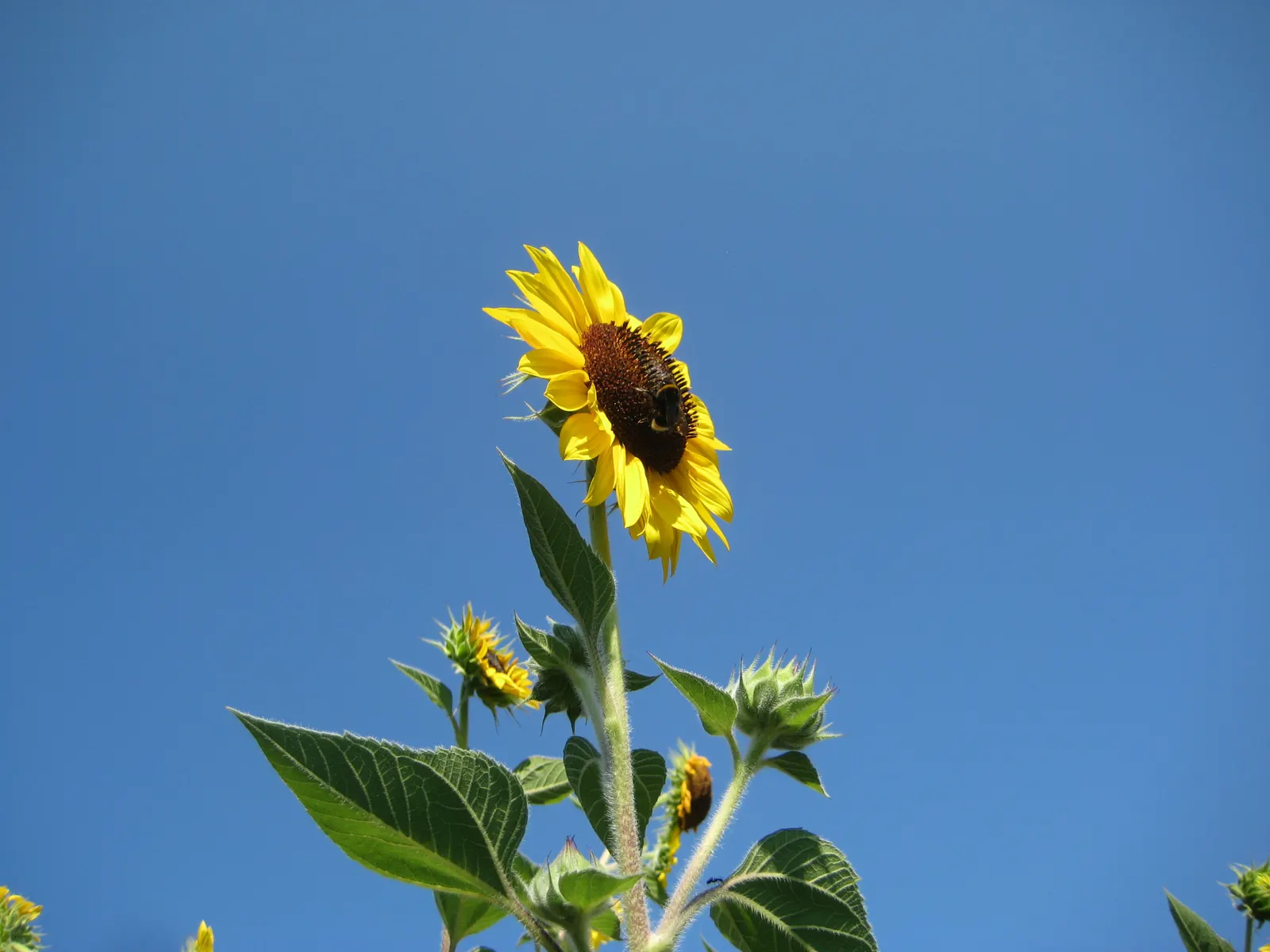
Common Sunflower (Helianthus Annuus) — This annual towers at 6 to 10 feet tall, preferring full sun locations; when considering inclusion in, image 80
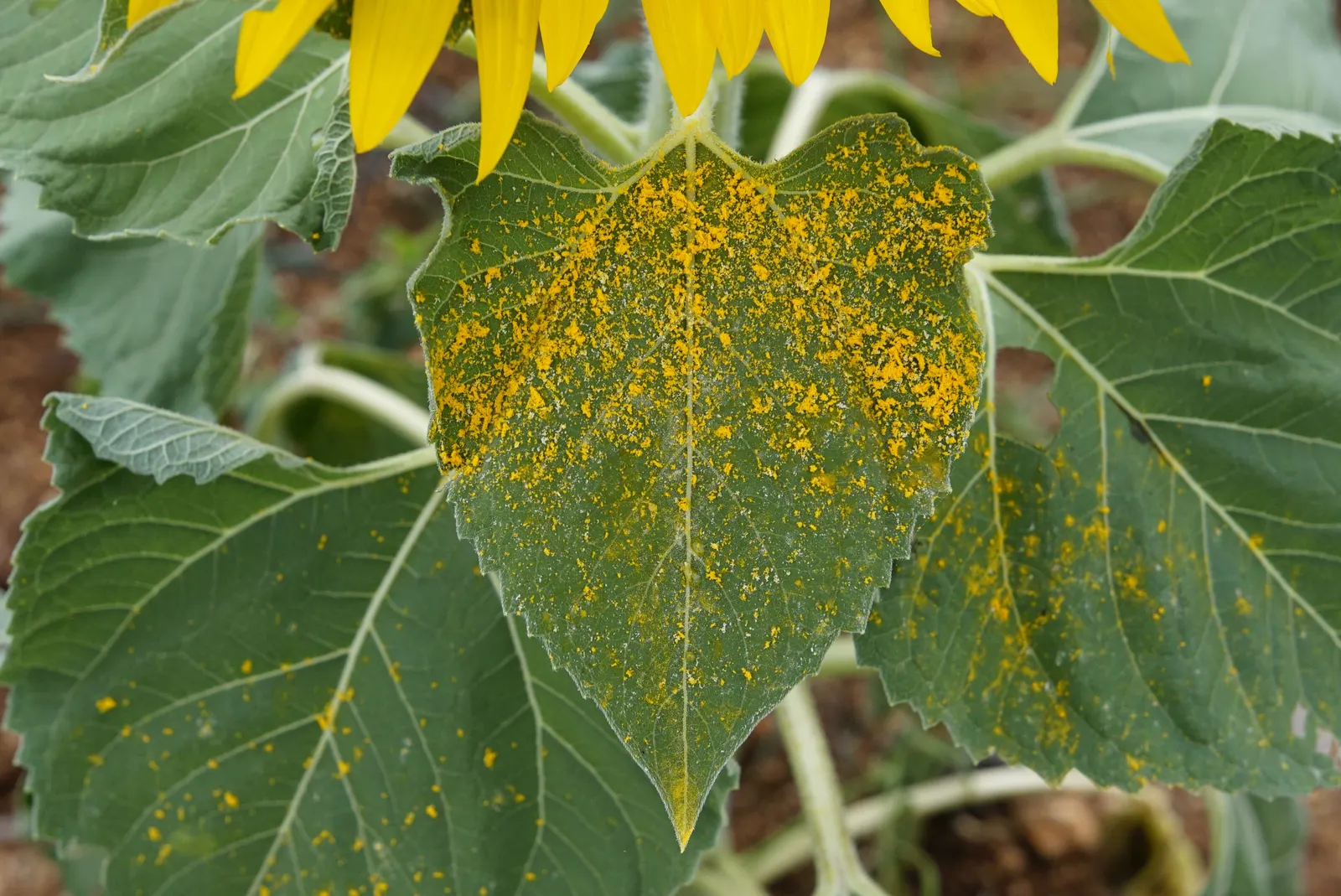
Common Sunflower (Helianthus Annuus) — multi-colored and yellow flowers in the garden; able to thrive in a range of soil types, image 102
Common Sunflower (Helianthus Annuus) — while birds relish the seeds that form in its centers post bloom; which can measure approximately 3 inches, image 99
Common Sunflower (Helianthus Annuus) — annual for full; making them an excellent choice for an easy
Common Sunflower (Helianthus Annuus) — the Common Sunflower is a boon for wildlife; its nectar attracts pollinators; is an iconic and vibrant, image 72
Common Sunflower (Helianthus Annuus) — scientifically referred to as Helianthus annuus
Common Sunflower (Helianthus Annuus) — making them an excellent choice for an easy; this annual towers at 6 to 10 feet tall, preferring full sun locations
Common Sunflower (Helianthus Annuus) — necessitating ample space for optimal growth and visual impact; provided they are well-drained, image 117
Common Sunflower (Helianthus Annuus) — When considering inclusion in landscape design; with moderate watering needs
Common Sunflower (Helianthus Annuus) — provided they are well-drained
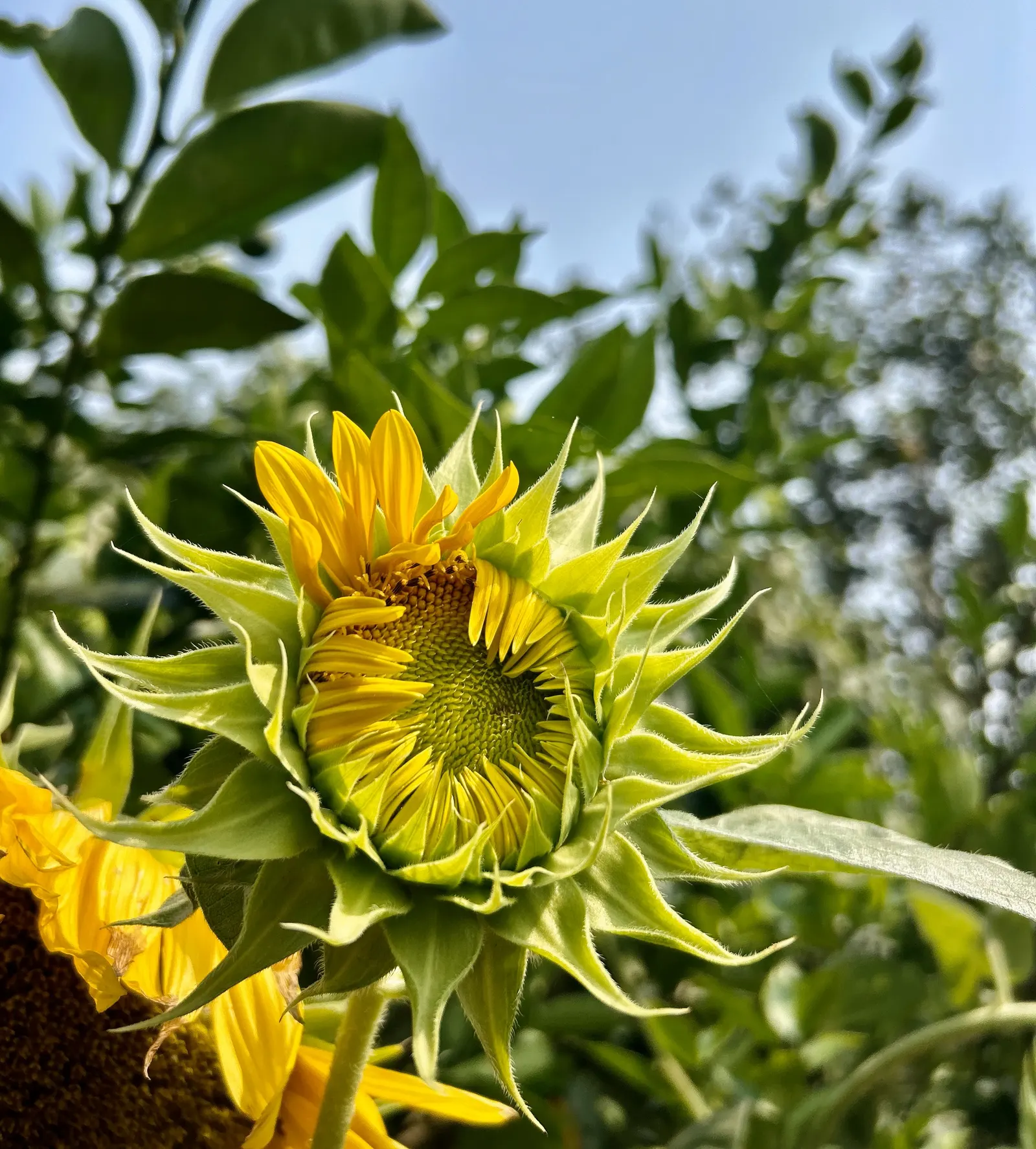
Common Sunflower (Helianthus Annuus) — the sunflower is not only aesthetically pleasing but also highly adaptable; vibrant yellow blooms reaching, image 60
Common Sunflower (Helianthus Annuus) — Its sturdy stems and broad, coarse leaves create an attractive backdrop
Common Sunflower (Helianthus Annuus) — making them an excellent choice for an easy; this annual towers at 6 to 10 feet tall, preferring full sun, image 101
Common Sunflower (Helianthus Annuus) — the sunflower is not only aesthetically pleasing but also highly adaptable; vibrant yellow blooms reaching, image 86
Common Sunflower (Helianthus Annuus) — multi-colored and yellow flowers in the garden; able to thrive in a range of soil types, image 76
Common Sunflower (Helianthus Annuus) — with moderate watering needs
Common Sunflower (Helianthus Annuus) — the Common Sunflower is a boon for wildlife; its nectar attracts pollinators; is an iconic and vibrant, image 124
Common Sunflower (Helianthus Annuus) — This annual towers at 6 to 10 feet tall, preferring full sun locations; when considering inclusion in landscape design
Common Sunflower (Helianthus Annuus) — which can measure approximately 3 inches in diameter; for the landscape architect, image 92
Photographs by 10 contributors

Related plants