
Sunrose
Helianthemum Num. 'Sunny Side Up'
Overview
Helianthemum num. 'Sunny Side Up', commonly known as Sunrose, features a low-growing, mat-forming habit with vibrant green foliage. Its cheerful, egg-yolk yellow flowers bloom profusely in late spring and early summer. Ideal for rock gardens and front-of-border placement, this perennial thrives in well-drained soil and full sun. Mature size is about 6 inches high and spreads 12-18 inches wide, providing excellent ground cover and drought tolerance once established.
Culture
- Sun
- Full
- Water
- Low, Medium
- USDA zones
- 6–9
Shape & size
Classification
- Type
- Shrub
- Family
- Cistaceae
- Climate
- Temperate
See full data, regional cultivation notes, and design tools. Build a client presentation around this plant.
Start your 14-day trialPhotos (80)
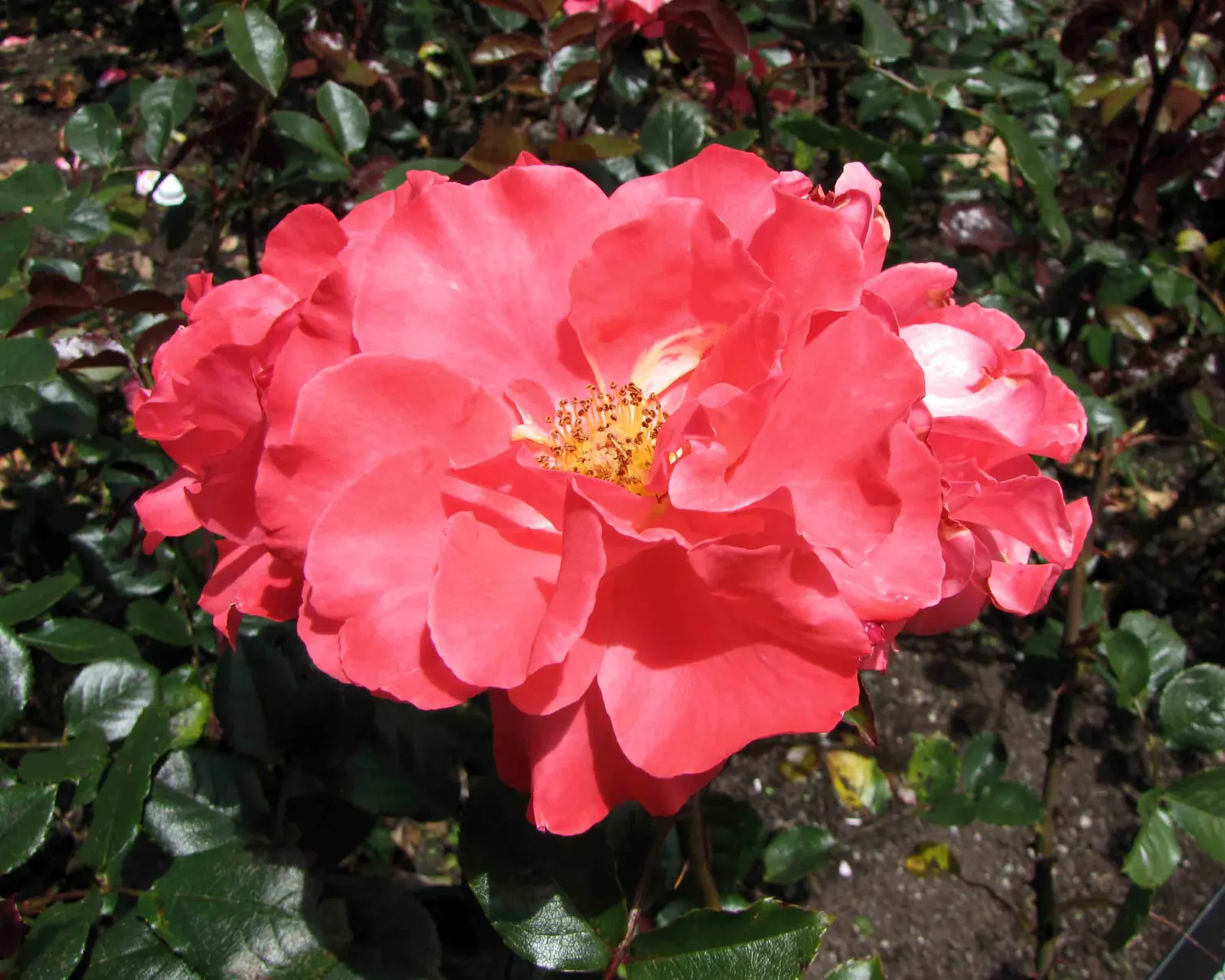
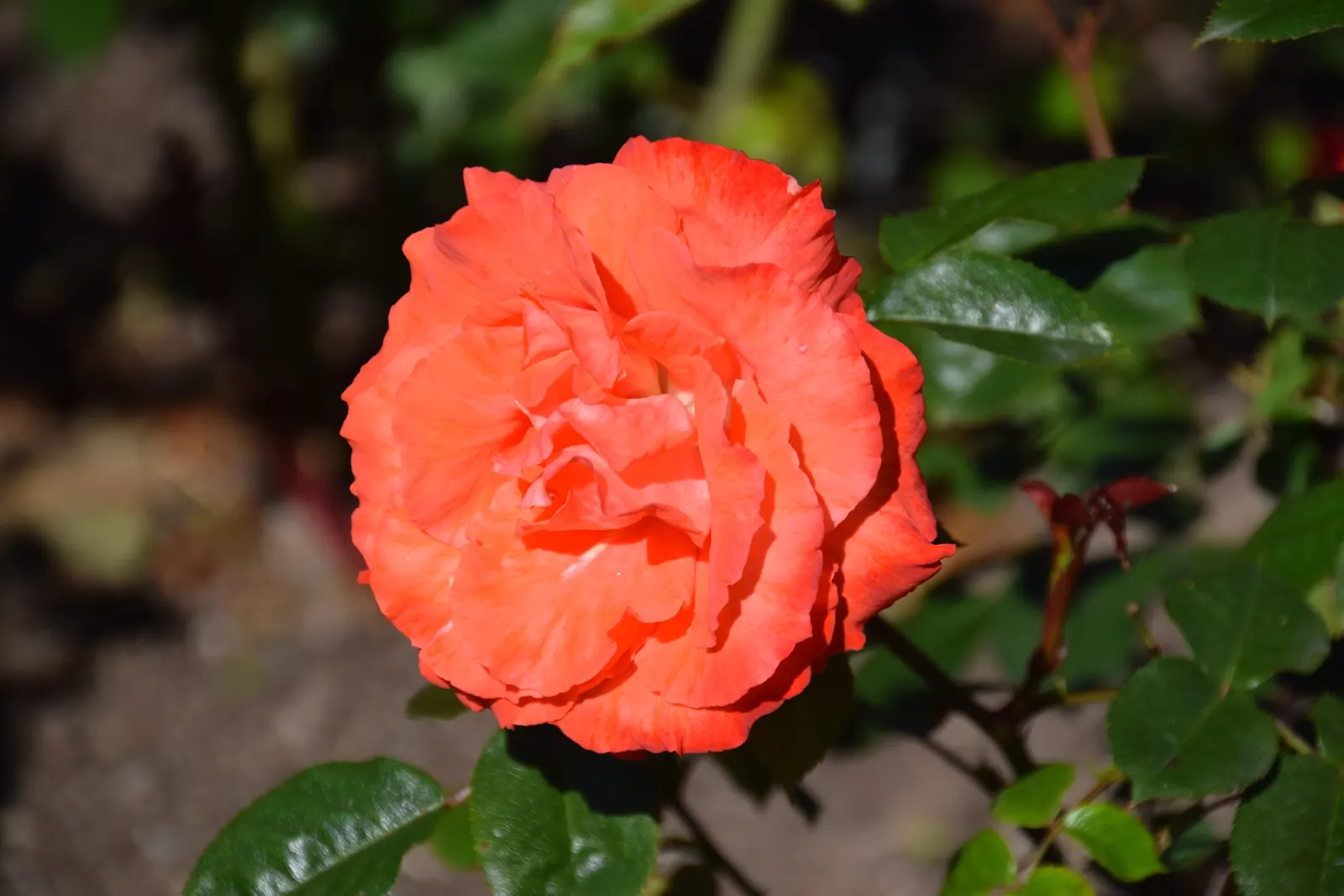
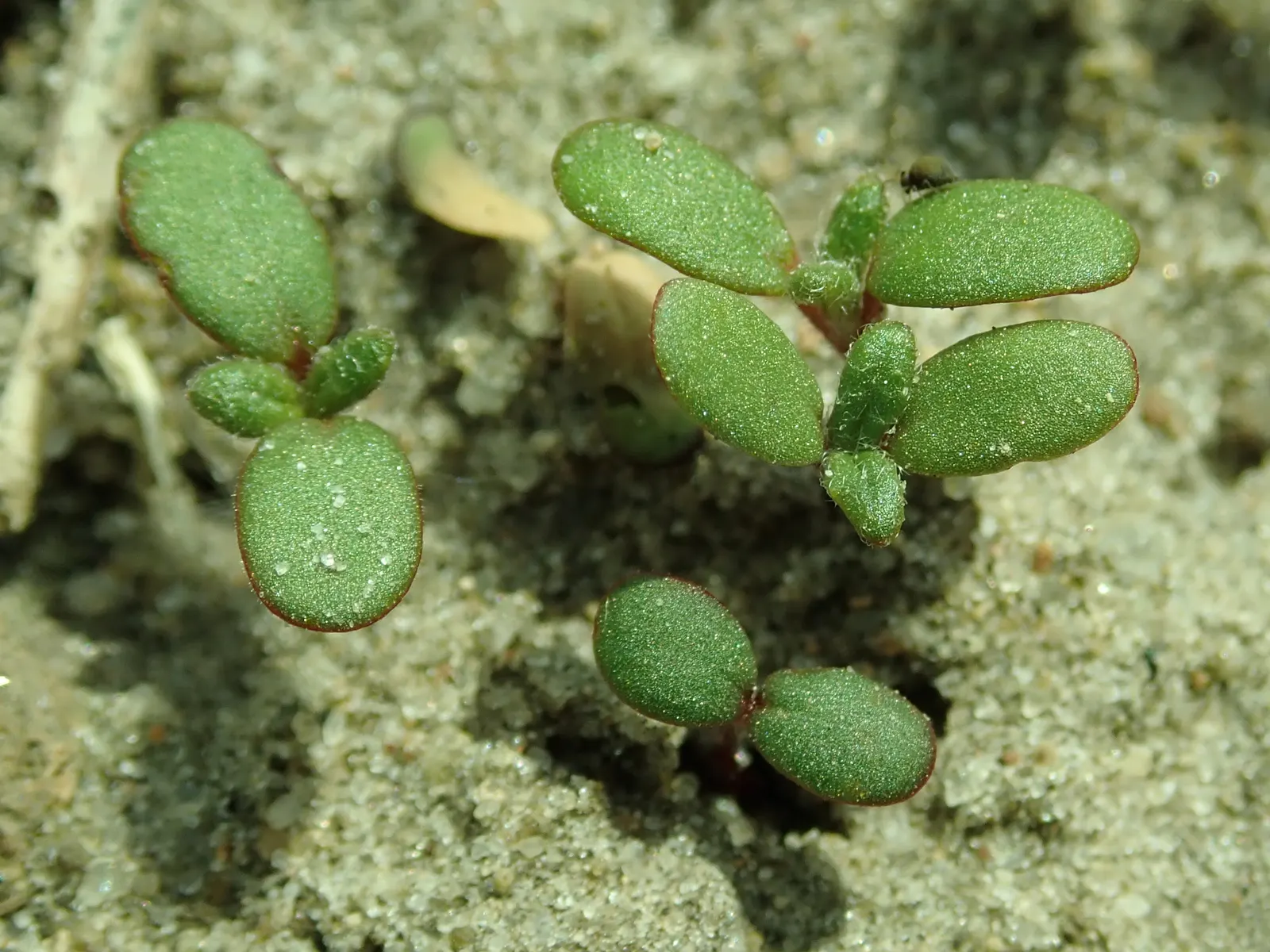
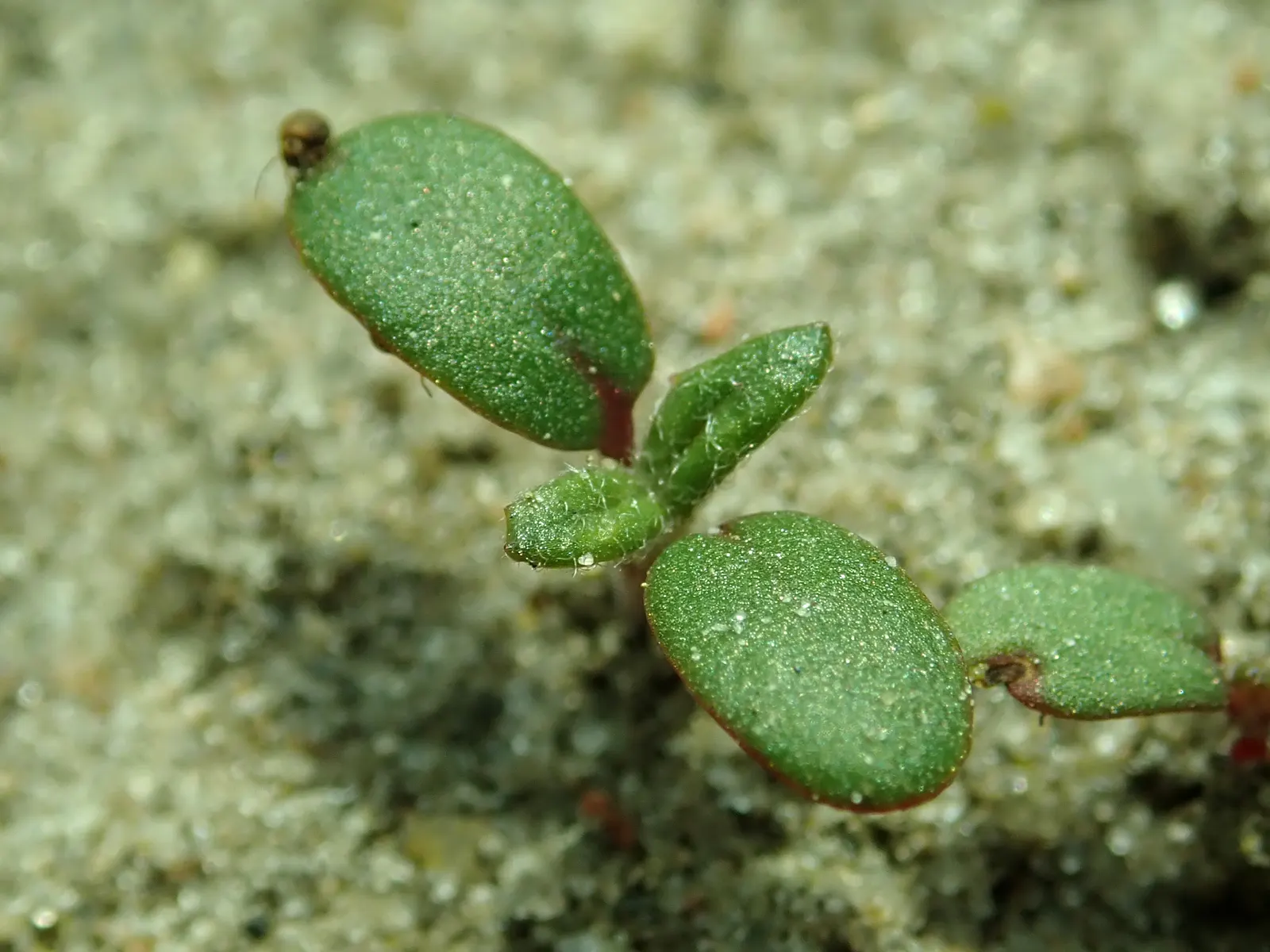
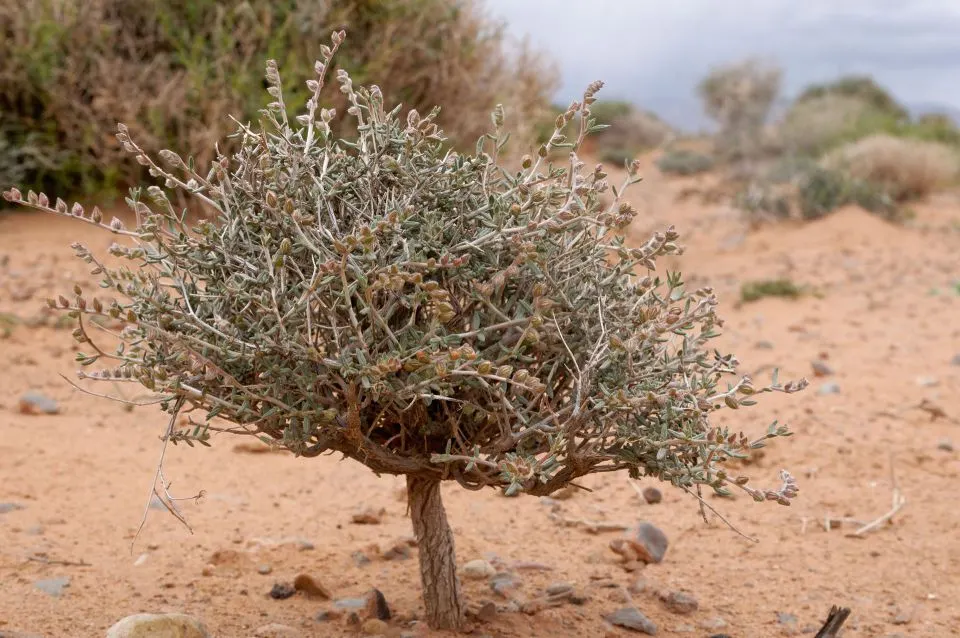
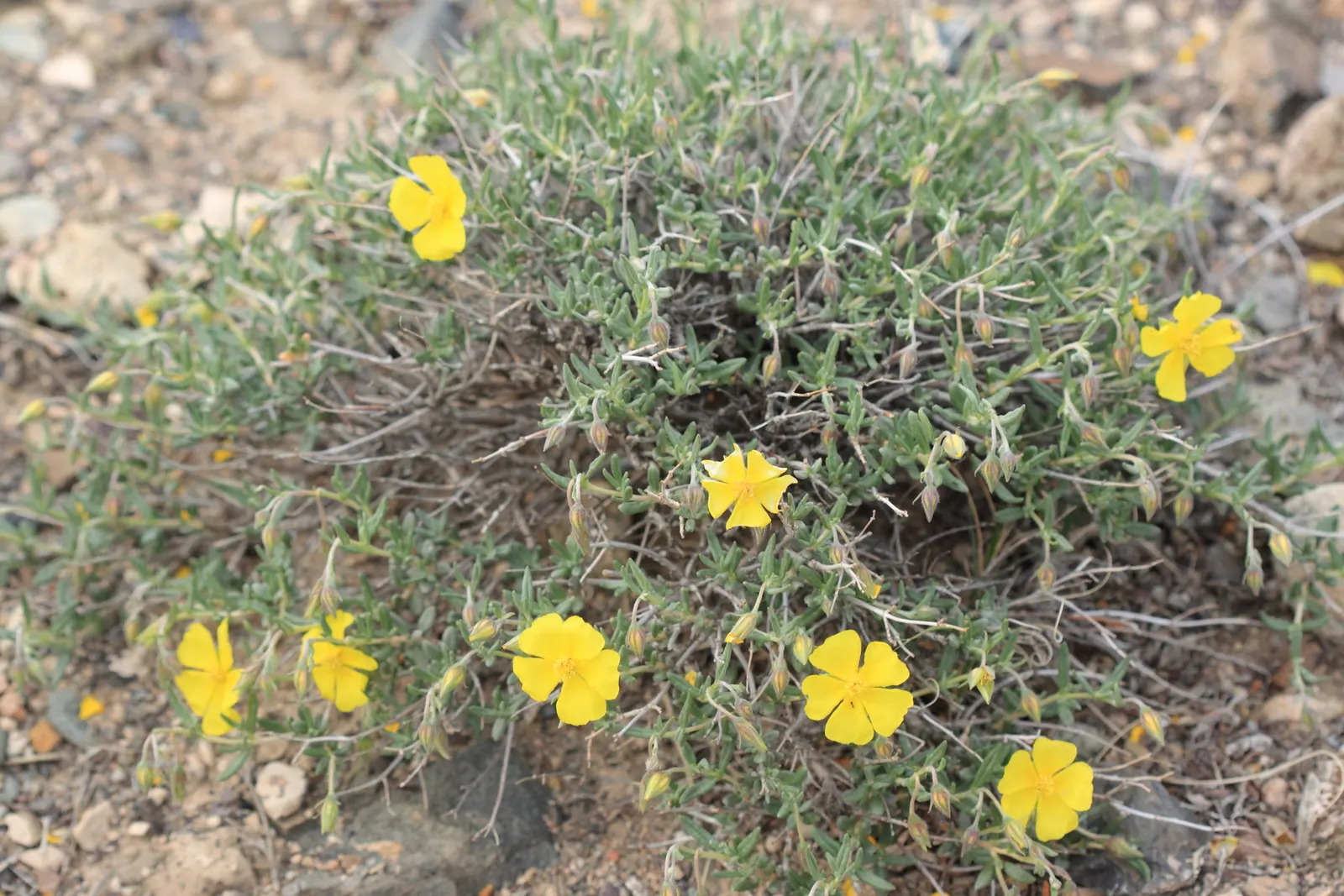
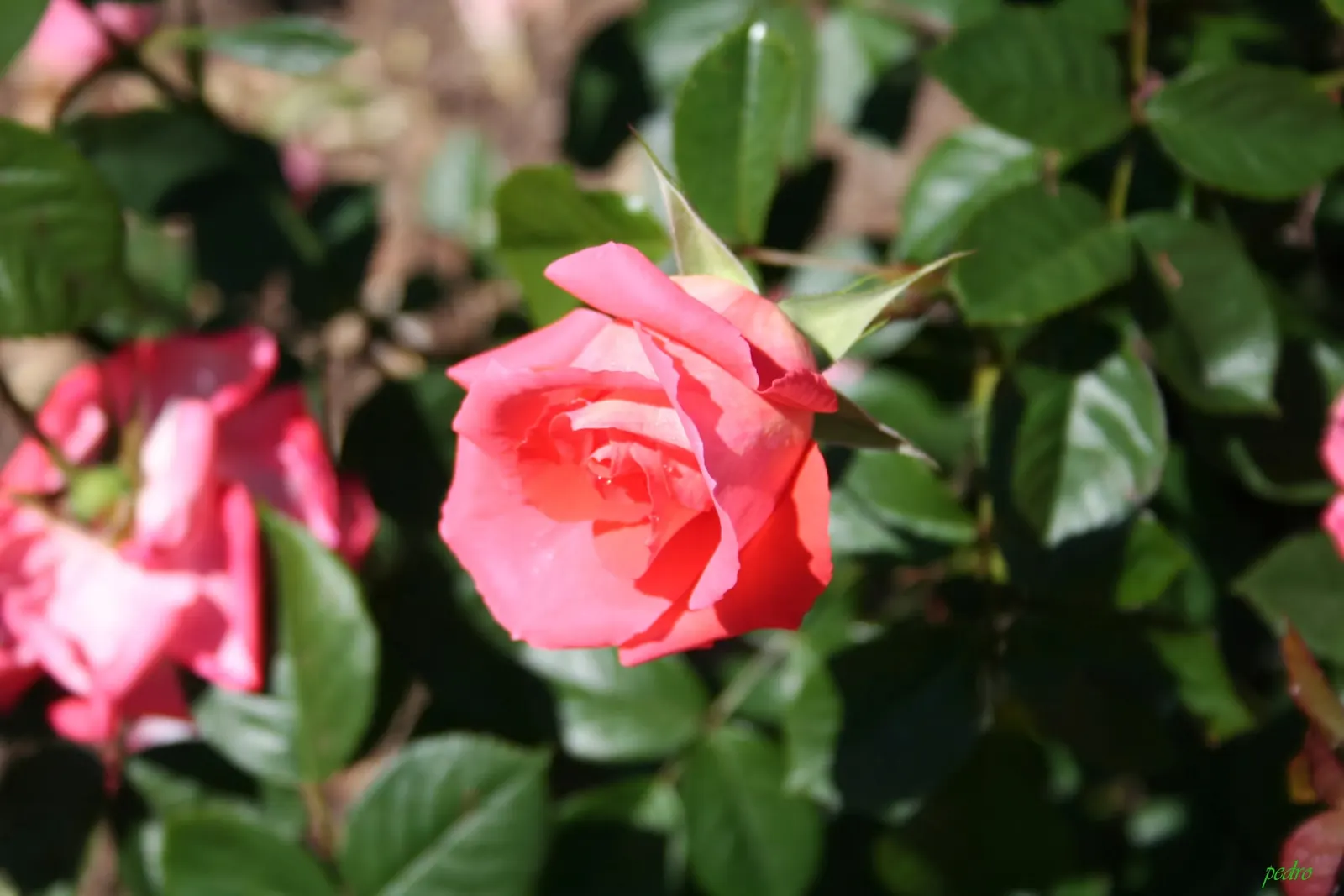
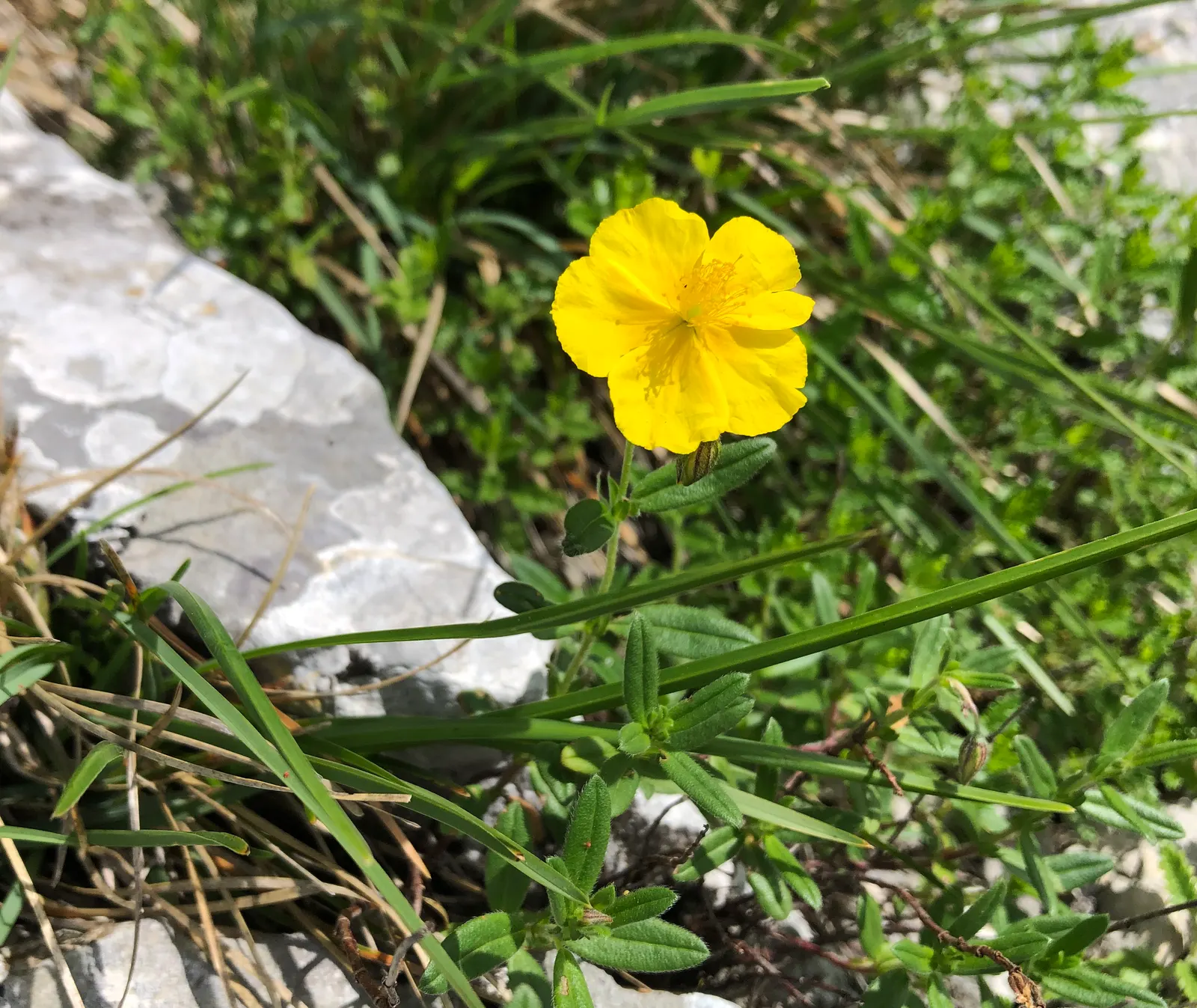
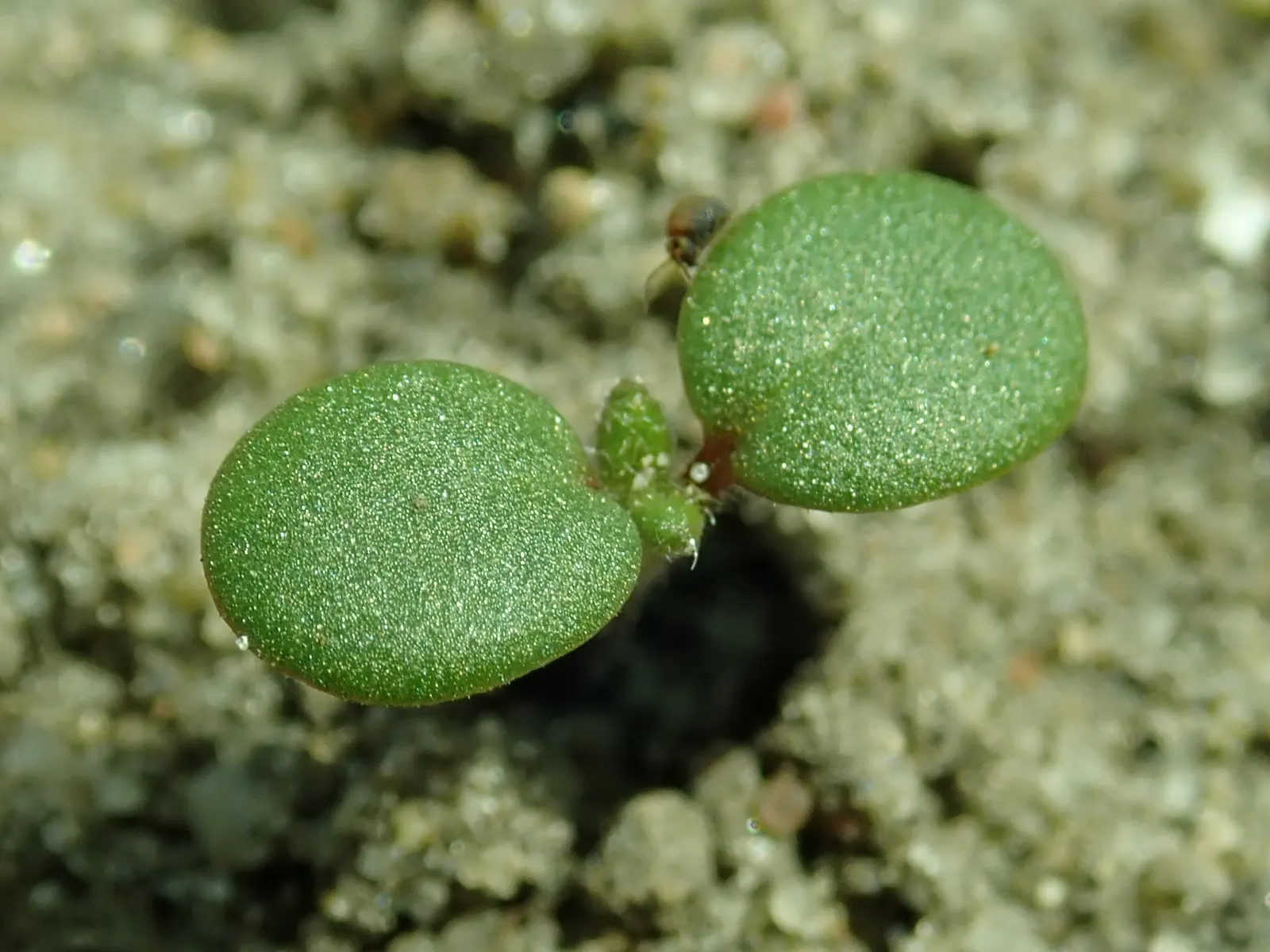
Photographs by 7 contributors
- 阿橋 HQ, CC BY-SA 2.0 · source
- Krzysztof Golik, CC BY-SA 4.0 · source
- Salicyna, CC BY-SA 4.0 · source
- Claude Lemmel & Zahora Attioui, CC BY-SA 4.0 · source
- chernoburko, CC BY 2.0 · source
- someone10x, CC BY 2.0 · source
- Arkelin, CC BY 4.0 · source
Related plants
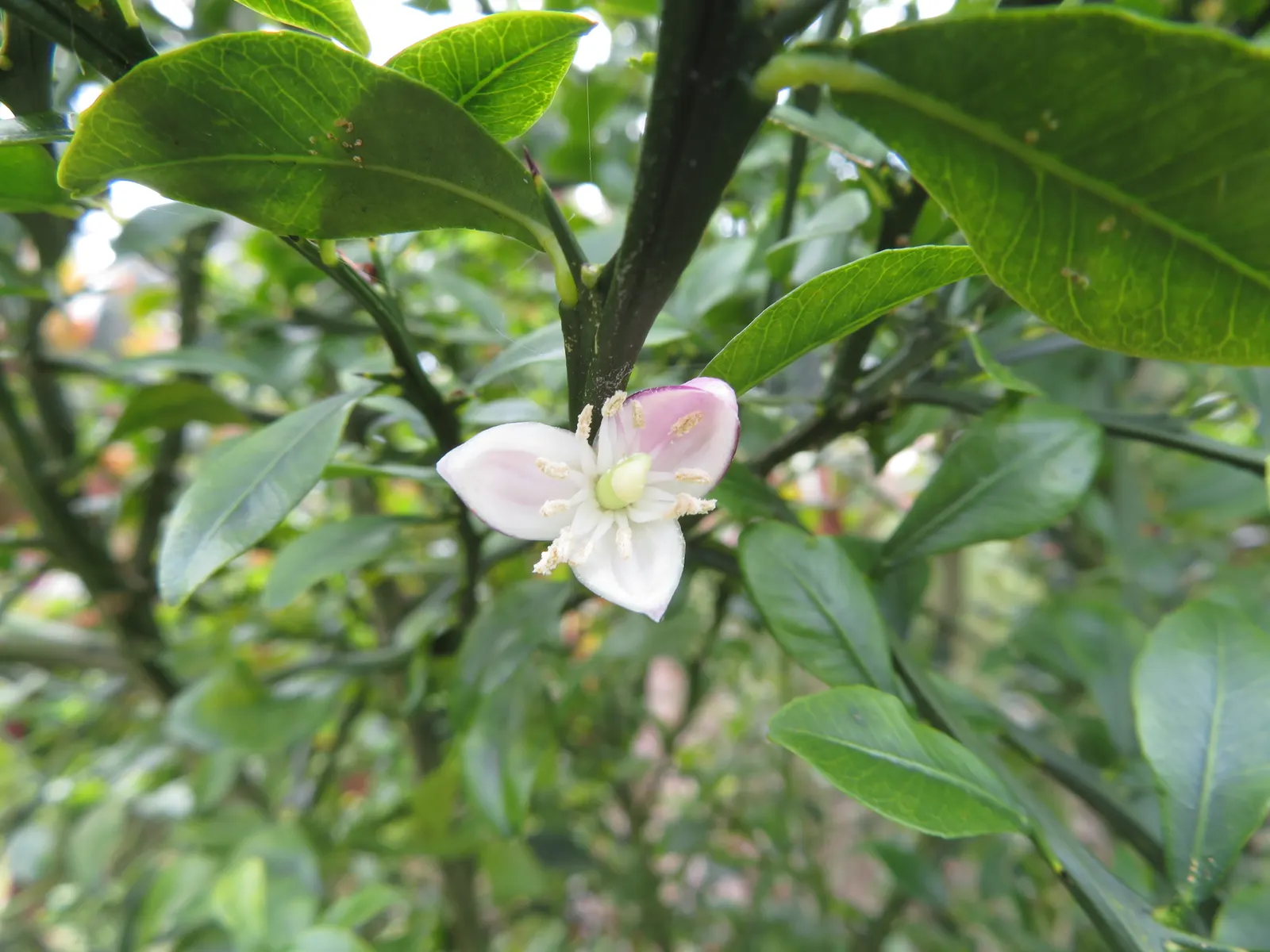
Tree
Australian Finger Lime
Citrus Australasica
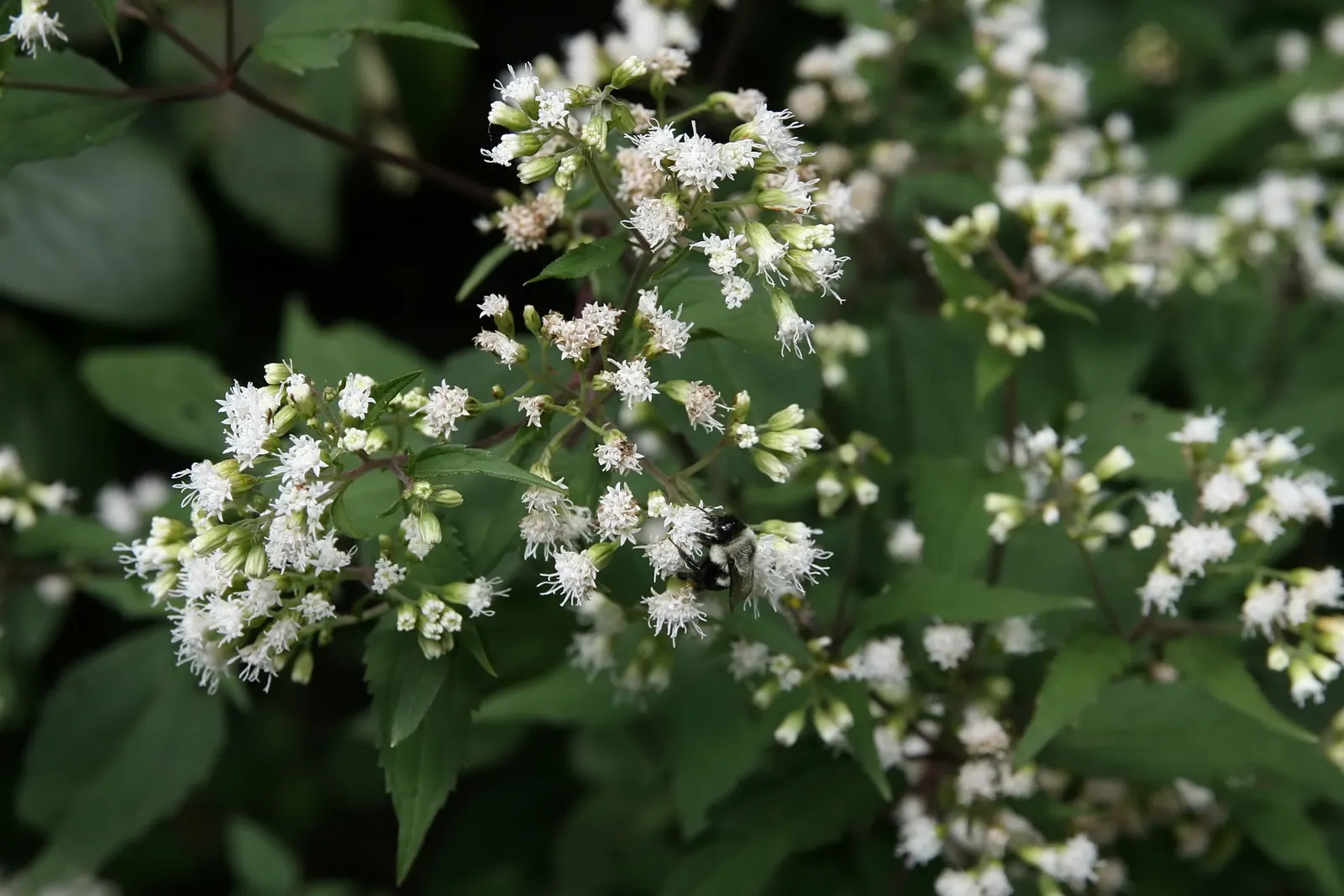
Ground cover
Ben Nevis Sunrose
Helianthemum Num. 'Ben Nevis'
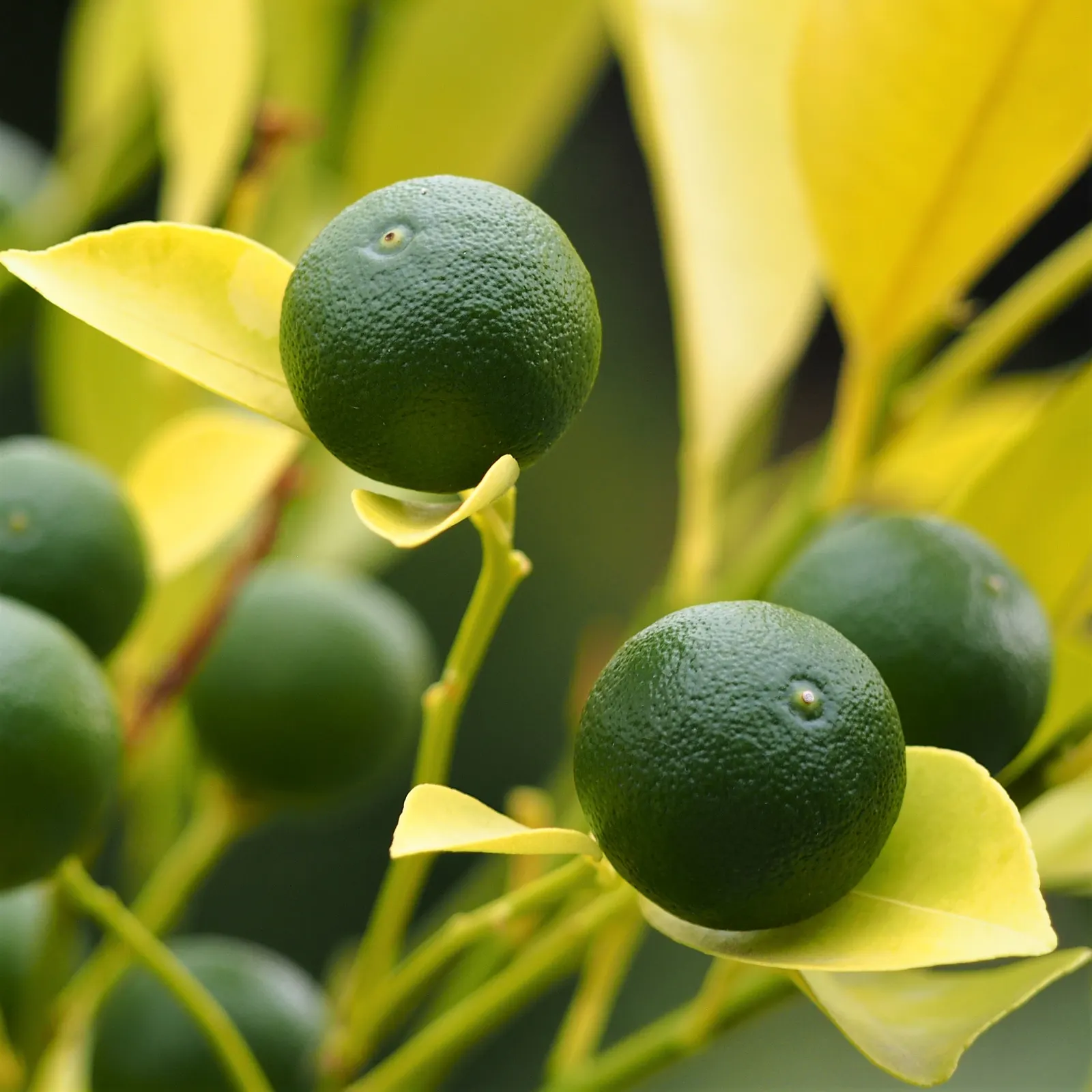
Tree
Calamondin Orange
Citrofortunella Mitis
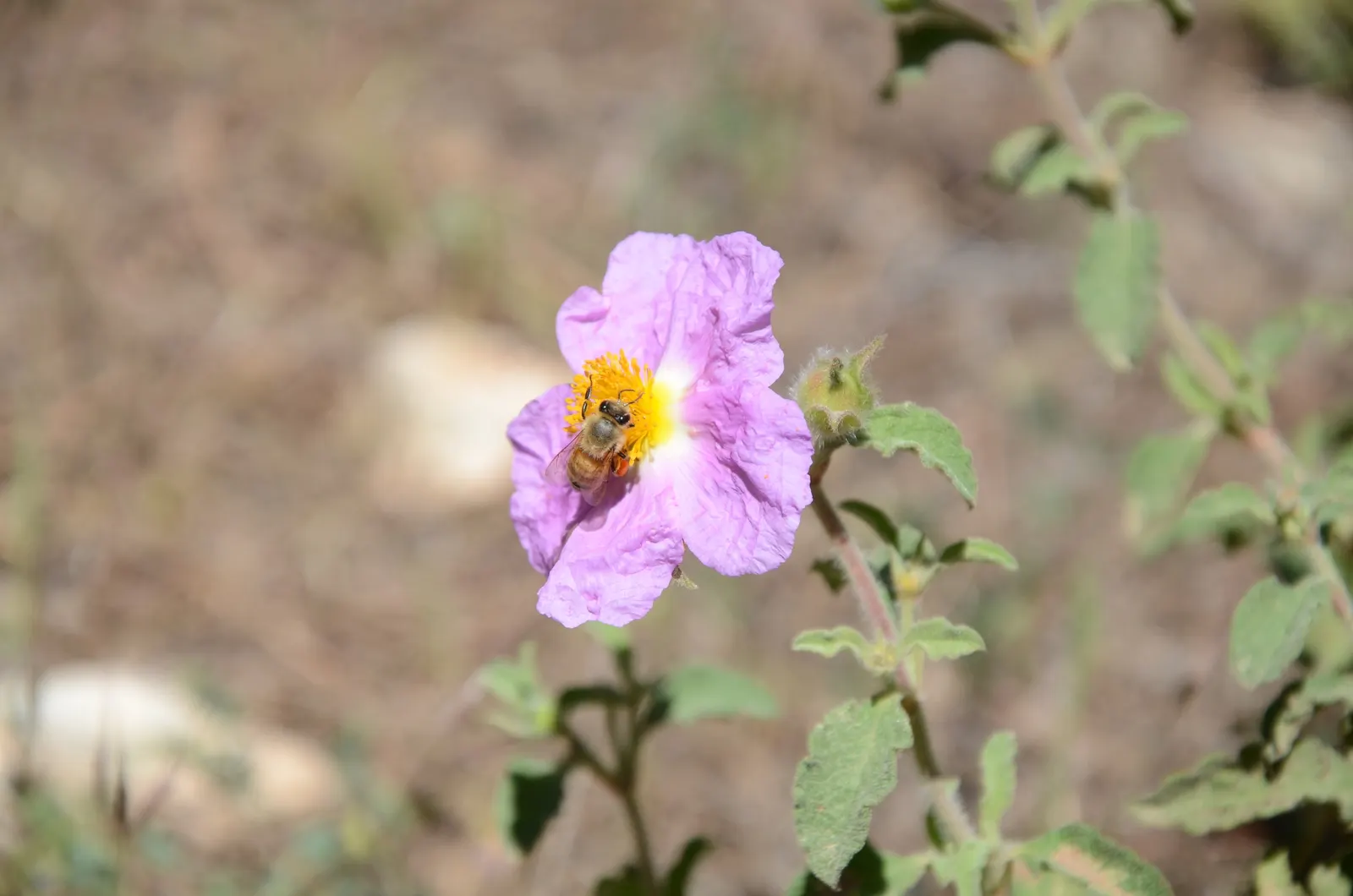
Perennial
Crete Rockrose
Cistus Creticus
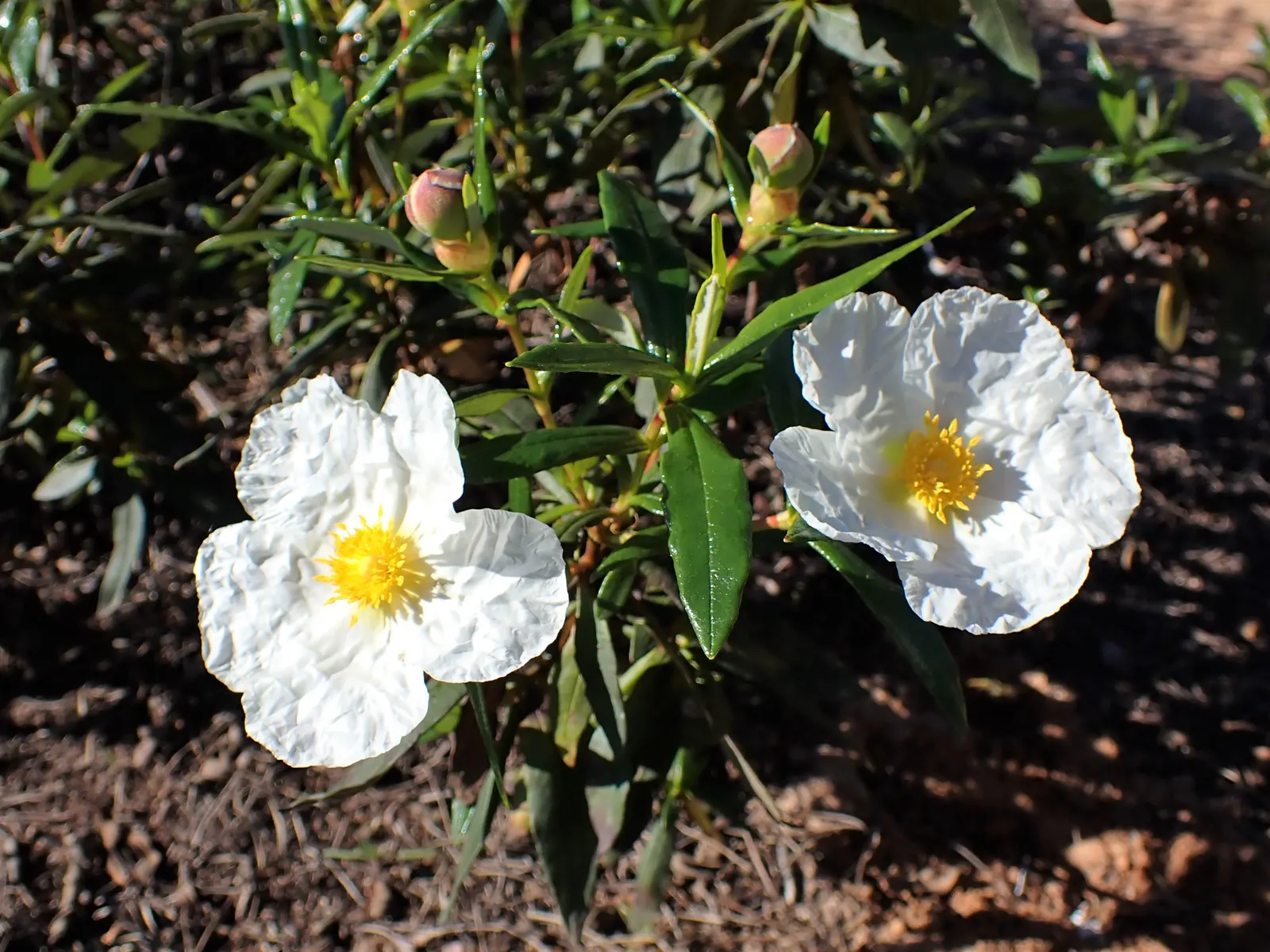
Shrub
Crimson-Spot Rockrose
Cistus Ladanifer
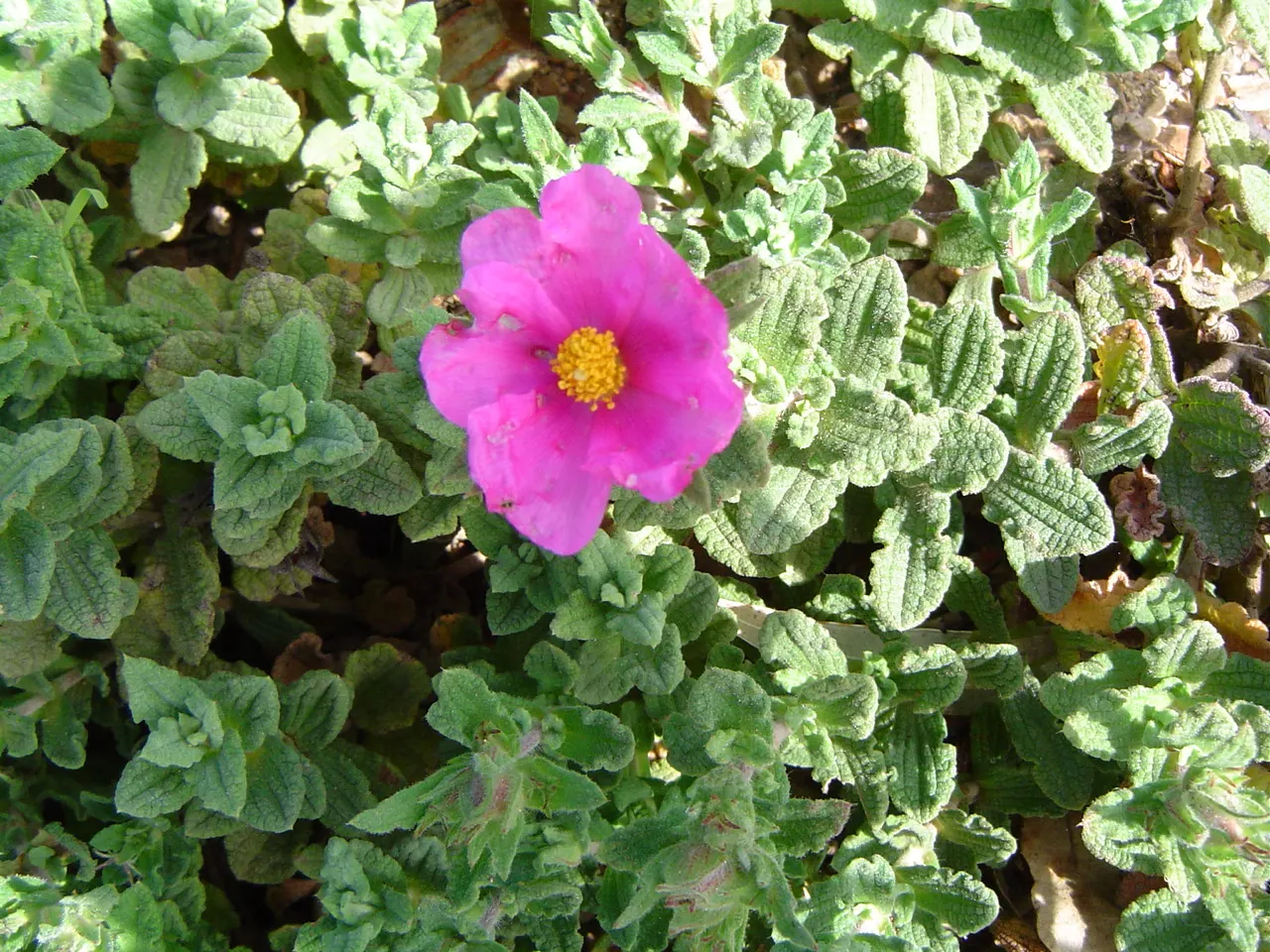
Perennial
Furry-Leaf Rockrose
Cistus Crispus