Skip to content

Baby's Breath, Baby'S-Breath

Gypsophila Paniculata

Design with this plant

Overview

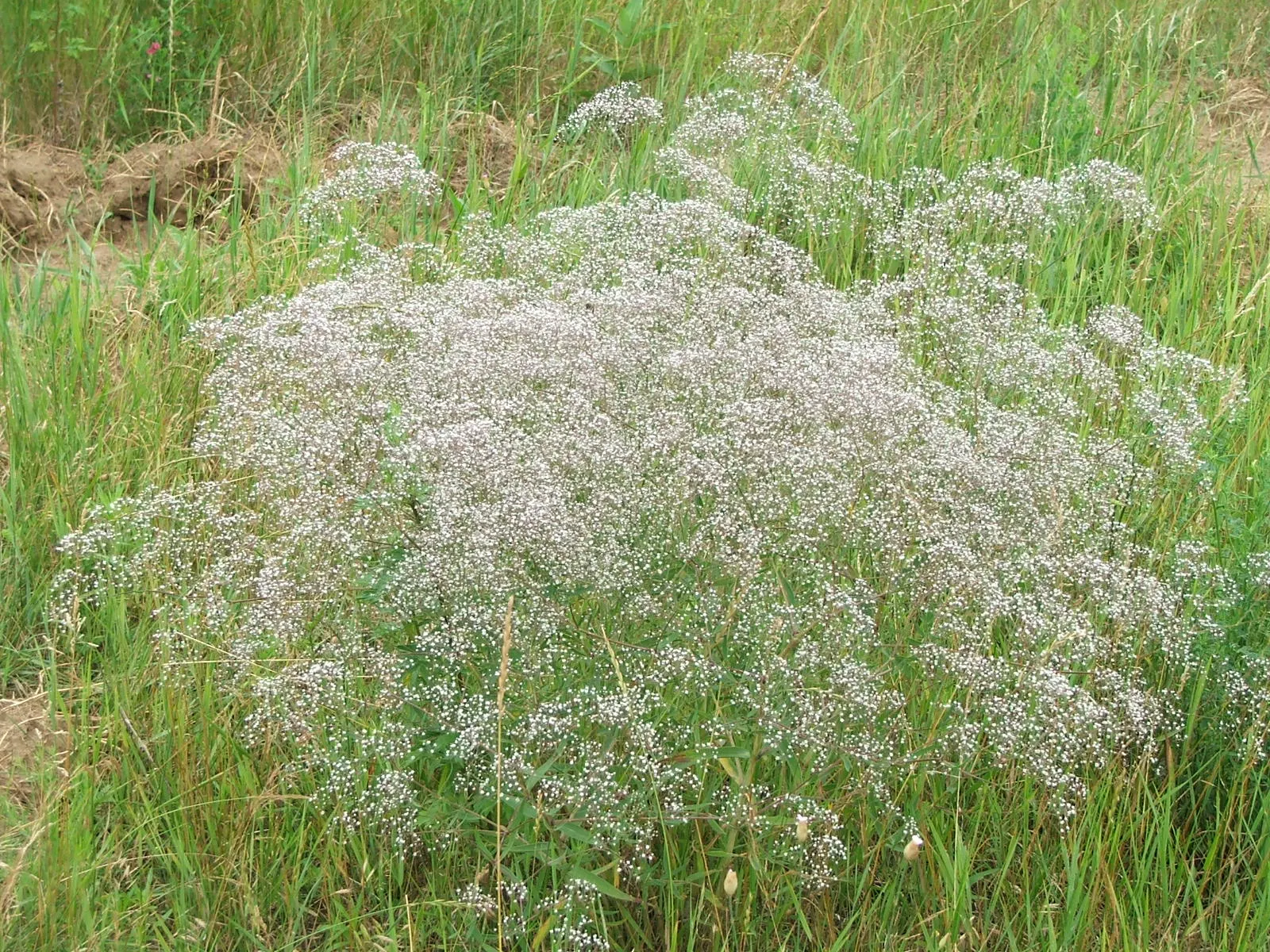
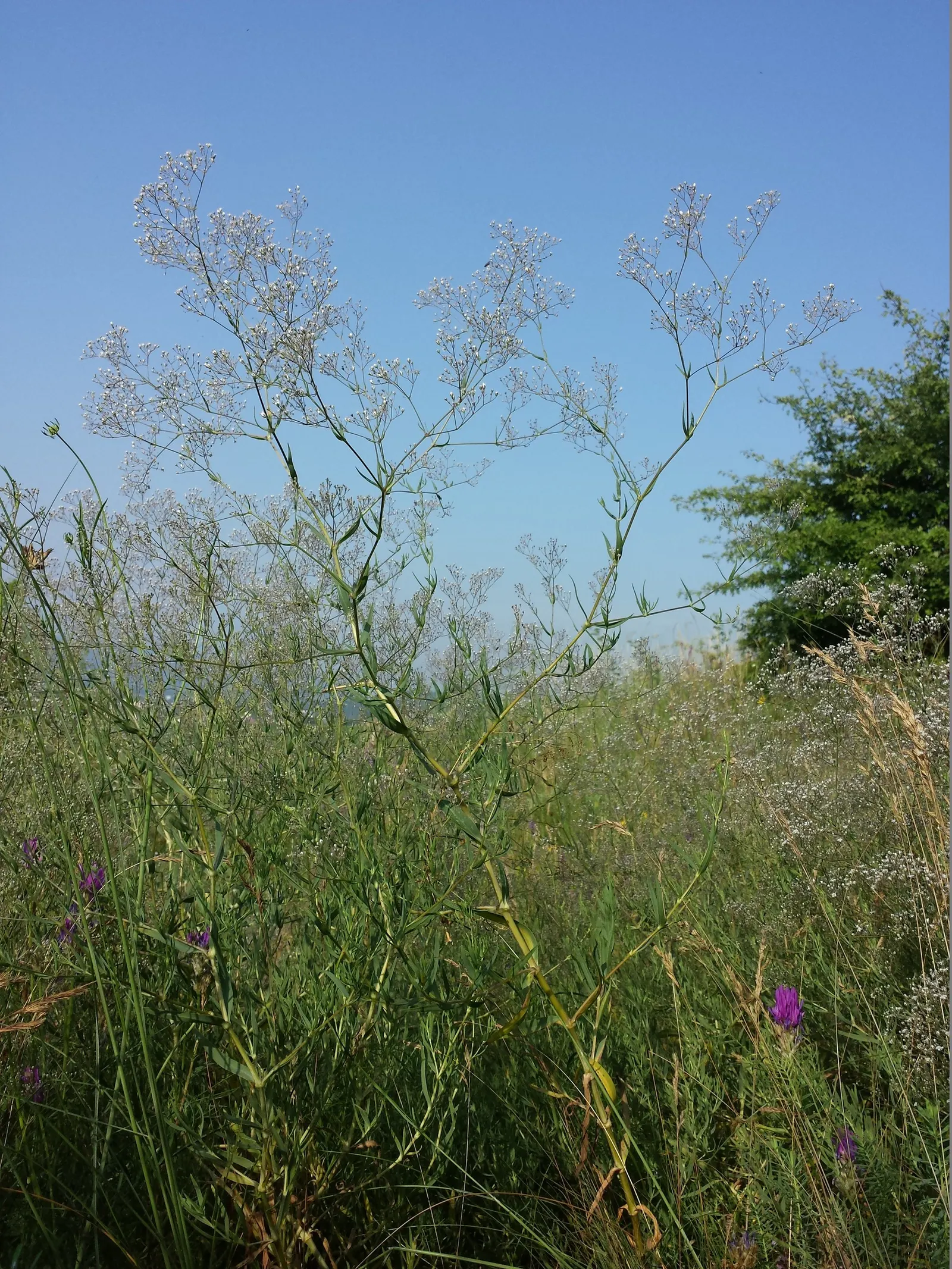
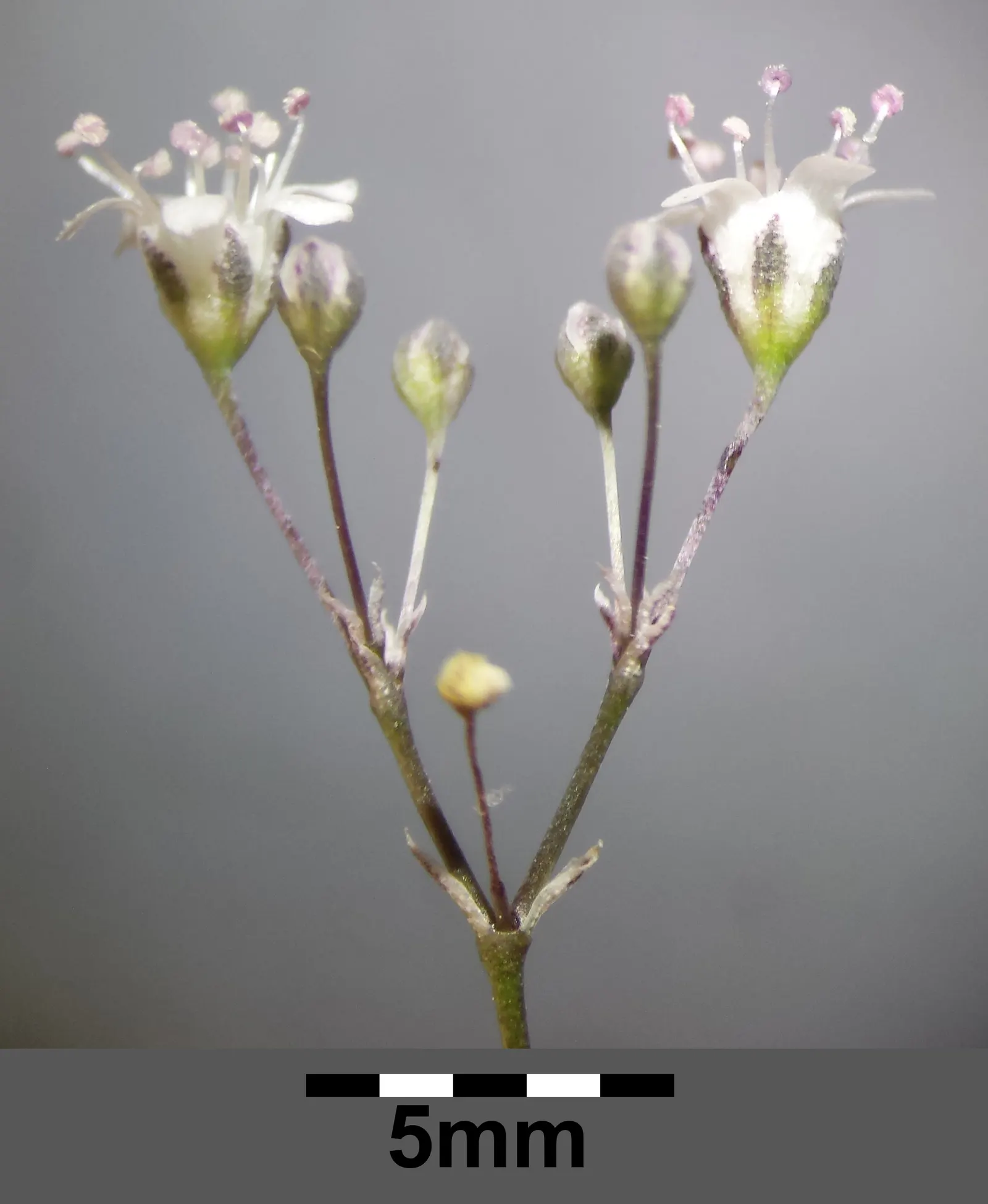
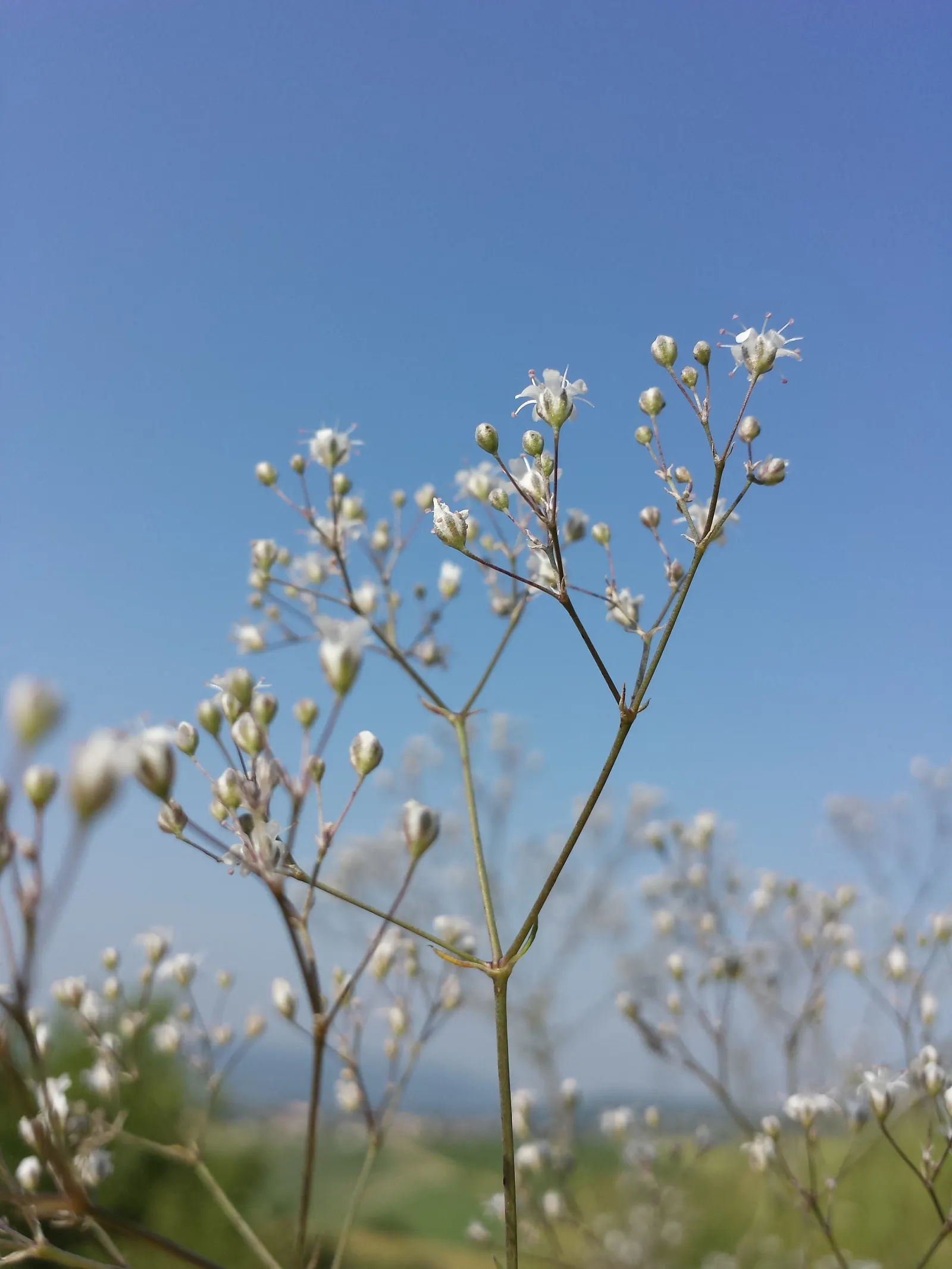
Gypsophila paniculata, commonly known as Baby's Breath, is a beloved perennial valued for its airy clouds of tiny white flowers. Favored in garden designs for its delicate texture, this plant reaches up to 3 feet in height and spreads up to 2 feet. Thriving in full sun and well-drained soil, it blooms from early summer to fall, adding a soft, ethereal touch to landscapes and floral arrangements. USDA zones 3-9.

Sun FullWater Low, MediumZones 3–10Type PerennialClimate Temperate
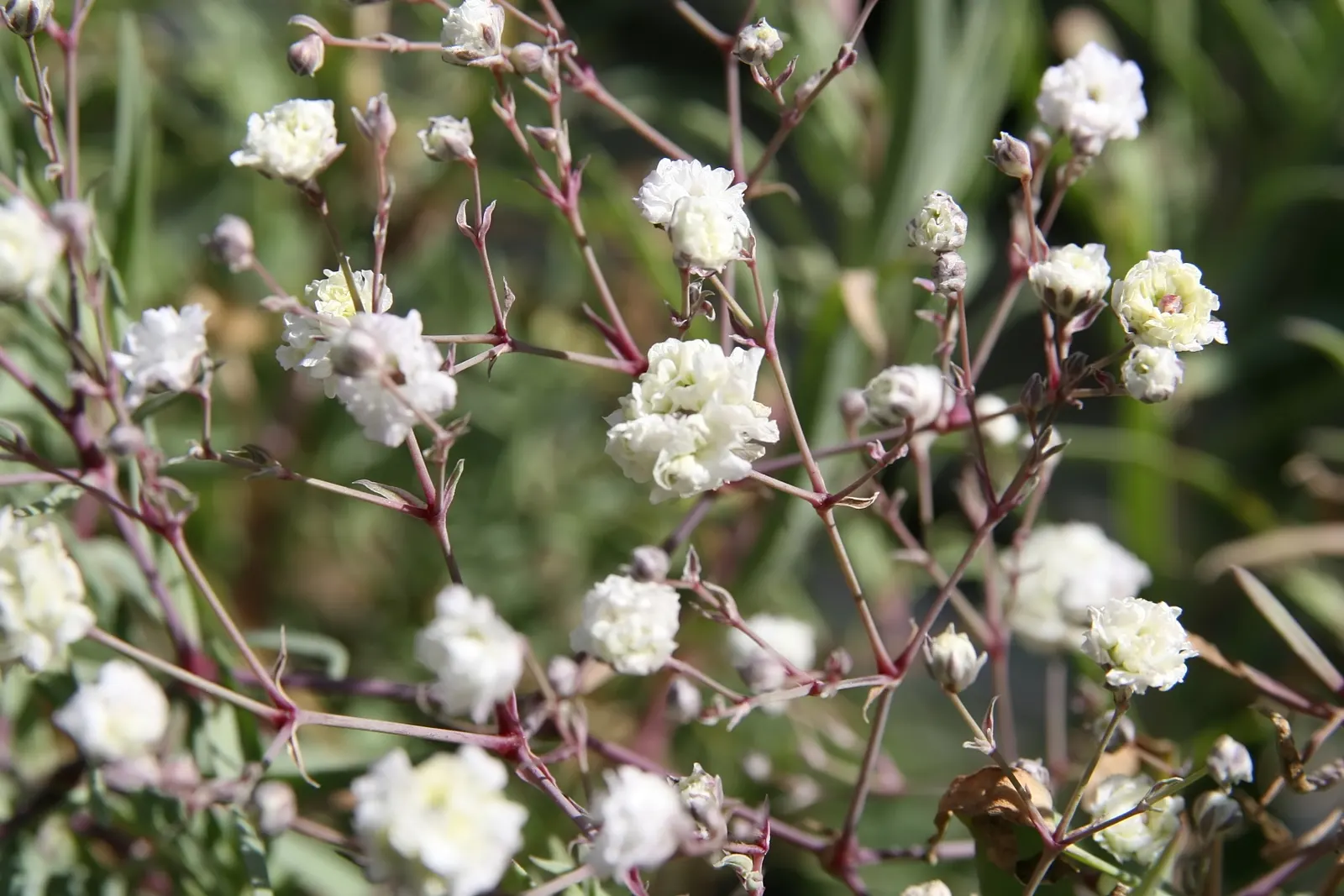
Baby's Breath, Baby'S-Breath (Gypsophila Paniculata) — Thriving in full sun and well-drained soil

Culture

Sun
Full
Water
Low, Medium
USDA zones
3–10

Shape & size

Classification

Type
Perennial
Family
Caryophyllaceae
Climate
Temperate

See full data, regional cultivation notes, and design tools. Build a client presentation around this plant.

Start your 14-day trial

Photos (115)

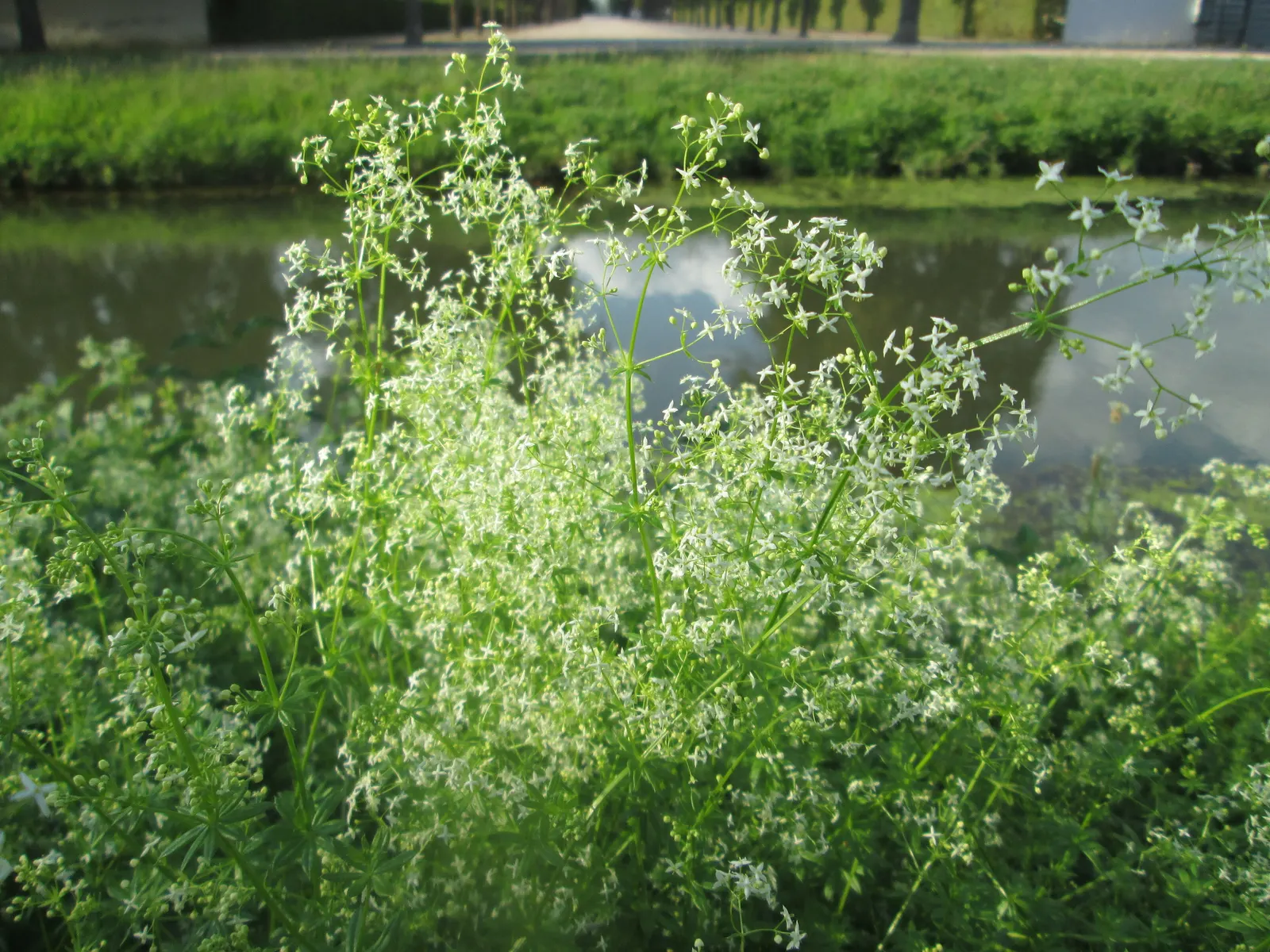
Baby's Breath, Baby'S-Breath (Gypsophila Paniculata) — thriving particularly well in well-drained soil that's on the alkaline side; trim back after, image 68
Baby's Breath, Baby'S-Breath (Gypsophila Paniculata) — Regular watering and occasional fertilizing will keep this charming plant looking its best; trim back
Baby's Breath, Baby'S-Breath (Gypsophila Paniculata) — airy touch to any garden design; but can tolerate partial shade, image 74
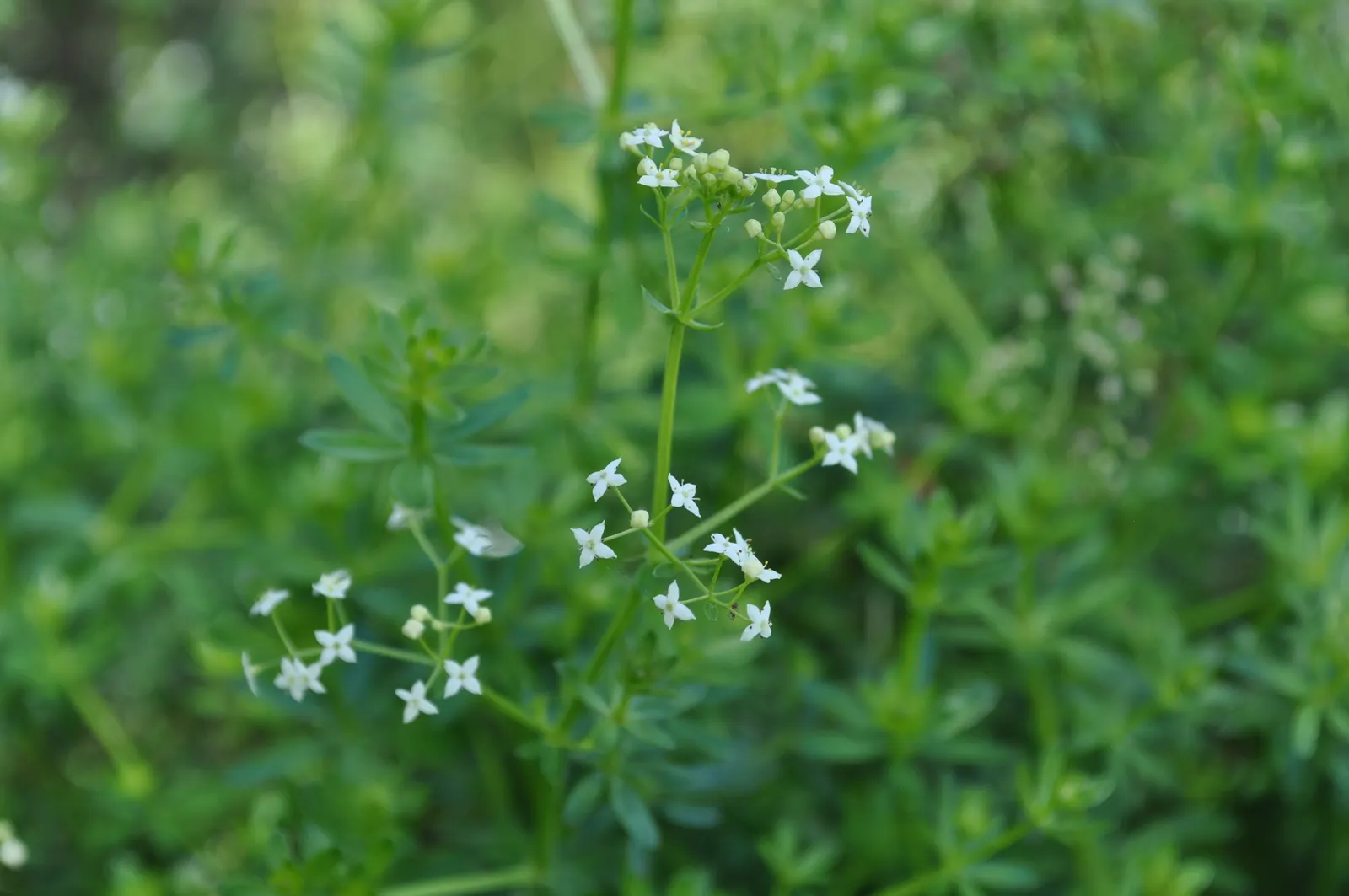
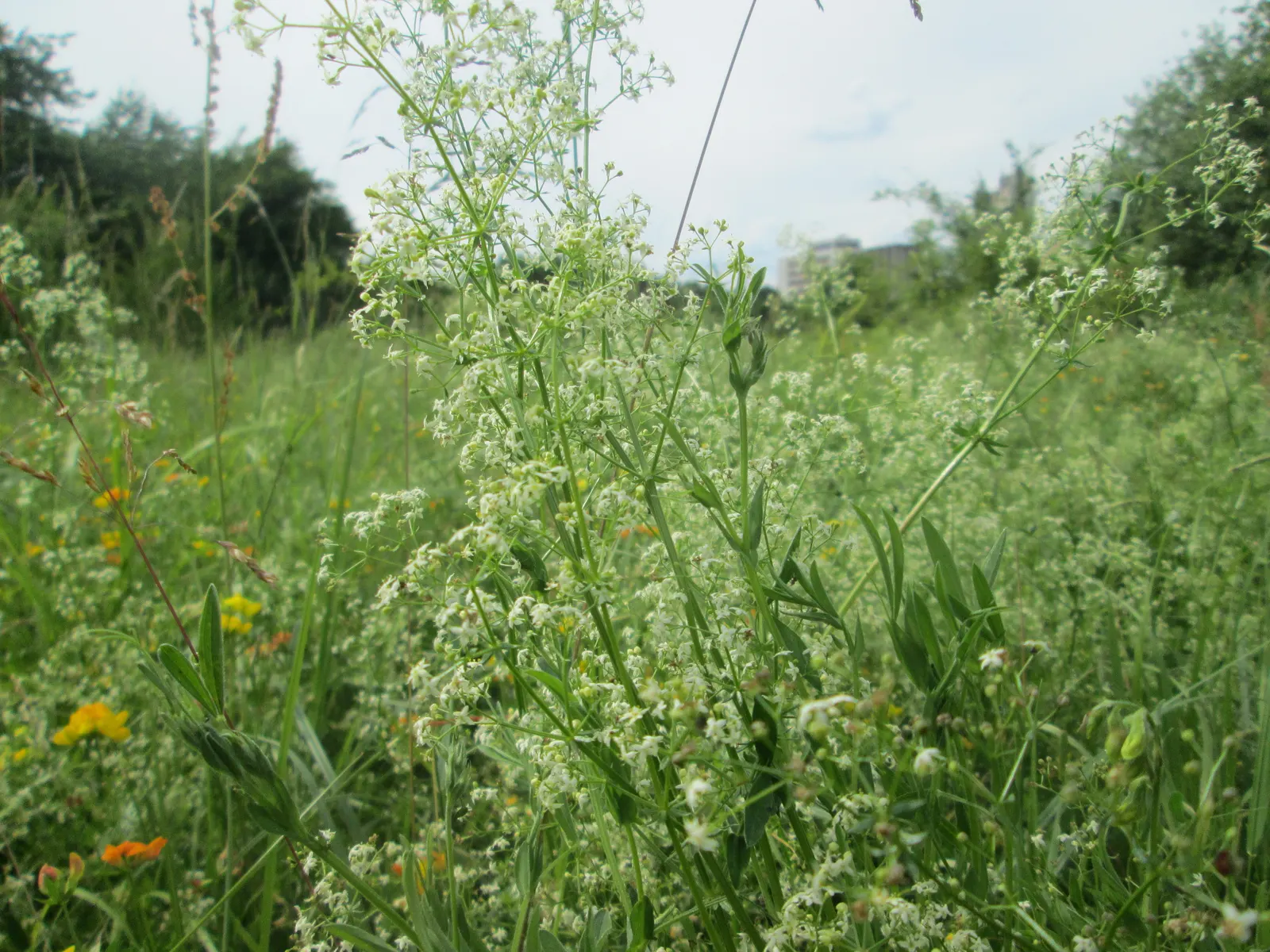
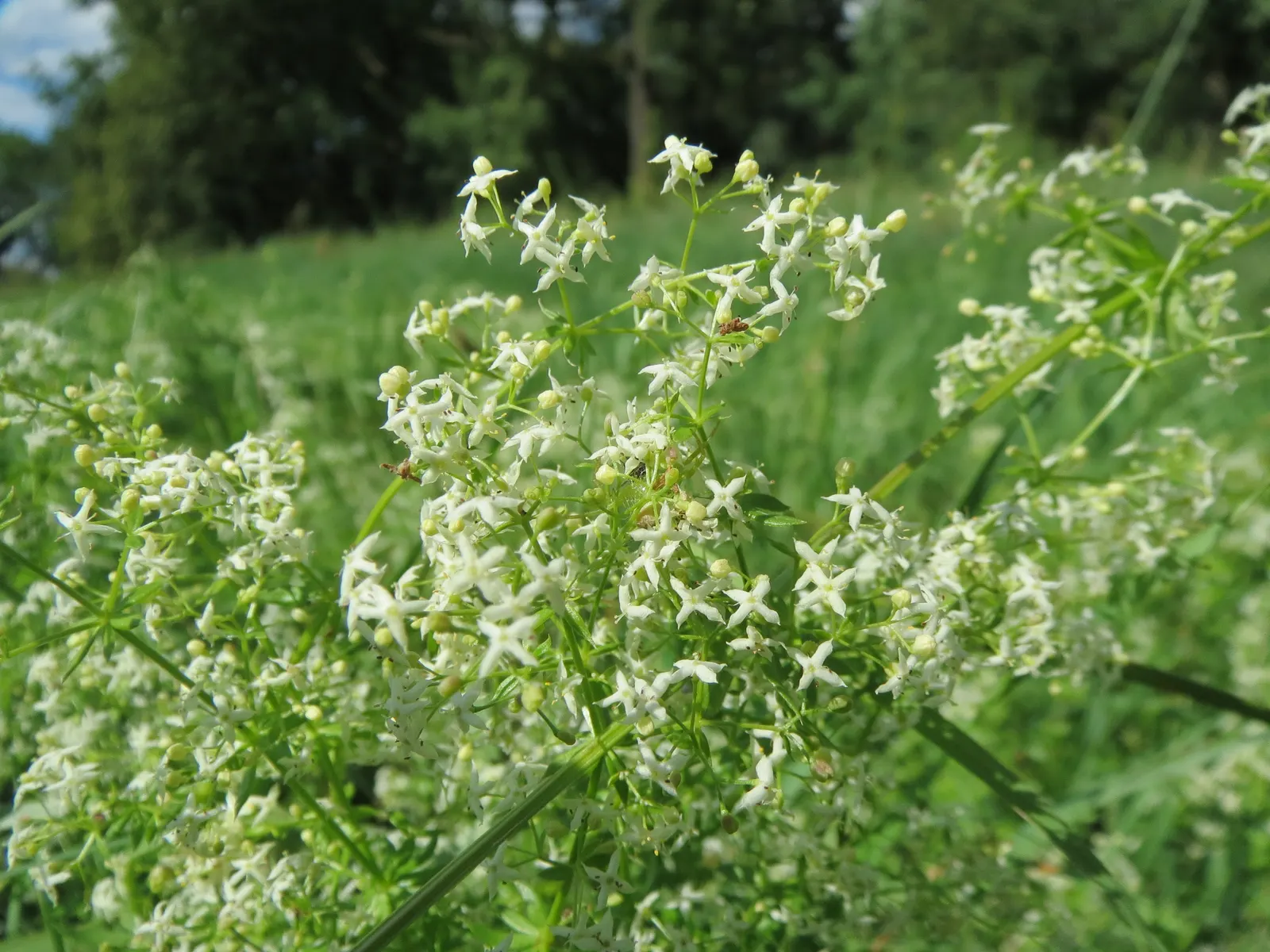
Baby's Breath, Baby'S-Breath (Gypsophila Paniculata) — it blooms from early summer to fall
Baby's Breath, Baby'S-Breath (Gypsophila Paniculata) — as this plant is capable of withstanding cold temperatures; airy touch to any garden design
Baby's Breath, Baby'S-Breath (Gypsophila Paniculata) — perennial for full
Baby's Breath, Baby'S-Breath (Gypsophila Paniculata) — commonly known as Baby's Breath
Baby's Breath, Baby'S-Breath (Gypsophila Paniculata) — Trim back after the first bloom to encourage a second flowering and denser growth
Baby's Breath, Baby'S-Breath (Gypsophila Paniculata) — ethereal touch to landscapes and floral arrangements
Baby's Breath, Baby'S-Breath (Gypsophila Paniculata) — Favored in garden designs for its delicate texture
Baby's Breath, Baby'S-Breath (Gypsophila Paniculata) — is a beloved perennial valued for its airy clouds of tiny white flowers; but can tolerate, image 58
Baby's Breath, Baby'S-Breath (Gypsophila Paniculata) — Thriving in full sun and well-drained soil; this plant reaches up to 3 feet in height and spreads up to
Baby's Breath, Baby'S-Breath (Gypsophila Paniculata) — ethereal touch to landscapes and floral arrangements; airy touch to any garden design, image 91
Baby's Breath, Baby'S-Breath (Gypsophila Paniculata) — Thriving in full sun and well-drained soil; this plant reaches up to 3 feet in height and, image 89
Baby's Breath, Baby'S-Breath (Gypsophila Paniculata) — and as a complement to roses; trim back after the first bloom to encourage a second flowering and denser
Baby's Breath, Baby'S-Breath (Gypsophila Paniculata) — Baby's Breath adds a light; this plant reaches up to 3 feet in height and spreads up to 2 feet
Baby's Breath, Baby'S-Breath (Gypsophila Paniculata) — cloud-like white or pink blooms that create a frothy
Baby's Breath, Baby'S-Breath (Gypsophila Paniculata) — pink and white flowers in the garden; but can tolerate partial shade
Baby's Breath, Baby'S-Breath (Gypsophila Paniculata) — thriving particularly well in well-drained soil that's on the alkaline side
Baby's Breath, Baby'S-Breath (Gypsophila Paniculata) — pink and white flowers in the garden
Baby's Breath, Baby'S-Breath (Gypsophila Paniculata) — ethereal touch to landscapes and floral arrangements; airy touch to any garden design
Baby's Breath, Baby'S-Breath (Gypsophila Paniculata) — but can tolerate partial shade; airy touch to any garden design
Baby's Breath, Baby'S-Breath (Gypsophila Paniculata) — as this plant is capable of withstanding cold temperatures; airy touch to any garden design, image 71
Baby's Breath, Baby'S-Breath (Gypsophila Paniculata) — making this plant a staple for fresh bouquets and dried floral arrangements
Photographs by 6 contributors

Related plants