
Giant Gunnera
Gunnera Manicata
Overview
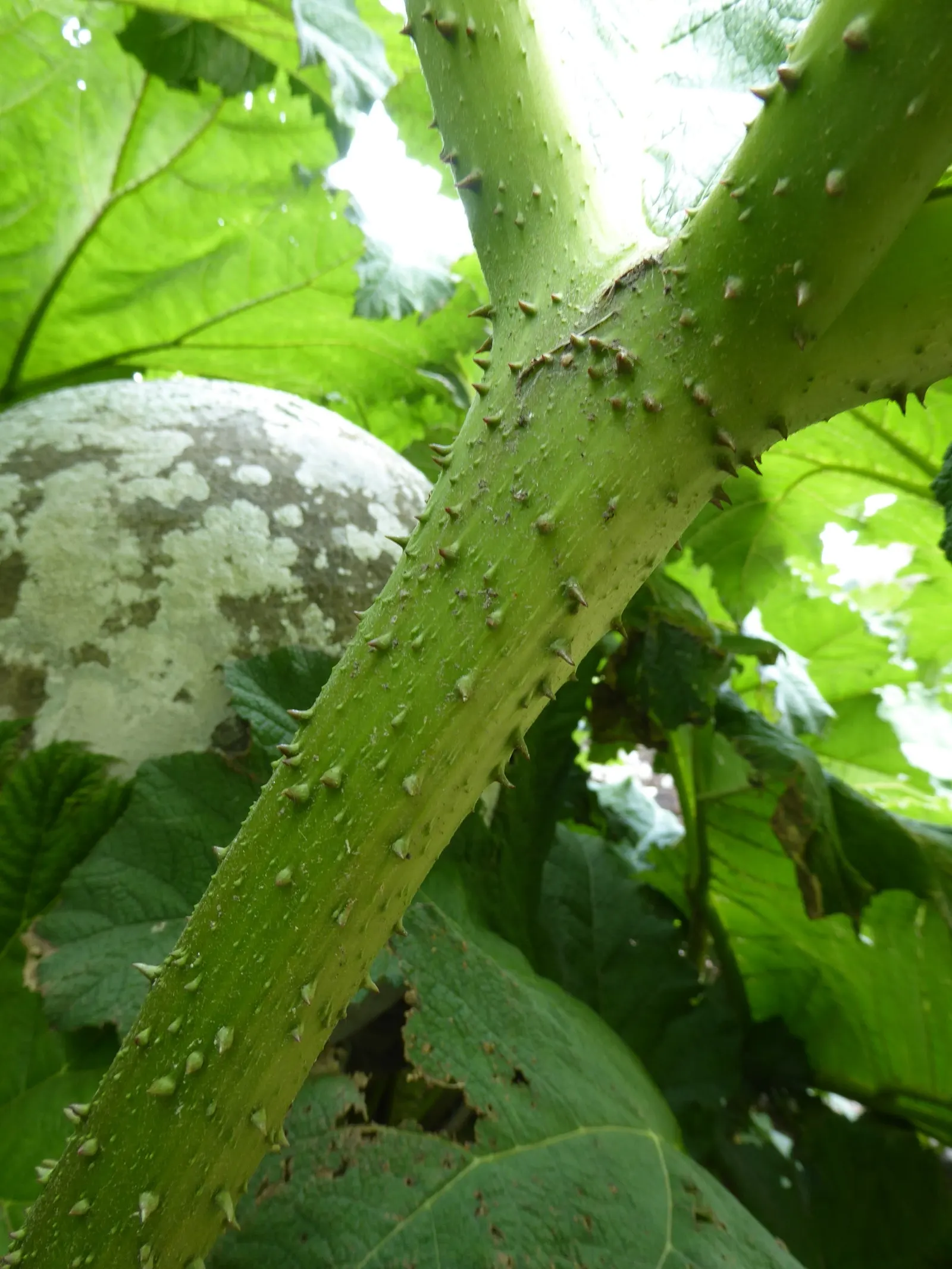
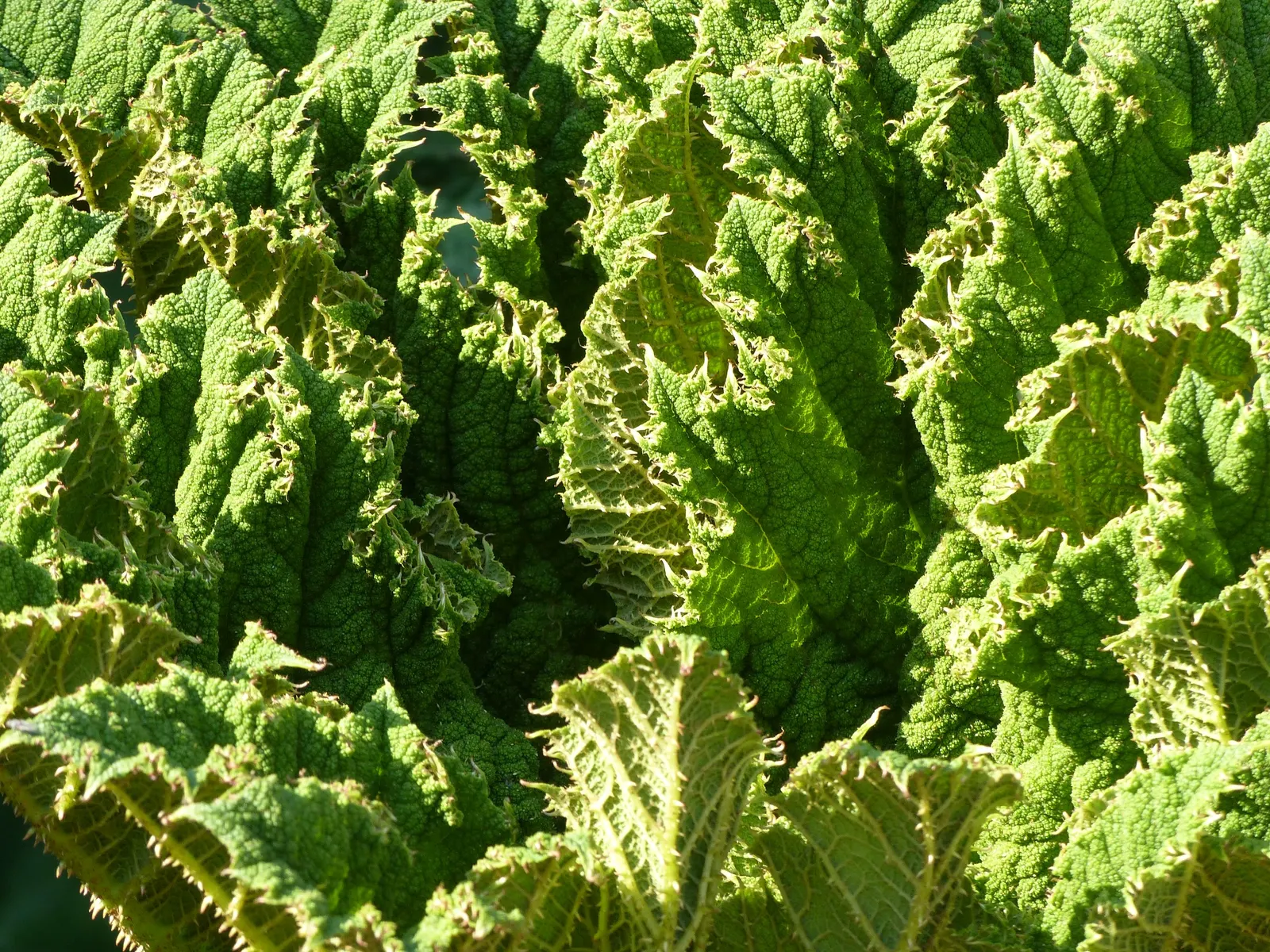
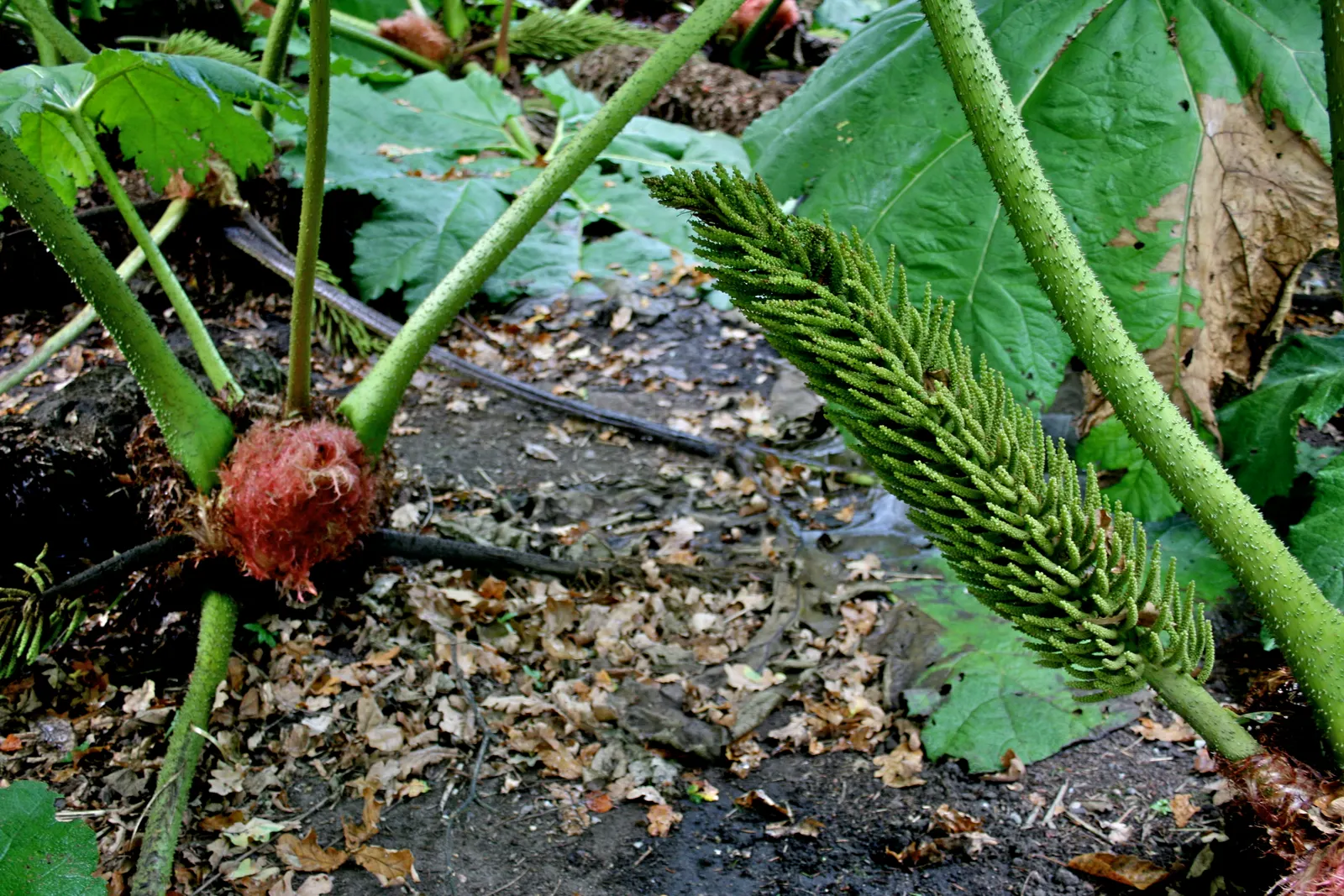
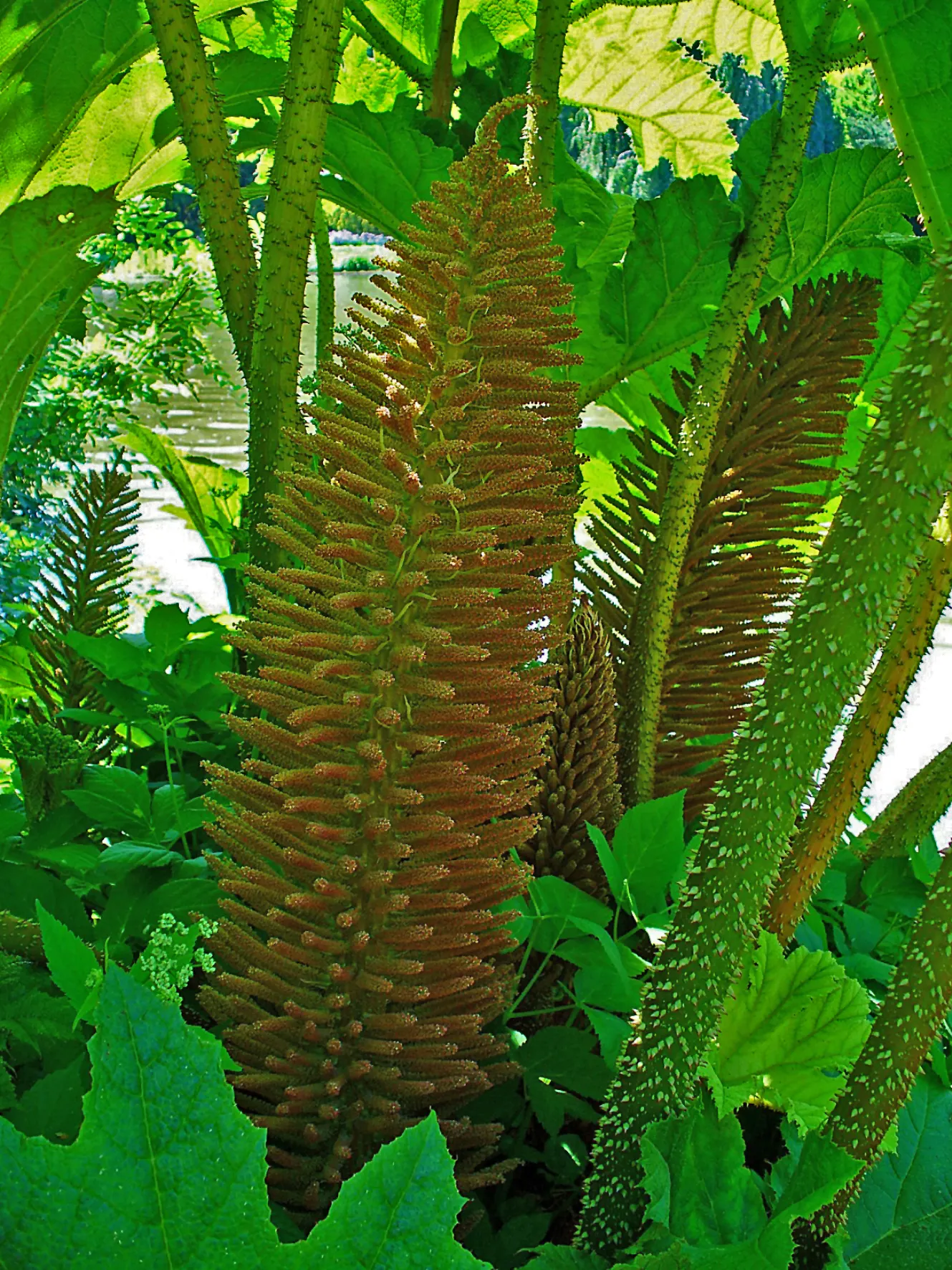
Gunnera manicata, or Giant Gunnera, is an impactful perennial, boasting colossal, rhubarb-like leaves that can span up to 8 feet across, supported by spiky, thick stems. Ideal for a waterside focal point in USDA zones 7-10, it thrives in rich, moist soil, requiring ample space with a spread of 10 feet and a height of up to 8 feet. In summer, it produces red-green conical flower spikes, adding to its dramatic presence.
Sun Full, HalfWater Extra in Summer, HighZones 7–8Type Aquatic, PerennialClimate Subtropical
Culture
- Sun
- Full, Half
- Water
- Extra in Summer, High
- USDA zones
- 7–8
Shape & size
Classification
- Type
- Aquatic, Perennial
- Family
- Gunneraceae
- Climate
- Subtropical
See full data, regional cultivation notes, and design tools. Build a client presentation around this plant.
Start your 14-day trialPhotos (109)
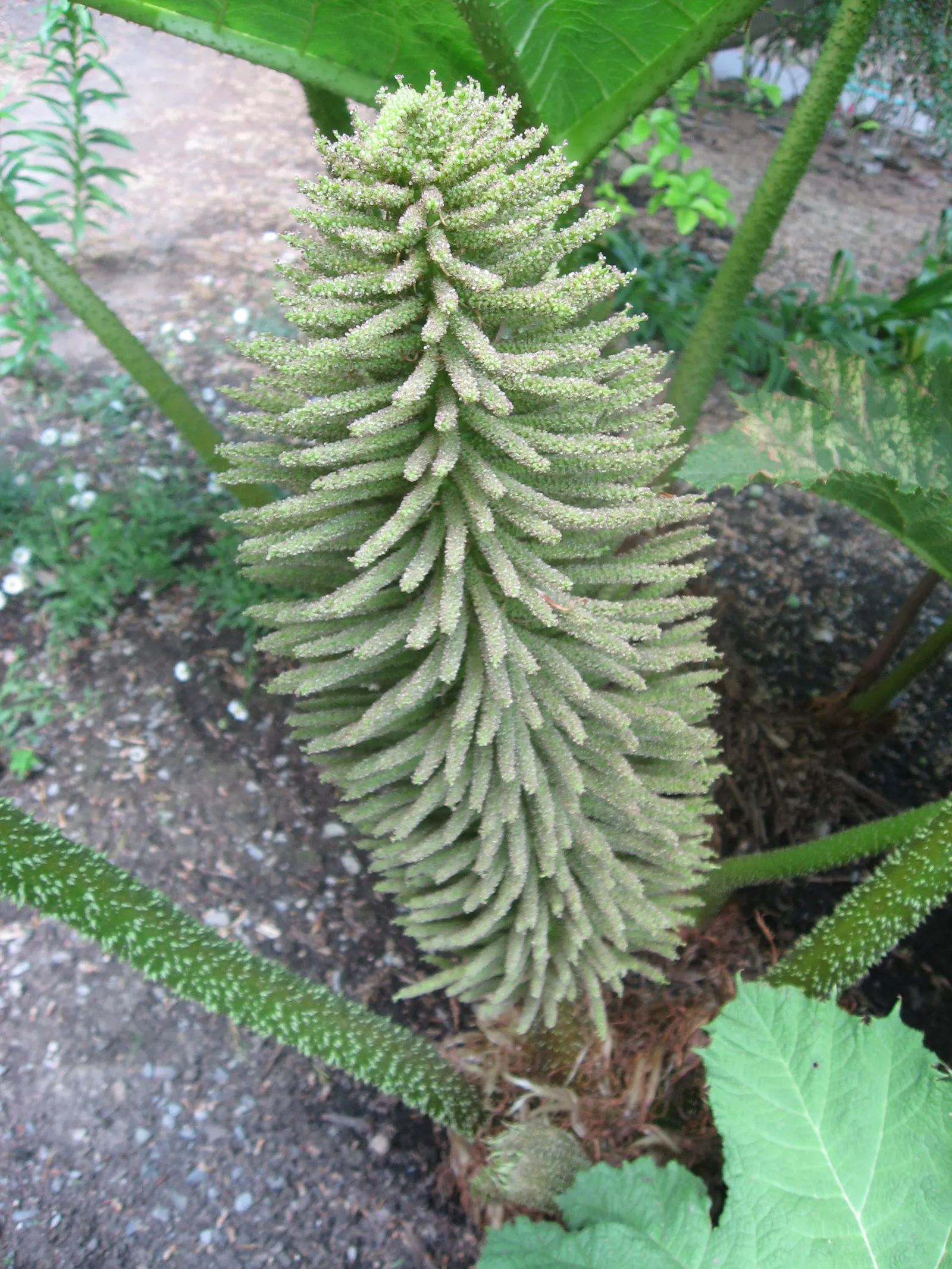
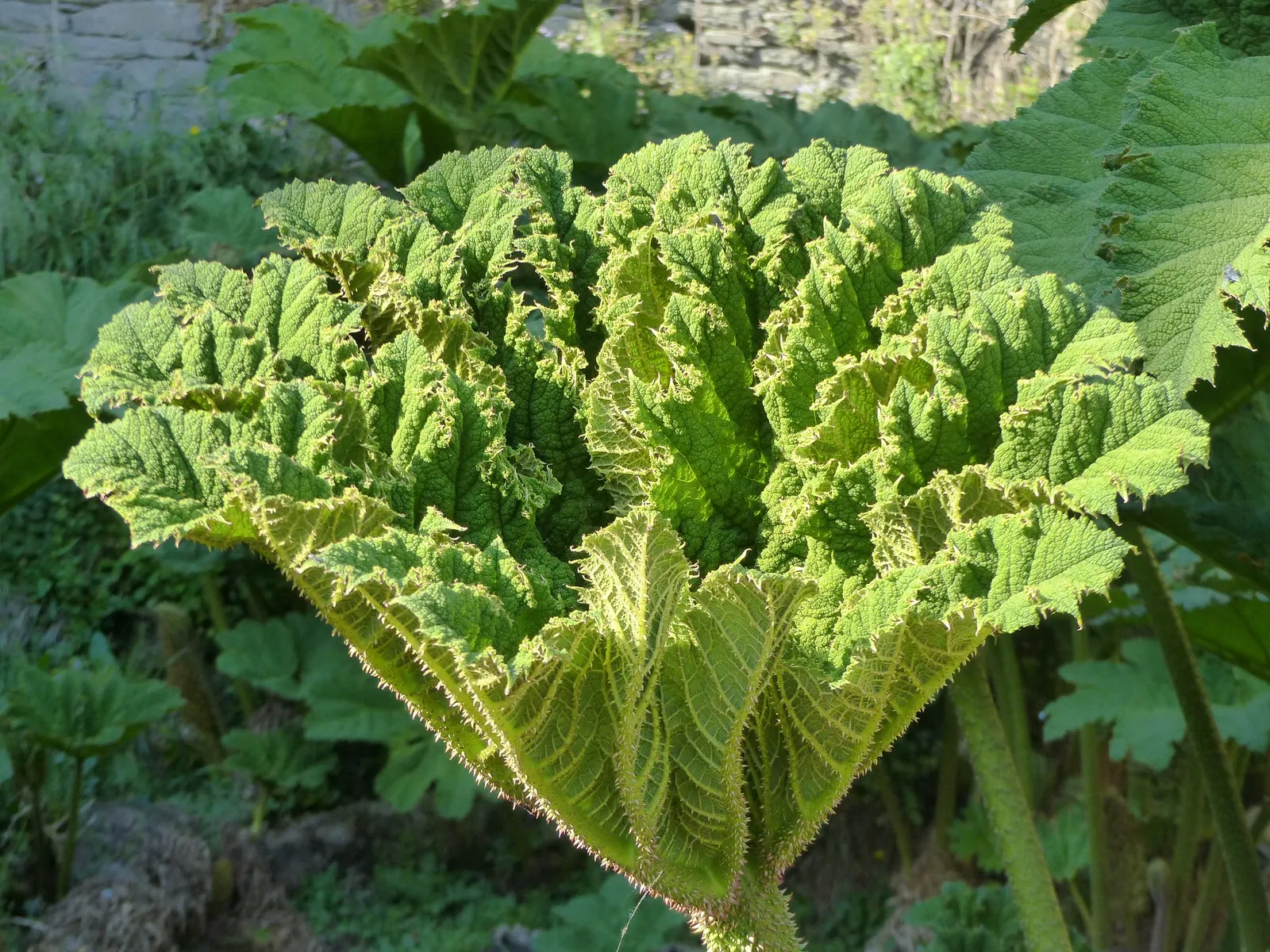
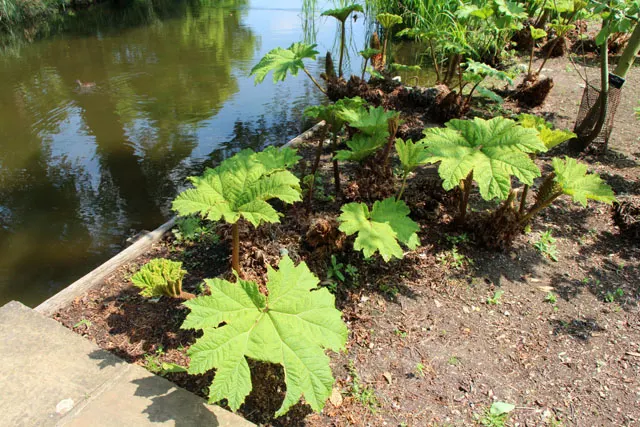
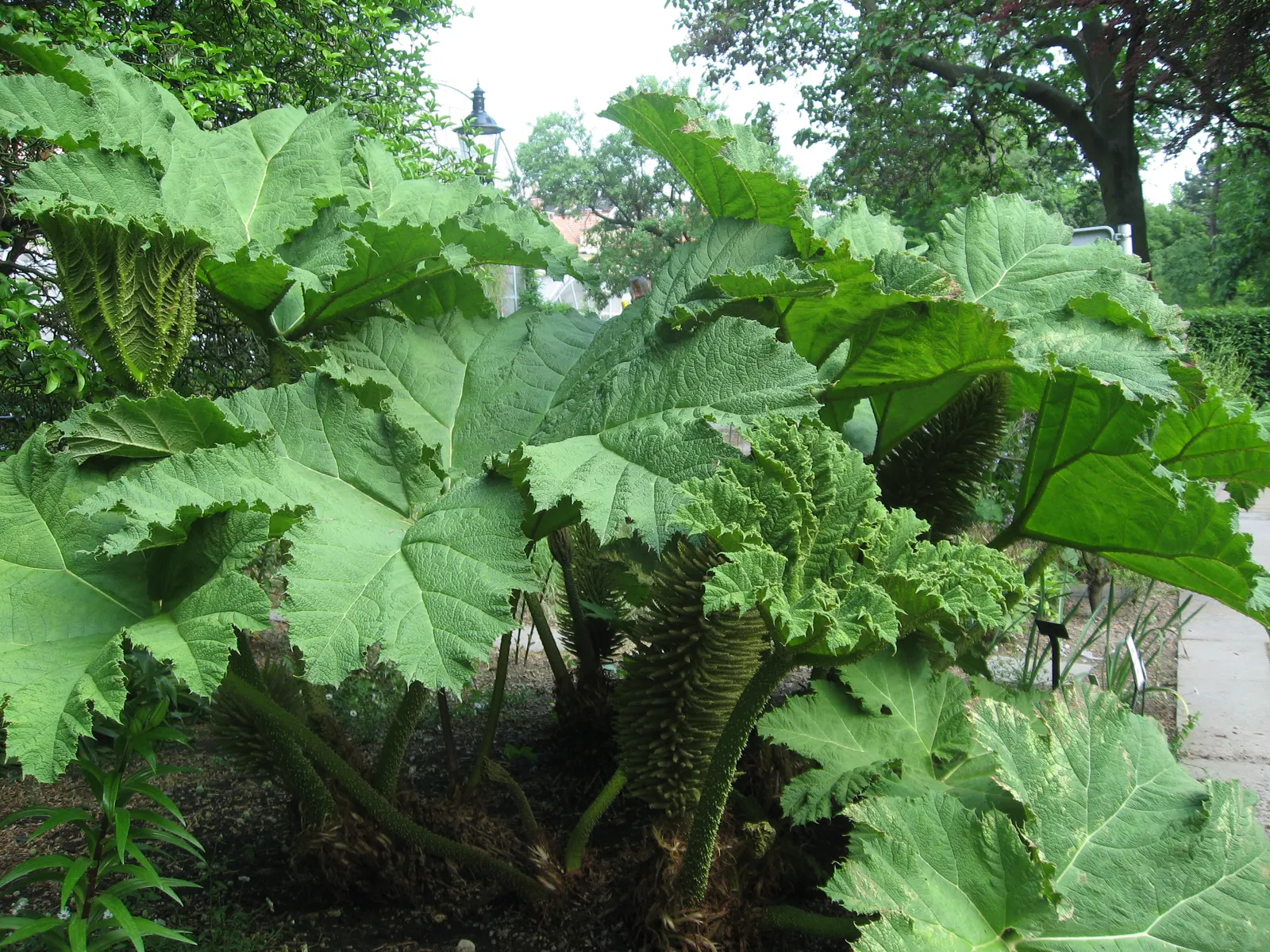
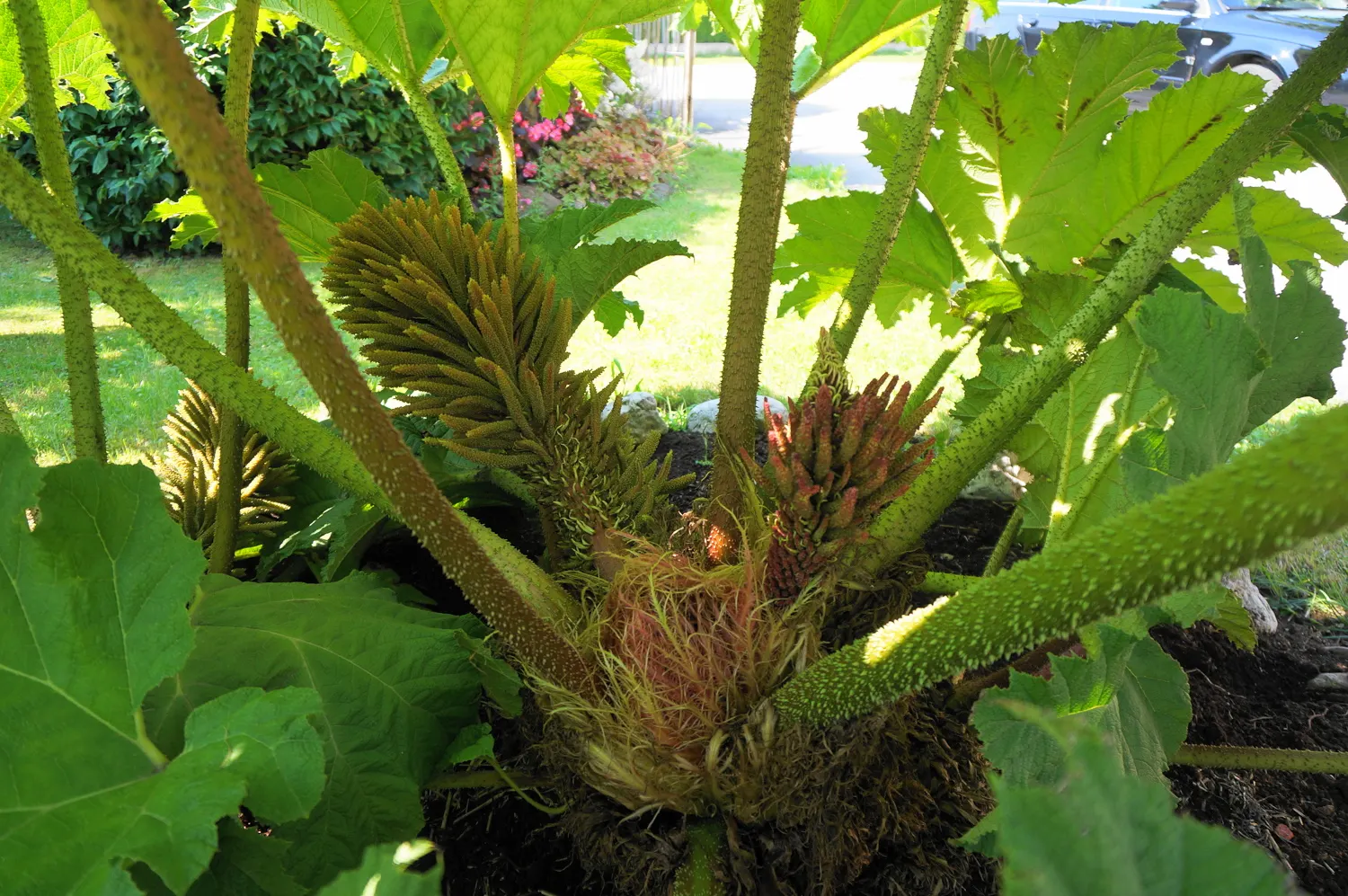
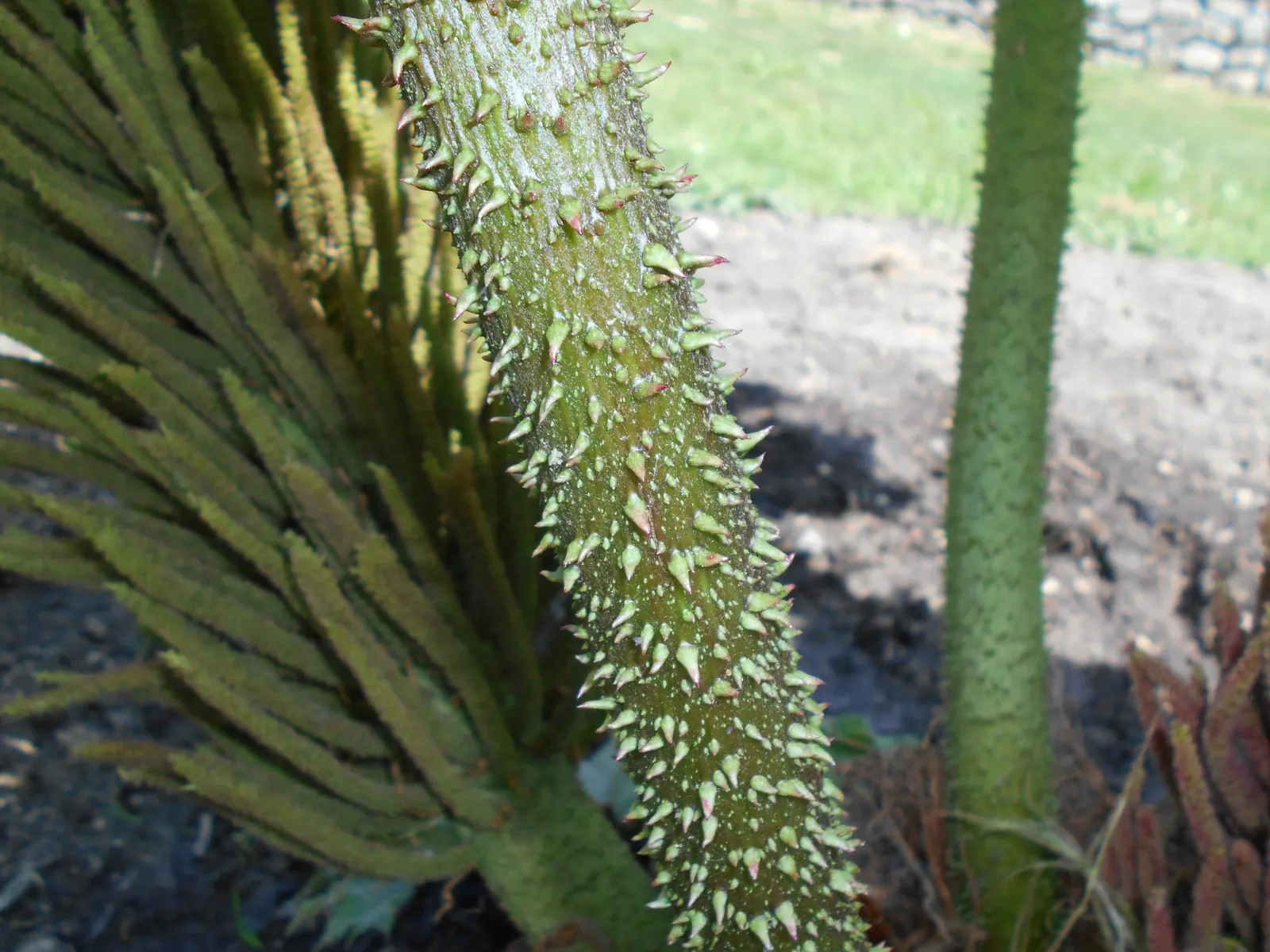
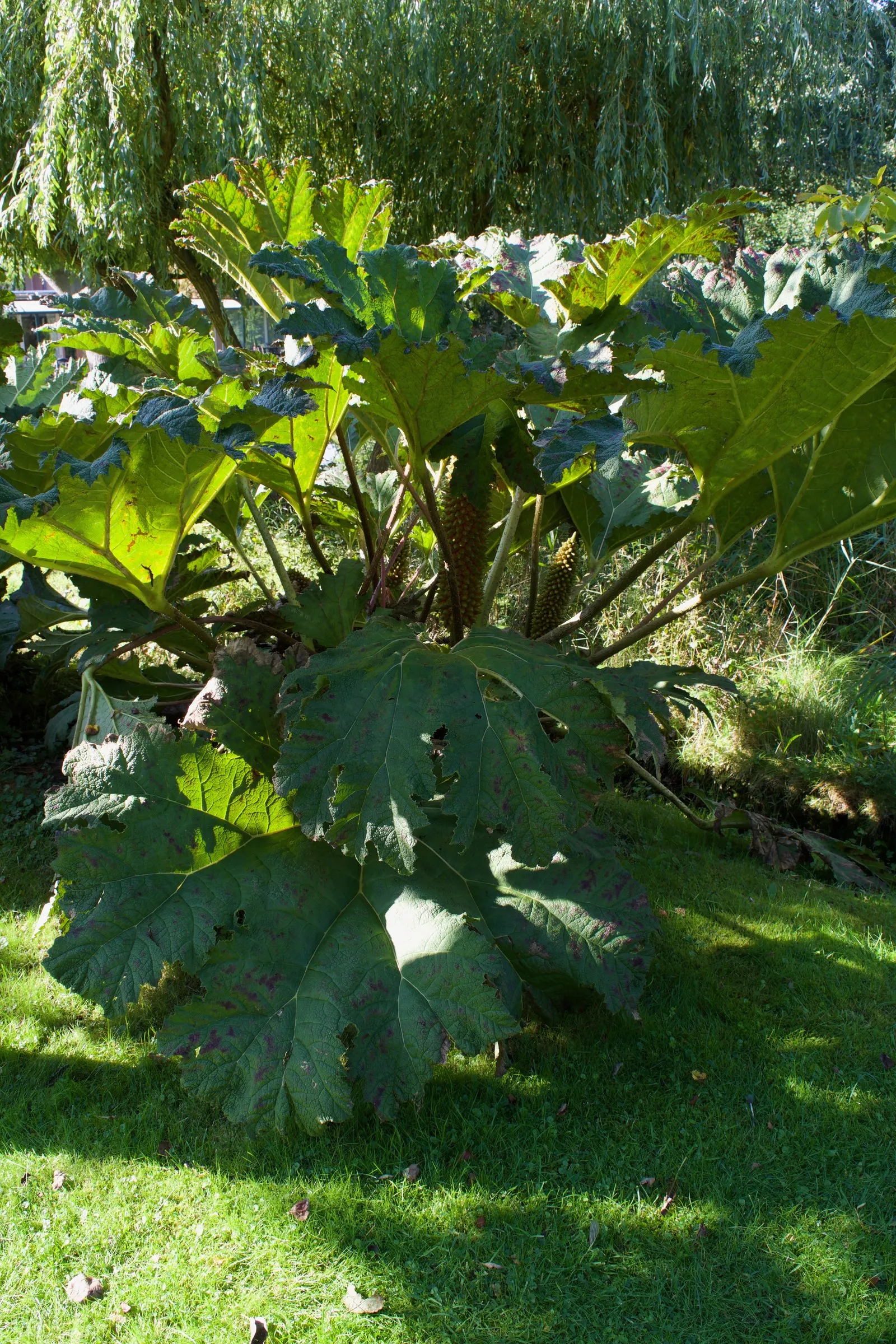
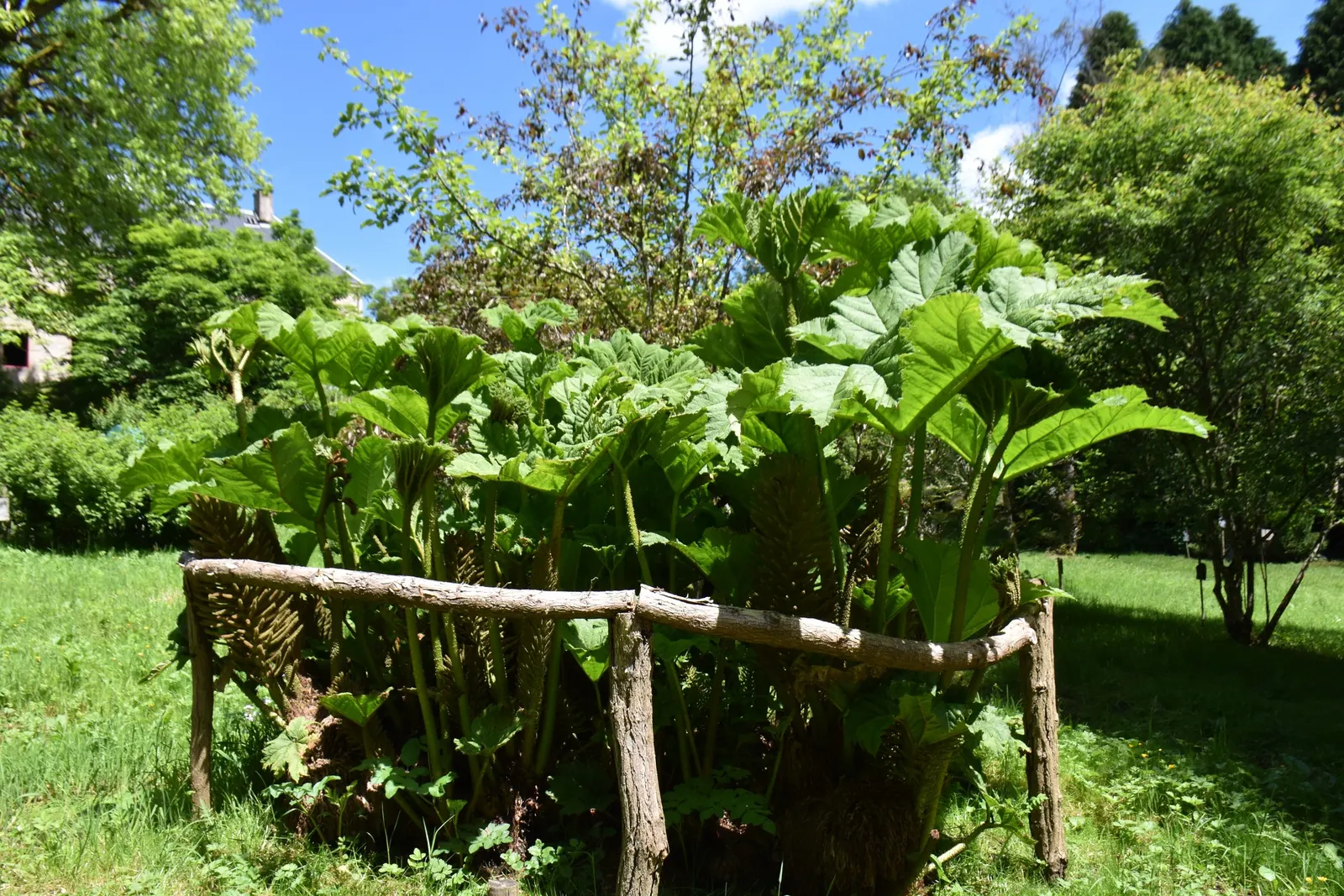
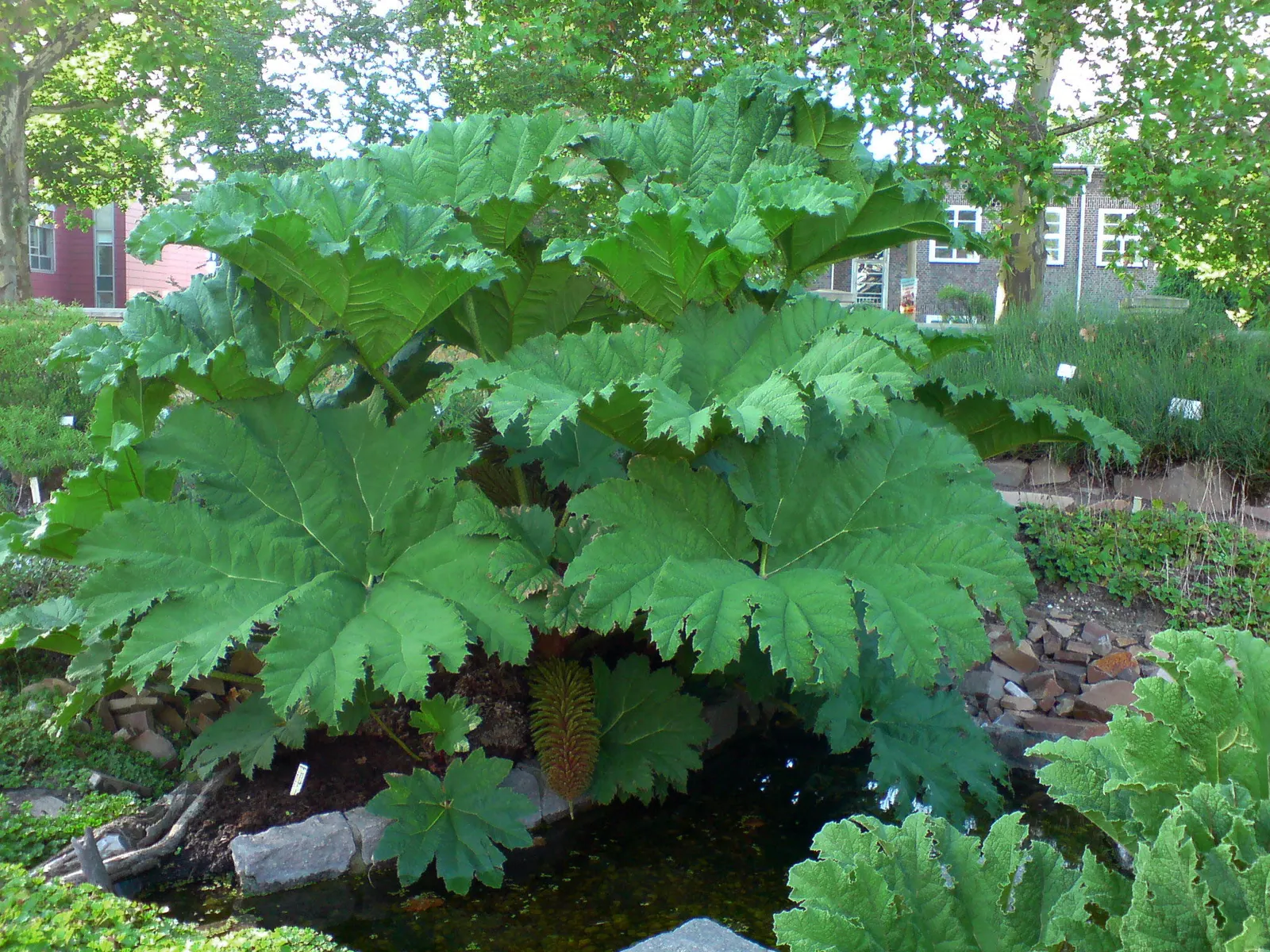
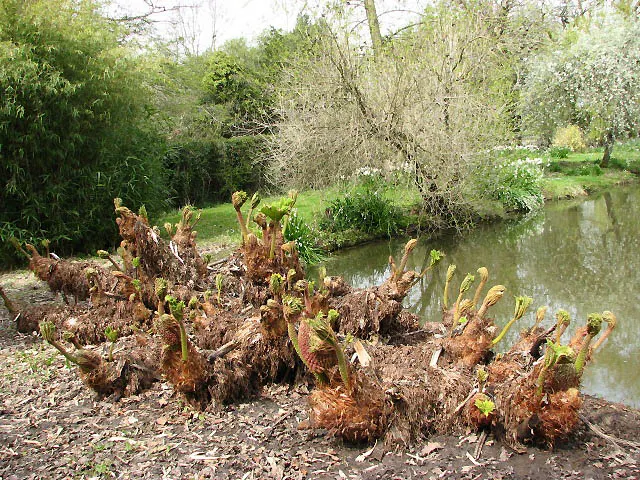
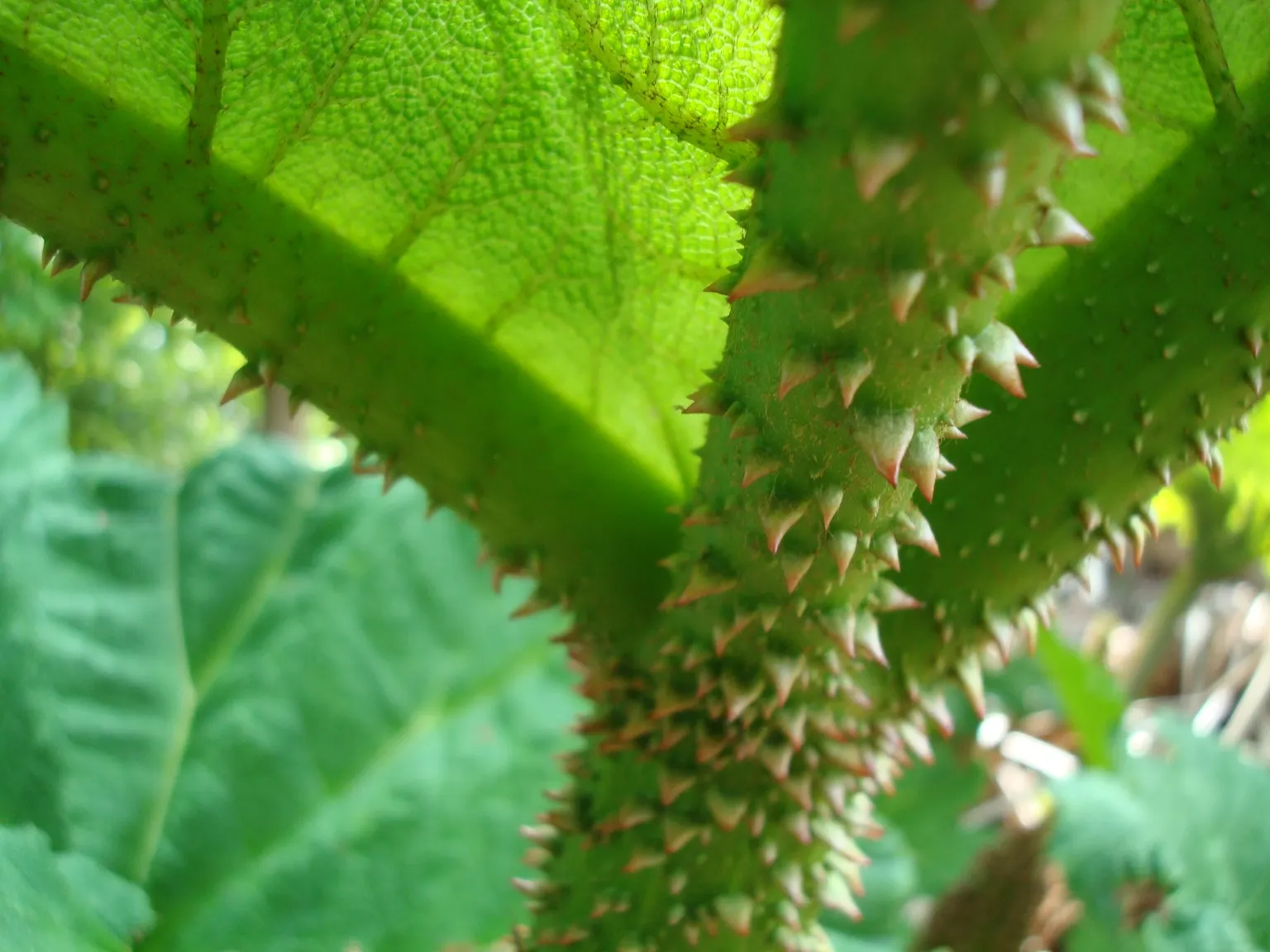
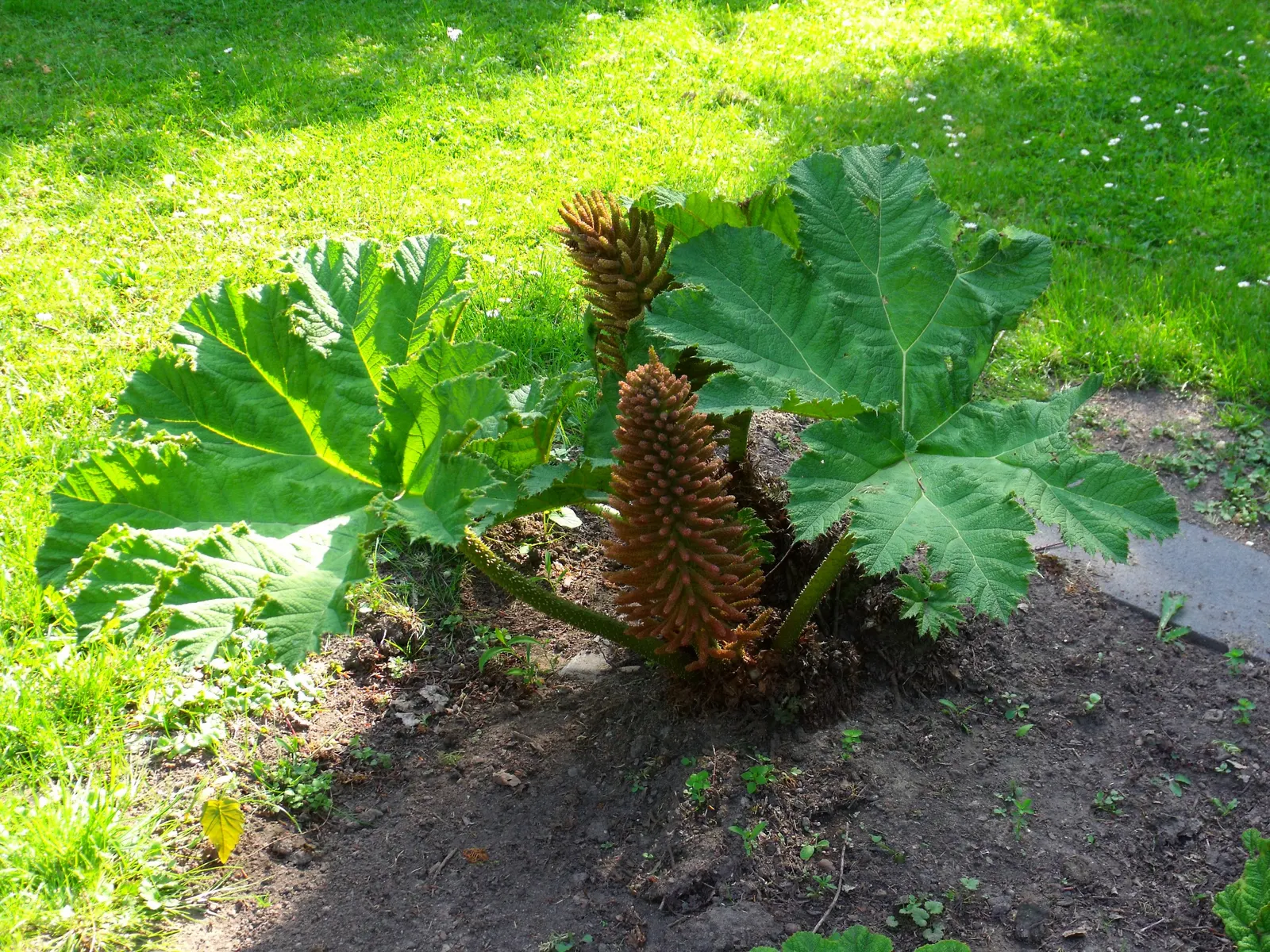
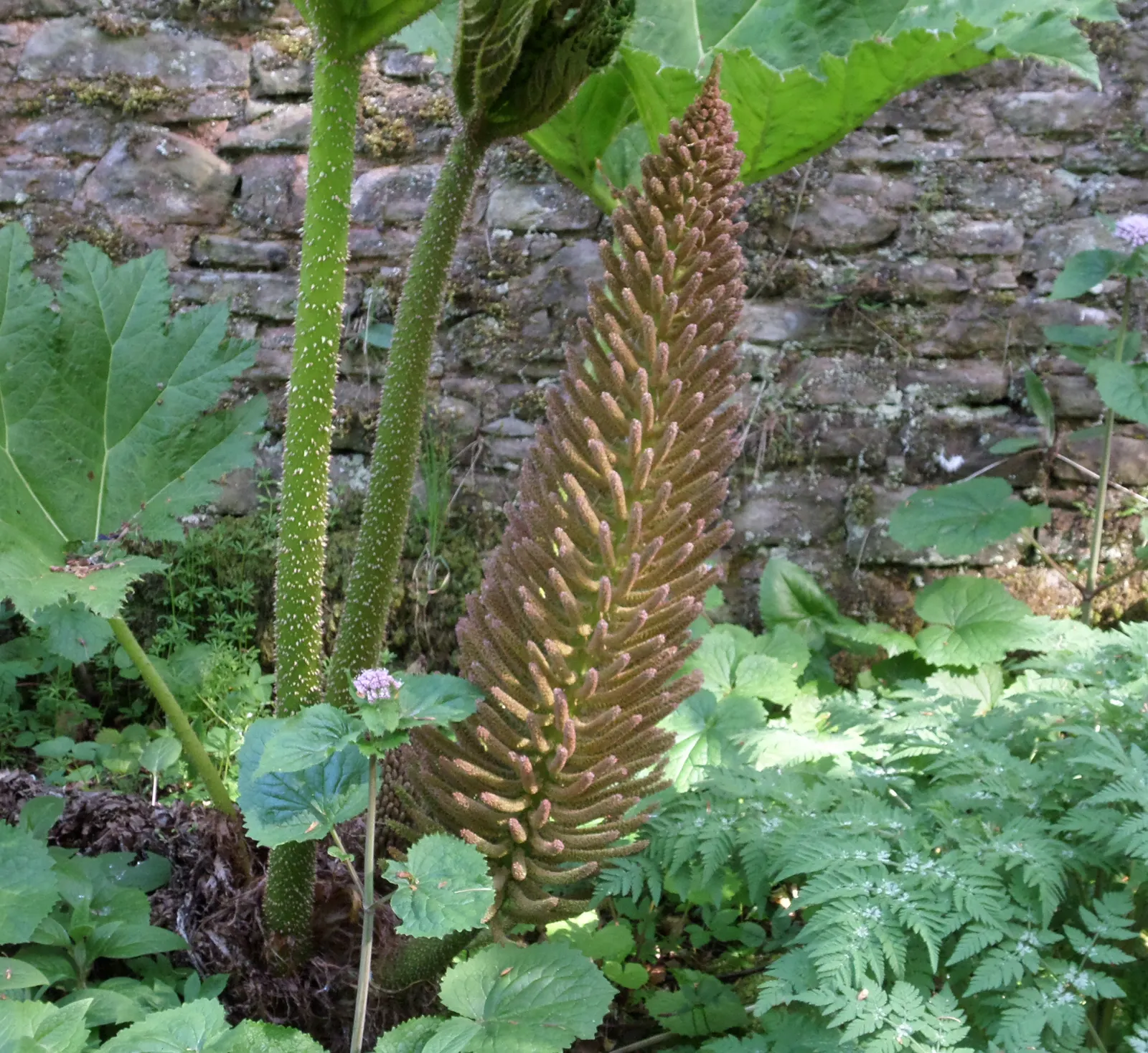
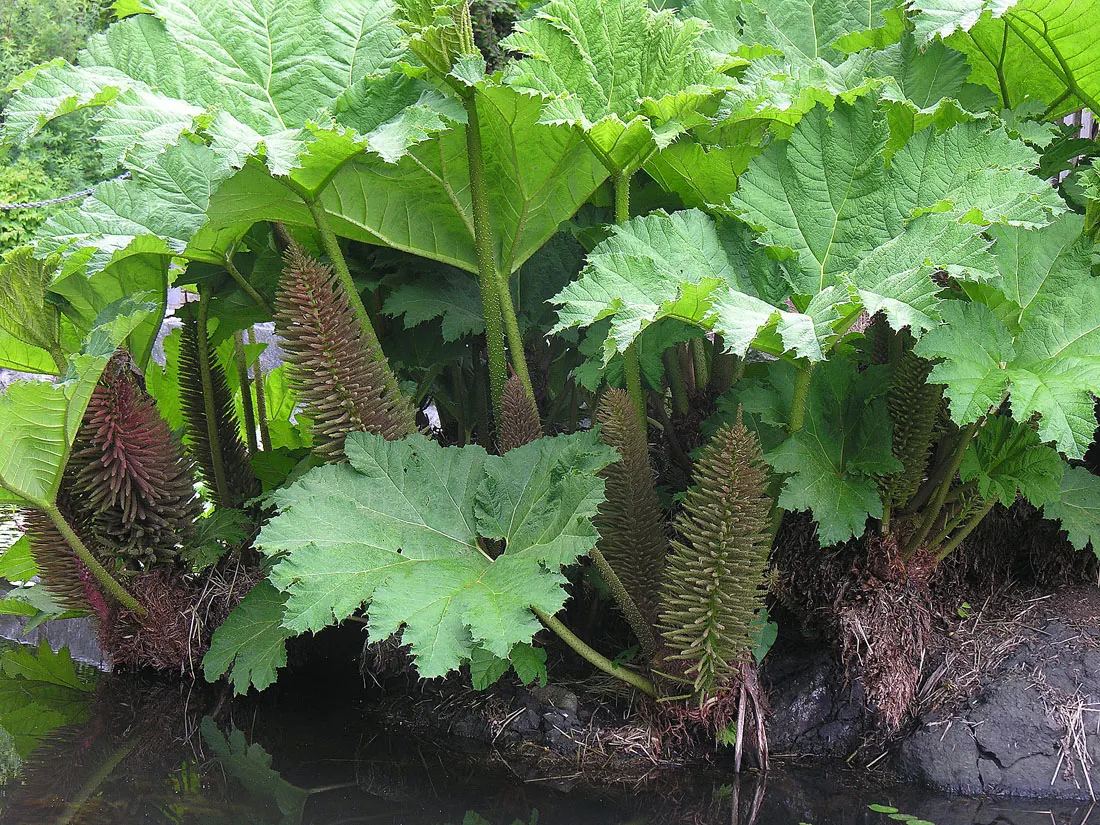
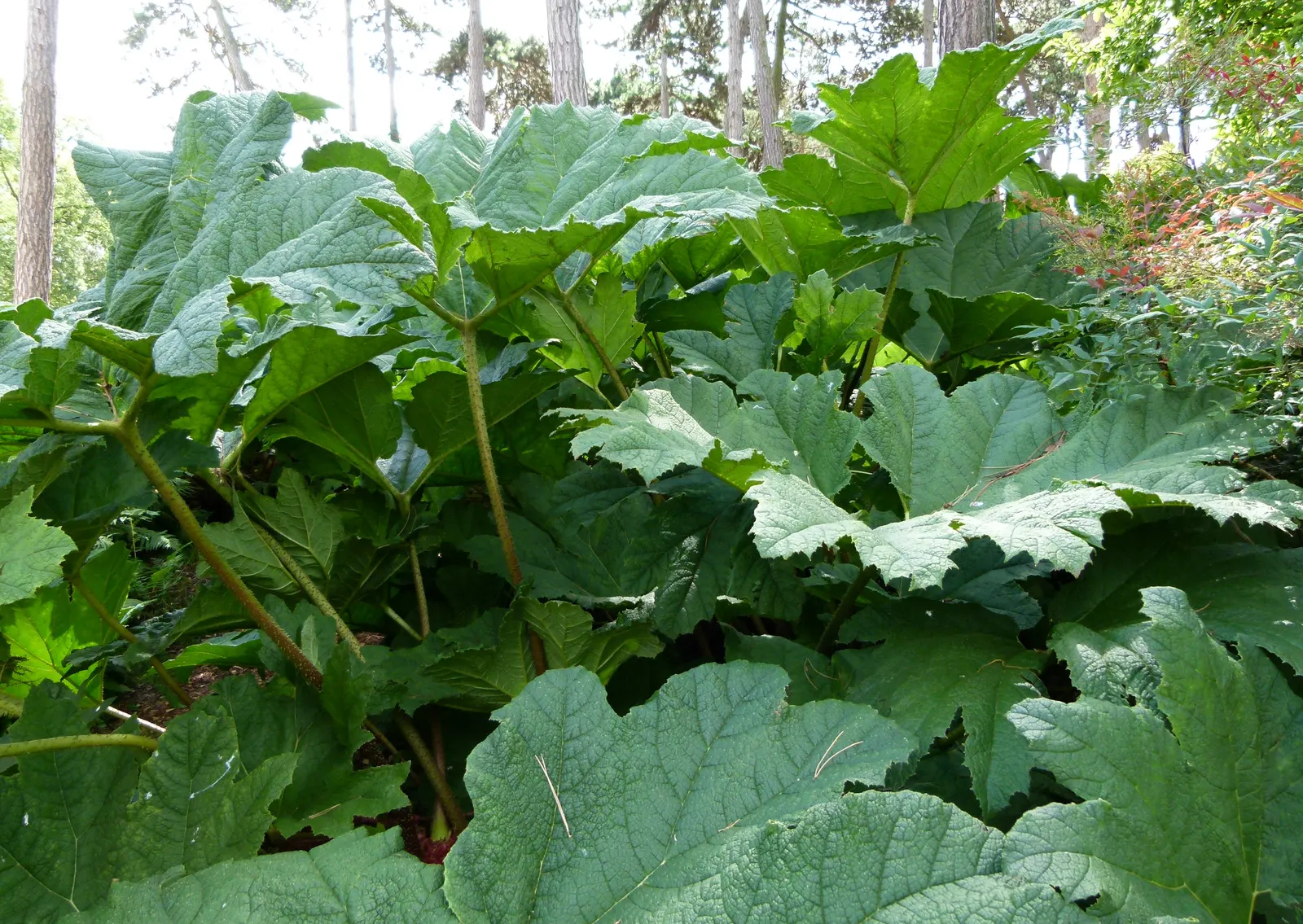
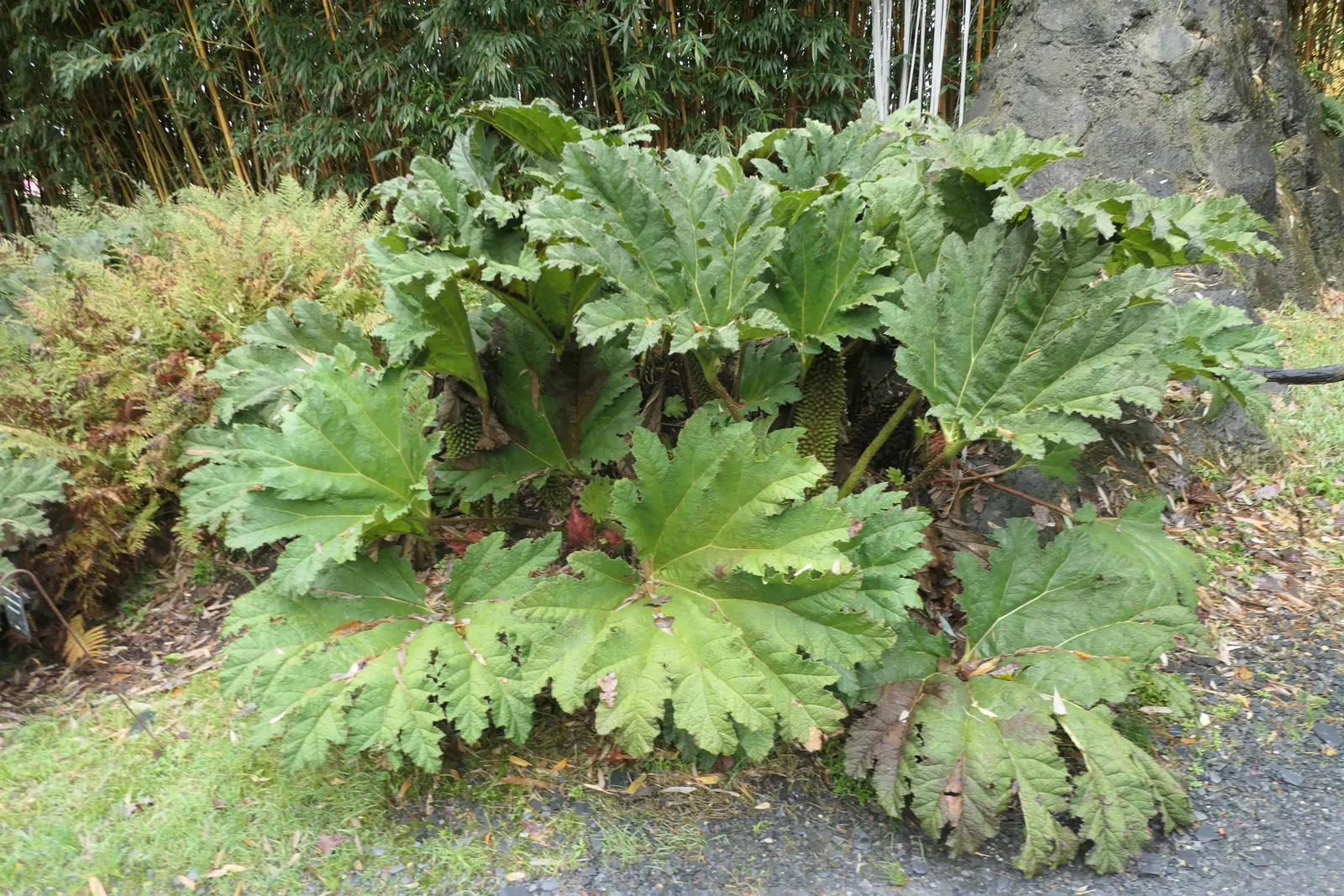
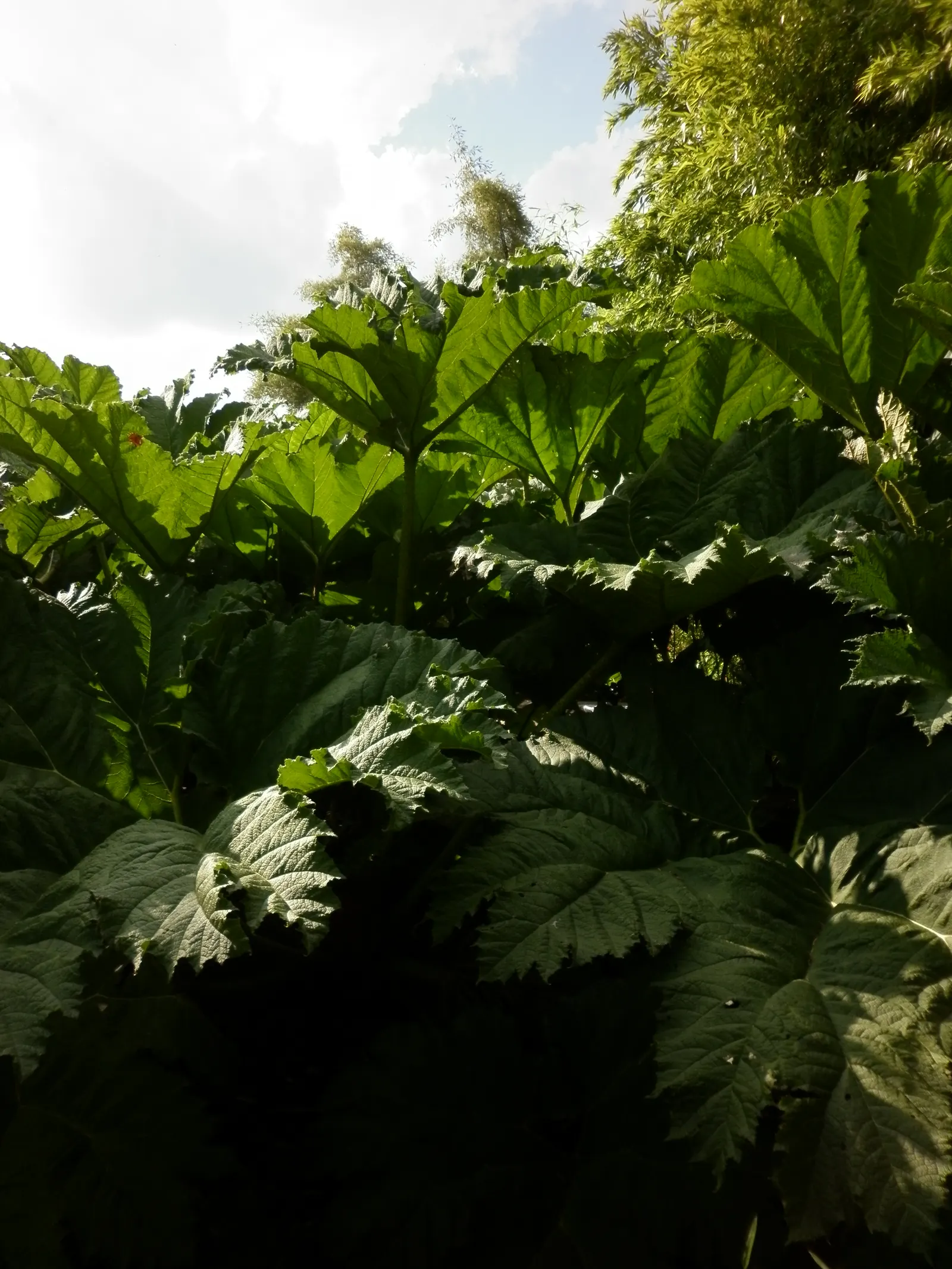
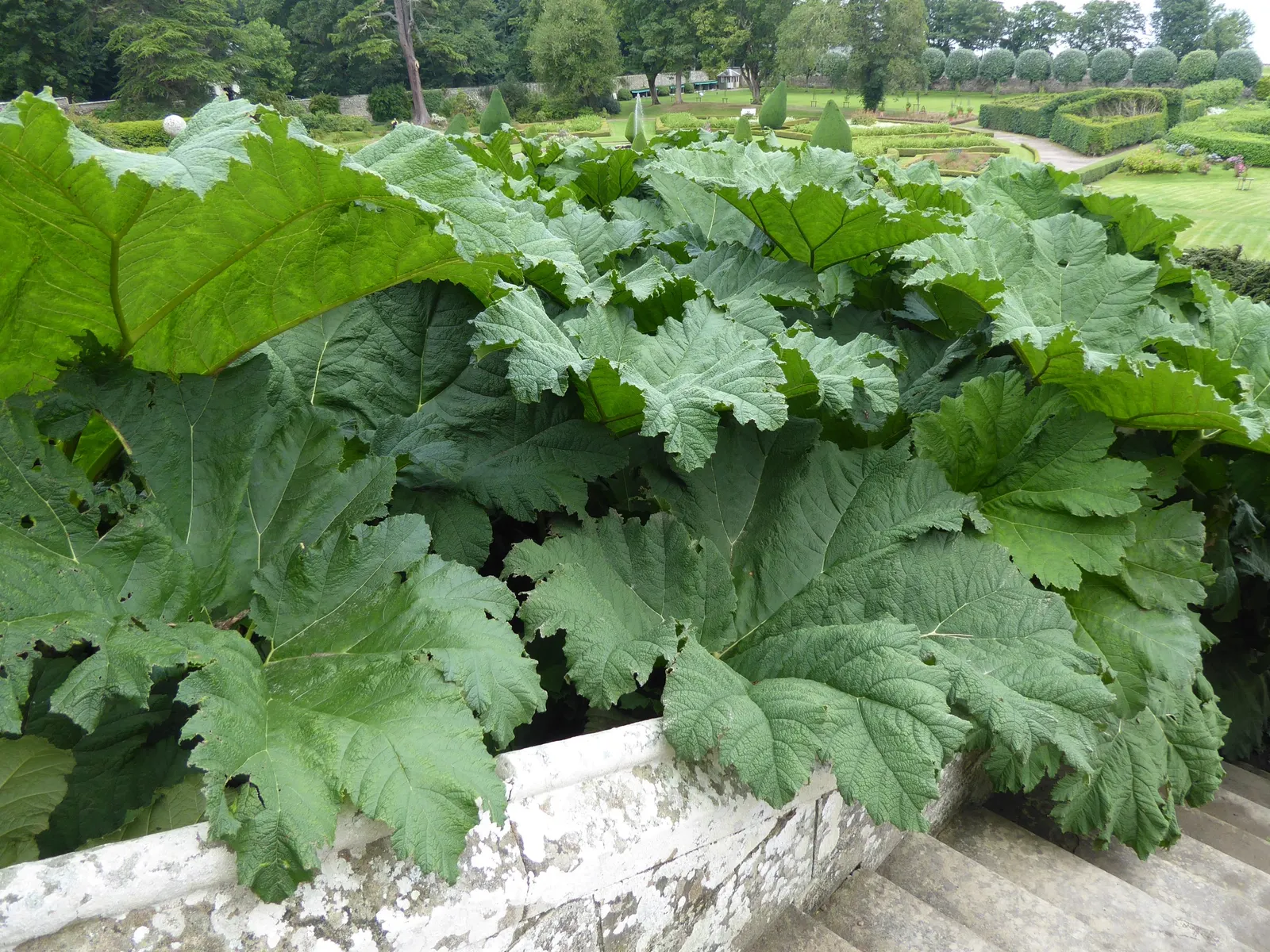
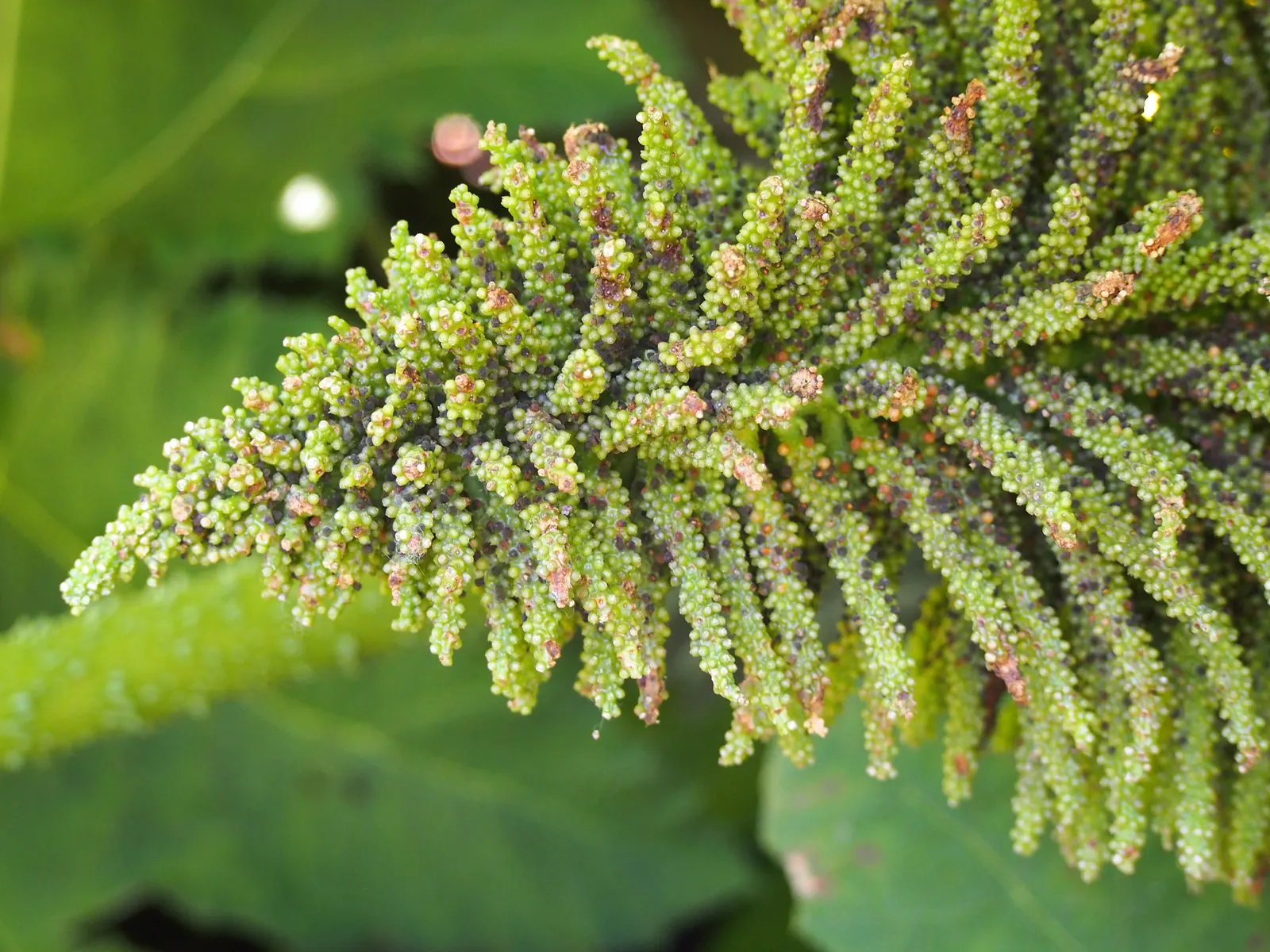
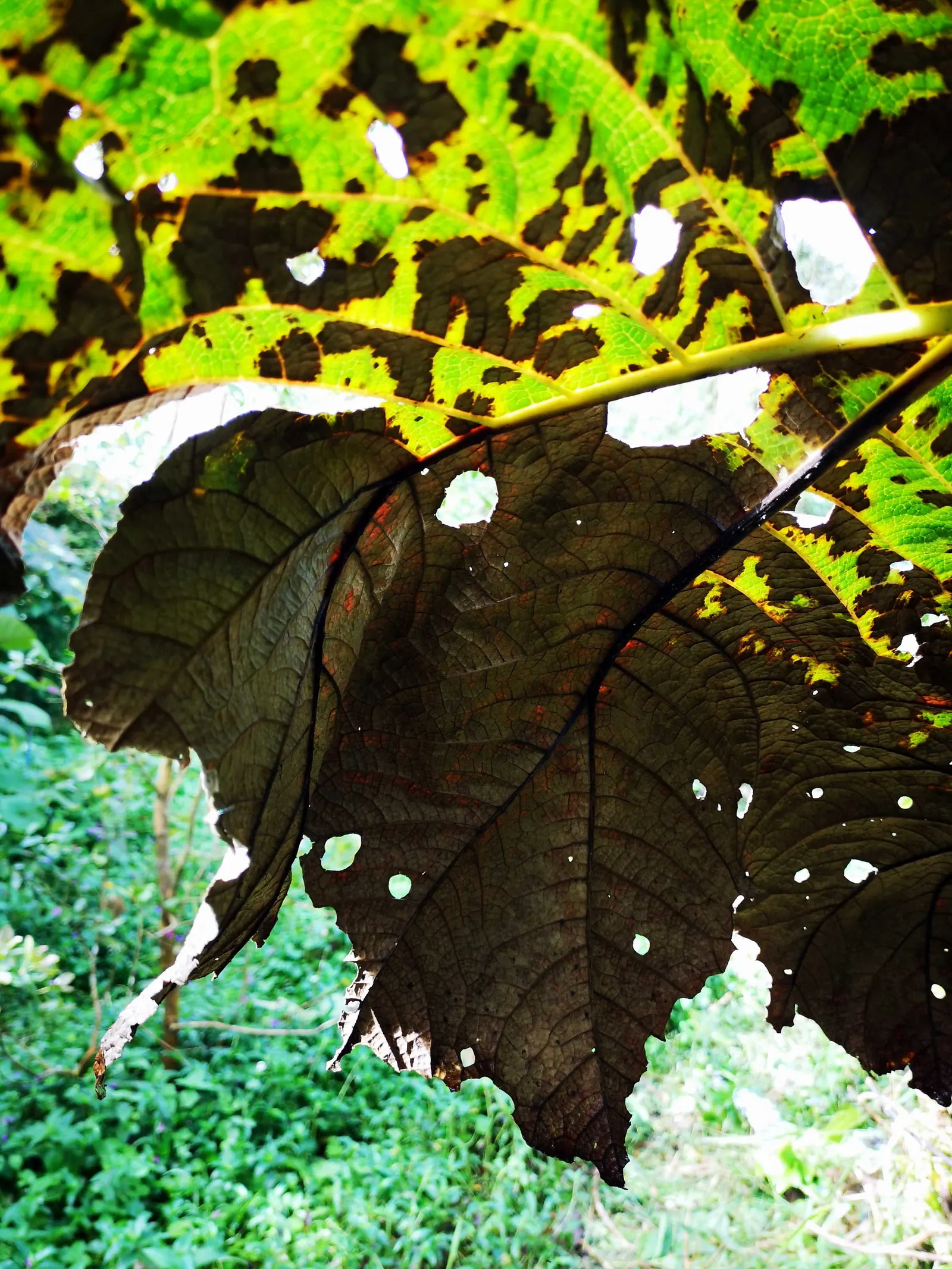
Photographs by 17 contributors
- Dezidor, CC BY 2.5 · source
- Tsaag Valren, CC BY-SA 4.0 · source
- Kate Jewell, CC BY-SA 2.0 · source
- Naturpuur, CC BY 4.0 · source
- Salicyna, CC BY-SA 4.0 · source
- AvLieshout, CC BY-SA 4.0 · source
- Evelyn Simak, CC BY-SA 2.0 · source
- Spider.Dog from United Kingdom, CC BY 2.0 · source
- Oceancetaceen Alice Chodura, CC BY-SA 3.0 · source
- Syrio, CC BY-SA 4.0 · source
- Mike Peel ( www.mikepeel.net )., CC BY-SA 4.0 · source
- H. Zell, CC BY-SA 3.0 · source
- Rosser1954, CC BY-SA 4.0 · source
- Dick Culbert from Gibsons, B.C., Canada, CC BY 2.0 · source
- Karbohut, CC BY-SA 4.0 · source
- Agnieszka Kwiecień, Nova, CC BY-SA 4.0 · source
- Julián Monge-Nájera, CC BY-SA 4.0 · source
Related plants
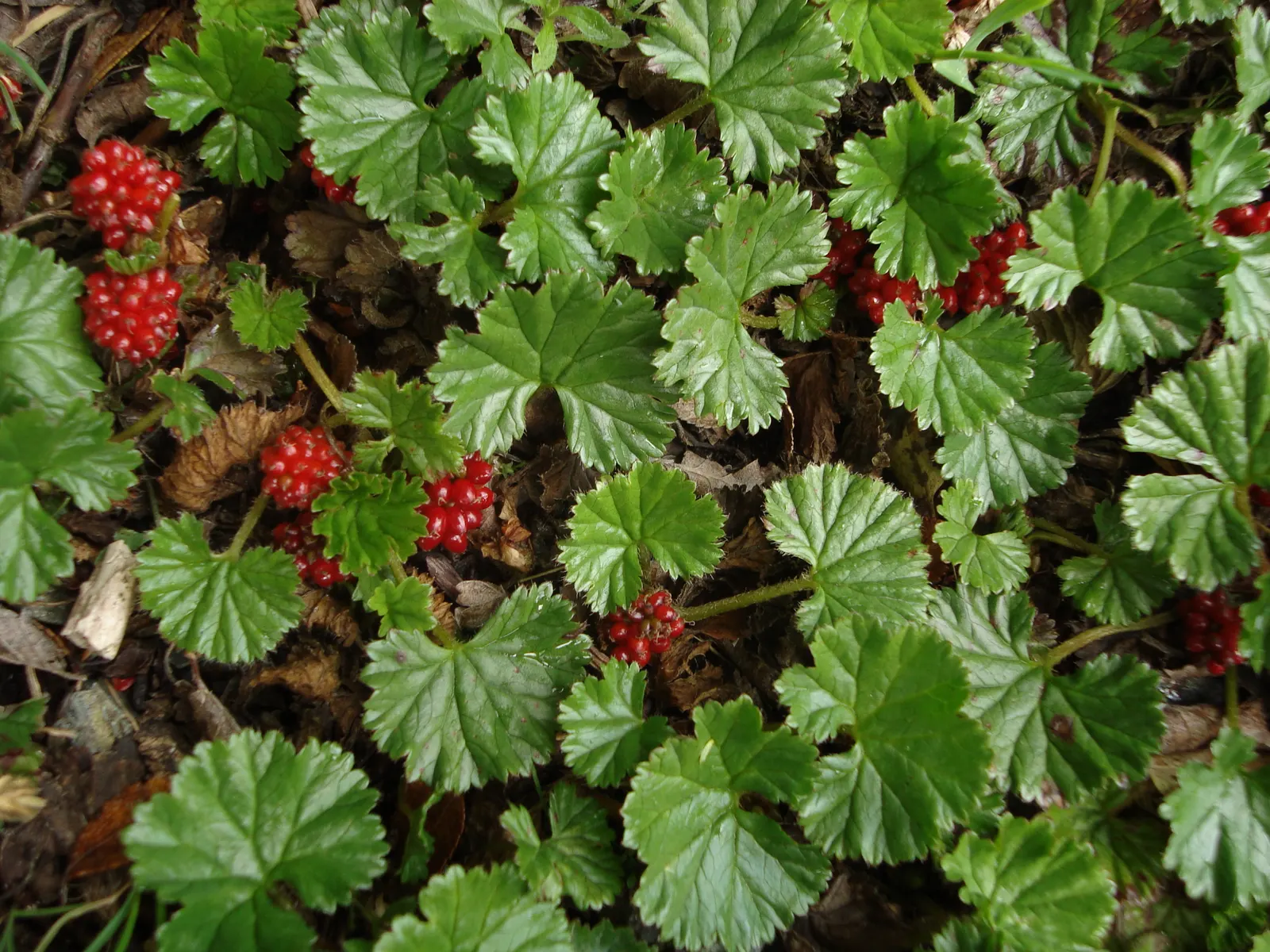
Aquatic
Chilean Gunnera, Dinosaur Food
Gunnera Tinctoria
HalfUSDA 8–11
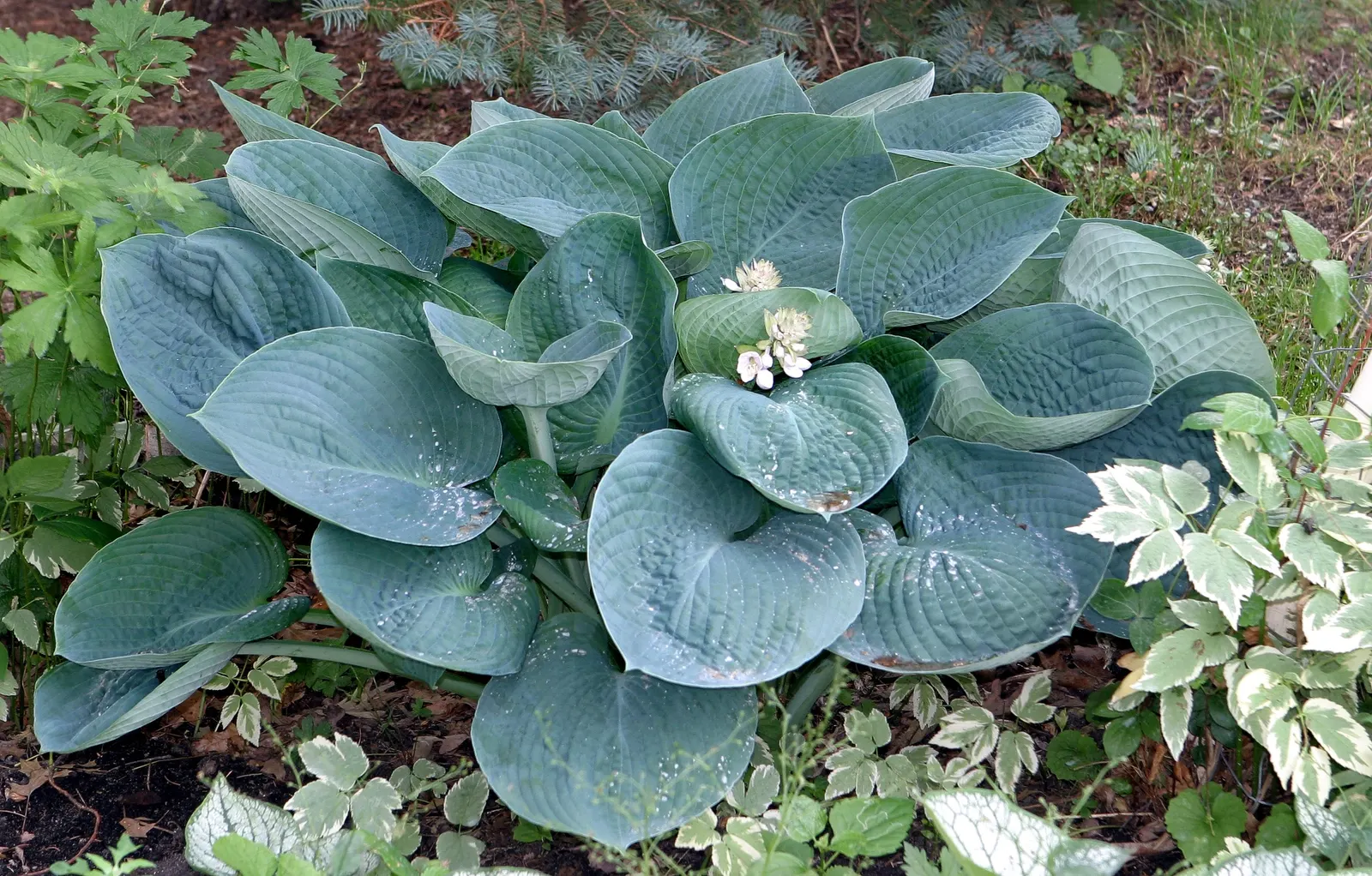
Ground cover
Abiqua Drinking Gourd Hosta
Hosta 'Abiqua Drinking Gourd'
Deep ShadeUSDA 3–9
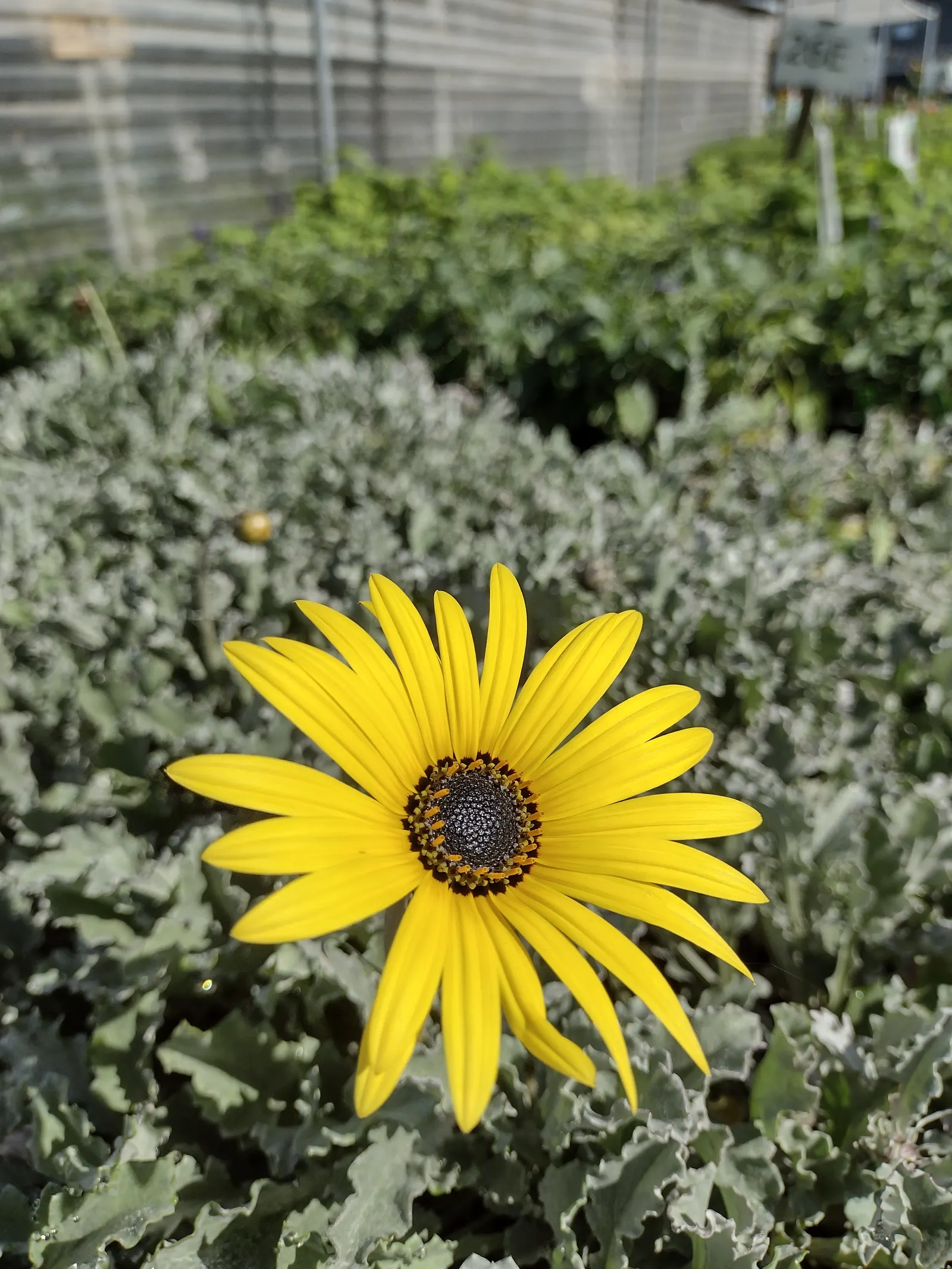
Ground cover
African Daisy
Arctotis Hybrids
FullUSDA 8–10
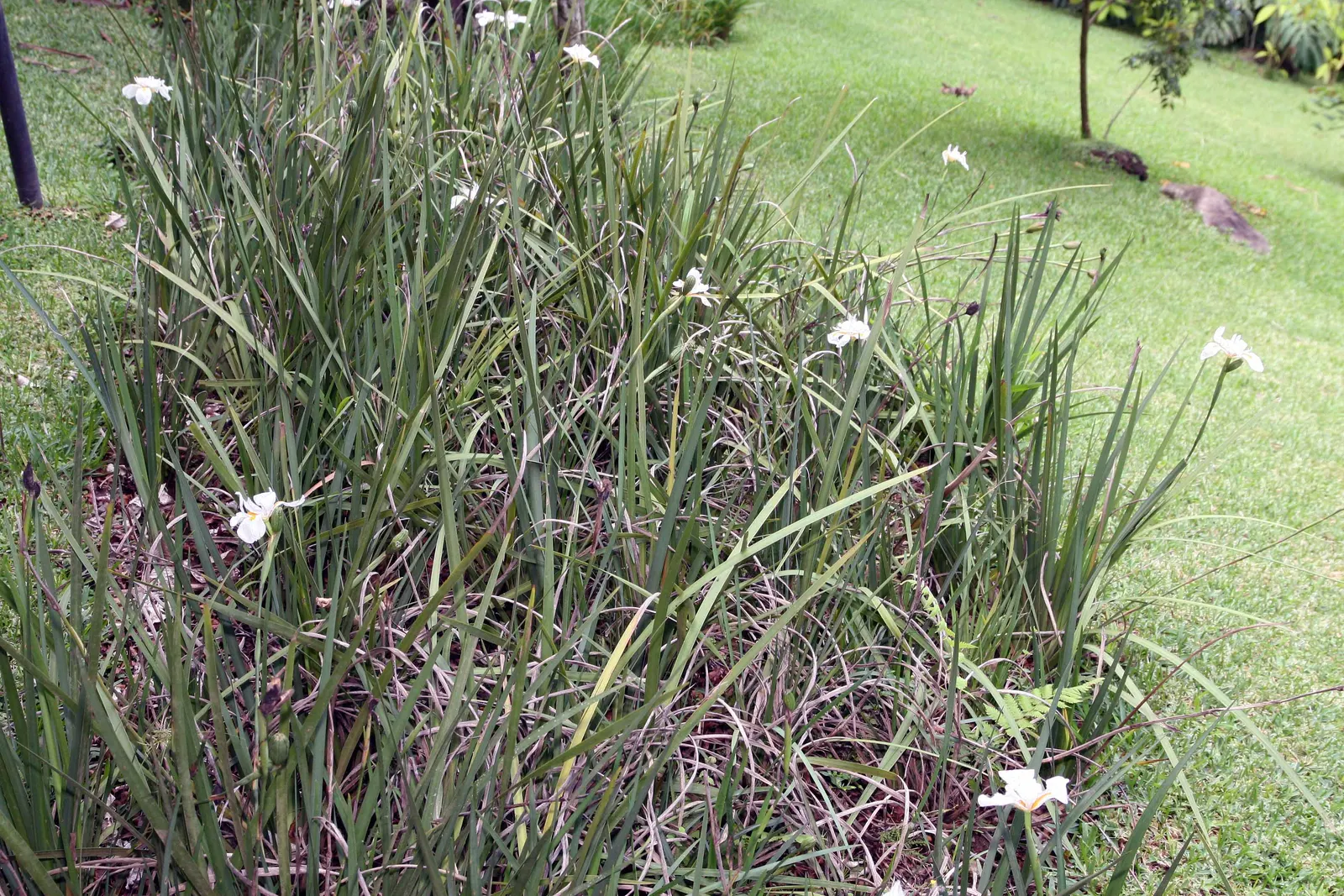
Perennial
African Iris
Dietes Iridioides
FullUSDA 3–11
Perennial
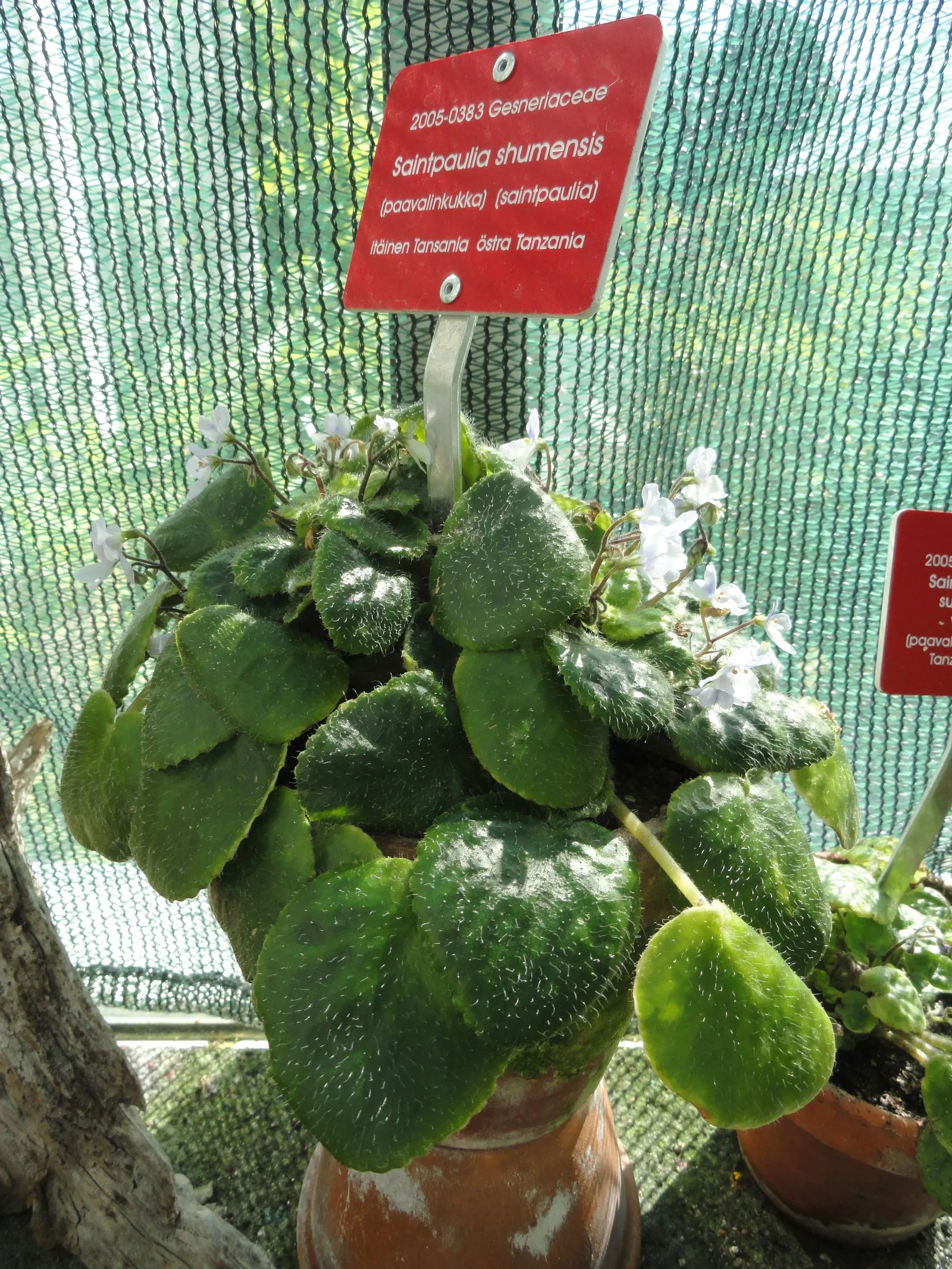
African Violet
Saintpaulia Ionantha
FullUSDA 9–11
Perennial
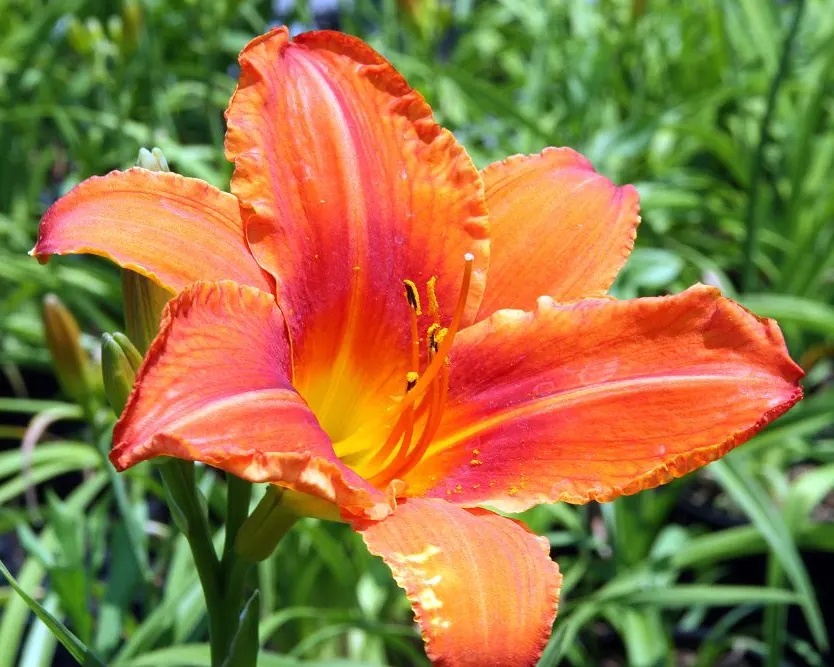
Alabama Jubilee Daylily
Hemerocallis 'Alabama Jubilee'
FullUSDA 5–11