Skip to content

Honey Locust

Gleditsia Triacanthos Inermis

Design with this plant

Overview

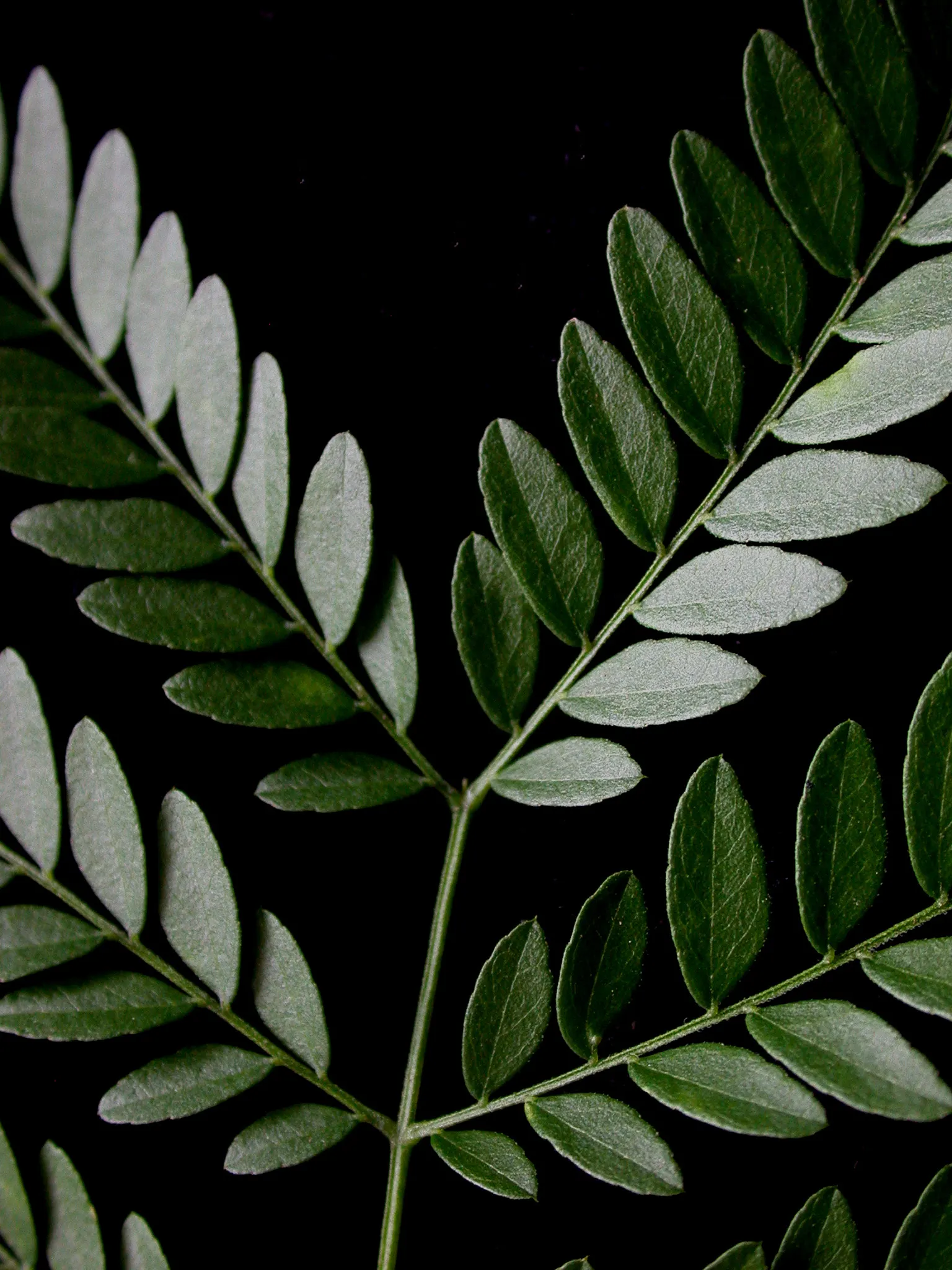
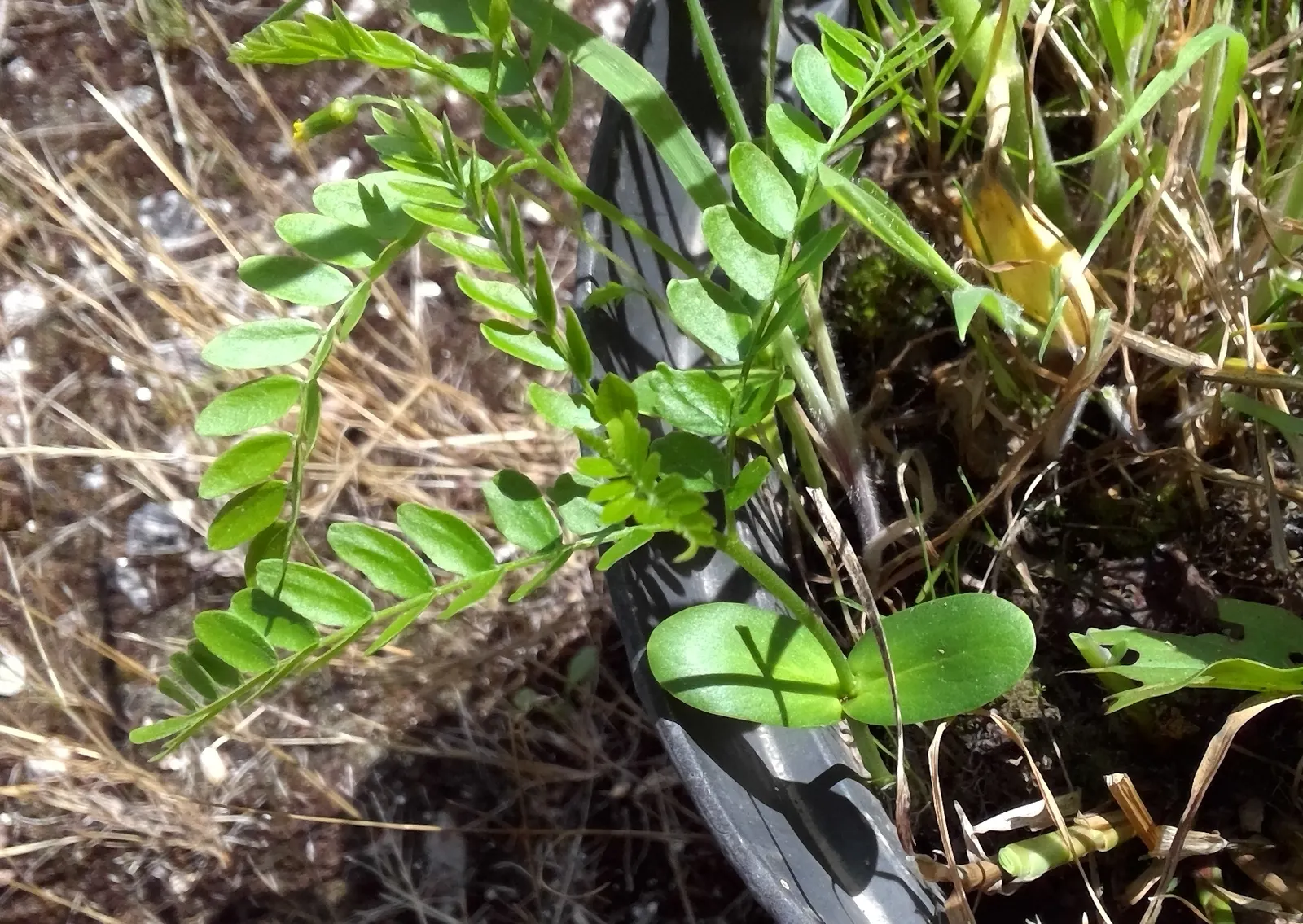
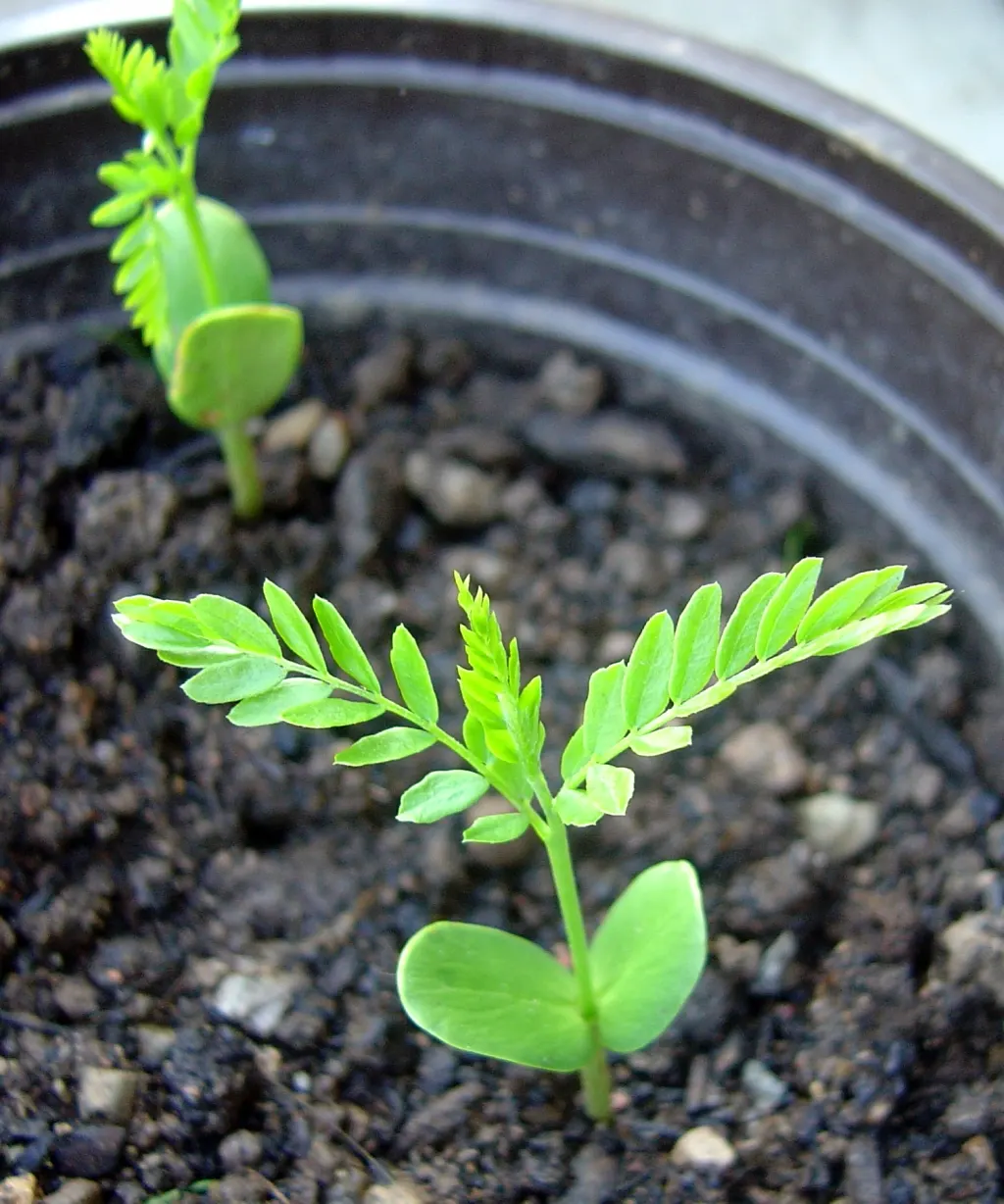
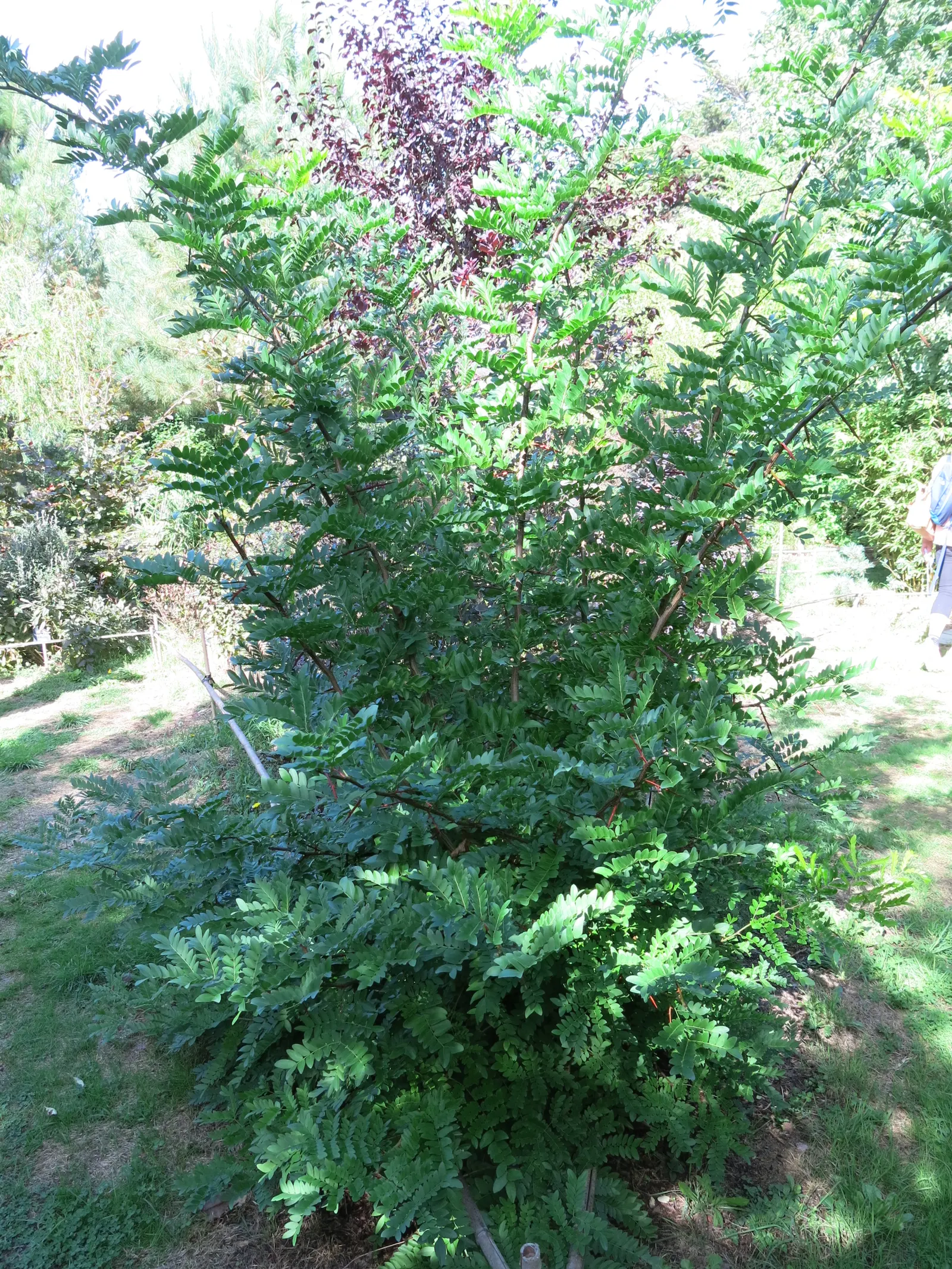
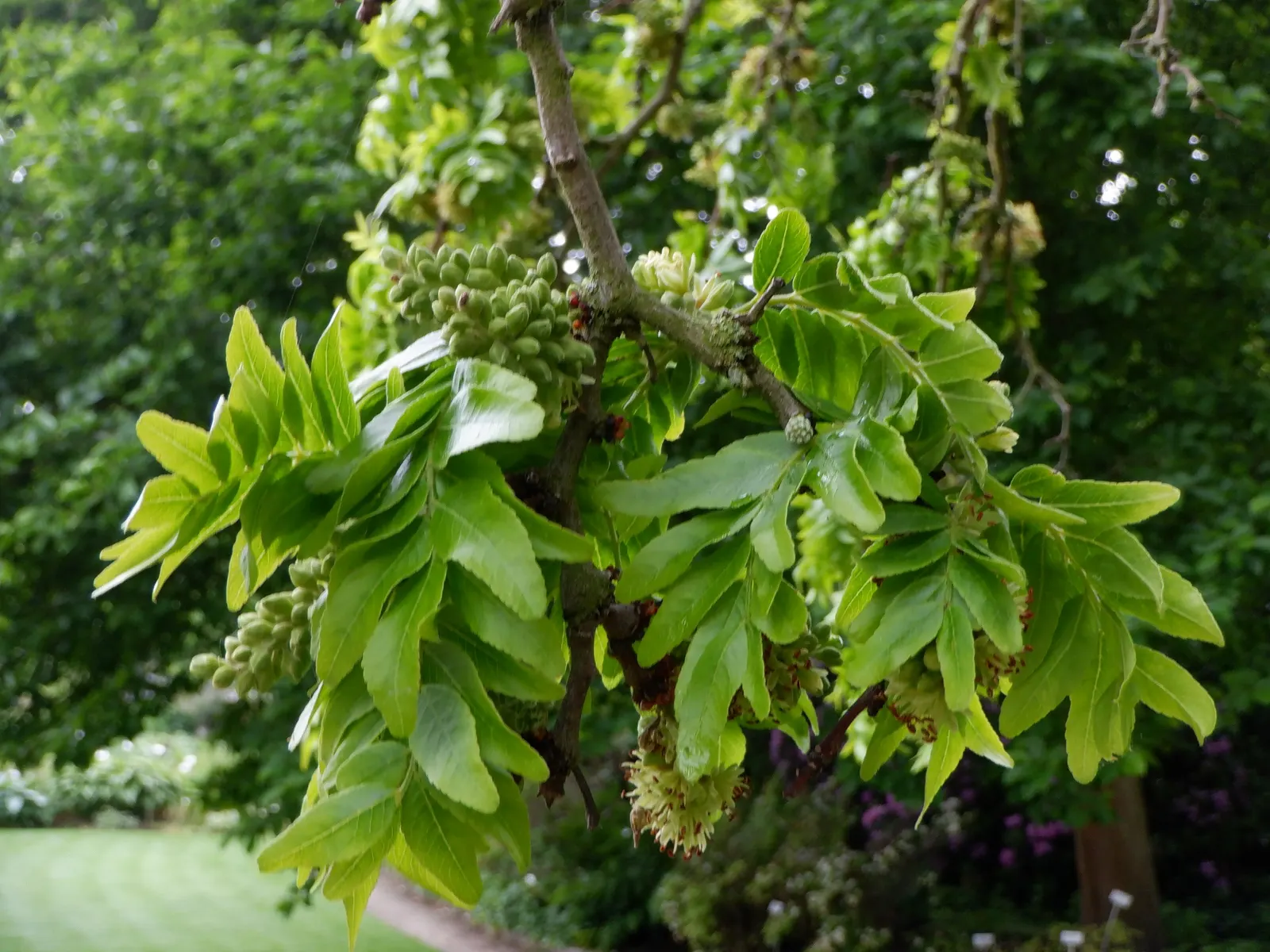
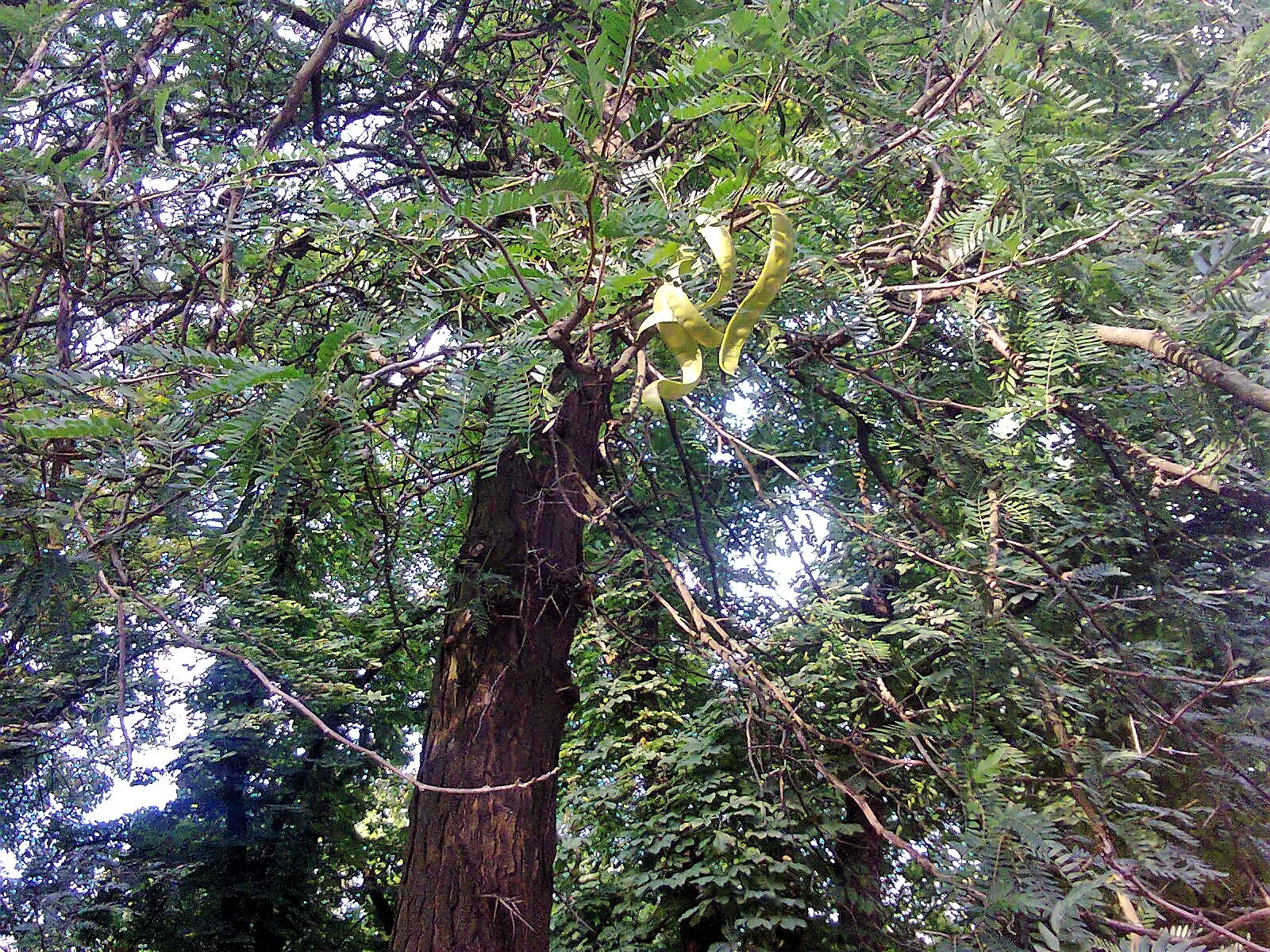
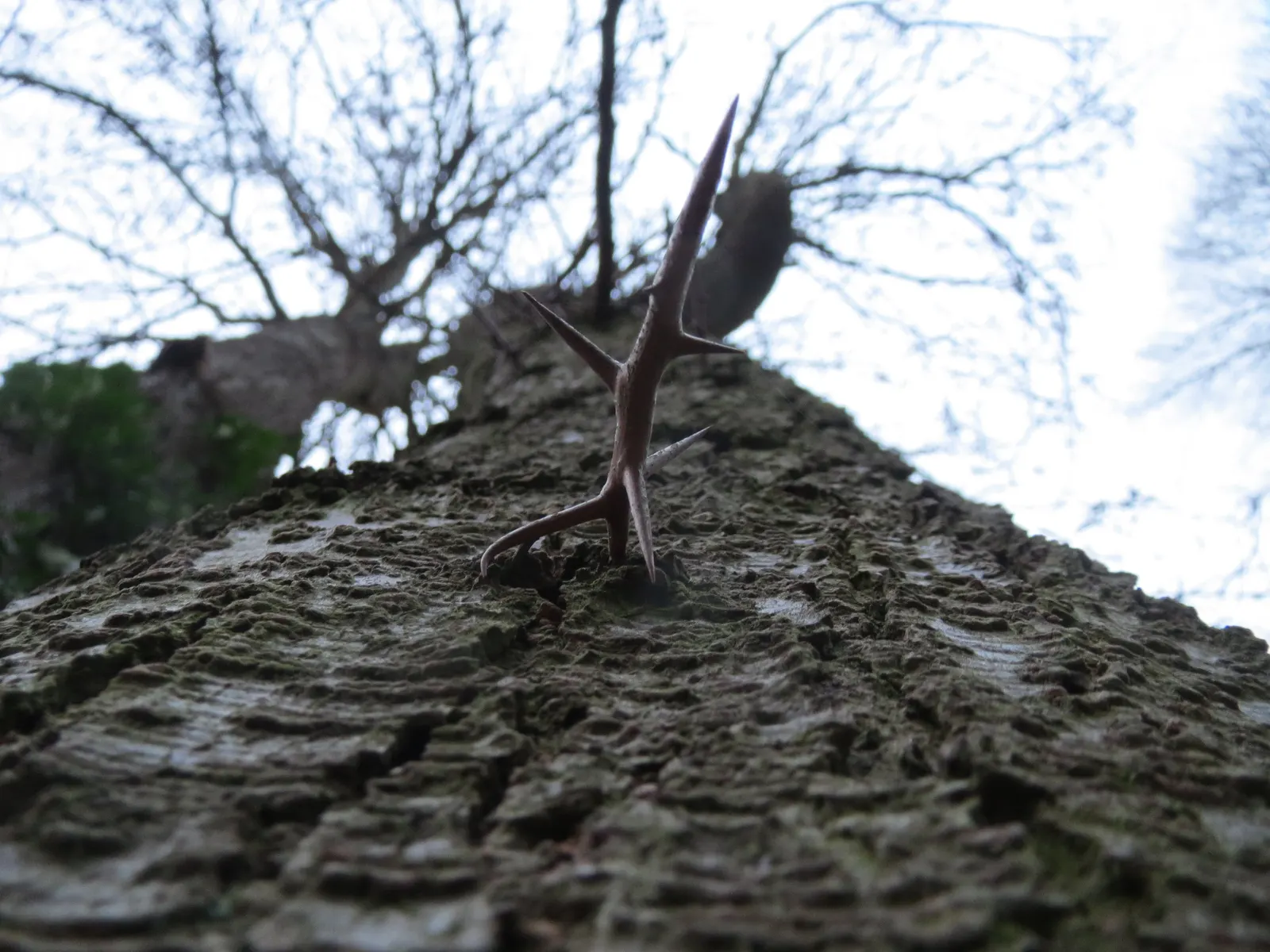
The Honey Locust, 'Gleditsia triacanthos inermis,' is a fast-growing deciduous tree reaching 30-70 feet tall, yielding a delicate, open canopy of fine, feathery foliage. This low-maintenance species thrives in full sun and tolerates various soil types. It boasts small leaflets that create dappled shade and is generally thornless, featuring fragrant spring flowers and twisty seed pods in fall, offering seasonal interest in residential or urban landscapes.

Sun Full, HalfWater Low, Very LowZones 3–10
Honey Locust (Gleditsia Triacanthos Inermis) — This low-maintenance species thrives in full sun and tolerates various soil types

Culture

Sun
Full, Half
Water
Low, Very Low
USDA zones
3–10

Shape & size

Classification

Family
Fabaceae

See full data, regional cultivation notes, full-resolution photos, and design tools. Build a client presentation around this plant.

Start your 14-day trial

Photos (111)

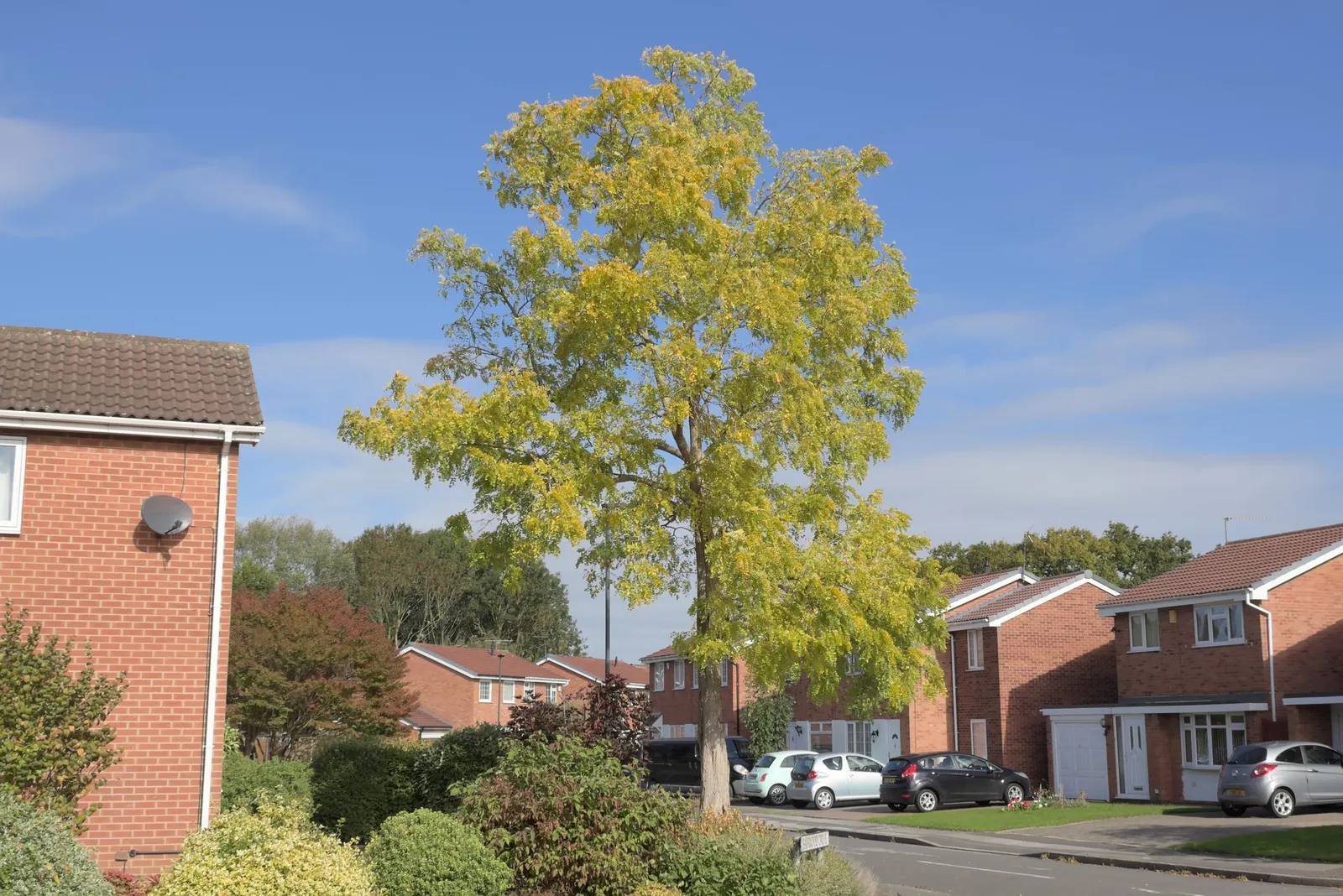
Honey Locust (Gleditsia Triacanthos Inermis) — the tree requires minimal care; the tree reaches a mature height of 30 to 70 feet
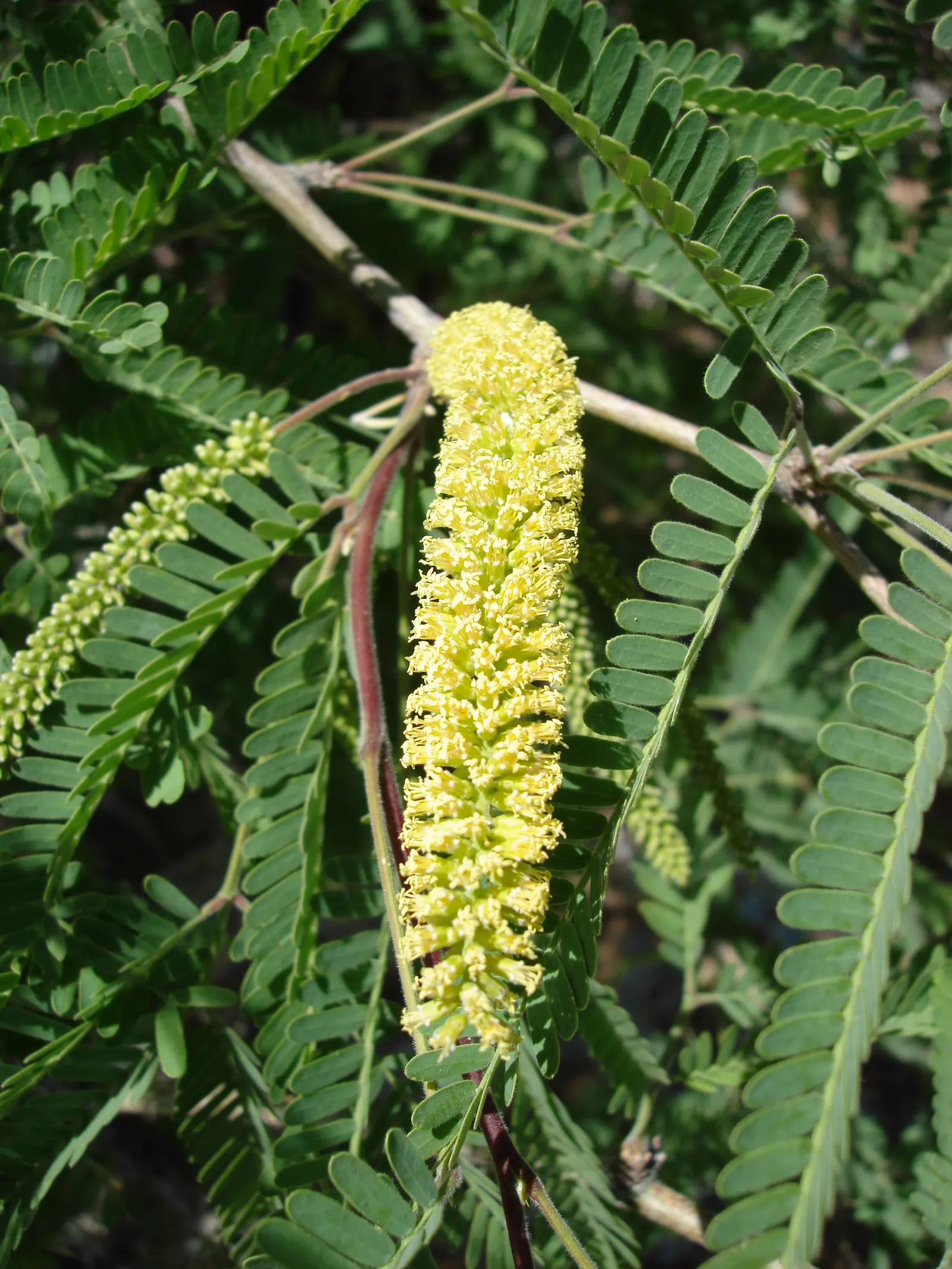
Honey Locust (Gleditsia Triacanthos Inermis) — greenish-yellow flowers bloom in late spring; this low-maintenance species thrives in full sun and tolerates
Honey Locust (Gleditsia Triacanthos Inermis) — but it thrives in full sun to partial shade; tree for full or half
Honey Locust (Gleditsia Triacanthos Inermis) — Notable for its drought tolerance once established; is a popular deciduous tree known for its distinct
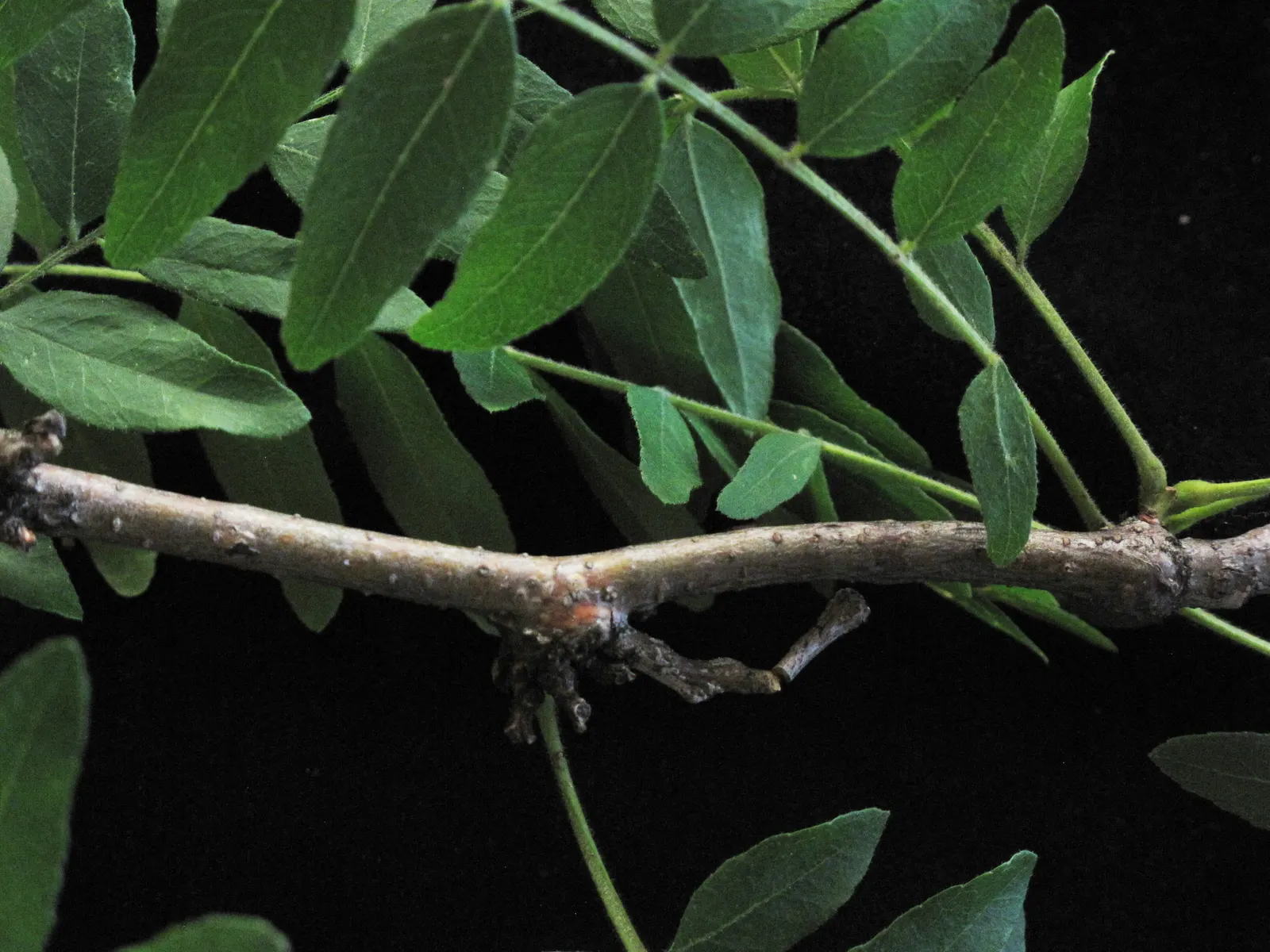
Honey Locust (Gleditsia Triacanthos Inermis) — It boasts small leaflets that create dappled shade and is generally thornless; the Honey Locust, image 55
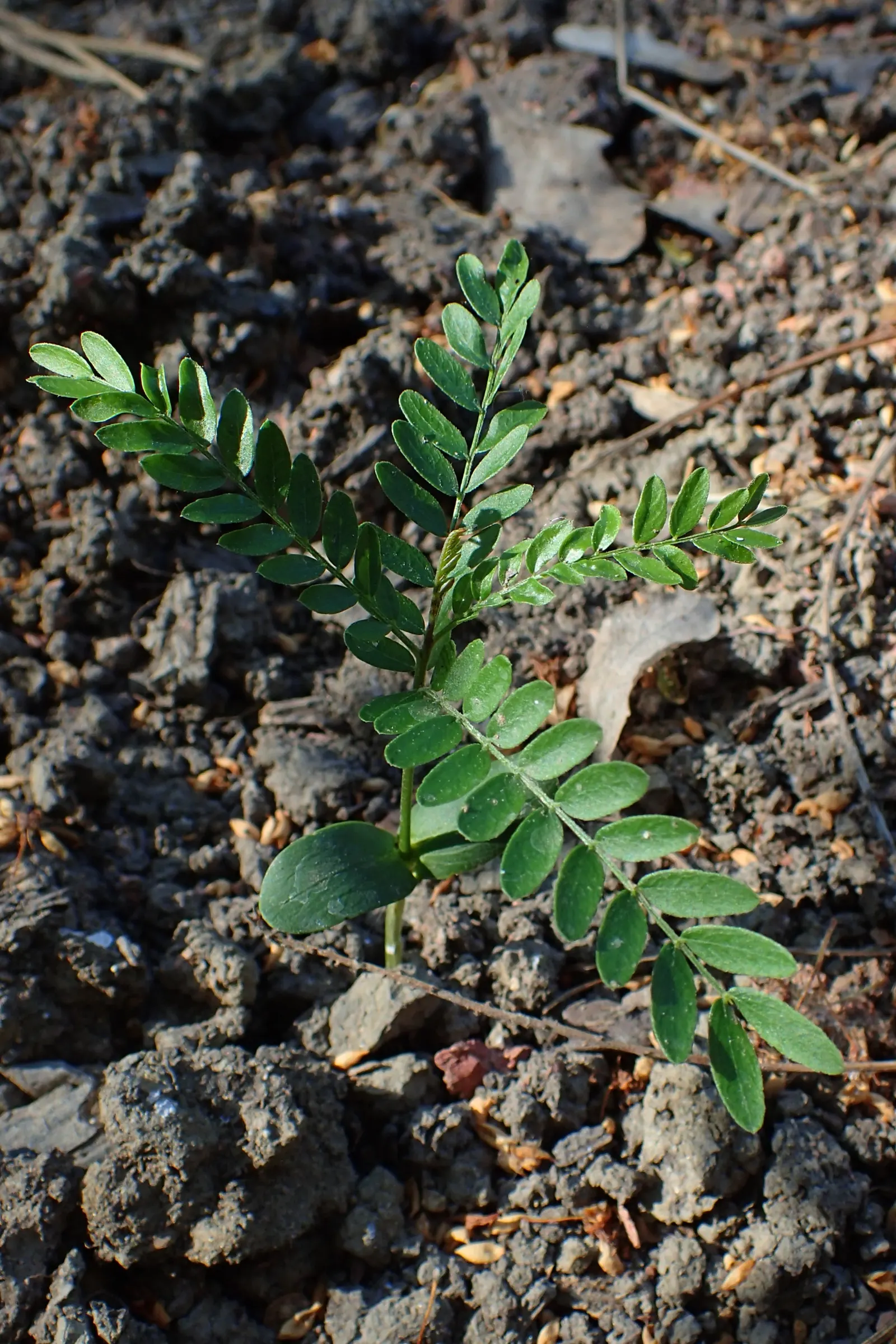
Honey Locust (Gleditsia Triacanthos Inermis) — This low-maintenance species thrives in full sun and tolerates various soil types; turning a, image 54
Honey Locust (Gleditsia Triacanthos Inermis) — open canopy and filtered shade; 'Gleditsia triacanthos inermis,' is a fast-growing deciduous tree, image 60
Honey Locust (Gleditsia Triacanthos Inermis) — is a popular deciduous tree known for its distinct; notable for its drought tolerance once, image 59
Honey Locust (Gleditsia Triacanthos Inermis) — 'Gleditsia triacanthos inermis,' is a fast-growing deciduous tree reaching 30-70 feet tall, image 53
Honey Locust (Gleditsia Triacanthos Inermis) — offering seasonal interest in residential or urban landscapes; scientifically referred to as, image 57
Honey Locust (Gleditsia Triacanthos Inermis) — scientifically referred to as Gleditsia triacanthos inermis; distinguishing it from the species, image 58
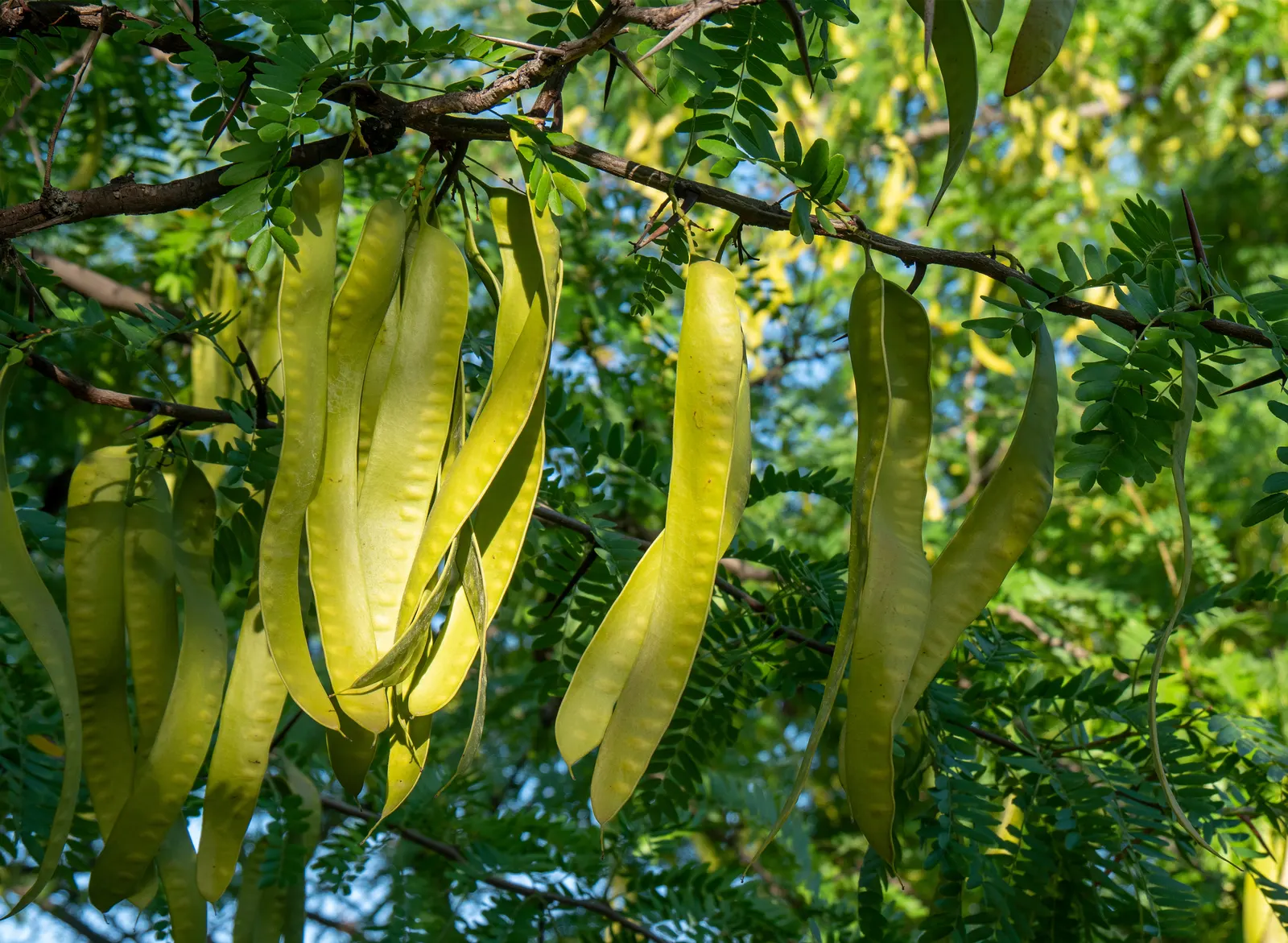
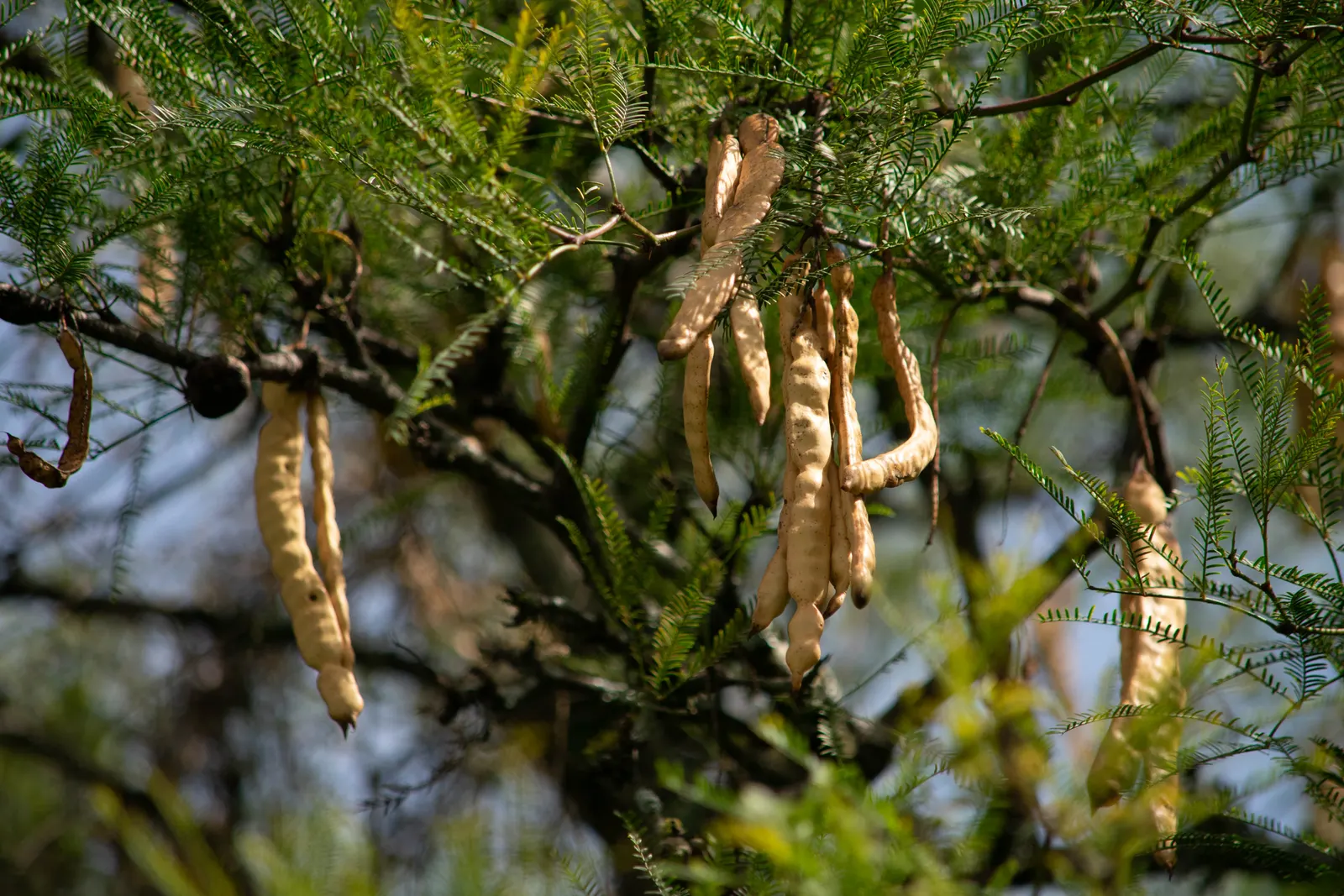
Honey Locust (Gleditsia Triacanthos Inermis) — featuring fragrant spring flowers and twisty seed pods in fall; twisted seed pods in the fall, image 56
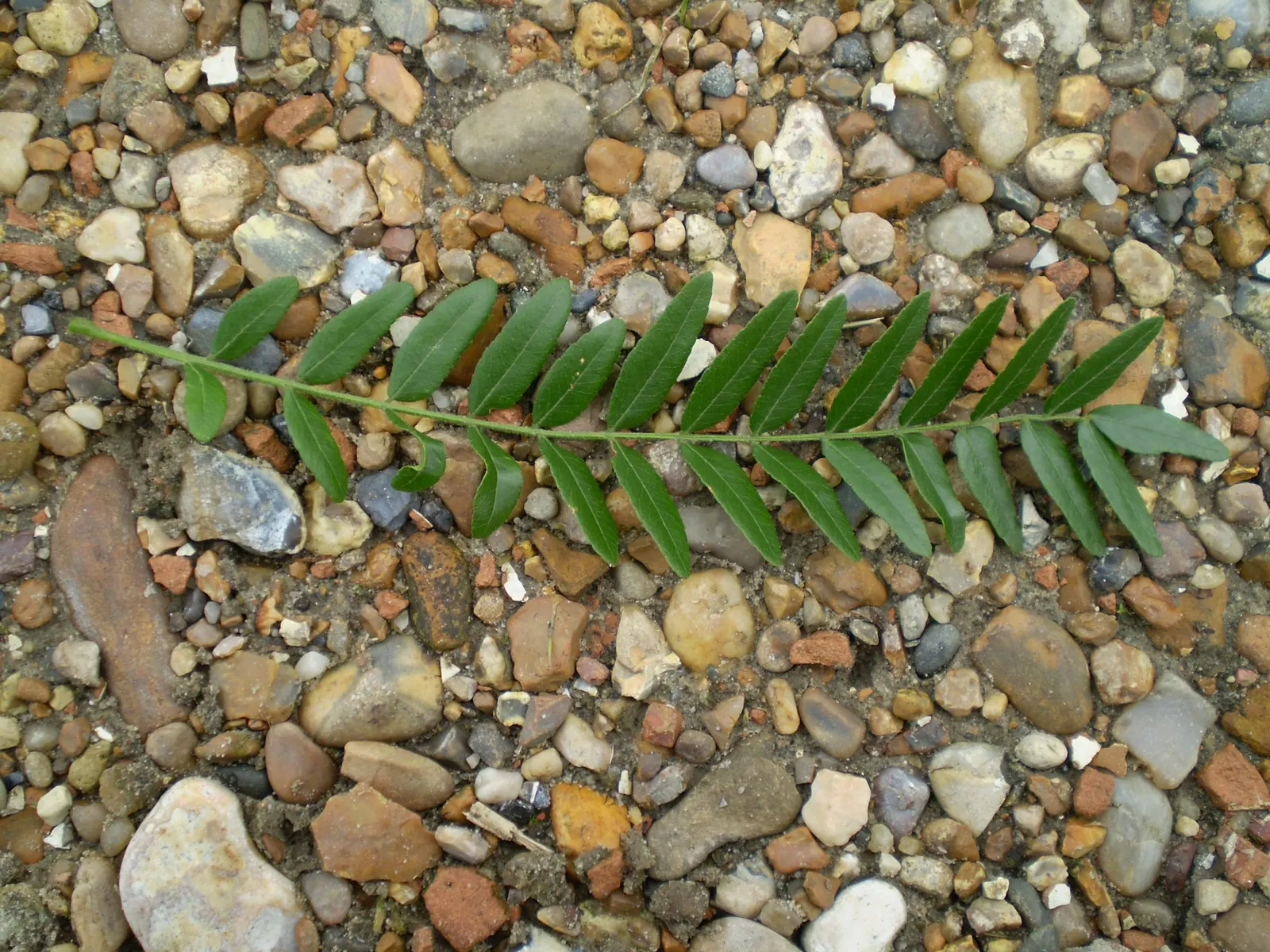
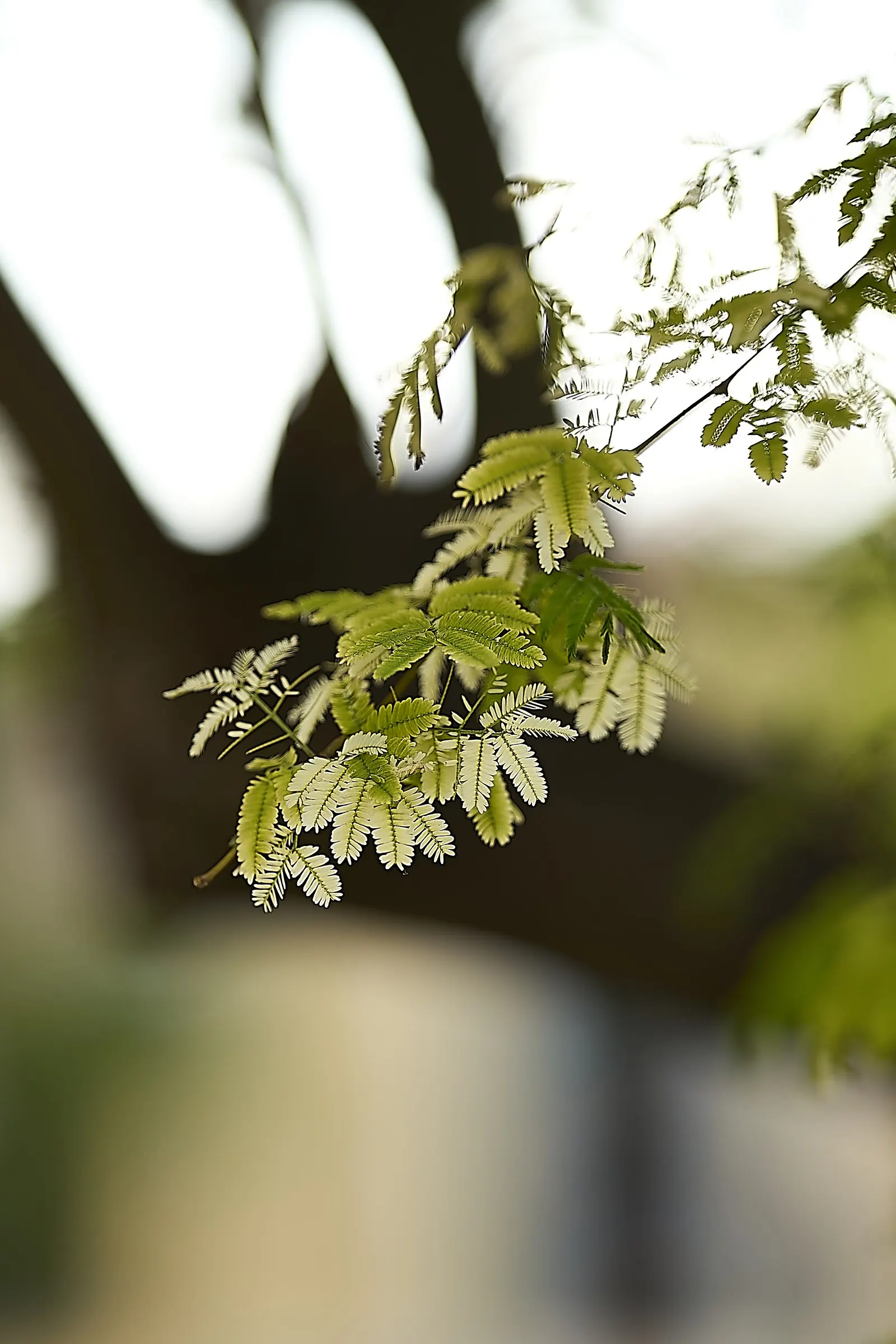
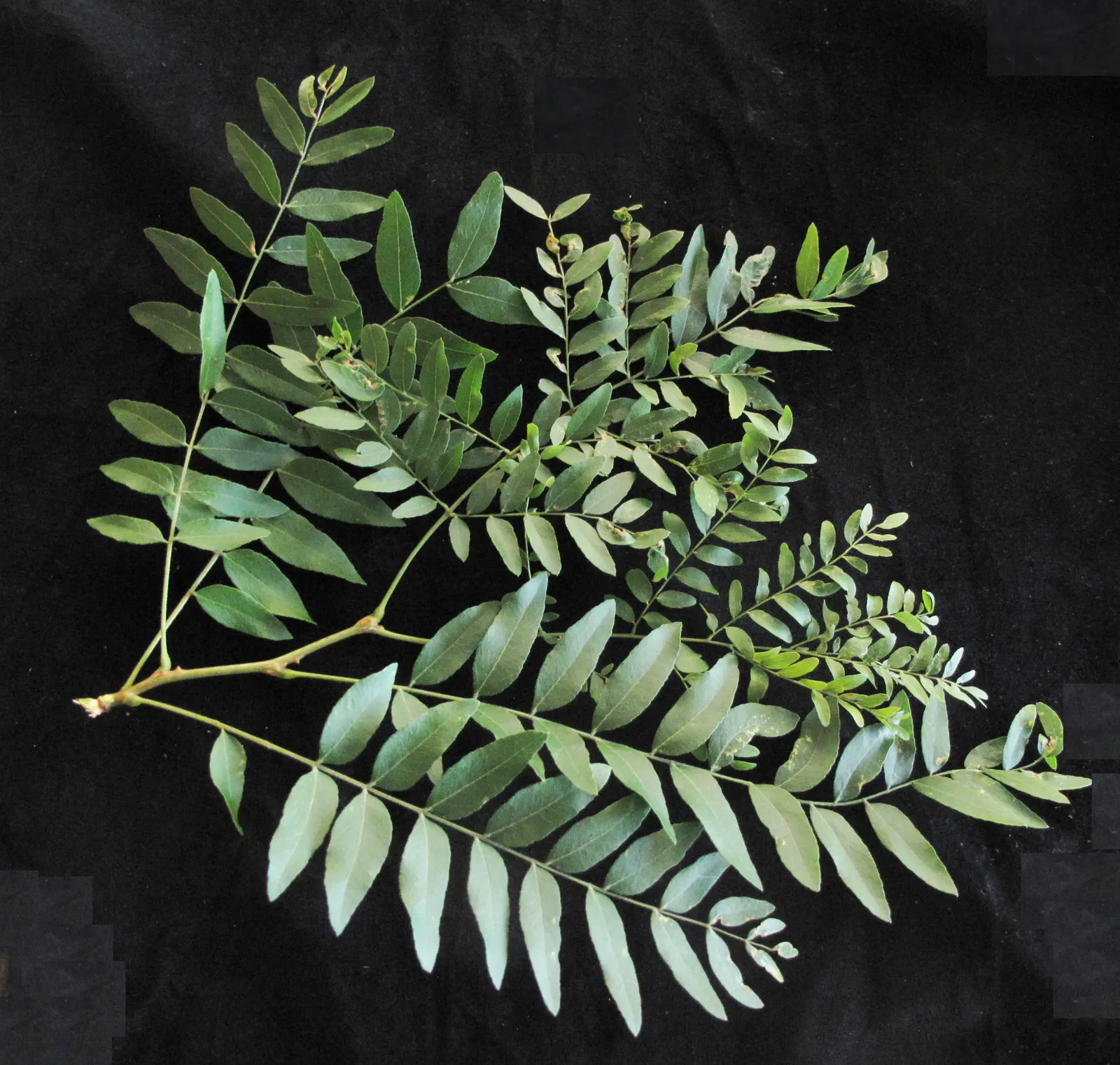
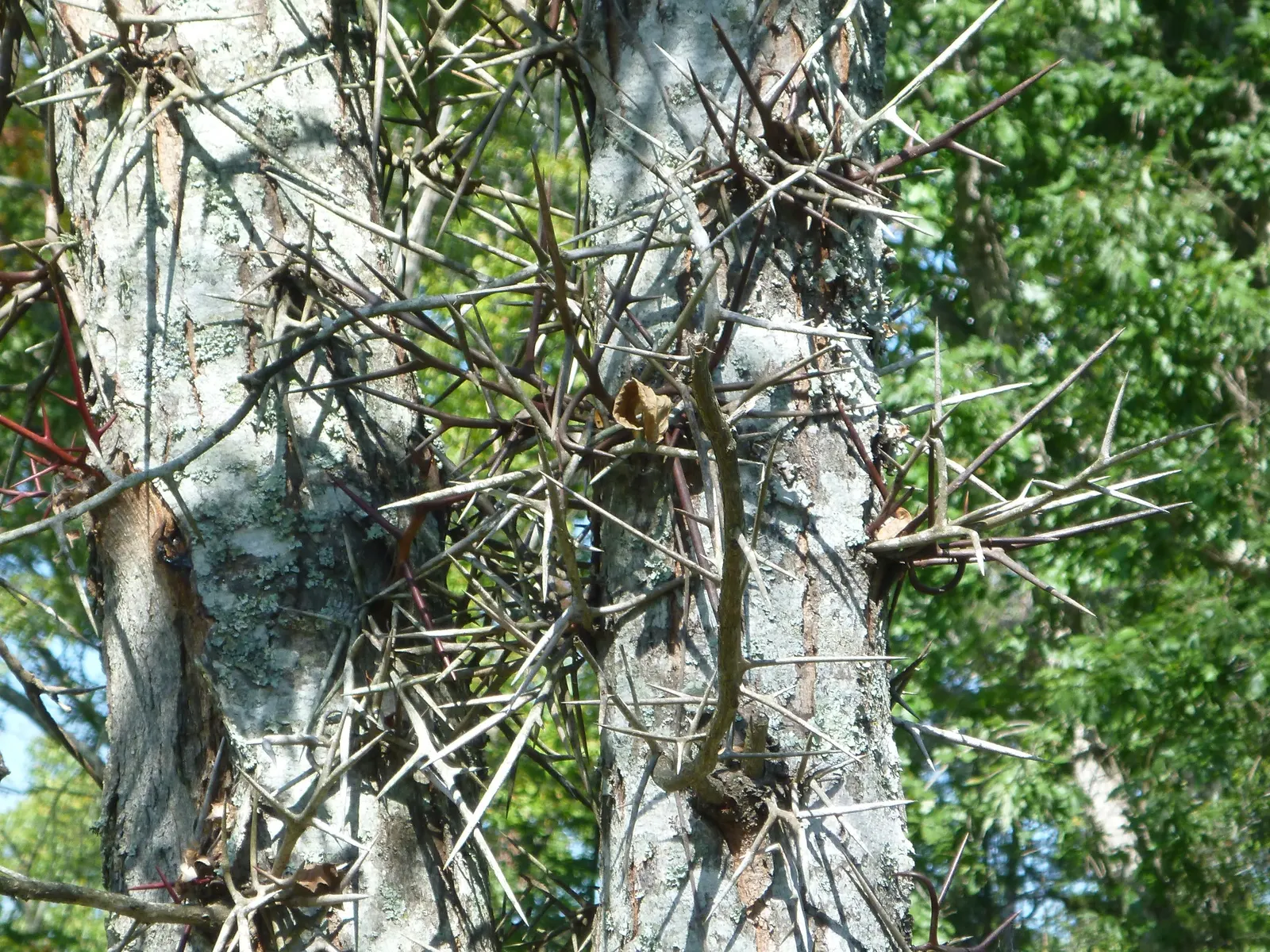
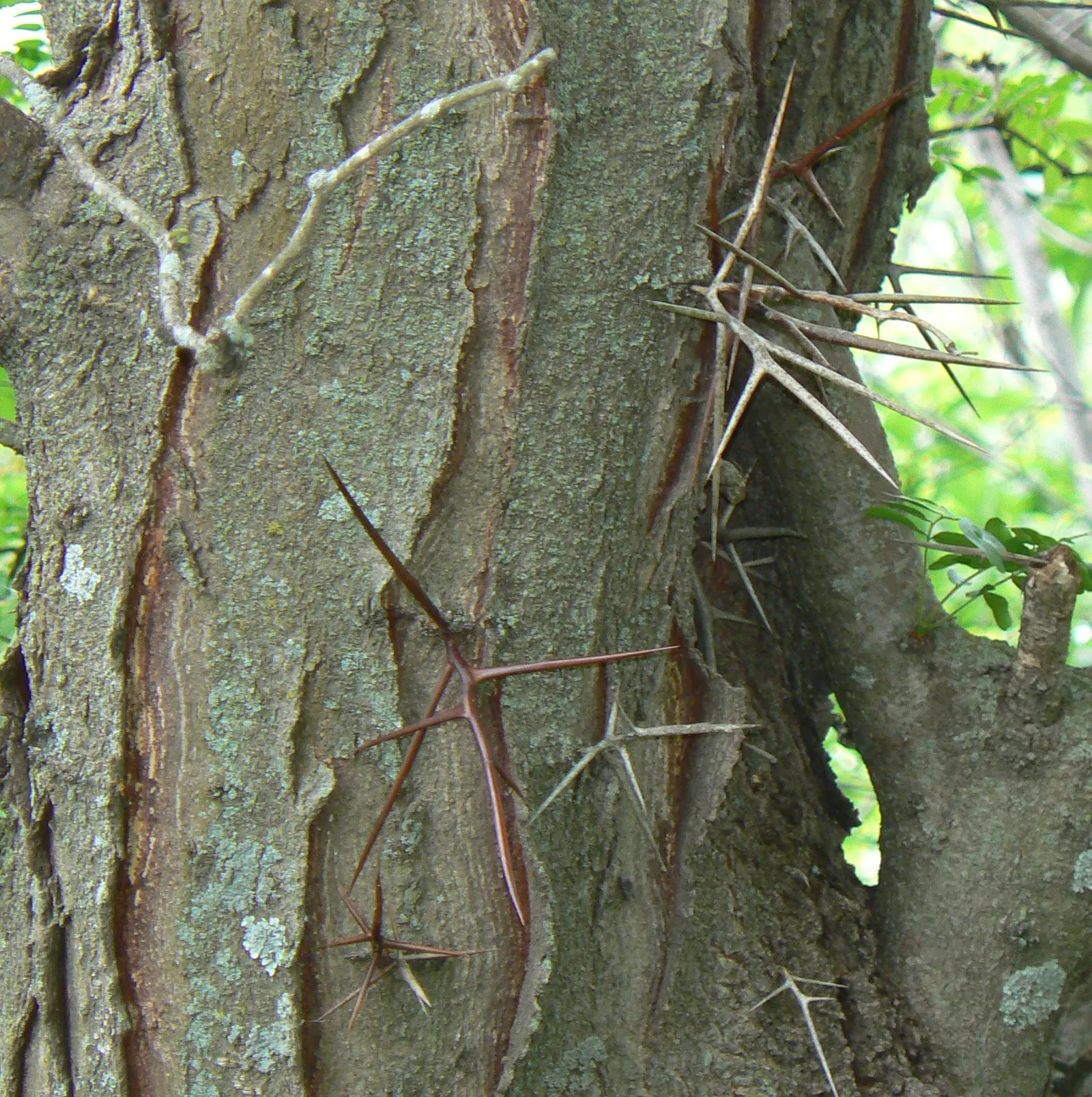
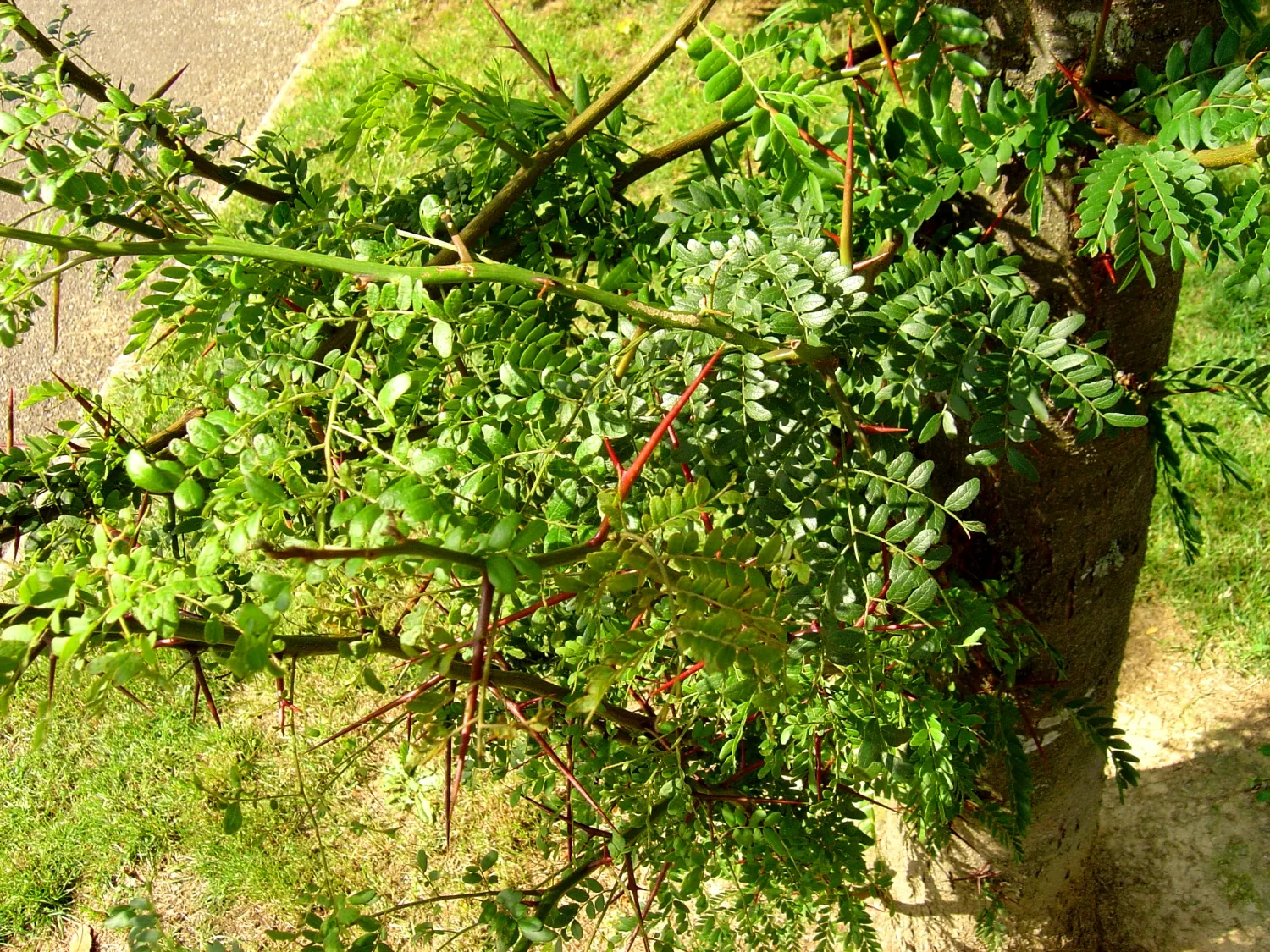
Honey Locust (Gleditsia Triacanthos Inermis) — distinguishing it from the species typically armed with formidable thorns; bipinnate leaves are a, image 65
Honey Locust (Gleditsia Triacanthos Inermis) — The tree reaches a mature height of 30 to 70 feet; frequently increasing in height by more than 24, image 66
Honey Locust (Gleditsia Triacanthos Inermis) — with a spread of 30 to 50 feet; though they are often inconspicuous, image 67
Honey Locust (Gleditsia Triacanthos Inermis) — which allows turf and other plantings to thrive beneath it; open canopy and filtered shade, image 61
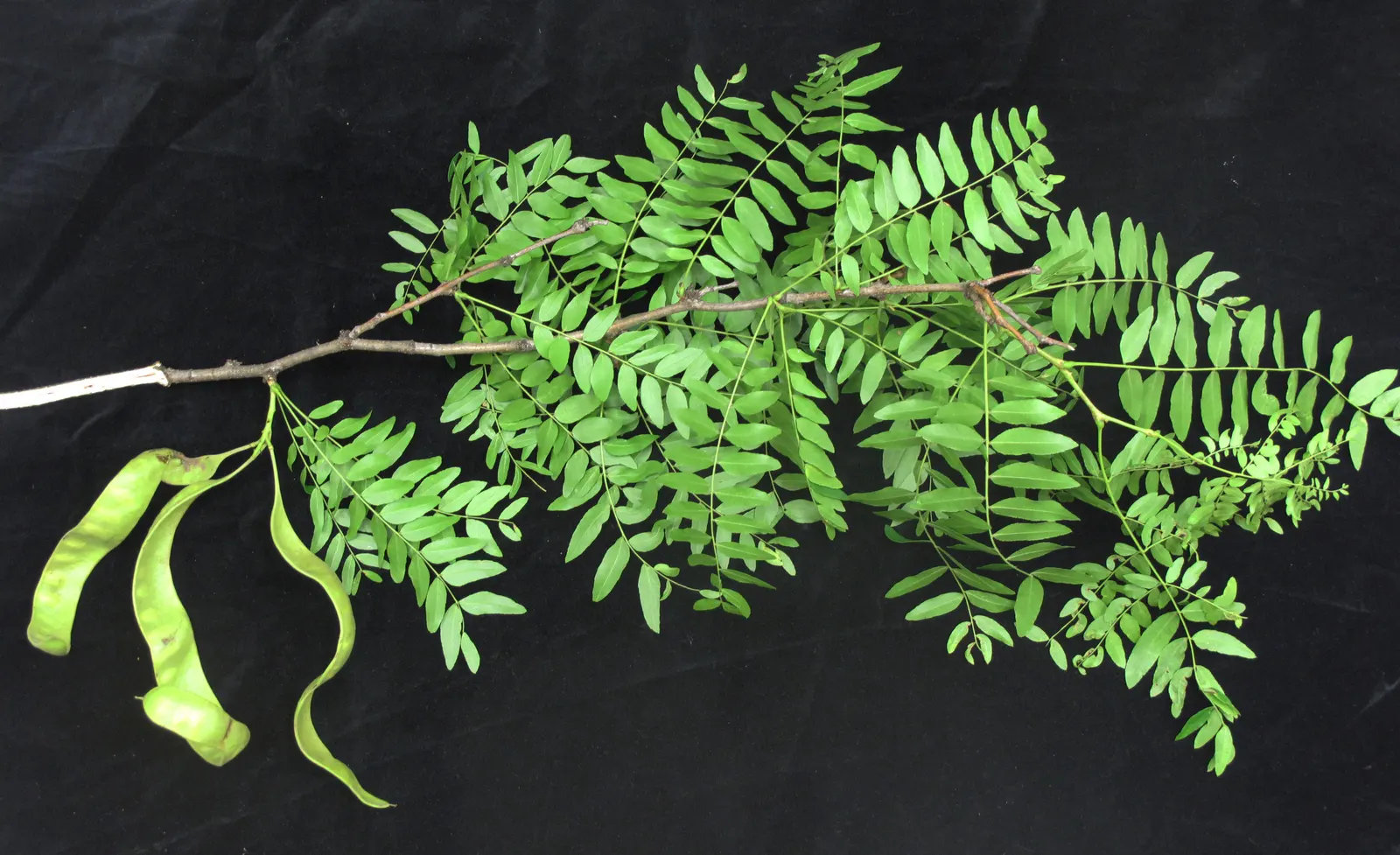
Honey Locust (Gleditsia Triacanthos Inermis) — bipinnate leaves are a vibrant green; with a spread of 30 to 50 feet, image 62
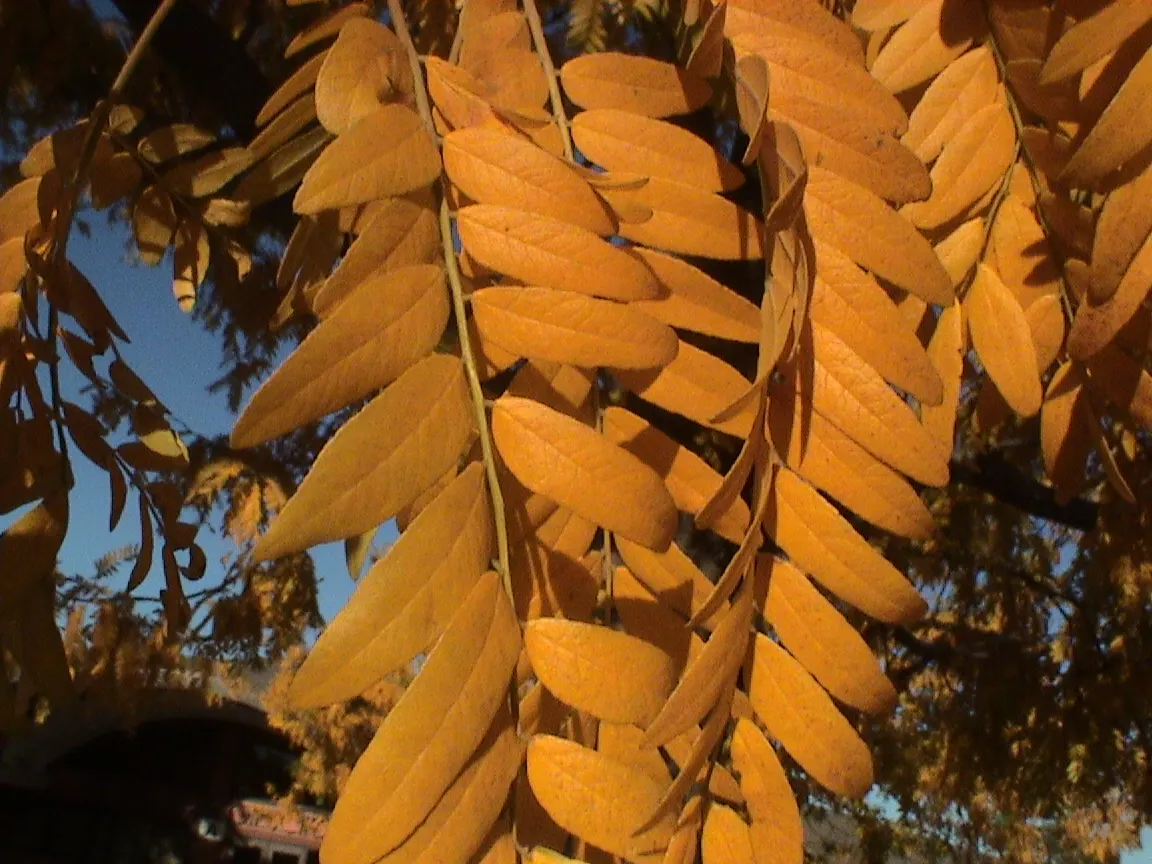
Honey Locust (Gleditsia Triacanthos Inermis) — turning a striking yellow in the fall; making it a low-maintenance option.<br><br>Tiny, image 63
Honey Locust (Gleditsia Triacanthos Inermis) — adding seasonal interest to any landscape design.<br><br>This cultivar 'inermis' is essentially, image 64
Honey Locust (Gleditsia Triacanthos Inermis) — maintaining a generally rounded form; offering seasonal interest in residential or urban landscapes, image 68
Honey Locust (Gleditsia Triacanthos Inermis) — frequently increasing in height by more than 24 inches annually.<br><br>Adaptable and resilient, image 69
Honey Locust (Gleditsia Triacanthos Inermis) — Notable for its drought tolerance once established; is a popular deciduous tree known for its, image 72
Honey Locust (Gleditsia Triacanthos Inermis) — making it a low-maintenance option.<br><br>Tiny; the tree requires minimal care, image 74
Honey Locust (Gleditsia Triacanthos Inermis) — the Honey Locust tolerates a diverse range of soil conditions including acidic; but it thrives in, image 70

Related plants