Skip to content

Maidenhair Tree

Ginkgo Biloba

Design with this plant

Overview

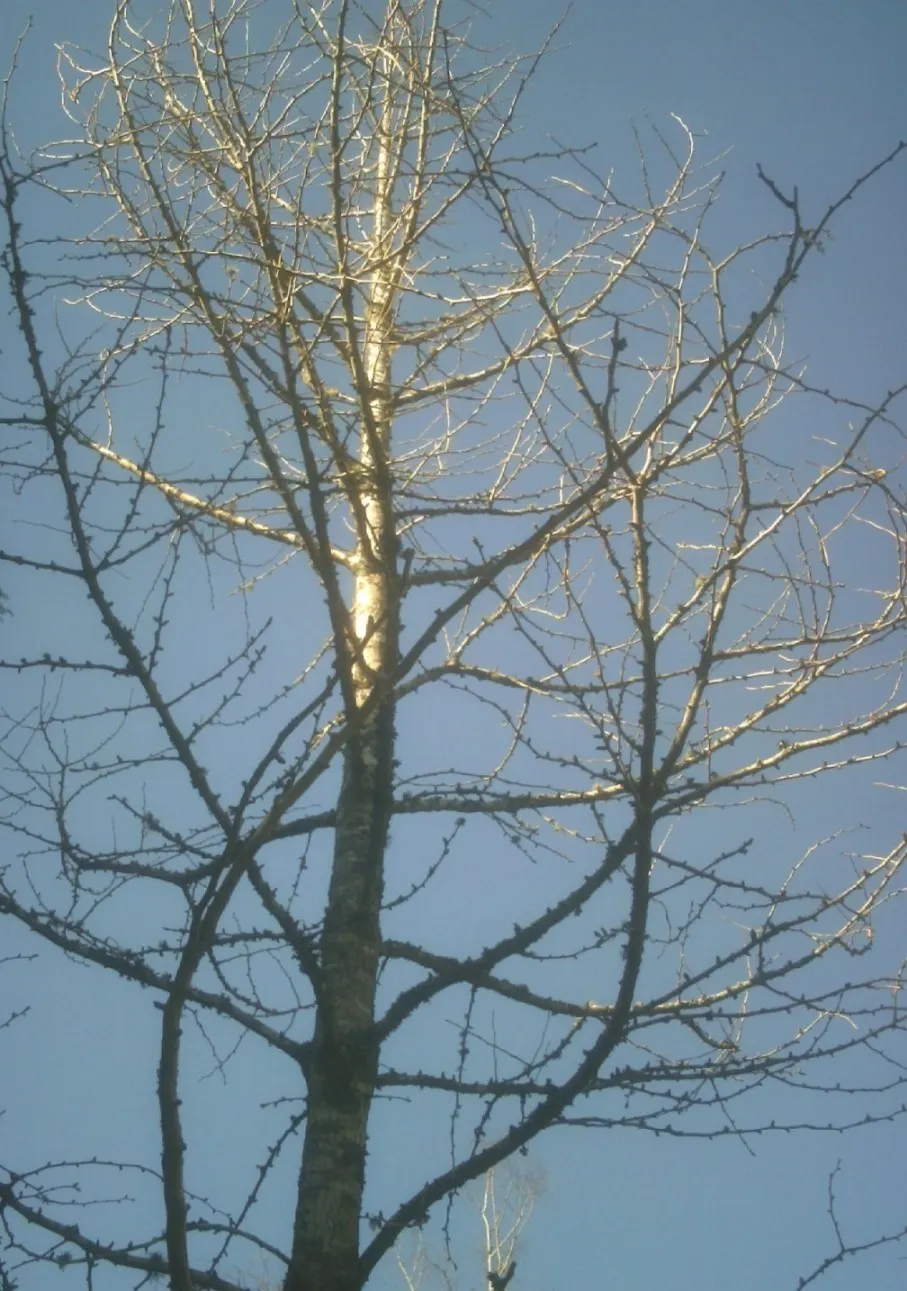
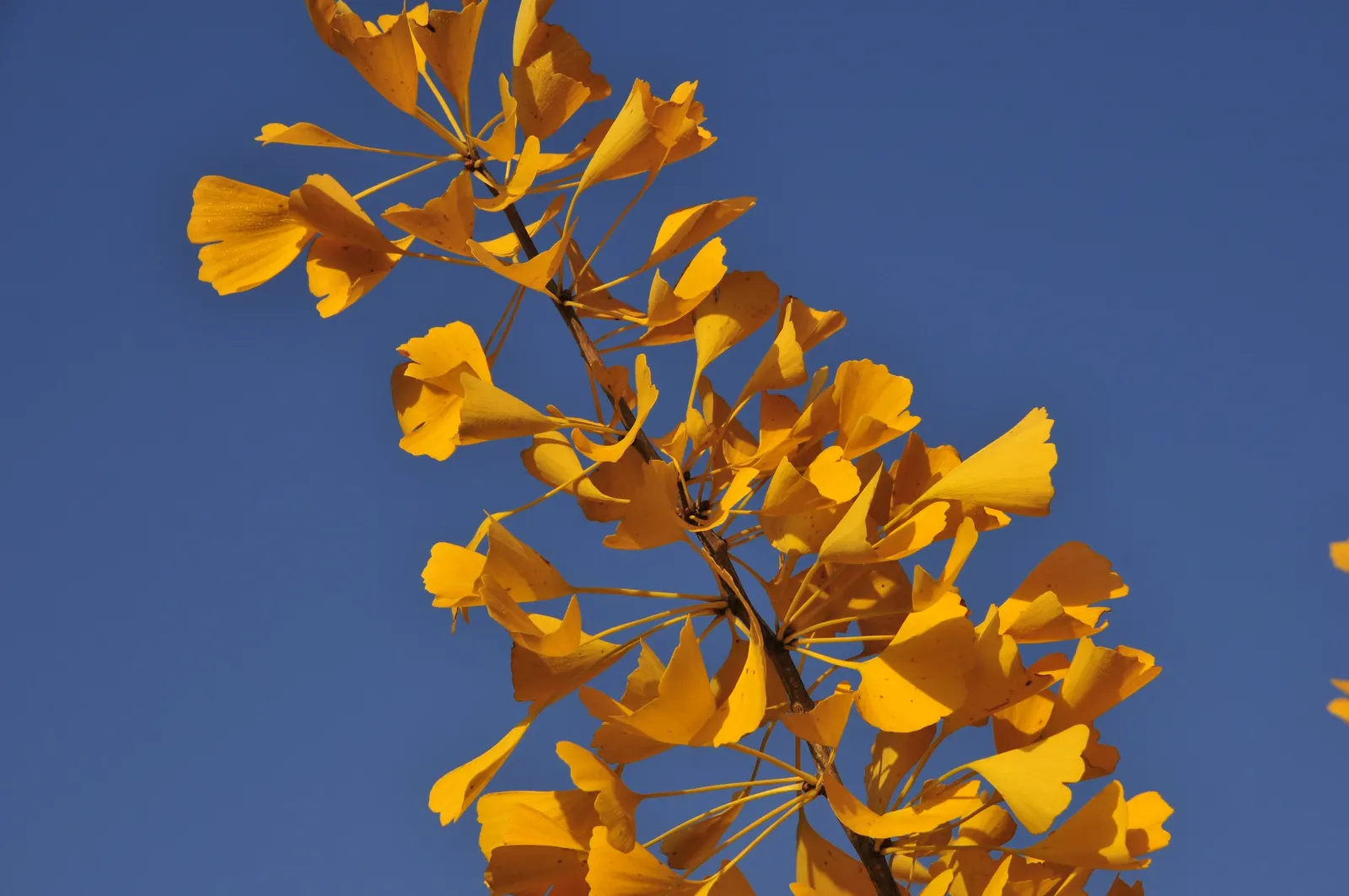
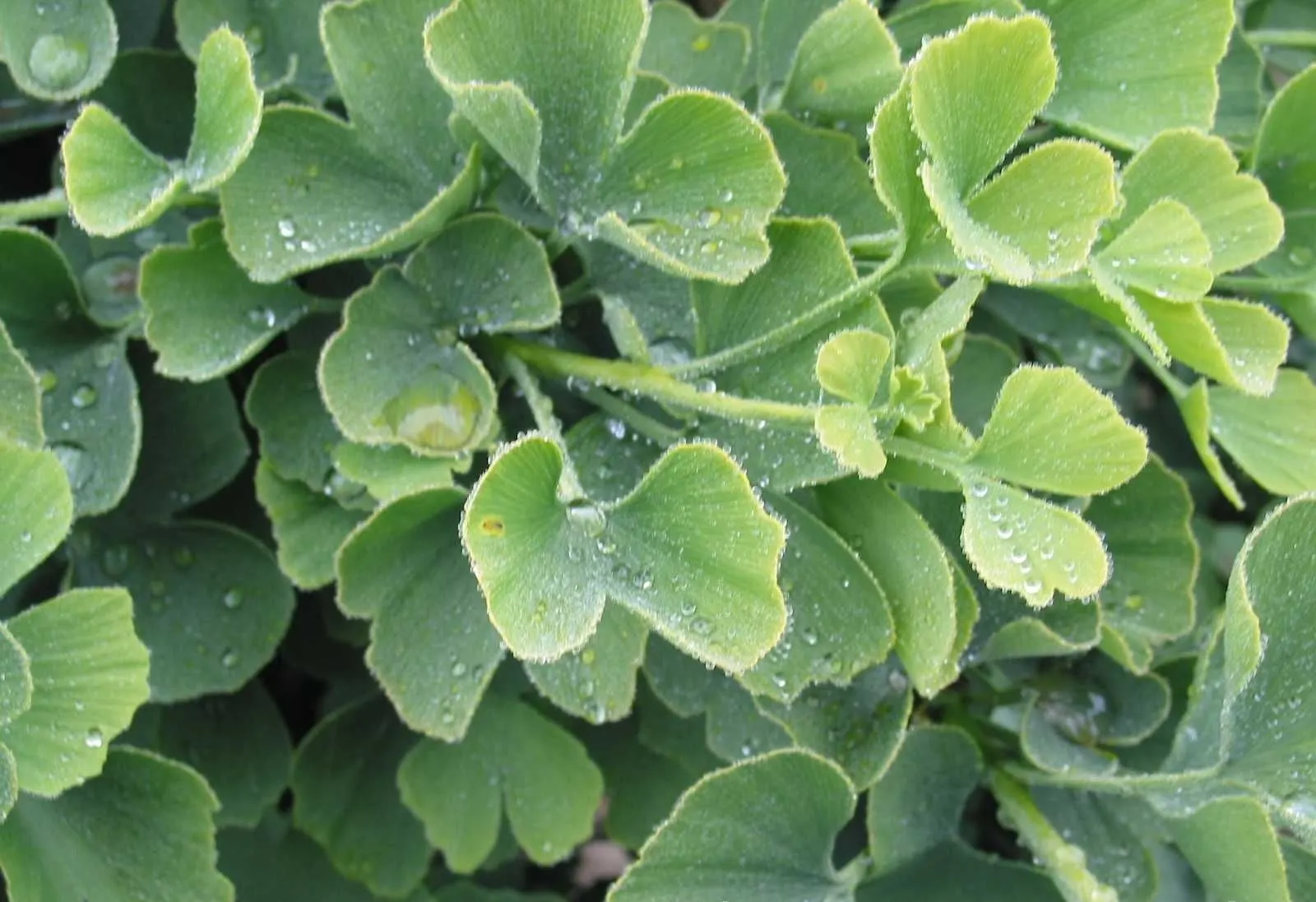
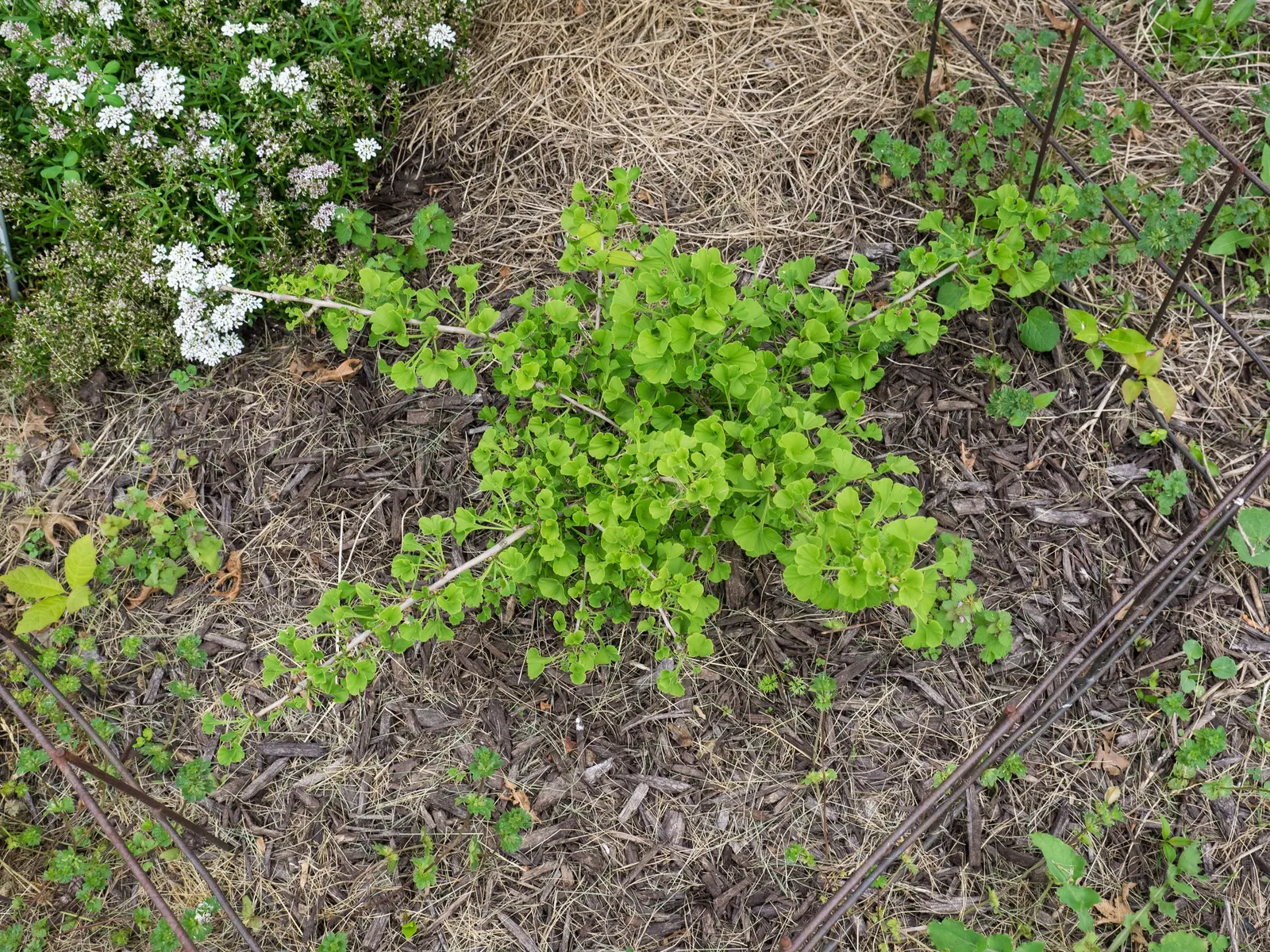
The Ginkgo biloba, or Maidenhair Tree, is a unique, deciduous specimen with fan-shaped leaves that turn vivid yellow in fall. Revered for its resilience and longevity, this prehistoric tree can reach heights of 50-80 feet with a spread of 30-40 feet. It thrives in zones 3-8, prefers full sun to partial shade, and tolerates a range of soil types. Dioecious by nature, only male cultivars are recommended for urban planting to avoid messy fruit.
Sun Full, HalfWater Extra in Summer, MediumZones 4–11Climate Temperate
Maidenhair Tree (Ginkgo Biloba) — providing dramatic seasonal interest; hence the name 'Maidenhair' tree, image 56

Culture

Sun
Full, Half
Water
Extra in Summer, Medium
USDA zones
4–11

Shape & size

Classification

Family
Ginkgoaceae
Climate
Temperate

See full data, regional cultivation notes, full-resolution photos, and design tools. Build a client presentation around this plant.

Start your 14-day trial

Photos (103)

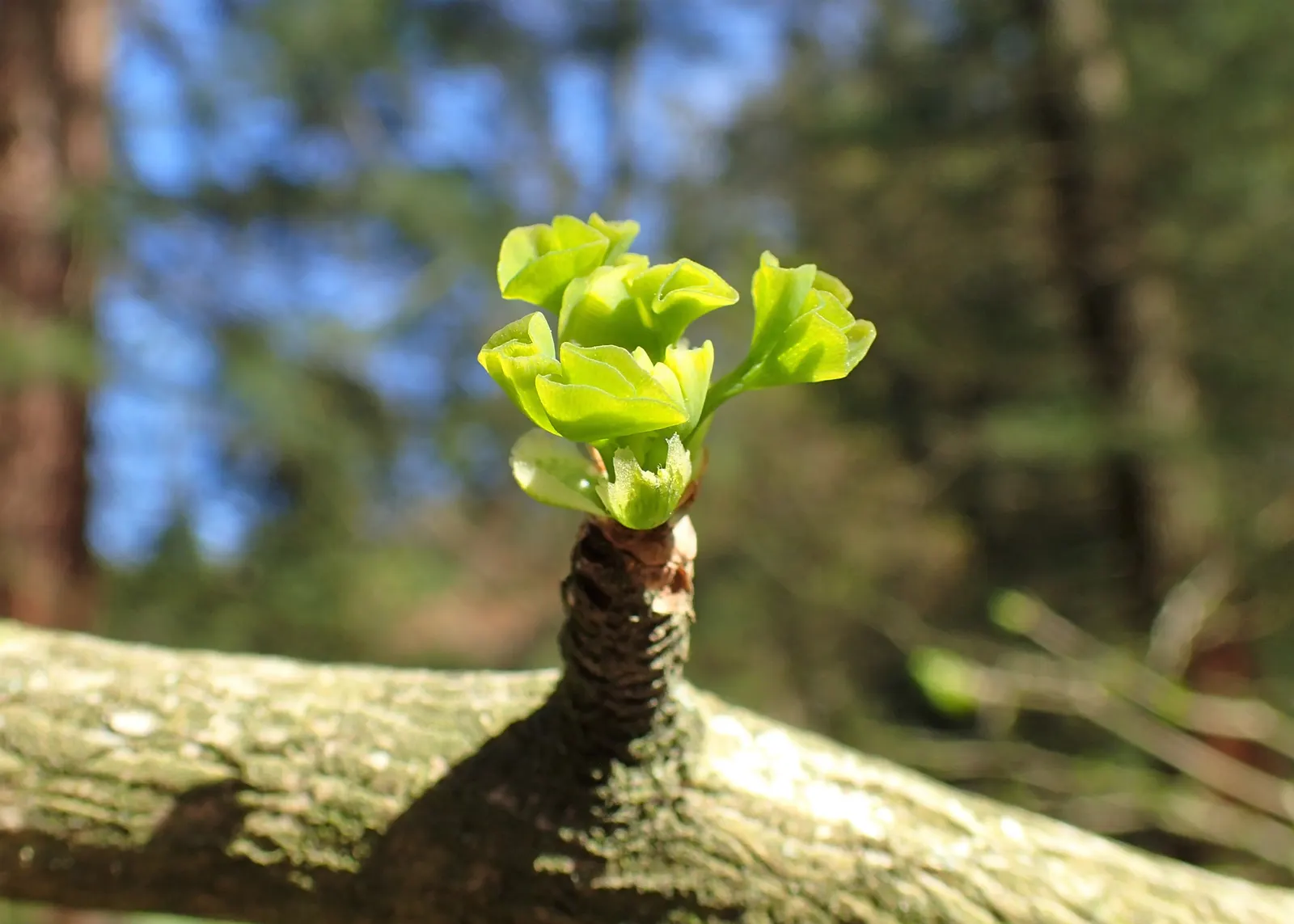
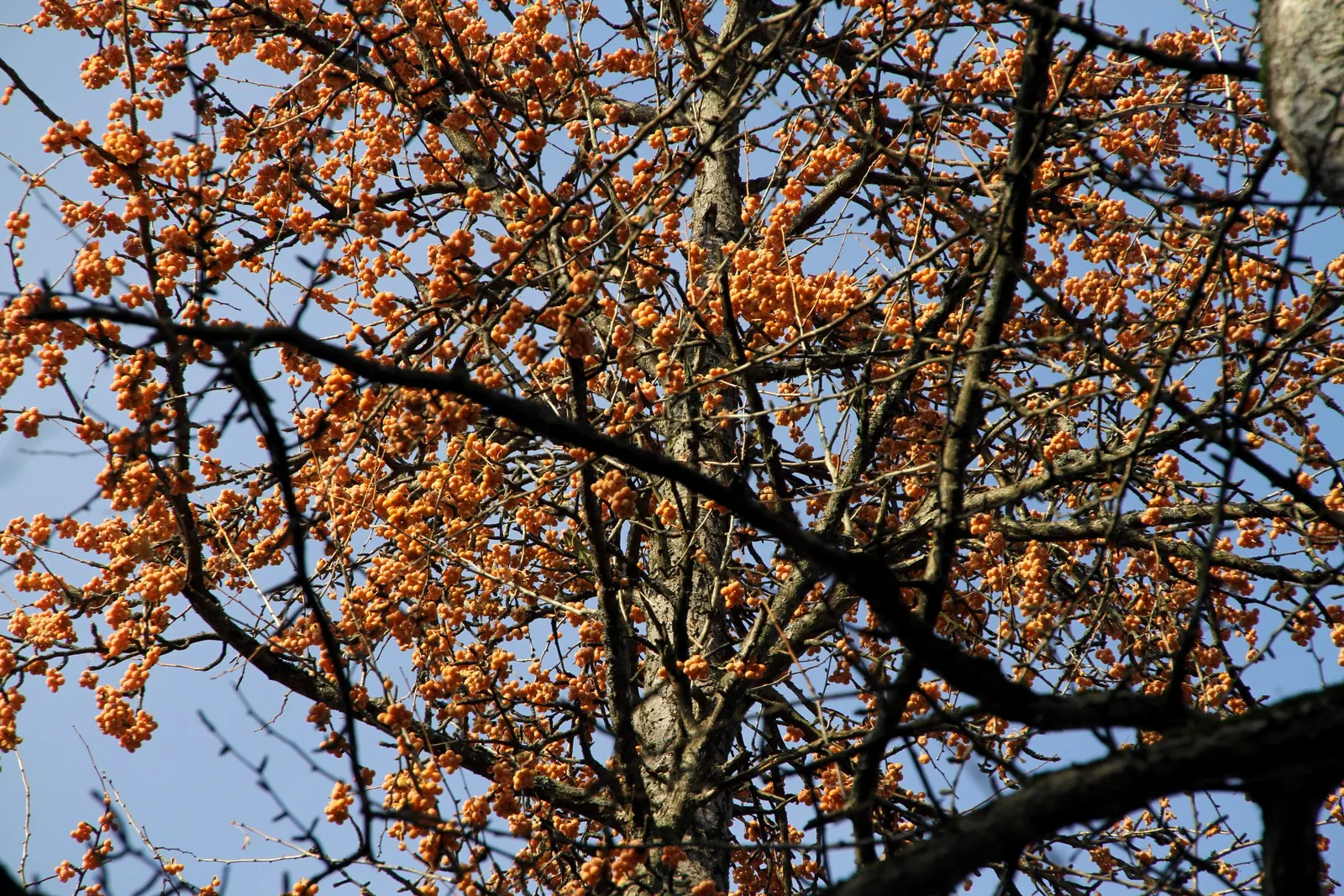
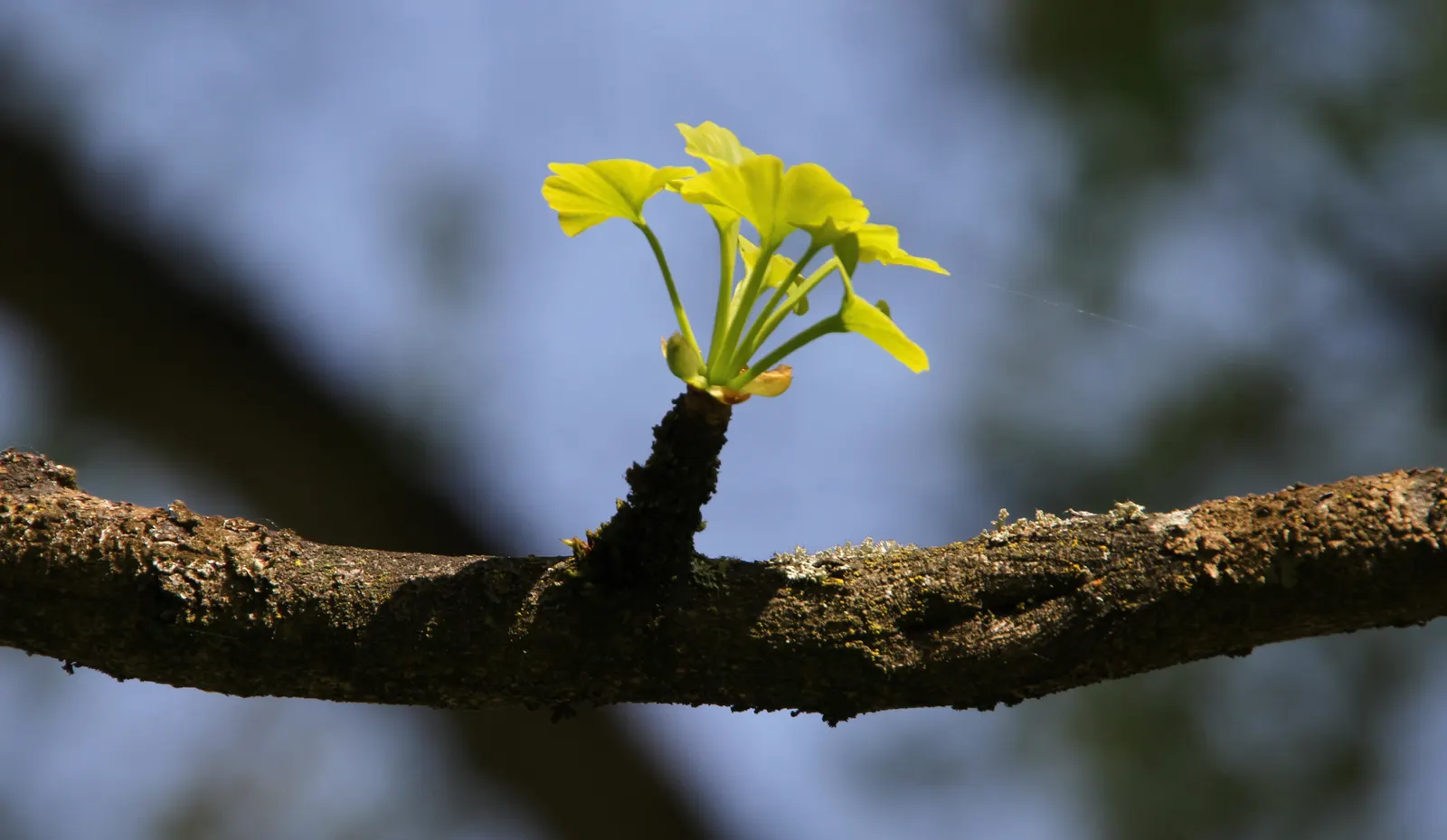
Maidenhair Tree (Ginkgo Biloba) — deciduous specimen with fan-shaped leaves that turn vivid yellow in fall; it thrives in zones 3-8, prefers full sun to
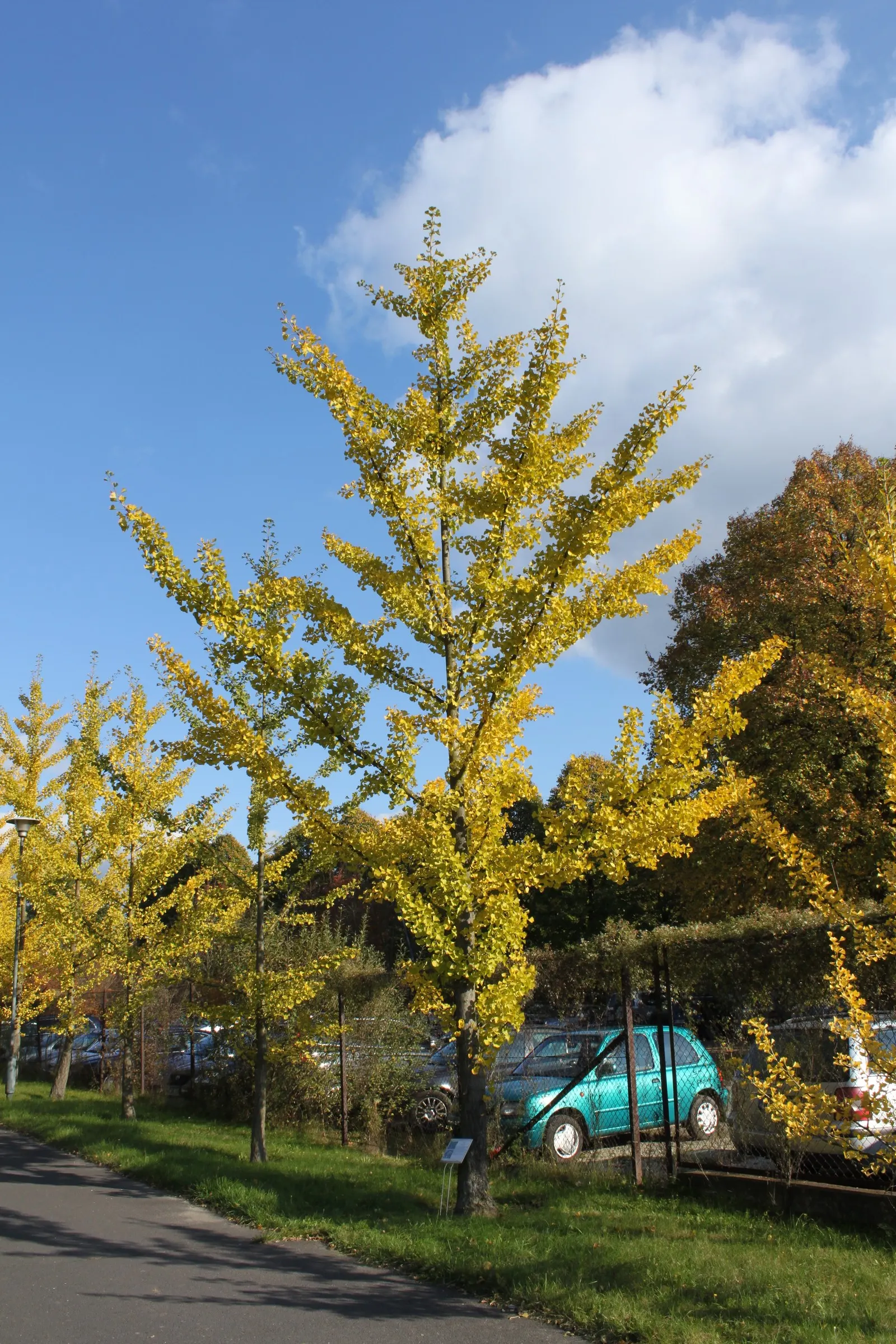
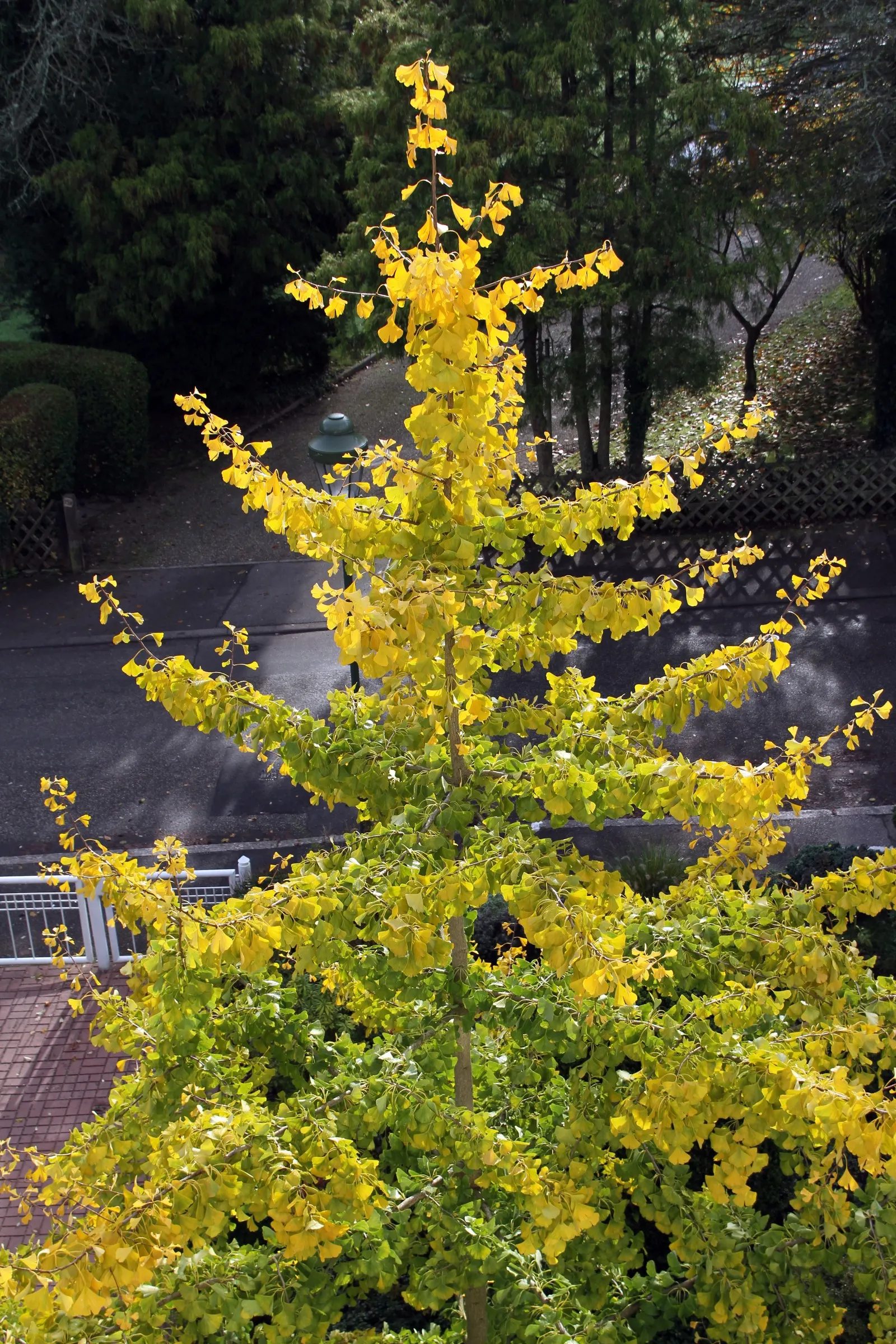
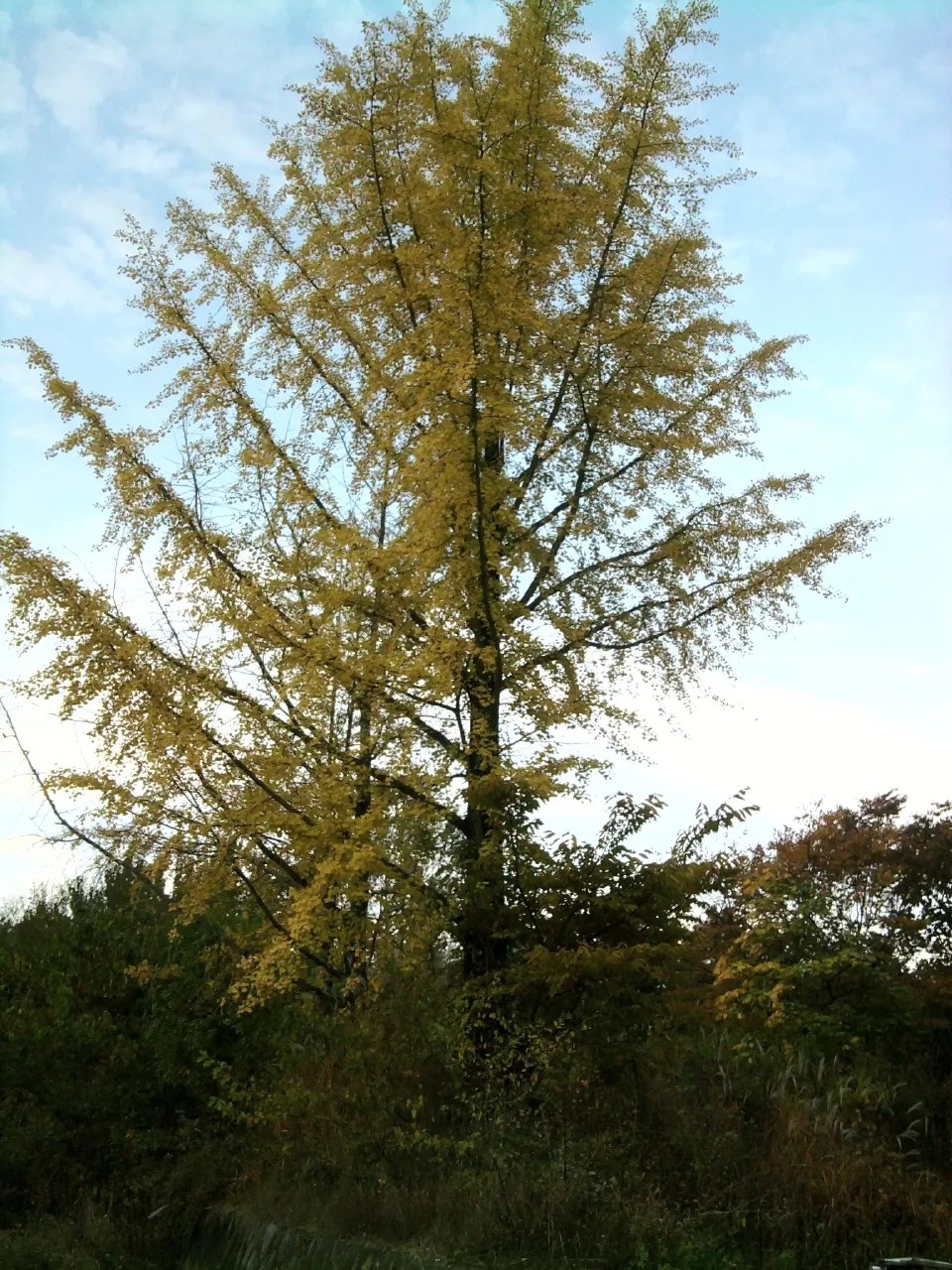
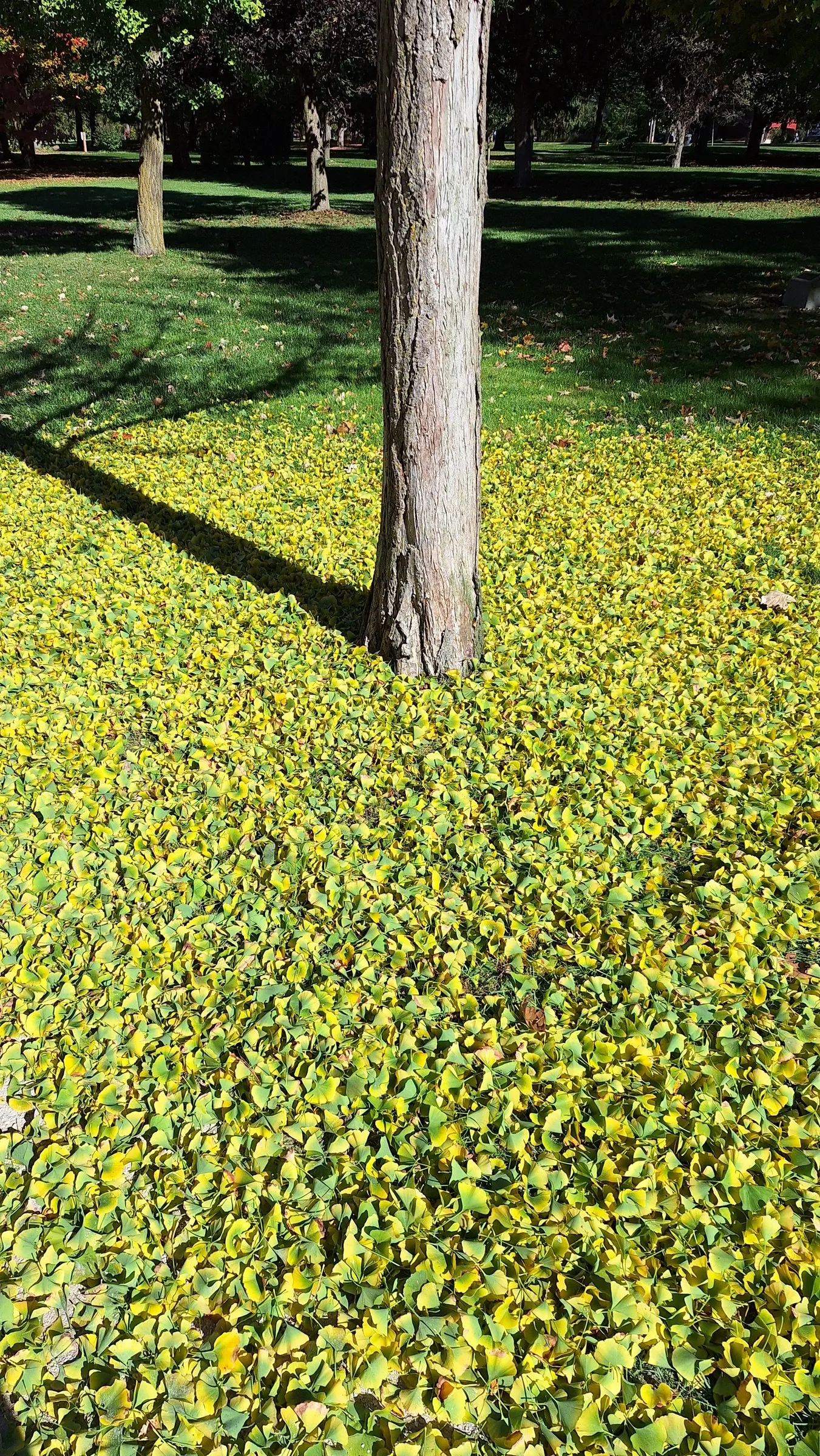
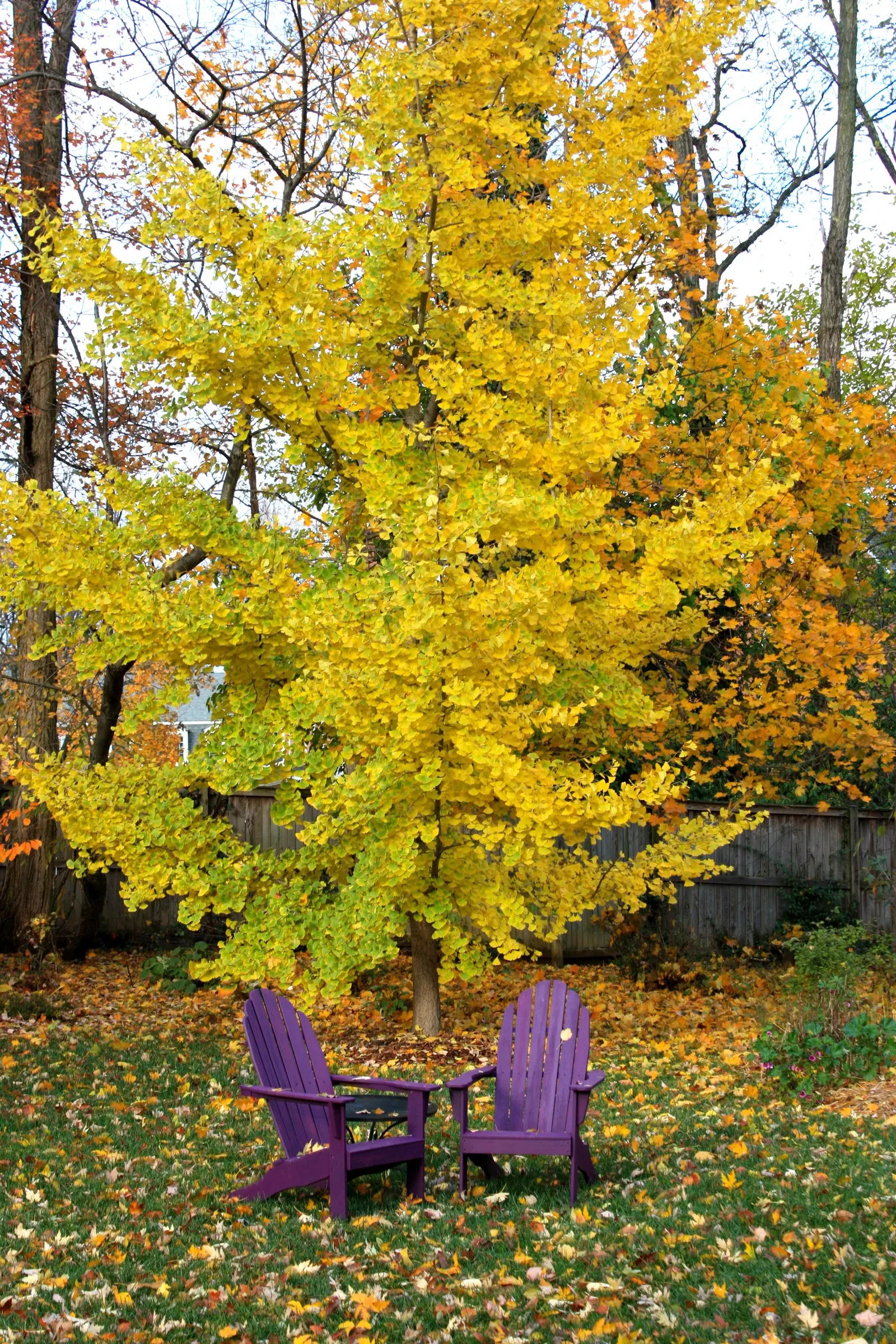
Maidenhair Tree (Ginkgo Biloba) — Revered for its resilience and longevity; turning a spectacular yellow hue in the fall
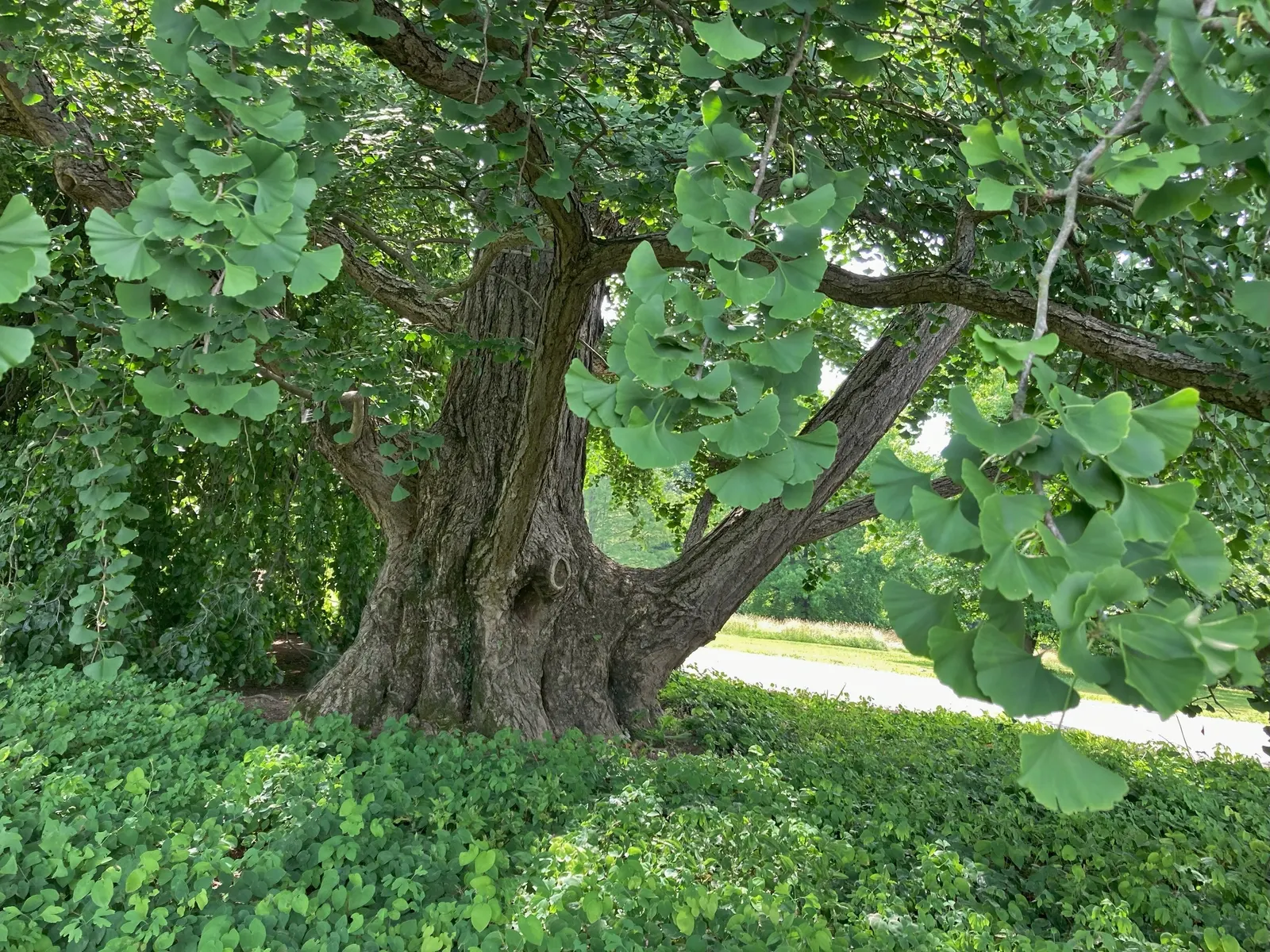
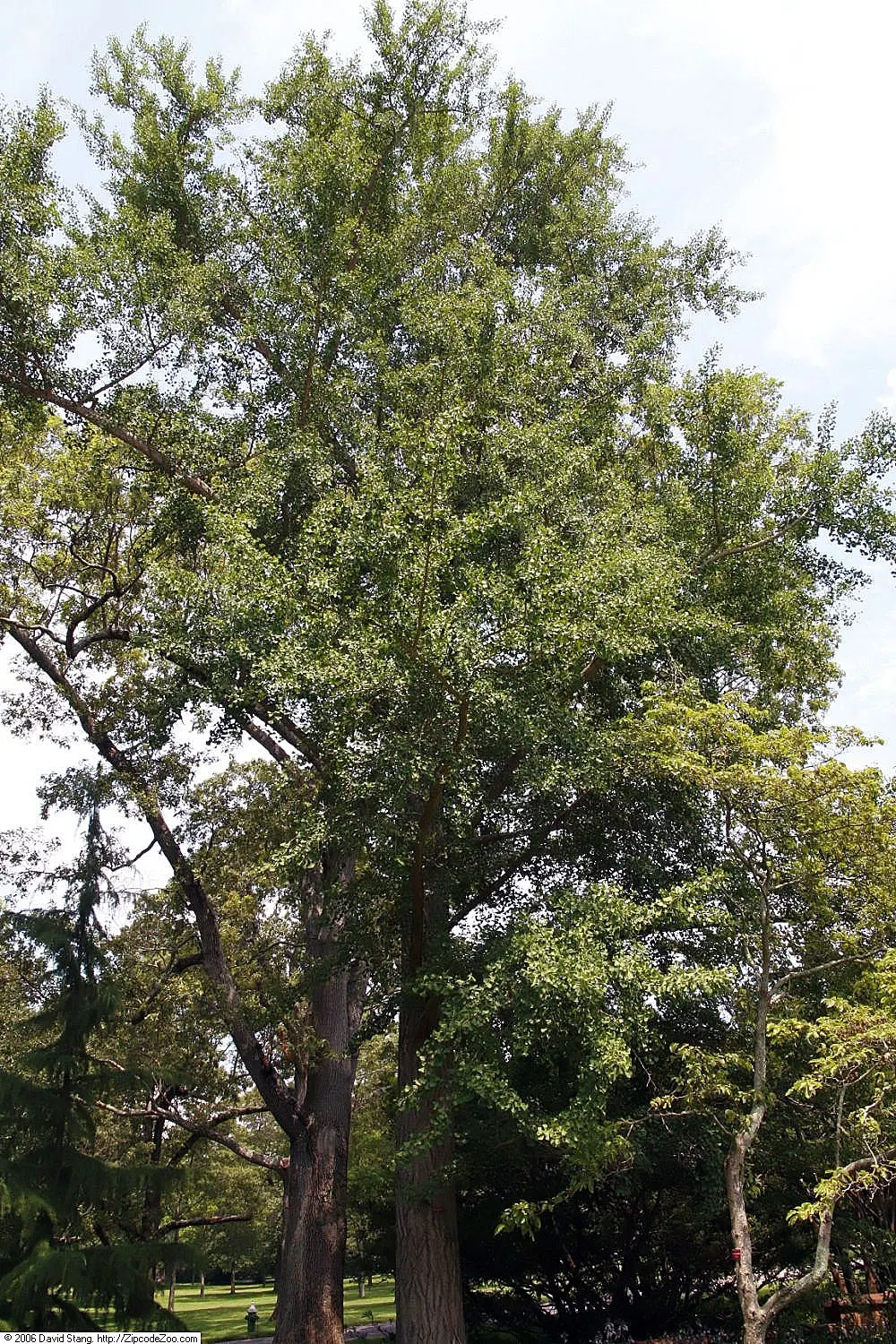
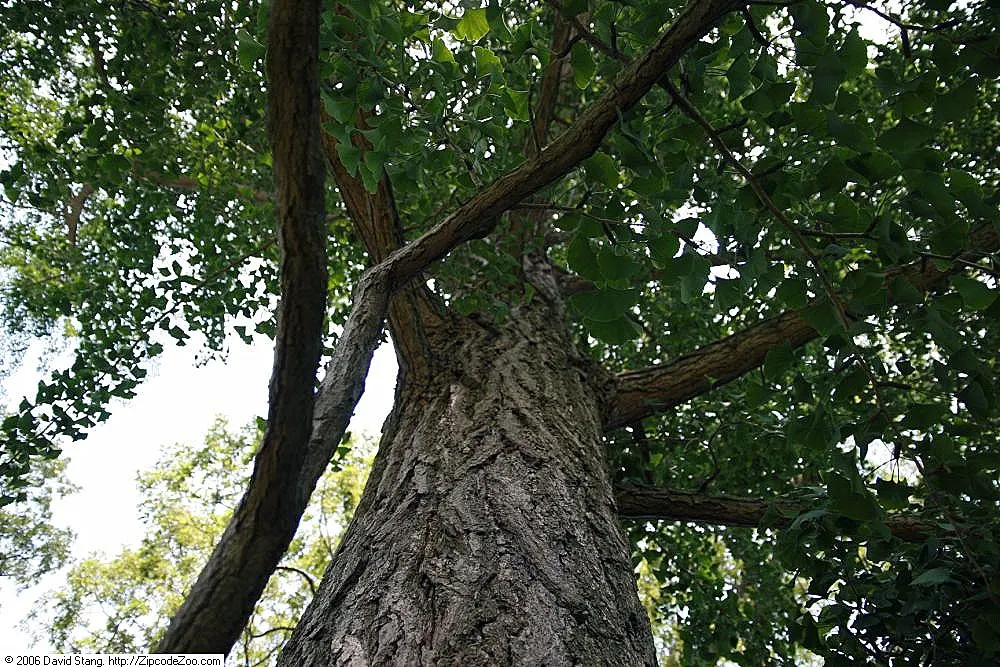
Maidenhair Tree (Ginkgo Biloba) — this prehistoric tree can reach heights of 50-80 feet with a spread of 30-40 feet; making it a sturdy choice for cityscapes
Maidenhair Tree (Ginkgo Biloba) — It thrives in zones 3-8, prefers full sun to partial shade, and tolerates a range of soil types; this prehistoric tree can
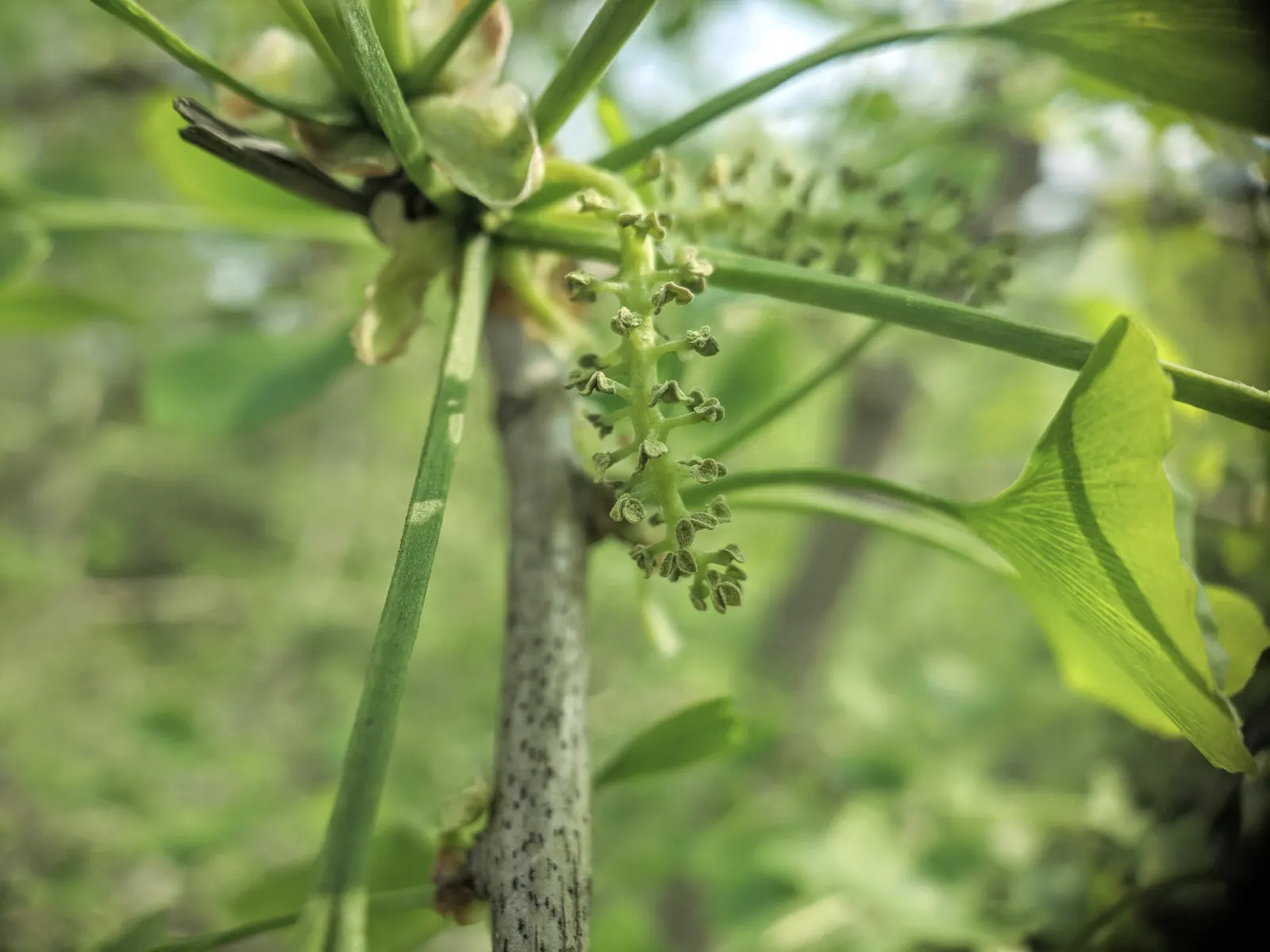
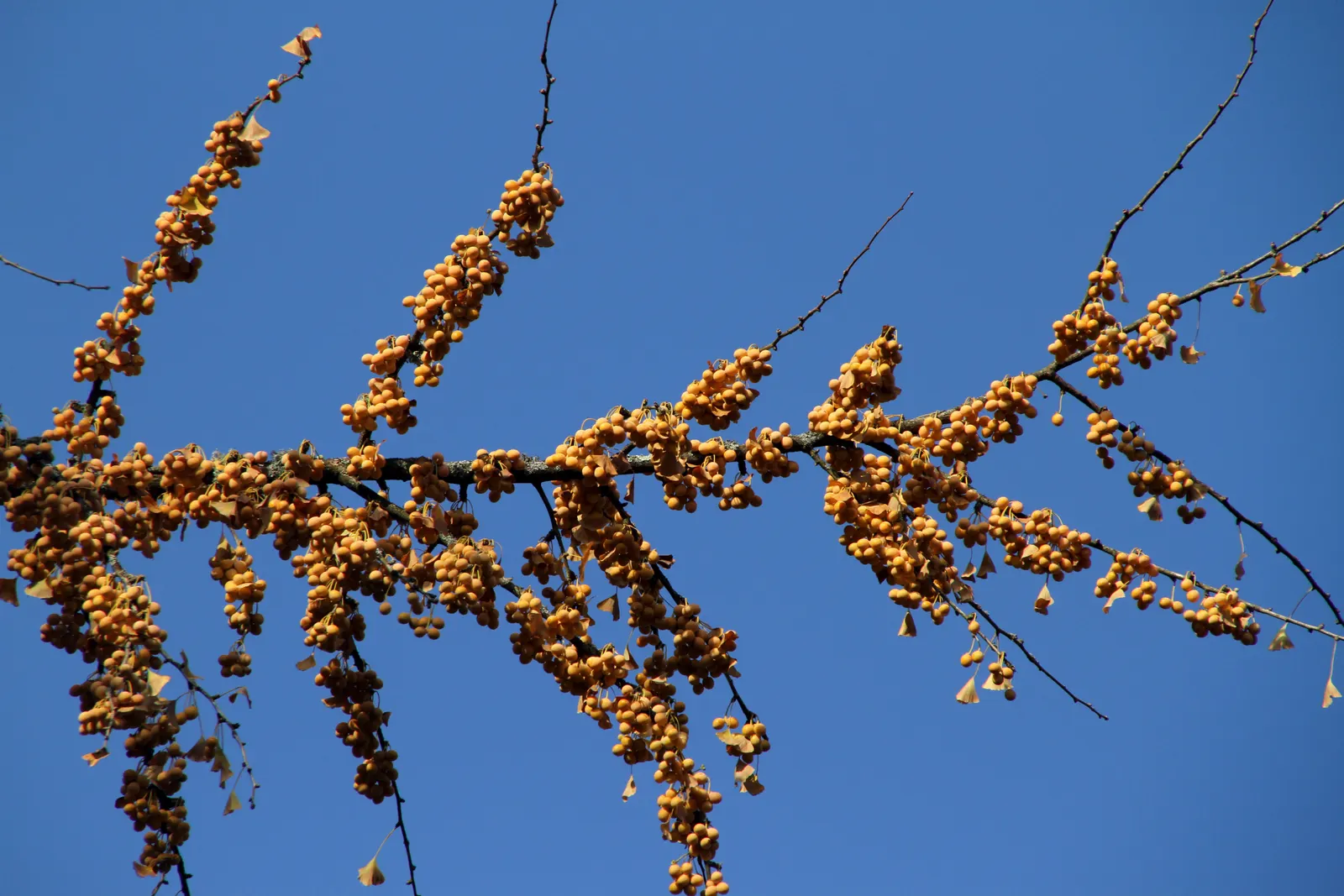
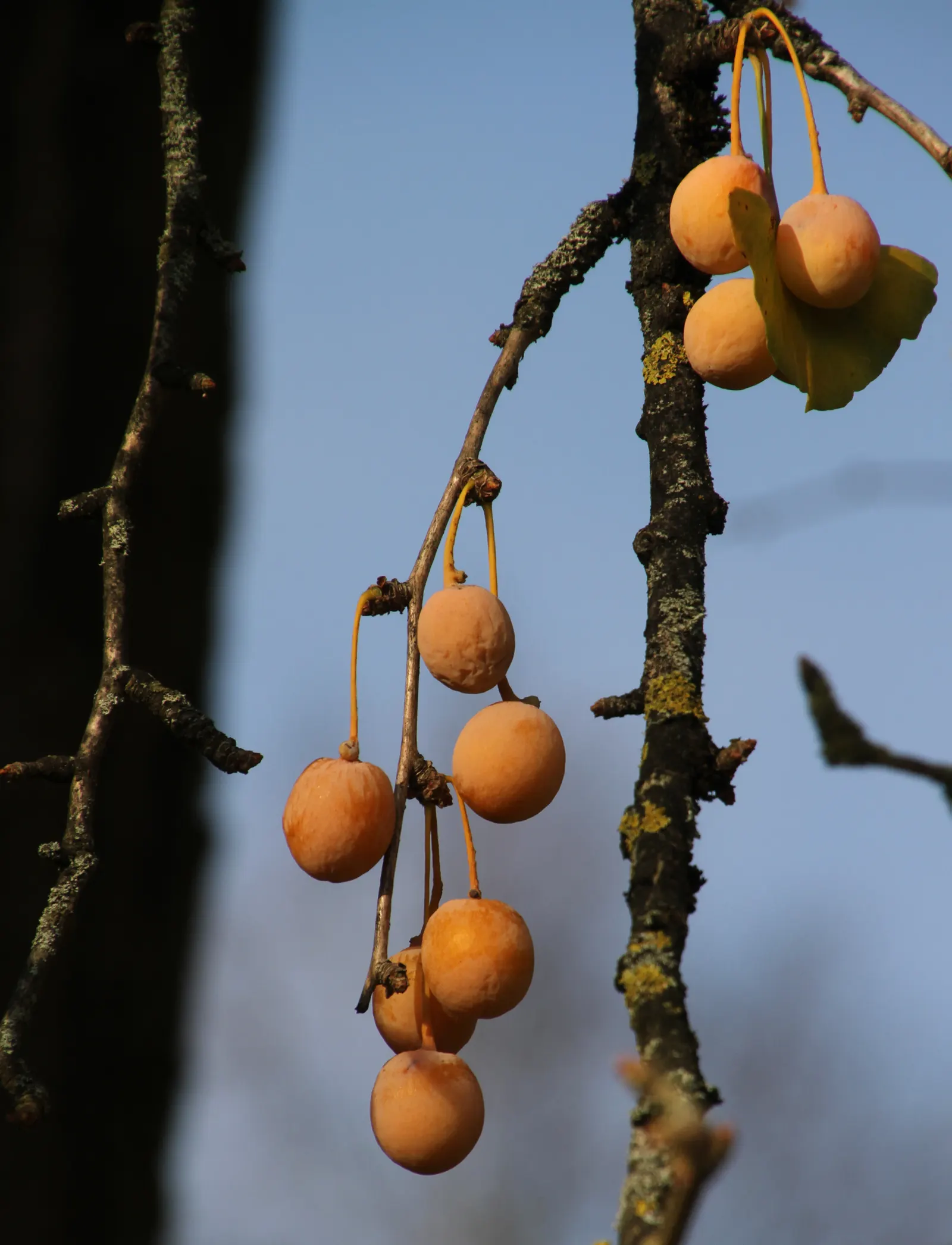
Maidenhair Tree (Ginkgo Biloba) — Dioecious by nature, only male cultivars are recommended for urban planting to avoid messy fruit; broadly pyramidal to
Maidenhair Tree (Ginkgo Biloba) — Often revered as a living fossil; it is remarkably tolerant of pollution
Maidenhair Tree (Ginkgo Biloba) — the Ginkgo biloba stands tall; revered for its resilience and longevity
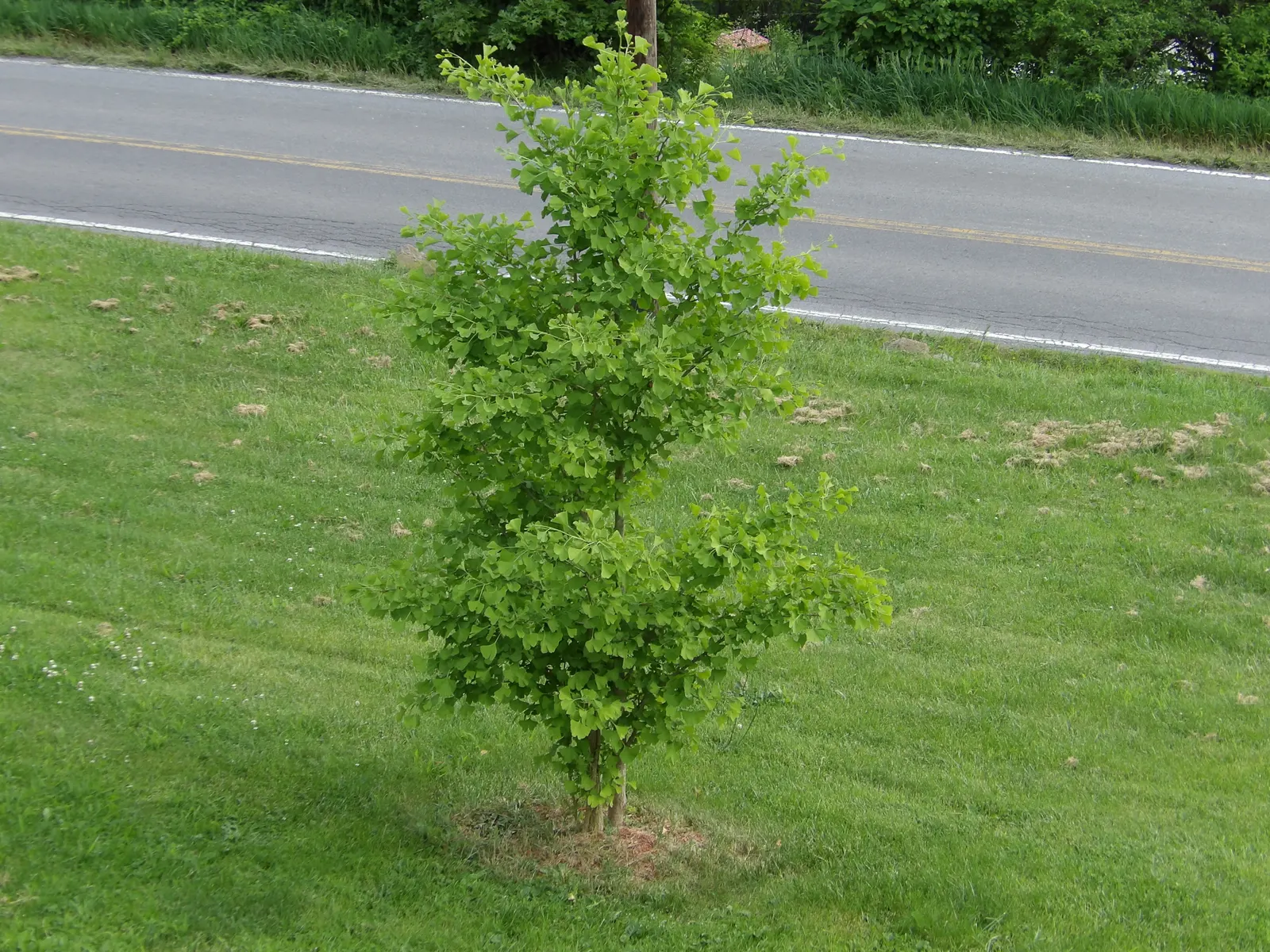
Maidenhair Tree (Ginkgo Biloba) — reaching an average height of 35 to 50 feet with a spread of 25 to 35 feet at maturity; its canopy develops a dignified
Maidenhair Tree (Ginkgo Biloba) — Its canopy develops a dignified; the species is dioecious, meaning trees are either male or female
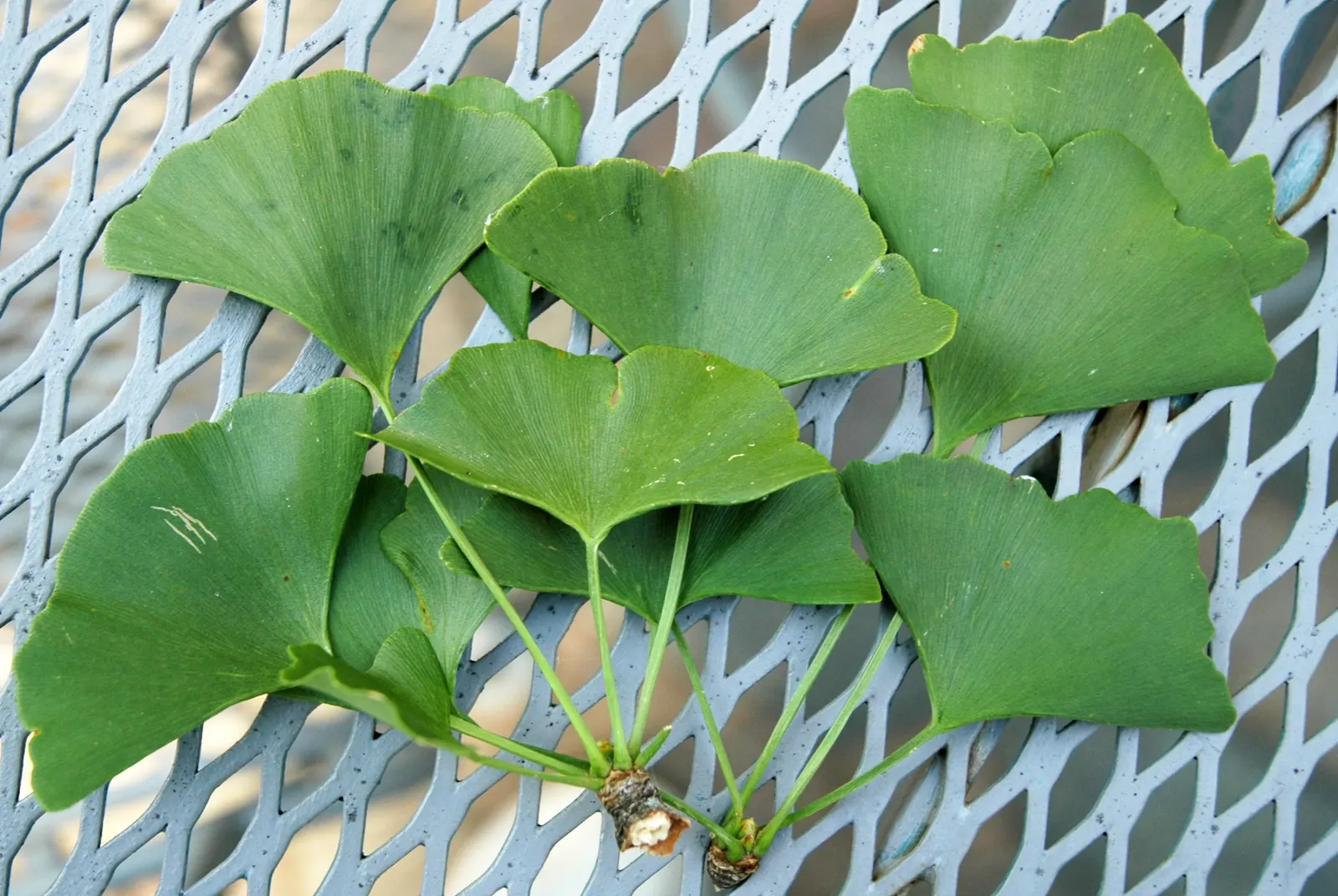
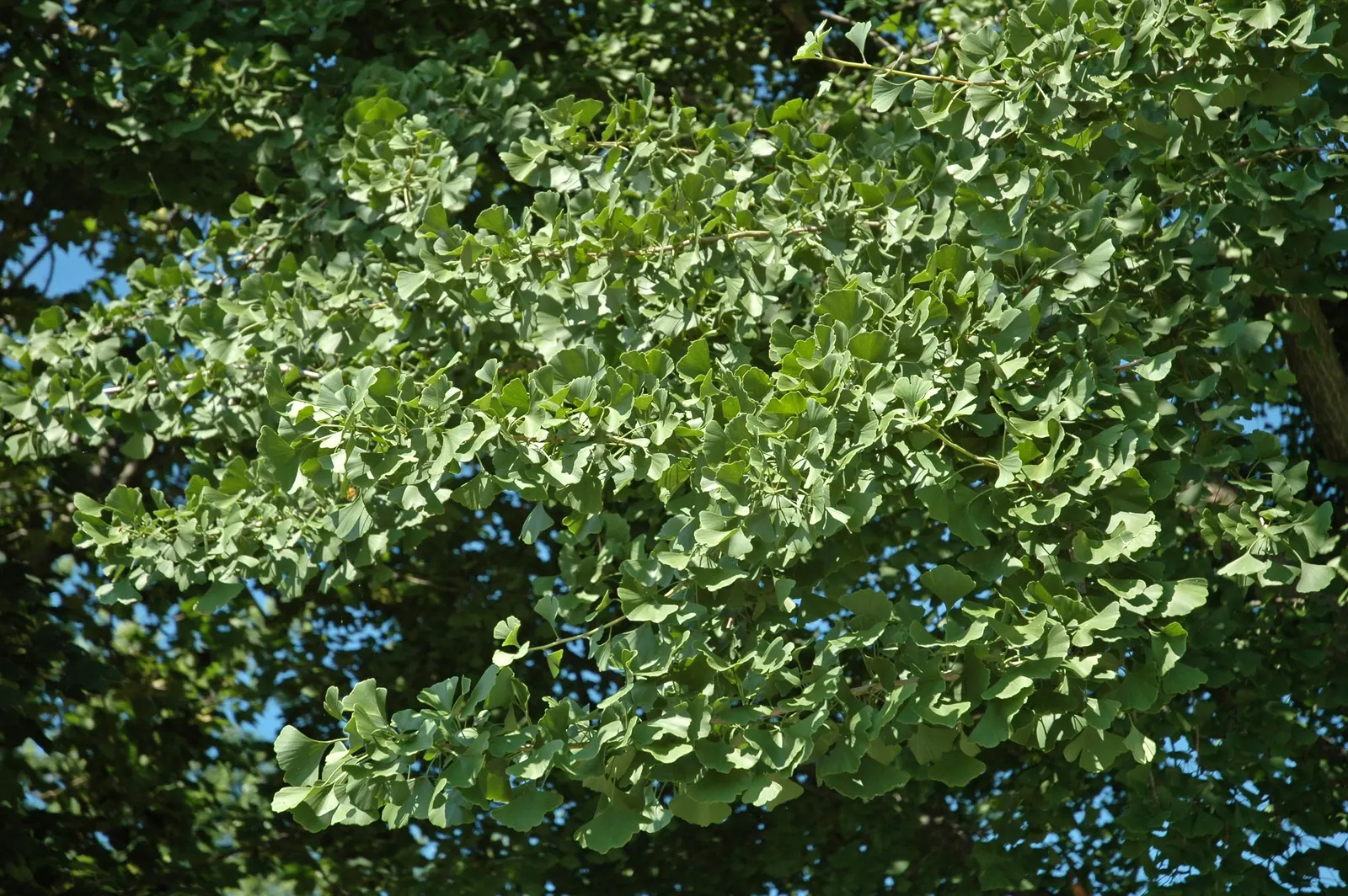
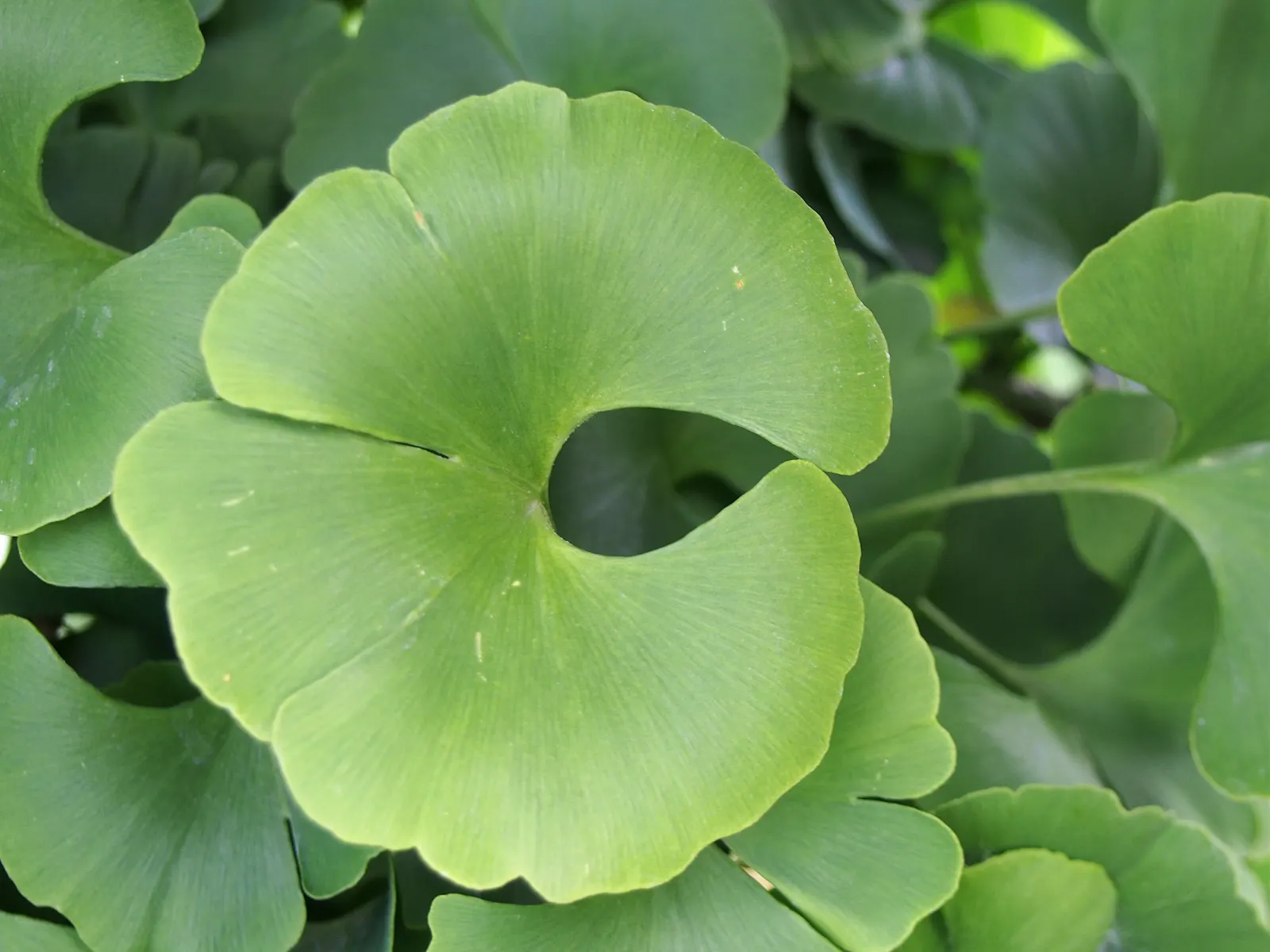
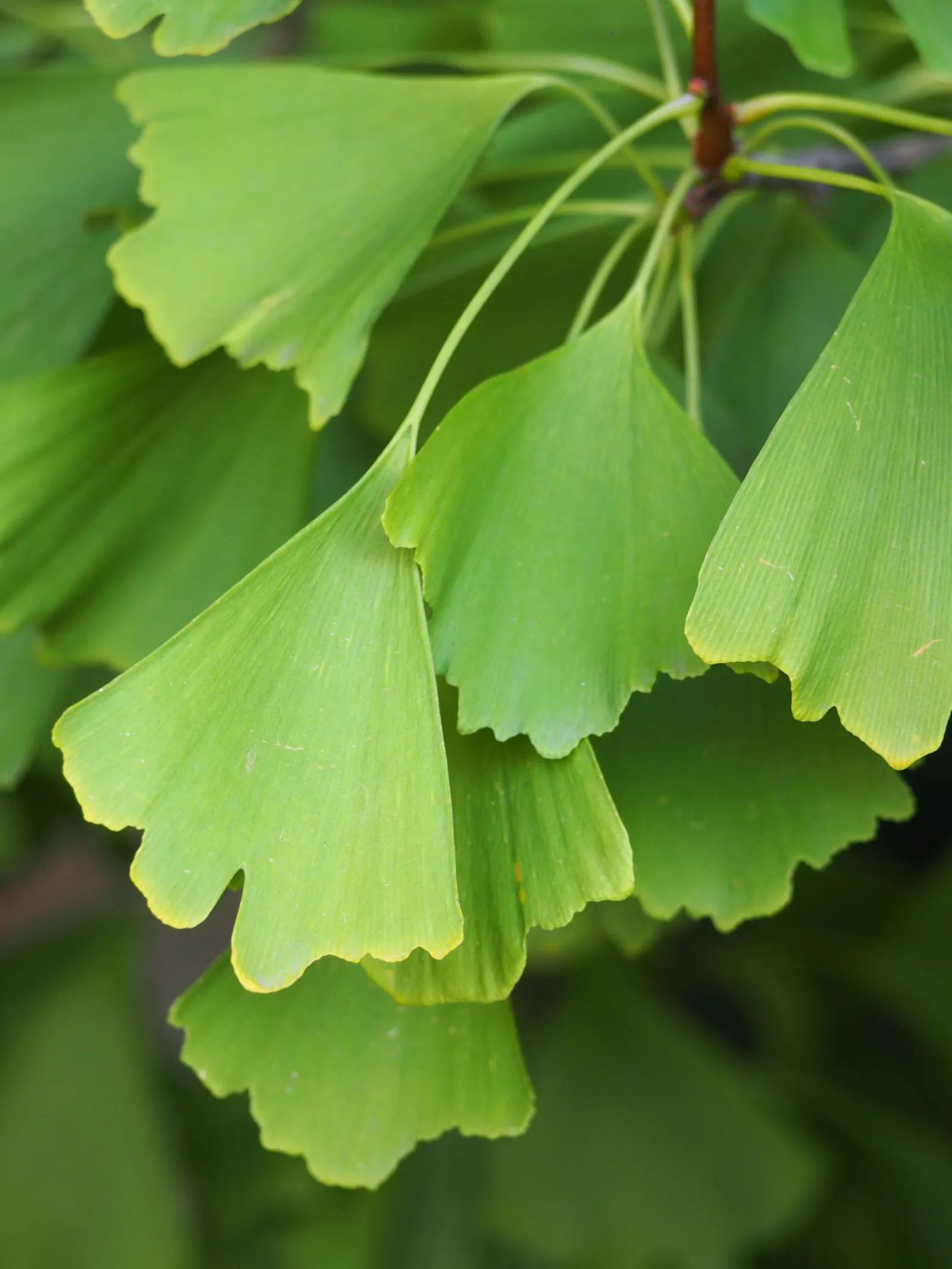
Maidenhair Tree (Ginkgo Biloba) — broadly pyramidal to upright form.<br><br>The leaves are a bright green; deciduous specimen with fan-shaped leaves that turn
Maidenhair Tree (Ginkgo Biloba) — turning a spectacular yellow hue in the fall; reaching an average height of 35 to 50 feet with a spread of 25 to 35 feet at
Maidenhair Tree (Ginkgo Biloba) — providing dramatic seasonal interest; hence the name 'Maidenhair' tree
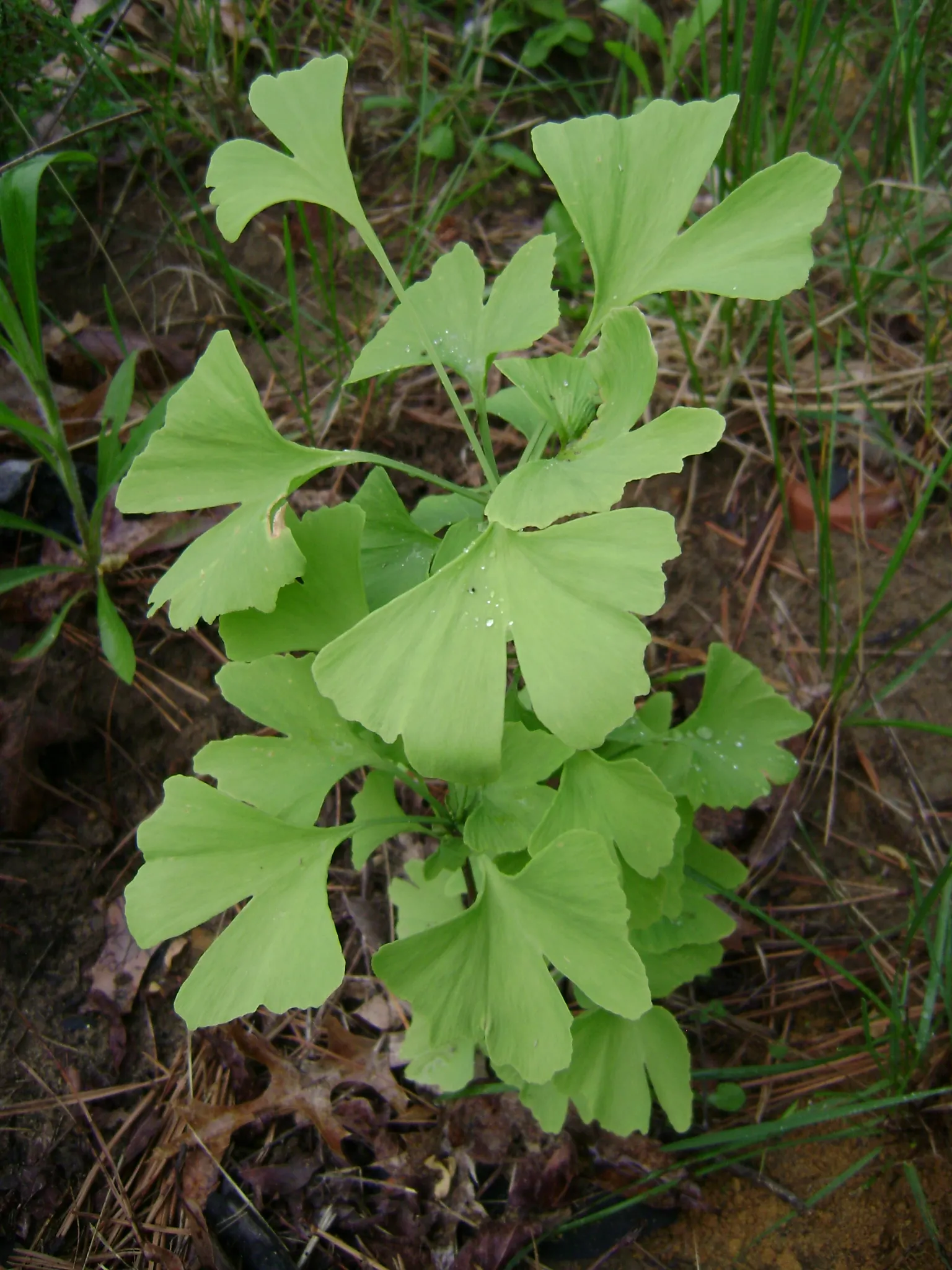
Maidenhair Tree (Ginkgo Biloba) — These leaves are typically 2 to 3 inches in width; tree for full or half
Maidenhair Tree (Ginkgo Biloba) — with a singular split down the middle; the Ginkgo biloba stands tall
Maidenhair Tree (Ginkgo Biloba) — hence the name 'Maidenhair' tree; with a singular split down the middle
Maidenhair Tree (Ginkgo Biloba) — The species is dioecious, meaning trees are either male or female; with a slow to medium growth rate, the Ginkho offers
Maidenhair Tree (Ginkgo Biloba) — It is remarkably tolerant of pollution; often revered as a living fossil
Maidenhair Tree (Ginkgo Biloba) — making it a sturdy choice for cityscapes as well as residential properties; these leaves are typically 2 to 3 inches in width
Maidenhair Tree (Ginkgo Biloba) — When designing a landscape; note that this tree prefers full sun to partial shade
Maidenhair Tree (Ginkgo Biloba) — When designing a landscape
Maidenhair Tree (Ginkgo Biloba) — With a slow to medium growth rate, the Ginkho offers lasting beauty and enduring strength in the garden space; providing
Maidenhair Tree (Ginkgo Biloba) — tree for full or half; when designing a landscape
Maidenhair Tree (Ginkgo Biloba) — deciduous specimen with fan-shaped leaves that turn vivid yellow in fall; it thrives in zones 3-8, prefers full, image 45
Maidenhair Tree (Ginkgo Biloba) — Revered for its resilience and longevity; turning a spectacular yellow hue in the fall, image 46

Related plants