Skip to content

Prairie Smoke

Geum Triflorum

Design with this plant

Overview

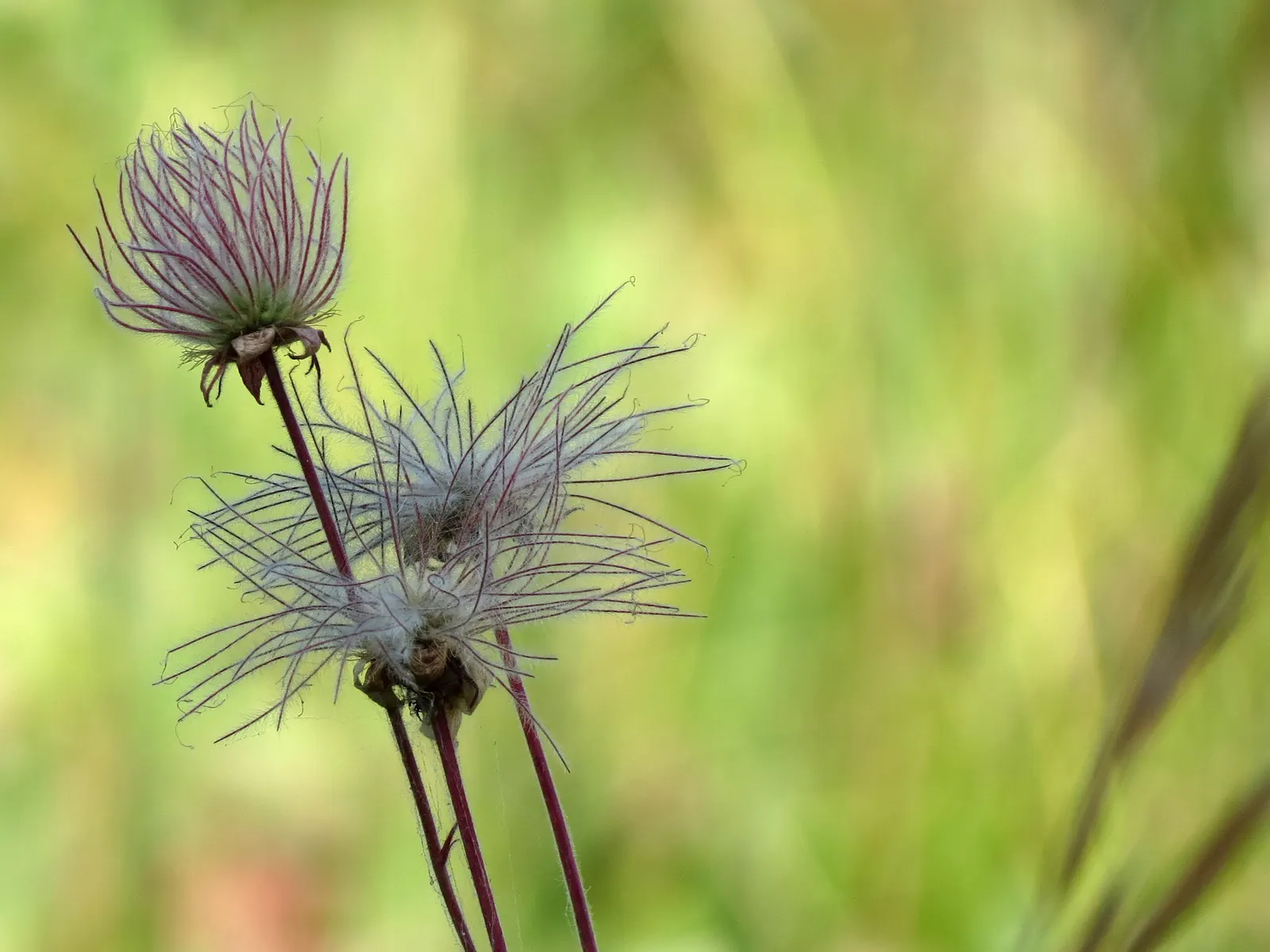
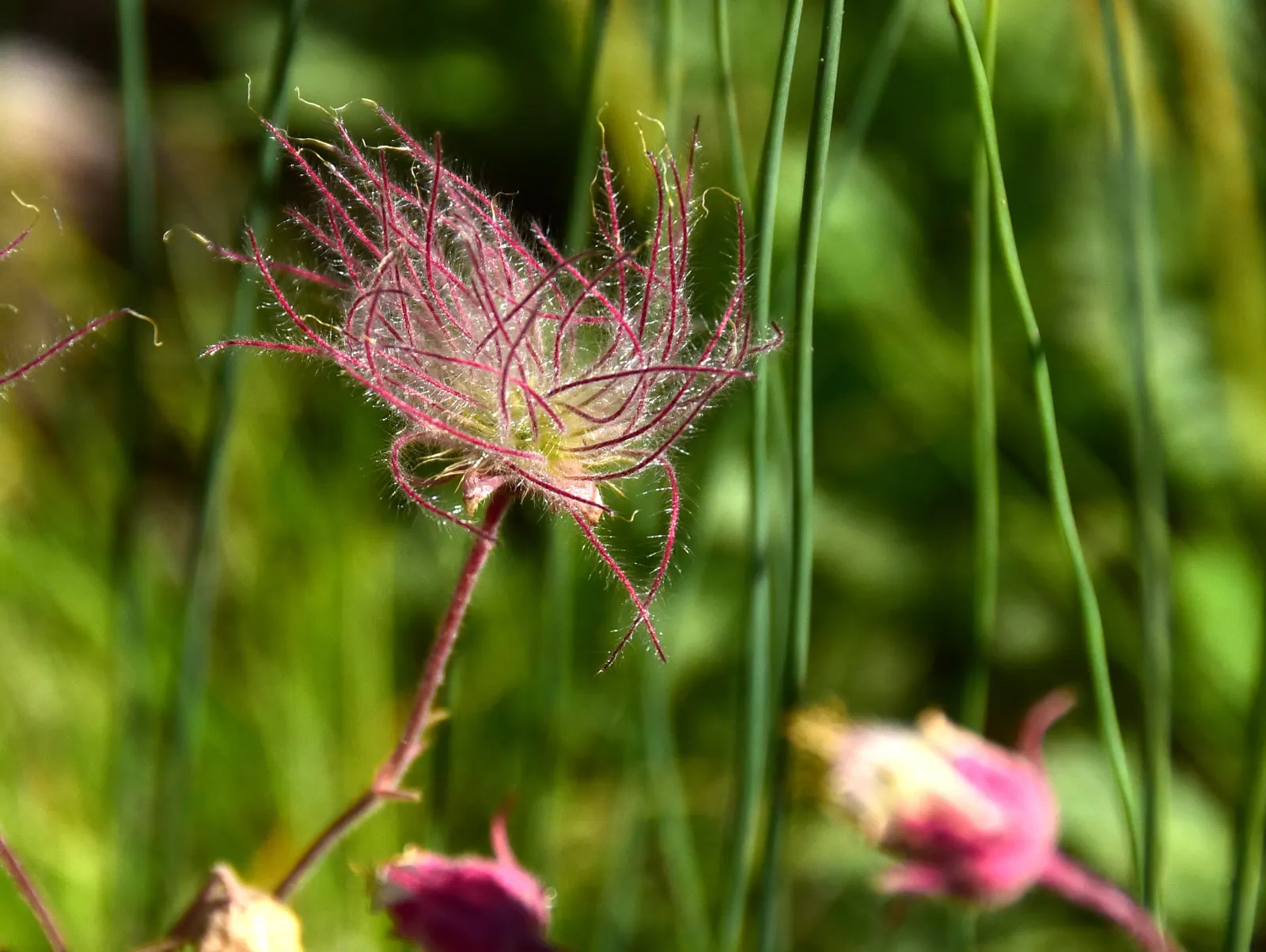
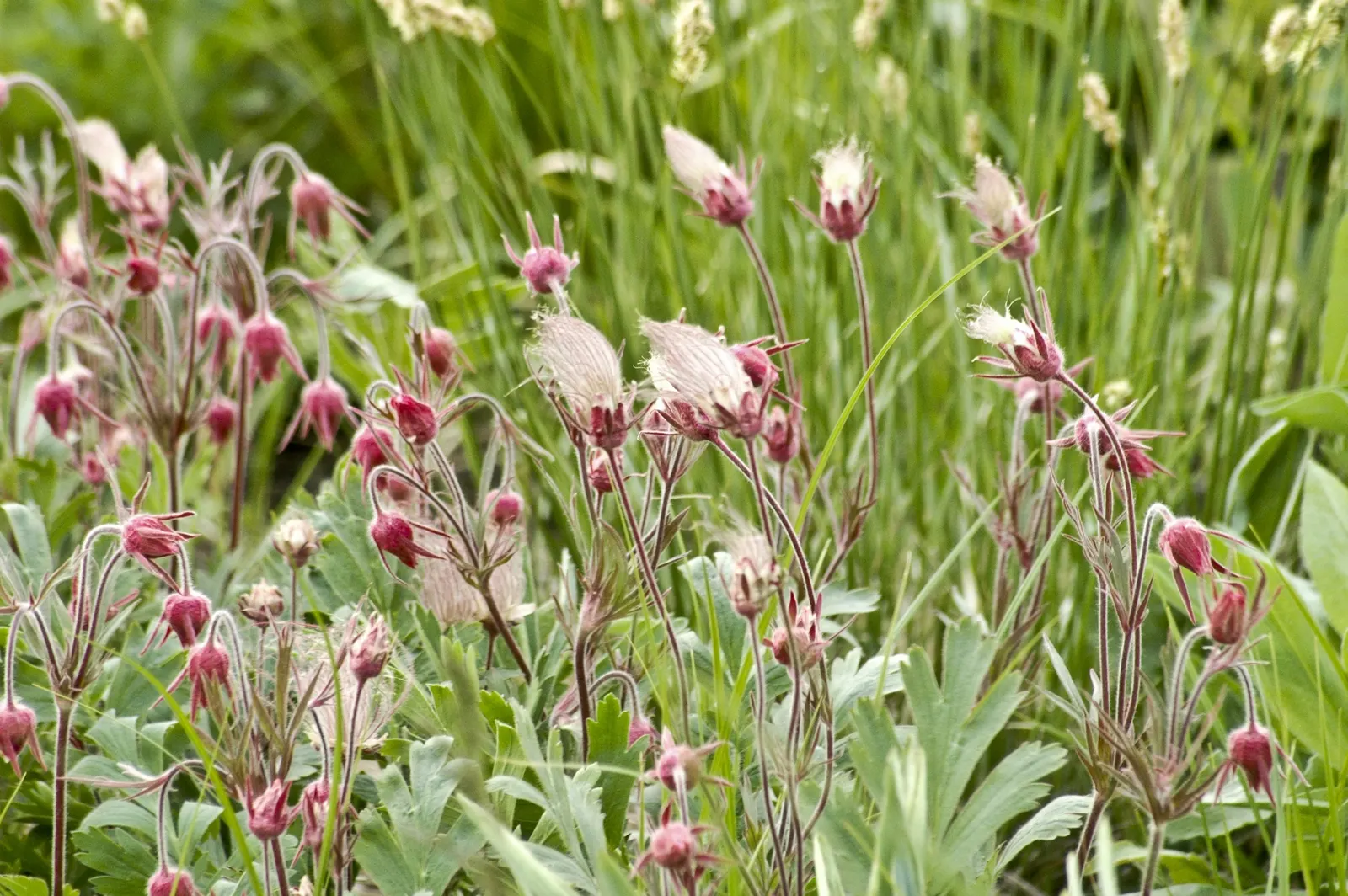
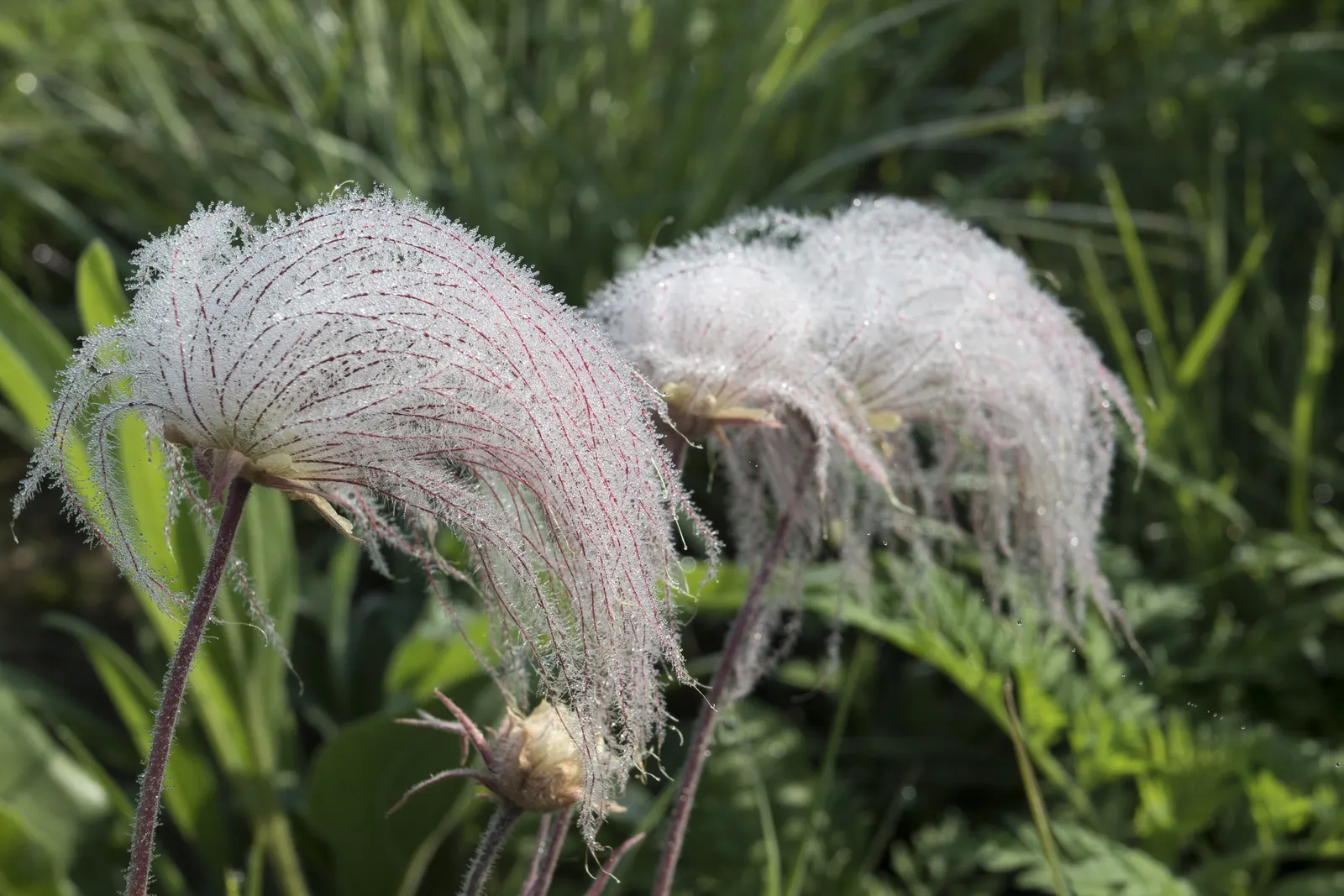
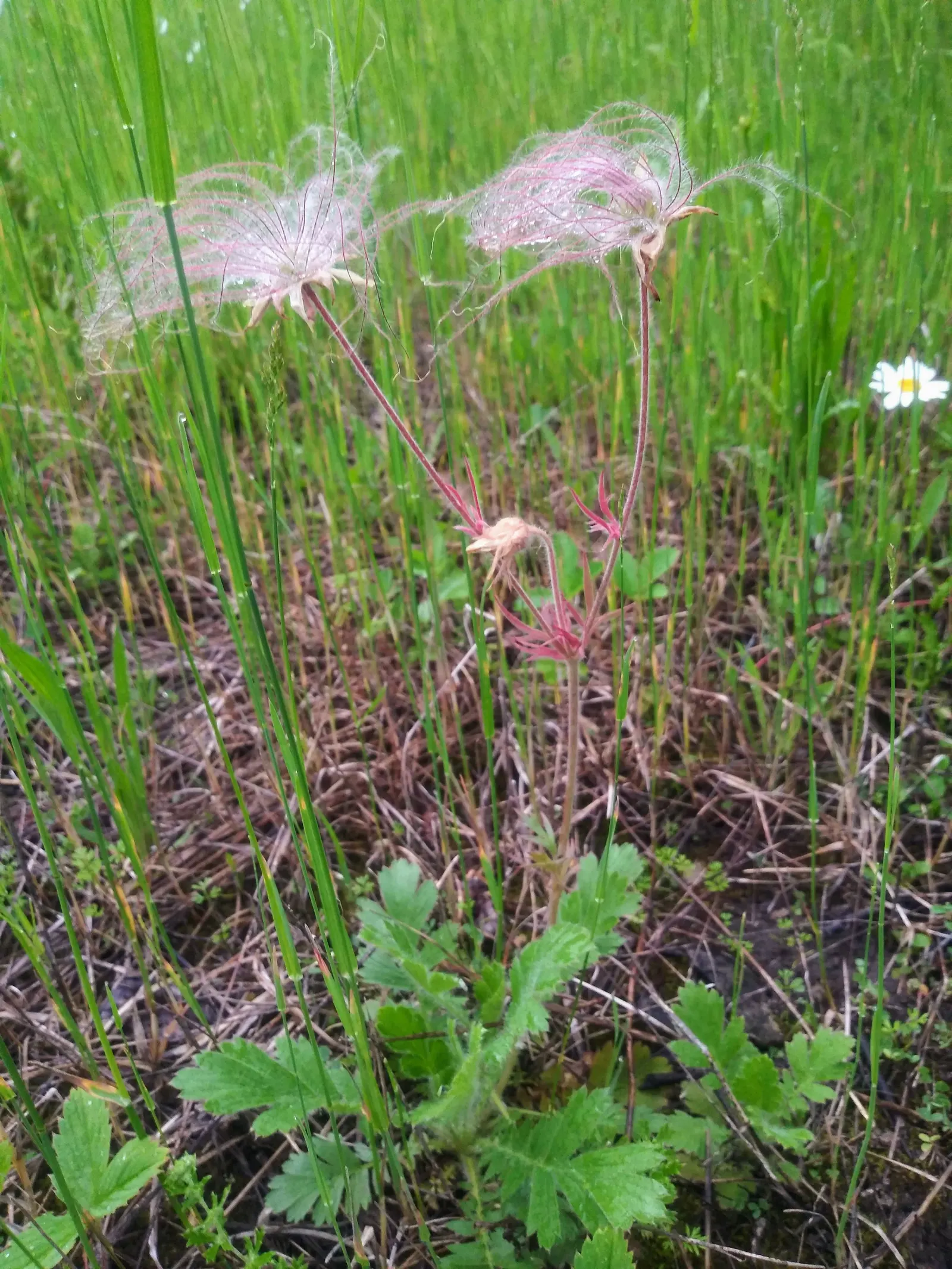
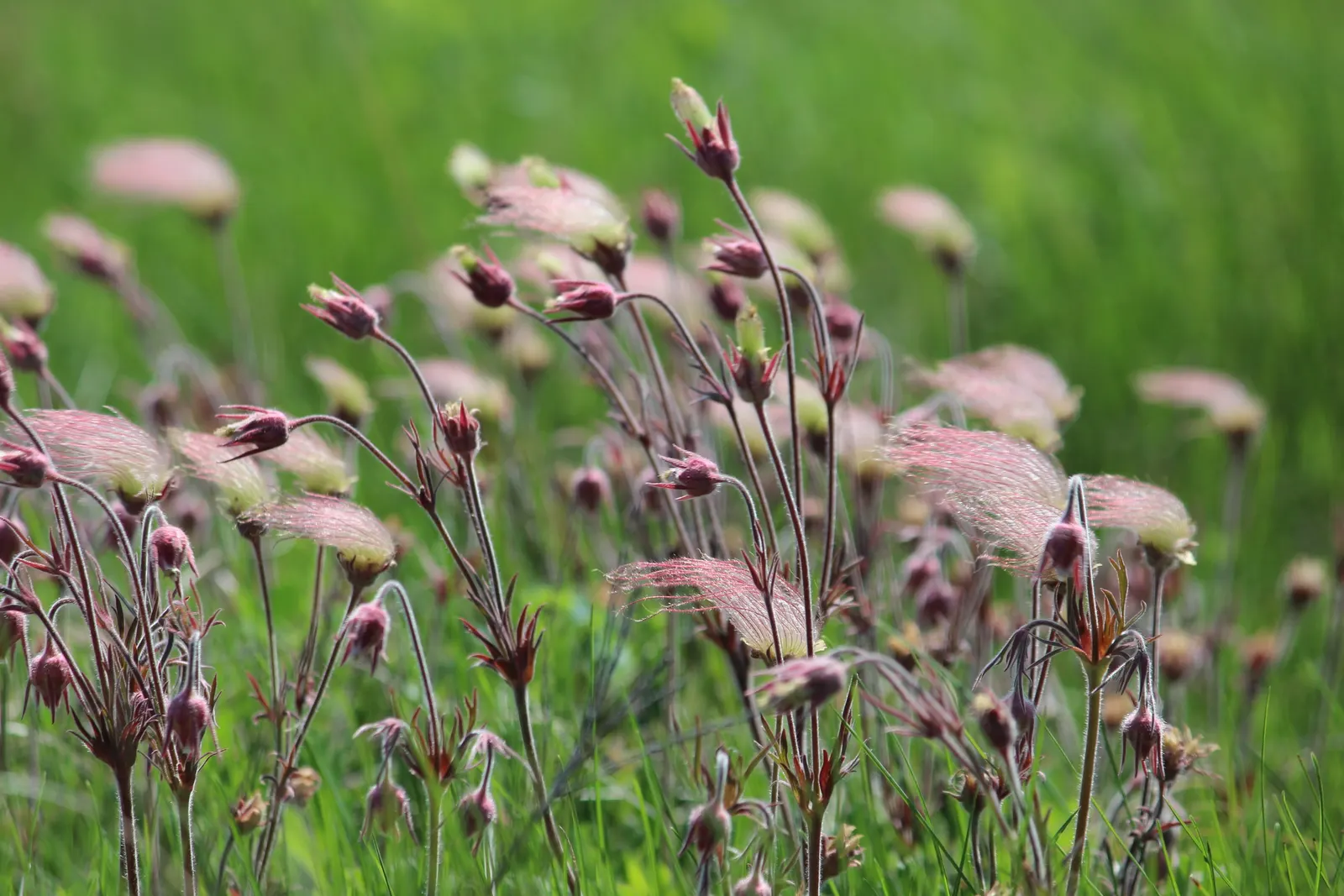
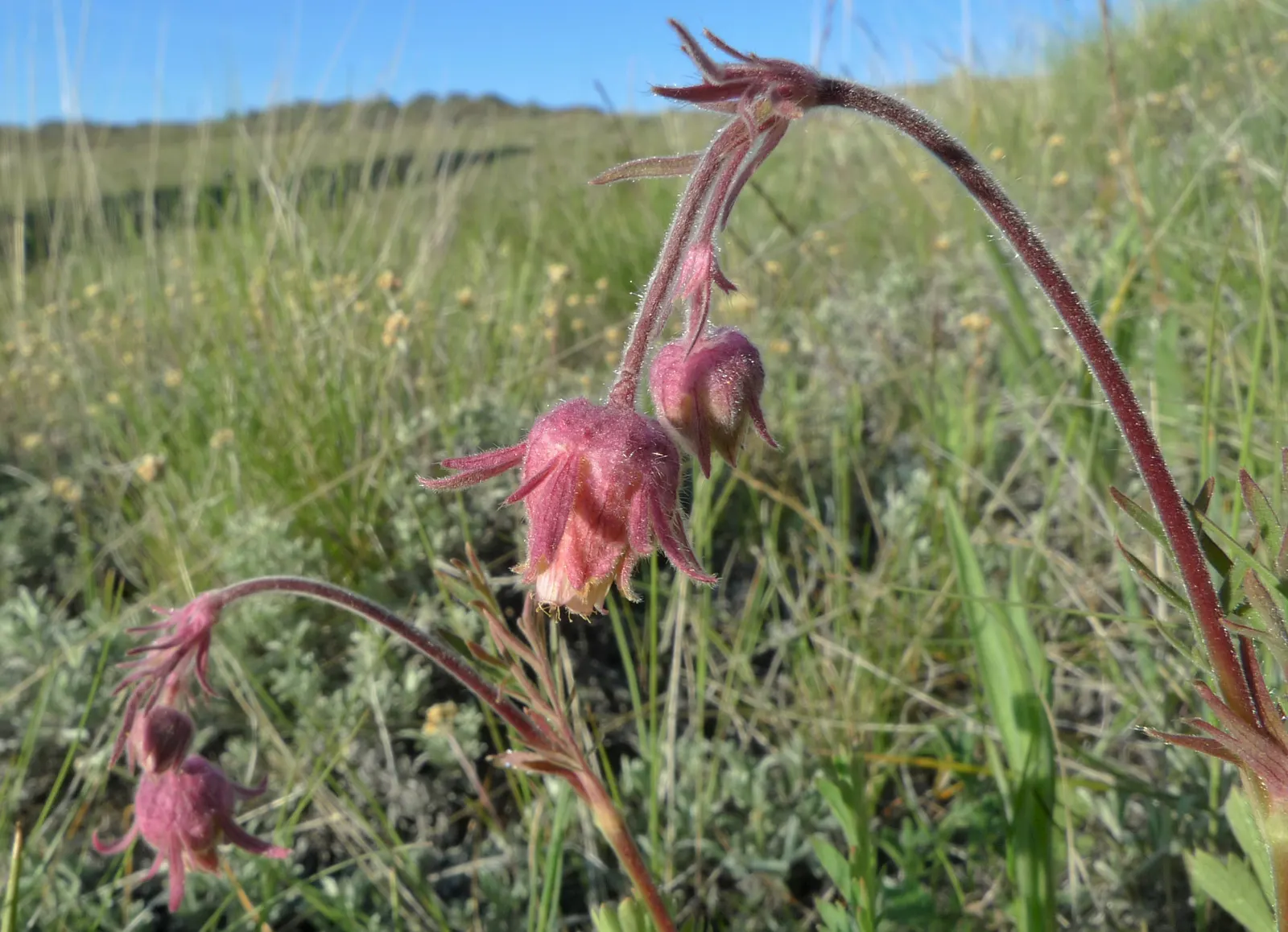
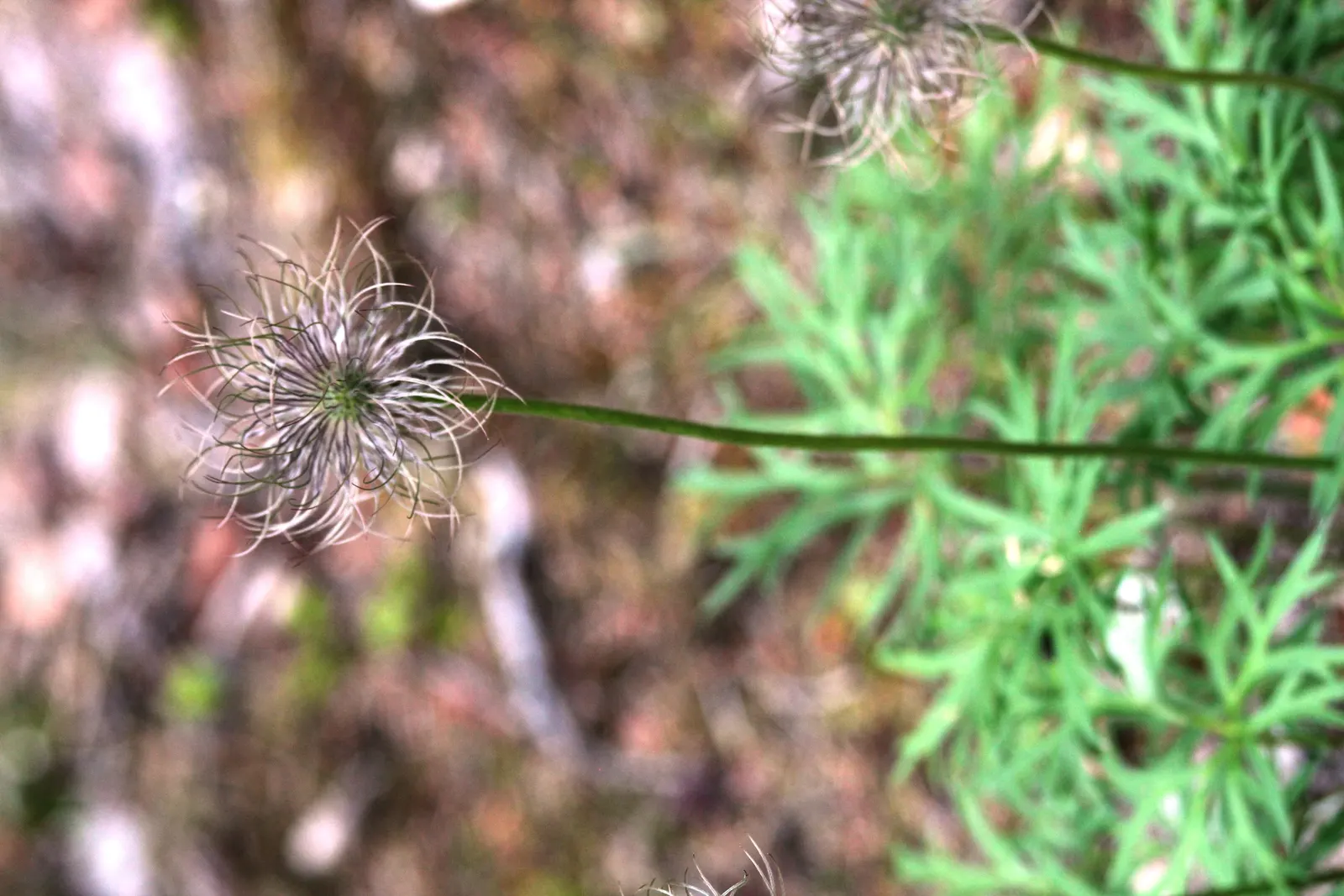
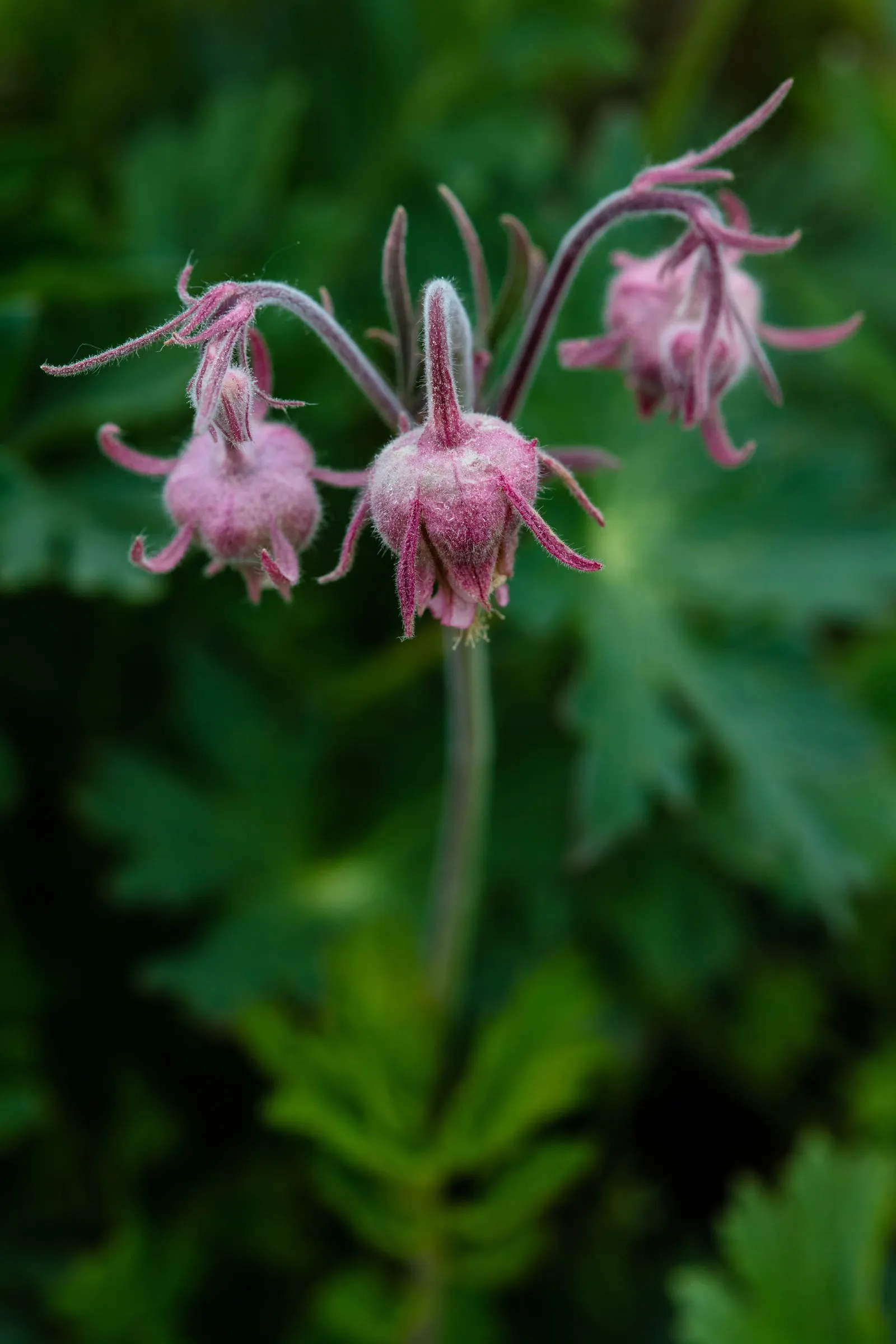
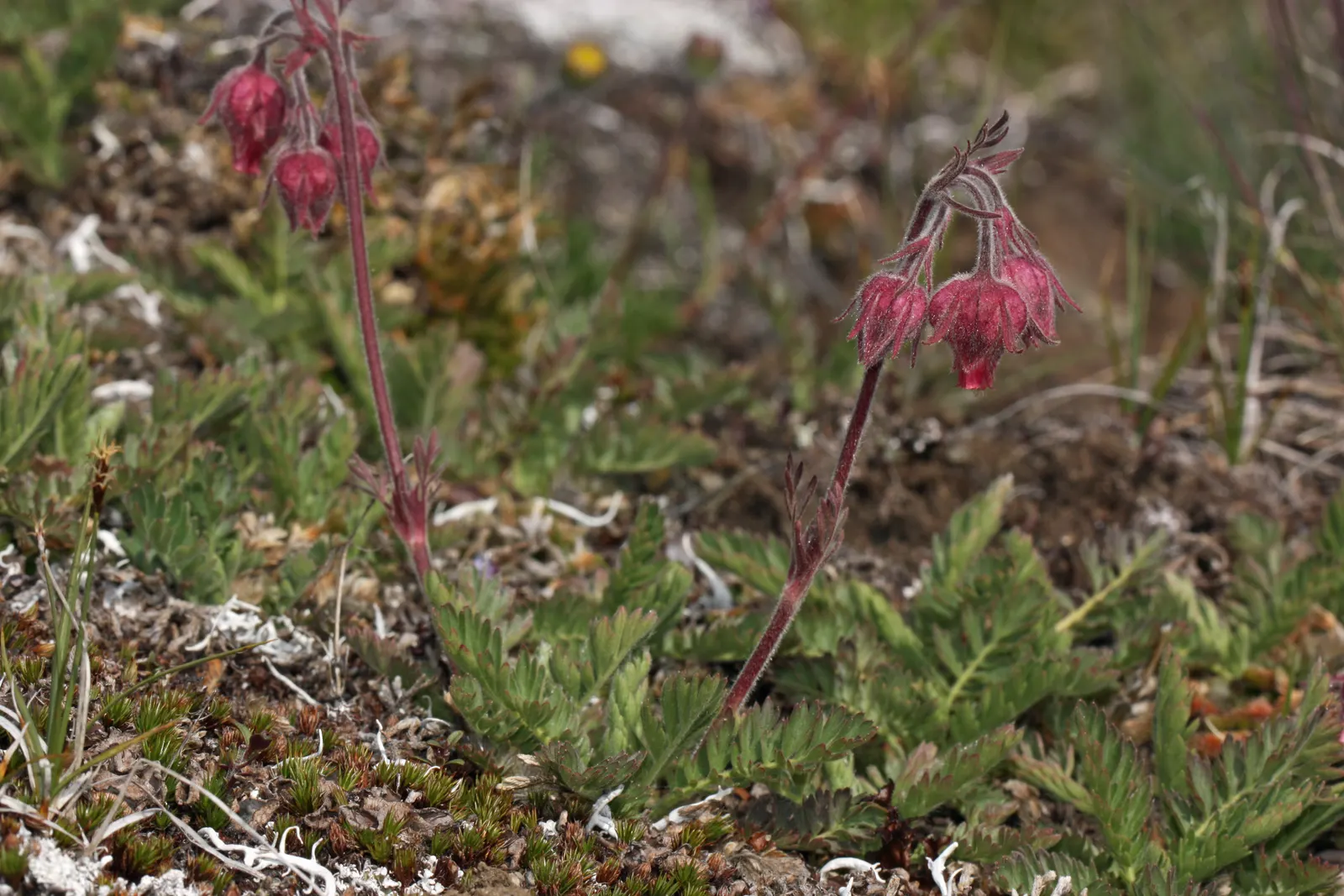
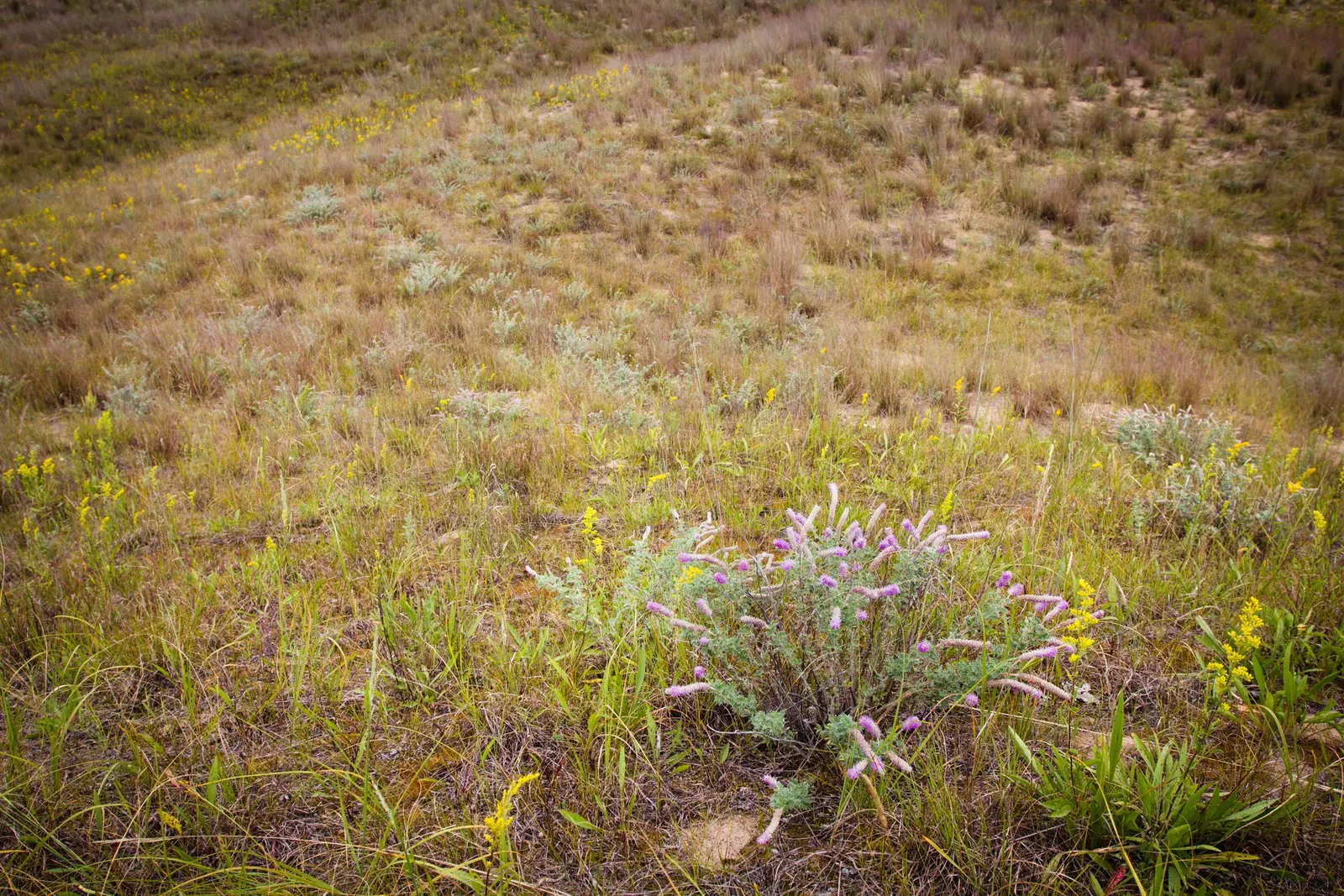
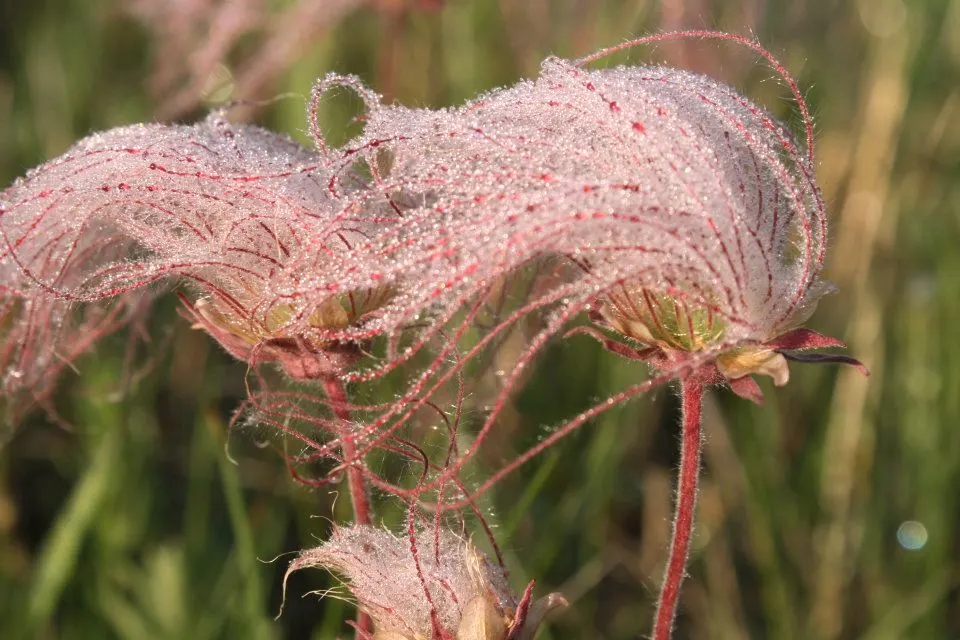
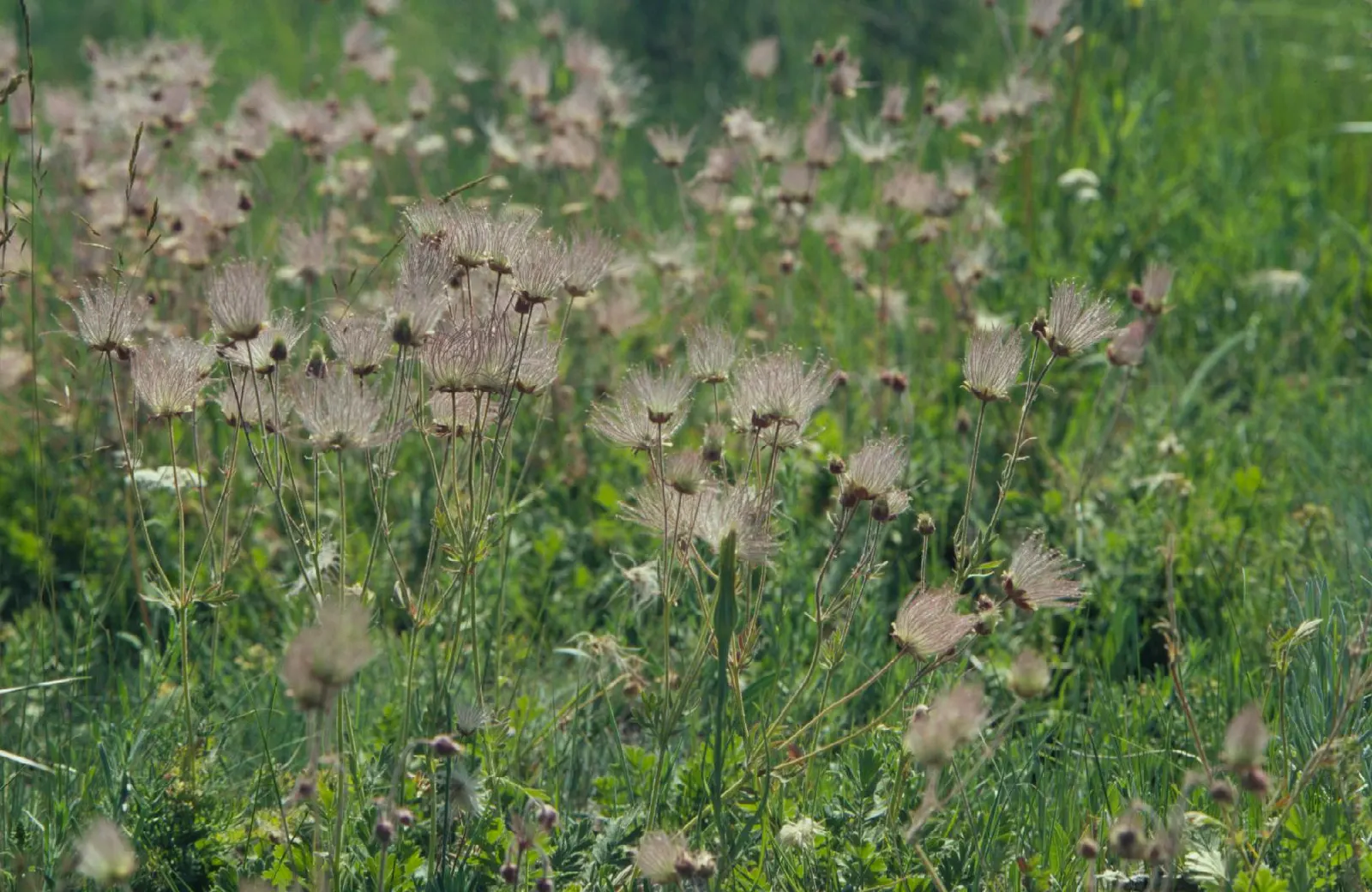
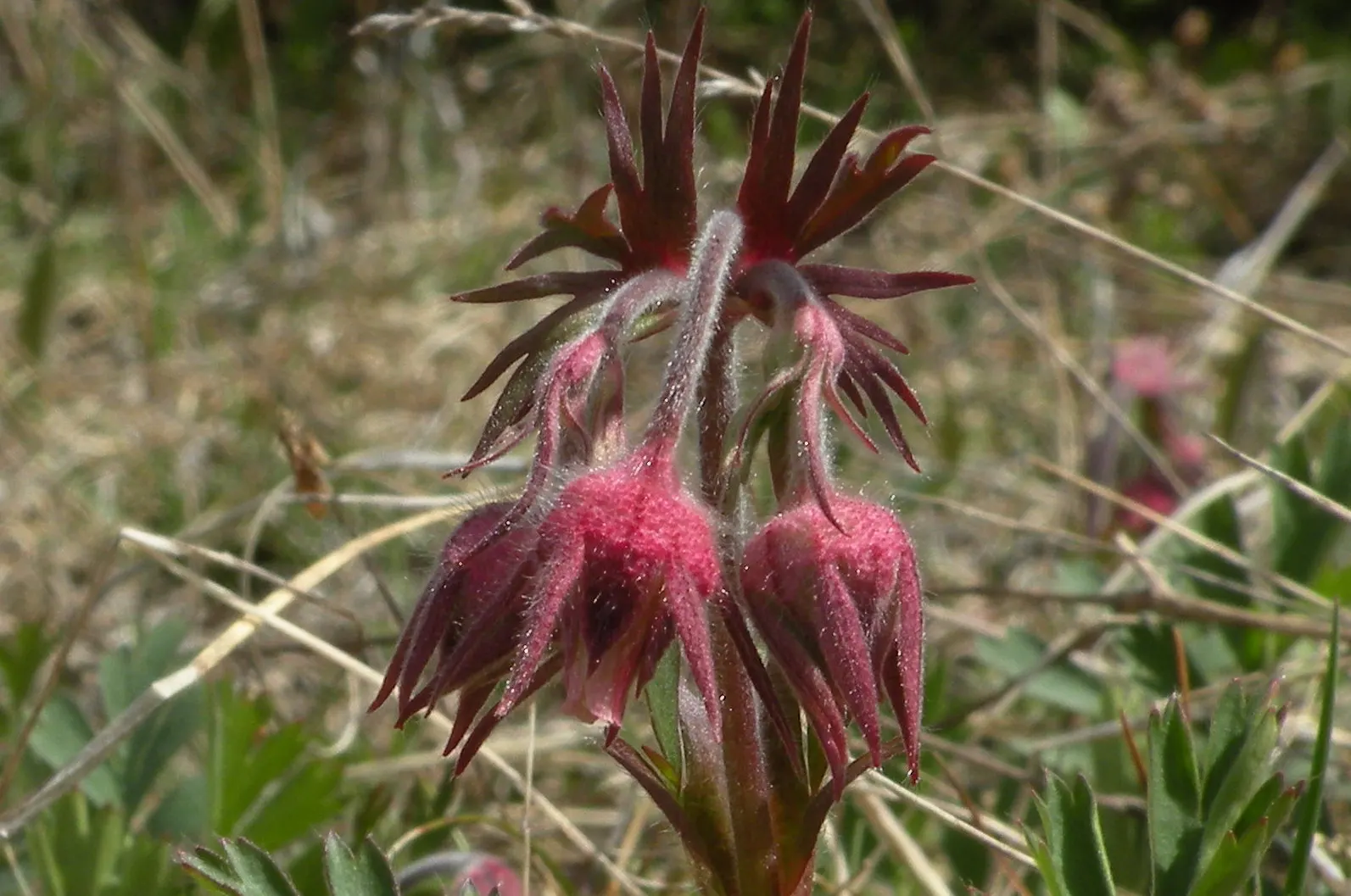
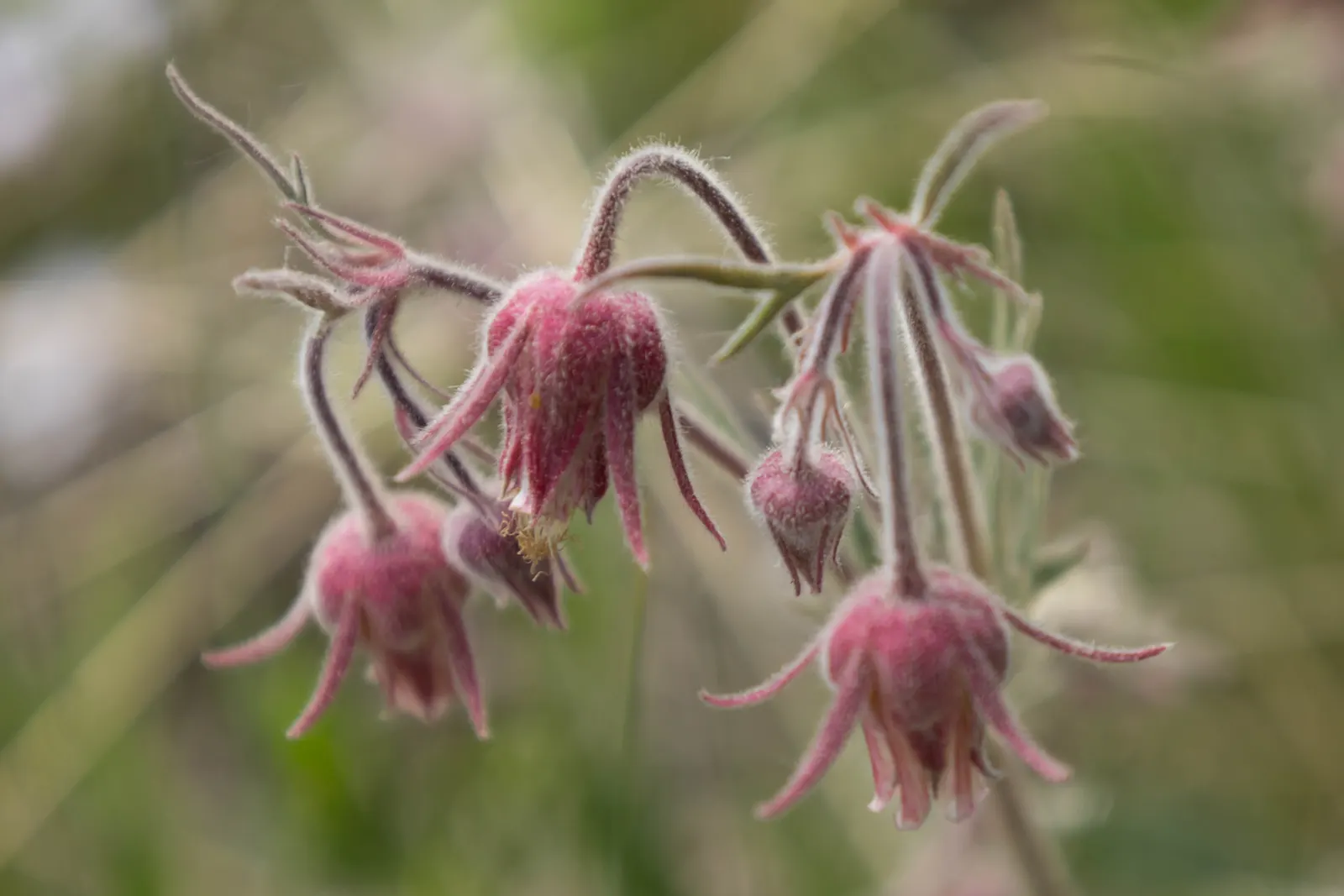
Prairie Smoke (Geum triflorum) is a charming perennial, native to North American prairies. Featuring wispy, smoke-like seed heads atop stems reaching 16-24 inches, it blooms with pink to reddish-purple flowers in late spring. This hardy plant thrives in USDA zones 3-7, prefers full sun to partial shade, and tolerates a range of soils. Ideal for naturalistic designs, it's dazzling en masse, attracting pollinators while requiring minimal maintenance.

Sun Full, HalfWater Extra in Summer, LowZones 5–10Type PerennialClimate Temperate
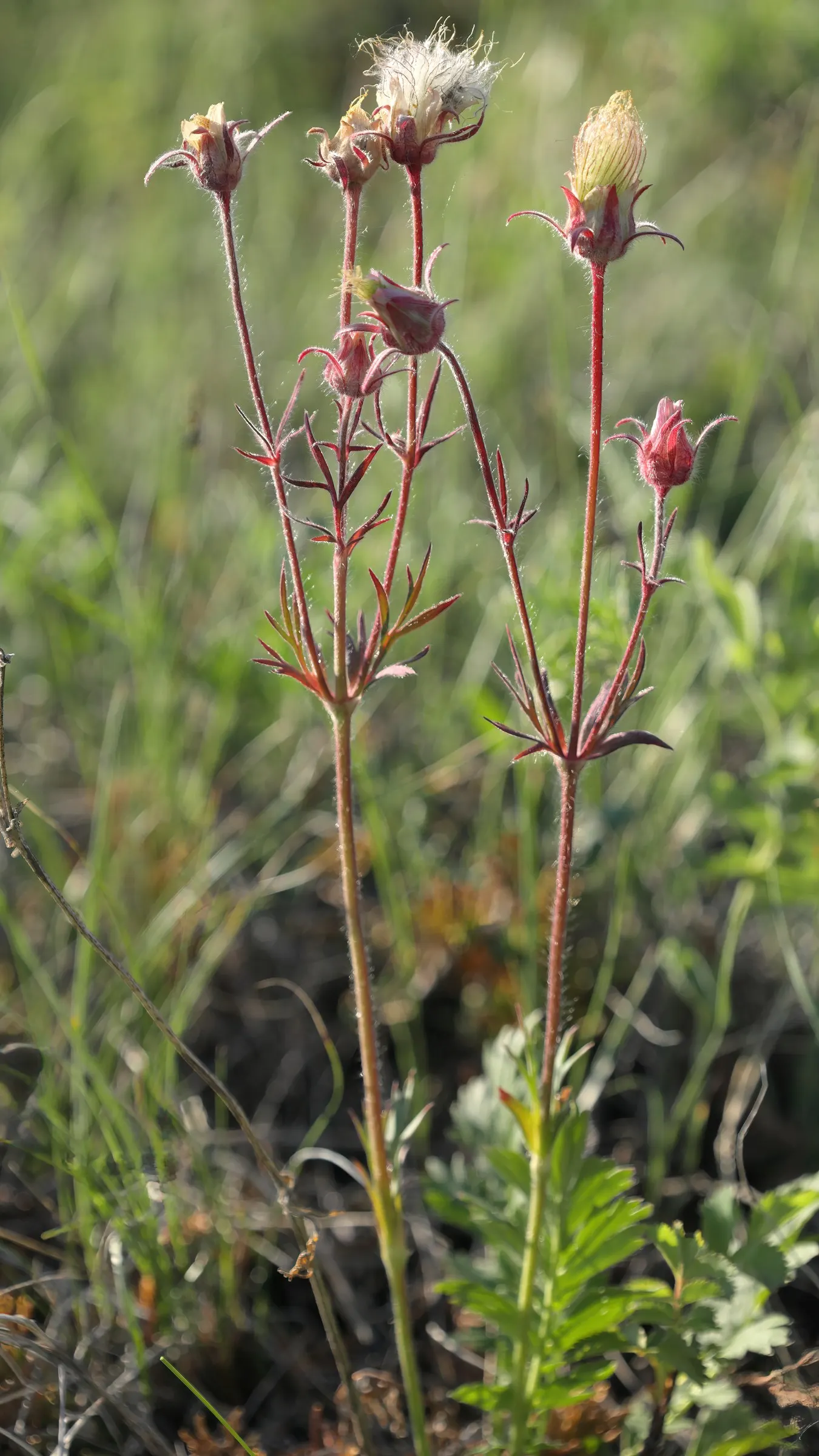
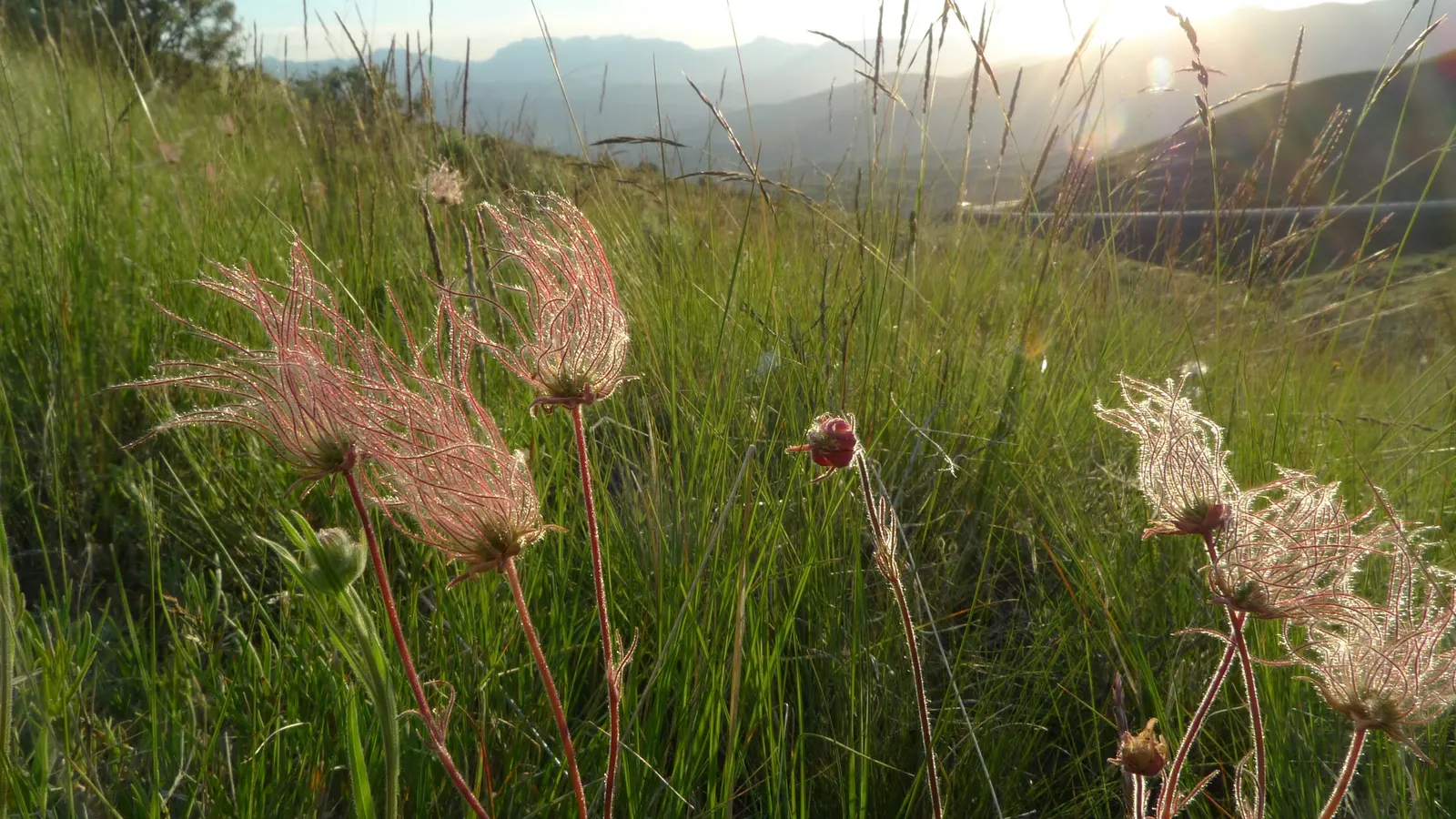
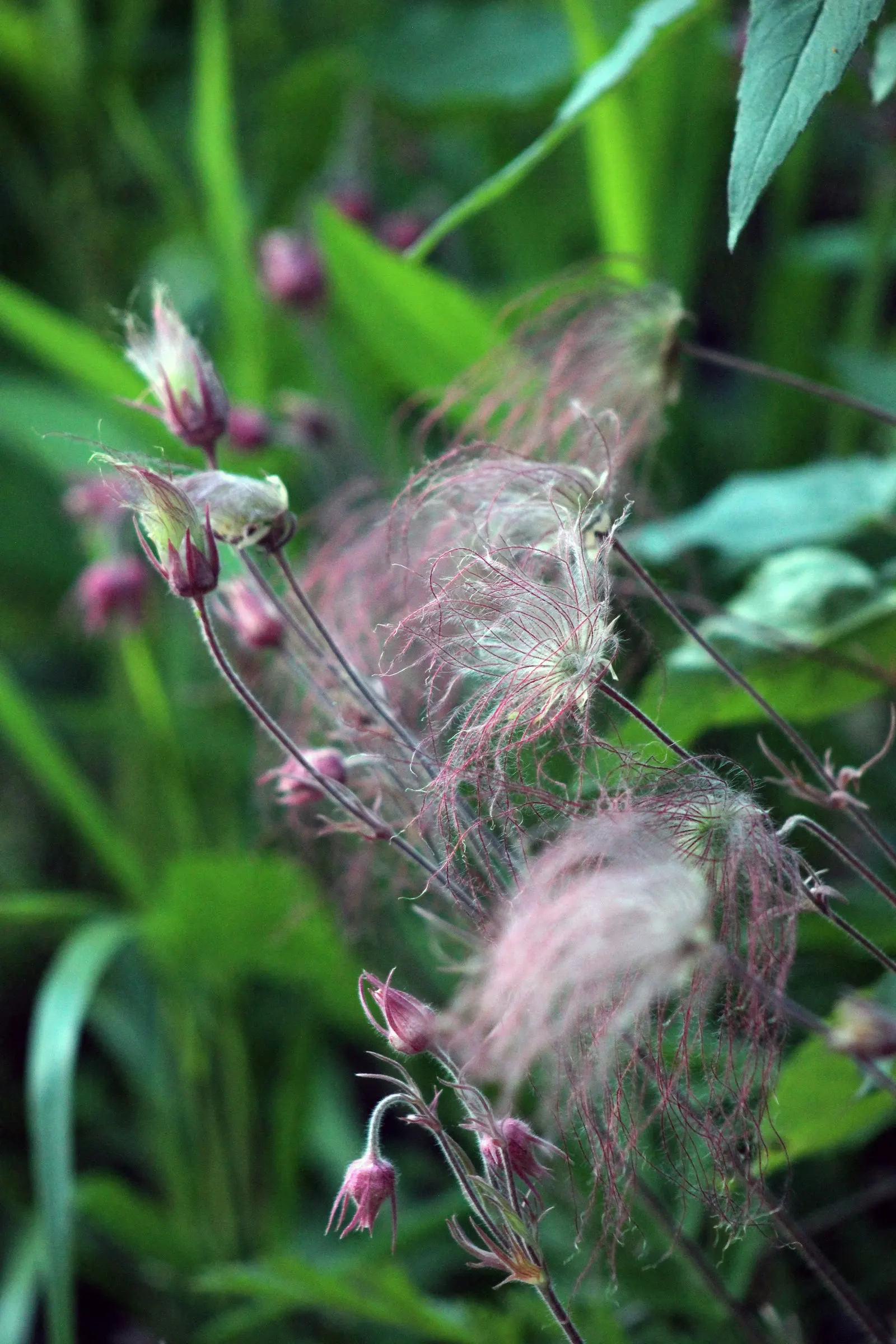
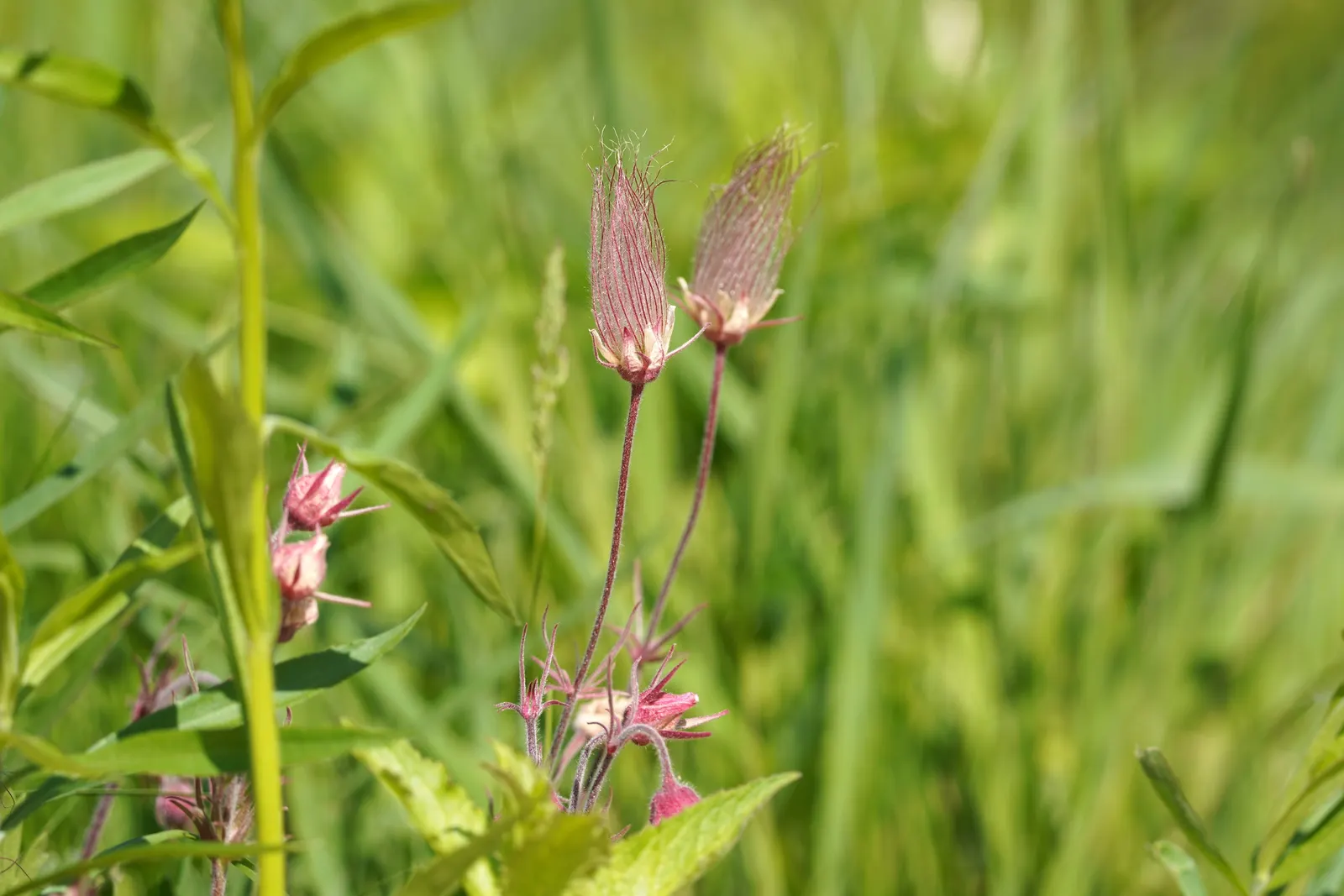
Prairie Smoke (Geum Triflorum) — perennial with pink and red blooms; revealing feathery tails that persist well into the summer, image 111

Culture

Sun
Full, Half
Water
Extra in Summer, Low
USDA zones
5–10

Shape & size

Classification

Type
Perennial
Family
Rosaceae
Climate
Temperate

See full data, regional cultivation notes, and design tools. Build a client presentation around this plant.

Start your 14-day trial

Photos (152)

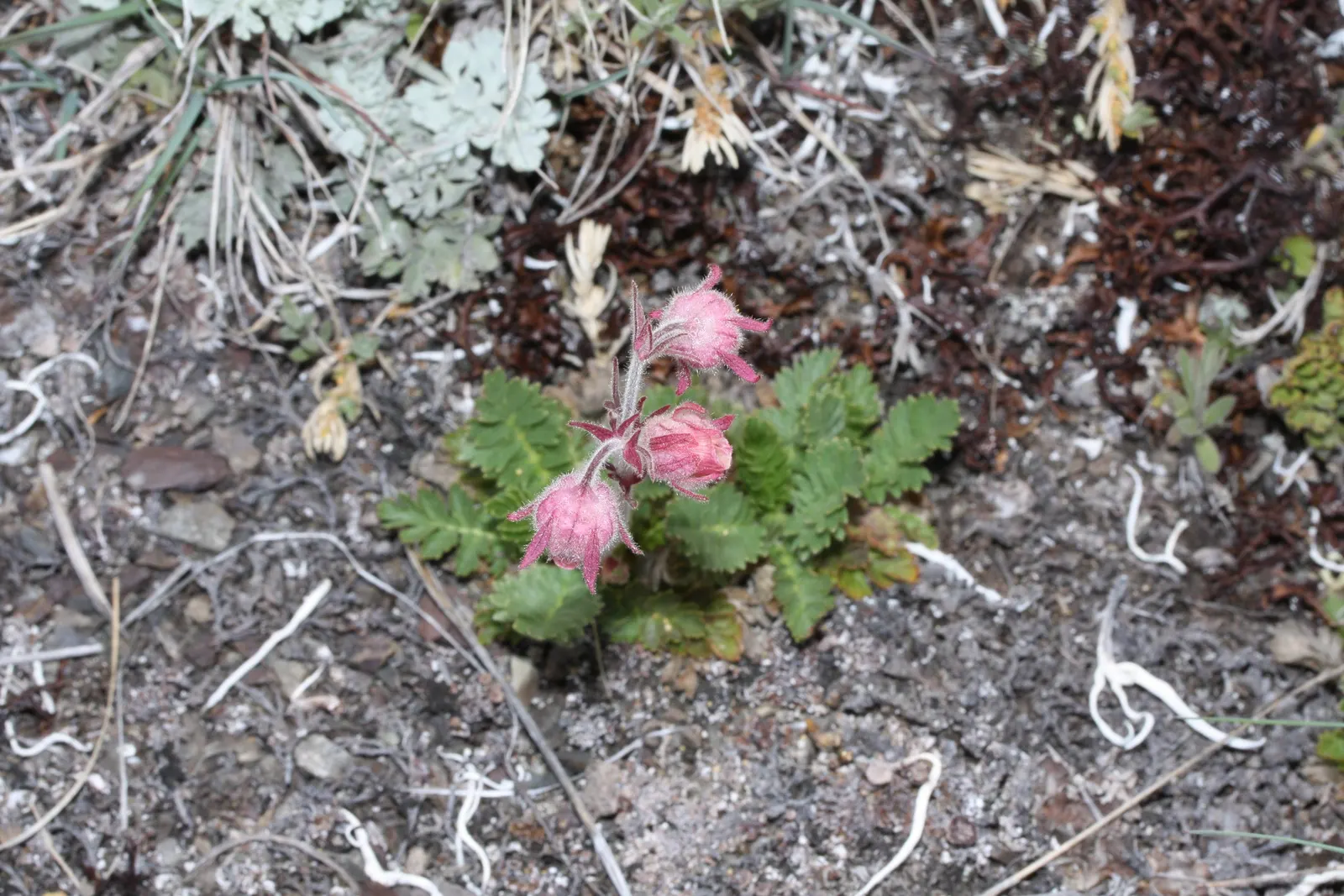
Prairie Smoke (Geum Triflorum) — Prairie Smoke (Geum triflorum) is a charming perennial, native to North American prairies
Prairie Smoke (Geum Triflorum) — As a low maintenance choice; making it a delightful conversation piece for any client's garden, image 76
Prairie Smoke (Geum Triflorum) — providing enduring visual interest; revealing feathery tails that persist well into the summer, image 103
Prairie Smoke (Geum Triflorum) — as long as they are not overly wet; making it a delightful conversation piece for any client's garden, image 96
Prairie Smoke (Geum Triflorum) — and meadow-style landscapes
Prairie Smoke (Geum Triflorum) — Once the blooms are pollinated; this hardy plant thrives in USDA zones 3-7, prefers full sun to partial shade, and, image 129
Prairie Smoke (Geum Triflorum) — besides optional division every few years to maintain its vigor.<br><br>Hardy in USDA zones 3 through 7
Prairie Smoke (Geum Triflorum) — perennial for full or half; making it a delightful conversation piece for any client's garden
Prairie Smoke (Geum Triflorum) — Once the blooms are pollinated; this hardy plant thrives in USDA zones 3-7, prefers full sun to partial shade, and, image 73
Prairie Smoke (Geum Triflorum) — Prairie Smoke (Geum triflorum)
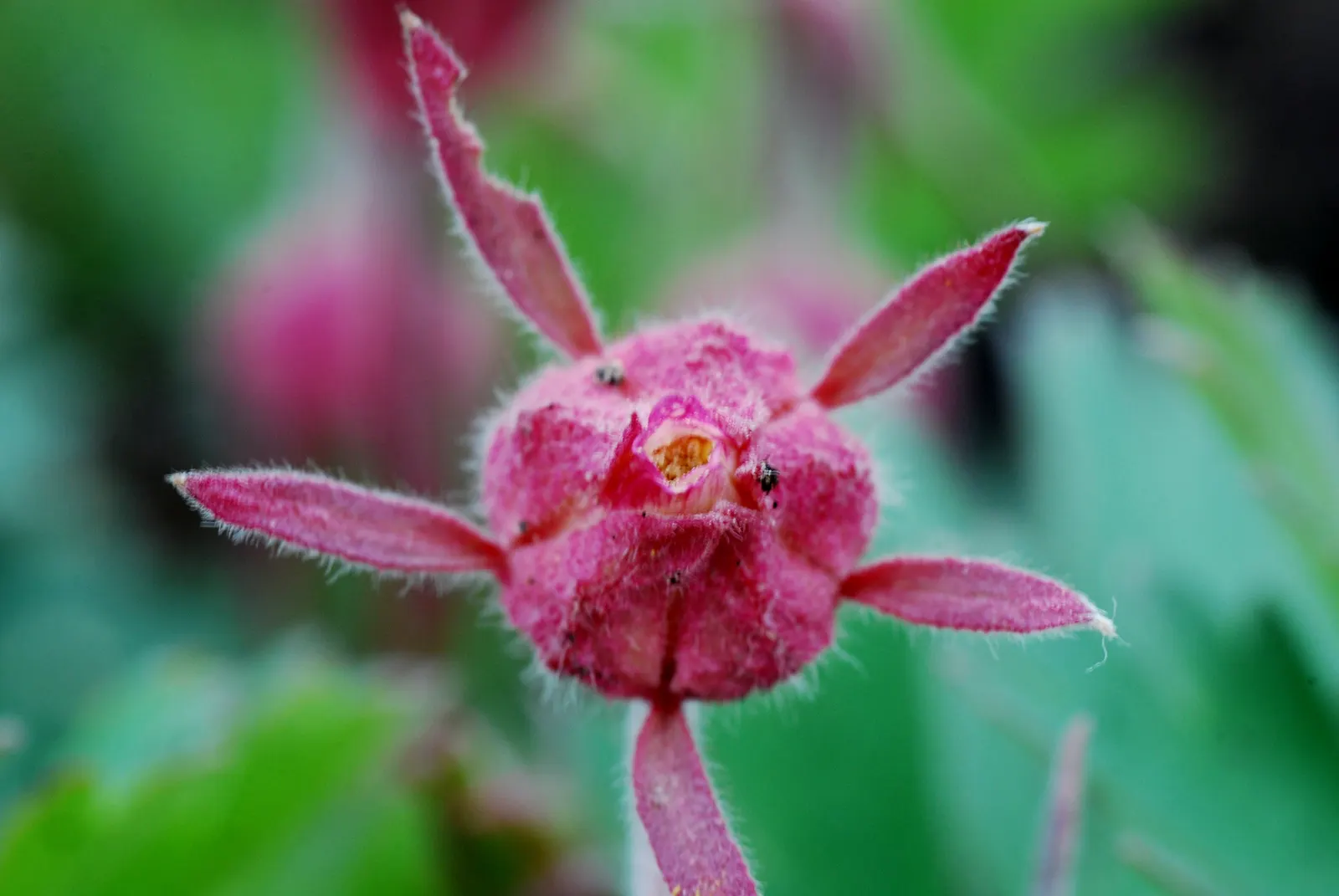
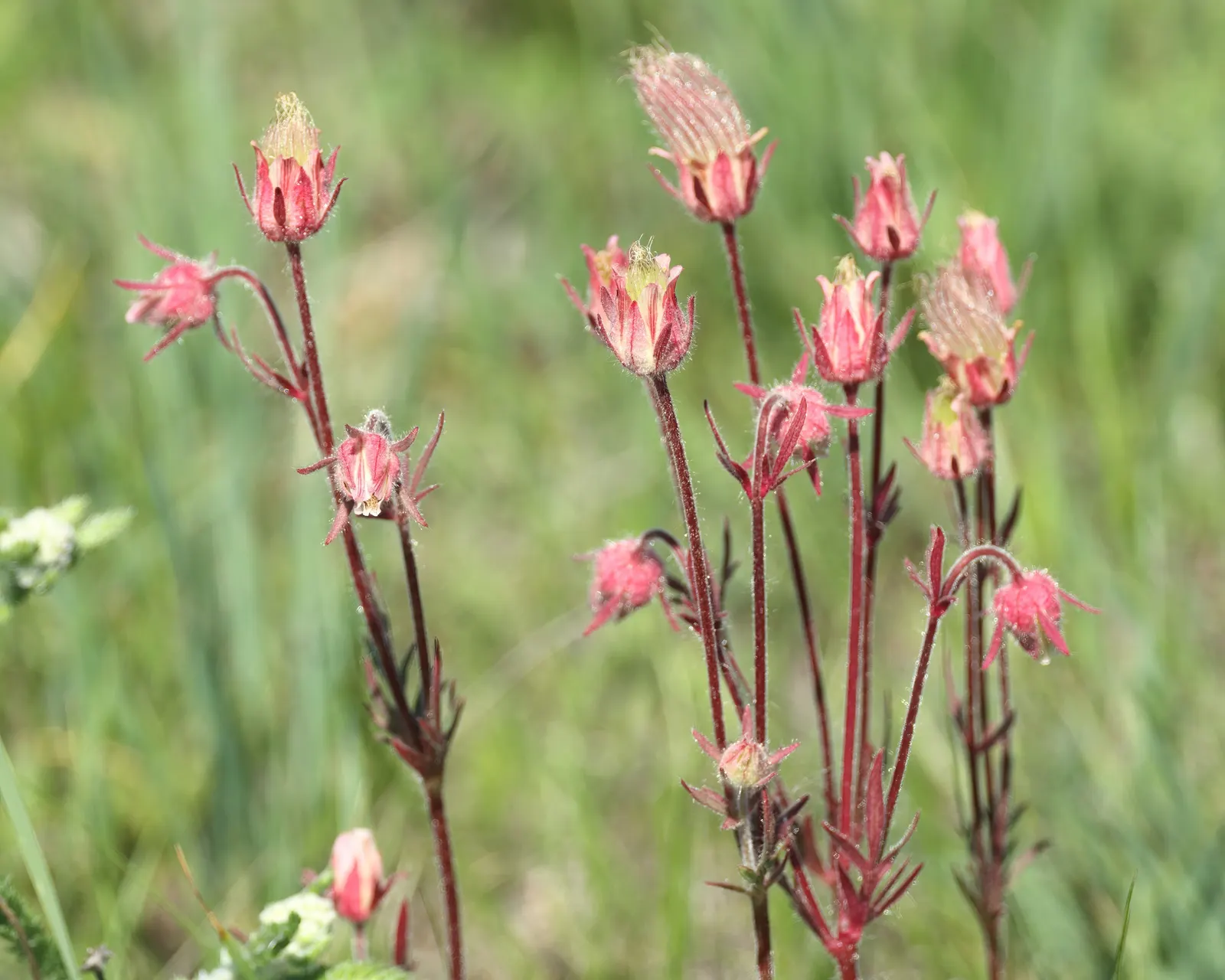
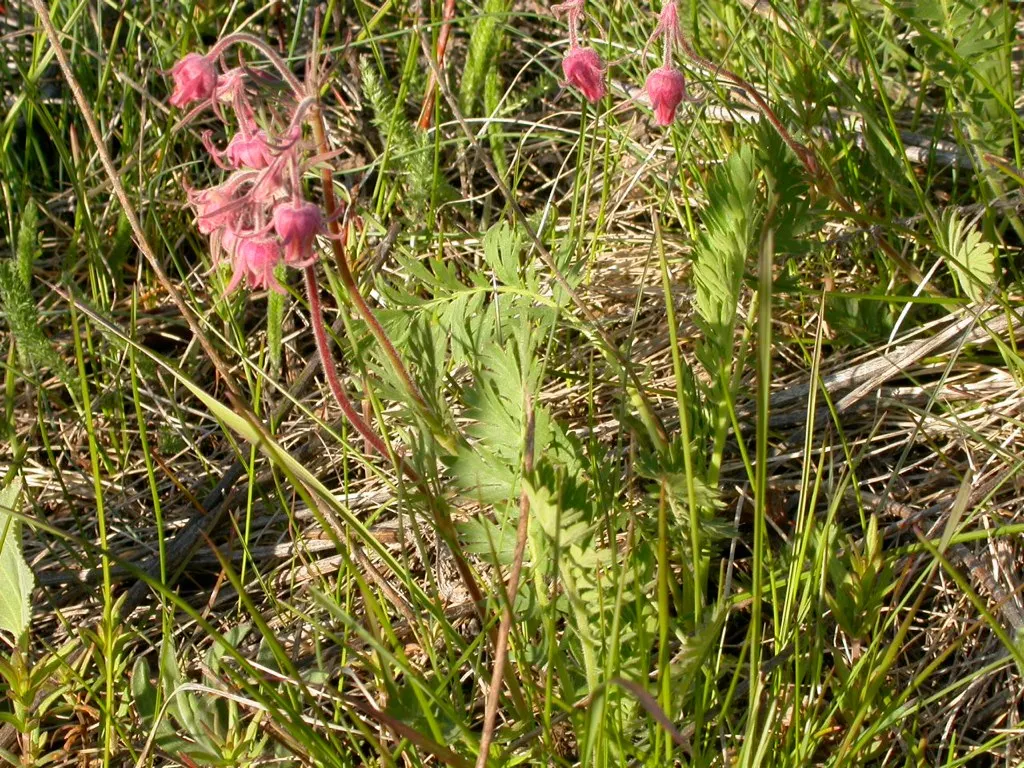
Prairie Smoke (Geum Triflorum) — perennial with pink and red blooms
Prairie Smoke (Geum Triflorum) — besides optional division every few years to maintain its vigor.<br><br>Hardy in USDA zones 3 through 7; sandy or loamy soil
Prairie Smoke (Geum Triflorum) — Prairie Smoke (Geum triflorum); revealing feathery tails that persist well into the summer, image 91
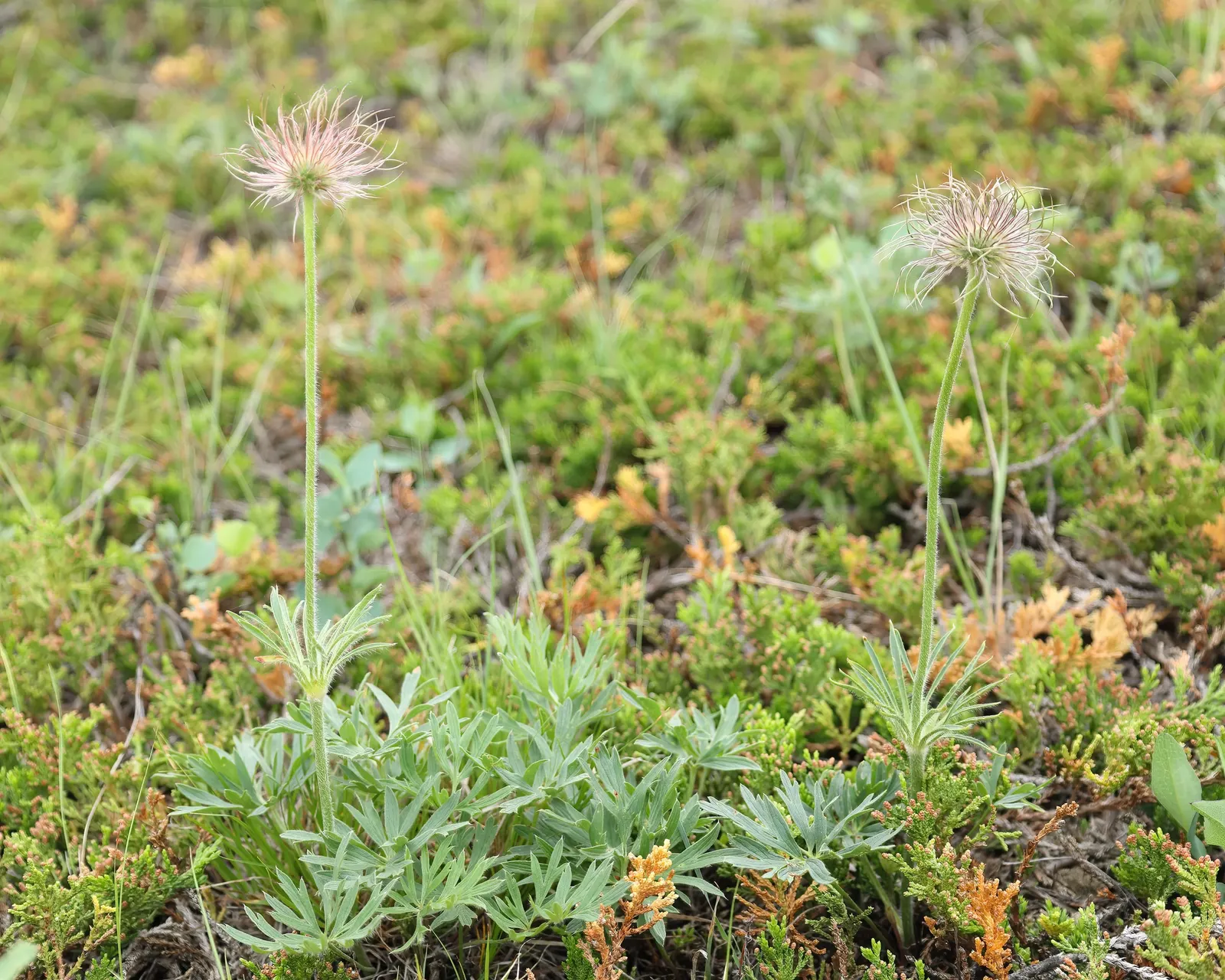
Prairie Smoke (Geum Triflorum) — smoke-like seed heads atop stems reaching 16-24 inches
Prairie Smoke (Geum Triflorum) — the plant produces nodding pink to red flowers that rise slightly above the foliage; making it a delightful conversation piece
Prairie Smoke (Geum Triflorum) — Prairie Smoke (Geum triflorum); revealing feathery tails that persist well into the summer
Prairie Smoke (Geum Triflorum) — Ideal for naturalistic designs
Prairie Smoke (Geum Triflorum) — Ideal for naturalistic designs; this hardy plant thrives in USDA zones 3-7, prefers full sun to partial shade, and, image 117
Prairie Smoke (Geum Triflorum) — aligning well with the growing desire for water-efficient landscapes.<br><br>In the spring; sandy or loamy soil, image 70
Prairie Smoke (Geum Triflorum) — pink and red flowers in the garden; sandy or loamy soil but is quite adaptable to various soil conditions, image 82
Prairie Smoke (Geum Triflorum) — As a low maintenance choice; making it a delightful conversation piece for any client's garden, image 132
Prairie Smoke (Geum Triflorum) — pink and red flowers in the garden; sandy or loamy soil but is quite adaptable to various soil conditions
Prairie Smoke (Geum Triflorum) — as long as they are not overly wet; making it a delightful conversation piece for any client's garden, image 68
Prairie Smoke (Geum Triflorum) — it demonstrates notable drought tolerance; this hardy plant thrives in USDA zones 3-7, prefers full sun to partial shade, and
Photographs by 11 contributors

Related plants