Skip to content

Black Huckleberry

Gaylussacia Baccata

Design with this plant

Overview

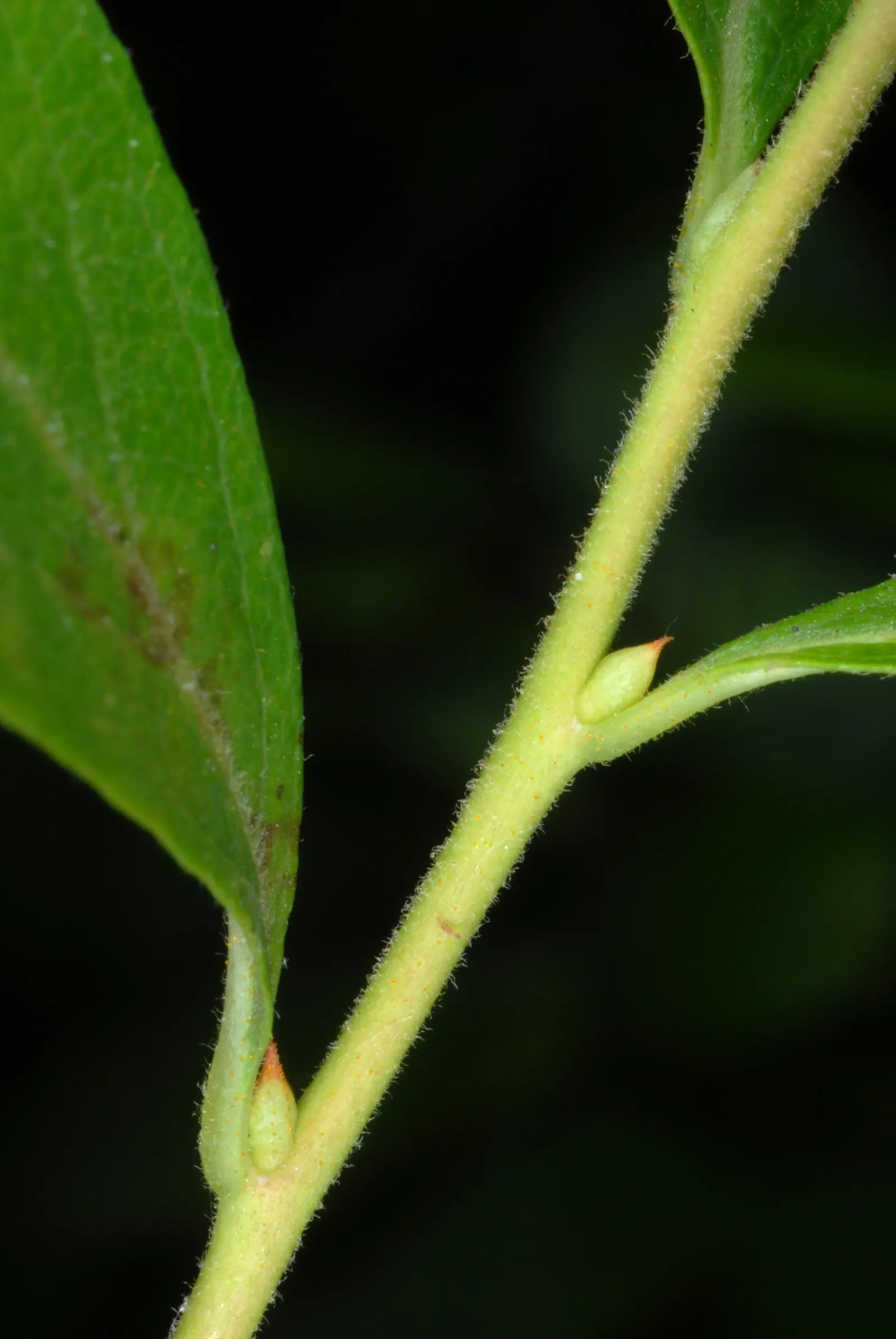
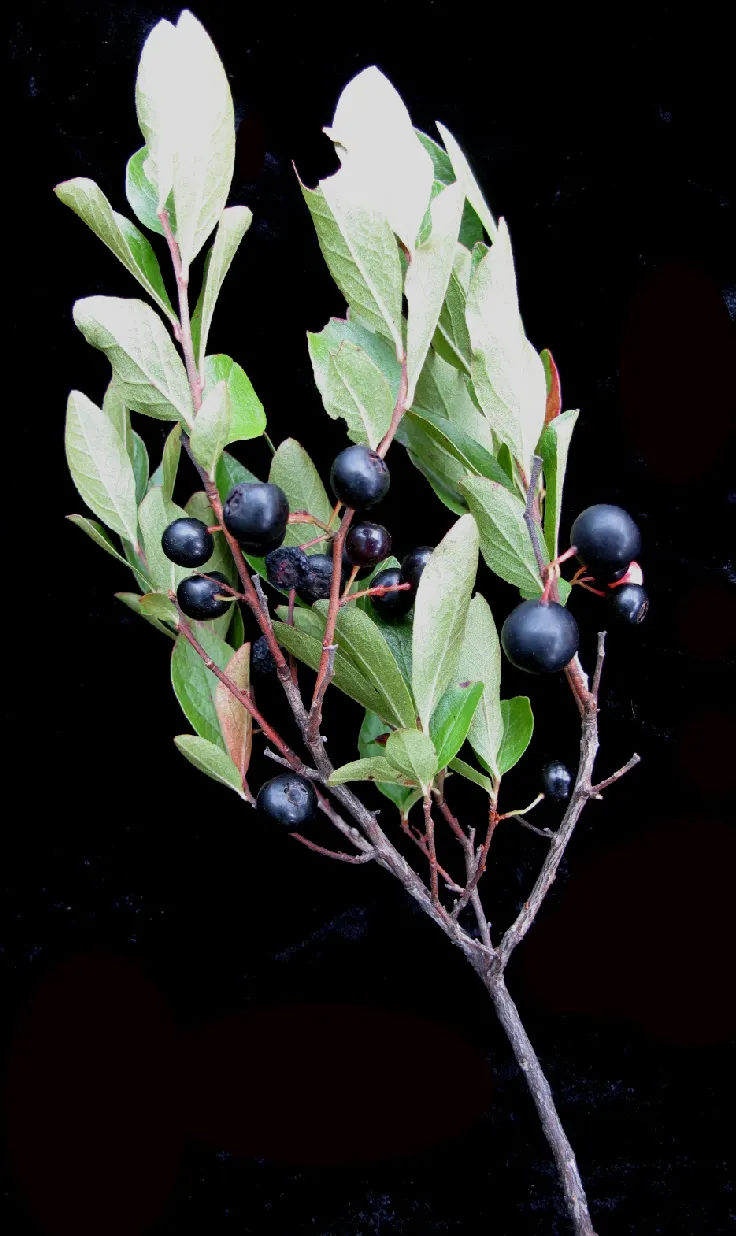
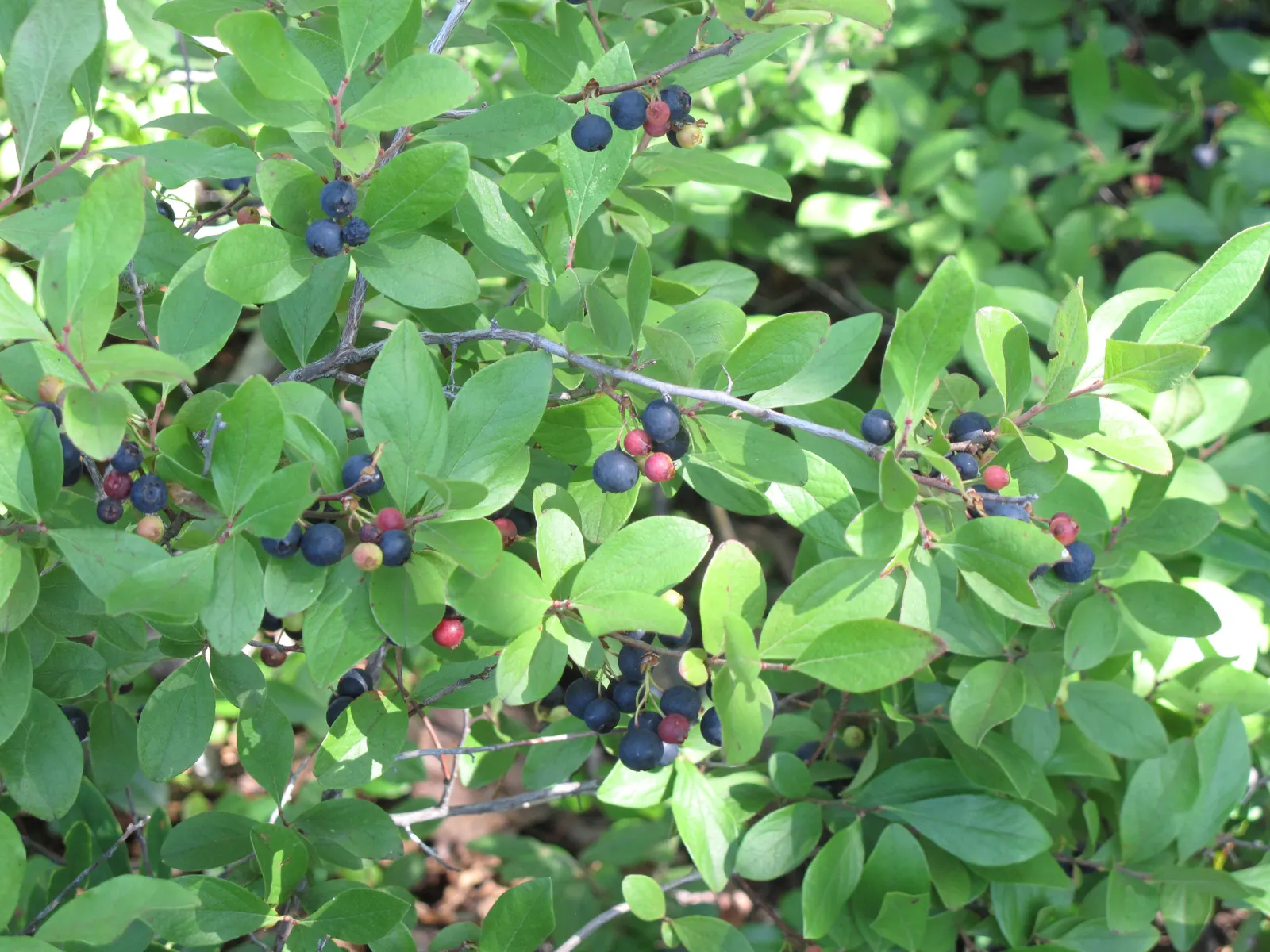
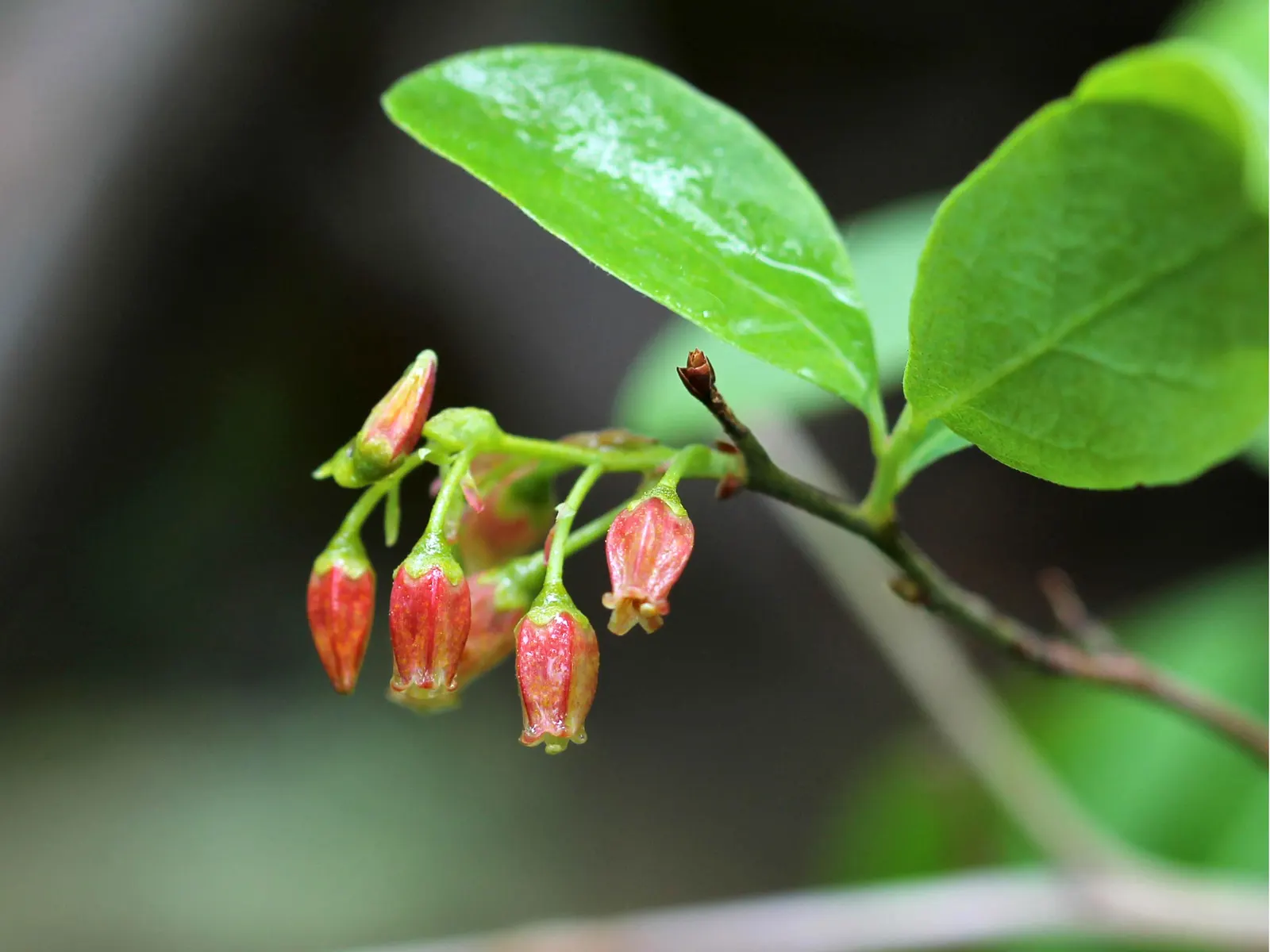
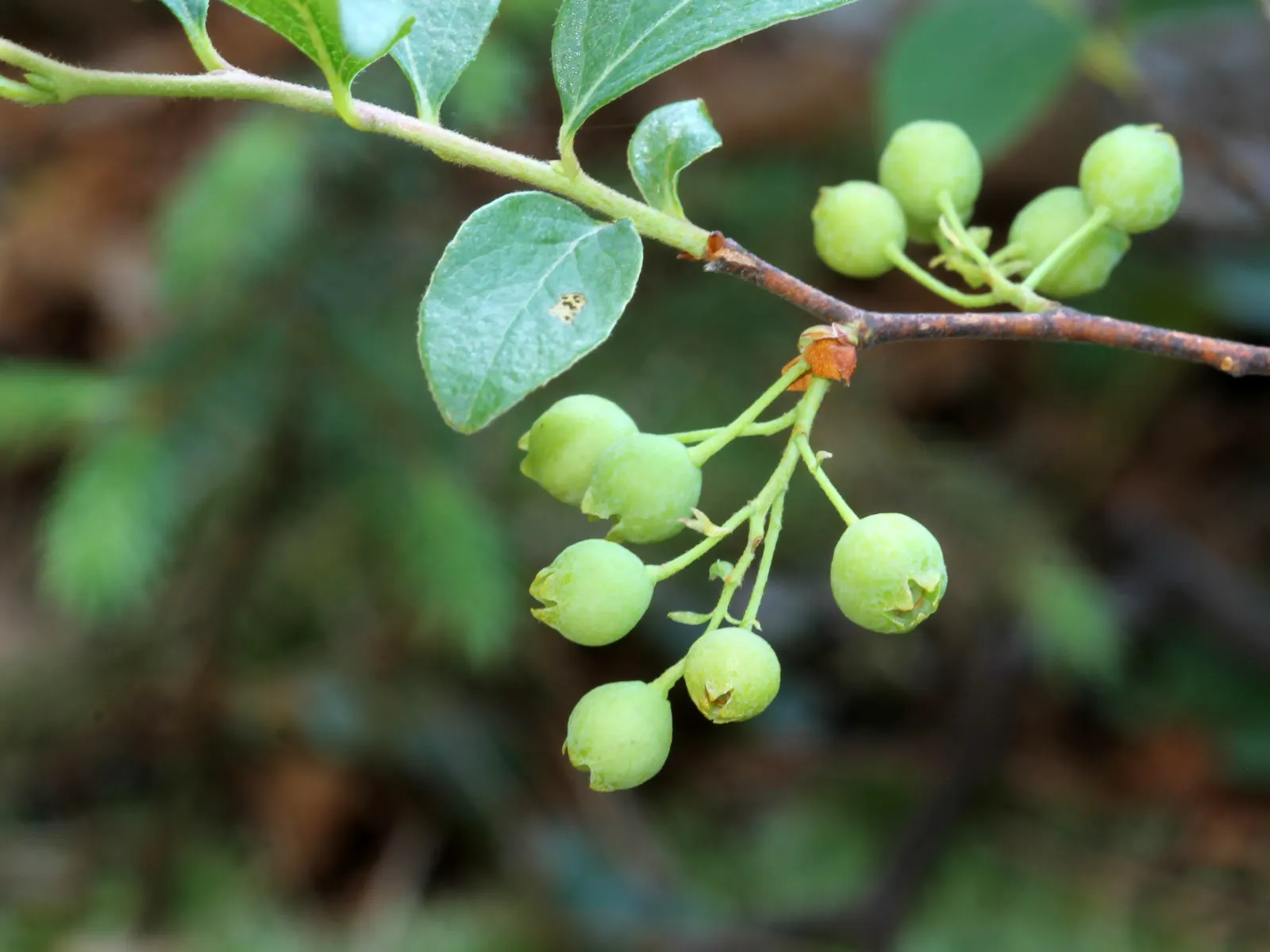
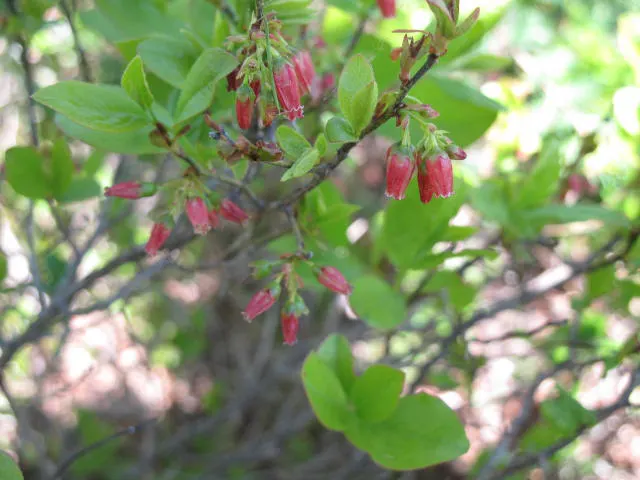
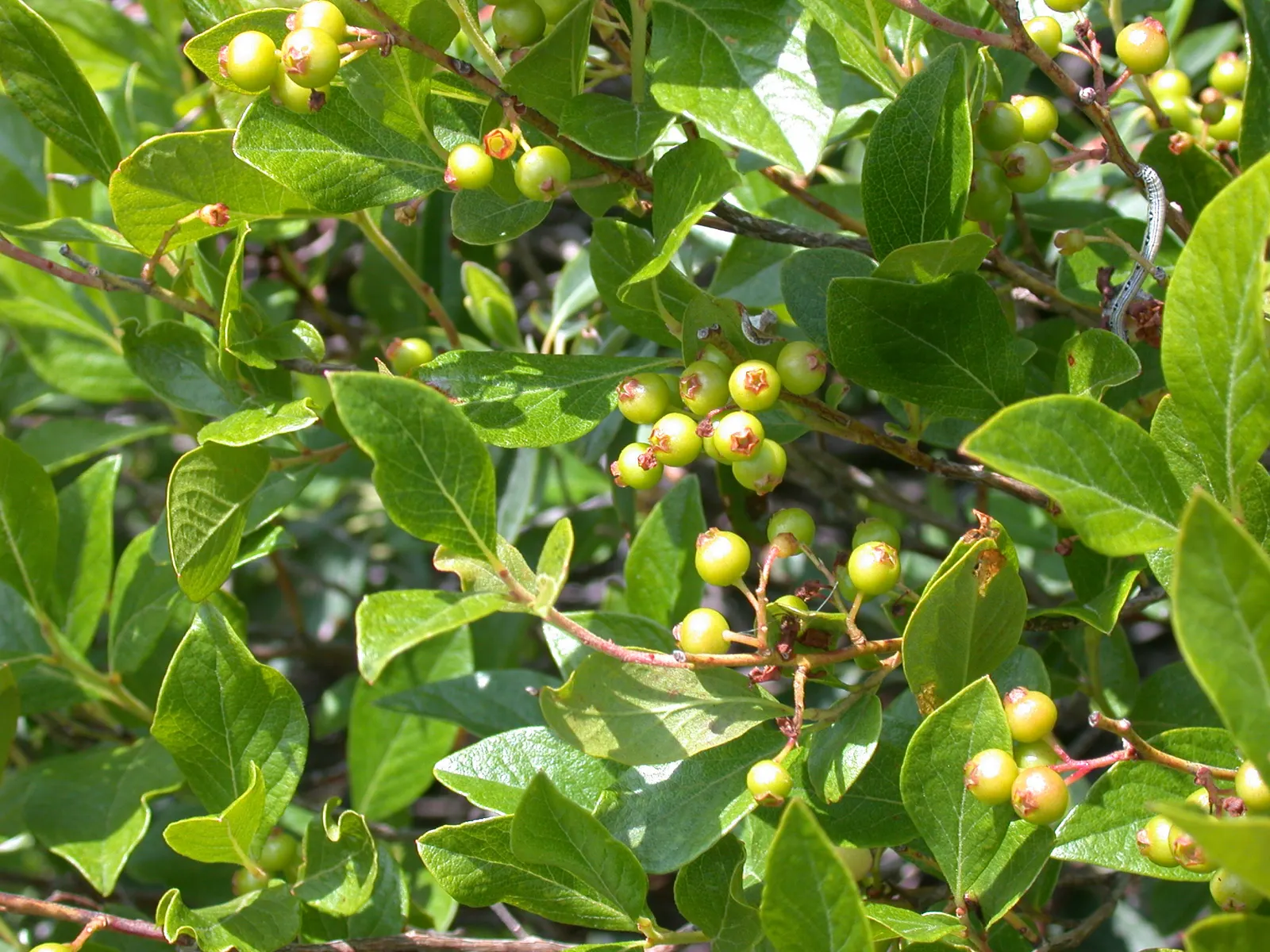
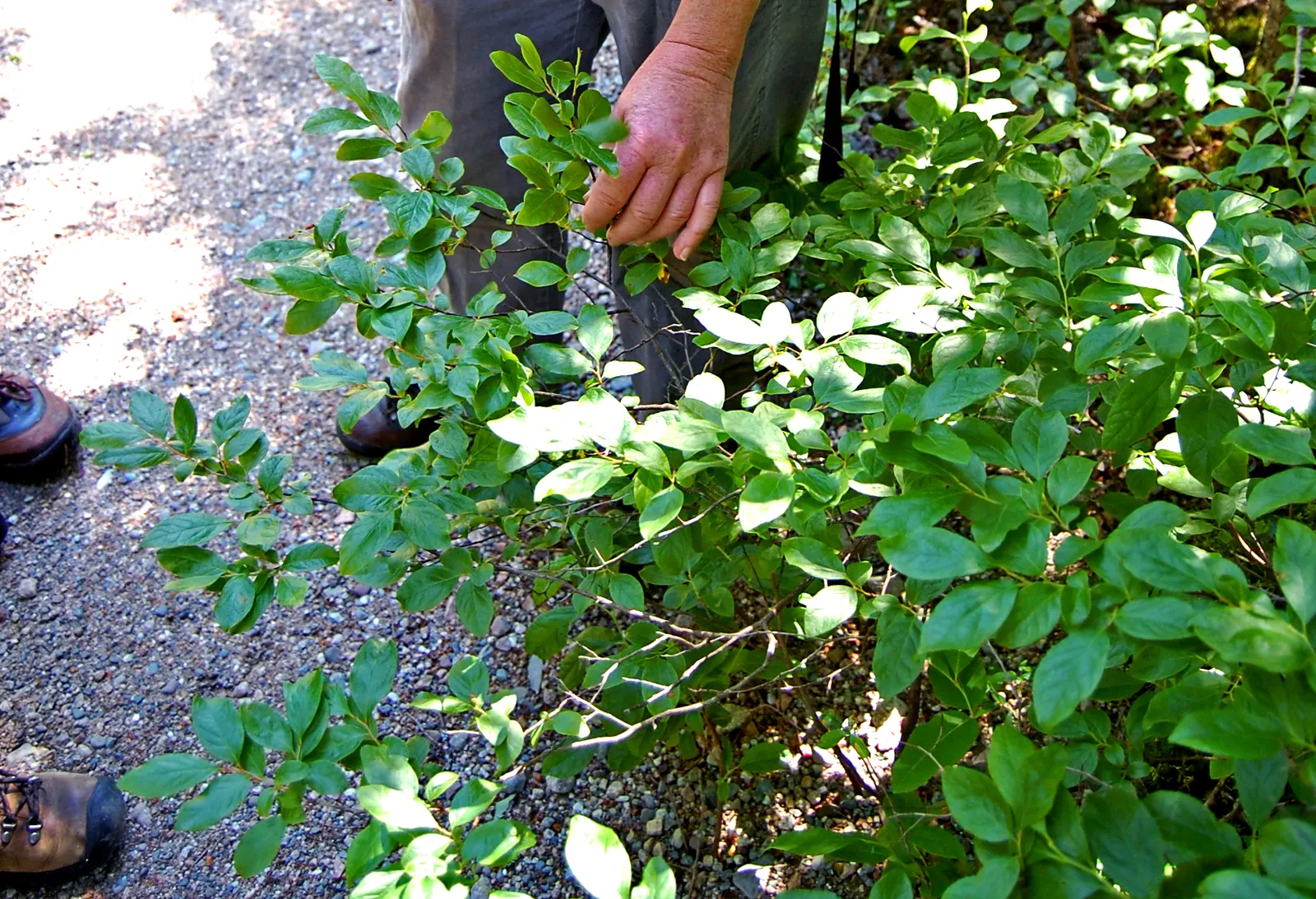
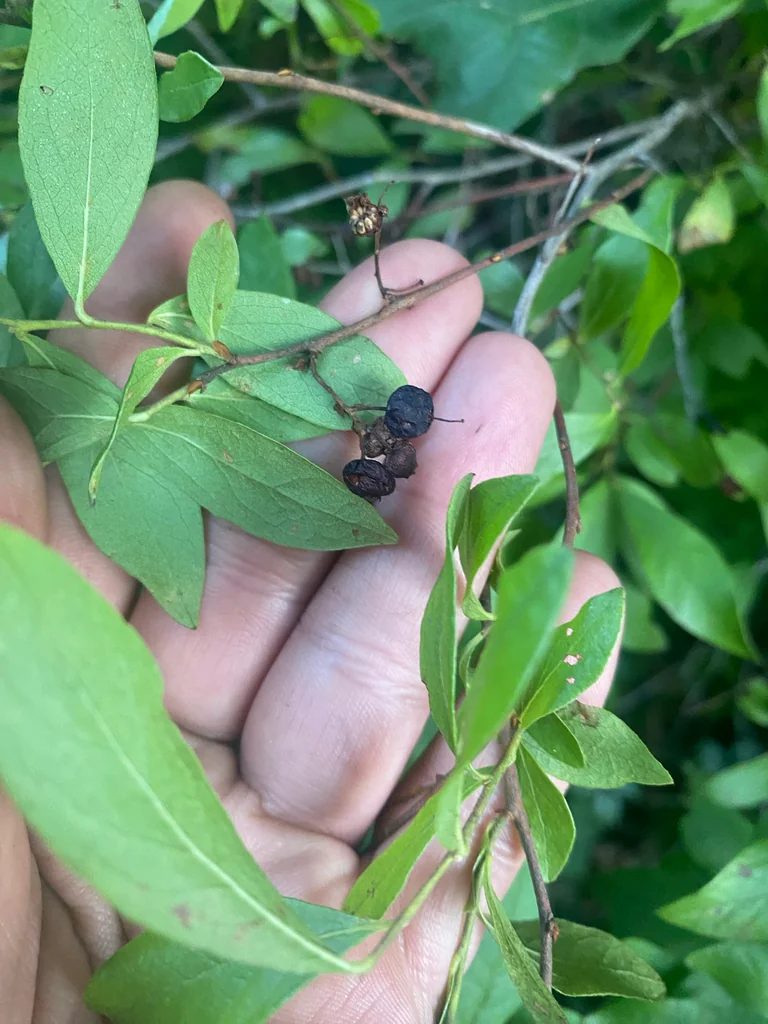
Gaylussacia baccata, commonly known as Black Huckleberry, is a North American native shrub thriving in acidic soils. It typically grows 2-3 feet tall and spreads up to 4 feet. This deciduous plant offers small bell-shaped flowers and glossy, black edible berries. It excels in partial to full sun and is hardy in USDA zones 3-6. Its dense foliage and fruit attract wildlife, adding ecological value to landscapes.

Sun Full, HalfWater MediumZones 6–7Climate Temperate
Black Huckleberry (Gaylussacia Baccata) — commonly known as Black Huckleberry

Culture

Sun
Full, Half
Water
Medium
USDA zones
6–7

Shape & size

Mature width
4–5 Ft.

Classification

Family
Ericaceae
Climate
Temperate

See full data, regional cultivation notes, full-resolution photos, and design tools. Build a client presentation around this plant.

Start your 14-day trial

Photos (44)

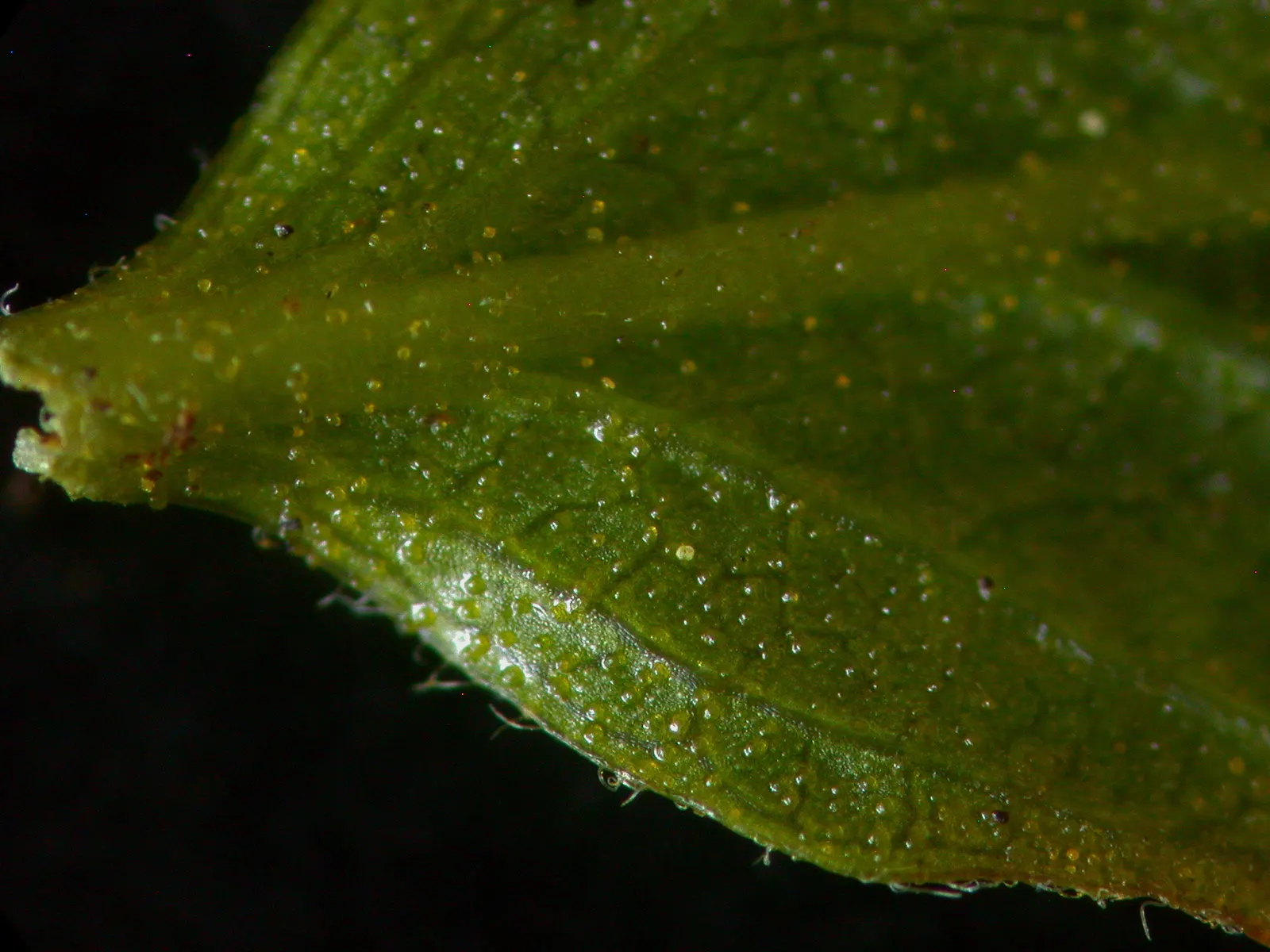
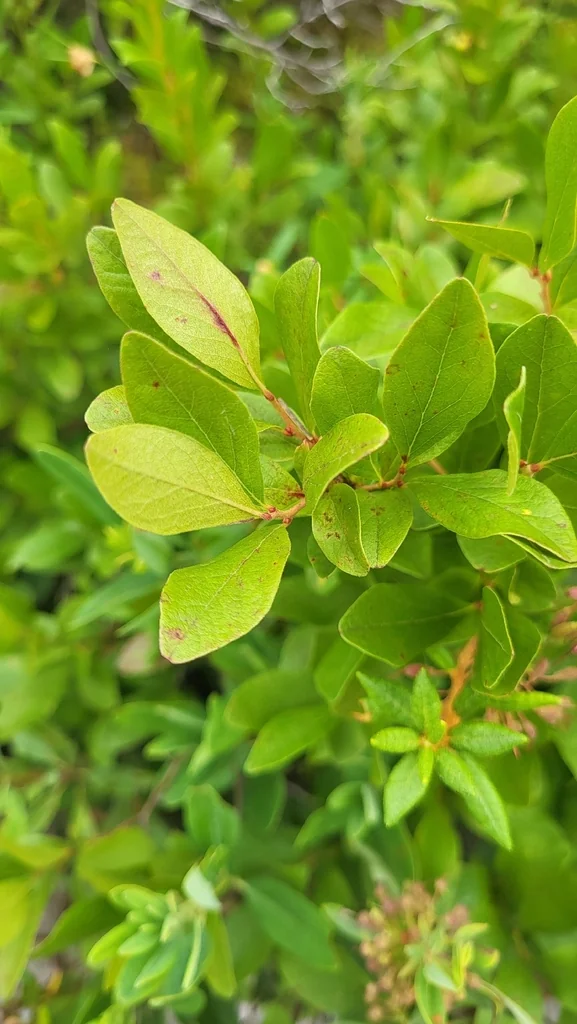
Black Huckleberry (Gaylussacia Baccata) — Moreover, its resistance to pests and diseases ensures a robust presence in the landscape
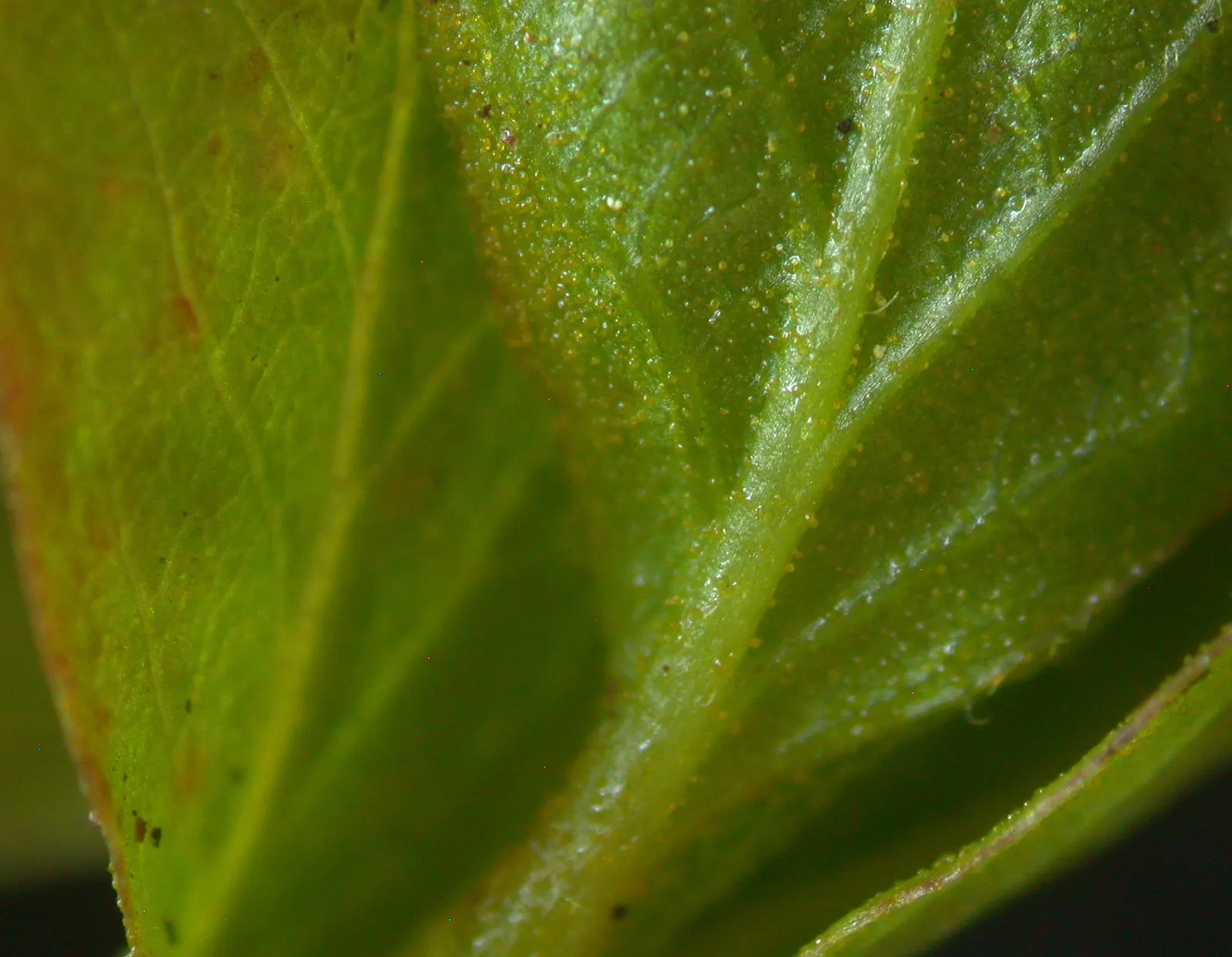
Black Huckleberry (Gaylussacia Baccata) — shrub for full or half
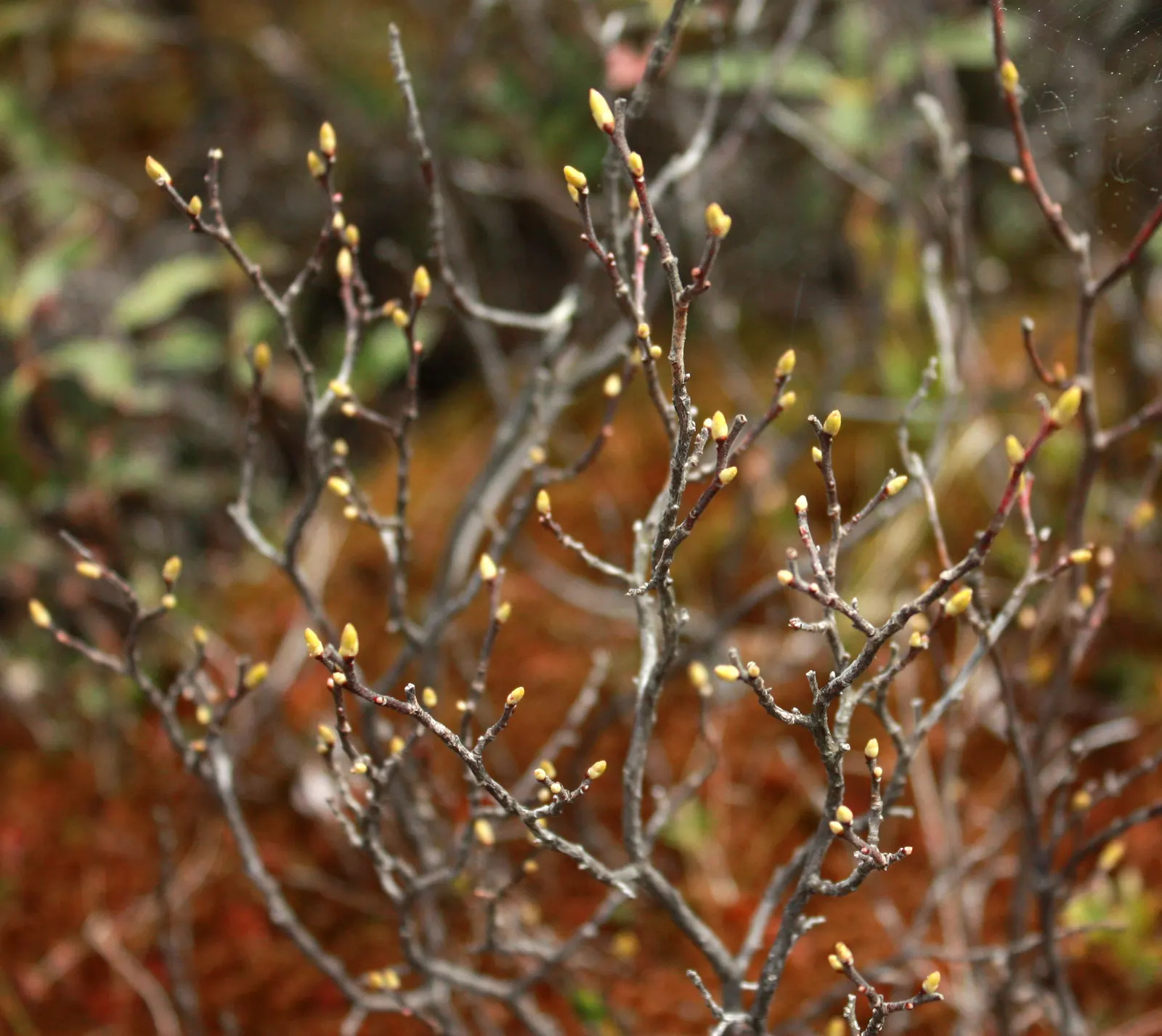
Black Huckleberry (Gaylussacia Baccata) — commonly known as Black Huckleberry; this deciduous plant offers small bell-shaped flowers and glossy, black edible
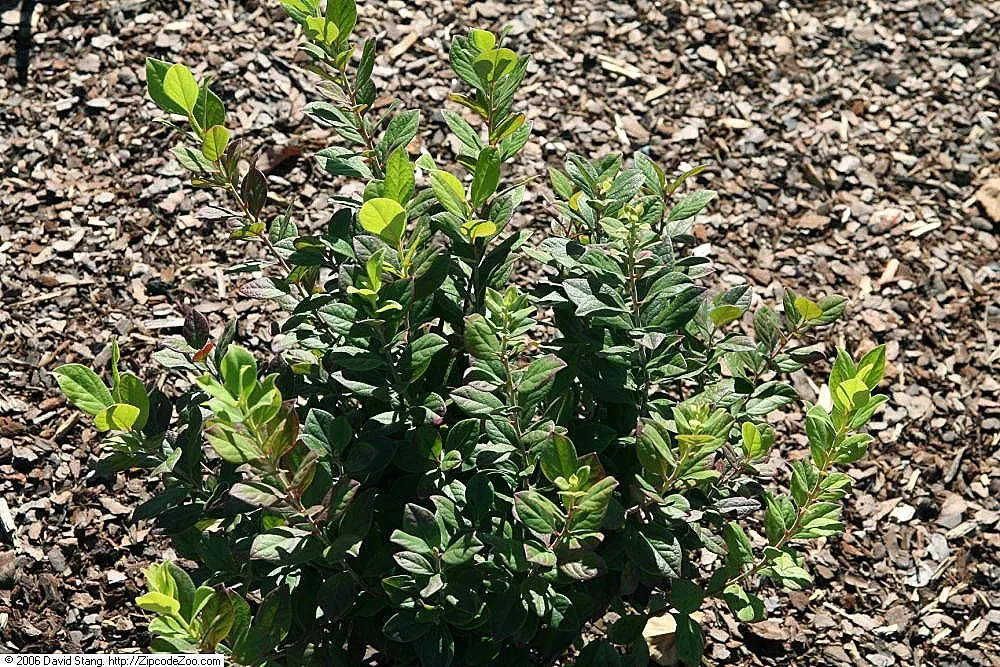
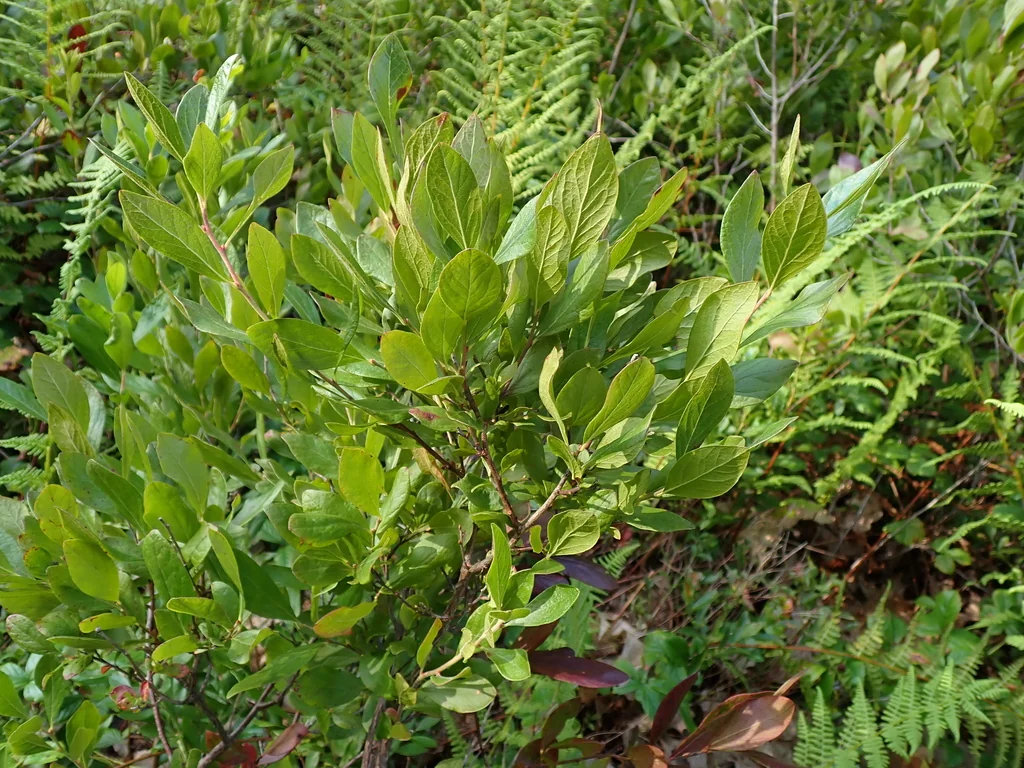
Black Huckleberry (Gaylussacia Baccata) — is a North American native shrub thriving in acidic soils; the Black Huckleberry typically grows to a height of 2 to
Black Huckleberry (Gaylussacia Baccata) — It typically grows 2-3 feet tall and spreads up to 4 feet; these blooms give way to blackish-blue berries by mid to
Black Huckleberry (Gaylussacia Baccata) — It excels in partial to full sun and is hardy in USDA zones 3-6; its dense foliage and fruit attract wildlife, adding
Black Huckleberry (Gaylussacia Baccata) — This deciduous plant offers small bell-shaped flowers and glossy, black edible berries; moreover, its resistance to
Black Huckleberry (Gaylussacia Baccata) — is a native North American shrub with significant ornamental and ecological value; commonly known as Black Huckleberry
Black Huckleberry (Gaylussacia Baccata) — This member of the Ericaceae family thrives in acidic soils with moist but well-drained conditions; is a native North
Black Huckleberry (Gaylussacia Baccata) — commonly referred to as Black Huckleberry; whilst also being safe and delightful for human consumption.<br><br>Black
Black Huckleberry (Gaylussacia Baccata) — Its dense foliage and fruit attract wildlife, adding ecological value to landscapes; maturing to a lustrous dark
Black Huckleberry (Gaylussacia Baccata) — with a similar spread of 2 to 3 feet; it typically grows 2-3 feet tall and spreads up to 4 feet
Black Huckleberry (Gaylussacia Baccata) — the Black Huckleberry typically grows to a height of 2 to 3 feet; and is suitable for USDA Hardiness Zones 3 to 7
Black Huckleberry (Gaylussacia Baccata) — Known for its lush foliage and edible berries; in late spring to early summer
Black Huckleberry (Gaylussacia Baccata) — maturing to a lustrous dark green in summer; known for its lush foliage and edible berries
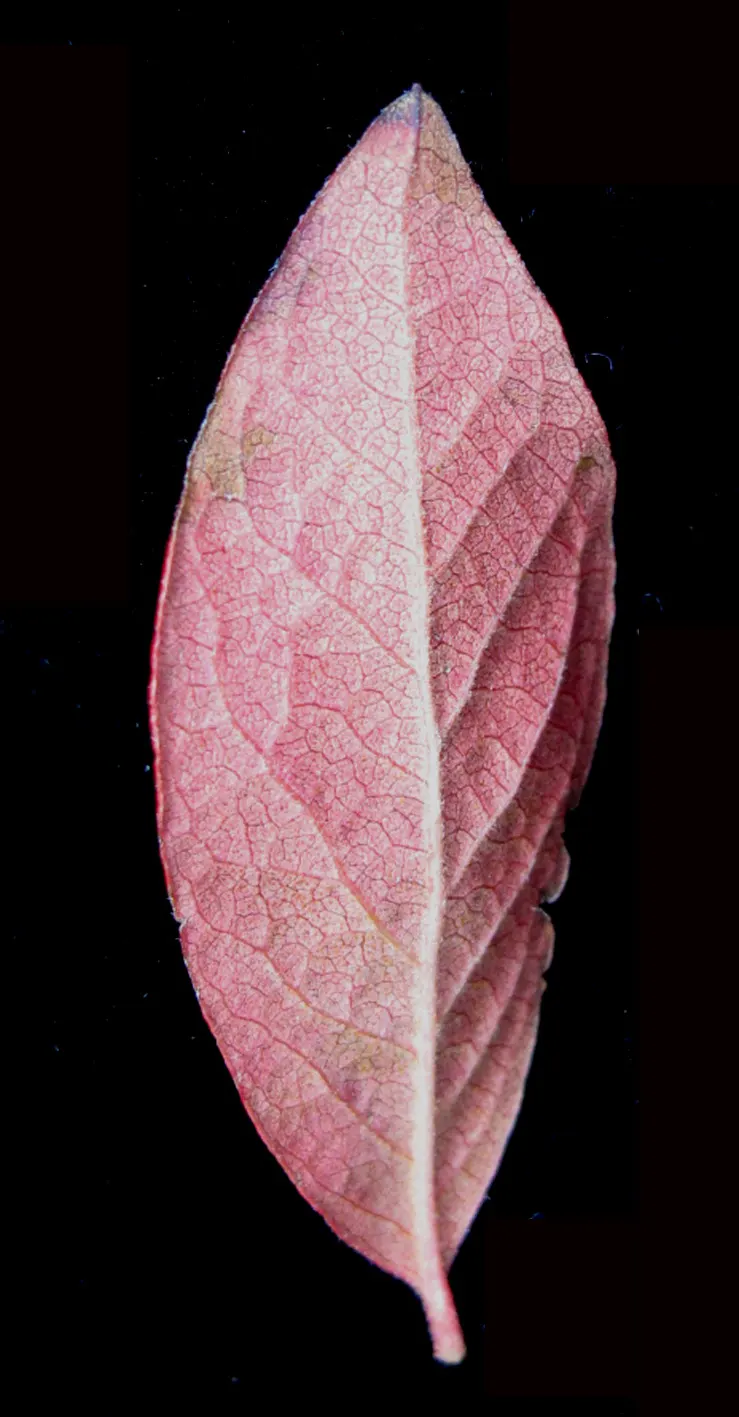
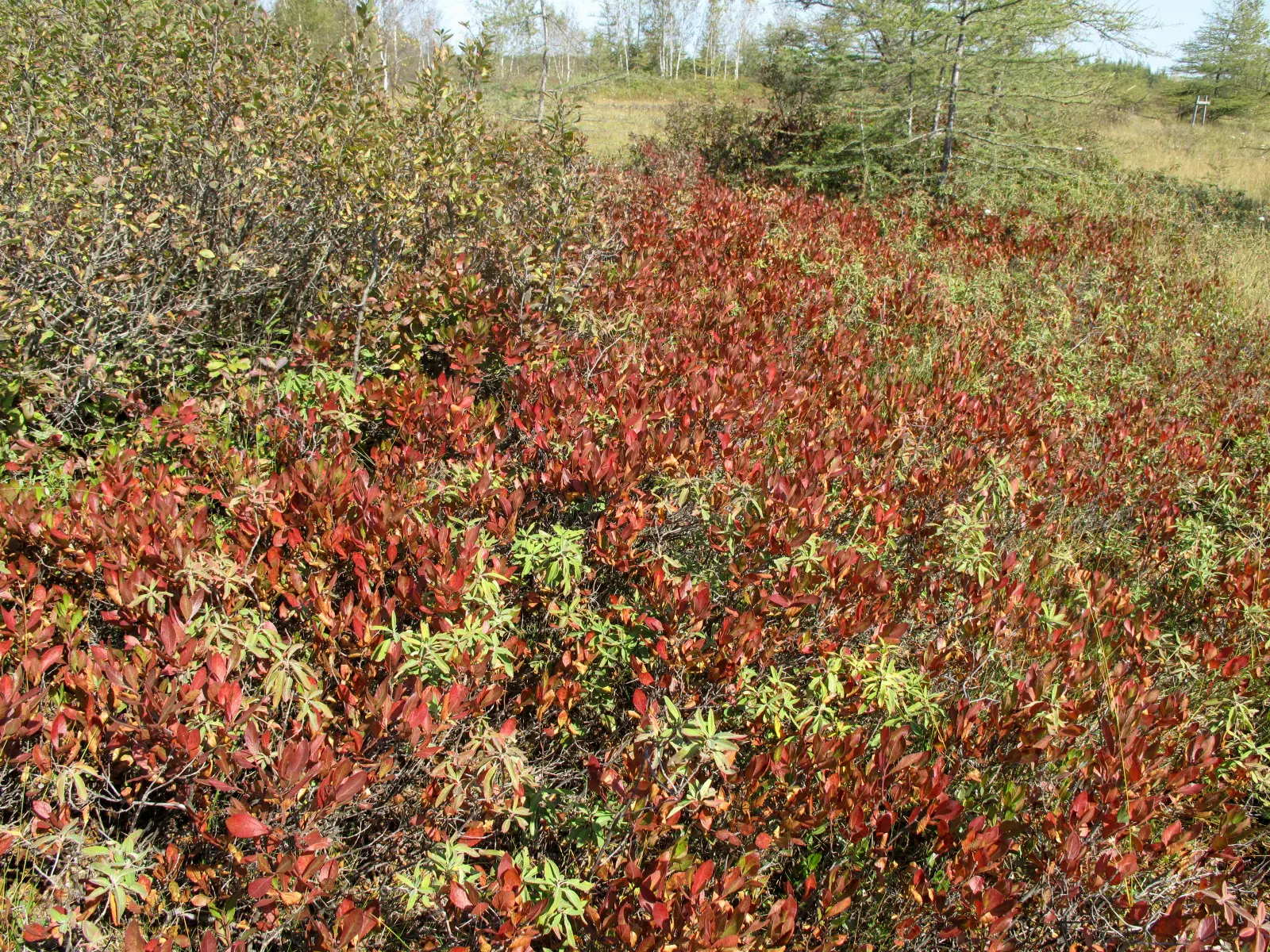
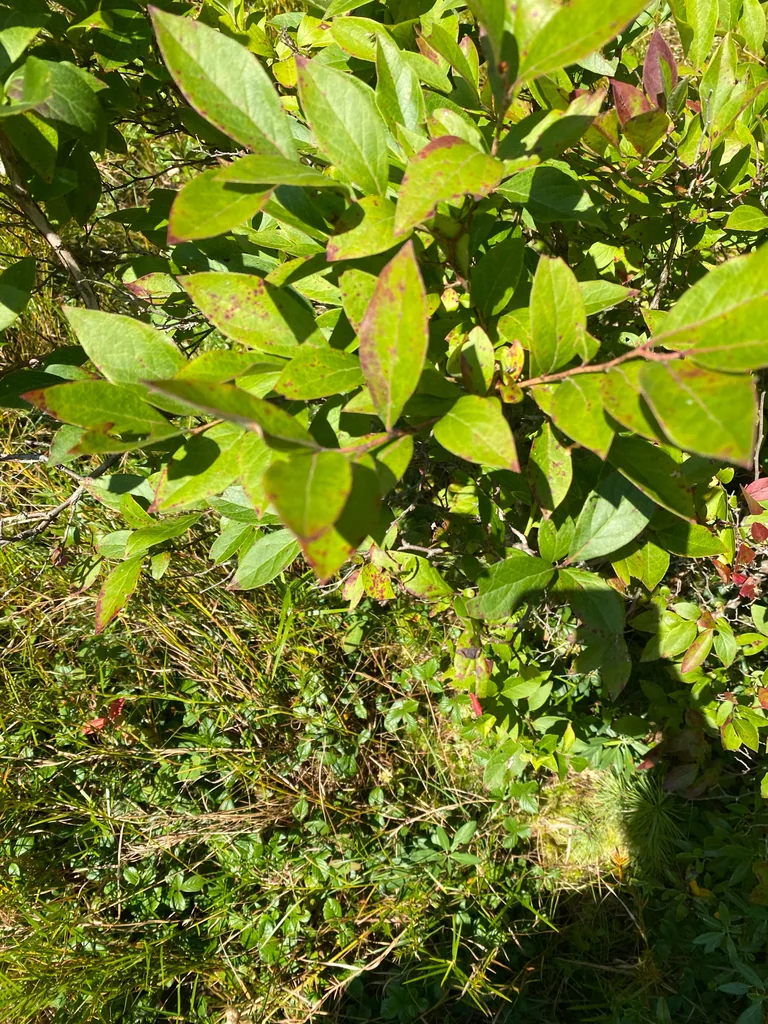
Black Huckleberry (Gaylussacia Baccata) — Come autumn, the leaves offer a captivating display, transforming into a vivid array of reds and purples; attracting
Black Huckleberry (Gaylussacia Baccata) — In late spring to early summer; it serves as an excellent ground cover, border plant, or a naturalized woodland
Black Huckleberry (Gaylussacia Baccata) — white to pink flowers bloom; it excels in partial to full sun and is hardy in USDA zones 3-6
Black Huckleberry (Gaylussacia Baccata) — attracting a host of pollinators to the garden; with a similar spread of 2 to 3 feet
Black Huckleberry (Gaylussacia Baccata) — These blooms give way to blackish-blue berries by mid to late summer; the fruit measures roughly 1/4 to 3/8 inch in

Related plants