Skip to content

Gardenia

Gardenia Jasminoides

Design with this plant

Overview

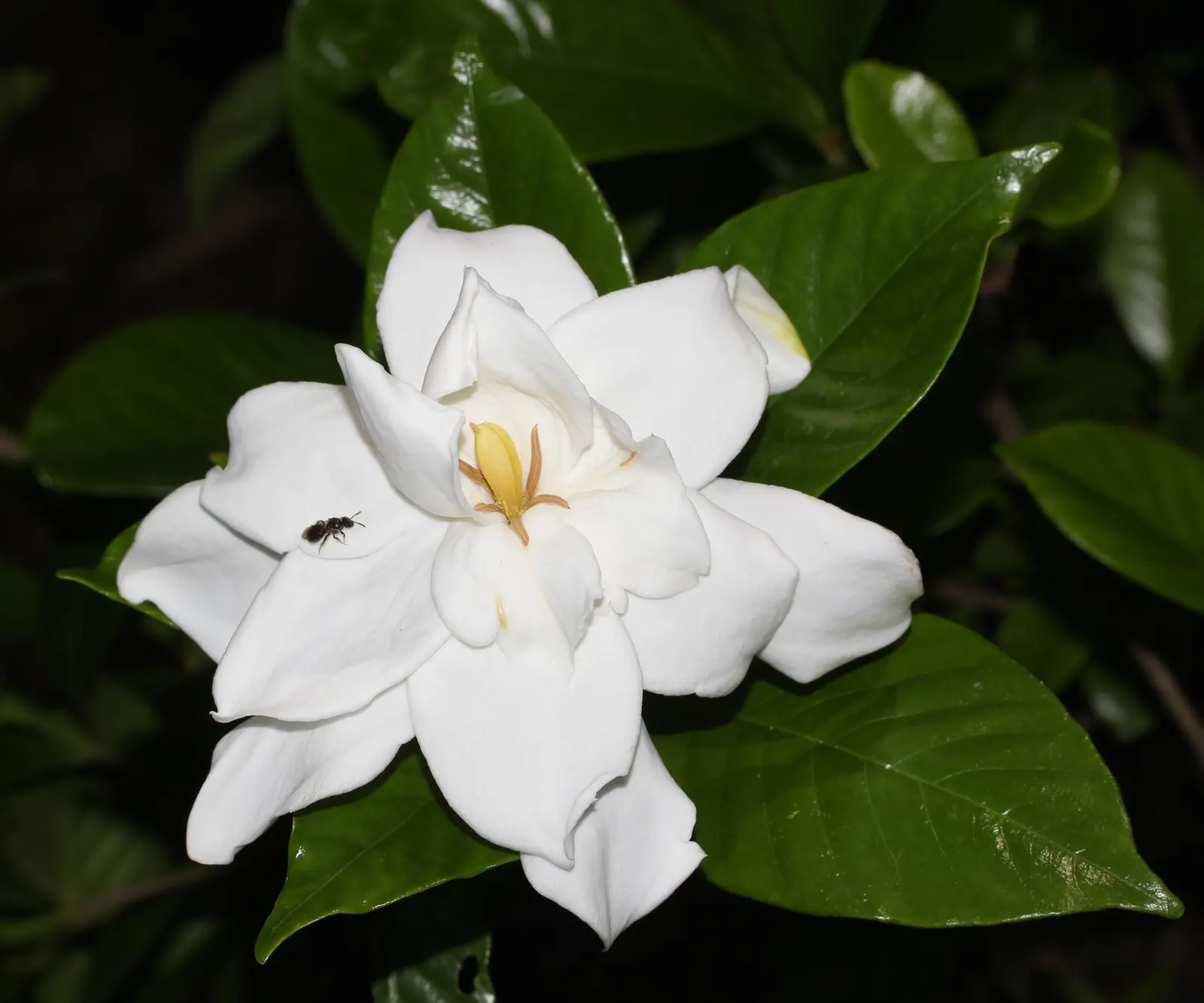
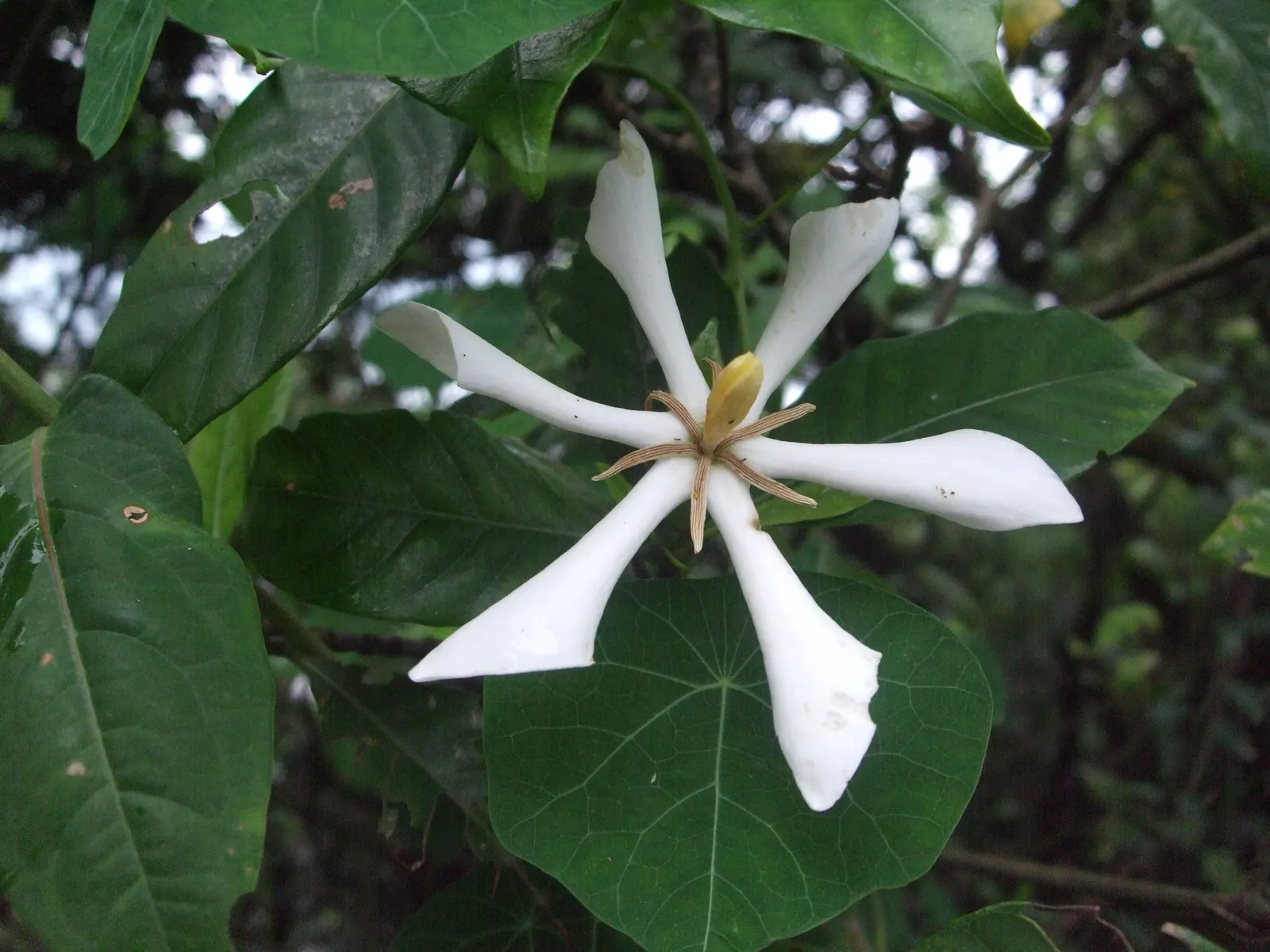
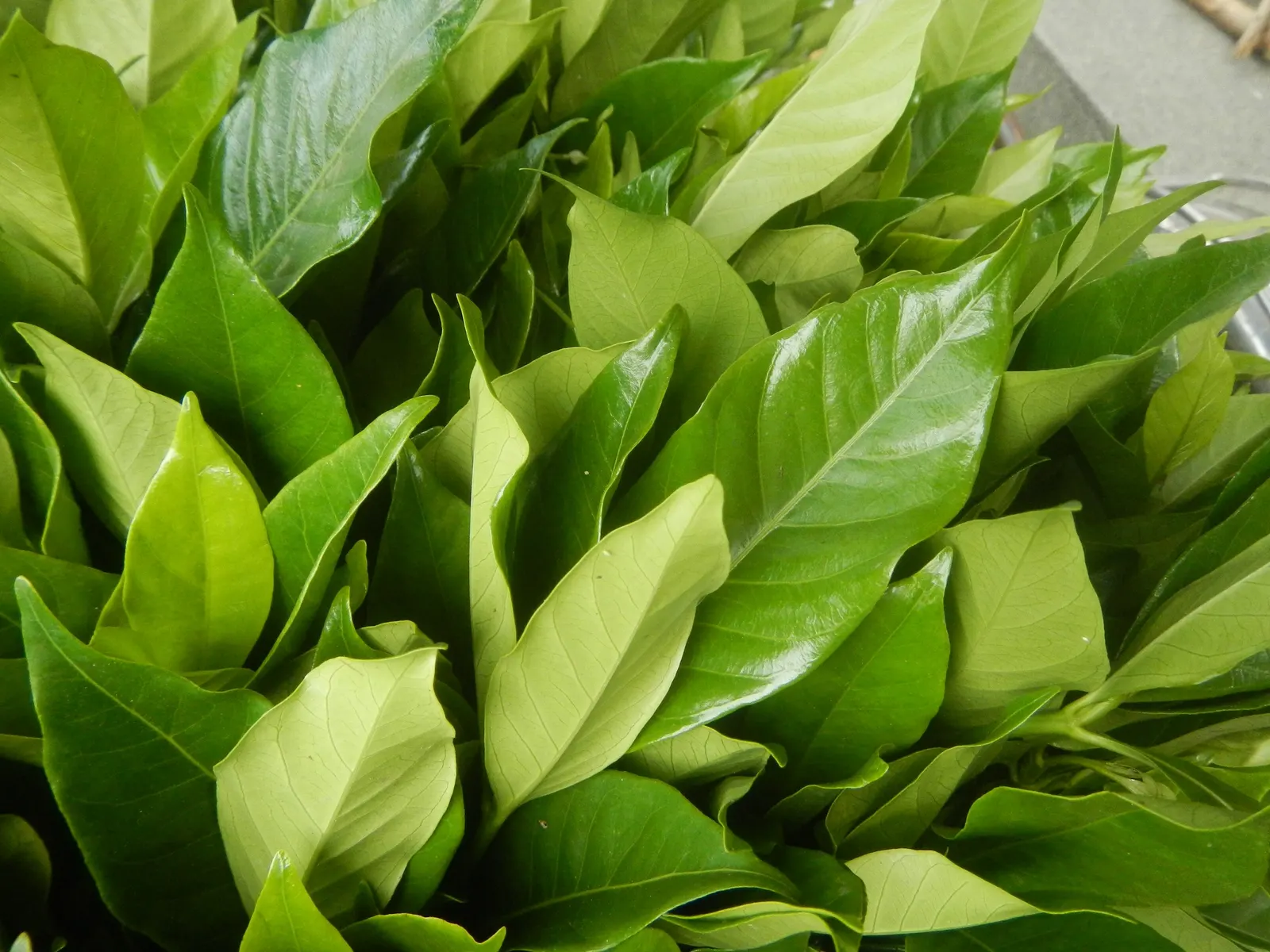
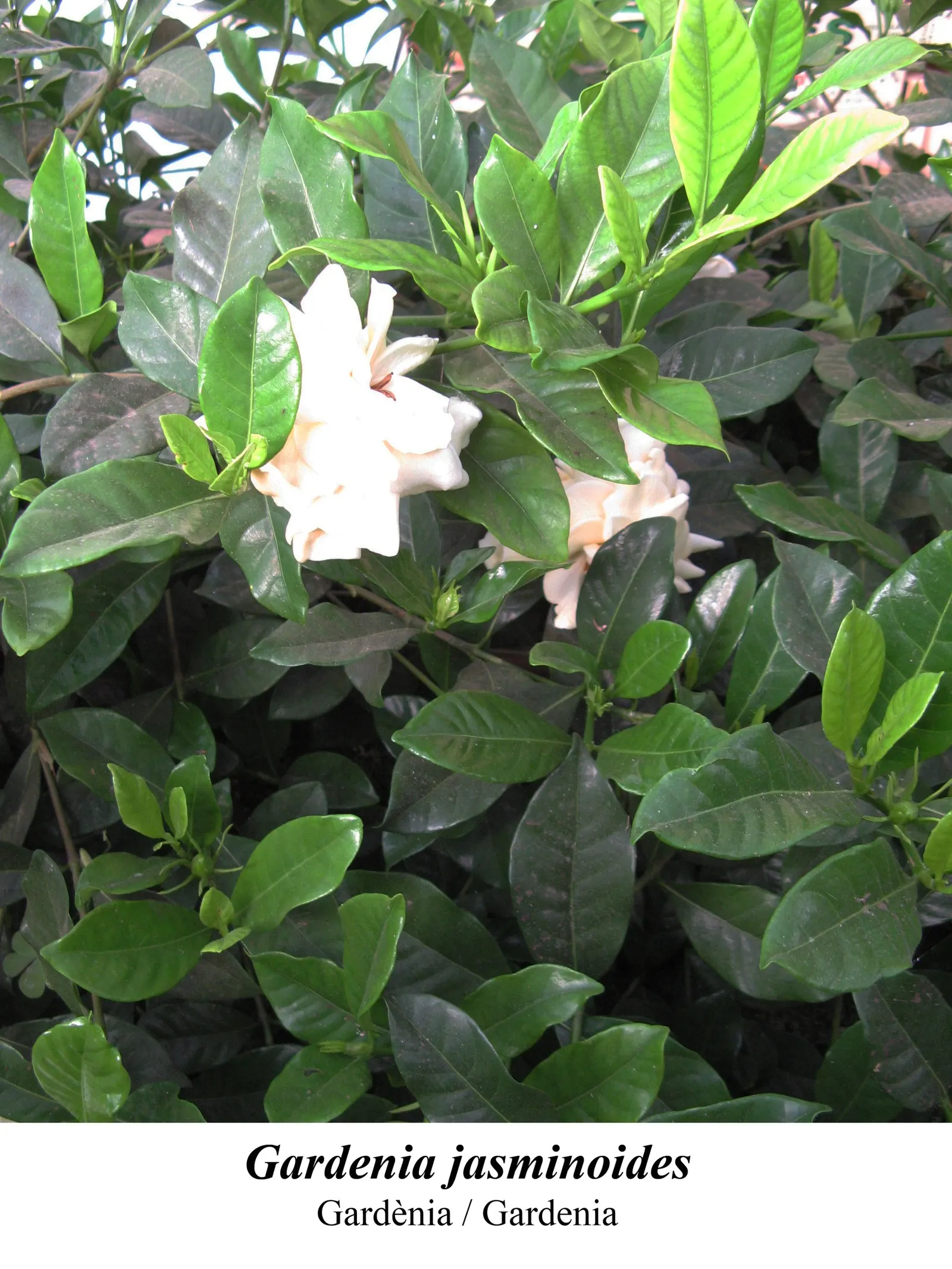
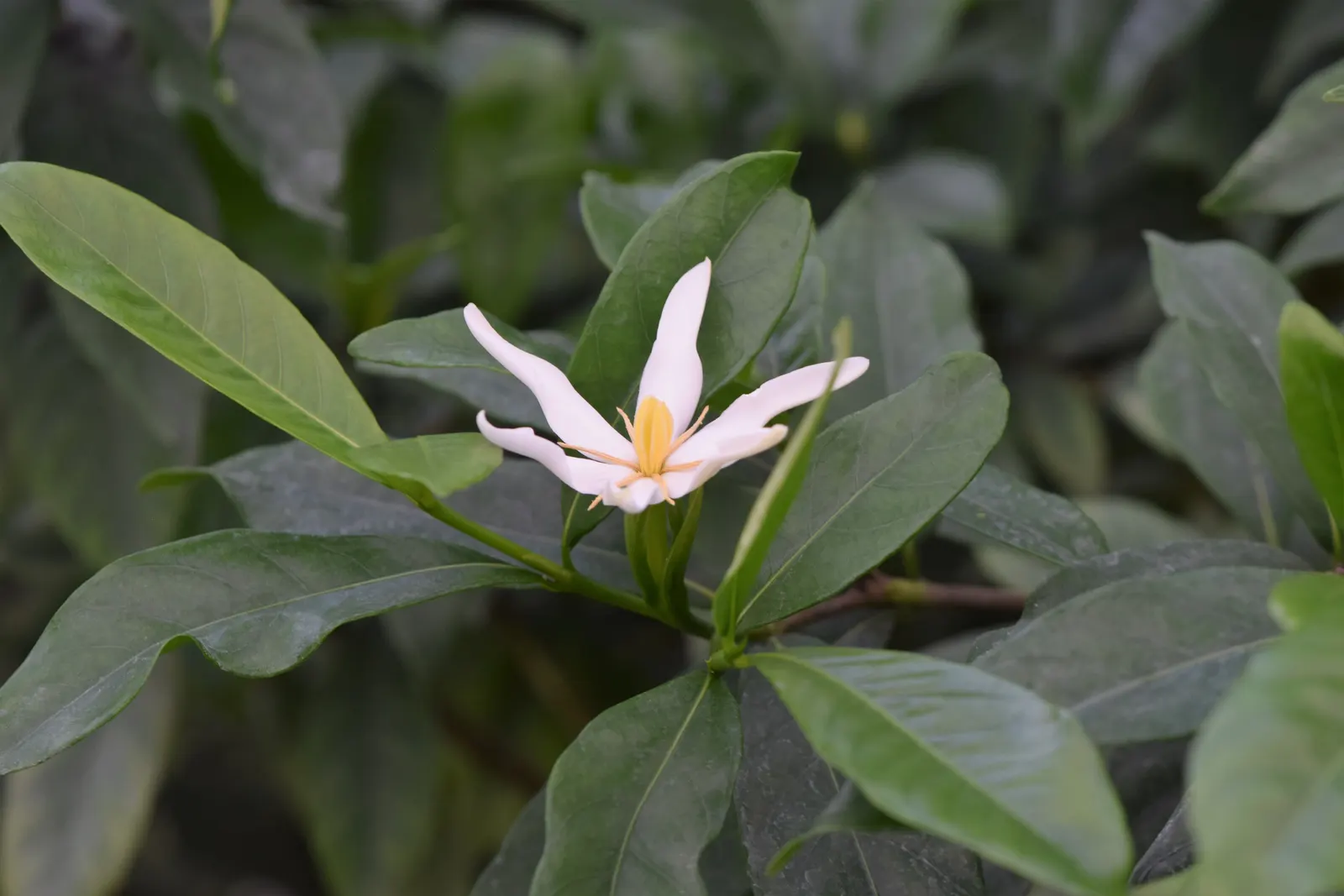
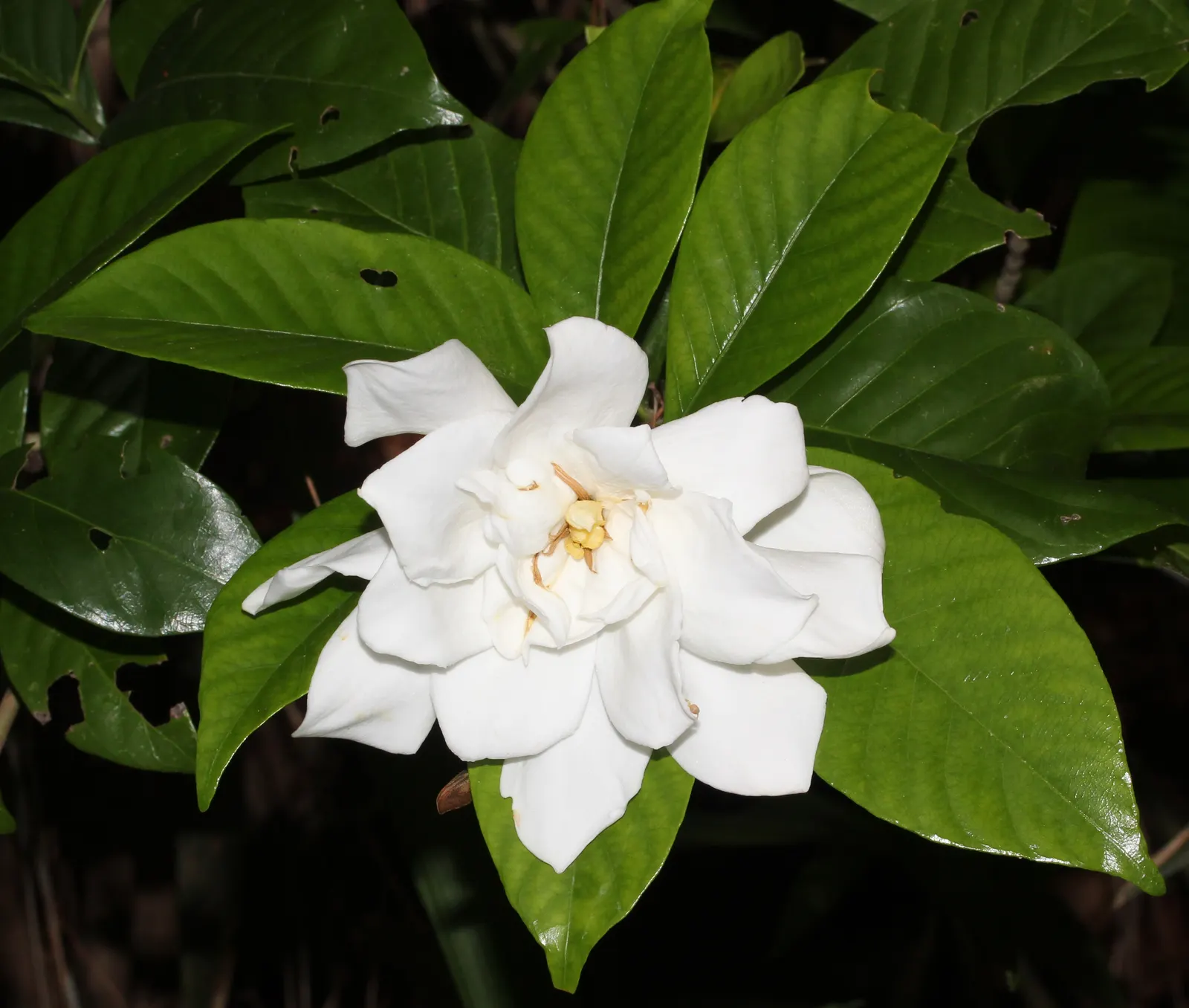
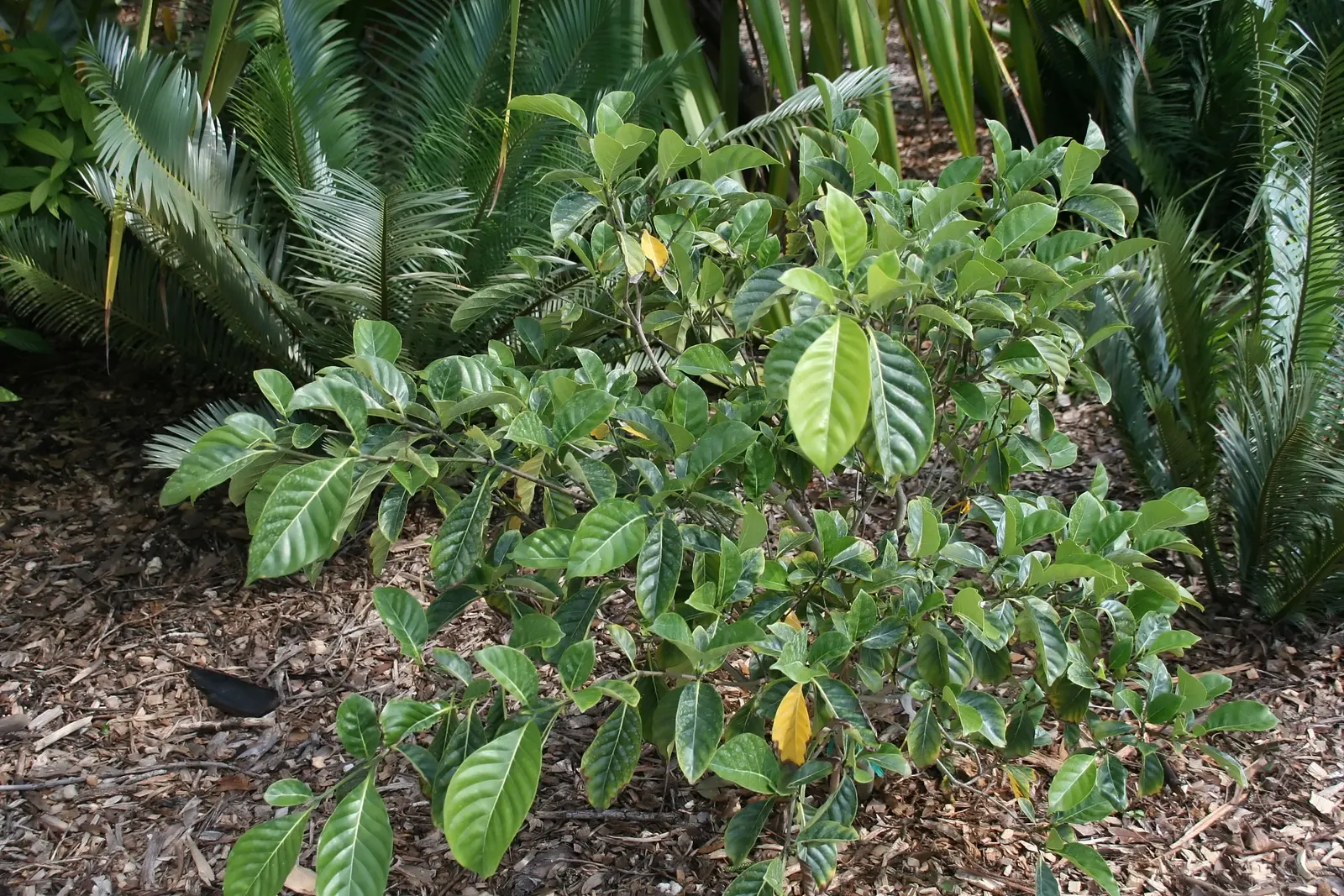
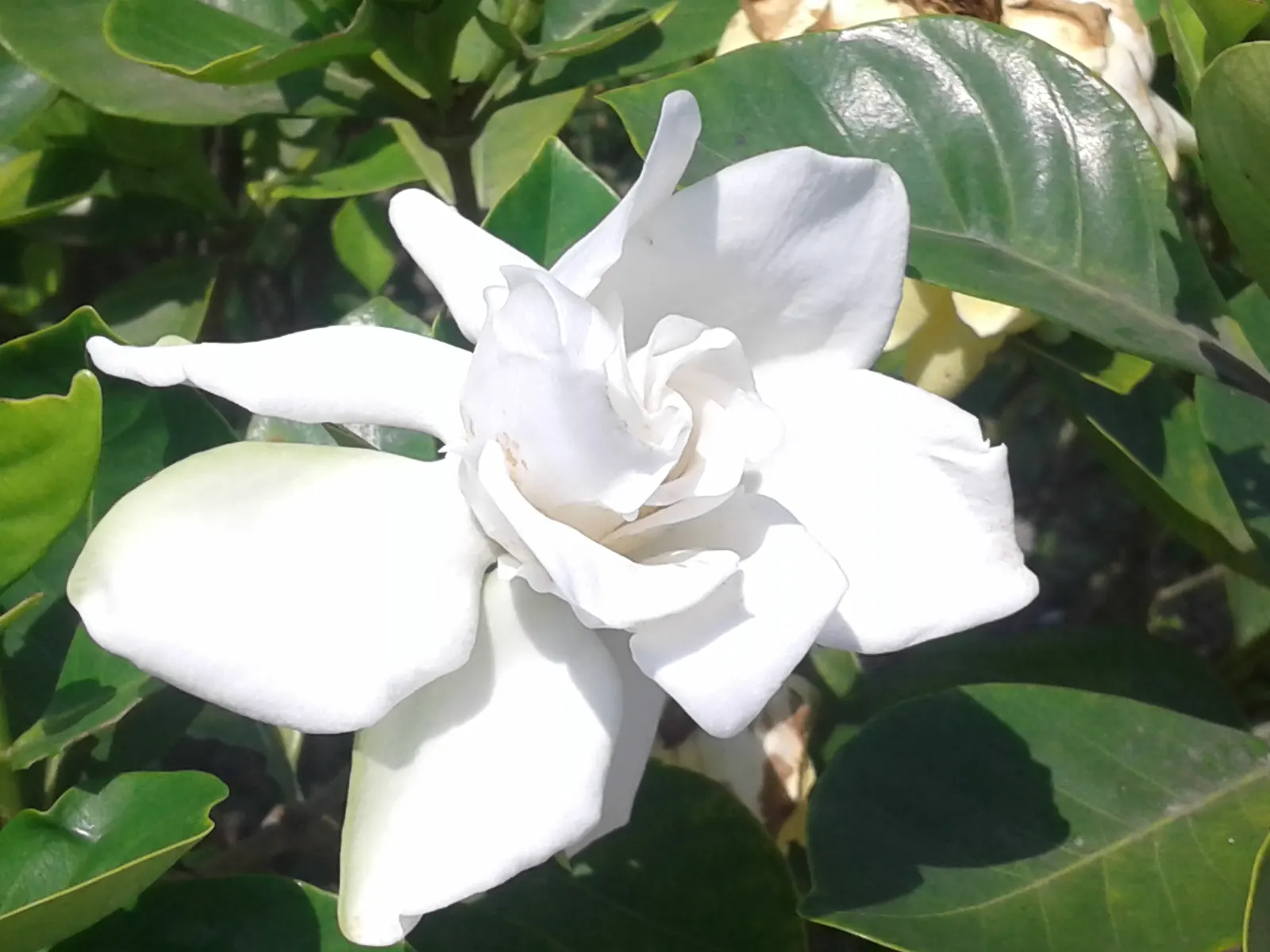
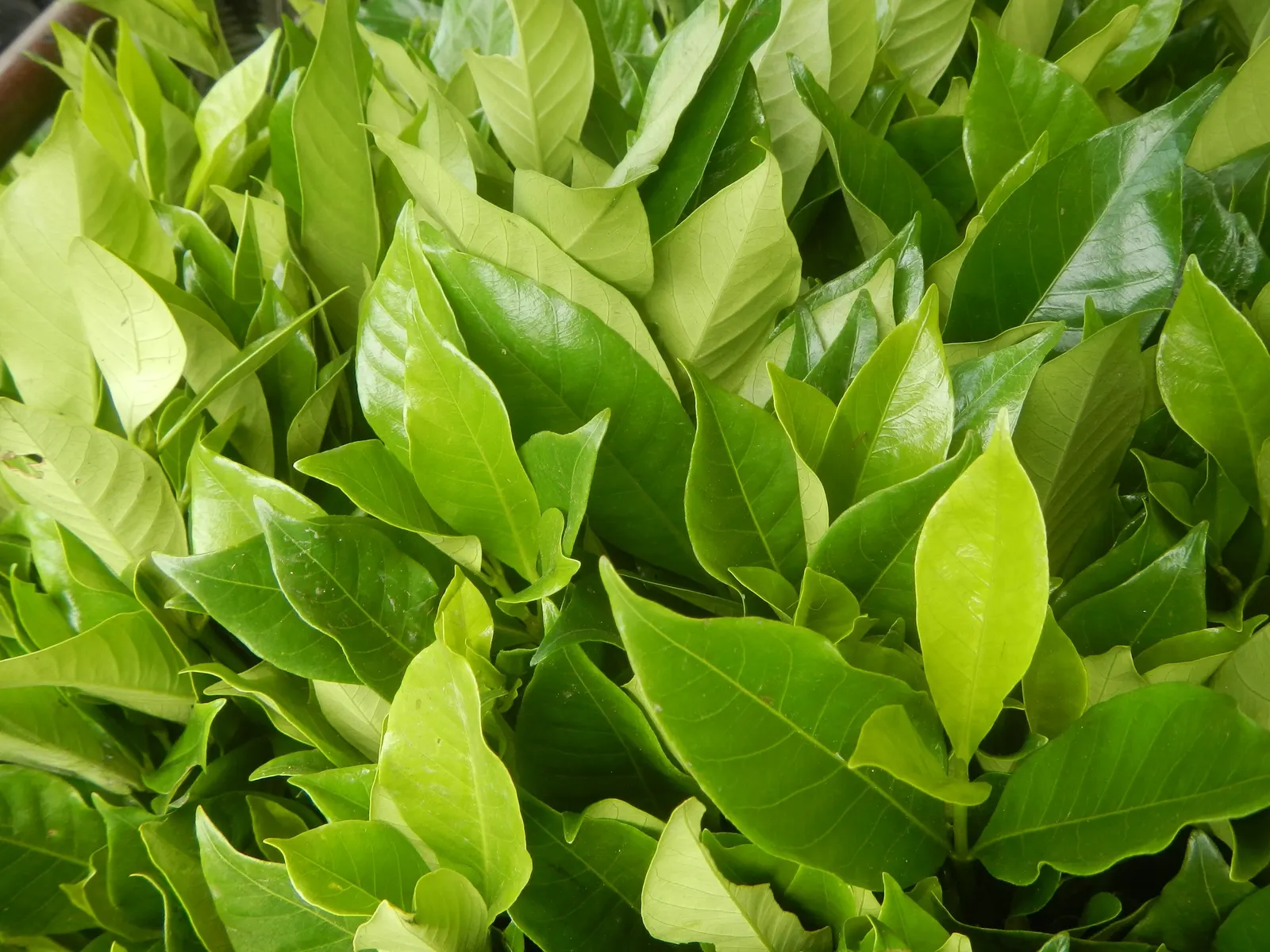
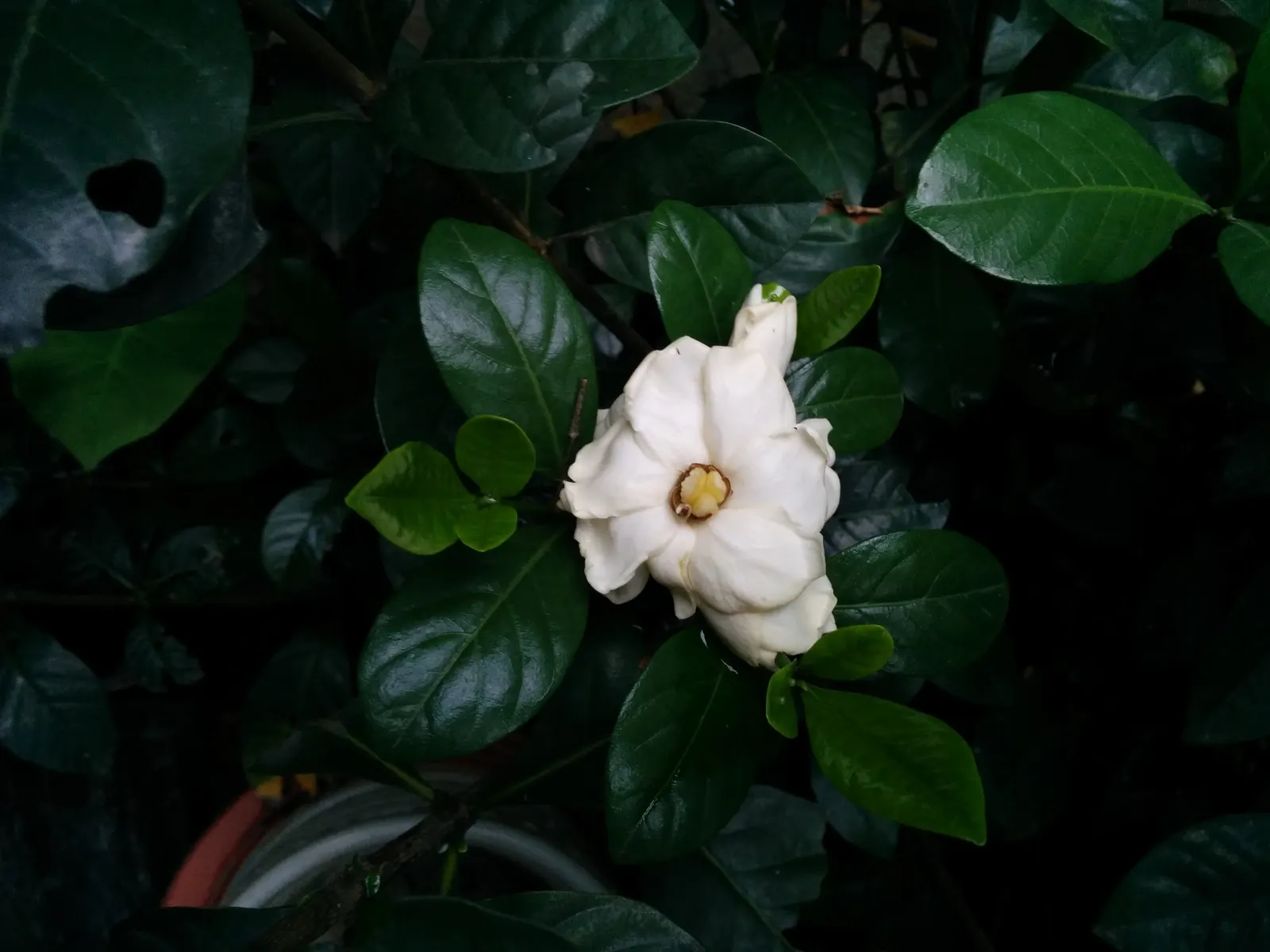
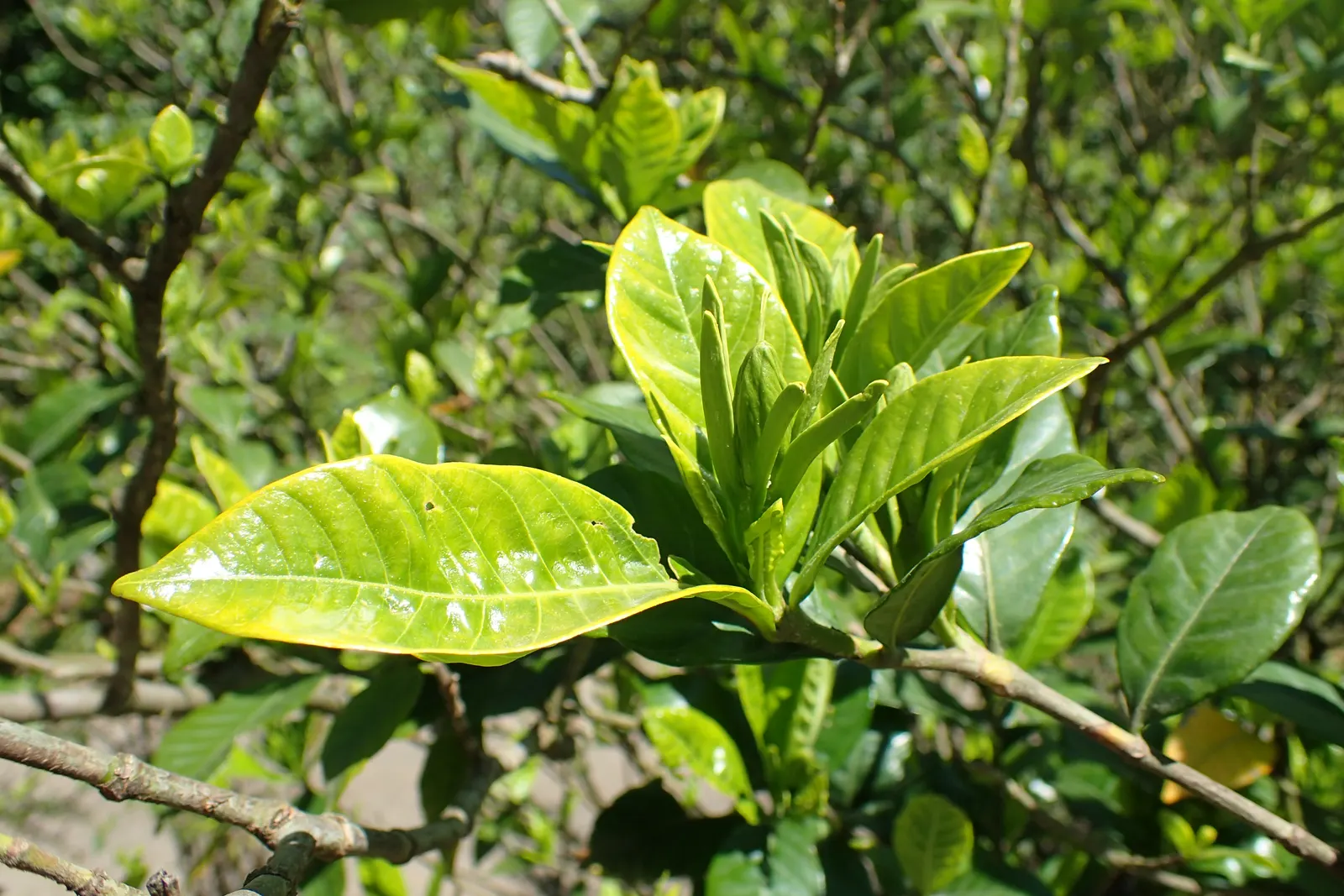
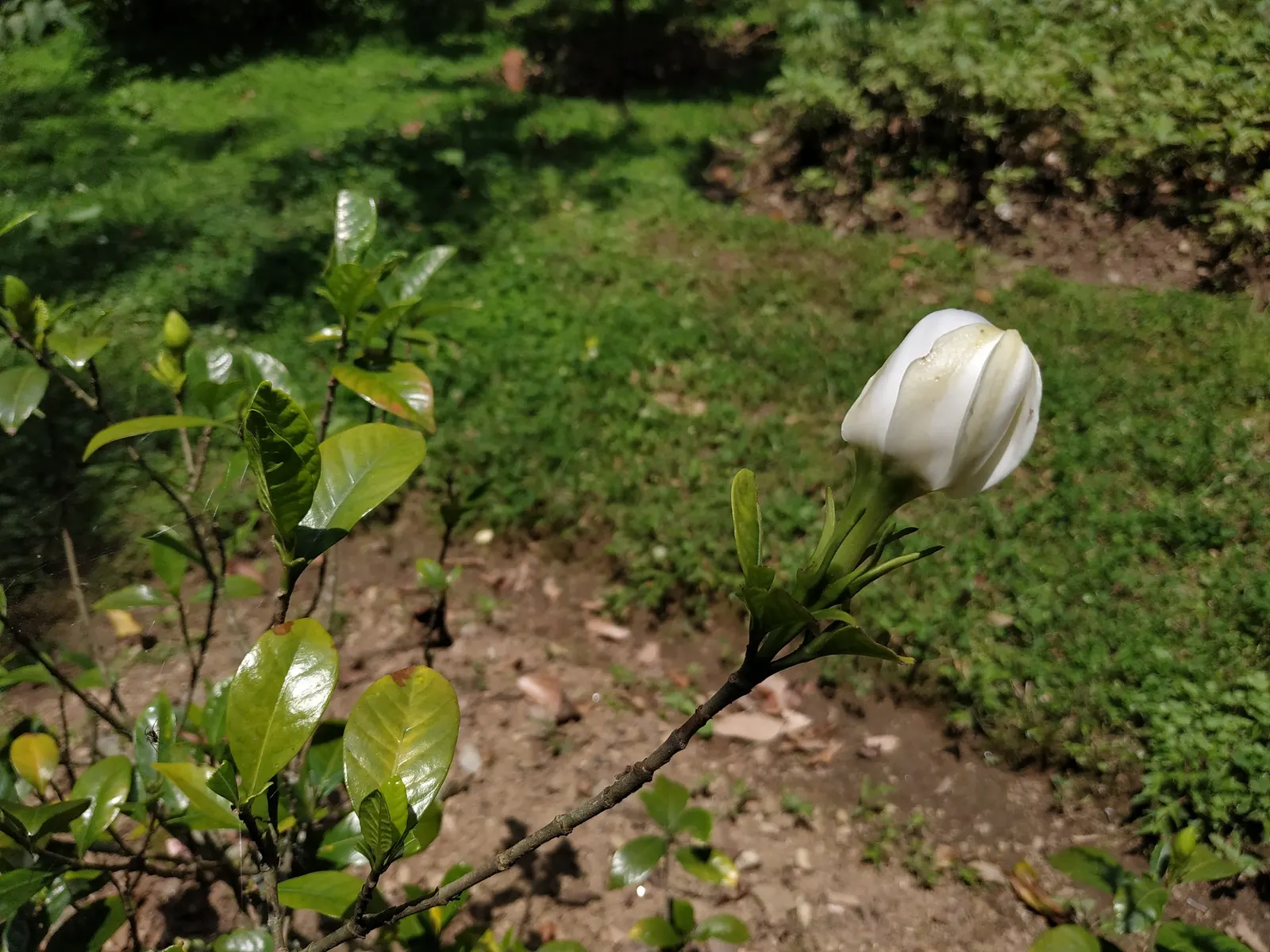
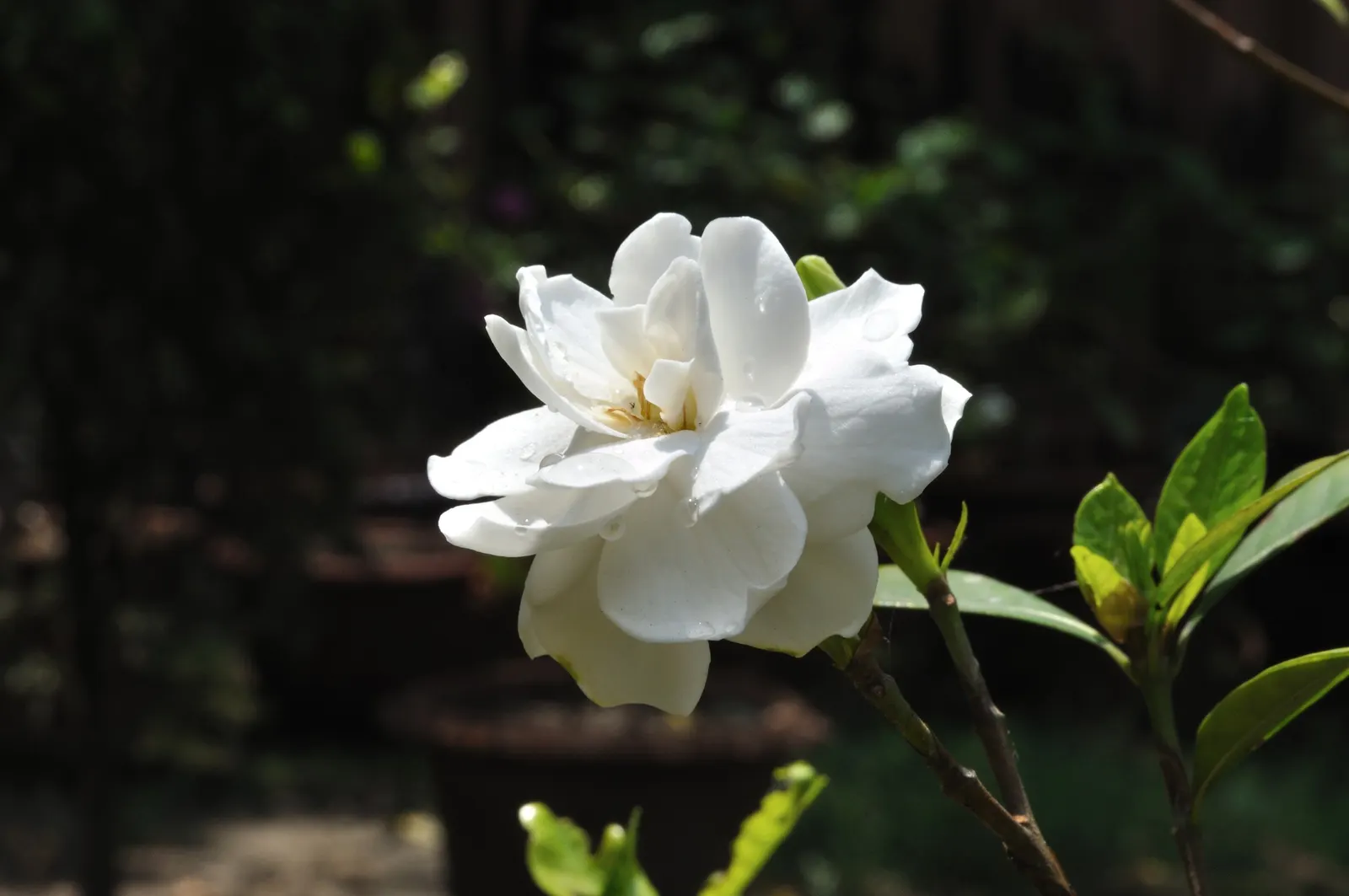
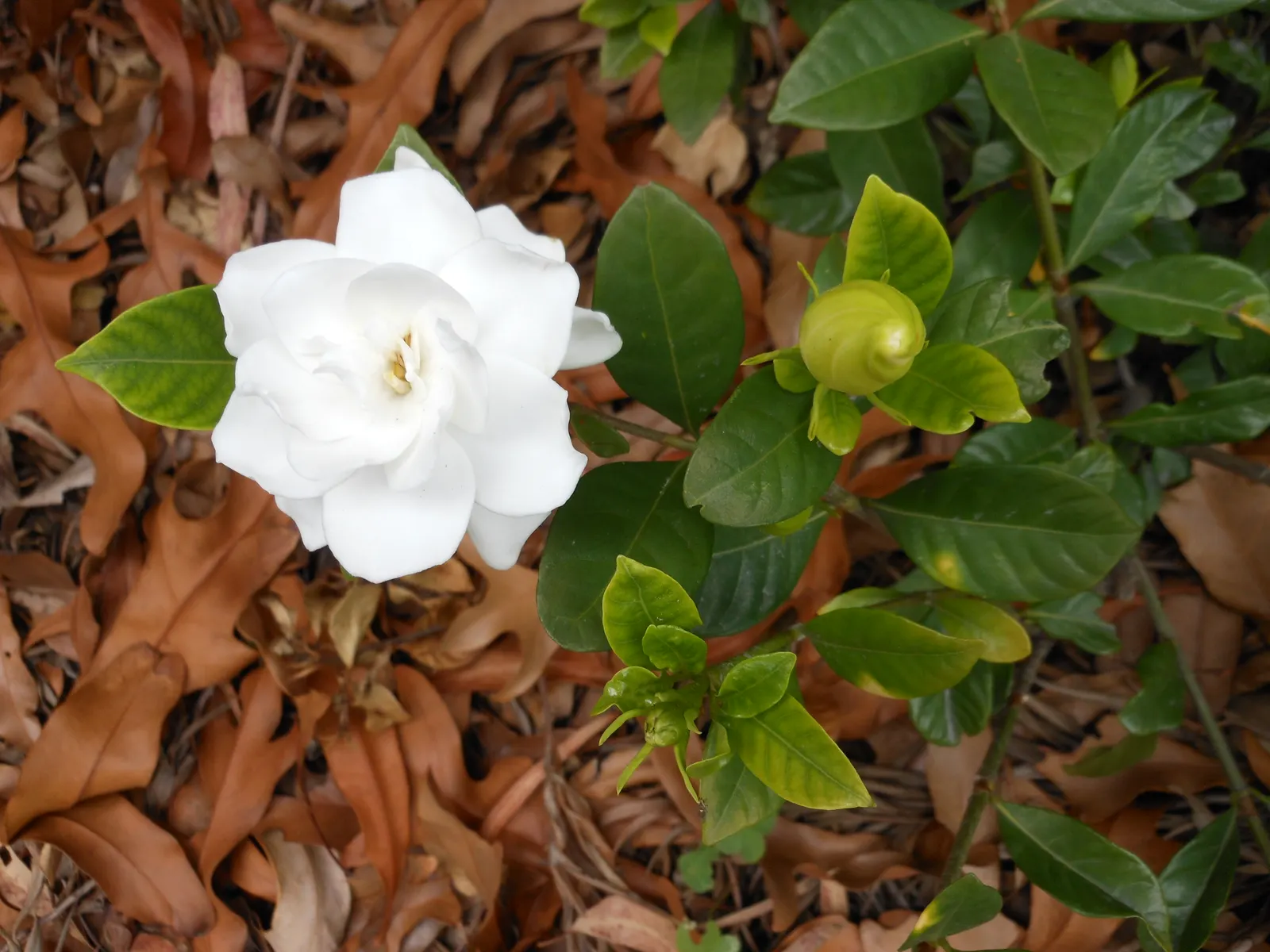
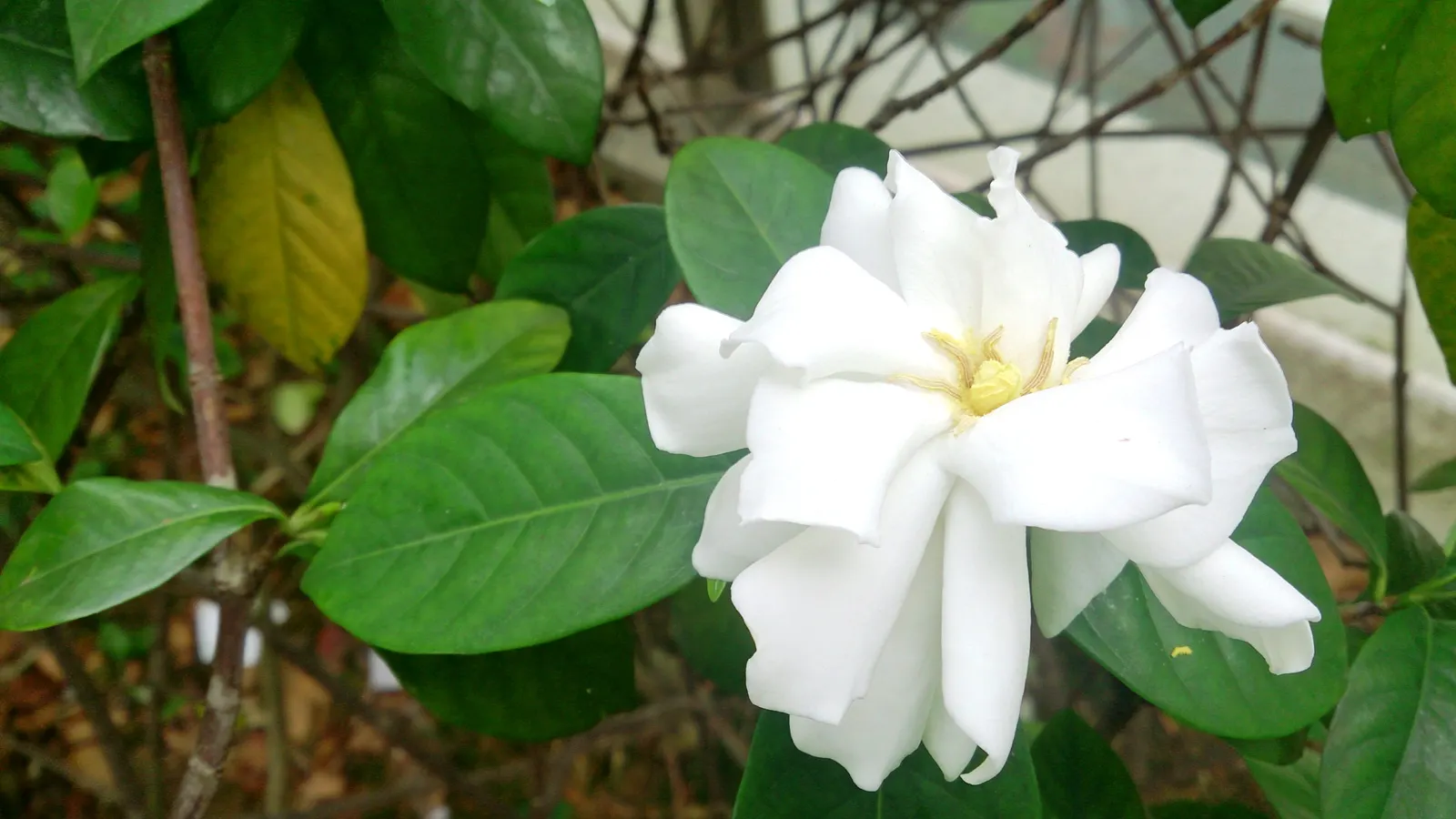
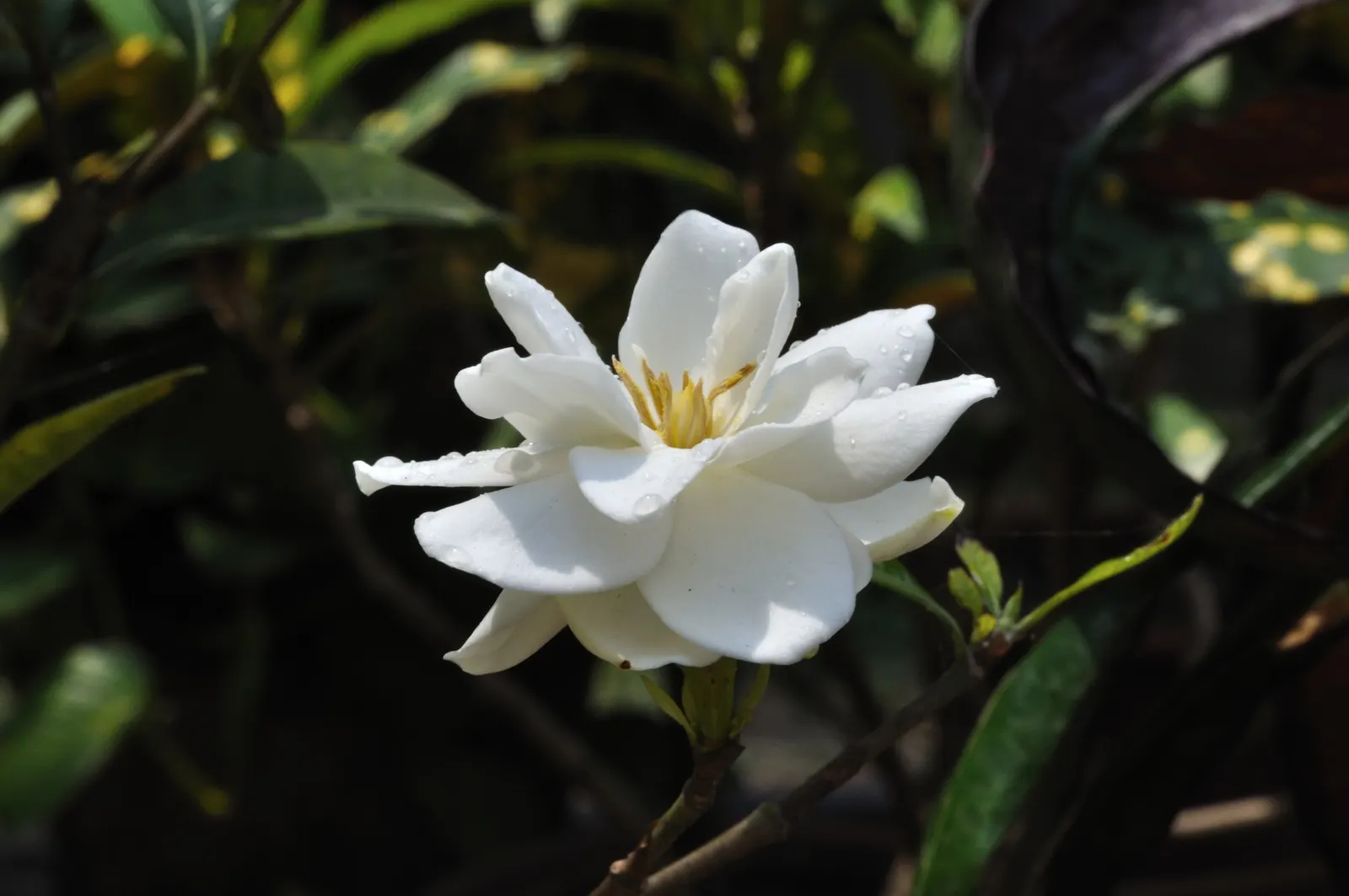
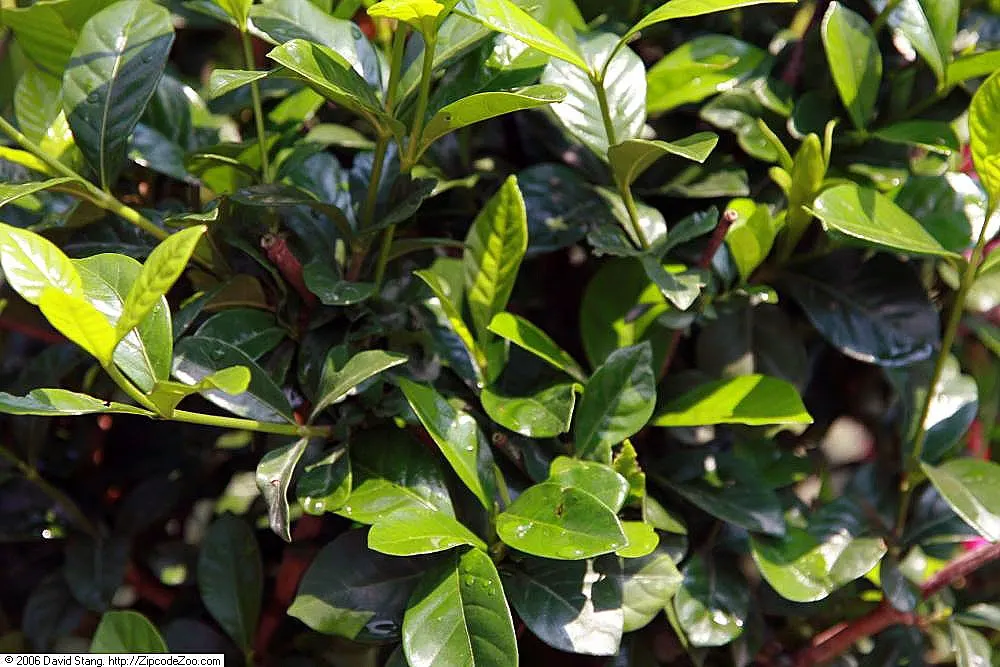
Gardenia jasminoides, commonly known as Cape Jasmine, boasts waxy, dark green leaves and highly fragrant white or pale yellow blossoms. This evergreen shrub typically matures to 3-6 feet tall and wide. Preferring USDA zones 8-11, it flourishes in partial to full sun with well-drained, acidic soil. Gardenias require regular watering and protection from cold temperatures. Ideal for hedges or as aromatic accent plants in a garden design.

Sun Full, HalfWater Extra in Summer, MediumZones 8–10Type ShrubClimate Subtropical
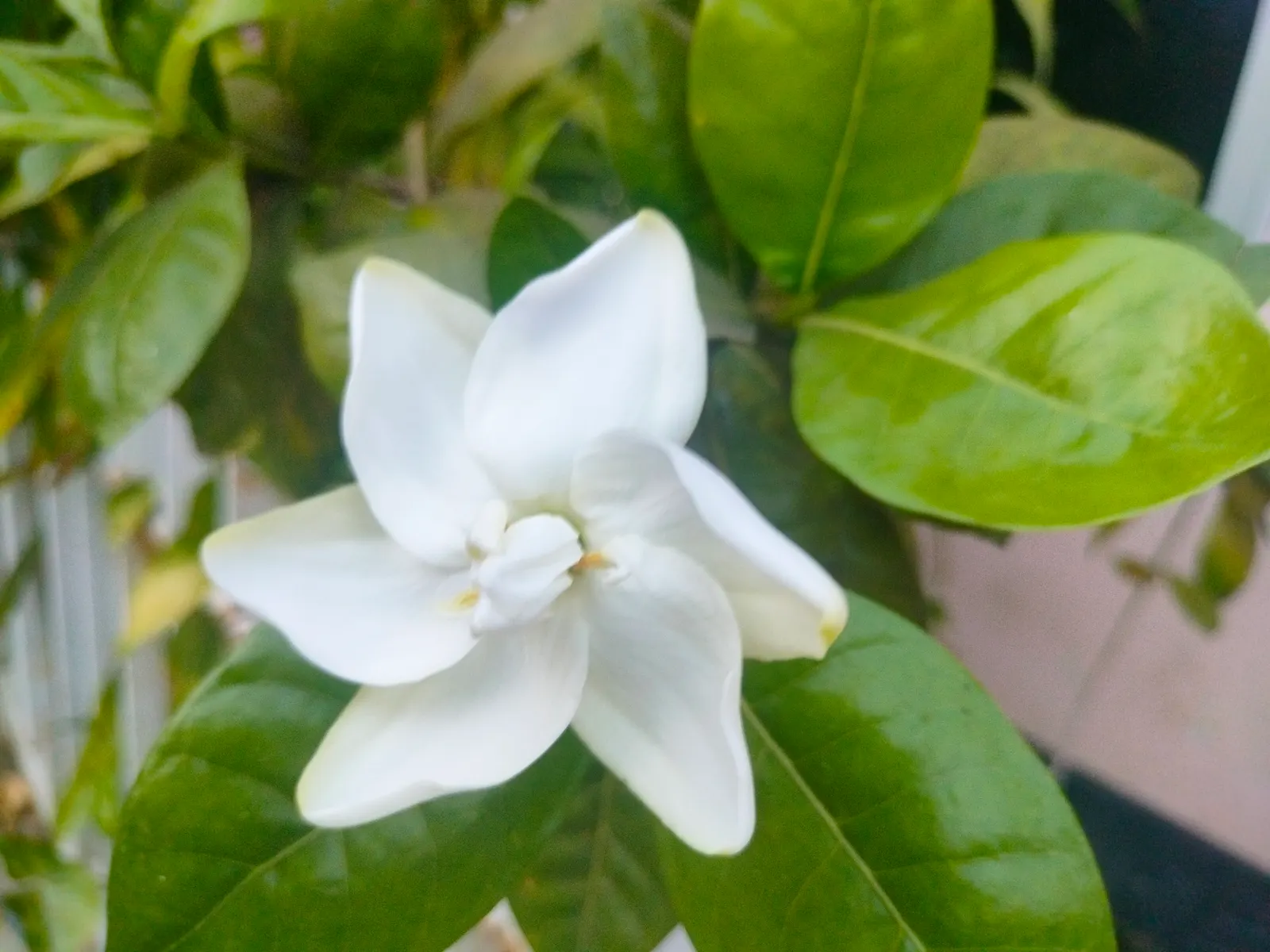
Gardenia (Gardenia Jasminoides) — ideal for the Gardenia's health.<br><br>To ensure a robust bloom; commonly referred to as the Gardenia

Culture

Sun
Full, Half
Water
Extra in Summer, Medium
USDA zones
8–10

Shape & size

Classification

Type
Shrub
Family
Rubiaceae
Climate
Subtropical

See full data, regional cultivation notes, and design tools. Build a client presentation around this plant.

Start your 14-day trial

Photos (151)

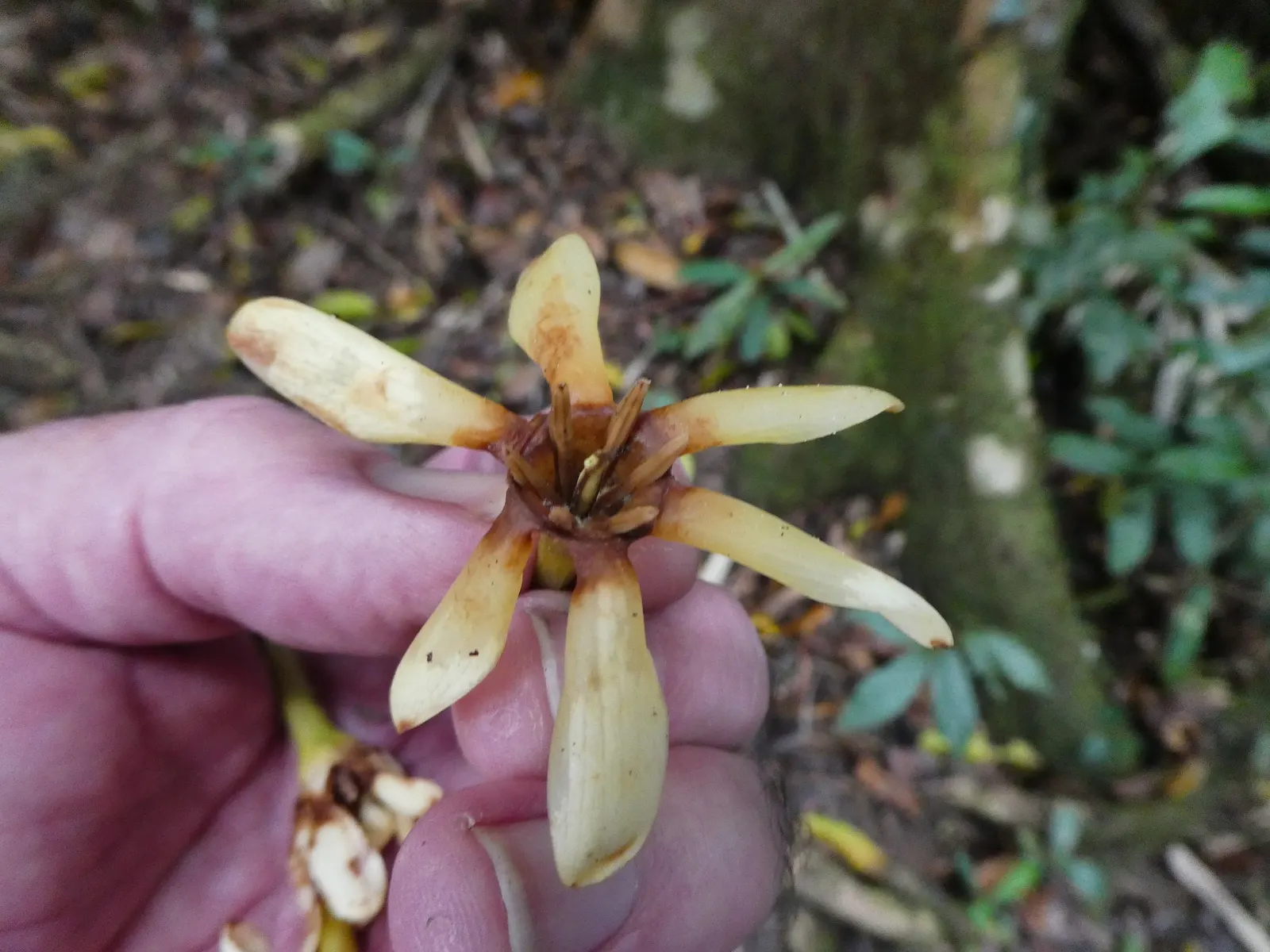
Gardenia (Gardenia Jasminoides) — <br><br>With their elegant beauty and scented blooms
Gardenia (Gardenia Jasminoides) — or even in containers where their growth can be more easily managed and appreciated; dark green leaves and highly, image 127
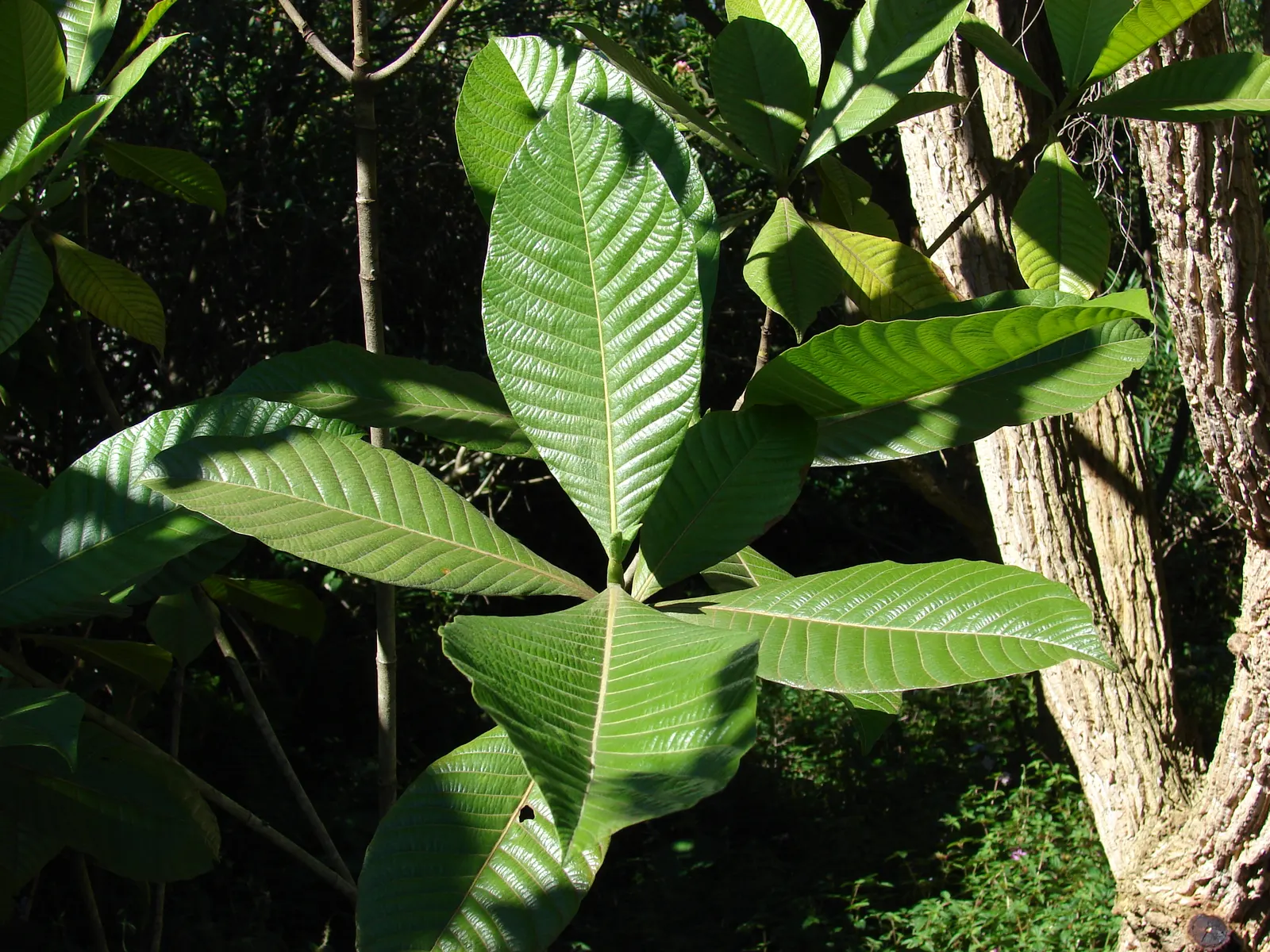
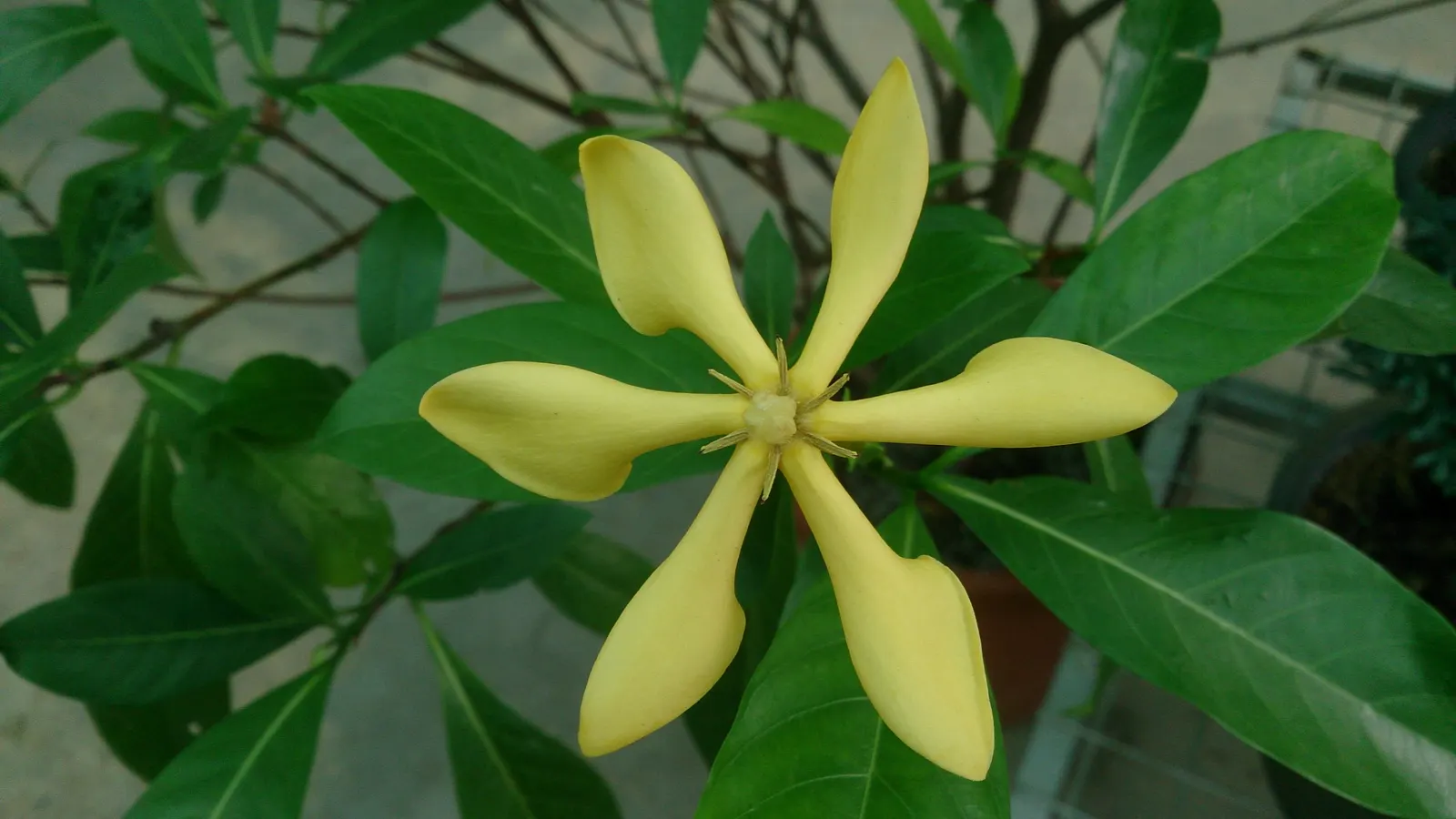
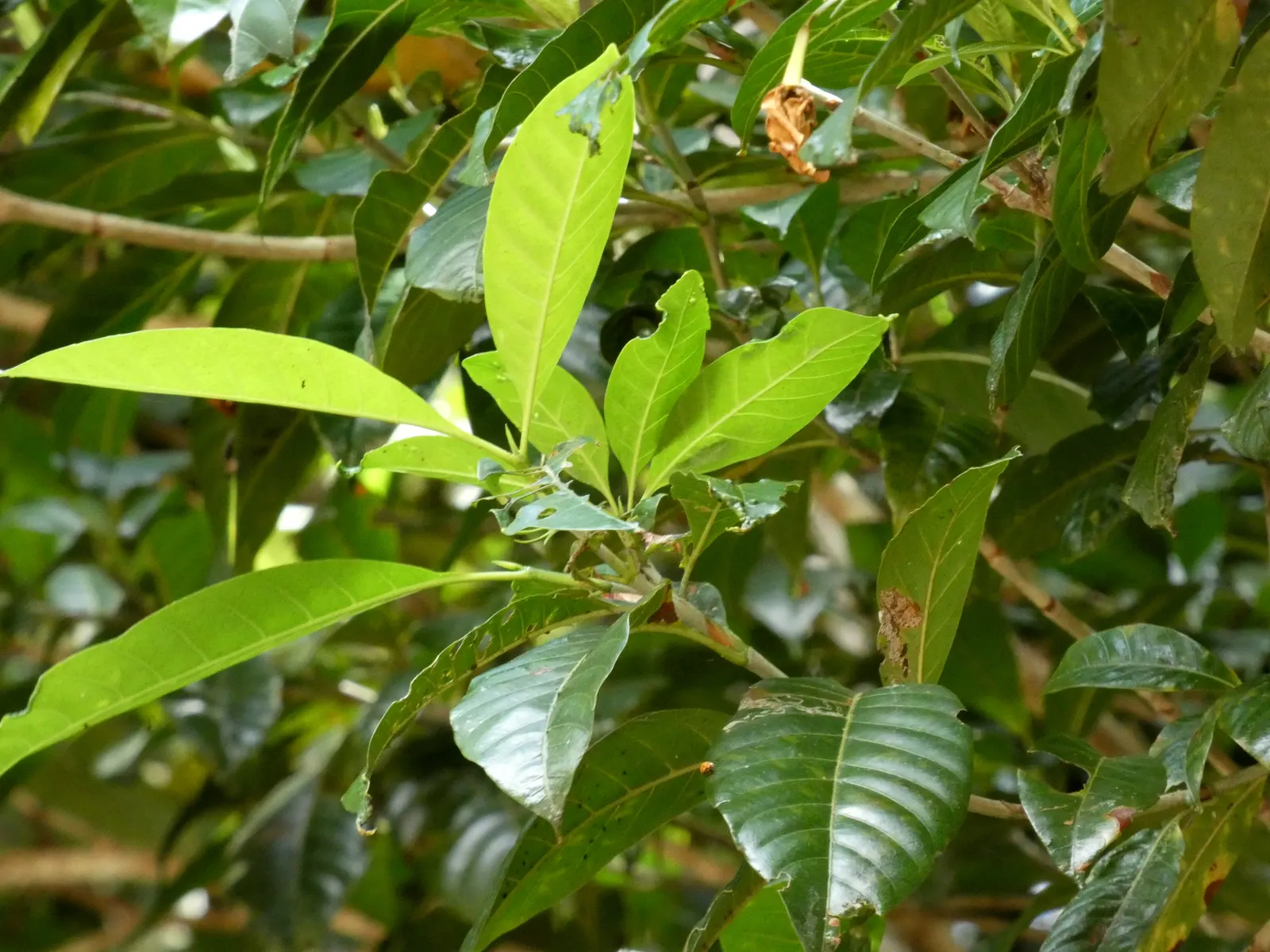
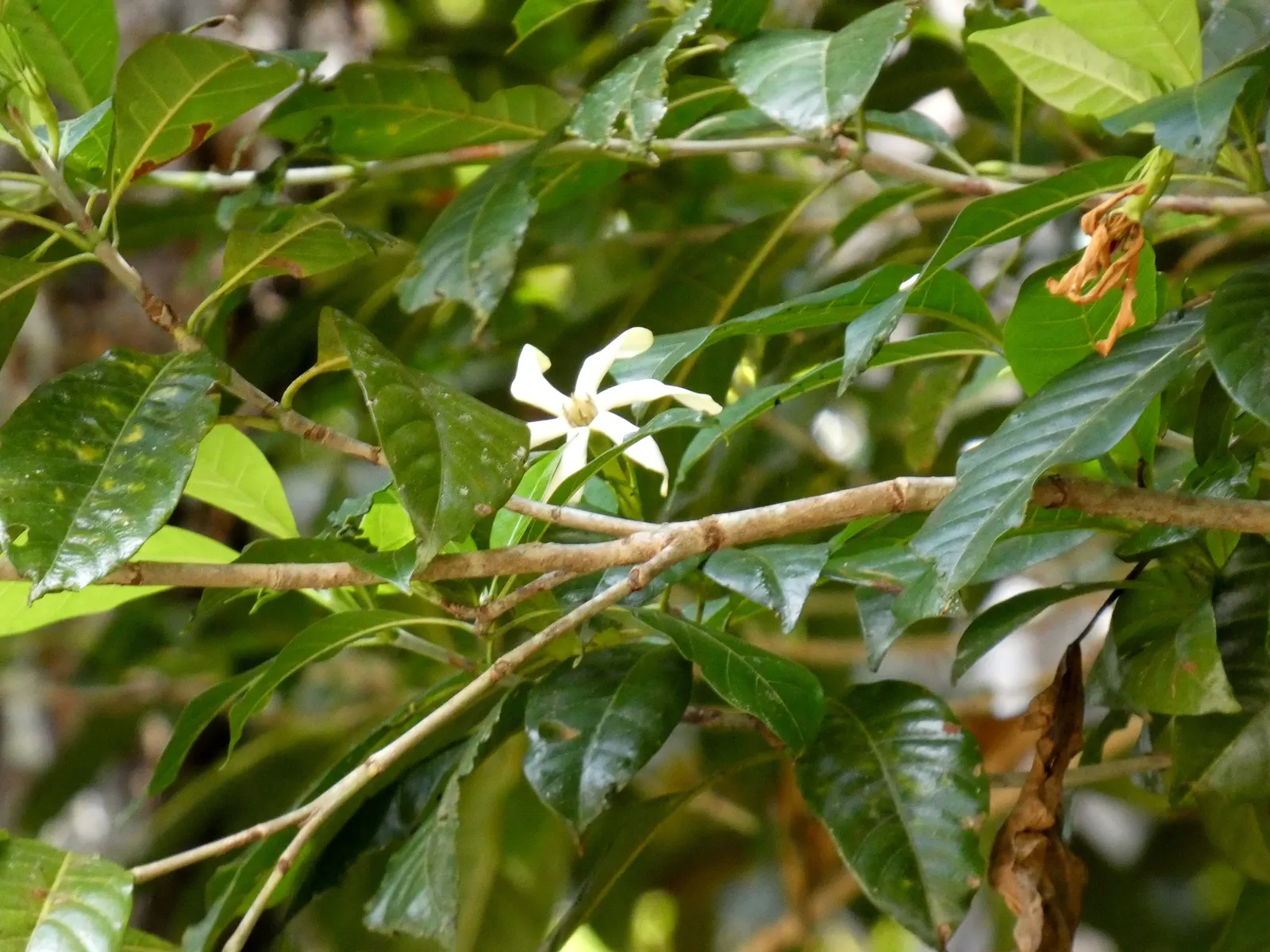
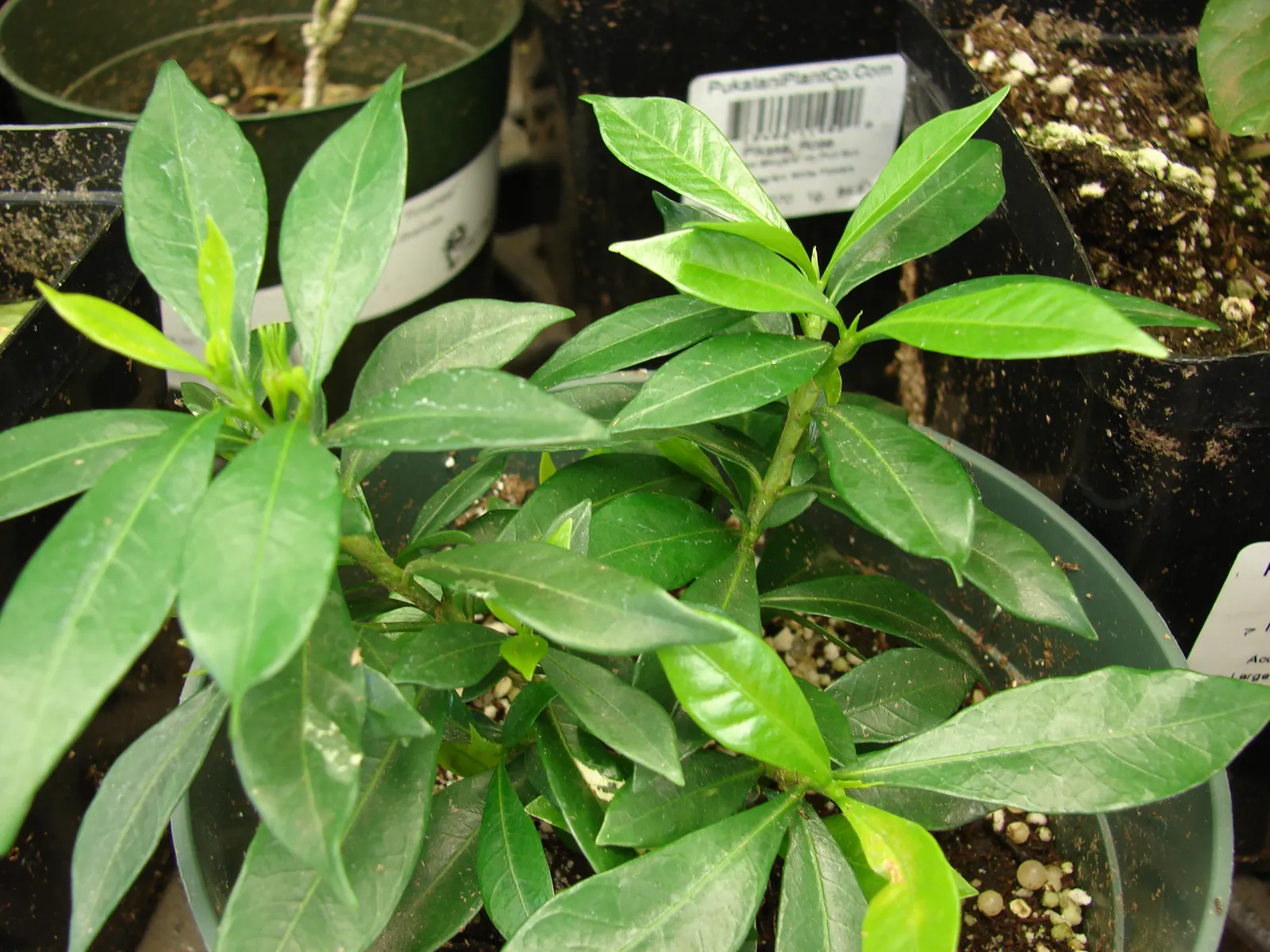
Gardenia (Gardenia Jasminoides) — dark green leaves and highly fragrant white or pale yellow blossoms
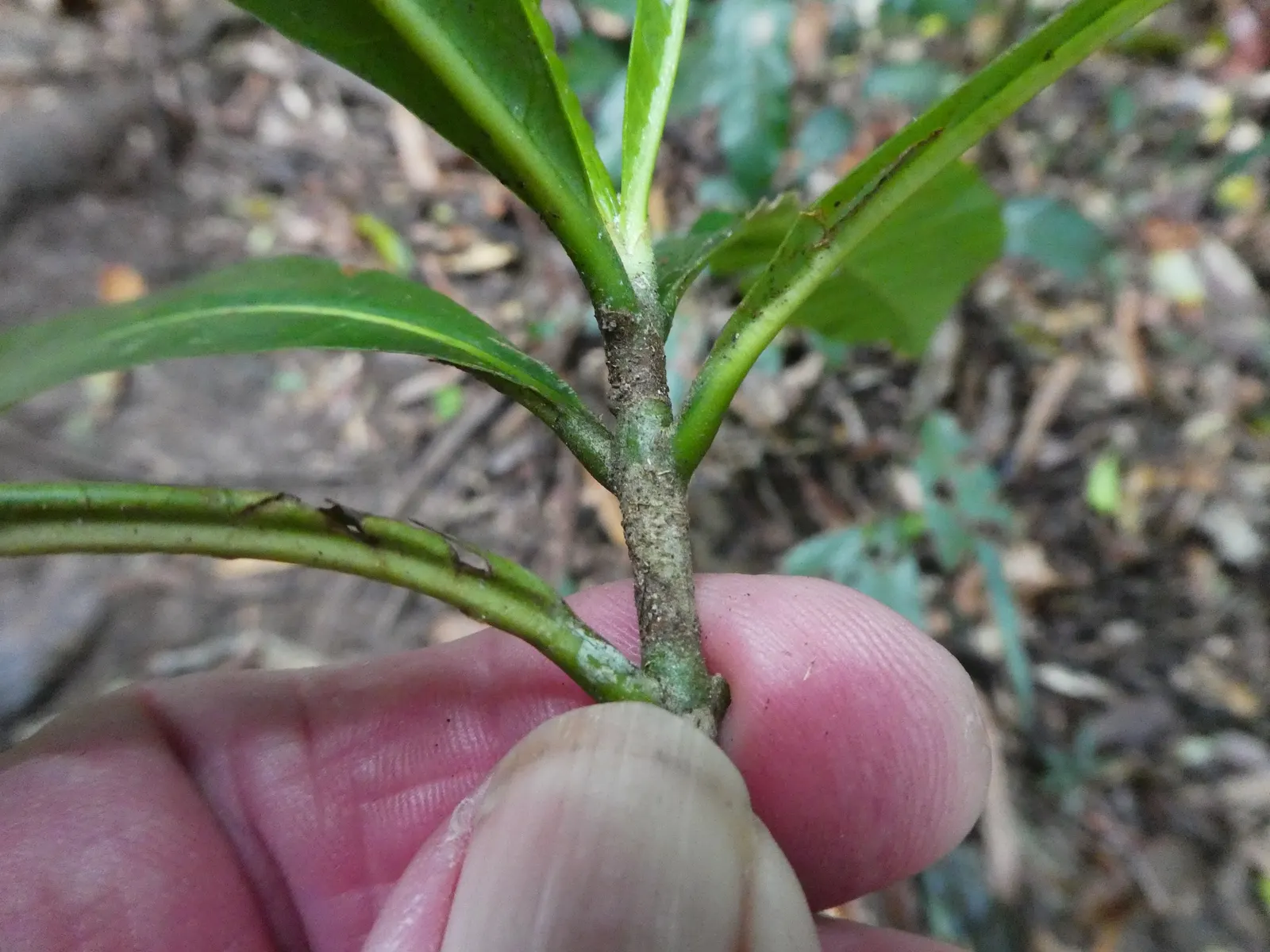
Gardenia (Gardenia Jasminoides) — Gardenias require regular watering and protection from cold temperatures
Gardenia (Gardenia Jasminoides) — shrub for full or half; or even in containers where their growth can be more easily managed and appreciated
Gardenia (Gardenia Jasminoides) — depending on the cultivar; though too much direct sunlight can scorch the leaves, image 118
Gardenia (Gardenia Jasminoides) — dark-green leaves provide a striking backdrop to the intensely aromatic blossoms; gardenias offer an exquisite, image 115
Gardenia (Gardenia Jasminoides) — Mulching helps retain soil moisture and maintains a consistent soil temperature; shrub for full or half, image 97
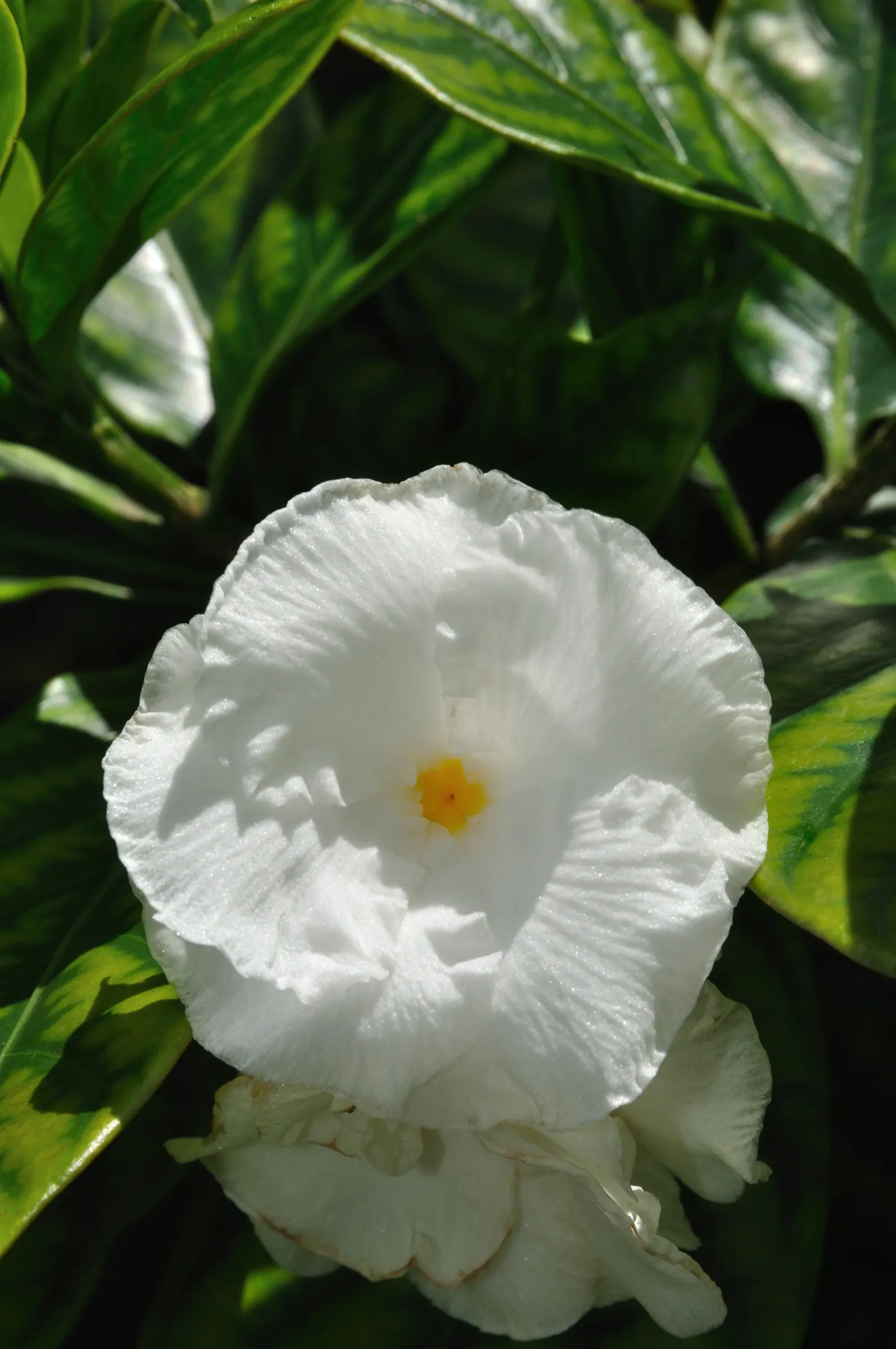
Gardenia (Gardenia Jasminoides) — white flowers in the garden; velvety white flowers and sweet, image 102
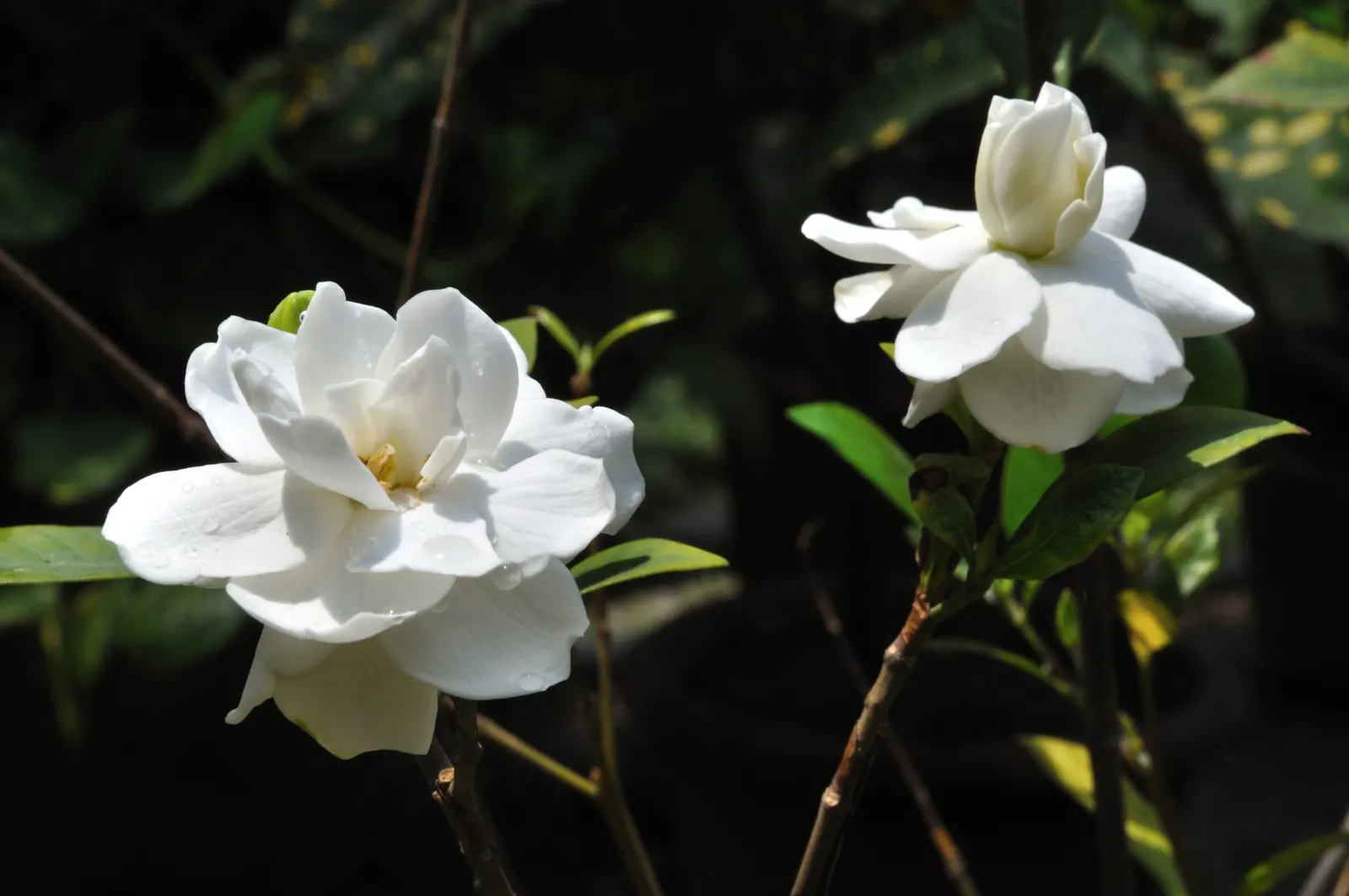
Gardenia (Gardenia Jasminoides) — shrub with white blooms
Gardenia (Gardenia Jasminoides) — velvety white flowers and sweet; is a prized flowering shrub renowned for its lush, image 113
Gardenia (Gardenia Jasminoides) — though too much direct sunlight can scorch the leaves; which typically bloom from mid-spring to mid-summer
Gardenia (Gardenia Jasminoides) — dark green leaves and highly fragrant white or pale yellow blossoms; dark-green leaves provide a striking, image 106
Gardenia (Gardenia Jasminoides) — The flowers can reach up to 3 inches in diameter and may either be single or double-form; a native to the, image 65
Gardenia (Gardenia Jasminoides) — ideal for the Gardenia's health.<br><br>To ensure a robust bloom; commonly referred to as the Gardenia, image 72
Gardenia (Gardenia Jasminoides) — Gardenias offer an exquisite addition to your landscape; <br><br>With their elegant beauty and scented blooms, image 100
Gardenia (Gardenia Jasminoides) — dark-green leaves provide a striking backdrop to the intensely aromatic blossoms
Gardenia (Gardenia Jasminoides) — This evergreen shrub typically matures to 3-6 feet tall and wide; the shrub benefits from consistent moisture, but, image 81
Gardenia (Gardenia Jasminoides) — depending on the cultivar; though too much direct sunlight can scorch the leaves, image 92
Gardenia (Gardenia Jasminoides) — commonly known as Cape Jasmine; preferring USDA zones 8-11, it flourishes in partial to full sun with, image 131
Gardenia (Gardenia Jasminoides) — commonly referred to as the Gardenia; ideal for the Gardenia's health.<br><br>To ensure a robust bloom, image 85
Gardenia (Gardenia Jasminoides) — which typically bloom from mid-spring to mid-summer; this evergreen shrub typically matures to 3-6 feet tall and, image 116
Gardenia (Gardenia Jasminoides) — depending on the cultivar; though too much direct sunlight can scorch the leaves
Gardenia (Gardenia Jasminoides) — commonly known as Cape Jasmine; preferring USDA zones 8-11, it flourishes in partial to full sun with well-drained, acidic
Photographs by 14 contributors

Related plants