Skip to content

White Ash

Fraxinus Americana

Design with this plant

Overview

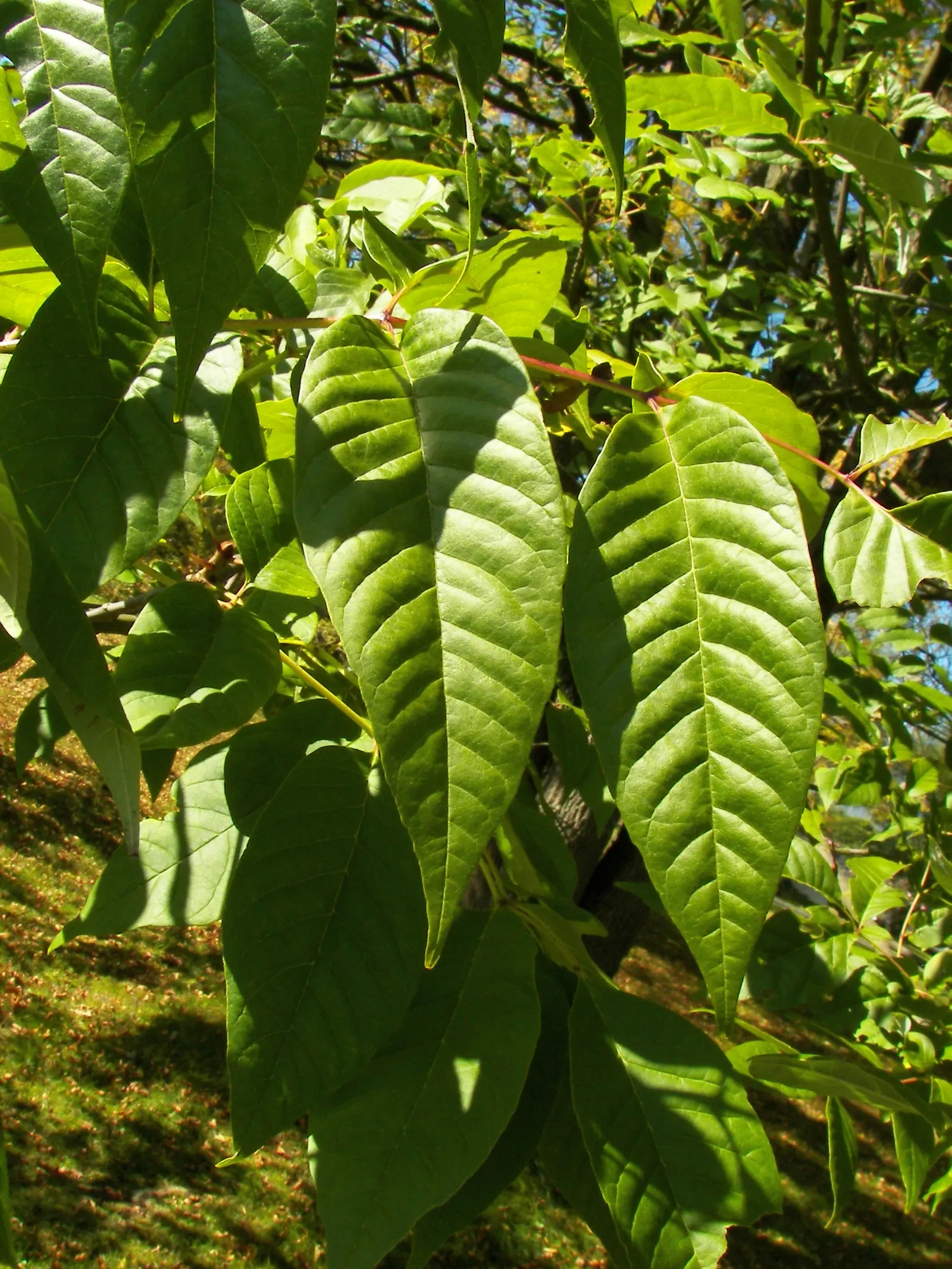
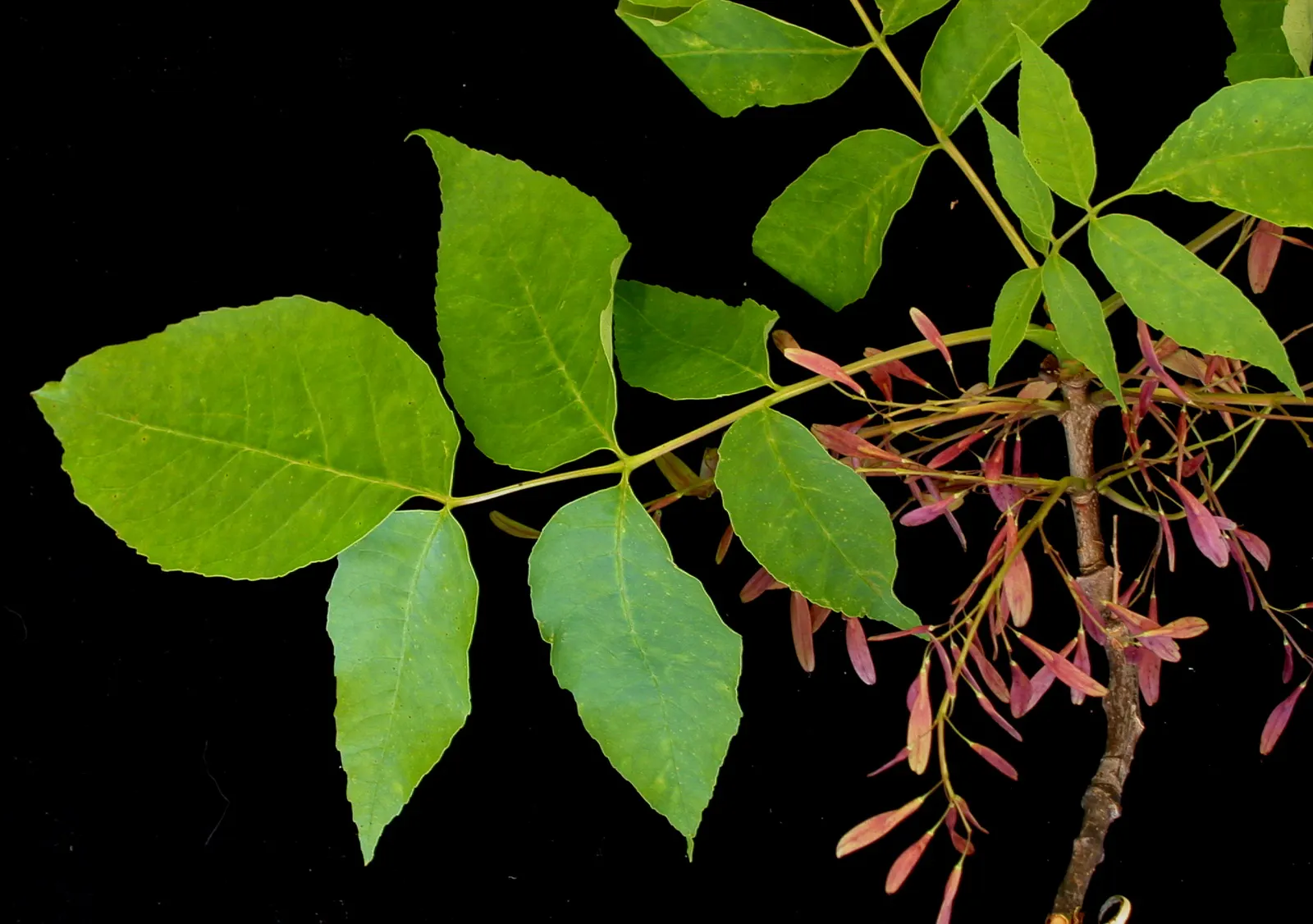
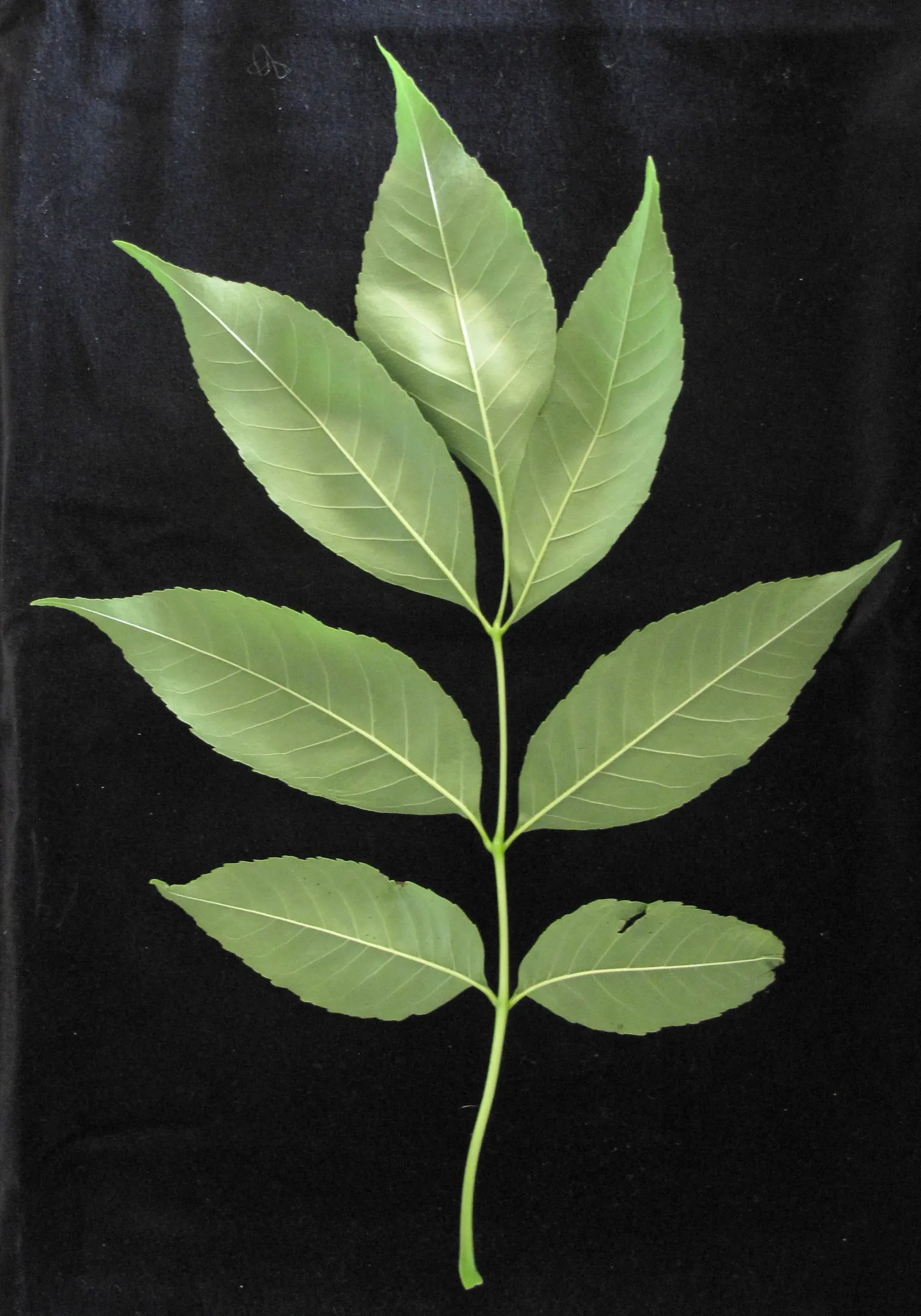
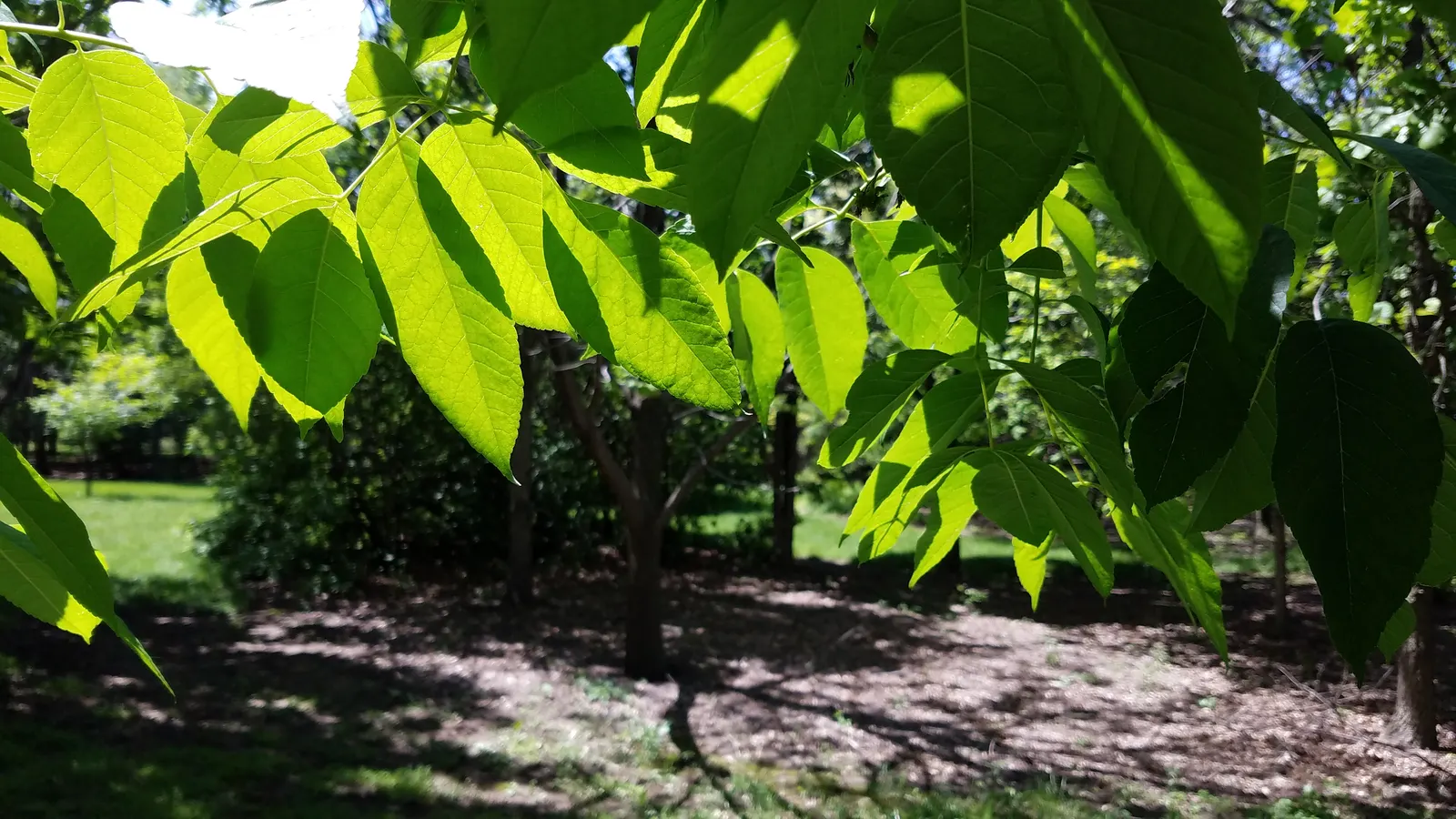
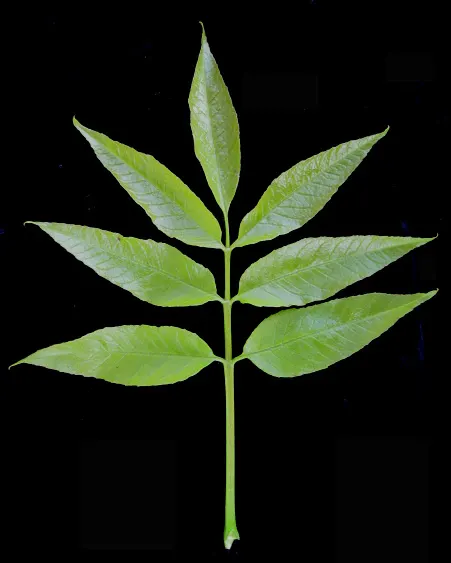
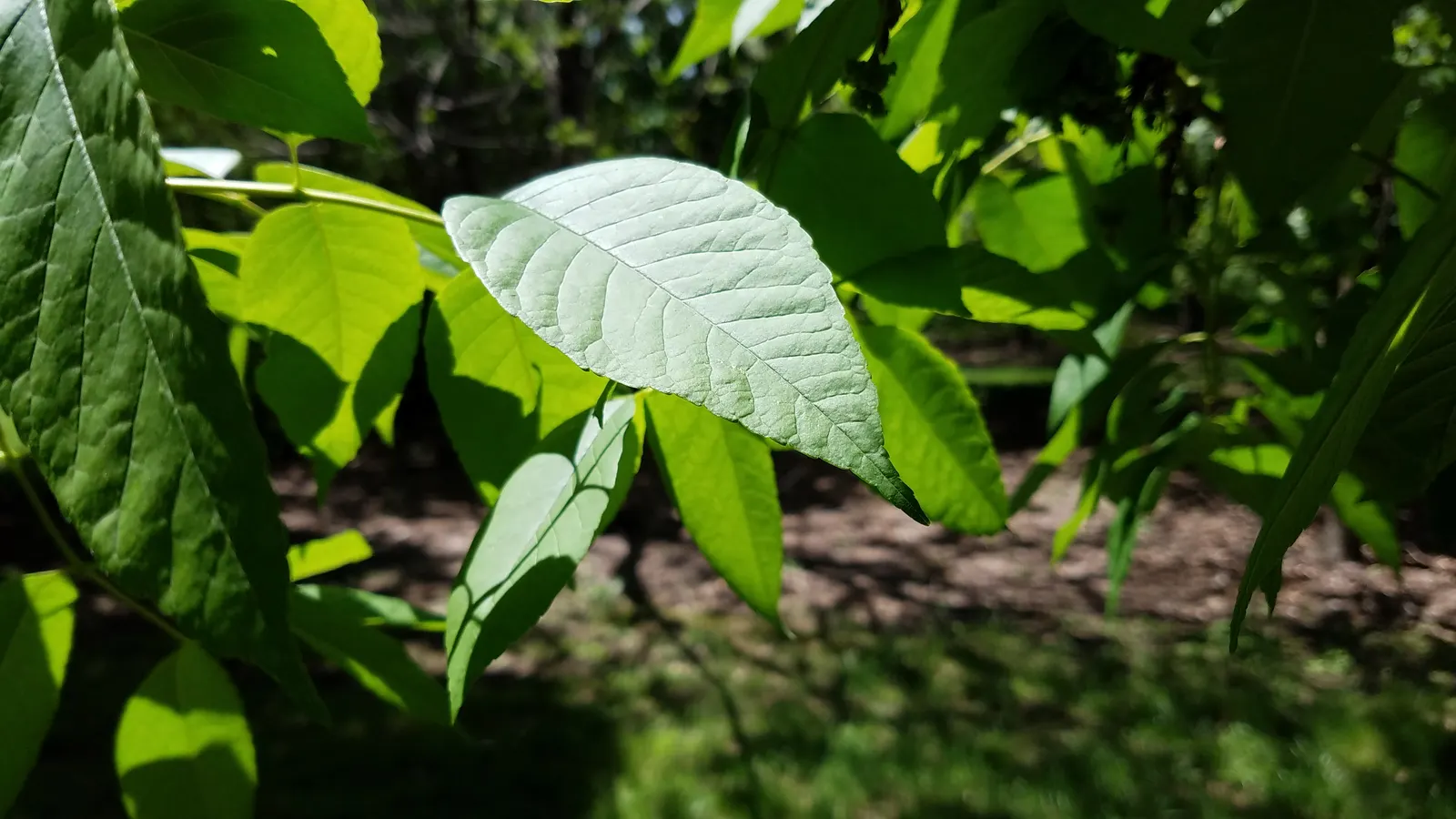
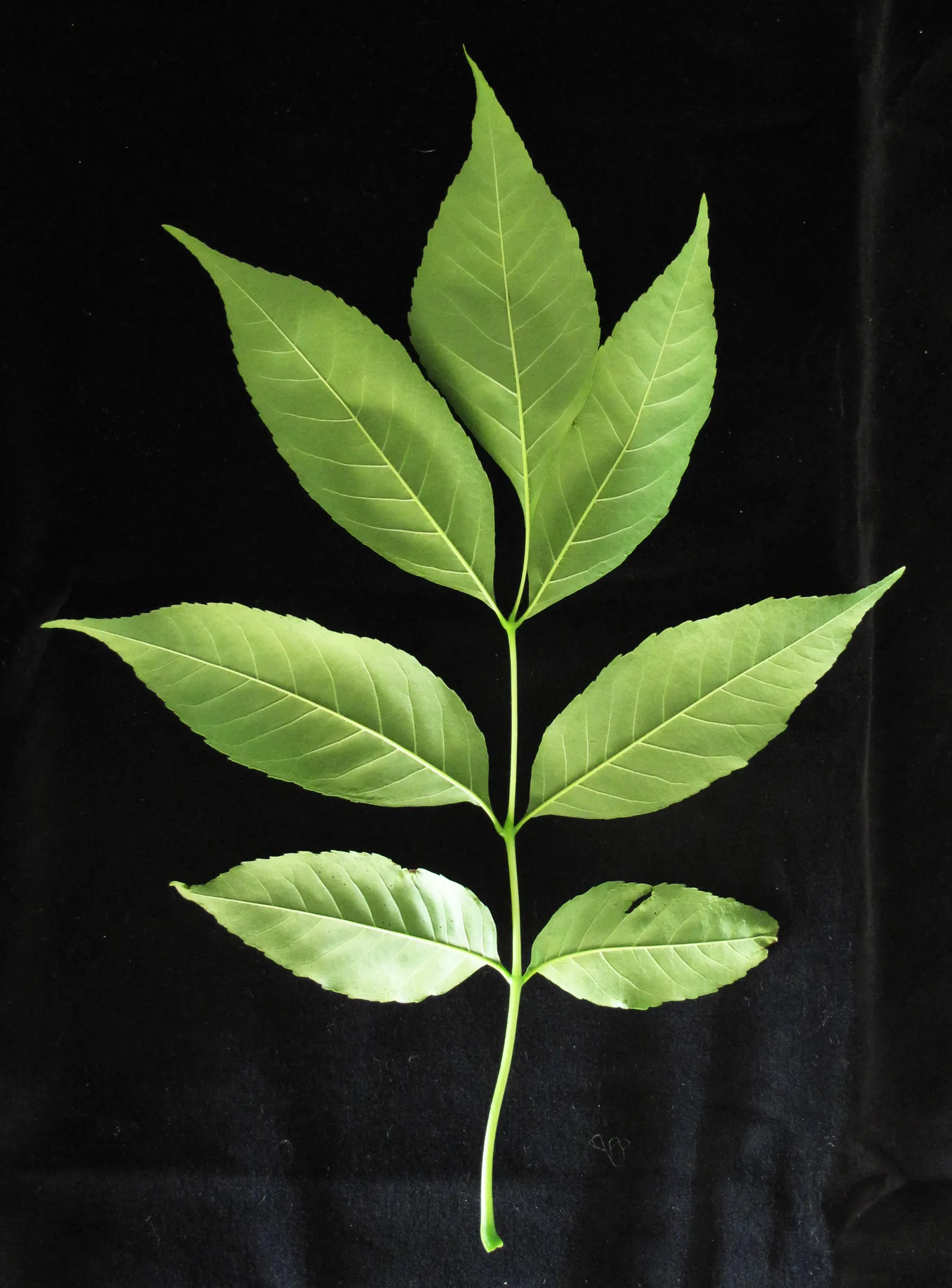
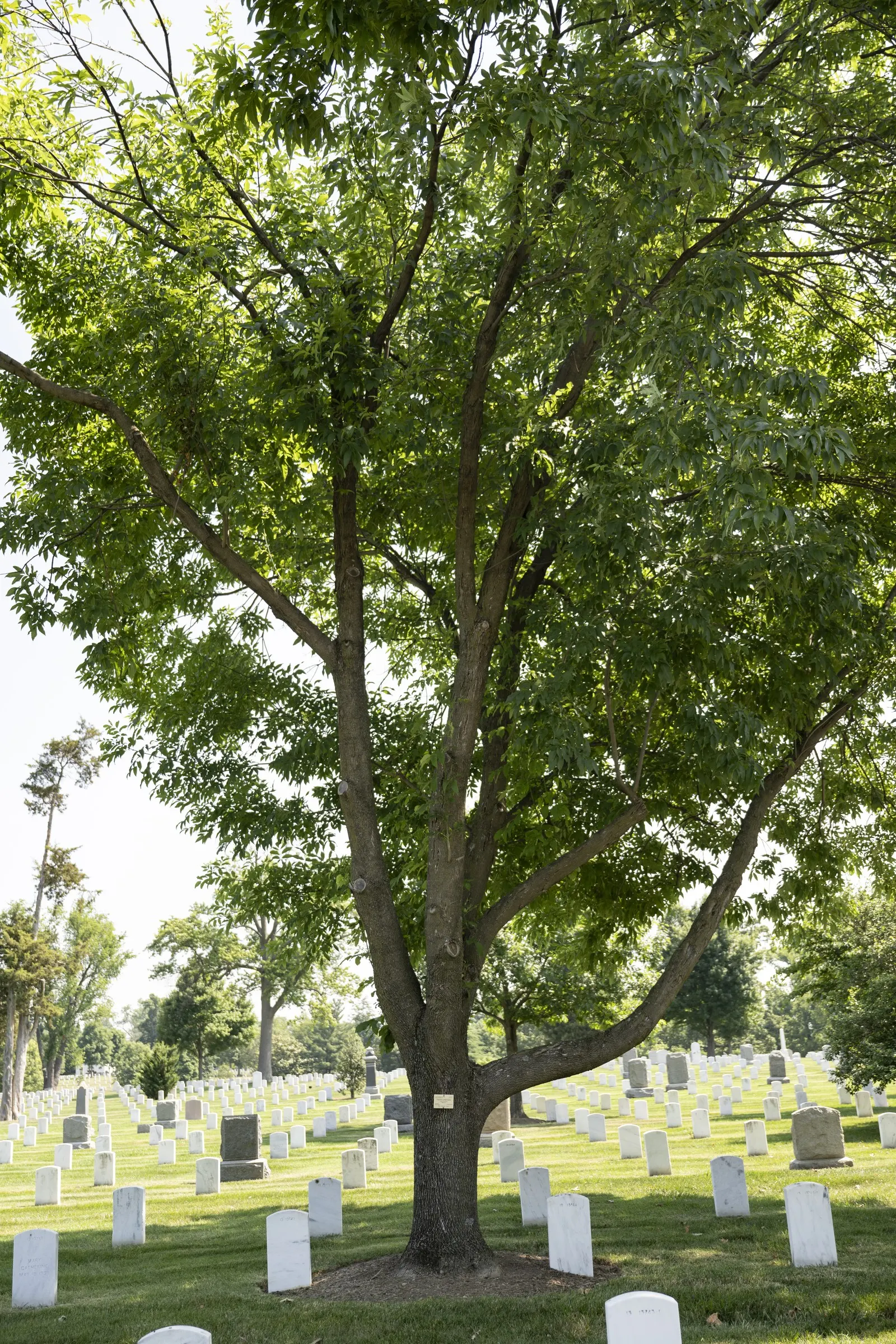
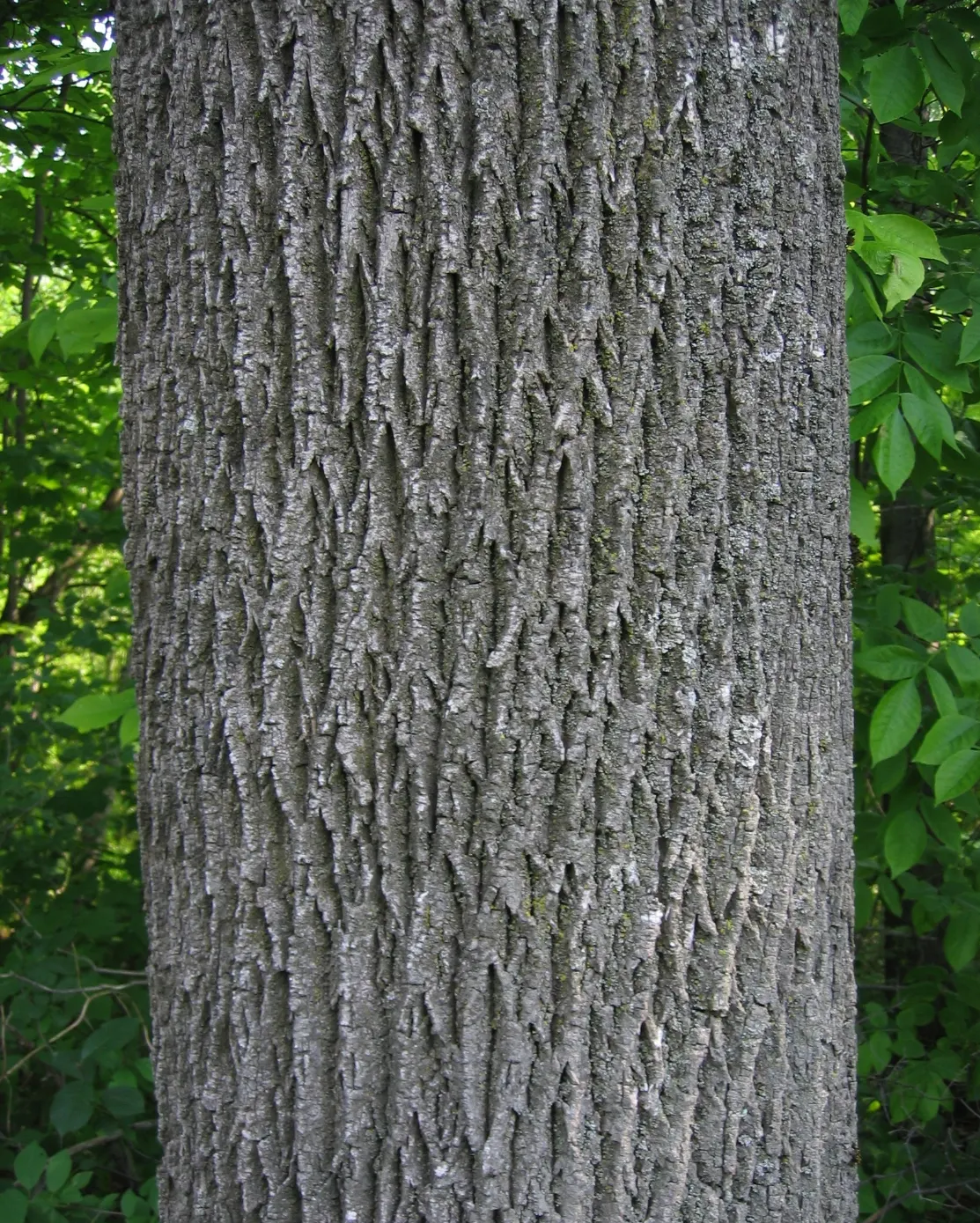
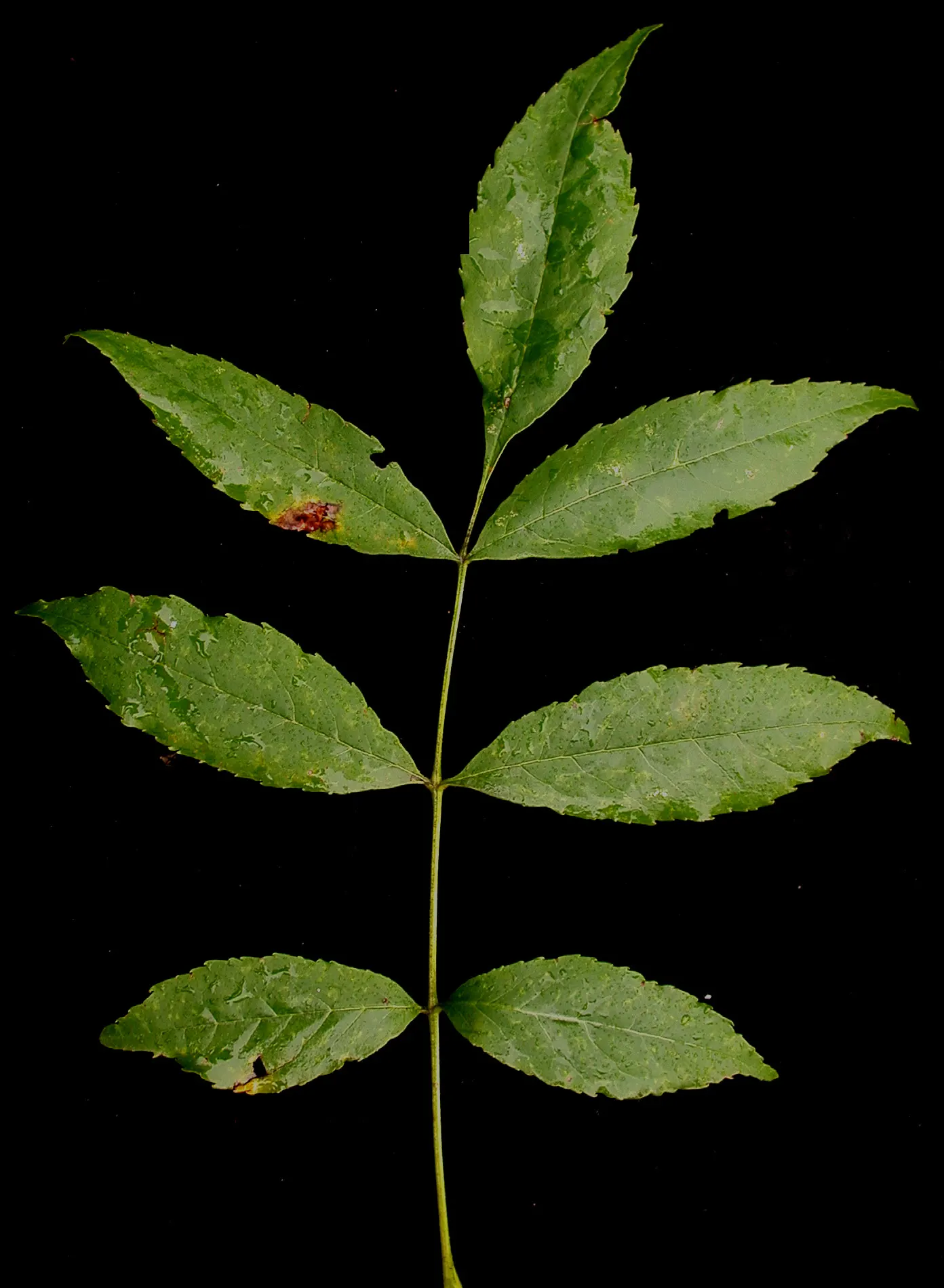
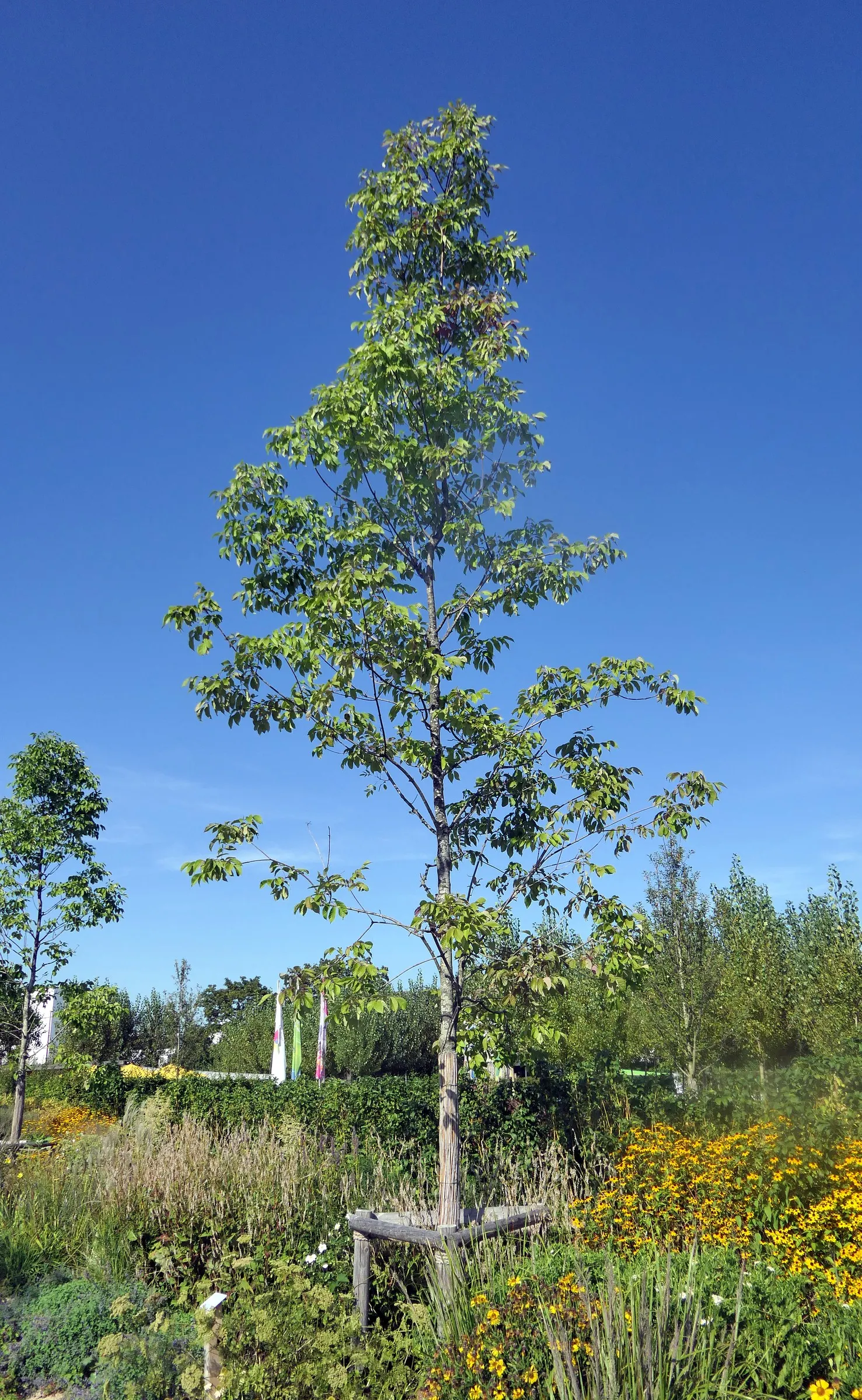
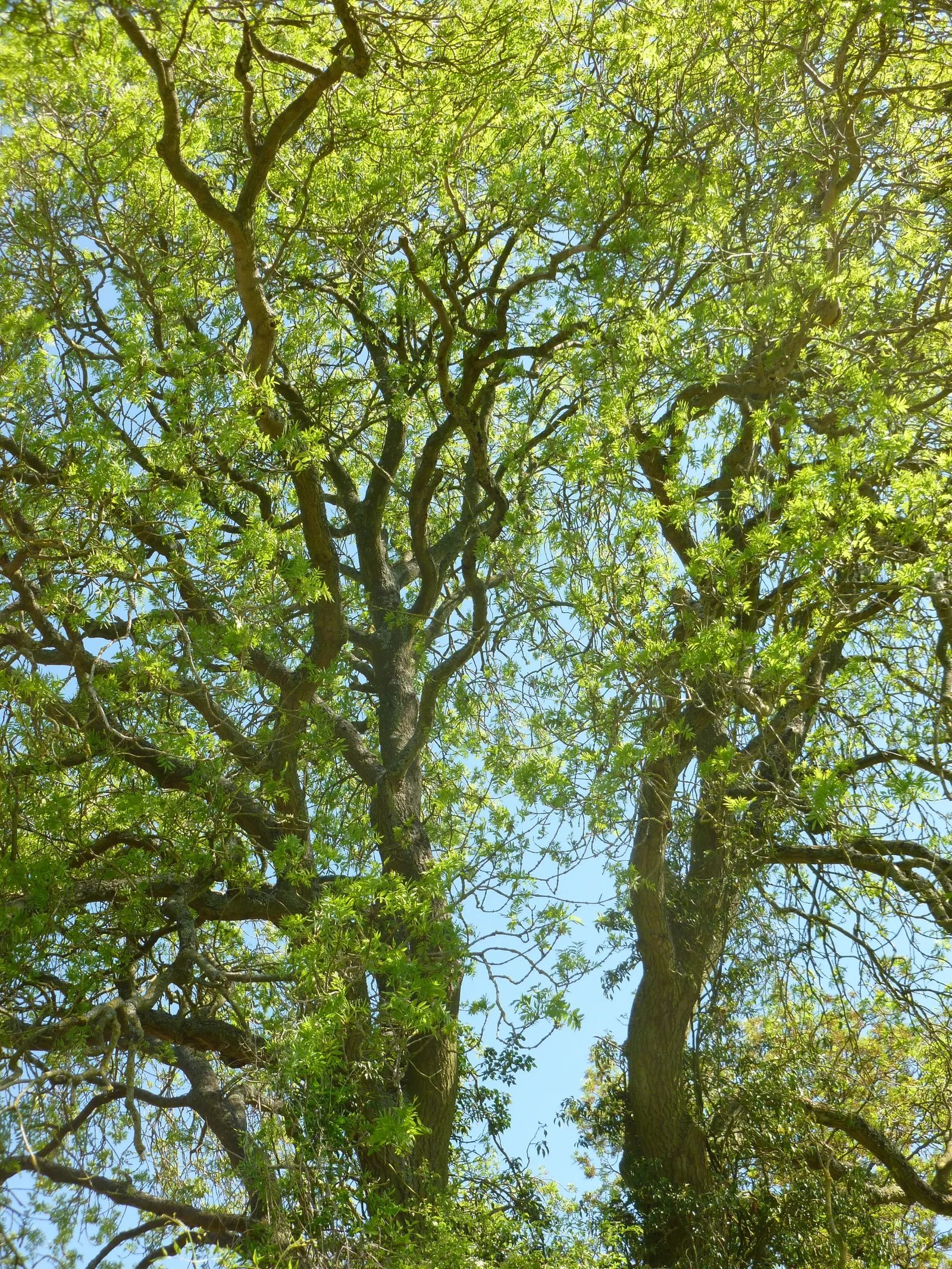
White Ash (Fraxinus americana) is a majestic deciduous tree frequently utilized in landscape designs for its impressive stature, growing up to 70-80 feet tall with a spread of 40-50 feet. It features compound leaves, with notable fall colors ranging from purple to yellow. This hardy specimen prefers well-drained soil and full sun. White Ash is also valued for its strong wood, popular in furniture-making. Caution: vulnerable to the emerald ash borer.

Sun FullWater Extra in Summer, MediumZones 3–10Type TreeClimate Temperate
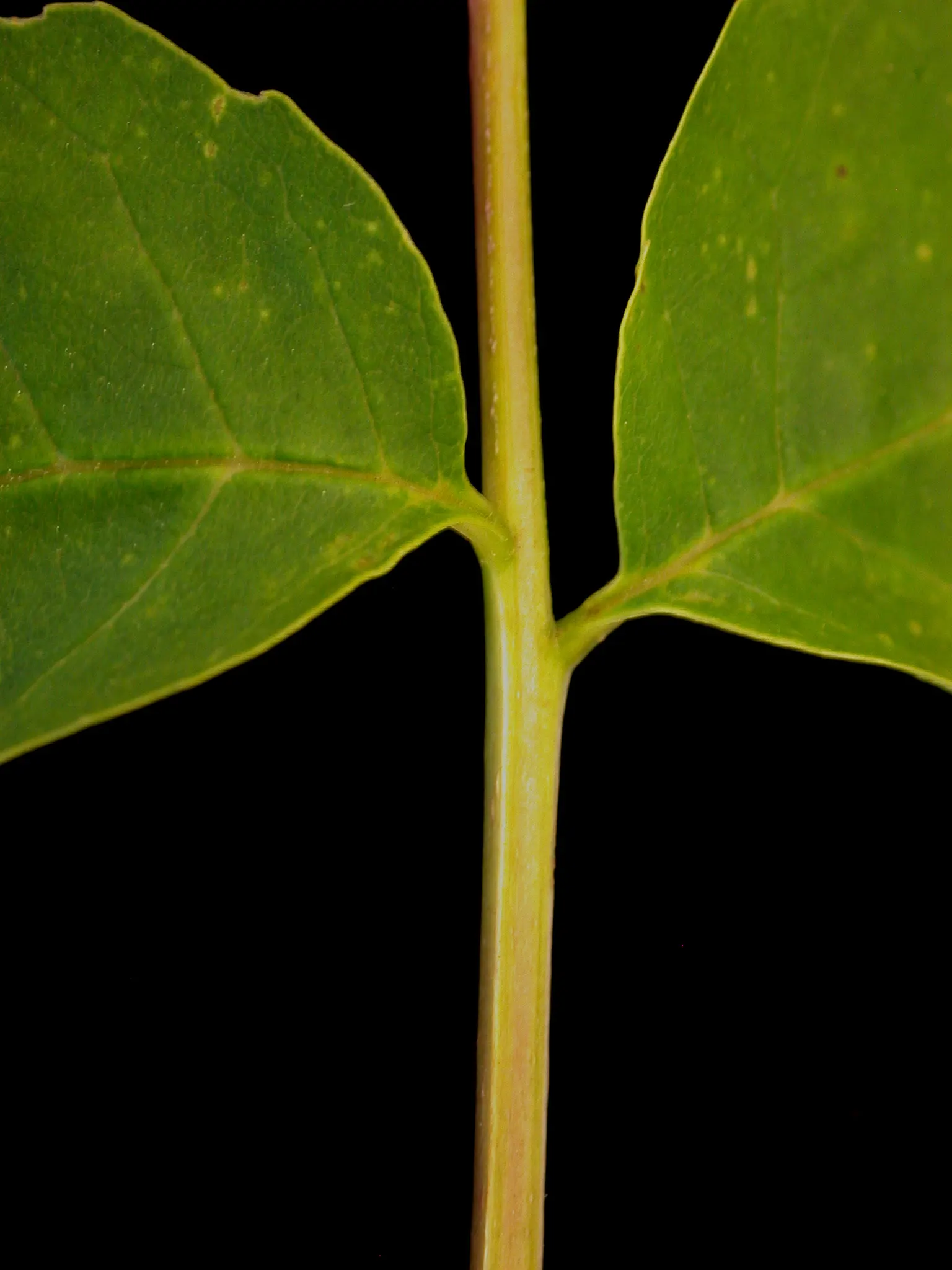
White Ash (Fraxinus Americana) — necessitating informed management and preventive treatment in affected regions

Culture

Sun
Full
Water
Extra in Summer, Medium
USDA zones
3–10

Shape & size

Mature height
60–80 Ft.
Mature width
60–80 Ft.

Classification

Type
Tree
Family
Oleaceae
Climate
Temperate

See full data, regional cultivation notes, and design tools. Build a client presentation around this plant.

Start your 14-day trial

Photos (76)

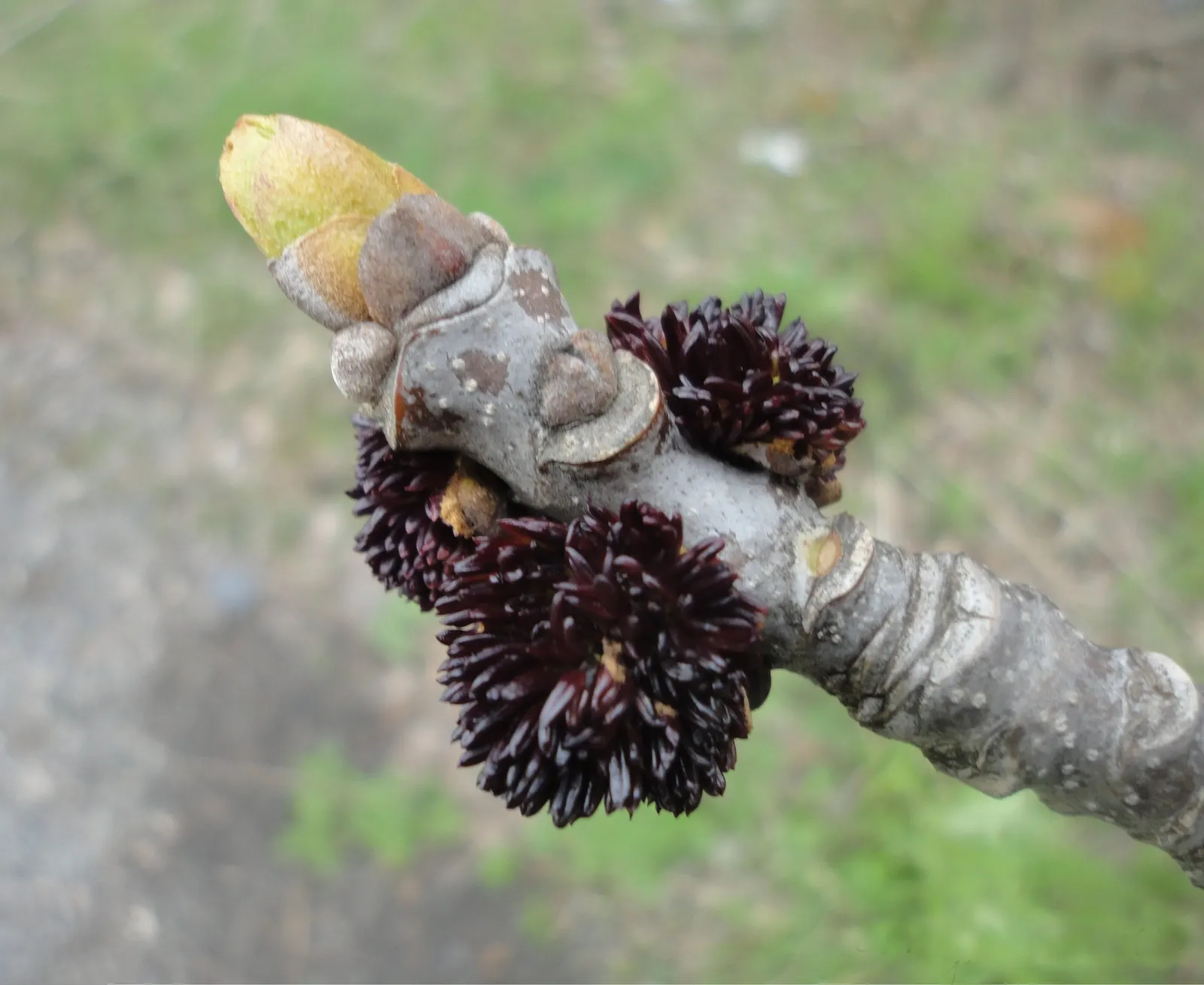
White Ash (Fraxinus Americana) — tree with purple blooms; it shows moderate drought tolerance.<br><br>When designing landscapes
White Ash (Fraxinus Americana) — offering seasonal interest and robust structure; it shows moderate drought tolerance.<br><br>When designing landscapes
White Ash (Fraxinus Americana) — purple flowers in the garden; each leaflet typically measures 3 to 4 inches long
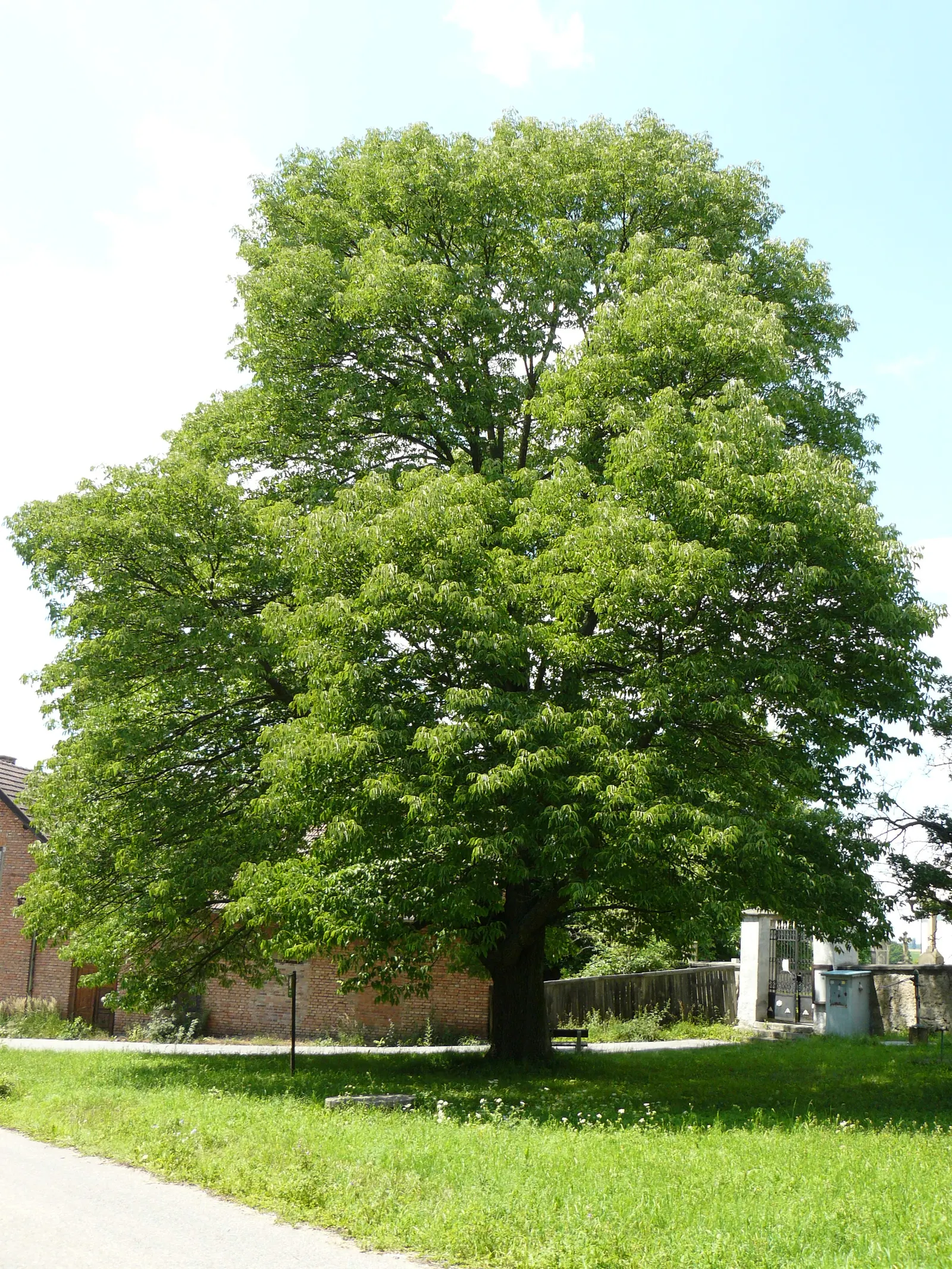
White Ash (Fraxinus Americana) — Mature specimens can reach towering heights of 60 to 80 feet with a canopy spread of 40 to 50 feet
White Ash (Fraxinus Americana) — scientifically referred to as Fraxinus americana
White Ash (Fraxinus Americana) — The White Ash is a splendid choice for larger gardens; white Ash is also valued for its strong wood, popular in
White Ash (Fraxinus Americana) — During its growing period; necessitating informed management and preventive treatment in affected regions
White Ash (Fraxinus Americana) — both above and below ground for root expansion; necessitating informed management and preventive treatment in affected regions
White Ash (Fraxinus Americana) — tree for full
White Ash (Fraxinus Americana) — showcasing its adaptability; it shows moderate drought tolerance.<br><br>When designing landscapes
White Ash (Fraxinus Americana) — This hardy specimen prefers well-drained soil and full sun
White Ash (Fraxinus Americana) — White Ash is also valued for its strong wood, popular in furniture-making; necessitating informed management and preventive
White Ash (Fraxinus Americana) — growing up to 70-80 feet tall with a spread of 40-50 feet
White Ash (Fraxinus Americana) — scientifically referred to as Fraxinus americana; each leaflet typically measures 3 to 4 inches long
White Ash (Fraxinus Americana) — it shows moderate drought tolerance.<br><br>When designing landscapes; each leaflet typically measures 3 to 4 inches long
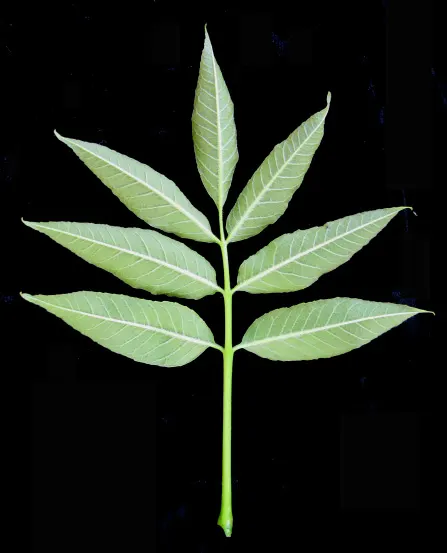
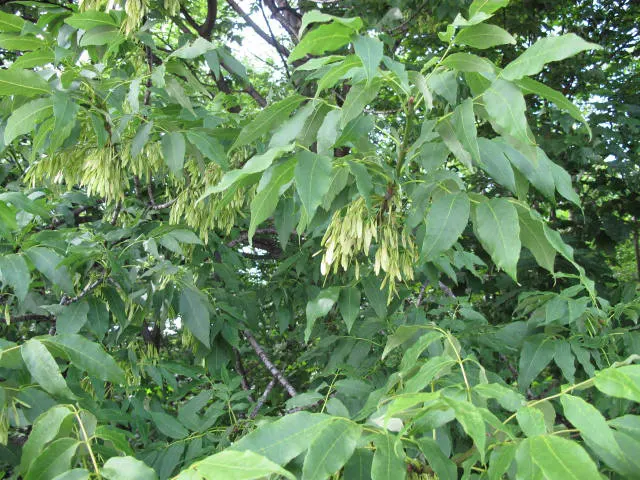
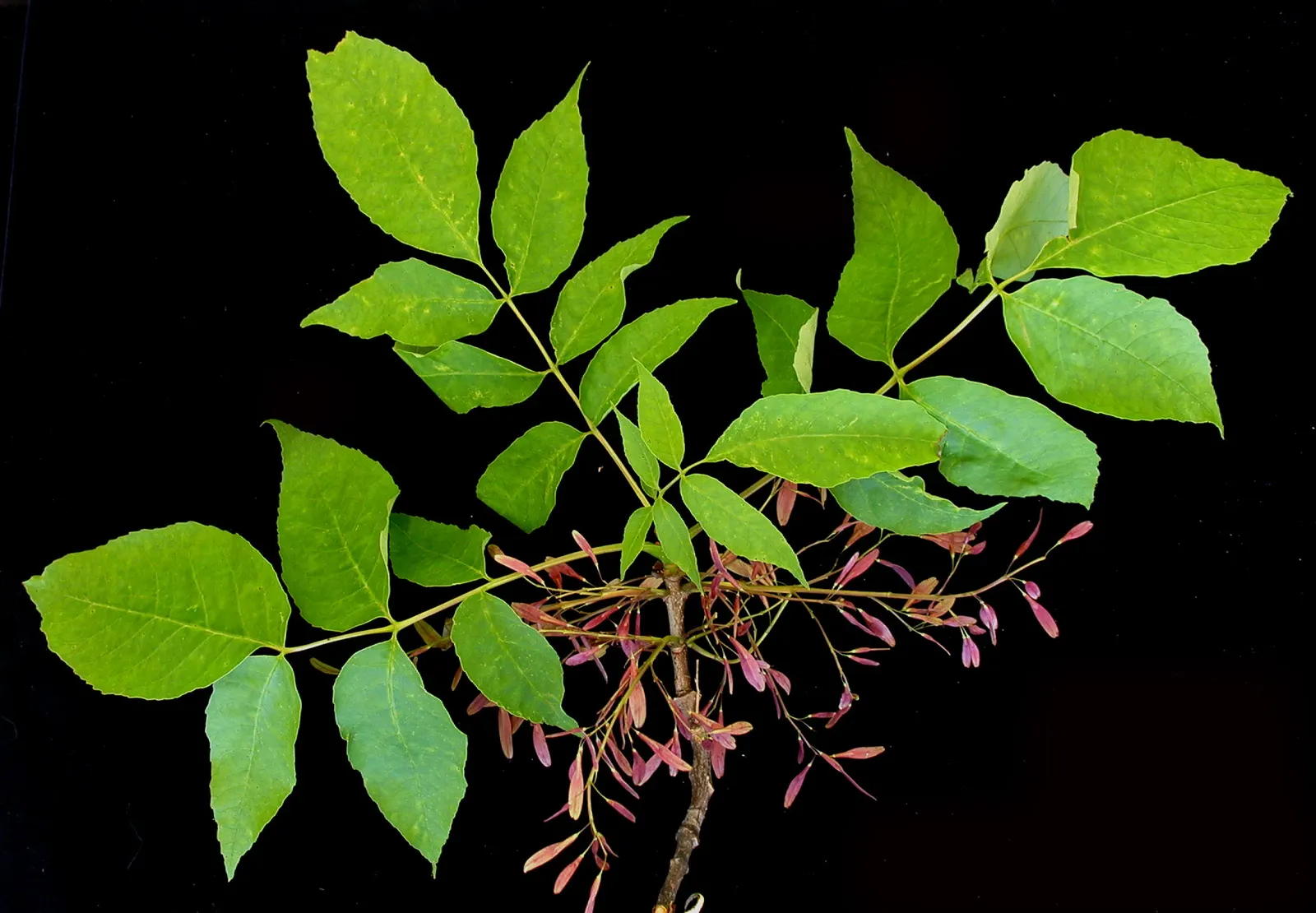
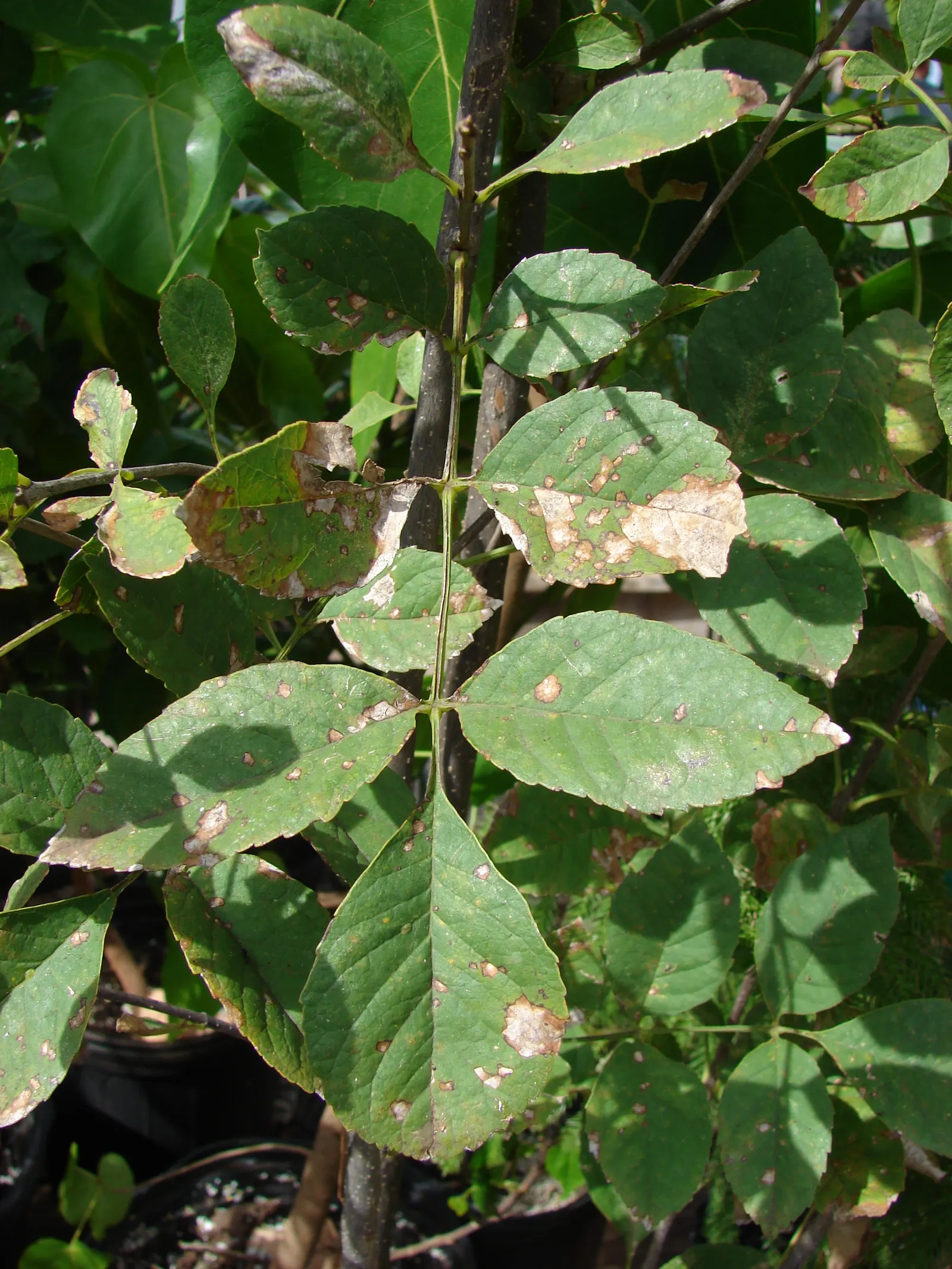
White Ash (Fraxinus Americana) — Each leaflet typically measures 3 to 4 inches long
White Ash (Fraxinus Americana) — the species is currently facing threats from the invasive emerald ash borer; necessitating informed management and preventive
White Ash (Fraxinus Americana) — adequate irrigation is vital to support its development but once established; white Ash is also valued for its strong wood
White Ash (Fraxinus Americana) — both above and below ground for root expansion
White Ash (Fraxinus Americana) — growing up to 70-80 feet tall with a spread of 40-50 feet; white Ash is also valued for its strong wood, popular in
White Ash (Fraxinus Americana) — This hardy specimen prefers well-drained soil and full sun; it shows moderate drought tolerance.<br><br>When designing
White Ash (Fraxinus Americana) — bear in mind its potential size and ensure ample space for growth; it shows moderate drought tolerance.<br><br>When designing
White Ash (Fraxinus Americana) — Each leaflet typically measures 3 to 4 inches long; it shows moderate drought tolerance.<br><br>When designing landscapes
White Ash (Fraxinus Americana) — bear in mind its potential size and ensure ample space for growth
Photographs by 7 contributors

Related plants