Skip to content

Wild Strawberry

Fragaria Virginiana

Design with this plant

Overview

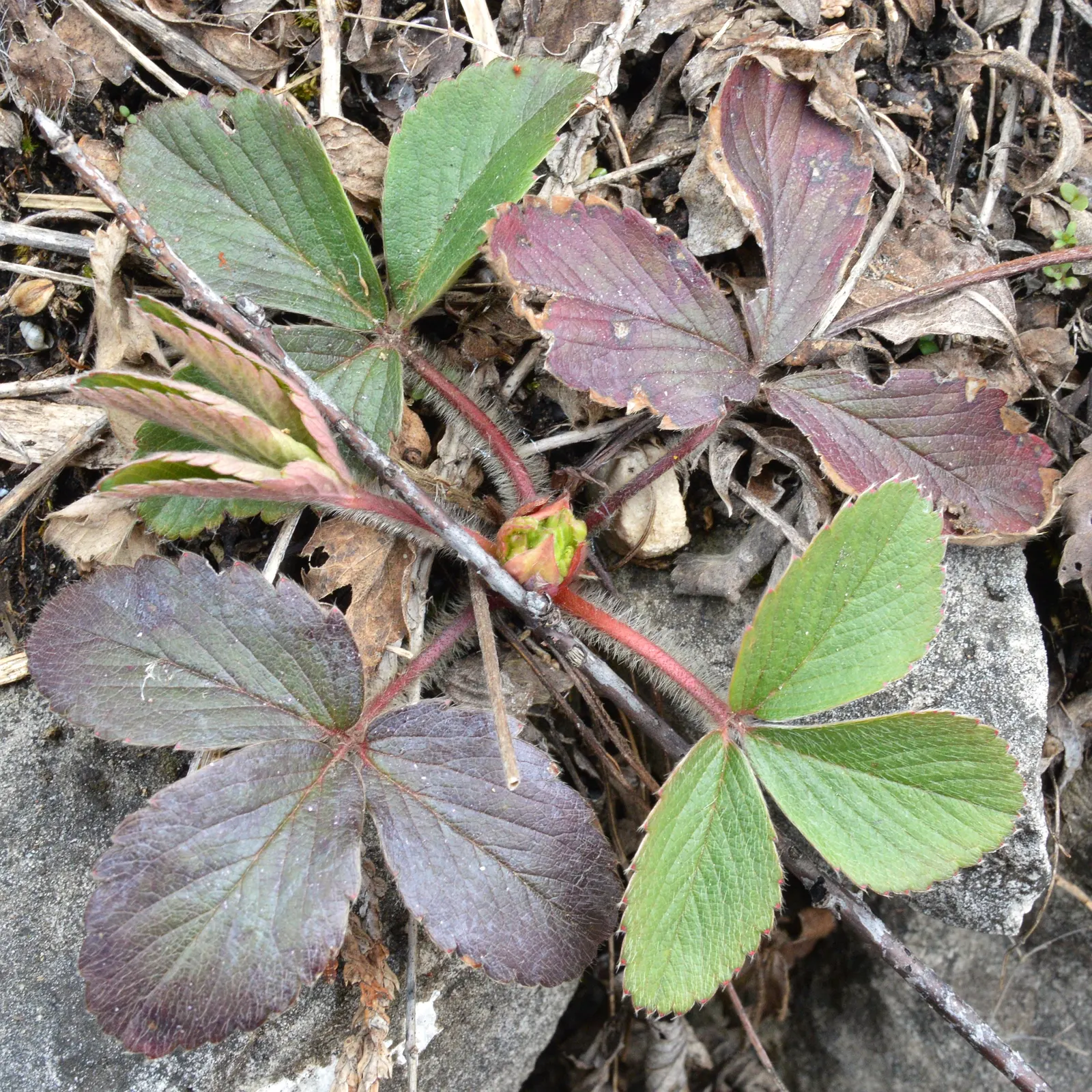
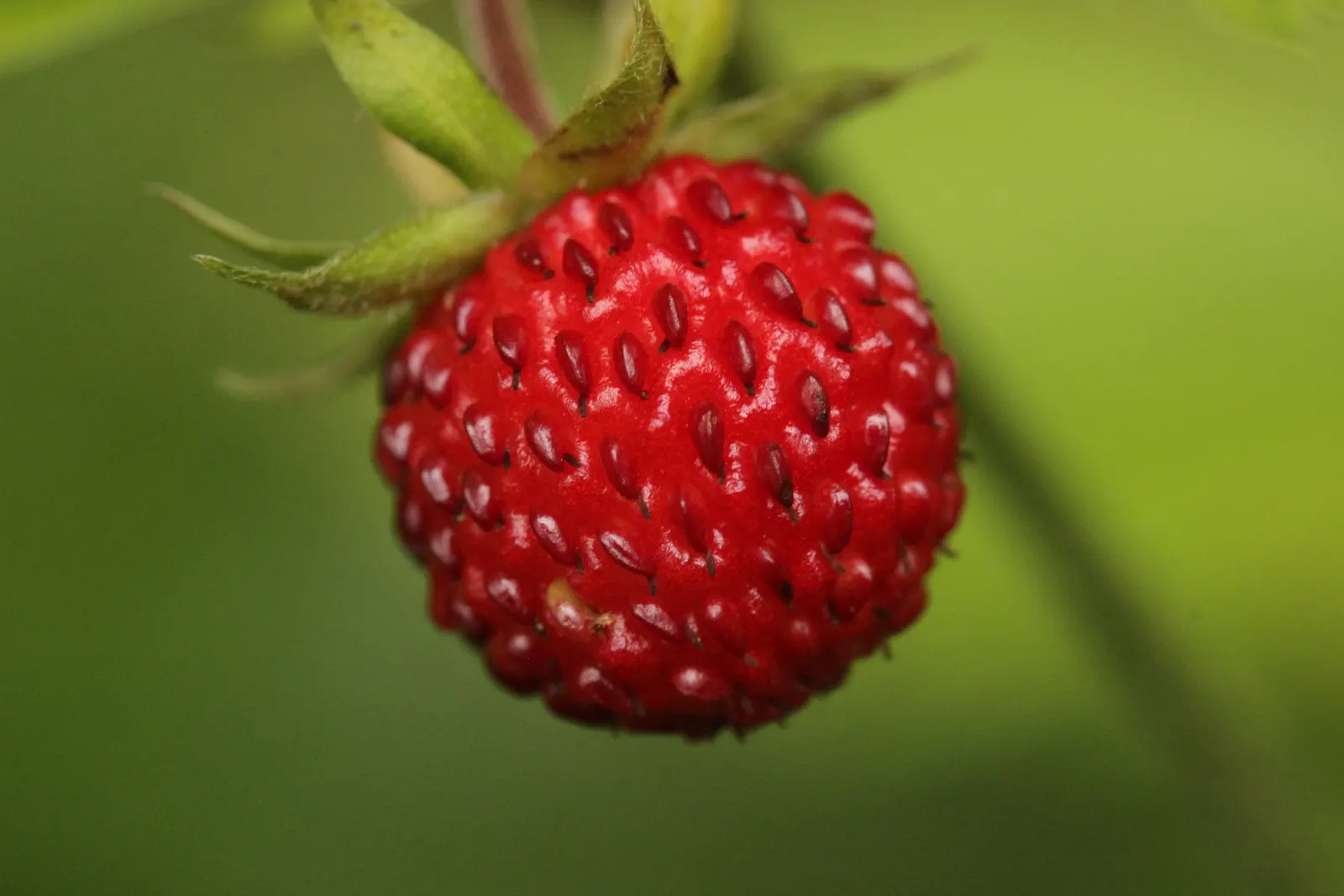
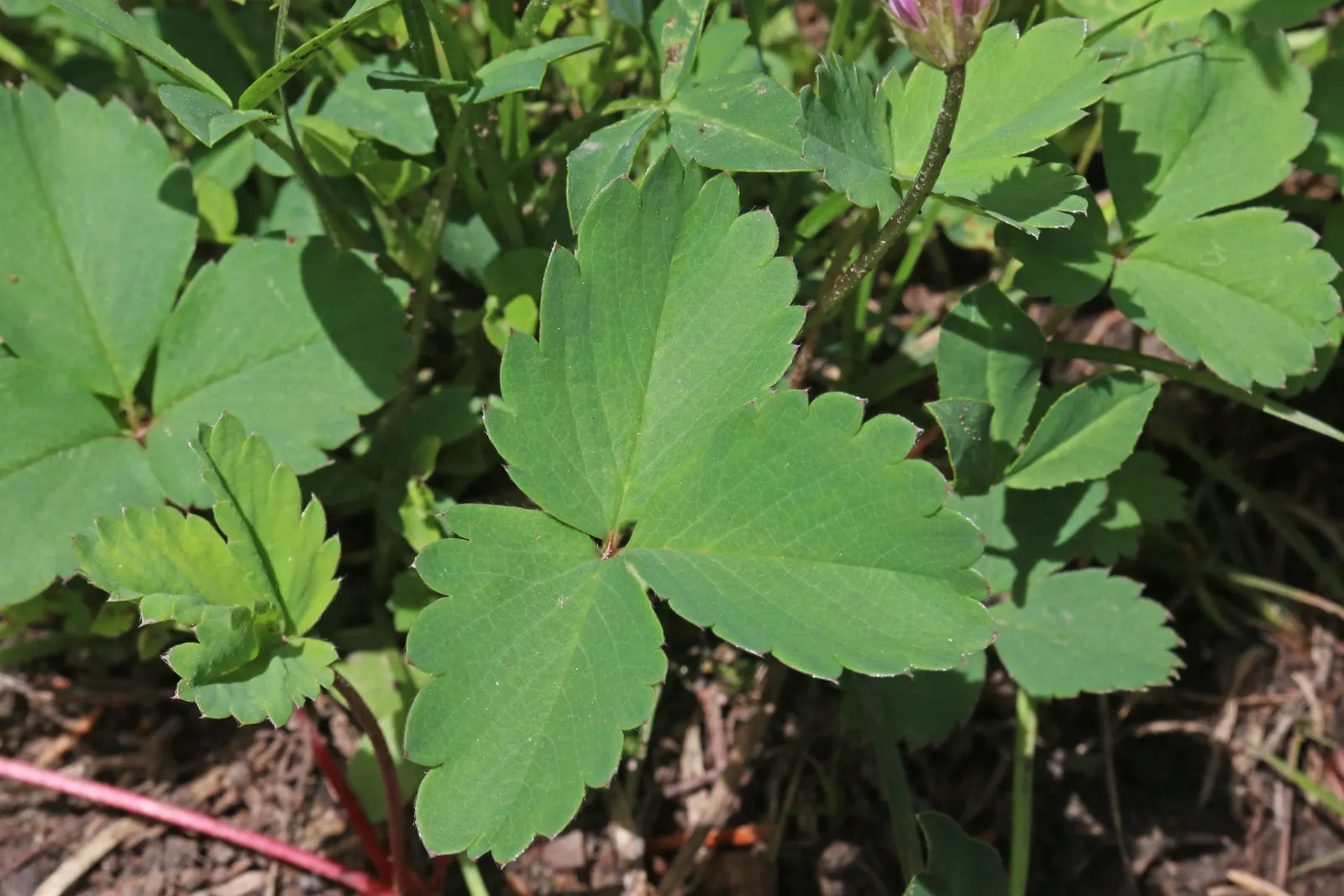
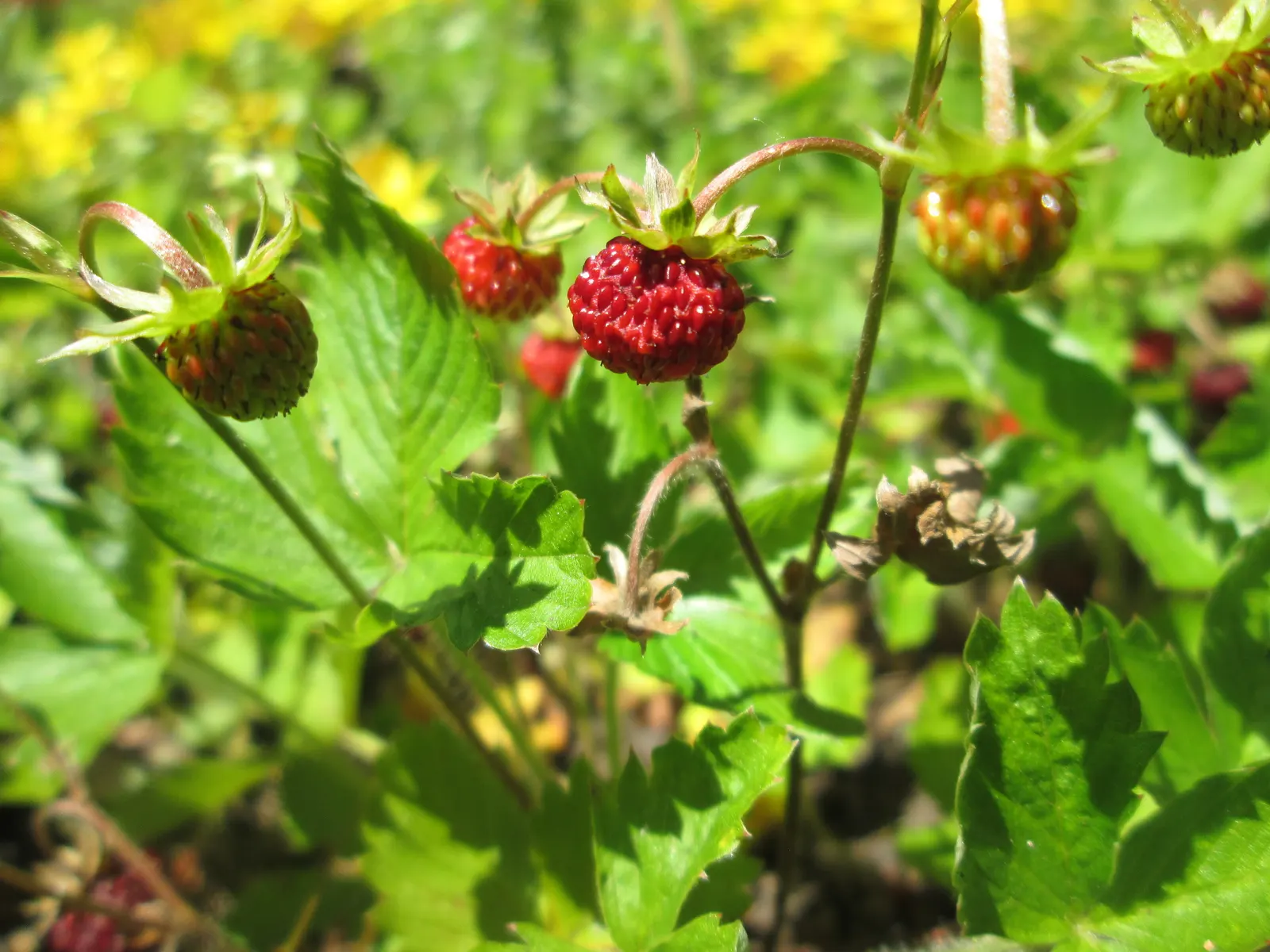
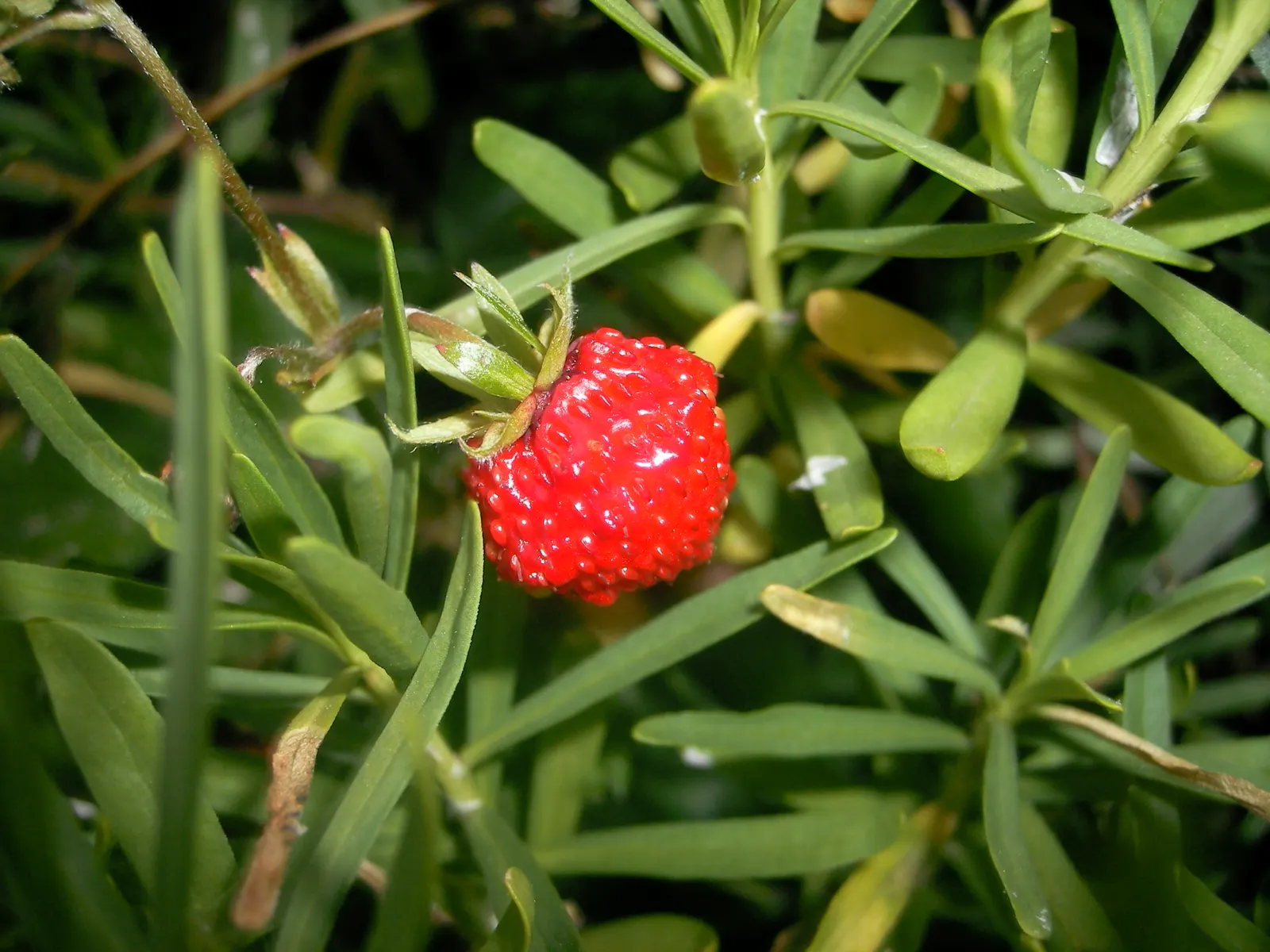
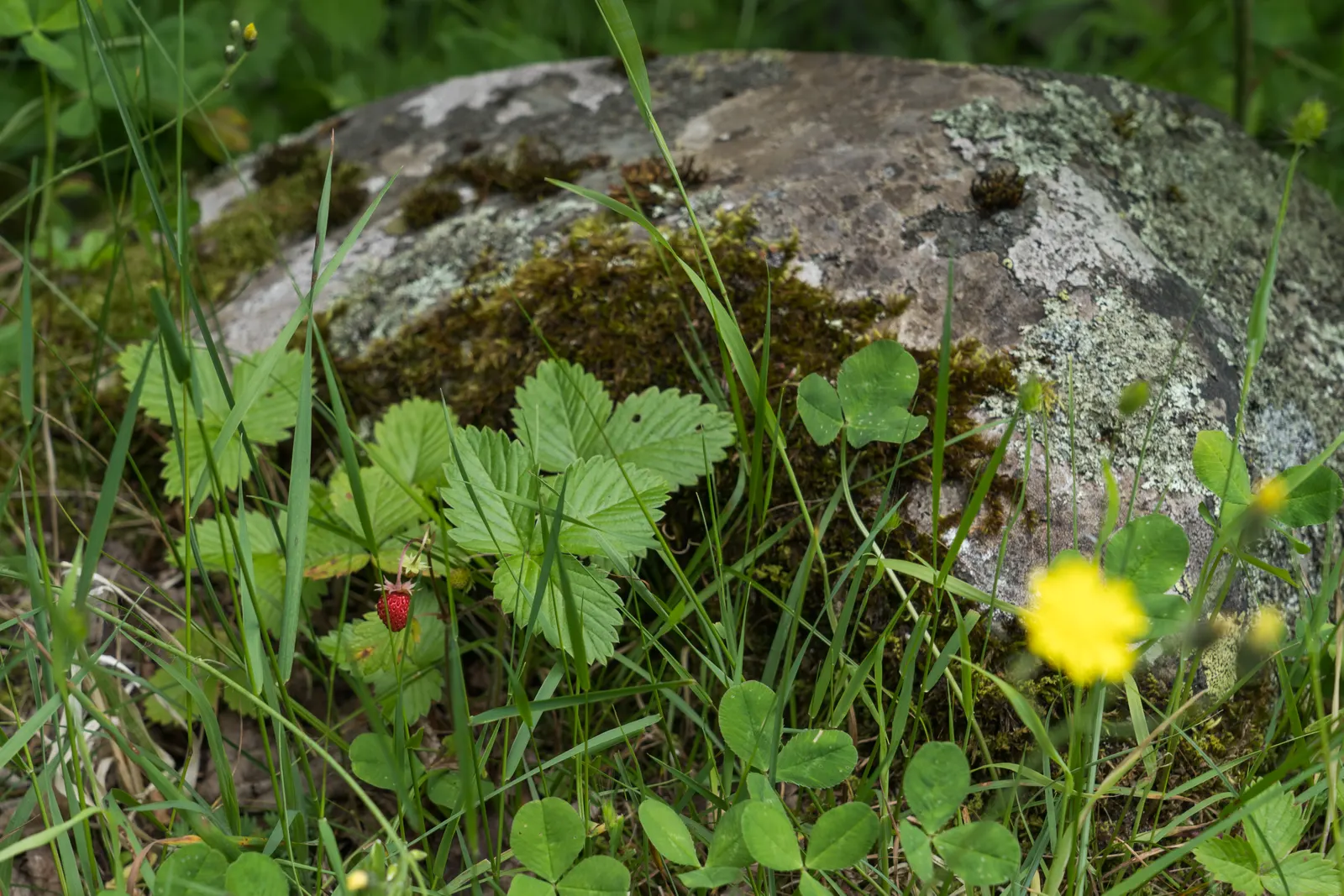
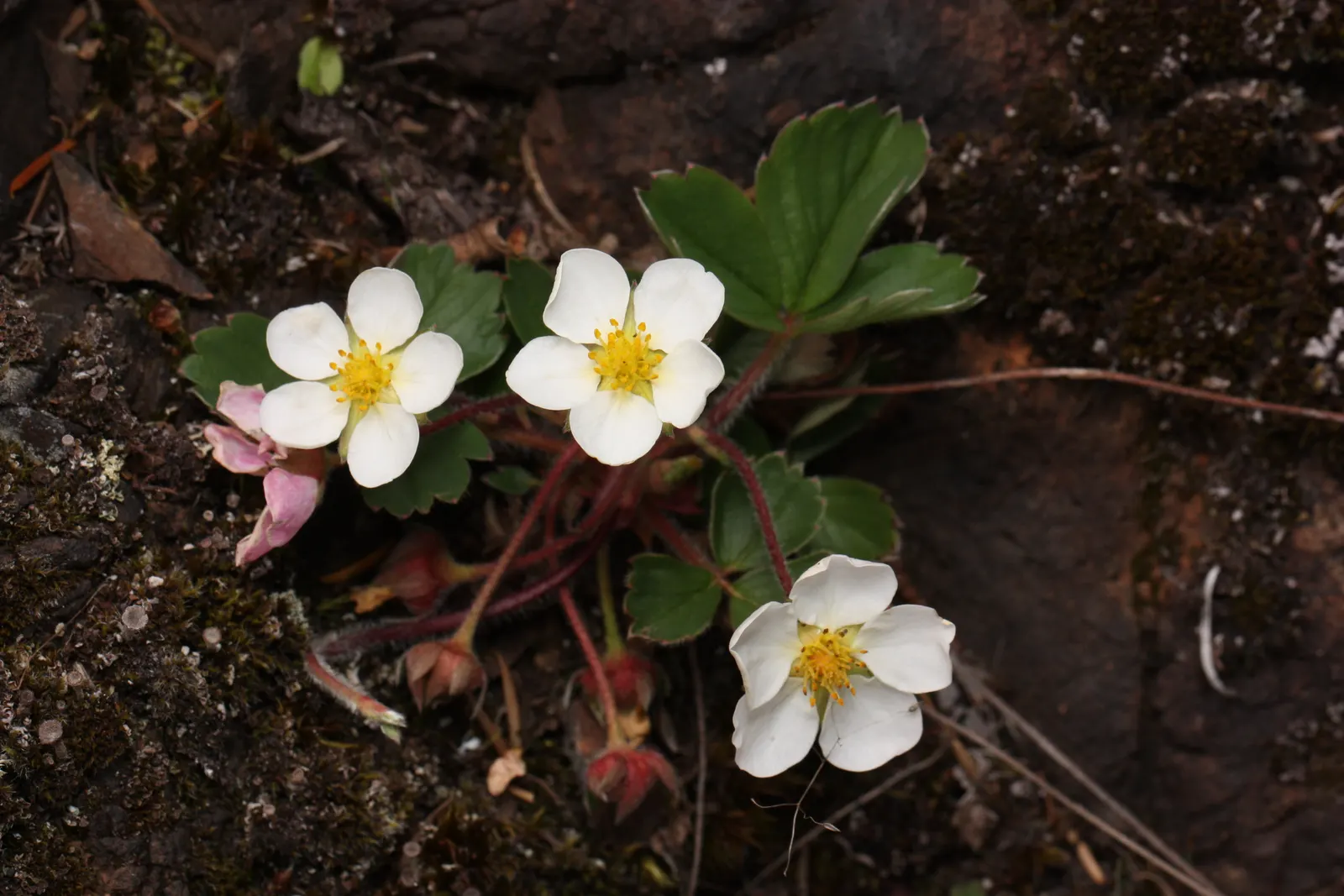
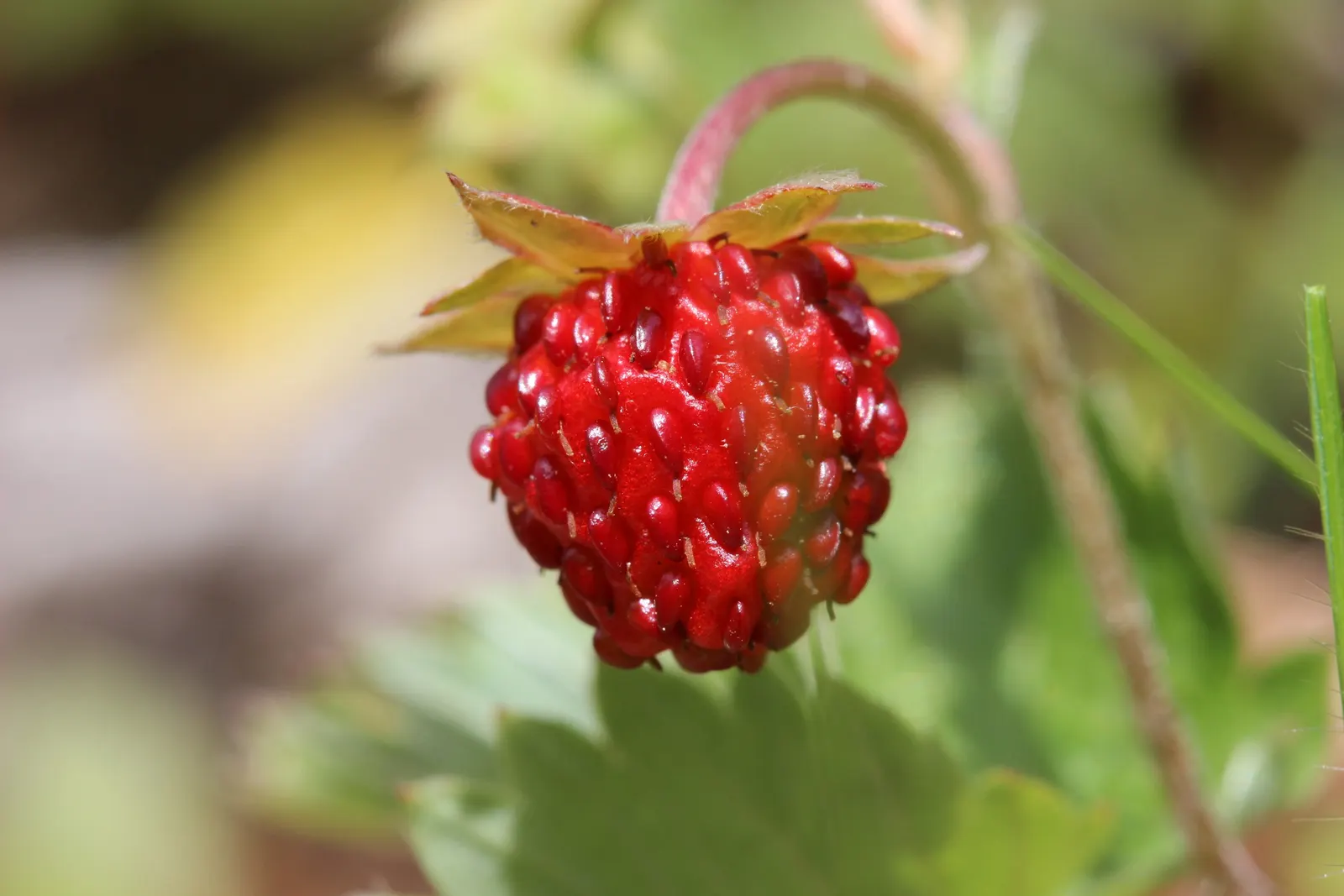
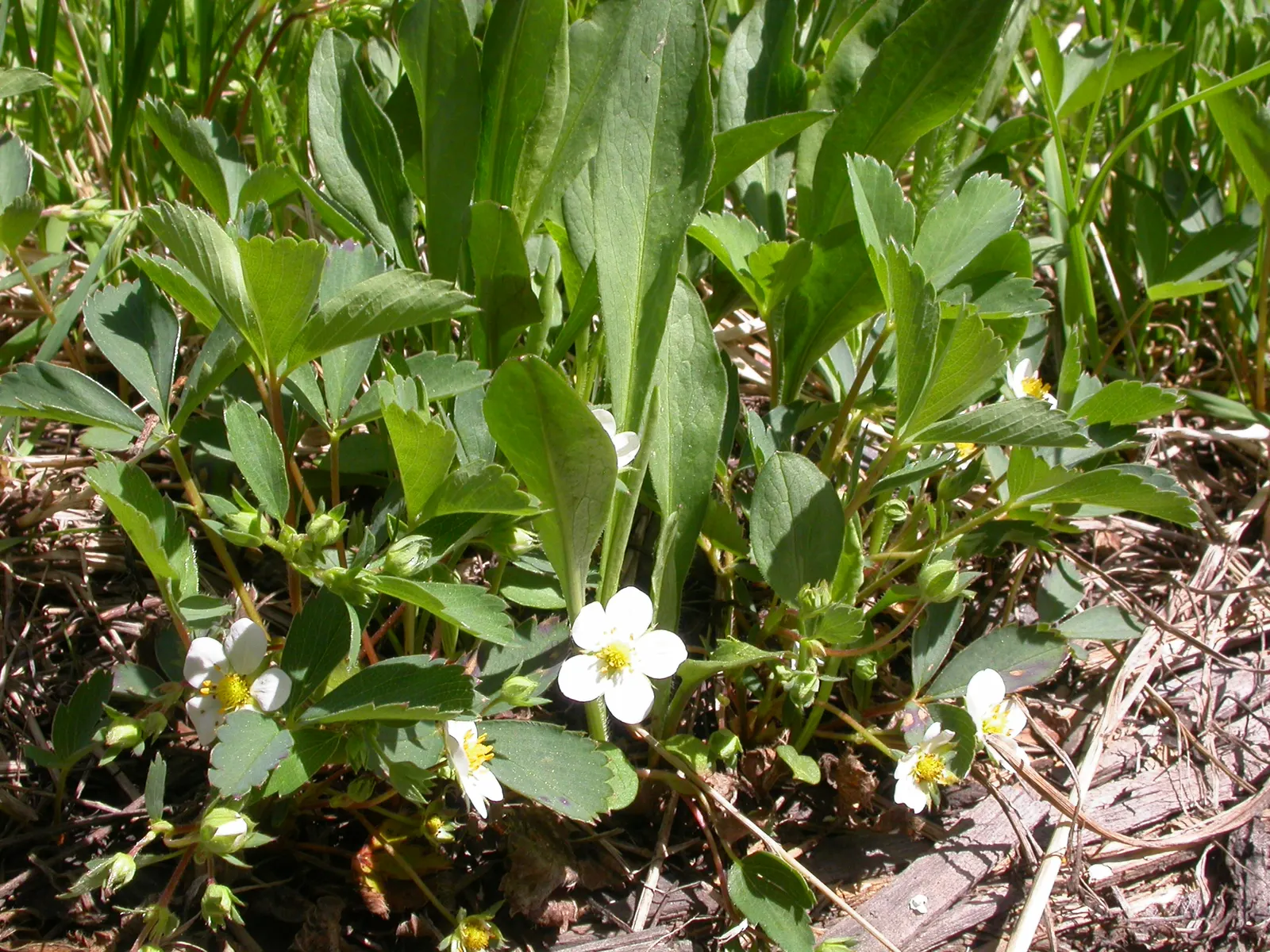
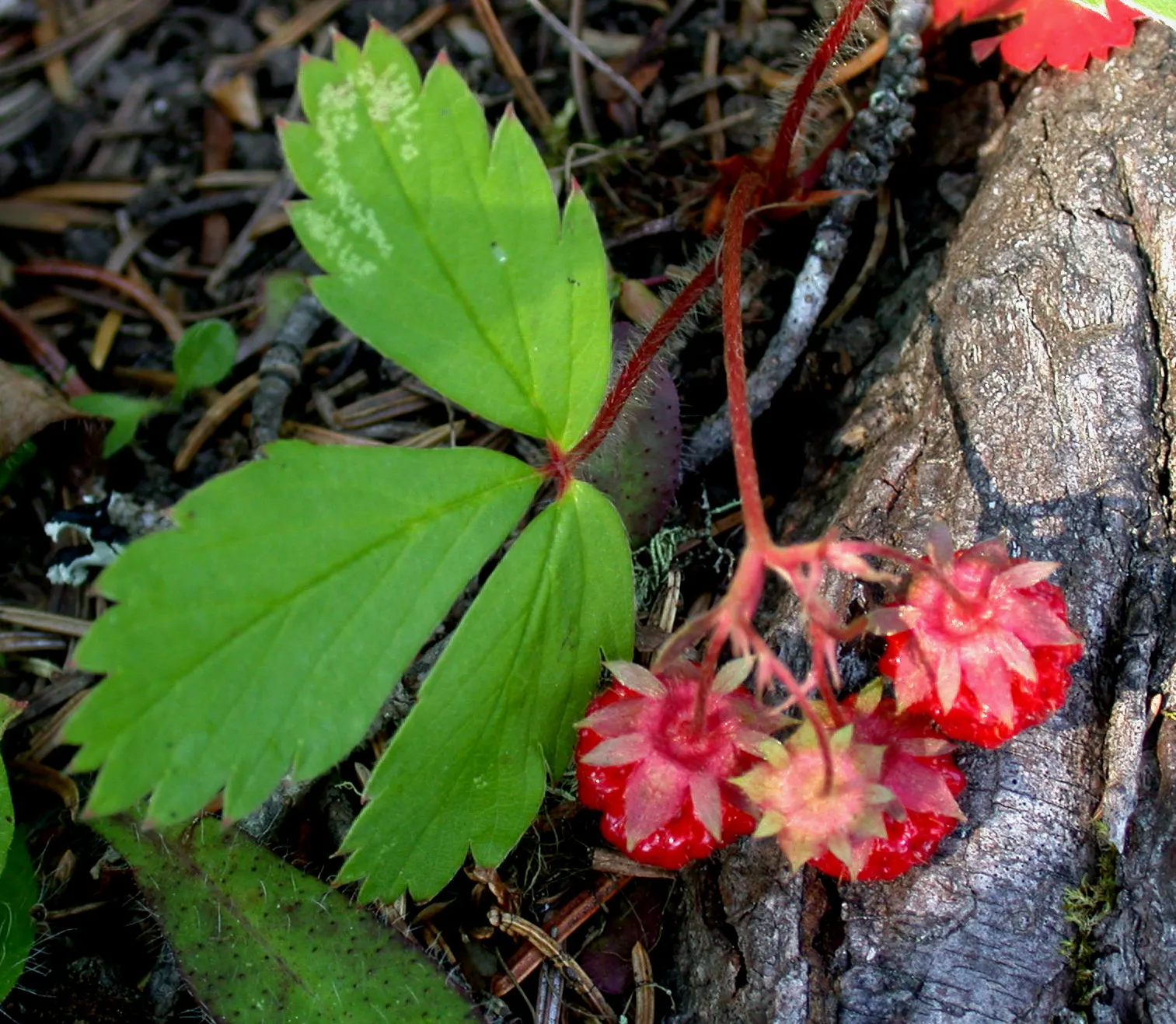
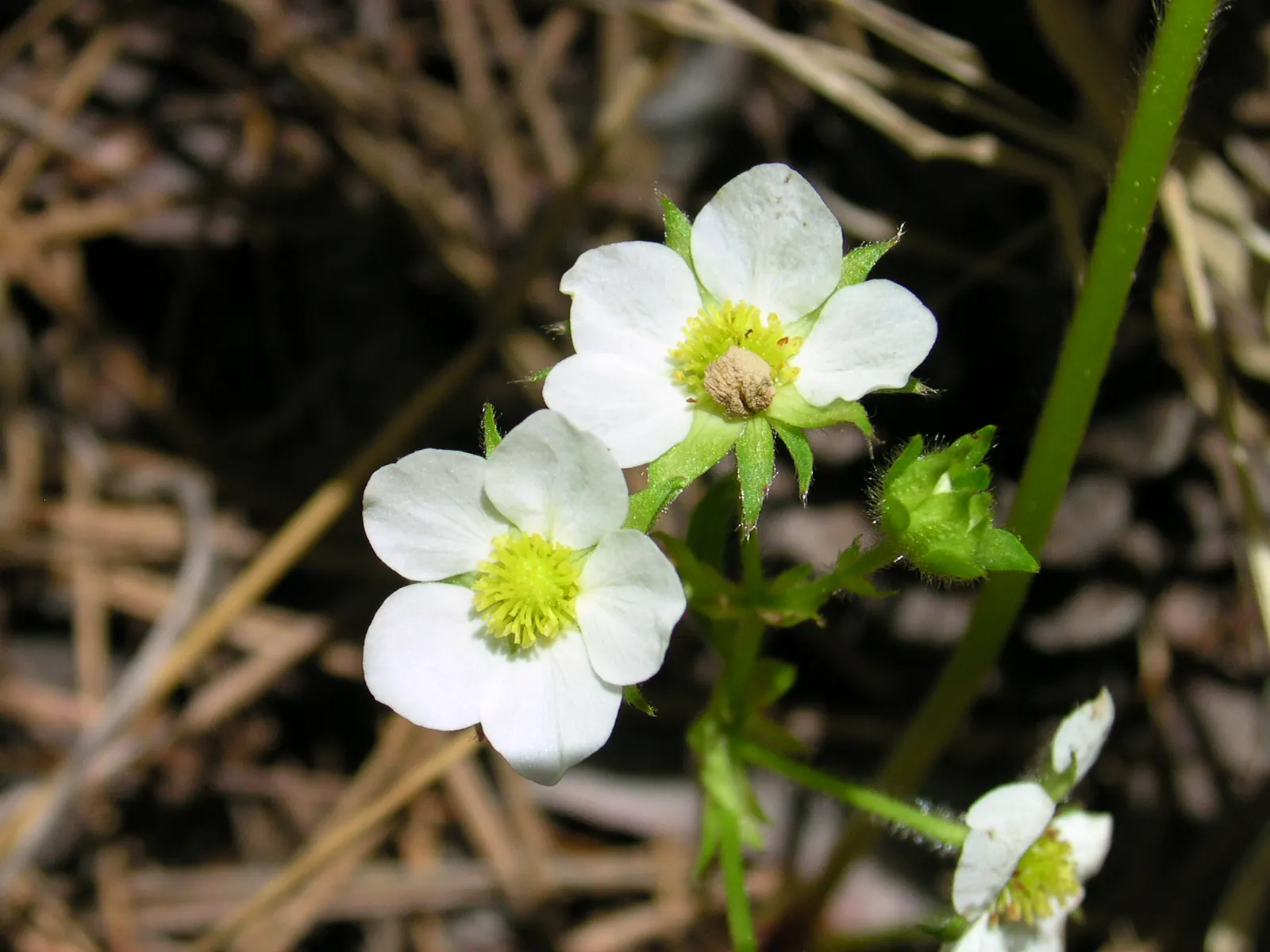
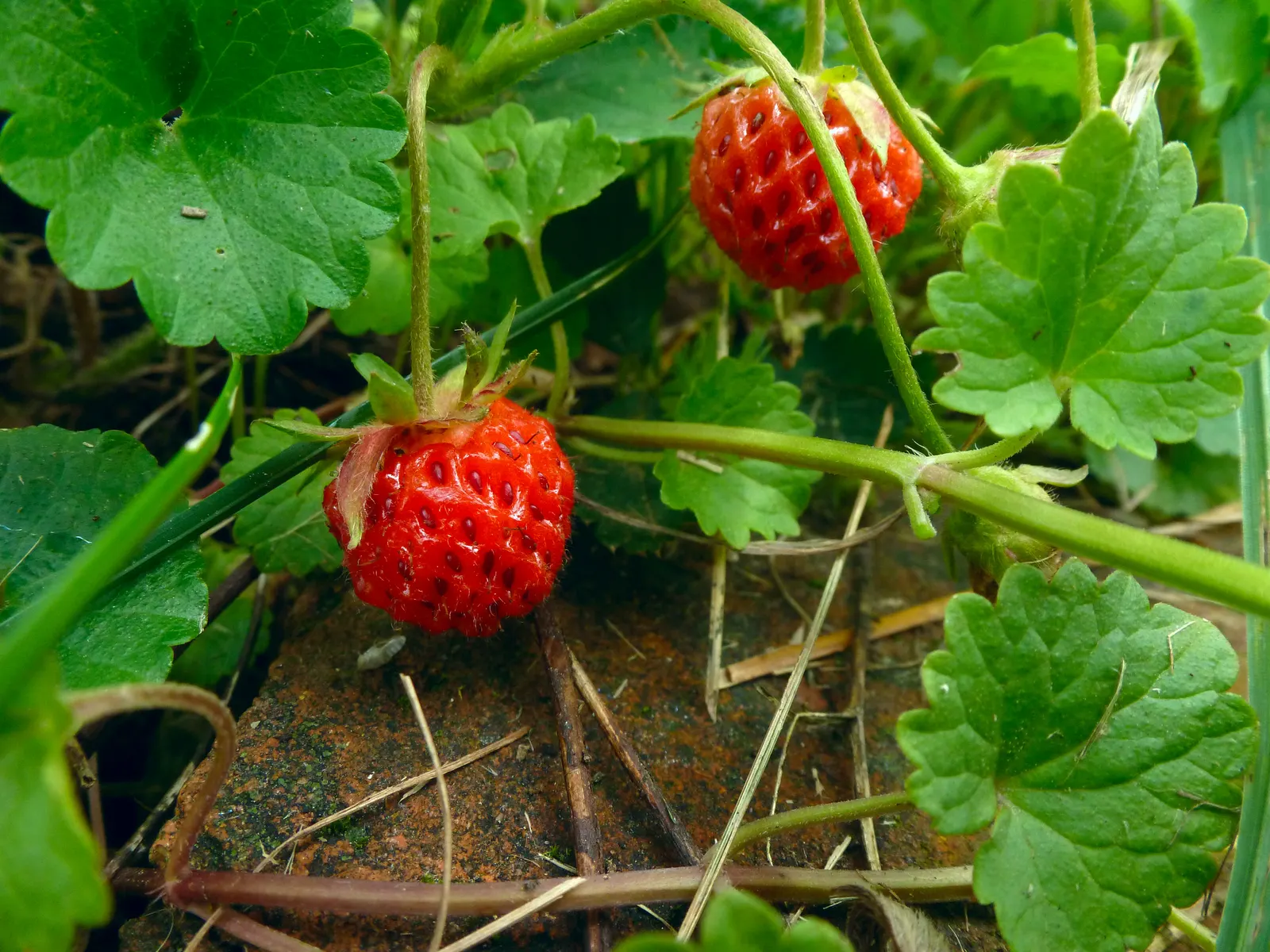
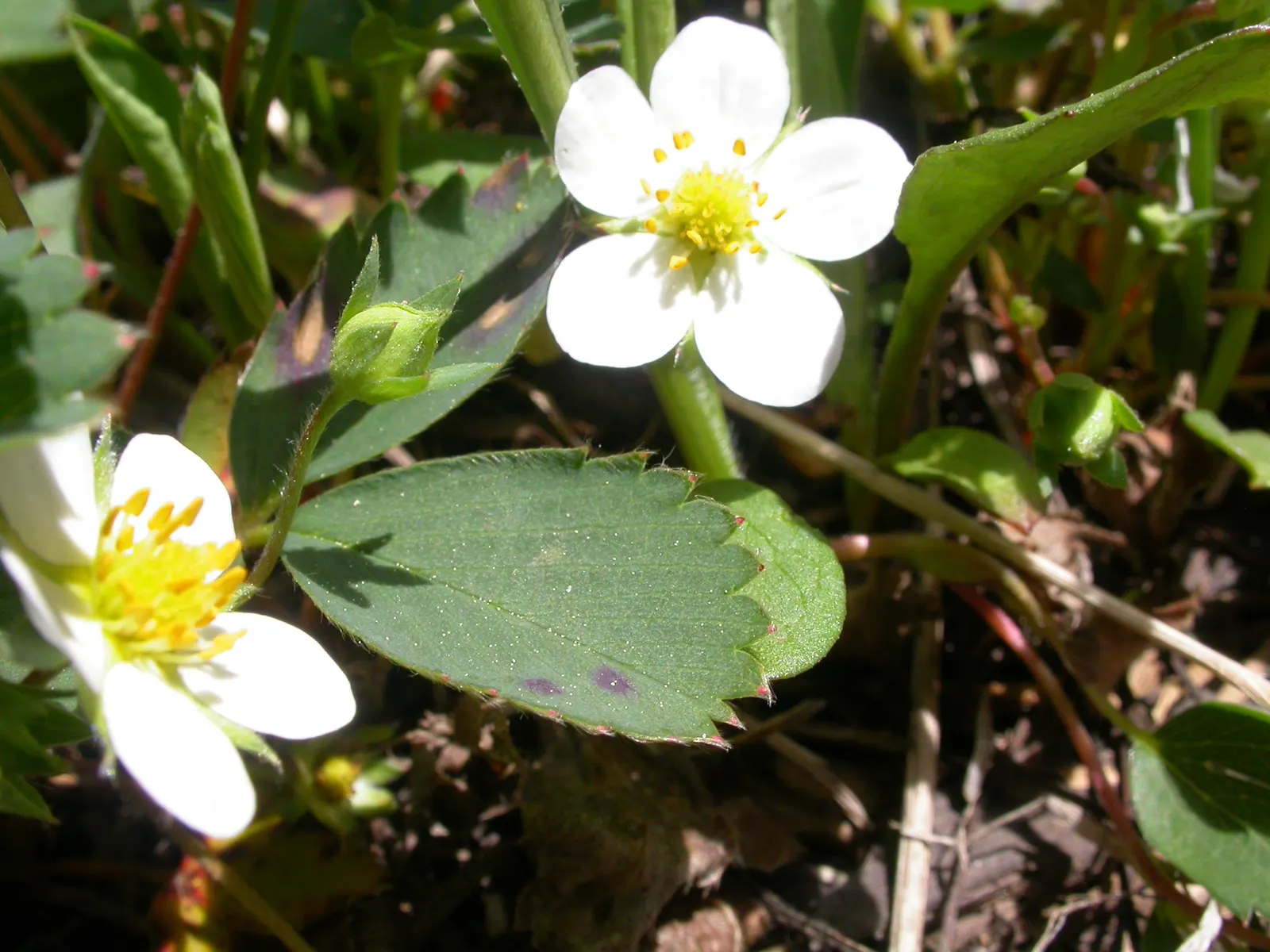
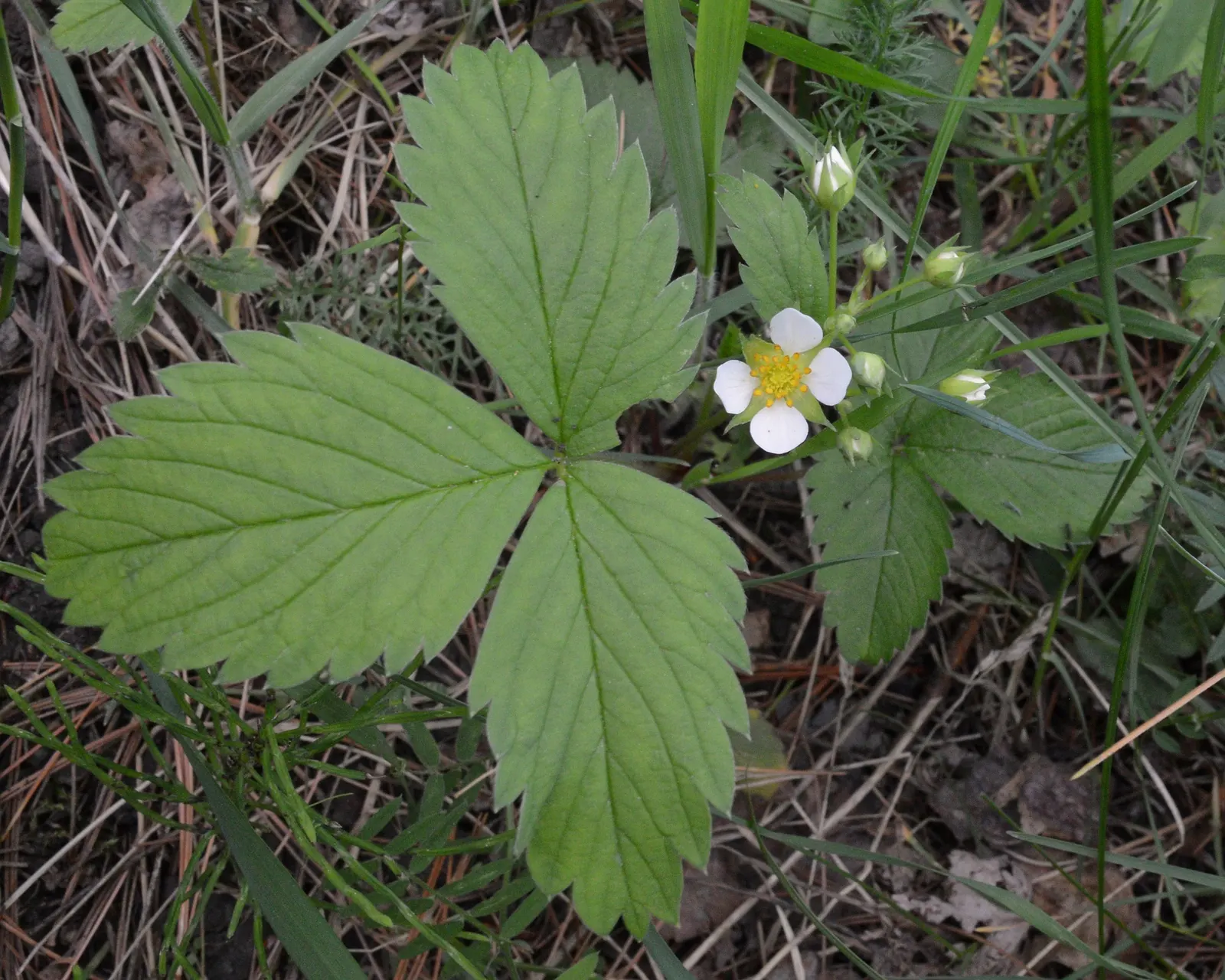
The Wild Strawberry, Fragaria virginiana, is a groundcover that thrives in USDA zones 5-9, preferring full sun to partial shade. It produces white blooms followed by edible red berries averaging 0.5-1 inch across. Its trifoliate green leaves add texture, spreading to form mats about 4-6 inches high and 12 inches wide. This native is ideal for naturalized areas, offering food for wildlife and a charming, rustic aesthetic.

Sun Full, HalfWater Extra in Summer, MediumZones 3–8Climate Temperate
Wild Strawberry (Fragaria Virginiana) — is a groundcover that thrives in USDA zones 5-9

Culture

Sun
Full, Half
Water
Extra in Summer, Medium
USDA zones
3–8

Shape & size

Classification

Family
Rosaceae
Climate
Temperate

See full data, regional cultivation notes, full-resolution photos, and design tools. Build a client presentation around this plant.

Start your 14-day trial

Photos (120)

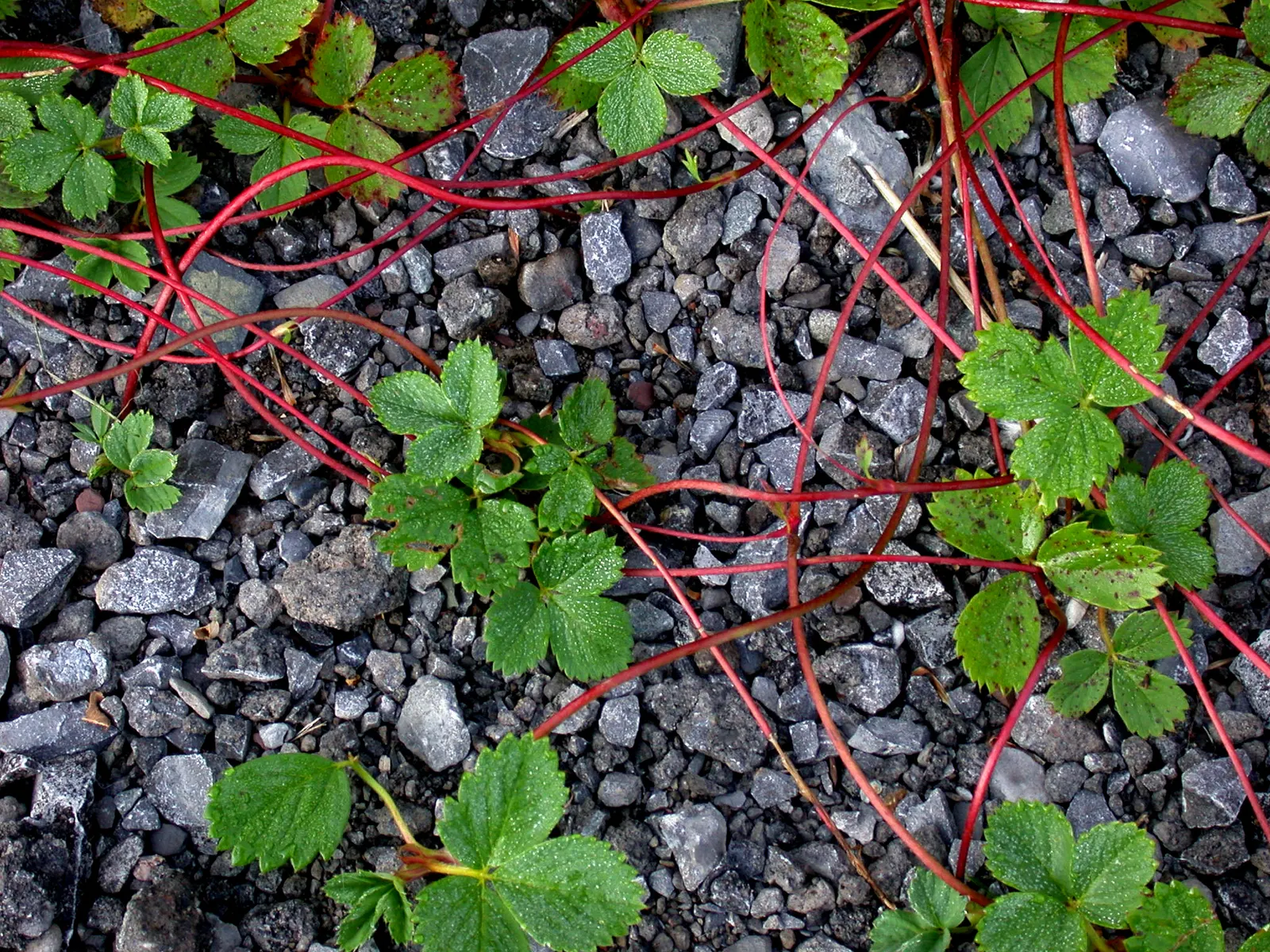
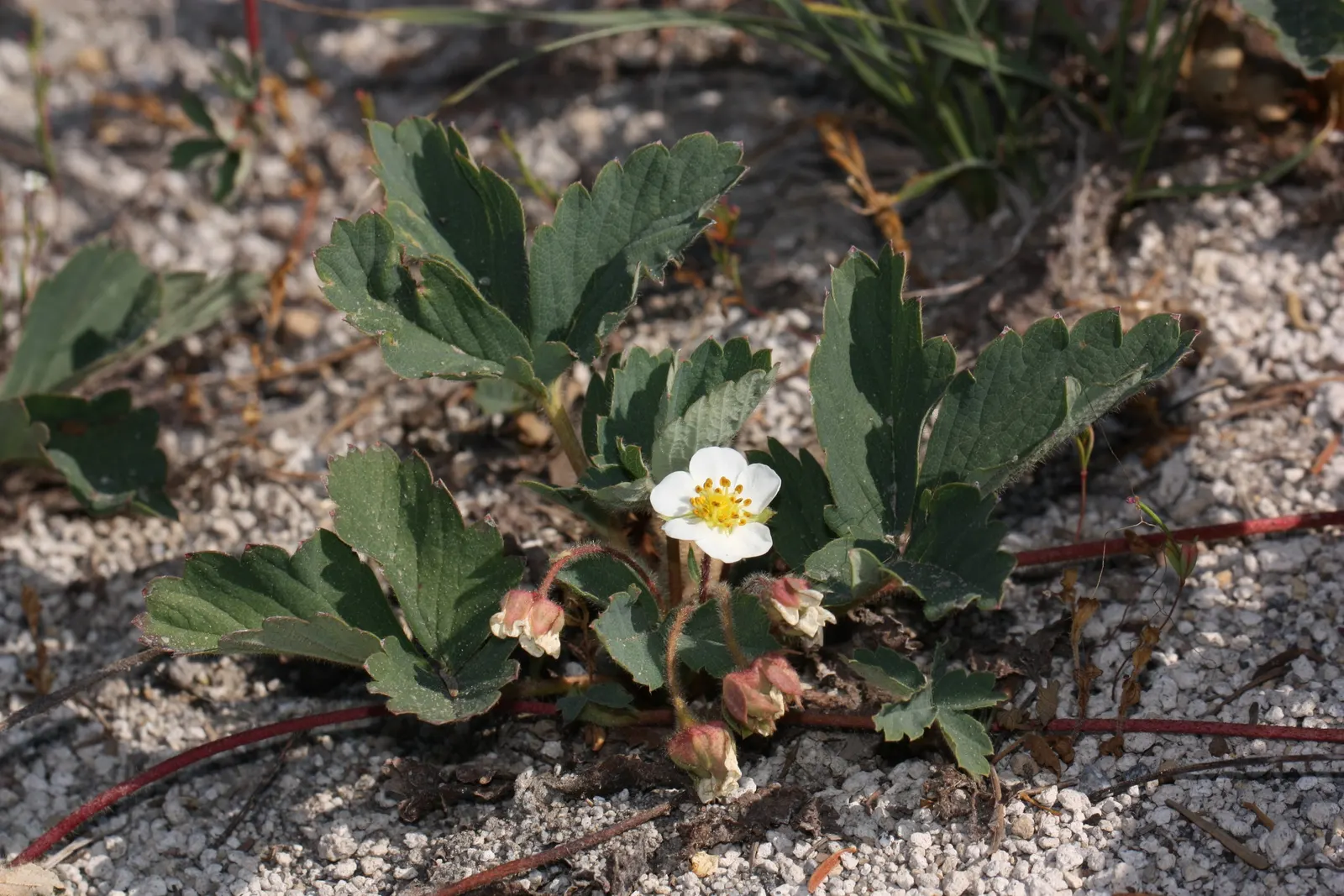
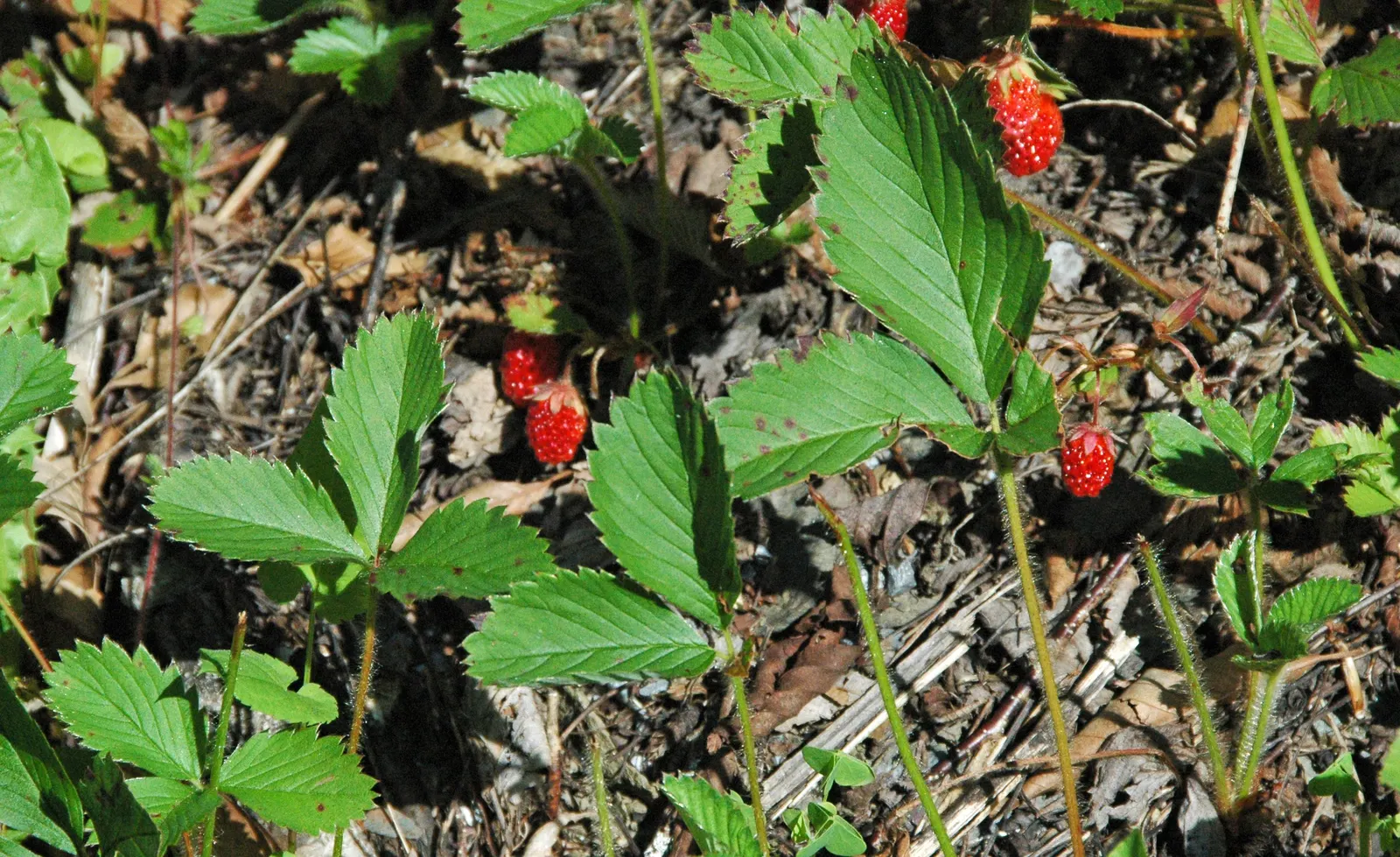
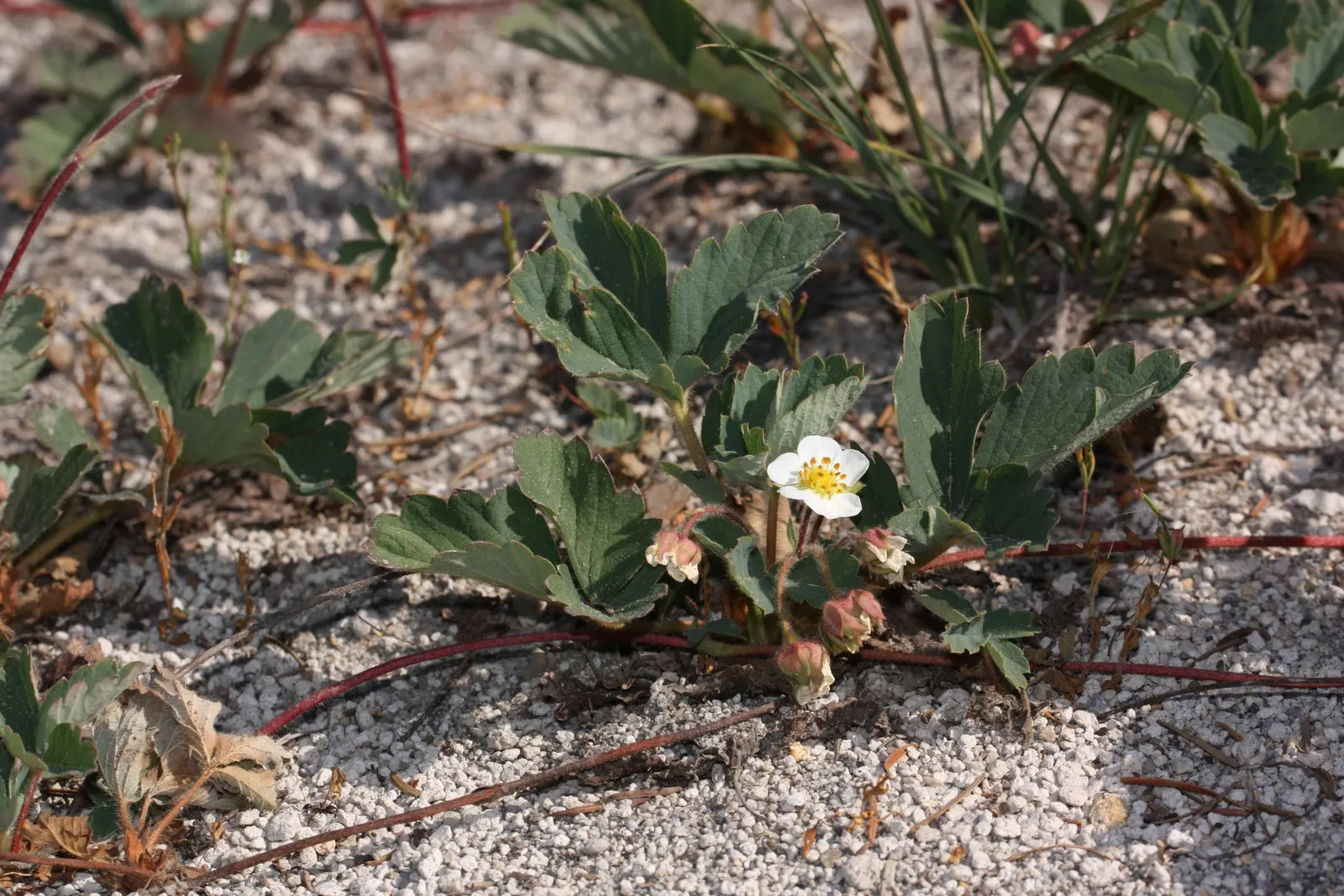
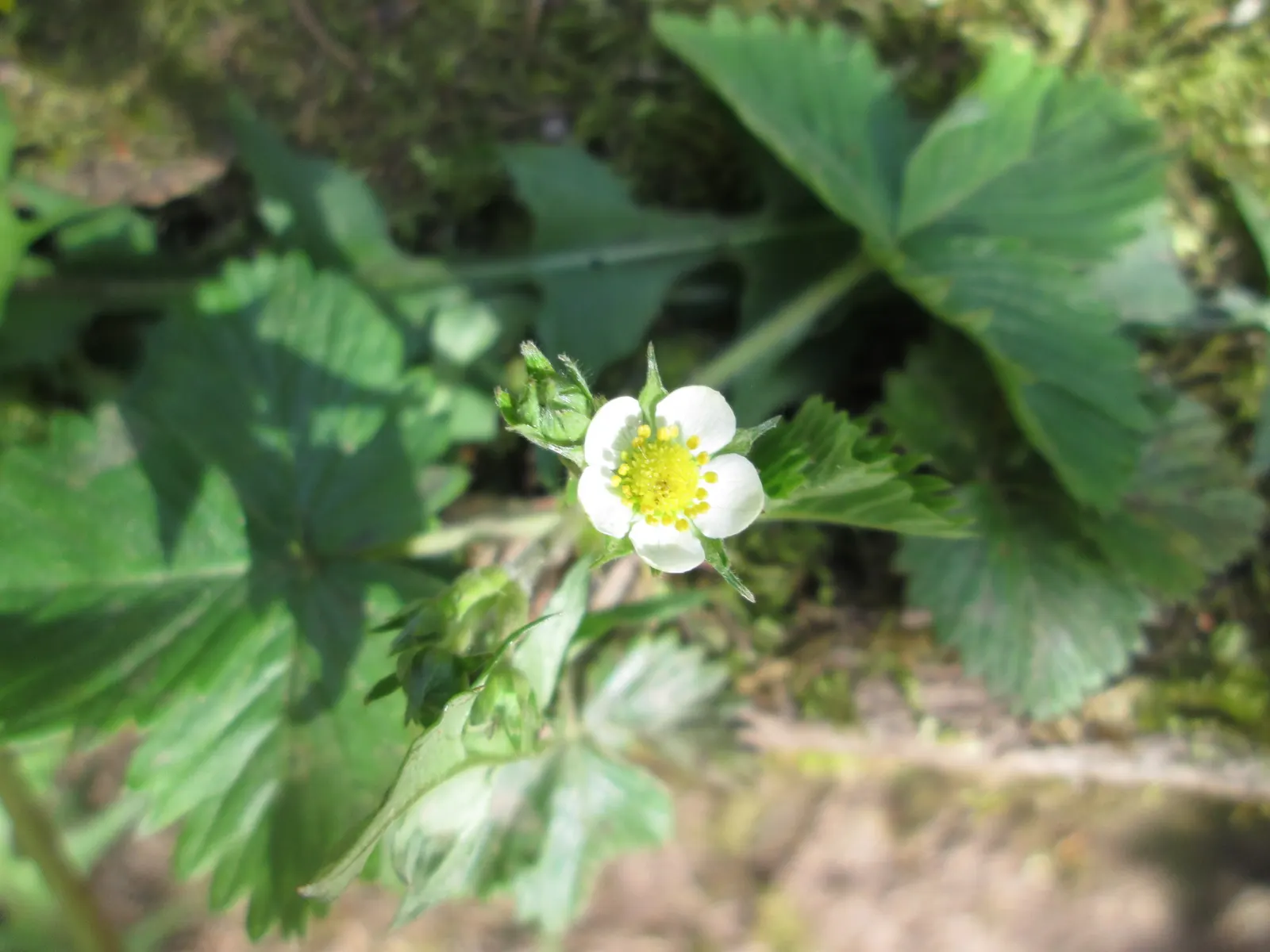
Wild Strawberry (Fragaria Virginiana) — enhancing biodiversity in your landscape; preferring full sun to partial shade
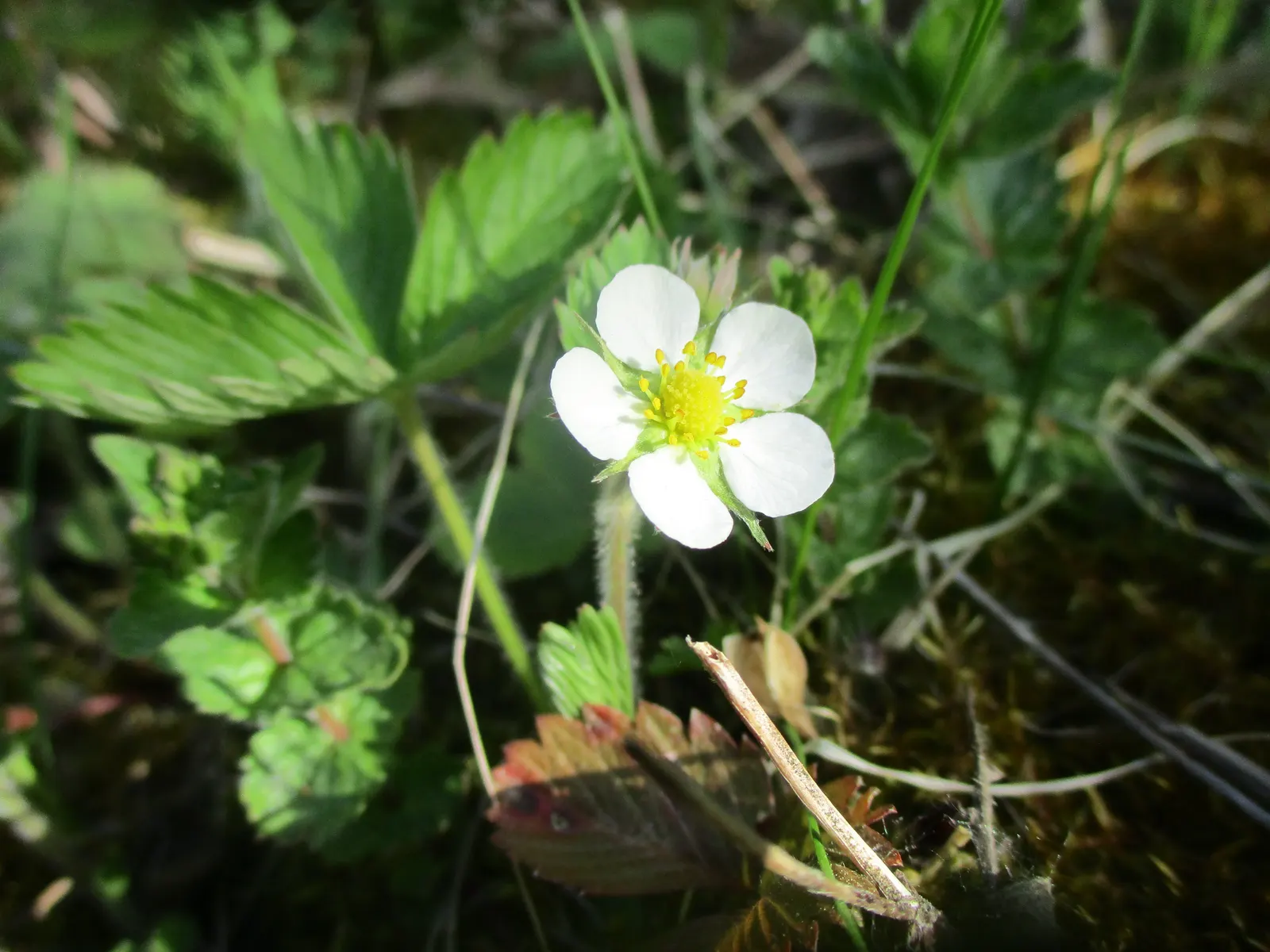
Wild Strawberry (Fragaria Virginiana) — white flowers in the garden; typically reaching only 6 to 8 inches in height
Wild Strawberry (Fragaria Virginiana) — making it an excellent option for gardeners seeking minimal maintenance; offers both aesthetic charm and edible delight
Wild Strawberry (Fragaria Virginiana) — ground cover / perennial for full or half; enhancing biodiversity in your landscape
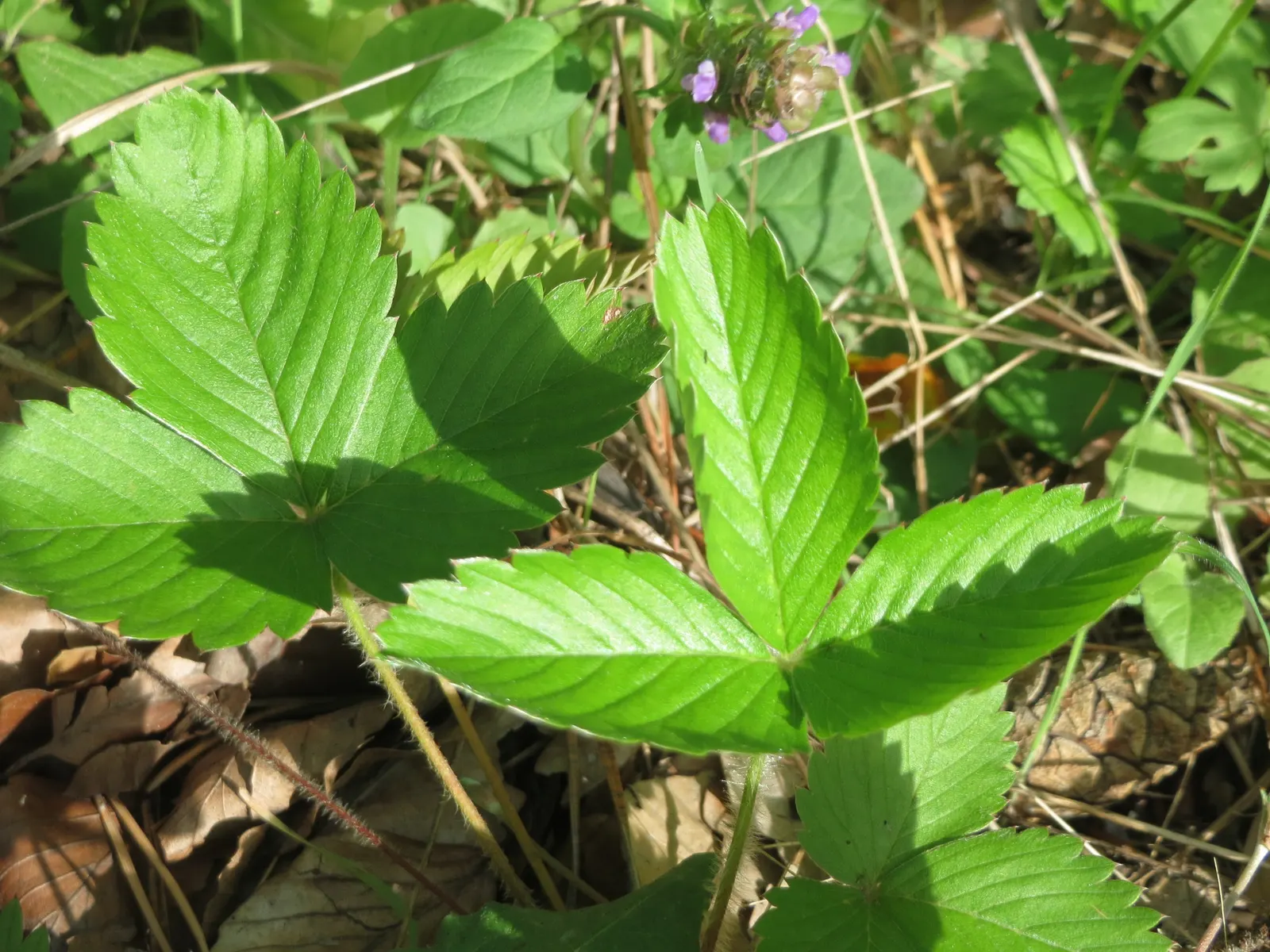
Wild Strawberry (Fragaria Virginiana) — is a groundcover that thrives in USDA zones 5-9; its trifoliate green leaves add texture, spreading to form, image 53
Wild Strawberry (Fragaria Virginiana) — preferring full sun to partial shade; forming an excellent ground cover, image 54
Wild Strawberry (Fragaria Virginiana) — Its trifoliate green leaves add texture, spreading to form mats about 4-6 inches high and 12 inches wide, image 56
Wild Strawberry (Fragaria Virginiana) — It produces white blooms followed by edible red berries averaging 0.5-1 inch across; for optimal growth, image 55
Wild Strawberry (Fragaria Virginiana) — This native is ideal for naturalized areas, offering food for wildlife and a charming, rustic aesthetic, image 57
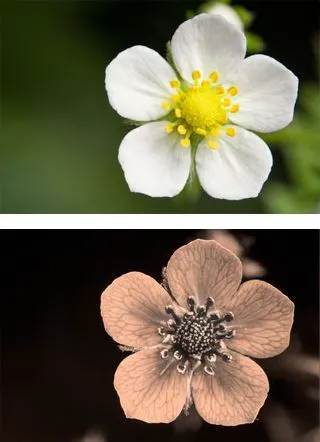
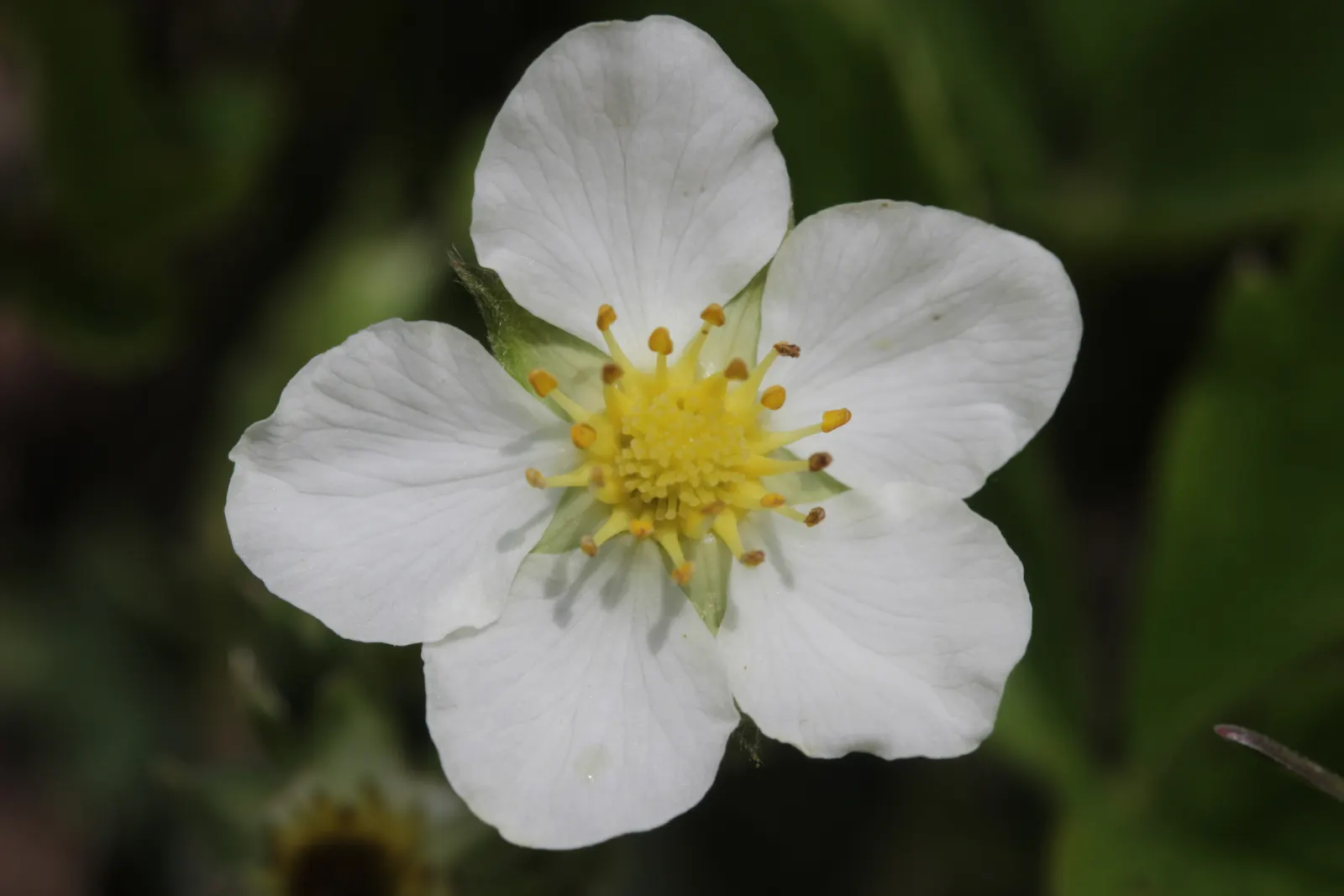
Wild Strawberry (Fragaria Virginiana) — commonly known as Wild Strawberry; the plant's petite yet conspicuous five-petaled flowers, image 58
Wild Strawberry (Fragaria Virginiana) — offers both aesthetic charm and edible delight to a diverse landscape design; making it an excellent option, image 59
Wild Strawberry (Fragaria Virginiana) — This herbaceous perennial is native to North America and is recognized for its lush green foliage; is a, image 60
Wild Strawberry (Fragaria Virginiana) — forming an excellent ground cover; and its fruit provides food for wildlife, image 63
Wild Strawberry (Fragaria Virginiana) — The plant's petite yet conspicuous five-petaled flowers; with a comparable spread of 12 inches, image 65
Wild Strawberry (Fragaria Virginiana) — about 0.75 to 1 inch in diameter; virginiana thrives in USDA zones 3 through 10 and prefers full sun to, image 66
Wild Strawberry (Fragaria Virginiana) — each generally less than an inch in diameter.<br><br>F; this native is ideal for naturalized areas, image 68
Wild Strawberry (Fragaria Virginiana) — virginiana thrives in USDA zones 3 through 10 and prefers full sun to part shade exposures; dense mat which, image 69
Wild Strawberry (Fragaria Virginiana) — typically reaching only 6 to 8 inches in height; this herbaceous perennial is native to North America and, image 61
Wild Strawberry (Fragaria Virginiana) — with a comparable spread of 12 inches; emerge in spring and are followed by the characteristic strawberries, image 62
Wild Strawberry (Fragaria Virginiana) — dense mat which can suppress weeds; it produces white blooms followed by edible red berries averaging 0.5-1, image 64
Wild Strawberry (Fragaria Virginiana) — emerge in spring and are followed by the characteristic strawberries; white flowers in the garden, image 67
Wild Strawberry (Fragaria Virginiana) — enhancing biodiversity in your landscape; preferring full sun to partial shade, image 75
Wild Strawberry (Fragaria Virginiana) — This resilient species is drought-tolerant once established and can adapt to a variety of soil conditions, image 71
Wild Strawberry (Fragaria Virginiana) — and its fruit provides food for wildlife; it can attract pollinators such as bees, image 74

Related plants