Skip to content

Rusty Leaf Fig

Ficus rubiginosa

Design with this plant

Overview

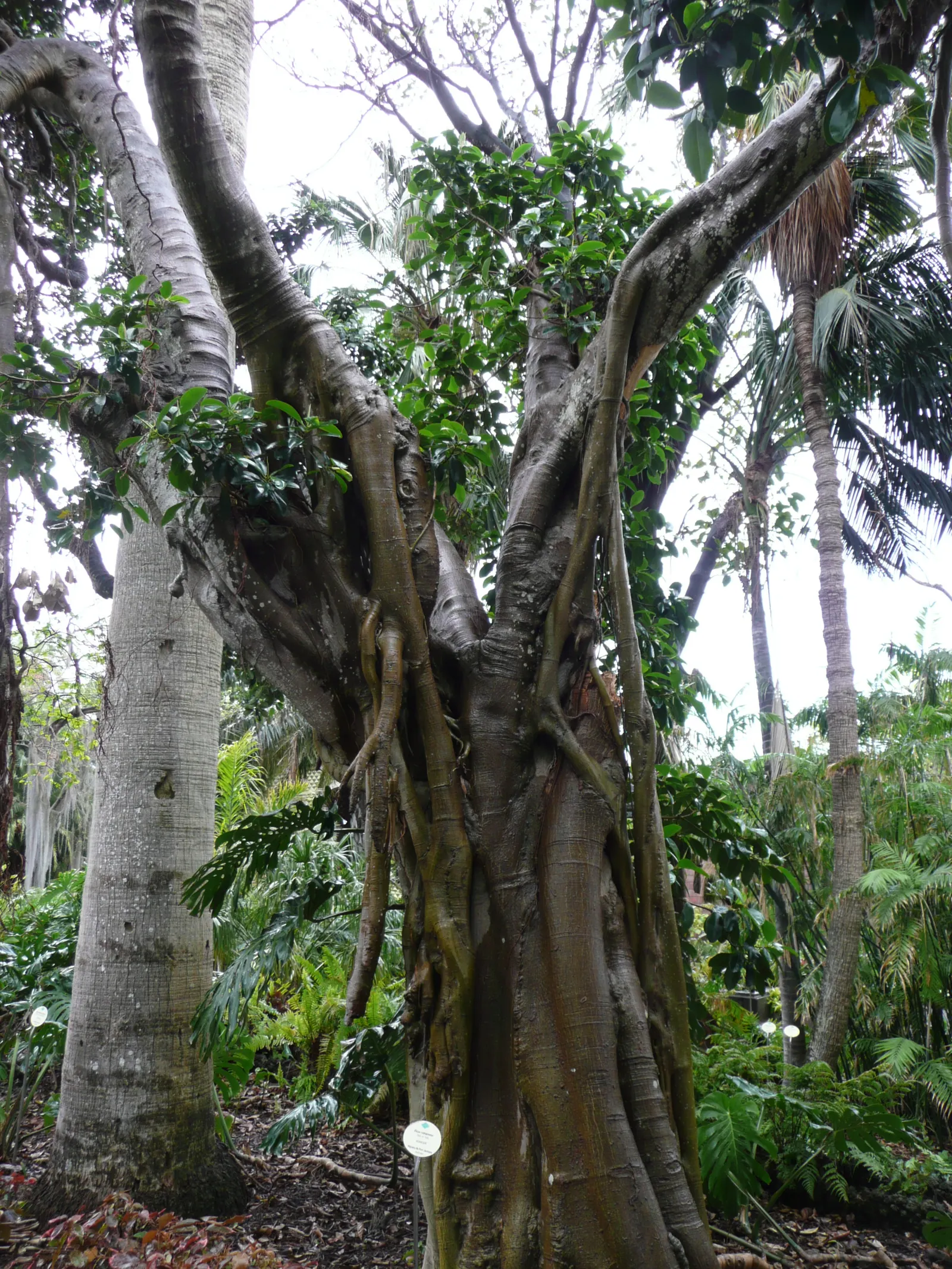
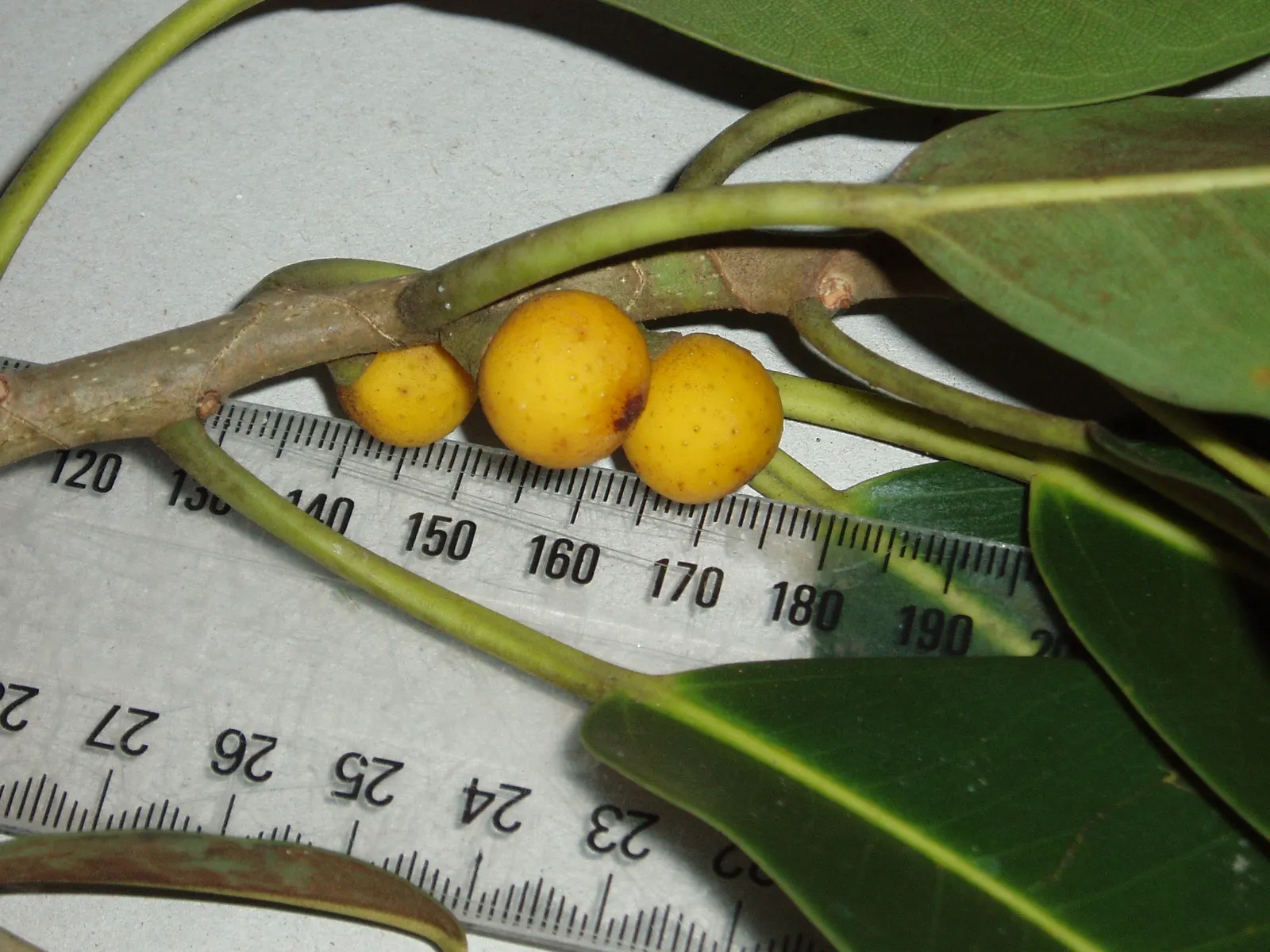
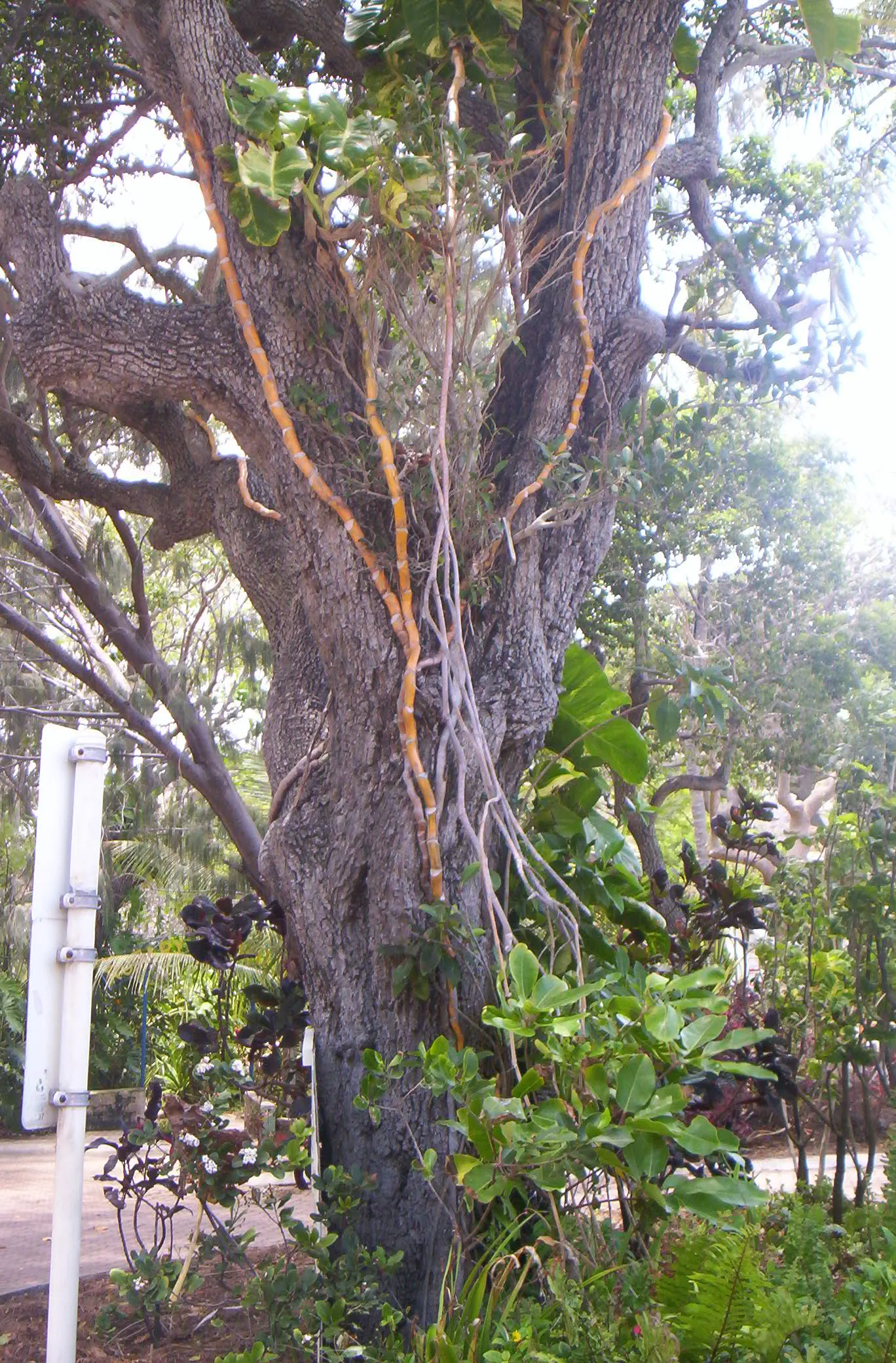
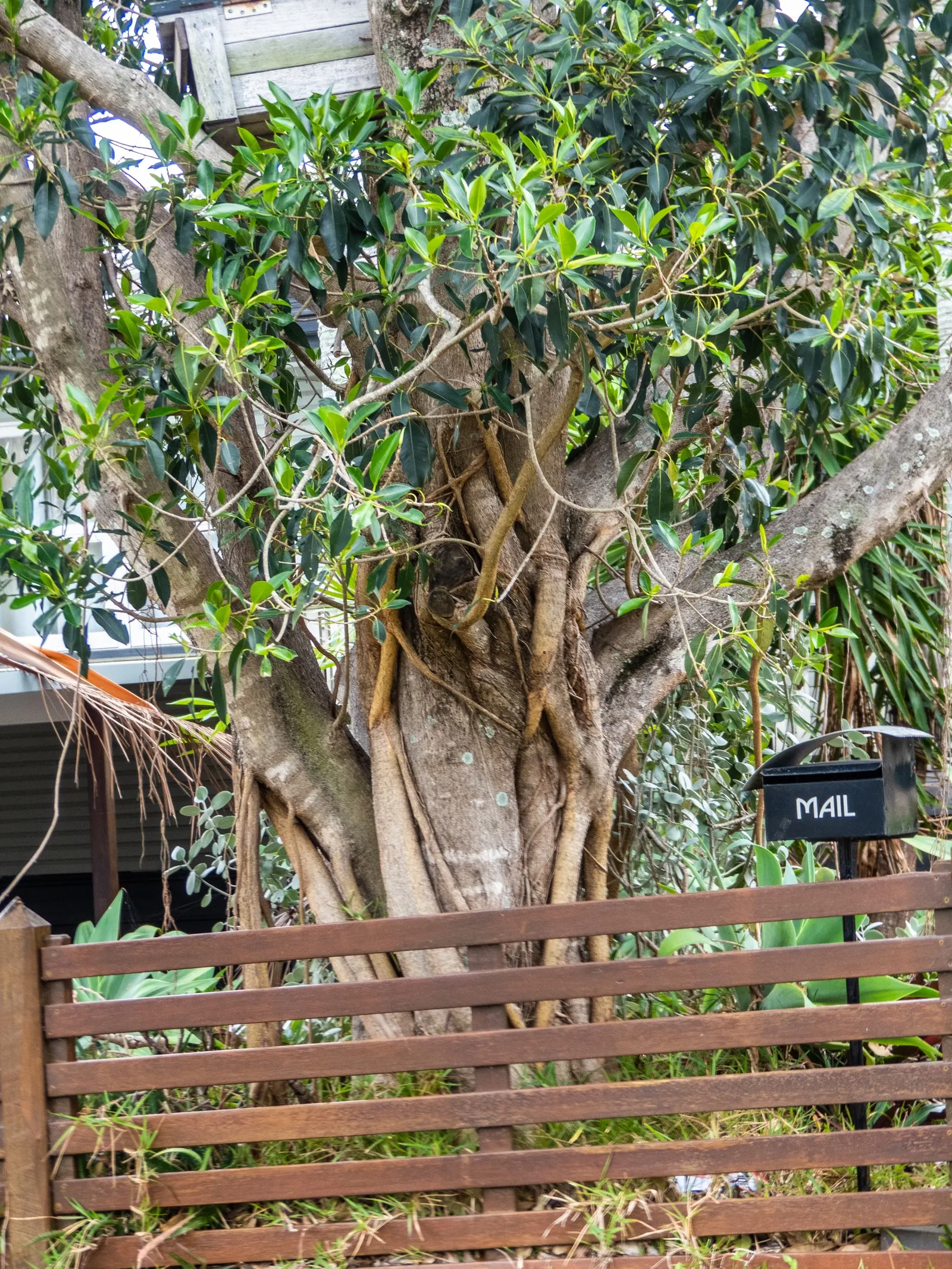
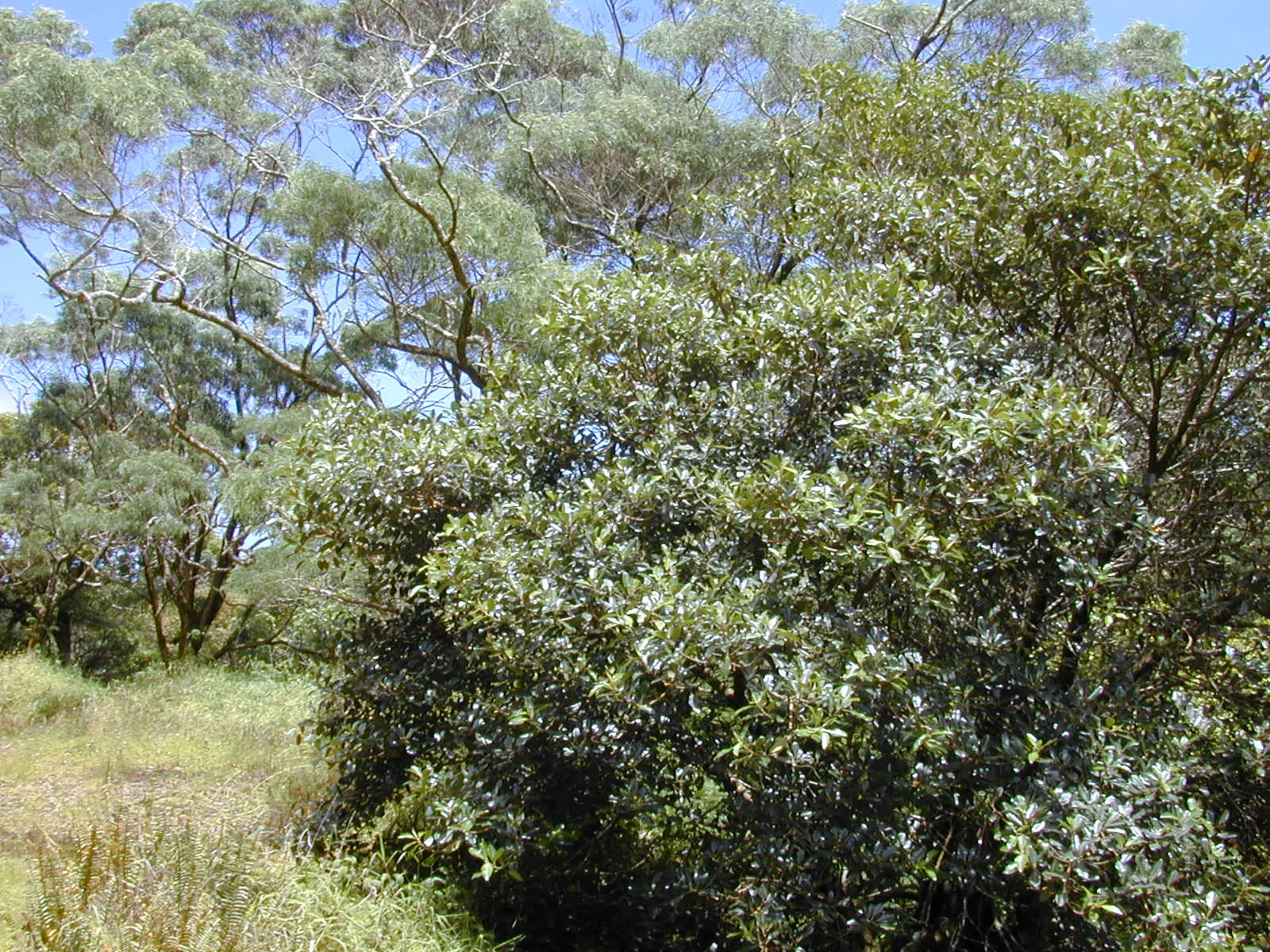
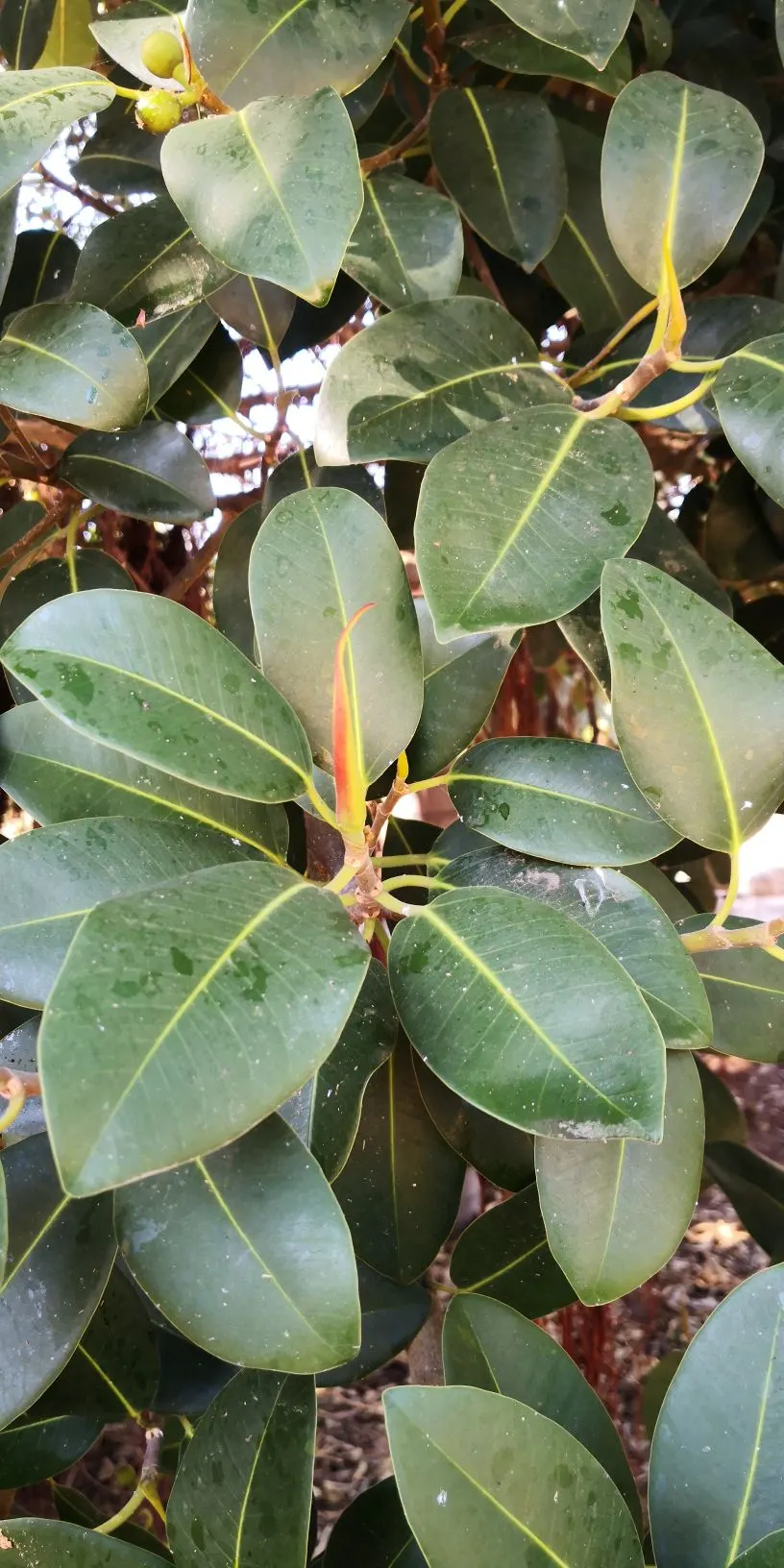
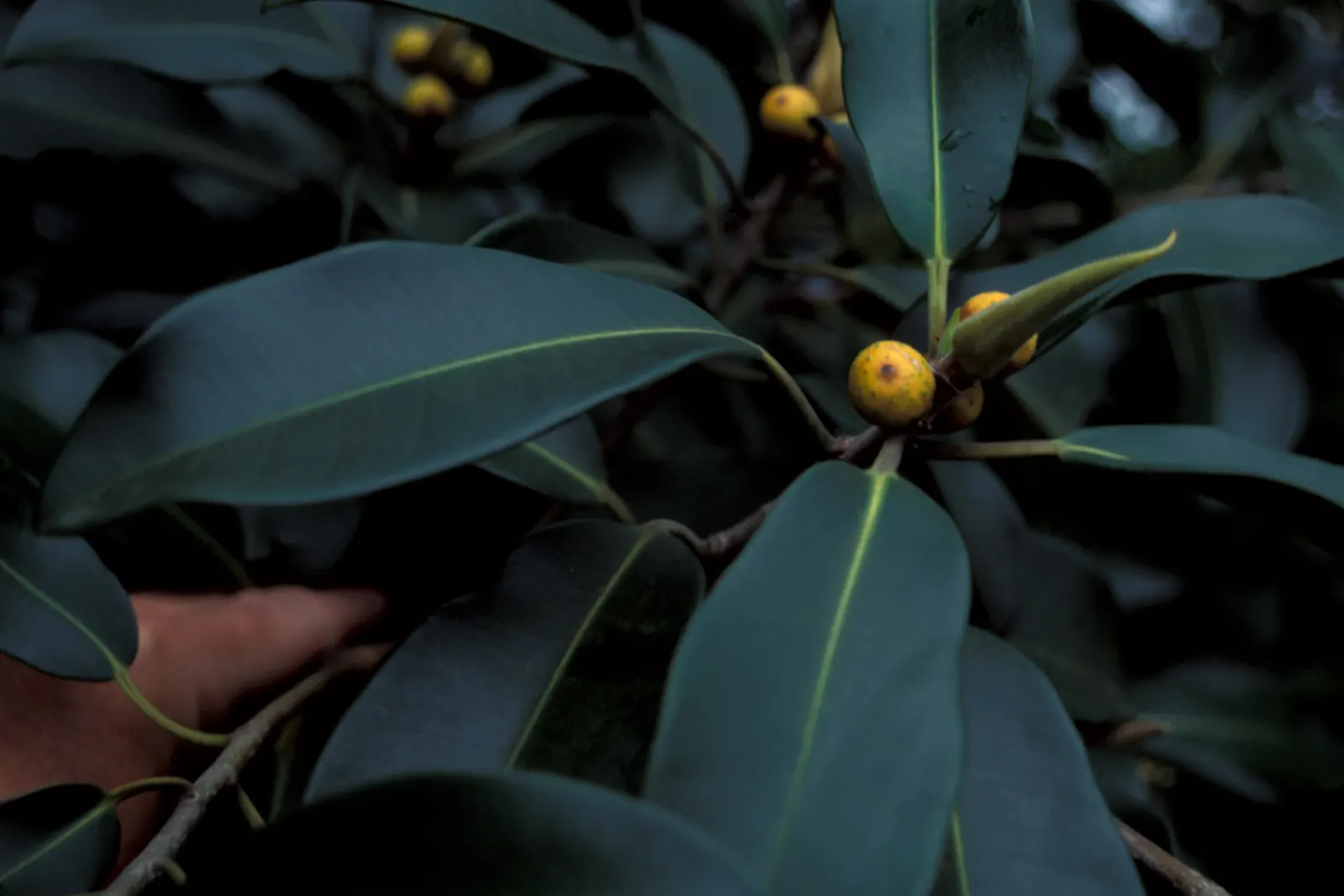
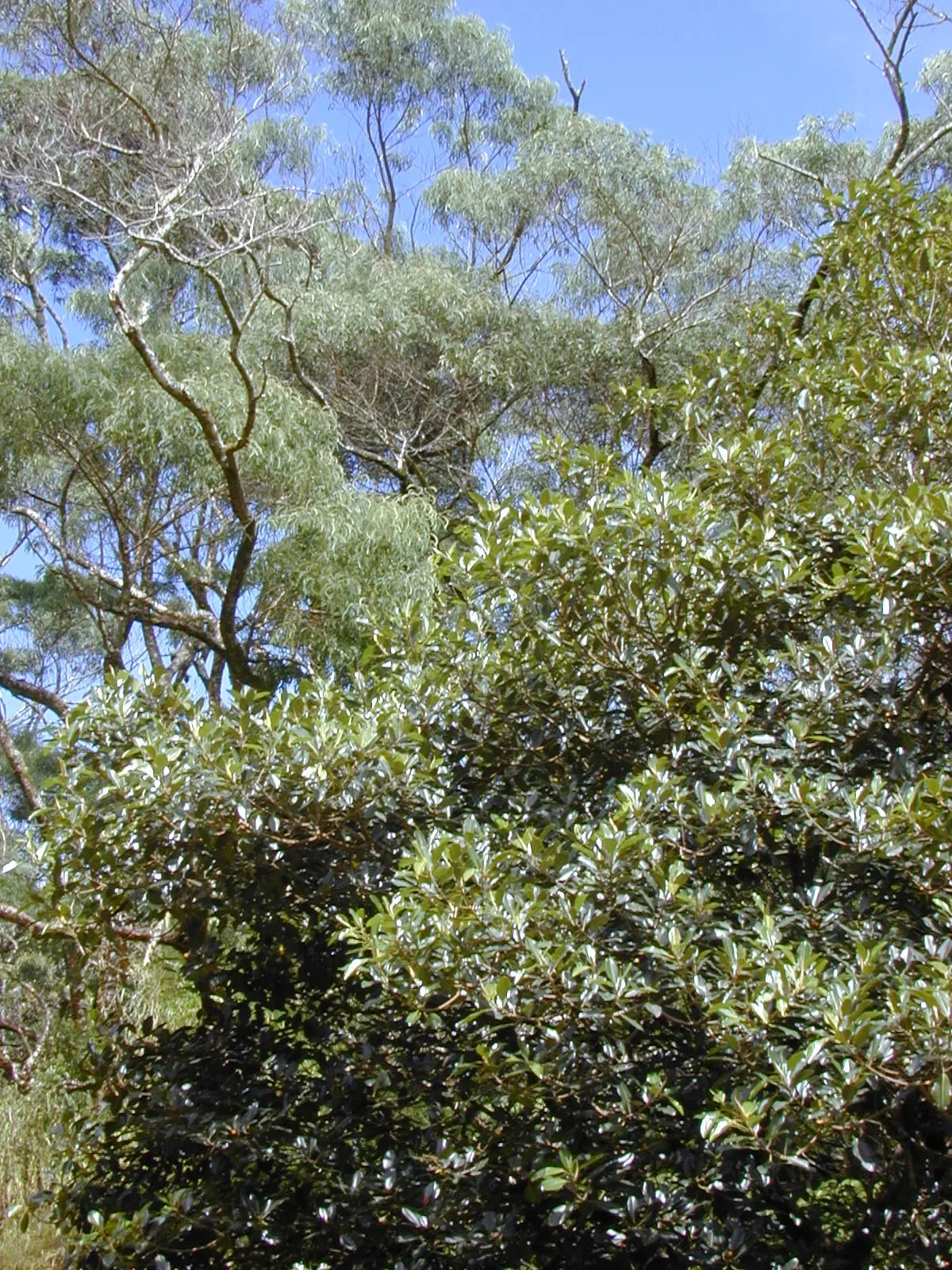
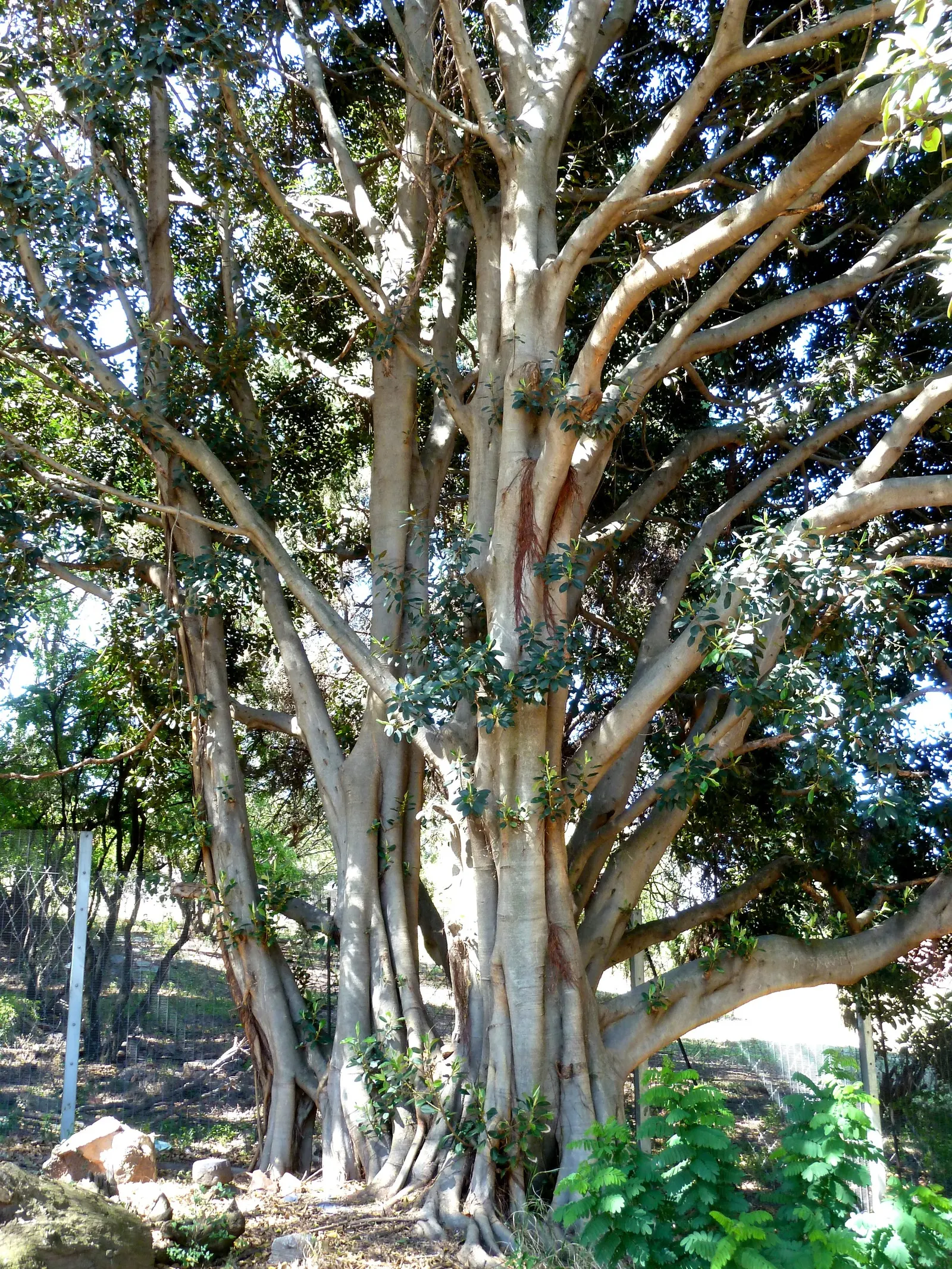
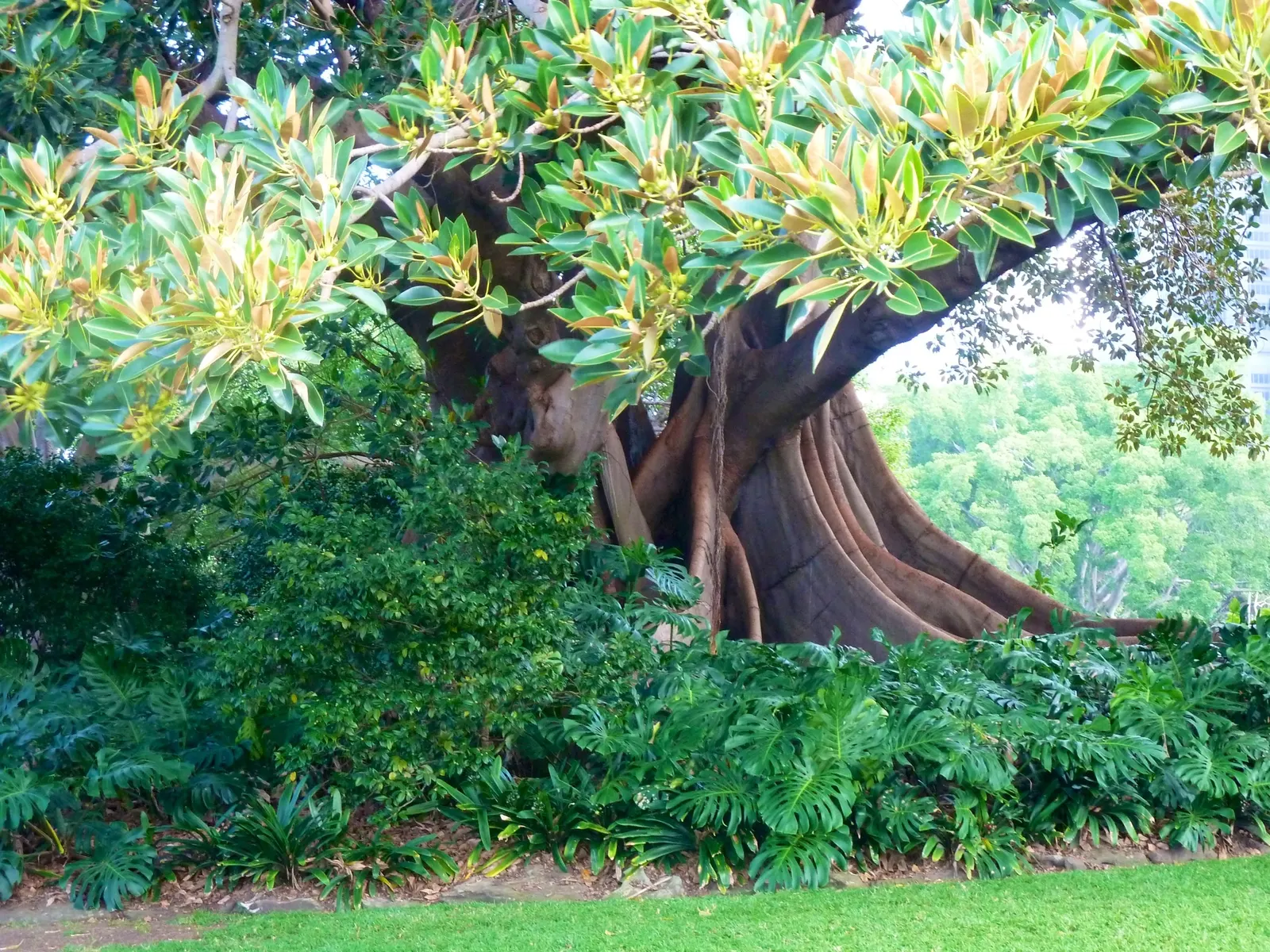
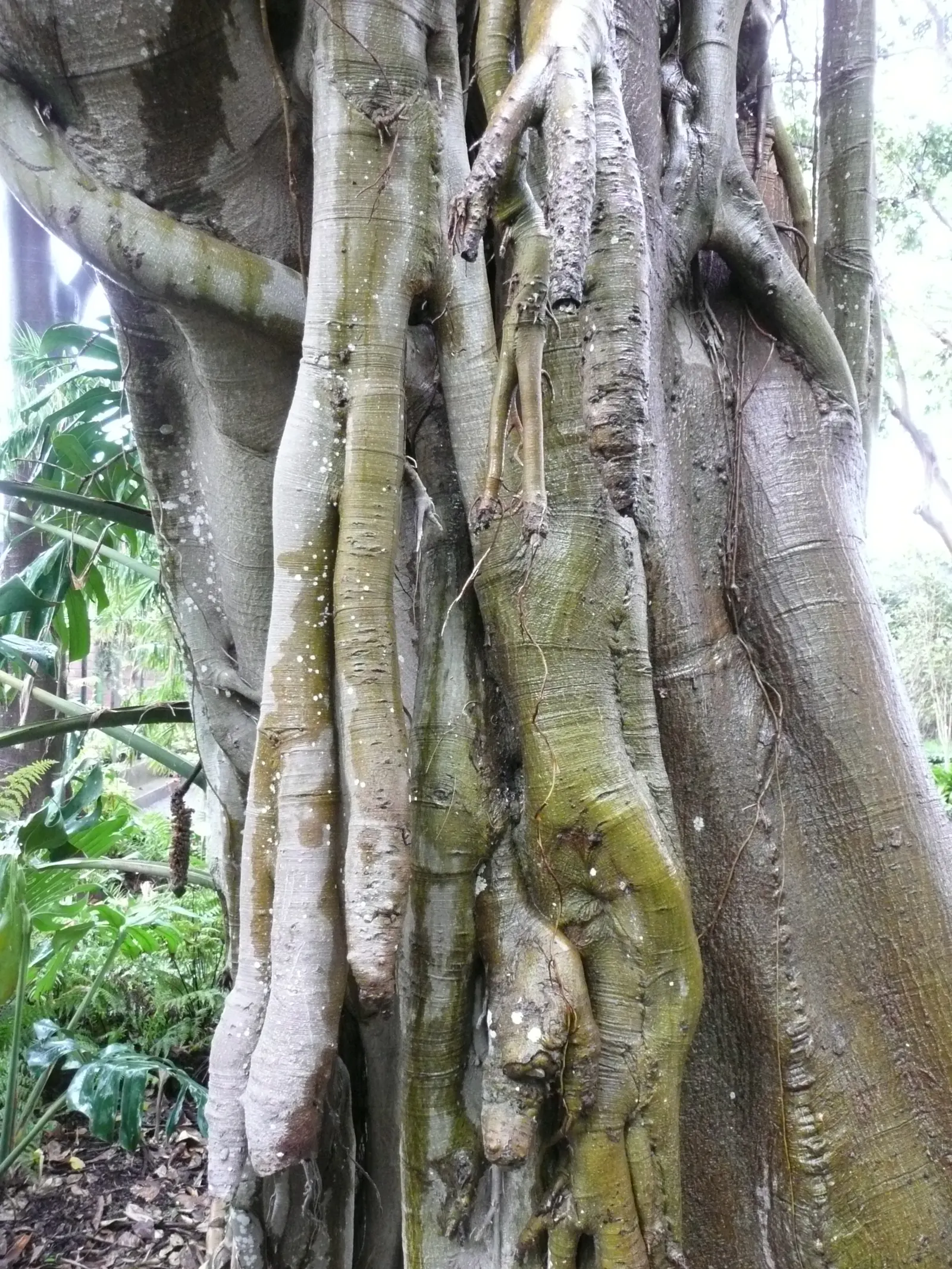
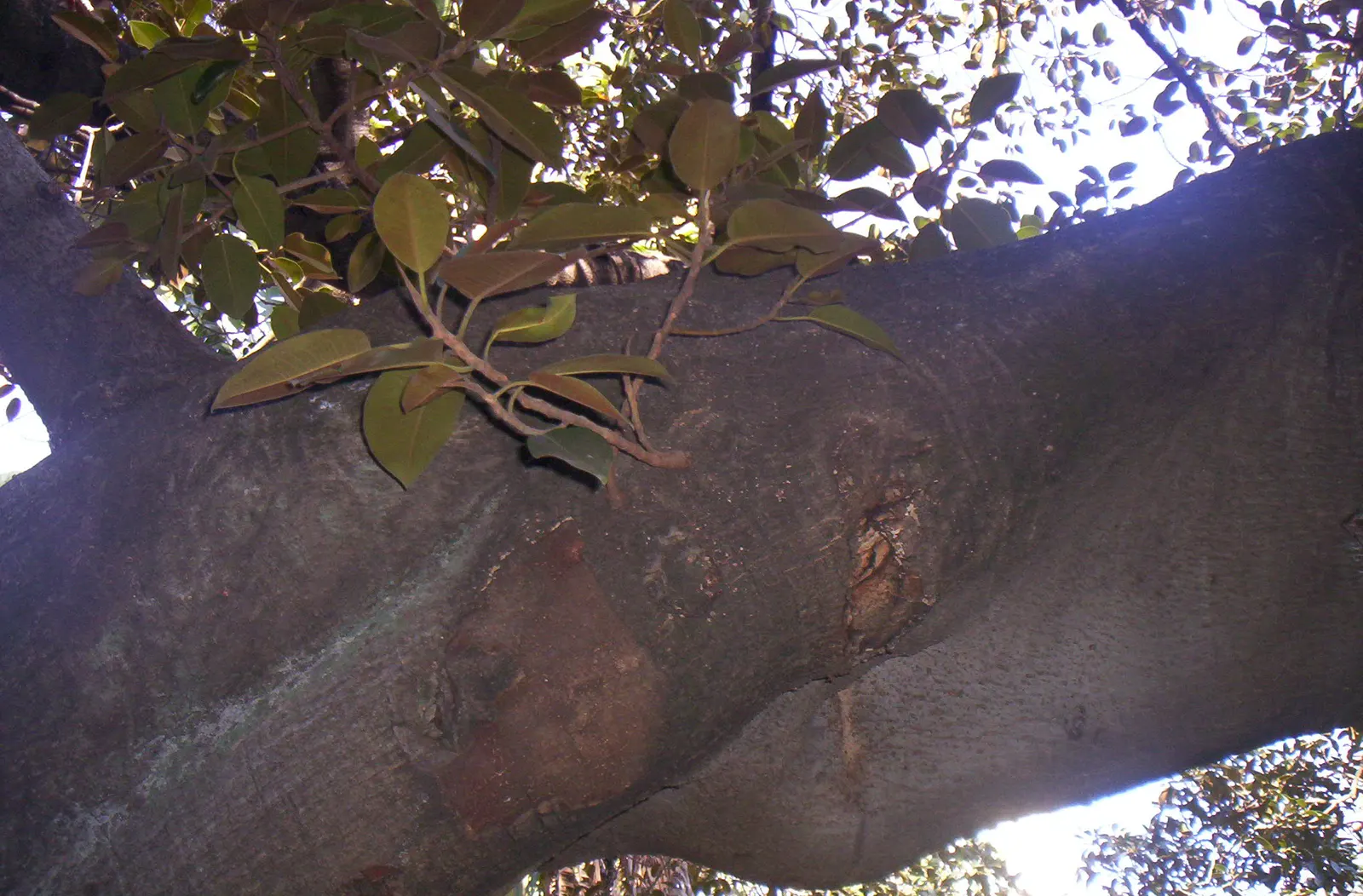
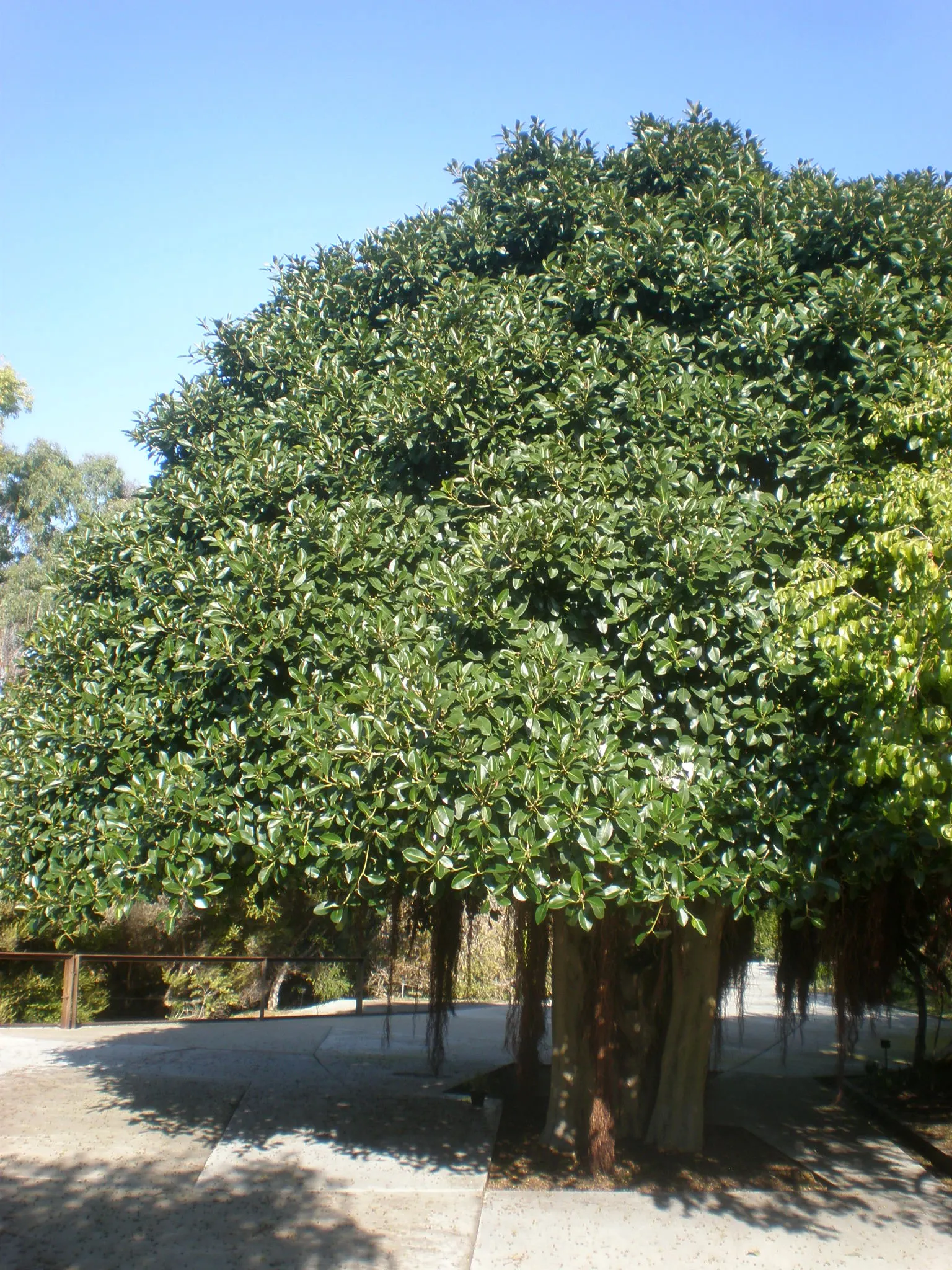
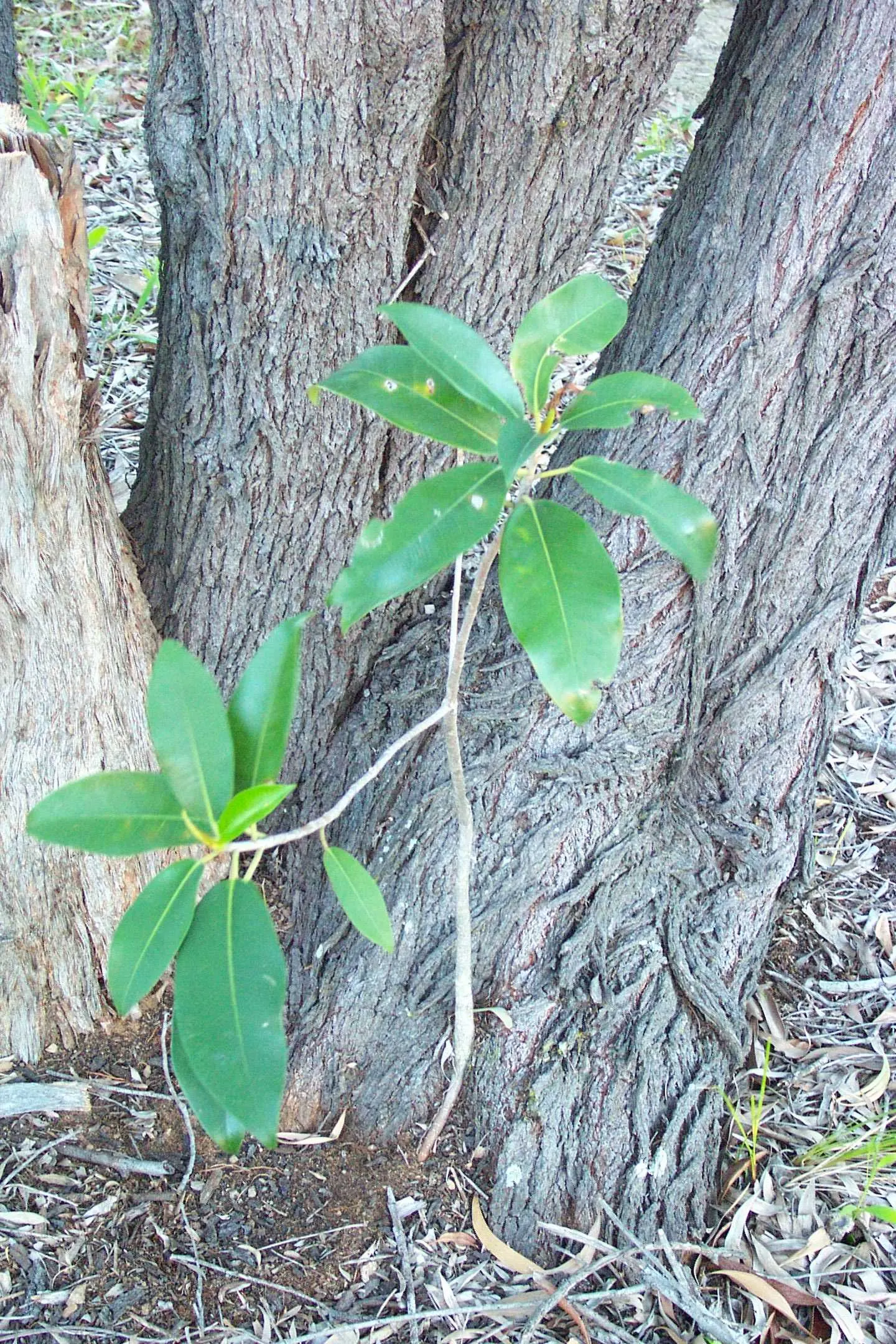
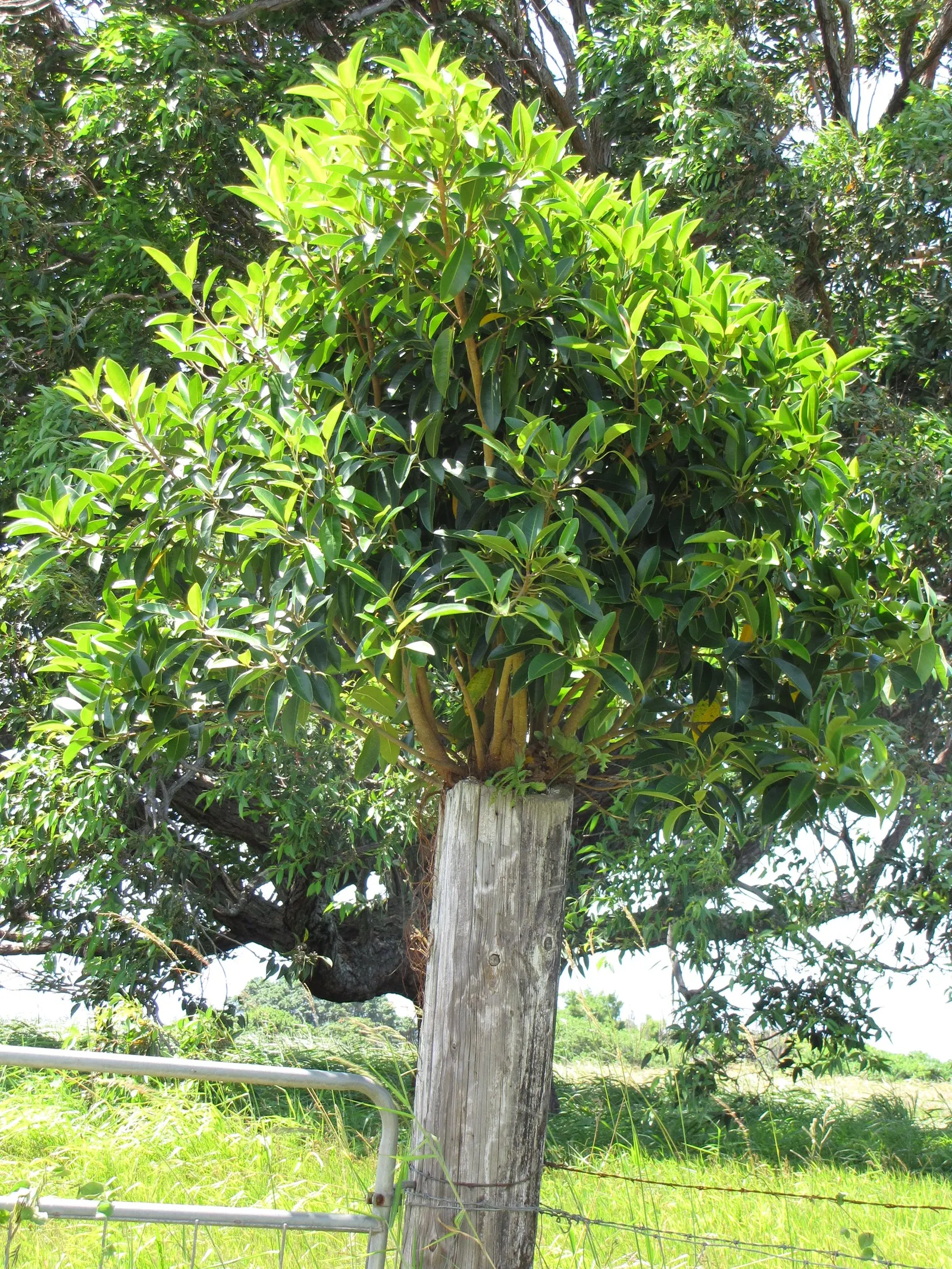
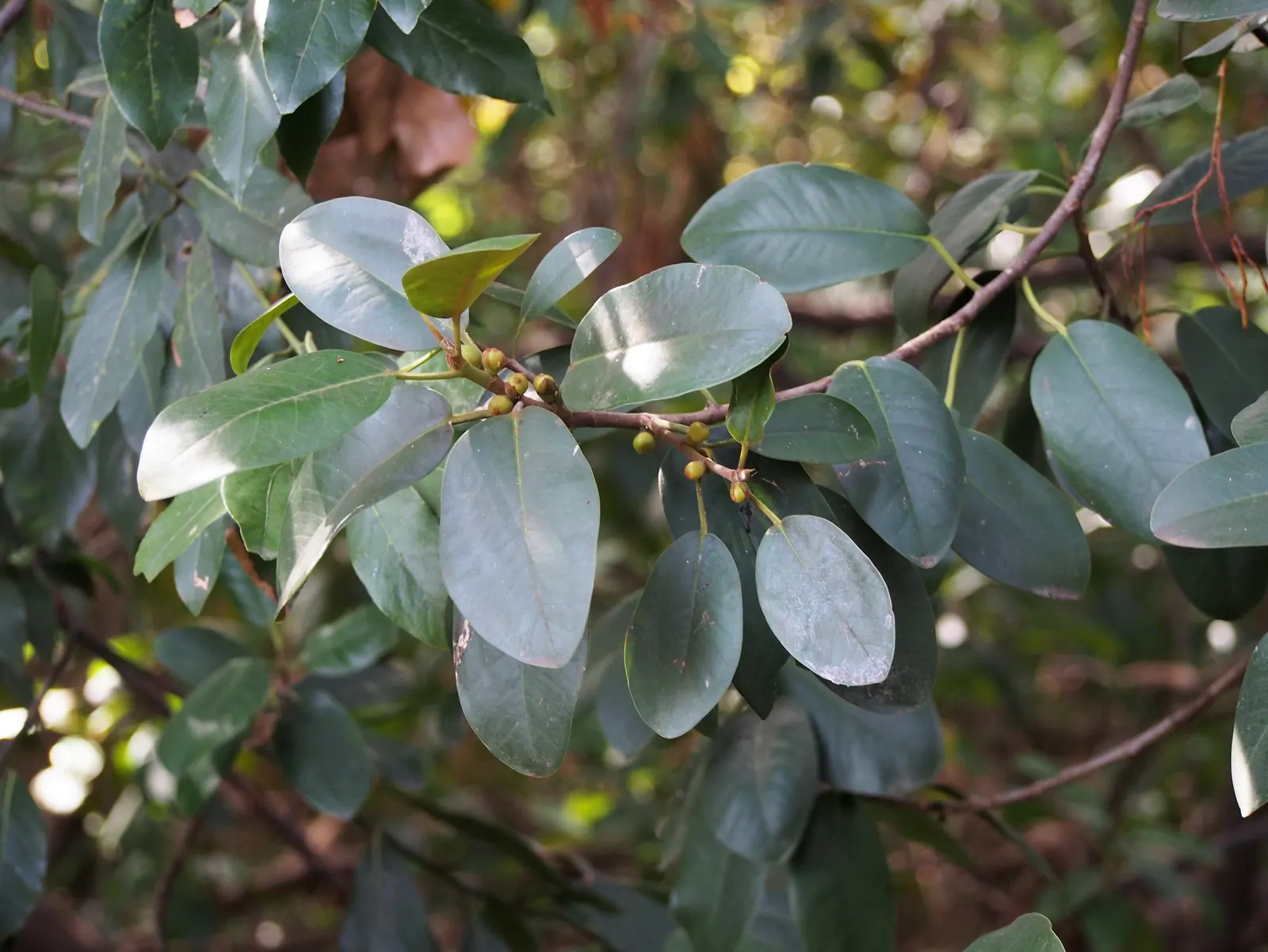
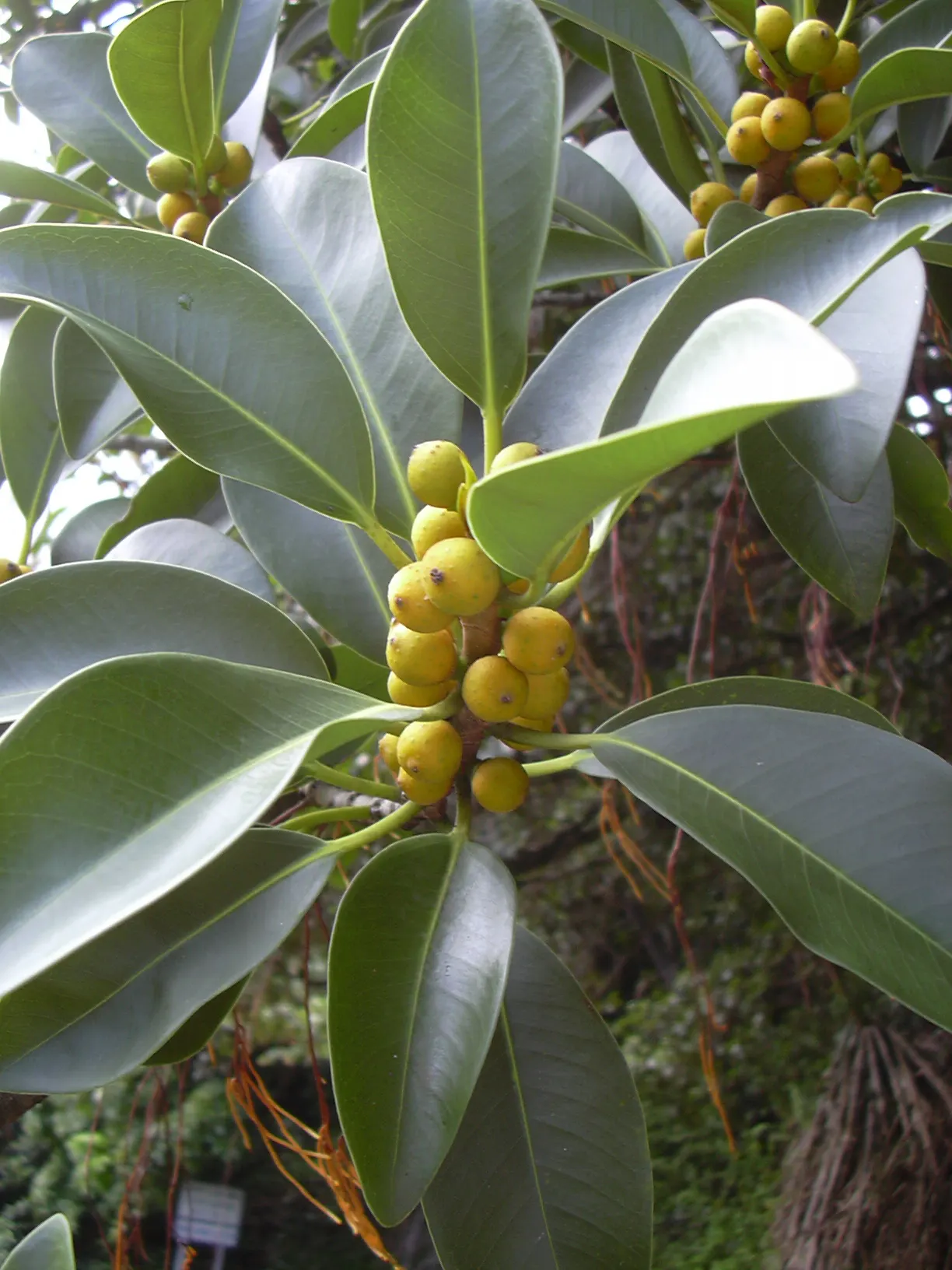
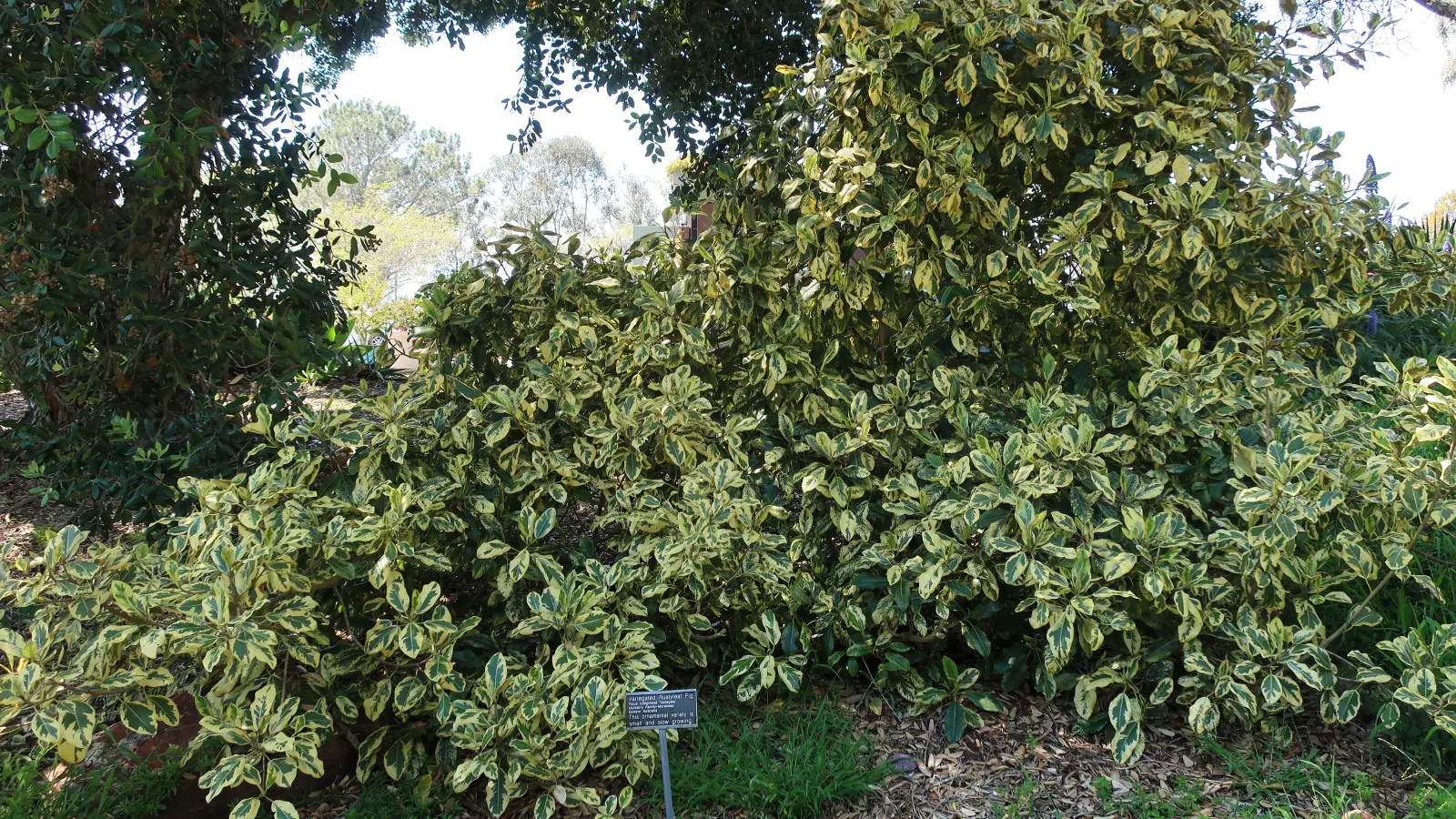
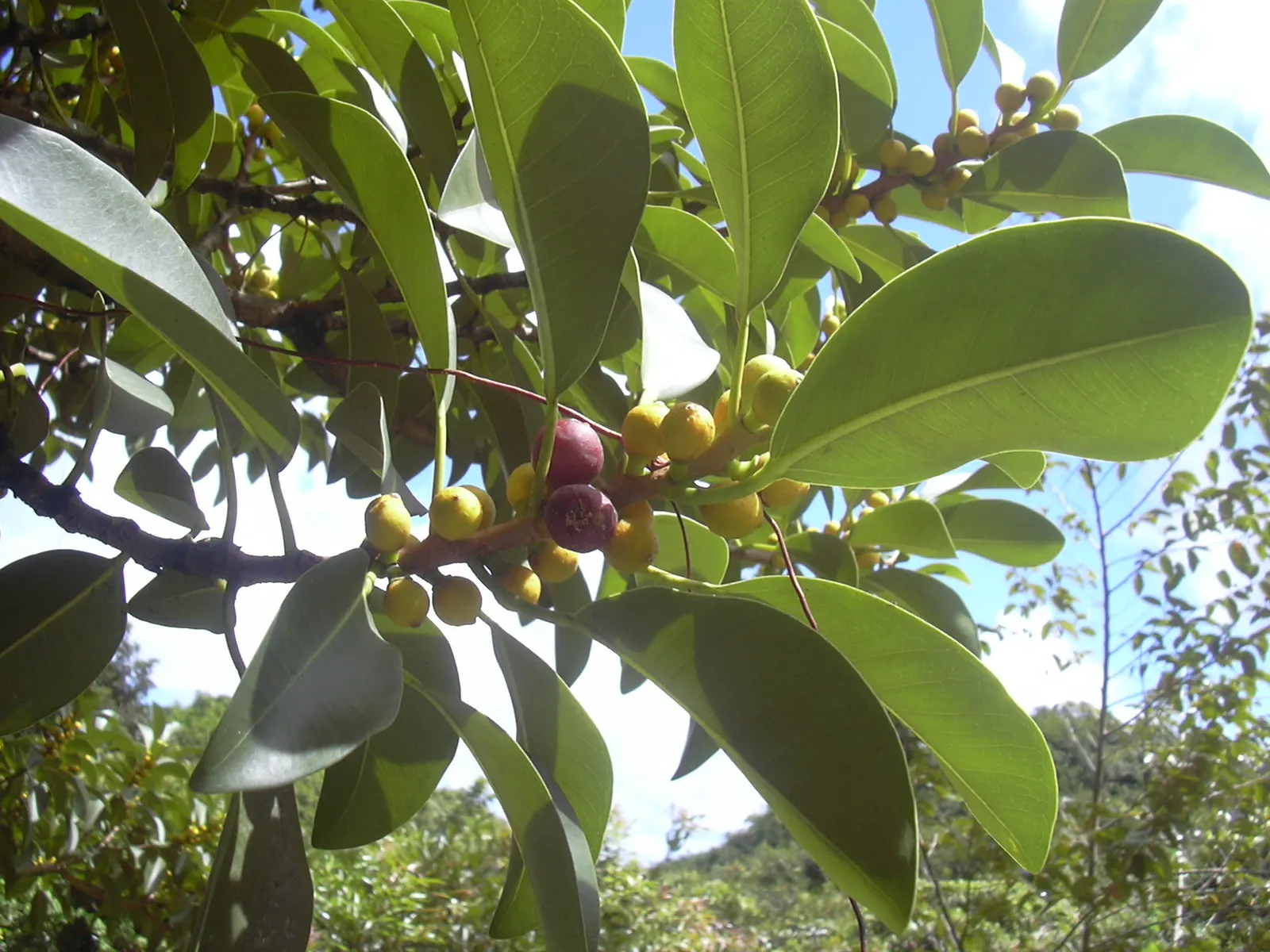
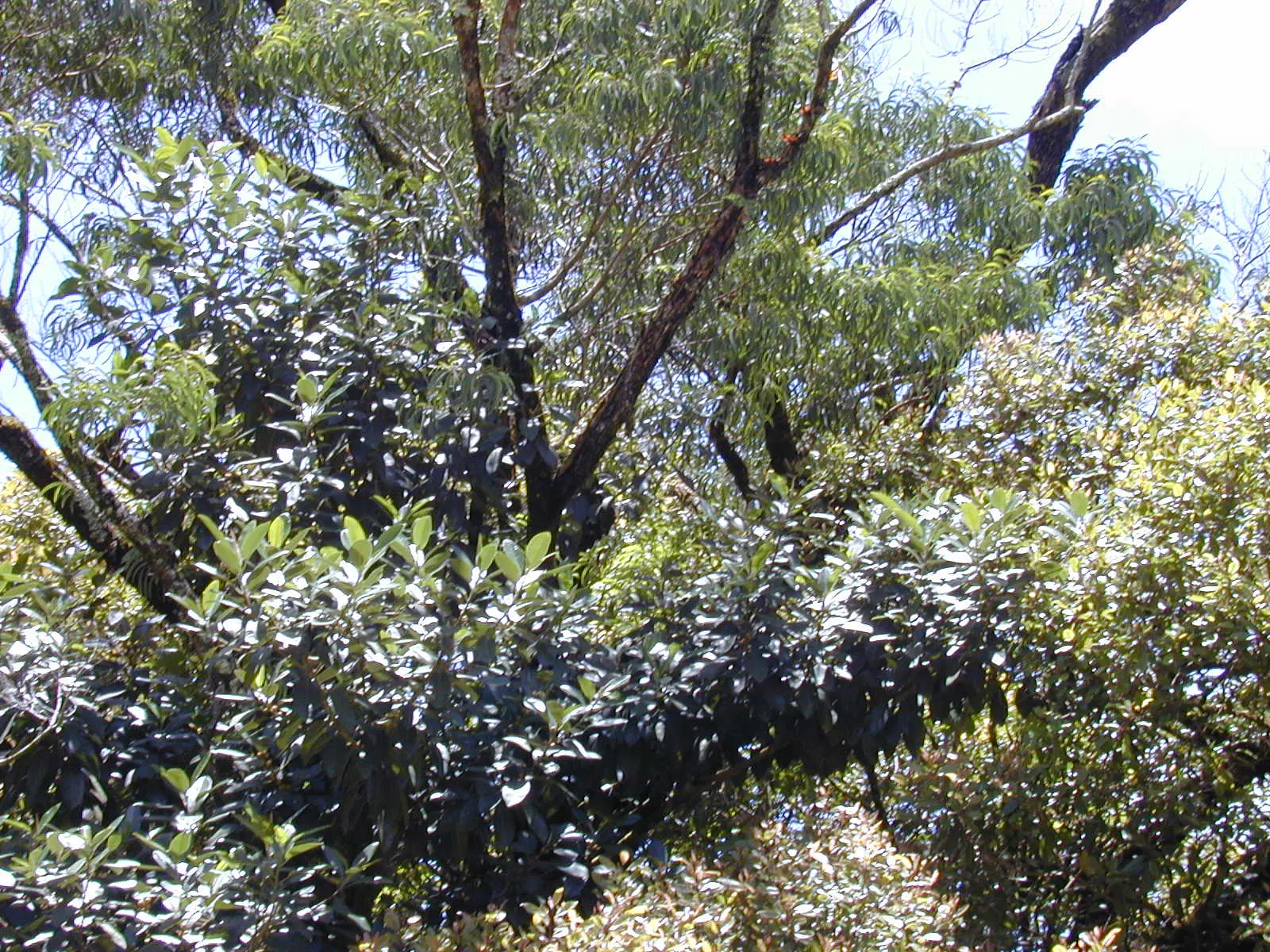
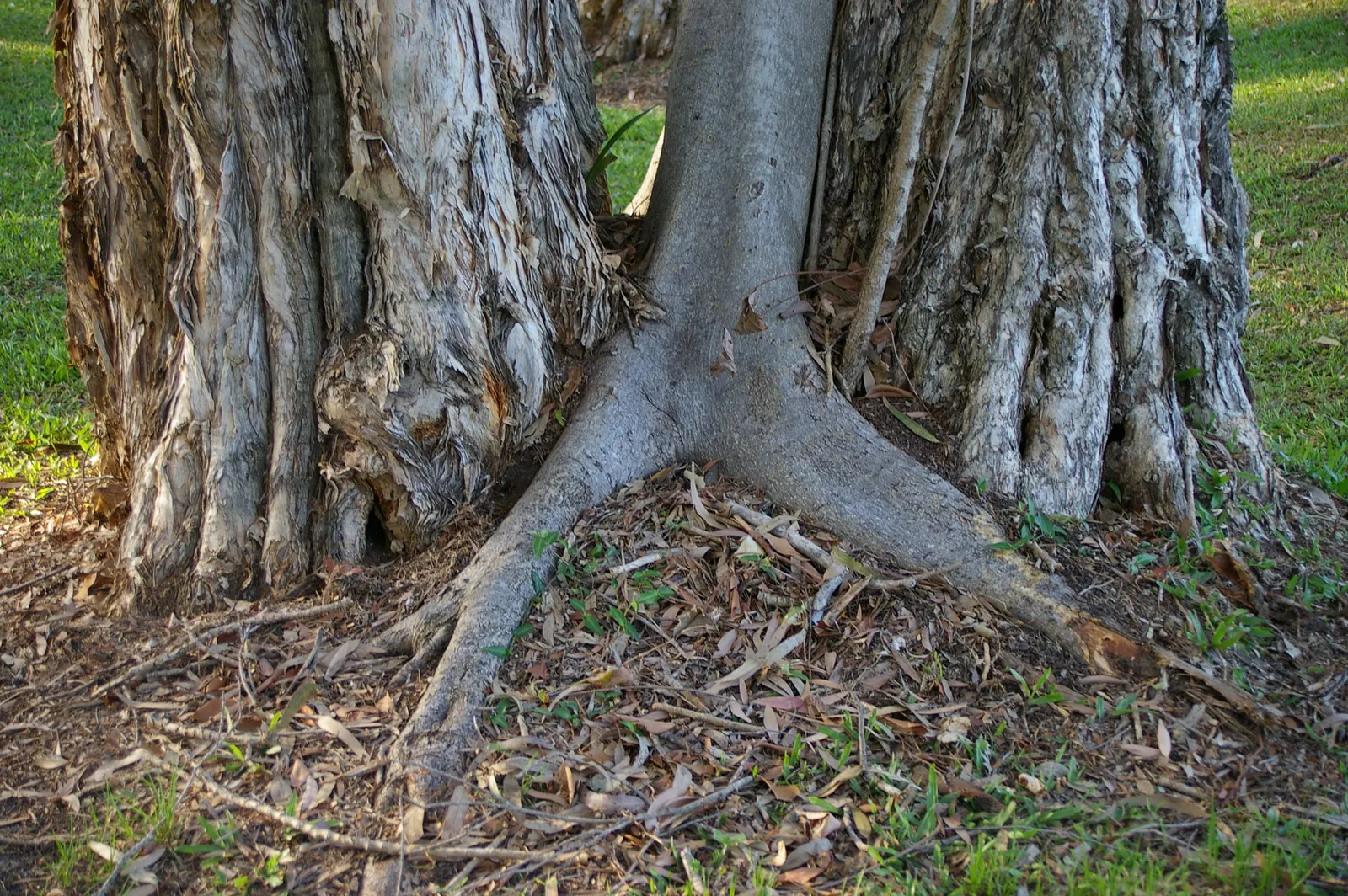
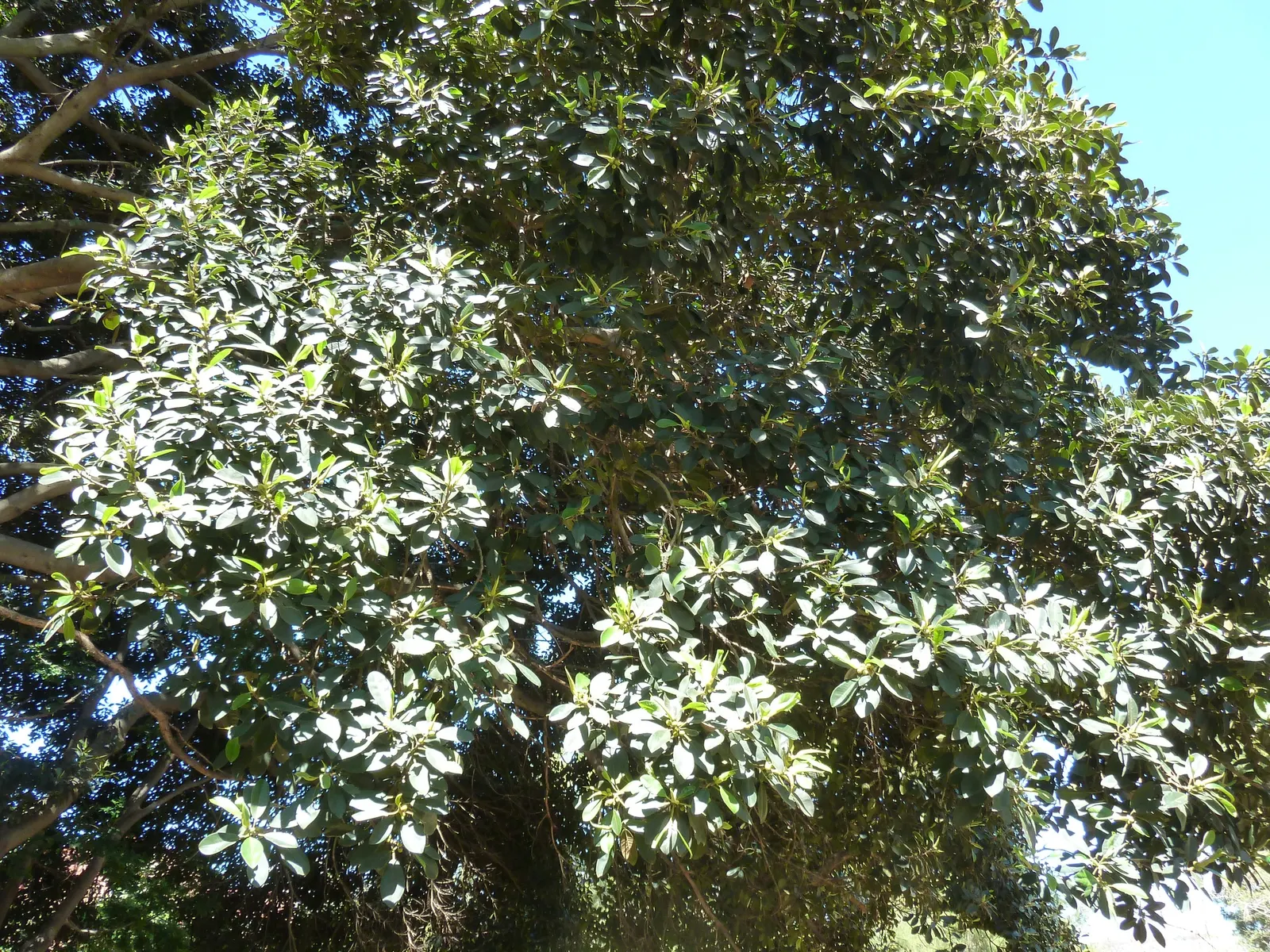
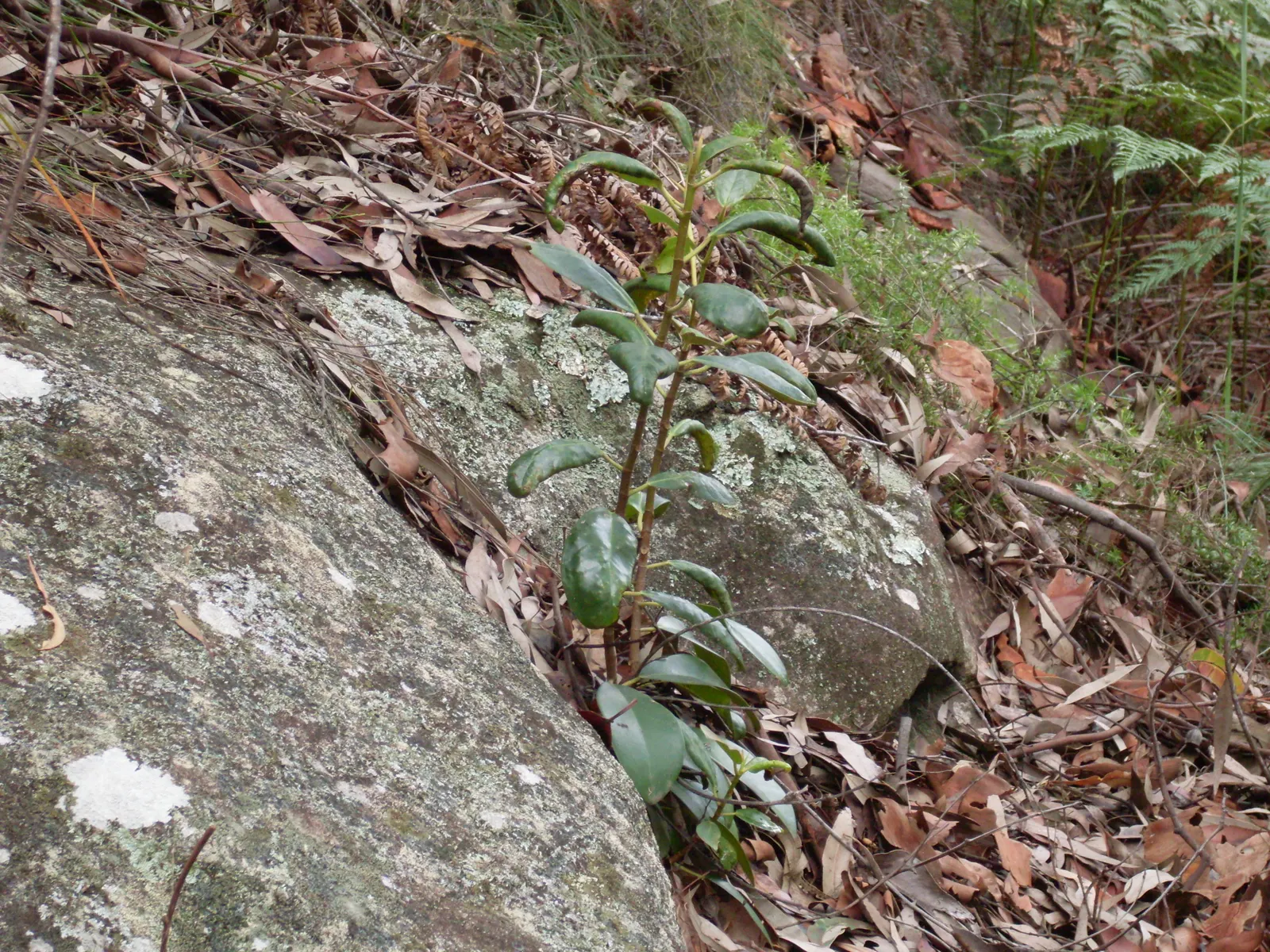
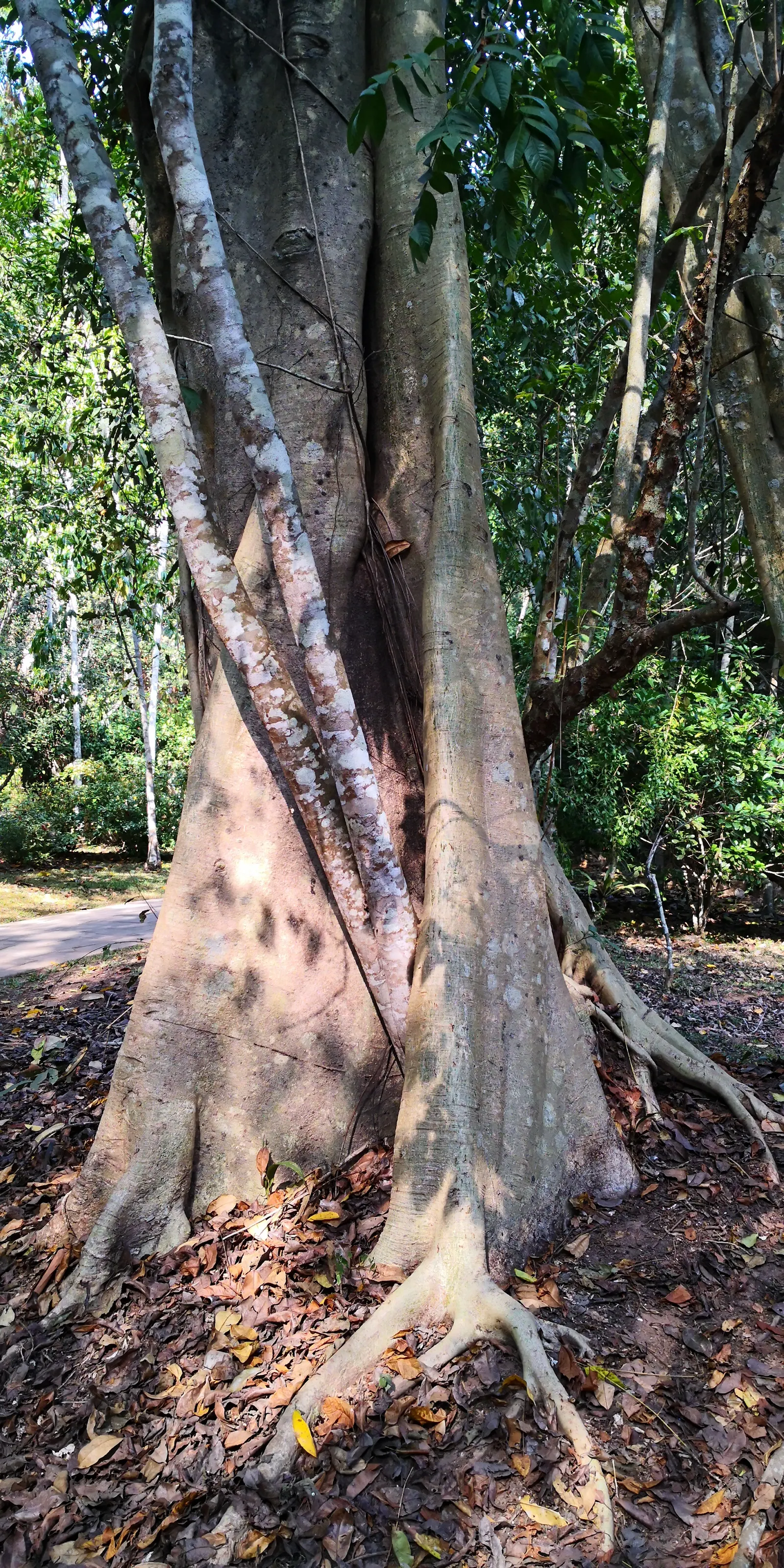
The Ficus rubiginosa, or Rusty Leaf Fig, is a robust evergreen tree, typically reaching 30-50 ft in height when mature. It's recognized for its oval, leathery leaves with a rusty underside. This Australian native thrives in USDA zones 9-11 and prefers full sun to partial shade. Resilient and drought-tolerant once established, it requires well-draining soil. Its dense canopy and extensive root system make it ideal for large spaces and screening.

Sun Full, HalfWater HighZones 9–11Type TreeClimate Subtropical
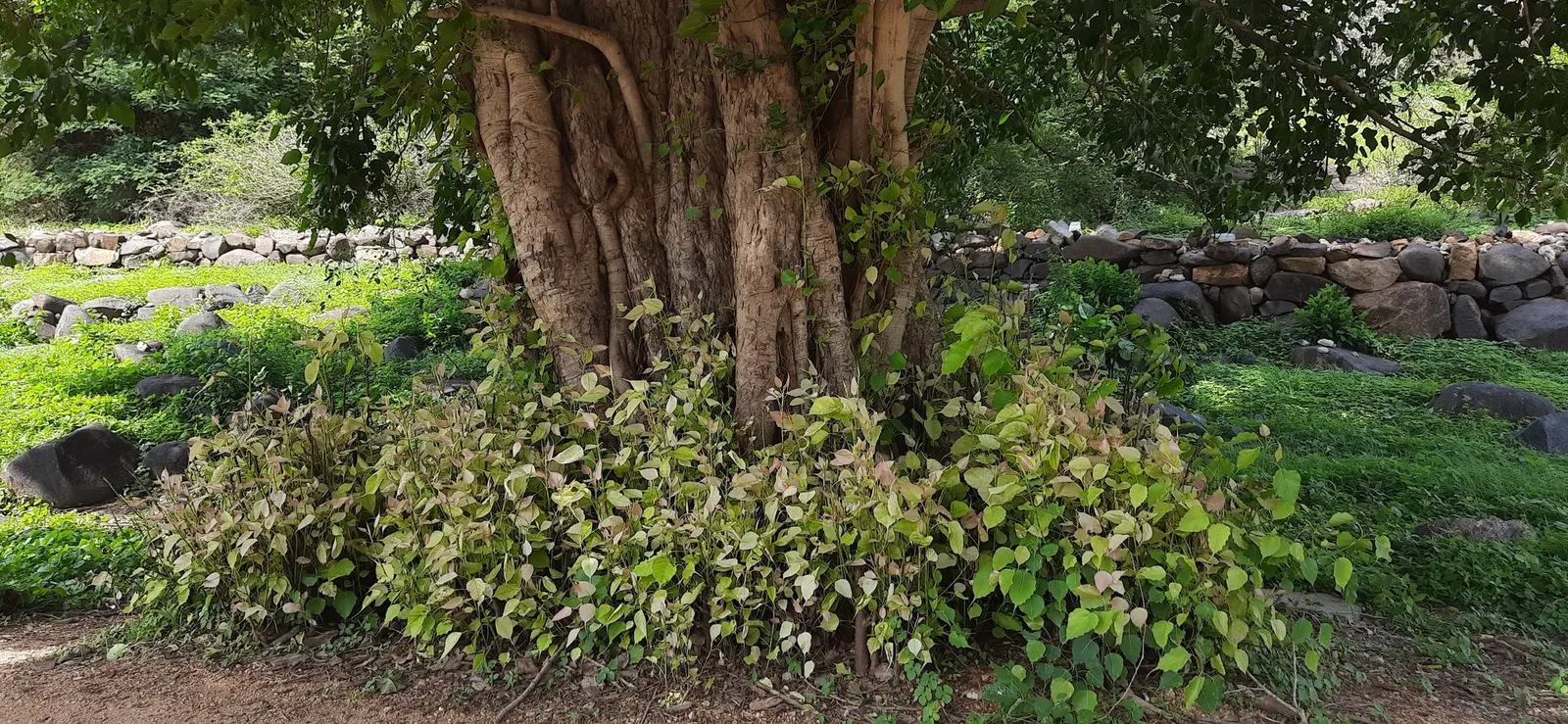
Rusty Leaf Fig (Ficus rubiginosa) — making it an excellent choice for larger gardens or parks; full sun to partial shade conditions are ideal

Culture

Sun
Full, Half
Water
High
USDA zones
9–11

Shape & size

Classification

Type
Tree
Family
Moraceae
Climate
Subtropical

See full data, regional cultivation notes, and design tools. Build a client presentation around this plant.

Start your 14-day trial

Photos (70)

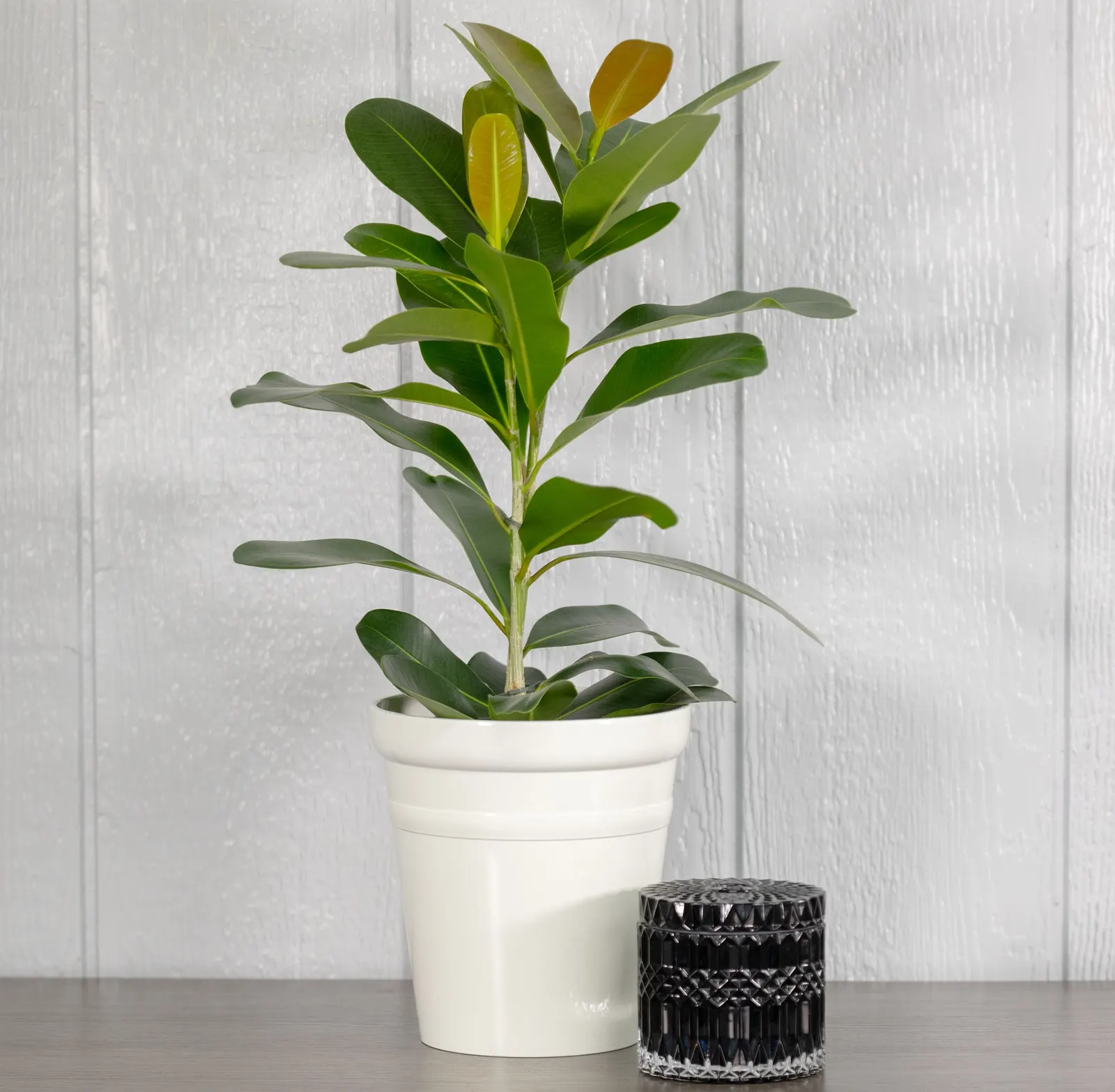
Rusty Leaf Fig (Ficus rubiginosa) — this ficus provides ample shade
Rusty Leaf Fig (Ficus rubiginosa) — This Australian native thrives in USDA zones 9-11 and prefers full sun to partial shade
Rusty Leaf Fig (Ficus rubiginosa) — making it an excellent choice for larger gardens or parks; full sun to partial shade conditions are ideal, image 46
Rusty Leaf Fig (Ficus rubiginosa) — which is ideal for clients looking for both flexibility and low maintenance in their landscape; is a robust evergreen tree
Rusty Leaf Fig (Ficus rubiginosa) — tree for full or half; while drought-tolerant once established
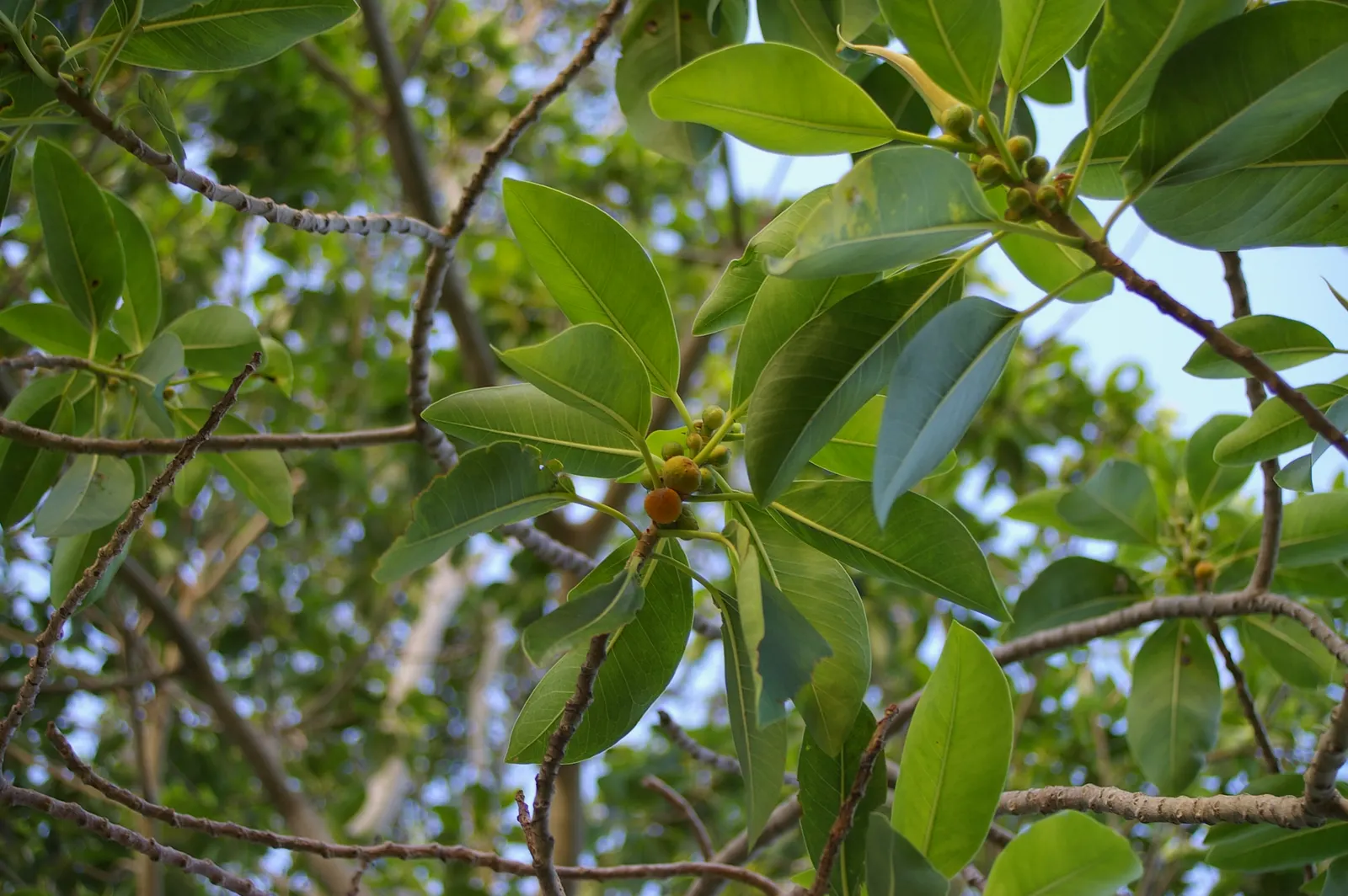
Rusty Leaf Fig (Ficus rubiginosa) — It's recognized for its oval, leathery leaves with a rusty underside
Rusty Leaf Fig (Ficus rubiginosa) — Its growth rate is moderate; typically reaching 30-50 ft in height when mature, image 47
Rusty Leaf Fig (Ficus rubiginosa) — is a robust evergreen tree; this Australian native thrives in USDA zones 9-11 and prefers full sun to partial, image 37
Rusty Leaf Fig (Ficus rubiginosa) — from which the tree derives its common name; this ficus provides ample shade
Rusty Leaf Fig (Ficus rubiginosa) — is a robust evergreen tree
Rusty Leaf Fig (Ficus rubiginosa) — While drought-tolerant once established
Rusty Leaf Fig (Ficus rubiginosa) — is a robust evergreen tree that can provide both shade and aesthetic appeal to your landscape design; which is, image 44
Rusty Leaf Fig (Ficus rubiginosa) — from which the tree derives its common name; this ficus provides ample shade, image 48
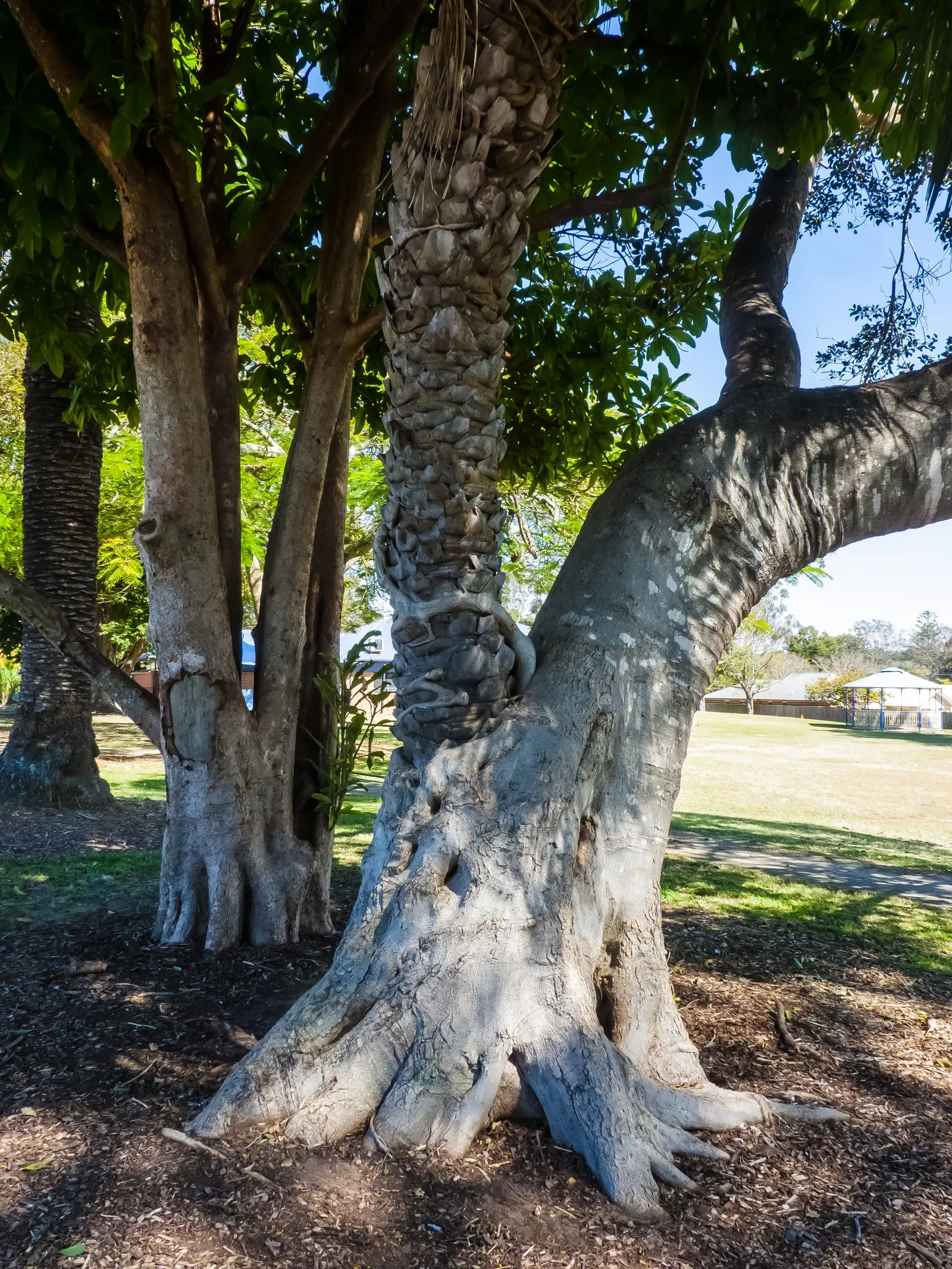
Rusty Leaf Fig (Ficus rubiginosa) — take care to position it where its vigorous root system will not disrupt nearby hardscapes or foundations
Rusty Leaf Fig (Ficus rubiginosa) — While drought-tolerant once established; from which the tree derives its common name
Rusty Leaf Fig (Ficus rubiginosa) — full sun to partial shade conditions are ideal; take care to position it where its vigorous root system will, image 49
Rusty Leaf Fig (Ficus rubiginosa) — Its dense canopy and extensive root system make it ideal for large spaces and screening; it's recognized for its oval
Rusty Leaf Fig (Ficus rubiginosa) — This Australian native thrives in USDA zones 9-11 and prefers full sun to partial shade; commonly referred to, image 40
Rusty Leaf Fig (Ficus rubiginosa) — Its dense canopy and extensive root system make it ideal for large spaces and screening; it's recognized for, image 42
Rusty Leaf Fig (Ficus rubiginosa) — Resilient and drought-tolerant once established, it requires well-draining soil; along with well-draining soil, image 41
Rusty Leaf Fig (Ficus rubiginosa) — take care to position it where its vigorous root system will not disrupt nearby hardscapes or foundations; is a robust
Rusty Leaf Fig (Ficus rubiginosa) — which is ideal for clients looking for both flexibility and low maintenance in their landscape
Rusty Leaf Fig (Ficus rubiginosa) — is a robust evergreen tree; this Australian native thrives in USDA zones 9-11 and prefers full sun to partial shade
Rusty Leaf Fig (Ficus rubiginosa) — commonly referred to as the Rusty Leaf Fig
Photographs by 12 contributors

Related plants