Skip to content

Creeping Fig

Ficus Pumila

Design with this plant

Overview

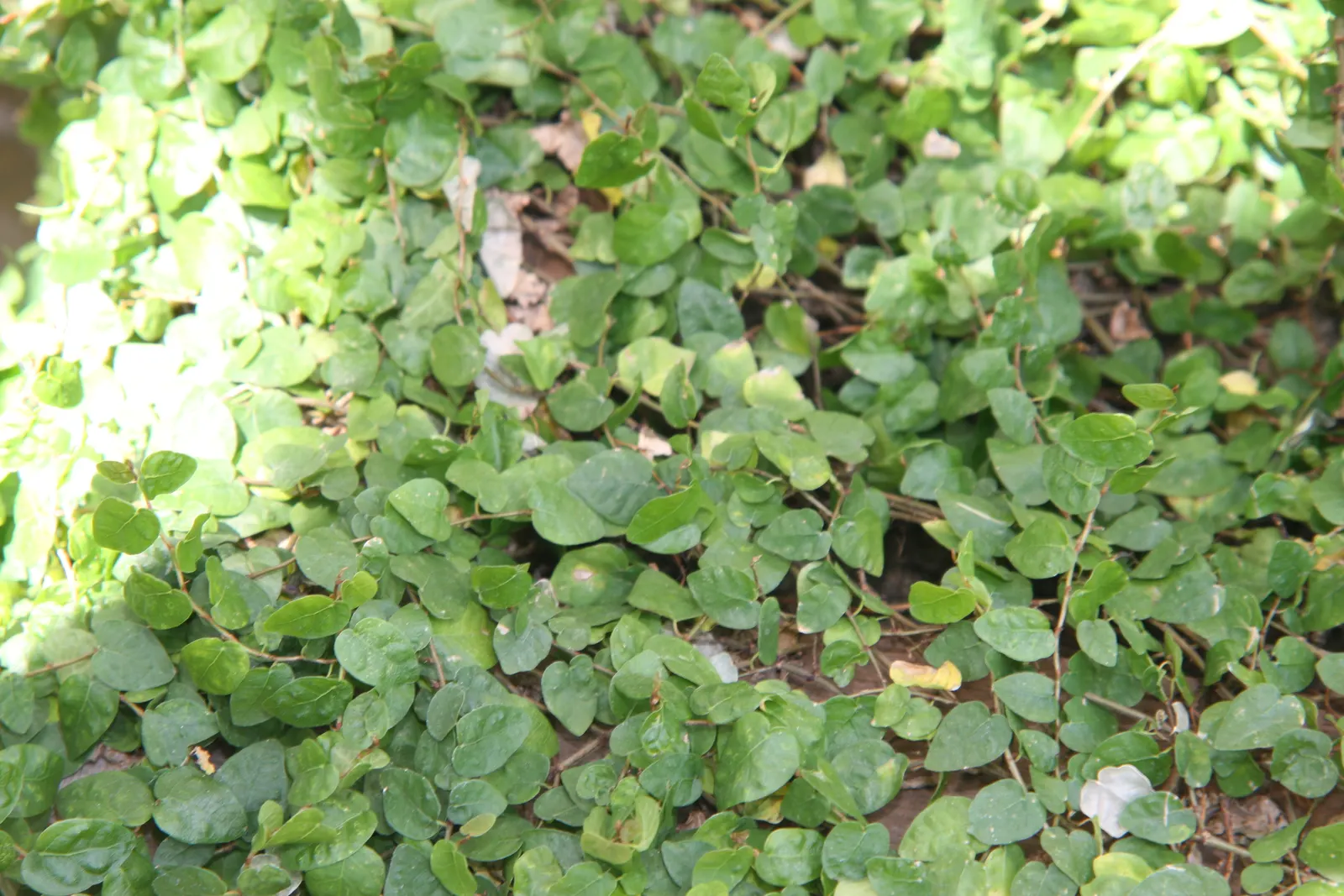
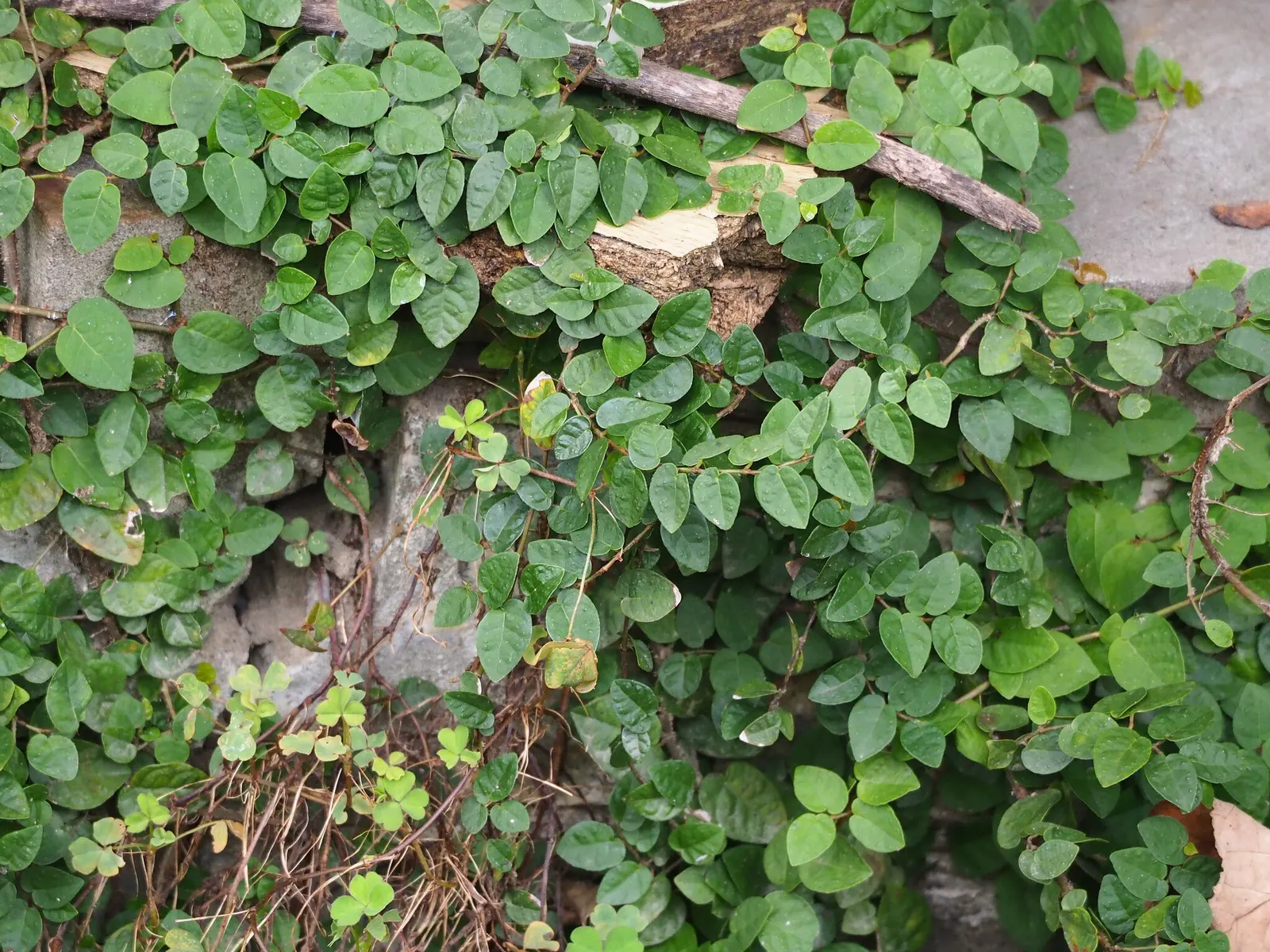
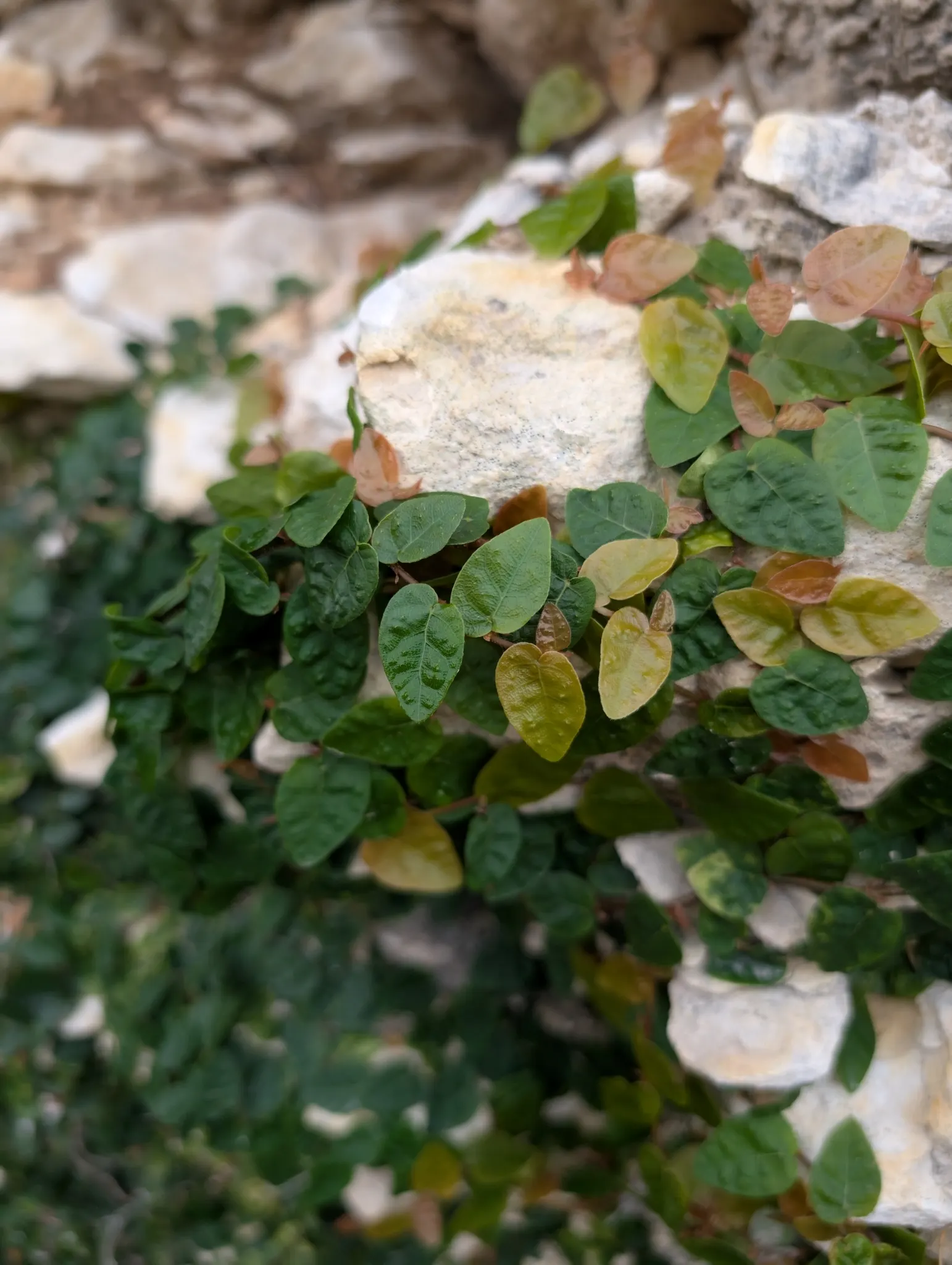
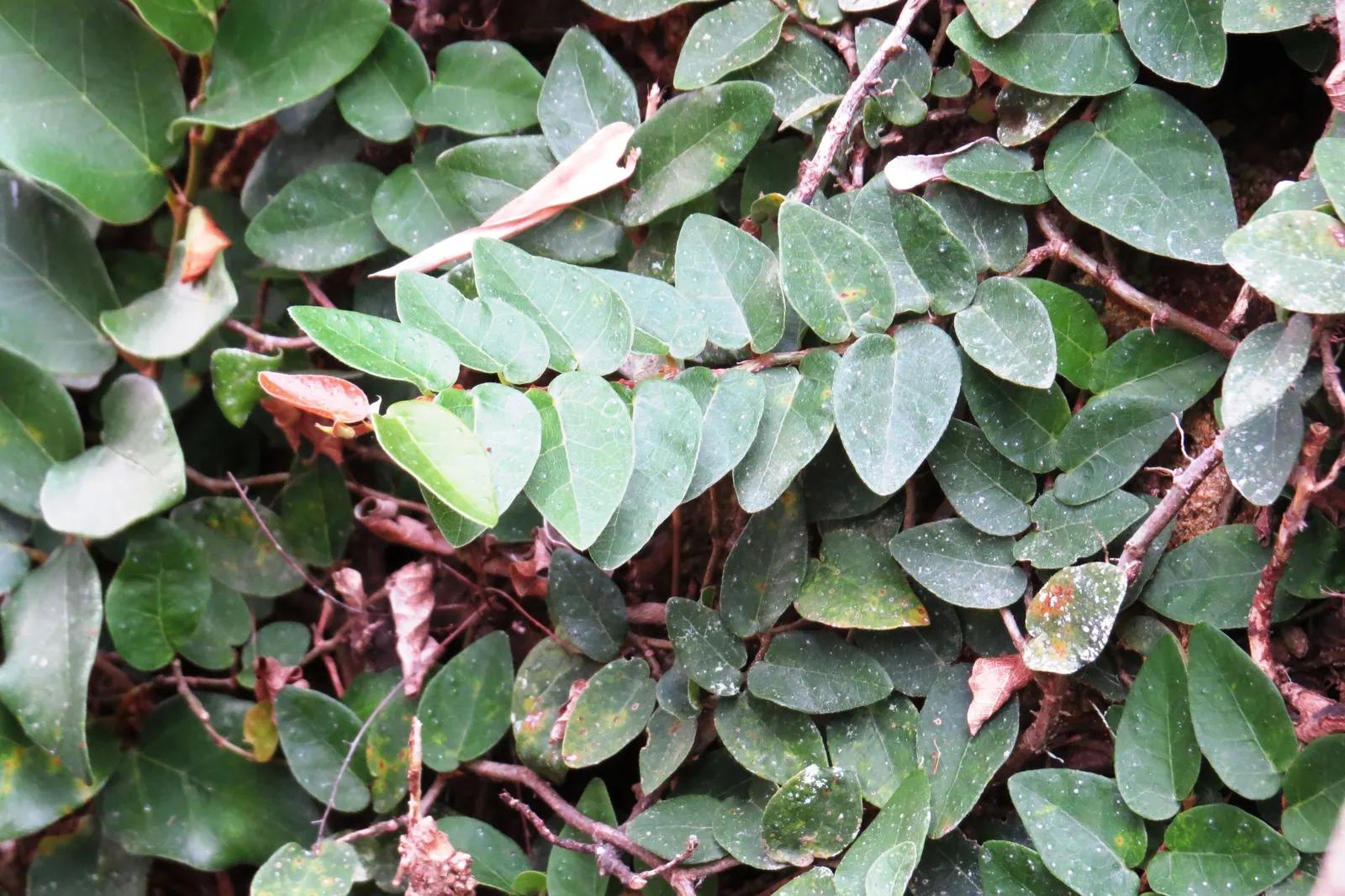
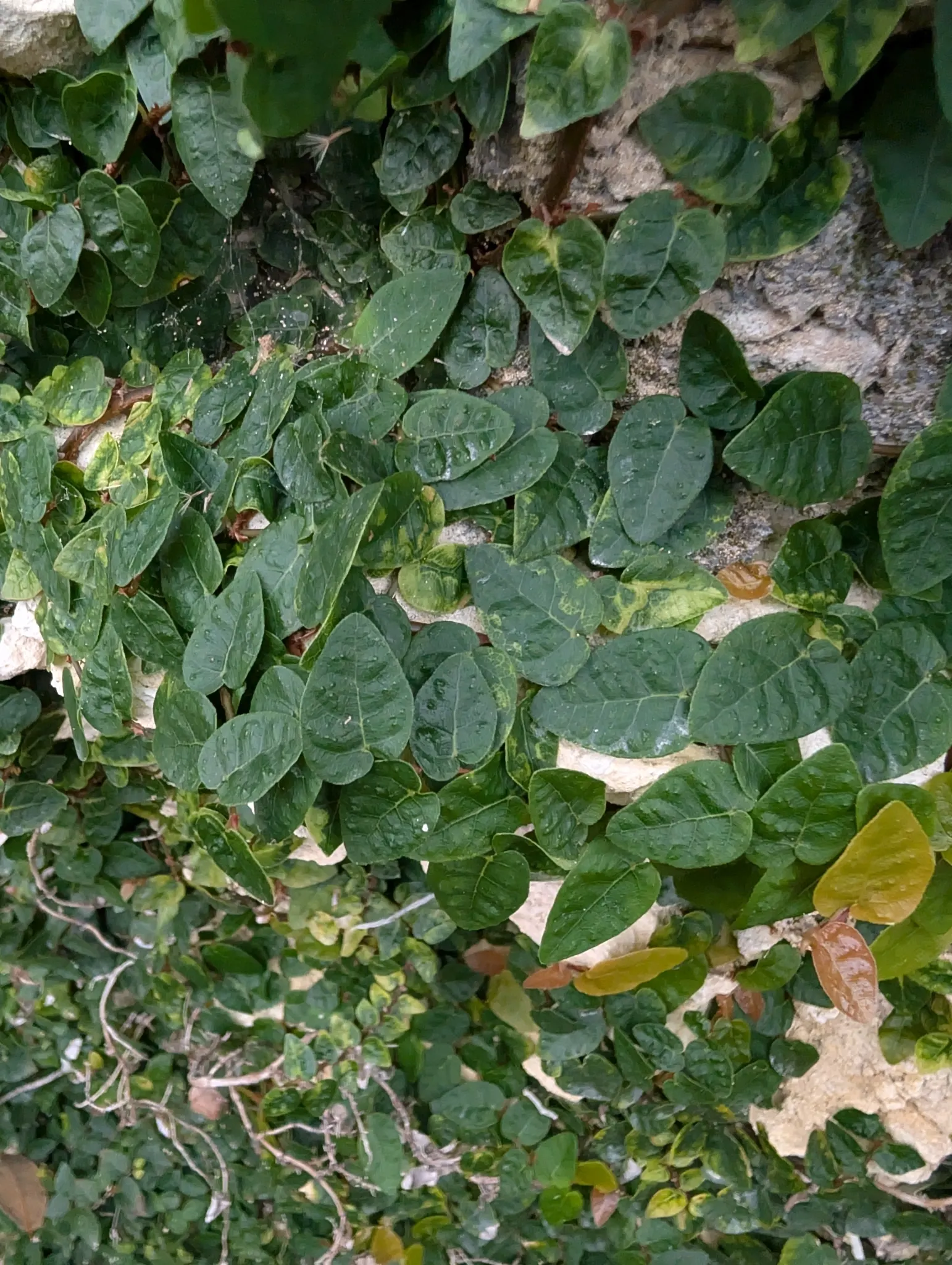
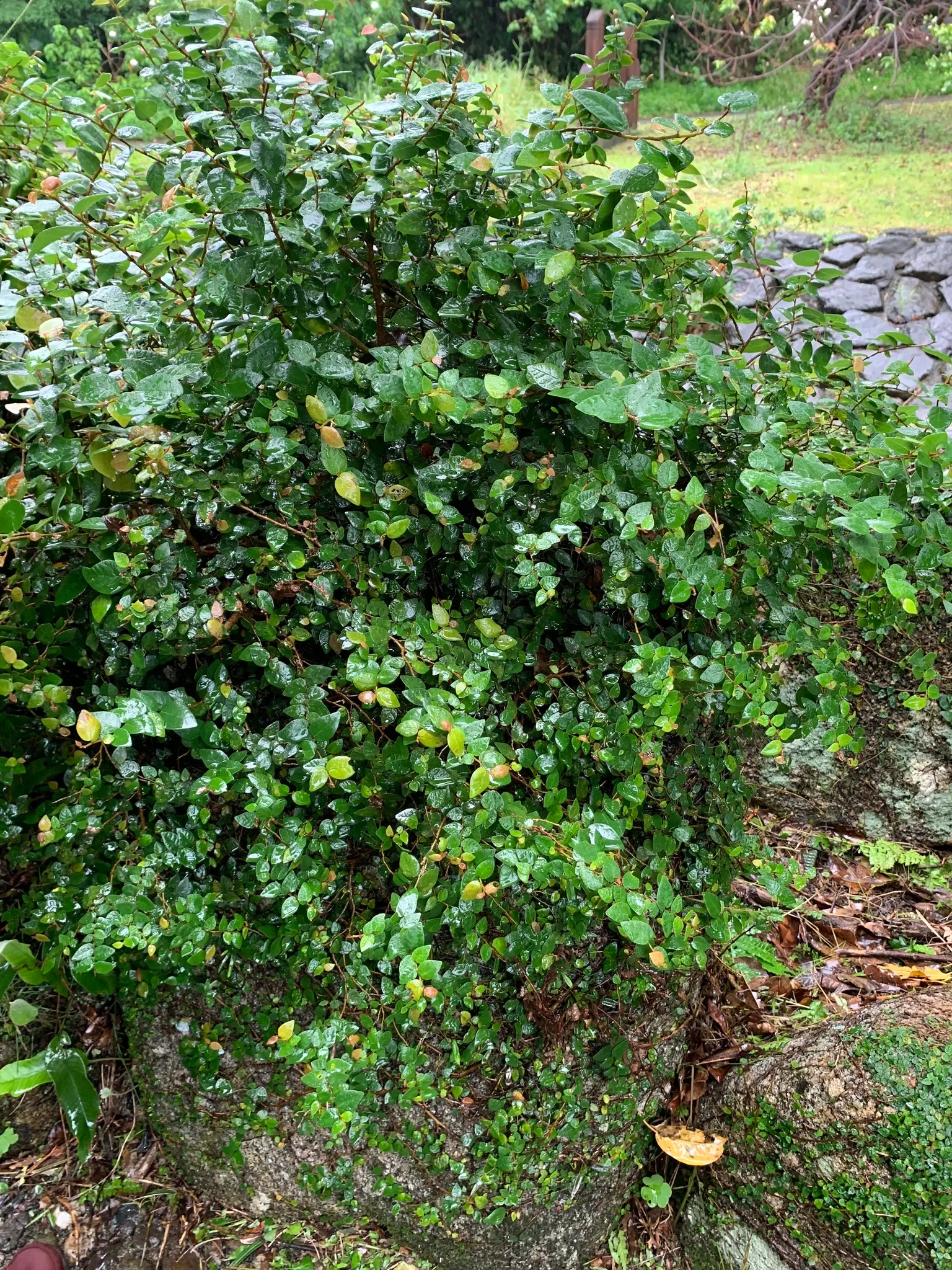
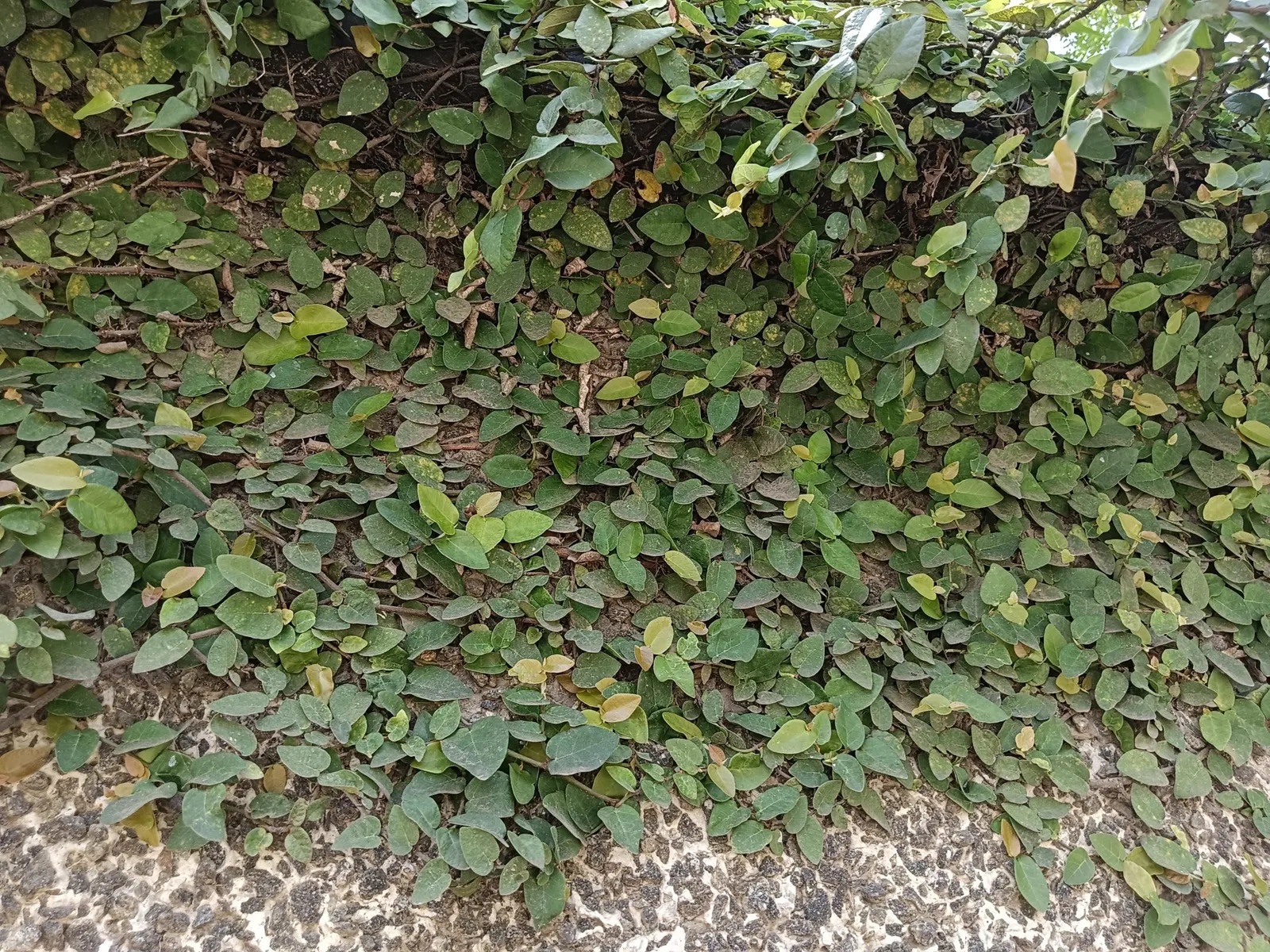
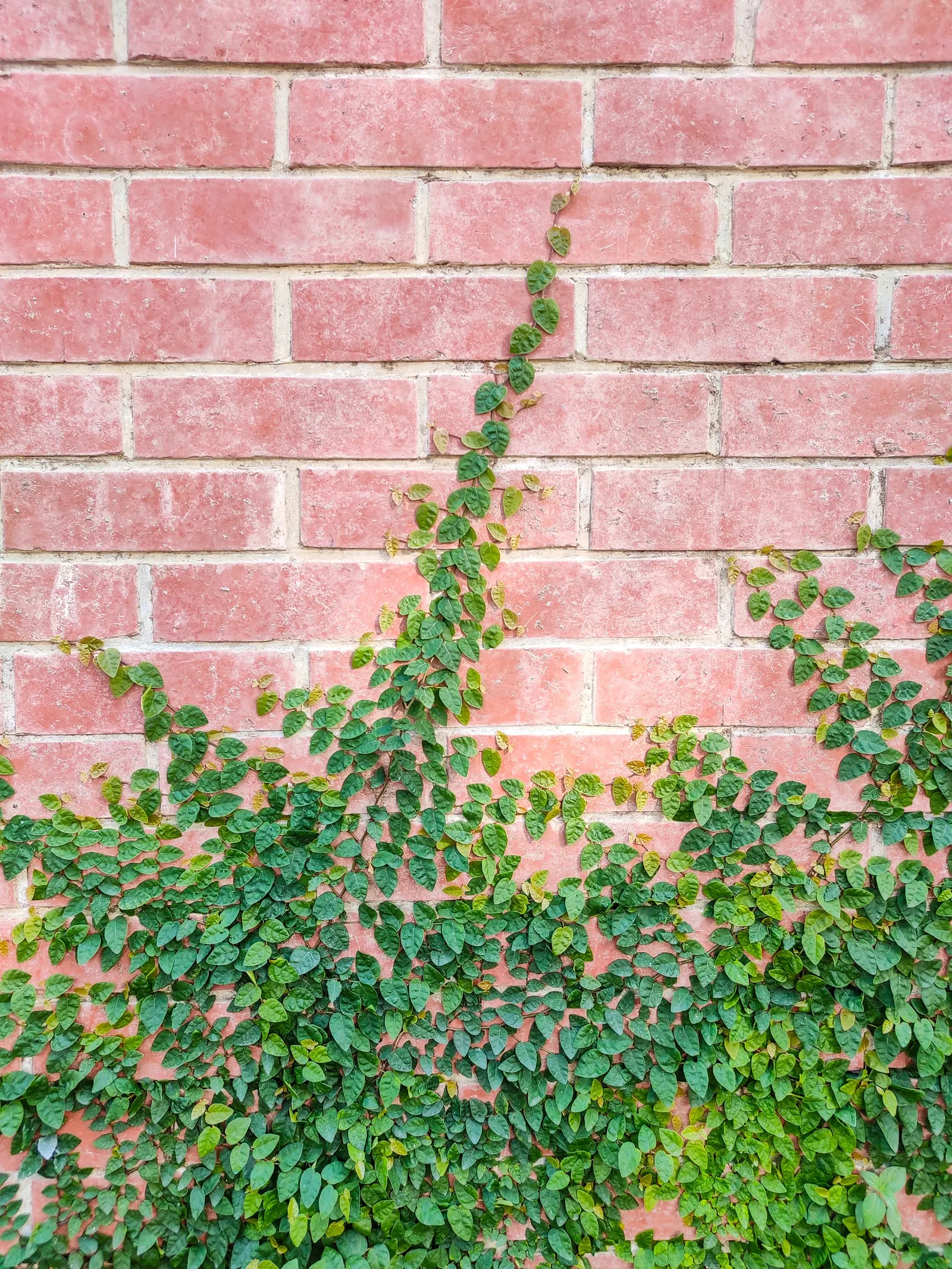
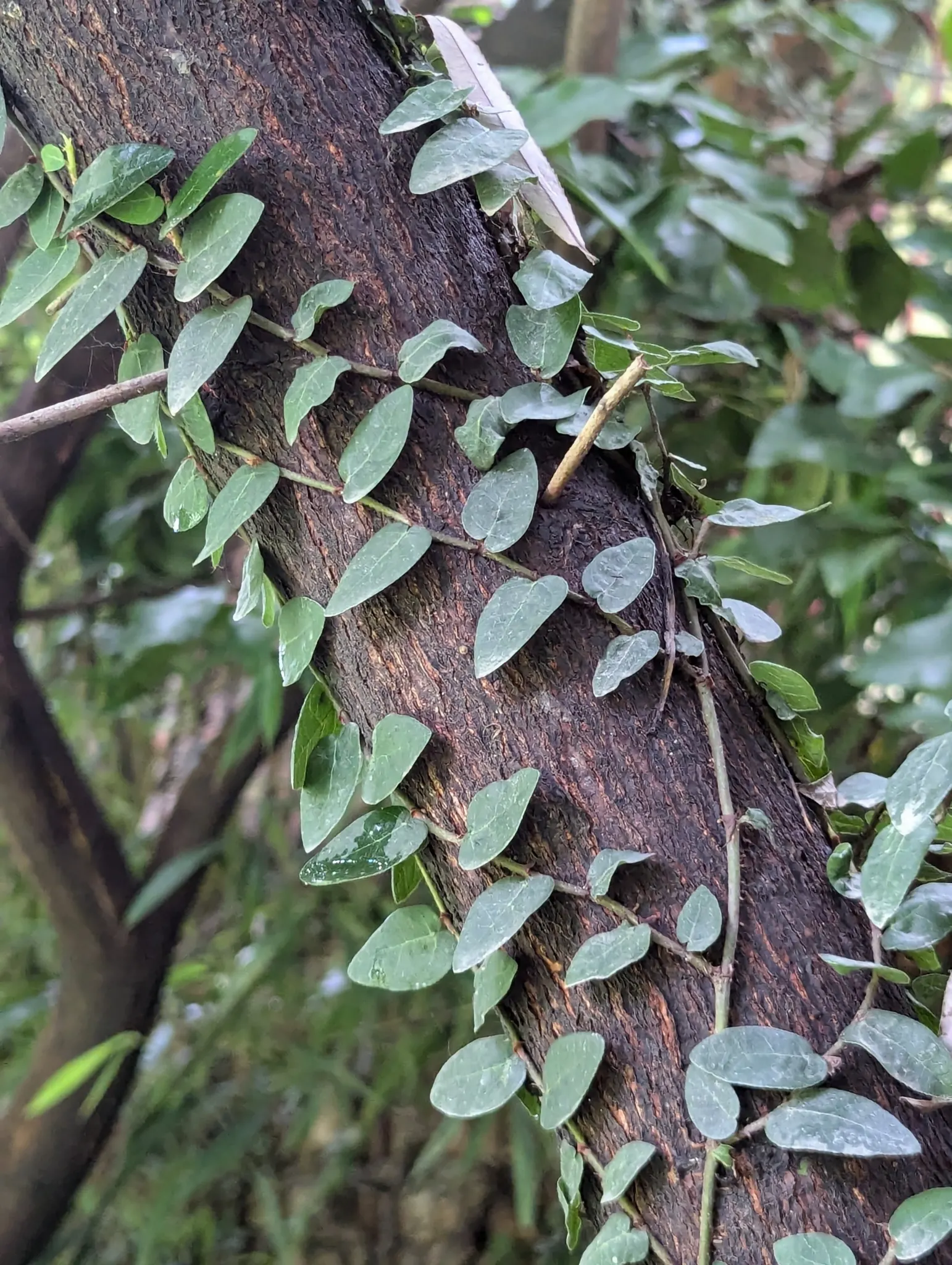
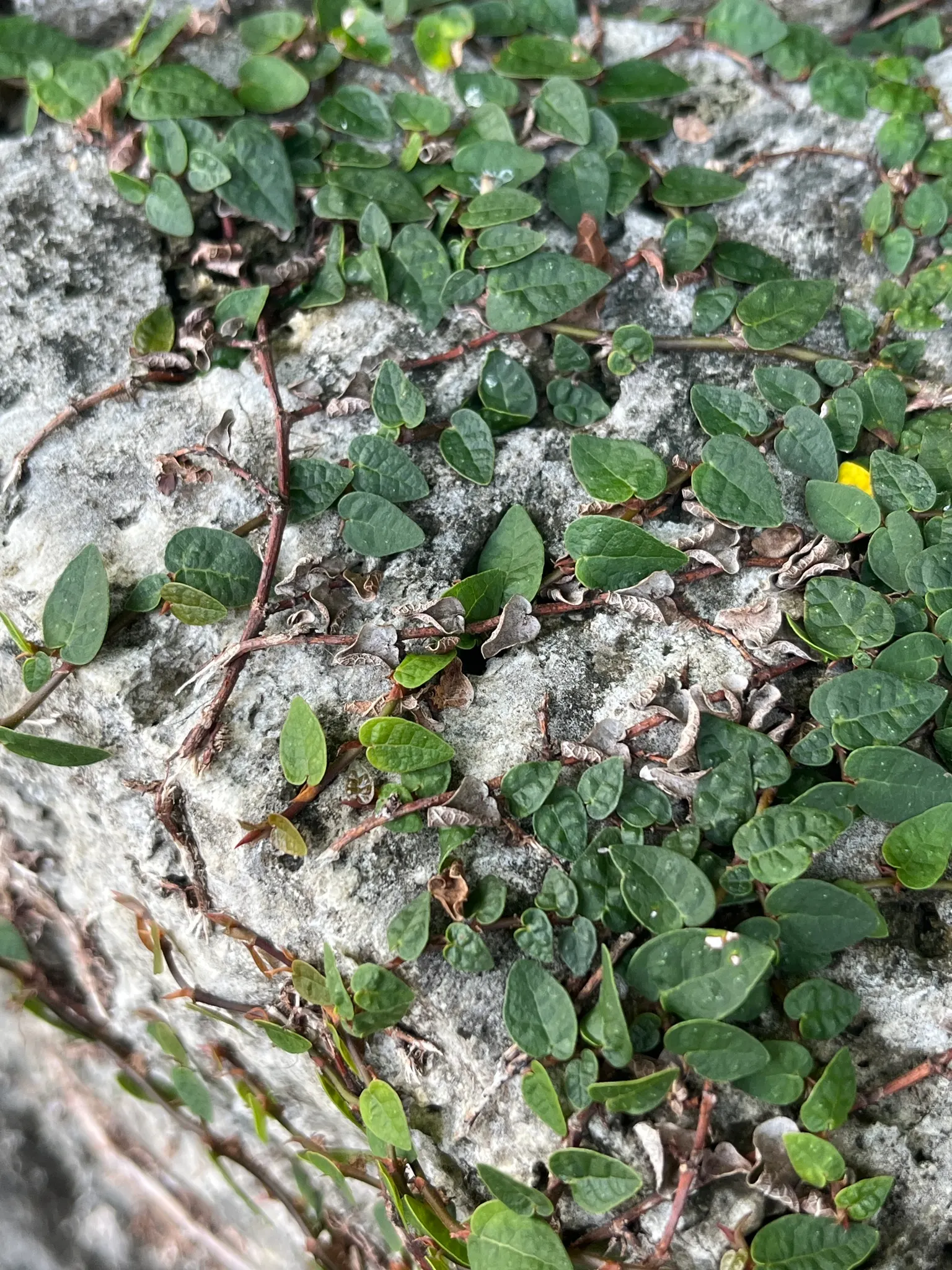
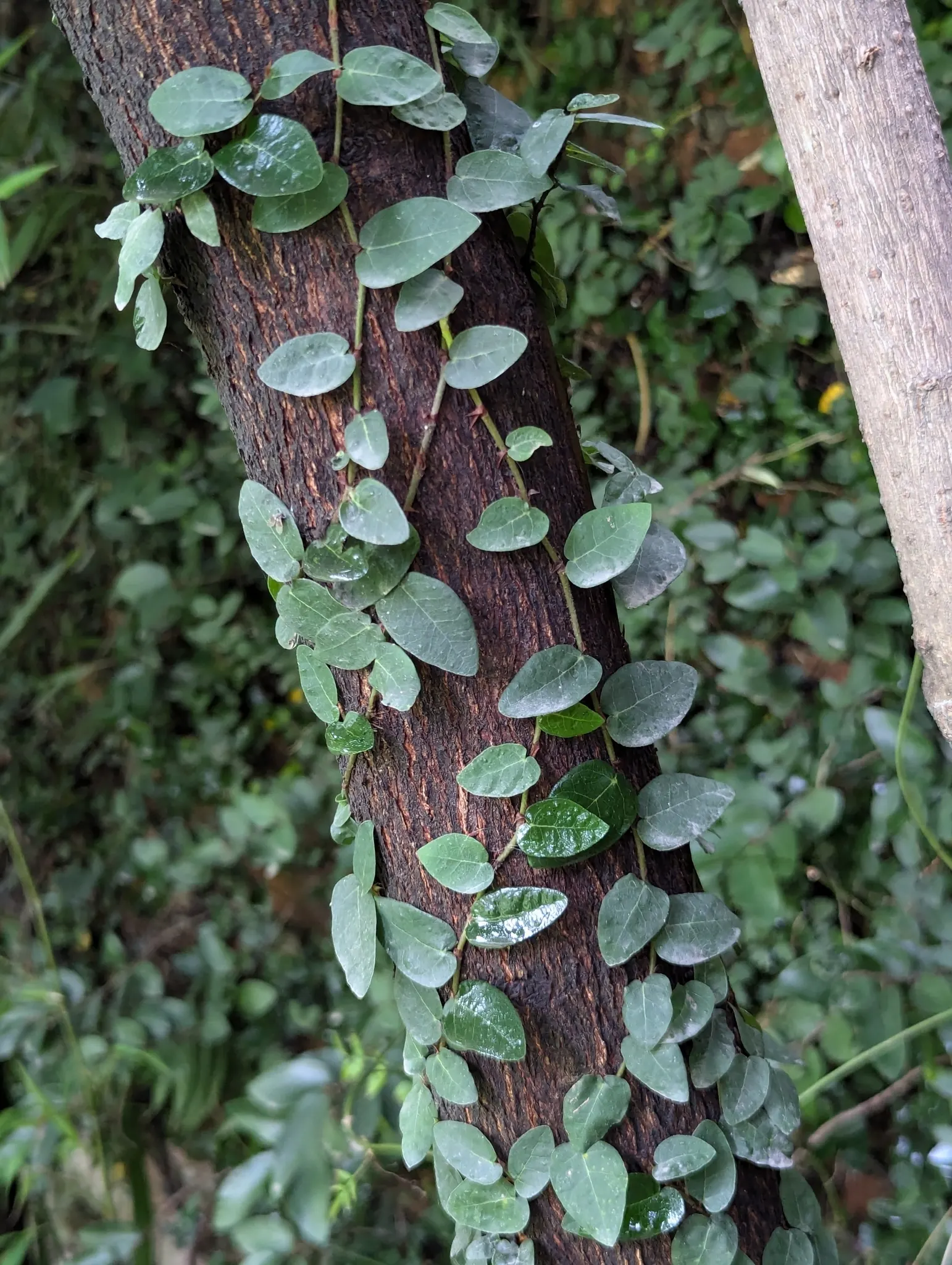
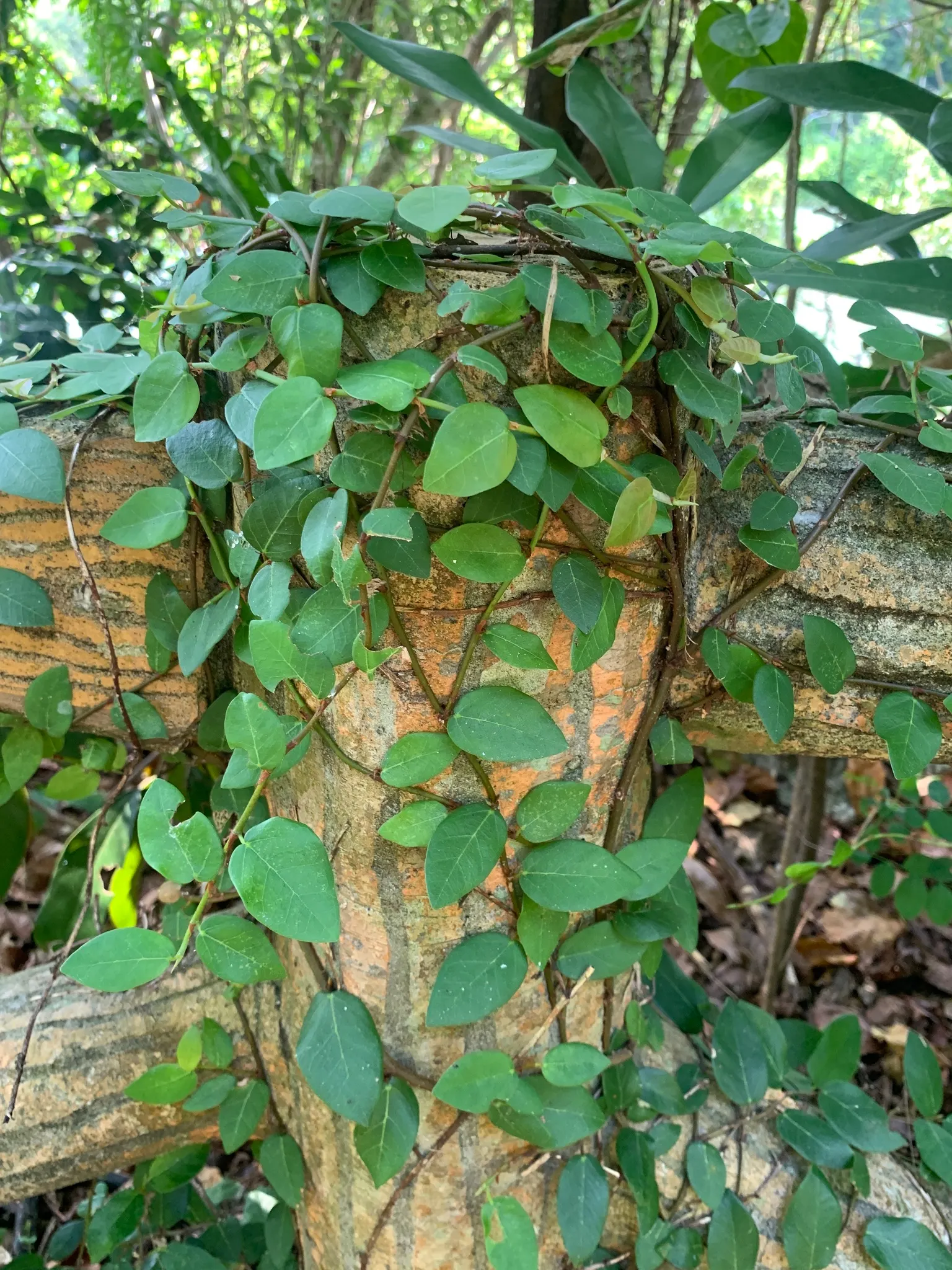
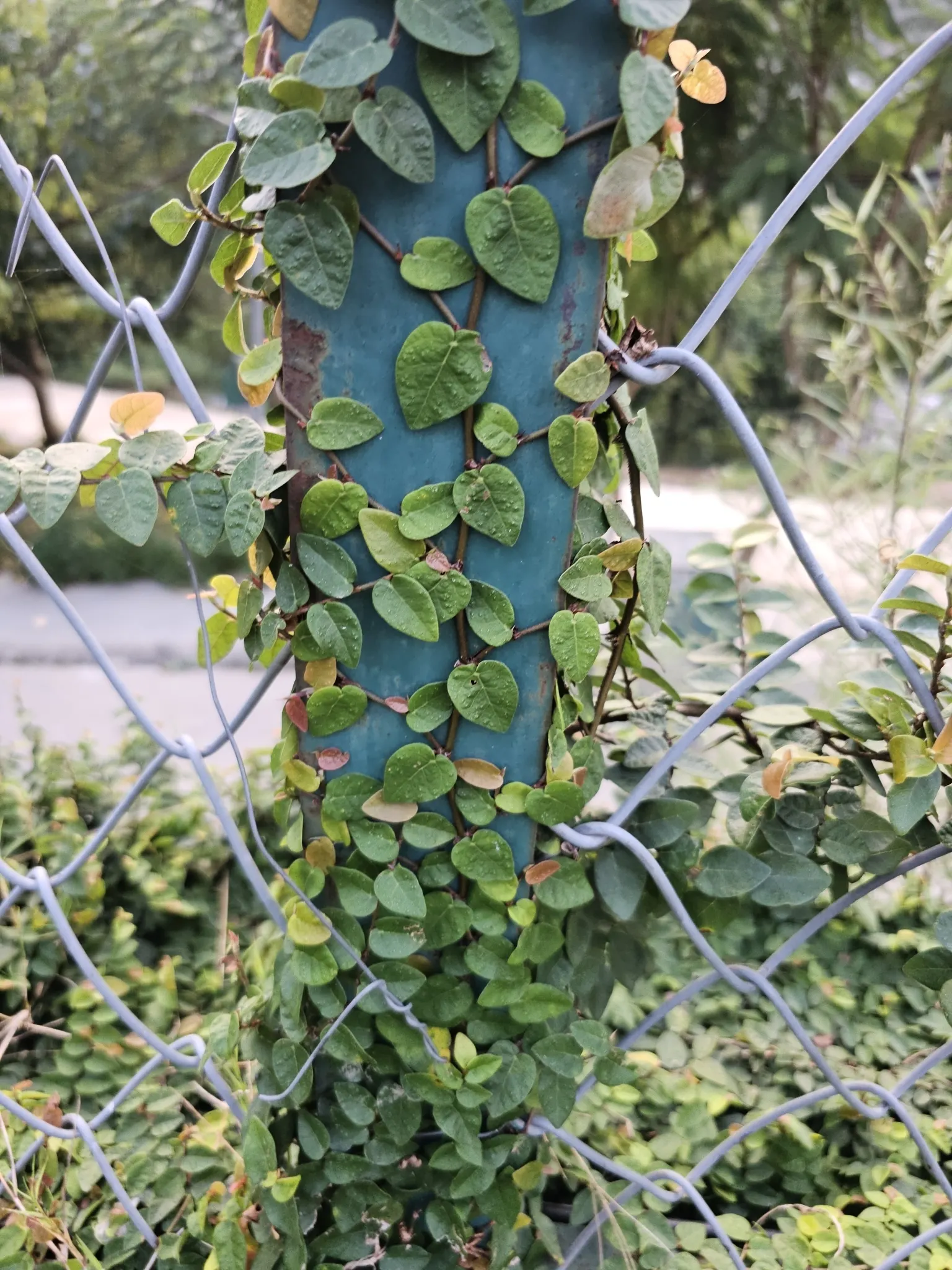
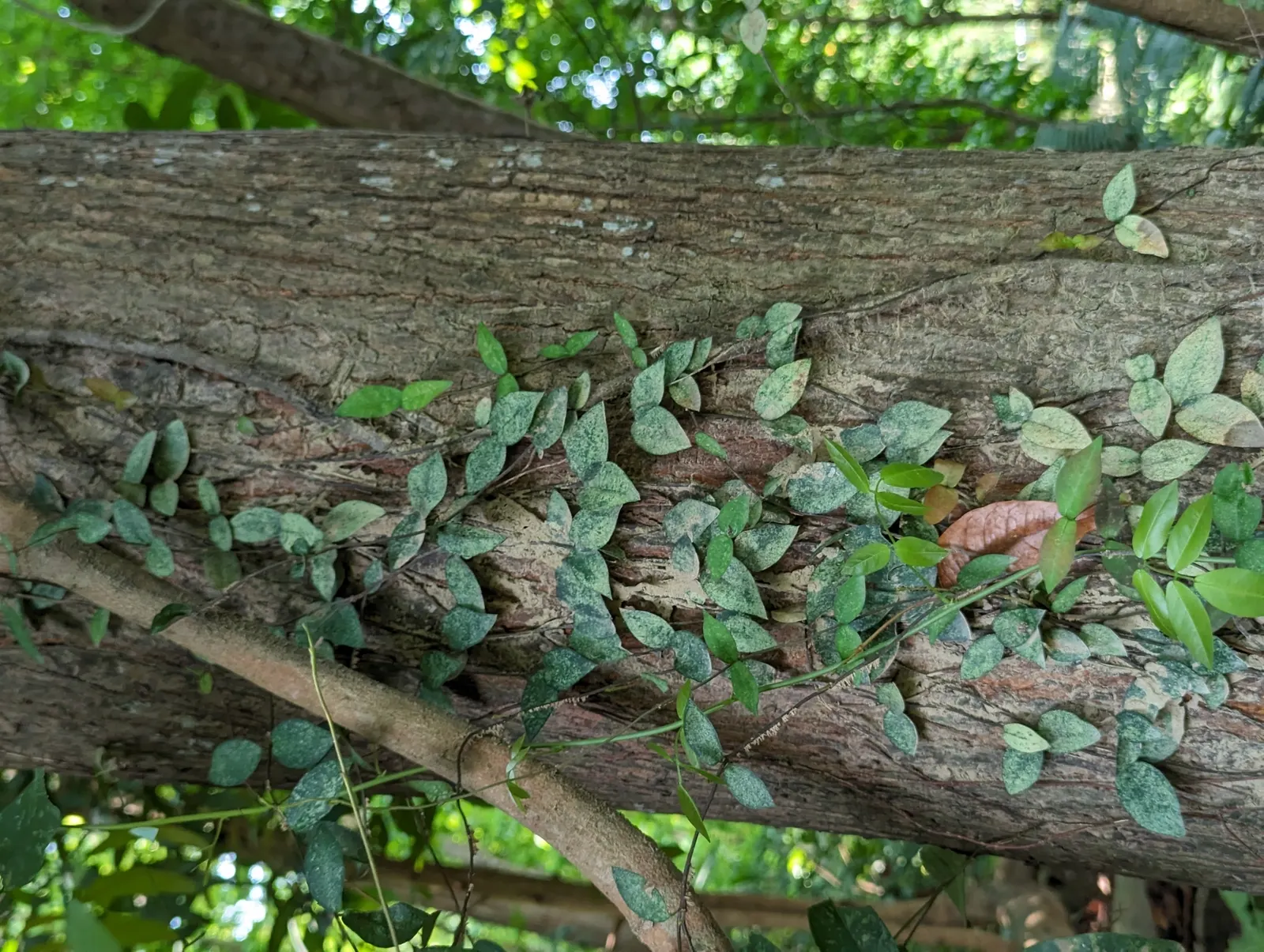
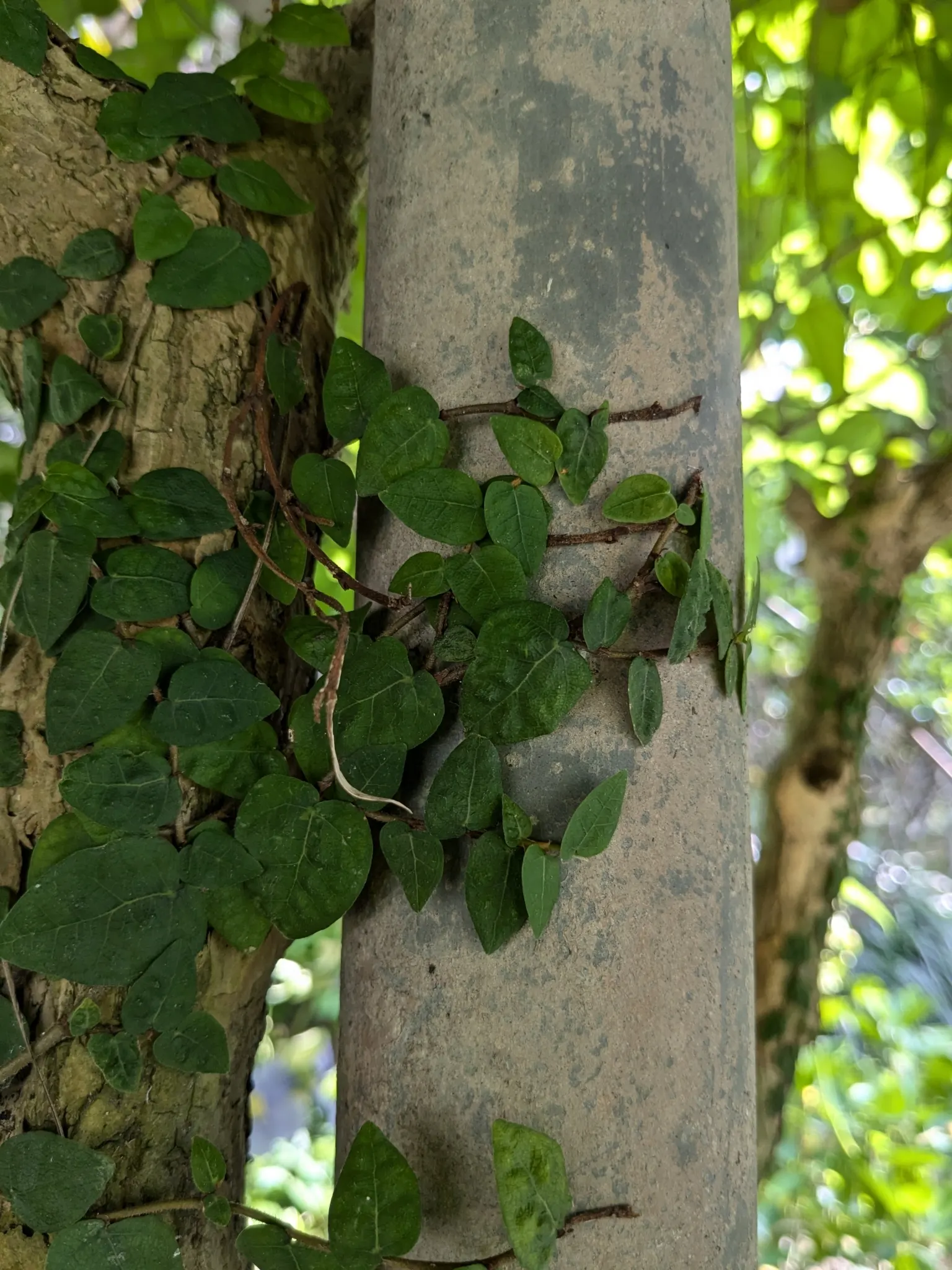
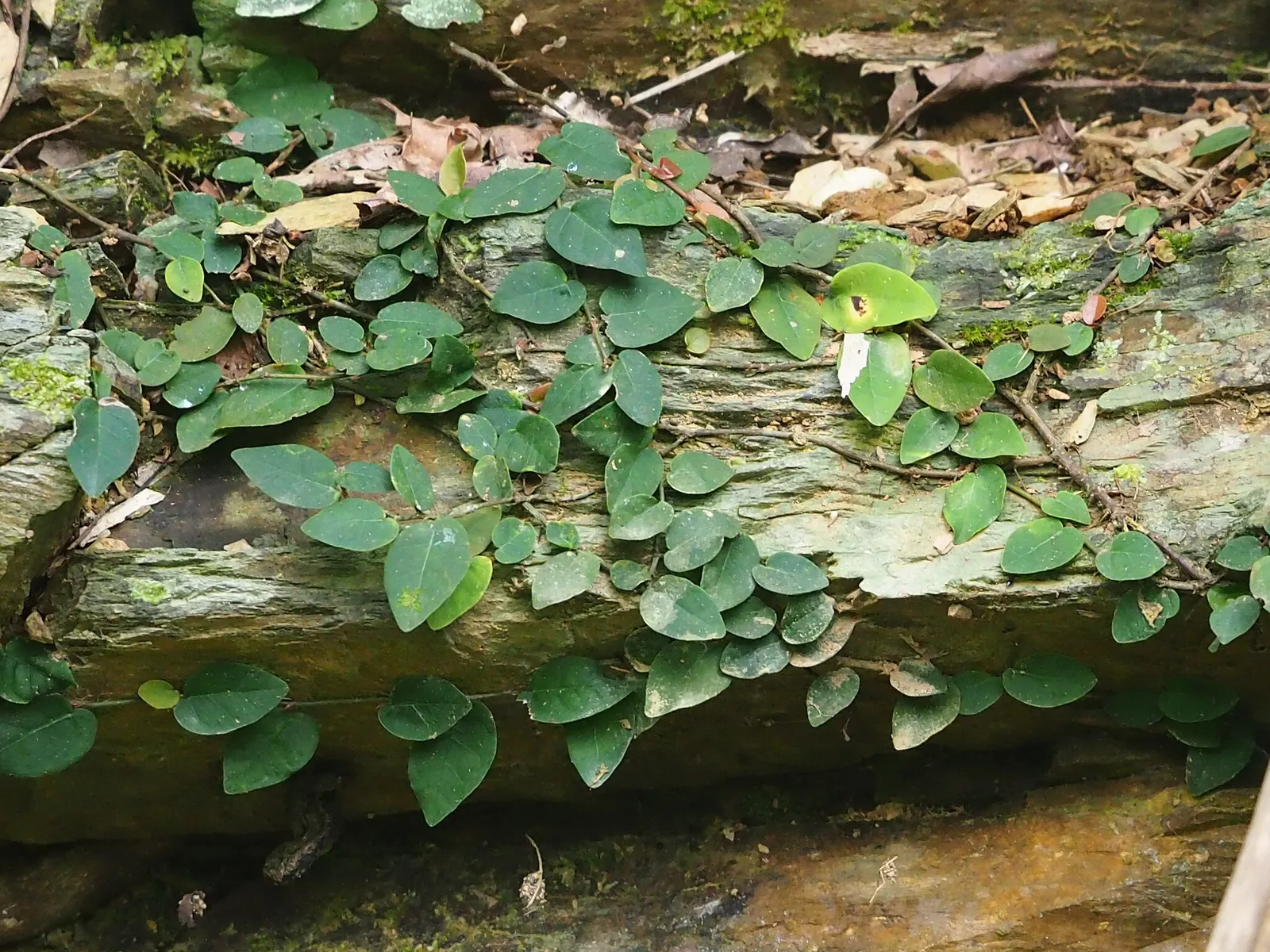
Creeping Fig, or Ficus pumila, is a vigorous, fast-growing vine, perfect for covering walls and fences. Its small, heart-shaped leaves mature to a lush green, adhering tightly to surfaces. This evergreen thrives in Zones 8-11, enjoys partial sun to shade, and requires minimal maintenance once established. Mature growth can reach 25-30 feet long and about 3 feet wide, making it ideal for creating a verdant, living tapestry in your landscape.

Sun Full, HalfWater LowZones 9–11Type VineClimate Subtropical
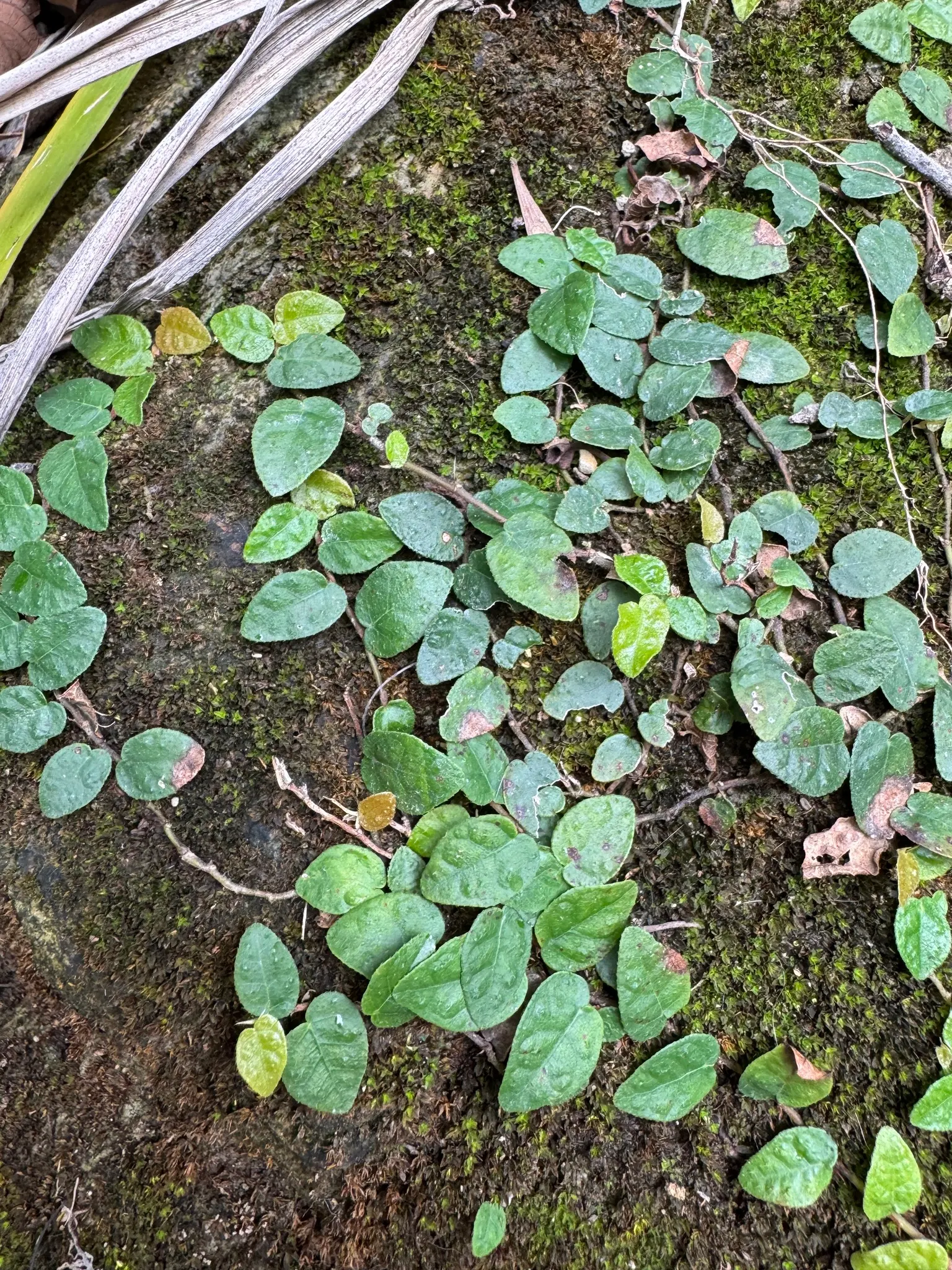
Creeping Fig (Ficus Pumila) — though it can tolerate sunnier spots once established; its petite heart-shaped leaves, image 102

Culture

Sun
Full, Half
Water
Low
USDA zones
9–11

Shape & size

Classification

Type
Vine
Family
Moraceae
Climate
Subtropical

See full data, regional cultivation notes, and design tools. Build a client presentation around this plant.

Start your 14-day trial

Photos (132)

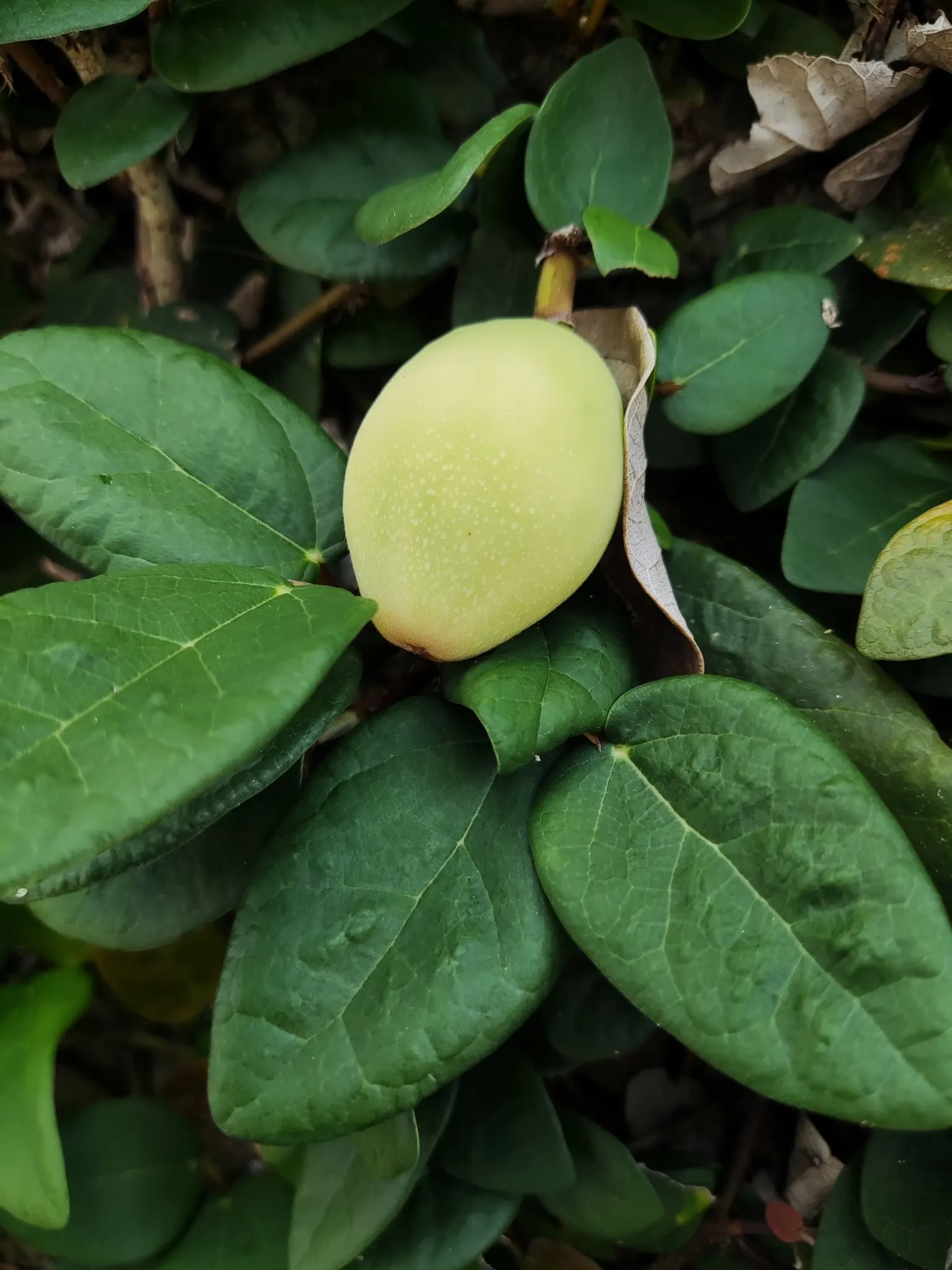
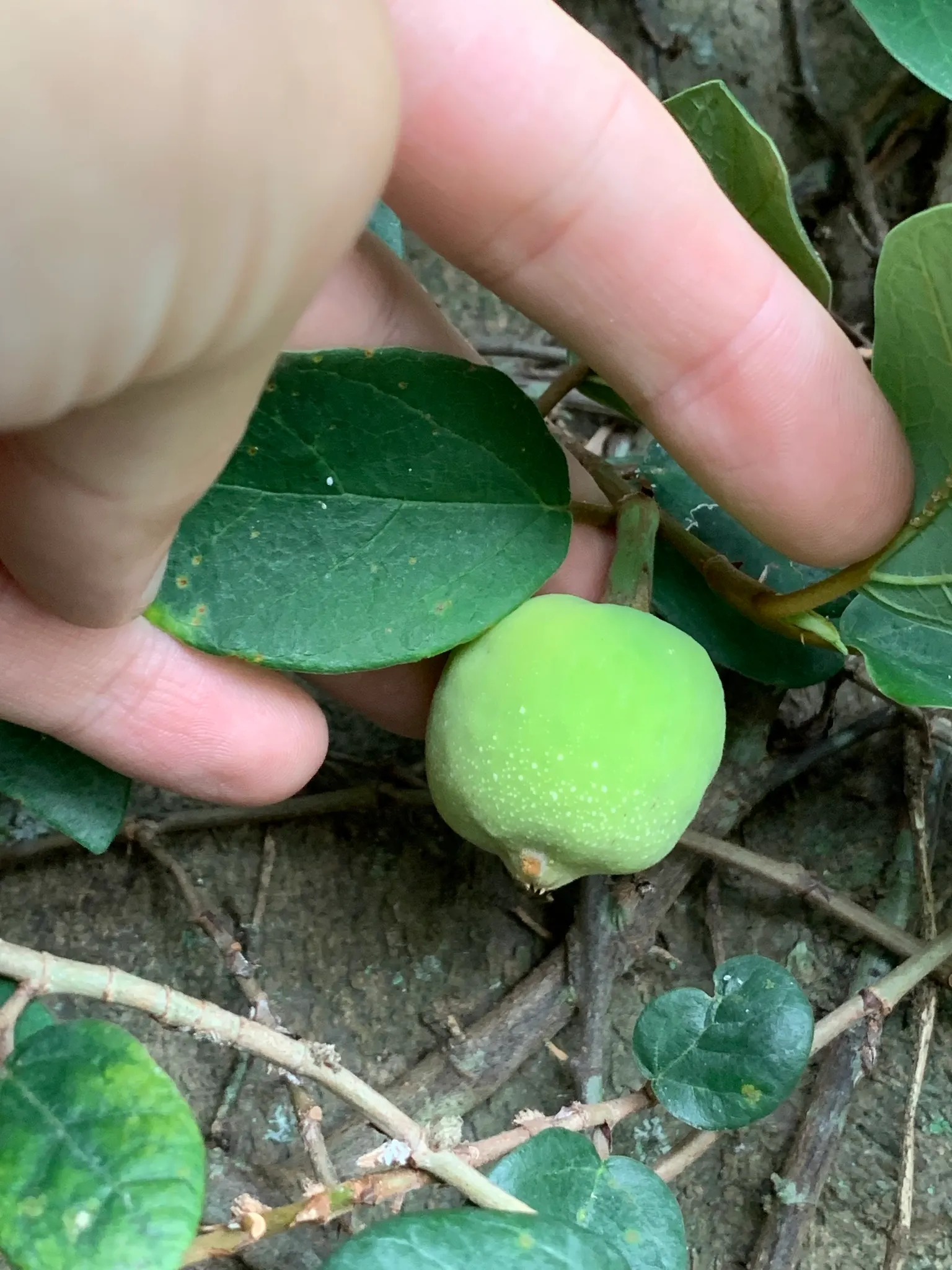
Creeping Fig (Ficus Pumila) — making it ideal for creating a verdant; though it can tolerate sunnier spots once established
Creeping Fig (Ficus Pumila) — note that Creeping Fig needs regular trimming to maintain its shape and prevent overgrowth; enjoys partial sun to, image 105
Creeping Fig (Ficus Pumila) — and requires minimal maintenance once established
Creeping Fig (Ficus Pumila) — typically around 1 inch in length; making it both an aesthetic and functional addition to any landscape design, image 68
Creeping Fig (Ficus Pumila) — understanding the growth patterns of Ficus pumila is crucial; making it both an aesthetic and functional addition to, image 72
Creeping Fig (Ficus Pumila) — though it can tolerate sunnier spots once established; its petite heart-shaped leaves, image 74
Creeping Fig (Ficus Pumila) — Ficus pumila does require a well-draining soil to prevent root rot.<br><br>When informing the client; making it both, image 76
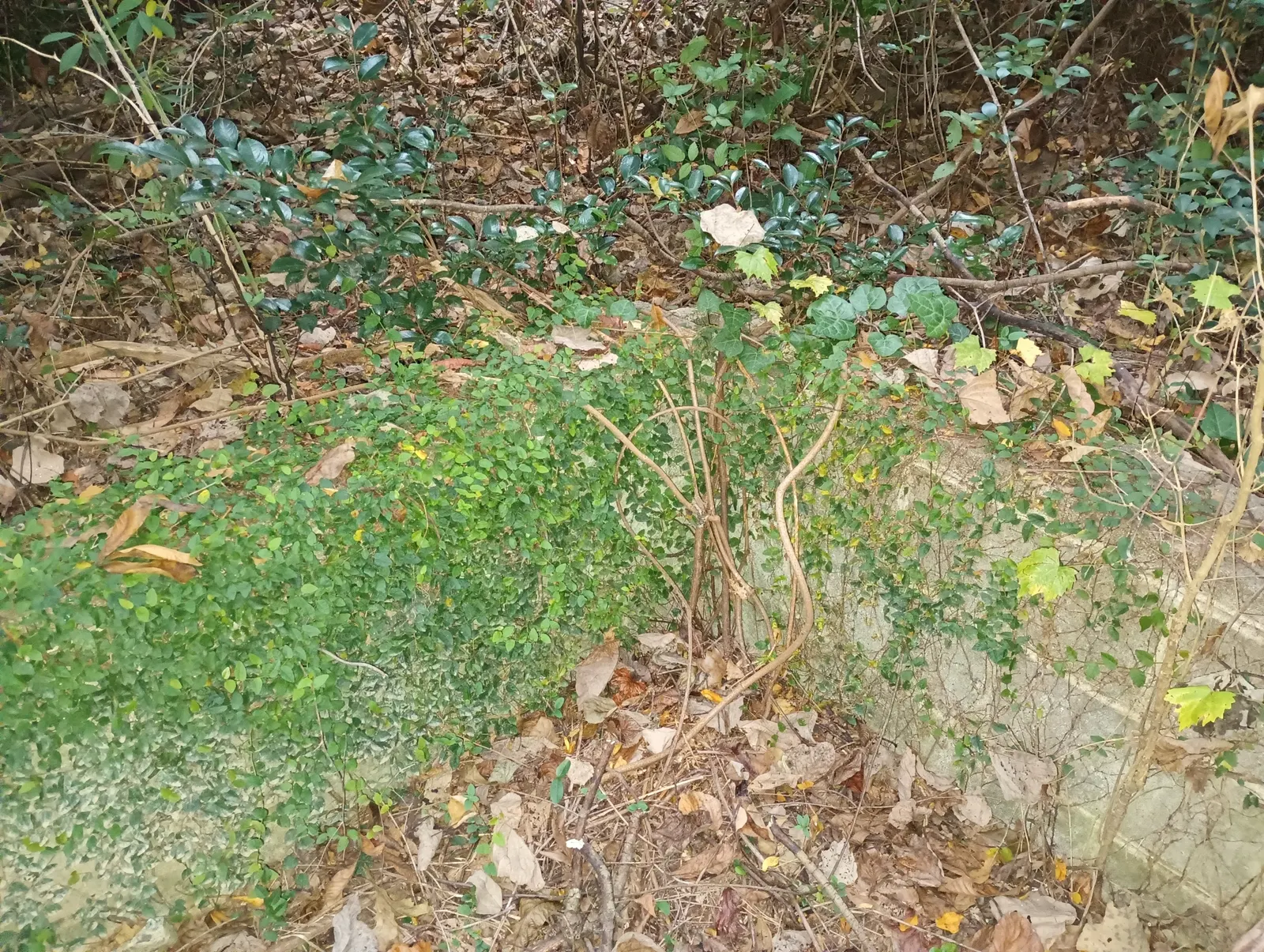
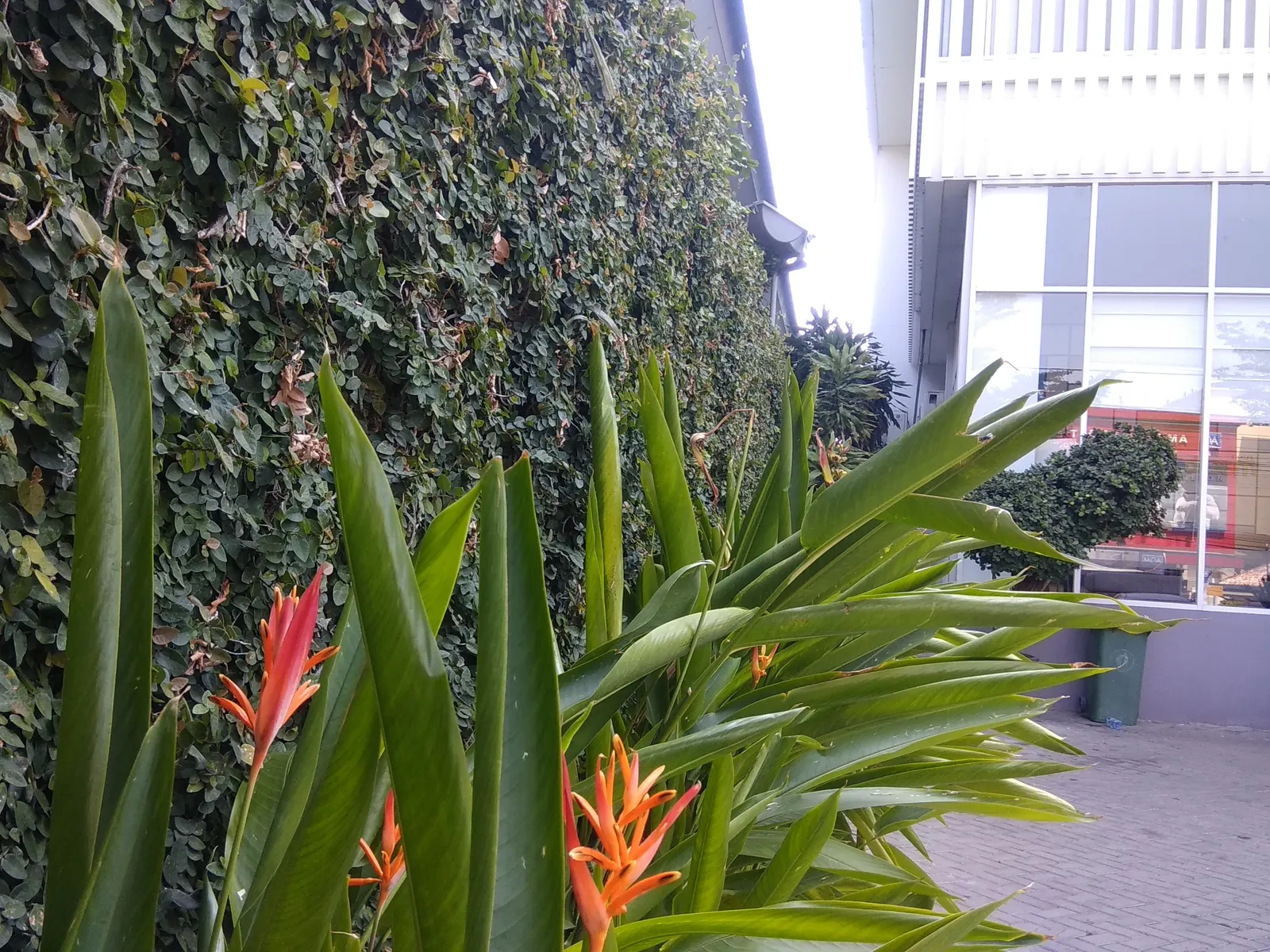
Creeping Fig (Ficus Pumila) — This vine is ideal for creating a green fa√ßade or covering unattractive fences
Creeping Fig (Ficus Pumila) — It flourishes in USDA hardiness zones 8 through 11 and prefers full to partial shade; enjoys partial sun to shade, image 101
Creeping Fig (Ficus Pumila) — typically around 1 inch in length
Creeping Fig (Ficus Pumila) — and requires minimal maintenance once established; enjoys partial sun to shade, image 89
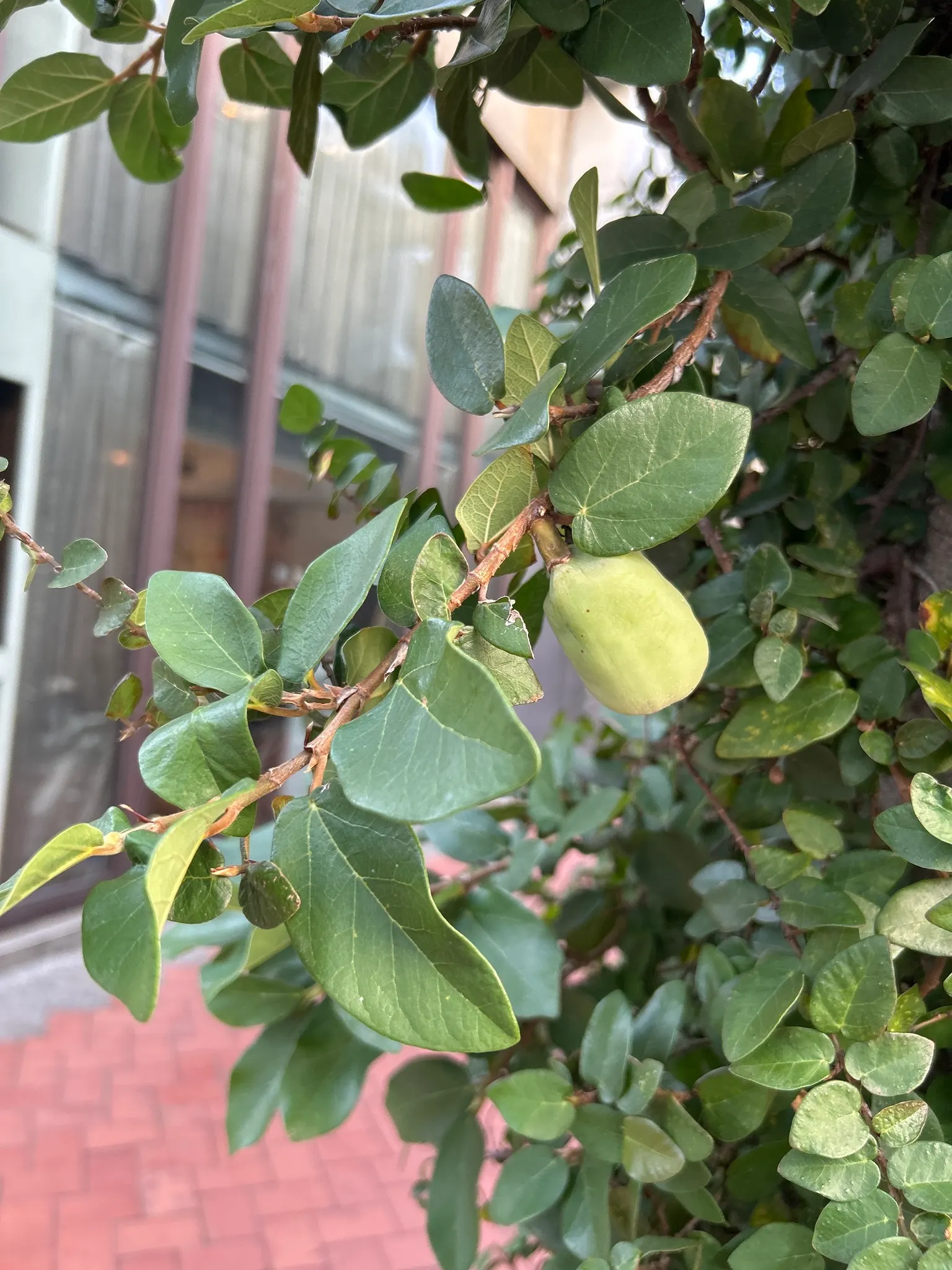
Creeping Fig (Ficus Pumila) — Its petite heart-shaped leaves; though it can tolerate sunnier spots once established, image 95
Creeping Fig (Ficus Pumila) — Mature growth can reach 25-30 feet long and about 3 feet wide; its petite heart-shaped leaves
Creeping Fig (Ficus Pumila) — note that Creeping Fig needs regular trimming to maintain its shape and prevent overgrowth
Creeping Fig (Ficus Pumila) — especially near building foundations or gutters; its petite heart-shaped leaves, image 106
Creeping Fig (Ficus Pumila) — note that Creeping Fig needs regular trimming to maintain its shape and prevent overgrowth; enjoys partial sun to, image 77
Creeping Fig (Ficus Pumila) — fast-growing vine with a penchant for creating lush green tapestries over garden features
Creeping Fig (Ficus Pumila) — understanding the growth patterns of Ficus pumila is crucial; making it both an aesthetic and functional addition to any
Creeping Fig (Ficus Pumila) — vine for full or half; making it both an aesthetic and functional addition to any landscape design, image 84
Creeping Fig (Ficus Pumila) — Its small, heart-shaped leaves mature to a lush green, adhering tightly to surfaces; its petite heart-shaped leaves
Creeping Fig (Ficus Pumila) — Its small, heart-shaped leaves mature to a lush green, adhering tightly to surfaces; its petite heart-shaped leaves, image 58
Creeping Fig (Ficus Pumila) — fast-growing vine with a penchant for creating lush green tapestries over garden features; its petite heart-shaped leaves
Creeping Fig (Ficus Pumila) — vine for full or half; making it both an aesthetic and functional addition to any landscape design, image 112
Creeping Fig (Ficus Pumila) — making it both an aesthetic and functional addition to any landscape design
Photographs by 15 contributors

Related plants