Skip to content

Weeping Fig

Ficus Benjamina

Design with this plant

Overview

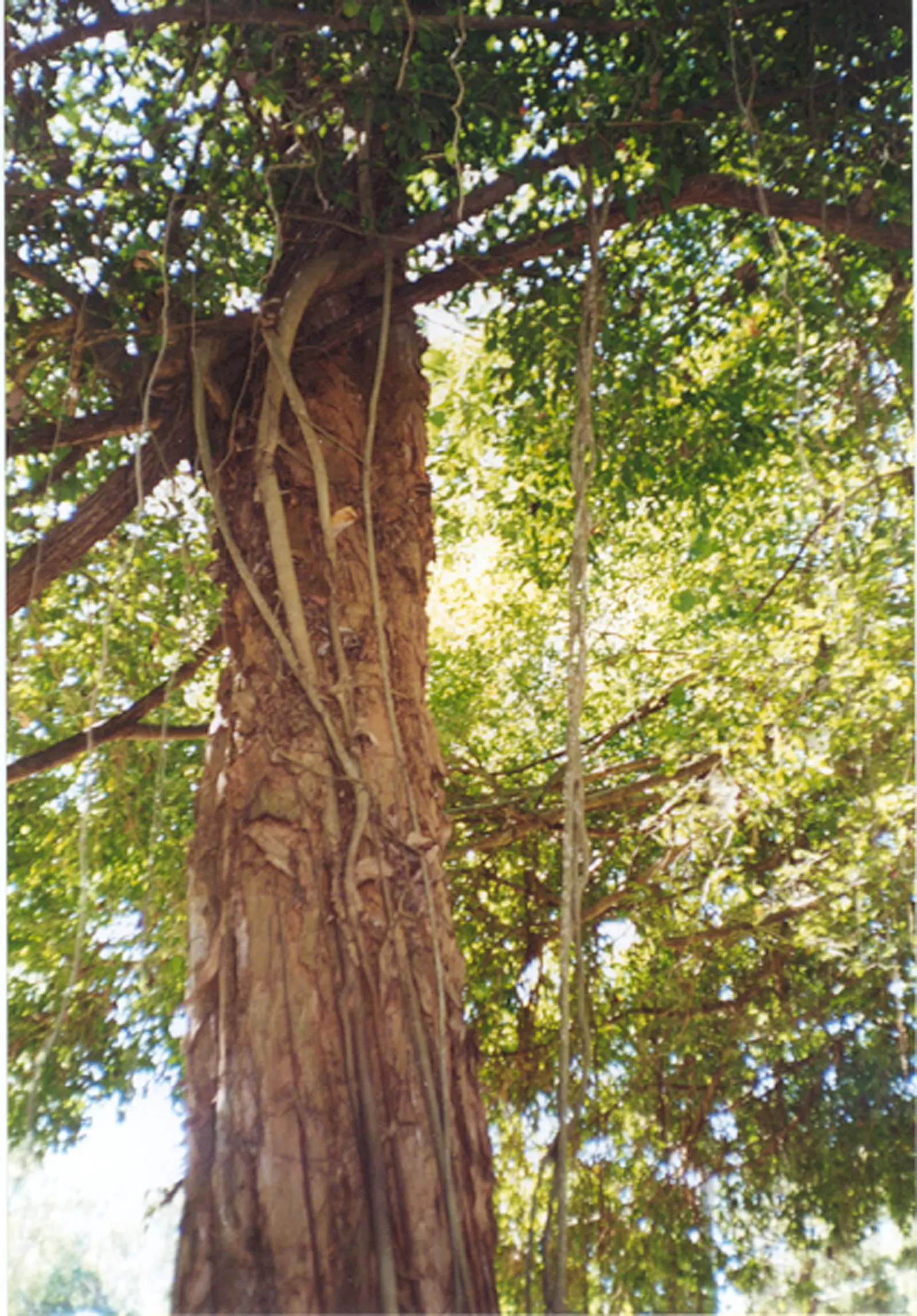
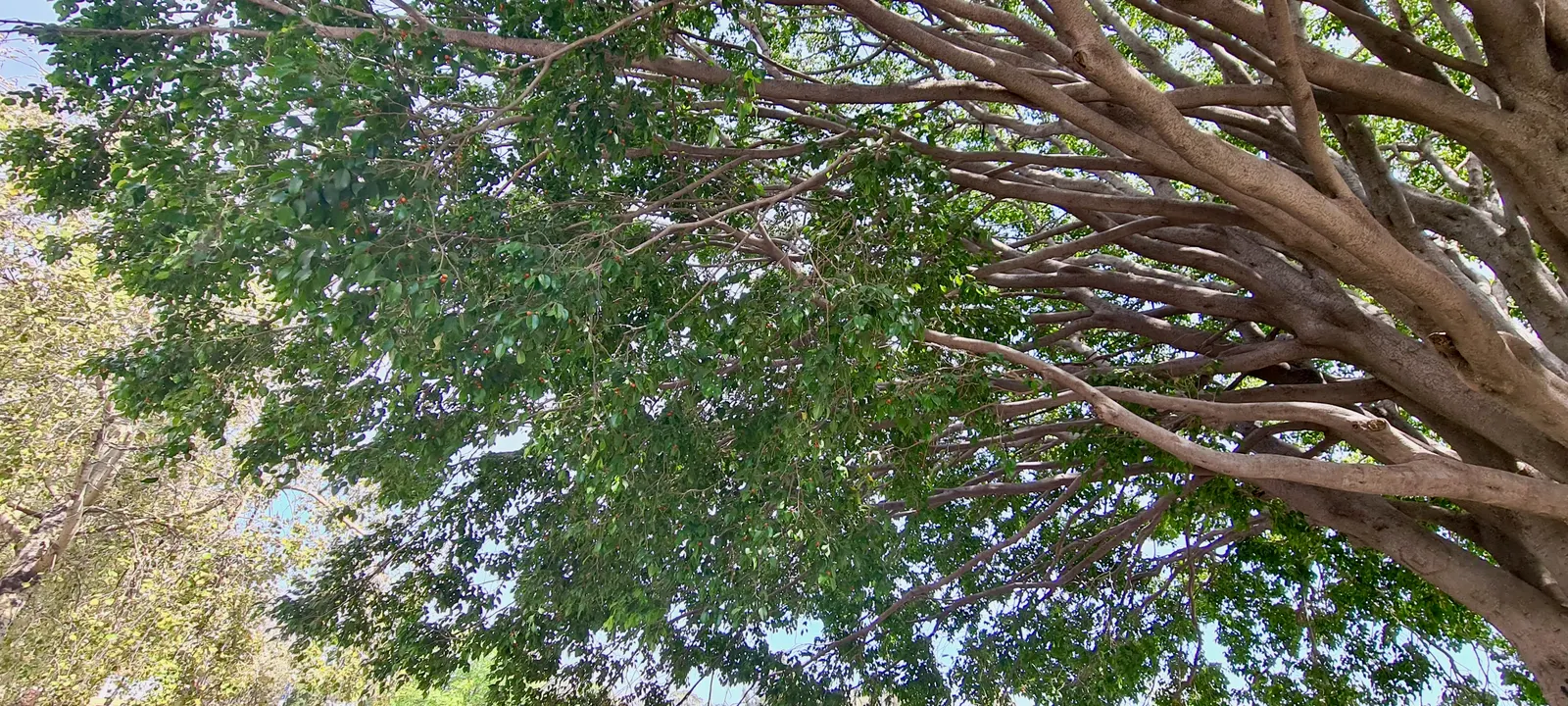
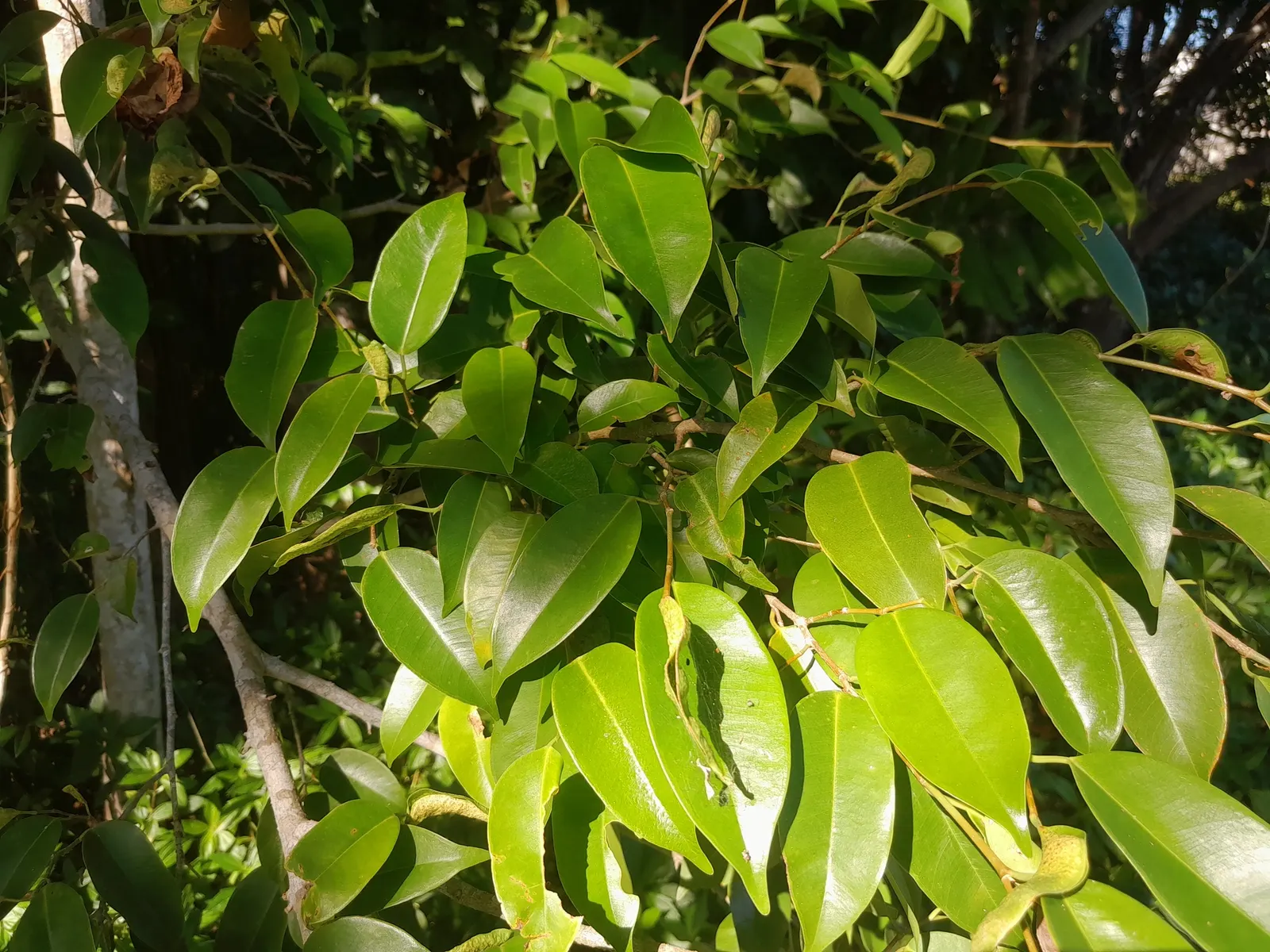
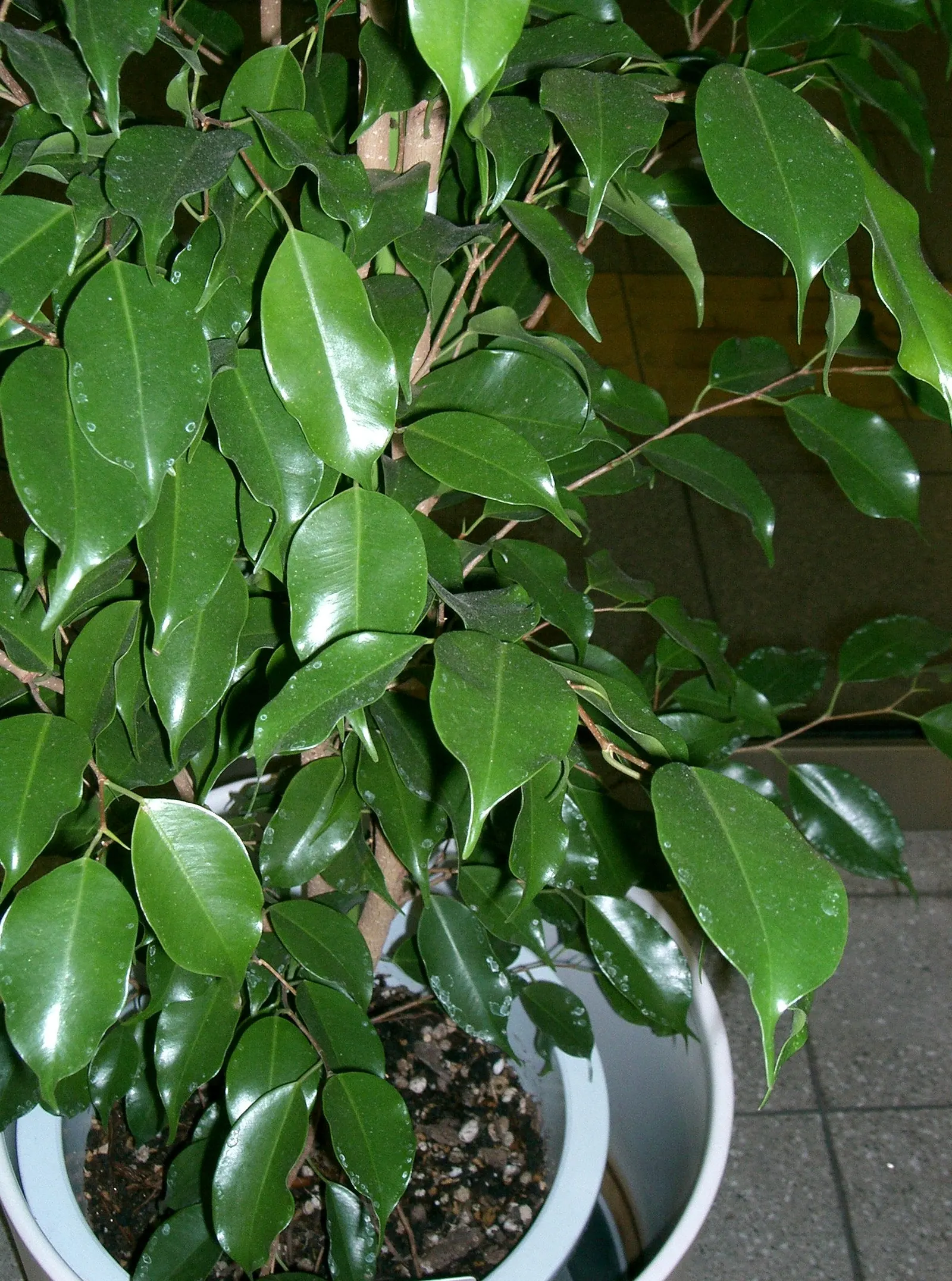
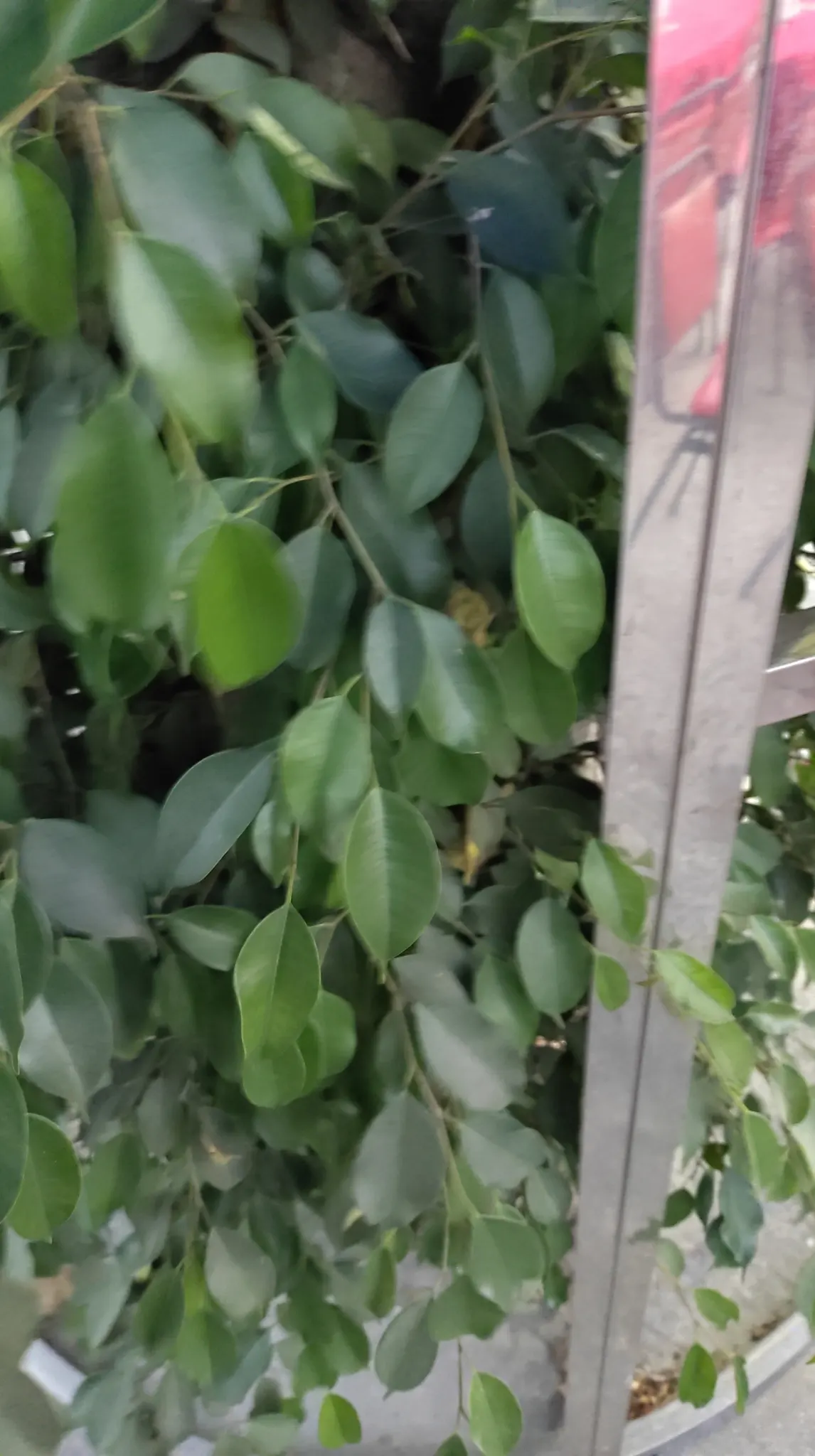
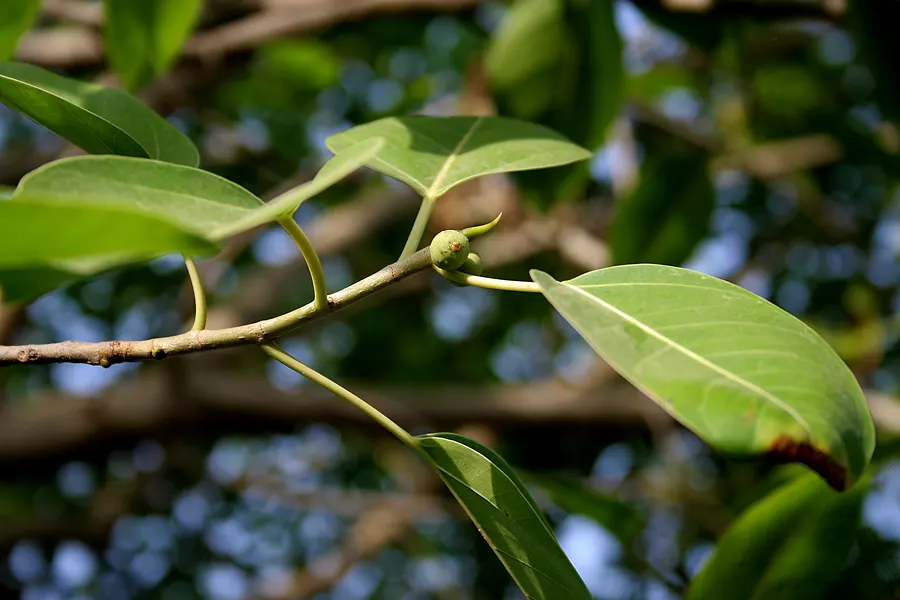
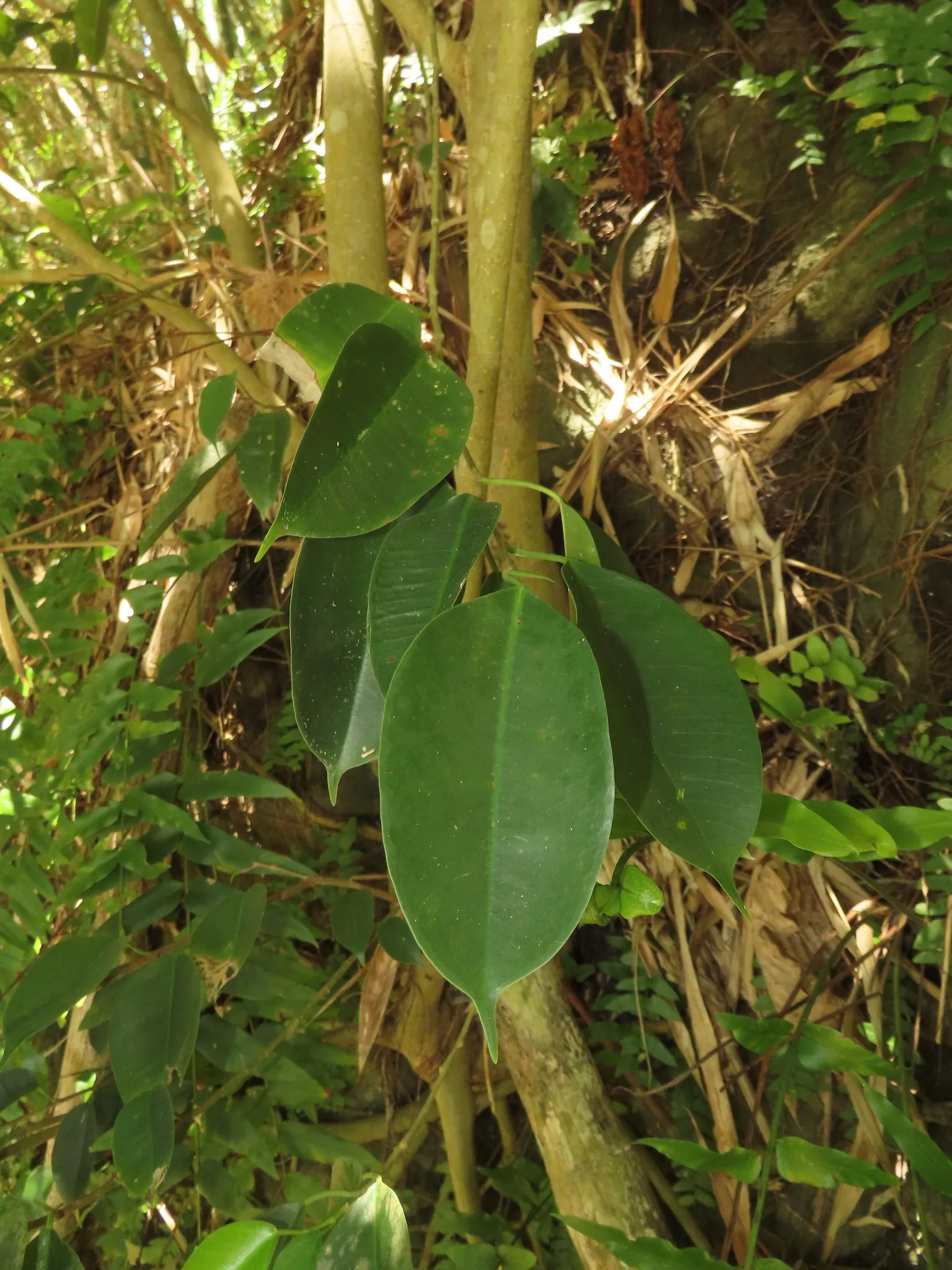
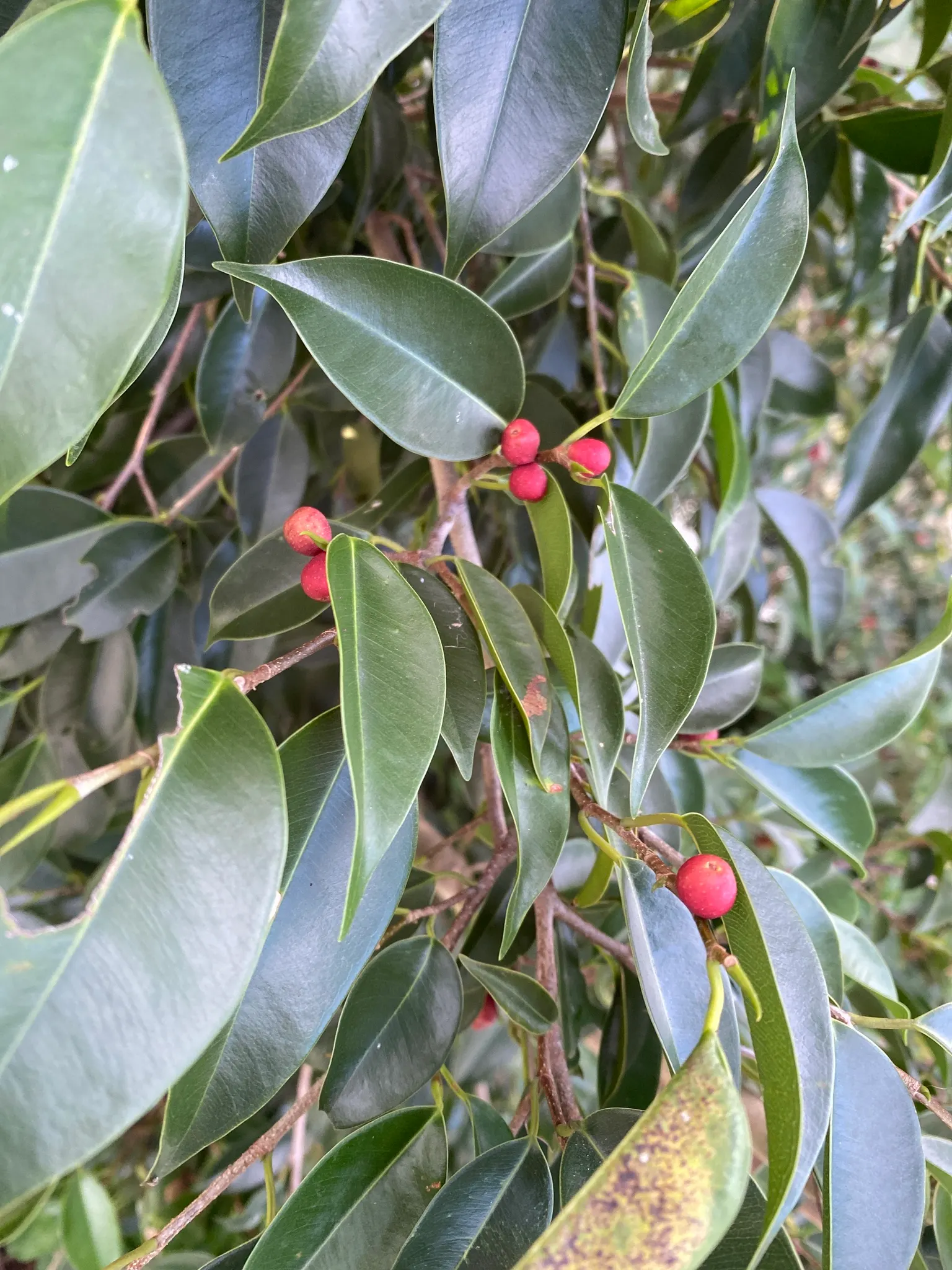
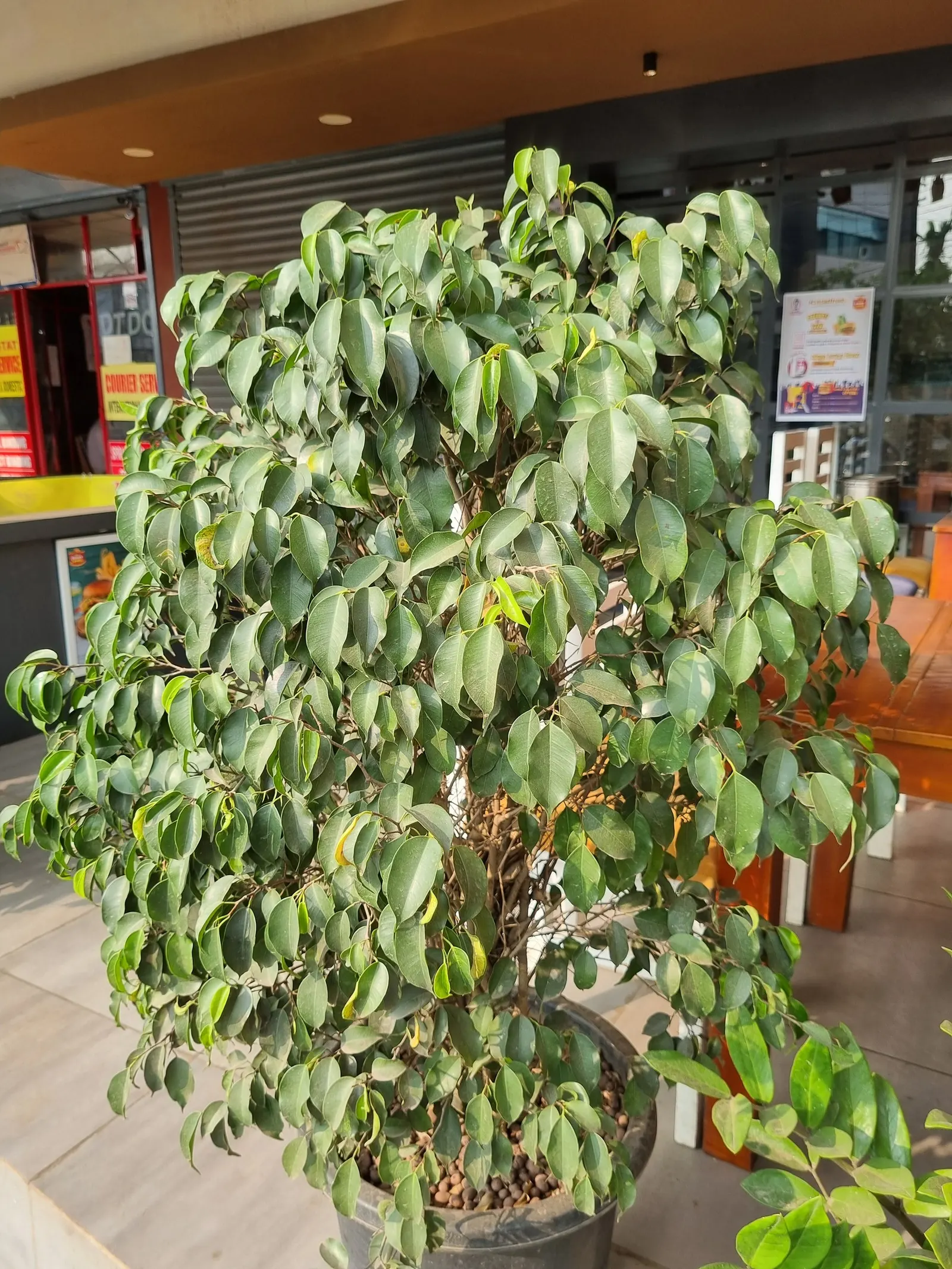
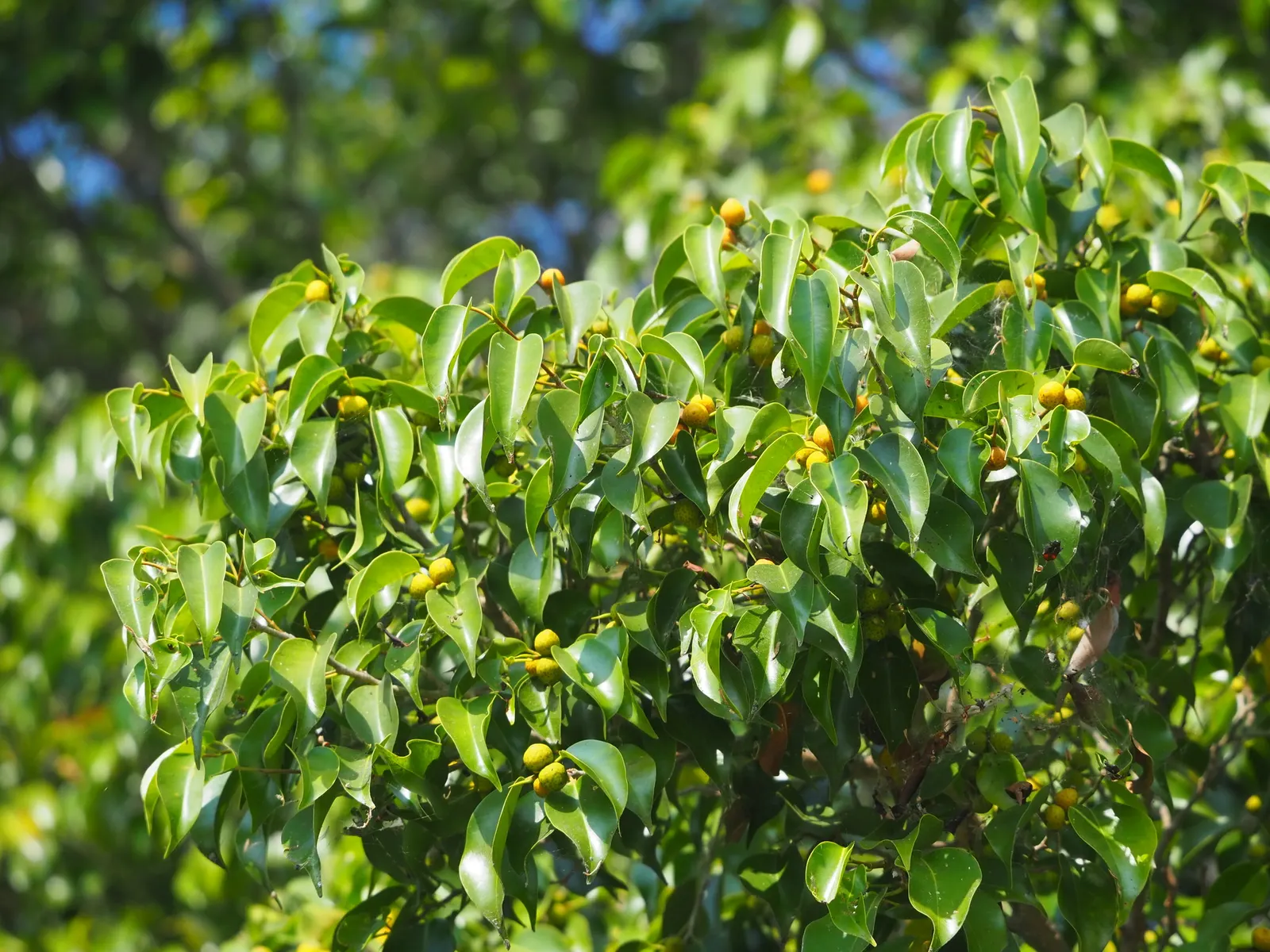
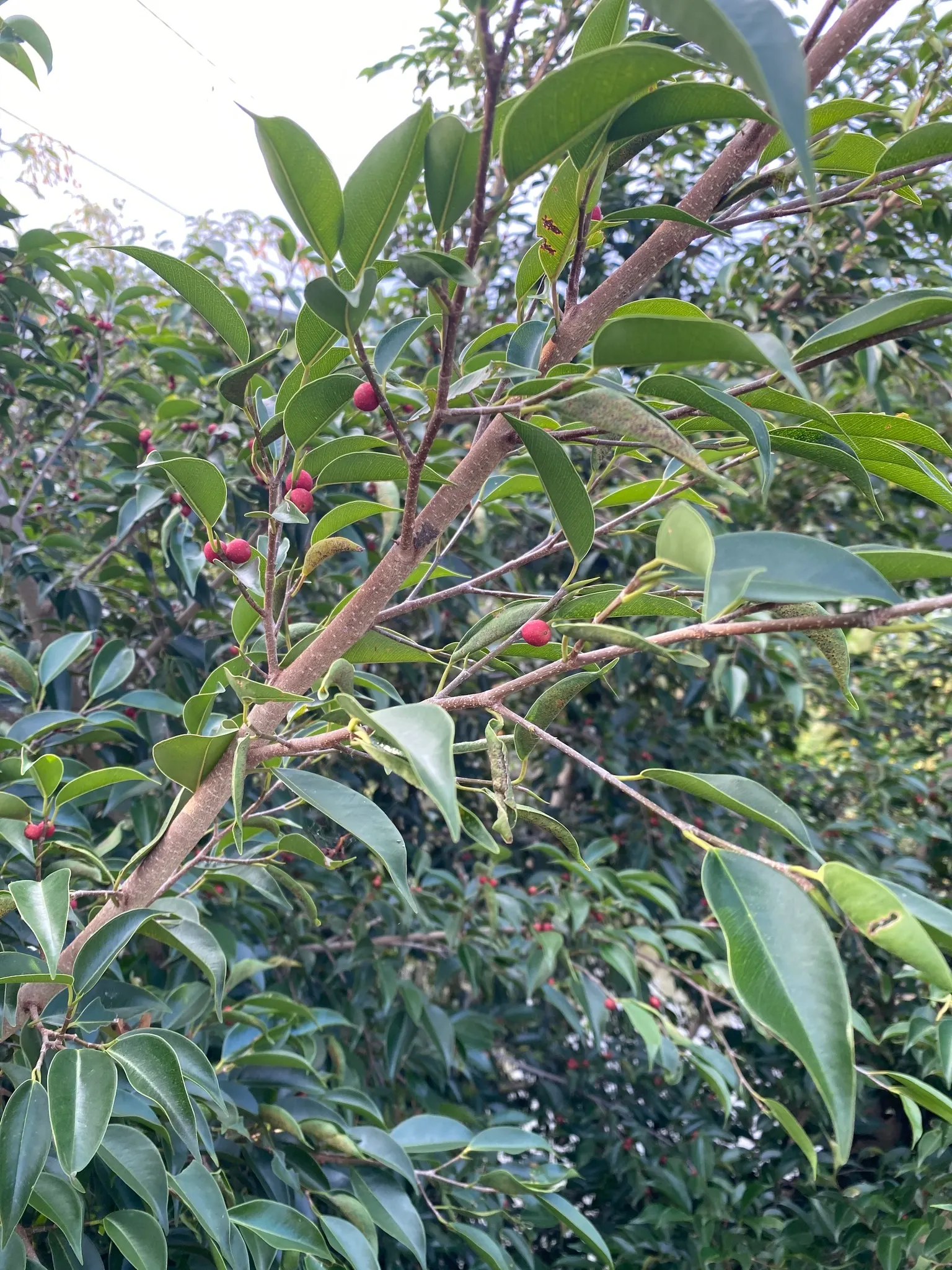
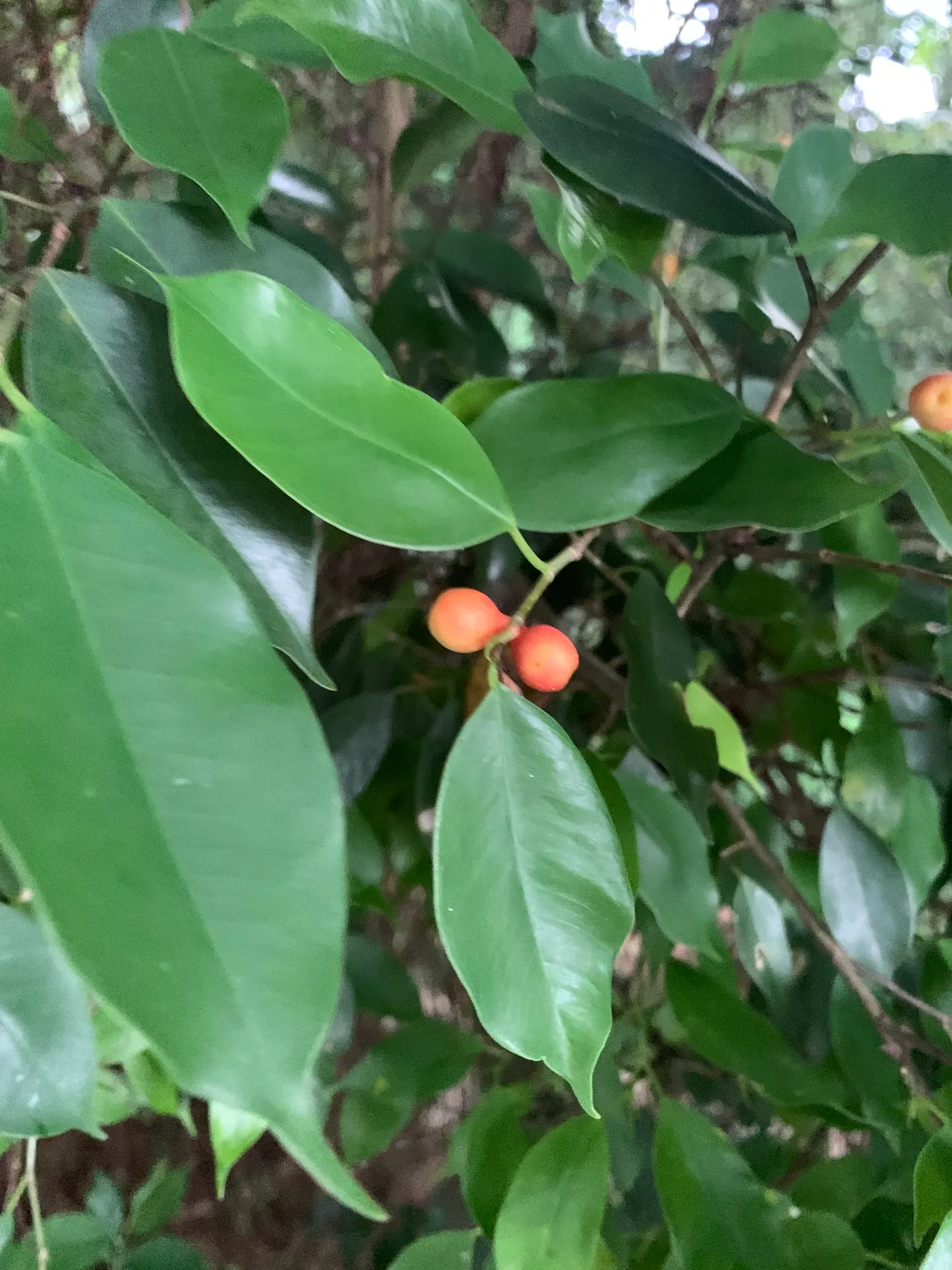
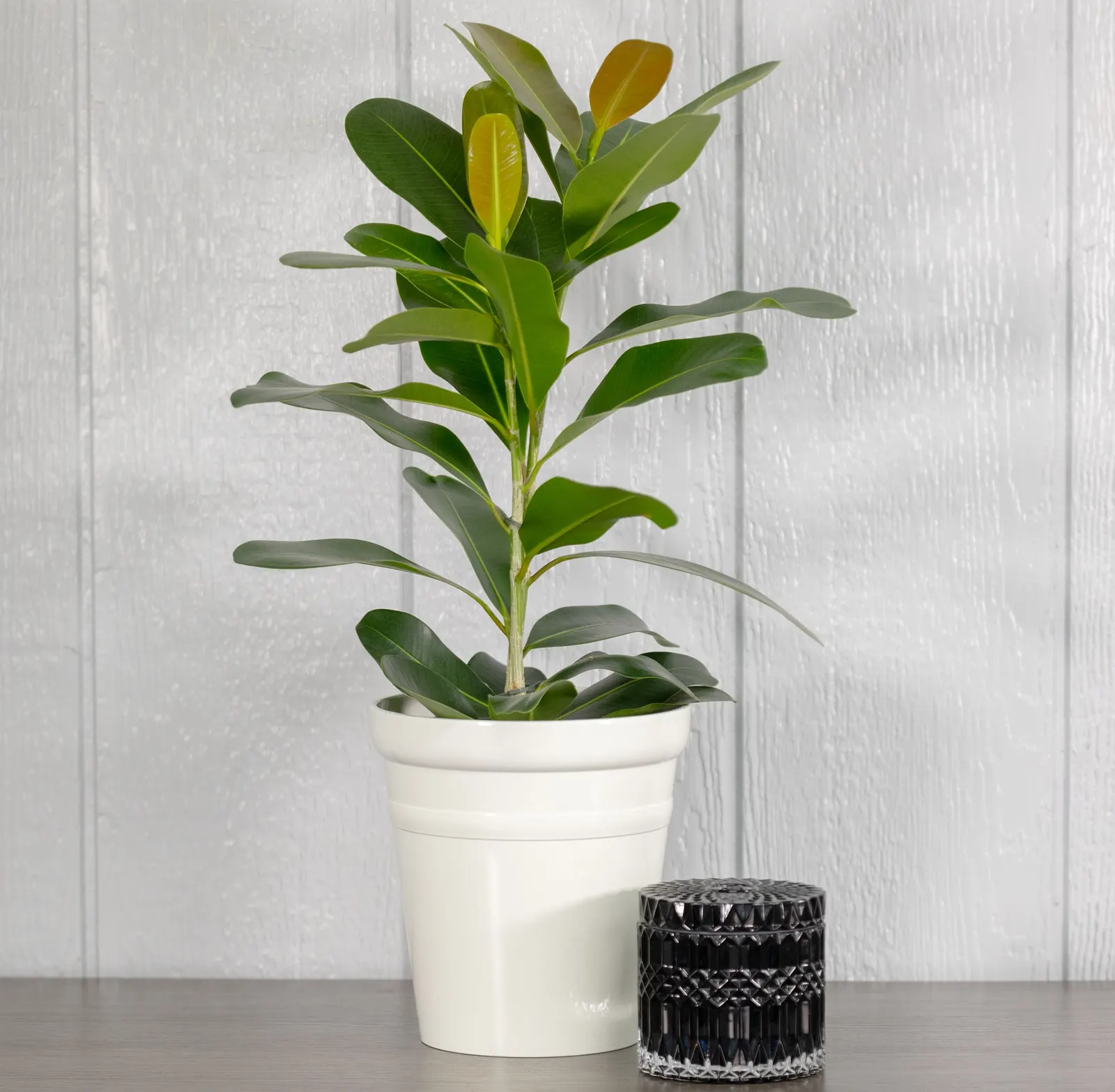
The Weeping Fig (Ficus benjamina) is an elegant, evergreen tree known for its lush, glossy leaves and gracefully drooping branches. Ideal for indoor or sheltered outdoor use, it thrives in bright, indirect light and moderate humidity, reaching heights of 3-6 feet indoors. Requires well-drained soil and periodic pruning to maintain shape. Overwatering or cold drafts can lead to leaf drop. Use as a focal point for tranquility in landscape designs.

Sun Full, HalfWater HighZones 9–11Type TreeClimate Subtropical
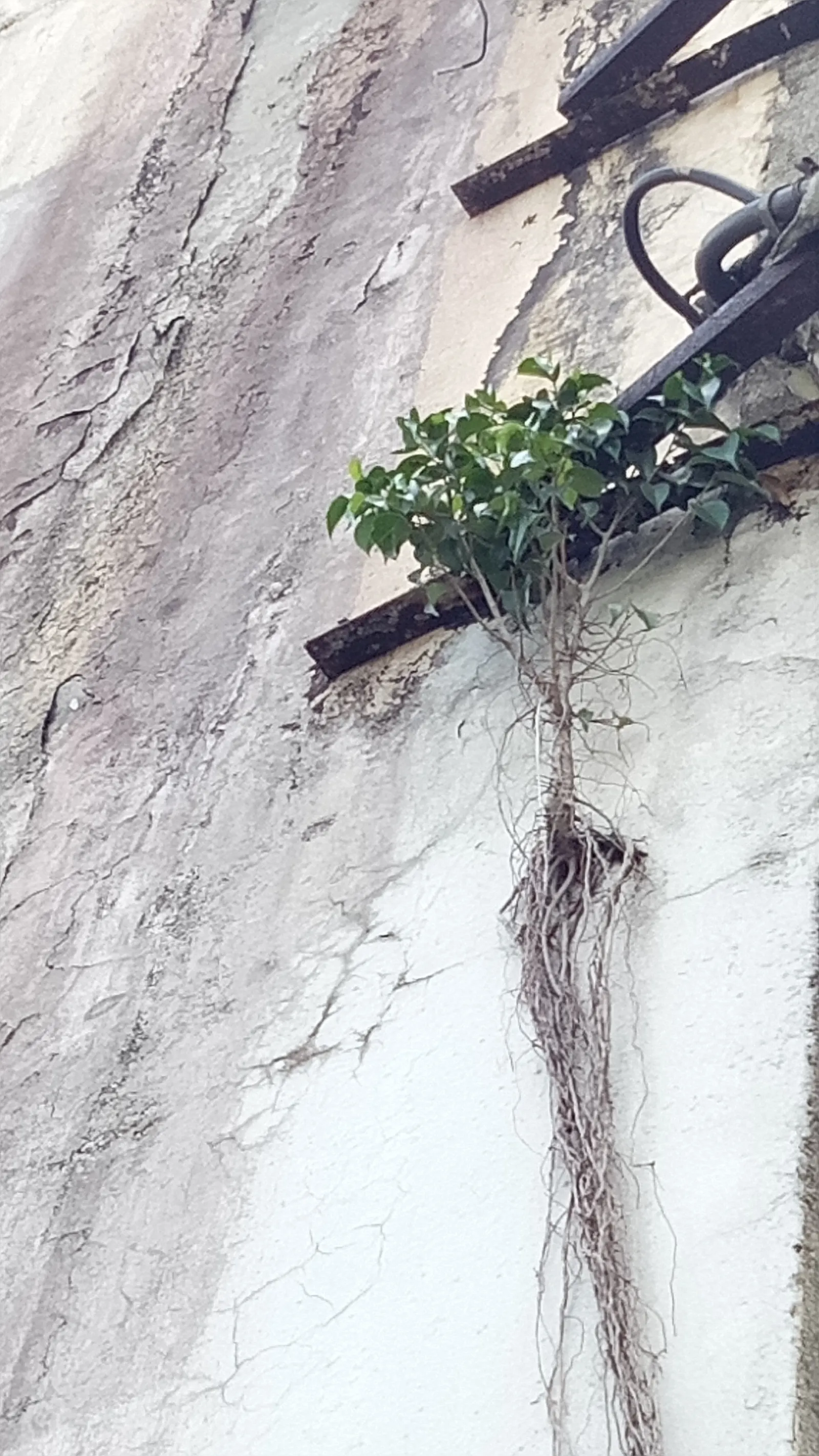
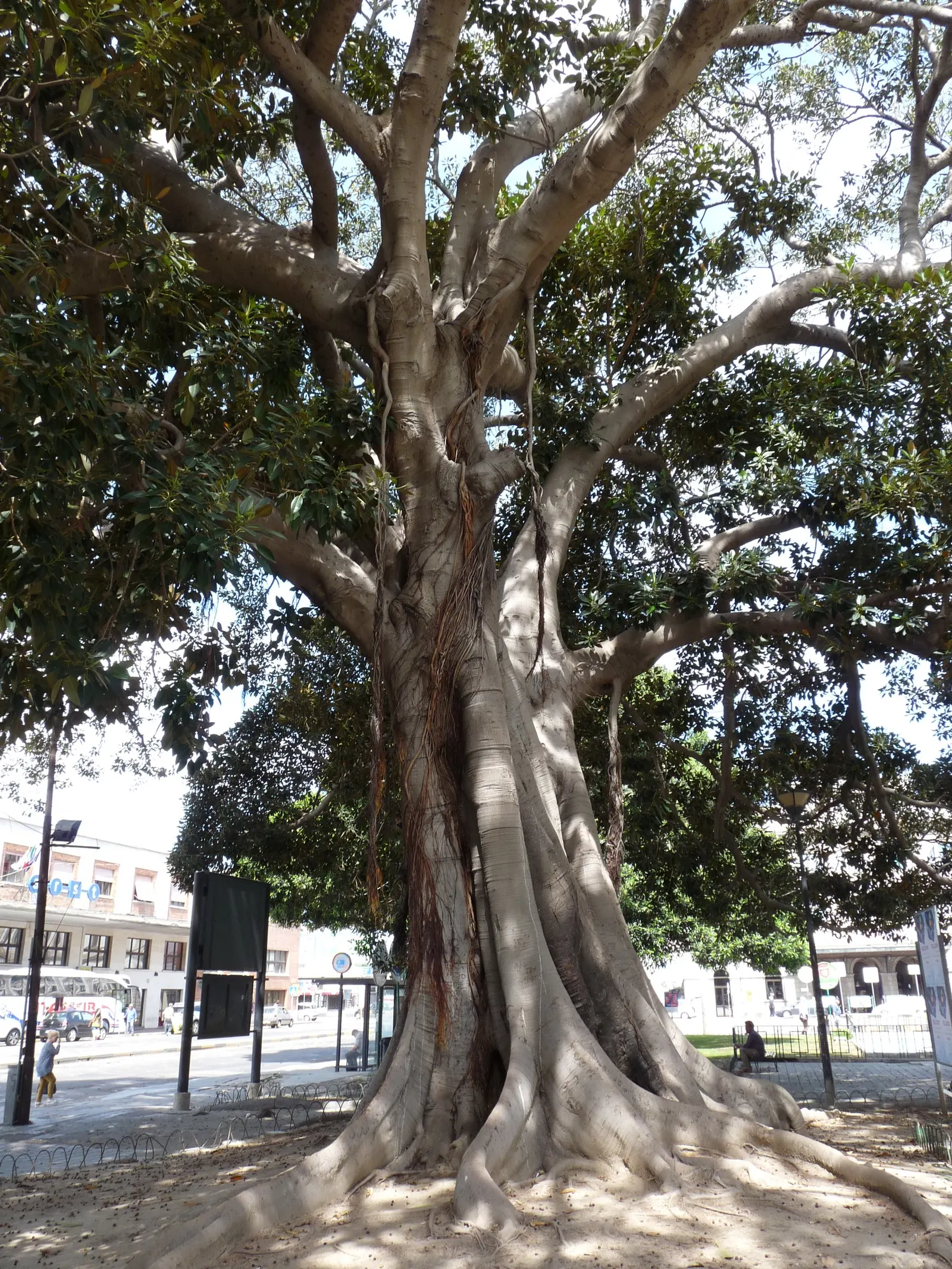
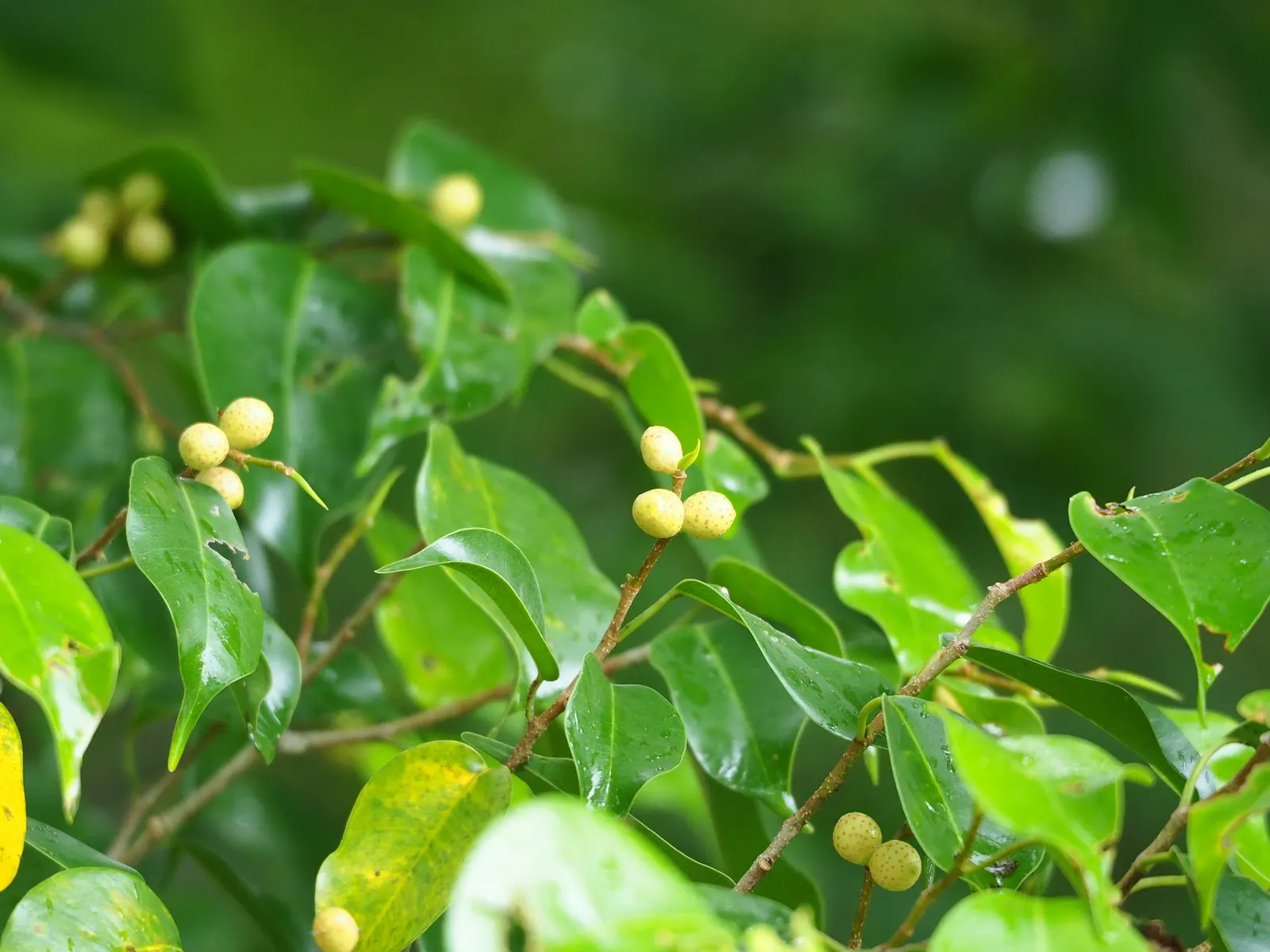
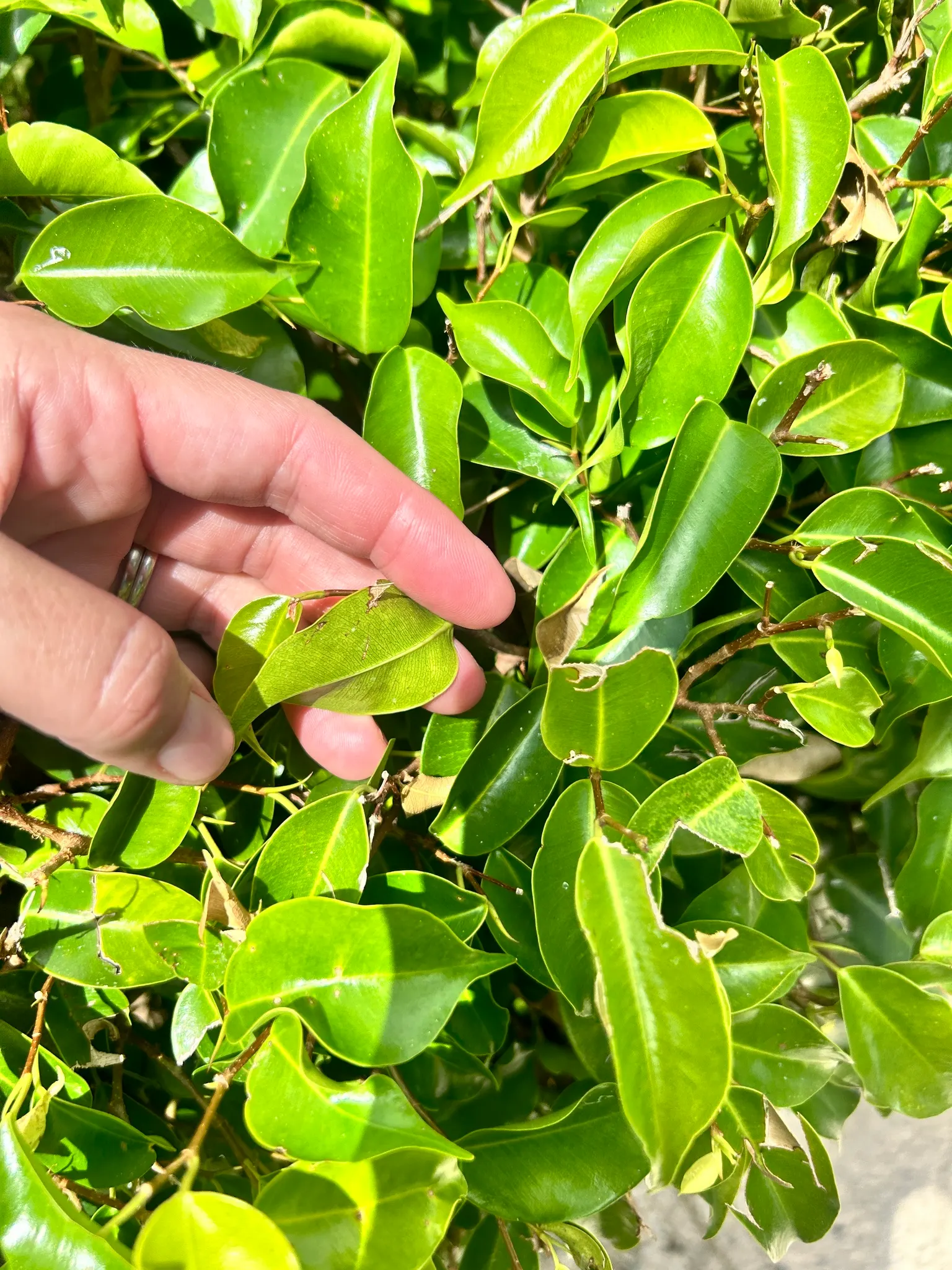
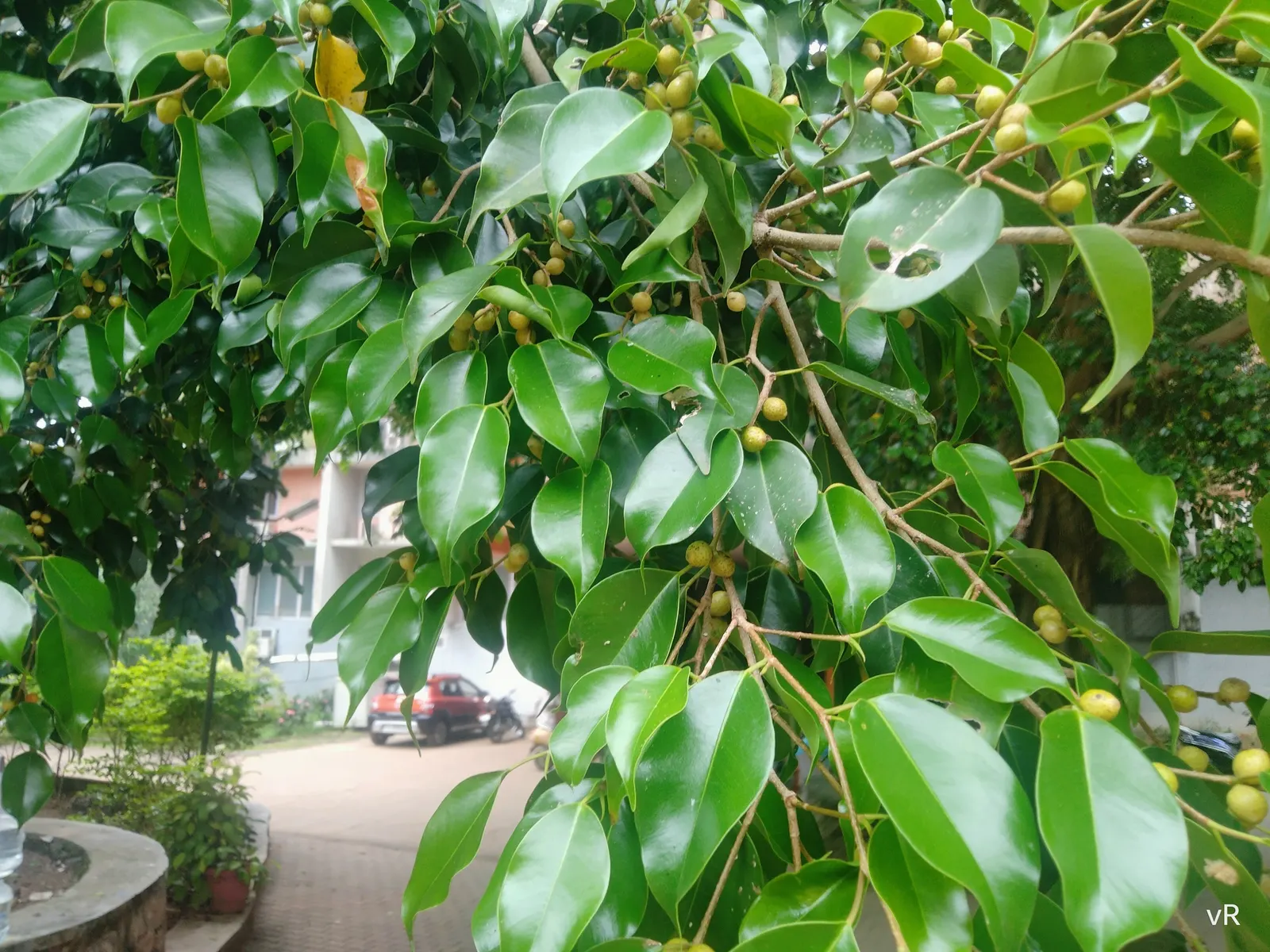
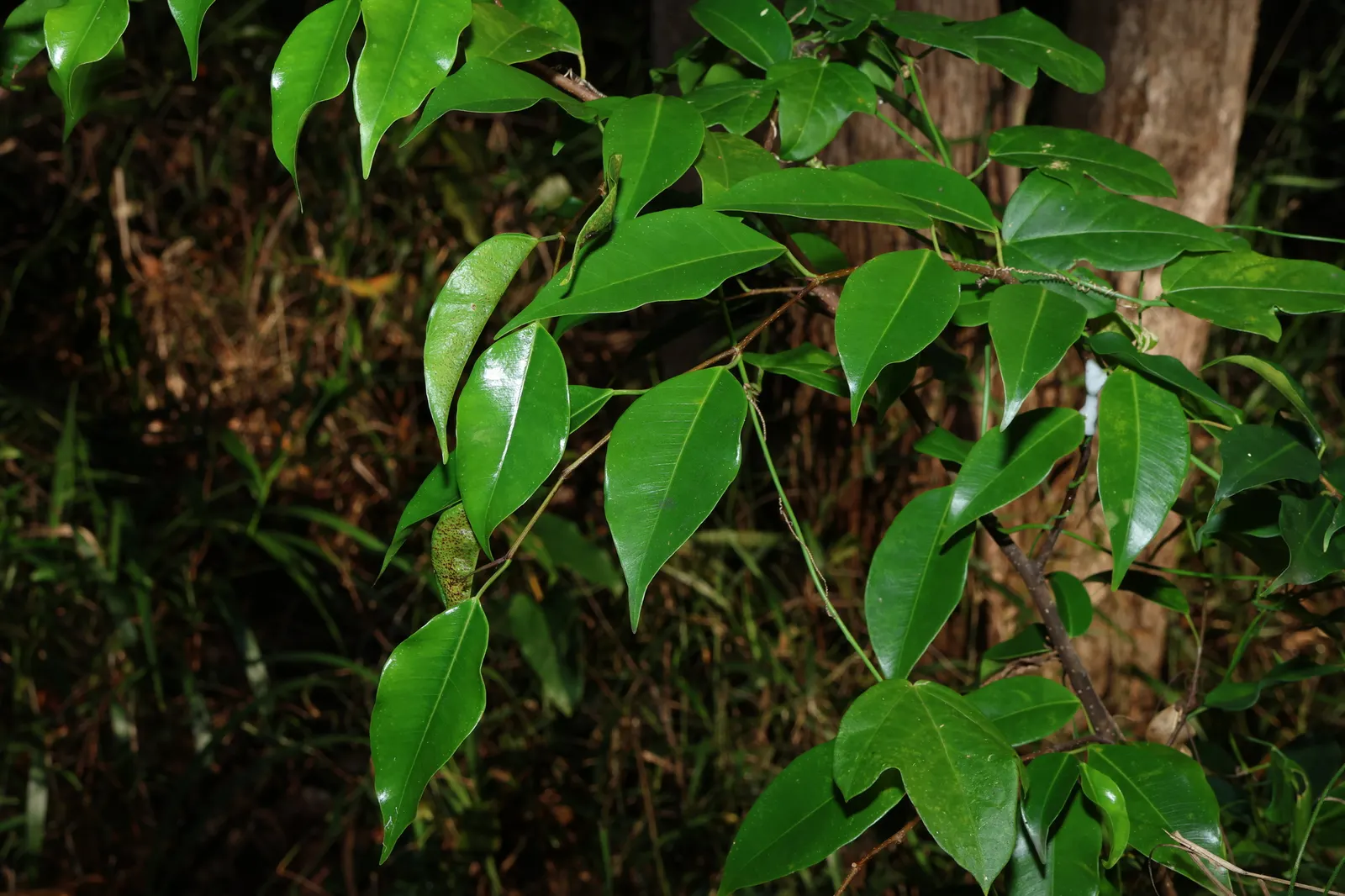
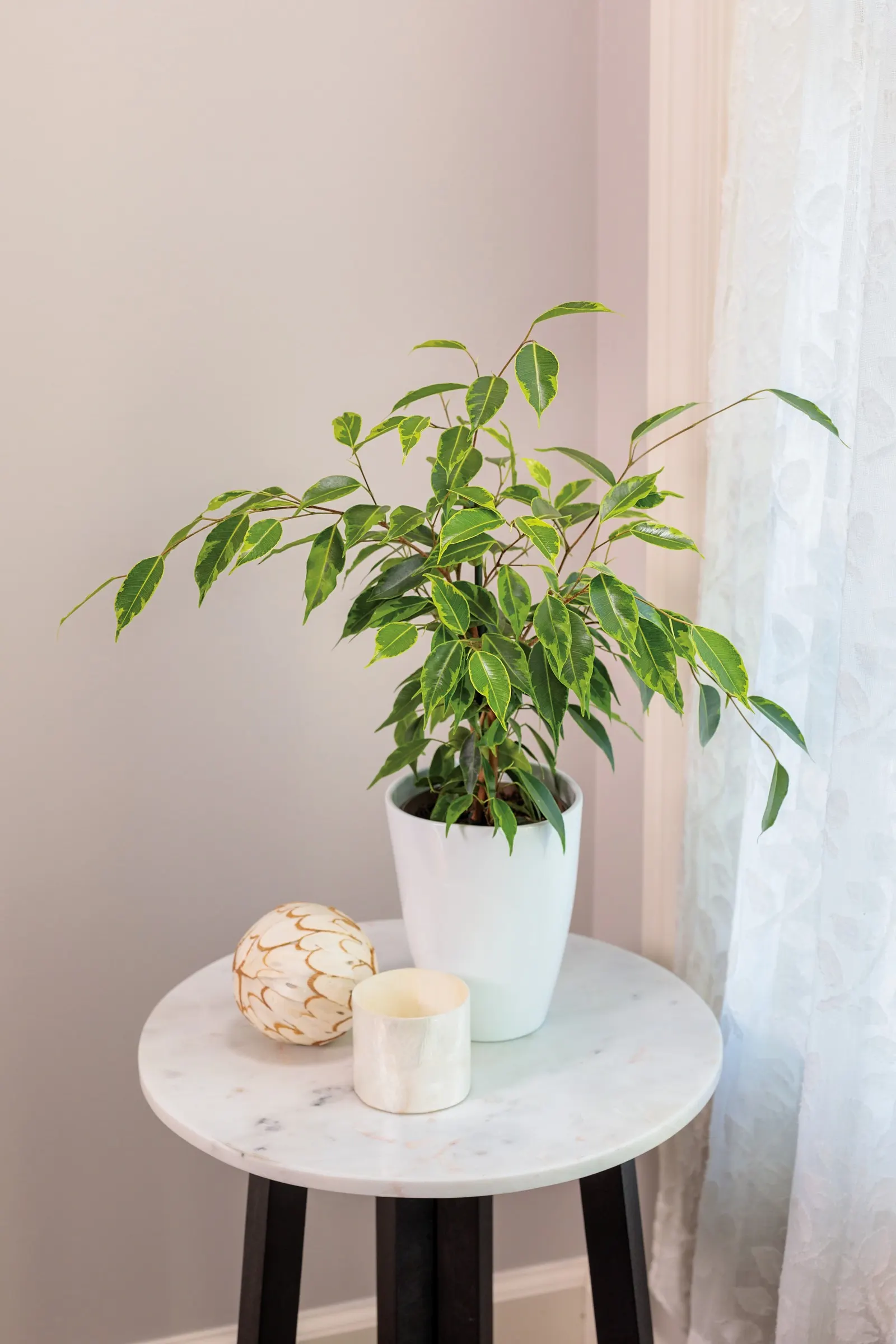
Weeping Fig (Ficus Benjamina) — indirect light and moderate humidity; glossy leaves and gracefully drooping branches, image 92

Culture

Sun
Full, Half
Water
High
USDA zones
9–11

Shape & size

Mature height
6–25 Ft.
Mature width
4–15 Ft.

Classification

Type
Tree
Family
Moraceae
Climate
Subtropical

See full data, regional cultivation notes, and design tools. Build a client presentation around this plant.

Start your 14-day trial

Photos (128)

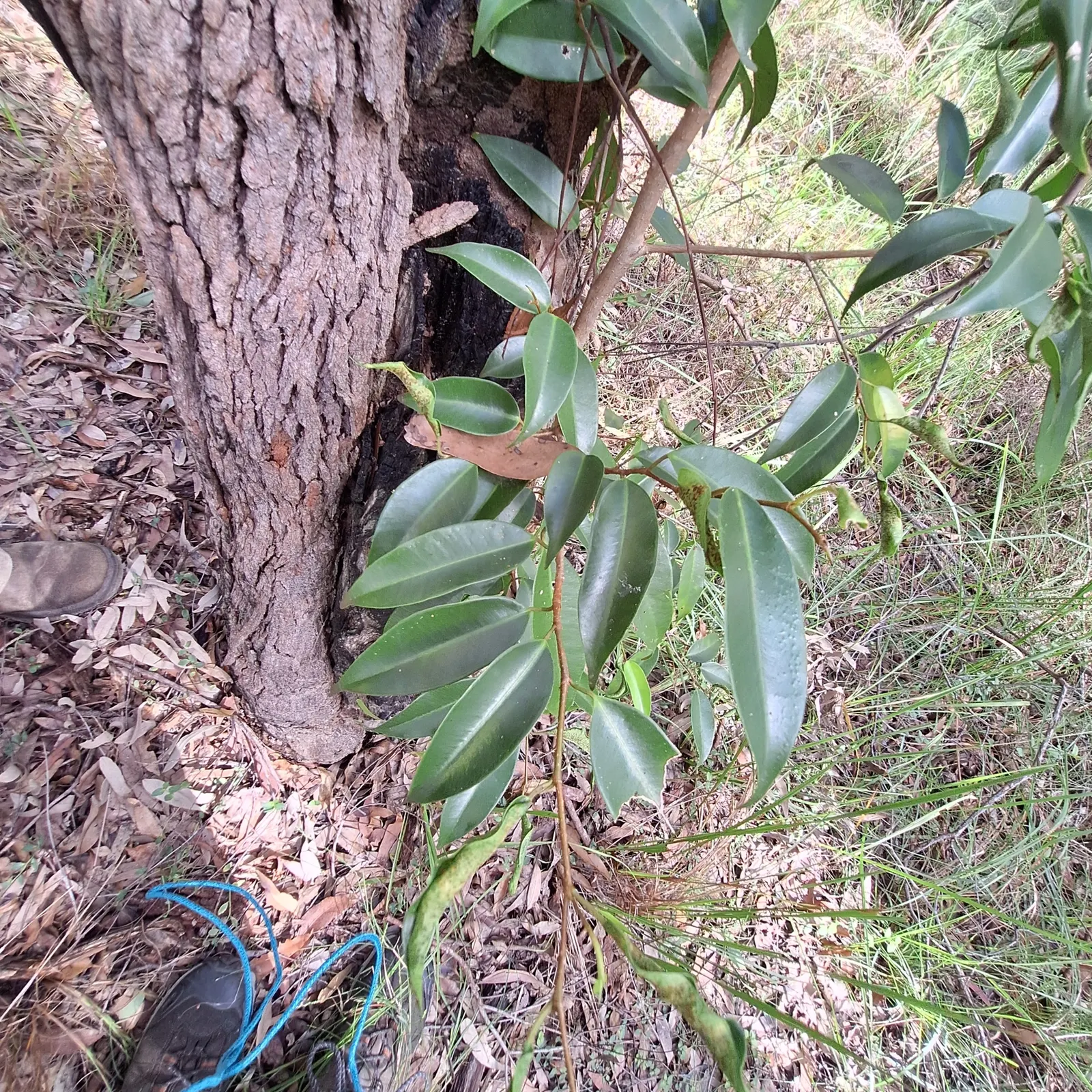
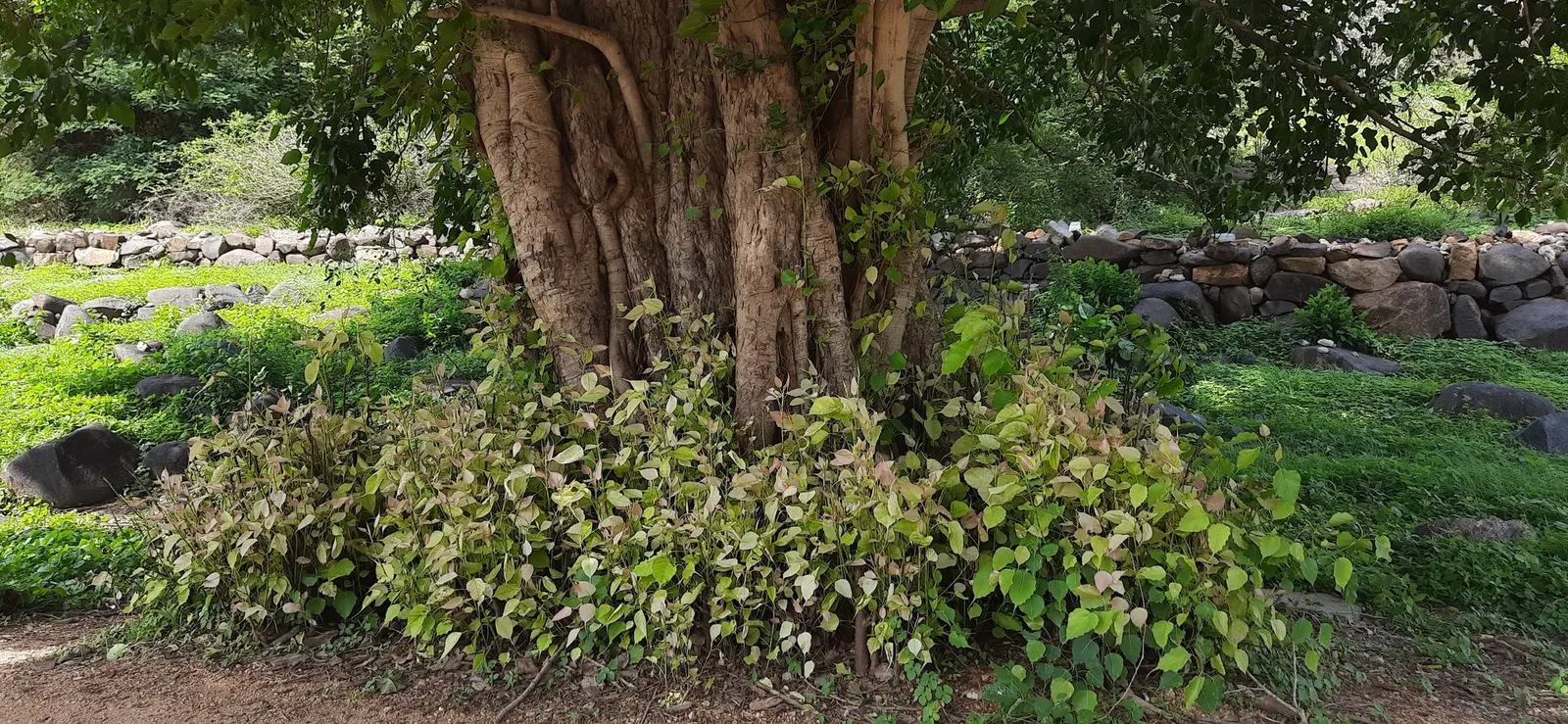
Weeping Fig (Ficus Benjamina) — Requires well-drained soil and periodic pruning to maintain shape; ficus benjamina thrives in bright
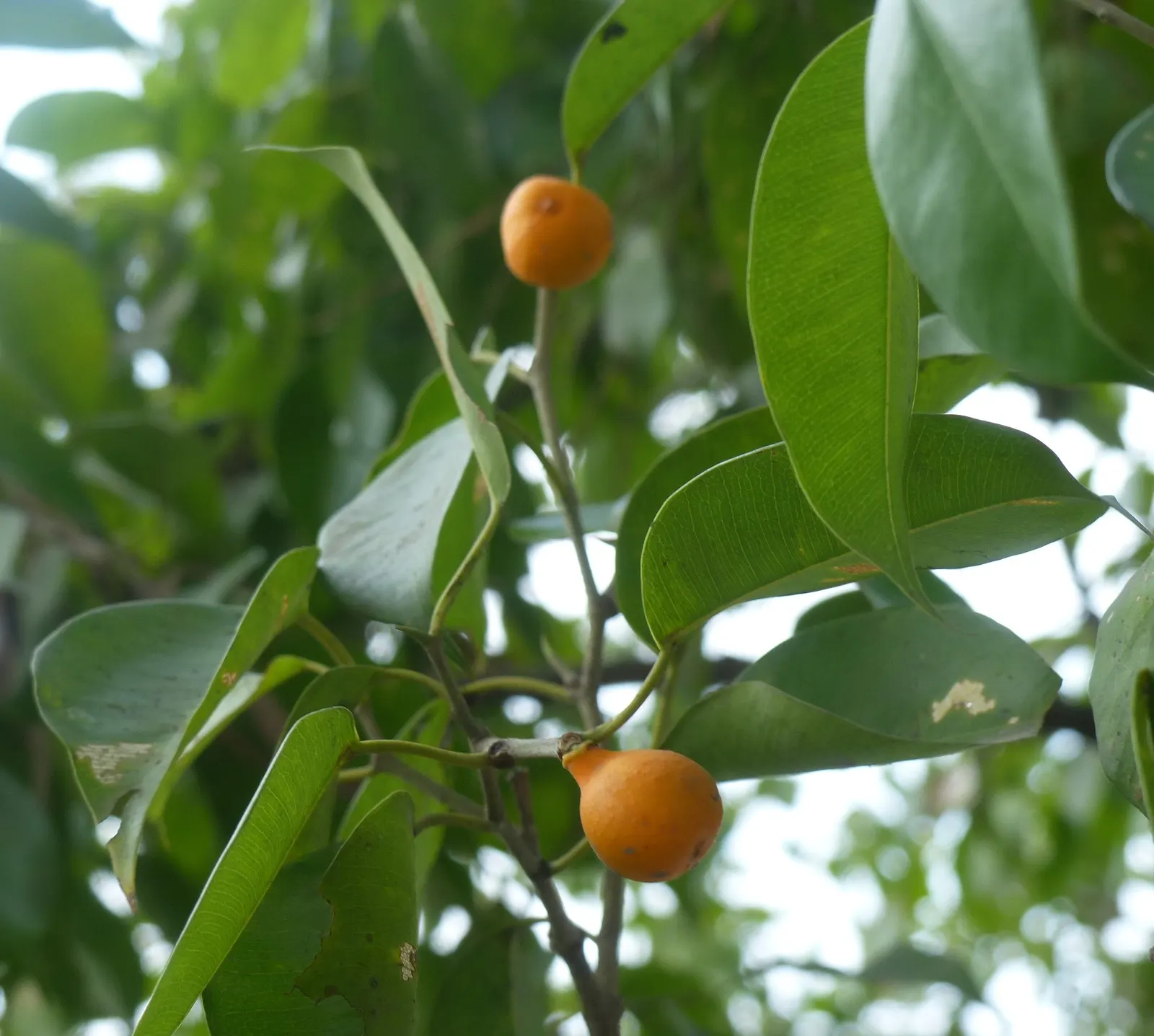
Weeping Fig (Ficus Benjamina) — Native to Asia and Australia
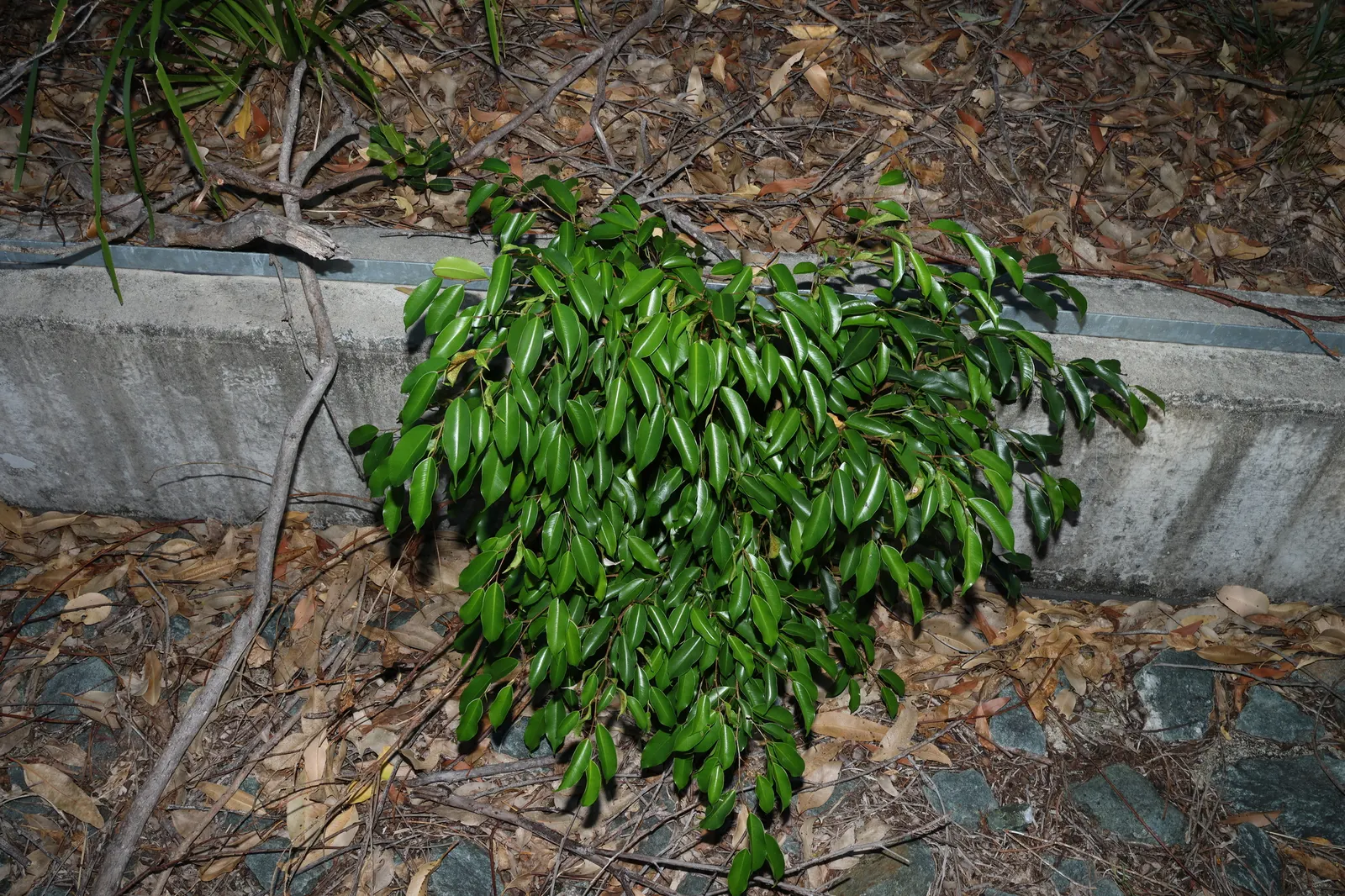
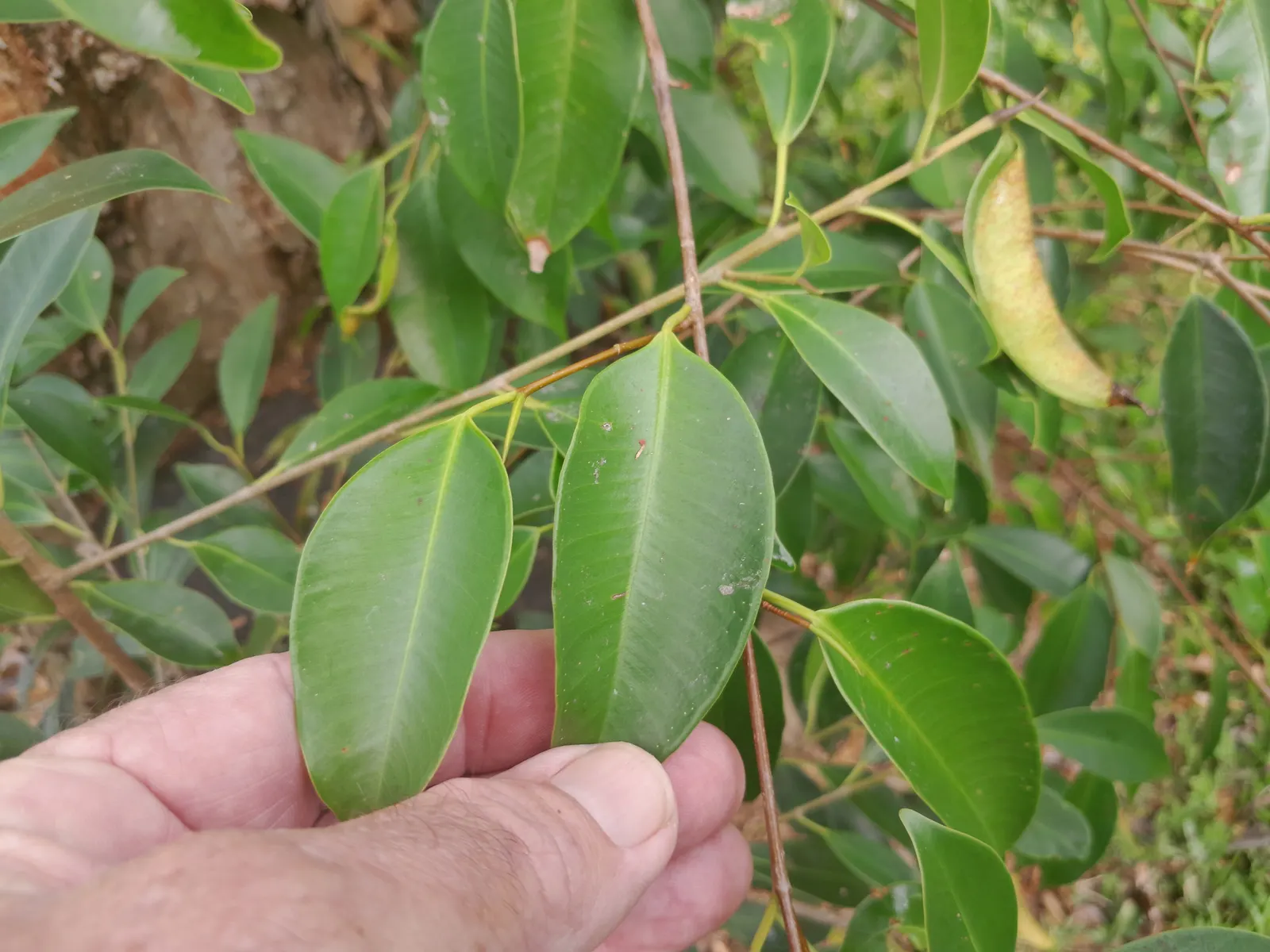
Weeping Fig (Ficus Benjamina) — glossy leaves and gracefully drooping branches; but can adapt to lower light levels, image 90
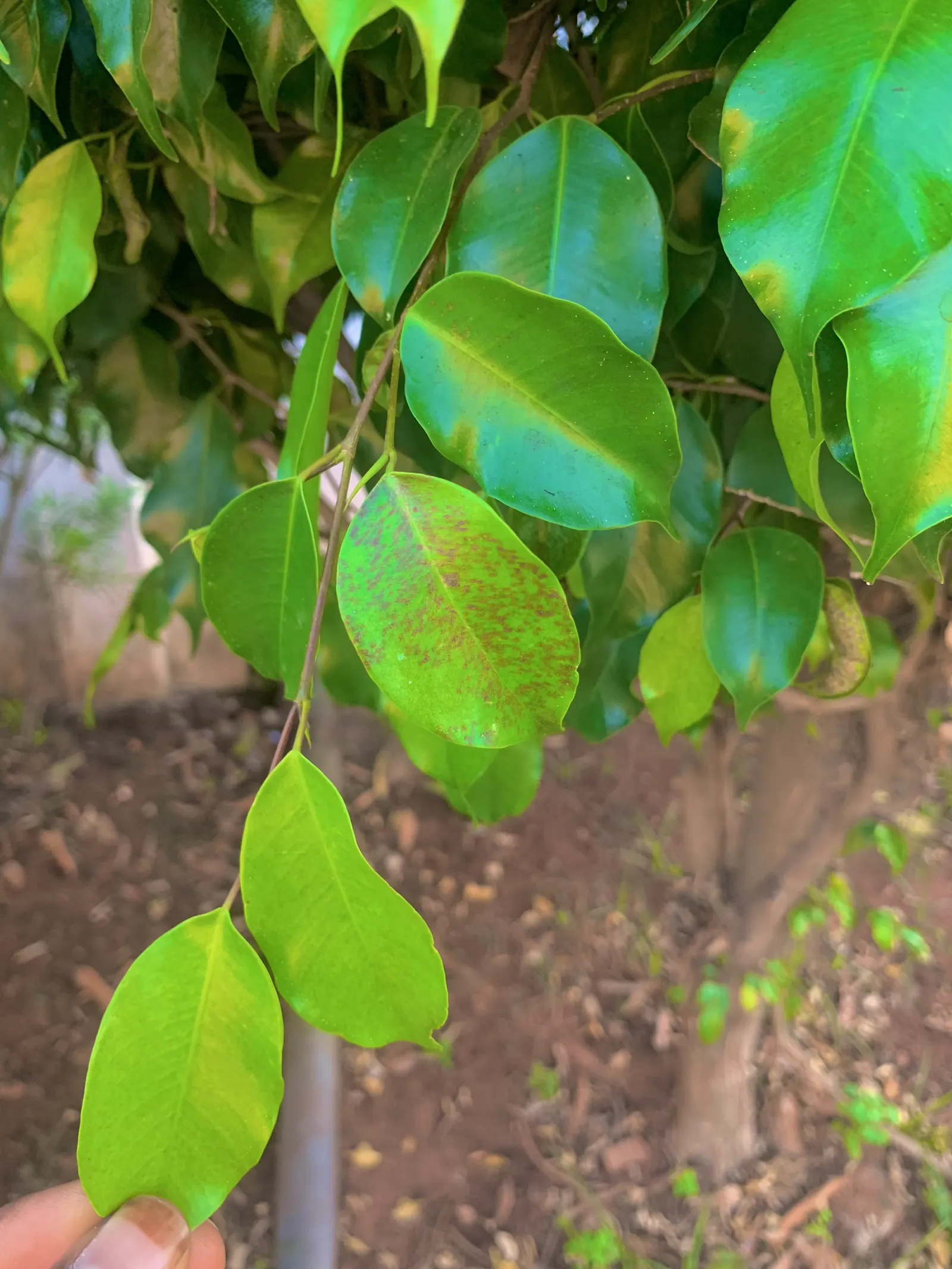
Weeping Fig (Ficus Benjamina) — it's important to note that the Weeping Fig can be sensitive to changes in its environment
Weeping Fig (Ficus Benjamina) — This tree prefers a warm and stable climate and does not fare well in temperatures below 50°F (10°C)
Weeping Fig (Ficus Benjamina) — adding to the holistic beauty of the garden design; albeit with slower growth, image 86
Weeping Fig (Ficus Benjamina) — but can adapt to lower light levels; requires well-drained soil and periodic pruning to maintain shape, image 105
Weeping Fig (Ficus Benjamina) — cherished for its graceful drooping branches and rich; it typically grows to a more manageable size of 3-6 feet
Weeping Fig (Ficus Benjamina) — Ficus benjamina thrives in bright; tree for full or half, image 75
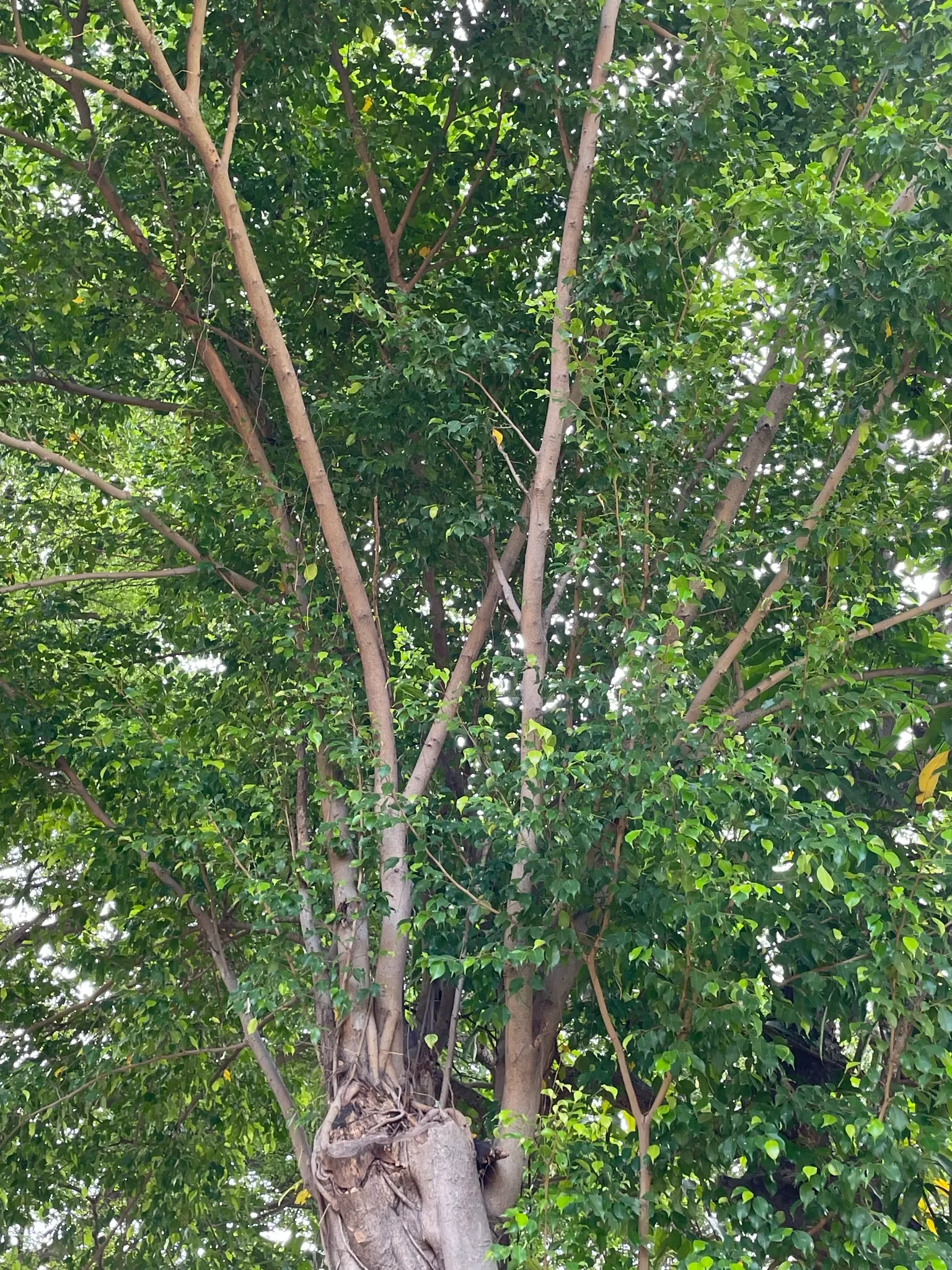
Weeping Fig (Ficus Benjamina) — albeit with slower growth; shapely canopy that can reach up to 50-60 feet in its natural habitat, image 77
Weeping Fig (Ficus Benjamina) — evergreen tree known for its lush; cherished for its graceful drooping branches and rich
Weeping Fig (Ficus Benjamina) — when cultivated for ornamental purposes within a garden
Weeping Fig (Ficus Benjamina) — This tree prefers a warm and stable climate and does not fare well in temperatures below 50°F (10°C), image 107
Weeping Fig (Ficus Benjamina) — is an elegant and versatile addition to any landscape design; use as a focal point for tranquility in landscape designs
Weeping Fig (Ficus Benjamina) — glossy leaves and gracefully drooping branches; but can adapt to lower light levels
Weeping Fig (Ficus Benjamina) — this evergreen tree touts a dense; the Weeping Fig (Ficus benjamina) is an elegant, image 100
Weeping Fig (Ficus Benjamina) — This tree prefers a warm and stable climate and does not fare well in temperatures below 50°F (10°C), image 78
Weeping Fig (Ficus Benjamina) — The non-invasive root system makes it a safe choice to place near structures or pavement; indirect light and moderate humidity
Weeping Fig (Ficus Benjamina) — reaching heights of 3-6 feet indoors; is an elegant and versatile addition to any landscape design, image 64
Weeping Fig (Ficus Benjamina) — allowing the soil to dry out slightly between sessions.<br><br>For clients; adding to the holistic beauty of the garden design
Weeping Fig (Ficus Benjamina) — allowing the soil to dry out slightly between sessions.<br><br>For clients; adding to the holistic beauty of the, image 108
Weeping Fig (Ficus Benjamina) — glossy leaves and gracefully drooping branches; but can adapt to lower light levels, image 61
Weeping Fig (Ficus Benjamina) — shapely canopy that can reach up to 50-60 feet in its natural habitat
Weeping Fig (Ficus Benjamina) — This tree prefers a warm and stable climate and does not fare well in temperatures below 50&deg;F (10&deg;C); allowing the soil
Photographs by 16 contributors

Related plants