Skip to content

Euryops

Euryops Pectinatus

Design with this plant

Overview

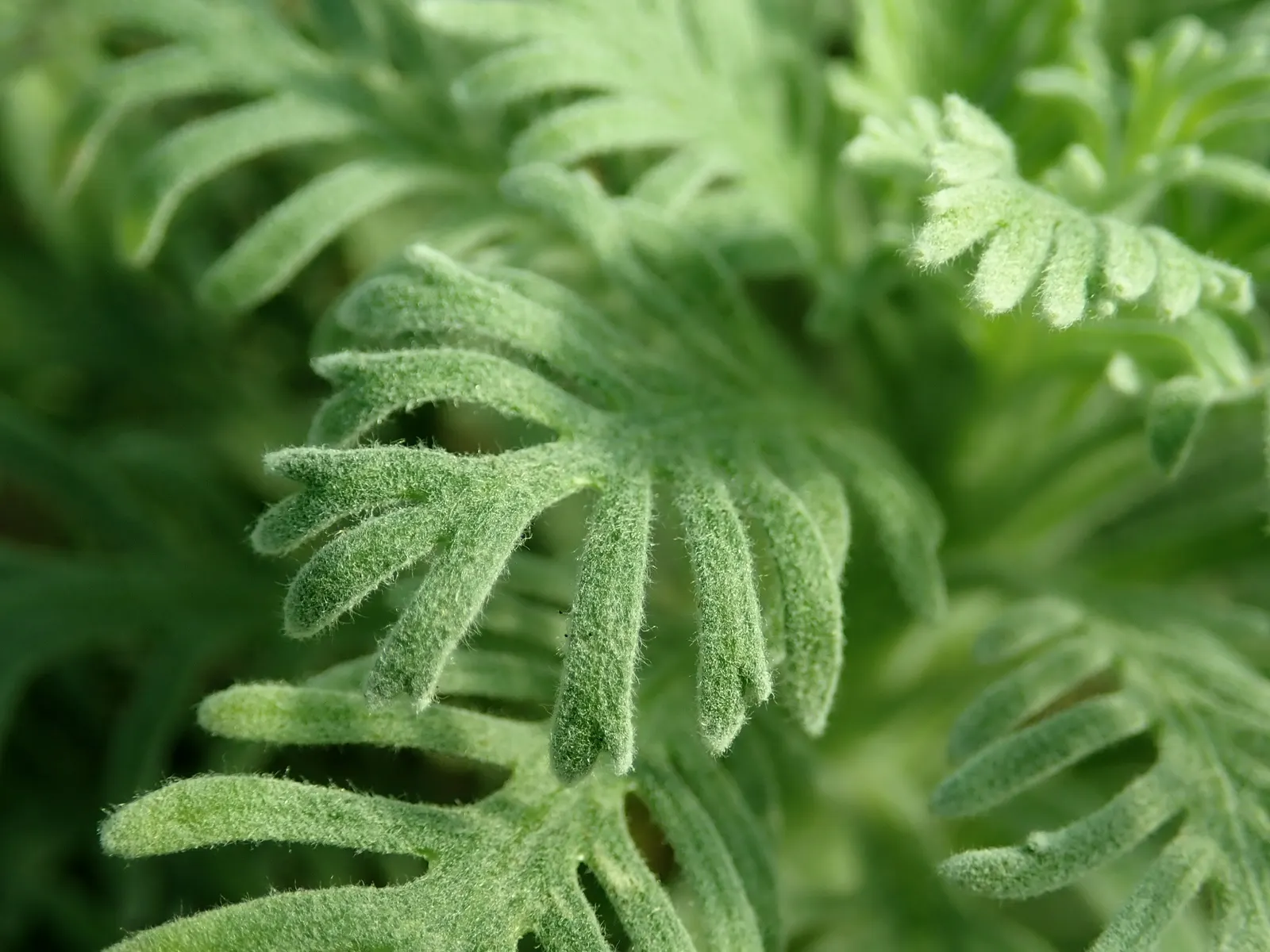
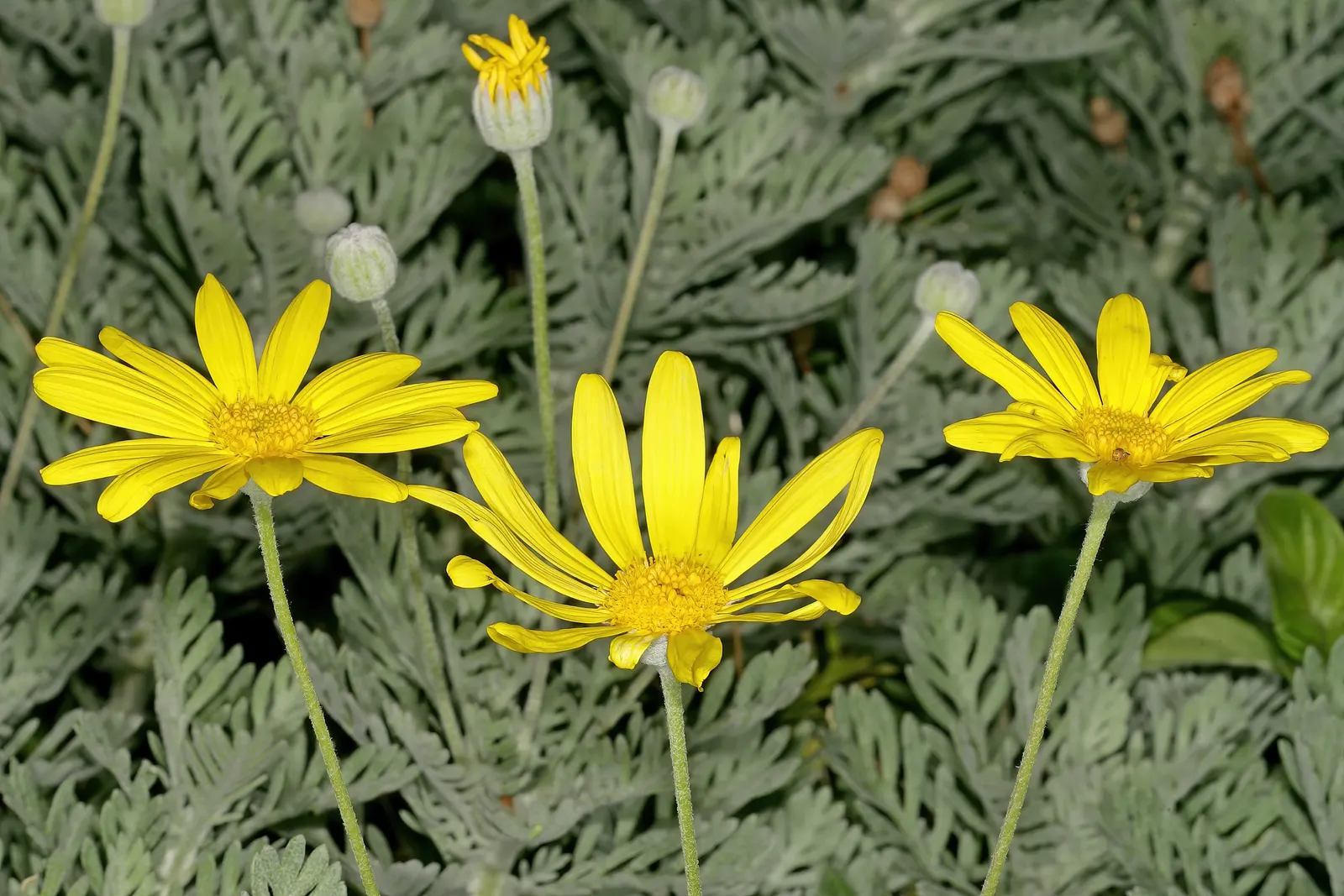
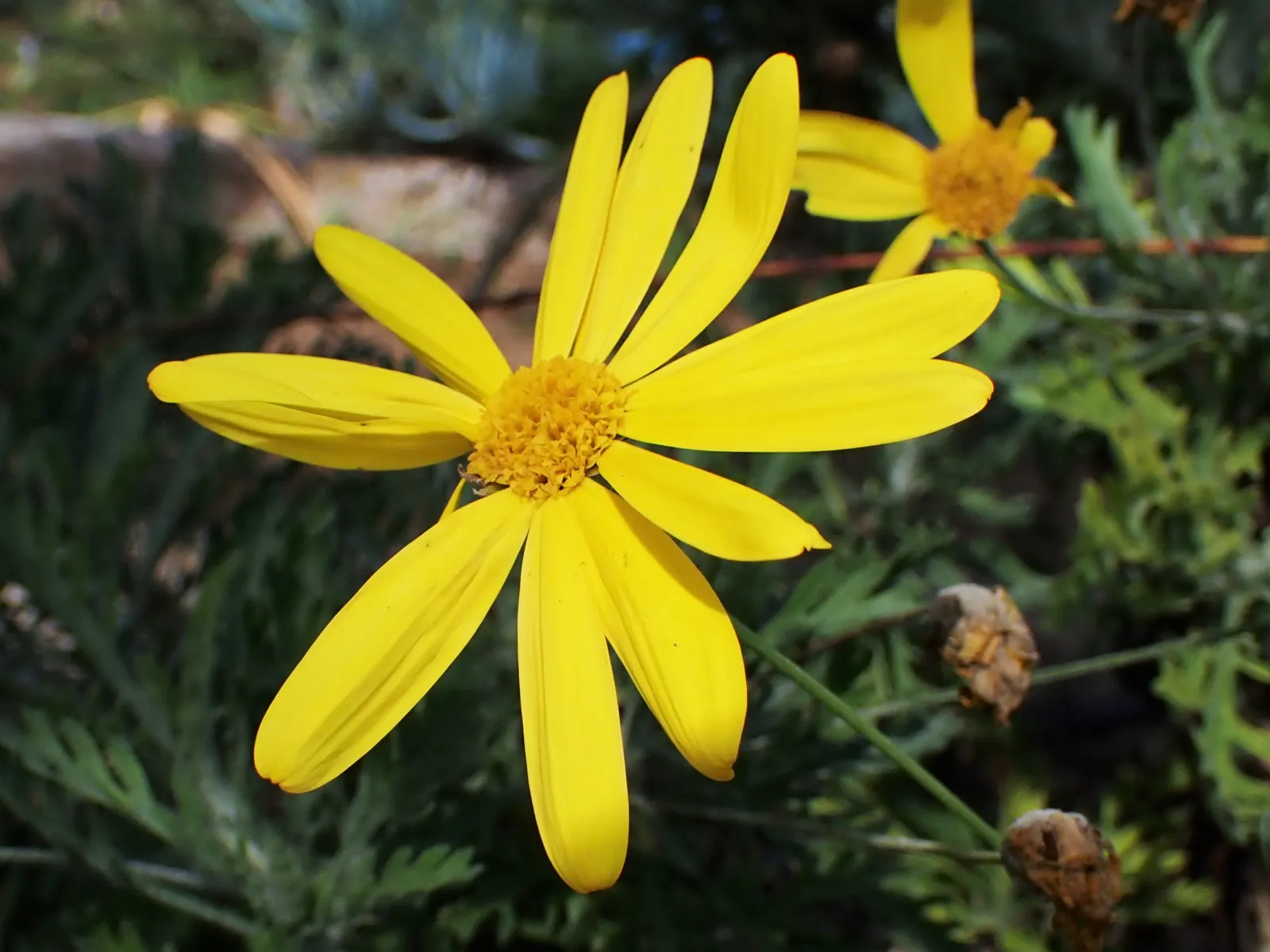
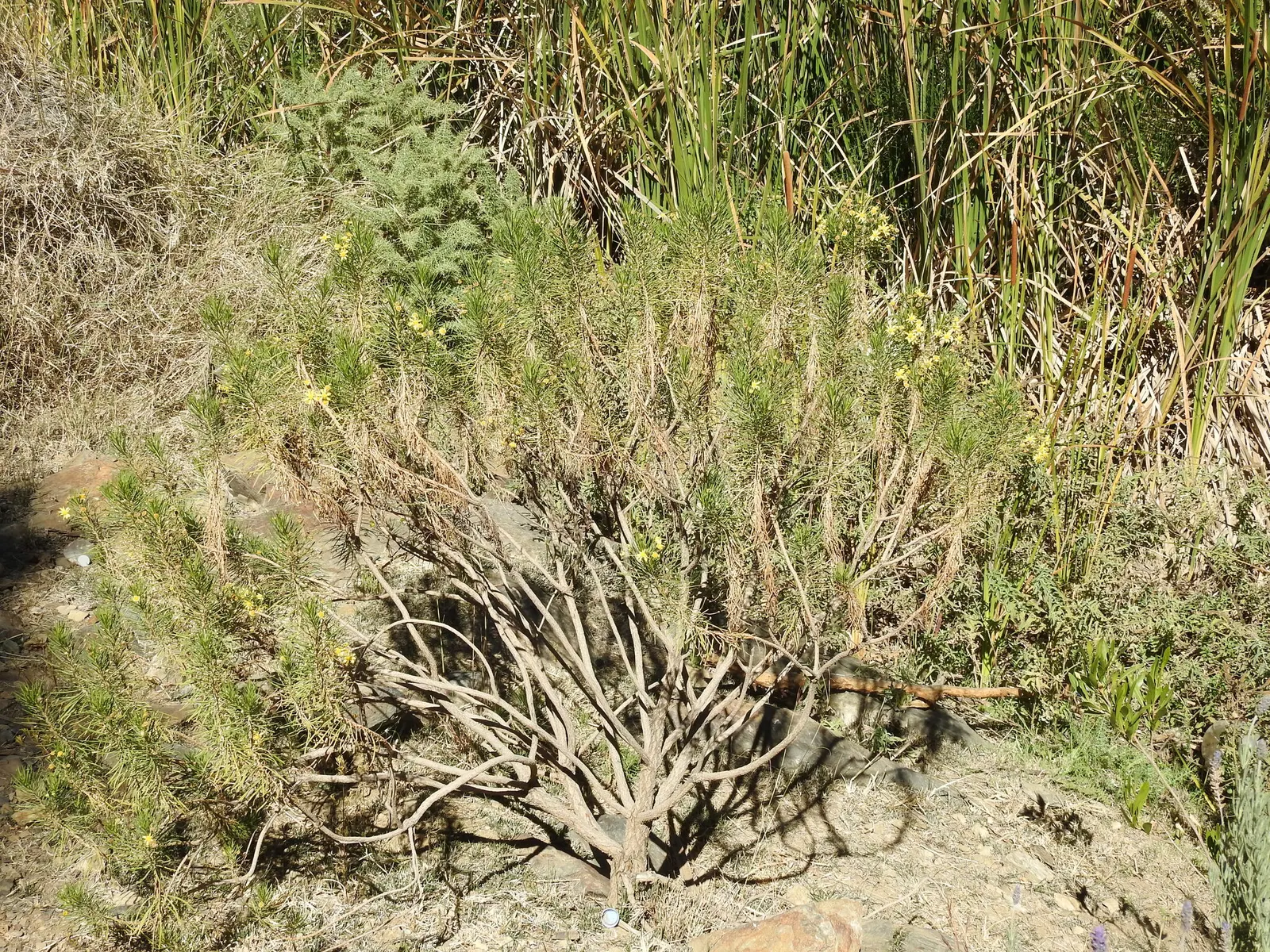
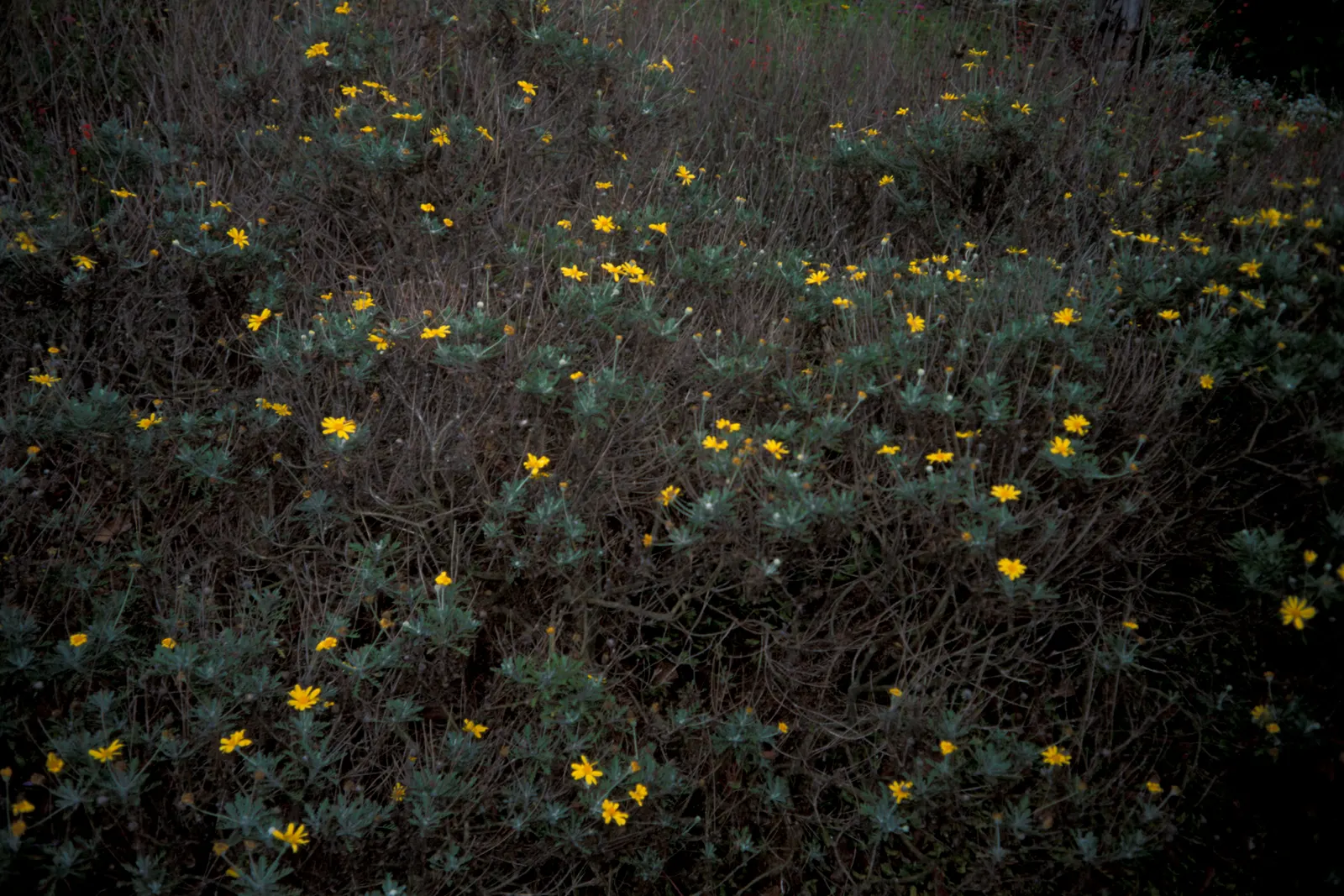
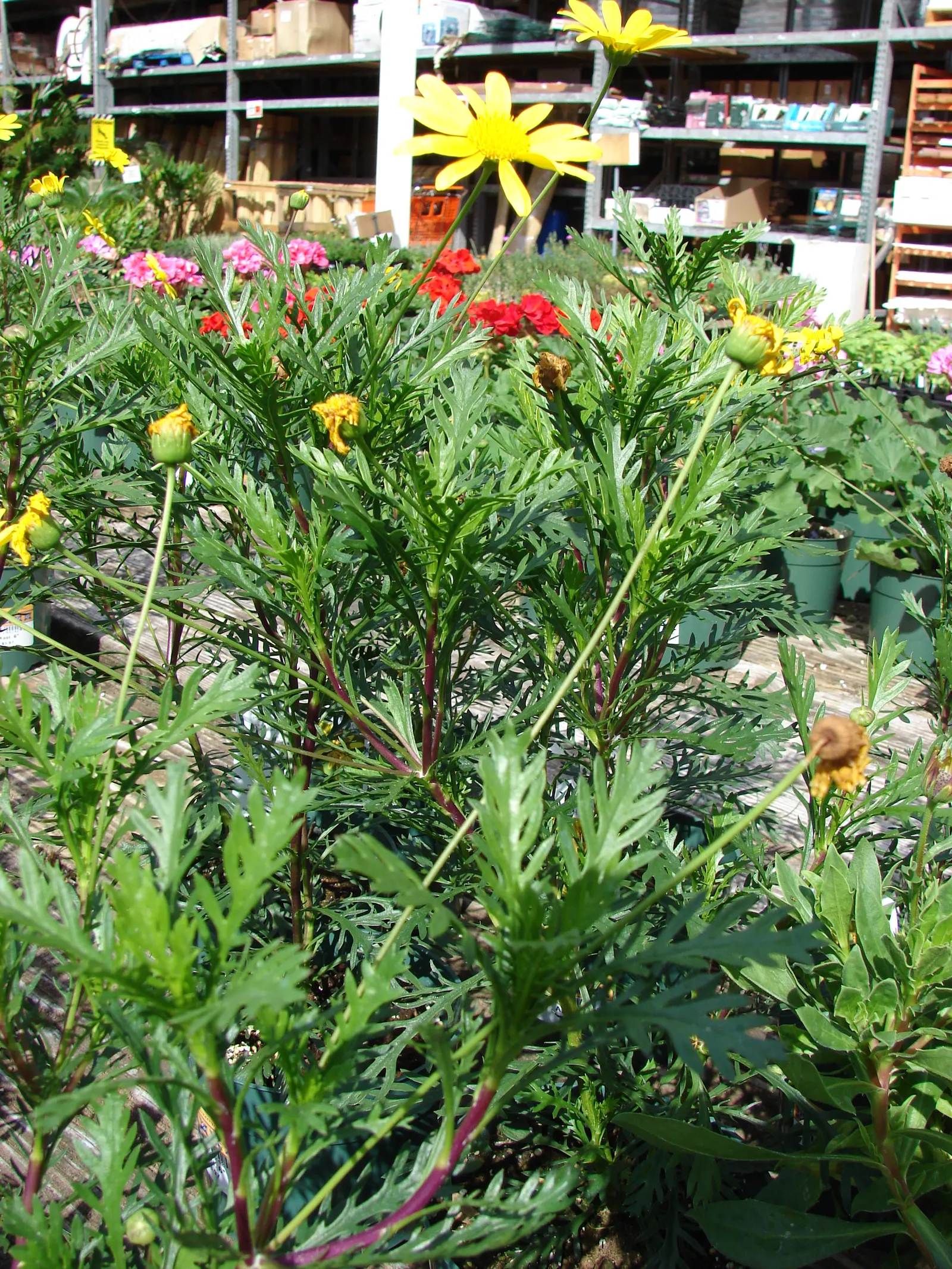
Euryops pectinatus, commonly known as Golden Daisy Bush, is an evergreen shrub reaching up to 5 feet tall and wide. Its finely divided, dark green foliage contrasts with bright yellow, daisy-like flowers blooming mostly in winter and spring. Thriving in USDA zones 8-11, it prefers full sun and well-drained soil. Drought-tolerant once established, it requires minimal water, making it ideal for water-wise landscapes and sunny borders.

Sun FullWater Very LowZones 9–11Type ShrubClimate Mediterranean
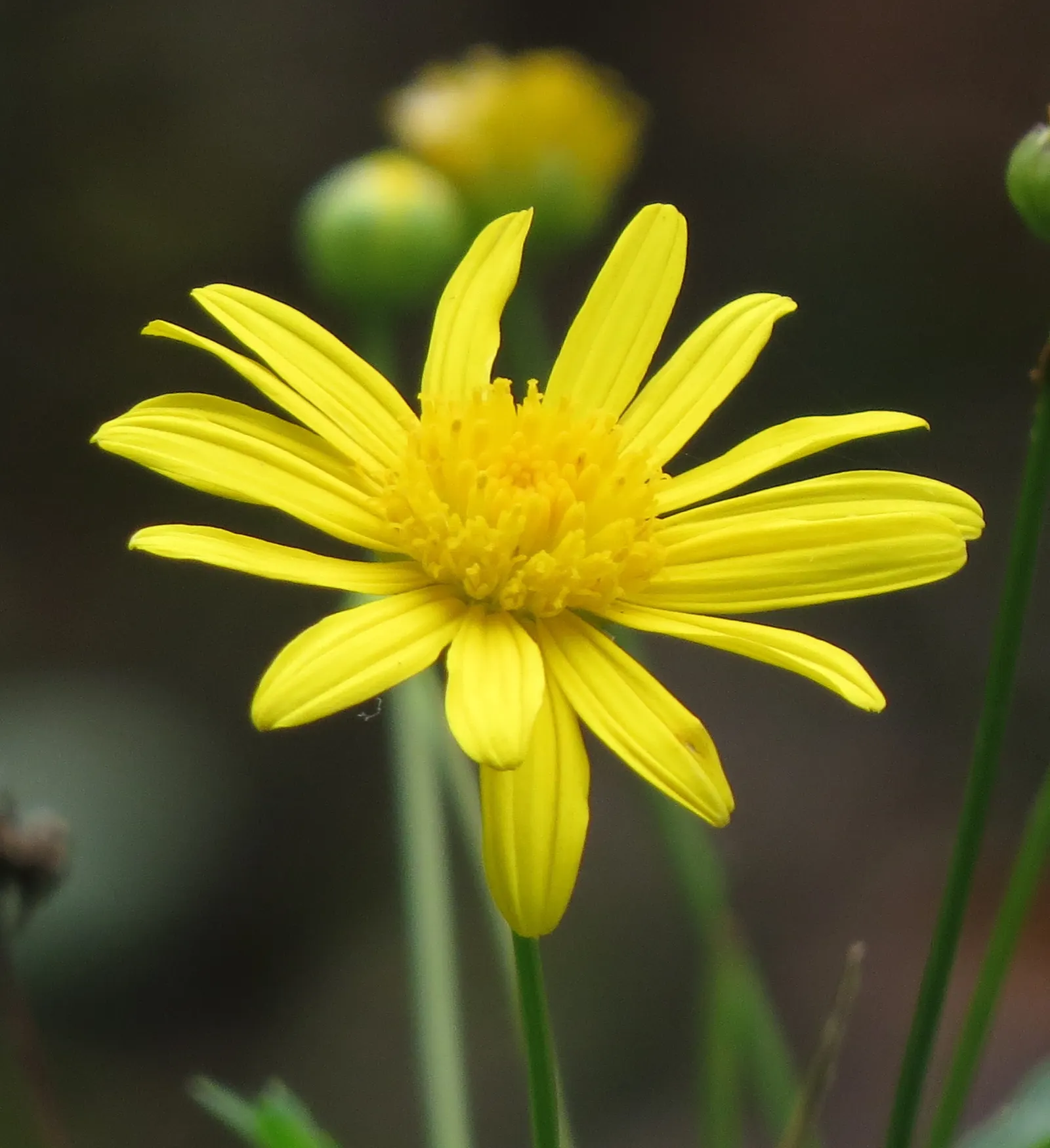
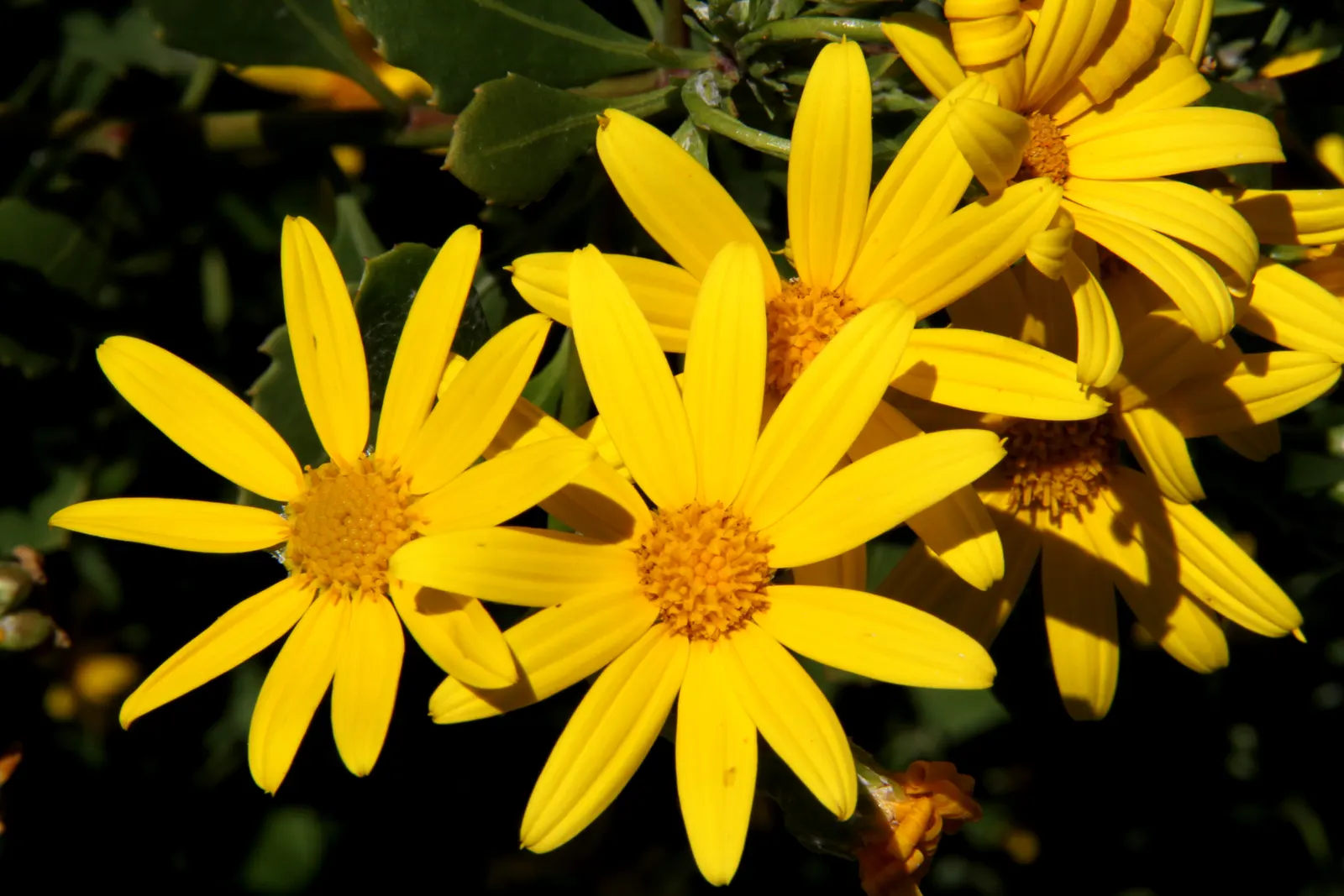
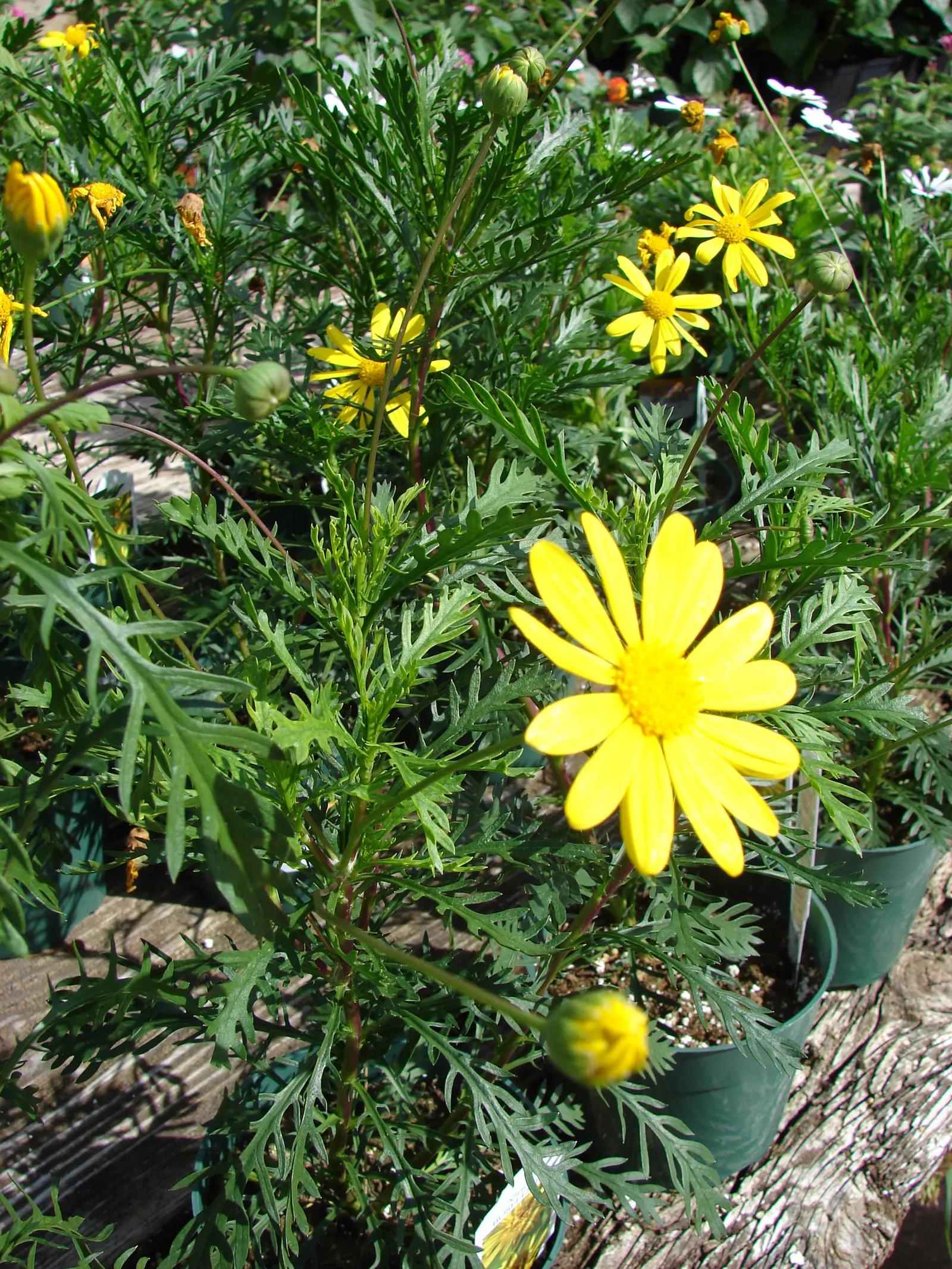
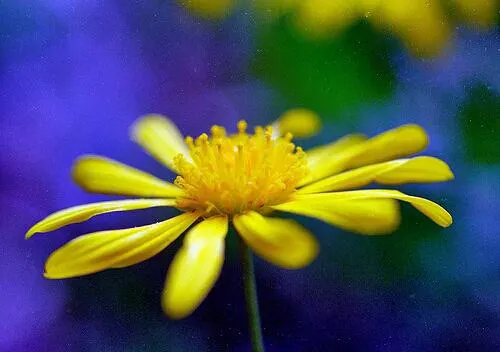
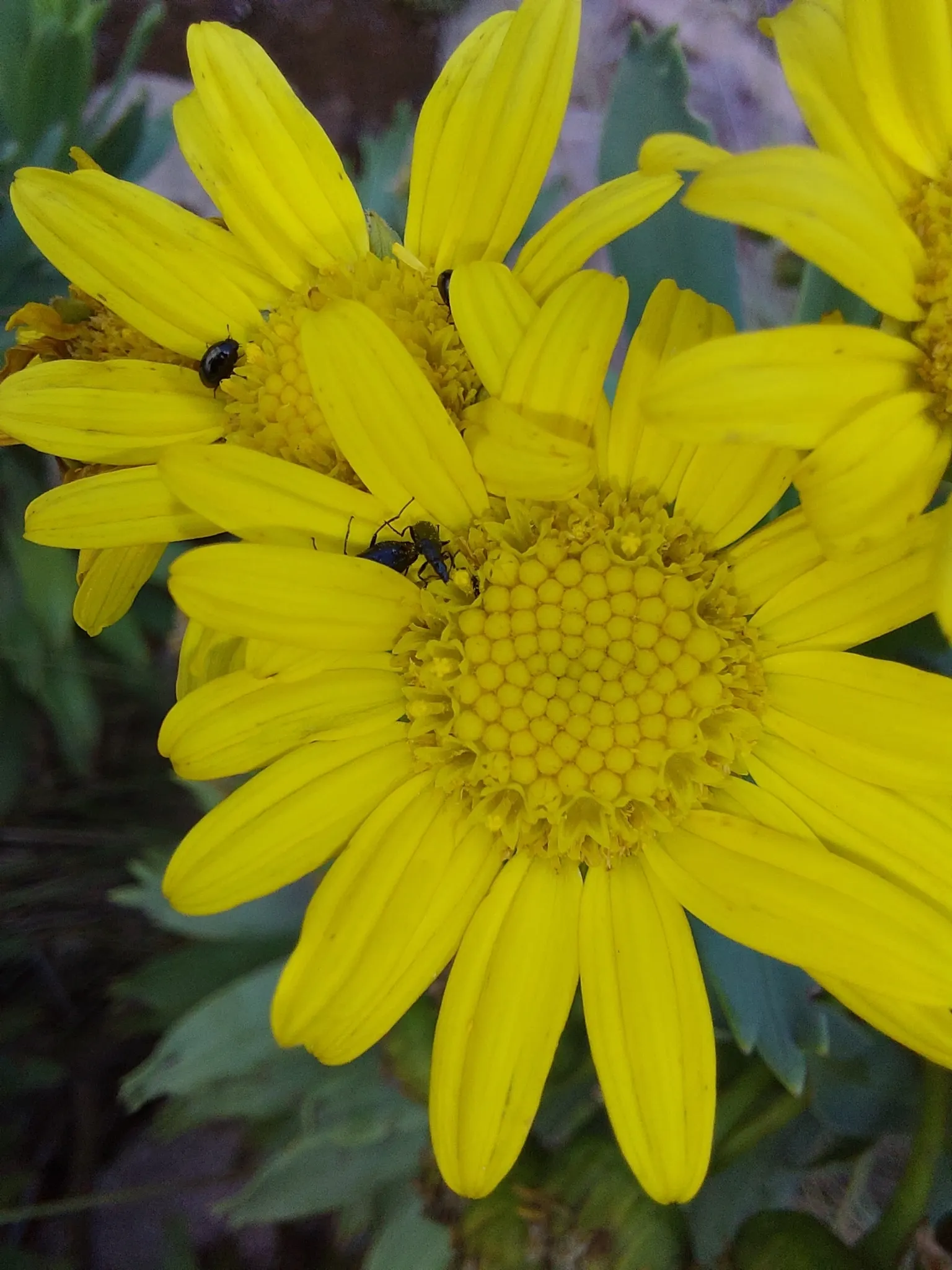
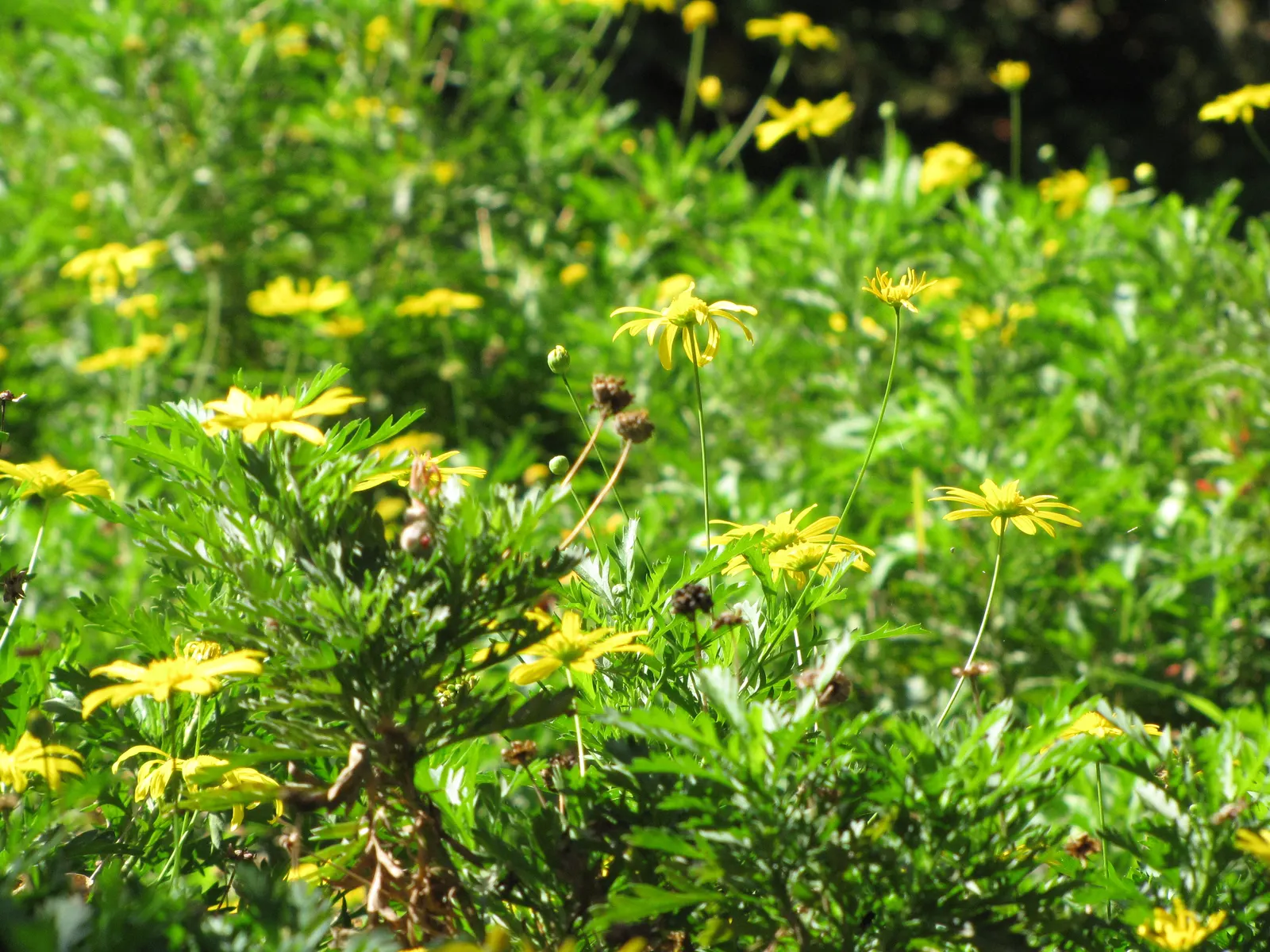
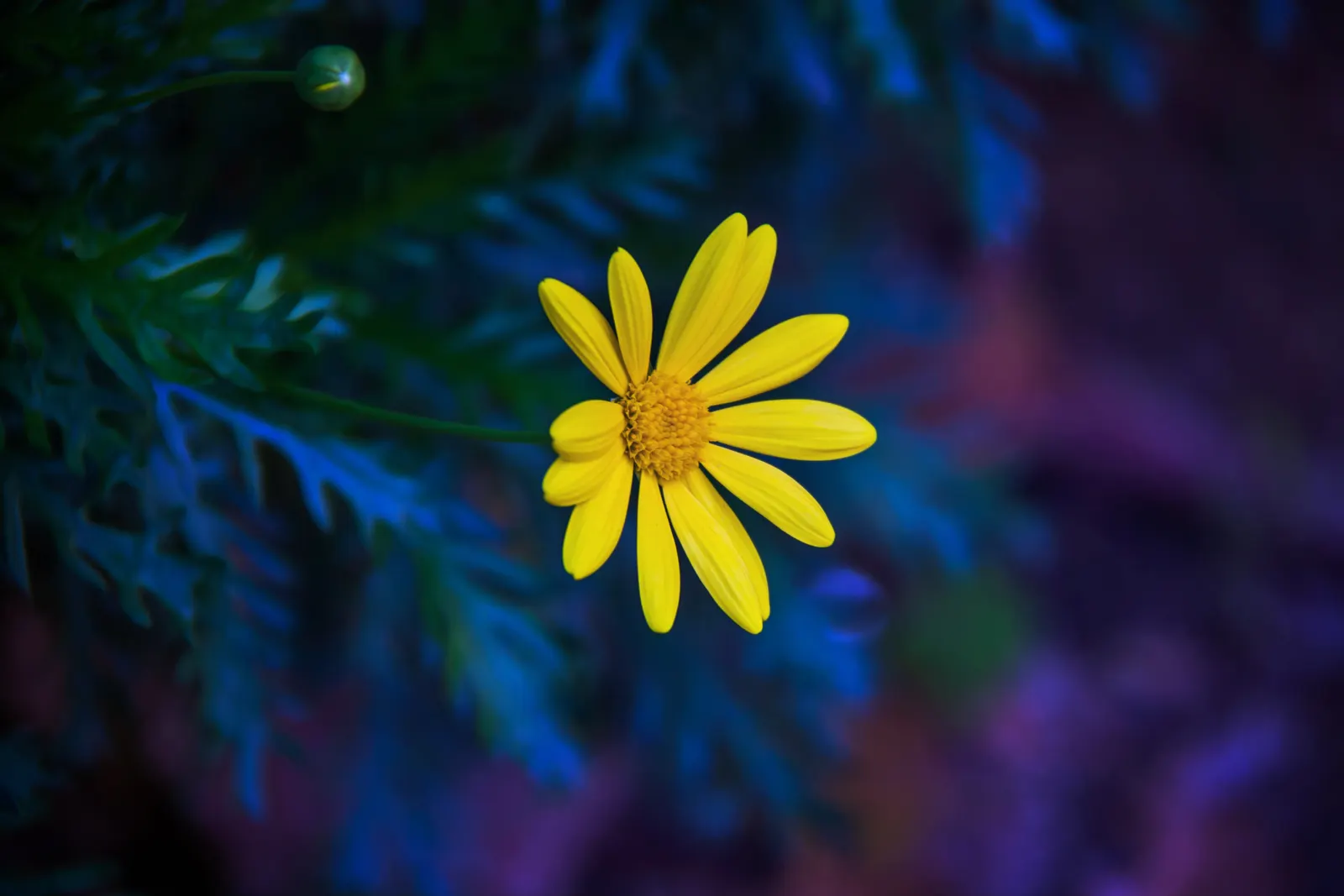
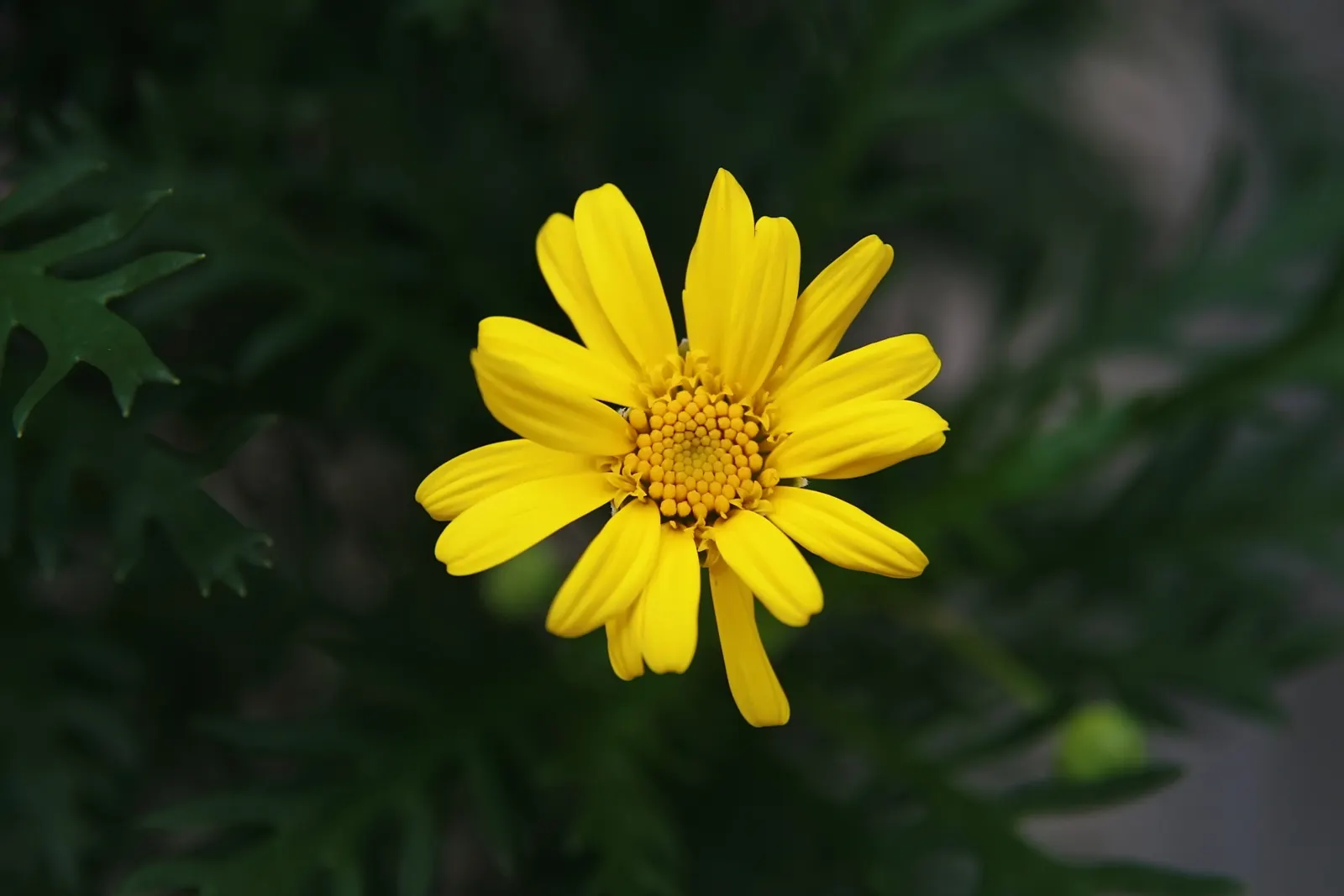
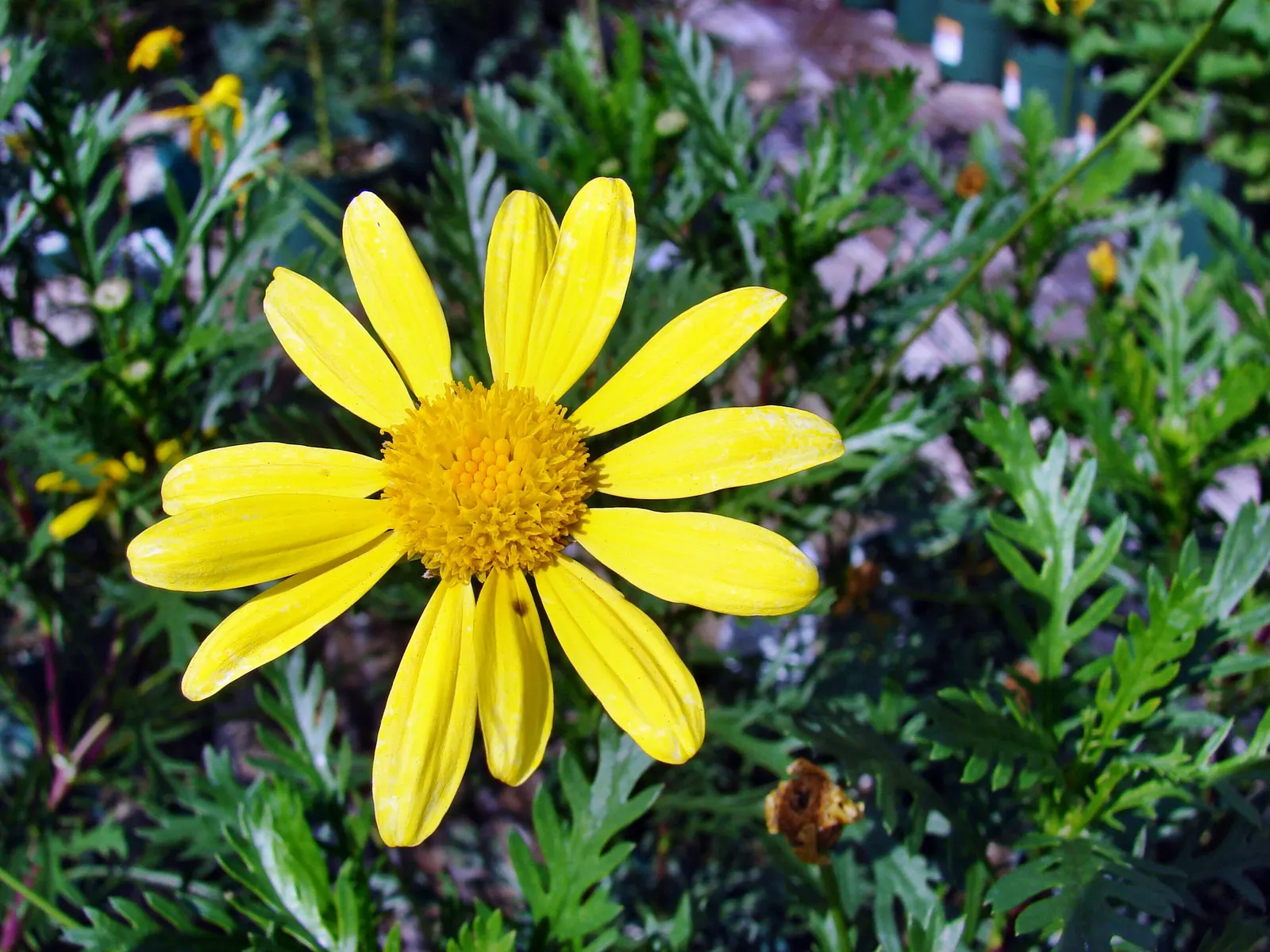
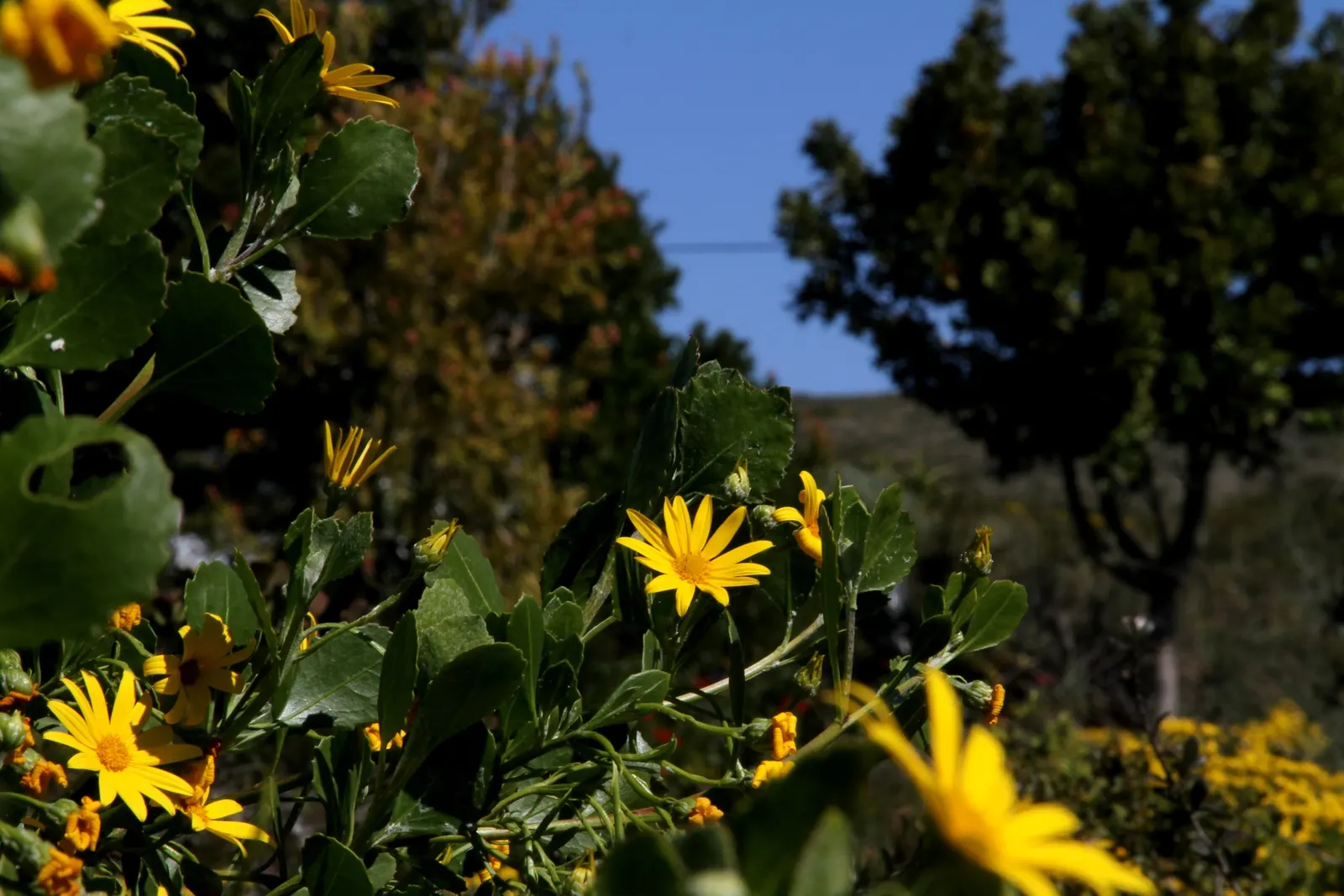
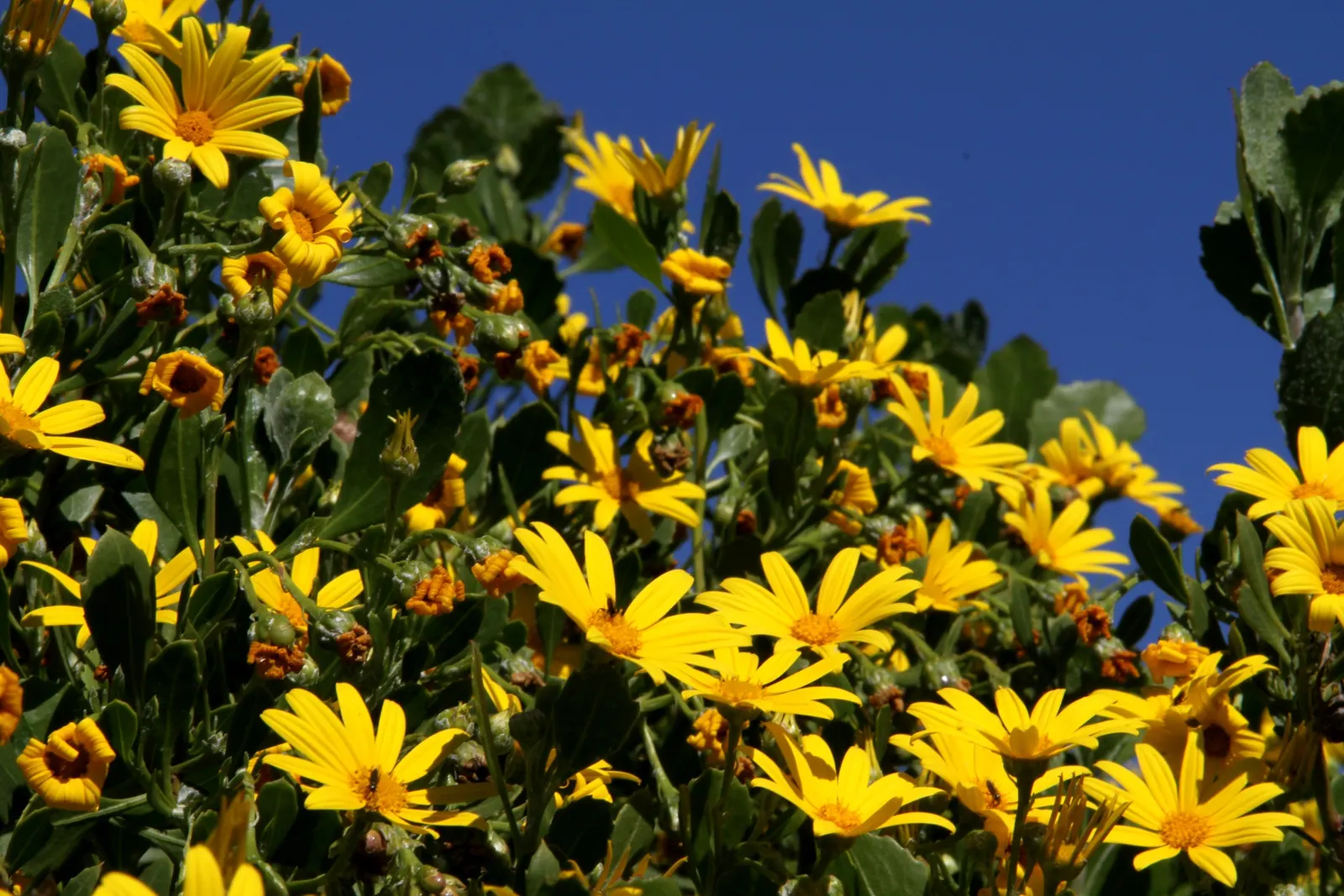
Euryops (Euryops Pectinatus) — dark green foliage and profusion of bright yellow daisy-like flowers

Culture

Sun
Full
Water
Very Low
USDA zones
9–11

Shape & size

Classification

Type
Shrub
Family
Asteraceae
Climate
Mediterranean

See full data, regional cultivation notes, and design tools. Build a client presentation around this plant.

Start your 14-day trial

Photos (122)

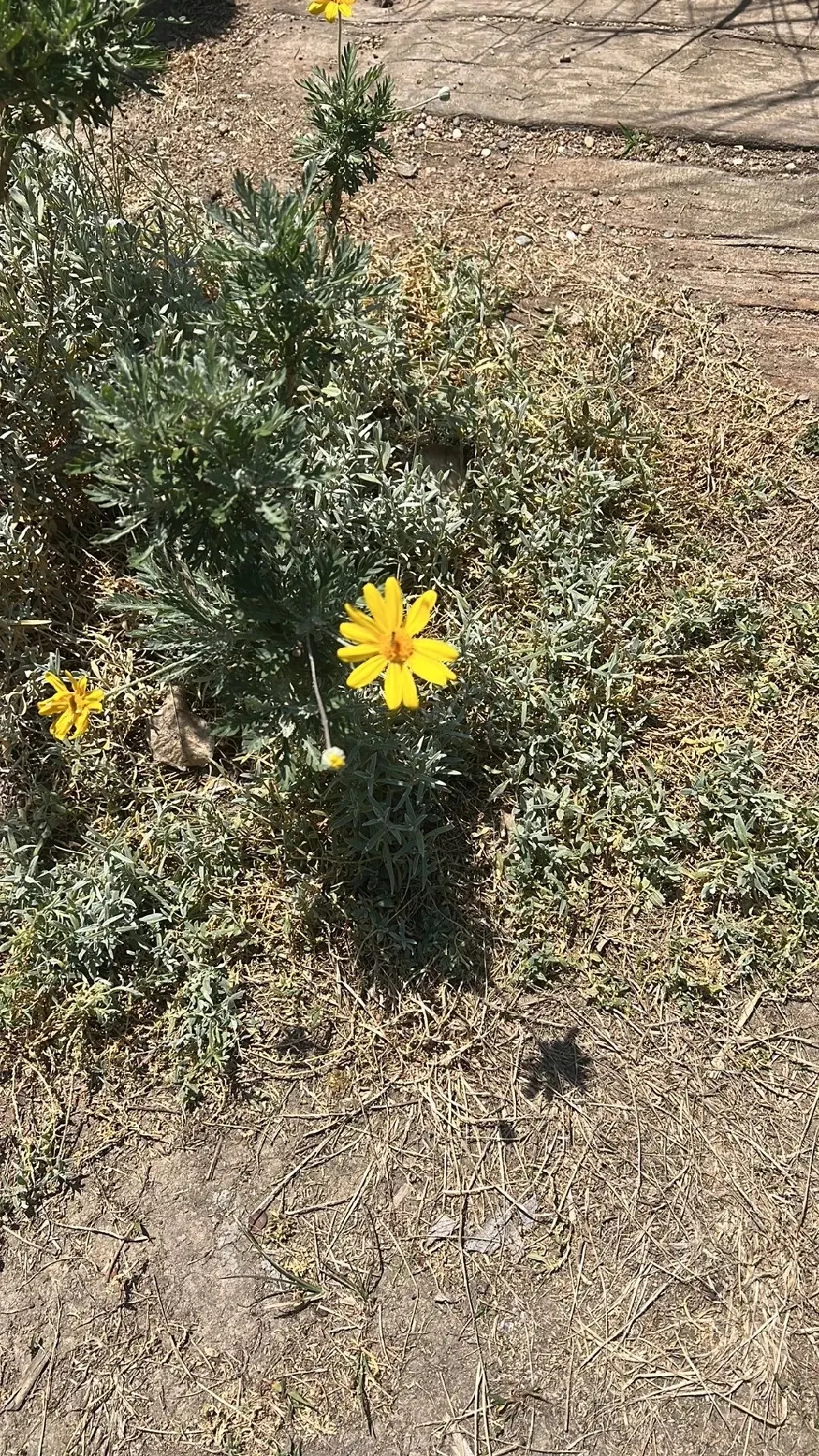
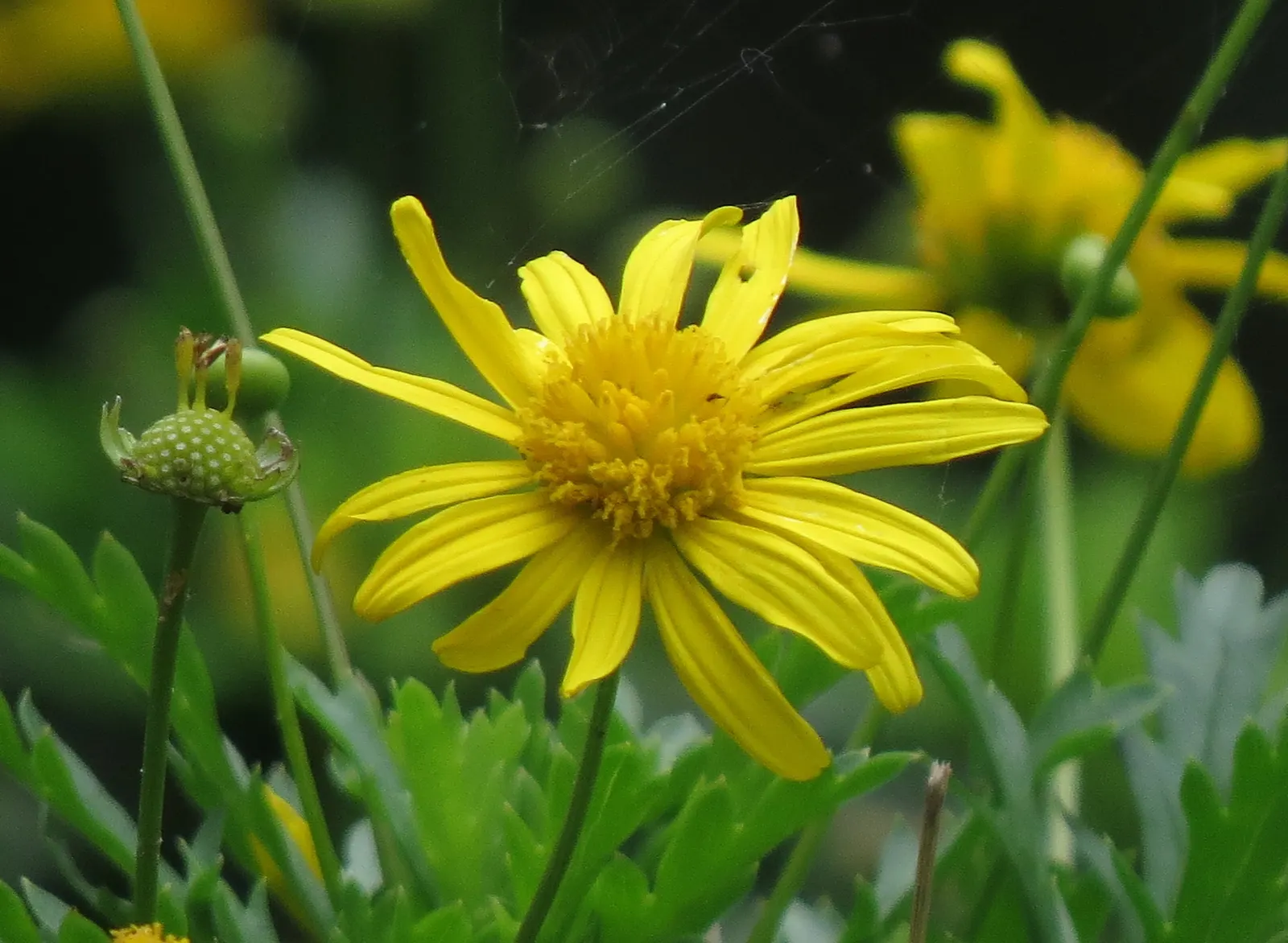
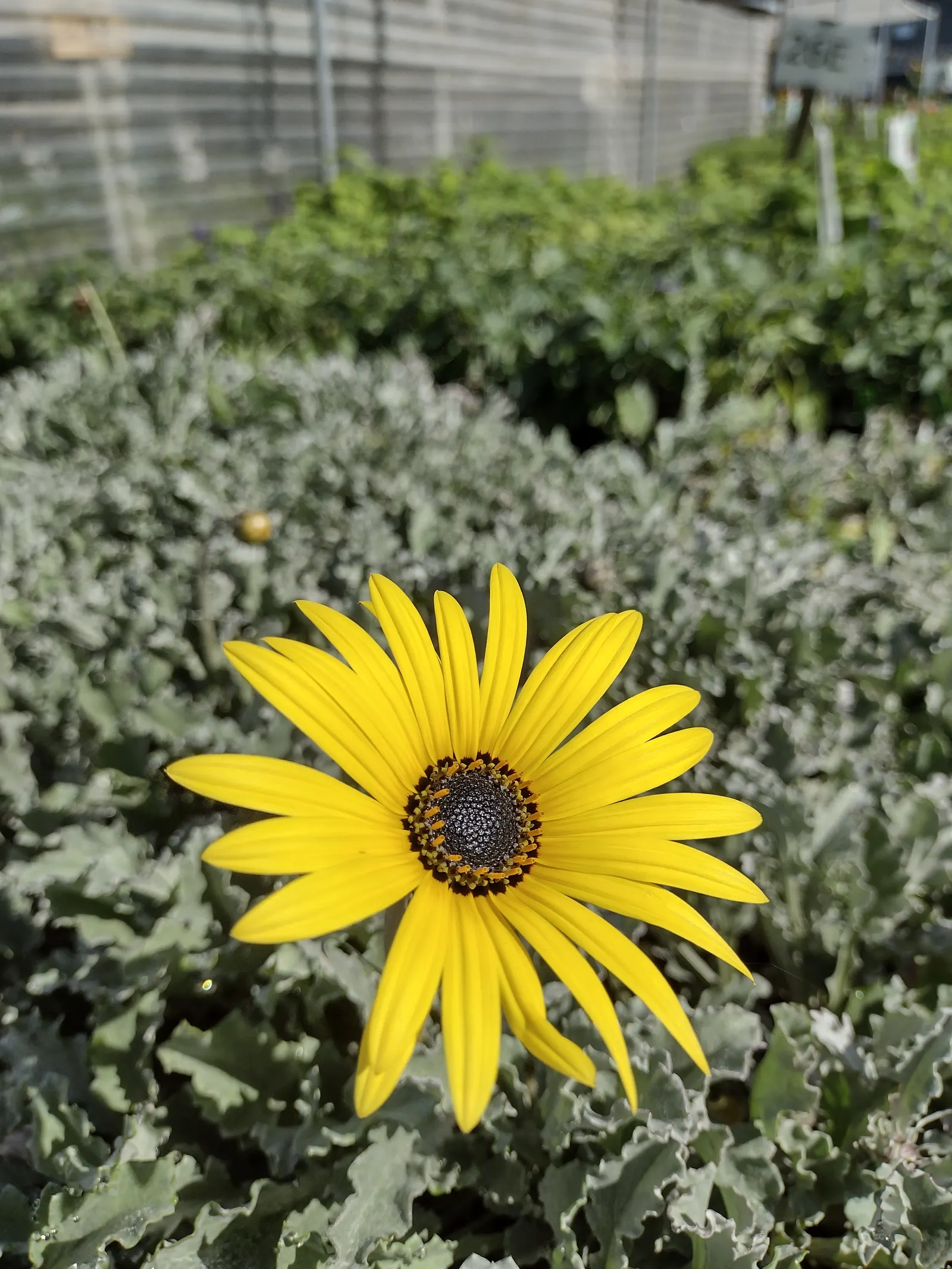
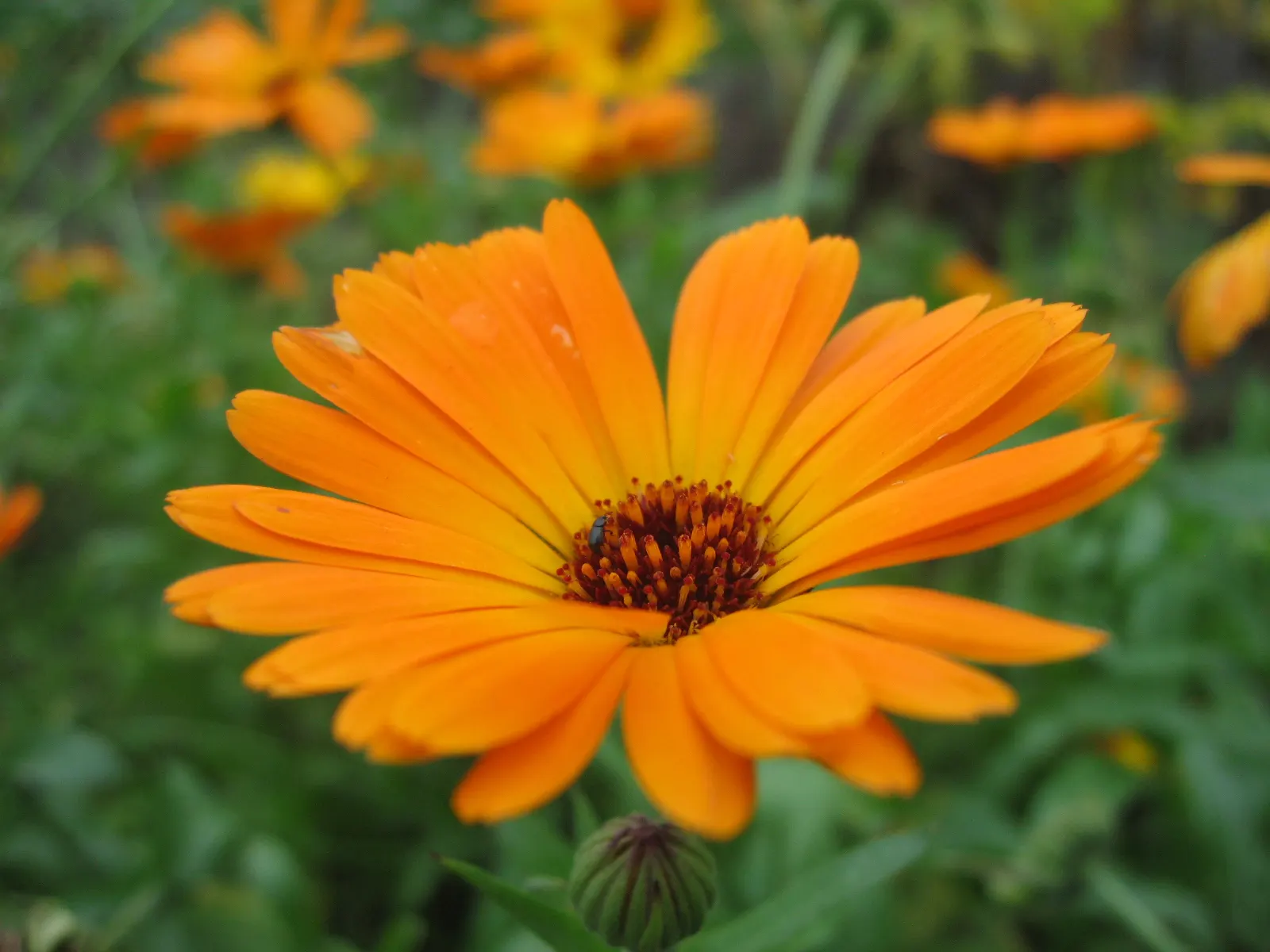
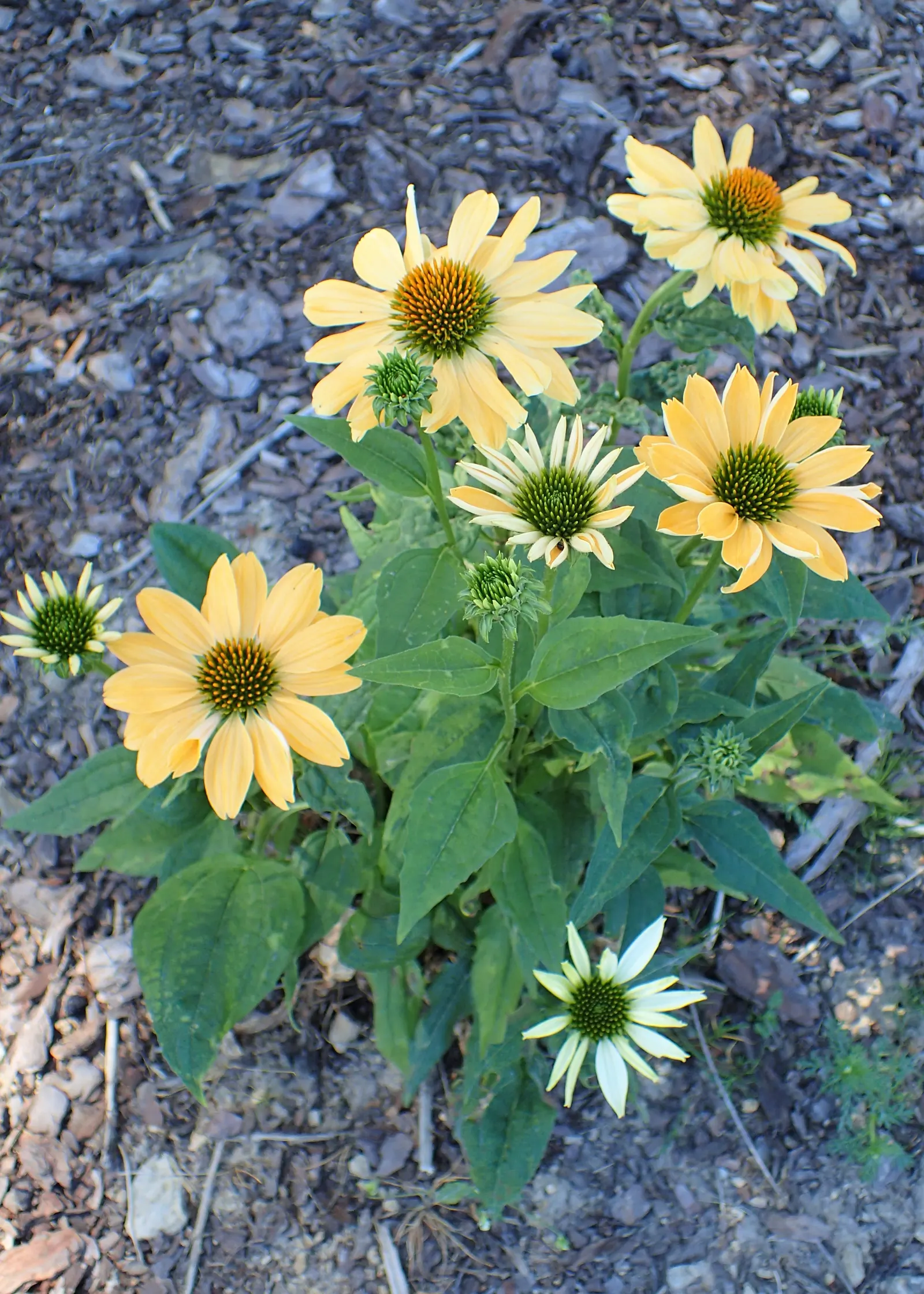
Euryops (Euryops Pectinatus) — Thriving in USDA zones 8-11, it prefers full sun and well-drained soil; dark green foliage contrasts with bright yellow
Euryops (Euryops Pectinatus) — is an evergreen shrub reaching up to 5 feet tall and wide; as an essential addition to any landscape design, image 60
Euryops (Euryops Pectinatus) — Thriving in USDA zones 8-11, it prefers full sun and well-drained soil
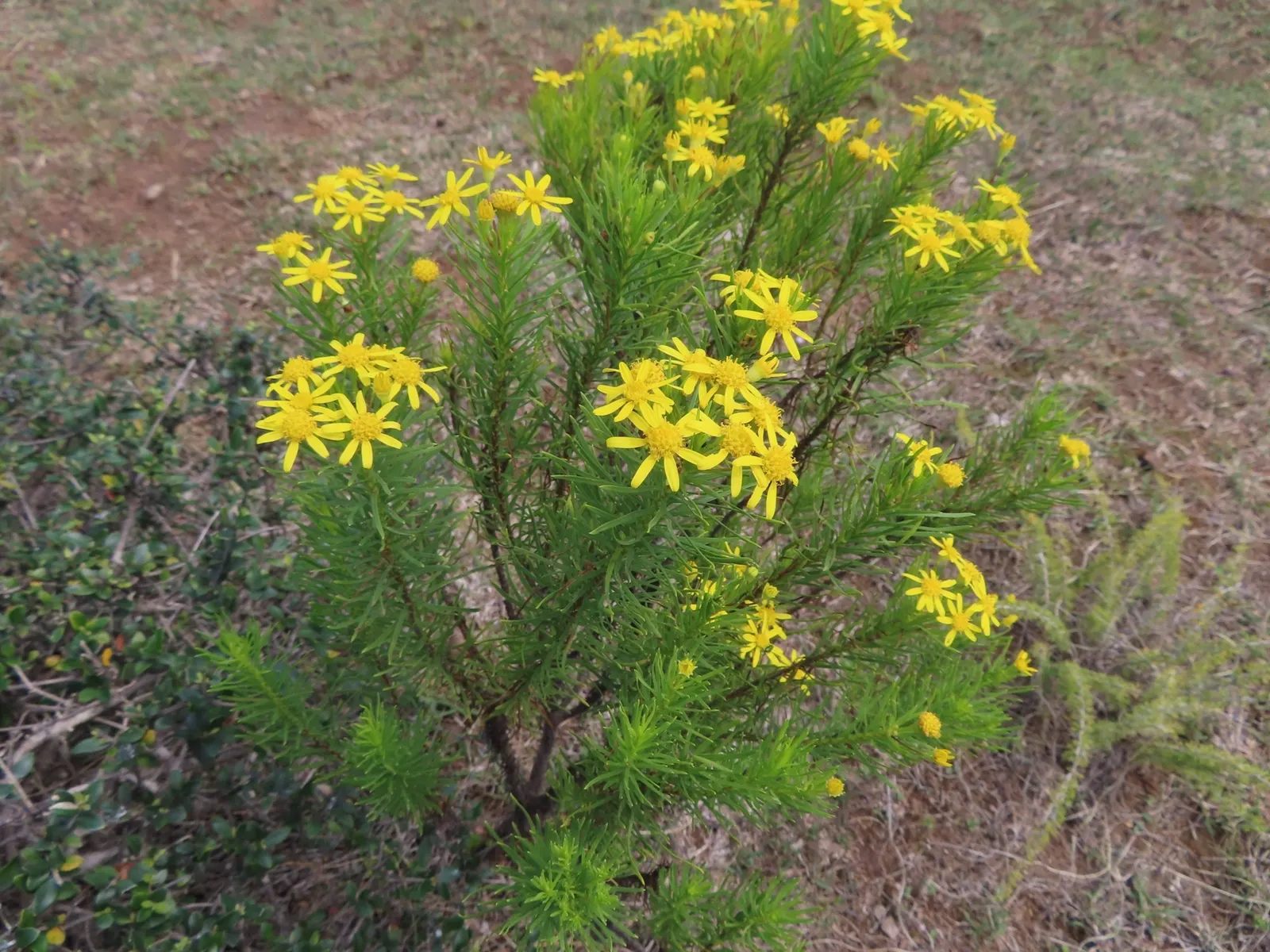
Euryops (Euryops Pectinatus) — yellow flowers in the garden; euryops offers year-round visual interest with its glossy, image 114
Euryops (Euryops Pectinatus) — is a vibrant and hardy evergreen shrub native to South Africa; commonly known as the Golden Daisy Bush or Euryops, image 97
Euryops (Euryops Pectinatus) — yellow flowers in the garden; euryops offers year-round visual interest with its glossy, image 85
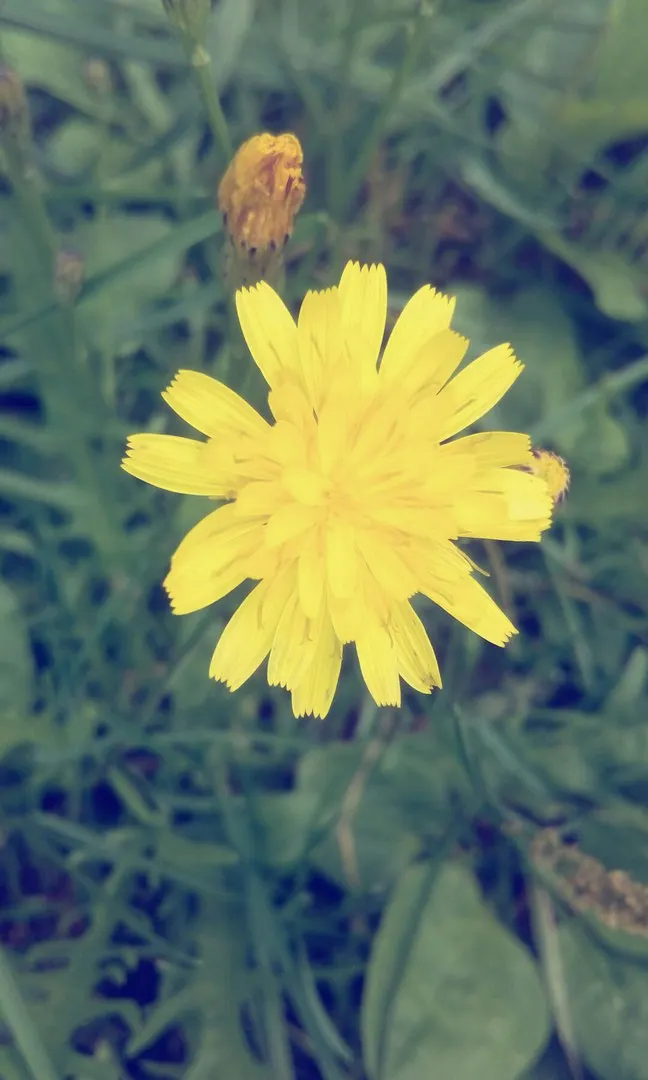
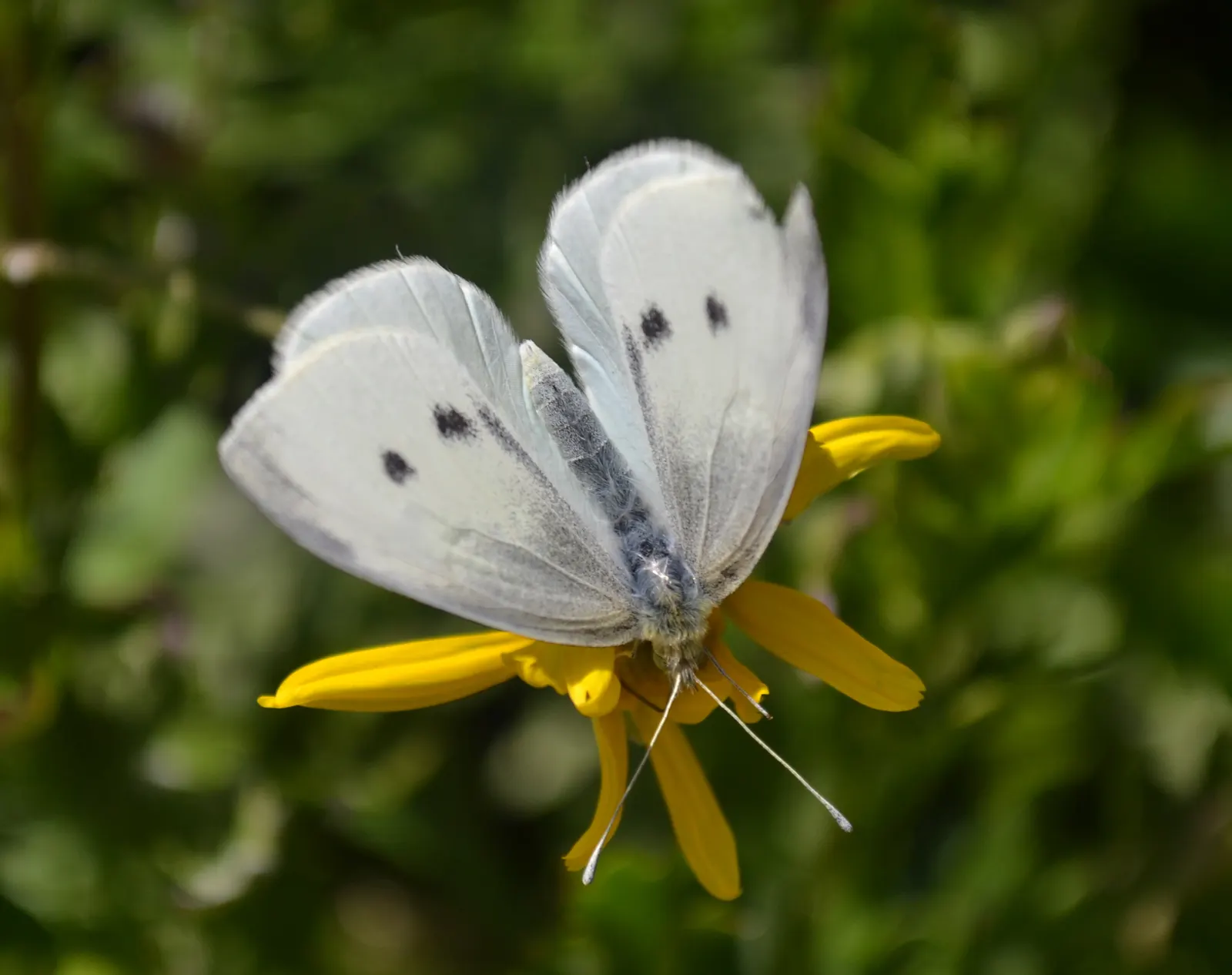
Euryops (Euryops Pectinatus) — daisy-like flowers blooming mostly in winter and spring; and ability to attract pollinators
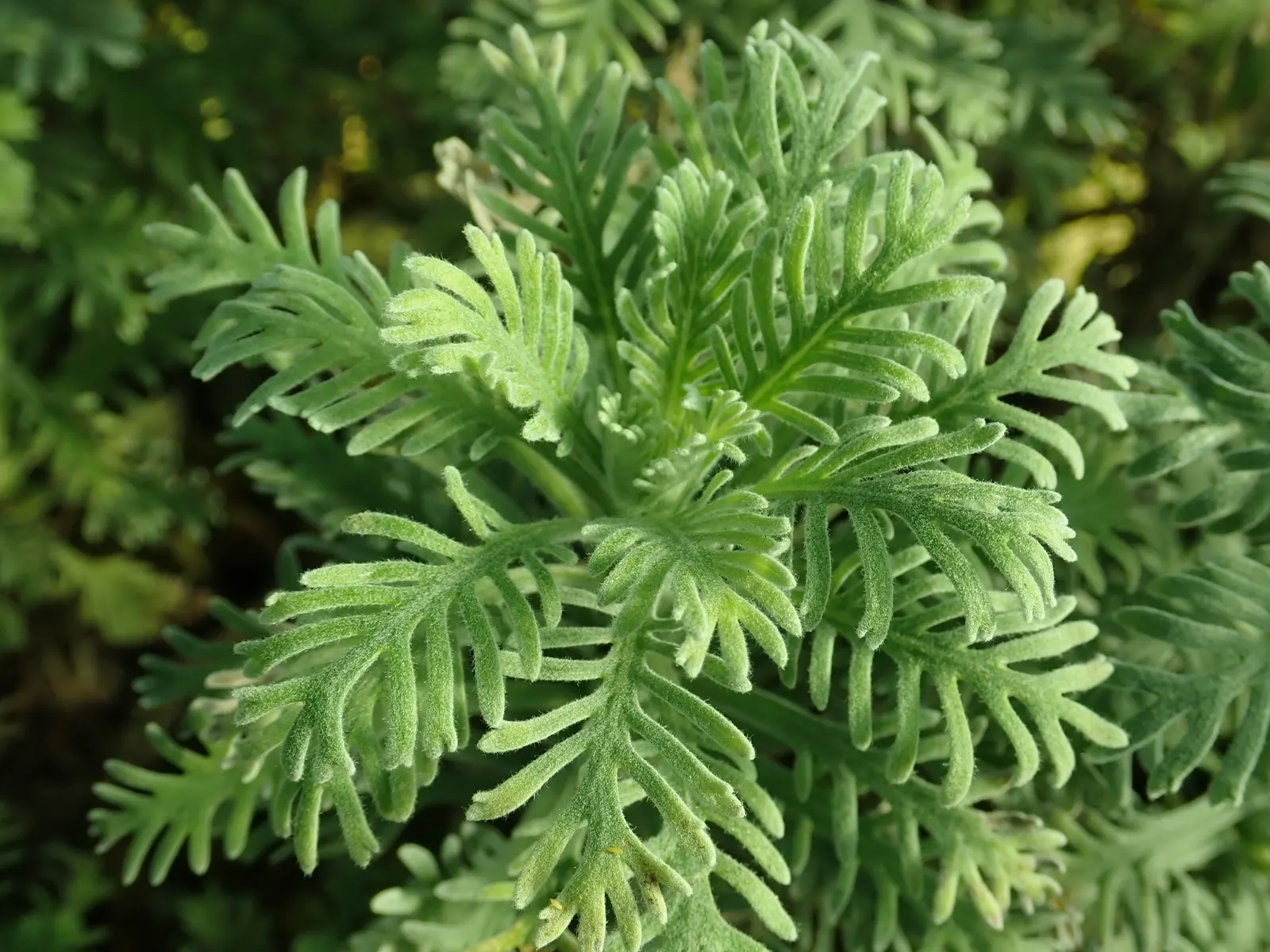
Euryops (Euryops Pectinatus) — dark green foliage contrasts with bright yellow
Euryops (Euryops Pectinatus) — This robust plant typically reaches a height and spread of 4 to 5 feet; making it ideal for water-wise landscapes and sunny
Euryops (Euryops Pectinatus) — Thriving in USDA zones 8-11, it prefers full sun and well-drained soil; dark green foliage contrasts with bright, image 63
Euryops (Euryops Pectinatus) — emphasize its cheerful demeanor
Euryops (Euryops Pectinatus) — commonly known as the Golden Daisy Bush or Euryops; is an evergreen shrub reaching up to 5 feet tall and wide, image 67
Euryops (Euryops Pectinatus) — daisy-like flowers blooming mostly in winter and spring; and ability to attract pollinators, image 62
Euryops (Euryops Pectinatus) — with a peak flowering season from late winter through spring
Euryops (Euryops Pectinatus) — Euryops offers year-round visual interest with its glossy; when informing clients about the Golden Daisy Bush
Euryops (Euryops Pectinatus) — though it flourishes best in well-drained soil
Euryops (Euryops Pectinatus) — commonly known as the Golden Daisy Bush or Euryops; is an evergreen shrub reaching up to 5 feet tall and wide, image 96
Euryops (Euryops Pectinatus) — or as a cheerful specimen plant.<br><br>The Golden Daisy Bush thrives in USDA hardiness zones 8 to 11; making it low, image 74
Euryops (Euryops Pectinatus) — As an essential addition to any landscape design; or as a cheerful specimen plant.<br><br>The Golden Daisy Bush thrives in USDA
Euryops (Euryops Pectinatus) — making it ideal for water-wise landscapes and sunny borders; emphasize its cheerful demeanor, image 66
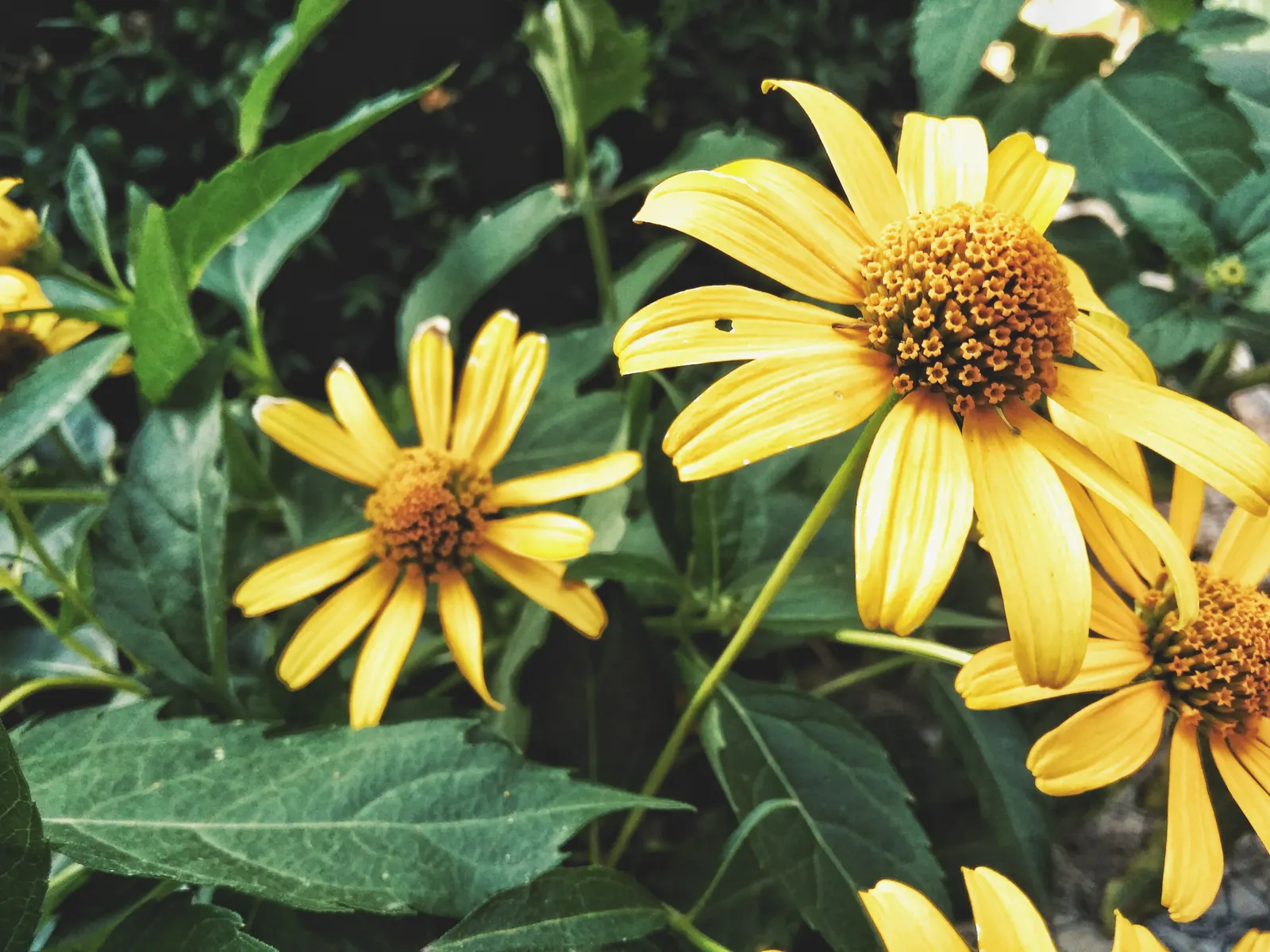
Euryops (Euryops Pectinatus) — yellow flowers in the garden; euryops offers year-round visual interest with its glossy
Euryops (Euryops Pectinatus) — making it low maintenance and a reliable performer in the landscape; drought-tolerant once established, image 109
Euryops (Euryops Pectinatus) — making it low maintenance and a reliable performer in the landscape; drought-tolerant once established
Euryops (Euryops Pectinatus) — though it flourishes best in well-drained soil; compact growth habit and further bloom production, image 107
Photographs by 17 contributors

Related plants