Skip to content

White Wood Aster

Eurybia divaricata

Design with this plant

Overview

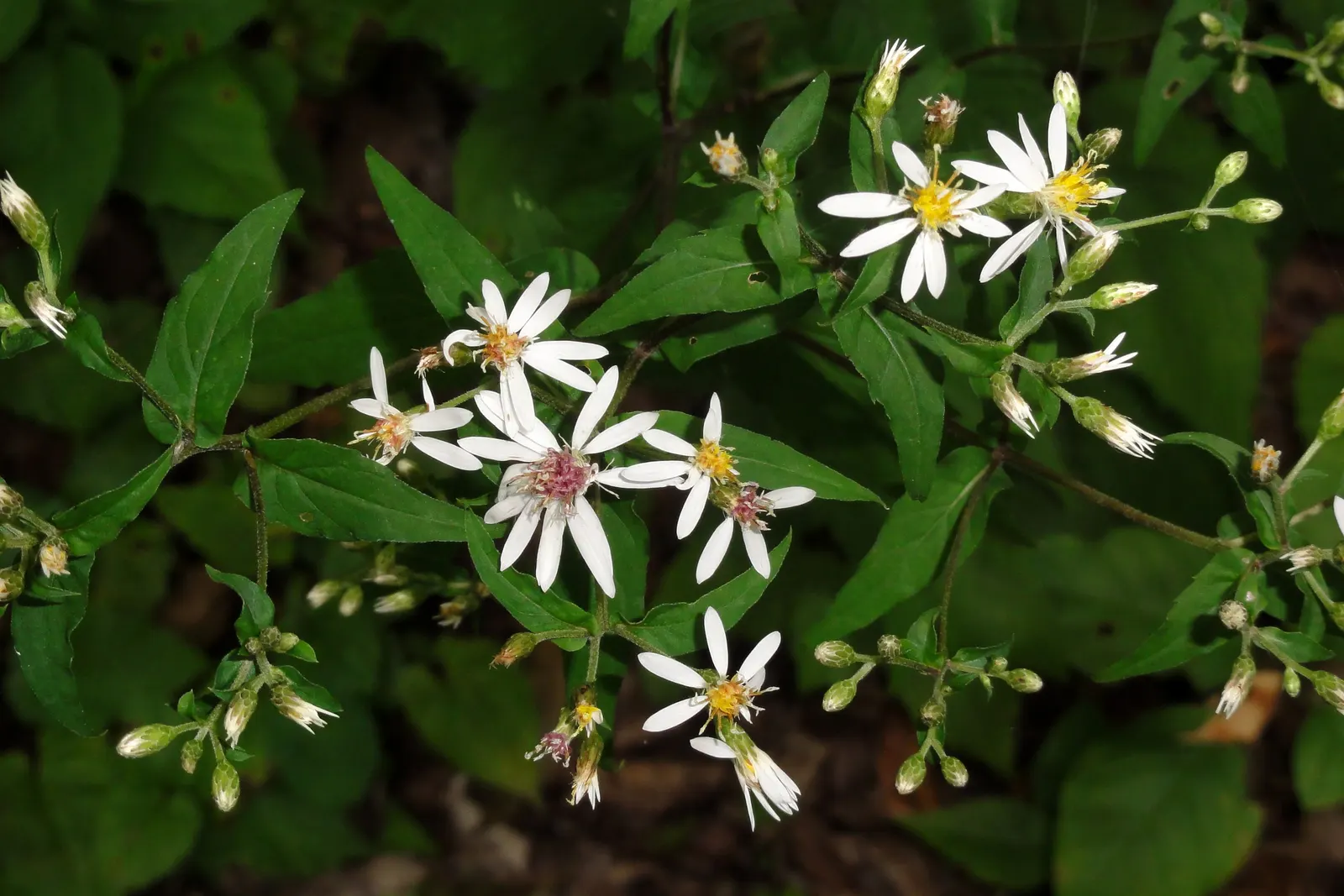
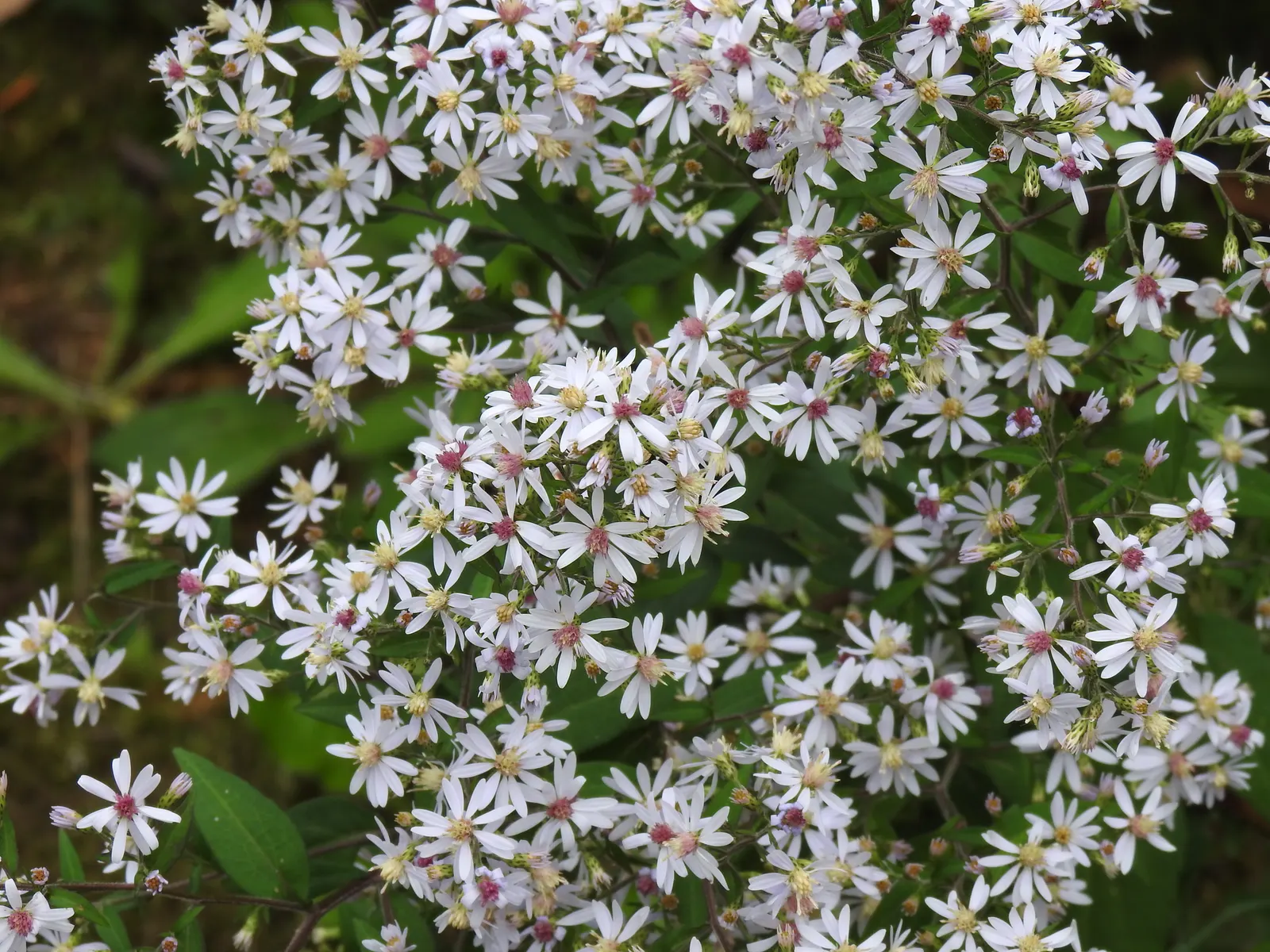
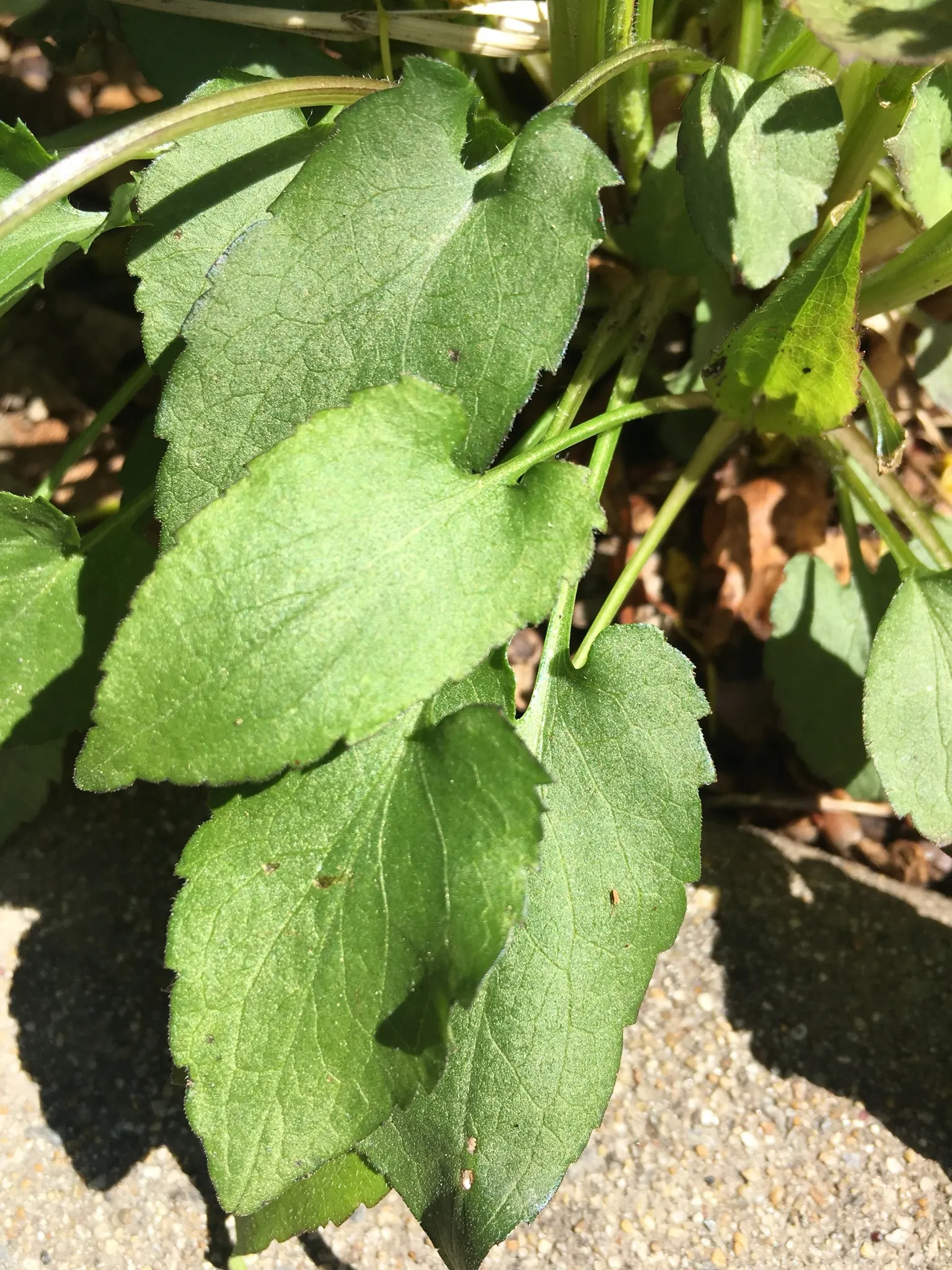
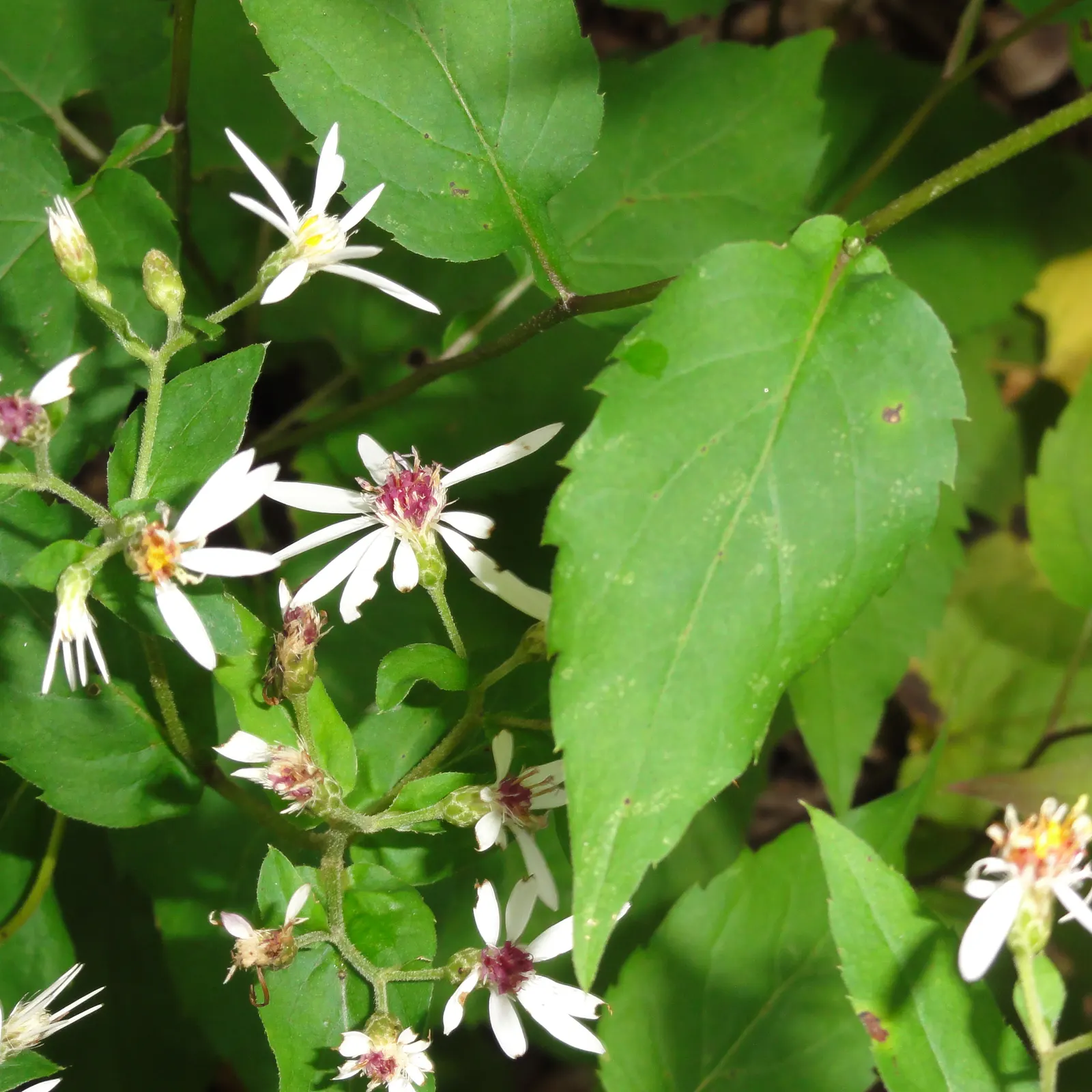
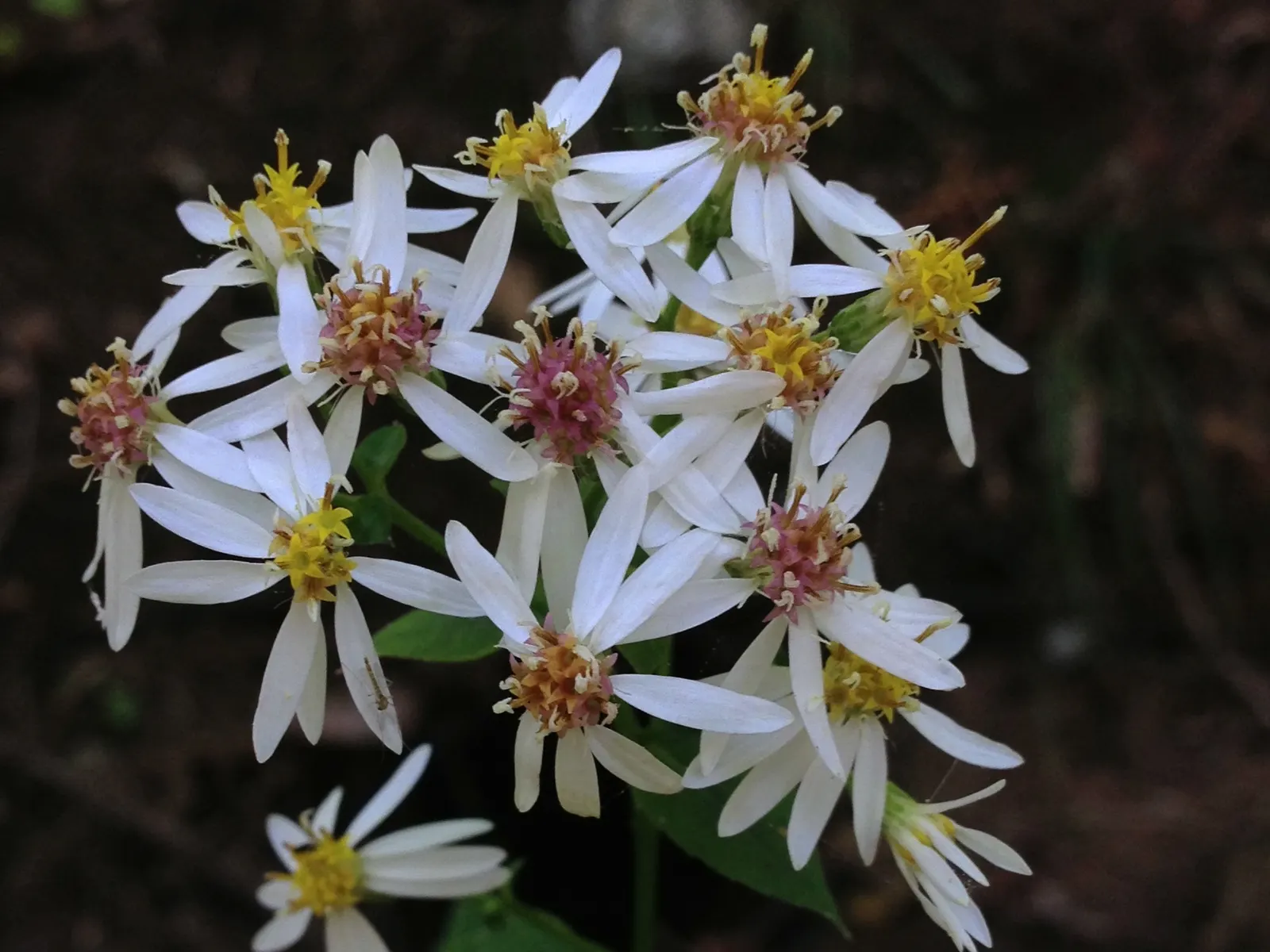
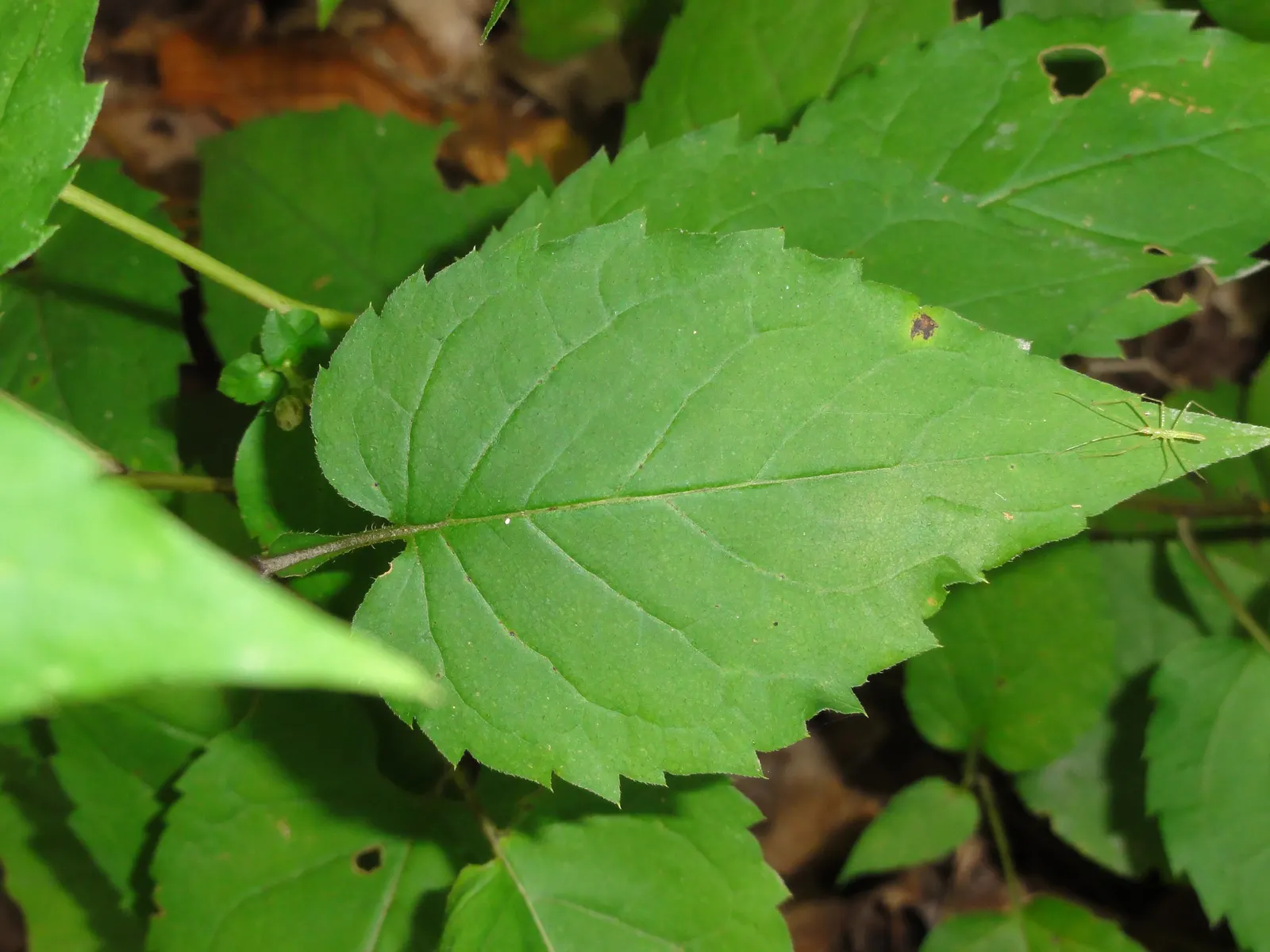
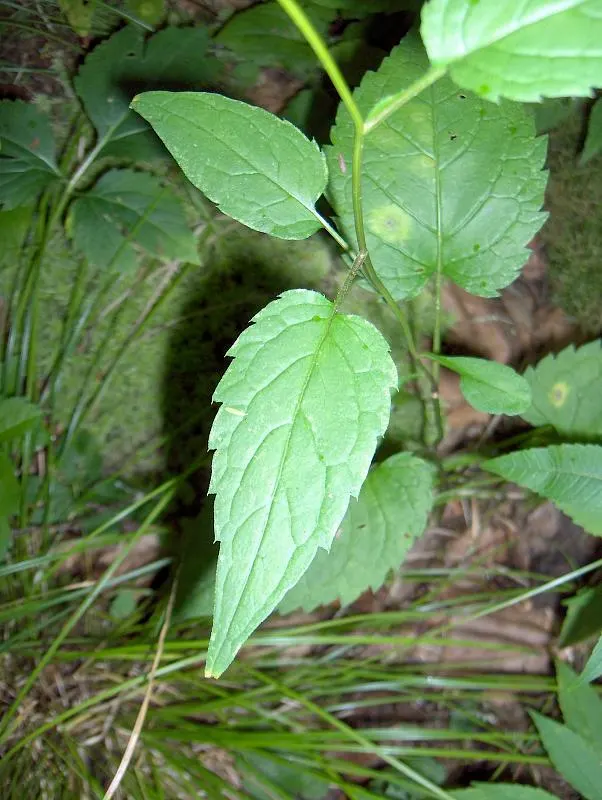
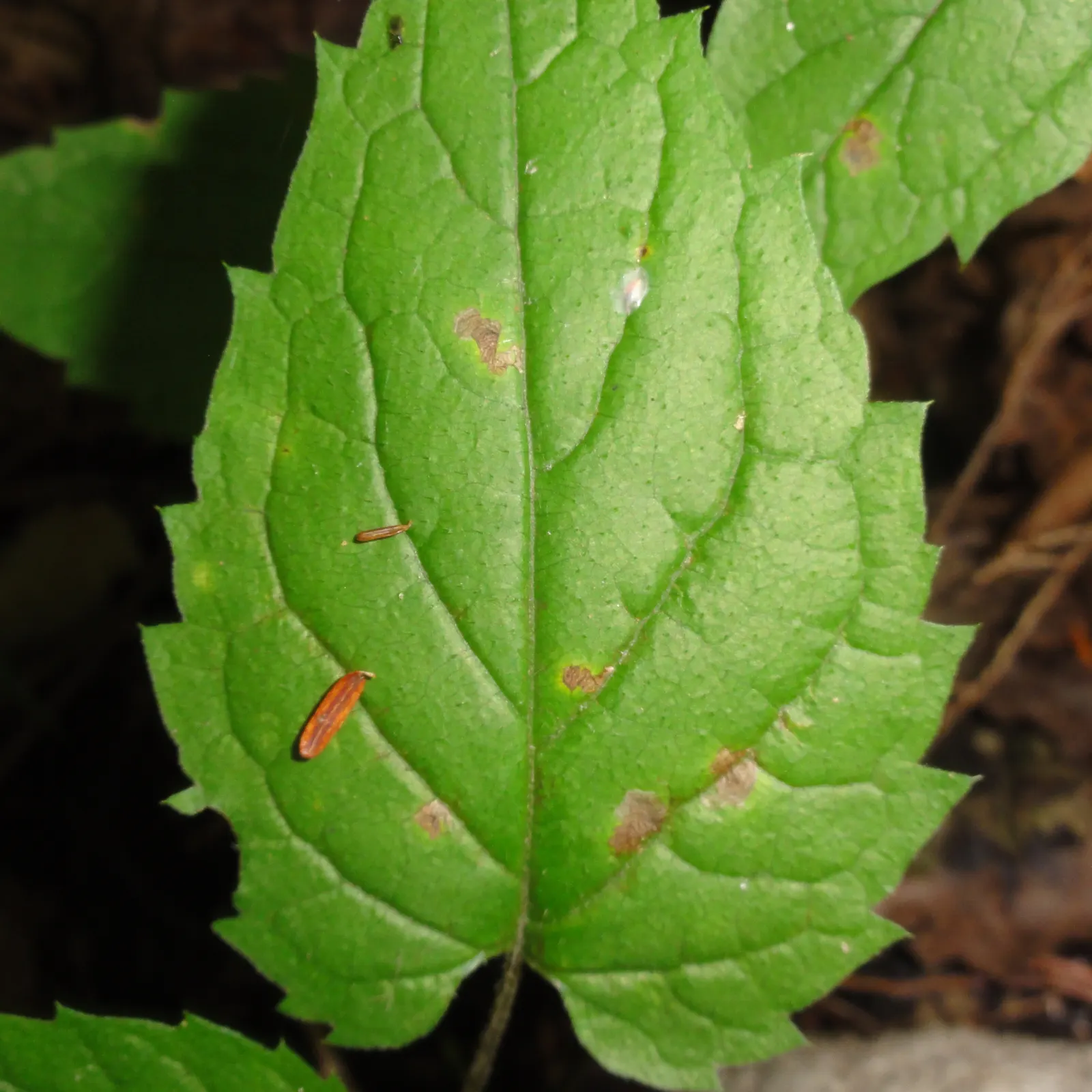
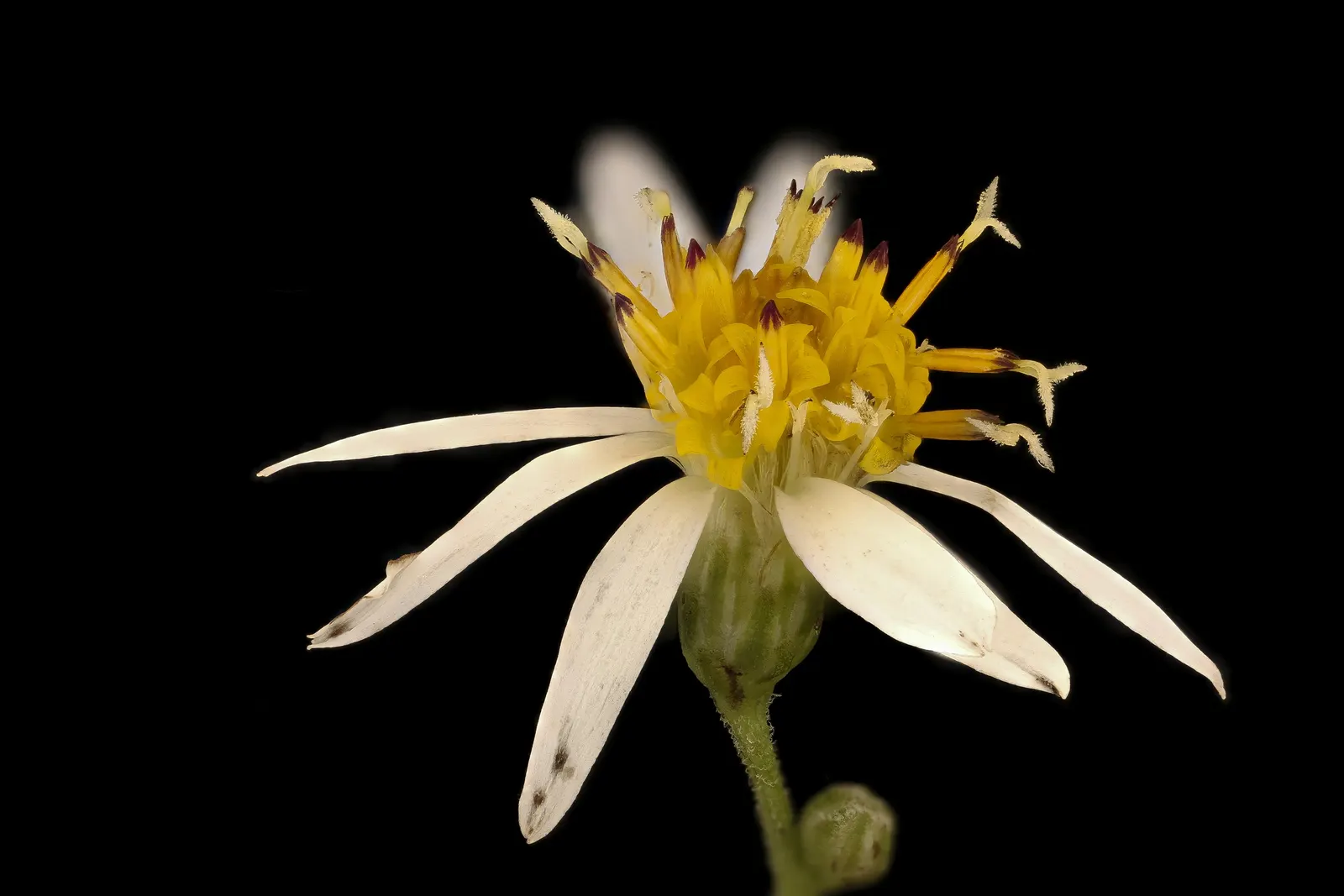
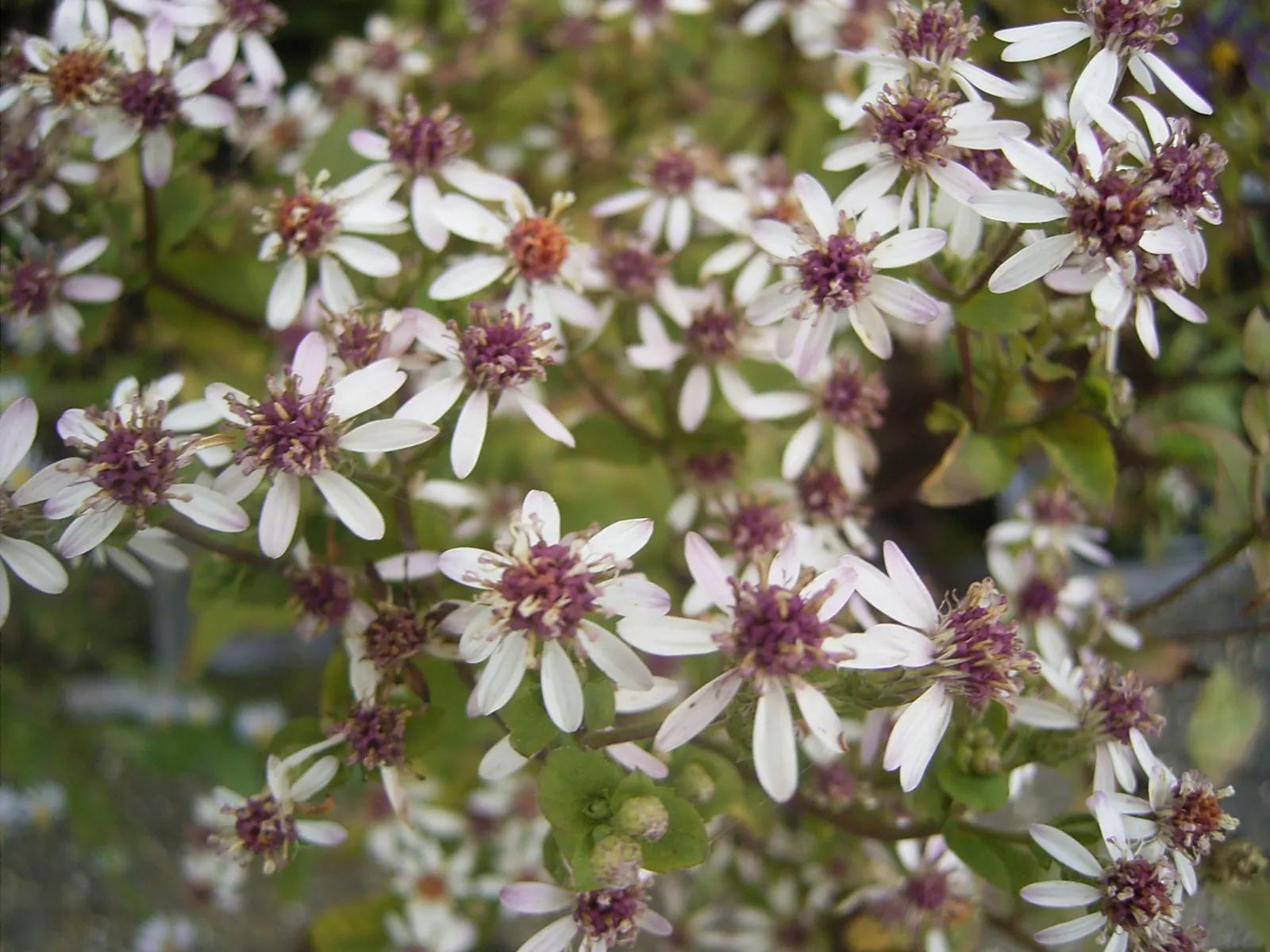
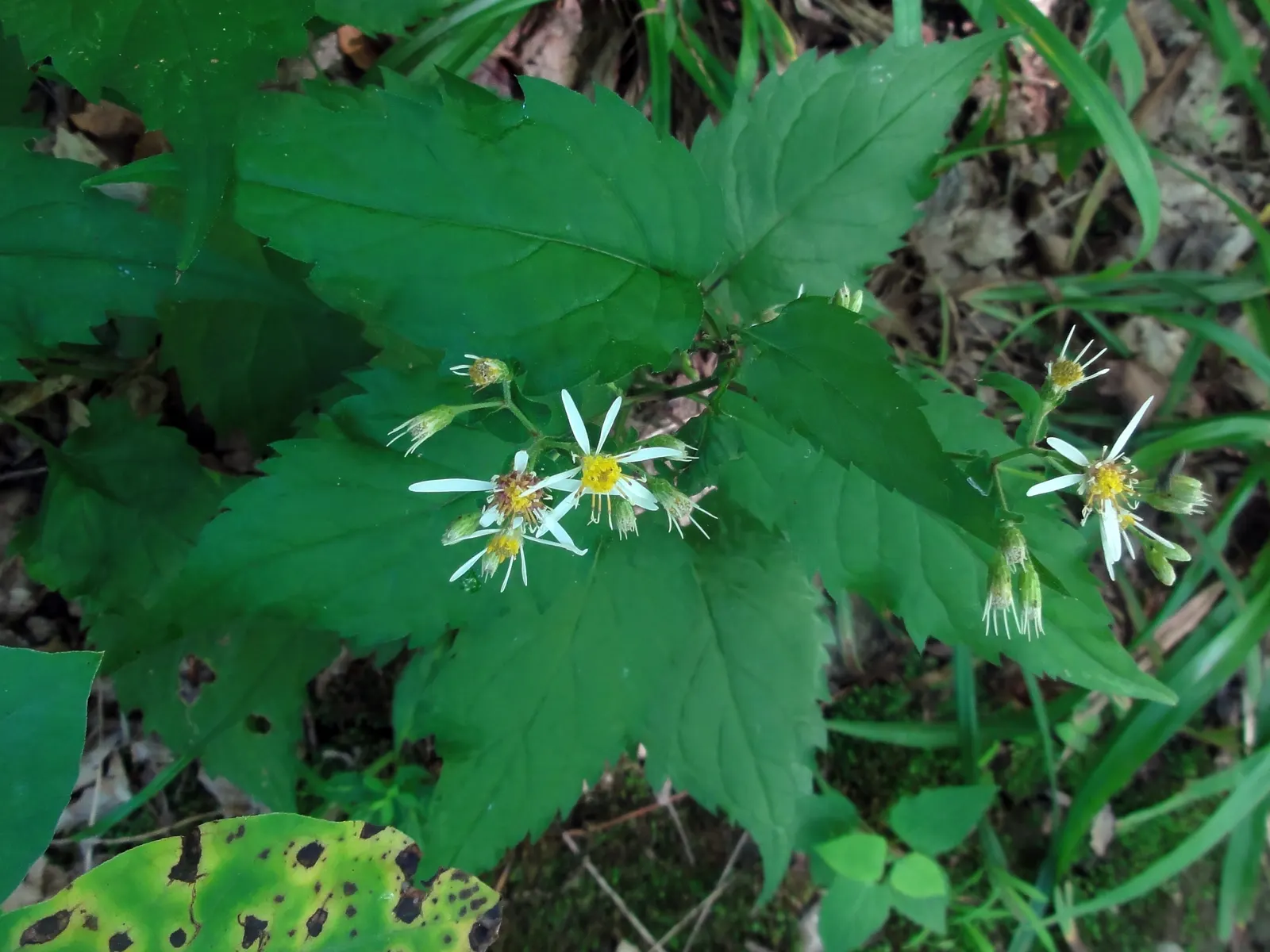
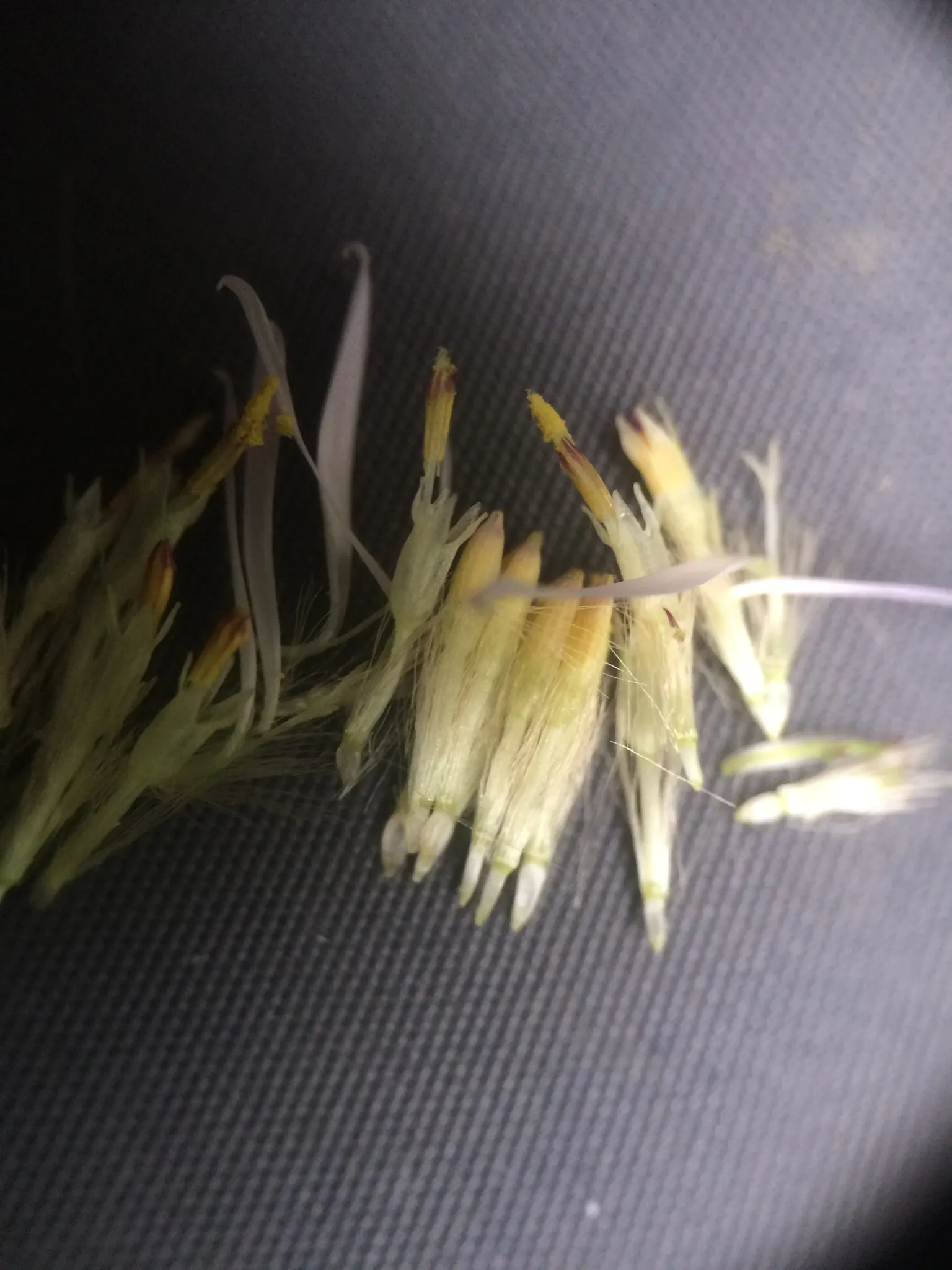
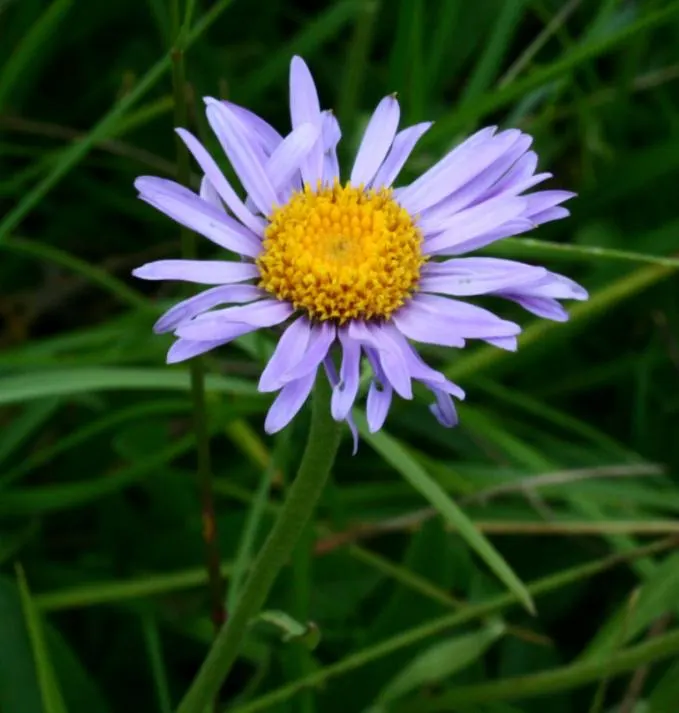
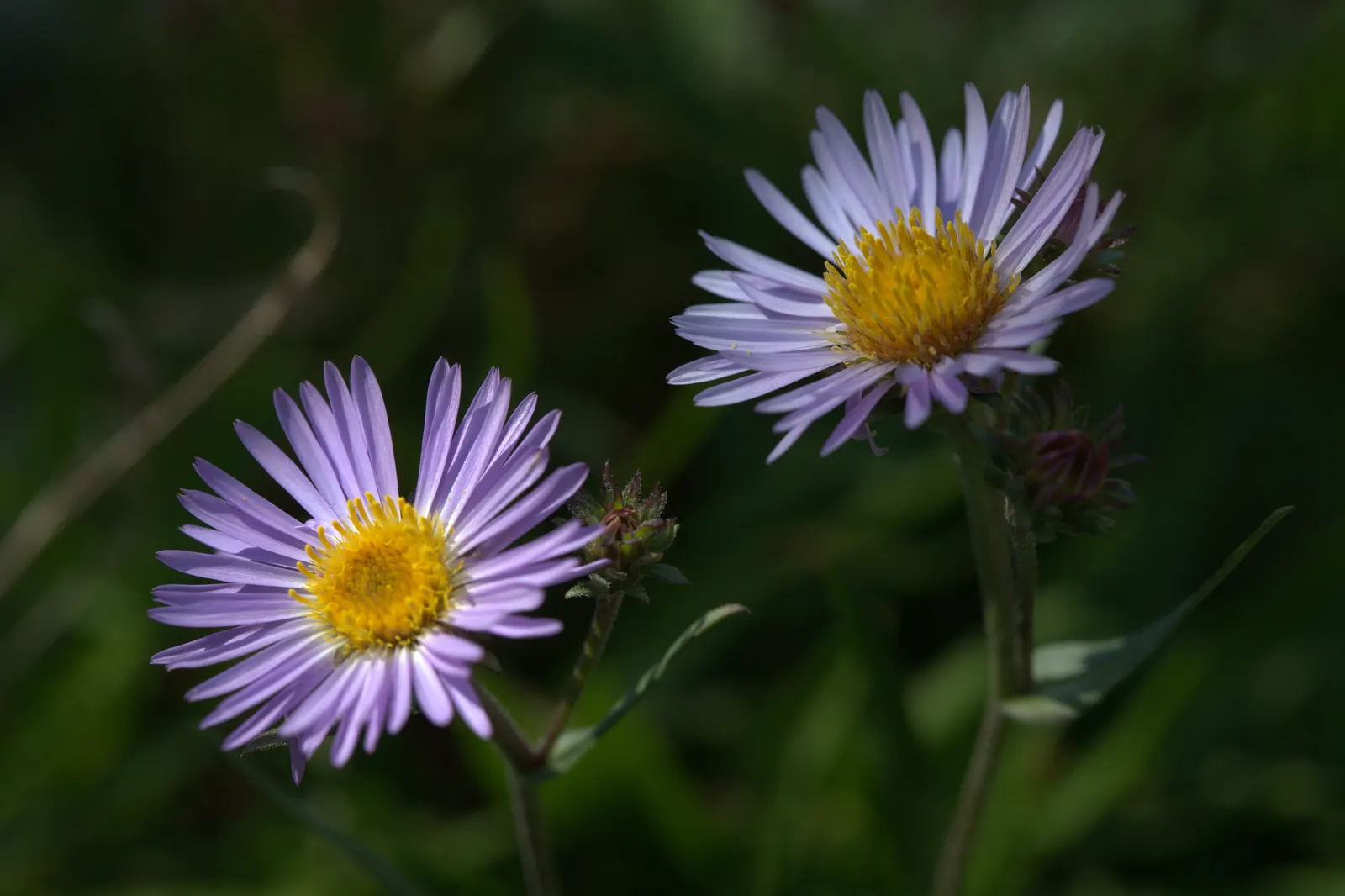
White Wood Aster (Eurybia divaricata) is a North American native perennial with heart-shaped, toothed leaves and distinctive, starry white flowers with yellow to red center disks. Thriving in partial to full shade, it reaches 1-3 feet in height and spreads up to 2 feet. This low-maintenance aster blooms from late summer to fall, offering late-season nectar for pollinators in USDA zones 3-8. Ideal for naturalized or woodland garden settings.

Sun Half, ShadeWater High, MediumZones 3–8Type Perennial

Culture

Sun
Half, Shade
Water
High, Medium
USDA zones
3–8

Shape & size

Mature height
2–3 Ft.
Mature width
2–4 Ft.

Classification

Type
Perennial
Family
Asteraceae

See full data, regional cultivation notes, and design tools. Build a client presentation around this plant.

Start your 14-day trial

Photos (109)

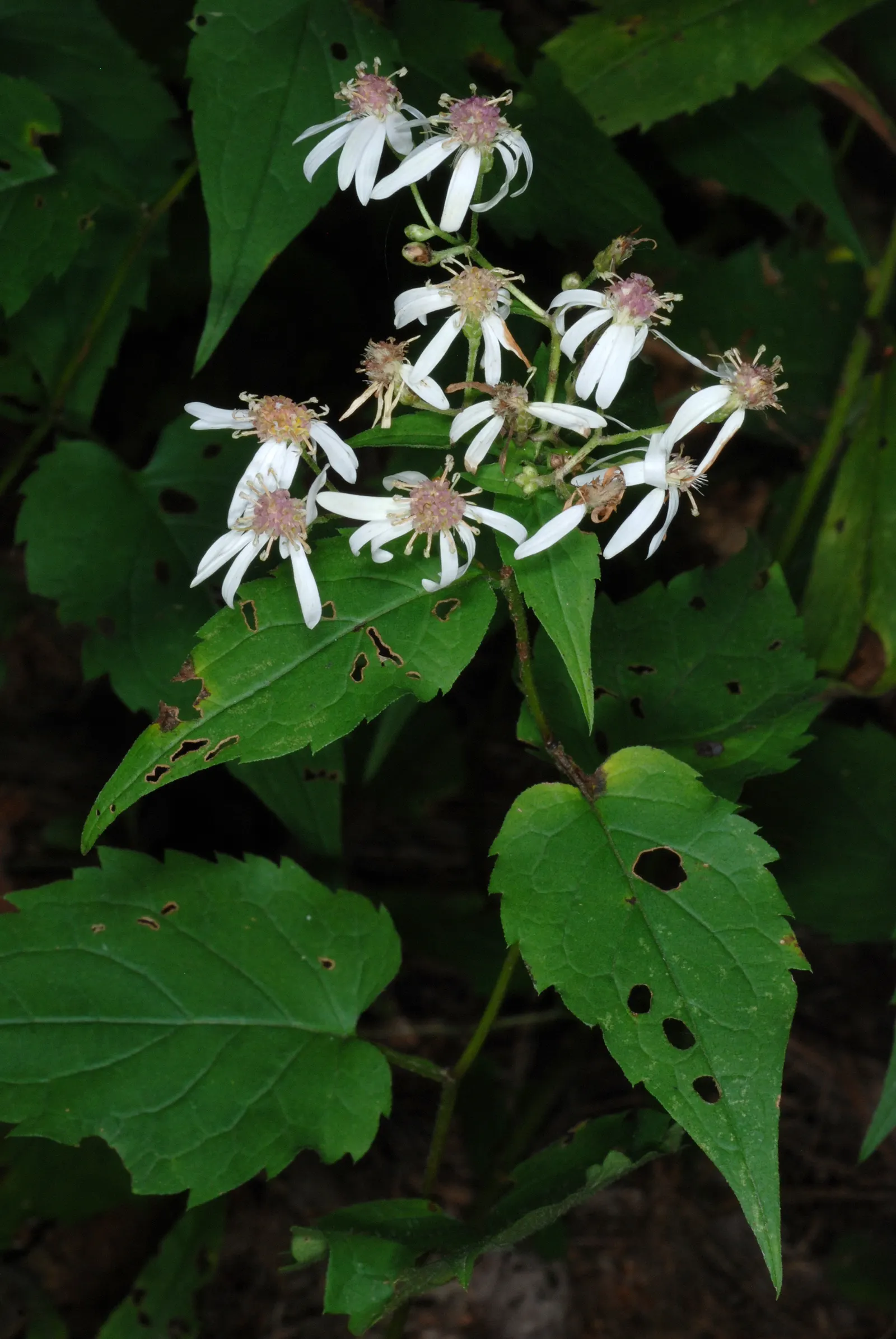
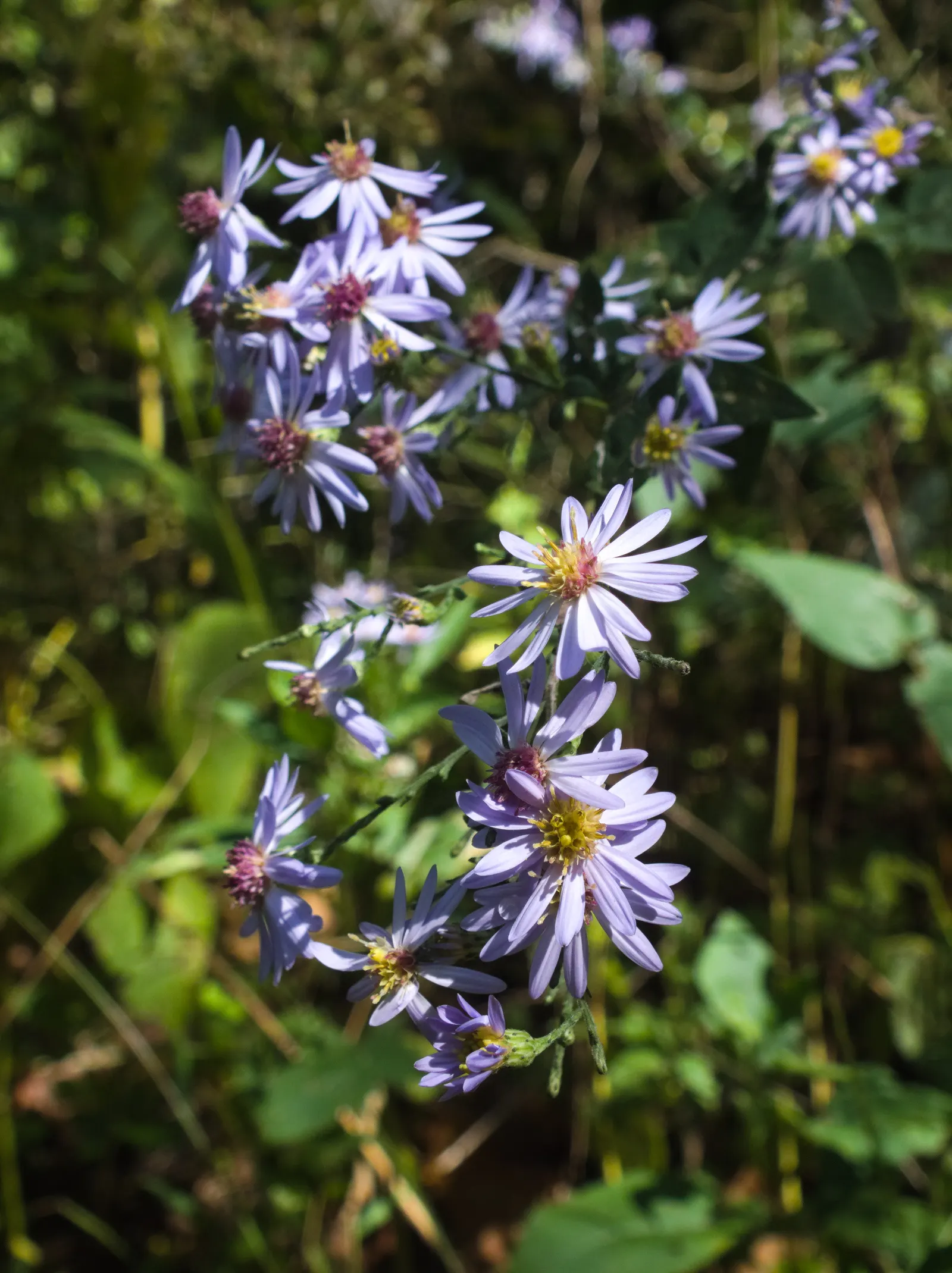
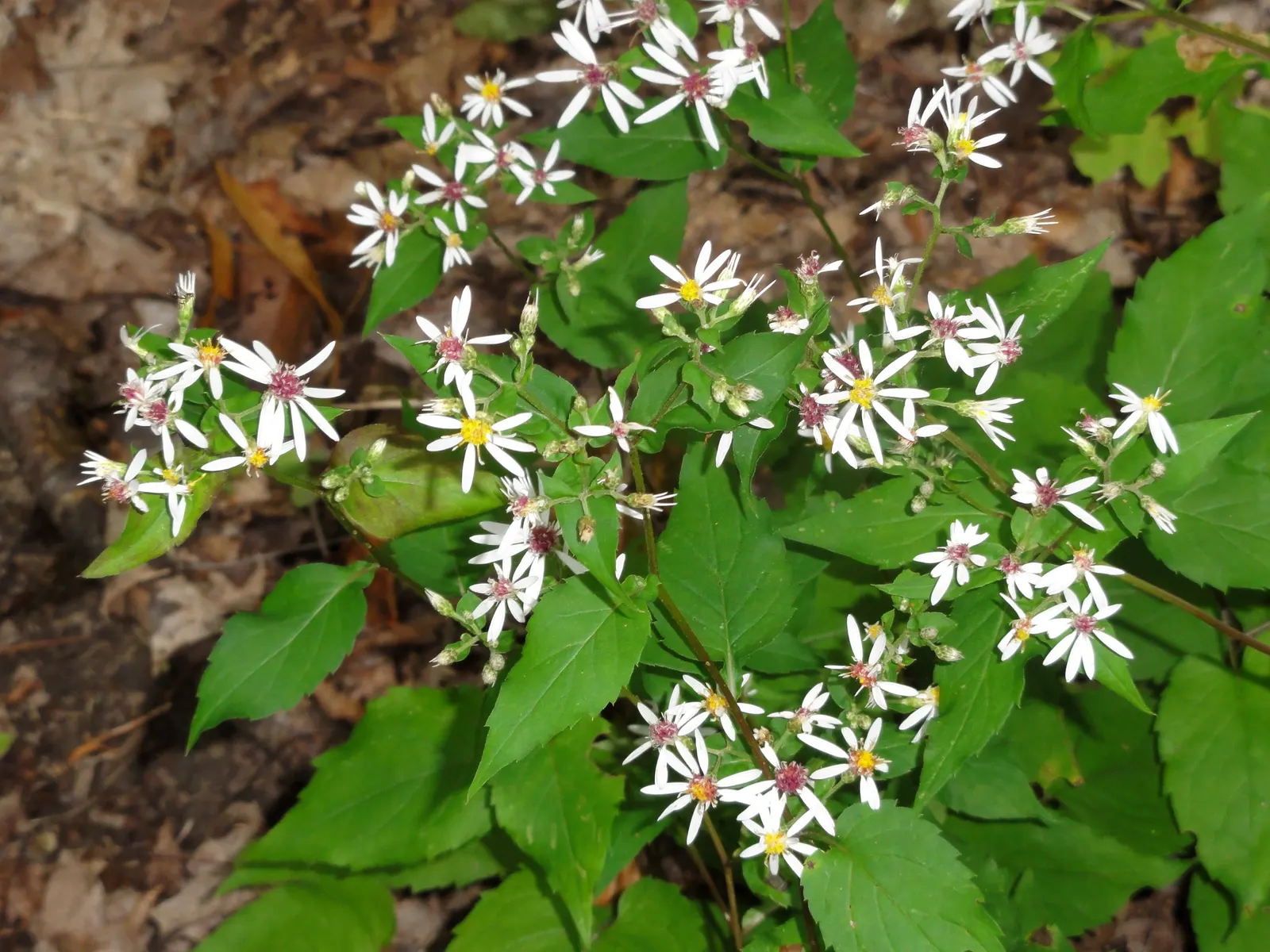
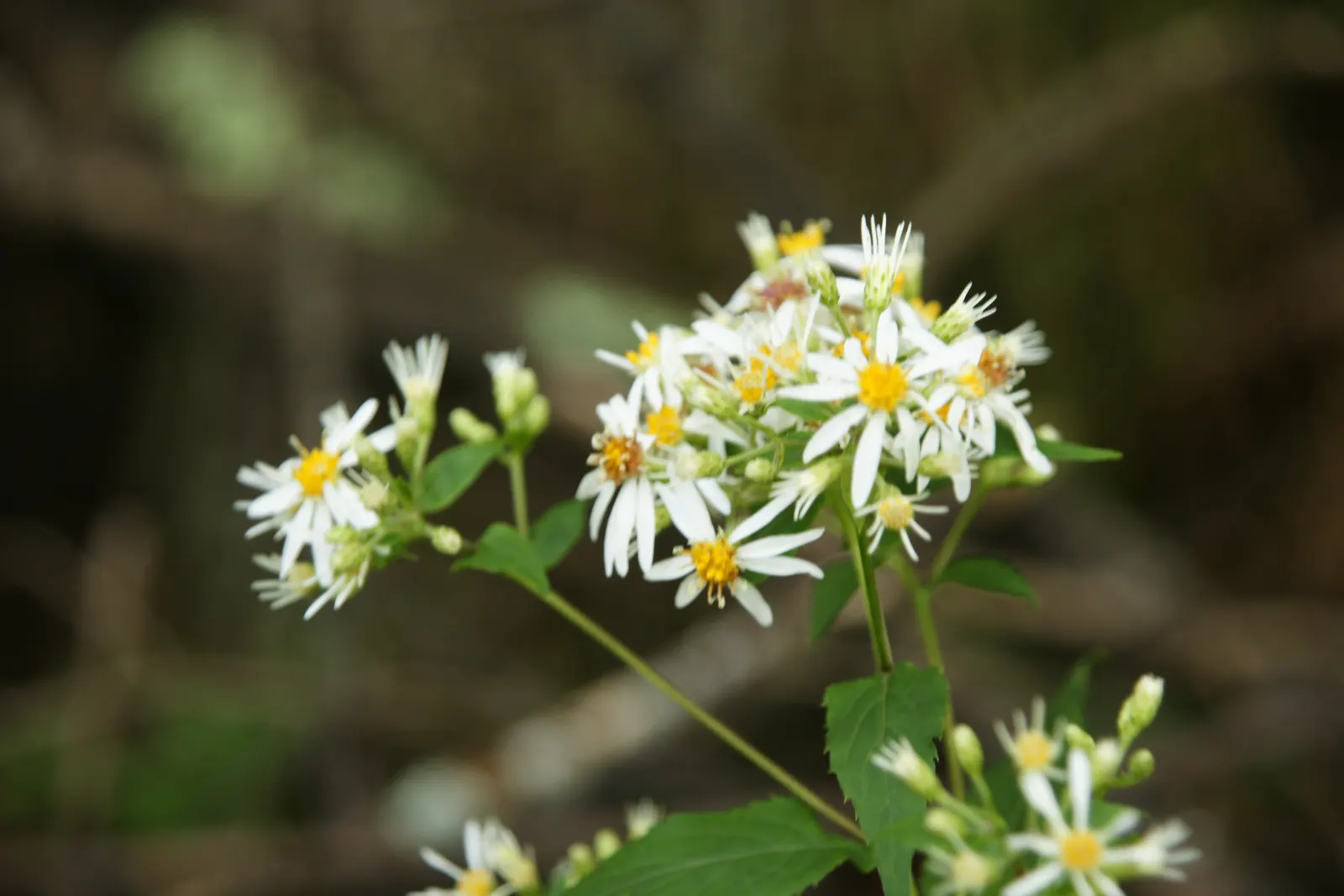
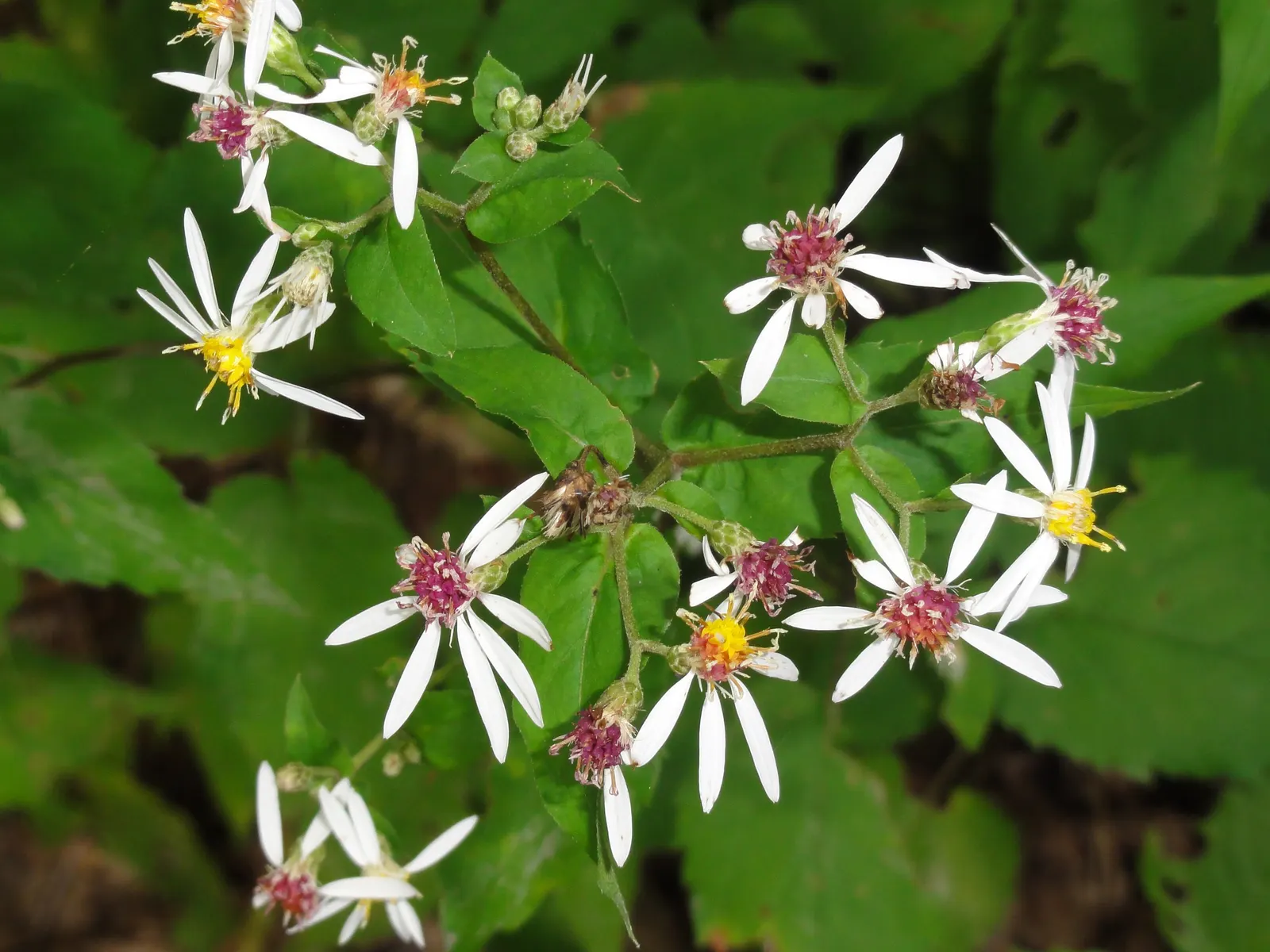
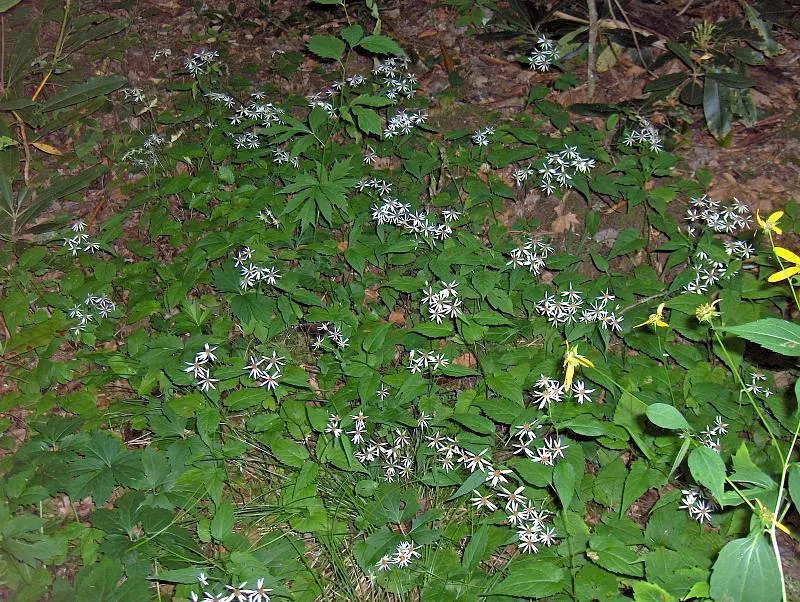
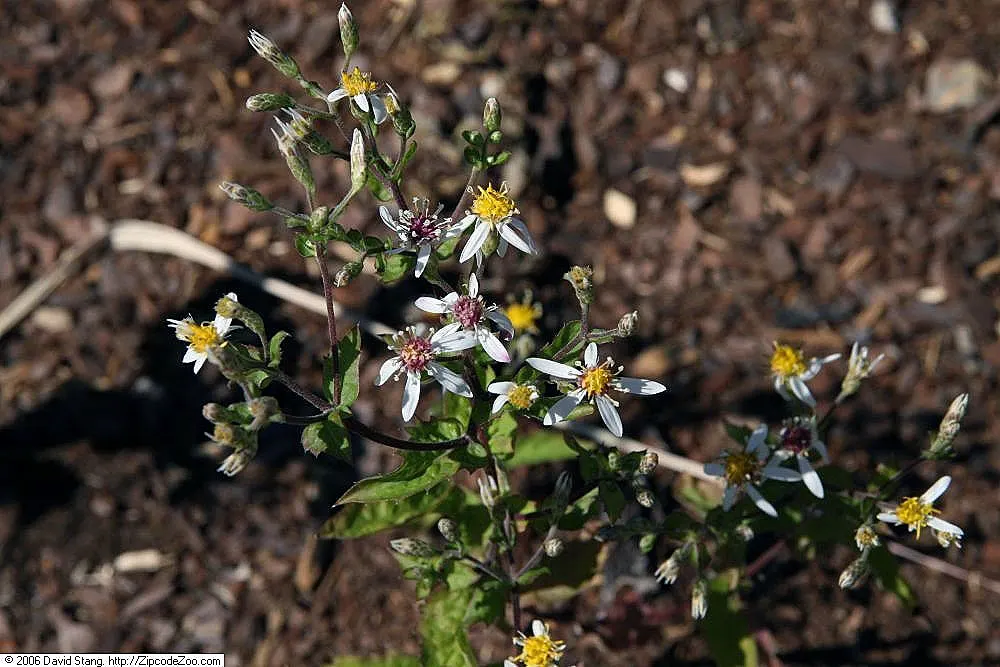
White Wood Aster (Eurybia divaricata) — The White Wood Aster's drought tolerance once established; this low-maintenance aster blooms from late summer to fall
White Wood Aster (Eurybia divaricata) — offering late-season nectar for pollinators in USDA zones 3-8; blooming profusely from late summer into fall
White Wood Aster (Eurybia divaricata) — the White Wood Aster reaches an average height and spread of 1 to 3 feet and 1 to 2.5 feet; starry white flowers with
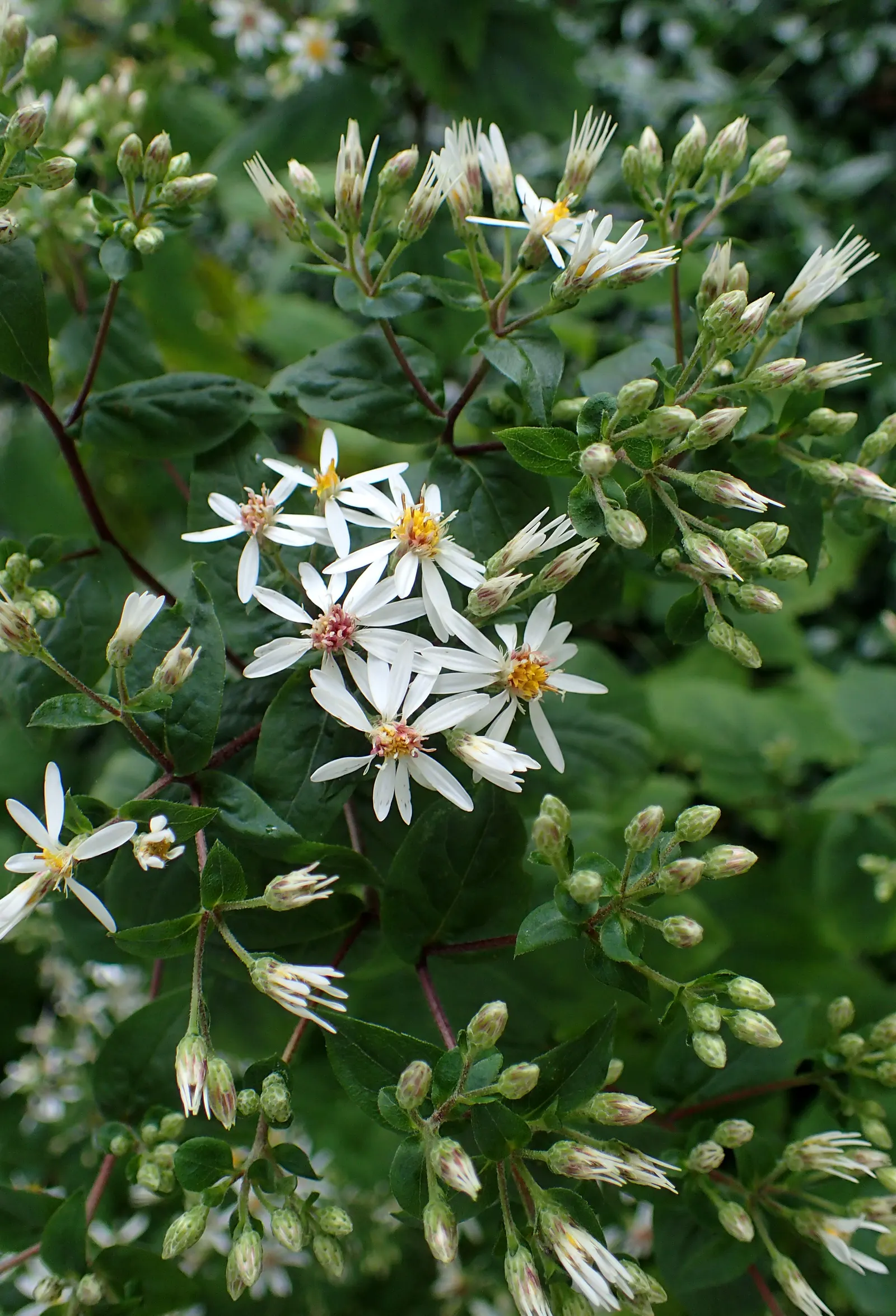
White Wood Aster (Eurybia divaricata) — scientifically named Eurybia divaricata (formerly Aster divaricatus); white Wood Aster (Eurybia divaricata) is a North
White Wood Aster (Eurybia divaricata) — Blooming profusely from late summer into fall; native to the eastern United States
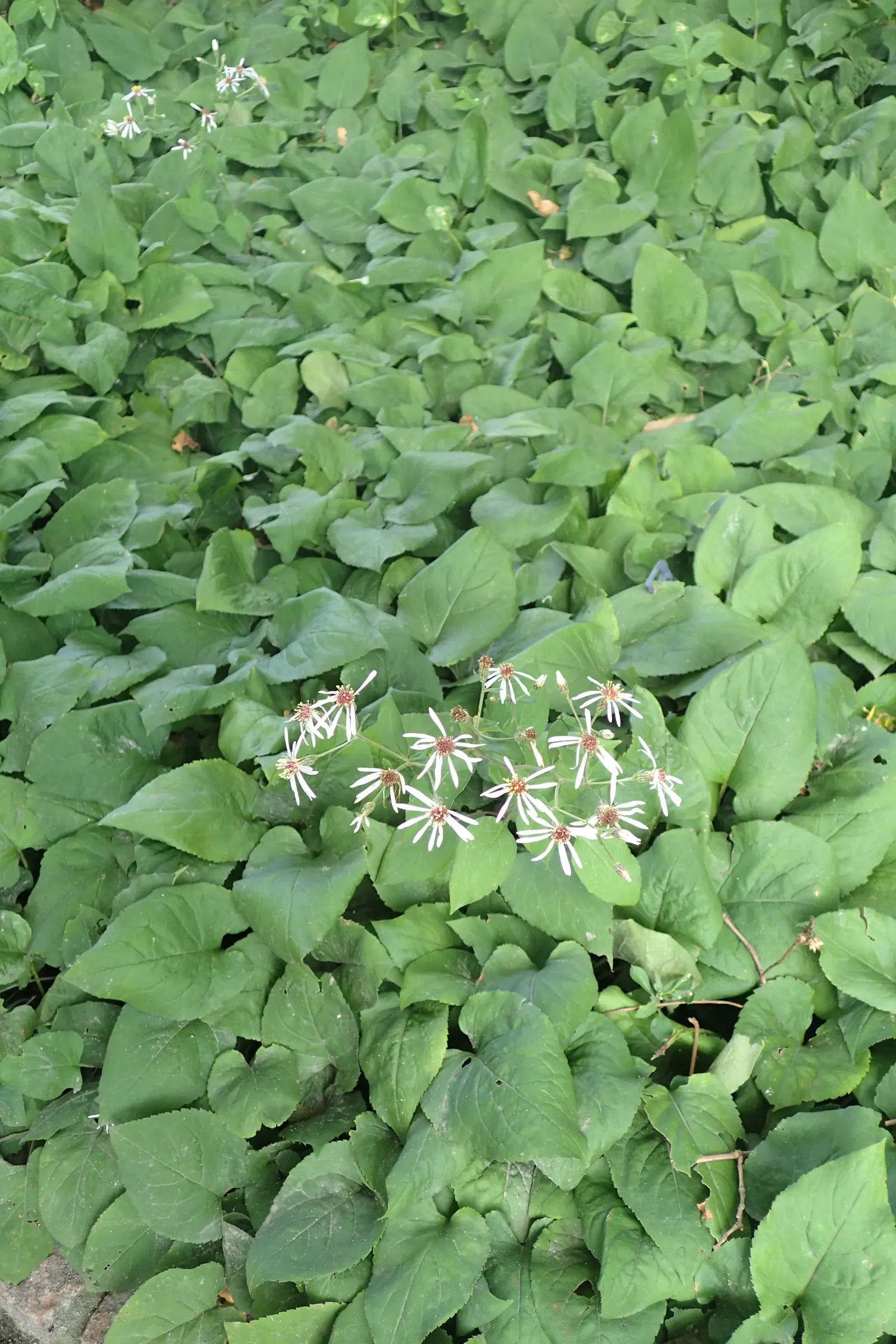
White Wood Aster (Eurybia divaricata) — the White Wood Aster reaches an average height and spread of 1 to 3 feet and 1 to 2.5 feet; starry white, image 64
White Wood Aster (Eurybia divaricata) — Blooming profusely from late summer into fall; native to the eastern United States, image 65
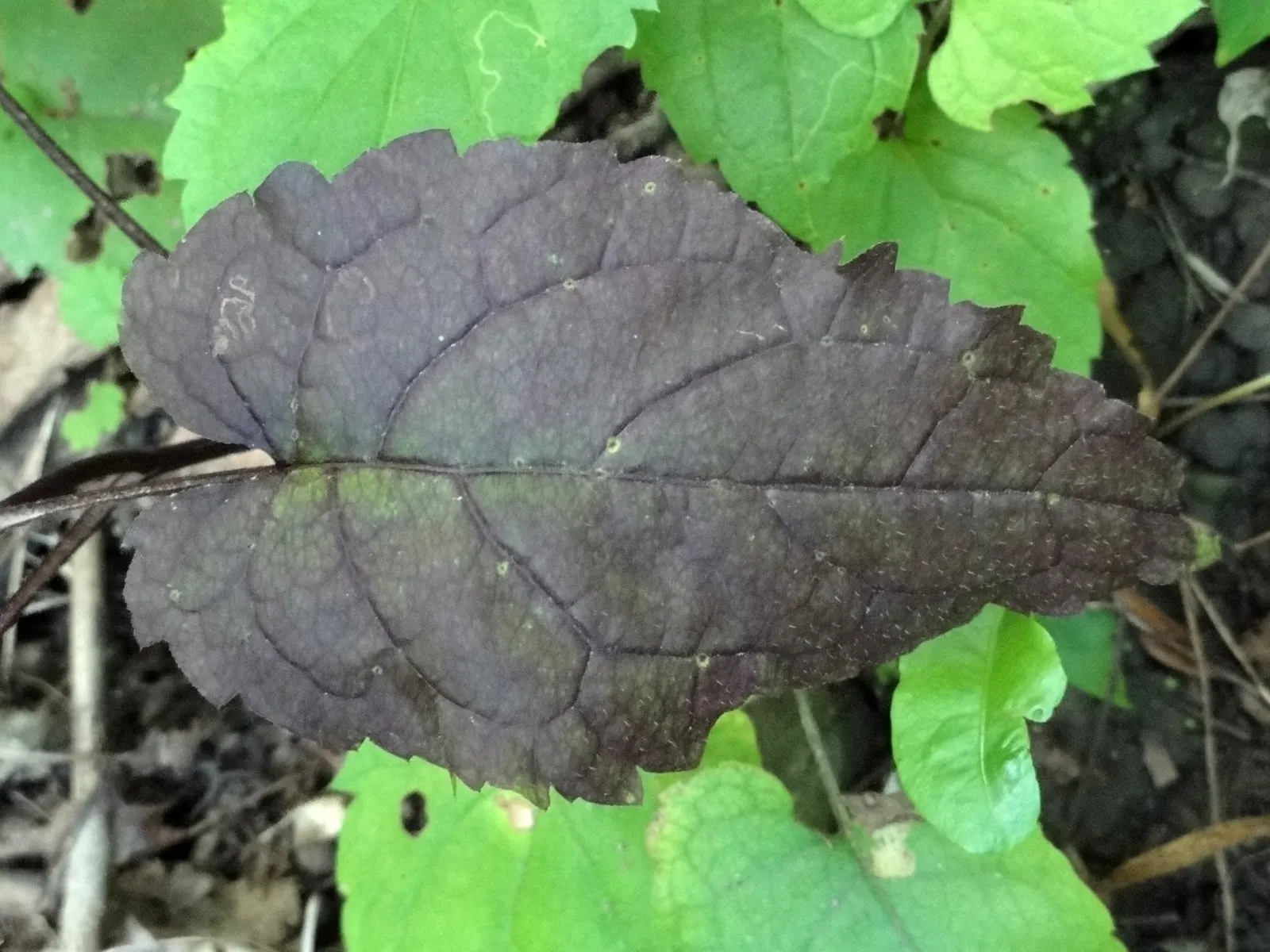
White Wood Aster (Eurybia divaricata) — This low-maintenance aster blooms from late summer to fall; offering late-season nectar for pollinators in, image 57
White Wood Aster (Eurybia divaricata) — It tolerates a wide range of soil types, including clay, as long as the area boasts good drainage; white, image 67
White Wood Aster (Eurybia divaricata) — particularly during dry spells
White Wood Aster (Eurybia divaricata) — coupled with its propensity for spreading by self-seeding
White Wood Aster (Eurybia divaricata) — this woodland gem thrives in hardiness zones 3 through 8; although it will forgive occasional lapses in, image 63
White Wood Aster (Eurybia divaricata) — Native to the eastern United States; it tolerates a wide range of soil types, including clay, as long as, image 88
White Wood Aster (Eurybia divaricata) — the White Wood Aster reaches an average height and spread of 1 to 3 feet and 1 to 2.5 feet
White Wood Aster (Eurybia divaricata) — Ideal for naturalized or woodland garden settings; ensure that Eurybia divaricata receives regular watering, image 85
White Wood Aster (Eurybia divaricata) — Native to the eastern United States; it tolerates a wide range of soil types, including clay, as long as, image 62
White Wood Aster (Eurybia divaricata) — White Wood Aster (Eurybia divaricata) is a North American native perennial with heart-shaped; thriving in, image 79
White Wood Aster (Eurybia divaricata) — white flowers in the garden; is an elegant perennial well-suited to bringing understated beauty to shaded, image 76
White Wood Aster (Eurybia divaricata) — making it an excellent choice for woodsy gardens or areas under the canopy of larger trees; coupled with, image 66
White Wood Aster (Eurybia divaricata) — allows it to naturalize and fill in spaces with a charming
White Wood Aster (Eurybia divaricata) — Ideal for naturalized or woodland garden settings
White Wood Aster (Eurybia divaricata) — Thriving in partial to full shade, it reaches 1-3 feet in height and spreads up to 2 feet; perennial with, image 82
White Wood Aster (Eurybia divaricata) — this woodland gem thrives in hardiness zones 3 through 8
White Wood Aster (Eurybia divaricata) — making it an excellent choice for woodsy gardens or areas under the canopy of larger trees; coupled with its propensity
Photographs by 11 contributors

Related plants